August 2026 sustainability adjacent national holidays and global observances

August 2026 sustainability adjacent national holidays and global observances

Looking ahead, we see a blend of cultural traditions and today’s environmental needs. This guide builds on our earlier work, “Week of Aug 9 to 16: Reflect on Sustainability and Holidays.” It covered Singapore’s independence and Indigenous Peoples’ Day.

We see these August 2026 events as a mix of independence days, remembrance, and cultural highlights. Our aim is to view these through a green lens. This supports local efforts rather than pushing a single environmental message.

Planning travel, education, or community projects? These sustainability initiatives August 2026 guide you. By honoring the unique nature of global observances sustainability August 2026, we can build stronger international ties.

August 2026 sustainability adjacent national holidays and global observances: context from the 2025 calendar

We’re looking at August 2026 with a new lens. Our previous review helped us understand how to mix cultural events with caring for the planet.

How the 2025 sustainability-and-holidays article informs the 2026 edition

Connect independence, remembrance, culture, and environmental stewardship without treating national holidays as interchangeable

Last year, we learned that national holidays August 2026 are more than just dates. Days like the National Day of Benin or Emancipation Day in Guyana have deep meanings. We should respect these days and not just use them for any message.

Independence days often talk about being self-sufficient and managing resources well. By understanding these celebrations, we connect better with global goals.
Using a green lens for a United States audience

Respect local meaning while highlighting community resilience, food systems, biodiversity, energy, water, mobility, and waste reduction

In the U.S., we need to make global events meaningful for our local lives. We focus on August 2026 calendar sustainability events that matter here. This way, we can live in a way that’s good for the planet.

When we talk about things like saving water or protecting nature, we aim to make it real. We want our readers to see how they can make a difference every day.

How to read the August 2026 calendar

Separate fixed dates, movable observances, national holidays, regional celebrations, awareness days, and month-long campaigns

To make the calendar useful, we sort events by type. We need to know the difference between official holidays and community efforts. This helps groups plan their August 2026 eco-friendly holidays well.

Event CategoryPrimary FocusSustainability Potential
National HolidaysStatehood & HistoryHigh (Policy & Civic)
Awareness DaysSpecific CausesVery High (Action)
Regional CelebrationsLocal HeritageModerate (Community)
Month-long CampaignsBroad AdvocacyHigh (Educational)

August 1โ€“4: independence, emancipation, regional identity, and sustainable beginnings

Vibrant celebration scene depicting the National Day of Benin, highlighting independence and global observance festivities. In the foreground, people dressed in traditional Beninese attire and modest casual clothing joyfully engage in dance and music, showcasing regional identity. In the middle, colorful flags and banners wave, symbolizing unity and freedom, along with a diverse group of individuals from around the world participating in the festivities, representing global independence. The background features a sunny park setting with lush greenery and cultural landmarks, bathed in warm, golden sunlight. The atmosphere is uplifting and festive, capturing the spirit of sustainability and new beginnings. Shot with a wide-angle lens to encompass the lively scene, creating a sense of inclusivity and celebration. The Sustainable Digest.

As August starts, people around the world celebrate important days. These days remind us of the power of freedom and local traditions. They teach us to think deeply about our communities.

August 1 national and regional celebrations

National Day of Benin and Benin Independence Day

The National Day of Benin and Benin Independence are big moments for West Africa. They celebrate the country’s fight for freedom and its cultural pride.

Colorado Day and Emancipation Day in Guyana

In the U.S., Colorado celebrates becoming a state. Emancipation (Guyana) marks the end of slavery. Both days help us think about freedom and growth.

Guadalcanal Province Day, Switzerland National Day, and Yorkshire Day

Guadalcanal Province and Switzerland National Day focus on local and national unity. Yorkshire Day celebrates the unique culture of a historic English area.

Makira-Ulawa Province Day and Pidjiguiti Day

Makira-Ulawa Province Day is about pride in the Solomon Islands. Pidjiguiti Day is a serious reminder of the fight for freedom in Guinea-Bissau.

August 2โ€“4 civic and cultural milestones

Republic Day in North Macedonia

Republic Day in North Macedonia is key for civic identity. It makes people think about their country’s democracy.

Cook Islands Constitution Day and Founderโ€™s Day

Cook Islands Constitution Day and Founder’s Day worldwide highlight important laws and history. They shape our modern societies.

Matica Slovenska Day and National South Carolina Day

Matice Slovenska Day is about keeping Slovak culture alive. National South Carolina Day celebrates the Palmetto State’s history and beauty.

Making celebrations more sustainable

Support local producers, public transportation, reusable serviceware, cultural preservation, and community-led conservation

To make these holidays greener, we need to act on purpose. Choosing local products and public transport helps reduce waste. It also honors our cultural heritage.

HolidayPrimary FocusSustainability Action
Benin IndependenceNational SovereigntySupport local artisans
Colorado DayState IdentityUse public transit
Switzerland NationalCultural UnityReusable serviceware
South Carolina DayRegional HeritageCommunity conservation

August 5โ€“8: national independence, landlocked development, and living landscapes

The start of August is a key time. It’s where history meets global teamwork. It makes us think about how our national identity helps us tackle big challenges.

August 5 observances and cultural continuity

Burkina Faso Independence Day

Burkina Faso celebrates its freedom. This day shows the nation’s fight for self-rule. It reminds us of the need for a strong future in the Sahel.

World Wide Web Day, Blogger Day, and International Clouded Leopard Day

We celebrate digital connections and wildlife. International Clouded Leopard Day shows how important it is to protect rare animals. It encourages us to use tech to help endangered species.

August 6 national days and development themes

Bolivia Independence Day and Jamaica Independence Day

The days of Bolivia & Uruguay Independence and Jamaica & Ukraine Independence show different paths to freedom. They help us see how freedom and economic stability connect.

International Day of Awareness of the Special Development Needs and Challenges of Landlocked Developing Countries

This day focuses on the special problems of countries without sea access. Solving these issues is key for strong supply chains and fair global markets.

Farmworker Appreciation Day and Celebrations of San Salvador

Farmworker Appreciation Day honors the people who grow our food. The Battle of Boyaca and San Salvador celebrations remember the struggles that shaped our regions.

August 7โ€“8 remembrance and community observances

Cรดte dโ€™Ivoire Independence Day and Peace Festival Augsburg

Ivory Coast/Cรดte d’Ivoire Independence is a time for national pride and looking back on progress. The Peace Festival Augsburg teaches us about solving conflicts and the power of community.

National Tarantula Appreciation Day and National Minority Donor Awareness Day

These days highlight the value of diversity and health. They teach us to appreciate the complex world around us, like the tarantula.

Made in the Philippines Product Week

Made in the Philippines Product Week celebrates local crafts and green production. Buying local goods helps the planet and supports local communities.

Green connections for food, biodiversity, and equitable development

Link farmworker recognition with soil health, fair labor, agroecology, and habitat protection

Real sustainability links farmworkers to the health of our soil. Supporting fair labor helps our soil and protects nature.

“The health of our soil is inextricably linked to the dignity of those who tend it; true progress is measured by how we treat both the land and the worker.”

ObservancePrimary FocusSustainability Impact
International Clouded Leopard DayBiodiversityHabitat preservation
Landlocked Countries DayEconomic DevelopmentSupply chain resilience
Farmworker Appreciation DaySocial EquityAgroecology support
Made in the Philippines WeekLocal EconomyReduced carbon footprint

August 9โ€“12: Indigenous knowledge, humanitarian action, and healthy ecosystems

A vibrant celebration of the International Day of the World's Indigenous Peoples, depicting a diverse group of Indigenous individuals in traditional, modest clothing engaged in communal activities related to sustainability and environmental stewardship. In the foreground, a woman and a man are planting native trees, embodying the connection to the earth. The middle ground features a lush landscape with diverse flora, showcasing healthy ecosystems, while a small gathering of people share stories and knowledge around a fire. In the background, a serene sunset casts warm amber and soft orange hues across the sky, symbolizing hope and unity. The mood is one of respect, harmony, and cultural richness, perfectly encapsulating the theme of Indigenous knowledge and humanitarian action. This artwork is intended for "The Sustainable Digest."

Between August 9 and 12, we see a mix of global heritage, humanitarian efforts, and caring for our planet. This time invites us to think about how national and international events help us work towards a sustainable future.

August 9 national and international observances

Singapore National Day

Singapore National Day is a big moment for the country. It shows how a small nation can grow fast while taking care of the environment.

Nagasaki Memorial Day and International Day of the Worldโ€™s Indigenous Peoples

The Nagasaki Memorial reminds us of the cost of war. The International Day of the Worldโ€™s Indigenous Peoples focuses on keeping ancient wisdom alive. It’s key to listen to Indigenous leaders for a better environment.

Suriname Indigenous Peopleโ€™s Day

Suriname Indigenous Peopleโ€™s Day is important for recognizing local culture. It helps keep our world diverse and rich.

August 10 national celebrations and nature awareness

Ecuador Independence Day and Abai Day

Ecuador Independence Day celebrates freedom. Abai Day honors Abai Qunanbaiuly’s work. These days show how national pride and cultural history go hand in hand.

International Biodiesel Day and World Lion Day

International Biodiesel Day promotes cleaner energy. World Lion Day highlights the need to protect wildlife and their homes.

Celebrations of Santo Domingo begin

The start of Santo Domingo’s festivities adds color to the calendar. These events help bring communities together for a greener future.

August 11โ€“12 youth, heritage, and humanitarian themes

Chad Independence Day and Steelpan Day

Chad Independence Day shows the nation’s strength. Steelpan Day celebrates Caribbean music. Both days show how culture strengthens communities.

International Youth Day and World Lizard Day

International Youth Day empowers young people to fight climate change. World Lizard Day reminds us to protect all life on Earth.

Hip Hop Day, World Elephant Day, and Motherโ€™s Day in Thailand

Hip Hop Day shows the power of music. World Elephant Day and Motherโ€™s Day in Thailand highlight the importance of caring for our planet and each other.

Glorious Twelfth and Woman Astronomers Day

The Glorious Twelfth starts the hunting season, sparking debates. Woman Astronomers Day celebrates women in science, inspiring the next generation.

Environmental applications for schools and communities

Center Indigenous leadership, youth participation, wildlife corridors, clean fuels, and creative climate communication

Schools can use these dates to teach about sustainability. By centering Indigenous leadership and youth participation, they can create better climate plans.

Communities should work on wildlife corridors and clean fuels. Using creative climate communication can make environmental issues easier to understand.

August 13โ€“16: liberation, migration, food cultures, and shared memory

The middle of August is a time of deep reflection. It’s when we think about history, culture, and freedom. It’s a chance to see how big events and traditions shape our world.

August 13โ€“14 milestones

Anniversary of the Recovery of Oued Ed-Dahab

The Anniversary of the Recovery of Oued Ed-Dahab is a big moment. It reminds us of the complex history of a region. It shows the power of coming together as a nation.

National Lizard Day, National Aviation Week, and Navajo Code Talkers Day

These days show our diverse interests. From National Lizard Day to Navajo Code Talkers Day, they teach us about the world. National Aviation Week makes us think about how we travel and its impact on the planet.

Pramuka Day and Pakistan Independence Day

Pramuka Day celebrates scouting and youth. Pakistan Independence Day honors a nation’s culture and freedom. Both days are about building community and getting involved.

National Aviation Day and National Zoo Awareness Day

National Aviation Day looks at aerospace progress, while National Zoo Awareness Day is about wildlife. These days help us talk about protecting our environment and animals.

August 15 national days and historic foundations

India Independence Day and Liechtenstein National Day

India Independence Day celebrates freedom and democracy. Liechtenstein National Day shows the country’s culture and history.

National Acadian Day and Malaita Province Day

National Acadian Day honors the Acadian people’s strength and heritage. Malaita Province Day celebrates the Solomon Islands’ pride and goals.

Foundation of Old Panama City and Founding of Asunciรณn in Paraguay

The Foundation of Old Panama City and the Founding of Asunciรณn in Paraguay highlight the history of cities in the Americas. They give us a chance to learn about city growth and preserving heritage.

National Liberation Day of Korea and the Parsi New Year

The National Liberation Day of Korea is a symbol of freedom. The Parsi New Year is about renewal, family, and keeping traditions alive.

August 16 cultural and religious observances

Womenโ€™s and Family Day

Womenโ€™s and Family Day celebrates the role of families in keeping communities strong. It’s a time to honor women’s contributions to our world.

Cook Islands, South Asian, and diaspora celebrations that emphasize food, family, and community ties

These celebrations focus on food and cultural exchange. They show how important it is to keep traditions alive, even when far from home.

Low-impact approaches to large public celebrations

Prioritize accessible transit, heritage conservation, plant-forward menus, water refill stations, and responsible tourism

Big events can be made greener by focusing on accessible transit and heritage conservation. Using plant-forward menus and water refill stations can also help. By encouraging responsible tourism, we protect local cultures and the environment.

DateObservancePrimary Theme
August 13Anniversary of the Recovery of Oued Ed-DahabNational Unity
August 14Pakistan Independence DaySovereignty
August 15India Independence DayFreedom
August 15Parsi New YearCultural Renewal
August 16Womenโ€™s and Family DaySocial Cohesion

August 17โ€“20: constitutions, liberation anniversaries, learning, and planetary health

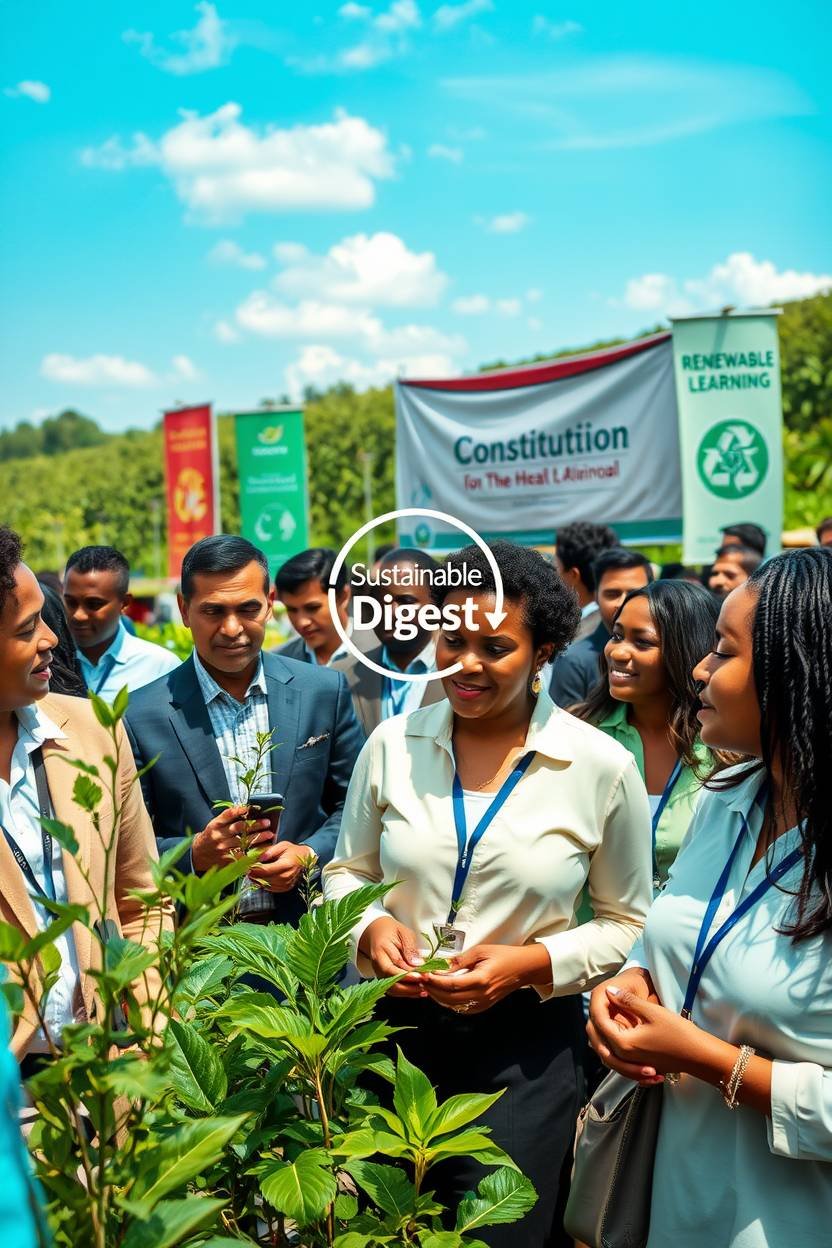
A vibrant scene depicting global observances and sustainability themes, showcasing an outdoor gathering celebrating liberation anniversaries and constitutional achievements. In the foreground, a diverse group of individuals in professional business attire share ideas, surrounded by sustainable decorations like plants and recycling symbols. The middle ground features banners symbolizing global health and learning, with Earth tones and soft greens conveying harmony. In the background, a bright blue sky and a green landscape represent planetary health, with subtle hints of renewable energy sources like wind turbines. The atmosphere is hopeful and uplifting, emphasizing unity and progress. Soft, natural lighting enhances the scene. The Sustainable Digest logo is prominently featured in the center of the image without any text interruptions.

Between August 17 and 20, we see a mix of political freedom, learning, and caring for our planet. These days make us think about how we can balance our national identity with global responsibility in today’s fast-changing world.

August 17 national holidays

Gabon Independence Day and National Massachusetts Day

Gabon Independence Day reminds us of the nation’s path to freedom. National Massachusetts Day celebrates the roots of the United States. Both days teach us to value the systems that keep our societies strong.

Indonesia Independence Day and Slovenians in Prekmurje Incorporated into the Mother Nation Day

Indonesia Independence Day celebrates freedom and unity. Slovenians in Prekmurje Incorporated into the Mother Nation Day honors a people’s culture and land. It shows how shared heritage is key in today’s governance.

August 18โ€“19 civic, cultural, and humanitarian observances

Indonesia Constitution Day and Made in the Philippines Product Week

Indonesia Constitution Day strengthens the laws that protect democracy. Made in the Philippines Product Week boosts local businesses and ethical shopping. Both are crucial for sustainable growth.

International Orangutan Day and National Aviation Day

International Orangutan Day focuses on saving endangered species. National Aviation Day celebrates technology but also talks about travel’s carbon footprint.

World Humanitarian Day and the environmental needs of displaced communities

World Humanitarian Day brings attention to displaced people. It’s important to meet their environmental needs, like safe water and energy.

August 20 environmental and public-health observances

Hungary National Day and World Mosquito Day

Hungary National Day honors the nation’s history. The World Mosquito Day reminds us of the need for disease prevention in a warmer world.

World Distance Learning Day and World Plant Milk Day

Genuially, World Distance Learning Day shows the power of online education. World Plant Milk Day encourages us to choose food that’s better for our planet.

National Zoo Awareness Day and International Biodiesel Day connections

National Zoo Awareness Day connects us with wildlife conservation. International Biodiesel Day promotes cleaner energy to replace fossil fuels.

Sustainability themes for institutions and households

Pair digital access with energy efficiency, responsible disease prevention, habitat protection, and lower-impact food choices

Institutions and homes can make these days part of their daily life for a greener future. By using digital tools wisely and saving energy, we can help the planet while reaching more people.

ObservancePrimary FocusSustainability Impact
International Orangutan DayWildlife ConservationHabitat Protection
World Plant Milk DayDietary ChoicesResource Conservation
International Biodiesel DayRenewable EnergyCarbon Reduction
World Distance Learning DayEducationEnergy Efficiency

August 21โ€“24: remembrance, religious freedom, flags, and national renewal

The time from August 21 to 24 is a bridge between looking back and moving forward. It’s a time to face global truths and celebrate the strength of countries.

August 21โ€“22 observances

International Day of Remembrance and Tribute to the Victims of Terrorism

August 21 is the International Day of Remembrance and Tribute to the Victims of Terrorism. It’s a day to honor those hurt by violence and to stand together for peace.

Russian Flag Day and Liberian Flag Day

On August 22, we celebrate the Russian & Liberia Flag. These days are about national pride and the symbols of our shared history.

International Day Commemorating the Victims of Acts of Violence Based on Religion or Belief

August 22 also marks the International Day Commemorating the Victims of Acts of Violence Based on Religion or Belief. It reminds us of the fight for human rights and the importance of freedom of belief.

World Plant Milk Day and the Day of the National Flag

Amid serious days, August 22 also celebrates the Day of the National Flag. Plus, World Plant Milk Day encourages us to think about our food’s impact on the planet.

August 23 historical remembrance

International Day for the Remembrance of the Slave Trade and Its Abolition, recognized by UNESCO

August 23 is for the International Day for the Remembrance of the Slave Trade and Its Abolition [UNESCO]. It confronts us with the dark history of slavery and the ongoing fight for equality.

European Day of Remembrance for Victims of Stalinism and Nazism

The European Day of Remembrance for Victims of Stalinism and Nazism is also on this day. It warns us against the dangers of total control and the loss of freedom.

August 24 national and revolutionary milestones

Ukraine Independence Day and Revolution Commemoration

August 24 celebrates Ukraine Independence and Revolution Commemoration. These events show our desire for freedom and the bravery to fight for it.

Anniversary of the Revolution of the King and the People

This day also honors the Anniversary of the Revolution of the King and the People. It shows the bond between leaders and their people.

Turning remembrance into responsible action

Address environmental injustice, protect cultural sites, challenge exclusion, and support peacebuilding organizations

Real remembrance leads to action. By linking past lessons to today’s issues, we can build a fairer world.

  • Protect cultural sites threatened by war or neglect.
  • Address environmental injustice by helping communities harmed by pollution.
  • Challenge exclusion in laws to make sure everyone’s voice is heard.
  • Support peacebuilding organizations that aim to stop violence before it starts.

August 25โ€“31: independence anniversaries, African heritage, and environmental responsibility

A vibrant scene depicting National Zoo Awareness Day and community conservation initiatives. In the foreground, eco-friendly exhibits showcasing endangered animals with detailed signage about conservation efforts, alongside families of diverse backgrounds, including individuals in professional business attire observing and interacting. The middle ground features a lush, green zoo landscape with educational booths staffed by enthusiastic conservationists, emphasizing environmental responsibility. Animals roam freely in naturalistic enclosures, while engaged visitors participate in interactive activities. The background presents a clear blue sky with gentle sunlight filtering through trees, creating an inviting and hopeful atmosphere. The composition is captured with a wide-angle lens to emphasize the bustling community spirit and commitment to sustainability, with a focus on harmonious coexistence between people and wildlife. The Sustainable Digest logo is subtly integrated into the layout.

As August ends, we see a mix of national pride, human rights, and caring for our planet. This week, we think about how past events shape our future. We aim for a world that’s both sustainable and fair.

August 25โ€“27 national and regional celebrations

Uruguay Independence Day

On August 25, we celebrate Uruguay Independence Day. It makes us think about the importance of democracy and nature. It shows how a nation’s identity is tied to its culture and environment.

National Zoo Awareness Day and community conservation initiatives

Then, National Zoo Awareness Day focuses on zoos and saving nature. These places are key for learning and research. They help us understand and protect our planet.

August 28โ€“29 civic and international observances

Emirati Womenโ€™s Day

Emirati Womenโ€™s Day celebrates women’s roles in the UAE. It shows how important it is to include everyone in solving big problems like climate change.

International Day against Nuclear Tests

The International Day against Nuclear Tests looks at how safety and nature are connected. It reminds us of the lasting effects of nuclear tests on our planet and health.

National Diatomaceous Earth Day and science-based environmental education

National Diatomaceous Earth Day teaches us about natural ways to farm and control pests. It promotes learning about the environment. This helps us care for our soil and water.

August 30 remembrance and human rights

International Day of the Victims of Enforced Disappearances

The International Day of the Victims of Enforced Disappearances is a serious day. It highlights the need for human rights in any society. It calls for truth and justice, key for a sustainable future.

Falklands observances and the importance of place-based historical context

Falklands observances show why knowing a place’s history is important. It helps in building peace and a sustainable future, especially in disputed areas.

“True sustainability requires us to honor the past while building a future that respects both human dignity and the natural world.”

August 31 national celebrations

Malaysia Independence Day and Trinidad and Tobago Independence Day

The month ends with Malaysia Independence Day and Trinidad and Tobago Independence Day. These days are great for thinking about how these countries balance growth and protecting the environment.

International Day for People of African Descent

The International Day for People of African Descent celebrates African culture and strength. It’s a time to recognize the important role Africans play in saving our planet.

National Acadian, Caribbean, and Southeast Asian cultural connections

Looking at National Acadian, Caribbean, and Southeast Asian cultural connections shows how diverse traditions help us care for the planet. These cultures share knowledge that’s crucial for solving today’s environmental problems.

End-of-month sustainability actions

Use cultural programming to support environmental justice, ocean protection, biodiversity, and transparent civic participation

As we wrap up the month, think about how culture can lead to change. Here are some ways to make your community more sustainable:

  • Support environmental justice by talking about local issues in your events.
  • Promote ocean protection with workshops on marine life.
  • Encourage transparent civic participation by inviting leaders to talk about green policies.

August 2026 sustainability awareness days for nature, technology, and public health

In August 2026, we find a special mix of days that focus on the environment, health, and tech. These days are more than just dates. They help us live more mindfully and make big changes.

Wildlife and ecosystem observances

World Lion Day, International Clouded Leopard Day, World Elephant Day, International Orangutan Day, and World Lizard Day

These days remind us of the need to protect our planet’s animals and their homes. By focusing on animals like lions and elephants, we learn about the health of our ecosystems.

National Tarantula Appreciation Day, National Zoo Awareness Day, and National Diatomaceous Earth Day

Many people don’t think about the small creatures or the role of places like zoos. National Zoo Awareness Day and National Diatomaceous Earth Day help us understand the importance of conservation and managing pests.

International Lake Day, World Environment Day-related programming, and habitat restoration

Lakes are key to keeping our environment healthy. International Lake Day and World Environment Day help us work together on projects that protect our planet.

Health, food, and household sustainability observances

World Mosquito Day, World Breastfeeding Week, World Plant Milk Day, and International Biodiesel Day

What we eat and how we use energy affects many people. Days like World Plant Milk Day show us how to live in a way that’s better for the planet.

National Minority Donor Awareness Day and humanitarian health initiatives

Health fairness is crucial for a sustainable world. National Minority Donor Awareness Day shows us the need for healthcare that works for everyone.

Technology, learning, and communication

World Distance Learning Day, World Wide Web Day, Blogger Day, and Woman Astronomers Day

Technology can share knowledge widely, but it also uses a lot of energy. World Wide Web Day and Blogger Day teach us that our online actions affect the planet.

Use digital tools to expand environmental education while reducing misinformation and unnecessary energy use

We should use World Distance Learning Day to teach real knowledge, not just digital noise. Celebrating Woman Astronomers Day shows the value of science in fighting misinformation.

August 2026 cultural months, weeks, and community campaigns

A vibrant community celebration scene depicting "August 2026 Cultural Months and Community Sustainability Campaigns." In the foreground, diverse individuals in professional business attire engage in interactive booths showcasing local sustainable practices, such as urban gardening and recycling programs. Colorful banners flutter above, symbolizing various cultural observances. The middle ground features a green park setting with families participating in eco-friendly activities, surrounded by art installations made from recycled materials. In the background, a clear blue sky is dotted with fluffy clouds, and the sun casts warm, inviting light to evoke a sense of community spirit and togetherness. This image reflects the optimism and commitment to sustainability emphasized by The Sustainable Digest.

August 2026 is filled with community-driven campaigns. They connect cultural heritage with sustainable living. These observances give us a chance to live more eco-friendly while celebrating different traditions.

Month-long observances

Black Business Month and support for environmentally responsible entrepreneurs

Black Business Month is a key time to support minority-owned businesses that focus on green innovation. By backing these companies, we help build a fair and green economy.

American Adventures Month and lower-impact domestic travel

American Adventures Month encourages us to explore our own country. It’s a great time to choose lower-impact domestic travel like trains or local hikes. This helps reduce the carbon footprint of travel.

Week-long observances

World Breastfeeding Week and family-friendly public infrastructure

World Breastfeeding Week stresses the need for public spaces that are family-friendly. Such spaces are key to social sustainability and community health.

National Aviation Week and cleaner aviation, rail, and regional mobility conversations

National Aviation Week is a chance to talk about cleaner travel options. We need to find ways to connect while reducing emissions.

Made in the Philippines Product Week and ethical, durable purchasing

Made in the Philippines Product Week highlights the importance of quality and ethics. Buying durable goods helps reduce waste and supports fair trade.

Clutter Awareness Week and repair, reuse, donation, and responsible disposal

Clutter Awareness Week urges us to think about our buying habits. It encourages us to repair, reuse, donate, and dispose of items responsibly.

Community celebrations with environmental value

Lughnasadh, Parsi New Year, San Salvador celebrations, Santo Domingo celebrations, and regional harvest traditions

Cultural events like Lughnasadh and the Parsi New Year are deeply connected to nature. They often focus on seasonal foods and the natural world’s rhythms.

Build programs around seasonal foods, cultural consent, waste prevention, and local ecological knowledge

When planning events, it’s important to respect cultural consent. Sustainability works best when it’s a community effort. By focusing on waste and traditional wisdom, we keep these celebrations meaningful and green.

U.S. planning guide for August 2026 eco-friendly holidays

An inviting scene depicting a U.S. planning guide for eco-friendly holidays in August 2026. In the foreground, a neatly arranged picnic setup featuring reusable utensils, eco-friendly food containers, and a soft blanket atop a grassy park. The middle ground should include a diverse group of individuals in professional business attire discussing sustainability strategies, with a laptop and eco-themed materials spread out. In the background, a clear blue sky is complemented by trees and solar panels, symbolizing a commitment to green energy. The lighting should be bright and cheerful, evoking a productive yet relaxing atmosphere. This image conveys optimism about sustainable practices for upcoming holidays, with a modern and fresh aesthetic. Incorporate subtle branding elements from "The Sustainable Digest" throughout the scene without text.

Planning eco-friendly events for August 2026 needs careful planning and respect for cultures. By linking local events with global days, we can engage people and care for our planet.

Build a responsible observance calendar

Confirm official dates, distinguish federal holidays from awareness days, and identify local government or cultural authorities

Start by checking the exact dates for important days like International Youth Day or International Day of the World’s Indigenous Peoples. It’s important to know the difference between federal holidays and awareness days, like National Minority Donor Awareness Day or Woman Astronomers Day.

Talking to local government or cultural groups helps make sure your event is respectful. This is especially true for days like the Revolution Commemoration or National Acadian celebrations. Make sure to check the timing for Santo Domingo Celebrations Start to keep your efforts meaningful and respectful.

Choose practical sustainability initiatives

Organize park cleanups, tree care, habitat restoration, food drives, blood donation, climate education, and energy audits

Turn your calendar into action with initiatives that help the local environment. You could have a park cleanup during Clutter Awareness Week or tree care sessions on National Zoo Awareness Day.

Use National Diatomaceous Earth Day for educational workshops or energy audits when needed. These actions, along with food drives and blood donation, make a real difference in your community.
Make events accessible and low-waste

Offer public-transit information, ADA-accessible routes, refill stations, composting, reusable materials, and multilingual signage

Make sure your events are open to everyone. Provide clear public-transit info and ADA-accessible paths. Use refill stations and composting to reduce waste.

Choose reusable over single-use plastics to show you care about the planet. Also, use multilingual signs to share the importance of days like the International Day for People of African Descent or the Remembrance of the Slave Trade and Its Abolition [UNESCO] with all attendees.

Measure impact without reducing culture to metrics

Track participation, waste avoided, meals donated, habitat improved, and community feedback while honoring cultural meaning

While numbers are important, they shouldn’t be the only focus. Days like the International Day against Nuclear Tests or the International Day of the Victims of Enforced Disappearances carry deep cultural significance. Mix qualitative feedback with numbers like waste reduction or meals given out.

When remembering the International Day of Remembrance and Tribute to the Victims of Terrorism or the International Day Commemorating the Victims of Acts of Violence Based on Religion or Belief, focus on the human stories. Balance Awareness of the Special Development Needs and Challenges of Landlocked Developing Countries with local traditions like National Connecticut events. This way, you leave a lasting, thoughtful mark.

How to connect national holidays with global sustainability goals

August is a mix of human history and caring for our planet. It marks the Foundation of Old Panama City and the Founding of Asuncion in Paraguay. These dates make us think about our common past. It’s important to respect cultures and care for the environment at the same time.

By honoring the past, we help protect the future. Celebrating the Nagasaki Memorial or Ukraine Independence Day shows us the importance of peace. Joining World Humanitarian Day or the International Day for People of African Descent helps fight for fairness worldwide.

Everyone can pick actions that match their values. You might support Black Business Month or help reduce waste with Clutter Awareness Week. Celebrating World Elephant Day or learning about National Diatomaceous Earth Day connects us to our planet.

Every holiday, from the Anniversary of the Revolution of the King and the People to the Parsi New Year, is a chance to grow. Being intentional helps keep cultural traditions alive. Let these events guide you toward a greener, more aware lifestyle this month.

FAQ

Q: How does the August 2026 calendar build upon the sustainability insights from the previous year?

A: The 2026 calendar builds on the 2025 framework, focusing on sustainability and holidays. It links national celebrations like Singapore National Day and India Independence Day with caring for the environment. The 2026 guide also includes more global observances.It shows that sustainability initiatives should fit local needs, not just follow a generic plan. This approach respects cultural differences while promoting environmental care.

Q: Why is it important to distinguish between national independence days and international awareness days?

A: It’s key to keep these days separate to avoid a shallow calendar. National holidays, like National Day of Benin or Bolivia Independence Day, hold deep political and sovereign importance. Awareness days, such as International Biodiesel Day or World Steelpan Day, focus on specific causes.This distinction helps cultural diplomats and global professionals honor historical milestones. It also lets them promote important causes like habitat restoration or clean energy.

Q: How can digital-themed observances like World Wide Web Day and Blogger Day support environmental goals?

A: Digital tools use energy, but World Wide Web Day and Blogger Day can help teach about the environment. In 2026, these days encourage using modern technology to share science-based environmental education.It’s important to also talk about the carbon footprint of data centers and the spread of climate misinformation.

Q: What is the significance of the International Day of Awareness of the Special Development Needs and Challenges of Landlocked Developing Countries?

A: This day highlights the unique challenges faced by countries without sea access. It focuses on market access and equitable development. This day shows how transport costs and infrastructure needs impact sustainability in 32 landlocked nations.It bridges the gap between international relations and environmental justice.

Q: How do wildlife-focused days like World Lion Day and International Clouded Leopard Day intersect with human development?

A: Days like World Lion Day and International Clouded Leopard Day stress the importance of habitat protection and biodiversity. They advocate for wildlife corridors and community-led conservation.These efforts show that healthy ecosystems are vital for the stability of the regions celebrating their national holidays.

Q: In what ways does World Humanitarian Day address environmental concerns in 2026?

A: World Humanitarian Day focuses on the environmental needs of displaced communities. It ensures safe water, sanitation, and energy access for refugees and those affected by conflict or climate disasters.This day reminds us that sustainability is linked to human rights and peacebuilding.

Q: How can households participate in sustainability through dates like World Plant Milk Day and Clutter Awareness Week?

A: These dates offer ways for conscious consumers to reduce waste and make lower-impact food choices. World Plant Milk Day encourages plant-forward menus. Clutter Awareness Week promotes the circular economy through repair, reuse, and responsible disposal.These efforts show that global observances can lead to immediate local action.

Q: Why are cultural milestones like Parsi New Year and Lughnasadh relevant to sustainability?

A: Festivals like Parsi New Year (Navroz) and the Celtic harvest festival Lughnasadh are rooted in local ecological knowledge and seasonal foods. By honoring these traditions, travelers and community planners can support cultural preservation.They also promote biodiversity education and responsible tourism.

Q: What role does public health play in the August 2026 eco-friendly calendar?

A: Days like World Breastfeeding Week and World Mosquito Day connect public health with sustainable infrastructure and responsible disease prevention. National Minority Donor Awareness Day highlights the need for equitable healthcare systems.This is a key part of the United Nations Sustainable Development Goals.

Q: How should U.S.-based organizations plan for niche observances like Woman Astronomers Day or National Diatomaceous Earth Day?

A: Organizers should use these days to build community resilience and science-based learning. Whether celebrating Woman Astronomers Day to promote STEM education or using National Diatomaceous Earth Day to discuss natural pest control, the goal is to have a real impact.It’s important to verify official dates and work with cultural authorities to ensure authenticity and measurable results.

Q: How can the Anniversary of the Revolution of the King and the People or Ukraine Independence Day be observed with a focus on sustainability?

A: These national revolutionary milestones can be honored by addressing environmental injustice and protecting cultural sites during times of change. In 2026, sovereignty is linked to managing natural resources and achieving energy independence.This makes climate resilience a modern form of national liberation.
Key Takeaways

  • Find a balance between cultural celebrations and caring for the environment.
  • Use this guide for travel, diplomacy, and community planning in August.
  • Remember, local needs should come first, not just green messages.
  • Expand on the insights from our 2025 research series.
  • Engage with different groups by respecting each celebration’s unique context.

2026 World Earth Day and Earth Week Across the Global

2026 World Earth Day and Earth Week Across the Global

Nature care grew from small ideas into massive global movements. Every year, earth day serves as a key moment for over one billion citizens to help our planet. This movement shows that our world needs real action plus strong goals to thrive.

Since first 1970 protests, this event expanded into 192 countries plus all US territories. Growing participation ensures earth day remains a main tool for green progress. By engaging diverse people, movement transforms a single calendar day into a week of intense focus.

Leadership shifts toward Global South plus BRICS nations as they find new ways to grow. These regions are now central to solving climate crises through smart green plans. BRICS nations help earth day reach new levels of international work.

Their awareness of nature risks drives local actions yielding great results. Strong action ensures climate goals remain at heart of fiscal planning. As earth day approaches, synergy between local states plus international cities becomes very clear.

We see how people united by common goals can still protect our planet from harm. This earth day inspires a shared promise for lasting peace.

Understanding Earth Day and Earth Week 2026

Transitioning from a niche protest to a global standard, the 2026 environmental calendar highlights a week-long mobilization that dwarfs the original 1970 movement. This period serves as a critical juncture for assessing our ecological debts while celebrating our shared progress. It is a moment where high-level policy meets grassroots grit across nearly every time zone on the planet.

The observance functions as both a commemoration of past successes and a mobilization for future needs. It addresses contemporary challenges including climate change, plastic pollution, and biodiversity loss. By connecting neighborhood initiatives to international agreements, the movement seeks to create a more resilient global ecosystem.

What Is Earth Day 2026

Earth Day 2026 occurs on Wednesday, April 22, maintaining the fixed calendar date established over five decades ago. This day 2026 observance represents far more than just a symbolic gesture or a corporate branding opportunity. Instead, it acts as a mobilization point where local communities organize tangible environmental improvements and educational initiatives.

The focus for earth day 2026 remains on generating measurable outcomes in pollution reduction and ecosystem restoration. Participation involves everything from small-scale river cleanups to advocating for national policy changes. It is a day designed to hold institutions accountable while empowering individuals to protect their local environments.

Earth Week 2026 Timeline and Global Observance

Understanding the timeline reveals the strategic thinking behind the modern expansion into Earth Week. Coordinated activities will begin as early as April 18, creating sustained momentum for environmental action. This extended time allows for a wider variety of events that accommodate diverse schedules and cultural contexts.

Concentrated activities on specific days allow for heightened media attention and major policy announcements. By spreading engagement across the week, organizers ensure that the environmental message resonates longer. This structure prevents the movement from becoming a fleeting moment of concern on the annual calendar.

Scale of Worldwide Participation

The scale of participation has transformed earth day from a regional teach-in into a truly global phenomenon. Today, over 1 billion people in 192 countries simultaneously address environmental challenges through culturally appropriate methods. These global events demonstrate that environmental concern transcends political systems and economic development levels.

The following table compares the growth of the movement from its inception to the projected 2026 landscape:

Feature1970 Observance2026 Projections
Global Participants20 MillionOver 1 Billion
Participating NationsUnited States192 Countries
Primary FocusPollution AwarenessClimate & Economic Resilience

From densely populated urban centers to remote island territories, the 2026 activities are tailored to local priorities. Whether it is coastal cleanups or urban air quality monitoring, the collective impact exceeds what any single nation could accomplish. This massive cooperation highlights our shared responsibility for the planet’s long-term health.

The 2026 Earth Day Theme: “Our Power, Our Planet”

A vibrant and inspiring scene representing the 2026 Earth Day theme "Our Power, Our Planet." In the foreground, a diverse group of professionals in business attire stands united, holding hands in solidarity, showcasing determination and hope for a sustainable future. In the middle ground, lush greenery, vibrant flowers, and solar panels highlight the blend of nature and technology. In the background, a bright sun rises over a thriving cityscape, with tall buildings adorned with vertical gardens and wind turbines. The lighting is warm and inviting, creating a sense of optimism and collaboration. The atmosphere is lively, symbolizing unity in the fight against climate change. The Sustainable Digest logo subtly integrated into the scene, enhancing the focus on Earth Day without any text or distractions.

The 2026 guiding theme, “Our Power, Our Planet,” moves environmentalism from abstract theory into the realm of practical community action. This concept suggests that environmental protection is not just a moral choice but a pragmatic necessity for daily survival. It emphasizes how human effort directly influences the reliability of the infrastructure we use every day.

Theme Meaning and Significance

The theme highlights the inherent agency that people hold within their local ecosystems. It frames the relationship between collective efforts and the health of the planet as a shared investment for future prosperity.

Local initiatives often outlast shifting political priorities because they address immediate human needs. Nature rarely waits for a committee vote, so community-based programs provide the continuity required for long-term ecological health.

Connection to Environmental Protection and Economic Resilience

Shifts in climate change patterns directly impact household budgets and food security across the globe. By addressing the risk of resource scarcity through local stewardship, communities build lasting economic strength that can survive global market fluctuations.

Primary FocusLocal Action StrategyEconomic Outcome
Water SystemsWatershed StewardshipPredictable Utility Costs
Local PowerRenewable energy GridsInfrastructure Reliability
Waste ManagementCircular Economy ProgramsNew Employment Sectors

Community Action and Global Stability

When people take charge of their local surroundings, they reduce the pressure on strained global systems. Maintaining high public health standards requires consistent civic participation to ensure that environmental safeguards remain a top priority for leadership.

Collective action has historically influenced environmental standards, enforcement, and implementation even where formal governance structures prove unstable.

EARTHDAY.ORG

This grassroots stability acts as a vital shield against the unpredictable disruptions caused by climate change. By working together, local groups contribute to a foundation of stability that benefits the entire planet.

The First Earth Day: Legacy from 1970 to 2026

History often pivots on a single day, and for the planet, that pivotal moment arrived on April 22, 1970. The first earth day served as a wake-up call for a society largely indifferent to industrial pollution. This event successfully shifted environmentalism from a niche concern to a primary national objective.

Senator Gaylord Nelson and the First Earth Day Movement

The vision for this movement began with senator gaylord nelson, who proposed a national teach-in on the environment. He sought to harness the energy of student protests to force ecological issues onto the political agenda. Senator gaylord understood that only massive grassroots pressure could spark a meaningful change in federal policy.

His strategy was incredibly effective, mobilizing an estimated 20 million americans across major cities. At that time, this represented ten percent of the total United States population. By empowering citizens, gaylord nelson ensured that the first earth-centered mobilization was a bipartisan success. Senator gaylord nelson proved that the public cared deeply about toxic water and smog.

Historic Environmental Legislation

The political pressure from the first earth day led to a rapid series of legal victories. Legislators could no longer ignore the million americans demanding healthier ecosystems. Consequently, the first earth movement directly influenced the creation of the environmental protection agency. Landmark laws like the clean air act and the clean water act soon followed.

YearLegislation / EventPrimary Focus
1970First Earth DayGrassroots Mobilization
1970Protection Agency (EPA)Federal Regulation
1973Endangered Species ActWildlife Conservation

Clean Air Act and Clean Water Act

The clean air act transformed how the nation managed industrial emissions and urban smog. This air act established the first rigorous national standards to protect public health. It ensured that the air we breathe was no longer a secondary concern for corporations. These air act regulations forced industries to adopt cleaner technologies.

Similarly, the clean water act focused on revitalizing the nation’s contaminated waterways. This water act made it illegal to discharge pollutants into navigable waters without a specific permit. We owe the safety of our drinking sources to the standards set by this water act. These laws turned aspirational goals into enforceable legal requirements.

Endangered Species Act and Environmental Protection Agency

The establishment of the environmental protection agency in late 1970 provided a central authority for conservation. This federal protection agency was tasked with monitoring land, water, and air quality across the country. It remains the lead body in enforcing the endangered species act. This specific endangered species act provides critical legal shields for plants and animals at risk of extinction.

Evolution from 20 Million to 1 Billion Participants

The legacy of gaylord nelson has scaled remarkably since its domestic inception. While the first earth effort was limited to the U.S., the 1990 earth day campaign went global. Today, the first earth day has evolved into the largest secular observance in the world. It now engages over 1 billion people in 192 different countries.

“The earth day movement is a testament to what happens when individuals demand a better future for their children.”

This massive growth highlights a fundamental shift in global priorities over the last five decades. The first earth day laid the groundwork for the 2026 “Our Power, Our Planet” theme. Every local action today carries the spirit of that original 1970 movement.

BRICS Nations and Global South Leading Earth Week 2026

A group of diverse, professional individuals from BRICS nations standing together in a vibrant outdoor setting, showcasing climate action initiatives. In the foreground, a South Asian woman in business attire holds a tablet with climate data, while an African man in smart casual clothing points towards a digital map of renewable energy projects. The middle ground features young activists planting trees, holding banners with environmental messages. The background depicts a lush landscape with solar panels, wind turbines, and a bright blue sky, suggesting hope and progress. Soft, natural lighting creates an uplifting atmosphere, with a wide-angle perspective to capture the collective effort. Emphasize a sense of unity and collaboration, reflecting the theme of global leadership in climate action. The Sustainable Digest.

As Earth Week 2026 unfolds, the spotlight shifts toward the Global South, where the struggle for a greener world meets the reality of rapid development. These countries represent over 40% of the global population and have moved beyond simple participation in environmental debates.

They are now the primary architects of climate resilience frameworks. By balancing economic growth with sustainability, these regions offer a new blueprint for planetary health that values both people and nature.

Brazil’s Amazon Protection and Climate Initiatives

Brazil acts as a vital guardian of the Amazon rainforest during this year’s global observance. The nation is prioritizing strict land preservation and the rights of indigenous communities to ensure long-term stability.

Their active protection efforts are essential for carbon sequestration. These policies prove that agricultural success and forest restoration do not have to be opposing forces in a modern economy.

Russia’s Environmental Programs and Energy Transitions

In the north, Russia navigates the unique challenges of a vast territory facing rapid climate change, particularly in the Arctic regions. The government is implementing a series of energy transitions to modernize its resource-heavy economy.

These programs focus on adopting cleaner industrial technologies while maintaining national economic stability. It is a complex dance between traditional power and future-proof sustainability.

India’s Renewable Energy and Urban Sustainability

India is currently leading one of the largest clean energy expansions ever seen. By investing heavily in solar and wind power, they are bringing electricity to millions of citizens in expanding cities.

These initiatives are crucial for reducing urban pollution in some of the most densely populated areas on Earth. Indiaโ€™s model shows how rapid urbanization can integrate with green infrastructure.

China’s Green Technology and Pollution Control

China has transformed from an industrial laggard into a global titan of green technology. Their massive manufacturing of electric vehicles and reforestation efforts have redefined the environment of modern industry.

Despite these gains, the nation still faces hurdles with air and water pollution in manufacturing hubs. Ongoing policy innovation remains a priority to balance high production with ecological safety.

South Africa and Continental African Leadership

South Africa provides a strong voice for a continent where many countries face the most severe impacts of climate change. They champion a framework that demands technology transfers and financial support for developing nations.

African leadership emphasizes that historical emissions from elsewhere should not limit their own right to development. They are asserting a new era of environmental justice on the global stage.

Global South Environmental Justice and Climate Adaptation

Global South nations argue that environmental concern is inseparable from social equity. Their approach integrates public health and infrastructure with environment-focused policies to fight poverty and change at the same time.

These perspectives are increasingly influential in shaping international agreements. By focusing on adaptation and resilience, they are ensuring a more equitable and sustainable world for all.

NationPrimary Strategic FocusKey 2026 Initiative
BrazilRainforest PreservationAmazon Zero-Deforestation Pact
ChinaGreen ManufacturingEV Infrastructure Expansion
IndiaRenewable PowerNational Solar Mission Scale-up
South AfricaClimate JusticeJust Energy Transition Partnership

UN Sustainable Development Goals Alignment Across Global Cities and Regions

The alignment of UN Sustainable Development Goals with municipal planning proves that global survival is, ironically, a very local business in 2026. These international frameworks provide a vital bridge between environmental protection and human health. During Earth Week, municipal policies transform broad agreements into practical infrastructure and social equity programs.

Across the globe, cities act as the primary engines for sustainable development. They utilize the 17 SDGs to address specific local challenges while contributing to the broader stability of the planet. These urban centers demonstrate that global targets only succeed when they reflect the needs of the people living within them.

Major Global Cities Implementing SDGs for Earth Week

European Cities: Paris, London, Berlin, Stockholm

European capitals lead the charge by integrating sustainability into the very fabric of urban life. Paris advances climate action through aggressive urban forestry and cycling networks. London addresses air pollution by expanding low-emission zones to improve respiratory outcomes for its residents.

Berlin prioritizes a rapid transition to renewable energy to power its industrial base. Stockholm integrates sustainability into all urban planning; this affects water quality, energy use, and the long-term health of its citizens. These cities show that old infrastructure can indeed learn new, greener tricks.

Asian Cities: Tokyo, Singapore, Seoul, Mumbai

Asian metropolises manage massive population densities while pursuing ambitious environmental targets. Tokyo implements sophisticated waste management systems that support responsible consumption. Singapore remains a global leader in water recycling technologies to ensure long-term resource security.

Seoul continues to transform its urban waterways, creating lush ecosystems in the heart of the city. Meanwhile, Mumbai addresses climate change by building resilient infrastructure in a context of rapid development and economic inequality. These efforts prove that density and sustainability are not mutually exclusive.

Latin American Cities: Sรฃo Paulo, Mexico City, Buenos Aires

Latin American urban centers focus on the intersection of environmental risk and social equity. Sรฃo Paulo manages water resources as a critical component of its metropolitan resilience strategy. Mexico City expands its green spaces and restricts vehicle travel to combat air quality issues.

Buenos Aires implements adaptation plans that recognize the growing risk of urban flooding. These cities prioritize infrastructure that protects their most vulnerable populations. Their actions highlight the necessity of connecting environmental goals with social justice.

African Cities: Nairobi, Cape Town, Lagos

African cities demonstrate remarkable innovation in the face of resource constraints and rapid growth. Nairobi advances its green economy by focusing on ecosystem preservation and sustainable energy. Cape Town leads in conservation, drawing on its intense experiences with historic droughts.

Lagos tackles waste management challenges while building infrastructure for its expanding communities. These cities align their development with SDG frameworks to ensure urban growth does not come at the cost of the environment. They prove that modern urbanization requires a green foundation from the start.

SDG Alignment in US State Programs

Many US states increasingly reference the UN SDG frameworks to guide their climate action plans and renewable energy targets. This alignment provides a common language for interstate cooperation and measurable progress. It allows local leaders to connect their specific policies with the broader international movement for a stable planet.

US Territories and Sustainable Development Integration

US Territories face unique challenges as island communities dealing with the direct impacts of climate change. From sea-level rise to increasing hurricane intensity, these regions use SDG frameworks to build resilience. Their conservation programs protect fragile ecosystems while supporting sustainable economic development for the future.

2026 World Earth Day and Earth Week Across the Global: All 50 US States Participation

A vibrant scene capturing the spirit of Earth Day activities across all 50 US states, featuring diverse groups of people engaged in environmental initiatives. In the foreground, a cheerful diverse crowd in professional business attire and modest casual clothing plants native trees and flowers, symbolizing unity and commitment to nature. The middle ground showcases booths with representatives from all states, displaying maps and statistics on sustainable practices, while children and families participate in eco-friendly crafts. The background is filled with iconic landmarks representing each state, lush green landscapes, and blue skies, enhancing the atmosphere of hope and collaboration. The lighting is bright and uplifting, creating a warm and inviting mood. This image represents "The Sustainable Digest," celebrating collective efforts for a greener future.

The year 2026 marks a pivotal moment as all 50 US states align their local traditions with global sustainability targets during this week-long observance. Each region interprets the “Our Power, Our Planet” theme through the lens of its specific ecological and economic landscape. This nationwide day 2026 mobilization ensures that grassroots efforts contribute directly to the United Nations Sustainable Development Goals.

From coastal restoration to inland soil health, the diversity of participation reflects a shared commitment to a resilient future. Local governments and private sectors are collaborating to turn environmental goals into measurable actions. This collective effort defines the American contribution to the global earth day movement this day.

Northeast Regional Environmental Activities

New England: Maine, Vermont, New Hampshire, Massachusetts, Rhode Island, Connecticut

New England states are currently prioritizing offshore wind development and forest conservation to reach carbon neutrality. These earth day activities involve community-led trail maintenance and educational workshops on biodiversity. The preservation of the northern woods remains a top priority for local ecological stability.

Mid-Atlantic: New York, Pennsylvania, New Jersey, Delaware, Maryland

The Mid-Atlantic corridor focuses heavily on urban green infrastructure and air quality improvements. Major cities are investing in permeable surfaces and rooftop gardens to mitigate the heat island effect. These initiatives bridge the gap between industrial history and a sustainable, green future.

Southeast Environmental Programs

Upper South: Virginia, West Virginia, North Carolina, South Carolina, Georgia, Florida

In the Upper South, the primary focus is coastal resilience and the restoration of fragile wetlands. Earth day programs here emphasize the protection of marine ecosystems against rising sea levels. Florida and Georgia are leading efforts in coral reef preservation and sustainable tourism practices.

Deep South: Kentucky, Tennessee, Alabama, Mississippi, Louisiana, Arkansas

States in the Deep South are addressing flood management and the intersection of public health and environment. New programs are helping farmers transition to practices that reduce runoff into the Mississippi River. These efforts recognize that environmental health is inseparable from economic prosperity.

Midwest Climate and Conservation Efforts

Great Lakes: Ohio, Michigan, Indiana, Illinois, Wisconsin, Minnesota

The Great Lakes region is championing the protection of the worldโ€™s largest freshwater system. Participation includes climate-focused manufacturing shifts, specifically advancing electric vehicle production and battery technology. These communities are proving that the “Rust Belt” can lead the global green revolution.

Great Plains: Iowa, Missouri, North Dakota, South Dakota, Nebraska, Kansas

Agricultural sustainability defines the movement across the Great Plains. Farmers are implementing soil conservation techniques and expanding wind turbine arrays. These earth day initiatives ensure that the nationโ€™s breadbasket remains productive despite shifting weather patterns.

Southwest Sustainability Initiatives

Texas, Oklahoma, New Mexico, Arizona

The Southwest faces unique challenges regarding water scarcity and extreme heat. Texas and Arizona are expanding their solar energy capacity at record speeds to meet growing demands. This day, local leaders are highlighting innovative water recycling projects that secure the region’s future growth.

Western Regional Leadership

Mountain West: Montana, Idaho, Wyoming, Nevada, Utah, Colorado

Mountain West states balance the conservation of vast public lands with responsible resource management. Their earth day celebrations often focus on wildfire prevention and the protection of critical wildlife corridors. Maintaining the rugged beauty of the Rockies requires constant vigilance and scientific cooperation.

Pacific Coast and Beyond: Washington, Oregon, California, Alaska, Hawaii

The Pacific Coast continues to set aggressive climate targets that serve as models for international policy. California and Washington are leading the transition to 100% clean electricity. Meanwhile, Alaska and Hawaii focus on protecting unique arctic and tropical biomes from the impacts of global warming.

RegionPrimary FocusKey Initiative
NortheastRenewable EnergyOffshore Wind
MidwestWater SecurityGreat Lakes Protection
West CoastPolicy InnovationCarbon Neutrality Goals

State-level events during this day include everything from massive tree-planting drives to renewable energy showcases. These activities connect local residents with the broader earth day mission of global restoration. By engaging schools and businesses, every state ensures that environmental stewardship becomes a permanent part of the American identity.

US Territories Earth Day and Earth Week 2026

While the continental United States often dominates the headlines, the US Territories are spearheading critical environmental initiatives for Earth Week 2026. These island communities face an immediate threat from climate change, including rising sea levels and intense storms. Their participation reflects a sophisticated blend of modern science and traditional ecological wisdom.

Territorial governments are currently implementing resilience planning that balances economic growth with ecological survival. From the Caribbean to the Pacific, these regions demonstrate how small islands can lead global sustainability efforts.

Puerto Rico: Island Sustainability and Hurricane Resilience

Puerto Ricoโ€™s Earth Week activities focus on rebuilding a more resilient infrastructure following years of devastating storm impacts. Community-based renewable energy projects are now reducing the island’s dependence on unstable fossil fuel systems. These efforts include significant protection for coastal ecosystems that act as natural barriers.

Local programs also prioritize water resource management to ensure long-term security for residents. By integrating environmental restoration with economic recovery, the island serves as a model for “green” rebuilding. Education remains at the heart of their 2026 campaign.

US Virgin Islands: Marine Conservation Programs

The US Virgin Islands prioritize the preservation of coral reefs and sea turtle habitats during Earth Week 2026. These ecosystems are vital for both the local economy and the community’s general health. Coastal cleanups and sustainable fishing workshops help residents connect their livelihoods to the sea’s vitality.

Guam: Pacific Ocean Protection Initiatives

Guam addresses the complex balance between military presence, tourism, and indigenous Chamorro cultural practices. Protecting the environment is inseparable from cultural preservation, as warming waters threaten traditional food security. Their initiatives focus on removing marine debris and restoring damaged reef structures.

American Samoa: Coral Reef and Ecosystem Preservation

American Samoa utilizes traditional ecological knowledge to manage its vast marine resources. Local leaders recognize that healthy reefs provide essential storm protection and maintain the island’s unique cultural identity. Scientific research now complements these ancient practices to solve modern ecological puzzles.

Northern Mariana Islands: Climate Adaptation Strategies

The Northern Mariana Islands implement nature-based solutions to reduce the risk of typhoon damage and freshwater loss. Earth Week activities promote mangrove restoration and sustainable land use to safeguard the community. These strategies aim to reduce the vulnerability of infrastructure to supply chain disruptions.

US TerritoryPrimary Focus 2026Key Strategy
Puerto RicoEnergy & WaterCommunity-based Solar
US Virgin IslandsMarine LifeReef Restoration
GuamOcean ProtectionHabitat Preservation
American SamoaCultural EcologyIndigenous Knowledge
Northern MarianaDisaster MitigationMangrove Planting

How to Participate in Earth Day and Earth Week 2026: Step-by-Step Guide

While many view environmentalism as a mere hobby, the 2026 Earth Week offers a structured framework for those ready to transition from spectators to active participants. EARTHDAY.ORG calls on communities, schools, and organizations to lead various earth day activities that drive real change. Scientific data suggests that spending just 120 minutes weekly in nature improves human well-being significantly.

By organizing local efforts, participants can celebrate earth day through meaningful engagement rather than symbolic gestures. These collective actions help celebrate earth by addressing urgent climate needs across 192 countries. Follow this analytical guide to maximize your impact during this global observance.

Step 1: Find and Register for Local Earth Day Events

A detailed digital map of the world showing glowing green markers for Earth Day 2026 events on a sleek tablet screen, highly detailed, clean interface, soft bokeh background.

Book Now

Start by visiting the official earth day event map to locate nearby gatherings. Registration ensures organizers can plan for attendance and helps you connect with local environmental networks. These day activities often range from technical workshops to interactive community forums.

Step 2: Join Community Cleanup Initiatives

A diverse group of volunteers wearing green shirts cleaning a sunny beach during sunrise, cinematic lighting, realistic style, 8k resolution.

Learn More

The Great Global Cleanup tackles the grim reality that only 9% of plastic ever gets recycled. Joining a local event helps remove physical pollution from vital ecosystems like rivers and parks. Participants contribute to a measurable reduction in waste while highlighting the need for systemic consumption changes.

Step 3: Participate in Tree Planting and Reforestation Programs

Strategic reforestation is a cornerstone of any earth day strategy. Remarkably, one single oak tree attracts more insect and bird species than an entire yard of non-native plants. Engaging in these day activities helps capture carbon and cools urban heat islands effectively.

Step 4: Create Pollinator-Friendly Native Plant Gardens

Transform your local land by planting species that support bees and butterflies. Native gardens require less maintenance and provide essential nutrition for pollinators that sustain our food supply. This simple step preserves biodiversity right in your own backyard.

Step 5: Advocate for Clean Air and Clean Water Protections

Civic advocacy remains a powerful tool for preserving the air we breathe and the water we drink. Contacting elected officials ensures that environmental standards remain high and protected from rollbacks. Professional engagement in policy helps maintain the health and property values of your entire community.

Step 6: Implement Waste Reduction and Plastic-Free Practices

Address the fact that 25% of food goes uneaten by starting a home composting system. Reducing your personal waste requires a conscious effort to use fewer single-use plastics. Simple changes, like carrying reusable bottles, send a strong market signal to manufacturers.

Step 7: Engage in Climate and Environmental Education

True earth day impact relies on literacy and informed decision-making. Accessing earth day activities focused on education helps translate complex climate science into practical daily actions. Understanding the link between environmental health and personal risk strengthens long-term motivation.

Step 8: Exercise Civic Participation and Vote for Environmental Policies

Democracy is a vital mechanism to celebrate earth through legislative progress. Registering to vote and supporting candidates with clear sustainability platforms influences infrastructure and international commitments. Your ballot is a direct investment in the future of the planet’s regulatory framework.

Step 9: Support Renewable Energy and Green Jobs Transitions

Transitioning to a green economy requires active activities in community solar and energy efficiency programs. Investing in green job training helps create a just transition for workers while reducing carbon emissions. Economic transformation is the most sustainable path toward a stable climate.

Step 10: Connect with EARTHDAY.ORG Global Partners

Join a network of over 150,000 partners to celebrate earth day on a massive scale. Collaboration with global organizations amplifies your local activities through shared resources and collective advocacy. This partnership connects your small-scale efforts with a massive movement spanning the entire globe.

Conclusion

The 2026 World Earth Day and Earth Week Across the Global demonstrates that environmental protection remains fundamentally about people organizing collectively. From BRICS nations to US territories, this movement preserves systems that support health and economic stability across diverse contexts. By rising together, communities ensure that protection is more than a slogan; it is a pragmatic investment in our shared prosperity.

Participation in these activities creates measurable outcomes in pollution reduction and ecosystem restoration across the world. Local actions aligned with global frameworks build resilience against shared vulnerabilities in food and water systems. This coordinated response to climate challenges transcends borders and political systems to stabilize the planet we call home.

The transition from awareness to sustained action remains the true challenge following earth day events. We must translate the energy of April into year-round stewardship that embeds sustainability into economic planning. This ongoing commitment ensures that the change sparked by earth day leads to a flourishing future for all generations.

Key Takeaways

  • Engagement of over one billion people across 192 distinct nations.
  • Expansion from 1970 American protests to a global secular event.
  • Increasing leadership from BRICS plus Global South in sustainability.
  • Strategic alignment with UN Sustainable Development Goals worldwide.
  • Focus on local actions in US states for broader climate stability.
  • Strengthened public awareness regarding interconnected ecological systems.
This website is saving the energy of your screen as it is not being used. It's part of a global effort to lower the planet's electrical consumption and CO2 emission level. Resume browsing
Click anywhere to resume browsing
Verified by MonsterInsights