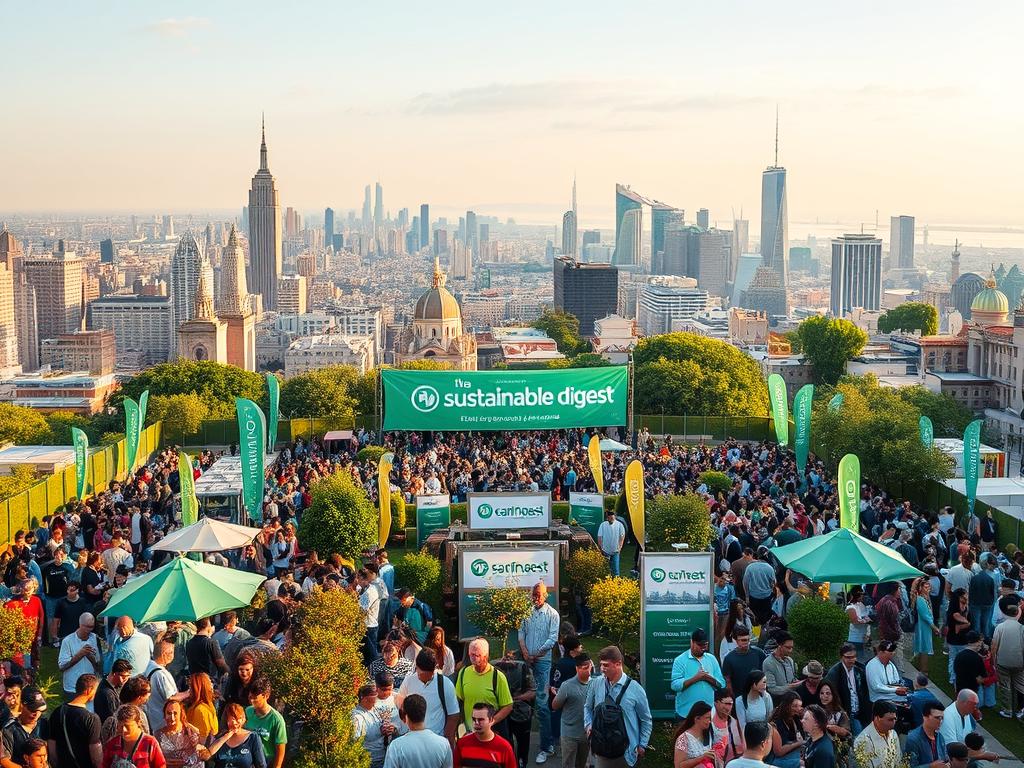
Every year, millions unite to celebrate a movement dedicated to protecting the planet. What began as a small U.S. initiative in 1970 has grown into a worldwide phenomenon. In 2025, over a billion people from 190+ countries will participate in activities promoting climate awareness.
The 2025 theme, “Planet vs. Plastics,” aims to reduce plastic waste by 60% before 2040. From cleanups to policy discussions, each action contributes to a larger goal. Major organizations like the EPA and National Park Service support these efforts through education and hands-on projects.
Whether planting trees or attending workshops, every activity makes a difference. Explore how different regions honor this cause and join the movement shaping a greener future.
The Origins and Significance of Earth Day
Senator Gaylord Nelson sparked a movement that bridged activism with ecological awareness. Inspired by the devastating 1969 Santa Barbara oil spill, he channeled the energy of anti-war protests into a fight for the environment. His vision united students, scientists, and policymakers under one cause.
Rachel Carson’s *Silent Spring* played a pivotal role. The 1962 book exposed the dangers of pesticides, awakening public concern about pollution. By 1970, this awareness culminated in the first Earth Day—20 million Americans participated, nearly 10% of the U.S. population.
The event’s success led to tangible change. Within decades, laws like the Clean Air Act and Endangered Species Act were passed. The Environmental Protection Agency (EPA) was established to safeguard natural resources.
Today, the movement tackles broader issues like climate change. EarthDay.org ensures its legacy endures, mobilizing generations through education and advocacy. What began as a single day now inspires year-round action.
Earth Day 2025 Theme: Planet vs. Plastics
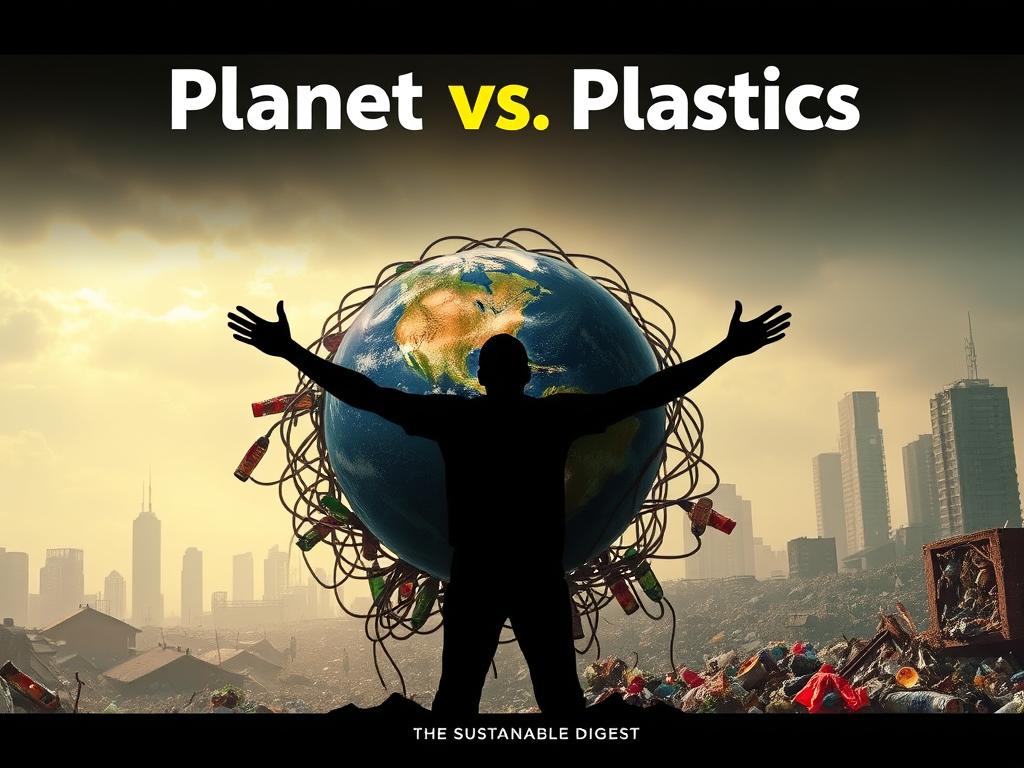
Plastic pollution takes center stage in the 2025 Earth Day campaign. EarthDay.org’s “Planet vs. Plastics” theme aims to slash plastic production by 60% before 2040. This aligns with UN sustainability goals, targeting single-use items and microplastics.
Microplastics threaten marine species and human health. These tiny particles invade water systems, harming ecosystems and entering food chains. NOAA research identifies ocean hotspots where plastic waste clusters, endangering marine life.
Corporate giants like Coca-Cola and Unilever pledge to reduce plastic packaging. They’re investing in biodegradable alternatives and reusable containers. Legislative efforts also gain momentum, with proposed bans on non-recyclable materials in multiple states.
The climate crisis intensifies the urgency. Plastics contribute to carbon emissions during production and disposal. By tackling this issue, future generations inherit a healthier planet.
From science-backed policies to grassroots cleanups, the 2025 theme unites diverse efforts. Every action—whether swapping plastic bottles or supporting bans—builds a sustainable home for all.
How Earth Day Has Shaped Environmental Policies
Decades of activism have turned Earth Day into a powerful force for policy change. The 1970 rallies spurred the creation of the EPA, a landmark achievement in conservation history.
“The public demanded action, and Earth Day made it possible,”
The Clean Air Act of 1970 slashed industrial emissions by 50% within 20 years. This law, directly tied to Earth Day momentum, set a global precedent. By 2015, the movement’s influence helped secure public backing for the Paris Agreement.
In 2022, President Biden signed an executive order to restore 20 million acres of lands. Announced on Earth Day, it prioritized reforestation and parks maintenance. Local policies also reflect this legacy—Seattle banned plastic straws after 2018 campaigns.
Volunteer programs thrive under the National Park Service, removing invasive species. Schools integrate these stories into curricula, ensuring future generations learn their part in protecting the environment.
Earth Day Celebrations in North America
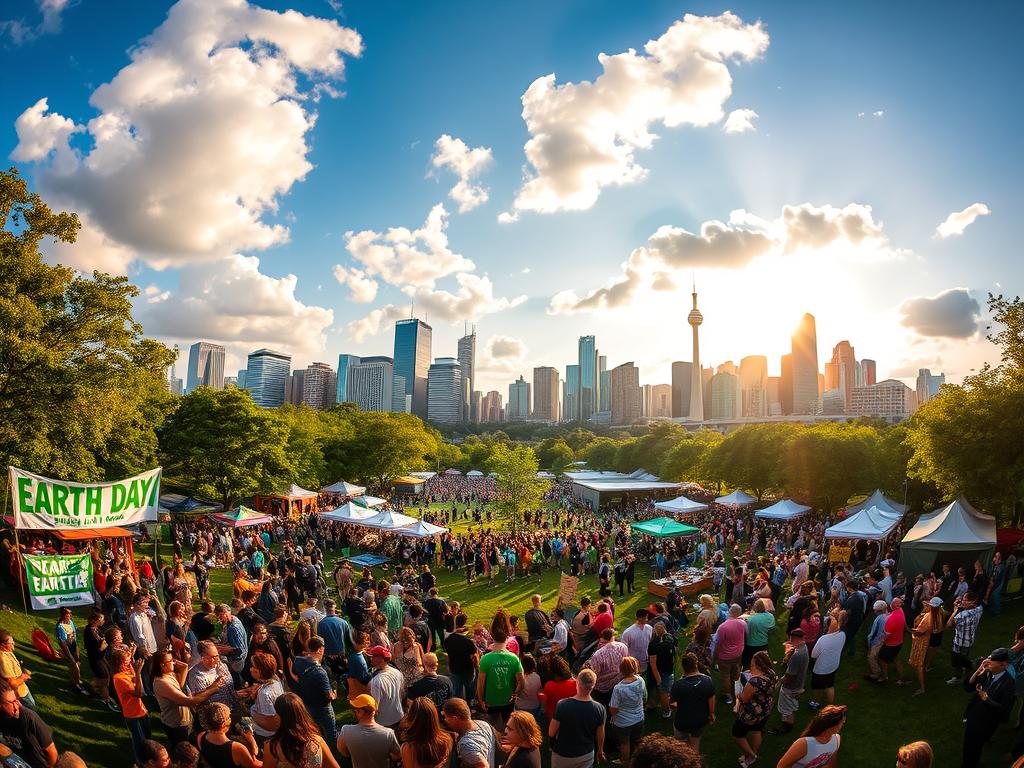
North America leads with vibrant initiatives during this annual environmental push. Cities blend education with action, offering immersive experiences for all ages. From guided hikes to cultural exhibits, each event fosters deeper community ties to nature.
United States
Montgomery Zoo’s safari (April 24–25) teaches wildlife conservation through interactive tours. Phoenix Mountain Reserve’s sunrise hike (April 22) rewards participants with panoramic desert views. St. Louis hosts a two-day festival (April 26–27) featuring live music and recycling workshops.
Anchorage Museum spotlights Indigenous heritage with a Yup’ik mask exhibit. Boston’s Earth Day n Night Experience merges art with climate science. EPA-backed cleanups at American River Parkway invite volunteers to restore parks.
Canada
Toronto Botanical Garden’s native plant workshop emphasizes sustainable landscaping. Vancouver’s shoreline project removes debris while educating on marine ecosystems. Montreal’s climate march draws thousands advocating for policy reforms.
Indigenous partnerships enrich Toronto’s ceremonies, honoring traditional land stewardship. These efforts reflect a shared vision—protecting places that sustain future generations.
Earth Week Events in Europe
Europe showcases bold sustainability efforts during Earth Week. Cities blend tradition with innovation, offering diverse ways to protect the planet. From cleanups to tech expos, each activity strengthens the region’s green legacy.
United Kingdom
London’s Thames River cleanups draw thousands yearly. Volunteers remove debris while learning about marine conservation. The city’s markets feature upcycled goods, turning waste into art.
Manchester’s youth-led climate strike on April 24 demands policy changes. Schools join the action, hosting workshops on carbon footprints. Bristol’s Green Capital initiative plants urban gardens to boost biodiversity.
Germany
Berlin’s *Plastic-Free Spree* campaign targets single-use waste. Local businesses pledge to eliminate plastic packaging by 2025. Hamburg’s renewable energy expo highlights solar and wind innovations.
Frankfurt promotes bike-to-work challenges, reducing emissions. Bavaria partners with schools for reforestation drives. These efforts reflect Germany’s commitment to a cleaner world.
- UK Highlights: Thames cleanups, Manchester strikes, Bristol gardens.
- Germany’s Focus: Plastic-free Berlin, Hamburg energy expos, Frankfurt biking.
Asia-Pacific Region’s Earth Day Activities

Innovative projects across Australia and Japan highlight Earth Day’s growing influence. The region blends technology with tradition, creating impactful solutions for a sustainable future. From urban solar farms to cultural conservation, these efforts inspire global change.
Australia
Sydney’s Harbour Bridge now hosts solar panels, powering nearby districts with renewable energy. Melbourne’s *Plastic-Free Yarra* initiative removes waste from the river, protecting aquatic health. Perth offers Aboriginal-led bushland tours, fostering awareness of Indigenous land stewardship.
Japan
Kyoto’s cherry blossom season doubles as a waste reduction campaign, urging visitors to minimize trash. Osaka’s corporations pledged carbon neutrality by 2030, investing in clean water systems. Tokyo’s Zero Waste workshops teach families to repurpose household items.
| Country | Initiative | Impact |
|---|---|---|
| Australia | Harbour Bridge Solar Panels | Reduces 200+ tons of CO₂ annually |
| Japan | Osaka Carbon Pledge | 30% emissions cut by 2026 |
These efforts prove how local actions resonate worldwide. By addressing climate challenges, the Asia-Pacific region secures a healthier place for future generations.
Latin America’s Commitment to Earth Day
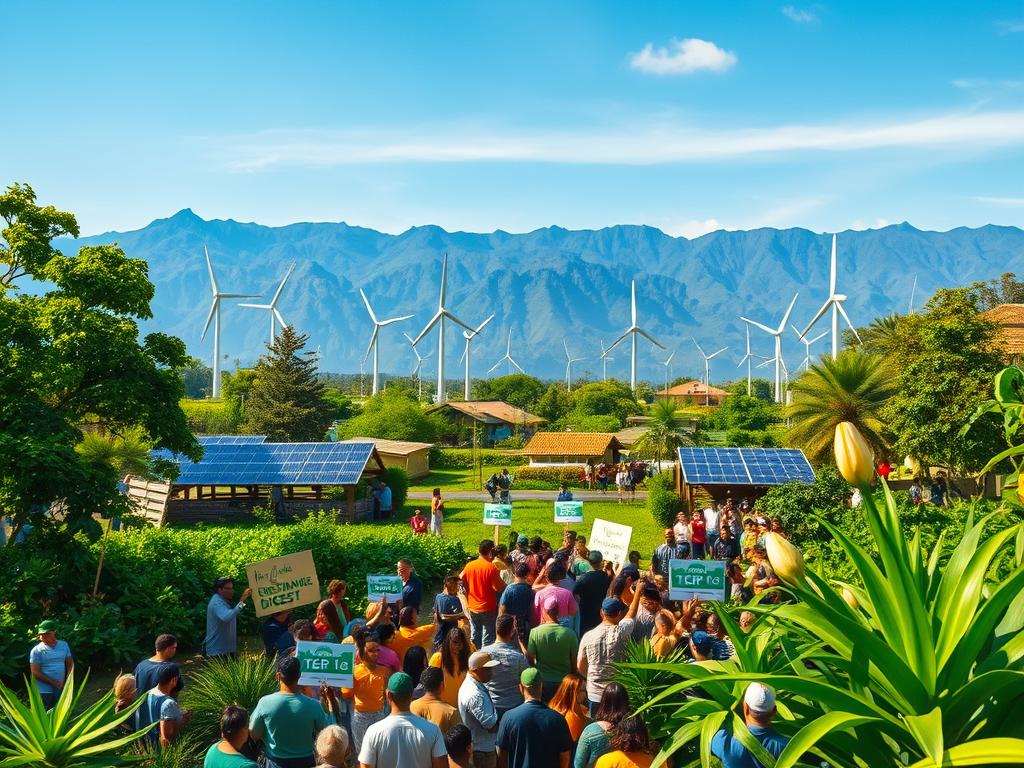
From rainforests to urban centers, Latin America embraces sustainability. The region blends cultural heritage with innovative conservation projects. Each event strengthens the bond between communities and their natural resources.
Brazil
Rio de Janeiro’s Tijuca Forest reforestation project revives 3,000 acres of degraded lands. Volunteers track biodiversity through citizen science programs in the Amazon. São Paulo’s urban gardens now span 50+ rooftops, reducing heat islands.
Mexico
Mexico City banned single-use plastics in 2024, cutting waste by 30%. Oaxaca protects endangered sea turtle nesting sites with volunteer patrols. Guadalajara artists paint eco-awareness murals, turning streets into environmental classrooms.
| Country | Initiative | Impact |
|---|---|---|
| Brazil | Amazon Citizen Science | Monitors 200+ species annually |
| Mexico | Oaxaca Turtle Protection | Saved 5,000+ hatchlings since 2022 |
These efforts prove local actions safeguard our shared home. By honoring traditions and pioneering change, Latin America sets a global example.
African Cities Joining the Earth Day Movement
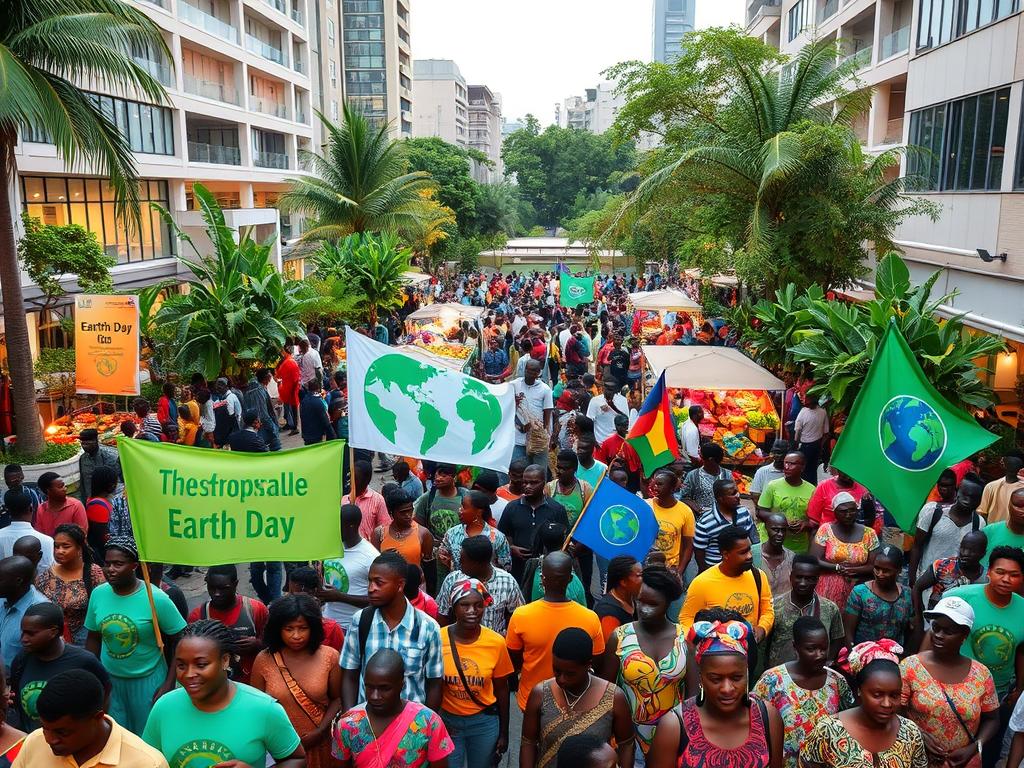
Africa emerges as a vital player in sustainability efforts, with cities embracing eco-conscious activities. From cleanups to education, these initiatives unite people for a greener future. Local projects prove even small actions create lasting change.
South Africa
Cape Town’s Table Mountain cleanup removes tons of waste annually. Volunteers restore trails while learning about native flora. The effort strengthens community ties to natural spaces.
Johannesburg integrates sustainability into school curricula. Green Schools teach recycling and energy conservation. Durban transforms beach plastic into art, raising awareness through creativity.
Kenya
Nairobi’s solar lamp drives provide clean energy to off-grid homes. Over 5,000 lamps distributed since 2023 cut kerosene use. Lake Victoria’s program recycles fishing nets into durable fabrics.
Mombasa’s mangroves thrive with EarthDay.org-funded restoration. These trees prevent coastal erosion and shelter marine life. Each project highlights Africa’s part in global conservation.
- Cape Town: Mountain cleanups protect biodiversity.
- Johannesburg: Schools foster eco-conscious generations.
- Nairobi: Solar lamps replace polluting fuels.
How to Participate in Earth Day and Earth Week

Simple actions create big impacts during this annual environmental push. Whether joining a cleanup or advocating for policy changes, every effort counts. The EPA recommends reducing waste by recycling and composting daily.
- Use EarthDay.org’s event map to find cleanups or tree plantings nearby.
- Host a neighborhood workshop on sustainable habits.
- Washington state parks waive Discover Pass fees on April 22.
Digital options expand accessibility. Attend virtual climate lectures or join social media challenges like #PlanetVsPlastics. Share tips to inspire others.
Advocacy drives systemic change. EarthDay.org provides template letters to push for local plastic bans. Volunteers can also sign up for National Park Service projects until April 27.
| Activity Type | How to Take Part |
|---|---|
| Cleanups | Join organized events or solo efforts in parks. |
| Education | Watch webinars or host school workshops. |
| Policy Support | Email lawmakers using pre-drafted letters. |
From small daily swaps to large-scale projects, participation strengthens community resilience. Start today—future generations depend on these choices.
The Role of Technology in Modern Earth Day Celebrations

Digital tools amplify the impact of sustainability efforts worldwide. Apps like iNaturalist, used in Woodland Park Zoo’s City Nature Challenge, crowdsource biodiversity data. Volunteers snap photos of local wildlife, contributing to science-backed conservation.
Earth Challenge 2025 takes this further. It gathers air quality metrics from smartphones, creating global pollution maps. Schools use this to teach climate literacy, turning students into citizen scientists.
Augmented reality (AR) reveals hidden damage. Apps overlay virtual plastic waste in oceans, making pollution tangible. This boosts awareness and drives behavioral change.
- Seattle’s drone initiative: Partners with UW to map reforestation progress. Drones pinpoint areas needing tree planting, optimizing green projects.
- Blockchain transparency: Tracks corporate pledges, like Unilever’s plastic reduction. Public ledgers ensure accountability.
These innovations prove tech is a critical part of environmental solutions. From classrooms to boardrooms, they turn stories into action.

FAQ
What is the history behind Earth Day?
Founded in 1970 by Senator Gaylord Nelson, Earth Day began as a response to environmental neglect. It mobilized millions to demand stronger protections for the planet.
What is the theme for Earth Day 2025?
The 2025 theme, Planet vs. Plastics, focuses on reducing plastic pollution and promoting sustainable alternatives worldwide.
How has Earth Day influenced environmental policies?
The movement led to landmark laws like the Clean Air Act and the creation of the EPA. It continues to drive global climate action today.
Where can I find Earth Day events in the U.S.?
Major cities like New York and Los Angeles host festivals, cleanups, and educational workshops. Local parks and schools often organize activities too.
How does Europe celebrate Earth Week?
Countries like the UK and Germany hold tree-planting drives, eco-fairs, and sustainability talks. Many cities also promote car-free days.
What role does technology play in Earth Day now?
Apps like Ecosia and virtual campaigns amplify awareness. Solar-powered events and digital activism are increasingly common.
How can businesses participate in Earth Day?
Companies can reduce waste, sponsor cleanups, or switch to renewable energy. Employee volunteer programs also make a big impact.
Are there Earth Day activities for kids?
Yes! Schools often host nature walks, recycling projects, and art contests. Families can visit botanical gardens or start a home compost bin.

Conclusion
What began as a single day of teach-ins now unites over a billion people worldwide. The importance of collective action shines through park cleanups, policy advocacy, and energy-saving habits. Small steps create ripples, shaping a healthier planet.
Sustained efforts matter beyond April. The EPA’s year-round education portals offer tools for lasting change. From recycling guides to climate workshops, resources empower every generation to contribute.
Denis Hayes, a key organizer, captures the spirit: “Earth Day isn’t a day—it’s a gateway to lifelong stewardship.” Together, we can secure a brighter future for our shared world.

Key Takeaways
- Earth Day 2025 engages 1+ billion participants globally.
- The 1970 grassroots campaign now spans 190+ nations.
- 2025 focuses on cutting plastic waste by 60% by 2040.
- Events range from local cleanups to policy advocacy.
- Government agencies actively promote sustainable habits.