2026 February Holidays & Observances for Sustainability

2026 Februray holidays and observances for Sustainability in retrospect

Global progress often mirrors the rhythm of our collective memory. By examining various sustainability events, we bridge the gap between historical awareness plus modern ecological goals.

Events like World Wetlands Day highlight the fragile beauty of our water systems. Simultaneously, World Pulses Day emphasizes how simple crops can transform our food security models; these efforts define our shared journey.

Cultural festivals also play a vital role. We honor the Philippine-American War Memorial plus the Day of Remembrance and Respect to Victim of the Communist Regime; such dates ground our search for a stable society.

Observing Mozambican Heroes Day reminds us that social equity is a core part of long-term survival. These diverse national days ensure our path toward a greener world remains inclusive plus deeply rooted.

Understanding Sustainability Through Global Celebrations in February 2026

February 2026 is filled with global celebrations that highlight the link between sustainability and fairness. These events show the importance of working together and adopting green practices.

The World Day of Social Justice on February 20 is a key event. It focuses on solving problems like poverty and joblessness. These issues are key to a sustainable future. By fighting for fairness, we help make the world more equal and support green growth.

The International Day of Human Fraternity on February 4 is also important. It encourages people from different faiths to talk and understand each other. This unity is vital for solving big problems like climate change.

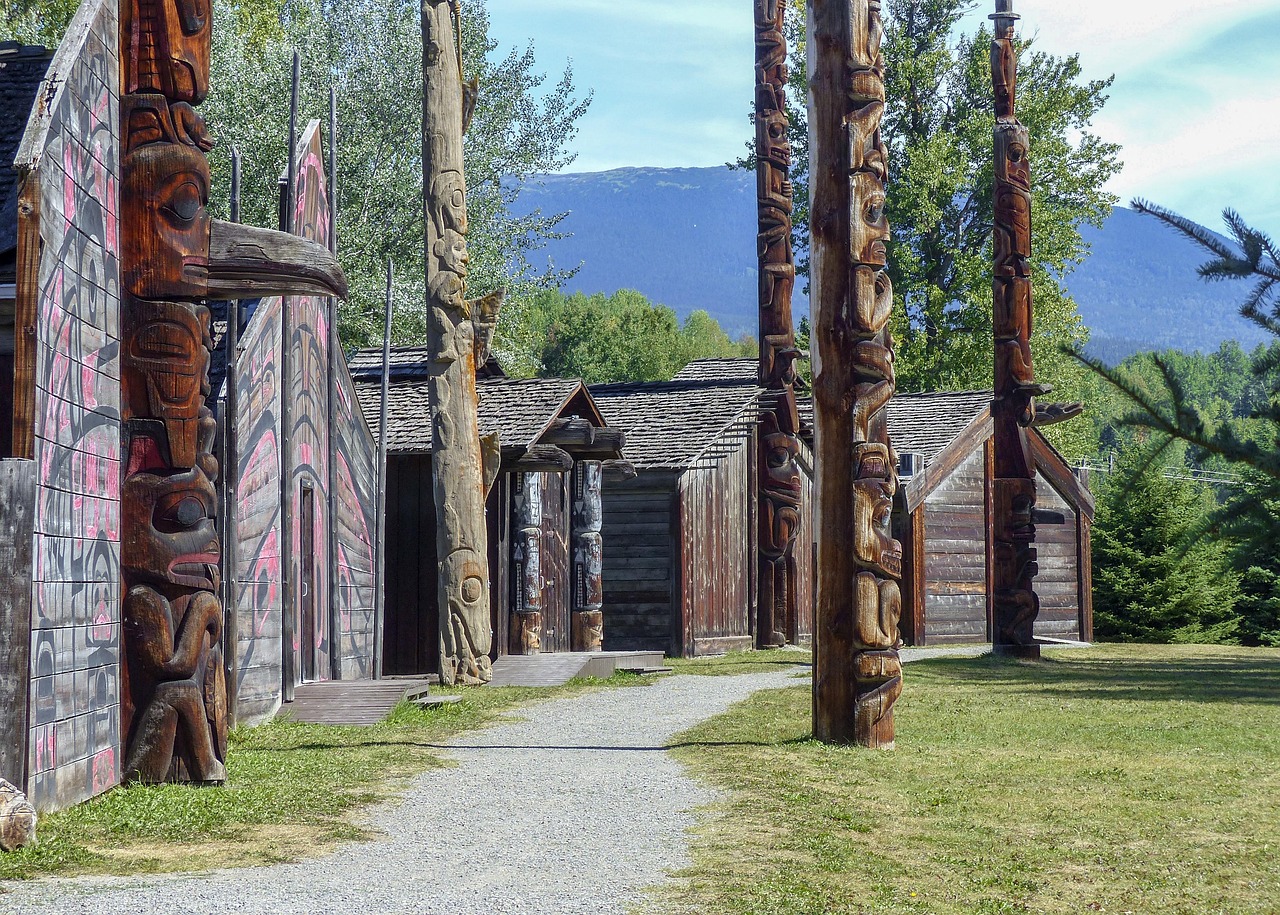
February also celebrates indigenous cultures. For example, Waitangi Day on February 6 in New Zealand honors the Treaty of Waitangi. It shows the value of respecting indigenous rights and their role in caring for the land. Sami National Day on February 6 also celebrates the Sami people’s traditions in Scandinavia and Russia.

Lui-Ngai-Ni is another important event. It’s celebrated by the Naga people in India. It’s a time for the community to gather, showing the importance of unity and sustainable farming.

These celebrations in February 2026 remind us of the many ways to support sustainability. By learning about and celebrating these events, we can build a more inclusive and green world.

Environmental and Ecological Observances Promoting Planetary Health

A serene landscape showcasing a vibrant community event dedicated to environmental observances. In the foreground, a diverse group of individuals in professional business attire enthusiastically engage in activities like planting trees and distributing seeds, demonstrating hands-on participation. The middle ground features colorful banners highlighting sustainability themes, surrounded by lush greenery and blooming flowers, promoting a sense of harmony with nature. In the background, a clear blue sky is visible, illuminated by soft, warm sunlight filtering through the trees, casting gentle shadows. The mood is uplifting and hopeful, symbolizing collective efforts for planetary health. This image captures the essence of "The Sustainable Digest" in advocating for ecological observances, instilling a sense of community and purpose.

February 2026 is filled with important environmental and ecological observances. These events remind us of the need for conservation and sustainability. They help keep our ecosystem in balance.

World Wetlands Day and Aquatic Ecosystem Protection

World Wetlands Day is on February 2. It shows how vital wetlands are for our planet. They help keep water clean, prevent floods, and home many species. This year’s theme calls for quick action to save these important places.

Key actions to protect wetlands include:

  • Restoring damaged wetlands
  • Using land in a sustainable way
  • Spreading the word about wetlands’ value

Wildlife Conservation Days: Arabian Leopards, Bonobos, and Pangolins

February is also home to several wildlife conservation days. These include the International Day of the Arabian Leopard, World Bonobo Day, and World Pangolin Day. They aim to raise awareness about these endangered animals and the need for conservation.

“The conservation of species like the Arabian leopard, bonobo, and pangolin requires not only national but international cooperation and commitment.”

Humpback Whale Awareness Month and Marine Sustainability

February is Humpback Whale Awareness Month. It’s a time to focus on keeping our oceans healthy. Humpback whales are key to the health of our seas, and saving them is essential.

Efforts to protect humpback whales include:

  1. Lowering ship strikes with better rules
  2. Stopping them from getting caught in fishing nets
  3. Keeping their homes clean from pollution

National Bird Feeding Month and Backyard Biodiversity

National Bird Feeding Month in February encourages us to help birds in our backyards. Feeding birds can greatly help local ecosystems and support bird populations.

To make a big difference, you can:

  • Use different bird feeders to attract more species
  • Plant native plants that birds can eat
  • Keep feeding areas clean and safe

Agricultural Sustainability and Food Systems Innovation

February 2026 is a time to focus on solving climate change and ensuring everyone has enough food. Several important days in February highlight the need for sustainable farming and new food systems.

World Pulses Day and Sustainable Protein Sources

World Pulses Day is on February 10, 2026. It’s a big deal for finding better protein sources. Pulses, like beans and lentils, are full of protein and help keep soil healthy.

They’re also good for you, packed with fiber and vitamins. Plus, they’re better for the planet than meat, needing less water and land.

Canada’s Agriculture Day and Farmer’s Day

Canada’s Agriculture Day is on February 15, 2026. It celebrates the farmers who feed the country. It shows off their hard work and innovative farming.

This day also honors Farmer’s Day. It’s a chance to thank farmers for their hard work and support sustainable farming.

ObservanceDateSignificance
World Pulses DayFebruary 10, 2026Promotes sustainable protein sources and pulse production
Canada’s Agriculture DayFebruary 15, 2026Recognizes the contributions of Canadian agriculture and farmers
National Hemp DayFebruary 4, 2026Highlights the potential of hemp in industrial agriculture
France, Toulon, Quiet image.https://pixabay.com/photos/france-toulon-quiet-urban-landscape-4556565/

Alternative Crops and Heritage Foods

National Hemp Day and Industrial Agriculture

National Hemp Day is on February 4, 2026. It celebrates hemp’s many uses and its role in sustainable farming. Hemp is great for making clothes and food, needing less water and pesticides.

Medjool Date Day and Desert Agriculture

Medjool Date Day is on February 18, 2026. It focuses on date palms, which grow well in deserts. They provide food and jobs for desert communities.

Vegan Cuisine Month and Plant-Based Food Systems

Vegan Cuisine Month in February 2026 encourages trying plant-based foods. It’s good for the planet and can make us healthier. It shows how diverse and nutritious plant-based foods can be.

Plant-based diets are good for the environment and our health. They can prevent diseases and make us feel better.

Cultural Heritage Preservation as Sustainable Development

Lui-Ngai-Ni Naga Cultural Festival, vibrantly showcasing local tribal culture and traditions, held in a lush green landscape. In the foreground, colorful traditional attire adorned by participants dancing joyfully, adorned with intricate patterns and bright accessories. The middle ground features a gathering of people engaging in cultural performances, with decorative bamboo structures and handicrafts beautifully displayed. In the background, picturesque mountains under a clear blue sky, with soft, golden sunlight casting a warm glow over the scene. The atmosphere is lively and festive, emphasizing cultural heritage and community pride. Shot with a wide-angle lens to capture a panoramic view, enhancing the sense of celebration and togetherness. Illustrative of sustainability through cultural preservation. The Sustainable Digest.

Preserving cultural heritage is more than just looking back. It’s a smart move for a better future. It helps communities stay strong, protects the environment, and encourages new ways to live sustainably.

Indigenous Peoples’ Celebrations and Traditional Knowledge

Indigenous peoples’ celebrations show us how to live in harmony with nature. These events keep cultural traditions alive. They also teach us about living in a way that’s good for the planet.

Waitangi Day: Maori Culture and Environmental Stewardship

Waitangi Day is on February 6th. It marks the Treaty of Waitangi signing in 1840. It’s a time to think about New Zealand’s history, its culture, and the bond between the Maori and nature.

Sami National Day: Arctic Indigenous Rights

Sami National Day is on February 6th. It honors the Sami people’s culture and rights in the Arctic. It’s a day to remember the importance of saving indigenous cultures and knowledge as the climate changes.

Lui-Ngai-Ni: Naga Cultural Festival

Lui-Ngai-Ni is a big festival for the Naga people in Northeast India. It celebrates their rich culture with dances, music, and feasts. It’s a chance for the Naga to share and preserve their traditions.

African Heritage and Health Week

African Heritage and Health Week focuses on health in African communities. It shows how cultural heritage shapes health practices. It encourages a holistic approach to health that includes traditional knowledge.

Carnival Traditions Across Continents

Carnival is celebrated with excitement worldwide. Each place has its own twist and history. These celebrations bring people together and boost local economies.

Brazil Carnival and South American Celebrations

Brazil Carnival is famous for its colorful parades and street parties. Argentina, Uruguay, Venezuela, and Ecuador also have big carnivals. Each one shows off its unique culture.

European Carnival Observances: Fastelavn, Maslenitsa Week, Battle of the Oranges Ivrea

Europe has its own carnival traditions. Fastelavn is in Denmark and Norway, Maslenitsa Week in Eastern Europe, and the Battle of the Oranges in Italy. These events are full of cultural heritage and history.

Heritage Recognition Months and Weeks

There are months and weeks to honor cultural heritage. These times let communities reflect on their history and culture. They remind us of the importance of preserving heritage for the future.

African American Heritage Month and African American Read-In

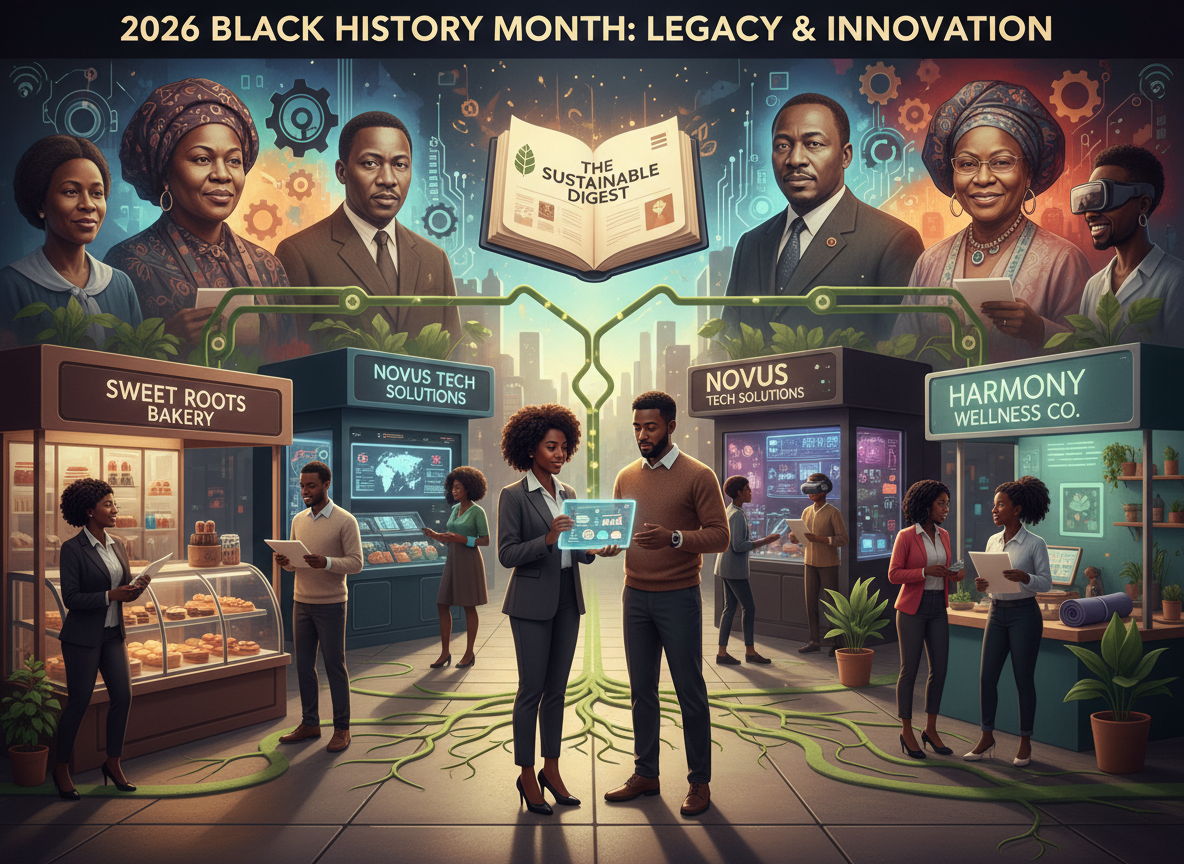
African American Heritage Month/2026 Black History Month is in February in the U.S. It celebrates African American contributions and experiences. The African American Read-In promotes literacy and honors African American literature and culture.

Heritage ObservanceDateSignificance
African American Heritage Month/2026 Black History MonthFebruaryCelebrates African American contributions and experiences
From Africa to Virginia MonthFebruaryCommemorates the arrival of Africans in Virginia
Nova Scotia Heritage DayThird Monday in FebruaryCelebrates Nova Scotia’s cultural heritage
National Secondhand Wardrobe WeekFebruaryPromotes sustainable fashion practices
Lamp, Green, Bulb image. https://pixabay.com/photos/lamp-green-bulb-lantern-ivy-4594088/

Social Justice and Human Rights: Foundations of Sustainable Communities

Sustainability is closely tied to social justice and human rights. This is shown by key days in February 2026. This month highlights the importance of sustainability, which goes beyond just protecting the environment. It also means creating fair societies.

International Human Rights Observances

February 2026 is filled with important days that show the role of human rights in building sustainable communities. These include:

World Day of Social Justice

The World Day of Social Justice is on February 20. It focuses on solving issues like poverty and unemployment. Social justice is key to sustainable development because it ensures everyone has a fair share.

International Day of Human Fraternity

This day, on February 4, celebrates unity and solidarity. It reminds us that human fraternity is essential for sustainable communities.

World Interfaith Harmony Week

World Interfaith Harmony Week is in the first week of February. It encourages dialogue among faiths, promoting peace. This is vital for creating harmonious, sustainable societies.

Ending Violence and Discrimination

February also has days focused on stopping violence and discrimination. These are crucial for making communities inclusive and sustainable.

International Day of Zero Tolerance to Female Genital Mutilation

On February 6, this day raises awareness about female genital mutilation. It fights for its end, pushing for gender equality and human rights.

Abolition of Slavery Day and Torture Abolition Day

February 23 and 26 are days against slavery and torture, respectively. They highlight the need to protect human dignity and stop human rights abuses.

“The struggle for human rights is a long and winding road, but it is one that we must continue to tread with courage and conviction.”

Historical Justice and Remembrance

February is also a time to remember and learn from history. It has observances focused on historical justice and remembrance.

Day of Remembrance and Respect to Victims of the Communist Regime

On February 25, some countries remember victims of communist regimes. It’s a day to reflect on the past and stand by democratic values and human rights.

ObservanceDateSignificance
Day of Remembrance and Respect to Victims of the Communist RegimeFebruary 25Honors victims of communist regimes
Commemoration of the Batepa MassacreFebruary 27 (São Tomé and Principe)Remembers the victims of the Batepa Massacre
National Apology DayVaries by countryA day for nations to acknowledge past wrongdoings

Equity and Inclusion Initiatives

February also supports equity and inclusion through various initiatives and observances.

Ethnic Equality Month and North American Inclusion Month

These observances highlight the need for ethnic equality and inclusion. They remind us to address disparities and ensure equal opportunities for all.

  • Ethnic Equality Month promotes understanding and respect among ethnic groups.
  • North American Inclusion Month encourages inclusivity across the continent.

In conclusion, February 2026 is a significant month for social justice and human rights. It has many observances that show their importance in building sustainable communities. By recognizing and participating in these days, we can work towards a more just and equitable world.

National Liberation and Independence Days: Sovereignty for Sustainable Futures

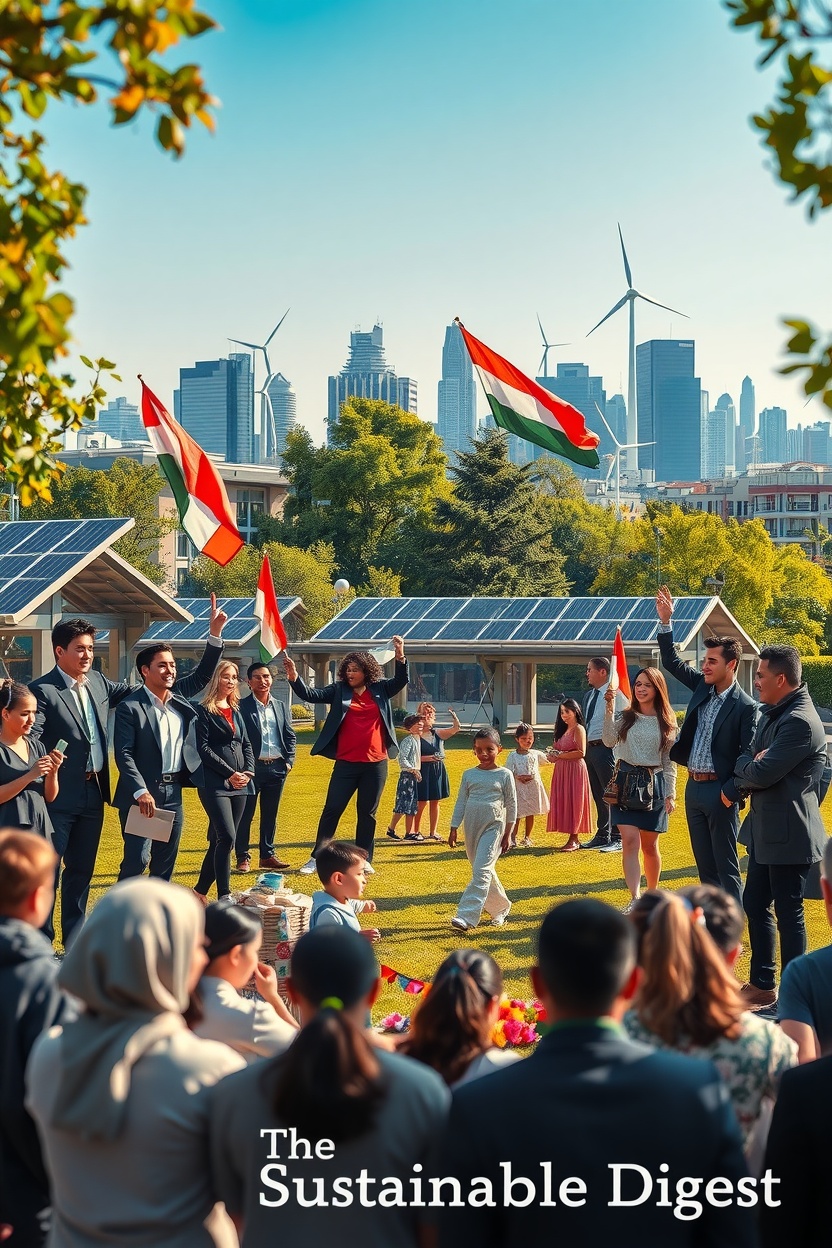
A vibrant scene celebrating National Liberation and Independence Days, illustrating sovereignty and sustainability. Foreground features a diverse group of people in professional business attire, joyfully raising flags symbolizing unity and independence. Middle ground includes a grassy park with children playing and families enjoying a picnic, surrounded by decorative elements like banners and flowers symbolizing peace and hope. Background shows a city skyline with modern green buildings, solar panels on rooftops, and wind turbines gently spinning under a clear blue sky. The lighting is warm and inviting, with soft sunlight filtering through trees, creating a cheerful atmosphere. Capture this image with a slight perspective from a low angle to emphasize the celebration, showcasing a sense of community and optimism for sustainable futures. The Sustainable Digest.

February 2026 brings a chance to look at how sovereignty and sustainable futures are linked. These days celebrate big moments in history. They also show our ongoing fight for freedom and growth.

African Liberation and Independence Movements

Africa has many stories of freedom and independence. In February 2026, several African countries will celebrate.

Angola Liberation Day

Angola Liberation Day remembers the start of the fight for freedom in 1961. It’s a key part of Angola’s history.

Mozambican Heroes Day

Mozambican Heroes Day honors those who fought for Mozambique’s freedom. It’s a time to think about their sacrifices and the progress made.

Gambia Independence Day

The Gambia celebrates its freedom from British rule. This marks a big step towards self-rule and freedom.

Guyana Republic Day

Although in South America, Guyana is tied to the African diaspora. Its Republic Day is a key moment in its political journey.

Caribbean and Pacific Independence Celebrations

The Caribbean and Pacific also celebrate independence. These celebrations show the global fight for freedom.

Grenada Independence Day

Grenada’s independence day celebrates its freedom from colonial rule. It’s a significant moment in Grenada’s history.

Saint Lucia Independence Day

Saint Lucia’s independence day looks back on its journey to self-determination. It’s a day to reflect on progress and challenges.

Father Lini Day (Vanuatu)

Father Lini Day in Vanuatu honors a key figure in Vanuatu’s fight for freedom. It shows the role of leaders in achieving freedom.

Asian Sovereignty and Liberation Observances

Asia has many stories of freedom and independence. Each has its own history and significance.

Kashmir Day

Kashmir Day shows support for the Kashmiri people’s fight for rights. It’s a day to stand with those seeking freedom.

Liberation Day Afghanistan

Afghanistan’s Liberation Day remembers important moments in its history. It reflects on its journey to stability and freedom.

National Day Brunei

Brunei’s National Day celebrates its independence and sovereignty. It highlights Brunei’s unique culture and politics.

Mizoram State Day

Mizoram State Day in India is a celebration of regional identity. It shows the complexities of sovereignty within a larger nation.

Middle Eastern and North African Independence Days

The Middle East and North Africa have their own independence days. These days reflect the region’s complex history and politics.

February 17th Revolution (Libyan Revolution Day)

The February 17th Revolution in Libya is a key moment in its recent history. It marks a significant event in Libya’s fight for freedom.

European Statehood Restoration

Europe also celebrates statehood restoration days. These days highlight the continent’s complex history and the importance of freedom.

Estonia Independence Day

Estonia’s Independence Day celebrates its declaration of freedom. It’s a crucial moment in Estonia’s history.

Day of Restoration of the State of Lithuania

Lithuania’s Day of Restoration remembers when Lithuania became an independent state again. It reflects on its journey to freedom.

Liberation Day San Marino

San Marino’s Liberation Day is a unique celebration. It highlights the country’s historical importance and enduring freedom.

2026 February Holidays and Observances for Sustainability in Retrospect

Looking back at February 2026, we see a month filled with holidays and observances. These events celebrate cultural heritage and national identity. They also promote unity, solidarity, and environmental awareness.

Unity and Solidarity Celebrations

February 2026 is filled with unity and solidarity celebrations worldwide. Unity Day Burundi reminds us of the country’s journey to peace. It shows the nation’s commitment to unity among its people.

Union Day is celebrated in many places, marking the unity of states or territories. It shows the power of unity and cooperation among different groups.

Federal Territory Day (Malaysia) is also in February. It highlights Malaysia’s federal territories and promotes national unity.

Regional and Provincial Observances

February 2026 also has regional and provincial observances. These events show the diversity and richness of local cultures. For example, Northland Anniversary Day (New Zealand) and the Royal Hobart Regatta (Tasmania) celebrate regional heritage and community engagement.

The Royal Hobart Regatta is one of Australia’s oldest events. It attracts visitors worldwide. It celebrates Tasmanian culture and promotes maritime heritage.

Other regional observances include Islander Day (Prince Edward Island), Louis Riel Day (Manitoba), and Andalusia Day (Spain). Each highlights the unique history and cultural identity of its region.

National Identity and Patriotic Days

February 2026 also has national identity and patriotic days. National Flag of Canada Day celebrates Canadian identity and unity.

National Foundation Day (Japan) and Georgia Day reflect on the history and cultural heritage of their countries.

In the United States, days like Texas Day, Statehood Day in Arizona, National Iowa Day, and National California Day promote state pride. They acknowledge the unique contributions of each state to the nation’s history and identity.

Thematic Awareness Weeks Supporting Sustainability

February 2026 also has thematic awareness weeks for sustainability. National Green Week encourages environmentally friendly practices.

National FFA Week (Future Farmers of America) promotes agricultural education and sustainability. It highlights the importance of agriculture in achieving a sustainable future.

Philippine Industry and Made-in-the-Philippines Products Week celebrates the country’s industrial achievements. It promotes local products, supporting economic sustainability and development.

These observances help us understand sustainability better. They show the importance of unity, cultural heritage, and environmental awareness for a sustainable future.

Religious and Spiritual Observances Supporting Environmental Stewardship

A vibrant Chinese New Year celebration set in a beautifully adorned outdoor park during the day. In the foreground, a diverse group of people of various ethnicities is dressed in colorful, modest traditional attire, joyfully participating in a lion dance, showcasing rich details of the lion costumes. The middle ground features festive decorations, including red lanterns and banners symbolizing prosperity, alongside a table filled with sustainable, plant-based foods and traditional dishes. In the background, lush greenery and blooming cherry blossoms are visible, symbolizing renewal and environmental stewardship. Soft, warm sunlight filters through the trees, creating a cheerful and inviting atmosphere. The composition captures a sense of community and connection to nature, in alignment with the themes of sustainability and stewardship. The Sustainable Digest logo subtly integrated into the festive scene.

In February 2026, many faiths highlight the link between spiritual practices and caring for the planet. These events show the diversity of traditions worldwide. They also show a shared goal to protect our environment.

Lunar New Year Celebrations and Renewal

The Lunar New Year is celebrated in many cultures. It’s a time for renewal and reflection. Families and communities come together to honor their heritage and look forward to the new year.

Korean New Year (Seollal)

Korean New Year, or Seollal, is a big holiday in Korea. It’s celebrated over three days with ancestral rituals and traditional foods. The festive atmosphere includes traditional games and folk performances.

Chinese New Year and Chinese Spring Festival

Chinese New Year, also known as the Spring Festival, is very important. It’s a time for family reunions and traditional foods. The celebration includes lion dances, fireworks, and giving red envelopes with money to children.

Chinese New Year is more than just festivities. It symbolizes renewal and hope for a prosperous year. It emphasizes family, community, and traditional practices.

Tet Holiday (Vietnam)

Tet, or the Lunar New Year, is Vietnam’s most important holiday. It’s a time for families to come together and celebrate the arrival of spring. Traditional foods, decorations, and festivities are key to the celebration.

Losar (Tibetan New Year) and Sonam Losar

Losar is the Tibetan New Year, starting the new year on the Tibetan calendar. It’s celebrated with traditional dances and feasting. Sonam Losar honors the farming community and the harvest season.

Tsagaan Sar (Mongolian New Year)

Tsagaan Sar is the traditional Mongolian New Year. It’s a time for families to gather and exchange gifts. The celebration is rich in cultural heritage and symbolic rituals.

Christian Observances and Seasonal Transitions

Christian observances in February 2026 include important events in the Christian calendar. These events symbolize spiritual renewal and the transition between seasons.

Candlemas Day and Imbolc

Candlemas Day, on February 2, marks the presentation of Jesus at the Temple. It’s also associated with the purification of the Virgin Mary. Imbolc, a Gaelic festival, is observed around the same time, signaling the midpoint between the winter solstice and the spring equinox.

Shrove Monday, Fat Thursday, and Mardi Gras

These celebrations precede the Christian season of Lent, a period of fasting and reflection. Shrove Monday and Fat Thursday are days of feasting before Lent. Mardi Gras, or Fat Tuesday, is a carnival celebration known for its vibrant parades and festivities.

Ash Wednesday and Beginning of Lent

Ash Wednesday marks the beginning of Lent, a 40-day period of fasting, reflection, and spiritual renewal. It’s a significant moment in the Christian calendar, encouraging believers to reflect on their faith and actions.

ObservanceDateSignificance
Candlemas DayFebruary 2Presentation of Jesus at the Temple
Ash WednesdayVariableBeginning of Lent
Mardi GrasVariableCarnival celebration before Lent
Wind power, Wind energy, Environment image. https://pixabay.com/photos/wind-power-wind-energy-environment-6806604/

Islamic Observances

Islamic observances in February 2026 include significant events crucial to the Islamic calendar. These events emphasize spiritual growth, community, and reflection.

Ramadan Begins

Ramadan is the Islamic holy month of fasting. It’s a period of spiritual reflection and community. Muslims fast from dawn to sunset, abstaining from food and drink, to develop self-control and empathy for those in need.

Islamic Revolution Day (Iran)

Islamic Revolution Day commemorates the 1979 revolution in Iran. It’s a significant event in the country’s history. It’s observed with various events and reflections on the revolution’s impact.

Hindu and Buddhist Celebrations

Hindu and Buddhist celebrations in February 2026 include significant observances. These highlight the diversity and richness of these spiritual traditions.

Basant Panchami

Basant Panchami is a Hindu festival celebrating the arrival of spring. It’s dedicated to the goddess Saraswati, associated with knowledge, music, and arts. The festival is marked by wearing yellow attire, flying kites, and cultural performances.

Maghi Purnima

Maghi Purnima is a Buddhist observance on the full moon day of the month of Magha. It’s a day for spiritual practice, charity, and communal gatherings.

These religious and spiritual observances in February 2026 reflect the diversity of global cultures. They underscore a shared commitment to environmental stewardship and sustainability. By embracing their spiritual practices, individuals and communities can foster a deeper connection with the natural world.

Historical Commemorations and Modern Peace-Building

In February 2026, we see a mix of remembering the past and working towards a better future. This mix is key to understanding how to achieve global peace and sustainability.

War Remembrances and Lessons for Sustainable Peace

War remembrances remind us of the harm caused by conflict. They teach us the value of diplomacy and working together internationally.

Philippine-American War Memorial

The Philippine-American War Memorial is important. It shows the complex history between the Philippines and the United States. It reminds us of the war’s effects and the need to understand their shared past.

Anniversary of the Liberation of the Battle of Manila

The Anniversary of the Liberation of the Battle of Manila is key. It honors the sacrifices of World War II. It also shows the importance of keeping history alive to avoid future wars.

Remember the Maine Day

Remember the Maine Day remembers the USS Maine’s sinking, starting the Spanish-American War. It teaches us about the dangers of conflict and the need for diplomacy.

Treaties and Diplomatic Milestones

Treaties and diplomatic milestones are vital for international relations. They help countries work together and solve conflicts peacefully.

Treaty of Guadalupe Hidalgo

The Treaty of Guadalupe Hidalgo ended the Mexican-American War in 1848. It changed North America’s geography and politics. It shows how agreements can change history.

Revolutionary Movements and Social Change

Revolutionary movements have shaped our world. They fight for justice and rights. They show how social change and stability are connected.

EDSA People Power Commemoration Week

The EDSA People Power Commemoration Week celebrates the peaceful revolution in the Philippines in 1986. It marked a big step towards democracy.

The Day of Illustrious Puerto Ricans

The Day of Illustrious Puerto Ricans honors notable figures in Puerto Rico’s history. It celebrates their impact on the island’s culture and identity.

Peace and Understanding Initiation

Efforts to promote peace and understanding are vital. They help nations and communities work together and respect each other.

World Peace and Understanding Day (Rotary)

World Peace and Understanding Day, celebrated by Rotary International, stresses the need for peace and understanding. It aims for a more sustainable and fair world.

Global Tourism Resilience Day

Global Tourism Resilience Day focuses on sustainable tourism. It supports local communities and promotes cultural exchange. It helps build global understanding and peace.

Community Resilience and Sustainable Lifestyle Observances

A vibrant scene celebrating National Liberation and Independence Days, illustrating sovereignty and sustainability. Foreground features a diverse group of people in professional business attire, joyfully raising flags symbolizing unity and independence. Middle ground includes a grassy park with children playing and families enjoying a picnic, surrounded by decorative elements like banners and flowers symbolizing peace and hope. Background shows a city skyline with modern green buildings, solar panels on rooftops, and wind turbines gently spinning under a clear blue sky. The lighting is warm and inviting, with soft sunlight filtering through trees, creating a cheerful atmosphere. Capture this image with a slight perspective from a low angle to emphasize the celebration, showcasing a sense of community and optimism for sustainable futures. The Sustainable Digest.

February 2026 is packed with observances that boost community strength and green living. These events cover many areas, from green travel to personal health. They show how we can work together for a better future.

Transportation and Mobility Sustainability

February 2026 is all about green travel. Bike To Work Month encourages cycling to cut down on fossil fuel use and emissions.

Hula in the Coola Day and Qatar Sports Day push for more exercise. They help make our communities healthier and more active.

EventDateFocus Area
Bike To Work MonthThroughout FebruarySustainable Transportation
Hula in the Coola DayFebruary 8Active Living
Qatar Sports DayFebruary 12Sports and Active Living

Seasonal and Environmental Awareness Days

February is also a time to focus on nature and the environment. Groundhog Day, Hedgehog Day, and Marmot Day are fun but also teach us about wildlife and nature.

Travel Africa Day supports eco-friendly travel. It helps local economies and protects nature.

Groundhog Day, Hedgehog Day, and Marmot Day

These days, on February 2, remind us of the value of certain animals in nature. They also highlight the need to protect them.

Innovation and Advancement for Sustainability

Innovation is crucial for a greener world. February 2026 celebrates new ideas in many fields. National Inventors’ Day on February 11 honors inventors who help us progress.

Be Electrific Day on February 8 and American Association for the Advancement of Science Week push for science to make our world better.

Creative and Cultural Sustainability

Cultural sustainability is a big focus in February 2026. National Arts Month shows how art enriches our lives. American Painters Day and National Haiku Writing Month celebrate specific art forms.

Preseren Day in Slovenia celebrates its cultural heritage. It reminds us of the importance of keeping our cultural roots alive.

Personal and Community Wellness

Days like National Get Up Day and Self Renewal Day boost personal health. Relationship Wellness Month helps us build strong bonds with others.

Optimist Day and Spiritual Teachers Month spread joy and spiritual growth. They help our communities thrive.

Solidarity and Service Organizations

Days like USO Day and Scout Sabbath honor groups that help our communities. They show the power of working together.

Symbolic Days and Awareness Initiatives

February 2026 also has special days to raise awareness. Day of Ashakalia, Reclaim Social Day, and Disaster Day focus on important issues. They unite us in solidarity.

Conclusion: Building Sustainable Futures Through Collective Remembrance and Action

February 2026 brings many holidays and observances. These events are more than just cultural celebrations. They are key to taking action for sustainability.

These celebrations highlight the connection between humans and the planet. They show how our actions affect the environment and society.

By joining in these events, we learn the value of living sustainably. World Wetlands Day and the Lunar New Year remind us of our duty to protect the planet. They also encourage fair development for all.

Let’s use these celebrations to inspire real change. We can live greener lives and support policies that care for the environment and people. Together, we can build a better future.
Creating a sustainable world is a team effort. It needs everyone’s help, from individuals to governments. By learning from our past, we can make a brighter future for all.

Key Takeaways

  • Linking historical remembrance with future environmental goals.
  • Protecting critical water ecosystems via wetland preservation.
  • Improving global nutrition through pulse crop awareness.
  • Recognizing social equity as a pillar of green development.
  • Promoting international unity via diverse cultural celebrations.
  • Honoring specific memorial dates to build societal resilience.

Discover Proto-Sustainability: Ancient Indigenous Buildings

Proto-Sustainability ancient housing indigenous buildings earthships cob houses

Long before we called it “green building,” Indigenous architecture in what’s now the United States was already doing it right. These ancient homes were built to withstand extreme weather, using local materials and careful observation. They outperformed many modern “eco” homes in terms of cost and efficiency.

This article looks at proto-sustainability as a way to understand ancient wisdom. We explore how buildings were designed to work with their environment, respecting the cultures that built them. Every detail, like a wall assembly, is part of a larger system of care for the land.

We compare traditional U.S. buildings with modern off-grid homes like earthships and cob houses. Both use natural materials and smart designs to stay cool and warm. But, they differ in how they use industrial materials and follow building codes.

Next, we’ll take you on a tour of U.S. climates and dive into materials like cob, adobe, and rammed earth. We’ll also focus on water, site selection, and how buildings fit into their landscapes. Finally, we’ll offer advice on how to draw inspiration without disrespecting other cultures.

What Proto-Sustainability Means in Architecture

The concept of proto-sustainability is best understood by looking back. These buildings were designed to work well with local ecosystems and to be easily repaired. The goal was to keep them running year after year, without taking too much from the future.

Defining proto-sustainability vs. modern green building

Today, we often focus on modern green building standards. These include LEED scores and net-zero goals. Yet, the debate between green building and traditional architecture remains important.

Proto-sustainable design is more like a practical guide. It uses materials that are easy to find and maintain locally. These materials are also better for the environment because they don’t end up in landfills.

LensProto-sustainable practiceModern green building frameworks
Primary proofLong performance in one place across generationsModeled performance plus third-party rating or certification
Supply chainLocal sourcing; short transport; seasonal availabilityOften global sourcing; specialized assemblies and imports
Maintenance modelPlanned upkeep as routine community workScheduled service; sometimes specialist-driven maintenance
Materials mindsetLife-cycle building materials chosen for repair and reuseMix of low- and high-embodied-energy products, depending on budget and goals
Risk profileKnown performance under local weather patternsCan be excellent, yet may rely on tight tolerances and precise installation
Woman, Indigenous, Ecuador image.

Why Indigenous knowledge systems matter today

Indigenous knowledge systems are not just stories. They are valuable data gathered through hard experience. This includes learning from weather and natural events.

Traditional ecological knowledge (TEK) offers insights that go beyond numbers. It connects the health of habitats, settlement patterns, and daily life. This approach tests design choices over seasons, not marketing cycles.

How climate, culture, and materials shaped design

In climate-adaptive architecture, design follows weather patterns. Buildings use thick walls, overhangs, and tight entries to manage temperature and wind. Raised floors help deal with moisture.

Culture also influences design. Buildings are designed to organize people, not just air. They reflect shared labor, privacy, and ceremonial life. In many places, “sustainable” meant “works here, repeatedly,” without harming local resources.

Proto-Sustainability ancient housing indigenous buildings earthships cob houses

A serene landscape showcasing ancient indigenous housing that embodies proto-sustainability. In the foreground, a group of intricately designed cob houses made of earth and natural materials, each featuring rounded edges and organic shapes. The middle ground reveals a cluster of earthships, solar panels integrated into their architecture, surrounded by flourishing gardens of native plants. The background features rolling hills dotted with greenery and a vibrant sky at golden hour, casting warm light that enhances the earth tones of the structures. The atmosphere is peaceful and harmonious, suggesting a deep connection with nature. Capture this scene with a wide-angle lens to encompass the depth and beauty of the surroundings. This image is created for "The Sustainable Digest".

The term Proto-Sustainability sounds new, but its roots are ancient. Builders long ago designed homes to work with nature. They aimed for comfort using less energy.

Today, we’re rediscovering these old ideas. They focus on how buildings work and use resources wisely. Indigenous architecture is more than just a prototype; it’s a living part of our culture.

Connecting ancient building logic to earthships and cob houses

Indigenous buildings managed heat with thick walls and smart openings. Earthships use earth-berming and heavy walls to keep temperatures stable. It’s like engineering a house to work like a system.

Cob houses are built with clay, sand, and straw. Their walls are dense and can be fixed in place. This method is not regress; it’s a smart use of materials.

Shared principles: thermal mass, passive solar, and local sourcing

Across time, the same ideas keep coming back. Passive solar homes use sun to warm them in winter and cool them in summer. Thermal mass walls store heat and release it slowly.

Building with local materials is key. It reduces transport needs and makes repairs easier. The right material choice is crucial for success.

Design focusCommon thread in older practicesHow earthship design applies itHow cob house principles apply itTypical constraint in the U.S.
Heat storage and releaseThick envelopes buffer daily temperature swingsUses bermed shells and interior mass to stabilize indoor tempsRelies on dense earthen walls to moderate peaks and dipsThermal mass walls can underperform without added insulation in cold zones
Solar orientationOpenings and room layout follow seasonal sun pathsTargets sun-facing glazing for winter gain and controlled shadingPairs window placement with wall mass to reduce overheatingLot shape, setbacks, and neighboring shade can limit exposure
Material sourcingUse what is nearby and workable; replace parts over timeOften mixes local earth with salvaged industrial inputs like tires or bottlesUses site or regional soil blends; repairs can reuse the same mixSoil testing, moisture detailing, and lender expectations add friction
Moisture managementForm, roof lines, and site drainage protect wallsDepends on membranes, drainage layers, and precise detailingDepends on plasters, capillary breaks, and roof overhangsBuilding codes may require specific assemblies and inspections

Where modern interpretations diverge from traditional practice

Today’s buildings often focus on individual needs, not community. This is different from Indigenous structures, which were deeply connected to their people and land.

Modern builds might use industrial materials, while traditional ones relied on local resources. This can lead to higher environmental impacts, especially if materials are imported.

In cold climates, mass alone may not be enough to keep buildings warm. This doesn’t mean the ideas are wrong; it just shows they need to be adapted for today’s conditions.

Indigenous Building Principles That Reduce Environmental Impact

Before we worried about carbon, Indigenous builders built smartly. They used what was easy to carry and avoided hard-to-get resources. This simple rule helped many communities in the U.S. build sustainably.

Building with local, renewable, and salvaged materials

They chose materials based on what was nearby. They used earth, wood, reeds, grasses, stone, and hides. This choice saved time, tools, and energy.

Salvage building was also key. They reused materials after storms or repairs. This way, they didn’t waste anything. Today, we call this circular construction.

Designing for durability, repairability, and reuse

They built to last, not just to look good. They made walls thick, roofs overhang, and floors raised. This made their homes last longer with less work.

They also made houses easy to fix. They could replace parts without tearing everything down. This was better than modern buildings that hide problems until they’re expensive to fix.

PrincipleTraditional performance logicEnvironmental effectMaintenance pattern
Use what the site offersEarth, stone, timber, reeds, and grasses selected for climate fit and availability (local materials)Less transport demand; fewer processing steps for low-impact buildingPeriodic harvesting and careful replenishment of renewable materials
Protect the structureThick walls, raised floors, and roof overhangs reduce sun, rain, and splash-back damageLonger lifespan means fewer replacement cycles and less wasteRoutine inspections; small fixes prevent large rebuilds
Make parts replaceableFinish layers and sacrificial elements can be renewed without disturbing the core (repairable housing)Lower material throughput over time; fewer landfill-bound removalsRe-plastering, patching, re-thatching done with basic tools
Keep materials in circulationRecovered poles, stones, and boards reused when possible (salvage building)Supports circular construction by extending component lifeSorting, storing, and reusing parts as needs change

Low-waste construction methods and closed-loop thinking

They built on-site to reduce waste. This meant less packaging and offcuts. They also made sure materials could go back to nature easily.

This way of building is still smart today. It’s about planning well and avoiding waste. It makes buildings last longer and need less fixing.

Earth-Based Materials: Cob, Adobe, Rammed Earth, and Clay

A serene scene featuring rammed earth walls, showcasing their textured surface and natural hues of browns and ochres. In the foreground, detailed close-ups of the wall’s layered construction reveal the organic materials used, including clay and straw. The middle ground features a rustic building displaying these walls integrated into a culturally relevant structure, surrounded by native plants and sustainable landscaping. In the background, a clear blue sky accentuates the warmth of the sunlight, casting gentle shadows that highlight the architectural details. The atmosphere is tranquil and earthy, reflecting a harmonization with nature. Use soft, natural lighting and a wide-angle lens to create an inviting perspective. The Sustainable Digest.

Earth can be a great material for building, but it needs careful handling. The success of earthen buildings depends on the soil, wall shape, and climate. It’s important to get the details right, especially with flashing.

Start with a solid base and a strong roof. This includes raised foundations, capillary breaks, and big roof overhangs. Then, focus on how the walls handle heat and moisture.

Cob house composition and performance basics

A cob house is made from clay-rich soil, sand, straw, and water. The mixture is pressed into walls by hand. These walls can hold weight if they’re thick enough.

The thickness of cob walls is not just for looks. It also helps with keeping warm and managing moisture. You can shape the walls easily, but remember to add lintels over openings.

Adobe bricks vs. cob walls in different climates

Adobe uses sun-dried bricks, making it easier to plan and fix. You can replace a single brick without redoing the whole wall.

Cob walls are built on-site, fitting well with unique designs. In hot areas, both types keep the inside cool. But in wet places, they need extra care to handle moisture.

Rammed earth: density, strength, and thermal stability

Rammed earth walls are made by pressing damp soil into forms. They are strong and keep heat well. You can even make them look modern.

Old mixes just used soil and compaction. Now, some add cement for strength. But this can increase carbon emissions.

Breathability, moisture control, and natural plasters

Earthen walls can handle indoor humidity. But they need protection from too much water. Also, they should be able to breathe.

Clay plaster is a good finish because it’s easy to fix. Lime can make it last longer in wet spots. Both work best when the wall can dry and the roof keeps rain away.

Material approachHow it is madeStrength and structure notesMoisture and finish strategyBest-fit climate signal in the U.S.
cob house wallsClay-rich soil, sand, fiber, and water placed as a continuous massThick walls carry load; curves add stability; openings need lintels and thoughtful reinforcementRelies on drying potential; clay plaster or lime finish protects while staying compatible with vapor permeabilityPerforms well where rain is manageable with overhangs; needs extra care in humid or flood-prone areas
adobe constructionSun-dried bricks laid with earthen mortar in modular coursesPredictable units support standard details; seismic strategies often include reinforcement and bond beamsRequires raised bases and durable exterior coats; finish choices should respect hygrothermal designStrong match for hot-arid zones with high diurnal swing; detailing becomes decisive in mixed-wet climates
rammed earth wallsSoil compacted in forms in thin lifts; sometimes stabilized with cementHigh density and compressive strength; stabilized mixes increase consistency but change the carbon storySurface can be left exposed if protected from splash and runoff; compatible sealers must not trap moistureWorks across many regions when protected from driving rain; excels where thermal mass is a priority

Passive Heating, Cooling, and Ventilation Before Modern HVAC

Long before thermostats, Indigenous builders in North America used simple rules for comfort. They let the site do the work. This meant buildings faced the sun and winds, and were built to fit the climate.

Walls and floors used thermal mass to keep temperatures steady. Earth-berming and partial burial helped by using the ground’s stable temperatures. Shading strategies, like overhangs, cut glare and heat gain.

Ventilation was designed with purpose. Openings were placed to let in cool air and let out warm air. This natural flow was key to comfort.

In hot, dry areas, cooling was clever. Thermal mass absorbed heat during the day. At night, it released heat by opening pathways for cool air.

Cold comfort came from smart design. Buildings were placed to catch winter sun and were built to keep drafts out. This made heating more efficient.

Passive toolkitHow it works in practicePrimary comfort payoff
Orientation to sun and prevailing windsPlaces entrances, courtyards, and main rooms where winter sun helps and harsh winds are deflectedBetter solar gain with less infiltration
Operable openings for natural ventilationUses cross-breezes and adjustable vents to match daily and seasonal conditionsLower indoor heat and improved air freshness
High/low vent pairing using stack effectLets rising warm air escape high while pulling cooler air in low, especially during cookingMore reliable airflow without fans
Thermal mass and night flushingStores heat in dense materials by day; releases and resets with cool night airCooler evenings and steadier temperatures
Shading strategies and sheltered outdoor spaceBlocks high summer sun with overhangs, porches, and recessed wallsReduced overheating and glare

Modern passive-house thinking is similar. It starts by reducing loads before adding equipment. The difference is in approach. Indigenous methods treated buildings as living systems, adjusted daily.

Regional Case Studies Across the United States

Indigenous architecture in the United States, showcasing traditional structures such as adobe homes, longhouses, and earth lodges nestled in a natural landscape. In the foreground, detailed textures of weathered wood and earth materials reflect ancient building techniques. The middle ground features a cluster of these architectural forms, surrounded by native flora like sage and wildflowers, all under a blue sky with scattered clouds. In the background, rolling hills create a sense of depth and history. The lighting is warm and golden, suggesting late afternoon. The atmosphere is peaceful and natural, symbolizing sustainability and harmony with the environment. The image is devoid of human figures, allowing focus solely on the architecture. The Sustainable Digest.

Across the map, Indigenous architecture United States shows how climate shapes buildings. The shape, material, and labor all depend on the local climate.

What works in one place might not work in another. Copying a design without adapting it is like wearing a parka in Phoenix. It’s not practical.

Southwest adobe and pueblo-style communities

In Southwest adobe pueblos, thick walls slow down temperature changes. This helps keep the inside temperature steady.

Small openings help control heat gain and loss. Shared walls also protect against wind and sun.

Building up instead of out is smart. Stacked rooms create shaded areas and stable temperatures all day.

Plains and Plateau earth lodges and seasonal strategies

On the Plains and Plateau, earth lodges were built with timber frames and soil layers. This helped keep out wind and hold warmth.

These lodges were built to move with the seasons. People followed the food and fuel cycles, not a calendar.

Entrances were low and layouts were compact. This helped manage drafts in open areas where wind was always strong.

Pacific Northwest plank houses and rain-ready design

In the Pacific Northwest, plank houses were built with lots of timber and big interiors. They were made for long, wet seasons.

Steep roofs and raised floors kept water out. Rain-screen traditions were used in the design to manage water.

Wood was chosen for its durability. It could shed moisture and dry out, unlike other materials.

Arctic and Subarctic snow and sod structures for insulation

Farther north, buildings were designed for survival. They had less surface area and fewer leaks to lose heat.

Snow shelters and earth-sheltered forms kept heat in. Insulation with sod was used when timber was scarce.

RegionPrimary formKey materialsClimate pressure addressedBuilt-in performance tactic
SouthwestSouthwest adobe pueblosAdobe, clay plaster, local stoneHot days, cool nights, intense sunThermal mass walls; small openings; shared, clustered massing
Plains & PlateauEarthen lodgesTimber frame, earth cover, grassesHigh winds and winter coldEarth-sheltering; low profile; insulated roof layers
Pacific NorthwestPlank housesCedar planks, heavy beams, bark fibersPersistent rain and humiditySteep roofs; raised edges; rain-screen traditions for drainage and drying
Arctic & SubarcticSnow and sod structuresSnow, sod, earth, limited woodExtreme cold and heat loss riskCompact volume; reduced openings; insulation with sod to seal and buffer
Man, Musical instrument, Indigenous image.

Site Selection and Landscape Integration

In many Indigenous traditions, picking a site was not about a pretty view. It was about avoiding harsh weather. Builders looked at slope, soil, and shade like we read reports today. Landscape integration was a practical choice, not just for looks.

Designing for microclimates started with the sun. Winter sun is free and always there. South-facing slopes extended daylight warmth. Trees and shadows kept summer heat away.

Wind sheltering was simple yet effective. A hill, trees, or rocks could block wind without needing upkeep. Homes were placed where breezes could cool in summer but not freeze in winter.

Access to water was key, but it came with a risk of floods. Settlements were near water but also on higher ground. This kept homes safe from heavy rains.

The land was like a type of infrastructure. Berms, plants, and natural shapes guided water and kept temperatures steady. This approach disturbed the land as little as possible while meeting needs.

Landscape Integration processes

  • Terrain cues helped find where cold air settled and where sun hit first.
  • Resource proximity cut down on waste and unnecessary roads.
  • Patterned placement spread out risks and made access better over time.

Today, we use tools like solar studies and wind roses to understand what the land says. This approach is not just about looking back. It’s about respecting the land’s wisdom before we build on it.

Site factorObserved Indigenous approachModern analysis equivalentPerformance benefit
Sun pathPreference for south-facing exposure and controlled shadeSolar orientation study with seasonal shading reviewMore winter warmth; less summer overheating
Wind and stormsUse of landforms and vegetation for wind shelteringWind rose + setback modeling + storm trackingLower heat loss; calmer outdoor work areas
Water and drainageNear water sources, but with flood-aware placementWatershed mapping + floodplain and runoff modelingReliable access; reduced flood and erosion risk
Soil and ground stabilityBuilding on firm ground with predictable drainageGeotechnical review + infiltration and slope checksFewer cracks and settlement issues; better moisture control
Habitat impactMinimize disturbance to support ecological fit over timeSite disturbance limits + habitat assessmentHealthier soils; stronger long-term resilience
Movement and accessPlacement aligned with travel routes and shared resourcesCirculation planning + service access evaluationLess energy spent moving goods; smoother daily routines

Community-Centered Design, Cultural Continuity, and Stewardship

A vibrant, community-centered design scene showcasing ancient Indigenous buildings nestled in a lush, green landscape. In the foreground, a diverse group of people in modest yet professional attire engage collaboratively, designing and sharing cultural motifs, emphasizing stewardship and connection. The middle ground features intricately crafted Indigenous structures made of natural materials, harmonizing with the surrounding environment. The background reveals rolling hills under a golden sunset, casting warm, inviting light that creates a sense of warmth and belonging. The image captures the essence of cultural continuity, with traditional symbols skillfully integrated into the design. Use a wide-angle lens to enhance the sense of space and community. The atmosphere is peaceful, inspiring, and filled with hope for a sustainable future. The Sustainable Digest.

In many Indigenous building traditions, sustainability was more than just a list of materials. It was a way of life. Buildings were tied to family, place, and work, carrying culture through generations. Decisions were made with care, resources were gathered wisely, and everyone was responsible when weather tested the walls.

Building as a communal process and knowledge transfer

Building together was like building social bonds. People worked, learned, and passed on skills as they went. Tasks were shared, so everyone knew how to fix things when needed.

This way of building taught patience and respect for nature. Materials were chosen based on the season, fitting the climate and terrain. This approach became part of their culture, not just a building phase.

Respecting sacred landscapes and cultural protocols

Where a home sits can hold deep meaning. Indigenous protocols guide what and where to build, to avoid disturbing sacred places. Modern designers must respect these rules, getting consent and understanding sovereignty.

This respect is key to stewardship ethics. It’s about who decides, who benefits, and who takes the risk. It’s not just about following rules, but about understanding the land and its people.

Longevity through maintenance traditions and shared responsibility

Long-lasting homes need regular care, not just repairs. Traditional practices keep homes healthy and strong. Modern promises of “maintenance-free” often mean higher costs and harder fixes.

Practice focusCommunity approachWhat it supports over time
Routine inspections after stormsShared checklists and quick fixes during seasonal gatheringsEarly detection of moisture, settling, and wind damage
Surface renewal (plaster, limewash, clay)Local mixes adjusted to humidity, sun, and wall behaviorMoisture control, breathability, and easier repair cycles
Sacrificial componentsReplaceable layers designed to wear out firstProtection of structural members and reduced material waste
Responsibility and governanceClear norms for who maintains what and whenContinuity of care; fewer deferred repairs and failures

Durability is a shared effort, not just a product claim. Community design and communal building make this effort clear. Traditional maintenance and stewardship ethics keep it going strong. Together, they build a lasting legacy that goes beyond trends.

Water Wisdom: Harvesting, Drainage, and Resilience

In many Indigenous settlements, water planning was a top priority. This was because having water to drink was essential. The way water was managed showed a deep understanding of how to handle water effectively.

Rainwater collection concepts in traditional settlements

Rainwater harvesting was key in these communities. Roofs, courtyards, and footpaths directed water to storage areas. This approach reduced the need for a single water source.

Conservation was a big part of this system. It helped manage water use without wasting it. This careful approach shaped daily life, from water carrying to rationing.

Managing runoff, erosion, and flood risk with landform cues

Managing runoff was like reading the weather. Communities avoided floodplains and used terraces to control water flow. This kept homes safe from water damage.

Today, this approach is still important. It helps buildings withstand heavy rain and dry spells. Proper roof edges and grading are crucial for keeping foundations safe.

Material choices that support moisture resilience

Earthen buildings lasted long with the right care. Moisture management was key. Raised foundations and overhangs protected walls from water damage.

Modern practices follow similar principles. Good drainage and durable finishes are essential. This approach helps buildings last longer and withstand harsh weather.

Water challengeTraditional responseComparable modern practice in the United StatesWhat it protects
Short, intense rainfallDirected roof runoff to safe paths; kept wall bases dry through overhangsGraded swales, downspout routing, and distributed infiltrationFoundations and earthen wall protection
Seasonal scarcity and droughtRainwater harvesting with storage; careful household conservationCisterns, demand management, and drought planningReliable daily supply
Slope-driven washoutsTerraces, berms, and planted edges for erosion controlCheck dams, vegetated buffers, and slope stabilizationTopsoil and access routes
Water at wall baseSacrificial plasters; raised plinths; breathable finishes for moisture detailingCapillary breaks, lime-based renders, and repairable claddingsWall strength and indoor comfort
Overflow during stormsClear drainage corridors; avoided natural low points for flood-resilient designFloodplain avoidance, freeboard, and overflow routingLiving space and critical utilities
A serene landscape showcasing a comparison between traditional Indigenous buildings and modern Earthships. In the foreground, depict a circular Indigenous dwelling made from natural materials like wood and clay, featuring a thatched roof and intricate carvings. In the middle, illustrate a sleek Earthship made from recycled materials, with curved walls and solar panels, surrounded by a lush garden of native plants. The background features a clear blue sky and distant mountains, creating a harmonious atmosphere. Use warm, natural lighting to evoke a sense of tranquility, capturing the essence of sustainability. The perspective should be slightly elevated, highlighting both architectural styles in a balanced view. This image is intended for The Sustainable Digest, reflecting the theme of environmental harmony.

Comparing Traditional Indigenous Buildings and Modern Earthships

When we look at traditional Indigenous buildings and earthships, we see a big difference in purpose. Indigenous homes were built for community and shared work. Earthships, on the other hand, focus on individual freedom and avoiding utility bills.

Materials also play a key role in this comparison. Traditional buildings used natural materials like soil and wood. Earthships, while using natural materials, also include items like tires and bottles, making them more complex.

Systems thinking is another area where earthships and traditional buildings differ. Earthships can be very efficient in the right climate, especially with a well-designed greenhouse. But, they can also struggle with moisture and overheating, unlike traditional buildings that were often tested over time.

Traditional vs. Modern sustainable dwelling

Comparison lensTraditional Indigenous buildingsModern earthships
Primary purposeCommunity continuity, shared skills, seasonal rhythms, and long-term stewardshipOff-grid experimentation, household autonomy, and integrated systems under one roof
Typical material profileBiogenic and earthen materials; minimal processing and straightforward repairHybrid salvage plus industrial inputs (tires, bottles, concrete, liners); detailing is more technical
Operational strategySeasonal operation and climate-tuned form; comfort managed with habits and architectureIndoor climate managed through mass, glazing, and water/air systems; earthship performance varies by region
Embodied impactLower embodied carbon in many cases; simpler end-of-life pathways and reusePotential landfill reduction; embodied carbon can rise with cement and specialized components
Regulatory and health frictionOften compatible with natural-material codes when properly engineeredPermitting can be harder; tire walls and airtight zones can raise air-quality and inspection concerns
Design meaningStrong cultural context in architecture; forms reflect place, identity, and protocolAesthetic is often mistaken for tradition; borrowing principles differs from borrowing identity

It’s important to understand the cultural context of architecture. Climate design can be universal, but cultural symbols should not be used lightly. This is because cultural context in architecture is not just about looks.

For those planning and building, the choice between traditional and earthship homes is not easy. Simple designs are often easier to maintain, but earthships offer a unique challenge. Even a well-designed greenhouse can be a blessing or a curse, depending on how it’s built and the climate.

Ancient Indigenous buildings seamlessly integrated into a lush, sustainable landscape, showcasing climate-appropriate design principles. In the foreground, a diverse group of professionals, dressed in modest casual attire, examine eco-friendly materials like rammed earth, bamboo, and recycled wood. In the middle ground, a cluster of intricately designed structures with organic shapes and green roofs, featuring large windows that maximize natural light and ventilation. The background reveals a vibrant forest, harmonizing with the architecture. Soft, golden hour lighting bathes the scene, enhancing the warm, inviting atmosphere. The composition is captured from a low angle, emphasizing the grandeur of the buildings while inviting a sense of connection to nature. A serene, inspirational mood embodies the essence of sustainable homebuilding for modern times. The Sustainable Digest logo is subtly represented in the design elements.

Design Takeaways for Sustainable Homebuilding Today

Building homes sustainably is simpler when we first ask: what does this site demand? Designing for the climate starts with understanding the sun, wind, rain, and soil. Using materials that fit the site is key, even if they seem natural.

When deciding between thermal mass and insulation, form is as important as material. A deep porch can be as effective as any technology in hot weather. It’s all about how well the design fits the climate.

The choice between thermal mass and insulation is a puzzle. Heavy walls can keep temperatures steady, but only if they’re right for the site. Insulation cuts energy use, but can trap moisture if not designed to dry.

Ventilation

A good ventilation strategy is crucial for air quality and moisture control. Even the smallest duct or vent can do the most important work.

Design teams should work together, not against each other. Using operable windows and heat pumps can reduce energy needs. The best design is like a weather forecast, guiding how the house interacts with the environment.

Ethical building strategies

Ethical design means more than just inspiration. It’s about respect and responsibility. Using Indigenous wisdom is valuable, but it must be done with care and consent.

In the U.S., building codes and insurers set the rules. A smart approach includes small tests and clear documentation. Understanding soil and moisture behavior is essential, no matter how beautiful the designs.

Decision pointCommon optionWhat to check earlyWhy it matters in the U.S.
Form and orientationCompact massing with tuned glazingOverhang depth, summer shading, winter solar accessSupports climate-appropriate design across hot-arid, cold, and mixed-humid zones
Wall assemblyHigh mass wall, insulated frame, or hybridThermal mass vs insulation balance; drying potential; dew-point riskReduces comfort swings and moisture damage without overbuilding
Fresh air and moistureNatural + mechanical ventilationVentilation strategy, filtration needs, exhaust locations, makeup airImproves indoor air quality and helps control humidity during wildfire smoke and humid summers
Permitting pathwayPrototype wall, lab tests, early plan reviewBuilding codes earthen homes, engineering sign-off, insurer requirementsPrevents redesign late in the process, when budgets become “historical artifacts”
Reference and storytellingLearning from Indigenous precedentsAttribution, consent, avoiding sacred motifs, fair compensationKeeps ethical design inspiration grounded in respect and real accountability
  • Prototype first: build a small wall or shed to observe drying, cracking, and detailing before scaling up.
  • Test what is local: confirm soil performance and stabilizer needs rather than trusting assumptions about “natural.”
  • Meet reviewers early: a short conversation can surface code paths, required reports, and inspection expectations.

Conclusion

This summary shows a key truth: many Indigenous buildings in the United States were made for the climate, not just for looks. They used the sun, wind, and shade wisely. Their walls were made from local materials and controlled moisture well.

Waste was low because they focused on fixing, reusing, and seasonal care. This approach made their buildings last long.

The lessons from Indigenous architecture teach us about care, not just warranties. Earth-friendly homes work best when they see maintenance as part of life. These sustainable design principles are seen in small details that prove their worth in storms.

Earthships and cob houses can be good choices if they fit the site and handle local weather. But, Indigenous architecture is more than just a style. It’s about the land, community, and freedom.

When we borrow Indigenous designs without understanding their context, we harm. This turns design into a form of taking without giving back.

The main lesson for building homes in the United States is to learn from the site. Respect its limits and design for repair from the start. Sustainability is about building a relationship with the land, not just adding features.

Build homes that last as long as the landscape, because they will. This approach is not just practical but also respectful of the environment.

Key Takeaways

  • proto-sustainability helps explain why many Indigenous architecture systems perform so well in local climates.
  • ancient housing often relied on thermal mass, passive solar gains, and smart airflow instead of mechanical systems.
  • sustainable building history looks different when vernacular design is treated as engineering, not folklore.
  • climate-responsive homes share principles across regions, but details change with weather, soils, and available fibers.
  • United States traditional buildings can inform modern practice without copying cultural meaning or sacred forms.
  • earthships and cob houses echo older strategies, yet diverge through industrial materials and code-driven constraints.

World Soil Day & Global Soil Week in context of sustainability

World Soil Day and Global Soil Week in context of sustainability in retrospect

For decades, the ground beneath our feet was largely ignored in global discussions. Then came a shift. The United Nations designated December 5th as World Soil Day in 2014. This move transformed soil from a niche concern into a worldwide priority.

Healthy soil is the foundation of our food systems. Approximately 95% of what we eat depends on it. Yet, degradation threatens this vital resource. Proper soil management could boost food production by up to 58%. That’s a game-changer for global nutrition.

Soil also plays a critical role in fighting climate change. It captures around 80% of terrestrial carbon. This makes it a powerful ally for a stable climate. Plus, it hosts nearly 59% of Earth’s species. Biodiversity thrives where we rarely look.

The hidden hunger crisis affects two billion people. Soils supply most essential elements plants need. Without healthy soils, food lacks nutrients. Global Soil Week emerged to turn awareness into action. It brings experts together to create real solutions.

The Historical Foundation of Global Soil Awareness

International policy makers long treated the earth beneath our feet as an afterthought. This oversight persisted despite its fundamental role in human survival. The turning point came when scientific evidence could no longer be ignored.

Origins and UN Designation

The United Nations finally acknowledged this critical resource in 2014. December 5th became the official day of recognition. This designation marked a shift from neglect to global priority.

Before this milestone, farmers and rural communities understood the value of healthy soil. They witnessed its direct impact on food production and quality. Their traditional knowledge often surpassed official policies.

Evolution from Scientific Concern to Global Movement

Researchers had documented soil degradation for decades. Their warnings initially was disregarded. The transformation began when environmental and food security concerns merged.

Scientific data gradually influenced international discourse. Evidence showed how proper management practices could transform agriculture. This created momentum for broader action.

The movement expanded beyond academic circles. It embraced practical solutions for farmers worldwide. This approach recognized that theory alone wouldn’t ensure our future food supply.

FAO’s Role in Establishing International Governance

The Food and Agriculture Organization emerged as a key player. Their 80th anniversary in 2025 celebrates eight decades of work. Their commitment to food security shaped global approaches.

FAO’s Global Soil Partnership supports nations in protection efforts. It helps translate science into actionable policies. The partnership acknowledges different regional challenges.

Several initiatives demonstrate this practical approach:

InitiativeFocus AreaImpact Scale
RECSOILCarbon sequestration in agricultural landsGlobal climate benefits
Global Soil DoctorsFarmer education and capacity buildingLocal implementation
Green CitiesUrban soil restoration300+ cities worldwide

The RECSOIL initiative cleverly addresses climate concerns through agriculture. It makes soil health relevant to carbon-focused policymakers. This strategic framing has increased political support.

Capacity building remains essential for real change. The Global Soil Doctors Programme bridges knowledge gaps. It connects research with practical management practices.

Urban areas now recognize their role in soil health. The Green Cities Initiative involves over 300 municipalities. This expansion shows soil’s relevance beyond traditional agriculture.

International governance developed through incremental steps. This pragmatic approach built consensus gradually. The commitment to long-term food security sometimes conflicts with short-term priorities.

These efforts collectively address our planetary survival needs. They recognize that healthy soil supports not just agriculture but entire ecosystems. The impact extends to urban and rural communities alike.

Looking to the future, these foundations support sustainable agriculture worldwide. They represent a growing understanding of our interdependence with the ground beneath us.

Global Impact and Policy Development Over Time

A visually striking representation of EU soil policy development, capturing key elements of sustainability and global impact. In the foreground, a diverse group of professionals in business attire engage in collaborative discussions around a large table filled with soil samples and policy documents. The middle layer presents a backdrop of lush, thriving landscapes, showcasing various soil types and healthy ecosystems transitioning into urban areas. In the background, a stylized map of Europe features overlaid data points symbolizing policy changes and initiatives over time. Soft, natural lighting enhances the scene, creating an optimistic atmosphere, while the focus is sharp on the human interaction, symbolizing collaboration for a sustainable future. This image is designed for "The Sustainable Digest."

European policymakers finally acknowledged what farmers knew for centuries: the ground beneath our feet holds the key to our collective future. This realization sparked the most ambitious regional framework for land protection ever attempted.

European Union’s Comprehensive Soil Strategy Framework

The EU Soil Strategy for 2030 represents a monumental shift in environmental policy. It establishes a comprehensive framework for protecting and restoring degraded lands across member states.

Approximately 70% of European soils suffer from poor condition. This startling statistic forced action at the highest levels. The strategy addresses erosion, carbon loss, and biodiversity decline simultaneously.

Implementation faces significant political hurdles. Different nations prioritize farming needs versus conservation goals. The tension between scientific urgency and practical reality shapes final outcomes.

Mission Soil and the 2030 Biodiversity Targets

Mission Soil stands among Horizon Europe’s most critical initiatives. It shares priority with cancer research and climate adaptation—a telling placement.

The mission accelerates the transition to healthy lands through 100 living labs. These practical testing grounds bridge research and real-world application. They represent innovative approaches to age-old problems.

Targets aim for healthy soils by 2050. This long-term vision often conflicts with short political cycles. The mission acknowledges that proper land management requires decades, not election terms.

The Soil Monitoring Directive: A Legislative Milestone

The Soil Monitoring Directive achieved final approval in late 2025. The EU Council adopted it on September 29, followed by European Parliament endorsement on October 23.

This legislation marks a hard-won victory after years of negotiation. Original ambitions became diluted through political compromise. Yet it establishes crucial monitoring standards across the continent.

The directive addresses erosion’s impact on entire ecosystems. It recognizes that conservation efforts must integrate land use, water management, and biodiversity protection. Carbon sequestration presents both opportunity and challenge for modern farming.

European policies increasingly influence global standards. Their approaches may shape international development and trade relationships. The world watches as Europe tackles this fundamental planetary issue.

Regional Implementations and Sustainable Practices

The translation of international land policies into regional practices uncovers a complex tapestry of adaptation and resistance. Local contexts shape conservation outcomes in unexpected ways. This year marks critical milestones for several regional initiatives.

Africa’s Soil Conservation Challenges and AGRA’s Initiatives

African landscapes face unique conservation hurdles. Approximately 65% of the continent’s arable land suffers damage. Soil erosion affects about 30% of African territory.

These challenges demand context-specific solutions. The Alliance for a Green Revolution in Africa (AGRA) bridges policy and practice. Their training programs equip farmers with essential skills.


AGRA promotes sustainable management practices including crop rotation and cover crops. These techniques address food security concerns directly. Smallholder farmers learn methods that protect their livelihoods.

Adoption rates vary across different communities. Economic incentives and cultural traditions influence implementation success. The program’s impact becomes visible over multiple growing seasons.

Photo by Olu Eletu

Urban Soil Management: From Theory to Practice

City expansion creates new conservation dilemmas. Urban growth threatens up to 3% of global food production. This poses direct challenges to future food security.

By 2050, two-thirds of the world’s population will reside in urban areas. This projection makes urban land management essential for collective survival. Cities consume fertile land through relentless expansion.

The tension between development and conservation represents a classic sustainability dilemma. Economic growth often overshadows environmental concerns in rapidly developing regions. Practical solutions must balance competing priorities.

Urban planning increasingly incorporates land health considerations. This year has seen innovative approaches to peri-urban agricultural protection. These efforts demonstrate growing commitment to integrated development.

SPADES Program: Integrating Soil Science into Spatial Planning

The SPADES program exemplifies technical innovation meeting practical application. It works with 17 pilot sites to integrate land considerations into spatial planning. This initiative bridges science and policy effectively.

Collaboration between technical experts and local authorities remains crucial. The program developed two essential tools for implementation:

ToolPrimary FunctionApplication Scope
Evaluation FrameworkAssesses soil-inclusive planning instrumentsPolicy development and review
Diagnosis WorkbookPractical assessment tool for local conditionsField implementation and monitoring

These tools help translate complex science into actionable approaches. They address the gap between research findings and practical management practices. The program’s solutions consider diverse regional contexts.

Successful implementations in one region often fail when transplanted without modification. This underscores the importance of localized adaptation strategies. The SPADES approach recognizes that effective conservation requires contextual understanding.

Long-term commitment to land health demands sustained investment in both technical capacity and community engagement. Impacts may take years or decades to manifest in measurable outcomes. This reality tests the patience of policymakers seeking quick solutions.

World Soil Day and Global Soil Week in Context of Sustainability in Retrospect

The decade-long journey from awareness to measurable impact reveals both triumphs and persistent challenges. What began as specialized agricultural concern has matured into comprehensive sustainability thinking. This evolution reflects deeper understanding of our fundamental relationship with the ground beneath us.

Assessing the Tangible Outcomes of Decadal Efforts

Ten years of dedicated effort have yielded concrete results alongside ongoing difficulties. The movement has successfully transitioned from theoretical discussions to practical implementations. Recognition programs now celebrate excellence in land stewardship worldwide.

The Glinka World Soil Prize and King Bhumibol World Soil Day Award exemplify this progress. Supported by Russia and Thailand respectively, these awards incentivize innovative management practices. They transform abstract concepts into competitive achievements.

Urban applications have particularly demonstrated creative problem-solving. The 2025 theme “Healthy Soils for Healthy Cities” captured this expanding vision. It acknowledged that land health matters beyond traditional farming contexts.

The Shift from Awareness to Measurable Action

Moving beyond rhetoric requires implementation mechanisms and accountability frameworks. Many environmental movements struggle with this transition phase. The soil sustainability movement currently faces this implementation gap.

The FAO’s demonstration sponge park illustrates practical urban applications. This transformed space in front of building A shows multiple benefits simultaneously. It manages water, supports biodiversity, and improves local microclimates.

Urban lands perform essential ecosystem services often overlooked. They regulate temperature through natural cooling processes. They filter and store water, reducing flooding risks during heavy rainfall.

These spaces also contribute to food security through urban agriculture. They improve air quality by capturing particulate matter. They support diverse species within city environments.

Urban Soil FunctionPractical BenefitSustainability Impact
Temperature RegulationReduces urban heat island effectLowers energy consumption for cooling
Water FiltrationImproves water quality naturallyReduces treatment costs and pollution
Carbon SequestrationStores atmospheric carbonContributes to climate change mitigation
Biodiversity SupportHosts urban wildlife and pollinatorsMaintains ecological balance in cities
Food ProductionEnables urban agricultureEnhances local food security
Photo by Eddie Kopp

Interconnectedness of Soil Health with Broader Sustainability Goals

Land quality increasingly appears as connecting tissue between sustainability challenges. It links climate action, food security, and urban resilience simultaneously. This interconnectedness makes it strategic leverage point for comprehensive improvement.

Pressure on urban lands continues growing through sealing and contamination. Rapid city expansion creates tension between development and conservation needs. Balancing these competing priorities requires innovative planning approaches.

The integration of land health into broader frameworks represents significant progress. It reflects more holistic environmental understanding than isolated agricultural concern. This maturation signals the movement’s coming of age.

Progress or regression in land quality creates ripple effects across multiple sustainability dimensions. This interconnected reality demands coordinated policy responses. It also offers opportunities for synergistic solutions that address multiple challenges simultaneously.

Conclusion

The journey from awareness to action reveals both progress and persistent gaps. Conservation efforts must expand beyond farms to entire ecosystems. This approach recognizes nature’s interconnected systems.

FAO’s ambitious goal targets 1000 cities by 2030. This year could mark a turning point for urban integration. The One Health framework links land vitality to human wellbeing.

Collaborative solutions are essential for meaningful impact. No single nation can address these challenges alone. Communities worldwide must share knowledge and resources.

Long-term commitment conflicts with short political cycles. Yet farmerssurvival and global food security depend on healthy lands. The ultimate measure of success will be resilient food systems and thriving ecosystems.

Key Takeaways

  • World Soil Day, established in 2014, raised global awareness about soil’s importance.
  • Healthy soils are crucial for food production, providing up to 95% of our food.
  • Sustainable soil management could increase food output by more than half.
  • Soil acts as a major carbon sink, capturing 80% of terrestrial carbon.
  • Soil health directly impacts human nutrition and fights hidden hunger.
  • Global Soil Week helps translate soil awareness into practical strategies.
  • Soil biodiversity supports nearly 59% of all species on Earth.

The History of Thanksgiving, Indigenous peoples, Pilgrims, proto-Sustainability practices

Thanksgiving, Indigenous peoples, Piligrims, proto-Sustainability practices

Many Americans know a simple story about this special day. It involves a feast shared long ago. But the real history runs much deeper than that tale.

This holiday is really about gratitude and survival. It connects to ancient wisdom about the land and its bounty. The full narrative honors the role of native cultures and their knowledge.

Today, we can reflect on the true meaning of this time. It is a moment for community, respect, and learning from the past. The celebration is a chance to appreciate family, friends, and the food we share.

Understanding the origins helps us build a more mindful future. It teaches us about interconnectedness with nature and each other. This day carries great significance for conservation and sustainable living.

Unveiling the True History of Thanksgiving

Behind the familiar tale lies a complex tapestry of events that shaped this national observance. The common narrative often overlooks crucial perspectives that complete the picture.

The Myth Versus Reality of the First Thanksgiving

Many believe the first feast was a peaceful gathering between settlers and native communities. In truth, the popular story emerged centuries later during a period of national expansion.

President Lincoln established the holiday during the Civil War era. This timing helped create a unifying national story. The romanticized version served specific political purposes of that time.

Actual historical accounts describe a harvest celebration in 1621. It was not called Thanksgiving then. The event was more practical than ceremonial.

Indigenous Perspectives and the National Day of Mourning

For many native cultures, this day represents something entirely different. Since the 1970s, groups have organized the National Day of Mourning.

This observance honors ancestors lost to colonization. It also protests ongoing challenges facing native people today. The event provides a powerful counter-narrative to traditional celebrations.

“We are not celebrating. We are mourning our ancestors and the destruction of our way of life.”

This perspective reminds us that history contains multiple truths. Listening to these voices deepens our understanding of this complex holiday.

The Role of the Wampanoag in Pilgrim Survival

The Wampanoag people possessed extensive knowledge of the land and its resources. They had already encountered Europeans before the Pilgrims arrived.

Their assistance was based on political strategy rather than simple friendship. The Wampanoag shared crucial survival skills with the newcomers.

They taught farming techniques that worked with local ecosystems. Their wisdom about local wildlife and food sources proved vital. This knowledge exchange allowed the settlers to survive their first years.

Peace between the groups was unfortunately short-lived. Within decades, conflict replaced cooperation. The full story reveals the delicate nature of these early relationships.

Understanding this history helps us appreciate the true origins of this annual observance. It invites us to reflect on the complex relationships that shaped our nation’s story.

The Legacy of Native American Democracy and Governance

Iroquois Confederacy governance system, depicted in a cinematic, impressionistic style. Majestic oaks and birch trees frame a council of Iroquois leaders, dressed in traditional garments, gathered in a grand hall. Warm, earthy tones suffuse the scene, with soft, expressionistic lighting casting gentle shadows. The leaders engage in animated discourse, their hands gesturing as they deliberate on matters of state. In the background, a mural depicting the Great Peacemaker and Hiawatha, the founders of the Iroquois Confederation. The Sustainable Digest.

While modern political systems claim innovation, many foundational principles trace back to sophisticated indigenous governance models. These systems demonstrate remarkable foresight in balancing individual rights with collective responsibility.

Long before European philosophers debated democracy, native communities practiced complex representative systems. Their approaches integrated ecological wisdom with social organization in ways that still inspire contemporary governance.

The Iroquois Confederacy’s Influence

The Haudenosaunee Confederacy established its Great Law of Peace around 1142 AD. This written constitution created a sophisticated democratic framework that united six distinct nations.

Mohawk, Oneida, Onondaga, Cayuga, Seneca, and later Tuscarora tribal-groups formed this remarkable political union. Their system maintained peace through carefully balanced representation and consensus-based decision-making.

Benjamin Franklin openly admired the Confederacy’s political achievements. He noted how “six Nations of Ignorant Savages” achieved unity that English colonies might emulate.

This governance model challenged colonial assumptions about societal development. It demonstrated political sophistication that directly informed American constitutional principles.

“The framers of the Constitution drew inspiration from the Iroquois model of federalism and balanced power.”

The Confederacy’s structure featured separate branches with checks and balances. Clan mothers held significant authority in selecting and removing leaders.

This system represented one of history’s oldest continuous democracies. It maintained functional governance for centuries before European contact.

Seventh Generation Principle

Perhaps the most profound governance concept involves intergenerational responsibility. The Seventh Generation Principle mandates considering impacts on descendants seven generations future.

This philosophy transforms decision-making from short-term gains to long-term sustainability. It creates accountability systems that prioritize future wellbeing over immediate convenience.

The principle centers relationships between humans, animals, and environments. These connections determine life quality for current and future communities.

Traditional Governance ElementModern EquivalentSustainability Impact
Seventh Generation thinkingLong-term environmental planningClimate change mitigation strategies
Consensus decision-makingStakeholder engagement processesCommunity-supported sustainability
Clan mother oversightIndependent regulatory bodiesAccountability in resource management
Confederacy structureFederal systems of governmentBalanced regional development
Representative councilsDemocratic legislative bodiesPolicy development for common good

This governance approach naturally aligns with environmental stewardship. Decisions must account for their effects on the natural world across multiple generations.

Modern sustainability frameworks increasingly adopt this long-term perspective. It offers solutions for addressing complex climate change challenges.

The principle encourages genuine reflection when we give thanks for resources. It reminds us that our actions today shape tomorrow’s sustainable future.

These democratic traditions demonstrate the sophistication of native american political thought. They continue influencing how societies approach governance and environmental responsibility.

The legacy of indigenous peoples‘ governance systems remains relevant today. Their wisdom offers pathways toward more equitable and sustainable societies.

Indigenous Wisdom: Proto-Sustainability Practices

A stunning landscape depicting the ancient "Three Sisters" planting system, a sustainable agricultural practice of the Indigenous peoples. In the foreground, three distinct crops - corn, beans, and squash - grow harmoniously, their vibrant colors and textures blending together. The middle ground features a group of Indigenous people, their traditional garments and tools visible, tending to the plants with reverence. In the background, a hazy, impressionistic vista of rolling hills and a warm, golden sky, evoking a sense of timelessness and connection to the land. The scene is captured with a cinematic, dreamlike quality, as if through the lens of "The Sustainable Digest", a publication celebrating the wisdom of Indigenous practices.

Long before modern agriculture, native communities developed sophisticated methods for living in harmony with nature. These ancient approaches offer powerful lessons for our current environmental challenges.

Their systems demonstrated deep understanding of ecological balance. They maximized food production while preserving the land for future generations. This wisdom remains relevant for creating a sustainable future.

The Three Sisters Planting System

This brilliant agricultural method combines corn, beans, and squash in one growing space. Each plant supports the others in a perfect natural partnership.

Corn stalks provide structure for bean vines to climb. Beans add nitrogen to the soil through their roots. Squash leaves spread across the ground, keeping moisture in and weeds out.

The system produces more food than growing each crop separately. It also maintains soil health year after year. This approach shows incredible understanding of plant relationships.

PlantRole in SystemBenefit to Garden
CornProvides structureCreates support for beans
BeansAdds nitrogenFertilizes soil naturally
SquashCovers groundRetains moisture, suppresses weeds

Sacred Reciprocity and Land Stewardship

Native cultures viewed the land as a relative rather than a resource. This relationship required care and respect in exchange for life’s gifts.

They practiced giving back to the earth through ceremonies and sustainable harvesting. This mindset of reciprocity ensured continued abundance for all beings. It stood in sharp contrast to exploitation approaches.

Research shows these communities left minimal ecological footprints before colonization. They managed landscapes without major modifications or deforestation. Their methods preserved ecosystems for countless generations.

Sustainable Foraging, Fishing, and Hunting Techniques

Native groups developed careful rules for gathering wild foods. They took only what they needed and ensured resources could renew themselves.

Hunting followed seasonal patterns and respected animal populations. Fishing methods allowed species to reproduce and thrive. These practices maintained balance within local ecosystems.

Their knowledge of plants and animals was incredibly detailed. They understood migration patterns, growth cycles, and interconnections. This wisdom allowed them to live abundantly without depletion.

These ancient methods offer inspiration for modern conservation efforts. They show how humans can thrive while respecting nature’s limits. The principles remain valuable guides for today’s environmental challenges.

Thanksgiving, Pilgrims, and Indigenous Peoples: A Complex Legacy

The arrival of European settlers marked a turning point in North American history. This period brought dramatic changes to the land and its original inhabitants. The full story reveals a legacy of both conflict and resilience.

Understanding this history helps us appreciate the true meaning of this annual observance. It invites reflection on relationships that shaped our nation’s story.

Ecological Imperialism and Environmental Conquest

Historian Alfred Crosby introduced the term “Ecological Imperialism.” This concept describes how Europeans altered native environments. Their actions helped secure colonial dominance.

They brought diseases that devastated local populations. New animals and plants disrupted established ecosystems. Widespread deforestation changed landscapes forever.

These environmental changes made colonization easier. They weakened native communities through ecological disruption. The land itself became a tool of conquest.

The Impact of Colonization on Indigenous Food Systems

European settlers deliberately targeted native food sources. They burned crops and destroyed food stores. This strategy aimed to subdue resistant communities.

The mass killing of bison had devastating effects. These animals were central to many cultures and economies. Their near-extinction caused widespread hunger and displacement.

Generational knowledge about local foods was lost. Traditional harvesting practices became difficult to maintain. Food sovereignty was dramatically undermined.

Colonial ActionImpact on Food SystemsLong-Term Consequences
Crop DestructionImmediate food shortagesLoss of agricultural knowledge
Bison SlaughterProtein source eliminationCultural and economic collapse
Land SeizureAccess restrictionForced dietary changes
Seed ReplacementBiodiversity reductionDependence on foreign crops

Reclaiming Indigenous Food Systems and Cuisine

The renaissance of native cuisine represents more than culinary innovation—it’s an act of cultural reclamation and environmental healing. This movement challenges colonial food systems while honoring ancestral wisdom about the natural world.

Modern chefs and food activists are rediscovering what colonization systematically suppressed. They’re rebuilding culinary traditions that sustained communities for millennia before European contact.

Decolonizing Diets and Ingredients

Decolonization begins at the plate, rejecting ingredients that arrived with colonization. This means eliminating cane sugar, white flour, dairy, beef, pork, and chicken from traditional recipes.

Sean Sherman, founder of The Sioux Chef and James Beard Award winner, emphasizes this approach. He notes how native americans controlled their destiny through food self-sufficiency before colonial disruption.

The philosophy frames indigenous food as medicine rather than mere sustenance. Mindful connection to ancestral foods nourishes both bodies and souls through cultural reconnection.

Native-Led Food Initiatives Today

NāTIFS (North American Traditional Indigenous Food Systems) leads this culinary revolution. The nonprofit promotes indigenous foodways education and facilitates access to traditional ingredients.

Executive Director Dana Thompson envisions a new North American food system. This system would generate wealth while improving health in Native communities through food-related enterprises.

These initiatives support what Thompson calls “re-identification, reclamation, and revitalization.” They address knowledge gaps created by centuries of colonial disruption.

The movement connects food sovereignty with broader environmental concerns. Traditional food systems offer solutions for climate change and contribute to a more sustainable future.

Colonized IngredientsTraditional AlternativesEnvironmental Impact
Cane sugarMaple syrup, honeyLocal sourcing reduces transport emissions
White flourCorn, acorn, amaranth flourSupports biodiversity and soil health
Dairy productsNut milks, traditional fatsLower methane production than cattle
Beef, pork, chickenBison, venison, traditional gameRegenerative grazing practices
Processed foodsWild harvested plantsMinimal packaging, seasonal availability
A colonial farmstead nestled amid a lush, verdant landscape, where native food systems once flourished. In the foreground, a weathered wooden table laden with a bountiful harvest of autumnal produce, a testament to the land's fertility. Sunlight filters through the canopy of trees, casting a warm, golden glow over the scene. In the background, the silhouettes of indigenous elders gather, observing the shifting dynamics between their traditional practices and the encroaching colonial influence. The image captures the uneasy coexistence of two worlds, the clash of cultures, and the delicate balance of proto-sustainability practices. Blend of Photo, Cinema, Impressionism, and Expressionism style. "The Sustainable Digest"; expressionistic lighting casting gentle shadows. The leaders engage in animated discourse, their hands gesturing as they deliberate on matters of state. In the background, a mural depicting the Great Peacemaker and Hiawatha, the founders of the Iroquois Confederation.

This culinary reclamation occurs year-round, not just during seasonal observances. However, it holds particular significance around the national day often associated with harvest celebrations.

The work of these indigenous peoples represents both cultural preservation and environmental innovation. They’re creating food systems that honor the past while nourishing future generations.

Modern Applications of Indigenous Sustainability

Vibrant landscape showcasing indigenous-led conservation efforts today. In the foreground, a group of indigenous people working together to preserve their local ecosystem, using traditional ecological knowledge. The middle ground features lush, verdant forests and wildlife thriving in their natural habitat. The background depicts majestic mountains and a warm, golden-hued sky, capturing the sense of harmony and balance. Cinematic lighting and an impressionistic, expressive style create an immersive, visually striking scene. The Sustainable Digest.

Across the globe, ancient wisdom is finding new purpose in modern environmental protection. Traditional knowledge systems are proving essential for addressing today’s ecological challenges. These time-tested approaches offer powerful solutions for a sustainable future.

Indigenous-Led Conservation Efforts Today

Native communities protect an incredible amount of the world’s biodiversity. They safeguard over 80% of global wildlife despite being less than 5% of the population. Their conservation efforts achieve remarkable results through deep cultural connection to the land.

Programs like Australia’s Indigenous Ranger Program demonstrate this success. Rangers combine traditional knowledge with modern training to manage protected areas. They monitor species, control wildfires, and preserve cultural sites.

Canada’s Indigenous Leadership Initiative (ILI) shows similar innovation. This program integrates millennia of native science with contemporary techniques. The approach creates positive impacts across entire ecosystems.

These initiatives prove that ancestral wisdom remains vitally relevant. They show how traditional stewardship can guide modern conservation. The results often surpass Western methods alone.

Learning from Traditional Land Management

Traditional land management focuses on ecosystem relationships rather than isolated resources. This holistic approach considers how all elements interact and support each other. It emphasizes care for complexity rather than simplification.

Native sciences concentrate on connections and interactions within natural systems. They understand that everything exists in relationship with everything else. This perspective offers complementary approaches to Western scientific methods.

The focus remains on stewardship rather than ownership or exploitation. Land is viewed as a relative to care for, not a resource to consume. This mindset creates sustainable systems that endure for generations.

Modern forestry and conservation efforts are increasingly adopting these principles. They recognize that complexity often indicates health and resilience. This shift represents important progress toward environmental reconciliation.

Integrating Ancient Wisdom into Modern Practices

Guardian programs beautifully reconcile traditional knowledge with contemporary conservation. These initiatives train community members to protect their traditional territories. They blend ancient wisdom with modern monitoring technology.

The integration addresses pressing challenges like climate change and species loss. It applies principles of interconnectedness and reciprocity to current problems. This combination creates innovative solutions that honor both past and future.

These models demonstrate practical benefits and meaningful innovations. They show how different knowledge systems can work together harmoniously. The collaboration produces better outcomes for people and planet.

Everyone can learn from these successful integrations. Supporting these efforts helps build a more sustainable world. It acknowledges the importance of traditional ecological knowledge in modern conservation.

These applications inspire greater respect for native leadership in sustainability movements. They motivate people to engage with and support these vital efforts. This knowledge helps create meaningful change for our shared future.

Decolonizing Your Thanksgiving Celebration

Transforming this annual gathering into a meaningful experience requires conscious choices. It involves rethinking traditional approaches to create deeper connections. This shift honors the true spirit of the occasion while supporting important values.

Incorporating Pre-Colonial Foods and Recipes

Traditional native ingredients create authentic and nutritious meals. The Three Sisters combination remains a brilliant foundation. Corn, beans, and squash work together beautifully in many dishes.

Maple syrup and sumac offer natural sweetness and flavor. They replace refined sugar in recipes. These ingredients connect meals to local ecosystems.

Wild rice and native grains add texture and nutrition. They have deep cultural significance across many regions. These foods support biodiversity and local agriculture.

Simple substitutions make recipes both delicious and meaningful:

  • Use nut milk instead of dairy products
  • Choose heritage turkey breeds when including meat
  • Season with native herbs like sweetgrass and cedar
  • Feature seasonal squash varieties in multiple courses

Honoring Local Indigenous Tribal-group and Histories

Learning about original inhabitants brings depth to the celebration. The Native Land Map helps identify traditional territories. This knowledge acknowledges the true history of the land.

Supporting native-owned businesses makes a real difference. It contributes to economic sovereignty and cultural preservation. Many organizations offer directories of authentic products.

“When we support native artists and food producers, we help keep traditions alive for future generations.”

Educational resources provide accurate information about local cultures. Museums and cultural centers often share authentic perspectives. These sources offer guidance for respectful recognition.

Promoting Sustainable and Mindful Feasting

Environmental consciousness aligns with traditional values of respect. Reducing waste demonstrates care for natural resources. Thoughtful planning makes feasts both abundant and responsible.

Local sourcing reduces transportation impacts significantly. It also supports regional farmers and food producers. Seasonal ingredients taste better and require less energy to grow.

Plant-based options lower the meal’s environmental footprint. They use less water and produce fewer emissions. Even small changes create meaningful positive impacts.

Practical steps for sustainable celebrations include:

  • Planning portions carefully to minimize leftovers
  • Using reusable dishes and natural decorations
  • Composting food scraps rather than sending to landfill
  • Donating excess food to community organizations

These approaches transform the meal into an act of gratitude. They honor the interconnectedness of all life. This mindfulness creates celebrations that nourish both people and planet.

Conclusion

The journey through this holiday’s complex past reveals powerful lessons for building a more conscious tomorrow. Understanding the full history transforms how we approach this special time of year.

Honoring native wisdom in our celebrations shows deep respect for the land and its original caretakers. Their sustainable approaches offer vital guidance for today’s environmental challenges.

This knowledge invites us to carry gratitude and mindfulness beyond the annual feast. We can support local communities while preserving precious ecosystems.

Every thoughtful choice contributes to a healthier, more equitable future. The true spirit of this day lives in our ongoing commitment to learning and positive action.

Key Takeaways

  • The holiday’s history is richer and more complex than common myths suggest.
  • Native American contributions and wisdom are central to the true story.
  • Gratitude and community are at the heart of the celebration.
  • The traditions connect deeply to respect for land and ecosystems.
  • Learning the full narrative encourages more meaningful observances today.
  • This time of year highlights themes of heritage and sustainable practices.
  • Modern celebrations can honor both history and future conservation efforts.
This website is saving the energy of your screen as it is not being used. It's part of a global effort to lower the planet's electrical consumption and CO2 emission level. Resume browsing
Click anywhere to resume browsing
Verified by MonsterInsights