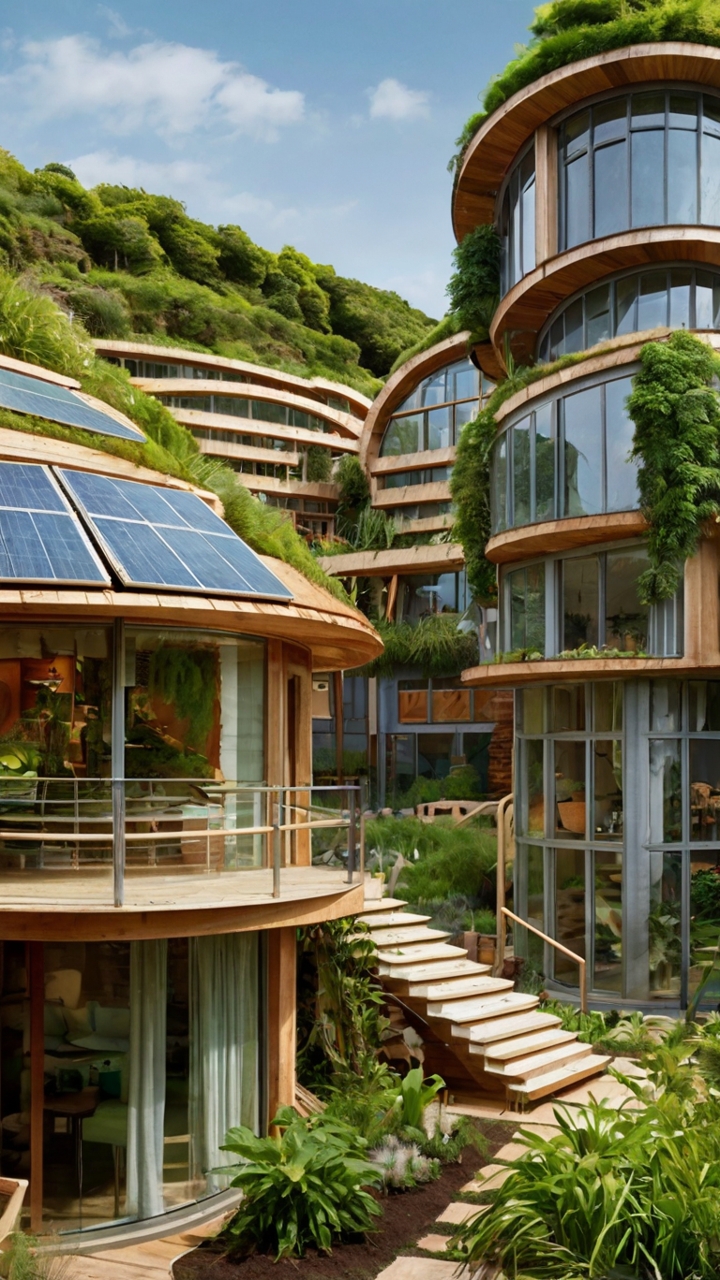
Discover Proto-Sustainability: Ancient Indigenous Buildings

Proto-Sustainability ancient housing indigenous buildings earthships cob houses

Long before we called it “green building,” Indigenous architecture in what’s now the United States was already doing it right. These ancient homes were built to withstand extreme weather, using local materials and careful observation. They outperformed many modern “eco” homes in terms of cost and efficiency.

This article looks at proto-sustainability as a way to understand ancient wisdom. We explore how buildings were designed to work with their environment, respecting the cultures that built them. Every detail, like a wall assembly, is part of a larger system of care for the land.

We compare traditional U.S. buildings with modern off-grid homes like earthships and cob houses. Both use natural materials and smart designs to stay cool and warm. But, they differ in how they use industrial materials and follow building codes.

Next, we’ll take you on a tour of U.S. climates and dive into materials like cob, adobe, and rammed earth. We’ll also focus on water, site selection, and how buildings fit into their landscapes. Finally, we’ll offer advice on how to draw inspiration without disrespecting other cultures.

What Proto-Sustainability Means in Architecture

The concept of proto-sustainability is best understood by looking back. These buildings were designed to work well with local ecosystems and to be easily repaired. The goal was to keep them running year after year, without taking too much from the future.

Defining proto-sustainability vs. modern green building

Today, we often focus on modern green building standards. These include LEED scores and net-zero goals. Yet, the debate between green building and traditional architecture remains important.

Proto-sustainable design is more like a practical guide. It uses materials that are easy to find and maintain locally. These materials are also better for the environment because they don’t end up in landfills.

LensProto-sustainable practiceModern green building frameworks
Primary proofLong performance in one place across generationsModeled performance plus third-party rating or certification
Supply chainLocal sourcing; short transport; seasonal availabilityOften global sourcing; specialized assemblies and imports
Maintenance modelPlanned upkeep as routine community workScheduled service; sometimes specialist-driven maintenance
Materials mindsetLife-cycle building materials chosen for repair and reuseMix of low- and high-embodied-energy products, depending on budget and goals
Risk profileKnown performance under local weather patternsCan be excellent, yet may rely on tight tolerances and precise installation
Woman, Indigenous, Ecuador image.

Why Indigenous knowledge systems matter today

Indigenous knowledge systems are not just stories. They are valuable data gathered through hard experience. This includes learning from weather and natural events.

Traditional ecological knowledge (TEK) offers insights that go beyond numbers. It connects the health of habitats, settlement patterns, and daily life. This approach tests design choices over seasons, not marketing cycles.

How climate, culture, and materials shaped design

In climate-adaptive architecture, design follows weather patterns. Buildings use thick walls, overhangs, and tight entries to manage temperature and wind. Raised floors help deal with moisture.

Culture also influences design. Buildings are designed to organize people, not just air. They reflect shared labor, privacy, and ceremonial life. In many places, “sustainable” meant “works here, repeatedly,” without harming local resources.

Proto-Sustainability ancient housing indigenous buildings earthships cob houses

A serene landscape showcasing ancient indigenous housing that embodies proto-sustainability. In the foreground, a group of intricately designed cob houses made of earth and natural materials, each featuring rounded edges and organic shapes. The middle ground reveals a cluster of earthships, solar panels integrated into their architecture, surrounded by flourishing gardens of native plants. The background features rolling hills dotted with greenery and a vibrant sky at golden hour, casting warm light that enhances the earth tones of the structures. The atmosphere is peaceful and harmonious, suggesting a deep connection with nature. Capture this scene with a wide-angle lens to encompass the depth and beauty of the surroundings. This image is created for "The Sustainable Digest".

The term Proto-Sustainability sounds new, but its roots are ancient. Builders long ago designed homes to work with nature. They aimed for comfort using less energy.

Today, we’re rediscovering these old ideas. They focus on how buildings work and use resources wisely. Indigenous architecture is more than just a prototype; it’s a living part of our culture.

Connecting ancient building logic to earthships and cob houses

Indigenous buildings managed heat with thick walls and smart openings. Earthships use earth-berming and heavy walls to keep temperatures stable. It’s like engineering a house to work like a system.

Cob houses are built with clay, sand, and straw. Their walls are dense and can be fixed in place. This method is not regress; it’s a smart use of materials.

Shared principles: thermal mass, passive solar, and local sourcing

Across time, the same ideas keep coming back. Passive solar homes use sun to warm them in winter and cool them in summer. Thermal mass walls store heat and release it slowly.

Building with local materials is key. It reduces transport needs and makes repairs easier. The right material choice is crucial for success.

Design focusCommon thread in older practicesHow earthship design applies itHow cob house principles apply itTypical constraint in the U.S.
Heat storage and releaseThick envelopes buffer daily temperature swingsUses bermed shells and interior mass to stabilize indoor tempsRelies on dense earthen walls to moderate peaks and dipsThermal mass walls can underperform without added insulation in cold zones
Solar orientationOpenings and room layout follow seasonal sun pathsTargets sun-facing glazing for winter gain and controlled shadingPairs window placement with wall mass to reduce overheatingLot shape, setbacks, and neighboring shade can limit exposure
Material sourcingUse what is nearby and workable; replace parts over timeOften mixes local earth with salvaged industrial inputs like tires or bottlesUses site or regional soil blends; repairs can reuse the same mixSoil testing, moisture detailing, and lender expectations add friction
Moisture managementForm, roof lines, and site drainage protect wallsDepends on membranes, drainage layers, and precise detailingDepends on plasters, capillary breaks, and roof overhangsBuilding codes may require specific assemblies and inspections

Where modern interpretations diverge from traditional practice

Today’s buildings often focus on individual needs, not community. This is different from Indigenous structures, which were deeply connected to their people and land.

Modern builds might use industrial materials, while traditional ones relied on local resources. This can lead to higher environmental impacts, especially if materials are imported.

In cold climates, mass alone may not be enough to keep buildings warm. This doesn’t mean the ideas are wrong; it just shows they need to be adapted for today’s conditions.

Indigenous Building Principles That Reduce Environmental Impact

Before we worried about carbon, Indigenous builders built smartly. They used what was easy to carry and avoided hard-to-get resources. This simple rule helped many communities in the U.S. build sustainably.

Building with local, renewable, and salvaged materials

They chose materials based on what was nearby. They used earth, wood, reeds, grasses, stone, and hides. This choice saved time, tools, and energy.

Salvage building was also key. They reused materials after storms or repairs. This way, they didn’t waste anything. Today, we call this circular construction.

Designing for durability, repairability, and reuse

They built to last, not just to look good. They made walls thick, roofs overhang, and floors raised. This made their homes last longer with less work.

They also made houses easy to fix. They could replace parts without tearing everything down. This was better than modern buildings that hide problems until they’re expensive to fix.

PrincipleTraditional performance logicEnvironmental effectMaintenance pattern
Use what the site offersEarth, stone, timber, reeds, and grasses selected for climate fit and availability (local materials)Less transport demand; fewer processing steps for low-impact buildingPeriodic harvesting and careful replenishment of renewable materials
Protect the structureThick walls, raised floors, and roof overhangs reduce sun, rain, and splash-back damageLonger lifespan means fewer replacement cycles and less wasteRoutine inspections; small fixes prevent large rebuilds
Make parts replaceableFinish layers and sacrificial elements can be renewed without disturbing the core (repairable housing)Lower material throughput over time; fewer landfill-bound removalsRe-plastering, patching, re-thatching done with basic tools
Keep materials in circulationRecovered poles, stones, and boards reused when possible (salvage building)Supports circular construction by extending component lifeSorting, storing, and reusing parts as needs change

Low-waste construction methods and closed-loop thinking

They built on-site to reduce waste. This meant less packaging and offcuts. They also made sure materials could go back to nature easily.

This way of building is still smart today. It’s about planning well and avoiding waste. It makes buildings last longer and need less fixing.

Earth-Based Materials: Cob, Adobe, Rammed Earth, and Clay

A serene scene featuring rammed earth walls, showcasing their textured surface and natural hues of browns and ochres. In the foreground, detailed close-ups of the wallโ€™s layered construction reveal the organic materials used, including clay and straw. The middle ground features a rustic building displaying these walls integrated into a culturally relevant structure, surrounded by native plants and sustainable landscaping. In the background, a clear blue sky accentuates the warmth of the sunlight, casting gentle shadows that highlight the architectural details. The atmosphere is tranquil and earthy, reflecting a harmonization with nature. Use soft, natural lighting and a wide-angle lens to create an inviting perspective. The Sustainable Digest.

Earth can be a great material for building, but it needs careful handling. The success of earthen buildings depends on the soil, wall shape, and climate. It’s important to get the details right, especially with flashing.

Start with a solid base and a strong roof. This includes raised foundations, capillary breaks, and big roof overhangs. Then, focus on how the walls handle heat and moisture.

Cob house composition and performance basics

A cob house is made from clay-rich soil, sand, straw, and water. The mixture is pressed into walls by hand. These walls can hold weight if they’re thick enough.

The thickness of cob walls is not just for looks. It also helps with keeping warm and managing moisture. You can shape the walls easily, but remember to add lintels over openings.

Adobe bricks vs. cob walls in different climates

Adobe uses sun-dried bricks, making it easier to plan and fix. You can replace a single brick without redoing the whole wall.

Cob walls are built on-site, fitting well with unique designs. In hot areas, both types keep the inside cool. But in wet places, they need extra care to handle moisture.

Rammed earth: density, strength, and thermal stability

Rammed earth walls are made by pressing damp soil into forms. They are strong and keep heat well. You can even make them look modern.

Old mixes just used soil and compaction. Now, some add cement for strength. But this can increase carbon emissions.

Breathability, moisture control, and natural plasters

Earthen walls can handle indoor humidity. But they need protection from too much water. Also, they should be able to breathe.

Clay plaster is a good finish because it’s easy to fix. Lime can make it last longer in wet spots. Both work best when the wall can dry and the roof keeps rain away.

Material approachHow it is madeStrength and structure notesMoisture and finish strategyBest-fit climate signal in the U.S.
cob house wallsClay-rich soil, sand, fiber, and water placed as a continuous massThick walls carry load; curves add stability; openings need lintels and thoughtful reinforcementRelies on drying potential; clay plaster or lime finish protects while staying compatible with vapor permeabilityPerforms well where rain is manageable with overhangs; needs extra care in humid or flood-prone areas
adobe constructionSun-dried bricks laid with earthen mortar in modular coursesPredictable units support standard details; seismic strategies often include reinforcement and bond beamsRequires raised bases and durable exterior coats; finish choices should respect hygrothermal designStrong match for hot-arid zones with high diurnal swing; detailing becomes decisive in mixed-wet climates
rammed earth wallsSoil compacted in forms in thin lifts; sometimes stabilized with cementHigh density and compressive strength; stabilized mixes increase consistency but change the carbon storySurface can be left exposed if protected from splash and runoff; compatible sealers must not trap moistureWorks across many regions when protected from driving rain; excels where thermal mass is a priority

Passive Heating, Cooling, and Ventilation Before Modern HVAC

Long before thermostats, Indigenous builders in North America used simple rules for comfort. They let the site do the work. This meant buildings faced the sun and winds, and were built to fit the climate.

Walls and floors used thermal mass to keep temperatures steady. Earth-berming and partial burial helped by using the ground’s stable temperatures. Shading strategies, like overhangs, cut glare and heat gain.

Ventilation was designed with purpose. Openings were placed to let in cool air and let out warm air. This natural flow was key to comfort.

In hot, dry areas, cooling was clever. Thermal mass absorbed heat during the day. At night, it released heat by opening pathways for cool air.

Cold comfort came from smart design. Buildings were placed to catch winter sun and were built to keep drafts out. This made heating more efficient.

Passive toolkitHow it works in practicePrimary comfort payoff
Orientation to sun and prevailing windsPlaces entrances, courtyards, and main rooms where winter sun helps and harsh winds are deflectedBetter solar gain with less infiltration
Operable openings for natural ventilationUses cross-breezes and adjustable vents to match daily and seasonal conditionsLower indoor heat and improved air freshness
High/low vent pairing using stack effectLets rising warm air escape high while pulling cooler air in low, especially during cookingMore reliable airflow without fans
Thermal mass and night flushingStores heat in dense materials by day; releases and resets with cool night airCooler evenings and steadier temperatures
Shading strategies and sheltered outdoor spaceBlocks high summer sun with overhangs, porches, and recessed wallsReduced overheating and glare

Modern passive-house thinking is similar. It starts by reducing loads before adding equipment. The difference is in approach. Indigenous methods treated buildings as living systems, adjusted daily.

Regional Case Studies Across the United States

Indigenous architecture in the United States, showcasing traditional structures such as adobe homes, longhouses, and earth lodges nestled in a natural landscape. In the foreground, detailed textures of weathered wood and earth materials reflect ancient building techniques. The middle ground features a cluster of these architectural forms, surrounded by native flora like sage and wildflowers, all under a blue sky with scattered clouds. In the background, rolling hills create a sense of depth and history. The lighting is warm and golden, suggesting late afternoon. The atmosphere is peaceful and natural, symbolizing sustainability and harmony with the environment. The image is devoid of human figures, allowing focus solely on the architecture. The Sustainable Digest.

Across the map, Indigenous architecture United States shows how climate shapes buildings. The shape, material, and labor all depend on the local climate.

What works in one place might not work in another. Copying a design without adapting it is like wearing a parka in Phoenix. It’s not practical.

Southwest adobe and pueblo-style communities

In Southwest adobe pueblos, thick walls slow down temperature changes. This helps keep the inside temperature steady.

Small openings help control heat gain and loss. Shared walls also protect against wind and sun.

Building up instead of out is smart. Stacked rooms create shaded areas and stable temperatures all day.

Plains and Plateau earth lodges and seasonal strategies

On the Plains and Plateau, earth lodges were built with timber frames and soil layers. This helped keep out wind and hold warmth.

These lodges were built to move with the seasons. People followed the food and fuel cycles, not a calendar.

Entrances were low and layouts were compact. This helped manage drafts in open areas where wind was always strong.

Pacific Northwest plank houses and rain-ready design

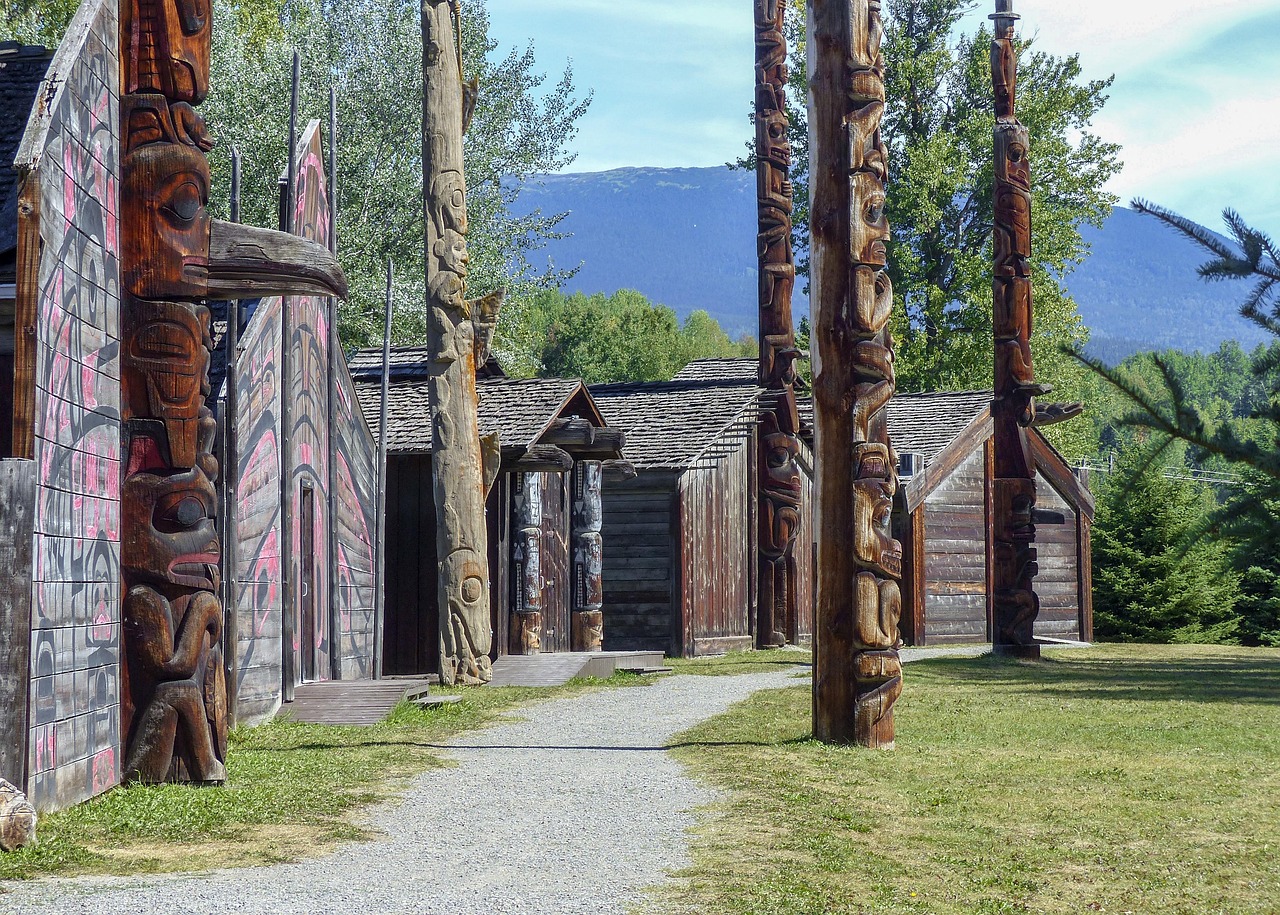
In the Pacific Northwest, plank houses were built with lots of timber and big interiors. They were made for long, wet seasons.

Steep roofs and raised floors kept water out. Rain-screen traditions were used in the design to manage water.

Wood was chosen for its durability. It could shed moisture and dry out, unlike other materials.

Arctic and Subarctic snow and sod structures for insulation

Farther north, buildings were designed for survival. They had less surface area and fewer leaks to lose heat.

Snow shelters and earth-sheltered forms kept heat in. Insulation with sod was used when timber was scarce.

RegionPrimary formKey materialsClimate pressure addressedBuilt-in performance tactic
SouthwestSouthwest adobe pueblosAdobe, clay plaster, local stoneHot days, cool nights, intense sunThermal mass walls; small openings; shared, clustered massing
Plains & PlateauEarthen lodgesTimber frame, earth cover, grassesHigh winds and winter coldEarth-sheltering; low profile; insulated roof layers
Pacific NorthwestPlank housesCedar planks, heavy beams, bark fibersPersistent rain and humiditySteep roofs; raised edges; rain-screen traditions for drainage and drying
Arctic & SubarcticSnow and sod structuresSnow, sod, earth, limited woodExtreme cold and heat loss riskCompact volume; reduced openings; insulation with sod to seal and buffer
Man, Musical instrument, Indigenous image.

Site Selection and Landscape Integration

In many Indigenous traditions, picking a site was not about a pretty view. It was about avoiding harsh weather. Builders looked at slope, soil, and shade like we read reports today. Landscape integration was a practical choice, not just for looks.

Designing for microclimates started with the sun. Winter sun is free and always there. South-facing slopes extended daylight warmth. Trees and shadows kept summer heat away.

Wind sheltering was simple yet effective. A hill, trees, or rocks could block wind without needing upkeep. Homes were placed where breezes could cool in summer but not freeze in winter.

Access to water was key, but it came with a risk of floods. Settlements were near water but also on higher ground. This kept homes safe from heavy rains.

The land was like a type of infrastructure. Berms, plants, and natural shapes guided water and kept temperatures steady. This approach disturbed the land as little as possible while meeting needs.

Landscape Integration processes

  • Terrain cues helped find where cold air settled and where sun hit first.
  • Resource proximity cut down on waste and unnecessary roads.
  • Patterned placement spread out risks and made access better over time.

Today, we use tools like solar studies and wind roses to understand what the land says. This approach is not just about looking back. It’s about respecting the land’s wisdom before we build on it.

Site factorObserved Indigenous approachModern analysis equivalentPerformance benefit
Sun pathPreference for south-facing exposure and controlled shadeSolar orientation study with seasonal shading reviewMore winter warmth; less summer overheating
Wind and stormsUse of landforms and vegetation for wind shelteringWind rose + setback modeling + storm trackingLower heat loss; calmer outdoor work areas
Water and drainageNear water sources, but with flood-aware placementWatershed mapping + floodplain and runoff modelingReliable access; reduced flood and erosion risk
Soil and ground stabilityBuilding on firm ground with predictable drainageGeotechnical review + infiltration and slope checksFewer cracks and settlement issues; better moisture control
Habitat impactMinimize disturbance to support ecological fit over timeSite disturbance limits + habitat assessmentHealthier soils; stronger long-term resilience
Movement and accessPlacement aligned with travel routes and shared resourcesCirculation planning + service access evaluationLess energy spent moving goods; smoother daily routines

Community-Centered Design, Cultural Continuity, and Stewardship

A vibrant, community-centered design scene showcasing ancient Indigenous buildings nestled in a lush, green landscape. In the foreground, a diverse group of people in modest yet professional attire engage collaboratively, designing and sharing cultural motifs, emphasizing stewardship and connection. The middle ground features intricately crafted Indigenous structures made of natural materials, harmonizing with the surrounding environment. The background reveals rolling hills under a golden sunset, casting warm, inviting light that creates a sense of warmth and belonging. The image captures the essence of cultural continuity, with traditional symbols skillfully integrated into the design. Use a wide-angle lens to enhance the sense of space and community. The atmosphere is peaceful, inspiring, and filled with hope for a sustainable future. The Sustainable Digest.

In many Indigenous building traditions, sustainability was more than just a list of materials. It was a way of life. Buildings were tied to family, place, and work, carrying culture through generations. Decisions were made with care, resources were gathered wisely, and everyone was responsible when weather tested the walls.

Building as a communal process and knowledge transfer

Building together was like building social bonds. People worked, learned, and passed on skills as they went. Tasks were shared, so everyone knew how to fix things when needed.

This way of building taught patience and respect for nature. Materials were chosen based on the season, fitting the climate and terrain. This approach became part of their culture, not just a building phase.

Respecting sacred landscapes and cultural protocols

Where a home sits can hold deep meaning. Indigenous protocols guide what and where to build, to avoid disturbing sacred places. Modern designers must respect these rules, getting consent and understanding sovereignty.

This respect is key to stewardship ethics. It’s about who decides, who benefits, and who takes the risk. It’s not just about following rules, but about understanding the land and its people.

Longevity through maintenance traditions and shared responsibility

Long-lasting homes need regular care, not just repairs. Traditional practices keep homes healthy and strong. Modern promises of “maintenance-free” often mean higher costs and harder fixes.

Practice focusCommunity approachWhat it supports over time
Routine inspections after stormsShared checklists and quick fixes during seasonal gatheringsEarly detection of moisture, settling, and wind damage
Surface renewal (plaster, limewash, clay)Local mixes adjusted to humidity, sun, and wall behaviorMoisture control, breathability, and easier repair cycles
Sacrificial componentsReplaceable layers designed to wear out firstProtection of structural members and reduced material waste
Responsibility and governanceClear norms for who maintains what and whenContinuity of care; fewer deferred repairs and failures

Durability is a shared effort, not just a product claim. Community design and communal building make this effort clear. Traditional maintenance and stewardship ethics keep it going strong. Together, they build a lasting legacy that goes beyond trends.

Water Wisdom: Harvesting, Drainage, and Resilience

In many Indigenous settlements, water planning was a top priority. This was because having water to drink was essential. The way water was managed showed a deep understanding of how to handle water effectively.

Rainwater collection concepts in traditional settlements

Rainwater harvesting was key in these communities. Roofs, courtyards, and footpaths directed water to storage areas. This approach reduced the need for a single water source.

Conservation was a big part of this system. It helped manage water use without wasting it. This careful approach shaped daily life, from water carrying to rationing.

Managing runoff, erosion, and flood risk with landform cues

Managing runoff was like reading the weather. Communities avoided floodplains and used terraces to control water flow. This kept homes safe from water damage.

Today, this approach is still important. It helps buildings withstand heavy rain and dry spells. Proper roof edges and grading are crucial for keeping foundations safe.

Material choices that support moisture resilience

Earthen buildings lasted long with the right care. Moisture management was key. Raised foundations and overhangs protected walls from water damage.

Modern practices follow similar principles. Good drainage and durable finishes are essential. This approach helps buildings last longer and withstand harsh weather.

Water challengeTraditional responseComparable modern practice in the United StatesWhat it protects
Short, intense rainfallDirected roof runoff to safe paths; kept wall bases dry through overhangsGraded swales, downspout routing, and distributed infiltrationFoundations and earthen wall protection
Seasonal scarcity and droughtRainwater harvesting with storage; careful household conservationCisterns, demand management, and drought planningReliable daily supply
Slope-driven washoutsTerraces, berms, and planted edges for erosion controlCheck dams, vegetated buffers, and slope stabilizationTopsoil and access routes
Water at wall baseSacrificial plasters; raised plinths; breathable finishes for moisture detailingCapillary breaks, lime-based renders, and repairable claddingsWall strength and indoor comfort
Overflow during stormsClear drainage corridors; avoided natural low points for flood-resilient designFloodplain avoidance, freeboard, and overflow routingLiving space and critical utilities
A serene landscape showcasing a comparison between traditional Indigenous buildings and modern Earthships. In the foreground, depict a circular Indigenous dwelling made from natural materials like wood and clay, featuring a thatched roof and intricate carvings. In the middle, illustrate a sleek Earthship made from recycled materials, with curved walls and solar panels, surrounded by a lush garden of native plants. The background features a clear blue sky and distant mountains, creating a harmonious atmosphere. Use warm, natural lighting to evoke a sense of tranquility, capturing the essence of sustainability. The perspective should be slightly elevated, highlighting both architectural styles in a balanced view. This image is intended for The Sustainable Digest, reflecting the theme of environmental harmony.

Comparing Traditional Indigenous Buildings and Modern Earthships

When we look at traditional Indigenous buildings and earthships, we see a big difference in purpose. Indigenous homes were built for community and shared work. Earthships, on the other hand, focus on individual freedom and avoiding utility bills.

Materials also play a key role in this comparison. Traditional buildings used natural materials like soil and wood. Earthships, while using natural materials, also include items like tires and bottles, making them more complex.

Systems thinking is another area where earthships and traditional buildings differ. Earthships can be very efficient in the right climate, especially with a well-designed greenhouse. But, they can also struggle with moisture and overheating, unlike traditional buildings that were often tested over time.

Traditional vs. Modern sustainable dwelling

Comparison lensTraditional Indigenous buildingsModern earthships
Primary purposeCommunity continuity, shared skills, seasonal rhythms, and long-term stewardshipOff-grid experimentation, household autonomy, and integrated systems under one roof
Typical material profileBiogenic and earthen materials; minimal processing and straightforward repairHybrid salvage plus industrial inputs (tires, bottles, concrete, liners); detailing is more technical
Operational strategySeasonal operation and climate-tuned form; comfort managed with habits and architectureIndoor climate managed through mass, glazing, and water/air systems; earthship performance varies by region
Embodied impactLower embodied carbon in many cases; simpler end-of-life pathways and reusePotential landfill reduction; embodied carbon can rise with cement and specialized components
Regulatory and health frictionOften compatible with natural-material codes when properly engineeredPermitting can be harder; tire walls and airtight zones can raise air-quality and inspection concerns
Design meaningStrong cultural context in architecture; forms reflect place, identity, and protocolAesthetic is often mistaken for tradition; borrowing principles differs from borrowing identity

It’s important to understand the cultural context of architecture. Climate design can be universal, but cultural symbols should not be used lightly. This is because cultural context in architecture is not just about looks.

For those planning and building, the choice between traditional and earthship homes is not easy. Simple designs are often easier to maintain, but earthships offer a unique challenge. Even a well-designed greenhouse can be a blessing or a curse, depending on how it’s built and the climate.

Ancient Indigenous buildings seamlessly integrated into a lush, sustainable landscape, showcasing climate-appropriate design principles. In the foreground, a diverse group of professionals, dressed in modest casual attire, examine eco-friendly materials like rammed earth, bamboo, and recycled wood. In the middle ground, a cluster of intricately designed structures with organic shapes and green roofs, featuring large windows that maximize natural light and ventilation. The background reveals a vibrant forest, harmonizing with the architecture. Soft, golden hour lighting bathes the scene, enhancing the warm, inviting atmosphere. The composition is captured from a low angle, emphasizing the grandeur of the buildings while inviting a sense of connection to nature. A serene, inspirational mood embodies the essence of sustainable homebuilding for modern times. The Sustainable Digest logo is subtly represented in the design elements.

Design Takeaways for Sustainable Homebuilding Today

Building homes sustainably is simpler when we first ask: what does this site demand? Designing for the climate starts with understanding the sun, wind, rain, and soil. Using materials that fit the site is key, even if they seem natural.

When deciding between thermal mass and insulation, form is as important as material. A deep porch can be as effective as any technology in hot weather. It’s all about how well the design fits the climate.

The choice between thermal mass and insulation is a puzzle. Heavy walls can keep temperatures steady, but only if they’re right for the site. Insulation cuts energy use, but can trap moisture if not designed to dry.

Ventilation

A good ventilation strategy is crucial for air quality and moisture control. Even the smallest duct or vent can do the most important work.

Design teams should work together, not against each other. Using operable windows and heat pumps can reduce energy needs. The best design is like a weather forecast, guiding how the house interacts with the environment.

Ethical building strategies

Ethical design means more than just inspiration. It’s about respect and responsibility. Using Indigenous wisdom is valuable, but it must be done with care and consent.

In the U.S., building codes and insurers set the rules. A smart approach includes small tests and clear documentation. Understanding soil and moisture behavior is essential, no matter how beautiful the designs.

Decision pointCommon optionWhat to check earlyWhy it matters in the U.S.
Form and orientationCompact massing with tuned glazingOverhang depth, summer shading, winter solar accessSupports climate-appropriate design across hot-arid, cold, and mixed-humid zones
Wall assemblyHigh mass wall, insulated frame, or hybridThermal mass vs insulation balance; drying potential; dew-point riskReduces comfort swings and moisture damage without overbuilding
Fresh air and moistureNatural + mechanical ventilationVentilation strategy, filtration needs, exhaust locations, makeup airImproves indoor air quality and helps control humidity during wildfire smoke and humid summers
Permitting pathwayPrototype wall, lab tests, early plan reviewBuilding codes earthen homes, engineering sign-off, insurer requirementsPrevents redesign late in the process, when budgets become โ€œhistorical artifactsโ€
Reference and storytellingLearning from Indigenous precedentsAttribution, consent, avoiding sacred motifs, fair compensationKeeps ethical design inspiration grounded in respect and real accountability
  • Prototype first: build a small wall or shed to observe drying, cracking, and detailing before scaling up.
  • Test what is local: confirm soil performance and stabilizer needs rather than trusting assumptions about โ€œnatural.โ€
  • Meet reviewers early: a short conversation can surface code paths, required reports, and inspection expectations.

Conclusion

This summary shows a key truth: many Indigenous buildings in the United States were made for the climate, not just for looks. They used the sun, wind, and shade wisely. Their walls were made from local materials and controlled moisture well.

Waste was low because they focused on fixing, reusing, and seasonal care. This approach made their buildings last long.

The lessons from Indigenous architecture teach us about care, not just warranties. Earth-friendly homes work best when they see maintenance as part of life. These sustainable design principles are seen in small details that prove their worth in storms.

Earthships and cob houses can be good choices if they fit the site and handle local weather. But, Indigenous architecture is more than just a style. It’s about the land, community, and freedom.

When we borrow Indigenous designs without understanding their context, we harm. This turns design into a form of taking without giving back.

The main lesson for building homes in the United States is to learn from the site. Respect its limits and design for repair from the start. Sustainability is about building a relationship with the land, not just adding features.

Build homes that last as long as the landscape, because they will. This approach is not just practical but also respectful of the environment.

Key Takeaways

  • proto-sustainability helps explain why many Indigenous architecture systems perform so well in local climates.
  • ancient housing often relied on thermal mass, passive solar gains, and smart airflow instead of mechanical systems.
  • sustainable building history looks different when vernacular design is treated as engineering, not folklore.
  • climate-responsive homes share principles across regions, but details change with weather, soils, and available fibers.
  • United States traditional buildings can inform modern practice without copying cultural meaning or sacred forms.
  • earthships and cob houses echo older strategies, yet diverge through industrial materials and code-driven constraints.

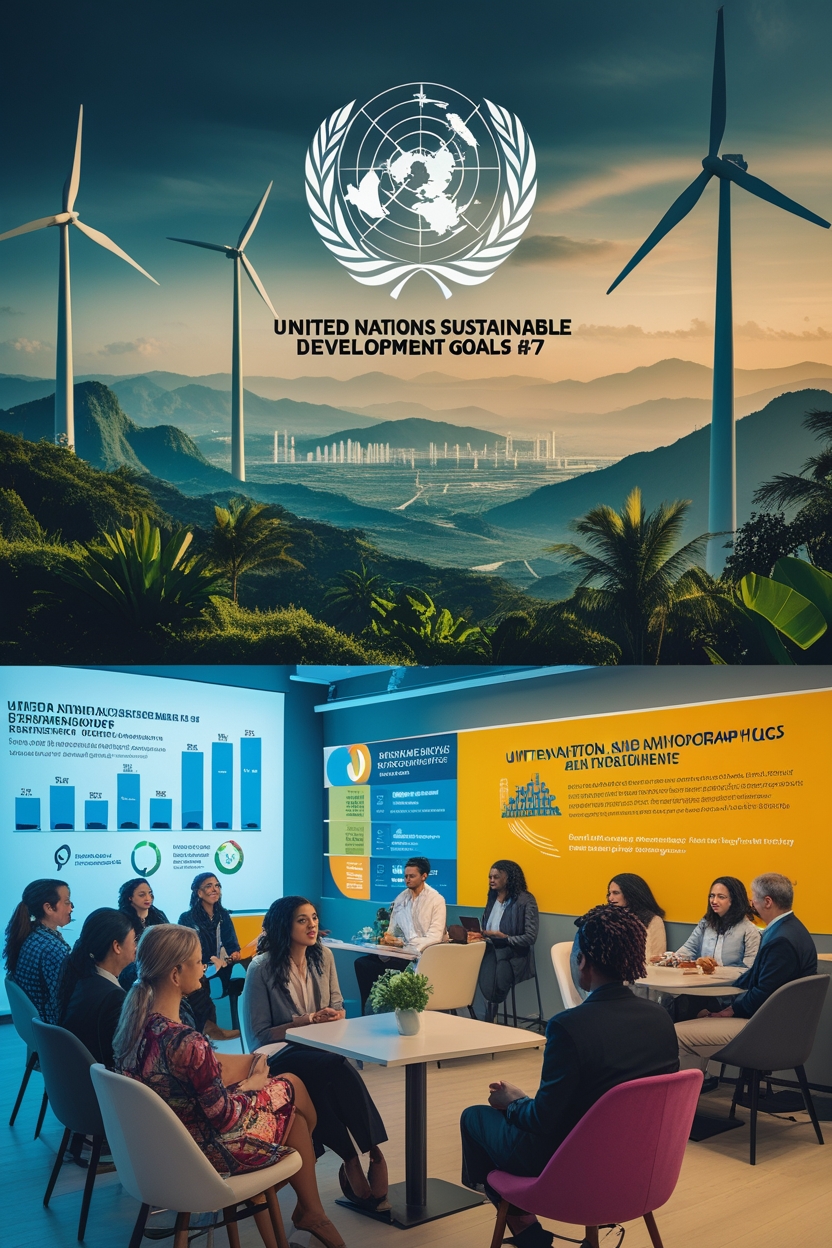
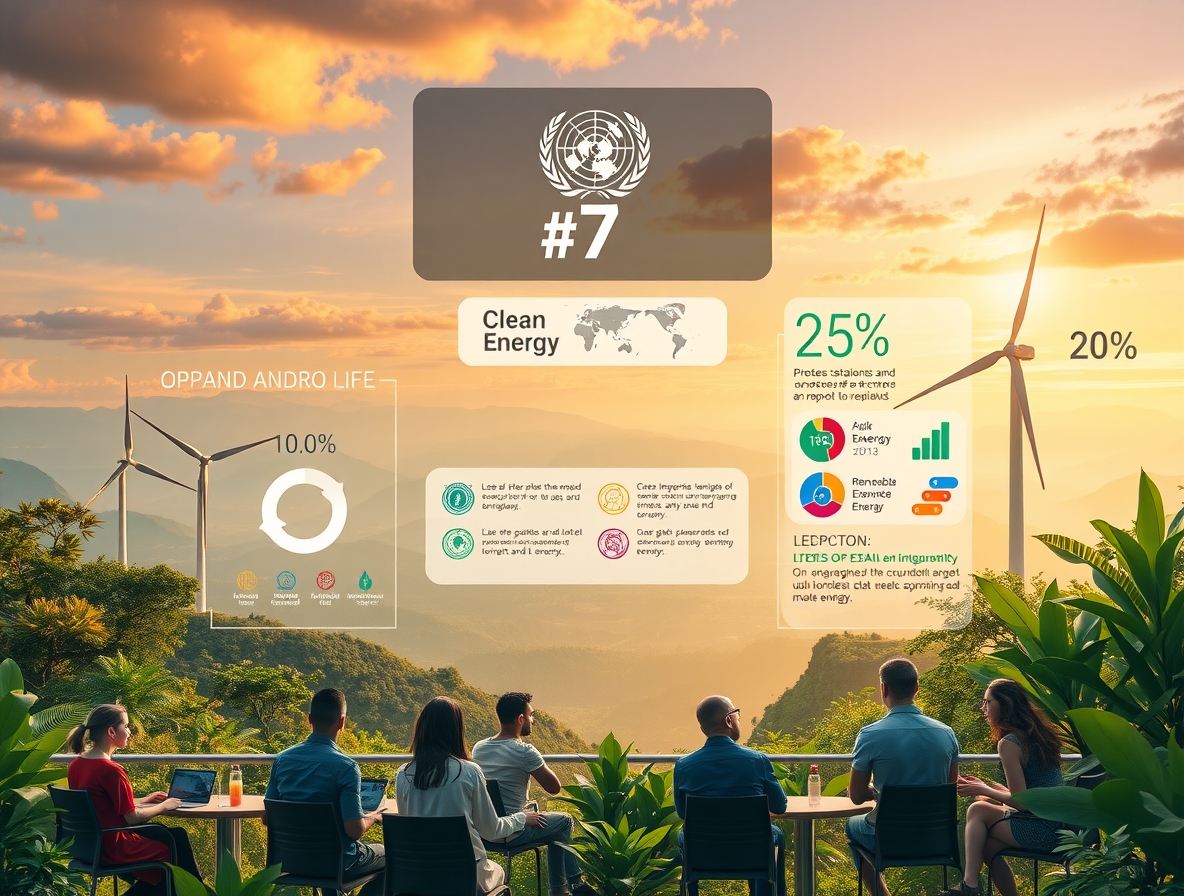
Comprehensive Guide to UN SDG#7 Emissions Reporting

United Nations SDG#7 Scope 1,2,3,4 emissions GHG Reporting Carbon Climate

Global efforts to tackle environmental challenges need real action from businesses. The seventh Sustainable Development Goal focuses on making energy accessible and modern. It also aims to fight global warming. This makes a clear connection between a company’s energy choices and its environmental impact.

Companies using renewable energy face complex tracking needs. Showing how much energy they use helps others see if they’re being eco-friendly. Robust disclosure frameworks let companies show they’re cutting down on harmful outputs. This supports global goals for sustainability.

Switching to clean energy needs to follow set standards. These standards help measure how much pollution is being cut from operations and supply chains. Getting third-party verification makes these reports more believable. This builds trust with investors and regulators.

As industries move to sustainable practices, knowing how to report is key. This guide looks at ways to document energy-related environmental impacts. It also covers how to meet international standards. Later sections will offer strategies for different company sizes and types.

The Critical Role of SDG#7 in Global Climate Action

Global energy systems face a big challenge. They need to meet growing demand while cutting down on carbon emissions. United Nations Sustainable Development Goal 7 (SDG#7) offers a solution. It aims to make energy both affordable and clean, helping to reduce emissions.

This goal could change how we view energy and fight climate change worldwide.

UN Sustainable Development Goal 7 Explained

SDG#7 aims to get everyone access to modern energy by 2030. It also wants to increase the use of renewable energy. This goal is special because it connects solving energy poverty with protecting the environment.

It shows that we can meet human needs and protect the planet at the same time.

Affordable and Clean Energy Mandate

More than 700 million people still don’t have electricity. Most live in sub-Saharan Africa and South Asia. SDG#7 suggests using solar energy and hydropower energy to solve this problem.

These solutions don’t rely on old, polluting ways of making energy. They offer a chance for developing countries to jump straight to cleaner energy.

The International Energy Agency (IEA) says using more renewable energy could cut COโ‚‚ emissions by 12 gigatons a year by 2030. That’s like removing all emissions from cars and trucks today. Clean energy is key to fighting climate change.

Energy Sector’s Emissions Impact

Fossil fuels are still the main source of energy, causing 73% of greenhouse gas emissions, according to 2023 IEA data. Switching to wind energy, solar, and other renewables is crucial to meet Paris Agreement goals.

Current Global Energy Emissions Statistics

Energy SourceGlobal Share (%)Annual COโ‚‚ Emissions (Gt)
Coal2715.3
Oil3112.4
Natural Gas237.5
Renewables190.9

Transition Imperatives for 2030 Agenda

Developing countries have big challenges in updating their energy systems. While rich countries replace old infrastructure, countries like India and Nigeria need to build new, smart grids. These grids will handle decentralized sustainable energy solutions.

The World Bank says we need $1.7 trillion a year in investments until 2030 to meet SDG#7 goals.

To grow renewable energy faster, we need better policies and technology sharing. Solar and wind energy are growing, but not fast enough. We need more international help and new ideas from businesses to meet our climate goals.

Understanding Scope 1 Emissions in Energy Production

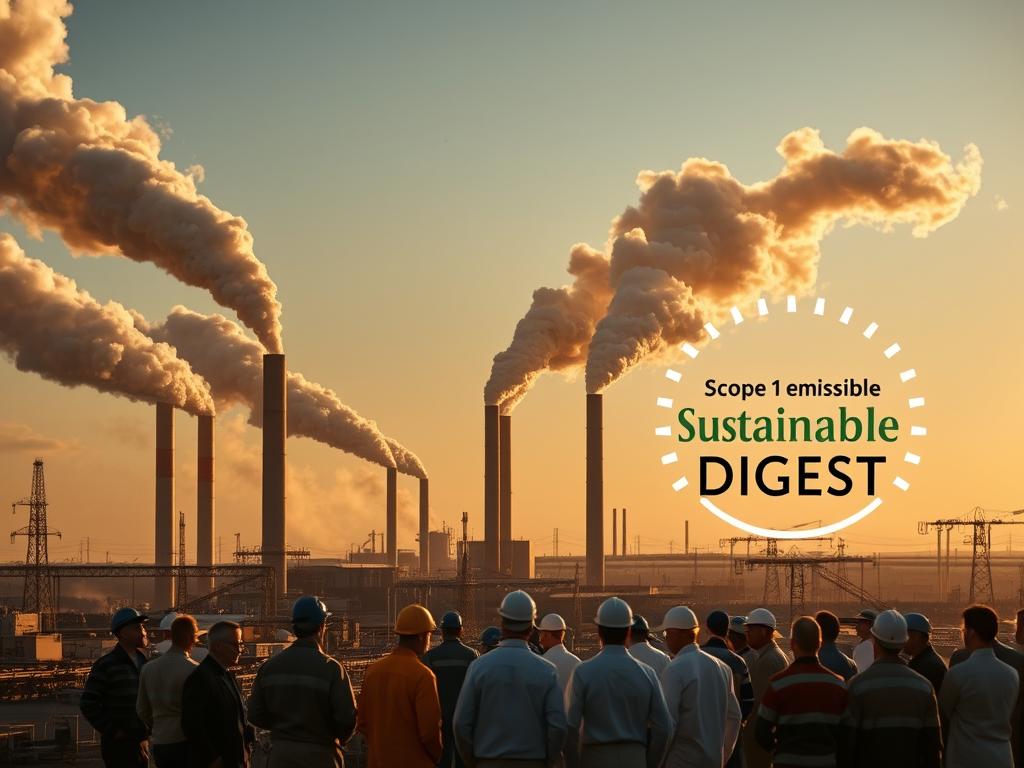
A vast industrial landscape, smoke billowing from towering chimneys. In the foreground, a team of technicians monitors a network of sensors, tracking Scope 1 emissions from the energy production facility. The scene is bathed in warm, golden light, casting long shadows across the scene. The Sustainable Digest logo prominently displayed, underscoring the importance of responsible energy practices. High-resolution, cinematic, photorealistic.

Operational emissions make up 60% of the energy sector’s carbon footprint. This is a big problem that needs quick solutions. These emissions come from sources the company owns or controls. This makes them key for following rules and understanding the environment’s impact.

Energy companies need to track these emissions well. They must do this to meet new environmental rules and keep their operations running smoothly.

Direct Emission Sources

Fossil fuel combustion processes are the main cause of Scope 1 emissions in the energy sector. Power plants burning coal, oil, or natural gas release COโ‚‚. This happens through boilers, turbines, and flare stacks.

Using better combustion systems can cut these emissions by 12-18%. This can be done without losing energy output.

Fugitive Emissions From Operations

Methane leaks during extraction and transport are big contributors to climate change. Now, infrared cameras and drones can find leaks 40% faster than before. A 2023 Chevron study showed a big drop in fugitive emissions.

Upgrading compressor seals and vapor recovery units cut emissions by 63% in the Permian Basin. This is a big success.

Measurement and Reporting Standards

Rules make sure emissions reports are the same everywhere. The table below shows some key rules:

StandardEPA Subpart WISO 14064
Reporting FrequencyAnnualFlexible
VerificationThird-party auditInternal or external
CoverageOil & gas onlyAll industries

GHG Protocol Corporate Standards

This framework asks companies to report on all combustion sources. ExxonMobil found $17M in energy savings in 2022. They did this by using flare gas recovery systems.

Using carbon offsetting programs can be very helpful. Duke Energy worked with American Forests to create carbon credits. These credits offset 22% of their emissions from burning fuel.

Managing Scope 2 Emissions Through Energy Procurement

Companies are using energy buying strategies to fight Scope 2 emissions. These are indirect greenhouse gases from electricity, heat, or steam bought. They make up almost 40% of global energy-related CO2 emissions. So, how companies buy energy is key to fighting climate change.

Indirect Emissions From Purchased Energy

Scope 2 emissions change based on energy source. Tools like WattTime now track hourly carbon intensity. This lets companies use energy when it’s cleaner.

Electricity Generation Mix Analysis

It’s important to check the power grid’s energy mix. For example, a facility in the Midwest might have higher emissions than one in California. The EPAโ€™s Power Profiler tool helps show these differences.

Location vs Market-Based Accounting

Companies can choose two ways to report emissions:

ApproachCalculationBest For
Location-BasedUses grid average emissionsBaseline reporting
Market-BasedAccounts for renewable contractsGreen power claims

Microsoft uses both methods. It shows its actual use of renewable energy through its 24/7 carbon-free energy program.

Renewable Energy Certificates (RECs)

RECs prove green power acquisition. Each one equals 1 MWh of clean energy. But, their impact depends on how they’re used:

Tracking Renewable Energy Purchases

VPPAs secure long-term prices and fund new clean energy projects. Physical RECs support existing projects but don’t grow new ones. A 2023 study by BloombergNEF found VPPAs cut emissions 63% faster than standard RECs.

RE100 Initiative Compliance

Microsoft aims to be 100% renewable. It uses solar VPPAs and battery storage RECs. Now, it matches 95% of its energy demand with zero-carbon sources worldwide.

“Our procurement model proves scalable decarbonization is achievable without sacrificing operational reliability.”

Microsoft Sustainability Report 2023

Addressing Scope 3 Emissions Across Value Chains

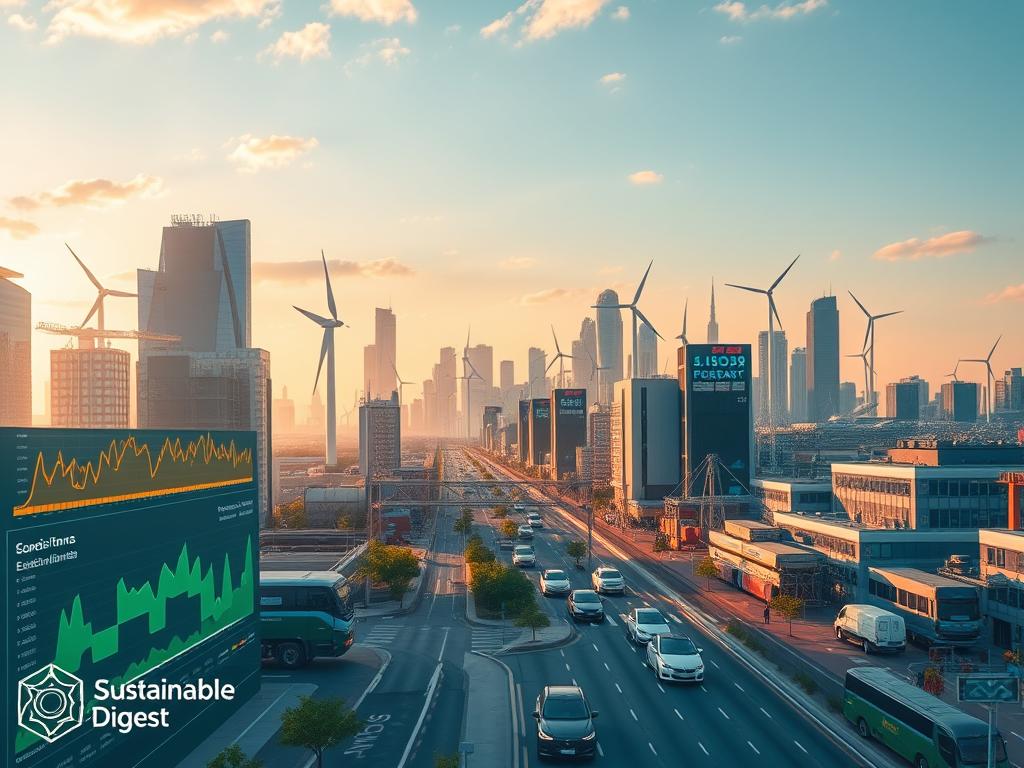
A vibrant cityscape with a focus on emissions monitoring and sustainability initiatives. In the foreground, a futuristic dashboard displays real-time data on Scope 3 emissions across the value chain, with various color-coded graphs and charts. In the middle ground, a bustling urban environment with modern skyscrapers and electric vehicles navigating the streets. In the background, a horizon filled with renewable energy infrastructure, such as wind turbines and solar panels, signifying a commitment to clean energy. The scene is illuminated by a warm, golden-hour lighting, conveying a sense of progress and optimism. The "The Sustainable Digest" brand logo is subtly integrated into the design, lending an air of authority and expertise.

Direct emissions get a lot of attention, but indirect emissions make up over 70% of a company’s carbon footprint. These emissions come from raw material extraction to product disposal. This means companies need to work closely with suppliers, logistics partners, and customers.

15 Categories of Indirect Emissions

The Greenhouse Gas Protocol breaks down Scope 3 emissions into 15 categories. This creates challenges and opportunities for measuring emissions. Two areas often missed are:

Upstream/Downstream Transportation

Transportation emissions make up 11% of global supply chain impacts. Companies like Walmart have cut freight emissions by 15% using route optimization software and hybrid vehicles. Key strategies include:

Transport PhaseEmission SourcesReduction Tactics
UpstreamSupplier deliveries to factoriesConsolidated shipments
DownstreamProduct distribution to retailersElectric fleet adoption

Employee Commuting and Business Travel

Microsoft’s 2022 report shows 8% of its Scope 3 emissions come from employee travel. Companies like Microsoft use carbon neutral solutions. They offer public transit passes and video conferencing for meetings.

Supply Chain Engagement Strategies

Amazon’s Climate Pledge Fellowship is a great example of how to engage suppliers. Since 2020, it has trained over 200 suppliers in emissions accounting. The program offers financial incentives and technical support for sustainable sourcing initiatives.

Vendor Sustainability Requirements

Now, leading manufacturers require environmental disclosures. They do this through:

  • Annual sustainability audits
  • Material traceability certifications
  • Energy efficiency benchmarks

Science-Based Targets Initiatives

Over 1,200 companies have set Scope 3 reduction plans based on SBTi. These environmental impact regulations push suppliers to use renewable energy and meet 1.5ยฐC pathways.

TechnologyApplicationImpact
BlockchainRaw material tracking63% faster emissions data collection
AI AnalyticsSupplier performance monitoring28% reduction in non-compliant vendors

IBM’s blockchain platform verifies 40% of its semiconductor suppliers’ emissions in real time. This shows how digital tools help manage value chains transparently.

Emerging Focus on Scope 4 Avoided Emissions

Scope 4 emissions mark a big change in how we look at environmental impact. They show how clean energy solutions stop greenhouse gases compared to fossil fuels. This gives us key insights for fighting climate change.

Quantifying Climate Positive Impacts

Tesla’s 2023 Impact Report shows this shift by counting 20 million metric tons of COโ‚‚ equivalents avoided. This is thanks to electric vehicles and solar energy systems. Their method fits with new ways to measure sustainable development.

Clean Energy Technology Deployment

Wind turbines and solar farms stop 2.6 billion tons of COโ‚‚ every year. That’s like taking 550 million cars off the road. A World Resources Institute study says the impact is bigger than expected.

Grid Decarbonization Contributions

Big battery systems let us use renewable energy all day, every day. This cuts down on using dirty plants. In California, emissions fell by 38% during peak hours with these systems.

Reporting Methodological Challenges

The World Business Council for Sustainable Development says:

“Without standardized protocols, double counting risks could undermine Scope 4 credibility”

Double Counting Risks

WRI’s Additionality Guidance stops double counting in renewable energy certificates (RECs). For example, a wind farm’s energy can’t count for both corporate PPAs and national climate goals at the same time.

ISO 14064-1:2018 Standards

This international standard has three key rules for Scope 4 reporting:

  • Baseline scenario validation
  • Technology-specific emission factors
  • Third-party verification requirements

GHG Reporting Frameworks for Energy Sector

A high-resolution, detailed illustration of "GHG Reporting Frameworks" for the energy sector. The scene depicts a group of interconnected, colorful geometric shapes and icons representing various emissions reporting standards, guidelines, and frameworks such as the Greenhouse Gas Protocol, ISO 14064, TCFD, and others. These elements are arranged in a visually striking, well-balanced composition, set against a backdrop of clean, minimalist architecture in muted tones. The lighting is soft and diffused, creating depth and highlighting the detailed textures. The overall mood is professional, informative, and aligned with the brand "The Sustainable Digest".

Understanding greenhouse gas reporting is key. It involves both rules and voluntary steps. Energy companies must follow laws and show leadership in sustainability.

Mandatory Compliance Programs

Energy producers face strict rules on emissions reporting. Two main programs shape US rules:

EPA Greenhouse Gas Reporting Program

The EPA’s GHGRP requires yearly reports for big emitters. Companies must track emissions from fuel use and flaring. Now, they also report biogenic CO2 from biomass plants.

SEC Climate Disclosure Rules

New SEC rules will ask public companies to share:

  • How climate risks affect their business
  • Scope 1 and Scope 2 emissions
  • Financial impacts of climate over 1% of total items
FeatureSEC ProposalEU CSRD
Scope 3 ReportingRequired if materialMandatory for large companies
ImplementationPhased from 2024Effective 2024
AssuranceLimited initiallyFull audit required

Voluntary Reporting Initiatives

Some companies go beyond what’s required. They use extra frameworks to get green financing.

CDP Climate Change Questionnaire

Over 18,000 companies share data through CDP. Energy sector firms must report:

  • Goals for cutting emissions
  • How they use carbon credits
  • How they manage climate risks

TCFD Recommendations Implementation

Duke Energy shows how to do it right. Their reports include:

  • Plans for a 2ยฐC and net-zero future
  • Linking executive pay to climate goals
  • Tracking investments in clean energy

Assessing what’s important is crucial. Top utilities use digital emissions tracking to cut errors by 38%, EY found.

Data Collection and Verification Best Practices

Detailed aerial view of a data collection and verification site, with multiple technicians in protective gear meticulously recording emissions data on digital tablets and instruments. The scene is bathed in warm, golden light from the setting sun, casting long shadows across the industrial equipment and machinery. In the background, The Sustainable Digest's logo is prominently displayed on a large banner, signifying the importance of this work towards sustainable development goals.

Accurate emissions management is key to meeting global climate goals. Companies need to use precise measurement and strict validation. This ensures transparency and helps in reducing carbon footprint.

Emissions Calculation Methodologies

Choosing the right calculation models is crucial for effective reporting. Tools like SAP’s system help by automating data collection. This reduces errors in environmental impact assessments.

Activity Data vs Emission Factors

Companies should know the difference between direct measurements and conversion rates:

Data TypeApplicationAccuracy
Activity DataFuel consumption recordsHigh precision
Emission FactorsGrid electricity analysisScenario-based

Continuous Monitoring Systems

IoT sensors offer detailed energy usage data for factories. This data is used in reporting software, helping in making quick changes to eco-friendly practices.

Third-Party Assurance Processes

Independent checks are vital for trustworthy reports. DNV’s program, used by 60% of Fortune 500 energy companies, checks three main areas:

  • Data collection protocols
  • Calculation methodology alignment
  • Uncertainty margin documentation

ISO 14065 Verification Requirements

This standard requires yearly checks of greenhouse gas reports. Validators look at technical skills and method consistency, especially for renewable energy claims.

Materiality Thresholds Determination

Companies must set error margins based on their size. A 5% margin is common for Scope 2 emissions. Scope 3 estimates might have wider ranges at first.

Renewable Energy Transition Strategies

A sprawling cityscape at dusk, bathed in warm hues as the sun dips below the horizon. In the foreground, a diverse array of renewable energy installations stand proud - sleek solar panels, towering wind turbines, and gleaming hydroelectric dams. The middle ground is dotted with electric vehicles silently navigating the streets, while in the background, skyscrapers and office buildings showcase the latest energy-efficient technologies. A sense of progress and optimism pervades the scene, as "The Sustainable Digest" logo hovers discreetly in the corner, signifying a vision for a sustainable future.

Companies around the world are finding new ways to meet sustainable development targets. They are doing this while keeping their finances and operations running smoothly. This section looks at two key ways to cut down on emissions: corporate energy deals and local power generation.

Corporate Power Purchase Agreements

Virtual PPAs let companies support green projects without needing to physically get the energy. These deals set a fixed price for the energy, giving companies budget stability. They also help clean up the grid faster. Google’s goal of using only carbon-free energy shows how this works.

Virtual PPA Financial Structures

These deals have a few main parts: fixed prices, how payments are made, and how long the deal lasts. For example, a 12-year deal might have a fixed price for 60% of the energy and a market-based price for the rest.

Additionality Requirements

Good PPAs must show that they create new green energy. The RE100 group makes sure projects are real and wouldn’t happen without corporate help. This ensures the deals actually cut down on emissions.

On-Site Generation Solutions

Local energy systems give companies control and make them more resilient. Big names like Walmart have put solar panels on 364 buildings. This makes 1.4 billion kWh of clean energy every year.

Solar PV System ROI Analysis

Businesses can get a good return on solar panels in 5-8 years. This is thanks to:

  • Federal Investment Tax Credit (30%)
  • State rebates
  • Lowering peak demand charges
FactorLeasing ModelCapital Purchase
Upfront Cost$0$1.2M (1MW system)
Long-Term Savings15-20%40-60%
MaintenanceProvider responsibilityOwner responsibility

Wind Energy Procurement Models

Community wind projects let different groups share the energy from one turbine. The Block Island Wind Farm sends 30MW to Rhode Island. This is thanks to deals between the company and the local government.

Now, 4,800 US facilities are powered by microgrids. These use solar panels and batteries to stay on during outages. California’s Blue Lake Rancheria microgrid kept services running during 15 PSPS events since 2019.

Accelerating Climate Action Through Transparent Reporting

Companies aiming to cut emissions need to use detailed reporting systems. This meets the growing needs of stakeholders. By sharing data on all emissions, they show they’re working on climate change and supporting UN SDG#7.

Investors want to see how companies are doing on the Paris Agreement. They look at how a company’s finances and environment are linked. Microsoft and ร˜rsted show how clear emissions reports help get green funding and improve operations. Getting checks from groups like SBTi makes these efforts believable.

Working together is key to fighting climate change. Tools like renewable energy certificates help track progress. Companies like Google and Apple show how working with suppliers can make a big difference.

We need to use the same numbers for both environmental and financial reports. The International Sustainability Standards Board is working on this. As rules get stricter, companies that report well will be ahead in the shift to zero-carbon economies.

FAQ

How does UN SDG#7 directly impact corporate emissions reporting frameworks?

UN Sustainable Development Goal #7 aims for clean energy and less carbon. Companies must report their emissions and use renewable energy. Big names like Microsoft and Google link their goals to the Paris Agreement.

What distinguishes Scope 4 emissions from traditional GHG reporting categories?

Scope 4 emissions count the good done by clean energy. This includes Tesla’s solar products and Vestas’ wind turbines. But, figuring out these numbers is still tricky.

How do RE100 Initiative requirements influence corporate energy procurement strategies?

RE100 members like Apple and Walmart aim for 100% renewable electricity. They use PPAs and RECs to meet this goal. Google shows how to keep energy carbon-free all the time.

What technologies enable accurate Scope 1 methane emissions tracking in oil/gas operations?

New tech like satellite monitoring and optical gas imaging helps track methane. Companies like Chevron use this to meet EPA rules. Baker Hughes and SAP help improve gas recovery rates.

How are SEC climate disclosure rules reshaping energy sector reporting practices?

The SEC now requires Scope 1-2 reports and Scope 3 details. This matches EU rules. Companies like Duke Energy must report more about climate risks. This change helps use ISO standards and third-party checks.

What supply chain strategies effectively reduce Scope 3 emissions in manufacturing?

Amazon’s Climate Pledge makes suppliers use renewable energy. Siemens tracks Scope 3 emissions with blockchain. Now, 73% of car part suppliers aim to cut emissions through AI.

How do corporate PPAs contribute to grid decarbonization beyond direct emissions reductions?

Virtual PPAs help build new wind farms. This makes grids cleaner. Every 100MW PPA can cut emissions by 12-18%, helping UN SDG#7 goals.

What verification standards ensure credibility in avoided emissions claims?

ISO 14064-1 and GHG Protocol standards check emissions claims. Companies like Schneider Electric get audited. This proves their clean energy work in off-grid areas.

Key Takeaways

  • Modern energy solutions directly influence corporate environmental accountability
  • Standardized tracking methods enable accurate progress measurement
  • Transparent reporting builds stakeholder confidence in sustainability claims
  • Energy consumption patterns reveal improvement opportunities
  • Verification processes strengthen data credibility

Sustainable Living: Nature-Inspired Building Solutions

The world of sustainable architecture is quickly changing, thanks to nature’s smart designs. Newer ideas like biomimicry, earth ships, and cob houses are changing how we build and dwell. These ideas, based on the circular economy, help us make homes that are great for the planet and ecosystem.

Sustainable architecture is more than just using green materials and eco-friendly products. It learns from nature’s smart and adaptable ways. For example, termite and ant mounds use energy well, and desert beetles collect water. Nature has many solutions for our building problems.

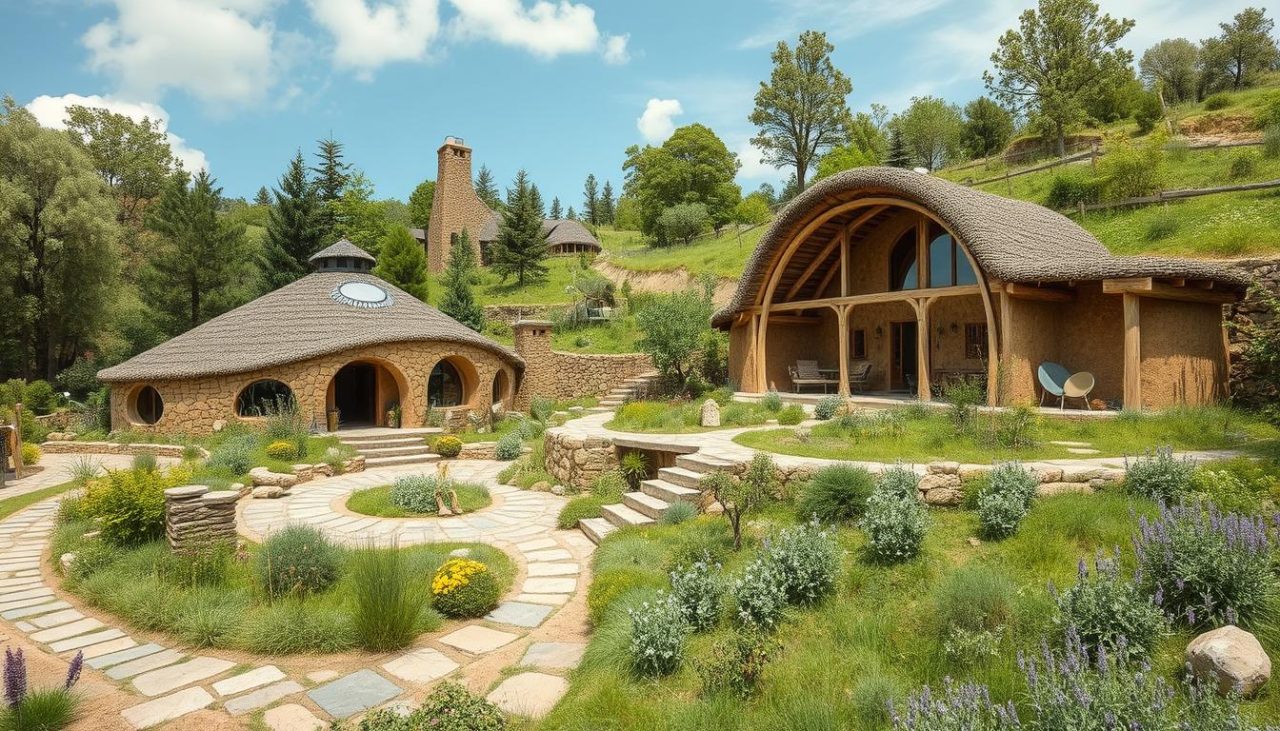
Earth ships and cob houses showcase how to build with nature’s help. They utilize local materials and design that works with the sun and atmosphere. This way, we can make homes that are functional for us and the planet.

Understanding Biomimicry in Modern Architecture

Biomimicry in architecture uses nature’s wisdom to construct green buildings. It combines green building with nature’s adaptable yet commerically smart strategies. Architects learn by observing nature to create innovative, sustainable designs.

Nature’s Design Principles in Building

Architects use nature’s smart designs to build functionally efficient buildings. They study how all plants and animals adapt. This helps them create buildings that feel connected to the biology of nature and improve well-being.

Evolutionary Adaptations in Architecture

Buildings inspired by nature often work better than usual designs. For instance, termite mounds help with natural ventilation. This decrease the amount of energy use and improves air quality. Architects also use nature’s ways to manage water and climate temperature, making buildings stronger.

Benefits of Nature-Inspired Design

Nature-inspired design brings many benefits to sustainable architecture:

  • Improved energy efficiency
  • Enhanced occupant comfort and productivity
  • Reduced environmental impact
  • Increased building longevity

By using biomimicry, architects build structures that blend together with nature. These buildings are not just beautiful but also function better. As we tackle environmental issues, nature-inspired design leads the way to a sustainable future in architecture.

Circular Economy practices for biomimicry, earth ships, & cob houses

Circular economy practices are changing sustainable architecture. They focus on using zero waste, upcycling byproducts, and building eco-friendly. Biomimicry, earth ships, and cob houses show how to use sustainable materials in creative ways.

Biomimicry in architecture looks to nature for ideas. It makes buildings that use less waste and energy. For instance, termite mounds inspire ventilation systems, and lotus leaves help create self-cleaning surfaces.

Earth ships take sustainable living even further. They use recycled materials like tires and bottles. These homes also have systems for water, solar power, and waste treatment. This creates a closed-loop system that reduces environmental harm.

Cob houses are an ancient building method that’s gaining popularity again. Made from clay, sand, and straw, cob is a sustainable choice. It produces no waste during construction and keeps buildings warm.

  • Biomimicry: Nature-inspired designs for efficiency
  • Earth ships: Recycled materials and integrated systems
  • Cob houses: Ancient technique with modern applications

These new methods show how circular economy can change construction. By using zero waste and sustainable materials, we’re building a greener future.

“In nature, nothing is wasted. By applying this principle to our buildings, we create more sustainable and resilient communities.”

As we face environmental challenges, these practices offer hope. They show that with creativity and dedication, we can build homes that work with nature, not against it.

Indigenous Building Techniques for Modern Applications

Indigenous communities have always been experts in sustainable architecture. Their building methods, developed over centuries, are still valuable today. These techniques often use natural materials and blend with the environment.

Traditional Materials and Methods

Indigenous building practices focus on local, natural materials. In dry areas, they use adobe, a mix of clay and straw. In forests, they build with timber frames and bark shingles. These materials are renewable and gentle on the environment.

Aboriginal Construction Wisdom

Aboriginal societies have created unique building methods for their climates. The Inuit built igloos from snow blocks for warmth. In Australia, Aboriginals made dome-shaped shelters from bent saplings to fight heat and wind.

Adapting Ancient Practices for Today

Today, architects are using indigenous wisdom in new designs. Green roofs, inspired by sod houses, help with insulation and manage water. Rammed earth walls, an old technique, keep buildings cool by storing heat.

Indigenous TechniqueModern ApplicationSustainability Benefit
Adobe constructionEarth block homesLow carbon footprint
Passive solar designOrientation-optimized buildingsReduced energy consumption
Natural ventilationCross-ventilation systemsImproved air quality

Mixing old wisdom with new tech can make buildings that are culturally rich and green. This mix is a hopeful step toward truly sustainable architecture.

Biophilic Design: Connecting Buildings with Nature

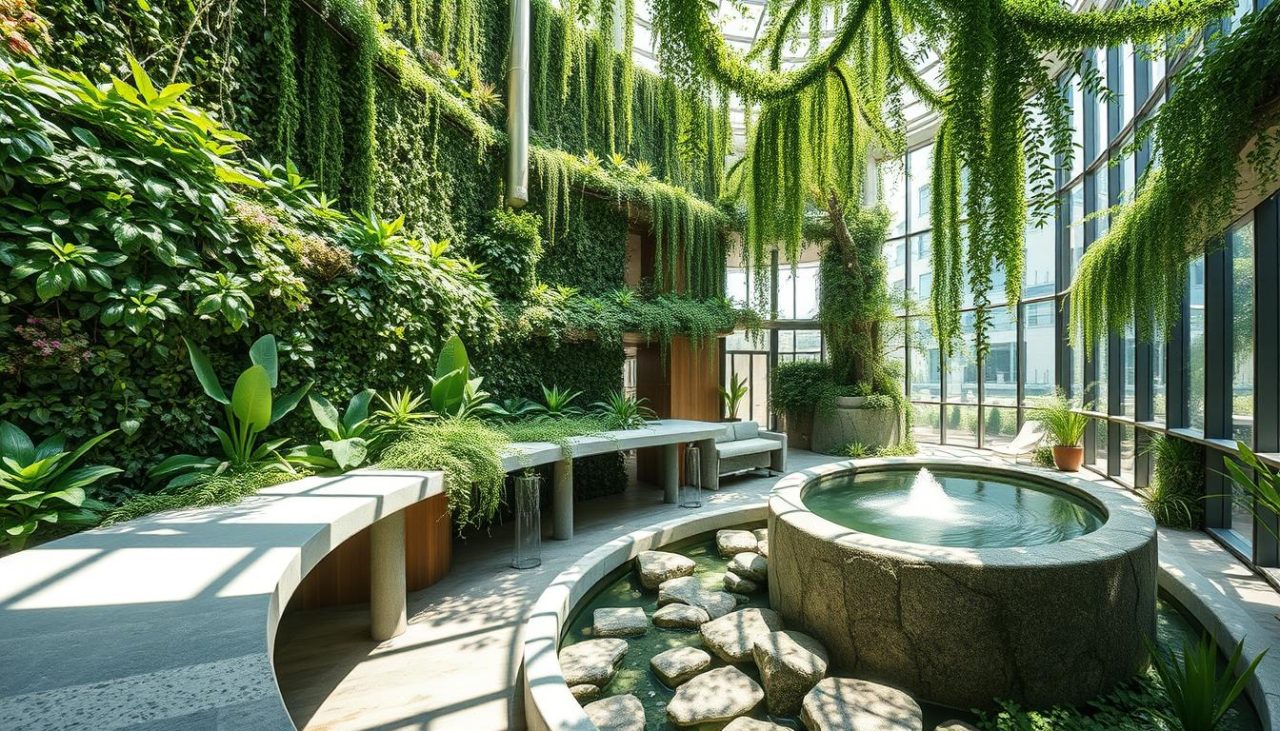
Biophilic design brings nature into our buildings, blending green building with human well-being. It uses natural materials and elements to create spaces that feel connected to nature.

In eco-friendly construction, biophilic design guides architects to merge nature with buildings. Features like living walls, natural lighting, and water bring the outdoors in. These elements improve air quality and reduce stress.

Using natural materials in biophilic design fits well with green building goals. Materials like wood, stone, and plants create warmth and a sense of connection. They also have lower environmental impacts than synthetic materials.

“Biophilic design is not just about adding plants to a space. It’s about creating an environment that nurtures our inherent bond with nature.”

Biophilic design in sustainable architecture offers many benefits:

  • Improved air quality
  • Enhanced cognitive function
  • Reduced stress levels
  • Increased productivity
  • Better overall well-being
Biophilic ElementBenefitImplementation
Natural LightImproved mood and sleep patternsLarge windows, skylights
Green WallsBetter air quality, reduced noiseVertical gardens, plant installations
Water FeaturesStress reduction, improved focusIndoor fountains, reflective pools
Natural MaterialsIncreased comfort, connection to natureWood flooring, stone accents

By using biophilic design, architects and builders make spaces that meet green building standards. These spaces also foster a deeper connection between people and their environment. This approach to sustainable architecture leads to healthier, more harmonious living and working spaces.

Sustainable Materials and Construction Methods

Eco-friendly construction is changing the building world. We’re using natural materials and zero waste to make buildings that fit with nature. Let’s look at the new ways we’re building green.

Natural Building Materials

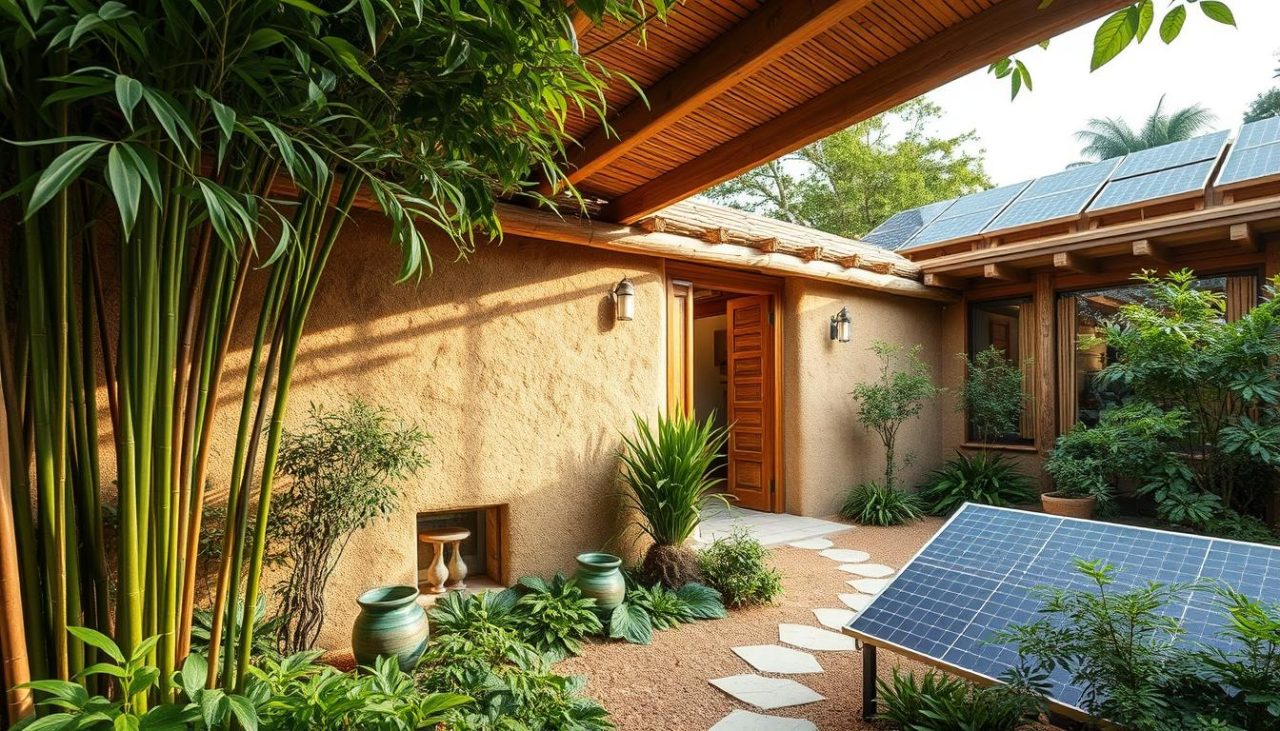
Natural materials are key to green building. Bamboo, hemp, and straw bales are better than old building stuff. They’re good for the planet and make homes healthier.

Zero Waste Construction Practices

Zero waste building means less trash and more use of what we have. Builders use prefabrication and modular building to cut waste. Recycling helps old materials get used again.

Energy-Efficient Building Techniques

Building that saves energy is important for green buildings. Passive solar design, better insulation, and smart homes all help. They save money and reduce carbon emissions.

TechniqueEnergy SavingsEnvironmental Impact
Passive Solar DesignUp to 40%Reduced heating/cooling needs
Advanced Insulation20-30%Lower energy consumption
Smart Home Systems10-25%Optimized resource use

Using these green materials and methods, we’re building a better future. These ways help the planet and make buildings stronger, more comfy, and cheaper for all of us.

Off-Grid Living Solutions and Self-Sustainability

Off-grid living is a way to be energy independent and self-sufficient. It focuses on building homes that are good for the environment. Let’s look at the main parts of off-grid living.

Energy Independence Systems

Off-grid homes use renewable energy for power. Solar panels, wind turbines, and micro-hydro systems make electricity. Battery banks save extra energy for when it’s needed.

Water Management Solutions

Clean water is key for off-grid living. Rainwater harvesting systems collect and filter rainwater for homes. Greywater recycling treats wastewater for irrigation.

Waste Processing and Recycling

Good waste management is important for off-grid homes. Composting toilets turn waste into fertilizer. Anaerobic digesters turn organic waste into biogas for cooking and heating.

  • Composting toilets for sanitation
  • Anaerobic digesters for organic waste
  • Recycling systems for inorganic materials

By using these off-grid solutions, homes can be self-sufficient. They get energy from themselves, manage water well, and handle waste efficiently. These homes are good for the planet and help people live better, even with less resources.

Green Building Certifications and Standards

Green building certifications are key in promoting sustainable architecture and eco-friendly construction. They help lower the environmental impact of buildings. They also ensure buildings are high-quality and efficient.

The top green building certification systems are LEED, BREEAM, and WELL. Each system checks buildings on criteria like energy use, water saving, and air quality inside.

CertificationFocus AreasGlobal Reach
LEEDEnergy, water, materials, location160+ countries
BREEAMSustainability, resilience, value80+ countries
WELLHuman health, wellbeing60+ countries

Getting green building certifications has many benefits. They improve energy use, cut down on costs, and make buildings more attractive. Certified buildings often have higher rents and sale prices, making them good investments.

As more people want sustainable buildings, green building standards keep getting better. They now cover more areas like social equity and climate change resilience. This means certified buildings do more than just save the environment. They also help their communities.

“Green building certifications are powerful tools for driving innovation in sustainable design and construction.” – World Green Building Council

By following these standards, architects and builders make buildings that are good for the planet. They also make buildings healthier and more comfortable for people. As we face more environmental challenges, green building certifications will become even more crucial for sustainable architecture.

Environmental Impact and Future Sustainability

Nature-inspired building solutions are key to a greener future. They cut down on carbon footprints and offer lasting environmental benefits. Sustainable architecture is good for our planet and also saves money.

Carbon Footprint Reduction

Buildings that take cues from nature use less energy and resources. They work like natural systems to reduce waste and emissions. This results in a smaller carbon footprint over time.

Long-term Environmental Benefits

Sustainable buildings positively affect their surroundings. They improve air quality, support local ecosystems, and save water. These structures can even help fix damaged environments.

Economic Advantages

Green buildings save money in the long run. They use less energy, which lowers utility bills. Maintenance costs are also lower. Plus, they tend to sell for more.

AspectTraditional BuildingSustainable Building
Energy UseHighLow
Water ConsumptionHighLow
Waste ProductionHighLow
Maintenance CostsHighLow
Property ValueStandardIncreased

By choosing sustainable architecture, we can make a better world for the future. These buildings lessen our environmental impact and offer economic benefits. It’s a win-win for both people and the planet.

Conclusion

The future of living sustainably is tied to nature-inspired building. By using biomimicry and circular economy, we can build homes that work with nature. This approach helps us reduce our environmental impact and improve our lives.

Earthships and cob houses are examples of sustainable architecture. They use old wisdom and new science to create eco-friendly and strong structures. By using these ideas in building, we can change our environment for the better.

As environmental challenges grow, we need sustainable living solutions more than ever. Nature-inspired building is a promising way forward. It shows we can meet our housing needs without harming nature. By adopting these practices, we can build a better future for all.

Key Takeaways

  • Biomimicry in architecture adapts nature’s time-tested strategies
  • Earth ships and cob houses use local materials for sustainable building
  • Circular economy practices reduce waste in construction
  • Nature-inspired designs create energy-efficient living spaces
  • Sustainable architecture aims to harmonize with the environment
This website is saving energy by dimming the light when the browser is not in use. Resume browsing
Click anywhere to resume browsing
Verified by MonsterInsights