
Jane Goodall’s Enduring Influence: Global Sustainable Impact

One woman’s effort to learn and understand primates within a biodiverse rich ecology could change science forever. In conjunction with efforts of Rachel Carson’s epiphany of dire environmental impacts of both the 1st and 2nd industrial revolution, post-World War development expansion, Jane Goodall’s concentration on initial observation, can be misinterpreted as overly idiosyncratic microcosmic. Furthermore, the progression of her study and growth of these relationships within the total ecosystem in this case, South Eastern to Southern Africa would span across generations.

Jane Goodall global impact envirommental stewardship habitat perservation

Dr. Jane Goodall ventured into the Gombe forests of Western Tanzania in 1960 with little more than a notebook and binoculars. This research redefined the arbitrary boundary we once drew between home sapien sapiens and our primal primate cousins. Her childhood curiosity in London blossomed into a lifelong callingโ€”one that eventually forced humanity to rethink its rather inflated sense of self.

The conservation movement owes its modern soul to her integrated vision. She recognized that biodiversity loss and human inequity are not separate tragedies but a single, tangled tapestry. By insisting that we all thrive only when nature does, she brought much-needed empathy to a field historically allergic to emotion.

Her life mission creates a direct bridge to the 17 UN Sustainable Development Goals. This framework empowers communities to protect the world and its ecosystems; it effectively translates high-level policy into local action. Today, her impact remains an actionable template for habitat preservation and evidence-based climate priorities.

Jane Goodall’s Revolutionary Approach to Conservation

In 1960, a young woman without a degree stepped into the forests of Tanzania and changed science forever. She arrived at Gombe Stream National Park with little more than a pair of binoculars and a notebook. This unconventional start allowed her to bypass rigid academic biases that often limited other scientists.

From Gombe to Global Movement

Her early work involved sitting quietly for months to gain the trust of the local chimpanzees. She watched their daily lives with a level of patience that few trained professionals possessed at the time. This slow approach eventually revealed the complex social structures of our closest relatives.

Decades later, an aerial view of the region revealed a startling truth about habitat loss. She saw that the vast national park had become a tiny island in a sea of deforestation. The sight shocked her and shifted her focus from pure observation to active conservation.

She realized that protecting animals required supporting the human communities living nearby. This moment crystallized her understanding that wildlife survival and human welfare are permanently linked. It marked the transition from a local study to a worldwide environmental crusade.

Redefining Human-Nature Relationships Through Empathy

Dr. Jane famously gave names like David Greybeard and Flo to her subjects rather than numbers. Many academics criticized this choice as being unscientific or overly emotional. However, she proved that empathy could actually enhance the quality of scientific research.

By acknowledging the emotional lives of these animals, she expanded the moral framework of ethology. Her research demonstrated that humans are not as separate from the natural world as we once dared to believe. It turned a cold discipline into one fueled by respect and connection.
FeatureTraditional EthologyGoodallโ€™s Methodology
Subject NamingAssigned numbers onlyPersonal names (e.g., Goliath)
Data CollectionDetached observationEmpathy-driven immersion
Subject ViewBiological objectsSocial chimpanzees with personalities

The Discovery That Changed Conservation Forever

The most famous discovery involved chimpanzees using grass stems to fish for termites. This proved they could make and use tools, a trait previously thought to be uniquely human. It forced the scientific community to fundamentally rethink humanity’s place in the animal kingdom.

Such insights expanded ethical considerations for how we relate to all habitats. Modern conservation now relies on this interconnected view where humans and chimpanzees share a common biological heritage. This legacy ensures that science remains both rigorous and deeply compassionate.

“Now we must redefine tool, redefine Man, or accept chimpanzees as human.”

โ€” Louis Leakey

Understanding Jane Goodall Day and Its Significance

A serene landscape showcasing Jane Goodall's conservation efforts and global legacy. In the foreground, a determined woman in professional attire resembling Jane Goodall kneels beside a thriving grove of trees, gently tending to young saplings, symbolizing her commitment to reforestation. The middle ground features a diverse group of enthusiastic volunteers, planting trees and engaging in wildlife conservation, all showcasing cultural diversity. In the background, a lush rainforest teems with life, with silhouettes of chimpanzees in the trees symbolizing their endangered habitats. Soft, natural lighting filters through the canopy, casting gentle shadows, emphasizing a hopeful atmosphere for sustainability. The scene embodies a spirit of unity and purpose toward a better planet, reflective of Jane Goodall's enduring influence. The brand name "The Sustainable Digest" can subtly relate to the atmosphere of connection and conservation.

The establishment of Jane Goodall Day marks a transition from admiring a scientist to adopting her rigorous methodology. It serves as a structured opportunity for people to align their daily choices with the health of the environment. This annual observance transcends simple commemoration by offering a pragmatic framework for modern action.

The Origin and Purpose of Jane Goodall Day

This event emerged from decades of grassroots activism and steady institutional growth. It evolved from recognizing one scientist’s achievements into a global platform for coordinated action spanning many years. During Climate Week NYC 2025, dr. jane goodall highlighted our shared responsibility to protect the Earth.

Her recent appearance with the Planetary Guardians emphasized that current stewardship shapes the world for future generations. This day functions as a vital checkpoint for evaluating our collective progress toward sustainability goals. It encourages a shift from passive observation to active, value-driven conservation advocacy.

Celebrating a Legacy of Compassionate Activism

The legacy of jane goodall challenges the false choice between scientific rigor and emotional engagement. She famously reframed hope as a “tool, not a feeling,” requiring active maintenance rather than passive optimism. This philosophical stance has a profound impact on how we view environmental civic infrastructure today.

“So if we all care, as we do, about the future of this beautiful planet and life on it, then we need to work to help our children to make the world a better place for them.”

Dr. Jane Goodall

By replicating her persistent methodology, individuals can honor jane goodall through meaningful, community-centered problem-solving. This approach ensures that her vision remains a living, breathing guide for global development. Pragmatic hope remains the primary engine for incremental progress in a changing climate.

Jane Goodall Global Impact Environmental Stewardship Habitat Preservation

Jane Goodall global impact environmental stewardship habitat preservation began when she realized that protecting chimpanzees required more than just observing them from a distance. In 1977, she founded the Jane Goodall Institute to combine rigorous scientific study with deep community engagement. This shift moved conservation away from the old model of “fortress” protection that frequently excluded or displaced local people.

Dr. Goodall understood that the survival of wildlife is inseparable from the well-being of the humans who share the land. By focusing on the human-wildlife bond, her work turned environmental protection into a shared mission rather than an outside imposition. This holistic view ensures that both nature and people can thrive in a balanced, sustainable way.

The Tapestry of Life: Interconnected Ecosystems and Communities

Scientific data reveals that roughly 80% of the planet’s remaining biodiversity exists within indigenous territories. This reality makes it a scientific necessity to engage with local communities as the primary guardians of the Earth. The goodall institute prioritizes these partnerships to ensure that indigenous knowledge leads the way in protecting vital resources.

By treating communities as equals, the Institute empowers them to manage their own ancestral lands effectively. These communities help restore natural areas that have faced degradation from climate change or over-exploitation. This collaborative strategy ensures that the tapestry of life remains intact for future generations.

The TACARE Model: Community-Centered Conservation

The Take Care (TACARE) program serves as the signature methodology for the Jane Goodall Institute. It operates on the simple but powerful logic that when people thrive, the surrounding forest and wildlife also benefit. This community-centered approach improves soil health and provides sustainable ways for families to earn a living.

Through TACARE, residents establish forest reserves that act as protective buffers for their villages. These green zones help prevent devastating landslides and manage soil erosion during heavy rains. When the local community sees the direct benefits of conservation, they become the strongest advocates for protecting the land.

Technology-Enhanced Habitat Protection and Monitoring

Modern efforts led by jane goodall now use advanced digital tools to monitor vast landscapes in real-time. Village forest monitors use smartphones and satellite data to track changes across critical habitat zones. These partners collect standardized information that allows for transparent and accountable land management.

This data is shared with government partners and the goodall institute to manage over 6 million hectares of land in Africa. High-tech monitoring ensures that remote areas receive the attention they need to stay healthy and vibrant. It bridges the gap between local field work and global habitat protection strategies.

Conservation FeatureTraditional ApproachTACARE Model
Primary FocusExclusionary ProtectionCommunity Well-being
Data CollectionExternal ScientistsLocal Village Monitors
Land UseRestricted AccessParticipatory Planning
Environmental GoalSpecies IsolationEcosystem Restoration

Connecting Jane Goodall’s Legacy to the 17 UN Sustainable Development Goals

A serene landscape showcasing a vibrant wildlife habitat influenced by Jane Goodall's legacy. In the foreground, a diverse group of professionals in business attire are planting trees and collaborating on sustainable practices, symbolizing community engagement. The middle layer features a variety of jungle fauna, such as chimpanzees, elephants, and tropical birds, coexisting harmoniously within the lush greenery. In the background, a distant view of a village exemplifies sustainable development, with eco-friendly buildings amidst nature. Soft morning light illuminates the scene, casting gentle shadows and creating an uplifting atmosphere. The overall mood is one of hope, collaboration, and respect for nature, reflecting the mission of "The Sustainable Digest."

While some see the 17 UN Sustainable Development Goals as a checklist, Jane Goodall has spent decades treating them as a living, breathing reality. Her holistic philosophy suggests that we cannot protect nature without also supporting the humans who live alongside it. By linking ecological health with human dignity, her work bridges the gap between environmental activism and global development.

“You cannot get through a single day without having an impact on the world around you. What you do makes a change, and you have to decide what kind of change you want to make.”

โ€” Jane Goodall

The Jane Goodall Institute (JGI) applies this wisdom by treating the planet as a single, woven tapestry. Their work proves that civic resilience is the first step toward environmental resilience. When people gain control over their resources, they naturally become the best guardians of the future.

Environmental Sustainability: Climate Action, Life Below Water, and Life on Land (SDGs 13, 14, 15)

Jane Goodallโ€™s efforts directly tackle the most pressing ecological threats by restoring forests and sequestering carbon. These reforestation projects serve as a powerful tool for climate change mitigation. By expanding green corridors, JGI protects habitats and prevents wildlife loss on a massive scale.

The protection of watersheds ensures high water quality, which supports life below water and terrestrial ecosystems alike. Preserving these habitats is vital for the survival of chimpanzees and other endangered species. These actions demonstrate that climate stability depends on healthy, vibrant biological systems.

Social Equity and Human Development: Poverty, Hunger, Health, Education, Gender Equality, Clean Water, and Reduced Inequalities (SDGs 1, 2, 3, 4, 5, 6, 10)

The TACARE model addresses social equity by empowering communities through microcredit and health education. This method helps reduce poverty and improves soil health for better food security. By providing clean water projects, JGI ensures that basic human needs are met before asking locals to prioritize conservation.

  • Education programs build local capacity and create new environmental leaders.
  • Womenโ€™s empowerment initiatives advance gender equality and improve community wellness.
  • Participatory planning reduces the gap between external authorities and local humans.

Economic Growth and Sustainable Communities: Decent Work, Innovation, Sustainable Cities, and Responsible Consumption (SDGs 8, 9, 11, 12)

Goodallโ€™s programs create work opportunities that align with nature rather than destroying it. Innovation plays a key role, as JGI uses modern mapping tools to monitor wildlife and forest health. These technology partnerships allow humans to coexist with chimpanzees more effectively.

SDG CategoryAction AreaKey Impact
Economic GrowthSustainable LivelihoodsProvides work that preserves natural resources.
InnovationSatellite MappingEnhances habitat protection and monitoring accuracy.
CommunitiesVillage ReservesPromotes responsible consumption and local governance.

Enabling Systems: Affordable Energy, Peace and Justice, and Partnerships for the Goals (SDGs 7, 16, 17)

Sustainable development requires strong systems, such as affordable energy and peaceful governance. Reducing the pressure on forests helps communities transition to cleaner energy sources. Collaborative partnerships between JGI and global networks show how we can fight climate change together.

Goodallโ€™s focus on education and food security builds a foundation for lasting peace. Her legacy reminds us that the 17 SDGs are mutually reinforcing systems. By protecting the world today, we ensure a stable climate for the generations to come.

Taking Action on Jane Goodall Day in the Modern Climate Context

Translating Jane Goodallโ€™s legacy into modern practice requires a sophisticated blend of scientific literacy and grassroots action. Dr. Goodall famously emphasizes that you cannot get through a single day without having an impact on the world around you. What you do makes a difference, and you must decide what kind of difference you want to make.

In the face of climate change, her example calls for repairing ecosystems and the human capacity to believe in repair itself. This persistent engagement bridges the gap between scientific data and civic practice. We must move beyond admiration and scale the “think globally, act locally” method into a shared planetary fabric.

Individual Actions That Create Collective Impact

Moving beyond symbolic gestures involves coordinating daily consumption choices across global networks of engaged people. These individual efforts create a measurable collective impact when viewed through the lens of modern environmental science. Change occurs when we view environmental work as essential maintenance rather than a distant utopian dream.

By participating in habitat restoration, individuals contribute to building resilience for our entire planet. Reassessing how we use resources at home acts as a reset point for our personal environmental footprints. These small acts of care link together to form a robust defense against biodiversity loss.

Integrating Climate Science with Daily Environmental Choices

Modern climate change research reveals how energy use and dietary patterns directly influence habitat preservation. Scientific literacy allows individuals to understand how their home energy decisions affect distant forests and wildlife. Making informed solutions part of your routine turns abstract data into tangible environmental benefits.

Choosing sustainable resource allocation reduces carbon emissions and protects the climate for future generations. This pragmatic framework helps overcome climate fatigue by focusing on achievable, cumulative goals. Every informed change in purchasing behavior supports the broader systems that sustain life on land.

Supporting the Jane Goodall Institute’s Conservation Programs

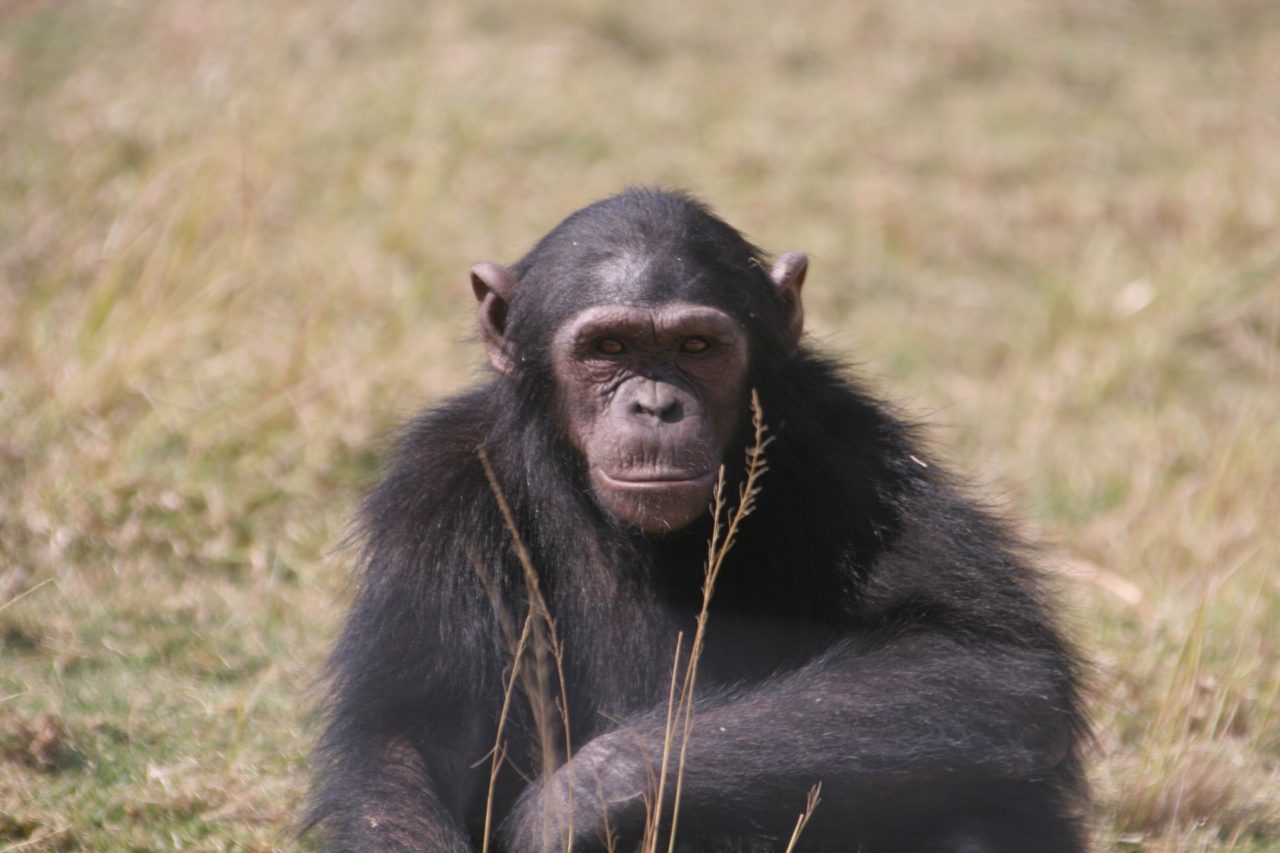
A high-quality portrait of a chimpanzee in a lush, green African canopy, focusing on expressive eyes and natural textures, 8k resolution.

Learn More

Supporting the Jane Goodall Institute means investing in community-centered solutions that address the root causes of environmental decay. Programs like TACARE demonstrate that effective conservation requires tackling poverty and education access simultaneously. These efforts ensure that local communities maintain natural systems long after external funding ends.

Direct support for the goodall institute aids in the protection of chimpanzees and their vital forest corridors. You can amplify these solutions by advocating for policies that protect wildlife or by joining a Roots & Shoots chapter. Financial contributions provide the resources needed to safeguard chimpanzees and restore the habitat they need to thrive.

Roots & Shoots and Youth Empowerment for Environmental Change

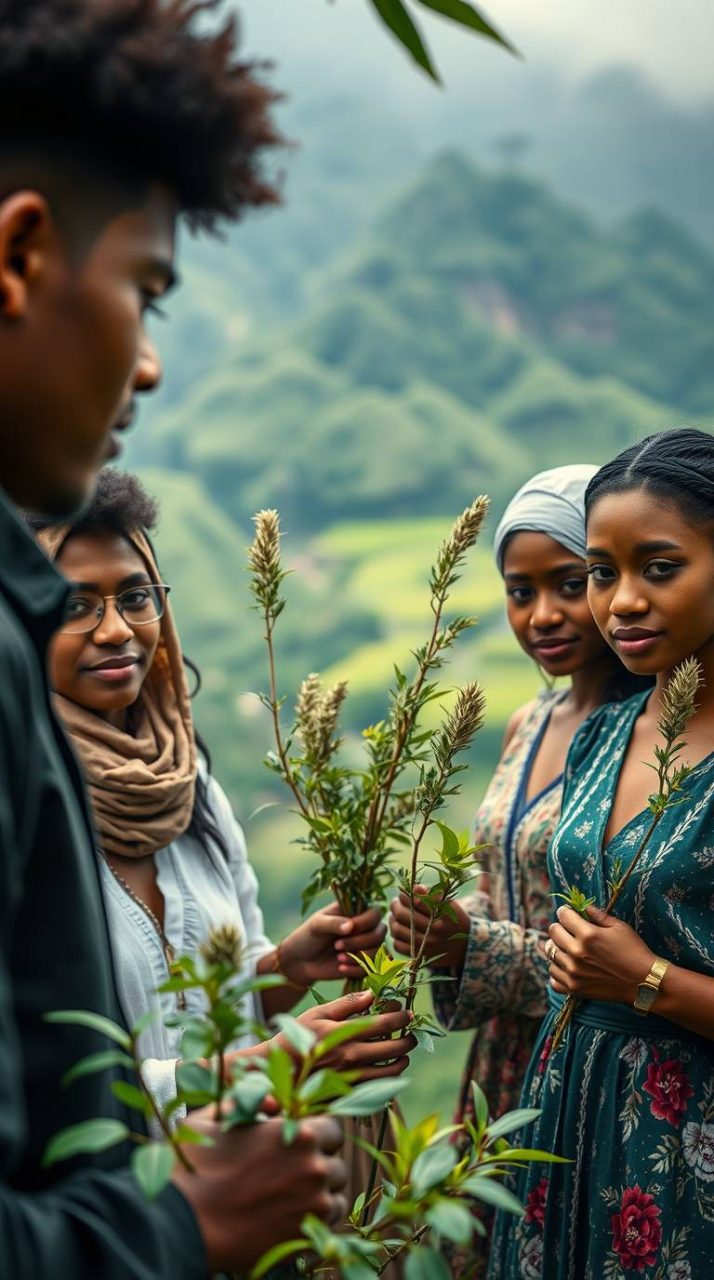
A cinematic wide shot of diverse young leaders from different continents standing together in a lush green valley, holding saplings, symbolizing the global expansion of the Roots & Shoots program.

Learn More

Empowering the next generation is the fundamental engine of the global roots shoots movement. Jane Goodall founded this initiative in 1991 with only twelve students in Tanzania. Today, it operates as a massive, decentralized network across 100 countries. Young people design locally relevant solutions through this program. It represents her most scalable contribution to conservation. This effort fosters a deep, lifelong responsibility for the world.

Youth Leadership in Post-Modern Environmental Stewardship

Modern conservation requires more than traditional education; it demands active participation. Dr. Jane views youth not as passive recipients but as innovative leaders with high digital fluency. These young people utilize their creativity to drive conservation innovation across diverse communities. By providing a platform for their ideas, the program reframes youth as the primary agents of planetary health.

Local Action with Global Reach: 10,000 Groups Across 100 Countries

The roots shoots framework encourages empathy for all living things through practical, place-based tasks. Whether restoring a degraded forest or building wildlife corridors, young people learn that local actions have a global impact. This model provides the hope needed to face complex challenges in nature.

Through over 10,000 groups, youth translate their environmental concern into measurable success for their communities. They bridge the gap between scientific knowledge and civic action. The roots shoots program ensures that the legacy of jane goodall flourishes in every corner of the world.
Conclusion

The legacy of dr. jane goodall proves that hope is not a passive emotion but the work of a lifetime. Her pioneering research on chimpanzees redefined the relationship between humans and animals. By protecting forests and critical habitats, we preserve the health of our shared planet and every form of life.

Jane Goodall emphasizes that community involvement is essential for lasting solutions to habitat loss. Through years of active conservation efforts, she has shown that when nature thrives, people thrive too. Small individual actions create the change needed to secure a sustainable future for everyone.

Investing in our home means addressing climate shifts and protecting diverse areas from destruction. This integrated work ensures that every life on this world has a place to grow. We must recognize that we are not separate from the environment, but strong threads within its vital fabric.

Strategic DimensionActionable PathwayPlanetary Outcome
Individual LevelConscious Daily ConsumptionClimate Resilience
Community LevelLocal Habitat ProtectionBiodiversity Restoration
Global LevelYouth EmpowermentSustainable Development

Key Takeaways

  • Her research at Gombe shifted primatology toward an integrated, empathetic science.
  • The philosophy links biological health directly with social equity and community well-being.
  • Her institute provides a replicable model for addressing climate crises through programs like TACARE.
  • The work supports the 17 UN Sustainable Development Goals, specifically targeting biodiversity.
  • Youth empowerment via Roots & Shoots translates individual admiration into collective action.
  • The commemorative day serves as a framework for local ecological restoration and climate science.

Sustainable Development Observances: Insights for Sept. 21st Week

Sustainable Development through observances during the week of Sept. 21st

The week of September 21st is key for global sustainability initiatives. It matches the United Nations’ 2030 Sustainable Development Goals, while many events and observances during this week show our progress and challenges in reaching these goals.

As the world works together on sustainability, this week is a crucial time. It’s a moment for us to reflect and take action. It shows how important it is for governments, businesses, and civil society to work together for real change.

The Significance of September’s Global Observances

Global observances in September remind us of the ongoing efforts to meet the United Nations’ Sustainable Development Goals. These events highlight the need for sustainability and taking care of our environment. They align with the 2030 Sustainable Development Goals.

Alignment with United Nations 2030 Sustainable Development Goals

The global observances in September focus on the United Nations Sustainable Development Goals. They especially focus on climate action, life on land, and sustainable cities. These events aim to raise awareness and encourage action towards these goals.

Historical Context of September Environmental Awareness Events

September has always been a key month for environmental awareness. The growth of these events shows how global concern for the environment has increased over time.

Evolution of Global Sustainability Initiatives

Global sustainability efforts have grown a lot over the years. The table below shows important milestones in this growth.

YearEventSignificance
2015Adoption of SDGsGlobal commitment to sustainable development
2020Climate Action SummitAccelerating climate action
2023Global Sustainability ForumPromoting sustainable practices worldwide

The importance of September’s global observances is in their power to drive action towards a sustainable future. They align with the United Nations 2030 Sustainable Development Goals.

Sustainable Development through Observances During the Week of Sept.21st

Global sustainability shines in the week of September 21st. This week is filled with observances that encourage eco-friendly actions. It includes international days focused on various aspects of sustainable development.

Overview of Key Sustainability Themes

The week of September 21st covers many sustainability topics. These include environmental conservation, sustainable transportation, and protecting biodiversity. World Car-Free Day, World Rhino Day, and Fall Equinox celebrations are just a few highlights.

Global Participation and Measurable Impact

People all over the world join in these observances. Their efforts make a real difference. Cities see less carbon emissions on car-free days and learn more about endangered species.

Role of International Organizations: UNEP, UNESCO, and UNDP

Groups like the United Nations Environment Programme (UNEP), the United Nations Educational, Scientific and Cultural Organization (UNESCO), and the United Nations Development Programme (UNDP) are key. They help countries by offering guidance, resources, and support.

OrganizationRole in SustainabilityNotable Initiatives
UNEPEnvironmental conservation and climate change mitigationClean seas campaign, climate action
UNESCOPromoting cultural heritage and sustainable developmentWorld Heritage Sites, Education for Sustainable Development
UNDPSupporting countries in achieving the SDGsSustainable Development Goals (SDGs) implementation, poverty reduction

World Car-Free Day: Promoting Sustainable Transportation

World Car-Free Day is an annual event that shows the need for better transportation. It encourages cities to think differently about how they move people. This leads to healthier environments and better places to live.

Environmental Benefits of Reducing Vehicle Usage

Using fewer cars is good for the planet. It cuts down on air pollution and greenhouse gases. Cities that go car-free on certain days can make the air cleaner and improve health.

It also means less noise pollution. This makes cities nicer places to be.

Car-free Sunday Initiatives Across American Cities

Many American cities now have car-free Sundays. These days turn public spaces into fun places for people to gather. For example, New York and San Francisco have special car-free days.

These events help people see the value of using other ways to get around. It’s all about living more sustainably.

Urban Planning Innovations for Pedestrian-Friendly Communities

Good urban planning is key to making cities better for walkers. Cities are making paths wider and easier to use. They’re also using smart traffic systems and adding green spaces.

These changes make life better for people living there. They also help the environment.

CityCar-Free InitiativeImpact
New YorkSummer StreetsClosed roads for pedestrian and cyclist use
San FranciscoCivic Center Car-Free DayIncreased community engagement and reduced emissions
ChicagoCongress Parkway Car-Free DayPromoted alternative transportation modes

By starting car-free days and improving urban planning, cities can become better places. Leveraging World Car-Free Day is a big step towards making the world a greener place.

World Rhino Day: Conservation Efforts and Biodiversity

A vibrant scene of World Rhino Day conservation efforts in a lush, sun-dappled African savanna. In the foreground, a dedicated ranger carefully monitors a majestic black rhinoceros, its horn proudly displayed. Conservationists in the middle ground work diligently to protect the endangered species, their faces resolved. In the background, a herd of zebras and antelopes graze peacefully, symbolizing the interconnected ecosystem. Warm, natural lighting casts a golden glow, creating an atmosphere of hope and determination. The Sustainable Digest.

The observance, World Rhino Day reminds us of the fight to save rhinos. It’s a time to look at how rhinos are doing and what we’re doing to help them. We must think about their future and how we can protect it.

Current Status of Global Rhino Populations

Rhinos face big threats like poaching and losing their homes. Even with efforts to save them, some are very close to disappearing. The black rhino has seen some good news in some places, but they’re still in danger.

Conservation Status: The International Union for Conservation of Nature (IUCN) says many rhinos are in big trouble. This shows we need to keep working hard to save them.

Conservation Strategies and Challenges

There are many ways to help rhinos, like protecting their homes and stopping poachers. But, we face big challenges like not having enough money and the demand for rhino horn.

“The fight to save the rhino is far from over; it requires sustained commitment and innovative solutions,” said a leading conservationist.

Community-Based Conservation Programs and Success Stories

Community programs are key in saving rhinos. They involve local people in protecting rhinos and give them jobs. This helps both the rhinos and the people living nearby.

  • Community-led conservation initiatives have shown significant success in reducing human-wildlife conflict.
  • Ecotourism has become a vital source of income for communities living near rhino habitats, promoting the value of conservation.

World Rhino Day shows us that while there are still big challenges, we can make a difference. We can do this by working together and involving local communities in our efforts.

Fall Equinox: Traditional Ecological Knowledge and Sustainability

The Fall Equinox marks a balance between day and night. It’s a time to look at traditional ecological knowledge. This season has been important for many cultures, marking harvest and reflection.

Indigenous Perspectives on Seasonal Changes

Indigenous communities see the Fall Equinox as a key time. They prepare for winter and live in harmony with nature. They celebrate with rituals that honor the seasons and the harvest.

Sustainable Harvest Practices and Food Security

Sustainable harvests are key for food security as seasons change. Practices like crop rotation and organic farming are important. They keep soil healthy and reduce harm to the environment, ensuring food all year.

Celebrating the First Day of Autumn Through Eco-Friendly Activities

We can celebrate the Fall Equinox with eco-friendly activities. This includes community clean-ups and local harvest festivals.

By embracing the Fall Equinox and traditional ecological knowledge, we can work towards a sustainable future.

Cultural Celebrations and Sustainable Practices

Navratri eco-friendly celebrations with vibrant displays of handmade paper lanterns, eco-friendly rangoli designs, and clay Ganesha idols. A joyous gathering of families and communities, bathed in warm golden light, amidst lush greenery and natural elements. The Sustainable Digest logo subtly visible in the corner.

Looking at September 21st, we see a mix of cultural celebrations. These events show us how to live sustainably. Each celebration has its own traditions and values that help us care for the planet.

Navratri and Eco-friendly Celebration Guidelines

Navratri is a big cultural event. To make it greener, people can use clay idols instead of plastic ones. They can also cut down on plastic and support dances that are good for the environment.

“By going green during Navratri, we honor the goddess and help our planet,” says an environmental activist.

Mabon and Sustainable Living Principles

Mabon is a celebration that focuses on balance. It makes us think about our use of resources. By living sustainably, we can lessen our impact on the earth and live in harmony with nature.

Bathukamma Starting Day: Traditional Ecological Wisdom

Bathukamma Starting Day celebrates nature’s beauty. It’s about arranging flowers in a special way. This shows us the importance of preserving nature.

Maharaja Agrasen Jayanti and Historical Sustainability Lessons

Maharaja Agrasen Jayanti honors a leader who promoted sustainability. This day teaches us about community, cooperation, and caring for the environment.

In summary, these celebrations add to our cultural richness and teach us about living sustainably. By following their values, we can create a greener future.

Independence Days and National Sustainability Initiatives

Nations around the world celebrate their independence in unique ways. Countries like Armenia, Belize, Malta, and Mali highlight their commitment to the environment. They focus on environmental stewardship and sustainable development.

Armenia’s Environmental Policies and Progress

Armenia has made big steps in protecting the environment since gaining independence. It has set policies to cut pollution, save biodiversity, and boost renewable energy. Armenia’s dedication to sustainability shows in its work on energy efficiency and sustainable farming.

Belize’s Marine Conservation Efforts

Belize is famous for its marine life and has been working hard to protect it. Its independence celebrations show its dedication to coral reefs and marine life. Belize’s green tourism helps protect its natural beauty.

Malta’s Sustainable Development Strategies

Malta leads in sustainable development in the Mediterranean. Its independence day shows its balance between economic growth and environmental care. Malta invests in clean energy and improves waste management.

Mali’s Environmental Challenges and Community Solutions

Mali faces big environmental problems like deforestation and desertification. But, it also has community-led solutions. Mali’s work on sustainable land use and conservation shows its commitment to solving these issues.

These countries’ independence days are more than celebrations. They highlight their dedication to a sustainable future. By making sustainability a key part of their plans, they inspire the world to care for the environment.

Business and Economic Dimensions of Sustainable Development

A bustling city skyline with towering glass skyscrapers, their facades gleaming in the warm afternoon sunlight. In the foreground, a thriving green business district featuring modern eco-friendly office buildings, solar panels adorning their rooftops. Lush, verdant trees and well-manicured gardens surround the structures, creating a sense of harmony between nature and technology. In the middle ground, electric vehicles and bicycles populate the streets, reflecting the sustainable transportation choices of the "The Sustainable Digest" organization. The overall scene conveys a progressive, forward-thinking vision of a green, eco-conscious urban landscape.

The world of business and sustainability is seeing big changes. Companies are finding new ways to make a positive impact. This is thanks to initiatives that aim to drive change.

American Business Women’s Day: Female Leadership in Sustainability

American Business Women’s Day celebrates women’s leadership in business. Women are playing a key role in making companies more sustainable. They are leading the way in environmental care and social responsibility.

For example, women-led companies are more likely to focus on sustainable supply chains. They also prioritize making eco-friendly products.

  • Promoting diversity and inclusion
  • Driving innovation in sustainable products
  • Fostering community engagement

World Fair Trade Organization Practices

The World Fair Trade Organization works to promote fair trade worldwide. It helps ensure that trade is fair and supports the livelihoods of producers in developing countries. Fair trade certification pushes businesses to be transparent and ethical.

“Fair trade is not just about trade; it’s about creating a more just and equitable world.”

World Fair Trade Organization

Case Studies of Successful Green Businesses in the United States

In the United States, some green businesses are leading by example. Companies like Patagonia and Seventh Generation are making eco-friendly products. They show that being green and profitable can go together.

International Day for the Total Elimination of Nuclear Weapons

The International Day for the Total Elimination of Nuclear Weapons reminds us of nuclear weapons’ harm. It’s a day to act together for nuclear disarmament. Various of nations from developed to emerging and frontier observes this day every year.

Environmental Impact of Nuclear Weapons and Testing

Nuclear weapons and tests harm the environment a lot. They make soil, water, and air radioactive. This is bad for people now and in the future.

The damage from nuclear tests is huge. We need strong rules to stop these tests.

  • Radioactive contamination of ecosystems
  • Health risks due to radiation exposure
  • Long-term environmental damage

Sustainable Security Frameworks for the Future

To live without nuclear weapons, we need sustainable security frameworks. These should focus on diplomacy and working together. We also need to use clean energy instead of nuclear power.

Community Advocacy for Nuclear Disarmament

Community efforts are key for nuclear disarmament. By spreading the word and getting people involved, we can push for disarmament. Important steps include:

  1. Teaching people about nuclear dangers
  2. Working with global groups to get the word out
  3. Supporting disarmament laws and agreements

Indigenous Perspectives on Environmental Stewardship

A serene forest landscape, sunlight filtering through the lush canopy, as indigenous elders guide a group of children on a path of environmental stewardship. In the foreground, the elders gesticulate, sharing ancient wisdom about the delicate balance of nature. The middle ground showcases native flora and fauna, a subtle nod to the interconnectedness of all living things. In the background, a distant vista of rolling hills and a clear sky, conveying a sense of harmony and tranquility. Captured with a wide-angle lens, this image from "The Sustainable Digest" celebrates the enduring legacy of indigenous environmental stewardship.

The world faces many environmental challenges. Indigenous knowledge systems offer a key to solving these problems. For a long time, indigenous communities have taken care of the land. They share special insights on how to balance human needs and protect the environment.

Observances and Celebrations

Celebrations like American Aboriginal Indian Day, Indigenous American Day, and Native American Day are very important. They remind us of the value of indigenous views on caring for the environment. These days honor Native American culture and their role in saving our planet.

Traditional Knowledge and Modern Conservation

Traditional knowledge is very valuable for today’s conservation efforts. Indigenous ways often mean living with nature, not against it. This way of thinking can help us use land better and protect wildlife.

Michigan Indian Day: Local Initiatives

Michigan Indian Day shows how local efforts can make a big difference. It mixes old traditions with new ideas about environmental justice. This highlights the power of community-led conservation and the role of indigenous peoples in making policies better.

Important parts of indigenous environmental care include:

  • Holistic approaches to land management
  • Traditional ecological knowledge
  • Community-led conservation initiatives

By listening to indigenous views on caring for the environment, we can make conservation more inclusive and effective. This helps us all work together to protect our planet.

Wildlife Conservation Awareness Days

A lush, verdant forest backdrop, with towering trees and a canopy of green foliage. In the foreground, a majestic deer stands alert, its eyes glistening with intelligence. Surrounding the deer, smaller animals such as rabbits, squirrels, and birds create a sense of harmony and balance in the natural ecosystem. Warm, diffused lighting filters through the leaves, casting a soft, ethereal glow over the scene. The overall atmosphere conveys a message of wildlife conservation awareness, underscoring the importance of preserving these precious habitats. In the bottom right corner, the text "The Sustainable Digest" is discreetly displayed.

Awareness days for wildlife conservation are key in saving our planet. They focus on different species and why we must protect them. This helps us understand the importance of keeping our world diverse.

Save The Koala Day: Lessons for Global Species Protection

Save The Koala Day is on the third Wednesday of October. It sheds light on koalas’ struggles with habitat loss and climate change. It teaches us the importance of working by together to save not just koalas but all endangered animals.

Habitat preservation and community engagement are crucial. These methods can help protect many species worldwide.

Elephant Appreciation Day: Conservation Challenges

Elephant Appreciation Day celebrates elephants and their struggles. These include poaching and losing their homes. Efforts to save elephants include anti-poaching patrols, habitat restoration, and community-based programs.

These strategies can also help other large, famous animals.

Shamu the Whale Day: Marine Conservation Education

Shamu the Whale Day honors the orca whale and teaches us about marine conservation. It stresses the need for marine protected areas and responsible wildlife viewing. As

“The ocean is the lifeblood of our planet, and protecting it is crucial for the health of all species.”

Teaching people about marine conservation is essential. It helps protect orcas and other sea creatures.

Together, these days help us understand wildlife conservation better. They show us the need for ongoing efforts to save our planet’s biodiversity.

Conclusion: Integrating Sustainable Development into Daily Life

Reflecting on September 21st’s events shows us how vital it is to live sustainably. World Car-Free Day, World Rhino Day, and the Fall Equinox remind us of our connection to the planet. They highlight the need for caring for our environment, respecting cultures, and adopting green practices.

By choosing eco-friendly transport, protecting wildlife, and valuing traditional knowledge, we help our planet. Business and economic efforts, like American Business Women’s Day and Fair Trade practices, show us the value of fairness and inclusion in sustainability.

Let’s keep pushing for a sustainable lifestyle by building a culture that’s both local and global. This way, we can create a better, fairer world for everyone. Our goal is to meet the United Nations’ 2030 Sustainable Development Goals.

Key Takeaways

  • September 21st week is crucial for global sustainability initiatives.
  • Events during the week align with the UN’s 2030 Sustainable Development Goals.
  • The period is marked by reflection and action on sustainability challenges.
  • Collaboration among stakeholders is emphasized as a key driver of change.
  • Progress and challenges in achieving SDGs are highlighted during the week.

This website is saving the energy of your screen as it is not being used. It's part of a global effort to lower the planet's electrical consumption and CO2 emission level. Resume browsing
Click anywhere to resume browsing
Verified by MonsterInsights