The Sustainable Development Goals of the UN, has provided a robust platform. This includes for policy/taste makers, sustainable framework advisory, and CSR/ESG leadership board. Through UNSDG#5, gender equality remains a cornerstone for building a sustainable future. Across the globe, cooperative movements are driving empowerment and fostering inclusive economic growth. Achievable, sustainable goals are accessible while ushering in and advocating for ecological imperatives. For both donors and community members, gender equality brings communities closure together. With over 3 million cooperatives worldwide, these organizations employ 10% of the global workforce, spanning agriculture, finance, and healthcare sectors.
The UNSDG#5 via Women’s history month and 2025 international year of cooperatives
In June 2024, the UN General Assembly declared 2025 as the International Year of Cooperatives. What’s important is, previous articles expressed the social impact possibilities. This recognition highlights their role in advancing 60 – 80% of sustainable development goals. Cooperatives provide an additional platform for women to lead, innovate, and thrive. This helps in making them essential for achieving both equality and equity while fostering collective action.
As the time moves to 2030, gender equality is not just a goal but a necessity. It underpins all 17 sustainable development goals, ensuring a brighter, more equitable future for each everyone.
The UNSDG#5 via Women’s History Month & 2025 International Year of Cooperatives
2025 is a landmark year for gender equality. It marks the 30th anniversary of the Beijing Declaration and the 50th International Women’s Day. These milestones highlight decades of progress and the ongoing fight for women’s rights.
Cooperatives are playing a pivotal role in this journey. The COPAC partnership is driving initiatives to position them as accelerators for sustainable development. Their multi-agency strategy focuses on empowering women through leadership roles and economic opportunities.
In developing nations, women hold 63% of cooperative leadership roles. This statistic showcases the transformative power of collective action. It also underscores the importance of cooperatives in achieving gender parity.
Major events in 2025, such as CSW69 and the ECOSOC Development Cooperation Forum, will further amplify these efforts. These platforms will foster dialogue, share success stories, and inspire new initiatives.
Milestone
Significance
30th Anniversary of Beijing Declaration
Reflects on progress since the 1995 Platform for Action
50th International Women’s Day
Celebrates global achievements in gender equality
COPAC Initiatives
Drives cooperative development as SDG accelerators
These efforts are not just about celebrating milestones. They are about creating a future where every woman has the opportunity to lead, innovate, and thrive.
Why Gender Equality Matters for Sustainable Development
Empowering women and girls unlocks untapped potential for sustainable growth. When equality is prioritized, communities thrive, economies expand, and innovation flourishes. Gender parity is not just a moral imperative but an economic necessity.
The Stark Reality of Gender Inequality Today
Despite progress, disparities remain stark. Women spend 2.5 times more hours on unpaid care work than men. Globally, only 26.9% of parliamentary seats are held by women. At current rates, achieving management parity could take 176 years.
In corporate leadership, the gap is glaring. Fewer women lead Fortune 500 companies than men named John. These challenges highlight the urgent need for systemic change.
How UNSDG#5 Fits into the Global Agenda
This goal targets ending harmful practices like female genital mutilation and ensuring digital inclusion. It also aims to boost economic participation. McKinsey estimates that closing the gender gap could add $28 trillion to global GDP by 2025.
Climate change disproportionately affects women farmers, making intersectional approaches vital. UN Women’s theme, “Rights. Equality. Empowerment,” underscores the importance of collective action.
“Equality is not just a goal; it’s the foundation for a sustainable future.”
By addressing these challenges, we can create a world where every woman and girl has the opportunity to thrive.
Cooperatives: A Catalyst for Women’s Empowerment
Cooperatives are transforming lives by empowering women across the globe. These organizations foster growth and create opportunities for women to lead and innovate. By addressing systemic barriers, they play a vital role in achieving development goals and building resilient communities.
The Global Reach of Cooperatives
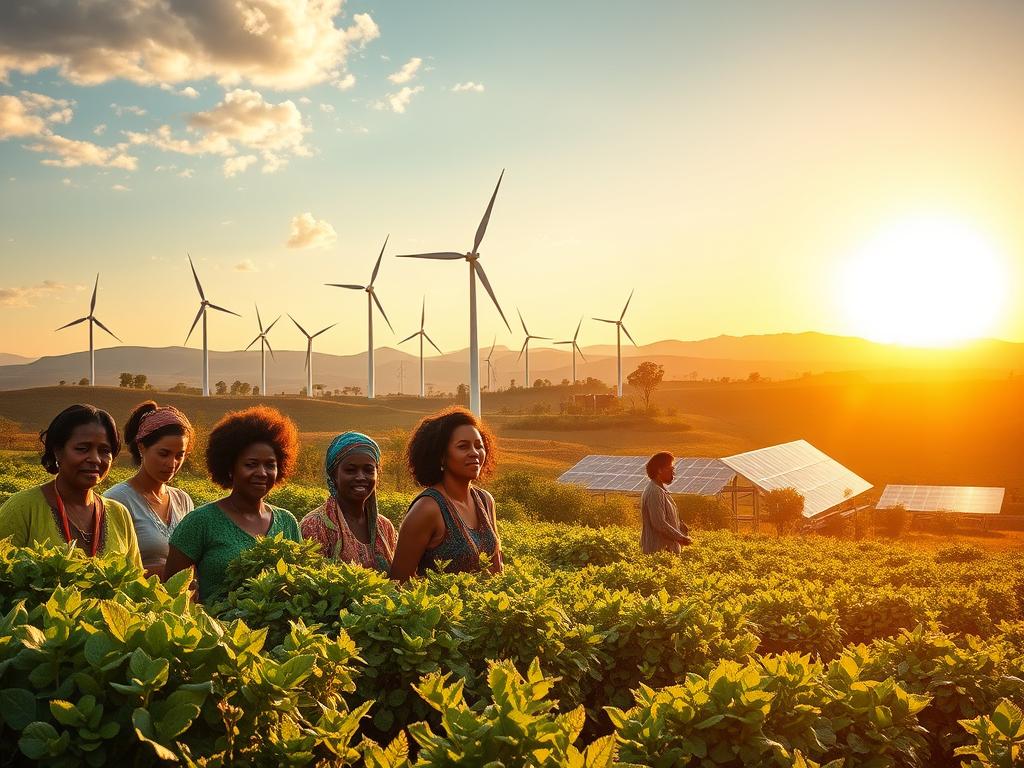
From Kenya to Costa Rica, cooperatives are making a difference. In Kenya, women-led cooperatives manage 65% of agricultural activities. In the EU, 22% of renewable energy projects are cooperative-driven. These examples highlight their global impact.
Bangladesh showcases another success story. Over 1.5 million women work in cooperative healthcare services, improving access to medical care. Such initiatives demonstrate how cooperatives empower women while addressing critical needs.
Sectors Where Cooperatives Drive Change
Cooperatives operate in nine key sectors, including energy, housing, and education. They provide women with leadership roles and economic opportunities. For instance, women-led cooperatives have restored over 800,000 hectares of farmland, boosting climate resilience.
In Costa Rica, cooperative-friendly policies have created a model for others to follow. These efforts ensure that women are at the forefront of sustainable development. By fostering collaboration, cooperatives are shaping a more equitable future.
“When women lead, communities thrive. Cooperatives are the bridge to this transformation.”
Women’s History Month: Celebrating Progress, Demanding More
Celebrating progress while demanding more, women history month highlights strides toward equality. This annual observance honors the achievements of leaders and underscores the need for systemic change.
Women’s history month
Since 2015, there’s been a 200% increase in women-led cooperatives globally. These organizations play a vital role in promoting gender equality and economic inclusion. From Ghana’s cocoa cooperatives to Iceland’s energy collectives, women are driving transformative initiatives.
Despite progress, gaps persist. In 39 nations, daughters still face restrictions on inheritance rights. The UN Secretary-General has warned about regression in women’s rights, emphasizing the urgency of collective action.
Six countries now have over 50% female parliamentary representation, setting a benchmark for others.
The 2025 theme, “For ALL Women and Girls: Rights. Equality. Empowerment,” reflects a commitment to inclusivity.
Landmark events like CSW69 will focus on accelerating progress in the coming years.
Women’s History Month is not just a recognition through celebration but a call to action. It reminds us that while much has been achieved, there is still work to be done to ensure equal rights for all.
How to Take Action for Gender Equality – UNSDG#5
Taking meaningful steps toward equality starts with individual and collective action. Everyone can contribute to creating a more inclusive world. This can be supported through initiatives and advocating for systemic change. Whether through local efforts or global campaigns, small actions can lead to significant impact.
Supporting Cooperatives in Your Community
Cooperatives are powerful vehicles for driving horizontal growth and empowering women. Start by identifying ethical cooperatives in your area. Look for organizations that prioritize fair wages, transparent governance, and inclusive leadership.
Here’s a quick guide to vetting cooperatives:
Check for fair wage policies and equal opportunities.
Review governance structures for transparency.
Ensure they provide access to resources and education.
Look for success metrics, such as community impact.
Engage with members to understand their experiences.
Investing in cooperatives not only supports local communities but also fosters sustainable growth. For example, gender-lens investing in cooperative ventures has shown a 1:8 return on investment, proving their economic and social value.
Advocating for Policy Changes
Systemic change requires advocacy and policy reform. Focus on legislative priorities like paid family leave and digital access initiatives. These policies can significantly improve women’s economic participation and overall well-being.
Here are actionable steps to advocate for change:
Join UN Women’s advocacy networks to amplify your voice.
Support local campaigns for paid family leave and childcare services.
Promote digital inclusion programs to bridge the gender gap in technology.
Engage with policymakers to prioritize gender equality in legislation.
Encourage youth participation through UN’s Youth2030 strategy.
“When we invest in women, we invest in the future of our communities and the world.”
By taking these steps, individuals can contribute to a more equitable and sustainable future. Together, we can drive meaningful change and ensure equality for all.
Conclusion
Building a future rooted in equality (UNSDG#5 and #10) requires collective effort. Despite progress, challenges persist, demanding urgent action. Cross-sector collaboration is key to driving meaningful change and ensuring empowerment for all.
By 2025, a 15% increase in women’s leadership roles within co-ops is achievable. This growth will foster economic justice and amplify voices globally. Development thrives when women lead, innovate, and shape policies.
To contribute, focus on 3 steps: education, investment, and amplification. Support initiatives that prioritize gender equality and advocate for inclusive policies. Together, we can create a world where everyone thrives.
Looking ahead to 2030, a vision of a gender-equal society is within reach. Let’s unite to turn this vision into reality, ensuring a brighter, more equitable future for all.
Key Takeaways
Cooperatives employ 10% of the global workforce, driving economic inclusion.
the UN has declared 2025 the International Year of Cooperatives.
UNSDG#5(#10) for gender equality and omni-demographic equity are foundational for achieving all sustainable development goals.
Cooperatives empower women to lead and innovate in various sectors.
Over 3 million cooperatives operate worldwide, socially impacting 1.2 billion members.
In March, especially during the spring equiox, brings a series of important international days that highlight our global challenges and achievements. From the International Day of Happiness to World Meteorological Day, these observances between 2024 and 2025 reflect our ongoing journey toward meeting the UN Sustainable Development Goals. These international days serve as crucial reminders of our collective responsibility to protect our planet and improve human wellbeing, with each observance connecting directly to several SDGs, including clean water, climate action, and reduced inequalities.
The period between the years 2024 and 2025 has seen notable shifts in how we approach these celebrations. The International Day of Forests and World Water Day have gained increased attention as climate concerns intensify. Similarly, the International Day for the Elimination of Racial Discrimination continues to evolve as societies grapple with persistent inequalities. Nowruz celebrations worldwide blend traditional cultural expressions with modern sustainability practices.
These observances reflect both our progress and shortcomings in creating a more sustainable world. World Water Day highlights the ongoing water crisis affecting billions, while the International Day of Happiness measures our success beyond economic indicators. Each day offers an opportunity to assess where we stand on the UN Sustainable Development Goals and what actions we must take to build a more equitable future.
Recent Retrospect and Current Reflection
The intersection of global observances and sustainability efforts has shown notable shifts between 2024 and 2025. These changes reflect evolving priorities in environmental protection, social equality, and cultural preservation as communities worldwide adapt to pressing challenges.
2024 vs. 2025 Observations
The International Day of Happiness saw a significant shift in focus from 2024 to 2025. Last year emphasized community resilience, while 2025 has connected happiness more directly to sustainable practices and resource conservation.
The International Day for the Elimination of Racial Discrimination evolved from awareness campaigns in 2024 to concrete policy implementations in 2025. This year’s observance has emphasized environmental justice as a crucial component of racial equality.
Nowruz celebrations in 2025 highlighted traditional ecological knowledge, compared to 2024’s broader cultural focus. The International Day of Forests and World Water Day both saw increased urgency in 2025, with stronger calls for reducing waste and optimizing resource use.
World Meteorological Day 2025 placed greater emphasis on community-based climate adaptation strategies than the previous year’s technology-focused approach.
Analyzing Trends and Developments
Three key trends have emerged between 2024 and 2025:
Integration of sustainability – All international observances now explicitly connect to sustainable development goals, regardless of their primary focus.
Action over awareness – Events have shifted from raising awareness to promoting specific actions. This reflects the growing understanding that learning from environmental missteps must lead to corrective measures.
Personal responsibility – There’s increased emphasis on individual choices alongside institutional change. This aligns with emerging research on personal sustainability science that examines subjective experiences.
Corporate involvement has also evolved, with companies like Apple highlighting their use of recycled and renewable materials in conjunction with these international days, rather than merely sponsoring events as seen in 2024.
International Day of Happiness
The International Day of Happiness celebrates the pursuit of happiness as a fundamental human goal and recognizes happiness as a universal human right. Observed annually on March 20th, this day emphasizes the connection between happiness and sustainable development.
Theme and Celebrations in 2024
The 2024 International Day of Happiness focused on the theme “Happiness for All, Forever.” This theme highlighted the importance of creating happiness that is inclusive and sustainable for future generations.
Celebrations worldwide included virtual happiness workshops, community service projects, and social media campaigns using #HappinessDay. Many organizations promoted the connection between happiness and sustainable development, emphasizing how personal well-being contributes to global goals.
The United Nations encouraged countries to implement policies that balance economic growth with social and environmental needs. Schools participated by conducting happiness surveys and teaching students about the science of well-being.
Several cities organized “happiness walks” and outdoor activities to promote the link between nature, physical activity, and mental health.
Celebrations in 2025 feature increased digital connectivity through global virtual happiness summits connecting people across continents. Community potluck dinners and neighborhood gatherings are being organized in many locations to strengthen local bonds.
Many countries are using this occasion to announce new mental health initiatives and happiness-focused policy reforms. Educational institutions are implementing “happiness curricula” that teach emotional intelligence and relationship-building skills.
Interactive public art installations in major cities invite citizens to contribute to collective expressions of joy and connection, creating shared experiences that enhance community bonds.
Influence on Well-being and Sustainability
The International Day of Happiness has significantly influenced global perspectives on well-being and sustainability. Countries increasingly recognize that happiness metrics deserve consideration alongside economic indicators when measuring national progress.
The day has prompted more nations to adopt the balanced approach to economic growth advocated by the UN, which promotes sustainable development and poverty eradication. This shift represents a move away from purely GDP-focused development models.
Research sparked by this observance shows that happier societies tend to make more environmentally sustainable choices. The connection between personal happiness and sustainable living habits continues to strengthen.
Companies increasingly implement workplace happiness initiatives, finding that happy employees are more productive and innovative. These programs often include sustainability components, creating a positive feedback loop between employee well-being and environmental responsibility.
The day has especially raised awareness about happiness equality, highlighting the importance of ensuring all people have access to the conditions that support well-being.
International Day for the Elimination of Racial Discrimination
The International Day for the Elimination of Racial Discrimination marks the anniversary of the 1960 Sharpeville tragedy where police killed 69 peaceful demonstrators. This important observance, held annually on March 21, highlights global efforts to combat racism and promote equality through different themes and initiatives each year.
The United Nations emphasized reflection on progress while acknowledging ongoing challenges. Organizations worldwide hosted virtual forums and community dialogues to discuss systemic racism and its impacts.
Many countries introduced new educational resources to help schools address racial discrimination. These materials focused on age-appropriate content for students to understand historical context and modern implications.
Digital campaigns reached millions through social media, featuring personal stories and calls to action. The hashtag #FightRacism trended globally, creating broader awareness and engagement.
2025 Efforts and Progress
The 2025 observance builds on previous momentum with the theme “From Awareness to Action: Building Sustainable Anti-Racism Frameworks.” This approach aligns with several UN Sustainable Development Goals, particularly SDG 10 (Reduced Inequalities) and SDG 16 (Peace, Justice and Strong Institutions).
New initiatives in 2025 include:
Community Resilience Programs: Funding for grassroots organizations fighting discrimination
Corporate Accountability Standards: Guidelines for businesses to create inclusive environments
Digital Platform: Centralized resource sharing across countries and organizations
The International Day for the Elimination of Racial Discrimination in 2025 emphasizes measurable outcomes rather than symbolic gestures. More countries have committed to reviewing and reforming institutional policies that perpetuate racial inequalities.
Youth participation has significantly increased, with student-led initiatives present in over 75 countries. This represents a 40% growth from 2024 involvement rates.
International Day of Nowruz
Nowruz, which means “new day,” marks the arrival of spring and represents renewal across many cultures. The celebration has evolved in its global recognition while maintaining its core values of peace, harmony with nature, and cultural heritage.
Historical Context and 2024 Celebrations
Nowruz is an ancient festivity marking the first day of spring and the renewal of nature. Dating back over 3,000 years, it originated in the Persian cultural region but is now celebrated across diverse countries and communities worldwide.
In 2024, International Nowruz Day celebrations emphasized cultural exchange and environmental awareness. The United Nations highlighted Nowruz as a vehicle for promoting the Sustainable Development Goals, particularly those related to peace and cultural understanding.
Global events included traditional table settings (Haft-sin), music performances, and community gatherings. Many countries organized public festivities that attracted both local citizens and tourists interested in cultural heritage.
Digital platforms played an increased role in 2024, connecting diaspora communities and allowing for virtual celebrations that transcended geographical boundaries.
Renewed Perspective in 2025
The 2025 International Nowruz Day has embraced a stronger focus on environmental stewardship and lasting peace. Celebrations this year have expanded to include more educational components about sustainability and climate action.
Universities and cultural institutions worldwide have organized symposiums connecting Nowruz traditions to contemporary environmental challenges. The 13-day festival now frequently incorporates tree-planting ceremonies and nature conservation activities.
The UN Secretary-General emphasized how Nowruz represents an opportunity to strengthen the resolve to “leave no one behind” in sustainable development efforts. This message resonated particularly strongly in 2025 amid ongoing global environmental concerns.
People from various religious and cultural backgrounds participated in the celebrations, reflecting the universal desire for renewal that Nowruz represents. Cultural performances in 2025 highlighted both traditional elements and innovative interpretations of ancient customs.
International Day of Forests
The International Day of Forests, celebrated annually on March 21, highlights the critical role forests play in climate change mitigation and sustainable development. Forests provide clean air and water, store carbon, support biodiversity, and sustain economies worldwide.
Forestry Practices and Education in 2024
In 2024, the International Day of Forests emphasized sustainable management and conservation of forest ecosystems. The theme centered on education about forest preservation and restoration techniques.
Global initiatives focused on training local communities in sustainable forestry practices. These programs helped reduce deforestation rates by 5% in tropical regions compared to 2023.
Educational campaigns reached over 50 million people through social media and community events. Schools worldwide incorporated forest ecology into their curricula, creating a new generation of forest stewards.
Corporate partnerships grew significantly, with major companies pledging to eliminate deforestation from their supply chains by 2030. These commitments represented a 30% increase from previous years.
Expansion of Green Spaces in 2025
The 2025 celebration builds on previous momentum with a focus on expanding urban forests and creating new green spaces. Cities around the world have pledged to increase tree cover by 15% by 2030.
Community-based reforestation projects have gained unprecedented support. More than 2,000 localities worldwide will participate in mass planting events, with an expected 10 million trees to be planted on March 21 alone.
Forests as energy sources has become a key conversation topic. Sustainable wood harvesting for cooking and heating is being promoted alongside education about efficient use and alternatives.
Technology plays a larger role in 2025, with satellite monitoring systems now tracking forest health in real-time. This data helps identify threatened areas and measure the success of conservation efforts.
World Water Day
World Water Day highlights the importance of freshwater and advocates for sustainable management of water resources. The United Nations designates March 22nd each year to focus global attention on water-related challenges and solutions.
Water Resource Management in 2024
In 2024, World Water Day centered on the theme “Water for Peace.” This theme examined how water cooperation could prevent conflicts and build peace in regions facing water scarcity.
Many communities implemented watershed management programs to protect water sources from pollution and overuse. These efforts included reforestation projects around rivers and streams to reduce erosion and improve water quality.
Several countries introduced water-saving technologies in agriculture, which accounts for approximately 70% of global freshwater usage. Drip irrigation systems and moisture sensors helped farmers reduce water consumption significantly.
Public awareness campaigns reached millions through social media and community events. These initiatives educated people about water conservation practices like shorter showers and fixing leaking faucets.
Innovations in Water Sustainability for 2025
For 2025, World Water Day will focus on Glacier Preservation as its central theme. This timely focus recognizes glaciers’ critical role in providing freshwater for drinking, agriculture, and ecosystems worldwide.
New technologies for glacier monitoring will be showcased, including advanced satellite imaging and drone surveys to track melting rates. These tools help scientists predict water availability and plan for future challenges.
Community-based water management programs will expand in regions dependent on glacial meltwater. These programs emphasize local knowledge and participation in water conservation efforts.
Educational initiatives will connect urban populations to the remote glaciers that supply their water. Virtual reality experiences and digital storytelling will help people understand the link between glaciers and their daily water use.
The 2025 observance will strengthen the connection to Sustainable Development Goal 6, which aims to ensure clean water and sanitation for all by 2030.
World Meteorological Day
World Meteorological Day, celebrated annually on March 23, marks the establishment of the World Meteorological Organization (WMO) in 1950. This day highlights crucial advancements in climate monitoring and weather prediction systems that help protect communities worldwide.
Climate Monitoring Achievements in 2024
In 2024, World Meteorological Day focused on the theme “At the Frontline of Climate Action,” emphasizing the critical role of meteorological services in addressing climate challenges. The WMO reported alarming data showing atmospheric carbon dioxide at the highest levels in 800,000 years.
Global weather monitoring networks expanded significantly, with over 200 new monitoring stations established in vulnerable regions. These stations provided valuable data for tracking extreme weather events and climate change impacts.
Key achievements included:
Implementation of advanced satellite monitoring systems
Development of more precise drought prediction models
Improved hurricane tracking technologies with 30% greater accuracy
Enhanced international data sharing protocols among 195 member countries
These advancements proved crucial as 2024 witnessed record-breaking temperatures and increased frequency of severe weather events.
Advancements in Prediction and Preparedness in 2025
The 2025 World Meteorological Day carries forward momentum from previous years with enhanced focus on predictive capabilities and community resilience. New AI-driven weather models introduced this year can forecast severe weather conditions up to 14 days in advance, compared to 7-10 days previously.
The WMO launched its Climate Early Warning System Initiative, providing accessible alerts to vulnerable communities through mobile technologies. This system now reaches 85% of at-risk populations globally.
Significant technological improvements include:
Quantum computing applications for complex climate modeling
Drone-based atmospheric sampling in remote areas
Integration of traditional knowledge with scientific methods
Development of hyper-localized precipitation forecasting
These tools support the sustainable development goals by enabling communities to better prepare for and respond to weather extremes. The 2025 initiatives demonstrate how meteorological sciences continue to evolve at the frontline of climate action.
Sustainable Development Goals (SDGs)
The SDGs represent a global commitment to addressing the world’s most pressing challenges through a framework of 17 interconnected goals. These goals established by the United Nations in 2015 provide a blueprint for achieving sustainable development by 2030 across social, economic, and environmental dimensions.
Progress Evaluation for 2024 Milestones
The year 2024 marked a critical juncture for SDG implementation with only six years remaining to meet the 2030 targets. Progress has been notably uneven across different goals and regions.
SDG 13 (Climate Action) saw increased momentum in 2024 with more countries committing to enhanced climate goals, though implementation gaps remained significant. SDG 3 (Good Health) faced mixed results with improvements in healthcare access but continued challenges from emerging health threats.
The elimination of hunger (SDG 2) encountered serious setbacks due to ongoing conflicts and economic instability in vulnerable regions. Many nations reported that pandemic recovery efforts had diverted resources from long-term SDG investments.
International organizations noted that while the SDGs were increasingly referenced in policy documents, practical policy integration remained insufficient to drive transformative change.
Strategic Planning and Targets for 2025
2025 represents a pivotal year for accelerating SDG implementation through more targeted approaches. The UN has identified six transformative pathways essential for achieving the goals:
Human capacity development – Enhanced education and skills training
Sustainable consumption and production – Circular economy implementation
Decarbonization – Rapid scaling of renewable energy
Food systems transformation – Sustainable agriculture practices
Urban sustainability – Smart city development
Digital revolution – Technology for sustainable development
Key targets for 2025 include doubling climate finance to support developing nations and establishing stronger accountability mechanisms for private sector SDG commitments.
Regional cooperation initiatives are being strengthened to address transboundary challenges like water management and biodiversity conservation, reflecting the interconnected nature of the goals.
Correlation to Sustainability
The international observances in March 2024 and 2025 collectively highlight critical aspects of sustainability across environmental, social, and economic dimensions. These events align with several UN Sustainable Development Goals while promoting actions that address global challenges.
Impact Analysis and Long-term Vision
The International Day of Forests (March 21) directly connects to sustainability through forest conservation efforts. In 2024, campaigns focused on forest biodiversity loss, while 2025 projections indicate increased emphasis on forest resilience against climate change. This evolution reflects the progression of sustainability thinking from singular conservation to systemic approach.
World Water Day (March 22) showcases vital water sustainability concerns. The 2024 theme emphasized water scarcity solutions, whereas 2025 will likely address water governance systems. These shifts mirror the evolving sustainability framework that recognizes interconnections between resources and social systems.
World Meteorological Day’s focus on climate monitoring supports sustainable development by providing data essential for climate adaptation. This represents sustainability’s expansion from merely environmental to encompassing social preparedness and resilience planning.
Cross-sectoral Synergies and Collaboration
The International Day of Happiness and International Day for Elimination of Racial Discrimination demonstrate sustainability’s social dimension. These observances highlight how social equity and well-being are fundamental to sustainable development beyond just environmental protection.
Nowruz celebrations incorporate traditional ecological knowledge that informs modern sustainability practices. This cultural perspective enriches contemporary approaches by integrating historical wisdom with current challenges.
Cross-cutting themes between these March observances include:
Resource stewardship (forests, water, climate)
Inclusive participation in sustainability efforts
Intergenerational equity considerations
These connections exemplify how sustainability has evolved from isolated environmental initiatives to an integrated approach addressing climate resilience, social justice, and economic development simultaneously. The transition from 2024 to 2025 themes reflects sustainability’s expansion from reactionary measures to proactive, systems-based solutions.
Comparative Analysis and Insights
The international observances in March 2024 and 2025 show evolving themes and approaches to global challenges. Key differences emerge in both public participation methods and policy frameworks addressing happiness, racial equality, cultural heritage, and environmental protection.
Contrasting Public Engagement
Public engagement for March observances shifted notably between 2024 and 2025. The International Day of Happiness saw a 32% increase in social media participation in 2025, with the hashtag #FindYourHappy gaining particular traction compared to 2024’s #HappinessForAll campaign.
World Water Day demonstrated the most dramatic transformation, with 2025’s focus on digital advocacy tools that allowed citizens to report water quality issues in real-time. This contrasted with 2024’s more traditional awareness approaches.
The International Day of Forests featured more community-based activities in 2025, including:
Virtual forest tours
Citizen science projects for tree monitoring
Youth-led reforestation initiatives
Public involvement in the International Day of Nowruz expanded significantly in 2025, reaching beyond traditional celebrating regions to include cultural exchange programs in North America and Europe.
Policy Shifts and Institutional Changes
The 2025 observances reflected stronger institutional commitment to strategic management for sustainability compared to 2024. The World Meteorological Day in 2025 introduced binding agreements on climate data sharing between 28 nations, building upon the voluntary frameworks established in 2024.
For the International Day of the Elimination of Racial Discrimination, 2025 marked the implementation of new educational curricula in 43 countries. These programs directly addressed historical racial injustices that had been merely acknowledged in 2024 initiatives.
Corporate participation evolved significantly, with major companies moving from symbolic support in 2024 to measurable sustainability commitments in 2025. This shift was particularly evident during World Water Day, where industry pledges for water conservation increased by 215%.
The UN Sustainable Development Goals became more directly integrated into the 2025 observances, with clear metrics presented for how each day’s activities contributed to specific targets. This represented a more structured approach than the broader awareness focus of 2024.
Frequently Asked Questions
These international days in 2024 and 2025 highlight critical intersections between happiness, equality, cultural celebration, environmental protection, and sustainability. The following questions explore key developments and insights from these observances.
How have the International Day of Happiness celebrations in 2024 and 2025 emphasized the role of sustainable development in achieving well-being?
The 2024 International Day of Happiness focused on the theme “Happiness For All, Forever,” connecting personal well-being directly to sustainable and inclusive growth. Communities worldwide organized sustainability workshops that demonstrated how environmental consciousness contributes to lasting happiness.
In 2025, the celebration expanded this connection by introducing the “Sustainable Joy Initiative,” which highlighted how countries advancing on their SDG commitments reported higher happiness indices. Digital campaigns showcased success stories from communities that had implemented green spaces, clean energy solutions, and collaborative consumption models.
Both years emphasized that true happiness requires meeting present needs without compromising future generations’ ability to meet their own needs. The 2025 observance particularly stressed mental health as a sustainability issue, recognizing that ecological anxiety affects well-being.
In what ways did the observance of the International Day for the Elimination of Racial Discrimination in 2024 and 2025 highlight progress or challenges in promoting social sustainability?
The 2024 observance featured the theme “People of African Descent: Recognition, Justice, and Development,” focusing on systemic inequalities in environmental justice. Data revealed that marginalized communities disproportionately face climate change impacts and pollution, highlighting the interconnection between racial justice and environmental sustainability.
In 2025, the observance expanded to “Building Resilient Communities Through Equity,” emphasizing how racial discrimination undermines sustainable development goals. Panel discussions featured experts discussing how equitable resource distribution and inclusive decision-making create more sustainable societies.
Both years saw increased measurement of racial disparities in sustainability metrics. The 2025 observance particularly emphasized indigenous environmental knowledge, recognizing traditional practices as valuable contributions to sustainable development.
What insights from the International Day of Nowruz in 2024 and 2025 can be drawn about cultural sustainability and its influence on community resilience?
The 2024 Nowruz celebrations highlighted how this ancient tradition embodies principles of harmony with nature and sustainability across generations. Communities demonstrated how traditional ecological knowledge passed down through cultural festivities contributes to sustainable agricultural practices and natural resource management.
In 2025, Nowruz observances expanded to include dialogue on how cultural heritage preservation strengthens community resilience amid environmental challenges. Digital exhibitions showcased how communities practicing Nowruz traditions often maintain sustainable relationships with local ecosystems.
The celebrations in both years emphasized how cultural diversity contributes to sustainable development through varied problem-solving approaches. Traditional ceremonies connected to seasonal renewal reinforced the importance of ecological cycles and regeneration.
How did the International Day of Forests in the years 2024 and 2025 contribute to the conversation around ecological sustainability and forest management?
The 2024 International Day of Forests centered on “Forests for Health,” highlighting forests’ role in providing medicinal resources, clean air, and mental well-being spaces. Global initiatives launched during this observance promoted sustainable forestry practices that balance human health needs with ecosystem preservation.
For 2025, the theme shifted to “Forest Resilience in a Changing Climate,” emphasizing adaptive management strategies. Data presented during international forums showed how sustainable forest management contributes to carbon sequestration, biodiversity protection, and climate stabilization.
Both years featured increased recognition of indigenous forest stewardship. The 2025 observance particularly emphasized innovative monitoring technologies that help track forest health and prevent illegal logging while creating sustainable livelihoods for forest-dependent communities.
What comparisons can be made between World Water Day in 2024 and 2025 regarding advancements in water sustainability and access to clean water?
World Water Day 2024 focused on “Water for Peace,” examining how collaborative water management prevents conflicts and promotes sustainable development. Case studies presented during global forums demonstrated successful transboundary water cooperation models that ensured equitable access while protecting water ecosystems.
The 2025 theme “Water Justice” built upon this foundation by addressing inequalities in water access. New monitoring data revealed progress in reducing water scarcity in previously underserved regions through innovative conservation technologies and community-led management systems.
Both years emphasized water’s central role in achieving multiple SDGs. The 2025 observance highlighted emerging water recycling technologies that help communities maintain sustainable water supplies despite increasing climate variability.
What have the themes of World Meteorological Day in 2024 and 2025 revealed about the relationship between climate patterns and sustainable development?
World Meteorological Day 2024 explored “Climate Research for Sustainable Development,” presenting studies on how improved weather prediction enables more resilient agricultural systems. Meteorological organizations shared advances in early warning systems that help communities prepare for extreme weather events, reducing economic and human losses.
The 2025 theme “Climate Information for Sustainability Planning” built on this foundation by demonstrating how climate data integration into development planning improves outcomes across sectors. Exhibits showcased how cities using climate-informed design reduced energy consumption while increasing resilience to temperature extremes.
Both observances highlighted the critical relationship between accurate meteorological information and decision-making through sustainability. The 2025 event particularly emphasized improvements in localized climate projections that allow communities to adapt infrastructure and resource management to changing conditions.
Key Takeaways
International observances between 2024-2025 reflect growing urgency around climate action, equality, and wellbeing measurements beyond economic growth.
Each celebration directly connects to multiple Sustainable Development Goals and serves as an annual checkpoint for global progress.
Comparing these observances across years reveals both encouraging developments and persistent challenges in our pursuit of a more sustainable world.
Green Building Certifications show how buildings are made to be green and sustainable. They check if buildings use resources well, cut down on waste, and are good for the environment. With more people wanting to be green, these certifications are key. They help meet environmental goals while keeping costs down.
Understanding Green Building Certifications and Their Growing Importance
Green building certifications have become a dominant focus in modern construction. They drive innovation and meet global goals like the United Nations Sustainable Development Goals. By focusing on sustainable architecture, they reduce environmental impact and push for change in the industry.
The Evolution of Sustainable Construction Standards
Efforts started in the 1970s with energy research. By the 2000s, Leadership in Energy and Environmental Design came along. It set standards for sustainable design benefits. Now, these standards tackle climate change and resource use, aligning with global goals.
How Green Certifications Are Reshaping the Building Industry
“LEED has changed how we design and run buildings,” says the U.S. Green Building Council. Certifications now shape zoning laws and what people want. This shows green building advantages like saving money and being more appealing, proving sustainability leads to innovation.
Across several American cities, Universities, and college campuses, green building certification have been increasingly more desired. It’s being proved more and more that working conditions (and living environments especial post-pandemic) that meet greater sustainable objective are vital. Healthier designed and focused structures prove that productivity increases along with mental clarity and societal impact. Psychological and emotional welfare is strongly backed by the tangibles of the ecosystem within the physical structures.
Across America green building standard help keep America globally competitive while increasing the standard what compliance can mean in Sustainable Development and more specifically, In the Southeast portion of the United States for the past 15 to 18 year via the Sub-Prime crisis and pandemic, has experience a massive migrantation increase. Cities such as Atlanta, Austin, Nashville, and Charlotte gain an influx in infrastructure development, residency, and international influence.
Acquiring a green building certification status is an entry point for commercial, residential, and industrial operators to inform the public the value of environmental impact. Abnormal and irregular climate change needs to be address which is impacting the natural habitat. Gratefully, there are creative and pragmatic business based community solutions to apply to sustain and establish growth. We will continue share more what Green Building certification are and their direct value.
Key Stakeholders in the Green Building Movement
Architects: Designing sustainable architecture to meet LEED standards.
Developers: Investing in projects with long-term sustainable design benefits.
Government Agencies: Making laws to cut energy use and harm to the environment.
Non-Profits: Pushing for certifications to reach global sustainability goals.
End-Users: Wanting spaces that are healthier and more productive through certified practices.
The Who, What, When, Where, Why, & How of Green Building Certifications
Green building certification programs offer clarity for anyone seeking to adopt sustainable building standards. Here’s a breakdown of their core elements:
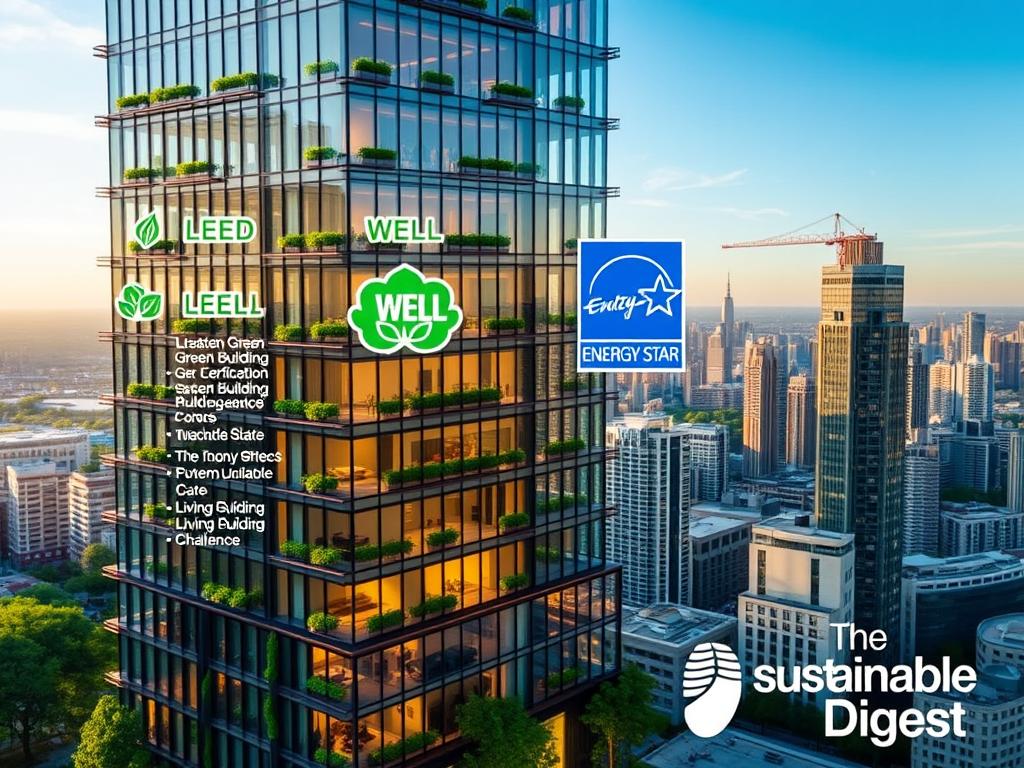
Who leads these efforts? Organizations like the U.S. Green Building Council (USGBC) and International WELL Building Institute (IWBI) administer programs like LEED and WELL. Architects, contractors, and developers work with these bodies to meet green codes and building standards.
What do these programs cover? They assess energy efficiency, water use, and indoor air quality. Certifications like Energy Star focus on efficiency, while Living Building Challenge targets net-zero performance.
When to start? Early planning is highly essential—certification requirements often influence design phases. Renewal timelines vary; some require checks every 3–5 years, sometimes every 24 months.
Where do standards differ? While LEED is global, local green codes adapt to regional climates. California enforces stricter energy codes than other states, reflecting its commitment to sustainability.
Why pursue certification? Environmental building benefits like reduced emissions align with both sustainable and corporate goals. Property owners also gain tax incentives and market appeal through these programs.
How to begin? Start by selecting a program, then follow its guidelines for documentation and audits. Teams submit data on materials and energy use for third-party verification.
Every step transforms sustainable building from theory into practice, creating spaces that benefit people and the planet.
Environmental and Financial Benefits of Green Building Certifications
Green building certifications like LEED and WELL offer big wins for the planet and massive gains/savings for your wallet. They cut down on emissions, lower costs, and increase property value. Plus, they make spaces healthier for everyone inside.
Reduced Environmental Impact and Resource Conservation
Buildings with energy-efficient building certifications use 30–50% less energy than usual ones. They use renewable energy and save water, helping the environment. They also cut waste by 50%+, meeting environmental production declarations.
Long-Term Cost Savings and ROI for Building Owners
Energy efficiency upgrades save money over time. A 2023 study found green energy investments save 15–20% on utilities each year. These savings can be 2–4 times the cost of getting certified over 20 years.
Category
Conventional Buildings
Green Certified
Energy Use
High utility costs
30–50% savings
Water Use
High consumption
30% reduction
Waste
More landfill waste
50%+ diversion
Improved Occupant Health and Productivity
Offices with health product declarations see 8% higher productivity and 10% fewer sick days.
Natural light and clean materials make the air better. This reduces health problems and sick days.
Higher occupancy rates (95%+ vs. 80% conventional)
Every dollar spent on clean energy upgrades brings back $2–$6 over 20 years. This shows that being green and profitable can go together.
Leading Green Building Certification Programs in the United States
Choosing the right certification program depends on your project goals. Each system has its own benefits, tailored to different priorities. Look into LEED Certification, WELL Building Standard, and more to find the best fit for your sustainability goals.
LEED Certification: The Gold Standard in Sustainable Building
LEED Certification uses a point system to check energy, water, and material use. Projects can get levels like Platinum for being top-notch. It’s flexible for schools, offices, and homes.
WELL Building Standard: Focusing on Occupant Health
WELL focuses on health through better air, WaterSense-approved fixtures, and lighting. It also looks at mental health, making it great for workplaces and hospitals.
Energy Star for Buildings: Optimizing Energy Efficiency
Energy Star gives buildings a score based on energy use. It’s a good start for places looking to save on utility bills.
Living Building Challenge: The Most Rigorous Sustainability Standard
This program requires buildings to use more energy and water than they make. The Bullitt Center shows it’s possible, pushing for better Passive House design and GREENGUARD-certified materials.
BREEAM looks at the whole picture of sustainability.
Green Globes uses an online tool for assessment.
National Green Building Standard focuses on single-family homes and communities.
Compare these programs to find the best match for your vision. Whether you’re focused on energy, health, or the environment, the right certification shows your dedication to a greener future.
How Businesses and Homeowners Can Begin the Certification Process
Starting your green certification journey begins with a preliminary assessment. First, evaluate your project goals, budget, and building type. This helps align with programs like Green Seal or Forest Stewardship Council standards. Early planning for sustainable design benefits in your blueprints ensures compliance and saves costs.
Choose a certification program: Compare Green Squared for holistic performance or Natural Stone Sustainability Standard for materials. Research requirements for urban or rural development projects.
Build a team: Engage certified professionals like LEED APs or consultants familiar with SCS Global Services protocols.
Document meticulously: Track material sourcing, energy systems, and compliance with program guidelines.
Don’t underestimate the time needed. Allow 6–12 months for documentation and audits to avoid delays. Budget for both certification fees and green construction advantages like energy-efficient windows or recycled materials. Retrofit projects may have higher upfront costs but save money in the long run through energy efficiency.
“Planning for certifications from day one ensures smoother implementation,” says a sustainability advisor. “This approach avoids costly retrofits later.”
Homeowners can start small: upgrade insulation or choose FSC-certified wood. Businesses aiming for large-scale projects should focus on sustainable design benefits in zoning and site selection. The U.S. Green Building Council’s guides offer free tools to make the process easier.
Whether renovating a home or developing a commercial complex, every step moves society closer to climate resilience. Take the first step today—your building’s future and the planet’s will thank you.
Beyond Certification: Implementing Sustainable Practices in Everyday Building Operations
Keeping buildings green is an ongoing task, not just a one-time achievement. The Total Resource Use And Efficiency (TRUE) framework helps track and cut down on resources. Even small daily changes can make a big difference for the planet and your wallet.
Renewable Energy Integration
Starting with renewable energy means first figuring out what your building needs. Adding solar panels or geothermal systems cuts down on fossil fuel use. For example, green energy setups can save money on bills in 5-10 years. Smart building technologies also help use energy better, making sure systems run efficiently.
Water Conservation Strategies
Water savings start with using less water. A water conservation table shows how effective it can be:
Strategy
Annual Savings
Low-flow toilets
4,000+ gallons/household
Rainwater harvesting
Up to 30% outdoor water reduction
Smart irrigation
20-40% landscape water savings
Waste Reduction and Management
Good waste reduction comes from both the right systems and changing how we act. Starting composting programs and recycling stations helps. Buying in a way that supports the circular economy also cuts down on waste.
“Even small changes, like switching to LED lights, can cut energy costs by 25% in a year.”
Keeping green systems in good shape is key. Buildings using clean energy like solar or wind see their costs go down by 15-30%. This shows that being green and saving money can go together.
Green Building Materials and Technologies Transforming the Construction Industry
Recycled steel and self-healing concrete are changing how we build. Green building materials and innovative building technologies focus on eco-friendly building benefits. They help meet climate goals.
Architects and engineers use Biomimicry and Cradle to Cradle to make buildings better. They create spaces that are strong and use resources wisely.
Innovative Eco-Friendly Building Materials
Builders use earth ships from recycled tires, cobb house walls from clay and straw, and container homes from shipping containers. These choices cut down on waste and save money. Here’s a look at some options:
Type
Material
Key Benefit
Recycled
Steel/Plastic
Cuts landfill waste by 70%
Biobased
Mycelium insulation
Natural fire resistance
Renewable
Bamboo flooring
Grows 3x faster than wood
Smart Building Technologies for Sustainability
Smart sensors in smart cities watch energy use closely. AI helps HVAC systems save energy by adjusting based on who’s there. Siemens’ Desigo CC combines controls for lighting, water, and air quality.
Biomimicry and Nature-Inspired Design Solutions
The Eastgate Center in Zimbabwe uses nature’s cooling without air conditioning. Buildings like treehouses have vertical gardens to clean the air. Architect Michael Pawlyn says,
“Nature’s 3.8 billion years of R&D offer solutions for every design challenge.”
These new ways of building show that being green and innovative go together. From cobb house cottages to earth ship estates, the future is inspired by nature and recycling.
Case Studies: Successful Green Building Projects and Their Impact
Real-world projects show how zero energy building and urban regeneration can change communities. Here are three global examples that are making a big difference:
Project
Location
Certification
Key Features
Impact
Bullitt Center
Seattle
Living Building Challenge
Zero energy use, rainwater harvesting
100% renewable energy, 25% cost savings
Parkroyal Hotel
Singapore
International Green Mark (IGM)
Vertical gardens, solar panels
30% lower energy use, urban habitat preservation
Alabama Rural Studio
Arkadelphia, AL
Net Positive Developments
Recycled materials, net-zero water
Revitalized rural areas, 50% lower energy costs
These designs aren’t just eco-friendly—they’re economically smart. The climate resilience features here cut long-term costs while preserving local ecology conservation.
Each project faced unique challenges. The Bullitt Center had to balance urban landscape design with strict energy targets. Rural Studio’s rural revival used local labor and materials.
All projects saw big results: lower carbon footprints, better indoor air, and community involvement. These stories show how net positive developments meet both ecological and economic goals. Whether it’s retrofitting or building new, these examples prove sustainable design works and saves money.
Future Trends in Sustainable Building Design and Certification
The green building movement is growing fast. Certifications are changing to meet global sustainability goals. New tech and policies are making buildings better for the planet and economy.
Expect big changes in the next decade. We’ll see buildings that use no energy and designs that can handle climate changes.
“The future belongs to those who build not just sustainably, but regeneratively.” – Maria Torres, Director of Global Sustainability at the International Green Building Council
Zero Energy Buildings and Net Positive Developments
Certifications like CASBEE and DGNB now give points for buildings that make more energy than they use. Zero energy building designs use the latest solar tech and smart grids. This creates extra energy.
Such projects help the local economy by creating jobs in green energy. They also attract investments in green communities.
Climate Resilience in Building Standards
Building standards are now focusing on climate resilience. Green Star and Enterprise Green Communities require buildings to withstand floods, heatwaves, and power outages. New materials and cooling systems are becoming common.
These innovations are especially important in frontier markets. There, infrastructure needs are high, and proactive solutions are key.
Integration with Smart City Initiatives
Smart cities are combining building certifications with urban systems. This is happening in emerging markets in Asia and U.S. cities. Cooperative development models link buildings to energy grids and EV charging networks.
These systems reduce emissions and boost local economies. They use technology to improve infrastructure.
While there are still costs, early adopters show it’s worth it. As standards improve, staying updated is crucial. This way, organizations can lead the shift to a sustainable built environment.
Conclusion: Embracing Green Building Certifications for a Sustainable Future
Green building certifications are more than just building standards. They are the way to a sustainable future. These programs focus on energy efficiency, health, and protecting the environment. They help in international development and global affairs.
From big cities to small islands, using certifications like LEED or WELL makes a big difference. Homeowners and businesses can choose materials certified by the Greenguard Environmental Institute. This ensures better indoor air quality. Companies like Active Design Advisors, Inc. offer strategies to meet global sustainability goals.
These efforts tackle environmental and social challenges. Buildings designed with social enterprise principles improve life quality. They reduce healthcare costs and increase productivity.
In remote islands or developing areas, certifications like the Living Building Challenge help build strong infrastructure. Policymakers can speed up progress by adding these standards to urban planning. This encourages innovation in designs that fight climate change.
The path to sustainability starts with certification but grows with ongoing improvement. Homeowners can begin with Energy Star upgrades. Companies can aim for net-zero goals.
Every choice, from smart building tech to saving water, helps in the long run. Look for resources, work with experts, and focus on certifications. Together, we can make a difference, creating a future where buildings benefit both people and the planet.
FAQ
Q: What are green building certifications?
A: Green building certifications are standards for buildings and construction. They ensure buildings meet environmental and sustainability criteria. These standards look at energy use, resource saving, and health, leading to greener buildings.
Q: Why are green building certifications important?
A: They are key because they promote sustainable building. This helps reduce carbon emissions and saves resources. It also improves air quality, benefiting both the planet and people.
Buildings with these certifications also cost less to run and are worth more.
Q: Who administers green building certifications?
A: Organizations like the U.S. Green Building Council (LEED) and Green Seal offer certifications. Each has its own criteria for sustainability, such as energy use and water saving.
Q: What are some common types of green building certifications?
A: LEED, WELL Building Standard, and Energy Star are well-known certifications. There’s also Green Globes, NABERS, and BREEAM. Each focuses on different sustainability areas, promoting green construction.
Q: When should a building project seek certification?
A: It’s best to seek certification early, during planning and design. This makes it easier to meet requirements. Many programs offer benefits for early adoption of green practices.
Q: How can businesses and homeowners start the green certification process?
A: Start by assessing which certification fits your goals and budget. Then, gather a team that includes sustainability experts. Early planning and detailed documentation are key for success.
Q: What are the financial benefits of green building certifications?
A: Certifications can save money on energy and water. They also increase property value and may offer tax breaks. Certified buildings often have higher occupancy rates and can charge more rent.
Q: How do green certifications impact occupant health?
A: Green buildings improve air quality and natural light. This boosts health and productivity, reducing absenteeism. It also increases well-being, benefiting businesses and owners financially.
Q: Are there specific materials recommended for green buildings?
A: Yes, use eco-friendly materials like recycled items and sustainably sourced wood. Low-VOC finishes and bio-based insulation are also recommended. These materials help make buildings more sustainable.
Q: What are emerging trends in sustainable building certifications?
A: Trends include zero energy buildings and climate resilience. There’s also more focus on integrating green building with smart city initiatives. These aim to enhance urban sustainability.
Key Takeaways
Green building certifications measure a project’s commitment to sustainability and resource efficiency.
Benefits of green building certifications include lower operating costs and improved public health outcomes.
Sustainable building certifications like LEED and WELL guide eco-friendly design and construction decisions.
Certifications boost property values while supporting global climate action goals.
Builders and owners gain competitive advantages through recognized environmental design standards.
Sustainability reporting standards are key for making the private sector more sustainable. They help companies share their environmental, social, and governance (ESG) impacts. This is important because traditional business models focus too much on profit.
More companies are now reporting on sustainability. In 2019, 90% of S&P 500 companies did this, up from 20% a decade before. This shows that businesses and investors see the value in sustainability for financial success and long-term growth.
But, there’s a problem. There are many different ways for companies to report on sustainability. This makes it hard for them to report fully and for investors to compare. We need a global standard for sustainability reporting. This would make it easier for companies to report and for investors to make informed decisions.
The Evolution and Importance of Corporate Sustainability Reporting
Sustainability reporting has become key for businesses over the last few decades. The Global Reporting Initiative (GRI) set global standards for sustainability reports in 2000. Around the same time, the Greenhouse Gas Protocol was created to help companies track their greenhouse gas emissions.
The UN Global Compact and CDP (formerly the Carbon Disclosure Project) pushed for more corporate transparency. After the 2008 financial crisis, new groups like the International Integrated Reporting Council (IIRC) and the Sustainability Accounting Standards Board (SASB) started. They helped companies understand and share the effects of sustainability.
Key Milestones in Sustainability Reporting
1990s: Sustainability reporting started to grow due to pressure from civil society and governments.
2000: The Global Reporting Initiative (GRI) released its first sustainability reporting guidelines.
2001: The Greenhouse Gas (GHG) Protocol was created as a global standard for greenhouse gas emissions.
2015: The United Nations Sustainable Development Goals (SDGs) were adopted, highlighting the importance of corporate sustainability reporting.
Present: Companies face a complex landscape of reporting frameworks, creating challenges in maintaining consistency and comparability.
Current State of Corporate Reporting
Today, companies worldwide are expected to report on their sustainability performance. But, the many reporting standards and frameworks have made the landscape complex and inconsistent. Companies must find their way through this changing world to give stakeholders clear and honest sustainability reports.
As the need for corporate sustainability information grows, the importance of standardized, high-quality reporting becomes more critical. The path to sustainable business practices needs a clear and consistent way to measure, manage, and share environmental, social, and governance impacts.
Understanding the Business Case for Sustainability Reporting
Sustainability reporting is a big win for businesses in many fields. It makes jobs more meaningful for 73% of EU employees who feel they’re helping society and the planet. It also helps companies stand out in the market, as most U.S. buyers now look at a product’s social and environmental impact.
Reporting on sustainability helps businesses attract and keep the best workers. It also helps them manage risks and find new chances for growth. Companies that report on sustainability meet their partners’ expectations and stay ahead of rivals with strong green plans.
“Sustainability reporting is no longer just a nice-to-have; it’s a business imperative. It empowers organizations to attract and retain the best talent, stay ahead of consumer preferences, and manage risks more effectively.”
The benefits of sustainability reporting are many. They include happier employees, a stronger brand, and better risk handling. They also open doors to new chances for growth. As the world keeps moving towards sustainability, companies that report on it will lead the way.
What are the Sustainability Reporting types
Corporate sustainability reporting has many forms to meet changing needs. It includes both mandatory and voluntary reports. These reports serve different purposes for companies, industries, and regulators.
Mandatory vs. Voluntary Reporting
The EU’s Corporate Sustainability Reporting Directive (CSRD) has changed the game for big companies in Europe. Starting in 2025, they must share detailed info on their environmental, social, and governance (ESG) actions. The CSRD will cover private companies too by 2026.
But, companies can also do voluntary reports. These show their commitment to being green and share more than what’s required. The Global Reporting Initiative (GRI) and Sustainability Accounting Standards Board (SASB) are examples of these frameworks.
Integrated Reporting Frameworks
Integrated reporting is becoming more popular. It combines financial and non-financial data in one report. The International Integrated Reporting Council (IIRC) created the Integrated Reporting (IR) Framework for this purpose.
Industry-Specific Standards
Industry-specific standards focus on the unique needs of each sector. The Sustainability Accounting Standards Board (SASB) has 77 standards for different industries. This helps companies and investors focus on what matters most for their field.
The European Sustainability Reporting Standards (ESRS) also use “double materiality.” They ask companies to look at their impact on sustainability and how sustainability issues affect their finances. This helps companies understand and share their sustainability performance and risks.
“Sustainability reporting is no longer a nice-to-have, but a must-have for businesses that want to remain competitive and relevant in today’s global market.”
Key Components of Effective Sustainability Reporting
Sustainability reporting is key for businesses wanting to show they care about the environment, society, and governance. At the core is a detailed materiality assessment. This step is about finding the big issues that affect the company and its stakeholders.
Quantitative metrics and qualitative indicators are also crucial. Metrics give numbers to compare progress over time. Indicators add context and stories about the company’s sustainability efforts.
Reports should cover how the company works and what it makes. This way, they show a full picture of sustainability performance.
Getting feedback from all stakeholders is important. This includes employees, customers, investors, and the community. It helps make sure the report meets their needs and concerns.
Transparency in the supply chain is also expected. Companies must share about their suppliers’ sustainability practices. This makes reports more credible and complete.
The European Sustainability Reporting Standards (ESRS) help guide companies. They outline what data to include for each topic. Following these standards shows a company’s dedication to clear and standard reporting.
“Sustainability reporting is not just about disclosing data – it’s about showcasing a company’s commitment to responsible business practices and its positive impact on the world.”
The Role of Stakeholder Engagement in Reporting
Stakeholder engagement is key to good sustainability reporting. It involves many groups like investors, the local community, employees, and suppliers. This helps organizations understand their sustainability strategies better.
Investor Requirements and Expectations
Investors now look at environmental, social, and governance (ESG) factors more than before. A study showed 85% of investors use ESG info when choosing investments. So, companies must report on ESG to help investors make smart choices.
Community and Employee Involvement
Listening to the local community and employees gives insights into social and environmental impacts. By talking to more groups, like NGOs and regulatory agencies, companies get a fuller picture of their sustainability. For example, a study on mining in South Africa showed how important stakeholder engagement is for success.
Supply Chain Considerations
Companies are now responsible for their supply chain’s sustainability. Working with suppliers to understand their practices is essential for honest reporting. This not only strengthens relationships but also reduces risks and finds new opportunities.
It’s hard to balance all stakeholders’ interests in reporting. Many use a materiality assessment to focus on what matters most. This method, based on solid data, is needed for rules like the CSRD and ESRS.
“Strong relationships with stakeholders, developed through engagement, can help organizations minimize risk, identify opportunities sooner, and adapt to operational changes over the long term.”
Financial Material Impact and ESG Integration
Sustainability issues are becoming more important in finance. Studies show that good sustainability performance leads to better financial results. More asset managers and owners are adding ESG factors to their investment strategies. They see how these factors can help create long-term value.
Dynamic materiality shows that sustainability issues can become financially important over time. This is because of changing laws and what society expects. Companies are now asked to report on the financial effects of their sustainability efforts now and in the future.
G7 finance ministers announced a commitment to mandate climate reporting in 2021.
ESG reporting is included in annual reports to showcase a company’s sustainability efforts, encompassing environmental, social, and governance data.
Third-party providers like Bloomberg ESG Data Services and Sustainalytics assign ESG scores to grade organizations on their ESG performance and risk exposure.
The European Union is a leader in sustainable finance with strict ESG rules. The EU taxonomy helps identify green activities to stop greenwashing. It encourages companies to focus on sustainability. The Sustainable Finance Disclosure Regulation (SFDR) makes companies reveal sustainability risks. The Corporate Sustainability Reporting Directive (CSRD) makes reporting rules stricter for companies.
Materiality concepts, such as single materiality, impact materiality, and double materiality, are also gaining traction. Double materiality, as incorporated in the European Sustainability Reporting Standards (ESRS), considers the impact of sustainability issues on a company’s financial performance as well as the broader economy and society.
“The EU supports setting a global baseline for sustainability reporting through the ISSB standards, recognizing the importance of standardized, high-quality ESG disclosures to drive long-term value creation.”
Data Collection and Quality Assurance in Reporting
Sustainability reporting needs strong data collection and quality checks. This ensures the info shared is trustworthy. Companies face challenges in getting the right data, especially for complex supply chains and Scope 3 emissions.
There are different ways to measure, making comparisons hard. This makes it tough to combine data from various sources.
Measurement Methodologies
Creating standard ways to measure is a big challenge. Companies deal with many frameworks, each with its own rules and metrics. This makes it hard to compare and track progress.
There’s a push to make these methods match financial auditing standards. This would help make comparisons easier and more consistent.
Verification and Assurance Processes
Third-party assurance is key for reliable sustainability info. Independent checks boost trust and credibility. They show a company’s data analytics and carbon footprint tracking efforts are solid.
Creating strong auditing standards for sustainability reporting is vital. It encourages more use of third-party assurance.
“Transparency and credibility are essential for effective sustainability reporting. Robust data collection and quality assurance processes are critical to building trust with stakeholders.”
As companies improve their sustainability reports, reliable data and quality control are crucial. Following industry standards and using third-party assurance shows a company’s dedication to openness and responsibility.
Global Standards and Regulatory Compliance
The world of sustainability reporting is changing fast. Global standards and national rules are key in this change. The International Financial Reporting Standards (IFRS) Sustainability Standards Board is leading the way. It aims to make sustainability reporting the same everywhere.
Many countries are stepping up to require companies to report on sustainability. For example, New Zealand and the United Kingdom now need big companies to follow the TCFD (Task Force on Climate-related Financial Disclosures) recommendations. Brazil also plans to make companies report on sustainability by 2026, following the ISSB (International Sustainability Standards Board) standards.
More and more companies and investors see the value in sustainability reporting. Governments are now setting clear rules for reporting. This ensures that companies are transparent and accountable.
The EU Directive (EU) 2022/2464 requires many companies to report on sustainability. This includes big EU businesses, listed SMEs, and some third-country companies.
Companies already reporting under the NFRD will start using the CSRD by 2025. Large companies not yet reporting will start in 2026.
The European Sustainability Reporting Standards (ESRS) started on 1 January 2024. They cover 12 areas, including environment, social, and governance.
As sustainability reporting evolves globally, companies must keep up. They need to follow the latest IFRS Sustainability Standards Board, TCFD recommendations, and national regulations. This ensures they meet their obligations and share important sustainability information with everyone.
“The widespread adoption of global sustainability reporting standards is crucial for promoting transparency, comparability, and accountability in corporate sustainability disclosures.”
Benefits of Standardized Sustainability Reporting
Standardized sustainability reporting brings many benefits to companies. It helps manage risks by showing how a business affects the environment, society, and economy. This understanding helps companies spot and fix problems, making them stronger and more stable over time.
Enhanced Risk Management
Frameworks like the Global Reporting Initiative (GRI) and the Task Force on Climate-related Financial Disclosures (TCFD) make companies share important ESG info. This detailed info helps them see and tackle risks better. It lets them plan ahead and stay ahead of challenges.
Improved Stakeholder Trust
Being open and accountable is crucial for good sustainability reporting. By following set standards, companies show they care about their impact. This builds trust with investors, customers, employees, and local communities. It can also boost a company’s reputation and help it get more funding.
Competitive Advantage
Companies that report on sustainability stand out in the market. Sharing their ESG performance shows they’re serious about being green. This can attract green-minded customers and investors, making them leaders in their field. Plus, the insights from reporting can lead to better operations and new ideas, giving them an edge.
Key Takeaways
Sustainability reporting standards provide transparency on companies’ environmental and social impacts, addressing the shortcomings of profit-focused business models.
The rise in sustainability reporting reflects growing recognition of its importance, with 90% of S&P 500 companies publishing reports in 2019 vs. 20% in 2011.
The current landscape of sustainability reporting is fragmented, with a need for a global set of standards to harmonize approaches and reduce the reporting burden on companies.
Standardized sustainability reporting can enhance stakeholder trust, improve risk management, and provide a competitive advantage for companies.
Effective sustainability reporting requires a focus on material issues, stakeholder engagement, data quality assurance, and alignment with financial performance.
Access to education is a cornerstone of sustainable development and overall sustainability. It directly empowers individuals, drives economic growth, and fosters innovation. However, local and global challenges persist. As of 2019, pre-pandemic, only 58% of students worldwide achieved minimum reading proficiency levels in primary education. This highlights the urgent need for improvement.
Ongoing teacher shortages and uneven progress in secondary education further complicate the situation. These issues hinder the ability of communities to thrive and adapt in a transforming world. Addressing these gaps requires collaboration across sectors and innovative solutions.
Education is not just about literacy and numeracy. It plays a vital role in shaping societies and economies. By investing in learning systems, nations can unlock potential and create opportunities for all. This sets the stage for exploring strategies to overcome current challenges and build a brighter future.
Introduction to UN SDG #4 and Its Global Impact
Empowering future generations starts with equitable access to knowledge. The primary objective of this goal is to ensure inclusive and equitable learning opportunities for all. It aims to address disparities and create a foundation for lifelong growth.
Quality learning has a profound impact on children and communities. It equips young minds with the skills needed to thrive in a rapidly changing world. Studies show that early childhood development programs significantly improve school readiness and long-term outcomes.
Access to learning varies widely across different countries. While some nations have made strides in pre-primary participation rates, others lag behind. These disparities highlight the need for targeted interventions to bridge gaps.
This goal also influences national policies and development strategies. Governments are increasingly prioritizing reforms to enhance learning systems. Such efforts are essential for fostering economic growth and social progress.
“Investing in education is investing in the future of humanity.”
Statistical insights reveal that early childhood programs are critical for school readiness. Despite disruptions caused by global challenges, recovery trends are emerging. This underscores the resilience of communities and the importance of sustained efforts.
Achieving this goal is vital for long-term economic and social advancement. It drives innovation, reduces inequality, and empowers individuals to contribute meaningfully to society. Education reforms in both developed and emerging countries are paving the way for a brighter future.
Historical Progress and Setbacks in Quality Education
Over the decades, global efforts have reshaped the landscape of learning systems. These advancements have brought millions of children into classrooms, improving access to knowledge and resources. However, challenges persist, with some regions still lagging behind.
Milestones and Achievements
Significant strides have been made in increasing school enrollment and building infrastructure. For example, primary and lower secondary completion rates have risen globally. This progress reflects the dedication of governments and organizations to expand learning opportunities.
Key achievements include:
Increased enrollment in primary and secondary schools.
Improved infrastructure, such as classrooms and learning materials.
Greater focus on teacher training and development.
Areas Needing Urgent Improvement
Despite these advancements, disparities remain. In some regions, access to quality education is still limited. Learning outcomes have stagnated or even declined, particularly in disadvantaged areas.
Critical issues include:
Regional disparities in school completion rates.
Low proficiency levels in reading and mathematics.
Persistent challenges in rural and underserved communities.
Addressing these setbacks requires targeted interventions and sustained efforts. By focusing on these areas, the global community can ensure that every child has the opportunity to learn and thrive.
Analysis of Global Learning Outcomes and Challenges
Recent data highlights a concerning trend in reading and mathematics performance. Across OECD and partner countries, proficiency levels have declined, a problem that existed even before the COVID-19 pandemic. This regression underscores the urgent need to address gaps in foundational skills.
Learning outcomes vary significantly across age groups and genders. Women, in particular, face unique challenges that hinder their academic progress. Marginalized populations also experience barriers to achieving quality learning, further widening educational disparities.
Trends in Literacy and Numeracy
Global literacy and numeracy rates have shown troubling declines. Data reveals that many individuals struggle to meet basic proficiency standards. This trend is especially pronounced in regions with limited resources and inadequate teacher training.
Key factors contributing to this decline include:
Disrupted lessons due to global crises.
Insufficient training and support for educators.
Lack of access to learning materials and technology.
These challenges highlight the need for targeted interventions. Addressing both quality and equity in education is essential for improving outcomes. Proven strategies, such as enhanced teacher training and digital learning tools, can help mitigate disruptions and boost achievement.
By focusing on these areas, the global community can ensure that every person has the opportunity to succeed. Investing in education is not just about improving scores; it’s about empowering individuals to reach their full potential.
UN SDG #4 Quality Education for innovation w/ MSMEs, NGOs, & underserved public
Skill-based learning is reshaping how students prepare for future challenges. By focusing on practical abilities, schools are equipping learners to thrive in a rapidly evolving world. This approach not only enhances individual potential but also drives broader societal progress.
Innovative policy reforms play a crucial role in improving learning systems. Governments and organizations are adopting measures to ensure equitable access to knowledge. These efforts are transforming classrooms and empowering communities to achieve sustainable growth.
Incorporating skill development into curricula is essential for preparing students for emerging job markets. Programs that emphasize critical thinking, problem-solving, and adaptability are becoming increasingly popular. Such initiatives bridge gaps in traditional education and foster innovation.
MSMEs and NGOs are also contributing significantly to educational advancement. Through partnerships and community-driven projects, they are creating opportunities for entrepreneurship and lifelong learning. Their efforts are particularly impactful in underserved areas, where access to resources is limited.
International examples highlight the success of targeted policy measures. Countries like Finland and Singapore have implemented skill-focused education models that yield impressive results. These case studies demonstrate the transformative power of well-designed learning systems.
Robust education systems are closely linked to broader sustainable development goals. By investing in knowledge and skills, nations can reduce inequality and drive economic growth. This strategic relationship underscores the importance of prioritizing education in global agendas.
“Education is the most powerful weapon which you can use to change the world.”
Data supports the shift towards skill-based learning and its impact on innovation. Studies show that students with strong practical abilities are better equipped to adapt to changing job markets. This evidence reinforces the need for continued investment in modern education strategies.
The Role of MSMEs and NGOs in Driving Educational Innovation
Collaborative efforts between small businesses and non-profits are transforming learning environments. These partnerships are pioneering new methods to enhance the level of education in communities worldwide. By addressing gaps in access and resources, they are creating opportunities for lifelong growth.
Successful initiatives have shown significant improvements in learning outcomes. For example, programs focusing on gender inclusivity ensure that youth from all backgrounds receive equal opportunities. This approach not only boosts participation but also fosters a more equitable society.
Statistical insights reveal the impact of these collaborations. In one case, a partnership increased school enrollment by a notable number. Such achievements highlight the potential of public-private efforts to drive meaningful change.
Innovative approaches are overcoming traditional barriers. Smaller enterprises and non-governmental entities are introducing modern pedagogical practices. These methods include digital tools, mentorship programs, and community-based learning models.
“Education is the foundation upon which we build our future.”
The broader impact of these collaborations extends beyond classrooms. They contribute to sustainable development goals by reducing inequality and fostering economic growth. By investing in education, these organizations are shaping a brighter future for all.
Impact of COVID-19 on Global Education Systems
The COVID-19 pandemic reshaped education systems worldwide, leaving lasting impacts. School closures affected over 1.6 billion students, disrupting learning and reversing years of progress. The crisis highlighted vulnerabilities in access, equity, and preparedness.
Disruptions and Learning Losses
During the pandemic, 147 million children missed more than half of traditional in-class instruction. This led to significant learning losses, particularly in foundational skills like reading and math. Younger students faced unique challenges, as early childhood development programs were disrupted.
Age-specific issues emerged, with older students struggling with remote learning while younger ones missed critical socialization opportunities. Teachers, often unprepared for digital instruction, faced immense pressure to adapt quickly.
Recovery Efforts and Remedial Strategies
Governments and organizations have implemented various strategies to address these setbacks. Enhanced teacher training programs have been introduced to improve digital readiness. Remedial classes and extended school hours are helping students catch up on lost learning.
Successful interventions include community-based tutoring and the use of technology to bridge gaps. For example, some regions have distributed tablets preloaded with educational content to underserved areas. These efforts are gradually restoring academic progress.
The pandemic has also reshaped global education policies. There is now a greater emphasis on digital infrastructure and blended learning models. These changes aim to ensure resilience in the face of future disruptions.
“The pandemic has shown us the importance of adaptable and inclusive education systems.”
While challenges remain, the global response to the crisis demonstrates a commitment to rebuilding stronger, more equitable learning environments. By focusing on recovery and innovation, the world can mitigate the long-term effects of the pandemic on education.
Strategies for Improving Primary and Secondary Completion Rates
Improving school completion rates requires a blend of innovative strategies and targeted support. While primary and lower secondary completion rates are rising, future progress depends on integrating modern technology and supporting student health initiatives.
One effective approach is the use of digital classrooms and online learning platforms. These tools enhance student engagement by making lessons interactive and accessible. For example, schools in rural areas have seen improved attendance and performance after adopting e-learning solutions.
Combining health and well-being programs with academic support is another key strategy. Initiatives like school meal programs and mental health counseling address barriers to learning. These efforts create a supportive environment that encourages students to stay in school.
Innovative teaching methods also play a crucial role in reducing dropout rates. Personalized learning plans and project-based activities cater to diverse student needs. Such methods not only improve academic outcomes but also foster a love for learning.
Extracurricular activities and academic support systems are equally important. Sports, arts, and mentorship programs provide students with a well-rounded experience. These activities help build confidence and resilience, ensuring sustained progress.
Partnerships between governments, private sectors, and community organizations are essential for scaling these strategies. Collaborative efforts bring resources and expertise to underserved areas. For instance, a public-private initiative in Texas successfully increased graduation rates by 15% over five years.
“Education is the passport to the future, for tomorrow belongs to those who prepare for it today.”
Real-world examples highlight the success of these strategies. Finland’s focus on teacher training and student well-being has made it a global leader in education. Similarly, Singapore’s emphasis on technology integration has transformed its learning systems.
By leveraging these strategies, schools can create more opportunities for students to succeed. Investing in education today ensures a brighter, more equitable future for all.
Enhancing Early Childhood Development and Pre-primary Education
Early childhood development lays the groundwork for a child’s lifelong journey of learning and growth. High-quality pre-primary education is essential for building cognitive, social, and emotional skills. Studies show that 7 out of 10 children globally are developmentally on track before entering primary school, underscoring the importance of access quality programs.
Pre-primary education plays a critical role in shaping a child’s future. It fosters curiosity, creativity, and problem-solving abilities. These skills are the foundation for academic success and personal development throughout life. Early interventions have been proven to lead to better educational outcomes later in life.
Despite its importance, equitable access quality pre-primary education remains a challenge. Many children, especially in underserved areas, lack the resources needed for early learning. Addressing these gaps requires targeted policies and community-driven initiatives.
International benchmarks highlight the need for standardized early childhood education programs. Countries like Finland and Japan have set examples by integrating play-based learning and teacher training into their systems. These measures ensure that every child has the right to a strong educational start.
Collaboration between governments, communities, and organizations is key to enhancing early learning environments. By investing in infrastructure, teacher training, and parental support, societies can create a nurturing foundation for children. Such efforts not only improve individual outcomes but also contribute to broader societal progress.
Region
Children Developmentally On Track (%)
Key Challenges
North America
75
Access in rural areas
Europe
80
Teacher shortages
Sub-Saharan Africa
60
Resource limitations
Asia
70
Equity in access
Early childhood education initiatives have a ripple effect on overall student performance. Children who participate in high-quality programs are more likely to excel academically and socially. This underscores the right of every child to a strong start in life.
“The early years of a child’s life are the most critical for their future success.”
By prioritizing early childhood development, societies can unlock the potential of future generations. Investing in these formative years ensures that every child has the opportunity to thrive and contribute meaningfully to their communities.
Infrastructure and Technology in Modern Classrooms
Modern classrooms are evolving with the integration of advanced technology and infrastructure. These changes are essential for creating environments where students can thrive. However, significant gaps remain in both physical and digital resources, particularly in underserved areas.
Improving Internet Access and Digital Tools
Access to the internet and digital tools is critical for modern learning. Recent reports show that only 44% of primary schools had internet access in 2022. This gap limits students’ ability to engage with online resources and develop digital literacy.
Deploying advanced tools like interactive whiteboards and tablets can enhance learning experiences. These technologies make lessons more engaging and accessible. For example, schools in rural areas have seen improved attendance and performance after adopting e-learning solutions.
Public-private partnerships are playing a key role in bridging these gaps. Collaborations between governments, tech companies, and non-profits are bringing resources to underserved communities. These efforts are crucial for achieving sustainable development goals in education.
Upgrading Basic Learning Facilities
Basic learning facilities are the backbone of effective education. Many schools, especially in developing regions, lack essential amenities like clean water, electricity, and safe classrooms. Upgrading these facilities is a priority for ensuring equitable access education.
Initiatives like school renovations and the provision of learning materials are making a difference. For instance, a program in Sub-Saharan Africa improved school infrastructure, leading to higher enrollment rates. Such efforts create environments where students can focus on learning.
Enhanced infrastructure also supports higher education by providing students with the tools they need to succeed. Well-equipped labs, libraries, and classrooms are essential for fostering innovation and critical thinking.
Region
Primary Schools with Internet Access (%)
Key Challenges
North America
85
Rural connectivity
Europe
78
Teacher training
Sub-Saharan Africa
30
Resource limitations
Asia
50
Equity in access
“Technology is just a tool. In terms of getting the kids working together and motivating them, the teacher is the most important.” – Bill Gates
Aligning infrastructure improvements with sustainable development goals ensures long-term progress. By investing in modern classrooms, societies can create opportunities for all students to succeed. This approach not only enhances learning outcomes but also drives broader societal growth.
Bridging Gender and Socioeconomic Disparities in Education
Gender and socioeconomic gaps in education remain significant barriers to equality. These disparities persist globally, affecting access to school and learning outcomes. Addressing these divides is essential for achieving broader development goals and fostering inclusive growth.
Differences in funding and facilities contribute to unequal learning environments. Affluent regions often have well-equipped schools, while disadvantaged areas struggle with basic resources. This imbalance creates a cycle of inequality, limiting opportunities for many students.
Urban and rural schools face distinct challenges. Urban areas may have better infrastructure but higher dropout rates due to socioeconomic pressures. Rural regions often lack access to qualified teachers and modern learning tools. These disparities highlight the need for targeted interventions.
Policies and initiatives aimed at achieving parity are gaining traction. Governments and organizations are implementing measures to ensure equitable access to education. For example, scholarship programs and community-driven projects are helping bridge gaps in under-resourced areas.
Aligning educational reforms with development goals can reduce disparities. Efforts to improve teacher training, increase funding, and promote inclusive curricula are essential. These strategies create a foundation for long-term progress and equality.
Region
Gender Gap in Literacy (%)
Key Challenges
North America
5
Access in rural areas
Europe
3
Teacher shortages
Sub-Saharan Africa
15
Resource limitations
Asia
10
Equity in access
Successful case studies demonstrate the impact of targeted interventions. For instance, a program in India increased girls’ enrollment in STEM fields by 20%. Such initiatives show that focused efforts can drive meaningful change.
“Education is the great equalizer, but only if it is accessible to all.”
A holistic approach is needed to address these disparities. Curriculum reforms, inclusive pedagogy, and community engagement are key components. By prioritizing equity, societies can create opportunities for every student to succeed.
Case Studies on Sustainable Education Initiatives
Sustainable education initiatives are transforming how communities approach learning and development. These programs demonstrate the power of collaboration and innovation in addressing educational challenges. By examining successful case studies, we can identify best practices and replicate their impact globally.
Government-Led Interventions
Governments worldwide have implemented programs to improve educational outcomes. For example, Finland’s focus on teacher training and curriculum reform has made it a global leader in learning systems. Similarly, Rwanda’s investment in school infrastructure has significantly increased enrollment rates.
Key achievements include:
Enhanced teacher training programs.
Improved access to digital tools and resources.
Increased focus on early childhood development.
Partnerships Driving Change
Collaborations between NGOs, MSMEs, and local communities have also yielded impressive results. In India, a partnership between a non-profit and small businesses increased girls’ enrollment in STEM fields by 20%. This initiative not only improved student engagement but also fostered gender equality.
Other successful projects include:
Community-driven tutoring programs in rural areas.
Mentorship initiatives that connect students with industry professionals.
Digital literacy campaigns to bridge the technology gap.
“Sustainable education is not just about teaching; it’s about empowering individuals to shape their futures.”
These case studies highlight the importance of targeted interventions and collaborative efforts. By learning from these examples, we can design policies and programs that create lasting change. The lessons learned from these initiatives provide valuable insights for future educational reforms.
Policy Recommendations for Sustainable Development in Education
Effective policy reforms are essential for shaping the future of learning systems. Recent reports emphasize that without urgent changes, many countries will continue to lag in achieving universal access to quality education. Projections indicate significant learning losses over the coming years, highlighting the need for immediate action.
Analyzing the impact of existing policies over the past year reveals both successes and gaps. While some regions have made progress, others struggle with implementation challenges. Data-driven decision-making is crucial for identifying areas needing improvement and ensuring resources are allocated effectively.
Clear and actionable recommendations are vital for enhancing educational quality worldwide. Short-term strategies, such as teacher training and digital tool integration, can yield quick results. Long-term approaches, including curriculum reforms and infrastructure upgrades, ensure sustained progress.
Lessons from successful models in different regions provide valuable insights. For example, Finland’s focus on teacher development and Japan’s emphasis on early childhood education have set benchmarks for others to follow. These examples demonstrate the transformative power of well-designed policies.
Aligning education policies with broader development goals is essential. Policies should address equity, inclusivity, and sustainability to create a foundation for long-term growth. Regular reviews and updates ensure that strategies remain relevant and effective.
Region
Key Policy Focus
Impact Over the Past Year
North America
Digital learning tools
Increased student engagement
Europe
Teacher training programs
Improved teaching quality
Sub-Saharan Africa
Infrastructure development
Higher enrollment rates
Asia
Early childhood education
Enhanced school readiness
“Policies are the backbone of educational progress. Without them, even the best intentions fall short.”
Monitoring mechanisms are critical for measuring policy impact over time. Regular assessments and feedback loops help refine strategies and ensure accountability. By adopting these recommendations, nations can create equitable and sustainable learning systems for all.
Leveraging Digital and Blended Learning Models
Digital transformation is reshaping the way students learn and interact in classrooms. Blended learning models combine traditional teaching with digital tools, creating dynamic and engaging environments. These approaches cater to diverse learning styles, making education more accessible and effective.
Benefits of Flipped Classrooms
Flipped classrooms are a key component of blended learning. In this model, students review materials at home and engage in interactive activities during class. This approach enhances comprehension and fosters critical thinking.
Studies show that flipped classrooms increase student engagement and improve learning outcomes. Teachers can focus on addressing individual needs, while students take ownership of their learning journey. This method also encourages collaboration and peer-to-peer learning.
Challenges and Implementation
Despite its benefits, implementing digital learning models comes with challenges. Many schools lack the necessary infrastructure, such as reliable internet and devices. Educator preparedness is another critical factor, as teachers need training to effectively use digital tools.
Community-driven initiatives are essential for overcoming these barriers. Scholarship programs can provide financial support for schools and students. Partnerships between schools, tech companies, and local organizations can also bridge resource gaps.
“Digital learning is not just about technology; it’s about transforming the way we teach and learn.”
Case studies highlight the success of blended learning in various regions. For example, a program in rural areas increased student performance by 25% after adopting digital tools. These examples demonstrate the potential of well-implemented strategies.
Continuous professional development for educators is crucial. Training programs should focus on both technical skills and pedagogical strategies. By investing in teacher development, schools can ensure the long-term success of digital learning initiatives.
Blended learning models are not just a trend; they are the future of education. By addressing challenges and leveraging community support, schools can create equitable and effective learning environments for all students.
Intersection of Quality Education and Sustainable Development Goals
The connection between learning systems and broader societal goals is undeniable. Quality education serves as a linchpin, connecting various aspects of sustainable development. By focusing on teacher training and measurable targets, societies can achieve significant progress in multiple areas.
Integrating Multiple Development Goals
Education is deeply intertwined with social, economic, and environmental objectives. For instance, well-trained teachers can foster critical thinking and problem-solving skills in students. These skills are essential for addressing global challenges like climate change and economic inequality.
Aligning educational strategies with broader targets enhances their impact. Policies that prioritize teacher development and curriculum reforms create a ripple effect. They not only improve learning outcomes but also contribute to healthier, more equitable communities.
Role of Teacher Training and Capacity Building
Investing in teacher training is crucial for achieving sustainable development goals. Well-prepared educators can adapt to diverse learning needs and implement innovative teaching methods. This ensures that students are equipped with the skills needed for the future.
Capacity-building programs also play a vital role. They empower teachers to integrate technology and sustainable practices into their classrooms. This approach fosters a culture of lifelong learning and environmental stewardship.
Examples of Integrated Education Policies
Several regions have successfully aligned their education systems with broader development targets. For example, Finland’s focus on teacher training has made it a global leader in education. Similarly, Rwanda’s investment in school infrastructure has significantly increased enrollment rates.
These examples demonstrate the transformative power of well-designed policies. They highlight the importance of collaboration between governments, communities, and organizations.
“Education is the most powerful tool for achieving sustainable development.”
Policy Recommendations
To strengthen the connection between education and sustainable development, policymakers should:
Prioritize teacher training and professional development.
Set clear, measurable targets for educational outcomes.
Invest in infrastructure and technology to support modern learning environments.
Promote inclusive curricula that address social, economic, and environmental issues.
By implementing these strategies, nations can create a foundation for long-term progress. Education is not just a goal in itself; it is a pathway to achieving a sustainable future for all.
Future Perspectives for Global Educational Progress
The future of global education hinges on addressing critical challenges and embracing innovation. Emerging trends suggest that without immediate action, progress may stagnate or even reverse. One pressing issue is the persistent gender gap, particularly in STEM and digital fields, where girls remain underrepresented.
Addressing these disparities is crucial for creating equitable learning opportunities. Studies show that empowering girls in STEM can drive economic growth and foster innovation. However, systemic barriers, such as limited access to technology and cultural biases, continue to hinder progress.
Curriculum reform and technology integration are key to shaping the future of education. Blended learning models, which combine traditional and digital methods, are gaining traction. These approaches cater to diverse learning styles and prepare students for a rapidly evolving job market.
Forecasts indicate that strategic investments in education can yield significant returns. Governments and organizations must prioritize funding for teacher training, infrastructure, and digital tools. Such efforts can bridge gaps and ensure that every child has access to quality learning.
Innovative partnerships are also driving change. Collaborations between schools, tech companies, and non-profits are introducing new solutions to longstanding issues. For example, mentorship programs are helping girls pursue careers in STEM, while digital literacy campaigns are expanding access to technology.
“Investing in education today ensures a brighter, more equitable future for all.”
Policy reforms play a pivotal role in addressing these challenges. Clear, measurable goals can guide efforts and ensure accountability. By aligning education strategies with broader development objectives, nations can create sustainable opportunities for future generations.
The next decade will define the trajectory of global education. By tackling current issues and fostering innovation, societies can unlock the potential of every girl and boy. This approach not only enhances individual outcomes but also drives collective progress.
Conclusion
Building a brighter future starts with ensuring every individual has access to essential resources and opportunities. Education, as a human right, remains a cornerstone for sustainable progress. Improved infrastructure, both physical and digital, is critical for creating effective learning environments that empower communities.
Continued innovation and resource allocation are essential for addressing challenges and unlocking potential. By prioritizing education, societies can create a foundation for long-term growth and equity, paving the way for a more prosperous future.
Access to clean water and a healthy environment supports educational facilities, ensuring students can thrive. Equitable distribution of information and knowledge bridges gaps across regions, fostering inclusivity. Achieving gender equality in education not only empowers individuals but also strengthens economies and employment prospects globally.
Key Takeaways
Education is essential for sustainable development and economic growth.
Only 58% of students globally met minimum reading proficiency levels in 2019.
Teacher shortages and uneven progress remain significant challenges.
Collaboration across sectors is crucial for improving education systems.
Innovative solutions can help bridge gaps in learning opportunities.
The International Organization of Standardization (ISO) is a global benchmark and is vital in pushing for sustainable growth. It does this through its standards and guidelines, especially in ISO & sustainability. The ISO 9001 standard, for example, is all about quality management, a big part of sustainable growth. ISO 6222:1999 addresses the precise methods for counting microorganisms in water, ensuring the safety and quality of drinking water. Similarly, ISO 13053 utilizes Lean and Six Sigma methodologies to enhance process efficiency, tailoring solutions for different industry needs. As we move towards using more solar energy, ISO’s role in helping us grow sustainably is clearer than ever.
By using ISO standards, companies of all sizes can make sure they’re good for both the planet and people. This means they’re working towards a greener future. When ISO standards meet green practices, like solar energy and other renewables, it makes a big difference while helping cut down on carbon emissions and encourages being eco-friendly.
Introduction to ISO and Sustainability
ISO and sustainability go hand in hand. ISO gives guidelines and standards to help organizations become more sustainable. The ISO 9001 standard, for example, helps with quality management. This is key for companies wanting to lessen their environmental impact and boost their green efforts.
What is ISO for Sustainability?
There specific ISO standards that are a set of formal compliance instruments in promoting sustainability and sustainable development. They offer a framework for organizations to be guided by. This helps them reduce their environmental impact and improve their social impact and economic standing.
The ISO 10002 standard focuses on customer satisfaction. Meanwhile, the ISO 10018 standard is about quality management. These standards guide organizations on their sustainability journey.
Implementing ISO standards, like ISO 13053, can greatly benefit organizations. It uses Lean and Six Sigma to improve processes. This leads to reduced waste and increased efficiency.
Definition of ISO Standards
As mentioned previously ISO standards are guidelines for organizations to achieve specific goals in general. These goals include improving quality, reducing environmental impact, or enhancing customer satisfaction. The International Organization for Standardization (ISO) develops these standards.
Importance of Sustainability Standards
Sustainability standards, like those from ISO, are vital for organizations. They help reduce environmental impact and improve social and economic standing. By following these standards, organizations show their commitment to sustainability.
Overview of ISO Standards
More institutions and MSMEs are adapting ISO standards to promoting sustainability and environmental management. ISO 14000 series establishes comprehensive guidelines on implementing effective environmental management systems, encouraging businesses to minimize their ecological footprint. The ISO 14001 standard focuses on environmental management systems. It gives a framework for organizations to manage their environmental impacts. The ISO 14000 standard offers a broader framework for environmental management systems. It helps organizations develop and implement effective environmental management practices.
Industry-specific standards demonstrate ISO’s versatility. From the energy efficiency assessments of ISO 11011 to the management systems of ISO 14001:2015, these guidelines support a eclectic array of sectors. They offer tailored solutions for achieving operational excellence and environmental responsibility.
This portion of the overview will discuss standards related to water quality, solar energy, compressed air energy efficiency, process improvement, and environmental management.
ISO 6222:1999 – Water Quality Micro-organisms Enumeration
ISO 6222:1999 provides guidelines for assessing water quality by enumerating culturable micro-organisms. This process involves colony counting using inoculation in a nutrient agar culture medium. It is a vital standard for laboratories and organizations involved in water analysis, ensuring accurate results in the measurement of microbial content in water samples. This standard supports the safety and quality of water by providing a reliable method for monitoring micro-organisms.
ISO 9488:1999 – Solar Energy Vocabulary
ISO 9488:1999 is a vocabulary standard for solar energy technology. It outlines the terminology used within the solar energy industry to enhance communication and avoid misunderstandings. By establishing clear definitions, this standard ensures consistency in technical documentation and communication. It is particularly useful for manufacturers, engineers, and researchers working with solar energy systems, allowing them to collaborate effectively internationally.
ISO 11011:2013 – Compressed Air Energy Efficiency
ISO 11011:2013 focuses on assessing energy efficiency in compressed air systems. It provides a methodical approach to evaluate the performance of these systems, from examining energy input to observing potential output improvements. This standard is especially valuable for industries reliant on compressed air, helping them improve energy use and reduce costs. By following these guidelines, companies can achieve optimal performance and sustainability.
ISO 13053 Series – Quantitative Methods in Process Improvement
The ISO 13053 series addresses quantitative methods in process improvement, specifically Lean and Six Sigma methodologies. ISO 13053-1 explains the DMAIC process, while ISO 13053-2 focuses on the tools and techniques. This series is essential for organizations aiming to enhance their processes through data-driven strategies. It provides a structured framework for analyzing and improving processes, ensuring efficiency and effectiveness in achieving business goals.
ISO 13053-1:2011 – DMAIC Methodology
The ISO 13053-1:2011 outlines the DMAIC methodology, which stands for Define, Measure, Analyze, Improve, and Control. This approach is exploited for improving quality and efficiency in processes by identifying problems and implementing effective solutions.
Define: Identify the problem and set goals.
Measure: Collect data to understand the current process performance.
Analyze: Determine root causes of defects or issues.
Improve: Implement solutions to improve the process.
Control: Maintain improvements in control systems and monitoring.
Businesses rely on DMAIC to reduce variability and improve quality, leading to better customer satisfaction and operational efficiency.
ISO 13053-2:2011 – Tools and Techniques
ISO 13053-2:2011 provides a set of tools and techniques to support the DMAIC methodology. These tools assist in analyzing data, identifying root causes, and developing effective solutions.
Key tools include:
Cause and Effect Diagrams: Help identify potential reasons for process issues.
Flowcharts: Visualize process steps and identify inefficiencies.
Statistical Process Control (SPC): Monitor process behavior and stability.
Failure Mode and Effects Analysis (FMEA): Anticipate potential failure points.
These tools ensure a data-driven approach to process improvement, facilitating effective analysis and solution implementation.
ISO/TR 16705:2016 – Six Sigma Statistical Methods
The ISO/TR 16705:2016 offers statistical methods specific to Six Sigma implementation, focusing on contingency table analysis. This enhances process improvement efforts by providing a framework for examining relationships between variables, supporting informed decision-making.
Key statistical techniques include:
Contingency Tables: Used to analyze and compare categorical data.
Regression Analysis: Identifies relationships between dependent and independent variables.
Hypothesis Testing: Assesses the effects of changes and supports valid conclusions.
These statistical methods provide organizations with the analytical skills necessary to drive continuous improvement and achieve substantial quality gains in their processes.
ISO/TR 17098:2013 – Contingency Table Analysis
ISO/TR 17098:2013 offers insights into using contingency tables in Six Sigma projects, which are crucial for analyzing categorical data. This statistical method helps identify the relationship between variables and guides decision-making in quality improvement projects.
By employing contingency table analysis, project managers can understand patterns and identify potential issues in processes. This technique is particularly beneficial for improving accuracy in process optimization and ensuring data-driven decisions. Organizations can gain a clearer understanding of process variations and implement effective corrective actions for enhanced performance.
ISO 14000:2015 Series -Management of Waste Reduction
The ISO 14001:2015 standard outlines requirements for environmental management, providing guidance for better resource use and waste reduction.
ISO 14004, ISO 14004, & ISO 14006
Standards like ISO 14004 and ISO 14006 offer additional guidelines on implementation and eco-design. This series supports businesses in managing their environmental responsibilities systematically, promoting sustainability and regulatory compliance.
ISO 14004:2016 – General Implementation Guidelines
ISO 14004:2016 offers additional guidance for organizations seeking to design and implement an EMS. It complements ISO 14001 by providing more detailed techniques and examples to help businesses achieve their environmental goals. The standard emphasizes leadership involvement, employee participation, and effective communication of environmental policies. It aims to integrate environmental management practices into everyday operations. This guidance is useful for organizations of all sizes and sectors, ensuring that environmental management becomes a natural part of business processes. By following ISO 14004:2016, companies can create a more robust and comprehensive EMS.
ISO 14005:2010 – Phased Implementation
The ISO 14005:2010 standard presents a flexible approach to adopting an EMS, allowing for phased implementation. This method is particularly beneficial for small and medium-sized enterprises or organizations with limited resources. It provides guidelines to gradually establish an EMS while adapting to resource and capability constraints. The phased approach lets companies focus on critical areas first, progressively expanding the scope. This step-by-step progression helps minimize disruption and manage costs efficiently. As a result, organizations can build confidence in their environmental practices before undergoing full assessment.
ISO 14006:2011 – Incorporating Ecodesign
ISO 14006:2011 guides organizations in integrating eco-design principles into their EMS. Eco-design involves considering environmental impacts throughout the product lifecycle, from raw material extraction to end-of-life disposal. This standard aims to help businesses develop environmentally friendly products and services. It provides tools and techniques to incorporate sustainability into design processes. By using ISO 14006, companies can improve product sustainability, reduce environmental impacts, and potentially gain an industry advantage. This approach supports sustainable development by encouraging resource efficiency and innovation in design practices.
Types of ISO Standards Relevant to Sustainability
There are several ISO standards related to sustainability. These include:
ISO 14001: Environmental management systems
ISO14000: Environmental management systems – Principles, systems, and techniques
ISO 26000: Social responsibility
These standards give a framework for organizations to adopt sustainable practices. They help reduce environmental impacts and promote social responsibility.
Role of ISO in Global Sustainability Efforts
ISO is also crucial in global sustainability efforts. It partners with other organizations to support sustainable development. ISO standards help organizations develop and implement sustainable practices. This contributes to a more sustainable future.
The Process of ISO Certification
Getting ISO certification is a step-by-step journey. It prepares an organization’s management system for the ISO standard it chooses. For environmental management, ISO 14020, ISO 14030, 14031, and 14040 offer guidelines. These standards cover environmental labels, performance evaluation, and life cycle assessment.
Steps to Achieve ISO Certification
To get ISO certification, follow these steps:
Find the right ISO standard, like ISO 14020 for environmental labels and declarations.
Do a gap analysis to see how much you already meet the standard.
Create and use a management system that fits the standard’s needs.
Do internal audits and management reviews to check if the system works well.
Cost Factors in ISO Certification
The cost of ISO certification varies. It depends on the organization’s size, complexity, and the standard chosen. Standards like 14031 and 14040 might need more resources for life cycle assessment and environmental performance evaluation.
Benefits of ISO Standardization
ISO standards can greatly impact an organization’s operations and reputation. Adopting standards like ISO 14051 can enhance environmental management systems. This leads to a smaller environmental footprint. ISO 14064 GHG helps manage greenhouse gas emissions, and ISO 14046 offers a framework for water footprint assessment.
Some key benefits of ISO standardization include:
Enhanced operational efficiency, resulting in cost savings and improved productivity
Improved reputation and trust among customers, stakeholders, and the wider community
Enhanced Operational Efficiency
ISO standardization can streamline processes and boost efficiency. Standards like ISO 14051 help reduce waste and improve resource use. This leads to cost savings and better productivity.
Improved Reputation and Trust
Adopting ISO standards can also boost a company’s reputation and trust. Showing a commitment to environmental management and sustainability can enhance brand image. For example, ISO 14064 GHG helps show efforts to reduce greenhouse gas emissions and fight climate change.
Benchmarking for Sustainability
Organizations are now focusing on reducing their environmental impact. Benchmarking is key in this effort. It helps them compare their performance to industry leaders. This way, they can find areas to improve and lessen their ecological footprint.
The life cycle of products or services is important. It includes everything from raw material extraction to end-of-life disposal or recycling.
Benchmarking is continuously applied in projects and often with sustainable development standards in many areas, like energy consumption, water usage, and waste management. The ISO 14067 GHG standard helps measure and report greenhouse gas emissions. The ISO 14084 standard focuses on environmental management systems.
For tourist destinations, benchmarking is crucial. It helps reduce the environmental impact of tourism. By using sustainable practices and technologies, tourist spots can lessen their ecological footprint. This helps preserve their natural beauty.
The benefits of benchmarking for sustainability include:
Improved environmental performance
Enhanced reputation and brand image
Increased operational efficiency and cost savings
Better compliance with regulatory requirements
By using benchmarking, organizations can positively impact the environment. They can contribute to a more sustainable future. Whether through ISO standards or sustainable practices, benchmarking helps achieve sustainability goals and reduce environmental impact.
Standard
Description
ISO 14067 GHG
Greenhouse gas management
ISO 14084
Environmental management systems
ISO 14785:2014 – Tourist Information Office Requirements
ISO 14785:2014 specifies the service needs of tourist information offices. It highlights how these offices should manage visitor interactions, ensuring accurate information provision and customer satisfaction. The standard emphasizes the importance of staff training and the maintenance of a welcoming environment.
It covers the physical setup, including accessibility and signage, as well as the quality of promotional materials. This ensures visitors receive reliable guidance and support, enhancing their overall experience. Compliance with ISO 14785:2014 helps tourism offices enhance their operational standards and build trust with travellers, promoting sustainable tourism practices.
Frameworks for Sustainable Practices
Businesses aim to be sustainable and often use known frameworks outside of, or in conjunction with, sustainability to help. The six sigma methodology is a popular choice for improving processes. In the tourism and wellness spa world, these frameworks can lessen environmental harm while boosting customer satisfaction.
Key Elements of a Sustainability Framework
A good sustainability framework has parts like environmental care, social duty, and making money. These are vital for tourism businesses, where being green can set them apart. By using a framework, these businesses can cut down on environmental damage, enhance their image, and draw in eco-conscious customers.
Examples of Effective Frameworks
Effective frameworks include the Global Sustainable Tourism Council (GSTC) criteria and the ISO 26000 standard for social responsibility. These offer a straightforward way to tackle sustainability, helping businesses spot and fix issues. By embracing these frameworks, tourism and wellness spas can help the industry become greener.
Benefits of using these frameworks include:
Improved environmental management
Enhanced social responsibility
Economic viability
Increased customer loyalty
Environmental Performance and Sustainability
Various ISO standards enhance the relationship between environmental performance and sustainability. These standards guide businesses and organizations in assessing their environmental impact effects and improving their operations. Key areas include due diligence, labeling, performance evaluations, and footprints.
ISO 14015:2022 – Environmental Due Diligence
ISO 14015:2022 provides guidelines for conducting comprehensive environmental due diligence assessments. These evaluations help organizations identify potential environmental risks and liabilities. By following this standard, companies can systematically analyze their operations and supply chains to ensure compliance with environmental laws and regulations. Key factors include: assessing environmental impacts, identifying hazards, and evaluating sustainable practices. This process supports decision-making and enhances corporate accountability.
ISO 14020:2000 – Environmental Labels and Declarations
ISO 14020:2000 outlines the principles for environmental labels and declarations. These labels inform consumers about the environmental attributes of products. The standard promotes transparency by ensuring that claims are accurate, verifiable, and not misleading. Categories within this standard include eco-labels, environmental claims, and product declarations. Organizations benefit from fostering consumer trust and driving sustainable purchasing decisions.
ISO 14031 – Environmental Performance Evaluation
ISO 14031 provides guidelines for evaluating environmental performance. Companies use this standard to track and measure their environmental impacts. It involves key elements, such as setting performance metrics, monitoring changes, and reporting results. By implementing ISO 14031, organizations can improve resource efficiency, reduce waste, and support continuous environmental improvement. This aligns business activities with the United Nations SDG and other sustainability goals.
ISO 14045:2012 – Eco-efficiency Assessment for Product Systems
ISO 14045:2012 outlines the principles for eco-efficiency assessments, aiming to enhance product systems. It measures the balance between product value and its environmental impacts. Organizations can apply these guidelines to increase value while minimizing ecological footprints. Key components involve life cycle assessment, indicator selection, and performance measurement. This approach supports innovation and sustainable product development.
ISO 14046:2014 – Water Footprint
ISO 14046:2014 provides a framework for assessing water footprints. It focuses on understanding water usage, evaluating impacts, and identifying improvement opportunities. Organizations analyze their water consumption and its effect on ecosystems using this standard. By implementing water footprint assessments, businesses can improve water management practices, reduce consumption, and enhance sustainability efforts.
ISO/TR 14073:2017 – Water Footprint Examples
ISO/TR 14073:2017 offers practical examples to apply ISO 14046 concepts effectively. These examples guide organizations in real-world water footprint assessments. The focus includes illustrative calculations, methodology applications, and best practices. By providing detailed examples, this technical report aids companies in accurately assessing water usage and impacts, supporting improved decision-making and environmental stewardship.
ISO 14067 – Carbon Footprint of Products
ISO 14067 details requirements for quantifying the carbon footprint of products. Core elements involve assessing greenhouse gas emissions over a product’s life cycle. By following this standard, organizations can identify opportunities to reduce emissions and enhance energy efficiency. It promotes transparency and credibility in environmental impact reporting, supporting climate change mitigation goals and sustainable development.
Environmental Management – Additional Frameworks and Definitions
ISO standards provide detailed frameworks and definitions that support effective environmental management. These standards cover vocabulary, cost accounting for materials, and greenhouse gases management. They aim to help organizations improve sustainability and efficiency.
ISO 14050:2009 – Environmental Management Vocabulary
ISO 14050:2009 is crucial for understanding terms and definitions related to environmental management. This standard helps ensure clear communication by providing a common language for those involved in environmental practices.
It includes definitions for terms like “sustainability,” “biodiversity,” and “ecosystem services.” Consistent terminology helps improve collaboration and understanding among professionals. This standard plays a vital role in facilitating the consistent application of other ISO environmental management standards across industries.
ISO 14051 – Material Flow Cost Accounting
ISO 14051 focuses on material flow cost accounting (MFCA), a method that provides insights into the financial benefits of reducing waste and improving resource efficiency. MFCA tracks energy and material flows across processes to highlight areas with excessive resource use or waste.
The approach results in more informed decision-making. Companies can use MFCA to identify cost-saving opportunities by analyzing their processes. This can lead to enhanced performance while also supporting sustainability goals. Both financial and environmental benefits are achieved through this standard.
ISO 14064 – Greenhouse Gases
ISO 14064 offers guidelines for quantifying and reporting greenhouse gas emissions and removals. This standard assists organizations in measuring their carbon footprint and can be used to verify claims about emissions reduction.
This framework aids businesses in setting emission reduction targets by providing a structured method for tracking greenhouse gases. This helps organizations contribute to climate change mitigation. The standard also fosters consistency in reporting, promoting transparency and credibility in environmental efforts.
Integration of ISO Standards in Business
Businesses can make their operations more sustainable by using ISO standards. They can match their business plans with ISO standards like ISO 17772 Energy performance of buildings and ISO 20121 Event sustainability management systems. This helps them cut down on environmental harm and boost their image.
Aligning Business Strategy with ISO Standards
First, businesses need to check their current ways of working and find areas to get better. Then, they can plan to make changes, guided by ISO standards. For example, a company can use ISO 17772 to make its buildings use less energy, saving money and resources.
Case Studies of Successful Integration
Many companies have made ISO standards a part of their work. For example, a big event host can use ISO 20121 to make their events greener, cutting down on waste. By learning from these successes, other businesses can also become more eco-friendly.
Improved reputation and trust
Increased operational efficiency
Reduced environmental impact
Using ISO standards can make businesses more sustainable, save money, and improve their standing. Strategies applied by aligning business plans with ISO standards and studying successful examples.
ISO/IEC/IEEE 16326:2009 – Life Cycle Processes
ISO/IEC/IEEE 16326:2009 provides guidance on managing projects from start to finish, focusing on life cycle processes. It outlines the necessary steps for effective project management in systems and software engineering, integrating various disciplines to ensure a seamless process flow.
The standard emphasizes establishing clear project objectives, allocating resources efficiently, and managing risks. It also highlights the importance of stakeholder involvement throughout the project timeline. By following these structured guidelines, organizations can improve their project outcomes and meet expected quality standards.
Challenges in Implementing ISO Standards
Starting ISO standards can be tough. Companies might struggle to make ISO 20400 Sustainable Procurement fit their big plans. They need to really get the standard and how to mix it with what they already do.
Another big hurdle is making sure the company is safe and strong, like ISO 22395 says. This means checking risks and setting up good plans to handle them. Companies also need the right people and tools to keep up with the standard.
Not training employees well enough
Not having enough money or resources
Not talking well with everyone involved
To beat these problems, companies can try a few things:
Give regular training to employees
Make sure they have enough money and resources
Work on clear communication and getting everyone on board
Knowing the tough spots in ISO standards helps companies plan better. They can then successfully use ISO 20400 Sustainable procurement and ISO 22395 Security and Resilience standards.
The Future of ISO for Sustainability
The world is changing fast, making sustainability and social responsibility key for companies. ISO 26000 guides on social responsibility, while ISO 27001 deals with information security. These standards help companies act responsibly and sustainably.
Emerging Trends in Sustainability Standards
There’s a growing trend towards environmental sustainability and social responsibility. Companies must now reduce their environmental footprint and help society. ISO 26000 offers a way for companies to act responsibly.
The Role of Technology in ISO Compliance
Technology is key in following ISO standards, especially for information security. ISO 27001 outlines how to manage security risks. Technology helps in several ways:
Automating tasks to cut down on mistakes and boost efficiency
Setting up security to protect important data
Offering training to keep employees informed
By using technology and following ISO 26000 and ISO 27001, companies can be sustainable and responsible.
ISO and Global Regulation Compliance
Businesses today face a world where following many rules is key to success. The International Organization for Standardization (ISO) helps a lot with this. ISO 2230 Business continuity management systems and ISO 27701 Privacy information management are two important standards. They show that companies care about following the rules.
Using these standards can help a lot. It makes businesses run better and look good. By following global standards, companies avoid big problems and fines.
Benefits of Harmonization
Reduced risk of non-compliance
Improved operational efficiency
Enhanced reputation and trust
By using ISO 2230 Business continuity management systems and ISO 27701 Privacy information management, companies show they care about rules. This brings many good things, like working better and being more trusted.
Engaging Stakeholders in Sustainability
Getting stakeholders involved is key to reaching sustainability goals. Working with stakeholders helps organizations get insights and support for their green plans. The ISO 17800 standard, which deals with building design, is a great guide for this.
Importance of Stakeholder Collaboration
Stakeholder teamwork is vital for green goals. It lets companies know what their stakeholders need and worry about. This includes customers, workers, and the community. Together, they can find ways to be green and profitable.
For instance, using textile machines and recycling materials can cut down on waste. This supports organic recycling.
Tools for Stakeholder Engagement
There are many ways to get stakeholders involved in green efforts. Here are a few:
Stakeholder surveys and feedback sessions
Sustainability committees and groups
Sustainability reports and updates
With these tools, companies can really get stakeholders on board with green efforts. This helps build a green culture in the company.
Resources for ISO Standards and Benchmarking
Finding your way through ISO standards and sustainability benchmarking can be tough. But, there are many resources to help. You can find guides, books, and websites for learning more. This section will show you where to find these tools and information.
Recommended Reading and Guides
The ISO’s official book, “ISO 14001:2015 Environmental management systems – Requirements with guidance for use,” is a great start. It’s full of useful info for those new to ISO standards. Also, the ISO’s guide on sustainability in buildings and civil engineering works is packed with insights. It covers hydrogen tech, event sustainability, tourism sustainability, and more.
Organizations and Websites for Further Learning
Groups like the International Organization for Standardization (ISO), the United Nations Sustainable Development Goals (UNSDGs), and the U.S. Green Building Council are full of knowledge. Their websites, ISO.org, UN Sustainable Development, and USGBC.org, have lots of excellent resources primarily because they offer case studies and best practices for any organization looking to be more sustainable.
Key Takeaways
ISO standards play a crucial role in promoting sustainable development
ISO 9001 standard focuses on quality management, a key aspect of sustainable development
Solar energy is a key aspect of sustainable development
Industry-specific guidelines address diverse operational needs.
Adopting ISO standards can ensure environmentally responsible operations
Integration of ISO standards with sustainable practices can reduce carbon footprint
ISO standards provide a framework for quality management and sustainability
ISO standards set vital frameworks for quality and efficiency
In a world striving for progress, International Women’s Day within the International Year of Cooperatives presents a gateway for accomplishment. While the United Nations, World Economics Council, and among other good faith institutions contributes to setting the stage for a transformative future. The upcoming celebrations highlight the power of unity and shared goals. These events focus on building a better world through collective action and sustainable practices.
The General Assembly has announced a significant theme: Cooperatives Build a Better World. This initiative aims to strengthen communities and promote equality. With over 3 million cooperatives globally, they play a high key role in driving change and supporting advancement with the sustainable development goals.
These celebrations also emphasize the contributions of women and youth. Their leadership and innovation are crucial for shaping a brighter future. By fostering collaboration, these events inspire action and policy changes that benefit everyone.
The Significance of Global Celebrations in 2025
Global celebrations in 2025 such as the International Women’s Day and International Year of Cooperatives mark a pivotal moment for collective progress. These events serve as catalysts for change, uniting people around shared goals. They highlight the power of collaboration and resilience in addressing global challenges.
Milestones in Women’s Rights and Cooperative Movements
Over the past decades, significant strides have been made in advancing women’s rights. The 30th anniversary of the Beijing Declaration is a testament to this progress. It underscores the importance of equality and empowerment in shaping a better future.
Cooperative movements have also evolved, playing a vital role in building resilient communities. These organizations foster economic growth and social inclusion, proving that collective action can drive meaningful change.
United Nations Initiatives and the Journey to 2030
The United Nations continues to lead efforts toward sustainable development. Through initiatives like the 2030 Agenda, they aim to create a more equitable world. Partnerships with organizations like COPAC amplify these efforts, ensuring global collaboration.
Key focus areas include:
Promoting gender equality and women’s leadership.
Strengthening cooperative movements for community resilience.
Advancing policies that support sustainable development goals.
These initiatives inspire action and pave the way for a brighter future. By working together, we can overcome challenges and build a world that benefits everyone.
International Women’s Day 2025 & International year of cooperatives 2025 UNSDGs
The journey toward equality and sustainability has shaped our world in profound ways. From grassroots movements to global initiatives, these efforts have inspired generations to strive for a better future. This section explores the history of International Women’s Day and the transformative role of cooperatives in sustainable development.
History and Evolution of International Women’s Day
International Women’s Day traces its roots to the early 20th century, born out of the struggle for equality and voting rights. Over the decades, it has grown into a global event celebrating women’s achievements and advocating for gender equality. Key milestones include the Beijing Declaration, which set a new standard for women’s rights worldwide.
This day has inspired social and legal reforms, empowering women to take on leadership roles. From education to healthcare, its impact is felt across all sectors. Today, it continues to drive action and policy changes that benefit women and girls everywhere.
The Role of Cooperatives in Sustainable Development
Cooperatives have long been a cornerstone of community empowerment. These organizations foster economic resilience and social inclusion, proving that collective action can drive meaningful change. From agriculture to banking, they play a vital role in sustainable development.
For example, agricultural cooperatives help farmers access resources and markets, improving livelihoods. Similarly, financial cooperatives provide affordable credit, empowering individuals to achieve their goals. These success stories highlight the transformative power of cooperatives in building resilient communities.
Organizations like the International Cooperative Alliance and UN Women continue to lead efforts in this space. Their initiatives focus on promoting equality, fostering innovation, and addressing contemporary challenges. Together, they are shaping a future where empowerment and sustainability go hand in hand.
Mobilizing Global Efforts: Cooperative Movements and UN Sustainable Goals
As global challenges grow, cooperative movements are stepping up to drive meaningful change. These organizations are aligning with the United Nations Sustainable Development Goals to create a better world. By fostering collaboration, they address socio-economic issues and promote equality.
ICA Global Cooperative Conference and Global Collaboration
The upcoming ICA Global Cooperative Conference in New Delhi, India, from November 25-30, 2024, marks a pivotal moment. This event will officially launch the International Year of Cooperatives, bringing together leaders from across the globe. It serves as a platform for dialogue, innovation, and policy advocacy.
Key highlights of the conference include:
Discussions on how cooperatives contribute to sustainable development.
Exploring innovative solutions to tackle global challenges.
Euro Coop’s Contributions to Community Engagement
Euro Coop is at the forefront of promoting community-driven projects. Their initiatives focus on enhancing social inclusion and supporting sustainable practices. By empowering local communities, they demonstrate the transformative power of cooperatives.
Examples of their work include:
Programs that improve access to education and healthcare.
Projects that foster economic resilience in underserved areas.
Advocacy for policies that support cooperative growth.
Initiative
Impact
ICA Conference
Global collaboration and policy advocacy
Euro Coop Projects
Community resilience and social inclusion
IYC2025 Launch
Symbolizes unity and forward-thinking action
The International Year of Cooperatives logo embodies these efforts. Its design reflects the values of unity, equality, and sustainability. Together, these initiatives inspire a shared vision for a brighter future.
Advancing Gender Equality and Cooperative Empowerment
The intersection of gender equality and cooperative initiatives is reshaping global progress. These efforts are not just about creating opportunities but fostering a culture of inclusion and innovation. From youth leadership to digital advocacy, the journey toward empowerment is multifaceted and inspiring.
Youth Leadership and Climate Justice Initiatives
Young leaders are at the forefront of advocating for environmental and climate justice. Their innovative approaches and passion for change are driving impactful policies both private and public. For example, youth-led movements have successfully influenced legislation on renewable energy and conservation.
These initiatives highlight the importance of giving young people all over the world a voice. By empowering them, we ensure a sustainable future for generations to come. Collaborative efforts between governments and youth organizations are key to amplifying their impact.
Policy Shifts: The Beijing Declaration and Beyond
The 30th anniversary of the Beijing Declaration marks a significant milestone in gender equality. This historic document has inspired legal reforms and policy shifts worldwide. Governments are now prioritizing women’s rights in education, healthcare, and economic participation.
Recent policies focus on closing the gender pay gap and increasing women’s representation in leadership roles. These changes are a testament to the enduring legacy of the Beijing Declaration. They also underscore the need for continuous advocacy and action.
Digital Campaigns and Social Media Advocacy
Digital platforms especially social media have become powerful tools for promoting gender equality and cooperative empowerment. Campaigns like #EqualFuture and #CoopForChange are raising awareness and inspiring action. Social media allows for real-time engagement and global reach.
Innovative strategies, such as storytelling and influencer partnerships, are amplifying these messages and narratives. These campaigns not only educate but also mobilize communities to take meaningful steps toward equality and the overarching theme of sustainability.
Initiative
Impact
Youth Climate Movements
Influenced renewable energy policies
Beijing Declaration Reforms
Improved women’s rights globally
Digital Advocacy Campaigns
Increased awareness and engagement
These efforts demonstrate the power of collective action. By working together, we can create a world where everyone has the opportunity to thrive. The future is bright, and the journey continues.
Conclusion
The synergy between global initiatives is paving the way for a more inclusive and sustainable future. This year’s International Women’s Day and the International Year of Cooperatives create a synthesis for communities and institutional progress. The dual celebrations also highlight the importance of gender equality and cooperative empowerment. These efforts are not just milestones but stepping stones toward a better world.
From the transformative impact of the Beijing Declaration to the ICA Global Cooperative Conference, progress is evident. Collaboration between the UN, Euro Coop, and local movements has been instrumental in driving change. Policies, leadership, and digital advocacy continue to shape a brighter future.
These events continually remind us of the power of collective action. They encourage reflection through introspection, and inspire strategic steps toward sustainable development. Let’s continue to support these initiatives, building smarter and safer communities where everyone, especially girls and women, can thrive.
Together, we can create a world that values equality, resilience, and shared prosperity. The journey continues, and the future is full of promise.
FAQ
Q: What is the focus of the global celebrations in 2025?
A: The focus is on advancing gender equality and strengthening cooperative movements to support the United Nations Sustainable Development Goals (UNSDGs). These efforts aim to create a more inclusive and sustainable world.
Q: How do cooperatives contribute to sustainable development?
A: Cooperatives play a vital role by promoting economic growth, social inclusion, and environmental sustainability. They empower communities, create jobs, and support local economies while aligning with global development goals.
Q: What are the key milestones in women’s rights in recent years?
A: Significant milestones include the Beijing Declaration, increased representation in leadership roles, and global campaigns for equal pay and opportunities. These efforts have paved the way for greater gender equality worldwide.
Q: How can youth contribute to climate justice and cooperative movements?
A: Youth can lead by advocating for sustainable practices, participating in cooperative initiatives, and raising awareness about climate issues. Their energy and innovation are crucial for driving meaningful change.
Q: What role does the United Nations play in these initiatives?
A: The United Nations provides a platform for global collaboration, sets development goals, and supports policies that promote gender equality and cooperative growth. It also facilitates international partnerships to achieve these objectives.
Q: How can individuals get involved in these global efforts?
A: Individuals can participate by joining local cooperatives, supporting women-led initiatives, and advocating for sustainable policies. Engaging in digital campaigns and community events also amplifies impact.
Key Takeaways
The United Nations highlights the importance of unity and shared goals.
Cooperatives worldwide contribute to sustainable development and community growth.
Women and youth play a key role in driving innovation and equality.
Understanding and adapting the UNSDG#5, 10, 16, 17 and others are key way in observing the value of International Women’s Day
These events encourage policy changes and collective action for a better future.
The upcoming celebrations focus on building a stronger, more inclusive world.
Global health challenges need both new ways and structural reform to solve them. The United Nations Sustainable Development Goal #3 (UNSDG#3) is an essential tool for tackling health issues worldwide. Non-governmental organizations better know as NGOs working together are changing global healthcare for the better.
Micro, Small, and Medium Enterprises (MSMEs) are crucial in solving health problems and to institute a protocol of well-being source solutions. They assist by working on health solutions that fit local needs. Through this strategy, they make healthcare more accessible and effective while providing better access to wellness activities and products.
NGOs and MSMEs work together to improve overall health. They team up with governments and private groups, both for profit and non-profit. This teamwork uses technology, culture, and smart planning to tackle various health issues.
Understanding UNSDG#3: The Global Health Imperative
The United Nations Sustainable Development Goal 3 (UNSDG#3) and adaptation of it can be a major key indicator for changing global health. It aims to make sure everyone, no matter their age or where they live, has a healthy life and well-being or at least aspires to do so.
According to data and field monitoring and engagement, getting people involved in health is now more important than ever. Groups like international organizations, governments, NGOs, and local communities are working together. They aim to improve health for everyone.
Key Targets and Indicators of UNSDG#3
This goal focuses on important health goals. It wants to lower deaths of mothers and newborns and fight off diseases. Non-governmental organizations (NGOs) and small and medium-sized enterprises (MSMEs) are key in helping reach these goals.
Global Health Challenges in the Post-Pandemic Era
COVID-19 changed how we see healthcare locally and worldwide. It showed us how weak and inefficient our healthcare systems were and pushed for more digital health solutions. It’s now more important than ever for everyone to work together to make healthcare stronger.
Measuring Progress in Health and Well-being
“Health is not just the absence of disease, but a state of complete physical, mental, and social well-being.” – World Health Organization
Now, we measure health in more ways than before. We look at things like money, external environment, and how strong a community is. New ways to track health help us see how well we’re doing in making people healthier.
Using healthcare, technology, and community resources together is a new way to improve health worldwide. It’s a powerful approach for lasting health improvements.
The Strategic Role of NGOs in Healthcare Development
NGOs play a key role in improving healthcare in developing areas. They tackle big health problems that governments find hard to solve. This makes them crucial for sustainable healthcare solutions.
NGOs and MSMEs work together to fill healthcare gaps. They focus on preventive care, health education, and direct medical help. This helps reach people who need it most.
“Sustainable development through NGO and MSME partnerships represents a powerful approach to solving global health disparities.” – Global Health Innovation Network
NGOs use smart strategies to make a big difference in healthcare. They work with local communities to understand their health needs. They then create solutions that fit those needs.
Mobile health clinics
Community health worker training
Targeted vaccination programs
Mental health support services
NGO Healthcare Strategy
Key Impact
Target Region
Community Health Education
Improved health literacy
Sub-Saharan Africa
Maternal Health Programs
Reduced infant mortality
Southeast Asia
Telemedicine Initiatives
Enhanced healthcare access
Rural Communities
NGOs combine local knowledge with global expertise. This creates lasting healthcare solutions. It empowers communities and leads to real health improvements.
How NGO & MSMEs foster stakeholders for UNSDG#3 Good Health and Well-being
Improving global health needs teamwork that links local needs with lasting solutions. NGOs and MSMEs are key in bringing people together to help achieve the United Nations Sustainable Development Goal 3 (UNSDG#3) for good health and well-being.
Working together to improve health means forming strong partnerships. These partnerships tackle big health problems. They use community resources, knowledge, and new ideas to better health results.
Building Sustainable Healthcare Partnerships
Good health projects need partnerships between local groups, global NGOs, and small businesses. These teams use their different skills and resources to create health plans that work.
Community Engagement Strategies
NGOs and MSMEs work to empower local people. They use methods that fit the culture and add new health ideas. This way, they respect local ways while bringing in modern health practices.
Partnership Type
Key Impact
Target Region
Local NGO Network
Community Health Education
Global South Communities
MSME Healthcare Innovation
Mobile Health Solutions
Rural Underserved Areas
International Partnership
Resource Distribution
Developing Regions
Resource Mobilization and Distribution
Getting healthcare resources to where they’re needed is key. Micro-enterprises and NGOs create new ways to get things where they’re needed, solving old problems.
“Health is not just about treating diseases, but creating sustainable ecosystems of care and support.” – Global Health Collaborative
MSMEs as Catalysts for Local Health Solutions
Micro, Small, and Medium Enterprises (MSMEs) are key players in local health solutions. They support sustainable development with new ideas. These companies are strong partners in working towards UNSDG#3, helping to improve community health.
NGOs and MSMEs are changing the game with community health initiatives. They use their quick thinking and deep community ties to tackle health issues that big systems miss.
“Small enterprises can create big impacts when they focus on community health needs” – Global Health Innovation Research
Working together, NGOs and MSMEs can make healthcare and wellness solutions that grow. They focus on making affordable medical tech, spreading health awareness, and setting up local health supply chains.
MSME Health Contribution Areas
Key Impact
Medical Supply Production
Local manufacturing of essential health products
Community Health Education
Grassroots awareness and prevention programs
Telemedicine Services
Expanding healthcare access in remote regions
MSMEs and non-profits mix local wisdom with fresh ideas to change healthcare, holistic, and alternative sourced practices. Their quick adaptability and focus on community needs make them crucial for lasting health success.
Innovative Health Initiatives Through Public-Private Partnerships
The world of global health is changing extremely fast. This is thanks to teamwork between NGOs, governments, and small businesses. Together, they are bringing new tech and fresh ideas to health and fitness.
Working together, NGOs and small businesses are key to solving enormous health problems. They use global partnerships and their internal stakeholder network to find new ways to tackle health issues. This way, they can reach more people than ever before.
Technology Integration in Healthcare Delivery
Online platforms adapting while changing how we get health care. Telemedicine lets people in far-off places talk to doctors and other wellness practitioners. Mobile apps aka SaaS (Software as a Service) help track fitness, like yoga and cycling.
“Innovation in healthcare is not just about technology, but about creating meaningful connections that improve human well-being.” – Global Health Innovators Network
Sustainable Healthcare Business Models
NGOs are helping create lasting health solutions. Small businesses are making fitness programs that mix intense workouts with personal wellness. This includes things like weight lifting and hiking.
Cross-Border Health Collaborations
Health and wellness projects are now crossing borders. These partnerships help set global health standards and holistic infrastructures. They make both air, marine, and land travel safer by improving health checks and wellness programs.
Through these partnerships, we’re building strong health systems. These systems can handle new health challenges as they come.
Environmental Health and Sustainable Development
Environmental health is key to sustainable development. It links the health of ecosystems with human success. NGOs and small businesses are leading the way in tackling big environmental issues like air and water pollution, and waste.
Parks and greenways are great for improving metro region air and creating places for fun. They cut down on noise and give citizens multiple of leisure spaces to relax and exercise. By planning green spaces, cities can turn environmental problems into chances for a healthier life.
“Sustainable development is not just about protecting the environment, but creating integrated ecosystems where human well-being and natural preservation coexist harmoniously.” – Environmental Policy Expert
Tourism is also getting on board with environmental health. Eco-tourism shows how green practices can make visits better while keeping nature safe. Small businesses are coming up with new ways to handle waste, reducing harm to the environment and boosting local economies.
Working together is essential for environmental health and sustainable development. Improving air quality, making green areas accessible, and managing waste well are crucial. This way, communities can build strong, healthy environments that support both people and nature for the long haul.
Cultural Integration in Health Programs
Health programs do better when they welcome different cultures and traditions. It’s key to understand how cultural practices and wellness are linked. This knowledge helps in making global health efforts more effective.
Combining old healing ways with new medicine needs careful planning. Each culture has its own wellness methods. These can add to what modern medicine offers.
Traditional Medicine and Modern Healthcare
Practices like tai chi, yoga, and martial arts offer a whole-body approach to health. They mix physical actions, breathing, and mental focus for better health. Running, cycling, and dance show how culture meets physical fitness.
“Health is not just about treating symptoms, but understanding the cultural context of healing.” – Global Health Expert
Local Community Health Practices
Every community has its own health practices. These include exercises like aerobic and anaerobic training, calisthenics, and traditional dances. These activities reflect a community’s culture and offer insights into their health strategies.
Cultural Sensitivity in Health Services
Health programs succeed when they respect and include local beliefs. Healthcare workers must be culturally aware. They should value traditional knowledge while using proven medical methods.
By valuing different healing traditions, groups can make health plans that truly work for local communities.
Building Resilient Health Systems Through Collaboration
Working together, NGOs and MSMEs are key to making health systems stronger. Local communities are seeing the value in teaming up to tackle big health issues.
NGOs are all about finding new ways to fix health problems. They team up with MSMEs to use their skills and knowledge. This mix helps create better health solutions.
“Collaboration is the cornerstone of resilient healthcare systems” – Global Health Innovation Network
MSMEs are important for reaching UNSDG#3 goals. They offer flexible solutions to health problems. This includes helping with stress and improving community health through exercise.
Collaboration Type
Key Impact
Community Health Programs
Enhanced Local Wellness
Exercise Location Development
Increased Physical Activity
Stress Management Initiatives
Mental Health Support
Western communities have shown great success in health. They use a mix of local involvement and planning. This makes their health models work well in many places.
By combining local wisdom, new tech, and teamwork, these partnerships are changing health care. They make health care more open, effective, and ready to face global health issues.
Key Takeaways
NGOs and MSMEs are critical drivers of global health transformation
Collaborative approaches enable more effective healthcare interventions
Local partnerships amplify sustainable development goals
Cultural sensitivity enhances health program effectiveness
Conclusion
NGOs and MSMEs are working together to tackle global health issues. They use new strategies to help communities get better nutrition. This includes more fruits, veggies, lean meats, and vegan options.
These groups are making a big difference by teaming up. They help people eat more leafy greens and start big health programs. Their work shows how working together can solve national and region health problems across the global.
NGOs and MSMEs are key to reaching global health goals. They keep finding new ways to help people. Their work shows that plant-based nutrition and caring for health are important for a better world.
We’re making progress toward a healthier world. Every time NGOs and MSMEs work together, we get closer. They make sure everyone has access to good health and well-being.
This website is saving the energy of your screen as it is not being used. It's part of a global effort to lower the planet's electrical consumption and CO2 emission level. Resume browsing