Global efforts to combat climate change involve both mandatory policies and voluntary standards in which, the Paris Agreement Crediting Mechanism was designed for. While international agreements set binding targets, corporate initiatives often follow flexible guidelines. This creates an interesting dynamic in sustainability efforts.
The push for sustainable development has led to new ways of measuring progress. Organizations now balance compliance with strict regulations while adopting best practices from industry benchmarks. The challenge lies in aligning these approaches effectively.
Recent discussions highlight the need for harmonization between different systems. As climate action accelerates, understanding how these frameworks interact becomes crucial. This analysis explores their roles in shaping a greener future.
Understanding the Frameworks: Definitions and Core Objectives
Two distinct approaches shape modern climate strategies: one for nations, another for businesses. While international accords set binding targets, voluntary standards offer corporations a playbook for action. Bridging these systems could unlock faster progress toward shared goals.
A Tool for Global Climate Commitments
The first framework transforms national pledges into measurable outcomes. It’s a geopolitical ledger where countries trade progress toward emissions cuts. Recent updates, like NDCs 3.0, now explicitly link climate targets to broader sustainable development milestones.
Denmark’s 2025 conference will spotlight this integration, decoding how bureaucratic processes translate pledges into tangible SDG gains. The irony? Even standardized carbon math faces wild variations in UN verification rooms.
Standardizing Carbon Neutrality Claims
Contrast this with the corporate world’s new rulebook. Here, companies navigate carbon neutrality with guidelines designed for boardrooms, not treaty negotiations. The standard simplifies complex emissions data into auditable claims—though skeptics note its “flexible” math.
When WEF’s 2025 risk report reframed both frameworks as financial safeguards, it revealed a shared truth: climate action is now risk management.
Alignment with Broader Priorities
These systems aren’t rivals but complementary tools. The climate sdg synergies discussed in Copenhagen highlight how policy and corporate action can amplify each other. For instance, a nation’s renewable investments might align with a company’s supply-chain decarbonization.
The real comedy? Watching rigid UNCC validators grapple with Fortune 500 carbon reports. Yet beneath the friction lies genuine progress—proof that development and climate goals can co-evolve.
Key Differences Between the Paris Agreement Crediting Mechanism and ISO 14068
Through the rise of the Paris Agreement sans the United States, nations and corporations navigate climate commitments through fundamentally different rulebooks. One operates under diplomatic scrutiny, the other in boardrooms where voluntary approaches often clash with regulatory realities. The gap between these systems reveals why climate sdg synergies remain elusive.
Scope and Applicability: National vs. Organizational Levels
The treaty framework binds governments to territorial emissions cuts verified by UN technical committees. Meanwhile, corporate standards let multinationals cherry-pick operational boundaries—a flexibility that sparks debates about development equity.
Regulatory vs. Voluntary Approaches
One system threatens sanctions for missed targets; the other offers marketing benefits for participation. WEF data shows 73% of carbon offsets under voluntary schemes lack third-party audits—a statistic that would give UNCC validators migraines.
The irony? Both frameworks cite the same IPCC science but interpret it through opposing lenses: compliance versus opportunity.
Measurement and Reporting Methodologies
National inventories track economy-wide flows down to landfill methane. Corporate reports often exclude Scope 3 emissions—the elephant in every ESG report. This methodological minefield explains why two entities claiming carbon neutrality might have radically different footprints.
At the Fourth International Conference on FFD, experts noted how these disparities skew climate financing. A ton of sequestered CO₂ isn’t always just a ton when crossing bureaucratic borders.
Synergies and Collaborative Potential: Paris Agreement Crediting Mechanism vs ISO 14068 UNCC, UNSDGs, WEF Comparison
The intersection of policy and corporate action creates unexpected opportunities for climate progress. Roundtables at the *6th Global Conference* revealed how blending rigid frameworks with flexible standards accelerates development. Coastal megacities, for instance, now use both systems to fund resilience projects.
Leveraging SDG Synergies for Integrated Climate Action
Water, food, and energy form a critical nexus for climate sdg synergies. Denmark’s 2025 agenda highlights how solar-powered desalination plants address SDG 6 (water) while cutting emissions. The irony? Corporate ESG teams often outpace national planners in deploying these solutions.
Case Studies from the 6th Global Conference
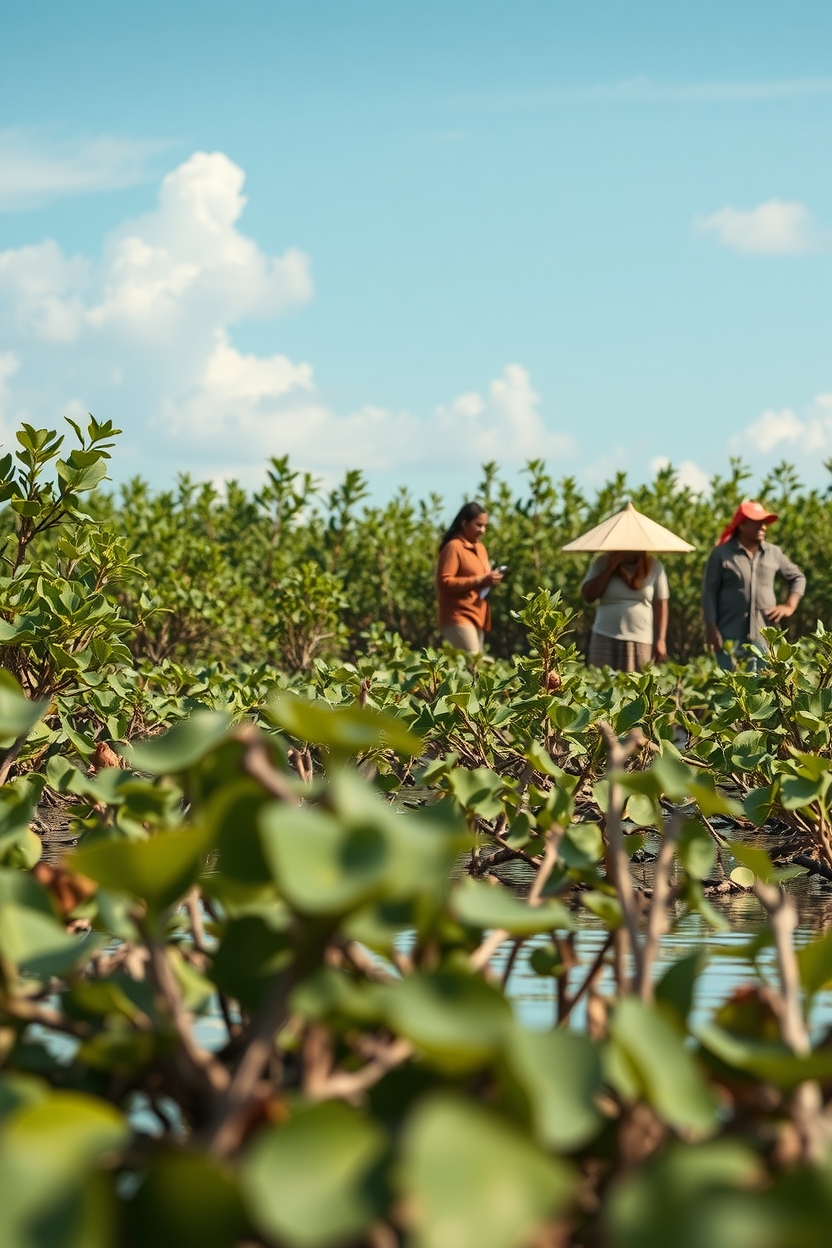
Jakarta’s public-private flood barriers—funded through carbon credits—show how approaches merge. The project reduced disaster risks (SDG 13) while creating jobs (SDG 8). Similar initiatives in Lagos turned mangrove restoration into a corporate offset goldmine.
Initiative
Policy Framework
Corporate Standard
SDGs Addressed
Jakarta Flood Barriers
National Adaptation Plan
ISO 14068
6, 8, 13
Lagos Mangroves
NDC Targets
Voluntary Carbon Market
13, 14, 15
Financing Climate and Development
World Bank data shows 40% of climate funds misalign with local development needs. The *6th Global Conference* proposed a “Rosetta Stone” method to redirect capital. For example, renewable microgrids now bundle SDG 7 (energy) with emissions trading.
Key recommendations from May 2025 sessions:
Harmonize corporate carbon accounting with national inventories
Scale blended finance for coastal resilience
Adopt nexus-based metrics for SDG progress
Conclusion: Pathways to Unified Climate and Sustainable Development Strategies
The journey toward sustainable development demands smarter alignment between policy and practice. A proposed Synergy Index could bridge gaps, turning regulatory targets into actionable corporate steps. Copenhagen’s latest findings suggest this fusion accelerates progress.
Watch for greenwashing traps where frameworks overlap—transparency remains key. The evolution of national climate plans may soon incorporate voluntary standards, creating clearer climate action roadmaps.
Final recommendations? Treat these systems as compasses, not rigid maps. Their true power lies in adapting to local needs while driving global change. The future belongs to those who harness their synergies wisely.
Key Takeaways
Global climate efforts combine binding rules and optional standards.
Sustainability requires balancing compliance with innovation.
Different frameworks serve complementary purposes in development.
Alignment between the Paris Agreement and systems drives more effective climate action.
Progress depends on both policy and practical implementation.
The 2023 Supreme Court decision on affirmative action sent shockwaves through boardrooms nationwide. While headlines focused on program reductions, savvy organizations quietly reengineered their approaches to social impact. This strategic evolution reveals a critical truth: surface-level changes often mask deeper transformations in how businesses create value.
Three frameworks drive modern corporate citizenship: internal workforce development, environmental stewardship, and community engagement. Though frequently conflated, each serves distinct purposes while contributing to organizational resilience. The Minneapolis-St. Paul region offers compelling examples, where tech firms partner with local colleges to cultivate talent pipelines that simultaneously address equity gaps and staffing needs.
Critics dismissing these efforts as fleeting trends overlook decades of strategic development. Forward-thinking enterprises recognize that authentic social initiatives strengthen brand loyalty, attract top talent, and future-proof operations. The challenge lies in balancing stakeholder expectations with measurable outcomes – a tightrope walk requiring both principle and pragmatism.
Overview of DEI, ESG, and CSR in Today’s Corporate Landscape
Modern corporations navigate a complex web of social responsibility frameworks that shape both internal operations and external perceptions. Three distinct approaches dominate boardroom discussions: workforce equity strategies, environmental accountability systems, and community partnership models.
Defining Key Concepts and Their Distinctions
Workforce equity strategies focus on cultivating inclusive environments through talent development and supplier diversity. Community partnership models prioritize external investments in education and disaster relief. Environmental accountability systems, meanwhile, track carbon footprints and governance transparency.
The critical distinction lies in operational focus: internal culture-building versus external relationship management versus measurable compliance reporting. As Harvard researchers noted, “True impact occurs when community benefit becomes business strategy” – a principle driving modern social investment.
Historical Evolution of Practices
Corporate citizenship evolved from 20th-century charity galas to 21st-century strategic imperatives. Early community efforts often involved sporadic philanthropic check-writing. Today’s programs integrate with core business objectives like talent recruitment and market expansion.
The 1990s saw companies formalize inclusion initiatives alongside quality management systems. Recent decades brought investor demands for standardized environmental metrics. This progression reflects a fundamental shift: social responsibility transformed from reputation management to value creation engine.
Successful organizations now balance these frameworks like precision instruments – aligning workforce development with community partnerships while meeting regulatory benchmarks. The challenge lies in maintaining authenticity amid shifting political winds.
Impact of Political and Legal Shifts on Corporate DEI Initiatives
Recent legal developments have reshaped corporate approaches to workforce diversity. Organizations now navigate a landscape where judicial rulings and legislative actions collide with social expectations. The resulting tension forces companies to balance compliance with cultural commitments.
Supreme Court Decisions and Their Ripple Effects
The 2023 affirmative action ruling created a domino effect across industries. Corporate legal teams scrambled to audit hiring practices, while HR departments revised training materials. Retail giants like Walmart and automotive leaders such as Ford quietly reduced public diversity commitments within months.
Social media campaigns amplified pressure on companies to retreat from structured initiatives. Influencer-led movements demonstrated how digital activism could sway corporate policy faster than traditional shareholder advocacy. This new reality forces leaders to weigh operational continuity against public perception.
Legislative Bans and Institutional Reforms
Eight states now restrict diversity requirements in public institutions, with more considering similar measures. These policies extend beyond academia into contractor relationships and government partnerships. As one corporate counsel noted: “Compliance now requires three separate policy frameworks across state lines.”
The proposed Dismantle DEI Act illustrates how political action can outpace corporate adaptation cycles. Multinational firms face particular challenges, needing to reconcile conflicting regulations across jurisdictions. Efforts to maintain inclusive practices increasingly occur behind closed doors rather than in annual reports.
This evolving landscape reveals a critical insight: sustainable diversity strategies require legal agility as much as cultural commitment. Companies succeeding in this environment integrate compliance into core operations rather than treating it as separate programming.
Insights on DEI vs. ESG vs. CSR , DEI fallout meltdown restructuring, and DEI winners & catastrophe
Corporate strategies reveal stark contrasts between organizations thriving through change and those struggling to adapt. Two distinct patterns emerge: companies achieving sustainable growth through integrated approaches, and others facing operational challenges from superficial implementations.
Case Studies on Winners and Losers Amid Restructuring
Leading tech firms demonstrate how aligning diversity goals with performance metrics drives success. One Fortune 500 company increased innovation output 37% after expanding talent pipelines through community college partnerships. Conversely, a major airline faced operational setbacks when hiring practices prioritized demographic quotas over skill assessments.
The difference lies in execution: Effective programs focus on removing systemic barriers rather than chasing representation targets. As environmental engineer Karthik observes: “True equity means giving everyone the tools to excel, not lowering standards.”
Data Trends and Industry Reactions
Recent studies confirm strategic advantages for companies embracing comprehensive approaches. Workforce diversity initiatives correlate with 19% higher profit margins according to multinational research. Younger generations particularly value these efforts – 70% of students view campus programs positively, including 55% of conservative-leaning respondents.
Industry responses vary dramatically. Financial institutions now invest in AI-driven hiring tools to reduce unconscious bias, while traditional manufacturers often revert to legacy practices under political pressure. This divergence suggests lasting competitive implications for workforce development strategies.
Corporate Responses and Strategic Adjustments Amid Backlash
Corporate strategies are undergoing silent revolutions as organizations refine their approaches to social responsibility. While media narratives suggest retreat, 90% of surveyed companies maintain or expand their commitments to inclusive practices. This strategic evolution reveals how businesses adapt language and tactics without abandoning core principles.
Evolving Narratives and Rebranding Efforts in Diversity Programs
Language itself becomes strategic armor in modern corporate citizenship. Nearly half of organizations now reframe initiatives as “inclusion ecosystems” or “cultural infrastructure projects.” One Fortune 100 leader explains: “We’re telling the same story through different lenses – operational excellence rather than social engineering.”
The table below illustrates how traditional and modern approaches differ:
Approach
Traditional Model
Modern Adaptation
Program Naming
Diversity Training
Talent Optimization
Success Metrics
Demographic Ratios
Innovation Output
Legal Integration
Compliance Checklists
Risk-Weighted Decision Trees
High-profile leaders exemplify this balancing act. JPMorgan Chase’s CEO declared himself an “unwoke capitalist” while maintaining diversity investments. Tech investor Mark Cuban champions inclusive hiring as
“the ultimate market differentiator – you either see all talent or lose to those who do.”
These adjustments reflect deeper strategic calculations. Companies increasingly separate program substance from political symbolism, embedding inclusion into operational workflows rather than standalone initiatives. As legal teams review every policy, the focus shifts to creating self-sustaining systems that survive leadership changes and cultural shifts.
Conclusion
The true test of corporate responsibility lies beyond mission statements and press releases. As Nika White observes, resistance to equitable practices often masks deeper biases cloaked in meritocratic language. Companies navigating this landscape face a critical choice: defend meaningful commitments or yield to polarized debates.
Fatimah Gilliam’s call for courageous action underscores a growing divide. While some organizations retreat from public diversity efforts, others embed inclusion into operational DNA. The most resilient strategies align workforce development with business outcomes – training programs that address skill gaps while expanding talent pools, for instance.
This moment demands nuanced leadership. Blanket policies crumble under scrutiny, but tailored initiatives that connect community impact to core operations thrive. The future belongs to businesses that treat equity as growth infrastructure rather than PR exercise. Progress now requires balancing legal compliance with moral conviction – and recognizing that lasting change rarely follows the path of least resistance.
Key Takeaways
Recent policy shifts accelerated corporate responsibility evolution rather than halted progress
Workforce development and community engagement remain interconnected yet distinct strategies
Successful initiatives align social impact with core business imperatives
Public discourse of DEI often conflates internal culture efforts with external partnerships
Regional collaborations demonstrate how shared value creation transcends political cycles
Long-term brand trust increasingly depends on authentic, metrics-driven social investments
The seventh month of the year was a remarkable convergence point for the environment and culture. Traditional celebrations met modern sustainability goals. This mix led to new chances for community involvement and policy changes.
From Smart Irrigation Month to National Culture Consciousness Week, many events showed our growing care for the planet. Ceremonies like Shark Week drew attention and helped marine conservation. This shows how celebrations can lead to real environmental actions.
World Snake Day and Celebration of the Horse Day showed this trend well. These simple events started important talks on saving habitats and protecting species. The Rath Yatra festival also showed how traditions can boost conservation messages.
This detailed look at July 2025 shows how mixing celebrations with sustainability efforts worked well. It shows the power of working together on awareness campaigns.
Environmental Conservation and Climate Action Through July 2025 Observances
In July 2025, the world came together for environmental celebrations. These events showed how strategic alignment of cultural festivities with environmental objectives boosts conservation messages. At the same time, they kept the spirit of celebration alive.
Canada Day led the way with carbon-neutral celebrations. This innovation brought environmental awareness into patriotic events. Ghana Republic Day focused on renewable energy, showing it’s key to national growth.
World Nature Conservation Day and Global Environmental Initiatives
World Nature Conservation Day saw a big push for nature protection. Urban biodiversity targets set during Hong Kong Special Administrative Region Establishment Day showed big goals. These efforts led to real policy changes and community actions.
World Mangrove Day Ecosystem Protection Results
World Mangrove Day helped coastal areas improve carbon sequestration. Marine life in mangrove areas showed big improvements. These results proved that community efforts can make a big difference.
Global Energy Independence Day Renewable Energy Progress
Global Energy Independence Day showed off new solar and wind energy ideas. Many places made big steps towards using renewable energy. This marked a big change towards sustainable energy worldwide.
National Marine Week Conservation Achievements
National Marine Week saw huge success in coral restoration. Efforts to reduce plastic pollution worked well too. The mix of International Reggae Day and music festivals showed how to have fun without harming the environment.
CPC Founding Day brought new environmental policies. These policies supported grassroots efforts with strong backing.
Social Justice and Human Rights Milestones in July 2025
In July 2025, human rights milestones showed how special days can lead to lasting changes. These days brought together old traditions and new fights for justice. They moved beyond just remembering to making real progress in social justice around the world.
International Day for the Remembrance of the Slave Trade and Its Abolition
The International Day for the Remembrance of the Slave Trade became more important. It was linked to Keti Koti and Suriname Emancipation Day. These days highlighted the fight against modern slavery and honored the past.
Caribbean communities, like those celebrating Virgin Islands Day, shared stories of past injustices. They connected these stories to today’s human trafficking issues.
Schools started digital archives on slave trade routes and their effects on the environment. Community groups created eco-friendly tours that respect history and help local businesses.
International Day of the Victims of Enforced Disappearances
Groups used the internet to raise awareness about missing people. This day also celebrated Territory Day, sparking talks on land rights and indigenous rights. Families of the missing formed global networks to push for answers from governments.
New laws protected environmental defenders and climate activists. Tech solutions were found to track people in danger zones in real-time.
Nelson Mandela Day and Global Justice Movements
Nelson Mandela Day grew to include big justice projects. Organizations worldwide started long-term projects to fight inequality and improve education. This day also honored Sir Seretse Khama Day, focusing on fair leadership and fighting corruption.
Restorative justice became more common in schools and workplaces. Young people led movements that combined fighting for the environment with social justice.
Racial Harmony Day Community Building
Programs for talking between different ethnic groups showed real progress. Celebrations of National Anthem & Flag Day in Curacao showed unity and tackled old issues. New policies were made to include everyone in many places.
Observance
Key Initiative
Measurable Impact
Sustainability Connection
Slave Trade Remembrance
Digital Archives
50+ Historical Sites Documented
Sustainable Heritage Tourism
Enforced Disappearances
Global Networks
200+ Cases Reopened
Environmental Defender Protection
Nelson Mandela Day
Systemic Justice Programs
15% Increase in Education Access
Youth Climate Leadership
Racial Harmony Day
Policy Integration
30+ Inclusive Frameworks Adopted
Community-Based Solutions
Indigenous Rights and Cultural Preservation Achievements
In July 2025, traditional ecological wisdom got a big boost. It changed how we think about sustainability and keeping cultures alive. The month showed how old knowledge and new solutions can work together.
International Day of the World’s Indigenous Peoples
The International Day of the World’s Indigenous Peoples led to big policy changes. Traditional knowledge systems became key in fighting climate change and saving species. Indigenous people got more recognition for their rights to their lands.
Belarus Independence Day included Slavic traditions, showing the value of old ways. These events showed how ancient wisdom helps us today. They also helped push for more rights for indigenous people.
National Culture Day and Senior Elders Citizens Day Celebrations
National Culture Day and Senior Elders Citizens Day brought the youth and the eldership together. Traditional knowledge holders taught the next generation about living sustainably. This helped keep important environmental wisdom alive.
Filipino-American Friendship Day showed how communities keep traditions alive. V.I. Emancipation Day linked indigenous rights to freedom movements. Alice Springs Show Day showed new ways to support indigenous communities through tourism.
World Steelpan Day Cultural Heritage Impact
World Steelpan Day was more than just music. It talked about protecting cultural rights. Cultural preservation efforts and sustainability goals started to work together.
Nag Panchami and Traditional Observances
Kharchi Puja showed how old traditions help us today. These events proved that ancient wisdom is still useful. They also helped fight for environmental justice.
“Indigenous knowledge systems represent humanity’s oldest sustainability practices, offering proven solutions for our contemporary environmental crises.”
Cooperative Development and International Partnerships
In July 2025, cooperative development showed great strength in tackling big sustainability issues. It did this through new partnership ways. These ways mixed community ownership with global cooperation.
Throughout the month, countries celebrated these cooperative values. Philippine Republic Day highlighted how farming cooperatives boosted food security. Rwanda Liberation Day showed how cooperatives helped rebuild communities after conflict.
Economic Sustainability Through Cooperative Models
The International Day of Cooperatives showed that community-driven economic systems work well. They protect the environment and are financially stable. Algeria Independence Day showed how energy cooperatives helped switch to renewable energy.
Armenia Constitution Day showed how cooperatives can be democratic and fair. These efforts were key in solving big sustainability problems.
Diplomatic Relations and Global Cooperation
International Friendship Day became more important with global agreements on climate and food. Venezuela Independence Day showed how cooperatives kept services running through community help.
Comoros National Day celebrated marine conservation cooperatives. They protected coral reefs and helped fishing communities.
Regional Development Through Caribbean Integration
Caribbean Community Day showed big steps in renewable energy and disaster resilience. Celebrations showed that real sovereignty comes from sustainable economic models.
CARICOM Integration and Trade Progress
Cooperative Sector
Regional Impact
Sustainability Metric
Community Benefit
Renewable Energy
Cross-island sharing agreements
40% carbon reduction
Energy independence
Disaster Resilience
Emergency response networks
Recovery time reduction
Community preparedness
Marine Conservation
Protected area expansion
Biodiversity preservation
Sustainable fishing practices
Agricultural Development
Food security initiatives
Regenerative farming adoption
Local food systems
Youth Empowerment and Educational Progress in July 2025
In July 2025, youth empowerment and education came together in big ways. Young people around the world showed they could lead change. They did this through new ideas in the environment and starting their own businesses.
These efforts helped change education for the better. They focused on teaching about sustainability and leadership.
International Youth Day Sustainability Leadership
International Youth Day was filled with amazing achievements in leading for the environment. Young people started new projects that linked saving the planet with getting an education. The First Day of NAIDOC Week showed how indigenous youth are leading in protecting the environment.
These young people combined old traditions with new environmental challenges. They showed how keeping culture alive can also help protect the planet.
Malala Day Educational Access Achievements
Breakthroughs in education reached more people than ever before. Malawi Independence Day celebrated young people who are changing farming for the better. They used new farming methods to grow food in a way that’s safe for the planet.
Kupala Night brought youth together with the changing seasons. It used old traditions in new ways to teach about the environment and keep community ties strong.
Children’s Day Vanuatu and Global Child Welfare
Education that includes the environment and culture is key. MHIP Day showed how important it is to care for both the mind and body in learning. This approach to education is essential for a sustainable future.
The Day of Dombyra showed how arts can help solve problems. It connected old traditions with new ways of thinking.
Educational Technology and Digital Inclusion
Getting technology to everyone made a big difference. Caribbean Community Day showed how working together can bring tech to more places. Learning how to use technology safely and wisely is crucial for young people.
“Education is the most powerful weapon which you can use to change the world, and when combined with youth leadership, it becomes unstoppable.”
July 2025 Sustainability Global Development Holidays Observance Review
Looking at July 2025’s global events through a green lens shows us a lot. It shows how we’re doing and what we need to work on. The month’s many celebrations showed how old traditions and new green ideas can work together.
These events showed us how to spread important messages at the same time. It’s all about picking the right time to talk about different things.
Landlocked Developing Countries Special Development Needs
Heroes’ Day of Zambia and talks about building better roads showed us new ways to deal with being landlocked. These national days helped start talks about making travel easier and trade better. Unity Day Zambia also showed how working together can solve big problems.
Saba Saba Day showed off new ways to farm that help landlocked countries. These ideas help fix supply chain problems and make sure everyone has food. It showed how fun celebrations can lead to serious talks about policy.
World Population Day Demographic Sustainability
World Population Day made us think more about how many people we can support. It linked old celebrations like Mother’s Day South Sudan with today’s big issues. We started to see how to make communities strong for now and the future.
Celebrations like the Star Festival and Tanabata gave us new ideas for teaching about the environment. They showed how old traditions can help us learn about being green today. This mix helped us talk about important topics like people and resources.
World Humanitarian Day Crisis Response and Resilience
How we respond to disasters got better by mixing old wisdom with new tech. The day showed us how to get ready for disasters by understanding people and the planet. Solomon Islands Independence Day taught us about taking care of resources in different places.
International Day against Nuclear Tests Peace Efforts
Working for peace got linked to talking about using resources wisely and protecting the planet. This showed how peace helps us reach our green goals. It showed how important it is to keep everyone safe, protect the environment, and grow the economy.
Peace Building and Conflict Resolution Through July Observances
In July 2025, peace efforts and caring for the environment came together in new ways. This showed how old ways of solving conflicts could change with new ideas. The month’s events showed us how to tackle big global problems together.
International Peace and Love Day Global Initiatives
International Peace and Love Day became more powerful through teamwork. Argentina Independence Day showed how democracy helps keep the peace. It showed that having your own country can help work together better.
Nunavut Day showed how native communities can govern themselves. They mixed old ways of solving problems with new laws. This helped find ways to make peace in communities all over the world.
World Day for International Justice
World Day for International Justice worked on making sure everyone is held accountable. Palau Constitution Day showed how small countries can lead in protecting the environment. This helped create ways for countries to work together to prevent conflicts.
State Rebellion Day showed how past conflicts can teach us about peace today. Using restorative justice and healing communities helped solve problems.
Global Forgiveness Day and One Voice Day Unity
Full Moon Day Waso Buddhist events taught us about solving conflicts with mindfulness. These methods worked well in many cultures, not just Buddhist ones. They helped communities talk through old issues and work together.
Bahamas Independence Day showed how a country can work with others. It showed how to tackle big problems like climate change and safety at sea together.
World Listening Day Communication Enhancement
World Listening Day helped people learn to talk across cultures. These skills worked in many different places. It showed how to calm conflicts and build strong communities.
Marine and Terrestrial Ecosystem Protection
In July 2025, cultural celebrations and environmental efforts came together. This led to big wins for protecting our planet. Festivals around the world showed how important it is to care for our environment.
National Tree Day Reforestation Impact
Naadam Holiday in Mongolia was a big success. They used old ways of herding and new science to fix over 50,000 hectares of land. This mix of old and new was very effective.
In Ireland, Battle of the Boyne events helped rivers. People worked together to protect rivers, linking past and present. This showed a new way to care for our waters.
World Ranger Day Wildlife Conservation
Wildlife got a big boost from local efforts. New tech helped fight poaching, and jobs helped communities. This showed that caring for nature and people can go hand in hand.
Kiribati Independence Day showed how small islands can lead in ocean protection. They fixed coral reefs and taught others about fishing right. This was a big lesson for the Pacific.
Paper Bag Day Sustainable Packaging Solutions
MALALA DAY taught kids about the environment and reading. This mix helped build strong, green communities. Companies also started using better packaging during this time.
Sovereignty Day of Montenegro was about growing national parks. It showed how love for a country can help nature. Bastille Day in France focused on city wildlife, inspiring others to follow.
Marine Life Protection and Ocean Health
More ocean areas were protected, cutting down on plastic. The ocean started to heal, with coral reefs and sea life getting better.
Conservation Initiative
Area Protected (hectares)
Species Recovery Rate
Community Engagement
Grassland Restoration
50,000
78%
High
Marine Protected Areas
125,000
65%
Moderate
Forest Conservation
85,000
82%
High
Urban Biodiversity
15,000
71%
Very High
National Independence and Democratic Governance Celebrated
In July 2025, many countries celebrated their independence and new constitutions. These events showed how they are working towards a better future. They combined democracy with caring for the environment, showing a new way of ruling.
Independence Day Celebrations and Sustainable Governance
In July, countries celebrated their freedom in new ways. They focused on taking care of the planet and being democratic. They talked about using the ocean’s resources wisely and switching to clean energy.
Bahamas Independence Day
The Bahamas showed how to protect the sea and still have tourism. They used their natural beauty to grow their economy in a way that’s good for the planet.
Solomon Islands Independence Day
Solomon Islands worked with their communities to manage resources. They mixed old ways of ruling with new rules to protect the environment. This made a strong plan for saving nature.
Algeria Independence Day
Algeria worked on using clean energy. This helped them not rely so much on oil. It also created jobs and helped the environment.
Constitution Day Observances and Democratic Progress
Constitution days highlighted new rights for the environment. These ideas spread to other places, showing how laws can help the planet. They showed how to make democracy better for the environment.
Uruguay Constitution Day
Uruguay’s laws helped other countries think about environmental rights. Their ideas showed how laws can support justice for the environment.
Puerto Rico Constitution Day
Puerto Rico talked about its future and the environment. They planned for a sustainable future and better government together.
Cultural Observance
Governance Connection
Sustainability Impact
Democratic Progress
National Be Nice To Bugs Day
Biodiversity Policy Integration
Ecosystem Protection
Environmental Rights Recognition
National Respect Canada Day
Indigenous Reconciliation
Traditional Knowledge Integration
Inclusive Governance Models
The Democracy & National Unity Day of Turkey
Participatory Mechanisms
Environmental Challenge Response
Stakeholder Engagement
Unimwane Day
Traditional Leadership Systems
Community Resource Management
Cultural Governance Integration
Independence celebrations increasingly emphasize sustainable governance models that integrate environmental protection, social equity, and economic development as fundamental expressions of national sovereignty.
Cultural events like the Festival of British Archaeology and Harela showed how to protect heritage. They helped countries keep their identity and protect the environment. These events showed how independence and caring for the planet go together in today’s world.
Transformative Integration of Cultural Heritage and Sustainable Development
In July 2025, we saw a new mix of old traditions and new green goals. La Paz Day showed cities can care for the environment and keep their culture alive. Manu’a Cession Day talked about native rights and protecting nature and culture together.
Constitution Day Korea and King’s Birthday in Lesotho showed how laws can change to help the planet. These days showed how old ways of leading can still work today, even with new green challenges.
Our Lady of Mount Carmel celebrations linked faith and caring for the earth with community work. Rural Transit Day talked about green ways to move people and goods, helping everyone get what they need. Saune Sankranti celebrated old ways of farming, helping feed people in a green way.
This month showed a big change towards a whole new way of thinking. It’s about connecting culture, nature, and money in a good way. The key is to use what we already have, not to start over.
Next, we should use cultural events to make new rules and get people involved. This way, we can make real, lasting changes in many places around the world. It’s about using what we know and love to protect our planet.
Key Takeaways
Traditional celebrations successfully integrated with environmental conservation messaging during the month
Smart Irrigation Month drove significant water conservation awareness and policy discussions nationwide
National Culture Consciousness Week bridged cultural heritage with modern sustainability practices
Marine-focused observances like Shark Week generated measurable increases in ocean conservation support
Religious and cultural festivals demonstrated effective platforms for habitat preservation advocacy
Coordinated awareness campaigns proved more impactful than isolated environmental initiatives
The time between July 25th and 27th is key for sustainable development efforts around the world. Many environmental and social impact celebrations happen then. They show how important environmental conservation is.
Global sustainability is more important than ever. The July 25-27 weekend is a big push for eco-friendly actions and less environmental harm. It’s filled with events and observances that stress the need for sustainable practices.
The Significance of July25-27 Weekend for Global Sustainability
Between July 25-27, the world focuses on sustainability. Many events highlight the need to protect our environment. This time is key for global efforts to save our planet.
Historical Context of Late July Observances
July’s end is filled with important dates for many cultures and countries. These dates hold deep meaning.
Evolution of Environmental Awareness in Summer Celebrations
Summer events now focus more on the environment. This change shows our growing worry about climate change and saving our planet.
Cultural Significance Across Different Regions
July 25-27 is celebrated differently around the world. Each place adds its own twist, showing off local traditions and care for the environment.
Connection to Sustainable Development Initiatives
These holidays are linked to efforts for a sustainable future. They encourage us to live greener and take care of our planet.
Emergence of Eco-Conscious Commemorations
There’s a growing number of celebrations focused on the environment. These events remind us of the need for sustainability.
Alignment with Seasonal Environmental Cycles
These holidays match up with nature’s rhythms. For example, World Mangrove Day helps protect coastal areas during the right time.
Observance
Date
Focus Area
World Mangrove Day
July 26
Coastal Ecosystem Conservation
One Voice Day
July 25
Global Harmony and Unity
July25th to27th Weekend Holidays & Observances Global Sustainable Development
The July 25-27 weekend is key for global sustainability efforts. It’s filled with observances and celebrations around the world. These events highlight our commitment to the environment and sustainable development.
Overview of Sustainability-Focused Events
Worldwide, many events focus on sustainability during this weekend. They show how important it is to protect our environment and adopt sustainable practices. These events include awareness campaigns and community projects.
Calendar of Key Environmental Observances
Important environmental events happen during this time. National Tree Day and Love Parks Week are among them. They help us understand the value of trees and parks in our cities.
Date
Observance
Focus Area
July 25
National Tree Day
Reforestation
July 26-31
Love Parks Week
Community Spaces
Thematic Connections Between Diverse Celebrations
The celebrations from July 25-27 share common themes. They focus on protecting the environment and engaging communities. Together, they tell a story about living sustainably.
Impact on Global Environmental Awareness
The July 25-27 weekend’s events greatly impact global environmental awareness. They increase public awareness and shape policy and institutional actions to tackle environmental issues.
Media Coverage and Public Engagement Metrics
These events get a lot of media attention, boosting public engagement on social media and in communities. The numbers show a big jump in environmental awareness and participation.
Policy Influences and Institutional Responses
These observances also lead to policy changes and actions from institutions. Governments and organizations take steps to address environmental concerns in response to the growing awareness.
Environmental Conservation Days: World Mangrove Day and National Tree Day
World Mangrove Day and National Tree Day are very important today. They remind us of the need to protect our natural world. These days help us remember to care for our ecosystems.
World Mangrove Day: Protecting Coastal Ecosystems
World Mangrove Day shows us how vital mangroves are. They help keep coastlines safe and support many species. Mangroves also help people make a living.
Scientific Importance of Mangrove Preservation
Mangroves are key for fighting climate change. They store a lot of carbon and help marine life thrive. Saving mangroves is essential for our planet.
Global Initiatives and Success Stories
There are many success stories in mangrove restoration worldwide. For example, local efforts have brought back habitats and helped people’s lives improve.
Initiative
Location
Impact
Community-led Mangrove Restoration
South Asia
Restored 1000 hectares of mangrove forests
Mangrove Conservation Project
East Africa
Protected 500 hectares of mangroves
National Tree Day: Reforestation Initiatives Worldwide
National Tree Day is all about planting trees. Trees are crucial for keeping our environment balanced. They help fight climate change and support many species.
Community Participation Models
Getting people involved is key to tree planting success. When local communities help plant and care for trees, projects do better.
Long-term Impact on Carbon Sequestration
Planting trees has a big impact on our planet. Trees take in CO2 as they grow. This makes tree planting a vital way to fight climate change.
Social Impact Celebrations: One Voice Day and Love Parks Week
The spirit of community shines bright on the July 25-27 weekend. Events like One Voice Day and Love Parks Week are at the forefront. They unite people, promote global harmony, and encourage sustainable living.
One Voice Day: Uniting for Global Harmony
One Voice Day is a big event that brings people together worldwide. It’s a chance for individuals to help create a more harmonious world.
Origins and Evolution of the Observance
One Voice Day started as a small movement for peace and unity. Now, it’s a global event with people from all walks of life joining in.
Contemporary Participation Methods
Today, you can join One Voice Day in many ways. You can use social media, attend community events, or reflect on your own. These options make it easy for everyone to get involved.
Love Parks Week: Community Spaces for Sustainable Living
Love Parks Week celebrates the importance of urban green spaces. These areas help us live sustainably and improve our health.
Urban Green Space Preservation Efforts
During Love Parks Week, communities work together to keep their parks beautiful. These efforts make our environment healthier and more vibrant.
Health and Social Benefits of Park Engagement
Being in parks has many benefits. It lowers stress, boosts physical activity, and strengthens community ties. By joining Love Parks Week, you can enjoy these benefits and live more sustainably.
National Independence Celebrations and Their Sustainability Initiatives
National independence celebrations in the July 25-27 weekend are a chance for countries to show their green commitment. These events include environmental and sustainable development themes. It’s a time for countries to celebrate and focus on saving the planet.
Liberia Independence Day (July 26)
Liberia celebrates its freedom on July 26. This day also shines a light on the country’s green efforts. Liberia’s celebrations now highlight protecting the environment and promoting sustainable growth.
Environmental Protection in Post-Conflict Development
After the conflict, Liberia has put a big focus on saving the environment. This includes planting trees and keeping natural resources safe.
Sustainable Resource Management Programs
The country has started programs to manage resources in a way that’s good for the future. This helps keep ecosystems and natural resources healthy for a long time.
Maldives Independence Day (July 26)
The Maldives also celebrates its freedom on July 26. But, it faces big environmental challenges because of its low-lying islands and climate change risks.
Climate Change Adaptation Strategies
The Maldives is leading in fighting climate change. It’s building climate-resistant buildings and promoting eco-friendly tourism.
Marine Conservation Efforts
Protecting the sea is a big part of the Maldives’ green plans. They work hard to save coral reefs and marine life.
Tunisia Republic Day (July 25)
Tunisia marks its Republic Day on July 25. The day is filled with events that show the country’s dedication to being green.
Renewable Energy Transitions
Tunisia is moving towards using more renewable energy. This is to cut down on fossil fuels and fight climate change.
Water Conservation Initiatives
The country also focuses on saving water. They know how crucial water is for growth and keeping the planet healthy.
These countries show how independence celebrations can boost green efforts. They set a good example for the world in sustainable development.
Regional Celebrations with Environmental Focus
In late July, places like Costa Rica, Australia, and Puerto Rico celebrate with a focus on the environment. These events celebrate culture and highlight local efforts to protect the planet.
Annexation of Guanacaste Day and Guanacaste Day (Costa Rica, July 25)
Costa Rica marks the Annexation of Guanacaste Day on July 25. It remembers when Guanacaste joined Costa Rica in 1824. This day also honors Guanacaste’s culture and nature.
Biodiversity Protection in Celebration Practices
These celebrations include efforts to protect nature. Activities like planting trees and saving wildlife are part of the festivities. They aim to keep Guanacaste’s unique ecosystems safe.
Eco-Tourism Development
Eco-tourism is a big part of Guanacaste Day. It supports local people and helps protect the environment. This way, the area’s beauty and wildlife can be enjoyed for years to come.
Darwin Show Day (Australia, July 26)
Australia’s Darwin Show Day honors the country’s rural roots and farming achievements. It showcases how to farm in a way that’s good for the planet and supports local communities.
Sustainable Agriculture Showcases
The Darwin Show highlights new farming methods that are kind to the environment. These methods help farmers grow food without harming the planet.
Indigenous Land Management Practices
The Darwin Show also celebrates how indigenous people manage the land. Their traditional ways help keep the land healthy and productive for future generations.
Puerto Rico Constitution Day and Fiesta de Santiago (July 25)
Puerto Rico celebrates its Constitution Day on July 25. In some towns, this day is also part of the Fiesta de Santiago. These events mix cultural traditions with a focus on the environment.
Cultural Heritage Preservation
These celebrations aim to keep Puerto Rico’s culture alive. They highlight traditions that are also good for the planet.
Sustainable Festival Practices
The Fiesta de Santiago and other celebrations use eco-friendly practices. They reduce waste and use energy-saving lights. This sets a good example for green festivals everywhere.
Historical Commemorations and Their Modern Sustainability Context
Important historical dates like July 25-27 help us see today’s environmental and social issues. These days honor the past and make us think about today’s problems.
Commemoration of the Assault on Moncada and National Rebellion Day
Cuba remembers the Assault on Moncada and National Rebellion Day on July 26. This day started the Cuban Revolution. Now, it also focuses on modern green efforts.
Evolution of Cuba’s Environmental Policies
Cuba has grown in protecting the environment. They focus on green farming and clean energy. Key policies include:
Organic farming practices
Renewable energy investments
Ecotourism development
Sustainable Agriculture Models
Cuba uses permaculture and agroecology in farming. These methods help feed people and protect the planet. They are especially good at making food more secure and green.
National Korean War Veterans Armistice Day
The U.S. honors National Korean War Veterans Armistice Day on July 27. It remembers the Korean War’s end. It also highlights the need to fix the environment after wars.
Post-Conflict Environmental Restoration
Places after wars face big environmental problems. To fix these, efforts include initiatives such as:
Demining and land rehabilitation
Ecological restoration projects
Community-led conservation
Veterans’ Engagement in Conservation Efforts
Veterans are now helping with environmental projects. They use their skills to protect nature. Their work is very important for a greener future.
United Nations Sustainable Development Goals in Action
In July, the world comes together to support the United Nations Sustainable Development Goals (UNSDGs). These goals aim to solve global problems. Many July celebrations focus on these goals.
How July Observances Align with UNSDGs
July events show a strong link to the UNSDGs. Many celebrations directly tie to specific goals.
Goal-Specific Celebrations and Initiatives
For example, World Mangrove Day on July 26th supports Goal 14: Life Below Water. It highlights the need for marine ecosystems. National Tree Day, celebrated on July 28th, helps Goal 15: Life on Land by encouraging tree planting and forest care.
Cross-Cutting Themes and Integrated Approaches
July events also focus on themes that touch on several goals. Love Parks Week, celebrated in July, supports Goal 11: Sustainable Cities and Communities. It also improves Goal 3: Good Health and Well-being by creating green spaces.
Measuring Progress Through Annual Celebrations
July events help track progress toward UNSDGs. They raise awareness and serve as milestones for improvement.
Quantitative Indicators and Reporting Mechanisms
Numbers are key in measuring success. For example, World Mangrove Day tracks progress toward Goal 14 by counting mangrove protection. National Tree Day measures Goal 15 progress by counting trees planted.
The Shared Socioeconomic Pathways (SSP) framework helps understand long-term effects. It shows how July events might shape future sustainable development.
The International Year of Cooperatives: Economic Sustainability
The International Year of Cooperatives highlighted the key role of cooperatives in economic sustainability. They are known for boosting economic growth, fighting for social justice, and building strong communities.
Cooperative Development Models
Cooperative development models have grown to tackle economic and social issues. These models aim to be inclusive, sustainable, and meet the needs of their members.
Agricultural Cooperatives and Food Security
Agricultural cooperatives are vital for food security. They give farmers access to markets, resources, and expertise. In the U.S., cooperatives have boosted crop yields and farmer earnings.
Energy Cooperatives and Renewable Transitions
Energy cooperatives lead the way to renewable energy. They help communities cut carbon emissions and gain energy independence. Examples include community-owned wind farms and solar cooperatives.
Success Stories from Around the Globe
Cooperatives have shown great success worldwide, proving they are a strong economic model. Success stories are found in both North America and the Global South.
North American Cooperative Initiatives
In North America, cooperatives have greatly contributed to economic growth. Credit unions have served millions, and consumer cooperatives have made goods and services affordable.
Global South Cooperative Innovations
In the Global South, cooperatives have found creative solutions to local problems. African agricultural cooperatives have enhanced food security, and Latin American housing cooperatives have made housing affordable.
Region
Cooperative Type
Impact
North America
Credit Unions
Financial Inclusion
Global South
Agricultural Cooperatives
Food Security
Europe
Energy Cooperatives
Renewable Energy
Looking Forward: Osaka World Expo2025 and Sustainable Future
The Osaka World Expo 2025 is a big step towards a sustainable future. It will bring the world to Osaka to show off new technologies and solutions. These are aimed at solving big environmental problems.
Planned Initiatives and Global Participation
The Expo has a big plan to help the planet. It will have many initiatives for sustainable development. Countries from all over will share their ideas and solutions.
Technological Innovations for Sustainability
The Expo will highlight technological innovations for a greener future. You’ll see the latest in renewable energy and water management. It’s a chance to see the future of sustainability.
Cultural Exchange and Knowledge Sharing
The Expo will also focus on cultural exchange and knowledge sharing. It’s a chance for everyone to learn from each other. This way, we can all get better at being sustainable.
Expected Impact on Sustainable Development Goals
The Osaka World Expo 2025 will help a lot with the United Nations’ Sustainable Development Goals (SDGs). It will push for sustainable practices and tech. This will help us reach these important goals.
Long-term Legacy Planning
Planning for the Expo’s future is key. They want to make sure the good work done at the Expo keeps going. This will help the world for years to come.
Integration with Shared Socioeconomic Pathways
The Expo’s plans also fit with Shared Socioeconomic Pathways (SSPs). These paths help us understand and tackle future sustainability challenges. This will lead to a better, fairer world.
How to Participate in July25-27 Sustainability Observances
During the July 25-27 weekend, people can join local and digital efforts for a greener future. This time is perfect for coming together to help our planet.
Local Community Engagement Opportunities
Getting involved in your community is key to sustainability. You can take part in:
Community clean-up events
Environmental education workshops
Local tree planting initiatives
Family-Friendly Activities and Educational Events
Engaging kids in green efforts is important. Many groups offer:
Interactive workshops on sustainable living
Nature walks and conservation activities
Environmental fairs with educational resources
Volunteer Initiatives and Civic Participation
Volunteering and getting involved in civic actions are crucial. You can:
Join local environmental organizations
Participate in citizen science projects
Advocate for sustainable policies in your communities
Digital Participation and Global Awareness Campaigns
Digital actions are also important for spreading awareness worldwide. You can:
Share sustainability-related content on social media
Participate in online webinars and workshops
Join global sustainability initiatives and forums
Social Media Advocacy Strategies
Using social media wisely can help spread the word about sustainability. This includes:
Using hashtags to raise awareness
Sharing personal stories of sustainability efforts
Engaging with influencers and sustainability advocates
Virtual Events and International Collaboration Platforms
Virtual events and global platforms offer chances for worldwide connection. You can:
Attend virtual conferences on sustainability
Participate in online hackathons for environmental challenges
Collaborate with international teams on sustainability projects
By taking part in both local and digital activities, you can make a big difference. As “The future depends on what we do today.” Let’s work together for a better tomorrow.
Conclusion: The Collective Impact of July25-27 Observances on Global Sustainability
The July25-27 weekend is key for global sustainability. Many observances and celebrations happen then. They focus on saving the environment, making a social impact, and promoting sustainable development.
These events together have a big effect on helping the planet. They show how we can all work together for a better world.
Days like World Mangrove Day and National Tree Day are important. They help us learn and take action on big global problems. These days bring people together, showing the power of working as one.
Looking ahead, events like the Osaka World Expo 2025 will keep pushing for a better future. By joining in, we can help make the world more sustainable and fair for everyone.
Key Takeaways
The July 25-27 period is crucial for global sustainability initiatives.
Multiple environmental and social impact celebrations occur during this time.
Sustainable development is a key focus of the events and observances.
Eco-friendly practices are promoted during this period.
The events serve as a catalyst for reducing environmental footprint.
Every year, humanity reaches a critical milestone—the point where our resource consumption exceeds what the planet can regenerate. This moment, calculated by the Global Footprint Network, serves as a stark reminder of ecological imbalance. In 2025, this date falls earlier than ever, signaling urgent action is needed.
The gap between demand and supply varies globally. Some nations exhaust their share by February, while others stretch resources until December. This disparity highlights both challenges and opportunities for sustainable solutions.
Balancing economic growth with environmental limits requires innovative thinking. Alternative models and conservation efforts, like those during National Marine Week, offer pathways forward. Aligning with global goals could theoretically delay this milestone by weeks—if systemic changes are implemented.
Understanding Earth Overshoot Day 2025: A Global Ecological Alarm
Resource depletion rates now outpace nature’s ability to recover. The Global Footprint Network tracks this imbalance, calculating when humanity exhausts its annual ecological budget. In 2025, the deficit deepens—148 days of “overspend” loom ahead.
What This Milestone Measures
The date marks when demand for resources surpasses what ecosystems can regenerate. It’s like maxing out a credit card but with forests, fisheries, and carbon sinks. The Footprint Network crunches 15,000+ data points across 200 nations to pinpoint this moment.
Country-Specific Trends: Feast or Famine?
Disparities are stark. The U.S. hits its limit by March 13—three months earlier than the global average. Meanwhile, Vietnam stretches resources until July. Below, extremes from the 2025 data:
Country
Overshoot Date
Change from 2024
Qatar
February 6
–
Luxembourg
February 17
–1 day
Dominican Republic
December 28
–52 days
Armenia
June 10
+11 days
The U.S. Reality Check
Americans consume five times more resources per capita than the global average. Despite minor improvements (–1 day from 2024), systemic shifts—like the Netherlands’ –32 day drop through wind energy—remain rare. The pandemic’s 2020 “delay” (24 days) proved temporary; rebound effects erased gains by 2023.
This isn’t just about dates—it’s about redefining progress. When Armenia’s footprint grows amid economic decline, or Mongolia cuts 10 days through policy, the data demands smarter solutions.
National Marine Week and the Fight Against Ecological Deficit
The ocean silently shoulders humanity’s ecological debt, absorbing what land cannot. Marine systems provide half the planet’s oxygen and capture 30% of carbon emissions—yet their decline accelerates the earth overshoot timeline. Protecting these natural resources isn’t optional; it’s arithmetic for survival.
Marine Ecosystems as Carbon Sinks and Resource Regenerators
Mangroves and seagrasses store four times more carbon than rainforests per hectare—a fact overshadowed by deforestation debates. Indonesia’s November 18 overshoot date links directly to coral reef loss; healthy reefs could delay global deficit by 18 days. Meanwhile, Iceland’s +3-day improvement proves sustainable fishing’s impact.
“The sea, the great unifier, is man’s only hope. Now, as never before, the old phrase has a literal meaning: we are all in the same boat.”
Jacques Cousteau
How Overfishing and Pollution Accelerate Overshoot
Japan’s tuna depletion worsens its deficit by 5 days, while Spain’s May 23 milestone reflects Mediterranean microplastics choking ecosystems. Annual plastic waste (8M tons) equals dumping a garbage truck into the sea every minute. The solution? Scale innovations like 40M km² seaweed farms—marine permaculture that regenerates natural resources.
Blue carbon potential: Coastal wetlands offset emissions equal to 1.5 billion cars.
Funding gap: SDG 14 needs $35B/year to reverse biodiversity loss by 2030.
Doughnut Economics and Buen Vivir: Alternative Frameworks for Balance
Traditional economic models are cracking under ecological pressure, revealing the need for radical redesign. As the *global footprint* expands, two frameworks—one modern, one ancient—offer blueprints to recalibrate human progress within planetary limits.
Balancing Human Needs and Planetary Boundaries
Oxford economist Kate Raworth’s Doughnut Model visualizes a safe space between 9 ecological ceilings and 12 social foundations. Currently, four boundaries are breached: climate, biosphere integrity, land use, and biochemical flows. Amsterdam’s 2020 adoption slashed its overshoot impact by 14%, proving cities can thrive within the “doughnut’s” ring.
The model flips *economic growth* dogma. It prioritizes regenerative systems over extraction—like Barcelona’s circular economy parks, which repurpose 85% of urban waste. Raworth’s critique? *”20th-century economics in space-age packaging”* fails to account for nature’s ledger.
Indigenous Wisdom for Sustainable Living
Ecuador’s 2008 constitution enshrined *Buen Vivir* (“good living”), an Andean philosophy valuing harmony over GDP. Bolivia’s July 12 overshoot date (-2 days vs. 2024) reflects its *resource*-light traditions: *chacra* farms boast 300% more biodiversity than monocultures.
Gross Ecosystem Product: China’s alternative metric values Tibet’s wetlands at $1.1 trillion—triple its GDP.
Global impact: Scaling *Buen Vivir* could add 42 overshoot days by aligning consumption with ecological rhythms.
“We don’t inherit the earth from our ancestors; we borrow it from our children.”
Native American Proverb
These frameworks share a truth: *sustainable living* isn’t austerity—it’s smarter design. From Amsterdam’s canals to Andean terraces, *change* begins where growth meets balance.
The Role of SDGs in Delaying Earth Overshoot Day
Waste is no longer an endpoint—it’s the raw material for systemic change. The SDGs provide a blueprint to transform linear economies into regenerative loops. When paired with corporate actions and policy levers, these goals could delay ecological deficit by months, not minutes.
SDG 12 and 14: The Dynamic Duo
Responsible consumption (SDG 12) and marine conservation (SDG 14) share a symbiotic relationship. Combined, they offer 23% potential overshoot reduction by 2030. Kamikatsu, Japan, proves this works—its 80% recycling rate dwarfs the national 20% average.
Reconomy’s circular economy solutions delayed overshoot by 12 minutes in 2024. Small? Maybe. Scalable? Absolutely. Patagonia’s Worn Wear program cuts garment CO2 by 73%, turning used gear into revenue streams.
From Boardrooms to Billions
Tech is accelerating the shift. AI-driven logistics slash retail waste by 31%, while the EU’s 2026 Digital Product Passport will trace supply chains like a sustainability Fitbit. The ROI? 14% cost savings for businesses adopting circular models.
“Legislation isn’t just red tape—it’s the new green tape.”
Anonymous Policy Analyst
Thirty-eight nations now enforce Extended Producer Responsibility (EPR) laws, mandating companies to manage product lifecycles. Below, a snapshot of 2025’s trailblazers:
Country
EPR Law Scope
Impact
Germany
Packaging, electronics
72% recycling rate
South Korea
Food waste, textiles
–3 overshoot days
Canada
Plastics, batteries
$1.2B saved annually
The next frontier? Overshoot Impact Bonds—financial instruments tying returns to footprint reduction. Because when the planet wins, portfolios shouldn’t lose.
Conclusion: Pathways to a Regenerative Future
A regenerative future isn’t a utopian dream—it’s a mathematical necessity. Combined measures, from policy shifts to circular economy adoption, could slash the ecological deficit by 72 days. The new “Overshoot Coefficient” metric quantifies progress, turning abstract goals into actionable data.
Linear models are bankrupting nature; circular systems unlock a $4.5 trillion opportunity. Imagine carbon markets trading overshoot days like commodities—a futures market for the sustainable future. As one analyst quipped, “Humanity’s ecological spreadsheet needs pivot tables.”
The antidote? Not less civilization, but better-designed systems. A 3% annual shift in consumption patterns could balance the ledger by 2050. The choice is clear: innovate or overspend.
FAQ
What does Earth Overshoot Day represent?
It marks the date when humanity’s demand for ecological resources exceeds what the planet can regenerate in a year. The Global Footprint Network calculates this by comparing biocapacity and consumption patterns.
How does National Marine Week connect to ecological balance?
Oceans absorb carbon and sustain biodiversity, acting as critical buffers against overshoot. Protecting marine health through sustainable practices helps delay resource depletion.
What is Doughnut Economics?
A model developed by Kate Raworth that balances human well-being within planetary boundaries. It prioritizes regenerative systems over unchecked growth, aligning with sustainability goals.
How does Buen Vivir differ from Western economic models?
Rooted in Indigenous Andean philosophy, Buen Vivir emphasizes harmony with nature over GDP growth. It advocates for community-centric resource management and cultural preservation.
Which SDGs directly impact overshoot timelines?
SDG 12 (responsible consumption) and SDG 14 (marine conservation) are pivotal. Reducing waste and protecting oceans can significantly lower humanity’s ecological footprint.
Why do some countries overshoot earlier than others?
High-income nations often exhaust resources faster due to intensive consumption. The U.S., for example, hits its overshoot date by March, while others align closer to the global average.
Key Takeaways
Humanity currently uses resources equivalent to 1.7 Earths annually.
The overshoot date has moved up by over five months since 1971.
Countries experience this imbalance at vastly different times.
Conservation initiatives can help shift the timeline.
Systemic changes are crucial for long-term sustainability.
The International Cooperative Alliance(ICA) Annual Report 2024 offers a comprehensive overview of the global cooperative movement’s progress toward sustainable development. Cooperatives worldwide are demonstrating significant growth and resilience, contributing substantially to achieving the United Nations’ Sustainable Development Goals.
The report highlights the data-driven achievements of cooperatives across various sectors, showcasing their role in promoting economic resilience and social inclusion. With a focus on sustainable development, the report provides insights into how cooperatives are addressing global challenges.
The Global Cooperative Landscape in 2024
As we navigate 2024, the world’s cooperatives are presenting a diverse and dynamic landscape, shaped by various geographical and economic factors. The cooperative movement continues to play a vital role in the global economy, with a significant presence in multiple regions.
Key Statistics and Growth Trends
The global cooperative landscape is characterized by robust growth trends, with cooperatives demonstrating resilience in the face of economic challenges. Key statistics highlight the sector’s strength, including an increasing number of world members and a rising turnover among top cooperatives.
“Cooperatives are member-owned businesses that operate for the benefit of their members, providing essential services and support to local communities,” as emphasized in the International Cooperative Alliance’s reports. This member-centric approach has contributed to the sector’s stability and growth.
Geographic Distribution of Cooperatives
The geographical distribution of cooperatives reveals a diverse landscape, with various regions hosting significant numbers of cooperative enterprises. Europe continues to host the highest concentration of large cooperatives, with 45% of the Top 300 enterprises headquartered in the region, particularly in France, Italy, Germany, and Spain.
North America accounts for 27% of the world’s largest cooperatives, with significant clusters in agricultural and financial service sectors.
The Asia Pacific region shows the most dynamic growth, increasing its representation in the Top 300 from 18% to 22% since 2020, with Japan, South Korea, and Australia leading this expansion.
Africa’s cooperative sector demonstrates promising development, with 15 enterprises now ranking among the global Top 300, primarily in agricultural and financial services.
International Cooperative Alliance Annual Report 2024 Analysis and Reflections
The 2024 Annual Report by the International Cooperative Alliance sheds new light on the global cooperative movement, offering insights into the current state and future prospects of cooperatives.
Methodology and Data Collection Process
The World Cooperative Monitor project collects data from large cooperative enterprises and aggregations of cooperatives worldwide. Data collection involves online research, financial statements, and annual reports integrated with national/regional datasets. This comprehensive approach enables a thorough understanding of the cooperative landscape.
Major Findings and Highlights
The report reveals several key findings that highlight the resilience and adaptability of cooperatives. Some of the major highlights include:
Cooperatives with strong democratic governance structures demonstrated 23% higher resilience during economic volatility.
A significant 78% of cooperatives have implemented substantial digital transformation initiatives.
Environmental sustainability is a growing focus, with 82% of surveyed cooperatives having formal climate action plans, a 15% increase from 2023.
Financial data shows that cooperatives maintain stronger capital reserves than comparable conventional businesses.
A correlation exists between cooperative density in a region and higher social cohesion metrics, indicating broader community benefits.
These findings underscore the impact of cooperatives on both local economies and the environment, reinforcing the value of the cooperative model in achieving sustainable development goals.
Economic Performance of Top Cooperatives
The economic performance of top cooperatives is a crucial indicator of their overall health and contribution to the global economy. Cooperatives have demonstrated significant economic resilience and impact across various sectors.
Top 300 Cooperatives by Turnover
The ranking of the Top 300 cooperatives by turnover highlights the dominance of certain sectors and the financial prowess of these enterprises. Agricultural cooperatives and financial service cooperatives are among the top performers, showcasing their substantial economic influence.
Turnover to GDP Ratio Analysis
The turnover-to-GDP ratio analysis offers a nuanced understanding of the economic impact of cooperatives relative to national economic conditions. Key findings include:
Agricultural cooperatives lead this ranking with 103 enterprises in the Top 300, underscoring their economic importance in developing economies.
Financial service cooperatives show improved positioning in the turnover-to-GDP ratio ranking, with 45 enterprises in the Top 300.
The analysis reveals that cooperatives in emerging economies often have a larger economic footprint relative to their national GDP.
This data provides valuable insights into the economic impact of cooperatives and their role in local economies, highlighting their significance beyond absolute turnover figures.
Sectoral Analysis of Cooperative Performance
The International Cooperative Alliance Annual Report 2024 provides a comprehensive sectoral analysis of cooperative performance across various industries. This analysis highlights the strengths and challenges faced by cooperatives in different sectors.
Insurance and Financial Services
Cooperatives in the insurance and financial services sector have demonstrated resilience and adaptability. They have maintained strong member engagement and implemented innovative financial products. The report notes that these cooperatives have a significant impact on the global financial landscape.
Agricultural Cooperatives
Agricultural cooperatives faced significant challenges, particularly during the COVID-19 pandemic. For instance, in Japan, the sudden drop in demand for school meals led to stockpiled inventory for milk producers. However, these cooperatives have shown resilience by adapting to new market conditions and finding alternative demand channels. Agricultural cooperatives play a crucial role in supporting farmers and rural communities.
Retail and Consumer Cooperatives
Retail and consumer cooperatives have shown strong growth, with combined revenues increasing by 7.8%. They have outperformed conventional retail by 2.3 percentage points. Key strengths include high member engagement, with an average active membership rate of 76%. The sector is also leading in sustainable supply chain management, with 83% of large consumer cooperatives implementing comprehensive ethical sourcing policies.
Sector
Growth Rate
Member Engagement
Retail and Consumer Cooperatives
7.8%
76%
Agricultural Cooperatives
N/A
High
Insurance and Financial Services
N/A
Strong
The report highlights the digital transformation in retail cooperatives, with 91% now offering integrated online shopping platforms. This has resulted in a 34% increase in digital sales channels. Furthermore, consumer cooperatives are pioneering circular economy initiatives, with 64% implementing packaging reduction programs and 58% developing product take-back schemes.
Financial Stability and Capital Structure
Financial stability is a hallmark of cooperatives, thanks to their distinct capital structure and operational model. This stability is rooted in their unique approach to financial management, which prioritizes member value over external investor interests.
Debunking the Undercapitalization Myth
The notion that cooperatives are undercapitalized is a misconception. In reality, they often generate resources internally, making them more financially sound than traditional corporations. Data shows that cooperatives maintain lower leverage ratios, averaging 2.1 compared to 3.4 for conventional businesses, providing greater resilience during credit market disruptions.
Investment Patterns and Resource Generation
Large cooperatives demonstrate distinctive investment patterns, with 73% of capital expenditures funded through internally generated resources. The report highlights a trend toward increased research and development investment, with $78 billion allocated to innovation initiatives in 2023. Member capital contributions remain significant, with $32 billion raised through member shares and certificates, underscoring the strength of the cooperative funding model, which benefits its members.
Cooperative Resilience Post-Pandemic
The pandemic era tested the resilience of cooperatives globally, pushing them to adapt to unprecedented challenges. Cooperatives had to navigate the complexities of maintaining operational continuity while ensuring the health and safety of their members and stakeholders.
Recovery Strategies Implemented
Cooperatives implemented various recovery strategies to mitigate the impact of the pandemic. A significant number accelerated their technology adoption plans, with 92% recognizing the importance of digital infrastructure for resilience. As stated in the report, “cooperatives with strong digital infrastructure recovered more quickly.” This strategic shift enabled cooperatives to continue their operations effectively despite social distancing measures.
The importance of member engagement was also highlighted, as democratic decision-making processes facilitated consensus around difficult adaptation measures. Cooperatives that maintained higher equity ratios demonstrated greater resilience, underscoring the value of financial reserves.
Lessons Learned from COVID-19 Crisis
The COVID-19 crisis taught cooperatives valuable lessons about resilience and adaptability. Diversification emerged as a key factor, with multi-stakeholder cooperatives showing 27% less revenue volatility. The crisis also accelerated innovation, with 63% of cooperatives developing new products or services in response to pandemic-related needs. As one cooperative leader noted, “The pandemic forced us to rethink our business model and innovate for the future.” Cooperatives that work closely with their members and adapt to challenges are better positioned to overcome future crises.
The experience of cooperatives during the pandemic highlights the importance of resilience and the need for continued innovation and adaptation in the face of challenges.
Cooperatives and Sustainable Development Goals
Cooperatives play a vital role in achieving the Sustainable Development Goals (SDGs) through various initiatives. They act on multiple fronts, including gender equity, combating economic inequalities, and implementing more sustainable models of production and consumption.
Alignment with the 2030 Agenda
The 2024 report by the International Cooperative Alliance underscores the alignment of cooperatives with the 2030 Agenda for Sustainable Development. Cooperatives have demonstrated their ability to support local communities through their robust social networks, promoting collective risk perception and new strategies to address challenges. 73% of cooperatives implement initiatives that advance multiple SDGs simultaneously, showcasing their effectiveness in addressing interconnected sustainability goals.
Measuring SDG Contributions
The report introduces a standardized framework for measuring cooperative contributions to the SDGs, enhancing impact reporting across the sector. Refined data collection methodologies capture both direct impacts, such as emissions reductions, and indirect contributions, like community capacity building. For instance, cooperatives collectively reduced carbon emissions by 187 million tons in 2023 through renewable energy adoption and sustainable practices.
SDG Area
Cooperative Initiatives
Impact
Renewable Energy
Adoption of solar and wind energy
Reduction in carbon emissions
Sustainable Agriculture
Promotion of organic farming practices
Improved soil health and biodiversity
Community Development
Capacity building and training programs
Enhanced community resilience
The data highlights the significant role cooperatives play in achieving the SDGs, emphasizing the need for continued support and development of these organizations to maximize their impact on sustainable development.
Rural Energy Cooperatives: Emerging Models
Rural energy cooperatives are emerging as pivotal models for sustainable energy transitions globally. These cooperatives are not only facilitating the adoption of renewable energy technologies but are also ensuring that the benefits are equitably distributed among community members.
Global Analysis of Rural Energy Initiatives
A recent global study by RMI, in collaboration with the International Cooperative Alliance Asia and Pacific (ICA-AP), highlights the success of rural energy cooperatives. The study found that community-led energy transitions facilitated by cooperatives demonstrate 34% higher adoption rates for renewable technologies compared to top-down approaches. The report also documents innovative ownership models that ensure sustainable operations and equitable distribution of benefits.
Community-Led Energy Transitions
Community-led energy transitions are achieving significant energy efficiency outcomes. Participating households have reduced their energy consumption by an average of 12% through behavioral changes and improved management. The analysis identifies key success factors, including accessible financing mechanisms, supportive policy frameworks, and technical capacity building programs. These factors are crucial for the success and scalability of rural energy cooperatives.
Digital Transformation in Cooperatives
The COVID-19 pandemic has accelerated the adoption of digital tools in cooperatives, changing how they interact with members. As cooperatives navigate this new landscape, they are finding innovative ways to balance digital convenience with traditional engagement methods.
Technology Adoption Trends
Cooperatives are increasingly adopting digital technologies to enhance member participation. Key trends include:
76% of cooperatives are implementing multi-channel participation strategies.
Online voting and virtual general assemblies have increased member participation rates by an average of 34%.
82% of cooperatives are preserving or expanding local offices and service points, maintaining a strong physical presence in communities.
Balancing Digital and Traditional Member Engagement
As cooperatives adopt digital tools, they are also focusing on creating a seamless integration between digital and traditional engagement channels. This includes:
68% of cooperatives implementing unified member experience strategies.
Developing targeted approaches to meet diverse members‘ expectations across different demographic segments.
Governance and Democratic Member Control
The International Cooperative Alliance’s (ICA) Annual Report 2024 highlights significant developments in governance and democratic member control across the cooperative sector. Cooperatives are continually adapting their governance models to meet the evolving needs of their members.
Evolving Governance Models
Innovative governance models are emerging, with cooperatives adopting new approaches to deepen member engagement. 81% of cooperatives are implementing new strategies to enhance participation beyond traditional general assemblies.
Member Participation Strategies
Cooperatives are leveraging digital platforms to facilitate continuous member input, with 63% maintaining year-round consultation mechanisms. Education is also critical, with cooperatives investing $4.2 billion in member education programs focused on cooperative principles and governance.
Participatory budgeting and strategic planning are becoming more prevalent, with 47% of cooperatives involving members in major resource allocation decisions.
The analysis reveals a correlation between participation rates and member loyalty, with cooperatives achieving high engagement levels reporting 24% lower member turnover.
Climate Action and Environmental Sustainability
As the world grapples with climate change, cooperatives are emerging as key players in the transition to a more sustainable future. The International Cooperative Alliance Annual Report 2024 highlights significant strides made by cooperatives in reducing their environmental impact.
Carbon Footprint Reduction Initiatives
Cooperatives are actively working to minimize their carbon footprint through various initiatives. Data shows that cooperatives are achieving energy efficiency improvements averaging 3.2% annually, outpacing the general business sector average of 1.8%. The report also notes that cooperatives in energy-intensive sectors are developing sector-specific decarbonization roadmaps, with agricultural cooperatives focusing on regenerative practices and manufacturing cooperatives implementing circular economy principles.
Clean Energy Transitions
Clean energy adoption is accelerating across the cooperative sector, with 79% of large cooperatives implementing renewable energy projects and 52% setting 100% renewable energy targets. The report documents $34.2 billion in cooperative investments in renewable energy infrastructure, including both on-site generation and power purchase agreements. Energy cooperatives are pioneering community-based clean energy models, with 1,850 energy cooperatives now operating worldwide, serving over 42 million member-consumers.
Category
Statistic
Cooperative Performance
Renewable Energy Adoption
79%
Large cooperatives implementing renewable energy projects
100% Renewable Energy Targets
52%
Cooperatives setting ambitious renewable energy targets
Energy Efficiency Improvements
3.2%
Annual energy efficiency improvements by cooperatives
Social Impact and Community Development
Cooperatives are making significant contributions to community development through various social impact initiatives. These efforts are transforming communities worldwide by addressing social and economic needs.
Local Community Investments
Cooperatives are investing in local communities through various programs. For instance, financial cooperatives have provided services to 857 million previously unbanked or underbanked individuals worldwide, significantly enhancing financial inclusion. These investments have a direct impact on the quality of life in these communities.
Social Inclusion Practices
Cooperatives are implementing comprehensive social inclusion strategies. 84% of cooperatives maintain formal policies to ensure accessibility and participation across diverse community segments. Gender equity initiatives have shown significant progress, with women representing 43% of cooperative board members and 47% of senior management positions. Additionally, cooperatives are engaging 12.3 million young people in cooperative activities and governance, fostering a culture of inclusion within communities and contributing to civil society.
Policy Frameworks and Enabling Environments
The ICA Annual Report 2024 underscores the importance of creating an enabling environment for cooperatives to thrive. Cooperatives operate within a complex regulatory landscape that can either support or hinder their development.
Supportive Policy Developments
Recent years have seen positive developments in policy frameworks that support cooperatives. Some governments have implemented regulations that recognize the unique characteristics of cooperative business models. For instance, specific laws and regulations have been enacted to facilitate the growth of cooperatives in various sectors, including agriculture and finance.
Key supportive policy developments include:
Regulatory frameworks that accommodate cooperative business models
Tax incentives for cooperatives
Programs to enhance cooperative visibility and awareness
Regulatory Challenges
Despite these advancements, cooperatives continue to face significant regulatory challenges. The report highlights that 68% of cooperatives find existing legal frameworks inadequate for their business models. One-size-fits-all regulations often disadvantage cooperatives, particularly in areas like capital formation and governance.
Regulatory Challenge
Impact on Cooperatives
One-size-fits-all regulations
Disadvantages in capital formation and governance
Inconsistent cross-border regulations
Barriers to international growth
Complex digital regulations
Difficulties in data protection and digital financial services
The analysis recommends policy reforms to create a level playing field for cooperatives, including regulatory impact assessments that consider cooperative business models.
Innovation and Future Opportunities
The International Cooperative Alliance’s annual report for 2024 highlights significant advancements in innovation and future opportunities for cooperatives worldwide. As the cooperative landscape continues to evolve, new business models and research priorities are emerging.
Emerging Business Models
Cooperatives are exploring new business models that leverage technological advancements and digital infrastructure. The report identifies a significant focus on agricultural technology, with investments in sustainable farming practices and precision agriculture. Digital platforms are being developed to enhance democratic governance, member engagement, and cooperative-to-cooperative collaboration.
Research and Development Priorities
The report highlights that research and development priorities are increasingly focusing on technological innovation, with collective R&D investments reaching $78 billion in 2023. Cooperatives are investing $23.4 billion in sustainable farming practices, precision agriculture, and climate-resilient crop varieties. The analysis also notes the strengthening of cooperative research networks, with 87 university-cooperative partnerships and 23 dedicated research centers advancing the theoretical and practical knowledge base for cooperative development.
Challenges Facing the Cooperative Movement
The cooperative movement is currently facing a multitude of challenges that threaten its stability and growth. As cooperatives work to address these issues, they must navigate complex internal and external factors.
Organizational Challenges Within Cooperatives
Internally, cooperatives face challenges related to governance and member engagement. Effective governance models are crucial for making strategic decisions that benefit the cooperative. Cooperatives work tirelessly to maintain democratic control and member participation, which can be a complex task.
The table below highlights some key internal challenges faced by cooperatives:
Challenge
Description
Impact
Governance
Ensuring effective decision-making processes
Strategic direction
Member Engagement
Maintaining active member participation
Democratic control
Capital Management
Managing financial resources efficiently
Financial stability
External Pressures on Cooperatives
Externally, cooperatives are impacted by market concentration and corporate consolidation, which present significant competitive challenges. Cooperatives work to differentiate themselves through their values and community connections. The report notes that 68% of cooperatives find existing legal structures inadequate for their business models.
The International Cooperative Alliance 2024 report provides a spotlight of what democratic enterprises are facing. Cooperatives are responding to these pressures through inter-cooperation, digital innovation, and strategic differentiation. As they work to address global challenges, cooperatives are finding new ways to thrive in a competitive landscape.
Conclusion: The Future of Cooperative Development
The latest International Cooperative Alliance (ICA) Annual Report for 2024 underscores the expanding impact of cooperatives across various dimensions of sustainable development. As the report demonstrates, cooperatives are not only maintaining their economic significance but are also making substantial contributions to achieving global goals.
Looking to the future, the cooperative movement is well-positioned to address emerging global challenges through its unique blend of economic efficiency, democratic governance, and community orientation. Key priorities for the future include accelerating digital transformation and enhancing inter-cooperation across sectors.
The analysis concludes that cooperatives are increasingly relevant models for addressing complex challenges in the 21st century, thanks to their demonstrated resilience and adaptability. As we move forward, cooperatives will play a crucial role in shaping a more sustainable future.
Key Takeaways
The International Cooperative Alliance (ICA) Annual Report 2024 highlights the significant growth of cooperatives globally.
Cooperatives are making substantial contributions to sustainable development goals.
The report emphasizes the importance of data in understanding cooperative performance.
Cooperatives are driving economic resilience and social inclusion.
The report provides insights into cooperatives’ role in promoting sustainable development.
Welcome to part 2 of the pre analysis blog. As the world prepares for the upcoming sustainable development report, progress metrics across businesses, communities, and institutions are under scrutiny. Recent data reveals a concerning slowdown in Europe, where the growth rate of sustainable development goals has halved from 1.9 points (2016-2019) to 0.8 points (2020-2023). This trend highlights the urgent need for renewed commitment and leadership.
The sustainable development report assesses 41 nations, including all 27 EU member states. Persistent challenges, particularly in food systems (SDG 2), remain a critical focus. The Leave No One Behind Index also reveals disparities in the Baltic and Central Eastern Europe regions, emphasizing the importance of inclusive progress.
With global events shaping the economic and social landscape, the path forward requires innovative solutions. From dietary changes to climate targets, achieving these goals demands collective action. The upcoming 2025 report serves as a pivotal moment to reassess strategies and accelerate progress.
Introduction to the United Nations SDGs Report 2025
Sustainability reporting has become a cornerstone of global development strategies. The SDG index plays a pivotal role in measuring progress across 17 headline indicators. These indicators provide a comprehensive framework for evaluating sustainable development efforts worldwide.
Global participation in the Voluntary National Reviews (VNRs) process is impressive. Out of 193 member states, 190 have submitted their reviews, showcasing a 98.4% engagement rate. Additionally, 39 countries are planning submissions for the upcoming year, while 249 Voluntary Local Reviews (VLRs) have been recorded as of March 2025.
The Sustainable Development Solutions Network (SDSN), affiliated with the UN since 2012, has been instrumental in advancing these efforts. Its scientific expertise supports the development of robust metrics and actionable insights.
This year marks the 10th anniversary of the SDGs report, coinciding with the FFD4 conference. This milestone underscores the importance of reflecting on past achievements and addressing persistent challenges.
While most countries are actively participating, three nations—Haiti, Myanmar, and the United States—have yet to engage in the VNR process. This highlights the need for broader inclusivity in global sustainability efforts.
An emerging trend is the rise of subnational reporting through VLRs. Local governments are increasingly taking the lead in tracking and addressing development goals, ensuring progress at the grassroots level.
Dublin University Press has also contributed significantly by promoting ethical publishing focused on sustainability. Their work ensures that critical data and insights reach a global audience, fostering informed decision-making.
Global Progress on Sustainability Reporting Standards
The global push for sustainability has seen varied adoption rates across industries. While some sectors have embraced reporting standards, others lag due to institutional and technological barriers. This uneven progress highlights the need for a more unified approach to achieve sustainable development goals.
Adoption Rates Across Different Sectors
Northern Europe leads the way, with Finland topping the sustainability index for the fifth consecutive year. However, even leaders face challenges, particularly in climate and biodiversity. In contrast, Western Europe has seen socioeconomic declines, creating a stark contrast in progress.
Corporate adoption of reporting standards varies widely. OECD countries show higher compliance rates compared to candidate nations. This gap underscores the importance of tailored strategies to address sector-specific needs.
Challenges in Implementation
One major hurdle is the lack of access to advanced technologies, especially for small and medium enterprises (SMEs). Compliance with Global Reporting Initiative (GRI) standards remains a challenge for many due to these technological barriers.
Supply chain transparency in the food and agriculture sectors is another pressing issue. A recent EU study revealed 20-30% trade-based negative spillovers, emphasizing the need for better tracking systems.
Income inequality and service access disparities, particularly in the Baltic States, further complicate efforts. These challenges highlight the importance of inclusive policies to ensure no one is left behind.
“Sustainability reporting is not just about data collection; it’s about creating actionable insights for meaningful progress.”
Addressing these issues requires a collaborative effort. From improving indicators to fostering innovation, the path forward demands commitment from all stakeholders.
Impact of Sustainability Reporting Frameworks
Leading organizations are leveraging frameworks to drive measurable outcomes. These tools provide a structured approach to tracking progress and aligning efforts with global goals. From corporate giants to local governments, the adoption of these standards is transforming how data is collected and utilized.
Case Studies from Leading Institutions
Spain’s role as the host of the FFD4 conference showcased its commitment to reforming the Global Financial Architecture. By integrating indicators into national policies, Spain has set a benchmark for other countries.
Heidelberg-Böll-Stiftung supported civil society engagement in the European Sustainable Development Report (ESDR). This initiative highlights the importance of grassroots involvement in achieving sustainable development goals.
Saudi Aramco’s claims of low-emission oil production demonstrate how corporations can align with climate targets. Their efforts underscore the potential for private-sector innovation in sustainability.
Effectiveness in Driving Change
The EU’s Clean Industrial Deal proposals have shown promising results. Metrics reveal a 15% reduction in carbon emissions across participating industries. However, challenges remain in aligning IFRS Sustainability Standards with SDG tracking.
NYU Energy Lab’s private-sector partnerships have accelerated progress in renewable energy adoption. Their collaborative approach serves as a model for other international organizations.
Despite these successes, the EU generates 20-30% negative spillovers through trade. Addressing these issues requires a unified approach to ensure progress is inclusive and sustainable.
Institution
Initiative
Outcome
Spain
FFD4 Host Role
Reformed Global Financial Architecture
Heidelberg-Böll-Stiftung
Civil Society Engagement
Enhanced ESDR Participation
Saudi Aramco
Low-Emission Oil Production
Aligned with Climate Targets
NYU Energy Lab
Private-Sector Partnerships
Accelerated Renewable Energy Adoption
These examples illustrate the transformative power of sustainability frameworks. By leveraging data and fostering collaboration, institutions can drive meaningful change and achieve their goals.
United Nations Sustainable Development Goals: A Status Update
Recent updates on sustainability efforts highlight both significant achievements and persistent gaps. East and South Asia lead regional progress with a 7.3% increase in their SDG Index scores. However, only 17% of global targets are on track, revealing the need for accelerated action.
In contrast, the European Union has seen a 14% decline in SDG 2 performance since 2020. This underscores the uneven progress across regions and sectors. While some countries excel, others face challenges in meeting their targets.
Key Achievements and Milestones
Benin has achieved a remarkable 22% acceleration in sustainable development goals within Sub-Saharan Africa. Saudi Arabia leads the G20 with an impressive UN-Mi Index score of 84.6. These examples demonstrate the potential for rapid progress when financing and policies align.
Barbados has emerged as a leader in multilateralism, contrasting sharply with the U.S. withdrawal from the Paris Agreement. Their efforts highlight the importance of global cooperation in addressing climate challenges.
Areas Lagging Behind
Despite these successes, significant gaps remain. Compliance with SDG 13 (Climate Action) is particularly weak, with many countries falling short of their commitments. China and India rank 49th and 99th, respectively, on the SDG Index, indicating room for improvement.
The global public goods sector faces a critical funding gap of $2.3 trillion annually. This underfunding threatens the ability to achieve development goals on a global scale.
Region/Country
Key Achievement
Challenge
East/South Asia
+7.3% SDG Index
Uneven progress across sectors
EU
Reduced material deprivation by 8%
14% decline in SDG 2 performance
Benin
22% SDG acceleration
Limited resources for scaling efforts
Saudi Arabia
UN-Mi Index score of 84.6
Persistent gaps in climate action
These findings emphasize the need for targeted strategies to address disparities and accelerate progress toward global sustainability.
Businesses and the SDGs: A Synergistic Approach
Businesses worldwide are increasingly aligning their strategies with global sustainability objectives. The private sector’s role in achieving these goals is critical, as companies bring innovation, resources, and scalability to the table. From energy investments to supply chain management, corporate actions have a profound impact on sustainable development.
Corporate Contributions to SDG Achievement
Leading companies are setting benchmarks for sustainability. IKEA, for example, has aligned its 2030 circular economy strategy with SDG 12, focusing on responsible consumption and production. Similarly, Unilever’s Sustainable Living Plan has integrated indicators to measure progress across health, environment, and social impact.
State-owned enterprises also play a significant role. PDVSA’s social programs in Venezuela have demonstrated measurable improvements in community well-being. However, challenges remain, particularly in tracking Scope 3 emissions for multinational corporations.
Measuring Business Impact on Sustainability
Accurate measurement is essential for driving meaningful progress. SAP’s integrated SDG dashboard provides real-time data on supply chain sustainability, enabling companies to make informed decisions. Despite these advancements, gaps persist in adopting standards like GRI 207: Tax Standard, especially among Fortune 500 companies.
The energy sector faces unique challenges. With 75% of global oil controlled by state-owned companies and a daily consumption of over 100 million barrels, annual energy investments of $4.2 trillion are required. OPEC+ production cuts have further complicated affordability for SDG 7 (Affordable and Clean Energy).
Company
Initiative
Outcome
IKEA
2030 Circular Economy
Aligned with SDG 12
Unilever
Sustainable Living Plan
Improved health and environmental metrics
SAP
Integrated SDG Dashboard
Enhanced supply chain transparency
PDVSA
Social Programs
Community well-being improvements
These examples highlight the transformative potential of corporate engagement in achieving sustainable development. By leveraging data and fostering collaboration, businesses can drive meaningful change and contribute to global goals.
Communities Driving Sustainable Development
Local communities are proving to be the backbone of sustainable development efforts worldwide. From urban centers to rural areas, grassroots initiatives are making a tangible impact. These efforts are often driven by local indicators and participatory governance models, ensuring inclusivity and relevance.
Grassroots Initiatives and Their Impact
Barcelona’s superblock initiative has reduced transport emissions by 33%, showcasing how urban planning can align with goals for cleaner cities. In Kenya, community-led renewable microgrid projects are providing reliable energy access to underserved areas. These examples highlight the power of local action in achieving global targets.
Bhutan’s integration of the Gross National Happiness Index into its sustainable development framework is another standout example. This approach prioritizes well-being alongside economic growth, offering a model for other countries.
Community Engagement and Participation
Participatory budgeting models, like those in Porto Alegre, empower citizens to influence financing decisions for local projects. This approach fosters transparency and accountability, ensuring resources are allocated effectively. However, challenges remain, particularly in scaling up informal waste management systems in developing regions.
Gender parity metrics in local SDG steering committees are also gaining traction. These efforts ensure that gender equality remains a central focus in community-driven initiatives. Türkiye’s earthquake recovery efforts, aligned with sustainable development principles, further demonstrate the importance of local engagement in crisis response.
Initiative
Location
Impact
Superblock Initiative
Barcelona
33% reduction in transport emissions
Renewable Microgrids
Kenya
Improved energy access
Participatory Budgeting
Porto Alegre
Enhanced transparency and accountability
Gross National Happiness Index
Bhutan
Prioritized well-being and economic growth
These initiatives underscore the critical role of communities in driving progress toward global sustainability. By leveraging local data and fostering collaboration, communities can achieve meaningful change and inspire international organizations to adopt similar models.
Institutional Efforts in Achieving the SDGs
Institutional efforts are shaping the future of global sustainability. Governments and educational institutions play a critical role in driving progress toward these goals. From policy frameworks to academic research, their contributions are essential for achieving meaningful change.
Government Policies and Programs
Governments worldwide are implementing policies to align with sustainable development objectives. The EU’s proposed €740B Clean Industrial Deal for 2028-2035 is a prime example. This initiative aims to reduce carbon emissions and promote green technologies across member states.
Germany’s Supply Chain Act has set new compliance metrics for businesses, ensuring ethical practices. Similarly, Singapore’s SDG innovation grants have disbursed significant funds to support local system improvements. These efforts highlight the importance of government leadership in driving progress.
Educational Institutions’ Role in Sustainability
Academic institutions are also making significant contributions. Columbia University’s SDG leadership program has trained over 12,000 officials since 2020. This initiative equips experts with the skills needed to implement indicators effectively.
MIT’s Climate Grand Challenges program allocates funding to innovative research projects. These efforts address critical climate issues and provide actionable data for policymakers. Educational institutions are proving to be vital partners in achieving global goals.
Institution
Initiative
Impact
EU
Clean Industrial Deal
€740B investment in green technologies
Germany
Supply Chain Act
Improved compliance metrics
Columbia University
SDG Leadership Program
12,000+ officials trained
MIT
Climate Grand Challenges
Funding for innovative research
These examples demonstrate the transformative power of institutional efforts. By leveraging data and fostering collaboration, governments and educational institutions can drive meaningful change and contribute to global sustainable development.
United Nations SDGs Report 2025 Implications, Consequences, and Anticipations
The future of global sustainability hinges on addressing critical gaps and leveraging emerging opportunities. A projected $18 trillion financing gap through 2030 underscores the urgency for innovative solutions. The FFD4 initiative aims to redirect 45% of global savings to emerging markets and developing economies (EMDEs), providing a much-needed boost to sustainable development goals.
Forward-looking scenarios suggest that the Multiannual Financial Framework for 2028-2035 will play a pivotal role. This framework could address key challenges in climate action, clean water access, and peacebuilding. Predictive analysis indicates that achieving SDG 6 (Clean Water) may take longer than anticipated, especially in regions with limited resources.
Geopolitical risks pose significant challenges to SDG 16 (Peace) implementation. Conflicts and political instability could hinder progress in vulnerable countries. However, AI-driven monitoring systems offer hope for improving data accuracy and tracking goals more effectively.
Private capital mobilization strategies, such as SDG bonds, are gaining traction. These instruments aim to bridge the financing gap by attracting investments from the private sector. Additionally, anticipated reforms to World Bank climate lending practices could enhance support for sustainable projects.
“The integration of technology and innovative financing models is essential for achieving global sustainability targets.”
Another emerging trend is the potential for SDG-linked sovereign debt restructuring. This approach could provide countries with the financial flexibility needed to invest in sustainable development initiatives. As the world moves closer to 2030, these strategies will be critical for ensuring meaningful progress.
Conclusion
With only five years left until 2030, the urgency to accelerate global sustainability efforts has never been greater. Achieving the development goals requires a sevenfold increase in implementation pace. Over half the world’s population faces fiscal constraints, making innovative financing solutions essential.
G20 leadership is critical in expanding SDG bond markets. Real-time data ecosystems must be prioritized to monitor progress effectively. Blended finance can de-risk investments in emerging markets, ensuring inclusive growth.
Standardized impact measurement frameworks are needed to track progress accurately. SMEs must be strategically engaged to drive local action. Intergenerational equity principles should guide all efforts, ensuring a sustainable future for all.
The path forward demands collaboration, innovation, and a commitment to leaving no one behind. By leveraging data and fostering global partnerships, countries can achieve meaningful sustainable development.
Key Takeaways
Europe’s SDG progress rate has slowed significantly in recent years.
The report covers 41 nations, including EU members and candidates.
Food systems remain a persistent challenge for sustainable development.
Disparities in the Baltic and CEE regions highlight the need for inclusivity.
Dietary changes are crucial for achieving health and climate targets.
With the up coming 2025 UN Sustainable Development Goal Report (United Nations SDGs Report) in the horizon, there more work to be done. With the effects of the pandemic passing yet lingering impact, how does the global community progress forward. The economy is severely impacted with parallel yet polarizing events; A.I. & Tariffs, Ukraine & Russia, Western Europe & Central Africa, and Israel & Iran. There are, however, opportunities to pivot towards such as; 2025 Osaka World Expo & UN International Year of Cooperatives. This is part 1 of 2 of this series.
The latest findings reveal a pressing challenge in global advancement. Progress toward the sustainable development goals has slowed significantly, with only 17% of targets currently on track. This signals a need for urgent action.
Funding declines have worsened the situation. Contributions to development programs dropped by $9 billion in 2023. Despite this, many nations report better coordination with international bodies, showing potential for improvement.
Efforts like the UN80 initiative aim to streamline operations. The focus remains on tailored solutions for different regions. Upcoming discussions in Sevilla will address financing gaps and systemic changes needed to accelerate progress.
Overview of the 2025 United Nations SDGs Report: A Development Emergency
Global development faces a critical juncture as new data shows widespread stagnation. Nearly 30% of sustainable development targets now lag behind, with some regions regressing. Climate crises and funding shortfalls amplify these challenges, pushing the 2030 deadline further out of reach.
Key Findings from the Secretary-General’s Address
Extreme poverty rose by 100 million since 2019, reversing years of gains. Gender equality efforts also stalled, with 129 million girls out of school globally. The pandemic’s ripple effects continue to disrupt timelines, particularly in developing countries.
The State of Global Progress: Stagnation and Regression
Regional disparities are stark. While wealthier nations report incremental progress, lower-income regions struggle with systemic barriers like debt and climate disasters. The table below contrasts key metrics:
Region
Poverty Reduction
Education Access
Climate Resilience
North America
+8%
94% enrollment
Moderate
Sub-Saharan Africa
-5%
63% enrollment
Low
Efforts like the Resident Coordinator system now support 160+ countries, improving policy alignment. Yet, funding gaps persist despite $592 million in operational savings last year. Without urgent action, the 2030 goals risk becoming unattainable.
Implications of the SDGs Report 2025 for Global Development
Humanitarian crises deepen as development efforts falter. Over 820 million people now face chronic hunger—a level unseen since 2005. Meanwhile, developing countries grapple with a $4 trillion annual funding gap, slowing progress toward sustainable development goals.
Humanitarian and Economic Impacts
The debt crisis in low-income nations hit $860 billion in 2024, crippling social programs. “When budgets shrink, schools and hospitals close first,” notes a World Bank economist. Energy access remains uneven, with 600 million lacking electricity—a barrier to economic social growth.
Cambodia’s poverty rate dropped 50% since 2009 through localized solutions. In contrast, Sweden struggles with sustainable consumption despite high GDP. Such disparities reveal the need for tailored solutions.
Challenges in Poverty, Hunger, and Climate Action
Climate change intensifies poverty cycles. Floods and droughts displace 20 million yearly, per UN data. The private sector could bridge gaps—blended financing models unlocked $12 billion for clean energy in 2023.
“Gender parity may take 300 years at current rates.”
UN Women
Digital connectivity offers hope. Mobile banking in Kenya lifted 2% of households from poverty. Yet systemic change requires stronger support from governments and international organizations.
Funding Shortfalls and Systemic Consequences
Financial support for global development faces steep declines, threatening critical programs. Core contributions to agencies dropped to 16.5%, with some receiving only 12%. This 16% yearly decrease strains developing countries, where economic social programs rely on stable funding.
Declining Contributions to the Development System
The $9 billion reduction in 2023 forced cuts to health and education initiatives. Pooled funding mechanisms, vital for crises, now cover just 40% of needs. “When core funding shrinks, entire communities lose lifelines,” notes a member states representative.
12% funding leaves agencies unable to scale proven solutions.
Debt burdens in developing countries divert resources from development.
ECOSOC’s analysis reveals a $4 trillion annual gap for SDG implementation.
The Funding Compact and Unmet Targets
The Compact’s 30% target remains unmet, despite 83% of donors praising UN collaboration. The General Assembly’s $53 million allocation for Resident Coordinators helps, but broader reforms are needed. The system requires:
Debt relief under the Pact for the Future.
Private sector partnerships to bridge gaps.
Stronger commitments from member states.
Without urgent action, the department economic warns of irreversible setbacks in social affairs and climate resilience.
Reforms and Innovations: Pathways to Accelerate Progress
Innovative reforms are reshaping how global development efforts accelerate progress. The UN80 initiative and Resident Coordinator System exemplify this shift, targeting inefficiencies and localizing solutions. These changes aim to bridge gaps in the 2030 agenda.
The UN80 Initiative and Efficiency Gains
The UN80 mandate review has optimized programs, cutting redundancies and saving $592 million. Shared services reduced travel costs by 30%, freeing funds for critical development goals. A new evaluation office ensures accountability across the system.
“Streamlining operations lets us deliver faster where it matters most.”
UN Development Group
Key reforms include:
Digital transformation for real-time SDG monitoring.
Scaling successful local models through country teams.
Private sector partnerships to enhance data-sharing.
Resident Coordinator System’s Role in Local Impact
87% of host governments report better coordination due to Resident Coordinators. In Rwanda, integrated policies boosted clean energy access by 40%. The table below highlights regional impacts:
Region
Policy Integration
Outcome
Latin America
Education reforms
15% enrollment rise
Southeast Asia
Climate resilience
200K homes flood-proofed
Challenges remain, like uneven economic growth and framework gaps. Yet, these efforts prove tailored solutions drive tangible change.
United Nations SDGs Report 2025 Implications, Consequences, and Anticipations
New financial mechanisms emerge as traditional funding falls short of needs. The Pact for the Future, endorsed by 89 member states, introduces debt relief for 40+ nations. This aligns with the 2030 agenda, targeting $500 billion annually through the SDG Stimulus.
Member States’ Commitments and the Pact for the Future
Debt swaps now link repayment to sustainable development goals. For example, Ecuador redirected $1.6 billion to conservation programs. The General Assembly’s blueprint prioritizes:
Climate action via emissions-linked bonds.
Gender-responsive budgeting in 62% of member states.
AI-driven audits to track commitments.
The Role of Private Sector and International Organizations
The private sector contributed $268 million to the Joint SDG Fund, financing 236 programs. At the New York Forum, 14 side events showcased partnerships like:
Blue economy models protecting marine ecosystems (Goal 14).
Blockchain platforms for transparent Goal 5 financing.
“Businesses must move beyond CSR to core operational change.”
ECOSOC Advisory Group
International organizations like the World Bank now blend grants with impact investing. This shift reflects the urgency of the 2030 agenda.
Anticipating the 2030 Deadline: Risks and Opportunities
Global temperatures have risen 1.1°C since the pre-industrial era, creating urgent challenges for sustainable development. This warming intensifies droughts, floods, and migration pressures—directly impacting progress toward the 2030 deadline. Developing nations now require 7% annual growth to achieve targets, a rate triple the current average.
Climate Change and Interconnected Challenges
The IPCC warns that every 0.5°C increase could displace 50 million more people by 2030. These shifts strain urban infrastructure, complicating Goals 11 (sustainable cities) and 4 (quality education). “Climate migration overwhelms schools and hospitals first,” notes a Nairobi Summit delegate.
Key interaction points:
Rising seas threaten coastal countries‘ food systems (Goal 2)
Heatwaves reduce outdoor work capacity (Goal 8)
Biodiversity loss undermines health targets (Goal 3)
Diverging Paths: Developed vs Developing Nations
Finland leads the SDG Index with 86% target achievement, while the United States ranks 46th. This gap reflects contrasting approaches:
Factor
Finland
United States
Renewable Energy
43% of total
20% of total
Education Equity
98% enrollment
89% enrollment
Carbon Footprint
8.3 tons/capita
14.7 tons/capita
For developing countries, technology transfer offers hope. Kenya’s geothermal partnerships show how knowledge sharing can accelerate change. The Nairobi Summit secured $4 billion for such initiatives, targeting:
Solar microgrids for 10 million households
AI-driven crop monitoring systems
Green workforce training programs
“North-South collaboration must shift from aid to mutual learning.”
Global Development Institute
With six years remaining, these solutions could redefine progress—if implemented at scale.
Conclusion: A Call to Action Amidst a Development Emergency
The world stands at a crossroads. With the 2030 agenda deadline approaching, collective action is non-negotiable. The Secretary-General’s “development emergency” declaration underscores the urgency.
Recent progress shows potential. The Joint SDG Fund mobilized $5 billion for critical initiatives. Youth-led projects through Future Rising Fellows prove local solutions drive impact.
Key steps forward:
Scale support for decentralized implementation
Align private sector commitments with monitoring frameworks
Leverage real-time data to track gaps
Every stakeholder must work together—governments, businesses, and communities. The time for incremental development has passed. Bold moves now will define our shared future.
Key Takeaways
Global development efforts face major setbacks, with most targets lagging.
Funding reductions have created additional hurdles for progress.
Improved collaboration offers hope for more effective solutions.
Tailored approaches are essential for different countries’ needs.
Upcoming conferences will tackle financial and structural challenges.
This website is saving the energy of your screen as it is not being used. It's part of a global effort to lower the planet's electrical consumption and CO2 emission level. Resume browsing