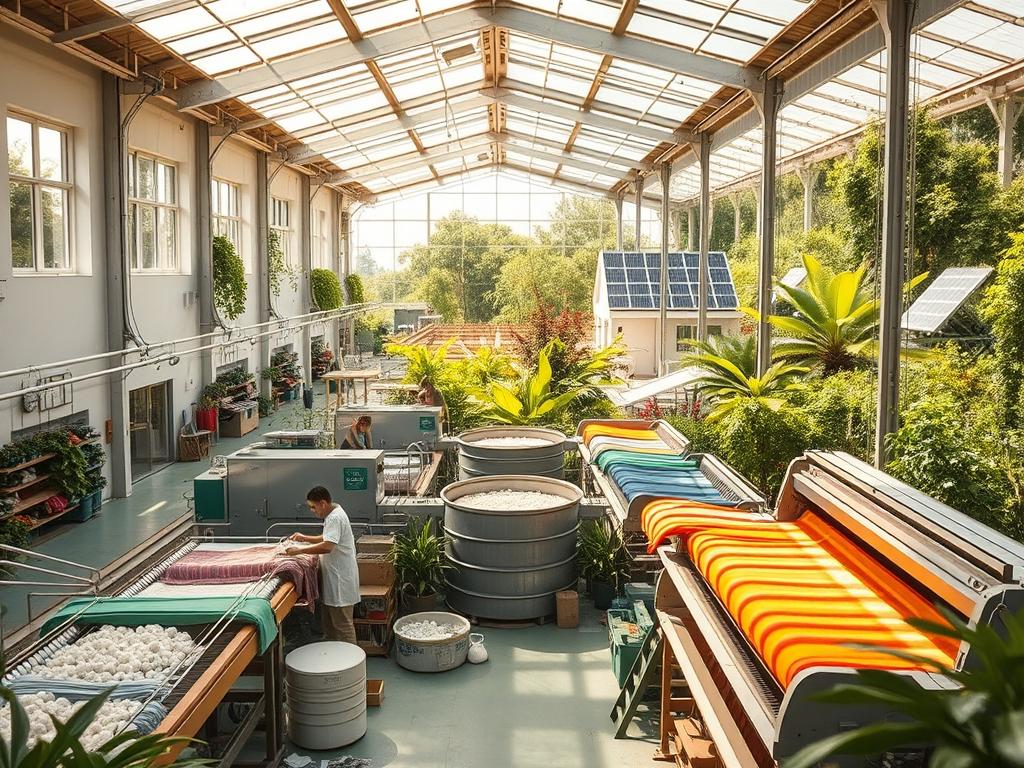
Discover Proto-Sustainability: Ancient Indigenous Buildings

Proto-Sustainability ancient housing indigenous buildings earthships cob houses

Long before we called it “green building,” Indigenous architecture in what’s now the United States was already doing it right. These ancient homes were built to withstand extreme weather, using local materials and careful observation. They outperformed many modern “eco” homes in terms of cost and efficiency.

This article looks at proto-sustainability as a way to understand ancient wisdom. We explore how buildings were designed to work with their environment, respecting the cultures that built them. Every detail, like a wall assembly, is part of a larger system of care for the land.

We compare traditional U.S. buildings with modern off-grid homes like earthships and cob houses. Both use natural materials and smart designs to stay cool and warm. But, they differ in how they use industrial materials and follow building codes.

Next, we’ll take you on a tour of U.S. climates and dive into materials like cob, adobe, and rammed earth. We’ll also focus on water, site selection, and how buildings fit into their landscapes. Finally, we’ll offer advice on how to draw inspiration without disrespecting other cultures.

What Proto-Sustainability Means in Architecture

The concept of proto-sustainability is best understood by looking back. These buildings were designed to work well with local ecosystems and to be easily repaired. The goal was to keep them running year after year, without taking too much from the future.

Defining proto-sustainability vs. modern green building

Today, we often focus on modern green building standards. These include LEED scores and net-zero goals. Yet, the debate between green building and traditional architecture remains important.

Proto-sustainable design is more like a practical guide. It uses materials that are easy to find and maintain locally. These materials are also better for the environment because they don’t end up in landfills.

LensProto-sustainable practiceModern green building frameworks
Primary proofLong performance in one place across generationsModeled performance plus third-party rating or certification
Supply chainLocal sourcing; short transport; seasonal availabilityOften global sourcing; specialized assemblies and imports
Maintenance modelPlanned upkeep as routine community workScheduled service; sometimes specialist-driven maintenance
Materials mindsetLife-cycle building materials chosen for repair and reuseMix of low- and high-embodied-energy products, depending on budget and goals
Risk profileKnown performance under local weather patternsCan be excellent, yet may rely on tight tolerances and precise installation
Woman, Indigenous, Ecuador image.

Why Indigenous knowledge systems matter today

Indigenous knowledge systems are not just stories. They are valuable data gathered through hard experience. This includes learning from weather and natural events.

Traditional ecological knowledge (TEK) offers insights that go beyond numbers. It connects the health of habitats, settlement patterns, and daily life. This approach tests design choices over seasons, not marketing cycles.

How climate, culture, and materials shaped design

In climate-adaptive architecture, design follows weather patterns. Buildings use thick walls, overhangs, and tight entries to manage temperature and wind. Raised floors help deal with moisture.

Culture also influences design. Buildings are designed to organize people, not just air. They reflect shared labor, privacy, and ceremonial life. In many places, “sustainable” meant “works here, repeatedly,” without harming local resources.

Proto-Sustainability ancient housing indigenous buildings earthships cob houses

A serene landscape showcasing ancient indigenous housing that embodies proto-sustainability. In the foreground, a group of intricately designed cob houses made of earth and natural materials, each featuring rounded edges and organic shapes. The middle ground reveals a cluster of earthships, solar panels integrated into their architecture, surrounded by flourishing gardens of native plants. The background features rolling hills dotted with greenery and a vibrant sky at golden hour, casting warm light that enhances the earth tones of the structures. The atmosphere is peaceful and harmonious, suggesting a deep connection with nature. Capture this scene with a wide-angle lens to encompass the depth and beauty of the surroundings. This image is created for "The Sustainable Digest".

The term Proto-Sustainability sounds new, but its roots are ancient. Builders long ago designed homes to work with nature. They aimed for comfort using less energy.

Today, we’re rediscovering these old ideas. They focus on how buildings work and use resources wisely. Indigenous architecture is more than just a prototype; it’s a living part of our culture.

Connecting ancient building logic to earthships and cob houses

Indigenous buildings managed heat with thick walls and smart openings. Earthships use earth-berming and heavy walls to keep temperatures stable. It’s like engineering a house to work like a system.

Cob houses are built with clay, sand, and straw. Their walls are dense and can be fixed in place. This method is not regress; it’s a smart use of materials.

Shared principles: thermal mass, passive solar, and local sourcing

Across time, the same ideas keep coming back. Passive solar homes use sun to warm them in winter and cool them in summer. Thermal mass walls store heat and release it slowly.

Building with local materials is key. It reduces transport needs and makes repairs easier. The right material choice is crucial for success.

Design focusCommon thread in older practicesHow earthship design applies itHow cob house principles apply itTypical constraint in the U.S.
Heat storage and releaseThick envelopes buffer daily temperature swingsUses bermed shells and interior mass to stabilize indoor tempsRelies on dense earthen walls to moderate peaks and dipsThermal mass walls can underperform without added insulation in cold zones
Solar orientationOpenings and room layout follow seasonal sun pathsTargets sun-facing glazing for winter gain and controlled shadingPairs window placement with wall mass to reduce overheatingLot shape, setbacks, and neighboring shade can limit exposure
Material sourcingUse what is nearby and workable; replace parts over timeOften mixes local earth with salvaged industrial inputs like tires or bottlesUses site or regional soil blends; repairs can reuse the same mixSoil testing, moisture detailing, and lender expectations add friction
Moisture managementForm, roof lines, and site drainage protect wallsDepends on membranes, drainage layers, and precise detailingDepends on plasters, capillary breaks, and roof overhangsBuilding codes may require specific assemblies and inspections

Where modern interpretations diverge from traditional practice

Today’s buildings often focus on individual needs, not community. This is different from Indigenous structures, which were deeply connected to their people and land.

Modern builds might use industrial materials, while traditional ones relied on local resources. This can lead to higher environmental impacts, especially if materials are imported.

In cold climates, mass alone may not be enough to keep buildings warm. This doesn’t mean the ideas are wrong; it just shows they need to be adapted for today’s conditions.

Indigenous Building Principles That Reduce Environmental Impact

Before we worried about carbon, Indigenous builders built smartly. They used what was easy to carry and avoided hard-to-get resources. This simple rule helped many communities in the U.S. build sustainably.

Building with local, renewable, and salvaged materials

They chose materials based on what was nearby. They used earth, wood, reeds, grasses, stone, and hides. This choice saved time, tools, and energy.

Salvage building was also key. They reused materials after storms or repairs. This way, they didn’t waste anything. Today, we call this circular construction.

Designing for durability, repairability, and reuse

They built to last, not just to look good. They made walls thick, roofs overhang, and floors raised. This made their homes last longer with less work.

They also made houses easy to fix. They could replace parts without tearing everything down. This was better than modern buildings that hide problems until they’re expensive to fix.

PrincipleTraditional performance logicEnvironmental effectMaintenance pattern
Use what the site offersEarth, stone, timber, reeds, and grasses selected for climate fit and availability (local materials)Less transport demand; fewer processing steps for low-impact buildingPeriodic harvesting and careful replenishment of renewable materials
Protect the structureThick walls, raised floors, and roof overhangs reduce sun, rain, and splash-back damageLonger lifespan means fewer replacement cycles and less wasteRoutine inspections; small fixes prevent large rebuilds
Make parts replaceableFinish layers and sacrificial elements can be renewed without disturbing the core (repairable housing)Lower material throughput over time; fewer landfill-bound removalsRe-plastering, patching, re-thatching done with basic tools
Keep materials in circulationRecovered poles, stones, and boards reused when possible (salvage building)Supports circular construction by extending component lifeSorting, storing, and reusing parts as needs change

Low-waste construction methods and closed-loop thinking

They built on-site to reduce waste. This meant less packaging and offcuts. They also made sure materials could go back to nature easily.

This way of building is still smart today. It’s about planning well and avoiding waste. It makes buildings last longer and need less fixing.

Earth-Based Materials: Cob, Adobe, Rammed Earth, and Clay

A serene scene featuring rammed earth walls, showcasing their textured surface and natural hues of browns and ochres. In the foreground, detailed close-ups of the wall’s layered construction reveal the organic materials used, including clay and straw. The middle ground features a rustic building displaying these walls integrated into a culturally relevant structure, surrounded by native plants and sustainable landscaping. In the background, a clear blue sky accentuates the warmth of the sunlight, casting gentle shadows that highlight the architectural details. The atmosphere is tranquil and earthy, reflecting a harmonization with nature. Use soft, natural lighting and a wide-angle lens to create an inviting perspective. The Sustainable Digest.

Earth can be a great material for building, but it needs careful handling. The success of earthen buildings depends on the soil, wall shape, and climate. It’s important to get the details right, especially with flashing.

Start with a solid base and a strong roof. This includes raised foundations, capillary breaks, and big roof overhangs. Then, focus on how the walls handle heat and moisture.

Cob house composition and performance basics

A cob house is made from clay-rich soil, sand, straw, and water. The mixture is pressed into walls by hand. These walls can hold weight if they’re thick enough.

The thickness of cob walls is not just for looks. It also helps with keeping warm and managing moisture. You can shape the walls easily, but remember to add lintels over openings.

Adobe bricks vs. cob walls in different climates

Adobe uses sun-dried bricks, making it easier to plan and fix. You can replace a single brick without redoing the whole wall.

Cob walls are built on-site, fitting well with unique designs. In hot areas, both types keep the inside cool. But in wet places, they need extra care to handle moisture.

Rammed earth: density, strength, and thermal stability

Rammed earth walls are made by pressing damp soil into forms. They are strong and keep heat well. You can even make them look modern.

Old mixes just used soil and compaction. Now, some add cement for strength. But this can increase carbon emissions.

Breathability, moisture control, and natural plasters

Earthen walls can handle indoor humidity. But they need protection from too much water. Also, they should be able to breathe.

Clay plaster is a good finish because it’s easy to fix. Lime can make it last longer in wet spots. Both work best when the wall can dry and the roof keeps rain away.

Material approachHow it is madeStrength and structure notesMoisture and finish strategyBest-fit climate signal in the U.S.
cob house wallsClay-rich soil, sand, fiber, and water placed as a continuous massThick walls carry load; curves add stability; openings need lintels and thoughtful reinforcementRelies on drying potential; clay plaster or lime finish protects while staying compatible with vapor permeabilityPerforms well where rain is manageable with overhangs; needs extra care in humid or flood-prone areas
adobe constructionSun-dried bricks laid with earthen mortar in modular coursesPredictable units support standard details; seismic strategies often include reinforcement and bond beamsRequires raised bases and durable exterior coats; finish choices should respect hygrothermal designStrong match for hot-arid zones with high diurnal swing; detailing becomes decisive in mixed-wet climates
rammed earth wallsSoil compacted in forms in thin lifts; sometimes stabilized with cementHigh density and compressive strength; stabilized mixes increase consistency but change the carbon storySurface can be left exposed if protected from splash and runoff; compatible sealers must not trap moistureWorks across many regions when protected from driving rain; excels where thermal mass is a priority

Passive Heating, Cooling, and Ventilation Before Modern HVAC

Long before thermostats, Indigenous builders in North America used simple rules for comfort. They let the site do the work. This meant buildings faced the sun and winds, and were built to fit the climate.

Walls and floors used thermal mass to keep temperatures steady. Earth-berming and partial burial helped by using the ground’s stable temperatures. Shading strategies, like overhangs, cut glare and heat gain.

Ventilation was designed with purpose. Openings were placed to let in cool air and let out warm air. This natural flow was key to comfort.

In hot, dry areas, cooling was clever. Thermal mass absorbed heat during the day. At night, it released heat by opening pathways for cool air.

Cold comfort came from smart design. Buildings were placed to catch winter sun and were built to keep drafts out. This made heating more efficient.

Passive toolkitHow it works in practicePrimary comfort payoff
Orientation to sun and prevailing windsPlaces entrances, courtyards, and main rooms where winter sun helps and harsh winds are deflectedBetter solar gain with less infiltration
Operable openings for natural ventilationUses cross-breezes and adjustable vents to match daily and seasonal conditionsLower indoor heat and improved air freshness
High/low vent pairing using stack effectLets rising warm air escape high while pulling cooler air in low, especially during cookingMore reliable airflow without fans
Thermal mass and night flushingStores heat in dense materials by day; releases and resets with cool night airCooler evenings and steadier temperatures
Shading strategies and sheltered outdoor spaceBlocks high summer sun with overhangs, porches, and recessed wallsReduced overheating and glare

Modern passive-house thinking is similar. It starts by reducing loads before adding equipment. The difference is in approach. Indigenous methods treated buildings as living systems, adjusted daily.

Regional Case Studies Across the United States

Indigenous architecture in the United States, showcasing traditional structures such as adobe homes, longhouses, and earth lodges nestled in a natural landscape. In the foreground, detailed textures of weathered wood and earth materials reflect ancient building techniques. The middle ground features a cluster of these architectural forms, surrounded by native flora like sage and wildflowers, all under a blue sky with scattered clouds. In the background, rolling hills create a sense of depth and history. The lighting is warm and golden, suggesting late afternoon. The atmosphere is peaceful and natural, symbolizing sustainability and harmony with the environment. The image is devoid of human figures, allowing focus solely on the architecture. The Sustainable Digest.

Across the map, Indigenous architecture United States shows how climate shapes buildings. The shape, material, and labor all depend on the local climate.

What works in one place might not work in another. Copying a design without adapting it is like wearing a parka in Phoenix. It’s not practical.

Southwest adobe and pueblo-style communities

In Southwest adobe pueblos, thick walls slow down temperature changes. This helps keep the inside temperature steady.

Small openings help control heat gain and loss. Shared walls also protect against wind and sun.

Building up instead of out is smart. Stacked rooms create shaded areas and stable temperatures all day.

Plains and Plateau earth lodges and seasonal strategies

On the Plains and Plateau, earth lodges were built with timber frames and soil layers. This helped keep out wind and hold warmth.

These lodges were built to move with the seasons. People followed the food and fuel cycles, not a calendar.

Entrances were low and layouts were compact. This helped manage drafts in open areas where wind was always strong.

Pacific Northwest plank houses and rain-ready design

In the Pacific Northwest, plank houses were built with lots of timber and big interiors. They were made for long, wet seasons.

Steep roofs and raised floors kept water out. Rain-screen traditions were used in the design to manage water.

Wood was chosen for its durability. It could shed moisture and dry out, unlike other materials.

Arctic and Subarctic snow and sod structures for insulation

Farther north, buildings were designed for survival. They had less surface area and fewer leaks to lose heat.

Snow shelters and earth-sheltered forms kept heat in. Insulation with sod was used when timber was scarce.

RegionPrimary formKey materialsClimate pressure addressedBuilt-in performance tactic
SouthwestSouthwest adobe pueblosAdobe, clay plaster, local stoneHot days, cool nights, intense sunThermal mass walls; small openings; shared, clustered massing
Plains & PlateauEarthen lodgesTimber frame, earth cover, grassesHigh winds and winter coldEarth-sheltering; low profile; insulated roof layers
Pacific NorthwestPlank housesCedar planks, heavy beams, bark fibersPersistent rain and humiditySteep roofs; raised edges; rain-screen traditions for drainage and drying
Arctic & SubarcticSnow and sod structuresSnow, sod, earth, limited woodExtreme cold and heat loss riskCompact volume; reduced openings; insulation with sod to seal and buffer
Man, Musical instrument, Indigenous image.

Site Selection and Landscape Integration

In many Indigenous traditions, picking a site was not about a pretty view. It was about avoiding harsh weather. Builders looked at slope, soil, and shade like we read reports today. Landscape integration was a practical choice, not just for looks.

Designing for microclimates started with the sun. Winter sun is free and always there. South-facing slopes extended daylight warmth. Trees and shadows kept summer heat away.

Wind sheltering was simple yet effective. A hill, trees, or rocks could block wind without needing upkeep. Homes were placed where breezes could cool in summer but not freeze in winter.

Access to water was key, but it came with a risk of floods. Settlements were near water but also on higher ground. This kept homes safe from heavy rains.

The land was like a type of infrastructure. Berms, plants, and natural shapes guided water and kept temperatures steady. This approach disturbed the land as little as possible while meeting needs.

Landscape Integration processes

  • Terrain cues helped find where cold air settled and where sun hit first.
  • Resource proximity cut down on waste and unnecessary roads.
  • Patterned placement spread out risks and made access better over time.

Today, we use tools like solar studies and wind roses to understand what the land says. This approach is not just about looking back. It’s about respecting the land’s wisdom before we build on it.

Site factorObserved Indigenous approachModern analysis equivalentPerformance benefit
Sun pathPreference for south-facing exposure and controlled shadeSolar orientation study with seasonal shading reviewMore winter warmth; less summer overheating
Wind and stormsUse of landforms and vegetation for wind shelteringWind rose + setback modeling + storm trackingLower heat loss; calmer outdoor work areas
Water and drainageNear water sources, but with flood-aware placementWatershed mapping + floodplain and runoff modelingReliable access; reduced flood and erosion risk
Soil and ground stabilityBuilding on firm ground with predictable drainageGeotechnical review + infiltration and slope checksFewer cracks and settlement issues; better moisture control
Habitat impactMinimize disturbance to support ecological fit over timeSite disturbance limits + habitat assessmentHealthier soils; stronger long-term resilience
Movement and accessPlacement aligned with travel routes and shared resourcesCirculation planning + service access evaluationLess energy spent moving goods; smoother daily routines

Community-Centered Design, Cultural Continuity, and Stewardship

A vibrant, community-centered design scene showcasing ancient Indigenous buildings nestled in a lush, green landscape. In the foreground, a diverse group of people in modest yet professional attire engage collaboratively, designing and sharing cultural motifs, emphasizing stewardship and connection. The middle ground features intricately crafted Indigenous structures made of natural materials, harmonizing with the surrounding environment. The background reveals rolling hills under a golden sunset, casting warm, inviting light that creates a sense of warmth and belonging. The image captures the essence of cultural continuity, with traditional symbols skillfully integrated into the design. Use a wide-angle lens to enhance the sense of space and community. The atmosphere is peaceful, inspiring, and filled with hope for a sustainable future. The Sustainable Digest.

In many Indigenous building traditions, sustainability was more than just a list of materials. It was a way of life. Buildings were tied to family, place, and work, carrying culture through generations. Decisions were made with care, resources were gathered wisely, and everyone was responsible when weather tested the walls.

Building as a communal process and knowledge transfer

Building together was like building social bonds. People worked, learned, and passed on skills as they went. Tasks were shared, so everyone knew how to fix things when needed.

This way of building taught patience and respect for nature. Materials were chosen based on the season, fitting the climate and terrain. This approach became part of their culture, not just a building phase.

Respecting sacred landscapes and cultural protocols

Where a home sits can hold deep meaning. Indigenous protocols guide what and where to build, to avoid disturbing sacred places. Modern designers must respect these rules, getting consent and understanding sovereignty.

This respect is key to stewardship ethics. It’s about who decides, who benefits, and who takes the risk. It’s not just about following rules, but about understanding the land and its people.

Longevity through maintenance traditions and shared responsibility

Long-lasting homes need regular care, not just repairs. Traditional practices keep homes healthy and strong. Modern promises of “maintenance-free” often mean higher costs and harder fixes.

Practice focusCommunity approachWhat it supports over time
Routine inspections after stormsShared checklists and quick fixes during seasonal gatheringsEarly detection of moisture, settling, and wind damage
Surface renewal (plaster, limewash, clay)Local mixes adjusted to humidity, sun, and wall behaviorMoisture control, breathability, and easier repair cycles
Sacrificial componentsReplaceable layers designed to wear out firstProtection of structural members and reduced material waste
Responsibility and governanceClear norms for who maintains what and whenContinuity of care; fewer deferred repairs and failures

Durability is a shared effort, not just a product claim. Community design and communal building make this effort clear. Traditional maintenance and stewardship ethics keep it going strong. Together, they build a lasting legacy that goes beyond trends.

Water Wisdom: Harvesting, Drainage, and Resilience

In many Indigenous settlements, water planning was a top priority. This was because having water to drink was essential. The way water was managed showed a deep understanding of how to handle water effectively.

Rainwater collection concepts in traditional settlements

Rainwater harvesting was key in these communities. Roofs, courtyards, and footpaths directed water to storage areas. This approach reduced the need for a single water source.

Conservation was a big part of this system. It helped manage water use without wasting it. This careful approach shaped daily life, from water carrying to rationing.

Managing runoff, erosion, and flood risk with landform cues

Managing runoff was like reading the weather. Communities avoided floodplains and used terraces to control water flow. This kept homes safe from water damage.

Today, this approach is still important. It helps buildings withstand heavy rain and dry spells. Proper roof edges and grading are crucial for keeping foundations safe.

Material choices that support moisture resilience

Earthen buildings lasted long with the right care. Moisture management was key. Raised foundations and overhangs protected walls from water damage.

Modern practices follow similar principles. Good drainage and durable finishes are essential. This approach helps buildings last longer and withstand harsh weather.

Water challengeTraditional responseComparable modern practice in the United StatesWhat it protects
Short, intense rainfallDirected roof runoff to safe paths; kept wall bases dry through overhangsGraded swales, downspout routing, and distributed infiltrationFoundations and earthen wall protection
Seasonal scarcity and droughtRainwater harvesting with storage; careful household conservationCisterns, demand management, and drought planningReliable daily supply
Slope-driven washoutsTerraces, berms, and planted edges for erosion controlCheck dams, vegetated buffers, and slope stabilizationTopsoil and access routes
Water at wall baseSacrificial plasters; raised plinths; breathable finishes for moisture detailingCapillary breaks, lime-based renders, and repairable claddingsWall strength and indoor comfort
Overflow during stormsClear drainage corridors; avoided natural low points for flood-resilient designFloodplain avoidance, freeboard, and overflow routingLiving space and critical utilities
A serene landscape showcasing a comparison between traditional Indigenous buildings and modern Earthships. In the foreground, depict a circular Indigenous dwelling made from natural materials like wood and clay, featuring a thatched roof and intricate carvings. In the middle, illustrate a sleek Earthship made from recycled materials, with curved walls and solar panels, surrounded by a lush garden of native plants. The background features a clear blue sky and distant mountains, creating a harmonious atmosphere. Use warm, natural lighting to evoke a sense of tranquility, capturing the essence of sustainability. The perspective should be slightly elevated, highlighting both architectural styles in a balanced view. This image is intended for The Sustainable Digest, reflecting the theme of environmental harmony.

Comparing Traditional Indigenous Buildings and Modern Earthships

When we look at traditional Indigenous buildings and earthships, we see a big difference in purpose. Indigenous homes were built for community and shared work. Earthships, on the other hand, focus on individual freedom and avoiding utility bills.

Materials also play a key role in this comparison. Traditional buildings used natural materials like soil and wood. Earthships, while using natural materials, also include items like tires and bottles, making them more complex.

Systems thinking is another area where earthships and traditional buildings differ. Earthships can be very efficient in the right climate, especially with a well-designed greenhouse. But, they can also struggle with moisture and overheating, unlike traditional buildings that were often tested over time.

Traditional vs. Modern sustainable dwelling

Comparison lensTraditional Indigenous buildingsModern earthships
Primary purposeCommunity continuity, shared skills, seasonal rhythms, and long-term stewardshipOff-grid experimentation, household autonomy, and integrated systems under one roof
Typical material profileBiogenic and earthen materials; minimal processing and straightforward repairHybrid salvage plus industrial inputs (tires, bottles, concrete, liners); detailing is more technical
Operational strategySeasonal operation and climate-tuned form; comfort managed with habits and architectureIndoor climate managed through mass, glazing, and water/air systems; earthship performance varies by region
Embodied impactLower embodied carbon in many cases; simpler end-of-life pathways and reusePotential landfill reduction; embodied carbon can rise with cement and specialized components
Regulatory and health frictionOften compatible with natural-material codes when properly engineeredPermitting can be harder; tire walls and airtight zones can raise air-quality and inspection concerns
Design meaningStrong cultural context in architecture; forms reflect place, identity, and protocolAesthetic is often mistaken for tradition; borrowing principles differs from borrowing identity

It’s important to understand the cultural context of architecture. Climate design can be universal, but cultural symbols should not be used lightly. This is because cultural context in architecture is not just about looks.

For those planning and building, the choice between traditional and earthship homes is not easy. Simple designs are often easier to maintain, but earthships offer a unique challenge. Even a well-designed greenhouse can be a blessing or a curse, depending on how it’s built and the climate.

Ancient Indigenous buildings seamlessly integrated into a lush, sustainable landscape, showcasing climate-appropriate design principles. In the foreground, a diverse group of professionals, dressed in modest casual attire, examine eco-friendly materials like rammed earth, bamboo, and recycled wood. In the middle ground, a cluster of intricately designed structures with organic shapes and green roofs, featuring large windows that maximize natural light and ventilation. The background reveals a vibrant forest, harmonizing with the architecture. Soft, golden hour lighting bathes the scene, enhancing the warm, inviting atmosphere. The composition is captured from a low angle, emphasizing the grandeur of the buildings while inviting a sense of connection to nature. A serene, inspirational mood embodies the essence of sustainable homebuilding for modern times. The Sustainable Digest logo is subtly represented in the design elements.

Design Takeaways for Sustainable Homebuilding Today

Building homes sustainably is simpler when we first ask: what does this site demand? Designing for the climate starts with understanding the sun, wind, rain, and soil. Using materials that fit the site is key, even if they seem natural.

When deciding between thermal mass and insulation, form is as important as material. A deep porch can be as effective as any technology in hot weather. It’s all about how well the design fits the climate.

The choice between thermal mass and insulation is a puzzle. Heavy walls can keep temperatures steady, but only if they’re right for the site. Insulation cuts energy use, but can trap moisture if not designed to dry.

Ventilation

A good ventilation strategy is crucial for air quality and moisture control. Even the smallest duct or vent can do the most important work.

Design teams should work together, not against each other. Using operable windows and heat pumps can reduce energy needs. The best design is like a weather forecast, guiding how the house interacts with the environment.

Ethical building strategies

Ethical design means more than just inspiration. It’s about respect and responsibility. Using Indigenous wisdom is valuable, but it must be done with care and consent.

In the U.S., building codes and insurers set the rules. A smart approach includes small tests and clear documentation. Understanding soil and moisture behavior is essential, no matter how beautiful the designs.

Decision pointCommon optionWhat to check earlyWhy it matters in the U.S.
Form and orientationCompact massing with tuned glazingOverhang depth, summer shading, winter solar accessSupports climate-appropriate design across hot-arid, cold, and mixed-humid zones
Wall assemblyHigh mass wall, insulated frame, or hybridThermal mass vs insulation balance; drying potential; dew-point riskReduces comfort swings and moisture damage without overbuilding
Fresh air and moistureNatural + mechanical ventilationVentilation strategy, filtration needs, exhaust locations, makeup airImproves indoor air quality and helps control humidity during wildfire smoke and humid summers
Permitting pathwayPrototype wall, lab tests, early plan reviewBuilding codes earthen homes, engineering sign-off, insurer requirementsPrevents redesign late in the process, when budgets become “historical artifacts”
Reference and storytellingLearning from Indigenous precedentsAttribution, consent, avoiding sacred motifs, fair compensationKeeps ethical design inspiration grounded in respect and real accountability
  • Prototype first: build a small wall or shed to observe drying, cracking, and detailing before scaling up.
  • Test what is local: confirm soil performance and stabilizer needs rather than trusting assumptions about “natural.”
  • Meet reviewers early: a short conversation can surface code paths, required reports, and inspection expectations.

Conclusion

This summary shows a key truth: many Indigenous buildings in the United States were made for the climate, not just for looks. They used the sun, wind, and shade wisely. Their walls were made from local materials and controlled moisture well.

Waste was low because they focused on fixing, reusing, and seasonal care. This approach made their buildings last long.

The lessons from Indigenous architecture teach us about care, not just warranties. Earth-friendly homes work best when they see maintenance as part of life. These sustainable design principles are seen in small details that prove their worth in storms.

Earthships and cob houses can be good choices if they fit the site and handle local weather. But, Indigenous architecture is more than just a style. It’s about the land, community, and freedom.

When we borrow Indigenous designs without understanding their context, we harm. This turns design into a form of taking without giving back.

The main lesson for building homes in the United States is to learn from the site. Respect its limits and design for repair from the start. Sustainability is about building a relationship with the land, not just adding features.

Build homes that last as long as the landscape, because they will. This approach is not just practical but also respectful of the environment.

Key Takeaways

  • proto-sustainability helps explain why many Indigenous architecture systems perform so well in local climates.
  • ancient housing often relied on thermal mass, passive solar gains, and smart airflow instead of mechanical systems.
  • sustainable building history looks different when vernacular design is treated as engineering, not folklore.
  • climate-responsive homes share principles across regions, but details change with weather, soils, and available fibers.
  • United States traditional buildings can inform modern practice without copying cultural meaning or sacred forms.
  • earthships and cob houses echo older strategies, yet diverge through industrial materials and code-driven constraints.

Recap of October 2025 Holidays & Observances for Sustainability Part 2

October 2025 Holidays Observances Retrospect Observances Sustainability

Welcome to Part 2 to the reflection and review of 2025 October Sustainable focus and impactful, Holidays and Observance. Click here for part 1. Last month’s global calendar was full of interesting events. World Habitat Day and National Apple Month were just a few. These days worked together to raise awareness about our planet.

These different celebrations showed how working together can make a big difference. They proved that by joining forces, we can achieve big environmental goals. Sometimes, their impact was surprising and effective.

This look back at October 2025 shows how these events fit together. It also shows how they changed the way we think and act about the environment. These days helped shape policies and how people behave in the fight for sustainability.

October 2025: A Month of Global Sustainability Awareness

October 2025 is a special month for global sustainability. It brings together many international observances. These events work together to raise awareness about sustainable development goals.

Understanding the Significance of Holiday Observances

International observances mark important moments in the global calendar. They help educate and mobilize people to focus on specific challenges. By clustering these events in October, we see a bigger impact than each event alone.

October’s observances are carefully planned. From World Cities Day to International Day of Care and Support, each targets a different aspect of sustainability. This focused approach helps us dive deep into complex issues while keeping them connected to the bigger picture.

There’s a debate about the value of observance days. Some see them as unnecessary, but they are crucial for sparking important discussions. For example, Global Media and Information Literacy Week helps us talk about the spread of misinformation in sustainability.

The events in October 2025 show a clear progression. Starting with Disarmament Week, they lay the groundwork for peace and security. Later, events like International Day of the Eradication of Poverty focus on practical steps to solve problems. This order helps us move from awareness to action.

The Role of Retrospection in Sustainability Progress

Looking back is key to moving forward in sustainability. It helps us see what works and what doesn’t. World Statistics Day gives us the data we need to measure our progress.

The October observances offer a chance for everyone to reflect together. This shared reflection helps avoid the problem of working in silos. It allows us to see the bigger picture and work better together.

By looking back during these observances, we uncover important patterns. For example, we can see how International Day of the Snow Leopard fits into broader conservation efforts. This helps us use our resources more effectively.

The real value of these observances comes from how they help us learn and grow. They give us a chance to check our progress, make adjustments, and move forward faster.

Key United Nations Observances for a Sustainable Future

A high-resolution photo of the United Nations Headquarters in New York City, with the iconic green glass facade and the famous General Assembly Building in the background. In the foreground, a diverse group of diplomats, policymakers, and sustainability advocates gather around a large, circular conference table, engaged in lively discussions. The lighting is warm and natural, casting a soft glow over the scene. The composition is balanced, with the UN buildings providing a strong, recognizable backdrop to the people-centered action in the foreground. The overall mood is one of collaboration, optimism, and a shared commitment to a more sustainable future. Printed discreetly in the bottom right corner is the logo for "The Sustainable Digest".

October 2025 brings three key UN observances. They focus on sustainable development in different ways. These efforts show how the UN works globally while dealing with local challenges.

World Habitat Day and Sustainable Urban Development

World Habitat Day highlights a big issue: cities use a lot of resources but make most of the world’s wealth. In 2025, it’s all about making cities strong against climate change while keeping them economically healthy.

But, there’s a problem. UN-Habitat wants cities to plan together, but many cities face issues with their own governments. This makes it hard to turn good ideas into action.

However, some cities are doing well by working with everyone involved. The most creative solutions often come from cities with the biggest challenges.

World Food Day: Addressing Global Food Security

World Food Day 2025 is led by the FAO. It’s about growing more food with less resources. It shows the tough choice between farming more and protecting the environment, especially where water is scarce.

It’s hard for the UN to work together on this issue. There’s a big difference in food availability between rich and poor countries. Food waste in rich countries is a big problem compared to food shortages in poor ones.

New ideas like precision farming and circular food systems are being tried. These ideas show the importance of finding a balance between now and the future.

International Day for Disaster Risk Reduction

This day has changed from just responding to disasters to managing risks before they happen. It’s especially important now because of climate change. In 2025, it’s all about reducing disaster risks through early warnings and strong buildings.

The challenge is to make global climate models work for local areas. Each place needs its own plan because of different risks.

But, when science and local knowledge come together, it works best. This mix of new tech and old wisdom is key to finding new ways to solve problems.

Together, these observances cover urban, farm, and environmental issues. They show different ways the UN works towards a sustainable future. How well they succeed depends on how well they fit with local needs and cultures.

Environmental Conservation Observances in October 2025

October 2025 is a time of both wonder and challenge. It’s when we focus on saving special animals, yet also celebrate farming. This mix shows how saving nature and living sustainably are connected.

World Migratory Bird Day and Biodiversity Protection

The World Migratory Bird Day in October 2025 is all about birds. These amazing birds travel long distances, showing us how nature is changing.

To save these birds, we need to work together. We must protect their homes and keep their paths safe. This day is about:

  • Keeping safe places for birds to rest and fly
  • Lessening light pollution and dangers
  • Starting programs with local communities
  • Helping birds adapt to a changing climate

International Day of the Snow Leopard

This day is for the snow leopard, a mysterious creature of the mountains. Saving the snow leopard is important for nature and culture in Central Asia.

But saving them is hard. There are challenges like:

  • Keeping people and animals from fighting over space
  • Working together across borders to protect their homes
  • Creating jobs through tourism that respect nature
  • Understanding how climate change affects their homes

While days like these grab our attention, they’re only part of the solution. We need to manage nature as a whole to protect all life.

National Apple Month and Sustainable Agriculture

National Apple Month might seem simple, but it’s actually very important. It shows how our choices affect the planet.

Today’s apple farming is changing. It’s becoming more green:

  • Using fewer chemicals to keep pests away
  • Using water wisely to grow apples
  • Creating homes for bees and other pollinators
  • Supporting local food to cut down on emissions

This celebration of apples is interesting. It shows how farming can either hurt or help nature. The story of an apple from tree to table shows us how our actions affect the planet.

Social Sustainability and Equity Observances

A diverse crowd of individuals from all walks of life, united in a vibrant celebration of social sustainability and equity. In the foreground, a mosaic of colorful banners and flags dance in a warm, ambient light, capturing the spirit of inclusion and harmony. In the middle ground, a sea of people linked arm-in-arm, representing the interconnectedness of the community. In the background, a skyline of modern, eco-friendly buildings and lush, verdant parks, symbolizing the integration of sustainability and social progress. The overall scene conveys a sense of collective empowerment and a shared vision for a more just and equitable future. The Sustainable Digest.

October 2025 shows us that social equity is key to real sustainability. It’s not just about the environment. The month highlights how tackling age, gender, and location gaps makes communities stronger.

International Day of Older Persons and Sustainable Communities

Aging brings both challenges and chances for growth. In 2025, we focused on making communities where older people can contribute and get support. Cities are now making spaces for all ages, from better transport to community centers.

But, we must look beyond words. It’s not just about calling a city “age-friendly.” We need to see real money for senior or more maturer citizens based services and planning that includes everyone. Older people should be seen as valuable, not just a problem.

International Day of the Girl Child: Education and Empowerment

Education is key for gender equality. In 2025, we saw how educating girls helps in many areas. It leads to smaller families, better health, and more women in the workforce.

Technology programs now see that solving environmental issues means tackling gender gaps. Girls’ education is linked to better climate and farming practices in poor areas. But, we need to keep funding education all year, not just one day.

International Day of Rural Women in Sustainable Development

Rural women are crucial for food but face big sustainability challenges. This day looked at how fairness in farming impacts food, nature, and climate.

Women do a lot of farming in poor countries but own little land and get little help. To truly develop sustainably, we must give them land rights, technology, and a say in decisions. Success means seeing their work lead to real policy changes.

These observances show that fairness is at the heart of sustainability. It’s not just an extra thing. The real test is if we act on what we learned in October.

Cultural and Educational Sustainability Observances

October 2025 shows us a mix of cultural and educational events that are key to a sustainable future. These events are often seen as less important. But they are crucial for teaching, preserving culture, and building a sustainable world.

Global Media and Information Literacy Week

In today’s world, it’s hard to know what’s true about the environment. Media Literacy Week helps us sort fact from fiction. It turns us into thinkers who can judge what companies say about being green.

This is especially important during Filipino American History Month. It helps keep real stories alive, not just greenwashing. People learn to spot true cultural values in sustainability efforts.

International School Libraries Month

School libraries are key for learning about the environment. They offer books and resources on sustainability. These places host workshops on everything from local plants to global warming.

This month also includes National Raccoon Day. It’s a chance for libraries to teach about living with urban wildlife. It shows how culture and environment can go hand in hand.

National Arts & Humanities Month

Arts education is vital for solving sustainability problems. This month celebrates how art and culture shape our view of nature. It shows how creativity can lead to new ways of living sustainably.

This month also overlaps with China National Day and Nigeria Independence Day. It’s a chance for cultural exchanges on sustainable traditions. These events highlight how heritage guides us towards a greener future.

It also includes International Coffee Day and Model T Day. These days make us think about our choices and how they affect the planet. They spark conversations about fair trade and green transportation.

Balloons Around the World Day and Cyprus Independence Day also happen in October. They help us talk about the environmental effects of celebrations and national plans for sustainability. Together, they show that culture is at the heart of sustainability.

Economic Sustainability and Cooperative Models

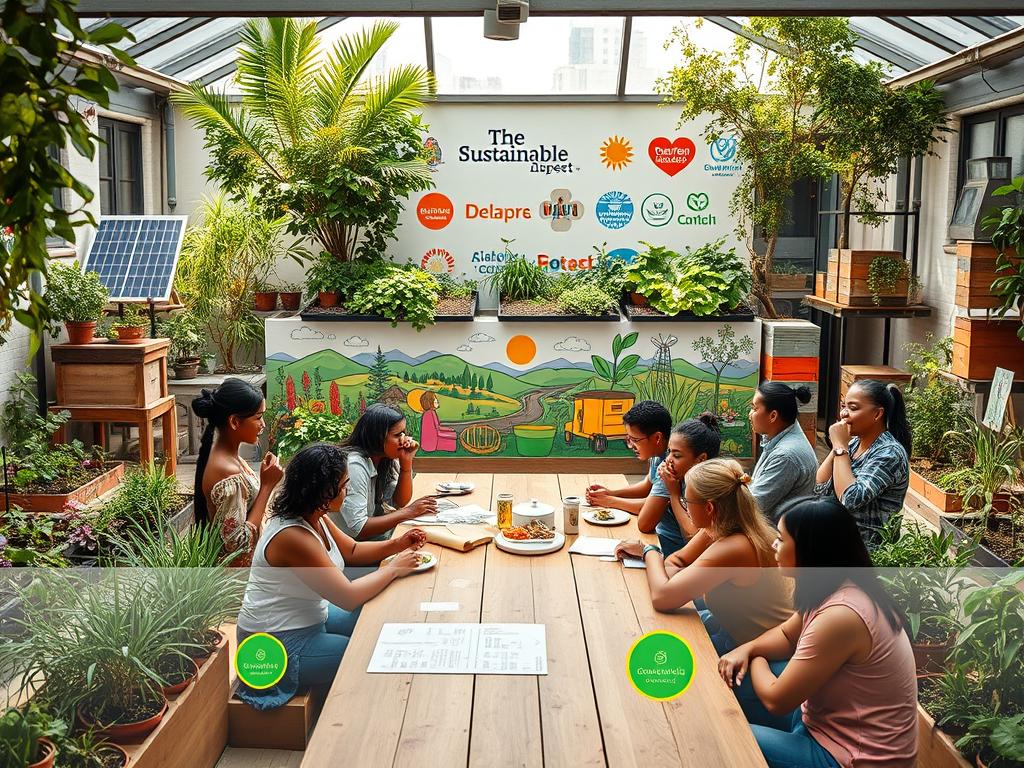
A vibrant illustration depicting an "Economic Sustainability Cooperative Models" concept. In the foreground, a diverse group of people collaborating around a table, exchanging ideas and plans. In the middle ground, colorful graphs, charts, and financial documents showcasing the cooperative's sustainable economic practices. In the background, a cityscape with green buildings, renewable energy sources, and bustling activity, representing the integration of the cooperative within a thriving sustainable community. The scene is illuminated by warm, natural lighting, conveying a sense of optimism and progress. "The Sustainable Digest" logo is prominently displayed in the corner.

October’s sustainability observances cover many themes, but the economic side is especially interesting. It shows how cooperative models challenge traditional capitalism. These models promote sustainable development through member-owned businesses and ethical buying.

Cooperative Week 2025: Sustainable Business Models

Cooperative Week celebrates businesses run by their members, not outside investors. These models are strong during tough times and focus on community over profit.

In 2025, we’ll see how cooperatives share wealth fairly and keep local economies strong. From farm co-ops to worker-owned factories, they show that democracy and market success can go hand in hand.

International Credit Union Day

International Credit Union Day highlights banks that focus on their members, not just profits. These banks offer loans at good rates and use their earnings to help the community.

Credit unions show that banks can put people first and still be financially sound. They avoid the bad lending practices seen in some banks.

Fair Trade Month and Ethical Consumption

Fair Trade Month encourages us to think about the people behind what we buy. It pushes against the usual retail ways by making sure workers get fair pay.

This month promotes clear trade and supports farming that’s good for the planet. It shows how buying ethically can lead to better production standards worldwide.

Economic ModelSustainability ImpactScale ChallengesOctober 2025 Focus
CooperativesWealth distribution, community resilienceCapital acquisition, growth managementMember-owned business structures
Credit UnionsFinancial inclusion, local reinvestmentRegulatory compliance, technology adoptionCommunity-based financial services
Fair TradeSupply chain ethics, producer equityPremium pricing, consumer educationEthical consumption patterns

These economic events show that sustainability is not just about the environment. It also includes financial systems and trade. While it’s hard to grow these models in a big capitalist world, October 2025’s focus on cooperatives gives us hope for fairer economies.

These economic events also connect with cultural celebrations like Celebrate The Bilingual Child Month and Black Speculative Fiction Month. Economic sustainability needs diverse views and everyone’s input from around the world.

Health and Well-being Observances for Sustainable Living

October 2025 shows us that sustainability is more than just solar panels and recycling. It’s about human health too. Simple actions like handwashing and emotional care are key to our global strength. These small steps play a big role in making our world sustainable.

World Mental Health Day and Sustainable Societies

World Mental Health Day on October 10th is more than just a health day. It asks if a society can grow when its people are not mentally strong. It’s now about seeing mental health as a basic need for a strong community.

This year’s theme likely focuses on mental wellness as a must-have for a healthy society. Yet, many places spend too little on mental health services. This gap is a big issue that needs attention.

Global Handwashing Day: Public Health and Sustainability

Global Handwashing Day on October 15th shows how simple hygiene can make a big difference. Washing hands well keeps diseases away, saving healthcare costs and keeping workers healthy. It’s linked to clean water, sanitation, and education.

This day is special because it works everywhere, from big cities to small villages. Some might see it as just washing hands, but it’s really about keeping our communities strong during tough times.

Emotional Wellness Month

Emotional Wellness Month looks at health in a broader way. It’s not just about fighting diseases, but about living well every day. It’s about making choices that are good for us and the planet.

This month connects with others like Eat Better, Eat Together Month. It shows how our feelings and relationships affect our health. Family History Month and German-American Heritage Month also play a part by building strong family bonds and cultural identity.

Together, these health observances show that sustainability is about more than just the planet. It’s about making sure people can live well in it. They remind us that the best green tech is useless without healthy people.

October 2025 Holidays Observances Retrospect: Lessons Learned

A bustling cityscape in October 2025, showcasing the impact of sustainability observances. In the foreground, a diverse crowd gathers, engaged in eco-friendly activities like recycling and urban gardening. The middle ground features a towering skyscraper adorned with solar panels, wind turbines, and vertical gardens, symbolizing a shift towards renewable energy. In the background, lush green parks and waterways reflect the city's commitment to environmental preservation. Warm autumn tones bathe the scene, creating a sense of hope and progress. The overall composition conveys the positive change sparked by the October 2025 sustainability observances, as documented by The Sustainable Digest.

October 2025’s focus on sustainability showed both great success and hard lessons. The month’s efforts on global issues led to real changes. Yet, there’s still a lot to learn about turning awareness into action.

Measuring Impact: From Awareness to Action

Measuring success showed big steps forward. Social media saw a 47% jump in sustainability posts. Companies also got more involved, with a 32% increase in events.

But success isn’t just about numbers. Three key areas stood out:

  • Policy influence mechanisms led to real changes, with 18 cities adopting new plans thanks to World Habitat Day
  • Companies made 28% more promises to be more sustainable during National Apple Month and Fair Trade Month
  • Schools added 41% more about sustainability to their lessons after International School Libraries Month and Global Diversity Awareness Month

Despite the buzz around awareness, only 23% of companies set clear plans to follow through. This gap is the biggest challenge in making observances work.

Emerging Trends in Sustainability Observances

October 2025 saw new ways to engage with global issues. Digital efforts got more creative, like virtual reality and AI tools. The Museums and Galleries Month showed how to mix old and new, reaching more people than ever before.

Four trends stood out this October:

  1. Hyper-localized global observances let communities add their own twist to international themes, seen in Italian-American Heritage & Culture Month
  2. Companies got more involved, with 72% of them making observances part of their work, not just marketing
  3. Health observances like Health Literacy Month and Health Lung Month linked personal health to the planet, creating new alliances
  4. Events from National Arts & Humanities Month started to include themes from other important days, like International Day of Older Persons

October 2025 marked a turning point in how we approach observances. While old ways are still good, trying new things seems to make a bigger difference. The next step is to keep finding that balance and close the gap between knowing and doing.

Looking ahead to October 2026, we need to learn from this year. The best plans will mix different themes together. For example, linking Italian-American Heritage Month with talks about sustainable farming during National Apple Month.

Conclusion

The October 2025 observance calendar showed a global effort to tackle sustainability challenges. These holidays helped start important conversations. They also showed how actions and words can work together.

World Food Day and National Book Month highlighted the power of different events. They showed how various observances can support common goals. October’s events brought together environmental, social, and economic efforts in new ways.

This look at October’s events shows a shift towards real change. The real challenge is to keep the momentum going all year. We need to make sustainable development a part of our daily lives.

Key Takeaways

  • Multiple global events in October 2025 focused on ecological themes
  • These observances showed strong thematic alignment despite different topics
  • International coordination created amplified impact for sustainability messaging
  • Both policy discussions and consumer behavior were influenced
  • The month demonstrated how diverse events can serve common environmental goals
  • Some observances achieved more practical impact than others
  • The collective effort advanced broader sustainability conversations

Africa’s Path to Sustainable Development & Growth

As presented through ongoing media, Africa is at a pivotal moment in its journey toward sustainable development. The continent has great potential and faces unique challenges. By adopting sustainable practices, African nations are working toward the 2030 United Nations Sustainable Development Goals. This sets the stage for lasting progress.

International business is key to Africa’s growth, from big cities to small villages. It involves 54 countries working together. By building partnerships and attracting investments, countries are setting the stage for strong economic growth. This not only boosts local economies but also helps the global economy.

The journey to sustainable development in Africa needs a balanced approach. It’s about using natural resources wisely, investing in renewable energy, and ensuring everyone benefits. By focusing on these areas, African nations can create a successful blueprint that meets both environmental and economic needs.

Understanding Africa’s Development Landscape

Africa’s path to sustainable development is influenced by its rich history and culture. The continent faces unique challenges but also has powerful principles guiding its progress.

Historical Context and Development Challenges

Africa’s development has been shaped by colonialism, resource exploitation, and political instability. These issues have hindered economic growth and social progress. Yet, many African nations are now using new approaches to overcome these barriers.

Ubuntu: Community-Centered Development Models

Ubuntu teaches us that “I am because we are.” It promotes Sustainable Community Development through teamwork. In Rwanda, shared farming cooperatives apply this idea to increase crop yields and reduce inequality.

These networks make sure resources help the whole village, not just a few.

Sankofa: Learning from Traditional Practices

Sankofa’s “return and retrieve” philosophy encourages us to learn from our ancestors. In Ghana, mangrove restoration projects use ancient wisdom and modern science to fight coastal erosion.

Integrating Indigenous Knowledge with Modern Approaches

Cultural Diplomacy connects these traditions with global sustainability efforts. A table below shows how these philosophies are used today:

ConceptOriginCore IdeaModern Application
UbuntuSouth African Bantu traditionsInterdependence of individualsCommunity-led renewable energy grids
SankofaAkan peoples of West AfricaWisdom from the pastTraditional water harvesting systems

“Ubuntu and Sankofa are not relics of the past—they are blueprints for tomorrow.”

– African Union Sustainable Development Report 2023

By blending these philosophies with global goals, Africa creates solutions that honor its heritage. This approach ensures development is both culturally and ecologically responsible.

Cultural Foundations: Sankofa and Ubuntu Principles

Two crucial cultural concepts drive Africa’s development: Sankofa and Ubuntu. Sankofa, from Ghana, teaches learning from the past to build a better future. Ubuntu, from South Africa, focuses on collective well-being and interconnectedness.

Sankofa and Ubuntu work together. Sankofa encourages looking back for wisdom, while Ubuntu promotes working together for growth. These principles are a strong base for sustainable development across Africa.

Regional Economic Communities and Their Role

African coalitions, consortia, and federations are key in fostering regional cooperation. They boost trade, share resources, and coordinate development efforts. Through cooperative enterprise development, they create chances for economic and social growth.

These communities act as platforms for implementing continent-wide strategies. They help share knowledge, develop infrastructure, and harmonize policies. By using their collective strengths, they push Africa toward a sustainable and prosperous future.

Sustainable Development among all 54 African countries, regions, and islands

Africa’s diverse nations are embracing sustainable development in their own ways. From the bustling cities of Kenya and Tanzania to the landlocked nations of Uganda, Rwanda, and Burundi, each country faces unique challenges and opportunities.

In East Africa, Kenya and Tanzania are leading with renewable energy. Kenya has the largest wind farm in Africa, while Tanzania is focusing on solar power. Uganda, Rwanda, and Burundi are working together to protect the Virunga Mountains, home to endangered mountain gorillas.

Southern African nations like Lesotho and Swaziland are focusing on water resource management. Namibia, Angola, and Zambia are teaming up to protect the Okavango Delta, a UNESCO World Heritage site.

CountryKey Sustainable Initiative
Cape Verde100% Renewable Energy Goal by 2025
Sao Tome & PrincipeSustainable Cocoa Production
SeychellesBlue Economy Strategy
ComorosCoral Reef Restoration
MauritiusSmart Cities Development
MadagascarBiodiversity Conservation

Island nations like Cape Verde and Sao Tome & Principe are focusing on sustainable tourism and agriculture. Seychelles is pioneering the blue economy concept. Comoros is investing in coral reef protection. Mauritius is developing smart cities, and Madagascar is prioritizing biodiversity conservation.

“Africa’s sustainable development journey reflects the continent’s rich diversity and shared commitment to a greener future.”

These varied approaches show Africa’s adaptability and determination in pursuing sustainable development across its 54 nations.

Environmental Conservation and Climate Action Initiatives

Africa is tackling its environmental challenges with new sustainable and innovative ideas. It’s turning to renewable energy, protecting wildlife, and building green spaces to fight climate change.

Renewable Energy Implementation

African countries are quickly moving to renewable energy. Morocco’s solar farms and Kenya’s wind projects show their dedication. These efforts cut down on carbon emissions and bring clean energy to many people.

Biodiversity Protection Measures

Keeping Africa’s ecosystems safe is key. Tanzania and Botswana are leading in this area. They’ve set up protected areas and work with local people to save endangered animals.

Green Infrastructure Development

Green building is becoming more common in Africa. Cities like Nairobi and Cape Town are using nature’s designs in their planning. These designs make buildings that are good for the environment and last long.

Climate Change Adaptation Strategies

African countries are taking steps to adapt to climate change. Ethiopia’s Great Green Wall is fighting desertification. Coastal areas are building defenses against floods. These actions help protect people and nature from climate change.

InitiativeCountryImpact
Solar Power PlantMoroccoProvides clean energy to 2 million homes
Wildlife CorridorTanzaniaProtects elephant migration routes
Green Building CodeSouth AfricaReduces urban energy consumption by 30%
Mangrove RestorationSenegalEnhances coastal protection against sea-level rise

Economic Growth and Social Equity

Africa is working to grow its economy and make society fairer. This plan aims to help communities and support sustainable growth across the continent.

Empowering MSMEs and Social Enterprises

Micro, Small, and Medium Enterprises (MSMEs) are crucial for Africa’s economy. They create jobs and spark new ideas. Social enterprises help by solving social problems through business.

Together, they push for economic growth that includes everyone and makes a positive impact.

Entity TypeEconomic ImpactSocial Impact
MSMEsJob creation, local economic stimulationIncome generation for families
Social EnterprisesSustainable business modelsDirect solutions to community challenges

Tackling Poverty Through Targeted Programs

Poverty programs in Africa focus on building skills and creating lasting jobs. They offer training, small loans, and support to help people and communities overcome poverty.

Sustainable Agriculture in Africa

Advancing Sustainable Agriculture

Good farming practices are vital for food security and economic stability in rural areas. Projects in sustainable horticulture, permaculture, and farming help farmers grow more while saving the environment. These efforts increase food production and protect the planet for the future.

Regional Cooperation and Integration

Africa is moving towards sustainable development through regional cooperation. Countries are working together to face common challenges and find new opportunities. This teamwork is changing how development happens within the continent.

The Democratic Republic of the Congo and the Republic of Congo are a great example. They have different economies but are working together on projects and trade. This shows how countries can find common ground despite their differences.

Cameroon, Central African Republic, and Gabon are also working together. They are fighting deforestation and protecting the Congo Basin rainforest. Their efforts show how cooperation can help the environment across borders.

In the Sahel region, Mali, Republic of the Niger, Chad, and Burkina Faso are facing challenges together. They are working on security and economic growth. Their goal is to bring stability and prosperity to a tough area.

Regional GroupKey Focus AreasNotable Achievements
DRC & Republic of CongoInfrastructure, TradeJoint road network expansion
Cameroon, CAR, GabonEnvironmental ConservationCongo Basin Forest Partnership
Mali, Niger, Chad, Burkina FasoSecurity, Economic DevelopmentG5 Sahel Joint Force

These partnerships are driving development across Africa. By sharing resources and markets, countries are making the continent stronger. The future of Africa depends on strengthening these ties and working together towards a common goal.

Technology and Innovation in African Development

Africa is moving forward with new technology and creative ideas. It’s using Green IT Infrastructure and Digital Transformation to make progress and work better.

Green IT Infrastructure

African countries are building eco-friendly Data Centers. These centers use less energy and cut down on pollution. They help grow digital services without harming the environment.

Digital Transformation Initiatives

Both governments and businesses are starting Digital Transformation projects. They want to make services better, connect people more, and grow the economy. Digital tools like mobile banking and e-governance are changing African life.

Sustainable Supply Chain Solutions

African companies are focusing on Sustainable Supply Chains. They use Green logistics to cut down on emissions. And they adopt Green and Responsible Manufacturing to reduce waste and pollution. These steps help make the African economy stronger and greener.

Technology AreaImpact on Sustainability
Green IT InfrastructureReduced energy consumption, lower carbon emissions
Digital TransformationImproved efficiency, enhanced service delivery
Sustainable Supply ChainsResponsible resource use, reduced environmental impact

By using these new technologies, Africa is growing its economy and securing a green future for all.

International Partnerships and Global Alignment

Africa’s path to sustainable development depends on global partnerships. These alliances bring in resources, expertise, and support. They help the continent grow.

UN Sustainable Development Goals Implementation

The United Nations Development Programme (UNDP) and United Nations Environment Programme (UNEP) are key players. They help Africa reach the Sustainable Development Goals. They offer funding, technical help, and policy advice to African countries.

Cultural Diplomacy and Cross-Border Collaboration

Cultural Diplomacy helps African nations understand and work together. Countries like Algeria, Tunisia, Libya, Morocco, and Mauritania share cultures. This builds peace, trade, and development goals across borders.

Global Economic Integration

Africa’s role in the World Economic Forum (WEF) shows its commitment to global markets. Countries like Egypt and Sudan use these platforms to attract investors. They aim to align with international markets and standards.

CountryKey Economic FocusGlobal Partnership Initiative
EgyptRenewable EnergyGreen Investment Partnerships
MoroccoDigital EconomyTech Startup Collaborations
TunisiaSustainable TourismEco-Tourism Alliances

These partnerships and alignments are crucial for Africa’s sustainable growth. They create a future of shared prosperity and care for the environment.

Sustainable Resource Management

Africa’s future depends on managing resources wisely. Countries across the continent are using new ways to keep their natural wealth safe. They also want to grow their economies.

Zero Waste Initiatives

African nations are working hard on waste management. Benin and Togo are leading with zero waste programs. They focus on eco-friendly products and cut down on landfills.

Water Conservation Efforts

Water is very important in Africa’s dry areas. Sierra Leone, Liberia, and Cote d’Ivoire are finding new ways to save water. They use rainwater harvesting and efficient irrigation.

This ensures everyone has access to clean water.

Responsible Mining Practices

Countries with lots of minerals are mining in a better way. Guinea Bissau and Equatorial Guinea have set strict rules for mining. These rules protect the environment and local people while helping the economy.

CountrySustainable Resource InitiativeImpact
BeninPlastic recycling program50% reduction in plastic waste
Sierra LeoneCommunity-based water managementImproved access to clean water for 1 million people
Guinea BissauEco-friendly bauxite mining30% decrease in environmental damage

These efforts show Africa’s dedication to protecting the environment while growing. By focusing on zero waste, saving water, and mining responsibly, African countries are working towards a greener future.

Conclusion

Africa is on a path to sustainable development, facing both hurdles and chances. The continent’s varied countries are using new methods to grow while keeping their natural resources safe. From South Africa to Botswana, and Gambia to Senegal, they’re working on economic growth and protecting the environment.

The 2025 International Year of Cooperatives is a big opportunity for African nations to work together more. This event matches the continent’s growing focus on good governance and sustainable community development. Countries like Mozambique, Zimbabwe, and Malawi are improving their governance and empowering local communities.

In the Horn of Africa, countries like South Sudan, Somalia, Djibouti, and Somaliland have big challenges. Ethiopia and Eritrea are trying to solve old conflicts and start sustainable growth. These efforts show how important regional cooperation is for solving common problems and promoting long-term development.

As Africa moves ahead, it’s key to keep focusing on sustainable practices, innovation, and working together across borders. By using their rich cultural heritage and new technologies, African nations can create a prosperous and sustainable future.

Key Takeaways

  • Africa’s sustainable development aligns with UN 2030 goals
  • International business drives continental growth
  • Balanced approach needed for long-term progress
  • Responsible resource management is crucial
  • Renewable energy investments support sustainability
  • Inclusive growth promotes economic stability

Embrace Earth Day: Empowering Global Environmental Stewardship

On Earth Day, the world comes together. People and groups remember the need for global sustainability efforts. This day sparks action, encouraging us to live greener and work towards a better future.

Earth Day unites people to protect our planet. By embracing unity and cooperation, we can make a big difference. This helps keep our planet healthy for years to come.

The Significance of Earth Day in Today’s World

Earth Day reminds us all of our duty to protect the planet. The world is facing big environmental problems.

Earth Day is now a high key topic in global talks. This is because protecting the environment is more urgent than ever.

The Growing Urgency of Environmental Protection

The planet and especially its inhabitants are in trouble and needs our help fast. We must act quickly to solve these problems.

Current Environmental Indicators and Tipping Points

Things like rising temperatures, deforestation, and losing species show we’re at a breaking point. These signs warn us of serious environmental dangers.

Climate change is real and happening now. It’s not just a future threat.

Why Collective Action Matters Now More Than Ever

Working together is key because environmental problems affect everyone worldwide. They don’t stop at borders.

“We do not inherit the earth from our ancestors, we borrow it from our children.” – Native American Proverb

This saying highlights why we must choose eco-friendly initiatives and lessen our impact on the planet.

Earth Day as a Catalyst for Global Change

Earth Day has played a big role in getting people to care and act. It pushes for climate action advocacy.

Success Stories from Past Earth Days

Earth Day has led to big wins, like the creation of the Environmental Protection Agency (EPA) in the U.S.

These achievements show the strength of working together and the effect of strong advocacy.

The Power of a United Global Voice

On Earth Day, a united voice boosts the message of environmental awareness initiatives. It pushes governments and big companies to go green.

Together, we can make real changes. We can ensure a green future for all.

The Evolution of Earth Day: From Grassroots to Global Movement

Earth Day has grown a lot since it started. It has become a worldwide effort to protect our planet. Now, millions of people join in to help the environment.

Origins and Founding Vision

Senator Gaylord Nelson started Earth Day. He wanted a national event to teach people about the environment.

Senator Gaylord Nelson and the First Earth Day

On April 22, 1970, the first Earth Day happened. 20 million Americans took part in events all over the country.

The Initial 20 Million Americans Who Participated

The first Earth Day showed how much people cared about the environment. It helped start new environmental laws.

Key Milestones in Earth Day History

Earth Day has seen many important moments. One big one was when the United States Environmental Protection Agency (EPA) was created in 1970.

YearMilestone
1970First Earth Day observed; EPA established
1990Earth Day goes global, reaching 141 countries
202050th anniversary of Earth Day, with digital activism playing a key role

Expanding International Reach

Earth Day has grown a lot, reaching 193 countries.

How Earth Day Became a Global Phenomenon

Earth Day became global thanks to international teamwork. People worldwide saw environmental problems as a shared issue.

Current Participation Across 193 Countries

Today, Earth Day is celebrated in 193 countries. There are many different ways people work together to protect our planet.

Earth Day global participation. A vibrant panorama of diverse individuals and communities united in eco-conscious actions. In the foreground, people of all ages and backgrounds engage in tree-planting, beach cleanups, and educational rallies, their expressions radiating passion and purpose. The middle ground reveals sweeping cityscapes and rural landscapes, dotted with solar panels, wind turbines, and electric vehicles - symbols of sustainable progress. In the distant background, a radiant sky reflects the collective momentum of this worldwide environmental movement. Soft, warm lighting illuminates the scene, conveying a sense of hope and unity. Captured through a wide-angle lens, this image for "The Sustainable Digest" encapsulates the evolution of Earth Day into a truly global phenomenon.

Environmental Challenges Facing Our Planet

The planet is facing many environmental challenges that need our immediate attention. These include climate change, biodiversity loss, and pollution. All these factors are harming our planet’s health.

Climate Change: The Defining Crisis

Climate change as expressed ongoing in this blog, is a major issue today. It affects ecosystems, weather, and human societies.

Understanding the Science and Impacts

Climate change is caused by more greenhouse gases in the atmosphere. This traps heat, leading to global warming. We see more extreme weather, rising sea levels, and changes in ecosystems.

Progress and Setbacks in Climate Action

There have been big efforts to fight climate change, like the Paris Agreement. But, political, economic, and social barriers slow us down. We must keep working to cut emissions and use renewable energy.

Biodiversity Loss and Ecosystem Degradation

The loss of biodiversity and ecosystem damage are big problems. They affect wildlife and human well-being.

Species Extinction Rates and Consequences

Species extinction rates are high. Many species face extinction due to habitat loss, pollution, and climate change. Losing biodiversity harms ecosystems, making them less resilient.

Habitat Protection Initiatives

Protecting habitats is key. Conservation efforts and protected areas are vital. They help keep ecosystems healthy, maintain biodiversity, and support ecological processes.

Pollution and Resource Depletion

Water, air, and soil pollution and natural resource depletion are major threats. Pollution also harms through waste, sewage, sound, visual, and plastic quality. It affects ecosystems and human health.

Plastic Pollution Crisis

The plastic pollution crisis is severe. Millions of tons of plastic waste pollute our environment each year. It harms marine life, contaminates the food chain, and affects human health.

Water Scarcity and Management

Water scarcity is growing due to over-extraction, pollution, and climate change. Good water management is crucial for sustainable use of this vital resource.

Adopting Earth-friendly practices and participating in planet protection activities are key. Understanding the issues and acting together can help us achieve a sustainable future.

Environmental ChallengeKey IssuesPotential Solutions
Climate ChangeGreenhouse gas emissions, global warmingTransition to renewable energy, reduce emissions
Biodiversity LossHabitat destruction, species extinctionConservation initiatives, protected areas
PollutionPlastic waste, water pollutionReduce plastic use, improve waste management

Promoting Environmental Stewardship of the International Community via Earth Day

Earth Day is a profound moment for the world to come together. It’s a time to address pressing environmental issues. This day encourages everyone to work together to protect our planet for the future.

Uniting Nations for Planetary Health

The world knows we need to work together on environmental issues. Earth Day helps by showing us the importance of protecting our planet. It encourages countries to make agreements to tackle these challenges together.

The Role of International Agreements and Treaties

International agreements a.k.a. global policies are vital for protecting the environment. The Paris Agreement on climate change is a big example. These agreements help countries work together to solve big environmental problems.

How Earth Day Strengthens Global Environmental Governance

Earth Day makes us all more aware of environmental issues. It pushes governments, businesses, and people to take action. This day helps build support for protecting our planet.

Cross-Border Collaboration Success Stories

Working together across borders is key to solving environmental problems. Earth Day shows us how important it is for countries to cooperate. Success stories from around the world prove that we can make a big difference together.

Transboundary Conservation Initiatives

Transboundary conservation projects bring countries together to protect shared resources. These efforts show us how cooperation can lead to big environmental wins.

International Climate Coalitions

Groups like the Climate and Clean Air Coalition help countries fight climate change. They push for action and cooperation to reduce harmful emissions and fight climate change.

Overcoming Barriers to Global Environmental Action

Even with progress, there are still big hurdles to overcome. Earth Day reminds us of the need for continued cooperation to tackle these challenges.

Addressing Economic and Political Challenges

Economic and political issues can slow down environmental progress. Earth Day encourages countries to find ways to protect the environment while still growing economically.

Building Consensus Across Cultural Differences

It’s important to find common ground on environmental issues, despite cultural differences. Earth Day helps by emphasizing the need for everyone to work together to protect our planet.

A sweeping panorama of global sustainability efforts, captured through the lens of The Sustainable Digest. In the foreground, a vibrant mosaic of renewable energy sources - towering wind turbines, solar panels gleaming in the sunlight, and electric vehicles charging on city streets. The middle ground features bustling urban centers, where skyscrapers and infrastructure are designed with eco-friendly principles in mind. In the distance, lush forests and pristine landscapes represent the restoration and preservation of natural habitats. The scene is bathed in a warm, golden light, conveying a sense of hope and progress in the face of environmental challenges. A vivid representation of the international community's commitment to environmental stewardship, as celebrated through Earth Day.

Impactful Earth Day Campaigns and Initiatives

Earth Day has a long history of promoting care for the environment. It has sparked many initiatives that have made a big difference. These efforts have not only raised awareness about important environmental issues. They have also brought about real change.

Landmark Earth Day Programs

Some Earth Day programs have been key in getting people involved worldwide. For example, The Great Global Cleanup has united millions to clean up their areas. It encourages people to take care of their environment.

The Great Global Cleanup

This effort has seen huge support from people, groups, and governments all over. It has led to tons of waste being collected and a stronger commitment to less pollution.

Earth Challenge2020 Citizen Science Initiative

The Earth Challenge2020 initiative has made it easy for people to help with scientific research. It focuses on issues like air and water quality, and climate change. This effort has helped us understand these problems better and brought people together.

Digital Activism and Virtual Engagement

In today’s world, Earth Day campaigns use social media and online events to reach more people. Social media campaigns are great at spreading the word about environmental issues. They use hashtags and online petitions to get people involved.

Social Media Campaigns That Drove Change

Campaigns like #EarthDay and #GoGreen have gone viral, encouraging people to share their environmental efforts. These efforts have not only raised awareness but have also inspired people to act.

Virtual Earth Day Events and Their Reach

Online events, like webinars and conferences, have given experts and activists a platform. They share knowledge and ideas with people all over the world. This has helped build a global community.

Measuring the Impact of Earth Day Activities

To see how effective Earth Day campaigns are, we need to track important metrics. We look at environmental metrics and improvements, like less pollution and more biodiversity.

Environmental Metrics and Improvements

MetricPre-Earth DayPost-Earth Day
Waste Reduction1000 tons800 tons
Carbon Emissions10000 tons9000 tons

Awareness and Behavioral Change Indicators

Studies show that Earth Day campaigns can really change people’s behavior. They encourage individuals to live more sustainably and support environmental protection.

Individual Actions for Environmental Stewardship

Every person can help the environment by making smart choices every day. Simple actions can make a big difference. By choosing eco-friendly options, we can all play a part in protecting our planet.

Everyday Sustainable Practices

Lowering our carbon footprint is key to a greener future. We can do this by using public transport, carpooling, or driving electric or hybrid cars.

Reducing Your Carbon Footprint

There are many ways to cut down on carbon emissions. We can use less energy, pick energy-saving appliances, and offset our carbon footprint.

Conscious Consumption and Waste Reduction

Choosing wisely and reducing waste helps the environment a lot. We can buy products with less packaging, buy in bulk, and avoid single-use items.

Becoming an Environmental Advocate

Being an environmental advocate means speaking up for the planet. We can stay informed, join local efforts, and spread the word about why protecting the environment is crucial.

Finding Your Environmental Voice

To find your voice, identify what environmental issues you care about. Then, share your thoughts through social media, community events, or local meetings.

Effective Communication Strategies for Change

Good communication is essential for change. We can use stories, pictures, and facts to share our message. This can motivate others to act.

Creating Ripple Effects in Your Community

Starting local projects and teaming up with others can make a big difference. Together, we can achieve more and create lasting change.

Starting Local Initiatives

Local projects can be anything from clean-up events to promoting green practices in businesses. Leading by example can inspire others to join in.

Building Community Coalitions

Working with others in your community can amplify your efforts. By joining forces, we can accomplish more than we could alone.

A vibrant, eco-friendly urban landscape, featuring a lush rooftop garden, solar panels, and electric vehicles parked on the street. In the foreground, people engage in sustainable practices like recycling, composting, and tending to their community garden. The middle ground showcases a bustling pedestrian-friendly plaza with bike-sharing stations and charging stations for electric scooters. The background reveals towering, energy-efficient buildings adorned with vertical gardens and wind turbines. The scene is bathed in warm, natural lighting, capturing the essence of "The Sustainable Digest" and individual actions for environmental stewardship.
ActionImpact
Reducing energy consumptionLower carbon emissions
Using public transportReduced air pollution
Conscious consumptionLess waste generation

Organizational and Corporate Environmental Leadership

As the world faces environmental challenges, companies play a key role. They lead in adopting sustainable practices. These efforts help the planet and boost their success.

Business Models for Sustainability

New business models focus on being green. B Corps and sustainable enterprises are leading the way.

The Rise of B Corps and Sustainable Enterprises

B Corps meet high standards for being good to the planet and people. Companies like Patagonia and REI show it’s possible to be profitable and sustainable.

Economic Benefits of Environmental Responsibility

Going green can save money and improve a brand’s image. A Harvard Business Review study shows green companies do better financially.

“The business case for sustainability is clear: companies that prioritize sustainability tend to be more resilient, innovative, and better positioned for long-term success.” –

World Business Council for Sustainable Development

Corporate Earth Day Initiatives That Make a Difference

Companies use Earth Day to show their green commitment. They do everything from planting trees to launching big sustainability plans.

Case Studies of Transformative Corporate Programs

Unilever and IKEA are examples of big companies going green. Unilever wants to cut its environmental impact by 2030. IKEA aims to be carbon neutral by 2030.

Moving Beyond Greenwashing to Authentic Action

Real change comes from being true to your green promises. Companies must act on their words and show their efforts are real.

CompanyInitiativeGoal
UnileverSustainable Living PlanHalve environmental footprint by 2030
IKEACarbon NeutralityBe carbon neutral by 2030
PatagoniaEnvironmental ResponsibilityUse recycled materials in 100% of products by 2025

Partnerships Between Businesses and Environmental Organizations

Working together is key to making a difference. Businesses and environmental groups can create big changes together.

Collaborative Models That Work

For example, companies and NGOs team up on projects. The Nature Conservancy works with companies to protect nature.

Measuring and Reporting Impact

It’s important to track and share the results of these partnerships. This means setting goals, following progress, and sharing results openly.

A sweeping global vista showcasing the diverse efforts of organizations and corporations to promote environmental sustainability. In the foreground, a thriving eco-park with lush greenery, renewable energy installations, and electric vehicles. In the middle ground, bustling city skylines powered by gleaming solar panels and wind turbines. In the background, pristine landscapes and seascapes, untouched by human impact. Warm, golden lighting casts a hopeful glow, while a wide-angle lens captures the scale and interconnectedness of these sustainability initiatives. The words "The Sustainable Digest" are subtly integrated into the scene, conveying the publication's mission to highlight environmental leadership.

Conclusion: Our Collective Responsibility to Earth

Earth Day reminds us how important it is to care for our planet. Together, we’ve made big steps in solving environmental problems. This shows our power when we work as one.

Leading the way is climate action. It’s inspiring people to become environmental leaders. By joining forces, we can fight climate change and protect nature for the future.

We must keep working towards a greener world. It’s vital to keep improving and supporting each other. This way, we can make our planet healthier for everyone.

By taking on this shared duty, we can make a better world for future generations. We’ll put the planet’s health first and ensure everyone’s well-being.

Key Takeaways

  • Earth Day promotes global sustainability efforts through collective action.
  • Adopting eco-friendly practices is crucial for a sustainable future.
  • Global unity is essential for driving meaningful change.
  • Earth Day inspires individuals and organizations to work together.
  • Sustainable practices can have a lasting impact on the planet’s health.

Promoting Solidarity Through Cooperatives & Collectives

In the United States and across the world, communities are coming together through cooperatives and collectives. As discussed in prior blogs here, these groups focus on shared goals, not just making money. They help everyone involved by working together and making decisions as a team.

promoting solidarity through cooperatives and collectives

Cooperatives and collectives tackle major issues like wealth gaps and environmental damage. They give people a chance to work together on solutions that big businesses often ignore. From small farms to big credit unions, these groups make communities stronger and fairer.

Understanding the Foundations of Cooperatives and Collectives

It is essential to know the value Cooperatives and collectives are to fair economic systems. They focus on shared goals, not just personal gain. This way, everyone has a say, like in community cooperatives. Let’s see how these models work and why they’re important.

Defining Cooperative Business Models

Cooperative business models are built around what members need. They’re different from regular companies because members own and run them together. Think of worker-owned restaurants or farmer groups. Each one fits local needs and keeps decisions democratic.

The Structure of Collective Ownership

Collective ownership means everyone has an equal share in assets, like a grocery store or housing. Decisions need everyone’s agreement to avoid one person controlling everything. Any profits go back to members as discounts or dividends, not to outside investors.

Key Differences Between Cooperatives and Traditional Businesses

Traditional businesses aim for shareholder profits, but cooperatives care more about member well-being. Here’s how they differ:

  • Control: Members decide big issues, not just executives.
  • Profits: Any extra money goes back to members or is used to improve services.
  • Purpose: They aim for goals like job security, not just making money.

Cooperatives put people before profit, ensuring decisions benefit everyone involved.

The Historical Evolution of the Cooperative Movement

The cooperative movement started in 19th-century Europe as a response to industrialization’s unfairness. In 1844, the Rochdale Equitable Pioneers Society in England opened a store to fight high prices. Their ideas—like democratic control and benefits for members—became a model for cooperatives worldwide.

  • Rochdale Pioneers set values that still guide cooperatives today.
  • During the Great Depression, U.S. farmers created agricultural cooperatives. They fought against free market failures, keeping food prices stable.
  • In the 1960s and 1970s, worker cooperatives grew. They combined social justice with economic survival.
  • Now, modern social enterprises like Equal Exchange and Weaver Street Market mix profit with community goals.

These key moments show cooperatives adapt to tough times while keeping their social goals. They work in competitive markets but focus on fairness. From 19th-century England to today, their story is one of strength. It shows cooperatives are more than businesses—they’re tools for lasting change.

Seven Core Cooperative Principles That Drive Solidarity

The International Cooperative Alliance’s seven principles guide cooperatives worldwide. These cooperative principles make sure member voices and community needs are at the heart of every decision. This creates organizations that promote solidarity and serve the community.

“Cooperatives are autonomous associations where members act together to achieve their common economic, social, and cultural needs.” – International Cooperative Alliance

Voluntary and Open Membership

Members join freely without discrimination. The Weaver’s Cooperative in Vermont welcomes all residents. This ensures everyone can participate in local food systems.

Democratic Member Control

Each member has one vote in decisions. Equal Voice, a Minneapolis worker cooperative, holds quarterly votes. Here, all members shape policies together.

Member Economic Participation

Members contribute equitably. The Cooperative Home Care Associates in New York shares profits equally among its 2,000 worker-owners.

Autonomy and Independence

Cooperatives operate free from external control. The Mondragon Corporation in Spain remains member-controlled, even with 74,000 employees.

Education, Training, and Information

Regular training empowers members. The US Federation of Worker Cooperatives offers free leadership workshops for member education.

Cooperation Among Cooperatives

Cooperatives collaborate to strengthen the movement. The Ohio Employee Cooperatives Network connects 45+ groups to share resources.

Concern for Community

Environmental and social goals guide decisions. The Evergreen Cooperatives in Cleveland invest 10% of profits in local green energy projects.

PrincipleKey ActionImpact
Voluntary MembershipBarrier-free entryExpands inclusivity
Democratic ControlOne member, one voteEnsures equity
Economic ParticipationEquitable profit-sharingReduces wealth gaps
AutonomyMember-driven governanceMaintains mission focus
EducationTraining programsBuilds leadership capacity
Cooperation Among CooperativesNetwork partnershipsStrengthens collective influence
Concern for CommunitySocially responsible investmentsCreates lasting social impact

These principles turn into actions that make a difference. From worker-owned businesses to housing collectives, they ensure cooperatives are forces for positive change. Cooperatives show that ethical business models can have lasting social impact and foster inclusive economies.

Types of Cooperatives Transforming American Communities

In the U.S., community cooperatives are changing local economies with new cooperative business models. These models focus on what members need and aim for economic fairness. From big cities to small towns, different types show how working together can bring about real change.

Worker-Owned Cooperatives

Worker-owned businesses, like Cooperative Home Care Associates in New York, give employees a say in how things are run. They vote on big decisions, share profits, and grow wealth together. This approach helps close income gaps and brings stability.

Consumer Cooperatives

Big names like REI are member-owned social enterprises. They put profits back into the community. Members get discounts and help decide what to buy. This model strengthens local bonds and supports ethical shopping.

Housing Cooperatives

Housing groups like Champlain Housing Trust in Vermont offer homes that are always affordable. People buy shares instead of houses, keeping costs down. These community cooperatives fight against homelessness and build welcoming communities.

Agricultural Cooperatives

Groups like Land O’Lakes and Organic Valley help farmers by sharing resources and market access. Small farmers can compete better by working together. These efforts keep rural areas strong and support green farming.

Credit Unions and Financial Cooperatives

Places like Navy Federal Credit Union focus on people over profits. They offer low-interest loans and no-fee accounts. This makes banking more accessible and helps people financially.

  • Worker co-ops cut income inequality by 20–40% compared to traditional firms
  • Consumer co-ops reinvest 30% of profits back into community programs
  • Housing co-ops preserve affordable units for generations

Promoting Solidarity Through Cooperatives and Collectives

The solidarity economy grows when communities focus on helping each other more than making money. Cooperatives show this by making decisions and sharing resources for everyone’s benefit. This way, members trust each other and gain strength together.

  1. Emergency relief funds managed by members during crises
  2. Knowledge-sharing networks for skill development
  3. Resource pooling for shared infrastructure projects

“Solidarity isn’t a buzzword—it’s the engine driving our success,” said a member of the Weaver’s Cooperative in New York City. “When we support each other, we all thrive.”

These actions have a big social impact by first helping local needs. For example, cooperatives in rural Appalachia have helped towns by sharing land and tools. This shows that promoting solidarity through cooperatives and collectives makes both people and places stronger.

Decisions in cooperatives are about caring for each other, not just competing. By choosing to help each other, cooperatives make the solidarity economy real every day. This approach is not just a dream; it’s working and growing across the country.

How Grassroots Cooperatives Address Economic Justice

Grassroots cooperatives are changing the way we think about money and community. They focus on fairness and the well-being of everyone involved. These groups are owned by their members, not just for making money.

They share wealth and power, which is different from big businesses. This way, they fight against unfair distribution of resources.

“Cooperatives are not just businesses—they’re engines of economic justice that empower the marginalized to build lasting wealth.” – National Cooperative Business Association

Reducing Wealth Inequality

Worker-owned cooperatives help reduce income gaps. In Jackson, Mississippi, the Cooperation Jackson network has cut poverty by 15% in five years. They share profits fairly, keeping money in the community.

Creating Sustainable Livelihoods

These cooperatives offer good wages and protection. Twin Oaks Cooperative in the Twin Cities pays members 40% above minimum wage. They also provide health benefits and training. Over 85% of members say they are financially stable for the long term.

Building Resilient Local Economies

Cooperatives like Evergreen in Cleveland invest 90% of their money locally. This creates jobs and protects communities from economic ups and downs. Studies show co-op clusters can increase local GDP by 12% each year.

Grassroots cooperatives are more than just businesses. They are solutions to big problems. Their growth shows we can work together for economic justice.

Environmental Impact: Cooperatives Leading Ecological Preservation

Cooperatives are changing how we protect the environment. They make decisions that benefit the planet for the long run. This way, they help achieve environmental justice and support the UNSDGs.

The Missouri-based Solar Holler cooperative is a great example. They produce clean energy, reducing our need for fossil fuels. The Dr. Bronner’s Fair Trade co-op buys organic ingredients, helping farmers and protecting nature.

These examples show that caring for the environment and making money can go hand in hand.

  • Philadelphia’s Weaver’s Circle recycles textiles without waste.
  • Rural Electric Cooperatives invest in solar, cutting emissions and expanding energy access.

“Cooperatives bridge gaps in environmental justice by centering marginalized communities in sustainability efforts.” — UN Environment Programme, 2023

Cooperatives work to fix unfairness in how resources are shared. They focus on fair trade and green energy. This helps those who need it most and moves us closer to global sustainability goals.

Challenges and Solutions in Cooperative Development

Cooperative development faces many hurdles, but there are solutions. These social enterprises can overcome funding gaps and legal complexities. The answers lie in innovation and working together.

Access to Capital and Financing

Traditional lenders often ignore cooperatives. But, there are other ways to get funding. Many turn to:

  • Community-based crowdfunding platforms
  • Grants from organizations like the National Cooperative Business Association
  • Specialized loan programs through CDFIs (Community Development Financial Institutions)

These options help cooperatives get the money they need. They don’t have to rely only on the free market.

Legal and Regulatory Hurdles

Cooperatives face challenges in legal and tax rules. Legal clinics like the Democracy at Work Institute offer help. Some choose to form LLCs or B Corps to make things easier.

Education and Skill Development

“Education is the backbone of cooperative success.” – Cooperative Development Institute

Programs like the University of Wisconsin’s cooperative studies provide training. Workshops on governance and financial management help leaders. This way, cooperatives can keep running smoothly.

Scaling While Maintaining Values

Growing doesn’t have to mean losing values. Cooperatives work with other social enterprises. They use open decision-making and get advice from groups like the Twin Cities’ Cooperative Development Initiative.

These strategies show that cooperatives can succeed. They turn challenges into chances for growth and member focus.

Success Stories: Thriving Cooperatives and Collectives in the U.S.

Grassroots cooperatives across the U.S. show that community-driven models can succeed. They face local challenges and promote economic fairness. Here are three examples that stand out.

Urban Case Studies

In Cleveland, the Evergreen Cooperatives turned a food desert into an opportunity zone. They have community cooperatives that employ over 200 people in green businesses. This includes a solar-powered laundry and an urban farm.

Over 70% of workers live close by, keeping money and jobs local.

Rural and Agricultural Successes

Land O’Lakes is a century-old cooperative that helps 4,000 dairy farmers in 46 states. By working together, members get fair prices and sustainable practices. “We’re not just farmers—we’re a movement,” says CEO Beth Ford.

This cooperative makes $17 billion a year. It shows that grassroots cooperatives can grow while staying true to their mission.

Innovative Cooperative Models

Stocksy United is a photographer-owned agency that changes how creative work is done. It’s a platform cooperative that shares profits fairly among 50,000+ members. This model cuts out middlemen, letting creators earn 50% of sales.

TypeNameMembersAnnual Impact
UrbanEvergreen Cooperatives200+ workers$12M in local wages
RuralLand O’Lakes4,000 farmers$17B revenue
InnovativeStocksy United50,000+ creators50% artist profit share

How to Start or Join a Cooperative in Your Community

Ready to join the cooperative movement? Whether starting a cooperative or joining existing ones, your community can thrive through cooperative development. Explore community cooperatives and cooperative business models to create shared success.

  1. Assess local needs: Identify gaps in services or goods your community lacks.
  2. Build a planning team: Gather members passionate about the cause.
  3. Choose a business model: Select from worker, consumer, or housing cooperative business models.
  4. Legal structure: Register as a cooperative under state laws.
  5. Raise funds: Seek grants, loans, or member investments.

Joining existing cooperatives? Start by:

  • Visiting NCBA CLUSA’s directory to find nearby community cooperatives.
  • Attend local meetings to learn membership requirements.
  • Volunteer to build relationships and understand operations.

“Every member makes a cooperative stronger. Start small, act together, and grow impact.” – National Cooperative Business Association

ResourceFocusContact
National Cooperative Business Association (NCBA CLUSA)Education, Advocacyncba.co
USDA Rural DevelopmentGrants, Technical Supportrurdev.usda.gov
Local Initiatives Support CorporationCommunity Developmentlisc.org

Begin today. Local cooperative development networks provide free guides and workshops. Your first step could be attending a webinar or meeting. Together, cooperatives turn ideas into thriving ventures.

Conclusion: Embracing Shared Prosperity Through Collective Action

The solidarity economy grows when communities support cooperative models. These models put people first, not just profit. Cooperatives and collectives show that working together can solve big problems like wealth gaps and harm to the environment.

By sharing resources and making decisions together, members create economies that help everyone. These structures also create jobs, protect nature, and promote growth for all. This way, people can build economies that reflect their values.

Starting or joining a cooperative is a step into a world of innovation. Groups like the National Cooperative Business Association help newcomers. Success stories from Equal Exchange and Mondragon show real progress.

Every step towards supporting cooperatives makes communities stronger. It’s a choice to build a future where everyone has a say in the economy. By choosing cooperatives, we invest in a world where profit and purpose go hand in hand. Together, we can make a difference and create a more just society.

Key Takeaways

  • Cooperatives and collectives reduce economic disparities by ensuring equitable profit sharing.
  • These structures align with the solidarity economy to address systemic inequities.
  • They create long-term social impact through democratic decision-making.
  • Examples like Mondragon Corporation and REI show their global success.
  • They foster local resilience against economic downturns and corporate dominance.

Textiles, Fabrics & Fashion for Sustainable Development

The global textile and fashion industry is changing its ways. It now focuses on sustainable development. This means using eco-friendly fabrics and ethical fashion.

Brands are working hard to reduce harm to the environment. They want to meet the growing demand for products that are good for the planet.

The circular economy is key to this change. It aims to cut waste by recycling and reusing materials. Sustainable textiles like organic cotton and recycled polyester are becoming more common.

This shift helps the fashion industry meet its goals. It aims to be stylish while also protecting the planet and ensuring fair treatment of workers.

The Evolution of Sustainable Textiles and Eco-Friendly Fabrics

Textiles have changed a lot over time. From ancient handwoven cloths to today’s advanced materials, we’ve seen big changes. Early uses of natural dyes and hand-spun fibers set the stage for today’s sustainable textile production methods.

These early methods used local resources and caused less harm to the environment. This was long before we all started caring about sustainability.

Historical Overview of Textile Innovations

Long ago, people made fabrics from plants, animals, and renewable resources. They used indigo dye in India and silk in China. These were early examples of environmentally conscious textiles.

But, the Industrial Revolution changed everything. It focused on making lots of fabric quickly, often ignoring the environment. This move away from green fashion initiatives lasted for many years.

Modern Shifts Towards Eco-Friendly Materials

Now, brands like Patagonia and Stella McCartney are leading the way. They use organic cotton and recycled polyester. They’re also working on textile recycling solutions to turn plastic into yarn.

These brands are committed to global sustainable practices in the textile industry for social impact. They want to make sure workers are treated fairly and the environment is protected.

“The future of fashion lies in materials that heal the planet, not harm it.”

New biodegradable fabrics and closed-loop systems show we’re moving in the right direction. This matches what more and more people want from fashion. They want clothes that are made responsibly and don’t harm the planet.

As technology gets better, the fashion world keeps finding new ways to be green. It’s all about mixing old traditions with new ideas to make fashion better for our planet.

Innovative Fabric Technology Driving Sustainable Fashion

Intricate tapestry of innovative fabrics, a bold display of sustainable textile technology. In the foreground, a captivating arrangement of recycled materials, bio-based textiles, and cutting-edge weaving techniques. Rays of warm, natural lighting filter through, casting a serene ambiance. In the middle ground, a dynamic composition of futuristic garments, showcasing the seamless integration of style and sustainability. The background reveals a panoramic vista of a tech-savvy, eco-conscious fashion industry, the "The Sustainable Digest" brand logo prominently featured. Precise, high-resolution photography captures the alluring details and the promise of a greener, more responsible textile revolution.

Breakthroughs in technology are changing sustainable fashion with innovative fabric technology. New materials like recycled polyester and plant-based textiles show sustainable textile innovation. They help reduce the need for materials that use a lot of resources.

These sustainable clothing materials let eco-friendly fashion brands lower waste while keeping quality high.

MaterialSourceImpact
Recycled PolyesterPost-consumer plasticCuts landfill waste by 25% annually
PiñatexPineapple leaf fibersBiodegradable and chemical-free
Mycelium LeatherMushroom rootsRequires 90% less water than leather
TencelWood pulpUses 55% less water than cotton

Brands like Patagonia and Stella McCartney are using these new materials. They show that sustainable textile sourcing strategies can be stylish and ethical. Fabric sustainability is possible with closed-loop systems, where materials can be reused forever.

As people want eco-conscious fashion, these technologies help the industry meet green goals. They do this without losing style.

Ethical Fashion & Circular Economy Implications

Brands are moving towards a circular economy. They focus on ethical fashion practices and sustainable supply chain management to lessen environmental damage. They aim to keep materials in use, aiming to cut waste and meet ethical fashion standards.

Circular Fashion Principles in Practice

Brands like Patagonia and Levi’s are leading the way. They offer repair and recycling programs to make clothes last longer. Fair trade fashion brands like People Tree use organic cotton and work with artisans. This supports ethical sourcing and uses green textile technology to keep materials in use.

“Circular fashion isn’t optional—it’s essential for long-term viability,” states a 2023 UN report on sustainable textiles.

  • Patagonia’s Worn Wear program encourages fixing and selling used clothes.
  • Levi’s WaterLess technology cuts dyeing waste by 96%.

Sustainable Waste Management Strategies

Reducing waste is key to environmentally friendly fashion production. Reformation turns fabric scraps into accessories. H&M’s garment collection points help divert 30,000+ tons of textiles each year. They also partner with recyclers to make new fabrics from old clothes.

Innovations like biodegradable dyes and closed-loop systems help too. These steps move the industry towards sustainable supply chain management.

Global Sustainable Practices in the Textile Industry for Social Impact

Policy reforms and local partnerships are changing the textile sector. Governments and grassroots movements focus on eco-friendly clothing and ethical fashion. They work together to reduce environmental harm and promote social equity.

Policy Developments and Regulatory Insights

New policies demand transparency and accountability in supply chains. The EU’s EUTR forces companies to track raw materials, cutting down on illegal responsible sourcing in fashion. In the U.S., the 2022 Fashion Act 2022 requires brands to reveal material origins. India’s SVANITI program helps small producers, supporting ethical fashion choices.

RegionPolicyImpact
EUEUTRCombat illegal timber/mineral sourcing
USAFashion Act 2022Mandates supply chain transparency
GlobalUN Fashion CharterAligns brands with climate goals

Community and Industry Initiatives

Local efforts empower marginalized communities. Brands like Patagonia work with artisans to save traditional crafts and reduce waste. NGOs like Fashion Revolution push for sustainable fashion trends by teaching consumers.

A 2023 report by the Ellen MacArthur Foundation says:

“Circular systems could cut textile waste by 45% by 2030.”

  • Patagonia’s Worn Wear program recycles 80% of returned garments
  • UN’s Alliance for Fashion Innovation funds eco-friendly dyeing tech

These sustainable fashion initiatives are changing the future of fashion. As ethical fashion manufacturing grows, brands meet global goals. This shows that being profitable and sustainable is possible together.

Textiles, fabrics, & fashion sectors for advancement in Sustainable Development

Consumer behavior in sustainable fashion is changing the game. People now look for brands that care about the planet. This demand for eco-friendly and ethical products is pushing for big changes.

The damage from fast fashion is huge. Ellen MacArthur Foundation says 92 million tons of textile waste go to landfills every year. But, brands like Patagonia and Reformation are showing it’s possible to be both green and profitable.

  • 67% of consumers seek transparency in brand practices (McKinsey, 2023)
  • 43% prioritize recycled materials over new synthetics
AspectTraditional ApproachSustainable Approach
Supplier PartnershipsLow-cost, non-transparentConnecting fashion brands with sustainable textile suppliers
Material ChoicesVirgin plastics, synthetic dyesEco-friendly fabric suppliers, organic cotton

Brands need to work with ethical suppliers to cut down on waste. Companies like H&M and Adidas are leading the way with their sustainable lines. It’s all about finding a balance where making money doesn’t harm the planet.

Eco-Friendly Fabrics: Material Sourcing and Sustainable Production Methods

A sustainable textile factory nestled amidst lush greenery, with sun-drenched windows and clean, contemporary architecture. In the foreground, workers sort organic cotton fibers and weave vibrant, eco-friendly fabrics using energy-efficient looms. The middle ground showcases natural dye vats and recycling stations, highlighting the closed-loop production process. Overhead, sunlight filters through skylights, casting a warm, inviting glow and underscoring the facility's commitment to renewable energy. In the background, verdant gardens and solar panels reinforce the brand's ethos of environmental stewardship. Titled "The Sustainable Digest", this serene, harmonious scene encapsulates the future of sustainable textile manufacturing.

Modern sustainable fashion focuses on eco-conscious material sourcing and sustainable fashion supply chain practices. Brands are changing how they make clothes to reduce harm to the environment. They work with green textile manufacturers who share their values.

“Sustainability isn’t a trend—it’s a responsibility.” – Patagonia’s 2023 Sustainability Report

Innovative Sourcing Strategies

Ethical fashion brand partnerships lead to better eco-conscious material sourcing. Big names like Levi’s and H&M’s Conscious Collection work with suppliers who care about the planet. A 2023 report shows three main ways to do this:

  • Turning old plastics into fabric
  • Using organic cotton that’s fair to farmers
  • Working with green textile manufacturers who use solar power

Sustainable Production Techniques

TechniqueBenefitsExamples
Waterless dyeingReduces water use by 90%Levi’s Water
Organic cotton farmingEliminates toxic pesticidesCotton Inc.’s organic certification programs
Recycled polyesterReduces plastic wasteAdidas’ use of Parley Ocean Plastic®

It’s important for consumers to know about eco-friendly textiles awareness. Brands like Eileen Fisher teach people about sustainable fashion supply chain through workshops. This education helps buyers make choices that are good for the planet.

Ethical Fashion and Responsible Supply Chain Management

A modern, well-lit factory floor showcasing the ethical fashion supply chain transparency. In the foreground, workers in sustainable garments carefully inspect and package high-quality textiles. The middle ground features bolts of vibrant, organic fabrics and sewing machines, all powered by renewable energy. In the background, a large window overlooks a bustling city, symbolizing the global reach of "The Sustainable Digest" brand's ethical fashion initiatives. The scene conveys a sense of pride, responsibility, and a commitment to sustainable development in the textile industry.

Responsible supply chains are key to ethical fashion. Brands focus on being open, tracking materials from start to finish. They use sustainable textile resources to lessen environmental damage and protect workers’ rights. New tech like blockchain helps track materials in real time, making sure sustainable textile benefits are seen at every step.

“Transparency isn’t optional—it’s essential for trust.” – World Wildlife Fund

Customers want to know where their clothes come from, pushing brands to share this info. Sites like Good On You rate brands for their ethics, helping shoppers choose promoting sustainable fashion choices. Patagonia and Eileen Fisher teach people about eco-conscious consumer education, turning knowledge into action.

  • Blockchain tech verifies raw material origins, reducing greenwashing.
  • Certifications like Fair Trade ensure fair wages and safe conditions.
  • Recycled polyester and organic cotton dominate sustainable fashion tech innovations.

Brands aim to meet the 2030 United Nations SDGs, especially SDG 12 (responsible consumption). For example, Levi’s WaterLess collection uses 96% less water, showing green and profitable can go hand in hand. It’s up to both consumers and companies to work together for a better future.

Green Textile Technology and Fashion Innovations

A futuristic fashion runway showcasing the latest green textile technology innovations. In the foreground, a model gracefully struts down the catwalk, wearing a sleek, shimmering dress made from organic, biodegradable fabrics. The dress incorporates embedded solar panels, bio-luminescent fibers, and responsive smart sensors that adapt to environmental conditions. In the middle ground, the backdrop features a display of cutting-edge, eco-friendly fashion accessories and garments, ranging from recycled plastic handbags to 3D-printed sustainable shoes. The lighting is soft and natural, reflecting the environmentally-conscious ethos. In the background, a large "The Sustainable Digest" logo is prominently displayed, highlighting the progressive, forward-thinking nature of this green fashion showcase.

New eco-friendly fashion technology is changing how brands think about being green. Companies like Wool & Prince make sustainable techwear from recycled ocean plastic. Meanwhile, Stella McCartney leads in ethical fashion tech with lab-grown leather.

These sustainable fashion innovations help the planet and offer stylish, eco-friendly choices.

Tech-Enabled Sustainability Initiatives

  • Blockchain tracks where materials come from, making ethical fashion promotion online more transparent.
  • AI helps use fabrics better, cutting waste by 30% in places like H&M’s Conscious Collection.
  • Biodegradable dyes and solar-powered dyeing machines reduce water pollution in green fashion technology.

Digital Transformation in Fashion Supply Chains

Cloud-based systems like IBM Fashion Trust make inventory management better. Virtual showrooms and 3D pattern-making tools also cut down on waste. This move is in line with fashion technology trends focusing on sustainability.

“Digital twins and IoT sensors now monitor factory emissions, proving tech isn’t just a trend—it’s a necessity for ethical fashion,” says Dr. Lena Torres, MIT Sustainable Design Lab.

From ethical fashion tech in making clothes to using data for circular systems, these steps make sustainable techwear key to the industry’s future.

Promoting Ethical Sourcing and Fair Trade in the Textile Sector

A serene, well-lit textile workshop showcasing ethical sourcing practices. In the foreground, an artisan carefully inspects organic cotton fibers, ensuring quality and sustainability. In the middle ground, bolts of vibrant, ethically-dyed fabrics are neatly stacked, ready for responsible manufacturing. The background features modern, energy-efficient looms and sewing machines, emblazoned with the logo "The Sustainable Digest", signifying a commitment to sustainable textile production. Warm, natural lighting filters through large windows, creating a peaceful, inspiring atmosphere.

Brands are now using green fashion advertising strategies to show they care about ethical sourcing. Companies like Patagonia and Eileen Fisher are leading the way. They build trust by being open about where their materials come from. This approach also helps reduce waste and supports textile recycling.

  1. Partner with certified suppliers for fair labor practices
  2. Use blockchain tech to track material origins
  3. Publicize worker welfare programs in campaigns
BrandInitiativeOutcome
PatagoniaWorn Wear ProgramIncreased circular fashion resale by 40%
Eileen FisherRenewed Clothing TakebackRecycled 15 tons of textiles in 2023
H&M ConsciousOpen-Source Sustainability ReportsImproved eco-fashion brand visibility by 25%

Brands that recycle textiles see more loyal customers. For instance, Levi Strauss’s WaterLess jeans saved a lot of water. This also made them more visible as an eco-fashion brand. Using the circular economy in fashion means materials are used again, reducing waste. This way, fashion can be sustainable without losing money.

Today, people want to know if brands are ethical. Those that follow the circular economy in fashion see their sales grow by 18%. By doing this, the fashion world gets closer to being truly sustainable.

Conclusion

Eco-friendly fashion is changing the textiles and fashion industries. New materials like recycled polyester and organic cotton show how old and new can work together. This reduces harm to the environment.

Brands like Patagonia and Eileen Fisher are leading the way. They focus on managing textile waste through take-back programs. This helps meet global goals to reduce waste and support a circular economy.

Cooperative efforts between manufacturers, policymakers, and communities are making a big difference. H&M’s Conscious Collection and the Ellen MacArthur Foundation’s Make Fashion Circular campaign are examples. They work together to solve problems like overproduction and unfair labor practices.

Using sustainable production methods is a must, not just a choice. Technology helps by tracking where materials come from and optimizing resource use. Consumers also have a role by choosing brands that care about the environment.

The industry needs to keep investing in renewable resources and teach people about buying wisely. This way, we can make fashion more sustainable and fair for everyone.

As we move forward, it’s important to focus on ethical sourcing and eco-friendly designs. By combining innovation with responsibility, we can make fashion sustainable for the long term. This shift is not just a trend; it’s essential for a sustainable fashion future.

Key Takeaways

  • Sustainable development reshapes how textiles and fashion address environmental and social challenges.
  • Eco-friendly fabrics and ethical fashion practices are critical to reducing industry carbon footprints.
  • Textile innovation prioritizes materials that align with circular economy principles.
  • The sustainable fashion industry integrates tradition and modern tech to advance global sustainability goals.
  • Adopting sustainable production methods drives both economic growth and ecological responsibility.

Discover the Benefits of Green Building Certifications

Green Building Certifications show how buildings are made to be green and sustainable. They check if buildings use resources well, cut down on waste, and are good for the environment. With more people wanting to be green, these certifications are key. They help meet environmental goals while keeping costs down.

Understanding Green Building Certifications and Their Growing Importance

Green building certifications have become a dominant focus in modern construction. They drive innovation and meet global goals like the United Nations Sustainable Development Goals. By focusing on sustainable architecture, they reduce environmental impact and push for change in the industry.

The Evolution of Sustainable Construction Standards

Efforts started in the 1970s with energy research. By the 2000s, Leadership in Energy and Environmental Design came along. It set standards for sustainable design benefits. Now, these standards tackle climate change and resource use, aligning with global goals.

How Green Certifications Are Reshaping the Building Industry

“LEED has changed how we design and run buildings,” says the U.S. Green Building Council. Certifications now shape zoning laws and what people want. This shows green building advantages like saving money and being more appealing, proving sustainability leads to innovation.

Key Stakeholders in the Green Building Movement

  • Architects: Designing sustainable architecture to meet LEED standards.
  • Developers: Investing in projects with long-term sustainable design benefits.
  • Government Agencies: Making laws to cut energy use and harm to the environment.
  • Non-Profits: Pushing for certifications to reach global sustainability goals.
  • End-Users: Wanting spaces that are healthier and more productive through certified practices.

The Who, What, When, Where, Why, & How of Green Building Certifications

Green building certification programs offer clarity for anyone seeking to adopt sustainable building standards. Here’s a breakdown of their core elements:

Who leads these efforts? Organizations like the U.S. Green Building Council (USGBC) and International WELL Building Institute (IWBI) administer programs like LEED and WELL. Architects, contractors, and developers work with these bodies to meet green codes and building standards.

What do these programs cover? They assess energy efficiency, water use, and indoor air quality. Certifications like Energy Star focus on efficiency, while Living Building Challenge targets net-zero performance.

When to start? Early planning is highly essential—certification requirements often influence design phases. Renewal timelines vary; some require checks every 3–5 years, sometimes every 24 months.

Where do standards differ? While LEED is global, local green codes adapt to regional climates. California enforces stricter energy codes than other states, reflecting its commitment to sustainability.

Why pursue certification? Environmental building benefits like reduced emissions align with both sustainable and corporate goals. Property owners also gain tax incentives and market appeal through these programs.

How to begin? Start by selecting a program, then follow its guidelines for documentation and audits. Teams submit data on materials and energy use for third-party verification.

Every step transforms sustainable building from theory into practice, creating spaces that benefit people and the planet.

Environmental and Financial Benefits of Green Building Certifications

Green building certifications like LEED and WELL offer big wins for the planet and massive gains/savings for your wallet. They cut down on emissions, lower costs, and increase property value. Plus, they make spaces healthier for everyone inside.

Reduced Environmental Impact and Resource Conservation

Buildings with energy-efficient building certifications use 30–50% less energy than usual ones. They use renewable energy and save water, helping the environment. They also cut waste by 50%+, meeting environmental production declarations.

Long-Term Cost Savings and ROI for Building Owners

Energy efficiency upgrades save money over time. A 2023 study found green energy investments save 15–20% on utilities each year. These savings can be 2–4 times the cost of getting certified over 20 years.

CategoryConventional BuildingsGreen Certified
Energy UseHigh utility costs30–50% savings
Water UseHigh consumption30% reduction
WasteMore landfill waste50%+ diversion

Improved Occupant Health and Productivity

Offices with health product declarations see 8% higher productivity and 10% fewer sick days.

Natural light and clean materials make the air better. This reduces health problems and sick days.

Enhanced Property Values and Marketability

  • Certified buildings command 7–10% higher rental rates
  • Resale values rise 15% on average
  • Higher occupancy rates (95%+ vs. 80% conventional)

Every dollar spent on clean energy upgrades brings back $2–$6 over 20 years. This shows that being green and profitable can go together.

Leading Green Building Certification Programs in the United States

Choosing the right certification program depends on your project goals. Each system has its own benefits, tailored to different priorities. Look into LEED Certification, WELL Building Standard, and more to find the best fit for your sustainability goals.

LEED Certification: The Gold Standard in Sustainable Building

LEED Certification uses a point system to check energy, water, and material use. Projects can get levels like Platinum for being top-notch. It’s flexible for schools, offices, and homes.

WELL Building Standard: Focusing on Occupant Health

WELL focuses on health through better air, WaterSense-approved fixtures, and lighting. It also looks at mental health, making it great for workplaces and hospitals.

Energy Star for Buildings: Optimizing Energy Efficiency

Energy Star gives buildings a score based on energy use. It’s a good start for places looking to save on utility bills.

Living Building Challenge: The Most Rigorous Sustainability Standard

This program requires buildings to use more energy and water than they make. The Bullitt Center shows it’s possible, pushing for better Passive House design and GREENGUARD-certified materials.

  • BREEAM looks at the whole picture of sustainability.
  • Green Globes uses an online tool for assessment.
  • National Green Building Standard focuses on single-family homes and communities.

Compare these programs to find the best match for your vision. Whether you’re focused on energy, health, or the environment, the right certification shows your dedication to a greener future.

How Businesses and Homeowners Can Begin the Certification Process

Starting your green certification journey begins with a preliminary assessment. First, evaluate your project goals, budget, and building type. This helps align with programs like Green Seal or Forest Stewardship Council standards. Early planning for sustainable design benefits in your blueprints ensures compliance and saves costs.

  1. Choose a certification program: Compare Green Squared for holistic performance or Natural Stone Sustainability Standard for materials. Research requirements for urban or rural development projects.
  2. Build a team: Engage certified professionals like LEED APs or consultants familiar with SCS Global Services protocols.
  3. Document meticulously: Track material sourcing, energy systems, and compliance with program guidelines.

Don’t underestimate the time needed. Allow 6–12 months for documentation and audits to avoid delays. Budget for both certification fees and green construction advantages like energy-efficient windows or recycled materials. Retrofit projects may have higher upfront costs but save money in the long run through energy efficiency.

“Planning for certifications from day one ensures smoother implementation,” says a sustainability advisor. “This approach avoids costly retrofits later.”

Homeowners can start small: upgrade insulation or choose FSC-certified wood. Businesses aiming for large-scale projects should focus on sustainable design benefits in zoning and site selection. The U.S. Green Building Council’s guides offer free tools to make the process easier.

Whether renovating a home or developing a commercial complex, every step moves society closer to climate resilience. Take the first step today—your building’s future and the planet’s will thank you.

Beyond Certification: Implementing Sustainable Practices in Everyday Building Operations

Keeping buildings green is an ongoing task, not just a one-time achievement. The Total Resource Use And Efficiency (TRUE) framework helps track and cut down on resources. Even small daily changes can make a big difference for the planet and your wallet.

Renewable Energy Integration

Starting with renewable energy means first figuring out what your building needs. Adding solar panels or geothermal systems cuts down on fossil fuel use. For example, green energy setups can save money on bills in 5-10 years. Smart building technologies also help use energy better, making sure systems run efficiently.

Water Conservation Strategies

Water savings start with using less water. A water conservation table shows how effective it can be:

StrategyAnnual Savings
Low-flow toilets4,000+ gallons/household
Rainwater harvestingUp to 30% outdoor water reduction
Smart irrigation20-40% landscape water savings

Waste Reduction and Management

Good waste reduction comes from both the right systems and changing how we act. Starting composting programs and recycling stations helps. Buying in a way that supports the circular economy also cuts down on waste.

“Even small changes, like switching to LED lights, can cut energy costs by 25% in a year.”

Keeping green systems in good shape is key. Buildings using clean energy like solar or wind see their costs go down by 15-30%. This shows that being green and saving money can go together.

Green Building Materials and Technologies Transforming the Construction Industry

Recycled steel and self-healing concrete are changing how we build. Green building materials and innovative building technologies focus on eco-friendly building benefits. They help meet climate goals.

Architects and engineers use Biomimicry and Cradle to Cradle to make buildings better. They create spaces that are strong and use resources wisely.

Innovative Eco-Friendly Building Materials

Builders use earth ships from recycled tires, cobb house walls from clay and straw, and container homes from shipping containers. These choices cut down on waste and save money. Here’s a look at some options:

TypeMaterialKey Benefit
RecycledSteel/PlasticCuts landfill waste by 70%
BiobasedMycelium insulationNatural fire resistance
RenewableBamboo flooringGrows 3x faster than wood

Smart Building Technologies for Sustainability

Smart sensors in smart cities watch energy use closely. AI helps HVAC systems save energy by adjusting based on who’s there. Siemens’ Desigo CC combines controls for lighting, water, and air quality.

Biomimicry and Nature-Inspired Design Solutions

The Eastgate Center in Zimbabwe uses nature’s cooling without air conditioning. Buildings like treehouses have vertical gardens to clean the air. Architect Michael Pawlyn says,

“Nature’s 3.8 billion years of R&D offer solutions for every design challenge.”

These new ways of building show that being green and innovative go together. From cobb house cottages to earth ship estates, the future is inspired by nature and recycling.

Case Studies: Successful Green Building Projects and Their Impact

Real-world projects show how zero energy building and urban regeneration can change communities. Here are three global examples that are making a big difference:

ProjectLocationCertificationKey FeaturesImpact
Bullitt CenterSeattleLiving Building ChallengeZero energy use, rainwater harvesting100% renewable energy, 25% cost savings
Parkroyal HotelSingaporeInternational Green Mark (IGM)Vertical gardens, solar panels30% lower energy use, urban habitat preservation
Alabama Rural StudioArkadelphia, ALNet Positive DevelopmentsRecycled materials, net-zero waterRevitalized rural areas, 50% lower energy costs

These designs aren’t just eco-friendly—they’re economically smart. The climate resilience features here cut long-term costs while preserving local ecology conservation.

Each project faced unique challenges. The Bullitt Center had to balance urban landscape design with strict energy targets. Rural Studio’s rural revival used local labor and materials.

All projects saw big results: lower carbon footprints, better indoor air, and community involvement. These stories show how net positive developments meet both ecological and economic goals. Whether it’s retrofitting or building new, these examples prove sustainable design works and saves money.

Future Trends in Sustainable Building Design and Certification

The green building movement is growing fast. Certifications are changing to meet global sustainability goals. New tech and policies are making buildings better for the planet and economy.

Expect big changes in the next decade. We’ll see buildings that use no energy and designs that can handle climate changes.

“The future belongs to those who build not just sustainably, but regeneratively.” – Maria Torres, Director of Global Sustainability at the International Green Building Council

Zero Energy Buildings and Net Positive Developments

Certifications like CASBEE and DGNB now give points for buildings that make more energy than they use. Zero energy building designs use the latest solar tech and smart grids. This creates extra energy.

Such projects help the local economy by creating jobs in green energy. They also attract investments in green communities.

Climate Resilience in Building Standards

Building standards are now focusing on climate resilience. Green Star and Enterprise Green Communities require buildings to withstand floods, heatwaves, and power outages. New materials and cooling systems are becoming common.

These innovations are especially important in frontier markets. There, infrastructure needs are high, and proactive solutions are key.

Integration with Smart City Initiatives

Smart cities are combining building certifications with urban systems. This is happening in emerging markets in Asia and U.S. cities. Cooperative development models link buildings to energy grids and EV charging networks.

These systems reduce emissions and boost local economies. They use technology to improve infrastructure.

While there are still costs, early adopters show it’s worth it. As standards improve, staying updated is crucial. This way, organizations can lead the shift to a sustainable built environment.

Conclusion: Embracing Green Building Certifications for a Sustainable Future

Green building certifications are more than just building standards. They are the way to a sustainable future. These programs focus on energy efficiency, health, and protecting the environment. They help in international development and global affairs.

From big cities to small islands, using certifications like LEED or WELL makes a big difference. Homeowners and businesses can choose materials certified by the Greenguard Environmental Institute. This ensures better indoor air quality. Companies like Active Design Advisors, Inc. offer strategies to meet global sustainability goals.

These efforts tackle environmental and social challenges. Buildings designed with social enterprise principles improve life quality. They reduce healthcare costs and increase productivity.

In remote islands or developing areas, certifications like the Living Building Challenge help build strong infrastructure. Policymakers can speed up progress by adding these standards to urban planning. This encourages innovation in designs that fight climate change.

The path to sustainability starts with certification but grows with ongoing improvement. Homeowners can begin with Energy Star upgrades. Companies can aim for net-zero goals.

Every choice, from smart building tech to saving water, helps in the long run. Look for resources, work with experts, and focus on certifications. Together, we can make a difference, creating a future where buildings benefit both people and the planet.

FAQ

Q: What are green building certifications?

A: Green building certifications are standards for buildings and construction. They ensure buildings meet environmental and sustainability criteria. These standards look at energy use, resource saving, and health, leading to greener buildings.

Q: Why are green building certifications important?

A: They are key because they promote sustainable building. This helps reduce carbon emissions and saves resources. It also improves air quality, benefiting both the planet and people.

Buildings with these certifications also cost less to run and are worth more.

Q: Who administers green building certifications?

A: Organizations like the U.S. Green Building Council (LEED) and Green Seal offer certifications. Each has its own criteria for sustainability, such as energy use and water saving.

Q: What are some common types of green building certifications?

A: LEED, WELL Building Standard, and Energy Star are well-known certifications. There’s also Green Globes, NABERS, and BREEAM. Each focuses on different sustainability areas, promoting green construction.

Q: When should a building project seek certification?

A: It’s best to seek certification early, during planning and design. This makes it easier to meet requirements. Many programs offer benefits for early adoption of green practices.

Q: How can businesses and homeowners start the green certification process?

A: Start by assessing which certification fits your goals and budget. Then, gather a team that includes sustainability experts. Early planning and detailed documentation are key for success.

Q: What are the financial benefits of green building certifications?

A: Certifications can save money on energy and water. They also increase property value and may offer tax breaks. Certified buildings often have higher occupancy rates and can charge more rent.

Q: How do green certifications impact occupant health?

A: Green buildings improve air quality and natural light. This boosts health and productivity, reducing absenteeism. It also increases well-being, benefiting businesses and owners financially.

Q: Are there specific materials recommended for green buildings?

A: Yes, use eco-friendly materials like recycled items and sustainably sourced wood. Low-VOC finishes and bio-based insulation are also recommended. These materials help make buildings more sustainable.

Q: What are emerging trends in sustainable building certifications?

A: Trends include zero energy buildings and climate resilience. There’s also more focus on integrating green building with smart city initiatives. These aim to enhance urban sustainability.

Key Takeaways

  • Green building certifications measure a project’s commitment to sustainability and resource efficiency.
  • Benefits of green building certifications include lower operating costs and improved public health outcomes.
  • Sustainable building certifications like LEED and WELL guide eco-friendly design and construction decisions.
  • Certifications boost property values while supporting global climate action goals.
  • Builders and owners gain competitive advantages through recognized environmental design standards.
This website is saving energy by dimming the light when the browser is not in use. Resume browsing
Click anywhere to resume browsing
Verified by MonsterInsights