How Microplastics Affect Oceans and UN SDGs

Soil Impact Oceans plastic pollution microplastics waste management UN SDGs

Imagine a farmer using fertilizer, not knowing it has tiny synthetic particles. These small pieces start a long journey, ending up in oceans thousands of miles away.

Land activities and ocean damage are linked in a big way. What we do on land affects the ocean in ways we can’t see.

The United Nations has goals to fix these problems. But, tiny particles show we still have a lot to learn. They show how our actions on land affect the whole world.

It’s not just about the ocean or farms. It’s about how our choices affect everything around us. We’re harming our most important resources in ways we can’t even see.

The Microplastic Problem: Defining the Scope and Scale

Humans have made plastics so strong they last for centuries. Yet, they’ve also broken down into tiny pieces that harm our planet. This section explores how microplastics, tiny plastic pieces, have become a big problem worldwide.

What Are Microplastics? Types and Classification

Microplastics are a strange mix of human creation and environmental harm, however, these tiny plastics, smaller than 5mm, have become a big problem in nature. They challenge how we manage our environment.

Primary vs Secondary Microplastic Particles

There are two kinds of microplastics, each with its own story. Primary microplastics are made on purpose for certain uses, but consequently, they often get lost in the environment.

Secondary microplastics come from bigger plastics breaking down. They are the result of weathering and other environmental factors. Knowing the difference is key to solving the problem.

CharacteristicPrimary MicroplasticsSecondary Microplastics
OriginIntentionally manufactured small particlesBreakdown of larger plastic items
Common SourcesMicrobeads, plastic pellets, synthetic fibersPlastic bottles, packaging, fishing gear
Size RangeTypically uniform, designed specificationsHighly variable, fragmentation-dependent
Environmental PathwayDirect release from products/manufacturingGradual degradation in natural environments
Prevention StrategyProduct reformulation, manufacturing controlsWaste management, circular economy approaches

Size Ranges and Composition Variations

Microplastics come in all sizes, from big to tiny. The smallest ones are the hardest to track. This makes it tough to manage them.

They are made from many different plastics, each with its own effects on the environment. This makes solving the problem very complex.

Global Production and Distribution Patterns

The story of microplastics is one of pollution and unintended consequences. Some areas produce a lot of plastic waste, while others suffer from it. This pattern shows how plastic waste moves around the world.

Regional Differences in Microplastic Generation

Places with more plastic use often send their waste elsewhere. Asia makes the most plastic waste, while North America and Europe use more per person. This creates a big problem for the environment.

These differences make it hard to manage plastic waste. The result is plastic pollution that knows no borders, showing the economic gaps in our world.

Transport Mechanisms Through Atmospheric and Aquatic Pathways

Microplastics travel the world through air and water. The wind carries them across continents, while the ocean moves them with great precision. This is a big problem for our oceans.

Plastic waste from cities can end up in remote oceans thousands of miles away. This shows how connected our world is and how big our plastic problem is. It’s a challenge that needs global action.

Soil Impact Oceans Plastic Pollution Microplastics Waste Management UN SDGs

A sprawling agricultural landscape, with rows of crops and a vibrant, verdant background. In the foreground, a close-up examination of the soil reveals a disturbing sight: a tangled web of microplastic fragments, shimmering amidst the earth. The camera zooms in, capturing the intricate details of these tiny, but pervasive, pollutants. The lighting is stark, highlighting the contrast between the natural and the synthetic, creating a sense of unease and a call to action. Titled "The Sustainable Digest", this image serves as a powerful visual representation of the impact of microplastics on the very foundation of our food systems.

Modern farming has made us more efficient but at a cost. It has led to plastic pollution in our environment. This section looks at how farming contributes to microplastic pollution. It also follows the journey of these particles from soil to ocean.

Agricultural Practices Contributing to Microplastic Pollution

Farming methods to increase yields often use synthetic materials. These materials can harm our environment. Two main farming practices show how good intentions can lead to big environmental problems.

Plastic Mulching and Soil Contamination Levels

Plastic mulching helps crops grow but also pollutes soil. These thin sheets break down into microplastics. This happens when they are exposed to sunlight and weather.

Soils in fields with plastic mulching can have up to 300,000 microplastics per kilogram. These particles change how soil holds water and affect the life in the soil. They also make pollution last a long time.

Using treated sewage sludge as fertilizer is another problem. It recycles nutrients but also adds microplastics from wastewater. This creates a cycle of pollution instead of sustainability.

Fields treated with sewage sludge have much more microplastics than untreated ones. This method of solid waste management turns farms into places where urban plastic waste ends up. It’s a cycle of pollution, not sustainability.

Transfer Mechanisms from Land to Marine Environments

Microplastics move easily through water systems. They travel from farms to oceans through efficient pathways. These paths are like a well-organized delivery system.

Watershed Runoff and Riverine Transport

Runoff in watersheds acts like a plastic delivery system. It moves microplastics during rain. These particles ride on soil sediments, flowing into bigger water bodies.

Rivers carry plastic from farms to oceans. Studies show that watersheds from farms add a lot to ocean pollution. This shows how land and sea are connected.

Groundwater Pathways to Coastal Systems

Microplastics also move through groundwater. They travel through aquifers and underground flows. Eventually, they reach coastal areas.

Groundwater moves slowly, so microplastics from farming can reach oceans years later. This creates a problem for the future. It makes it hard to fight agriculture climate change mitigation efforts.

Marine Ecosystem Impacts of Microplastic Pollution

The ocean’s delicate balance is facing a big challenge from tiny synthetic invaders. These microplastics are too small to see but too many to ignore. They change marine ecosystems in big ways, affecting everything from tiny organisms to entire food webs.

Direct Effects on Marine Organisms and Biodiversity

Marine creatures face harm from microplastics in many ways. This harm can be immediate or long-term. It’s like they’re eating plastic with the same eagerness as their natural food.

Ingestion and Physical Damage Across Species

Filter feeders like mussels and whales accidentally eat microplastics along with plankton. Visual predators mistake plastic for food. This leads to:

  • Internal abrasions and blockages in digestive systems
  • False satiety leading to malnutrition and starvation
  • Reduced reproductive success across multiple species

Sea turtles eating plastic bags show the tragic impact. But with microplastics, the damage is at a cellular level.

Bioaccumulation and Trophic Transfer in Food Webs

Microplastics move up through marine ecosystems through predation. Small fish eat contaminated plankton, and so on. This means top predators have the highest plastic levels.

“The biomagnification effect means top predators can contain plastic concentrations thousands of times higher than their environment.”

This process creates hidden threats in marine food chains. It affects species conservation efforts, especially those linked to UN SDGs.

Chemical and Ecological Consequences

Microplastics cause more than just physical harm. They carry chemicals that harm ecosystems. Their synthetic nature leads to unintended consequences for marine life.

Pollutant Adsorption and Toxicity Amplification

Microplastics pick up pollutants from the water. These include:

  1. Pesticides and industrial chemicals
  2. Heavy metals like mercury and lead
  3. Hydrocarbons from fossil fuels

When marine life eats these particles, they get a concentrated dose of toxins. This would otherwise be diluted in the water.

Habitat Alteration and Ecosystem Function Disruption

Microplastics build up in seafloor sediments, changing habitats. These changes affect:

  • Oxygen exchange in benthic environments
  • Burrowing behavior of bottom-dwelling organisms
  • Nutrient cycling processes essential for ecosystem health

The impact is a silent change in marine ecosystems. Synthetic particles are changing natural processes. This challenges global efforts to protect the environment and hinders progress toward UN SDGs related to ocean conservation.

Coral Reef Systems Under Microplastic Stress

Coral reef ecosystem in disarray, afflicted by the intrusion of microplastics. Vibrant coral polyps struggle to thrive, their vibrant hues muted by the presence of synthetic debris. Shimmering schools of fish dart amidst the tangled web of plastic fragments, their natural habitats disrupted. A somber, muted tone pervades the scene, conveying the ecological distress. Soft, diffused lighting illuminates the underwater tableau, highlighting the juxtaposition of nature's beauty and human-made pollution. Captured by "The Sustainable Digest" through a wide-angle lens, this haunting image embodies the delicate balance of coral reef systems under microplastic stress.

Under the ocean’s surface, coral reefs face a new threat from tiny plastic pieces. These ancient ecosystems have survived for millennia but now face a unique challenge. The Coral Reef Alliance shows how these small plastics cause big problems for marine life worldwide.

Physical and Biological Impacts on Coral Health

Microplastics harm coral reefs in many ways. Their small size hides their big impact on these delicate organisms.

Smothering Effects and Reduced Photosynthetic Efficiency

Microplastics settle on coral surfaces, creating a plastic blanket. This blanket stops corals from feeding and breathing. It also blocks sunlight, reducing the energy corals get from algae.

This energy loss slows coral growth and reduces their ability to reproduce. It’s a paradox: tiny plastics cause big damage to ecosystems.

Microplastics carry bacteria and viruses across reefs. Their rough surfaces help microorganisms stick. When corals eat these particles, they get sick quickly.

Studies show microplastics can increase coral disease by up to 89%. They also damage coral tissues, making them more vulnerable to infections. This double threat weakens coral immune systems.

Coral Reef Alliance Research and Conservation Efforts

The Coral Reef Alliance tackles this problem with science and hope. They focus on both quick fixes and long-term plans for a healthy environment.

Monitoring Programs and Impact Assessment

The organization uses advanced tech to track microplastics. They monitor:

  • Water column sampling at various depths
  • Coral tissue analysis for plastic buildup
  • Satellite imaging of pollution paths
  • Monitoring health of bio-indicator species

This detailed data helps them understand the impact of microplastics. It guides their conservation efforts.

Restoration Strategies for Affected Reef Systems

Restoration efforts face the challenge of ongoing pollution. The Coral Reef Alliance develops strategies that work in this context. They aim for broader solutions too.

Current restoration methods vary in success and practicality:

TechniqueEffectiveness RateImplementation CostScalability
Coral Fragment Reattachment75-85% successMedium-highLimited
Artificial Reef Structures60-70% colonizationHighModerate
Microplastic Filtration Systems45-55% reductionMediumHigh
Symbiotic Algae Enhancement80-90% resilience boostLow-mediumHigh

These methods are at the forefront of reef restoration. The Coral Reef Alliance keeps innovating. They know the key to success lies in stopping pollution at its source. Their work shows the balance between quick action and lasting change for a sustainable environment.

UN Sustainable Development Goals Framework Overview

The United Nations Sustainable Development Goals are a seventeen-point plan for changing the world. They aim to tackle every big problem facing us, showing how they’re all connected. This plan is both detailed and complex, making it a huge challenge.

This plan is smart because it knows you can’t fight poverty without protecting the environment. It also says you can’t save the oceans without changing how we make money. This way of thinking offers big chances and big challenges, like dealing with tiny plastic pollution.

The 17 Goals and Environmental Interconnections

The seventeen goals show how everything in the environment is connected. It’s like a big web that any systems expert would love. Each goal has targets that affect the environment in different ways, showing how everything is linked.

Environmental Sustainability as Cross-Cutting Theme

Environmental issues run through the SDGs like threads in a tapestry. Goal 6 focuses on clean water, while Goal 12 deals with how we produce things. Even Goal 1, about poverty, has targets that help the environment.

This shows that taking care of the environment is key to all other goals. It’s a big change in how we think about development.

Systems Thinking in SDG Implementation

The SDGs use systems thinking, which is all about how things are connected. This means that changing one thing can affect many goals. It’s a complex way of thinking that policymakers need to understand.

This approach is especially important for dealing with microplastics. They move around and harm many marine ecosystems. It shows why we need to think about everything together, not just one thing at a time.

Historical Development of Environmental SDGs

The SDGs didn’t just come out of nowhere. They’re the result of years of work on environmental issues. They show how we’ve gotten better at understanding and solving ecological problems.

From Millennium Development Goals to SDGs

The Millennium Development Goals (2000-2015) focused on social and economic issues, with the environment playing a smaller role. The SDGs changed this, seeing environmental limits as key to human progress.

This change came from new science on the planet’s limits and realizing we can’t reduce poverty on a dying planet. The SDGs are a big step forward, both building on past work and going further.

Increasing Emphasis on Ocean Conservation

Ocean conservation has become a top priority in global efforts. SDG 14 is the first goal just for the oceans. This shows how important oceans are and the threats they face, like microplastic pollution.

This focus on oceans shows how big environmental problems can’t be ignored. Microplastics are a big problem that won’t go away. They remind us of the importance of healthy marine ecosystems for food, climate, and jobs.

Direct Impact on UNSDG 14: Life Below Water

A panoramic scene of a vibrant marine ecosystem, captured by The Sustainable Digest's UNEP monitoring initiative. In the foreground, a school of colorful tropical fish dart through the crystal-clear waters, while in the middle ground, a diverse coral reef teems with life. The background features a sun-dappled surface, casting a warm, golden glow over the entire scene. The image conveys the delicate balance and resilience of this vital UNSDG 14 habitat, serving as a reminder of the importance of protecting our oceans.

Previous sections talked about how microplastics harm our environment. Now, we look at how they directly challenge a key marine conservation goal. It’s ironic that tiny particles can stand in the way of big goals for our oceans.

SDG 14 Targets Relevant to Microplastic Pollution

The United Nations set SDG 14 to protect our oceans. But, microplastics are a big challenge. These targets show our goals and the reality of ocean health.

Target 14.1: Prevent and Reduce Marine Pollution

This target aims to stop all marine pollution. But, microplastics are hard to stop because they’re tiny. They spread through water and soil, lasting forever.

It’s ironic that many microplastics come from eco-friendly products. For example, recycled clothes and eco-friendly tires can pollute our oceans.

Target 14.2: Protect and Restore Ecosystems

We try to protect marine areas from pollution. But, microplastics can get everywhere. They move with currents, making it hard to keep areas clean.

Fixing damaged ecosystems is even harder. How can we restore coral reefs or seagrass beds when they’re filled with microplastics? Even tools meant to help can pollute more.

Measurement Challenges and Progress Assessment

Tracking progress towards SDG 14 is tough. It’s like trying to count stars in a cloudy sky. The more we measure, the more pollution we find.

Indicator Frameworks for Marine Pollution

Measuring microplastics is hard. We need to count particles, identify types, and check for toxicity. This makes it hard to see if we’re making progress.

As we get better at measuring, it seems like pollution is getting worse. This makes it hard to make policies and talk to the public.

UNEP’s Global Environmental Monitoring

UNEP is leading the way in monitoring our environment. But, even they face challenges. They’re working on new ways to measure microplastics.

UNEP uses the latest technology but also considers practical needs. They want methods that work everywhere, from Europe to developing countries.

Monitoring ChallengeCurrent StatusInnovation Needs
Standardized sampling methodsMultiple protocols in useUNEP-led global standardization
Polymer identificationLaboratory spectroscopy requiredField-deployable identification tools
Ecological impact assessmentMostly laboratory studiesField-based impact metrics
Data comparabilityLimited between regionsCommon reporting frameworks

We may never have perfect data, but we should keep trying. UNEP’s work is key to understanding and solving the microplastic problem.

As we improve our monitoring, we see how big the impact of microplastics is. The success of SDG 14 may depend on managing what we can only partially measure.

UNSDG 12: Responsible Consumption and Production Solutions

UNSDG 12 faces a big challenge: how to use things responsibly while microplastics harm our planet. This goal aims to change how we make and use things to cut down plastic waste. It mixes rules with new ideas, aiming for a “sustainable capitalism with microplastic awareness.”

Circular Economy Approaches to Plastic Waste

The circular economy is a smart idea to fight plastic pollution. It wants to make waste into new resources. But, it’s hard to keep materials from getting lost in the environment.

Design Innovations for Reduced Plastic Usage

New plastics can break down safely or we use things that aren’t plastic. Stuff like mushroom packaging and seaweed wraps show great creativity. But, making these ideas big is hard because of cost and old ways of doing things.

Changing how products are made is another big step. Making cleaning products in smaller amounts cuts down plastic by 80%. Refill systems get rid of single-use plastics. But, people might not want to change, and stores need to help too.

Extended Producer Responsibility Systems

Extended Producer Responsibility (EPR) makes companies pay for what their products do to the environment. It’s a smart way to make companies pay for the mess they make. But, it’s hard to get companies to do this.

In Europe, EPR has helped a lot. It has cut down on packaging waste and made recycling better. But in the US, it’s different in every state, making it hard to follow.

Circular Economy ModelMicroplastic Reduction PotentialImplementation ChallengesCurrent Adoption Status
Closed-loop RecyclingHigh (prevents new plastic production)Contamination issues, collection infrastructureLimited to specific polymers and regions
Biodegradable AlternativesMedium (reduces persistent plastic)Cost competitiveness, performance standardsGrowing but niche market presence
Product-as-a-Service ModelsHigh (reduces overall material use)Consumer ownership mindset, business model shiftEarly stage in durable goods sector
Digital Product PassportsMedium (improves recycling accuracy)Standardization needs, data managementPilot programs in European Union

Waste Management Innovation and Technology

The fight against microplastics is a technological battle. Old ways of dealing with waste can’t handle tiny plastics. New ideas aim to stop and catch these plastics.

Advanced Recycling and Recovery Systems

Chemical recycling breaks plastics down to use them again. It can handle plastics that regular recycling can’t. But, it needs a lot of energy and is expensive.

There are also new ways to catch microplastics. Filters in water treatment plants and devices in stormwater systems help. But, they don’t stop plastics from being made in the first place.

Behavioral Change and Consumer Education

Teaching people about plastic is important. We need to show them why it matters. Good campaigns focus on what people can see and feel.

Apps and social media help people make better choices. They show how products affect the environment. But, we still need to get people to act.

Stores are also helping by making sustainable choices easier. They make products with less packaging more visible. These small changes can make a big difference.

Health and Social SDGs: UNSDG 2, 3, and 6 Impacts

A detailed illustration of the impact of microplastics on human health and the UN Sustainable Development Goals (SDGs) 2, 3, and 6. Set in a serene ocean environment, the foreground features a cross-section of human anatomy highlighting the ingestion and absorption of microplastics. The middle ground depicts icons representing the affected SDGs, while the background showcases a sprawling marine ecosystem under threat. Subtle branding for "The Sustainable Digest" is incorporated. Rendered in a realistic, scientific style with dramatic lighting and a muted color palette to convey the gravity of the issue.

Microplastics are spreading fast and causing big problems for health goals like hunger, wellness, and clean water. These tiny pollutants are making it hard to keep food safe, healthy, and clean water available. It’s ironic that our modern conveniences are getting in the way of basic human needs.

UNSDG 2: Zero Hunger and Food Security Implications

Microplastics are a big problem for our food systems. They help grow more food but also pollute our soil and oceans. This means we might have more food, but it might not be as good for us.

Fisheries Impact and Seafood Safety Concerns

Sea creatures eat microplastics, which then get into our food. Mussels and oysters, for example, have a lot of these tiny particles. This means we might be eating plastic when we eat seafood.

Studies show that microplastics can carry harmful chemicals and germs. But we don’t know for sure how they affect our health. It’s hard for rules to keep our seafood safe from plastic.

Agricultural Soil Quality and Productivity

Soils get microplastics from many places. Plastic mulches, compost, and even the air can add to it. These particles can change how soil holds water and supports life.

Using plastic in farming might not help fight climate change. Soils with plastic might not store carbon as well. We’re not sure how plastic affects the quality and amount of food we grow.

UNSDG 3: Good Health and Well-being Connections

Microplastics can harm our health in many ways. We can breathe them in, eat them, or touch them. Doctors are still learning about the dangers of these tiny particles.

Human Health Risks from Microplastic Exposure

Microplastics can get into our bodies in different ways. Our lungs can take in particles from synthetic clothes and dust. Our digestive system can also absorb them from food and water.

These particles might cause inflammation and release chemicals. Additives in plastics can also get into our bodies. We need more studies to understand the long-term effects of microplastics.

Environmental Health and Community Well-being

People living near plastic factories face higher risks. Workers in waste management also get exposed a lot. It’s important to make sure everyone is treated fairly when it comes to pollution.

Knowing that our environment has hidden pollutants can make people anxious. The uncertainty about health risks makes us worry about what we eat and drink. This can make us lose trust in those who are supposed to keep us safe.

UNSDG 6: Clean Water and Sanitation Challenges

Water treatment systems are struggling to deal with microplastics. Traditional methods can’t catch the tiny particles. What we consider “clean water” is changing as we learn more about these pollutants.

Water Treatment and Microplastic Removal Efficiency

Not all water treatment methods are created equal when it comes to removing microplastics. Some technologies work better than others. But even the best methods can’t catch everything.

Wastewater plants become hotspots for microplastics. They come from our homes and end up in our waterways. This makes it harder to keep our water clean.

Drinking Water Safety Standards and Monitoring

It’s hard to set limits for microplastics in drinking water. We don’t have good ways to measure them yet. It’s also expensive to check for them everywhere.

Right now, we focus on chemicals in water, not particles. But we should be careful and reduce plastic exposure. Water systems are under pressure to address this growing problem.

Sustainable Development GoalPrimary Microplastic ImpactMonitoring ChallengesMitigation Strategies
UNSDG #2: Zero HungerFood chain contaminationSeafood safety testingAgricultural plastic alternatives
UNSDG #3: Good HealthHuman exposure pathwaysHealth effects assessmentExposure reduction programs
UNSDG #6: Clean WaterTreatment system limitationsAnalytical standardizationAdvanced filtration technologies
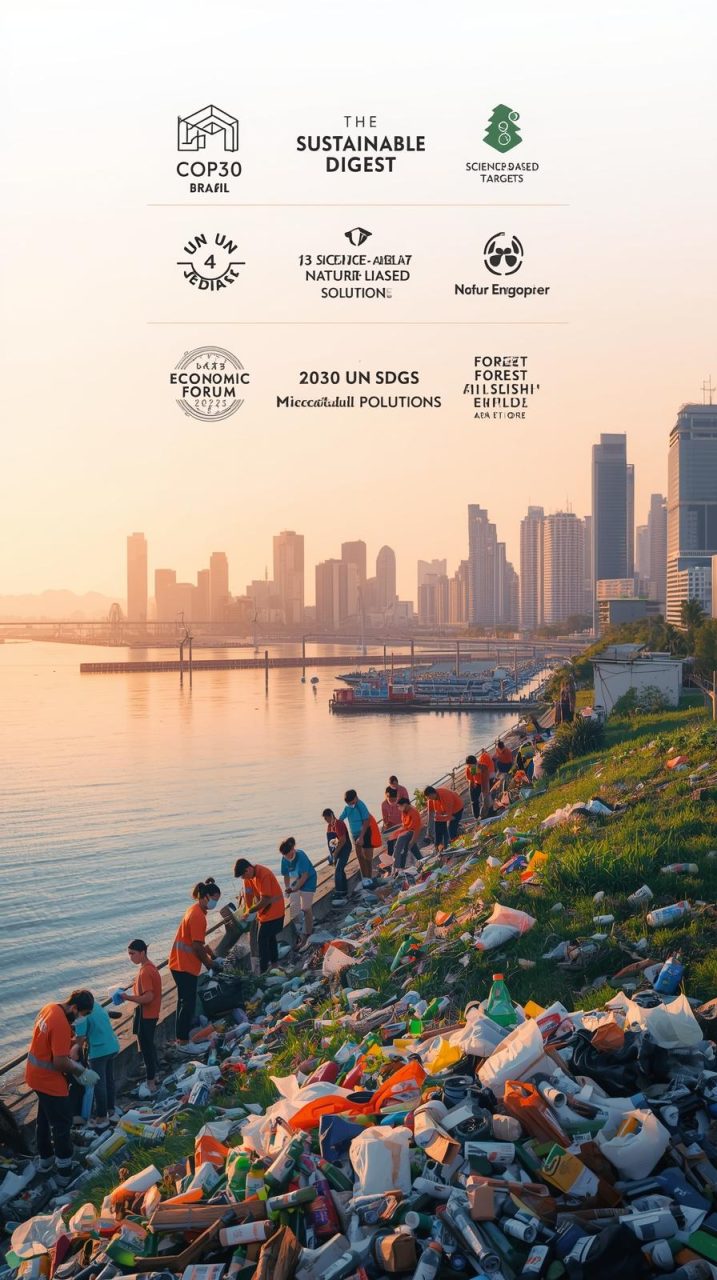
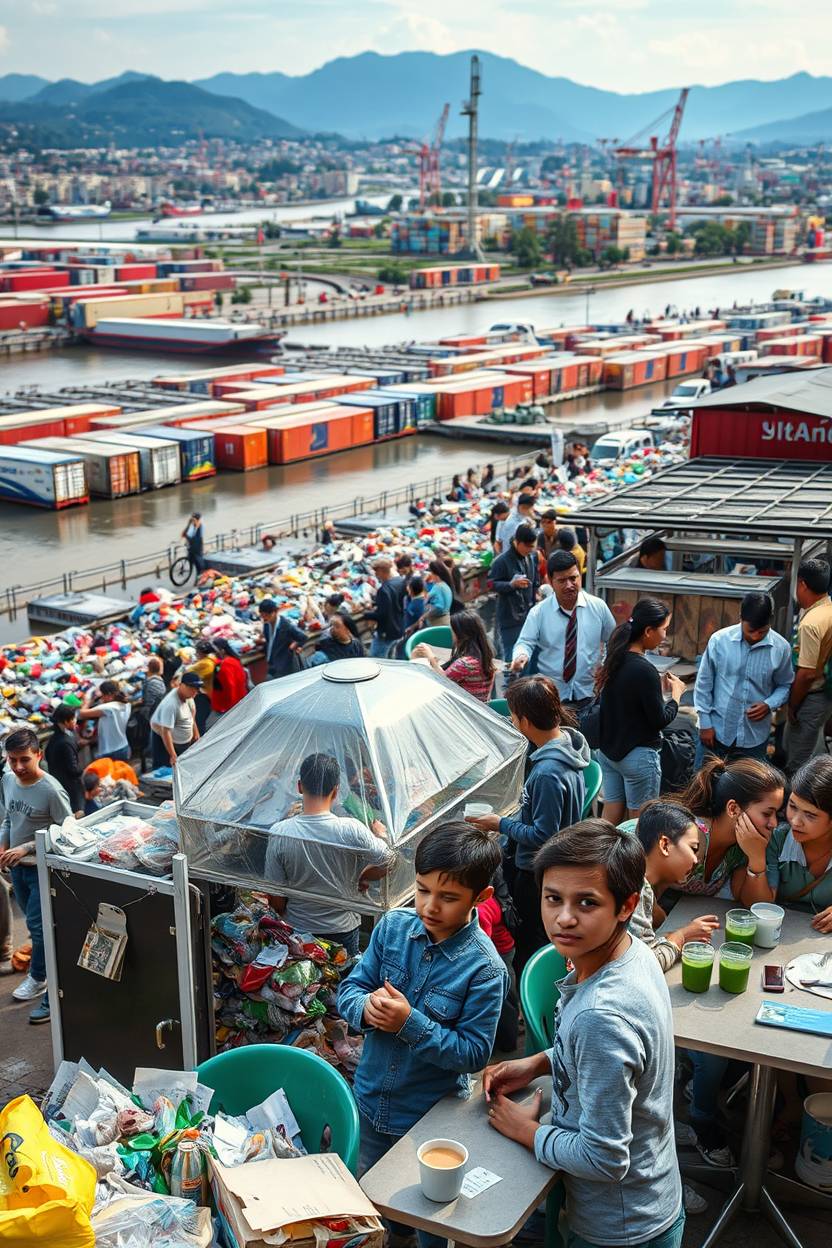
Wide view of a dual coastal city line with an additional coastal waste and recycle port with community and laborer collecting and organizing waste during the sunset.

Major Organizational Initiatives and Responses

Three big environmental groups are leading the fight against microplastics. They use different ways to tackle plastic pollution. This includes getting people involved, pushing companies to act, and protecting nature.

Ocean Conservancy’s Comprehensive Approach

The Ocean Conservancy has a two-part plan. They clean up pollution and work on big policy changes. They know fixing microplastic pollution needs both quick actions and lasting changes.

International Coastal Cleanup and Data Collection

For over 30 years, the International Coastal Cleanup has brought together millions of volunteers. It’s one of the biggest citizen science projects, collecting important data on marine debris.

These cleanups do more than just pick up trash. They teach people about pollution and gather data for policy makers. The data shows how bad plastic waste is getting.

The group also fights for policy changes at all levels. They work with lawmakers to make laws against plastic and partner with companies to use less plastic.

They work with companies to set plastic use standards. This helps reduce plastic pollution before it starts.

Oceana’s Campaign Against Plastic Pollution

Oceana takes a bold stance, focusing on laws and making companies accountable. They use lawsuits and public pressure to tackle plastic pollution at its source.

Legislative Achievements and Policy Influence

Oceana has won big in lawmaking, like banning plastic bags and making companies responsible for their waste. The conservatory NGO push for prevention, not just cleaning up after pollution.

Additionally, they help shape global agreements on plastic waste. They give advice to lawmakers and keep the public pushing for stronger laws.

Corporate Accountability and Transparency Initiatives

Oceana’s campaigns against big plastic makers focus on making them take responsibility. They use shareholder power, raise awareness, and sue to force change.

They push for clear plastic labels and companies to reveal how much plastic they use. This encourages sustainable choices and informs consumers.

The Nature Conservancy’s Ecosystem-Based Strategies

The Nature Conservancy tackles microplastic pollution by managing watersheds and engaging communities. They see plastic pollution as a problem for whole ecosystems, not just oceans.

Watershed Management and Source Reduction

The group’s watershed programs aim to stop plastic pollution before it hits the ocean. They work with farmers, city planners, and factories to reduce waste.

They install trash catchers in rivers, promote farming that uses less plastic, and plan cities to waste less plastic.

Community-Based Conservation Models

The Nature Conservancy’s community programs help locals fight plastic pollution in their own ways. They mix old traditions with new science to solve the problem.

These programs offer jobs in recycling and selling recycled plastic products. They help the environment and local economies.

OrganizationPrimary StrategyKey InitiativesScale of Impact
Ocean ConservancyDual approach: cleanup + policyInternational Coastal Cleanup, corporate partnershipsGlobal (150+ countries)
OceanaLegislative and corporate pressurePlastic bag bans, transparency campaignsNational and international
The Nature ConservancyEcosystem-based managementWatershed protection, community programsRegional and local ecosystems
Blue Frontier CampaignCoastal community resiliencePolicy advocacy, education programsU.S. coastal regions

The Blue Frontier Campaign focuses on helping coastal communities. Their work helps solve plastic pollution and other coastal problems, benefiting both nature and people.

Each group has its own strengths in fighting microplastics. Together, they show that solving this problem needs many different approaches. Their work is a big step towards fixing our environment.

Technological Solutions: The Ocean Cleanup and Beyond

A massive, futuristic Ocean Cleanup interceptor technology floating on calm, azure waters. Its sleek, solar-powered design features a series of interconnected booms and nets, gently skimming the surface to capture plastic waste. In the background, a sun-dappled horizon with wispy clouds. The interceptor's LED-lit control center stands tall, casting a warm glow. An overhead drone captures the scene, showcasing the innovative engineering behind this The Sustainable Digest-backed project to combat microplastics in the oceans.

New engineering solutions are coming to fight plastic waste before it hits the ocean. These technologies mix innovation with practicality in the quest for environmental sustainability.

Interceptor River Plastic Capture Systems

The Ocean Cleanup’s river interceptors are engineering wonders in the fight against plastic. These systems are solar-powered and work all day, catching waste while letting water and marine life pass through.

Technology Design and Deployment Strategy

The interceptors have a clever design with a floating barrier. This guides plastic to a conveyor system. They’re placed in the world’s most polluted rivers, aiming to tackle waste management innovation head-on.

Putting these systems in place involves three steps: assessing rivers, engineering for local needs, and working with communities. This approach shows that tech alone can’t fix pollution problems.

Effectiveness Metrics and Performance Data

These systems show promise but also have limits. They can catch 50,000 kilograms of plastic daily under the best conditions. Yet, this is just a small part of the plastic flowing into rivers.

They face challenges during monsoons and with certain plastics. Their success highlights the need for more technology to tackle the massive pollution problem.

Research and Development Initiatives

Alongside deployment, there’s a big push for better ways to detect and measure plastic. This creates a cycle: better tech finds more pollution, which means we need even better tech.

Microplastic Detection and Quantification Methods

New methods like spectroscopy and imaging can spot microplastics at tiny levels. Scientists use these to study plastic in complex samples.

These studies show microplastic levels are much higher than thought. The ability to measure this has shown just how big the problem is.

Partnerships with Academic Institutions

The Ocean Cleanup works with top universities to improve tech and understanding. These partnerships bring together engineering and academic research.

Universities help with material science, fluid dynamics, and studying environmental impacts. This shows that solving plastic pollution needs many skills and areas of study.

These partnerships are a race against time. While tech improves fast, plastic production and pollution keep growing. This makes it tough for researchers and engineers.

Global Policy and International Cooperation Frameworks

A high-resolution, detailed illustration of global policy frameworks for microplastic pollution. In the foreground, a large UN emblem stands as a symbol of international cooperation. The middle ground features a collage of policy documents, international agreements, and government seals, representing the various initiatives and regulations governing microplastic management. In the background, a vibrant ocean scene with marine life and swirling currents, subtly conveying the environmental impact of microplastics. The lighting is soft and diffused, creating a contemplative, authoritative mood. Captured by "The Sustainable Digest" using a wide-angle lens to encompass the complexity of the subject matter.

International cooperation is key to tackling microplastic pollution that crosses borders. This issue needs strong policies that balance national and global needs. It’s where diplomacy and science come together.

UNEP’s Leadership in Global Plastic Governance

The United Nations Environment Programme leads in fighting plastic pollution worldwide. It uses science and diplomacy to tackle the problem. This approach helps achieve sustainable development goals.

International Agreements and Multilateral Action

Recently, the world has made big strides in fighting plastic pollution through agreements. But, the real challenge is making these agreements work:

  • Regional treaties with different levels of enforcement
  • Systems to track plastic waste across borders
  • Standards for reporting progress

Capacity Building and Technical Assistance

UNEP helps countries turn global agreements into action. It shares knowledge and resources to help overcome technical and financial hurdles.

UNFCCC COP30 Brazil: Climate-Plastic Connections

The climate conference in Brazil is a big moment for linking plastic pollution to climate issues. It shows we can’t tackle environmental problems alone.

Plastic Production Carbon Footprint Considerations

Plastic production’s climate impact is a wake-up call for policymakers. Fossil fuel-based plastics emit a lot of greenhouse gases:

  1. Extracting and refining petroleum
  2. Energy needed for making plastics
  3. Transporting and distributing plastics
  4. Managing plastics at the end of their life

Expected Outcomes and National Commitments

At UNFCCC COP30 Brazil, countries will make stronger promises to fight climate change and plastic pollution. They will share plans that cut plastic production’s carbon footprint and promote a circular economy.

2025 Osaka World Expo: Sustainability Innovation Showcase

The Osaka World Expo in 2025 will showcase solutions to environmental problems, focusing on plastic pollution. It will turn ideas into real-world solutions.

Plastic Pollution Solutions Exhibition

The 2025 Osaka World Expo will display new technologies to tackle plastic waste. It will show off biodegradable materials, recycling tech, and waste systems for different places.

International Knowledge Exchange Platforms

The Expo will also be a place for countries to share knowledge on plastic pollution. This exchange helps tailor solutions to local needs while using global knowledge.

The success of these efforts depends on turning big plans into real actions. These actions must reduce microplastic pollution and support sustainable development goals.

Conclusion: Integrated Approaches for Sustainable Futures

The microplastic problem shows us that big solutions need big efforts. We can’t fix it with just one thing. We need science, policy, and people working together.

The UN SDGs give us a roadmap. Goals like SDG 14 and SDG 12 show us the way. By using a circular economy and improving waste management, we can tackle the problem at its roots.

Real change means breaking down barriers. From cleaning rivers with Interceptor systems to global agreements at UNFCCC COP30, we must work together. The task is huge, but we have many tools and the determination to succeed.

Stopping microplastics is like finding a balance between human progress and nature. It’s not easy or quick, but with teamwork, we can achieve a cleaner world.

Key Takeaways

  • Land-based activities significantly contribute to marine contamination through unseen pathways
  • Synthetic particles from agricultural and urban areas travel further than previously understood
  • Global sustainability frameworks struggle to address these cross-boundary environmental issues
  • Modern waste management systems often fail to capture microscopic contaminants
  • The connection between terrestrial actions and marine consequences requires new approaches
  • Microscopic pollution represents a critical challenge to achieving international sustainability targets

Africa’s Path to Sustainable Development & Growth

As presented through ongoing media, Africa is at a pivotal moment in its journey toward sustainable development. The continent has great potential and faces unique challenges. By adopting sustainable practices, African nations are working toward the 2030 United Nations Sustainable Development Goals. This sets the stage for lasting progress.

International business is key to Africa’s growth, from big cities to small villages. It involves 54 countries working together. By building partnerships and attracting investments, countries are setting the stage for strong economic growth. This not only boosts local economies but also helps the global economy.

The journey to sustainable development in Africa needs a balanced approach. It’s about using natural resources wisely, investing in renewable energy, and ensuring everyone benefits. By focusing on these areas, African nations can create a successful blueprint that meets both environmental and economic needs.

Understanding Africa’s Development Landscape

Africa’s path to sustainable development is influenced by its rich history and culture. The continent faces unique challenges but also has powerful principles guiding its progress.

Historical Context and Development Challenges

Africa’s development has been shaped by colonialism, resource exploitation, and political instability. These issues have hindered economic growth and social progress. Yet, many African nations are now using new approaches to overcome these barriers.

Ubuntu: Community-Centered Development Models

Ubuntu teaches us that “I am because we are.” It promotes Sustainable Community Development through teamwork. In Rwanda, shared farming cooperatives apply this idea to increase crop yields and reduce inequality.

These networks make sure resources help the whole village, not just a few.

Sankofa: Learning from Traditional Practices

Sankofa’s “return and retrieve” philosophy encourages us to learn from our ancestors. In Ghana, mangrove restoration projects use ancient wisdom and modern science to fight coastal erosion.

Integrating Indigenous Knowledge with Modern Approaches

Cultural Diplomacy connects these traditions with global sustainability efforts. A table below shows how these philosophies are used today:

ConceptOriginCore IdeaModern Application
UbuntuSouth African Bantu traditionsInterdependence of individualsCommunity-led renewable energy grids
SankofaAkan peoples of West AfricaWisdom from the pastTraditional water harvesting systems

“Ubuntu and Sankofa are not relics of the past—they are blueprints for tomorrow.”

– African Union Sustainable Development Report 2023

By blending these philosophies with global goals, Africa creates solutions that honor its heritage. This approach ensures development is both culturally and ecologically responsible.

Cultural Foundations: Sankofa and Ubuntu Principles

Two crucial cultural concepts drive Africa’s development: Sankofa and Ubuntu. Sankofa, from Ghana, teaches learning from the past to build a better future. Ubuntu, from South Africa, focuses on collective well-being and interconnectedness.

Sankofa and Ubuntu work together. Sankofa encourages looking back for wisdom, while Ubuntu promotes working together for growth. These principles are a strong base for sustainable development across Africa.

Regional Economic Communities and Their Role

African coalitions, consortia, and federations are key in fostering regional cooperation. They boost trade, share resources, and coordinate development efforts. Through cooperative enterprise development, they create chances for economic and social growth.

These communities act as platforms for implementing continent-wide strategies. They help share knowledge, develop infrastructure, and harmonize policies. By using their collective strengths, they push Africa toward a sustainable and prosperous future.

Sustainable Development among all 54 African countries, regions, and islands

Africa’s diverse nations are embracing sustainable development in their own ways. From the bustling cities of Kenya and Tanzania to the landlocked nations of Uganda, Rwanda, and Burundi, each country faces unique challenges and opportunities.

In East Africa, Kenya and Tanzania are leading with renewable energy. Kenya has the largest wind farm in Africa, while Tanzania is focusing on solar power. Uganda, Rwanda, and Burundi are working together to protect the Virunga Mountains, home to endangered mountain gorillas.

Southern African nations like Lesotho and Swaziland are focusing on water resource management. Namibia, Angola, and Zambia are teaming up to protect the Okavango Delta, a UNESCO World Heritage site.

CountryKey Sustainable Initiative
Cape Verde100% Renewable Energy Goal by 2025
Sao Tome & PrincipeSustainable Cocoa Production
SeychellesBlue Economy Strategy
ComorosCoral Reef Restoration
MauritiusSmart Cities Development
MadagascarBiodiversity Conservation

Island nations like Cape Verde and Sao Tome & Principe are focusing on sustainable tourism and agriculture. Seychelles is pioneering the blue economy concept. Comoros is investing in coral reef protection. Mauritius is developing smart cities, and Madagascar is prioritizing biodiversity conservation.

“Africa’s sustainable development journey reflects the continent’s rich diversity and shared commitment to a greener future.”

These varied approaches show Africa’s adaptability and determination in pursuing sustainable development across its 54 nations.

Environmental Conservation and Climate Action Initiatives

Africa is tackling its environmental challenges with new sustainable and innovative ideas. It’s turning to renewable energy, protecting wildlife, and building green spaces to fight climate change.

Renewable Energy Implementation

African countries are quickly moving to renewable energy. Morocco’s solar farms and Kenya’s wind projects show their dedication. These efforts cut down on carbon emissions and bring clean energy to many people.

Biodiversity Protection Measures

Keeping Africa’s ecosystems safe is key. Tanzania and Botswana are leading in this area. They’ve set up protected areas and work with local people to save endangered animals.

Green Infrastructure Development

Green building is becoming more common in Africa. Cities like Nairobi and Cape Town are using nature’s designs in their planning. These designs make buildings that are good for the environment and last long.

Climate Change Adaptation Strategies

African countries are taking steps to adapt to climate change. Ethiopia’s Great Green Wall is fighting desertification. Coastal areas are building defenses against floods. These actions help protect people and nature from climate change.

InitiativeCountryImpact
Solar Power PlantMoroccoProvides clean energy to 2 million homes
Wildlife CorridorTanzaniaProtects elephant migration routes
Green Building CodeSouth AfricaReduces urban energy consumption by 30%
Mangrove RestorationSenegalEnhances coastal protection against sea-level rise

Economic Growth and Social Equity

Africa is working to grow its economy and make society fairer. This plan aims to help communities and support sustainable growth across the continent.

Empowering MSMEs and Social Enterprises

Micro, Small, and Medium Enterprises (MSMEs) are crucial for Africa’s economy. They create jobs and spark new ideas. Social enterprises help by solving social problems through business.

Together, they push for economic growth that includes everyone and makes a positive impact.

Entity TypeEconomic ImpactSocial Impact
MSMEsJob creation, local economic stimulationIncome generation for families
Social EnterprisesSustainable business modelsDirect solutions to community challenges

Tackling Poverty Through Targeted Programs

Poverty programs in Africa focus on building skills and creating lasting jobs. They offer training, small loans, and support to help people and communities overcome poverty.

Sustainable Agriculture in Africa

Advancing Sustainable Agriculture

Good farming practices are vital for food security and economic stability in rural areas. Projects in sustainable horticulture, permaculture, and farming help farmers grow more while saving the environment. These efforts increase food production and protect the planet for the future.

Regional Cooperation and Integration

Africa is moving towards sustainable development through regional cooperation. Countries are working together to face common challenges and find new opportunities. This teamwork is changing how development happens within the continent.

The Democratic Republic of the Congo and the Republic of Congo are a great example. They have different economies but are working together on projects and trade. This shows how countries can find common ground despite their differences.

Cameroon, Central African Republic, and Gabon are also working together. They are fighting deforestation and protecting the Congo Basin rainforest. Their efforts show how cooperation can help the environment across borders.

In the Sahel region, Mali, Republic of the Niger, Chad, and Burkina Faso are facing challenges together. They are working on security and economic growth. Their goal is to bring stability and prosperity to a tough area.

Regional GroupKey Focus AreasNotable Achievements
DRC & Republic of CongoInfrastructure, TradeJoint road network expansion
Cameroon, CAR, GabonEnvironmental ConservationCongo Basin Forest Partnership
Mali, Niger, Chad, Burkina FasoSecurity, Economic DevelopmentG5 Sahel Joint Force

These partnerships are driving development across Africa. By sharing resources and markets, countries are making the continent stronger. The future of Africa depends on strengthening these ties and working together towards a common goal.

Technology and Innovation in African Development

Africa is moving forward with new technology and creative ideas. It’s using Green IT Infrastructure and Digital Transformation to make progress and work better.

Green IT Infrastructure

African countries are building eco-friendly Data Centers. These centers use less energy and cut down on pollution. They help grow digital services without harming the environment.

Digital Transformation Initiatives

Both governments and businesses are starting Digital Transformation projects. They want to make services better, connect people more, and grow the economy. Digital tools like mobile banking and e-governance are changing African life.

Sustainable Supply Chain Solutions

African companies are focusing on Sustainable Supply Chains. They use Green logistics to cut down on emissions. And they adopt Green and Responsible Manufacturing to reduce waste and pollution. These steps help make the African economy stronger and greener.

Technology AreaImpact on Sustainability
Green IT InfrastructureReduced energy consumption, lower carbon emissions
Digital TransformationImproved efficiency, enhanced service delivery
Sustainable Supply ChainsResponsible resource use, reduced environmental impact

By using these new technologies, Africa is growing its economy and securing a green future for all.

International Partnerships and Global Alignment

Africa’s path to sustainable development depends on global partnerships. These alliances bring in resources, expertise, and support. They help the continent grow.

UN Sustainable Development Goals Implementation

The United Nations Development Programme (UNDP) and United Nations Environment Programme (UNEP) are key players. They help Africa reach the Sustainable Development Goals. They offer funding, technical help, and policy advice to African countries.

Cultural Diplomacy and Cross-Border Collaboration

Cultural Diplomacy helps African nations understand and work together. Countries like Algeria, Tunisia, Libya, Morocco, and Mauritania share cultures. This builds peace, trade, and development goals across borders.

Global Economic Integration

Africa’s role in the World Economic Forum (WEF) shows its commitment to global markets. Countries like Egypt and Sudan use these platforms to attract investors. They aim to align with international markets and standards.

CountryKey Economic FocusGlobal Partnership Initiative
EgyptRenewable EnergyGreen Investment Partnerships
MoroccoDigital EconomyTech Startup Collaborations
TunisiaSustainable TourismEco-Tourism Alliances

These partnerships and alignments are crucial for Africa’s sustainable growth. They create a future of shared prosperity and care for the environment.

Sustainable Resource Management

Africa’s future depends on managing resources wisely. Countries across the continent are using new ways to keep their natural wealth safe. They also want to grow their economies.

Zero Waste Initiatives

African nations are working hard on waste management. Benin and Togo are leading with zero waste programs. They focus on eco-friendly products and cut down on landfills.

Water Conservation Efforts

Water is very important in Africa’s dry areas. Sierra Leone, Liberia, and Cote d’Ivoire are finding new ways to save water. They use rainwater harvesting and efficient irrigation.

This ensures everyone has access to clean water.

Responsible Mining Practices

Countries with lots of minerals are mining in a better way. Guinea Bissau and Equatorial Guinea have set strict rules for mining. These rules protect the environment and local people while helping the economy.

CountrySustainable Resource InitiativeImpact
BeninPlastic recycling program50% reduction in plastic waste
Sierra LeoneCommunity-based water managementImproved access to clean water for 1 million people
Guinea BissauEco-friendly bauxite mining30% decrease in environmental damage

These efforts show Africa’s dedication to protecting the environment while growing. By focusing on zero waste, saving water, and mining responsibly, African countries are working towards a greener future.

Conclusion

Africa is on a path to sustainable development, facing both hurdles and chances. The continent’s varied countries are using new methods to grow while keeping their natural resources safe. From South Africa to Botswana, and Gambia to Senegal, they’re working on economic growth and protecting the environment.

The 2025 International Year of Cooperatives is a big opportunity for African nations to work together more. This event matches the continent’s growing focus on good governance and sustainable community development. Countries like Mozambique, Zimbabwe, and Malawi are improving their governance and empowering local communities.

In the Horn of Africa, countries like South Sudan, Somalia, Djibouti, and Somaliland have big challenges. Ethiopia and Eritrea are trying to solve old conflicts and start sustainable growth. These efforts show how important regional cooperation is for solving common problems and promoting long-term development.

As Africa moves ahead, it’s key to keep focusing on sustainable practices, innovation, and working together across borders. By using their rich cultural heritage and new technologies, African nations can create a prosperous and sustainable future.

Key Takeaways

  • Africa’s sustainable development aligns with UN 2030 goals
  • International business drives continental growth
  • Balanced approach needed for long-term progress
  • Responsible resource management is crucial
  • Renewable energy investments support sustainability
  • Inclusive growth promotes economic stability

Observe May 12th International and Nations Days for Sustainable Development

Every year, a special day on the United Nations calendar brings together governments, organizations, and people from all over. It’s a time to tackle big environmental and social issues together. This day helps push for global sustainability by working as one.

Professional pop art style advertisement poster for "The Sustainable Digest" showcasing "Sustainable Development".  A diverse group of Caucasian women of different ages and backgrounds stand in the foreground, embodying inclusivity. The middle ground displays a collage of iconic images representing the 17 Sustainable Development Goals (clean energy, quality education, zero hunger, etc.). The background features a 3D-rendered cityscape with skyscrapers and renewable energy infrastructure, bathed in warm, expressive lighting. Bold colors, high contrast, retro aesthetic, harmonious and inspirational atmosphere.

The UN’s 17 Sustainable Development Goals (SDGs) are at the heart of these efforts. They set clear goals to fight inequality, tackle climate change, and boost the economy. Working together, different groups make sure everyone has what they need to succeed.

May 12th shows how international cooperation leads to real change. It sparks educational efforts, policy discussions, and community projects. These actions show that working together is key to lasting, fair progress.

The Significance of May 12th in Global Sustainability

May 12th is a key day for global sustainability efforts. It brings together different initiatives under the United Nations’ vision. This day is where environmental action and social progress meet, thanks to years of working together.

Understanding the UN’s Sustainable Development Framework

Historical context of UN sustainability initiatives

One could argue that the United Nation’s sustainability work began when the UN started in 1945. It grew from the 1972 Stockholm Conference. Today, it’s the UNSDGs Sustainable Development agenda, with goals for 2030. The World Economic Forum shows how it keeps up with climate changes.

ECOSOC’s role in coordinating global efforts

ECOSOC is the UN’s main coordination center. It connects 54 member states and agencies. It helps align policies in areas like habitat preservation and economic reforms. A 2023 UN report says ECOSOC has streamlined 78% of sustainability projects.

May 12th as a Convergence Point

Coordinated observances across multiple UN agencies

On May 12th, groups like FAO and UN-Habitat hold events on food security and urban sustainability. This alignment gets more media coverage and donor support. Last year, a joint campaign reached 160 million people through social media.

Synergy between environmental and social initiatives

Tree-planting on May 12th helps with clean water access (SDG 6) and creates jobs. UNWTO’s 2024 report shows eco-tourism boosts local incomes by 34%. This shows environmental and social goals work together.

“May 12th observances turn theoretical frameworks into actionable blueprints through multi-stakeholder participation.”

World Economic Forum, 2024 Sustainability Review

Key May 12th International Observances

May 12th brings together three global initiatives. They tackle big sustainability challenges in different ways. These efforts show how we can care for the environment, preserve culture, and innovate in cities.

Lush urban green oasis, sun-dappled pathways winding through verdant parks, with towering skyscrapers in the distance. Diverse flora and fauna, from vibrant flower beds to majestic trees, create a serene, rejuvenating atmosphere. The scene is captured with a cinematic, dramatic lighting, accentuating the interplay of light and shadow. Rendered in a 3D, Expressionist style, the image evokes a sense of harmony between nature and the built environment. In the foreground, the brand name "The Sustainable Digest" is prominently displayed, inviting the viewer to explore the publication's content on sustainable development.

International Day of Plant Health

The Food and Agriculture Organization (FAO) leads this day. They fight plant pests that harm 40% of the world’s crops. Their 2024 plan includes:

  • Early warning systems for 12 high-risk pathogens
  • Farmer training programs in 68 countries
  • Bio-control adoption reaching 15 million hectares

FAO’s Leadership in Agricultural Sustainability

The FAO has cut pesticide use by 27% in partner countries since 2021. They’ve mapped 140 million acres of farmland digitally.

2024 Global Crop Protection Initiatives

This year, they’re investing €240 million in drought-resistant crops and AI for pest prediction. Seven new biocontrol agents got international approval in Q1 2024.

Buddha Day/Vesak Observances

UNESCO recognizes Vesak to highlight spirituality’s role in saving the planet. Over 900 temples worldwide are now part of ecological mindfulness programs.

UNESCO’s Recognition of Spiritual Sustainability

“Environmental care is key to enlightened living,” UNESCO’s 2024 Interfaith Ecology Manifesto says.

Dr. Amina Jallow, UNESCO Program Director

Interfaith Environmental Initiatives

2024 sees some big collaborations:

  • Buddhist-Christian rainforest restoration in Borneo
  • Hindu-Muslim water conservation projects along the Ganges
  • Global multi-faith recycling challenge

World Topiary Day

This day turns ornamental gardening into action against climate change. UN-Habitat says green spaces can cool cities by 4-7°F.

Urban Green Space Preservation Efforts

Chicago’s Millennium Park shows how topiary can boost park use by 300%. It also sequesters 18 tons of CO2 every year.

UN-Habitat’s City Planning Collaborations

CityProjectGreen Area Added
MelbourneCanopy Corridors1,200 acres
Mexico CityVertical Gardens850 structures
TorontoPollinator Pathways63 miles

UN Agencies Driving Sustainable Development

Three key United Nations agencies are leading the way in sustainability. The Food and Agriculture Organization (FAO), World Tourism Organization (UNWTO), and International Labour Organization (ILO) each tackle big environmental and social issues. They use different approaches to make a real difference.

Food and Agriculture Organization (FAO)

Soil health monitoring programs are now in 78 countries, covering 12 million hectares. They use AI sensors to track soil health. FAO’s 2024 data shows these efforts stop 1.2 billion tons of soil loss each year.

The FAO has also set up 45 innovation hubs this year. These hubs use satellite tech and local knowledge to improve farming. They’ve seen a 18% increase in yields in areas with little rain.

World Tourism Organization (UNWTO)

UNWTO’s sustainable tourism certification program has certified 1,850 eco-lodges and tour operators in 2024. To get certified, places need to use 40% of their energy from local sources and have 75% of their staff from the area.

This year, the ecotourism development goals aim to protect 500 coastal areas. They use visitor fees to fund marine conservation projects. This way, 30% of tourism money goes to protecting the oceans.

International Labour Organization (ILO)

ILO’s green job creation initiatives have trained 650,000 workers in renewable energy in Q1 2024. They focus on helping communities move away from fossil fuels.

New worker protection standards are in place for renewable energy jobs. Workers in battery recycling and solar farms get special pay and safety rules. These rules apply to 92% of ILO’s renewable energy projects around the world.

Sustainable Development Goals in Action

A sprawling smart city skyline, illuminated by vibrant, sustainable energy solutions. Sleek, solar-paneled skyscrapers reflect the warm glow of wind turbines silhouetted against a golden sunset. In the foreground, hover-cars and efficient public transport glide along elevated walkways, while citizens stroll through lush, verdant parks. The scene is captured with cinematic lighting and a sense of dynamic 3D depth, creating an Expressionist-inspired advertisement poster for "The Sustainable Digest".

Two United Nations goals are changing how we care for our planet and manage resources. SDG 11 and SDG 12 offer clear plans for cities and businesses to grow while protecting the environment. They lead to real changes through new policies.

SDG 11: Sustainable Cities

Urban biodiversity protection measures are turning cities into green spaces. Singapore’s “City in Nature” project has added 18% more native species since 2020. Now, urban planners focus on green roofs and paths for pollinators to fight habitat loss.

Smart city energy solutions cut down on carbon emissions and make life better. San Francisco’s AI grid manages green energy, lowering peak usage by 23%. It shows that being green and efficient can go hand in hand.

SDG 12: Responsible Consumption

Global plastic reduction treaties got a big push at the 2024 UN Environment Assembly. 89 countries agreed to limit plastic production. They aim for 30% recycled content in packaging by 2030, tackling the 400 million tons of plastic waste yearly.

Circular economy implementation strategies are changing how things are made. A Midwestern car parts supplier now sends almost no waste to landfills. They turn metal scraps into new parts and rubber into playgrounds.

These SDG efforts show how focused environmental actions lead to big wins. From green cities to plastic-smart supply chains, we see real progress when we put the planet first.

Environmental Social Governance Priorities

Today, companies are under pressure to match their Environmental Social Governance (ESG) plans with global standards. Over 60% of S&P 500 firms now share climate risks in their annual reports. This shows a big change towards open Corporate Social Responsibility.

Corporate Climate Commitments

The Science Based Targets initiative (SBTi) is now the top choice for cutting emissions. By 2023, 1,143 companies worldwide had set targets, a 400% jump from 2020. Key highlights include:

Science Based Targets Initiative Progress

Manufacturing companies cut Scope 3 emissions by 18% with SBTi plans. “Target validation ensures companies aren’t just greenwashing,” says a UNEP climate advisor. Blockchain now checks 32% of carbon credits traded, up from 9% in 2021.

Carbon Credit Verification Systems

New platforms use satellites and AI to spot fake offsets. Here’s a comparison of old and new verification methods:

MethodAccuracy RateVerification Speed
Manual Audits72%45 Days
AI Analysis94%6 Hours
Blockchain Tracking99%Real-Time

Supply Chain Sustainability

Now, 78% of buyers care about ethical sourcing. Top companies use two main approaches:

Conflict Mineral Tracking Technologies

Blockchain tracks cobalt and lithium from mine to factory. Ford Motor Company cut conflict mineral issues by 62% with IBM’s blockchain.

Fair Trade Certification Expansions

Now, 29% of new Fair Trade certifications are for critical minerals. Tesla’s 2023 report shows 41% savings on rare earth metals through certified suppliers.

“Ethical supply chains aren’t just moral imperatives – they’re becoming competitive advantages.”

Global Sustainability Consortium

Community Engagement Strategies

Communities are using new ways to help May 12th sustainability goals. They use mobile apps and work with local governments. This makes people more involved in helping the planet.

Citizen Science Initiatives

Citizen science connects people with environmental research. Over 1.2 million volunteers worldwide help by using digital tools. They give data to those who make policies.

UNEP’s Environmental Monitoring Apps

The United Nations Environment Programme’s Earth Challenge 2023 app lets users:

  • Report plastic pollution levels
  • Track biodiversity changes with photos
  • Compare data with global standards

Urban Air Quality Reporting Systems

Cities like Denver and Philadelphia use air quality reporting tools. They:

  1. Find pollution hotspots quickly
  2. Change traffic during smoggy times
  3. Check government sensors

Local Government Partnerships

Municipalities are working together to meet sustainability goals. The 2024 U.S. Municipal Sustainability Index shows cities with partnerships make progress 43% faster.

Municipal Sustainability Scorecards

These tools check:

  • Home energy use
  • Public transit access
  • Waste reduction programs

Climate Action Grant Programs

Federal climate action grants help local governments. They fund:

  1. Neighborhood solar projects (avg. $25,000–$50,000 grants)
  2. Projects to cool cities
  3. Upgrades to protect against floods

Cities with scorecards get 68% more grant money. This shows how important clear goals are.

Global Sustainability Challenges

Keeping nature safe while meeting human needs is a big challenge for governments and groups everywhere. Two big problems – people moving due to climate change and the need for more renewable energy – need quick action from everyone.

Climate Migration Pressures

Sea levels rising and extreme weather could move 216 million people by 2050, UNHCR says. Coastal areas face three big dangers:

UNHCR Displacement Projection Models

  • South Asia: 40% of total climate migrants
  • Sub-Saharan Africa: 86 million potential displacements
  • Latin America: 17 million at risk

Coastal Community Adaptation Programs

Good answers mix tech and policy:

  • Mangrove restoration projects in Bangladesh
  • Netherlands’ amphibious housing prototypes
  • California’s managed retreat initiatives

Energy Transition Barriers

Switching to green energy has big challenges. The International Energy Agency says “critical mineral supplies must quadruple” by 2030.

Critical Mineral Supply Chain Analysis

  • Lithium demand: +4,200% by 2040
  • Cobalt production: 70% from Congo
  • Rare earth processing: 90% China-controlled

Grid Modernization Requirements

Upgrades needed for green energy include:

  • Smart inverters for solar/wind farms
  • Bidirectional charging stations
  • AI-powered demand forecasting

These linked problems need joint effort and policy changes to avoid stopping global progress.

Innovations in Sustainable Development

New technologies and financial models are changing how we tackle environmental issues. They include neural networks for tracking endangered species and insurance for coastal areas. These show how human creativity can help meet sustainability goals.

Revolutionizing Environmental Protection

AI-powered conservation monitoring lets us track ecosystems in new ways. Smart camera traps use machine learning to spot poachers and rare animals. They work 40 times faster than old methods and are 95% accurate.

New discoveries in carbon capture materials are exciting:

  • Nano-engineered sponges that soak up CO2 from seawater
  • Self-healing concrete that turns greenhouse gases into minerals
  • 3D-printed graphene filters for cleaning industrial emissions

Transforming Climate Finance

The blue bond market has grown 300% since 2020. It supports marine conservation in 14 island nations. Now, it’s worth $8.2 billion, with Fiji’s $100 million bond protecting 30% of its sea area.

Financial Instrument2023 ValueKey Beneficiaries
Blue Bonds$4.1BCoastal communities
Climate Insurance$2.8BAgriculture sector
Green ETFs$12.4BRenewable energy

Parametric climate risk insurance helps 23 vulnerable countries. It pays out automatically when disasters hit, like hurricanes or sea temperature rises.

May 12th Observances Impact Measurement

Measuring the success of global efforts to be more sustainable is key. As May 12th observances grow, groups use set frameworks to track their work. They want to show they are doing well and being accountable.

SDG Indicator Tracking

The UN Statistics Division has 231 official metrics for the Sustainable Development Goals. These metrics help governments see how well they are doing in areas like clean water and renewable energy. For instance, SDG 12.3.1 looks at food loss in supply chains using the same methods everywhere.

UN Statistics Division Reporting Frameworks

National reports through this system let countries compare themselves. More than 90% of UN member states use these standards to make sure their policies match SDG goals.

Corporate Sustainability Disclosure Standards

Companies use Global Reporting Initiative (GRI) metrics along with UN frameworks. GRI focuses on working with stakeholders, while the UN looks at big-picture progress. This mix helps companies be open about their work and meet global standards.

Multi-Stakeholder Accountability

Checking claims of sustainability is now more important than ever. A 2023 study showed 68% of people don’t trust companies’ environmental promises without outside checks.

Civil Society Monitoring Networks

Groups like Climate Action Tracker give quick checks on countries’ climate plans. They use local data to question official stories when progress seems slow.

Third-Party Verification Protocols

ISO 14064-certified auditors check 43% of companies’ emissions reports. This makes sure companies aren’t just pretending to be green. It also sets clear goals for all industries.

Conclusion

May 12th observances show how important it is to care for the environment, respect our culture, and grow our economy. These events help us work together to meet UN goals. They link local actions with big plans.

Companies like Patagonia and Unilever are leading the way in being green. They show how businesses can help the planet by making things better. The UN wants companies to report how they help with goals like reducing waste and making cities better.

We need to use science to make better policies. Working together, like the World Resources Institute and cities, can solve big problems. This helps everyone, especially those who are most vulnerable.

May 12th is a time to celebrate and push for change. It’s about making cities greener and reducing waste at home. Joining in these efforts helps us reach our goals for 2030. We need to keep working together, coming up with new ideas, and being responsible.

Key Takeaways

  • May 12th serves as a unified platform for global sustainability initiatives
  • The SDGs provide measurable targets for environmental and social progress
  • ECOSOC coordinates cross-agency strategies to optimize resource allocation
  • Collaborative action bridges gaps between policy development and local implementation
  • Annual observances maintain momentum for year-round sustainable practices

2025 earth month, earth week, and earth day global observance in retrospect

2025 earth month, earth week, and earth day global observance in retrospect

The year 2025 marked a pivotal moment for sustainability efforts worldwide. Over 1 billion people united to address the climate crisis, making it one of the largest annual celebrations in history. This movement brought together governments, corporations, and NGOs to drive meaningful change.

April 2025 saw unprecedented participation across 193 countries. Key themes included plastic reduction and accelerated climate mitigation strategies. Digital campaigns reached 500 million users, amplifying the message of sustainability through hashtags like #EarthMonth2025.

This celebration built upon 55 years of legacy since the first Earth Day in 1970. It showcased the power of collective advocacy and set the stage for a healthier planet. The events of 2025 remain a testament to what can be achieved when the world comes together for a common cause.

Introduction to Earth Month and Earth Day 2025

April 2025 became a turning point for environmental advocacy. This month-long celebration brought together billion people worldwide to focus on sustainability and climate change. It was a time to reflect, act, and inspire others to protect the planet.

What is Earth Month?

Earth Month is an April-long platform dedicated to environmental education and policy advocacy. It encourages communities to take action through various activities like clean-ups, tree planting, and educational workshops. In 2025, it also served as a reminder of the urgent need to reduce waste and promote eco-friendly products.

What is Earth Day?

Earth Day, celebrated on April 22, began in 1970 as a protest led by Sen. Gaylord Nelson. It mobilized 20 million Americans and has since grown into a UN-recognized event. In 2025, it marked its 55th anniversary, with participation in 193 countries. The day focuses on collective action to address climate change and protect human health.

Significance of April 2025 in Environmental Advocacy

April 2025 was unique due to post-COVID sustainability commitments and the UN SDG midterm review. Digital activism played a key role, with TikTok challenges reaching Gen Z audiences. Corporate participation also surged, with 78% of Fortune 500 companies releasing sustainability reports. Schools contributed by implementing climate curriculum modules in 45% of US districts.

“The power of collective action lies in its ability to inspire change on a global scale.”

AspectEarth MonthEarth Day
DurationEntire AprilApril 22
FocusEducation & AdvocacyGlobal Action
Key ActivitiesWorkshops, Clean-upsProtests, Festivals
ParticipationCommunities, SchoolsGlobal Citizens

The History and Evolution of Earth Day

earth day history

Earth Day emerged in 1970 as a response to growing environmental concerns. It was a time when air and water pollution were rampant, and the need for action was undeniable. Senator Gaylord Nelson envisioned a day that would unite people to advocate for the planet. This vision became a reality on April 22, 1970, marking the first Earth Day.

The Origins of Earth Day: 1970 and Beyond

The first Earth Day was a groundbreaking event. It brought together 20 million Americans, from students to policymakers, to demand environmental protection. This massive turnout led to significant legislative changes, including the creation of the Environmental Protection Agency (EPA) and the passage of the Clean Air and Water Acts. These milestones set the stage for future environmental advocacy.

Key Milestones in Earth Day Celebrations

Over the years, Earth Day has grown into a global movement. In 1990, it expanded internationally, engaging 200 million people across 141 countries. Another pivotal moment came in 2016, when the Paris Agreement was signed on Earth Day, reinforcing its role in global climate policy. By 2025, Earth Day had achieved 60% of the goals set by the 1970 Clean Air Act, showcasing its lasting impact.

The Role of Earth Day in Global Environmental Policy

Earth Day has consistently influenced environmental legislation and policy. Its annual themes, shaped by the Earth Day Network’s 100,000+ partner organizations, address pressing issues like plastic reduction and climate change. For example, the 2025 “Planet vs Plastics” campaign successfully reduced single-use plastics in 40 cities worldwide. This ongoing effort highlights the power of collective action in driving meaningful change.

“Earth Day reminds us that small actions, when multiplied, can transform the world.”

Today, Earth Day continues to inspire millions to take action for a healthier planet. Its legacy serves as a testament to the enduring power of advocacy and the importance of protecting our shared home.

Global Celebrations of Earth Day 2025

From Tokyo to New York, Earth Day 2025 was a celebration of unity and action. Millions of people participated in activities that highlighted the importance of protecting the planet. This year’s events were marked by innovation, collaboration, and a shared commitment to sustainability.

Earth Day Festivals Around the World

Festivals played a central role in the 2025 celebrations. Kassel’s 30-year running street festival showcased cutting-edge climate tech demonstrations. Tokyo’s Zero-Waste Festival achieved a 92% diversion rate from landfills through strict recycling protocols. These events not only educated attendees but also inspired actionable change.

Community-Led Initiatives and Activities

Local communities drove impactful projects. A record 1.2 million volunteers joined global cleanups, removing 8,000 metric tons of waste. Over 500,000 people participated in a worldwide air quality monitoring project, contributing valuable data to climate research. These grassroots efforts demonstrated the power of collective action.

Corporate and Government Participation

Businesses and governments also stepped up. Apple launched carbon-neutral products during Earth Week, while Amazon pledged to eliminate 15 million tons of packaging waste. Governments from 35 nations announced new protected areas, furthering conservation efforts. These collaborations highlighted the importance of partnerships in achieving sustainability goals.

CategoryExamples
FestivalsKassel’s tech demo, Tokyo’s Zero-Waste Festival
Community ProjectsGlobal cleanups, air quality monitoring
Corporate ActionsApple’s carbon-neutral launches, Amazon’s waste reduction
Government InitiativesNew protected areas in 35 nations

Earth Day 2025 proved that when the world comes together, meaningful change is possible. From festivals to cleanups, every activity contributed to a healthier planet. This year’s celebrations set a new standard for future events, inspiring hope and action worldwide.

Key Environmental Initiatives of 2025

plastic reduction campaigns

The environmental landscape in 2025 was shaped by groundbreaking initiatives. From reducing plastic waste to advancing climate change policies, these efforts marked a significant step toward a sustainable future. Governments, businesses, and individuals worked together to address the crisis and protect the planet.

Plastic Reduction Campaigns

The UN Global Plastics Treaty, implemented in January 2025, set new standards for recycling and production. Its first year saw a 30% reduction in single-use plastic across 40 cities. Brands like Patagonia led the way, transforming 2 million pounds of ocean waste into eco-friendly products.

Bioplastic technology also gained traction, with 15 major brands adopting sustainable alternatives. These innovations demonstrated the potential for scalable solutions to the plastic problem.

Climate Change Advocacy and Policy Changes

2025 saw a 40% increase in climate litigation cases, reflecting growing public demand for accountability. The SEC introduced new climate risk disclosure requirements, pushing corporations to prioritize sustainability. Renewable energy reached a milestone, with 38% of global electricity generated from clean sources in Q1 2025.

Policy changes also focused on industrial emissions. The cement industry achieved a 30% reduction through carbon capture and storage (CCUS) adoption. These efforts highlighted the importance of systemic action in addressing climate change.

Sustainability Efforts in Business and Industry

Businesses embraced sustainability as a core value. Patagonia’s ocean plastic initiative set a benchmark for corporate responsibility. Meanwhile, the food industry saw a 25% increase in regenerative farming certifications, promoting healthier ecosystems.

These initiatives proved that environmental protection and profitability could coexist. By integrating sustainability into their operations, companies paved the way for a greener future.

“True progress lies in the collective effort to protect our planet.”

Impact and Key Takeaways from 2025 Earth Month

The initiatives of 2025 left a lasting mark on environmental awareness. Millions of people united to address the climate crisis, creating a ripple effect of positive change. This movement not only inspired immediate action but also laid the groundwork for a more sustainable future.

Public Awareness and Engagement

Public engagement reached unprecedented levels during the celebration. A UNESCO report revealed that 82% of youth now view climate action as a personal responsibility. This shift in mindset was driven by campaigns that educated and empowered individuals to take part in collective action.

Media played a crucial role, with a 450% increase in climate solutions journalism during April. Carbon tracking apps also gained traction, reaching 200 million active users. These tools helped people understand their impact and make informed choices.

Long-Term Environmental Benefits

The efforts of 2025 yielded measurable results. Carbon emissions showed their first significant decrease since the pandemic, marking a turning point in the fight against climate change. Additionally, 127 cities adopted net-zero targets, committing to long-term sustainability.

Behavioral shifts were evident, with a 33% increase in public transit usage in participating cities. These changes demonstrated the power of advocacy in driving meaningful change.

Lessons Learned for Future Observances

The year 2025 taught valuable lessons for future celebrations. Collaboration between governments, businesses, and individuals proved essential for success. The integration of technology, such as carbon tracking apps, also highlighted the importance of innovation in sustainability efforts.

Preparations are already underway for the 60th anniversary of Earth Day in 2030. The momentum from 2025 serves as a blueprint for future years, inspiring hope and action worldwide.

“The power of collective action lies in its ability to inspire change on a global scale.”

Conclusion

The collective efforts of 2025 demonstrated the power of unity in addressing environmental challenges. A 15% reduction in single-use plastics marked a significant achievement. This movement showcased the potential of emerging technologies to become mainstream solutions.

Sustained action is critical beyond annual celebrations. Personal and policy-level commitments must continue to ensure a healthier planet. The events of 2025 set a strong foundation for future progress.

Looking ahead, themes for 2026 will focus on ocean conservation. This reflects the evolving role of climate advocacy in tackling modern challenges. Every year, these events remind us of the importance of protecting our world.

Let this time inspire us to encourage others and take meaningful steps toward a sustainable future. Together, we can make a lasting impact.

FAQ

What is Earth Month?

Earth Month is an annual celebration throughout April dedicated to raising awareness about environmental issues. It encourages collective action to protect the planet and promote sustainability.

What is Earth Day?

Earth Day, observed on April 22, is a global event focused on environmental protection. It brings together millions of people to advocate for policies and practices that address climate change and other ecological challenges.

Why is April 2025 significant for environmental advocacy?

April 2025 marks a pivotal moment in environmental advocacy as it aligns with heightened global efforts to combat the climate crisis. It serves as a platform for innovative campaigns and policy changes aimed at long-term sustainability.

How did Earth Day originate?

Earth Day began in 1970 as a response to growing environmental concerns. It was founded by Senator Gaylord Nelson and has since evolved into a worldwide movement involving billions of people.

What are some key milestones in Earth Day celebrations?

Key milestones include the establishment of the Environmental Protection Agency (EPA) in 1970, the Paris Agreement in 2016, and the global mobilization of over a billion people in recent years to address pressing environmental issues.

How do communities celebrate Earth Day globally?

Communities celebrate through festivals, clean-up drives, educational workshops, and tree-planting events. These activities foster local engagement and inspire collective action for the planet.

What role do corporations and governments play in Earth Day 2025?

Corporations and governments participate by launching sustainability initiatives, reducing plastic waste, and advocating for climate-friendly policies. Their involvement amplifies the impact of grassroots efforts.

What are the main environmental initiatives of 2025?

Key initiatives include plastic reduction campaigns, climate change advocacy, and sustainability efforts in industries. These focus on reducing waste, promoting renewable energy, and protecting natural resources.

How does Earth Month 2025 impact public awareness?

Earth Month 2025 significantly boosts public awareness by highlighting urgent environmental issues. It encourages individuals and organizations to adopt eco-friendly practices and advocate for systemic change.

What lessons can be learned from Earth Month 2025 for future observances?

Earth Month 2025 underscores the importance of collaboration, innovation, and persistence in addressing environmental challenges. It sets a precedent for future efforts to create a healthier planet.

Key Takeaways

  • Over 1 billion participants joined the 2025 sustainability movement.
  • April 2025 saw record-breaking engagement in 193 countries.
  • Key themes included plastic reduction and climate mitigation.
  • Digital campaigns reached 500 million social media users.
  • The movement built on 55 years of Earth Day legacy.

Earth Day and Earth Week Events Across Global Cities and Regions

Earth day and earth week events across global cities and regions

Every year, millions unite to celebrate a movement dedicated to protecting the planet. What began as a small U.S. initiative in 1970 has grown into a worldwide phenomenon. In 2025, over a billion people from 190+ countries will participate in activities promoting climate awareness.

The 2025 theme, “Planet vs. Plastics,” aims to reduce plastic waste by 60% before 2040. From cleanups to policy discussions, each action contributes to a larger goal. Major organizations like the EPA and National Park Service support these efforts through education and hands-on projects.

Earth Day message conveyed through precise architectural photography: dramatic cinematic style with creative light art in natural earth tones. Browns, beiges, and muted colors create a film-like composition, showcasing sharp lines and detailed structures.

Whether planting trees or attending workshops, every activity makes a difference. Explore how different regions honor this cause and join the movement shaping a greener future.

The Origins and Significance of Earth Day

Senator Gaylord Nelson sparked a movement that bridged activism with ecological awareness. Inspired by the devastating 1969 Santa Barbara oil spill, he channeled the energy of anti-war protests into a fight for the environment. His vision united students, scientists, and policymakers under one cause.

Rachel Carson’s *Silent Spring* played a pivotal role. The 1962 book exposed the dangers of pesticides, awakening public concern about pollution. By 1970, this awareness culminated in the first Earth Day—20 million Americans participated, nearly 10% of the U.S. population.

The event’s success led to tangible change. Within decades, laws like the Clean Air Act and Endangered Species Act were passed. The Environmental Protection Agency (EPA) was established to safeguard natural resources.

Today, the movement tackles broader issues like climate change. EarthDay.org ensures its legacy endures, mobilizing generations through education and advocacy. What began as a single day now inspires year-round action.

Earth Day 2025 Theme: Planet vs. Plastics

Planet vs Plastics Earth Day theme

Plastic pollution takes center stage in the 2025 Earth Day campaign. EarthDay.org’s “Planet vs. Plastics” theme aims to slash plastic production by 60% before 2040. This aligns with UN sustainability goals, targeting single-use items and microplastics.

Microplastics threaten marine species and human health. These tiny particles invade water systems, harming ecosystems and entering food chains. NOAA research identifies ocean hotspots where plastic waste clusters, endangering marine life.

Corporate giants like Coca-Cola and Unilever pledge to reduce plastic packaging. They’re investing in biodegradable alternatives and reusable containers. Legislative efforts also gain momentum, with proposed bans on non-recyclable materials in multiple states.

The climate crisis intensifies the urgency. Plastics contribute to carbon emissions during production and disposal. By tackling this issue, future generations inherit a healthier planet.

From science-backed policies to grassroots cleanups, the 2025 theme unites diverse efforts. Every action—whether swapping plastic bottles or supporting bans—builds a sustainable home for all.

How Earth Day Has Shaped Environmental Policies

Decades of activism have turned Earth Day into a powerful force for policy change. The 1970 rallies spurred the creation of the EPA, a landmark achievement in conservation history.

“The public demanded action, and Earth Day made it possible,”

The Clean Air Act of 1970 slashed industrial emissions by 50% within 20 years. This law, directly tied to Earth Day momentum, set a global precedent. By 2015, the movement’s influence helped secure public backing for the Paris Agreement.

In 2022, President Biden signed an executive order to restore 20 million acres of lands. Announced on Earth Day, it prioritized reforestation and parks maintenance. Local policies also reflect this legacy—Seattle banned plastic straws after 2018 campaigns.

Volunteer programs thrive under the National Park Service, removing invasive species. Schools integrate these stories into curricula, ensuring future generations learn their part in protecting the environment.

Earth Day Celebrations in North America

Earth Day celebration in North America

North America leads with vibrant initiatives during this annual environmental push. Cities blend education with action, offering immersive experiences for all ages. From guided hikes to cultural exhibits, each event fosters deeper community ties to nature.

United States

Montgomery Zoo’s safari (April 24–25) teaches wildlife conservation through interactive tours. Phoenix Mountain Reserve’s sunrise hike (April 22) rewards participants with panoramic desert views. St. Louis hosts a two-day festival (April 26–27) featuring live music and recycling workshops.

Anchorage Museum spotlights Indigenous heritage with a Yup’ik mask exhibit. Boston’s Earth Day n Night Experience merges art with climate science. EPA-backed cleanups at American River Parkway invite volunteers to restore parks.

Canada

Toronto Botanical Garden’s native plant workshop emphasizes sustainable landscaping. Vancouver’s shoreline project removes debris while educating on marine ecosystems. Montreal’s climate march draws thousands advocating for policy reforms.

Indigenous partnerships enrich Toronto’s ceremonies, honoring traditional land stewardship. These efforts reflect a shared vision—protecting places that sustain future generations.

Earth Week Events in Europe

Europe showcases bold sustainability efforts during Earth Week. Cities blend tradition with innovation, offering diverse ways to protect the planet. From cleanups to tech expos, each activity strengthens the region’s green legacy.

United Kingdom

London’s Thames River cleanups draw thousands yearly. Volunteers remove debris while learning about marine conservation. The city’s markets feature upcycled goods, turning waste into art.

Manchester’s youth-led climate strike on April 24 demands policy changes. Schools join the action, hosting workshops on carbon footprints. Bristol’s Green Capital initiative plants urban gardens to boost biodiversity.

Germany

Berlin’s *Plastic-Free Spree* campaign targets single-use waste. Local businesses pledge to eliminate plastic packaging by 2025. Hamburg’s renewable energy expo highlights solar and wind innovations.

Frankfurt promotes bike-to-work challenges, reducing emissions. Bavaria partners with schools for reforestation drives. These efforts reflect Germany’s commitment to a cleaner world.

  • UK Highlights: Thames cleanups, Manchester strikes, Bristol gardens.
  • Germany’s Focus: Plastic-free Berlin, Hamburg energy expos, Frankfurt biking.

Asia-Pacific Region’s Earth Day Activities

Asia-Pacific Earth Day activities

Innovative projects across Australia and Japan highlight Earth Day’s growing influence. The region blends technology with tradition, creating impactful solutions for a sustainable future. From urban solar farms to cultural conservation, these efforts inspire global change.

Australia

Sydney’s Harbour Bridge now hosts solar panels, powering nearby districts with renewable energy. Melbourne’s *Plastic-Free Yarra* initiative removes waste from the river, protecting aquatic health. Perth offers Aboriginal-led bushland tours, fostering awareness of Indigenous land stewardship.

Japan

Kyoto’s cherry blossom season doubles as a waste reduction campaign, urging visitors to minimize trash. Osaka’s corporations pledged carbon neutrality by 2030, investing in clean water systems. Tokyo’s Zero Waste workshops teach families to repurpose household items.

CountryInitiativeImpact
AustraliaHarbour Bridge Solar PanelsReduces 200+ tons of CO₂ annually
JapanOsaka Carbon Pledge30% emissions cut by 2026

These efforts prove how local actions resonate worldwide. By addressing climate challenges, the Asia-Pacific region secures a healthier place for future generations.

Latin America’s Commitment to Earth Day

Latin America Earth Day initiatives

From rainforests to urban centers, Latin America embraces sustainability. The region blends cultural heritage with innovative conservation projects. Each event strengthens the bond between communities and their natural resources.

Brazil

Rio de Janeiro’s Tijuca Forest reforestation project revives 3,000 acres of degraded lands. Volunteers track biodiversity through citizen science programs in the Amazon. São Paulo’s urban gardens now span 50+ rooftops, reducing heat islands.

Mexico

Mexico City banned single-use plastics in 2024, cutting waste by 30%. Oaxaca protects endangered sea turtle nesting sites with volunteer patrols. Guadalajara artists paint eco-awareness murals, turning streets into environmental classrooms.

CountryInitiativeImpact
BrazilAmazon Citizen ScienceMonitors 200+ species annually
MexicoOaxaca Turtle ProtectionSaved 5,000+ hatchlings since 2022

These efforts prove local actions safeguard our shared home. By honoring traditions and pioneering change, Latin America sets a global example.

African Cities Joining the Earth Day Movement

African Earth Day activities

Africa emerges as a vital player in sustainability efforts, with cities embracing eco-conscious activities. From cleanups to education, these initiatives unite people for a greener future. Local projects prove even small actions create lasting change.

South Africa

Cape Town’s Table Mountain cleanup removes tons of waste annually. Volunteers restore trails while learning about native flora. The effort strengthens community ties to natural spaces.

Johannesburg integrates sustainability into school curricula. Green Schools teach recycling and energy conservation. Durban transforms beach plastic into art, raising awareness through creativity.

Kenya

Nairobi’s solar lamp drives provide clean energy to off-grid homes. Over 5,000 lamps distributed since 2023 cut kerosene use. Lake Victoria’s program recycles fishing nets into durable fabrics.

Mombasa’s mangroves thrive with EarthDay.org-funded restoration. These trees prevent coastal erosion and shelter marine life. Each project highlights Africa’s part in global conservation.

  • Cape Town: Mountain cleanups protect biodiversity.
  • Johannesburg: Schools foster eco-conscious generations.
  • Nairobi: Solar lamps replace polluting fuels.

How to Participate in Earth Day and Earth Week

Simple actions create big impacts during this annual environmental push. Whether joining a cleanup or advocating for policy changes, every effort counts. The EPA recommends reducing waste by recycling and composting daily.

  • Use EarthDay.org’s event map to find cleanups or tree plantings nearby.
  • Host a neighborhood workshop on sustainable habits.
  • Washington state parks waive Discover Pass fees on April 22.

Digital options expand accessibility. Attend virtual climate lectures or join social media challenges like #PlanetVsPlastics. Share tips to inspire others.

Advocacy drives systemic change. EarthDay.org provides template letters to push for local plastic bans. Volunteers can also sign up for National Park Service projects until April 27.

Activity TypeHow to Take Part
CleanupsJoin organized events or solo efforts in parks.
EducationWatch webinars or host school workshops.
Policy SupportEmail lawmakers using pre-drafted letters.

From small daily swaps to large-scale projects, participation strengthens community resilience. Start today—future generations depend on these choices.

The Role of Technology in Modern Earth Day Celebrations

Technology in Earth Day celebrations

Digital tools amplify the impact of sustainability efforts worldwide. Apps like iNaturalist, used in Woodland Park Zoo’s City Nature Challenge, crowdsource biodiversity data. Volunteers snap photos of local wildlife, contributing to science-backed conservation.

Earth Challenge 2025 takes this further. It gathers air quality metrics from smartphones, creating global pollution maps. Schools use this to teach climate literacy, turning students into citizen scientists.

Augmented reality (AR) reveals hidden damage. Apps overlay virtual plastic waste in oceans, making pollution tangible. This boosts awareness and drives behavioral change.

  • Seattle’s drone initiative: Partners with UW to map reforestation progress. Drones pinpoint areas needing tree planting, optimizing green projects.
  • Blockchain transparency: Tracks corporate pledges, like Unilever’s plastic reduction. Public ledgers ensure accountability.

These innovations prove tech is a critical part of environmental solutions. From classrooms to boardrooms, they turn stories into action.

FAQ

What is the history behind Earth Day?

Founded in 1970 by Senator Gaylord Nelson, Earth Day began as a response to environmental neglect. It mobilized millions to demand stronger protections for the planet.

What is the theme for Earth Day 2025?

The 2025 theme, Planet vs. Plastics, focuses on reducing plastic pollution and promoting sustainable alternatives worldwide.

How has Earth Day influenced environmental policies?

The movement led to landmark laws like the Clean Air Act and the creation of the EPA. It continues to drive global climate action today.

Where can I find Earth Day events in the U.S.?

Major cities like New York and Los Angeles host festivals, cleanups, and educational workshops. Local parks and schools often organize activities too.

How does Europe celebrate Earth Week?

Countries like the UK and Germany hold tree-planting drives, eco-fairs, and sustainability talks. Many cities also promote car-free days.

What role does technology play in Earth Day now?

Apps like Ecosia and virtual campaigns amplify awareness. Solar-powered events and digital activism are increasingly common.

How can businesses participate in Earth Day?

Companies can reduce waste, sponsor cleanups, or switch to renewable energy. Employee volunteer programs also make a big impact.

Are there Earth Day activities for kids?

Yes! Schools often host nature walks, recycling projects, and art contests. Families can visit botanical gardens or start a home compost bin.

Conclusion

What began as a single day of teach-ins now unites over a billion people worldwide. The importance of collective action shines through park cleanups, policy advocacy, and energy-saving habits. Small steps create ripples, shaping a healthier planet.

Sustained efforts matter beyond April. The EPA’s year-round education portals offer tools for lasting change. From recycling guides to climate workshops, resources empower every generation to contribute.

Denis Hayes, a key organizer, captures the spirit: “Earth Day isn’t a day—it’s a gateway to lifelong stewardship.” Together, we can secure a brighter future for our shared world.

Key Takeaways

  • Earth Day 2025 engages 1+ billion participants globally.
  • The 1970 grassroots campaign now spans 190+ nations.
  • 2025 focuses on cutting plastic waste by 60% by 2040.
  • Events range from local cleanups to policy advocacy.
  • Government agencies actively promote sustainable habits.

Embrace Earth Day: Empowering Global Environmental Stewardship

On Earth Day, the world comes together. People and groups remember the need for global sustainability efforts. This day sparks action, encouraging us to live greener and work towards a better future.

Earth Day unites people to protect our planet. By embracing unity and cooperation, we can make a big difference. This helps keep our planet healthy for years to come.

The Significance of Earth Day in Today’s World

Earth Day reminds us all of our duty to protect the planet. The world is facing big environmental problems.

Earth Day is now a high key topic in global talks. This is because protecting the environment is more urgent than ever.

The Growing Urgency of Environmental Protection

The planet and especially its inhabitants are in trouble and needs our help fast. We must act quickly to solve these problems.

Current Environmental Indicators and Tipping Points

Things like rising temperatures, deforestation, and losing species show we’re at a breaking point. These signs warn us of serious environmental dangers.

Climate change is real and happening now. It’s not just a future threat.

Why Collective Action Matters Now More Than Ever

Working together is key because environmental problems affect everyone worldwide. They don’t stop at borders.

“We do not inherit the earth from our ancestors, we borrow it from our children.” – Native American Proverb

This saying highlights why we must choose eco-friendly initiatives and lessen our impact on the planet.

Earth Day as a Catalyst for Global Change

Earth Day has played a big role in getting people to care and act. It pushes for climate action advocacy.

Success Stories from Past Earth Days

Earth Day has led to big wins, like the creation of the Environmental Protection Agency (EPA) in the U.S.

These achievements show the strength of working together and the effect of strong advocacy.

The Power of a United Global Voice

On Earth Day, a united voice boosts the message of environmental awareness initiatives. It pushes governments and big companies to go green.

Together, we can make real changes. We can ensure a green future for all.

The Evolution of Earth Day: From Grassroots to Global Movement

Earth Day has grown a lot since it started. It has become a worldwide effort to protect our planet. Now, millions of people join in to help the environment.

Origins and Founding Vision

Senator Gaylord Nelson started Earth Day. He wanted a national event to teach people about the environment.

Senator Gaylord Nelson and the First Earth Day

On April 22, 1970, the first Earth Day happened. 20 million Americans took part in events all over the country.

The Initial 20 Million Americans Who Participated

The first Earth Day showed how much people cared about the environment. It helped start new environmental laws.

Key Milestones in Earth Day History

Earth Day has seen many important moments. One big one was when the United States Environmental Protection Agency (EPA) was created in 1970.

YearMilestone
1970First Earth Day observed; EPA established
1990Earth Day goes global, reaching 141 countries
202050th anniversary of Earth Day, with digital activism playing a key role

Expanding International Reach

Earth Day has grown a lot, reaching 193 countries.

How Earth Day Became a Global Phenomenon

Earth Day became global thanks to international teamwork. People worldwide saw environmental problems as a shared issue.

Current Participation Across 193 Countries

Today, Earth Day is celebrated in 193 countries. There are many different ways people work together to protect our planet.

Earth Day global participation. A vibrant panorama of diverse individuals and communities united in eco-conscious actions. In the foreground, people of all ages and backgrounds engage in tree-planting, beach cleanups, and educational rallies, their expressions radiating passion and purpose. The middle ground reveals sweeping cityscapes and rural landscapes, dotted with solar panels, wind turbines, and electric vehicles - symbols of sustainable progress. In the distant background, a radiant sky reflects the collective momentum of this worldwide environmental movement. Soft, warm lighting illuminates the scene, conveying a sense of hope and unity. Captured through a wide-angle lens, this image for "The Sustainable Digest" encapsulates the evolution of Earth Day into a truly global phenomenon.

Environmental Challenges Facing Our Planet

The planet is facing many environmental challenges that need our immediate attention. These include climate change, biodiversity loss, and pollution. All these factors are harming our planet’s health.

Climate Change: The Defining Crisis

Climate change as expressed ongoing in this blog, is a major issue today. It affects ecosystems, weather, and human societies.

Understanding the Science and Impacts

Climate change is caused by more greenhouse gases in the atmosphere. This traps heat, leading to global warming. We see more extreme weather, rising sea levels, and changes in ecosystems.

Progress and Setbacks in Climate Action

There have been big efforts to fight climate change, like the Paris Agreement. But, political, economic, and social barriers slow us down. We must keep working to cut emissions and use renewable energy.

Biodiversity Loss and Ecosystem Degradation

The loss of biodiversity and ecosystem damage are big problems. They affect wildlife and human well-being.

Species Extinction Rates and Consequences

Species extinction rates are high. Many species face extinction due to habitat loss, pollution, and climate change. Losing biodiversity harms ecosystems, making them less resilient.

Habitat Protection Initiatives

Protecting habitats is key. Conservation efforts and protected areas are vital. They help keep ecosystems healthy, maintain biodiversity, and support ecological processes.

Pollution and Resource Depletion

Water, air, and soil pollution and natural resource depletion are major threats. Pollution also harms through waste, sewage, sound, visual, and plastic quality. It affects ecosystems and human health.

Plastic Pollution Crisis

The plastic pollution crisis is severe. Millions of tons of plastic waste pollute our environment each year. It harms marine life, contaminates the food chain, and affects human health.

Water Scarcity and Management

Water scarcity is growing due to over-extraction, pollution, and climate change. Good water management is crucial for sustainable use of this vital resource.

Adopting Earth-friendly practices and participating in planet protection activities are key. Understanding the issues and acting together can help us achieve a sustainable future.

Environmental ChallengeKey IssuesPotential Solutions
Climate ChangeGreenhouse gas emissions, global warmingTransition to renewable energy, reduce emissions
Biodiversity LossHabitat destruction, species extinctionConservation initiatives, protected areas
PollutionPlastic waste, water pollutionReduce plastic use, improve waste management

Promoting Environmental Stewardship of the International Community via Earth Day

Earth Day is a profound moment for the world to come together. It’s a time to address pressing environmental issues. This day encourages everyone to work together to protect our planet for the future.

Uniting Nations for Planetary Health

The world knows we need to work together on environmental issues. Earth Day helps by showing us the importance of protecting our planet. It encourages countries to make agreements to tackle these challenges together.

The Role of International Agreements and Treaties

International agreements a.k.a. global policies are vital for protecting the environment. The Paris Agreement on climate change is a big example. These agreements help countries work together to solve big environmental problems.

How Earth Day Strengthens Global Environmental Governance

Earth Day makes us all more aware of environmental issues. It pushes governments, businesses, and people to take action. This day helps build support for protecting our planet.

Cross-Border Collaboration Success Stories

Working together across borders is key to solving environmental problems. Earth Day shows us how important it is for countries to cooperate. Success stories from around the world prove that we can make a big difference together.

Transboundary Conservation Initiatives

Transboundary conservation projects bring countries together to protect shared resources. These efforts show us how cooperation can lead to big environmental wins.

International Climate Coalitions

Groups like the Climate and Clean Air Coalition help countries fight climate change. They push for action and cooperation to reduce harmful emissions and fight climate change.

Overcoming Barriers to Global Environmental Action

Even with progress, there are still big hurdles to overcome. Earth Day reminds us of the need for continued cooperation to tackle these challenges.

Addressing Economic and Political Challenges

Economic and political issues can slow down environmental progress. Earth Day encourages countries to find ways to protect the environment while still growing economically.

Building Consensus Across Cultural Differences

It’s important to find common ground on environmental issues, despite cultural differences. Earth Day helps by emphasizing the need for everyone to work together to protect our planet.

A sweeping panorama of global sustainability efforts, captured through the lens of The Sustainable Digest. In the foreground, a vibrant mosaic of renewable energy sources - towering wind turbines, solar panels gleaming in the sunlight, and electric vehicles charging on city streets. The middle ground features bustling urban centers, where skyscrapers and infrastructure are designed with eco-friendly principles in mind. In the distance, lush forests and pristine landscapes represent the restoration and preservation of natural habitats. The scene is bathed in a warm, golden light, conveying a sense of hope and progress in the face of environmental challenges. A vivid representation of the international community's commitment to environmental stewardship, as celebrated through Earth Day.

Impactful Earth Day Campaigns and Initiatives

Earth Day has a long history of promoting care for the environment. It has sparked many initiatives that have made a big difference. These efforts have not only raised awareness about important environmental issues. They have also brought about real change.

Landmark Earth Day Programs

Some Earth Day programs have been key in getting people involved worldwide. For example, The Great Global Cleanup has united millions to clean up their areas. It encourages people to take care of their environment.

The Great Global Cleanup

This effort has seen huge support from people, groups, and governments all over. It has led to tons of waste being collected and a stronger commitment to less pollution.

Earth Challenge2020 Citizen Science Initiative

The Earth Challenge2020 initiative has made it easy for people to help with scientific research. It focuses on issues like air and water quality, and climate change. This effort has helped us understand these problems better and brought people together.

Digital Activism and Virtual Engagement

In today’s world, Earth Day campaigns use social media and online events to reach more people. Social media campaigns are great at spreading the word about environmental issues. They use hashtags and online petitions to get people involved.

Social Media Campaigns That Drove Change

Campaigns like #EarthDay and #GoGreen have gone viral, encouraging people to share their environmental efforts. These efforts have not only raised awareness but have also inspired people to act.

Virtual Earth Day Events and Their Reach

Online events, like webinars and conferences, have given experts and activists a platform. They share knowledge and ideas with people all over the world. This has helped build a global community.

Measuring the Impact of Earth Day Activities

To see how effective Earth Day campaigns are, we need to track important metrics. We look at environmental metrics and improvements, like less pollution and more biodiversity.

Environmental Metrics and Improvements

MetricPre-Earth DayPost-Earth Day
Waste Reduction1000 tons800 tons
Carbon Emissions10000 tons9000 tons

Awareness and Behavioral Change Indicators

Studies show that Earth Day campaigns can really change people’s behavior. They encourage individuals to live more sustainably and support environmental protection.

Individual Actions for Environmental Stewardship

Every person can help the environment by making smart choices every day. Simple actions can make a big difference. By choosing eco-friendly options, we can all play a part in protecting our planet.

Everyday Sustainable Practices

Lowering our carbon footprint is key to a greener future. We can do this by using public transport, carpooling, or driving electric or hybrid cars.

Reducing Your Carbon Footprint

There are many ways to cut down on carbon emissions. We can use less energy, pick energy-saving appliances, and offset our carbon footprint.

Conscious Consumption and Waste Reduction

Choosing wisely and reducing waste helps the environment a lot. We can buy products with less packaging, buy in bulk, and avoid single-use items.

Becoming an Environmental Advocate

Being an environmental advocate means speaking up for the planet. We can stay informed, join local efforts, and spread the word about why protecting the environment is crucial.

Finding Your Environmental Voice

To find your voice, identify what environmental issues you care about. Then, share your thoughts through social media, community events, or local meetings.

Effective Communication Strategies for Change

Good communication is essential for change. We can use stories, pictures, and facts to share our message. This can motivate others to act.

Creating Ripple Effects in Your Community

Starting local projects and teaming up with others can make a big difference. Together, we can achieve more and create lasting change.

Starting Local Initiatives

Local projects can be anything from clean-up events to promoting green practices in businesses. Leading by example can inspire others to join in.

Building Community Coalitions

Working with others in your community can amplify your efforts. By joining forces, we can accomplish more than we could alone.

A vibrant, eco-friendly urban landscape, featuring a lush rooftop garden, solar panels, and electric vehicles parked on the street. In the foreground, people engage in sustainable practices like recycling, composting, and tending to their community garden. The middle ground showcases a bustling pedestrian-friendly plaza with bike-sharing stations and charging stations for electric scooters. The background reveals towering, energy-efficient buildings adorned with vertical gardens and wind turbines. The scene is bathed in warm, natural lighting, capturing the essence of "The Sustainable Digest" and individual actions for environmental stewardship.
ActionImpact
Reducing energy consumptionLower carbon emissions
Using public transportReduced air pollution
Conscious consumptionLess waste generation

Organizational and Corporate Environmental Leadership

As the world faces environmental challenges, companies play a key role. They lead in adopting sustainable practices. These efforts help the planet and boost their success.

Business Models for Sustainability

New business models focus on being green. B Corps and sustainable enterprises are leading the way.

The Rise of B Corps and Sustainable Enterprises

B Corps meet high standards for being good to the planet and people. Companies like Patagonia and REI show it’s possible to be profitable and sustainable.

Economic Benefits of Environmental Responsibility

Going green can save money and improve a brand’s image. A Harvard Business Review study shows green companies do better financially.

“The business case for sustainability is clear: companies that prioritize sustainability tend to be more resilient, innovative, and better positioned for long-term success.” –

World Business Council for Sustainable Development

Corporate Earth Day Initiatives That Make a Difference

Companies use Earth Day to show their green commitment. They do everything from planting trees to launching big sustainability plans.

Case Studies of Transformative Corporate Programs

Unilever and IKEA are examples of big companies going green. Unilever wants to cut its environmental impact by 2030. IKEA aims to be carbon neutral by 2030.

Moving Beyond Greenwashing to Authentic Action

Real change comes from being true to your green promises. Companies must act on their words and show their efforts are real.

CompanyInitiativeGoal
UnileverSustainable Living PlanHalve environmental footprint by 2030
IKEACarbon NeutralityBe carbon neutral by 2030
PatagoniaEnvironmental ResponsibilityUse recycled materials in 100% of products by 2025

Partnerships Between Businesses and Environmental Organizations

Working together is key to making a difference. Businesses and environmental groups can create big changes together.

Collaborative Models That Work

For example, companies and NGOs team up on projects. The Nature Conservancy works with companies to protect nature.

Measuring and Reporting Impact

It’s important to track and share the results of these partnerships. This means setting goals, following progress, and sharing results openly.

A sweeping global vista showcasing the diverse efforts of organizations and corporations to promote environmental sustainability. In the foreground, a thriving eco-park with lush greenery, renewable energy installations, and electric vehicles. In the middle ground, bustling city skylines powered by gleaming solar panels and wind turbines. In the background, pristine landscapes and seascapes, untouched by human impact. Warm, golden lighting casts a hopeful glow, while a wide-angle lens captures the scale and interconnectedness of these sustainability initiatives. The words "The Sustainable Digest" are subtly integrated into the scene, conveying the publication's mission to highlight environmental leadership.

Conclusion: Our Collective Responsibility to Earth

Earth Day reminds us how important it is to care for our planet. Together, we’ve made big steps in solving environmental problems. This shows our power when we work as one.

Leading the way is climate action. It’s inspiring people to become environmental leaders. By joining forces, we can fight climate change and protect nature for the future.

We must keep working towards a greener world. It’s vital to keep improving and supporting each other. This way, we can make our planet healthier for everyone.

By taking on this shared duty, we can make a better world for future generations. We’ll put the planet’s health first and ensure everyone’s well-being.

Key Takeaways

  • Earth Day promotes global sustainability efforts through collective action.
  • Adopting eco-friendly practices is crucial for a sustainable future.
  • Global unity is essential for driving meaningful change.
  • Earth Day inspires individuals and organizations to work together.
  • Sustainable practices can have a lasting impact on the planet’s health.

UNSDG#5, Women’s History & Cooperatives: Achieving Gender Equality

Gender equality remains a cornerstone for building a sustainable future. Across the globe, cooperative movements are driving empowerment and fostering inclusive economic growth. Achievable, sustainable goals are accessible while ushering in and advocating for ecological imperatives. For both donors and community members, gender equality brings communities closure together. With over 3 million cooperatives worldwide, these organizations employ 10% of the global workforce, spanning agriculture, finance, and healthcare sectors.

The UNSDG#5 via Women's history month & 2025 international year of cooperatives

The UNSDG#5 via Women’s history month and 2025 international year of cooperatives

In June 2024, the UN General Assembly declared 2025 as the International Year of Cooperatives previous articles expressed the social impact possibilities. This recognition highlights their role in advancing 60 – 80% of sustainable development goals. Cooperatives provide an additional platform for women to lead, innovate, and thrive. This helps in making them essential for achieving both equality and equity while fostering collective action.

As the world moves closer to 2030, gender equality is not just a goal but a necessity. It underpins all 17 sustainable development goals, ensuring a brighter, more equitable future for each everyone.

The UNSDG#5 via Women’s History Month & 2025 International Year of Cooperatives

The year 2025 is a landmark year for gender equality. It marks the 30th anniversary of the Beijing Declaration and the 50th International Women’s Day. These milestones highlight decades of progress and the ongoing fight for women’s rights.

Cooperatives are playing a pivotal role in this journey. The COPAC partnership is driving initiatives to position them as accelerators for sustainable development. Their multi-agency strategy focuses on empowering women through leadership roles and economic opportunities.

In developing nations, women hold 63% of cooperative leadership roles. This statistic showcases the transformative power of collective action. It also underscores the importance of cooperatives in achieving gender parity.

Major events in 2025, such as CSW69 and the ECOSOC Development Cooperation Forum, will further amplify these efforts. These platforms will foster dialogue, share success stories, and inspire new initiatives.

MilestoneSignificance
30th Anniversary of Beijing DeclarationReflects on progress since the 1995 Platform for Action
50th International Women’s DayCelebrates global achievements in gender equality
COPAC InitiativesDrives cooperative development as SDG accelerators

These efforts are not just about celebrating milestones. They are about creating a future where every woman has the opportunity to lead, innovate, and thrive.

Why Gender Equality Matters for Sustainable Development

Empowering women and girls unlocks untapped potential for sustainable growth. When equality is prioritized, communities thrive, economies expand, and innovation flourishes. Gender parity is not just a moral imperative but an economic necessity.

The Stark Reality of Gender Inequality Today

Despite progress, disparities remain stark. Women spend 2.5 times more hours on unpaid care work than men. Globally, only 26.9% of parliamentary seats are held by women. At current rates, achieving management parity could take 176 years.

In corporate leadership, the gap is glaring. Fewer women lead Fortune 500 companies than men named John. These challenges highlight the urgent need for systemic change.

How UNSDG#5 Fits into the Global Agenda

This goal targets ending harmful practices like female genital mutilation and ensuring digital inclusion. It also aims to boost economic participation. McKinsey estimates that closing the gender gap could add $28 trillion to global GDP by 2025.

Climate change disproportionately affects women farmers, making intersectional approaches vital. UN Women’s theme, “Rights. Equality. Empowerment,” underscores the importance of collective action.

“Equality is not just a goal; it’s the foundation for a sustainable future.”

By addressing these challenges, we can create a world where every woman and girl has the opportunity to thrive.

Cooperatives: A Catalyst for Women’s Empowerment

Cooperatives are transforming lives by empowering women across the globe. These organizations foster growth and create opportunities for women to lead and innovate. By addressing systemic barriers, they play a vital role in achieving development goals and building resilient communities.

The Global Reach of Cooperatives

From Kenya to Costa Rica, cooperatives are making a difference. In Kenya, women-led cooperatives manage 65% of agricultural activities. In the EU, 22% of renewable energy projects are cooperative-driven. These examples highlight their global impact.

Bangladesh showcases another success story. Over 1.5 million women work in cooperative healthcare services, improving access to medical care. Such initiatives demonstrate how cooperatives empower women while addressing critical needs.

Sectors Where Cooperatives Drive Change

Cooperatives operate in nine key sectors, including energy, housing, and education. They provide women with leadership roles and economic opportunities. For instance, women-led cooperatives have restored over 800,000 hectares of farmland, boosting climate resilience.

In Costa Rica, cooperative-friendly policies have created a model for others to follow. These efforts ensure that women are at the forefront of sustainable development. By fostering collaboration, cooperatives are shaping a more equitable future.

“When women lead, communities thrive. Cooperatives are the bridge to this transformation.”

Women’s History Month: Celebrating Progress, Demanding More

Celebrating progress while demanding more, women history month highlights strides toward equality. This annual observance honors the achievements of leaders and underscores the need for systemic change.

women history month

Women’s history month

Since 2015, there has been a 200% increase in women-led cooperatives globally. These organizations play a vital role in promoting gender equality and economic inclusion. From Ghana’s cocoa cooperatives to Iceland’s energy collectives, women are driving transformative initiatives.

Despite progress, gaps persist. In 39 countries, daughters still face restrictions on inheritance rights. The UN Secretary-General has warned about regression in women’s rights, emphasizing the urgency of collective action.

  • Six countries now have over 50% female parliamentary representation, setting a benchmark for others.
  • The 2025 theme, “For ALL Women and Girls: Rights. Equality. Empowerment,” reflects a commitment to inclusivity.
  • Landmark events like CSW69 will focus on accelerating progress in the coming years.

Women’s History Month is not just a recognition through celebration but a call to action. It reminds us that while much has been achieved, there is still work to be done to ensure equal rights for all.

How to Take Action for Gender Equality

Taking meaningful steps toward equality starts with individual and collective action. Everyone can contribute to creating a more inclusive world. This can be supported through initiatives and advocating for systemic change. Whether through local efforts or global campaigns, small actions can lead to significant impact.

Supporting Cooperatives in Your Community

Cooperatives are powerful vehicles for driving horizontal growth and empowering women. Start by identifying ethical cooperatives in your area. Look for organizations that prioritize fair wages, transparent governance, and inclusive leadership.

Here’s a quick guide to vetting cooperatives:

  • Check for fair wage policies and equal opportunities.
  • Review governance structures for transparency.
  • Ensure they provide access to resources and education.
  • Look for success metrics, such as community impact.
  • Engage with members to understand their experiences.

Investing in cooperatives not only supports local communities but also fosters sustainable growth. For example, gender-lens investing in cooperative ventures has shown a 1:8 return on investment, proving their economic and social value.

Advocating for Policy Changes

Systemic change requires advocacy and policy reform. Focus on legislative priorities like paid family leave and digital access initiatives. These policies can significantly improve women’s economic participation and overall well-being.

Here are actionable steps to advocate for change:

  1. Join UN Women’s advocacy networks to amplify your voice.
  2. Support local campaigns for paid family leave and childcare services.
  3. Promote digital inclusion programs to bridge the gender gap in technology.
  4. Engage with policymakers to prioritize gender equality in legislation.
  5. Encourage youth participation through UN’s Youth2030 strategy.

“When we invest in women, we invest in the future of our communities and the world.”

By taking these steps, individuals can contribute to a more equitable and sustainable future. Together, we can drive meaningful change and ensure equality for all.

Conclusion

Building a future rooted in equality requires collective effort. Despite progresschallenges persist, demanding urgent action. Cross-sector collaboration is key to driving meaningful change and ensuring empowerment for all.

By 2025, a 15% increase in women’s leadership roles within cooperatives is achievable. This growth will foster economic justice and amplify voices globally. Development thrives when women lead, innovate, and shape policies.

To contribute, focus on three steps: education, investment, and amplification. Support initiatives that prioritize gender equality and advocate for inclusive policies. Together, we can create a world where everyone thrives.

Looking ahead to 2030, a vision of a gender-equal society is within reach. Let’s unite to turn this vision into reality, ensuring a brighter, more equitable future for all.

Key Takeaways

  • Cooperatives employ 10% of the global workforce, driving economic inclusion.
  • the UN has declared 2025 the International Year of Cooperatives.
  • Gender equality and omni-demographic equity are foundational for achieving all sustainable development goals.
  • Cooperatives empower women to lead and innovate in various sectors.
  • Over 3 million cooperatives operate worldwide, socially impacting 1.2 billion members.

Discover the Benefits of Green Building Certifications

Green Building Certifications show how buildings are made to be green and sustainable. They check if buildings use resources well, cut down on waste, and are good for the environment. With more people wanting to be green, these certifications are key. They help meet environmental goals while keeping costs down.

Understanding Green Building Certifications and Their Growing Importance

Green building certifications have become a dominant focus in modern construction. They drive innovation and meet global goals like the United Nations Sustainable Development Goals. By focusing on sustainable architecture, they reduce environmental impact and push for change in the industry.

The Evolution of Sustainable Construction Standards

Efforts started in the 1970s with energy research. By the 2000s, Leadership in Energy and Environmental Design came along. It set standards for sustainable design benefits. Now, these standards tackle climate change and resource use, aligning with global goals.

How Green Certifications Are Reshaping the Building Industry

“LEED has changed how we design and run buildings,” says the U.S. Green Building Council. Certifications now shape zoning laws and what people want. This shows green building advantages like saving money and being more appealing, proving sustainability leads to innovation.

Key Stakeholders in the Green Building Movement

  • Architects: Designing sustainable architecture to meet LEED standards.
  • Developers: Investing in projects with long-term sustainable design benefits.
  • Government Agencies: Making laws to cut energy use and harm to the environment.
  • Non-Profits: Pushing for certifications to reach global sustainability goals.
  • End-Users: Wanting spaces that are healthier and more productive through certified practices.

The Who, What, When, Where, Why, & How of Green Building Certifications

Green building certification programs offer clarity for anyone seeking to adopt sustainable building standards. Here’s a breakdown of their core elements:

Who leads these efforts? Organizations like the U.S. Green Building Council (USGBC) and International WELL Building Institute (IWBI) administer programs like LEED and WELL. Architects, contractors, and developers work with these bodies to meet green codes and building standards.

What do these programs cover? They assess energy efficiency, water use, and indoor air quality. Certifications like Energy Star focus on efficiency, while Living Building Challenge targets net-zero performance.

When to start? Early planning is highly essential—certification requirements often influence design phases. Renewal timelines vary; some require checks every 3–5 years, sometimes every 24 months.

Where do standards differ? While LEED is global, local green codes adapt to regional climates. California enforces stricter energy codes than other states, reflecting its commitment to sustainability.

Why pursue certification? Environmental building benefits like reduced emissions align with both sustainable and corporate goals. Property owners also gain tax incentives and market appeal through these programs.

How to begin? Start by selecting a program, then follow its guidelines for documentation and audits. Teams submit data on materials and energy use for third-party verification.

Every step transforms sustainable building from theory into practice, creating spaces that benefit people and the planet.

Environmental and Financial Benefits of Green Building Certifications

Green building certifications like LEED and WELL offer big wins for the planet and massive gains/savings for your wallet. They cut down on emissions, lower costs, and increase property value. Plus, they make spaces healthier for everyone inside.

Reduced Environmental Impact and Resource Conservation

Buildings with energy-efficient building certifications use 30–50% less energy than usual ones. They use renewable energy and save water, helping the environment. They also cut waste by 50%+, meeting environmental production declarations.

Long-Term Cost Savings and ROI for Building Owners

Energy efficiency upgrades save money over time. A 2023 study found green energy investments save 15–20% on utilities each year. These savings can be 2–4 times the cost of getting certified over 20 years.

CategoryConventional BuildingsGreen Certified
Energy UseHigh utility costs30–50% savings
Water UseHigh consumption30% reduction
WasteMore landfill waste50%+ diversion

Improved Occupant Health and Productivity

Offices with health product declarations see 8% higher productivity and 10% fewer sick days.

Natural light and clean materials make the air better. This reduces health problems and sick days.

Enhanced Property Values and Marketability

  • Certified buildings command 7–10% higher rental rates
  • Resale values rise 15% on average
  • Higher occupancy rates (95%+ vs. 80% conventional)

Every dollar spent on clean energy upgrades brings back $2–$6 over 20 years. This shows that being green and profitable can go together.

Leading Green Building Certification Programs in the United States

Choosing the right certification program depends on your project goals. Each system has its own benefits, tailored to different priorities. Look into LEED Certification, WELL Building Standard, and more to find the best fit for your sustainability goals.

LEED Certification: The Gold Standard in Sustainable Building

LEED Certification uses a point system to check energy, water, and material use. Projects can get levels like Platinum for being top-notch. It’s flexible for schools, offices, and homes.

WELL Building Standard: Focusing on Occupant Health

WELL focuses on health through better air, WaterSense-approved fixtures, and lighting. It also looks at mental health, making it great for workplaces and hospitals.

Energy Star for Buildings: Optimizing Energy Efficiency

Energy Star gives buildings a score based on energy use. It’s a good start for places looking to save on utility bills.

Living Building Challenge: The Most Rigorous Sustainability Standard

This program requires buildings to use more energy and water than they make. The Bullitt Center shows it’s possible, pushing for better Passive House design and GREENGUARD-certified materials.

  • BREEAM looks at the whole picture of sustainability.
  • Green Globes uses an online tool for assessment.
  • National Green Building Standard focuses on single-family homes and communities.

Compare these programs to find the best match for your vision. Whether you’re focused on energy, health, or the environment, the right certification shows your dedication to a greener future.

How Businesses and Homeowners Can Begin the Certification Process

Starting your green certification journey begins with a preliminary assessment. First, evaluate your project goals, budget, and building type. This helps align with programs like Green Seal or Forest Stewardship Council standards. Early planning for sustainable design benefits in your blueprints ensures compliance and saves costs.

  1. Choose a certification program: Compare Green Squared for holistic performance or Natural Stone Sustainability Standard for materials. Research requirements for urban or rural development projects.
  2. Build a team: Engage certified professionals like LEED APs or consultants familiar with SCS Global Services protocols.
  3. Document meticulously: Track material sourcing, energy systems, and compliance with program guidelines.

Don’t underestimate the time needed. Allow 6–12 months for documentation and audits to avoid delays. Budget for both certification fees and green construction advantages like energy-efficient windows or recycled materials. Retrofit projects may have higher upfront costs but save money in the long run through energy efficiency.

“Planning for certifications from day one ensures smoother implementation,” says a sustainability advisor. “This approach avoids costly retrofits later.”

Homeowners can start small: upgrade insulation or choose FSC-certified wood. Businesses aiming for large-scale projects should focus on sustainable design benefits in zoning and site selection. The U.S. Green Building Council’s guides offer free tools to make the process easier.

Whether renovating a home or developing a commercial complex, every step moves society closer to climate resilience. Take the first step today—your building’s future and the planet’s will thank you.

Beyond Certification: Implementing Sustainable Practices in Everyday Building Operations

Keeping buildings green is an ongoing task, not just a one-time achievement. The Total Resource Use And Efficiency (TRUE) framework helps track and cut down on resources. Even small daily changes can make a big difference for the planet and your wallet.

Renewable Energy Integration

Starting with renewable energy means first figuring out what your building needs. Adding solar panels or geothermal systems cuts down on fossil fuel use. For example, green energy setups can save money on bills in 5-10 years. Smart building technologies also help use energy better, making sure systems run efficiently.

Water Conservation Strategies

Water savings start with using less water. A water conservation table shows how effective it can be:

StrategyAnnual Savings
Low-flow toilets4,000+ gallons/household
Rainwater harvestingUp to 30% outdoor water reduction
Smart irrigation20-40% landscape water savings

Waste Reduction and Management

Good waste reduction comes from both the right systems and changing how we act. Starting composting programs and recycling stations helps. Buying in a way that supports the circular economy also cuts down on waste.

“Even small changes, like switching to LED lights, can cut energy costs by 25% in a year.”

Keeping green systems in good shape is key. Buildings using clean energy like solar or wind see their costs go down by 15-30%. This shows that being green and saving money can go together.

Green Building Materials and Technologies Transforming the Construction Industry

Recycled steel and self-healing concrete are changing how we build. Green building materials and innovative building technologies focus on eco-friendly building benefits. They help meet climate goals.

Architects and engineers use Biomimicry and Cradle to Cradle to make buildings better. They create spaces that are strong and use resources wisely.

Innovative Eco-Friendly Building Materials

Builders use earth ships from recycled tires, cobb house walls from clay and straw, and container homes from shipping containers. These choices cut down on waste and save money. Here’s a look at some options:

TypeMaterialKey Benefit
RecycledSteel/PlasticCuts landfill waste by 70%
BiobasedMycelium insulationNatural fire resistance
RenewableBamboo flooringGrows 3x faster than wood

Smart Building Technologies for Sustainability

Smart sensors in smart cities watch energy use closely. AI helps HVAC systems save energy by adjusting based on who’s there. Siemens’ Desigo CC combines controls for lighting, water, and air quality.

Biomimicry and Nature-Inspired Design Solutions

The Eastgate Center in Zimbabwe uses nature’s cooling without air conditioning. Buildings like treehouses have vertical gardens to clean the air. Architect Michael Pawlyn says,

“Nature’s 3.8 billion years of R&D offer solutions for every design challenge.”

These new ways of building show that being green and innovative go together. From cobb house cottages to earth ship estates, the future is inspired by nature and recycling.

Case Studies: Successful Green Building Projects and Their Impact

Real-world projects show how zero energy building and urban regeneration can change communities. Here are three global examples that are making a big difference:

ProjectLocationCertificationKey FeaturesImpact
Bullitt CenterSeattleLiving Building ChallengeZero energy use, rainwater harvesting100% renewable energy, 25% cost savings
Parkroyal HotelSingaporeInternational Green Mark (IGM)Vertical gardens, solar panels30% lower energy use, urban habitat preservation
Alabama Rural StudioArkadelphia, ALNet Positive DevelopmentsRecycled materials, net-zero waterRevitalized rural areas, 50% lower energy costs

These designs aren’t just eco-friendly—they’re economically smart. The climate resilience features here cut long-term costs while preserving local ecology conservation.

Each project faced unique challenges. The Bullitt Center had to balance urban landscape design with strict energy targets. Rural Studio’s rural revival used local labor and materials.

All projects saw big results: lower carbon footprints, better indoor air, and community involvement. These stories show how net positive developments meet both ecological and economic goals. Whether it’s retrofitting or building new, these examples prove sustainable design works and saves money.

Future Trends in Sustainable Building Design and Certification

The green building movement is growing fast. Certifications are changing to meet global sustainability goals. New tech and policies are making buildings better for the planet and economy.

Expect big changes in the next decade. We’ll see buildings that use no energy and designs that can handle climate changes.

“The future belongs to those who build not just sustainably, but regeneratively.” – Maria Torres, Director of Global Sustainability at the International Green Building Council

Zero Energy Buildings and Net Positive Developments

Certifications like CASBEE and DGNB now give points for buildings that make more energy than they use. Zero energy building designs use the latest solar tech and smart grids. This creates extra energy.

Such projects help the local economy by creating jobs in green energy. They also attract investments in green communities.

Climate Resilience in Building Standards

Building standards are now focusing on climate resilience. Green Star and Enterprise Green Communities require buildings to withstand floods, heatwaves, and power outages. New materials and cooling systems are becoming common.

These innovations are especially important in frontier markets. There, infrastructure needs are high, and proactive solutions are key.

Integration with Smart City Initiatives

Smart cities are combining building certifications with urban systems. This is happening in emerging markets in Asia and U.S. cities. Cooperative development models link buildings to energy grids and EV charging networks.

These systems reduce emissions and boost local economies. They use technology to improve infrastructure.

While there are still costs, early adopters show it’s worth it. As standards improve, staying updated is crucial. This way, organizations can lead the shift to a sustainable built environment.

Conclusion: Embracing Green Building Certifications for a Sustainable Future

Green building certifications are more than just building standards. They are the way to a sustainable future. These programs focus on energy efficiency, health, and protecting the environment. They help in international development and global affairs.

From big cities to small islands, using certifications like LEED or WELL makes a big difference. Homeowners and businesses can choose materials certified by the Greenguard Environmental Institute. This ensures better indoor air quality. Companies like Active Design Advisors, Inc. offer strategies to meet global sustainability goals.

These efforts tackle environmental and social challenges. Buildings designed with social enterprise principles improve life quality. They reduce healthcare costs and increase productivity.

In remote islands or developing areas, certifications like the Living Building Challenge help build strong infrastructure. Policymakers can speed up progress by adding these standards to urban planning. This encourages innovation in designs that fight climate change.

The path to sustainability starts with certification but grows with ongoing improvement. Homeowners can begin with Energy Star upgrades. Companies can aim for net-zero goals.

Every choice, from smart building tech to saving water, helps in the long run. Look for resources, work with experts, and focus on certifications. Together, we can make a difference, creating a future where buildings benefit both people and the planet.

FAQ

Q: What are green building certifications?

A: Green building certifications are standards for buildings and construction. They ensure buildings meet environmental and sustainability criteria. These standards look at energy use, resource saving, and health, leading to greener buildings.

Q: Why are green building certifications important?

A: They are key because they promote sustainable building. This helps reduce carbon emissions and saves resources. It also improves air quality, benefiting both the planet and people.

Buildings with these certifications also cost less to run and are worth more.

Q: Who administers green building certifications?

A: Organizations like the U.S. Green Building Council (LEED) and Green Seal offer certifications. Each has its own criteria for sustainability, such as energy use and water saving.

Q: What are some common types of green building certifications?

A: LEED, WELL Building Standard, and Energy Star are well-known certifications. There’s also Green Globes, NABERS, and BREEAM. Each focuses on different sustainability areas, promoting green construction.

Q: When should a building project seek certification?

A: It’s best to seek certification early, during planning and design. This makes it easier to meet requirements. Many programs offer benefits for early adoption of green practices.

Q: How can businesses and homeowners start the green certification process?

A: Start by assessing which certification fits your goals and budget. Then, gather a team that includes sustainability experts. Early planning and detailed documentation are key for success.

Q: What are the financial benefits of green building certifications?

A: Certifications can save money on energy and water. They also increase property value and may offer tax breaks. Certified buildings often have higher occupancy rates and can charge more rent.

Q: How do green certifications impact occupant health?

A: Green buildings improve air quality and natural light. This boosts health and productivity, reducing absenteeism. It also increases well-being, benefiting businesses and owners financially.

Q: Are there specific materials recommended for green buildings?

A: Yes, use eco-friendly materials like recycled items and sustainably sourced wood. Low-VOC finishes and bio-based insulation are also recommended. These materials help make buildings more sustainable.

Q: What are emerging trends in sustainable building certifications?

A: Trends include zero energy buildings and climate resilience. There’s also more focus on integrating green building with smart city initiatives. These aim to enhance urban sustainability.

Key Takeaways

  • Green building certifications measure a project’s commitment to sustainability and resource efficiency.
  • Benefits of green building certifications include lower operating costs and improved public health outcomes.
  • Sustainable building certifications like LEED and WELL guide eco-friendly design and construction decisions.
  • Certifications boost property values while supporting global climate action goals.
  • Builders and owners gain competitive advantages through recognized environmental design standards.
This website is saving energy by dimming the light when the browser is not in use. Resume browsing
Click anywhere to resume browsing