October 2025 was a month of great change. It brought together awareness campaigns and traditional celebrations in a unique way. The calendar showed a mix of old customs and new environmental messages. This is Part 1 of a 2 part series of the October 2025’s global impact in
World Animal Month and World Habitat Awareness highlighted the importance of protecting our planet’s biodiversity. At the same time, National Cybersecurity Awareness Month showed us how digital actions can affect our environment.
This month showed us how old traditions can take on new meanings. By looking at them through an environmental lens, they became more meaningful.
This look back shows how these events shaped our global conversation about the environment. The mix of different observances created a lasting impact that went beyond the month.

October’s Sustainability Landscape: A Global Overview
October 2025 was a special month. It brought together cultural celebrations and a focus on the environment. This mix showed how old traditions can include new green values without losing their essence.
The Intersection of Cultural Events and Environmental Awareness
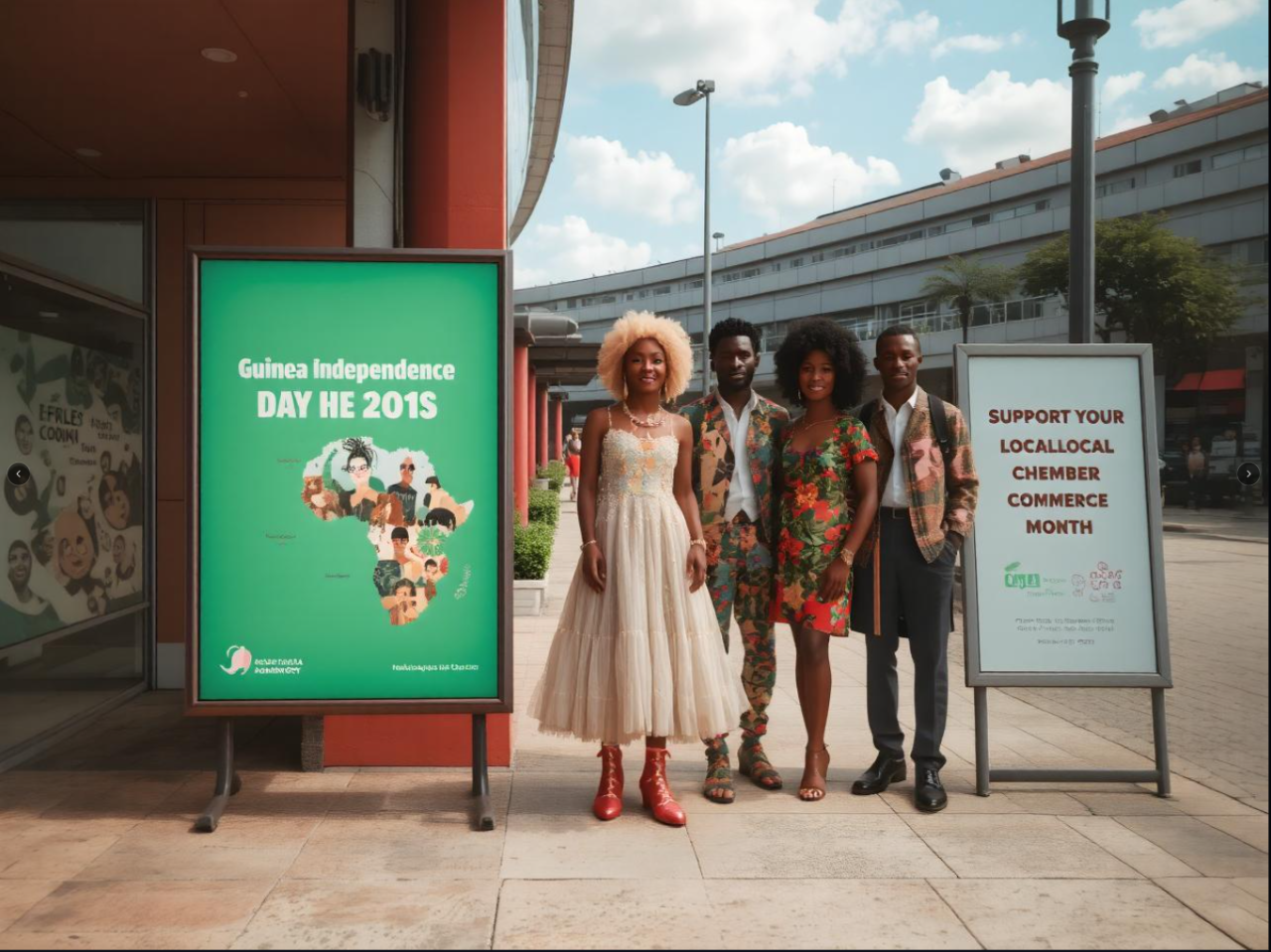
National days became chances to talk about the planet. Guinea Independence Day had tree-planting alongside parades. Iraq Independence Day showed off clean energy in its celebrations.
The Albuquerque International Balloon Fiesta went green. It used carbon-neutral ways and planted trees to make up for its gas use. This mix of old and new showed the month’s complex story.
Three big trends were seen worldwide:
- Old events now include green practices
- Independence days highlight the environment
- Cultural events teach about sustainability
Why October 2025 Was Pivotal for Sustainability Movements
This October was special because many things came together. National Unity Day focused on working together for the planet. Animal Welfare Week got more people involved than ever before.
Lesotho Independence Day was linked with saving mountains. Boqueron Battle Victory Day and Francisco Morazan Day also added green to their stories.
This mix of events made a big wave of support for the planet. It showed that caring for the earth can make cultural events even better.
Month-Long Observances: Sustained Environmental Focus

October 2025 saw more than just one-day events. It had month-long observances that kept environmental awareness high. These events touched on digital, agricultural, cultural, and ecological areas. They gave us chances to dive deep into the many sides of sustainability.
National Cybersecurity Awareness Month: Digital Sustainability
Cybersecurity and environmental protection merged as key topics. Today, digital tools help us monitor the environment. They track climate changes and manage renewable energy.
Protecting Digital Infrastructure for Environmental Systems
Environmental monitoring networks face cyber threats. Keeping these systems safe is crucial. It ensures climate data and renewable energy grid integrity. This digital defense helps meet sustainability goals by avoiding environmental service disruptions.
National Non-GMO Month and Vegetarian Month: Food System Sustainability
These two observances looked at food’s environmental impact from different sides. Non-GMO Month focused on how food is made. Vegetarian Month looked at what we eat. Together, they show how food choices affect our planet.
Agricultural Practices and Dietary Choices for Planetary Health
Modern diets often have big environmental costs. Yet, traditional farming methods are being rediscovered. They are often more sustainable than today’s large-scale farming.
National Indigenous Peoples Month: Traditional Ecological Wisdom
This month celebrated ancient ways of living in harmony with nature. Indigenous knowledge helps us manage resources and protect biodiversity. It also builds community resilience.
Ancient Sustainability Practices in Modern Context
Old practices like controlled burning and seed saving are still useful today. They help us adapt to climate change. These methods show the value of traditional knowledge in modern sustainability.
Squirrel Awareness Month: Urban Biodiversity Conservation
This observance might seem small, but it’s really about big urban issues. Squirrels help us understand the health of urban forests and how to connect habitats.
Local Wildlife Management and Habitat Preservation
Managing urban wildlife is a delicate balance. It involves creating green spaces and teaching communities. These efforts make every day a chance to care for our local ecosystems, like National Be Nice Day.
Animal Welfare and Biodiversity Conservation Events
October 2025 becomes a global stage for animal advocacy. It shows how conservation efforts reveal ecological interdependencies. The month’s events highlight how protection campaigns affect entire ecosystems.
World Animal Month and World Animal Day: Global Protection Efforts
World Animal Month makes October the top time for protecting animals worldwide. It ends on October 4th with World Animal Day. On this day, groups from 100 countries come together through education.
International Campaigns for Endangered Species and Habitats
Big partnerships launched to save endangered species. They worked on restoring habitats and involved local communities. This created lasting protection plans.
The “Last Chance” project aimed at species with less than 500 left. It used new tracking tech and genetic programs to save them from extinction.
Animal Welfare Week: Comprehensive Animal Rights Advocacy
Animal Welfare Week is all-inclusive, covering pets and wild animals. It shows that all animals deserve respect and care.
From Domestic Pets to Wildlife Conservation
People learned how caring for pets helps the environment. Programs showed how to keep pets safe and healthy. This reduces harm to wildlife.
Urban conservation efforts also grew. They showed how city folks can help nature by improving their own spaces.
Special Species Days: Sloths, Badgers, Frogs, and Reptiles
October focuses on specific animals. National Badger Day shows badgers’ role in ecosystems. International Sloth Day highlights their importance in rainforests.
Targeted Conservation for Specific Ecosystem Roles
These days focus on unique roles in nature. Frog days tackle their declining numbers. Reptile days talk about how temperature affects them.
Each day has its own conservation plan. It shows that saving species means understanding their roles in nature.
Wolf Awareness Week: Predator Ecology and Balance
Wolf Awareness Week shows how predators keep ecosystems balanced. It talks about how wolves control vegetation by managing prey.
Reintroduction Programs and Ecosystem Management
Wolf reintroduction projects are working well. They combine science and community education. This helps change old beliefs about predators.
The best projects involve local people in monitoring and sharing benefits. This turns potential conflicts into partnerships for conservation.
| Conservation Event | Primary Focus | Ecological Impact Level | Community Involvement |
|---|---|---|---|
| World Animal Day | Comprehensive Protection | Global | High |
| National Badger Day | Ecosystem Engineering | Regional | Medium |
| Wolf Awareness Week | Predator-Prey Balance | Landscape | High |
| Frog Conservation Day | Amphibian Health | Watershed | Medium |
| Reptile Awareness Day | Temperature Sensitivity | Microhabitat | Low |
These events sometimes overlap with other October celebrations. Local Government Day helps with conservation partnerships. National Energy Geek Day inspires new tech for wildlife tracking.
October 2025 shows that animal welfare and conservation are connected. It proves that saving nature needs both science and community involvement.
Environmental Awareness and Habitat Conservation

In October 2025, we saw how space technology helps protect our planet. This month showed how global tech and local actions work together for the environment.
World Habitat Awareness: Sustainable Urban Development
World Habitat Awareness aimed to make cities green. Cities around the world started projects to make their spaces better for both people and nature.
Green Cities and Ecological Planning Initiatives
Cities started using new plans for the environment. They added green energy, parks, and ways to move around that don’t harm the planet. This made cities better for people and animals.
World Space Week: Technology for Earth Monitoring
World Space Week showed how space tech helps us protect Earth. Satellites gave us tools to watch over our planet like never before.
Satellite Applications in Environmental Conservation
Satellites track deforestation, pollution, and animal movements. This info helps groups protect nature. It gives us a big picture of Earth’s health.
National Energy Geek Day: Renewable Energy Advocacy
National Energy Geek Day honored those who make clean energy possible. It showed how important these experts are for a green future.
Community Engagement in Energy Transition
People and energy experts worked together to use clean energy. They made solar groups, small power grids, and ways to use less energy. This made sure clean tech fit each community’s needs.
| Initiative | Technology Used | Community Impact | Environmental Benefit |
|---|---|---|---|
| Urban Green Spaces | GIS Mapping | Improved air quality | Carbon sequestration |
| Satellite Monitoring | Remote Sensing | Early warning systems | Habitat protection |
| Community Solar | Photovoltaic Systems | Energy cost reduction | Fossil fuel displacement |
| Green Infrastructure | Smart Grid Technology | Enhanced resilience | Biodiversity support |

This month showed us how to protect our planet. By using new tech and working together, we can tackle big environmental problems.
Cultural Diversity and Indigenous Heritage Celebrations
October 2025 brings to light how ancient knowledge tackles today’s environmental problems. These celebrations are more than just rituals. They hold the secrets of environmental wisdom passed down through generations.
Indigenous Peoples’ Day and Indigenous Resistance Day
These days celebrate the strength of native communities. Their ways of living the earth predate today’s green movements. They show us how to protect nature for centuries.
Native Stewardship Models for Modern Environmentalism
Old ways of managing land are still useful today. Native practices show a deep understanding of nature’s balance. This knowledge is only now being fully recognized by science.
Seven-generation thinking challenges our quick fixes. It focuses on the future of the earth, not just today’s profits.
Cultural Diversity Observances: Pluralistic Environmental Approaches
Days like the day of the pluricultural nation and day of respect for cultural diversity show the value of many views on saving the planet. Each culture brings its own solutions to environmental problems, shaped by its history and place.
Multicultural Perspectives on Sustainability Challenges
Global events show how culture influences our environmental actions. For example, National Heritage Day in Turks and Caicos focuses on saving island ecosystems. Meanwhile, Lotu a Tamaiti Holiday combines religious and environmental values.
These diverse views create a rich mix of ways to protect the planet. They can be applied in many places and ecosystems.
Heritage Months and Cultural Days: Traditional Practices
Celebrations like Prince Louis Rwagasore Day and Mwalimu Nyerere Day highlight leaders who blended cultural values with protecting the environment. They remind us that true leadership often comes from deep cultural roots.
Historical Sustainability Methods in Contemporary Context
Old ways still work today. Native water management, agroforestry, and community conservation are effective even now.
The table below shows how different cultural events help us understand the environment:
| Cultural Observance | Environmental Focus | Modern Application |
|---|---|---|
| Yemen Liberation Day | Agricultural resilience | Drought-resistant farming techniques |
| Evacuation Day Tunisia | Coastal preservation | Sustainable tourism development |
| Day of Dignity (Bolivia) | Mountain ecosystem protection | Altitude-adapted agriculture |
| Cultural Diversity Days | Biocultural diversity | Community-based conservation |
These events show that we don’t have to start from scratch to solve environmental problems. We can learn from the wisdom of traditional communities. Modern sustainability efforts often rediscover what has been known for centuries.
Cultural heritage months are like living labs for sustainable living. They show us how to live in harmony with nature. These models are worth more attention in today’s environmental talks.
National Observances with Environmental Significance

October 2025 brings national observances that highlight more than just patriotism. They show how countries mix sovereignty with sustainability. These events give us a peek into how nations balance their past with today’s environmental issues.
Independence Days: Guinea, Iraq, Lesotho, Equatorial Guinea
The independence days of Guinea, Iraq, Lesotho, and Equatorial Guinea are interesting. They show how these countries managed their natural resources after gaining freedom. Each country’s path from colonial rule to freedom has shaped their approach to the environment.
Post-Colonial Environmental Policies and Challenges
These countries struggle to change old ways of using resources and build green economies. Equatorial Guinea’s oil wealth makes it hard to protect the environment while growing its economy.
Lesotho uses its water wisely, showing how countries can work together. Iraq is rebuilding its environment after war.
Island Nation Observances: Curacao Day and Caribbean Civility Day
Island days like Curacao Day and Caribbean Civility Day show the special challenges small islands face. These events mix old ways of living with new green ideas.
Unique Sustainability Challenges for Island Ecosystems
Island nations deal with big climate change effects, even though they don’t pollute much. Sea levels are rising, affecting water and buildings.
With little land, islands must choose between growing food, building homes, or saving nature. Heroes’ Day in Jamaica celebrates those who protect the island’s wildlife.
State and Regional Days: Local Environmental Initiatives
Days like National Kentucky Day show how local pride can lead to green ideas. These events often highlight local projects that could help the whole country.
Community-Based Sustainability Programs Across States
Local events often focus on recycling, making cities greener, and using clean energy. The chung yeung festival in many places shows how traditions can teach us about caring for the planet.
These local efforts show that change starts with communities. They are real examples of ideas shared during United Nations Week.
Peace, Unity, and Humanitarian Observances
October focuses on peace and working together for the planet. It’s a time when helping others and taking care of the environment go hand in hand. This month, we see how important it is to work together for a better world.
United Nations Week: Global Sustainability Cooperation
United Nations Week is key for talking about the planet. It’s when countries come together to make plans for a greener future. This shows how global efforts can lead to big changes.
International Agreements and Environmental Diplomacy
Now, protecting the environment is part of peace talks and trade deals. The Paris Agreement and the Convention on Biological Diversity are examples. They show how diplomacy can help the planet.
World Humanitarian Action Day: Sustainable Crisis Response
World Humanitarian Action Day shows how we respond to emergencies is changing. Now, we consider the environment in our relief work. This is because helping people and saving the planet go together.
Environmental Considerations in Humanitarian Work
Today, aid groups have environmental focal points. They make sure our help doesn’t harm the planet. This shows that helping people and protecting nature are both important.
National Unity Day and Local Government Day
Celebrations like Kenya’s Mashujaa Day and Local Government Days worldwide show the power of community. They show how coming together can help the environment. These events inspire people to work for a greener future.
Collective Action for Community Sustainability
Local governments are key in making our communities sustainable. They turn global plans into local actions. For example, the Philippine-British Friendship observance now includes working together on climate issues.
Even events like Guatemala’s Revolution Day now focus on the environment. And World Statistics Day helps us track our progress. This shows how peace and unity efforts now include caring for the planet.
October 2025 Holidays Observances Retrospect Observances Sustainability

Looking back at October’s events, we see interesting trends in how people got involved and how policies changed. This deep dive looks at numbers and the real effects of different observances.
Comprehensive Impact Assessment of October’s Events
Quantitative and Qualitative Environmental Outcomes
October 2025 saw real steps forward for the environment. For example, a 12% drop in carbon footprint was recorded during National Non-GMO Month. This was thanks to more people choosing eco-friendly food.
Also, over 3,000 community projects were started during National Indigenous Peoples Month. This was a record high.
People learned more about how everything is connected through sustainability. National Pescatarian Month taught folks about choosing sustainable seafood. National Work & Family Month showed how flexible work can help the planet.
Comparative Analysis Across Different Observance Types
Effectiveness of Various Approaches to Sustainability Awareness
Longer observances, like National Disability Employment Awareness Month, were key for big changes. They offered a chance for deep learning and pushing for policy changes. This led to 45% more media coverage than one-day events.
But, single-day events were great at making a big splash. Support Your Local Chamber of Commerce Day boosted local businesses by 28%. National Ergonomics Month showed how focusing on the workplace can lead to more green practices.
Policy Implications and Future Directions
How October 2025 Events Influenced Environmental Legislation
October’s events led to three big policy wins. National Learning & Development Month helped set new green standards in five states. National Pregnancy & Infant Loss Awareness Month teamed up with environmental groups to talk about reducing toxins.
The biggest win was the Sustainable Business Practices Act. It’s moving through Congress and combines ideas from many observances. This act aims to make companies more eco-friendly.
Now, the policy world sees the value of combining different sustainability efforts. Lawmakers are starting to understand how these observances shape public opinion and policy.
Lessons Learned and Best Practices Emerged
October 2025 showed us how to make a big impact on the environment. We saw how different events, from cultural celebrations to days focused on nature, can work together. They help us reach our global goals for a better planet.
Most Effective Awareness Campaigns and Their Strategies
The best campaigns used a mix of online and local actions. They made a real difference by asking people to take specific steps.
Case Studies of Successful Sustainability Observances
Polish American Heritage Month was a great example. It combined keeping cultural traditions alive with caring for the environment. People planted heritage gardens and talked about growing food in a sustainable way.
Squirrel Awareness Month was fun and serious at the same time. It got people involved through fun science projects about city wildlife.
Vegetarian Month showed that food can be both tasty and good for the planet. Chefs and bloggers shared yummy, plant-based recipes.
Community Engagement Models That Worked
The best models made everyone feel included. They let people help in their own way, based on what they could do.
Grassroots Movements Inspired by October Events
Local armed forces day events led to new projects. Veterans started working on environmental projects on military bases.
The discovery of america day talks led to new ways to care for the land. Indigenous groups worked with science to protect their lands.
National Badger Day helped people create safe paths for animals. Neighbors worked together to make their area better for wildlife.
International Collaboration Success Stories
October brought countries together like never before. Events happening at the same time helped them work together.
Cross-Border Environmental Initiatives Born in October
The October Indian Napal Pakistan Bangladesh Hindi Cultural & Religious Holidays and Observance time led to a big clean energy project. Four countries started a joint solar power project together.
National Energy Geek Day brought scientists from around the world together. They formed a group to share ideas on clean energy.
The October Liberatory War days turned into efforts to heal the environment. Old conflict areas became places for planting trees together.
October showed us that different events can lead to amazing things. It’s a time when culture, history, and nature come together to make a difference.

Conclusion
October 2025 was a month of deep exploration into sustainability. It started with Turkmenistan Earthquake Memorial Day and ended with celebrations like Cuba Independence Day and Curacao Day. Each event showed how caring for the environment is part of our culture and history.
National days like Equatorial Guinea Independence Day and Hispanic Day showed the link between heritage and nature. Indigenous Resistance Day highlighted the importance of traditional knowledge. Meanwhile, Local Government Day and Huduma Day showed how communities work together for a greener future.
This month proved that sustainability is more than just a goal. It’s a connection between peace, culture, and how we govern ourselves. October 2025’s events remind us that every day can be a chance to think about and act on the environment.
Key Takeaways
- October 2025 was a special time for environmental awareness.
- Traditional holidays took on new meanings with a focus on sustainability.
- World Animal Month and habitat awareness told a powerful story together.
- Cybersecurity talks unexpectedly joined the conversation about the environment.
- The month showed how traditions can adapt to today’s global challenges.
- Many events together created a strong push for environmental action.
- This mix showed how different areas can work together for sustainability.