The 56th Annual Meeting convened in the Swiss Alps during January 2026 with ambitious promises. Its theme, “A Spirit of Dialogue,” suggested a renewed commitment to global cooperation. Yet the gathering quickly revealed a stark contrast between aspiration and reality.
This retrospective examines how the forum’s environmental agenda fared against a fractured geopolitical landscape. The official focus on building “prosperity within planetary boundaries” represented familiar rhetoric. However, the actual discussions exposed deep cracks in multilateral collaboration.
With over 1,300 leaders surveyed for the Global Risks Report, environmental threats were paradoxically downgraded as immediate concerns. They remained the most severe long-term dangers. The central question—how to achieve growth without breaching ecological limits—faced its toughest test yet.
The irony of pursuing dialogue amidst palpable division defined the event’s legacy. As one observer noted, it highlighted both the potential and the profound limitations of such gatherings in an era of global rupture.
1. The “Spirit of Dialogue” in a World of Division
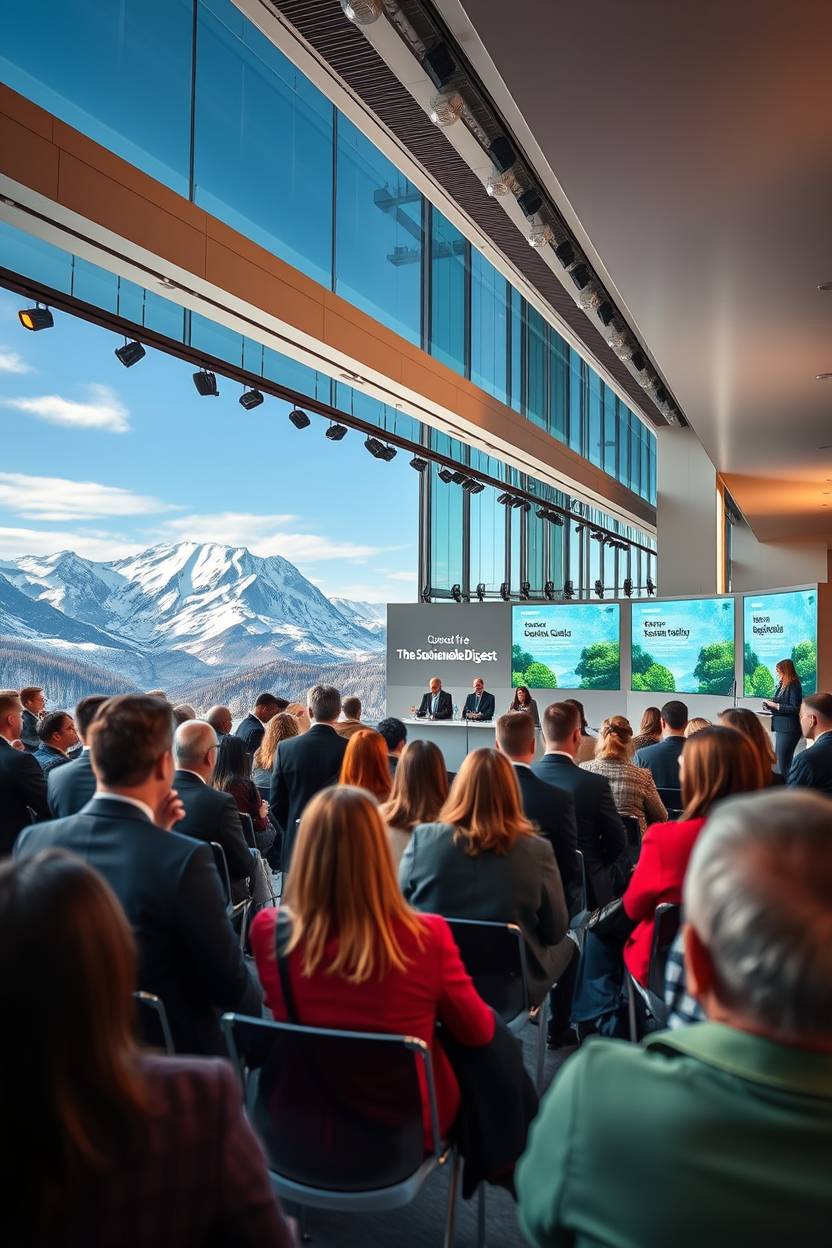
Davos 2026 opened with the ambitious theme ‘A Spirit of Dialogue’ just as international cooperation reached a critical low point. The annual meeting promised to serve as an impartial platform for exchanging views. This occurred during significant geopolitical and societal shifts.
The World Economic Forum positioned itself as a neutral convening space. Impartiality had become a scarce commodity in global relations. The forum’s stated goal was to engage diverse voices and broaden perspectives.
It aimed to connect insights across global challenges. The gathering sought to catalyze problem-solving with actionable insight. Yet the reality of January 2026 presented a stark contrast.
The Global Risks Report that year identified “geoeconomic confrontation” as the top immediate threat. This context made the call for dialogue either prescient or profoundly ironic. The theme arrived at a moment when multilateral institutions faced unprecedented strain.
1. The “Spirit of Dialogue” continuing
True dialogue presupposes willing participants speaking in good faith. Several developments suggested otherwise. The Iranian Foreign Minister’s invitation was revoked before the meeting.
Israeli Prime Minister Benjamin Netanyahu stayed away over International Criminal Court warrant fears. These absences created palpable gaps in the conversation. Key voices were missing from critical discussions.
“The forum’s convening power was tested not by who attended, but by who did not—and why.”
The ambition to “connect the dots” across issues like climate and conflict faced immediate obstacles. Connecting basic diplomatic dots between major powers proved difficult. This challenged the very premise of the gathering.
The WEF promised a focus on frontier innovation and future-oriented policy. However, the most evident innovation at Davos 2026 was in diplomatic disruption. Technological breakthroughs took a backseat to political maneuvering.
Certain world leaders commanded attention through monologue rather than conversation. The spirit dialogue ideal represented a hopeful anachronism. It belonged to an era of smoother international collaboration.
This examination considers whether the forum’s structure fostered genuine exchange. Did it provide a stage for pre-scripted performances instead? The global audience watched closely for signs of substantive progress.
The economic forum sought to remain decisively future-oriented. Yet present tensions repeatedly pulled focus backward. The world economic landscape in 2026 demanded immediate action on multiple fronts.
Davos 2026 thus became a laboratory for testing dialogue’s limits. It revealed both the enduring need for such spaces and their structural vulnerabilities. The gathering highlighted the difficult work of building bridges when foundations are shaking.
2. The Blueprint: Sustainability on the Official Agenda

Beneath the main stage’s geopolitical drama, a parallel universe of sustainability discussions unfolded according to a packed schedule. The official program for January 2026 presented a detailed blueprint for addressing environmental challenges. It promised serious engagement with the most pressing ecological issues of our time.
This agenda existed in curious tension with the gathering’s broader context. While diplomats negotiated crises elsewhere, session rooms filled with talk of decarbonization and nature-positive models. The contrast between planned progress and unfolding reality would define the week.
2.1. The Core Environmental Challenge: “Prosperity Within Planetary Boundaries”
The central question framing the environmental track was deceptively simple. “How can we build prosperity within planetary boundaries?” asked the official theme. This query attempted to reconcile economic growth with ecological preservation.
Supporting data gave the theme urgency. Nature loss already impacted 75% of Earth’s land surface. Yet transitioning to nature-positive business models promised enormous reward.
Such models could unlock $10 trillion annually by 2030, according to forum materials. This created a compelling financial argument for environmental action. The challenge lay in transforming theoretical value into practical investment.
The phrase “planetary boundaries” suggested hard limits to growth. Yet the accompanying rhetoric emphasized opportunity rather than constraint. This delicate balance would be tested throughout the week’s discussions.
2.2. A Packed Schedule: Key Sessions on Climate, Energy, and Nature
The calendar for January 2026 was dense with sustainability events. Each day featured multiple sessions addressing specific facets of the environmental crisis. The schedule reflected both breadth of concern and specialization of solutions.
On January 20th, “How Can We Build Prosperity within Planetary Boundaries?” set the stage. “Business Case for Nature” followed, exploring corporate engagement with biodiversity. These sessions established the fundamental premise of the week’s environmental dialogue.
January 21st brought sharper focus to climate and energy concerns. “How Can We Avert a Climate Recession?” financialized the climate debate. “Unstoppable March of Renewables?” examined the pace of the energy transition.
The title’s question mark hinted at underlying uncertainty. Even supposedly unstoppable forces faced political and technical hurdles. This session would likely reveal both optimism and caution.
Final days addressed implementation mechanisms. “Will We Ever Have a Global Plastics Treaty?” on January 22nd questioned multilateral collaboration. “How to Finance Decarbonization?” tackled the practicalities of funding climate action.
Each topic represented a critical piece of the sustainability puzzle. Together, they formed what appeared to be a comprehensive roadmap. The question remained whether discussion would translate into tangible progress.
2.3. The Climate Hub and Side Events: A Parallel Sustainability Track
Beyond the main conference center, a vibrant ecosystem of side events operated. The Climate Hub Davos, organized by GreenUp, hosted its own series of conversations. Positioned somewhat ironically behind food trucks, it became a hub for specialized dialogue.
Its programming addressed gaps in the official agenda. “The Missing Middle: Driving the Just Transition Within Supply Chains” on January 19th focused on implementation equity. “Business Opportunities with Nature – How Do We Unlock Them?” the next day continued the theme of monetizing conservation.
“The Climate Hub represented where rubber met road—or perhaps where idealism met the food trucks.”
Meanwhile, the House of Switzerland hosted particularly poignant discussions. “Redefining Energy Security” on January 21st gained unexpected relevance amid geopolitical tensions. “Building Resilient Infrastructure for a Changing World” that same day addressed physical resilience against climate impacts.
These side conversations suggested a thriving subculture of sustainability innovation. They explored fungal solutions, regenerative agriculture, and circular economy models. This parallel track demonstrated both specialization and fragmentation within the environmental movement.
The proliferation of events revealed a community determined to advance its agenda. Whether this determination could influence the broader gathering remained uncertain. The sustainability blueprint was comprehensive, but its implementation faced the ultimate test of political will.

3. The Geopolitical Earthquake That Shook Davos
A dispute over a remote Arctic territory became the uninvited guest that dominated corridors and closed-door meetings throughout the week. The gathering’s carefully curated sustainability agenda found itself competing with a real-time diplomatic rupture.
This seismic shift in focus revealed the fragility of multilateral institutions during this contentious era. What began as a routine policy conference transformed into a geopolitical thriller.
The theme “How can we cooperate in a more contested world?” proved painfully prescient. Cooperation appeared more elusive than ever during those tense days in January 2026.
3.1. The Greenland Crisis and Transatlantic Tensions
The Greenland crisis served as the gathering’s unexpected plot device. A “big, beautiful block of ice” in one leader’s phrasing came to dominate discussions.
It revealed fractures in the post-war international order. No amount of Alpine diplomacy could easily mend these tensions.
Transatlantic relations faced unprecedented strain over sovereignty claims. Decades-old alliances showed vulnerability to unilateral actions.
Rhetorical escalation made trust appear as fragile as Alpine ice in January 2026. The crisis influenced bilateral meetings and colored public speeches.
It overshadowed planned sustainability dialogues throughout the week. The aftershocks of this geopolitical earthquake would be felt in every session.
Critical discussions on trade, investment, and infrastructure were reframed through this security lens. Global supply chains were analyzed for vulnerability.
The crisis presented immediate challenges to international cooperation frameworks. It tested whether the gathering served as a pressure valve or an accelerant for discord.
3.2. Absent Voices: The Revoked and Reluctant Leaders
The absence of key figures spoke volumes about the state of global diplomacy. Missing voices created palpable gaps in critical conversations.
Iranian Foreign Minister Abbas Araghchi’s invitation was revoked before the meeting. This followed Iran’s violent crackdown on domestic protests.
Israeli Prime Minister Benjamin Netanyahu skipped the gathering entirely. Fears of arrest under International Criminal Court warrants kept him away.
President Isaac Herzog attended instead, delivering pointed criticism. He characterized the ICC warrants as “politically motivated” and “a reward for terror.”
“The forum’s convening power was measured not by who attended, but by who did not—and why their absence mattered.”
These absences demonstrated how international justice mechanisms now directly impacted participation. The gathering became a stage for diplomatic grievance airing.
Herzog’s comments highlighted the forum’s role in this era of contested legitimacy. They revealed how multilateral institutions faced credibility challenges.
The revoked invitation and reluctant attendance patterns signaled deeper shifts. They reflected a world where traditional diplomatic norms were undergoing rapid change.
This year‘s participation patterns might establish precedents for future years. The January 2026 gathering thus became a case study in diplomatic exclusion.
It raised questions about which leaders could safely participate in global dialogues. The very structure of international cooperation faced scrutiny.
These absent voices left conversations incomplete during critical January 2026 discussions. Their missing perspectives shaped the gathering’s outcomes in subtle but significant ways.
4. A Tale of Two Speeches: Trump’s Monologue vs. Carney’s Warning

While the official theme promoted dialogue, the most memorable moments came from dueling monologues that revealed deeper fractures. Two competing visions for global governance played out in real time during that pivotal week. The rhetorical contrast could not have been starker.
One address celebrated unilateral power and questioned environmental consensus. The other warned of systemic rupture and called for middle power solidarity. Together, they framed the central challenge of the january 2026 gathering.
This section examines how these speeches became the event’s defining intellectual showdown. They transformed abstract debates about order into vivid political theater.
4.1. Donald Trump’s “America First” Revival and Greenland Gambit
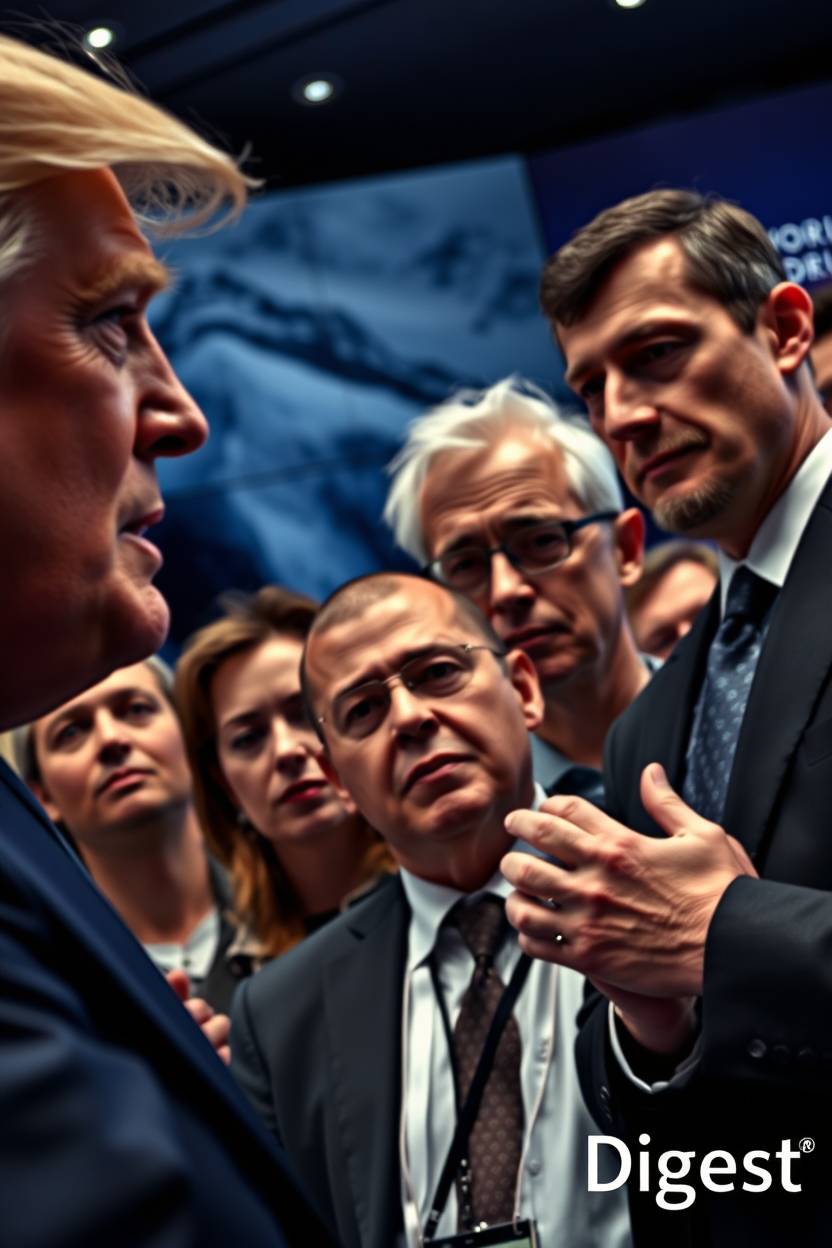
The former U.S. president returned to the international stage with familiar bravado. He declared America “the economic engine on the planet” while dismissing climate policy as “perhaps the greatest hoax in history.” His speech revived the “America First” doctrine with renewed intensity.
Trump treated the forum as both platform and geopolitical prop. He used the global audience to advance unilateral territorial claims. The address blended economic boosterism with calculated brinkmanship.
His extended meditation on Greenland became the speech’s centerpiece. “All the United States is asking for is a place called Greenland,” he stated plainly. The comment transformed a remote territorial dispute into a metaphor for shifting power dynamics.
Trump pledged not to use force but added a significant caveat. “You need the ownership to defend it,” he explained. This logic framed sovereignty as prerequisite for security in the new geopolitical landscape.
The speech revealed a particular approach to international dialogue. It treated multilateral spaces as venues for assertion rather than negotiation. This reflected a broader change in how some leaders engaged with global institutions.
4.2. Mark Carney’s “Rupture in World Order” and Call to Action
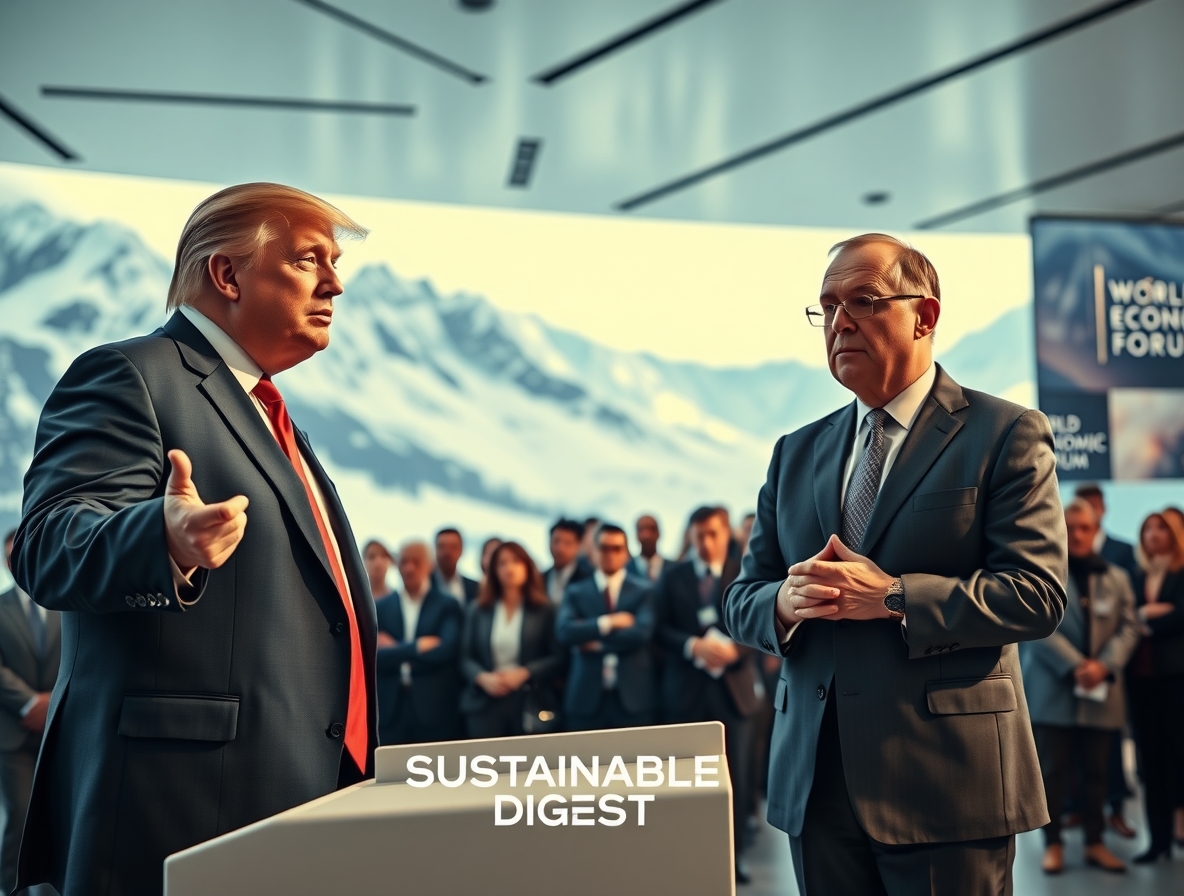
The Canadian Prime Minister offered a starkly different diagnosis hours later. Mark Carney warned of “a rupture in world order” where “geopolitics is submitted to no limits.” His speech presented a counter-narrative requiring collective action.
Carney did not mention Trump directly. Yet his analysis directly addressed the unilateralism displayed earlier. He called for middle powers to unite against great power coercion.
“Great powers have begun using economic integration as weapons,” he observed. “Tariffs as leverage, financial infrastructure as coercion, [and] supply chains as vulnerabilities to be exploited.” This cataloged the new tools of geopolitical competition.
His most resonant line became a guiding principle for many attendees. “If we’re not at the table, we’re on the menu,” Carney cautioned. This framed strategic positioning as essential survival in an era of contested trade.
“The rupture is not just in diplomacy but in the very frameworks we assumed were permanent. Economic tools have become geopolitical weapons, and middle powers must recognize this new reality.”
— Analysis of Carney’s Davos 2026 address
Carney’s speech represented a different kind of statesmanship. It combined analytical depth with urgent prescription. The address reframed the entire topic of international cooperation for the coming years.

4.3. Media and Diplomatic Reception: Contrasting Statesmanship
Audience reactions highlighted the speeches’ divergent impacts. CNN reported that attendees during Trump’s address “grew more restless and uncomfortable.” The network noted “only tepid applause at the end.”
Contrast this with the reception for Carney’s warning. Australian Treasurer Jim Chalmers called the speech “stunning” in its clarity and urgency. Many diplomats described it as the week’s most substantive contribution.
Media analysis crystallized the contrast perfectly. Foreign Policy magazine characterized the conference as “a tale of two speeches.” It contrasted Trump’s “rambling and bullying” with Carney’s “eloquent exposition.”
This reception revealed deeper judgments about political style and substance. One speech was seen as performance, the other as serious statecraft. The dichotomy extended beyond content to perceived purpose.
The speeches’ afterlife in diplomatic circles demonstrated their lasting impact. Carney’s framing proved particularly influential among nations reassessing their positions. Many middle powers began discussing coordinated responses.
Trump’s Greenland comments immediately entered geopolitical negotiations. They became a reference point in transatlantic discussions for months. Both addresses showed how rhetoric at such gatherings could shape real policy.
The competing visions presented that week continued to define international debates. They represented fundamentally different approaches to growth, security, and global challenges. The january 2026 speeches became case studies in how leaders use international platforms.
Ultimately, the tale of two speeches captured the gathering’s central tension. It pitted unilateral assertion against collective problem-solving. This conflict would define the global economy and political innovation in the years following the event.
5. Beyond the Main Stage: The Board of Peace and Other Initiatives
Beyond the spotlight of keynote addresses, a complex ecosystem of side events defined the gathering’s substantive outcomes. While speeches captured headlines, the real progress often emerged from charter signings, protests, and award ceremonies.
This parallel universe operated throughout the week. It revealed how the forum functioned as an aggregation point for global advocacy. Diverse causes competed for attention beyond the official agenda.
The Board of Peace: Diplomatic Entrepreneurship
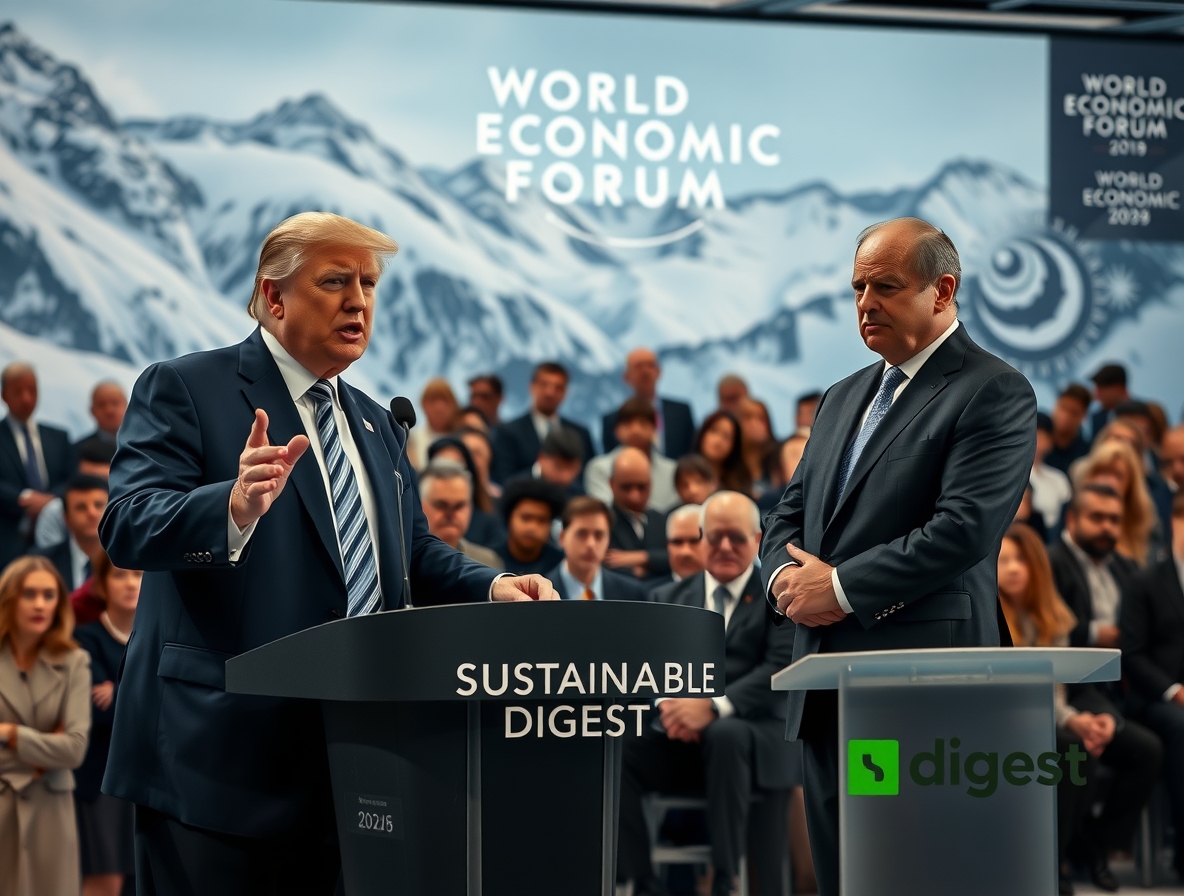
The inaugural meeting of the Board of Peace represented ambitious diplomatic innovation. Its charter announcement on January 22, 2026 featured former President Donald Trump center stage.
This illustrated the gathering’s utility as a convening platform. Controversial figures could launch initiatives alongside geopolitical escalation. The paradox was striking.
Peace boards emerged while tensions dominated main stage discussions. This raised questions about their genuine conflict resolution potential. Were they substantive mechanisms or diplomatic theater?
“The Board of Peace charter signing demonstrated how Davos serves entrepreneurial diplomacy—where even the most polarizing figures can launch initiatives that may outlast the week’s headlines.”
The initiative’s timing during the Greenland crisis added layers of irony. It suggested the enduring appeal of peace as a business proposition. Yet its practical action plan remained unclear to many observers.
Diaspora Advocacy: Kurdish Protests at Switzerland’s Doorstep
Hundreds of Kurdish protesters arrived in Davos with a different agenda. They raised awareness about Syrian military offensives against Kurdish regions. Their presence highlighted how global conflicts literally arrived at Switzerland’s doorstep.
The forum served as a magnet for diaspora advocacy throughout that week. Marginalized groups sought international attention through direct action. This created visible tension with the gathering’s polished image.
Protests represented raw, unfiltered political action. They contrasted sharply with the controlled environment of conference rooms. Yet both sought similar outcomes: influencing global opinion and policy.
Celebrating Philanthropic Innovation: The GAEA Awards
The GAEA (Giving to Amplify Earth Action) Awards honored climate and nature initiatives. This continued the tradition of celebrating philanthropic innovation within the forum‘s ecosystem.
Award ceremonies provided recognition for concrete solutions. They highlighted successful models for environmental finance and action. Yet the broader context made such celebrations seem increasingly aspirational.
While geopolitical earthquakes shook main halls, GAEA celebrated incremental progress. This dichotomy revealed the gathering’s fragmented nature. Multiple realities coexisted without necessarily connecting.
The Hotel Suite Diplomacy: Where Real Deals Were Discussed
Beyond all programming, the real “work” occurred in hotel suites and private dinners. Bilateral deals were discussed away from public view. Alliances were tested in these exclusive spaces.
This shadow diplomacy operated parallel to official events. It represented the traditional power brokerage that the forum has always facilitated. Business leaders and politicians negotiated directly.
These discussions focused on practical collaboration and finance arrangements. They often addressed the very technology and infrastructure projects mentioned publicly. Implementation details were hammered out privately.
Comparing Parallel Initiatives: Complementarity or Distraction?
The proliferation of side initiatives demonstrated both depth and fragmentation. Each track pursued its agenda with varying degrees of connection to the main program. The table below analyzes key parallel events from January 2026.

| Initiative | Type | Key Participants | Date | Primary Focus | Nature |
|---|---|---|---|---|---|
| Board of Peace Charter | Diplomatic Launch | Donald Trump, Various Diplomats | January 22 | Conflict Resolution Framework | Public Ceremony |
| Kurdish Protests | Diaspora Advocacy | Hundreds of Kurdish Activists | Throughout Week | Syrian Conflict Awareness | Public Demonstration |
| GAEA Awards | Philanthropic Recognition | Climate Funders, NGO Leaders | January 21 | Environmental Finance | Formal Ceremony |
| Hotel Suite Meetings | Bilateral Diplomacy | Business Leaders, Government Officials | Various Evenings | Deal Negotiation | Private Discussions |
| Climate Hub Davos | Specialized Forum | Environmental Experts, Entrepreneurs | Daily Sessions | Technical Solutions | Semi-Public Programming |

This constellation of activities created a rich but disjointed experience. Some initiatives complemented the main agenda by addressing its gaps. Others seemed to operate in entirely separate universes.
The Board of Peace responded to the week’s geopolitical tensions. Kurdish protests highlighted conflicts absent from official discussions. GAEA Awards celebrated environmental solutions overshadowed by security concerns.
Hotel suite diplomacy conducted the practical business that public panels only theorized about. Each parallel track served different stakeholders with varying definitions of progress.
Ultimately, these side events revealed the gathering’s true complexity. They demonstrated how multilateral spaces host competing narratives simultaneously. The forum became a microcosm of global fragmentation itself.
Whether this represented meaningful complementarity or mere distraction depended on one’s position. For diaspora groups, it offered rare access. As for dealmakers, it provided essential privacy. For philanthropists, it granted valuable recognition.
The January 2026 experience suggested that the main stage no longer dominated outcomes. Power and influence had diffused throughout the entire ecosystem. This may represent the most significant innovation of modern global gatherings.
6. Assessing the Outcomes for Sustainable Development

A balanced examination of the forum’s impact on environmental goals shows a landscape of partial victories and significant omissions. The gathering’s outcomes for ecological priorities were neither uniformly positive nor entirely negative.
Instead, they reflected the broader tension between programmed ambition and participant preoccupation. This analysis separates ceremonial dialogue from substantive progress.
It measures what was actually achieved for planetary health during those tense days. The results reveal an enduring gap between international rhetoric and implementation.
Any honest assessment must acknowledge both tangible achievements and glaring omissions. The sustainability agenda advanced in some corridors while receding dramatically in others.
Three distinct dimensions emerged from the post-event analysis. First, specific professional networks maintained their momentum despite geopolitical headwinds.
Second, the “urgent versus important” dilemma plagued nearly every discussion. Third, silent issues spoke volumes about selective attention spans.
This section examines each dimension to determine whether the gathering moved the needle. Did it create meaningful change, or merely maintain existing trajectories?
6.1. Achievements: Dialogue, Networking, and Specific Proposals
Despite the geopolitical turbulence, certain sustainability channels remained open and productive. The most concrete achievement was the maintenance of professional networks dedicated to environmental solutions.
Specialists in nature-positive finance continued their conversations from previous years. They developed specific proposals for blending conservation with commercial investment.
These discussions occurred in dedicated spaces like the Climate Hub. While geographically marginalized, they maintained technical depth.
Several working groups produced actionable frameworks for corporate engagement with biodiversity. These frameworks addressed how business models could integrate ecological metrics.
They focused on practical implementation rather than theoretical aspiration. The innovation lay in connecting conservation science with capital allocation decisions.
Dialogue channels between policymakers and private sector leaders also remained intact. These connections proved resilient to the week’s diplomatic disruptions.
They facilitated discussions about regulatory policy for the energy transition. Specific technology partnerships were explored for renewable infrastructure.
“The real work happened in the side rooms where specialists spoke the same language. While the main stage debated Greenland, these groups were designing the financial architecture for nature-positive growth.”
— Sustainability consultant attending Davos 2026
The GAEA Awards ceremony provided recognition for proven environmental action. It celebrated philanthropic models that had demonstrated measurable impact.
This maintained momentum for climate finance initiatives. It created visibility for successful approaches that could be scaled.
Perhaps the most significant achievement was simply keeping certain conversations alive. In a world increasingly focused on security concerns, maintaining ecological dialogue represented progress.
6.2. Challenges: Overshadowed Agenda and the “Urgent vs. Important” Dilemma
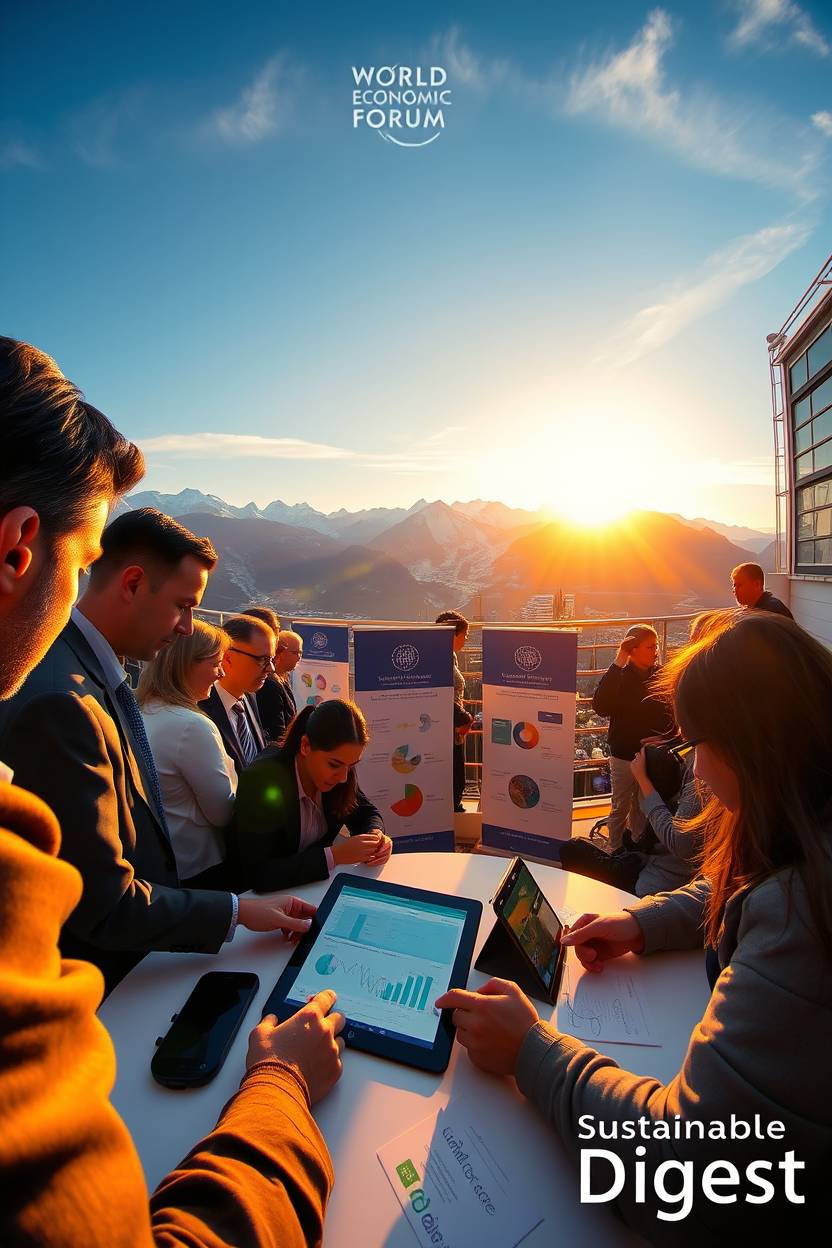
The packed sustainability schedule existed in curious isolation from the gathering’s dominant conversations. While session rooms discussed decarbonization, corridors buzzed with geopolitical speculation.
This disconnect highlighted the forum’s central challenge. Immediate crises consistently overshadowed longer-term environmental challenges.
The “urgent versus important” dilemma plagued every day of programming. Fast-breaking political dramas captured attention that slow-moving ecological crises could not.
Climate change’s relative demotion symbolized this broader shift. From main stage prominence to a hub behind food trucks, its positioning spoke volumes.
One observer captured this tension with particular clarity. “Davos is struggling, like so many others, to reconcile the important with the urgent,” they noted.
This struggle manifested in attendance patterns at sustainability sessions. While technically well-programmed, they competed with more sensational diplomatic developments.
The Greenland crisis served as the ultimate attention magnet. It reframed discussions about trade, infrastructure, and supply chains through a security lens.
Economic growth conversations became subordinated to sovereignty concerns. Environmental action appeared less pressing than territorial disputes.
This prioritization reflected a broader global governance change. Multilateral institutions increasingly addressed immediate crises at the expense of systemic solutions.
The forum became a microcosm of this international pattern. Its struggle mirrored challenges facing United Nations bodies and other diplomatic platforms.
Ultimately, the gathering demonstrated how easily environmental agendas can be sidelined. Even with meticulous programming, they require political oxygen to survive.
In January 2026, that oxygen was consumed by more combustible diplomatic material. The sustainability blueprint faced implementation challenges beyond its designers’ control.
6.3. The Silent Issues: What Davos 2026 Failed to Address
The most revealing outcomes were not what was discussed, but what was conspicuously absent. Several critical global issues received scant attention throughout the week.
These silent issues spoke volumes about the gathering’s selective focus. They revealed organizer priorities and participant preoccupations in equal measure.
One observer provided a damning catalog of omissions. “Forget the issues of Davos past: sustainable development goals, global health, ESG,” they began.
“It’s hard not to be struck by what was left undiscussed. What about current geopolitics? Ukraine, Gaza, Iran, Venezuela, and Sudan received scant attention. The U.S.-China relationship…was largely absent from the agenda, as were the major trade and fiscal imbalances.”
This selective attention reflected several underlying dynamics. First, certain conflicts had become diplomatically “stale” despite ongoing human suffering.
6.3.5 Silent Issues Continuing
Second, major power relationships were perhaps too sensitive for open discussion. Third, fiscal imbalances lacked the dramatic appeal of territorial disputes.
The U.S.-China relationship’s absence was particularly noteworthy. As the defining geopolitical tension of the era, its omission suggested deliberate avoidance.
Major trade imbalances and currency issues also went underdiscussed. These economic fundamentals received less attention than sensational sovereignty claims.
The observer extended their critique to environmental priorities. “Climate change used to be front and center,” they noted. “This year, the one climate hub that I saw was located ignominiously behind the food trucks.”
This geographical marginalization symbolized a broader demotion. Ecological crises were losing ground to political dramas in the competition for global attention.
The silent issues revealed a forum struggling with its own identity. Was it a platform for addressing all global challenges, or only those deemed “discussable”?
This selectivity risked making the gathering increasingly irrelevant to pressing human concerns. If it avoided the most difficult conversations, what value did it provide?
The omissions during January 2026 suggested a retreat to safer, more manageable topics. Complex conflicts and entrenched geopolitical tensions were sidelined.
This created a distorted representation of global priorities. The agenda reflected what elites wanted to discuss, not necessarily what demanded attention.
Ultimately, these silent issues may represent the gathering’s most significant legacy. They demonstrated the limitations of elite diplomacy in an era of multiple crises.
The forum’s struggle to “reconcile the important with the urgent” left many important issues unaddressed. This failure would have consequences in the coming years.

7. Conclusion: The Legacy of Davos 2026
The gathering’s ultimate legacy may be its stark illumination of multilateralism’s contemporary crisis. It demonstrated undeniable convening power while questioning the utility of mere dialogue.
The contrast between sustainability aspirations and geopolitical realities created instructive dissonance. Environmental challenges were contextualized within fractured political economies rather than addressed directly.
As one observer concluded, “The WEF has put to bed any concerns about its convening power.” The challenge ahead is to forge action that improves our global state. Another noted, “Nostalgia is not a strategy; nor is hope.”
This meeting will be remembered as multilateralism’s crisis became undeniable. The forum witnessed one era’s passing without birthing its successor.

Key Takeaways
- The January 2026 meeting promised dialogue but often delivered dissonance on sustainability goals.
- Environmental risks were reprioritized in the short term despite their severe long-term nature.
- The gap between aspirational rhetoric and actionable policy remained conspicuously wide.
- Geopolitical tensions frequently overshadowed planned discussions on ecological limits.
- The forum’s structure around five key challenges tested the viability of “green growth.”
- Multilateral cooperation faced significant stress from competing national interests.
- The event’s legacy underscores the difficulty of aligning economic and environmental priorities.