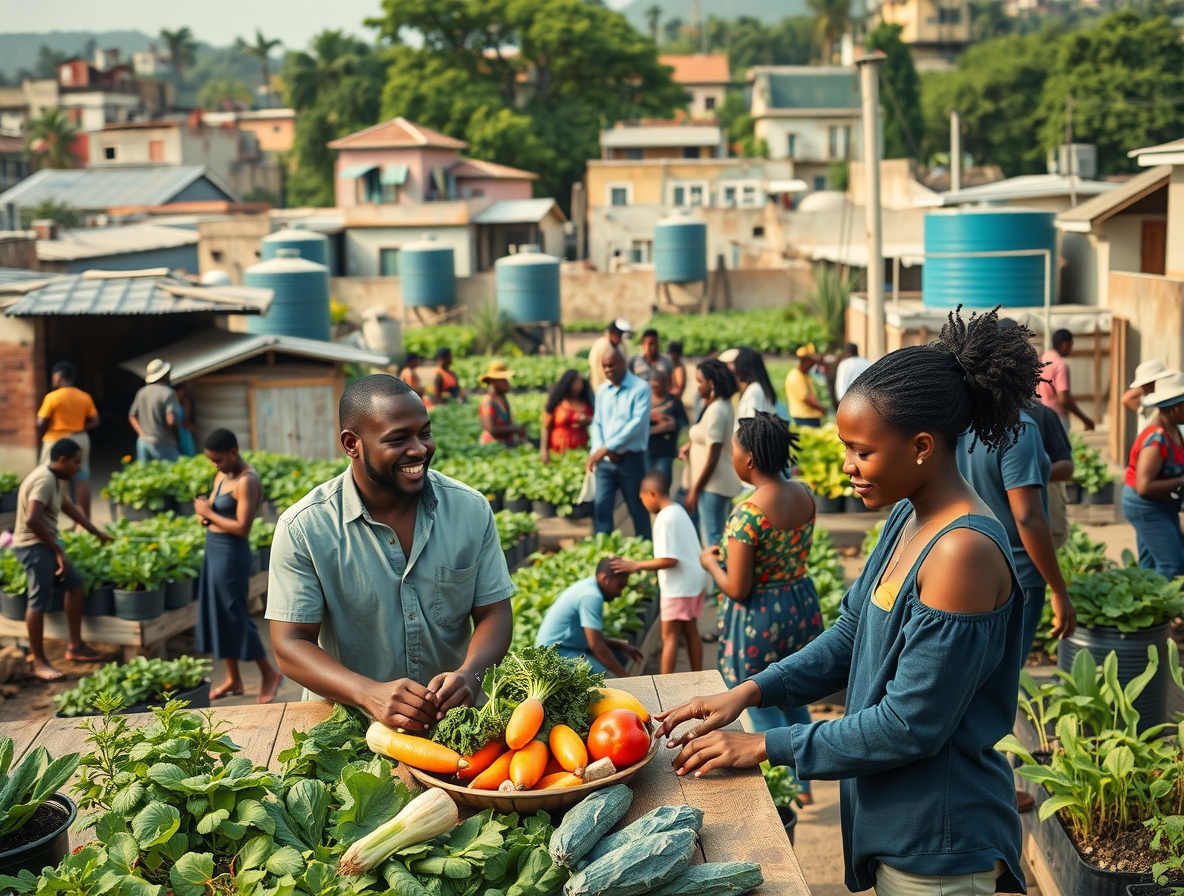
Global progress often mirrors the rhythm of our collective memory. By examining various sustainability events, we bridge the gap between historical awareness plus modern ecological goals.
Events like World Wetlands Day highlight the fragile beauty of our water systems. Simultaneously, World Pulses Day emphasizes how simple crops can transform our food security models; these efforts define our shared journey.
Cultural festivals also play a vital role. We honor the Philippine-American War Memorial plus the Day of Remembrance and Respect to Victim of the Communist Regime; such dates ground our search for a stable society.
Observing Mozambican Heroes Day reminds us that social equity is a core part of long-term survival. These diverse national days ensure our path toward a greener world remains inclusive plus deeply rooted.

Understanding Sustainability Through Global Celebrations in February 2026
February 2026 is filled with global celebrations that highlight the link between sustainability and fairness. These events show the importance of working together and adopting green practices.
The World Day of Social Justice on February 20 is a key event. It focuses on solving problems like poverty and joblessness. These issues are key to a sustainable future. By fighting for fairness, we help make the world more equal and support green growth.
The International Day of Human Fraternity on February 4 is also important. It encourages people from different faiths to talk and understand each other. This unity is vital for solving big problems like climate change.
February also celebrates indigenous cultures. For example, Waitangi Day on February 6 in New Zealand honors the Treaty of Waitangi. It shows the value of respecting indigenous rights and their role in caring for the land. Sami National Day on February 6 also celebrates the Sami people’s traditions in Scandinavia and Russia.
Lui-Ngai-Ni is another important event. It’s celebrated by the Naga people in India. It’s a time for the community to gather, showing the importance of unity and sustainable farming.
These celebrations in February 2026 remind us of the many ways to support sustainability. By learning about and celebrating these events, we can build a more inclusive and green world.
Environmental and Ecological Observances Promoting Planetary Health

February 2026 is filled with important environmental and ecological observances. These events remind us of the need for conservation and sustainability. They help keep our ecosystem in balance.
World Wetlands Day and Aquatic Ecosystem Protection
World Wetlands Day is on February 2. It shows how vital wetlands are for our planet. They help keep water clean, prevent floods, and home many species. This year’s theme calls for quick action to save these important places.
Key actions to protect wetlands include:
- Restoring damaged wetlands
- Using land in a sustainable way
- Spreading the word about wetlands’ value
Wildlife Conservation Days: Arabian Leopards, Bonobos, and Pangolins

February is also home to several wildlife conservation days. These include the International Day of the Arabian Leopard, World Bonobo Day, and World Pangolin Day. They aim to raise awareness about these endangered animals and the need for conservation.
“The conservation of species like the Arabian leopard, bonobo, and pangolin requires not only national but international cooperation and commitment.”
Humpback Whale Awareness Month and Marine Sustainability

February is Humpback Whale Awareness Month. It’s a time to focus on keeping our oceans healthy. Humpback whales are key to the health of our seas, and saving them is essential.
Efforts to protect humpback whales include:
- Lowering ship strikes with better rules
- Stopping them from getting caught in fishing nets
- Keeping their homes clean from pollution
National Bird Feeding Month and Backyard Biodiversity
National Bird Feeding Month in February encourages us to help birds in our backyards. Feeding birds can greatly help local ecosystems and support bird populations.
To make a big difference, you can:
- Use different bird feeders to attract more species
- Plant native plants that birds can eat
- Keep feeding areas clean and safe
Agricultural Sustainability and Food Systems Innovation
February 2026 is a time to focus on solving climate change and ensuring everyone has enough food. Several important days in February highlight the need for sustainable farming and new food systems.
World Pulses Day and Sustainable Protein Sources
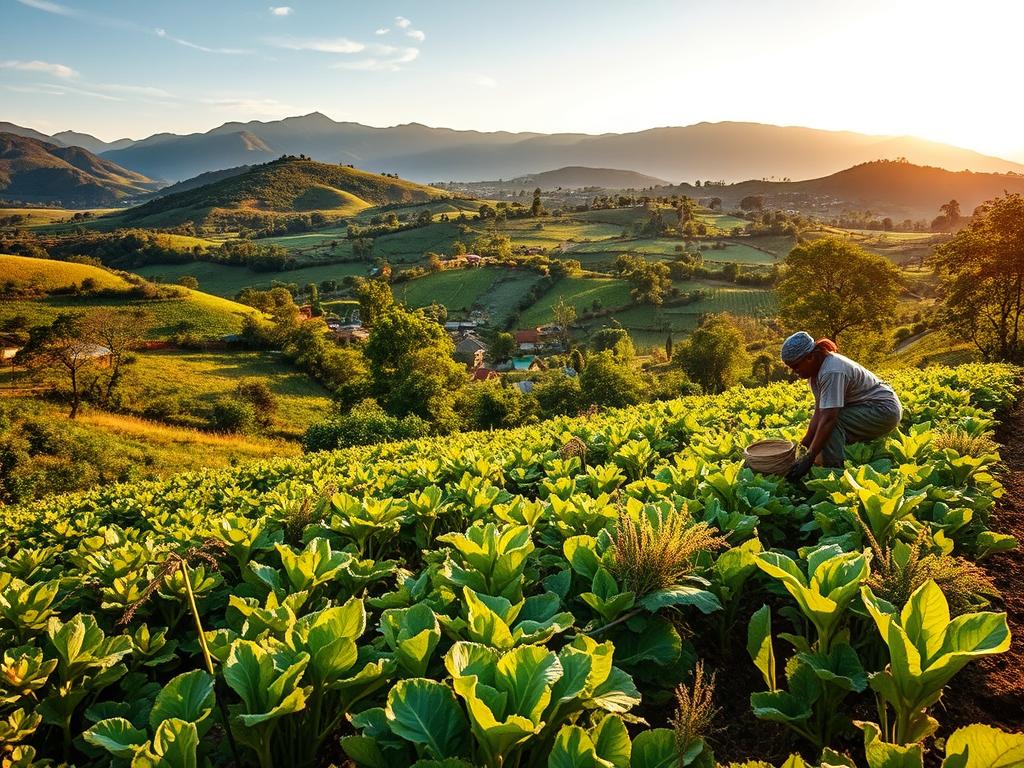
World Pulses Day is on February 10, 2026. It’s a big deal for finding better protein sources. Pulses, like beans and lentils, are full of protein and help keep soil healthy.
They’re also good for you, packed with fiber and vitamins. Plus, they’re better for the planet than meat, needing less water and land.
Canada’s Agriculture Day and Farmer’s Day
Canada’s Agriculture Day is on February 15, 2026. It celebrates the farmers who feed the country. It shows off their hard work and innovative farming.
This day also honors Farmer’s Day. It’s a chance to thank farmers for their hard work and support sustainable farming.
| Observance | Date | Significance |
|---|---|---|
| World Pulses Day | February 10, 2026 | Promotes sustainable protein sources and pulse production |
| Canada’s Agriculture Day | February 15, 2026 | Recognizes the contributions of Canadian agriculture and farmers |
| National Hemp Day | February 4, 2026 | Highlights the potential of hemp in industrial agriculture |

Alternative Crops and Heritage Foods
National Hemp Day and Industrial Agriculture
National Hemp Day is on February 4, 2026. It celebrates hemp’s many uses and its role in sustainable farming. Hemp is great for making clothes and food, needing less water and pesticides.
Medjool Date Day and Desert Agriculture
Medjool Date Day is on February 18, 2026. It focuses on date palms, which grow well in deserts. They provide food and jobs for desert communities.
Vegan Cuisine Month and Plant-Based Food Systems
Vegan Cuisine Month in February 2026 encourages trying plant-based foods. It’s good for the planet and can make us healthier. It shows how diverse and nutritious plant-based foods can be.
Plant-based diets are good for the environment and our health. They can prevent diseases and make us feel better.
Cultural Heritage Preservation as Sustainable Development

Preserving cultural heritage is more than just looking back. It’s a smart move for a better future. It helps communities stay strong, protects the environment, and encourages new ways to live sustainably.
Indigenous Peoples’ Celebrations and Traditional Knowledge
Indigenous peoples’ celebrations show us how to live in harmony with nature. These events keep cultural traditions alive. They also teach us about living in a way that’s good for the planet.
Waitangi Day: Maori Culture and Environmental Stewardship
Waitangi Day is on February 6th. It marks the Treaty of Waitangi signing in 1840. It’s a time to think about New Zealand’s history, its culture, and the bond between the Maori and nature.
Sami National Day: Arctic Indigenous Rights
Sami National Day is on February 6th. It honors the Sami people’s culture and rights in the Arctic. It’s a day to remember the importance of saving indigenous cultures and knowledge as the climate changes.
Lui-Ngai-Ni: Naga Cultural Festival
Lui-Ngai-Ni is a big festival for the Naga people in Northeast India. It celebrates their rich culture with dances, music, and feasts. It’s a chance for the Naga to share and preserve their traditions.
African Heritage and Health Week

African Heritage and Health Week focuses on health in African communities. It shows how cultural heritage shapes health practices. It encourages a holistic approach to health that includes traditional knowledge.
Carnival Traditions Across Continents
Carnival is celebrated with excitement worldwide. Each place has its own twist and history. These celebrations bring people together and boost local economies.
Brazil Carnival and South American Celebrations
Brazil Carnival is famous for its colorful parades and street parties. Argentina, Uruguay, Venezuela, and Ecuador also have big carnivals. Each one shows off its unique culture.
European Carnival Observances: Fastelavn, Maslenitsa Week, Battle of the Oranges Ivrea
Europe has its own carnival traditions. Fastelavn is in Denmark and Norway, Maslenitsa Week in Eastern Europe, and the Battle of the Oranges in Italy. These events are full of cultural heritage and history.
Heritage Recognition Months and Weeks
There are months and weeks to honor cultural heritage. These times let communities reflect on their history and culture. They remind us of the importance of preserving heritage for the future.
African American Heritage Month and African American Read-In
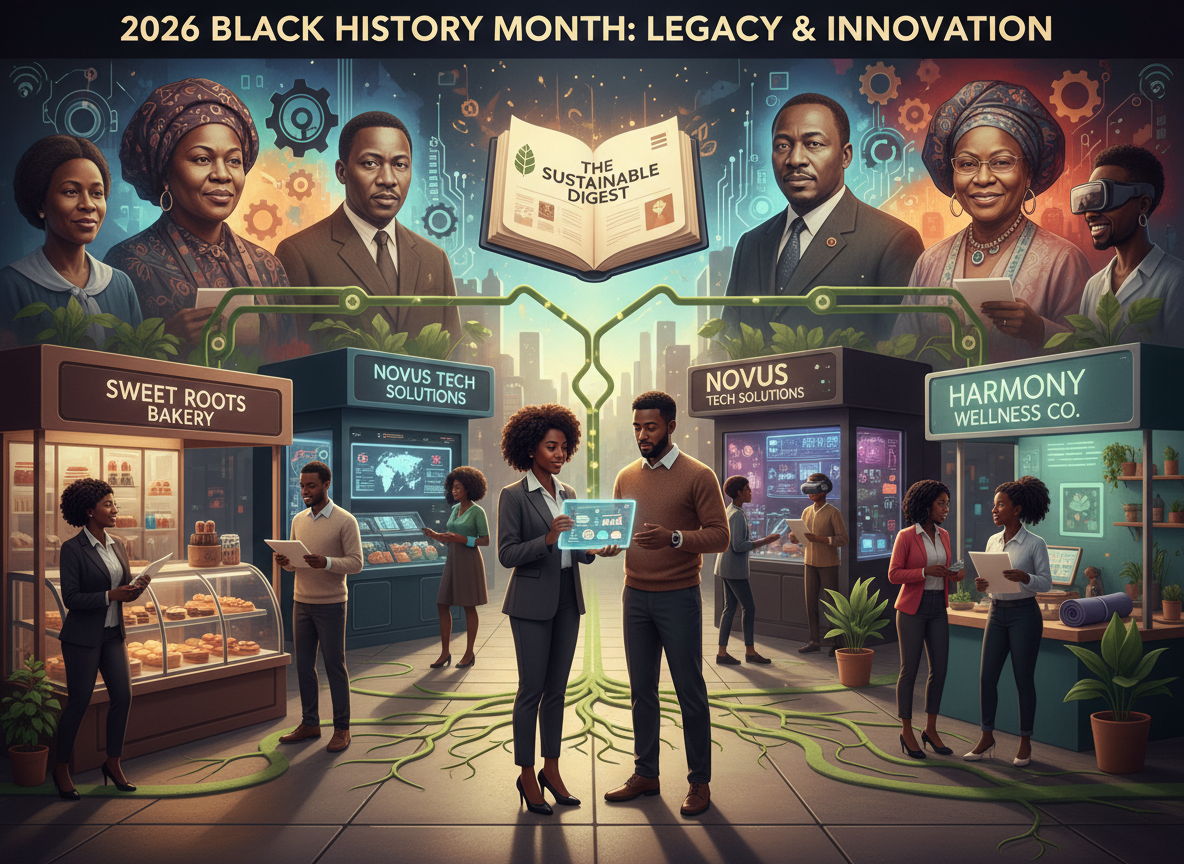
African American Heritage Month/2026 Black History Month is in February in the U.S. It celebrates African American contributions and experiences. The African American Read-In promotes literacy and honors African American literature and culture.
| Heritage Observance | Date | Significance |
|---|---|---|
| African American Heritage Month/2026 Black History Month | February | Celebrates African American contributions and experiences |
| From Africa to Virginia Month | February | Commemorates the arrival of Africans in Virginia |
| Nova Scotia Heritage Day | Third Monday in February | Celebrates Nova Scotia’s cultural heritage |
| National Secondhand Wardrobe Week | February | Promotes sustainable fashion practices |

Social Justice and Human Rights: Foundations of Sustainable Communities
Sustainability is closely tied to social justice and human rights. This is shown by key days in February 2026. This month highlights the importance of sustainability, which goes beyond just protecting the environment. It also means creating fair societies.
International Human Rights Observances
February 2026 is filled with important days that show the role of human rights in building sustainable communities. These include:
World Day of Social Justice
The World Day of Social Justice is on February 20. It focuses on solving issues like poverty and unemployment. Social justice is key to sustainable development because it ensures everyone has a fair share.
International Day of Human Fraternity
This day, on February 4, celebrates unity and solidarity. It reminds us that human fraternity is essential for sustainable communities.
World Interfaith Harmony Week
World Interfaith Harmony Week is in the first week of February. It encourages dialogue among faiths, promoting peace. This is vital for creating harmonious, sustainable societies.
Ending Violence and Discrimination
February also has days focused on stopping violence and discrimination. These are crucial for making communities inclusive and sustainable.
International Day of Zero Tolerance to Female Genital Mutilation
On February 6, this day raises awareness about female genital mutilation. It fights for its end, pushing for gender equality and human rights.
Abolition of Slavery Day and Torture Abolition Day
February 23 and 26 are days against slavery and torture, respectively. They highlight the need to protect human dignity and stop human rights abuses.
“The struggle for human rights is a long and winding road, but it is one that we must continue to tread with courage and conviction.”
Historical Justice and Remembrance
February is also a time to remember and learn from history. It has observances focused on historical justice and remembrance.
Day of Remembrance and Respect to Victims of the Communist Regime
On February 25, some countries remember victims of communist regimes. It’s a day to reflect on the past and stand by democratic values and human rights.
| Observance | Date | Significance |
|---|---|---|
| Day of Remembrance and Respect to Victims of the Communist Regime | February 25 | Honors victims of communist regimes |
| Commemoration of the Batepa Massacre | February 27 (São Tomé and Principe) | Remembers the victims of the Batepa Massacre |
| National Apology Day | Varies by country | A day for nations to acknowledge past wrongdoings |

Equity and Inclusion Initiatives
February also supports equity and inclusion through various initiatives and observances.
Ethnic Equality Month and North American Inclusion Month
These observances highlight the need for ethnic equality and inclusion. They remind us to address disparities and ensure equal opportunities for all.
- Ethnic Equality Month promotes understanding and respect among ethnic groups.
- North American Inclusion Month encourages inclusivity across the continent.
In conclusion, February 2026 is a significant month for social justice and human rights. It has many observances that show their importance in building sustainable communities. By recognizing and participating in these days, we can work towards a more just and equitable world.
National Liberation and Independence Days: Sovereignty for Sustainable Futures

February 2026 brings a chance to look at how sovereignty and sustainable futures are linked. These days celebrate big moments in history. They also show our ongoing fight for freedom and growth.
African Liberation and Independence Movements
Africa has many stories of freedom and independence. In February 2026, several African countries will celebrate.
Angola Liberation Day
Angola Liberation Day remembers the start of the fight for freedom in 1961. It’s a key part of Angola’s history.
Mozambican Heroes Day
Mozambican Heroes Day honors those who fought for Mozambique’s freedom. It’s a time to think about their sacrifices and the progress made.
Gambia Independence Day
The Gambia celebrates its freedom from British rule. This marks a big step towards self-rule and freedom.
Guyana Republic Day
Although in South America, Guyana is tied to the African diaspora. Its Republic Day is a key moment in its political journey.
Caribbean and Pacific Independence Celebrations
The Caribbean and Pacific also celebrate independence. These celebrations show the global fight for freedom.
Grenada Independence Day
Grenada’s independence day celebrates its freedom from colonial rule. It’s a significant moment in Grenada’s history.
Saint Lucia Independence Day
Saint Lucia’s independence day looks back on its journey to self-determination. It’s a day to reflect on progress and challenges.
Father Lini Day (Vanuatu)
Father Lini Day in Vanuatu honors a key figure in Vanuatu’s fight for freedom. It shows the role of leaders in achieving freedom.
Asian Sovereignty and Liberation Observances
Asia has many stories of freedom and independence. Each has its own history and significance.
Kashmir Day
Kashmir Day shows support for the Kashmiri people’s fight for rights. It’s a day to stand with those seeking freedom.
Liberation Day Afghanistan
Afghanistan’s Liberation Day remembers important moments in its history. It reflects on its journey to stability and freedom.
National Day Brunei
Brunei’s National Day celebrates its independence and sovereignty. It highlights Brunei’s unique culture and politics.
Mizoram State Day
Mizoram State Day in India is a celebration of regional identity. It shows the complexities of sovereignty within a larger nation.
Middle Eastern and North African Independence Days
The Middle East and North Africa have their own independence days. These days reflect the region’s complex history and politics.
February 17th Revolution (Libyan Revolution Day)
The February 17th Revolution in Libya is a key moment in its recent history. It marks a significant event in Libya’s fight for freedom.
European Statehood Restoration
Europe also celebrates statehood restoration days. These days highlight the continent’s complex history and the importance of freedom.
Estonia Independence Day
Estonia’s Independence Day celebrates its declaration of freedom. It’s a crucial moment in Estonia’s history.
Day of Restoration of the State of Lithuania
Lithuania’s Day of Restoration remembers when Lithuania became an independent state again. It reflects on its journey to freedom.
Liberation Day San Marino
San Marino’s Liberation Day is a unique celebration. It highlights the country’s historical importance and enduring freedom.
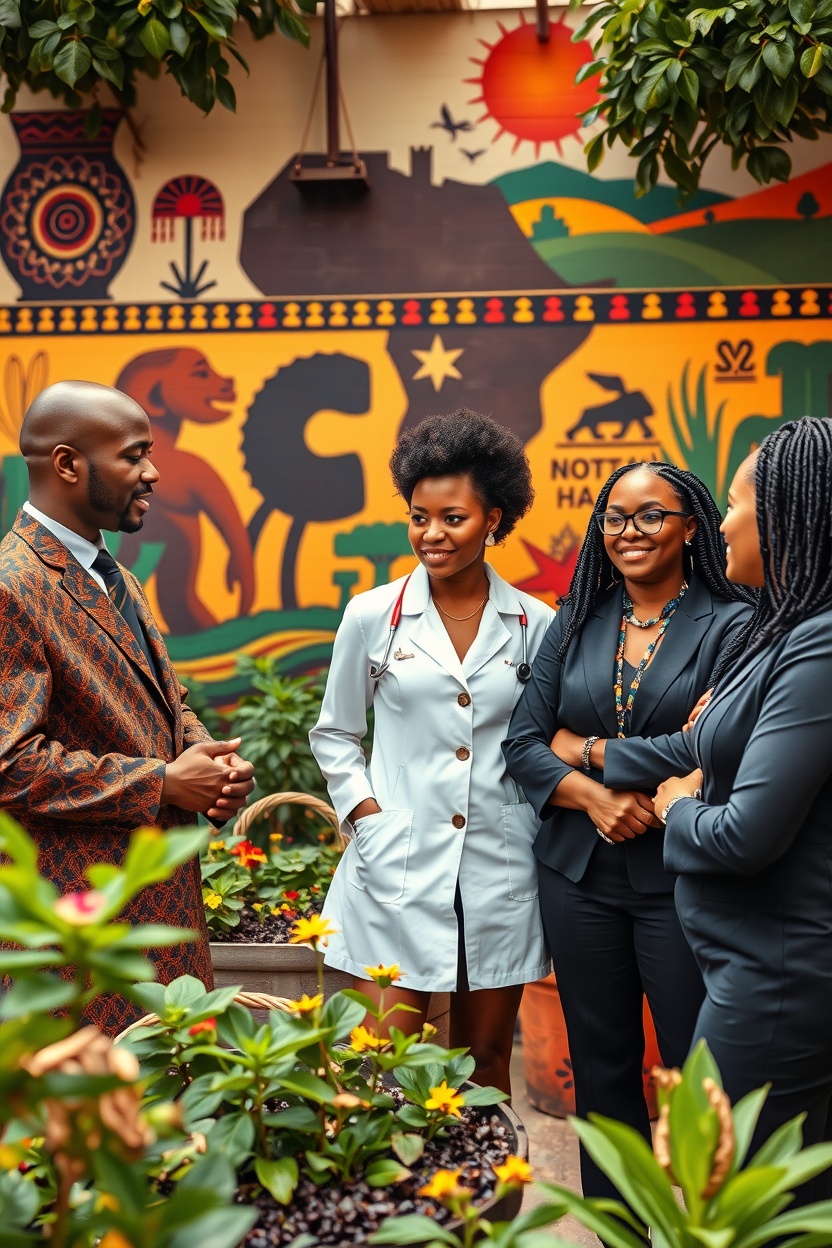
2026 February Holidays and Observances for Sustainability in Retrospect
Looking back at February 2026, we see a month filled with holidays and observances. These events celebrate cultural heritage and national identity. They also promote unity, solidarity, and environmental awareness.
Unity and Solidarity Celebrations
February 2026 is filled with unity and solidarity celebrations worldwide. Unity Day Burundi reminds us of the country’s journey to peace. It shows the nation’s commitment to unity among its people.
Union Day is celebrated in many places, marking the unity of states or territories. It shows the power of unity and cooperation among different groups.
Federal Territory Day (Malaysia) is also in February. It highlights Malaysia’s federal territories and promotes national unity.
Regional and Provincial Observances
February 2026 also has regional and provincial observances. These events show the diversity and richness of local cultures. For example, Northland Anniversary Day (New Zealand) and the Royal Hobart Regatta (Tasmania) celebrate regional heritage and community engagement.
The Royal Hobart Regatta is one of Australia’s oldest events. It attracts visitors worldwide. It celebrates Tasmanian culture and promotes maritime heritage.
Other regional observances include Islander Day (Prince Edward Island), Louis Riel Day (Manitoba), and Andalusia Day (Spain). Each highlights the unique history and cultural identity of its region.
National Identity and Patriotic Days
February 2026 also has national identity and patriotic days. National Flag of Canada Day celebrates Canadian identity and unity.
National Foundation Day (Japan) and Georgia Day reflect on the history and cultural heritage of their countries.
In the United States, days like Texas Day, Statehood Day in Arizona, National Iowa Day, and National California Day promote state pride. They acknowledge the unique contributions of each state to the nation’s history and identity.
Thematic Awareness Weeks Supporting Sustainability
February 2026 also has thematic awareness weeks for sustainability. National Green Week encourages environmentally friendly practices.
National FFA Week (Future Farmers of America) promotes agricultural education and sustainability. It highlights the importance of agriculture in achieving a sustainable future.
Philippine Industry and Made-in-the-Philippines Products Week celebrates the country’s industrial achievements. It promotes local products, supporting economic sustainability and development.
These observances help us understand sustainability better. They show the importance of unity, cultural heritage, and environmental awareness for a sustainable future.
Religious and Spiritual Observances Supporting Environmental Stewardship

In February 2026, many faiths highlight the link between spiritual practices and caring for the planet. These events show the diversity of traditions worldwide. They also show a shared goal to protect our environment.
Lunar New Year Celebrations and Renewal
The Lunar New Year is celebrated in many cultures. It’s a time for renewal and reflection. Families and communities come together to honor their heritage and look forward to the new year.
Korean New Year (Seollal)
Korean New Year, or Seollal, is a big holiday in Korea. It’s celebrated over three days with ancestral rituals and traditional foods. The festive atmosphere includes traditional games and folk performances.
Chinese New Year and Chinese Spring Festival
Chinese New Year, also known as the Spring Festival, is very important. It’s a time for family reunions and traditional foods. The celebration includes lion dances, fireworks, and giving red envelopes with money to children.
Chinese New Year is more than just festivities. It symbolizes renewal and hope for a prosperous year. It emphasizes family, community, and traditional practices.

Tet Holiday (Vietnam)
Tet, or the Lunar New Year, is Vietnam’s most important holiday. It’s a time for families to come together and celebrate the arrival of spring. Traditional foods, decorations, and festivities are key to the celebration.
Losar (Tibetan New Year) and Sonam Losar
Losar is the Tibetan New Year, starting the new year on the Tibetan calendar. It’s celebrated with traditional dances and feasting. Sonam Losar honors the farming community and the harvest season.
Tsagaan Sar (Mongolian New Year)
Tsagaan Sar is the traditional Mongolian New Year. It’s a time for families to gather and exchange gifts. The celebration is rich in cultural heritage and symbolic rituals.
Christian Observances and Seasonal Transitions
Christian observances in February 2026 include important events in the Christian calendar. These events symbolize spiritual renewal and the transition between seasons.
Candlemas Day and Imbolc
Candlemas Day, on February 2, marks the presentation of Jesus at the Temple. It’s also associated with the purification of the Virgin Mary. Imbolc, a Gaelic festival, is observed around the same time, signaling the midpoint between the winter solstice and the spring equinox.
Shrove Monday, Fat Thursday, and Mardi Gras
These celebrations precede the Christian season of Lent, a period of fasting and reflection. Shrove Monday and Fat Thursday are days of feasting before Lent. Mardi Gras, or Fat Tuesday, is a carnival celebration known for its vibrant parades and festivities.
Ash Wednesday and Beginning of Lent
Ash Wednesday marks the beginning of Lent, a 40-day period of fasting, reflection, and spiritual renewal. It’s a significant moment in the Christian calendar, encouraging believers to reflect on their faith and actions.
| Observance | Date | Significance |
|---|---|---|
| Candlemas Day | February 2 | Presentation of Jesus at the Temple |
| Ash Wednesday | Variable | Beginning of Lent |
| Mardi Gras | Variable | Carnival celebration before Lent |

Islamic Observances
Islamic observances in February 2026 include significant events crucial to the Islamic calendar. These events emphasize spiritual growth, community, and reflection.
Ramadan Begins
Ramadan is the Islamic holy month of fasting. It’s a period of spiritual reflection and community. Muslims fast from dawn to sunset, abstaining from food and drink, to develop self-control and empathy for those in need.
Islamic Revolution Day (Iran)
Islamic Revolution Day commemorates the 1979 revolution in Iran. It’s a significant event in the country’s history. It’s observed with various events and reflections on the revolution’s impact.
Hindu and Buddhist Celebrations
Hindu and Buddhist celebrations in February 2026 include significant observances. These highlight the diversity and richness of these spiritual traditions.
Basant Panchami
Basant Panchami is a Hindu festival celebrating the arrival of spring. It’s dedicated to the goddess Saraswati, associated with knowledge, music, and arts. The festival is marked by wearing yellow attire, flying kites, and cultural performances.
Maghi Purnima
Maghi Purnima is a Buddhist observance on the full moon day of the month of Magha. It’s a day for spiritual practice, charity, and communal gatherings.
These religious and spiritual observances in February 2026 reflect the diversity of global cultures. They underscore a shared commitment to environmental stewardship and sustainability. By embracing their spiritual practices, individuals and communities can foster a deeper connection with the natural world.

Historical Commemorations and Modern Peace-Building
In February 2026, we see a mix of remembering the past and working towards a better future. This mix is key to understanding how to achieve global peace and sustainability.
War Remembrances and Lessons for Sustainable Peace
War remembrances remind us of the harm caused by conflict. They teach us the value of diplomacy and working together internationally.
Philippine-American War Memorial
The Philippine-American War Memorial is important. It shows the complex history between the Philippines and the United States. It reminds us of the war’s effects and the need to understand their shared past.
Anniversary of the Liberation of the Battle of Manila
The Anniversary of the Liberation of the Battle of Manila is key. It honors the sacrifices of World War II. It also shows the importance of keeping history alive to avoid future wars.
Remember the Maine Day
Remember the Maine Day remembers the USS Maine’s sinking, starting the Spanish-American War. It teaches us about the dangers of conflict and the need for diplomacy.
Treaties and Diplomatic Milestones
Treaties and diplomatic milestones are vital for international relations. They help countries work together and solve conflicts peacefully.
Treaty of Guadalupe Hidalgo
The Treaty of Guadalupe Hidalgo ended the Mexican-American War in 1848. It changed North America’s geography and politics. It shows how agreements can change history.
Revolutionary Movements and Social Change
Revolutionary movements have shaped our world. They fight for justice and rights. They show how social change and stability are connected.
EDSA People Power Commemoration Week
The EDSA People Power Commemoration Week celebrates the peaceful revolution in the Philippines in 1986. It marked a big step towards democracy.
The Day of Illustrious Puerto Ricans
The Day of Illustrious Puerto Ricans honors notable figures in Puerto Rico’s history. It celebrates their impact on the island’s culture and identity.
Peace and Understanding Initiation
Efforts to promote peace and understanding are vital. They help nations and communities work together and respect each other.
World Peace and Understanding Day (Rotary)
World Peace and Understanding Day, celebrated by Rotary International, stresses the need for peace and understanding. It aims for a more sustainable and fair world.
Global Tourism Resilience Day
Global Tourism Resilience Day focuses on sustainable tourism. It supports local communities and promotes cultural exchange. It helps build global understanding and peace.
Community Resilience and Sustainable Lifestyle Observances

February 2026 is packed with observances that boost community strength and green living. These events cover many areas, from green travel to personal health. They show how we can work together for a better future.
Transportation and Mobility Sustainability
February 2026 is all about green travel. Bike To Work Month encourages cycling to cut down on fossil fuel use and emissions.
Hula in the Coola Day and Qatar Sports Day push for more exercise. They help make our communities healthier and more active.
| Event | Date | Focus Area |
|---|---|---|
| Bike To Work Month | Throughout February | Sustainable Transportation |
| Hula in the Coola Day | February 8 | Active Living |
| Qatar Sports Day | February 12 | Sports and Active Living |
Seasonal and Environmental Awareness Days
February is also a time to focus on nature and the environment. Groundhog Day, Hedgehog Day, and Marmot Day are fun but also teach us about wildlife and nature.
Travel Africa Day supports eco-friendly travel. It helps local economies and protects nature.
Groundhog Day, Hedgehog Day, and Marmot Day
These days, on February 2, remind us of the value of certain animals in nature. They also highlight the need to protect them.
Innovation and Advancement for Sustainability
Innovation is crucial for a greener world. February 2026 celebrates new ideas in many fields. National Inventors’ Day on February 11 honors inventors who help us progress.
Be Electrific Day on February 8 and American Association for the Advancement of Science Week push for science to make our world better.
Creative and Cultural Sustainability
Cultural sustainability is a big focus in February 2026. National Arts Month shows how art enriches our lives. American Painters Day and National Haiku Writing Month celebrate specific art forms.
Preseren Day in Slovenia celebrates its cultural heritage. It reminds us of the importance of keeping our cultural roots alive.
Personal and Community Wellness
Days like National Get Up Day and Self Renewal Day boost personal health. Relationship Wellness Month helps us build strong bonds with others.
Optimist Day and Spiritual Teachers Month spread joy and spiritual growth. They help our communities thrive.
Solidarity and Service Organizations
Days like USO Day and Scout Sabbath honor groups that help our communities. They show the power of working together.
Symbolic Days and Awareness Initiatives
February 2026 also has special days to raise awareness. Day of Ashakalia, Reclaim Social Day, and Disaster Day focus on important issues. They unite us in solidarity.

Conclusion: Building Sustainable Futures Through Collective Remembrance and Action
February 2026 brings many holidays and observances. These events are more than just cultural celebrations. They are key to taking action for sustainability.
These celebrations highlight the connection between humans and the planet. They show how our actions affect the environment and society.
By joining in these events, we learn the value of living sustainably. World Wetlands Day and the Lunar New Year remind us of our duty to protect the planet. They also encourage fair development for all.
Let’s use these celebrations to inspire real change. We can live greener lives and support policies that care for the environment and people. Together, we can build a better future.
Creating a sustainable world is a team effort. It needs everyone’s help, from individuals to governments. By learning from our past, we can make a brighter future for all.
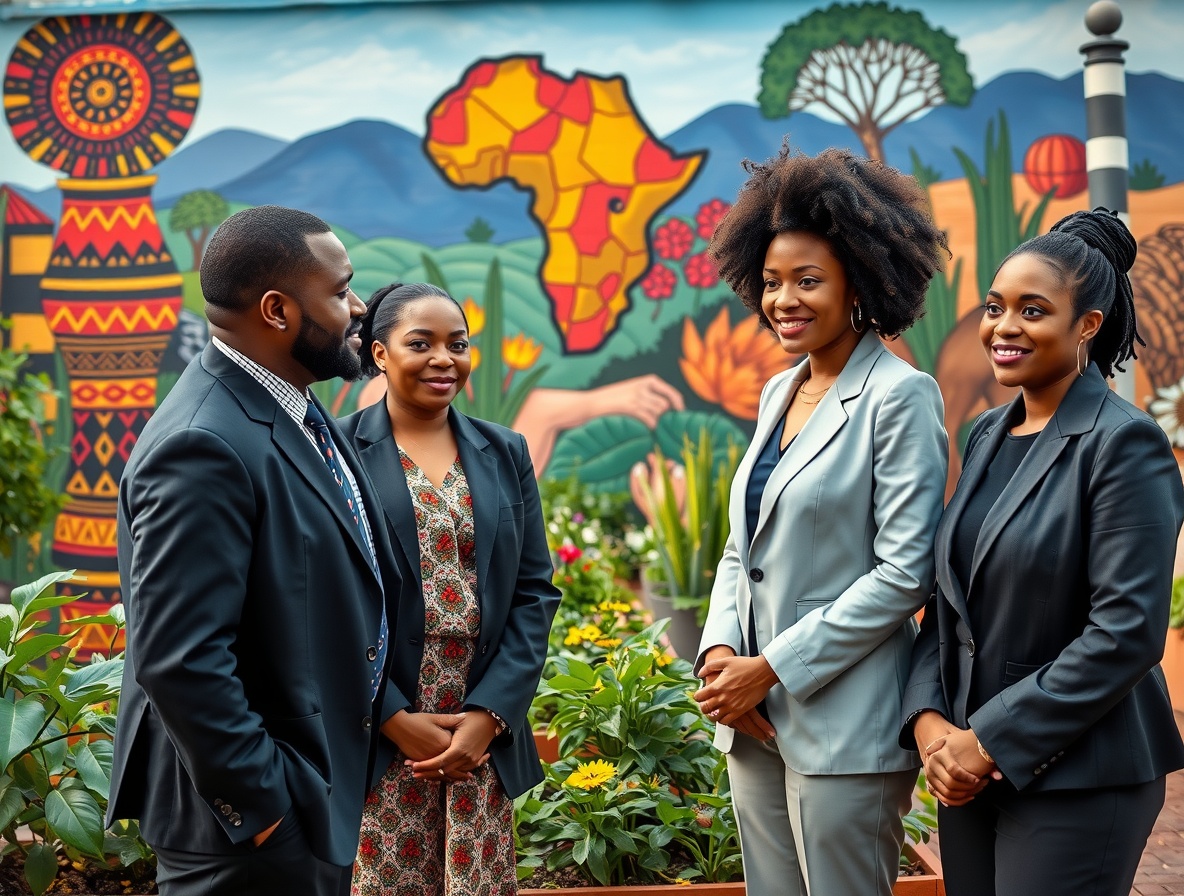
Key Takeaways
- Linking historical remembrance with future environmental goals.
- Protecting critical water ecosystems via wetland preservation.
- Improving global nutrition through pulse crop awareness.
- Recognizing social equity as a pillar of green development.
- Promoting international unity via diverse cultural celebrations.
- Honoring specific memorial dates to build societal resilience.