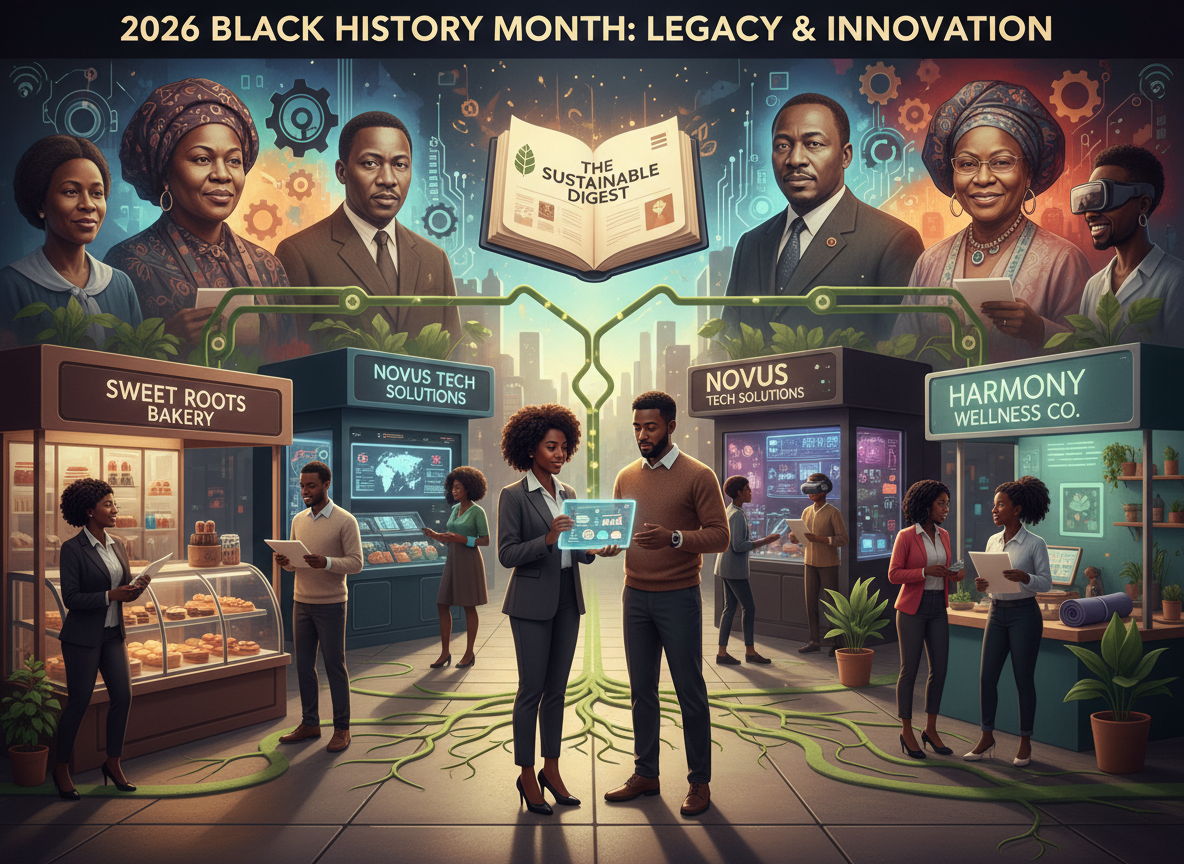
The 2026 Black History Month reveals a clear truth regarding our shared environmental future. Modern sustainability is not a new trend but a reclaimed legacy rooted in ancestral wisdom. This era marks a shift where mission-driven work aligns with long-standing traditions of community care.
In Illinois, the impact of this movement is clear, with over 180,000 firms currently operating today. These entities represent 13% of all state businesses and employ 54,000 people. This innovation reflects a deep commitment to both people and the planet (and perhaps a bit of savvy).
The world now recognizes that ecological health requires economic justice. By exploring Enterprise Development through a historical lens, we see how early systems inform today’s leaders. This analysis examines how these traditions continue to shape a more resilient society while building generational wealth.
The Historical Arc of Black Sustainability Leadership: Pre-Colonial to Contemporary Times
To appreciate modern green initiatives, one must trace the resilient thread of sustainability through the vast timeline of the African diaspora. This journey reveals that black history is deeply intertwined with ecological stewardship and communal care. From ancient agricultural methods to urban business cooperatives, the commitment to the environment remains a constant feature of the Black experience.
Pre-Colonial African Environmental Wisdom and Resource Management
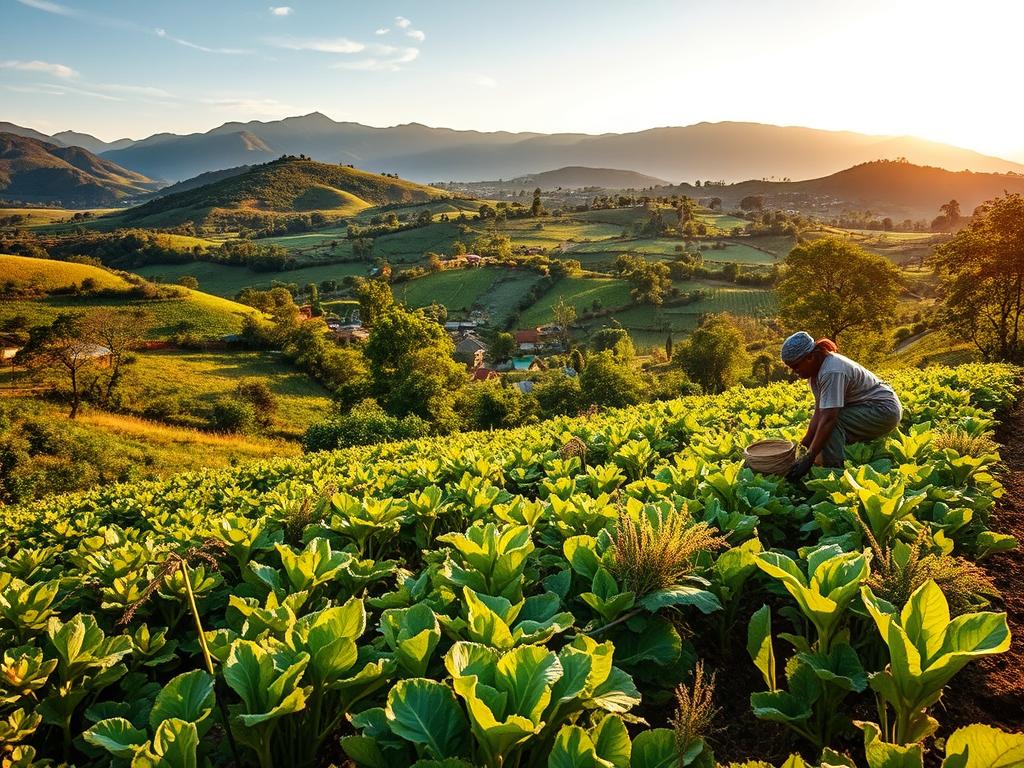
Long before modern technology, African societies mastered intricate environmental management systems. They utilized communal land stewardship and complex crop rotation to preserve vital resources. These methods ensured that the earth remained fertile for future generations.
These systems supported people and ecosystems for centuries without causing ecological degradation. Their sophisticated biodiversity preservation techniques sustained life effectively. Modern sustainability experts are only now beginning to fully appreciate the depth of this ancestral knowledge.
Survival and Sustainability During the Industrial Revolution
Forced migration disrupted many traditional practices, yet the spirit of resilience ensured their survival in new environments. Enslaved communities adapted African agricultural knowledge to cultivate provision grounds. They also created herbal medicine systems using indigenous plants to maintain community health.
During the industrial era, Black Americans faced exclusion from mainstream economic opportunities. In response, pioneers like Anthony Overton and Jesse Binga created cooperative business models that prioritized community wealth. They proved that social entrepreneurship could thrive even under systemic oppression.
| Leader | Key Achievement | Era/Year |
|---|---|---|
| Jesse Binga | Founded the first private Black-owned bank (Binga State Bank) | 1921 |
| John H. Johnson | First African American to appear on the Forbes 400 | 1982 |
| Anthony Overton | Established Overton Hygienic Company and Chicago Bee | 1898 |
| Ida B. Wells | Challenged discriminatory practices for inclusive business | 1893 |
Civil Rights Era to Modern Environmental Justice Movements

The struggle for equality evolved over many years to address the harsh reality of environmental racism. Advocacy highlighted how discriminatory policies left Black communities exposed to toxic waste and pollution. This realization galvanized a movement that connected civil rights to ecological health.
This era remains a pivotal chapter in black history, showing how activism secures a healthier future for all. Leaders fought for the right to clean air and safe water in marginalized neighborhoods. Their efforts paved the way for modern policies that link social equity with environmental protection.
Contemporary Black Innovation in Sustainable Business Practices
Today, a new wave of social entrepreneurship reflects a rich culture of learning and adaptation. Modern business leaders synthesize ancestral wisdom with cutting-edge technology to drive progress. They create enterprises that address climate change while building economic power.
During history month, we celebrate this continuous arc of innovation and leadership. By honoring black history, we recognize a legacy of stewardship that remains vital for global sustainability over time. This ongoing, time-tested commitment ensures that future generations will inherit both a thriving planet and a more equitable economy.
“The success of the community is built upon the sustainable management of our shared assets.”
Enterprise Development, 2026 Black History Month, Social Entrepreneurship: The Current Economic Landscape

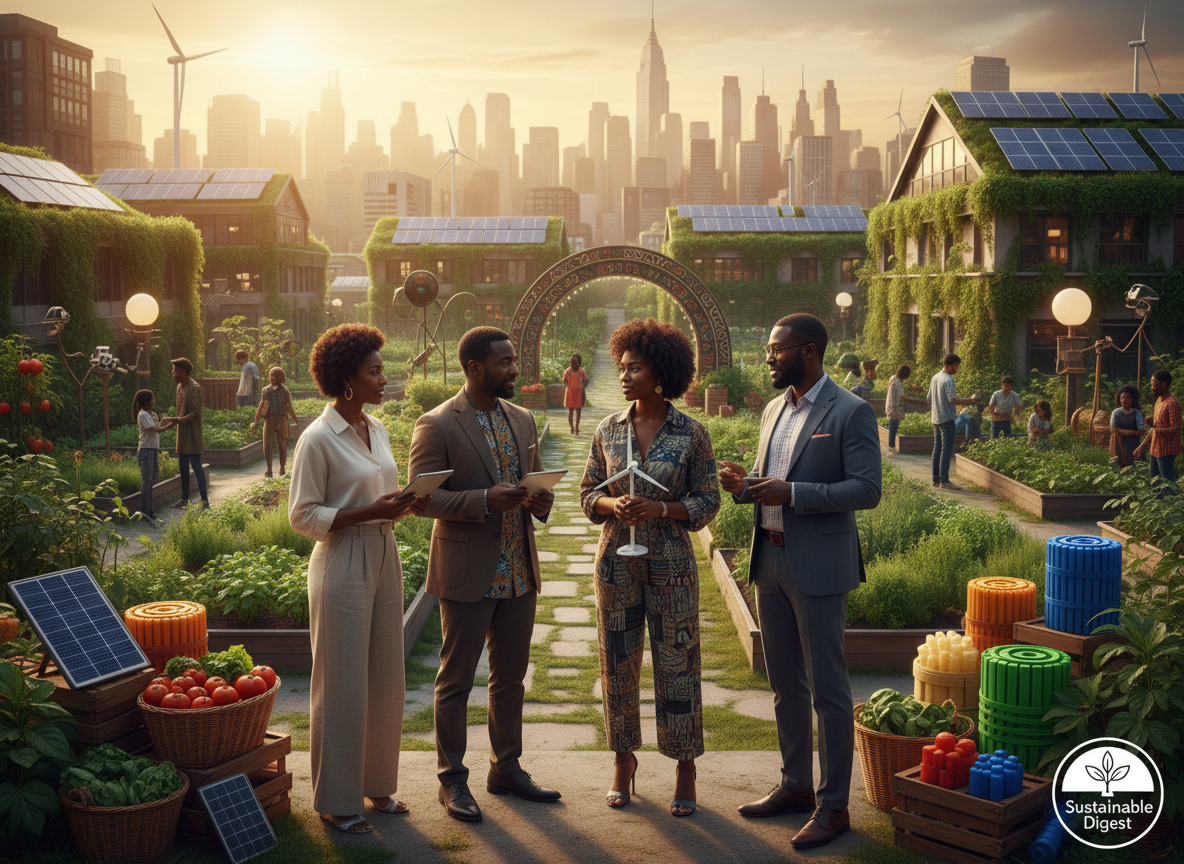
Peering through the analytical lens of 2026, one finds that Black social entrepreneurs are no longer just filling gaps; they are constructing entire ecosystems of equity. This year’s black history month serves as a vital checkpoint for progress, highlighting how the community uses commerce to solve ancient problems. These leaders blend profit with purpose, ensuring that every dollar spent circulates back into local neighborhoods.
The shift toward sustainable models suggests a deep-seated desire to move beyond traditional retail. Entrepreneurs now prioritize long-term ecological health and social welfare over short-term financial gains. This analytical shift marks a new era in the American economic story.
By the Numbers: Black-Owned Business Impact in 2026
Current data from the state of Illinois reveals a robust landscape of entrepreneurial activity. Black-owned firms now make up 13% of all businesses in the region, totaling over 180,000 active units. These enterprises generate a significant impact by employing more than 54,000 residents across various sectors.
Longevity remains a cornerstone of this economic success. Nearly one-third of these firms have operated for over a decade, proving that resilience is a standard feature, not a fluke. When provided the right opportunity, these ventures act as anchors for generational wealth and local stability.
Black Women as Catalysts for Sustainable Enterprise Development
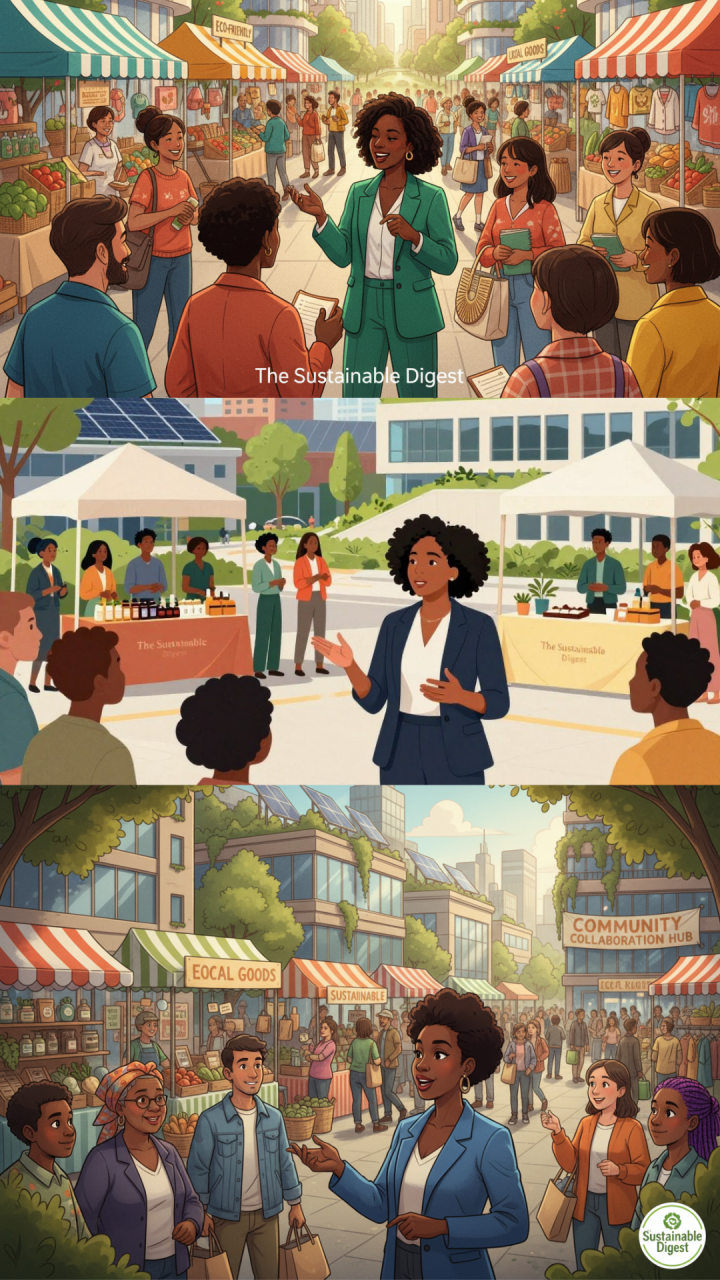
Black women currently stand at the vanguard of this movement. They represent 64% of Black business owners, leveraging unique perspectives to solve complex social issues. Their representation in the market signals a fundamental shift toward leadership that values empathy and sustainability.
Social entrepreneurship is not just about a product; it is about the courage to rewrite the social contract through the power of the marketplace.
These women often lead firms in education, social services, and professional consulting. Their focus on the collective good drives significant growth in the green economy. By centering community needs, they create a blueprint for future generations to follow.
Spotlighting Sustainable Black-Owned Businesses
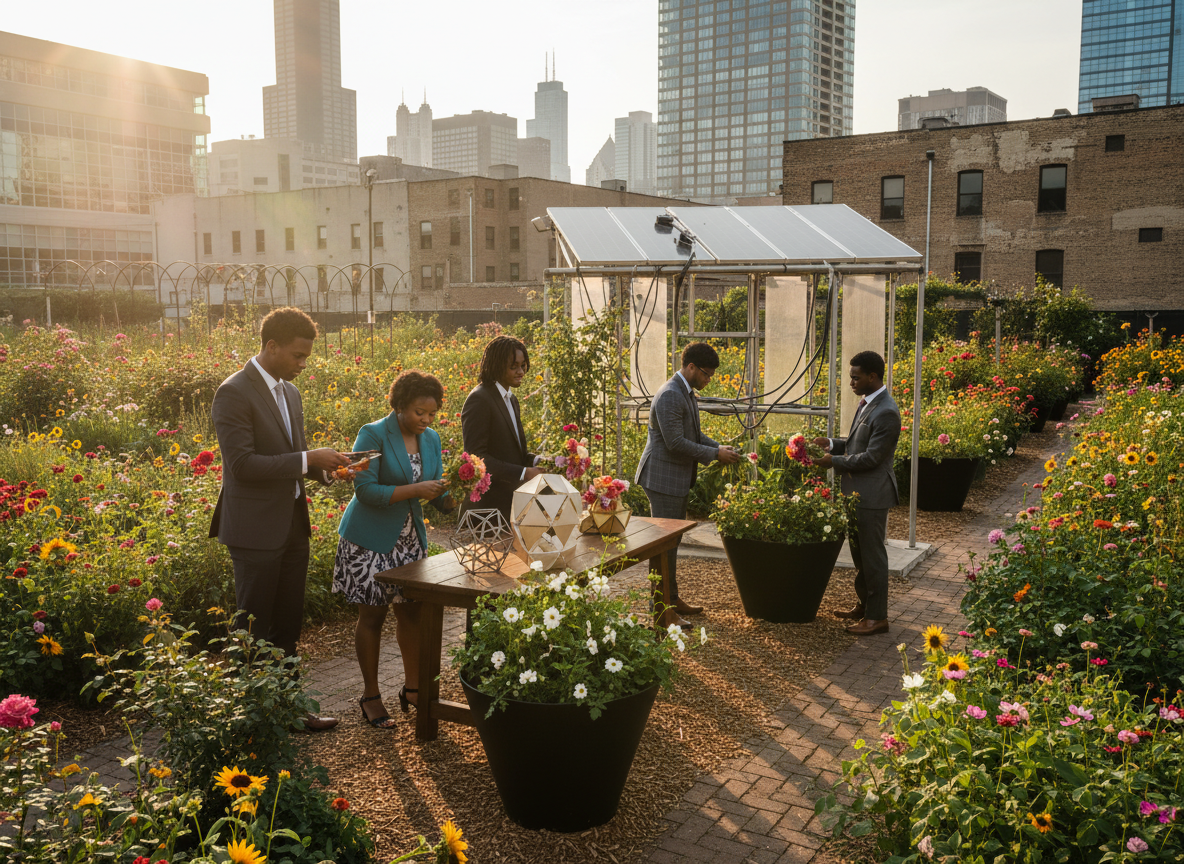
Concrete examples of this philosophy abound in 2026. These businesses demonstrate how social entrepreneurship principles work in the real world. They show that ethical sourcing and community-driven missions are viable paths to success.
Southside Blooms: Youth Employment Through Sustainable Agriculture
Southside Blooms operates as a farm-to-vase nonprofit that tackles youth unemployment and urban blight. Their expansion into North Lawndale in early 2026 shows how a mission-rooted business can scale effectively. They transform vacant lots into productive flower farms, proving that environmental care can coexist with job creation.
Riley’s Vegan Sweets & Eats: Plant-Based Future Vision
Based in Peoria, this company represents the cutting edge of the plant-based revolution. As the city’s first 100% vegan bakery, Riley’s combines cultural innovation with environmental consciousness. They challenge conventional food industry norms while providing delicious, sustainable alternatives to their customers.
The Irie Cup: Sustainable Sourcing and Holistic Self-Care
The Irie Cup uses a family-owned model to promote ethical tea procurement. This home-based entrepreneurial tradition has evolved into a community wellness resource that educates the public on holistic health. They prioritize transparent supply chains, ensuring that their growth never comes at the expense of global farmers.
| Business Name | Primary Focus | Social Impact Pillar |
|---|---|---|
| Southside Blooms | Sustainable Floriculture | Youth Employment |
| Riley’s Vegan Sweets | Plant-Based Food | Environmental Health |
| The Irie Cup | Ethical Tea Sourcing | Holistic Wellness |
| Illinois Tech Firms | Professional Services | Economic Equity |
The 17 UN Sustainable Development Goals: Practical Applications in Black Social Entrepreneurship

Mapping the 17 UN Sustainable Development Goals onto the landscape of Black social enterprise reveals a sophisticated alignment between global targets and local activism. These goals are not just abstract ideals; they are active blueprints for impact within the African American business sector. By examining these connections, we see how entrepreneurs transform global mandates into neighborhood realities.
Goals 1-3: No Poverty, Zero Hunger, and Good Health
The initial cluster of UN goals addresses the most fundamental human needs. During black history month, it is vital to recognize how social enterprises serve as primary engines for these essential requirements. They bridge the gap between systemic neglect and community-driven abundance.
Community Employment Programs and Economic Opportunity
Enterprises like Southside Blooms create immediate economic opportunity by employing at-risk youth in the floral industry. This model provides more than a paycheck; it builds a stable community through meaningful work. By offering dignified jobs, these businesses directly combat poverty while fostering a sense of purpose.
Sustainable Food Systems and Nutrition Access
Riley’s Vegan Sweets & Eats serves as Peoria’s first 100% vegan bakery, proving that health-conscious options are a right, not a luxury. Such businesses improve access to nutritious food in areas often overlooked by traditional retailers. They demonstrate that healthy people are the foundation of a thriving, sustainable economy.
Goals 4-6: Quality Education, Gender Equality, and Clean Water
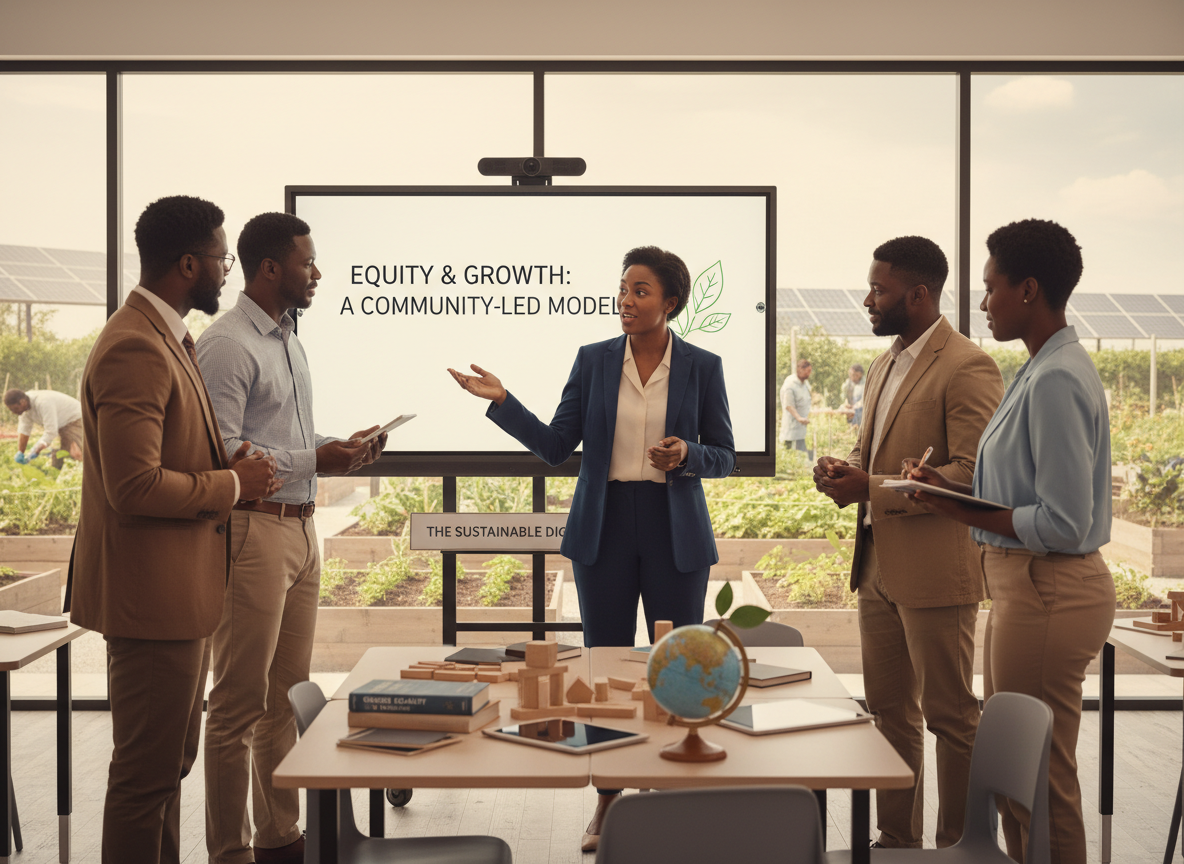
The pursuit of education and equality is a cornerstone of the Black entrepreneurial spirit. These goals ensure that the next generation of leaders has the tools and the equity required to succeed. By centering these values, businesses become more than commercial entities; they become institutions of social change.
Educational Programming and Leadership Development
Many Black-owned businesses integrate learning directly into their operational models through formal programs. Whether it is teaching sustainable farming or business management, these initiatives provide the resources needed for self-sufficiency. This focus on education ensures that knowledge remains a communal asset rather than a private privilege.
Women-Led Business Advancement
In Illinois, 64% of Black-owned businesses are led by women, highlighting a significant shift in leadership demographics. These enterprises provide vital support for gender equality by placing women at the helm of economic development. This leadership ensures that diverse perspectives guide the future of education and community health.
| Business Name | Primary SDG Focus | Core Community Benefit |
|---|---|---|
| Southside Blooms | Goal 8: Decent Work | Youth employment and urban greening |
| Riley’s Vegan Sweets | Goal 3: Good Health | Plant-based nutrition in food deserts |
| The Irie Cup | Goal 12: Consumption | Sustainable sourcing and self-care |
Goals 7-9: Affordable Energy, Decent Work, and Industry Innovation

Innovation in Black enterprises often involves reimagining how industries can serve the public good. These goals focus on building resilient infrastructure and fostering sustainable industrialization. This approach ensures that economic growth does not come at the expense of environmental or social well-being.
Green Business Practices and Job Creation
Sustainable flower growth and design businesses exemplify how green industries can revitalize urban spaces. These models prove that environmental opportunity and job creation can go hand-in-hand. By prioritizing planet-friendly methods, they set a new standard for responsible commercial operations.
Technological Innovation in Black Enterprises
Innovation is not always about high-tech gadgets; sometimes it is about the way a business interacts with its environment. Black entrepreneurs are leading the way by adopting clean energy and efficient production methods. This forward-thinking approach ensures long-term viability in a rapidly changing global market.
Goals 10-12: Reduced Inequalities, Sustainable Cities, and Responsible Consumption
Reducing inequality requires a deliberate effort to redistribute access to wealth and power. Black social entrepreneurs tackle this by demanding equitable access to capital for their ventures. They build businesses that serve as anchors for sustainable city development and ethical consumption.
Equitable Access to Capital and Resources
Despite historical barriers, nearly one-third of Black-owned businesses in Illinois have thrived for over a decade. This longevity depends on securing the financial resources necessary to scale and sustain operations. Providing a fair community investment landscape is essential for reaching these global equity targets.
Community-Centered Urban Development
Businesses that prioritize the local community transform urban landscapes into vibrant, sustainable hubs. By repurposing vacant lots for agriculture or retail, they create a sense of belonging and ownership. This way of developing cities ensures that growth benefits the residents who have lived there the longest.
Goals 13-15: Climate Action, Life Below Water, and Life on Land
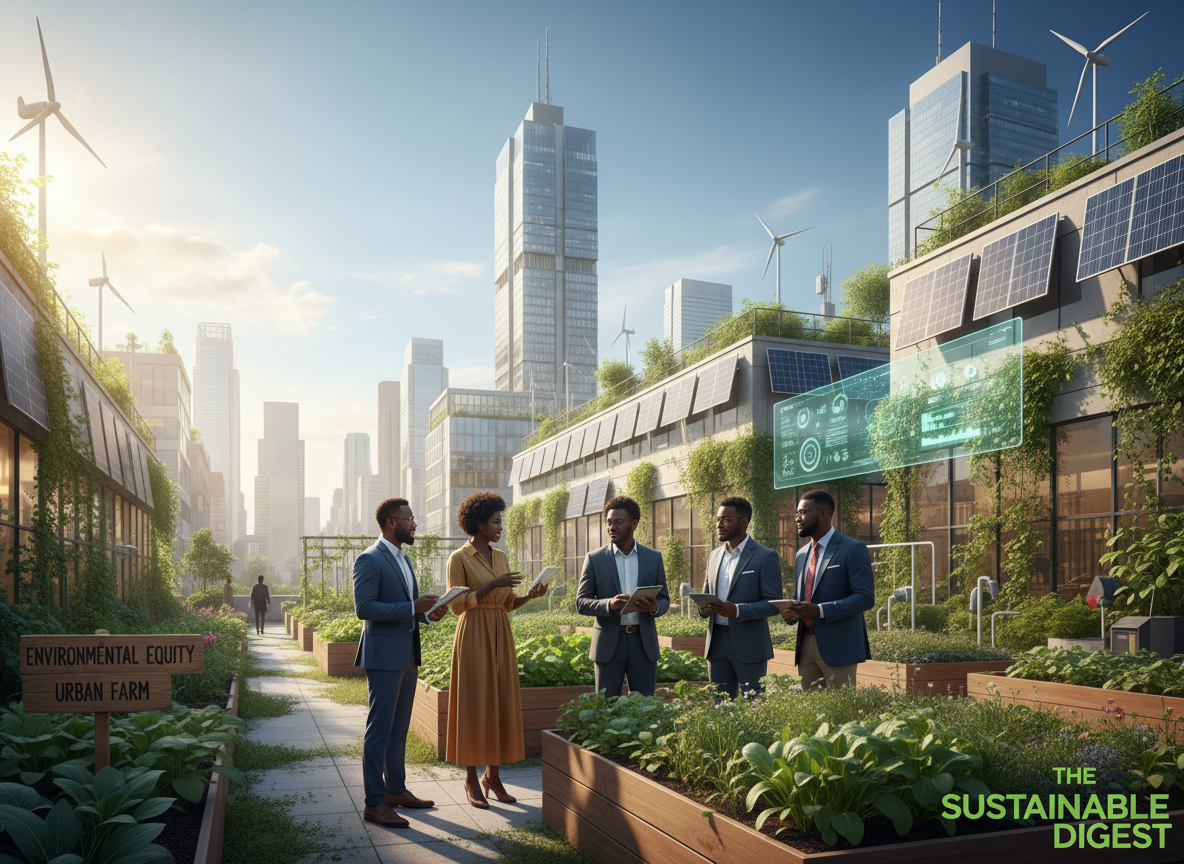
Environmental stewardship is deeply rooted in the history of Black land ownership and agricultural wisdom. Many social enterprises use their programs to reconnect learning with the natural world. They treat climate action as a non-negotiable part of their business DNA.
Environmental Stewardship in Business Operations
Companies like The Irie Cup emphasize sustainable sourcing as a fundamental business principle. They recognize that protecting “Life on Land” is critical for the long-term health of their supply chains. This commitment shows that environmental care is a core part of modern Black social entrepreneurship.
Sustainable Sourcing and Conservation Practices
Conservation is not a secondary thought but a primary strategy for mission-driven Black businesses. By choosing ethically sourced ingredients and materials, they reduce their overall carbon footprint. This practice honors ancestral relationships with the earth while protecting future biodiversity.
Goals 16-17: Peace, Justice, and Partnerships for the Goals

The final UN goals emphasize that progress requires collective action and systemic justice. No business is an island, especially when the goal is widespread social change. During black history month, the focus on collaborative networks becomes even more pronounced.
Advocacy for Policy Change and Economic Justice
Black entrepreneurs often lead the charge for change in local and national policy. They advocate for laws that promote economic justice and fair market access for all people. This advocacy ensures that the legal framework supports, rather than hinders, sustainable development.
Collaborative Networks for Sustainable Development
Sustainable progress is only possible through strong partnerships between businesses, government, and citizens. Collaborative networks allow Black social entrepreneurs to amplify their impact and share best practices. By working together, these people ensure that the vision of a sustainable future becomes a shared reality.
Black-Led Organizations and Chambers Driving Sustainable Economic Equity
In the landscape of 2026, Black-led organizations serve as the essential scaffolding for equitable economic development across Illinois. These institutions provide the infrastructure that individual entrepreneurs need to scale their impact effectively. By offering coordinated support, they ensure that this history month is defined by progress rather than just reflection.
Illinois Black Chamber of Commerce and Statewide Networks

The Illinois Black Chamber of Commerce acts as a powerful engine for state level change. It provides advocacy that helps small firms navigate complex regulatory environments. Experienced leaders within the network offer mentorship to bridge the gap between startup ideas and sustainable growth.
Membership offers more than just a directory listing. It provides direct access to capital resources and procurement opportunities. This collective power allows business owners to compete for large-scale contracts that were previously out of reach.
Black Business Alliance and Regional Partnerships

Regional efforts through the Black Business Alliance—Peoria Chapter ensure that growth is not limited to the largest cities. These organizations recognize that economic equity matters across all geographic boundaries. They connect local talent with regional supply chains to boost resilience.
The Quad County African American Chamber expands these opportunities across Kane, Kendall, DuPage, and Will counties. This alliance fosters a collaborative business environment. It transforms isolated local efforts into a unified regional economic force.
Chicago Urban League and Community Economic Development

The Chicago Urban League represents the evolution of civil rights into modern economic empowerment. Their programs focus on community development as the foundation for entrepreneurship. They provide technical training that helps founders master financial literacy and digital transformation.
By connecting emerging leaders with established corporate partners, they create a pipeline for success. Their work proves that systemic equity requires intentional investment in human capital. This approach turns historical challenges into future economic opportunities.
Cultural Celebrations Amplifying Black Business Success
Cultural events serve a dual purpose by blending economic support with social culture. They turn public awareness into direct revenue for local creators and artisans. This engagement ensures that the spirit of the history month translates into tangible financial growth.
Chicago Black Restaurant Week 2026

From February 8-22, 2026, this event focuses on uplifting the food and beverage sector. It is a time to celebrate black culinary excellence through direct consumer action. This recognition builds lasting relationships between owners and the neighborhoods they serve.
During black history month, this initiative transforms passive observation into active spending. It highlights the vital role that restaurants play in local economies. These celebrations create a cycle of visibility that supports long-term sustainability.
Leadership, Advocacy, and Mentorship: Building the Next Generation of Social Entrepreneurs
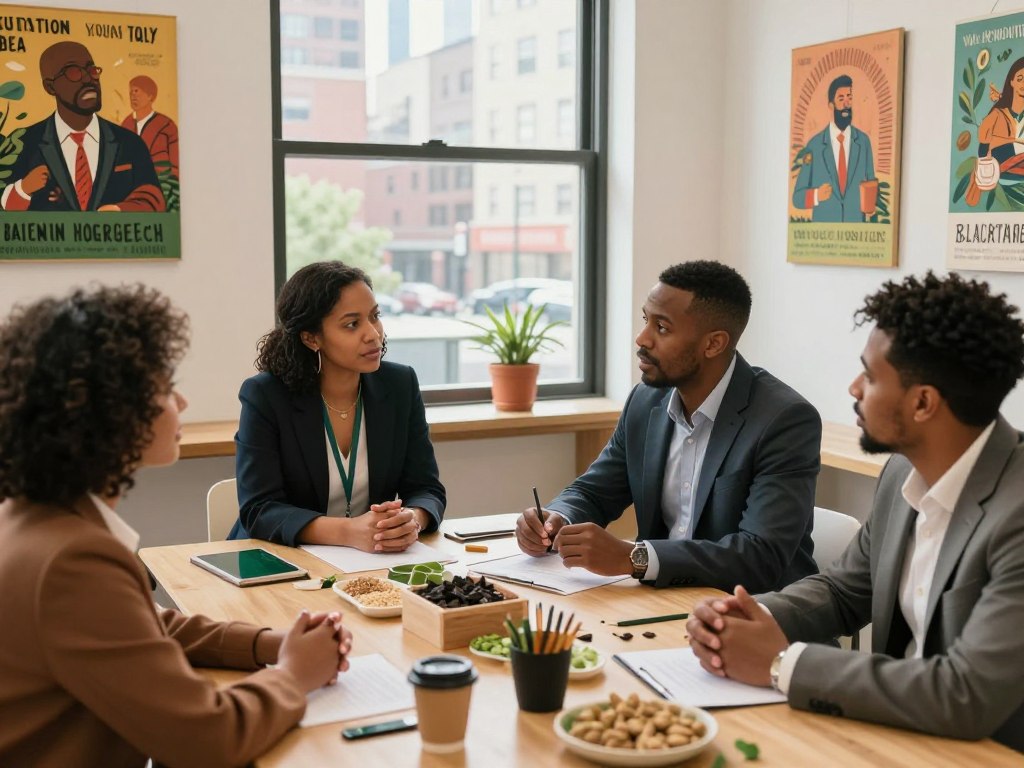
Building a sustainable future for Black social entrepreneurship relies on a triple threat: historical wisdom, contemporary leadership, and the relentless advocacy of mentors. These elements combine to form a robust framework where individual success fuels collective growth. When we look back, we see that the seeds of modern enterprise were sown by those who refused to accept the status quo.
Every moment spent studying these pioneers reveals a blueprint for resilience. Their stories teach us that social change and economic power are often two sides of the same coin. By integrating these lessons today, we ensure that the next generation of people in the industry has a solid foundation to stand on.
Pioneering Black Business Leaders: From Jesse Binga to Oprah Winfrey
Institutional legacy began with pioneers like Jesse Binga, who opened the first privately-owned African American bank in 1921. Others like Anthony Overton, who established his hygienic company in 1898, and Ida B. Wells challenged discriminatory practices through journalism. These leaders demonstrated Black economic capacity over many years of intense struggle.
These early successes provided the template for John H. Johnson, who became the first African American on the Forbes 400 in 1982. Oprah Winfrey later expanded what was believed possible by becoming the first Black woman billionaire. Her leadership through Harpo Productions showed how media content can drive both profit and social change.
| Leader | Historical Milestone | Economic Impact |
|---|---|---|
| Jesse Binga | Binga State Bank (1921) | First private Black-owned bank |
| John H. Johnson | Forbes 400 List (1982) | Validated Black publishing power |
| Oprah Winfrey | Billionaire Status | Global media institution building |
Today’s Corporate and Community Leaders Shaping Sustainable Futures
Modern leadership continues through figures like Nicholas Bruce and Sirmara Campbell, who use their access to shape sustainable futures. Today, leaders like Brandon Fair and Shalisa Humphrey occupy vital positions in finance and the industry. Their professional experience allows them to advocate for systemic equity in every company they serve.
Furthermore, Otto Nichols and Zaldwaynaka Scott bridge the gap between real estate, education, and economic development. They use their leadership roles to mentor emerging entrepreneurs who face unique questions in the current market. This experience is crucial for maintaining representation in high-level corporate programs.
The Power of Platforms: Entertainment and Social Change
The entertainment industry serves as more than just culture; it is a massive driver of economic growth. During a Howard University event, Renata Colbert noted that the film industry supports over 2,000,000 jobs in the world. Productions like “Superman” bringing $82 million to Georgia prove that creative content matters for local stability.
“Policy creates that avenue… even the most innovative business content can be constrained by regulatory frameworks.”
— Renata Colbert, Motion Picture Association
Economic impact extends to cities like D.C., where “House of Dynamite” infused $5 million into the local home economy. This part of the industry proves that culture and commerce are deeply intertwined. Such an event highlights how platforms can provide recognition for marginalized voices while creating jobs.
Mentorship as a Cornerstone of Sustainable Success
Effective mentorship requires more than sharing advice; it involves creating a support system for the next generation. During history month, it matters to recognize how intergenerational dialogue fosters deep learning. Experienced leaders help students navigate the way toward professional recognition and success.
Through years of experience, mentors provide the access that formal education often misses. They answer difficult questions about navigating corporate programs and staying true to one’s mission. This learning process is a vital part of sustaining leadership across decades.
Understanding Policy and Its Impact on Enterprise Development
Mentors must teach that advocacy for better policy creates the necessary avenues for success. Policy literacy ensures that social growth is not limited by legislative barriers. In every history month, we see that the most successful people were those who understood the rules of the game.
Creating Safe Spaces for Artists and Entrepreneurs
Monique Davis-Carey emphasized that our responsibility is creating a safe space for creators to thrive. This environment allows for authentic expression and protects the integrity of the artistic moment. Such a home for innovation ensures that representation remains a priority in the industry.
Authentic Networking and Resource Mobilization
Authentic networking, as modeled by the rapper Noochie, focuses on genuine connection rather than transactions. This way of building relationships reflects cultural values of community and shared access. It helps mobilize resources to ensure every moment contributes to the collective good in the space of social enterprise.

Conclusion
As history month 2026 begins, it becomes clear that the legacy of Black social entrepreneurship is the ultimate roadmap for global progress. This time allows us to celebrate black history by acknowledging that sustainability is a reclaimed legacy of resilience. Today, modern innovation draws directly from centuries of community-centered resource management that sustained people through every era.
Mission-driven organizations use the 17 UN Sustainable Development Goals to create a new way of doing business. These visionary leaders ensure that every individual has the opportunity to thrive while protecting our collective future. During this history month 2026, we recognize that mission-driven enterprises create comprehensive community impact rather than focusing on narrow profit generation.
Within our state, access to resources and mentorship helps new ventures flourish into sustainable landmarks. We celebrate black excellence and support local events like Restaurant Week to drive real economic change. This content reminds us that history month 2026 transforms a simple celebration into a powerful engine for long-term engagement.
When we celebrate black history during black history month, we invest in an equitable and inclusive future. Every history month reminds us that resilience requires both individual excellence and the strength of collective support. During this history month 2026, we honor the past by empowering the business leaders of today. As black history month concludes, this history month serves as a permanent reminder that prosperity and purpose are complementary goals for all.
| Core Pillar | Business Application | Sustainable Goal |
|---|---|---|
| Heritage | Reclaiming ancestral wisdom | Climate Action |
| Economy | Mission-driven growth | Decent Work |
| Equity | Inclusive leadership | Reduced Inequality |
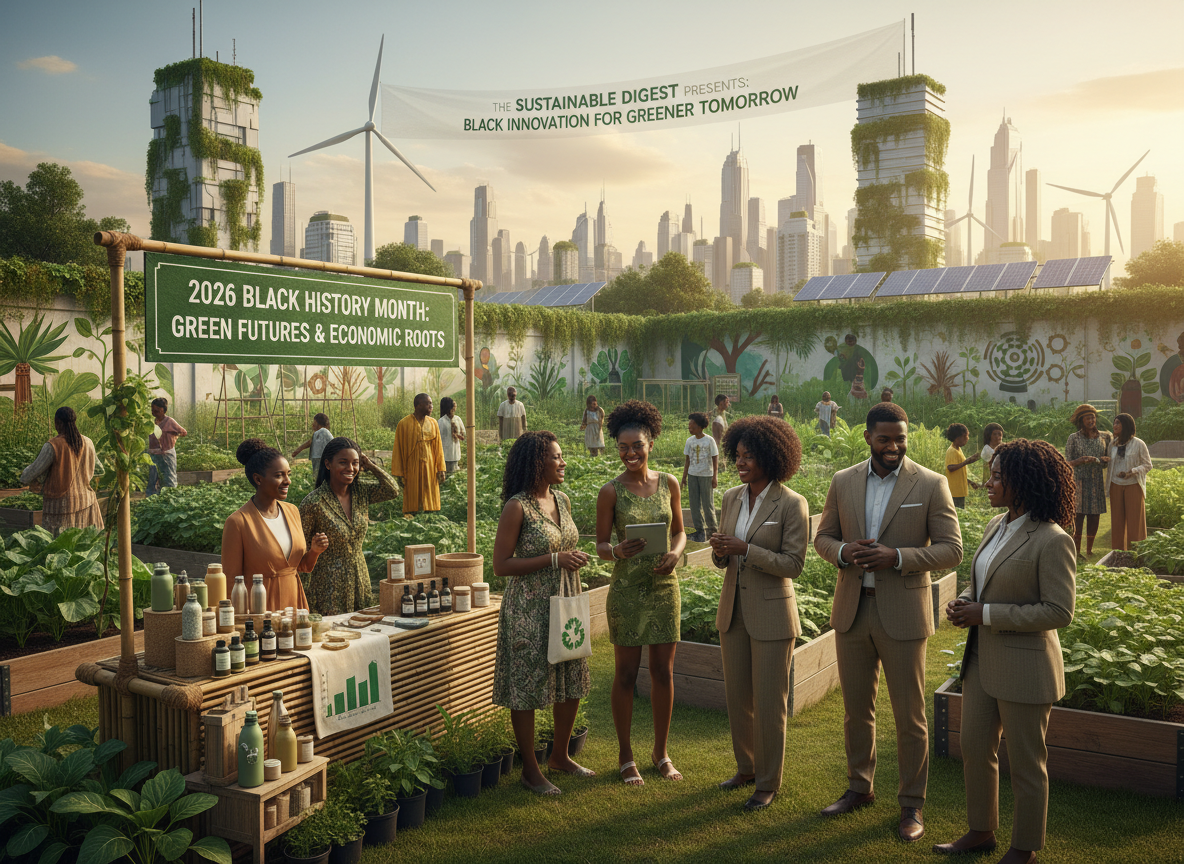
Key Takeaways
- Ecological care is a long-standing tradition within these communities.
- Local firms in Illinois drive significant employment and regional growth.
- Social Entrepreneurship mission-driven business models reclaim ancestral economic power.
- Upcoming celebrations highlight the link between justice and ecology.
- Progress is rooted in cultural memory and community resilience.
- Impact-focused ventures act as vehicles for systemic change.