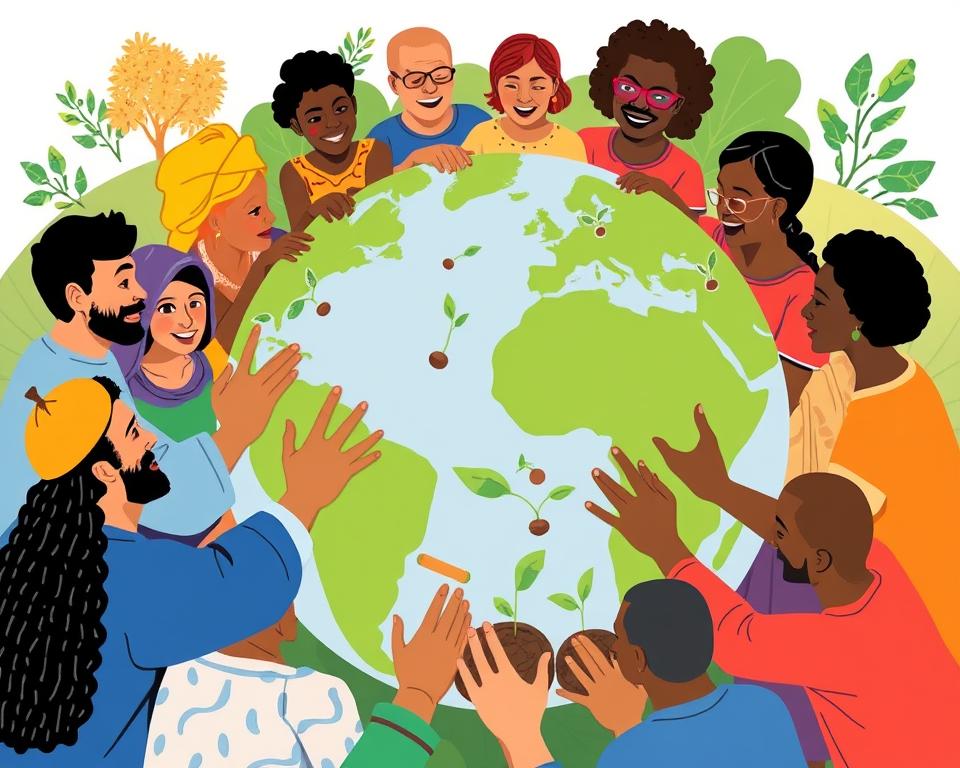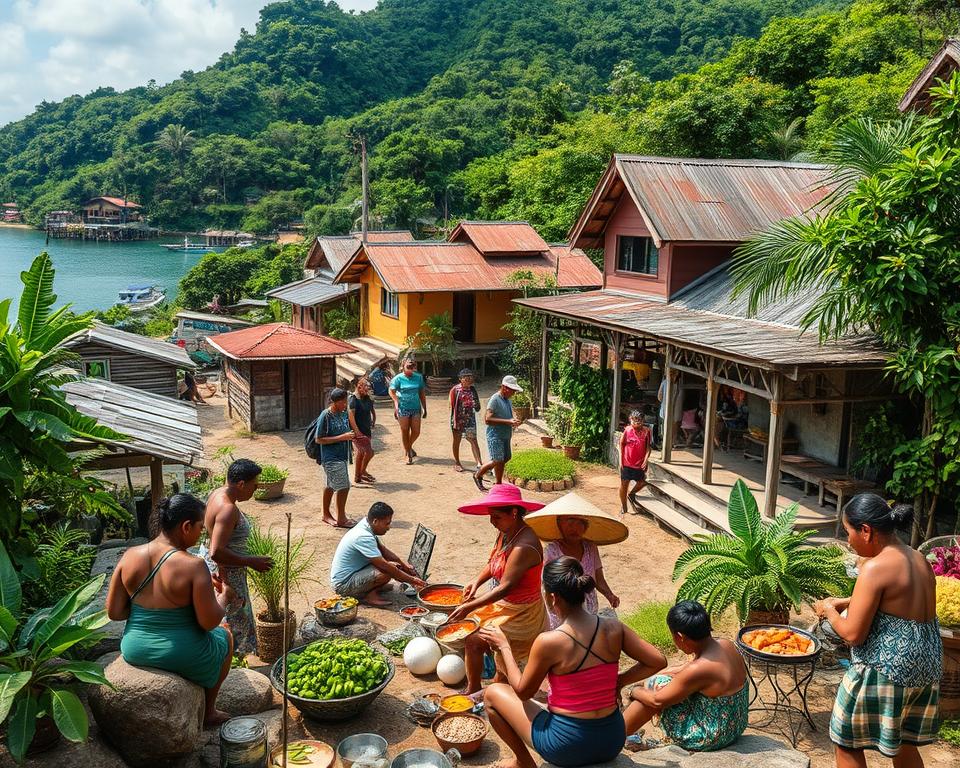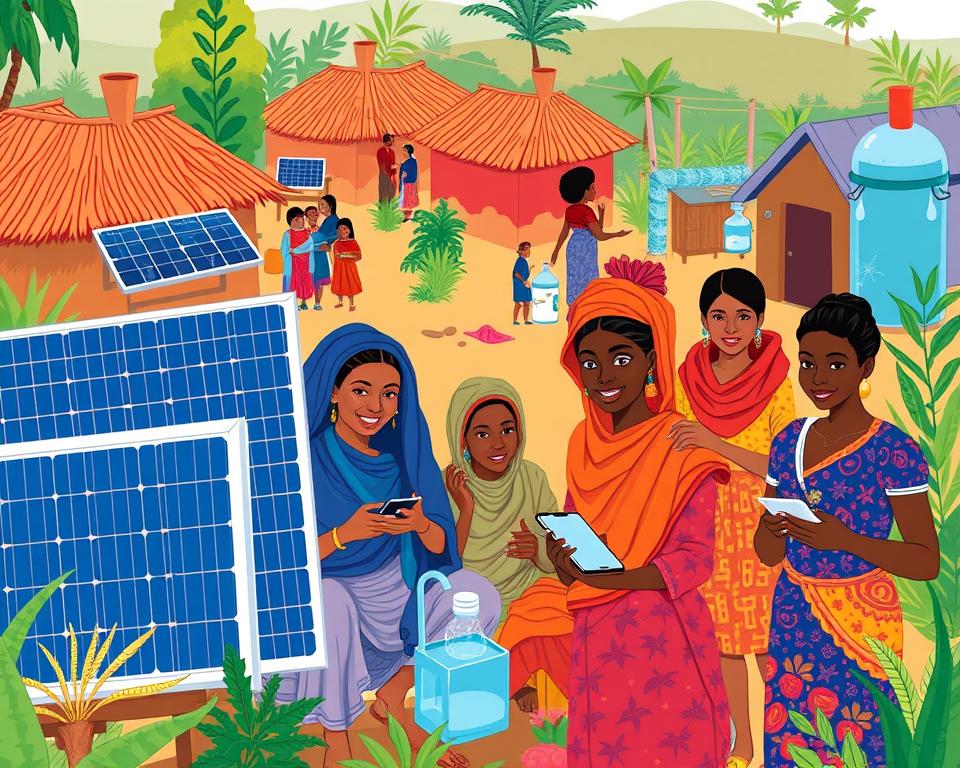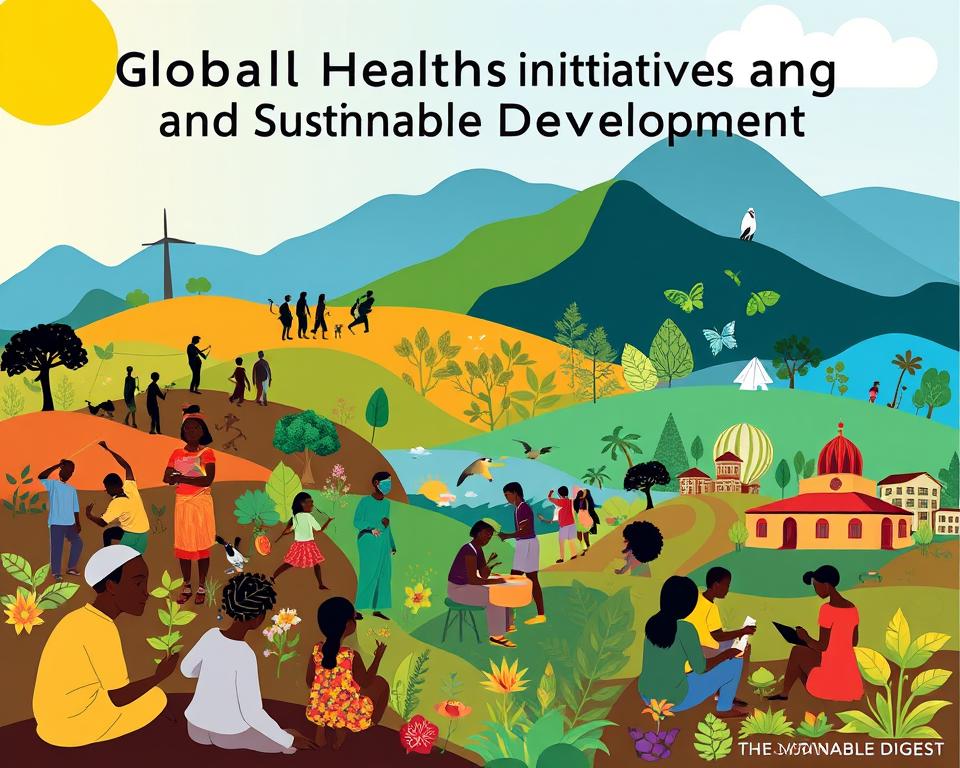
UNSDG#3: Fostering Good Health & Well-being for NGOs and MSMEs.

Global health challenges need both new ways and structural reform to solve them. The United Nations Sustainable Development Goal #3 (UNSDG#3) is an essential tool for tackling health issues worldwide. Non-governmental organizations better know as NGOs working together are changing global healthcare for the better.

Micro, Small, and Medium Enterprises (MSMEs) are crucial in solving health problems and to institute a protocol of well-being source solutions. They assist by working on health solutions that fit local needs. Through this strategy, they make healthcare more accessible and effective while providing better access to wellness activities and products.

NGOs and MSMEs work together to improve overall health. They team up with governments and private groups, both for profit and non-profit. This teamwork uses technology, culture, and smart planning to tackle various health issues.

Understanding UNSDG#3: The Global Health Imperative

The United Nations Sustainable Development Goal 3 (UNSDG#3) and adaptation of it can be a major key indicator for changing global health. It aims to make sure everyone, no matter their age or where they live, has a healthy life and well-being or at least aspires to do so.

According to data and field monitoring and engagement, getting people involved in health is now more important than ever. Groups like international organizations, governments, NGOs, and local communities are working together. They aim to improve health for everyone.

Key Targets and Indicators of UNSDG#3

This goal focuses on important health goals. It wants to lower deaths of mothers and newborns and fight off diseases. Non-governmental organizations (NGOs) and small and medium-sized enterprises (MSMEs) are key in helping reach these goals.

Global Health Challenges in the Post-Pandemic Era

COVID-19 changed how we see healthcare locally and worldwide. It showed us how weak and inefficient our healthcare systems were and pushed for more digital health solutions. It’s now more important than ever for everyone to work together to make healthcare stronger.

Measuring Progress in Health and Well-being

“Health is not just the absence of disease, but a state of complete physical, mental, and social well-being.” – World Health Organization

Now, we measure health in more ways than before. We look at things like money, external environment, and how strong a community is. New ways to track health help us see how well we’re doing in making people healthier.

Using healthcare, technology, and community resources together is a new way to improve health worldwide. It’s a powerful approach for lasting health improvements.

The Strategic Role of NGOs in Healthcare Development
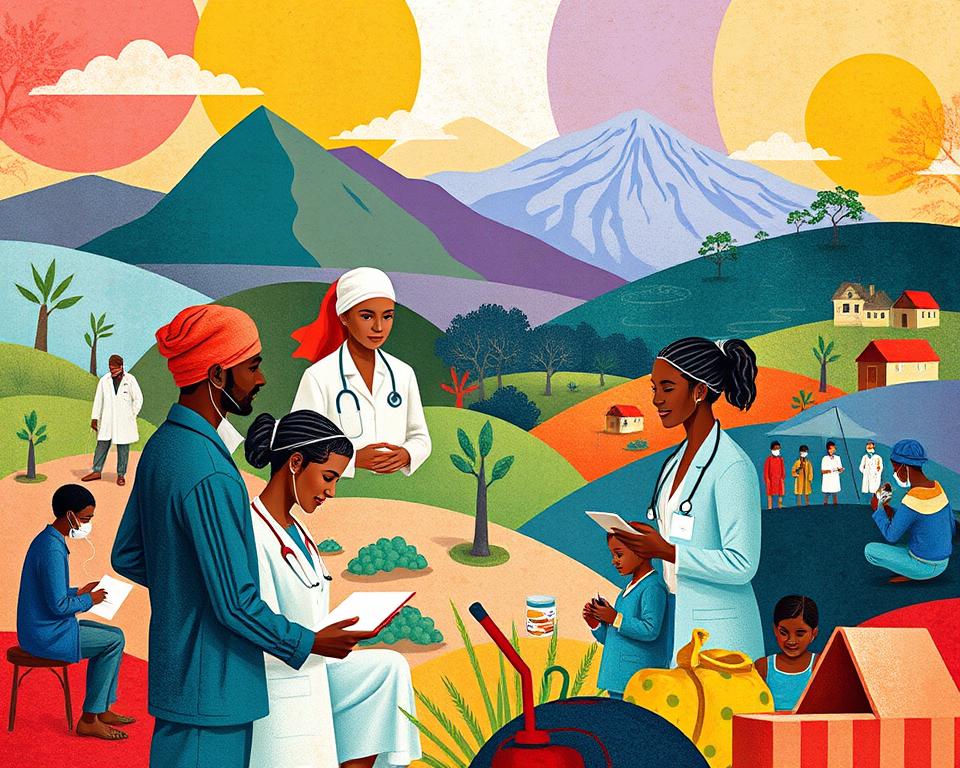
NGOs play a key role in improving healthcare in developing areas. They tackle big health problems that governments find hard to solve. This makes them crucial for sustainable healthcare solutions.

NGOs and MSMEs work together to fill healthcare gaps. They focus on preventive care, health education, and direct medical help. This helps reach people who need it most.

“Sustainable development through NGO and MSME partnerships represents a powerful approach to solving global health disparities.” – Global Health Innovation Network

NGOs use smart strategies to make a big difference in healthcare. They work with local communities to understand their health needs. They then create solutions that fit those needs.

  • Mobile health clinics
  • Community health worker training
  • Targeted vaccination programs
  • Mental health support services
NGO Healthcare StrategyKey ImpactTarget Region
Community Health EducationImproved health literacySub-Saharan Africa
Maternal Health ProgramsReduced infant mortalitySoutheast Asia
Telemedicine InitiativesEnhanced healthcare accessRural Communities

NGOs combine local knowledge with global expertise. This creates lasting healthcare solutions. It empowers communities and leads to real health improvements.

How NGO & MSMEs foster stakeholders for UNSDG#3 Good Health and Well-being

Improving global health needs teamwork that links local needs with lasting solutions. NGOs and MSMEs are key in bringing people together to help achieve the United Nations Sustainable Development Goal 3 (UNSDG#3) for good health and well-being.

Working together to improve health means forming strong partnerships. These partnerships tackle big health problems. They use community resources, knowledge, and new ideas to better health results.

Building Sustainable Healthcare Partnerships

Good health projects need partnerships between local groups, global NGOs, and small businesses. These teams use their different skills and resources to create health plans that work.

Community Engagement Strategies

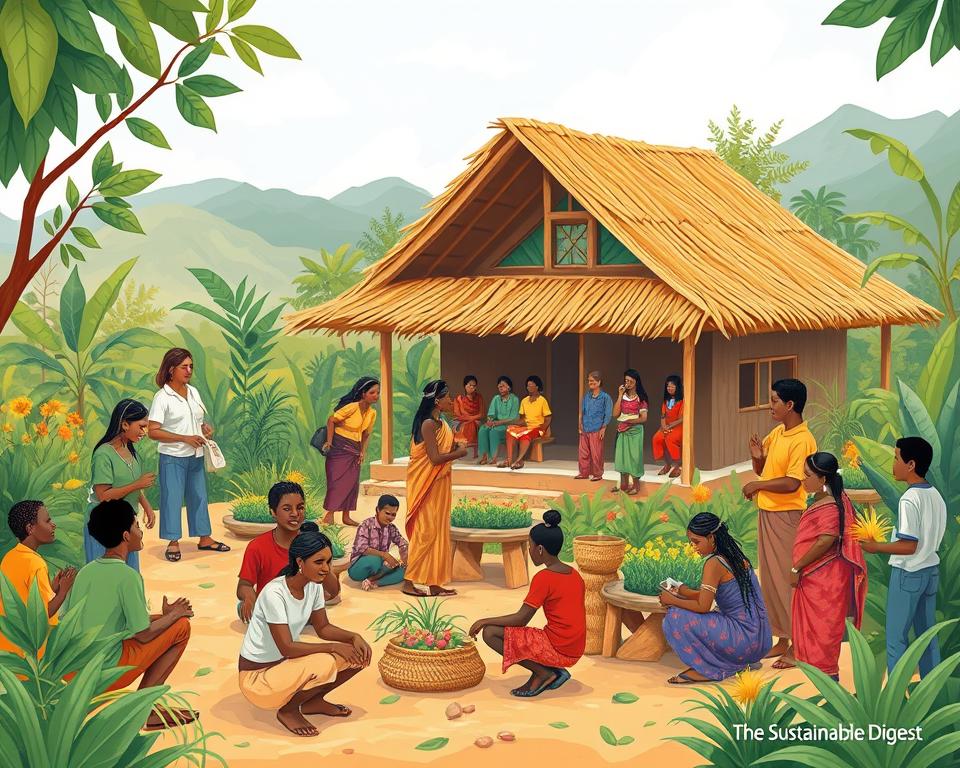
NGOs and MSMEs work to empower local people. They use methods that fit the culture and add new health ideas. This way, they respect local ways while bringing in modern health practices.

Partnership TypeKey ImpactTarget Region
Local NGO NetworkCommunity Health EducationGlobal South Communities
MSME Healthcare InnovationMobile Health SolutionsRural Underserved Areas
International PartnershipResource DistributionDeveloping Regions

Resource Mobilization and Distribution

Getting healthcare resources to where they’re needed is key. Micro-enterprises and NGOs create new ways to get things where they’re needed, solving old problems.

“Health is not just about treating diseases, but creating sustainable ecosystems of care and support.” – Global Health Collaborative

MSMEs as Catalysts for Local Health Solutions
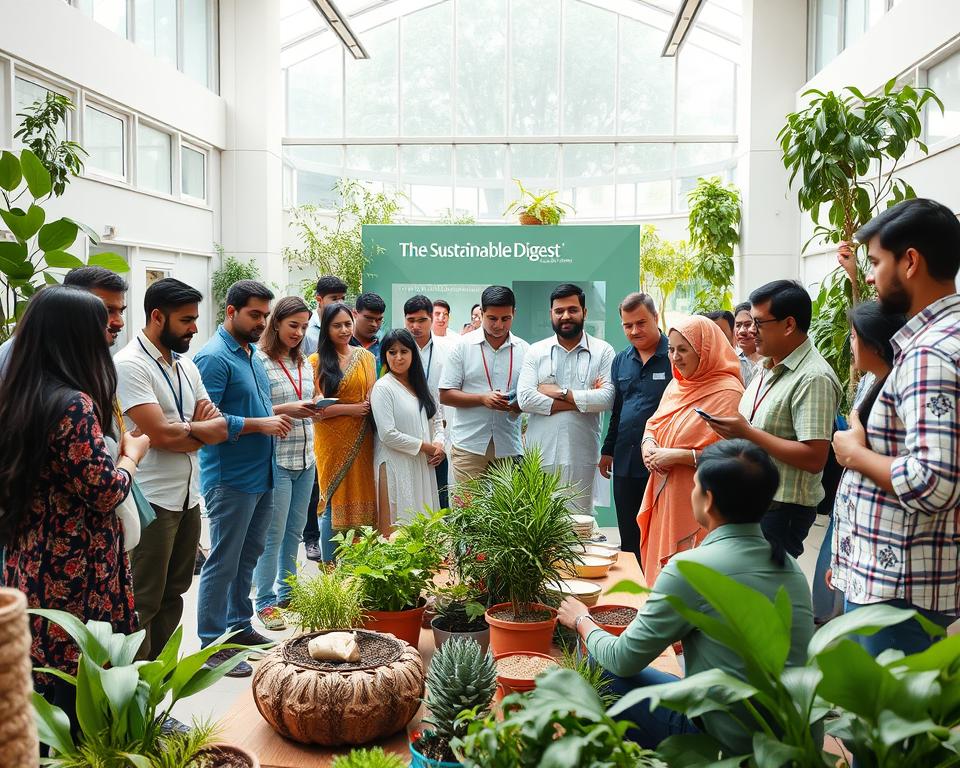
Micro, Small, and Medium Enterprises (MSMEs) are key players in local health solutions. They support sustainable development with new ideas. These companies are strong partners in working towards UNSDG#3, helping to improve community health.

NGOs and MSMEs are changing the game with community health initiatives. They use their quick thinking and deep community ties to tackle health issues that big systems miss.

“Small enterprises can create big impacts when they focus on community health needs” – Global Health Innovation Research

Working together, NGOs and MSMEs can make healthcare and wellness solutions that grow. They focus on making affordable medical tech, spreading health awareness, and setting up local health supply chains.

MSME Health Contribution AreasKey Impact
Medical Supply ProductionLocal manufacturing of essential health products
Community Health EducationGrassroots awareness and prevention programs
Telemedicine ServicesExpanding healthcare access in remote regions

MSMEs and non-profits mix local wisdom with fresh ideas to change healthcare, holistic, and alternative sourced practices. Their quick adaptability and focus on community needs make them crucial for lasting health success.

Innovative Health Initiatives Through Public-Private Partnerships

The world of global health is changing extremely fast. This is thanks to teamwork between NGOs, governments, and small businesses. Together, they are bringing new tech and fresh ideas to health and fitness.

Working together, NGOs and small businesses are key to solving enormous health problems. They use global partnerships and their internal stakeholder network to find new ways to tackle health issues. This way, they can reach more people than ever before.

Technology Integration in Healthcare Delivery

Online platforms adapting while changing how we get health care. Telemedicine lets people in far-off places talk to doctors and other wellness practitioners. Mobile apps aka SaaS (Software as a Service) help track fitness, like yoga and cycling.

“Innovation in healthcare is not just about technology, but about creating meaningful connections that improve human well-being.” – Global Health Innovators Network

Sustainable Healthcare Business Models

NGOs are helping create lasting health solutions. Small businesses are making fitness programs that mix intense workouts with personal wellness. This includes things like weight lifting and hiking.

Cross-Border Health Collaborations

Health and wellness projects are now crossing borders. These partnerships help set global health standards and holistic infrastructures. They make both air, marine, and land travel safer by improving health checks and wellness programs.

Through these partnerships, we’re building strong health systems. These systems can handle new health challenges as they come.

Environmental Health and Sustainable Development

Environmental health is key to sustainable development. It links the health of ecosystems with human success. NGOs and small businesses are leading the way in tackling big environmental issues like air and water pollution, and waste.

Parks and greenways are great for improving metro region air and creating places for fun. They cut down on noise and give citizens multiple of leisure spaces to relax and exercise. By planning green spaces, cities can turn environmental problems into chances for a healthier life.

“Sustainable development is not just about protecting the environment, but creating integrated ecosystems where human well-being and natural preservation coexist harmoniously.” – Environmental Policy Expert

Tourism is also getting on board with environmental health. Eco-tourism shows how green practices can make visits better while keeping nature safe. Small businesses are coming up with new ways to handle waste, reducing harm to the environment and boosting local economies.

Working together is essential for environmental health and sustainable development. Improving air quality, making green areas accessible, and managing waste well are crucial. This way, communities can build strong, healthy environments that support both people and nature for the long haul.

Cultural Integration in Health Programs

Health programs do better when they welcome different cultures and traditions. It’s key to understand how cultural practices and wellness are linked. This knowledge helps in making global health efforts more effective.
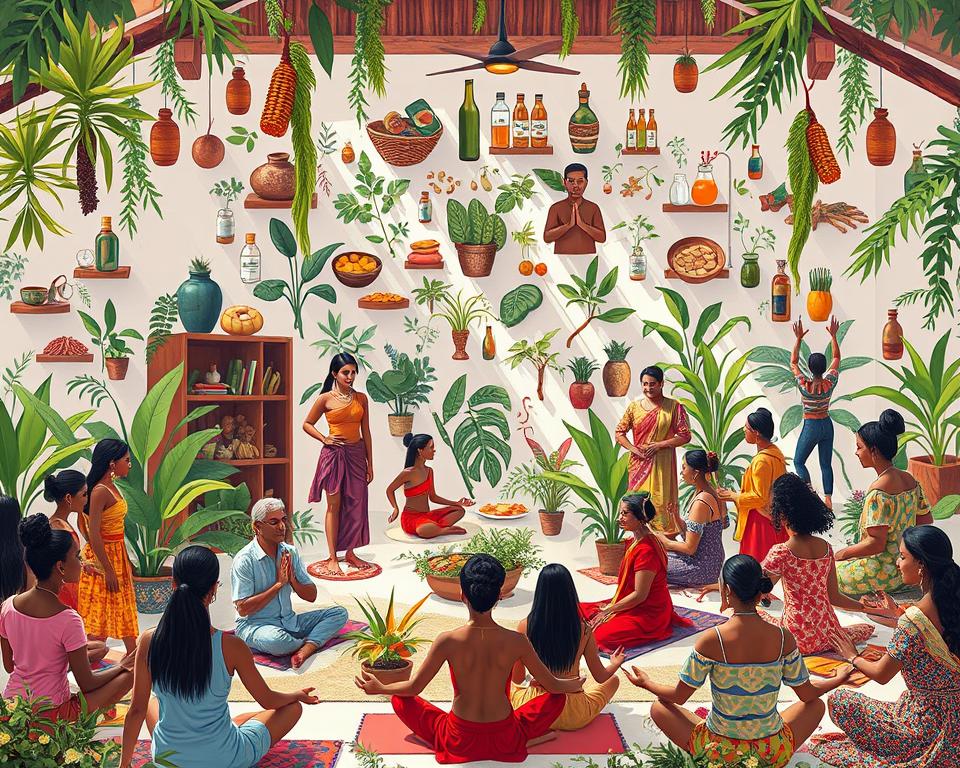
Combining old healing ways with new medicine needs careful planning. Each culture has its own wellness methods. These can add to what modern medicine offers.

Traditional Medicine and Modern Healthcare

Practices like tai chi, yoga, and martial arts offer a whole-body approach to health. They mix physical actions, breathing, and mental focus for better health. Running, cycling, and dance show how culture meets physical fitness.

“Health is not just about treating symptoms, but understanding the cultural context of healing.” – Global Health Expert

Local Community Health Practices

Every community has its own health practices. These include exercises like aerobic and anaerobic training, calisthenics, and traditional dances. These activities reflect a community’s culture and offer insights into their health strategies.

Cultural Sensitivity in Health Services

Health programs succeed when they respect and include local beliefs. Healthcare workers must be culturally aware. They should value traditional knowledge while using proven medical methods.

By valuing different healing traditions, groups can make health plans that truly work for local communities.

Building Resilient Health Systems Through Collaboration
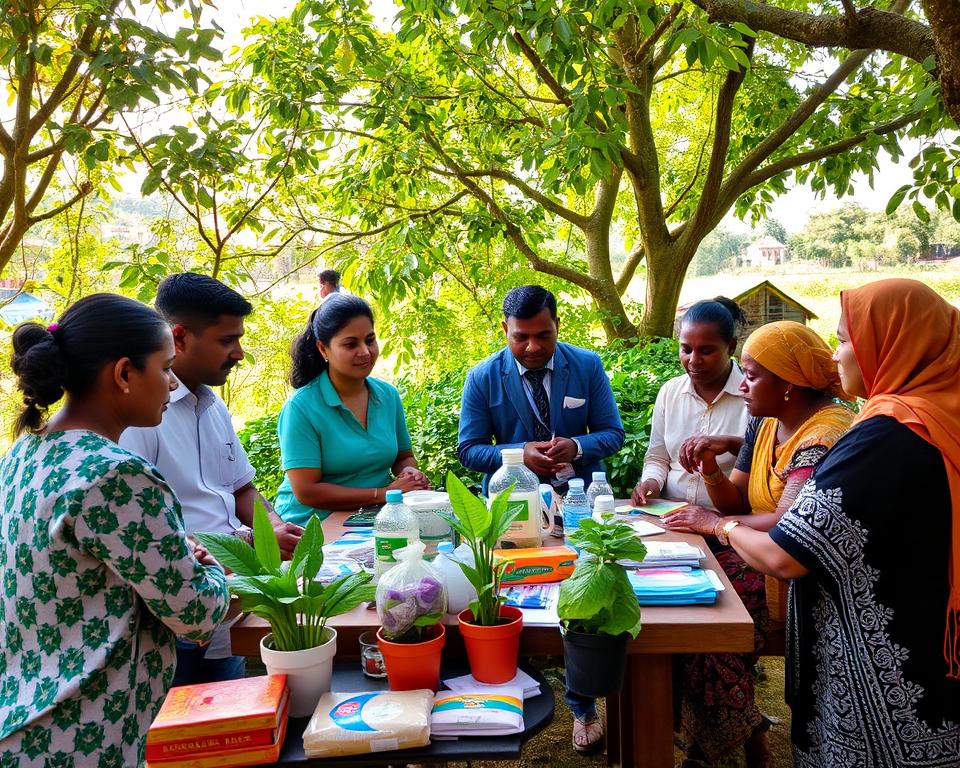
Working together, NGOs and MSMEs are key to making health systems stronger. Local communities are seeing the value in teaming up to tackle big health issues.

NGOs are all about finding new ways to fix health problems. They team up with MSMEs to use their skills and knowledge. This mix helps create better health solutions.

“Collaboration is the cornerstone of resilient healthcare systems” – Global Health Innovation Network

MSMEs are important for reaching UNSDG#3 goals. They offer flexible solutions to health problems. This includes helping with stress and improving community health through exercise.

Collaboration TypeKey Impact
Community Health ProgramsEnhanced Local Wellness
Exercise Location DevelopmentIncreased Physical Activity
Stress Management InitiativesMental Health Support

Western communities have shown great success in health. They use a mix of local involvement and planning. This makes their health models work well in many places.

By combining local wisdom, new tech, and teamwork, these partnerships are changing health care. They make health care more open, effective, and ready to face global health issues.

Key Takeaways

  • NGOs and MSMEs are critical drivers of global health transformation
  • Collaborative approaches enable more effective healthcare interventions
  • Local partnerships amplify sustainable development goals
  • Technological innovation supports healthcare accessibility
  • Cultural sensitivity enhances health program effectiveness
Conclusion

NGOs and MSMEs are working together to tackle global health issues. They use new strategies to help communities get better nutrition. This includes more fruits, veggies, lean meats, and vegan options.

These groups are making a big difference by teaming up. They help people eat more leafy greens and start big health programs. Their work shows how working together can solve national and region health problems across the global.

NGOs and MSMEs are key to reaching global health goals. They keep finding new ways to help people. Their work shows that plant-based nutrition and caring for health are important for a better world.

We’re making progress toward a healthier world. Every time NGOs and MSMEs work together, we get closer. They make sure everyone has access to good health and well-being.
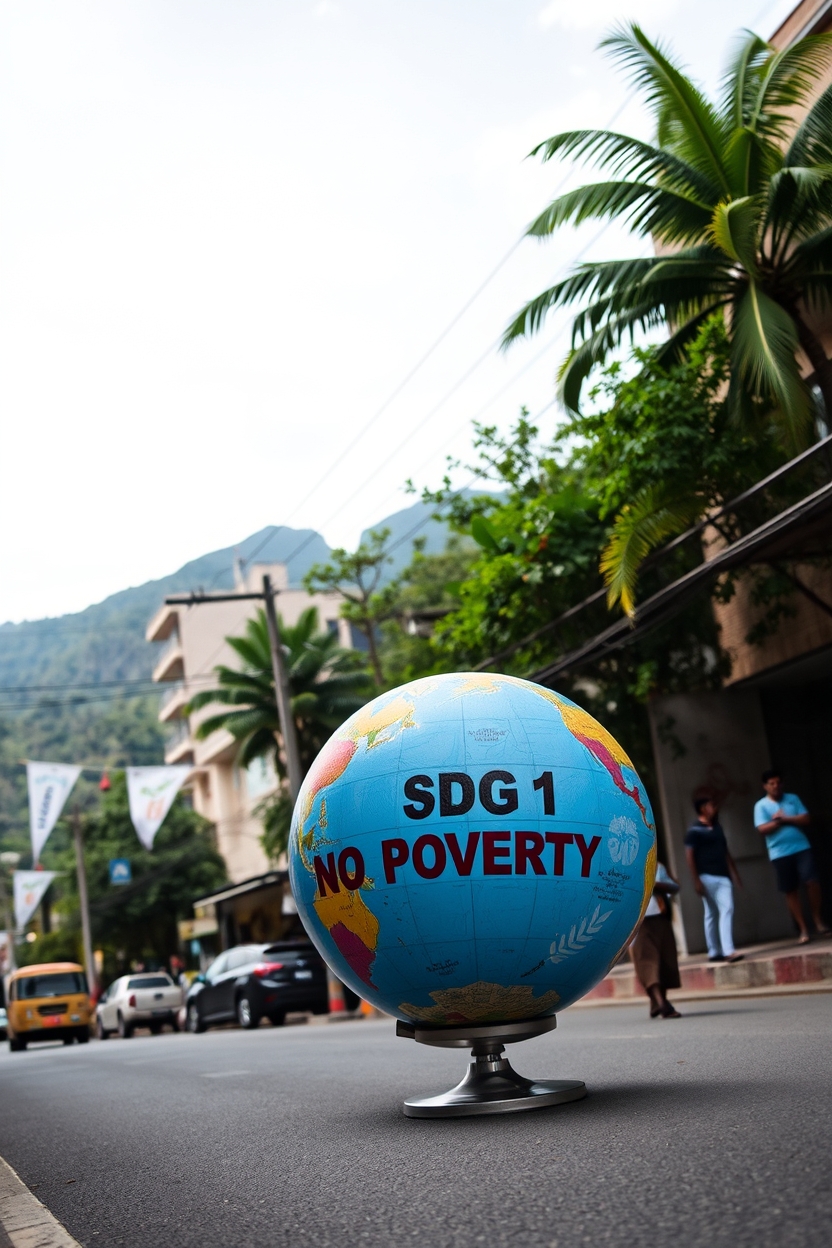
UNSDG#1 No Poverty: Empowering Underserved Communities via NGOs and MSMEs

Poverty is a major problem worldwide. It needs both grass-tops and grassroots assistance from institutions, organizations, NGOs, and smaller scale businesses. The United Nations has a plan which is initial the Sustainable Development Goal, ‘No Poverty'(UNSDG#1) to tackle this issue. It aims to fix economic differences and help people get out of poverty for good.

New ways to fight poverty are coming from groups and local businesses. They work together to help communities. This includes improving skills, boosting the economy, and using resources wisely.

Understanding different cultures is key to solving poverty. By knowing what each area needs, groups can make a real difference. It’s not just about giving money; it’s about making a lasting change.

Understanding UN Sustainable Development Goal 1: The Global Framework for Poverty Elimination

The United Nations Sustainable Development Goal 1 (UNSDG#1) is a key global effort to end poverty worldwide. It tackles tough economic issues faced by the most vulnerable in various areas.

Poverty is still a big problem for millions, mainly in developing countries. The UN’s Goal 1 aims to bring about big changes in economic power and social inclusion.

Key Targets and Indicators of UNSDG#1

The main goals of Sustainable Development Goal 1 projects are:

  • Eradicating extreme poverty globally
  • Implementing social protection systems
  • Ensuring equal economic opportunities
Target AreaKey Performance Indicators
Poverty ReductionPercentage of population below international poverty line
Social ProtectionPopulation covered by social security systems
Resource AccessEconomic resources available to vulnerable groups

Historical Development of UN Poverty Reduction Initiatives

The UN’s fight against poverty has grown over decades. Global development frameworks keep changing to tackle new economic issues in the Global South.

“Poverty is not natural. It is man-made and can be overcome and eradicated by the actions of human beings.” – Nelson Mandela

Measuring Progress in Poverty Reduction

Keeping track of the United Nations Sustainable Development Goal 1 (UNSDG#1) needs detailed monitoring systems. Experts use advanced stats to see how economies and communities are changing.

The main aim is to find lasting ways to escape poverty. This is done through focused efforts and support for those who need it most.

The Strategic Role of NGOs in Poverty Alleviation Programs

Nonprofits play a key role in fighting poverty worldwide. They create specific plans to help those struggling financially. Their work is focused on lasting solutions that help communities overcome poverty.

“Empowerment is the key to lasting change in community development” – Global Poverty Research Institute

NGOs use new ways to fight poverty. They run programs that teach skills, offer small loans, and improve communities. When local areas become economically strong, the effect of NGOs and MSMEs on poverty is clear.

NGO StrategyKey ImpactTarget Population
Microfinance ProgramsEconomic EmpowermentRural Communities
Skills TrainingEmployment OpportunitiesUnemployed Youth
Community InfrastructureSocial DevelopmentMarginalized Regions

Western cooperative communities help these nonprofit efforts a lot. They offer important resources, knowledge, and money to help fight global poverty. By working together, they can make a bigger difference in society.

Partnerships between local and international nonprofits lead to better solutions. They mix local knowledge with global support, making big changes in underserved and distressed areas.

How NGO and MSMEs Can Help Underserved Communities Utilizing UNSDG#1 No Poverty

Addressing poverty needs smart plans from NGOs and MSMEs that get the tough issues faced by marginalized communities. The United Nations Sustainable Development Goal #1 is key for real help to end poverty.

Groups are coming up with new ways to help internationally the local and remote regions. They focus on giving them tools to earn money and improve their lives. This is done by using what’s available in the community and the people’s strengths.

Direct Intervention Strategies

Good direct help includes quick economic aid like microloans, skills training, and cash help. NGOs can start cooperatives. This lets people work together to make money.

Resource Mobilization Techniques

Resource StrategyImpact LevelCommunity Benefit
Microfinance LendingHighEconomic Empowerment
Skills Training ProgramsMediumLong-term Employability
Community Investment FundsHighSustainable Development
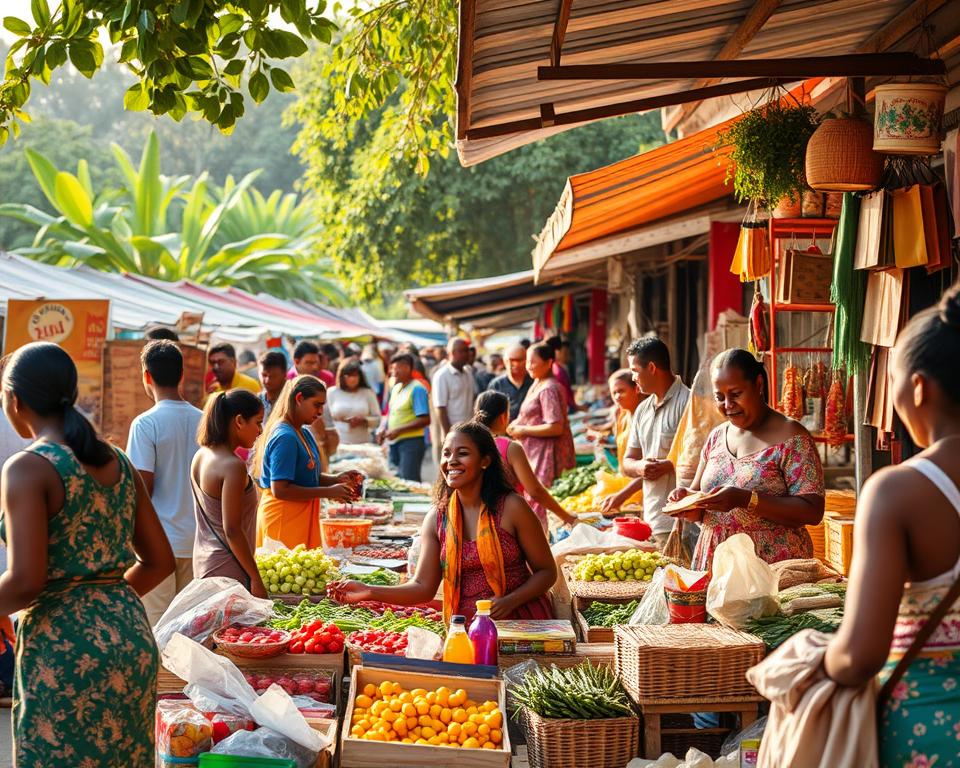
India, Mumbai, Market image. by Kreisi https://pixabay.com/photos/india-mumbai-market-work-poverty-645954/

Community Engagement Methods

Reducing poverty needs the community’s help. MSMEs can work with people to make sure help fits their needs and culture.

“Poverty is not a natural state, but a condition created by systemic barriers that can be dismantled through collaborative action.” – UN Poverty Reduction Expert

By using cooperative ideas and focused economic plans, NGOs and MSMEs can help underserved and marginalized communities. They can build strong, lasting economic futures.

MSMEs as Engines of Economic Growth in Developing Regions

Micro, Small, and Medium-sized Enterprises (MSMEs) are key to economic change in developing areas. They are engines of growth, creating jobs and boosting local economies. They do this with great efficiency.

“Small businesses are the backbone of economic development and poverty reduction strategies worldwide.” – World Bank Economic Report

The role of MSMEs and NGOs in fighting poverty is huge. They open doors for people in resource distressed areas by creating lasting economic paths. With new business ideas, MSMEs build strong local economies that help people.

MSME Contribution AreaEconomic Impact
Job CreationGenerate 60-70% of employment in developing economies
Local Economic StimulationContribute 40% of GDP in emerging markets
Export PotentialRepresent 30-35% of international trade activities

In global trade, MSMEs are becoming key links between local and global markets. They are fast to adapt and focus on specific markets, making them essential in economic growth plans.

By improving skills, using technology, and making finance more accessible, MSMEs help fight poverty. They build lasting economic systems that change communities for the better.

Collaborative Frameworks Between NGOs and Local Businesses

Addressing poverty needs smart partnerships. These partnerships bring together NGOs, Grassroots Support Organizations (GSOs), and Micro, Small, and Medium Enterprises (MSMEs). They work together to make lasting changes in reducing poverty.

Partnership Models for Sustainable Development

New ways of working together are empowering communities. These partnerships aim to create jobs and economic growth. NGOs and GSOs team up with local businesses to tackle deep poverty issues.

Case Studies of Successful Collaborations

“When local businesses and NGOs unite, communities transform.” – Global Development Expert

Real-life examples show how NGOs and MSMEs can fight poverty. In rural areas, they’ve started small business networks. These networks help those communities earn steady income and grow stronger over time.

Impact Assessment Metrics

Collaboration TypeEconomic ImpactCommunity Benefit
Direct Business InvestmentJob CreationIncome Stabilization
Skills Training ProgramsWorkforce DevelopmentEconomic Mobility
Microfinance InitiativesCapital AccessEntrepreneurship Support

It’s important to measure how well these partnerships work. We look at more than just money. We also check for social change, skill growth, and lasting community strength.

Financial Inclusion Strategies for Marginalized Communities

Financial inclusion is key to helping marginalized communities. Donor class NGOs and MSMEs are crucial in creating lasting financial plans. These plans aim to tackle poverty at its root.

Microfinance programs are a strong tool for NGOs working on UNSDG#1. They offer small financial services to those who can’t access banks. With microloans, savings, and financial education, people can become economically independent.

“Financial empowerment is not about giving money, but providing the tools to create sustainable economic growth.” – Global Poverty Reduction Expert

Mobile banking has changed how people in small villages in rural areas get financial services. Smartphones and digital payments let them join the economy without banks.

Financial Inclusion StrategyKey Impact
Microfinance LoansEconomic Empowerment
Digital BankingIncreased Financial Access
Financial Literacy ProgramsKnowledge Enhancement

Working together, NGOs and MSMEs make financial inclusion bigger. They create plans that meet community needs. This ensures lasting economic growth that matches UNSDG#1 goals.

Capacity Building and Skill Development Initiatives

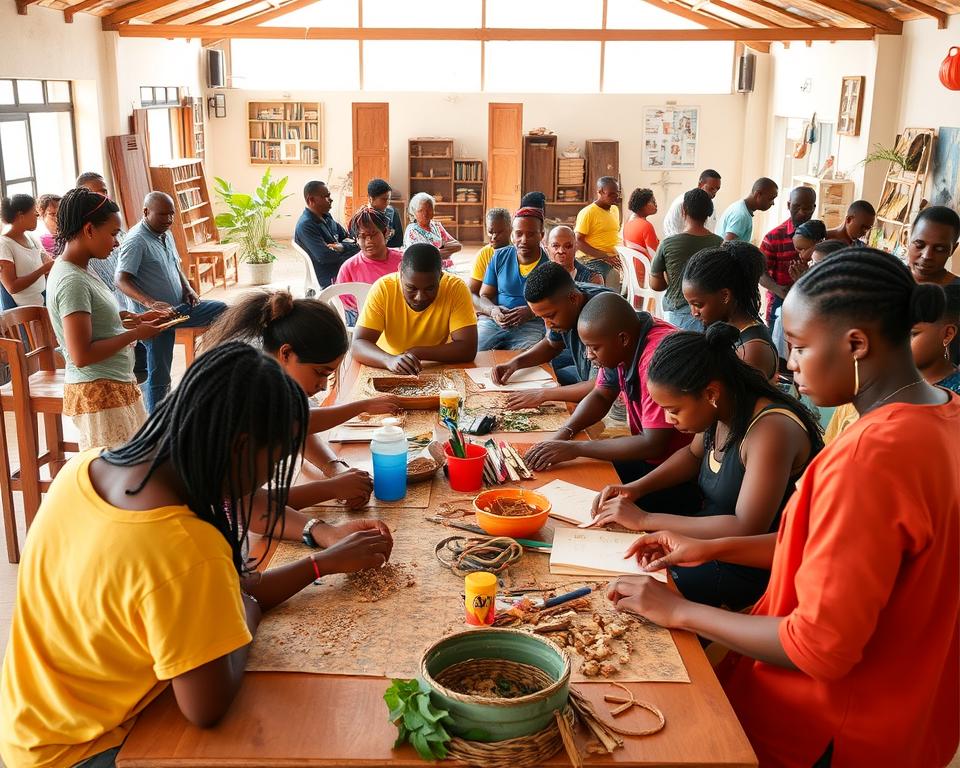
Sustainable Development Goal 1 projects are key in changing communities. They use skill development to fight poverty. Organizations see the value in training that opens doors to jobs.

Building capacity is more than just learning. It includes practical skills, tech knowledge, and entrepreneurial spirit. This approach helps those who are left behind.

Vocational Training Programs

Cooperative development has changed vocational training. These programs teach skills that lead to jobs in the local economy. This helps people move out of poverty for good.

Training AreaKey SkillsEmployment Potential
Digital TechnologiesComputer programming, web designHigh growth sectors
Renewable EnergySolar installation, maintenanceEmerging green economy
Agricultural InnovationSustainable farming techniquesRural economic development

Technology Integration in Skill Development

Digital tools are changing how we learn. Online courses, virtual workshops, and apps make learning easier for all. This includes those who are often left out.

“Technology democratizes learning, breaking down traditional barriers to skill development.” – Global Skills Initiative Report

Measuring Training Effectiveness

It’s important to know if training works. We look at job rates, income growth, and if people can keep their jobs long-term. This shows if training is making a real difference.

For training to be successful, it must always be updated. It needs to be flexible and understand the local economy well.

Cultural Diplomacy and Cross-Border Cooperation in Poverty Reduction

Cultural diplomacy is a key strategy for UNSDG#1. It helps international partnerships work together to tackle global poverty. By understanding cultures, groups can make poverty reduction efforts more effective.

“Cultural diplomacy is not just about communication, but about creating meaningful connections that drive sustainable development.” – United Nations Development Program

Cross-border cooperation is vital for UN Sustainable Development Goal 1. It helps communities in the Global South by working together. This approach respects local needs while offering strategic support.

Cooperation DimensionImpact on Poverty Reduction
Cultural Exchange ProgramsEnhances mutual understanding and knowledge transfer
Transnational Skills TrainingDevelops local economic capabilities
Diplomatic NetworkingCreates sustainable funding and resource channels

NGOs and international agencies see that real poverty reduction needs cultural smarts. They work on building respectful dialogues and partnerships. This helps them create targeted and effective solutions for communities.

The path to reducing global poverty is through cultural bridges. It’s about sharing knowledge and building models that fit local needs and global dreams.

Sustainable Tourism and Local Economic Development

Sustainable tourism is a strong way to help advance underserved communities. It links them to new economic chances. Small businesses are key in making tourism better. They help the economy grow and keep culture and nature safe.

Community-Based Tourism Initiatives

Local groups use tourism to get richer. They start projects that bring in money directly. NGOs help by teaching and giving tools for success.

Environmental Conservation and Economic Benefits

Sustainable tourism is good for both the planet and people’s pockets. It makes money from saving nature. This way, communities earn while keeping their environment safe.

Tourism Impact AreaEconomic BenefitConservation Outcome
Local HandicraftsDirect Income GenerationCultural Preservation
Eco-ToursTourist SpendingWildlife Protection
Community GuidesEmployment OpportunitiesTraditional Knowledge Sharing

Tourism Infrastructure Development

Building up local tourism helps the economy last long. Small scale businesses and NGOs work together. They make experiences for visitors that help the community.

“Sustainable tourism transforms local economies by creating meaningful connections between travelers and communities.” – World Tourism Organization

Fusing together tourism, economic growth, and nature protection is a smart way to fight poverty. It’s all about working together for a better future.

Innovation and Technology in Poverty Reduction Programs

Technological innovations are changing how we tackle poverty. Grassroots Support Organizations use digital platforms to help underserved communities. This creates lasting economic opportunities.

Digital tools are key in linking NGOs with local MSMEs. They make poverty reduction efforts more effective. Mobile apps and cloud platforms help track progress, teach financial skills, and support small investments in rural areas.

“Technology is not just a tool. It can be a powerful catalyst for social transformation and economic empowerment.” – World Economic Forum

New technologies like AI and blockchain are making a big difference. They help Grassroots Support Organizations target poverty more effectively. These tools ensure funds are used wisely and economic efforts can grow.

The aviation sector also plays a big role in fighting poverty. Drones help deliver medical supplies, map out farmland, and connect remote areas. This opens up new chances for people in communities seeking to progress their collective economic status.

MSMEs teaming up with tech companies is leading to new solutions. Together, they offer digital skills training, financial tech, and support for entrepreneurs. This partnership drives economic growth in developing areas.

Supporting Small Island Development States and Remote Communities

Small Island Development States (SIDS) face big economic challenges. They need special support because of their unique geography and economy. This support helps them grow in a tough market.

Remote communities in the Global South have few resources and are far from markets. Support for Small Island Development States is key. It helps them find ways to grow that use their strengths.

“Empowering remote communities means creating economic opportunities that transcend geographical limitations.” – UN Development Report

Helping remote emerging and frontier markets needs many strategies. Special efforts can help these areas grow by overcoming big obstacles.

ChallengeStrategic InterventionPotential Impact
Limited InfrastructureDigital Technology InvestmentEnhanced Connectivity
Market AccessRegional Trade PartnershipsEconomic Diversification
Human Capital DevelopmentSkill Training ProgramsWorkforce Empowerment

Important steps include creating special financial tools, setting up economic zones, and sharing technology. These actions help bridge the gap in innovation.

By using sustainable development models made for each area, we can unlock big economic chances. This helps these areas that are often left behind.

Conclusion

Non-Governmental Organizations and Micro Small Medium Enterprises can make a big difference in helping poor communities. They work together to tackle big economic problems. This helps people find a way out of poverty with new ideas and support.

It’s clear how NGOs and MSMEs can help poor communities. They use many strategies. These include helping people get money, learn new skills, and become stronger in their communities.

Reducing poverty worldwide needs teamwork. It involves groups like the UN, local businesses, and leaders. They use new tech, training, and flexible economic plans to help.

The fight against poverty will keep getting better with new ideas and teamwork. As groups learn more and work together, getting rid of extreme poverty seems possible.

Key Takeaways

  • NGOs are critical drivers of sustainable poverty reduction strategies
  • Nano, micro, and small enterprises contribute significantly to local economic development
  • UNSDG#1 provides a comprehensive global framework for poverty elimination
  • Cultural understanding is essential in designing effective poverty interventions
  • Collaborative approaches with multiple organizations yield more sustainable results
This website is saving the energy of your screen as it is not being used. It's part of a global effort to lower the planet's electrical consumption and CO2 emission level. Resume browsing
Click anywhere to resume browsing
Verified by MonsterInsights