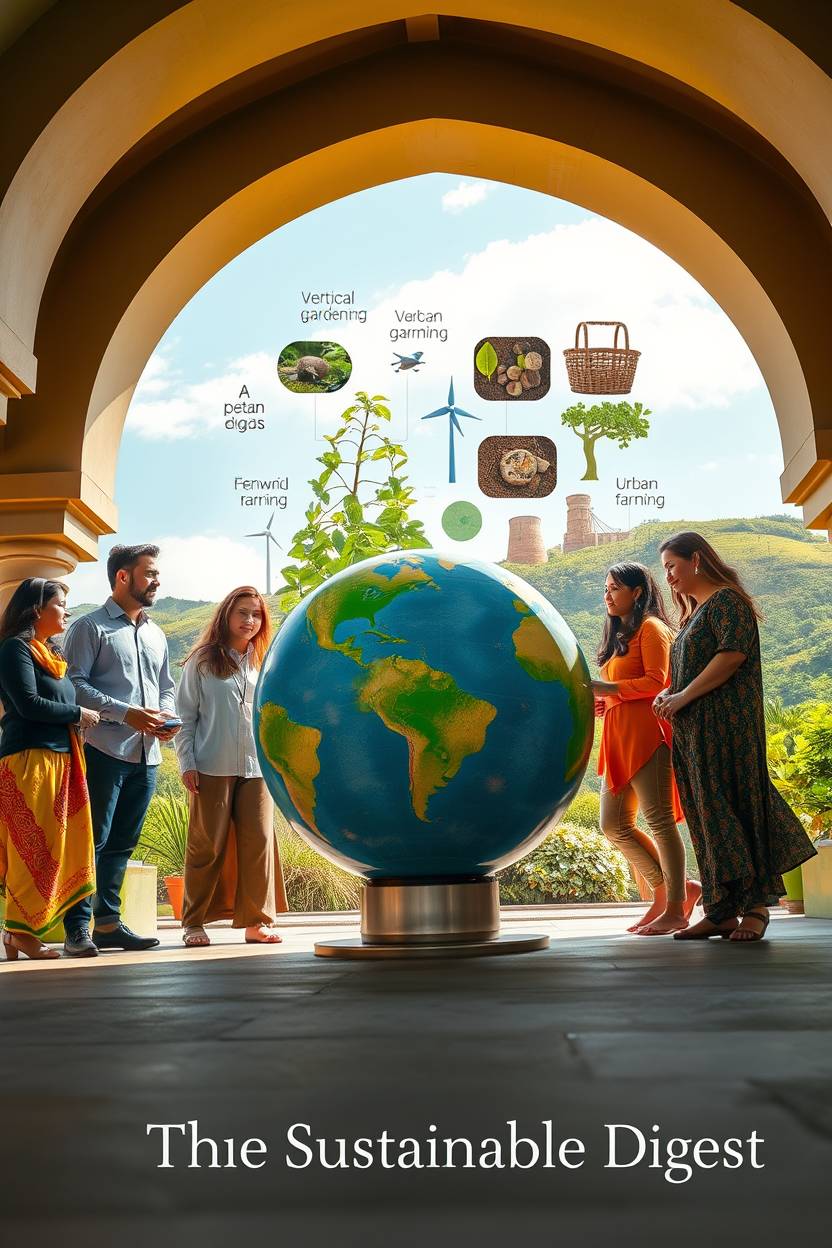
2026 World Earth Day and Earth Week Across the Global

2026 World Earth Day and Earth Week Across the Global

Nature care grew from small ideas into massive global movements. Every year, earth day serves as a key moment for over one billion citizens to help our planet. This movement shows that our world needs real action plus strong goals to thrive.

Since first 1970 protests, this event expanded into 192 countries plus all US territories. Growing participation ensures earth day remains a main tool for green progress. By engaging diverse people, movement transforms a single calendar day into a week of intense focus.

Leadership shifts toward Global South plus BRICS nations as they find new ways to grow. These regions are now central to solving climate crises through smart green plans. BRICS nations help earth day reach new levels of international work.

Their awareness of nature risks drives local actions yielding great results. Strong action ensures climate goals remain at heart of fiscal planning. As earth day approaches, synergy between local states plus international cities becomes very clear.

We see how people united by common goals can still protect our planet from harm. This earth day inspires a shared promise for lasting peace.

Understanding Earth Day and Earth Week 2026

Transitioning from a niche protest to a global standard, the 2026 environmental calendar highlights a week-long mobilization that dwarfs the original 1970 movement. This period serves as a critical juncture for assessing our ecological debts while celebrating our shared progress. It is a moment where high-level policy meets grassroots grit across nearly every time zone on the planet.

The observance functions as both a commemoration of past successes and a mobilization for future needs. It addresses contemporary challenges including climate change, plastic pollution, and biodiversity loss. By connecting neighborhood initiatives to international agreements, the movement seeks to create a more resilient global ecosystem.

What Is Earth Day 2026
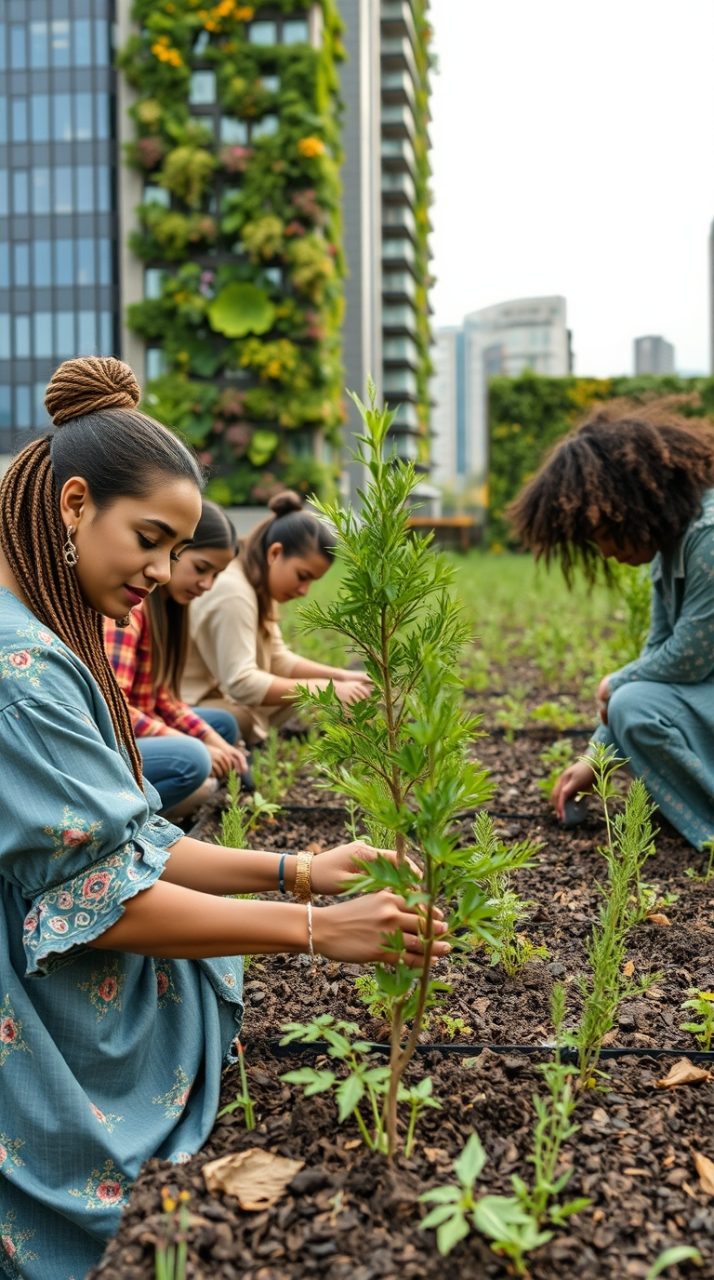
Earth Day 2026 occurs on Wednesday, April 22, maintaining the fixed calendar date established over five decades ago. This day 2026 observance represents far more than just a symbolic gesture or a corporate branding opportunity. Instead, it acts as a mobilization point where local communities organize tangible environmental improvements and educational initiatives.

The focus for earth day 2026 remains on generating measurable outcomes in pollution reduction and ecosystem restoration. Participation involves everything from small-scale river cleanups to advocating for national policy changes. It is a day designed to hold institutions accountable while empowering individuals to protect their local environments.

Earth Week 2026 Timeline and Global Observance

Understanding the timeline reveals the strategic thinking behind the modern expansion into Earth Week. Coordinated activities will begin as early as April 18, creating sustained momentum for environmental action. This extended time allows for a wider variety of events that accommodate diverse schedules and cultural contexts.

Concentrated activities on specific days allow for heightened media attention and major policy announcements. By spreading engagement across the week, organizers ensure that the environmental message resonates longer. This structure prevents the movement from becoming a fleeting moment of concern on the annual calendar.

Scale of Worldwide Participation
The scale of participation has transformed earth day from a regional teach-in into a truly global phenomenon. Today, over 1 billion people in 192 countries simultaneously address environmental challenges through culturally appropriate methods. These global events demonstrate that environmental concern transcends political systems and economic development levels.

The following table compares the growth of the movement from its inception to the projected 2026 landscape:

Feature1970 Observance2026 Projections
Global Participants20 MillionOver 1 Billion
Participating NationsUnited States192 Countries
Primary FocusPollution AwarenessClimate & Economic Resilience

From densely populated urban centers to remote island territories, the 2026 activities are tailored to local priorities. Whether it is coastal cleanups or urban air quality monitoring, the collective impact exceeds what any single nation could accomplish. This massive cooperation highlights our shared responsibility for the planet’s long-term health.

The 2026 Earth Day Theme: “Our Power, Our Planet”

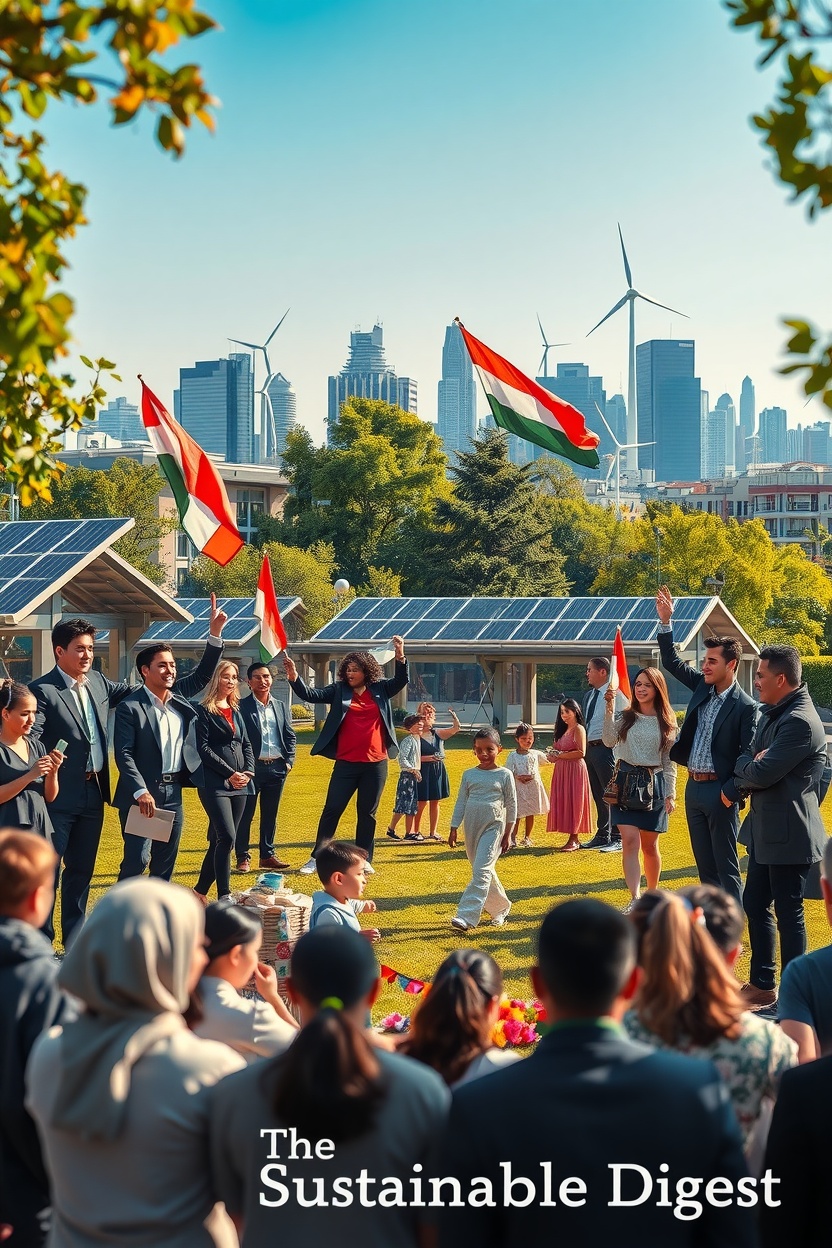
A vibrant and inspiring scene representing the 2026 Earth Day theme "Our Power, Our Planet." In the foreground, a diverse group of professionals in business attire stands united, holding hands in solidarity, showcasing determination and hope for a sustainable future. In the middle ground, lush greenery, vibrant flowers, and solar panels highlight the blend of nature and technology. In the background, a bright sun rises over a thriving cityscape, with tall buildings adorned with vertical gardens and wind turbines. The lighting is warm and inviting, creating a sense of optimism and collaboration. The atmosphere is lively, symbolizing unity in the fight against climate change. The Sustainable Digest logo subtly integrated into the scene, enhancing the focus on Earth Day without any text or distractions.

The 2026 guiding theme, “Our Power, Our Planet,” moves environmentalism from abstract theory into the realm of practical community action. This concept suggests that environmental protection is not just a moral choice but a pragmatic necessity for daily survival. It emphasizes how human effort directly influences the reliability of the infrastructure we use every day.

Theme Meaning and Significance

The theme highlights the inherent agency that people hold within their local ecosystems. It frames the relationship between collective efforts and the health of the planet as a shared investment for future prosperity.

Local initiatives often outlast shifting political priorities because they address immediate human needs. Nature rarely waits for a committee vote, so community-based programs provide the continuity required for long-term ecological health.

Connection to Environmental Protection and Economic Resilience

Shifts in climate change patterns directly impact household budgets and food security across the globe. By addressing the risk of resource scarcity through local stewardship, communities build lasting economic strength that can survive global market fluctuations.

Primary FocusLocal Action StrategyEconomic Outcome
Water SystemsWatershed StewardshipPredictable Utility Costs
Local PowerRenewable energy GridsInfrastructure Reliability
Waste ManagementCircular Economy ProgramsNew Employment Sectors

Community Action and Global Stability

When people take charge of their local surroundings, they reduce the pressure on strained global systems. Maintaining high public health standards requires consistent civic participation to ensure that environmental safeguards remain a top priority for leadership.

Collective action has historically influenced environmental standards, enforcement, and implementation even where formal governance structures prove unstable.

EARTHDAY.ORG

This grassroots stability acts as a vital shield against the unpredictable disruptions caused by climate change. By working together, local groups contribute to a foundation of stability that benefits the entire planet.

The First Earth Day: Legacy from 1970 to 2026

History often pivots on a single day, and for the planet, that pivotal moment arrived on April 22, 1970. The first earth day served as a wake-up call for a society largely indifferent to industrial pollution. This event successfully shifted environmentalism from a niche concern to a primary national objective.

Senator Gaylord Nelson and the First Earth Day Movement

The vision for this movement began with senator gaylord nelson, who proposed a national teach-in on the environment. He sought to harness the energy of student protests to force ecological issues onto the political agenda. Senator gaylord understood that only massive grassroots pressure could spark a meaningful change in federal policy.

His strategy was incredibly effective, mobilizing an estimated 20 million americans across major cities. At that time, this represented ten percent of the total United States population. By empowering citizens, gaylord nelson ensured that the first earth-centered mobilization was a bipartisan success. Senator gaylord nelson proved that the public cared deeply about toxic water and smog.

Historic Environmental Legislation

The political pressure from the first earth day led to a rapid series of legal victories. Legislators could no longer ignore the million americans demanding healthier ecosystems. Consequently, the first earth movement directly influenced the creation of the environmental protection agency. Landmark laws like the clean air act and the clean water act soon followed.

YearLegislation / EventPrimary Focus
1970First Earth DayGrassroots Mobilization
1970Protection Agency (EPA)Federal Regulation
1973Endangered Species ActWildlife Conservation

Clean Air Act and Clean Water Act

The clean air act transformed how the nation managed industrial emissions and urban smog. This air act established the first rigorous national standards to protect public health. It ensured that the air we breathe was no longer a secondary concern for corporations. These air act regulations forced industries to adopt cleaner technologies.

Similarly, the clean water act focused on revitalizing the nation’s contaminated waterways. This water act made it illegal to discharge pollutants into navigable waters without a specific permit. We owe the safety of our drinking sources to the standards set by this water act. These laws turned aspirational goals into enforceable legal requirements.
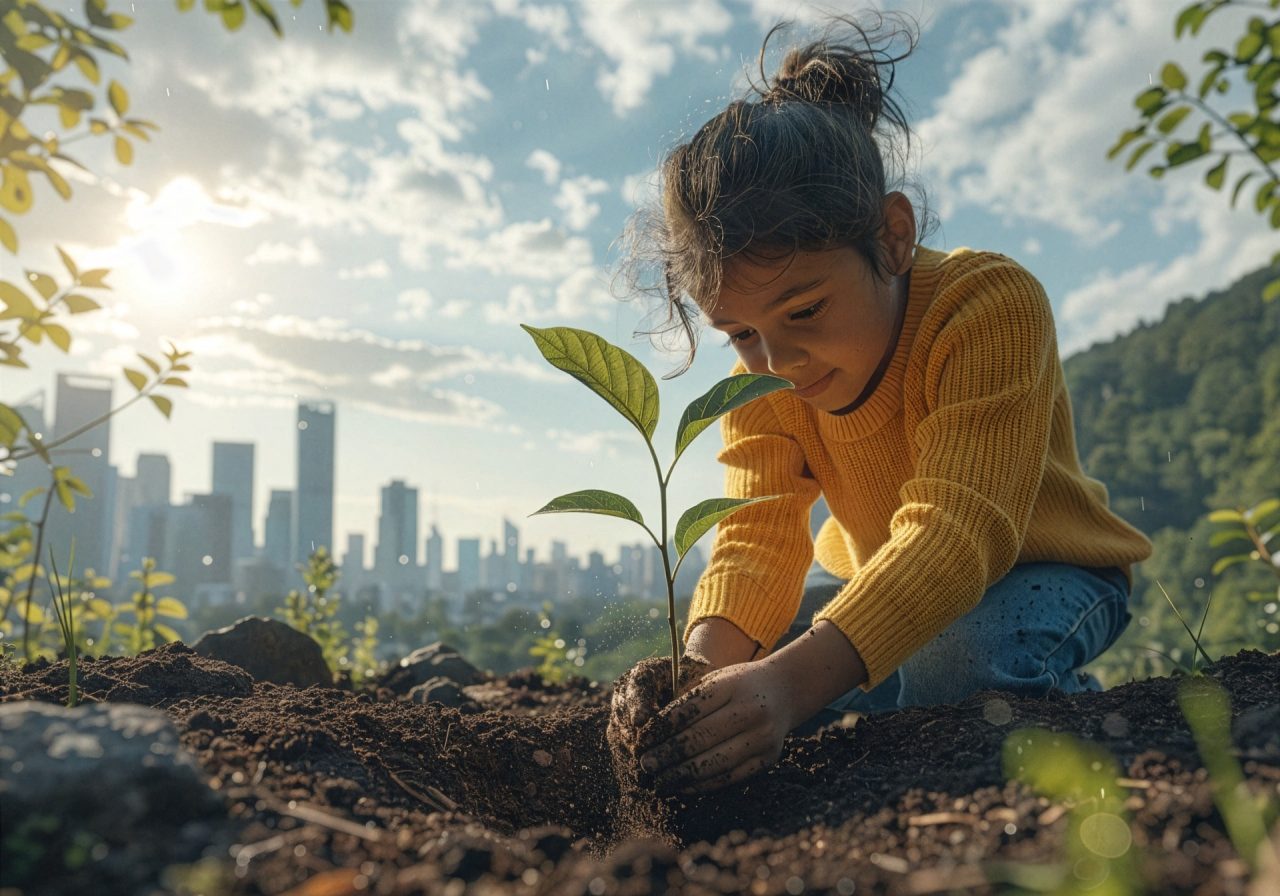
Endangered Species Act and Environmental Protection Agency

The establishment of the environmental protection agency in late 1970 provided a central authority for conservation. This federal protection agency was tasked with monitoring land, water, and air quality across the country. It remains the lead body in enforcing the endangered species act. This specific endangered species act provides critical legal shields for plants and animals at risk of extinction.

Evolution from 20 Million to 1 Billion Participants

The legacy of gaylord nelson has scaled remarkably since its domestic inception. While the first earth effort was limited to the U.S., the 1990 earth day campaign went global. Today, the first earth day has evolved into the largest secular observance in the world. It now engages over 1 billion people in 192 different countries.

“The earth day movement is a testament to what happens when individuals demand a better future for their children.”

This massive growth highlights a fundamental shift in global priorities over the last five decades. The first earth day laid the groundwork for the 2026 “Our Power, Our Planet” theme. Every local action today carries the spirit of that original 1970 movement.

BRICS Nations and Global South Leading Earth Week 2026

A group of diverse, professional individuals from BRICS nations standing together in a vibrant outdoor setting, showcasing climate action initiatives. In the foreground, a South Asian woman in business attire holds a tablet with climate data, while an African man in smart casual clothing points towards a digital map of renewable energy projects. The middle ground features young activists planting trees, holding banners with environmental messages. The background depicts a lush landscape with solar panels, wind turbines, and a bright blue sky, suggesting hope and progress. Soft, natural lighting creates an uplifting atmosphere, with a wide-angle perspective to capture the collective effort. Emphasize a sense of unity and collaboration, reflecting the theme of global leadership in climate action. The Sustainable Digest.

As Earth Week 2026 unfolds, the spotlight shifts toward the Global South, where the struggle for a greener world meets the reality of rapid development. These countries represent over 40% of the global population and have moved beyond simple participation in environmental debates.

They are now the primary architects of climate resilience frameworks. By balancing economic growth with sustainability, these regions offer a new blueprint for planetary health that values both people and nature.

Brazil’s Amazon Protection and Climate Initiatives

Brazil acts as a vital guardian of the Amazon rainforest during this year’s global observance. The nation is prioritizing strict land preservation and the rights of indigenous communities to ensure long-term stability.

Their active protection efforts are essential for carbon sequestration. These policies prove that agricultural success and forest restoration do not have to be opposing forces in a modern economy.

Russia’s Environmental Programs and Energy Transitions

In the north, Russia navigates the unique challenges of a vast territory facing rapid climate change, particularly in the Arctic regions. The government is implementing a series of energy transitions to modernize its resource-heavy economy.

These programs focus on adopting cleaner industrial technologies while maintaining national economic stability. It is a complex dance between traditional power and future-proof sustainability.

India’s Renewable Energy and Urban Sustainability
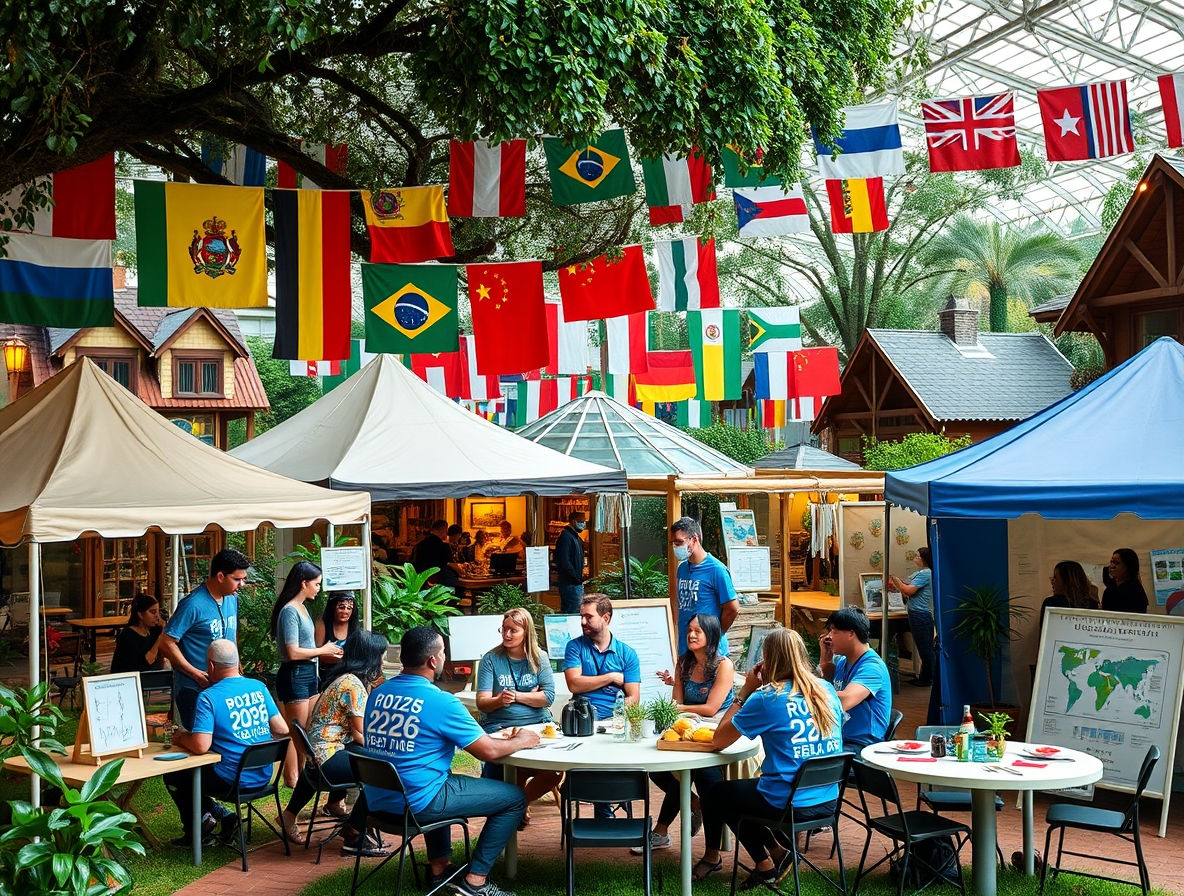
India is currently leading one of the largest clean energy expansions ever seen. By investing heavily in solar and wind power, they are bringing electricity to millions of citizens in expanding cities.

These initiatives are crucial for reducing urban pollution in some of the most densely populated areas on Earth. Indiaโ€™s model shows how rapid urbanization can integrate with green infrastructure.

China’s Green Technology and Pollution Control

China has transformed from an industrial laggard into a global titan of green technology. Their massive manufacturing of electric vehicles and reforestation efforts have redefined the environment of modern industry.

Despite these gains, the nation still faces hurdles with air and water pollution in manufacturing hubs. Ongoing policy innovation remains a priority to balance high production with ecological safety.

South Africa and Continental African Leadership

South Africa provides a strong voice for a continent where many countries face the most severe impacts of climate change. They champion a framework that demands technology transfers and financial support for developing nations.

African leadership emphasizes that historical emissions from elsewhere should not limit their own right to development. They are asserting a new era of environmental justice on the global stage.

Global South Environmental Justice and Climate Adaptation

Global South nations argue that environmental concern is inseparable from social equity. Their approach integrates public health and infrastructure with environment-focused policies to fight poverty and change at the same time.

These perspectives are increasingly influential in shaping international agreements. By focusing on adaptation and resilience, they are ensuring a more equitable and sustainable world for all.

NationPrimary Strategic FocusKey 2026 Initiative
BrazilRainforest PreservationAmazon Zero-Deforestation Pact
ChinaGreen ManufacturingEV Infrastructure Expansion
IndiaRenewable PowerNational Solar Mission Scale-up
South AfricaClimate JusticeJust Energy Transition Partnership

UN Sustainable Development Goals Alignment Across Global Cities and Regions

The alignment of UN Sustainable Development Goals with municipal planning proves that global survival is, ironically, a very local business in 2026. These international frameworks provide a vital bridge between environmental protection and human health. During Earth Week, municipal policies transform broad agreements into practical infrastructure and social equity programs.

Across the globe, cities act as the primary engines for sustainable development. They utilize the 17 SDGs to address specific local challenges while contributing to the broader stability of the planet. These urban centers demonstrate that global targets only succeed when they reflect the needs of the people living within them.

Major Global Cities Implementing SDGs for Earth Week

European Cities: Paris, London, Berlin, Stockholm

European capitals lead the charge by integrating sustainability into the very fabric of urban life. Paris advances climate action through aggressive urban forestry and cycling networks. London addresses air pollution by expanding low-emission zones to improve respiratory outcomes for its residents.

Berlin prioritizes a rapid transition to renewable energy to power its industrial base. Stockholm integrates sustainability into all urban planning; this affects water quality, energy use, and the long-term health of its citizens. These cities show that old infrastructure can indeed learn new, greener tricks.

Asian Cities: Tokyo, Singapore, Seoul, Mumbai

Asian metropolises manage massive population densities while pursuing ambitious environmental targets. Tokyo implements sophisticated waste management systems that support responsible consumption. Singapore remains a global leader in water recycling technologies to ensure long-term resource security.

Seoul continues to transform its urban waterways, creating lush ecosystems in the heart of the city. Meanwhile, Mumbai addresses climate change by building resilient infrastructure in a context of rapid development and economic inequality. These efforts prove that density and sustainability are not mutually exclusive.

Latin American Cities: Sรฃo Paulo, Mexico City, Buenos Aires

Latin American urban centers focus on the intersection of environmental risk and social equity. Sรฃo Paulo manages water resources as a critical component of its metropolitan resilience strategy. Mexico City expands its green spaces and restricts vehicle travel to combat air quality issues.

Buenos Aires implements adaptation plans that recognize the growing risk of urban flooding. These cities prioritize infrastructure that protects their most vulnerable populations. Their actions highlight the necessity of connecting environmental goals with social justice.

African Cities: Nairobi, Cape Town, Lagos

African cities demonstrate remarkable innovation in the face of resource constraints and rapid growth. Nairobi advances its green economy by focusing on ecosystem preservation and sustainable energy. Cape Town leads in conservation, drawing on its intense experiences with historic droughts.

Lagos tackles waste management challenges while building infrastructure for its expanding communities. These cities align their development with SDG frameworks to ensure urban growth does not come at the cost of the environment. They prove that modern urbanization requires a green foundation from the start.

SDG Alignment in US State Programs

Many US states increasingly reference the UN SDG frameworks to guide their climate action plans and renewable energy targets. This alignment provides a common language for interstate cooperation and measurable progress. It allows local leaders to connect their specific policies with the broader international movement for a stable planet.

US Territories and Sustainable Development Integration

US Territories face unique challenges as island communities dealing with the direct impacts of climate change. From sea-level rise to increasing hurricane intensity, these regions use SDG frameworks to build resilience. Their conservation programs protect fragile ecosystems while supporting sustainable economic development for the future.

2026 World Earth Day and Earth Week Across the Global: All 50 US States Participation

A vibrant scene capturing the spirit of Earth Day activities across all 50 US states, featuring diverse groups of people engaged in environmental initiatives. In the foreground, a cheerful diverse crowd in professional business attire and modest casual clothing plants native trees and flowers, symbolizing unity and commitment to nature. The middle ground showcases booths with representatives from all states, displaying maps and statistics on sustainable practices, while children and families participate in eco-friendly crafts. The background is filled with iconic landmarks representing each state, lush green landscapes, and blue skies, enhancing the atmosphere of hope and collaboration. The lighting is bright and uplifting, creating a warm and inviting mood. This image represents "The Sustainable Digest," celebrating collective efforts for a greener future.

The year 2026 marks a pivotal moment as all 50 US states align their local traditions with global sustainability targets during this week-long observance. Each region interprets the “Our Power, Our Planet” theme through the lens of its specific ecological and economic landscape. This nationwide day 2026 mobilization ensures that grassroots efforts contribute directly to the United Nations Sustainable Development Goals.

From coastal restoration to inland soil health, the diversity of participation reflects a shared commitment to a resilient future. Local governments and private sectors are collaborating to turn environmental goals into measurable actions. This collective effort defines the American contribution to the global earth day movement this day.

Northeast Regional Environmental Activities

New England: Maine, Vermont, New Hampshire, Massachusetts, Rhode Island, Connecticut

New England states are currently prioritizing offshore wind development and forest conservation to reach carbon neutrality. These earth day activities involve community-led trail maintenance and educational workshops on biodiversity. The preservation of the northern woods remains a top priority for local ecological stability.

Mid-Atlantic: New York, Pennsylvania, New Jersey, Delaware, Maryland

The Mid-Atlantic corridor focuses heavily on urban green infrastructure and air quality improvements. Major cities are investing in permeable surfaces and rooftop gardens to mitigate the heat island effect. These initiatives bridge the gap between industrial history and a sustainable, green future.

Southeast Environmental Programs

Upper South: Virginia, West Virginia, North Carolina, South Carolina, Georgia, Florida

In the Upper South, the primary focus is coastal resilience and the restoration of fragile wetlands. Earth day programs here emphasize the protection of marine ecosystems against rising sea levels. Florida and Georgia are leading efforts in coral reef preservation and sustainable tourism practices.

Deep South: Kentucky, Tennessee, Alabama, Mississippi, Louisiana, Arkansas

States in the Deep South are addressing flood management and the intersection of public health and environment. New programs are helping farmers transition to practices that reduce runoff into the Mississippi River. These efforts recognize that environmental health is inseparable from economic prosperity.

Midwest Climate and Conservation Efforts

Great Lakes: Ohio, Michigan, Indiana, Illinois, Wisconsin, Minnesota

The Great Lakes region is championing the protection of the worldโ€™s largest freshwater system. Participation includes climate-focused manufacturing shifts, specifically advancing electric vehicle production and battery technology. These communities are proving that the “Rust Belt” can lead the global green revolution.

Great Plains: Iowa, Missouri, North Dakota, South Dakota, Nebraska, Kansas

Agricultural sustainability defines the movement across the Great Plains. Farmers are implementing soil conservation techniques and expanding wind turbine arrays. These earth day initiatives ensure that the nationโ€™s breadbasket remains productive despite shifting weather patterns.

Southwest Sustainability Initiatives

Texas, Oklahoma, New Mexico, Arizona

The Southwest faces unique challenges regarding water scarcity and extreme heat. Texas and Arizona are expanding their solar energy capacity at record speeds to meet growing demands. This day, local leaders are highlighting innovative water recycling projects that secure the region’s future growth.

Western Regional Leadership

Mountain West: Montana, Idaho, Wyoming, Nevada, Utah, Colorado

Mountain West states balance the conservation of vast public lands with responsible resource management. Their earth day celebrations often focus on wildfire prevention and the protection of critical wildlife corridors. Maintaining the rugged beauty of the Rockies requires constant vigilance and scientific cooperation.

Pacific Coast and Beyond: Washington, Oregon, California, Alaska, Hawaii

The Pacific Coast continues to set aggressive climate targets that serve as models for international policy. California and Washington are leading the transition to 100% clean electricity. Meanwhile, Alaska and Hawaii focus on protecting unique arctic and tropical biomes from the impacts of global warming.

RegionPrimary FocusKey Initiative
NortheastRenewable EnergyOffshore Wind
MidwestWater SecurityGreat Lakes Protection
West CoastPolicy InnovationCarbon Neutrality Goals

State-level events during this day include everything from massive tree-planting drives to renewable energy showcases. These activities connect local residents with the broader earth day mission of global restoration. By engaging schools and businesses, every state ensures that environmental stewardship becomes a permanent part of the American identity.

US Territories Earth Day and Earth Week 2026

While the continental United States often dominates the headlines, the US Territories are spearheading critical environmental initiatives for Earth Week 2026. These island communities face an immediate threat from climate change, including rising sea levels and intense storms. Their participation reflects a sophisticated blend of modern science and traditional ecological wisdom.

Territorial governments are currently implementing resilience planning that balances economic growth with ecological survival. From the Caribbean to the Pacific, these regions demonstrate how small islands can lead global sustainability efforts.

Puerto Rico: Island Sustainability and Hurricane Resilience

Puerto Ricoโ€™s Earth Week activities focus on rebuilding a more resilient infrastructure following years of devastating storm impacts. Community-based renewable energy projects are now reducing the island’s dependence on unstable fossil fuel systems. These efforts include significant protection for coastal ecosystems that act as natural barriers.

Local programs also prioritize water resource management to ensure long-term security for residents. By integrating environmental restoration with economic recovery, the island serves as a model for “green” rebuilding. Education remains at the heart of their 2026 campaign.

US Virgin Islands: Marine Conservation Programs

The US Virgin Islands prioritize the preservation of coral reefs and sea turtle habitats during Earth Week 2026. These ecosystems are vital for both the local economy and the community’s general health. Coastal cleanups and sustainable fishing workshops help residents connect their livelihoods to the sea’s vitality.

Guam: Pacific Ocean Protection Initiatives

Guam addresses the complex balance between military presence, tourism, and indigenous Chamorro cultural practices. Protecting the environment is inseparable from cultural preservation, as warming waters threaten traditional food security. Their initiatives focus on removing marine debris and restoring damaged reef structures.

American Samoa: Coral Reef and Ecosystem Preservation

American Samoa utilizes traditional ecological knowledge to manage its vast marine resources. Local leaders recognize that healthy reefs provide essential storm protection and maintain the island’s unique cultural identity. Scientific research now complements these ancient practices to solve modern ecological puzzles.

Northern Mariana Islands: Climate Adaptation Strategies

The Northern Mariana Islands implement nature-based solutions to reduce the risk of typhoon damage and freshwater loss. Earth Week activities promote mangrove restoration and sustainable land use to safeguard the community. These strategies aim to reduce the vulnerability of infrastructure to supply chain disruptions.

US TerritoryPrimary Focus 2026Key Strategy
Puerto RicoEnergy & WaterCommunity-based Solar
US Virgin IslandsMarine LifeReef Restoration
GuamOcean ProtectionHabitat Preservation
American SamoaCultural EcologyIndigenous Knowledge
Northern MarianaDisaster MitigationMangrove Planting

How to Participate in Earth Day and Earth Week 2026: Step-by-Step Guide

While many view environmentalism as a mere hobby, the 2026 Earth Week offers a structured framework for those ready to transition from spectators to active participants. EARTHDAY.ORG calls on communities, schools, and organizations to lead various earth day activities that drive real change. Scientific data suggests that spending just 120 minutes weekly in nature improves human well-being significantly.

By organizing local efforts, participants can celebrate earth day through meaningful engagement rather than symbolic gestures. These collective actions help celebrate earth by addressing urgent climate needs across 192 countries. Follow this analytical guide to maximize your impact during this global observance.

Step 1: Find and Register for Local Earth Day Events

A detailed digital map of the world showing glowing green markers for Earth Day 2026 events on a sleek tablet screen, highly detailed, clean interface, soft bokeh background.

Book Now

Start by visiting the official earth day event map to locate nearby gatherings. Registration ensures organizers can plan for attendance and helps you connect with local environmental networks. These day activities often range from technical workshops to interactive community forums.

Step 2: Join Community Cleanup Initiatives

A diverse group of volunteers wearing green shirts cleaning a sunny beach during sunrise, cinematic lighting, realistic style, 8k resolution.

Learn More

The Great Global Cleanup tackles the grim reality that only 9% of plastic ever gets recycled. Joining a local event helps remove physical pollution from vital ecosystems like rivers and parks. Participants contribute to a measurable reduction in waste while highlighting the need for systemic consumption changes.

Step 3: Participate in Tree Planting and Reforestation Programs
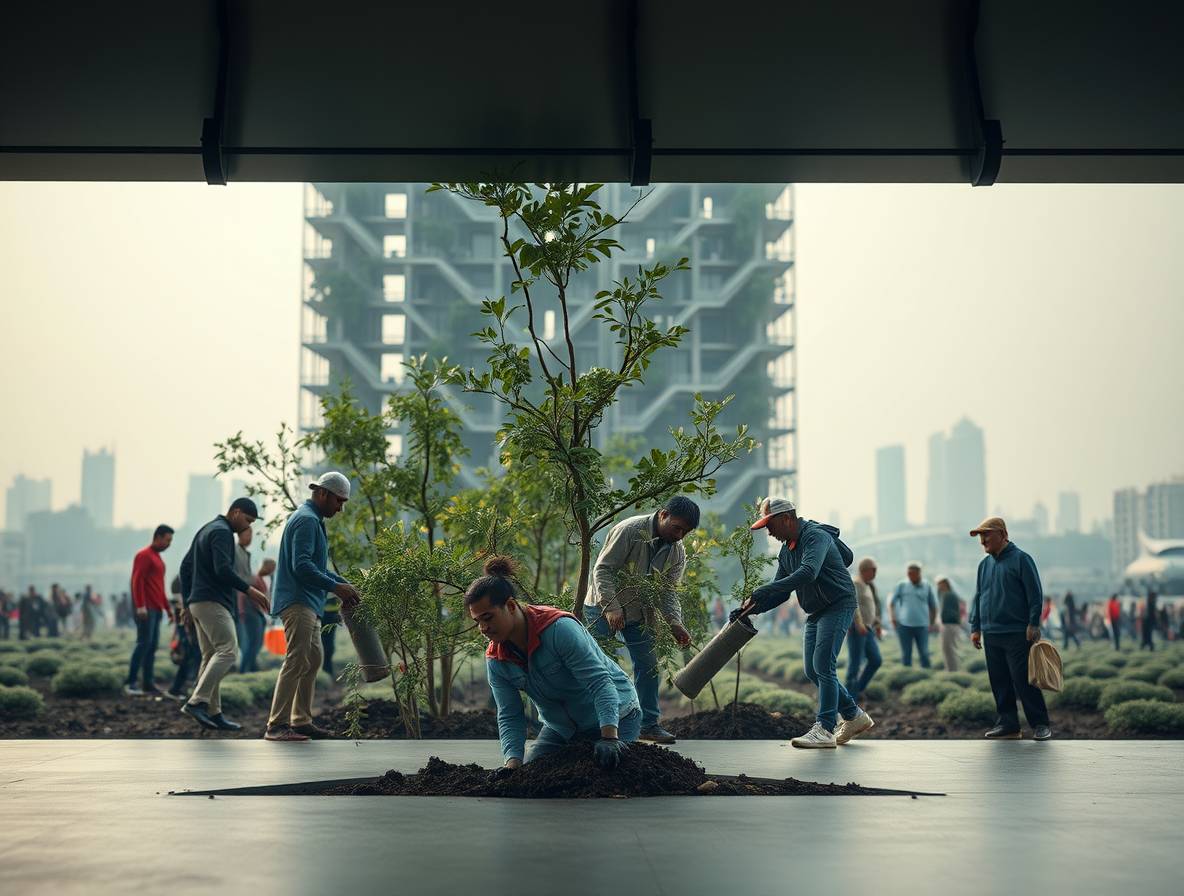
Strategic reforestation is a cornerstone of any earth day strategy. Remarkably, one single oak tree attracts more insect and bird species than an entire yard of non-native plants. Engaging in these day activities helps capture carbon and cools urban heat islands effectively.

Step 4: Create Pollinator-Friendly Native Plant Gardens
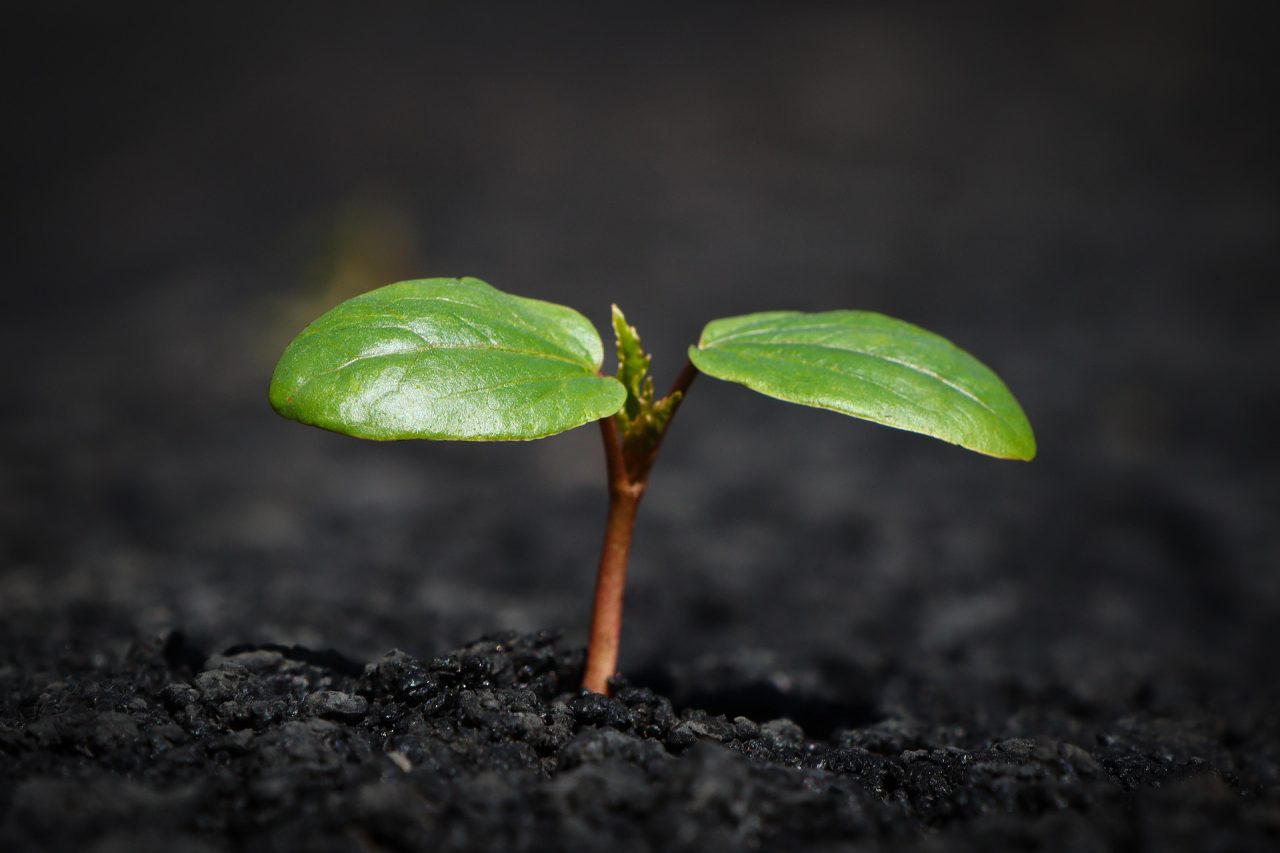
Transform your local land by planting species that support bees and butterflies. Native gardens require less maintenance and provide essential nutrition for pollinators that sustain our food supply. This simple step preserves biodiversity right in your own backyard.

Step 5: Advocate for Clean Air and Clean Water Protections
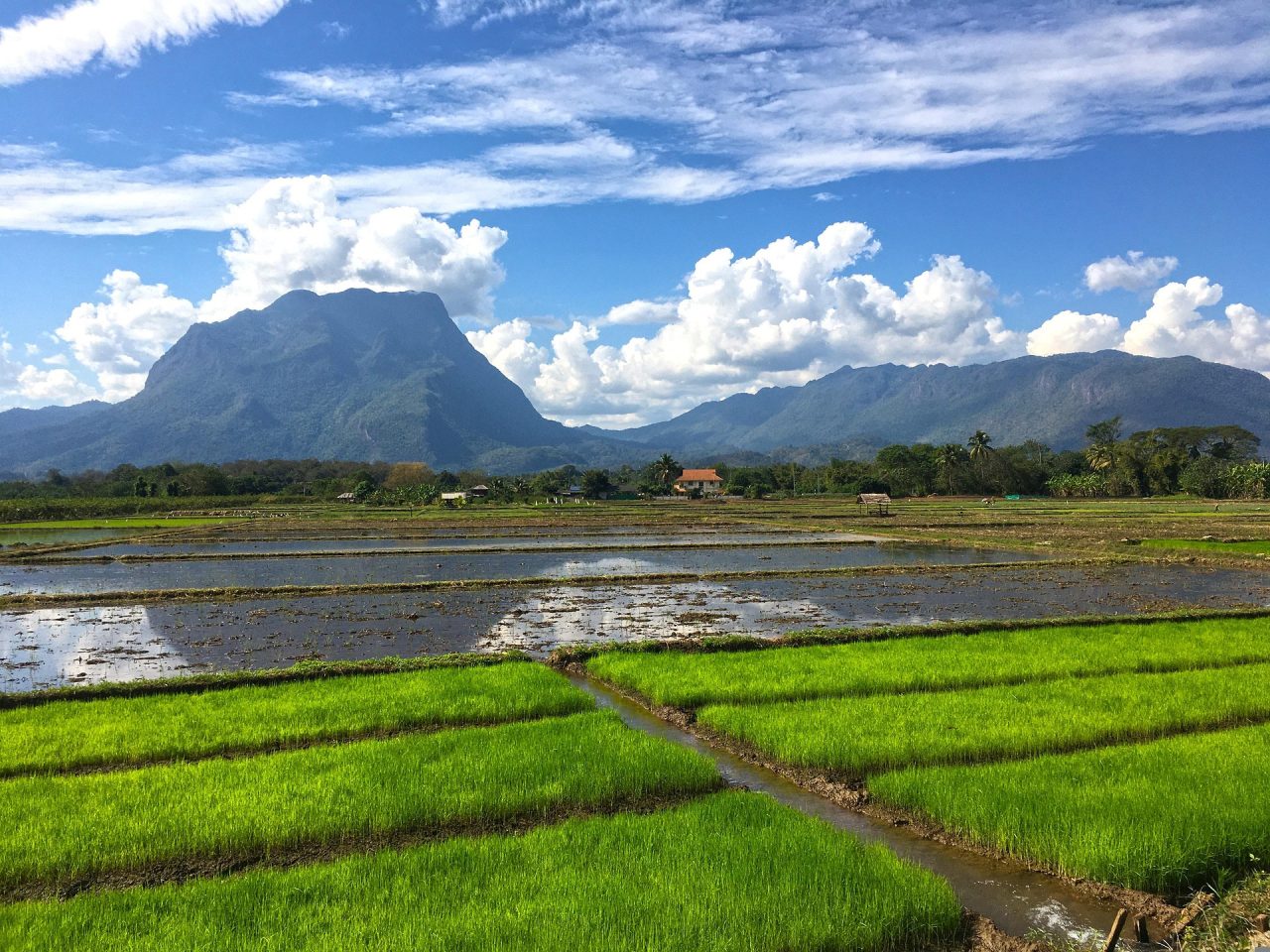
Civic advocacy remains a powerful tool for preserving the air we breathe and the water we drink. Contacting elected officials ensures that environmental standards remain high and protected from rollbacks. Professional engagement in policy helps maintain the health and property values of your entire community.

Step 6: Implement Waste Reduction and Plastic-Free Practices
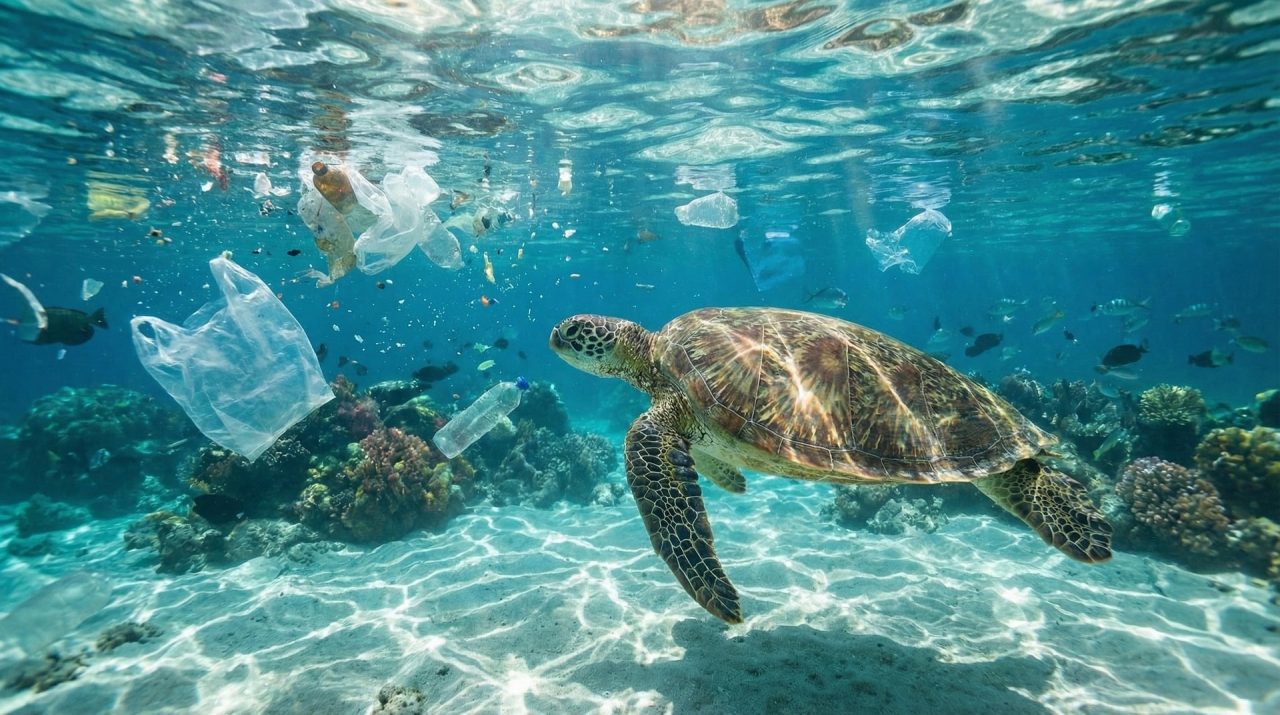
Address the fact that 25% of food goes uneaten by starting a home composting system. Reducing your personal waste requires a conscious effort to use fewer single-use plastics. Simple changes, like carrying reusable bottles, send a strong market signal to manufacturers.

Step 7: Engage in Climate and Environmental Education

True earth day impact relies on literacy and informed decision-making. Accessing earth day activities focused on education helps translate complex climate science into practical daily actions. Understanding the link between environmental health and personal risk strengthens long-term motivation.

Step 8: Exercise Civic Participation and Vote for Environmental Policies

Democracy is a vital mechanism to celebrate earth through legislative progress. Registering to vote and supporting candidates with clear sustainability platforms influences infrastructure and international commitments. Your ballot is a direct investment in the future of the planet’s regulatory framework.

Step 9: Support Renewable Energy and Green Jobs Transitions

Transitioning to a green economy requires active activities in community solar and energy efficiency programs. Investing in green job training helps create a just transition for workers while reducing carbon emissions. Economic transformation is the most sustainable path toward a stable climate.

Step 10: Connect with EARTHDAY.ORG Global Partners
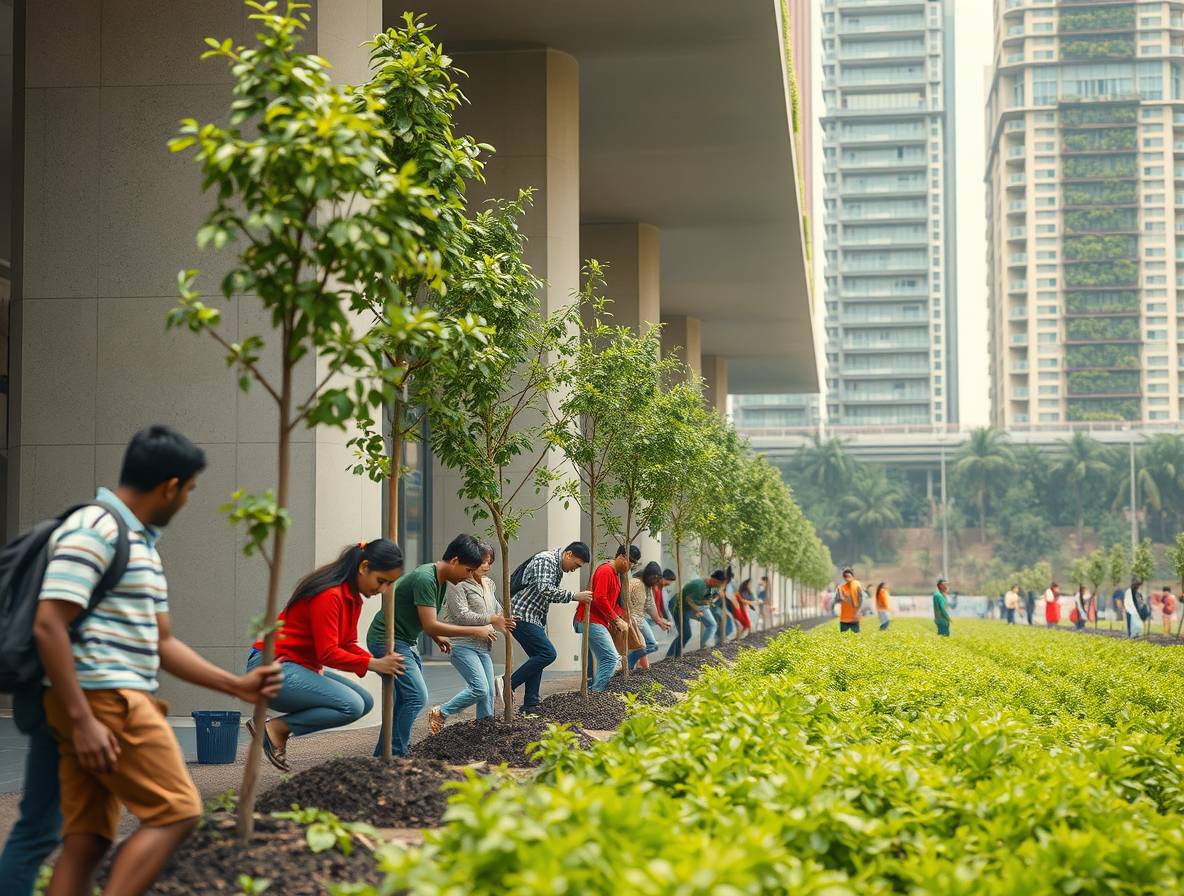
Join a network of over 150,000 partners to celebrate earth day on a massive scale. Collaboration with global organizations amplifies your local activities through shared resources and collective advocacy. This partnership connects your small-scale efforts with a massive movement spanning the entire globe.

Conclusion

The 2026 World Earth Day and Earth Week Across the Global demonstrates that environmental protection remains fundamentally about people organizing collectively. From BRICS nations to US territories, this movement preserves systems that support health and economic stability across diverse contexts. By rising together, communities ensure that protection is more than a slogan; it is a pragmatic investment in our shared prosperity.

Participation in these activities creates measurable outcomes in pollution reduction and ecosystem restoration across the world. Local actions aligned with global frameworks build resilience against shared vulnerabilities in food and water systems. This coordinated response to climate challenges transcends borders and political systems to stabilize the planet we call home.

The transition from awareness to sustained action remains the true challenge following earth day events. We must translate the energy of April into year-round stewardship that embeds sustainability into economic planning. This ongoing commitment ensures that the change sparked by earth day leads to a flourishing future for all generations.

Key Takeaways

  • Engagement of over one billion people across 192 distinct nations.
  • Expansion from 1970 American protests to a global secular event.
  • Increasing leadership from BRICS plus Global South in sustainability.
  • Strategic alignment with UN Sustainable Development Goals worldwide.
  • Focus on local actions in US states for broader climate stability.
  • Strengthened public awareness regarding interconnected ecological systems.
March 2026 Global Holidays & International Days to Observe

Being successful in your career is more than just looking good and drinking coffee. It’s about knowing the important cultural and environmental events that mark our year. As we get closer to the second quarter, it’s key for leaders to understand these events.

This guide gives you a detailed look at the March 2026 global holidays international observation days. We show how national pride and cultural traditions come together. This helps your team plan better and stay connected in today’s global market.

Also, these dates are crucial for your Earth month prep. Adding green initiatives to your work is now a must, not just a nice-to-have. We encourage you to look into these chances to build real connections and add value to your team.

March 2026 global holidays international observation days Earth month prep

Understanding the Significance of March 2026 Global Holidays International Observation Days and Earth Month Prep

Planning for March 2026 global holidays international observation days is key for any forward-thinking company. These dates are more than just calendar entries. They mark a crucial time for professionals to align their sustainability efforts with wider societal goals.

By planning early, companies can move from passive to active, meaningful participation. This shift can make a big difference.

Good Earth month prep means understanding the spring momentum. Companies that focus on upcoming Earth month celebrations see their efforts pay off more. Aligning with these milestones boosts their impact.

Looking at the history and social impact of these worldwide awareness days is crucial. When leaders see global observances as strategic assets, they create a culture of real responsibility. Early planning helps use resources well, turning challenges into chances for true brand storytelling.

Global Independence and National Sovereignty Celebrations

In March, we see the world’s fight for freedom and self-rule. National sovereignty is key in international relations. It shapes how countries work together globally.

A vibrant scene depicting "Global Independence and National Sovereignty Celebrations" with people from diverse cultures celebrating together. In the foreground, a group of men and women of different ethnicities are dressed in professional business attire and modest casual clothing, joyfully waving flags representing various nations. The middle ground features iconic landmarks from around the world, creatively illuminated with colorful lights to symbolize unity and freedom. In the background, a sunset casts a warm glow, enhancing the atmosphere of hope and harmony. The style combines cinematic, photo realism, and synthwave aesthetics, emphasizing vibrant colors and dynamic angles. Capture this celebratory moment for "The Sustainable Digest," ensuring an uplifting and festive mood throughout.

Independence Days in Ghana, Mauritius, and Namibia

Many countries celebrate their freedom in March. Ghana Independence Day on March 6 marks Ghana’s first step to freedom. It’s a symbol of African pride.

Mauritius Independence Day on March 12 celebrates Mauritius’s path to freedom. Then, Namibia Independence Day on March 21 honors Namibia’s fight for freedom. These days show the value of staying free in a connected world.

Independence Movement Day and Bulgaria Liberation Day

Many places have a history of fighting for freedom. Independence Movement Day on March 1 reminds us of the bravery needed to stand up against others. It shows the power of national identity.

Bulgaria Liberation Day on March 3 celebrates Bulgaria’s freedom after centuries of rule. It’s a key day for Bulgaria, showing its strength and resilience. It helps us understand the Balkans’ stability today.

Texas Independence Day and Independence Restoration Day

Freedom is not just for countries; it’s also for regions. Texas Independence Day on March 2 remembers Texas’s fight for freedom in 1836. It’s a big part of Texas’s story.

Independence Restoration Day, like Lithuania’s on March 11, shows the strength of nations fighting for freedom. And Pakistan Day on March 23 celebrates Pakistan’s freedom. These days show the many ways to achieve freedom.

Nation/RegionObservance DateHistorical Significance
TexasMarch 2Declaration of Independence
BulgariaMarch 3Liberation from Ottoman Rule
GhanaMarch 6Colonial Independence
PakistanMarch 23Lahore Resolution Adoption

Cultural Heritage and Traditional Festivals

March is a time of global traditions that connect old customs with today’s identity. These celebrations often happen around the March/Spring Equinox. This time is for renewal and reflection for many cultures. By looking at these rituals, we learn how local traditions shape our world.

Mฤƒrศ›iศ™or, Baba Marta, and St. David’s Day

In Romania, the Mฤƒrศ›iศ™or tradition welcomes spring with small red and white trinkets. These symbols mean health and vitality. The Bulgarian Baba Marta involves exchanging martenitsa for good fortune.

These customs share the spirit of St. David’s Day. It’s celebrated on March 1 to honor Wales’ patron saint. People celebrate with parades and traditional daffodils.

Yap Day and the Zhonghe Festival

The Pacific island of Yap celebrates Yap Day on March 1-2. It showcases traditional dances and stone money culture. The Chinese Zhonghe Festival, linked to the Earth God’s Birthday, focuses on agricultural prosperity and community harmony.

These events show how different places keep their unique cultures alive, even with global changes.

Nevruz Day and Suriname Phagwah

Nevruz Day is a big cultural event for millions, marking the Persian New Year and spring’s arrival. In South America, Suriname Phagwah celebrates with color and unity. It reflects the rich Hindu heritage of the area.

These festivals show how cultural identity stays strong in our connected world.

Festival NamePrimary RegionKey Theme
Mฤƒrศ›iศ™orRomaniaSpring Renewal
Yap DayMicronesiaCultural Heritage
Nevruz DayCentral AsiaNew Beginnings
Suriname PhagwahSouth AmericaCommunity Unity

As March goes on, events like British Science Week and English Tourism Week engage communities. March is filled with cultural celebrations, from the Festival of Owls Week to the anticipation of Eid al-Fitr and Pi Day. The National Cherry Blossom Festival reminds us of the beauty in seasonal changes.

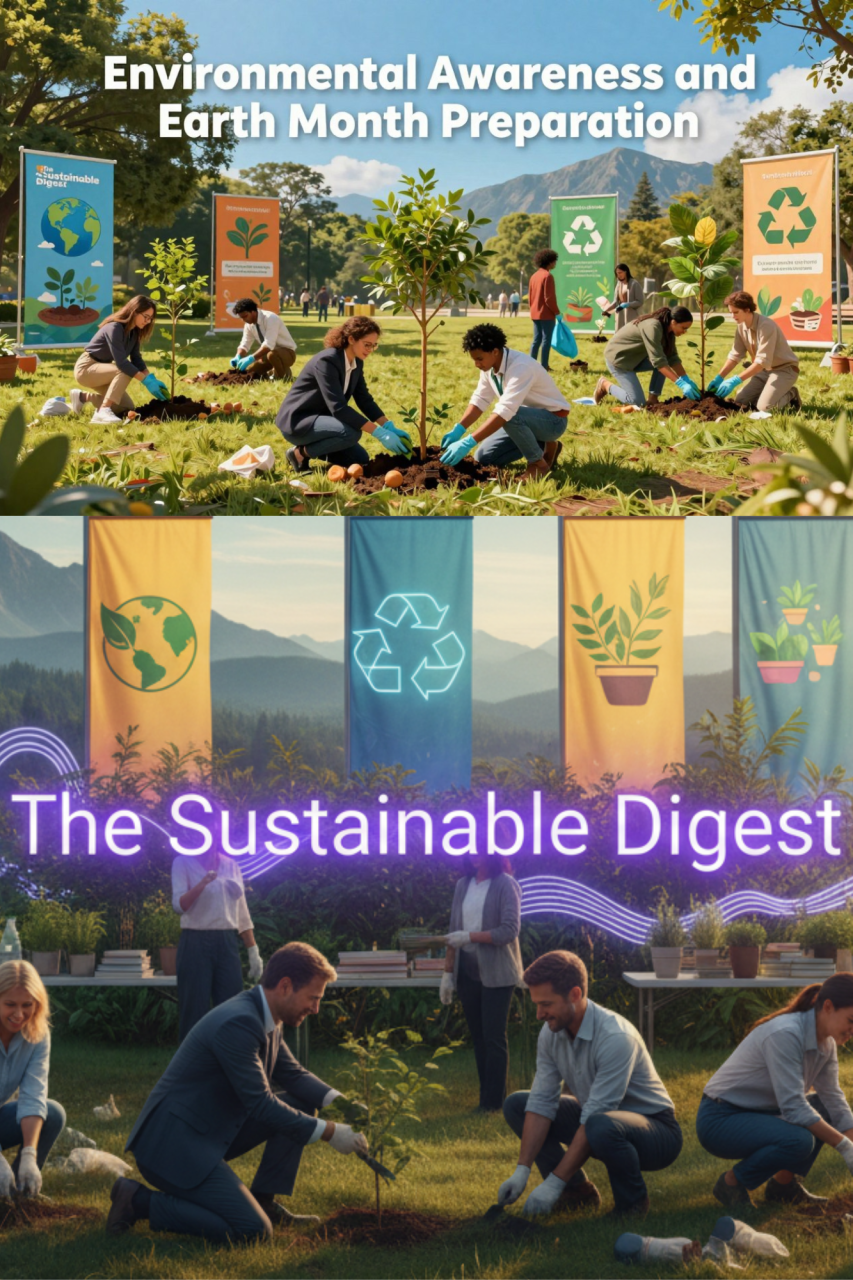
Environmental Awareness and Earth Month Preparation

As winter fades, the world focuses on protecting our planet. This is the start of Earth month prep. It’s a time to push for big changes and align with global goals.

A vibrant and inspiring scene depicting "Environmental Awareness and Earth Month Preparation." In the foreground, a diverse group of environmentally-conscious individuals in casual, eco-friendly attire is seen engaged in planting trees and cleaning up a park, showcasing teamwork and dedication. The middle ground features colorful banners with images of the Earth, plants, and recycling symbols, along with materials for workshops on sustainability. The background reveals a clear blue sky with lush greenery and distant mountains, symbolizing a hopeful future for the planet. The lighting is warm and inviting, casting soft shadows to enhance the sense of community. The overall mood is optimistic and energetic, embodying the spirit of Earth Month. The image incorporates a cinematic, photo, and synthwave combination style, with a subtle inclusion of "The Sustainable Digest" elegantly intertwined in the scene.

World Wildlife Day and World Seagrass Day

March kicks off with World Wildlife Day and World Seagrass Day. These days show us how important our ecosystems are. Events like Panda Day and Key Deer Awareness Day teach us about the role of every species.

There’s also a focus on marine life with International Day of Action Against Canadian Seal Slaughter and International Seal Day. These days help us connect emotionally with the need to protect our oceans.

International Day of Forests and World Water Day

The middle of the month is about managing resources and making sustainable policies. The International Day of Forests and World Water Day are key for conservation. They guide efforts to reduce waste and protect water.

Food Waste Action Week helps us cut down our environmental impact. Combined with the Great British Spring cleanup, these efforts show how local actions can make a big difference. Planning ahead ensures sustainability stays a top priority all year.

World Meteorological Day and World Day for Glaciers

As the month ends, we focus on climate science and saving our ice. World Meteorological Day and World Day for Glaciers highlight the urgent need to act. They help shape policies for adapting to climate change.

Events like National Renewable Energy Day and Global Recycling/National Biodiesel Day push for cleaner energy and recycling. These efforts are crucial for fighting climate change and protecting our planet.

Human Rights and Social Justice Observances

March is a key month for fighting for human rights. It’s a time to look at the progress we’ve made and what we still need to do. By focusing on these issues, we can work towards a more inclusive world.

Zero Discrimination Day and International Day to Combat Islamophobia

The month starts with a focus on equality. Zero Discrimination Day celebrates everyone’s right to live with dignity. Then, the International Day to Combat Islamophobia calls for respect and understanding among different communities.

International Day for the Elimination of Racial Discrimination

In the middle of the month, we celebrate the International Day for the Elimination of Racial Discrimination. This day is part of the Week of Solidarity with the Peoples Struggling against Racism and Racial Discrimination. It reminds us to keep fighting against racism and to make changes in our policies.

We also honor the International Days for the Right to the Truth concerning Gross Human Rights Violations. These days also remember the Dignity of Victims/of Remembrance of the Victims of Slavery and the Transatlantic Slave Trade. They are important for truth and healing.

Human Rights Day in South Africa and Emancipation Day in Puerto Rico

There are special days in different places that highlight the fight for justice. Human Rights Day in South Africa on March 21 shows the strength of those who fought against apartheid. Emancipation Day in Puerto Rico on March 22 is a big step towards freedom and dignity.

Throughout the month, we also celebrate other important days. We have Universal Human Beings Week and the World Day of Fight against Sexual Exploitation. The National Day of Life, Peace and Justice reminds us to keep working towards a fair future for everyone.

Professional and Awareness Months

March is filled with special days that celebrate professional achievements and cultural traditions. These times help groups match their values with the bigger picture of society’s progress. By joining in, workers can make their workplaces more welcoming and well-informed.

A vibrant and engaging scene symbolizing "Professional and Awareness Months". In the foreground, a diverse group of three professionalsโ€”two women and one manโ€”dressed in business attire, are collaborating over a table filled with colorful awareness month posters and professional development materials. The middle layer features a variety of icons representing different awareness months, such as a heart for Heart Health Month and a green leaf for Environmental Awareness Month, artistically arranged on a bulletin board. In the background, soft-focus shelves filled with books and inspirational quotes create a warm atmosphere, enhanced by natural lighting streaming through a large window. The style combines cinematic depth with a synthwave aesthetic, portraying a sense of optimism and unity. The image should subtly reference "The Sustainable Digest" through visual elements like eco-friendly colors.

Greek-American and Irish-American Heritage Months

March is a great time to celebrate the contributions of certain groups in the United States. Irish-American Heritage Month celebrates the strength and cultural impact of those with Irish roots. We also wish everyone a productive Greek-American Heritage Month, honoring the big influence of Greek traditions on American life.

National Women’s History Month and Professional Social Worker’s Month

This month focuses on fairness and the important work of human services. Gender Equality/National Women’s History/Women’s Month (Philippines) is a chance to think about the journey to equality. At the same time, National Supply Management /Professional Social Worker’s Month highlights the crucial work of those helping our most needy.

Gardening, Nature, and Ecology Books Month

Gardening, Nature, and Ecology Books Month puts education and caring for the environment in the spotlight. It encourages people to connect more with nature through books and action. It’s a perfect time for companies to share their green efforts with their teams and supporters.

Awareness CampaignPrimary FocusTarget Audience
International Ideas MonthInnovation and CreativityGlobal Professionals
National Ethics Awareness MonthCorporate IntegrityBusiness Leaders
Dolphin Awareness MonthMarine ConservationEnvironmental Advocates
Honor Society Awareness MonthAcademic ExcellenceStudents and Educators
Veggie MonthPlant-based NutritionHealth-conscious Consumers
International Women of Color/National Black Women in Jazz and the Arts DayCultural RepresentationArts and Humanities

Historical Commemorations and Memorial Days

History is not always straightforward. March’s observances show the complex turns of our past. These dates are critical anchors for society. They help us understand how past decisions shape today’s world.

Asiatic Fleet Memorial Day and Casimir Pulaski Day

March starts with a look back at military sacrifices. The Asiatic Fleet Memorial Day honors those in the Pacific. Casimir Pulaski Day celebrates the Polish commander who fought for America’s freedom. These days remind us that freedom often comes at a high cost.

The month is filled with observances that challenge our view of history:

  • Black Press Day: Honors the role of minority media in shaping public opinion.
  • Benjamin Harrison Day: Looks at the legacy of the 23rd U.S. President.
  • Near Miss Day: Reminds us of how close we’ve come to disaster.

Alamo Day and Operation Iraqi Freedom Day

The middle of the month focuses on key conflicts. Alamo Day is a defining moment in Texas history. Operation Iraqi Freedom Day on March 19 sheds light on today’s international relations. These events are not just dates; they are part of our shared memory.

“The past is never dead. It’s not even past.”

William Faulkner

The International Day for Disarmament and Non-Proliferation Awareness urges peace through diplomacy. Days like the Commemoration Of Boganda and the Day of the Liberation of Southern Africa show the global fight for freedom and justice.

Harriet Tubman Day and Tibetan Uprising Day

Human rights are key in our historical study. Harriet Tubman Day honors courage. Tibetan Uprising Day reminds us of the ongoing fight for freedom. These days inspire us to be more empathetic and aware.

Other notable days include:

  • Holy Experiment Day: Celebrates the early American governance’s philosophical roots.
  • Courageous Follower Day: Honors those who support change.
  • Martyr’s Day in Mali/Madagascar: Remembers those who died for national dignity.

These commemorations give us a necessary framework for today’s decisions. By remembering our history, we make sure its lessons guide our future.

International Days of Happiness and Global Cooperation

In March, nations come together to celebrate progress and happiness. These worldwide awareness days remind us that our future depends on global cooperation. They show us the importance of communication and support across borders.

A vibrant and uplifting scene depicting worldwide awareness days, focusing on International Days of Happiness and Global Cooperation. In the foreground, a diverse group of people in professional business attire, including men and women from various cultural backgrounds, are joyfully engaging in activities symbolizing happiness and cooperation, such as sharing ideas and planting trees. The middle ground features a large globe surrounded by colorful flags representing different countries, reflecting global unity. The background features a scenic landscape with a bright blue sky and soft, radiant sunlight casting warm highlights. The atmosphere is joyful and inspiring, with an overall cinematic, photo-realistic, and synthwave blend. The image should prominently display the brand name "The Sustainable Digest" without any captions or overlays.

International Day of Happiness and Commonwealth Day

The International Day of Happiness focuses on mental well-being. It pairs with Commonwealth Day to stress the need for inclusive societies. These days remind us of the value of kindness and unity.

  • Focusing on the World Day of Metta to promote loving-kindness.
  • Strengthening diplomatic ties through shared cultural values.
  • Advocating for policies that improve the quality of life for all citizens.

International Day of Nowruz and World Plumbing Day

The International Day of Nowruz celebrates new beginnings and spring. It connects cultures through ancient traditions. On the other hand, World Plumbing Day honors the unsung heroes of public health.

One day celebrates cultural heritage, while the other highlights the need for modern sanitation. Both days show that global development needs both social unity and reliable systems.

World Civil Defense Day and International Open Data Day

March also focuses on World Civil Defense Day for Public Risk Management Awareness. It stresses the importance of safety in our uncertain world.

International Open Data Day promotes transparency in our digital world. It’s often celebrated with World Information Architecture Day and Global Day of the Engineer. Together, they explore how data can solve big problems.

Transparency is the bedrock of trust in any international partnership.

Global Development Initiative

Regional Holidays and Unique Local Observances

Regional holidays paint a picture of local cultures. These dates are essential markers of identity. They show the political and social history of places often overlooked. By learning about these events, we can better understand and respect different cultures.

Guam Discovery Day and Lavity Stoutt’s Birthday

Guam Discovery Day celebrates the resilience of indigenous traditions. Lavity Stoutt’s Birthday in the British Virgin Islands honors a key political figure. These days show that local history is the bedrock of global identity.

Moshoeshoe’s Birthday and James Ronald Webster Day

Moshoeshoe’s Birthday honors the founder of the Basotho nation. It reflects pride in sovereignty. In Anguilla, James Ronald Webster Day celebrates the island’s fight for freedom. These days highlight how regions celebrate their journey to self-determination.

Birth Anniversary of Samaon Sulaiman and Coronation of the Sultan of Terengganu

The birth anniversary of Samaon Sulaiman celebrates a master musician in the Philippines. The Coronation of the Sultan of Terengganu in Malaysia honors traditional leadership. These events, along with others, show the vibrant diversity of global traditions.

Observance NamePrimary FocusRegional Context
National Horse Protection DayAnimal WelfareUnited States
National Grammar/Safety DayEducation/AwarenessUnited States
National American Paddlefish DayConservationUnited States
Plan a Solo Vacation DayPersonal WellnessUnited States
National Jump Out DayCommunity SpiritUnited States
Otago Anniversary DayRegional HeritageNew Zealand

Conclusion

March 2026 global holidays and international observation days are key for those in our connected world. They mark important dates for professionals aiming to match their work with current trends in sustainability and human rights.

Understanding these milestones is crucial for strategic planning. By using March 2026 global holidays in your plans, you can lead in advocacy and outreach. This makes your calendar a tool for real engagement.

By knowing these events, we can build a more informed and connected world. We encourage you to use this guide to link local efforts to global impact. Your dedication to these observances will help shape progress for the coming year.

Key Takeaways

  • Aligning professional calendars with cultural milestones enhances organizational relevance.
  • The importance of Women’s History Month through the perspective lens of the 2030 UN Sustainable Development Goals
  • Strategic planning for environmental advocacy begins well before the official season.
  • Understanding international observances fosters better connections with diverse stakeholders.
  • Sustainability initiatives are critical for modern corporate development and growth.
  • Analytical foresight allows leaders to navigate complex schedules with greater ease.

Rachel Carson: How one woman birthed the Climate Debate

Rachel Carson Sustainability, Environmentalism Ecosystem Climate Impact

During Women’s History Month, we often celebrate pioneers who broke barriers. One such figure was a marine biologist whose eloquent writing changed how we see the natural world. Her journey in STEM, at a time when few women held such roles, makes her legacy particularly powerful.

She possessed a rare dual expertise. As a rigorous scientist and a gifted writer, she translated complex biology into stories everyone could understand. This skill turned ecological ideas into a mainstream concern.

Her most famous book, Silent Spring, questioned the unchecked use of chemicals. It framed environmental protection as a moral duty to future generations. The work did more than warn about dangers; it sparked a global movement.

Her experience within government, as an editor for the U.S. Fish and Wildlife Service, shaped her view. She believed firmly in the public’s right to know. This principle would later echo in the creation of agencies like the Environmental Protection Agency.

The central question remains: how do her warnings about chemical overreach prefigure today’s crises? Her story is one of intellectual courage against a powerful industrial complex. It provides an ethical blueprint for planetary stewardship that still guides us.

Fromย Marineย Biologistย toย Environmentalย Prophet

Rachel Carsonย startedย asย aย biodiversityย conservationย pioneerย knownย forย explainingย scienceย toย everyone.ย Herย books,ย likeย “Theย Seaย Aroundย Us,”ย madeย scienceย interestingย andย accurateย forย all.ย Sheย showedย thatย scienceย shouldย beย forย everyone,ย notย justย experts.

Carson grew from focusing on oceans to understanding the whole planet. She saw how the ocean’s health reflects our planet’s. This broad view set her apart ๏ปฟfrom others who focused only on parts of the environment.

Her work in marine biology led to new ideas about sustainability. She showed how pesticides harm ecosystems and build up in living things. Her knowledge helped her challenge the chemical industry’s claims.

The massive impact from Rachel Carsonย wentย beyondย herย books.ย Sheย showedย thatย scientistsย canย serveย theย publicย whileย stayingย trueย toย theirย work.ย Herย exampleย encouragedย othersย toย questionย theย costsย ofย progressย andย theย safetyย ofย chemicals.ย Sheย taughtย usย thatย askingย toughย questionsย isย theย dutyย ofย scientists.

1. The Making of a Witness for Nature: Education and Early Career in a Changing World

In the shadow of Pittsburgh’s steel mills, a childhood spent exploring a family farm laid the groundwork for a revolutionary career in public science. Rachel Carson was born in 1907 in Springdale, Pennsylvania. Her family’s 65-acre plot near the Allegheny River was her first laboratory.

This pastoral landscape stood in stark contrast to the industrial behemoth nearby. That contrast between the organic and the mechanical would deeply inform her later life.

From Pennsylvania Woods to Marine Biology: A Foundation in Observation

Her early immersion fostered a powerful ethos of observation. By age ten, she had a story published in St. Nicholas magazine. This early literary success hinted at her future path.

At Pennsylvania College for Women, she initially studied English. In a pivotal move, she switched her major to biology. This fusion of literary skill and scientific rigor became her unique signature.

A 1929 summer fellowship at the U.S. Marine Laboratory in Woods Hole was transformative. It was her first sustained encounter with the sea. The experience cemented her academic direction.

She earned a scholarship to Johns Hopkins for graduate work. Her focus was marine zoology. This period built the authoritative foundation she would later use to communicate with the public.

Breaking Barriers: A Woman in the U.S. Fish and Wildlife Service

Her professional break came in 1935. The U.S. Bureau of Fisheries hired her part-time to write a radio series, “Romance Under the Waters.” Her talent for making science engaging was immediately apparent.

By 1936, she was appointed a junior aquatic biologist. She was one of only two women at a professional level in the agency. This was a significant barrier broken in federal government.

During World War II, her research skills were directed to a submarine detection program for the Navy. This work deepened her practical understanding of oceanography and federal priorities.

Promoted to aquatic biologist in 1943, she worked for the renamed U.S. Fish and Wildlife Service. She served as an editor and chief of publications. In this role, she authored public bulletins and the “Conservation in Action” series.

The irony was rich. Here was a woman excelling in a male-dominated agency. She was mastering the very system of public information she would later challenge.

Key Early Career Milestones of Rachel Carson

YearMilestoneSignificance
1929Fellowship at Woods Hole Marine LabFirst direct marine biology research; connection to the coast maine region.
1935Hired by U.S. Fish & Wildlife precursorBegan professional science writing for the public.
1936Appointed Junior Aquatic BiologistBroke gender barriers in federal science.
1943Promoted in Wildlife ServiceGained editorial control and bureaucratic insight.

The Post-WWII Context: Science, Growth, and Unquestioned Progress

Carson’s early career unfolded against a specific historical backdrop. The post-war era was defined by unfettered economic growth and technological optimism. A “machine age” mentality viewed the natural world purely as a resource.

The Cold War and reconstruction efforts fueled a narrative of unquestioned progress. Conflicts like the Korean War reinforced a mindset of dominion. This was the dominant ethos during her time at the U.S. Fish Wildlife Service.

Globally, the 1950s and 60s saw decolonization and new nations gaining independence. Conflicts like the Vietnam War stirred international consciousness. A global audience for messages about planetary care was emerging.

Her insider view seeded a profound ecological caution. She saw the costs of industrial expansion. The impending crises of the 1970sโ€”like the oil embargoโ€”were prefigured in her early work.

This period forged her into a “witness for nature.” She gained scientific authority, literary skill, and an insider’s understanding of policy. These tools would soon be turned toward a critique of the very progress narrative she was immersed in.

Breakingย Barriersย inย aย Male-Dominatedย Scientificย World

In the 1940s and 1950s, women in science faced big barriers. The Cold War pushed for more technology and chemicals, ignoring the risks. Yet, Carson’s work earned her respect from her male colleagues.

Being a woman had its advantages and challenges:
Men often doubted her findings on chemical dangers
She worked outside the usual university power structure
Her writing reached more people than usual
Her fresh perspective allowed her to challenge the status quo
She could talk to a wider audience
Carson refused to accept the usual views on progress and safety. While others celebrated synthetic pesticides, she showed their harm. Her courage to disagree made her stronger, not weaker.

2. The Sea Trilogy: Laying the Ecological Foundation for a Public Audience

Rachel Carson's "The Sea Trilogy" books displayed prominently in a natural setting, illustrating her profound influence on ecological awareness. In the foreground, the rugged covers of the trilogy books are neatly arranged on a weathered wooden table, with sunlight gently illuminating their textured surfaces. The middle ground features a serene coastal scene, with gentle waves lapping at a pebbled shore and soft green seaweed peeking through the water. Further back, a tranquil horizon shows an endless blue sea under a clear sky, hinting at the environmental themes Carson championed. The atmosphere is peaceful and reflective, evoking a sense of connection to nature. The entire scene is captured with a warm, soft focus, simulating a late afternoon glow. Designed for "The Sustainable Digest," the image embodies the essence of Carson's writings without any text overlays or distractions.

A trilogy of works about the sea, published between 1941 and 1955, performed a quiet revolution by making ecological science a mainstream literary genre. This series did more than describe marine life; it built a reservoir of public trust and wonder. That trust would prove essential for the more confrontational warnings to come.

Through these books, the biologist translated raw data into compelling narrative. She established ecology as a public science. The global hunger for this wisdom revealed a planet ready to think beyond national borders.

Under the Sea-Wind: Writing the Ocean’s Narrative

Her first major carson book, Under the Sea-Wind (1941), presented intricate science through poetic language. It followed the life cycles of a sea bird, a fish, and an eel. This narrative innovation personified marine creatures, making complex ecology relatable.

The work established her signature style. She blended rigorous research with the pacing of a story. This approach invited readers into the natural world, fostering empathy rather than just delivering facts.

The Sea Around Us: A Bestseller Brings Ocean Science to the World

The monumental success of The Sea Around Us (1951) was unprecedented. It topped the New York Times bestseller list for 81 weeks. Translated into 32 languages, its reach was truly global.

This sea around us phenomenon revealed a public hungry for planetary wisdom. Its focus on the ancient, timeless ocean offered a subtle critique of the era’s frantic, consumption-driven pace. The book’s international reception acted as a form of soft diplomacy, fostering shared wonder across Cold War divides.

The financial independence it provided was critical. Carson published the bestseller and resigned from government service in 1952. This marked her pivotal transition from federal scientist to independent public intellectual.

The Edge of the Sea: Exploring Ecosystems and Interconnectedness

The Edge of the Sea (1955) is a masterclass in interconnected thinking. It explored fragile coastal zones from the coast maine region to Florida. Carson detailed the precise interdependencies within tide pools and shorelines.

This work prefigured core principles of modern conservation biology. It presented an ecosystem as a web of relationships, not a collection of parts. Her observations included early notes on phenomena now central to the climate debate, like rising sea levels.

Her research for this volume utilized emerging post-WWII technologies. She blended findings from submarine studies with literary elegance. This demonstrated her commitment to cutting-edge science served with clarity.

The Sea Trilogy: A Foundational Project

YearTitleCore InnovationPublic Impact
1941Under the Sea-WindNarrative personification of marine lifeEstablished her lyrical, accessible writing style
1951The Sea Around UsBiography of the ocean as a geologic entityGlobal bestseller; built massive public trust and credibility
1955The Edge of the SeaEcosystem analysis of coastal zonesTaught ecosystem thinking to a broad audience

The trilogy’s collective impact was profound. Rachel Carson first invited the world to marvel at the sea‘s wonders. This established her as its most trusted voice. That carefully earned credibility set the stage for her next, revolutionary act: revealing how that same world was being poisoned.

She built the foundation for public ecology in this time. The writing made the ocean‘s story everyone’s story. This global classroom prepared the ground for the urgent lessons that followed.

3. Silent Spring and the Awakening of Modern Environmentalism

The publication of Silent Spring in 1962 did not merely critique agricultural practices. It declared a profound philosophical war on the era’s core belief in technological infallibility. This carson book transformed a specialized scientific concern into a urgent national debate.

It argued that the widespread use of synthetic chemicals was an assault with unforeseen consequences. The work meticulously connected laboratory data to real-world dangers in backyards across America.

Connecting the Dots: From DDT to a “War Against Nature”

Rachel Carson wrote with forensic detail. She traced the journey of pesticides like DDT from crop dusters into the soil, water, and food chain. Her research demonstrated bioaccumulation, where toxins concentrate as they move up the ladder of life.

She linked these poisons to cancer and the thinning of bird eggshells. This was a clear indictment of an entire industry‘s practices. Her central thesis was that this was not progress, but a reckless conflict.

She called it an “uncontrolled lab experiment” on the American public.

Her methodology was formidable. With help from colleagues like Shirley Briggs, she compiled 55 pages of references. She synthesized entomology, oncology, and ecology into a single, damning narrative.

The Firestorm: Industry Backlash and Public Mobilization

The reaction from chemical companies was swift and severe. They mounted a coordinated smear campaign, spending over $250,000 to discredit her. They labeled her “frantic” and anti-science, a tactic meant to undermine her credibility.

What her critics did not know was her private battle. During this time, she was secretly fighting metastasizing breast cancer. She concealed her illness to prevent her science from being dismissed as emotionally motivated.

Her public rebuttal was calm and evidence-based. This stark contrastโ€”between corporate fury and her reasoned authorityโ€”galvanized the public. It sparked a grassroots awakening that became the modern environmental movement.

Policy and Paradigm Shift: From Banning DDT to a New Environmental Ethic

The book‘s impact reached the highest levels of government. President John F. Kennedy launched a presidential science advisory committee investigation. In 1963, she testified before Congress, her scientific clarity cutting through political noise.

This direct communication led to tangible policy change. The United States eventually banned DDT for agricultural use. This was a direct result of her advocacy and the public pressure she ignited.

The world context amplified her message. The Cold War created a mindset of invisible threats. Carson’s framing of chemical peril resonated with this vigilance. Simultaneously, the use of Agent Orange in the Vietnam War exemplified the global “war against nature” she condemned.

The paradigm shift was profound. The ideology of total control, born from post-World War II triumphalism, was challenged. It was challenged by a woman using that era’s own tools of science and communication.

The ultimate institutional legacy was the creation of the U.S. Environmental Protection Agency in 1970. Silent Spring provided the ethical blueprint for its mission. It established a new framework for assessing environmental risk.

Key Events: From Publication to Policy (1962-1970)

YearEventOutcome
1962Silent Spring publishedNational bestseller; public alarm raised about pesticides.
1963Carson’s Congressional testimonyScience directly influences federal policy review.
1963-1972Scientific review & public campaignMounting evidence leads to regulatory action.
1970EPA establishedNew federal agency created to manage environmental risks.
1972DDT banned in the U.S.Landmark regulatory victory stemming directly from the book‘s thesis.

The years following 1962 created a new playbook for citizen action. It combined science, litigation, and advocacy to hold power accountable. Rachel Carson‘s quiet study had sparked an unfinished revolution.

4. Carson’s Enduring Framework: Her Vision and the 2030 UN Sustainable Development Goals

A serene landscape representing the UN Sustainable Development Goals, featuring a lush green environment symbolizing nature's preservation, alongside imagery inspired by Rachel Carson's legacy. In the foreground, a diverse group of professionals in business attire holds a vibrant, oversized depiction of the 17 Sustainable Development Goals icons, conveying collaboration and hope. The middle ground showcases a harmonious balance of nature and clean technology, with wind turbines and solar panels integrated into the landscape. In the background, a clear blue sky illuminates the scene, symbolizing a brighter future. The atmosphere is inspiring and optimistic, reflecting the call for sustainable action aligned with Carson's vision. The image must be suitable for "The Sustainable Digest."

Today’s global sustainability agenda, codified in the UN’s 17 goals, finds a profound precursor in the systemic vision of a mid-century science writer. The Sustainable Development Goals (SDGs) are the modern operational plan for a viable planet. Their ethical and ecological DNA, however, was articulated decades earlier.

Her philosophy was built on several core tenets. These ideas now form the bedrock of integrated global policy.

  • Interconnectedness of all life systems.
  • Moral duty to future generations.
  • The public’s right to know about hazards.
  • The precautionary principle for new technologies.
  • A critique of unchecked economic growth.

This framework refuses to separate planetary health from human justice. It makes her the unacknowledged architect of the SDG structure.

Direct Environmental Stewardship: Goals for Planet

The “Planet” cluster of SDGs (6, 13, 14, 15) has a direct lineage to her research. Her book Silent Spring exposed the poisoning of waterways by agricultural chemicals. This established the scientific urgency for SDG 6: Clean Water and Sanitation.

Her sea trilogy documented atmospheric and oceanic changes. She warned of rising sea levels and collapsing populations. These observations presaged SDG 13: Climate Action and SDG 14: Life Below Water.

Her critique of pesticides like DDT highlighted the collapse of bird populations. It framed terrestrial protection as a survival issue. This moral argument underpins SDG 15: Life on Land.

Foundations for Health, Equity, and Justice: Goals for People

The “People” goals address poverty, health, and inequality. Carson’s work indirectly targeted these root causes. She linked environmental pollution directly to public health, a core of SDG 3: Good Health.

The Silent Spring Institute continues this legacy. It has identified over 900 potential breast cancer-causing chemicals. This ongoing research validates her early warnings and fuels modern advocacy.

Her mission to educate the public embodied SDG 4: Quality Education. She believed informed citizens were essential for change. Furthermore, her success as a woman in a male-dominated field challenged power structures, aligning with SDG 5: Gender Equality.

Enabling Sustainable Systems: Goals for Prosperity and Partnership

Her foresight extended to economic and social models. The “Prosperity” goals seek sustainable industry, energy, and cities. Carson’s critique of irresponsible industry prefigured this need.

She questioned a growth model that sacrificed the natural world. This critique aligns with SDG 8: Decent Work and Economic Growth and SDG 12: Responsible Consumption. It calls for systems that do not externalize their dangers.

The final “Partnership” goals (16 & 17) require transparent governance and collaboration. Her reliance on scientific networks modeled multi-stakeholder action. Her demand for accountable government echoes SDG 16: Peace, Justice, and Strong Institutions.

Mapping Carson’s Core Tenets to the SDG Framework

Carson’s PrincipleSDG ClusterModern Manifestation
InterconnectednessPlanet (14, 15)Integrated ecosystem management policies.
Public’s Right to KnowPeople (3, 4)Community right-to-know laws and health education.
Precautionary PrincipleProsperity (9, 12)Regulations on novel materials and chemicals.
Critique of Unchecked GrowthPartnership (17)Global partnerships for sustainable development.

The relationship is bilateral. Her work informed the goals’ creation. Now, the pursuit of these goals extends her unfinished revolution.

It is deeply ironic. The world is now codifying objectives she identified as necessary over half a century ago. This underscores the protracted pace of institutional change. The vision of Rachel Carson was inherently systemic. It remains the blueprint for a livable future.

5. Conclusion: The Rachel Carson Legacy – Disciples, Movement, and an Unfinished Revolution

Immediate collaborators and later disciples have carried forward the crucial work begun in the mid-20th century. Allies like Shirley Briggs provided vital research for Silent Spring, forming its intellectual core.

This effort spurred tangible government action, including the founding of the U.S. Environmental Protection Agency. The environmental movement she ignited now thrives through organizations and advocates worldwide.

Scientific successors, such as the Silent Spring Institute, continue probing links between chemicals and cancer. Yet, with many pesticides like DDT banned but thousands of novel compounds untested, her revolution remains unfinished.

Rachel Carson‘s legacy endures as a living call for precaution and informed public stewardship. It is a blueprint still guiding the quest for a healthier planet.

Key Takeaways

  • Rachel Carson’s work in the mid-20th century launched the modern environmental movement by making science accessible to the public.
  • Her unique background as both a scientist and a writer allowed her to effectively communicate complex ecological concepts.
  • Silent Spring was instrumental in shifting public policy and raising awareness about the dangers of pesticides.
  • As a woman in STEM during the 1950s and 60s, she overcame significant gender barriers in science and government.
  • Her advocacy established the principle of the public’s right to know about environmental hazards.
  • Carson’s vision of ecological interconnectedness directly informs contemporary frameworks like the UN Sustainable Development Goals.
  • Her legacy demonstrates how a single, powerful voice can challenge industrial norms and inspire global change.

2026 February Holidays & Observances for Sustainability

2026 Februray holidays and observances for Sustainability in retrospect

Global progress often mirrors the rhythm of our collective memory. By examining various sustainability events, we bridge the gap between historical awareness plus modern ecological goals.

Events like World Wetlands Day highlight the fragile beauty of our water systems. Simultaneously, World Pulses Day emphasizes how simple crops can transform our food security models; these efforts define our shared journey.

Cultural festivals also play a vital role. We honor the Philippine-American War Memorial plus the Day of Remembrance and Respect to Victim of the Communist Regime; such dates ground our search for a stable society.

Observing Mozambican Heroes Day reminds us that social equity is a core part of long-term survival. These diverse national days ensure our path toward a greener world remains inclusive plus deeply rooted.

Understanding Sustainability Through Global Celebrations in February 2026

February 2026 is filled with global celebrations that highlight the link between sustainability and fairness. These events show the importance of working together and adopting green practices.

The World Day of Social Justice on February 20 is a key event. It focuses on solving problems like poverty and joblessness. These issues are key to a sustainable future. By fighting for fairness, we help make the world more equal and support green growth.

The International Day of Human Fraternity on February 4 is also important. It encourages people from different faiths to talk and understand each other. This unity is vital for solving big problems like climate change.

February also celebrates indigenous cultures. For example, Waitangi Day on February 6 in New Zealand honors the Treaty of Waitangi. It shows the value of respecting indigenous rights and their role in caring for the land. Sami National Day on February 6 also celebrates the Sami people’s traditions in Scandinavia and Russia.

Lui-Ngai-Ni is another important event. It’s celebrated by the Naga people in India. It’s a time for the community to gather, showing the importance of unity and sustainable farming.

These celebrations in February 2026 remind us of the many ways to support sustainability. By learning about and celebrating these events, we can build a more inclusive and green world.

Environmental and Ecological Observances Promoting Planetary Health

A serene landscape showcasing a vibrant community event dedicated to environmental observances. In the foreground, a diverse group of individuals in professional business attire enthusiastically engage in activities like planting trees and distributing seeds, demonstrating hands-on participation. The middle ground features colorful banners highlighting sustainability themes, surrounded by lush greenery and blooming flowers, promoting a sense of harmony with nature. In the background, a clear blue sky is visible, illuminated by soft, warm sunlight filtering through the trees, casting gentle shadows. The mood is uplifting and hopeful, symbolizing collective efforts for planetary health. This image captures the essence of "The Sustainable Digest" in advocating for ecological observances, instilling a sense of community and purpose.

February 2026 is filled with important environmental and ecological observances. These events remind us of the need for conservation and sustainability. They help keep our ecosystem in balance.

World Wetlands Day and Aquatic Ecosystem Protection

World Wetlands Day is on February 2. It shows how vital wetlands are for our planet. They help keep water clean, prevent floods, and home many species. This year’s theme calls for quick action to save these important places.

Key actions to protect wetlands include:

  • Restoring damaged wetlands
  • Using land in a sustainable way
  • Spreading the word about wetlands’ value

Wildlife Conservation Days: Arabian Leopards, Bonobos, and Pangolins

February is also home to several wildlife conservation days. These include the International Day of the Arabian Leopard, World Bonobo Day, and World Pangolin Day. They aim to raise awareness about these endangered animals and the need for conservation.

“The conservation of species like the Arabian leopard, bonobo, and pangolin requires not only national but international cooperation and commitment.”

Humpback Whale Awareness Month and Marine Sustainability

February is Humpback Whale Awareness Month. It’s a time to focus on keeping our oceans healthy. Humpback whales are key to the health of our seas, and saving them is essential.

Efforts to protect humpback whales include:

  1. Lowering ship strikes with better rules
  2. Stopping them from getting caught in fishing nets
  3. Keeping their homes clean from pollution

National Bird Feeding Month and Backyard Biodiversity

National Bird Feeding Month in February encourages us to help birds in our backyards. Feeding birds can greatly help local ecosystems and support bird populations.

To make a big difference, you can:

  • Use different bird feeders to attract more species
  • Plant native plants that birds can eat
  • Keep feeding areas clean and safe

Agricultural Sustainability and Food Systems Innovation

February 2026 is a time to focus on solving climate change and ensuring everyone has enough food. Several important days in February highlight the need for sustainable farming and new food systems.

World Pulses Day and Sustainable Protein Sources

World Pulses Day is on February 10, 2026. It’s a big deal for finding better protein sources. Pulses, like beans and lentils, are full of protein and help keep soil healthy.

They’re also good for you, packed with fiber and vitamins. Plus, they’re better for the planet than meat, needing less water and land.

Canada’s Agriculture Day and Farmer’s Day

Canada’s Agriculture Day is on February 15, 2026. It celebrates the farmers who feed the country. It shows off their hard work and innovative farming.

This day also honors Farmer’s Day. It’s a chance to thank farmers for their hard work and support sustainable farming.

ObservanceDateSignificance
World Pulses DayFebruary 10, 2026Promotes sustainable protein sources and pulse production
Canada’s Agriculture DayFebruary 15, 2026Recognizes the contributions of Canadian agriculture and farmers
National Hemp DayFebruary 4, 2026Highlights the potential of hemp in industrial agriculture
France, Toulon, Quiet image.https://pixabay.com/photos/france-toulon-quiet-urban-landscape-4556565/

Alternative Crops and Heritage Foods

National Hemp Day and Industrial Agriculture

National Hemp Day is on February 4, 2026. It celebrates hemp’s many uses and its role in sustainable farming. Hemp is great for making clothes and food, needing less water and pesticides.

Medjool Date Day and Desert Agriculture

Medjool Date Day is on February 18, 2026. It focuses on date palms, which grow well in deserts. They provide food and jobs for desert communities.

Vegan Cuisine Month and Plant-Based Food Systems

Vegan Cuisine Month in February 2026 encourages trying plant-based foods. It’s good for the planet and can make us healthier. It shows how diverse and nutritious plant-based foods can be.

Plant-based diets are good for the environment and our health. They can prevent diseases and make us feel better.

Cultural Heritage Preservation as Sustainable Development

Lui-Ngai-Ni Naga Cultural Festival, vibrantly showcasing local tribal culture and traditions, held in a lush green landscape. In the foreground, colorful traditional attire adorned by participants dancing joyfully, adorned with intricate patterns and bright accessories. The middle ground features a gathering of people engaging in cultural performances, with decorative bamboo structures and handicrafts beautifully displayed. In the background, picturesque mountains under a clear blue sky, with soft, golden sunlight casting a warm glow over the scene. The atmosphere is lively and festive, emphasizing cultural heritage and community pride. Shot with a wide-angle lens to capture a panoramic view, enhancing the sense of celebration and togetherness. Illustrative of sustainability through cultural preservation. The Sustainable Digest.

Preserving cultural heritage is more than just looking back. It’s a smart move for a better future. It helps communities stay strong, protects the environment, and encourages new ways to live sustainably.

Indigenous Peoples’ Celebrations and Traditional Knowledge

Indigenous peoples’ celebrations show us how to live in harmony with nature. These events keep cultural traditions alive. They also teach us about living in a way that’s good for the planet.

Waitangi Day: Maori Culture and Environmental Stewardship

Waitangi Day is on February 6th. It marks the Treaty of Waitangi signing in 1840. It’s a time to think about New Zealand’s history, its culture, and the bond between the Maori and nature.

Sami National Day: Arctic Indigenous Rights

Sami National Day is on February 6th. It honors the Sami people’s culture and rights in the Arctic. It’s a day to remember the importance of saving indigenous cultures and knowledge as the climate changes.

Lui-Ngai-Ni: Naga Cultural Festival

Lui-Ngai-Ni is a big festival for the Naga people in Northeast India. It celebrates their rich culture with dances, music, and feasts. It’s a chance for the Naga to share and preserve their traditions.

African Heritage and Health Week

African Heritage and Health Week focuses on health in African communities. It shows how cultural heritage shapes health practices. It encourages a holistic approach to health that includes traditional knowledge.

Carnival Traditions Across Continents

Carnival is celebrated with excitement worldwide. Each place has its own twist and history. These celebrations bring people together and boost local economies.

Brazil Carnival and South American Celebrations

Brazil Carnival is famous for its colorful parades and street parties. Argentina, Uruguay, Venezuela, and Ecuador also have big carnivals. Each one shows off its unique culture.

European Carnival Observances: Fastelavn, Maslenitsa Week, Battle of the Oranges Ivrea

Europe has its own carnival traditions. Fastelavn is in Denmark and Norway, Maslenitsa Week in Eastern Europe, and the Battle of the Oranges in Italy. These events are full of cultural heritage and history.

Heritage Recognition Months and Weeks

There are months and weeks to honor cultural heritage. These times let communities reflect on their history and culture. They remind us of the importance of preserving heritage for the future.

African American Heritage Month and African American Read-In

African American Heritage Month/2026 Black History Month is in February in the U.S. It celebrates African American contributions and experiences. The African American Read-In promotes literacy and honors African American literature and culture.

Heritage ObservanceDateSignificance
African American Heritage Month/2026 Black History MonthFebruaryCelebrates African American contributions and experiences
From Africa to Virginia MonthFebruaryCommemorates the arrival of Africans in Virginia
Nova Scotia Heritage DayThird Monday in FebruaryCelebrates Nova Scotia’s cultural heritage
National Secondhand Wardrobe WeekFebruaryPromotes sustainable fashion practices
Lamp, Green, Bulb image. https://pixabay.com/photos/lamp-green-bulb-lantern-ivy-4594088/

Social Justice and Human Rights: Foundations of Sustainable Communities

Sustainability is closely tied to social justice and human rights. This is shown by key days in February 2026. This month highlights the importance of sustainability, which goes beyond just protecting the environment. It also means creating fair societies.

International Human Rights Observances

February 2026 is filled with important days that show the role of human rights in building sustainable communities. These include:

World Day of Social Justice

The World Day of Social Justice is on February 20. It focuses on solving issues like poverty and unemployment. Social justice is key to sustainable development because it ensures everyone has a fair share.

International Day of Human Fraternity

This day, on February 4, celebrates unity and solidarity. It reminds us that human fraternity is essential for sustainable communities.

World Interfaith Harmony Week

World Interfaith Harmony Week is in the first week of February. It encourages dialogue among faiths, promoting peace. This is vital for creating harmonious, sustainable societies.

Ending Violence and Discrimination

February also has days focused on stopping violence and discrimination. These are crucial for making communities inclusive and sustainable.

International Day of Zero Tolerance to Female Genital Mutilation

On February 6, this day raises awareness about female genital mutilation. It fights for its end, pushing for gender equality and human rights.

Abolition of Slavery Day and Torture Abolition Day

February 23 and 26 are days against slavery and torture, respectively. They highlight the need to protect human dignity and stop human rights abuses.

“The struggle for human rights is a long and winding road, but it is one that we must continue to tread with courage and conviction.”

Historical Justice and Remembrance

February is also a time to remember and learn from history. It has observances focused on historical justice and remembrance.

Day of Remembrance and Respect to Victims of the Communist Regime

On February 25, some countries remember victims of communist regimes. It’s a day to reflect on the past and stand by democratic values and human rights.

ObservanceDateSignificance
Day of Remembrance and Respect to Victims of the Communist RegimeFebruary 25Honors victims of communist regimes
Commemoration of the Batepa MassacreFebruary 27 (Sรฃo Tomรฉ and Principe)Remembers the victims of the Batepa Massacre
National Apology DayVaries by countryA day for nations to acknowledge past wrongdoings

Equity and Inclusion Initiatives

February also supports equity and inclusion through various initiatives and observances.

Ethnic Equality Month and North American Inclusion Month

These observances highlight the need for ethnic equality and inclusion. They remind us to address disparities and ensure equal opportunities for all.

  • Ethnic Equality Month promotes understanding and respect among ethnic groups.
  • North American Inclusion Month encourages inclusivity across the continent.

In conclusion, February 2026 is a significant month for social justice and human rights. It has many observances that show their importance in building sustainable communities. By recognizing and participating in these days, we can work towards a more just and equitable world.

National Liberation and Independence Days: Sovereignty for Sustainable Futures

A vibrant scene celebrating National Liberation and Independence Days, illustrating sovereignty and sustainability. Foreground features a diverse group of people in professional business attire, joyfully raising flags symbolizing unity and independence. Middle ground includes a grassy park with children playing and families enjoying a picnic, surrounded by decorative elements like banners and flowers symbolizing peace and hope. Background shows a city skyline with modern green buildings, solar panels on rooftops, and wind turbines gently spinning under a clear blue sky. The lighting is warm and inviting, with soft sunlight filtering through trees, creating a cheerful atmosphere. Capture this image with a slight perspective from a low angle to emphasize the celebration, showcasing a sense of community and optimism for sustainable futures. The Sustainable Digest.

February 2026 brings a chance to look at how sovereignty and sustainable futures are linked. These days celebrate big moments in history. They also show our ongoing fight for freedom and growth.

African Liberation and Independence Movements

Africa has many stories of freedom and independence. In February 2026, several African countries will celebrate.

Angola Liberation Day

Angola Liberation Day remembers the start of the fight for freedom in 1961. It’s a key part of Angola’s history.

Mozambican Heroes Day

Mozambican Heroes Day honors those who fought for Mozambique’s freedom. It’s a time to think about their sacrifices and the progress made.

Gambia Independence Day

The Gambia celebrates its freedom from British rule. This marks a big step towards self-rule and freedom.

Guyana Republic Day

Although in South America, Guyana is tied to the African diaspora. Its Republic Day is a key moment in its political journey.

Caribbean and Pacific Independence Celebrations

The Caribbean and Pacific also celebrate independence. These celebrations show the global fight for freedom.

Grenada Independence Day

Grenada’s independence day celebrates its freedom from colonial rule. It’s a significant moment in Grenada’s history.

Saint Lucia Independence Day

Saint Lucia’s independence day looks back on its journey to self-determination. It’s a day to reflect on progress and challenges.

Father Lini Day (Vanuatu)

Father Lini Day in Vanuatu honors a key figure in Vanuatu’s fight for freedom. It shows the role of leaders in achieving freedom.

Asian Sovereignty and Liberation Observances

Asia has many stories of freedom and independence. Each has its own history and significance.

Kashmir Day

Kashmir Day shows support for the Kashmiri people’s fight for rights. It’s a day to stand with those seeking freedom.

Liberation Day Afghanistan

Afghanistan’s Liberation Day remembers important moments in its history. It reflects on its journey to stability and freedom.

National Day Brunei

Brunei’s National Day celebrates its independence and sovereignty. It highlights Brunei’s unique culture and politics.

Mizoram State Day

Mizoram State Day in India is a celebration of regional identity. It shows the complexities of sovereignty within a larger nation.

Middle Eastern and North African Independence Days

The Middle East and North Africa have their own independence days. These days reflect the region’s complex history and politics.

February 17th Revolution (Libyan Revolution Day)

The February 17th Revolution in Libya is a key moment in its recent history. It marks a significant event in Libya’s fight for freedom.

European Statehood Restoration

Europe also celebrates statehood restoration days. These days highlight the continent’s complex history and the importance of freedom.

Estonia Independence Day

Estonia’s Independence Day celebrates its declaration of freedom. It’s a crucial moment in Estonia’s history.

Day of Restoration of the State of Lithuania

Lithuania’s Day of Restoration remembers when Lithuania became an independent state again. It reflects on its journey to freedom.

Liberation Day San Marino

San Marino’s Liberation Day is a unique celebration. It highlights the country’s historical importance and enduring freedom.

2026 February Holidays and Observances for Sustainability in Retrospect

Looking back at February 2026, we see a month filled with holidays and observances. These events celebrate cultural heritage and national identity. They also promote unity, solidarity, and environmental awareness.

Unity and Solidarity Celebrations

February 2026 is filled with unity and solidarity celebrations worldwide. Unity Day Burundi reminds us of the country’s journey to peace. It shows the nation’s commitment to unity among its people.

Union Day is celebrated in many places, marking the unity of states or territories. It shows the power of unity and cooperation among different groups.

Federal Territory Day (Malaysia) is also in February. It highlights Malaysia’s federal territories and promotes national unity.

Regional and Provincial Observances

February 2026 also has regional and provincial observances. These events show the diversity and richness of local cultures. For example, Northland Anniversary Day (New Zealand) and the Royal Hobart Regatta (Tasmania) celebrate regional heritage and community engagement.

The Royal Hobart Regatta is one of Australia’s oldest events. It attracts visitors worldwide. It celebrates Tasmanian culture and promotes maritime heritage.

Other regional observances include Islander Day (Prince Edward Island), Louis Riel Day (Manitoba), and Andalusia Day (Spain). Each highlights the unique history and cultural identity of its region.

National Identity and Patriotic Days

February 2026 also has national identity and patriotic days. National Flag of Canada Day celebrates Canadian identity and unity.

National Foundation Day (Japan) and Georgia Day reflect on the history and cultural heritage of their countries.

In the United States, days like Texas Day, Statehood Day in Arizona, National Iowa Day, and National California Day promote state pride. They acknowledge the unique contributions of each state to the nation’s history and identity.

Thematic Awareness Weeks Supporting Sustainability

February 2026 also has thematic awareness weeks for sustainability. National Green Week encourages environmentally friendly practices.

National FFA Week (Future Farmers of America) promotes agricultural education and sustainability. It highlights the importance of agriculture in achieving a sustainable future.

Philippine Industry and Made-in-the-Philippines Products Week celebrates the country’s industrial achievements. It promotes local products, supporting economic sustainability and development.

These observances help us understand sustainability better. They show the importance of unity, cultural heritage, and environmental awareness for a sustainable future.

Religious and Spiritual Observances Supporting Environmental Stewardship

A vibrant Chinese New Year celebration set in a beautifully adorned outdoor park during the day. In the foreground, a diverse group of people of various ethnicities is dressed in colorful, modest traditional attire, joyfully participating in a lion dance, showcasing rich details of the lion costumes. The middle ground features festive decorations, including red lanterns and banners symbolizing prosperity, alongside a table filled with sustainable, plant-based foods and traditional dishes. In the background, lush greenery and blooming cherry blossoms are visible, symbolizing renewal and environmental stewardship. Soft, warm sunlight filters through the trees, creating a cheerful and inviting atmosphere. The composition captures a sense of community and connection to nature, in alignment with the themes of sustainability and stewardship. The Sustainable Digest logo subtly integrated into the festive scene.

In February 2026, many faiths highlight the link between spiritual practices and caring for the planet. These events show the diversity of traditions worldwide. They also show a shared goal to protect our environment.

Lunar New Year Celebrations and Renewal

The Lunar New Year is celebrated in many cultures. It’s a time for renewal and reflection. Families and communities come together to honor their heritage and look forward to the new year.

Korean New Year (Seollal)

Korean New Year, or Seollal, is a big holiday in Korea. It’s celebrated over three days with ancestral rituals and traditional foods. The festive atmosphere includes traditional games and folk performances.

Chinese New Year and Chinese Spring Festival

Chinese New Year, also known as the Spring Festival, is very important. It’s a time for family reunions and traditional foods. The celebration includes lion dances, fireworks, and giving red envelopes with money to children.

Chinese New Year is more than just festivities. It symbolizes renewal and hope for a prosperous year. It emphasizes family, community, and traditional practices.

Tet Holiday (Vietnam)

Tet, or the Lunar New Year, is Vietnam’s most important holiday. It’s a time for families to come together and celebrate the arrival of spring. Traditional foods, decorations, and festivities are key to the celebration.

Losar (Tibetan New Year) and Sonam Losar

Losar is the Tibetan New Year, starting the new year on the Tibetan calendar. It’s celebrated with traditional dances and feasting. Sonam Losar honors the farming community and the harvest season.

Tsagaan Sar (Mongolian New Year)

Tsagaan Sar is the traditional Mongolian New Year. It’s a time for families to gather and exchange gifts. The celebration is rich in cultural heritage and symbolic rituals.

Christian Observances and Seasonal Transitions

Christian observances in February 2026 include important events in the Christian calendar. These events symbolize spiritual renewal and the transition between seasons.

Candlemas Day and Imbolc

Candlemas Day, on February 2, marks the presentation of Jesus at the Temple. It’s also associated with the purification of the Virgin Mary. Imbolc, a Gaelic festival, is observed around the same time, signaling the midpoint between the winter solstice and the spring equinox.

Shrove Monday, Fat Thursday, and Mardi Gras

These celebrations precede the Christian season of Lent, a period of fasting and reflection. Shrove Monday and Fat Thursday are days of feasting before Lent. Mardi Gras, or Fat Tuesday, is a carnival celebration known for its vibrant parades and festivities.

Ash Wednesday and Beginning of Lent

Ash Wednesday marks the beginning of Lent, a 40-day period of fasting, reflection, and spiritual renewal. It’s a significant moment in the Christian calendar, encouraging believers to reflect on their faith and actions.

ObservanceDateSignificance
Candlemas DayFebruary 2Presentation of Jesus at the Temple
Ash WednesdayVariableBeginning of Lent
Mardi GrasVariableCarnival celebration before Lent
Wind power, Wind energy, Environment image. https://pixabay.com/photos/wind-power-wind-energy-environment-6806604/

Islamic Observances

Islamic observances in February 2026 include significant events crucial to the Islamic calendar. These events emphasize spiritual growth, community, and reflection.

Ramadan Begins

Ramadan is the Islamic holy month of fasting. It’s a period of spiritual reflection and community. Muslims fast from dawn to sunset, abstaining from food and drink, to develop self-control and empathy for those in need.

Islamic Revolution Day (Iran)

Islamic Revolution Day commemorates the 1979 revolution in Iran. It’s a significant event in the country’s history. It’s observed with various events and reflections on the revolution’s impact.

Hindu and Buddhist Celebrations

Hindu and Buddhist celebrations in February 2026 include significant observances. These highlight the diversity and richness of these spiritual traditions.

Basant Panchami

Basant Panchami is a Hindu festival celebrating the arrival of spring. It’s dedicated to the goddess Saraswati, associated with knowledge, music, and arts. The festival is marked by wearing yellow attire, flying kites, and cultural performances.

Maghi Purnima

Maghi Purnima is a Buddhist observance on the full moon day of the month of Magha. It’s a day for spiritual practice, charity, and communal gatherings.

These religious and spiritual observances in February 2026 reflect the diversity of global cultures. They underscore a shared commitment to environmental stewardship and sustainability. By embracing their spiritual practices, individuals and communities can foster a deeper connection with the natural world.

Historical Commemorations and Modern Peace-Building

In February 2026, we see a mix of remembering the past and working towards a better future. This mix is key to understanding how to achieve global peace and sustainability.

War Remembrances and Lessons for Sustainable Peace

War remembrances remind us of the harm caused by conflict. They teach us the value of diplomacy and working together internationally.

Philippine-American War Memorial

The Philippine-American War Memorial is important. It shows the complex history between the Philippines and the United States. It reminds us of the war’s effects and the need to understand their shared past.

Anniversary of the Liberation of the Battle of Manila

The Anniversary of the Liberation of the Battle of Manila is key. It honors the sacrifices of World War II. It also shows the importance of keeping history alive to avoid future wars.

Remember the Maine Day

Remember the Maine Day remembers the USS Maine’s sinking, starting the Spanish-American War. It teaches us about the dangers of conflict and the need for diplomacy.

Treaties and Diplomatic Milestones

Treaties and diplomatic milestones are vital for international relations. They help countries work together and solve conflicts peacefully.

Treaty of Guadalupe Hidalgo

The Treaty of Guadalupe Hidalgo ended the Mexican-American War in 1848. It changed North America’s geography and politics. It shows how agreements can change history.

Revolutionary Movements and Social Change

Revolutionary movements have shaped our world. They fight for justice and rights. They show how social change and stability are connected.

EDSA People Power Commemoration Week

The EDSA People Power Commemoration Week celebrates the peaceful revolution in the Philippines in 1986. It marked a big step towards democracy.

The Day of Illustrious Puerto Ricans

The Day of Illustrious Puerto Ricans honors notable figures in Puerto Rico’s history. It celebrates their impact on the island’s culture and identity.

Peace and Understanding Initiation

Efforts to promote peace and understanding are vital. They help nations and communities work together and respect each other.

World Peace and Understanding Day (Rotary)

World Peace and Understanding Day, celebrated by Rotary International, stresses the need for peace and understanding. It aims for a more sustainable and fair world.

Global Tourism Resilience Day

Global Tourism Resilience Day focuses on sustainable tourism. It supports local communities and promotes cultural exchange. It helps build global understanding and peace.

Community Resilience and Sustainable Lifestyle Observances

A vibrant scene celebrating National Liberation and Independence Days, illustrating sovereignty and sustainability. Foreground features a diverse group of people in professional business attire, joyfully raising flags symbolizing unity and independence. Middle ground includes a grassy park with children playing and families enjoying a picnic, surrounded by decorative elements like banners and flowers symbolizing peace and hope. Background shows a city skyline with modern green buildings, solar panels on rooftops, and wind turbines gently spinning under a clear blue sky. The lighting is warm and inviting, with soft sunlight filtering through trees, creating a cheerful atmosphere. Capture this image with a slight perspective from a low angle to emphasize the celebration, showcasing a sense of community and optimism for sustainable futures. The Sustainable Digest.

February 2026 is packed with observances that boost community strength and green living. These events cover many areas, from green travel to personal health. They show how we can work together for a better future.

Transportation and Mobility Sustainability

February 2026 is all about green travel. Bike To Work Month encourages cycling to cut down on fossil fuel use and emissions.

Hula in the Coola Day and Qatar Sports Day push for more exercise. They help make our communities healthier and more active.

EventDateFocus Area
Bike To Work MonthThroughout FebruarySustainable Transportation
Hula in the Coola DayFebruary 8Active Living
Qatar Sports DayFebruary 12Sports and Active Living

Seasonal and Environmental Awareness Days

February is also a time to focus on nature and the environment. Groundhog Day, Hedgehog Day, and Marmot Day are fun but also teach us about wildlife and nature.

Travel Africa Day supports eco-friendly travel. It helps local economies and protects nature.

Groundhog Day, Hedgehog Day, and Marmot Day

These days, on February 2, remind us of the value of certain animals in nature. They also highlight the need to protect them.

Innovation and Advancement for Sustainability

Innovation is crucial for a greener world. February 2026 celebrates new ideas in many fields. National Inventors’ Day on February 11 honors inventors who help us progress.

Be Electrific Day on February 8 and American Association for the Advancement of Science Week push for science to make our world better.

Creative and Cultural Sustainability

Cultural sustainability is a big focus in February 2026. National Arts Month shows how art enriches our lives. American Painters Day and National Haiku Writing Month celebrate specific art forms.

Preseren Day in Slovenia celebrates its cultural heritage. It reminds us of the importance of keeping our cultural roots alive.

Personal and Community Wellness

Days like National Get Up Day and Self Renewal Day boost personal health. Relationship Wellness Month helps us build strong bonds with others.

Optimist Day and Spiritual Teachers Month spread joy and spiritual growth. They help our communities thrive.

Solidarity and Service Organizations

Days like USO Day and Scout Sabbath honor groups that help our communities. They show the power of working together.

Symbolic Days and Awareness Initiatives

February 2026 also has special days to raise awareness. Day of Ashakalia, Reclaim Social Day, and Disaster Day focus on important issues. They unite us in solidarity.

Conclusion: Building Sustainable Futures Through Collective Remembrance and Action

February 2026 brings many holidays and observances. These events are more than just cultural celebrations. They are key to taking action for sustainability.

These celebrations highlight the connection between humans and the planet. They show how our actions affect the environment and society.

By joining in these events, we learn the value of living sustainably. World Wetlands Day and the Lunar New Year remind us of our duty to protect the planet. They also encourage fair development for all.

Let’s use these celebrations to inspire real change. We can live greener lives and support policies that care for the environment and people. Together, we can build a better future.

Creating a sustainable world is a team effort. It needs everyone’s help, from individuals to governments. By learning from our past, we can make a brighter future for all.

Key Takeaways

  • Linking historical remembrance with future environmental goals.
  • Protecting critical water ecosystems via wetland preservation.
  • Improving global nutrition through pulse crop awareness.
  • Recognizing social equity as a pillar of green development.
  • Promoting international unity via diverse cultural celebrations.
  • Honoring specific memorial dates to build societal resilience.

Celebrating World Anthropology Day: Sustainability, Archaeology, and Internationalism

World Anthropology Day Sustainability Archaeology Internationalism

Every third Thursday of February, global professionals recognize the rich diversity of our species. This event, formally launched in 2015, promotes a discipline that examines human social systems across time. It serves as a reminder that humanity is both deeply rooted in history and focused on our shared future.

The integration of World Anthropology Day Sustainability Archaeology Internationalism highlights a shift toward practical global action. Experts now use these combined insights to address resource scarcity and social inequality within Sustainable Reporting Frameworks. Ironically, ancient survival strategies are becoming the most advanced tools for modern environmental stewardship.

Adopting a holistic lens allows us to bridge grassroots efforts with the United Nations goals. By valuing traditional wisdom, we can better navigate the complexities of global cooperation. This perspective ensures that future development remains grounded in actual human experience rather than just abstract data.

What World Anthropology Day Represents in Today’s Global Context

Beyond the dusty shelves of university libraries, world anthropology acts as a lens through which we can examine the mechanics of modern society. This discipline offers more than just historical facts; it provides a roadmap for navigating a complex, interconnected world. By studying the human field of experience, we gain the tools to address cultural friction and environmental decay with precision.

The Origins and Mission of World Anthropology Day

The American Anthropological Association introduced Anthropology Day in 2015 to bridge the gap between academic research and public awareness. What began as a domestic initiative quickly evolved into an international movement involving various institutions. Today, the anthropological association encourages groups to showcase how their work impacts real-world policies and local communities.

Every February, scholars from the United Kingdom to Australia organize forums to celebrate world anthropology and its diverse applications. This american anthropological effort transformed a private academic discourse into a public dialogue about our shared future. By democratizing knowledge, the anthropological association ensures that human insights are accessible to everyone, not just those in ivory towers.

The Four Branches: Cultural, Biological, Archaeological, and Linguistic Anthropology

The study of humanity is traditionally split into four primary branches that function as complementary tools. These branches allow us to reconstruct past civilizations while simultaneously analyzing how modern language shapes our current identity. Each subfield contributes a unique piece to the puzzle of human evolution and social development.

  • Cultural Anthropology: Examines social practices, traditions, and how communities organize their belief systems.
  • Biological Anthropology: Investigates human evolution, genetics, and our physical adaptation to different environments.
  • Archaeology: Uncovers the material remains of past cultures to understand their resource management.
  • Linguistic Anthropology: Explores how communication styles reflect and build social structures.

Why Anthropology Matters for Contemporary Global Challenges

Modern anthropology is uniquely positioned to solve the riddle of sustainability. While climatologists provide the data on rising tides, the american anthropological perspective provides the cultural context needed for community-led adaptation. World Anthropology Day highlights this shift from mere observation to active participation in solving resource conflicts.

By using the american anthropological association framework, experts can translate global sustainability goals into local actions that respect cultural autonomy. This annual anthropology day reminds us that a sustainable future requires a deep understanding of our biological and cultural past. It is through this holistic view that world anthropology day proves its immense value in an era of rapid environmental change.

Anthropology BranchPrimary FocusContribution to Sustainability
ArchaeologicalMaterial RemainsAnalyzing past climate resilience and resource failures.
CulturalSocial DynamicsDocumenting traditional ecological knowledge and practices.
BiologicalHuman AdaptationStudying physiological responses to environmental stress.
LinguisticCommunicationUnderstanding how cultures conceptualize nature and conservation.

Archaeology as a Window into Human Sustainability Practices

A serene archaeological site set against a vibrant sunset, showcasing a diverse group of researchers in professional attire carefully excavating ancient artifacts. In the foreground, colorful, hand-carved tools lie scattered among exposed soil and pottery shards, while a researcher examines a unique fossil with great interest. The middle ground features a partially unearthed stone structure, surrounded by lush greenery representing sustainable practices, such as traditional farming techniques. In the background, soft, rolling hills fade into a golden sky dotted with wispy clouds, evoking a sense of history and connection to nature. Shot with a wide-angle lens to capture the expansive scene, the warm light creates an inviting and hopeful atmosphere, reflecting the theme of sustainability. The image embodies the essence of anthropology as a means to understand human practices throughout time, aligning with The Sustainable Digest's mission.

Modern sustainability often looks like a new idea, but archaeology proves it is a long-standing human tradition. As a core branch of anthropology, archaeology uncovers material evidence of past civilizations through careful excavations. These findings reshape our history and reveal how we have always interacted with the planet.

Archaeological Evidence of Ancient Environmental Management

Recent research shows that sustainability is less of a modern invention and more of a vital rediscovery. From Mesopotamian irrigation to Polynesian aquaculture, ancient societies developed sophisticated resource management systems. They spent generations observing their environments to create solutions that lasted for centuries.

Indigenous terracing in the Andes prevented soil erosion more effectively than many modern agricultural tools. Such anthropology highlights that ancient knowledge often rivals our contemporary technical understanding. These systems were built on necessity, proving that necessity is indeed the mother of green innovation.

Material Culture Studies and Resource Conservation Patterns

Studying material culture gives us tangible proof of how past people conserved their limited resources. Long before “circular economy” became a popular term, various cultures used pottery and building designs that minimized waste. These patterns of repair and reuse offer a sharp contrast to our modern habits of disposability.

Archaeologists examine tool assemblages to find evidence of adaptive experimentation. This research uncovers how humans modified their behavior to fit environmental constraints. It reminds us that our anthropology is defined by our ability to adjust our footprints.

Lessons from Past Civilizations: Collapse and Resilience

Scholars analyze the history of the Maya and Easter Island to find cautionary tales regarding ecological limits. These societies provide clear warnings about what happens when we exceed the earth’s carrying capacity. However, resilient communities also provide a clear blueprint for long-term survival.

Understanding our origins helps humans maintain the evolution of social organization needed to thrive. By looking at these traditions, we can build more resilient policies for today’s climate challenges. The past is not just a record; it is a living lesson in endurance.

“Archaeology provides the long-term perspective necessary to understand the human impact on the environment over millennia.”

Ancient PracticeSustainable BenefitModern Insight for People
Andean TerracingPrevents soil erosionHigh-altitude farming efficiency
Mesopotamian IrrigationControlled water flowDrought-resistant infrastructure
Polynesian AquacultureRenewable food sourcesCircular marine management

World Anthropology Day Sustainability Archaeology Internationalism: The Convergence

The intersection of world anthropology day sustainability archaeology internationalism represents a clear plan for tackling our planet’s hardest tasks. This meeting of ideas shows how anthropology acts as a bridge between the past and our future.

By blending ancient findings with modern data, we can better understand how humans survive change. It is not just about bones; it is about building a lasting world for everyone.

Integrating Anthropological Disciplines for Holistic Understanding

A holistic study requires more than just one perspective to be effective. When biological scholars examine physical adaptation and archaeologists analyze ancient societies, we gain a complete picture of human strength.

This integrated approach ensures that modern research reflects the complexity of our global systems. We can see how environment and culture work together over long periods.

DisciplineContributionFocus
ArchaeologyHistorical DataLong-term resilience
BiologicalPhysical EvidenceHuman adaptation
CulturalSocial PatternsResource management

Cross-Cultural Environmental Knowledge and Global Solutions

Indigenous cultures have managed ecosystems for thousands of years through direct experience. By celebrating anthropology day, we acknowledge that traditional knowledge often provides the best answers to modern environmental issues.

These time-tested systems offer viable alternatives to industrial models that often fail. Learning from the land is a lesson we cannot afford to ignore any longer.

International Collaboration in Anthropological Research Networks

Global challenges like climate change do not stop at national borders. This anthropology day reminds us that research networks allow people from different regions to share their best survival strategies.

Strong ties between societies help us develop shared solutions while keeping local identities alive. Global anthropology thrives when we work across borders to solve common problems.

Bridging Local Practices with Global Sustainability Goals

Effective development must respect the local context to succeed over the long term. This world anthropology day, we focus on how anthropology ensures global goals align with actual community needs.

A careful study of human behavior leads to sustainable development that truly benefits everyone. It avoids the mistakes of top-down rules that ignore the reality of daily life.

Anthropology’s Critical Role in Advancing Environmental Sustainability

A vibrant scene depicting anthropology's role in environmental sustainability, foreground featuring a diverse group of individuals in professional and modest casual attire, engaged in a collaborative discussion around a large globe adorned with various ecological symbols. In the middle ground, images of sustainable practices like community gardening and renewable energy sources, with archaeologists carefully excavating artifacts that represent historical environmental practices. The background creates a lush, green landscape symbolizing nature's resilience, with rolling hills and a clear blue sky. Soft, natural lighting illuminates the scene, casting gentle shadows. Capture this with a wide-angle lens to emphasize the interconnectedness of humanity and nature, creating an atmosphere of optimism and collaboration for a sustainable future. Include the brand name "The Sustainable Digest" subtly integrated into the scene's elements.

While engineers design massive sea walls, anthropologists study the human communities living behind them to ensure sustainability actually functions. This specialized field moves beyond cold data points to reveal the human heartbeat of environmental resilience. By examining the complex relationship between societies and their surroundings, anthropology provides the cultural context necessary for survival in a changing world.

Modern anthropology proves that human behavior is just as important as biological data when protecting our planet. Understanding how people perceive their surroundings allows for more effective conservation strategies that residents will actually support.

Climate Change Adaptation Through Traditional Ecological Knowledge

Indigenous groups have observed their environments for generations, developing a deep understanding of natural cycles. This traditional ecological knowledge is a vital, yet often ignored, resource for modern climate strategies. By documenting these systems, anthropologists help integrate local wisdom into global frameworks that often rely solely on Western science.

Cultural Anthropology and Modern Environmentalism

The study of human culture reveals that “nature” is often a social construct. Many Western conservation models attempt to create “pristine” zones by removing local inhabitants. However, this work shows that collaborative stewardship usually yields better results than displacement.

Ethnographic Research Informing Environmental Policy

Long-term research provides a ground-level view of how policies impact daily life. For instance, understanding climate-induced migration requires looking at political issues and social inequality rather than just rising tides. This perspective ensures that regulations are fair and effective for the people they affect most.

Moreover, experts in public health explore how environmental degradation affects community health. By working with various institutions, these professionals ensure that policies address real-world challenges rather than theoretical models. Their work bridges the gap between high-level governance and the practical needs of local populations.

United Nations Sustainable Development Goals and Anthropological Practice

The 17 United Nations Sustainable Development Goals (SDGs) serve as a complex blueprint for humanity. While these objectives address global crises, their success depends on more than just technical data. Achieving these targets by 2030 requires the deep cultural insight that anthropology provides to bridge the gap between policy and practice.

How Anthropology Supports Achievement of the 17 UN SDGs

Professional anthropologists translate high-level global aspirations into locally appropriate actions. They advocate for progress that respects cultural diversity rather than imposing a single Western model of development. By analyzing how different societies organize themselves, researchers ensure that international aid remains relevant and effective.

Poverty, Health, and Education Goals Through Cultural Lens

Goal 1 seeks to end poverty, yet the definition of “well-being” varies across the globe. Some cultures prioritize communal wealth over individual material gain. In the realm of public health (SDG 3), initiatives thrive when they integrate biomedical science with local healing traditions and health beliefs.

Environmental SDGs and Anthropological Insights

Goals focused on climate action and clean water benefit from studying traditional ecological knowledge. This work highlights how indigenous communities have managed resources sustainably for centuries. These ancient patterns offer modern solutions for responsible consumption and land conservation.

Cultural Sensitivity in Implementing Global Development Initiatives

Cultural sensitivity involves restructuring the traditional power dynamics found in international development. Instead of viewing local people as passive recipients, anthropologically-informed models treat them as the primary experts of their own lives. This shift prevents the “one-size-fits-all” failures that often plague top-down interventions.

Participatory Development and Community-Based Approaches

On the third thursday february, the academic and professional community celebrates World Anthropology Day. This annual day serves as a platform where students host events to share research with the general public. These showcases prove that participatory methods lead to more equitable and lasting global solutions.

  • Participatory Design: Ensuring communities lead the planning of local infrastructure.
  • Ethical Engagement: Prioritizing research reciprocity and long-term community autonomy.
  • Critical Evaluation: Questioning if “growth” must always follow Western economic patterns.

Anthropology is the only discipline that can provide the human-centric data needed to turn the SDGs from a wish list into a reality.

Sustainable Reporting Frameworks, Standards, and Anthropological Perspectives

A vibrant and professional scene depicting the intersection of anthropology and corporate sustainability reporting. In the foreground, a diverse group of business professionals in smart attire discuss a large, visually appealing sustainability report, showcasing colorful graphs and charts. The middle ground features artifacts from various cultures arranged in an artistic display, symbolizing anthropological insights into sustainability practices. In the background, a modern office environment with large windows allows natural light to flood the room, creating an inviting atmosphere. The lens focuses on the interactions among the professionals, capturing their engagement with the report. The composition conveys a sense of collaboration and innovation, highlighting anthropological perspectives in sustainable reporting. This image should embody the values of "The Sustainable Digest" while maintaining a professional tone throughout.

Sustainable reporting standards frequently quantify nature while accidentally overlooking the complexity of human societies. Standardized systems like the Global Reporting Initiative (GRI) provide the skeleton of sustainability, but anthropology provides the essential muscle. By examining how corporations impact traditions, experts ensure that reports reflect more than just financial data.

These frameworks often ignore the qualitative dimensions of social impact and community wellbeing. Meaningful assessment must capture the disruption of local life that numbers cannot show. Anthropologists provide the necessary lens to see these hidden human costs.

Understanding Corporate Sustainability Reporting Through Human Context

Corporate reports usually focus on measurable outputs like carbon emissions or water saved. However, these metrics often neglect the culture and the lived experience of the people involved. They fail to ask if resource extraction disrupts the daily life of the community.

Experts ask whether new economic opportunities disrupt existing social systems or support them. They look at how employment affects local power dynamics and family life. This approach ensures that corporate growth does not come at the expense of local stability.

GRI Standards and Social Impact Assessment

GRI Standards remain the most popular framework for reporting social impact today. While these studies track compliance with universal norms, they may fail to assess actual community wellbeing. They often record that a meeting happened without asking if it was culturally appropriate.

Standardized metrics often miss the difference between documenting a consultation and evaluating its genuine influence on the community.

A deep study explores whether a company truly respects humanity beyond just checking boxes for the media. It looks at human rights and labor practices through a local lens. This prevents corporations from imposing foreign models on local populations.

Anthropological Methods for Measuring Cultural and Social Sustainability

Measuring sustainability requires more than brief surveys; it demands rigorous research and participant observation. These qualitative studies capture the nuance and history that numerical data often ignores. This long-term engagement reveals the contradictions that simple surveys miss.

Reporting ElementTraditional MetricAnthropological View
Social ImpactNumber of Jobs CreatedImpact on Social Status
EngagementQuantity of MeetingsQuality of Communication
SustainabilityResource EfficiencyPreservation of Heritage

By using ethnographic methods, researchers identify unintended social consequences of business. They help develop strategies that respect cultural autonomy and long-term resilience. This level of detail is rare in traditional reports but is increasingly necessary.

Stakeholder Engagement and Community Voice in Reporting

The language used in sustainability reports often carries cultural assumptions that lead to misunderstandings. Terms like “development” or “progress” may not translate well across different cultural contexts. Students attending World Anthropology Day events learn how to bridge these gaps between corporate and local interests.

Graduates now find diverse paths in international development, public health, and corporate consulting. They use their skills to ensure diversity is respected while following modern reporting systems. By including community voices, reporting becomes a tool for genuine empowerment for all humans.

Applied studies show that communities have their own criteria for success. They might value spiritual connections to land over economic gain. Respecting these diverse viewpoints is the only way to achieve true global sustainability.

Conclusion

Far from being a dusty academic pursuit, world anthropology day reveals how our shared origins guide us toward international cooperation and resilience. It is a vibrant celebration of humanity and the incredible diversity of our shared story. This discipline provides a vital framework to understand our world through multiple scientific and cultural lenses.

We look at the deep history of human evolution within the field of biology. We also study the complex nuances found in linguistic anthropology. Practitioners of linguistic anthropology help bridge communication gaps in global development. Observed on the third thursday february, this day fosters global awareness of how anthropologists tackle modern crises.

By merging world anthropology with the UN Sustainable Development Goals, we connect ancient archaeology with modern environmental resilience. Anthropology ensures that international reporting frameworks respect local traditions. This approach helps us pursue collective sustainability goals with expert precision and cultural sensitivity.

As we move forward, world anthropology will use technology to see how globalization reshapes identity. It is a special day for reflection on our collective future. Celebrating anthropology day reminds us that our past is the ultimate key to our survival in a changing climate.

Focus AreaAnthropological IntegrationGlobal Impact
SustainabilityLinking ancient resource management to modern conservation patterns.Enhanced environmental resilience and policy justice.
InternationalismApplying ethnographic research to the 17 UN Sustainable Development Goals.Increased cultural sensitivity in global development initiatives.
Social ReportingUtilizing social impact assessments to measure community well-being.More transparent and human-centric corporate reporting standards.

Key Takeaways

  • Integrating ancient human history with modern ecological goals for better results.
  • Moving beyond academic theory into practical global policy and development.
  • Recognizing the third Thursday of February as a vital annual milestone.
  • Using cultural insights to address current resource depletion and scarcity.
  • Linking local practices to international sustainability reporting and frameworks.
  • Enhancing social equity through holistic and historical research methods.
This website is saving the energy of your screen as it is not being used. It's part of a global effort to lower the planet's electrical consumption and CO2 emission level. Resume browsing
Click anywhere to resume browsing
Verified by MonsterInsights