2026 World Earth Day and Earth Week Across the Global

2026 World Earth Day and Earth Week Across the Global

Nature care grew from small ideas into massive global movements. Every year, earth day serves as a key moment for over one billion citizens to help our planet. This movement shows that our world needs real action plus strong goals to thrive.

Since first 1970 protests, this event expanded into 192 countries plus all US territories. Growing participation ensures earth day remains a main tool for green progress. By engaging diverse people, movement transforms a single calendar day into a week of intense focus.

Leadership shifts toward Global South plus BRICS nations as they find new ways to grow. These regions are now central to solving climate crises through smart green plans. BRICS nations help earth day reach new levels of international work.

Their awareness of nature risks drives local actions yielding great results. Strong action ensures climate goals remain at heart of fiscal planning. As earth day approaches, synergy between local states plus international cities becomes very clear.

We see how people united by common goals can still protect our planet from harm. This earth day inspires a shared promise for lasting peace.

Understanding Earth Day and Earth Week 2026

Transitioning from a niche protest to a global standard, the 2026 environmental calendar highlights a week-long mobilization that dwarfs the original 1970 movement. This period serves as a critical juncture for assessing our ecological debts while celebrating our shared progress. It is a moment where high-level policy meets grassroots grit across nearly every time zone on the planet.

The observance functions as both a commemoration of past successes and a mobilization for future needs. It addresses contemporary challenges including climate change, plastic pollution, and biodiversity loss. By connecting neighborhood initiatives to international agreements, the movement seeks to create a more resilient global ecosystem.

What Is Earth Day 2026
Earth Day 2026 occurs on Wednesday, April 22, maintaining the fixed calendar date established over five decades ago. This day 2026 observance represents far more than just a symbolic gesture or a corporate branding opportunity. Instead, it acts as a mobilization point where local communities organize tangible environmental improvements and educational initiatives.

The focus for earth day 2026 remains on generating measurable outcomes in pollution reduction and ecosystem restoration. Participation involves everything from small-scale river cleanups to advocating for national policy changes. It is a day designed to hold institutions accountable while empowering individuals to protect their local environments.

Earth Week 2026 Timeline and Global Observance

Understanding the timeline reveals the strategic thinking behind the modern expansion into Earth Week. Coordinated activities will begin as early as April 18, creating sustained momentum for environmental action. This extended time allows for a wider variety of events that accommodate diverse schedules and cultural contexts.

Concentrated activities on specific days allow for heightened media attention and major policy announcements. By spreading engagement across the week, organizers ensure that the environmental message resonates longer. This structure prevents the movement from becoming a fleeting moment of concern on the annual calendar.

Scale of Worldwide Participation

The scale of participation has transformed earth day from a regional teach-in into a truly global phenomenon. Today, over 1 billion people in 192 countries simultaneously address environmental challenges through culturally appropriate methods. These global events demonstrate that environmental concern transcends political systems and economic development levels.

The following table compares the growth of the movement from its inception to the projected 2026 landscape:

Feature1970 Observance2026 Projections
Global Participants20 MillionOver 1 Billion
Participating NationsUnited States192 Countries
Primary FocusPollution AwarenessClimate & Economic Resilience

From densely populated urban centers to remote island territories, the 2026 activities are tailored to local priorities. Whether it is coastal cleanups or urban air quality monitoring, the collective impact exceeds what any single nation could accomplish. This massive cooperation highlights our shared responsibility for the planet’s long-term health.

The 2026 Earth Day Theme: “Our Power, Our Planet”

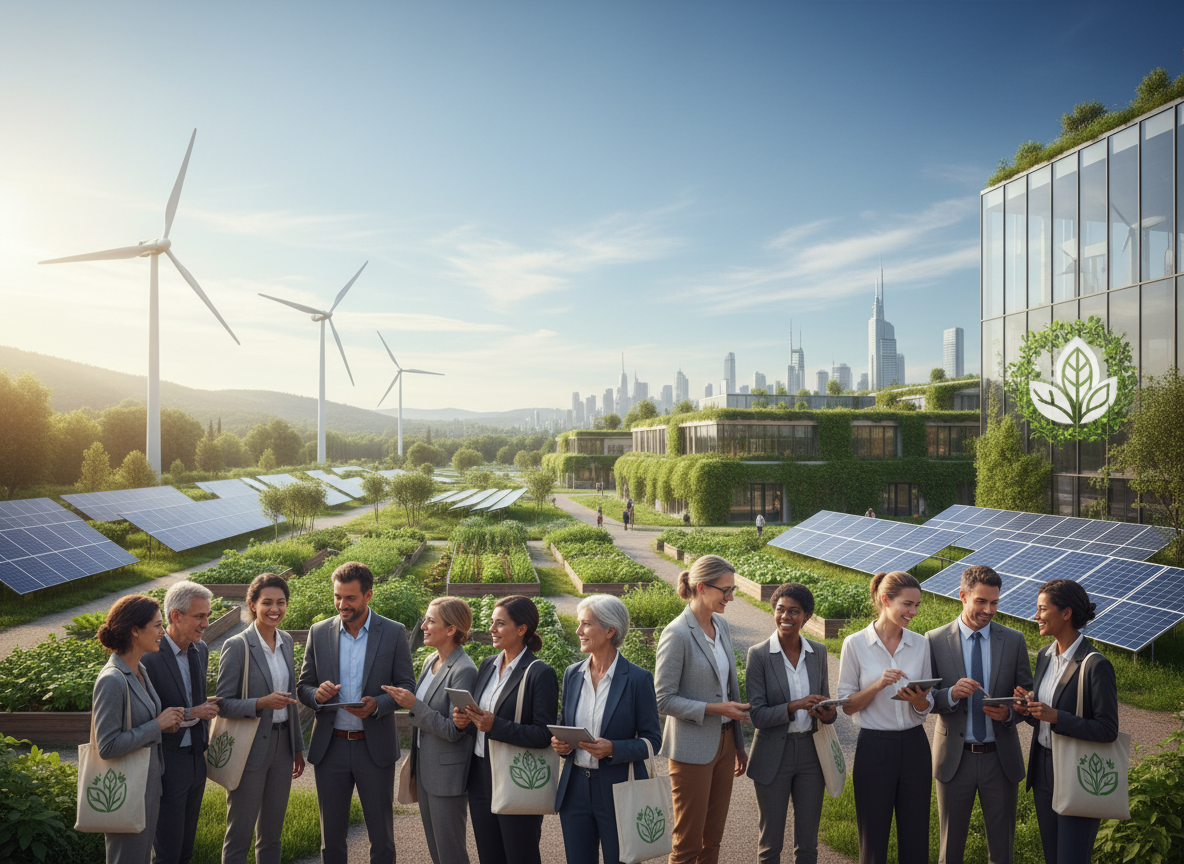
A vibrant and inspiring scene representing the 2026 Earth Day theme "Our Power, Our Planet." In the foreground, a diverse group of professionals in business attire stands united, holding hands in solidarity, showcasing determination and hope for a sustainable future. In the middle ground, lush greenery, vibrant flowers, and solar panels highlight the blend of nature and technology. In the background, a bright sun rises over a thriving cityscape, with tall buildings adorned with vertical gardens and wind turbines. The lighting is warm and inviting, creating a sense of optimism and collaboration. The atmosphere is lively, symbolizing unity in the fight against climate change. The Sustainable Digest logo subtly integrated into the scene, enhancing the focus on Earth Day without any text or distractions.

The 2026 guiding theme, “Our Power, Our Planet,” moves environmentalism from abstract theory into the realm of practical community action. This concept suggests that environmental protection is not just a moral choice but a pragmatic necessity for daily survival. It emphasizes how human effort directly influences the reliability of the infrastructure we use every day.

Theme Meaning and Significance

The theme highlights the inherent agency that people hold within their local ecosystems. It frames the relationship between collective efforts and the health of the planet as a shared investment for future prosperity.

Local initiatives often outlast shifting political priorities because they address immediate human needs. Nature rarely waits for a committee vote, so community-based programs provide the continuity required for long-term ecological health.

Connection to Environmental Protection and Economic Resilience

Shifts in climate change patterns directly impact household budgets and food security across the globe. By addressing the risk of resource scarcity through local stewardship, communities build lasting economic strength that can survive global market fluctuations.

Primary FocusLocal Action StrategyEconomic Outcome
Water SystemsWatershed StewardshipPredictable Utility Costs
Local PowerRenewable energy GridsInfrastructure Reliability
Waste ManagementCircular Economy ProgramsNew Employment Sectors

Community Action and Global Stability

When people take charge of their local surroundings, they reduce the pressure on strained global systems. Maintaining high public health standards requires consistent civic participation to ensure that environmental safeguards remain a top priority for leadership.

Collective action has historically influenced environmental standards, enforcement, and implementation even where formal governance structures prove unstable.

EARTHDAY.ORG

This grassroots stability acts as a vital shield against the unpredictable disruptions caused by climate change. By working together, local groups contribute to a foundation of stability that benefits the entire planet.

The First Earth Day: Legacy from 1970 to 2026

History often pivots on a single day, and for the planet, that pivotal moment arrived on April 22, 1970. The first earth day served as a wake-up call for a society largely indifferent to industrial pollution. This event successfully shifted environmentalism from a niche concern to a primary national objective.

Senator Gaylord Nelson and the First Earth Day Movement

The vision for this movement began with senator gaylord nelson, who proposed a national teach-in on the environment. He sought to harness the energy of student protests to force ecological issues onto the political agenda. Senator gaylord understood that only massive grassroots pressure could spark a meaningful change in federal policy.

His strategy was incredibly effective, mobilizing an estimated 20 million americans across major cities. At that time, this represented ten percent of the total United States population. By empowering citizens, gaylord nelson ensured that the first earth-centered mobilization was a bipartisan success. Senator gaylord nelson proved that the public cared deeply about toxic water and smog.

Historic Environmental Legislation

The political pressure from the first earth day led to a rapid series of legal victories. Legislators could no longer ignore the million americans demanding healthier ecosystems. Consequently, the first earth movement directly influenced the creation of the environmental protection agency. Landmark laws like the clean air act and the clean water act soon followed.

YearLegislation / EventPrimary Focus
1970First Earth DayGrassroots Mobilization
1970Protection Agency (EPA)Federal Regulation
1973Endangered Species ActWildlife Conservation

Clean Air Act and Clean Water Act

The clean air act transformed how the nation managed industrial emissions and urban smog. This air act established the first rigorous national standards to protect public health. It ensured that the air we breathe was no longer a secondary concern for corporations. These air act regulations forced industries to adopt cleaner technologies.

Similarly, the clean water act focused on revitalizing the nation’s contaminated waterways. This water act made it illegal to discharge pollutants into navigable waters without a specific permit. We owe the safety of our drinking sources to the standards set by this water act. These laws turned aspirational goals into enforceable legal requirements.
Endangered Species Act and Environmental Protection Agency

The establishment of the environmental protection agency in late 1970 provided a central authority for conservation. This federal protection agency was tasked with monitoring land, water, and air quality across the country. It remains the lead body in enforcing the endangered species act. This specific endangered species act provides critical legal shields for plants and animals at risk of extinction.

Evolution from 20 Million to 1 Billion Participants

The legacy of gaylord nelson has scaled remarkably since its domestic inception. While the first earth effort was limited to the U.S., the 1990 earth day campaign went global. Today, the first earth day has evolved into the largest secular observance in the world. It now engages over 1 billion people in 192 different countries.

“The earth day movement is a testament to what happens when individuals demand a better future for their children.”

This massive growth highlights a fundamental shift in global priorities over the last five decades. The first earth day laid the groundwork for the 2026 “Our Power, Our Planet” theme. Every local action today carries the spirit of that original 1970 movement.

BRICS Nations and Global South Leading Earth Week 2026

A group of diverse, professional individuals from BRICS nations standing together in a vibrant outdoor setting, showcasing climate action initiatives. In the foreground, a South Asian woman in business attire holds a tablet with climate data, while an African man in smart casual clothing points towards a digital map of renewable energy projects. The middle ground features young activists planting trees, holding banners with environmental messages. The background depicts a lush landscape with solar panels, wind turbines, and a bright blue sky, suggesting hope and progress. Soft, natural lighting creates an uplifting atmosphere, with a wide-angle perspective to capture the collective effort. Emphasize a sense of unity and collaboration, reflecting the theme of global leadership in climate action. The Sustainable Digest.

As Earth Week 2026 unfolds, the spotlight shifts toward the Global South, where the struggle for a greener world meets the reality of rapid development. These countries represent over 40% of the global population and have moved beyond simple participation in environmental debates.

They are now the primary architects of climate resilience frameworks. By balancing economic growth with sustainability, these regions offer a new blueprint for planetary health that values both people and nature.

Brazil’s Amazon Protection and Climate Initiatives

Brazil acts as a vital guardian of the Amazon rainforest during this year’s global observance. The nation is prioritizing strict land preservation and the rights of indigenous communities to ensure long-term stability.

Their active protection efforts are essential for carbon sequestration. These policies prove that agricultural success and forest restoration do not have to be opposing forces in a modern economy.

Russia’s Environmental Programs and Energy Transitions

In the north, Russia navigates the unique challenges of a vast territory facing rapid climate change, particularly in the Arctic regions. The government is implementing a series of energy transitions to modernize its resource-heavy economy.

These programs focus on adopting cleaner industrial technologies while maintaining national economic stability. It is a complex dance between traditional power and future-proof sustainability.

India’s Renewable Energy and Urban Sustainability
India is currently leading one of the largest clean energy expansions ever seen. By investing heavily in solar and wind power, they are bringing electricity to millions of citizens in expanding cities.

These initiatives are crucial for reducing urban pollution in some of the most densely populated areas on Earth. Indiaโ€™s model shows how rapid urbanization can integrate with green infrastructure.

China’s Green Technology and Pollution Control

China has transformed from an industrial laggard into a global titan of green technology. Their massive manufacturing of electric vehicles and reforestation efforts have redefined the environment of modern industry.

Despite these gains, the nation still faces hurdles with air and water pollution in manufacturing hubs. Ongoing policy innovation remains a priority to balance high production with ecological safety.

South Africa and Continental African Leadership

South Africa provides a strong voice for a continent where many countries face the most severe impacts of climate change. They champion a framework that demands technology transfers and financial support for developing nations.

African leadership emphasizes that historical emissions from elsewhere should not limit their own right to development. They are asserting a new era of environmental justice on the global stage.

Global South Environmental Justice and Climate Adaptation

Global South nations argue that environmental concern is inseparable from social equity. Their approach integrates public health and infrastructure with environment-focused policies to fight poverty and change at the same time.

These perspectives are increasingly influential in shaping international agreements. By focusing on adaptation and resilience, they are ensuring a more equitable and sustainable world for all.

NationPrimary Strategic FocusKey 2026 Initiative
BrazilRainforest PreservationAmazon Zero-Deforestation Pact
ChinaGreen ManufacturingEV Infrastructure Expansion
IndiaRenewable PowerNational Solar Mission Scale-up
South AfricaClimate JusticeJust Energy Transition Partnership

UN Sustainable Development Goals Alignment Across Global Cities and Regions

The alignment of UN Sustainable Development Goals with municipal planning proves that global survival is, ironically, a very local business in 2026. These international frameworks provide a vital bridge between environmental protection and human health. During Earth Week, municipal policies transform broad agreements into practical infrastructure and social equity programs.

Across the globe, cities act as the primary engines for sustainable development. They utilize the 17 SDGs to address specific local challenges while contributing to the broader stability of the planet. These urban centers demonstrate that global targets only succeed when they reflect the needs of the people living within them.

Major Global Cities Implementing SDGs for Earth Week

European Cities: Paris, London, Berlin, Stockholm

European capitals lead the charge by integrating sustainability into the very fabric of urban life. Paris advances climate action through aggressive urban forestry and cycling networks. London addresses air pollution by expanding low-emission zones to improve respiratory outcomes for its residents.

Berlin prioritizes a rapid transition to renewable energy to power its industrial base. Stockholm integrates sustainability into all urban planning; this affects water quality, energy use, and the long-term health of its citizens. These cities show that old infrastructure can indeed learn new, greener tricks.

Asian Cities: Tokyo, Singapore, Seoul, Mumbai

Asian metropolises manage massive population densities while pursuing ambitious environmental targets. Tokyo implements sophisticated waste management systems that support responsible consumption. Singapore remains a global leader in water recycling technologies to ensure long-term resource security.

Seoul continues to transform its urban waterways, creating lush ecosystems in the heart of the city. Meanwhile, Mumbai addresses climate change by building resilient infrastructure in a context of rapid development and economic inequality. These efforts prove that density and sustainability are not mutually exclusive.

Latin American Cities: Sรฃo Paulo, Mexico City, Buenos Aires

Latin American urban centers focus on the intersection of environmental risk and social equity. Sรฃo Paulo manages water resources as a critical component of its metropolitan resilience strategy. Mexico City expands its green spaces and restricts vehicle travel to combat air quality issues.

Buenos Aires implements adaptation plans that recognize the growing risk of urban flooding. These cities prioritize infrastructure that protects their most vulnerable populations. Their actions highlight the necessity of connecting environmental goals with social justice.

African Cities: Nairobi, Cape Town, Lagos

African cities demonstrate remarkable innovation in the face of resource constraints and rapid growth. Nairobi advances its green economy by focusing on ecosystem preservation and sustainable energy. Cape Town leads in conservation, drawing on its intense experiences with historic droughts.

Lagos tackles waste management challenges while building infrastructure for its expanding communities. These cities align their development with SDG frameworks to ensure urban growth does not come at the cost of the environment. They prove that modern urbanization requires a green foundation from the start.

SDG Alignment in US State Programs

Many US states increasingly reference the UN SDG frameworks to guide their climate action plans and renewable energy targets. This alignment provides a common language for interstate cooperation and measurable progress. It allows local leaders to connect their specific policies with the broader international movement for a stable planet.

US Territories and Sustainable Development Integration

US Territories face unique challenges as island communities dealing with the direct impacts of climate change. From sea-level rise to increasing hurricane intensity, these regions use SDG frameworks to build resilience. Their conservation programs protect fragile ecosystems while supporting sustainable economic development for the future.

2026 World Earth Day and Earth Week Across the Global: All 50 US States Participation

A vibrant scene capturing the spirit of Earth Day activities across all 50 US states, featuring diverse groups of people engaged in environmental initiatives. In the foreground, a cheerful diverse crowd in professional business attire and modest casual clothing plants native trees and flowers, symbolizing unity and commitment to nature. The middle ground showcases booths with representatives from all states, displaying maps and statistics on sustainable practices, while children and families participate in eco-friendly crafts. The background is filled with iconic landmarks representing each state, lush green landscapes, and blue skies, enhancing the atmosphere of hope and collaboration. The lighting is bright and uplifting, creating a warm and inviting mood. This image represents "The Sustainable Digest," celebrating collective efforts for a greener future.

The year 2026 marks a pivotal moment as all 50 US states align their local traditions with global sustainability targets during this week-long observance. Each region interprets the “Our Power, Our Planet” theme through the lens of its specific ecological and economic landscape. This nationwide day 2026 mobilization ensures that grassroots efforts contribute directly to the United Nations Sustainable Development Goals.

From coastal restoration to inland soil health, the diversity of participation reflects a shared commitment to a resilient future. Local governments and private sectors are collaborating to turn environmental goals into measurable actions. This collective effort defines the American contribution to the global earth day movement this day.

Northeast Regional Environmental Activities

New England: Maine, Vermont, New Hampshire, Massachusetts, Rhode Island, Connecticut

New England states are currently prioritizing offshore wind development and forest conservation to reach carbon neutrality. These earth day activities involve community-led trail maintenance and educational workshops on biodiversity. The preservation of the northern woods remains a top priority for local ecological stability.

Mid-Atlantic: New York, Pennsylvania, New Jersey, Delaware, Maryland

The Mid-Atlantic corridor focuses heavily on urban green infrastructure and air quality improvements. Major cities are investing in permeable surfaces and rooftop gardens to mitigate the heat island effect. These initiatives bridge the gap between industrial history and a sustainable, green future.

Southeast Environmental Programs

Upper South: Virginia, West Virginia, North Carolina, South Carolina, Georgia, Florida

In the Upper South, the primary focus is coastal resilience and the restoration of fragile wetlands. Earth day programs here emphasize the protection of marine ecosystems against rising sea levels. Florida and Georgia are leading efforts in coral reef preservation and sustainable tourism practices.

Deep South: Kentucky, Tennessee, Alabama, Mississippi, Louisiana, Arkansas

States in the Deep South are addressing flood management and the intersection of public health and environment. New programs are helping farmers transition to practices that reduce runoff into the Mississippi River. These efforts recognize that environmental health is inseparable from economic prosperity.

Midwest Climate and Conservation Efforts

Great Lakes: Ohio, Michigan, Indiana, Illinois, Wisconsin, Minnesota

The Great Lakes region is championing the protection of the worldโ€™s largest freshwater system. Participation includes climate-focused manufacturing shifts, specifically advancing electric vehicle production and battery technology. These communities are proving that the “Rust Belt” can lead the global green revolution.

Great Plains: Iowa, Missouri, North Dakota, South Dakota, Nebraska, Kansas

Agricultural sustainability defines the movement across the Great Plains. Farmers are implementing soil conservation techniques and expanding wind turbine arrays. These earth day initiatives ensure that the nationโ€™s breadbasket remains productive despite shifting weather patterns.

Southwest Sustainability Initiatives

Texas, Oklahoma, New Mexico, Arizona

The Southwest faces unique challenges regarding water scarcity and extreme heat. Texas and Arizona are expanding their solar energy capacity at record speeds to meet growing demands. This day, local leaders are highlighting innovative water recycling projects that secure the region’s future growth.

Western Regional Leadership

Mountain West: Montana, Idaho, Wyoming, Nevada, Utah, Colorado

Mountain West states balance the conservation of vast public lands with responsible resource management. Their earth day celebrations often focus on wildfire prevention and the protection of critical wildlife corridors. Maintaining the rugged beauty of the Rockies requires constant vigilance and scientific cooperation.

Pacific Coast and Beyond: Washington, Oregon, California, Alaska, Hawaii

The Pacific Coast continues to set aggressive climate targets that serve as models for international policy. California and Washington are leading the transition to 100% clean electricity. Meanwhile, Alaska and Hawaii focus on protecting unique arctic and tropical biomes from the impacts of global warming.

RegionPrimary FocusKey Initiative
NortheastRenewable EnergyOffshore Wind
MidwestWater SecurityGreat Lakes Protection
West CoastPolicy InnovationCarbon Neutrality Goals

State-level events during this day include everything from massive tree-planting drives to renewable energy showcases. These activities connect local residents with the broader earth day mission of global restoration. By engaging schools and businesses, every state ensures that environmental stewardship becomes a permanent part of the American identity.

US Territories Earth Day and Earth Week 2026

While the continental United States often dominates the headlines, the US Territories are spearheading critical environmental initiatives for Earth Week 2026. These island communities face an immediate threat from climate change, including rising sea levels and intense storms. Their participation reflects a sophisticated blend of modern science and traditional ecological wisdom.

Territorial governments are currently implementing resilience planning that balances economic growth with ecological survival. From the Caribbean to the Pacific, these regions demonstrate how small islands can lead global sustainability efforts.

Puerto Rico: Island Sustainability and Hurricane Resilience

Puerto Ricoโ€™s Earth Week activities focus on rebuilding a more resilient infrastructure following years of devastating storm impacts. Community-based renewable energy projects are now reducing the island’s dependence on unstable fossil fuel systems. These efforts include significant protection for coastal ecosystems that act as natural barriers.

Local programs also prioritize water resource management to ensure long-term security for residents. By integrating environmental restoration with economic recovery, the island serves as a model for “green” rebuilding. Education remains at the heart of their 2026 campaign.

US Virgin Islands: Marine Conservation Programs

The US Virgin Islands prioritize the preservation of coral reefs and sea turtle habitats during Earth Week 2026. These ecosystems are vital for both the local economy and the community’s general health. Coastal cleanups and sustainable fishing workshops help residents connect their livelihoods to the sea’s vitality.

Guam: Pacific Ocean Protection Initiatives

Guam addresses the complex balance between military presence, tourism, and indigenous Chamorro cultural practices. Protecting the environment is inseparable from cultural preservation, as warming waters threaten traditional food security. Their initiatives focus on removing marine debris and restoring damaged reef structures.

American Samoa: Coral Reef and Ecosystem Preservation

American Samoa utilizes traditional ecological knowledge to manage its vast marine resources. Local leaders recognize that healthy reefs provide essential storm protection and maintain the island’s unique cultural identity. Scientific research now complements these ancient practices to solve modern ecological puzzles.

Northern Mariana Islands: Climate Adaptation Strategies

The Northern Mariana Islands implement nature-based solutions to reduce the risk of typhoon damage and freshwater loss. Earth Week activities promote mangrove restoration and sustainable land use to safeguard the community. These strategies aim to reduce the vulnerability of infrastructure to supply chain disruptions.

US TerritoryPrimary Focus 2026Key Strategy
Puerto RicoEnergy & WaterCommunity-based Solar
US Virgin IslandsMarine LifeReef Restoration
GuamOcean ProtectionHabitat Preservation
American SamoaCultural EcologyIndigenous Knowledge
Northern MarianaDisaster MitigationMangrove Planting

How to Participate in Earth Day and Earth Week 2026: Step-by-Step Guide

While many view environmentalism as a mere hobby, the 2026 Earth Week offers a structured framework for those ready to transition from spectators to active participants. EARTHDAY.ORG calls on communities, schools, and organizations to lead various earth day activities that drive real change. Scientific data suggests that spending just 120 minutes weekly in nature improves human well-being significantly.

By organizing local efforts, participants can celebrate earth day through meaningful engagement rather than symbolic gestures. These collective actions help celebrate earth by addressing urgent climate needs across 192 countries. Follow this analytical guide to maximize your impact during this global observance.

Step 1: Find and Register for Local Earth Day Events

A detailed digital map of the world showing glowing green markers for Earth Day 2026 events on a sleek tablet screen, highly detailed, clean interface, soft bokeh background.

Book Now

Start by visiting the official earth day event map to locate nearby gatherings. Registration ensures organizers can plan for attendance and helps you connect with local environmental networks. These day activities often range from technical workshops to interactive community forums.

Step 2: Join Community Cleanup Initiatives

A diverse group of volunteers wearing green shirts cleaning a sunny beach during sunrise, cinematic lighting, realistic style, 8k resolution.

Learn More

The Great Global Cleanup tackles the grim reality that only 9% of plastic ever gets recycled. Joining a local event helps remove physical pollution from vital ecosystems like rivers and parks. Participants contribute to a measurable reduction in waste while highlighting the need for systemic consumption changes.

Step 3: Participate in Tree Planting and Reforestation Programs
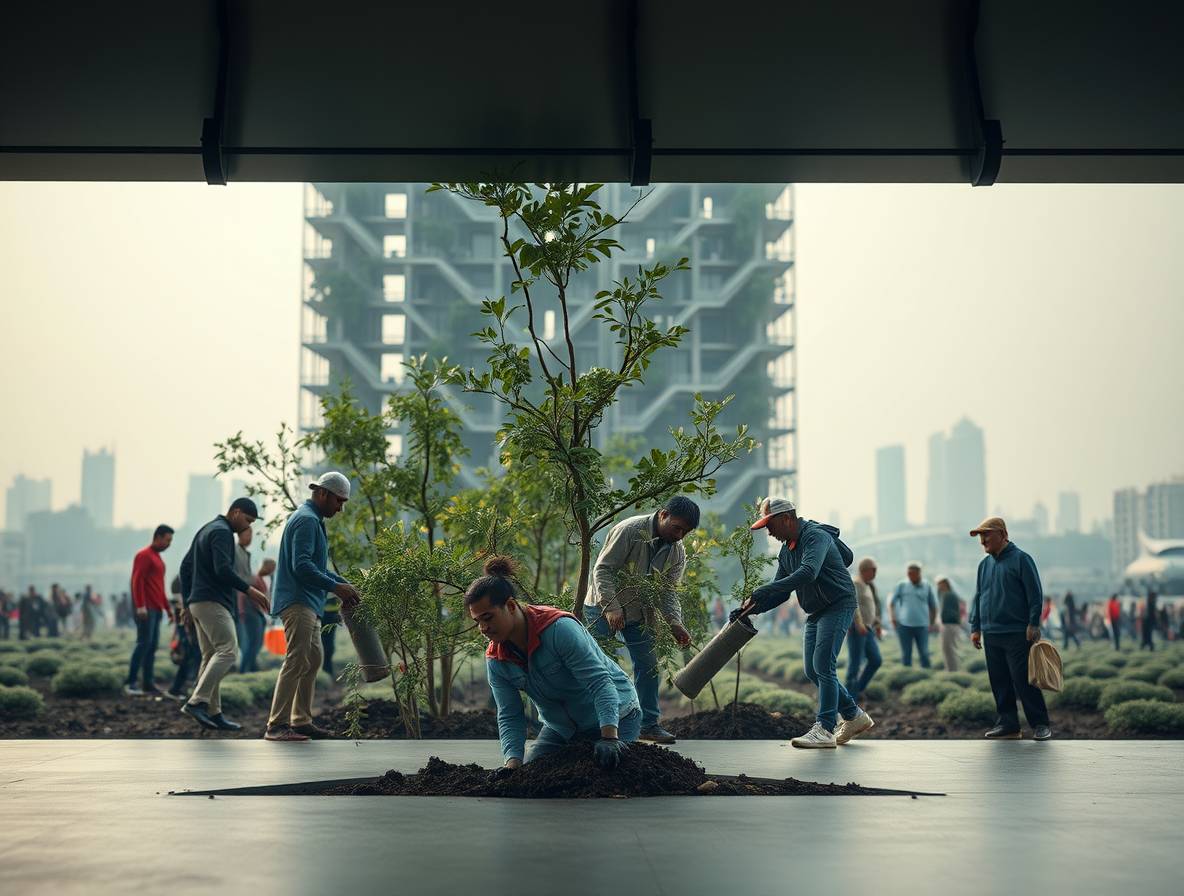
Strategic reforestation is a cornerstone of any earth day strategy. Remarkably, one single oak tree attracts more insect and bird species than an entire yard of non-native plants. Engaging in these day activities helps capture carbon and cools urban heat islands effectively.

Step 4: Create Pollinator-Friendly Native Plant Gardens
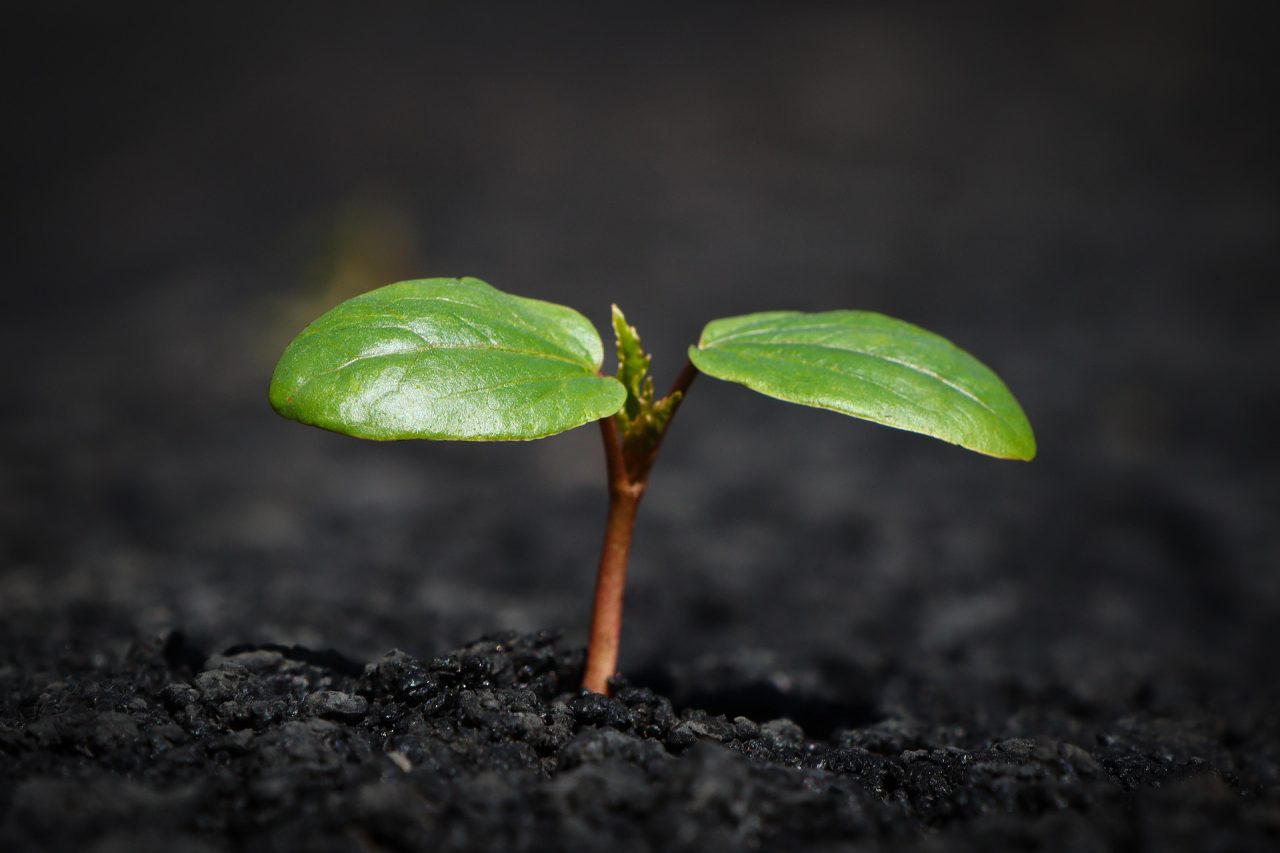
Transform your local land by planting species that support bees and butterflies. Native gardens require less maintenance and provide essential nutrition for pollinators that sustain our food supply. This simple step preserves biodiversity right in your own backyard.

Step 5: Advocate for Clean Air and Clean Water Protections
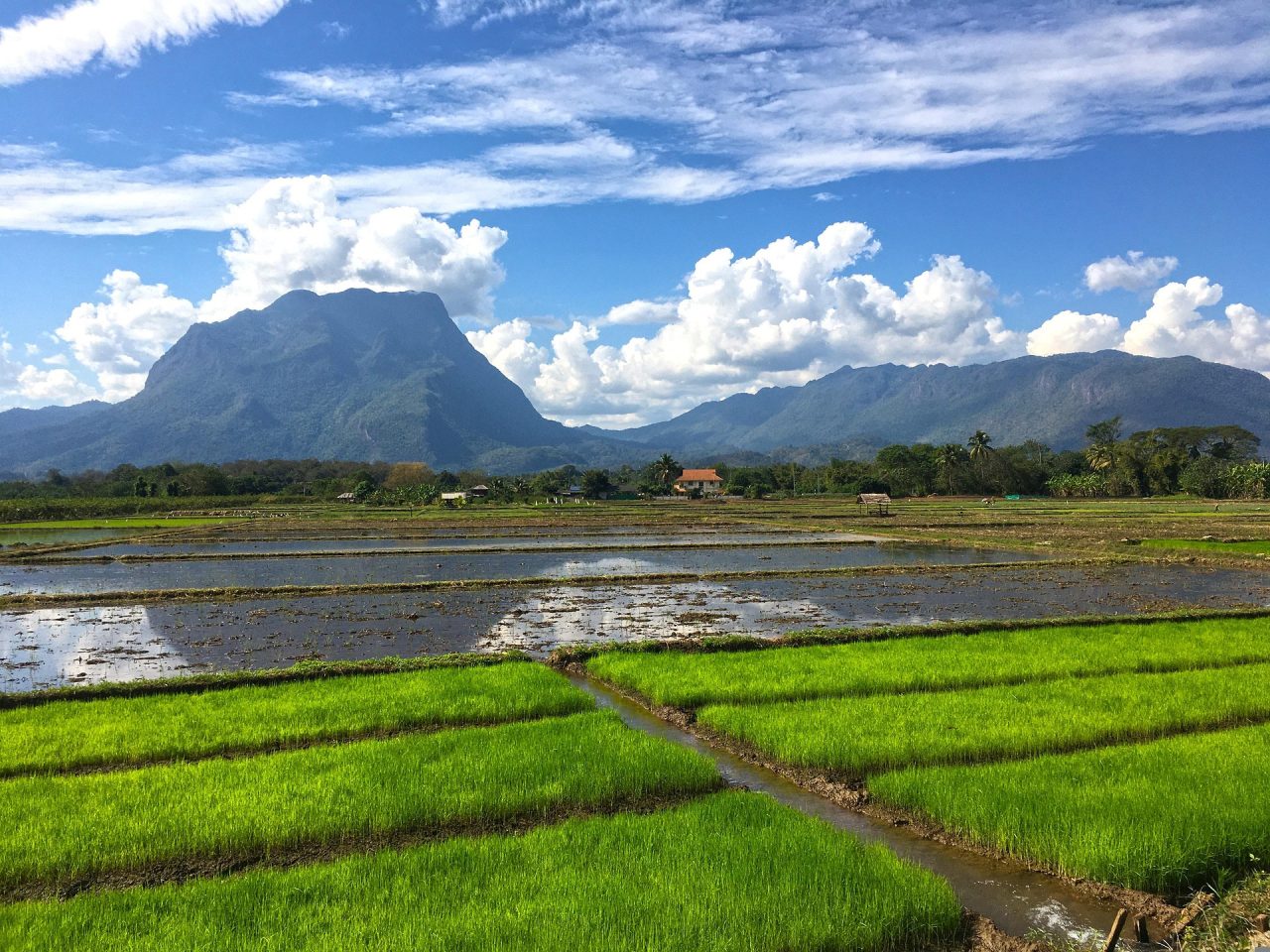
Civic advocacy remains a powerful tool for preserving the air we breathe and the water we drink. Contacting elected officials ensures that environmental standards remain high and protected from rollbacks. Professional engagement in policy helps maintain the health and property values of your entire community.

Step 6: Implement Waste Reduction and Plastic-Free Practices

Address the fact that 25% of food goes uneaten by starting a home composting system. Reducing your personal waste requires a conscious effort to use fewer single-use plastics. Simple changes, like carrying reusable bottles, send a strong market signal to manufacturers.

Step 7: Engage in Climate and Environmental Education

True earth day impact relies on literacy and informed decision-making. Accessing earth day activities focused on education helps translate complex climate science into practical daily actions. Understanding the link between environmental health and personal risk strengthens long-term motivation.

Step 8: Exercise Civic Participation and Vote for Environmental Policies

Democracy is a vital mechanism to celebrate earth through legislative progress. Registering to vote and supporting candidates with clear sustainability platforms influences infrastructure and international commitments. Your ballot is a direct investment in the future of the planet’s regulatory framework.

Step 9: Support Renewable Energy and Green Jobs Transitions

Transitioning to a green economy requires active activities in community solar and energy efficiency programs. Investing in green job training helps create a just transition for workers while reducing carbon emissions. Economic transformation is the most sustainable path toward a stable climate.

Step 10: Connect with EARTHDAY.ORG Global Partners
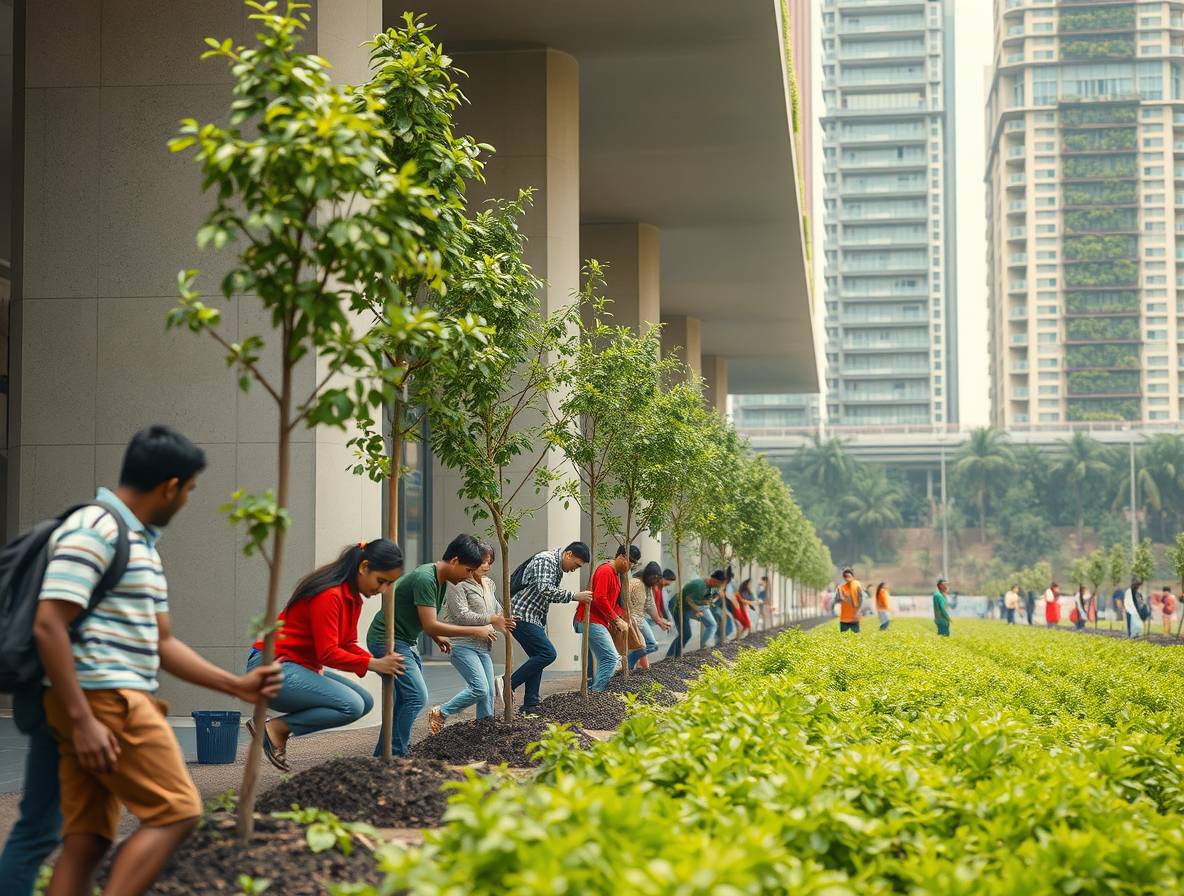
Join a network of over 150,000 partners to celebrate earth day on a massive scale. Collaboration with global organizations amplifies your local activities through shared resources and collective advocacy. This partnership connects your small-scale efforts with a massive movement spanning the entire globe.

Conclusion

The 2026 World Earth Day and Earth Week Across the Global demonstrates that environmental protection remains fundamentally about people organizing collectively. From BRICS nations to US territories, this movement preserves systems that support health and economic stability across diverse contexts. By rising together, communities ensure that protection is more than a slogan; it is a pragmatic investment in our shared prosperity.

Participation in these activities creates measurable outcomes in pollution reduction and ecosystem restoration across the world. Local actions aligned with global frameworks build resilience against shared vulnerabilities in food and water systems. This coordinated response to climate challenges transcends borders and political systems to stabilize the planet we call home.

The transition from awareness to sustained action remains the true challenge following earth day events. We must translate the energy of April into year-round stewardship that embeds sustainability into economic planning. This ongoing commitment ensures that the change sparked by earth day leads to a flourishing future for all generations.

Key Takeaways

  • Engagement of over one billion people across 192 distinct nations.
  • Expansion from 1970 American protests to a global secular event.
  • Increasing leadership from BRICS plus Global South in sustainability.
  • Strategic alignment with UN Sustainable Development Goals worldwide.
  • Focus on local actions in US states for broader climate stability.
  • Strengthened public awareness regarding interconnected ecological systems.
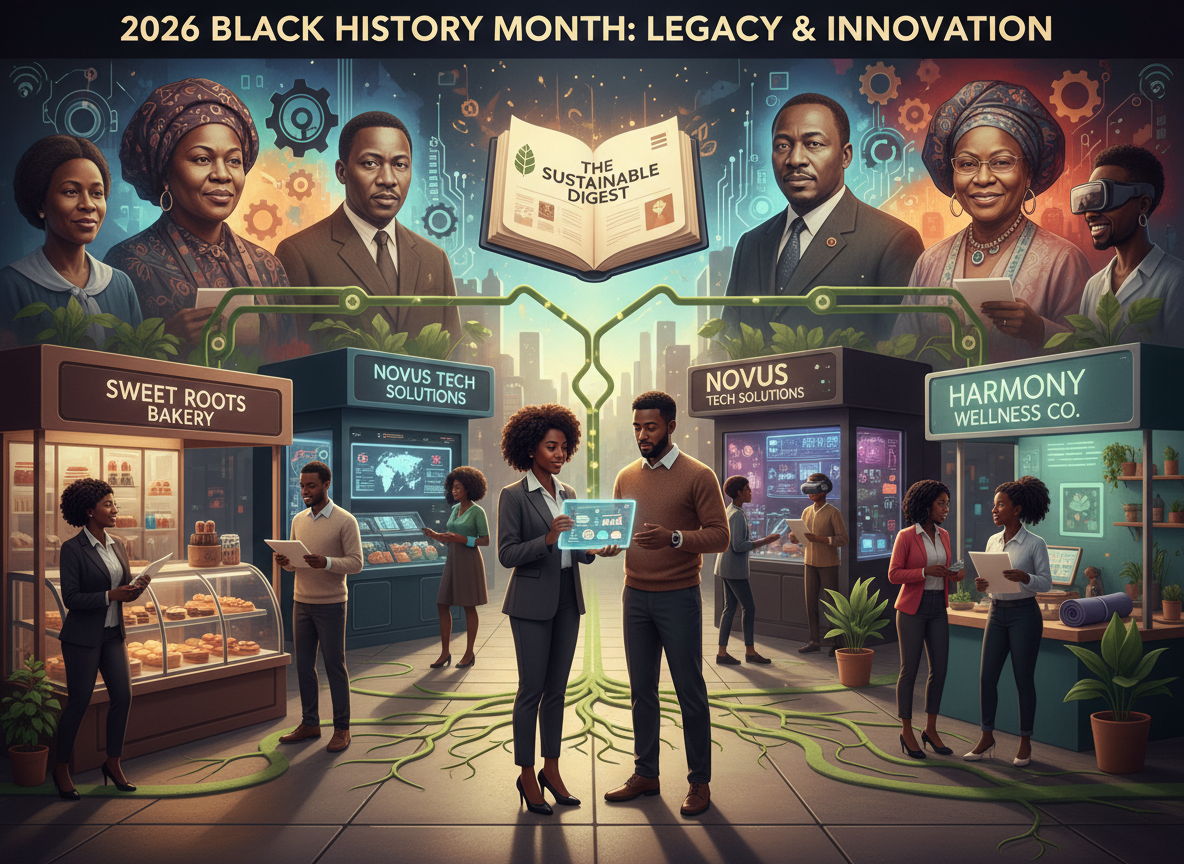
Black History Month 2026: Advancing Environmental Justice and Civil Rights

2025 Black History Month, Environmental Justice, civil/labor/human rights.

The current focus on labor and the earth highlights how people interact with nature with peculiar perspective during Black History Month. It is also a great time to study Environmental Justice and social growth. We see that the fight for fair pay is much like the fight for clean air and water.

In the past, african americans helped build this nation with skill and care. They used smart ways to farm and manage the land from the very start. These ecological efforts were vital to survival and national growth.

Sadly, most school books leave out these vital stories of nature and work. They also gloss over details during Black History Month. Theses stories and the individuals of this narrative however, were the first to use many green methods we see today on modern farms. Their stewardship was born from necessity and a deep connection to the soil.

An interpretation representing Black environmental wisdom throughout history, highlighting the contrast from ancient history resilience to pre-colonial sustainability to the impact of industrial exploitation.

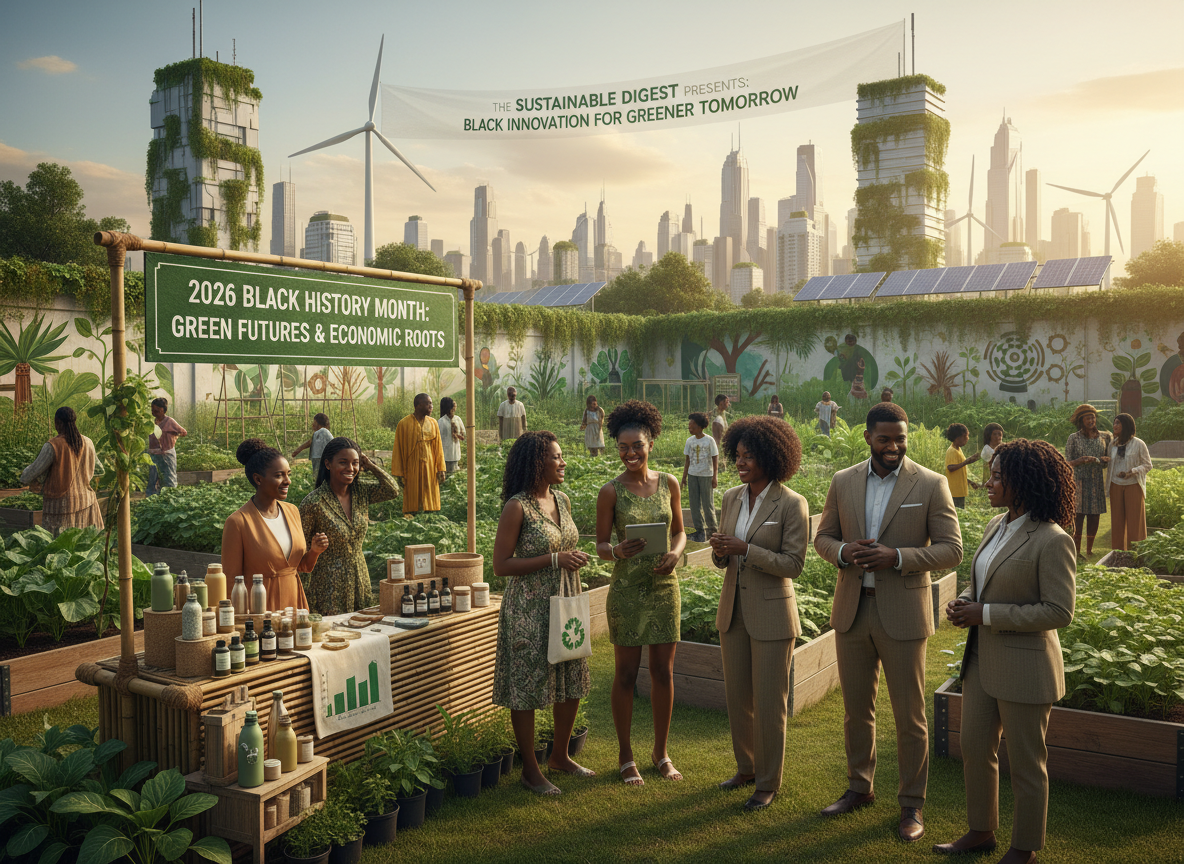
Now, black history month 2026 shows us that nature and equity go hand in hand. Leaders like A. Philip Randolph linked civil/labor/human rights to the struggle against industrial harm. This connection remains a cornerstone of modern advocacy.

Leaders saw that pollution often follows the color line with unfortunate accuracy. Getting true balance means that everyone should have a safe and green home for their families. Civil rights must include the right to a healthy, sustainable world.

The Legacy of Black Environmental Stewardship: Setting the Context

While mainstream narratives often celebrate figures like John Muir, the deep-rooted history of Black environmental stewardship remains an unsung pillar of conservation. For too long, the conventional story of environmentalism has focused on white, middle-class concerns. This perspective ignores the vital contributions of black people who have defended their land for centuries. This erasure suggests that protecting the planet is a recent interest for minority groups, but the reality is far more complex.

Long before “sustainability” became a popular corporate buzzword, African American families practiced resource conservation as a way of life. This stewardship was not just about loving nature; it was a strategy for survival and resilience. Indigenous African wisdom regarding agriculture and water management traveled across the Atlantic with enslaved peoples. These communities transformed scarcity into abundance through sheer ingenuity, even when they lacked legal rights to the soil they enriched.

The Legacy of Black Environmental Stewardship: Setting the Context Continuing…

Mainstream movements often separated nature from people, yet Black stewardship recognized that human health and ecological health are the same. This black history shows that environmental action and social justice are inseparable priorities. Environmental justice emerged from a need to protect both the land and the people who depend on it most directly. This legacy proves that the fight for environmental justice is a fundamental part of black history, black history month, and American progress.

Focus AreaMainstream NarrativeBlack Stewardship Legacy
Primary GoalWilderness preservation for recreationCooperative land use and survival
View of NatureSeparate from human societyInseparable from human dignity
MethodologyExclusionary land managementSustainable resource allocation

Understanding this historical context changes how we view modern climate challenges. It reveals that solutions for our planet already exist in ancestral practices and grassroots movements. Strong leaders have consistently demonstrated that we cannot fix the environment without also addressing racial inequity. The following points highlight how this stewardship took shape over time:

  • Agricultural Ingenuity: Enslaved people used African farming techniques to sustain themselves and build American wealth without receiving credit.
  • Resilient Gardens: During the Great Depression, victory gardens became essential tools for food security and community autonomy.
  • Protest as Protection: Civil Rights leaders targeted polluting industries long before modern regulations existed.
  • Interconnected Health: Grassroots activists proved that clean air and water are basic human rights for everyone, not just the elite.

The environment is not just where we go for a hike; it is where we live, work, play, and pray.

From Pre-Colonial Sustainability to Industrial Exploitation

A vibrant illustration representing Black environmental wisdom throughout history, highlighting the contrast from pre-colonial sustainability to the impact of industrial exploitation. In the foreground, a diverse group of three Black individuals in professional business attire stands confidently, sharing knowledge. In the middle, lush green landscapes with traditional farming practices blend with signs of industrial machinery, symbolizing the shift in environmental practices. In the background, a sunset casts warm, golden light, creating a serene atmosphere, while silhouettes of ancient trees and modern factories hint at the ongoing struggle for environmental justice. The composition should evoke a sense of hope and resilience. Inspired by "The Sustainable Digest".

The transition from sacred land stewardship in Africa to the brutal plantation systems of the Americas marks the genesis of environmental injustice. This shift reflects a move from ecological harmony to a system of extraction and discrimination. Understanding this era is crucial to black history and the origins of modern climate activism.

Indigenous African Environmental Wisdom and Sacred Land Practices

Pre-colonial African societies developed sophisticated environmental management systems. They recognized land as a sacred trust rather than an extractable commodity. These communities practiced crop rotation and managed water through collective governance to ensure long-term survival.

Modern permaculture is only now “rediscovering” these techniques with considerable fanfare and notably less humility. These practices embodied what we now define as sustainability. They integrated human life into the natural cycle rather than standing apart from it.

However, they understood it as a spiritual relationship with the Earth. This spiritual bond acknowledged human dependence on natural systems and ecological balance. Such values ensured high diversity across the landscape for future generations.

Wangari Maathai, founder of the Green Belt Movement, later revived these connections. By empowering women to plant millions of trees, she linked conservation to human dignity. Her work showed that protecting ecosystems is a powerful tool for poverty reduction.

Native American leaders also shared this view of the sacred Earth during the formation of the environmental justice movement. They helped early advocates see the planet as a living entity that requires protection. This cross-cultural wisdom remains a cornerstone of ecological resistance.

Slavery, Agricultural Labor, and the Foundation of Environmental Injustice

The transatlantic slave trade did not just extract human beings; it severed them from their environmental knowledge. It then exploited that very expertise to build agricultural wealth in the Americas. This forced labor transformed landscapes while denying enslaved peoples any agency over the land.

This era marks a painful chapter in black history month and black history in general. The plantation system created Americaโ€™s original “sacrifice zones.” These were landscapes that lacked variety because they served monoculture cash crops for global trade.

Enslaved workers bore the brunt of this environmental degradation without seeing the profits. This established the template for modern environmental racism and industrial pollution. Post-emancipation systems like sharecropping continued this exploitation under new names.

Planners concentrated environmental hazards in Black communities through deliberate structural choices. Yet, despite these barriers, Black communities maintained their ecological wisdom and fought for progress. This resilience highlights the enduring contributions black ancestors made to the land.

Woman, Creative, Black lives matter image. https://pixabay.com/photos/woman-creative-black-lives-matter-6394977/
FeaturePre-Colonial African SocietiesIndustrial Plantation System
Land PerceptionSacred trust and community heritageExtractable commodity and capital
Ecological GoalBiodiversity and long-term balanceMonoculture and immediate profit
Human RelationSpiritual stewardship and interdependenceForced labor and exploitation

The Birth of Environmental Justice: Warren County’s Pivotal Protest

While many view conservation as a quest for pristine wilderness, the residents of Warren County redefined it as a struggle for survival. In 1981, North Carolina officials designated this predominantly Black and economically distressed county as a dump site for 60,000 tons of PCB-contaminated soil.

The state chose this location despite a shallow water table that posed a direct threat to the local groundwater. This decision suggested that officials believed poverty and race would equal a lack of resistance. They were profoundly mistaken.

This attempt to bypass safety standards in a marginalized area became a catalyst for change across the united states. It proved that the fight for a clean environment was inseparable from the fight for human dignity and equality.

1981-1982: When Civil Rights Met Environmental Action

The resistance in Warren County signaled a massive shift where the traditional environmental movement finally adopted the tactics of the streets. Local residents and activists organized six weeks of non-violent protests to block 6,000 trucks filled with carcinogenic soil.

People and individuals of kind literally laid their bodies on the road to stop the delivery of toxic waste. This courageous act of civil rights defiance led to over 500 arrests. It was the first time citizens were jailed for defending their right to a non-toxic neighborhood.

These demonstrations quickly captured national attention, forcing the broader public to look at the ugly reality of hazardous waste disposal. The protest proved that “green” issues were not just for the wealthy, but a matter of life and death for the disenfranchised, marginalized, and lower working class.

While the landfill was eventually built, the social cost was too high for the government to ignore. This specific moment in North Carolina history created the framework for what we now call environmental justice.

Rev. Benjamin Chavis and the Definition of Environmental Racism

While serving time in the Warren County Jail, civil rights leader Rev. Benjamin Chavis formulated a concept that changed the political landscape forever. He realized that the targeting of his community was not an accident of geography, but a symptom of systemic racism.

“Environmental racism is racial discrimination in environmental policy-making and the enforcement of regulations and laws, the deliberate targeting of communities of color for toxic waste facilities.”

Rev. Benjamin Chavis

This definition provided a necessary name for the racism embedded in land-use policy. It allowed other communities, from Cancer Alley in Louisiana to Flint, Michigan, to see that their local crises were part of a national pattern.

The struggle in Warren County lasted decades, as the toxic chemicals were not fully remediated until 2004. However, the movement it birthed remains a powerful force in modern civil rights advocacy. Environmental justice is no longer a niche concern; it is a central demand for a fair society.

Key MilestoneHistorical SignificanceOutcome/Impact
1981 Location ChoiceWarren County selected for PCB dump.Sparked the first major intersection of race and environment.
1982 Mass ProtestsOver 500 arrests of non-violent activists.Garnered global media coverage for the cause.
Chavis’s DefinitionCoined the term environmental racism.Provided a legal and social framework for future advocacy.
2004 Site CleanupFinal detoxification of the Warren County site.Proved the long-term cost of discriminatory waste policies.

Founding Figures: The Architects of Environmental Justice

Dr. Robert Bullard, the father of environmental justice, stands confidently in a spacious office overlooking a vibrant urban landscape. In the foreground, he is wearing a professional business suit, hands crossed in front of him, exuding authority and wisdom. The middle ground features shelves filled with books and awards related to environmental activism, symbolizing his extensive contributions to the field. In the background, large windows reveal a clean, green cityscape that reflects progress and sustainability. Soft, natural light filters through, creating an inviting atmosphere. The image captures a contemplative yet hopeful mood, emphasizing the importance of leadership in advancing social justice. This illustration is for "The Sustainable Digest," visually representing the theme of progress in environmental justice and civil rights during Black History Month.

Identifying systemic failures is one thing, but proving they are the result of deliberate policy requires a special kind of courage and academic precision. These visionary leaders did not merely observe the world; they deconstructed the hidden biases within our physical landscapes. By blending rigorous research with community heart, they forced the world to acknowledge that ecology and equity are inseparable.

Dr. Robert Bullard: Proving Systemic Environmental Racism

Dr. Robert Bullard is widely recognized as the father environmental justice. In the early 1980s, his pioneering research provided the first systematic evidence of environmental racism. Robert Bullard famously mapped toxic facility locations against demographic data in Houston to reveal shocking patterns.

He discovered that race, more than income, predicted where waste was dumped. Dr. Robert published his landmark book Dumping in Dixie in 1990, showing how black communities were unfairly targeted. His work proved that dr. robert bullard was right: environmental policy often protected some neighborhoods while sacrificing others.

By using data, robert bullard transformed community complaints into an undeniable academic discipline. Dr. Robert shifted the focus toward justice and public health. Today, the legacy of dr. robert bullard continues to guide urban planning. Finally, robert bullard remains a voice for the voiceless while dr. robert helped define a new era of civil rights.

Hazel M. Johnson: Grassroots Power in Chicago’s Altgeld Gardens

While scholars mapped data, Hazel M. Johnson organized the streets of Chicago. Known as the “Mother of Environmental Justice,” she founded People for Community Recovery in 1979. Her neighborhood, Altgeld Gardens, sat in a “toxic doughnut” of industrial facilities and waste sites.

Johnson didn’t wait for outside experts to validate her reality. She empowered residents to document their own health crises, from asthma to cancer clusters. Her work proved that lived experience is a powerful form of justice.

She brought national attention to the harms facing black communities, demanding that zip codes shouldn’t dictate lifespans. Johnson showed that grassroots leaders can force institutional accountability. She proved that community monitoring is just as vital as laboratory science.

Wangari Maathai: Connecting Conservation to Human Dignity

Across the ocean, Wangari Maathai expanded the movement’s scope to a global scale. As the first African woman to win the Nobel Peace Prize, she founded the Green Belt Movement in 1977. She recognized that planting trees was a tool for both ecological restoration and human rights.

Maathai empowered women to plant tens of millions of trees to combat soil erosion and climate change. She linked environmental conservation directly to sustainable livelihoods and political freedom. Her work demonstrated that you cannot protect the land without protecting the people who depend on it.

“The tree is a wonderful symbol for the peace and hope which can come from a sustainable management of our environment.”

โ€” Wangari Maathai

Her legacy ensures that modern sustainability efforts remain rooted in community dignity and social empowerment. Maathaiโ€™s courage showed that environmentalism divorced from social equity is fundamentally incomplete.

Black lives matter, Protest, Demonstration image.https://pixabay.com/photos/black-lives-matter-protester-black-5251388/
FigureRecognized AsPrimary MethodKey Contribution
Robert BullardFather of Environmental JusticeData Mapping & ResearchProved race as the primary predictor of waste siting.
Hazel JohnsonMother of Environmental JusticeGrassroots OrganizingLed community monitoring in Chicago’s Altgeld Gardens.
Wangari MaathaiNobel Peace Prize LaureateThe Green Belt MovementLinked tree-planting with women’s rights and democracy.

2026 Black History Month, Environmental Justice, and Civil/Labor/Human Rights: The Contemporary Movement

As we observe 2026 black history month, the dialogue surrounding environmental justice has evolved into a sophisticated blend of activism and commerce. This era demands a profound reckoning with how racial justice and ecological health intersect. Modern movements for civil and labor rights now find their most potent expression in the intersection of climate action and socioeconomic equity.

The contemporary landscape of this history month reflects a dynamic shift toward systemic change and economic empowerment. We see a transition from reactive protests to proactive, sustainable industry building. This evolution honors the legacy of justice while forging new paths for the next generation of pioneers.

Leah Thomas and the Rise of Intersectional Environmentalism

Leah Thomas has fundamentally shifted the green narrative by coining the term “Intersectional Environmentalist.” Her framework acknowledges that environmental harm disproportionately impacts marginalized communities of color. Through her platform and book, she advocates for a brand of sustainability that is inclusive and inherently just.

Thomas argues that protecting the planet requires an unwavering commitment to social equity and the dismantling of systemic barriers. Her work demands that mainstream organizations move beyond superficial diversity initiatives. She insists on a fundamental restructuring that centers those bearing the heaviest environmental burdens.

“We cannot save the planet without uplifting the voices of those most impacted by its destruction, ensuring that our green future is accessible to everyone.”

Her approach articulates that environmentalism ignoring race or class merely perpetuates existing inequities. By focusing on environmental justice, Thomas ensures that conservation efforts do not ignore the plight of urban pollution hotspots. This intellectual shift has become a cornerstone of the movement during this history month.

Black-Owned Sustainable Businesses Transforming Industries

The rise of Black-owned sustainable businesses proves that environmental leaders extend far beyond traditional activism. Every ceo in this space demonstrates that building a better economy requires integrating ethics into the very foundation of a company. They are proving that profitability and planetary health are not mutually exclusive goals.

Aurora James: Ethical Fashion and the 15 Percent Pledge

Aurora James, the ceo of Brother Vellies, has redefined luxury through the lens of traditional African craftsmanship. Her brand uses vegetable-tanned leathers and recycled tire materials to create high-end goods. This model enriches source communities rather than extracting from them in a predatory manner.

Beyond fashion, James launched the 15 Percent Pledge to address economic inequality in retail spaces. This initiative urges major retailers to dedicate shelf space proportional to the Black population. It recognizes that rights to economic participation are essential for long-term community sustainability.

Karen Young and SaVonne Anderson: Sustainable Consumer Products

Karen Young founded OUI the People to tackle the beauty industryโ€™s massive plastic waste problem. Inspired by her upbringing in Guyana, she promotes refillable glass bottles and durable stainless steel razors. Her company challenges the “disposable” culture that often harms low-income neighborhoods and others through landfill overflow.

SaVonne Andersonโ€™s Aya Paper Co. provides an eco-friendly alternative in the greeting card market. Her products use 100% recycled materials and plastic-free production methods right here in the U.S. By prioritizing diversity in supply chains, she shows how small consumer choices support a larger green future.

Linda Mabhena-Olagunju and Sinah Mojanko: African Energy and Recycling Leadership

In South Africa, Linda Mabhena-Olagunju leads DLO Energy Resources Group, a powerhouse in renewable energy. She develops large-scale wind and solar farms that combat climate change while closing energy gaps. Her leadership ensures that Black women are at the forefront of the continentโ€™s green energy transition.

Sinah Mojankoโ€™s Tiyamo Recycling transforms waste management into a vehicle for economic opportunity. Her model empowers unemployed individuals to become entrepreneurs within the recycling sector. This approach solves social and ecological challenges simultaneously, proving that justice can be found in the circular economy.

LeaderOrganizationKey InnovationSocial Impact
Leah ThomasIntersectional EnvironmentalistIntersectional FrameworkCentering marginalized voices
Aurora JamesBrother Vellies / 15% PledgeRecycled Tire MaterialsEconomic retail equity
Linda Mabhena-OlagunjuDLO Energy ResourcesWind and Solar FarmsRenewable energy access
Karen YoungOUI the PeopleRefillable Glass SystemsPlastic waste reduction

The Ongoing Struggle: Environmental Racism in Contemporary America

A powerful scene illustrating environmental racism in contemporary America, focusing on a marginalized community neighborhood surrounded by industrial pollution. In the foreground, a diverse group of community activists in professional business attire, holding banners advocating for environmental justice. In the middle ground, a stark contrast between their efforts and the backdrop of an old factory emitting smoke and waste. The background features crumbling infrastructure and overgrown lots, symbolizing neglect. The lighting is dramatic, with a somber, overcast sky to reflect the serious mood, emphasizing the urgency of their struggle. Capture the image at a slightly low angle to give the activists a sense of empowerment against the oppressive environment. The Sustainable Digest should be subtly referenced through elements like an eco-friendly banner.

Forty years after the first major protests, the systems of environmental racism still work with a quiet efficiency. It remains vital for black communities to stay informed about these geography-based hazards. Today, the maps of risk often trace the same lines drawn by historical exclusion.

The Statistics Behind Environmental Inequality Today

Rev. Benjamin Chavis points to a hard truth about our modern era. Roughly 20% of all african americans are exposed environmental hazards today. In contrast, less than 2% of white families face these same risks.

This tenfold gap persists regardless of wealth or education levels in these communities. Experts often call this “policy violence” because it stems from choices made in high-level offices. Older african americans die three times more often from pollution-related illnesses than their white peers.

These numbers prove that racism exists in the very air some people breathe. In Flint, Michigan, the water crisis showed the lethal side of bad environmental policy. Corroded pipes poisoned a majority-Black city because officials prioritized costs over public health.

Similarly, “Cancer Alley” in Louisiana exposes communities to toxic air from chemical plants. Industrial waste and air toxins often target these specific areas. This leaves residents exposed environmental poisons that whiter areas successfully avoid.

Policy Rollbacks and the Dismantling of Environmental Justice Protections

National progress often depends on who sits in the Oval Office. The Biden administration used the Inflation Reduction Act to fund climate solutions and equity projects. These efforts gave hope to many who seek better environmental protection.

However, recent political changes often lead to a dismantling of these vital safety nets. Federal policy shifts have led to the removal of justice-focused language from many official records. Cutting budgets for these programs acts as a form of active discrimination.

Leaders often treat environmental protection for the vulnerable as a luxury rather than a right. This trend confirms that racial discrimination in the united states is not just a ghost of the past. It is an ongoing choice made by current lawmakers.

Even with these rollbacks, grassroots power remains a beacon of hope. People are organizing to fight for a cleaner climate and safer neighborhoods. They understand that a single policy change can harm their health for generations.

By building local strength, they resist the environmental racism and systemic racism that dictates where toxic waste is dumped. Their persistence proves that collective action is the best shield for black communities.

Community GroupPrimary Environmental HazardKey Statistic or Impact
Puerto Rican ResidentsRespiratory IrritantsDouble the national asthma incidence
Hopi NationHeavy Metal Contamination75% of water supply contains arsenic
Cancer Alley (LA)Petrochemical CarcinogensCancer rates far above national average
Older Black AdultsIndustrial Particulates3x mortality rate from air pollution
Flint, MichiganLead-Tainted WaterState-wide denial of toxic pipe corrosion

Conclusion: From Labor Rights to Environmental Justiceโ€”Building Our Collective Future

The 2026 Black History Month theme, “African Americans and Labor,” reveals that environmental justice is essentially labor justice. Fighting for fair wages and breathable air are inseparable goals for communities seeking equity. Workers breathing fumes on factory floors and families in nearby homes face the same exploitative system.

History (through Black History Month) shows us this connection through the work of A. Philip Randolph and Addie Wyatt. They bridged labor rights with civil rights during the 1963 March on Washington. Even Frederick Douglass championed economic justice alongside abolition, proving that workplace dignity sustains life for everyone.

These early contributions paved the way for the 1991 People of Color Environmental Leadership Summit. This landmark event established 17 principles that the United Nations now recognizes. Analysis by the father of environmental justice, Dr. Robert Bullard, helped activists expose the patterns of racial discrimination.

Today, the modern environmental movement faces complex hurdles, including legislative rollbacks and the global climate crisis. We simply cannot address climate change while tolerating the survival of environmental justice gaps. A resilient future demands that we dismantle the siloed approach to social rights and ecological health.

Building collective progress depends on staying involved, as Reverend Benjamin Chavis often emphasizes to his followers. We must honor civil rights icons by pushing for justice in every zip code. True change occurs when people refuse to let their spirits be broken by the immense challenges ahead.

Celebrating the 2026 theme means transforming commemoration into a deep, lasting commitment to the earth and its people. Every step toward sustainability is a step toward progress for all of humanity. Strong action today ensures that the next generation inherits a planet defined by balance and fairness.

Keyย Takeaways

  • Sustainabilityย requiresย addressingย historicalย racialย andย economicย gaps.
  • Theย currentย themeย connectsย industrialย workย toย landย stewardship.
  • Environmentalย equityย isย aย long-standingย civilย rightsย issue.
  • Africanย Americanย innovationsย inย farmingย startedย centuriesย ago.
  • Protestsย againstย toxicย wasteย helpedย shapeย modernย greenย policy.
  • Clean air and water are fundamental to human dignity.

Recap of October 2025 Holidays & Observances for Sustainability Part 2

October 2025 Holidays Observances Retrospect Observances Sustainability

Welcome to Part 2 to the reflection and review of 2025 October Sustainable focus and impactful, Holidays and Observance. Click here for part 1. Last month’s global calendar was full of interesting events. World Habitat Day and National Apple Month were just a few. These days worked together to raise awareness about our planet.

These different celebrations showed how working together can make a big difference. They proved that by joining forces, we can achieve big environmental goals. Sometimes, their impact was surprising and effective.

This look back at October 2025 shows how these events fit together. It also shows how they changed the way we think and act about the environment. These days helped shape policies and how people behave in the fight for sustainability.

October 2025: A Month of Global Sustainability Awareness

October 2025 is a special month for global sustainability. It brings together many international observances. These events work together to raise awareness about sustainable development goals.

Understanding the Significance of Holiday Observances

International observances mark important moments in the global calendar. They help educate and mobilize people to focus on specific challenges. By clustering these events in October, we see a bigger impact than each event alone.

October’s observances are carefully planned. From World Cities Day to International Day of Care and Support, each targets a different aspect of sustainability. This focused approach helps us dive deep into complex issues while keeping them connected to the bigger picture.

There’s a debate about the value of observance days. Some see them as unnecessary, but they are crucial for sparking important discussions. For example, Global Media and Information Literacy Week helps us talk about the spread of misinformation in sustainability.

The events in October 2025 show a clear progression. Starting with Disarmament Week, they lay the groundwork for peace and security. Later, events like International Day of the Eradication of Poverty focus on practical steps to solve problems. This order helps us move from awareness to action.

The Role of Retrospection in Sustainability Progress

Looking back is key to moving forward in sustainability. It helps us see what works and what doesn’t. World Statistics Day gives us the data we need to measure our progress.

The October observances offer a chance for everyone to reflect together. This shared reflection helps avoid the problem of working in silos. It allows us to see the bigger picture and work better together.

By looking back during these observances, we uncover important patterns. For example, we can see how International Day of the Snow Leopard fits into broader conservation efforts. This helps us use our resources more effectively.

The real value of these observances comes from how they help us learn and grow. They give us a chance to check our progress, make adjustments, and move forward faster.

Key United Nations Observances for a Sustainable Future

A high-resolution photo of the United Nations Headquarters in New York City, with the iconic green glass facade and the famous General Assembly Building in the background. In the foreground, a diverse group of diplomats, policymakers, and sustainability advocates gather around a large, circular conference table, engaged in lively discussions. The lighting is warm and natural, casting a soft glow over the scene. The composition is balanced, with the UN buildings providing a strong, recognizable backdrop to the people-centered action in the foreground. The overall mood is one of collaboration, optimism, and a shared commitment to a more sustainable future. Printed discreetly in the bottom right corner is the logo for "The Sustainable Digest".

October 2025 brings three key UN observances. They focus on sustainable development in different ways. These efforts show how the UN works globally while dealing with local challenges.

World Habitat Day and Sustainable Urban Development

World Habitat Day highlights a big issue: cities use a lot of resources but make most of the world’s wealth. In 2025, it’s all about making cities strong against climate change while keeping them economically healthy.

But, there’s a problem. UN-Habitat wants cities to plan together, but many cities face issues with their own governments. This makes it hard to turn good ideas into action.

However, some cities are doing well by working with everyone involved. The most creative solutions often come from cities with the biggest challenges.

World Food Day: Addressing Global Food Security

World Food Day 2025 is led by the FAO. It’s about growing more food with less resources. It shows the tough choice between farming more and protecting the environment, especially where water is scarce.

It’s hard for the UN to work together on this issue. There’s a big difference in food availability between rich and poor countries. Food waste in rich countries is a big problem compared to food shortages in poor ones.

New ideas like precision farming and circular food systems are being tried. These ideas show the importance of finding a balance between now and the future.

International Day for Disaster Risk Reduction

This day has changed from just responding to disasters to managing risks before they happen. It’s especially important now because of climate change. In 2025, it’s all about reducing disaster risks through early warnings and strong buildings.

The challenge is to make global climate models work for local areas. Each place needs its own plan because of different risks.

But, when science and local knowledge come together, it works best. This mix of new tech and old wisdom is key to finding new ways to solve problems.

Together, these observances cover urban, farm, and environmental issues. They show different ways the UN works towards a sustainable future. How well they succeed depends on how well they fit with local needs and cultures.

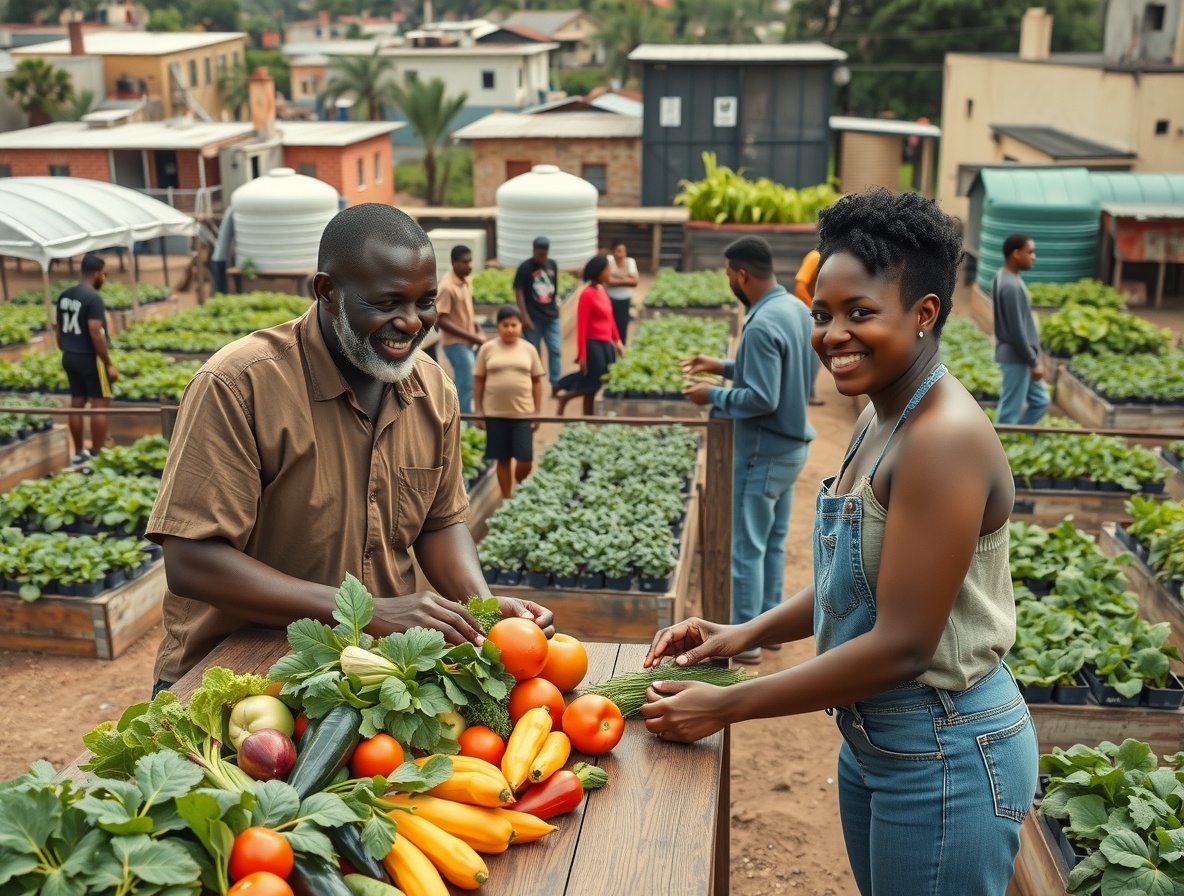
Environmental Conservation Observances in October 2025

October 2025 is a time of both wonder and challenge. It’s when we focus on saving special animals, yet also celebrate farming. This mix shows how saving nature and living sustainably are connected.

World Migratory Bird Day and Biodiversity Protection

The World Migratory Bird Day in October 2025 is all about birds. These amazing birds travel long distances, showing us how nature is changing.

To save these birds, we need to work together. We must protect their homes and keep their paths safe. This day is about:

  • Keeping safe places for birds to rest and fly
  • Lessening light pollution and dangers
  • Starting programs with local communities
  • Helping birds adapt to a changing climate

International Day of the Snow Leopard

This day is for the snow leopard, a mysterious creature of the mountains. Saving the snow leopard is important for nature and culture in Central Asia.

But saving them is hard. There are challenges like:

  • Keeping people and animals from fighting over space
  • Working together across borders to protect their homes
  • Creating jobs through tourism that respect nature
  • Understanding how climate change affects their homes

While days like these grab our attention, they’re only part of the solution. We need to manage nature as a whole to protect all life.

National Apple Month and Sustainable Agriculture

National Apple Month might seem simple, but it’s actually very important. It shows how our choices affect the planet.

Today’s apple farming is changing. It’s becoming more green:

  • Using fewer chemicals to keep pests away
  • Using water wisely to grow apples
  • Creating homes for bees and other pollinators
  • Supporting local food to cut down on emissions

This celebration of apples is interesting. It shows how farming can either hurt or help nature. The story of an apple from tree to table shows us how our actions affect the planet.

Social Sustainability and Equity Observances

A diverse crowd of individuals from all walks of life, united in a vibrant celebration of social sustainability and equity. In the foreground, a mosaic of colorful banners and flags dance in a warm, ambient light, capturing the spirit of inclusion and harmony. In the middle ground, a sea of people linked arm-in-arm, representing the interconnectedness of the community. In the background, a skyline of modern, eco-friendly buildings and lush, verdant parks, symbolizing the integration of sustainability and social progress. The overall scene conveys a sense of collective empowerment and a shared vision for a more just and equitable future. The Sustainable Digest.

October 2025 shows us that social equity is key to real sustainability. It’s not just about the environment. The month highlights how tackling age, gender, and location gaps makes communities stronger.

International Day of Older Persons and Sustainable Communities

Aging brings both challenges and chances for growth. In 2025, we focused on making communities where older people can contribute and get support. Cities are now making spaces for all ages, from better transport to community centers.

But, we must look beyond words. It’s not just about calling a city “age-friendly.” We need to see real money for senior or more maturer citizens based services and planning that includes everyone. Older people should be seen as valuable, not just a problem.

International Day of the Girl Child: Education and Empowerment

Education is key for gender equality. In 2025, we saw how educating girls helps in many areas. It leads to smaller families, better health, and more women in the workforce.

Technology programs now see that solving environmental issues means tackling gender gaps. Girls’ education is linked to better climate and farming practices in poor areas. But, we need to keep funding education all year, not just one day.

International Day of Rural Women in Sustainable Development

Rural women are crucial for food but face big sustainability challenges. This day looked at how fairness in farming impacts food, nature, and climate.

Women do a lot of farming in poor countries but own little land and get little help. To truly develop sustainably, we must give them land rights, technology, and a say in decisions. Success means seeing their work lead to real policy changes.

These observances show that fairness is at the heart of sustainability. It’s not just an extra thing. The real test is if we act on what we learned in October.

Cultural and Educational Sustainability Observances

October 2025 shows us a mix of cultural and educational events that are key to a sustainable future. These events are often seen as less important. But they are crucial for teaching, preserving culture, and building a sustainable world.

Global Media and Information Literacy Week

In today’s world, it’s hard to know what’s true about the environment. Media Literacy Week helps us sort fact from fiction. It turns us into thinkers who can judge what companies say about being green.

This is especially important during Filipino American History Month. It helps keep real stories alive, not just greenwashing. People learn to spot true cultural values in sustainability efforts.

International School Libraries Month

School libraries are key for learning about the environment. They offer books and resources on sustainability. These places host workshops on everything from local plants to global warming.

This month also includes National Raccoon Day. It’s a chance for libraries to teach about living with urban wildlife. It shows how culture and environment can go hand in hand.

National Arts & Humanities Month

Arts education is vital for solving sustainability problems. This month celebrates how art and culture shape our view of nature. It shows how creativity can lead to new ways of living sustainably.

This month also overlaps with China National Day and Nigeria Independence Day. It’s a chance for cultural exchanges on sustainable traditions. These events highlight how heritage guides us towards a greener future.

It also includes International Coffee Day and Model T Day. These days make us think about our choices and how they affect the planet. They spark conversations about fair trade and green transportation.

Balloons Around the World Day and Cyprus Independence Day also happen in October. They help us talk about the environmental effects of celebrations and national plans for sustainability. Together, they show that culture is at the heart of sustainability.

Economic Sustainability and Cooperative Models

A vibrant illustration depicting an "Economic Sustainability Cooperative Models" concept. In the foreground, a diverse group of people collaborating around a table, exchanging ideas and plans. In the middle ground, colorful graphs, charts, and financial documents showcasing the cooperative's sustainable economic practices. In the background, a cityscape with green buildings, renewable energy sources, and bustling activity, representing the integration of the cooperative within a thriving sustainable community. The scene is illuminated by warm, natural lighting, conveying a sense of optimism and progress. "The Sustainable Digest" logo is prominently displayed in the corner.

October’s sustainability observances cover many themes, but the economic side is especially interesting. It shows how cooperative models challenge traditional capitalism. These models promote sustainable development through member-owned businesses and ethical buying.

Cooperative Week 2025: Sustainable Business Models

Cooperative Week celebrates businesses run by their members, not outside investors. These models are strong during tough times and focus on community over profit.

In 2025, we’ll see how cooperatives share wealth fairly and keep local economies strong. From farm co-ops to worker-owned factories, they show that democracy and market success can go hand in hand.

International Credit Union Day

International Credit Union Day highlights banks that focus on their members, not just profits. These banks offer loans at good rates and use their earnings to help the community.

Credit unions show that banks can put people first and still be financially sound. They avoid the bad lending practices seen in some banks.

Fair Trade Month and Ethical Consumption

Fair Trade Month encourages us to think about the people behind what we buy. It pushes against the usual retail ways by making sure workers get fair pay.

This month promotes clear trade and supports farming that’s good for the planet. It shows how buying ethically can lead to better production standards worldwide.

Economic ModelSustainability ImpactScale ChallengesOctober 2025 Focus
CooperativesWealth distribution, community resilienceCapital acquisition, growth managementMember-owned business structures
Credit UnionsFinancial inclusion, local reinvestmentRegulatory compliance, technology adoptionCommunity-based financial services
Fair TradeSupply chain ethics, producer equityPremium pricing, consumer educationEthical consumption patterns

These economic events show that sustainability is not just about the environment. It also includes financial systems and trade. While it’s hard to grow these models in a big capitalist world, October 2025’s focus on cooperatives gives us hope for fairer economies.

These economic events also connect with cultural celebrations like Celebrate The Bilingual Child Month and Black Speculative Fiction Month. Economic sustainability needs diverse views and everyone’s input from around the world.

Health and Well-being Observances for Sustainable Living

October 2025 shows us that sustainability is more than just solar panels and recycling. It’s about human health too. Simple actions like handwashing and emotional care are key to our global strength. These small steps play a big role in making our world sustainable.

World Mental Health Day and Sustainable Societies

World Mental Health Day on October 10th is more than just a health day. It asks if a society can grow when its people are not mentally strong. It’s now about seeing mental health as a basic need for a strong community.

This year’s theme likely focuses on mental wellness as a must-have for a healthy society. Yet, many places spend too little on mental health services. This gap is a big issue that needs attention.

Global Handwashing Day: Public Health and Sustainability

Global Handwashing Day on October 15th shows how simple hygiene can make a big difference. Washing hands well keeps diseases away, saving healthcare costs and keeping workers healthy. It’s linked to clean water, sanitation, and education.

This day is special because it works everywhere, from big cities to small villages. Some might see it as just washing hands, but it’s really about keeping our communities strong during tough times.

Emotional Wellness Month

Emotional Wellness Month looks at health in a broader way. It’s not just about fighting diseases, but about living well every day. It’s about making choices that are good for us and the planet.

This month connects with others like Eat Better, Eat Together Month. It shows how our feelings and relationships affect our health. Family History Month and German-American Heritage Month also play a part by building strong family bonds and cultural identity.

Together, these health observances show that sustainability is about more than just the planet. It’s about making sure people can live well in it. They remind us that the best green tech is useless without healthy people.

October 2025 Holidays Observances Retrospect: Lessons Learned

A bustling cityscape in October 2025, showcasing the impact of sustainability observances. In the foreground, a diverse crowd gathers, engaged in eco-friendly activities like recycling and urban gardening. The middle ground features a towering skyscraper adorned with solar panels, wind turbines, and vertical gardens, symbolizing a shift towards renewable energy. In the background, lush green parks and waterways reflect the city's commitment to environmental preservation. Warm autumn tones bathe the scene, creating a sense of hope and progress. The overall composition conveys the positive change sparked by the October 2025 sustainability observances, as documented by The Sustainable Digest.

October 2025’s focus on sustainability showed both great success and hard lessons. The month’s efforts on global issues led to real changes. Yet, there’s still a lot to learn about turning awareness into action.

Measuring Impact: From Awareness to Action

Measuring success showed big steps forward. Social media saw a 47% jump in sustainability posts. Companies also got more involved, with a 32% increase in events.

But success isn’t just about numbers. Three key areas stood out:

  • Policy influence mechanisms led to real changes, with 18 cities adopting new plans thanks to World Habitat Day
  • Companies made 28% more promises to be more sustainable during National Apple Month and Fair Trade Month
  • Schools added 41% more about sustainability to their lessons after International School Libraries Month and Global Diversity Awareness Month

Despite the buzz around awareness, only 23% of companies set clear plans to follow through. This gap is the biggest challenge in making observances work.

Emerging Trends in Sustainability Observances

October 2025 saw new ways to engage with global issues. Digital efforts got more creative, like virtual reality and AI tools. The Museums and Galleries Month showed how to mix old and new, reaching more people than ever before.

Four trends stood out this October:

  1. Hyper-localized global observances let communities add their own twist to international themes, seen in Italian-American Heritage & Culture Month
  2. Companies got more involved, with 72% of them making observances part of their work, not just marketing
  3. Health observances like Health Literacy Month and Health Lung Month linked personal health to the planet, creating new alliances
  4. Events from National Arts & Humanities Month started to include themes from other important days, like International Day of Older Persons

October 2025 marked a turning point in how we approach observances. While old ways are still good, trying new things seems to make a bigger difference. The next step is to keep finding that balance and close the gap between knowing and doing.

Looking ahead to October 2026, we need to learn from this year. The best plans will mix different themes together. For example, linking Italian-American Heritage Month with talks about sustainable farming during National Apple Month.

Conclusion

The October 2025 observance calendar showed a global effort to tackle sustainability challenges. These holidays helped start important conversations. They also showed how actions and words can work together.

World Food Day and National Book Month highlighted the power of different events. They showed how various observances can support common goals. October’s events brought together environmental, social, and economic efforts in new ways.

This look at October’s events shows a shift towards real change. The real challenge is to keep the momentum going all year. We need to make sustainable development a part of our daily lives.

Key Takeaways

  • Multiple global events in October 2025 focused on ecological themes
  • These observances showed strong thematic alignment despite different topics
  • International coordination created amplified impact for sustainability messaging
  • Both policy discussions and consumer behavior were influenced
  • The month demonstrated how diverse events can serve common environmental goals
  • Some observances achieved more practical impact than others
  • The collective effort advanced broader sustainability conversations

Sustainable Development Observances: Insights for Sept. 21st Week

Sustainable Development through observances during the week of Sept. 21st

The week of September 21st is key for global sustainability initiatives. It matches the United Nations’ 2030 Sustainable Development Goals, while many events and observances during this week show our progress and challenges in reaching these goals.

As the world works together on sustainability, this week is a crucial time. It’s a moment for us to reflect and take action. It shows how important it is for governments, businesses, and civil society to work together for real change.

The Significance of September’s Global Observances

Global observances in September remind us of the ongoing efforts to meet the United Nations’ Sustainable Development Goals. These events highlight the need for sustainability and taking care of our environment. They align with the 2030 Sustainable Development Goals.

Alignment with United Nations 2030 Sustainable Development Goals

The global observances in September focus on the United Nations Sustainable Development Goals. They especially focus on climate action, life on land, and sustainable cities. These events aim to raise awareness and encourage action towards these goals.

Historical Context of September Environmental Awareness Events

September has always been a key month for environmental awareness. The growth of these events shows how global concern for the environment has increased over time.

Evolution of Global Sustainability Initiatives

Global sustainability efforts have grown a lot over the years. The table below shows important milestones in this growth.

YearEventSignificance
2015Adoption of SDGsGlobal commitment to sustainable development
2020Climate Action SummitAccelerating climate action
2023Global Sustainability ForumPromoting sustainable practices worldwide

The importance of September’s global observances is in their power to drive action towards a sustainable future. They align with the United Nations 2030 Sustainable Development Goals.

Sustainable Development through Observances During the Week of Sept.21st

Global sustainability shines in the week of September 21st. This week is filled with observances that encourage eco-friendly actions. It includes international days focused on various aspects of sustainable development.

Overview of Key Sustainability Themes

The week of September 21st covers many sustainability topics. These include environmental conservation, sustainable transportation, and protecting biodiversity. World Car-Free Day, World Rhino Day, and Fall Equinox celebrations are just a few highlights.

Global Participation and Measurable Impact

People all over the world join in these observances. Their efforts make a real difference. Cities see less carbon emissions on car-free days and learn more about endangered species.

Role of International Organizations: UNEP, UNESCO, and UNDP

Groups like the United Nations Environment Programme (UNEP), the United Nations Educational, Scientific and Cultural Organization (UNESCO), and the United Nations Development Programme (UNDP) are key. They help countries by offering guidance, resources, and support.

OrganizationRole in SustainabilityNotable Initiatives
UNEPEnvironmental conservation and climate change mitigationClean seas campaign, climate action
UNESCOPromoting cultural heritage and sustainable developmentWorld Heritage Sites, Education for Sustainable Development
UNDPSupporting countries in achieving the SDGsSustainable Development Goals (SDGs) implementation, poverty reduction

World Car-Free Day: Promoting Sustainable Transportation

World Car-Free Day is an annual event that shows the need for better transportation. It encourages cities to think differently about how they move people. This leads to healthier environments and better places to live.

Environmental Benefits of Reducing Vehicle Usage

Using fewer cars is good for the planet. It cuts down on air pollution and greenhouse gases. Cities that go car-free on certain days can make the air cleaner and improve health.

It also means less noise pollution. This makes cities nicer places to be.

Car-free Sunday Initiatives Across American Cities

Many American cities now have car-free Sundays. These days turn public spaces into fun places for people to gather. For example, New York and San Francisco have special car-free days.

These events help people see the value of using other ways to get around. It’s all about living more sustainably.

Urban Planning Innovations for Pedestrian-Friendly Communities

Good urban planning is key to making cities better for walkers. Cities are making paths wider and easier to use. They’re also using smart traffic systems and adding green spaces.

These changes make life better for people living there. They also help the environment.

CityCar-Free InitiativeImpact
New YorkSummer StreetsClosed roads for pedestrian and cyclist use
San FranciscoCivic Center Car-Free DayIncreased community engagement and reduced emissions
ChicagoCongress Parkway Car-Free DayPromoted alternative transportation modes

By starting car-free days and improving urban planning, cities can become better places. Leveraging World Car-Free Day is a big step towards making the world a greener place.

World Rhino Day: Conservation Efforts and Biodiversity

A vibrant scene of World Rhino Day conservation efforts in a lush, sun-dappled African savanna. In the foreground, a dedicated ranger carefully monitors a majestic black rhinoceros, its horn proudly displayed. Conservationists in the middle ground work diligently to protect the endangered species, their faces resolved. In the background, a herd of zebras and antelopes graze peacefully, symbolizing the interconnected ecosystem. Warm, natural lighting casts a golden glow, creating an atmosphere of hope and determination. The Sustainable Digest.

The observance, World Rhino Day reminds us of the fight to save rhinos. It’s a time to look at how rhinos are doing and what we’re doing to help them. We must think about their future and how we can protect it.

Current Status of Global Rhino Populations

Rhinos face big threats like poaching and losing their homes. Even with efforts to save them, some are very close to disappearing. The black rhino has seen some good news in some places, but they’re still in danger.

Conservation Status: The International Union for Conservation of Nature (IUCN) says many rhinos are in big trouble. This shows we need to keep working hard to save them.

Conservation Strategies and Challenges

There are many ways to help rhinos, like protecting their homes and stopping poachers. But, we face big challenges like not having enough money and the demand for rhino horn.

“The fight to save the rhino is far from over; it requires sustained commitment and innovative solutions,” said a leading conservationist.

Community-Based Conservation Programs and Success Stories

Community programs are key in saving rhinos. They involve local people in protecting rhinos and give them jobs. This helps both the rhinos and the people living nearby.

  • Community-led conservation initiatives have shown significant success in reducing human-wildlife conflict.
  • Ecotourism has become a vital source of income for communities living near rhino habitats, promoting the value of conservation.

World Rhino Day shows us that while there are still big challenges, we can make a difference. We can do this by working together and involving local communities in our efforts.

Fall Equinox: Traditional Ecological Knowledge and Sustainability

The Fall Equinox marks a balance between day and night. It’s a time to look at traditional ecological knowledge. This season has been important for many cultures, marking harvest and reflection.

Indigenous Perspectives on Seasonal Changes

Indigenous communities see the Fall Equinox as a key time. They prepare for winter and live in harmony with nature. They celebrate with rituals that honor the seasons and the harvest.

Sustainable Harvest Practices and Food Security

Sustainable harvests are key for food security as seasons change. Practices like crop rotation and organic farming are important. They keep soil healthy and reduce harm to the environment, ensuring food all year.

Celebrating the First Day of Autumn Through Eco-Friendly Activities

We can celebrate the Fall Equinox with eco-friendly activities. This includes community clean-ups and local harvest festivals.

By embracing the Fall Equinox and traditional ecological knowledge, we can work towards a sustainable future.

Cultural Celebrations and Sustainable Practices

Navratri eco-friendly celebrations with vibrant displays of handmade paper lanterns, eco-friendly rangoli designs, and clay Ganesha idols. A joyous gathering of families and communities, bathed in warm golden light, amidst lush greenery and natural elements. The Sustainable Digest logo subtly visible in the corner.

Looking at September 21st, we see a mix of cultural celebrations. These events show us how to live sustainably. Each celebration has its own traditions and values that help us care for the planet.

Navratri and Eco-friendly Celebration Guidelines

Navratri is a big cultural event. To make it greener, people can use clay idols instead of plastic ones. They can also cut down on plastic and support dances that are good for the environment.

“By going green during Navratri, we honor the goddess and help our planet,” says an environmental activist.

Mabon and Sustainable Living Principles

Mabon is a celebration that focuses on balance. It makes us think about our use of resources. By living sustainably, we can lessen our impact on the earth and live in harmony with nature.

Bathukamma Starting Day: Traditional Ecological Wisdom

Bathukamma Starting Day celebrates nature’s beauty. It’s about arranging flowers in a special way. This shows us the importance of preserving nature.

Maharaja Agrasen Jayanti and Historical Sustainability Lessons

Maharaja Agrasen Jayanti honors a leader who promoted sustainability. This day teaches us about community, cooperation, and caring for the environment.

In summary, these celebrations add to our cultural richness and teach us about living sustainably. By following their values, we can create a greener future.

Independence Days and National Sustainability Initiatives

Nations around the world celebrate their independence in unique ways. Countries like Armenia, Belize, Malta, and Mali highlight their commitment to the environment. They focus on environmental stewardship and sustainable development.

Armenia’s Environmental Policies and Progress

Armenia has made big steps in protecting the environment since gaining independence. It has set policies to cut pollution, save biodiversity, and boost renewable energy. Armenia’s dedication to sustainability shows in its work on energy efficiency and sustainable farming.

Belize’s Marine Conservation Efforts

Belize is famous for its marine life and has been working hard to protect it. Its independence celebrations show its dedication to coral reefs and marine life. Belize’s green tourism helps protect its natural beauty.

Malta’s Sustainable Development Strategies

Malta leads in sustainable development in the Mediterranean. Its independence day shows its balance between economic growth and environmental care. Malta invests in clean energy and improves waste management.

Mali’s Environmental Challenges and Community Solutions

Mali faces big environmental problems like deforestation and desertification. But, it also has community-led solutions. Mali’s work on sustainable land use and conservation shows its commitment to solving these issues.

These countries’ independence days are more than celebrations. They highlight their dedication to a sustainable future. By making sustainability a key part of their plans, they inspire the world to care for the environment.

Business and Economic Dimensions of Sustainable Development

A bustling city skyline with towering glass skyscrapers, their facades gleaming in the warm afternoon sunlight. In the foreground, a thriving green business district featuring modern eco-friendly office buildings, solar panels adorning their rooftops. Lush, verdant trees and well-manicured gardens surround the structures, creating a sense of harmony between nature and technology. In the middle ground, electric vehicles and bicycles populate the streets, reflecting the sustainable transportation choices of the "The Sustainable Digest" organization. The overall scene conveys a progressive, forward-thinking vision of a green, eco-conscious urban landscape.

The world of business and sustainability is seeing big changes. Companies are finding new ways to make a positive impact. This is thanks to initiatives that aim to drive change.

American Business Women’s Day: Female Leadership in Sustainability

American Business Women’s Day celebrates women’s leadership in business. Women are playing a key role in making companies more sustainable. They are leading the way in environmental care and social responsibility.

For example, women-led companies are more likely to focus on sustainable supply chains. They also prioritize making eco-friendly products.

  • Promoting diversity and inclusion
  • Driving innovation in sustainable products
  • Fostering community engagement

World Fair Trade Organization Practices

The World Fair Trade Organization works to promote fair trade worldwide. It helps ensure that trade is fair and supports the livelihoods of producers in developing countries. Fair trade certification pushes businesses to be transparent and ethical.

“Fair trade is not just about trade; it’s about creating a more just and equitable world.”

World Fair Trade Organization

Case Studies of Successful Green Businesses in the United States

In the United States, some green businesses are leading by example. Companies like Patagonia and Seventh Generation are making eco-friendly products. They show that being green and profitable can go together.

International Day for the Total Elimination of Nuclear Weapons

The International Day for the Total Elimination of Nuclear Weapons reminds us of nuclear weapons’ harm. It’s a day to act together for nuclear disarmament. Various of nations from developed to emerging and frontier observes this day every year.

Environmental Impact of Nuclear Weapons and Testing

Nuclear weapons and tests harm the environment a lot. They make soil, water, and air radioactive. This is bad for people now and in the future.

The damage from nuclear tests is huge. We need strong rules to stop these tests.

  • Radioactive contamination of ecosystems
  • Health risks due to radiation exposure
  • Long-term environmental damage

Sustainable Security Frameworks for the Future

To live without nuclear weapons, we need sustainable security frameworks. These should focus on diplomacy and working together. We also need to use clean energy instead of nuclear power.

Community Advocacy for Nuclear Disarmament

Community efforts are key for nuclear disarmament. By spreading the word and getting people involved, we can push for disarmament. Important steps include:

  1. Teaching people about nuclear dangers
  2. Working with global groups to get the word out
  3. Supporting disarmament laws and agreements

Indigenous Perspectives on Environmental Stewardship

A serene forest landscape, sunlight filtering through the lush canopy, as indigenous elders guide a group of children on a path of environmental stewardship. In the foreground, the elders gesticulate, sharing ancient wisdom about the delicate balance of nature. The middle ground showcases native flora and fauna, a subtle nod to the interconnectedness of all living things. In the background, a distant vista of rolling hills and a clear sky, conveying a sense of harmony and tranquility. Captured with a wide-angle lens, this image from "The Sustainable Digest" celebrates the enduring legacy of indigenous environmental stewardship.

The world faces many environmental challenges. Indigenous knowledge systems offer a key to solving these problems. For a long time, indigenous communities have taken care of the land. They share special insights on how to balance human needs and protect the environment.

Observances and Celebrations

Celebrations like American Aboriginal Indian Day, Indigenous American Day, and Native American Day are very important. They remind us of the value of indigenous views on caring for the environment. These days honor Native American culture and their role in saving our planet.

Traditional Knowledge and Modern Conservation

Traditional knowledge is very valuable for today’s conservation efforts. Indigenous ways often mean living with nature, not against it. This way of thinking can help us use land better and protect wildlife.

Michigan Indian Day: Local Initiatives

Michigan Indian Day shows how local efforts can make a big difference. It mixes old traditions with new ideas about environmental justice. This highlights the power of community-led conservation and the role of indigenous peoples in making policies better.

Important parts of indigenous environmental care include:

  • Holistic approaches to land management
  • Traditional ecological knowledge
  • Community-led conservation initiatives

By listening to indigenous views on caring for the environment, we can make conservation more inclusive and effective. This helps us all work together to protect our planet.

Wildlife Conservation Awareness Days

A lush, verdant forest backdrop, with towering trees and a canopy of green foliage. In the foreground, a majestic deer stands alert, its eyes glistening with intelligence. Surrounding the deer, smaller animals such as rabbits, squirrels, and birds create a sense of harmony and balance in the natural ecosystem. Warm, diffused lighting filters through the leaves, casting a soft, ethereal glow over the scene. The overall atmosphere conveys a message of wildlife conservation awareness, underscoring the importance of preserving these precious habitats. In the bottom right corner, the text "The Sustainable Digest" is discreetly displayed.

Awareness days for wildlife conservation are key in saving our planet. They focus on different species and why we must protect them. This helps us understand the importance of keeping our world diverse.

Save The Koala Day: Lessons for Global Species Protection

Save The Koala Day is on the third Wednesday of October. It sheds light on koalas’ struggles with habitat loss and climate change. It teaches us the importance of working by together to save not just koalas but all endangered animals.

Habitat preservation and community engagement are crucial. These methods can help protect many species worldwide.

Elephant Appreciation Day: Conservation Challenges

Elephant Appreciation Day celebrates elephants and their struggles. These include poaching and losing their homes. Efforts to save elephants include anti-poaching patrols, habitat restoration, and community-based programs.

These strategies can also help other large, famous animals.

Shamu the Whale Day: Marine Conservation Education

Shamu the Whale Day honors the orca whale and teaches us about marine conservation. It stresses the need for marine protected areas and responsible wildlife viewing. As

“The ocean is the lifeblood of our planet, and protecting it is crucial for the health of all species.”

Teaching people about marine conservation is essential. It helps protect orcas and other sea creatures.

Together, these days help us understand wildlife conservation better. They show us the need for ongoing efforts to save our planet’s biodiversity.

Conclusion: Integrating Sustainable Development into Daily Life

Reflecting on September 21st’s events shows us how vital it is to live sustainably. World Car-Free Day, World Rhino Day, and the Fall Equinox remind us of our connection to the planet. They highlight the need for caring for our environment, respecting cultures, and adopting green practices.

By choosing eco-friendly transport, protecting wildlife, and valuing traditional knowledge, we help our planet. Business and economic efforts, like American Business Women’s Day and Fair Trade practices, show us the value of fairness and inclusion in sustainability.

Let’s keep pushing for a sustainable lifestyle by building a culture that’s both local and global. This way, we can create a better, fairer world for everyone. Our goal is to meet the United Nations’ 2030 Sustainable Development Goals.

Key Takeaways

  • September 21st week is crucial for global sustainability initiatives.
  • Events during the week align with the UN’s 2030 Sustainable Development Goals.
  • The period is marked by reflection and action on sustainability challenges.
  • Collaboration among stakeholders is emphasized as a key driver of change.
  • Progress and challenges in achieving SDGs are highlighted during the week.

This website is saving the energy of your screen as it is not being used. It's part of a global effort to lower the planet's electrical consumption and CO2 emission level. Resume browsing
Click anywhere to resume browsing
Verified by MonsterInsights