The world’s oceans have been a vital part of our planet since the beginning of time, housing ancient creatures like jellyfish that date back at least 650 million years. As we continue to explore the depths of our oceans, we discover a vast array of species, from tiny zooplankton to massive blue whales.
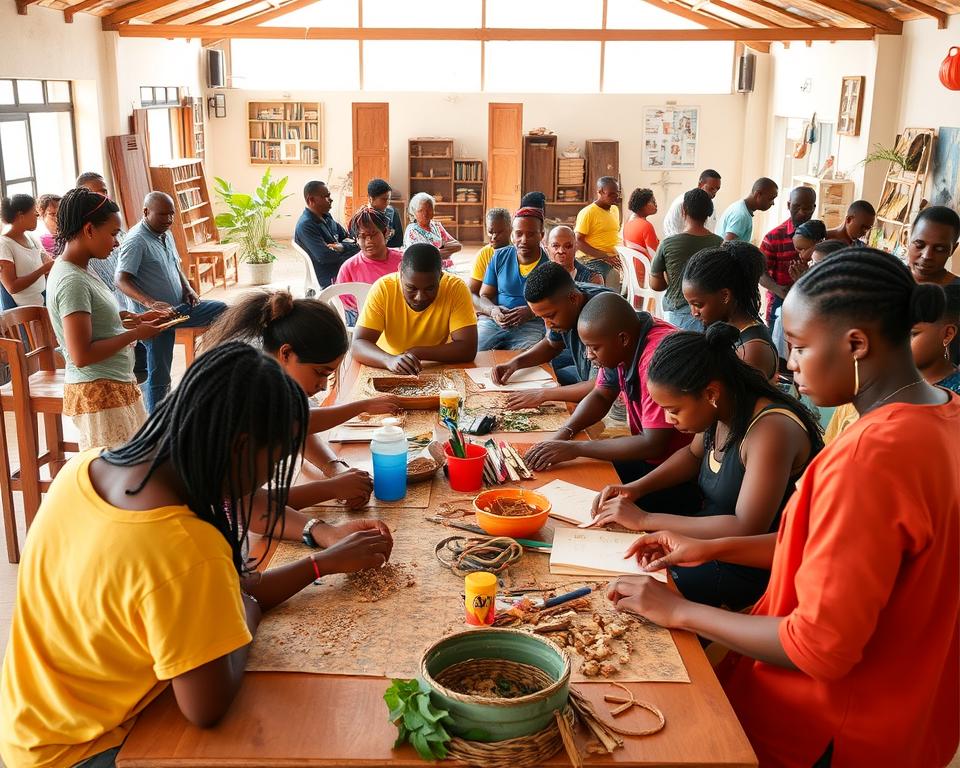
As we approach several significant observances, including World Ocean Day, Temotu Province Day, National Week of the Ocean, and Race Unity Day, it’s essential to reflect on their importance in promoting ocean conservation, cultural heritage, and community unity. These celebrations not only raise awareness about the vital role our oceans play in sustaining life on Earth but also foster a sense of unity and cooperation among communities worldwide.
The Significance of Ocean Conservation Days
The world’s oceans are facing unprecedented threats, making ocean conservation days more crucial than ever. Our oceans play a vital role in sustaining life on Earth, and it’s essential to recognize their importance.
Understanding Our Ocean’s Vital Role
The world’s oceans cover approximately 70% of the Earth’s surface and contain about 97% of our planet’s water. They produce over half of the world’s oxygen through marine plants and algae, demonstrating their critical role in sustaining life.
The oceans are also a rich source of resources, supporting human civilization through food, medicine, transportation, and economic opportunities.
Global Recognition of Marine Protection
International recognition of ocean conservation has grown significantly in recent decades as scientific understanding of marine ecosystems has improved. The United Nations and other global organizations have established various ocean-focused observances to coordinate worldwide conservation efforts.
These conservation days provide platforms for sharing scientific research and innovative solutions to address threats facing our oceans.
World Ocean Day: A Global Movement
Since its inception in 1992, World Ocean Day has evolved into a global initiative for ocean conservation. The day was first proposed by Canada’s International Centre for Ocean Development and the Ocean Institute of Canada at the Earth Summit in Rio de Janeiro, Brazil.
History and Evolution
World Ocean Day emerged as a response to the growing need for ocean conservation. Initially, it was a grassroots movement that gained international recognition in December 2008, when the United Nations officially acknowledged it. Over the years, it has transformed from an educational event to a platform for concrete conservation actions and policy changes.
The UN’s Role in Ocean Conservation
The United Nations plays a crucial role in coordinating World Ocean Day activities globally. The UN Oceans Conference is a significant extension of this mission, bringing together governments and stakeholders to forge partnerships for ocean conservation. In March 2023, a historic agreement was reached on protecting marine biodiversity, demonstrating ongoing progress in ocean conservation efforts.
How to Participate in World Ocean Day
Individuals can participate in World Ocean Day by making pledges through The Ocean Project’s website, which offers ideas for celebrations and conservation actions. Activities include beach cleanups, sharing ocean facts, and the “We are blue, tell two” challenge, which encourages participants to wear blue and share information about ocean conservation.
National Week of the Ocean: Raising Awareness
Beyond the single day of celebration for World Oceans Day, National Week of the Ocean serves as a prolonged period of education and action regarding ocean conservation. This week-long observance is crucial for sustaining attention to ocean issues, allowing for more in-depth educational initiatives and community activities.
The Origins and Purpose
National Week of the Ocean originated as a way to provide more sustained attention to ocean issues. The primary purpose is to raise public awareness about the benefits oceans provide to humanity and the serious threats they face from human activities. Oceans generate half of the oxygen we breathe and regulate our climate, making their conservation vital.
Activities and Educational Initiatives
During National Week of the Ocean, various activities are organized, including documentary screenings and beach cleanup events. Educational initiatives focus on marine biodiversity, highlighting that oceans contain up to 80% of all life on Earth. Digital resources and website content created for this week remain available year-round, providing valuable materials for schools and individuals interested in ocean conservation.
Celebrating World Ocean Day, Temotu Province Day, National Week of the Ocean, and Race Unity Day
The observance of World Ocean Day, Temotu Province Day, National Week of the Ocean, and Race Unity Day underscores the critical role of the ocean in our lives and the need for unity in protecting it.
These four observances, while distinct in their specific focus, share common themes of sustainability, community connection, and respect for natural and cultural heritage.
Temotu Province Day: Honoring Island Heritage
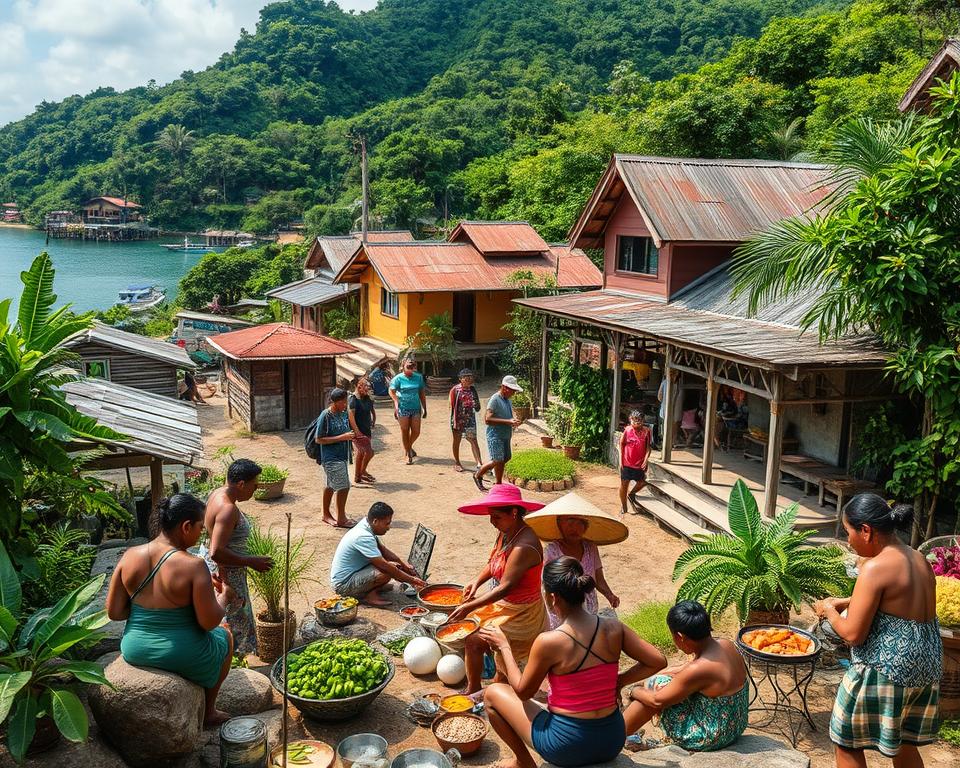
Temotu Province Day celebrates the unique island heritage of this Solomon Islands province, where ocean conservation is intrinsically linked to cultural identity and survival. The people of Temotu Province have maintained traditional practices of sustainable fishing and ocean resource management for generations.
Race Unity Day: Connecting Communities
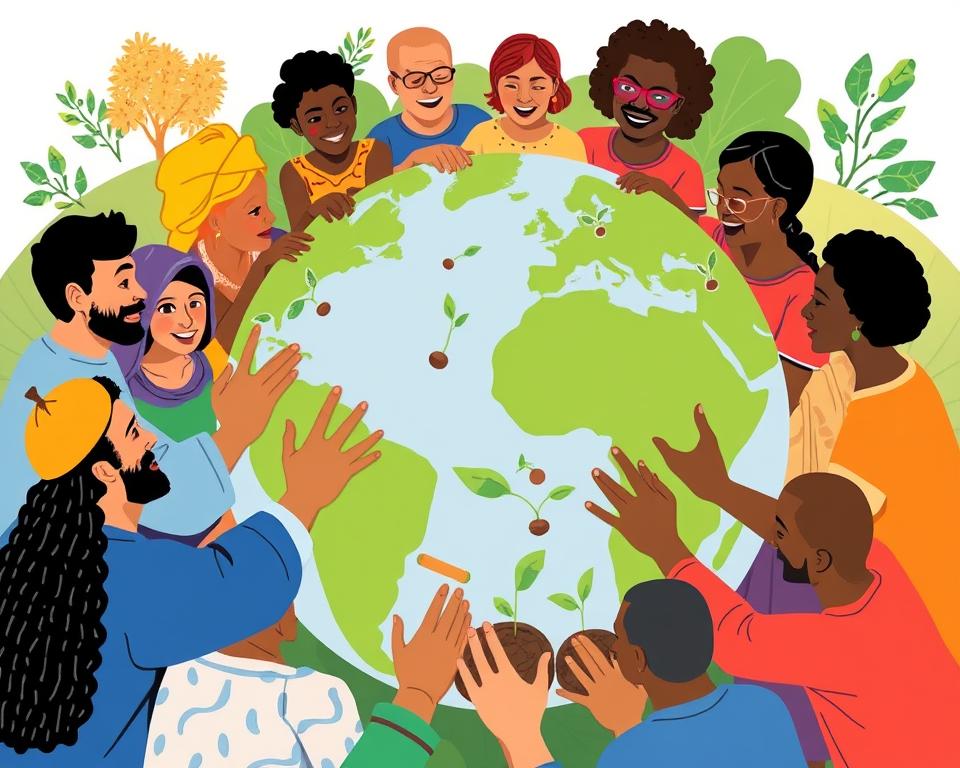
Race Unity Day promotes harmony and understanding between different communities, recognizing that environmental challenges like ocean conservation require collaborative solutions across cultural boundaries. This observance encourages people to recognize their shared humanity and common home on a planet dominated by ocean waters.
Shared Values Across Celebrations
The shared values across these celebrations include respect for diversity (both human and marine), sustainability of resources, and recognition of our interdependence with natural systems. Community events often combine elements of all four observances, with cultural performances, educational activities about ocean conservation, and unity-building exercises.
Observance
Focus
Shared Values
World Ocean Day
Global ocean conservation
Sustainability, community connection
Temotu Province Day
Island heritage and ocean conservation
Respect for diversity, sustainability
National Week of the Ocean
Raising awareness about ocean conservation
Interdependence with natural systems
Race Unity Day
Promoting harmony and understanding
Community connection, respect for diversity
Conclusion: Our Collective Responsibility
The collective observance of World Ocean Day, Temotu Province Day, National Week of the Ocean, and Race Unity Day underscores the intricate relationship between the health of our ocean and the wellbeing of people worldwide.
These celebrations highlight that ocean conservation is not merely an environmental issue but a matter of cultural preservation, economic sustainability, and global unity. As we move forward, individual actions and policy changes at local, national, and international levels will be crucial in protecting our world ocean and, by extension, our world. Ensuring the health of our ocean is an intergenerational responsibility that requires immediate attention and collective action.
Key Takeaways
Understanding the significance of World Ocean Day, Temotu Province Day, National Week of the Ocean, and Race Unity Day.
Exploring how these observances promote ocean conservation and community unity.
Discovering practical ways to participate in these celebrations and contribute to their causes.
Recognizing the interconnectedness of these observances in promoting environmental stewardship.
Learning about the importance of our oceans in sustaining life on Earth.
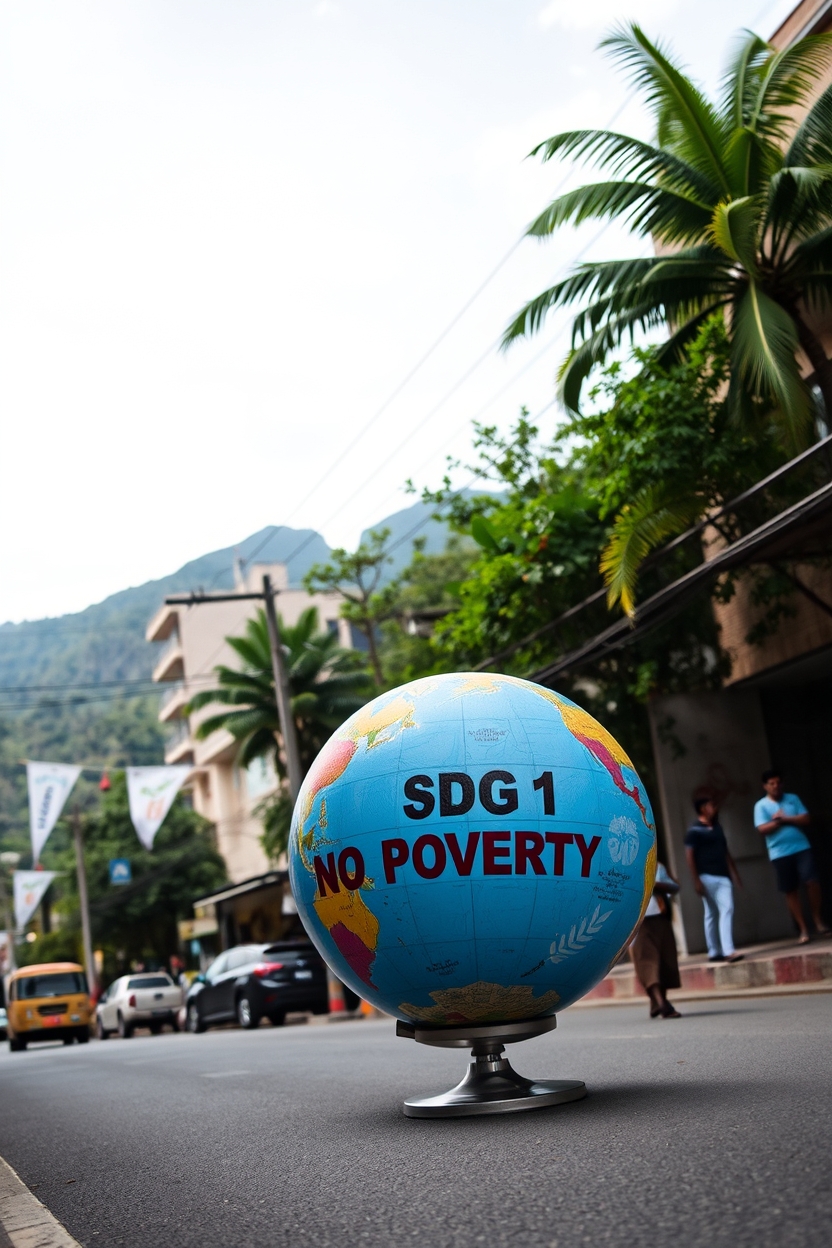
Poverty is a major problem worldwide. It needs both grass-tops and grassroots assistance from institutions, organizations, NGOs, and smaller scale businesses. The United Nations has a plan which is initial the Sustainable Development Goal, ‘No Poverty'(UNSDG#1) to tackle this issue. It aims to fix economic differences and help people get out of poverty for good.
New ways to fight poverty are coming from groups and local businesses. They work together to help communities. This includes improving skills, boosting the economy, and using resources wisely.
Understanding different cultures is key to solving poverty. By knowing what each area needs, groups can make a real difference. It’s not just about giving money; it’s about making a lasting change.
Understanding UN Sustainable Development Goal 1: The Global Framework for Poverty Elimination
The United Nations Sustainable Development Goal 1 (UNSDG#1) is a key global effort to end poverty worldwide. It tackles tough economic issues faced by the most vulnerable in various areas.
Poverty is still a big problem for millions, mainly in developing countries. The UN’s Goal 1 aims to bring about big changes in economic power and social inclusion.
Key Targets and Indicators of UNSDG#1
The main goals of Sustainable Development Goal 1 projects are:
Eradicating extreme poverty globally
Implementing social protection systems
Ensuring equal economic opportunities
Target Area
Key Performance Indicators
Poverty Reduction
Percentage of population below international poverty line
Social Protection
Population covered by social security systems
Resource Access
Economic resources available to vulnerable groups
Historical Development of UN Poverty Reduction Initiatives
The UN’s fight against poverty has grown over decades. Global development frameworks keep changing to tackle new economic issues in the Global South.
“Poverty is not natural. It is man-made and can be overcome and eradicated by the actions of human beings.” – Nelson Mandela
Measuring Progress in Poverty Reduction
Keeping track of the United Nations Sustainable Development Goal 1 (UNSDG#1) needs detailed monitoring systems. Experts use advanced stats to see how economies and communities are changing.
The main aim is to find lasting ways to escape poverty. This is done through focused efforts and support for those who need it most.
The Strategic Role of NGOs in Poverty Alleviation Programs
Nonprofits play a key role in fighting poverty worldwide. They create specific plans to help those struggling financially. Their work is focused on lasting solutions that help communities overcome poverty.
“Empowerment is the key to lasting change in community development” – Global Poverty Research Institute
NGOs use new ways to fight poverty. They run programs that teach skills, offer small loans, and improve communities. When local areas become economically strong, the effect of NGOs and MSMEs on poverty is clear.
NGO Strategy
Key Impact
Target Population
Microfinance Programs
Economic Empowerment
Rural Communities
Skills Training
Employment Opportunities
Unemployed Youth
Community Infrastructure
Social Development
Marginalized Regions
Western cooperative communities help these nonprofit efforts a lot. They offer important resources, knowledge, and money to help fight global poverty. By working together, they can make a bigger difference in society.
Partnerships between local and international nonprofits lead to better solutions. They mix local knowledge with global support, making big changes in underserved and distressed areas.
How NGO and MSMEs Can Help Underserved Communities Utilizing UNSDG#1 No Poverty
Addressing poverty needs smart plans from NGOs and MSMEs that get the tough issues faced by marginalized communities. The United Nations Sustainable Development Goal #1 is key for real help to end poverty.
Groups are coming up with new ways to help internationally the local and remote regions. They focus on giving them tools to earn money and improve their lives. This is done by using what’s available in the community and the people’s strengths.
Direct Intervention Strategies
Good direct help includes quick economic aid like microloans, skills training, and cash help. NGOs can start cooperatives. This lets people work together to make money.
Resource Mobilization Techniques
Resource Strategy
Impact Level
Community Benefit
Microfinance Lending
High
Economic Empowerment
Skills Training Programs
Medium
Long-term Employability
Community Investment Funds
High
Sustainable Development
Community Engagement Methods
Reducing poverty needs the community’s help. MSMEs can work with people to make sure help fits their needs and culture.
“Poverty is not a natural state, but a condition created by systemic barriers that can be dismantled through collaborative action.” – UN Poverty Reduction Expert
By using cooperative ideas and focused economic plans, NGOs and MSMEs can help underserved and marginalized communities. They can build strong, lasting economic futures.
MSMEs as Engines of Economic Growth in Developing Regions
Micro, Small, and Medium-sized Enterprises (MSMEs) are key to economic change in developing areas. They are engines of growth, creating jobs and boosting local economies. They do this with great efficiency.
“Small businesses are the backbone of economic development and poverty reduction strategies worldwide.” – World Bank Economic Report
The role of MSMEs and NGOs in fighting poverty is huge. They open doors for people in resource distressed areas by creating lasting economic paths. With new business ideas, MSMEs build strong local economies that help people.
MSME Contribution Area
Economic Impact
Job Creation
Generate 60-70% of employment in developing economies
Local Economic Stimulation
Contribute 40% of GDP in emerging markets
Export Potential
Represent 30-35% of international trade activities
In global trade, MSMEs are becoming key links between local and global markets. They are fast to adapt and focus on specific markets, making them essential in economic growth plans.
By improving skills, using technology, and making finance more accessible, MSMEs help fight poverty. They build lasting economic systems that change communities for the better.
Collaborative Frameworks Between NGOs and Local Businesses
Addressing poverty needs smart partnerships. These partnerships bring together NGOs, Grassroots Support Organizations (GSOs), and Micro, Small, and Medium Enterprises (MSMEs). They work together to make lasting changes in reducing poverty.
Partnership Models for Sustainable Development
New ways of working together are empowering communities. These partnerships aim to create jobs and economic growth. NGOs and GSOs team up with local businesses to tackle deep poverty issues.
Case Studies of Successful Collaborations
“When local businesses and NGOs unite, communities transform.” – Global Development Expert
Real-life examples show how NGOs and MSMEs can fight poverty. In rural areas, they’ve started small business networks. These networks help those communities earn steady income and grow stronger over time.
Impact Assessment Metrics
Collaboration Type
Economic Impact
Community Benefit
Direct Business Investment
Job Creation
Income Stabilization
Skills Training Programs
Workforce Development
Economic Mobility
Microfinance Initiatives
Capital Access
Entrepreneurship Support
It’s important to measure how well these partnerships work. We look at more than just money. We also check for social change, skill growth, and lasting community strength.
Financial Inclusion Strategies for Marginalized Communities
Financial inclusion is key to helping marginalized communities. Donor class NGOs and MSMEs are crucial in creating lasting financial plans. These plans aim to tackle poverty at its root.
Microfinance programs are a strong tool for NGOs working on UNSDG#1. They offer small financial services to those who can’t access banks. With microloans, savings, and financial education, people can become economically independent.
“Financial empowerment is not about giving money, but providing the tools to create sustainable economic growth.” – Global Poverty Reduction Expert
Mobile banking has changed how people in small villages in rural areas get financial services. Smartphones and digital payments let them join the economy without banks.
Financial Inclusion Strategy
Key Impact
Microfinance Loans
Economic Empowerment
Digital Banking
Increased Financial Access
Financial Literacy Programs
Knowledge Enhancement
Working together, NGOs and MSMEs make financial inclusion bigger. They create plans that meet community needs. This ensures lasting economic growth that matches UNSDG#1 goals.
Capacity Building and Skill Development Initiatives
Sustainable Development Goal 1 projects are key in changing communities. They use skill development to fight poverty. Organizations see the value in training that opens doors to jobs.
Building capacity is more than just learning. It includes practical skills, tech knowledge, and entrepreneurial spirit. This approach helps those who are left behind.
Vocational Training Programs
Cooperative development has changed vocational training. These programs teach skills that lead to jobs in the local economy. This helps people move out of poverty for good.
Training Area
Key Skills
Employment Potential
Digital Technologies
Computer programming, web design
High growth sectors
Renewable Energy
Solar installation, maintenance
Emerging green economy
Agricultural Innovation
Sustainable farming techniques
Rural economic development
Technology Integration in Skill Development
Digital tools are changing how we learn. Online courses, virtual workshops, and apps make learning easier for all. This includes those who are often left out.
“Technology democratizes learning, breaking down traditional barriers to skill development.” – Global Skills Initiative Report
Measuring Training Effectiveness
It’s important to know if training works. We look at job rates, income growth, and if people can keep their jobs long-term. This shows if training is making a real difference.
For training to be successful, it must always be updated. It needs to be flexible and understand the local economy well.
Cultural Diplomacy and Cross-Border Cooperation in Poverty Reduction
Cultural diplomacy is a key strategy for UNSDG#1. It helps international partnerships work together to tackle global poverty. By understanding cultures, groups can make poverty reduction efforts more effective.
“Cultural diplomacy is not just about communication, but about creating meaningful connections that drive sustainable development.” – United Nations Development Program
Cross-border cooperation is vital for UN Sustainable Development Goal 1. It helps communities in the Global South by working together. This approach respects local needs while offering strategic support.
Cooperation Dimension
Impact on Poverty Reduction
Cultural Exchange Programs
Enhances mutual understanding and knowledge transfer
Transnational Skills Training
Develops local economic capabilities
Diplomatic Networking
Creates sustainable funding and resource channels
NGOs and international agencies see that real poverty reduction needs cultural smarts. They work on building respectful dialogues and partnerships. This helps them create targeted and effective solutions for communities.
The path to reducing global poverty is through cultural bridges. It’s about sharing knowledge and building models that fit local needs and global dreams.
Sustainable Tourism and Local Economic Development
Sustainable tourism is a strong way to help advance underserved communities. It links them to new economic chances. Small businesses are key in making tourism better. They help the economy grow and keep culture and nature safe.
Community-Based Tourism Initiatives
Local groups use tourism to get richer. They start projects that bring in money directly. NGOs help by teaching and giving tools for success.
Environmental Conservation and Economic Benefits
Sustainable tourism is good for both the planet and people’s pockets. It makes money from saving nature. This way, communities earn while keeping their environment safe.
Tourism Impact Area
Economic Benefit
Conservation Outcome
Local Handicrafts
Direct Income Generation
Cultural Preservation
Eco-Tours
Tourist Spending
Wildlife Protection
Community Guides
Employment Opportunities
Traditional Knowledge Sharing
Tourism Infrastructure Development
Building up local tourism helps the economy last long. Small scale businesses and NGOs work together. They make experiences for visitors that help the community.
“Sustainable tourism transforms local economies by creating meaningful connections between travelers and communities.” – World Tourism Organization
Fusing together tourism, economic growth, and nature protection is a smart way to fight poverty. It’s all about working together for a better future.
Innovation and Technology in Poverty Reduction Programs
Technological innovations are changing how we tackle poverty. Grassroots Support Organizations use digital platforms to help underserved communities. This creates lasting economic opportunities.
Digital tools are key in linking NGOs with local MSMEs. They make poverty reduction efforts more effective. Mobile apps and cloud platforms help track progress, teach financial skills, and support small investments in rural areas.
“Technology is not just a tool. It can be a powerful catalyst for social transformation and economic empowerment.” – World Economic Forum
New technologies like AI and blockchain are making a big difference. They help Grassroots Support Organizations target poverty more effectively. These tools ensure funds are used wisely and economic efforts can grow.
The aviation sector also plays a big role in fighting poverty. Drones help deliver medical supplies, map out farmland, and connect remote areas. This opens up new chances for people in communities seeking to progress their collective economic status.
MSMEs teaming up with tech companies is leading to new solutions. Together, they offer digital skills training, financial tech, and support for entrepreneurs. This partnership drives economic growth in developing areas.
Supporting Small Island Development States and Remote Communities
Small Island Development States (SIDS) face big economic challenges. They need special support because of their unique geography and economy. This support helps them grow in a tough market.
Remote communities in the Global South have few resources and are far from markets. Support for Small Island Development States is key. It helps them find ways to grow that use their strengths.
“Empowering remote communities means creating economic opportunities that transcend geographical limitations.” – UN Development Report
Helping remote emerging and frontier markets needs many strategies. Special efforts can help these areas grow by overcoming big obstacles.
Challenge
Strategic Intervention
Potential Impact
Limited Infrastructure
Digital Technology Investment
Enhanced Connectivity
Market Access
Regional Trade Partnerships
Economic Diversification
Human Capital Development
Skill Training Programs
Workforce Empowerment
Important steps include creating special financial tools, setting up economic zones, and sharing technology. These actions help bridge the gap in innovation.
By using sustainable development models made for each area, we can unlock big economic chances. This helps these areas that are often left behind.
Conclusion
Non-Governmental Organizations and Micro Small Medium Enterprises can make a big difference in helping poor communities. They work together to tackle big economic problems. This helps people find a way out of poverty with new ideas and support.
It’s clear how NGOs and MSMEs can help poor communities. They use many strategies. These include helping people get money, learn new skills, and become stronger in their communities.
Reducing poverty worldwide needs teamwork. It involves groups like the UN, local businesses, and leaders. They use new tech, training, and flexible economic plans to help.
The fight against poverty will keep getting better with new ideas and teamwork. As groups learn more and work together, getting rid of extreme poverty seems possible.
Key Takeaways
NGOs are critical drivers of sustainable poverty reduction strategies
Nano, micro, and small enterprises contribute significantly to local economic development
UNSDG#1 provides a comprehensive global framework for poverty elimination
Cultural understanding is essential in designing effective poverty interventions
Collaborative approaches with multiple organizations yield more sustainable results
Organizations, enterprises, and communities can benefit by working together to achieve United Nations Sustainable Development Goals. These groups can share resources and exchange ideas to tackle issues like hunger, water access, education, labor, and clean energy. By cooperating, they can make bigger changes than they could alone.
Working together on these goals can create new opportunities for innovation and economic growth. Small (nano and micro sized enterprise included) businesses might team up with larger companies to develop eco-friendly products. Cities and townships could partner with tech firms to improve infrastructure while advancing innovation. These joint efforts can lead to better jobs, improve commerce, and more sustainable urban areas.
Teamwork is vital for responsible production and consumption. Companies and NGOs can learn from each other about reducing waste and using resources wisely. Communities can share tips on sustainable living. By joining forces, different diverse groups can make progress on multiple goals at once.
Understanding the United Nations Sustainable Development Goals
To reintiate what the United Nations Sustainable Development Goals (SDGs) are; they are a set of 17 global objectives aimed at creating a better world for all and beyond. They address high key issues like poverty, hunger, health, education, social enterprise, and environmental sustainability.
The Importance of SDGs for Global Prosperity
SDGs are crucial for global prosperity. They provide a shared vision for a sustainable future and guide efforts to improve lives worldwide. The goals focus on ending poverty, protecting the planet, and ensuring peace and prosperity for all people.
These goals cross-pollinate and work together to create lasting change. For example, improving education can lead to better job opportunities and economic growth. This can help reduce poverty and hunger.
SDGs also promote partnerships between governments, businesses, and communities. By working together, different groups can make a bigger impact and achieve more.
Key Targets of SDGs for Organizational Alignment
Organizations can align their activities with specific SDG targets to contribute to global progress. For Goal 2 (Zero Hunger), a key target is to end all forms of malnutrition by 2030.
Goal 6 (Clean Water and Sanitation) aims to achieve universal access to safe drinking water. Goal 9 (Industry, Innovation, and Infrastructure) focuses on building resilient infrastructure and promoting sustainable industrialization.
Sustainable cities and communities (Goal 11) target safe and affordable housing for all. Goal 12 (Responsible Consumption and Production) aims to reduce waste generation through prevention, reduction, recycling, and reuse.
By aligning with these targets, organizations can play a vital role in achieving the SDGs and creating positive change globally.
Strategies for Zero Hunger and Clean Water
Achieving zero hunger and clean water requires coordinated efforts across sectors. These strategies focus on building resilient food systems and ensuring safe water access for all.
Building Resilient Agricultural Systems
Zero Hunger efforts must prioritize sustainable farming practices. This includes crop diversification, localization via urban farming, and climate-smart agriculture techniques.
Improved irrigation systems such as aquaponics and hydroponics help farmers use water more efficiently. Drip irrigation and rainwater harvesting can boost crop yields while conserving resources.
Strengthening local food supply chains reduces waste and improves food security and quality. This involves better storage facilities and overall logistic networks, especially in rural areas.
Investing in agricultural research and technology is crucial. Drought-resistant crops and precision farming tools can increase productivity and resilience to climate shocks.
Ensuring Access to Safe Water Resources
Clean water access is vital for health and food production. Expanding water treatment facilities in both urban and rural areas is a key priority.
Water and sanitation improvements must focus on sustainable waste management. This includes protecting water sources from pollution and promoting water conservation practices.
Community-based water management programs empower local groups to maintain water systems especially for waste and sewage. Training on hygiene practices and system maintenance ensures long-term sustainability.
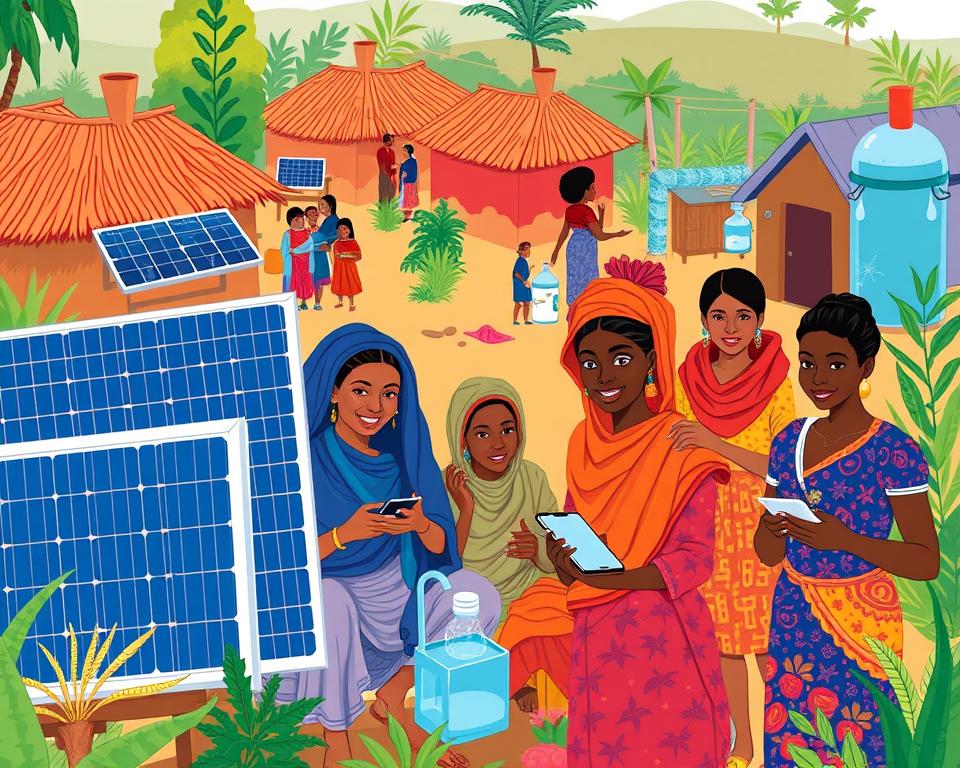
Innovative technologies like solar-powered water pumps and emerging wind turbine that produces hydrogen fuel can improve access in remote areas and frontier markets. These solutions are especially important in off-grid communities in Africa and Asia.
Integrating water management with agricultural practices is essential. This helps balance the needs of farmers with those of other water users.
Fostering Innovation and Infrastructure in MSMEs
MSMEs play an ongoing key role in driving innovation and improving infrastructure. They face unique challenges but also have opportunities to adopt new technologies, strengthen stakeholder’s leverage, and upgrade their facilities.
Promoting Technological Advancements
MSMEs can boost innovation by investing in new tech and current robust technologies. Digital tools help streamline operations and reach more customers. Cloud computing allows small firms to access powerful software at low cost.
3D printing and mobile data centers enables small-scale, customized manufacturing. This lets MSMEs compete with larger firms in niche markets.
To stay competitive in organizationally, MSMEs need to train staff on emerging technologies. Partnerships with tech companies and universities can provide valuable knowledge and resources.
Improving Industrial Infrastructure
Upgrading facilities and equipment is crucial for MSME growth. Modern machinery boosts productivity and product quality. Energy-efficient systems cut costs and reduce environmental impact.
Shared workspaces and maker spaces give MSMEs access to advanced tools without big investments. Industrial parks tailored for small businesses provide necessary utilities and services.
Digital infrastructure is vital. High-speed internet enables e-commerce and remote work. Secure data storage protects sensitive information.
MSMEs benefit from improved transportation networks. Better roads and ports make it easier to ship goods and reach new markets.
Enabling Affordable and Clean Energy Solutions
Affordable and clean energy is crucial for sustainable development and productivity. Organizations can take key actions to expand access to renewables and improve energy efficiency in production.
Expansion of Renewable Energy Access
Clean energy technologies like solar and wind power are becoming more cost-effective. Companies can install solar panels or wind turbines to generate their own renewable electricity.
Community solar projects allow multiple businesses to share clean energy. This makes renewables more accessible for smaller enterprises.
Partnerships with utilities can help fund renewable energy projects. Some power companies offer incentives for businesses that adopt clean energy.
Microgrids powered by renewables improve energy reliability. These local power systems can operate independently from the main grid if needed.
Energy Efficiency in Production Processes
Energy audits identify ways to reduce waste in manufacturing and operations. Common improvements include:
LED lighting upgrades
Smart thermostats and sensors
High-efficiency motors and equipment
Improved insulation
Employee training on energy-saving practices is critical. Simple behavior changes can lead to big efficiency gains.
Recycling waste heat from industrial processes saves energy. This “waste” heat can be used for other purposes like heating buildings.
Energy management systems track and optimize usage. These tools help businesses continuously improve efficiency over time.
Advancing Decent Work and Economic Growth
Decent work and economic growth are key to sustainable development. They create opportunities for people to earn a living and improve their quality of life. This section explores ways to boost employment and empower communities economically.
Creating Employment Opportunities
Job creation is vital for economic growth. Governments can help by:
• Investing in infrastructure projects • Supporting small businesses • Offering job training programs
The private sector plays a big role too. Companies can:
• Expand operations to create new positions • Partner with schools for internships • Hire locally when possible
Policies that support job creation are crucial. These might include tax breaks for businesses that hire new workers or grants for startups. Such measures can spark innovation and lead to more jobs.
Promoting Economic Empowerment Initiatives
Economic empowerment helps people gain control over their finances. Microfinance is one way to do this. It gives small loans to people who can’t get regular bank loans.
Other initiatives include:
• Financial literacy classes • Savings groups for women • Skills training workshops
Access to financial services is key. Mobile banking has made this easier in many places. It lets people save money and make payments using their phones.
Fair labor laws also matter. They protect workers’ rights and ensure decent working conditions. This helps create a stable workforce and boosts productivity.
Building Sustainable Cities and Communities
Creating livable urban spaces requires careful planning and community involvement. Cities face challenges like overcrowding and resource strain, but also offer opportunities for innovation and improved quality of life.
Urban Planning for Sustainable Development
Urban planners play a key role in building sustainable cities. They design layouts that reduce sprawl and promote efficient use of land and resources. This includes mixed-use zoning that puts homes near jobs and amenities to cut down on car use.
Green spaces are vital for wellbeing. Parks, urban gardens, and tree-lined streets make cities more livable. They also help manage stormwater and reduce the urban heat island effect.
Sustainable transport is another focus. Bike lanes, walkable streets, and good public transit cut pollution and traffic. Some cities are creating car-free zones in city centers.
Community-Driven Development Projects
Local input is crucial for creating truly sustainable communities. Many cities now use participatory budgeting, letting residents vote on how to spend part of the municipal budget. This leads to projects that meet real community needs.
Neighborhood associations and community groups often spearhead local improvements. They may organize cleanup days, start community gardens, or advocate for better services. These grassroots efforts build social bonds while improving the urban environment.
Some cities partner with nonprofits on larger projects. For example, groups may renovate abandoned buildings into affordable housing or community centers. These efforts breathe new life into neglected areas and provide needed services.
Practices for Responsible Consumption and Production
Responsible consumption and production focus on doing more with less. They aim to reduce resource use, waste, and pollution across the entire supply chain. Two key practices can help achieve these goals.
Boosting Efficient Use of Resources
Companies can boost resource efficiency by optimizing their processes. This includes using energy-saving equipment and embracing renewable energy sources. Water conservation methods like recycling and rainwater harvesting help preserve this vital resource.
Waste reduction is crucial. Businesses can implement recycling programs and find ways to reuse materials. Some firms are redesigning products to use fewer raw materials.
Supply chain optimization is another important step. This involves choosing suppliers with sustainable practices and reducing transportation emissions. Many organizations now track their carbon footprint to identify areas for improvement.
Encouraging Circular Economy Models
Circular economy models aim to eliminate waste and maximize resource use. This approach keeps products and materials in use for as long as possible.
Companies can design products for durability and easy repair. This extends product lifespans and reduces the need for new resources. Some businesses offer repair services or sell spare parts to support this goal.
Product-as-a-service models are gaining popularity. Instead of selling items outright, companies lease them and handle maintenance. This encourages better product care and more efficient use.
Recycling and upcycling initiatives play a key role in circular economies. These processes turn waste into new products, adding value and reducing landfill use.
Strengthening Global Partnerships
Global partnerships are key to achieving the UN Sustainable Development Goals. Strong teamwork between different groups helps solve colossal problems faster. Sharing knowledge and resources leads to better results for everyone.
Networks allow small businesses to work with larger companies and governments. This helps spread good ideas and practices quickly.
Collaboration creates chances for innovation. When people from different fields work together, they often make surprising breakthroughs.
Shared goals help keep partnerships focused. Groups can divide tasks based on their strengths, making the work more efficiently.
Role of Intergovernmental Support and Resources
Governments play a big part in making global teamwork happen. They can create rules and systems that make it easier for groups to work together across borders.
Access to finance is crucial for partnership projects. Governments and international bodies can set up special funds or loans to help.
Public-private partnerships show how government backing can boost results. These teams combine public goals with private sector skills and resources.
By offering resources and removing barriers, governments help turn good ideas into actual change.
Entrepreneurship and Value Creation
Entrepreneurs and small businesses play a key role in advancing the UN Sustainable Development Goals. They create value through innovative solutions and partnerships that address global challenges.
Empowering Entrepreneurs Through SDGs
The SDGs provide a framework for entrepreneurs to align their business models with sustainable development. Goal 8 on decent work and economic growth directly supports entrepreneurship and job creation.
Entrepreneurs can tap into new markets by developing products and services that meet basic needs. For example, affordable solar lamps address Goal 7 on clean energy access. Clean water solutions support Goal 6.
Cross-disciplinary approaches help entrepreneurs create value. Partnering with communities, NGOs and governments amplifies impact. This aligns with Goal 17 on partnerships.
Small Businesses as Catalysts for Innovation
Small businesses drive innovation to tackle sustainability challenges. Their agility allows quick pivoting to address emerging needs.
Many startups focus on circular economy models supporting Goal 12 on responsible production. Examples include upcycling waste into new products.
Multiple value creation is key. Social enterprises create economic, social and environmental benefits. A food startup may reduce hunger (Goal 2) while creating jobs.
Tech innovations help small businesses boost productivity and reach. Mobile apps connect rural farmers to markets. This advances Goals 8 and 9 on economic growth and innovation.
Digital Marketing and Sustainable Growth
Digital marketing is derived from the 4th industrial revolution, it is essential to drive sustainable growth for businesses. It offers new ways to reach customers and gain a competitive edge through technology.
Leveraging Technology for Competitive Advantage
Digital marketing helps companies of all types stand out in today’s fast-paced market and industries. It allows firms to use data to better understand customers and tailor products and services.
Online tools like social media and analytics give businesses insights into consumer needs. This helps companies create more sustainable offerings that align with market demands.
Digital platforms also enable companies to streamline operations and cut costs. Cloud services and automation free up resources for innovation and growth.
Online Presence and Customer Engagement
A strong online presence is vital for sustainable growth. Social networks let firms talk directly to customers and get quick feedback.
Digital channels help build brand loyalty through personalized content and offers. Companies can respond fast to trends and keep customers coming back.
E-commerce makes it easy for customers to buy anytime. Mobile apps and websites create smooth shopping experiences that boost sales and satisfaction.
Digital marketing also supports sustainability goals. Online campaigns can promote eco-friendly products and educate consumers about responsible choices.
Policy Recommendations and Future Directions
Effective policies and research are key to achieving the UN Sustainable Development Goals. These strategies can help organizations and communities make real progress on issues like hunger, clean water, and sustainable cities.
Optimizing Policy Frameworks for SDG Integration
Governments, lobbyist, grassroots support organization, and co-op consortiums should create policies that support SDG implementation across sectors. Tax incentives can encourage businesses to invest in clean energy, green tech, and sustainable infrastructure. Regulations on water use and food waste can push industries to adopt more responsible practices. Public-private partnerships should be formed to tackle complex issues like hunger and sanitation.
Small businesses need simplified regulations and financial support to adopt sustainable practices. Local governments can update building codes to promote green construction and energy efficiency. National policies should set clear and concise targets for renewable energy adoption and emissions reductions.
Policymakers must ensure new rules don’t unfairly burden smaller organizations. Regular policy reviews can help identify gaps and make timely updates as technologies develop.
Encouraging Empirical Research for SDGs
The need and demand for more data-driven studies on the United Nations’ SDG progress will increase. Researchers should examine which policies and programs are most effective at reducing hunger and improving sanitation. Studies can explore how innovations in areas like vertical, roof, and urban farming impact food security.
Funding factions should prioritize empirical SDG research. This includes long-term studies on the economic effects of clean energy adoption. Researchers need better monitor, participation, and evaluation tools to measure progress on goals like responsible consumption.
Academic institutions can create dedicated SDG research centers. These can bring together experts from different fields to tackle complex sustainability challenges. Open data initiatives can help share findings widely to inform better decision-making.
Key Takeaways
Collaboration between diverse organizations amplifies impact on sustainability goals
Partnerships foster innovation and create economic opportunities across sectors
Joint efforts enable more efficient use of resources and knowledge sharing
Greenwashing is when companies make false claims about their products being good for the environment and the great ecosystem. This is a major problem in the world of green and eco-friendly marketing and advertising. It tricks people into thinking products and supply chain are better for the planet than they really are.
Companies use greenwashing to make more money and sometimes peer approval. They want to sell and generate revenue by making their products seem eco-friendly. This can harm both consumers, stakeholders, and the environment.
In green marketing, greenwashing can be very subtle and manipulative. Companies might say in advertising production or state in their marketing materials that their products are much better for the environment than they actually are. It’s important to know how companies lie to the but the public and private customers and how to spot these lies.
By learning and understanding about greenwashing, we can make better choices. We can support companies and institutions that truly care about the environment. This helps to promote real ethical green marketing.
Understanding the Green Deception: What is Greenwashing?
To reinerate, Greenwashing is when companies make false claims about their goods or services being good for sustainability and sustainable principles. They might say they’re eco-friendly but falsely use labeling or catch phrases to draw in the consumer and/or the customer. Or they might talk and promote via labels and press material about corporate social responsibility, but it’s just for show. As people care more about the planet, companies use green marketing strategies to seem better or often superior to other products, but neither of those practices is true.
Studies show greenwashing hurts trust with customers and ultimately the end users. If a company not matter how large or small, is caught and exposed to lying, people lose faith and buy less. It is important to note, companies that really care about the planet gain loyal customers and other stakeholders, thus accessing more money.
Misleading labeling: Using labels or certifications that are not recognized by reputable third-party organizations.
Hidden trade-offs: Focusing on one environmental benefit while ignoring other negative environmental impacts.
Vagueness: Making general claims about environmental benefits without providing specific details or evidence.
As consumers, we need to know about these tricks. We should support companies that are truly eco-friendly and care about corporate social responsibility. This way, we help make marketing that’s real and helps our planet.
Company
Greenwashing Practice
Impact on Consumer Trust
Company A
Misleading labeling
Loss of credibility
Company B
Hidden trade-offs
Decrease in sales
Company C
Vagueness
Loss of customer loyalty
The Major Players Behind Greenwashing Practices
Many companies have been accused of greenwashing. This is when they make false claims about their products or services being good for the environment. This environmental deception hurts both consumers and the planet, making people doubt sustainable marketing.
ExxonMobil, Chevron, and BP are some big names accused of greenwashing. They’ve faced criticism for lying about their products’ environmental benefits.
Unsubstantiated claims about environmental benefits
Lack of transparency about production processes
Use of misleading or false labeling
Knowing these signs helps you choose better. You can support companies that really care about the planet and are honest in their marketing.
Companies must be transparent and honest in their marketing efforts, and avoid engaging in greenwashing practices that can damage consumer trust and harm the environment.
Company
Accusation
ExxonMobil
False claims about climate change
Chevron
Misleading labeling of products
BP
Lack of transparency about production processes
The Psychology of Green Marketing Manipulation
Green marketing is a big deal for companies today. It helps them look good to people who care about the planet. But, some companies use it to trick people into buying things they don’t really need.
They play on our feelings and make us feel guilty or nostalgic. This makes us more likely to buy their products. For instance, they might show pictures of nature to make us feel good about buying their stuff.
Consumer Vulnerability Points
Some companies take advantage of people who don’t know much about the environment. They use hard-to-understand language to make their products seem better than they are. It’s important for us to learn about eco-friendly practices so we can spot these tricks.
The Power of Eco-Friendly Imagery
Images of recycling or green energy are very powerful in marketing. Companies use them to make their brand look good. By doing good for the planet and using these images, companies can win our trust and build a strong reputation.
Essential Greenwashing Identifying Tactics, Greenwashing Avoidance Strategies and Methods
To spot and dodge greenwashing, you need to think critically and understand media well. This means checking if companies’ claims are true or just tricks. Greenwashing can be sneaky, but you can spot it by looking for vague or unproven claims about being green.
Here are some ways to avoid greenwashing:
Research companies and their environmental records
Look for third-party checks on their green claims
Be cautious of claims that seem too good to be true
By doing these things, you can choose better and avoid supporting greenwashing. Remember, greenwashing hurts the environment too. It makes people doubt real green efforts and slows down our move towards a greener future. Environmental deception is serious, and we all must watch out and demand truth from companies.
In short, fighting greenwashing needs critical thinking, media smarts, and research. By knowing how companies greenwash and checking their claims, we can help the planet. We can also support real green marketing.
Company
Greenwashing Claim
Reality
Example Company
“Eco-friendly packaging”
Packaging is not biodegradable and contributes to waste
Another Company
“Sustainable sourcing practices”
Sources materials from suppliers with poor environmental track records
The Seven Sins of Greenwashing
Companies often try to look good by doing eco-friendly things. But, some might lie to make their brand seem better. The seven sins of greenwashing help spot when they do this.
These sins include hidden trade-offs. This means a product might be good in one way but bad in another. For instance, a product might say it’s biodegradable, but it only breaks down under certain conditions. These conditions are not always clear.
Other sins are no proof and vagueness. Companies might say their products are eco-friendly without showing any proof. Or, they might use terms like “eco-friendly” without explaining what they mean. False labels are also a problem, where companies make up labels to look green.
Hidden trade-offs
No proof
Vagueness
False labels
Knowing these seven sins helps us make better choices. We can choose to support companies that really care about the environment. This way, we help them use honest green marketing.
FAQ
Q: What is greenwashing and why is it important?
A: Greenwashing is when companies make their products seem more eco-friendly than they really are. It’s a big deal because it breaks trust with customers. It also stops real efforts to be green and causes more harm to the environment.
Q: What are some common greenwashing tactics?
A: Companies use tricks like making vague claims or picking only the good parts of their impact. They might also use fake labels or certifications. This way, they hide their true environmental harm.
Q: How can consumers spot greenwashing?
A: To spot greenwashing, look for vague or unverifiable claims. Also, watch for a big gap between what a company says and what it does. Checking for real certifications and doing your homework can help too.
Q: What are the consequences of greenwashing?
A: Greenwashing can hurt trust in companies. It also makes it harder for real green efforts to succeed. Plus, it makes the environment worse by making it seem like companies are doing good when they’re not.
Q: How can companies avoid being accused of greenwashing?
A: Companies can stay clear of greenwashing by being open about their environmental impact. They should set clear goals and get third-party checks to prove their claims. Being honest and authentic is key to earning trust.
Q: What are the “seven sins of greenwashing”?
A: The “seven sins of greenwashing” are: hiding the bad, no proof, being vague, using fake labels, being irrelevant, choosing the lesser evil, and lying. These tricks make it hard to believe a company’s green claims.
Q: What resources are available to help identify and combat greenwashing?
A: To fight greenwashing, use online tools, check for real certifications, and talk to environmental groups. You can also report greenwashing and support real green efforts. These steps help keep companies honest.
Real-World Examples of Corporate Greenwashing
Companies often use sustainable marketing to look green but are actually greenwashing. This trick can be found in many fields, like energy and consumer goods.
Some examples include:
Volkswagen’s emission scandal, where they said their diesel cars were green but they were really polluting.
ExxonMobil’s claims of investing in green energy, but they only spent a tiny part of their budget on it.
Procter & Gamble’s false claims about eco-friendly packaging, which turned out to be greenwashing.
These cases show how crucial it is to hold companies accountable in sustainable marketing. They also highlight the need for consumers to spot environmental deception.
Learning from these greenwashing examples helps consumers make better choices. It encourages them to support companies that really care about the planet.
Tools and Resources for Spotting Green Marketing Deception
To spot greenwashing, you need the right tools and resources. Today, eco-friendly practices are key, not just a trend. Companies must show corporate social responsibility and use green marketing strategies that are clear and reliable.
Digital Verification Tools
There are many digital tools to help find greenwashing. These tools include online platforms that share info on companies’ green efforts and certifications. Some top ones are:
Environmental Defense Fund’s Scorecard
Greenpeace’s Guide to Greener Electronics
ClimateWorks Foundation’s Climate Scorecard
Certification Standards
Certification standards are key to proving eco-friendly practices are real. Some well-known ones are:
Certification
Description
ISO 14001
International standard for environmental management systems
LEED
Leadership in Energy and Environmental Design certification for buildings
Energy Star
Certification for energy-efficient products
Environmental Watch Groups
Environmental watch groups keep an eye on companies’ green actions. They offer useful info and resources for smart choices. Some notable groups are:
Sierra Club
World Wildlife Fund
Friends of the Earth
Taking Action Against Greenwashing
To fight greenwashing and support sustainable marketing, we can all do something. It’s key to report any false environmental claims. You can tell the Federal Trade Commission (FTC) or your local consumer protection agency about any ads that seem off.
It’s also important to back real green initiatives. Look for products with the EPA’s Safer Choice label. This shows the company cares about the environment. Supporting groups that uncover environmental deception helps too.
Here are some ways to fight greenwashing:
Check if companies’ green claims are backed by third-party certifications.
Support laws that make marketing more honest and accountable.
Help your loved ones make smart choices about what they buy.
Together, we can make a better future and stop greenwashing. As more people spot environmental deception, companies will have to be more open and green in their marketing.
Conclusion: Building a Greener Future Through Informed Choices
The world of green marketing and corporate social responsibility is complex. It’s often clouded by greenwashing. But, a greener future is possible with informed consumers who seek truth and hold companies to their promises.
Knowing how greenwashing works helps us make better choices. We can support real green initiatives by using digital tools and checking for certifications. This way, we can spot false claims and back up the real deal.
It’s a team effort between businesses and consumers to create a better world. When companies are open and focus on the environment, and we choose to buy from them, we’re all moving forward. Together, we can make a brighter, greener future.
Key Takeaways
Greenwashing is a form of environmental deception used to manipulate the end user/customer’s perception.
It can have serious consequences for long term revenue generation, consumers and the planet.
Understanding and identifying greenwashing tactics is essential for making informed choices.
Sustainable marketing practices can be promoted and advertised by avoiding greenwashing.
Ongoing education is key to recognizing and preventing greenwashing.
Greenwashing can take many forms, including exaggerated or lofty claims, and outright lies.
Organizations, institutions, and communities can work together to achieve the United Nations Sustainable Development Goals (SDGs). Thus leveraging the outcome to the UNSDGs for collaborative strategies & achieving social progress. These goals aim to improve lives and protect the planet. By joining forces, different groups can create lasting positive change in areas like poverty reduction, health, education, gender equity, and justice.
Working across sectors allows for sharing resources and ideas. Companies can partner with schools to offer job training. Hospitals can team up with community groups to provide health education. Government agencies can collaborate with non-profits on anti-poverty programs. These partnerships lead to better results than working alone.
Small businesses, cooperatives, and local groups play a key role too. They often understand community needs best. Their on-the-ground efforts complement larger initiatives. By aligning their work with SDG targets, even small organizations can contribute to global progress.
Strategic Framework for SDG Integration
A strong framework helps organizations align their efforts with the SDGs. It promotes teamwork across sectors and creates ways to measure progress. This approach makes it easier to work toward multiple goals at once.
Aligning Objectives with SDG Targets
Organizations can link their goals to specific SDG targets. This makes their work more focused and effective. They can use a matrix to match their projects with relevant SDGs.
It’s important to set clear, measurable targets. These should connect directly to SDG indicators. This helps track progress and show real impact.
Cross-Sector Collaboration Models
Working together is key to achieving the SDGs. Different groups bring unique skills and resources to the table.
One model is the multi-stakeholder partnership. This brings together businesses, governments, and non-profits. They can share knowledge, pool resources, and tackle complex problems.
Another approach is forming local action groups. These focus on SDG issues in specific communities. They can adapt global goals to fit local needs.
Regular meetings and shared project management tools help keep everyone on track. This ensures all partners are working toward the same goals.
Evaluation and Reporting Mechanisms
Good evaluation helps organizations improve their SDG work. It also shows others what’s working well.
A strong system includes both quantitative and qualitative measures. Numbers tell part of the story, but personal accounts add depth.
Regular reports help track progress. Many groups use annual sustainability reports. These show how their work supports the SDGs.
It’s helpful to use standard reporting frameworks. This makes it easier to compare results across organizations. The Global Reporting Initiative (GRI) is one widely used option.
Sharing results openly builds trust. It also helps others learn from successes and challenges.
Economic Empowerment through No Poverty (SDG 1)
Ending poverty is a key goal for creating sustainable development. Economic empowerment strategies can help lift people out of poverty and create lasting change. Two main approaches are improving access to financial services and supporting small businesses.
Financial Inclusion Strategies
Financial inclusion helps people escape poverty. Banks and credit unions can offer basic accounts with low fees. Mobile banking brings services to rural areas.
Microfinance programs provide small loans to those without collateral. This helps people start businesses or pay for education.
Savings groups allow communities to pool resources. Members can borrow for emergencies or investments. These groups build financial skills and social connections.
Financial education teaches budgeting and smart money choices. This knowledge helps families plan for the future and use services wisely.
Entrepreneurship and MSME Support
Small businesses create jobs and grow local economies. Training programs teach business skills to new entrepreneurs. Mentorship connects experienced owners with startups.
Incubators provide workspace and resources for new companies. This reduces startup costs and risks.
Loans and grants give MSMEs funds to expand. Flexible terms accommodate seasonal businesses.
Technology access helps small firms compete. E-commerce platforms let rural businesses reach new markets.
Business associations advocate for MSME-friendly policies. They also facilitate networking and knowledge sharing among members.
Promoting Health and Well-Being (SDG 3) in Organizations
Organizations play a key role in promoting health and well-being. They can focus on workplace initiatives and community outreach to make a positive impact on SDG 3.
Workplace Health Initiatives
Companies can start by offering health-promoting policies like paid sick leave and parental leave. These basic steps help employees maintain their health and care for family members.
Wellness programs are another effective tool. Organizations can provide:
Free health screenings
Gym memberships or on-site fitness facilities
Nutritious food options in cafeterias
Mental health support services
Flexible work arrangements, such as remote work options, can reduce stress and improve work-life balance. This flexibility helps employees manage their health needs more effectively.
Community Health Outreach
Organizations can extend their health initiatives beyond the workplace. They can partner with local clinics or hospitals to sponsor health fairs and screenings for the public.
Businesses might also:
Fund medical research
Donate medical equipment to underserved areas
Support health education programs in schools
Employee volunteer programs can be a powerful way to engage with community health issues. Companies can organize teams to participate in charity walks or runs for health-related causes.
By supporting both employees and communities, organizations contribute to the goal of ensuring healthy lives for all. These efforts align with SDG 3 and create a healthier, more productive society.
Enhancing Quality Education (SDG 4) Outreach
Quality education forms the foundation for personal and societal growth. It empowers individuals and communities to break cycles of poverty and inequality.
Educational Program Sponsorships
Organizations can sponsor educational programs to enhance access to quality learning. This may involve funding scholarships, providing school supplies, or supporting teacher training initiatives.
Corporate partnerships with schools can bring real-world expertise into classrooms. This helps students gain practical skills and insights into potential career paths.
Community groups can organize tutoring programs to support struggling learners. These initiatives help bridge educational gaps and ensure no child is left behind.
Lifelong learning opportunities are vital for personal and professional growth. Organizations can offer workshops, online courses, and training programs to support continuous skill development.
MSMEs can partner with educational institutions to create apprenticeship programs. These provide hands-on learning experiences and bridge the gap between education and employment.
Cooperative enterprises can pool resources to establish community learning centers. These centers can offer a range of courses, from basic literacy to advanced technical skills.
Digital platforms can be leveraged to provide accessible, flexible learning options. This is particularly beneficial for remote or underserved communities.
Gender Equity (SDG 5) in Institutional Operations
Gender equity in institutional operations is crucial for creating fair and inclusive workplaces. It involves changes to hiring practices and leadership structures to empower women and underrepresented groups.
Inclusive Hiring Practices
Organizations can promote gender equity through fair recruitment processes. This includes using gender-neutral language in job postings and having diverse interview panels. Blind resume screening helps reduce unconscious bias.
Flexible work arrangements support working parents. This may involve remote work options or adjustable schedules. Such policies help retain talented employees with caregiving responsibilities.
Setting clear diversity targets for recruitment can drive progress. Regular audits of hiring data help track improvements in gender balance over time.
Empowerment Through Leadership Roles
Institutions should actively support women’s career advancement. This means providing leadership training and mentorship programs tailored for women. Sponsorship initiatives can connect high-potential women with senior leaders.
Creating clear paths to promotion encourages women to pursue leadership roles. Transparent criteria for advancement helps combat unfair practices.
Setting targets for women in senior positions drives change. Some organizations aim for gender parity on executive teams and boards. Regular reporting on these metrics keeps the focus on progress.
Pay equity reviews ensure fair compensation across genders. Addressing any pay gaps found is crucial for retaining female talent.
Fostering Reduced Inequalities (SDG 10)
SDG 10 aims to reduce inequality within and among countries. Organizations can take concrete steps to promote fairness and inclusion through targeted policies and initiatives.
Diversity and Inclusion Policies
Companies can create equal opportunities by implementing strong diversity and inclusion policies. These should cover hiring, promotion, and workplace culture.
Key elements include:
• Blind resume screening • Diverse interview panels • Pay equity audits • Mentorship programs for underrepresented groups • Regular diversity training
Organizations should set measurable diversity targets and track progress. Inclusive policies help tap into diverse talent pools and perspectives.
Accessibility Initiatives
Improving accessibility helps reduce inequalities for people with disabilities. Companies can take several steps:
• Ensure physical spaces are wheelchair accessible • Provide assistive technologies like screen readers • Offer materials in multiple formats (audio, large print, etc.) • Caption videos and provide sign language interpretation • Train staff on disability awareness and etiquette
Voting registration campaigns in underserved communities can increase civic engagement. This helps address inequality through greater representation in government.
Businesses should also examine their products and services. They can adapt offerings to be more inclusive of different needs and abilities.
Peace, Justice, and Strong Institutions (SDG 16) Alignment
SDG 16 aims to build peaceful societies with strong institutions. Organizations can work together to promote justice and accountability. This helps create stable communities and fair systems for all.
Ethical Governance Frameworks
Companies can adopt ethical governance practices to support SDG 16. This includes transparent decision-making and anti-corruption policies. Regular audits and public reporting keep organizations accountable.
Ethics training for staff reinforces good practices. Clear codes of conduct set expectations for behavior. Whistleblower protection encourages reporting of wrongdoing.
Organizations can also promote fair hiring and advancement. This helps create diverse and inclusive workplaces. Equal pay policies support gender equity and reduce inequalities.
Partnerships for Institutional Accountability
Collaborations between groups can strengthen institutions. NGOs, businesses, and governments can work together on joint projects. This pools resources and expertise for bigger impact.
Community engagement programs help build trust in local institutions. Youth councils give young people a voice in decisions. Citizen feedback mechanisms improve public services.
Cross-sector partnerships can tackle complex issues like corruption. Data sharing between agencies helps track illegal activities. Joint task forces can address problems like human trafficking more effectively.
Community Engagement and Participation
Community engagement is crucial for achieving the UN Sustainable Development Goals. It empowers people to take action and fosters collaboration between different sectors of society.
Local Community Dialogues
Local community dialogues create spaces for open discussions about SDGs. These forums allow diverse groups to share ideas and concerns. Organizations can host town halls, focus groups, or online platforms to gather input.
Grassroots community organizing enhances civic behaviors and attitudes. It builds connections between neighbors and local institutions.
Community-based organizations play key roles in responding to challenges. They link civil actors with governments and coordinate efforts for maximum impact.
SDG Advocacy and Public Awareness Campaigns
Public awareness campaigns educate people about the SDGs and inspire action. Organizations can use social media, events, and partnerships to spread information.
Creative methods like art installations or interactive exhibits make SDGs more engaging. Schools can integrate SDG topics into curricula to reach young people.
Community engagement strategies vary in their level of public influence. They range from informing to empowering citizens in decision-making.
Campaigns should highlight local SDG success stories to motivate further participation. Clear calls to action help people understand how they can contribute.
Technology and Innovation for SDGs
Digital solutions and sustainable tech entrepreneurship play key roles in achieving the UN Sustainable Development Goals. These approaches can boost efficiency, expand access to services, and create new economic opportunities across sectors.
Leveraging Digital Solutions
Digital technology has become a fundamental force for advancing the SDGs. Mobile apps and online platforms can improve healthcare delivery in underserved areas. Telemedicine connects patients with doctors remotely. E-learning expands educational access, especially for rural communities.
Digital financial services promote financial inclusion. Mobile banking and digital payments help the unbanked access financial tools. This supports poverty reduction efforts.
Data analytics and AI optimize resource allocation. They can predict disease outbreaks or identify at-risk students. This allows for more targeted interventions.
Promoting Sustainable Tech Entrepreneurship
Encouraging tech startups focused on social and environmental impact is crucial. Incubators and accelerators can nurture SDG-aligned ventures. They provide mentorship, funding, and resources to help ideas scale.
Tech hubs in developing regions foster local innovation. They create jobs and address community needs. Promoting women and minority entrepreneurs in tech helps reduce inequalities.
Capacity Building and Knowledge Sharing
Organizations can boost their impact on SDGs through targeted training and collaborative learning. These approaches help align efforts and spread best practices across different sectors and groups.
Training Programs for SDG Alignment
Capacity building programs focused on SDGs can greatly improve an organization’s ability to contribute effectively. These programs should cover SDG basics, measurement techniques, and implementation strategies.
Key topics to include: • SDG framework and targets • Data collection and reporting • Sustainable business practices • Inclusive policies and programs
Organizations can develop internal training or partner with experts. Online courses and workshops make training more accessible, especially for smaller entities with limited resources.
Regular assessments help track progress and identify areas for improvement. This ensures training stays relevant and impactful over time.
Inter-organizational Workshops and Seminars
Cross-organizational knowledge sharing events foster collaboration and innovation around SDGs. These gatherings bring together diverse stakeholders to exchange ideas, experiences, and best practices.
Effective workshops often include: • Case study presentations • Group problem-solving exercises • Networking opportunities • Action planning sessions
Topics can range from broad SDG strategies to specific issues like gender equity or poverty reduction. Mixed groups of large companies, MSMEs, and non-profits encourage diverse perspectives.
Virtual platforms expand reach and inclusivity. They allow for more frequent, global exchanges without travel costs. Follow-up activities and online forums help maintain connections and momentum between events.
Financing and Investment for SDG Projects
Funding sustainable development initiatives requires innovative approaches and collaboration between various stakeholders. These strategies aim to maximize impact while ensuring financial sustainability.
Impact Investing Strategies
Impact investing directs capital towards projects that generate both financial returns and positive social outcomes. This approach aligns well with SDG goals. Investors can target specific issues like poverty reduction or gender equality.
Many impact funds focus on emerging markets where needs are often greatest. They may invest in microfinance institutions, affordable housing, or clean energy projects.
Measurement is key in impact investing. Investors track social and environmental metrics alongside financial performance. This data helps refine strategies and demonstrate value.
Public-Private Partnership Models
Public-private partnerships (PPPs) combine government resources with private sector expertise. These collaborations can tackle complex SDG challenges more effectively than either sector alone.
PPPs take various forms. A government might contract a private company to build and operate a hospital. Or a nonprofit could partner with businesses to deliver job training programs.
Integrated National Financing Frameworks help countries coordinate public and private investments for SDGs. This approach has leveraged billions in new financing for sustainable development.
PPPs can also pool risk, making projects more attractive to investors. This is especially useful for large-scale infrastructure or technology initiatives.
Key Takeaways
Cross-sector partnerships amplify efforts to achieve sustainable development goals
Local groups and small enterprises provide vital grassroots support for SDG initiatives
The United Nations Sustainable Development Goals (SDGs) aim to make the world better while keeping it safe. Sadly, only 15% of SDG targets are on track halfway to the 2030 deadline1. These goals are about ending poverty and growing the economy, while also protecting the environment.
They say we must fight climate change and protect our planet. The work on UNSDGs 13-14-15 is key to reaching these goals. It’s about making sure our actions help the environment and support sustainable development.
Greenhouse gas emissions keep going up, making the climate crisis worse1. We’re seeing more extreme weather like heatwaves, droughts, and wildfires1. Yet, many businesses are working on plans to help the planet, showing they care about the environment and society2.
The United Nations set 17 global goals for 2015–2030. These goals are a blueprint for companies to tackle big issues like poverty and pollution worldwide2.
CSR efforts help companies and their stakeholders, showing a positive impact2. Working together is essential to meet the SDGs. Shareholders are important in pushing companies to do more for the planet and society2.
Understanding the Trilogy of Environmental SDGs
The United Nations Environment Programme (UNEP) stresses the need to tackle climate change and protect our oceans and forests. They focus on climate action, marine conservation, and biodiversity protection. This helps keep our planet healthy.
These goals are linked and need each other. For example, saving ecosystems is key to a healthy planet. This can be done through teamwork between governments, groups, and people. The UNEP says we must work together to solve environmental problems.
The Foundation of Environmental Sustainability Goals
The base of environmental goals is climate action, marine conservation, and biodiversity protection. These are vital for a healthy planet and a sustainable future. As points out, tackling environmental issues is crucial.
Interconnected Nature of Climate, Marine, and Terrestrial Goals
Climate, marine, and terrestrial goals are all connected. Climate change affects our oceans and biodiversity. So, we need a complete approach to solve these problems.
Global Implementation Challenges and Opportunities
There are challenges but also chances to achieve these goals worldwide. Through teamwork and action, we can tackle environmental issues. As notes, global cooperation is vital.
Some key strategies include:
Promoting climate action and cutting down on greenhouse gases
Starting marine conservation efforts and protecting marine life
Supporting biodiversity protection and keeping ecosystem services safe
Building collaborative partnerships and working together globally
Together, we can overcome environmental challenges and secure a sustainable future for everyone.
Climate Action (SDG 13): The Catalyst for Environmental Change
Climate action is key to reaching the Sustainable Development Goals (SDGs). It means changing how we make, use, and consume energy3. Renewable energy and clean tech are vital for cutting down on harmful emissions and supporting green growth. The United Nations says fighting climate change is essential. It impacts our environment, health, economy, and fairness3.
We need to make climate action a part of our national plans and global efforts. This means using more renewable energy, being more energy-efficient, and using land wisely4. Education and environmental checks can also help us make better choices3.
Some important steps for tackling climate change include:
Using more solar and wind power
Improving energy use in buildings and factories
Practicing sustainable land use, like planting trees and farming together with forests
Building climate-ready cities and buildings
Acting fast to fight climate change can lower the dangers it poses, like more extreme weather, rising seas, and less water4. It’s not just the right thing to do; it also opens doors for growth, jobs, and fairness3.
The ocean is key to making Earth livable for humans. Managing it well is vital for a sustainable future5. Marine conservation helps keep marine ecosystems balanced and protects biodiversity. It also supports the health of our oceans and sustainable fishing.
Threats like overfishing, pollution, and climate change harm marine life. To fight these, we need sustainable fishing and marine protected areas. Saving coral reefs is also crucial, as they support many marine species and people’s livelihoods6.
The World Health Organization says clean water and sanitation are key for human health. Without them, marine ecosystems suffer5. Climate change also affects water, making it harder to find, clean, and share, leading to food shortages6.
Threats to Marine Biodiversity
Consequences
Overfishing
Depletion of fish populations, damage to marine ecosystems
Pollution
Harm to marine life, contamination of the food chain
Life on Land (SDG 15): Safeguarding Terrestrial Ecosystems
The health of our planet is key to preventing zoonotic diseases. Human actions like deforestation harm millions of people’s lives and livelihoods2. It’s vital to use land sustainably and protect forests for biodiversity and ecosystem health. The Sustainable Development Goals (SDGs) from 2015 to 2030 aim to meet today’s needs without harming future generations7.
Some key strategies for safeguarding terrestrial ecosystems include:
Promoting sustainable land use practices
Implementing forest conservation initiatives
Addressing the root causes of deforestation and desertification
These efforts help preserve biodiversity, protect ecosystems, and support human and planetary well-being2.
The United Nations supports countries in achieving the SDGs, focusing on environmental, transport, statistics, and more7. By working together, we can create a healthier, more sustainable future for everyone.
Safeguarding terrestrial ecosystems needs a collective effort. We must prioritize biodiversity, ecosystem preservation, and sustainable land use. Together, we can ensure a healthier, more sustainable future for all2.
SDG
Goal
Target
SDG 15
Life on Land
Sustainably manage forests, combat desertification, halt biodiversity loss
Cross-sectional and Inter-operational Influence for UNSDGs 13-14-15
The goals of UNSDGs 13-14-15 are key to a sustainable future. They work together to help the environment. For example, cutting down on greenhouse gases (SDG 13) can protect oceans (SDG 14) and land biodiversity (SDG 15)8.
These goals are connected in many ways. Chapter 4 of the Cooperation Framework shows how important it is to understand the financial side9. This helps find ways to invest in sustainable growth, jobs, and protecting the environment.
Measuring the impact of these goals together is crucial. We can use indicators and frameworks like the UN Common Country Analysis (UN CCA)9. Here’s a table showing how SDGs 13, 14, and 15 (UNSDGs 13-14-15) are connected:
SDG
Goal
Inter-connectedness
13
Climate Action
Influences SDG 14 (Marine Ecosystems) and SDG 15 (Terrestrial Ecosystems)
14
Marine Ecosystem Protection
Influenced by SDG 13 (Climate Action) and influences SDG 15 (Terrestrial Ecosystems)
15
Life on Land
Influenced by SDG 13 (Climate Action) and SDG 14 (Marine Ecosystems)
Carbon Management Strategies Across Ecosystems
Managing carbon is key to fighting climate change. It requires different approaches in various ecosystems. Forests and oceans are crucial in soaking up carbon dioxide from the air10. The United Nations says 2019 saw record levels of greenhouse gases in the atmosphere. Climate change is now affecting every country and continent10.
New ways to price carbon are being tried to cut down emissions. Programs for trading carbon credits help countries work together to lower emissions. These efforts are vital for meeting the Sustainable Development Goals (SDGs) and fighting climate change11.
Some important parts of managing carbon include:
Carbon sequestration in forests and oceans
Innovative carbon pricing mechanisms
International carbon trading programs
These methods can decrease greenhouse gas emissions and support sustainable growth10.
By using effective carbon management, we can lessen climate change risks. This leads to a more sustainable future11.
Collaborative Partnerships for Environmental Success
Collaborative partnerships are key to environmental success, especially in cross-sectoral approach and ecotourism efforts. They help us work together more effectively towards the SDGs12. For example, teams of governments, international groups, businesses, and civil society can fill policy gaps and make development fair12.
In small island states, partnerships are vital for green growth and conservation. They help get the resources needed, like money and tech, and support ecotourism13. The Joint SDG Fund says 188 million people got new or better social services thanks to these partnerships13.
The table below shows why partnerships are crucial for environmental wins:
Partnership Type
Benefits
Government-Business Partnerships
Improved policy design, increased investment in sustainable initiatives
Enhanced community engagement, better access to international expertise and resources
By using a cross-sectoral approach and teaming up, we can speed up SDG achievements and protect the environment in small island states and more14. It takes a united effort from governments, businesses, civil society, and global groups to reach environmental success12.
Technology and Innovation in Environmental Protection
The United Nations highlights the role of technology and innovation in reaching the SDGs15. This led to the creation of the UN Inter-Agency Task Team on STI for the SDGs in 201515. The world has seen progress towards the SDGs, with a 0.5 point increase each year from 2015 to 2019, as noted by Sachs et al16.
Technology and innovation are key in protecting our environment. Digital solutions help with monitoring, blockchain aids in conservation, and AI supports climate action7. These technologies are making a big difference in several areas:
Digital solutions for environmental monitoring, such as satellite imaging and sensor technologies
Blockchain in environmental conservation, such as tracking sustainable supply chains and verifying eco-friendly products
AI-powered climate action, such as predicting climate-related disasters and optimizing renewable energy systems
Having good statistics is crucial for tracking progress towards the SDGs7. The use of technology and innovation in environmental protection is set to grow. It has the potential to help achieve the SDGs and create a more sustainable future16.
Economic Implications of Integrated Environmental Action
The economic effects of acting together for the environment are complex. They balance growth, social progress, and protecting nature17. As we aim for the Sustainable Development Goals (SDGs), we must weigh the good and bad sides of a green economy. The SDGs say we need to fight poverty while growing the economy and improving health and education17.
Some key points about the economic effects of environmental action are:
More people can get financial help through green practices, helping industries grow18
New jobs and economic growth come from green tech and sustainable industries16
Health and happiness improve as pollution and damage to nature go down17
We become more ready to face climate change and natural disasters16
But, there are also hurdles like higher costs and less competition in some fields18. To beat these, we need a complete plan for sustainable growth. This plan must think about the economy, society, and nature together17. This way, we can build a better, fairer world and still grow the economy16.
Switching to a green economy means changing how we see growth and protecting the environment16. We must use green methods, invest in new tech, and support eco-friendly laws17. Together, we can make a greener, wealthier future for everyone and keep our planet healthy18.
Conclusion: Forging a Sustainable Future Through Integrated Action
The United Nations’ Sustainable Development Goals (SDGs) offer a detailed plan for a better future for everyone19. Looking at our progress and the hurdles we face, it’s clear that working together is key20. By joining forces across different areas, we can make a bigger difference in protecting our planet.
The goals of SDGs 13, 14, and 15 (UNSDGs 13-14-15) are deeply connected20. Tackling climate change, saving marine life, and preserving land are all linked19. Using new ways to manage carbon, technology, and aligning money with green goals are essential for change.
Our dedication to teamwork and action must stay strong20. By coming together, we can gather the needed help, skills, and support to fight environmental harm19. It’s time to act, and together, we can make a lasting impact for future generations.
Key Takeaways
The SDGs are a call for action by all countries to promote prosperity while protecting the planet.
Only 15% of SDG targets are on track halfway to the deadline for the 2030 Agenda1.
The cross-sectional and inter-operational influence for UNSDG# 13, 14, and 15 (UNSDGs 13-14-15) is crucial for achieving sustainability goals.
Greenhouse gas emissions continue to rise, worsening the climate crisis1.
The percentage of businesses that have invested in socially responsible plans is substantial, contributing to the CSR landscape in the industry2.
Achieving the SDGs requires a collaborative approach, focusing on sustainable development and environmental impact assessment.
The world faces epic environmental challenges, but sustainability offers hope. It helps us live in harmony with nature. Sustainability means we can meet our needs today without harming tomorrow’s people.
This approach changes how we live, from civics to energy to resources. It’s a big deal for our planet.
Sustainability is key to saving our environment and its ecosystem. It helps reduce harm from human actions. By using green solutions, we can protect our planet for everyone’s future.
Understanding the Foundations of Environmental Sustainability
In today’s world, environmental sustainability is key to solving big problems. It’s about using natural resources wisely and keeping our planet healthy for now and later. This ensures a bright future for all of us.
Defining Sustainability in Modern Context
Sustainability means we can live today without harming tomorrow. It’s about seeing the world and its inhabitants holistically. It connects our environment, society, and economy, asking us to think long-term and balance everything.
Key Components of Environmental Conservation
Environmental conservation is at the core of sustainability. It includes:
Resource Conservation: Using resources like water and energy smartly, recycling, and managing them well.
Pollution Reduction: Cutting down on harmful substances and emissions to keep our air, water, and soil clean.
Habitat Preservation: Saving and fixing natural places to protect life and keep our world healthy.
Historical Evolution of Sustainable Practices
The journey of sustainability started in the 1960s and 1970s. We discuss previously about how pre-sustainable measures or proto-sustainability from the 19th on back to pre-history may have developed. Back then, from post WWII to the global gasoline crisis, people began to take notice how our actions affect the planet. Since then, we’ve learned more about caring for our environment, like environmental stewardship, resource conservation, and climate change mitigation.
Now, sustainability is a worldwide effort. Governments, NGOs, public institutions, companies, non-profit organizations, and people are working together. They’re finding new ways to tackle the global environmental challenges we face.
Impact of Sustainability on Environmental Conservation
Once again, sustainability is key to our planet’s future. It helps us protect the environment through conservation as mentioned, wildlife habitat preservation, and more. This is crucial for our planet’s health and society.
Sustainability helps protect wildlife homes. It does this by using land wisely and in many ways, both renewable energy. This keeps animals and plants safe, helping them survive.
Sustainable Initiative
Environmental Impact
Wetland restoration
Provides critical habitat for migratory birds and aquatic life
Urban green spaces
Supports urban wildlife and enhances biodiversity
Zero-deforestation policies
Preserves vital rainforest ecosystems and carbon sinks
Also, eco-friendly initiatives help the environment a lot. They include clean energy, green transport, and recycling. These actions cut down pollution and help our planet.
“Sustainability is not about doing less harm, but about doing more good.”
In short, sustainability is very important for our planet. It helps us protect wildlife and the environment. Together, we can make a better future for all.
Global Ecosystem Changes Through Sustainable Practices
The world is now more aware of the need to protect our environment. Sustainable practices have made major and influential changes in our ecosystems. From the ocean depths to vast lands, we see the good work of preserving wildlife and biodiversity.
Marine Ecosystem Preservation
Good fishing, coastal care, and marine parks have helped our oceans. These steps have given marine life a safe place. Coral reefs, once in danger, are now recovering thanks to the citizens, collective community organizations, and institutions that care for the environment.
Terrestrial Habitat Protection
On land, we’ve used smart forestry and protected areas to save numerous of species’ homes. By stopping deforestation and planting more trees, we’ve kept vital habitats safe. This has helped many plants and animals in biosphere thrive again.
Biodiversity Conservation Efforts
These changes prioritize the preservation of biodiversity. Programs that mix science, economics, community work, and global teamwork have shown significant results. They’ve helped bring back threatened species and fixed food chains, keeping our planet’s life rich and diverse.
Ecosystem Change
Sustainable Practices
Notable Outcomes
Marine Ecosystem Preservation
Sustainable fishing, coastal management, marine protected areas
Recovery of coral reefs, revived marine species populations
Terrestrial Habitat Protection
Sustainable forestry, expansion of protected wildlife sanctuaries
Preservation of diverse ecosystems, resurgence of endangered species
Biodiversity Conservation Efforts
Scientific research, community engagement, international collaboration
Reintroduction of threatened species, restoration of food webs
Sustainable practices have brought enormous improvements to our ecosystems. By focusing on wildlife, environment care, and saving biodiversity, we’ve seen our planet’s strength. As we keep using these methods, our planet’s future looks bright.
Renewable Energy’s Role in Environmental Protection
The world is facing some of its biggest challenges with climate change. Clean, green, and renewable energy are key to solving this problem. It offers an environmental-friendly thus more sustainable future.
Renewable energy sources like solar, wind, hydroelectric, and geothermal are eco-friendly. They have a much lower carbon footprint than the finite fossil fuels. Switching to these sources helps reduce greenhouse gas emissions and protects the environment.
Using renewable energy has substantial benefits for the environment. Solar panels use the sun’s energy without harming the air. Wind turbines and hydroelectric power plants also help without harming the ecosystem.
Renewable Energy Source
Carbon Footprint Reduction Potential
Environmental Benefits
Solar
High
Reduces greenhouse gas emissions, preserves natural habitats
Wind
High
Generates clean energy without disrupting the ecosystem
Hydroelectric
Moderate
Utilizes a renewable resource while minimizing environmental impact
Geothermal
High
Taps into the Earth’s natural heat without depleting resources
As renewable energy gets better and more available, we can protect the environment more. By using these clean energy sources, we can all help. This way, we can make the planet safer for the future.
“Renewable energy is not only a solution to climate change but also a pathway to a more sustainable and equitable future.”
Carbon Footprint Reduction Strategies and Environmental Benefits
The world is working hard to fight climate change. Reducing carbon footprints is key. In many areas, new ways to lessen harm to the environment are being tried. These efforts aim to make our future more sustainable.
Industrial Emission Control Methods
In the industrial world, cutting down carbon footprints is a big deal. New methods to control emissions are being used. These include using less energy, renewable energy, and systems to capture and store carbon.
By using these methods, industries can reduce their emissions monumentally. This helps make the industrial world cleaner and greener.
Transportation Sector Solutions
The transportation sector is an enormous source of carbon emissions. But, there are many new, green solutions. Electric cars, hybrid vehicles, and encouraging people to use public transport are becoming more common.
These changes not only cut down on carbon emissions. They also make the air cleaner and cities nicer places to live.
Residential Carbon Reduction Techniques
Upgrading homes with energy-saving features like solar panels and better insulation can lower emissions.
Living more sustainably, like recycling and choosing green energy, also makes a big difference.
Choosing eco-friendly ways to get around, like electric cars or public transport, helps too.
By using these strategies in homes, industries, and transport, we can make a very big difference. These efforts help fight climate change and make our future greener and more sustainable.
Resource Management and Conservation Techniques
Managing and conserving resources is key to environmental sustainability. We can do this by using water wisely and switching to renewable energy. These actions help us make a positive impact and lessen our ecological footprint.
Sustainable Water Management
Water is very important and limited. We must save it. We can do this by using less water, recycling it, and using smart irrigation. These steps help keep water clean for us and nature.
Renewable Energy Integration
Switching to renewable energy is vital for sustainability. Options like solar, wind, geothermal, and hydroelectric power reduce our carbon footprint. Choosing these clean energies helps protect our environment.
Land Use and Habitat Preservation
Managing land well is crucial for keeping habitats and biodiversity alive. This means using sustainable farming, planning cities with green spaces, and protecting special areas. These actions help our land stay healthy and strong.
Sustainable Technique
Environmental Impact
Key Benefits
Water-efficient technologies
Reduced water consumption and wastewater generation
Decreased greenhouse gas emissions and fossil fuel dependency
Mitigate climate change, promote clean energy transition
Sustainable land management
Habitat preservation and biodiversity conservation
Maintain healthy ecosystems, support wildlife and natural resources
By focusing on resource conservation, sustainable practices, and environmental stewardship, we can protect our planet for future generations. This approach ensures the balance of our world preserves natural order.
Sustainable Urban Development and Environmental Impact
Cities are now focusing on being more both smart and eco-friendly. This means planning and designing cities in ways that protect nature. The main areas of focus are green buildings, smart city planning, and saving wildlife habitats.
Green Building Practices
Green building is key to sustainable cities. It uses materials that are good for the planet, saves energy, and uses renewable energy. This helps cities cut down on pollution and makes living healthier for everyone.
Smart City Planning
Smart city planning is changing how cities are developed, built, and run. It uses technology and data to make cities more efficient. This improves how people move around and makes cities better for the environment and people.
Urban Wildlife Conservation
Keeping wildlife in cities is also important. Cities are adding green spaces and forests to support different species. This makes cities better for both people and animals, helping to preserve nature.
Together, these efforts are making cities better for the planet. By adopting sustainable practices, cities are becoming greener and more livable. This helps protect our planet for the future.
Economic Benefits of Environmental Stewardship
Environmental stewardship is good for the planet and the economy. It creates jobs in green fields like renewable energy and waste management. This boosts innovation and economic growth.
Protecting the environment can also help countries compete globally. Those who lead in green technologies and practices get ahead. This opens up new job chances for people of all skills and backgrounds.
Economic Benefit
Description
Job Creation
The shift towards sustainable practices has led to the creation of millions of new jobs in industries like renewable energy, green construction, and waste management.
Innovation and Competitiveness
Countries that invest in environmental stewardship often gain a competitive advantage in the global market, as they become leaders in sustainable technologies and practices.
Cost Savings
Implementing energy-efficient measures and reducing waste can lead to significant cost savings for businesses and households, improving overall economic resilience.
By embracing environmental stewardship, people from all walks of life can find new job chances and save money. They also get to enjoy the global benefits of living sustainably.
“Sustainable development is not only about the environment, it’s also about economic development and social development. It’s a holistic approach to ensuring a better quality of life for everyone, now and in the future.”
Social Implications of Sustainable Environmental Practices
Choosing green living and caring for the environment affects many people and networks. It reaches across social classes. As more communities join in, education helps change how we understand the world.
Community Engagement in Conservation
Local efforts lead the way in making a difference. People from all walks of life are cleaning beaches, growing gardens, and protecting wildlife. This teamwork breaks down barriers, bringing together people from different social classes and networks.
Educational Initiatives
Schools now teach environmental stewardship to prepare the next generation. They learn how to live sustainably.
Public campaigns and workshops teach everyone how to live greener. They help people from all backgrounds make a change.
Training programs help professionals in various fields. They learn how to apply green living in their work.
Cultural Shifts in Environmental Awareness
A big change is happening as we focus more on sustainability. People from all social classes and networks are valuing nature more. They want to protect it.
This change shows in how we shop, support green projects, and care for the planet. It’s a move towards better environmental stewardship.
“Sustainable development is the pathway to the future we want for all. It offers a framework to generate economic growth, achieve social justice, exercise environmental stewardship and strengthen governance.”
– Ban Ki-moon, Former United Nations Secretary-General
Conclusion
The impact of sustainability on the environment is huge. We’ve looked at the basics of environmental sustainability. We’ve seen how conservation and sustainable practices have evolved over time.
By adopting sustainable actions, we can make big changes in our ecosystem. This includes protecting marine life, preserving habitats, and saving biodiversity.
Renewable energy is key to protecting the environment. Reducing carbon footprints in different areas is also crucial. Techniques for managing resources and conserving them show our dedication to the planet.
Sustainable urban development shows we can grow and protect the environment at the same time. This balance is important for our future.
Looking ahead, the benefits of environmental sustainability are clear. It’s not just about saving the planet. It also brings economic and social gains to our communities.
Our future looks bright if we keep working on sustainability. By adopting green practices and raising awareness, we can build a better world for all.
Key Takeaways
Sustainability is the practice of meeting present needs without compromising the ability of future generations to meet their own.
Sustainable practices have a profound impact on environmental conservation, habitat preservation, mitigating the negative consequences of human activity.
Adopting eco-friendly initiatives and innovative solutions can help preserve the delicate balance of our environment.
Sustainability is a holistic approach that addresses various aspects of environmental challenges, from energy generation to resource management to human engagement in the environment.
The growing importance of sustainability underscores the collective responsibility of safeguarding the planet for generations to come.
This website is saving the energy of your screen as it is not being used. It's part of a global effort to lower the planet's electrical consumption and CO2 emission level. Resume browsing