The Story of Thanksgiving, Indigenous peoples, Pilgrims, proto-Sustainability practices

Thanksgiving, Indigenous peoples, Piligrims, proto-Sustainability practices

Many Americans know a simple story about this special day. It involves a feast shared long ago. But the real history runs much deeper than that tale.

This holiday is really about gratitude and survival. It connects to ancient wisdom about the land and its bounty. The full narrative honors the role of native cultures and their knowledge.

Today, we can reflect on the true meaning of this time. It is a moment for community, respect, and learning from the past. The celebration is a chance to appreciate family, friends, and the food we share.

Understanding the origins helps us build a more mindful future. It teaches us about interconnectedness with nature and each other. This day carries great significance for conservation and sustainable living.

Unveiling the True History of Thanksgiving

Behind the familiar tale lies a complex tapestry of events that shaped this national observance. The common narrative often overlooks crucial perspectives that complete the picture.

The Myth Versus Reality of the First Thanksgiving

Many believe the first feast was a peaceful gathering between settlers and native communities. In truth, the popular story emerged centuries later during a period of national expansion.

President Lincoln established the holiday during the Civil War era. This timing helped create a unifying national story. The romanticized version served specific political purposes of that time.

Actual historical accounts describe a harvest celebration in 1621. It was not called Thanksgiving then. The event was more practical than ceremonial.

Indigenous Perspectives and the National Day of Mourning

For many native cultures, this day represents something entirely different. Since the 1970s, groups have organized the National Day of Mourning.

This observance honors ancestors lost to colonization. It also protests ongoing challenges facing native people today. The event provides a powerful counter-narrative to traditional celebrations.

“We are not celebrating. We are mourning our ancestors and the destruction of our way of life.”

This perspective reminds us that history contains multiple truths. Listening to these voices deepens our understanding of this complex holiday.

The Role of the Wampanoag in Pilgrim Survival

The Wampanoag people possessed extensive knowledge of the land and its resources. They had already encountered Europeans before the Pilgrims arrived.

Their assistance was based on political strategy rather than simple friendship. The Wampanoag shared crucial survival skills with the newcomers.

They taught farming techniques that worked with local ecosystems. Their wisdom about local wildlife and food sources proved vital. This knowledge exchange allowed the settlers to survive their first years.

Peace between the groups was unfortunately short-lived. Within decades, conflict replaced cooperation. The full story reveals the delicate nature of these early relationships.

Understanding this history helps us appreciate the true origins of this annual observance. It invites us to reflect on the complex relationships that shaped our nation’s story.

The Legacy of Native American Democracy and Governance

Iroquois Confederacy governance system, depicted in a cinematic, impressionistic style. Majestic oaks and birch trees frame a council of Iroquois leaders, dressed in traditional garments, gathered in a grand hall. Warm, earthy tones suffuse the scene, with soft, expressionistic lighting casting gentle shadows. The leaders engage in animated discourse, their hands gesturing as they deliberate on matters of state. In the background, a mural depicting the Great Peacemaker and Hiawatha, the founders of the Iroquois Confederation. The Sustainable Digest.

While modern political systems claim innovation, many foundational principles trace back to sophisticated indigenous governance models. These systems demonstrate remarkable foresight in balancing individual rights with collective responsibility.

Long before European philosophers debated democracy, native communities practiced complex representative systems. Their approaches integrated ecological wisdom with social organization in ways that still inspire contemporary governance.

The Iroquois Confederacy’s Influence

The Haudenosaunee Confederacy established its Great Law of Peace around 1142 AD. This written constitution created a sophisticated democratic framework that united six distinct nations.

Mohawk, Oneida, Onondaga, Cayuga, Seneca, and later Tuscarora tribal-groups formed this remarkable political union. Their system maintained peace through carefully balanced representation and consensus-based decision-making.

Benjamin Franklin openly admired the Confederacy’s political achievements. He noted how “six Nations of Ignorant Savages” achieved unity that English colonies might emulate.

This governance model challenged colonial assumptions about societal development. It demonstrated political sophistication that directly informed American constitutional principles.

“The framers of the Constitution drew inspiration from the Iroquois model of federalism and balanced power.”

The Confederacy’s structure featured separate branches with checks and balances. Clan mothers held significant authority in selecting and removing leaders.

This system represented one of history’s oldest continuous democracies. It maintained functional governance for centuries before European contact.

Seventh Generation Principle

Perhaps the most profound governance concept involves intergenerational responsibility. The Seventh Generation Principle mandates considering impacts on descendants seven generations future.

This philosophy transforms decision-making from short-term gains to long-term sustainability. It creates accountability systems that prioritize future wellbeing over immediate convenience.

The principle centers relationships between humans, animals, and environments. These connections determine life quality for current and future communities.

Traditional Governance ElementModern EquivalentSustainability Impact
Seventh Generation thinkingLong-term environmental planningClimate change mitigation strategies
Consensus decision-makingStakeholder engagement processesCommunity-supported sustainability
Clan mother oversightIndependent regulatory bodiesAccountability in resource management
Confederacy structureFederal systems of governmentBalanced regional development
Representative councilsDemocratic legislative bodiesPolicy development for common good

This governance approach naturally aligns with environmental stewardship. Decisions must account for their effects on the natural world across multiple generations.

Modern sustainability frameworks increasingly adopt this long-term perspective. It offers solutions for addressing complex climate change challenges.

The principle encourages genuine reflection when we give thanks for resources. It reminds us that our actions today shape tomorrow’s sustainable future.

These democratic traditions demonstrate the sophistication of native american political thought. They continue influencing how societies approach governance and environmental responsibility.

The legacy of indigenous peoples‘ governance systems remains relevant today. Their wisdom offers pathways toward more equitable and sustainable societies.

Indigenous Wisdom: Proto-Sustainability Practices

A stunning landscape depicting the ancient "Three Sisters" planting system, a sustainable agricultural practice of the Indigenous peoples. In the foreground, three distinct crops - corn, beans, and squash - grow harmoniously, their vibrant colors and textures blending together. The middle ground features a group of Indigenous people, their traditional garments and tools visible, tending to the plants with reverence. In the background, a hazy, impressionistic vista of rolling hills and a warm, golden sky, evoking a sense of timelessness and connection to the land. The scene is captured with a cinematic, dreamlike quality, as if through the lens of "The Sustainable Digest", a publication celebrating the wisdom of Indigenous practices.

Long before modern agriculture, native communities developed sophisticated methods for living in harmony with nature. These ancient approaches offer powerful lessons for our current environmental challenges.

Their systems demonstrated deep understanding of ecological balance. They maximized food production while preserving the land for future generations. This wisdom remains relevant for creating a sustainable future.

The Three Sisters Planting System

This brilliant agricultural method combines corn, beans, and squash in one growing space. Each plant supports the others in a perfect natural partnership.

Corn stalks provide structure for bean vines to climb. Beans add nitrogen to the soil through their roots. Squash leaves spread across the ground, keeping moisture in and weeds out.

The system produces more food than growing each crop separately. It also maintains soil health year after year. This approach shows incredible understanding of plant relationships.

PlantRole in SystemBenefit to Garden
CornProvides structureCreates support for beans
BeansAdds nitrogenFertilizes soil naturally
SquashCovers groundRetains moisture, suppresses weeds

Sacred Reciprocity and Land Stewardship

Native cultures viewed the land as a relative rather than a resource. This relationship required care and respect in exchange for life’s gifts.

They practiced giving back to the earth through ceremonies and sustainable harvesting. This mindset of reciprocity ensured continued abundance for all beings. It stood in sharp contrast to exploitation approaches.

Research shows these communities left minimal ecological footprints before colonization. They managed landscapes without major modifications or deforestation. Their methods preserved ecosystems for countless generations.

Sustainable Foraging, Fishing, and Hunting Techniques

Native groups developed careful rules for gathering wild foods. They took only what they needed and ensured resources could renew themselves.

Hunting followed seasonal patterns and respected animal populations. Fishing methods allowed species to reproduce and thrive. These practices maintained balance within local ecosystems.

Their knowledge of plants and animals was incredibly detailed. They understood migration patterns, growth cycles, and interconnections. This wisdom allowed them to live abundantly without depletion.

These ancient methods offer inspiration for modern conservation efforts. They show how humans can thrive while respecting nature’s limits. The principles remain valuable guides for today’s environmental challenges.

Thanksgiving, Pilgrims, and Indigenous Peoples: A Complex Legacy

The arrival of European settlers marked a turning point in North American history. This period brought dramatic changes to the land and its original inhabitants. The full story reveals a legacy of both conflict and resilience.

Understanding this history helps us appreciate the true meaning of this annual observance. It invites reflection on relationships that shaped our nation’s story.

Ecological Imperialism and Environmental Conquest

Historian Alfred Crosby introduced the term “Ecological Imperialism.” This concept describes how Europeans altered native environments. Their actions helped secure colonial dominance.

They brought diseases that devastated local populations. New animals and plants disrupted established ecosystems. Widespread deforestation changed landscapes forever.

These environmental changes made colonization easier. They weakened native communities through ecological disruption. The land itself became a tool of conquest.

The Impact of Colonization on Indigenous Food Systems

European settlers deliberately targeted native food sources. They burned crops and destroyed food stores. This strategy aimed to subdue resistant communities.

The mass killing of bison had devastating effects. These animals were central to many cultures and economies. Their near-extinction caused widespread hunger and displacement.

Generational knowledge about local foods was lost. Traditional harvesting practices became difficult to maintain. Food sovereignty was dramatically undermined.

Colonial ActionImpact on Food SystemsLong-Term Consequences
Crop DestructionImmediate food shortagesLoss of agricultural knowledge
Bison SlaughterProtein source eliminationCultural and economic collapse
Land SeizureAccess restrictionForced dietary changes
Seed ReplacementBiodiversity reductionDependence on foreign crops

Reclaiming Indigenous Food Systems and Cuisine

The renaissance of native cuisine represents more than culinary innovation—it’s an act of cultural reclamation and environmental healing. This movement challenges colonial food systems while honoring ancestral wisdom about the natural world.

Modern chefs and food activists are rediscovering what colonization systematically suppressed. They’re rebuilding culinary traditions that sustained communities for millennia before European contact.

Decolonizing Diets and Ingredients

Decolonization begins at the plate, rejecting ingredients that arrived with colonization. This means eliminating cane sugar, white flour, dairy, beef, pork, and chicken from traditional recipes.

Sean Sherman, founder of The Sioux Chef and James Beard Award winner, emphasizes this approach. He notes how native americans controlled their destiny through food self-sufficiency before colonial disruption.

The philosophy frames indigenous food as medicine rather than mere sustenance. Mindful connection to ancestral foods nourishes both bodies and souls through cultural reconnection.

Native-Led Food Initiatives Today

NāTIFS (North American Traditional Indigenous Food Systems) leads this culinary revolution. The nonprofit promotes indigenous foodways education and facilitates access to traditional ingredients.

Executive Director Dana Thompson envisions a new North American food system. This system would generate wealth while improving health in Native communities through food-related enterprises.

These initiatives support what Thompson calls “re-identification, reclamation, and revitalization.” They address knowledge gaps created by centuries of colonial disruption.

The movement connects food sovereignty with broader environmental concerns. Traditional food systems offer solutions for climate change and contribute to a more sustainable future.

Colonized IngredientsTraditional AlternativesEnvironmental Impact
Cane sugarMaple syrup, honeyLocal sourcing reduces transport emissions
White flourCorn, acorn, amaranth flourSupports biodiversity and soil health
Dairy productsNut milks, traditional fatsLower methane production than cattle
Beef, pork, chickenBison, venison, traditional gameRegenerative grazing practices
Processed foodsWild harvested plantsMinimal packaging, seasonal availability
A colonial farmstead nestled amid a lush, verdant landscape, where native food systems once flourished. In the foreground, a weathered wooden table laden with a bountiful harvest of autumnal produce, a testament to the land's fertility. Sunlight filters through the canopy of trees, casting a warm, golden glow over the scene. In the background, the silhouettes of indigenous elders gather, observing the shifting dynamics between their traditional practices and the encroaching colonial influence. The image captures the uneasy coexistence of two worlds, the clash of cultures, and the delicate balance of proto-sustainability practices. Blend of Photo, Cinema, Impressionism, and Expressionism style. "The Sustainable Digest"; expressionistic lighting casting gentle shadows. The leaders engage in animated discourse, their hands gesturing as they deliberate on matters of state. In the background, a mural depicting the Great Peacemaker and Hiawatha, the founders of the Iroquois Confederation.

This culinary reclamation occurs year-round, not just during seasonal observances. However, it holds particular significance around the national day often associated with harvest celebrations.

The work of these indigenous peoples represents both cultural preservation and environmental innovation. They’re creating food systems that honor the past while nourishing future generations.

Modern Applications of Indigenous Sustainability

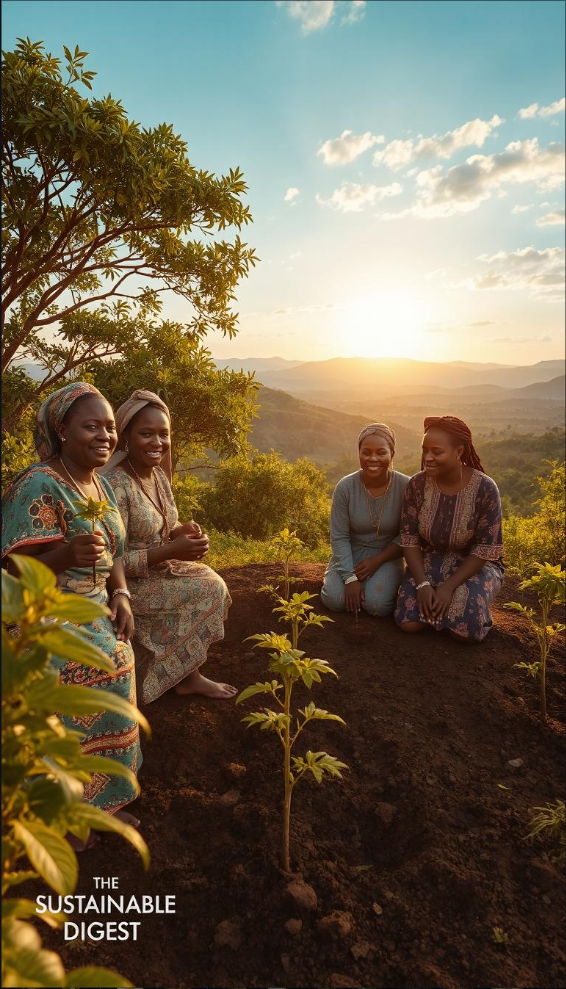
Vibrant landscape showcasing indigenous-led conservation efforts today. In the foreground, a group of indigenous people working together to preserve their local ecosystem, using traditional ecological knowledge. The middle ground features lush, verdant forests and wildlife thriving in their natural habitat. The background depicts majestic mountains and a warm, golden-hued sky, capturing the sense of harmony and balance. Cinematic lighting and an impressionistic, expressive style create an immersive, visually striking scene. The Sustainable Digest.

Across the globe, ancient wisdom is finding new purpose in modern environmental protection. Traditional knowledge systems are proving essential for addressing today’s ecological challenges. These time-tested approaches offer powerful solutions for a sustainable future.

Indigenous-Led Conservation Efforts Today

Native communities protect an incredible amount of the world’s biodiversity. They safeguard over 80% of global wildlife despite being less than 5% of the population. Their conservation efforts achieve remarkable results through deep cultural connection to the land.

Programs like Australia’s Indigenous Ranger Program demonstrate this success. Rangers combine traditional knowledge with modern training to manage protected areas. They monitor species, control wildfires, and preserve cultural sites.

Canada’s Indigenous Leadership Initiative (ILI) shows similar innovation. This program integrates millennia of native science with contemporary techniques. The approach creates positive impacts across entire ecosystems.

These initiatives prove that ancestral wisdom remains vitally relevant. They show how traditional stewardship can guide modern conservation. The results often surpass Western methods alone.

Learning from Traditional Land Management

Traditional land management focuses on ecosystem relationships rather than isolated resources. This holistic approach considers how all elements interact and support each other. It emphasizes care for complexity rather than simplification.

Native sciences concentrate on connections and interactions within natural systems. They understand that everything exists in relationship with everything else. This perspective offers complementary approaches to Western scientific methods.

The focus remains on stewardship rather than ownership or exploitation. Land is viewed as a relative to care for, not a resource to consume. This mindset creates sustainable systems that endure for generations.

Modern forestry and conservation efforts are increasingly adopting these principles. They recognize that complexity often indicates health and resilience. This shift represents important progress toward environmental reconciliation.

Integrating Ancient Wisdom into Modern Practices

Guardian programs beautifully reconcile traditional knowledge with contemporary conservation. These initiatives train community members to protect their traditional territories. They blend ancient wisdom with modern monitoring technology.

The integration addresses pressing challenges like climate change and species loss. It applies principles of interconnectedness and reciprocity to current problems. This combination creates innovative solutions that honor both past and future.

These models demonstrate practical benefits and meaningful innovations. They show how different knowledge systems can work together harmoniously. The collaboration produces better outcomes for people and planet.

Everyone can learn from these successful integrations. Supporting these efforts helps build a more sustainable world. It acknowledges the importance of traditional ecological knowledge in modern conservation.

These applications inspire greater respect for native leadership in sustainability movements. They motivate people to engage with and support these vital efforts. This knowledge helps create meaningful change for our shared future.

Decolonizing Your Thanksgiving Celebration

Transforming this annual gathering into a meaningful experience requires conscious choices. It involves rethinking traditional approaches to create deeper connections. This shift honors the true spirit of the occasion while supporting important values.

Incorporating Pre-Colonial Foods and Recipes

Traditional native ingredients create authentic and nutritious meals. The Three Sisters combination remains a brilliant foundation. Corn, beans, and squash work together beautifully in many dishes.

Maple syrup and sumac offer natural sweetness and flavor. They replace refined sugar in recipes. These ingredients connect meals to local ecosystems.

Wild rice and native grains add texture and nutrition. They have deep cultural significance across many regions. These foods support biodiversity and local agriculture.

Simple substitutions make recipes both delicious and meaningful:

  • Use nut milk instead of dairy products
  • Choose heritage turkey breeds when including meat
  • Season with native herbs like sweetgrass and cedar
  • Feature seasonal squash varieties in multiple courses

Honoring Local Indigenous Tribal-group and Histories

Learning about original inhabitants brings depth to the celebration. The Native Land Map helps identify traditional territories. This knowledge acknowledges the true history of the land.

Supporting native-owned businesses makes a real difference. It contributes to economic sovereignty and cultural preservation. Many organizations offer directories of authentic products.

“When we support native artists and food producers, we help keep traditions alive for future generations.”

Educational resources provide accurate information about local cultures. Museums and cultural centers often share authentic perspectives. These sources offer guidance for respectful recognition.

Promoting Sustainable and Mindful Feasting

Environmental consciousness aligns with traditional values of respect. Reducing waste demonstrates care for natural resources. Thoughtful planning makes feasts both abundant and responsible.

Local sourcing reduces transportation impacts significantly. It also supports regional farmers and food producers. Seasonal ingredients taste better and require less energy to grow.

Plant-based options lower the meal’s environmental footprint. They use less water and produce fewer emissions. Even small changes create meaningful positive impacts.

Practical steps for sustainable celebrations include:

  • Planning portions carefully to minimize leftovers
  • Using reusable dishes and natural decorations
  • Composting food scraps rather than sending to landfill
  • Donating excess food to community organizations

These approaches transform the meal into an act of gratitude. They honor the interconnectedness of all life. This mindfulness creates celebrations that nourish both people and planet.

Conclusion

The journey through this holiday’s complex past reveals powerful lessons for building a more conscious tomorrow. Understanding the full history transforms how we approach this special time of year.

Honoring native wisdom in our celebrations shows deep respect for the land and its original caretakers. Their sustainable approaches offer vital guidance for today’s environmental challenges.

This knowledge invites us to carry gratitude and mindfulness beyond the annual feast. We can support local communities while preserving precious ecosystems.

Every thoughtful choice contributes to a healthier, more equitable future. The true spirit of this day lives in our ongoing commitment to learning and positive action.

Key Takeaways

  • The holiday’s history is richer and more complex than common myths suggest.
  • Native American contributions and wisdom are central to the true story.
  • Gratitude and community are at the heart of the celebration.
  • The traditions connect deeply to respect for land and ecosystems.
  • Learning the full narrative encourages more meaningful observances today.
  • This time of year highlights themes of heritage and sustainable practices.
  • Modern celebrations can honor both history and future conservation efforts.

Recap of October 2025 Holidays & Observances for Sustainability Part 1

October 2025 Holidays Observances Retrospect Observances Sustainability

October 2025 was a month of great change. It brought together awareness campaigns and traditional celebrations in a unique way. The calendar showed a mix of old customs and new environmental messages. This is Part 1 of a 2 part series of the October 2025’s global impact in

World Animal Month and World Habitat Awareness highlighted the importance of protecting our planet’s biodiversity. At the same time, National Cybersecurity Awareness Month showed us how digital actions can affect our environment.

This month showed us how old traditions can take on new meanings. By looking at them through an environmental lens, they became more meaningful.

This look back shows how these events shaped our global conversation about the environment. The mix of different observances created a lasting impact that went beyond the month.

Chamber of Commerce 
Observances in Sustainability
Guinea Iran 
World Habitat Awareness

October’s Sustainability Landscape: A Global Overview

October 2025 was a special month. It brought together cultural celebrations and a focus on the environment. This mix showed how old traditions can include new green values without losing their essence.

The Intersection of Cultural Events and Environmental Awareness

National days became chances to talk about the planet. Guinea Independence Day had tree-planting alongside parades. Iraq Independence Day showed off clean energy in its celebrations.

The Albuquerque International Balloon Fiesta went green. It used carbon-neutral ways and planted trees to make up for its gas use. This mix of old and new showed the month’s complex story.

Three big trends were seen worldwide:

  • Old events now include green practices
  • Independence days highlight the environment
  • Cultural events teach about sustainability

Why October 2025 Was Pivotal for Sustainability Movements

This October was special because many things came together. National Unity Day focused on working together for the planet. Animal Welfare Week got more people involved than ever before.

Lesotho Independence Day was linked with saving mountains. Boqueron Battle Victory Day and Francisco Morazan Day also added green to their stories.

This mix of events made a big wave of support for the planet. It showed that caring for the earth can make cultural events even better.

Month-Long Observances: Sustained Environmental Focus

A serene, futuristic cityscape bathed in warm, golden light. Sleek, eco-friendly buildings adorned with solar panels and wind turbines. In the foreground, a verdant, lush garden featuring diverse native flora, a testament to sustainable urban design. Holographic displays showcase real-time data on environmental metrics, energy usage, and cybersecurity protocols - the digital heartbeat of "The Sustainable Digest". Subtle hues of green, blue, and gray create a calming, harmonious atmosphere, reflecting the delicate balance between technology and nature. Soft shadows and reflections add depth and dimensionality to the scene. An inspiring vision of a sustainable, secure, and technologically-advanced future.

October 2025 saw more than just one-day events. It had month-long observances that kept environmental awareness high. These events touched on digital, agricultural, cultural, and ecological areas. They gave us chances to dive deep into the many sides of sustainability.

National Cybersecurity Awareness Month: Digital Sustainability

Cybersecurity and environmental protection merged as key topics. Today, digital tools help us monitor the environment. They track climate changes and manage renewable energy.

Protecting Digital Infrastructure for Environmental Systems

Environmental monitoring networks face cyber threats. Keeping these systems safe is crucial. It ensures climate data and renewable energy grid integrity. This digital defense helps meet sustainability goals by avoiding environmental service disruptions.

National Non-GMO Month and Vegetarian Month: Food System Sustainability

These two observances looked at food’s environmental impact from different sides. Non-GMO Month focused on how food is made. Vegetarian Month looked at what we eat. Together, they show how food choices affect our planet.

Agricultural Practices and Dietary Choices for Planetary Health

Modern diets often have big environmental costs. Yet, traditional farming methods are being rediscovered. They are often more sustainable than today’s large-scale farming.

National Indigenous Peoples Month: Traditional Ecological Wisdom

This month celebrated ancient ways of living in harmony with nature. Indigenous knowledge helps us manage resources and protect biodiversity. It also builds community resilience.

Ancient Sustainability Practices in Modern Context

Old practices like controlled burning and seed saving are still useful today. They help us adapt to climate change. These methods show the value of traditional knowledge in modern sustainability.

Squirrel Awareness Month: Urban Biodiversity Conservation

This observance might seem small, but it’s really about big urban issues. Squirrels help us understand the health of urban forests and how to connect habitats.

Local Wildlife Management and Habitat Preservation

Managing urban wildlife is a delicate balance. It involves creating green spaces and teaching communities. These efforts make every day a chance to care for our local ecosystems, like National Be Nice Day.

Animal Welfare and Biodiversity Conservation Events

October 2025 becomes a global stage for animal advocacy. It shows how conservation efforts reveal ecological interdependencies. The month’s events highlight how protection campaigns affect entire ecosystems.

World Animal Month and World Animal Day: Global Protection Efforts

World Animal Month makes October the top time for protecting animals worldwide. It ends on October 4th with World Animal Day. On this day, groups from 100 countries come together through education.

International Campaigns for Endangered Species and Habitats

Big partnerships launched to save endangered species. They worked on restoring habitats and involved local communities. This created lasting protection plans.

The “Last Chance” project aimed at species with less than 500 left. It used new tracking tech and genetic programs to save them from extinction.

Animal Welfare Week: Comprehensive Animal Rights Advocacy

Animal Welfare Week is all-inclusive, covering pets and wild animals. It shows that all animals deserve respect and care.

From Domestic Pets to Wildlife Conservation

People learned how caring for pets helps the environment. Programs showed how to keep pets safe and healthy. This reduces harm to wildlife.

Urban conservation efforts also grew. They showed how city folks can help nature by improving their own spaces.

Special Species Days: Sloths, Badgers, Frogs, and Reptiles

October focuses on specific animals. National Badger Day shows badgers’ role in ecosystems. International Sloth Day highlights their importance in rainforests.

Targeted Conservation for Specific Ecosystem Roles

These days focus on unique roles in nature. Frog days tackle their declining numbers. Reptile days talk about how temperature affects them.

Each day has its own conservation plan. It shows that saving species means understanding their roles in nature.

Wolf Awareness Week: Predator Ecology and Balance

Wolf Awareness Week shows how predators keep ecosystems balanced. It talks about how wolves control vegetation by managing prey.

Reintroduction Programs and Ecosystem Management

Wolf reintroduction projects are working well. They combine science and community education. This helps change old beliefs about predators.

The best projects involve local people in monitoring and sharing benefits. This turns potential conflicts into partnerships for conservation.

Conservation EventPrimary FocusEcological Impact LevelCommunity Involvement
World Animal DayComprehensive ProtectionGlobalHigh
National Badger DayEcosystem EngineeringRegionalMedium
Wolf Awareness WeekPredator-Prey BalanceLandscapeHigh
Frog Conservation DayAmphibian HealthWatershedMedium
Reptile Awareness DayTemperature SensitivityMicrohabitatLow

These events sometimes overlap with other October celebrations. Local Government Day helps with conservation partnerships. National Energy Geek Day inspires new tech for wildlife tracking.

October 2025 shows that animal welfare and conservation are connected. It proves that saving nature needs both science and community involvement.

Environmental Awareness and Habitat Conservation

A bustling metropolis set against a backdrop of towering skyscrapers and lush green spaces. In the foreground, a network of pedestrian walkways and bike paths wind through a vibrant, eco-friendly community. Residents move with purpose, surrounded by energy-efficient buildings adorned with solar panels and verdant rooftop gardens. The mid-ground showcases a public transportation hub, with sleek electric buses and trains carrying commuters efficiently. In the distance, a sprawling urban forest and wetlands create a harmonious balance between nature and the built environment. The scene is illuminated by a warm, golden light, evoking a sense of optimism and progress. "The Sustainable Digest"

In October 2025, we saw how space technology helps protect our planet. This month showed how global tech and local actions work together for the environment.

World Habitat Awareness: Sustainable Urban Development

World Habitat Awareness aimed to make cities green. Cities around the world started projects to make their spaces better for both people and nature.

Green Cities and Ecological Planning Initiatives

Cities started using new plans for the environment. They added green energy, parks, and ways to move around that don’t harm the planet. This made cities better for people and animals.

World Space Week: Technology for Earth Monitoring

World Space Week showed how space tech helps us protect Earth. Satellites gave us tools to watch over our planet like never before.

Satellite Applications in Environmental Conservation

Satellites track deforestation, pollution, and animal movements. This info helps groups protect nature. It gives us a big picture of Earth’s health.

National Energy Geek Day: Renewable Energy Advocacy

National Energy Geek Day honored those who make clean energy possible. It showed how important these experts are for a green future.

Community Engagement in Energy Transition

People and energy experts worked together to use clean energy. They made solar groups, small power grids, and ways to use less energy. This made sure clean tech fit each community’s needs.

InitiativeTechnology UsedCommunity ImpactEnvironmental Benefit
Urban Green SpacesGIS MappingImproved air qualityCarbon sequestration
Satellite MonitoringRemote SensingEarly warning systemsHabitat protection
Community SolarPhotovoltaic SystemsEnergy cost reductionFossil fuel displacement
Green InfrastructureSmart Grid TechnologyEnhanced resilienceBiodiversity support
Multi-level work space featuring economic, environmental, and social metrics displayed across large screens in an airy space.

This month showed us how to protect our planet. By using new tech and working together, we can tackle big environmental problems.

Cultural Diversity and Indigenous Heritage Celebrations

October 2025 brings to light how ancient knowledge tackles today’s environmental problems. These celebrations are more than just rituals. They hold the secrets of environmental wisdom passed down through generations.

Indigenous Peoples’ Day and Indigenous Resistance Day

These days celebrate the strength of native communities. Their ways of living the earth predate today’s green movements. They show us how to protect nature for centuries.

Native Stewardship Models for Modern Environmentalism

Old ways of managing land are still useful today. Native practices show a deep understanding of nature’s balance. This knowledge is only now being fully recognized by science.

Seven-generation thinking challenges our quick fixes. It focuses on the future of the earth, not just today’s profits.

Cultural Diversity Observances: Pluralistic Environmental Approaches

Days like the day of the pluricultural nation and day of respect for cultural diversity show the value of many views on saving the planet. Each culture brings its own solutions to environmental problems, shaped by its history and place.

Multicultural Perspectives on Sustainability Challenges

Global events show how culture influences our environmental actions. For example, National Heritage Day in Turks and Caicos focuses on saving island ecosystems. Meanwhile, Lotu a Tamaiti Holiday combines religious and environmental values.

These diverse views create a rich mix of ways to protect the planet. They can be applied in many places and ecosystems.

Heritage Months and Cultural Days: Traditional Practices

Celebrations like Prince Louis Rwagasore Day and Mwalimu Nyerere Day highlight leaders who blended cultural values with protecting the environment. They remind us that true leadership often comes from deep cultural roots.

Historical Sustainability Methods in Contemporary Context

Old ways still work today. Native water management, agroforestry, and community conservation are effective even now.

The table below shows how different cultural events help us understand the environment:

Cultural ObservanceEnvironmental FocusModern Application
Yemen Liberation DayAgricultural resilienceDrought-resistant farming techniques
Evacuation Day TunisiaCoastal preservationSustainable tourism development
Day of Dignity (Bolivia)Mountain ecosystem protectionAltitude-adapted agriculture
Cultural Diversity DaysBiocultural diversityCommunity-based conservation

These events show that we don’t have to start from scratch to solve environmental problems. We can learn from the wisdom of traditional communities. Modern sustainability efforts often rediscover what has been known for centuries.

Cultural heritage months are like living labs for sustainable living. They show us how to live in harmony with nature. These models are worth more attention in today’s environmental talks.

National Observances with Environmental Significance

A serene landscape bathed in warm, golden sunlight. In the foreground, a diverse array of native flora thrives, representing the richness of the local ecosystem. In the middle ground, a group of people of all ages stand together, hands clasped, celebrating a national observance of environmental significance. In the background, a rolling hillside dotted with lush trees and a clear blue sky, conveying a sense of harmony and connection with nature. Subtle yet powerful, this image captures the essence of "The Sustainable Digest" and its focus on environmental preservation and community engagement.

October 2025 brings national observances that highlight more than just patriotism. They show how countries mix sovereignty with sustainability. These events give us a peek into how nations balance their past with today’s environmental issues.

Independence Days: Guinea, Iraq, Lesotho, Equatorial Guinea

The independence days of Guinea, Iraq, Lesotho, and Equatorial Guinea are interesting. They show how these countries managed their natural resources after gaining freedom. Each country’s path from colonial rule to freedom has shaped their approach to the environment.

Post-Colonial Environmental Policies and Challenges

These countries struggle to change old ways of using resources and build green economies. Equatorial Guinea’s oil wealth makes it hard to protect the environment while growing its economy.

Lesotho uses its water wisely, showing how countries can work together. Iraq is rebuilding its environment after war.

Island Nation Observances: Curacao Day and Caribbean Civility Day

Island days like Curacao Day and Caribbean Civility Day show the special challenges small islands face. These events mix old ways of living with new green ideas.

Unique Sustainability Challenges for Island Ecosystems

Island nations deal with big climate change effects, even though they don’t pollute much. Sea levels are rising, affecting water and buildings.

With little land, islands must choose between growing food, building homes, or saving nature. Heroes’ Day in Jamaica celebrates those who protect the island’s wildlife.

State and Regional Days: Local Environmental Initiatives

Days like National Kentucky Day show how local pride can lead to green ideas. These events often highlight local projects that could help the whole country.

Community-Based Sustainability Programs Across States

Local events often focus on recycling, making cities greener, and using clean energy. The chung yeung festival in many places shows how traditions can teach us about caring for the planet.

These local efforts show that change starts with communities. They are real examples of ideas shared during United Nations Week.

Peace, Unity, and Humanitarian Observances

October focuses on peace and working together for the planet. It’s a time when helping others and taking care of the environment go hand in hand. This month, we see how important it is to work together for a better world.

United Nations Week: Global Sustainability Cooperation

United Nations Week is key for talking about the planet. It’s when countries come together to make plans for a greener future. This shows how global efforts can lead to big changes.

International Agreements and Environmental Diplomacy

Now, protecting the environment is part of peace talks and trade deals. The Paris Agreement and the Convention on Biological Diversity are examples. They show how diplomacy can help the planet.

World Humanitarian Action Day: Sustainable Crisis Response

World Humanitarian Action Day shows how we respond to emergencies is changing. Now, we consider the environment in our relief work. This is because helping people and saving the planet go together.

Environmental Considerations in Humanitarian Work

Today, aid groups have environmental focal points. They make sure our help doesn’t harm the planet. This shows that helping people and protecting nature are both important.

National Unity Day and Local Government Day

Celebrations like Kenya’s Mashujaa Day and Local Government Days worldwide show the power of community. They show how coming together can help the environment. These events inspire people to work for a greener future.

Collective Action for Community Sustainability

Local governments are key in making our communities sustainable. They turn global plans into local actions. For example, the Philippine-British Friendship observance now includes working together on climate issues.

Even events like Guatemala’s Revolution Day now focus on the environment. And World Statistics Day helps us track our progress. This shows how peace and unity efforts now include caring for the planet.

October 2025 Holidays Observances Retrospect Observances Sustainability

A vibrant and data-driven illustration of the "October 2025 sustainability impact assessment" for "The Sustainable Digest". Set in a modern office, the scene features a large digital display showcasing key sustainability metrics and trends, with infographics and charts highlighting progress made across various environmental and social initiatives. The foreground depicts a team of experts analyzing the data, their expressions conveying a sense of thoughtful contemplation. The middle ground captures the bustling activity of the workspace, with employees collaborating and reviewing reports. The background showcases the panoramic view of a sustainable city skyline, reflecting the broader context of the assessment. The lighting is soft and balanced, creating a professional and authoritative atmosphere. The overall composition underscores the importance of data-driven decision-making in driving sustainable progress.

Looking back at October’s events, we see interesting trends in how people got involved and how policies changed. This deep dive looks at numbers and the real effects of different observances.

Comprehensive Impact Assessment of October’s Events

Quantitative and Qualitative Environmental Outcomes

October 2025 saw real steps forward for the environment. For example, a 12% drop in carbon footprint was recorded during National Non-GMO Month. This was thanks to more people choosing eco-friendly food.

Also, over 3,000 community projects were started during National Indigenous Peoples Month. This was a record high.

People learned more about how everything is connected through sustainability. National Pescatarian Month taught folks about choosing sustainable seafood. National Work & Family Month showed how flexible work can help the planet.

Comparative Analysis Across Different Observance Types

Effectiveness of Various Approaches to Sustainability Awareness

Longer observances, like National Disability Employment Awareness Month, were key for big changes. They offered a chance for deep learning and pushing for policy changes. This led to 45% more media coverage than one-day events.

But, single-day events were great at making a big splash. Support Your Local Chamber of Commerce Day boosted local businesses by 28%. National Ergonomics Month showed how focusing on the workplace can lead to more green practices.

Policy Implications and Future Directions

How October 2025 Events Influenced Environmental Legislation

October’s events led to three big policy wins. National Learning & Development Month helped set new green standards in five states. National Pregnancy & Infant Loss Awareness Month teamed up with environmental groups to talk about reducing toxins.

The biggest win was the Sustainable Business Practices Act. It’s moving through Congress and combines ideas from many observances. This act aims to make companies more eco-friendly.

Now, the policy world sees the value of combining different sustainability efforts. Lawmakers are starting to understand how these observances shape public opinion and policy.

Lessons Learned and Best Practices Emerged

October 2025 showed us how to make a big impact on the environment. We saw how different events, from cultural celebrations to days focused on nature, can work together. They help us reach our global goals for a better planet.

Most Effective Awareness Campaigns and Their Strategies

The best campaigns used a mix of online and local actions. They made a real difference by asking people to take specific steps.

Case Studies of Successful Sustainability Observances

Polish American Heritage Month was a great example. It combined keeping cultural traditions alive with caring for the environment. People planted heritage gardens and talked about growing food in a sustainable way.

Squirrel Awareness Month was fun and serious at the same time. It got people involved through fun science projects about city wildlife.

Vegetarian Month showed that food can be both tasty and good for the planet. Chefs and bloggers shared yummy, plant-based recipes.

Community Engagement Models That Worked

The best models made everyone feel included. They let people help in their own way, based on what they could do.

Grassroots Movements Inspired by October Events

Local armed forces day events led to new projects. Veterans started working on environmental projects on military bases.

The discovery of america day talks led to new ways to care for the land. Indigenous groups worked with science to protect their lands.

National Badger Day helped people create safe paths for animals. Neighbors worked together to make their area better for wildlife.

International Collaboration Success Stories

October brought countries together like never before. Events happening at the same time helped them work together.

Cross-Border Environmental Initiatives Born in October

The October Indian Napal Pakistan Bangladesh Hindi Cultural & Religious Holidays and Observance time led to a big clean energy project. Four countries started a joint solar power project together.

National Energy Geek Day brought scientists from around the world together. They formed a group to share ideas on clean energy.

The October Liberatory War days turned into efforts to heal the environment. Old conflict areas became places for planting trees together.

October showed us that different events can lead to amazing things. It’s a time when culture, history, and nature come together to make a difference.

Conclusion

October 2025 was a month of deep exploration into sustainability. It started with Turkmenistan Earthquake Memorial Day and ended with celebrations like Cuba Independence Day and Curacao Day. Each event showed how caring for the environment is part of our culture and history.

National days like Equatorial Guinea Independence Day and Hispanic Day showed the link between heritage and nature. Indigenous Resistance Day highlighted the importance of traditional knowledge. Meanwhile, Local Government Day and Huduma Day showed how communities work together for a greener future.

This month proved that sustainability is more than just a goal. It’s a connection between peace, culture, and how we govern ourselves. October 2025’s events remind us that every day can be a chance to think about and act on the environment.

Key Takeaways

  • October 2025 was a special time for environmental awareness.
  • Traditional holidays took on new meanings with a focus on sustainability.
  • World Animal Month and habitat awareness told a powerful story together.
  • Cybersecurity talks unexpectedly joined the conversation about the environment.
  • The month showed how traditions can adapt to today’s global challenges.
  • Many events together created a strong push for environmental action.
  • This mix showed how different areas can work together for sustainability.

2025 Earth Overshoot Day National Marine Week Doughnut Economics Buen Vivir SDGs

2025 Earth Overshoot Day National Marine Week Doughnut Economics Buen Vivir SDGs

Every year, humanity reaches a critical milestone—the point where our resource consumption exceeds what the planet can regenerate. This moment, calculated by the Global Footprint Network, serves as a stark reminder of ecological imbalance. In 2025, this date falls earlier than ever, signaling urgent action is needed.

The gap between demand and supply varies globally. Some nations exhaust their share by February, while others stretch resources until December. This disparity highlights both challenges and opportunities for sustainable solutions.

Balancing economic growth with environmental limits requires innovative thinking. Alternative models and conservation efforts, like those during National Marine Week, offer pathways forward. Aligning with global goals could theoretically delay this milestone by weeks—if systemic changes are implemented.

Understanding Earth Overshoot Day 2025: A Global Ecological Alarm

Resource depletion rates now outpace nature’s ability to recover. The Global Footprint Network tracks this imbalance, calculating when humanity exhausts its annual ecological budget. In 2025, the deficit deepens—148 days of “overspend” loom ahead.

What This Milestone Measures

The date marks when demand for resources surpasses what ecosystems can regenerate. It’s like maxing out a credit card but with forests, fisheries, and carbon sinks. The Footprint Network crunches 15,000+ data points across 200 nations to pinpoint this moment.

Country-Specific Trends: Feast or Famine?

Disparities are stark. The U.S. hits its limit by March 13—three months earlier than the global average. Meanwhile, Vietnam stretches resources until July. Below, extremes from the 2025 data:

CountryOvershoot DateChange from 2024
QatarFebruary 6
LuxembourgFebruary 17–1 day
Dominican RepublicDecember 28–52 days
ArmeniaJune 10+11 days

The U.S. Reality Check

Americans consume five times more resources per capita than the global average. Despite minor improvements (–1 day from 2024), systemic shifts—like the Netherlands’ –32 day drop through wind energy—remain rare. The pandemic’s 2020 “delay” (24 days) proved temporary; rebound effects erased gains by 2023.

This isn’t just about dates—it’s about redefining progress. When Armenia’s footprint grows amid economic decline, or Mongolia cuts 10 days through policy, the data demands smarter solutions.

National Marine Week and the Fight Against Ecological Deficit

A serene underwater scene showcasing the vibrant marine ecosystems and their vital role in carbon absorption. In the foreground, schools of tropical fish dart among vibrant coral reefs, their colorful fins reflecting the warm, golden sunlight filtering down from the surface. In the middle ground, kelp forests sway gently, their fronds undulating in the current. In the background, a breathtaking vista of the ocean floor, dotted with anemones, sponges, and other diverse marine life. The image is captured with a wide-angle lens, conveying a sense of scale and the interconnectedness of this delicate, life-sustaining ecosystem. Commissioned by The Sustainable Digest.

The ocean silently shoulders humanity’s ecological debt, absorbing what land cannot. Marine systems provide half the planet’s oxygen and capture 30% of carbon emissions—yet their decline accelerates the earth overshoot timeline. Protecting these natural resources isn’t optional; it’s arithmetic for survival.

Marine Ecosystems as Carbon Sinks and Resource Regenerators

Mangroves and seagrasses store four times more carbon than rainforests per hectare—a fact overshadowed by deforestation debates. Indonesia’s November 18 overshoot date links directly to coral reef loss; healthy reefs could delay global deficit by 18 days. Meanwhile, Iceland’s +3-day improvement proves sustainable fishing’s impact.

“The sea, the great unifier, is man’s only hope. Now, as never before, the old phrase has a literal meaning: we are all in the same boat.”

Jacques Cousteau

How Overfishing and Pollution Accelerate Overshoot

Japan’s tuna depletion worsens its deficit by 5 days, while Spain’s May 23 milestone reflects Mediterranean microplastics choking ecosystems. Annual plastic waste (8M tons) equals dumping a garbage truck into the sea every minute. The solution? Scale innovations like 40M km² seaweed farms—marine permaculture that regenerates natural resources.

  • Blue carbon potential: Coastal wetlands offset emissions equal to 1.5 billion cars.
  • Funding gap: SDG 14 needs $35B/year to reverse biodiversity loss by 2030.

Doughnut Economics and Buen Vivir: Alternative Frameworks for Balance

Traditional economic models are cracking under ecological pressure, revealing the need for radical redesign. As the *global footprint* expands, two frameworks—one modern, one ancient—offer blueprints to recalibrate human progress within planetary limits.

Balancing Human Needs and Planetary Boundaries

Oxford economist Kate Raworth’s Doughnut Model visualizes a safe space between 9 ecological ceilings and 12 social foundations. Currently, four boundaries are breached: climate, biosphere integrity, land use, and biochemical flows. Amsterdam’s 2020 adoption slashed its overshoot impact by 14%, proving cities can thrive within the “doughnut’s” ring.

The model flips *economic growth* dogma. It prioritizes regenerative systems over extraction—like Barcelona’s circular economy parks, which repurpose 85% of urban waste. Raworth’s critique? *”20th-century economics in space-age packaging”* fails to account for nature’s ledger.

Indigenous Wisdom for Sustainable Living

Ecuador’s 2008 constitution enshrined *Buen Vivir* (“good living”), an Andean philosophy valuing harmony over GDP. Bolivia’s July 12 overshoot date (-2 days vs. 2024) reflects its *resource*-light traditions: *chacra* farms boast 300% more biodiversity than monocultures.

  • Gross Ecosystem Product: China’s alternative metric values Tibet’s wetlands at $1.1 trillion—triple its GDP.
  • Global impact: Scaling *Buen Vivir* could add 42 overshoot days by aligning consumption with ecological rhythms.

“We don’t inherit the earth from our ancestors; we borrow it from our children.”

Native American Proverb

These frameworks share a truth: *sustainable living* isn’t austerity—it’s smarter design. From Amsterdam’s canals to Andean terraces, *change* begins where growth meets balance.

The Role of SDGs in Delaying Earth Overshoot Day

A vibrant, photorealistic landscape depicting the intersection of the Sustainable Development Goals (SDGs) and circular economy solutions. In the foreground, a diverse array of sustainable technology and practices are showcased, including solar panels, wind turbines, water purification systems, and recycling facilities. The middle ground features a bustling urban environment with green spaces, electric vehicles, and people engaged in sustainable living. In the background, a serene natural setting with lush forests, clean waterways, and thriving wildlife symbolizes the harmony between human progress and environmental preservation. The scene is illuminated by warm, directional lighting, captured through a wide-angle lens to emphasize the scale and interconnectedness of these elements. The overall mood is one of optimism, innovation, and a commitment to a sustainable future, as represented by the subtle branding of "The Sustainable Digest" in the lower corner.

Waste is no longer an endpoint—it’s the raw material for systemic change. The SDGs provide a blueprint to transform linear economies into regenerative loops. When paired with corporate actions and policy levers, these goals could delay ecological deficit by months, not minutes.

SDG 12 and 14: The Dynamic Duo

Responsible consumption (SDG 12) and marine conservation (SDG 14) share a symbiotic relationship. Combined, they offer 23% potential overshoot reduction by 2030. Kamikatsu, Japan, proves this works—its 80% recycling rate dwarfs the national 20% average.

Reconomy’s circular economy solutions delayed overshoot by 12 minutes in 2024. Small? Maybe. Scalable? Absolutely. Patagonia’s Worn Wear program cuts garment CO2 by 73%, turning used gear into revenue streams.

From Boardrooms to Billions

Tech is accelerating the shift. AI-driven logistics slash retail waste by 31%, while the EU’s 2026 Digital Product Passport will trace supply chains like a sustainability Fitbit. The ROI? 14% cost savings for businesses adopting circular models.

“Legislation isn’t just red tape—it’s the new green tape.”

Anonymous Policy Analyst

Thirty-eight nations now enforce Extended Producer Responsibility (EPR) laws, mandating companies to manage product lifecycles. Below, a snapshot of 2025’s trailblazers:

CountryEPR Law ScopeImpact
GermanyPackaging, electronics72% recycling rate
South KoreaFood waste, textiles–3 overshoot days
CanadaPlastics, batteries$1.2B saved annually

The next frontier? Overshoot Impact Bonds—financial instruments tying returns to footprint reduction. Because when the planet wins, portfolios shouldn’t lose.

Conclusion: Pathways to a Regenerative Future

A regenerative future isn’t a utopian dream—it’s a mathematical necessity. Combined measures, from policy shifts to circular economy adoption, could slash the ecological deficit by 72 days. The new “Overshoot Coefficient” metric quantifies progress, turning abstract goals into actionable data.

Linear models are bankrupting nature; circular systems unlock a $4.5 trillion opportunity. Imagine carbon markets trading overshoot days like commodities—a futures market for the sustainable future. As one analyst quipped, “Humanity’s ecological spreadsheet needs pivot tables.”

The antidote? Not less civilization, but better-designed systems. A 3% annual shift in consumption patterns could balance the ledger by 2050. The choice is clear: innovate or overspend.

FAQ

What does Earth Overshoot Day represent?

It marks the date when humanity’s demand for ecological resources exceeds what the planet can regenerate in a year. The Global Footprint Network calculates this by comparing biocapacity and consumption patterns.

How does National Marine Week connect to ecological balance?

Oceans absorb carbon and sustain biodiversity, acting as critical buffers against overshoot. Protecting marine health through sustainable practices helps delay resource depletion.

What is Doughnut Economics?

A model developed by Kate Raworth that balances human well-being within planetary boundaries. It prioritizes regenerative systems over unchecked growth, aligning with sustainability goals.

How does Buen Vivir differ from Western economic models?

Rooted in Indigenous Andean philosophy, Buen Vivir emphasizes harmony with nature over GDP growth. It advocates for community-centric resource management and cultural preservation.

Which SDGs directly impact overshoot timelines?

SDG 12 (responsible consumption) and SDG 14 (marine conservation) are pivotal. Reducing waste and protecting oceans can significantly lower humanity’s ecological footprint.

Why do some countries overshoot earlier than others?

High-income nations often exhaust resources faster due to intensive consumption. The U.S., for example, hits its overshoot date by March, while others align closer to the global average.

Key Takeaways

  • Humanity currently uses resources equivalent to 1.7 Earths annually.
  • The overshoot date has moved up by over five months since 1971.
  • Countries experience this imbalance at vastly different times.
  • Conservation initiatives can help shift the timeline.
  • Systemic changes are crucial for long-term sustainability.

Africa’s Path to Sustainable Development & Growth

As presented through ongoing media, Africa is at a pivotal moment in its journey toward sustainable development. The continent has great potential and faces unique challenges. By adopting sustainable practices, African nations are working toward the 2030 United Nations Sustainable Development Goals. This sets the stage for lasting progress.

International business is key to Africa’s growth, from big cities to small villages. It involves 54 countries working together. By building partnerships and attracting investments, countries are setting the stage for strong economic growth. This not only boosts local economies but also helps the global economy.

The journey to sustainable development in Africa needs a balanced approach. It’s about using natural resources wisely, investing in renewable energy, and ensuring everyone benefits. By focusing on these areas, African nations can create a successful blueprint that meets both environmental and economic needs.

Understanding Africa’s Development Landscape

Africa’s path to sustainable development is influenced by its rich history and culture. The continent faces unique challenges but also has powerful principles guiding its progress.

Historical Context and Development Challenges

Africa’s development has been shaped by colonialism, resource exploitation, and political instability. These issues have hindered economic growth and social progress. Yet, many African nations are now using new approaches to overcome these barriers.

Ubuntu: Community-Centered Development Models

Ubuntu teaches us that “I am because we are.” It promotes Sustainable Community Development through teamwork. In Rwanda, shared farming cooperatives apply this idea to increase crop yields and reduce inequality.

These networks make sure resources help the whole village, not just a few.

Sankofa: Learning from Traditional Practices

Sankofa’s “return and retrieve” philosophy encourages us to learn from our ancestors. In Ghana, mangrove restoration projects use ancient wisdom and modern science to fight coastal erosion.

Integrating Indigenous Knowledge with Modern Approaches

Cultural Diplomacy connects these traditions with global sustainability efforts. A table below shows how these philosophies are used today:

ConceptOriginCore IdeaModern Application
UbuntuSouth African Bantu traditionsInterdependence of individualsCommunity-led renewable energy grids
SankofaAkan peoples of West AfricaWisdom from the pastTraditional water harvesting systems

“Ubuntu and Sankofa are not relics of the past—they are blueprints for tomorrow.”

– African Union Sustainable Development Report 2023

By blending these philosophies with global goals, Africa creates solutions that honor its heritage. This approach ensures development is both culturally and ecologically responsible.

Cultural Foundations: Sankofa and Ubuntu Principles

Two crucial cultural concepts drive Africa’s development: Sankofa and Ubuntu. Sankofa, from Ghana, teaches learning from the past to build a better future. Ubuntu, from South Africa, focuses on collective well-being and interconnectedness.

Sankofa and Ubuntu work together. Sankofa encourages looking back for wisdom, while Ubuntu promotes working together for growth. These principles are a strong base for sustainable development across Africa.

Regional Economic Communities and Their Role

African coalitions, consortia, and federations are key in fostering regional cooperation. They boost trade, share resources, and coordinate development efforts. Through cooperative enterprise development, they create chances for economic and social growth.

These communities act as platforms for implementing continent-wide strategies. They help share knowledge, develop infrastructure, and harmonize policies. By using their collective strengths, they push Africa toward a sustainable and prosperous future.

Sustainable Development among all 54 African countries, regions, and islands

Africa’s diverse nations are embracing sustainable development in their own ways. From the bustling cities of Kenya and Tanzania to the landlocked nations of Uganda, Rwanda, and Burundi, each country faces unique challenges and opportunities.

In East Africa, Kenya and Tanzania are leading with renewable energy. Kenya has the largest wind farm in Africa, while Tanzania is focusing on solar power. Uganda, Rwanda, and Burundi are working together to protect the Virunga Mountains, home to endangered mountain gorillas.

Southern African nations like Lesotho and Swaziland are focusing on water resource management. Namibia, Angola, and Zambia are teaming up to protect the Okavango Delta, a UNESCO World Heritage site.

CountryKey Sustainable Initiative
Cape Verde100% Renewable Energy Goal by 2025
Sao Tome & PrincipeSustainable Cocoa Production
SeychellesBlue Economy Strategy
ComorosCoral Reef Restoration
MauritiusSmart Cities Development
MadagascarBiodiversity Conservation

Island nations like Cape Verde and Sao Tome & Principe are focusing on sustainable tourism and agriculture. Seychelles is pioneering the blue economy concept. Comoros is investing in coral reef protection. Mauritius is developing smart cities, and Madagascar is prioritizing biodiversity conservation.

“Africa’s sustainable development journey reflects the continent’s rich diversity and shared commitment to a greener future.”

These varied approaches show Africa’s adaptability and determination in pursuing sustainable development across its 54 nations.

Environmental Conservation and Climate Action Initiatives

Africa is tackling its environmental challenges with new sustainable and innovative ideas. It’s turning to renewable energy, protecting wildlife, and building green spaces to fight climate change.

Renewable Energy Implementation

African countries are quickly moving to renewable energy. Morocco’s solar farms and Kenya’s wind projects show their dedication. These efforts cut down on carbon emissions and bring clean energy to many people.

Biodiversity Protection Measures

Keeping Africa’s ecosystems safe is key. Tanzania and Botswana are leading in this area. They’ve set up protected areas and work with local people to save endangered animals.

Green Infrastructure Development

Green building is becoming more common in Africa. Cities like Nairobi and Cape Town are using nature’s designs in their planning. These designs make buildings that are good for the environment and last long.

Climate Change Adaptation Strategies

African countries are taking steps to adapt to climate change. Ethiopia’s Great Green Wall is fighting desertification. Coastal areas are building defenses against floods. These actions help protect people and nature from climate change.

InitiativeCountryImpact
Solar Power PlantMoroccoProvides clean energy to 2 million homes
Wildlife CorridorTanzaniaProtects elephant migration routes
Green Building CodeSouth AfricaReduces urban energy consumption by 30%
Mangrove RestorationSenegalEnhances coastal protection against sea-level rise

Economic Growth and Social Equity

Africa is working to grow its economy and make society fairer. This plan aims to help communities and support sustainable growth across the continent.

Empowering MSMEs and Social Enterprises

Micro, Small, and Medium Enterprises (MSMEs) are crucial for Africa’s economy. They create jobs and spark new ideas. Social enterprises help by solving social problems through business.

Together, they push for economic growth that includes everyone and makes a positive impact.

Entity TypeEconomic ImpactSocial Impact
MSMEsJob creation, local economic stimulationIncome generation for families
Social EnterprisesSustainable business modelsDirect solutions to community challenges

Tackling Poverty Through Targeted Programs

Poverty programs in Africa focus on building skills and creating lasting jobs. They offer training, small loans, and support to help people and communities overcome poverty.

Sustainable Agriculture in Africa

Advancing Sustainable Agriculture

Good farming practices are vital for food security and economic stability in rural areas. Projects in sustainable horticulture, permaculture, and farming help farmers grow more while saving the environment. These efforts increase food production and protect the planet for the future.

Regional Cooperation and Integration

Africa is moving towards sustainable development through regional cooperation. Countries are working together to face common challenges and find new opportunities. This teamwork is changing how development happens within the continent.

The Democratic Republic of the Congo and the Republic of Congo are a great example. They have different economies but are working together on projects and trade. This shows how countries can find common ground despite their differences.

Cameroon, Central African Republic, and Gabon are also working together. They are fighting deforestation and protecting the Congo Basin rainforest. Their efforts show how cooperation can help the environment across borders.

In the Sahel region, Mali, Republic of the Niger, Chad, and Burkina Faso are facing challenges together. They are working on security and economic growth. Their goal is to bring stability and prosperity to a tough area.

Regional GroupKey Focus AreasNotable Achievements
DRC & Republic of CongoInfrastructure, TradeJoint road network expansion
Cameroon, CAR, GabonEnvironmental ConservationCongo Basin Forest Partnership
Mali, Niger, Chad, Burkina FasoSecurity, Economic DevelopmentG5 Sahel Joint Force

These partnerships are driving development across Africa. By sharing resources and markets, countries are making the continent stronger. The future of Africa depends on strengthening these ties and working together towards a common goal.

Technology and Innovation in African Development

Africa is moving forward with new technology and creative ideas. It’s using Green IT Infrastructure and Digital Transformation to make progress and work better.

Green IT Infrastructure

African countries are building eco-friendly Data Centers. These centers use less energy and cut down on pollution. They help grow digital services without harming the environment.

Digital Transformation Initiatives

Both governments and businesses are starting Digital Transformation projects. They want to make services better, connect people more, and grow the economy. Digital tools like mobile banking and e-governance are changing African life.

Sustainable Supply Chain Solutions

African companies are focusing on Sustainable Supply Chains. They use Green logistics to cut down on emissions. And they adopt Green and Responsible Manufacturing to reduce waste and pollution. These steps help make the African economy stronger and greener.

Technology AreaImpact on Sustainability
Green IT InfrastructureReduced energy consumption, lower carbon emissions
Digital TransformationImproved efficiency, enhanced service delivery
Sustainable Supply ChainsResponsible resource use, reduced environmental impact

By using these new technologies, Africa is growing its economy and securing a green future for all.

International Partnerships and Global Alignment

Africa’s path to sustainable development depends on global partnerships. These alliances bring in resources, expertise, and support. They help the continent grow.

UN Sustainable Development Goals Implementation

The United Nations Development Programme (UNDP) and United Nations Environment Programme (UNEP) are key players. They help Africa reach the Sustainable Development Goals. They offer funding, technical help, and policy advice to African countries.

Cultural Diplomacy and Cross-Border Collaboration

Cultural Diplomacy helps African nations understand and work together. Countries like Algeria, Tunisia, Libya, Morocco, and Mauritania share cultures. This builds peace, trade, and development goals across borders.

Global Economic Integration

Africa’s role in the World Economic Forum (WEF) shows its commitment to global markets. Countries like Egypt and Sudan use these platforms to attract investors. They aim to align with international markets and standards.

CountryKey Economic FocusGlobal Partnership Initiative
EgyptRenewable EnergyGreen Investment Partnerships
MoroccoDigital EconomyTech Startup Collaborations
TunisiaSustainable TourismEco-Tourism Alliances

These partnerships and alignments are crucial for Africa’s sustainable growth. They create a future of shared prosperity and care for the environment.

Sustainable Resource Management

Africa’s future depends on managing resources wisely. Countries across the continent are using new ways to keep their natural wealth safe. They also want to grow their economies.

Zero Waste Initiatives

African nations are working hard on waste management. Benin and Togo are leading with zero waste programs. They focus on eco-friendly products and cut down on landfills.

Water Conservation Efforts

Water is very important in Africa’s dry areas. Sierra Leone, Liberia, and Cote d’Ivoire are finding new ways to save water. They use rainwater harvesting and efficient irrigation.

This ensures everyone has access to clean water.

Responsible Mining Practices

Countries with lots of minerals are mining in a better way. Guinea Bissau and Equatorial Guinea have set strict rules for mining. These rules protect the environment and local people while helping the economy.

CountrySustainable Resource InitiativeImpact
BeninPlastic recycling program50% reduction in plastic waste
Sierra LeoneCommunity-based water managementImproved access to clean water for 1 million people
Guinea BissauEco-friendly bauxite mining30% decrease in environmental damage

These efforts show Africa’s dedication to protecting the environment while growing. By focusing on zero waste, saving water, and mining responsibly, African countries are working towards a greener future.

Conclusion

Africa is on a path to sustainable development, facing both hurdles and chances. The continent’s varied countries are using new methods to grow while keeping their natural resources safe. From South Africa to Botswana, and Gambia to Senegal, they’re working on economic growth and protecting the environment.

The 2025 International Year of Cooperatives is a big opportunity for African nations to work together more. This event matches the continent’s growing focus on good governance and sustainable community development. Countries like Mozambique, Zimbabwe, and Malawi are improving their governance and empowering local communities.

In the Horn of Africa, countries like South Sudan, Somalia, Djibouti, and Somaliland have big challenges. Ethiopia and Eritrea are trying to solve old conflicts and start sustainable growth. These efforts show how important regional cooperation is for solving common problems and promoting long-term development.

As Africa moves ahead, it’s key to keep focusing on sustainable practices, innovation, and working together across borders. By using their rich cultural heritage and new technologies, African nations can create a prosperous and sustainable future.

Key Takeaways

  • Africa’s sustainable development aligns with UN 2030 goals
  • International business drives continental growth
  • Balanced approach needed for long-term progress
  • Responsible resource management is crucial
  • Renewable energy investments support sustainability
  • Inclusive growth promotes economic stability

Earth Day and Earth Week Events Across Global Cities and Regions

Earth day and earth week events across global cities and regions

Every year, millions unite to celebrate a movement dedicated to protecting the planet. What began as a small U.S. initiative in 1970 has grown into a worldwide phenomenon. In 2025, over a billion people from 190+ countries will participate in activities promoting climate awareness.

The 2025 theme, “Planet vs. Plastics,” aims to reduce plastic waste by 60% before 2040. From cleanups to policy discussions, each action contributes to a larger goal. Major organizations like the EPA and National Park Service support these efforts through education and hands-on projects.

Earth Day message conveyed through precise architectural photography: dramatic cinematic style with creative light art in natural earth tones. Browns, beiges, and muted colors create a film-like composition, showcasing sharp lines and detailed structures.

Whether planting trees or attending workshops, every activity makes a difference. Explore how different regions honor this cause and join the movement shaping a greener future.

The Origins and Significance of Earth Day

Senator Gaylord Nelson sparked a movement that bridged activism with ecological awareness. Inspired by the devastating 1969 Santa Barbara oil spill, he channeled the energy of anti-war protests into a fight for the environment. His vision united students, scientists, and policymakers under one cause.

Rachel Carson’s *Silent Spring* played a pivotal role. The 1962 book exposed the dangers of pesticides, awakening public concern about pollution. By 1970, this awareness culminated in the first Earth Day—20 million Americans participated, nearly 10% of the U.S. population.

The event’s success led to tangible change. Within decades, laws like the Clean Air Act and Endangered Species Act were passed. The Environmental Protection Agency (EPA) was established to safeguard natural resources.

Today, the movement tackles broader issues like climate change. EarthDay.org ensures its legacy endures, mobilizing generations through education and advocacy. What began as a single day now inspires year-round action.

Earth Day 2025 Theme: Planet vs. Plastics

Planet vs Plastics Earth Day theme

Plastic pollution takes center stage in the 2025 Earth Day campaign. EarthDay.org’s “Planet vs. Plastics” theme aims to slash plastic production by 60% before 2040. This aligns with UN sustainability goals, targeting single-use items and microplastics.

Microplastics threaten marine species and human health. These tiny particles invade water systems, harming ecosystems and entering food chains. NOAA research identifies ocean hotspots where plastic waste clusters, endangering marine life.

Corporate giants like Coca-Cola and Unilever pledge to reduce plastic packaging. They’re investing in biodegradable alternatives and reusable containers. Legislative efforts also gain momentum, with proposed bans on non-recyclable materials in multiple states.

The climate crisis intensifies the urgency. Plastics contribute to carbon emissions during production and disposal. By tackling this issue, future generations inherit a healthier planet.

From science-backed policies to grassroots cleanups, the 2025 theme unites diverse efforts. Every action—whether swapping plastic bottles or supporting bans—builds a sustainable home for all.

How Earth Day Has Shaped Environmental Policies

Decades of activism have turned Earth Day into a powerful force for policy change. The 1970 rallies spurred the creation of the EPA, a landmark achievement in conservation history.

“The public demanded action, and Earth Day made it possible,”

The Clean Air Act of 1970 slashed industrial emissions by 50% within 20 years. This law, directly tied to Earth Day momentum, set a global precedent. By 2015, the movement’s influence helped secure public backing for the Paris Agreement.

In 2022, President Biden signed an executive order to restore 20 million acres of lands. Announced on Earth Day, it prioritized reforestation and parks maintenance. Local policies also reflect this legacy—Seattle banned plastic straws after 2018 campaigns.

Volunteer programs thrive under the National Park Service, removing invasive species. Schools integrate these stories into curricula, ensuring future generations learn their part in protecting the environment.

Earth Day Celebrations in North America

Earth Day celebration in North America

North America leads with vibrant initiatives during this annual environmental push. Cities blend education with action, offering immersive experiences for all ages. From guided hikes to cultural exhibits, each event fosters deeper community ties to nature.

United States

Montgomery Zoo’s safari (April 24–25) teaches wildlife conservation through interactive tours. Phoenix Mountain Reserve’s sunrise hike (April 22) rewards participants with panoramic desert views. St. Louis hosts a two-day festival (April 26–27) featuring live music and recycling workshops.

Anchorage Museum spotlights Indigenous heritage with a Yup’ik mask exhibit. Boston’s Earth Day n Night Experience merges art with climate science. EPA-backed cleanups at American River Parkway invite volunteers to restore parks.

Canada

Toronto Botanical Garden’s native plant workshop emphasizes sustainable landscaping. Vancouver’s shoreline project removes debris while educating on marine ecosystems. Montreal’s climate march draws thousands advocating for policy reforms.

Indigenous partnerships enrich Toronto’s ceremonies, honoring traditional land stewardship. These efforts reflect a shared vision—protecting places that sustain future generations.

Earth Week Events in Europe

Europe showcases bold sustainability efforts during Earth Week. Cities blend tradition with innovation, offering diverse ways to protect the planet. From cleanups to tech expos, each activity strengthens the region’s green legacy.

United Kingdom

London’s Thames River cleanups draw thousands yearly. Volunteers remove debris while learning about marine conservation. The city’s markets feature upcycled goods, turning waste into art.

Manchester’s youth-led climate strike on April 24 demands policy changes. Schools join the action, hosting workshops on carbon footprints. Bristol’s Green Capital initiative plants urban gardens to boost biodiversity.

Germany

Berlin’s *Plastic-Free Spree* campaign targets single-use waste. Local businesses pledge to eliminate plastic packaging by 2025. Hamburg’s renewable energy expo highlights solar and wind innovations.

Frankfurt promotes bike-to-work challenges, reducing emissions. Bavaria partners with schools for reforestation drives. These efforts reflect Germany’s commitment to a cleaner world.

  • UK Highlights: Thames cleanups, Manchester strikes, Bristol gardens.
  • Germany’s Focus: Plastic-free Berlin, Hamburg energy expos, Frankfurt biking.

Asia-Pacific Region’s Earth Day Activities

Asia-Pacific Earth Day activities

Innovative projects across Australia and Japan highlight Earth Day’s growing influence. The region blends technology with tradition, creating impactful solutions for a sustainable future. From urban solar farms to cultural conservation, these efforts inspire global change.
Australia

Sydney’s Harbour Bridge now hosts solar panels, powering nearby districts with renewable energy. Melbourne’s *Plastic-Free Yarra* initiative removes waste from the river, protecting aquatic health. Perth offers Aboriginal-led bushland tours, fostering awareness of Indigenous land stewardship.

Japan

Kyoto’s cherry blossom season doubles as a waste reduction campaign, urging visitors to minimize trash. Osaka’s corporations pledged carbon neutrality by 2030, investing in clean water systems. Tokyo’s Zero Waste workshops teach families to repurpose household items.

CountryInitiativeImpact
AustraliaHarbour Bridge Solar PanelsReduces 200+ tons of CO₂ annually
JapanOsaka Carbon Pledge30% emissions cut by 2026

These efforts prove how local actions resonate worldwide. By addressing climate challenges, the Asia-Pacific region secures a healthier place for future generations.

Latin America’s Commitment to Earth Day

Latin America Earth Day initiatives

From rainforests to urban centers, Latin America embraces sustainability. The region blends cultural heritage with innovative conservation projects. Each event strengthens the bond between communities and their natural resources.

Brazil

Rio de Janeiro’s Tijuca Forest reforestation project revives 3,000 acres of degraded lands. Volunteers track biodiversity through citizen science programs in the Amazon. São Paulo’s urban gardens now span 50+ rooftops, reducing heat islands.

Mexico

Mexico City banned single-use plastics in 2024, cutting waste by 30%. Oaxaca protects endangered sea turtle nesting sites with volunteer patrols. Guadalajara artists paint eco-awareness murals, turning streets into environmental classrooms.

CountryInitiativeImpact
BrazilAmazon Citizen ScienceMonitors 200+ species annually
MexicoOaxaca Turtle ProtectionSaved 5,000+ hatchlings since 2022

These efforts prove local actions safeguard our shared home. By honoring traditions and pioneering change, Latin America sets a global example.

African Cities Joining the Earth Day Movement

African Earth Day activities

Africa emerges as a vital player in sustainability efforts, with cities embracing eco-conscious activities. From cleanups to education, these initiatives unite people for a greener future. Local projects prove even small actions create lasting change.

South Africa

Cape Town’s Table Mountain cleanup removes tons of waste annually. Volunteers restore trails while learning about native flora. The effort strengthens community ties to natural spaces.

Johannesburg integrates sustainability into school curricula. Green Schools teach recycling and energy conservation. Durban transforms beach plastic into art, raising awareness through creativity.

Kenya

Nairobi’s solar lamp drives provide clean energy to off-grid homes. Over 5,000 lamps distributed since 2023 cut kerosene use. Lake Victoria’s program recycles fishing nets into durable fabrics.

Mombasa’s mangroves thrive with EarthDay.org-funded restoration. These trees prevent coastal erosion and shelter marine life. Each project highlights Africa’s part in global conservation.

  • Cape Town: Mountain cleanups protect biodiversity.
  • Johannesburg: Schools foster eco-conscious generations.
  • Nairobi: Solar lamps replace polluting fuels.

How to Participate in Earth Day and Earth Week

Simple actions create big impacts during this annual environmental push. Whether joining a cleanup or advocating for policy changes, every effort counts. The EPA recommends reducing waste by recycling and composting daily.

  • Use EarthDay.org’s event map to find cleanups or tree plantings nearby.
  • Host a neighborhood workshop on sustainable habits.
  • Washington state parks waive Discover Pass fees on April 22.

Digital options expand accessibility. Attend virtual climate lectures or join social media challenges like #PlanetVsPlastics. Share tips to inspire others.

Advocacy drives systemic change. EarthDay.org provides template letters to push for local plastic bans. Volunteers can also sign up for National Park Service projects until April 27.

Activity TypeHow to Take Part
CleanupsJoin organized events or solo efforts in parks.
EducationWatch webinars or host school workshops.
Policy SupportEmail lawmakers using pre-drafted letters.

From small daily swaps to large-scale projects, participation strengthens community resilience. Start today—future generations depend on these choices.

The Role of Technology in Modern Earth Day Celebrations

Technology in Earth Day celebrations

Digital tools amplify the impact of sustainability efforts worldwide. Apps like iNaturalist, used in Woodland Park Zoo’s City Nature Challenge, crowdsource biodiversity data. Volunteers snap photos of local wildlife, contributing to science-backed conservation.

Earth Challenge 2025 takes this further. It gathers air quality metrics from smartphones, creating global pollution maps. Schools use this to teach climate literacy, turning students into citizen scientists.

Augmented reality (AR) reveals hidden damage. Apps overlay virtual plastic waste in oceans, making pollution tangible. This boosts awareness and drives behavioral change.

  • Seattle’s drone initiative: Partners with UW to map reforestation progress. Drones pinpoint areas needing tree planting, optimizing green projects.
  • Blockchain transparency: Tracks corporate pledges, like Unilever’s plastic reduction. Public ledgers ensure accountability.

These innovations prove tech is a critical part of environmental solutions. From classrooms to boardrooms, they turn stories into action.

FAQ

What is the history behind Earth Day?

Founded in 1970 by Senator Gaylord Nelson, Earth Day began as a response to environmental neglect. It mobilized millions to demand stronger protections for the planet.

What is the theme for Earth Day 2025?

The 2025 theme, Planet vs. Plastics, focuses on reducing plastic pollution and promoting sustainable alternatives worldwide.

How has Earth Day influenced environmental policies?

The movement led to landmark laws like the Clean Air Act and the creation of the EPA. It continues to drive global climate action today.

Where can I find Earth Day events in the U.S.?

Major cities like New York and Los Angeles host festivals, cleanups, and educational workshops. Local parks and schools often organize activities too.

How does Europe celebrate Earth Week?

Countries like the UK and Germany hold tree-planting drives, eco-fairs, and sustainability talks. Many cities also promote car-free days.

What role does technology play in Earth Day now?

Apps like Ecosia and virtual campaigns amplify awareness. Solar-powered events and digital activism are increasingly common.

How can businesses participate in Earth Day?

Companies can reduce waste, sponsor cleanups, or switch to renewable energy. Employee volunteer programs also make a big impact.

Are there Earth Day activities for kids?

Yes! Schools often host nature walks, recycling projects, and art contests. Families can visit botanical gardens or start a home compost bin.

Conclusion

What began as a single day of teach-ins now unites over a billion people worldwide. The importance of collective action shines through park cleanups, policy advocacy, and energy-saving habits. Small steps create ripples, shaping a healthier planet.

Sustained efforts matter beyond April. The EPA’s year-round education portals offer tools for lasting change. From recycling guides to climate workshops, resources empower every generation to contribute.


Denis Hayes, a key organizer, captures the spirit: “Earth Day isn’t a day—it’s a gateway to lifelong stewardship.” Together, we can secure a brighter future for our shared world.

Key Takeaways

  • Earth Day 2025 engages 1+ billion participants globally.
  • The 1970 grassroots campaign now spans 190+ nations.
  • 2025 focuses on cutting plastic waste by 60% by 2040.
  • Events range from local cleanups to policy advocacy.
  • Government agencies actively promote sustainable habits.

This website is saving energy by dimming the light when the browser is not in use. Resume browsing

Click anywhere to resume browsing