
adminsustainabilityrepositorygroup@gmail.comEdit Profile

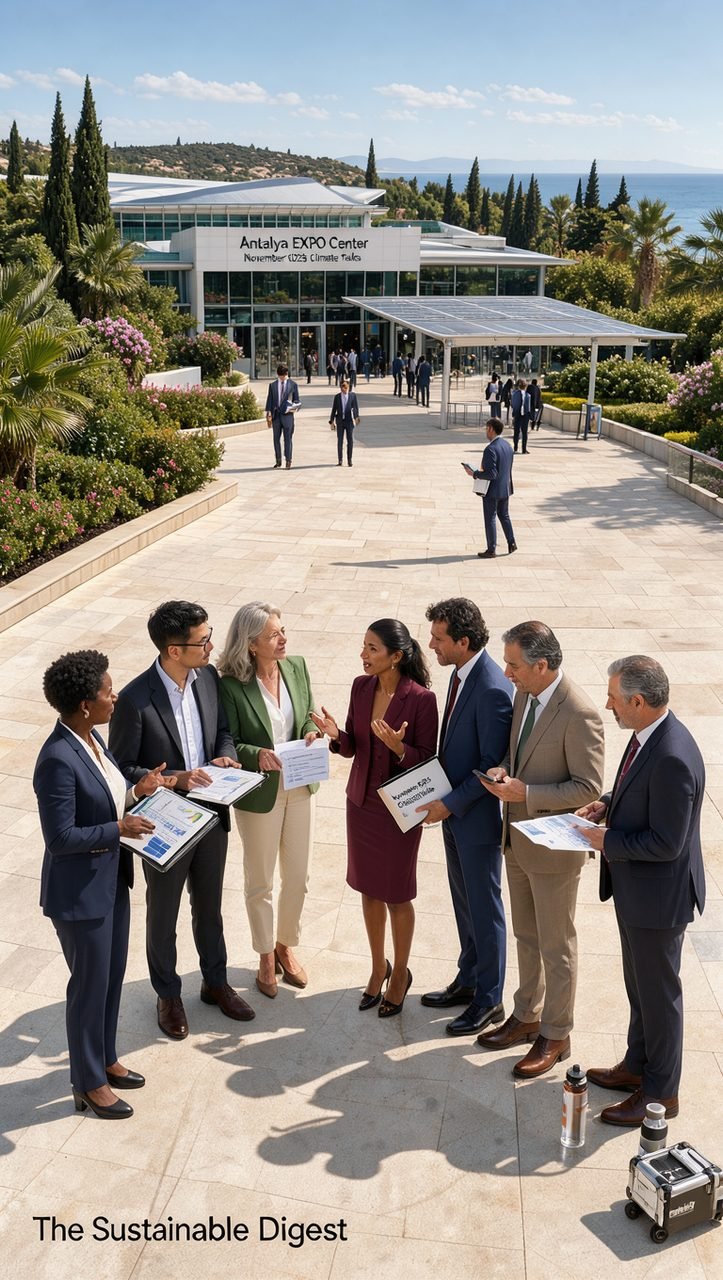
COP31 is a test of whether countries can turn climate commitments into funded action without ignoring development needs, economic pressures or vulnerable communities. In Antalya, the central question is whether international cooperation can make policy practical without treating development as a single, settled priority. A city preparing for a climate conference offers a familiar scene: visitors arrive, local businesses adjust, and the global debate meets daily life. The stakes reach far beyond the venue. Finance, energy, community resilience, technology and trade will shape whether the summit’s plans can work in practice. This COP31 forecast gives global professionals, travelers, cultural diplomats and conscious consumers a clear way to assess the choices ahead. The summit’s real measure will be whether cooperation produces projects and policy changes that can be tracked beyond the conference.
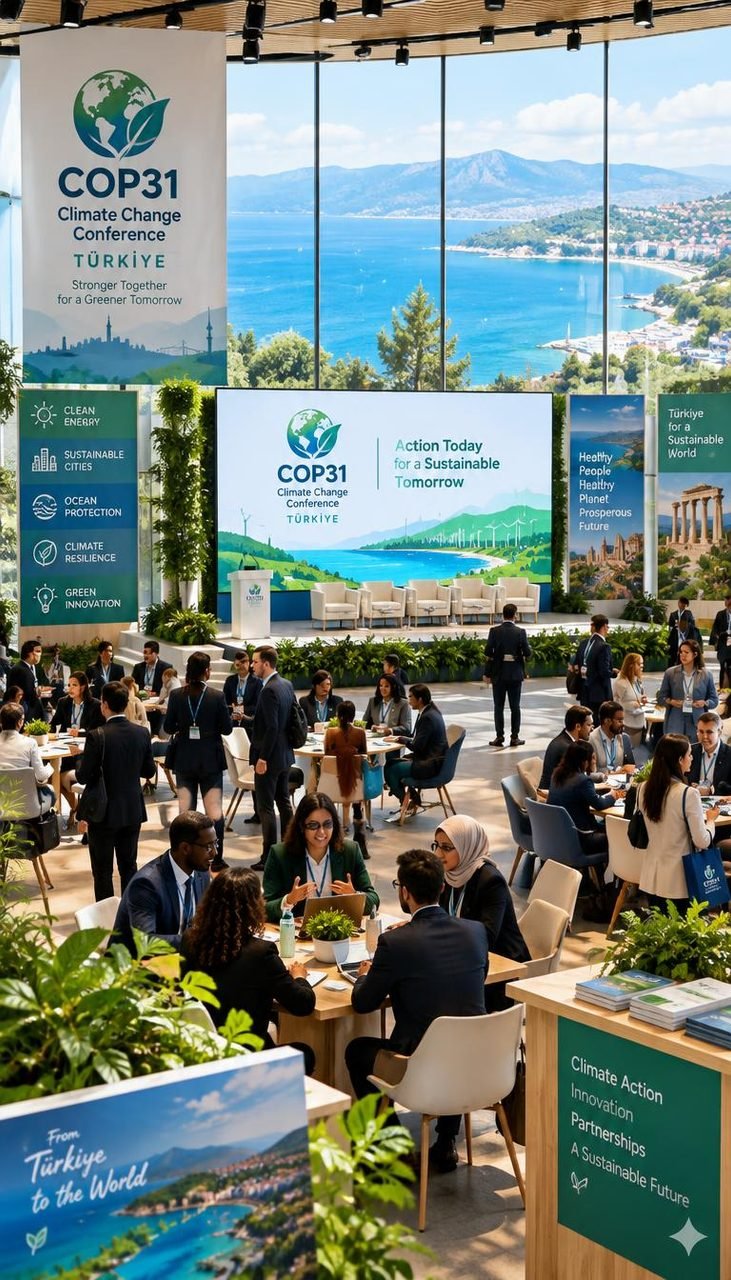
How do Türkiye and Australia divide COP31’s roles?
Türkiye hosts COP31 in Antalya, while Australia’s Chris Bowen leads negotiations and Murat Kurum is nominated as conference President. Their roles differ: Türkiye hosts and steers the Presidency, while Australia leads formal negotiating work.
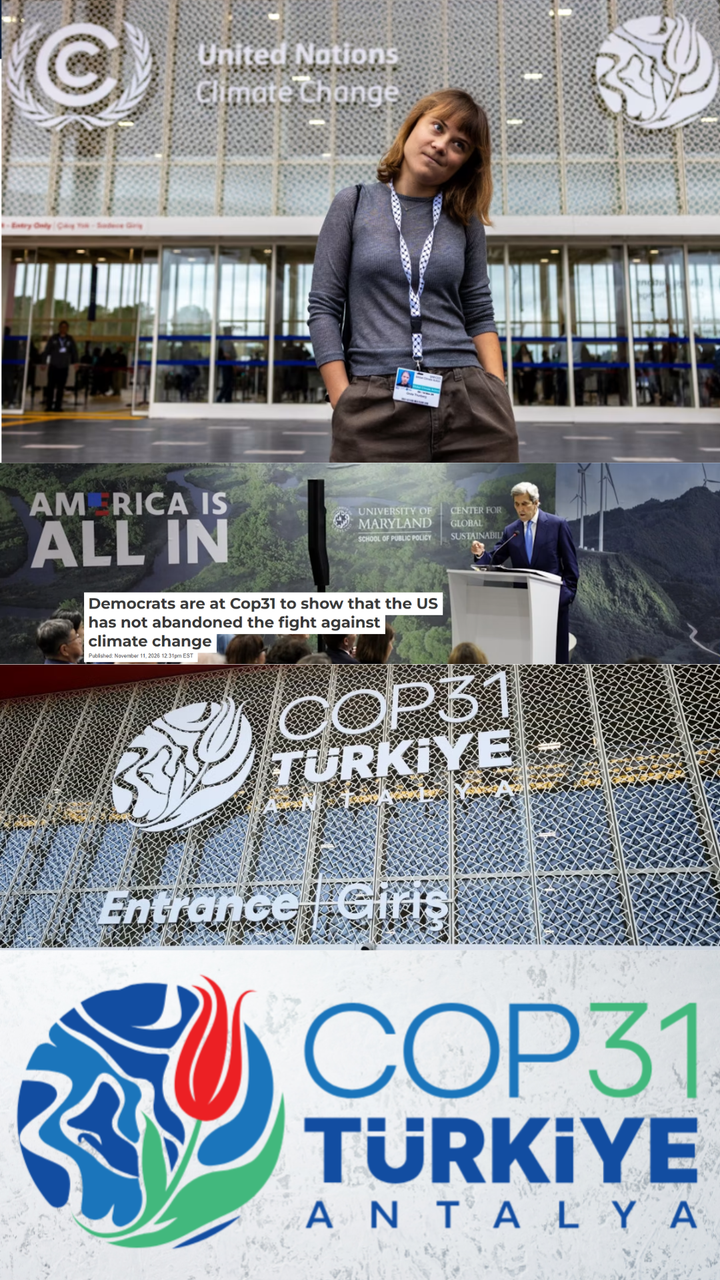
The United Nations Framework Convention on Climate Change (UNFCCC) is the treaty framework for international climate talks. COP31 is its thirty-first Conference of the Parties, alongside the twenty-first meeting under the Kyoto Protocol and the eighth under the Paris Agreement. The conference runs from 9 to 20 November 2026 in Antalya.
Türkiye and Australia work in close partnership under the Türkiye-Australia Partnership Modalities. That arrangement supports shared planning; it does not transfer one country’s authority to the other. The Paris Agreement entered into force on 4 November 2016, so COP31 falls in its tenth anniversary year. An anniversary can mark time, though it cannot certify progress.
UNFCCC’s COP31 preparations describe the partnership and the Antalya dates. The institutional calendar also includes meetings linked to two earlier climate agreements, each with its own rules and history.
Türkiye hosts and leads the conference Presidency; Australia leads negotiations through a partnership, not a transfer of authority.
For delegates, the division matters because hosting, agenda-setting and negotiating are related but distinct tasks. The Presidency helps guide the process and convene parties, while negotiators seek agreement on the formal text. Keeping those roles clear helps readers interpret announcements and disagreements. The split places diplomatic coordination and formal negotiating work in two national hands, making partnership essential to the conference’s process.
What Does the COP31 Turkiye Forecast Strategic Agenda Sustainable Development Global Affairs Mean for Delivery?

COP31’s implementation test is whether countries can show progress on existing commitments while negotiating over who pays and how results are measured. Delivery means evidence, not just new language: plans need funds, owners and progress checks.
The Global Stocktake is the UNFCCC’s five-year process for assessing collective progress under the Paris Agreement. Its second round begins at COP31. The stocktake matters because national climate plans and real-world action can diverge. An inventory can reveal where commitments stand, even when it cannot make countries meet them.
The formal negotiating agenda is not the same as the Presidency’s complementary Action Agenda. On 9 November 2026, Türkiye and Australia adopted the agenda after parties sought to add climate-related unilateral trade measures and a proposal to triple adaptation finance. Both issues were left off. Consensus can keep talks moving, but exclusions show where agreement remains difficult.
The formal process must test delivery on three practical points:
- Whether commitments have a reliable source of financing.
- Whether delivery plans name accountable institutions and clear steps.
- Whether progress can be measured and reported over time.
These checks help distinguish a climate action pledge from a funded programme. They also make policy easier to compare across countries, though national conditions differ. The Paris Agreement sets a shared direction, while each country chooses its own NDCs and measures. Strong implementation depends on climate plans that can be examined, not simply announced.
That distinction matters for international cooperation. Countries may agree on the need to act while disputing the costs, rules or measures used to judge success. The agenda’s omissions make clear that a focus on delivery does not remove disagreement over the rules of delivery.
Electricity and trade pressures meet at the industrial transition
The COP31 electrification target makes electricity demand a strategic issue, while carbon rules increasingly influence where high-emissions industries can compete. Power supply matters because factories, transport and buildings cannot switch energy sources by declaration alone.
On 9 June 2026, the incoming Presidency set a target to raise electricity’s share of final energy demand from just over 20% to 35% by 2035. Electrification is not the same as phasing out fossil fuels. The climate gains depend on how electricity is generated and whether grids can meet added demand.
Electrification puts power demand at the center
A larger electric share can shift energy use away from direct fuel burning. It can also raise demand for reliable power, new grid links and storage. The target is a direction for climate action, not proof that clean electricity will reach every user.
Investors will watch whether power systems can support industrial change at a workable cost. A factory that replaces a fuel-fired process still needs a stable supply. The energy transition can falter when new demand arrives before infrastructure.
Carbon border rules reshape regional trade
The EU’s Carbon Border Adjustment Mechanism (CBAM) applies a carbon cost to some imports. It can change trade incentives, but its effects will vary by product, company and market conditions.
In the third quarter of 2026, Western Balkan electricity exports to the EU fell 17% year on year as CBAM costs exceeded coal-fired power’s price advantage. That change shows a price signal, not a guarantee of industrial transformation. Carbon rules may shift costs across borders without funding cleaner plants or protecting every producer.
China was projected to face more than €1.3 billion in annual EU CBAM fees at full ramp-up. Low-carbon technology could bring net financial benefits for Chinese steel producers. The contrast shows why the same rule can create costs for some firms and an incentive for others.
Steel decarbonization tests the investment case
Türkiye’s steel sector would need around €30 billion over the next two decades. Carbon pricing could generate up to €1.5 billion annually for decarbonization, a potential contribution rather than a complete financing plan.
On 9 November 2026, the EU and UK agreed draft carbon-market linkage provisions. They cover emissions caps, allowance-supply controls and a British Market Stability Reserve. The draft points to closer market rules, but does not settle every trade effect.
| Place or market | Quantified signal | Time or condition | Transition implication |
|---|---|---|---|
| Türkiye | Up to €1.5 billion yearly; about €30 billion needed | Revenue potential; next two decades | Pricing could help, but leaves a large investment need |
| China | More than €1.3 billion yearly in EU fees | At full CBAM ramp-up | Low-carbon steel could improve net returns |
| Western Balkans | Electricity exports fell 17% | Third quarter of 2026, year on year | CBAM costs outweighed coal power’s price edge |
For investors and policymakers, the key check is whether clean power, industrial upgrades and trade rules advance together rather than pulling in different directions.
Can climate finance reach adaptation needs?

The adaptation-finance challenge is not only the size of the gap, but also the lack of agreed rules for measuring whether support arrives. Clear rules matter because a pledge without a baseline or delivery plan is hard to assess.
The COP30 agreement to triple adaptation finance by 2035 still had no agreed exact target, baseline year, delivery roadmap or accountability roadmap by COP31. Without these details, countries cannot easily judge whether the promise is on track. Adaptation finance supports measures that help people and systems cope with climate impacts.
Adaptation commitments still need delivery rules
International public adaptation finance to developing countries was estimated at approximately $26 billion annually. Projected annual needs by 2035 range from $310 billion to $365 billion. The figures describe different sides of a large financing challenge.
| Finance measure | Amount | Time or scope |
|---|---|---|
| International public adaptation finance | Approximately $26 billion yearly | Developing countries |
| Projected adaptation needs, low end | $310 billion yearly | By 2035 |
| Projected adaptation needs, high end | $365 billion yearly | By 2035 |
A baseline helps show what counts as new support. A delivery plan explains when funds should arrive and how they will reach countries. Accountability measures make it possible to compare promises with results, rather than treating every announcement as a completed transfer.
Loss and damage demand exceeds start-up funding
Adaptation finance is distinct from funding for loss and damage. Adaptation seeks to reduce harm before or as impacts occur; loss and damage support responds to climate-related harm that cannot be avoided or fully adapted to.
By June 2026, the Fund for Responding to Loss and Damage had received 176 requests from 119 countries, totalling $2.8 billion. Its start-up phase had a total allocation of $342 million. Requests and allocated start-up funds measure different things. The request total reflects demand; the allocation describes the fund’s initial resources.
Finance access is part of the justice question
Countries with limited fiscal space may struggle to borrow for recovery or resilience without increasing debt pressure. Access rules can shape whether support reaches places facing high risk, not only those with strong project teams.
Finance must also arrive in a form countries can use. Grants, loans and other support carry different costs for public budgets. A credible finance pathway needs clear amounts, predictable delivery and a way to track who receives support.
Turning national commitments into investable projects
An NDC becomes investable only when a national priority is translated into a defined project that finance institutions can assess. Project detail is the hinge between a climate promise and a decision to commit capital.
By mid-2026, 147 Parties had submitted updated Nationally Determined Contributions (NDCs), the national climate plans under the Paris Agreement. The Climate Implementation Bridge is intended to help turn those plans into investable project portfolios and help climate finance reach the ground faster. It supports project preparation and coordination; it is not a new source of money.
A practical project pipeline can follow four stages:
- Identify a national priority linked to climate and development needs.
- Prepare a project with clear costs, aims and delivery steps.
- Coordinate public and private finance around the project.
- Track delivery and report progress against agreed measures.
These steps require public agencies, lenders and private investors to work from a shared project plan. If costs, ownership or expected results remain vague, finance teams cannot judge risk with confidence. The bridge is meant to shorten that distance, not remove the need for sound project design.
Several scheduled meetings show how finance work can cross institutional lines. On 13 November 2026, Türkiye’s Treasury and Finance Minister Mehmet Şimşek and the Presidency are scheduled to host a ministerial meeting on cross-government action for economic transformation.
The Asian Development Bank and the Coalition of Finance Ministers for Climate Action are scheduled to introduce a proposed Fiscal Resilience Platform for Central and West Asia. The event is set for the Tajikistan Pavilion from 14:00 to 15:00.
The UK Pavilion is scheduled to host a 13 November event on scaling transition finance through investor frameworks and sector planning. These sessions connect finance policy, regional planning and investment practice. Investors should test whether a proposed portfolio has project detail, institutional ownership and a credible route to implementation.
Action Agenda targets connect waste, buildings, farms and health

COP31’s Action Agenda makes resource efficiency tangible through separate targets for waste growth, building energy intensity and circular materials. Separate measures matter: a waste-growth limit is not a promise to halve all waste.
The agenda aims to halve the growth in global waste by 2035. It also seeks lower energy use in buildings and greater use of circular materials. These are distinct goals, each with its own measure and route to action.
Waste and circular materials put resource use on the scorecard
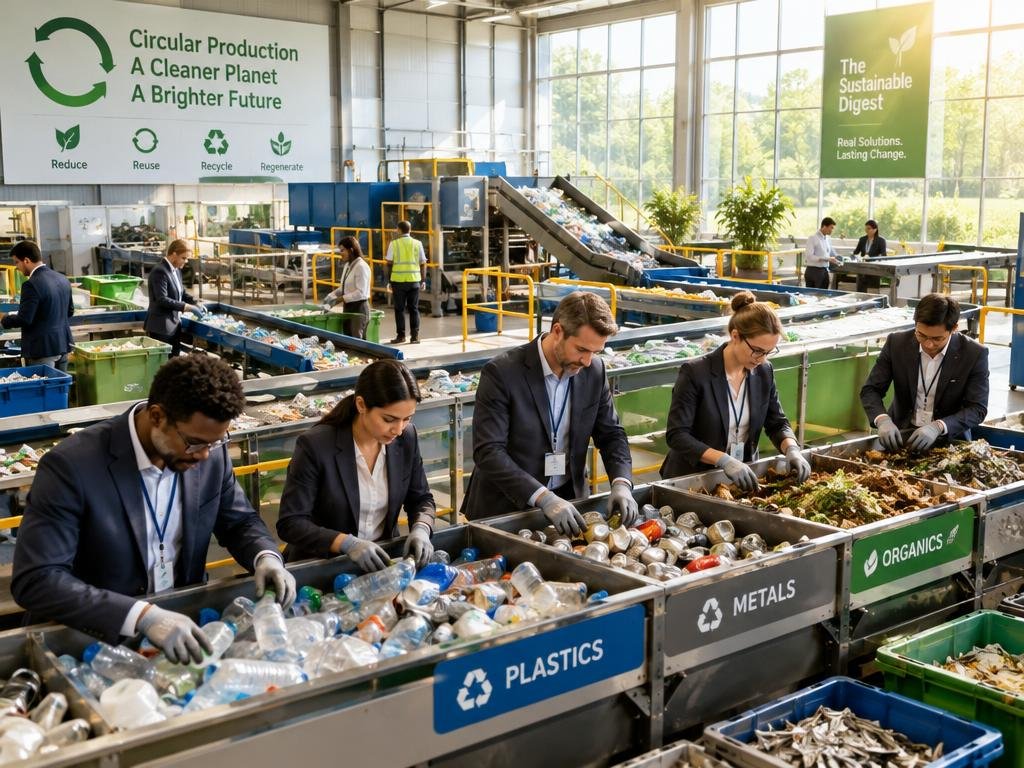
Halving projected growth means slowing the increase in waste, not cutting total waste in half. The Action Agenda also targets a global circular material use rate of at least 15%. Reuse and recycling can help keep materials in use, though the measure is not the same as total waste generation.
Türkiye generates approximately 36 million tons of solid waste annually. Its Zero Waste Project has a recovery-rate goal of 35%. Those national figures differ from the global COP31 targets: one tracks waste generated and recovered in Türkiye, while the other sets global aims for waste growth and material use.
Building efficiency links cities to lower energy demand
The agenda targets at least a 25% reduction in building-sector energy consumption intensity by 2035. The measure focuses on energy used relative to a building-sector baseline, rather than a simple count of buildings or city size.
Cities can make the target real through building upgrades, better design and lower energy demand. Progress will depend on choices by owners, builders and local authorities. A global percentage cannot repair a drafty home by itself, although it can help set a common direction.
Agriculture and health broaden resilience
The Action Agenda aims to train all young farmers in climate-resilient agricultural practices. Training can help farmers plan for changing conditions and protect livelihoods, while local needs shape which methods prove useful.
The Food, Agriculture and Health thematic day is scheduled for 9 November 2026. The Antalya Initiative for Health Resilience is also scheduled to launch that day. Their pairing reflects how climate change can affect food systems and health together.
| Action area | Target or initiative | Deadline or date |
|---|---|---|
| Waste | Halve growth in global waste | By 2035 |
| Buildings | Cut energy consumption intensity by at least 25% | By 2035 |
| Circular material use | Reach at least 15% | Global target |
| Young farmers | Train all young farmers in climate-resilient practices | Action Agenda target |
The targets will matter most when cities, farmers and institutions can translate them into local practice and report results.
Indigenous and local knowledge must reach policy
Indigenous and local knowledge has a route into UN climate work through the Local Communities and Indigenous Peoples Platform (LCIPP), although observer participation is not the same as a Party’s decision-making authority. Access matters, but the formal roles remain distinct.
The LCIPP was established in 2015 to strengthen knowledge and engagement in climate policy. Its Facilitative Working Group has equal representation between Indigenous Peoples and Parties. Indigenous Peoples take part under the UNFCCC as observers, not decision-making Parties.

The platform creates routes for knowledge and engagement
The platform has three functions:
- Support knowledge exchange among Indigenous Peoples, local communities and other participants.
- Build capacity for engagement in climate processes.
- Bring diverse ways of knowing into climate policies and actions.
The International Indigenous Peoples’ Forum on Climate Change organizes the Indigenous constituency in the UNFCCC process. The equal make-up of the Facilitative Working Group gives Indigenous Peoples and Parties equal representation in that body. It does not give Indigenous observers the same formal vote as Parties.
COP31 gatherings bring knowledge holders into the process
The Annual Gathering of Knowledge Holders is scheduled for 9-10 November 2026. The Seventh-Generation Round Table is scheduled for 10 November, from 15:00 to 18:00 UTC+03.
The Annual Dialogue is scheduled for 12 November, from 13:00 to 15:00 UTC+03. These gatherings offer routes for sharing knowledge and engaging with climate work. Participation and formal authority are not interchangeable.
That distinction matters when assessing how policy reflects community knowledge. An invitation can create space for input, but the decision structure determines who can shape negotiated outcomes. Readers can assess inclusion by checking both who is invited to contribute and who holds formal authority in the process.
AI tools bring climate risk down to district level

CLIMAID illustrates how AI can combine satellite and household data to map climate risks at district level. Its value is practical: the platform is designed to help local teams see risks that broad national maps can miss.
The COP31 Presidency’s 2026 AI for Climate Action Award went to CLIMAID, an open-source platform. It combines artificial intelligence, satellite observations, geospatial information and household vulnerability assessments. That mix supports district-level planning, not automatic protection from climate impacts.
CLIMAID supports district-level risk mapping, drought prediction and early warning. It can also support adaptation planning and assessments of climate-related loss and damage. These uses connect climate data to decisions about where preparation or response may be needed.
The award was organized by the UN Climate Change Technology Executive Committee, the Climate Technology Centre and Network, KOICA and the Royal Government of Cambodia. Their role shows that climate technology work can involve several institutions, not just software developers.
AI can sort data and flag patterns, but its outputs depend on the quality and reach of the data. Household vulnerability assessments may add local detail, while satellite observations can show changes over wide areas. Neither replaces the judgment of people who know a district’s conditions.
A warning also helps only if local institutions can respond. They need clear roles, plans and ways to reach residents before hazards grow. Any digital risk tool still needs reliable data, local knowledge and institutions able to act on its warnings.
Regional partnerships shape the summit’s diplomatic leverage
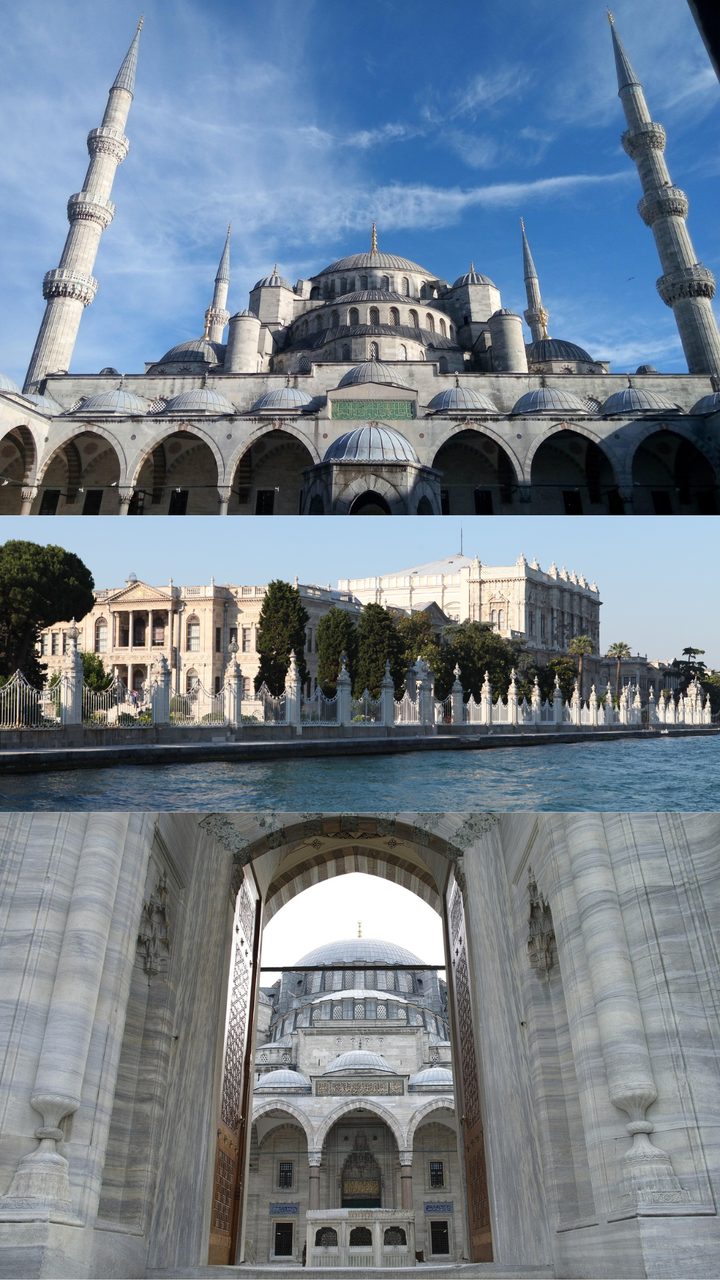
Türkiye’s diplomatic leverage will depend on whether regional partnerships can connect climate goals to the development and economic priorities of different countries. That bridge is possible, but geography alone does not build trust or shared policy.
Türkiye ratified the Paris Agreement in 2021 and adopted a climate-neutrality goal for 2053. It sits near Europe, the Middle East, Central Asia and Africa, which may give it room to connect discussions across regions. That role depends on cooperation that produces shared action, not location alone.
Germany and Türkiye have jointly chaired the Climate Club since 2026; the club was established in 2022. Their cooperation offers a channel for discussion on industrial transition and climate policy. It does not mean that all members share identical economic needs.
The EU and Türkiye have common interests in industrial decarbonization, sustainable finance and modernizing value chains. Those interests can support cooperation on investment and production. The hard work lies in aligning rules and benefits across firms and communities.
The tension between international development and global development is best read as a debate over priorities. Who sets them, who pays, and how local needs shape global policy are open questions, not fixed camps. Countries may support shared climate goals while disagreeing on the route and cost.
Türkiye could help connect those views across regions, while also pursuing its own economic aims. A bridge-building claim is strongest when it produces cooperation that can be seen in shared policy or investment.
Key dates turn the agenda into a working programme

COP31’s programme moves from food, agriculture and health on 9 November to final negotiations on 20 November, with themed days in between. The dates matter because each theme gives practitioners a focused point of entry.
The Leaders’ Summit is scheduled for 11-12 November 2026. The resumed High-Level Segment for heads of state and government is scheduled for 17-18 November. Final negotiations are scheduled for 20 November.
Five anchor moments can help delegates and remote observers plan their attention:
- 11-12 November: Leaders’ Summit.
- 13 November: Finance and Trade thematic day.
- 16 November: Science, Industry and Technology thematic day.
- 17-18 November: Resumed High-Level Segment.
- 20 November: Final negotiations.
The programme opens with Food, Agriculture and Health on 9 November. The other themed days are Energy and Transport on 10 November, Zero Waste on 11 November, and Resilient Cities and Built Environment on 12 November.
Finance and Trade follows on 13 November, then Children, Youth, Education and Skills on 14 November. Science, Industry and Technology is set for 16 November. Ocean, Seas, Nature and Land Use follows on 17 November.
Human and Social Development is scheduled for 18 November, while 19 November is İmece: Enhancing Implementation. These themes give policymakers, researchers, civil society and practitioners different ways into the wider process. The schedule does not ensure that a theme will produce agreement, but it can help people find the relevant discussion.
A themed day offers a useful route into the programme, but the date alone cannot show whether negotiations will produce agreement.
Remote followers should use the date and theme together to identify the sessions most relevant to their work.

Conclusion
COP31’s strategic value will rest less on declarations than on whether commitments produce visible changes in policy, finance and resilience. Follow-through is the test, and it depends on clear accountability and meaningful participation as well as money.
Professionals and observers can track whether national commitments lead to funded projects and measurable progress. The practical next step is to compare announced commitments with the projects, budgets and progress reports that follow Antalya.
Key Takeaways
- Antalya hosts COP31 from 9 to 20 November 2026.
- Türkiye hosts the summit, while Australia leads formal negotiations.
- Delivery depends on finance, clear plans and measurable progress.
- Energy and trade policy can shift costs across borders.
- Local knowledge and reliable data matter for effective climate action.
- Follow-through after the summit will matter more than declarations alone.