

One striking fact: on October 4, 1966, Basutoland became the Kingdom of Lesotho as British rule ended. A single date marks both a political break and the start of a new national story.
Each year, the October 4 holiday invites more than ceremony. In a mountain country shaped by the Maloti range, the annual commemoration can prompt questions about who benefits from growth, who bears environmental costs, and how local voices shape policy.
For Brazilian readers, this story offers a useful lens on sovereignty, cultural identity, and social impact. Responsible ecotourism, fair access to land and water, and regional cooperation can help turn national pride into lasting gains.
The history also connects with UN goals through practical tests: climate resilience, reliable infrastructure, decent work, and community investment. Progress needs more than a flag or a speech; it calls for steady choices that protect people and place.
Calendar details matter, too: the national date falls on Sunday in 2026, then Monday in 2027. October 4 remains fixed each year, even when the weekday shifts.
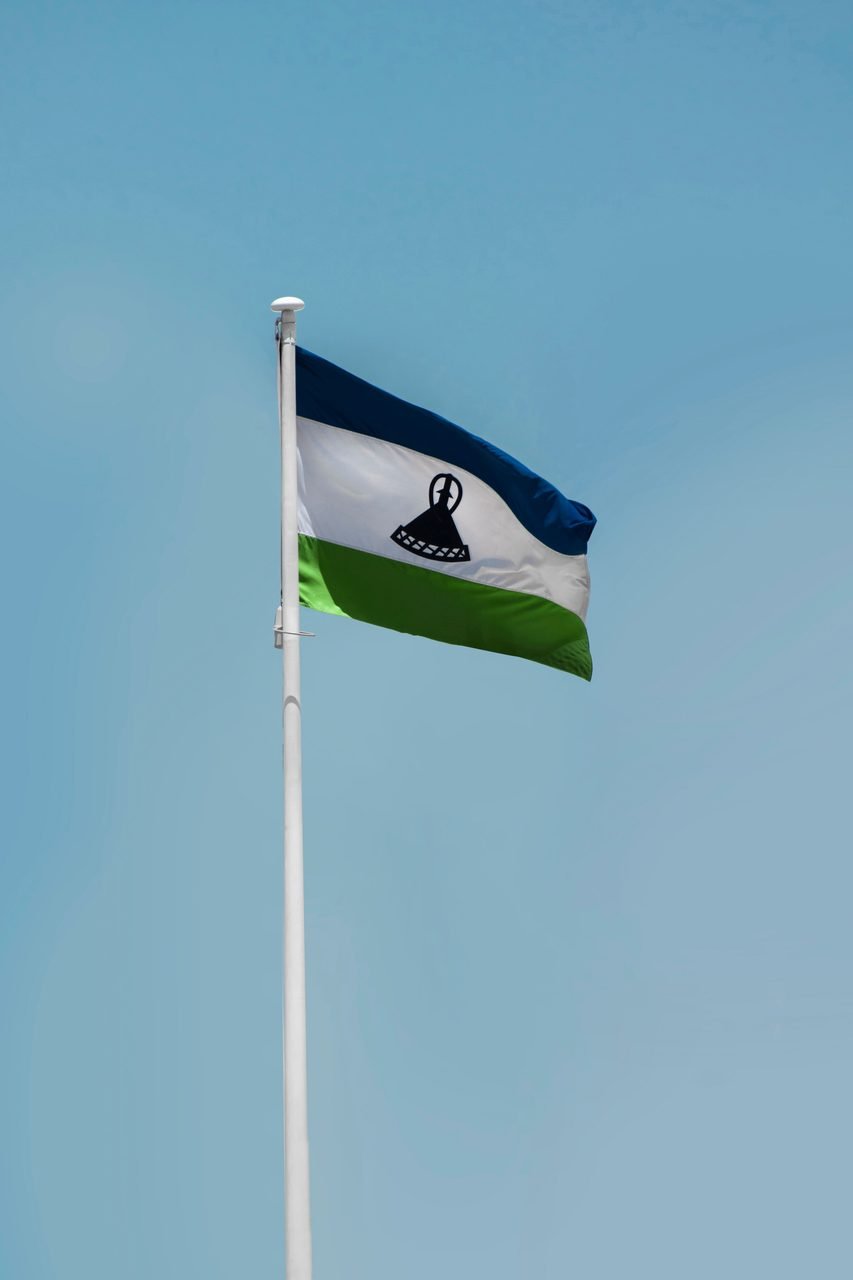
Lesotho Independence Day observance and its Global Sustainable Development
October 4, 1966, marked a political turning point. Basutoland became a sovereign state, yet the path there included changing borders, outside rule, and local efforts to protect community life.
A Shift Toward Self-Rule
In 1868, Basutoland became a British protectorate; Britain made it a colony in 1884. Territorial disputes with Boer trekkers led its king to seek British support. That choice offered protection, though foreign rule also limited local control.
Origins of the Modern State
Moshoeshoe I united local communities to face threats from the Zulus. This shared effort helped shape Basotho identity. On October 4, 1966, Basutoland gained independence from Britain, becoming the Kingdom of Lesotho. King Moshoeshoe II became monarch, while Leabua Jonathan served as prime minister.
Sovereignty gave communities greater scope to shape policy, yet it did not settle questions of land, fair access, or local voice. For readers in Brazil, the history offers a clear lesson: self-rule has lasting value when people can influence choices about heritage, water, livelihoods, and environmental justice.
| Year | Status or event | Historical significance |
|---|---|---|
| 1868 | British protectorate | Britain assumed a formal role in Basutoland. |
| 1884 | British colony | Colonial control replaced protectorate status. |
| 1966 | Sovereign kingdom | King Moshoeshoe II became monarch; Leabua Jonathan became prime minister. |
Twenty Key Facts About Independence Day and Lesotho Today

October 4, 1966, Basutoland gained independence from Britain and became the Kingdom of Lesotho. For Brazilian readers, these facts link national history with today’s social and environmental questions.
The Date, Leaders, and Milestones
- October 4 is the fixed date.
- Self-rule began in 1966.
- Basutoland was the former name.
- A sovereign kingdom took shape.
- Britain declared a protectorate in 1868.
- Colonial status followed in 1884.
- King Moshoeshoe II became monarch.
- Leabua Jonathan became prime minister.
- The Maloti Mountains define much terrain.
- About 2.14 million people live there.
- The country is landlocked within South Africa.
Public Traditions, People, and Shared Meaning
- October 4 is a public holiday.
- Many schools, offices, shops close.
- Maseru hosts an official procession.
- National leaders attend formal ceremonies.
- A flag-raising marks the occasion.
- Parades, fireworks, music, dance, meals draw crowds.
- National dress can express cultural identity.
- In 2026, the date falls Sunday; in 2027, Monday.
- Environmental justice, ecotourism, cooperation support resilience.
Beyond ceremony, fair access to land, water, services matters. Shared pride has practical value when local voices shape policy.
| Focus | Key detail | Social link |
|---|---|---|
| History | Self-rule began in 1966 | National identity |
| Celebration | October 4 public holiday | Community gathering |
| Future | Resilience, ecotourism, cooperation | Fair local benefits |
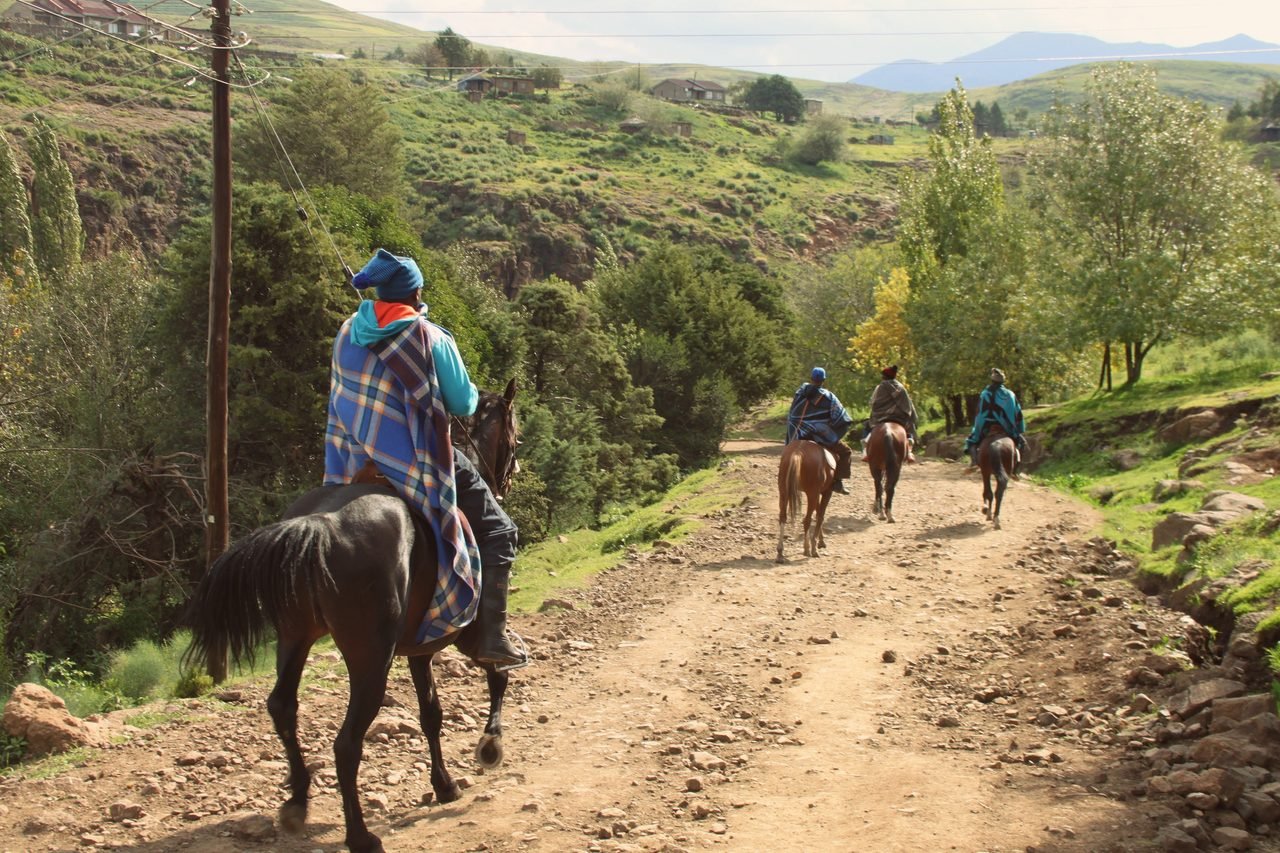
The Five United Nations SDGs With the Greatest Relevance to Lesotho
For Brazilian readers, these UN goals offer a clear way to assess how policy can improve daily life. Water access, clean power, fair work, equal opportunity, and climate readiness connect national priorities with practical needs. The gains matter most when mountain communities help shape local choices.
Climate Action, Clean Energy, Resilient Communities
United Nations SDG #6 focuses on clean water and sanitation, key needs in a country shaped by the Maloti Mountains. UN Sustainable Development Goal #7 supports affordable, clean energy; renewable options merit review, but claims about specific projects need reliable evidence. UN SDG 13 frames climate resilience as a core concern for mountain regions.
Decent Work, Reduced Inequalities
After independence in 1966, livelihoods remain central to national progress. SDG 8 links decent work with responsible investment. SDG 10 asks whether public services, jobs, and infrastructure reach people fairly. Each goal helps turn broad aims into questions that communities can test.
| SDG | Focus | Local lens |
|---|---|---|
| 6 | Clean water, sanitation | Reliable access |
| 7 | Affordable, clean energy | Renewable options |
| 8 | Decent work, economic growth | Jobs, responsible investment |
| 10 | Reduced inequalities | Fair access to services |
| 13 | Climate action | Mountain resilience |
How Projects Across Industries Build Infrastructure and Community Resilience

Infrastructure works best when it solves daily problems, not just when it looks impressive on a map. For Brazil’s development professionals, comparing project types offers a practical way to assess who gains reliable services, better access, or stronger livelihoods.
Renewable Energy and Climate-Resilient Infrastructure
The Maloti Mountains offer geographic context for assessing clean power, sturdy roads, and facilities built to handle harsh weather. These are project options, not claims about completed initiatives. Strong planning can improve service reliability for communities across the country.
Agriculture, Water, and Community Development
Water storage, soil care, and farm access can help households manage dry spells or heavy rain. Local input matters; a well-built system has little value if residents cannot maintain or reach it.
Tourism, Transport, and the Benefits of Sustainable Investment
As a landlocked state surrounded by South Africa, Lesotho depends on strong links within the region. Visitor services plus transport upgrades may widen market access for a population of about 2.14 million. Any named project or outcome needs reliable evidence.
| Project type | Potential benefit | Key test |
|---|---|---|
| Clean energy | More reliable power | Can local users afford service? |
| Farms, water | Stronger rural livelihoods | Can residents maintain systems? |
| Tourism, transport | Better access to markets | Do nearby communities share gains? |
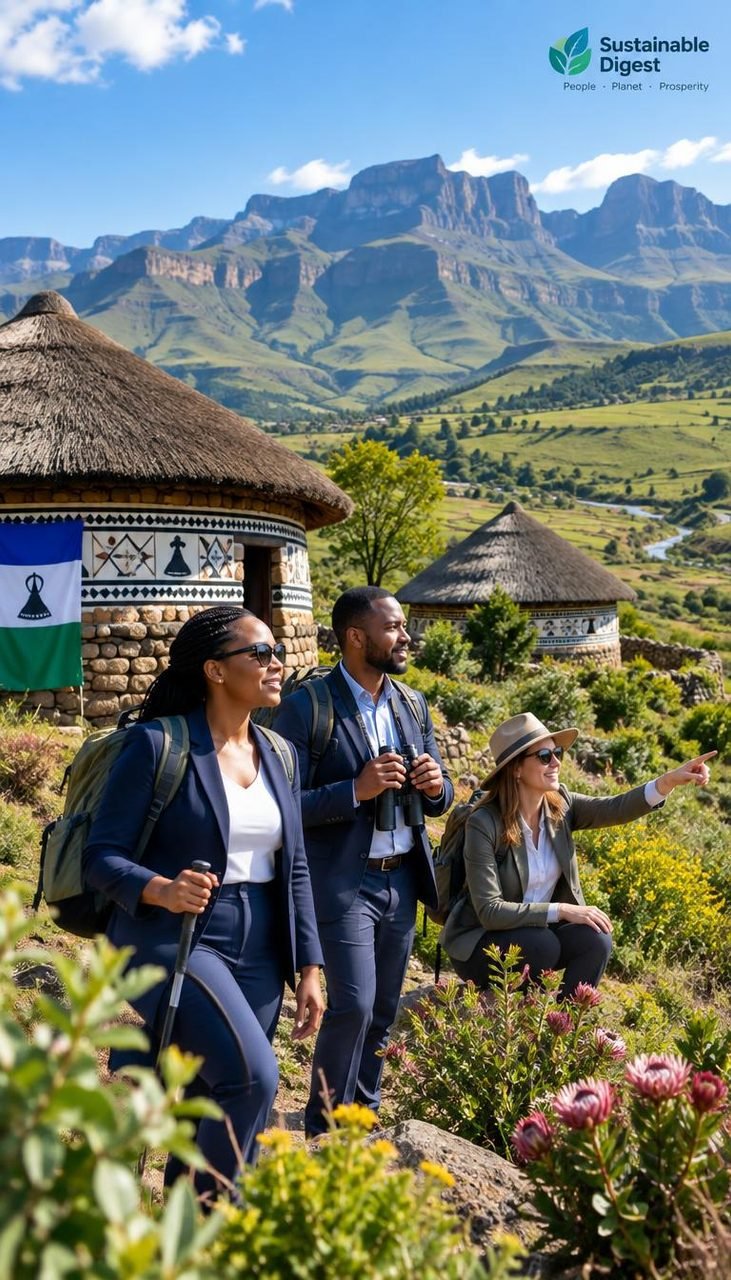
Green Fiscal Policies and Lesotho’s Competitiveness
Green fiscal policy can help attract investment while supporting climate goals. For Brazil-based readers, the key question is practical: can public spending, tax incentives, or climate finance create lasting value without placing unfair costs on communities?
Public Spending, Incentives, and Climate Finance
These tools merit careful review, not assumptions about policies already in force. Strong tests include clear public benefits, fair access, sound oversight, plus measurable results. Climate finance may also help fund projects that cut risk or improve essential services.
- Assess whether public spending builds useful, climate-ready assets.
- Check if targeted incentives reward real local value.
- Review climate finance terms, access, accountability.
Connecting With Regional Markets
Because the country is landlocked within South Africa, transport costs plus cross-border access shape competitiveness. Since independence in 1966, policy choices can be assessed against current climate and economic aims. Links with Southern African, Global South markets may open trade or investment options, but results are not guaranteed. Diaspora networks could also support skills, capital, or partnerships; any proposed program needs verification. Clear rules can make green investment more credible.
Environmental Justice, Cultural Identity, Ecotourism, and Regional Cooperation

In the Maloti Mountains, cultural heritage and care for the land belong in the same conversation. Responsible ecotourism can support local livelihoods while protecting the landscapes that shape Basotho identity.
Protecting Basotho Heritage While Sharing the Mountain Landscape
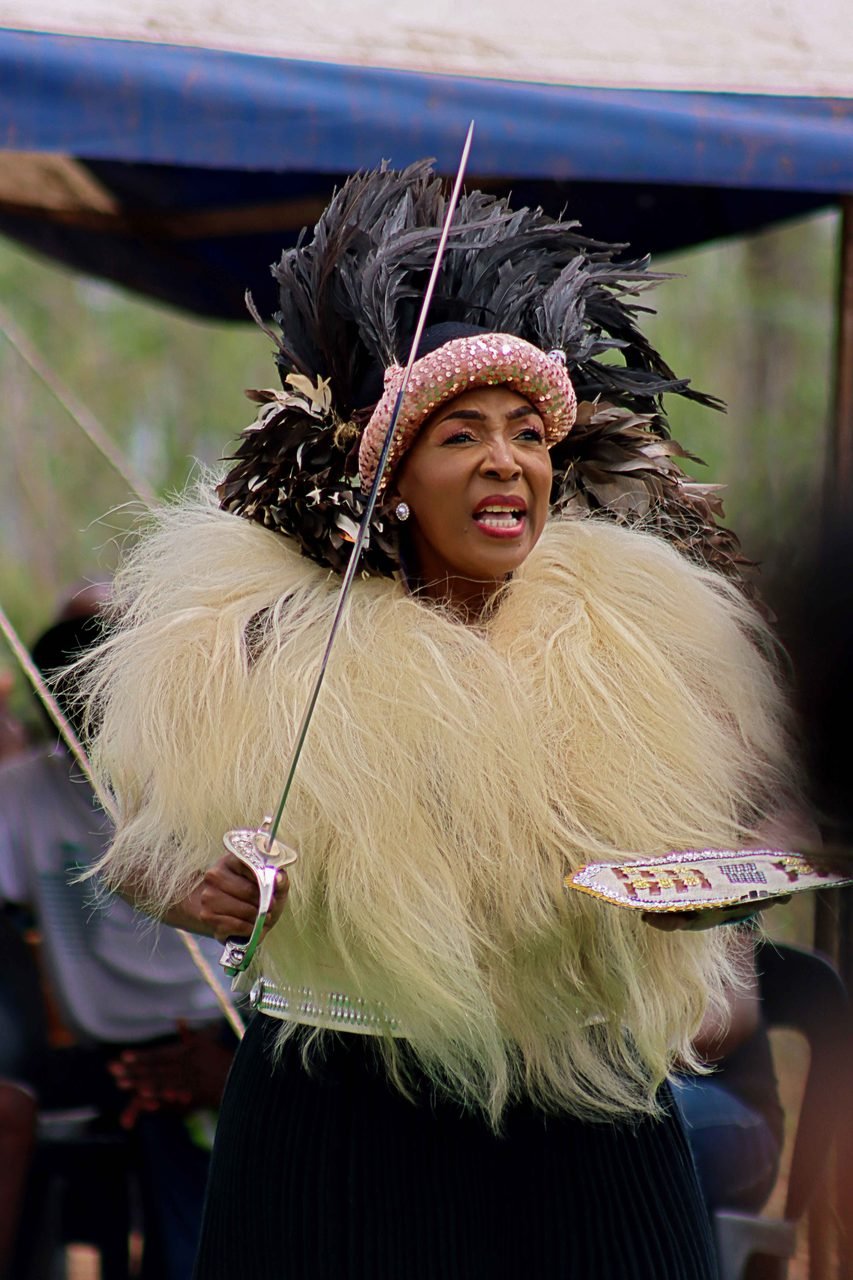
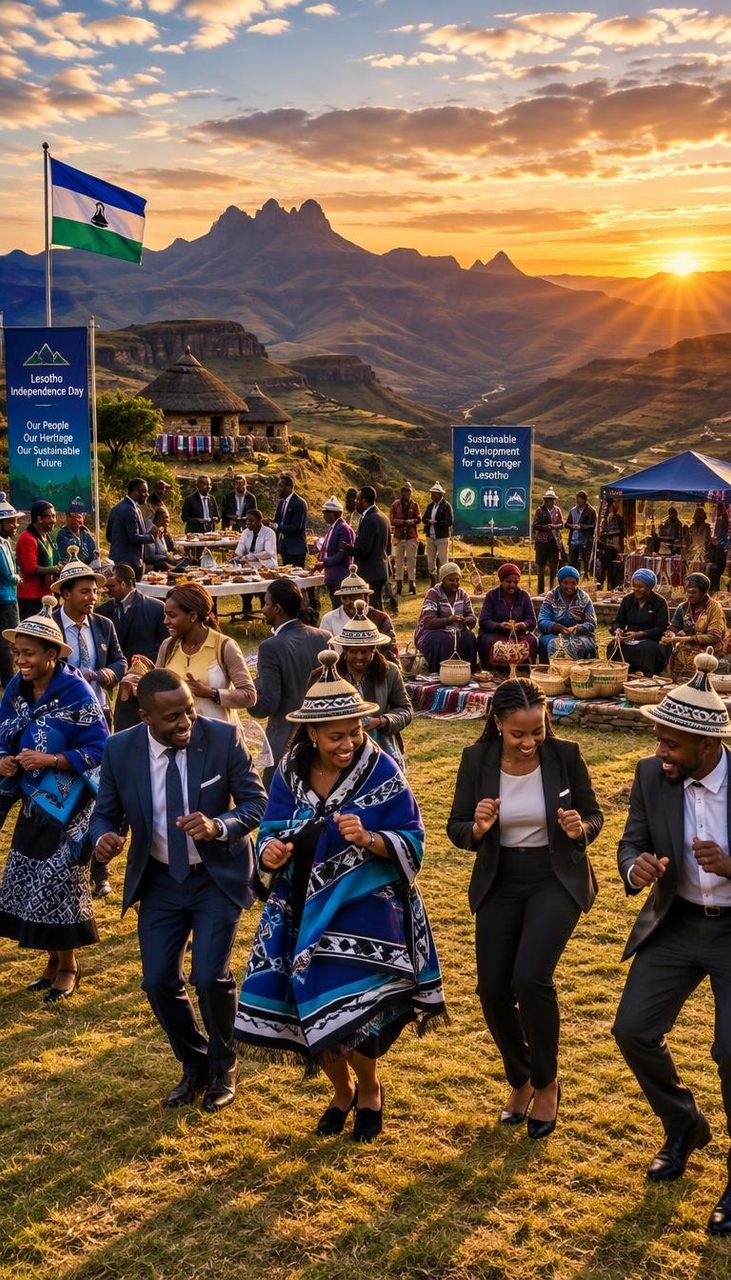
In Maseru, the October 4 holiday includes a procession before the president and prime minister, followed by a flag-raising ceremony. Basotho music, dance, traditional clothing, plus shared meals give public celebrations meaning beyond ceremony. These customs help people connect with shared memory.
Visitors from Brazil can appreciate cultural tourism that invites learning rather than treating traditions as a show. Local communities should help set the terms for tourism and conservation, including where revenue goes and how visitors use sensitive sites. That is a practical test of environmental justice.
Regional cooperation can also support landscape care across borders. Partners can share knowledge on conservation while respecting local leadership and heritage. Tourism works best when cultural dignity and community benefit travel together.
| Priority | Practical approach | Community value |
|---|---|---|
| Heritage | Respect customs at public events | Strengthens cultural identity |
| Ecotourism | Include residents in planning | Shares income more fairly |
| Cooperation | Coordinate landscape protection | Supports lasting stewardship |
Conclusion
On October 4, 1966, Basutoland became a sovereign kingdom, shaping a national story that continues in Lesotho. The annual independence day links pride in Basotho identity with present questions about fair services, jobs, water, and land.
Five UN goals—6, 7, 8, 10, and 13—offer practical ways to assess water access, clean energy, decent work, equality, and climate action. Green fiscal policy or climate finance may help, but careful analysis must separate proven results from proposals. Good plans need more than polished promises.
For Brazilian readers, the independence day holiday offers a wider lesson: responsible ecotourism and regional cooperation can support livelihoods while respecting cultural heritage. Lasting resilience grows when communities guide choices, investment meets local needs, and partners protect mountain landscapes.

FAQ
Q: When does Lesotho mark Independence Day?
A: The national holiday falls on October 4. In 1966, the country gained independence from Britain after years as a British protectorate.
Q: Who led the country at independence?
A: King Moshoeshoe II became monarch, while Leabua Jonathan served as the first prime minister. The year was 1966.
Q: How do people mark the national holiday?
A: Communities hold official ceremonies, cultural performances, music events, flag displays, and public gatherings. These activities honor sovereignty and Basotho heritage.
Q: Which United Nations goals are especially relevant?
A: Clean water, affordable clean energy, decent work, reduced inequality, and climate action are key priorities. Together, these goals support resilient communities.
Q: How can clean energy and water projects strengthen resilience?
A: Renewable power can improve energy access, while reliable water systems support homes, farms, and local businesses. Climate-ready infrastructure helps communities manage droughts and floods.
Q: Why do regional cooperation and sustainable investment matter?
A: Investment in transport, tourism, agriculture, and renewable energy can create jobs while protecting mountain ecosystems. Regional partnerships also help connect local producers with wider markets.
Key Takeaways
- Basutoland became the Kingdom of Lesotho on October 4, 1966.
- The national commemoration takes place on October 4 each year.
- In 2026, the date falls on Sunday; in 2027, it falls on Monday.
- Environmental justice, cultural identity, and social impact shape the development conversation.
- Ecotourism and regional cooperation can support resilient communities.