

The first week of July 2026 part 2 serves as a remarkable convergence point for national independence days, republic days, and cultural observances across the globe. Part 1 national observances were acknowledge along with other global sustainable practices. It is important finish off these initial week before we close out with the entire month recap. This period not only celebrates cultural heritage but also invites a deeper examination of environmental, social, and developmental narratives. By framing these events through a sustainability lens, we can explore how awareness and action have evolved since 2025.
During this week, over two dozen national and cultural holidays will take place, including significant observances in Africa, North America, the Caribbean, Asia, and the Pacific. Notably, July 2026 features month-long initiatives such as Plastic Free July and National Clean Beaches Week, which run from July 1-7. These initiatives encourage reduced single-use plastic consumption and promote environmental stewardship, showcasing how celebrations can integrate sustainability.
As we delve into these events, it becomes clear that they provide organic opportunities to embed sustainability narratives into existing patriotic and cultural celebrations. This analytical overview will explore each observance as part of a broader global tapestry of cultural expression and ecological responsibility.

Understanding the First Week of July 2026 Sustainability Adjacent Holidays and Observances
As July 2026 unfolds, it marks a pivotal moment for numerous national and cultural celebrations, all intertwined with sustainability narratives. This time offers a unique opportunity to explore how familiar holidays can serve as platforms for raising awareness about environmental and social issues.
Examining the transition from 2025 to 2026 reveals significant trends in how nations communicate sustainability. There has been a measurable increase in official messaging that combines traditional narratives with ecological considerations. For instance, events like the International Day of Cooperatives serve as a natural bridge, linking social sustainability with economic development.
The analytical framework applied to these observances examines three interconnected lenses: the environmental impact of celebrations, the social development narratives embedded in national stories, and the sustainable policy initiatives that emerge during these events. The evolution of awareness from 2025 to 2026 is particularly evident in the prominence of Indigenous ecological knowledge in national narratives.
Countries with strong civil society movements, such as Canada and Rwanda, have shown a greater integration of sustainability themes into their official programming. The shift toward digital and hybrid formats in 2026 further reflects an effort to reduce travel-related emissions while broadening participation in cultural events.
In this context, events like the Hong Kong SAR Establishment Day and CPC Founding Day provide contrasting examples of how different governance models approach the intersection of political commemoration and environmental messaging. For over thirty observances analyzed, food systems, waste management, and energy consumption emerge as significant environmental impact vectors during celebrations.
Ultimately, understanding user intent in this discourse requires recognizing that readers seek both practical strategies for sustainable celebrations and deeper insights into how cultural identity and environmental responsibility can co-evolve.
National Independence and Republic Days in Africa: Burundi, Ghana, Rwanda, Malawi, Comoros, and Zambia

In July, Africa’s independence and republic days highlight a blend of historical legacy and contemporary sustainability efforts. This month serves as a powerful reminder of the journeys these nations have undertaken toward self-determination and ecological awareness.
As mentioned in part 1, Burundi Independence Day on July 1, 2026, marks 64 years of sovereignty. The period from 2025 to 2026 has seen increased investment in agroforestry programs. These initiatives address food security while protecting vital watersheds in this densely populated nation.
Ghana Republic Day celebrations on the same day reflect the country’s evolving position as a West African leader in sustainability. The government uses this occasion to announce expanded renewable energy targets, building upon the commitments made in 2025 regarding solar infrastructure.
Rwanda Liberation Day on July 4 presents perhaps the most dramatic sustainability narrative among African observances. The nation continues to leverage its post-genocide reconstruction ethos to pioneer plastic bans and landscape restoration, which have become international models.
Comparative analysis shows a 15% increase in community-led environmental cooperatives recognized during Liberation Day ceremonies. This demonstrates the institutionalization of grassroots ecological stewardship in Rwanda.
National Independence and Republic Days in Africa: Burundi, Ghana, Rwanda, Malawi, Comoros, and Zambia continuing…
Malawi Independence Day on July 6, 2026, occurs amid the nation’s balancing act between agricultural expansion for food security and forest conservation. Anticipated policy announcements for 2026 are expected to address the charcoal economy that drives deforestation.
Comoros National Day also falls on July 6, emphasizing the unique vulnerabilities of small island developing states. The 2026 observances highlight climate adaptation financing and marine biodiversity protection, which were less prominent in 2025 programming.
Zambia’s Heroes’ Day and Unity Day, both occurring within this week, provide platforms for honoring liberation figures while advancing reforestation and wildlife corridor initiatives. These efforts connect patriotic memory with ecological legacy.
Across these six nations, social development progress between 2025 and 2026 reveals common threads: expanded access to clean water through solar-powered infrastructure, increased women’s participation in environmental decision-making, and growing youth movements demanding climate action.
The environmental narratives embedded in these independence observances increasingly acknowledge colonial extraction histories. They chart sovereign paths toward resource stewardship that benefits local communities rather than external interests.
Comparative analysis reveals that nations with stronger decentralization policies—most notably Rwanda and Ghana—demonstrated more effective integration of sustainability messaging into local-level independence celebrations between 2025 and 2026.
North American National Celebrations: Canada Day, Fourth of July, and Virgin Islands Day
As summer unfolds, North America showcases its national celebrations, each rooted in history yet increasingly mindful of their environmental impact. This section examines three major holidays: Canada Day on July 1, the Fourth of July on July 4, and Virgin Islands Day, all of which highlight evolving sustainability practices.
Canada Day 2026 in Ottawa and across the provinces reflects a measurable shift from 2025. Municipalities are increasingly adopting zero-waste event standards. These standards mandate compostable food serviceware and ban single-use plastics at official celebration sites. Such initiatives are essential for reducing waste and promoting sustainability.
When comparing ecological footprints, Canadian celebrations, while smaller in scale, achieve higher per-capita waste diversion rates. This success stems from comprehensive municipal composting infrastructure, which is more advanced than many areas in the U.S.
The Fourth of July 2026 fireworks displays across the United States generate approximately 60,000 metric tons of CO2 emissions. However, a growing number of municipalities are transitioning to drone light shows, building on 2025 pilot programs. These shows eliminate both carbon and particulate pollution, showcasing a commitment to cleaner celebrations.
Virgin Islands Day observances in 2026 highlight the unique sustainability challenges faced by island territories. Imported celebration materials create disproportionate waste burdens, and hurricane resilience increasingly shapes event planning. This context emphasizes the need for sustainable practices tailored to local realities.
Food waste during these three North American celebrations represents the single largest environmental impact vector. An estimated 40% of prepared food goes uneaten, prompting 2026 educational campaigns that were only in nascent stages during 2025. Addressing food waste is crucial for minimizing overall environmental impact.
North American National Celebrations: Canada Day, Fourth of July, and Virgin Islands Day continuing…
Community engagement strategies have evolved significantly between 2025 and 2026. Volunteer-led “Green Teams” are now standard at major Canada Day events in Vancouver, Toronto, and Montreal. These teams manage recycling stations and educate attendees about proper waste sorting, fostering a culture of sustainability.
The carbon emission comparison between 2025 and 2026 shows modest reductions in official celebration footprints. This progress is driven primarily by renewable energy-powered stages, electric vehicle shuttle services, and reduced reliance on diesel generators. Such measures illustrate a growing commitment to environmental responsibility.
Other sustainable practices gaining traction include reusable cup deposit systems at beverage stations and bulk water refill stations that eliminate bottled water sales. Additionally, procurement policies favor local food vendors who source within 100 kilometers, supporting local economies while reducing transportation emissions.
The Virgin Islands Day context adds critical perspectives on how colonial histories and tourism-dependent economies complicate sustainability transitions. The 2026 programming more explicitly addresses these structural challenges than the 2025 events, indicating a shift toward greater awareness and action.
Cross-border learning between Canadian and American municipal event planners accelerated between 2025 and 2026. Best practices in sustainable celebration management are shared through organizations like the International Festivals and Events Association, enhancing collaboration and knowledge exchange.
Caribbean and Latin American National Observances: Territory Day, National Hemp Month, Curacao’s National Anthem and Flag Day, Venezuelan Independence Day

In the Caribbean and Latin America, July heralds a series of national observances that intertwine cultural heritage with pressing environmental concerns. These celebrations provide a platform for discussing sustainability while addressing economic challenges faced by the region.
Territory Day in the British Virgin Islands takes on heightened significance in 2026. The territory continues to recover from the devastating impacts of the 2017 hurricane season. Celebration themes increasingly link cultural resilience to climate adaptation infrastructure. As communities come together, the emphasis on environmental recovery resonates deeply.
July also marks National Hemp Month, which celebrates hemp’s role in sustainable agriculture and construction materials. This year, several Caribbean and Latin American nations are exploring hemp cultivation as a sustainable alternative to resource-intensive crops. The policy momentum gained since 2025 reflects a growing awareness of hemp’s potential for soil remediation on degraded agricultural lands.
Curacao’s National Anthem and Flag Day on July 2 provides a platform for discussing the island’s unique sustainability challenges. Freshwater scarcity is a pressing issue, and the expansion of desalination powered by renewable energy has accelerated since 2025. This transition is crucial for ensuring the island’s water security.
Venezuelan Independence Day on July 5 occurs amid ongoing economic and humanitarian challenges. These difficulties have paradoxically reduced the nation’s per-capita carbon footprint. However, they have also created severe social sustainability deficits that 2026 international cooperation efforts are struggling to address.
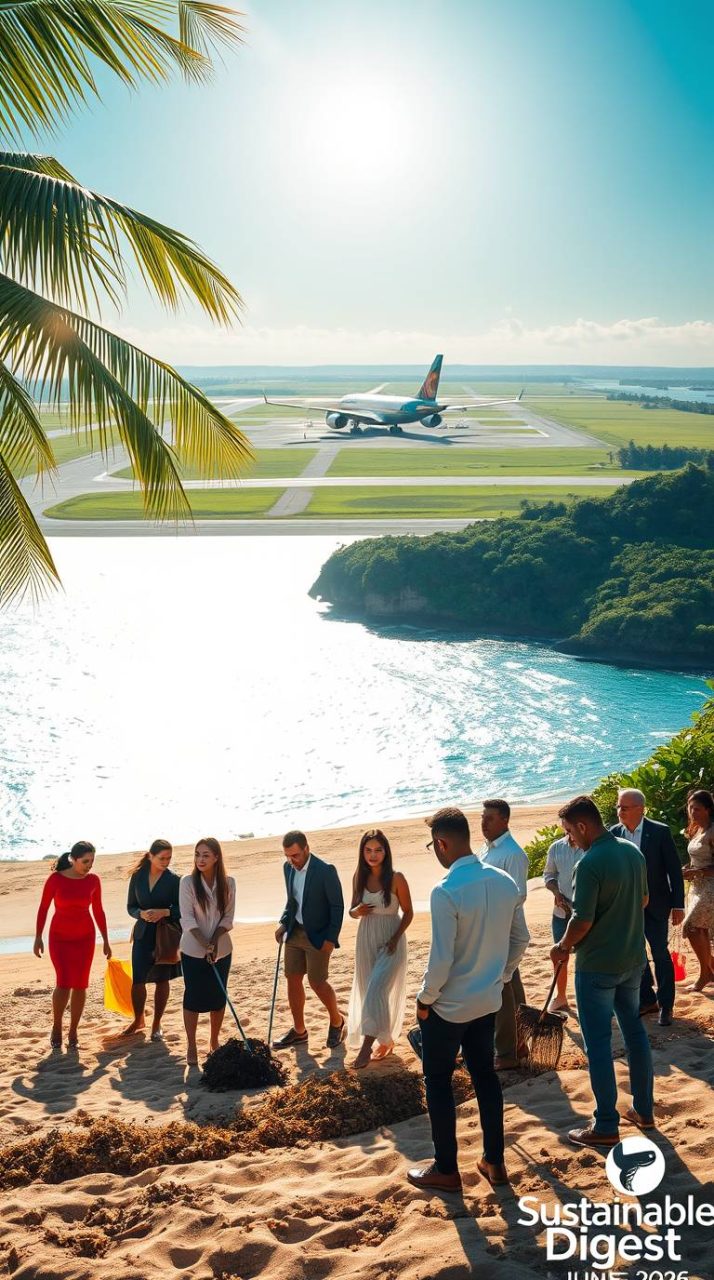
The environmental context for Caribbean observances in 2026 is dominated by the accelerating impacts of climate change. Sargassum seaweed inundation affects celebration beaches, while coral bleaching threatens marine ecosystems that underpin cultural identity and tourism economies. The need for sustainable practices has never been more urgent.
Caribbean and Latin American National Observances: Territory Day, National Hemp Month, Curacao’s National Anthem and Flag Day, Venezuelan Independence Day continuing…
Economic impact analysis between 2025 and 2026 reveals that nations diversifying beyond petroleum-based economies are demonstrating greater resilience. This is particularly true for those focusing on sustainable tourism and regenerative agriculture, where visitor spending supports local businesses during celebration periods.
Social sustainability contexts vary dramatically across these observances. Curacao engages in ongoing dialogue about decolonization and autonomous governance, while Venezuela grapples with maintaining basic social services amid political polarization. These narratives highlight the complex interplay between culture, rights, and environmental stewardship.
National Hemp Month programming in 2026 features significantly more government and industry participation than in 2025. This reflects hemp’s expanding role in sustainable construction materials, biodegradable plastics, and carbon-sequestering agricultural rotations. The focus on awareness and support for these initiatives is essential for fostering sustainable practices.
Development challenges shared across these Caribbean and Latin American observances include vulnerability to external economic shocks and limited fiscal space for green infrastructure investment. The tension between immediate poverty alleviation and long-term environmental protection remains a critical concern.
In conclusion, the 2025 to 2026 comparison shows increased regional cooperation on sustainability standards for celebration events. CARICOM members are developing shared procurement guidelines for eco-friendly festival supplies and waste management protocols, marking a positive step toward collective environmental responsibility.
| Observance | Year | Key Focus | Environmental Impact |
|---|---|---|---|
| Territory Day | 2026 | Cultural resilience and climate adaptation | Linking recovery efforts to sustainability |
| National Hemp Month | 2026 | Sustainable agriculture and industry participation | Soil remediation and carbon sequestration |
| Curacao’s National Anthem and Flag Day | 2026 | Freshwater scarcity solutions | Renewable energy desalination |
| Venezuelan Independence Day | 2026 | Economic and humanitarian challenges | Reduced carbon footprint amidst crises |
Asian and Pacific Observances: Hong Kong SAR Establishment Day, Filipino-American Friendship Day, Philippine Republic Day, Solomon Islands Independence Day
July 2026 serves as a crucial period for Asian and Pacific nations, where political commemorations intertwine with sustainability efforts. Each observance carries significant cultural weight while addressing pressing environmental challenges faced by the region.
Hong Kong SAR Establishment Day on July 1 marks the 1997 handover from British to Chinese sovereignty. In 2026, sustainability initiatives—especially around air quality, waste management, and green building standards—remain a focus of policy continuity from 2025. This year, investments in coastal resilience infrastructure have been expanded, reflecting the territory’s vulnerability to typhoon intensification and rising sea levels.
Filipino-American Friendship Day on July 4 provides a unique lens to explore how diaspora communities collaborate on sustainability projects. Notably, remittance-funded renewable energy installations are making a difference in rural Philippine communities. This collaboration underscores the importance of community support in addressing environmental issues.
Philippine Republic Day, also on July 4, increasingly incorporates themes of disaster preparedness. Given the nation’s susceptibility to typhoons, earthquakes, and volcanic activity, these themes resonate deeply with the communities honored during independence celebrations. Awareness of these issues is critical as the country seeks to bolster its resilience.
Asian and Pacific Observances: Hong Kong SAR Establishment Day, Filipino-American Friendship Day, Philippine Republic Day, Solomon Islands Independence Day continuing…
On July 7, Solomon Islands Independence Day carries profound environmental implications. The nation confronts existential threats from climate change, with low-lying atolls already experiencing saltwater intrusion into freshwater resources. This year, the programming includes more international climate financing announcements than in 2025, showcasing the Pacific Islands Forum’s advocacy for loss and damage funding mechanisms.
The political significance of these observances in 2026 cannot be overlooked. Governance legitimacy increasingly hinges on the effectiveness of addressing environmental threats to citizen well-being. Moreover, cultural preservation is emerging as a vital sustainability dimension across these observances, with Indigenous knowledge systems recognized as essential for climate adaptation strategies.
Notably, the contrast between 2025 and 2026 reveals a surge in youth leadership within sustainability movements across all four jurisdictions. Young activists are securing formal roles in official observance planning committees, indicating a shift towards more inclusive and forward-thinking approaches to celebration.
| Observance | Date | Significance | Sustainability Initiatives |
|---|---|---|---|
| Hong Kong SAR Establishment Day | July 1 | Commemoration of the 1997 handover | Investment in coastal resilience infrastructure |
| Filipino-American Friendship Day | July 4 | Celebration of cultural ties | Renewable energy projects in rural areas |
| Philippine Republic Day | July 4 | Recognition of independence | Focus on disaster preparedness |
| Solomon Islands Independence Day | July 7 | Marking independence from Britain | Increased international climate financing |
Political Foundation and Constitutional Observance: CPC Founding Day and Armenia Constitution Day

CPC Founding Day, celebrated on July 1, serves as a pivotal moment for discussing China’s commitment to ecological civilization. This observance marks the establishment of the Communist Party of China in 1921. In recent years, the party has framed environmental protection as a vital component of national rejuvenation.
In 2026, the emphasis on carbon neutrality commitments has expanded. Provincial governments are using this occasion to announce specific decarbonization timelines for heavy industry sectors. This shift reflects a growing awareness of sustainability as a priority for the Chinese government.
On the other hand, Armenia Constitution Day on July 5 commemorates the adoption of the post-Soviet constitution in 1995. This observance provides an opportunity to examine how constitutional frameworks can enable or constrain environmental governance. In 2026, Armenia’s programming highlights judicial reforms that strengthen citizens’ rights to seek legal remedies for environmental harms.
Both CPC Founding Day and Armenia Constitution Day play crucial roles in shaping social environments. In 2026, these observances feature policy announcements affecting air quality standards, water resource management, and protected area designations. This demonstrates how governance structures can link directly to sustainable development goals.
Political Foundation and Constitutional Observance: CPC Founding Day and Armenia Constitution Day continuing...
The United Nations Sustainable Development Goals serve as a comparative metric for evaluating progress. Both China and Armenia show measurable improvements in indicators related to clean energy and urban air quality between 2025 and 2026. These advancements reflect the ongoing commitment of both nations to align their policies with global sustainability objectives.
Moreover, the narratives surrounding these political foundation observances increasingly emphasize the importance of grassroots engagement. While Armenia appears to offer slightly more space for civil society participation, China’s approach reflects a complex balance between top-down policy implementation and grassroots activism.
In conclusion, the 2026 observances illustrate how constitutional and party structures can accelerate sustainability transitions. When environmental goals are embedded in foundational governance documents, they become integral to national identity and policy direction.
Special Commemorations: Anniversary of the Coronation of King Mindaugas and Foreign Slovaks Day
July is a month rich in cultural celebrations, where history and modern practices intersect to promote awareness and environmental responsibility. Two significant observances during this time are the Anniversary of the Coronation of King Mindaugas on July 6 and Foreign Slovaks Day on July 5. Both holidays highlight the importance of cultural heritage preservation and its connection to contemporary national identity.
The Anniversary of the Coronation of King Mindaugas marks the 1253 coronation of Lithuania’s first and only king, celebrated as Statehood Day. In 2026, this observance transforms Lithuania’s medieval heritage into a platform for discussing how Baltic pagan traditions embedded environmental stewardship values that resonate with modern sustainability principles. Lithuania has emerged as a European leader in renewable energy adoption, particularly in biomass and wind power.
Foreign Slovaks Day honors Slovak diaspora communities worldwide. The 2026 programming emphasizes how traditional Slovak agricultural practices—including small-scale organic farming and forest beekeeping—offer models for sustainable rural development. This observance connects people across the globe to their ancestral homeland, fostering a sense of unity and appreciation for their cultural roots.
During these commemorations, cultural heritage preservation increasingly incorporates environmental dimensions. Historic sites face climate-related threats, and traditional knowledge systems offer adaptive strategies refined over centuries. The evolution from 2025 to 2026 in Lithuania’s Statehood Day celebrations shows expanded use of the occasion to announce protected area expansions and biodiversity conservation initiatives that link national identity to landscape preservation.
Special Commemorations: Anniversary of the Coronation of King Mindaugas and Foreign Slovaks Day continuing…
Historic traditions associated with King Mindaugas’s coronation include the singing of the national anthem at a designated hour across all time zones where Lithuanians reside. This creates a global moment of unity that in 2026 incorporates environmental pledges alongside patriotic expression. Similarly, Foreign Slovaks Day programming features significantly more virtual participation options than in 2025, reducing the carbon footprint of diaspora engagement while expanding accessibility for communities unable to travel to Slovakia.
Environmental stewardship narratives in both observances draw on pre-Christian traditions that viewed forests, rivers, and wetlands as sacred entities deserving protection. This framing resonates with contemporary ecological ethics, emphasizing the importance of preserving not only ecosystems but also the physical sites and living traditions that constitute national identity.
Both commemorations demonstrate how smaller nations can leverage cultural diplomacy and diaspora networks to advance sustainability goals. Lithuania and Slovakia are sharing best practices through European Union environmental cooperation frameworks, illustrating a collaborative way forward in promoting awareness and appreciation for their cultural heritage.
| Observance | Date | Key Focus | Modern Sustainable Practices |
|---|---|---|---|
| Anniversary of the Coronation of King Mindaugas | July 6 | Cultural heritage and national identity | Renewable energy initiatives and biodiversity conservation |
| Foreign Slovaks Day | July 5 | Connection of diaspora communities | Traditional agricultural practices and virtual engagement |
Caribbean Community Day and Regional Cooperation for Sustainability

On July 6, Caribbean Community Day highlights the unity of member states in addressing shared environmental challenges. This observance commemorates the signing of the Treaty of Chaguaramas in 1973, establishing CARICOM. With 15 member states and 5 associate members, CARICOM nations face significant climate vulnerabilities, including hurricane intensification and rising sea levels.
The 2025 to 2026 comparative progress reveals accelerated implementation of the Caribbean Community Climate Change Centre’s regional resilience framework. This framework facilitates joint procurement of renewable energy infrastructure, effectively reducing costs for smaller member states. The integration efforts toward environmental sustainability in 2026 include a landmark CARICOM agreement on shared marine protected area management. This agreement enables coordinated conservation across national boundaries for migratory species and interconnected reef systems.
Social sustainability dimensions of Caribbean Community Day programming have expanded between 2025 and 2026. The focus now includes addressing climate migration, as residents from increasingly uninhabitable coastal areas relocate to urban centers in neighboring island states. Regional cooperation mechanisms have also strengthened, featuring a Caribbean catastrophe risk insurance pool that incorporates parametric triggers for slow-onset events like drought and sea level rise.
Caribbean Community Day and Regional Cooperation for Sustainability continuing…
The policy harmonization agenda advanced during 2026 Caribbean Community Day observances includes common standards for single-use plastic bans and building codes adapted to climate projections. Additionally, sustainable public procurement guidelines are now part of the agenda. Comparative progress metrics show that CARICOM states collectively increased renewable energy capacity by approximately 12% between 2025 and 2026. Several nations used Caribbean Community Day to announce new solar and geothermal projects.
The way regional cooperation supports sustainability extends beyond government action. In 2026, expanded civil society and private sector participation in Caribbean Community Day forums on green business development and community-based adaptation is evident. Rights-based approaches to sustainability gained prominence in 2026 CARICOM discourse, linking environmental protection to the rights of present and future generations.
The impact of regional cooperation is most visible in negotiations with international financial institutions. CARICOM’s collective voice secured improved terms for climate adaptation financing between 2025 and 2026. This reflects a growing recognition of the importance of sustainability in policy discussions and international partnerships.
National Hawaii Day: Environmental and Cultural Preservation Efforts
On July 5, National Hawaii Day emerges as a vibrant celebration of the islands’ rich cultural heritage and environmental legacy. This day not only honors Hawaiian history but also serves as a platform to address pressing ecological challenges. Hawaii faces unique threats, including invasive species, coral bleaching, and the impacts of overtourism on fragile ecosystems.
The commitment to 100% renewable energy by 2045 reflects Hawaii’s dedication to sustainability. Traditional Hawaiian resource management concepts, such as ahupua’a (watershed-based land division) and kapu (temporary resource use restrictions), offer Indigenous frameworks that align with modern sustainability practices.
National Hawaii Day in 2026 provides a platform for examining how the islands’ unique ecological vulnerabilities—from honeycreeper bird extinctions to coral reef collapse—demand sustainability approaches that integrate Western science with Native Hawaiian traditional ecological knowledge.
National Hawaii Day: Environmental and Cultural Preservation Efforts continuing…
- The 2025 to 2026 comparison reveals expanded implementation of ahupua’a-based watershed management. Community-led restoration projects showcase how traditional land division principles improve water quality and reduce erosion.
- Sustainable tourism challenges intensified between 2025 and 2026. Programming increasingly addresses the tension between economic dependence on visitor spending and the environmental degradation caused by mass tourism.
- Community-led environmental protection initiatives highlighted during 2026 observances include the expansion of community-based marine managed areas. Here, local residents determine resource use rules based on observed ecological conditions.
2025 to 2026 continuing…
- Ecological challenges receiving heightened awareness during 2026 National Hawaii Day include Rapid Ohia Death, a fungal disease devastating native forests, and the spread of invasive algae species that smother coral reefs already stressed by warming waters.
- The way Hawaii approaches sustainability offers lessons for other island communities and coastal regions. It highlights the integration of cultural preservation with environmental protection as mutually reinforcing rather than competing priorities.
- Food sovereignty emerged as a prominent National Hawaii Day theme in 2026. Events showcased traditional taro cultivation, fishpond restoration, and efforts to reduce the islands’ 85-90% dependence on imported food.
National Hawaii Day 2025 to 2026 continuing…
- Summer tourism impacts received particular scrutiny during this July observance. 2026 featured expanded voluntourism programs that channel visitor labor into trail maintenance, invasive species removal, and beach cleanups.
- Support for Indigenous-led conservation grew measurably between 2025 and 2026. Funding allocations shifted toward Native Hawaiian organizations managing ancestral lands and waters.
- The impact of climate change on cultural sites—including coastal heiau (temples) threatened by erosion and sea level rise—received unprecedented attention during 2026 observances. This links heritage preservation to emissions reduction.
Zambia’s Heroes’ Day and Unity Day: Social Cohesion and Environmental Awareness

Zambia’s Heroes’ Day and Unity Day serve as vital platforms for honoring the nation’s heritage while addressing pressing environmental challenges. These observances, occurring in the first week of July, not only commemorate the sacrifices of liberation figures but also promote national cohesion among Zambia’s 72 ethnic groups.
The 2025 to 2026 comparison reveals increased integration of environmental themes into official Heroes’ Day ceremonies. Government speeches now explicitly link the heroes’ legacy to the responsibility of preserving Zambia’s natural heritage. This shift reflects a growing recognition that honoring the past involves safeguarding the environment for future generations.
Social cohesion programming during Unity Day 2026 emphasizes that environmental degradation—particularly deforestation and water scarcity—disproportionately affects rural communities. These areas, where most of Zambia’s ethnic diversity resides, highlight the importance of ecological restoration as a unifying national project.
Programs promoting ecological responsibility expanded between 2025 and 2026. Youth conservation corps initiatives were announced during Heroes’ Day, providing employment opportunities while addressing invasive species removal and reforestation targets. This not only engages young people but also fosters a sense of ownership over their environment.
Zambia’s Heroes’ Day and Unity Day: Social Cohesion and Environmental Awareness continuing…
Honoring heritage with sustainability in mind takes concrete form through the 2026 designation of several historically significant landscapes as protected areas. This preserves both cultural memory and biodiversity in sites associated with the independence struggle.
The way Zambia connects national unity to environmental awareness offers a model for other ethnically diverse nations. It demonstrates that shared ecological challenges can transcend identity divisions when framed as common heritage preservation.
- Community-based natural resource management programs highlighted during 2026 observances show measurable improvements in wildlife populations and forest cover.
- Support for sustainable charcoal alternatives, including bamboo-based briquettes and improved cookstove distribution, featured prominently in 2026 Unity Day programming.
- Rights-based approaches to environmental governance gained traction, with Heroes’ Day speeches acknowledging that environmental protection cannot succeed without respecting communities’ land tenure and resource access rights.
- The part played by traditional leaders in bridging cultural heritage and environmental stewardship received formal recognition during 2026 observances.
Mother’s Day in South Sudan: Social Development and Environmental Health
In South Sudan, the observance of Mother’s Day on the first Monday of July brings attention to critical health and environmental issues. This day serves as a poignant reminder of the challenges faced by women in the world’s youngest nation, which struggles with some of the highest maternal mortality rates globally. Coupled with significant environmental challenges, including desertification and water scarcity, the observance becomes a platform for discussing the intersection of maternal health and sustainability.
As we examine the evolving celebrations in 2026, it is evident that there is a growing recognition of how environmental conditions impact maternal health outcomes. For instance, poor water quality can affect pregnancy, while deforestation increases the burden on women who must collect fuelwood. This year, Mother’s Day events are highlighting innovative solutions that link health with environmental practices.
Linking maternal health with sustainable community practices
- Mother’s Day in South Sudan provides a lens for examining how maternal health outcomes are linked to environmental conditions.
- The 2025 to 2026 comparison reveals expanded integration of environmental health components into maternal health programming.
- Initiatives distributing clean cookstoves for women that are with child to reduce indoor air pollution and lessen pressure on forest resources.
- Women’s groups are using Mother’s Day gatherings to share traditional knowledge about drought-resistant crops and wild food sources.
- Climate change awareness is increasing, as women bear the primary responsibility for water collection and household energy.
Evolving celebrations and environmental consciousness in 2026
The way humanitarian organizations frame Mother’s Day programming has shifted toward emphasizing resilience and agency. This change highlights women’s leadership in community-based natural resource management. In 2026, health infrastructure improvements celebrated include rainwater harvesting systems at rural clinics, addressing water scarcity issues that complicate maternal care.
Support for midwifery training programs announced during 2026 incorporates environmental health education. This equips birth attendants to identify and address environmental risk factors affecting maternal and neonatal outcomes. Furthermore, issues of gender-based violence, exacerbated by environmental scarcity, received more explicit attention this year.
Overall, the impact of prolonged conflict on maternal health services and environmental degradation creates compounding vulnerabilities. Advocacy efforts during Mother’s Day 2026 are addressing these challenges through integrated peacebuilding and sustainability initiatives, emphasizing the need for comprehensive solutions.
Tynwald Day and Saba Saba Day: Unique Historic Celebrations with Sustainable Implications

On July 5 and 7, two unique historic celebrations unfold, each offering insights into cultural legacy and environmental stewardship. Tynwald Day, celebrated on the Isle of Man, honors over a millennium of parliamentary tradition. Meanwhile, Saba Saba Day in Tanzania commemorates the founding of the Tanganyika African National Union, reflecting on the nation’s journey toward self-governance.
The Isle of Man’s Tynwald Day incorporates its UNESCO Biosphere Reserve status into official ceremonies. This connection links democratic tradition to environmental stewardship, showcasing the island’s commitment to sustainability. The celebrations emphasize the importance of community involvement in biosphere management, highlighting how people can play a crucial part in preserving their environment.
Cultural legacy and environmental narratives
Environmental narratives woven into Tynwald Day 2026 emphasize the Isle of Man’s pioneering role in marine carbon sequestration research. Seagrass meadow restoration projects received formal recognition during the open-air parliamentary ceremony at St. John’s. These initiatives demonstrate a strong commitment to integrating cultural heritage with modern environmental practices.
In contrast, Saba Saba Day has evolved from its origins as a trade fair date into a platform for showcasing sustainable industrial development. The 2026 exhibitions emphasize green manufacturing and circular economy business models. This shift reflects Tanzania’s renewed focus on balancing industrialization with conservation, particularly concerning protected areas like the Selous Game Reserve.
Renewed focus on sustainable development from 2025 to 2026
The comparison between 2025 and 2026 reveals expanded programming around marine conservation for Tynwald Day. The Isle of Man used this occasion to announce new fisheries management measures informed by scientific assessments of fish stock sustainability. Similarly, policy announcements in Tanzania include updated environmental impact assessment requirements for industrial projects, ensuring that development does not come at the expense of the environment.
Both celebrations illustrate the universality of environmental concern across cultural contexts. They show that historic governance institutions—whether Viking-derived parliaments or post-colonial trade unions—must adapt to address environmental challenges their founders could not have anticipated. The part played by these historic celebrations in advancing sustainability goals extends beyond symbolism, generating media attention and public engagement that amplify environmental messaging.
National Hemp Month: Industrial, Environmental, and Economic Benefits
July brings National Hemp Month, a time to explore the industrial, environmental, and economic advantages of hemp. This versatile plant is celebrated for its applications in textiles, construction materials, biodegradable plastics, paper, food products, and carbon sequestration. As the world increasingly recognizes the potential of hemp, its cultivation and use are rapidly evolving.
The advancements from 2025 to 2026 reveal significant progress in policy and awareness surrounding hemp. The 2018 U.S. Farm Bill legalized industrial hemp cultivation, and regulatory frameworks continue to evolve globally. These changes have opened the door for new opportunities in sustainable agriculture.
Expanding hemp’s role in sustainable agriculture
In 2026, the adoption of hemp in crop rotation systems is on the rise. Its deep taproots break up compacted soil, while its dense canopy suppresses weeds without the need for herbicides. Furthermore, the biomass produced contributes to soil organic matter, enhancing soil health.

2026 advancements compared to 2025 in policy and awareness
The comparison between 2025 and 2026 highlights substantial policy advancements. Streamlined licensing processes in multiple jurisdictions have made it easier for farmers to grow hemp. Additionally, updated building codes now recognize hempcrete as an approved construction material, known for its superior insulation and carbon storage properties.
Environmental benefits are a key focus during National Hemp Month. Hemp’s phytoremediation capabilities allow it to extract heavy metals and toxins from contaminated soils while producing usable fiber. This unique quality effectively combines land remediation with economic production.
The packaging industry is increasingly embracing hemp-based bioplastics and paper products. This shift represents one of the most significant sustainability developments between 2025 and 2026, offering compostable alternatives to petroleum-based packaging materials.
Awareness campaigns during July 2026 emphasize hemp’s carbon sequestration potential. One hectare of industrial hemp can absorb approximately 15 tons of CO2 during its growing cycle, significantly more than equivalent areas of forest or conventional agricultural crops.
2026 advancements compared to 2025 in policy and awareness continuing….
Food applications of hemp are also receiving expanded attention. With protein-rich seeds, omega-fatty-acid-rich oil, and gluten-free flour, hemp offers nutritionally dense, environmentally friendly protein sources. The way National Hemp Month programming bridges agricultural, industrial, and environmental communities demonstrates hemp’s unique position at the intersection of multiple sustainability priorities.
Support for hemp research has increased measurably between 2025 and 2026. Universities and agricultural extension services are expanding variety trials, processing technology development, and life-cycle assessment studies that quantify hemp’s environmental advantages. The world of sustainable materials increasingly looks to hemp as a scalable solution for reducing dependence on resource-intensive fibers like conventional cotton and synthetic materials derived from fossil fuels.
2025 to 2026 continuing…
| Aspect | 2025 | 2026 | Key Developments |
|---|---|---|---|
| Policy | Limited licensing | Streamlined processes | Improved access for farmers |
| Construction | Traditional materials | Hempcrete recognized | Increased insulation and carbon storage |
| Environmental Impact | Minimal awareness | Phytoremediation highlighted | Combining remediation with production |
| Food Applications | Limited focus | Expanded attention | Nutritionally dense sources |
Environmental and Social Impacts of Observances During the First Week of July 2026

The observances in early July 2026 showcase a remarkable intersection of cultural traditions and environmental awareness. These celebrations highlight the need for responsible planning and execution, particularly regarding waste reduction and eco-friendly practices.
National Clean Beaches Week, running from July 1-7, directly addresses waste impacts from coastal celebrations. This initiative encourages communities to engage in cleanup activities, promoting a culture of responsibility. The NRDC reports that approximately 40% of food is wasted during holiday gatherings, a statistic that underscores the importance of sustainable practices.
Waste reduction and eco-friendly celebrations
Strategies to minimize waste gained traction between 2025 and 2026. For instance, standardized reusable cup systems were adopted at various Canada Day and Fourth of July events, eliminating millions of single-use beverage containers from the waste stream. Furthermore, eco-friendly celebration strategies, such as using reusable dishware and recycled wrapping materials, are becoming more common.
The Plastic Free July movement has significantly influenced how communities plan their national day celebrations. In 2026, municipal event organizers across Canada, the Caribbean, and Pacific island nations increasingly adopted plastic-free procurement policies. This shift not only reduces waste but also raises awareness about sustainable alternatives.
Community engagement in sustainability movements
Community engagement has evolved from passive awareness to active participation. Celebration attendees now expect visible environmental responsibility from event organizers. This change reflects a growing understanding that sustainability is a shared responsibility among people.
Local food sourcing is one way communities integrate sustainability into celebrations. This practice reduces transportation emissions and supports local economies. Additionally, renewable energy increasingly powers stages and lighting, while digital alternatives replace printed programs and disposable decorations.
Planning for sustainable celebrations now begins months in advance. Environmental considerations are embedded in vendor contracts and waste management logistics, ensuring that sustainability is not an afterthought. The seasonality of these July events allows for outdoor celebrations that reduce indoor energy consumption and promote nature-based activities.
In conclusion, the observances during this time frame reflect a growing commitment to sustainability. By addressing waste, engaging communities, and planning responsibly, these celebrations can have a positive impact on both the environment and society.
| Aspect | 2025 | 2026 | Key Developments |
|---|---|---|---|
| Waste Reduction | Limited strategies | Standardized reusable systems | Millions of single-use containers eliminated |
| Community Engagement | Passive awareness | Active participation | Increased demand for environmental responsibility |
| Food Waste | 40% uneaten | Initiatives connecting surplus food | Support for food-insecure populations |
| Energy Consumption | Traditional lighting | Renewable energy sources | Lower carbon footprint for celebrations |
Integrating Sustainability Narratives into First Week July 2026 Observances: Reflection and Action

July 2026 stands as a significant moment for reimagining how cultural observances can align with pressing environmental issues. This period offers a unique opportunity for observers, event organizers, and policymakers to reflect on their roles in promoting sustainability.
How can observers align celebration with environmental goals? The answer lies in embracing a framework where environmental responsibility enhances cultural festivities. This approach adds depth and future orientation to national and heritage celebrations.
How observers can align celebration with environmental goals
Event organizers in 2026 increasingly adopt the “sustainability as hospitality” framework. Here, waste reduction, local sourcing, and accessible public transit options are presented as improvements to the guest experience rather than restrictions on celebration.
The way observers align celebration with environmental goals begins with transportation choices. In 2026, we see expanded bike valet services, shuttle systems, and virtual participation options that reduce the single-occupancy vehicle trips dominating previous years.
Promoting education and sustainable practices at events
Promoting education at events has evolved from passive signage to interactive experiences. Celebrations now feature sustainability demonstration zones where attendees engage with renewable energy technologies, composting systems, and traditional ecological knowledge practices.
Communication strategies for sustainability messaging require cultural sensitivity. It is vital to frame environmental action as consistent with the values celebrated on national and cultural holidays. People-centered approaches recognize that behavior change requires making the sustainable choice the easy choice.
Support for sustainable practices at events increasingly comes from sponsorship arrangements. Environmentally responsible companies underwrite the costs of green infrastructure in exchange for visibility, creating financial sustainability for environmental programming.
Planning timelines for 2026 observances demonstrate that effective sustainability integration requires early engagement with vendors, waste haulers, and community partners—ideally beginning six to twelve months before the event date.
The global movement toward sustainable celebrations reflects broader societal shifts in environmental consciousness. Each national observance contributes to a collective reimagining of how humans gather to honor heritage without compromising planetary health.
Programming during the International Day of Cooperatives offers valuable models for aligning celebration with sustainability. Cooperative enterprises balance economic activity with community and environmental well-being.
Time invested in sustainability planning yields compounding returns. Infrastructure improvements, vendor relationships, and community expectations established during 2026 celebrations create foundations for even more sustainable events in subsequent years.
| Key Focus | Strategies for Integration | Expected Outcomes |
|---|---|---|
| Environmental Responsibility | Adopt sustainability as hospitality | Enhanced guest experience |
| Transportation Choices | Expand bike valet and shuttle services | Reduced carbon footprint |
| Education | Interactive sustainability zones | Increased awareness |
| Communication | Culturally sensitive messaging | Alignment with holiday values |
| Support | Sponsorship for green infrastructure | Financial sustainability |
| Planning | Engagement with partners early | Effective integration |
Conclusion: Embracing Cultural Heritage and Advancing Sustainable Futures in July 2026
The month of July in 2026 showcases a remarkable blend of cultural festivities and a commitment to ecological responsibility. This convergence illustrates that preserving cultural heritage and advancing sustainable futures are not opposing forces; they are deeply intertwined. Observances across the globe reveal a trajectory toward greater environmental consciousness, seamlessly woven into traditional celebrations.
People around the world demonstrated a desire for events that honor the past while protecting the future. The increasing awareness of environmental impacts during large gatherings marks a significant shift. Celebrations are evolving to incorporate sustainability narratives that resonate with local cultures, enhancing their relevance.
Looking ahead, continued support for these initiatives is crucial. Investments in the infrastructure that enables sustainable celebrations—like composting and renewable energy—will foster a culture of responsibility. As we reflect on these observances, the time is ripe for integrating ecological wisdom into our cherished traditions, ensuring a vibrant and sustainable future for generations to come.

Key Takeaways
- The first week of July 2026 part II highlights a dense calendar of national observances linked to cultural heritage and environmental stewardship.
- These holidays offer unique opportunities to weave sustainability narratives into traditional celebrations.
- Comparative analysis between 2025 and 2026 reveals shifts in how nations incorporate ecological considerations into state-sponsored events.
- National Clean Beaches Week aligns with the celebratory atmosphere of national holidays, reinforcing environmental themes.
- Plastic Free July has transformed from a grassroots initiative into a global movement influencing observances worldwide.