
In the United States and across the world, communities are coming together through cooperatives and collectives. As discussed in prior blogs here, these groups focus on shared goals, not just making money. They help everyone involved by working together and making decisions as a team.

Cooperatives and collectives tackle major issues like wealth gaps and environmental damage. They give people a chance to work together on solutions that big businesses often ignore. From small farms to big credit unions, these groups make communities stronger and fairer.

Understanding the Foundations of Cooperatives and Collectives
It is essential to know the value Cooperatives and collectives are to fair economic systems. They focus on shared goals, not just personal gain. This way, everyone has a say, like in community cooperatives. Let’s see how these models work and why they’re important.
Defining Cooperative Business Models
Cooperative business models are built around what members need. They’re different from regular companies because members own and run them together. Think of worker-owned restaurants or farmer groups. Each one fits local needs and keeps decisions democratic.
The Structure of Collective Ownership
Collective ownership means everyone has an equal share in assets, like a grocery store or housing. Decisions need everyone’s agreement to avoid one person controlling everything. Any profits go back to members as discounts or dividends, not to outside investors.
Key Differences Between Cooperatives and Traditional Businesses
Traditional businesses aim for shareholder profits, but cooperatives care more about member well-being. Here’s how they differ:
- Control: Members decide big issues, not just executives.
- Profits: Any extra money goes back to members or is used to improve services.
- Purpose: They aim for goals like job security, not just making money.
Cooperatives put people before profit, ensuring decisions benefit everyone involved.
The Historical Evolution of the Cooperative Movement
The cooperative movement started in 19th-century Europe as a response to industrialization’s unfairness. In 1844, the Rochdale Equitable Pioneers Society in England opened a store to fight high prices. Their ideas—like democratic control and benefits for members—became a model for cooperatives worldwide.

- Rochdale Pioneers set values that still guide cooperatives today.
- During the Great Depression, U.S. farmers created agricultural cooperatives. They fought against free market failures, keeping food prices stable.
- In the 1960s and 1970s, worker cooperatives grew. They combined social justice with economic survival.
- Now, modern social enterprises like Equal Exchange and Weaver Street Market mix profit with community goals.
These key moments show cooperatives adapt to tough times while keeping their social goals. They work in competitive markets but focus on fairness. From 19th-century England to today, their story is one of strength. It shows cooperatives are more than businesses—they’re tools for lasting change.
Seven Core Cooperative Principles That Drive Solidarity
The International Cooperative Alliance’s seven principles guide cooperatives worldwide. These cooperative principles make sure member voices and community needs are at the heart of every decision. This creates organizations that promote solidarity and serve the community.
“Cooperatives are autonomous associations where members act together to achieve their common economic, social, and cultural needs.” – International Cooperative Alliance
Voluntary and Open Membership
Members join freely without discrimination. The Weaver’s Cooperative in Vermont welcomes all residents. This ensures everyone can participate in local food systems.
Democratic Member Control
Each member has one vote in decisions. Equal Voice, a Minneapolis worker cooperative, holds quarterly votes. Here, all members shape policies together.
Member Economic Participation
Members contribute equitably. The Cooperative Home Care Associates in New York shares profits equally among its 2,000 worker-owners.
Autonomy and Independence
Cooperatives operate free from external control. The Mondragon Corporation in Spain remains member-controlled, even with 74,000 employees.
Education, Training, and Information
Regular training empowers members. The US Federation of Worker Cooperatives offers free leadership workshops for member education.
Cooperation Among Cooperatives
Cooperatives collaborate to strengthen the movement. The Ohio Employee Cooperatives Network connects 45+ groups to share resources.
Concern for Community
Environmental and social goals guide decisions. The Evergreen Cooperatives in Cleveland invest 10% of profits in local green energy projects.
| Principle | Key Action | Impact |
|---|---|---|
| Voluntary Membership | Barrier-free entry | Expands inclusivity |
| Democratic Control | One member, one vote | Ensures equity |
| Economic Participation | Equitable profit-sharing | Reduces wealth gaps |
| Autonomy | Member-driven governance | Maintains mission focus |
| Education | Training programs | Builds leadership capacity |
| Cooperation Among Cooperatives | Network partnerships | Strengthens collective influence |
| Concern for Community | Socially responsible investments | Creates lasting social impact |

These principles turn into actions that make a difference. From worker-owned businesses to housing collectives, they ensure cooperatives are forces for positive change. Cooperatives show that ethical business models can have lasting social impact and foster inclusive economies.
Types of Cooperatives Transforming American Communities
In the U.S., community cooperatives are changing local economies with new cooperative business models. These models focus on what members need and aim for economic fairness. From big cities to small towns, different types show how working together can bring about real change.
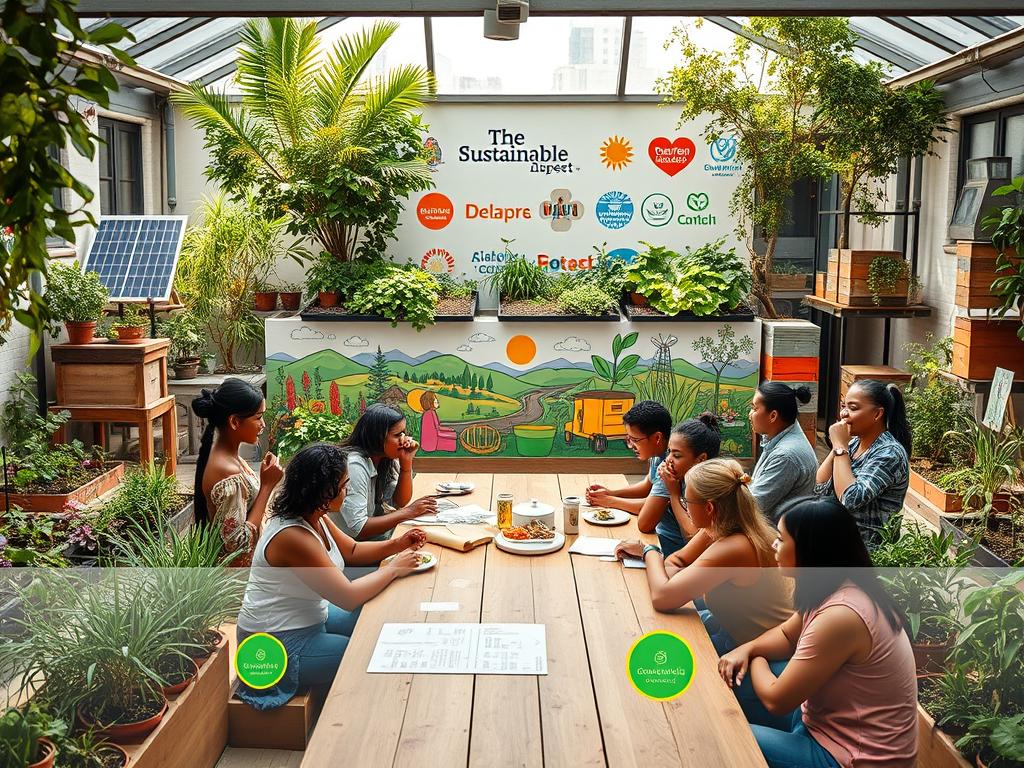
Worker-Owned Cooperatives
Worker-owned businesses, like Cooperative Home Care Associates in New York, give employees a say in how things are run. They vote on big decisions, share profits, and grow wealth together. This approach helps close income gaps and brings stability.
Consumer Cooperatives
Big names like REI are member-owned social enterprises. They put profits back into the community. Members get discounts and help decide what to buy. This model strengthens local bonds and supports ethical shopping.
Housing Cooperatives
Housing groups like Champlain Housing Trust in Vermont offer homes that are always affordable. People buy shares instead of houses, keeping costs down. These community cooperatives fight against homelessness and build welcoming communities.
Agricultural Cooperatives
Groups like Land O’Lakes and Organic Valley help farmers by sharing resources and market access. Small farmers can compete better by working together. These efforts keep rural areas strong and support green farming.
Credit Unions and Financial Cooperatives
Places like Navy Federal Credit Union focus on people over profits. They offer low-interest loans and no-fee accounts. This makes banking more accessible and helps people financially.
- Worker co-ops cut income inequality by 20–40% compared to traditional firms
- Consumer co-ops reinvest 30% of profits back into community programs
- Housing co-ops preserve affordable units for generations
Promoting Solidarity Through Cooperatives and Collectives
The solidarity economy grows when communities focus on helping each other more than making money. Cooperatives show this by making decisions and sharing resources for everyone’s benefit. This way, members trust each other and gain strength together.
- Emergency relief funds managed by members during crises
- Knowledge-sharing networks for skill development
- Resource pooling for shared infrastructure projects
“Solidarity isn’t a buzzword—it’s the engine driving our success,” said a member of the Weaver’s Cooperative in New York City. “When we support each other, we all thrive.”
These actions have a big social impact by first helping local needs. For example, cooperatives in rural Appalachia have helped towns by sharing land and tools. This shows that promoting solidarity through cooperatives and collectives makes both people and places stronger.
Decisions in cooperatives are about caring for each other, not just competing. By choosing to help each other, cooperatives make the solidarity economy real every day. This approach is not just a dream; it’s working and growing across the country.
How Grassroots Cooperatives Address Economic Justice
Grassroots cooperatives are changing the way we think about money and community. They focus on fairness and the well-being of everyone involved. These groups are owned by their members, not just for making money.
They share wealth and power, which is different from big businesses. This way, they fight against unfair distribution of resources.

“Cooperatives are not just businesses—they’re engines of economic justice that empower the marginalized to build lasting wealth.” – National Cooperative Business Association
Reducing Wealth Inequality
Worker-owned cooperatives help reduce income gaps. In Jackson, Mississippi, the Cooperation Jackson network has cut poverty by 15% in five years. They share profits fairly, keeping money in the community.
Creating Sustainable Livelihoods
These cooperatives offer good wages and protection. Twin Oaks Cooperative in the Twin Cities pays members 40% above minimum wage. They also provide health benefits and training. Over 85% of members say they are financially stable for the long term.
Building Resilient Local Economies
Cooperatives like Evergreen in Cleveland invest 90% of their money locally. This creates jobs and protects communities from economic ups and downs. Studies show co-op clusters can increase local GDP by 12% each year.
Grassroots cooperatives are more than just businesses. They are solutions to big problems. Their growth shows we can work together for economic justice.
Environmental Impact: Cooperatives Leading Ecological Preservation
Cooperatives are changing how we protect the environment. They make decisions that benefit the planet for the long run. This way, they help achieve environmental justice and support the UNSDGs.

The Missouri-based Solar Holler cooperative is a great example. They produce clean energy, reducing our need for fossil fuels. The Dr. Bronner’s Fair Trade co-op buys organic ingredients, helping farmers and protecting nature.
These examples show that caring for the environment and making money can go hand in hand.
- Philadelphia’s Weaver’s Circle recycles textiles without waste.
- Rural Electric Cooperatives invest in solar, cutting emissions and expanding energy access.
“Cooperatives bridge gaps in environmental justice by centering marginalized communities in sustainability efforts.” — UN Environment Programme, 2023
Cooperatives work to fix unfairness in how resources are shared. They focus on fair trade and green energy. This helps those who need it most and moves us closer to global sustainability goals.
Challenges and Solutions in Cooperative Development
Cooperative development faces many hurdles, but there are solutions. These social enterprises can overcome funding gaps and legal complexities. The answers lie in innovation and working together.

Access to Capital and Financing
Traditional lenders often ignore cooperatives. But, there are other ways to get funding. Many turn to:
- Community-based crowdfunding platforms
- Grants from organizations like the National Cooperative Business Association
- Specialized loan programs through CDFIs (Community Development Financial Institutions)
These options help cooperatives get the money they need. They don’t have to rely only on the free market.
Legal and Regulatory Hurdles
Cooperatives face challenges in legal and tax rules. Legal clinics like the Democracy at Work Institute offer help. Some choose to form LLCs or B Corps to make things easier.
Education and Skill Development
“Education is the backbone of cooperative success.” – Cooperative Development Institute
Programs like the University of Wisconsin’s cooperative studies provide training. Workshops on governance and financial management help leaders. This way, cooperatives can keep running smoothly.
Scaling While Maintaining Values
Growing doesn’t have to mean losing values. Cooperatives work with other social enterprises. They use open decision-making and get advice from groups like the Twin Cities’ Cooperative Development Initiative.
These strategies show that cooperatives can succeed. They turn challenges into chances for growth and member focus.
Success Stories: Thriving Cooperatives and Collectives in the U.S.
Grassroots cooperatives across the U.S. show that community-driven models can succeed. They face local challenges and promote economic fairness. Here are three examples that stand out.

Urban Case Studies
In Cleveland, the Evergreen Cooperatives turned a food desert into an opportunity zone. They have community cooperatives that employ over 200 people in green businesses. This includes a solar-powered laundry and an urban farm.
Over 70% of workers live close by, keeping money and jobs local.
Rural and Agricultural Successes
Land O’Lakes is a century-old cooperative that helps 4,000 dairy farmers in 46 states. By working together, members get fair prices and sustainable practices. “We’re not just farmers—we’re a movement,” says CEO Beth Ford.
This cooperative makes $17 billion a year. It shows that grassroots cooperatives can grow while staying true to their mission.
Innovative Cooperative Models
Stocksy United is a photographer-owned agency that changes how creative work is done. It’s a platform cooperative that shares profits fairly among 50,000+ members. This model cuts out middlemen, letting creators earn 50% of sales.
| Type | Name | Members | Annual Impact |
|---|---|---|---|
| Urban | Evergreen Cooperatives | 200+ workers | $12M in local wages |
| Rural | Land O’Lakes | 4,000 farmers | $17B revenue |
| Innovative | Stocksy United | 50,000+ creators | 50% artist profit share |

How to Start or Join a Cooperative in Your Community
Ready to join the cooperative movement? Whether starting a cooperative or joining existing ones, your community can thrive through cooperative development. Explore community cooperatives and cooperative business models to create shared success.

- Assess local needs: Identify gaps in services or goods your community lacks.
- Build a planning team: Gather members passionate about the cause.
- Choose a business model: Select from worker, consumer, or housing cooperative business models.
- Legal structure: Register as a cooperative under state laws.
- Raise funds: Seek grants, loans, or member investments.
Joining existing cooperatives? Start by:
- Visiting NCBA CLUSA’s directory to find nearby community cooperatives.
- Attend local meetings to learn membership requirements.
- Volunteer to build relationships and understand operations.
“Every member makes a cooperative stronger. Start small, act together, and grow impact.” – National Cooperative Business Association
| Resource | Focus | Contact |
|---|---|---|
| National Cooperative Business Association (NCBA CLUSA) | Education, Advocacy | ncba.co |
| USDA Rural Development | Grants, Technical Support | rurdev.usda.gov |
| Local Initiatives Support Corporation | Community Development | lisc.org |

Begin today. Local cooperative development networks provide free guides and workshops. Your first step could be attending a webinar or meeting. Together, cooperatives turn ideas into thriving ventures.

Conclusion: Embracing Shared Prosperity Through Collective Action
The solidarity economy grows when communities support cooperative models. These models put people first, not just profit. Cooperatives and collectives show that working together can solve big problems like wealth gaps and harm to the environment.
By sharing resources and making decisions together, members create economies that help everyone. These structures also create jobs, protect nature, and promote growth for all. This way, people can build economies that reflect their values.
Starting or joining a cooperative is a step into a world of innovation. Groups like the National Cooperative Business Association help newcomers. Success stories from Equal Exchange and Mondragon show real progress.
Every step towards supporting cooperatives makes communities stronger. It’s a choice to build a future where everyone has a say in the economy. By choosing cooperatives, we invest in a world where profit and purpose go hand in hand. Together, we can make a difference and create a more just society.

Key Takeaways
- Cooperatives and collectives reduce economic disparities by ensuring equitable profit sharing.
- These structures align with the solidarity economy to address systemic inequities.
- They create long-term social impact through democratic decision-making.
- Examples like Mondragon Corporation and REI show their global success.
- They foster local resilience against economic downturns and corporate dominance.