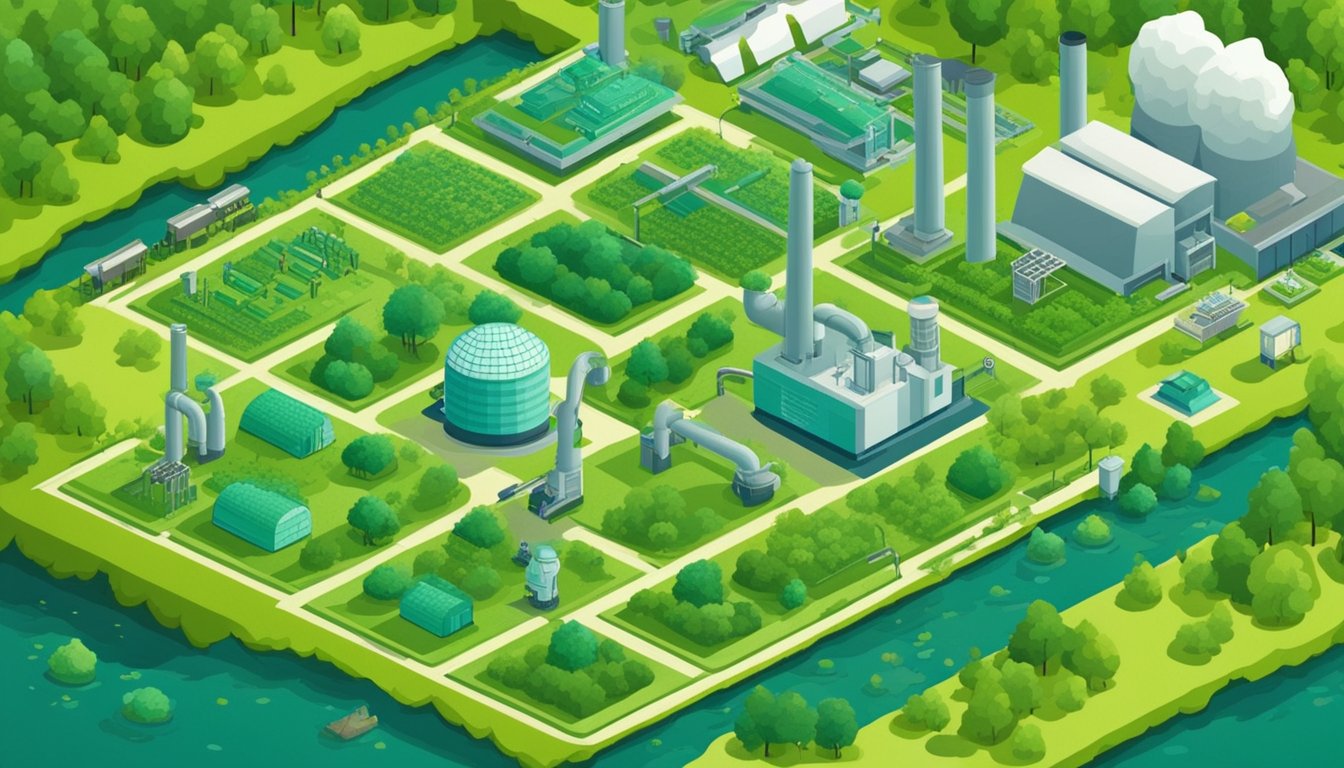
Types of Cooperatives: Leading Sustainable, Climate, & ESG Solutions

There a numerous set types of Cooperatives that, enterprises & democratic governed organizations are becoming key players in solving global environmental problems. They are owned by their members and lead in promoting green business practices and eco-friendly goods and services. These businesses are making big strides in creating a more sustainable future.

Multi-storey parking garage, Building, Modern image. https://pixabay.com/photos/multi-storey-parking-garage-building-7228120/

Cooperatives are changing how we tackle environmental justice and ecological stewardship issues, both locally and internationally. They focus on renewable and clean energy and sustainable farming. This shows that making money, community outreach, and protecting the planet can go hand in hand.

As we face climate change and use up resources, cooperatives are discovering new ways to help. They are more than just businesses and non-profits; they are communities working together for a greener world. Through their collective efforts, cooperatives are making a real difference in so many areas.

Understanding Modern Cooperative Models in Sustainability

The sustainable types of cooperatives are changing how we face environmental challenges. They bring diverse groups of people together to fight climate change and support green practices. Environmental, habitat preservation, produce, and sustainable agriculture cooperatives are leading this green movement.

Core Principles of Sustainable Cooperatives

Sustainability-focused cooperatives stand out with their key principles. They focus on stewarding the environment, fair labor practices, and community involvement. These groups aim to reduce carbon footprints and support clean energy.

By focusing on sustainability, they make a lasting positive impact on our planet.

Economic and Environmental Benefits

These types of cooperatives offer more than just environmental and social benefits. They create jobs, boost local economies, and provide affordable green goods and service. Environmental cooperatives save money through shared resources and bulk purchases.

Sustainable agriculture cooperatives help farmers and ranchers use eco-friendly methods. This leads to healthier food, minerals, and soils.

BenefitEnvironmental ImpactEconomic Impact
Renewable Energy UseReduced Carbon EmissionsLower Energy Costs
Sustainable FarmingImproved Soil HealthHigher Crop Yields
Resource SharingLess WasteIncreased Savings

Governance Structure and Member Participation
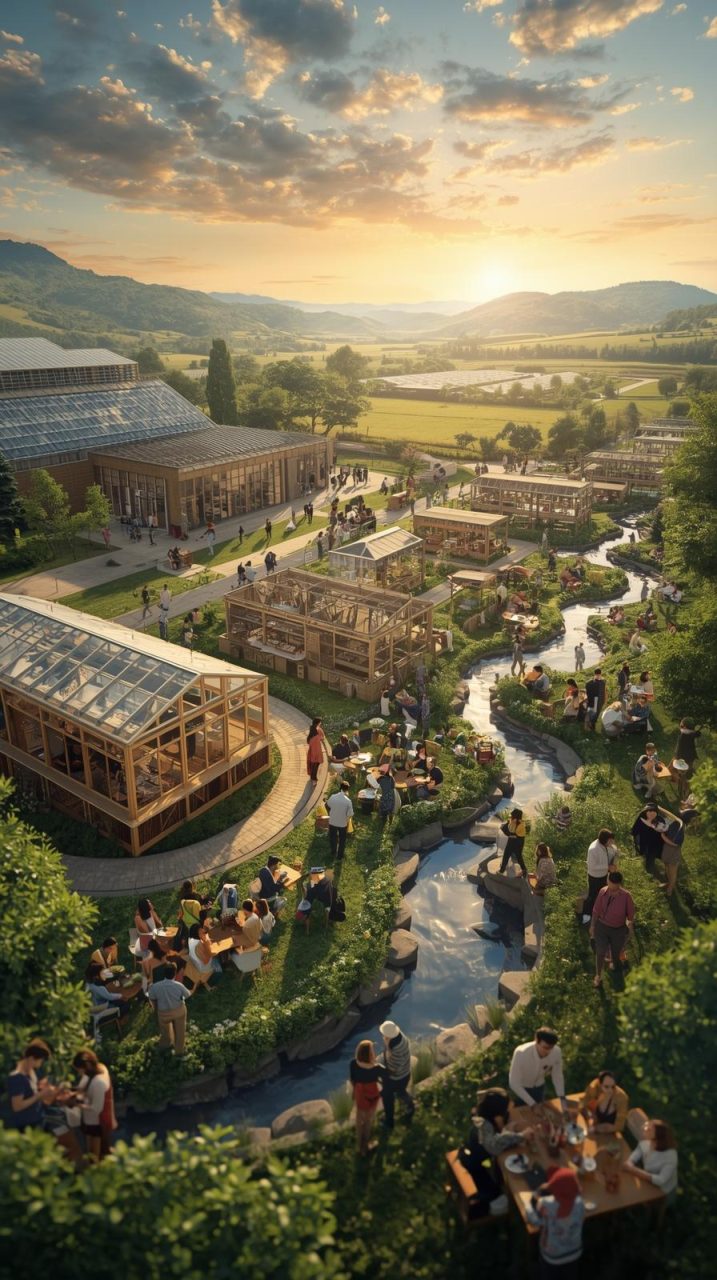
Cooperatives succeed because of owner-member involvement. Everyone has a say in decisions, ensuring objectives and actions meet community needs. This democratic structure encourages humanitarianism, innovation, and accountability.

Owner-members of environmental cooperatives often join eco-projects. Those in sustainable agriculture cooperatives share farming and ranching techniques.

“In a cooperative, every member’s voice counts. It’s not just about profit, but about creating a sustainable future for all.”

Different types of Cooperatives in Sustainability, ESG, Climate, and resiliency

Cooperatives are key in solving big sustainability, ESG, climate, carbon, and resiliency problems. They bring people together from all walks of life to work on big environmental issues. Let’s explore more about the three types of cooperatives that are making a big difference in sustainable development.

Worker-Owned Environmental Cooperatives

Worker-owned environmental cooperatives let employees take action for the eco-system of the planet. They focus on green practices, clean and renewable energy, and cutting down waste. This way, workers feel invested in the company’s success and work harder to meet environmental and social impact goals.
Consumer Green Cooperatives

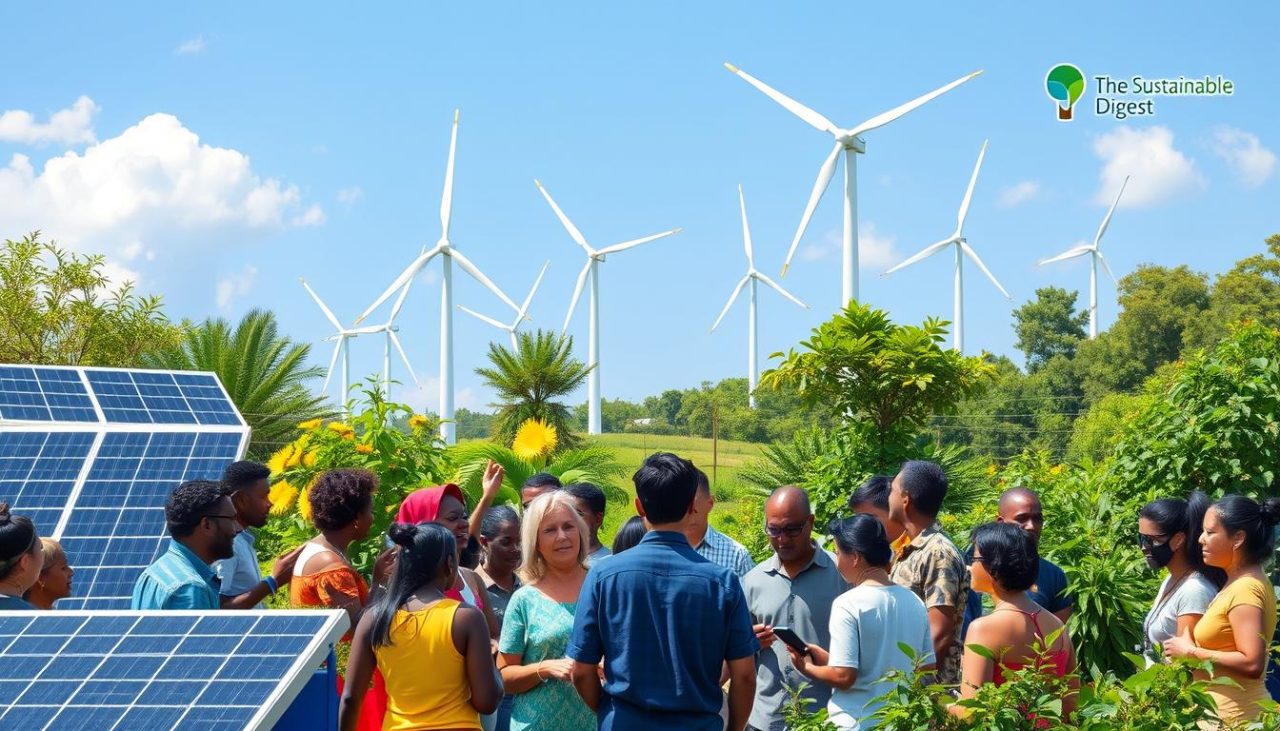
Consumer green cooperatives serve those who care about the planet. They sell sustainable products like organic food and green household items. By working together, they can get better deals on these products, making green living easier for more people.

Multi-Stakeholder Climate Initiatives

Multi-stakeholder climate initiatives team up different groups to tackle big environmental issues. These cooperatives include local governments, businesses, and residents working together. They create new solutions that help the whole community.

Cooperative TypeKey FocusPrimary Stakeholders
Worker-Owned EnvironmentalSustainable practices, renewable energyEmployees
Consumer GreenEco-friendly products and servicesCustomers
Multi-Stakeholder ClimateCommunity-wide climate adaptationLocal government, businesses, residents

Renewable Energy Cooperative Solutions
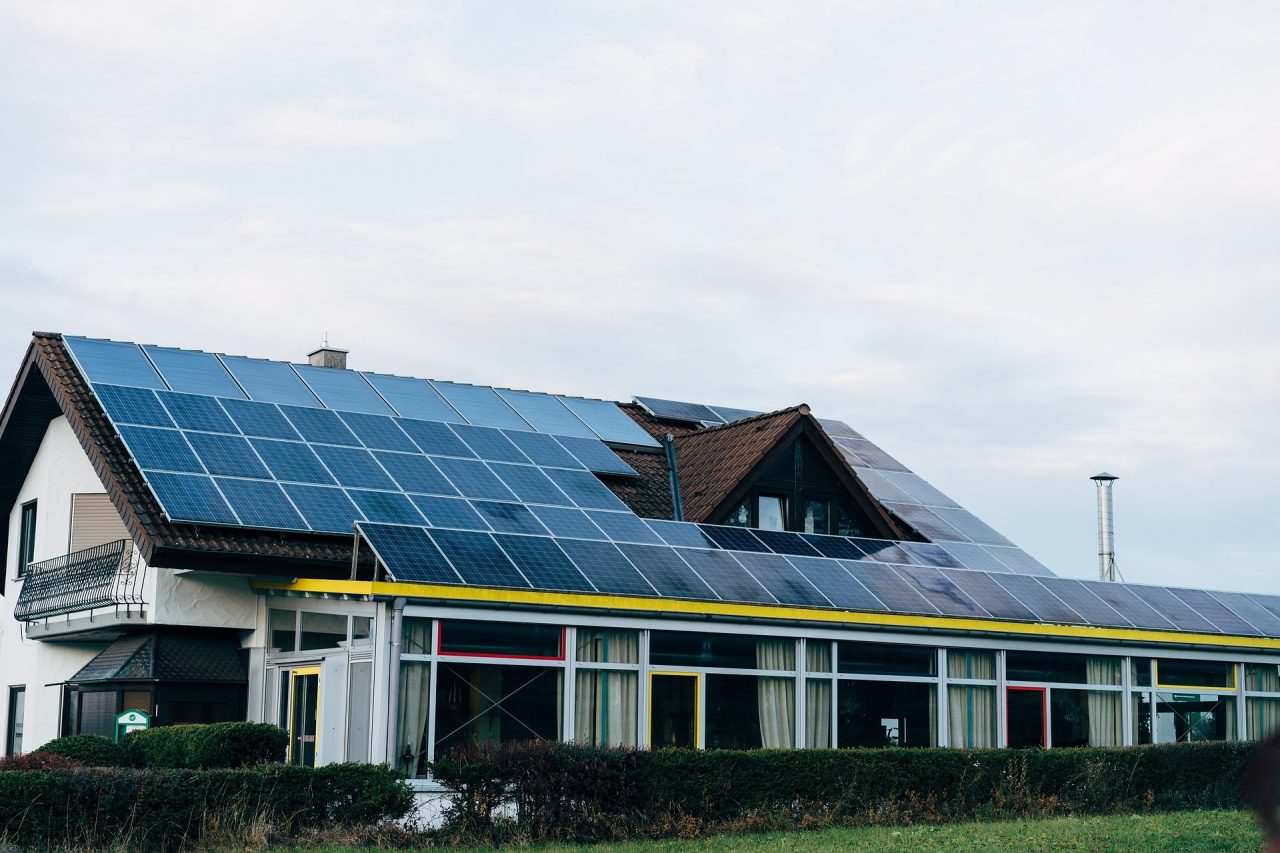
Renewable, Roof, Energy image. https://pixabay.com/photos/renewable-roof-energy-solar-6811970/

Renewable Energy Cooperatives are changing the energy scene and causing a ripple effect across the monopolies and cooperative communities alike. They let locals who are owner-members control their energy future. Owner-members pool resources to fund clean and green energy projects, helping the planet and their pockets.

Solar Energy Cooperative Models

Solar cooperatives are becoming the most popular nationwide and globally. Owner-members split the cost of solar panels, making green energy affordable. Some networks even sell their surplus power, earning money for owner-members.

Wind Power Community Projects

Wind power cooperatives, like other clean energy coops, rely on community strength. They thrive in rural areas and in the flat plains with strong winds. Farmers get extra income by leasing land for turbines, helping produce renewable energy.

Energy Storage Initiatives

Energy storage is extremely key for Renewable Energy Cooperatives. Battery systems store extra energy for when it’s needed most during off-peak hours. This boosts grid reliability, durability, and cuts down fossil fuel use.

Cooperative TypeKey BenefitsChallenges
SolarLower installation costs, shared maintenanceSpace requirements, initial investment
WindHigh energy output, land lease incomeWind variability, noise concerns
Energy StorageIncreased reliability, peak shavingTechnology costs, regulatory hurdles

Renewable Energy Cooperatives pave a sustainable path. They help communities cut carbon emissions, lower energy bills, greenhouse gases, and fight climate change.

Sustainable Agriculture and Food Cooperatives

Sustainable Agriculture Cooperatives are invaluable in promoting green farming, ranching, and food making. They unite local farmers, creating a strong community effort in agriculture. This focus is on caring for the environment, preserving the local habitat, and ensuring everyone has food.

Environmental Cooperatives in farming use organic methods, cut down on chemicals, and save natural resources. By working together, members get access to new, green technologies and practices. These are often too expensive for one farmer to afford alone.

“Sustainable Agriculture Cooperatives empower farmers to produce food responsibly while protecting our planet for future generations.”

These groups often connect farms directly to tables, cutting down on transportation and emissions. They support a wide range of crops and protect natural habitats. Many also save and share seeds, keeping rare varieties alive and making crops stronger.

Benefits of Sustainable Agriculture CooperativesImpact
Reduced chemical useImproved soil and water quality
Increased biodiversityEnhanced ecosystem resilience
Shorter supply chainsLower carbon emissions
Knowledge sharingImproved farming practices

Environmental Cooperatives in farming also reach out beyond the fields. They teach people about sustainable food systems and encourage eco-friendly choices. This broad effort helps make the food chain more sustainable, from the farm to our plates.

Green Housing and Eco-Community Cooperatives

Green Housing Cooperatives are changing city living. They mix green living with cooperative ideas. People come together to build eco-friendly homes and lively areas.

Sustainable Building Practices

These cooperatives focus on green building. They use recycled stuff, solar panels, and smart designs. This lowers energy bills and helps the planet.

Community Garden Integration

Many have shared gardens or mini-gardens and hoop houses. These spots give fresh food and build community. People learn to farm sustainably and enjoy their harvest and investments.

Shared Resource Management

Cooperatives are great at sharing resources and exchanges. They have systems for preserving water, reducing waste, and managing energy. This teamwork makes the overall infrastructure more efficient and cuts down on waste.

“Our cooperative’s shared resource system has cut our utility costs by 40% while bringing neighbors closer together,” says a member of a thriving Green Housing Cooperative in Seattle.

Green Housing Cooperatives are at the forefront of green and smart city growth. They mix green living with community efforts. This creates strong, livable places for tomorrow.

Environmental Manufacturing and Production Cooperatives

Eco-friendly manufacturing cooperatives are changing the game in industrial production. They mix sustainable practices with a worker-owned model. This approach aims to cut waste, save resources, and make eco-friendly products.
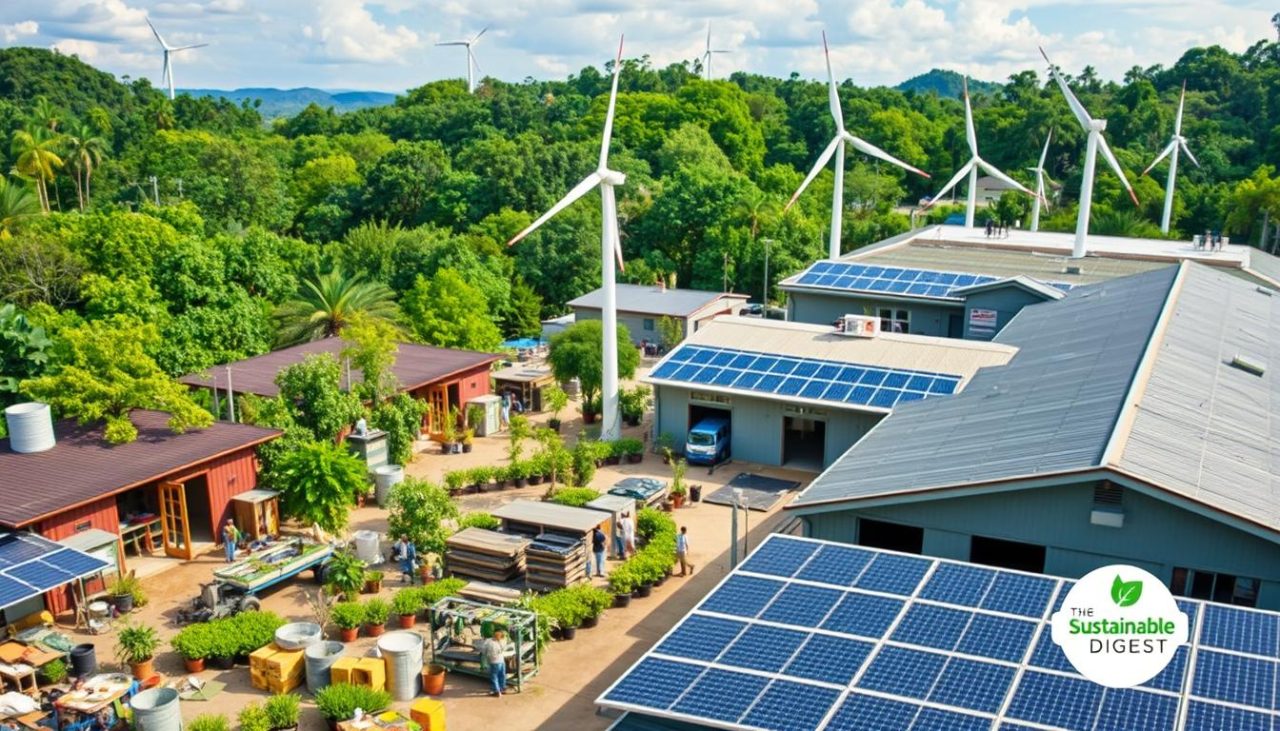
Worker-owners in these cooperatives care about making money, productivity, and protecting the environment. This setup leads to new ways of production and output. For instance, many use closed-loop systems, where waste is converted into new inputs.

“Our cooperative model allows us to prioritize long-term sustainability over short-term gains. We’re not just employees; we’re stewards of our environment and our community.”

These cooperatives focus on making sustainable and/or eco-friendly versions of common products. They produce everything from biodegradable packaging to solar-powered gadgets. They’re leading the charge of green innovation and sustainable development.

Cooperative TypeKey Focus AreasEnvironmental Impact
Recycling CooperativesWaste reduction, Material recoveryLandfill diversion, Resource conservation
Green Tech CooperativesRenewable energy products, Energy-efficient devicesCarbon footprint reduction, Energy savings
Eco-textile CooperativesOrganic fabrics, Sustainable dyeing processesWater conservation, Chemical pollution reduction

The success of Eco-Friendly Manufacturing Cooperatives shows that generating capital and saving the planet can work together. As people become more eco-aware, these cooperatives are ready to lead in sustainable production and development.

Climate Action and Resilience Cooperative Networks

Climate Action Cooperatives and Community Resilience Cooperatives collaborate together for sustainability projects from human rights to conservation to fight climate change. They create robust systems for getting ready for disasters, adapting to climate change, and responding to emergencies.

Disaster Preparedness Programs

Climate Action Cooperatives make detailed plans for disaster readiness. They do risk checks, plan evacuations, and store important items. Owner-members learn first aid and emergency steps, so they can act fast during disasters.

Climate Adaptation Strategies

Community Resilience Cooperatives work on short-term and long-term climate solutions. They start habitat preservation and green projects like urban forests and rain gardens to fight flooding and heat. They also support farming and permaculture-facing agendas that’s good for the planet, to keep food safe in changing climates.

Community Emergency Response

When disasters hit, Climate Action Cooperatives act quickly. They work with local groups, manage shelters, and share resources. Their community focus means they respond fast and effectively, meeting local needs.

Cooperative TypeFocus AreaKey Activities
Climate Action CooperativesDisaster PreparednessRisk assessment, evacuation planning, emergency training
Community Resilience CooperativesClimate AdaptationGreen infrastructure, sustainable agriculture, resource management
BothEmergency ResponseShelter management, resource distribution, community coordination

“Our cooperative network turns climate challenges into opportunities for community growth and resilience,” says Emma Chen, leader of the Bay Area Climate Action Cooperative.

Together, these networks make communities stronger and more ready to face climate challenges.

ESG Integration in Cooperative Business Models

Those types of Cooperatives in general are, at the forefront of sustainability and economic development. They leverage Environmental, Social, and Governance (ESG) principles into their daily work. This approach helps them measure and enhance their positive impact.

Environmental Impact Measurement

Cooperative enterprise organization use advanced tools to measure their environmental impact. They track energy use, waste, water, and carbon emissions. Life cycle assessments and life cycle cost analysis both help them understand the full effect of their activities.

Social Responsibility Programs

Cooperatives focus on social responsibility through community efforts and engagement. They promote fair labor, diversity, international relations, and local economic growth. Some even offer education and training to empower members and encourage sustainable practices.

Governance Best Practices

Cooperatives are known for their transparent, scalable, and democratic governance. They ensure all owner-members have a say in decisions. Regular audits for checks and balances with open communication build trust and accountability.

“Cooperatives are not just businesses; they’re catalysts for positive change in sustainability and climate action.”

By embracing both CSR and ESG, cooperatives are raising the bar for sustainable business. Their structure allows them to succeed economically while protecting the environment and advancing society. This makes them key players in the battle against climate change/pollution/environmental impact and social inequality.

Conclusion

The various types of Cooperatives are a key factor in making our world more sustainable and resilient. They range from customer/producer/worker-owned groups to renewable energy projects. These efforts are crucial for a greener future for the next generations.

Cooperatives continue to tackle imposing global issues in unique ways. They focus on sustainable farming, green homes, and eco-friendly manufacturing. Their goal is to protect our planet and support communities.

In a world facing many challenges in labor, economic, politics, law, and education to name a few; cooperatives offer hope in something very attainable. They use democratic rules, share resources, foster innovation, and engage communities. By adopting these cooperative models, we can create a better world for all and for future generations to come.
Key Takeaways

  • Cooperatives play a crucial role in promoting sustainability, green production, and ESG practices
  • Member-owned structures enable democratic economics for decision-making in environmental initiatives
  • Various types of cooperatives address different aspects of labor, ecology, climate change and resiliency
  • Cooperatives combine economic success with ecological responsibility through social impact
  • Cooperative organizations as internal operations offer innovative solutions to global environmental challenges


How has Sustainability Developed in the 20th Century Across Various Sectors?

The 20th century marked significant strides in sustainability across various sectors. The vast evolution of sustainability can be traced in areas such as ecology, labor laws, and energy, where advances were made to balance economic growth with ecological and social responsibility. In environmentalism, the rise of sustainability was driven by an increasing awareness of the need to manage resources responsibly, a movement spurred by visible pollution and the imperative to preserve natural ecosystems.

A lush forest with diverse plant and animal life, clean air and water, and renewable energy sources coexisting harmoniously

Technological innovations played a crucial role in shaping a more sustainable future. The drive towards sustainability saw significant advancements in manufacturing processes, with an emphasis on reducing waste and increasing efficiency. These shifts in manufacturing were paralleled by transformations in the energy sector, where the adoption of renewable energy sources aimed to reduce reliance on fossil fuels and mitigate environmental impact.

Internationally, sustainability transcended local initiatives and became a core aspect of diplomatic efforts and policy formulation. The focus was not only on environmental issues but also on advancing labor rights and human welfare in industries worldwide. These global efforts highlighted the interconnectedness of human rights with ecological sustainability, setting the stage for comprehensive and cohesive strategies moving forward.


Historical Progression of Sustainability

A lush forest transitions into a polluted landscape, then transforms into a sustainable city with renewable energy sources and green spaces

In the 20th century, sustainability evolved significantly across various domains. This transformation was marked by increasing ecological awareness and the rise of environmentalism, which together shaped policies and practices in technology, energy, and diplomacy.

Origins of Ecological Awareness

Ecological awareness began primarily as a reaction to industrial impacts on natural resources. By the late 1800s, European foresters developed principles to maintain forest productivity, which laid the groundwork for sustainability concepts.

20th-century advancements in ecology fostered a scientific understanding of ecosystems’ interconnectedness, stressing balance and resource management. Tools like the Environmental Kuznets Curve illustrated the resource consumption-environmental impact relationship, encouraging responsible practices.

The publication of Rachel Carson’s “Silent Spring” in 1962 was pivotal, alerting the public to chemical pollutants. This book catalyzed a broader ecological awareness, influencing public policy and increasing demands for conservation and sustainable development.

Emergence of Environmentalism

The environmentalism movement gained momentum in the mid-20th century, responding to industrial growth and resource exploitation. The formation of organizations like the World Wildlife Fund in 1961 signaled a concerted effort to address ecological degradation.

Key policy milestones included the United Nations Conference on the Human Environment in 1972, which reinforced sustainability as a global concern. Legislative measures followed, with acts centered on clean air, water, and endangered species protection, shaping more sustainable industrial practices.

Technological innovation was integral, with the rise of renewable energy sources such as solar and wind power, replacing fossil fuel reliance. The Brundtland Report of 1987 further entrenched sustainable development as a guiding framework, influencing international treaties and agreements.

Advancements in Environmental Policy

A lush forest with diverse wildlife, wind turbines, and solar panels coexisting harmoniously with clean air and water

Environmental policy in the 20th century evolved through national legislative efforts and international agreements. These developments aimed to address ecological challenges by regulating pollutants, preserving biodiversity, and promoting sustainable practices.

National Legislation and Regulations

Countries implemented laws to tackle air and water pollution, manage waste, and control emissions. The United States established the Environmental Protection Agency (EPA) in 1970, marking a significant shift towards structured environmental governance. The Clean Air Act and the Clean Water Act were pivotal in setting standards for pollutants.

In Europe, similar strides were made with the European Union enacting regulations that emphasized the importance of sustainable development. Initiatives like the Green Deal reflected the region’s commitment to reducing carbon footprints. National policies often intersected with social movements, reinforcing public demand for cleaner environments and stricter enforcement of environmental standards.

International Environmental Agreements

Global collaboration became essential to address transboundary environmental issues. The Montreal Protocol in 1987, which aimed to protect the ozone layer, highlighted the potential for successful international cooperation. Similarly, the Kyoto Protocol and later the Paris Agreement demonstrated concerted efforts to combat climate change by pursuing emission reductions worldwide.

International treaties also addressed biodiversity and endangered species, as seen with the establishment of the Convention on Biological Diversity. These agreements underscored the need for a harmonized approach to environmental challenges, balancing economic interests with ecological preservation. Despite varying levels of commitment among nations, these agreements marked significant progress in unifying global efforts towards environmental sustainability.

Evolution of Labor Laws and Human Rights

A lush, green landscape with factories in the background. Workers in protective gear and machinery that minimizes environmental impact

During the 20th century, labor laws and human rights evolved significantly, addressing critical issues such as worker protection, corporate accountability, and the advent of green jobs. These changes reflected growing awareness and a commitment to ensuring safe, equitable working environments.

Protest of environmental rights Protesting environmental rights. 1960s Activism 1960s era protesting anti-war, corporate transparency, civil rights, human rights, labor rights, and environmental rights 1960s era protesting anti-war, corporate transparency, civil rights, human rights, labor rights, and environmental rights

Worker Protection and Green Jobs

Worker protection in the 20th century focused on improving safety standards, fair wages, and limiting working hours. Landmark legislation, such as the Fair Labor Standards Act, established minimum wage and regulation of child labor among other labor laws. With environmental issues gaining momentum, green jobs emerged, integrating sustainability with worker rights. These jobs promote ecological integrity while ensuring fair labor practices, aiming to strike a balance between environmental stewardship and economic growth.

Corporate Responsibility and Accountability

Corporations were increasingly held accountable for their social and environmental impacts during the 20th century. Efforts to enhance corporate responsibility involved implementing policies that promote ethical behavior, environmental protection, and fair labor practices. Accountability mechanisms like corporate social responsibility (CSR) frameworks and transparency demands became essential. These tools aimed to protect human rights and promote workplace fairness, encouraging businesses to contribute positively to society while maintaining profitability.

International Affairs and Diplomatic Efforts

A lush forest with diverse wildlife, clean air, and renewable energy sources coexisting harmoniously

Sustainability in international affairs and diplomacy has evolved significantly, focusing on strengthening global environmental cooperation and leveraging the capabilities of intergovernmental organizations. Diplomatic efforts have centered on negotiating treaties and agreements that address global environmental challenges.

Environmental Diplomacy and Negotiations

Environmental diplomacy in the 20th century was characterized by efforts to address pressing ecological issues through international agreements. Key milestones included the 1972 Stockholm Conference, which raised global awareness about environmental challenges. Negotiations during this era aimed to create frameworks for cooperative problem-solving.

Treaties such as the Kyoto Protocol and the Paris Agreement emerged as significant commitments to reducing greenhouse gas emissions. These agreements demonstrated how collaborative diplomacy could mobilize nations to commit to sustainability goals. Successfully negotiating these treaties required understanding scientific evidence and aligning diverse national interests. Multilateral efforts became central to achieving these goals, underscoring diplomacy as a vital tool in environmental sustainability.

Role of Intergovernmental Organizations

Intergovernmental organizations (IGOs) played a crucial role in facilitating international cooperation for sustainability. The United Nations, with its specialized agencies like the United Nations Framework Convention on Climate Change (UNFCCC), provided a platform for dialogue and negotiation between countries.

IGOs coordinated efforts to implement agenda items, set targets, and monitor compliance with international agreements. These institutions also helped in capacity building and expansion by providing technical assistance and resources to emerging and frontier markets in developing nations, ensuring a more equitable approach to sustainability. Their multilateral forums, such as the Earth Summits and the Consultations on Resettlement and Complementary Pathways (CRCP), enabled collective action and policy development that prioritized global environmental needs. Through these efforts, IGOs have been instrumental in integrating sustainability into international affairs.

Technological Innovations and Sustainability

A lush green forest with solar panels and wind turbines scattered throughout, a river flowing with clean water, and wildlife thriving in their natural habitat

Technological advancements play a crucial role in driving sustainability by enhancing renewable energy systems and improving manufacturing efficiency. These innovations significantly reduce environmental impact and support sustainable practices.

Renewable Energy Technologies

Renewable energy technologies have transformed the energy landscape by offering sustainable alternatives to fossil fuels. Key advancements include solar and wind power, which have become increasingly efficient and cost-effective. Solar panels have achieved higher energy conversion rates due to improved materials and manufacturing processes. Wind turbines have seen innovations in blade design and size, enhancing their performance and energy output.

Efforts in storage technologies, like lithium-ion and emerging solid-state batteries, address the intermittent nature of renewable sources. Grid integration advancements ensure a more stable and reliable energy supply. The global push for electric vehicles also highlights the importance of renewable energy expansion.

Efficiency Improvements in Manufacturing

Manufacturing processes have seen significant improvements in energy and resource efficiency, contributing to sustainability. Techniques such as lean manufacturing minimize waste and optimize resource use. Advanced automation and digital tools, including the Internet of Things (IoT), allow for precise monitoring and control, reducing excess energy consumption and improving operational efficiency.

Additive manufacturing, like 3D printing, decreases waste by using materials more efficiently than traditional subtractive methods. Sustainable materials and eco-design principles are increasingly adopted, lessening the environmental impact of production. These innovations not only reduce costs but also support sustainable development by minimizing carbon footprints and conserving resources.

Manufacturing Paradigm Shifts

A lush green forest with a clear stream running through it, surrounded by diverse wildlife and a variety of plant life. The scene depicts a harmonious and sustainable ecosystem

The transition to sustainable manufacturing has involved redefining supply chains and assessing lifecycles. This shift prioritizes environmental responsibility and resource efficiency in production processes.

Sustainable Supply Chains

Sustainable supply chains aim to reduce environmental impact by optimizing resource use across all production stages. This involves integrating practices like eco-friendly sourcing and waste minimization to improve sustainability.

Key elements include collaboration with suppliers for environmentally preferable materials and evaluating transport methods to cut emissions. Manufacturers now emphasize transparency by sharing supply chain data to ensure ethical practices are observed. This approach not only reduces ecological footprints but also meets consumer demand for sustainable products. Enhanced supply chain management leads to increased resilience and adaptability in a rapidly changing market environment.

Lifecycle Assessment

Lifecycle assessment (LCA) examines the environmental effects of a product from raw material extraction to disposal. By analyzing each stage, manufacturers can identify and mitigate negative impacts.

LCA involves evaluating energy consumption, emissions, and waste production throughout the product’s life. This comprehensive assessment guides design and manufacturing decisions, promoting materials that are reusable or recyclable. Implementation of LCAs fosters innovation by encouraging alternative technologies and materials that enhance sustainability. The insights gained from lifecycle assessments enable companies to align their strategies with environmental goals, driving the industry towards more sustainable and efficient production methods.

Energy Sector Transformation

A wind turbine farm stretching across a vast, green landscape with clear blue skies and a flowing river in the background

The shift from fossil fuels to renewable energy sources and the implementation of supportive energy policies have had significant economic impacts. These changes are integral to the broader goal of achieving sustainable energy systems.

Fossil Fuels to Renewable Energy Transition

The 20th century marked a significant shift in the energy sector as the world began moving from reliance on fossil fuels, like coal and oil, to renewable energy sources, such as wind, solar, and hydroelectric power. This transition is driven by the need to reduce greenhouse gas emissions and combat climate change, which fossil fuels contribute to heavily.

Technological advancements have made renewable energy more accessible and cost-effective. Improvements in solar panel efficiency and wind turbine technology have played crucial roles. As a result, renewables have become a viable and attractive option for energy generation, contributing to decreased reliance on fossil fuels. This transition supports environmental sustainability and promotes energy security.

Energy Policy and Economic Impacts

Policies promoting renewable energy have been vital in transforming the energy sector. Governments worldwide have implemented regulations and incentives, such as tax breaks and subsidies, to encourage the adoption of clean energy technologies. These policies aim to stimulate investment in renewables and reduce carbon footprints.

Economic impacts include the creation of jobs in renewable energy industries, such as manufacturing and installation of solar panels and wind turbines. Greening strategies in the energy sector also lead to increased investments in sustainable technologies. While traditional fossil fuel industries face challenges, the growth of renewable energy sectors contributes positively to economies by generating new opportunities and fostering innovation.

Key Take-a-ways

  • The 20th century saw sustainability evolution in ecology, labor laws, and energy sectors.
  • Technological advances improved efficiency and reduced waste in manufacturing.
  • Global diplomatic efforts linked human rights with environmental conservation and ecological sustainability.

This website is saving the energy of your screen as it is not being used. It's part of a global effort to lower the planet's electrical consumption and CO2 emission level. Resume browsing
Click anywhere to resume browsing
Verified by MonsterInsights