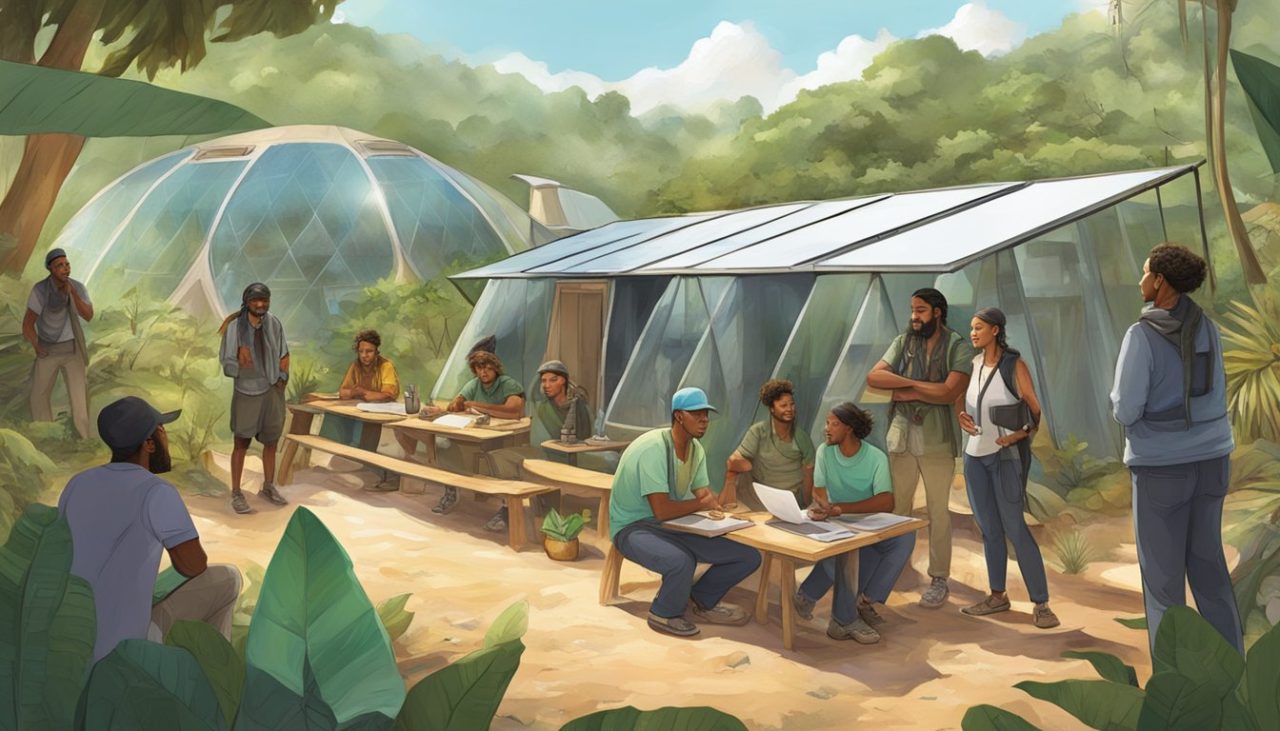
Torres Vedras recently hosted a remarkable gathering of cooperative minds. Around 350 participants from 24 countries came together to explore new solutions. They focused on how cooperatives can tackle today’s biggest challenges.
The event highlighted three powerful phases of cooperative action. First, empowering individuals and communities to drive meaningful change. Second, building trust through complete transparency and accountability. Finally, co-creating inclusive systemic solutions that last.
This convergence demonstrated that cooperatives are far from outdated models. They represent sophisticated social innovation with strong ethical foundations. The gathering ironically blended traditional values with cutting-edge technological solutions.
Cooperatives emerged not as niche enterprises but as structural answers to global inequality. They address climate change and institutional distrust through practical innovation. This approach bridges business success with sustainable development goals.
Event Overview: Global Innovation Coop Summit in Portugal
A diverse assembly of cooperative professionals converged in Torres Vedras for pivotal discussions on October 27-28. This gathering brought together leaders, academics, and practitioners from across the cooperative spectrum.
Summit Attendance and International Participation
The event attracted 350 participants representing 24 different countries. This international composition created a microcosm of worldwide cooperative diversity.
Attendees shared a common purpose despite their geographic differences. The professional mix included cooperative executives, researchers, and field practitioners.
Torres Vedras served as a symbolic setting where traditional Portuguese culture met forward-thinking approaches. The location beautifully balanced historical charm with contemporary cooperative innovation.
Keynote Addresses by Dignitaries and Leaders
Paulo Rangel, Portugal’s Minister of Foreign Affairs, delivered the opening address. He provocatively declared cooperatives as “the most sophisticated form of social innovation.”
International Cooperative Alliance president Ariel Guarco contributed via video message. His remote presentation positioned cooperatives as modern innovation leaders rather than historical artifacts.
Climate expert Yuill Herbert presented on cooperative responses to environmental challenges. He argued that cooperative models offer structural solutions without requiring radical upheaval.
The professional depth of plenary sessions blended academic theory with practical applications. Workshops provided hands-on learning opportunities for all attendees.
Participant Category
Number of Attendees
Primary Focus Areas
Cooperative Leaders
120
Governance & Strategy
Academic Researchers
85
Theory & Development
Field Practitioners
95
Implementation & Operations
Government Representatives
50
Policy & Regulation
The summit’s international scope reflected growing recognition of cooperative solutions. Local models demonstrated clear relevance for global challenges facing modern societies.
There was noticeable irony in government officials praising cooperative structures. These models often challenge conventional economic frameworks yet received official endorsement.
Key Takeaways from the Global Innovation Coop Summit Portugal Review Retrospect Reflection UNSDGs
The assembly’s framework revealed a sophisticated three-part progression. This structure served as both practical roadmap and philosophical statement about cooperative evolution.
Each phase built upon the previous, creating a comprehensive approach to modern challenges. The framework demonstrated how traditional values adapt to contemporary realities.
Empowering Individuals and Communities to Act
Workshops focused on leveraging human capitalโbecause apparently machines haven’t completely replaced people yet. Sessions explored creating cultures of accountability and integrating ESG principles.
Artificial intelligence emerged as a surprising ally in decision-making processes. The technology supported rather than replaced human judgment in cooperative governance.
This phase emphasized that empowerment begins with recognizing individual potential. It then scales this recognition to community-wide impact through structured cooperation.
Building Trust Through Transparency and Accountability
In an era where institutions face widespread distrust, cooperation requires genuine trust. The gathering explored this paradoxical challenge with remarkable candor.
Digital transformation presented both opportunities and obstacles for trust-building. Technology often erodes trust yet offers unprecedented transparency tools.
International partnerships and global knowledge networks emerged as trust amplifiers. These connections demonstrated how shared purpose transcends geographic and cultural boundaries.
“Innovation means promoting human progress,” observed Cooperatives Europe president Giuseppe Guerini. “Cooperatives know how to create real trust among people while meeting regulatory requirementsโno small feat.”
Co-Creating Inclusive and Lasting Systemic Change
This final phase moved beyond incremental improvements to transformative redesign. Participants debated integrating ecological solutions and circular economy principles.
Artificial intelligence’s role in energy transition sparked particularly lively discussions. The technology offered pathways to climate solutions without sacrificing cooperative values.
The gathering positioned cooperatives as “schools of democracy” building accountability. This approach addresses misinformation while creating sustainable business models.
European models demonstrated how innovation coexists with regulatory compliance. Their success offers valuable news for organizations navigating complex governance landscapes.
Innovative Cooperative Models Highlighted at the Summit
The summit showcased remarkable cooperative innovations that challenge conventional business paradigms. These models demonstrated how traditional cooperative principles adapt to modern economic realities while maintaining ethical foundations.
Participants examined multi-stakeholder cooperatives that expand mutuality beyond single-stakeholder limitations. This approach creates more inclusive decision-making structures while addressing complex capital requirements.
Renewable Energy and Platform Cooperatives
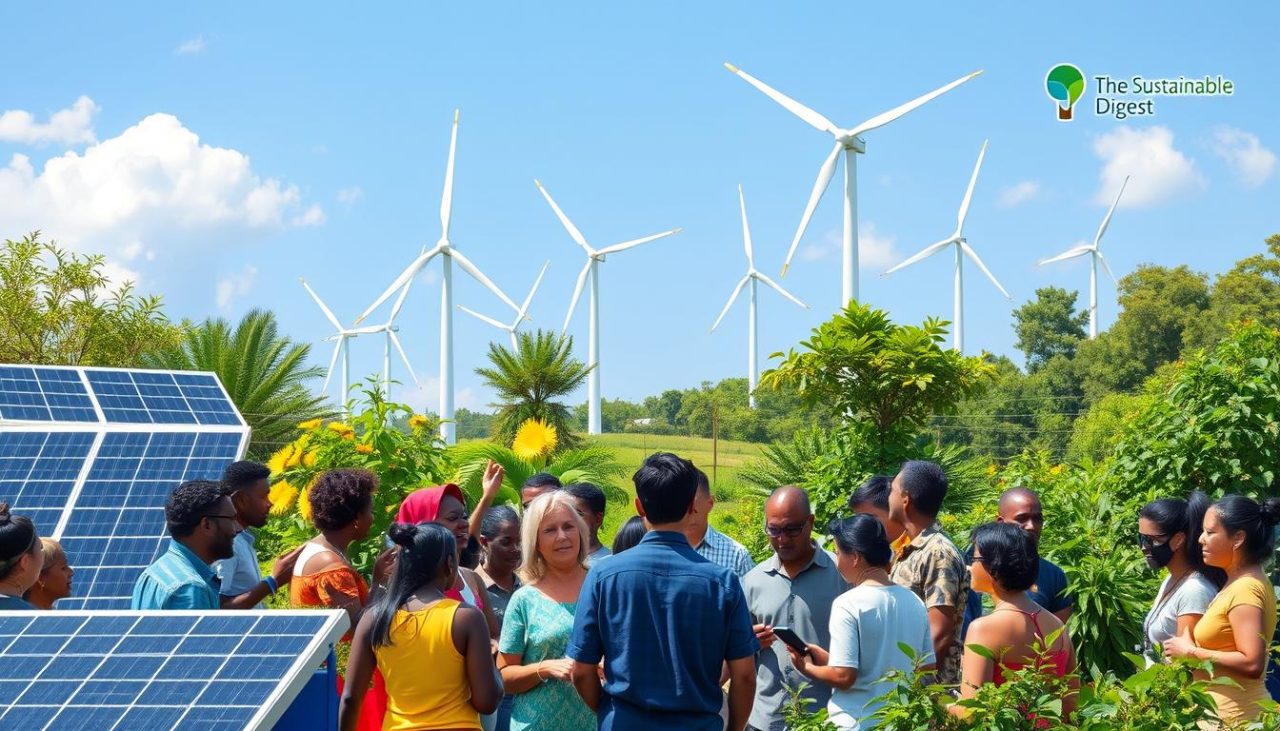
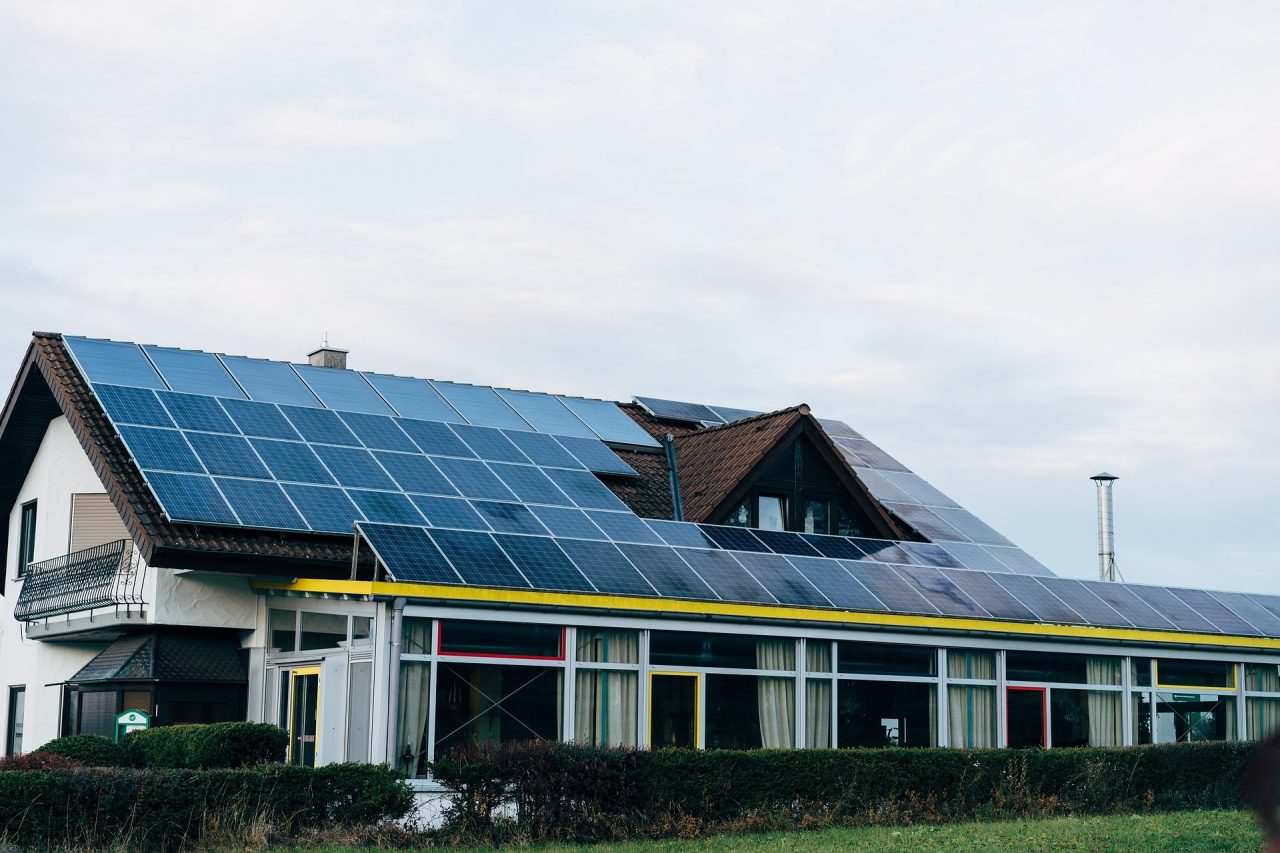
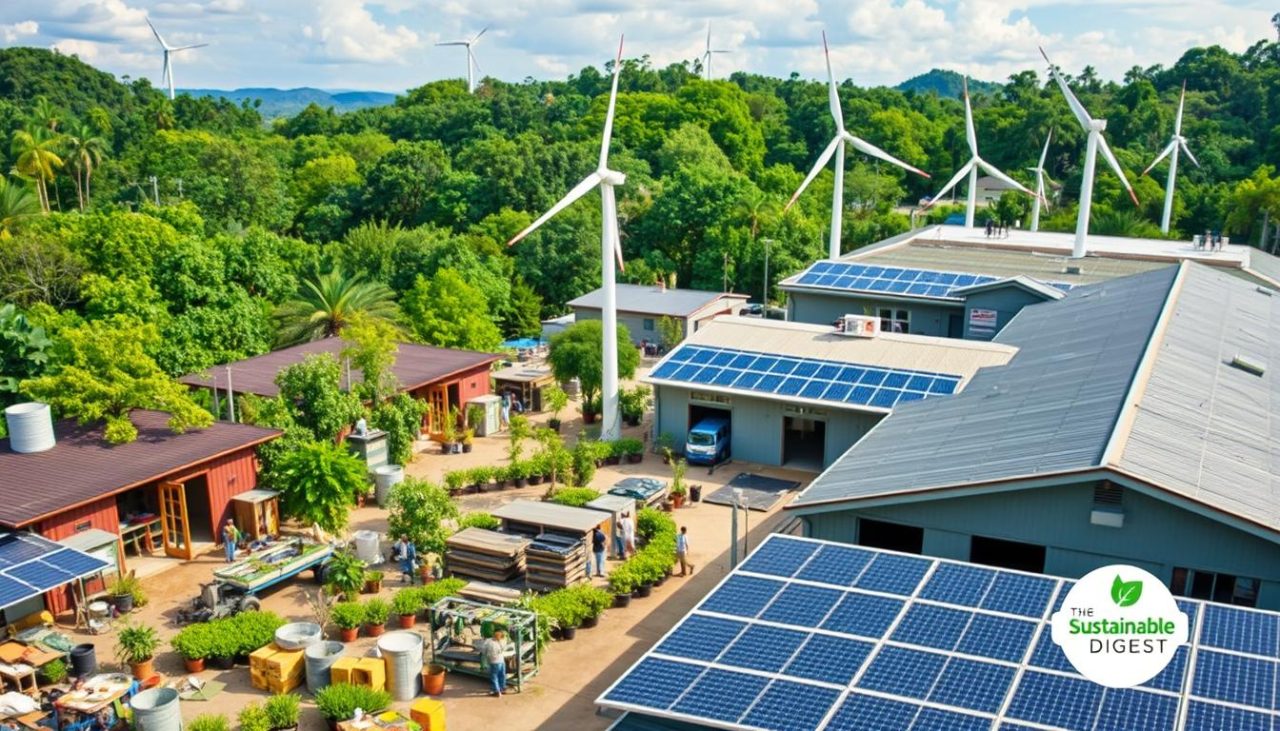
Renewable energy cooperatives emerged as powerful responses to climate challenges. These organizations democratize energy ownershipโbecause apparently sunlight and wind shouldn’t be corporate monopolies.
Platform cooperatives like Smart Belgium provide social security for independent workers. This innovation actually lives up to its name by prioritizing worker security over investor returns.
These models represent significant advances in how cooperatives approach contemporary energy and employment challenges. They blend social mission with financial sustainability through innovative capital structures.
Case Studies: SOCAPS, Coopernico, and Acodea
Three organizations stood out as living laboratories of cooperative innovation. SOCAPS in France demonstrates how multi-stakeholder models create enlarged mutuality.
Coopernico in Portugal showcases renewable energy democratization in action. This cooperative proves that community-owned energy solutions can compete with traditional utilities.
Acodea in France illustrates innovative approaches to capital management while maintaining cooperative values. These case studies offer practical blueprints for organizations facing similar challenges.
Role of Artificial Intelligence in Cooperative Innovation
Artificial intelligence applications sparked particularly insightful discussions. Workshops explored using AI for optimizing renewable energy solutions and supporting energy transition.
Manuel Josรฉ Guerreiro, Chair of host Caixa Agricola, argued that digital technology can humanize rather than dehumanize when guided by cooperative principles. His perspective highlighted how artificial intelligence becomes an ally rather than threat.
The technology supports data-driven decision making without compromising cooperative transparency. It promotes regenerative approaches while maintaining community benefitsโa delicate balance that many conventional businesses struggle to achieve.
These innovations demonstrate how cooperatives can leverage artificial intelligence while preserving their core values. The approach turns technological challenges into opportunities for strengthened cooperation.
Conclusion
The final plenary transformed insights into commitments. Participants translated cooperative values into actionable pledges extending beyond the event.
Manuel Josรฉ Guerreiroโs closing remark framed cooperativism as both humane and intelligent. His bridge metaphor resonated deeply with a movement built on connection rather than division.
This gathering demonstrated that local solutions thrive through global networks. The news here isnโt just what was discussed, but what will be implemented.
Cooperatives continue proving business can succeed without destruction. Sometimes the most sophisticated solution is simply human cooperation scaled effectively.
Key Takeaways
Cooperatives from 24 countries demonstrated global relevance in addressing modern challenges
The event highlighted three core phases: empowerment, trust-building, and co-creation of lasting change
Traditional cooperative values effectively combine with contemporary technological solutions
Cooperatives represent structural solutions to inequality, climate issues, and institutional distrust
The summit successfully connected cooperative principles with sustainable development frameworks
Cooperatives offer a business model that creates value without destruction
Community-focused innovation maintains ethical foundations while adapting to new economic realities
As stated in previous articles as a continuous series, The United Nations designates specific observances to focus global attention and unlock policy windows; these days are more than symbolism when tied to budgets, procurement, and reporting.
This introduction frames an evidence model that draws on UNEP, UNDP, UNESCO and ECOSOC for governance; the World Economic Forum for investment signals; CDC for health burden; and BLS for labor shifts.
When an international day is embedded in planning, it can seed multi-quarter programs that link clean air goals, democratic resilience, and local innovation ecosystems.
Practical constraints existโshort budget cycles and fragmented accountabilityโbut well-designed observances can impose discipline on timelines and boost measurable outcomes.
Executive Brief: Why UN International Days Matter for Clean Air, Democracy, and Peace Today
Designated international days act as accelerators; they compress attention, align communications, and create predictable moments for funding and procurement. General Assembly resolutions (and agency-led declarations) set the date; the follow-up often depends on specialized agencies and ECOSOC review cycles.
The business case is simple: an observance turns diffuse interest into joint action. UNEP, UNDP, and UNESCO provide programmatic evidence; the WEF frames risks that make those calls to fund solutions persuasive.
Health and labor signals matter. CDC tracking shows reduced cardiopulmonary burden when air improves; BLS trends flag jobs shifting as economies decarbonize. These data create co-benefits that observances highlight.
Institutional cadence: pairing a day international with planning years creates RFP and budget milestones.
Governance dividends: hearings, audits, and public participation often cluster around observance dates.
Peace linkages: shared environmental data and protocols reduce cross-border friction.
For U.S. agencies and cities, aligning campaigns with an international day turns communications into policy sprints that deliver measurable community gains across years and issues.
How the United Nations Uses International Days and Decades to Drive Awareness and Action
Member states often start the clock on observances by drafting resolutions that channel attention into action. The General Assembly formalizes an international day; specialized bodies then convert that date into programs and deliverables.
From Member State Resolutions to Specialized Agency Roles
The institutional order is simple and efficient: proposals originate with capitals; the united nations General Assembly ratifies them; then sectoral agencies execute within mandates.
UNEP stewards environmental coherence; UNDP aligns finance and capacity building; UNESCO mobilizes education and research networks; ECOSOC coordinates review cycles and data follow-up.
Linking Observances to Measurable Outcomes
Single days matter less than what agencies deliver on those dates. Pair an international day with indicator dropsโemissions inventories, waste audits, or health burden summariesโand the observance becomes a reporting milestone.
Decades extend that momentum, allowing pilots to scale and funding cycles to mature. Cross-agency choreography (policy briefs, dashboards, RFPs) turns attention into budgets and measurable policy adoption.
Map the pipeline: Member state proposal โ GA resolution โ agency rollout.
Pair communications with indicators to create auditable claims.
Pre-commit deliverables on observance dates to enforce discipline and visibility.
Ozone Layer Preservation: Policy Milestones, Clean Air Gains, and Remaining Risks
Treaties have a track record: negotiated limits spark industry transitions, regulatory scaffolds, and measurable health gains. UNEP and UNDP technical notes document steady declines in controlled substances and outline refrigerant transition plans aligned with Kigali timelines.
Phasing out harmful substances and aligning with climate goals
Diplomacy converted chemistry into compliance; the State Department cites agreements that phase out remaining compounds that harm the stratosphere. IPCC projections (temperature and sea-level ranges over coming years) frame why those controls matter beyond direct UV effects.
Data-driven messaging for the International Day for the Preservation of the Ozone Layer
Communications should quantify co-benefits: CDC-cited health reductions from better air and solvent controls; WEF framing on transition risks; BLS signals on green jobs and technician demand.
“Pair celebration with candid disclosure and next-step commitments.”
Milestones: treaty limits โ Kigali refrigerant shifts โ national inventories.
Practice: annual reporting, appliance labeling, and workforce training link policy to consumer action.
Peace, Democracy, and Environmental Security: A Governance Nexus
Environmental diplomacy now sits at the center of modern foreign policy, reshaping how embassies operate and how capitals prioritize risks. Five priorities dominate: climate change, toxic chemicals, species extinction, deforestation, and marine degradation.
Environmental diplomacy as mainstream foreign policy
U.S. missions have set up regional environmental hubs that work across years to coordinate science and policy. This reflects a shift toward core statecraft; policy choices now feed bilateral and multilateral order.
Linking institutions, health, and accountability
Transparent institutions reduce corruption in resource sectors; UNDP and UNESCO data show how capacity building improves enforcement. CDC metrics make the health-security link visibleโdegraded environments raise disease burdens and threaten jobs.
“Publish compliance reports and community feedback on the international day to build trust.”
Frame diplomacy as a tool for long-term risk reduction.
Use observances as governance rituals for audits and hearings.
Align embassy hubs with ECOSOC follow-up to sustain momentum.
World Cleanup and Waste Reduction: Systems Change Beyond a Single Day
Public attention can nudge budgets, but infrastructure and policy lock in durable waste reduction. Short-term volunteer efforts matter; durable change requires contracts, financing, and clear producer duties.
From awareness to infrastructure: waste, food loss, and circular economy priorities
UNEP circular economy guidance and UNDP local systems work recommend pairing audits with procurement milestones. Cities should publish city-level waste audits on an international day to link reports with budgets.
Reducing food loss cuts methane and household costs; audits turn a day into measurable policy steps.
Community mobilization and private sector coalitions under UN observances
Businesses can announce packaging redesigns and take-back targets on day international day moments. Coalitions that report targets avoid greenwashing by committing to finance and timelines.
Addressing toxic chemicals and marine degradation through multilateral agreements
U.S. diplomacy advanced phase-outs of PCBs and chlordane and helped launch POPs negotiations. Publish inventories of legacy contaminants, set time-bound remediation, and use fisheries data (70% fully to over-exploited) as a sobering prompt.
Recast volunteerism into municipal contracts and materials recovery financing.
Tie audits to procurement and certification for recycling jobs tracked by BLS.
Align hazardous-stream actions with multilateral bans and CDC exposure guidance.
Ozone Layer Peace Democracy World Cleanup Science Tech Innovation Global South
Affordable monitoring, distributed power, and nature-based projects offer concrete entry points for measurable change. Small sensors and open data make air and exposure management more democratic; communities can use timely readings to trigger enforcement and public health response.
Agencies should align the international day calendar with pilot grants and procurement windows so that announcements become scalable programs rather than one-off headlines.
Capacity building with UNESCO and UNDP for local innovation ecosystems
UNESCO science networks and UNDP accelerator labs can pre-align curricula, maker spaces, and apprenticeship slots to build a pipeline of green skills.
Prioritize equitable diffusion: affordable sensors, open data, and community monitoring tied to funding commitments.
Pair systems: solar mini-grids plus mangrove or watershed restoration to boost resilience and livelihoods over decades.
Use agency networks: UNEP guidance, UNESCO chairs, UNDP labs, and WEF financing should coordinate deliverables for real action.
Track outcomes with BLS-style metrics adapted for partner jurisdictions and use CDC exposure monitoring to validate health co-benefits. Celebrate (global) south-south exchanges and replicate proven models through united nations platforms to ensure that observances catalyze long-term change, not just press coverage.
Biodiversity and Forests: Protecting Natural Capital to Safeguard Livelihoods
Forests and reefs function as the economy’s hidden infrastructure, and their loss erodes livelihoods fast. UNEP and UNESCO biodiversity programs frame species protection as a public good; UNDP forest governance work links tenure and finance to better outcomes.
Data remain stark: recent estimates count forests the size of four times Switzerland lost each year, a scale that compounds over years.
These are not only environmental issues; they are supply-chain shocks. The WEF flags habitat decline as a material risk to food systems and commodity stability.
Public observances such as an international day offer a simple mechanism: annual checkpoints where governments publish deforestation-free sourcing, restoration targets, and enforcement progress.
Economic framing: forests support water, carbon, and food securityโtreat them as infrastructure.
Supply chains: disclose sourcing and back restoration promises to protect buyers and producers.
Enforcement: protected areas need budgets, rangers, and community pacts tracked yearly.
Integration: align coral, wetland, and forest plans for unified financing and monitoring.
Livelihoods: celebrate co-managed forest enterprises that raise income and cut clearance pressure.
“Conserve with clear accounts; accountability turns commitments into results.”
Finally, link biodiversity action to public health: CDC guidance underscores that intact habitats reduce zoonotic spillover risk. Use observance dates to publish measurable steps, not just speeches.
U.S. Policy, Labor, and Public Health Implications
Observance moments can do more than mark a date; they can sync federal planning, workforce investments, and public-health messaging to deliver measurable benefits.
Health protection and clean air co-benefits
CDC burden estimates show that tighter standards reduce respiratory illness and avoid premature deaths. Time-limited advisories and dashboards released on an international day can translate those epidemiological gains into action.
Jobs of the transition: skills, sectors, and regional opportunities
BLS data point to growth in environmental compliance, monitoring, recycling, and clean-technology roles; wage gains follow as demand rises. Policy briefs that announce apprenticeships and regional grants on a day international day broaden access and help communities shift from legacy industries.
Translate diplomacy to domestic value: lower healthcare costs and fewer sick days.
Quantify co-benefits with CDC metrics to make budget cases.
Map job creation using BLS categories and fund workforce pipelines.
Prioritize equity so transition grants reach hard-hit regions.
Frame competitiveness with WEF indicators to bolster investment.
Metric
Source
Policy use
Avoided respiratory hospitalizations
CDC
Health advisories timed to observances
Green job growth (yrs 1โ5)
BLS
Apprenticeships and retraining funding
Competitiveness score
WEF
Investment case for sustainable industries
Program pilots funded
UNEP / UNDP
Model replication and scale-up
“Align observances with program starts; a public date focuses agencies, funds, and communities.”
Action Roadmap for Agencies, Cities, and Business in the United States
Aligning calendars and data pipelines makes the international day a trigger for procurement, reporting, and measurable results. This section gives a tight playbook U.S. actors can use to convert observances into sustained programs.
Aligning observances with annual planning, reporting, and investment
Schedule discipline matters: agencies should time RFPs, grant awards, and rulemaking notices to cluster around a day international cadence. That concentrates staff effort and raises the odds that announcements become funded programs rather than applause lines.
Standardize deliverables so each observance issues a data update, a progress report, and a community engagement plan. Make independent audits routine; publish KPIs with clear baselines and timelines.
Data partnerships with multilateral institutions for transparency and accountability
Formalize MOUs with UNEP, UNDP, and UNESCO-linked repositories and tie reporting to ECOSOC review cycles. Integrate WEF risk indicators with CDC health metrics and BLS job tracking so independent analysts can validate claims.
“Publish open data on observance dates; transparency is the neatest engine of trust.”
Operationalize city actions: link observances to municipal waste and food recovery targets; include enforcement milestones and dashboards.
Engage business: require supplier audits and third-party assurance around day international events to curb greenwashing.
Resource the work: align staffing, budgets, and communications toolkits to observance peaks to ensure execution.
Action
Lead
KPI
Observance-aligned RFP calendar
Federal agencies
% of grants awarded within 90 days of the day international
Standardized progress report
Cities + Agencies
Annual data update published with baseline metrics
Multilateral data MOU
USG / UNEP / UNDP
Open data feed operational within 12 months
Corporate disclosure push
Private sector
Third-party-verified supplier audits completed
Conclusion
A named day gains traction only when paired with contracts, audits, and verifiable data streams; that converts a date into an operational deadline and a public deliverable for agencies and partners.
The living framework should lean on WEF, CDC, BLS, UNEP, UNDP, UNESCO, and ECOSOC for metrics and verification and be updated annually as a public register of commitments. Use the international day calendar to schedule RFPs, audits, and open-data drops.
Observances are calendar anchors, not confetti. The ozone layer precedent shows how trade measures, finance, and multilateral enforcement solved a hard problem. Apply that template to refrigerant gaps and to reducing loss of biodiversity, food waste, and local livelihoods.
Measure outcomes across comparable years, publish corrections, and tie reports to real budgets and contracts. If a day international day can focus attention, then institutions must focus delivery; the rest is follow-through, data, and governance that earns public trust.
Key Takeaways
UN observances shape policy windows when tied to funding and procurement.
Evidence builds from UN system data, WEF signals, CDC health metrics, and BLS employment trends.
One day can catalyze quarter-to-year programs if embedded in budgets and plans.
Focus on co-creation with local ecosystems increases donor effectiveness.
Expect measurement gaps; design indicators up front to track operational outcomes.
The week of August 9th to the 16th saw major global events. These events showed how sustainability in international affairs is key. Many international observances focused on important sustainability issues that affect the world.
During this time, the world came together to tackle big problems. They showed how sustainable practices can be part of international policies. This showed the need for everyone to work together to solve global challenges.
Looking back, it’s clear that global perspectives on sustainability are vital. The talks and results from this week give us important lessons. They help us understand the challenges of achieving sustainability worldwide.
Global Sustainability Landscape in2023
The year 2023 is a key moment for global sustainability. International cooperation is more crucial than ever. The world faces challenges like climate change, environmental damage, and social inequality. We need to work together more than ever.
Current State of International Sustainability Efforts
International efforts have made big strides, like adopting the United Nations’ Sustainable Development Goals (SDGs). These goals help countries aim for a sustainable future. They tackle poverty, inequality, and climate change. Yet, we still need better international cooperation to tackle these global issues.
The role of sustainable development in national policies is growing. Countries are adding sustainability to their economic plans. They see the long-term benefits of protecting the environment and promoting social equity.
Critical Challenges Facing Global Environmental Governance
Despite progress, global environmental governance has big challenges. A major issue is the lack of strong environmental policies worldwide. The current system is often broken, with many agreements and groups focusing on different environmental issues.
Inadequate enforcement mechanisms for environmental regulations
Limited financial resources for sustainability initiatives
The need for greater international cooperation to address global environmental issues
Overcoming these challenges will take a united effort from governments, international groups, and civil society. Together, we can overcome these hurdles and build a sustainable future.
August 9 to August 16 Reflect Review Retrospect Sustainability International Affairs
The week from August 9th to 16th was key for looking at global sustainability. It showed many important events and plans that show how vital sustainability is in world affairs.
Week’s Significance in the Global Sustainability Calendar
The week of August 9-16 was big in the global sustainability calendar. It included days like the International Day of the World’s Indigenous Peoples and World Elephant Day. These days brought up big sustainability topics, like rights for indigenous people and saving wildlife.
The International Day of the World’s Indigenous Peoples on August 9 showed how important indigenous groups are for the environment. World Elephant Day on August 12 stressed the need to keep working to save endangered animals.
Major Sustainability Developments and Diplomatic Initiatives
During this week, big sustainability news and diplomatic plans were in the spotlight. Working together on environmental issues was a big theme. Many countries showed they are serious about sustainable growth.
Initiative
Description
Impact
Indigenous Peoples’ Day
Recognized indigenous communities’ contributions to sustainability
Raised awareness about indigenous rights
World Elephant Day
Focused on elephant conservation
Highlighted the need for anti-poaching efforts
International Biodiesel Day
Promoted the use of biodiesel as a renewable energy source
Encouraged sustainable energy policies
These efforts show the ongoing work to tackle global sustainability problems. They do this through teamwork and new ideas.
Indigenous Perspectives on Sustainability
As we face sustainability challenges, indigenous views are key. They show us how to care for the environment. Their traditional knowledge helps us find new ways to live sustainably.
International Day of The World’s Indigenous People
The International Day of the World’s Indigenous Peoples is on August 9. It’s a time to think about how indigenous peoples help us achieve sustainability. This day celebrates their role in keeping our planet healthy and diverse.
It also reminds us to respect and support their rights and knowledge.
Suriname Indigenous People’s Day Celebrations
In Suriname, Indigenous People’s Day is a big deal. It shows the community’s work in keeping their culture and traditions alive. These celebrations teach us about the value of indigenous knowledge in protecting our planet.
They also give indigenous communities a chance to share their stories and struggles.
Indigenous Knowledge Systems and Environmental Stewardship
Indigenous knowledge is essential for taking care of our planet. It’s based on centuries of living in harmony with nature. By combining this knowledge with today’s sustainability efforts, we can do better for our environment.
Environmental Commemorations and Their Global Impact
The week of August 9-16 is filled with important environmental events. These events show how crucial global sustainability efforts are. They raise awareness and push for a sustainable future.
World Elephant Day (August 12): Conservation Diplomacy
World Elephant Day on August 12 brings attention to elephants facing poaching and habitat loss. It’s vital to protect them through international efforts and protected areas. Conservation diplomacy helps protect endangered species through global agreements.
International Biodiesel Day (August 10): Renewable Energy Policies
International Biodiesel Day on August 10 celebrates biodiesel’s role in renewable energy. Good policies are key to using more biodiesel and less fossil fuel. Governments and groups can help by supporting policies that encourage biodiesel.
Renewable Energy Source
Benefits
Challenges
Biodiesel
Reduces greenhouse gas emissions; supports agricultural economies
Land use competition; high production costs
Solar Energy
Abundant resource; zero emissions during operation
Intermittent energy supply; high initial investment
Wind Energy
Low operational costs; reduces reliance on fossil fuels
Intermittency; potential environmental impacts on wildlife
World Lizard Day (August 14): Biodiversity Protection Efforts
World Lizard Day on August 14 highlights the importance of lizards and biodiversity. Protecting their habitats and fighting wildlife trafficking are key. These actions help keep ecosystems healthy and strong.
By celebrating these days, we show our dedication to solving environmental problems. Through diplomacy, renewable energy, and protecting biodiversity, we aim for a greener world.
National Celebrations with Sustainability Dimensions
National celebrations are more than just cultural pride. They show the challenges and chances for sustainable growth. Countries worldwide celebrate their independence and national days. These events often show the link between national identity, economic growth, and the environment.
India and Pakistan Independence Days: Sustainable Development Challenges
India’s Independence Day is on August 15, and Pakistan’s is on August 14. These days highlight the sustainable development hurdles these nations face. Both countries have grown economically but struggle with environmental problems like pollution and climate change.
For example, India aims to boost renewable energy but still relies on coal. Pakistan also battles to manage its water resources well.
Key sustainable development challenges for India and Pakistan include:
Reducing carbon emissions while meeting growing energy demands
Managing water resources sustainably
Protecting biodiversity and natural habitats
Singapore National Day: Urban Sustainability Model
Singapore’s National Day on August 9 celebrates its success in urban sustainability. It’s known for making cities livable and green. The city-state has projects like Gardens by the Bay and a good public transport system.
Its urban planning focuses on green spaces, waste management, and energy efficiency. This makes Singapore a leader in urban sustainability.
Some of the key features of Singapore’s urban sustainability model include:
Integration of green spaces into urban planning
Innovative water management systems
Investment in sustainable public transportation
In conclusion, national celebrations in India, Pakistan, and Singapore show the complex relationship between national identity, economic growth, and sustainability. By looking at these events, we can understand the challenges and chances for sustainable development.
Economic Sustainability in the Fourth Industrial Age
The Fourth Industrial Revolution is changing how we think about sustainability. It’s important to understand how this change affects our economy. This knowledge is key to making our economy sustainable.
MSMEs and Sustainable Community Development
Micro, Small, and Medium Enterprises (MSMEs) are crucial for sustainable communities. They create jobs and drive innovation. In the Fourth Industrial Age, MSMEs can use technology to be more sustainable.
They can use green energy, reduce waste, and improve their supply chains. This helps them and their communities thrive.
International Trade Patterns and Environmental Standards
Global trade affects our environment. As trade grows, we need better environmental rules. The Fourth Industrial Revolution is a chance to improve these standards.
More countries and companies are focusing on green trade. They’re using eco-friendly technologies and reducing waste. This helps protect our planet.
Technologies like AI, blockchain, and IoT can make our world more sustainable. They help us use resources better and reduce waste. This is good for the environment and the economy.
For example, IoT helps manage energy use. Blockchain makes supply chains more transparent. These technologies help us grow our economy in a green way.
Social Dimensions of Global Sustainability Efforts
Global efforts to be sustainable are now seeing the big role of social aspects. Success in these efforts isn’t just about the environment. It also depends on the social ties within communities.
Women’s Empowerment in Sustainability Initiatives
Women’s empowerment is key in sustainability. Empowered women can lead change in their areas. They help spread sustainable habits and care for the environment.
National Women’s Day and Gender-Responsive Climate Action
National Women’s Day shows how vital gender-responsive climate action is. Adding gender views to climate plans makes sustainability efforts fairer and more effective.
Women’s and Family Day: Sustainable Household Practices
Women’s and Family Day focuses on household actions for sustainability. Small steps like cutting down on waste and saving energy can make a big difference.
Grassroots Organizations and NGOs Driving Change
Grassroots groups and NGOs lead in sustainability efforts. They work with communities, understanding their needs. They then create specific plans to help.
Cultural Heritage Preservation as Sustainability Practice
Preserving cultural heritage is a key part of sustainability. It keeps community identity alive. It also supports sustainable tourism.
In summary, the social side of global sustainability is complex. By empowering women, supporting local groups, and saving cultural heritage, we can build a better, more sustainable world.
International Cooperation Frameworks for a Sustainable Future
Global challenges need a team effort. International cooperation is key to reaching the UN Sustainable Development Goals. As the world connects more, working together is more important than ever.
Progress Toward 2030 UN Sustainable Development Goals
The UN Sustainable Development Goals (SDGs) are a call to action for everyone. They aim to end poverty, protect our planet, and bring peace and prosperity by 2030. We’ve seen progress, like fewer people living in extreme poverty and more access to education.
But, we still face big challenges. The progress is not even across all regions and goals.
Role of International Organizations in Sustainability Governance
International organizations help a lot with sustainability. They help countries talk, set rules, and get help. The United Nations works with governments, civil society, and businesses to push the SDGs forward.
Other groups, like the World Trade Organization and the International Labour Organization, help too. They deal with trade and labor issues.
Cross-Border Initiatives Highlighted During August 9-16
From August 9-16, many cross-border projects were showcased. They showed how working together can tackle big global problems. These projects focused on fighting climate change, saving biodiversity, and supporting sustainable trade.
These efforts show why countries need to work together for a sustainable future.
Conclusion: Pathways Forward for Global Sustainability
The week of August 9-16 highlights the urgent need for global sustainability efforts. It shows how important international cooperation and commitment to sustainability are. These efforts are key to moving forward.
This week focuses on many global challenges. It includes the International Day of the World’s Indigenous People and World Elephant Day. These days remind us of the need to protect biodiversity and respect indigenous knowledge.
As we move ahead, we must keep working towards the 2030 UN Sustainable Development Goals. We need to work together, using international cooperation and cross-border initiatives. This will involve governments, NGOs, and local groups.
The future of global sustainability depends on our ability to balance different areas. We need to create a culture of sustainability and use new technologies. This will help us build a fair and green world.
Key Takeaways
Significant global events highlighted the importance of sustainability.
International observances drew attention to critical sustainability issues.
The need for unified global action on sustainability was underscored.
Global perspectives are crucial for achieving sustainability.
The week’s events provided insights into the complexities of global sustainability efforts.
Indigenous perspectives are vital for global sustainability efforts.
The International Day of the World’s Indigenous Peoples highlights indigenous contributions.
Indigenous knowledge systems offer valuable insights into environmental stewardship.
The ICA Annual Report 2024 offers a comprehensive overview of the global cooperative movement’s progress toward sustainable development. Cooperatives worldwide are demonstrating significant growth and resilience, contributing substantially to achieving the United Nations’ Sustainable Development Goals.
The report highlights the data-driven achievements of cooperatives across various sectors, showcasing their role in promoting economic resilience and social inclusion. With a focus on sustainable development, the report provides insights into how cooperatives are addressing global challenges.
The Global Cooperative Landscape in 2024
As we navigate 2024, the world’s cooperatives are presenting a diverse and dynamic landscape, shaped by various geographical and economic factors. The cooperative movement continues to play a vital role in the global economy, with a significant presence in multiple regions.
Key Statistics and Growth Trends
The global cooperative landscape is characterized by robust growth trends, with cooperatives demonstrating resilience in the face of economic challenges. Key statistics highlight the sector’s strength, including an increasing number of world members and a rising turnover among top cooperatives.
“Cooperatives are member-owned businesses that operate for the benefit of their members, providing essential services and support to local communities,” as emphasized in the International Cooperative Alliance’s reports. This member-centric approach has contributed to the sector’s stability and growth.
Geographic Distribution of Cooperatives
The geographical distribution of cooperatives reveals a diverse landscape, with various regions hosting significant numbers of cooperative enterprises. Europe continues to host the highest concentration of large cooperatives, with 45% of the Top 300 enterprises headquartered in the region, particularly in France, Italy, Germany, and Spain.
North America accounts for 27% of the world’s largest cooperatives, with significant clusters in agricultural and financial service sectors.
The Asia Pacific region shows the most dynamic growth, increasing its representation in the Top 300 from 18% to 22% since 2020, with Japan, South Korea, and Australia leading this expansion.
Africa’s cooperative sector demonstrates promising development, with 15 enterprises now ranking among the global Top 300, primarily in agricultural and financial services.
International Cooperative Alliance Annual Report 2024 Analysis and Reflections
The 2024 Annual Report by the International Cooperative Alliance sheds new light on the global cooperative movement, offering insights into the current state and future prospects of cooperatives.
Methodology and Data Collection Process
The World Cooperative Monitor project collects data from large cooperative enterprises and aggregations of cooperatives worldwide. Data collection involves online research, financial statements, and annual reports integrated with national/regional datasets. This comprehensive approach enables a thorough understanding of the cooperative landscape.
Major Findings and Highlights
The report reveals several key findings that highlight the resilience and adaptability of cooperatives. Some of the major highlights include:
Cooperatives with strong democratic governance structures demonstrated 23% higher resilience during economic volatility.
A significant 78% of cooperatives have implemented substantial digital transformation initiatives.
Environmental sustainability is a growing focus, with 82% of surveyed cooperatives having formal climate action plans, a 15% increase from 2023.
Financial data shows that cooperatives maintain stronger capital reserves than comparable conventional businesses.
A correlation exists between cooperative density in a region and higher social cohesion metrics, indicating broader community benefits.
These findings underscore the impact of cooperatives on both local economies and the environment, reinforcing the value of the cooperative model in achieving sustainable development goals.
Economic Performance of Top Cooperatives
The economic performance of top cooperatives is a crucial indicator of their overall health and contribution to the global economy. Cooperatives have demonstrated significant economic resilience and impact across various sectors.
Top 300 Cooperatives by Turnover
The ranking of the Top 300 cooperatives by turnover highlights the dominance of certain sectors and the financial prowess of these enterprises. Agricultural cooperatives and financial service cooperatives are among the top performers, showcasing their substantial economic influence.
Turnover to GDP Ratio Analysis
The turnover-to-GDP ratio analysis offers a nuanced understanding of the economic impact of cooperatives relative to national economic conditions. Key findings include:
Agricultural cooperatives lead this ranking with 103 enterprises in the Top 300, underscoring their economic importance in developing economies.
Financial service cooperatives show improved positioning in the turnover-to-GDP ratio ranking, with 45 enterprises in the Top 300.
The analysis reveals that cooperatives in emerging economies often have a larger economic footprint relative to their national GDP.
This data provides valuable insights into the economic impact of cooperatives and their role in local economies, highlighting their significance beyond absolute turnover figures.
Sectoral Analysis of Cooperative Performance
The International Cooperative Alliance Annual Report 2024 provides a comprehensive sectoral analysis of cooperative performance across various industries. This analysis highlights the strengths and challenges faced by cooperatives in different sectors.
Insurance and Financial Services
Cooperatives in the insurance and financial services sector have demonstrated resilience and adaptability. They have maintained strong member engagement and implemented innovative financial products. The report notes that these cooperatives have a significant impact on the global financial landscape.
Agricultural Cooperatives
Agricultural cooperatives faced significant challenges, particularly during the COVID-19 pandemic. For instance, in Japan, the sudden drop in demand for school meals led to stockpiled inventory for milk producers. However, these cooperatives have shown resilience by adapting to new market conditions and finding alternative demand channels. Agricultural cooperatives play a crucial role in supporting farmers and rural communities.
Retail and Consumer Cooperatives
Retail and consumer cooperatives have shown strong growth, with combined revenues increasing by 7.8%. They have outperformed conventional retail by 2.3 percentage points. Key strengths include high member engagement, with an average active membership rate of 76%. The sector is also leading in sustainable supply chain management, with 83% of large consumer cooperatives implementing comprehensive ethical sourcing policies.
Sector
Growth Rate
Member Engagement
Retail and Consumer Cooperatives
7.8%
76%
Agricultural Cooperatives
N/A
High
Insurance and Financial Services
N/A
Strong
The report highlights the digital transformation in retail cooperatives, with 91% now offering integrated online shopping platforms. This has resulted in a 34% increase in digital sales channels. Furthermore, consumer cooperatives are pioneering circular economy initiatives, with 64% implementing packaging reduction programs and 58% developing product take-back schemes.
Financial Stability and Capital Structure
Financial stability is a hallmark of cooperatives, thanks to their distinct capital structure and operational model. This stability is rooted in their unique approach to financial management, which prioritizes member value over external investor interests.
Debunking the Undercapitalization Myth
The notion that cooperatives are undercapitalized is a misconception. In reality, they often generate resources internally, making them more financially sound than traditional corporations. Data shows that cooperatives maintain lower leverage ratios, averaging 2.1 compared to 3.4 for conventional businesses, providing greater resilience during credit market disruptions.
Investment Patterns and Resource Generation
Large cooperatives demonstrate distinctive investment patterns, with 73% of capital expenditures funded through internally generated resources. The report highlights a trend toward increased research and development investment, with $78 billion allocated to innovation initiatives in 2023. Member capital contributions remain significant, with $32 billion raised through member shares and certificates, underscoring the strength of the cooperative funding model, which benefits its members.
Cooperative Resilience Post-Pandemic
The pandemic era tested the resilience of cooperatives globally, pushing them to adapt to unprecedented challenges. Cooperatives had to navigate the complexities of maintaining operational continuity while ensuring the health and safety of their members and stakeholders.
Recovery Strategies Implemented
Cooperatives implemented various recovery strategies to mitigate the impact of the pandemic. A significant number accelerated their technology adoption plans, with 92% recognizing the importance of digital infrastructure for resilience. As stated in the report, “cooperatives with strong digital infrastructure recovered more quickly.” This strategic shift enabled cooperatives to continue their operations effectively despite social distancing measures.
The importance of member engagement was also highlighted, as democratic decision-making processes facilitated consensus around difficult adaptation measures. Cooperatives that maintained higher equity ratios demonstrated greater resilience, underscoring the value of financial reserves.
Lessons Learned from COVID-19 Crisis
The COVID-19 crisis taught cooperatives valuable lessons about resilience and adaptability. Diversification emerged as a key factor, with multi-stakeholder cooperatives showing 27% less revenue volatility. The crisis also accelerated innovation, with 63% of cooperatives developing new products or services in response to pandemic-related needs. As one cooperative leader noted, “The pandemic forced us to rethink our business model and innovate for the future.” Cooperatives that work closely with their members and adapt to challenges are better positioned to overcome future crises.
The experience of cooperatives during the pandemic highlights the importance of resilience and the need for continued innovation and adaptation in the face of challenges.
Cooperatives and Sustainable Development Goals
Cooperatives play a vital role in achieving the Sustainable Development Goals (SDGs) through various initiatives. They act on multiple fronts, including gender equity, combating economic inequalities, and implementing more sustainable models of production and consumption.
Alignment with the 2030 Agenda
The 2024 report by the International Cooperative Alliance underscores the alignment of cooperatives with the 2030 Agenda for Sustainable Development. Cooperatives have demonstrated their ability to support local communities through their robust social networks, promoting collective risk perception and new strategies to address challenges. 73% of cooperatives implement initiatives that advance multiple SDGs simultaneously, showcasing their effectiveness in addressing interconnected sustainability goals.
Measuring SDG Contributions
The report introduces a standardized framework for measuring cooperative contributions to the SDGs, enhancing impact reporting across the sector. Refined data collection methodologies capture both direct impacts, such as emissions reductions, and indirect contributions, like community capacity building. For instance, cooperatives collectively reduced carbon emissions by 187 million tons in 2023 through renewable energy adoption and sustainable practices.
SDG Area
Cooperative Initiatives
Impact
Renewable Energy
Adoption of solar and wind energy
Reduction in carbon emissions
Sustainable Agriculture
Promotion of organic farming practices
Improved soil health and biodiversity
Community Development
Capacity building and training programs
Enhanced community resilience
The data highlights the significant role cooperatives play in achieving the SDGs, emphasizing the need for continued support and development of these organizations to maximize their impact on sustainable development.
Rural Energy Cooperatives: Emerging Models
Rural energy cooperatives are emerging as pivotal models for sustainable energy transitions globally. These cooperatives are not only facilitating the adoption of renewable energy technologies but are also ensuring that the benefits are equitably distributed among community members.
Global Analysis of Rural Energy Initiatives
A recent global study by RMI, in collaboration with the International Cooperative Alliance Asia and Pacific (ICA-AP), highlights the success of rural energy cooperatives. The study found that community-led energy transitions facilitated by cooperatives demonstrate 34% higher adoption rates for renewable technologies compared to top-down approaches. The report also documents innovative ownership models that ensure sustainable operations and equitable distribution of benefits.
Community-Led Energy Transitions
Community-led energy transitions are achieving significant energy efficiency outcomes. Participating households have reduced their energy consumption by an average of 12% through behavioral changes and improved management. The analysis identifies key success factors, including accessible financing mechanisms, supportive policy frameworks, and technical capacity building programs. These factors are crucial for the success and scalability of rural energy cooperatives.
Digital Transformation in Cooperatives
The COVID-19 pandemic has accelerated the adoption of digital tools in cooperatives, changing how they interact with members. As cooperatives navigate this new landscape, they are finding innovative ways to balance digital convenience with traditional engagement methods.
Technology Adoption Trends
Cooperatives are increasingly adopting digital technologies to enhance member participation. Key trends include:
76% of cooperatives are implementing multi-channel participation strategies.
Online voting and virtual general assemblies have increased member participation rates by an average of 34%.
82% of cooperatives are preserving or expanding local offices and service points, maintaining a strong physical presence in communities.
Balancing Digital and Traditional Member Engagement
As cooperatives adopt digital tools, they are also focusing on creating a seamless integration between digital and traditional engagement channels. This includes:
68% of cooperatives implementing unified member experience strategies.
Developing targeted approaches to meet diverse members‘ expectations across different demographic segments.
Governance and Democratic Member Control
The International Cooperative Alliance’s (ICA) Annual Report 2024 highlights significant developments in governance and democratic member control across the cooperative sector. Cooperatives are continually adapting their governance models to meet the evolving needs of their members.
Evolving Governance Models
Innovative governance models are emerging, with cooperatives adopting new approaches to deepen member engagement. 81% of cooperatives are implementing new strategies to enhance participation beyond traditional general assemblies.
Member Participation Strategies
Cooperatives are leveraging digital platforms to facilitate continuous member input, with 63% maintaining year-round consultation mechanisms. Education is also critical, with cooperatives investing $4.2 billion in member education programs focused on cooperative principles and governance.
Participatory budgeting and strategic planning are becoming more prevalent, with 47% of cooperatives involving members in major resource allocation decisions.
The analysis reveals a correlation between participation rates and member loyalty, with cooperatives achieving high engagement levels reporting 24% lower member turnover.
Climate Action and Environmental Sustainability
As the world grapples with climate change, cooperatives are emerging as key players in the transition to a more sustainable future. The International Cooperative Alliance Annual Report 2024 highlights significant strides made by cooperatives in reducing their environmental impact.
Carbon Footprint Reduction Initiatives
Cooperatives are actively working to minimize their carbon footprint through various initiatives. Data shows that cooperatives are achieving energy efficiency improvements averaging 3.2% annually, outpacing the general business sector average of 1.8%. The report also notes that cooperatives in energy-intensive sectors are developing sector-specific decarbonization roadmaps, with agricultural cooperatives focusing on regenerative practices and manufacturing cooperatives implementing circular economy principles.
Clean Energy Transitions
Clean energy adoption is accelerating across the cooperative sector, with 79% of large cooperatives implementing renewable energy projects and 52% setting 100% renewable energy targets. The report documents $34.2 billion in cooperative investments in renewable energy infrastructure, including both on-site generation and power purchase agreements. Energy cooperatives are pioneering community-based clean energy models, with 1,850 energy cooperatives now operating worldwide, serving over 42 million member-consumers.
Category
Statistic
Cooperative Performance
Renewable Energy Adoption
79%
Large cooperatives implementing renewable energy projects
100% Renewable Energy Targets
52%
Cooperatives setting ambitious renewable energy targets
Energy Efficiency Improvements
3.2%
Annual energy efficiency improvements by cooperatives
Social Impact and Community Development
Cooperatives are making significant contributions to community development through various social impact initiatives. These efforts are transforming communities worldwide by addressing social and economic needs.
Local Community Investments
Cooperatives are investing in local communities through various programs. For instance, financial cooperatives have provided services to 857 million previously unbanked or underbanked individuals worldwide, significantly enhancing financial inclusion. These investments have a direct impact on the quality of life in these communities.
Social Inclusion Practices
Cooperatives are implementing comprehensive social inclusion strategies. 84% of cooperatives maintain formal policies to ensure accessibility and participation across diverse community segments. Gender equity initiatives have shown significant progress, with women representing 43% of cooperative board members and 47% of senior management positions. Additionally, cooperatives are engaging 12.3 million young people in cooperative activities and governance, fostering a culture of inclusion within communities and contributing to civil society.
Policy Frameworks and Enabling Environments
The ICA Annual Report 2024 underscores the importance of creating an enabling environment for cooperatives to thrive. Cooperatives operate within a complex regulatory landscape that can either support or hinder their development.
Supportive Policy Developments
Recent years have seen positive developments in policy frameworks that support cooperatives. Some governments have implemented regulations that recognize the unique characteristics of cooperative business models. For instance, specific laws and regulations have been enacted to facilitate the growth of cooperatives in various sectors, including agriculture and finance.
Key supportive policy developments include:
Regulatory frameworks that accommodate cooperative business models
Tax incentives for cooperatives
Programs to enhance cooperative visibility and awareness
Regulatory Challenges
Despite these advancements, cooperatives continue to face significant regulatory challenges. The report highlights that 68% of cooperatives find existing legal frameworks inadequate for their business models. One-size-fits-all regulations often disadvantage cooperatives, particularly in areas like capital formation and governance.
Regulatory Challenge
Impact on Cooperatives
One-size-fits-all regulations
Disadvantages in capital formation and governance
Inconsistent cross-border regulations
Barriers to international growth
Complex digital regulations
Difficulties in data protection and digital financial services
The analysis recommends policy reforms to create a level playing field for cooperatives, including regulatory impact assessments that consider cooperative business models.
Innovation and Future Opportunities
The International Cooperative Alliance’s annual report for 2024 highlights significant advancements in innovation and future opportunities for cooperatives worldwide. As the cooperative landscape continues to evolve, new business models and research priorities are emerging.
Emerging Business Models
Cooperatives are exploring new business models that leverage technological advancements and digital infrastructure. The report identifies a significant focus on agricultural technology, with investments in sustainable farming practices and precision agriculture. Digital platforms are being developed to enhance democratic governance, member engagement, and cooperative-to-cooperative collaboration.
Research and Development Priorities
The report highlights that research and development priorities are increasingly focusing on technological innovation, with collective R&D investments reaching $78 billion in 2023. Cooperatives are investing $23.4 billion in sustainable farming practices, precision agriculture, and climate-resilient crop varieties. The analysis also notes the strengthening of cooperative research networks, with 87 university-cooperative partnerships and 23 dedicated research centers advancing the theoretical and practical knowledge base for cooperative development.
Challenges Facing the Cooperative Movement
The cooperative movement is currently facing a multitude of challenges that threaten its stability and growth. As cooperatives work to address these issues, they must navigate complex internal and external factors.
Organizational Challenges Within Cooperatives
Internally, cooperatives face challenges related to governance and member engagement. Effective governance models are crucial for making strategic decisions that benefit the cooperative. Cooperatives work tirelessly to maintain democratic control and member participation, which can be a complex task.
The table below highlights some key internal challenges faced by cooperatives:
Challenge
Description
Impact
Governance
Ensuring effective decision-making processes
Strategic direction
Member Engagement
Maintaining active member participation
Democratic control
Capital Management
Managing financial resources efficiently
Financial stability
External Pressures on Cooperatives
Externally, cooperatives are impacted by market concentration and corporate consolidation, which present significant competitive challenges. Cooperatives work to differentiate themselves through their values and community connections. The report notes that 68% of cooperatives find existing legal structures inadequate for their business models.
Cooperatives are responding to these pressures through inter-cooperation, digital innovation, and strategic differentiation. As they work to address global challenges, cooperatives are finding new ways to thrive in a competitive landscape.
Conclusion: The Future of Cooperative Development
The latest ICA Annual Report for 2024 underscores the expanding impact of cooperatives across various dimensions of sustainable development. As the report demonstrates, cooperatives are not only maintaining their economic significance but are also making substantial contributions to achieving global goals.
Looking to the future, the cooperative movement is well-positioned to address emerging global challenges through its unique blend of economic efficiency, democratic governance, and community orientation. Key priorities for the future include accelerating digital transformation and enhancing inter-cooperation across sectors.
The analysis concludes that cooperatives are increasingly relevant models for addressing complex challenges in the 21st century, thanks to their demonstrated resilience and adaptability. As we move forward, cooperatives will play a crucial role in shaping a more sustainable future.
Key Takeaways
The ICA Annual Report 2024 highlights the significant growth of cooperatives globally.
Cooperatives are making substantial contributions to sustainable development goals.
The report emphasizes the importance of data in understanding cooperative performance.
Cooperatives are driving economic resilience and social inclusion.
The report provides insights into cooperatives’ role in promoting sustainable development.
This website is saving energy by dimming the light when the browser is not in use. Resume browsing