

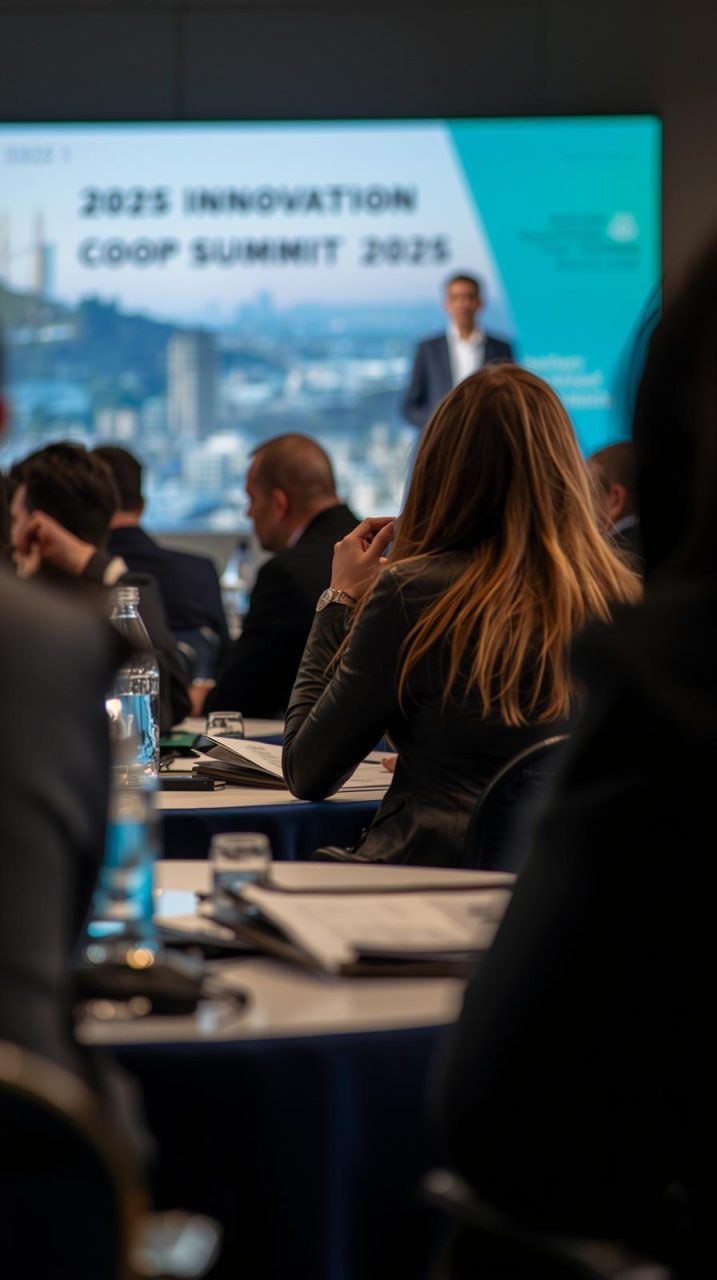
Torres Vedras recently hosted a remarkable gathering of cooperative minds. Around 350 participants from 24 countries came together to explore new solutions. They focused on how cooperatives can tackle today’s biggest challenges.
The event highlighted three powerful phases of cooperative action. First, empowering individuals and communities to drive meaningful change. Second, building trust through complete transparency and accountability. Finally, co-creating inclusive systemic solutions that last.
This convergence demonstrated that cooperatives are far from outdated models. They represent sophisticated social innovation with strong ethical foundations. The gathering ironically blended traditional values with cutting-edge technological solutions.
Cooperatives emerged not as niche enterprises but as structural answers to global inequality. They address climate change and institutional distrust through practical innovation. This approach bridges business success with sustainable development goals.

Event Overview: Global Innovation Coop Summit in Portugal
A diverse assembly of cooperative professionals converged in Torres Vedras for pivotal discussions on October 27-28. This gathering brought together leaders, academics, and practitioners from across the cooperative spectrum.
Summit Attendance and International Participation
The event attracted 350 participants representing 24 different countries. This international composition created a microcosm of worldwide cooperative diversity.
Attendees shared a common purpose despite their geographic differences. The professional mix included cooperative executives, researchers, and field practitioners.
Torres Vedras served as a symbolic setting where traditional Portuguese culture met forward-thinking approaches. The location beautifully balanced historical charm with contemporary cooperative innovation.
Keynote Addresses by Dignitaries and Leaders
Paulo Rangel, Portugal’s Minister of Foreign Affairs, delivered the opening address. He provocatively declared cooperatives as “the most sophisticated form of social innovation.”
International Cooperative Alliance president Ariel Guarco contributed via video message. His remote presentation positioned cooperatives as modern innovation leaders rather than historical artifacts.
Climate expert Yuill Herbert presented on cooperative responses to environmental challenges. He argued that cooperative models offer structural solutions without requiring radical upheaval.
The professional depth of plenary sessions blended academic theory with practical applications. Workshops provided hands-on learning opportunities for all attendees.
| Participant Category | Number of Attendees | Primary Focus Areas |
|---|---|---|
| Cooperative Leaders | 120 | Governance & Strategy |
| Academic Researchers | 85 | Theory & Development |
| Field Practitioners | 95 | Implementation & Operations |
| Government Representatives | 50 | Policy & Regulation |
The summit’s international scope reflected growing recognition of cooperative solutions. Local models demonstrated clear relevance for global challenges facing modern societies.
There was noticeable irony in government officials praising cooperative structures. These models often challenge conventional economic frameworks yet received official endorsement.
Key Takeaways from the Global Innovation Coop Summit Portugal Review Retrospect Reflection UNSDGs

The assembly’s framework revealed a sophisticated three-part progression. This structure served as both practical roadmap and philosophical statement about cooperative evolution.
Each phase built upon the previous, creating a comprehensive approach to modern challenges. The framework demonstrated how traditional values adapt to contemporary realities.
Empowering Individuals and Communities to Act
Workshops focused on leveraging human capital—because apparently machines haven’t completely replaced people yet. Sessions explored creating cultures of accountability and integrating ESG principles.
Artificial intelligence emerged as a surprising ally in decision-making processes. The technology supported rather than replaced human judgment in cooperative governance.
This phase emphasized that empowerment begins with recognizing individual potential. It then scales this recognition to community-wide impact through structured cooperation.
Building Trust Through Transparency and Accountability
In an era where institutions face widespread distrust, cooperation requires genuine trust. The gathering explored this paradoxical challenge with remarkable candor.
Digital transformation presented both opportunities and obstacles for trust-building. Technology often erodes trust yet offers unprecedented transparency tools.
International partnerships and global knowledge networks emerged as trust amplifiers. These connections demonstrated how shared purpose transcends geographic and cultural boundaries.
“Innovation means promoting human progress,” observed Cooperatives Europe president Giuseppe Guerini. “Cooperatives know how to create real trust among people while meeting regulatory requirements—no small feat.”

Co-Creating Inclusive and Lasting Systemic Change
This final phase moved beyond incremental improvements to transformative redesign. Participants debated integrating ecological solutions and circular economy principles.
Artificial intelligence’s role in energy transition sparked particularly lively discussions. The technology offered pathways to climate solutions without sacrificing cooperative values.
The gathering positioned cooperatives as “schools of democracy” building accountability. This approach addresses misinformation while creating sustainable business models.
European models demonstrated how innovation coexists with regulatory compliance. Their success offers valuable news for organizations navigating complex governance landscapes.
Innovative Cooperative Models Highlighted at the Summit
The summit showcased remarkable cooperative innovations that challenge conventional business paradigms. These models demonstrated how traditional cooperative principles adapt to modern economic realities while maintaining ethical foundations.
Participants examined multi-stakeholder cooperatives that expand mutuality beyond single-stakeholder limitations. This approach creates more inclusive decision-making structures while addressing complex capital requirements.
Renewable Energy and Platform Cooperatives
Renewable energy cooperatives emerged as powerful responses to climate challenges. These organizations democratize energy ownership—because apparently sunlight and wind shouldn’t be corporate monopolies.
Platform cooperatives like Smart Belgium provide social security for independent workers. This innovation actually lives up to its name by prioritizing worker security over investor returns.
These models represent significant advances in how cooperatives approach contemporary energy and employment challenges. They blend social mission with financial sustainability through innovative capital structures.
Case Studies: SOCAPS, Coopernico, and Acodea
Three organizations stood out as living laboratories of cooperative innovation. SOCAPS in France demonstrates how multi-stakeholder models create enlarged mutuality.
Coopernico in Portugal showcases renewable energy democratization in action. This cooperative proves that community-owned energy solutions can compete with traditional utilities.
Acodea in France illustrates innovative approaches to capital management while maintaining cooperative values. These case studies offer practical blueprints for organizations facing similar challenges.
Role of Artificial Intelligence in Cooperative Innovation
Artificial intelligence applications sparked particularly insightful discussions. Workshops explored using AI for optimizing renewable energy solutions and supporting energy transition.
Manuel José Guerreiro, Chair of host Caixa Agricola, argued that digital technology can humanize rather than dehumanize when guided by cooperative principles. His perspective highlighted how artificial intelligence becomes an ally rather than threat.
The technology supports data-driven decision making without compromising cooperative transparency. It promotes regenerative approaches while maintaining community benefits—a delicate balance that many conventional businesses struggle to achieve.
These innovations demonstrate how cooperatives can leverage artificial intelligence while preserving their core values. The approach turns technological challenges into opportunities for strengthened cooperation.
Conclusion
The final plenary transformed insights into commitments. Participants translated cooperative values into actionable pledges extending beyond the event.
Manuel José Guerreiro’s closing remark framed cooperativism as both humane and intelligent. His bridge metaphor resonated deeply with a movement built on connection rather than division.
This gathering demonstrated that local solutions thrive through global networks. The news here isn’t just what was discussed, but what will be implemented.
Cooperatives continue proving business can succeed without destruction. Sometimes the most sophisticated solution is simply human cooperation scaled effectively.

Key Takeaways
- Cooperatives from 24 countries demonstrated global relevance in addressing modern challenges
- The event highlighted three core phases: empowerment, trust-building, and co-creation of lasting change
- Traditional cooperative values effectively combine with contemporary technological solutions
- Cooperatives represent structural solutions to inequality, climate issues, and institutional distrust
- The summit successfully connected cooperative principles with sustainable development frameworks
- Cooperatives offer a business model that creates value without destruction
- Community-focused innovation maintains ethical foundations while adapting to new economic realities