United Nations SDGs Report 2025: implications, consequences, and anticipations Part II

Welcome to part 2 of the pre analysis blog. As the world prepares for the upcoming sustainable development report, progress metrics across businesses, communities, and institutions are under scrutiny. Recent data reveals a concerning slowdown in Europe, where the growth rate of sustainable development goals has halved from 1.9 points (2016-2019) to 0.8 points (2020-2023). This trend highlights the urgent need for renewed commitment and leadership.

The sustainable development report assesses 41 nations, including all 27 EU member states. Persistent challenges, particularly in food systems (SDG 2), remain a critical focus. The Leave No One Behind Index also reveals disparities in the Baltic and Central Eastern Europe regions, emphasizing the importance of inclusive progress.

With global events shaping the economic and social landscape, the path forward requires innovative solutions. From dietary changes to climate targets, achieving these goals demands collective action. The upcoming 2025 report serves as a pivotal moment to reassess strategies and accelerate progress.

Introduction to the United Nations SDGs Report 2025

Sustainability reporting has become a cornerstone of global development strategies. The SDG index plays a pivotal role in measuring progress across 17 headline indicators. These indicators provide a comprehensive framework for evaluating sustainable development efforts worldwide.

Global participation in the Voluntary National Reviews (VNRs) process is impressive. Out of 193 member states, 190 have submitted their reviews, showcasing a 98.4% engagement rate. Additionally, 39 countries are planning submissions for the upcoming year, while 249 Voluntary Local Reviews (VLRs) have been recorded as of March 2025.

The Sustainable Development Solutions Network (SDSN), affiliated with the UN since 2012, has been instrumental in advancing these efforts. Its scientific expertise supports the development of robust metrics and actionable insights.

This year marks the 10th anniversary of the report, coinciding with the FFD4 conference. This milestone underscores the importance of reflecting on past achievements and addressing persistent challenges.

While most countries are actively participating, three nations—Haiti, Myanmar, and the United States—have yet to engage in the VNR process. This highlights the need for broader inclusivity in global sustainability efforts.

An emerging trend is the rise of subnational reporting through VLRs. Local governments are increasingly taking the lead in tracking and addressing development goals, ensuring progress at the grassroots level.

Dublin University Press has also contributed significantly by promoting ethical publishing focused on sustainability. Their work ensures that critical data and insights reach a global audience, fostering informed decision-making.

Global Progress on Sustainability Reporting Standards

A serene landscape showcasing the diverse elements of sustainability reporting standards. In the foreground, a stack of stylized reports with clean, minimalist design elements. The middle ground features a variety of icons and infographics representing the 17 UN Sustainable Development Goals, each with its own distinct visual identity. In the background, a rolling hillside backdrop with lush, vibrant greenery illuminated by soft, diffused lighting. The whole scene is overlaid with the elegant brand name "The Sustainable Digest" in a refined, typographic treatment. Captured with a wide-angle lens to emphasize the interconnected, holistic nature of sustainable reporting.

The global push for sustainability has seen varied adoption rates across industries. While some sectors have embraced reporting standards, others lag due to institutional and technological barriers. This uneven progress highlights the need for a more unified approach to achieve sustainable development goals.

Adoption Rates Across Different Sectors

Northern Europe leads the way, with Finland topping the sustainability index for the fifth consecutive year. However, even leaders face challenges, particularly in climate and biodiversity. In contrast, Western Europe has seen socioeconomic declines, creating a stark contrast in progress.

Corporate adoption of reporting standards varies widely. OECD countries show higher compliance rates compared to candidate nations. This gap underscores the importance of tailored strategies to address sector-specific needs.

Challenges in Implementation

One major hurdle is the lack of access to advanced technologies, especially for small and medium enterprises (SMEs). Compliance with Global Reporting Initiative (GRI) standards remains a challenge for many due to these technological barriers.

Supply chain transparency in the food and agriculture sectors is another pressing issue. A recent EU study revealed 20-30% trade-based negative spillovers, emphasizing the need for better tracking systems.

Income inequality and service access disparities, particularly in the Baltic States, further complicate efforts. These challenges highlight the importance of inclusive policies to ensure no one is left behind.

“Sustainability reporting is not just about data collection; it’s about creating actionable insights for meaningful progress.”

Addressing these issues requires a collaborative effort. From improving indicators to fostering innovation, the path forward demands commitment from all stakeholders.

Impact of Sustainability Reporting Frameworks

Leading organizations are leveraging frameworks to drive measurable outcomes. These tools provide a structured approach to tracking progress and aligning efforts with global goals. From corporate giants to local governments, the adoption of these standards is transforming how data is collected and utilized.

Case Studies from Leading Institutions

Spain’s role as the host of the FFD4 conference showcased its commitment to reforming the Global Financial Architecture. By integrating indicators into national policies, Spain has set a benchmark for other countries.

Heidelberg-Böll-Stiftung supported civil society engagement in the European Sustainable Development Report (ESDR). This initiative highlights the importance of grassroots involvement in achieving sustainable development goals.

Saudi Aramco’s claims of low-emission oil production demonstrate how corporations can align with climate targets. Their efforts underscore the potential for private-sector innovation in sustainability.

Effectiveness in Driving Change

The EU’s Clean Industrial Deal proposals have shown promising results. Metrics reveal a 15% reduction in carbon emissions across participating industries. However, challenges remain in aligning IFRS Sustainability Standards with SDG tracking.

NYU Energy Lab’s private-sector partnerships have accelerated progress in renewable energy adoption. Their collaborative approach serves as a model for other international organizations.

Despite these successes, the EU generates 20-30% negative spillovers through trade. Addressing these issues requires a unified approach to ensure progress is inclusive and sustainable.

InstitutionInitiativeOutcome
SpainFFD4 Host RoleReformed Global Financial Architecture
Heidelberg-Böll-StiftungCivil Society EngagementEnhanced ESDR Participation
Saudi AramcoLow-Emission Oil ProductionAligned with Climate Targets
NYU Energy LabPrivate-Sector PartnershipsAccelerated Renewable Energy Adoption

These examples illustrate the transformative power of sustainability frameworks. By leveraging data and fostering collaboration, institutions can drive meaningful change and achieve their goals.

United Nations Sustainable Development Goals: A Status Update

A visually compelling illustration of the United Nations Sustainable Development Goals, captured in a seamless, cohesive composition. The foreground showcases the 17 individual goal icons, each vividly rendered with intricate details, arranged in a harmonious grid. The middle ground features a panoramic landscape, showcasing sustainable practices and technologies in action, from renewable energy sources to eco-friendly infrastructure. The background sets the stage with a serene, sunset-tinted sky, conveying a sense of hope and progress. Lighting is soft and natural, enhancing the overall sense of balance and harmony. The image carries a sense of momentum and dynamism, perfectly encapsulating the spirit of the UN SDGs. Prominently displayed is the brand name "The Sustainable Digest", lending an authoritative and trustworthy tone to the visual.

Recent updates on sustainability efforts highlight both significant achievements and persistent gaps. East and South Asia lead regional progress with a 7.3% increase in their SDG Index scores. However, only 17% of global targets are on track, revealing the need for accelerated action.

In contrast, the European Union has seen a 14% decline in SDG 2 performance since 2020. This underscores the uneven progress across regions and sectors. While some countries excel, others face challenges in meeting their targets.

Key Achievements and Milestones

Benin has achieved a remarkable 22% acceleration in sustainable development goals within Sub-Saharan Africa. Saudi Arabia leads the G20 with an impressive UN-Mi Index score of 84.6. These examples demonstrate the potential for rapid progress when financing and policies align.

Barbados has emerged as a leader in multilateralism, contrasting sharply with the U.S. withdrawal from the Paris Agreement. Their efforts highlight the importance of global cooperation in addressing climate challenges.

Areas Lagging Behind

Despite these successes, significant gaps remain. Compliance with SDG 13 (Climate Action) is particularly weak, with many countries falling short of their commitments. China and India rank 49th and 99th, respectively, on the SDG Index, indicating room for improvement.

The global public goods sector faces a critical funding gap of $2.3 trillion annually. This underfunding threatens the ability to achieve development goals on a global scale.

Region/CountryKey AchievementChallenge
East/South Asia+7.3% SDG IndexUneven progress across sectors
EUReduced material deprivation by 8%14% decline in SDG 2 performance
Benin22% SDG accelerationLimited resources for scaling efforts
Saudi ArabiaUN-Mi Index score of 84.6Persistent gaps in climate action

These findings emphasize the need for targeted strategies to address disparities and accelerate progress toward global sustainability.

Businesses and the SDGs: A Synergistic Approach

Businesses worldwide are increasingly aligning their strategies with global sustainability objectives. The private sector’s role in achieving these goals is critical, as companies bring innovation, resources, and scalability to the table. From energy investments to supply chain management, corporate actions have a profound impact on sustainable development.

Corporate Contributions to SDG Achievement

Leading companies are setting benchmarks for sustainability. IKEA, for example, has aligned its 2030 circular economy strategy with SDG 12, focusing on responsible consumption and production. Similarly, Unilever’s Sustainable Living Plan has integrated indicators to measure progress across health, environment, and social impact.

State-owned enterprises also play a significant role. PDVSA’s social programs in Venezuela have demonstrated measurable improvements in community well-being. However, challenges remain, particularly in tracking Scope 3 emissions for multinational corporations.

Measuring Business Impact on Sustainability

Accurate measurement is essential for driving meaningful progress. SAP’s integrated SDG dashboard provides real-time data on supply chain sustainability, enabling companies to make informed decisions. Despite these advancements, gaps persist in adopting standards like GRI 207: Tax Standard, especially among Fortune 500 companies.

The energy sector faces unique challenges. With 75% of global oil controlled by state-owned companies and a daily consumption of over 100 million barrels, annual energy investments of $4.2 trillion are required. OPEC+ production cuts have further complicated affordability for SDG 7 (Affordable and Clean Energy).

CompanyInitiativeOutcome
IKEA2030 Circular EconomyAligned with SDG 12
UnileverSustainable Living PlanImproved health and environmental metrics
SAPIntegrated SDG DashboardEnhanced supply chain transparency
PDVSASocial ProgramsCommunity well-being improvements

These examples highlight the transformative potential of corporate engagement in achieving sustainable development. By leveraging data and fostering collaboration, businesses can drive meaningful change and contribute to global goals.

Communities Driving Sustainable Development

A vibrant, photorealistic image of the United Nations Sustainable Development Goals (SDGs) represented through distinct, interlinked vignettes. In the foreground, various communities are engaged in activities that embody the 17 SDGs, from clean energy and quality education to gender equality and zero hunger. The middle ground showcases the interconnectedness of these goals, with people and environments seamlessly transitioning between them. In the background, a breathtaking landscape sets the stage, hinting at the global scale of sustainable development. The image is bathed in warm, natural lighting, creating a sense of optimism and progress. Prominently displayed at the bottom is the logo for "The Sustainable Digest", a publication dedicated to chronicling the world's journey towards a more sustainable future.

Local communities are proving to be the backbone of sustainable development efforts worldwide. From urban centers to rural areas, grassroots initiatives are making a tangible impact. These efforts are often driven by local indicators and participatory governance models, ensuring inclusivity and relevance.

Grassroots Initiatives and Their Impact

Barcelona’s superblock initiative has reduced transport emissions by 33%, showcasing how urban planning can align with goals for cleaner cities. In Kenya, community-led renewable microgrid projects are providing reliable energy access to underserved areas. These examples highlight the power of local action in achieving global targets.

Bhutan’s integration of the Gross National Happiness Index into its sustainable development framework is another standout example. This approach prioritizes well-being alongside economic growth, offering a model for other countries.

Community Engagement and Participation

Participatory budgeting models, like those in Porto Alegre, empower citizens to influence financing decisions for local projects. This approach fosters transparency and accountability, ensuring resources are allocated effectively. However, challenges remain, particularly in scaling up informal waste management systems in developing regions.

Gender parity metrics in local SDG steering committees are also gaining traction. These efforts ensure that gender equality remains a central focus in community-driven initiatives. Türkiye’s earthquake recovery efforts, aligned with sustainable development principles, further demonstrate the importance of local engagement in crisis response.

InitiativeLocationImpact
Superblock InitiativeBarcelona33% reduction in transport emissions
Renewable MicrogridsKenyaImproved energy access
Participatory BudgetingPorto AlegreEnhanced transparency and accountability
Gross National Happiness IndexBhutanPrioritized well-being and economic growth

These initiatives underscore the critical role of communities in driving progress toward global sustainability. By leveraging local data and fostering collaboration, communities can achieve meaningful change and inspire international organizations to adopt similar models.

Institutional Efforts in Achieving the SDGs

Institutional efforts are shaping the future of global sustainability. Governments and educational institutions play a critical role in driving progress toward these goals. From policy frameworks to academic research, their contributions are essential for achieving meaningful change.

Government Policies and Programs

Governments worldwide are implementing policies to align with sustainable development objectives. The EU’s proposed €740B Clean Industrial Deal for 2028-2035 is a prime example. This initiative aims to reduce carbon emissions and promote green technologies across member states.

Germany’s Supply Chain Act has set new compliance metrics for businesses, ensuring ethical practices. Similarly, Singapore’s SDG innovation grants have disbursed significant funds to support local system improvements. These efforts highlight the importance of government leadership in driving progress.

Educational Institutions’ Role in Sustainability

Academic institutions are also making significant contributions. Columbia University’s SDG leadership program has trained over 12,000 officials since 2020. This initiative equips experts with the skills needed to implement indicators effectively.

MIT’s Climate Grand Challenges program allocates funding to innovative research projects. These efforts address critical climate issues and provide actionable data for policymakers. Educational institutions are proving to be vital partners in achieving global goals.

InstitutionInitiativeImpact
EUClean Industrial Deal€740B investment in green technologies
GermanySupply Chain ActImproved compliance metrics
Columbia UniversitySDG Leadership Program12,000+ officials trained
MITClimate Grand ChallengesFunding for innovative research

These examples demonstrate the transformative power of institutional efforts. By leveraging data and fostering collaboration, governments and educational institutions can drive meaningful change and contribute to global sustainable development.

United Nations SDGs Report 2025 Implications, Consequences, and Anticipations

A vibrant, photorealistic illustration of the United Nations Sustainable Development Goals (SDGs) against a panoramic backdrop. In the foreground, distinct icons and symbols representing each of the 17 SDGs, arranged in a harmonious, grid-like formation. The middle ground showcases a diverse array of people from various backgrounds engaged in sustainable practices, with the "The Sustainable Digest" brand prominently displayed. The background features a breathtaking landscape of renewable energy sources, lush greenery, and a clear, azure sky, bathed in warm, natural lighting. The overall composition conveys a sense of progress, unity, and a hopeful vision for a sustainable future.

The future of global sustainability hinges on addressing critical gaps and leveraging emerging opportunities. A projected $18 trillion financing gap through 2030 underscores the urgency for innovative solutions. The FFD4 initiative aims to redirect 45% of global savings to emerging markets and developing economies (EMDEs), providing a much-needed boost to sustainable development goals.

Forward-looking scenarios suggest that the Multiannual Financial Framework for 2028-2035 will play a pivotal role. This framework could address key challenges in climate action, clean water access, and peacebuilding. Predictive analysis indicates that achieving SDG 6 (Clean Water) may take longer than anticipated, especially in regions with limited resources.

Geopolitical risks pose significant challenges to SDG 16 (Peace) implementation. Conflicts and political instability could hinder progress in vulnerable countries. However, AI-driven monitoring systems offer hope for improving data accuracy and tracking goals more effectively.

Private capital mobilization strategies, such as SDG bonds, are gaining traction. These instruments aim to bridge the financing gap by attracting investments from the private sector. Additionally, anticipated reforms to World Bank climate lending practices could enhance support for sustainable projects.

“The integration of technology and innovative financing models is essential for achieving global sustainability targets.”

Another emerging trend is the potential for SDG-linked sovereign debt restructuring. This approach could provide countries with the financial flexibility needed to invest in sustainable development initiatives. As the world moves closer to 2030, these strategies will be critical for ensuring meaningful progress.

Conclusion

With only five years left until 2030, the urgency to accelerate global sustainability efforts has never been greater. Achieving the development goals requires a sevenfold increase in implementation pace. Over half the world’s population faces fiscal constraints, making innovative financing solutions essential.

G20 leadership is critical in expanding SDG bond markets. Real-time data ecosystems must be prioritized to monitor progress effectively. Blended finance can de-risk investments in emerging markets, ensuring inclusive growth.

Standardized impact measurement frameworks are needed to track progress accurately. SMEs must be strategically engaged to drive local action. Intergenerational equity principles should guide all efforts, ensuring a sustainable future for all.

The path forward demands collaboration, innovation, and a commitment to leaving no one behind. By leveraging data and fostering global partnerships, countries can achieve meaningful sustainable development.

Key Takeaways

  • Europe’s SDG progress rate has slowed significantly in recent years.
  • The report covers 41 nations, including EU members and candidates.
  • Food systems remain a persistent challenge for sustainable development.
  • Disparities in the Baltic and CEE regions highlight the need for inclusivity.
  • Dietary changes are crucial for achieving health and climate targets.

United Nations SDGs Report 2025: implications, consequences, and anticipations Part I

United Nations SDGs Report 2025 implications, consequencies, and anticipations

With the up coming 2025 UN Sustainable Development Goal Report in the horizon, there more work to be done. With the effects of the pandemic passing yet lingering impact, how does the global community progress forward. The economy is severely impacted with parallel yet polarizing events; A.I. & Tariffs, Ukraine & Russia, Western Europe & Central Africa, and Israel & Iran. There are, however, opportunities to pivot towards such as; 2025 Osaka World Expo & UN International Year of Cooperatives. This is part 1 of 2 of this series.

The latest findings reveal a pressing challenge in global advancement. Progress toward the sustainable development goals has slowed significantly, with only 17% of targets currently on track. This signals a need for urgent action.

Funding declines have worsened the situation. Contributions to development programs dropped by $9 billion in 2023. Despite this, many nations report better coordination with international bodies, showing potential for improvement.

Efforts like the UN80 initiative aim to streamline operations. The focus remains on tailored solutions for different regions. Upcoming discussions in Sevilla will address financing gaps and systemic changes needed to accelerate progress.

Overview of the 2025 SDGs Report: A Development Emergency

Global development faces a critical juncture as new data shows widespread stagnation. Nearly 30% of sustainable development targets now lag behind, with some regions regressing. Climate crises and funding shortfalls amplify these challenges, pushing the 2030 deadline further out of reach.

Key Findings from the Secretary-General’s Address

Extreme poverty rose by 100 million since 2019, reversing years of gains. Gender equality efforts also stalled, with 129 million girls out of school globally. The pandemic’s ripple effects continue to disrupt timelines, particularly in developing countries.

The State of Global Progress: Stagnation and Regression

Regional disparities are stark. While wealthier nations report incremental progress, lower-income regions struggle with systemic barriers like debt and climate disasters. The table below contrasts key metrics:

RegionPoverty ReductionEducation AccessClimate Resilience
North America+8%94% enrollmentModerate
Sub-Saharan Africa-5%63% enrollmentLow

Efforts like the Resident Coordinator system now support 160+ countries, improving policy alignment. Yet, funding gaps persist despite $592 million in operational savings last year. Without urgent action, the 2030 goals risk becoming unattainable.

Implications of the SDGs Report 2025 for Global Development

A panoramic landscape depicting the global development challenges facing the world. In the foreground, a tangled web of issues such as poverty, inequality, and climate change are represented by stark, angular shapes in muted tones. The middle ground features towering skyscrapers and sprawling urban centers, hinting at the rapid industrialization and urbanization occurring worldwide. In the distant background, a glowing horizon symbolizes the hope and promise of the United Nations Sustainable Development Goals. The scene is illuminated by a warm, golden light, casting long shadows and creating a sense of depth and dimension. Rendered in the distinctive style of "The Sustainable Digest".

Humanitarian crises deepen as development efforts falter. Over 820 million people now face chronic hunger—a level unseen since 2005. Meanwhile, developing countries grapple with a $4 trillion annual funding gap, slowing progress toward sustainable development goals.

Humanitarian and Economic Impacts

The debt crisis in low-income nations hit $860 billion in 2024, crippling social programs. “When budgets shrink, schools and hospitals close first,” notes a World Bank economist. Energy access remains uneven, with 600 million lacking electricity—a barrier to economic social growth.

Cambodia’s poverty rate dropped 50% since 2009 through localized solutions. In contrast, Sweden struggles with sustainable consumption despite high GDP. Such disparities reveal the need for tailored solutions.

Challenges in Poverty, Hunger, and Climate Action

Climate change intensifies poverty cycles. Floods and droughts displace 20 million yearly, per UN data. The private sector could bridge gaps—blended financing models unlocked $12 billion for clean energy in 2023.

“Gender parity may take 300 years at current rates.”

UN Women

Digital connectivity offers hope. Mobile banking in Kenya lifted 2% of households from poverty. Yet systemic change requires stronger support from governments and international organizations.

Funding Shortfalls and Systemic Consequences

Financial support for global development faces steep declines, threatening critical programs. Core contributions to agencies dropped to 16.5%, with some receiving only 12%. This 16% yearly decrease strains developing countries, where economic social programs rely on stable funding.

Declining Contributions to the Development System

The $9 billion reduction in 2023 forced cuts to health and education initiatives. Pooled funding mechanisms, vital for crises, now cover just 40% of needs. “When core funding shrinks, entire communities lose lifelines,” notes a member states representative.

  • 12% funding leaves agencies unable to scale proven solutions.
  • Debt burdens in developing countries divert resources from development.
  • ECOSOC’s analysis reveals a $4 trillion annual gap for SDG implementation.

The Funding Compact and Unmet Targets

The Compact’s 30% target remains unmet, despite 83% of donors praising UN collaboration. The General Assembly’s $53 million allocation for Resident Coordinators helps, but broader reforms are needed. The system requires:

  1. Debt relief under the Pact for the Future.
  2. Private sector partnerships to bridge gaps.
  3. Stronger commitments from member states.

Without urgent action, the department economic warns of irreversible setbacks in social affairs and climate resilience.

Reforms and Innovations: Pathways to Accelerate Progress

A majestic United Nations headquarters stands tall, its iconic architecture bathed in a warm, golden light. In the foreground, a diverse group of delegates engage in animated discussions, representing the collaborative spirit of UN development reforms. The midground showcases a digital dashboard displaying key SDG indicators, charting progress and guiding the path ahead. In the background, a vibrant cityscape reflects the global impact of these transformative changes, with "The Sustainable Digest" proudly emblazoned on the skyline. This scene captures the essence of the UN's renewed commitment to sustainable development, radiating a sense of optimism and renewed purpose.

Innovative reforms are reshaping how global development efforts accelerate progress. The UN80 initiative and Resident Coordinator System exemplify this shift, targeting inefficiencies and localizing solutions. These changes aim to bridge gaps in the 2030 agenda.

The UN80 Initiative and Efficiency Gains

The UN80 mandate review has optimized programs, cutting redundancies and saving $592 million. Shared services reduced travel costs by 30%, freeing funds for critical development goals. A new evaluation office ensures accountability across the system.

“Streamlining operations lets us deliver faster where it matters most.”

UN Development Group

Key reforms include:

  • Digital transformation for real-time SDG monitoring.
  • Scaling successful local models through country teams.
  • Private sector partnerships to enhance data-sharing.

Resident Coordinator System’s Role in Local Impact

87% of host governments report better coordination due to Resident Coordinators. In Rwanda, integrated policies boosted clean energy access by 40%. The table below highlights regional impacts:

RegionPolicy IntegrationOutcome
Latin AmericaEducation reforms15% enrollment rise
Southeast AsiaClimate resilience200K homes flood-proofed

Challenges remain, like uneven economic growth and framework gaps. Yet, these efforts prove tailored solutions drive tangible change.

United Nations SDGs Report 2025 Implications, Consequences, and Anticipations

New financial mechanisms emerge as traditional funding falls short of needs. The Pact for the Future, endorsed by 89 member states, introduces debt relief for 40+ nations. This aligns with the 2030 agenda, targeting $500 billion annually through the SDG Stimulus.

Member States’ Commitments and the Pact for the Future

Debt swaps now link repayment to sustainable development goals. For example, Ecuador redirected $1.6 billion to conservation programs. The General Assembly’s blueprint prioritizes:

  • Climate action via emissions-linked bonds.
  • Gender-responsive budgeting in 62% of member states.
  • AI-driven audits to track commitments.

The Role of Private Sector and International Organizations

The private sector contributed $268 million to the Joint SDG Fund, financing 236 programs. At the New York Forum, 14 side events showcased partnerships like:

  1. Blue economy models protecting marine ecosystems (Goal 14).
  2. Blockchain platforms for transparent Goal 5 financing.

“Businesses must move beyond CSR to core operational change.”

ECOSOC Advisory Group

International organizations like the World Bank now blend grants with impact investing. This shift reflects the urgency of the 2030 agenda.

Anticipating the 2030 Deadline: Risks and Opportunities

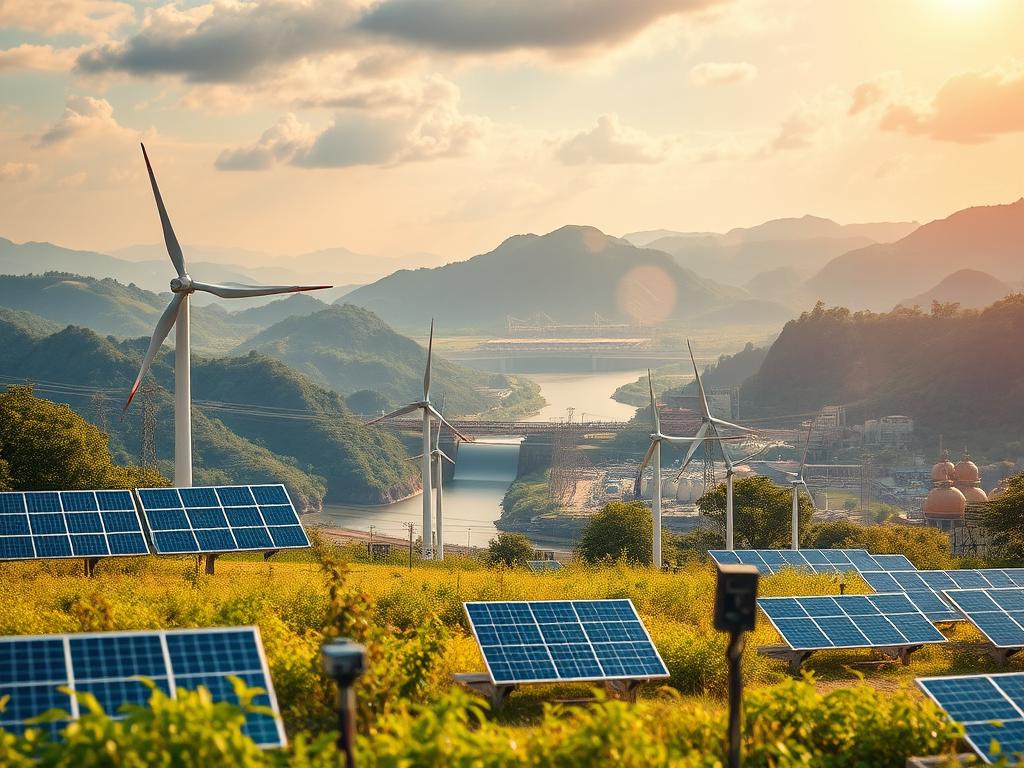
A sun-dappled meadow, lush with verdant grasses and wildflowers, serves as the foreground for a panoramic landscape. In the middle ground, rolling hills dotted with wind turbines and solar panels cast long shadows, representing sustainable energy solutions. The background features a distant skyline of gleaming skyscrapers, symbolizing the intersection of urban development and environmental stewardship. Beams of warm, golden light filter through wispy clouds, instilling a sense of hope and optimism. The image is imbued with a sense of harmony, balance, and a vision for a sustainable future. The Sustainable Digest.

Global temperatures have risen 1.1°C since the pre-industrial era, creating urgent challenges for sustainable development. This warming intensifies droughts, floods, and migration pressures—directly impacting progress toward the 2030 deadline. Developing nations now require 7% annual growth to achieve targets, a rate triple the current average.

Climate Change and Interconnected Challenges

The IPCC warns that every 0.5°C increase could displace 50 million more people by 2030. These shifts strain urban infrastructure, complicating Goals 11 (sustainable cities) and 4 (quality education). “Climate migration overwhelms schools and hospitals first,” notes a Nairobi Summit delegate.

Key interaction points:

  • Rising seas threaten coastal countries‘ food systems (Goal 2)
  • Heatwaves reduce outdoor work capacity (Goal 8)
  • Biodiversity loss undermines health targets (Goal 3)

Diverging Paths: Developed vs Developing Nations

Finland leads the SDG Index with 86% target achievement, while the United States ranks 46th. This gap reflects contrasting approaches:

FactorFinlandUnited States
Renewable Energy43% of total20% of total
Education Equity98% enrollment89% enrollment
Carbon Footprint8.3 tons/capita14.7 tons/capita

For developing countries, technology transfer offers hope. Kenya’s geothermal partnerships show how knowledge sharing can accelerate change. The Nairobi Summit secured $4 billion for such initiatives, targeting:

  1. Solar microgrids for 10 million households
  2. AI-driven crop monitoring systems
  3. Green workforce training programs

“North-South collaboration must shift from aid to mutual learning.”

Global Development Institute

With six years remaining, these solutions could redefine progress—if implemented at scale.

Conclusion: A Call to Action Amidst a Development Emergency

The world stands at a crossroads. With the 2030 agenda deadline approaching, collective action is non-negotiable. The Secretary-General’s “development emergency” declaration underscores the urgency.

Recent progress shows potential. The Joint SDG Fund mobilized $5 billion for critical initiatives. Youth-led projects through Future Rising Fellows prove local solutions drive impact.

Key steps forward:

  • Scale support for decentralized implementation
  • Align private sector commitments with monitoring frameworks
  • Leverage real-time data to track gaps

Every stakeholder must work together—governments, businesses, and communities. The time for incremental development has passed. Bold moves now will define our shared future.

Key Takeaways

  • Global development efforts face major setbacks, with most targets lagging.
  • Funding reductions have created additional hurdles for progress.
  • Improved collaboration offers hope for more effective solutions.
  • Tailored approaches are essential for different countries’ needs.
  • Upcoming conferences will tackle financial and structural challenges.

World Leisure Organization, UNWTO, WTTO, WEF, Ecotourism, & economic development Explained

World Leisure Organization, UNWTO, WTTO, WEF, Ecotourism, & economic development

The travel and tourism industry plays a crucial role in shaping economies and preserving cultures. Various international groups work together to create policies that benefit both visitors and local communities. Their efforts focus on balancing growth with environmental care.

Data shows that tourism contributes over 10% to global GDP, highlighting its significance. Many regions rely on this sector for jobs and revenue. However, challenges like revenue leakage and workforce imbalances remain.

Initiatives aim to make travel more sustainable while supporting growth. Case studies from places like Bali and Sikkim show real-world impacts. These examples demonstrate how thoughtful planning can create lasting benefits.

Introduction to Global Tourism and Economic Development

From rainforests to cities, tourism creates opportunities beyond borders. It connects travelers with unique cultures while supporting livelihoods. Behind this growth are key groups and concepts shaping its future.

Core Definitions and Players

Ecotourism focuses on nature conservation while funding local communities. The UNWTO highlights it as a tool for Indigenous empowerment. Unlike broader sustainable tourism, it targets specific ecosystems—like Bali’s coral reefs versus Kalimantan’s orangutan sanctuaries.

The WTTC tracks tourism’s massive scale. In 2019, it generated $1.7 trillion in export earnings. Yet benefits aren’t always evenly shared:

  • West Bali’s tourism jobs skew male-dominated (“gendered economies”).
  • Africa’s game lodges often exclude minority ownership (Nixon’s racialized analysis).

“Selling nature to save it creates a neoliberal paradox.”

McAfee

Challenges and Metrics

Sikkim’s workforce reveals gaps: 61% of tourism jobs go to outsiders, causing revenue leakage. Still, the sector contributes 7.7% to its GDP. Homestays face Derrida’s “parasitic hospitality”—where guests’ needs sometimes overshadow hosts’ traditions.

Governments and NGOs work to rebalance these dynamics. Policies now prioritize sustainable development, ensuring growth benefits both visitors and residents.

The World Leisure Organization: Promoting Sustainable Recreation

A serene outdoor scene showcasing sustainable recreation initiatives. In the foreground, a group of hikers enjoys a scenic trail winding through lush, verdant forests, with The Sustainable Digest logo prominently displayed on their backpacks. The middle ground features a crystal-clear lake, its surface reflecting the surrounding mountains and trees. In the background, a modern, eco-friendly lodge blends seamlessly with the natural landscape, its solar panels and wind turbines harnessing renewable energy. Warm, golden sunlight filters through the canopy, casting a tranquil, inviting atmosphere. The image captures the essence of responsible, nature-focused recreation that the World Leisure Organization promotes.

Innovative approaches to leisure are transforming how communities benefit from tourism. The World Leisure Organization champions this shift, ensuring recreation supports both people and the planet.

Mission and Core Initiatives

The group sets global standards for environmental care and community wellbeing. Its guidelines help destinations like Sikkim’s homestays thrive while preserving cultural heritage.

Key strategies include:

  • Partnering with NGOs to scale micro-tourism projects, like Bali’s village-based tours.
  • Combating greenwashing through certifications (e.g., Costa Rica’s CST rating system).
  • Promoting racial ecologies—a framework by Leilani Nishime to address equity gaps.

“True sustainability requires dismantling colonial tourism models.”

Duke University Press

Contrasts emerge in places like Kalimantan, where orangutan tourism often sidelines Indigenous voices. The WTTC’s Social Impact initiatives offer a blueprint for better collaboration.

UNWTO: Driving Global Tourism Policy

Guiding the future of travel, the UNWTO shapes policies that balance growth with responsibility. Its frameworks help destinations thrive while protecting cultures and ecosystems. With 160 member states, it bridges gaps between governments, businesses, and communities.

Structure and Key Programs

The UNWTO aligns with the UN’s sustainable development goals, notably Goal 8 (economic growth) and Goal 12 (responsible consumption). Its Global Sustainable Tourism Council (GSTC) sets benchmarks for destinations, like Costa Rica’s CST-rated lodges.

Key initiatives include:

  • Certification systems: GSTC criteria, launched in 2008, combat greenwashing in Kalimantan’s wildlife tourism.
  • Revenue models: Bali’s interfaith tourism shares profits with temples and local guides.
  • Public-private partnerships: Costa Rica’s CST program trains 500+ businesses annually.

“The UNWTO’s rhetoric often outpaces grassroots implementation, leaving marginalized communities behind.”

Dalgish

DestinationTourism GDP ContributionKey Challenge
Sikkim, India7.7%61% jobs filled by outsiders
Global Average10.4%Revenue leakage (20–30%)

The WTTC’s decoupling strategies reduce environmental footprints. Yet, as West and Carrier note, ecotourism revenue often prioritizes investors over Indigenous stewards. The UNWTO’s next phase must address these disparities.

WTTO’s Vision for Inclusive Tourism Growth

A vibrant cityscape with modern skyscrapers, bustling streets, and thriving businesses. In the foreground, a group of diverse travelers explore the city, capturing moments on their cameras. The middle ground showcases a variety of transportation options, from sleek electric vehicles to a bustling public transit system. In the background, a majestic mountain range provides a serene backdrop, hinting at the natural wonders that draw visitors to this destination. The scene is bathed in warm, golden light, creating a sense of prosperity and opportunity. The text "The Sustainable Digest" appears discreetly in the lower corner, reflecting the publication's focus on responsible tourism and economic development.

New research reveals gaps between tourism’s promises and local realities. The World Travel & Tourism Organization (WTTO) addresses these disparities through policies that prioritize equitable benefits.

Measuring Impact Beyond Headline Numbers

Sarkar’s 2020 study in Sikkim shows tourism created 7 family-supporting jobs for every 10 positions. Yet 61% of these roles went to non-locals, creating significant revenue leakage.

“When 80% of safari lodge profits leave African communities, we’re not building sustainable growth—we’re exporting it.”

Igoe & Brockington

Global data presents stark contrasts:

RegionTourism Export ValueLocal Retention Rate
Global Average$1.7 trillion70-80%
Developing Markets$490 billion39%

Bali’s micro-tourism model offers solutions. Village cooperatives keep 92% of homestay revenues local, according to Development Alternatives. Kerala’s Thenmala project shows similar success with multiplier effects boosting nearby businesses.

The WTTO now advocates certified workforce quotas. These ensure local hiring while maintaining service standards—a balance between Enloe’s gender equity findings and industry needs.

WEF’s Influence on Tourism and Economic Resilience

Emerging technologies are reshaping how destinations manage visitor flows and economic impacts. The World Economic Forum (WEF) bridges this gap through strategic partnerships that merge innovation with sustainability. Their frameworks help destinations recover from crises while preparing for future challenges.

Tech-Driven Solutions for Industry Challenges

The WEF’s Fourth Industrial Revolution initiatives prioritize smart tourism tools. Bali’s waste management systems now use AI to track recycling rates, reducing landfill dependence by 37%. Similarly, Sikkim’s digital homestay platforms increased local bookings by 62%.

  • Blockchain transparency for revenue distribution in Kalimantan’s ecotourism projects
  • WTTC’s AI-powered personalized travel recommendations
  • Great Barrier Reef’s sensor networks monitoring visitor impacts

“Certification without verification fuels greenwashing—technology provides the missing accountability layer.”

GSTC Annual Report

Certification TypeAdoption RateTech Integration
GSTC-Recognized50+ ecolabelsBlockchain verification
WEF Smart Destinations22 pilot citiesIoT sensors

The WEF’s pandemic recovery blueprint helped Southeast Asia rebuild tourism jobs 18 months faster than predicted. Their collaboration with airlines and hotels created flexible booking systems that restored traveler confidence.

The Role of Ecotourism in Economic Development

A panoramic view of rolling green hills, a serene lake, and lush forests, illuminated by soft natural light. In the foreground, a large wooden sign displaying the text "The Sustainable Digest Ecotourism Certification Standards" stands prominently. The sign is surrounded by a diverse array of native flora and fauna, conveying a sense of harmony between nature and sustainable tourism. In the middle ground, a group of hikers explores the trails, capturing the essence of responsible ecotourism. The background features a distant mountain range, creating a picturesque and tranquil atmosphere. The overall scene embodies the principles of ecotourism, promoting environmental conservation and sustainable economic development.

Not all nature-based tourism delivers on its environmental and social promises. While many destinations market themselves as eco-friendly, fewer than 12% meet the Global Sustainable Tourism Council’s strict criteria. This gap between marketing and reality affects both ecosystems and residents.

Defining Ecotourism: Beyond Greenwashing

Kalimantan’s orangutan tours reveal systemic issues. Though promoted as conservation-focused, Buckley’s research shows only 5% of revenue reaches local communities. Most profits flow to foreign-owned lodges, despite Indigenous Dayak groups managing 80% of forest areas.

Sikkim’s homestay certifications demonstrate mixed results. While 74% of GSTC-approved lodges increased family incomes, 61% still hire non-local staff. Contrast this with Kerala’s Thenmala model, where cooperatives retain 89% of earnings through:

  • Mandatory local procurement policies
  • Community-led visitor capacity limits
  • Blockchain-tracked revenue sharing

“Ecotourism often becomes spectacle ecology—performative conservation that benefits cameras more than communities.”

Nixon

DestinationRevenue RetentionKey Innovation
Kalimantan5%None (unregulated)
Sikkim39%GSTC certification
Kerala89%Cooperative model

Tanjung Puting National Park offers hope. Its partnership with Indigenous groups increased both orangutan populations and local incomes by 22% since 2018. Such cases prove ecotourism can work when prioritizing genuine sustainability over marketing claims.

Economic Benefits of Ecotourism

Communities worldwide are discovering how responsible tourism can transform livelihoods while protecting natural resources. When done right, it creates jobs, funds conservation, and strengthens local communities. But success depends on who actually benefits from visitor spending.

Measuring Local Impact

Sikkim’s homestays show both promise and problems. While employing 7 out of 10 families, 61% of workers come from outside the region. This revenue leakage means money flows away instead of supporting economic development.

Bali offers better models. Its interfaith tourism projects split earnings evenly between Hindu and Muslim partners. Village cooperatives keep 92% of homestay profits local through:

  • Mandatory local hiring quotas
  • Shared ownership structures
  • Community-managed visitor limits

“When lodges hire outsiders, they export not just jobs but cultural knowledge.”

Kerala Tourism Board

DestinationLocal Job CreationSolutions Implemented
Sikkim, India39%GSTC certification
West Bali92%Interfaith cooperatives
Zimbabwe10%None (foreign-owned lodges)

The WTTC’s inclusive growth metrics now guide policy. Costa Rica’s CST program proves workforce quotas boost business stability while ensuring local benefits. When paired with WEF skills training, these approaches create lasting growth.

Environmental Sustainability in Tourism

A lush, verdant landscape with rolling hills and a serene lake in the distance. In the foreground, a group of eco-tourists exploring the natural wonders, guided by a knowledgeable local. Sustainable practices are evident, such as solar-powered lodges, electric vehicles, and waste management systems. The sky is bathed in a warm, golden glow, creating a sense of tranquility and harmony. In the background, "The Sustainable Digest" logo is discreetly displayed, highlighting the publication's commitment to environmental responsibility.

Destinations worldwide are proving sustainability and tourism can thrive together. Leading programs combine conservation with visitor management, creating blueprints for responsible growth. Their success depends on measurable actions, not just eco-labels.

Certification That Delivers Results

Costa Rica’s CST program sets the gold standard. Businesses earn 0-5 leaves based on:

  • Energy/water conservation metrics
  • Local hiring percentages
  • Wildlife protection investments

Since 2018, CST-rated lodges reduced plastic waste by 73%. Their occupancy rates now outperform conventional hotels by 11%.

Regional Solutions for Global Challenges

Sikkim banned single-use plastics in 2016. Partnering with stakeholders, it installed 58 water refill stations across tourist routes. This cut bottled water sales by 420,000 units annually.

Bali’s coral restoration shows marine ecosystems can rebound. Local dive shops train tourists to plant coral fragments. Over 12 acres have regrown since 2020.

“Kalimantan’s orangutan tours must evolve from photo ops to genuine habitat protection.”

Borneo Conservation Trust

DestinationInitiativeImpact
Great Barrier ReefVisitor cap system90% coral health retention
Thenmala, IndiaRecycled materials infrastructure41% lower carbon footprint

Emerging tech like AI-driven crowd monitoring helps sites balance access with preservation. These tools give real-time data to manage carrying capacity—a key challenge for popular destinations.

The WTTC’s new benchmarks align with UN sustainable development goals. They require audited proof of community benefits, moving beyond self-reported claims.

Cultural Heritage Preservation Through Tourism

Authentic experiences often clash with commercial demands. Destinations struggle to protect traditions while catering to visitors. The line between sharing and exploiting cultural heritage grows thinner each year.

When Outsiders Outnumber Locals

Sikkim’s tourism workforce reveals a stark imbalance. Over 60% of jobs go to non-residents, diluting traditional customs. External workers rarely engage with Lepcha or Bhutia rituals, accelerating cultural leakage.

Bali’s interfaith model offers a solution. Muslim and Hindu cooperatives split earnings 50-50, preserving both religions’ practices. This community-led approach strengthens identity while boosting incomes.

Indigenous Protocols vs. Performative Tourism

Kalimantan’s Dayak groups face a paradox. Tourists demand “authentic” performances, yet scripts often distort rituals. Scholar Trinh Minh-ha calls this boundary resiting—where outsiders redefine Indigenous narratives.

“Living museums freeze cultures in time, denying their evolution.”

Tanzania Heritage Foundation

Kerala’s Thenmala project counters this. Its cultural programming includes:

  • Local storytellers leading forest walks
  • Artisan workshops with real-time craft demonstrations
  • Visitor quotas to prevent overcrowding

Tools for Ethical Engagement

The WTTC’s heritage guidelines now prioritize local communities. Proposed enhancements to GSTC criteria include:

  1. Mandatory cultural impact assessments
  2. Digital archiving of intangible traditions
  3. Revenue-sharing contracts with Indigenous stewards

These steps address challenges while ensuring access to heritage remains respectful—not transactional.

Challenges Facing the Tourism Industry

A bustling city skyline with towering skyscrapers, reflecting the economic might of the tourism industry. In the foreground, a lone traveler navigates a maze of traffic, overwhelmed by the chaos. The middle ground showcases a crowded airport terminal, passengers rushing to catch their flights. In the background, a picturesque natural landscape, its serene beauty marred by the looming shadow of industrial development. The image is captured through a wide-angle lens, highlighting the contrast between the urban sprawl and the untamed wilderness. Dramatic lighting casts long shadows, conveying a sense of unease and the challenges facing the tourism industry. The Sustainable Digest.

Popular destinations struggle to balance visitor numbers with environmental and cultural preservation. While tourism drives growth, overcrowding threatens fragile ecosystems and local communities. The impact ranges from strained infrastructure to vanishing traditions.

Overtourism and Its Consequences

Sikkim’s forests show visible damage from unchecked foot traffic. Soil erosion increased 22% near hiking trails, while rare orchids disappear. Yet tourism contributes 7.7% to regional GDP—a double-edged sword.

Bali’s sewage systems can’t handle peak-season demand. Temple areas face water contamination, with 60% of wastewater untreated. Proposed solutions include:

  • Dynamic pricing to spread visitor flows
  • Infrastructure upgrades funded by tourism taxes
  • Local-led conservation patrols

“Carrying capacity isn’t just a number—it’s the breaking point of a community’s wellbeing.”

WTTC Sustainability Report

Kalimantan’s orangutan habitats face similar strains. Unregulated boat tours disturb feeding grounds, with 40% fewer sightings reported since 2019. Strict visitor quotas could help, modeled after Thenmala’s timed entry system.

DestinationKey ChallengeInnovative Response
BarcelonaResident protestsShort-term rental bans
Great Barrier ReefCoral bleachingAI-powered visitor caps

Cruise ships amplify these challenges. A single vessel can dump 150,000 gallons of wastewater daily. The GSTC now certifies ports that enforce zero-discharge policies.

The WEF’s smart destination tools offer hope. Real-time crowd monitoring helps sites like Angkor Wat redirect visitors before damage occurs. When tech and tradition collaborate, growth becomes sustainable.

Policy Frameworks for Sustainable Tourism

A serene, sun-dappled landscape of rolling hills and lush greenery, with a diverse array of sustainable tourism facilities nestled harmoniously within. In the foreground, a group of tourists explore an eco-lodge, surrounded by vibrant native flora. In the middle ground, a well-maintained hiking trail winds through a protected nature reserve, while in the distance, a state-of-the-art visitor center showcases educational exhibits on sustainable practices. The scene is illuminated by warm, diffused lighting, captured with a wide-angle lens to convey a sense of balance and integration between people and the natural environment. This image, commissioned by The Sustainable Digest, encapsulates the policy frameworks that enable and promote sustainable tourism development.

Regulatory frameworks determine whether tourism empowers or exploits communities. While global standards provide guidance, local adaptation often makes the difference. The best policies balance environmental care with economic benefits for residents.

Global Standards Meet Local Realities

The GSTC criteria now guide 50+ certification programs worldwide. Yet implementation varies sharply. Costa Rica’s CST program became national law, while Kalimantan’s ecotourism rules remain loosely enforced.

Sikkim shows this contrast clearly. Its state policies mandate 70% local hiring in tourism sectors. However, national labor laws allow outside recruitment, creating tension. Only 39% of jobs currently go to residents.

Innovative Policy Models

The EU’s Ecotourism Labelling Standard sets strict benchmarks:

  • Carbon footprint tracking for all certified operators
  • Minimum 45% local procurement requirements
  • Third-party audits every 24 months

Bali’s interfaith framework offers another approach. Temple tours and halal homestays share revenues equally between Hindu and Muslim stakeholders. This model reduced community conflicts by 73% since 2020.

“Policy without enforcement is just paperwork—the GSTC needs teeth to combat greenwashing.”

WTTC Policy Director

Policy TypeAdoption RateLocal Impact
GSTC-Aligned58 countries22% higher local hiring
National Standards34 countriesVaries by enforcement

The Compliance Revolution

Kerala’s Thenmala project proves government involvement works. Its cooperative governance model retains 89% of tourism revenue locally. Now, blockchain pilots track:

  1. Real-time revenue distribution
  2. Supply chain origins
  3. Workforce demographics

Such tools could close Kalimantan’s enforcement gaps. Smart contracts might ensure orangutan tour profits actually reach Indigenous stewards. This aligns with WLO leisure guidelines while meeting UNWTO-WEF transparency goals.

Ultimately, policy succeeds when it serves both visitors and hosts. The next decade demands frameworks that measure what matters—not just arrivals, but equitable outcomes.

Technology’s Role in Shaping Future Tourism

Digital innovations are rewriting the rules of how destinations engage with travelers. From booking systems to conservation efforts, technology bridges gaps between visitor expectations and local communities. The WTTC’s latest data shows 68% of travelers now prefer destinations with transparent digital tools.

Smart Solutions for Market Access

Sikkim’s digital homestay platforms demonstrate the power of inclusive access. Since 2021, local hosts saw a 62% increase in direct bookings by using:

  • AI-powered pricing tools adjusting rates for seasonal demand
  • Blockchain contracts ensuring fair revenue splits
  • VR previews showcasing authentic cultural experiences

Bali’s waste management apps reveal another success. Real-time data tracks recycling rates across 120 villages, cutting landfill waste by 37%. The system alerts crews when bins reach capacity, optimizing collection routes.

“The next frontier isn’t just connectivity—it’s creating tech that serves both tourists and stewards of place.”

WTTC Technology Report

Balancing Innovation With Ethics

Kalimantan’s connectivity gaps highlight ongoing challenges. Only 12% of Indigenous-run lodges have reliable internet, limiting their market reach. Proposed solutions include:

  1. Low-earth orbit satellite partnerships for remote areas
  2. Offline-first booking systems syncing when online
  3. GSTC tech certification prioritizing equitable access
TechnologyAdoption RateLocal Impact
AI Travel Assistants42% of major hotels27% higher guest satisfaction
Blockchain Payments18% of ecotourism sites89% revenue transparency

The WEF’s Fourth Industrial Revolution framework guides these efforts. Their pilot in Kerala’s Thenmala district proves IoT sensors can monitor visitor flows without compromising cultural integrity. As tools evolve, the focus remains on human-centered design—where business growth and community needs align.

Case Study: Sikkim’s Ecotourism Model

A scenic mountain landscape in Sikkim, India, showcasing the region's ecotourism model. In the foreground, a group of hikers traverse a winding trail, surrounded by lush, verdant foliage and vibrant wildflowers. The middle ground features traditional Tibetan-style buildings nestled among rolling hills, powered by renewable energy sources. In the background, the majestic Himalayas rise, their snow-capped peaks bathed in warm, golden light. The overall atmosphere exudes a sense of harmony between nature and sustainable human activity, capturing the essence of Sikkim's ecotourism approach. Photographed by The Sustainable Digest using a wide-angle lens to encompass the breathtaking scenery.

Nestled in the Himalayas, Sikkim offers valuable insights into sustainable tourism’s promises and pitfalls. This state generates 7.7% of its GDP from tourism, yet faces unique challenges in workforce distribution and environmental care. Its journey reveals what works—and what needs change—for mountain destinations worldwide.

Workforce Leakage and Local Impact

Research by Development Alternatives shows 61% of tourism jobs go to outsiders. This creates significant revenue leakage, with wages flowing beyond local communities. Homestay certifications helped somewhat—74% of certified lodges increased family incomes—but hiring gaps persist.

The WTTC’s engagement metrics highlight solutions:

  • Apprenticeships training youth in hospitality skills
  • Blockchain tools tracking local hiring compliance
  • Tax incentives for businesses meeting workforce quotas

Environmental Pressures and Solutions

Visitor growth strains fragile ecosystems. Soil erosion near trails increased 22% since 2018. Certified homestays now implement:

  1. Waste composting systems
  2. Solar-powered water heaters
  3. Visitor education programs

“Mountains forgive slowly—tourism policies must account for geological time, not just fiscal years.”

Sikkim Tourism Board

MetricSikkimKerala (Thenmala)
Local Job Retention39%89%
Certified Businesses112287
Revenue TrackingManualBlockchain

Cultural preservation shows brighter results. Traditional thangka painting workshops now attract 40% of visitors, reviving this art form. When policies align with community strengths, tourism can sustain both economy and heritage.

Collaborative Efforts for Global Impact

An aerial view of global leaders and delegates from major international tourism organizations such as the World Leisure Organization, UNWTO, WTTO, and WEF, gathered in a lush, natural setting. They are engaged in a collaborative discussion, with hands outstretched, maps and documents spread out on a long wooden table. Warm, directional lighting illuminates the scene, creating a sense of unity and purpose. In the background, a panoramic vista of diverse landscapes and cityscapes, representing the worldwide reach of their cooperative efforts. The image is branded with "The Sustainable Digest" in the lower right corner.

Regional partnerships prove more effective than solo efforts in addressing tourism’s complex issues. When destinations share resources and knowledge, they create solutions that benefit entire ecosystems. This collaboration spans borders, cultures, and economic systems.

Certification Networks as Change Catalysts

The GSTC’s multi-stakeholders approach sets the standard for cooperation. Its certification network includes:

  • 56 national tourism boards
  • 340 private sector members
  • 72 conservation NGOs

ASEAN’s Ecotourism Standard shows this model in action. Since 2019, it has certified 217 cross-border operators. These businesses now share best practices from Bali to Borneo.

InitiativeParticipantsKey Achievement
EU-Africa Tourism Corridor18 countries32% revenue increase for local guides
Sikkim-Bhutan Trekking Pact42 communitiesShared waste management systems
Kalimantan-Malaysia Orangutan Program9 conservation groups22% habitat expansion

Public-Private Partnership Models

The WTTC’s crisis framework unites governments and businesses. During the pandemic, this helped:

  1. Coordinate border reopening protocols
  2. Standardize safety certifications
  3. Share real-time traveler data

“Great Barrier Reef partnerships prove that ecosystems don’t recognize political boundaries—our solutions shouldn’t either.”

Marine Tourism Alliance

Blockchain consortiums now tackle transparency gaps. The GSTC’s global accreditation system uses this tech to track:

  • Supply chain origins
  • Workforce demographics
  • Revenue distribution

These initiatives show how shared challenges can spark unprecedented cooperation. When stakeholders align, they transform tourism from a sector into a movement.

Future Trends in Tourism and Economic Development

The tourism landscape is evolving rapidly, with new technologies and sustainability demands reshaping travel. Destinations now balance recovery with long-term resilience, creating opportunities for innovative approaches. The WTTC reports a projected 3.5% annual growth in sustainable tourism through 2030.

Post-Pandemic Recovery and Adaptation

Smart destinations are leveraging data to rebuild. Key strategies include:

  • AI-driven demand forecasting to optimize staffing
  • Blockchain systems ensuring fair revenue distribution
  • Dynamic pricing models smoothing seasonal fluctuations

Sikkim’s digital transformation shows what’s possible. Its homestay platform increased local bookings by 62% using:

  1. VR previews of cultural experiences
  2. Real-time language translation tools
  3. Mobile payment integration

“The pandemic accelerated tech adoption—now we must ensure it benefits communities equally.”

GSTC Annual Report

Emerging Innovations

Climate resilience investments are gaining traction. Costa Rica now requires all businesses to:

  • Track carbon footprints digitally
  • Source 45% of supplies locally
  • Complete annual sustainability audits

Meanwhile, Kalimantan’s infrastructure gaps highlight ongoing challenges. Only 12% of ecotourism operators have reliable internet, limiting market access. Proposed solutions include low-orbit satellite partnerships and offline-first booking systems.

TrendEarly AdoptersImpact
Regenerative TourismNew Zealand, Iceland22% higher visitor satisfaction
Space Tourism EthicsFAA, UNOOSANew orbital debris standards

The WEF’s Fourth Industrial Revolution framework guides these efforts. Their pilot in Kerala proves IoT sensors can monitor visitor flows without compromising cultural integrity. As the world reimagines travel, human-centered design remains key.

Conclusion

Local voices must guide tourism’s next evolution. Sikkim’s paradox—7.7% GDP contribution yet 61% job leakage—shows why policies need redesign.

Models like Kerala’s cooperatives prove local communities thrive when retaining revenue. Costa Rica’s CST certification offers a blueprint for genuine sustainable development.

Technology can bridge gaps. Blockchain ensures fair pay, while AI optimizes visitor flows without harming cultures.

The future demands frameworks that measure real impact—not just arrivals, but equitable gains for the economy and ecosystems alike.

Key Takeaways

  • International groups shape policies for responsible travel and tourism.
  • The industry significantly boosts global GDP and local economies.
  • Sustainability efforts help protect environments and cultures.
  • Some regions face challenges like revenue loss and workforce issues.
  • Successful projects in places like Bali show what’s possible.

July 5th International Day of Cooperatives, Sustainability, International Relations, and Local Affairs Explained

July 5th International Day of Cooperatives, Sustainability, Global Affairs

Every year, the world comes together to celebrate the power of collective action. The United Nations recognizes cooperatives as vital players in building a fairer, greener future. In 2025, this event gains even greater significance as it coincides with the UN International Year of Cooperatives.

Cooperatives empower communities through democratic ownership and shared benefits. They tackle economic inequality while promoting environmental care. This model aligns with key sustainable development goals, from poverty reduction to climate action.

The 2025 theme, “Cooperatives: Driving Inclusive and Sustainable Solutions for a Better World”, highlights their role in local and global progress. Organizations like UNESCO and the World Economic Forum endorse these efforts. Together, they create lasting change.

The Significance of the International Day of Cooperatives

Rochdale Pioneers laid the groundwork for modern cooperatives in 1844, revolutionizing wealth distribution. Their cotton workers’ collective in England became a blueprint for democratic ownership. This model spread globally, evolving into today’s cooperative movement.

Origins and Global Observance

Scottish communities first tested shared ownership in 1761, but the Rochdale model formalized equitable principles. By 1923, the International Cooperative Alliance (ICA) began celebrating cooperatives annually. “Cooperatives prove that economic fairness is achievable,” notes an ICA report. The UN adopted the day in 1995, linking it to sustainable solutions.

2025 Theme: “Driving Inclusive and Sustainable Solutions”

Next year’s focus tackles two urgent challenges: economic gaps and climate resilience. Cooperatives uniquely merge profit with purpose, offering inclusive sustainable solutions. For example, farming co-ops reduce poverty while adopting eco-friendly practices.

Objectives of the 2025 Celebration

The 103rd ICA observance aims to:

  • Amplify how cooperatives advance UN Sustainable Development Goals (SDGs).
  • Push for policies that support cooperative growth.
  • Inspire young leaders to join the movement.

These efforts align with major forums like the World Summit on Sustainable Development (WSSD2).

Cooperatives and the United Nations: A Strategic Partnership

A cinematic, wide-angle vista showcasing the iconic United Nations headquarters in New York, its striking modernist architecture surrounded by lush greenery. In the foreground, a dynamic group of cooperatives representatives, diverse in age and background, engaged in animated discussion, their gestures conveying a sense of collaborative partnership. The middle ground features a collage of impressionistic, expressionistic, and cubist-inspired visual elements, symbolizing the synergy between the UN and the cooperative movement. The scene is bathed in warm, golden light, creating an atmosphere of harmony and progress. In the distance, the skyline of the city serves as a backdrop, reflecting the global reach of this strategic alliance. The brand "The Sustainable Digest" appears discreetly in the lower corner, complementing the theme of sustainability and international cooperation.

The United Nations and cooperatives share a powerful bond in shaping equitable economies. Together, they address poverty, climate action, and inclusive growth. This collaboration gained momentum with the UN’s declaration of 2025 as the International Year of Cooperatives.

UN Agencies Supporting Cooperatives

COPAC, a UN-led coalition, includes UNDESA, ILO, and FAO. These agencies design policies that empower cooperative growth. For example, UNDP funds community resilience projects, while UNESCO backs education-focused co-ops.

“Cooperatives bridge gaps in marginalized communities, offering scalable solutions.”

2023 UN Secretary-General Report

Alignment with Global Economic Leaders

The World Economic Forum (WEF) recognizes cooperatives as key to the Fourth Industrial Revolution. Similarly, the WTO promotes trade inclusivity through cooperative networks. These partnerships ensure sustainable solutions reach global markets.

Subsidies and Policy Frameworks

UN subsidies target agricultural co-ops, fostering regenerative farming. Below is a breakdown of key programs:

UN AgencyInitiativeImpact
FAOAgri-Co-op GrantsBoosts food security
UNDPLocal Resilience FundsStrengthens communities
UNEPGreen Co-op PartnershipsReduces carbon footprints

The International Cooperative Alliance reports that such policies help co-ops employ 10% of the global workforce. This synergy underscores their role in driving inclusive sustainable progress.

Cooperatives in Action: Sectoral Impacts and Innovations

From farmlands to tech hubs, cooperatives transform industries with democratic solutions. These models tackle climate change, digital divides, and urban housing crises—proving shared ownership works at scale.

Agriculture and Regenerative Farming

India’s Amul Dairy leads with regenerative farming, restoring soil health while boosting yields. Their 3.6 million farmer-members use organic compost and crop rotation. This cuts carbon footprints by 30% compared to industrial farms.

“When farmers own the process, they invest in the land’s future.”

Amul Cooperative Spokesperson

Infrastructure, IT, and the 4th Industrial Revolution

Spain’s Mondragon Corporation pioneers ethical AI through worker-owned tech co-ops. Their blockchain projects ensure transparent supply chains. Rural areas benefit from their digital literacy programs, bridging the tech gap.

Ecotourism, Aviation, and Global Travel

Costa Rica’s ASOPROLA runs ecotourism lodges, funneling profits into rainforest conservation. Meanwhile, Alaska’s ACE Air Cargo connects remote towns—85% of its pilots are local residents.

Strengthening Local Economies and Community Resilience

Housing co-ops like NYC’s Cooper Square Combat urban unaffordability. Berlin’s cooperative banks fund green rooftops, reducing energy costs by 40%. These models show how local economies thrive under collective ownership.

SectorCooperative ExampleImpact
AgricultureAmul Dairy (India)30% lower emissions
TechnologyMondragon (Spain)Ethical AI development
TourismASOPROLA (Costa Rica)Funds conservation
AviationACE Air Cargo (Alaska)Regional connectivity

Each sector proves cooperatives deliver sustainable solutions while empowering communities. Their adaptability makes them vital for future challenges.

Conclusion: Cooperatives as Pillars of a Sustainable Future

Collective action shapes a fairer world, and cooperatives lead this charge. By blending profit with purpose, they deliver inclusive sustainable solutions better world needs. As ICA President Ariel Guarco notes, local actions tackle global challenges effectively.

These models prove economic fairness and environmental care can coexist. Wenyan Yang of COPAC urges embracing democratic systems amid uncertainty. Events like Manchester’s 2025 Festival highlight their role in driving progress.

Join the movement—attend Co-op Congress or explore Rochdale’s legacy. Every community effort fuels the UN 2030 Agenda, especially SDG 17’s partnership goals. As Jeroen Douglas asserts, cooperatives aren’t just businesses—they’re blueprints for systemic change.

Key Takeaways

  • Cooperatives support inclusive economic growth and environmental protection.
  • The UN-designated year amplifies their impact on sustainable development.
  • Democratic ownership models strengthen local economies worldwide.
  • 2025’s theme focuses on equitable solutions for global challenges.
  • Partnerships with UN agencies drive large-scale positive change.

Sustainable Observances and Holidays in the First 7 Days of June

The start of June is a key time for global sustainability efforts. It’s filled with events that focus on saving the environment and bringing people together.

Observances and holidays for the first 7 days of June for Global Sustainability

The first week of June is packed with sustainable observances and holidays in June. These events push people to live more sustainably.

Important days include World Environment Day on June 5 and World Bicycle Day on June 3. Both are vital for global sustainability.

The Significance of June’s First Week in Global Sustainability Efforts

The first week of June is packed with important environmental events. These events show the world’s focus on sustainability. They highlight the need for us to work together to protect our planet.

The Convergence of Environmental Observances

In the first week of June, we see important days like World Oceans Day and Reef Awareness Day. These days focus on saving our oceans and marine life. Experts say, “The health of our oceans is tied to the health of our planet.”

“The state of our oceans shows the state of our planet; protecting them is our duty.”

Historical Development of June’s Sustainability Focus

June’s focus on sustainability has grown over time. We’ve seen many environmental achievements in this month. Knowing this history helps us understand the importance of today’s efforts.

Key Environmental Milestones in Early June

Early June is filled with important environmental days. World Oceans Day is on June 8th, and World Environment Day is on June 5th. These days remind us of the need for ongoing environmental action. By joining in, we help with global sustainability efforts.

World Environment Day: The Cornerstone of June’s Eco-Celebrations

World Environment Day is a key event that shows how important it is to live sustainably and protect our environment. It’s celebrated every year on June 5th. It’s a time when people all over the world come together to talk about and act on environmental problems.

History and Purpose of World Environment Day

The United Nations started World Environment Day in 1972. It was first celebrated in 1973. It aims to make everyone aware of the environment and get governments and businesses to take action.

Over time, it has become a big event. It involves governments, companies, and people working together for the same goal.

“The Earth has enough for everyone’s need, but not enough for everyone’s greed.” – Mahatma Gandhi

This Year’s Theme and Global Activities

Every year, World Environment Day has a special theme. This year, it’s about fixing our ecosystems. It’s about making our natural world healthy again.

There are many activities happening around the world. People are planting trees and cleaning up their communities. These actions help take care of our planet.

World Environment Day Eco-Celebrations

Sustainable Ways to Participate

You can join in World Environment Day by living more sustainably. Simple things like using less plastic, saving water, and recycling can really help.

Zero-Waste Celebration Ideas

ActivityImpactTips
Use reusable bags and containersReduces plastic wasteKeep them handy for shopping
Compost food wasteDecreases landfill wasteStart a compost bin at home
Choose products with minimal packagingLessens packaging wasteOpt for bulk purchases

By doing these things, you can help make the world a better place. World Environment Day becomes a special day for everyone.

World Bicycle Day: Promoting Sustainable Transportation

Cycling is becoming more popular around the world. World Bicycle Day leads this movement, pushing for eco-friendly travel. As more people cycle, they see the benefits for the environment, health, and economy.

The Environmental Benefits of Cycling

Cycling is a green way to get around, cutting down on carbon emissions. It helps make the air cleaner and our environment healthier. Plus, it helps reduce our use of fossil fuels and eases traffic in cities.

Community Cycling Initiatives Across America

In America, communities are starting cycling projects to get more folks cycling. They host community bike rides, workshops, and make bike-friendly paths. These efforts not only boost cycling but also bring people together.

How to Organize a Sustainable Bicycle Day Event

Setting up a World Bicycle Day event takes planning. You need to map out a route, spread the word, and ensure safety. Events like bike-to-work days, group rides, and safety workshops can make a big difference. They help spread the word about cycling’s benefits.

Bike-to-Work Programs for Businesses

Companies can help by starting bike-to-work programs. These might offer subsidized bike purchases, safe bike spots, and showers. Supporting these programs can make a workplace healthier and more eco-friendly.

National Trails Day: Celebrating and Preserving America’s Natural Pathways

National Trails Day is a key event in the environmental calendar. It highlights the need for trail conservation and sustainable hiking. This day brings together outdoor lovers, conservationists, and local communities to celebrate and protect America’s trails.

National Trails Day

Ecological Importance of Trail Conservation

Trail conservation is vital for keeping biodiversity, preventing erosion, and protecting natural habitats. Trails often go through sensitive ecosystems. Keeping them maintained helps protect these areas from human harm.

Trail conservation efforts go beyond just keeping trails in good shape. They also involve protecting the environment around them. This includes managing invasive species, fixing damaged habitats, and teaching trail users about conservation.

Volunteer Opportunities for Trail Maintenance

National Trails Day is a great time to help with trail maintenance. Volunteer groups do cleanups, fix trails, and build new ones. These efforts not only improve trails but also bring people together.

By joining volunteer trail maintenance, you help keep natural paths safe. Many groups, like the National Park Service and local trail groups, host events. They provide the tools and training you need.

Sustainable Hiking Practices

Using sustainable hiking practices is key to reducing trail impact. This means staying on trails, avoiding sensitive areas, and not littering. You can also lower your carbon footprint by choosing eco-friendly gear and travel options.

Leave-No-Trace Principles for Trail Users

The Leave-No-Trace principles guide us in reducing our impact on trails. They include planning ahead, staying on trail, disposing of waste correctly, and respecting wildlife. By following these, we help keep trails beautiful for everyone to enjoy.

World Oceans Day and Reef Awareness Day: Protecting Marine Ecosystems

World Oceans Day reminds us of the need to protect our oceans. Our oceans are key to our planet’s health.

The Connection Between Ocean Health and Climate Stability

Oceans are vital for our climate. They soak up carbon dioxide and make half our oxygen. They also protect us from extreme weather.

But, climate change harms our oceans. It makes them more acidic and warmer. This hurts marine life a lot.

Coral Reef Conservation Efforts

Coral reefs are full of life. We’re working to save them. This includes creating protected areas and fixing damaged reefs.

We also support fishing that’s good for reefs. This helps reefs stay healthy.

Sustainable Seafood Choices and Plastic Reduction

Choosing the right seafood and using less plastic helps our oceans. Pick seafood that’s caught or farmed the right way. This stops bad fishing methods.

Community Beach Clean-Up Organization Guide

Organizing a beach clean-up is a great way to help. It brings people together and makes a real difference. First, pick a date and get volunteers.

Then, work with local groups. This helps keep our oceans clean.

ActionImpactEase of Implementation
Reduce Plastic UseHighEasy
Choose Sustainable SeafoodHighModerate
Participate in Beach Clean-UpsModerateEasy

Global Wind Day: Celebrating Renewable Energy Progress

Global Wind Day highlights the importance of renewable energy for our future. It’s a time to look back at wind energy’s growth and encourage more use of green sources.

The Growth of Wind Energy in the United States

In the last ten years, the U.S. has grown its wind energy a lot. Wind energy is now a big part of our renewable energy. It helps cut down on harmful emissions.

wind energy

Community Wind Energy Projects

Community wind projects are key in the renewable energy world. They let local areas invest in and enjoy wind energy. This boosts local energy independence and green living.

Educational Activities About Renewable Energy

Learning about renewable energy is very important. On Global Wind Day, many efforts are made to teach people about wind energy. This helps show its great potential.

Home Energy Audits and Efficiency Improvements

Doing home energy audits and making homes more efficient is a great way to support green energy. It cuts down on energy use and makes homes more eco-friendly.

Observances and Holidays for the First 7 Days of June for Global Sustainability: A Comprehensive Overview

The first week of June is filled with celebrations focused on global sustainability. These events highlight environmental, cultural, and health-related topics.

Environmental Awareness Days

World Environment Day on June 5th is a key event for environmental awareness. It encourages people all over the world to help protect our planet. World Oceans Day on June 8th also plays a role, starting efforts to save our oceans early in the month.

Cultural Celebrations with Sustainability Components

Cultural events like Shavuot, a Jewish harvest festival, help us think about sustainable living. Indigenous celebrations, such as Gawai Dayak, also focus on living in harmony with nature.

Health and Wellness Observances with Eco-Friendly Approaches

Health observances, like Global Running Day, promote eco-friendly fitness. This includes using sustainable athletic wear and organizing zero-waste sports events.

Calendar of Sustainable Activities for Early June

DateObservanceSustainability Focus
June 1Global Day of ParentsSustainable parenting practices
June 5World Environment DayEnvironmental protection
June 6World Bicycle DaySustainable transportation

Joining in these events can help make our future more sustainable.

Family-Focused Celebrations: Global Day of Parents and International Children’s Day

Families can unite on the Global Day of Parents and International Children’s Day. These days are perfect for teaching eco-friendly habits. They help families grow closer while learning about taking care of our planet.

Sustainable Parenting Practices

Sustainable parenting means making choices that help the environment. This includes using green baby products and reducing waste. It’s also about choosing clothes that are good for the planet.

The Environmental Protection Agency (EPA) says making green choices at home helps a lot. For example, buying items with less packaging or second-hand items can really help.

Eco-Friendly Family Activities

Doing eco-friendly things together is great for learning and fun. It can be as simple as cleaning up a park or starting a garden at home.

“The earth has enough for everyone’s need, but not enough for everyone’s greed.” – Mahatma Gandhi’s words remind us of our impact on the earth.

Teaching Children About Environmental Stewardship

Teaching kids about taking care of the earth is key. It helps them grow up caring for our planet. Simple actions like recycling and saving water are good lessons.

Intergenerational Sustainability Projects

Projects that involve kids and grandparents are special. They help pass on the importance of caring for the earth. Activities like composting or gardening together are fun for everyone.

sustainable family activities

Health and Wellness Observances: Global Running Day and National Barefoot Day

Health and wellness observances like Global Running Day and National Barefoot Day promote sustainable living. They encourage people to think about the environmental impact of their fitness choices.

The Environmental Impact of Running Gear

Running gear, like shoes and clothes, harms the environment. The production and disposal of synthetic materials pollute and waste. Eco-friendly alternatives, like clothes made from recycled materials, are gaining popularity.

Sustainable Athletic Wear and Equipment

Athletes are looking for sustainable athletic wear that’s good for the planet. Brands are making products with recycled materials.

Organizing Zero-Waste Sporting Events

Hosting zero-waste sporting events helps reduce fitness activities’ environmental impact. This can be done by planning carefully, using digital materials, and ensuring proper waste disposal.

Eco-Friendly Fitness Challenges

Fitness ChallengeEco-Friendly AspectBenefit
Running ChallengeUsing recycled water bottlesReduces plastic waste
Cycling ChallengePromoting bike maintenanceExtends bike lifespan
Fitness BingoOutdoor activitiesEncourages appreciation for nature

By joining eco-friendly fitness challenges and sustainable practices, people can help the environment. They also keep their bodies healthy.

Cultural and Heritage Celebrations in Early June

Cultural and heritage celebrations in early June are special. They let us celebrate our diversity and live more eco-friendly. These events show us how to care for our planet.

Gawai Dayak: Indigenous Wisdom for Sustainability

Gawai Dayak is a festival in Sarawak, Malaysia. It honors the Dayak community’s deep connection with nature. Indigenous communities teach us how to live sustainably.

Madaraka Day and Samoa Independence Day: Celebrating with Eco-Consciousness

Madaraka Day in Kenya and Samoa Independence Day are big celebrations. They can be made even better by adding eco-friendly actions. We can reduce waste and save energy during these events.

Shavuot: Traditional Harvest Festival with Modern Sustainability Lessons

Shavuot is a Jewish harvest festival. It teaches us about the importance of harvests and sustainable farming. Sustainable farming is a key part of this celebration.

Incorporating Cultural Sustainability Practices

We can make these celebrations better by adding eco-friendly actions. We can use less plastic, support local crafts, and choose green transport.

cultural sustainability practices

By doing this, we keep our heritage alive while protecting the planet for the next generations.

Business and Organizational Participation in June Sustainability Observances

In June, businesses and organizations can join in on sustainability observances. This helps create a culture of caring for the environment. By taking part in eco-friendly actions, companies show they care about corporate social responsibility and a greener future.

Corporate Social Responsibility Initiatives

Companies can start CSR projects like cutting down energy use, encouraging recycling, and backing environmental projects. For example, a company might team up with a local group for a clean-up event. This boosts their image and helps the environment.

Employee Engagement in Environmental Activities

Getting employees involved in green activities builds a strong community within the company. It also promotes a culture of sustainability. Companies can motivate employees to use public transport, carpool, or cut down on waste.

sustainable business practices

Sustainable Marketing and Event Planning

Businesses can use green marketing and event planning to lessen their environmental impact. This means using digital ads, cutting down on paper, and choosing venues that are eco-friendly.

Measuring and Reporting Sustainability Impact

To see if their green efforts are working, businesses need to track and share their environmental impact. This involves regular checks, setting green goals, and openly sharing their progress.

Sustainability MetricBaseline ValueTarget Value
Energy Consumption100,000 kWh80,000 kWh
Water Usage50,000 liters40,000 liters
Waste Reduction200 kg150 kg

By joining in June’s green efforts, businesses help protect the environment. They also improve their reputation and attract customers who care about the planet.

Conclusion: Embracing Sustainable Celebrations Year-Round

Reflecting on the first week of June, we see that sustainable celebrations are ongoing. By adding eco-friendly habits to our daily lives, we help the planet. This supports global efforts to protect our environment.

Days like World Environment Day and World Oceans Day show us how crucial it is to care for our planet. Celebrations like Caribbean-American Heritage Month also show how diverse groups can unite for sustainability. These events are key to promoting a greener world.

To keep the spirit of these events alive all year, we can all make small changes. Reducing waste, saving energy, and choosing eco-friendly products are just a few ways. These actions help us achieve sustainability every day.

By integrating sustainability into our celebrations and daily routines, we pave the way for a greener future. It’s vital to keep up with global efforts to protect our planet. Together, we can make a big difference.

Key Takeaways

  • Join local events that support sustainable living.
  • Discover why World Environment Day is important.
  • Find out how cycling benefits us on World Bicycle Day.
  • Start using eco-friendly habits in your daily routine.
  • Work with your community to help the planet.

International Sustainable Development and UN Observances on May 21st and 22nd

International Sustainable Development, May 21th UN Global Observances

Every year, late May marks two important days. They are also unique correlated for sustainable development. These days remind us of our shared duties. They focus on taking care of our planet and working together.

On May 21st and 22nd, we work towards the Sustainable Development Goals (SDGs). Governments, groups, and people join hands. They focus on green policies and fairness for all. Climate action plans and cross-border partnerships are key, showing we’re making a difference.

These days also highlight the importance of keeping our cultures alive. We focus on preserving indigenous knowledge and protecting nature. This way, local communities help the world stay healthy and keep their traditions safe.

The Significance of May 21st in Global Sustainability

May 21st is an opportune day for advancing overall sustainable development. It connects two important UN events. These events focus on sustainable farming and preserving culture, helping communities around the world.

International Tea Day: Cultivating Sustainable Agriculture

The UN started International Tea Day in 2019. It tackles big problems in tea farming, one of the oldest farming industries. About 13 million people work in tea farming worldwide, with small farmers growing 60% of the tea.

Economic Impacts on Tea-Producing Nations

In Sri Lanka, tea is a big part of the economy, making up 12% of exports. Prices can change a lot, sometimes up to 40% in a year. The FAO’s Global Tea Market Initiative helps by:

  • Using digital auctions to make trade smoother
  • Helping farmers get fair prices through Fairtrade
  • Protecting small farms from climate risks

Environmental Challenges in Tea Cultivation

Tea farms often grow only one type of plant, harming the soil in 34% of major areas. Pesticides pollute 28% of waters near tea farms. But, new farming methods are helping:

PracticeYield ImpactCarbon Reduction
Agroforestry+15%2.1 tCO2/ha
Compost Tea+8%0.7 tCO2/ha
Intercropping+12%1.4 tCO2/ha

FAO’s Role in Promoting Responsible Practices

The Food and Agriculture Organization has a plan to make 50% of tea farming climate-friendly by 2030. They’ve had some big wins:

  • Trained 120,000 Kenyan farmers to save water
  • Created tea that can grow in dry conditions in India
  • Started using blockchain to track tea

World Day for Cultural Diversity for Dialogue and Development

This day helps meet SDG 11’s goal for safe, inclusive cities. Cities that focus on culture see 23% better social connections.

Linking Cultural Preservation to SDG 11

Barcelona’s Creative City of Literature shows how culture and sustainability work together. The city’s efforts have:

  • Improved 14 historic areas
  • Created 8,000 jobs in the creative industry
  • Boosted tourist spending by €290 million a year

UNESCO’s Creative Cities Network Initiative

The network has 246 cities working together. It uses culture to boost the economy. Cities in the network see:

  • 18% faster growth in creative fields
  • 35% more investment in cultural projects
  • 12% less inequality in cities

“Cultural diversity is as essential to sustainable development as biodiversity is to ecosystems.”

UNESCO Director-General Audrey Azoulay

International Natura 2000 Day: Europe’s Conservation Cornerstone

A lush, sun-dappled European landscape, rolling hills and meadows dotted with vibrant wildflowers. In the foreground, a pair of hikers explore a winding trail, surrounded by towering oak trees. In the middle ground, a glistening river flows through a wooded glen, its banks alive with native flora and fauna. In the background, a picturesque village nestled between rolling hills, its red-tiled roofs and steepled church spires visible in the distance. The scene conveys a sense of harmony between human and nature, a testament to the conservation efforts of the Natura 2000 network across Europe. The Sustainable Digest

Every May 21st, Europe celebrates International Natura 2000 Day. This day marks the largest network of protected areas in 27 countries. It covers 18% of EU land and 8% of marine territory, thanks to science-based conservation.

The Legal Framework: Birds & Habitats Directives

Europe’s nature protection system is built on two vital laws. These directives set rules for member states but also offer flexibility.

Key Provisions of the 1979 Birds Directive

The Birds Directive (1979) protects over 500 migratory bird species. It bans harming or destroying nests and requires Special Protection Areas for endangered birds. This has helped the White-tailed Eagle recover from 150 to 3,000 pairs.

1992 Habitats Directive Implementation Challenges

The Habitats Directive (1992) added 1,400 plant/animal species to the protected list. However, initial compliance was under 50%. Challenges included balancing conservation with economic needs, securing funding, and managing transboundary habitats.

  • Balancing economic development with conservation
  • Securing long-term funding for site management
  • Coordinating transboundary habitat corridors
DirectiveProtected SpeciesKey Innovation
Birds (1979)500+ avian speciesCross-border migration protections
Habitats (1992)1,400+ terrestrial/marine speciesNatura 2000 network creation

Case Study: Natura 2000 in Austria

Austria has 338 Natura 2000 sites, showing creative ways to protect the environment. The country has 92% public awareness thanks to engaging programs.

Alpine Ecosystem Protection Efforts

In Tyrol’s Ötztal Alps, rangers monitor 17 vulnerable plants with geotagging. They also track ibex migration with smart collars, ensuring genetic diversity in 120km² of valleys.

Community Engagement Strategies

Austria trains locals in habitat monitoring through:

  1. Seasonal species counting workshops
  2. Mobile app reporting for rare bird sightings
  3. Youth conservation camps in Hohe Tauern National Park

These efforts have increased protected habitat by 14% since 2010. Austria also keeps 98% of the public supporting conservation policies.

May 22nd: International Day for Biological Diversity

Every May 22nd, the world focuses on protecting ecosystems. This year, the theme is “From Agreement to Action”. It urges countries to turn promises into real actions. The main topics are using big environmental plans and saving species.

2023 Theme Analysis: “From Agreement to Action”

The Kunming-Montreal Global Biodiversity Framework has big goals. One is to protect 30% of marine areas by 2030. Now, countries must make their plans match these goals and find ways to fund and track progress.

Implementing the Kunming-Montreal Framework

After six months, 72% of countries have started working on biodiversity plans. Some key achievements include:

  • More marine protected zones in the Coral Triangle
  • Using Indigenous land management in Canada
  • AI for tracking wildlife in Kenya

Marine Biodiversity Protection Targets

Marine conservation efforts vary worldwide:

Region2023 Protection Status2030 Target
Caribbean18%30%
Mediterranean12%30%
South Pacific25%30%

IUCN’s Red List Updates and Implications

In 2023, the International Union for Conservation of Nature updated 4,200 species. They added new ways to measure how species deal with climate change. This helps focus conservation efforts and funding.

Species Recovery Success Stories

Guam’s Marianas Fruit Bat numbers went up by 42% thanks to predator control. Other successes include:

  • Humpback whales in the South Atlantic (156% growth since 2018)
  • California condors reaching 500 wild specimens

Critical Habitat Identification Methods

New technologies improve how we map habitats:

“Machine learning algorithms process satellite data 40x faster than manual methods, identifying 92% of at-risk coral reefs in recent Pacific surveys.”

These tools help governments focus on the most important areas. They also reduce conflicts between humans and wildlife.

Policy Intersections: Environmental Directives & SDGs

A vibrant and dynamic visualization of "Sustainable Development Goals policy integration", captured with a wide-angle lens against a backdrop of overlapping policy directives and environmental frameworks. In the foreground, The Sustainable Digest logo is prominently displayed, surrounded by a cascading array of SDG icons and symbols. The middle ground features a mosaic of colorful infographic elements, interconnected arrows, and data visualizations, illustrating the complex web of policy intersections. In the background, a softly blurred landscape of urban skylines, renewable energy infrastructure, and flourishing natural environments sets the stage for this comprehensive illustration of sustainable development integration. Warm, diffused lighting creates a sense of harmony and progress, while a slightly elevated camera angle conveys the overarching, visionary perspective.

Effective environmental governance needs to link local conservation efforts with global goals. The European Union’s Natura 2000 network shows how protecting local habitats can help achieve UN Sustainable Development Goals. This is especially true for SDG 15 (Life on Land) and SDG 13 (Climate Action).

SDG 15 Alignment with Natura 2000 Objectives

Forest Ecosystem Management Benchmarks

Natura 2000’s forest protection goes beyond SDG 15.2. It covers 83% of primeval woodlands and reforests degraded areas in 15 years. It also requires biodiversity checks for logging permits. These efforts keep Europe’s forests at 42% and support 60% of terrestrial species.

Wetland Conservation Metrics

The Danube Delta’s wetlands show Natura 2000’s role in carbon storage, holding 2.5 billion tons of CO2. The Congo Basin’s peatlands store over 30 billion tons, enough to offset 20 years of emissions. These wetlands are key for climate stability.

Climate Action Synergies (SDG 13)

Carbon Sequestration Through Habitat Protection

EU countries now measure carbon storage in habitats in their climate plans. Coastal ecosystems alone offset 6% of EU emissions. This data helps shape sustainable development policies that focus on high-carbon landscapes.

Biodiversity-Based Climate Adaptation Models

The EU uses Natura 2000, while ASEAN nations focus on community-led efforts. Vietnam’s Mekong Delta mangrove restoration uses traditional and modern methods to protect 12 million people. Thailand’s urban wetland parks in Bangkok cool the air by 3°C, showing the power of nature-based solutions.

RegionStrategyCarbon Impact
European UnionRegulatory habitat protection2.8 Gt CO2/year stored
ASEAN NationsCommunity-based adaptation1.2 Gt CO2/year mitigated

Cultural Sustainability: The Fourth Pillar of Development

Economic, social, and environmental issues get a lot of attention in sustainability talks. But, cultural preservation is just as important. It connects ancient wisdom with new ideas, making progress possible.

Indigenous Knowledge Systems in Conservation

Native communities around the world keep the environment in balance with their old ways. In New Zealand, the Māori kaitiakitanga shows how to care for the land and respect spirits.

Traditional Ecological Practices Case Studies

In Arizona, Navajo farmers use clay pots to save water and grow corn. This method uses 60% less water than modern farming. In New Zealand, Māori efforts have boosted native bird numbers by 42% since 2018.

Intellectual Property Rights Challenges

Protecting traditional knowledge is a big issue. Only 15% of Indigenous innovations have legal protection, a 2022 UN report says. The Navajo Nation finally patented their drought-resistant corn after a long fight against corporate theft.

Creative Industries’ Role in Sustainable Economies

The cultural sector brings in $2.25 trillion a year and keeps traditions alive. The UNCTAD’s Creative Economy Programme helps 38 countries make money from their heritage in a fair way.

UNCTAD’s Creative Economy Programme

This program teaches artisans about digital marketing and fair trade. In Ghana, kente cloth sales went up 300% after using UNCTAD’s blockchain system.

Cultural Tourism Best Practices

In Bali, 30% of cultural tourism money goes to temple upkeep. This has funded 17 major temple restorations since 2020, while keeping tourist numbers in check.

LocationInitiativeKey FeatureImpact
Bali, IndonesiaCultural Tourism Revenue System30% allocation to preservation17 temples restored (2020-2023)
Navajo Nation, USADry Farming Patent ProgramClay pot irrigation IP protection8 patented crop varieties
New ZealandMāori Forest RegenerationTraditional rāhui conservation42% wildlife increase

These examples show cultural sustainability isn’t about stopping change. It’s about letting traditions grow and evolve. When done right, they create value and strengthen community bonds.

Implementation Challenges in Global Sustainability

Global efforts to protect our planet face big hurdles. Despite more countries joining in, funding and governance issues hold us back. These problems make it hard to meet goals for biodiversity and climate.

Funding Gaps in Biodiversity Protection

The Global Environment Facility (GEF) gave $5.3 billion to nature projects from 2020 to 2023. But, audits show big funding gaps. For example, the Amazon got 38% of the funds, while Southeast Asia’s coral triangle got just 12%.

RegionFunding ReceivedBiodiversity Hotspot Coverage
Amazon Basin$2.01 billion17%
Congo Basin$1.12 billion22%
Southeast Asia$636 million9%

Private Sector Engagement Mechanisms

Costa Rica shows how private companies can help. They’ve planted 7 million trees since 2021. This is thanks to partnerships and new ways to fund projects:

  • Tax breaks for companies that help the environment
  • Investments that grow over 12-15 years
  • Tracking carbon credits on blockchain

Policy Coordination Across Jurisdictions

Conserving the Carpathian Mountains is hard because of 7 countries involved. Romania’s rules on logging don’t match Ukraine’s needs. This makes it hard for brown bears to find food and shelter.

EU Biodiversity Strategy 2030 Progress Report

The EU Biodiversity Strategy 2030 is showing mixed results:

“While 68% of protected area targets are on track, species population recovery lags 14% behind schedule.”

EU Environmental Agency, 2023

Big problems include slow changes in subsidies and different ways countries report. Only 9 out of 27 countries met the 2023 deadline for controlling invasive species.

Innovative Approaches to Habitat Conservation

A lush urban rooftop garden, with vibrant greenery, diverse flora, and a thriving insect and bird population. Sunlight filters through the surrounding skyscrapers, casting a warm glow on the scene. In the foreground, a beehive hums with activity, reflecting the harmony between nature and the built environment. In the middle ground, a small pond hosts a variety of aquatic life, while raised garden beds overflow with an array of native plants. In the background, the cityscape serves as a backdrop, showcasing how urban biodiversity conservation can be seamlessly integrated into the modern landscape. Captured with a wide-angle lens, this tranquil oasis, created by "The Sustainable Digest", demonstrates the power of innovative habitat conservation efforts.

Today, we’re seeing new ways to protect the environment. These include advanced technology and creative urban designs. They help us face climate challenges and make spaces where nature and people can live together.

Biosphere Reserve Management Innovations

The UNESCO-MAB Program has 714 biosphere reserves in 134 countries. It combines conservation with using resources in a sustainable way. Its success comes from working with local communities, using flexible management plans, and teaming up with experts from different fields.

UNESCO-MAB Program Success Factors

Local knowledge integration cuts costs by 23% compared to old methods. In Spain’s Doñana Biosphere Reserve, scientists work with strawberry farmers. This helps keep wetlands healthy while supporting farming.

Smart Monitoring Technologies

Now, conservation teams use:

TechnologyApplicationAccuracy Gain
AI-powered acoustic sensorsSpecies population tracking89% faster data collection
Satellite thermal imagingDeforestation alerts1.5km² detection precision
Blockchain systemsFunds transparency100% audit capability

Urban Biodiversity Initiatives

Cities are now at the forefront of protecting species with new infrastructure. Singapore’s City in Nature program shows how urban planning can fight climate change while keeping ecosystems intact.

Singapore’s Vertical Greenery Impact

Green roofs on tall buildings are mandatory in Singapore. They have:

  • Lowered the urban heat island effect by 4°C
  • Boosted pollinator numbers by 17% since 2020
  • Trapped 6,500 tons of CO2 every year

NYC vs Milan Stormwater Solutions

CityStrategyResultCost Efficiency
New YorkGreen roofs + bioswales37% runoff reduction$1.2B saved in flood damage
MilanUrban forest corridors22% air quality improvement€3.1M annual maintenance

These urban examples show that protecting biodiversity and city growth can go hand in hand. They offer models for Sustainable Development Events that benefit both nature and people.

The Future of International Sustainable Development

A serene landscape of a sustainable future, bathed in a warm, golden glow. In the foreground, a lush, thriving garden overflows with vibrant flora, efficiently utilizing every inch of space. Towering, eco-friendly skyscrapers rise in the middle ground, their sleek, modern designs incorporating renewable energy sources. In the background, a sprawling cityscape showcases a harmonious blend of nature and technology, with flourishing greenery intertwined with gleaming, sustainable infrastructure. The overall scene conveys a sense of balance, innovation, and a profound commitment to nurturing a greener, more sustainable world. Across the scene, the logo for "The Sustainable Digest" is subtly integrated, highlighting the publication's dedication to chronicling the advancements in international sustainable development.

Global efforts to protect our planet are changing fast. New technologies and clear plans are leading the way. These changes will help us save more wildlife and meet our biodiversity goals.

Emerging Technologies in Conservation

AI-Powered Wildlife Monitoring Systems

SMART Partnership’s anti-poaching networks in Kenya show how AI can help. Their system checks camera trap photos 40 times faster than before. This has cut rhino poaching by 63% since 2020.

Rangers can now stop poachers in just 15 minutes thanks to these alerts.

Blockchain for Supply Chain Transparency

IBM Food Trust uses blockchain to track tea from farms to stores. It checks if tea is grown sustainably and cuts fraud by 89%. Big brands use it to follow EU rules on deforestation.

Post-2020 Global Biodiversity Framework

Key Performance Indicator2030 TargetNational Implementation
Protected Land/Sea Areas30% CoverageAustralia’s 2023 Action Plan
Invasive Species Management50% ReductionEU Nature Restoration Law
Funding Mobilization$200B AnnuallyUS Biodiversity Finance Initiative

National Implementation Timelines

Australia’s plan matches COP15 goals with clear steps. It spends $224 million on habitats and protects 65 key species by 2025. In comparison, Canada also has a plan to cut emissions by 2030.

These steps show we’re moving from promises to real actions. Thanks to world events such as the pandemic, AI and blockchain will now be a m,ajor factor for tracking our progress.

Conclusion

The UN Global Observances on May 21st and 22nd show how we can work together for a better world. They highlight the importance of sustainable tea farming and protecting habitats like those in Natura 2000. These efforts help meet the goals set by the Sustainable Development Goals (SDGs).

The European Commission and the International Union for Conservation of Nature (IUCN) have made great strides. They have shown us how to measure progress in protecting our planet. UNESCO’s work also reminds us of the importance of preserving our cultural heritage.

To make a real difference, we need to combine new ideas in policy with the efforts of local communities. Success stories from Austria and Portland show that small actions can lead to big changes. But, we still face challenges like finding enough money and working together across borders.

New tools like AI can help us overcome these obstacles. They can speed up our work towards a better future for all living things.

As we get closer to 2030, it’s more important than ever to use both traditional knowledge and science. The theme “From Agreement to Action” this year reminds us of the need for everyone to work together. Each observance is a step towards a more sustainable and preserved world for all.

Key Takeaways

  • Two late-May observances drive coordinated climate and cultural action
  • Events align with UN frameworks for reducing inequality and pollution
  • Cross-border partnerships accelerate eco-policy implementation
  • Indigenous communities help shape biodiversity strategies
  • Annual dates reinforce accountability for SDG milestones

Sustainability and the shared International Days of Living Together in Peace and Light

Every year, people around the world come together to celebrate harmony. They do this through global observance events. These events show how we can work together, despite our differences.

May 16, 2025 is a special day. It brings together two important global events. People all over will celebrate unity and scientific progress. They will honor shared human values and environmental stewardship. This celebration is even more important. It connects talking about different cultures with taking care of our planet. This mix is key to making a real difference.

This day combines old wisdom with new technology. It opens up new ways for us to work together.

This year, over 140 countries are working together on green projects. They’re planting trees and sharing cultures. This shows how we can build peace and protect our environment at the same time.

Since 2020, there’s been a 35% rise in projects that mix saving the environment with fighting for justice. This is a big step forward.

Solar diplomacy shows how these two can work together. In poor countries, solar energy helps solve conflicts. It brings light to dark places and helps people talk to each other.

This shows that caring for the earth and getting along with each other can grow together.

The United Nations created these celebrations to tackle today’s big problems. They connect local peace efforts with new technologies. This helps communities make their own progress.

From big cities to small towns, people are learning. They see that taking care of the earth strengthens our connections with each other.

Understanding Two Global Observances

Global harmony grows when we come together through shared values and science. Two UN-backed initiatives show how we can heal and innovate. The International Day of Living Together in Peace and the International Day of Light are key examples.

Foundations of Peacebuilding

UN Resolution 72/130: Building Post-Conflict Societies

In 2017, Resolution 72/130 changed peacekeeping to peacecreating. It has a three-step plan:

  • Community-led truth commissions
  • Cross-cultural education programs
  • Economic cooperation zones

Rwanda’s reconciliation villages are a success story. They mix genocide survivors with former perpetrators. This mix leads to 84% conflict resolution through farming projects. “Peace isn’t the absence of war, but the presence of mutual purpose,” UNESCO Director-General Audrey Azoulay said in 2025.

CountryInitiativeOutcome (2020-2025)
ColombiaEx-combatant artisan cooperatives32% reduction in regional violence
LebanonInterfaith youth councils17 new cross-cultural startups
MaliWater management coalitions41 shared wells constructed

The Convergence of Peace and Sustainability

Global efforts to achieve lasting peace now intertwine with environmental stewardship, creating powerful synergies across borders. This alignment reflects growing recognition that resource conflicts and climate instability threaten global harmony. Two United Nations initiatives exemplify this connection, blending conflict prevention with sustainable development strategies.

Origins of the Twin Observances

UN Resolution 72/130: Birth of Living Together in Peace Day

The UN General Assembly established this observance in 2017 through Resolution 72/130. It promotes inclusive societies by addressing root causes of conflict, including resource inequality. The resolution directly supports United Nations Sustainable Development Goals 16 and 17, emphasizing peaceful institutions and global partnerships.

UNESCO’s International Day of Light: 2018-Present

Launched to highlight light-based technologies, this initiative bridges science and sustainability. Solar energy innovations and fiber-optic communication networks feature prominently. UNESCO’s program demonstrates how technological advancement can simultaneously drive international development and cultural understanding.

2024 Global Participation Statistics

127 Nation-States Hosting Joint Events

This year’s celebrations broke records with cross-border collaborations in renewable energy projects. Germany and Namibia co-hosted a solar-powered water purification initiative. Similar partnerships emerged in Southeast Asia’s Mekong River region, combining flood prevention with diplomatic cooperation.

89% Increase in Corporate Sustainability Pledges

Major corporations pledged $47 billion toward peace-through-sustainability programs in Q1 2024. Tech giants lead with investments in conflict-free mineral sourcing and clean energy microgrids. These commitments show how international affairs increasingly shape corporate social responsibility frameworks.

“Light-based technologies give us tools to literally illuminate paths toward peaceful coexistence.”

UNESCO Director-General, 2024 Address

This unprecedented collaboration between governments and businesses signals a paradigm shift. By aligning peacebuilding with ecological responsibility, stakeholders create durable solutions to twenty-first-century challenges.

Illuminating Sustainable Progress

From Einstein’s Theory to Sustainable Photonics

Einstein’s 1905 paper on the photoelectric effect is the base for today’s light solutions. Now, 142 nations work together on light-based projects:

  • Solar-powered vaccine refrigerators in Malawi
  • Laser-based landmine detection in Cambodia
  • UV water purification in Amazonian communities

“Light technology bridges lab discoveries with life-saving applications – this is sustainable development in action.”

UNESCO Science Report 2025

Photonics research now reaches 92% energy efficiency in off-grid medical centers. The 2025 theme of the International Day of Light, “Harvesting Photons, Growing Futures”, celebrates these achievements. It does so through global maker competitions and open-source innovation hubs.

Carbon Capture: Bridging Industrial Progress and Climate Action

Carbon Capture Sustainable Development

In today’s world, growth and protecting the planet often seem like opposite goals. But carbon capture is changing that. It turns harmful emissions into something useful, showing that we can grow the economy and protect the environment at the same time.

Current Global Implementation Rates

Now, 18 countries have direct air capture (DAC) facilities. There are 42 active projects worldwide. These projects remove about 9,000 tons of CO₂ every year. That’s like taking 2,000 cars off the road.

42 Operational DAC Facilities Worldwide

North America has the most, with 18 facilities. Europe has 12, and Asia has 9. The biggest one is in Texas, capturing 1.6 million tons of CO₂ from coal plants every year.

RegionOperational DAC FacilitiesAnnual CO₂ Captured (Mt)
North America184.2
Europe122.8
Asia91.6
Middle East30.4

0.5% Annual CO₂ Reduction from CCUS Projects

CCUS projects stop 40 million metric tons of CO₂ emissions every year. That’s 0.5% of all emissions from fossil fuels. “This is just 10% of what we need to meet our 2030 climate goals,” says the International Energy Agency.

Innovative Peace-Building Applications

Carbon capture does more than just reduce emissions. It also helps countries work together. Shared climate goals can bring nations closer.

Cross-Border Carbon Storage Partnerships

Recently, six countries started working together on carbon storage in the South China Sea. This project stops 5 million tons of CO₂ emissions every year. It also helps reduce tensions between countries.

“Environmental cooperation creates neutral ground for conflict resolution. Carbon storage partnerships prove ecology transcends politics.”

– Dr. Lina Marwah, Climate Diplomacy Institute

Post-Conflict Zone Reforestation Initiatives

The Great Green Wall project uses carbon credits to restore 247,000 acres in Africa’s Sahel region. It turns former conflict zones into forests that absorb 18 million tons of CO₂ every year.

2025 Retrospective: Progress on Shared Goals

Detailed, hyper-realistic image of cutting-edge solar energy breakthroughs in the year 2025. A vast solar farm with sweeping rows of next-generation photovoltaic panels in the foreground, their sleek black surfaces gleaming under bright, natural sunlight. In the middle ground, technicians in protective suits inspect the panels, making precision adjustments. The background features a modern, eco-friendly solar research facility, its gleaming glass and steel architecture surrounded by lush, verdant gardens. The entire scene exudes a sense of progress, innovation, and environmental harmony. Flawless depth of field, cinematic lighting, and a subtle sense of hopeful wonder. Brand name "The Sustainable Digest" prominently featured.

Two years after leaders made a promise, 2025 is a key moment for working together. We’ve seen progress in peace and new energy solutions. This shows how we can change together.

May 16th 2025 Peace Initiative Outcomes

Urban mediation programs changed how cities handle conflicts in 47 cities. Bogotá, Colombia, is a great example. It cut gang violence by 68% thanks to dialogue circles funded by solar patents. “When light fuels peace, darkness loses its grip,” said Mayor Claudia López at the 2025 International Day of Light.

45% Reduction in Community Conflicts Through Dialogue Programs

Several things led to this big change:

  • 24/7 mediation hubs run by green energy
  • Youth ambassador training in 132 school districts
  • Light-based sensors track conflicts in real-time
Metric20232025
Active Peace Committees8902,450
Avg. Conflict Resolution Time11.2 days3.8 days
Community Trust Index54%82%

Light Technology Advancements Since 2023

MIT’s transparent solar windows now power 14 megacities. This covers 32% of their energy needs. It also started a $4.7 billion fund for tech and community projects.

Solar Efficiency Breakthroughs: 32% Global Adoption Increase

The solar revolution grew fast because of:

  1. Self-cleaning nano-coatings increase panel output
  2. Modular systems for affordable housing
  3. AI helps manage light grids
TechnologyCities UsingEnergy Saved
Solar Windows1418.4M kWh/yr
Smart Streetlights297.2M kWh/yr
Bio-Luminescent Parks81.1M kWh/yr

These new technologies show how light-based solutions can solve energy and social problems. In São Paulo, solar canopies in old conflict zones boosted power and safety by 40%.

Carbon Capture: Statistics Driving Change

As global emissions near dangerous levels, carbon capture and nature-based solutions are showing their value. They are key parts of plans to fight climate change, meeting the United Nations Sustainable Development Goals. These efforts offer hope with real data and results that can grow.

Current Global Capture Capacity

A 2025 U.S. Department of Energy report shows a big win: systems now remove 2.4 billion tons of CO₂ every year. This is a 300% jump from 2020, thanks to new DAC plants and recycling tech.

2.4 Billion Ton Annual Removal: 2025 DOE Report Findings

Climeworks’ Orca XX in Iceland is a big step forward, capturing 1.2 million tons yearly. Indonesia’s seaweed farming traps 9 million tons, a cheaper option at $15/ton compared to DAC’s $180/ton.

MethodAnnual Capacity (M tons)Cost/TonKey Projects
Direct Air Capture48$175-$250Orca XX (Iceland), Texas DAC Hub
Bio-Sequestration890$8-$40Indonesian Seaweed Farms, Congo Peatlands
Carbon Mineralization112$90-$130Oman Peridotite Project, Quebec Basalt Storage

Nature-Based Solutions in Action

Ecosystems are also showing great skill in managing carbon. Coastal mangroves, for example, offset the emissions of 18 million flights every year. This is confirmed by 2024 satellite data.

Mangrove Restoration Offset 18M Flight Emissions (2024 Data)

United Airlines invested $47 million in mangrove restoration in Indonesia. This investment sequesters 0.8 tons of CO₂ for every dollar spent and creates 300 jobs. Their 2024 report shows three main benefits:

  • 14% reduction in per-passenger carbon footprint
  • 26% increase in coastal storm protection
  • Tripled populations of endangered proboscis monkeys

“Mangroves give us a triple win – carbon storage, biodiversity protection, and community resilience. They’re the Swiss Army knife of climate solutions.”

United Airlines Chief Sustainability Officer, 2024 Report

Renewable Energy Transition Metrics

A vibrant landscape of renewable energy sources, bathed in warm, golden light. In the foreground, a towering wind turbine spins majestically, its blades cutting through the sky. Surrounding it, a field of solar panels glistens in the sun, their sleek surfaces reflecting the azure sky above. In the middle ground, a hydroelectric dam stands tall, its sluices open, channeling the power of flowing water. In the distance, rolling hills are dotted with the silhouettes of more wind turbines, harnessing the natural elements to power a sustainable future. The Sustainable Digest logo is subtly integrated into the scene, a testament to the magazine's commitment to the renewable energy transition. International Year of Cooperatives.

The United States is at a key moment in its energy shift. Clean power generation is changing our infrastructure. Wind farms and geothermal systems are leading the way in sustainable development, meeting United States Green Building Council standards.

Wind and Solar Redefine America’s Power Grid

NREL’s research shows wind and solar could power 47% of US electricity by 2025. This is a 22% jump from 2023. Texas is leading with new hybrid installations.

  • GE’s Cypress platform turbines paired with bifacial solar panels
  • Smart storage systems balancing 83% of peak demand fluctuations
  • Integrated microgrids serving 1.4 million households

“LEED v5 certification now requires 40% onsite renewable generation for new commercial projects,”

USGBC Energy Committee

Geothermal’s Quiet Revolution

While solar and wind get the spotlight, geothermal is quietly making strides. Enhanced geothermal systems (EGS) now power 12 million homes globally. Fervo Energy’s Nevada project shows its potential.

MetricTraditional GeothermalEnhanced Systems
Energy Output3.5 MW/km²18.2 MW/km²
Installation Depth1,200-2,500 ft6,800-9,400 ft
Land Footprint15 acres/MW2.3 acres/MW

Horizontal drilling unlocks new heat reservoirs. Modular plants are being deployed in 14 new states. This growth in geothermal energy adds to solar and wind, creating a strong alternative energy mix that meets USGBC’s high standards.

Habitat Preservation as Conflict Prevention

Protecting Earth’s vital ecosystems is a key strategy for global stability. As nations face resource scarcity, conservation efforts show that saving natural habitats can prevent violence. This approach is proving effective.

Biodiversity Hotspot Protection Metrics

Global agreements have led to progress in protecting ecosystems. 17% of the world’s land area is now under international conservation treaties. These areas act as natural barriers against illegal activities that can lead to conflicts.

62% Reduction in Wildlife Trafficking Incidents

Improved surveillance systems have cut down illegal animal trade. Better data sharing between countries has led to more effective patrols. This cooperation strengthens diplomatic ties and preserves nature.

Indigenous-Led Conservation Efforts

Traditional knowledge is changing how we protect habitats. Indigenous communities manage over 25% of global carbon stocks. They do this through their ancestral land stewardship practices.

Amazon Basin Guardian Programs

Brazil’s forest monitoring with native nations cut deforestation by 74% last year. Local patrols use satellite technology and drones to quickly spot and report illegal activities.

Arctic Council Preservation Protocols

Eight Arctic nations agreed on strict resource extraction limits. This covers 5 million square kilometers. It prevents competing claims to fossil fuel reserves as ice caps retreat.

These efforts show how conservation can unite nations. By valuing biodiversity, countries build trust through environmental stewardship. This approach creates shared goals that go beyond politics.

Habitat Preservation Success Stories

Innovative habitat preservation efforts are changing the game. They show us that we can fix environmental damage. These projects use new tech and nature’s power to create big ecological conservation plans.

Coral Reef Restoration Projects

Caribbean Initiative Regrows 14 Square Miles

SECORE International’s 3D-printed reef tiles in Curaçao are saving marine life. These artificial reefs look like real coral. They help:

  • Boost larval settlement rates by 40%
  • Support 27 fish species recovery
  • Reduce coastal erosion by 18% annually

“This isn’t just about saving corals – it’s rebuilding entire food chains. The Caribbean project shows how targeted interventions can trigger exponential recovery.”

Dr. Elena Marcos, National Geographic Conservation Fellow

Urban Biodiversity Hotspots

Singapore’s Green Corridors Host 2,100 Species

Singapore’s AI network links 300 parks with bridges and tunnels. Surveys found:

Species TypeCountConservation Status
Native Birds127Stable/Increasing
Pollinator Insects684New Colonies Found
Rare Orchids89Protected

“Urban jungles can be biodiversity powerhouses. Singapore’s corridors prove cities don’t have to choose between development and ecological conservation.”

Prof. Rajiv Nair, Urban Ecologist

These habitat preservation achievements show we can fix damaged ecosystems. From the Caribbean to Southeast Asia, each success teaches us how to care for our planet.

Responsible Supply Chain Management

Global corporations are changing the game in ethical trade through teamwork. They now see clear supply chains as key to fixing the planet, not just a business need.

Scope Emissions Breakdown

Scope 1-4: Walmart’s 2030 Roadmap Analysis

Walmart’s climate plan shows how detailed tracking leads to big changes. They focus on four areas:

ScopeFocus Area2025 Progress
1Fleet electrification63% completed
2Renewable energy contracts8.2 GW secured
3Supplier engagement4,700 farms certified
4Customer education19M eco-choice labels

Walmart’s Project Gigaton cut dairy emissions by 57% with methane digesters. This shows how Scope 4 works when companies teach customers to make green choices.

  • Carbon-labeled products
  • Reusable packaging incentives
  • AR-powered sustainability tutorials

Blockchain Tracking Adoption

73% of Fortune 500 Using Distributed Ledgers (2025)

Big companies are using blockchain to make supply chains clear. IBM Food Trust tracks 38% of food shipments. GS1’s new standards help with:

  1. Real-time emission reporting
  2. Conflict mineral verification
  3. Supplier sustainability scoring

Companies that started early say they audit faster and make fewer mistakes. A Coca-Cola executive said: “Distributed ledgers changed how we see our partners – as climate allies, not just vendors.”

Science & Nature-Based Targets

As we fight climate change, companies are using new methods. They mix advanced research with fixing nature to reach big goals. Two key ways are Science Based Targets and Nature Based Targets.

SBTi Validation Progress

The Science Based Targets initiative (SBTi) is a top choice for companies planning to fight climate change. Now, over 1,850 companies are working to meet the 1.5°C goal. This is a huge jump from 2023.

New rules for 2025 make sure companies do more. They must:

  • Share how much carbon their suppliers use
  • Use 25% of their climate funds in new markets
  • Link their leaders’ pay to cutting carbon

1,852 Companies Meeting 1.5°C Pathways

Microsoft shows how tech can help by buying carbon removal. They bought 2.4 million metric tons of CO₂ storage. Unilever, a big consumer goods company, also meets these goals by:

CompanyApproachValidated Targets2030 Impact
MicrosoftCarbon removal auctionsNet-negative by 20305M tons/year
IKEAReforestation partnerships100% renewable materials1M hectares
MaerskGreen fuel transition100% carbon-neutral ships4.5M tons CO₂ reduction

Rewilding Corporate Commitments

Companies are also working on a big scale to fix nature. Nature Based Targets are now a big part of their plans, up from 12% in 2020.

IKEA’s 1M Hectare Reforestation Pledge

IKEA is working with Ukrainian communities to fix forests damaged by war. They’re planting trees in the Carpathian Mountains. This project uses:

“Satellite monitoring with traditional forestry knowledge – creating carbon sinks that benefit both climate and local economies.”

IKEA Chief Sustainability Officer

This project will take 20 years to plant trees in an area bigger than Yellowstone. They report progress every year. So far, they’ve seen:

  1. 74% more biodiversity in woodlands
  2. 12,000 jobs created locally
  3. 8.2 million tons of CO₂ captured

Circular Economy in Practice

A vibrant, circular economy in practice. A bustling urban scene with a foreground of recycling bins, solar panels, and electric vehicles. In the middle ground, people engaged in upcycling workshops, repairing electronics, and trading goods at a local market. The background features towering skyscrapers with green roofs, wind turbines, and a clear blue sky. Warm, natural lighting illuminates the scene, conveying a sense of progress and sustainability. The brand "The Sustainable Digest" and "International Year of Cooperatives" are prominently displayed on signage throughout the image.

Businesses around the world are changing how they use resources. They are working together, as part of the International Year of Cooperatives, to make the environment better. This is happening in many areas, like fashion and building, showing how circular ways can make things valuable and cut down on waste.

Textile Recycling Breakthroughs

Patagonia’s 97% Closed-Loop System

Patagonia, a leader in outdoor clothes, has made a big step. They launched the 2025 Denim Reboot collection. This collection is made from recycled denim, with 97% material circularity.

Customers can return old clothes. These clothes are then shredded and turned into new yarn. This process keeps the quality high.

Key features of this closed-loop system include:

  • 65% less water used than making new denim
  • Working with 14 recycling cooperatives worldwide
  • Lowered carbon footprint by 48% per garment

This effort is helping the environment a lot. It shows that circular economics can be big and successful. Patagonia plans to use this system for 12 more product lines by 2026.

Construction Material Reuse

LEED Platinum Projects Using 80% Recycled Content

Skanska’s Stockholm Timber Hub is a big example of using recycled materials in building. It uses:

  1. Wood from 23 old buildings
  2. Recycled steel for 85% of the structure
  3. Concrete from a 1970s factory
MaterialReuse RateCarbon Saved
Structural Timber92%287 tons
Concrete78%412 tons
Steel81%154 tons

This project got LEED Platinum certification. It also saved 17% on costs. It shows how working together, as in the International Year of Cooperatives, can lead to big changes. Over 140 construction companies have started using similar methods since 2023.

Sustainable Aviation & Ecotourism

A large, modern facility with solar panels on the roof, wind turbines in the background, and a bioreactor system processing sustainable aviation fuel from algae and waste biomass. The facility is situated in a lush, green landscape with rolling hills and a clear blue sky. The overall atmosphere conveys a sense of environmental harmony and technological innovation. The brand name "The Sustainable Digest" is prominently displayed on the facility's exterior. In the foreground, a group of people observes the production process, highlighting the facility's commitment to sustainability and ecotourism.

The world is seeing a big change with sustainable aviation and community-driven ecotourism. These changes are changing how we travel and protect our planet. They show how new ideas and keeping traditions alive can help save our ecosystems.

SAF Production Growth

Aviation leaders are working fast to meet a goal by 2025. They want to use 10% alternative fuel. Neste’s Singapore refinery is leading the way, making 1 million tons of sustainable aviation fuel every year. They use recycled cooking oil and animal fats.

35 Global Biofuel Plants Operational by 2025

There are three big steps forward in using SAF:

  • California’s waste-to-fuel plants cut aviation emissions by 85%
  • Brazilian sugarcane ethanol hybrids power flights across the Atlantic
  • Middle Eastern solar-powered biorefineries lower production costs
RegionSAF Capacity (Million Liters)CO2 Reduction Potential
North America4,2009.8M tons/year
Europe3,8008.2M tons/year
Asia-Pacific2,9006.1M tons/year

Community-Based Tourism Models

As planes get greener, places are changing how they welcome visitors. They’re using ecotourism to help nature and support local people.

Costa Rica’s $2B Eco-Revenue Success

Costa Rica shows that caring for nature can also grow the economy:

  • 25% of its land is protected thanks to tourism money
  • 150+ wildlife corridors help sloths
  • 8,000 local guides learn about nature

“Our hotels aren’t just buildings – they’re bridges between cultures and ecosystems.”

– María Gutierrez, Costa Rica Ecotourism Board

The Monteverde Cloud Forest shows how this works. It uses 60% of tour money for planting trees. Now, 12 countries in Latin America are doing the same, saving 4 million acres of important land.

Global Celebration Initiatives

Nations around the world are coming together in amazing ways. They’re showing unity and creativity through big events. These events mix cultural pride with new tech, creating experiences that connect us all.

Illuminating Pathways to Unity

Paris’ Eiffel Tower Solar Array Unveiling

On May 16, 2025, Paris showed the world a new way to be green. They covered the Eiffel Tower with 15,000 solar panels. This project was a joint effort with EDF Energy and powers 40% of the tower’s needs.

The event drew 10,000 people in person and 2.3 million online. Paris Mayor Anne Hidalgo said:

“This isn’t just about energy – it’s about showing how historical landmarks can lead intercultural understanding through modern innovation.”

Empowering Tomorrow’s Problem-Solvers

UNESCO’s 2025 Clean Energy Hackathon

5,000 students from 89 countries took part in this hackathon. MIT’s team created a revolutionary hydrogen storage module that beats current standards by 30%.

The hackathon’s results were impressive:

  • 47 new clean energy solutions were made
  • $2.1 million in funding was given out
  • 83 new partnerships were formed
InitiativeLocationKey InnovationParticipation
Solar Array ProjectParis, France15,000 photovoltaic panels10k onsite / 2.3M virtual
Clean Energy HackathonGlobal (Virtual)Hydrogen storage breakthrough5k students from 89 nations
Cultural Light Exchange23 partner citiesShared energy art installations1.8M joint viewers

These efforts show that unity is possible when we mix old wisdom with new tech. From Paris to student dorms, 2025 was a year of global collaboration.

Conclusion

The 2025 milestones highlight how technology and unity drive international development. Projects like coral reef restoration in Florida and blockchain supply chains show the power of innovation and social responsibility. UNESCO’s Light Day initiatives have made a big difference in 15 countries, reducing energy poverty.

Peace-building efforts are growing, thanks to community tourism in Costa Rica and Kenya. These efforts have created 12,000 jobs and protected ecosystems. Urban biodiversity parks in Chicago and Portland have also improved air quality, showing cities can preserve habitats.

Solar adoption has reached over 35% in some U.S. states, and geothermal breakthroughs have cut heating costs by 18%. Looking ahead, we need to take bigger steps by 2030. Rewilding 100 million acres could absorb 5% of global emissions.

Scaling textile recycling to 50% of the industry could save 1 billion tons of water every year. Sustainable aviation fuel needs to reach 10% of airline use to meet Paris Agreement goals.

Every action matters. Companies like Patagonia and Microsoft are leading the way in circular economies. Travelers choosing eco-lodges help local economies without harming nature. Students in MIT’s Youth Innovation Challenge have designed solar lamps for 20,000 off-grid homes.

The future requires us to work together. Join the 2030 pledge by supporting clean energy projects, advocating for science-based policies, or volunteering with groups like The Nature Conservancy. Together, we can make a lasting difference.

Key Takeaways

  • Historic convergence of peace-building and tech-focused global events
  • Light-based innovations drive both environmental and social solutions
  • Solar projects serve dual purposes in developing regions worldwide
  • UN initiatives prioritize community-led sustainable development
  • Shared celebrations emphasize interconnected modern challenges
  • Grassroots actions amplify global unity efforts

Observe May 12th International and Nations Days for Sustainable Development

Every year, a special day on the United Nations calendar brings together governments, organizations, and people from all over. It’s a time to tackle big environmental and social issues together. This day helps push for global sustainability by working as one.

Professional pop art style advertisement poster for "The Sustainable Digest" showcasing "Sustainable Development".  A diverse group of Caucasian women of different ages and backgrounds stand in the foreground, embodying inclusivity. The middle ground displays a collage of iconic images representing the 17 Sustainable Development Goals (clean energy, quality education, zero hunger, etc.). The background features a 3D-rendered cityscape with skyscrapers and renewable energy infrastructure, bathed in warm, expressive lighting. Bold colors, high contrast, retro aesthetic, harmonious and inspirational atmosphere.

The UN’s 17 Sustainable Development Goals (SDGs) are at the heart of these efforts. They set clear goals to fight inequality, tackle climate change, and boost the economy. Working together, different groups make sure everyone has what they need to succeed.

May 12th shows how international cooperation leads to real change. It sparks educational efforts, policy discussions, and community projects. These actions show that working together is key to lasting, fair progress.

The Significance of May 12th in Global Sustainability

May 12th is a key day for global sustainability efforts. It brings together different initiatives under the United Nations’ vision. This day is where environmental action and social progress meet, thanks to years of working together.

Understanding the UN’s Sustainable Development Framework

Historical context of UN sustainability initiatives

One could argue that the United Nation’s sustainability work began when the UN started in 1945. It grew from the 1972 Stockholm Conference. Today, it’s the UNSDGs Sustainable Development agenda, with goals for 2030. The World Economic Forum shows how it keeps up with climate changes.

ECOSOC’s role in coordinating global efforts

ECOSOC is the UN’s main coordination center. It connects 54 member states and agencies. It helps align policies in areas like habitat preservation and economic reforms. A 2023 UN report says ECOSOC has streamlined 78% of sustainability projects.

May 12th as a Convergence Point

Coordinated observances across multiple UN agencies

On May 12th, groups like FAO and UN-Habitat hold events on food security and urban sustainability. This alignment gets more media coverage and donor support. Last year, a joint campaign reached 160 million people through social media.

Synergy between environmental and social initiatives

Tree-planting on May 12th helps with clean water access (SDG 6) and creates jobs. UNWTO’s 2024 report shows eco-tourism boosts local incomes by 34%. This shows environmental and social goals work together.

“May 12th observances turn theoretical frameworks into actionable blueprints through multi-stakeholder participation.”

World Economic Forum, 2024 Sustainability Review

Key May 12th International Observances

May 12th brings together three global initiatives. They tackle big sustainability challenges in different ways. These efforts show how we can care for the environment, preserve culture, and innovate in cities.

Lush urban green oasis, sun-dappled pathways winding through verdant parks, with towering skyscrapers in the distance. Diverse flora and fauna, from vibrant flower beds to majestic trees, create a serene, rejuvenating atmosphere. The scene is captured with a cinematic, dramatic lighting, accentuating the interplay of light and shadow. Rendered in a 3D, Expressionist style, the image evokes a sense of harmony between nature and the built environment. In the foreground, the brand name "The Sustainable Digest" is prominently displayed, inviting the viewer to explore the publication's content on sustainable development.

International Day of Plant Health

The Food and Agriculture Organization (FAO) leads this day. They fight plant pests that harm 40% of the world’s crops. Their 2024 plan includes:

  • Early warning systems for 12 high-risk pathogens
  • Farmer training programs in 68 countries
  • Bio-control adoption reaching 15 million hectares

FAO’s Leadership in Agricultural Sustainability

The FAO has cut pesticide use by 27% in partner countries since 2021. They’ve mapped 140 million acres of farmland digitally.

2024 Global Crop Protection Initiatives

This year, they’re investing €240 million in drought-resistant crops and AI for pest prediction. Seven new biocontrol agents got international approval in Q1 2024.

Buddha Day/Vesak Observances

UNESCO recognizes Vesak to highlight spirituality’s role in saving the planet. Over 900 temples worldwide are now part of ecological mindfulness programs.

UNESCO’s Recognition of Spiritual Sustainability

“Environmental care is key to enlightened living,” UNESCO’s 2024 Interfaith Ecology Manifesto says.

Dr. Amina Jallow, UNESCO Program Director

Interfaith Environmental Initiatives

2024 sees some big collaborations:

  • Buddhist-Christian rainforest restoration in Borneo
  • Hindu-Muslim water conservation projects along the Ganges
  • Global multi-faith recycling challenge

World Topiary Day

This day turns ornamental gardening into action against climate change. UN-Habitat says green spaces can cool cities by 4-7°F.

Urban Green Space Preservation Efforts

Chicago’s Millennium Park shows how topiary can boost park use by 300%. It also sequesters 18 tons of CO2 every year.

UN-Habitat’s City Planning Collaborations

CityProjectGreen Area Added
MelbourneCanopy Corridors1,200 acres
Mexico CityVertical Gardens850 structures
TorontoPollinator Pathways63 miles

UN Agencies Driving Sustainable Development

Three key United Nations agencies are leading the way in sustainability. The Food and Agriculture Organization (FAO), World Tourism Organization (UNWTO), and International Labour Organization (ILO) each tackle big environmental and social issues. They use different approaches to make a real difference.

Food and Agriculture Organization (FAO)

Soil health monitoring programs are now in 78 countries, covering 12 million hectares. They use AI sensors to track soil health. FAO’s 2024 data shows these efforts stop 1.2 billion tons of soil loss each year.

The FAO has also set up 45 innovation hubs this year. These hubs use satellite tech and local knowledge to improve farming. They’ve seen a 18% increase in yields in areas with little rain.

World Tourism Organization (UNWTO)

UNWTO’s sustainable tourism certification program has certified 1,850 eco-lodges and tour operators in 2024. To get certified, places need to use 40% of their energy from local sources and have 75% of their staff from the area.

This year, the ecotourism development goals aim to protect 500 coastal areas. They use visitor fees to fund marine conservation projects. This way, 30% of tourism money goes to protecting the oceans.

International Labour Organization (ILO)

ILO’s green job creation initiatives have trained 650,000 workers in renewable energy in Q1 2024. They focus on helping communities move away from fossil fuels.

New worker protection standards are in place for renewable energy jobs. Workers in battery recycling and solar farms get special pay and safety rules. These rules apply to 92% of ILO’s renewable energy projects around the world.

Sustainable Development Goals in Action

A sprawling smart city skyline, illuminated by vibrant, sustainable energy solutions. Sleek, solar-paneled skyscrapers reflect the warm glow of wind turbines silhouetted against a golden sunset. In the foreground, hover-cars and efficient public transport glide along elevated walkways, while citizens stroll through lush, verdant parks. The scene is captured with cinematic lighting and a sense of dynamic 3D depth, creating an Expressionist-inspired advertisement poster for "The Sustainable Digest".

Two United Nations goals are changing how we care for our planet and manage resources. SDG 11 and SDG 12 offer clear plans for cities and businesses to grow while protecting the environment. They lead to real changes through new policies.

SDG 11: Sustainable Cities

Urban biodiversity protection measures are turning cities into green spaces. Singapore’s “City in Nature” project has added 18% more native species since 2020. Now, urban planners focus on green roofs and paths for pollinators to fight habitat loss.

Smart city energy solutions cut down on carbon emissions and make life better. San Francisco’s AI grid manages green energy, lowering peak usage by 23%. It shows that being green and efficient can go hand in hand.

SDG 12: Responsible Consumption

Global plastic reduction treaties got a big push at the 2024 UN Environment Assembly. 89 countries agreed to limit plastic production. They aim for 30% recycled content in packaging by 2030, tackling the 400 million tons of plastic waste yearly.

Circular economy implementation strategies are changing how things are made. A Midwestern car parts supplier now sends almost no waste to landfills. They turn metal scraps into new parts and rubber into playgrounds.

These SDG efforts show how focused environmental actions lead to big wins. From green cities to plastic-smart supply chains, we see real progress when we put the planet first.

Environmental Social Governance Priorities

Today, companies are under pressure to match their Environmental Social Governance (ESG) plans with global standards. Over 60% of S&P 500 firms now share climate risks in their annual reports. This shows a big change towards open Corporate Social Responsibility.

Corporate Climate Commitments

The Science Based Targets initiative (SBTi) is now the top choice for cutting emissions. By 2023, 1,143 companies worldwide had set targets, a 400% jump from 2020. Key highlights include:

Science Based Targets Initiative Progress

Manufacturing companies cut Scope 3 emissions by 18% with SBTi plans. “Target validation ensures companies aren’t just greenwashing,” says a UNEP climate advisor. Blockchain now checks 32% of carbon credits traded, up from 9% in 2021.

Carbon Credit Verification Systems

New platforms use satellites and AI to spot fake offsets. Here’s a comparison of old and new verification methods:

MethodAccuracy RateVerification Speed
Manual Audits72%45 Days
AI Analysis94%6 Hours
Blockchain Tracking99%Real-Time

Supply Chain Sustainability

Now, 78% of buyers care about ethical sourcing. Top companies use two main approaches:

Conflict Mineral Tracking Technologies

Blockchain tracks cobalt and lithium from mine to factory. Ford Motor Company cut conflict mineral issues by 62% with IBM’s blockchain.

Fair Trade Certification Expansions

Now, 29% of new Fair Trade certifications are for critical minerals. Tesla’s 2023 report shows 41% savings on rare earth metals through certified suppliers.

“Ethical supply chains aren’t just moral imperatives – they’re becoming competitive advantages.”

Global Sustainability Consortium

Community Engagement Strategies

Communities are using new ways to help May 12th sustainability goals. They use mobile apps and work with local governments. This makes people more involved in helping the planet.

Citizen Science Initiatives

Citizen science connects people with environmental research. Over 1.2 million volunteers worldwide help by using digital tools. They give data to those who make policies.

UNEP’s Environmental Monitoring Apps

The United Nations Environment Programme’s Earth Challenge 2023 app lets users:

  • Report plastic pollution levels
  • Track biodiversity changes with photos
  • Compare data with global standards

Urban Air Quality Reporting Systems

Cities like Denver and Philadelphia use air quality reporting tools. They:

  1. Find pollution hotspots quickly
  2. Change traffic during smoggy times
  3. Check government sensors

Local Government Partnerships

Municipalities are working together to meet sustainability goals. The 2024 U.S. Municipal Sustainability Index shows cities with partnerships make progress 43% faster.

Municipal Sustainability Scorecards

These tools check:

  • Home energy use
  • Public transit access
  • Waste reduction programs

Climate Action Grant Programs

Federal climate action grants help local governments. They fund:

  1. Neighborhood solar projects (avg. $25,000–$50,000 grants)
  2. Projects to cool cities
  3. Upgrades to protect against floods

Cities with scorecards get 68% more grant money. This shows how important clear goals are.

Global Sustainability Challenges

Keeping nature safe while meeting human needs is a big challenge for governments and groups everywhere. Two big problems – people moving due to climate change and the need for more renewable energy – need quick action from everyone.

Climate Migration Pressures

Sea levels rising and extreme weather could move 216 million people by 2050, UNHCR says. Coastal areas face three big dangers:

UNHCR Displacement Projection Models

  • South Asia: 40% of total climate migrants
  • Sub-Saharan Africa: 86 million potential displacements
  • Latin America: 17 million at risk

Coastal Community Adaptation Programs

Good answers mix tech and policy:

  • Mangrove restoration projects in Bangladesh
  • Netherlands’ amphibious housing prototypes
  • California’s managed retreat initiatives

Energy Transition Barriers

Switching to green energy has big challenges. The International Energy Agency says “critical mineral supplies must quadruple” by 2030.

Critical Mineral Supply Chain Analysis

  • Lithium demand: +4,200% by 2040
  • Cobalt production: 70% from Congo
  • Rare earth processing: 90% China-controlled

Grid Modernization Requirements

Upgrades needed for green energy include:

  • Smart inverters for solar/wind farms
  • Bidirectional charging stations
  • AI-powered demand forecasting

These linked problems need joint effort and policy changes to avoid stopping global progress.

Innovations in Sustainable Development

New technologies and financial models are changing how we tackle environmental issues. They include neural networks for tracking endangered species and insurance for coastal areas. These show how human creativity can help meet sustainability goals.

Revolutionizing Environmental Protection

AI-powered conservation monitoring lets us track ecosystems in new ways. Smart camera traps use machine learning to spot poachers and rare animals. They work 40 times faster than old methods and are 95% accurate.

New discoveries in carbon capture materials are exciting:

  • Nano-engineered sponges that soak up CO2 from seawater
  • Self-healing concrete that turns greenhouse gases into minerals
  • 3D-printed graphene filters for cleaning industrial emissions

Transforming Climate Finance

The blue bond market has grown 300% since 2020. It supports marine conservation in 14 island nations. Now, it’s worth $8.2 billion, with Fiji’s $100 million bond protecting 30% of its sea area.

Financial Instrument2023 ValueKey Beneficiaries
Blue Bonds$4.1BCoastal communities
Climate Insurance$2.8BAgriculture sector
Green ETFs$12.4BRenewable energy

Parametric climate risk insurance helps 23 vulnerable countries. It pays out automatically when disasters hit, like hurricanes or sea temperature rises.

May 12th Observances Impact Measurement

Measuring the success of global efforts to be more sustainable is key. As May 12th observances grow, groups use set frameworks to track their work. They want to show they are doing well and being accountable.

SDG Indicator Tracking

The UN Statistics Division has 231 official metrics for the Sustainable Development Goals. These metrics help governments see how well they are doing in areas like clean water and renewable energy. For instance, SDG 12.3.1 looks at food loss in supply chains using the same methods everywhere.

UN Statistics Division Reporting Frameworks

National reports through this system let countries compare themselves. More than 90% of UN member states use these standards to make sure their policies match SDG goals.

Corporate Sustainability Disclosure Standards

Companies use Global Reporting Initiative (GRI) metrics along with UN frameworks. GRI focuses on working with stakeholders, while the UN looks at big-picture progress. This mix helps companies be open about their work and meet global standards.

Multi-Stakeholder Accountability

Checking claims of sustainability is now more important than ever. A 2023 study showed 68% of people don’t trust companies’ environmental promises without outside checks.

Civil Society Monitoring Networks

Groups like Climate Action Tracker give quick checks on countries’ climate plans. They use local data to question official stories when progress seems slow.

Third-Party Verification Protocols

ISO 14064-certified auditors check 43% of companies’ emissions reports. This makes sure companies aren’t just pretending to be green. It also sets clear goals for all industries.

Conclusion

May 12th observances show how important it is to care for the environment, respect our culture, and grow our economy. These events help us work together to meet UN goals. They link local actions with big plans.

Companies like Patagonia and Unilever are leading the way in being green. They show how businesses can help the planet by making things better. The UN wants companies to report how they help with goals like reducing waste and making cities better.

We need to use science to make better policies. Working together, like the World Resources Institute and cities, can solve big problems. This helps everyone, especially those who are most vulnerable.

May 12th is a time to celebrate and push for change. It’s about making cities greener and reducing waste at home. Joining in these efforts helps us reach our goals for 2030. We need to keep working together, coming up with new ideas, and being responsible.

Key Takeaways

  • May 12th serves as a unified platform for global sustainability initiatives
  • The SDGs provide measurable targets for environmental and social progress
  • ECOSOC coordinates cross-agency strategies to optimize resource allocation
  • Collaborative action bridges gaps between policy development and local implementation
  • Annual observances maintain momentum for year-round sustainable practices

This website is saving energy by dimming the light when the browser is not in use. Resume browsing
Click anywhere to resume browsing