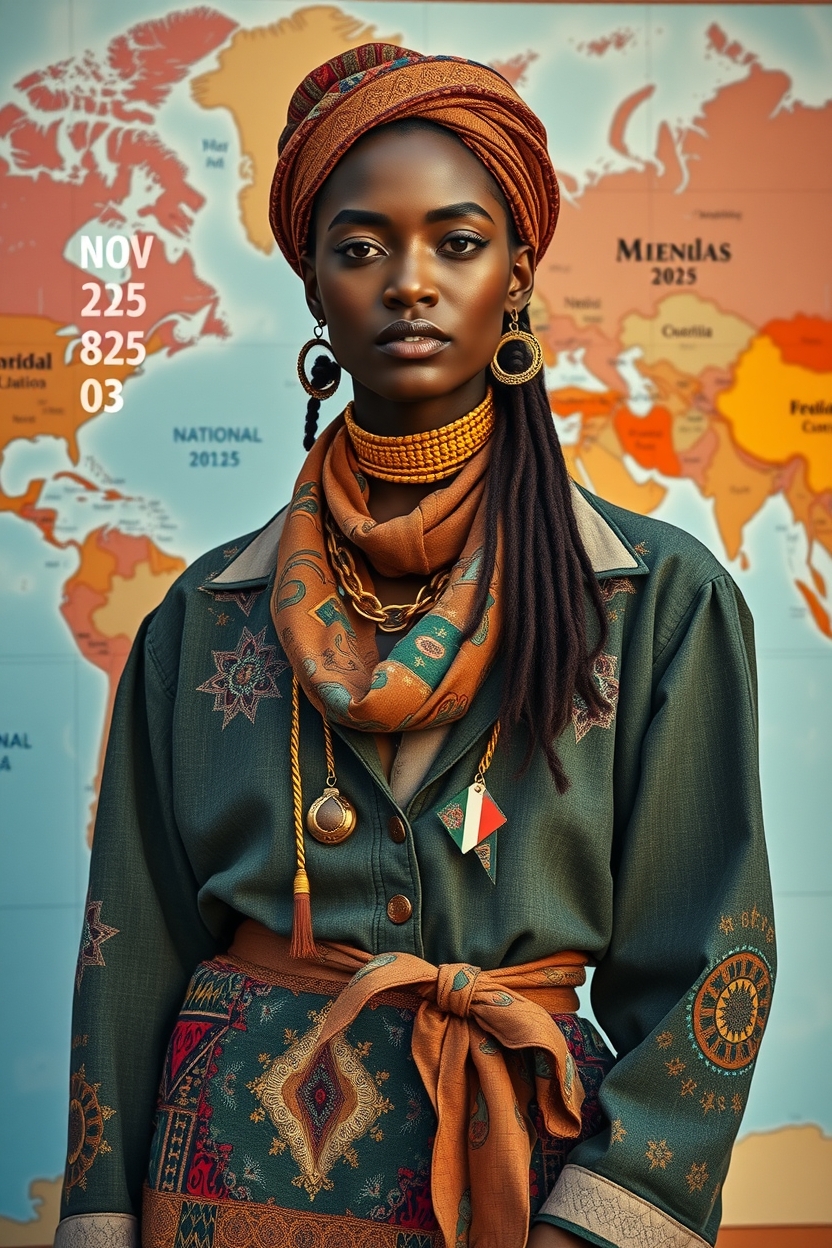
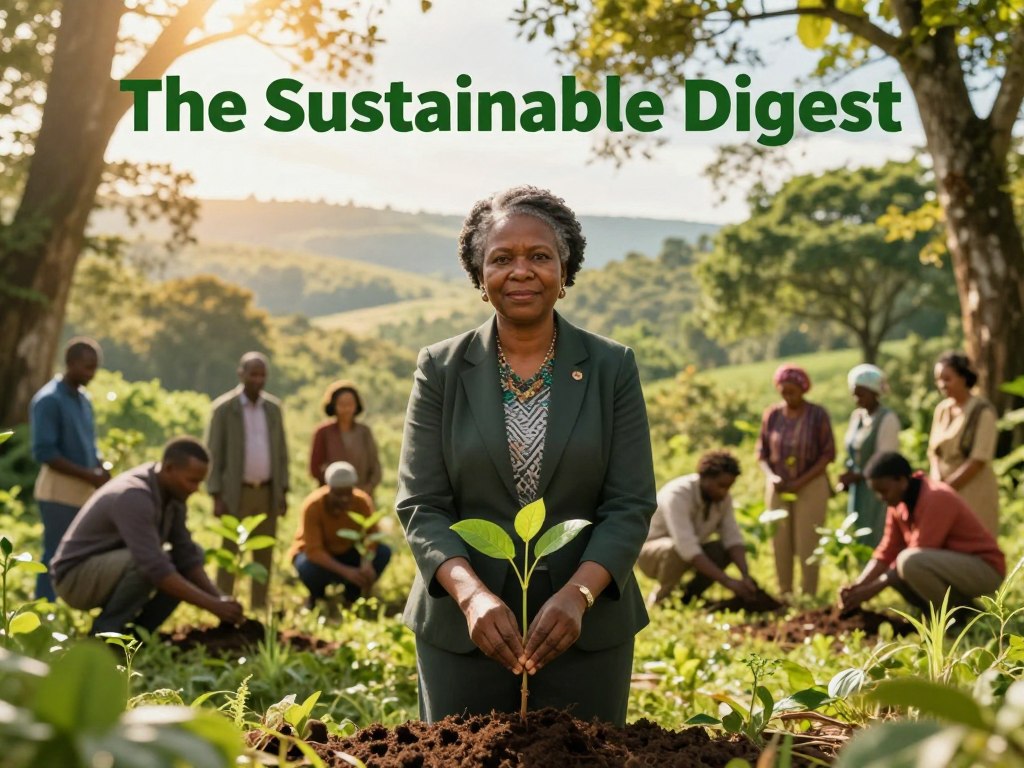
Women’s History Month often highlights familiar faces while overlooking the african woman. Wangarĩ Maathai emerged from colonial Kenya to challenge the heavy environmental costs of the machine age. Her pioneering activism successfully bridged the gap between local survival and international policy.
While the Western world celebrates industrial progress, her grassroots approach addressed poverty and gender inequality directly. This legendary figure became the first woman in her region to earn a doctorate before launching a massive movement. The positive impact of her work remains a cornerstone of humanitarianism across the Africa continent and far beyond.
She navigated the rise of globalism with a unique brand of eco-activism that empowered local communities. Today, global leaders look to her 2004 Nobel Peace Prize win as a turning point for sustainable development. It is high time we recognize how she reshaped the Global South through democratic governance and grit. Her legacy serves as a roadmap for modern sustainability and international cooperation.
The Making of a Revolutionary: Wangarĩ Maathai’s Journey Through Modernity and African Independence
To grasp the genius of wangari maathai, one must first explore the fertile soil of her early years, where tradition met the sudden gale of modernity. The machine age brought industrial expansion across the globe, yet it often ignored the delicate balance of African ecosystems.
During this era, Western development models promised progress but frequently exported ecological disruption to the Global South. Maathai navigated this shifting landscape, witnessing her nation transition from colonial rule to self-governance. Her journey reflects a unique blend of scientific rigor and deep-rooted cultural wisdom.
Birth in Colonial Kenya and the Dawn of African Independence Movements
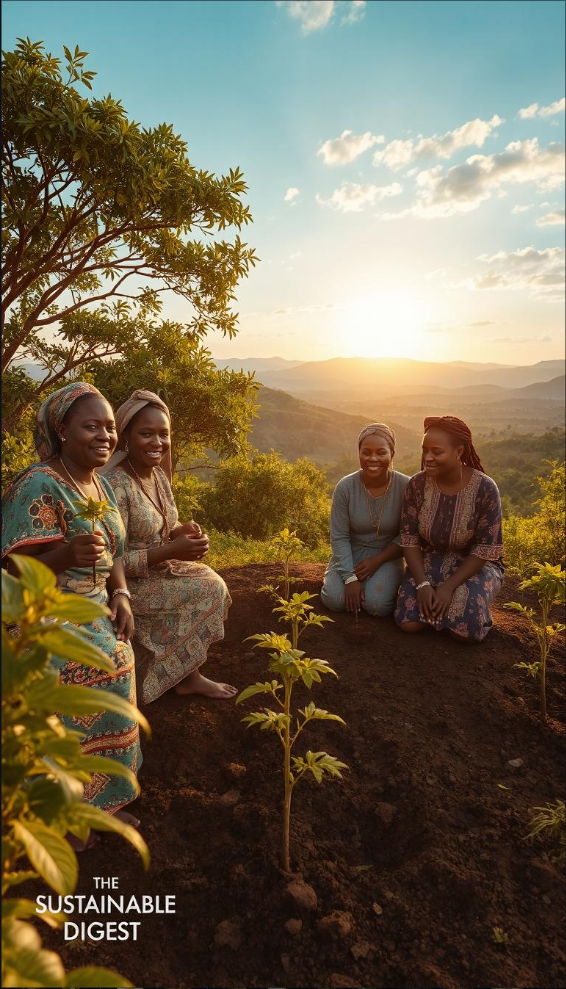
wangari muta maathai entered the world in 1940 in Ihithe, a small village nestled in the Nyeri district of Kenya. At that time, the British colonial administration still held a firm grip on the land and its resources. However, the dawn of African independence movements began to stir across the continent during her childhood.
Growing up as a young woman in a colonial setting meant facing limited opportunities and social barriers. The transition from a colonial territory to an independent nation shaped her understanding of power and justice. This period of decolonization provided the backdrop for her later efforts to reclaim both the land and the rights of her people.
Education in the Age of Globalism and Internationalism
Her academic path started at St. Cecilia’s Intermediate Primary School and continued at Loreto High School. During these years, it was incredibly rare for female students to complete secondary education in Kenya. Her exceptional performance eventually caught the attention of international organizations seeking to foster global leadership.
In 1960, the Joseph P. Kennedy Jr. Foundation selected her for a prestigious scholarship to study in the United States. She traveled to Kansas to attend Mount St. Scholastica College, where she earned a biology degree in 1964. Shortly after, she moved to the University of Pittsburgh to complete a Master of Science degree in biological sciences by 1966.
Scholarship to America and the Machine Age Context
Maathai arrived in America during the peak of the Cold War and the civil rights movement. The United States was fully embracing the machine age, characterized by rapid industrial growth and urban expansion. This context allowed her to see how Western nations prioritized technological progress over environmental stability.
She witnessed how industrial development often came at a high cost to natural landscapes. These observations stayed with her as she analyzed how developing nations adopted similar, often destructive, models. This international perspective eventually fueled her desire to find more sustainable paths for her home country.
First East and Central African Woman to Earn a Doctorate
Upon returning to Kenya, she broke significant academic barriers at the university nairobi. In 1971, she made history as the first woman in East and Central Africa to receive a doctorate, specializing in veterinary anatomy. Her persistence in a male-dominated field proved her resilience and intellectual depth.
Her achievements did not stop with her PhD; she also became the first woman to serve as a professor in Kenya in 1976. These milestones allowed her to bridge the gap between high-level scientific research and the practical needs of local communities. She used her position to advocate for a more inclusive approach to science and education.

Women’s History Month: Recognizing Maathai Among Global Female Leaders
As we celebrate Women’s History Month, we must recognize wangari maathai as a pioneer who stood alongside the world’s most influential figures. She redefined leadership by centering the voices of rural women who were often excluded from the halls of power. Her approach showed that true progress requires listening to those who work the land every day.
Unlike other leaders who focused solely on policy, she emphasized the power of grassroots action. “The environment is very central to our lives,” she often reminded her peers. Her legacy continues to inspire millions to take responsibility for the health of their own neighborhoods.
The environment is very central to our lives. If you destroy the environment, you destroy the source of your life.
— Wangarĩ Maathai
From Academia to Activism: Understanding Environmental Degradation and Poverty
Her transition into activism began through her work with the Kenya Red Cross and the National Council of Women of Kenya. While working with these groups, wangari muta maathai noticed a troubling trend among rural families. She saw a clear link between environmental degradation and the increasing poverty in the countryside.
Rural women struggled to find clean water, firewood, and nutritious food because the forests were disappearing. She realized that she could not just teach science while the people’s primary resources were vanishing. As an activist, she decided to use her knowledge from the university nairobi to launch a movement that would heal both the land and the community.
| Academic Milestone | Year | Institution | Historical Significance |
|---|---|---|---|
| Bachelor of Science | 1964 | Mt. St. Scholastica | Part of the “Kennedy Airlift” scholars |
| Master of Science | 1966 | University of Pittsburgh | Advanced biological research in the US |
| Doctorate (PhD) | 1971 | University of Nairobi | First woman PhD in East/Central Africa |
| Full Professorship | 1976 | University of Nairobi | First female professor in Kenyan history |
The Green Belt Movement: Revolutionizing Environmental Conservation and Women’s Empowerment

In 1977, Wangarĩ Maathai transformed the act of planting a tree into a revolutionary tool for social change. Her vision proved that environmental conservation could directly empower the most vulnerable populations. By linking the health of the land to human dignity, she created a blueprint for global sustainability.
Founding the Movement: 1977 and the Birth of Grassroots Environmental Action
Maathai established the green belt movement to address Kenya’s rapid deforestation. Rural women struggled daily to find enough firewood and clean water for their families. This scarcity of resources often led to village conflicts and deeper poverty.
The belt movement offered a practical, earth-centered solution to these crises. Through the green belt, Maathai encouraged locals to plant trees to stabilize the environment. This movement soon grew from a small project into a massive national force.
Tree Planting as Political and Social Activism in Post-Modern Kenya
Planting a seedling became a bold act of resistance against state corruption. The green belt movement paid women kenya for every tree that survived past three months. This small income provided financial independence and improved access to firewood and water.
Beyond the soil, the belt movement taught leadership and nutrition to its members. The green belt initiative effectively turned ordinary citizens into active environmental conservation advocates. This movement demonstrated that ecological restoration and poverty relief go hand in hand while planting trees.
Confronting Government Opposition: Uhuru Park and Karura Forest Battles
The green belt movement faced heavy pressure from President Daniel Moi’s regime. In the late 1980s, Maathai successfully blocked a skyscraper project in Uhuru Park. Even when the government labeled the belt movement as “subversive,” she refused to back down.
Maathai later entered parliament after years of being targeted by the state. She also protected the Karura Forest through the green belt, despite physical attacks from guards. Her resilience showed that the movement could challenge powerful political interests and win.
From 30,000 Trained Women to 51 Million Trees: Quantifiable Impact
The green belt movement eventually facilitated the planting of over 51 million trees across Kenya. Over 30,000 women kenya received specialized training in conservation trades like beekeeping. These efforts secured food sources and restored local watersheds through the belt movement and the green belt.
Nobel Peace Prize 2004: Global Recognition of Environmental Humanitarianism
In 2004, Maathai made history by winning the nobel peace prize for her work. She was the first African woman to receive this specific peace prize. This nobel peace award validated her belief that a healthy environment is the foundation of democracy. Through the belt movement and the green belt, she changed the world.
“The planting of trees is the planting of ideas.”
— Wangarĩ Maathai
| Achievement | Impact Metric | Key Focus |
|---|---|---|
| Green belt movement | 51 million trees | Reforestation |
| Belt movement Training | 30,000 Professionals | Female Empowerment |
| Green belt in Parliament | 98% Vote Share | Policy Change |
| Nobel peace prize | 2004 Peace Prize | Nobel peace Legacy |
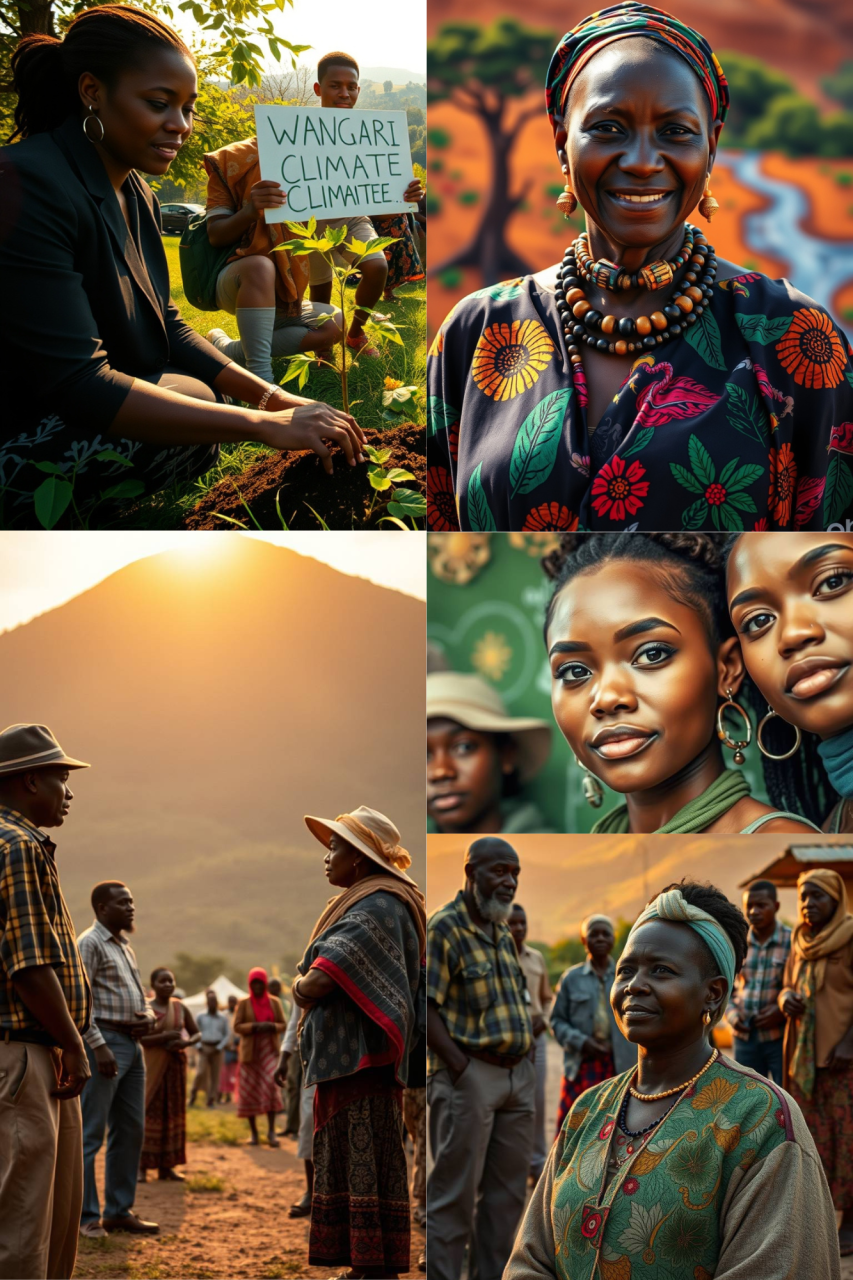
Wangarĩ Maathai Impact Kenya Africa Global South Eco-Activism Humanitarianism and the United Nations Sustainable Development Goals
Examining the vast reach of Maathai’s influence reveals a profound connection between grassroots activism and the united nations Sustainable Development Goals. Achim Steiner, the former Executive Director of UNEP, once famously described her as a “force of nature.” Her vision proved that local efforts could address a global change in how we manage natural resources.
Maathai understood that the health of the environment is inseparable from the stability of peace. Between 1990 and 2015, the world lost 129 million hectares of forest, an area roughly the size of South Africa. This massive degradation contributes heavily to carbon emissions, yet Maathai offered practical solutions through community-led reforestation.
Comprehensive Impact Across Africa’s 54 Nations
The Green Belt movement did not stop at the Kenyan border; it became a template for the entire continent. Maathai’s model of empowerment has since inspired environmental initiatives in over 30 countries, helping to combat rural hunger and water crises.
East African Region: Kenya, Tanzania, Uganda, Rwanda, Burundi, and Beyond
In East Africa, the model addressed regional deforestation and water scarcity directly. Collaborative work among these nations focused on protecting shared watersheds. This approach empowered communities to secure their own ecological futures through tree planting.
West African Nations: Nigeria, Ghana, Senegal, and Green Belt Adaptations
Programs in Nigeria and Senegal adapted her methods to fight desertification. These efforts focused on agricultural land degradation and climate adaptation. Women in these nations received leadership training to manage conservation-based livelihoods effectively.
Southern African Countries: South Africa, Zimbabwe, Botswana, and Conservation Movements
Maathai’s philosophy resonated in Southern Africa by linking protection of the environment to social justice. Activists in South Africa and Zimbabwe used her blueprints to advocate for land rights. They connected ecological health with post-apartheid empowerment agendas.
North African Nations: Environmental Awareness in Egypt, Morocco, and Tunisia
In North Africa, her model demonstrated how grassroots action could address severe climate issues. Organizations in Egypt and Tunisia used her strategies to challenge authoritarian governance. They focused on water security and sustainable resource management.
Transforming the Global South: Asia, Latin America, and Environmental Justice
The impact extended to Asia and Latin America, where communities faced similar environmental degradation. Her integrated approach helped these regions tackle poverty while restoring their landscapes. By centering the rights of the marginalized, she redefined the meaning of environmental justice for the Global South.
Influence on Western World Environmental Movements and Policy
Maathai challenged the narrative that environmentalism was a luxury for the Western world. She urged developed nations to look beyond top-down solutions. Her 10 trees per person philosophy became a global standard for offsetting carbon. This challenged the time-worn idea that only North American or European activists could lead the movement.
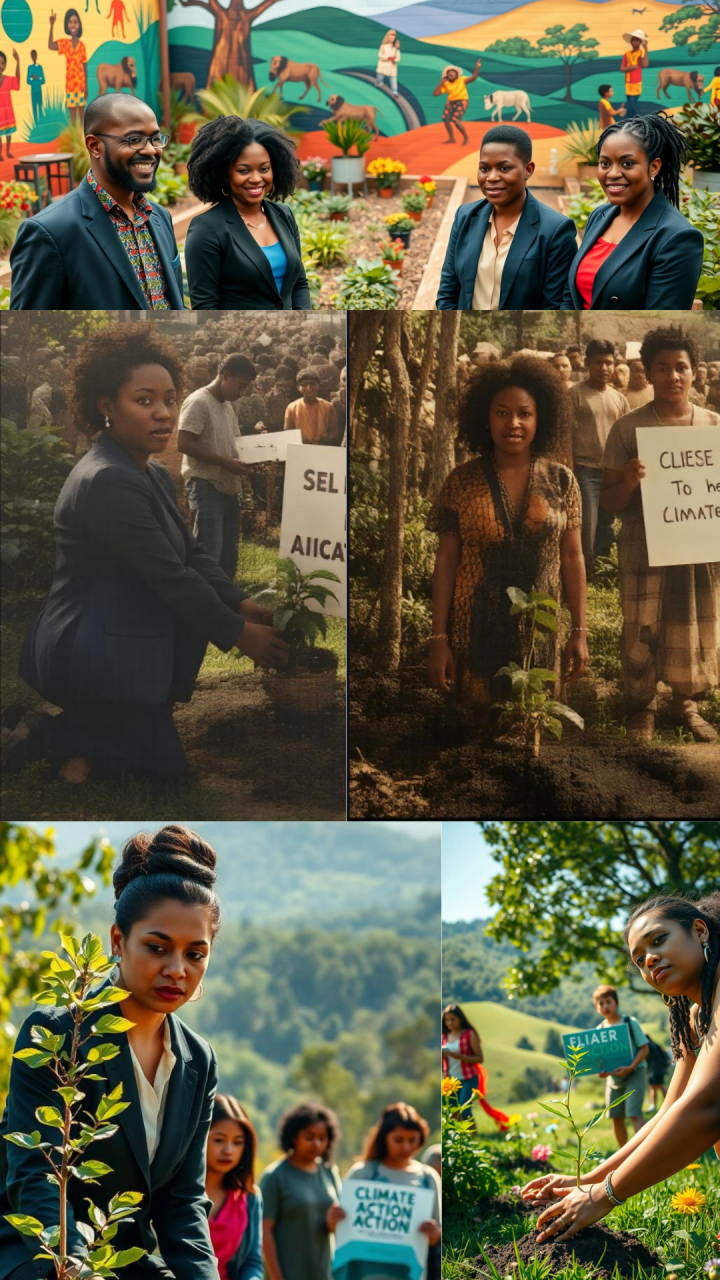
Bilateral Relationship with All 17 UN Sustainable Development Goals
Maathai’s work directly aligns with the united nations framework for a sustainable future. Her holistic vision addressed the root causes of poverty and climate change simultaneously. Below is how her legacy supports each specific goal.
“When resources are degraded, we start competing for them, whether at the local level in Kenya, where we had tribal clashes over land and water, or at the global level, where we are fighting over water, oil, and minerals. One way to promote peace is to promote sustainable management and equitable distribution of resources.”
Wangarĩ Maathai
SDG 1 No Poverty: Economic Empowerment Through Sustainable Livelihoods
She fought poverty by providing women with paid work in tree nurseries. This created sustainable income streams for rural families.
SDG 2 Zero Hunger: Food Security and Agricultural Advancement
Planting fruit trees improved food security and advanced local agriculture. Better soil fertility led to higher crop yields for small farmers.
SDG 3 Good Health and Well-Being: Clean Environment and Community Health
A cleaner environment reduced respiratory issues by providing better access to traditional firewood. Protected ecosystems ensured cleaner air for all.
SDG 4 Quality Education: Community Empowerment and Education Seminars
Maathai used education seminars to teach communities about their rights. These sessions provided vital knowledge on ecological preservation.
SDG 5 Gender Equality: Women’s Rights and Leadership Development
Her focus on women’s leadership directly advanced gender equality. She placed women at the center of ecological decision-making.
SDG 6 Clean Water and Sanitation: Watershed Protection and Water Sources
Reforestation protected vital watersheds, ensuring a steady supply of fresh water. This work prevented the drying up of local streams.
SDG 7 Affordable and Clean Energy: Firewood Solutions and Energy Access
She promoted sustainable firewood solutions to meet energy needs. This reduced the time spent by women searching for fuel.
SDG 8 Decent Work and Economic Growth: Green Jobs and Income Generation
The movement created green jobs for over 30,000 trained women. This fostered economic growth in marginalized rural areas.
SDG 10 Reduced Inequalities: Addressing Rural Poverty and Marginalization
By empowering the rural poor, she helped bridge the gap between urban and rural life. This addressed systemic poverty and social exclusion.
SDG 11 Sustainable Cities and Communities: Urban Green Spaces Protection
Her battles for Uhuru Park protected urban green spaces from development. This ensured cities remained livable for future generations.
SDG 12 Responsible Consumption and Production: Reduce, Reuse, Repair Philosophy
She championed a philosophy of reducing and reusing resources. This change in consumption patterns helped preserve natural wealth.
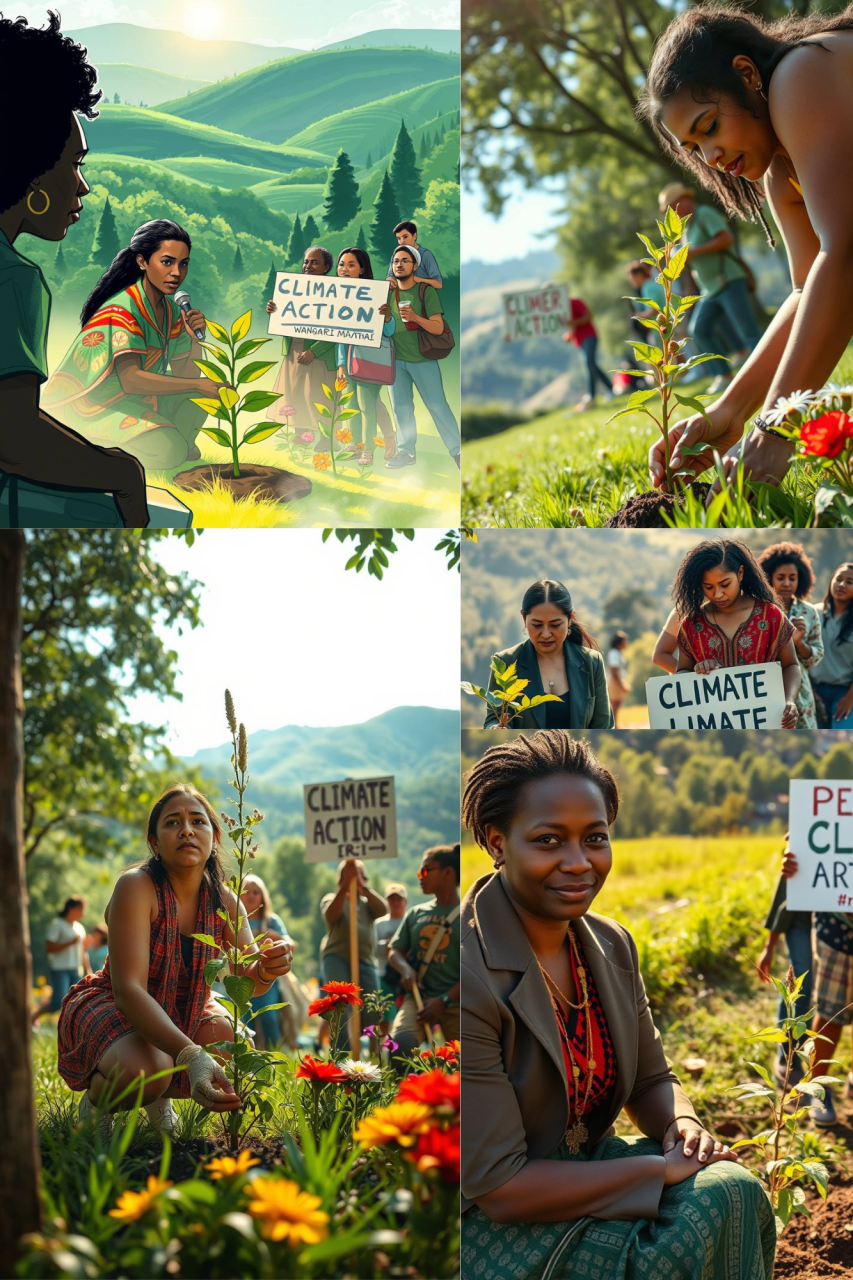
SDG 13 Climate Action: Reforestation and Carbon Sequestration
Planting 51 million trees directly addressed climate change through carbon sequestration. This remains a cornerstone of global climate action.
SDG 15 Life on Land: Biodiversity, Forests, and Desertification Combat
Her work restored forests and fought the degradation of land. This protected biodiversity across various African ecosystems.
SDG 16 Peace, Justice and Strong Institutions: Democracy and Political Accountability
She linked the environment to democratic rights. Her demands for accountability helped build stronger, more transparent institutions.
SDG 17 Partnerships for the Goals: International Collaboration and UN Engagement
Maathai led the Billion Tree Campaign, fostering global partnerships. This effort eventually grew into the Trillion Tree Campaign.
Indirect Connections: SDG 9 Industry, Innovation and Infrastructure
Her innovative grassroots organizing changed how conservation infrastructure is built. She proved that human capital is the best innovation.
Indirect Connections: SDG 14 Life Below Water Through Ecosystem Protection
Protecting upstream watersheds improved the health of downstream marine life. Healthy forests prevent siltation from reaching the oceans.
| Impact Category | Primary Strategy | Key Global Result |
|---|---|---|
| Climate Change | Massive Reforestation | 51 Million Trees Sequestering Carbon |
| Social Justice | Women’s Leadership | Empowerment of 30,000+ Rural Women |
| Global Policy | UN Collaboration | Billion Tree Campaign Evolution |
| Conflict Resolution | Resource Management | Reduction in Local Land and Water Clashes |
The Living Legacy: Understudies, Successors, and Disciples Carrying the Torch Forward

While many historical figures leave behind only cold monuments, Maathai left a vibrant, self-sustaining ecosystem of dedicated leaders. Her departure in 2011 was not an end, but a transition to a distributed leadership model. This strategy ensures her mission thrives long after her lifetime.
The movement she started continues to grow through specific individuals and institutional structures. These successors apply her integrated approach to solve modern challenges like climate change and social inequality.
Wanjira Mathai: Continuing Her Mother’s Environmental Mission
Wanjira Mathai serves as the primary steward of her mother’s vision. As a member of the Goldman Prize Jury and a director at the World Resources Institute, she bridges grassroots efforts with global policy. She ensures the movement’s methodology remains central to modern climate discourse.
This family succession provides a unique continuity. Wanjira blends traditional wisdom with contemporary strategic insights to reach international audiences effectively. Her steadfast commitment keeps the original spark of the Green Belt Movement alive in the halls of global power.
Green Belt Movement Leadership and Trained Environmental Champions
The institutional weight of the Green Belt Movement remains a cornerstone of environmental work today. Having expanded to over 30 nations, the movement utilizes community seminars to foster democratic governance. Over 30,000 women have received training in conservation trades across Kenya.
These graduates act as environmental champions within their own communities. They adapt the model to local contexts, creating a multiplier effect. By teaching others about leadership and civic engagement, they prove that environmentalism is inseparable from social justice.
| Entity | Scale of Influence | Primary Focus |
|---|---|---|
| Wanjira Mathai | Global Leadership | Policy and Resource Strategy |
| Green Belt Movement | 30+ Nations | Community Empowerment |
| Trained Champions | 30,000+ Individuals | Grassroots Conservation |
Global Disciples: From Billion Tree Campaign to Trillion Tree Campaign
Maathai’s “Billion Tree Campaign” has evolved into the more ambitious “Trillion Tree Campaign.” This shift reflects a scaling of her original vision from local groves to a planetary necessity. International organizations now treat large-scale reforestation as a primary tool for climate mitigation. Any modern activist following this path owes a debt to her pioneering activists who first proved that small actions could lead to global shifts.
Contemporary African Women Environmental Activists Inspired by Maathai
Today, a new wave of defenders draws inspiration from Maathai’s courage. These individuals address water scarcity and deforestation in almost every country on the continent. They often face government opposition while advocating for human rights and sustainable development. Their resilience mirrors Maathai’s own battles for Uhuru Park and Karura Forest.
“Wangari Maathai’s death left a gaping hole among the ranks of women leaders.”
— Hillary Clinton
The Wangari Maathai Institute for Peace and Environmental Studies now institutionalizes her approach. It combines research with policy advocacy to resolve conflicts through sustainable resource management. This academic foundation ensures that her “distributed leadership” model will continue to train future generations of disciples.

Conclusion: Rising Up and Walking Forward in Maathai’s Footsteps
Though she passed away over a decade ago, Maathai’s call to “rise up and walk” resonates louder than ever. During her life, she proved that a single woman could transform a country by linking green spaces to human rights. In the years since 2011, her vision has become a global directive for those facing rapid change.
Wangarĩ Maathai insisted that humanity must reach a higher moral ground to survive. This shift in consciousness is a necessity for every community member today. Her peace-building efforts showed that environmental justice is the only way to ensure lasting stability for the Global South and beyond.
She spent her final years fighting for environmental conservation despite facing arrests and threats. She left us simple steps: plant ten trees, volunteer, and practice the philosophy of reduce, reuse, and repair. This commitment to life remains her greatest gift, proving that any member of society can protect our future.
We must continue to cherish the peace and life she worked so hard to build. Her legacy is not just a historical chapter; it is an active movement that requires our participation. By following her lead, we can challenge powerful institutions and restore our shared home.
| Core Legacy Pillar | Individual Action | Global Outcome |
|---|---|---|
| Environmental Stewardship | Plant 10 trees to offset carbon | Climate change mitigation |
| Democratic Activism | Volunteer time to community | Stronger civic institutions |
| Sustainable Living | Reduce, reuse, and repair | Resource conservation |
Key Takeaways
- Wangarĩ Maathai founded the Green Belt Movement in 1977 to combat deforestation.
- Became the first woman in Central and East Africa to earn a PhD.
- Mobilized communities to plant over 51 million trees across the region.
- Received the Nobel Peace Prize in 2004 for her contribution to sustainable development.
- Linked environmental conservation directly with women’s rights and democracy.
- Influenced global policy by proving that grassroots action drives international change.