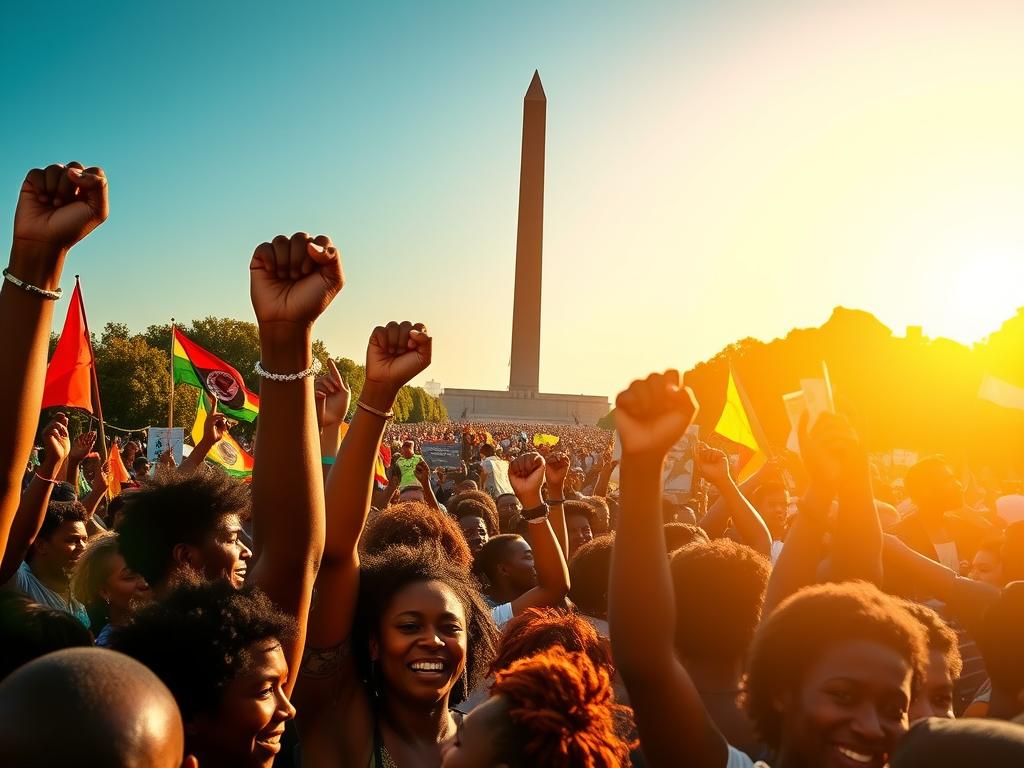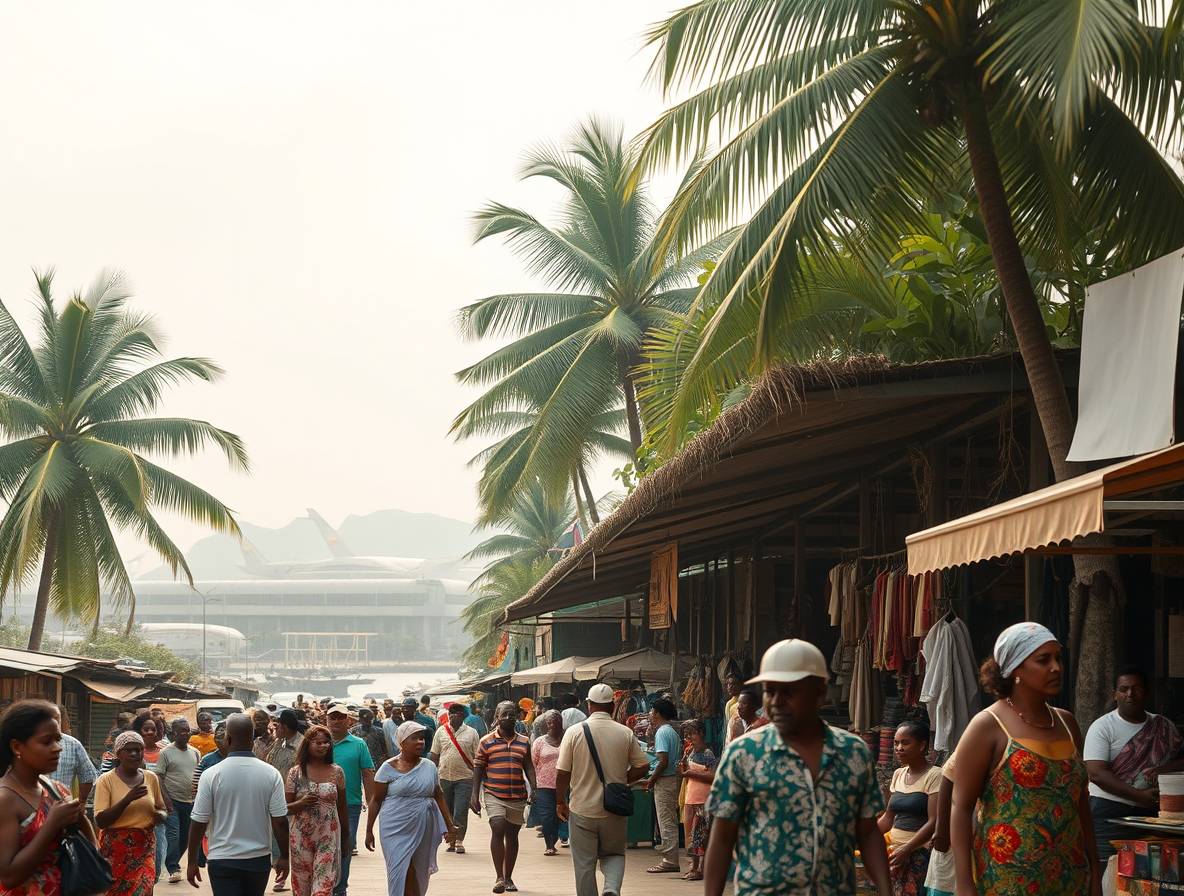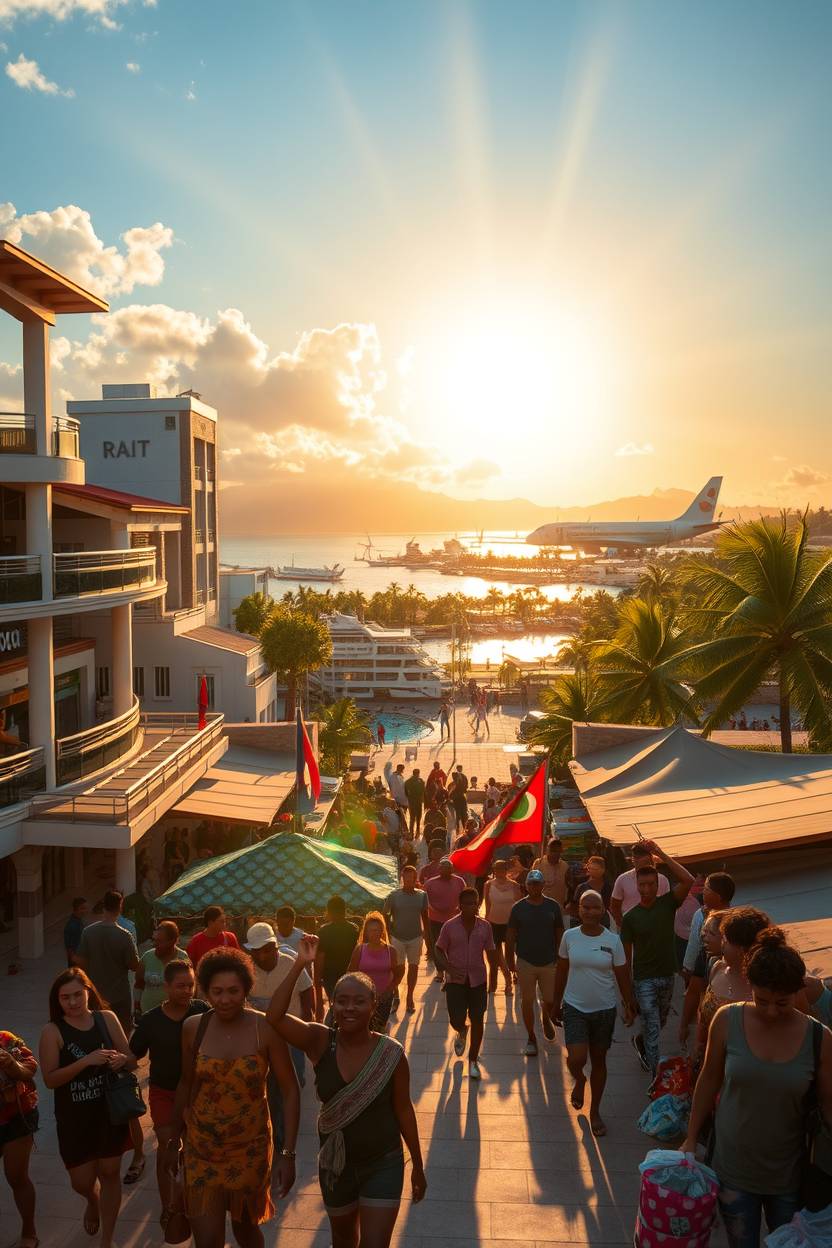

The global pursuit of a better future is framed by an ambitious blueprint. This blueprint, the 2030 Agenda from the United Nations, seeks to balance economic, social, and environmental health.
It sets 17 interconnected goals for planetary and human well-being. Two major bodies operate within this complex landscape. Their mandates appear, at first glance, to be opposites.
One champions the vital role of recreation, tourism, and community joy. The other is the global authority on labor rights and decent work. This analysis explores their paradoxical dance.
Can the drive for meaningful work and the pursuit of fulfilling leisure truly synergize? The current state of sustainable development suggests an urgent need for such fusion. Progress on key targets, like those under Goal 8, is lagging.
This examination will map how these institutions navigate subsidies, frameworks, and global partnerships. It questions if their combined force is the missing key to unlocking the agenda’s full potential.

Introducing the Architects: WLO and ILO in the Global Arena
At the heart of the sustainable development conversation stand two pivotal institutions with seemingly opposing mandates. One advocates for the intrinsic value of free time and joy. The other defends the fundamental rights of the working hour.
Their interplay is critical to the sustainable development puzzle. This section details their core functions and surprising alignment.

The World Leisure Organization (WLO): Championing Recreation, Community, and Tourism
The World Leisure Organization operates from a delightfully simple premise. It posits that access to recreation and cultural expression is a cornerstone of human dignity.
Its work, however, extends far beyond mere pleasure. It actively fuels community cohesion and local economic growth.
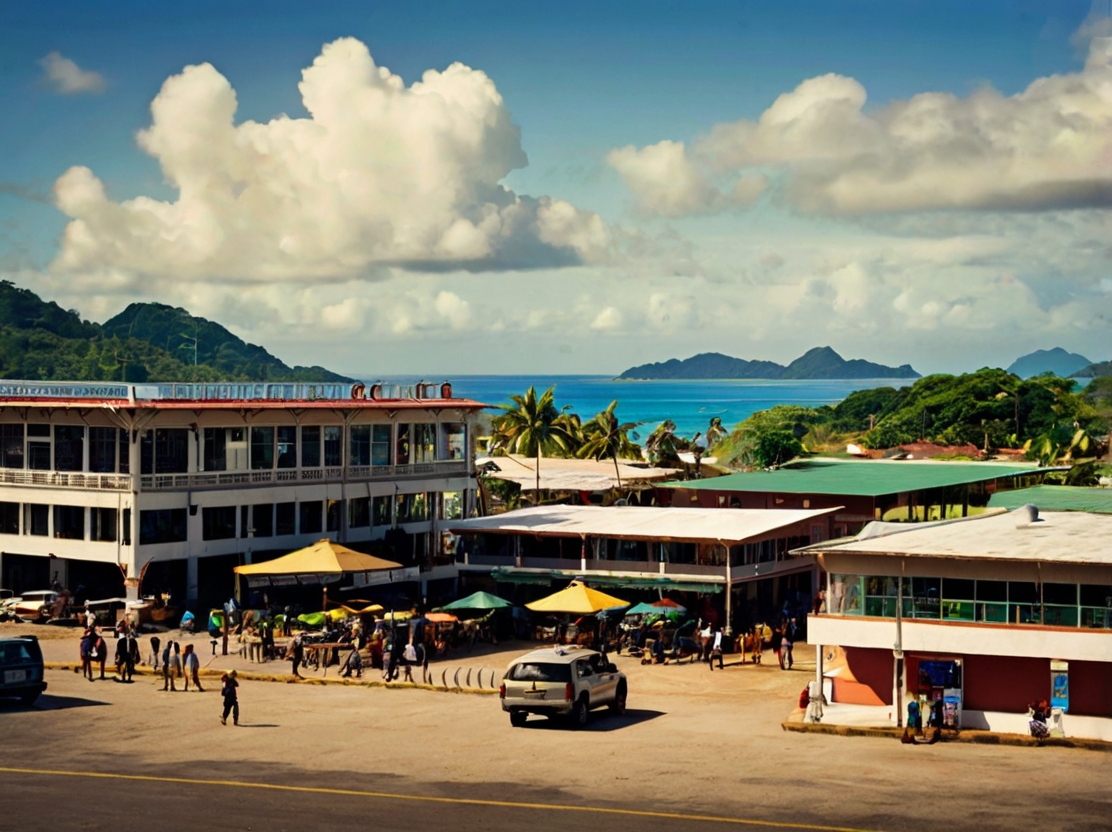
Key initiatives focus on sustainable tourism and smart urban planning. The organization promotes ecotourism models that preserve natural habitats.
It forges partnerships with bodies like the UNWTO and fair trade networks. These alliances help transform local community ventures into viable enterprises.
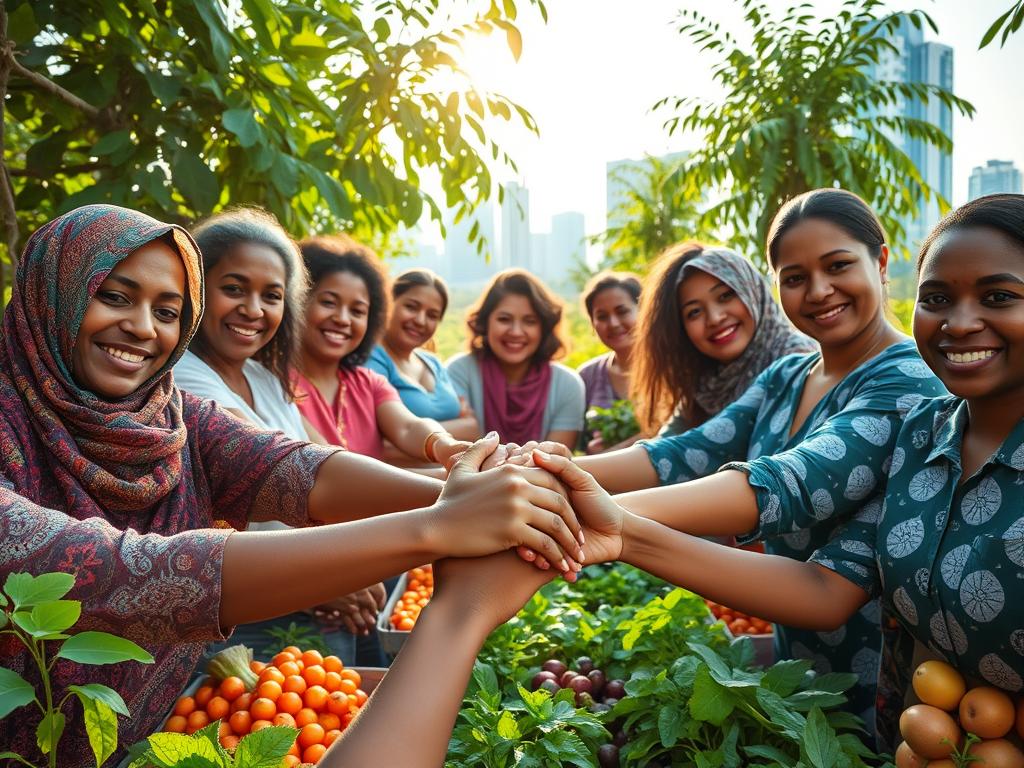
From cooperative farms to urban green spaces, the WLO’s domain proves leisure is an economic catalyst. It supports initiatives that blend tourism, agriculture, and environmental stewardship.

The International Labor Organization (ILO): The Standard-Bearer for Decent Work and Social Justice
In contrast, the International Leisure Organization wields the formidable tools of international law and policy. As a united nations agency, its mandate is binding and tripartite.
It champions decent work as a non-negotiable foundation for development. This includes fair wages, safe conditions, and social dialogue.
The organization sets global labor standards and conventions. It also advocates for robust social protection floors for all people.
Recent data underscores the scale of its challenge. In 2024, 57.8% of the global workforce remained in informal employment.
Labor rights compliance has declined since 2015. Persistent gender pay gaps further illustrate the need for its work.
The ILO’s Global Accelerator on Jobs and Social Protection for Just Transitions aims to create 400 million decent jobs. It seeks to extend protection to 4 billion individuals.
This quantifiable mission highlights its role as custodian for SDG 8 indicators. Its analysis reveals progress is uneven across the goal’s dimensions.
Convergence on the 2030 Agenda: A Shared Destination, Different Paths
Despite disparate starting points, both entities converge on the 2030 agenda. They recognize that true well-being requires integrated policies.
The World Leisure Organization’s path emphasizes grassroots vitality and local cooperative models. It highlights sectors like tourism, which contributed 3.1% to global GDP in 2022.
The International Leisure Organization’s path focuses on national labor market reform and binding standards. It stresses macroeconomic stability and formal employment creation.
Their convergence is operational, not just philosophical. Consider the promotion of green jobs within the tourism sector.
Or ensuring that community development initiatives provide decent work. Here, the line between leisure and labour productively blurs.
The irony is rich but instructive. An institution dedicated to free time and another governing work time find common cause. They meet in the united nations framework demanding balance for sustainable development.
World Leisure Organization vs International Labor Organization 2030 UNSDG: Complementary Forces for Sustainable Development

Economic vitality and human well-being in the 21st century demand an integrated approach. This approach curiously bridges play and pay.
The mandates of these two entities are not a zero-sum game. Instead, they function as a synergistic engine for holistic progress.
Their collaboration addresses the core pillars of the global agenda. It turns potential conflict into a powerful, complementary force.
Driving Inclusive Economic Growth: From Tourism GDP to Productive Employment
The complementary dynamic is clearest in economic terms. One promotes sectors like tourism for sustainable economic growth.
The other ensures this growth creates full productive employment. Data reveals both progress and persistent gaps.
Tourism’s contribution to global GDP recovered to 3.1% in 2022. This signals a rebound in a vital sector for many economies.
Yet, broader inclusive sustainable economic progress is sluggish. Global GDP per capita growth has slowed considerably.
More critically, a vast portion of global work remains informal. This is where the International Labor Organization’s focus on productive employment decent work becomes essential.
Without this labor lens, economic recovery can simply perpetuate precarious jobs. The following table highlights key tensions and targets.
SDG 8 Progress Snapshot Using 2022-2025 UN Data
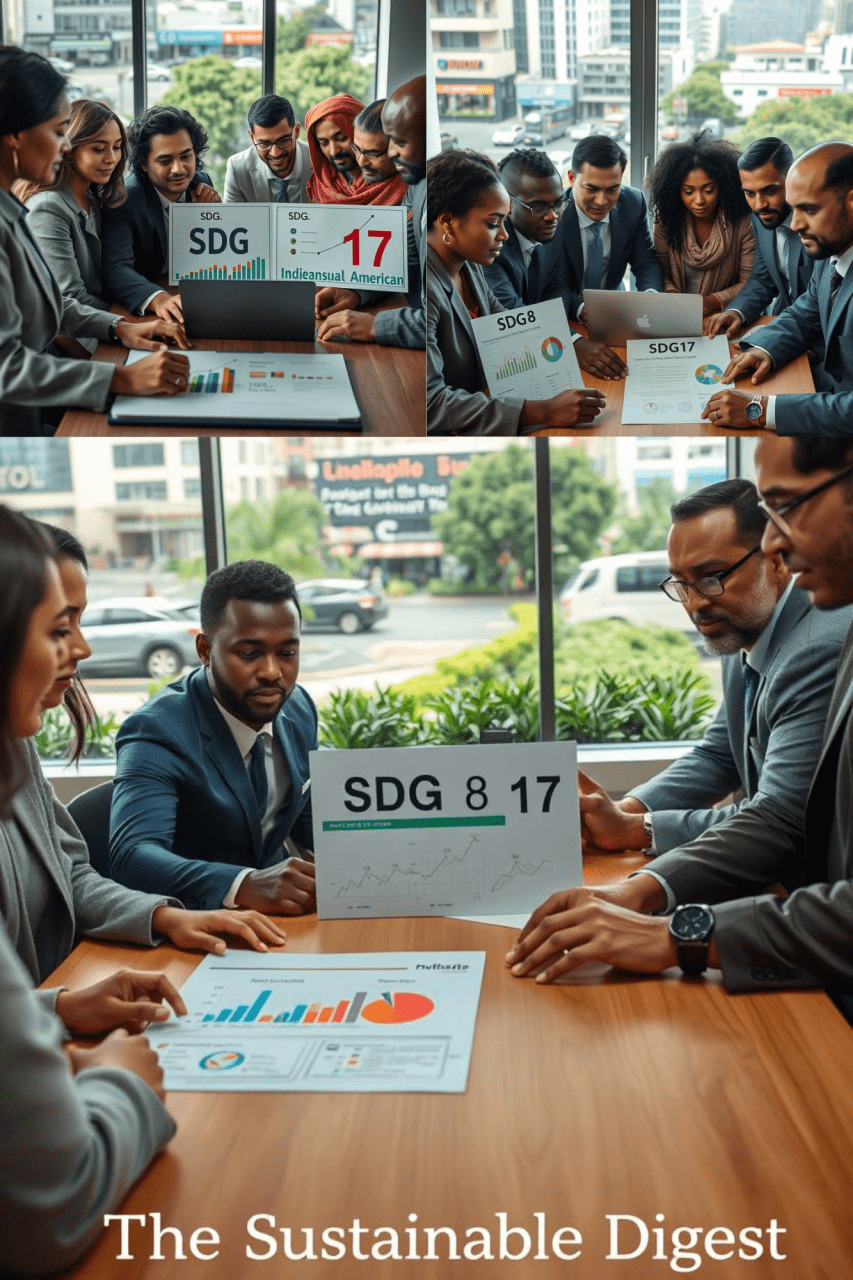
A compact, data-driven analysis shows mixed progress across SDG 8 targets from 2022 to 2025. This snapshot highlights measurable trends and policy implications for jobs, tourism, and community resilience.
| SDG 8 Indicator | Recent Data (2024 est.) | Core Challenge |
|---|---|---|
| Target 8.1: GDP per capita growth | 2.0% | Stagnant productivity |
| Target 8.3: Informal employment | 57.8% of workforce | Lack of decent work & protections |
| Target 8.5: Unemployment rate | 5.0% (record low) | High youth employment disparities |
| Target 8.9: Tourism direct GDP | 3.1% (2022) | Ensuring growth translates to quality jobs |
Target 8.1 — GDP per capita
Real GDP per capita plunged about 3.8–4.4% in 2020, rebounded 5.0–5.5% in 2021, then slowed to 1.0–1.9% in 2023. Estimates put growth near 1.8–2.0% in 2024 and 1.5% in 2025.
Target 8.2 — Productivity
Labor productivity stalled below 0.5% in 2022–2023 and rose to ~1.5% in 2024. Low productivity constrains wage gains and locks many economies into low‑wage service trajectories.
Target 8.3 — Informal employment
Informality remains high at ~57.8% in 2024, adding an estimated 34 million informal workers. Slow formalization limits social protection and enforcement.
Targets 8.5 & 8.6 — Unemployment, youth, and gender
Headline unemployment hovered near 5.0–5.2% (2023–2024). Youth remain roughly three times more likely to be unemployed. About 1 in 5 young people are NEET; young women face the highest risk.
Target 8.8 — Labour rights
Compliance with labour rights fell 7% from 2015 to 2023, with sharp drops in least developed economies and notable erosion in developed ones. This weakens collective bargaining and supply chain protections.
Target 8.9 — Tourism recovery
Tourism reached about 82% of 2019 levels in 2022 and added 3.1% to global GDP, but recovery is uneven; small island states lag at ~43% of pre‑pandemic activity.
| Target | Key metric | 2024 snapshot | Policy implication |
|---|---|---|---|
| 8.1 | GDP per capita growth | ~1.8–2.0% | Limited fiscal space for public investment |
| 8.2 | Productivity growth | ~1.5% (rebound) | Need for skills, tech adoption |
| 8.3 | Informal share of employment | ~57.8% | Accelerate formalization, extend protection |
| 8.9 | Tourism recovery | 82% of 2019 (uneven) | Measure job quality and local value capture |

The International Labor Organization’s (ILO) Global Accelerator initiative directly confronts these gaps. It aims to create millions of new positions with proper employment decent work standards.
This ensures the economic activity championed by the WLO results in dignified livelihoods. It is the difference between growth and equitable development.
Building Resilient Communities: Social Protection, Skills, and Local Initiatives
Resilience is forged where systemic safety nets meet grassroots action. ILO’s work on social protection provides a critical buffer against shocks.
WLO’s community development models foster local ownership and skills. Together, they support cooperative enterprises and fair trade tourism networks.
These partnerships ensure tourism revenues benefit local workers directly. They align with frameworks that prioritize community equity over extraction.
Leisure education programs can also teach transferable skills. This prepares individuals for a changing economy while strengthening community bonds.
The result is a virtuous cycle. Protected workers engage in vibrant local economies. Thriving communities, in turn, create more stable decent work environments.
Safeguarding the Environment: Ecotourism, Green Jobs, and Carbon Neutrality
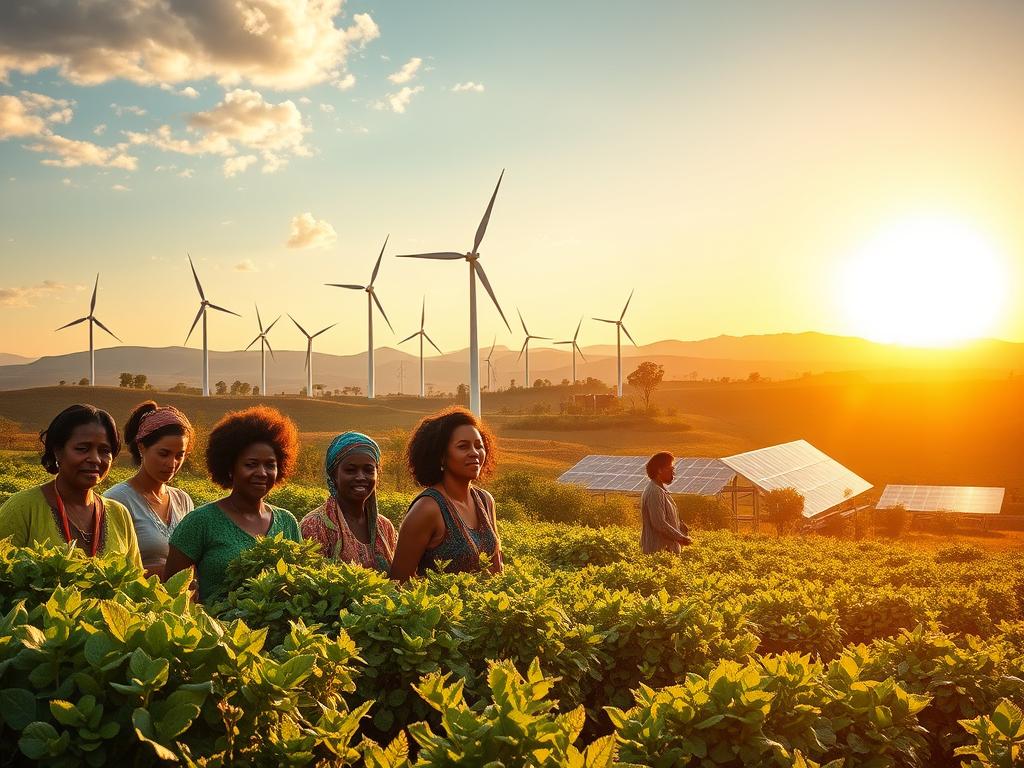
The environmental imperative demands the most explicit synergy. World Leisure Organization’s promotion of ecotourism and sustainable travel models preserves natural capital.
International Labor Organization’s mandate for a just transition ensures this shift creates green jobs. It prevents workers from being stranded in declining, polluting industries.
Both entities implicitly endorse management standards like those from ISO. These provide a framework for measuring and improving sustainability performance.
Their aligned efforts contribute to the overarching mission of carbon neutrality. The pursuit of 2050 Net Zero goals finds unlikely allies.
Tourism operators seek market differentiation through sustainability. Labor unions demand safe and sustainable workplaces for their members.
This convergence is operationalized at global events. Climate summits and tourism expos now share a common language.
It is a language of change that links healthy ecosystems with healthy, dignified livelihoods. The complementary force is now a practical necessity.
Contrasting Approaches: Policy Tools, Scale, and Organizational Networks
The path from principle to practice diverges sharply when comparing their tools, scale, and alliances. Their synergy on the 2030 agenda is genuine, yet their operational forms could not be more different.
This analysis dissects the fundamental contrasts. It reveals how voluntary persuasion and binding law, local agility and national machinery, create a complex but complementary ecosystem for agenda sustainable progress.

Mandate & Policy Instruments: Voluntary Frameworks vs. International Labor Standards
The core contrast lies in authority. One entity functions through the soft power of advocacy and best practice. The other wields the hard power of international law.
The ILO’s unique tripartite governance allows it to set binding conventions. These define decent work, safety, and protection. Enforcement, however, remains a persistent challenge.
A reported 7% global decline in labour rights compliance from 2015 to 2023 highlights this struggle. In response, its policy briefs call for increased multilateral action.
The ILO advocates integrating policy responses through initiatives like the Global Coalition for Social Justice, directly addressing systemic constraints.
In stark contrast, the WLO’s influence flows from voluntary sustainability charters and certification schemes. Its success is measured by adoption rates, not legal compliance.
Tourism’s recovery, linked to Target 8.9, is often propelled by such sector-led initiatives. This creates a nimble, market-responsive model for change.
Operational Scale: Grassroots Community Development vs. National Labor Market Reform
Their operational theaters are equally distinct. One engages in the slow, complex machinery of state-level reform. The other thrives in the agile space of local initiative.
The ILO’s work necessitates navigating national labor markets and social protection systems. It deals with macroeconomic policies and debt burdens that constrain many countries.
This focus is essential for creating employment at scale and tackling issues like youth employment disparities. It is a top-down, systemic endeavor.
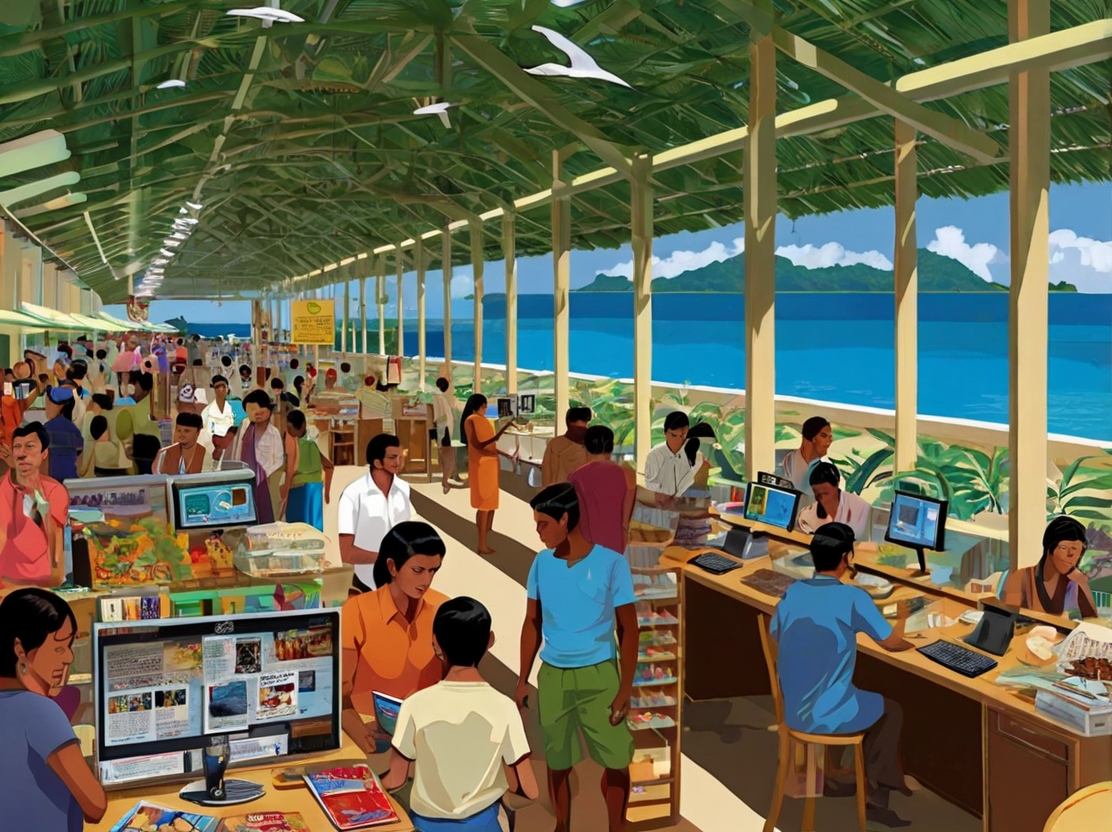
Conversely, the WLO catalyzes grassroots community development. It partners with local cooperatives on tourism or cultural projects that are culturally embedded.
The irony is instructive. While one battles unsustainable debt at the national level, the other might be launching a community tourism venture in the same indebted nation. This illustrates the multi-level complexity of modern development.
Partner Ecosystems: Fair Trade, UNWTO, and Coops vs. Governments, UN Agencies, and Worker Unions
Their alliance networks paint the clearest picture of their strategic identities. One builds a coalition focused on ethical niches. The other operates in the halls of sovereign power.
The World Leisure Organization’s constellation includes the World Fair Trade Organization (WFTO), Fairtrade International, and the United Nations World Tourism Organization (UNWTO). This network prioritizes ethical consumption and sustainable niche markets.
It is a partnership model designed for innovation and market transformation within specific sectors of economies.
The ILO’s ecosystem is fundamentally different. It partners with governments, core agenda sustainable development agencies, and global federations of worker and employer unions.
This is a network built for social dialogue and universal systemic change. It aims to reshape labor indicators across all dimensions and countries, not just specific industries.
This divergence is visible at major global summits. The ILO is typically in policy negotiation rooms. Its counterpart is often showcasing transformative case studies in innovation pavilions.
| Dimension of Contrast | WLO Approach | ILO Approach |
|---|---|---|
| Primary Policy Tools | Voluntary frameworks, certifications, advocacy | Binding international labour standards, conventions |
| Operational Scale | Grassroots, community-focused, agile | National/global, labor market reform, systemic |
| Core Partner Network | Fair Trade bodies, UNWTO, local cooperatives | Governments, UN agencies, worker/employer unions |
| Key Measure of Success | Adoption of best practices, market growth in niche sectors | Compliance with standards, formal employment creation, rights protection |
These contrasting forms create a spectrum of strengths and vulnerabilities. The binding approach struggles with universal enforcement. The voluntary model may lack transformative scale.
Yet, within the 2030 agenda‘s complex landscape, this very dichotomy is a source of resilience. It allows for action at every level, from the international treaty to the village cooperative.

Conclusion: Synergizing Leisure and Labor for a Sustainable 2050
Sustaining progress to mid-century will depend on a synergistic policy framework championed by distinct global actors. The World Leisure Organization’s vision for community vitality and the International Leisure Organization’s imperative for decent work must fuse to inform public policy. This integration moves beyond siloed thinking, creating plans where economic growth and human well-being are jointly measured.
The path to 2050, particularly for Net Zero targets, is a potent test. Success requires the International Leisure Organization’s just transition for workers and the World Leisure Organization’s sustainable tourism models. This ensures ecological change does not sacrifice justice for people.
Current data reveals a paradox. Record low unemployment masks profound deficits in social protection and job quality in many countries. True sustainable development requires this qualitative shift. The future may see the line between a green job and a leisure activity delightfully blurred. Stakeholders must support this synergy for the entire 2030 agenda to succeed.

Key Takeaways
- The 2030 Agenda provides a comprehensive framework for global progress across three core dimensions.
- The World Leisure Organization and the International Labor Organization have distinct but potentially complementary missions.
- Sustainable development requires integrating economic, social, and environmental policies.
- Decent work (SDG 8) is a central pillar of the United Nations’ development goals, yet progress is challenging.
- The relationship between labor and leisure is more synergistic than contradictory in building resilient societies.
- Globalism creates a complex operational environment for international bodies with overlapping goals.
- Future collaboration between diverse sectors may be crucial for achieving long-term sustainability targets.