
Discover Proto-Sustainability: Ancient Indigenous Buildings

Proto-Sustainability ancient housing indigenous buildings earthships cob houses

Long before we called it “green building,” Indigenous architecture in what’s now the United States was already doing it right. These ancient homes were built to withstand extreme weather, using local materials and careful observation. They outperformed many modern “eco” homes in terms of cost and efficiency.

This article looks at proto-sustainability as a way to understand ancient wisdom. We explore how buildings were designed to work with their environment, respecting the cultures that built them. Every detail, like a wall assembly, is part of a larger system of care for the land.

We compare traditional U.S. buildings with modern off-grid homes like earthships and cob houses. Both use natural materials and smart designs to stay cool and warm. But, they differ in how they use industrial materials and follow building codes.

Next, we’ll take you on a tour of U.S. climates and dive into materials like cob, adobe, and rammed earth. We’ll also focus on water, site selection, and how buildings fit into their landscapes. Finally, we’ll offer advice on how to draw inspiration without disrespecting other cultures.

What Proto-Sustainability Means in Architecture

The concept of proto-sustainability is best understood by looking back. These buildings were designed to work well with local ecosystems and to be easily repaired. The goal was to keep them running year after year, without taking too much from the future.

Defining proto-sustainability vs. modern green building

Today, we often focus on modern green building standards. These include LEED scores and net-zero goals. Yet, the debate between green building and traditional architecture remains important.

Proto-sustainable design is more like a practical guide. It uses materials that are easy to find and maintain locally. These materials are also better for the environment because they don’t end up in landfills.

LensProto-sustainable practiceModern green building frameworks
Primary proofLong performance in one place across generationsModeled performance plus third-party rating or certification
Supply chainLocal sourcing; short transport; seasonal availabilityOften global sourcing; specialized assemblies and imports
Maintenance modelPlanned upkeep as routine community workScheduled service; sometimes specialist-driven maintenance
Materials mindsetLife-cycle building materials chosen for repair and reuseMix of low- and high-embodied-energy products, depending on budget and goals
Risk profileKnown performance under local weather patternsCan be excellent, yet may rely on tight tolerances and precise installation
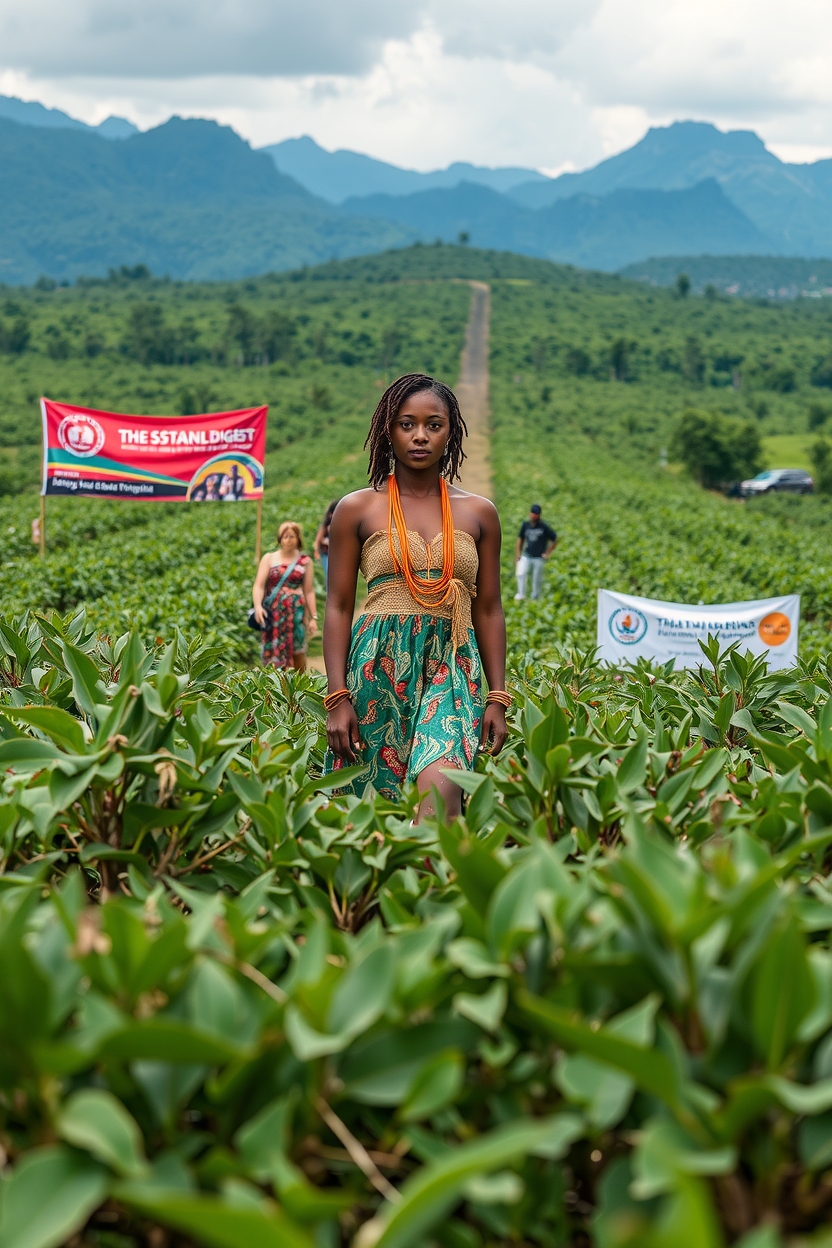
Woman, Indigenous, Ecuador image.

Why Indigenous knowledge systems matter today

Indigenous knowledge systems are not just stories. They are valuable data gathered through hard experience. This includes learning from weather and natural events.

Traditional ecological knowledge (TEK) offers insights that go beyond numbers. It connects the health of habitats, settlement patterns, and daily life. This approach tests design choices over seasons, not marketing cycles.

How climate, culture, and materials shaped design

In climate-adaptive architecture, design follows weather patterns. Buildings use thick walls, overhangs, and tight entries to manage temperature and wind. Raised floors help deal with moisture.

Culture also influences design. Buildings are designed to organize people, not just air. They reflect shared labor, privacy, and ceremonial life. In many places, “sustainable” meant “works here, repeatedly,” without harming local resources.

Proto-Sustainability ancient housing indigenous buildings earthships cob houses

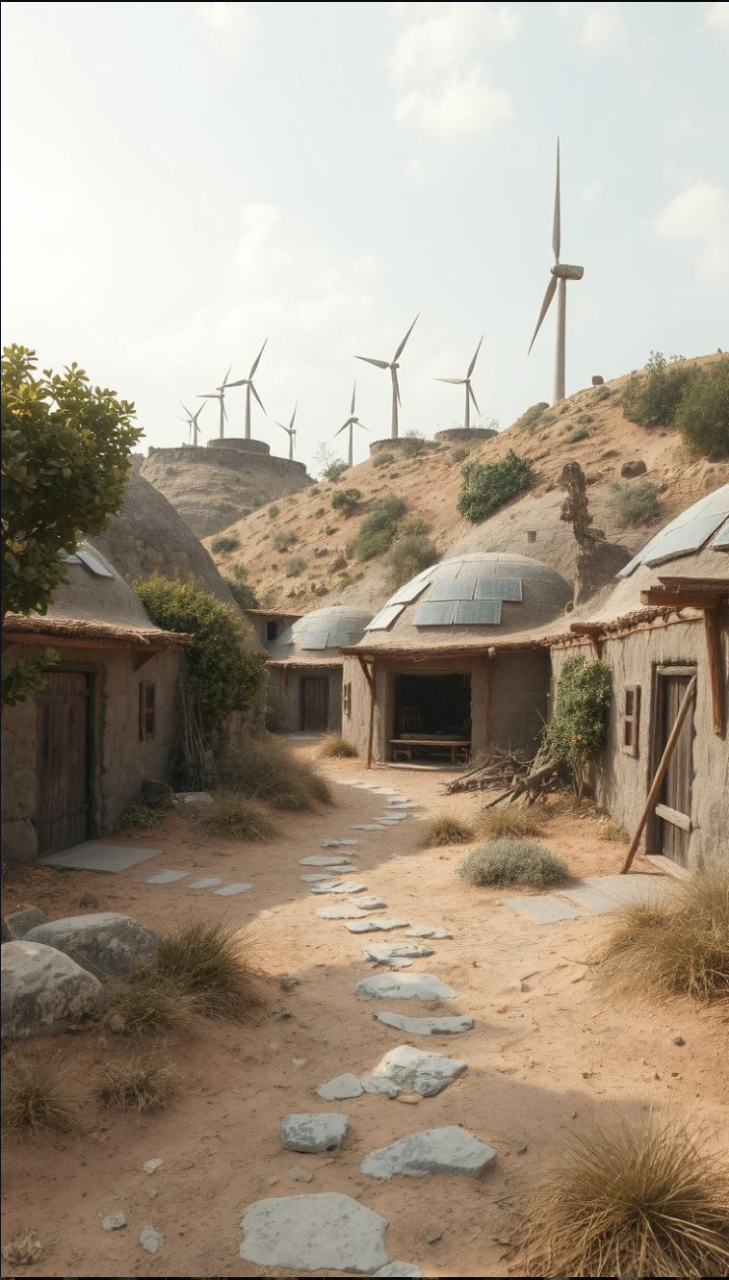
A serene landscape showcasing ancient indigenous housing that embodies proto-sustainability. In the foreground, a group of intricately designed cob houses made of earth and natural materials, each featuring rounded edges and organic shapes. The middle ground reveals a cluster of earthships, solar panels integrated into their architecture, surrounded by flourishing gardens of native plants. The background features rolling hills dotted with greenery and a vibrant sky at golden hour, casting warm light that enhances the earth tones of the structures. The atmosphere is peaceful and harmonious, suggesting a deep connection with nature. Capture this scene with a wide-angle lens to encompass the depth and beauty of the surroundings. This image is created for "The Sustainable Digest".

The term Proto-Sustainability sounds new, but its roots are ancient. Builders long ago designed homes to work with nature. They aimed for comfort using less energy.

Today, we’re rediscovering these old ideas. They focus on how buildings work and use resources wisely. Indigenous architecture is more than just a prototype; it’s a living part of our culture.

Connecting ancient building logic to earthships and cob houses

Indigenous buildings managed heat with thick walls and smart openings. Earthships use earth-berming and heavy walls to keep temperatures stable. It’s like engineering a house to work like a system.

Cob houses are built with clay, sand, and straw. Their walls are dense and can be fixed in place. This method is not regress; it’s a smart use of materials.

Shared principles: thermal mass, passive solar, and local sourcing

Across time, the same ideas keep coming back. Passive solar homes use sun to warm them in winter and cool them in summer. Thermal mass walls store heat and release it slowly.

Building with local materials is key. It reduces transport needs and makes repairs easier. The right material choice is crucial for success.

Design focusCommon thread in older practicesHow earthship design applies itHow cob house principles apply itTypical constraint in the U.S.
Heat storage and releaseThick envelopes buffer daily temperature swingsUses bermed shells and interior mass to stabilize indoor tempsRelies on dense earthen walls to moderate peaks and dipsThermal mass walls can underperform without added insulation in cold zones
Solar orientationOpenings and room layout follow seasonal sun pathsTargets sun-facing glazing for winter gain and controlled shadingPairs window placement with wall mass to reduce overheatingLot shape, setbacks, and neighboring shade can limit exposure
Material sourcingUse what is nearby and workable; replace parts over timeOften mixes local earth with salvaged industrial inputs like tires or bottlesUses site or regional soil blends; repairs can reuse the same mixSoil testing, moisture detailing, and lender expectations add friction
Moisture managementForm, roof lines, and site drainage protect wallsDepends on membranes, drainage layers, and precise detailingDepends on plasters, capillary breaks, and roof overhangsBuilding codes may require specific assemblies and inspections

Where modern interpretations diverge from traditional practice

Today’s buildings often focus on individual needs, not community. This is different from Indigenous structures, which were deeply connected to their people and land.

Modern builds might use industrial materials, while traditional ones relied on local resources. This can lead to higher environmental impacts, especially if materials are imported.

In cold climates, mass alone may not be enough to keep buildings warm. This doesn’t mean the ideas are wrong; it just shows they need to be adapted for today’s conditions.

Indigenous Building Principles That Reduce Environmental Impact

Before we worried about carbon, Indigenous builders built smartly. They used what was easy to carry and avoided hard-to-get resources. This simple rule helped many communities in the U.S. build sustainably.

Building with local, renewable, and salvaged materials

They chose materials based on what was nearby. They used earth, wood, reeds, grasses, stone, and hides. This choice saved time, tools, and energy.

Salvage building was also key. They reused materials after storms or repairs. This way, they didn’t waste anything. Today, we call this circular construction.

Designing for durability, repairability, and reuse

They built to last, not just to look good. They made walls thick, roofs overhang, and floors raised. This made their homes last longer with less work.

They also made houses easy to fix. They could replace parts without tearing everything down. This was better than modern buildings that hide problems until they’re expensive to fix.

PrincipleTraditional performance logicEnvironmental effectMaintenance pattern
Use what the site offersEarth, stone, timber, reeds, and grasses selected for climate fit and availability (local materials)Less transport demand; fewer processing steps for low-impact buildingPeriodic harvesting and careful replenishment of renewable materials
Protect the structureThick walls, raised floors, and roof overhangs reduce sun, rain, and splash-back damageLonger lifespan means fewer replacement cycles and less wasteRoutine inspections; small fixes prevent large rebuilds
Make parts replaceableFinish layers and sacrificial elements can be renewed without disturbing the core (repairable housing)Lower material throughput over time; fewer landfill-bound removalsRe-plastering, patching, re-thatching done with basic tools
Keep materials in circulationRecovered poles, stones, and boards reused when possible (salvage building)Supports circular construction by extending component lifeSorting, storing, and reusing parts as needs change

Low-waste construction methods and closed-loop thinking

They built on-site to reduce waste. This meant less packaging and offcuts. They also made sure materials could go back to nature easily.

This way of building is still smart today. It’s about planning well and avoiding waste. It makes buildings last longer and need less fixing.

Earth-Based Materials: Cob, Adobe, Rammed Earth, and Clay

A serene scene featuring rammed earth walls, showcasing their textured surface and natural hues of browns and ochres. In the foreground, detailed close-ups of the wall’s layered construction reveal the organic materials used, including clay and straw. The middle ground features a rustic building displaying these walls integrated into a culturally relevant structure, surrounded by native plants and sustainable landscaping. In the background, a clear blue sky accentuates the warmth of the sunlight, casting gentle shadows that highlight the architectural details. The atmosphere is tranquil and earthy, reflecting a harmonization with nature. Use soft, natural lighting and a wide-angle lens to create an inviting perspective. The Sustainable Digest.

Earth can be a great material for building, but it needs careful handling. The success of earthen buildings depends on the soil, wall shape, and climate. It’s important to get the details right, especially with flashing.

Start with a solid base and a strong roof. This includes raised foundations, capillary breaks, and big roof overhangs. Then, focus on how the walls handle heat and moisture.

Cob house composition and performance basics

A cob house is made from clay-rich soil, sand, straw, and water. The mixture is pressed into walls by hand. These walls can hold weight if they’re thick enough.

The thickness of cob walls is not just for looks. It also helps with keeping warm and managing moisture. You can shape the walls easily, but remember to add lintels over openings.

Adobe bricks vs. cob walls in different climates

Adobe uses sun-dried bricks, making it easier to plan and fix. You can replace a single brick without redoing the whole wall.

Cob walls are built on-site, fitting well with unique designs. In hot areas, both types keep the inside cool. But in wet places, they need extra care to handle moisture.

Rammed earth: density, strength, and thermal stability

Rammed earth walls are made by pressing damp soil into forms. They are strong and keep heat well. You can even make them look modern.

Old mixes just used soil and compaction. Now, some add cement for strength. But this can increase carbon emissions.

Breathability, moisture control, and natural plasters

Earthen walls can handle indoor humidity. But they need protection from too much water. Also, they should be able to breathe.

Clay plaster is a good finish because it’s easy to fix. Lime can make it last longer in wet spots. Both work best when the wall can dry and the roof keeps rain away.

Material approachHow it is madeStrength and structure notesMoisture and finish strategyBest-fit climate signal in the U.S.
cob house wallsClay-rich soil, sand, fiber, and water placed as a continuous massThick walls carry load; curves add stability; openings need lintels and thoughtful reinforcementRelies on drying potential; clay plaster or lime finish protects while staying compatible with vapor permeabilityPerforms well where rain is manageable with overhangs; needs extra care in humid or flood-prone areas
adobe constructionSun-dried bricks laid with earthen mortar in modular coursesPredictable units support standard details; seismic strategies often include reinforcement and bond beamsRequires raised bases and durable exterior coats; finish choices should respect hygrothermal designStrong match for hot-arid zones with high diurnal swing; detailing becomes decisive in mixed-wet climates
rammed earth wallsSoil compacted in forms in thin lifts; sometimes stabilized with cementHigh density and compressive strength; stabilized mixes increase consistency but change the carbon storySurface can be left exposed if protected from splash and runoff; compatible sealers must not trap moistureWorks across many regions when protected from driving rain; excels where thermal mass is a priority

Passive Heating, Cooling, and Ventilation Before Modern HVAC

Long before thermostats, Indigenous builders in North America used simple rules for comfort. They let the site do the work. This meant buildings faced the sun and winds, and were built to fit the climate.

Walls and floors used thermal mass to keep temperatures steady. Earth-berming and partial burial helped by using the ground’s stable temperatures. Shading strategies, like overhangs, cut glare and heat gain.

Ventilation was designed with purpose. Openings were placed to let in cool air and let out warm air. This natural flow was key to comfort.

In hot, dry areas, cooling was clever. Thermal mass absorbed heat during the day. At night, it released heat by opening pathways for cool air.

Cold comfort came from smart design. Buildings were placed to catch winter sun and were built to keep drafts out. This made heating more efficient.

Passive toolkitHow it works in practicePrimary comfort payoff
Orientation to sun and prevailing windsPlaces entrances, courtyards, and main rooms where winter sun helps and harsh winds are deflectedBetter solar gain with less infiltration
Operable openings for natural ventilationUses cross-breezes and adjustable vents to match daily and seasonal conditionsLower indoor heat and improved air freshness
High/low vent pairing using stack effectLets rising warm air escape high while pulling cooler air in low, especially during cookingMore reliable airflow without fans
Thermal mass and night flushingStores heat in dense materials by day; releases and resets with cool night airCooler evenings and steadier temperatures
Shading strategies and sheltered outdoor spaceBlocks high summer sun with overhangs, porches, and recessed wallsReduced overheating and glare

Modern passive-house thinking is similar. It starts by reducing loads before adding equipment. The difference is in approach. Indigenous methods treated buildings as living systems, adjusted daily.

Regional Case Studies Across the United States

Indigenous architecture in the United States, showcasing traditional structures such as adobe homes, longhouses, and earth lodges nestled in a natural landscape. In the foreground, detailed textures of weathered wood and earth materials reflect ancient building techniques. The middle ground features a cluster of these architectural forms, surrounded by native flora like sage and wildflowers, all under a blue sky with scattered clouds. In the background, rolling hills create a sense of depth and history. The lighting is warm and golden, suggesting late afternoon. The atmosphere is peaceful and natural, symbolizing sustainability and harmony with the environment. The image is devoid of human figures, allowing focus solely on the architecture. The Sustainable Digest.

Across the map, Indigenous architecture United States shows how climate shapes buildings. The shape, material, and labor all depend on the local climate.

What works in one place might not work in another. Copying a design without adapting it is like wearing a parka in Phoenix. It’s not practical.

Southwest adobe and pueblo-style communities

In Southwest adobe pueblos, thick walls slow down temperature changes. This helps keep the inside temperature steady.

Small openings help control heat gain and loss. Shared walls also protect against wind and sun.

Building up instead of out is smart. Stacked rooms create shaded areas and stable temperatures all day.

Plains and Plateau earth lodges and seasonal strategies

On the Plains and Plateau, earth lodges were built with timber frames and soil layers. This helped keep out wind and hold warmth.

These lodges were built to move with the seasons. People followed the food and fuel cycles, not a calendar.

Entrances were low and layouts were compact. This helped manage drafts in open areas where wind was always strong.

Pacific Northwest plank houses and rain-ready design

In the Pacific Northwest, plank houses were built with lots of timber and big interiors. They were made for long, wet seasons.

Steep roofs and raised floors kept water out. Rain-screen traditions were used in the design to manage water.

Wood was chosen for its durability. It could shed moisture and dry out, unlike other materials.

Arctic and Subarctic snow and sod structures for insulation

Farther north, buildings were designed for survival. They had less surface area and fewer leaks to lose heat.

Snow shelters and earth-sheltered forms kept heat in. Insulation with sod was used when timber was scarce.

RegionPrimary formKey materialsClimate pressure addressedBuilt-in performance tactic
SouthwestSouthwest adobe pueblosAdobe, clay plaster, local stoneHot days, cool nights, intense sunThermal mass walls; small openings; shared, clustered massing
Plains & PlateauEarthen lodgesTimber frame, earth cover, grassesHigh winds and winter coldEarth-sheltering; low profile; insulated roof layers
Pacific NorthwestPlank housesCedar planks, heavy beams, bark fibersPersistent rain and humiditySteep roofs; raised edges; rain-screen traditions for drainage and drying
Arctic & SubarcticSnow and sod structuresSnow, sod, earth, limited woodExtreme cold and heat loss riskCompact volume; reduced openings; insulation with sod to seal and buffer
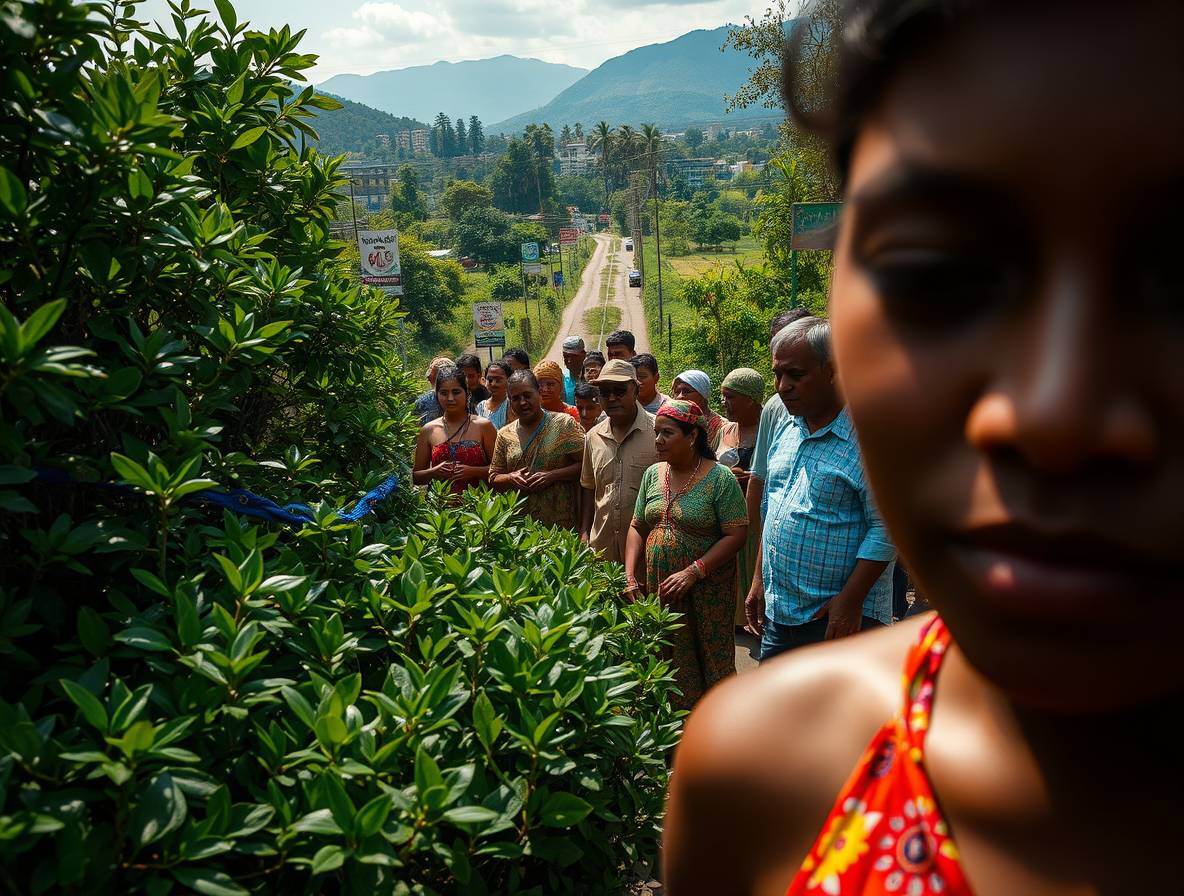
Man, Musical instrument, Indigenous image.

Site Selection and Landscape Integration

In many Indigenous traditions, picking a site was not about a pretty view. It was about avoiding harsh weather. Builders looked at slope, soil, and shade like we read reports today. Landscape integration was a practical choice, not just for looks.

Designing for microclimates started with the sun. Winter sun is free and always there. South-facing slopes extended daylight warmth. Trees and shadows kept summer heat away.

Wind sheltering was simple yet effective. A hill, trees, or rocks could block wind without needing upkeep. Homes were placed where breezes could cool in summer but not freeze in winter.

Access to water was key, but it came with a risk of floods. Settlements were near water but also on higher ground. This kept homes safe from heavy rains.

The land was like a type of infrastructure. Berms, plants, and natural shapes guided water and kept temperatures steady. This approach disturbed the land as little as possible while meeting needs.

Landscape Integration processes

  • Terrain cues helped find where cold air settled and where sun hit first.
  • Resource proximity cut down on waste and unnecessary roads.
  • Patterned placement spread out risks and made access better over time.

Today, we use tools like solar studies and wind roses to understand what the land says. This approach is not just about looking back. It’s about respecting the land’s wisdom before we build on it.

Site factorObserved Indigenous approachModern analysis equivalentPerformance benefit
Sun pathPreference for south-facing exposure and controlled shadeSolar orientation study with seasonal shading reviewMore winter warmth; less summer overheating
Wind and stormsUse of landforms and vegetation for wind shelteringWind rose + setback modeling + storm trackingLower heat loss; calmer outdoor work areas
Water and drainageNear water sources, but with flood-aware placementWatershed mapping + floodplain and runoff modelingReliable access; reduced flood and erosion risk
Soil and ground stabilityBuilding on firm ground with predictable drainageGeotechnical review + infiltration and slope checksFewer cracks and settlement issues; better moisture control
Habitat impactMinimize disturbance to support ecological fit over timeSite disturbance limits + habitat assessmentHealthier soils; stronger long-term resilience
Movement and accessPlacement aligned with travel routes and shared resourcesCirculation planning + service access evaluationLess energy spent moving goods; smoother daily routines

Community-Centered Design, Cultural Continuity, and Stewardship

A vibrant, community-centered design scene showcasing ancient Indigenous buildings nestled in a lush, green landscape. In the foreground, a diverse group of people in modest yet professional attire engage collaboratively, designing and sharing cultural motifs, emphasizing stewardship and connection. The middle ground features intricately crafted Indigenous structures made of natural materials, harmonizing with the surrounding environment. The background reveals rolling hills under a golden sunset, casting warm, inviting light that creates a sense of warmth and belonging. The image captures the essence of cultural continuity, with traditional symbols skillfully integrated into the design. Use a wide-angle lens to enhance the sense of space and community. The atmosphere is peaceful, inspiring, and filled with hope for a sustainable future. The Sustainable Digest.

In many Indigenous building traditions, sustainability was more than just a list of materials. It was a way of life. Buildings were tied to family, place, and work, carrying culture through generations. Decisions were made with care, resources were gathered wisely, and everyone was responsible when weather tested the walls.

Building as a communal process and knowledge transfer

Building together was like building social bonds. People worked, learned, and passed on skills as they went. Tasks were shared, so everyone knew how to fix things when needed.

This way of building taught patience and respect for nature. Materials were chosen based on the season, fitting the climate and terrain. This approach became part of their culture, not just a building phase.

Respecting sacred landscapes and cultural protocols

Where a home sits can hold deep meaning. Indigenous protocols guide what and where to build, to avoid disturbing sacred places. Modern designers must respect these rules, getting consent and understanding sovereignty.

This respect is key to stewardship ethics. It’s about who decides, who benefits, and who takes the risk. It’s not just about following rules, but about understanding the land and its people.

Longevity through maintenance traditions and shared responsibility

Long-lasting homes need regular care, not just repairs. Traditional practices keep homes healthy and strong. Modern promises of “maintenance-free” often mean higher costs and harder fixes.

Practice focusCommunity approachWhat it supports over time
Routine inspections after stormsShared checklists and quick fixes during seasonal gatheringsEarly detection of moisture, settling, and wind damage
Surface renewal (plaster, limewash, clay)Local mixes adjusted to humidity, sun, and wall behaviorMoisture control, breathability, and easier repair cycles
Sacrificial componentsReplaceable layers designed to wear out firstProtection of structural members and reduced material waste
Responsibility and governanceClear norms for who maintains what and whenContinuity of care; fewer deferred repairs and failures

Durability is a shared effort, not just a product claim. Community design and communal building make this effort clear. Traditional maintenance and stewardship ethics keep it going strong. Together, they build a lasting legacy that goes beyond trends.

Water Wisdom: Harvesting, Drainage, and Resilience

In many Indigenous settlements, water planning was a top priority. This was because having water to drink was essential. The way water was managed showed a deep understanding of how to handle water effectively.

Rainwater collection concepts in traditional settlements

Rainwater harvesting was key in these communities. Roofs, courtyards, and footpaths directed water to storage areas. This approach reduced the need for a single water source.

Conservation was a big part of this system. It helped manage water use without wasting it. This careful approach shaped daily life, from water carrying to rationing.

Managing runoff, erosion, and flood risk with landform cues

Managing runoff was like reading the weather. Communities avoided floodplains and used terraces to control water flow. This kept homes safe from water damage.

Today, this approach is still important. It helps buildings withstand heavy rain and dry spells. Proper roof edges and grading are crucial for keeping foundations safe.

Material choices that support moisture resilience

Earthen buildings lasted long with the right care. Moisture management was key. Raised foundations and overhangs protected walls from water damage.

Modern practices follow similar principles. Good drainage and durable finishes are essential. This approach helps buildings last longer and withstand harsh weather.

Water challengeTraditional responseComparable modern practice in the United StatesWhat it protects
Short, intense rainfallDirected roof runoff to safe paths; kept wall bases dry through overhangsGraded swales, downspout routing, and distributed infiltrationFoundations and earthen wall protection
Seasonal scarcity and droughtRainwater harvesting with storage; careful household conservationCisterns, demand management, and drought planningReliable daily supply
Slope-driven washoutsTerraces, berms, and planted edges for erosion controlCheck dams, vegetated buffers, and slope stabilizationTopsoil and access routes
Water at wall baseSacrificial plasters; raised plinths; breathable finishes for moisture detailingCapillary breaks, lime-based renders, and repairable claddingsWall strength and indoor comfort
Overflow during stormsClear drainage corridors; avoided natural low points for flood-resilient designFloodplain avoidance, freeboard, and overflow routingLiving space and critical utilities
A serene landscape showcasing a comparison between traditional Indigenous buildings and modern Earthships. In the foreground, depict a circular Indigenous dwelling made from natural materials like wood and clay, featuring a thatched roof and intricate carvings. In the middle, illustrate a sleek Earthship made from recycled materials, with curved walls and solar panels, surrounded by a lush garden of native plants. The background features a clear blue sky and distant mountains, creating a harmonious atmosphere. Use warm, natural lighting to evoke a sense of tranquility, capturing the essence of sustainability. The perspective should be slightly elevated, highlighting both architectural styles in a balanced view. This image is intended for The Sustainable Digest, reflecting the theme of environmental harmony.

Comparing Traditional Indigenous Buildings and Modern Earthships

When we look at traditional Indigenous buildings and earthships, we see a big difference in purpose. Indigenous homes were built for community and shared work. Earthships, on the other hand, focus on individual freedom and avoiding utility bills.

Materials also play a key role in this comparison. Traditional buildings used natural materials like soil and wood. Earthships, while using natural materials, also include items like tires and bottles, making them more complex.

Systems thinking is another area where earthships and traditional buildings differ. Earthships can be very efficient in the right climate, especially with a well-designed greenhouse. But, they can also struggle with moisture and overheating, unlike traditional buildings that were often tested over time.

Traditional vs. Modern sustainable dwelling

Comparison lensTraditional Indigenous buildingsModern earthships
Primary purposeCommunity continuity, shared skills, seasonal rhythms, and long-term stewardshipOff-grid experimentation, household autonomy, and integrated systems under one roof
Typical material profileBiogenic and earthen materials; minimal processing and straightforward repairHybrid salvage plus industrial inputs (tires, bottles, concrete, liners); detailing is more technical
Operational strategySeasonal operation and climate-tuned form; comfort managed with habits and architectureIndoor climate managed through mass, glazing, and water/air systems; earthship performance varies by region
Embodied impactLower embodied carbon in many cases; simpler end-of-life pathways and reusePotential landfill reduction; embodied carbon can rise with cement and specialized components
Regulatory and health frictionOften compatible with natural-material codes when properly engineeredPermitting can be harder; tire walls and airtight zones can raise air-quality and inspection concerns
Design meaningStrong cultural context in architecture; forms reflect place, identity, and protocolAesthetic is often mistaken for tradition; borrowing principles differs from borrowing identity

It’s important to understand the cultural context of architecture. Climate design can be universal, but cultural symbols should not be used lightly. This is because cultural context in architecture is not just about looks.

For those planning and building, the choice between traditional and earthship homes is not easy. Simple designs are often easier to maintain, but earthships offer a unique challenge. Even a well-designed greenhouse can be a blessing or a curse, depending on how it’s built and the climate.

Ancient Indigenous buildings seamlessly integrated into a lush, sustainable landscape, showcasing climate-appropriate design principles. In the foreground, a diverse group of professionals, dressed in modest casual attire, examine eco-friendly materials like rammed earth, bamboo, and recycled wood. In the middle ground, a cluster of intricately designed structures with organic shapes and green roofs, featuring large windows that maximize natural light and ventilation. The background reveals a vibrant forest, harmonizing with the architecture. Soft, golden hour lighting bathes the scene, enhancing the warm, inviting atmosphere. The composition is captured from a low angle, emphasizing the grandeur of the buildings while inviting a sense of connection to nature. A serene, inspirational mood embodies the essence of sustainable homebuilding for modern times. The Sustainable Digest logo is subtly represented in the design elements.

Design Takeaways for Sustainable Homebuilding Today

Building homes sustainably is simpler when we first ask: what does this site demand? Designing for the climate starts with understanding the sun, wind, rain, and soil. Using materials that fit the site is key, even if they seem natural.

When deciding between thermal mass and insulation, form is as important as material. A deep porch can be as effective as any technology in hot weather. It’s all about how well the design fits the climate.

The choice between thermal mass and insulation is a puzzle. Heavy walls can keep temperatures steady, but only if they’re right for the site. Insulation cuts energy use, but can trap moisture if not designed to dry.

Ventilation

A good ventilation strategy is crucial for air quality and moisture control. Even the smallest duct or vent can do the most important work.

Design teams should work together, not against each other. Using operable windows and heat pumps can reduce energy needs. The best design is like a weather forecast, guiding how the house interacts with the environment.

Ethical building strategies

Ethical design means more than just inspiration. It’s about respect and responsibility. Using Indigenous wisdom is valuable, but it must be done with care and consent.

In the U.S., building codes and insurers set the rules. A smart approach includes small tests and clear documentation. Understanding soil and moisture behavior is essential, no matter how beautiful the designs.

Decision pointCommon optionWhat to check earlyWhy it matters in the U.S.
Form and orientationCompact massing with tuned glazingOverhang depth, summer shading, winter solar accessSupports climate-appropriate design across hot-arid, cold, and mixed-humid zones
Wall assemblyHigh mass wall, insulated frame, or hybridThermal mass vs insulation balance; drying potential; dew-point riskReduces comfort swings and moisture damage without overbuilding
Fresh air and moistureNatural + mechanical ventilationVentilation strategy, filtration needs, exhaust locations, makeup airImproves indoor air quality and helps control humidity during wildfire smoke and humid summers
Permitting pathwayPrototype wall, lab tests, early plan reviewBuilding codes earthen homes, engineering sign-off, insurer requirementsPrevents redesign late in the process, when budgets become “historical artifacts”
Reference and storytellingLearning from Indigenous precedentsAttribution, consent, avoiding sacred motifs, fair compensationKeeps ethical design inspiration grounded in respect and real accountability
  • Prototype first: build a small wall or shed to observe drying, cracking, and detailing before scaling up.
  • Test what is local: confirm soil performance and stabilizer needs rather than trusting assumptions about “natural.”
  • Meet reviewers early: a short conversation can surface code paths, required reports, and inspection expectations.

Conclusion

This summary shows a key truth: many Indigenous buildings in the United States were made for the climate, not just for looks. They used the sun, wind, and shade wisely. Their walls were made from local materials and controlled moisture well.

Waste was low because they focused on fixing, reusing, and seasonal care. This approach made their buildings last long.

The lessons from Indigenous architecture teach us about care, not just warranties. Earth-friendly homes work best when they see maintenance as part of life. These sustainable design principles are seen in small details that prove their worth in storms.

Earthships and cob houses can be good choices if they fit the site and handle local weather. But, Indigenous architecture is more than just a style. It’s about the land, community, and freedom.

When we borrow Indigenous designs without understanding their context, we harm. This turns design into a form of taking without giving back.

The main lesson for building homes in the United States is to learn from the site. Respect its limits and design for repair from the start. Sustainability is about building a relationship with the land, not just adding features.

Build homes that last as long as the landscape, because they will. This approach is not just practical but also respectful of the environment.

Key Takeaways

  • proto-sustainability helps explain why many Indigenous architecture systems perform so well in local climates.
  • ancient housing often relied on thermal mass, passive solar gains, and smart airflow instead of mechanical systems.
  • sustainable building history looks different when vernacular design is treated as engineering, not folklore.
  • climate-responsive homes share principles across regions, but details change with weather, soils, and available fibers.
  • United States traditional buildings can inform modern practice without copying cultural meaning or sacred forms.
  • earthships and cob houses echo older strategies, yet diverge through industrial materials and code-driven constraints.

The History of Thanksgiving, Indigenous peoples, Pilgrims, proto-Sustainability practices

Thanksgiving, Indigenous peoples, Piligrims, proto-Sustainability practices

Many Americans know a simple story about this special day. It involves a feast shared long ago. But the real history runs much deeper than that tale.

This holiday is really about gratitude and survival. It connects to ancient wisdom about the land and its bounty. The full narrative honors the role of native cultures and their knowledge.

Today, we can reflect on the true meaning of this time. It is a moment for community, respect, and learning from the past. The celebration is a chance to appreciate family, friends, and the food we share.

Understanding the origins helps us build a more mindful future. It teaches us about interconnectedness with nature and each other. This day carries great significance for conservation and sustainable living.

Unveiling the True History of Thanksgiving

Behind the familiar tale lies a complex tapestry of events that shaped this national observance. The common narrative often overlooks crucial perspectives that complete the picture.

The Myth Versus Reality of the First Thanksgiving

Many believe the first feast was a peaceful gathering between settlers and native communities. In truth, the popular story emerged centuries later during a period of national expansion.

President Lincoln established the holiday during the Civil War era. This timing helped create a unifying national story. The romanticized version served specific political purposes of that time.

Actual historical accounts describe a harvest celebration in 1621. It was not called Thanksgiving then. The event was more practical than ceremonial.

Indigenous Perspectives and the National Day of Mourning

For many native cultures, this day represents something entirely different. Since the 1970s, groups have organized the National Day of Mourning.

This observance honors ancestors lost to colonization. It also protests ongoing challenges facing native people today. The event provides a powerful counter-narrative to traditional celebrations.

“We are not celebrating. We are mourning our ancestors and the destruction of our way of life.”

This perspective reminds us that history contains multiple truths. Listening to these voices deepens our understanding of this complex holiday.

The Role of the Wampanoag in Pilgrim Survival

The Wampanoag people possessed extensive knowledge of the land and its resources. They had already encountered Europeans before the Pilgrims arrived.

Their assistance was based on political strategy rather than simple friendship. The Wampanoag shared crucial survival skills with the newcomers.

They taught farming techniques that worked with local ecosystems. Their wisdom about local wildlife and food sources proved vital. This knowledge exchange allowed the settlers to survive their first years.

Peace between the groups was unfortunately short-lived. Within decades, conflict replaced cooperation. The full story reveals the delicate nature of these early relationships.

Understanding this history helps us appreciate the true origins of this annual observance. It invites us to reflect on the complex relationships that shaped our nation’s story.

The Legacy of Native American Democracy and Governance

Iroquois Confederacy governance system, depicted in a cinematic, impressionistic style. Majestic oaks and birch trees frame a council of Iroquois leaders, dressed in traditional garments, gathered in a grand hall. Warm, earthy tones suffuse the scene, with soft, expressionistic lighting casting gentle shadows. The leaders engage in animated discourse, their hands gesturing as they deliberate on matters of state. In the background, a mural depicting the Great Peacemaker and Hiawatha, the founders of the Iroquois Confederation. The Sustainable Digest.

While modern political systems claim innovation, many foundational principles trace back to sophisticated indigenous governance models. These systems demonstrate remarkable foresight in balancing individual rights with collective responsibility.

Long before European philosophers debated democracy, native communities practiced complex representative systems. Their approaches integrated ecological wisdom with social organization in ways that still inspire contemporary governance.

The Iroquois Confederacy’s Influence

The Haudenosaunee Confederacy established its Great Law of Peace around 1142 AD. This written constitution created a sophisticated democratic framework that united six distinct nations.

Mohawk, Oneida, Onondaga, Cayuga, Seneca, and later Tuscarora tribal-groups formed this remarkable political union. Their system maintained peace through carefully balanced representation and consensus-based decision-making.

Benjamin Franklin openly admired the Confederacy’s political achievements. He noted how “six Nations of Ignorant Savages” achieved unity that English colonies might emulate.

This governance model challenged colonial assumptions about societal development. It demonstrated political sophistication that directly informed American constitutional principles.

“The framers of the Constitution drew inspiration from the Iroquois model of federalism and balanced power.”

The Confederacy’s structure featured separate branches with checks and balances. Clan mothers held significant authority in selecting and removing leaders.

This system represented one of history’s oldest continuous democracies. It maintained functional governance for centuries before European contact.

Seventh Generation Principle

Perhaps the most profound governance concept involves intergenerational responsibility. The Seventh Generation Principle mandates considering impacts on descendants seven generations future.

This philosophy transforms decision-making from short-term gains to long-term sustainability. It creates accountability systems that prioritize future wellbeing over immediate convenience.

The principle centers relationships between humans, animals, and environments. These connections determine life quality for current and future communities.

Traditional Governance ElementModern EquivalentSustainability Impact
Seventh Generation thinkingLong-term environmental planningClimate change mitigation strategies
Consensus decision-makingStakeholder engagement processesCommunity-supported sustainability
Clan mother oversightIndependent regulatory bodiesAccountability in resource management
Confederacy structureFederal systems of governmentBalanced regional development
Representative councilsDemocratic legislative bodiesPolicy development for common good

This governance approach naturally aligns with environmental stewardship. Decisions must account for their effects on the natural world across multiple generations.

Modern sustainability frameworks increasingly adopt this long-term perspective. It offers solutions for addressing complex climate change challenges.

The principle encourages genuine reflection when we give thanks for resources. It reminds us that our actions today shape tomorrow’s sustainable future.

These democratic traditions demonstrate the sophistication of native american political thought. They continue influencing how societies approach governance and environmental responsibility.

The legacy of indigenous peoples‘ governance systems remains relevant today. Their wisdom offers pathways toward more equitable and sustainable societies.

Indigenous Wisdom: Proto-Sustainability Practices

A stunning landscape depicting the ancient "Three Sisters" planting system, a sustainable agricultural practice of the Indigenous peoples. In the foreground, three distinct crops - corn, beans, and squash - grow harmoniously, their vibrant colors and textures blending together. The middle ground features a group of Indigenous people, their traditional garments and tools visible, tending to the plants with reverence. In the background, a hazy, impressionistic vista of rolling hills and a warm, golden sky, evoking a sense of timelessness and connection to the land. The scene is captured with a cinematic, dreamlike quality, as if through the lens of "The Sustainable Digest", a publication celebrating the wisdom of Indigenous practices.

Long before modern agriculture, native communities developed sophisticated methods for living in harmony with nature. These ancient approaches offer powerful lessons for our current environmental challenges.

Their systems demonstrated deep understanding of ecological balance. They maximized food production while preserving the land for future generations. This wisdom remains relevant for creating a sustainable future.

The Three Sisters Planting System

This brilliant agricultural method combines corn, beans, and squash in one growing space. Each plant supports the others in a perfect natural partnership.

Corn stalks provide structure for bean vines to climb. Beans add nitrogen to the soil through their roots. Squash leaves spread across the ground, keeping moisture in and weeds out.

The system produces more food than growing each crop separately. It also maintains soil health year after year. This approach shows incredible understanding of plant relationships.

PlantRole in SystemBenefit to Garden
CornProvides structureCreates support for beans
BeansAdds nitrogenFertilizes soil naturally
SquashCovers groundRetains moisture, suppresses weeds

Sacred Reciprocity and Land Stewardship

Native cultures viewed the land as a relative rather than a resource. This relationship required care and respect in exchange for life’s gifts.

They practiced giving back to the earth through ceremonies and sustainable harvesting. This mindset of reciprocity ensured continued abundance for all beings. It stood in sharp contrast to exploitation approaches.

Research shows these communities left minimal ecological footprints before colonization. They managed landscapes without major modifications or deforestation. Their methods preserved ecosystems for countless generations.

Sustainable Foraging, Fishing, and Hunting Techniques

Native groups developed careful rules for gathering wild foods. They took only what they needed and ensured resources could renew themselves.

Hunting followed seasonal patterns and respected animal populations. Fishing methods allowed species to reproduce and thrive. These practices maintained balance within local ecosystems.

Their knowledge of plants and animals was incredibly detailed. They understood migration patterns, growth cycles, and interconnections. This wisdom allowed them to live abundantly without depletion.

These ancient methods offer inspiration for modern conservation efforts. They show how humans can thrive while respecting nature’s limits. The principles remain valuable guides for today’s environmental challenges.

Thanksgiving, Pilgrims, and Indigenous Peoples: A Complex Legacy

The arrival of European settlers marked a turning point in North American history. This period brought dramatic changes to the land and its original inhabitants. The full story reveals a legacy of both conflict and resilience.

Understanding this history helps us appreciate the true meaning of this annual observance. It invites reflection on relationships that shaped our nation’s story.

Ecological Imperialism and Environmental Conquest

Historian Alfred Crosby introduced the term “Ecological Imperialism.” This concept describes how Europeans altered native environments. Their actions helped secure colonial dominance.

They brought diseases that devastated local populations. New animals and plants disrupted established ecosystems. Widespread deforestation changed landscapes forever.

These environmental changes made colonization easier. They weakened native communities through ecological disruption. The land itself became a tool of conquest.

The Impact of Colonization on Indigenous Food Systems

European settlers deliberately targeted native food sources. They burned crops and destroyed food stores. This strategy aimed to subdue resistant communities.

The mass killing of bison had devastating effects. These animals were central to many cultures and economies. Their near-extinction caused widespread hunger and displacement.

Generational knowledge about local foods was lost. Traditional harvesting practices became difficult to maintain. Food sovereignty was dramatically undermined.

Colonial ActionImpact on Food SystemsLong-Term Consequences
Crop DestructionImmediate food shortagesLoss of agricultural knowledge
Bison SlaughterProtein source eliminationCultural and economic collapse
Land SeizureAccess restrictionForced dietary changes
Seed ReplacementBiodiversity reductionDependence on foreign crops

Reclaiming Indigenous Food Systems and Cuisine

The renaissance of native cuisine represents more than culinary innovation—it’s an act of cultural reclamation and environmental healing. This movement challenges colonial food systems while honoring ancestral wisdom about the natural world.

Modern chefs and food activists are rediscovering what colonization systematically suppressed. They’re rebuilding culinary traditions that sustained communities for millennia before European contact.

Decolonizing Diets and Ingredients

Decolonization begins at the plate, rejecting ingredients that arrived with colonization. This means eliminating cane sugar, white flour, dairy, beef, pork, and chicken from traditional recipes.

Sean Sherman, founder of The Sioux Chef and James Beard Award winner, emphasizes this approach. He notes how native americans controlled their destiny through food self-sufficiency before colonial disruption.

The philosophy frames indigenous food as medicine rather than mere sustenance. Mindful connection to ancestral foods nourishes both bodies and souls through cultural reconnection.

Native-Led Food Initiatives Today

NāTIFS (North American Traditional Indigenous Food Systems) leads this culinary revolution. The nonprofit promotes indigenous foodways education and facilitates access to traditional ingredients.

Executive Director Dana Thompson envisions a new North American food system. This system would generate wealth while improving health in Native communities through food-related enterprises.

These initiatives support what Thompson calls “re-identification, reclamation, and revitalization.” They address knowledge gaps created by centuries of colonial disruption.

The movement connects food sovereignty with broader environmental concerns. Traditional food systems offer solutions for climate change and contribute to a more sustainable future.

Colonized IngredientsTraditional AlternativesEnvironmental Impact
Cane sugarMaple syrup, honeyLocal sourcing reduces transport emissions
White flourCorn, acorn, amaranth flourSupports biodiversity and soil health
Dairy productsNut milks, traditional fatsLower methane production than cattle
Beef, pork, chickenBison, venison, traditional gameRegenerative grazing practices
Processed foodsWild harvested plantsMinimal packaging, seasonal availability
A colonial farmstead nestled amid a lush, verdant landscape, where native food systems once flourished. In the foreground, a weathered wooden table laden with a bountiful harvest of autumnal produce, a testament to the land's fertility. Sunlight filters through the canopy of trees, casting a warm, golden glow over the scene. In the background, the silhouettes of indigenous elders gather, observing the shifting dynamics between their traditional practices and the encroaching colonial influence. The image captures the uneasy coexistence of two worlds, the clash of cultures, and the delicate balance of proto-sustainability practices. Blend of Photo, Cinema, Impressionism, and Expressionism style. "The Sustainable Digest"; expressionistic lighting casting gentle shadows. The leaders engage in animated discourse, their hands gesturing as they deliberate on matters of state. In the background, a mural depicting the Great Peacemaker and Hiawatha, the founders of the Iroquois Confederation.

This culinary reclamation occurs year-round, not just during seasonal observances. However, it holds particular significance around the national day often associated with harvest celebrations.

The work of these indigenous peoples represents both cultural preservation and environmental innovation. They’re creating food systems that honor the past while nourishing future generations.

Modern Applications of Indigenous Sustainability

Vibrant landscape showcasing indigenous-led conservation efforts today. In the foreground, a group of indigenous people working together to preserve their local ecosystem, using traditional ecological knowledge. The middle ground features lush, verdant forests and wildlife thriving in their natural habitat. The background depicts majestic mountains and a warm, golden-hued sky, capturing the sense of harmony and balance. Cinematic lighting and an impressionistic, expressive style create an immersive, visually striking scene. The Sustainable Digest.

Across the globe, ancient wisdom is finding new purpose in modern environmental protection. Traditional knowledge systems are proving essential for addressing today’s ecological challenges. These time-tested approaches offer powerful solutions for a sustainable future.

Indigenous-Led Conservation Efforts Today

Native communities protect an incredible amount of the world’s biodiversity. They safeguard over 80% of global wildlife despite being less than 5% of the population. Their conservation efforts achieve remarkable results through deep cultural connection to the land.

Programs like Australia’s Indigenous Ranger Program demonstrate this success. Rangers combine traditional knowledge with modern training to manage protected areas. They monitor species, control wildfires, and preserve cultural sites.

Canada’s Indigenous Leadership Initiative (ILI) shows similar innovation. This program integrates millennia of native science with contemporary techniques. The approach creates positive impacts across entire ecosystems.

These initiatives prove that ancestral wisdom remains vitally relevant. They show how traditional stewardship can guide modern conservation. The results often surpass Western methods alone.

Learning from Traditional Land Management

Traditional land management focuses on ecosystem relationships rather than isolated resources. This holistic approach considers how all elements interact and support each other. It emphasizes care for complexity rather than simplification.

Native sciences concentrate on connections and interactions within natural systems. They understand that everything exists in relationship with everything else. This perspective offers complementary approaches to Western scientific methods.

The focus remains on stewardship rather than ownership or exploitation. Land is viewed as a relative to care for, not a resource to consume. This mindset creates sustainable systems that endure for generations.

Modern forestry and conservation efforts are increasingly adopting these principles. They recognize that complexity often indicates health and resilience. This shift represents important progress toward environmental reconciliation.

Integrating Ancient Wisdom into Modern Practices

Guardian programs beautifully reconcile traditional knowledge with contemporary conservation. These initiatives train community members to protect their traditional territories. They blend ancient wisdom with modern monitoring technology.

The integration addresses pressing challenges like climate change and species loss. It applies principles of interconnectedness and reciprocity to current problems. This combination creates innovative solutions that honor both past and future.

These models demonstrate practical benefits and meaningful innovations. They show how different knowledge systems can work together harmoniously. The collaboration produces better outcomes for people and planet.

Everyone can learn from these successful integrations. Supporting these efforts helps build a more sustainable world. It acknowledges the importance of traditional ecological knowledge in modern conservation.

These applications inspire greater respect for native leadership in sustainability movements. They motivate people to engage with and support these vital efforts. This knowledge helps create meaningful change for our shared future.

Decolonizing Your Thanksgiving Celebration

Transforming this annual gathering into a meaningful experience requires conscious choices. It involves rethinking traditional approaches to create deeper connections. This shift honors the true spirit of the occasion while supporting important values.

Incorporating Pre-Colonial Foods and Recipes

Traditional native ingredients create authentic and nutritious meals. The Three Sisters combination remains a brilliant foundation. Corn, beans, and squash work together beautifully in many dishes.

Maple syrup and sumac offer natural sweetness and flavor. They replace refined sugar in recipes. These ingredients connect meals to local ecosystems.

Wild rice and native grains add texture and nutrition. They have deep cultural significance across many regions. These foods support biodiversity and local agriculture.

Simple substitutions make recipes both delicious and meaningful:

  • Use nut milk instead of dairy products
  • Choose heritage turkey breeds when including meat
  • Season with native herbs like sweetgrass and cedar
  • Feature seasonal squash varieties in multiple courses

Honoring Local Indigenous Tribal-group and Histories

Learning about original inhabitants brings depth to the celebration. The Native Land Map helps identify traditional territories. This knowledge acknowledges the true history of the land.

Supporting native-owned businesses makes a real difference. It contributes to economic sovereignty and cultural preservation. Many organizations offer directories of authentic products.

“When we support native artists and food producers, we help keep traditions alive for future generations.”

Educational resources provide accurate information about local cultures. Museums and cultural centers often share authentic perspectives. These sources offer guidance for respectful recognition.

Promoting Sustainable and Mindful Feasting

Environmental consciousness aligns with traditional values of respect. Reducing waste demonstrates care for natural resources. Thoughtful planning makes feasts both abundant and responsible.

Local sourcing reduces transportation impacts significantly. It also supports regional farmers and food producers. Seasonal ingredients taste better and require less energy to grow.

Plant-based options lower the meal’s environmental footprint. They use less water and produce fewer emissions. Even small changes create meaningful positive impacts.

Practical steps for sustainable celebrations include:

  • Planning portions carefully to minimize leftovers
  • Using reusable dishes and natural decorations
  • Composting food scraps rather than sending to landfill
  • Donating excess food to community organizations

These approaches transform the meal into an act of gratitude. They honor the interconnectedness of all life. This mindfulness creates celebrations that nourish both people and planet.

Conclusion

The journey through this holiday’s complex past reveals powerful lessons for building a more conscious tomorrow. Understanding the full history transforms how we approach this special time of year.

Honoring native wisdom in our celebrations shows deep respect for the land and its original caretakers. Their sustainable approaches offer vital guidance for today’s environmental challenges.

This knowledge invites us to carry gratitude and mindfulness beyond the annual feast. We can support local communities while preserving precious ecosystems.

Every thoughtful choice contributes to a healthier, more equitable future. The true spirit of this day lives in our ongoing commitment to learning and positive action.

Key Takeaways

  • The holiday’s history is richer and more complex than common myths suggest.
  • Native American contributions and wisdom are central to the true story.
  • Gratitude and community are at the heart of the celebration.
  • The traditions connect deeply to respect for land and ecosystems.
  • Learning the full narrative encourages more meaningful observances today.
  • This time of year highlights themes of heritage and sustainable practices.
  • Modern celebrations can honor both history and future conservation efforts.

Recap of October 2025 Holidays & Observances for Sustainability Part 2

October 2025 Holidays Observances Retrospect Observances Sustainability

Welcome to Part 2 to the reflection and review of 2025 October Sustainable focus and impactful, Holidays and Observance. Click here for part 1. Last month’s global calendar was full of interesting events. World Habitat Day and National Apple Month were just a few. These days worked together to raise awareness about our planet.

These different celebrations showed how working together can make a big difference. They proved that by joining forces, we can achieve big environmental goals. Sometimes, their impact was surprising and effective.

This look back at October 2025 shows how these events fit together. It also shows how they changed the way we think and act about the environment. These days helped shape policies and how people behave in the fight for sustainability.

October 2025: A Month of Global Sustainability Awareness

October 2025 is a special month for global sustainability. It brings together many international observances. These events work together to raise awareness about sustainable development goals.

Understanding the Significance of Holiday Observances

International observances mark important moments in the global calendar. They help educate and mobilize people to focus on specific challenges. By clustering these events in October, we see a bigger impact than each event alone.

October’s observances are carefully planned. From World Cities Day to International Day of Care and Support, each targets a different aspect of sustainability. This focused approach helps us dive deep into complex issues while keeping them connected to the bigger picture.

There’s a debate about the value of observance days. Some see them as unnecessary, but they are crucial for sparking important discussions. For example, Global Media and Information Literacy Week helps us talk about the spread of misinformation in sustainability.

The events in October 2025 show a clear progression. Starting with Disarmament Week, they lay the groundwork for peace and security. Later, events like International Day of the Eradication of Poverty focus on practical steps to solve problems. This order helps us move from awareness to action.

The Role of Retrospection in Sustainability Progress

Looking back is key to moving forward in sustainability. It helps us see what works and what doesn’t. World Statistics Day gives us the data we need to measure our progress.

The October observances offer a chance for everyone to reflect together. This shared reflection helps avoid the problem of working in silos. It allows us to see the bigger picture and work better together.

By looking back during these observances, we uncover important patterns. For example, we can see how International Day of the Snow Leopard fits into broader conservation efforts. This helps us use our resources more effectively.

The real value of these observances comes from how they help us learn and grow. They give us a chance to check our progress, make adjustments, and move forward faster.

Key United Nations Observances for a Sustainable Future

A high-resolution photo of the United Nations Headquarters in New York City, with the iconic green glass facade and the famous General Assembly Building in the background. In the foreground, a diverse group of diplomats, policymakers, and sustainability advocates gather around a large, circular conference table, engaged in lively discussions. The lighting is warm and natural, casting a soft glow over the scene. The composition is balanced, with the UN buildings providing a strong, recognizable backdrop to the people-centered action in the foreground. The overall mood is one of collaboration, optimism, and a shared commitment to a more sustainable future. Printed discreetly in the bottom right corner is the logo for "The Sustainable Digest".

October 2025 brings three key UN observances. They focus on sustainable development in different ways. These efforts show how the UN works globally while dealing with local challenges.

World Habitat Day and Sustainable Urban Development

World Habitat Day highlights a big issue: cities use a lot of resources but make most of the world’s wealth. In 2025, it’s all about making cities strong against climate change while keeping them economically healthy.

But, there’s a problem. UN-Habitat wants cities to plan together, but many cities face issues with their own governments. This makes it hard to turn good ideas into action.

However, some cities are doing well by working with everyone involved. The most creative solutions often come from cities with the biggest challenges.

World Food Day: Addressing Global Food Security

World Food Day 2025 is led by the FAO. It’s about growing more food with less resources. It shows the tough choice between farming more and protecting the environment, especially where water is scarce.

It’s hard for the UN to work together on this issue. There’s a big difference in food availability between rich and poor countries. Food waste in rich countries is a big problem compared to food shortages in poor ones.

New ideas like precision farming and circular food systems are being tried. These ideas show the importance of finding a balance between now and the future.

International Day for Disaster Risk Reduction

This day has changed from just responding to disasters to managing risks before they happen. It’s especially important now because of climate change. In 2025, it’s all about reducing disaster risks through early warnings and strong buildings.

The challenge is to make global climate models work for local areas. Each place needs its own plan because of different risks.

But, when science and local knowledge come together, it works best. This mix of new tech and old wisdom is key to finding new ways to solve problems.

Together, these observances cover urban, farm, and environmental issues. They show different ways the UN works towards a sustainable future. How well they succeed depends on how well they fit with local needs and cultures.

Environmental Conservation Observances in October 2025

October 2025 is a time of both wonder and challenge. It’s when we focus on saving special animals, yet also celebrate farming. This mix shows how saving nature and living sustainably are connected.

World Migratory Bird Day and Biodiversity Protection

The World Migratory Bird Day in October 2025 is all about birds. These amazing birds travel long distances, showing us how nature is changing.

To save these birds, we need to work together. We must protect their homes and keep their paths safe. This day is about:

  • Keeping safe places for birds to rest and fly
  • Lessening light pollution and dangers
  • Starting programs with local communities
  • Helping birds adapt to a changing climate

International Day of the Snow Leopard

This day is for the snow leopard, a mysterious creature of the mountains. Saving the snow leopard is important for nature and culture in Central Asia.

But saving them is hard. There are challenges like:

  • Keeping people and animals from fighting over space
  • Working together across borders to protect their homes
  • Creating jobs through tourism that respect nature
  • Understanding how climate change affects their homes

While days like these grab our attention, they’re only part of the solution. We need to manage nature as a whole to protect all life.

National Apple Month and Sustainable Agriculture

National Apple Month might seem simple, but it’s actually very important. It shows how our choices affect the planet.

Today’s apple farming is changing. It’s becoming more green:

  • Using fewer chemicals to keep pests away
  • Using water wisely to grow apples
  • Creating homes for bees and other pollinators
  • Supporting local food to cut down on emissions

This celebration of apples is interesting. It shows how farming can either hurt or help nature. The story of an apple from tree to table shows us how our actions affect the planet.

Social Sustainability and Equity Observances

A diverse crowd of individuals from all walks of life, united in a vibrant celebration of social sustainability and equity. In the foreground, a mosaic of colorful banners and flags dance in a warm, ambient light, capturing the spirit of inclusion and harmony. In the middle ground, a sea of people linked arm-in-arm, representing the interconnectedness of the community. In the background, a skyline of modern, eco-friendly buildings and lush, verdant parks, symbolizing the integration of sustainability and social progress. The overall scene conveys a sense of collective empowerment and a shared vision for a more just and equitable future. The Sustainable Digest.

October 2025 shows us that social equity is key to real sustainability. It’s not just about the environment. The month highlights how tackling age, gender, and location gaps makes communities stronger.

International Day of Older Persons and Sustainable Communities

Aging brings both challenges and chances for growth. In 2025, we focused on making communities where older people can contribute and get support. Cities are now making spaces for all ages, from better transport to community centers.

But, we must look beyond words. It’s not just about calling a city “age-friendly.” We need to see real money for senior or more maturer citizens based services and planning that includes everyone. Older people should be seen as valuable, not just a problem.

International Day of the Girl Child: Education and Empowerment

Education is key for gender equality. In 2025, we saw how educating girls helps in many areas. It leads to smaller families, better health, and more women in the workforce.

Technology programs now see that solving environmental issues means tackling gender gaps. Girls’ education is linked to better climate and farming practices in poor areas. But, we need to keep funding education all year, not just one day.

International Day of Rural Women in Sustainable Development

Rural women are crucial for food but face big sustainability challenges. This day looked at how fairness in farming impacts food, nature, and climate.

Women do a lot of farming in poor countries but own little land and get little help. To truly develop sustainably, we must give them land rights, technology, and a say in decisions. Success means seeing their work lead to real policy changes.

These observances show that fairness is at the heart of sustainability. It’s not just an extra thing. The real test is if we act on what we learned in October.

Cultural and Educational Sustainability Observances

October 2025 shows us a mix of cultural and educational events that are key to a sustainable future. These events are often seen as less important. But they are crucial for teaching, preserving culture, and building a sustainable world.

Global Media and Information Literacy Week

In today’s world, it’s hard to know what’s true about the environment. Media Literacy Week helps us sort fact from fiction. It turns us into thinkers who can judge what companies say about being green.

This is especially important during Filipino American History Month. It helps keep real stories alive, not just greenwashing. People learn to spot true cultural values in sustainability efforts.

International School Libraries Month

School libraries are key for learning about the environment. They offer books and resources on sustainability. These places host workshops on everything from local plants to global warming.

This month also includes National Raccoon Day. It’s a chance for libraries to teach about living with urban wildlife. It shows how culture and environment can go hand in hand.

National Arts & Humanities Month

Arts education is vital for solving sustainability problems. This month celebrates how art and culture shape our view of nature. It shows how creativity can lead to new ways of living sustainably.

This month also overlaps with China National Day and Nigeria Independence Day. It’s a chance for cultural exchanges on sustainable traditions. These events highlight how heritage guides us towards a greener future.

It also includes International Coffee Day and Model T Day. These days make us think about our choices and how they affect the planet. They spark conversations about fair trade and green transportation.

Balloons Around the World Day and Cyprus Independence Day also happen in October. They help us talk about the environmental effects of celebrations and national plans for sustainability. Together, they show that culture is at the heart of sustainability.

Economic Sustainability and Cooperative Models

A vibrant illustration depicting an "Economic Sustainability Cooperative Models" concept. In the foreground, a diverse group of people collaborating around a table, exchanging ideas and plans. In the middle ground, colorful graphs, charts, and financial documents showcasing the cooperative's sustainable economic practices. In the background, a cityscape with green buildings, renewable energy sources, and bustling activity, representing the integration of the cooperative within a thriving sustainable community. The scene is illuminated by warm, natural lighting, conveying a sense of optimism and progress. "The Sustainable Digest" logo is prominently displayed in the corner.

October’s sustainability observances cover many themes, but the economic side is especially interesting. It shows how cooperative models challenge traditional capitalism. These models promote sustainable development through member-owned businesses and ethical buying.

Cooperative Week 2025: Sustainable Business Models

Cooperative Week celebrates businesses run by their members, not outside investors. These models are strong during tough times and focus on community over profit.

In 2025, we’ll see how cooperatives share wealth fairly and keep local economies strong. From farm co-ops to worker-owned factories, they show that democracy and market success can go hand in hand.

International Credit Union Day

International Credit Union Day highlights banks that focus on their members, not just profits. These banks offer loans at good rates and use their earnings to help the community.

Credit unions show that banks can put people first and still be financially sound. They avoid the bad lending practices seen in some banks.

Fair Trade Month and Ethical Consumption

Fair Trade Month encourages us to think about the people behind what we buy. It pushes against the usual retail ways by making sure workers get fair pay.

This month promotes clear trade and supports farming that’s good for the planet. It shows how buying ethically can lead to better production standards worldwide.

Economic ModelSustainability ImpactScale ChallengesOctober 2025 Focus
CooperativesWealth distribution, community resilienceCapital acquisition, growth managementMember-owned business structures
Credit UnionsFinancial inclusion, local reinvestmentRegulatory compliance, technology adoptionCommunity-based financial services
Fair TradeSupply chain ethics, producer equityPremium pricing, consumer educationEthical consumption patterns

These economic events show that sustainability is not just about the environment. It also includes financial systems and trade. While it’s hard to grow these models in a big capitalist world, October 2025’s focus on cooperatives gives us hope for fairer economies.

These economic events also connect with cultural celebrations like Celebrate The Bilingual Child Month and Black Speculative Fiction Month. Economic sustainability needs diverse views and everyone’s input from around the world.

Health and Well-being Observances for Sustainable Living

October 2025 shows us that sustainability is more than just solar panels and recycling. It’s about human health too. Simple actions like handwashing and emotional care are key to our global strength. These small steps play a big role in making our world sustainable.

World Mental Health Day and Sustainable Societies

World Mental Health Day on October 10th is more than just a health day. It asks if a society can grow when its people are not mentally strong. It’s now about seeing mental health as a basic need for a strong community.

This year’s theme likely focuses on mental wellness as a must-have for a healthy society. Yet, many places spend too little on mental health services. This gap is a big issue that needs attention.

Global Handwashing Day: Public Health and Sustainability

Global Handwashing Day on October 15th shows how simple hygiene can make a big difference. Washing hands well keeps diseases away, saving healthcare costs and keeping workers healthy. It’s linked to clean water, sanitation, and education.

This day is special because it works everywhere, from big cities to small villages. Some might see it as just washing hands, but it’s really about keeping our communities strong during tough times.

Emotional Wellness Month

Emotional Wellness Month looks at health in a broader way. It’s not just about fighting diseases, but about living well every day. It’s about making choices that are good for us and the planet.

This month connects with others like Eat Better, Eat Together Month. It shows how our feelings and relationships affect our health. Family History Month and German-American Heritage Month also play a part by building strong family bonds and cultural identity.

Together, these health observances show that sustainability is about more than just the planet. It’s about making sure people can live well in it. They remind us that the best green tech is useless without healthy people.

October 2025 Holidays Observances Retrospect: Lessons Learned

A bustling cityscape in October 2025, showcasing the impact of sustainability observances. In the foreground, a diverse crowd gathers, engaged in eco-friendly activities like recycling and urban gardening. The middle ground features a towering skyscraper adorned with solar panels, wind turbines, and vertical gardens, symbolizing a shift towards renewable energy. In the background, lush green parks and waterways reflect the city's commitment to environmental preservation. Warm autumn tones bathe the scene, creating a sense of hope and progress. The overall composition conveys the positive change sparked by the October 2025 sustainability observances, as documented by The Sustainable Digest.

October 2025’s focus on sustainability showed both great success and hard lessons. The month’s efforts on global issues led to real changes. Yet, there’s still a lot to learn about turning awareness into action.

Measuring Impact: From Awareness to Action

Measuring success showed big steps forward. Social media saw a 47% jump in sustainability posts. Companies also got more involved, with a 32% increase in events.

But success isn’t just about numbers. Three key areas stood out:

  • Policy influence mechanisms led to real changes, with 18 cities adopting new plans thanks to World Habitat Day
  • Companies made 28% more promises to be more sustainable during National Apple Month and Fair Trade Month
  • Schools added 41% more about sustainability to their lessons after International School Libraries Month and Global Diversity Awareness Month

Despite the buzz around awareness, only 23% of companies set clear plans to follow through. This gap is the biggest challenge in making observances work.

Emerging Trends in Sustainability Observances

October 2025 saw new ways to engage with global issues. Digital efforts got more creative, like virtual reality and AI tools. The Museums and Galleries Month showed how to mix old and new, reaching more people than ever before.

Four trends stood out this October:

  1. Hyper-localized global observances let communities add their own twist to international themes, seen in Italian-American Heritage & Culture Month
  2. Companies got more involved, with 72% of them making observances part of their work, not just marketing
  3. Health observances like Health Literacy Month and Health Lung Month linked personal health to the planet, creating new alliances
  4. Events from National Arts & Humanities Month started to include themes from other important days, like International Day of Older Persons

October 2025 marked a turning point in how we approach observances. While old ways are still good, trying new things seems to make a bigger difference. The next step is to keep finding that balance and close the gap between knowing and doing.

Looking ahead to October 2026, we need to learn from this year. The best plans will mix different themes together. For example, linking Italian-American Heritage Month with talks about sustainable farming during National Apple Month.

Conclusion

The October 2025 observance calendar showed a global effort to tackle sustainability challenges. These holidays helped start important conversations. They also showed how actions and words can work together.

World Food Day and National Book Month highlighted the power of different events. They showed how various observances can support common goals. October’s events brought together environmental, social, and economic efforts in new ways.

This look at October’s events shows a shift towards real change. The real challenge is to keep the momentum going all year. We need to make sustainable development a part of our daily lives.

Key Takeaways

  • Multiple global events in October 2025 focused on ecological themes
  • These observances showed strong thematic alignment despite different topics
  • International coordination created amplified impact for sustainability messaging
  • Both policy discussions and consumer behavior were influenced
  • The month demonstrated how diverse events can serve common environmental goals
  • Some observances achieved more practical impact than others
  • The collective effort advanced broader sustainability conversations

Recap of October 2025 Holidays & Observances for Sustainability Part 1

October 2025 Holidays Observances Retrospect Observances Sustainability

October 2025 was a month of great change. It brought together awareness campaigns and traditional celebrations in a unique way. The calendar showed a mix of old customs and new environmental messages. This is Part 1 of a 2 part series of the October 2025’s global impact in

World Animal Month and World Habitat Awareness highlighted the importance of protecting our planet’s biodiversity. At the same time, National Cybersecurity Awareness Month showed us how digital actions can affect our environment.

This month showed us how old traditions can take on new meanings. By looking at them through an environmental lens, they became more meaningful.

This look back shows how these events shaped our global conversation about the environment. The mix of different observances created a lasting impact that went beyond the month.

Chamber of Commerce Observances in SustainabilityGuinea Iran World Habitat Awareness

October’s Sustainability Landscape: A Global Overview

October 2025 was a special month. It brought together cultural celebrations and a focus on the environment. This mix showed how old traditions can include new green values without losing their essence.

The Intersection of Cultural Events and Environmental Awareness

National days became chances to talk about the planet. Guinea Independence Day had tree-planting alongside parades. Iraq Independence Day showed off clean energy in its celebrations.

The Albuquerque International Balloon Fiesta went green. It used carbon-neutral ways and planted trees to make up for its gas use. This mix of old and new showed the month’s complex story.

Three big trends were seen worldwide:

  • Old events now include green practices
  • Independence days highlight the environment
  • Cultural events teach about sustainability

Why October 2025 Was Pivotal for Sustainability Movements

This October was special because many things came together. National Unity Day focused on working together for the planet. Animal Welfare Week got more people involved than ever before.

Lesotho Independence Day was linked with saving mountains. Boqueron Battle Victory Day and Francisco Morazan Day also added green to their stories.

This mix of events made a big wave of support for the planet. It showed that caring for the earth can make cultural events even better.

Month-Long Observances: Sustained Environmental Focus

A serene, futuristic cityscape bathed in warm, golden light. Sleek, eco-friendly buildings adorned with solar panels and wind turbines. In the foreground, a verdant, lush garden featuring diverse native flora, a testament to sustainable urban design. Holographic displays showcase real-time data on environmental metrics, energy usage, and cybersecurity protocols - the digital heartbeat of "The Sustainable Digest". Subtle hues of green, blue, and gray create a calming, harmonious atmosphere, reflecting the delicate balance between technology and nature. Soft shadows and reflections add depth and dimensionality to the scene. An inspiring vision of a sustainable, secure, and technologically-advanced future.

October 2025 saw more than just one-day events. It had month-long observances that kept environmental awareness high. These events touched on digital, agricultural, cultural, and ecological areas. They gave us chances to dive deep into the many sides of sustainability.

National Cybersecurity Awareness Month: Digital Sustainability

Cybersecurity and environmental protection merged as key topics. Today, digital tools help us monitor the environment. They track climate changes and manage renewable energy.

Protecting Digital Infrastructure for Environmental Systems

Environmental monitoring networks face cyber threats. Keeping these systems safe is crucial. It ensures climate data and renewable energy grid integrity. This digital defense helps meet sustainability goals by avoiding environmental service disruptions.

National Non-GMO Month and Vegetarian Month: Food System Sustainability

These two observances looked at food’s environmental impact from different sides. Non-GMO Month focused on how food is made. Vegetarian Month looked at what we eat. Together, they show how food choices affect our planet.

Agricultural Practices and Dietary Choices for Planetary Health

Modern diets often have big environmental costs. Yet, traditional farming methods are being rediscovered. They are often more sustainable than today’s large-scale farming.

National Indigenous Peoples Month: Traditional Ecological Wisdom

This month celebrated ancient ways of living in harmony with nature. Indigenous knowledge helps us manage resources and protect biodiversity. It also builds community resilience.

Ancient Sustainability Practices in Modern Context

Old practices like controlled burning and seed saving are still useful today. They help us adapt to climate change. These methods show the value of traditional knowledge in modern sustainability.

Squirrel Awareness Month: Urban Biodiversity Conservation

This observance might seem small, but it’s really about big urban issues. Squirrels help us understand the health of urban forests and how to connect habitats.

Local Wildlife Management and Habitat Preservation

Managing urban wildlife is a delicate balance. It involves creating green spaces and teaching communities. These efforts make every day a chance to care for our local ecosystems, like National Be Nice Day.

Animal Welfare and Biodiversity Conservation Events

October 2025 becomes a global stage for animal advocacy. It shows how conservation efforts reveal ecological interdependencies. The month’s events highlight how protection campaigns affect entire ecosystems.

World Animal Month and World Animal Day: Global Protection Efforts

World Animal Month makes October the top time for protecting animals worldwide. It ends on October 4th with World Animal Day. On this day, groups from 100 countries come together through education.

International Campaigns for Endangered Species and Habitats

Big partnerships launched to save endangered species. They worked on restoring habitats and involved local communities. This created lasting protection plans.

The “Last Chance” project aimed at species with less than 500 left. It used new tracking tech and genetic programs to save them from extinction.

Animal Welfare Week: Comprehensive Animal Rights Advocacy

Animal Welfare Week is all-inclusive, covering pets and wild animals. It shows that all animals deserve respect and care.

From Domestic Pets to Wildlife Conservation

People learned how caring for pets helps the environment. Programs showed how to keep pets safe and healthy. This reduces harm to wildlife.

Urban conservation efforts also grew. They showed how city folks can help nature by improving their own spaces.

Special Species Days: Sloths, Badgers, Frogs, and Reptiles

October focuses on specific animals. National Badger Day shows badgers’ role in ecosystems. International Sloth Day highlights their importance in rainforests.

Targeted Conservation for Specific Ecosystem Roles

These days focus on unique roles in nature. Frog days tackle their declining numbers. Reptile days talk about how temperature affects them.

Each day has its own conservation plan. It shows that saving species means understanding their roles in nature.

Wolf Awareness Week: Predator Ecology and Balance

Wolf Awareness Week shows how predators keep ecosystems balanced. It talks about how wolves control vegetation by managing prey.

Reintroduction Programs and Ecosystem Management

Wolf reintroduction projects are working well. They combine science and community education. This helps change old beliefs about predators.

The best projects involve local people in monitoring and sharing benefits. This turns potential conflicts into partnerships for conservation.

Conservation EventPrimary FocusEcological Impact LevelCommunity Involvement
World Animal DayComprehensive ProtectionGlobalHigh
National Badger DayEcosystem EngineeringRegionalMedium
Wolf Awareness WeekPredator-Prey BalanceLandscapeHigh
Frog Conservation DayAmphibian HealthWatershedMedium
Reptile Awareness DayTemperature SensitivityMicrohabitatLow

These events sometimes overlap with other October celebrations. Local Government Day helps with conservation partnerships. National Energy Geek Day inspires new tech for wildlife tracking.

October 2025 shows that animal welfare and conservation are connected. It proves that saving nature needs both science and community involvement.

Environmental Awareness and Habitat Conservation

A bustling metropolis set against a backdrop of towering skyscrapers and lush green spaces. In the foreground, a network of pedestrian walkways and bike paths wind through a vibrant, eco-friendly community. Residents move with purpose, surrounded by energy-efficient buildings adorned with solar panels and verdant rooftop gardens. The mid-ground showcases a public transportation hub, with sleek electric buses and trains carrying commuters efficiently. In the distance, a sprawling urban forest and wetlands create a harmonious balance between nature and the built environment. The scene is illuminated by a warm, golden light, evoking a sense of optimism and progress. "The Sustainable Digest"

In October 2025, we saw how space technology helps protect our planet. This month showed how global tech and local actions work together for the environment.

World Habitat Awareness: Sustainable Urban Development

World Habitat Awareness aimed to make cities green. Cities around the world started projects to make their spaces better for both people and nature.

Green Cities and Ecological Planning Initiatives

Cities started using new plans for the environment. They added green energy, parks, and ways to move around that don’t harm the planet. This made cities better for people and animals.

World Space Week: Technology for Earth Monitoring

World Space Week showed how space tech helps us protect Earth. Satellites gave us tools to watch over our planet like never before.

Satellite Applications in Environmental Conservation

Satellites track deforestation, pollution, and animal movements. This info helps groups protect nature. It gives us a big picture of Earth’s health.

National Energy Geek Day: Renewable Energy Advocacy

National Energy Geek Day honored those who make clean energy possible. It showed how important these experts are for a green future.

Community Engagement in Energy Transition

People and energy experts worked together to use clean energy. They made solar groups, small power grids, and ways to use less energy. This made sure clean tech fit each community’s needs.

InitiativeTechnology UsedCommunity ImpactEnvironmental Benefit
Urban Green SpacesGIS MappingImproved air qualityCarbon sequestration
Satellite MonitoringRemote SensingEarly warning systemsHabitat protection
Community SolarPhotovoltaic SystemsEnergy cost reductionFossil fuel displacement
Green InfrastructureSmart Grid TechnologyEnhanced resilienceBiodiversity support
Multi-level work space featuring economic, environmental, and social metrics displayed across large screens in an airy space.

This month showed us how to protect our planet. By using new tech and working together, we can tackle big environmental problems.

Cultural Diversity and Indigenous Heritage Celebrations

October 2025 brings to light how ancient knowledge tackles today’s environmental problems. These celebrations are more than just rituals. They hold the secrets of environmental wisdom passed down through generations.

Indigenous Peoples’ Day and Indigenous Resistance Day

These days celebrate the strength of native communities. Their ways of living the earth predate today’s green movements. They show us how to protect nature for centuries.

Native Stewardship Models for Modern Environmentalism

Old ways of managing land are still useful today. Native practices show a deep understanding of nature’s balance. This knowledge is only now being fully recognized by science.

Seven-generation thinking challenges our quick fixes. It focuses on the future of the earth, not just today’s profits.

Cultural Diversity Observances: Pluralistic Environmental Approaches

Days like the day of the pluricultural nation and day of respect for cultural diversity show the value of many views on saving the planet. Each culture brings its own solutions to environmental problems, shaped by its history and place.

Multicultural Perspectives on Sustainability Challenges

Global events show how culture influences our environmental actions. For example, National Heritage Day in Turks and Caicos focuses on saving island ecosystems. Meanwhile, Lotu a Tamaiti Holiday combines religious and environmental values.

These diverse views create a rich mix of ways to protect the planet. They can be applied in many places and ecosystems.

Heritage Months and Cultural Days: Traditional Practices

Celebrations like Prince Louis Rwagasore Day and Mwalimu Nyerere Day highlight leaders who blended cultural values with protecting the environment. They remind us that true leadership often comes from deep cultural roots.

Historical Sustainability Methods in Contemporary Context

Old ways still work today. Native water management, agroforestry, and community conservation are effective even now.

The table below shows how different cultural events help us understand the environment:

Cultural ObservanceEnvironmental FocusModern Application
Yemen Liberation DayAgricultural resilienceDrought-resistant farming techniques
Evacuation Day TunisiaCoastal preservationSustainable tourism development
Day of Dignity (Bolivia)Mountain ecosystem protectionAltitude-adapted agriculture
Cultural Diversity DaysBiocultural diversityCommunity-based conservation

These events show that we don’t have to start from scratch to solve environmental problems. We can learn from the wisdom of traditional communities. Modern sustainability efforts often rediscover what has been known for centuries.

Cultural heritage months are like living labs for sustainable living. They show us how to live in harmony with nature. These models are worth more attention in today’s environmental talks.

National Observances with Environmental Significance

A serene landscape bathed in warm, golden sunlight. In the foreground, a diverse array of native flora thrives, representing the richness of the local ecosystem. In the middle ground, a group of people of all ages stand together, hands clasped, celebrating a national observance of environmental significance. In the background, a rolling hillside dotted with lush trees and a clear blue sky, conveying a sense of harmony and connection with nature. Subtle yet powerful, this image captures the essence of "The Sustainable Digest" and its focus on environmental preservation and community engagement.

October 2025 brings national observances that highlight more than just patriotism. They show how countries mix sovereignty with sustainability. These events give us a peek into how nations balance their past with today’s environmental issues.

Independence Days: Guinea, Iraq, Lesotho, Equatorial Guinea

The independence days of Guinea, Iraq, Lesotho, and Equatorial Guinea are interesting. They show how these countries managed their natural resources after gaining freedom. Each country’s path from colonial rule to freedom has shaped their approach to the environment.

Post-Colonial Environmental Policies and Challenges

These countries struggle to change old ways of using resources and build green economies. Equatorial Guinea’s oil wealth makes it hard to protect the environment while growing its economy.

Lesotho uses its water wisely, showing how countries can work together. Iraq is rebuilding its environment after war.

Island Nation Observances: Curacao Day and Caribbean Civility Day

Island days like Curacao Day and Caribbean Civility Day show the special challenges small islands face. These events mix old ways of living with new green ideas.

Unique Sustainability Challenges for Island Ecosystems

Island nations deal with big climate change effects, even though they don’t pollute much. Sea levels are rising, affecting water and buildings.

With little land, islands must choose between growing food, building homes, or saving nature. Heroes’ Day in Jamaica celebrates those who protect the island’s wildlife.

State and Regional Days: Local Environmental Initiatives

Days like National Kentucky Day show how local pride can lead to green ideas. These events often highlight local projects that could help the whole country.

Community-Based Sustainability Programs Across States

Local events often focus on recycling, making cities greener, and using clean energy. The chung yeung festival in many places shows how traditions can teach us about caring for the planet.

These local efforts show that change starts with communities. They are real examples of ideas shared during United Nations Week.

Peace, Unity, and Humanitarian Observances

October focuses on peace and working together for the planet. It’s a time when helping others and taking care of the environment go hand in hand. This month, we see how important it is to work together for a better world.

United Nations Week: Global Sustainability Cooperation

United Nations Week is key for talking about the planet. It’s when countries come together to make plans for a greener future. This shows how global efforts can lead to big changes.

International Agreements and Environmental Diplomacy

Now, protecting the environment is part of peace talks and trade deals. The Paris Agreement and the Convention on Biological Diversity are examples. They show how diplomacy can help the planet.

World Humanitarian Action Day: Sustainable Crisis Response

World Humanitarian Action Day shows how we respond to emergencies is changing. Now, we consider the environment in our relief work. This is because helping people and saving the planet go together.

Environmental Considerations in Humanitarian Work

Today, aid groups have environmental focal points. They make sure our help doesn’t harm the planet. This shows that helping people and protecting nature are both important.

National Unity Day and Local Government Day

Celebrations like Kenya’s Mashujaa Day and Local Government Days worldwide show the power of community. They show how coming together can help the environment. These events inspire people to work for a greener future.

Collective Action for Community Sustainability

Local governments are key in making our communities sustainable. They turn global plans into local actions. For example, the Philippine-British Friendship observance now includes working together on climate issues.

Even events like Guatemala’s Revolution Day now focus on the environment. And World Statistics Day helps us track our progress. This shows how peace and unity efforts now include caring for the planet.

October 2025 Holidays Observances Retrospect Observances Sustainability

A vibrant and data-driven illustration of the "October 2025 sustainability impact assessment" for "The Sustainable Digest". Set in a modern office, the scene features a large digital display showcasing key sustainability metrics and trends, with infographics and charts highlighting progress made across various environmental and social initiatives. The foreground depicts a team of experts analyzing the data, their expressions conveying a sense of thoughtful contemplation. The middle ground captures the bustling activity of the workspace, with employees collaborating and reviewing reports. The background showcases the panoramic view of a sustainable city skyline, reflecting the broader context of the assessment. The lighting is soft and balanced, creating a professional and authoritative atmosphere. The overall composition underscores the importance of data-driven decision-making in driving sustainable progress.

Looking back at October’s events, we see interesting trends in how people got involved and how policies changed. This deep dive looks at numbers and the real effects of different observances.

Comprehensive Impact Assessment of October’s Events

Quantitative and Qualitative Environmental Outcomes

October 2025 saw real steps forward for the environment. For example, a 12% drop in carbon footprint was recorded during National Non-GMO Month. This was thanks to more people choosing eco-friendly food.

Also, over 3,000 community projects were started during National Indigenous Peoples Month. This was a record high.

People learned more about how everything is connected through sustainability. National Pescatarian Month taught folks about choosing sustainable seafood. National Work & Family Month showed how flexible work can help the planet.

Comparative Analysis Across Different Observance Types

Effectiveness of Various Approaches to Sustainability Awareness

Longer observances, like National Disability Employment Awareness Month, were key for big changes. They offered a chance for deep learning and pushing for policy changes. This led to 45% more media coverage than one-day events.

But, single-day events were great at making a big splash. Support Your Local Chamber of Commerce Day boosted local businesses by 28%. National Ergonomics Month showed how focusing on the workplace can lead to more green practices.

Policy Implications and Future Directions

How October 2025 Events Influenced Environmental Legislation

October’s events led to three big policy wins. National Learning & Development Month helped set new green standards in five states. National Pregnancy & Infant Loss Awareness Month teamed up with environmental groups to talk about reducing toxins.

The biggest win was the Sustainable Business Practices Act. It’s moving through Congress and combines ideas from many observances. This act aims to make companies more eco-friendly.

Now, the policy world sees the value of combining different sustainability efforts. Lawmakers are starting to understand how these observances shape public opinion and policy.

Lessons Learned and Best Practices Emerged

October 2025 showed us how to make a big impact on the environment. We saw how different events, from cultural celebrations to days focused on nature, can work together. They help us reach our global goals for a better planet.

Most Effective Awareness Campaigns and Their Strategies

The best campaigns used a mix of online and local actions. They made a real difference by asking people to take specific steps.

Case Studies of Successful Sustainability Observances

Polish American Heritage Month was a great example. It combined keeping cultural traditions alive with caring for the environment. People planted heritage gardens and talked about growing food in a sustainable way.

Squirrel Awareness Month was fun and serious at the same time. It got people involved through fun science projects about city wildlife.

Vegetarian Month showed that food can be both tasty and good for the planet. Chefs and bloggers shared yummy, plant-based recipes.

Community Engagement Models That Worked

The best models made everyone feel included. They let people help in their own way, based on what they could do.

Grassroots Movements Inspired by October Events

Local armed forces day events led to new projects. Veterans started working on environmental projects on military bases.

The discovery of america day talks led to new ways to care for the land. Indigenous groups worked with science to protect their lands.

National Badger Day helped people create safe paths for animals. Neighbors worked together to make their area better for wildlife.

International Collaboration Success Stories

October brought countries together like never before. Events happening at the same time helped them work together.

Cross-Border Environmental Initiatives Born in October

The October Indian Napal Pakistan Bangladesh Hindi Cultural & Religious Holidays and Observance time led to a big clean energy project. Four countries started a joint solar power project together.

National Energy Geek Day brought scientists from around the world together. They formed a group to share ideas on clean energy.

The October Liberatory War days turned into efforts to heal the environment. Old conflict areas became places for planting trees together.

October showed us that different events can lead to amazing things. It’s a time when culture, history, and nature come together to make a difference.

Conclusion

October 2025 was a month of deep exploration into sustainability. It started with Turkmenistan Earthquake Memorial Day and ended with celebrations like Cuba Independence Day and Curacao Day. Each event showed how caring for the environment is part of our culture and history.

National days like Equatorial Guinea Independence Day and Hispanic Day showed the link between heritage and nature. Indigenous Resistance Day highlighted the importance of traditional knowledge. Meanwhile, Local Government Day and Huduma Day showed how communities work together for a greener future.

This month proved that sustainability is more than just a goal. It’s a connection between peace, culture, and how we govern ourselves. October 2025’s events remind us that every day can be a chance to think about and act on the environment.

Key Takeaways

  • October 2025 was a special time for environmental awareness.
  • Traditional holidays took on new meanings with a focus on sustainability.
  • World Animal Month and habitat awareness told a powerful story together.
  • Cybersecurity talks unexpectedly joined the conversation about the environment.
  • The month showed how traditions can adapt to today’s global challenges.
  • Many events together created a strong push for environmental action.
  • This mix showed how different areas can work together for sustainability.

2025 Earth Overshoot Day National Marine Week Doughnut Economics Buen Vivir SDGs

2025 Earth Overshoot Day National Marine Week Doughnut Economics Buen Vivir SDGs

Every year, humanity reaches a critical milestone—the point where our resource consumption exceeds what the planet can regenerate. This moment, calculated by the Global Footprint Network, serves as a stark reminder of ecological imbalance. In 2025, this date falls earlier than ever, signaling urgent action is needed.

The gap between demand and supply varies globally. Some nations exhaust their share by February, while others stretch resources until December. This disparity highlights both challenges and opportunities for sustainable solutions.

Balancing economic growth with environmental limits requires innovative thinking. Alternative models and conservation efforts, like those during National Marine Week, offer pathways forward. Aligning with global goals could theoretically delay this milestone by weeks—if systemic changes are implemented.

Understanding Earth Overshoot Day 2025: A Global Ecological Alarm

Resource depletion rates now outpace nature’s ability to recover. The Global Footprint Network tracks this imbalance, calculating when humanity exhausts its annual ecological budget. In 2025, the deficit deepens—148 days of “overspend” loom ahead.

What This Milestone Measures

The date marks when demand for resources surpasses what ecosystems can regenerate. It’s like maxing out a credit card but with forests, fisheries, and carbon sinks. The Footprint Network crunches 15,000+ data points across 200 nations to pinpoint this moment.

Country-Specific Trends: Feast or Famine?

Disparities are stark. The U.S. hits its limit by March 13—three months earlier than the global average. Meanwhile, Vietnam stretches resources until July. Below, extremes from the 2025 data:

CountryOvershoot DateChange from 2024
QatarFebruary 6
LuxembourgFebruary 17–1 day
Dominican RepublicDecember 28–52 days
ArmeniaJune 10+11 days

The U.S. Reality Check

Americans consume five times more resources per capita than the global average. Despite minor improvements (–1 day from 2024), systemic shifts—like the Netherlands’ –32 day drop through wind energy—remain rare. The pandemic’s 2020 “delay” (24 days) proved temporary; rebound effects erased gains by 2023.

This isn’t just about dates—it’s about redefining progress. When Armenia’s footprint grows amid economic decline, or Mongolia cuts 10 days through policy, the data demands smarter solutions.

National Marine Week and the Fight Against Ecological Deficit

A serene underwater scene showcasing the vibrant marine ecosystems and their vital role in carbon absorption. In the foreground, schools of tropical fish dart among vibrant coral reefs, their colorful fins reflecting the warm, golden sunlight filtering down from the surface. In the middle ground, kelp forests sway gently, their fronds undulating in the current. In the background, a breathtaking vista of the ocean floor, dotted with anemones, sponges, and other diverse marine life. The image is captured with a wide-angle lens, conveying a sense of scale and the interconnectedness of this delicate, life-sustaining ecosystem. Commissioned by The Sustainable Digest.

The ocean silently shoulders humanity’s ecological debt, absorbing what land cannot. Marine systems provide half the planet’s oxygen and capture 30% of carbon emissions—yet their decline accelerates the earth overshoot timeline. Protecting these natural resources isn’t optional; it’s arithmetic for survival.

Marine Ecosystems as Carbon Sinks and Resource Regenerators

Mangroves and seagrasses store four times more carbon than rainforests per hectare—a fact overshadowed by deforestation debates. Indonesia’s November 18 overshoot date links directly to coral reef loss; healthy reefs could delay global deficit by 18 days. Meanwhile, Iceland’s +3-day improvement proves sustainable fishing’s impact.

“The sea, the great unifier, is man’s only hope. Now, as never before, the old phrase has a literal meaning: we are all in the same boat.”

Jacques Cousteau

How Overfishing and Pollution Accelerate Overshoot

Japan’s tuna depletion worsens its deficit by 5 days, while Spain’s May 23 milestone reflects Mediterranean microplastics choking ecosystems. Annual plastic waste (8M tons) equals dumping a garbage truck into the sea every minute. The solution? Scale innovations like 40M km² seaweed farms—marine permaculture that regenerates natural resources.

  • Blue carbon potential: Coastal wetlands offset emissions equal to 1.5 billion cars.
  • Funding gap: SDG 14 needs $35B/year to reverse biodiversity loss by 2030.

Doughnut Economics and Buen Vivir: Alternative Frameworks for Balance

Traditional economic models are cracking under ecological pressure, revealing the need for radical redesign. As the *global footprint* expands, two frameworks—one modern, one ancient—offer blueprints to recalibrate human progress within planetary limits.

Balancing Human Needs and Planetary Boundaries

Oxford economist Kate Raworth’s Doughnut Model visualizes a safe space between 9 ecological ceilings and 12 social foundations. Currently, four boundaries are breached: climate, biosphere integrity, land use, and biochemical flows. Amsterdam’s 2020 adoption slashed its overshoot impact by 14%, proving cities can thrive within the “doughnut’s” ring.

The model flips *economic growth* dogma. It prioritizes regenerative systems over extraction—like Barcelona’s circular economy parks, which repurpose 85% of urban waste. Raworth’s critique? *”20th-century economics in space-age packaging”* fails to account for nature’s ledger.

Indigenous Wisdom for Sustainable Living

Ecuador’s 2008 constitution enshrined *Buen Vivir* (“good living”), an Andean philosophy valuing harmony over GDP. Bolivia’s July 12 overshoot date (-2 days vs. 2024) reflects its *resource*-light traditions: *chacra* farms boast 300% more biodiversity than monocultures.

  • Gross Ecosystem Product: China’s alternative metric values Tibet’s wetlands at $1.1 trillion—triple its GDP.
  • Global impact: Scaling *Buen Vivir* could add 42 overshoot days by aligning consumption with ecological rhythms.

“We don’t inherit the earth from our ancestors; we borrow it from our children.”

Native American Proverb

These frameworks share a truth: *sustainable living* isn’t austerity—it’s smarter design. From Amsterdam’s canals to Andean terraces, *change* begins where growth meets balance.

The Role of SDGs in Delaying Earth Overshoot Day

A vibrant, photorealistic landscape depicting the intersection of the Sustainable Development Goals (SDGs) and circular economy solutions. In the foreground, a diverse array of sustainable technology and practices are showcased, including solar panels, wind turbines, water purification systems, and recycling facilities. The middle ground features a bustling urban environment with green spaces, electric vehicles, and people engaged in sustainable living. In the background, a serene natural setting with lush forests, clean waterways, and thriving wildlife symbolizes the harmony between human progress and environmental preservation. The scene is illuminated by warm, directional lighting, captured through a wide-angle lens to emphasize the scale and interconnectedness of these elements. The overall mood is one of optimism, innovation, and a commitment to a sustainable future, as represented by the subtle branding of "The Sustainable Digest" in the lower corner.

Waste is no longer an endpoint—it’s the raw material for systemic change. The SDGs provide a blueprint to transform linear economies into regenerative loops. When paired with corporate actions and policy levers, these goals could delay ecological deficit by months, not minutes.
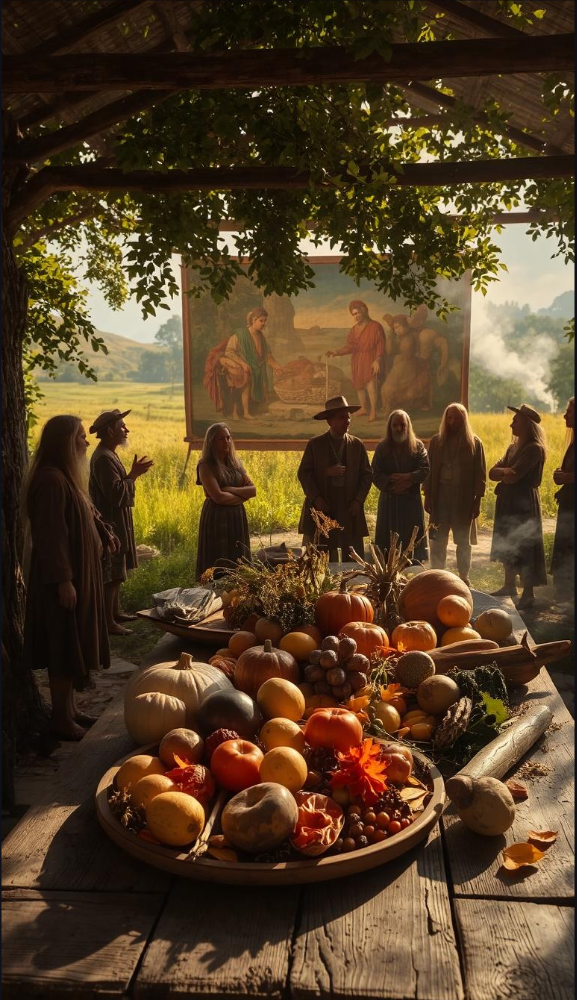
SDG 12 and 14: The Dynamic Duo

Responsible consumption (SDG 12) and marine conservation (SDG 14) share a symbiotic relationship. Combined, they offer 23% potential overshoot reduction by 2030. Kamikatsu, Japan, proves this works—its 80% recycling rate dwarfs the national 20% average.

Reconomy’s circular economy solutions delayed overshoot by 12 minutes in 2024. Small? Maybe. Scalable? Absolutely. Patagonia’s Worn Wear program cuts garment CO2 by 73%, turning used gear into revenue streams.

From Boardrooms to Billions

Tech is accelerating the shift. AI-driven logistics slash retail waste by 31%, while the EU’s 2026 Digital Product Passport will trace supply chains like a sustainability Fitbit. The ROI? 14% cost savings for businesses adopting circular models.

“Legislation isn’t just red tape—it’s the new green tape.”

Anonymous Policy Analyst

Thirty-eight nations now enforce Extended Producer Responsibility (EPR) laws, mandating companies to manage product lifecycles. Below, a snapshot of 2025’s trailblazers:

CountryEPR Law ScopeImpact
GermanyPackaging, electronics72% recycling rate
South KoreaFood waste, textiles–3 overshoot days
CanadaPlastics, batteries$1.2B saved annually

The next frontier? Overshoot Impact Bonds—financial instruments tying returns to footprint reduction. Because when the planet wins, portfolios shouldn’t lose.

Conclusion: Pathways to a Regenerative Future

A regenerative future isn’t a utopian dream—it’s a mathematical necessity. Combined measures, from policy shifts to circular economy adoption, could slash the ecological deficit by 72 days. The new “Overshoot Coefficient” metric quantifies progress, turning abstract goals into actionable data.

Linear models are bankrupting nature; circular systems unlock a $4.5 trillion opportunity. Imagine carbon markets trading overshoot days like commodities—a futures market for the sustainable future. As one analyst quipped, “Humanity’s ecological spreadsheet needs pivot tables.”

The antidote? Not less civilization, but better-designed systems. A 3% annual shift in consumption patterns could balance the ledger by 2050. The choice is clear: innovate or overspend.

FAQ

What does Earth Overshoot Day represent?

It marks the date when humanity’s demand for ecological resources exceeds what the planet can regenerate in a year. The Global Footprint Network calculates this by comparing biocapacity and consumption patterns.

How does National Marine Week connect to ecological balance?

Oceans absorb carbon and sustain biodiversity, acting as critical buffers against overshoot. Protecting marine health through sustainable practices helps delay resource depletion.

What is Doughnut Economics?

A model developed by Kate Raworth that balances human well-being within planetary boundaries. It prioritizes regenerative systems over unchecked growth, aligning with sustainability goals.

How does Buen Vivir differ from Western economic models?

Rooted in Indigenous Andean philosophy, Buen Vivir emphasizes harmony with nature over GDP growth. It advocates for community-centric resource management and cultural preservation.

Which SDGs directly impact overshoot timelines?

SDG 12 (responsible consumption) and SDG 14 (marine conservation) are pivotal. Reducing waste and protecting oceans can significantly lower humanity’s ecological footprint.

Why do some countries overshoot earlier than others?

High-income nations often exhaust resources faster due to intensive consumption. The U.S., for example, hits its overshoot date by March, while others align closer to the global average.

Key Takeaways

  • Humanity currently uses resources equivalent to 1.7 Earths annually.
  • The overshoot date has moved up by over five months since 1971.
  • Countries experience this imbalance at vastly different times.
  • Conservation initiatives can help shift the timeline.
  • Systemic changes are crucial for long-term sustainability.

International Cooperative Alliance (ICA) 2024 Annual Report 2025 Analysis: Key Insights into Sustainable Development

International Cooperative Alliance Annual Report 2024 analysis and reflections

The ICA Annual Report 2024 offers a comprehensive overview of the global cooperative movement’s progress toward sustainable development. Cooperatives worldwide are demonstrating significant growth and resilience, contributing substantially to achieving the United Nations’ Sustainable Development Goals.

The report highlights the data-driven achievements of cooperatives across various sectors, showcasing their role in promoting economic resilience and social inclusion. With a focus on sustainable development, the report provides insights into how cooperatives are addressing global challenges.

The Global Cooperative Landscape in 2024

As we navigate 2024, the world’s cooperatives are presenting a diverse and dynamic landscape, shaped by various geographical and economic factors. The cooperative movement continues to play a vital role in the global economy, with a significant presence in multiple regions.

Key Statistics and Growth Trends

The global cooperative landscape is characterized by robust growth trends, with cooperatives demonstrating resilience in the face of economic challenges. Key statistics highlight the sector’s strength, including an increasing number of world members and a rising turnover among top cooperatives.

“Cooperatives are member-owned businesses that operate for the benefit of their members, providing essential services and support to local communities,” as emphasized in the International Cooperative Alliance’s reports. This member-centric approach has contributed to the sector’s stability and growth.

Geographic Distribution of Cooperatives

The geographical distribution of cooperatives reveals a diverse landscape, with various regions hosting significant numbers of cooperative enterprises. Europe continues to host the highest concentration of large cooperatives, with 45% of the Top 300 enterprises headquartered in the region, particularly in France, Italy, Germany, and Spain.

  • North America accounts for 27% of the world’s largest cooperatives, with significant clusters in agricultural and financial service sectors.
  • The Asia Pacific region shows the most dynamic growth, increasing its representation in the Top 300 from 18% to 22% since 2020, with Japan, South Korea, and Australia leading this expansion.
  • Africa’s cooperative sector demonstrates promising development, with 15 enterprises now ranking among the global Top 300, primarily in agricultural and financial services.

International Cooperative Alliance Annual Report 2024 Analysis and Reflections

A vibrant landscape showcasing the diverse nature of cooperatives, set against a backdrop of rolling hills and a warm, golden sky. In the foreground, a bustling farmer's market teeming with an array of locally-sourced produce, artisanal goods, and people engaged in lively exchanges. The middle ground features a modern, energy-efficient cooperative housing complex, its sleek, eco-friendly design in harmony with the natural surroundings. In the distance, a wind farm stands tall, its spinning turbines a symbol of the cooperative's commitment to renewable energy and sustainability. The overall scene exudes a sense of community, empowerment, and a shared vision for a more sustainable future, as captured by "The Sustainable Digest".

The 2024 Annual Report by the International Cooperative Alliance sheds new light on the global cooperative movement, offering insights into the current state and future prospects of cooperatives.

Methodology and Data Collection Process

The World Cooperative Monitor project collects data from large cooperative enterprises and aggregations of cooperatives worldwide. Data collection involves online research, financial statements, and annual reports integrated with national/regional datasets. This comprehensive approach enables a thorough understanding of the cooperative landscape.

Major Findings and Highlights

The report reveals several key findings that highlight the resilience and adaptability of cooperatives. Some of the major highlights include:

  • Cooperatives with strong democratic governance structures demonstrated 23% higher resilience during economic volatility.
  • A significant 78% of cooperatives have implemented substantial digital transformation initiatives.
  • Environmental sustainability is a growing focus, with 82% of surveyed cooperatives having formal climate action plans, a 15% increase from 2023.
  • Financial data shows that cooperatives maintain stronger capital reserves than comparable conventional businesses.
  • A correlation exists between cooperative density in a region and higher social cohesion metrics, indicating broader community benefits.

These findings underscore the impact of cooperatives on both local economies and the environment, reinforcing the value of the cooperative model in achieving sustainable development goals.

Economic Performance of Top Cooperatives

The economic performance of top cooperatives is a crucial indicator of their overall health and contribution to the global economy. Cooperatives have demonstrated significant economic resilience and impact across various sectors.

Top 300 Cooperatives by Turnover

The ranking of the Top 300 cooperatives by turnover highlights the dominance of certain sectors and the financial prowess of these enterprises. Agricultural cooperatives and financial service cooperatives are among the top performers, showcasing their substantial economic influence.

Turnover to GDP Ratio Analysis

The turnover-to-GDP ratio analysis offers a nuanced understanding of the economic impact of cooperatives relative to national economic conditions. Key findings include:

  • Agricultural cooperatives lead this ranking with 103 enterprises in the Top 300, underscoring their economic importance in developing economies.
  • Financial service cooperatives show improved positioning in the turnover-to-GDP ratio ranking, with 45 enterprises in the Top 300.
  • The analysis reveals that cooperatives in emerging economies often have a larger economic footprint relative to their national GDP.

This data provides valuable insights into the economic impact of cooperatives and their role in local economies, highlighting their significance beyond absolute turnover figures.

Sectoral Analysis of Cooperative Performance

A sleek, modern data visualization dashboard showcasing key performance metrics for a diverse array of cooperatives, set against a backdrop of lush, sustainable landscapes. In the foreground, clean infographic panels display insightful sectoral analyses, the data points illustrated with elegant, minimalist icons. The middle ground features a tactile, hand-drawn world map, pinpointing the global reach of the cooperative movement. In the background, a serene panorama of rolling hills, verdant forests, and shimmering bodies of water, captured through the lens of a high-quality, wide-angle camera. The overall mood is one of technological sophistication, environmental consciousness, and a commitment to the cooperative principles of self-help, self-responsibility, democracy, equality, equity, and solidarity. Branding for "The Sustainable Digest" is subtly incorporated into the design.

The International Cooperative Alliance Annual Report 2024 provides a comprehensive sectoral analysis of cooperative performance across various industries. This analysis highlights the strengths and challenges faced by cooperatives in different sectors.

Insurance and Financial Services

Cooperatives in the insurance and financial services sector have demonstrated resilience and adaptability. They have maintained strong member engagement and implemented innovative financial products. The report notes that these cooperatives have a significant impact on the global financial landscape.

Agricultural Cooperatives

Agricultural cooperatives faced significant challenges, particularly during the COVID-19 pandemic. For instance, in Japan, the sudden drop in demand for school meals led to stockpiled inventory for milk producers. However, these cooperatives have shown resilience by adapting to new market conditions and finding alternative demand channels. Agricultural cooperatives play a crucial role in supporting farmers and rural communities.

Retail and Consumer Cooperatives

Retail and consumer cooperatives have shown strong growth, with combined revenues increasing by 7.8%. They have outperformed conventional retail by 2.3 percentage points. Key strengths include high member engagement, with an average active membership rate of 76%. The sector is also leading in sustainable supply chain management, with 83% of large consumer cooperatives implementing comprehensive ethical sourcing policies.

SectorGrowth RateMember Engagement
Retail and Consumer Cooperatives7.8%76%
Agricultural CooperativesN/AHigh
Insurance and Financial ServicesN/AStrong

The report highlights the digital transformation in retail cooperatives, with 91% now offering integrated online shopping platforms. This has resulted in a 34% increase in digital sales channels. Furthermore, consumer cooperatives are pioneering circular economy initiatives, with 64% implementing packaging reduction programs and 58% developing product take-back schemes.

Financial Stability and Capital Structure

Financial stability is a hallmark of cooperatives, thanks to their distinct capital structure and operational model. This stability is rooted in their unique approach to financial management, which prioritizes member value over external investor interests.

Debunking the Undercapitalization Myth

The notion that cooperatives are undercapitalized is a misconception. In reality, they often generate resources internally, making them more financially sound than traditional corporations. Data shows that cooperatives maintain lower leverage ratios, averaging 2.1 compared to 3.4 for conventional businesses, providing greater resilience during credit market disruptions.

Investment Patterns and Resource Generation

Large cooperatives demonstrate distinctive investment patterns, with 73% of capital expenditures funded through internally generated resources. The report highlights a trend toward increased research and development investment, with $78 billion allocated to innovation initiatives in 2023. Member capital contributions remain significant, with $32 billion raised through member shares and certificates, underscoring the strength of the cooperative funding model, which benefits its members.

Cooperative Resilience Post-Pandemic

A vibrant landscape of cooperative resilience post-pandemic. In the foreground, a group of diverse individuals stand hand-in-hand, their faces radiating determination and unity. The middle ground showcases thriving community gardens, renewable energy installations, and shared workspaces - symbols of the cooperative's commitment to sustainable development. In the background, a cityscape rises, its skyline dotted with innovative cooperative housing and social enterprises, all bearing the logo of "The Sustainable Digest". Warm, natural lighting illuminates the scene, casting a hopeful glow and conveying a sense of optimism and collective strength.

The pandemic era tested the resilience of cooperatives globally, pushing them to adapt to unprecedented challenges. Cooperatives had to navigate the complexities of maintaining operational continuity while ensuring the health and safety of their members and stakeholders.

Recovery Strategies Implemented

Cooperatives implemented various recovery strategies to mitigate the impact of the pandemic. A significant number accelerated their technology adoption plans, with 92% recognizing the importance of digital infrastructure for resilience. As stated in the report, “cooperatives with strong digital infrastructure recovered more quickly.” This strategic shift enabled cooperatives to continue their operations effectively despite social distancing measures.

The importance of member engagement was also highlighted, as democratic decision-making processes facilitated consensus around difficult adaptation measures. Cooperatives that maintained higher equity ratios demonstrated greater resilience, underscoring the value of financial reserves.

Lessons Learned from COVID-19 Crisis

The COVID-19 crisis taught cooperatives valuable lessons about resilience and adaptability. Diversification emerged as a key factor, with multi-stakeholder cooperatives showing 27% less revenue volatility. The crisis also accelerated innovation, with 63% of cooperatives developing new products or services in response to pandemic-related needs. As one cooperative leader noted, “The pandemic forced us to rethink our business model and innovate for the future.” Cooperatives that work closely with their members and adapt to challenges are better positioned to overcome future crises.

The experience of cooperatives during the pandemic highlights the importance of resilience and the need for continued innovation and adaptation in the face of challenges.

Cooperatives and Sustainable Development Goals

Cooperatives play a vital role in achieving the Sustainable Development Goals (SDGs) through various initiatives. They act on multiple fronts, including gender equity, combating economic inequalities, and implementing more sustainable models of production and consumption.

Alignment with the 2030 Agenda

The 2024 report by the International Cooperative Alliance underscores the alignment of cooperatives with the 2030 Agenda for Sustainable Development. Cooperatives have demonstrated their ability to support local communities through their robust social networks, promoting collective risk perception and new strategies to address challenges. 73% of cooperatives implement initiatives that advance multiple SDGs simultaneously, showcasing their effectiveness in addressing interconnected sustainability goals.

Measuring SDG Contributions

The report introduces a standardized framework for measuring cooperative contributions to the SDGs, enhancing impact reporting across the sector. Refined data collection methodologies capture both direct impacts, such as emissions reductions, and indirect contributions, like community capacity building. For instance, cooperatives collectively reduced carbon emissions by 187 million tons in 2023 through renewable energy adoption and sustainable practices.

SDG AreaCooperative InitiativesImpact
Renewable EnergyAdoption of solar and wind energyReduction in carbon emissions
Sustainable AgriculturePromotion of organic farming practicesImproved soil health and biodiversity
Community DevelopmentCapacity building and training programsEnhanced community resilience

The data highlights the significant role cooperatives play in achieving the SDGs, emphasizing the need for continued support and development of these organizations to maximize their impact on sustainable development.

Rural Energy Cooperatives: Emerging Models

A rural landscape at golden hour, featuring a cluster of energy cooperatives nestled among rolling hills and lush greenery. In the foreground, a weathered wooden barn with solar panels adorning its roof. Nearby, a small wind turbine spins gently, casting long shadows across the scene. In the middle ground, a group of cooperatives stand tall, their distinctive architecture blending seamlessly with the natural surroundings. The background is dominated by a picturesque mountain range, its peaks bathed in warm, diffused light. The overall mood is one of harmony and sustainability, showcasing "The Sustainable Digest"'s vision for the future of rural energy production.

Rural energy cooperatives are emerging as pivotal models for sustainable energy transitions globally. These cooperatives are not only facilitating the adoption of renewable energy technologies but are also ensuring that the benefits are equitably distributed among community members.

Global Analysis of Rural Energy Initiatives

A recent global study by RMI, in collaboration with the International Cooperative Alliance Asia and Pacific (ICA-AP), highlights the success of rural energy cooperatives. The study found that community-led energy transitions facilitated by cooperatives demonstrate 34% higher adoption rates for renewable technologies compared to top-down approaches. The report also documents innovative ownership models that ensure sustainable operations and equitable distribution of benefits.

Community-Led Energy Transitions

Community-led energy transitions are achieving significant energy efficiency outcomes. Participating households have reduced their energy consumption by an average of 12% through behavioral changes and improved management. The analysis identifies key success factors, including accessible financing mechanisms, supportive policy frameworks, and technical capacity building programs. These factors are crucial for the success and scalability of rural energy cooperatives.

Digital Transformation in Cooperatives

The COVID-19 pandemic has accelerated the adoption of digital tools in cooperatives, changing how they interact with members. As cooperatives navigate this new landscape, they are finding innovative ways to balance digital convenience with traditional engagement methods.

Technology Adoption Trends

Cooperatives are increasingly adopting digital technologies to enhance member participation. Key trends include:

  • 76% of cooperatives are implementing multi-channel participation strategies.
  • Online voting and virtual general assemblies have increased member participation rates by an average of 34%.
  • 82% of cooperatives are preserving or expanding local offices and service points, maintaining a strong physical presence in communities.

Balancing Digital and Traditional Member Engagement

As cooperatives adopt digital tools, they are also focusing on creating a seamless integration between digital and traditional engagement channels. This includes:

  • 68% of cooperatives implementing unified member experience strategies.
  • Developing targeted approaches to meet diverse members‘ expectations across different demographic segments.

Governance and Democratic Member Control

The International Cooperative Alliance’s (ICA) Annual Report 2024 highlights significant developments in governance and democratic member control across the cooperative sector. Cooperatives are continually adapting their governance models to meet the evolving needs of their members.

Evolving Governance Models

Innovative governance models are emerging, with cooperatives adopting new approaches to deepen member engagement. 81% of cooperatives are implementing new strategies to enhance participation beyond traditional general assemblies.

Member Participation Strategies

Cooperatives are leveraging digital platforms to facilitate continuous member input, with 63% maintaining year-round consultation mechanisms. Education is also critical, with cooperatives investing $4.2 billion in member education programs focused on cooperative principles and governance.

  • Participatory budgeting and strategic planning are becoming more prevalent, with 47% of cooperatives involving members in major resource allocation decisions.
  • The analysis reveals a correlation between participation rates and member loyalty, with cooperatives achieving high engagement levels reporting 24% lower member turnover.

Climate Action and Environmental Sustainability

A bustling community of energy-efficient cooperatives, their sleek solar panels gleaming in the warm afternoon sun. In the foreground, a group of diverse residents gather, discussing sustainable solutions over cups of locally-sourced tea. The middle ground showcases a modern, eco-friendly apartment complex, its façade adorned with lush, verdant greenery. In the background, a cityscape of towering wind turbines and hydro-electric dams, all working in harmony to power "The Sustainable Digest" - a thriving, self-sufficient community. The scene is bathed in a soft, golden light, conveying a sense of optimism and environmental harmony.

As the world grapples with climate change, cooperatives are emerging as key players in the transition to a more sustainable future. The International Cooperative Alliance Annual Report 2024 highlights significant strides made by cooperatives in reducing their environmental impact.

Carbon Footprint Reduction Initiatives

Cooperatives are actively working to minimize their carbon footprint through various initiatives. Data shows that cooperatives are achieving energy efficiency improvements averaging 3.2% annually, outpacing the general business sector average of 1.8%. The report also notes that cooperatives in energy-intensive sectors are developing sector-specific decarbonization roadmaps, with agricultural cooperatives focusing on regenerative practices and manufacturing cooperatives implementing circular economy principles.

Clean Energy Transitions

Clean energy adoption is accelerating across the cooperative sector, with 79% of large cooperatives implementing renewable energy projects and 52% setting 100% renewable energy targets. The report documents $34.2 billion in cooperative investments in renewable energy infrastructure, including both on-site generation and power purchase agreements. Energy cooperatives are pioneering community-based clean energy models, with 1,850 energy cooperatives now operating worldwide, serving over 42 million member-consumers.

CategoryStatisticCooperative Performance
Renewable Energy Adoption79%Large cooperatives implementing renewable energy projects
100% Renewable Energy Targets52%Cooperatives setting ambitious renewable energy targets
Energy Efficiency Improvements3.2%Annual energy efficiency improvements by cooperatives

Social Impact and Community Development

A vibrant community center in a thriving cooperative neighborhood. In the foreground, a group of diverse residents gather around a table, engaged in lively discussion. Warm lighting filters through large windows, casting a welcoming glow. The middle ground features colorful murals adorning the walls, depicting scenes of collaboration and shared prosperity. In the background, a bustling street scene showcases local businesses, their signs proudly displaying "The Sustainable Digest" logo. An atmosphere of inclusivity, empowerment, and collective impact permeates the scene.

Cooperatives are making significant contributions to community development through various social impact initiatives. These efforts are transforming communities worldwide by addressing social and economic needs.

Local Community Investments

Cooperatives are investing in local communities through various programs. For instance, financial cooperatives have provided services to 857 million previously unbanked or underbanked individuals worldwide, significantly enhancing financial inclusion. These investments have a direct impact on the quality of life in these communities.

Social Inclusion Practices

Cooperatives are implementing comprehensive social inclusion strategies. 84% of cooperatives maintain formal policies to ensure accessibility and participation across diverse community segments. Gender equity initiatives have shown significant progress, with women representing 43% of cooperative board members and 47% of senior management positions. Additionally, cooperatives are engaging 12.3 million young people in cooperative activities and governance, fostering a culture of inclusion within communities and contributing to civil society.

Policy Frameworks and Enabling Environments

A vibrant, harmonious scene of international cooperation and policy frameworks. In the foreground, representatives from diverse nations gather around a table, engaged in thoughtful discussion under warm, diffused lighting. The middle ground features a backdrop of modern, sustainable architecture - clean lines, green roofs, and energy-efficient designs. In the distance, a panoramic view of a bustling city skyline, symbolizing the interconnected, global nature of these policy initiatives. An atmosphere of collaboration, innovation, and a shared commitment to sustainable development permeates the frame. Subtle branding for "The Sustainable Digest" can be seen in the background.

The ICA Annual Report 2024 underscores the importance of creating an enabling environment for cooperatives to thrive. Cooperatives operate within a complex regulatory landscape that can either support or hinder their development.

Supportive Policy Developments

Recent years have seen positive developments in policy frameworks that support cooperatives. Some governments have implemented regulations that recognize the unique characteristics of cooperative business models. For instance, specific laws and regulations have been enacted to facilitate the growth of cooperatives in various sectors, including agriculture and finance.

Key supportive policy developments include:

  • Regulatory frameworks that accommodate cooperative business models
  • Tax incentives for cooperatives
  • Programs to enhance cooperative visibility and awareness

Regulatory Challenges

Despite these advancements, cooperatives continue to face significant regulatory challenges. The report highlights that 68% of cooperatives find existing legal frameworks inadequate for their business models. One-size-fits-all regulations often disadvantage cooperatives, particularly in areas like capital formation and governance.

Regulatory ChallengeImpact on Cooperatives
One-size-fits-all regulationsDisadvantages in capital formation and governance
Inconsistent cross-border regulationsBarriers to international growth
Complex digital regulationsDifficulties in data protection and digital financial services

The analysis recommends policy reforms to create a level playing field for cooperatives, including regulatory impact assessments that consider cooperative business models.

Innovation and Future Opportunities

A sleek, modern office space filled with cooperative-themed visuals. In the foreground, a team of diverse professionals collaborating intently around a holographic display table, their faces alight with innovative ideas. In the middle ground, floor-to-ceiling windows offer a panoramic view of a thriving city skyline, symbolizing the global reach of cooperative movements. The background features wall art and sculptures depicting stylized cooperative symbols, conveying a sense of unity and shared purpose. Subtle, warm lighting casts a thoughtful glow, and the atmosphere exudes a spirit of progress and possibility. The logo "The Sustainable Digest" is discreetly integrated into the scene.

The International Cooperative Alliance’s annual report for 2024 highlights significant advancements in innovation and future opportunities for cooperatives worldwide. As the cooperative landscape continues to evolve, new business models and research priorities are emerging.

Emerging Business Models

Cooperatives are exploring new business models that leverage technological advancements and digital infrastructure. The report identifies a significant focus on agricultural technology, with investments in sustainable farming practices and precision agriculture. Digital platforms are being developed to enhance democratic governance, member engagement, and cooperative-to-cooperative collaboration.

Research and Development Priorities

The report highlights that research and development priorities are increasingly focusing on technological innovation, with collective R&D investments reaching $78 billion in 2023. Cooperatives are investing $23.4 billion in sustainable farming practices, precision agriculture, and climate-resilient crop varieties. The analysis also notes the strengthening of cooperative research networks, with 87 university-cooperative partnerships and 23 dedicated research centers advancing the theoretical and practical knowledge base for cooperative development.

Challenges Facing the Cooperative Movement

A bustling urban setting, conveying the challenges facing the cooperative movement. In the foreground, a diverse group of co-op members engaged in a lively discussion, their faces etched with concern. The middle ground showcases a series of cooperative storefronts, their signage partially obscured by bureaucratic red tape. In the background, towering skyscrapers loom, symbolic of the encroaching influence of corporate giants. Warm, golden lighting casts an air of determination, as the co-op members work to overcome the obstacles before them. Lens: 35mm. Angle: low, capturing the scene from street level. The Sustainable Digest.

The cooperative movement is currently facing a multitude of challenges that threaten its stability and growth. As cooperatives work to address these issues, they must navigate complex internal and external factors.

Organizational Challenges Within Cooperatives

Internally, cooperatives face challenges related to governance and member engagement. Effective governance models are crucial for making strategic decisions that benefit the cooperative. Cooperatives work tirelessly to maintain democratic control and member participation, which can be a complex task.

The table below highlights some key internal challenges faced by cooperatives:

ChallengeDescriptionImpact
GovernanceEnsuring effective decision-making processesStrategic direction
Member EngagementMaintaining active member participationDemocratic control
Capital ManagementManaging financial resources efficientlyFinancial stability

External Pressures on Cooperatives

Externally, cooperatives are impacted by market concentration and corporate consolidation, which present significant competitive challenges. Cooperatives work to differentiate themselves through their values and community connections. The report notes that 68% of cooperatives find existing legal structures inadequate for their business models.

Cooperatives are responding to these pressures through inter-cooperation, digital innovation, and strategic differentiation. As they work to address global challenges, cooperatives are finding new ways to thrive in a competitive landscape.

Conclusion: The Future of Cooperative Development

The latest ICA Annual Report for 2024 underscores the expanding impact of cooperatives across various dimensions of sustainable development. As the report demonstrates, cooperatives are not only maintaining their economic significance but are also making substantial contributions to achieving global goals.

Looking to the future, the cooperative movement is well-positioned to address emerging global challenges through its unique blend of economic efficiency, democratic governance, and community orientation. Key priorities for the future include accelerating digital transformation and enhancing inter-cooperation across sectors.

The analysis concludes that cooperatives are increasingly relevant models for addressing complex challenges in the 21st century, thanks to their demonstrated resilience and adaptability. As we move forward, cooperatives will play a crucial role in shaping a more sustainable future.

Key Takeaways

  • The ICA Annual Report 2024 highlights the significant growth of cooperatives globally.
  • Cooperatives are making substantial contributions to sustainable development goals.
  • The report emphasizes the importance of data in understanding cooperative performance.
  • Cooperatives are driving economic resilience and social inclusion.
  • The report provides insights into cooperatives’ role in promoting sustainable development.
This website is saving energy by dimming the light when the browser is not in use. Resume browsing
Click anywhere to resume browsing
Verified by MonsterInsights