
Welcome to our comprehensive exploration of sustainable solutions that transform environmental challenges into valuable assets. This article examines how innovative technologies are reshaping our approach to global development.
The modern world faces a curious paradox: what we once discarded as agricultural residue now holds remarkable potential. Through advanced conversion processes, these materials become powerful tools against climate change.
This analysis delves into the sophisticated relationship between ancient practices and modern science. We explore how controlled thermal decomposition creates permanent storage solutions while enhancing earth quality.
Our journey will reveal how integrated systems contribute to multiple global sustainability targets simultaneously. The transformation represents a paradigm shift in circular economy approaches to contemporary challenges.

Introduction to Sustainable Solutions: Green Energy and Waste Valorization
Modern environmental challenges present an ironic twist: the very materials causing problems also hold their solutions. This paradoxical relationship forms the foundation of contemporary sustainability approaches that transform liabilities into assets.
The current climate context demands more than incremental improvements. According to the Intergovernmental Panel on Climate Change, “the pace and scale of what has been done so far, and current plans, are insufficient to tackle climate change.” This assessment underscores the need for transformative rather than gradual solutions.
Defining the Circular Bioeconomy
A circular bioeconomy represents an economic system that eliminates discards through continuous biological resource utilization. This model fundamentally rethinks our relationship with organic materials, viewing them as perpetual value streams rather than temporary commodities.
Traditional linear models follow a take-make-dispose pattern that inevitably creates environmental burdens. The circular approach, by contrast, designs out waste through intelligent system thinking and technological innovation.
This framework understands discards not as problems but as undervalued resource opportunities. The sophisticated relationship between material valorization, nutrient cycling, and economic sustainability creates closed-loop systems that minimize environmental impact.
The Urgent Need for Integrated Climate and Waste Solutions
Current approaches often address climate and waste issues separately, missing crucial synergies. Integrated systems simultaneously tackle atmospheric carbon accumulation, resource depletion, and disposal challenges through unified strategies.
Biomass streams represent significant missed opportunities in conventional economic models. Proper management positions these materials as starting points for cascading environmental and economic benefits across multiple sectors.
The analytical framework presented here establishes how production processes epitomize circular economy principles in action. These systems demonstrate that what we once considered refuse actually contains the seeds of its own solution through clever valorization techniques.
This approach’s role in global development cannot be overstated. It offers a pathway where environmental responsibility and economic progress become mutually reinforcing rather than competing objectives.
What is Biomass? Understanding the Foundation of Biochar

Nature presents us with an elegant paradox: the very materials we once considered worthless now form the bedrock of transformative environmental solutions. This section examines the diverse organic substances that serve as the fundamental building blocks for advanced carbon conversion systems.
At its core, biomass represents organic matter derived from living or recently living organisms. These materials span agricultural, forestry, urban, and animal sources, each with unique characteristics that influence their conversion potential.
Agricultural Residues: From Crop Waste to Resource
The farming sector generates substantial residual materials that traditionally posed disposal challenges. Rice husks, corn stalks, and nut shells represent typical examples of these agricultural byproducts.
Through innovative processing, these residues transform from burdensome waste into valuable feedstock. This conversion exemplifies the circular economy principle where nothing goes to waste.
Forestry Waste: Utilizing Wood Byproducts
Timber operations produce significant amounts of unused woody materials. Sawdust, tree bark, and wood chips often accumulate as processing remnants with limited traditional use.
These forestry materials possess excellent properties for thermal conversion processes. Their consistent composition and carbon density make them ideal candidates for value creation.
Urban and Animal-Derived Biomass Streams
Municipal systems generate organic materials that typically end in landfills. Paper mill sludge, yard trimmings, and food scraps represent underutilized urban biomass sources.
Animal agriculture contributes manure and other agricultural byproducts that can be converted to stable carbon. These materials offer dual benefits of waste reduction and resource creation.
| Biomass Category | Common Examples | Conversion Suitability | Annual Availability (US) |
|---|---|---|---|
| Agricultural Residues | Corn stalks, rice husks, nut shells | High carbon content, uniform composition | ~400 million tons |
| Forestry Waste | Sawdust, bark, wood chips | Excellent thermal properties, consistent | ~230 million tons |
| Urban Biomass | Yard trimmings, food waste, sludge | Variable composition, requires processing | ~180 million tons |
| Animal-Derived | Manure, agricultural byproducts | High nutrient content, moisture management | ~150 million tons |

The selection of appropriate feedstock proves critical for both environmental integrity and economic viability. Different biomass types require tailored processing parameters for optimal results.
This diversity enables decentralized production models that can adapt to local availability. The sophisticated understanding of biomass characteristics forms the foundation for effective carbon management systems.
Biochar 101: The Powerful Waste-to-Carbon Technology
Industrial innovation has achieved a remarkable inversion: converting liabilities into assets. This section explores how thermal conversion transforms organic materials into stable carbon with multiple environmental benefits.
The production process represents a sophisticated approach to material valorization. Through controlled thermal decomposition, what was once considered refuse becomes a valuable resource for environmental applications.
Biochar vs. Charcoal: Key Differences in Purpose and Production
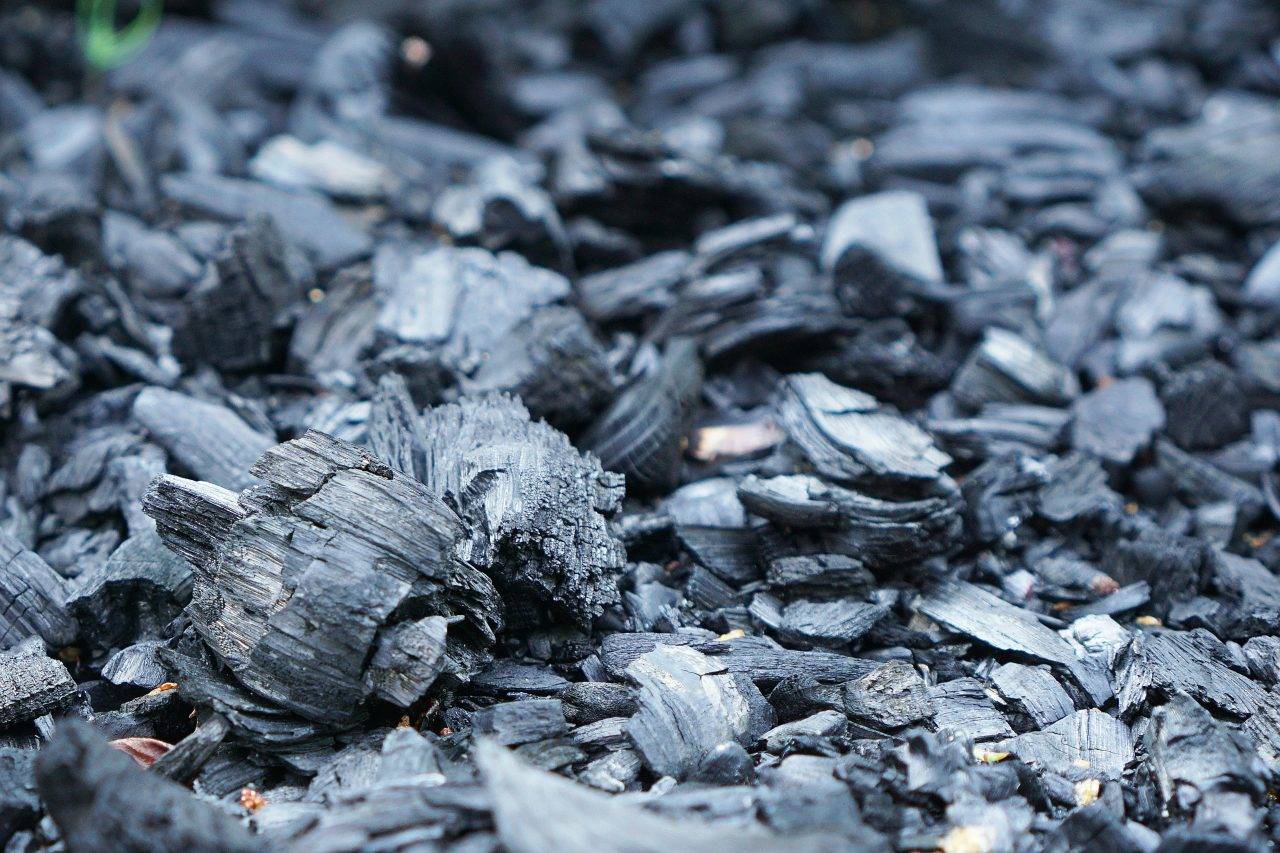
While superficially similar, these materials serve fundamentally different purposes. Charcoal targets combustion energy release, while biochar focuses on long-term environmental applications.
The manufacturing intent separates these carbon-rich materials completely. One seeks temporary heat generation; the other aims for permanent environmental enhancement through stable carbon integration.
The Science of Pyrolysis: Transforming Organic Matter
Pyrolysis operates through thermal decomposition without combustion. This oxygen-limited environment prevents complete material breakdown, creating stable carbon structures instead.
Temperature parameters critically influence the final product’s characteristics. Different heating ranges produce varying bio-oil, syngas, and solid carbon ratios from the same starting materials.
The process demonstrates elegant simplicity masking sophisticated environmental benefits. This thermal conversion simultaneously addresses waste reduction and carbon management challenges through integrated solutions.
Different biomass types respond uniquely to pyrolysis conditions. This variability requires careful process adjustment to optimize output quality and environmental performance.
The resulting material offers exceptional stability as a permanent carbon repository. Its molecular structure resists decomposition, making it ideal for long-term environmental applications.
This technology bridges disposal challenges with climate solution opportunities. It represents a practical approach where environmental responsibility meets technological innovation effectively.
The Production Process: From Waste Biomass to Stable Carbon

Manufacturing presents an intriguing dichotomy where technological sophistication meets grassroots ingenuity. This transformation journey spans from village workshops to industrial complexes, each with distinct advantages and limitations.
The conversion pathway demonstrates how simple thermal principles can yield complex environmental benefits. Different approaches serve diverse market segments while addressing common sustainability challenges.
Artisanal Production: Community-Scale Kilns and Benefits
Small-scale operations empower local communities through accessible technology. These systems typically utilize modified barrel designs or brick constructions.
Village-level manufacturing offers significant social advantages. It creates local employment opportunities while utilizing readily available feedstock materials.
Quality consistency remains the primary challenge for artisanal operations. Without sophisticated monitoring equipment, output characteristics may vary between batches.
Emission control represents another consideration for small-scale setups. Basic designs may not capture all process gases effectively.
Industrial Production: High-Tech Reactors for Scalability
Large facilities employ continuous-feed pyrolysis reactors for maximum throughput. These automated systems maintain precise temperature controls throughout operation.
Standardized output quality becomes the hallmark of industrial manufacturing. Sophisticated monitoring systems ensure consistent product specifications batch after batch.
Feedstock logistics present the greatest challenge at this scale. Sourcing sufficient organic materials requires extensive supply chain management.
The capital investment for industrial plants significantly exceeds artisanal setups. However, operational efficiency offsets initial costs through higher production volumes.
Critical Production Parameters: Temperature and Output
Thermal conditions fundamentally determine the final product’s characteristics. Temperature ranges between 400-700°C produce vastly different material properties.
Residence time and heating rate equally influence the conversion outcome. Faster heating typically yields more liquid byproducts versus solid carbon.
The relationship between input materials and output quality remains paramount. Different organic substances require tailored processing parameters for optimal results.
| Production Scale | Typical Capacity | Capital Investment | Quality Consistency | Emission Control | Community Impact |
|---|---|---|---|---|---|
| Artisanal/Kiln | 1-10 tons/month | $2,000-20,000 | Variable | Basic | High |
| Medium-Scale | 10-100 tons/month | $50,000-500,000 | Moderate | Standard | Medium |
| Industrial | 100+ tons/month | $1M+ | High | Advanced | Low |
Temperature thresholds above 550°C ensure maximum carbon stability in the final product. This thermal range promotes aromatic condensation reactions that create persistent molecular structures.
The manufacturing approach selection balances technical requirements with social considerations. Neither scale inherently outperforms the other—they serve different purposes within the broader sustainability landscape.
Process optimization requires understanding both technical parameters and practical constraints. The most effective systems combine scientific precision with operational practicality.
Why Biochar is a Superior and Permanent Carbon Sink
Elemental composition tells a compelling story of longevity that defies conventional decomposition timelines. This material’s exceptional durability positions it among nature’s most effective carbon management solutions.
The distinction between temporary and permanent storage separates superficial approaches from genuinely transformative climate solutions. Not all carbon capture methods offer equivalent environmental benefits or longevity.
The Science of Carbon Sequestration and Storage
Carbon removal technologies vary dramatically in their permanence and effectiveness. Some approaches temporarily store atmospheric carbon while others create near-permanent repositories.
Biochar represents the latter category through its unique molecular structure. The pyrolysis process creates aromatic carbon rings that resist microbial breakdown and chemical degradation.
This stability stems from the thermal conversion’s effect on organic materials. High temperatures rearrange molecular bonds into configurations that nature struggles to decompose.
Assessing Permanence: H/C and O/C Ratios
Laboratory analysis provides quantitative measures for predicting environmental persistence. Scientists use simple elemental ratios to forecast complex long-term behavior.
The hydrogen-to-carbon (H/C) and oxygen-to-carbon (O/C) ratios serve as reliable indicators. Materials meeting H/C ≤ 0.4 and O/C ≤ 0.2 demonstrate exceptional durability characteristics.
These thresholds represent critical boundaries for carbon permanence certification. Materials exceeding these values undergo more rapid decomposition in environmental conditions.
The irony lies in how elementary measurements predict sophisticated environmental performance. Simple laboratory tests can forecast whether carbon will persist for decades or millennia.
This analytical rigor forms the foundation of carbon credit certification standards. Projects must demonstrate these chemical characteristics to qualify as permanent removal solutions.
Long-Term Stability in Soil and Other Applications
Research confirms remarkable persistence across diverse environmental conditions. Studies document carbon remaining stable for over 1,000 years in various applications.
Soil incorporation represents the most common use case for this durable material. The carbon integrates with earth components while maintaining its structural integrity.
Beyond agricultural applications, researchers explore construction materials and filtration systems. These alternative uses leverage the same permanence characteristics for different environmental benefits.
The material’s persistence outperforms other nature-based carbon solutions significantly. Forest growth and soil organic matter provide valuable but less durable storage options.
This superior permanence meets the strictest requirements for climate accounting frameworks. It represents one of few solutions that genuinely qualify as permanent carbon removal.
Green Energy and Biomass: The Synergy of Carbon Removal and Renewable Heat

Thermal conversion achieves an elegant duality where environmental remediation generates valuable byproducts. This process transforms organic materials while capturing excess thermal output for practical applications.
The pyrolysis reaction liberates substantial thermal energy alongside solid carbon creation. This surplus represents an often-overlooked co-benefit that enhances overall system efficiency.
Harnessing Surplus Energy from Pyrolysis
Modern reactors capture and utilize thermal output that would otherwise dissipate. This recovered energy can power adjacent operations or supply external consumers.
The quantity and quality of energy output vary with feedstock characteristics. Denser materials typically yield higher thermal values per unit processed.
Sophisticated heat exchange systems maximize energy capture efficiency. These configurations transform what was once waste heat into valuable renewable resources.
Decarbonizing Industrial Heat and District Systems
Industrial thermal demands represent significant emission sources globally. Pyrolysis facilities can supply carbon-neutral heat to manufacturing operations through direct partnerships.
District heating networks benefit particularly from consistent thermal output. These community-scale systems require reliable baseload supply that matches well with continuous pyrolysis operations.
The Heat-as-a-Service model offers intriguing advantages for both producers and consumers. Long-term contracts provide price stability while guaranteeing renewable energy supply.
This approach demonstrates how integrated thinking creates multiple value streams. One process simultaneously addresses organic material management, carbon sequestration, and renewable energy generation.
The scalability of these integrated systems supports broader energy transition goals. From small community installations to industrial complexes, the model adapts to various contexts and requirements.
Financial models must account for both carbon credits and energy sales to accurately reflect total value. This dual-revenue structure enhances project economics while maximizing environmental benefits.
Certification and Standards: Ensuring Environmental Integrity
Environmental verification presents an ironic paradox: the very solutions designed to save our planet require extensive proof of their worth. This validation ecosystem ensures that climate technologies deliver measurable benefits rather than merely promising theoretical advantages.
The certification landscape has evolved into a sophisticated framework of independent assessment. These protocols guard against greenwashing while establishing credible benchmarks for environmental performance.
Leading Methodologies: Puro.earth, VCS-Verra, and EBC
Several prominent standards have emerged as industry benchmarks for carbon removal validation. Puro.earth focuses specifically on engineered carbon removal methods with rigorous permanence requirements.
VCS-Verra brings decades of carbon market experience to its methodology development. The European Biochar Certificate (EBC) and World Biochar Certificate (WBC) provide comprehensive frameworks covering production quality and environmental impact.
Each program addresses different aspects of project development and verification. Some emphasize carbon accounting while others focus on product quality and safety standards.
The selection of appropriate methodology depends on project scale and intended markets. International recognition often requires compliance with multiple certification frameworks.
The Role of Life-Cycle Assessment in Project Validation
Life-Cycle Assessment (LCA) provides the analytical foundation for credible carbon accounting. This systematic approach quantifies environmental impacts across a project’s entire lifespan.
ISO 14040/44 standards govern proper LCA implementation for carbon removal projects. The cradle-to-grave methodology accounts for all emissions from feedstock collection to final application.
Third-party verification of LCA results ensures methodological rigor and accuracy. This independent review prevents overestimation of net carbon benefits while identifying optimization opportunities.
The sophistication of LCA analysis has become increasingly important for market credibility. Comprehensive assessments now include social and economic impacts alongside environmental metrics.
Third-Party Verification for Credibility and Trust
Independent validation serves as the critical bridge between innovation and market acceptance. Third-party auditors bring objectivity and expertise that internal assessments cannot match.
The verification process examines every aspect of project implementation and documentation. Auditors assess feedstock sustainability, additionality, and monitoring protocols against methodology requirements.
This external scrutiny ultimately enhances project value and investor confidence. Verified credits command premium prices in carbon markets due to their demonstrated integrity.
The evolving standards landscape continues to adapt to new technological applications. Certification frameworks now address diverse use cases from agricultural enhancement to construction materials.
Quality assurance through rigorous verification represents essential protection for climate impact integrity. Rather than bureaucratic hurdles, these standards provide the foundation for scalable, trustworthy carbon markets.
Revitalizing the Earth: The Impact of Biochar on Soil Health

The relationship between stable carbon and earth vitality demonstrates how environmental solutions can address multiple challenges simultaneously. This integrated approach transforms carbon management into a comprehensive strategy for agricultural enhancement.
Research reveals that carbon-rich amendments deliver benefits extending far beyond atmospheric carbon reduction. These materials fundamentally alter soil characteristics in ways that support sustainable agricultural practices.
Enhancing Water Retention and Nutrient Availability
The porous nature of these carbon materials creates exceptional water-holding capacity. This sponge-like characteristic reduces irrigation requirements significantly during dry periods.
Farmers observe reduced water stress in crops treated with these amendments. The material captures moisture during rainfall and releases it gradually to plant roots.
Nutrient management undergoes similar improvement through cation exchange capacity enhancement. Fertilizers become more effective as nutrients remain available rather than leaching away.
This slow-release mechanism represents a sophisticated approach to nutrient cycling. Plants receive consistent nourishment while reducing fertilizer application frequency.
Improving Soil Microbiology and Structure
Microbial communities flourish in the presence of carbon amendments. The porous structure provides ideal habitat conditions for beneficial microorganisms.
Soil biology diversity increases dramatically following application. This microbial enhancement supports natural nutrient cycling and disease suppression.
Physical structure improvement represents another critical benefit. Heavy soils become more workable while sandy soils gain better cohesion and moisture retention.
The material’s stability ensures long-term structural benefits without frequent reapplication. This permanence distinguishes it from organic amendments that decompose rapidly.
Boosting Agricultural Productivity and Resilience
Crop yields demonstrate consistent improvement across diverse growing conditions. Studies show average yield increases of 10-25% following proper application.
Drought resistance improves significantly due to enhanced water retention capabilities. Plants withstand water stress more effectively, reducing crop failure risk.
The economic benefits for farmers become apparent through reduced input costs and improved output. Fertilizer requirements decrease while crop quality and quantity increase.
Long-term studies confirm sustained improvements years after initial application. This durability makes the investment economically viable for agricultural operations.
Contaminated land remediation represents another valuable application. Heavy metals and pollutants become immobilized, restoring land to productive use.
The multifaceted benefits position this approach as a comprehensive solution for modern agriculture. It addresses productivity, sustainability, and resilience simultaneously.
Transforming Waste Byproducts into Environmental Assets
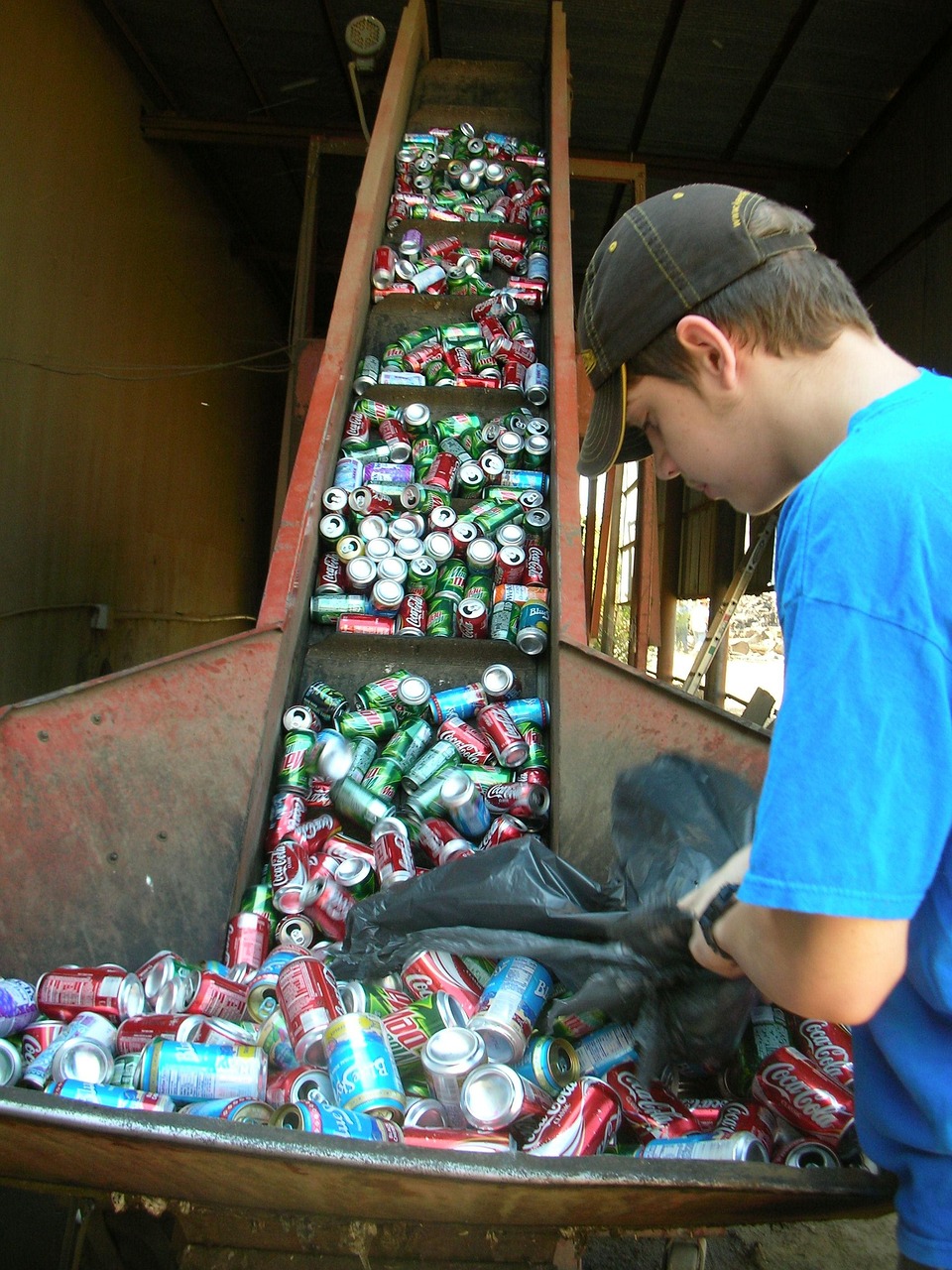
Economic systems reveal an intriguing contradiction: materials once considered worthless now drive environmental innovation. This paradigm shift represents one of modern sustainability’s most compelling developments, where disposal challenges become value creation opportunities.
The transformation process fundamentally reimagines our relationship with organic discards. Rather than viewing these substances as problems requiring management, advanced systems recognize their inherent potential for environmental benefit.
Diverting Organic Waste from Landfills and Incineration
Current disposal methods create significant environmental burdens despite their widespread use. Landfills generate methane emissions while incineration releases atmospheric pollutants from otherwise valuable materials.
The scale of organic discards destined for conventional disposal methods remains staggering. Approximately 60% of municipal solid waste consists of compostable organic materials that could undergo valorization instead.
Methane emissions from landfills represent particularly concerning environmental impacts. This potent greenhouse gas possesses 28-36 times the warming potential of carbon dioxide over a century.
Analytical approaches calculate avoided emissions through diversion strategies. These methodologies account for both direct emission reductions and secondary environmental benefits from material repurposing.
Creating Value from what was Once a Liability
The economic transformation proves equally remarkable as the environmental benefits. Systems that previously consumed resources for waste management now generate revenue through clever material processing.
Different organic streams require tailored approaches for optimal valorization. Agricultural residues demand different handling than urban organic materials or industrial byproducts.
Integrated management systems prioritize highest-value utilization pathways for each material type. This sophisticated understanding maximizes both economic returns and environmental benefits.
The circular economy model fundamentally repositions organic discards within economic systems. Materials complete full cycles from production to consumption to reintegration rather than linear disposal.
| Waste Stream | Current Disposal Method | Valorization Potential | Methane Reduction Potential | Economic Value Created |
|---|---|---|---|---|
| Agricultural Residues | Open burning/field decomposition | High carbon content | 85-90% reduction | $50-150/ton |
| Food Waste | Landfilling | Medium nutrient value | 95% reduction | $30-80/ton |
| Yard Trimmings | Composting/landfilling | High bulk density | 75-85% reduction | $40-100/ton |
| Wood Processing Waste | Incineration/landfilling | Excellent thermal properties | 80-90% reduction | $60-120/ton |
Policy frameworks play crucial roles in incentivizing these transformations at scale. Regulatory structures must evolve to support rather than hinder waste-to-resource conversions.
The economic case becomes increasingly compelling as technology advances and markets develop. Viewing organic discards as resources rather than waste represents both environmental necessity and economic opportunity.
This approach simultaneously addresses waste reduction and climate objectives through integrated solutions. The sophisticated relationship between material management and environmental protection creates powerful synergies.
Biochar’s Pivotal Role in Achieving the UNSDGs

Global development frameworks present an interesting contradiction where single solutions can address multiple objectives simultaneously. This integrated approach represents a sophisticated departure from traditional single-issue interventions that dominated previous sustainability efforts.
The material’s unique characteristics position it as a rare multi-tool in the sustainability arsenal. Rather than addressing isolated challenges, it creates cascading benefits across diverse development domains through clever system integration.
SDG 2: Zero Hunger through Sustainable Agriculture
Agricultural productivity gains demonstrate the technology’s immediate practical value. Studies show consistent yield improvements of 10-25% across various crops and growing conditions.
This enhancement stems from multiple mechanisms working together. Improved water retention, nutrient availability, and soil structure create optimal growing environments.
The economic benefits for smallholder farmers prove particularly significant. Reduced input costs combined with increased output create sustainable livelihood improvements.
SDG 6: Clean Water and Sanitation via Pollution Filtration
Water purification applications leverage the material’s exceptional adsorption properties. Heavy metals, pesticides, and other contaminants bind effectively to its porous surface.
This filtration capability addresses both point-source and diffuse pollution challenges. Industrial wastewater and agricultural runoff both benefit from treatment applications.
Developing regions gain particular advantages from low-cost filtration options. Simple systems using locally produced materials provide accessible water quality solutions.
SDG 7: Affordable and Clean Energy from Pyrolysis
The thermal conversion process generates surplus energy alongside solid carbon production. This renewable heat can power adjacent operations or supply external consumers.
Decentralized energy generation supports community-level energy security. Smaller pyrolysis units can provide thermal energy for local industries or district heating systems.
This integrated approach demonstrates remarkable efficiency in resource utilization. One process simultaneously manages organic materials while creating valuable energy outputs.
SDG 13: Climate Action through Direct Carbon Removal
Carbon sequestration represents the most direct climate contribution. The stable carbon form persists for centuries, providing genuine permanent storage.
This permanence qualifies the approach under stringent carbon accounting frameworks. It meets criteria that many nature-based solutions cannot satisfy regarding durability.
The technology’s scalability supports broader climate mitigation targets. From small community projects to industrial operations, it adapts to various implementation contexts.
Additional sustainable development goals benefit indirectly from widespread adoption. Decent work creation, sustainable cities, and terrestrial ecosystem protection all receive support.
Measurement frameworks continue evolving to quantify these diverse contributions accurately. Standardized reporting protocols ensure credible claims regarding multiple objective advancement.
Policy makers increasingly recognize technologies that deliver across multiple sustainability domains simultaneously. This multi-benefit approach represents efficient resource allocation for development priorities.
The 2030 Agenda implementation benefits from practical solutions that bridge environmental and social objectives. Integrated approaches like this demonstrate how clever thinking can address complex challenges effectively.
Social and Economic Co-Benefits of a Biochar Economy

Economic development reveals an intriguing inversion where traditionally disadvantaged areas become hubs of environmental innovation. This transformation creates value chains that extend far beyond carbon management into community revitalization and job creation.
The social dimension of these systems demonstrates how environmental solutions can drive comprehensive regional development. Rather than focusing solely on technical outcomes, successful projects integrate human and economic factors.
Job Creation in Rural and Remote Communities
Employment opportunities emerge across the entire value chain from collection to application. These positions range from technical roles to logistical support and field implementation.
Remote regions with limited economic alternatives benefit particularly from decentralized production models. Companies like Novocarbo strategically locate Carbon Removal Parks in areas needing employment diversification.
Training programs develop local expertise in sustainable practices and technical operations. This knowledge transfer creates lasting capacity beyond individual project timelines.
The ironic development pattern positions marginalized regions as centers of climate innovation. Areas once overlooked now host cutting-edge environmental technology operations.
Economic Growth through Innovation and Local Sourcing
Local biomass sourcing creates circular economic models that retain value within communities. Farmers and landowners receive payments for materials previously considered waste products.
Innovative business models ensure benefits are shared across stakeholders rather than concentrated. This approach builds community support and enhances project sustainability.
Distribution networks for final products create additional entrepreneurial opportunities. The economic multiplier effect extends through transportation, retail, and application services.
Measurement frameworks now capture social return on investment alongside environmental metrics. This analytical approach quantifies community benefits that traditional accounting might overlook.
The sophisticated understanding of integrated value creation positions these initiatives as comprehensive development strategies. They address environmental challenges while building resilient local economies.
Community acceptance becomes essential for long-term project success and scaling. Projects designed with local input typically achieve better outcomes than externally imposed solutions.
Scaling Up: Implementation Strategies for Communities and Industry

Implementation paradoxically demands both expansion and localization simultaneously. This delicate balance represents the core challenge in transforming theoretical potential into practical impact across diverse contexts.
The scaling dilemma presents an interesting contradiction where success requires standardized processes and customized approaches. Effective implementation bridges this gap through sophisticated understanding of local conditions and technical requirements.
Project Development from Concept to Operation
Successful initiatives begin with comprehensive feasibility assessment. This analytical phase examines feedstock availability, market dynamics, and regulatory frameworks.
The development process progresses through detailed engineering design and financial modeling. Each stage requires careful validation against both technical specifications and community needs.
Commissioning represents the critical transition from planning to execution. This phase tests equipment performance and operational protocols under real-world conditions.
Ongoing operation demands continuous monitoring and optimization. Performance tracking ensures environmental integrity while maximizing economic returns.
Overcoming Logistical and Technical Barriers
Feedstock collection presents the first major logistical challenge. Efficient systems must balance collection radius with transportation costs and material quality.
Storage and handling require careful management to prevent degradation. Different organic materials demand specific conditions to maintain conversion suitability.
Technical barriers often involve equipment reliability and process consistency. These challenges vary significantly between artisanal and industrial operations.
Community engagement proves equally important as technical excellence. Local support facilitates smoother implementation and long-term sustainability.
The sophisticated approach to barrier resolution combines engineering solutions with social understanding. This dual perspective addresses both mechanical and human factors effectively.
Implementation excellence ultimately determines whether promising technologies achieve meaningful impact. The bridge between innovation and application requires both technical precision and contextual intelligence.
The Investment Landscape: Carbon Markets and Project Viability

Financial markets demonstrate an intriguing paradox where environmental protection becomes economically viable through clever market mechanisms. This sophisticated relationship between climate action and investment returns represents one of modern sustainability’s most fascinating developments.
The carbon credit ecosystem has evolved into a complex financial marketplace. Projects must navigate rigorous validation processes while demonstrating both environmental integrity and economic sustainability.
Understanding Additionality in Carbon Credit Projects
Additionality stands as the cornerstone of credible climate finance. This concept ensures that carbon credits represent genuine environmental benefits rather than business-as-usual activities.
Projects must satisfy three distinct additionality criteria to qualify for carbon markets. Environmental additionality requires proving that biomass would have emitted CO₂ if not processed through thermal conversion.
Financial additionality demonstrates that carbon credits are essential for project viability. Regulatory additionality confirms that no existing laws mandate the activity being undertaken.
The analytical rigor behind additionality verification prevents market distortions. This thorough examination separates legitimate climate contributions from opportunistic claims.
Financial Models and the Role of Carbon Finance
Successful initiatives combine multiple revenue streams for economic resilience. Carbon credit sales typically complement product revenue and energy value creation.
The investment case rests on carbon removal permanence and co-benefits valuation. Projects must demonstrate both immediate financial returns and long-term environmental impact.
Innovative financing structures help de-risk investment in emerging technologies. These models balance investor protection with project development needs.
Carbon pricing dynamics significantly influence project economics. Market fluctuations require sophisticated financial planning and risk management strategies.
| Revenue Stream | Typical Contribution | Market Stability | Growth Potential | Risk Factors |
|---|---|---|---|---|
| Carbon Credits | 40-60% of total revenue | Moderate volatility | High demand growth | Regulatory changes, pricing fluctuations |
| Product Sales | 20-40% of total revenue | Relatively stable | Steady expansion | Market competition, quality consistency |
| Energy Value | 10-30% of total revenue | Price volatility | Regional variations | Energy market dynamics, infrastructure needs |
| Co-benefits Valuation | 5-15% of total value | Emerging recognition | Significant potential | Measurement methodologies, market development |
The evolving regulatory landscape continues to shape carbon credit demand and pricing. Policy developments directly impact project viability and investment attractiveness.
Carbon markets serve as essential enabling mechanisms for scaling climate solutions. They bridge the gap between environmental necessity and economic practicality through sophisticated market design.
Project developers must navigate complex certification requirements while maintaining operational efficiency. This balancing act requires both technical expertise and financial acumen.
The future of climate finance depends on robust, transparent carbon markets. These systems transform environmental responsibility into economic opportunity through clever market architecture.
Future Trends and Innovations in Biochar Technology

Technological evolution demonstrates an interesting reversal where traditional materials find revolutionary applications. The innovation frontier constantly expands beyond conventional uses into unexpected sectors.
Research institutions and private companies collaborate to unlock new potential. These partnerships accelerate development across diverse industries.
Emerging Applications in Construction and Filtration
Building materials represent a promising new application area. Adding carbon-rich substances to concrete reduces embodied emissions significantly.
These composite materials demonstrate enhanced insulation properties. They also improve moisture regulation within structures.
Water treatment systems benefit from exceptional adsorption capabilities. Heavy metals and organic pollutants bind effectively to porous surfaces.
Municipal filtration installations show remarkable efficiency improvements. The material’s longevity ensures sustained performance without frequent replacement.
Industrial wastewater management adopts these filtration solutions. They offer cost-effective alternatives to conventional treatment methods.
Advances in Pyrolysis Technology and Efficiency
Modern reactors achieve unprecedented thermal efficiency. Advanced heat recovery systems capture more energy from each conversion cycle.
Automation improves consistency across production batches. Sophisticated sensors maintain optimal temperature parameters throughout operation.
Modular designs enable scalable deployment across different settings. Smaller units serve community needs while larger installations supply industrial demand.
Continuous-feed systems enhance operational productivity. They reduce downtime between processing cycles significantly.
Quality control mechanisms become increasingly sophisticated. Real-time monitoring ensures output meets strict specifications consistently.
The innovation pipeline extends from laboratory concepts to commercial applications. Research collaborations accelerate technology transfer across global markets.
Cost reduction remains essential for broader adoption. Efficiency improvements make these solutions more accessible to diverse users.
Integrated systems maximize value extraction through cascading utilization. Multiple applications ensure comprehensive resource optimization.
Getting Involved: How to Support and Integrate Biochar Solutions

Market participation reveals an elegant symmetry where diverse stakeholders converge around shared environmental objectives. This collaborative ecosystem demonstrates how individual actions collectively drive systemic change through coordinated engagement.
The pathway to involvement varies significantly across different participant categories. Each group contributes unique value while benefiting from distinct advantages.
Options for Farmers, Businesses, and Policymakers
Agricultural producers can implement these materials through straightforward application methods. Many operations begin with purchased amendments to test effectiveness before considering on-site production.
Farm-based manufacturing represents the next logical progression for larger operations. Small kilns enable growers to convert crop residues directly into valuable soil enhancements.
Commercial enterprises discover opportunities throughout the value chain. From biomass collection to final product distribution, numerous business models support economic viability.
Policy makers wield significant influence through regulatory frameworks and incentive structures. Strategic interventions can accelerate adoption while ensuring environmental integrity.
ClimateSeed supports building diversified carbon project portfolios that include high-quality initiatives. Their approach ensures projects meet rigorous standards while delivering tangible benefits for climate and communities.
Building a Diversified Carbon Project Portfolio
Investment strategies benefit from thoughtful diversification across project types and geographies. This analytical approach balances risk while maximizing environmental impact.
Different project scales serve distinct investment objectives effectively. Small community initiatives offer social co-benefits while large industrial operations provide scale efficiencies.
Partnership models connect stakeholders across the ecosystem strategically. These collaborations leverage complementary strengths for comprehensive solution development.
Implementation support services address critical development phases comprehensively. From certification to operational management, professional assistance enhances project success.
| Stakeholder Group | Primary Engagement Options | Investment Range | Implementation Timeline | Support Services Needed |
|---|---|---|---|---|
| Farmers | Application only, On-farm production | $5,000-50,000 | 1-6 months | Technical training, Application guidance |
| Businesses | Value chain participation, Project development | $100,000-5M | 6-24 months | Market analysis, Certification support |
| Policymakers | Incentive programs, Regulatory frameworks | Varies by jurisdiction | 12-36 months | Impact assessment, Policy design |
| Investors | Project financing, Portfolio development | $500,000-10M | 3-18 months | Due diligence, Risk management |
The sophisticated understanding of engagement pathways creates resilient participation models. Stakeholder involvement proves essential for developing inclusive markets that serve diverse needs.
Practical implementation begins with assessment of local conditions and available resources. This foundation ensures appropriate solution selection matched to specific circumstances.
The integration journey typically progresses from simple adoption to comprehensive implementation. This gradual approach allows learning and adjustment throughout the process.
Successful engagement requires both technical knowledge and relationship building. The most effective initiatives combine scientific precision with community collaboration.
Conclusion: Integrating Biomass and Biochar for a Sustainable Future

Sustainable development presents a fascinating duality where challenges contain their own remedies. This integrated approach transforms liabilities into assets through clever technological applications.
The analysis demonstrates how organic materials become valuable resources. These solutions address multiple environmental objectives simultaneously.
Proper management creates cascading benefits across ecosystems. It supports global development while enhancing natural systems.
Future progress depends on scaling these integrated approaches. Stakeholders across sectors must embrace practical, permanent climate strategies.

Key Takeaways
- Agricultural residues can be converted into valuable environmental resources
- Modern technology combines ancient practices with contemporary science
- Thermal conversion processes create permanent storage solutions
- Integrated systems address multiple sustainability goals at once
- Circular economy approaches transform challenges into opportunities
- Earth enhancement and carbon management work together effectively
- Global development benefits from innovative conversion technologies