
The ideas drafted from the terms of sustain, sustainable, and sustainability are essential to understanding why and how its relevance across all spectrums of society.
As the world face environmental, social, and financial issues, it is beneficial to advise all to understand its linguistic evolution and historical context of these terms is vital. Before anyone could talk about “going green,” society needed the right words. The word origin of our modern environmental cry comes from ancient Latin. There, “sustenare” meant to “hold up” or “support from below.”
These three syllables—sus-tain-able—have changed over centuries. Starting in 14th-century French forestry, it grew into a global plan for responsible growth.

The story of these concepts, from their etymological roots to today, is intriguing.By looking into their beginnings and historical use cases, we can better understand their importance.
The Ancient Roots of Sustainability
Ancient societies started the journey to modern sustainability. They knew how to keep resources and environments in balance. Learning about the history of “sustain” and related words helps us see how old cultures managed their resources. Long before companies talked about “sustainability,” ancient societies faced their own environmental battles. They knew how to balance using resources and keeping them safe.
Etymology of “Sustain”: From Latin “Sustinere” to Modern Usage
The word “sustain” comes from the Latin “sustinere,” which means to hold up or keep going. This history shows how ancient Roman ways and words shaped our modern view of sustainability.
The Concept of “Sustentare” in Roman Civilization
In Roman times, “sustentare” meant to support or keep going. This idea was key in their farming and caring for the environment. It shows they understood the importance of managing resources early on.
From “Sub” and “Tenere” to “Sustain”
The word sustinere is made from two parts. “Sub” means “from below” and “tenere” means “to hold.” Together, they mean “to hold up from below.” This idea is at the heart of sustainability—keeping something up for a long time.
Ancient Words for Preservation: “Abad” and “Shamar”
Ancient people used “abad” and “shamar” to talk about keeping things safe. These words mean to keep and protect, showing humans have always cared about sustainability.
| Term | Language/Culture | Meaning |
|---|---|---|
| Sustinere | Latin | To hold up or maintain |
| Sustentare | Roman Civilization | To support or maintain |
| Abad | Ancient Culture | Preservation/Conservation |
| Shamar | Ancient Culture | To keep or guard |

Related Concepts: Sustentatio, Conservatio, and Providentia
Conservatio was about keeping resources safe from being used up. Providentia was about planning for the future. With sustentatio and cooperatio, they had a framework very like our modern sustainability ideas.
| Latin Term | Literal Meaning | Modern Parallel | Application Example |
| Conservatio | Preservation | Conservation biology | Forest management in ancient Rome |
| Providentia | Foresight | Future planning | Roman aqueduct systems designed for generations |
| Sustentatio | Support/ maintenance | Infrastructure maintenance | Ongoing care of public buildings and roads |
| Cooperatio | Working together | Collaborative governance | Community water management systems |

Etymology and Historical Use Cases of the Words Sustainable and Sustainability
The words “sustainable” and “sustainability” have a long history. They come from different languages and cultures. To really get them, we need to look at their past use and how they’ve changed.
“Sustainable” comes from “sustain,” which means to keep something going. Over time, “sustainable” came to mean keeping something going without using up resources.
As Latin turned into local languages in Europe, sustinere changed a lot. Monks were not just copying manuscripts and making beer. They were also creating new words to talk about their connection with the land.
These new words were not just for learning. They showed how monks managed farms, forests, and water. They wanted to take care of these things for a long time.
In the 12th and 13th centuries, sustentamento started to show up in religious texts. This Italian word came from Latin and meant to feed and keep up. It was about both physical and spiritual needs.
Monastic records show early green practices. Benedictine monks followed a rule to pray and work. They used smart farming methods to keep soil good for many years. This was a form of sustainability long before we had the word.
Linguistic Evolution Across Languages and Cultures
The words “sustainable” and “sustainability” have changed a lot in different languages and cultures. This shows how flexible and strong human language is.
From “Soudure” to “Ngekh”: Global Linguistic Variations
Across the world, different words mean sustainability. Other cultures also had their own ways to talk about sustainable development. For example, “soudure” in French means soldering, which is like holding things together. In some African cultures, “ngekh” means strength or lasting power, which is also about sustainability. West African farmers used ngekh to talk about keeping land good for many years. In Arabic, abad (to keep going) It talked about irrigation systems that could last forever. In Hebrew, shamar translates to keep or preserve.
- “Soudure” shows the French focus on the technical side of sustainability.
- “Ngekh” in African cultures points to the value of lasting strength in sustainable practices.
- “Abad” in Arabic means to keep going was used in farming texts.
- “Shamar” meant taking care of things responsibly.
The Semantic Journey from “Sustenance” to “Sustainability”
The move from “sustenance” to “sustainability” is key. “Sustenance” was about feeding or supporting people. “Sustainability” looks at the bigger picture of the environment and economy. This change shows we now see the need to care for the planet and economy together.
- First, “sustenance” focused on basic survival needs.
- Then, “sustainability” added the long-term view of the environment and economy.
The history of “sustainable” and “sustainability” is rich and varied. Knowing this history helps us understand the complex world of sustainability today.
Early Conceptual Appearances in Ancient Civilizations
Ancient China had texts from 500 BCE that showed how to keep soil healthy. These ideas were not just for farming; they were a way of life that balanced human needs with nature.
In Mesopotamia, they managed irrigation systems for the long term. They had rules to make sure water was used wisely, so everyone had enough. Some ancient ideas even thought of the earth as a living being that needed care.
In the Alps, people from the Copper Age were careful with their forests 5,300 years ago. They chose trees wisely, thinking about their growth. It seems that the idea of sustainability was around long before we thought of it.
The Linguistic Trinity: Sustain, Sustainable, and Sustainability
“Sustain,” “sustainable,” and “sustainability” are like siblings in our language. They have their own unique roles in how we talk about taking care of the environment. Let’s explore how these three words can mean different things.

Grammatical Distinctions and Semantic Nuances
“Sustain” is a verb that means someone or something is doing the work. Saying “sustain the ecosystem” means there’s a person or group keeping it going.
“Sustainable” is an adjective that asks if something can keep going without running out. It’s not about doing the work now, but if it can keep going forever.
“Sustainability” is a noun that turns it into a big idea. It’s not just doing something, but a way of thinking that guides us. This shows how our ideas have grown from simple actions to big ideas.
These small differences in meaning are big in how we tackle environmental issues. Moving from “We must sustain this forest” to “We need sustainability” is a big change.
Contextual Applications Across Disciplines
These words are used in many fields, each giving them a special meaning. In economics, “sustainable growth” means growing without hurting the future. In farming, “sustainable harvest” means taking only what can grow back.
Engineers talk about “sustainable design” which means using materials wisely. Psychologists look at “sustainable behaviors” that people can keep up without getting tired. Each field uses these words in its own way.
This flexibility is both good and bad. It helps different areas work together, but it also makes the words less clear. When “sustainable” can mean so many things, it’s hard to know what it really means.
The idea of resilience often goes hand in hand with sustainability. It adds a layer of meaning about being able to bounce back from challenges. Together, they help us talk about how we can live within the limits of our planet.
Medieval and Renaissance Visions of Sustaining Nature
The medieval and Renaissance periods had unique views on nature. These views were shaped by religious and philosophical beliefs. Even though sustainability wasn’t a clear concept back then, the roots of today’s thinking were planted.
People’s connection with nature was a big deal during these times. Religious texts and conservation principles were key in how they saw and treated their environment.
Religious Texts and Conservation Principles
Old religious texts often talked about the need to protect nature. The idea of “Mater Terra” or “Mother Earth” was common. It showed the earth’s caring role.
Latin phrases like “Alit Atque Sustentat” and “Sustentare and Conservare” were used in writings. They stressed the need to care for and protect nature.
The Concepts of “Mater Terra” and “Alit Atque Sustentat”
The idea of “Mater Terra” saw the earth as a caring, life-giving force. The phrase “Alit Atque Sustentat” (nourishes and sustains) showed how humans and nature are connected.
“Sustentare” and “Conservare” in Theological Writings
In old writings, “sustentare” (to sustain) and “conservare” (to conserve) were used. They showed the importance of keeping nature safe. These ideas helped start the sustainability movement.
| Concept | Description | Significance |
|---|---|---|
| Mater Terra | Nurturing role of the earth | Emphasizes earth’s life-giving role |
| Alit Atque Sustentat | Nourishes and sustains | Highlights interconnectedness |
| Sustentare & Conservare | To sustain and conserve | Laid groundwork for sustainability |
Philosophical Foundations That Shaped Sustainability Thinking
Looking into the roots of sustainability shows a rich mix of ideas from centuries past. This concept has grown, shaped by thoughts on nature and how to keep it safe.
Baruch Spinoza, a 17th-century thinker, greatly influenced today’s views on sustainability. His work helps us understand how humans relate to the natural world. From Amsterdam, he wrote about the importance of preserving oneself. His idea, suum esse conservare, says that all living things want to keep existing. This idea is key to understanding sustainability.
Spinoza’s Revolutionary Ideas on Nature and Preservation
Spinoza believed in a single substance, God/Nature (Deus sive Natura), which is key to his views on saving the planet. His ideas went against the common belief of his time that humans were the center of everything.
“Conatus” and “Suum Esse Conservare”: The Drive to Persist
Spinoza came up with “conatus,” or the urge of all things to keep being themselves (suum esse conservare). This idea shows the importance of keeping one’s existence, for both living things and ecosystems.
“Deus Sive Natura” and “Natura Naturata”: Viewing Nature as Divine
Spinoza’s idea of “Deus sive Natura” sees God and Nature as the same, showing a complete view where humans are a part of Nature. “Natura naturata” means the natural world is shaped by Nature itself, showing how everything in Nature is connected.
“The more we understand particular things, the more we understand God.” – Baruch Spinoza
Spinoza’s ideas have shaped today’s thinking on sustainability. They push for a more complete and less human-centered way to protect the environment.
| Philosophical Concept | Description | Relevance to Sustainability |
|---|---|---|
| Conatus | The drive to persist in one’s being | Intrinsic value of preservation |
| Deus Sive Natura | Equating God with Nature | Holistic view of humans and Nature |
| Natura Naturata | Nature as a product of its own activity | Interconnectedness of natural phenomena |

The Eternal Perspective: “Sub aeternitatis specie”
Spinoza also looked at things from an eternal point of view. He encouraged thinking about the long term, not just what’s immediate. This is very relevant today.
Imagine if leaders thought about the future more than profits. Spinoza’s ideas could help us avoid short-term thinking in sustainability.
He also believed in the power of many working together. This idea, potentia multitudinis, is about collective action. It’s a forward-thinking idea.
Leibniz and Descartes: Competing Visions of Sustenance
While Spinoza was thinking about our place in nature, others had different ideas. These ideas would shape our views on sustainability for a long time.
René Descartes believed in a world where mind and matter are separate. This view made humans seem above nature. It’s not great for sustainability.
Gottfried Wilhelm Leibniz had a different view. He thought humans and nature are connected through a divine plan. He believed in understanding the universe, not changing it.
| Philosopher | Key Concept | View of Nature | Relevance to Sustainability |
| Spinoza | Conatus & Deus sive natura | Self-sustaining system humans are part of | Systems thinking, long-term perspective |
| Descartes | Mechanistic dualism | Machine to be understood and controlled | Resource exploitation, technological solutions |
| Leibniz | Pre-established harmony | Divinely ordered system with inherent logic | Balance and integration with natural systems |
These different views created a debate that still affects us today. They show how old ideas can still influence us. It’s amazing how 17th-century thoughts can help us now.

The Birth of Modern Sustainability in European Forestry
The history of modern sustainability is closely tied to European forestry. The continent faced many environmental challenges, making sustainable practices crucial. In 17th-century France, forestry was transformed through laws and reforms.
French “Ordinances of the Waters and Forests”
The French “Ordinances of the Waters and Forests” were key in shaping modern sustainability. Introduced in 1669 by Jean-Baptiste Colbert, they created a detailed plan for forest management. They stressed the need to keep forests for future generations, starting a shift towards sustainable forestry.
National Security and Jean-Baptiste Colbert’s Warning: “La France Perira Faute de Bois”
Jean-Baptiste Colbert warned, “La France perira faute de bois” (“France will perish for lack of wood”). This showed the vital role of forest conservation. Colbert’s vision has influenced forestry policies in France and Europe for centuries.
This view changed how forests were managed. It made it a strategic issue, not just a local problem. It showed that limits can lead to new ideas in policy.
The “Grands Maîtres des Eaux et Forêts” and Forest Management: Institutionalizing Sustainability
The “Grands Maîtres des Eaux et Forêts” played a big role in enforcing the ordinances. They were also Europe’s first sustainability team. They managed forests and made sure practices were sustainable. Their efforts set the stage for modern forestry, balancing human needs with environmental protection.
The impact of these early efforts is still seen in today’s forestry. As we face environmental challenges, learning from European forestry’s history is crucial. It teaches us about the value of long-term thinking and conservation.
Industrial Revolution to 20th Century: Sustainability in a Changing World
The Industrial Revolution was a big change in human history. It changed how we interact with the environment. As industries grew, so did the need for natural resources, raising concerns about sustainability.
This time saw new technologies and environmental damage.
Response to Resource Depletion and Environmental Degradation
Fast industrial growth caused big resource depletion and environmental degradation. To fix this, people started new ways and rules to save resources and lessen harm from industry.
The Great Fire of 1666 and Its Impact on Resource Thinking
The Great Fire of 1666 in London was a key event. It changed how we manage resources. It showed early steps towards sustainability.
Free Trade, Colonialism, and Resource Exploitation
The time of free trade and colonialism led to global resource use. Colonized areas faced unsustainable practices, causing lasting environmental harm.
Today, we see the effects of these actions. It shows we need sustainable ways that balance growth with protecting the environment. Looking back, we see the importance of understanding how industry and nature work together.

The Brundtland Report: The Definition That Changed the World
In 1987, the Brundtland Report introduced a groundbreaking definition. This definition would change the world’s approach to sustainability. The Brundtland Report brought “sustainable” and “development” together.
The report, officially titled “Our Common Future,” was published by the World Commission on Environment and Development (WCED). It addressed the growing concern about the environment and development. It provided a crucial link between the two.
The 1987 Definition and Its Revolutionary Impact
The Brundtland Report’s definition of sustainable development was a game-changer. It said that “meeting the needs of the present without compromising the ability of future generations to meet their own needs” became a landmark in the history of sustainability.
Meeting Present Needs Without Compromising Future Generations
This definition emphasized the intergenerational equity aspect. It highlighted the need for a balanced approach to economic, social, and environmental development.
From Technical Term to Global Movement
As
“sustainable development is not a fixed state of harmony, but rather a process of change in which the exploitation of resources, the direction of investments, the orientation of technological development, and institutional change are made consistent with future as well as present needs.”
The Brundtland Report’s definition transformed sustainability. It went from a technical term used by environmentalists and policymakers to a global movement.
The Triangle of Sustainability: Balancing People, Planet, and Prosperity or Economic, Environmental, and Social
The Brundtland Report introduced the triangle of sustainability. It’s like a three-legged stool for the planet. If one leg is off, the whole thing wobbles.
This idea made sustainability more than just about the environment. It’s now about economic, environmental, and social aspects. This approach shows how complex human development is.
But, this approach also brings challenges. Can we keep growing economically without harming the planet? The Brundtland Report says we must think about all three sides.
| Sustainability Pillar | Core Principle | Key Challenges | Success Indicators |
| Prosperity | Maintaining profitable operations without depleting resources | Balancing growth with resource constraints | Long-term profitability, reduced waste, resource efficiency |
| Planet | Preserving ecological systems and biodiversity | Climate change, pollution, habitat destruction | Reduced emissions, biodiversity preservation, ecosystem health |
| People | Ensuring equitable access to resources and opportunities | Inequality, poverty, social exclusion | Community wellbeing, social justice, cultural preservation |
Defining the Modern Framework
The report defined sustainable development as meeting today’s needs without harming tomorrow’s. This balance was both clear and open to interpretation. It helped the idea spread widely.

This idea wasn’t new. The International Union for Conservation of Nature (IUCN) had been working on it since the 1980s. But the Brundtland Report made it political, appealing to everyone.
The report’s magic is in what it doesn’t say. It avoids giving exact answers. This lets people from different sides agree on sustainability.
The world faces major challenges like climate change via global warm and green house gases. A new idea called the sustainability triangle helps find a balance. It connects human well-being, protecting the environment, and growing the economy.
This triangle shows that these three parts are linked. A balance between them is key for lasting sustainability.
The triangle’s core idea is that economic, social, and environmental parts are connected. Economic growth is vital for the other two. Economic sustainability means making value that lasts, not just for now. This can happen through new business models that focus on long-term success.
From Earth Summit to Corporate Boardrooms
The 1992 Earth Summit in Rio was like a rock band’s big break. It was a moment when sustainability went from being a niche topic to a global concern. The summit made environmental issues mainstream, involving everyone, not just scientists and activists.
The 1992 Rio Declaration: Sustainability Goes Global
The Rio Earth Summit was a turning point for sustainability. It brought together 172 governments and got a lot of media attention. World leaders, celebrities, and journalists came together for the biggest environmental conference ever.

The summit’s key achievement was the Rio Declaration. It outlined 27 principles that broadened sustainability’s scope. These principles covered everything from poverty to indigenous rights, creating a comprehensive framework for global governance.
The Rio Declaration was groundbreaking because of its signatories. Nations from all over agreed on these principles. This made sustainability a key policy area. The summit also led to Agenda 21, a plan for sustainability at the local level.
Economic Sustainability: Creating Lasting Value Beyond Profits
Economic sustainability is a big part of the triangle. It helps businesses and groups make lasting value for everyone while being kind to the planet. One way to do this is by using a circular economy approach. This means designing things that can be fixed and reused.
The Rise of “Triple Bottom Line” and Corporate Sustainability
In 1994, John Elkington introduced the “triple bottom line.” This made sustainability appealing to businesses. Companies now measured their impact on people, planet, and profit.
Corporate adoption of sustainability grew fast. Companies saw benefits in reducing waste and going green. By the early 2000s, sustainability reports were common.
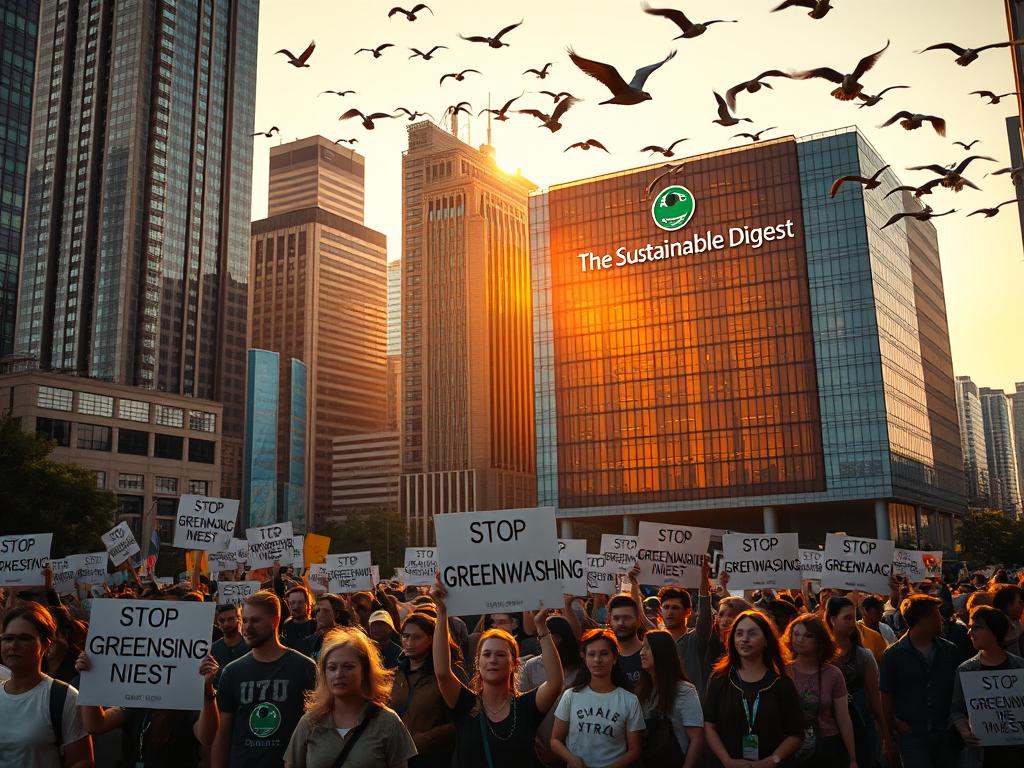
Corporate sustainability brought both benefits and challenges. It led to innovation in renewable energy but also faced criticism. Some said it was just greenwashing, hiding business-as-usual practices.
| Aspect | Pre-Corporate Sustainability | Post-Corporate Sustainability | Impact |
| Primary Focus | Environmental protection | Triple bottom line | Broader but potentially diluted |
| Key Actors | Governments, NGOs, scientists | Corporations, investors, consumers | More resources, different priorities |
| Measurement | Scientific indicators | Corporate metrics and ESG ratings | Increased quantification |
| Language | Ecological and ethical | Economic and strategic | More accessible, less radical |
| Implementation | Regulation and treaties | Voluntary initiatives and market forces | Faster adoption, inconsistent results |
From “Fruges Consumeri Nati” to Circular Economy
The circular economy idea comes from knowing our natural resources are limited. The phrase “fruges consumeri nati” means we should live in harmony with nature. By using circular economy methods, businesses can lessen their harm to the environment and find new ways to grow.
Technical Innovation as a Sustainability Driver

Technical innovation is a big help for sustainability. It lets businesses make new, better products and services. By investing in research, companies can find new ways to be sustainable and cut down on harm to the environment.
In short, the sustainability triangle is a strong tool for finding balance. By focusing on economic growth, using circular economy ideas, and pushing for new tech, businesses can make a positive impact. They can create value that lasts and protect our planet.
Sustainability in the 21st Century: From Concept to Global Movement
In the 21st century, sustainability has grown from a simple idea to a global movement. People now understand the importance of balancing economic, social, and environmental needs for a better future.
Concerns about climate change, resource use, and social fairness has fueled the shift towards sustainability. Corporate sustainability is now key in business plans. Companies are adopting green practices to reduce risks and find new opportunities.
Corporate Sustainability and ESG Frameworks
Corporate sustainability is tied to ESG (Environmental, Social, and Governance) frameworks. These frameworks help companies measure and report their green efforts. They are crucial for investors, stakeholders, and companies to check their sustainability and ethics.
“Omnia Explorate, Meliora Retinete”: Examining All, Keeping the Best
The Latin phrase “Omnia Explorate, Meliora Retinete” or “Examine all, keep the best” fits today’s sustainability approach. It highlights the need to review different practices and keep the ones that help our future.
The European Dream of Sustainable Business
The European dream for sustainable business focuses on the circular economy, innovation, and social duty. It dreams of a world where businesses grow and help society and the planet. This dream is coming true through green initiatives and policies across Europe.

Conclusion: The Enduring Legacy and Future of Sustainability
Sustainability has a long history, from ancient times to today. It shapes how we live with the environment and each other. Its legacy is not just about saving resources but also about living in harmony with the planet.
Our journey from ancient times to today shows how humans have adapted. The Latin words sustentare and conservare started a long journey. This journey shows how our relationship with Earth has changed over time.
In Venice, the provveditori sopra boschi managed forests well. They didn’t use the word “sustainability,” but their work was all about it. They balanced today’s needs with tomorrow’s.
Cicero said nature “alit atque sustentat” (nourishes and sustains) a long time ago. Today, we understand our role in this relationship better. Sustainable thinking has grown from managing forests to caring for the whole planet.
The idea of concursus – combining different things – is key in sustainability today. It brings together environmental, social, and economic aspects. This mix didn’t happen overnight but through centuries of thought and action.
The future of sustainability looks bright. It can change how we see the environment and make a better world for all. By innovating and working together, we can keep sustainability’s legacy alive. This will guide us toward a greener future.

Key Takeaways
- Knowing where sustain, sustainable, and sustainability come from is essential.
- The etymology of these terms gives us a peek into their past.
- Looking at historical use cases helps us see how they apply today.
- The terms trace back to Latin “sustenare,” meaning “to hold up” or “support”
- Early applications appeared in 14th-century forestry management
- Modern definitions gained prominence through the 1987 Brundtland Commission
- The linguistic evolution reflects changing human-nature relationships and society’s values
- Vocabulary development preceded environmental awareness movements
- The concept expanded from resource management to social and economic dimensions