Poverty is a major problem worldwide. It needs both grass-tops and grassroots assistance from institutions, organizations, NGOs, and smaller scale businesses. The United Nations has a plan which is initial the Sustainable Development Goal, ‘No Poverty'(UNSDG#1) to tackle this issue. It aims to fix economic differences and help people get out of poverty for good.
New ways to fight poverty are coming from groups and local businesses. They work together to help communities. This includes improving skills, boosting the economy, and using resources wisely.
Understanding different cultures is key to solving poverty. By knowing what each area needs, groups can make a real difference. It’s not just about giving money; it’s about making a lasting change.

Understanding UN Sustainable Development Goal 1: The Global Framework for Poverty Elimination
The United Nations Sustainable Development Goal 1 (UNSDG#1) is a key global effort to end poverty worldwide. It tackles tough economic issues faced by the most vulnerable in various areas.
Poverty is still a big problem for millions, mainly in developing countries. The UN’s Goal 1 aims to bring about big changes in economic power and social inclusion.
Key Targets and Indicators of UNSDG#1
The main goals of Sustainable Development Goal 1 projects are:
- Eradicating extreme poverty globally
- Implementing social protection systems
- Ensuring equal economic opportunities
| Target Area | Key Performance Indicators |
|---|---|
| Poverty Reduction | Percentage of population below international poverty line |
| Social Protection | Population covered by social security systems |
| Resource Access | Economic resources available to vulnerable groups |
Historical Development of UN Poverty Reduction Initiatives
The UN’s fight against poverty has grown over decades. Global development frameworks keep changing to tackle new economic issues in the Global South.
“Poverty is not natural. It is man-made and can be overcome and eradicated by the actions of human beings.” – Nelson Mandela
Measuring Progress in Poverty Reduction
Keeping track of the United Nations Sustainable Development Goal 1 (UNSDG#1) needs detailed monitoring systems. Experts use advanced stats to see how economies and communities are changing.
The main aim is to find lasting ways to escape poverty. This is done through focused efforts and support for those who need it most.
The Strategic Role of NGOs in Poverty Alleviation Programs
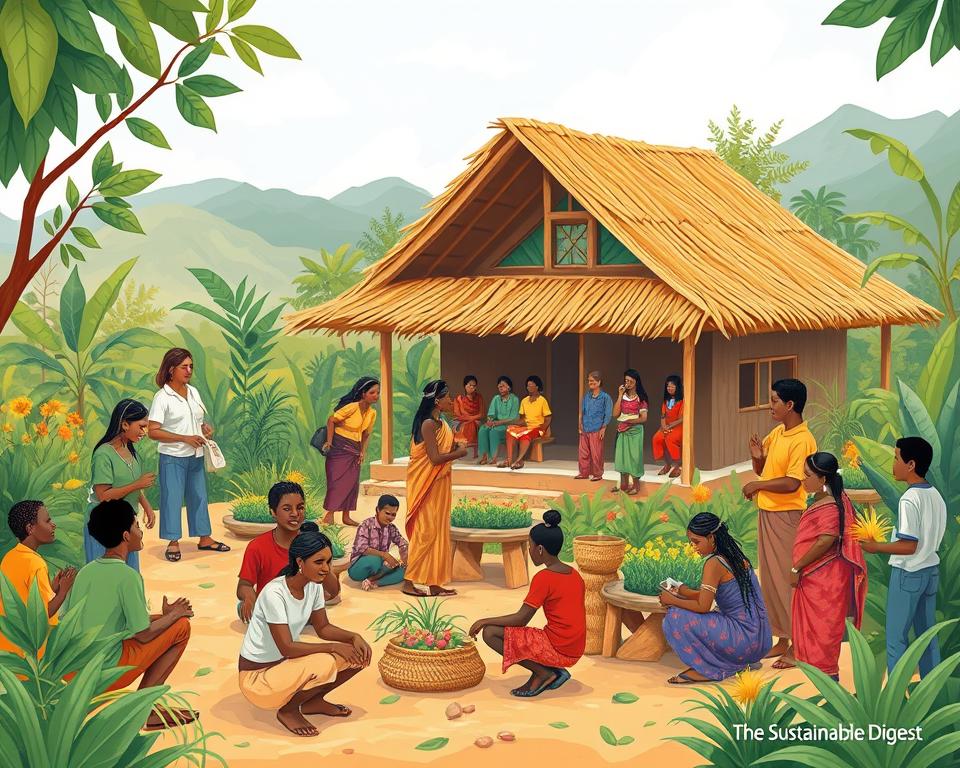
Nonprofits play a key role in fighting poverty worldwide. They create specific plans to help those struggling financially. Their work is focused on lasting solutions that help communities overcome poverty.
“Empowerment is the key to lasting change in community development” – Global Poverty Research Institute
NGOs use new ways to fight poverty. They run programs that teach skills, offer small loans, and improve communities. When local areas become economically strong, the effect of NGOs and MSMEs on poverty is clear.
| NGO Strategy | Key Impact | Target Population |
|---|---|---|
| Microfinance Programs | Economic Empowerment | Rural Communities |
| Skills Training | Employment Opportunities | Unemployed Youth |
| Community Infrastructure | Social Development | Marginalized Regions |
Western cooperative communities help these nonprofit efforts a lot. They offer important resources, knowledge, and money to help fight global poverty. By working together, they can make a bigger difference in society.
Partnerships between local and international nonprofits lead to better solutions. They mix local knowledge with global support, making big changes in underserved and distressed areas.
How NGO and MSMEs Can Help Underserved Communities Utilizing UNSDG#1 No Poverty
Addressing poverty needs smart plans from NGOs and MSMEs that get the tough issues faced by marginalized communities. The United Nations Sustainable Development Goal #1 is key for real help to end poverty.
Groups are coming up with new ways to help internationally the local and remote regions. They focus on giving them tools to earn money and improve their lives. This is done by using what’s available in the community and the people’s strengths.
Direct Intervention Strategies
Good direct help includes quick economic aid like microloans, skills training, and cash help. NGOs can start cooperatives. This lets people work together to make money.
Resource Mobilization Techniques
| Resource Strategy | Impact Level | Community Benefit |
|---|---|---|
| Microfinance Lending | High | Economic Empowerment |
| Skills Training Programs | Medium | Long-term Employability |
| Community Investment Funds | High | Sustainable Development |

Community Engagement Methods
Reducing poverty needs the community’s help. MSMEs can work with people to make sure help fits their needs and culture.
“Poverty is not a natural state, but a condition created by systemic barriers that can be dismantled through collaborative action.” – UN Poverty Reduction Expert
By using cooperative ideas and focused economic plans, NGOs and MSMEs can help underserved and marginalized communities. They can build strong, lasting economic futures.
MSMEs as Engines of Economic Growth in Developing Regions
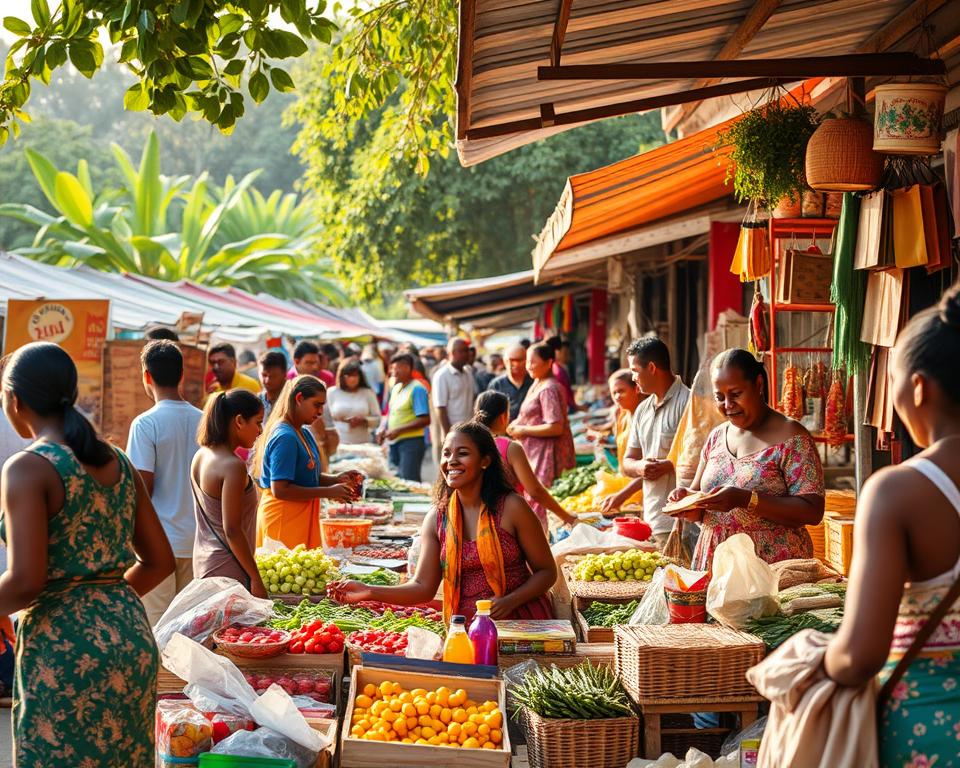
Micro, Small, and Medium-sized Enterprises (MSMEs) are key to economic change in developing areas. They are engines of growth, creating jobs and boosting local economies. They do this with great efficiency.
“Small businesses are the backbone of economic development and poverty reduction strategies worldwide.” – World Bank Economic Report
The role of MSMEs and NGOs in fighting poverty is huge. They open doors for people in resource distressed areas by creating lasting economic paths. With new business ideas, MSMEs build strong local economies that help people.
| MSME Contribution Area | Economic Impact |
|---|---|
| Job Creation | Generate 60-70% of employment in developing economies |
| Local Economic Stimulation | Contribute 40% of GDP in emerging markets |
| Export Potential | Represent 30-35% of international trade activities |
In global trade, MSMEs are becoming key links between local and global markets. They are fast to adapt and focus on specific markets, making them essential in economic growth plans.
By improving skills, using technology, and making finance more accessible, MSMEs help fight poverty. They build lasting economic systems that change communities for the better.
Collaborative Frameworks Between NGOs and Local Businesses
Addressing poverty needs smart partnerships. These partnerships bring together NGOs, Grassroots Support Organizations (GSOs), and Micro, Small, and Medium Enterprises (MSMEs). They work together to make lasting changes in reducing poverty.
Partnership Models for Sustainable Development
New ways of working together are empowering communities. These partnerships aim to create jobs and economic growth. NGOs and GSOs team up with local businesses to tackle deep poverty issues.
Case Studies of Successful Collaborations
“When local businesses and NGOs unite, communities transform.” – Global Development Expert
Real-life examples show how NGOs and MSMEs can fight poverty. In rural areas, they’ve started small business networks. These networks help those communities earn steady income and grow stronger over time.
Impact Assessment Metrics
| Collaboration Type | Economic Impact | Community Benefit |
|---|---|---|
| Direct Business Investment | Job Creation | Income Stabilization |
| Skills Training Programs | Workforce Development | Economic Mobility |
| Microfinance Initiatives | Capital Access | Entrepreneurship Support |
It’s important to measure how well these partnerships work. We look at more than just money. We also check for social change, skill growth, and lasting community strength.
Financial Inclusion Strategies for Marginalized Communities
Financial inclusion is key to helping marginalized communities. Donor class NGOs and MSMEs are crucial in creating lasting financial plans. These plans aim to tackle poverty at its root.
Microfinance programs are a strong tool for NGOs working on UNSDG#1. They offer small financial services to those who can’t access banks. With microloans, savings, and financial education, people can become economically independent.
“Financial empowerment is not about giving money, but providing the tools to create sustainable economic growth.” – Global Poverty Reduction Expert
Mobile banking has changed how people in small villages in rural areas get financial services. Smartphones and digital payments let them join the economy without banks.
| Financial Inclusion Strategy | Key Impact |
|---|---|
| Microfinance Loans | Economic Empowerment |
| Digital Banking | Increased Financial Access |
| Financial Literacy Programs | Knowledge Enhancement |
Working together, NGOs and MSMEs make financial inclusion bigger. They create plans that meet community needs. This ensures lasting economic growth that matches UNSDG#1 goals.
Capacity Building and Skill Development Initiatives
Sustainable Development Goal 1 projects are key in changing communities. They use skill development to fight poverty. Organizations see the value in training that opens doors to jobs.
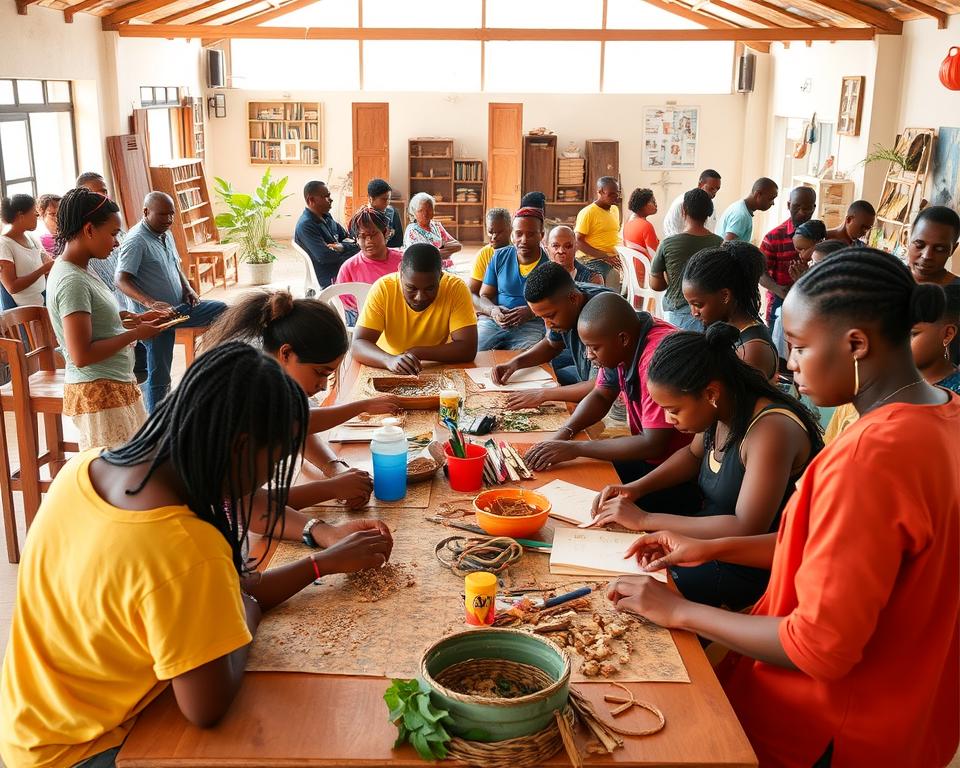
Building capacity is more than just learning. It includes practical skills, tech knowledge, and entrepreneurial spirit. This approach helps those who are left behind.
Vocational Training Programs
Cooperative development has changed vocational training. These programs teach skills that lead to jobs in the local economy. This helps people move out of poverty for good.
| Training Area | Key Skills | Employment Potential |
|---|---|---|
| Digital Technologies | Computer programming, web design | High growth sectors |
| Renewable Energy | Solar installation, maintenance | Emerging green economy |
| Agricultural Innovation | Sustainable farming techniques | Rural economic development |
Technology Integration in Skill Development
Digital tools are changing how we learn. Online courses, virtual workshops, and apps make learning easier for all. This includes those who are often left out.
“Technology democratizes learning, breaking down traditional barriers to skill development.” – Global Skills Initiative Report
Measuring Training Effectiveness
It’s important to know if training works. We look at job rates, income growth, and if people can keep their jobs long-term. This shows if training is making a real difference.
For training to be successful, it must always be updated. It needs to be flexible and understand the local economy well.
Cultural Diplomacy and Cross-Border Cooperation in Poverty Reduction
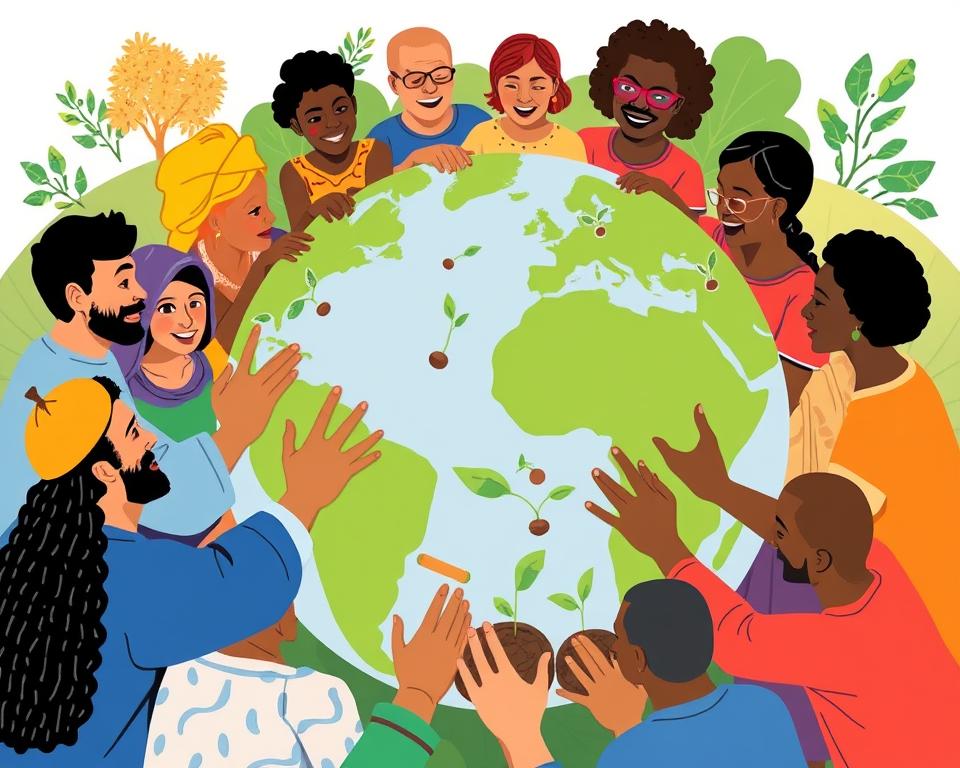
Cultural diplomacy is a key strategy for UNSDG#1. It helps international partnerships work together to tackle global poverty. By understanding cultures, groups can make poverty reduction efforts more effective.
“Cultural diplomacy is not just about communication, but about creating meaningful connections that drive sustainable development.” – United Nations Development Program
Cross-border cooperation is vital for UN Sustainable Development Goal 1. It helps communities in the Global South by working together. This approach respects local needs while offering strategic support.
| Cooperation Dimension | Impact on Poverty Reduction |
|---|---|
| Cultural Exchange Programs | Enhances mutual understanding and knowledge transfer |
| Transnational Skills Training | Develops local economic capabilities |
| Diplomatic Networking | Creates sustainable funding and resource channels |
NGOs and international agencies see that real poverty reduction needs cultural smarts. They work on building respectful dialogues and partnerships. This helps them create targeted and effective solutions for communities.
The path to reducing global poverty is through cultural bridges. It’s about sharing knowledge and building models that fit local needs and global dreams.
Sustainable Tourism and Local Economic Development
Sustainable tourism is a strong way to help advance underserved communities. It links them to new economic chances. Small businesses are key in making tourism better. They help the economy grow and keep culture and nature safe.
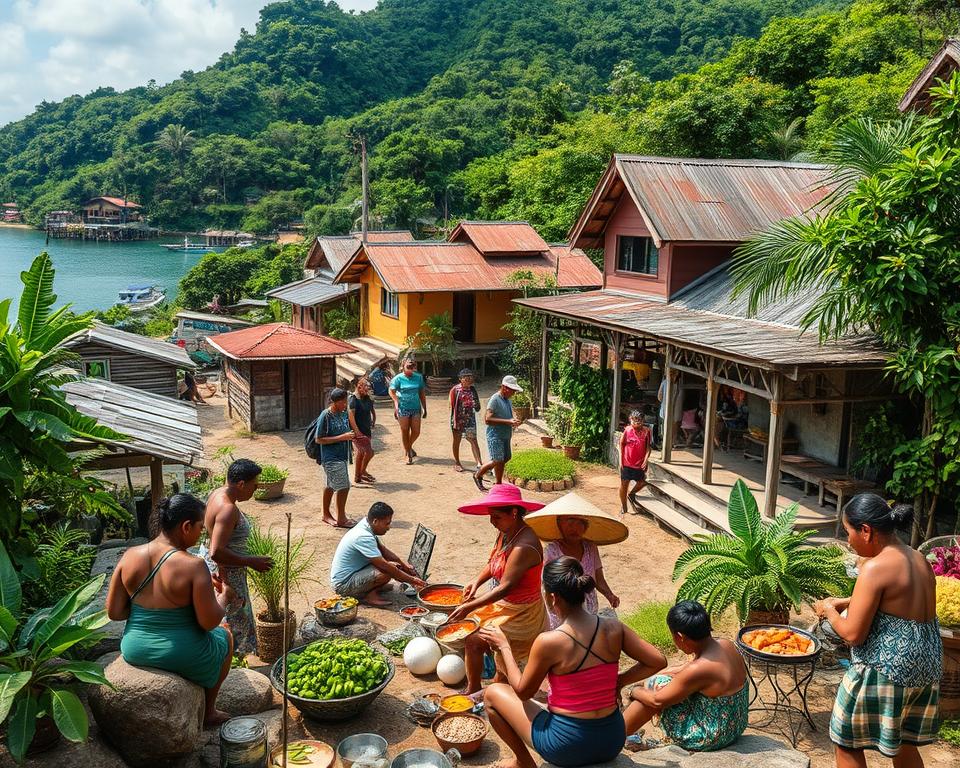
Community-Based Tourism Initiatives
Local groups use tourism to get richer. They start projects that bring in money directly. NGOs help by teaching and giving tools for success.
Environmental Conservation and Economic Benefits
Sustainable tourism is good for both the planet and people’s pockets. It makes money from saving nature. This way, communities earn while keeping their environment safe.
| Tourism Impact Area | Economic Benefit | Conservation Outcome |
|---|---|---|
| Local Handicrafts | Direct Income Generation | Cultural Preservation |
| Eco-Tours | Tourist Spending | Wildlife Protection |
| Community Guides | Employment Opportunities | Traditional Knowledge Sharing |
Tourism Infrastructure Development
Building up local tourism helps the economy last long. Small scale businesses and NGOs work together. They make experiences for visitors that help the community.
“Sustainable tourism transforms local economies by creating meaningful connections between travelers and communities.” – World Tourism Organization
Fusing together tourism, economic growth, and nature protection is a smart way to fight poverty. It’s all about working together for a better future.
Innovation and Technology in Poverty Reduction Programs
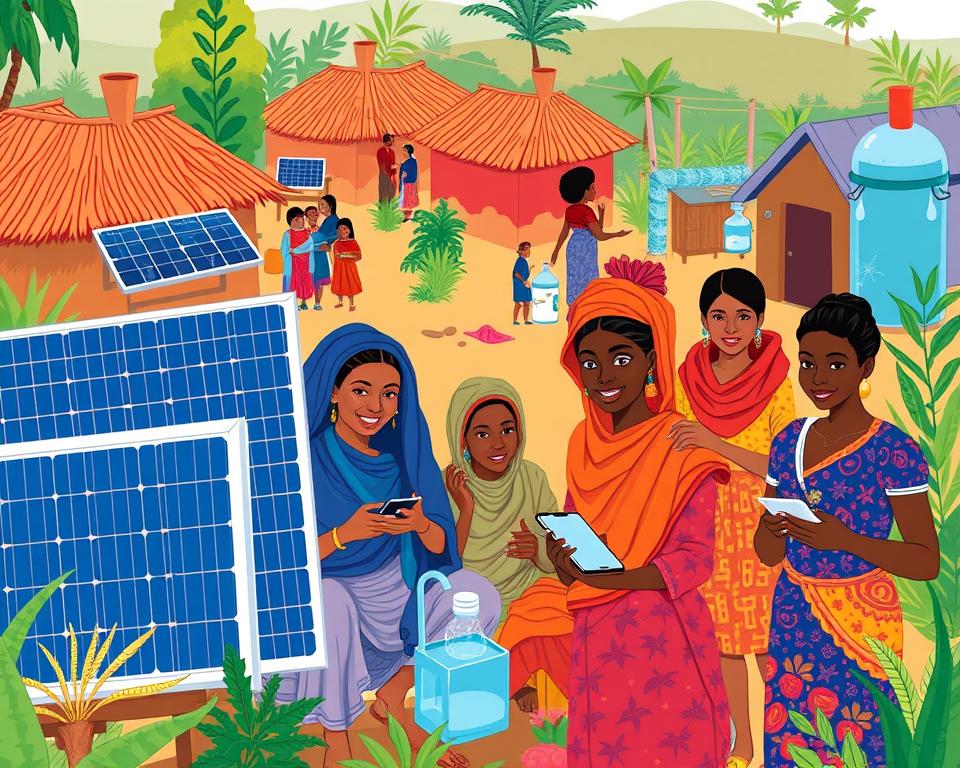
Technological innovations are changing how we tackle poverty. Grassroots Support Organizations use digital platforms to help underserved communities. This creates lasting economic opportunities.
Digital tools are key in linking NGOs with local MSMEs. They make poverty reduction efforts more effective. Mobile apps and cloud platforms help track progress, teach financial skills, and support small investments in rural areas.
“Technology is not just a tool. It can be a powerful catalyst for social transformation and economic empowerment.” – World Economic Forum
New technologies like AI and blockchain are making a big difference. They help Grassroots Support Organizations target poverty more effectively. These tools ensure funds are used wisely and economic efforts can grow.
The aviation sector also plays a big role in fighting poverty. Drones help deliver medical supplies, map out farmland, and connect remote areas. This opens up new chances for people in communities seeking to progress their collective economic status.
MSMEs teaming up with tech companies is leading to new solutions. Together, they offer digital skills training, financial tech, and support for entrepreneurs. This partnership drives economic growth in developing areas.
Supporting Small Island Development States and Remote Communities

Small Island Development States (SIDS) face big economic challenges. They need special support because of their unique geography and economy. This support helps them grow in a tough market.
Remote communities in the Global South have few resources and are far from markets. Support for Small Island Development States is key. It helps them find ways to grow that use their strengths.
“Empowering remote communities means creating economic opportunities that transcend geographical limitations.” – UN Development Report
Helping remote emerging and frontier markets needs many strategies. Special efforts can help these areas grow by overcoming big obstacles.
| Challenge | Strategic Intervention | Potential Impact |
|---|---|---|
| Limited Infrastructure | Digital Technology Investment | Enhanced Connectivity |
| Market Access | Regional Trade Partnerships | Economic Diversification |
| Human Capital Development | Skill Training Programs | Workforce Empowerment |
Important steps include creating special financial tools, setting up economic zones, and sharing technology. These actions help bridge the gap in innovation.
By using sustainable development models made for each area, we can unlock big economic chances. This helps these areas that are often left behind.
Conclusion
Non-Governmental Organizations and Micro Small Medium Enterprises can make a big difference in helping poor communities. They work together to tackle big economic problems. This helps people find a way out of poverty with new ideas and support.
It’s clear how NGOs and MSMEs can help poor communities. They use many strategies. These include helping people get money, learn new skills, and become stronger in their communities.
Reducing poverty worldwide needs teamwork. It involves groups like the UN, local businesses, and leaders. They use new tech, training, and flexible economic plans to help.
The fight against poverty will keep getting better with new ideas and teamwork. As groups learn more and work together, getting rid of extreme poverty seems possible.
Key Takeaways
- NGOs are critical drivers of sustainable poverty reduction strategies
- Nano, micro, and small enterprises contribute significantly to local economic development
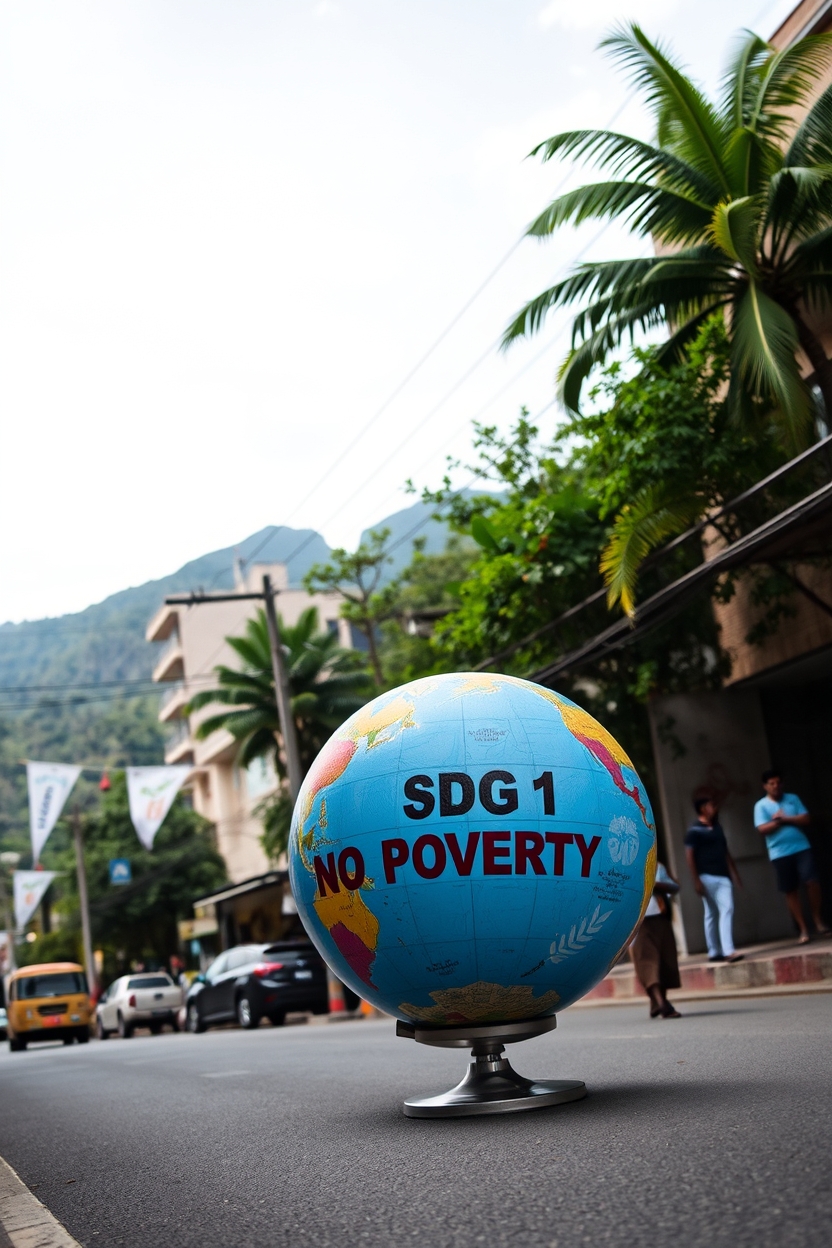
- UNSDG#1 provides a comprehensive global framework for poverty elimination
- Cultural understanding is essential in designing effective poverty interventions
- Collaborative approaches with multiple organizations yield more sustainable results