UNSDG#5, Women’s History & Cooperatives: Achieving Gender Equality

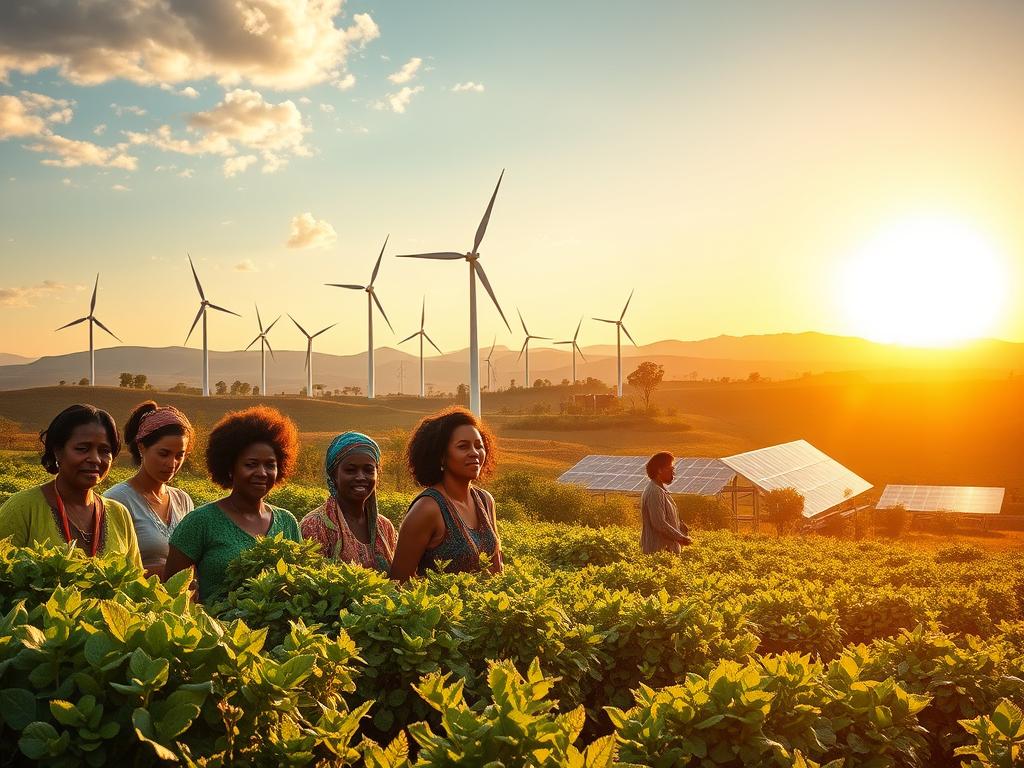
The Sustainable Development Goals of the UN, has provided a robust platform. This includes for policy/taste makers, sustainable framework advisory, and CSR/ESG leadership board. Through UNSDG#5, gender equality remains a cornerstone for building a sustainable future. Across the globe, cooperative movements are driving empowerment and fostering inclusive economic growth. Achievable, sustainable goals are accessible while ushering in and advocating for ecological imperatives. For both donors and community members, gender equality brings communities closure together. With over 3 million cooperatives worldwide, these organizations employ 10% of the global workforce, spanning agriculture, finance, and healthcare sectors.

The UNSDG#5 via Women's history month & 2025 international year of cooperatives

The UNSDG#5 via Women’s history month and 2025 international year of cooperatives

In June 2024, the UN General Assembly declared 2025 as the International Year of Cooperatives. What’s important is, previous articles expressed the social impact possibilities. This recognition highlights their role in advancing 60 – 80% of sustainable development goals. Cooperatives provide an additional platform for women to lead, innovate, and thrive. This helps in making them essential for achieving both equality and equity while fostering collective action.

As the time moves to 2030, gender equality is not just a goal but a necessity. It underpins all 17 sustainable development goals, ensuring a brighter, more equitable future for each everyone.

The UNSDG#5 via Women’s History Month & 2025 International Year of Cooperatives

2025 is a landmark year for gender equality. It marks the 30th anniversary of the Beijing Declaration and the 50th International Women’s Day. These milestones highlight decades of progress and the ongoing fight for women’s rights.

Cooperatives are playing a pivotal role in this journey. The COPAC partnership is driving initiatives to position them as accelerators for sustainable development. Their multi-agency strategy focuses on empowering women through leadership roles and economic opportunities.

In developing nations, women hold 63% of cooperative leadership roles. This statistic showcases the transformative power of collective action. It also underscores the importance of cooperatives in achieving gender parity.

Major events in 2025, such as CSW69 and the ECOSOC Development Cooperation Forum, will further amplify these efforts. These platforms will foster dialogue, share success stories, and inspire new initiatives.

MilestoneSignificance
30th Anniversary of Beijing DeclarationReflects on progress since the 1995 Platform for Action
50th International Women’s DayCelebrates global achievements in gender equality
COPAC InitiativesDrives cooperative development as SDG accelerators

These efforts are not just about celebrating milestones. They are about creating a future where every woman has the opportunity to lead, innovate, and thrive.

Why Gender Equality Matters for Sustainable Development

Empowering women and girls unlocks untapped potential for sustainable growth. When equality is prioritized, communities thrive, economies expand, and innovation flourishes. Gender parity is not just a moral imperative but an economic necessity.

The Stark Reality of Gender Inequality Today

Despite progress, disparities remain stark. Women spend 2.5 times more hours on unpaid care work than men. Globally, only 26.9% of parliamentary seats are held by women. At current rates, achieving management parity could take 176 years.

In corporate leadership, the gap is glaring. Fewer women lead Fortune 500 companies than men named John. These challenges highlight the urgent need for systemic change.

How UNSDG#5 Fits into the Global Agenda

This goal targets ending harmful practices like female genital mutilation and ensuring digital inclusion. It also aims to boost economic participation. McKinsey estimates that closing the gender gap could add $28 trillion to global GDP by 2025.

Climate change disproportionately affects women farmers, making intersectional approaches vital. UN Women’s theme, “Rights. Equality. Empowerment,” underscores the importance of collective action.

“Equality is not just a goal; it’s the foundation for a sustainable future.”

By addressing these challenges, we can create a world where every woman and girl has the opportunity to thrive.

Cooperatives: A Catalyst for Women’s Empowerment

Cooperatives are transforming lives by empowering women across the globe. These organizations foster growth and create opportunities for women to lead and innovate. By addressing systemic barriers, they play a vital role in achieving development goals and building resilient communities.

The Global Reach of Cooperatives

From Kenya to Costa Rica, cooperatives are making a difference. In Kenya, women-led cooperatives manage 65% of agricultural activities. In the EU, 22% of renewable energy projects are cooperative-driven. These examples highlight their global impact.

Bangladesh showcases another success story. Over 1.5 million women work in cooperative healthcare services, improving access to medical care. Such initiatives demonstrate how cooperatives empower women while addressing critical needs.

Sectors Where Cooperatives Drive Change

Cooperatives operate in nine key sectors, including energy, housing, and education. They provide women with leadership roles and economic opportunities. For instance, women-led cooperatives have restored over 800,000 hectares of farmland, boosting climate resilience.

In Costa Rica, cooperative-friendly policies have created a model for others to follow. These efforts ensure that women are at the forefront of sustainable development. By fostering collaboration, cooperatives are shaping a more equitable future.

“When women lead, communities thrive. Cooperatives are the bridge to this transformation.”

Women’s History Month: Celebrating Progress, Demanding More

Celebrating progress while demanding more, women history month highlights strides toward equality. This annual observance honors the achievements of leaders and underscores the need for systemic change.

Women’s history month

Since 2015, there’s been a 200% increase in women-led cooperatives globally. These organizations play a vital role in promoting gender equality and economic inclusion. From Ghana’s cocoa cooperatives to Iceland’s energy collectives, women are driving transformative initiatives.

Despite progress, gaps persist. In 39 nations, daughters still face restrictions on inheritance rights. The UN Secretary-General has warned about regression in women’s rights, emphasizing the urgency of collective action.

  • Six countries now have over 50% female parliamentary representation, setting a benchmark for others.
  • The 2025 theme, “For ALL Women and Girls: Rights. Equality. Empowerment,” reflects a commitment to inclusivity.
  • Landmark events like CSW69 will focus on accelerating progress in the coming years.

Women’s History Month is not just a recognition through celebration but a call to action. It reminds us that while much has been achieved, there is still work to be done to ensure equal rights for all.

How to Take Action for Gender Equality – UNSDG#5

Taking meaningful steps toward equality starts with individual and collective action. Everyone can contribute to creating a more inclusive world. This can be supported through initiatives and advocating for systemic change. Whether through local efforts or global campaigns, small actions can lead to significant impact.

Supporting Cooperatives in Your Community

Cooperatives are powerful vehicles for driving horizontal growth and empowering women. Start by identifying ethical cooperatives in your area. Look for organizations that prioritize fair wages, transparent governance, and inclusive leadership.

Here’s a quick guide to vetting cooperatives:

  • Check for fair wage policies and equal opportunities.
  • Review governance structures for transparency.
  • Ensure they provide access to resources and education.
  • Look for success metrics, such as community impact.
  • Engage with members to understand their experiences.

Investing in cooperatives not only supports local communities but also fosters sustainable growth. For example, gender-lens investing in cooperative ventures has shown a 1:8 return on investment, proving their economic and social value.

Advocating for Policy Changes

Systemic change requires advocacy and policy reform. Focus on legislative priorities like paid family leave and digital access initiatives. These policies can significantly improve women’s economic participation and overall well-being.

Here are actionable steps to advocate for change:

  1. Join UN Women’s advocacy networks to amplify your voice.
  2. Support local campaigns for paid family leave and childcare services.
  3. Promote digital inclusion programs to bridge the gender gap in technology.
  4. Engage with policymakers to prioritize gender equality in legislation.
  5. Encourage youth participation through UN’s Youth2030 strategy.

“When we invest in women, we invest in the future of our communities and the world.”

By taking these steps, individuals can contribute to a more equitable and sustainable future. Together, we can drive meaningful change and ensure equality for all.

Conclusion

Building a future rooted in equality (UNSDG#5 and #10) requires collective effort. Despite progresschallenges persist, demanding urgent action. Cross-sector collaboration is key to driving meaningful change and ensuring empowerment for all.

By 2025, a 15% increase in women’s leadership roles within co-ops is achievable. This growth will foster economic justice and amplify voices globally. Development thrives when women lead, innovate, and shape policies.

To contribute, focus on 3 steps: education, investment, and amplification. Support initiatives that prioritize gender equality and advocate for inclusive policies. Together, we can create a world where everyone thrives.

Looking ahead to 2030, a vision of a gender-equal society is within reach. Let’s unite to turn this vision into reality, ensuring a brighter, more equitable future for all.

Key Takeaways

  • Cooperatives employ 10% of the global workforce, driving economic inclusion.
  • the UN has declared 2025 the International Year of Cooperatives.
  • UNSDG#5(#10) for gender equality and omni-demographic equity are foundational for achieving all sustainable development goals.
  • Cooperatives empower women to lead and innovate in various sectors.
  • Over 3 million cooperatives operate worldwide, socially impacting 1.2 billion members.

Cooperative Business Models: Driving Sustainable Development

In today post pandemic climate, cooperative business models with continuous resistance from traditional commerce structures, are challenging the way entrepreneurs view industry and community. The focus of shared ownership and making decisions together seemed only exclusive for shareholders and executive board members, however, this is the way communities can tackle economic, social, and environmental issues together.

The benefits of cooperative business models for sustainable development are clear. They balance making money by doing good, creating stability for people and the planet.

Cooperatives are making a difference in many areas, like renewable energy and fair trade. They bring together workers, consumers, or producers to make decisions that benefit everyone. This approach matches global goals, like the UN’s Sustainable Development Goals, showing that sustainable development through cooperation is possible and can grow.

Cooperatives don’t follow the usual top-down structure. Instead, everyone has an equal say in how things are run. This builds trust, fights inequality, and promotes doing the right thing. As we face bigger challenges like climate change and economic gaps, cooperatives offer a way to grow together.

Understanding Cooperative Business Models in Today’s Economy

Cooperative business models mix old and new ideas to tackle today’s problems. They put member needs first, not just making money. This approach offers different cooperative business model types old and new that support sustainable development advantages. Their success is based on seven key principles from the International Cooperative Alliance.

Definition and Core Principles of Cooperatives

Cooperatives greatest benefits of being owned by their members democratically can not be overstated. As a reminder, the fundamental principles include:

  • Voluntary and open membership
  • Democratic member control
  • Member economic participation
  • Autonomy through independent action

Historical Development of Cooperative Enterprises

Cooperatives started in the 19th century, with the Rochdale Pioneons in 1844. By the 20th century, they grew worldwide. They helped during tough times, showing their strength over the years.

The Resurgence of Cooperative Models in Modern Business

Today, cooperatives are tackling big issues as people grow more confident with the possibility. Issues such as, inequality and climate change. They use digital platforms for worker-owned tech startups and promote ethical shopping. These cooperative business approaches blend old values with new tech. They help in areas like energy and farming.

The Different Types of Cooperative Business Models

Cooperative models for sustainability many forms can suit the owner. Each type is designed to meet specific goals. They empower both communities and businesses.

Worker Cooperatives: Employee-Owned Enterprises

In worker cooperatives, employees run the show together. Alvarado Street Bakery in California is a great example. It shows how this model builds loyalty and shared success.

Decisions are made democratically. This means every member has a say.

Consumer Cooperatives: Community-Based Consumption

Consumer cooperatives, like REI, let members shape what they buy and how much they pay. They focus on fair prices and community needs, not just making money. This leads to advantages of cooperative enterprises like clear prices and easy access.

Producer Cooperatives: Collaborative Production Networks

Big names like Ocean Spray and Land O’Lakes are producer cooperatives. Farmers work together to get better deals. This helps them avoid relying on middlemen and increases their market power.

Multi-Stakeholder Cooperatives: Balancing Diverse Interests

These models bring together workers, consumers, and producers. The Evergreen Cooperatives in Cleveland is a good example. It shows how to create a complete economic system that tackles social and environmental issues.

Platform Cooperatives: Democratic Digital Businesses

Platform cooperatives, like Stocksy United, change the digital world. They make sure users own the platforms they use. This is different from the usual gig economy apps, offering fairer ways to make money and decide how things are run.

TypeDescriptionExample
WorkerEmployee-owned businessesAlvarado Street Bakery
ConsumerMember-driven retailREI
ProducerAgricultural collectivesLand O’Lakes
Multi-StakeholderHybrid interest groupsCleveland Evergreen
PlatformDemocratic digital networksStocksy United

These models show that cooperative models for sustainability are flexible. They can focus on fairness, innovation, or protecting the environment. They help build strong, people-focused economies.

Benefits of Cooperative Business Models for Sustainable Development

Cooperative business models are great for sustainable development. They make profit and purpose go hand in hand. This helps communities tackle economic, social, and environmental issues together. Here’s how they make a real difference:

Economic Resilience Through Shared Ownership

Cooperatives focus on long-term stability, not just quick profits. Studies show they do better in tough times. For example, during the 2008 crisis, worker cooperatives kept 90% of their staff. This is part of their cooperative business impact:

  • Members make financial decisions, avoiding risky bets
  • Profits are reinvested locally, boosting regional economies
  • Shared risk means they last longer

Social Equity and Community Empowerment

Cooperatives share power and wealth fairly. Members get to vote and share profits, cutting down on inequality. In rural areas, they bring services like healthcare and education that private companies often don’t. This approach:

  • Makes economies more inclusive, where everyone’s voice is heard
  • Helps underserved communities by reinvesting profits
  • Opens doors for marginalized groups to make decisions

Environmental Stewardship and Long-Term Thinking

Cooperatives are better at being green than traditional businesses. Their focus on the future means they invest in renewable energy and sustainable practices. For example, 70% of agricultural cooperatives use regenerative farming, compared to 30% of the industry. This focus:

  • Values the planet over quick profits
  • Supports circular economies, reducing waste
  • Teaches future generations to care for the environment

These benefits show that cooperative business models are not just good—they’re essential for sustainable development. They offer a way to grow that’s good for the economy, fair for everyone, and kind to the planet.

How Cooperatives Foster Social Inclusion and Economic Democracy

Cooperative businesses focus on fair participation, helping communities left out of economic power. They give ownership and voting rights to groups like women, immigrants, and those with low incomes. In Detroit, Weaver’s Circle Cooperative trains and profits those who were once incarcerated, showing how cooperatives can rebuild trust and offer new chances.

Cooperative TypeSocial Inclusion FocusExample
Worker CooperativesJob creation for disadvantaged workersArizmendi Bakery (Bay Area, CA)
Consumer CooperativesAccess to affordable goods/servicesSunrise Community Market (Chicago)
Multi-StakeholderIntegration of diverse community needsEvergreen Cooperatives (Pittsburgh)

Cooperatives use one-member-one-vote systems for fair decision-making. Mondragon Corporation in Spain shows this, where all members decide on profits. This differs from traditional companies that hold power in a few hands.

Cooperatives also have a big impact. They keep money in the community, reducing unemployment and driving innovation. Equal Exchange, a fair-trade cooperative, buys coffee from farms that are run democratically. This shows that fairness and profit can go hand in hand.

Cooperative Approaches to Green Energy and Eco-Friendly Production

Cooperatives are changing industries by focusing on green energy and eco-friendly production. They use teamwork to push for sustainable development through cooperation. This shows that working together can make profits and protect the planet.

Renewable Energy Cooperatives Transforming the Power Grid

Community-owned energy cooperatives are making green energy more accessible. In Germany, EWS Schönau cooperative powers 10,000 homes with 100% renewable energy. In the U.S., groups like Cooperative Energy Futures in Minnesota let members invest in solar and wind projects. This way, they help move away from fossil fuels faster.

Sustainable Manufacturing Through Cooperative Structures

Worker cooperatives are changing how things are made to be more eco-friendly. The New Era Windows Cooperative in Chicago uses mostly recycled materials and aims for zero waste by 2025. This approach makes long-term environmental goals more achievable, as members benefit directly from cleaner production.

“When workers own the factory, sustainability isn’t a cost—it’s a survival strategy,” said a spokesperson from a Midwest manufacturing cooperative.

Agricultural Cooperatives Leading in Organic and Regenerative Farming

Organic Valley, a U.S. dairy cooperative, brings together 2,300 farmers for regenerative agriculture. By working together, they can use soil-friendly practices without risking their finances. These cooperative strategies for sustainability help make eco-friendly production bigger than just individual farms.

From wind turbines to farm fields, cooperatives show that teamwork can make sustainability a real plan for progress.

Case Studies: Successful Cooperative Enterprises Driving Sustainability

Real-world examples show that cooperative business models can succeed while focusing on sustainability. These stories highlight the cooperative business impact. They show how these businesses balance making money with doing good.

REI: A Consumer Cooperative Success Story

REI is an outdoor retailer owned by its members. It returns profits to members through dividends and supports environmental projects. REI has become carbon neutral and aims for zero waste. This shows that making money and caring for the planet can go hand in hand.

Mondragon Corporation: Worker Cooperation at Scale

Mondragon was started in Spain and now has over 80,000 worker-owners. They work in many fields, from manufacturing to education. With more than 100 cooperatives, they keep a fair pay ratio. This shows how cooperatives can build strong economies and fair societies.

Equal Exchange: Fair Trade Through Cooperative Business

Equal Exchange works directly with small farmers in poor countries. They cut out middlemen to ensure fair pay. This model helps farmers and delivers quality products, showing the power of cooperative business.

Challenges and Solutions in Implementing Cooperative Business Models

Cooperative business models face hurdles like finding capital and making decisions democratically. Yet, many succeed by using cooperative strategies for sustainability. They turn these challenges into their strengths.

  • Financing barriers can be overcome with member crowdfunding, community investment, or partnerships with lenders like the National Cooperative Bank.
  • Decision-making delays are reduced with hybrid models. These combine elected leaders and digital voting, balancing democracy with speed.
  • Training from groups like the National Cooperative Business Association (NCBA) helps build expertise in running cooperatives.

To compete with big corporations, cooperatives use sustainable development advantages. They focus on ethical practices, like in renewable energy co-ops. They also form alliances, like food networks, to cut costs and boost impact. People want to support businesses that are transparent and help their communities, which benefits cooperatives.

Success comes from using tested methods. Cooperatives in green energy lead by using member ideas. They focus on long-term goals and building trust in their communities. This shows that cooperative strategies for sustainability are strong. The way forward is clear: education, working together, and finding the right finance.

Financing and Investment Strategies for Cooperative Ventures

Getting funding is key to a cooperative’s success. By using cooperative business approaches, they build strong financial systems. These systems reflect their values.

“Strong financing models ensure cooperatives thrive without sacrificing their mission-driven ethos.”

Cooperatives use member-driven capital, like equity shares and community investment campaigns. This way, they can pool resources democratically. Platforms like community investment crowdfunding help connect ventures with local supporters. This boosts advantages of cooperative enterprises such as shared risk and ownership.

  • Member shares: Flexible structures like preferred shares or capital accounts balance growth and control
  • Cooperative banks: Institutions like Shared Capital Cooperative and the Cooperative Fund of New England provide mission-aligned loans
  • Innovative models: Social impact bonds and patient capital grants support long-term cooperative strategies for sustainability

Cooperatives use a mix of grants, loans, and member contributions to grow. They now have access to funding that matches their values and growth needs. This is thanks to new tools and partnerships.

The Policy Landscape: How Governments Can Support Cooperative Development

Good policies can help cooperatives grow and support sustainable development through cooperation. Governments around the world are looking at ways to help these businesses. They want to create special rules for them.

Tax Incentives and Legal Frameworks

Legislation is key. For example:

  • Italy cuts corporate taxes for worker-owned firms to 15%, lower than usual
  • The U.S. has Subchapter T rules that stop double taxation on cooperative dividends
  • Quebec’s Caisse desjardins gives special legal protection to cooperatives

Public Procurement Opportunities

CityInitiativeImpact
New York City2023 Co-op Preference PolicyReserves 5% of contracts for cooperatives
BarcelonaCooperatives in Public WorksAllocates 30% of municipal projects to worker-owned businesses
ClevelandEvergreen Cooperatives ProgramSecured $50M in public-private partnerships

Educational Programs and Technical Assistance

Training systems like Spain’s Centros de Iniciativa Cooperativa give startup grants and mentorship. Quebec’s Chambres de l’agriculture network offers free legal advice to cooperative founders. These efforts help new cooperative models for sustainability start up.

Creating new policies helps cooperatives make a bigger cooperative business impact. Local governments can set good examples. They can also adjust these examples to fit their area’s needs.

Future Trends in Cooperative Business Models and Sustainable Innovation

In the past 10 to 15 years, more and more cooperative models are being adapted to face challenges like climate change and inequality. They’re moving towards eco-friendly production and Green energy networks. This shift combines old ways with new tech for better sustainable development benefits of collaboration.

Old ModelsNew Innovations
Traditional agricultural co-opsPlatform co-ops (e.g., Stocksy United)
Worker co-ops (Mondragon style)Data co-ops (e.g., Democracy Earth)
Consumer co-ops (REI)Circular economy co-ops (Evergreen Cooperatives)

Stocksy United shows eco-friendly production can succeed online. Green energy projects, like community solar co-ops, make renewables more accessible. Preston’s model links local businesses with public services, making areas more resilient.

“Cooperatives are reinventing themselves as engines of climate action and equity.” – UN Sustainable Development Report 2023

Hybrid models mix cooperative values with B Corps, balancing profit and purpose. These different cooperative business model types old and new highlight the importance of working together. The future is about businesses that adapt and focus on people and the planet.

Conclusion: Embracing Cooperative Models for a Sustainable Future

Cooperative business models show the benefits of cooperative business models for sustainable development. They focus on shared ownership and community goals. This leads to economic strength, social fairness, and environmental protection.

Companies like Mondragon Corporation and Equal Exchange are great examples. They prove the cooperative business impact in fighting inequality and saving resources. Their sustainable development benefits of collaboration come from working together towards shared goals.

These models help entrepreneurs create inclusive businesses. They allow consumers to make ethical choices and investors to support responsible ventures. Policymakers can help by creating better laws and funding. Educators can teach future leaders about cooperative strategies.

Together, we can move towards a fairer, greener economy. Cooperatives are real solutions, not just dreams. They show us how to balance making money with doing good, leading to a sustainable future.

Key Takeaways

  • Cooperatives combine economic success with social and environmental goals.
  • Shared ownership strengthens communities and promotes fair resource distribution.
  • Democratic governance ensures decisions benefit all members, not just shareholders.
  • These models advance global sustainability targets through collective action.
  • Cooperatives prove that profitability and responsibility can thrive together.

International Women’s Day 2025 & International Year of Cooperatives 2025

In a world striving for progress, International Women’s Day within the International Year of Cooperatives presents a gateway for accomplishment. While the United Nations, World Economics Council, and among other good faith institutions contributes to setting the stage for a transformative future. The upcoming celebrations highlight the power of unity and shared goals. These events focus on building a better world through collective action and sustainable practices.

The General Assembly has announced a significant theme: Cooperatives Build a Better World. This initiative aims to strengthen communities and promote equality. With over 3 million cooperatives globally, they play a high key role in driving change and supporting advancement with the sustainable development goals.

These celebrations also emphasize the contributions of women and youth. Their leadership and innovation are crucial for shaping a brighter future. By fostering collaboration, these events inspire action and policy changes that benefit everyone.

The Significance of Global Celebrations in 2025

Global celebrations in 2025 such as the International Women’s Day and International Year of Cooperatives mark a pivotal moment for collective progress. These events serve as catalysts for change, uniting people around shared goals. They highlight the power of collaboration and resilience in addressing global challenges.

Milestones in Women’s Rights and Cooperative Movements

Over the past decades, significant strides have been made in advancing women’s rights. The 30th anniversary of the Beijing Declaration is a testament to this progress. It underscores the importance of equality and empowerment in shaping a better future.

Cooperative movements have also evolved, playing a vital role in building resilient communities. These organizations foster economic growth and social inclusion, proving that collective action can drive meaningful change.

United Nations Initiatives and the Journey to 2030

The United Nations continues to lead efforts toward sustainable development. Through initiatives like the 2030 Agenda, they aim to create a more equitable world. Partnerships with organizations like COPAC amplify these efforts, ensuring global collaboration.

Key focus areas include:

  • Promoting gender equality and women’s leadership.
  • Strengthening cooperative movements for community resilience.
  • Advancing policies that support sustainable development goals.

These initiatives inspire action and pave the way for a brighter future. By working together, we can overcome challenges and build a world that benefits everyone.

International Women’s Day 2025 & International year of cooperatives 2025 UNSDGs

The journey toward equality and sustainability has shaped our world in profound ways. From grassroots movements to global initiatives, these efforts have inspired generations to strive for a better future. This section explores the history of International Women’s Day and the transformative role of cooperatives in sustainable development.

History and Evolution of International Women’s Day

International Women’s Day traces its roots to the early 20th century, born out of the struggle for equality and voting rights. Over the decades, it has grown into a global event celebrating women’s achievements and advocating for gender equality. Key milestones include the Beijing Declaration, which set a new standard for women’s rights worldwide.

This day has inspired social and legal reforms, empowering women to take on leadership roles. From education to healthcare, its impact is felt across all sectors. Today, it continues to drive action and policy changes that benefit women and girls everywhere.

The Role of Cooperatives in Sustainable Development

Cooperatives have long been a cornerstone of community empowerment. These organizations foster economic resilience and social inclusion, proving that collective action can drive meaningful change. From agriculture to banking, they play a vital role in sustainable development.

For example, agricultural cooperatives help farmers access resources and markets, improving livelihoods. Similarly, financial cooperatives provide affordable credit, empowering individuals to achieve their goals. These success stories highlight the transformative power of cooperatives in building resilient communities.

Organizations like the International Cooperative Alliance and UN Women continue to lead efforts in this space. Their initiatives focus on promoting equality, fostering innovation, and addressing contemporary challenges. Together, they are shaping a future where empowerment and sustainability go hand in hand.

Mobilizing Global Efforts: Cooperative Movements and UN Sustainable Goals

As global challenges grow, cooperative movements are stepping up to drive meaningful change. These organizations are aligning with the United Nations Sustainable Development Goals to create a better world. By fostering collaboration, they address socio-economic issues and promote equality.

ICA Global Cooperative Conference and Global Collaboration

The upcoming ICA Global Cooperative Conference in New Delhi, India, from November 25-30, 2024, marks a pivotal moment. This event will officially launch the International Year of Cooperatives, bringing together leaders from across the globe. It serves as a platform for dialogue, innovation, and policy advocacy.

Key highlights of the conference include:

  • Discussions on how cooperatives contribute to sustainable development.
  • Showcasing successful cross-border collaborations.
  • Exploring innovative solutions to tackle global challenges.

Euro Coop’s Contributions to Community Engagement

Euro Coop is at the forefront of promoting community-driven projects. Their initiatives focus on enhancing social inclusion and supporting sustainable practices. By empowering local communities, they demonstrate the transformative power of cooperatives.

Examples of their work include:

  • Programs that improve access to education and healthcare.
  • Projects that foster economic resilience in underserved areas.
  • Advocacy for policies that support cooperative growth.
InitiativeImpact
ICA ConferenceGlobal collaboration and policy advocacy
Euro Coop ProjectsCommunity resilience and social inclusion
IYC2025 LaunchSymbolizes unity and forward-thinking action

The International Year of Cooperatives logo embodies these efforts. Its design reflects the values of unity, equality, and sustainability. Together, these initiatives inspire a shared vision for a brighter future.

Advancing Gender Equality and Cooperative Empowerment

The intersection of gender equality and cooperative initiatives is reshaping global progress. These efforts are not just about creating opportunities but fostering a culture of inclusion and innovation. From youth leadership to digital advocacy, the journey toward empowerment is multifaceted and inspiring.

Youth Leadership and Climate Justice Initiatives

Young leaders are at the forefront of advocating for environmental and climate justice. Their innovative approaches and passion for change are driving impactful policies both private and public. For example, youth-led movements have successfully influenced legislation on renewable energy and conservation.

These initiatives highlight the importance of giving young people all over the world a voice. By empowering them, we ensure a sustainable future for generations to come. Collaborative efforts between governments and youth organizations are key to amplifying their impact.

Policy Shifts: The Beijing Declaration and Beyond

The 30th anniversary of the Beijing Declaration marks a significant milestone in gender equality. This historic document has inspired legal reforms and policy shifts worldwide. Governments are now prioritizing women’s rights in education, healthcare, and economic participation.

Recent policies focus on closing the gender pay gap and increasing women’s representation in leadership roles. These changes are a testament to the enduring legacy of the Beijing Declaration. They also underscore the need for continuous advocacy and action.

Digital Campaigns and Social Media Advocacy

Digital platforms especially social media have become powerful tools for promoting gender equality and cooperative empowerment. Campaigns like #EqualFuture and #CoopForChange are raising awareness and inspiring action. Social media allows for real-time engagement and global reach.

Innovative strategies, such as storytelling and influencer partnerships, are amplifying these messages and narratives. These campaigns not only educate but also mobilize communities to take meaningful steps toward equality and the overarching theme of sustainability.

InitiativeImpact
Youth Climate MovementsInfluenced renewable energy policies
Beijing Declaration ReformsImproved women’s rights globally
Digital Advocacy CampaignsIncreased awareness and engagement

These efforts demonstrate the power of collective action. By working together, we can create a world where everyone has the opportunity to thrive. The future is bright, and the journey continues.

Conclusion

The synergy between global initiatives is paving the way for a more inclusive and sustainable future. This year’s International Women’s Day and the International Year of Cooperatives create a synthesis for communities and institutional progress. The dual celebrations also highlight the importance of gender equality and cooperative empowerment. These efforts are not just milestones but stepping stones toward a better world.

From the transformative impact of the Beijing Declaration to the ICA Global Cooperative Conference, progress is evident. Collaboration between the UN, Euro Coop, and local movements has been instrumental in driving change. Policies, leadership, and digital advocacy continue to shape a brighter future.

These events continually remind us of the power of collective action. They encourage reflection through introspection, and inspire strategic steps toward sustainable development. Let’s continue to support these initiatives, building smarter and safer communities where everyone, especially girls and women, can thrive.

Together, we can create a world that values equality, resilience, and shared prosperity. The journey continues, and the future is full of promise.

FAQ

Q: What is the focus of the global celebrations in 2025?

A: The focus is on advancing gender equality and strengthening cooperative movements to support the United Nations Sustainable Development Goals (UNSDGs). These efforts aim to create a more inclusive and sustainable world.

Q: How do cooperatives contribute to sustainable development?

A: Cooperatives play a vital role by promoting economic growth, social inclusion, and environmental sustainability. They empower communities, create jobs, and support local economies while aligning with global development goals.

Q: What are the key milestones in women’s rights in recent years?

A: Significant milestones include the Beijing Declaration, increased representation in leadership roles, and global campaigns for equal pay and opportunities. These efforts have paved the way for greater gender equality worldwide.

Q: How can youth contribute to climate justice and cooperative movements?

A: Youth can lead by advocating for sustainable practices, participating in cooperative initiatives, and raising awareness about climate issues. Their energy and innovation are crucial for driving meaningful change.

Q: What role does the United Nations play in these initiatives?

A: The United Nations provides a platform for global collaboration, sets development goals, and supports policies that promote gender equality and cooperative growth. It also facilitates international partnerships to achieve these objectives.

Q: How can individuals get involved in these global efforts?

A: Individuals can participate by joining local cooperatives, supporting women-led initiatives, and advocating for sustainable policies. Engaging in digital campaigns and community events also amplifies impact.

Key Takeaways

  • The United Nations highlights the importance of unity and shared goals.
  • Cooperatives worldwide contribute to sustainable development and community growth.
  • Women and youth play a key role in driving innovation and equality.
  • Understanding and adapting the UNSDG#5, 10, 16, 17 and others are key way in observing the value of International Women’s Day
  • These events encourage policy changes and collective action for a better future.
  • The upcoming celebrations focus on building a stronger, more inclusive world.

This website is saving the energy of your screen as it is not being used. It's part of a global effort to lower the planet's electrical consumption and CO2 emission level. Resume browsing
Click anywhere to resume browsing
Verified by MonsterInsights