Black History Month 2026: Advancing Environmental Justice and Civil Rights

2025 Black History Month, Environmental Justice, civil/labor/human rights.

The current focus on labor and the earth highlights how people interact with nature with peculiar perspective during Black History Month. It is also a great time to study Environmental Justice and social growth. We see that the fight for fair pay is much like the fight for clean air and water.

In the past, african americans helped build this nation with skill and care. They used smart ways to farm and manage the land from the very start. These ecological efforts were vital to survival and national growth.

Sadly, most school books leave out these vital stories of nature and work. They also gloss over details during Black History Month. Theses stories and the individuals of this narrative however, were the first to use many green methods we see today on modern farms. Their stewardship was born from necessity and a deep connection to the soil.

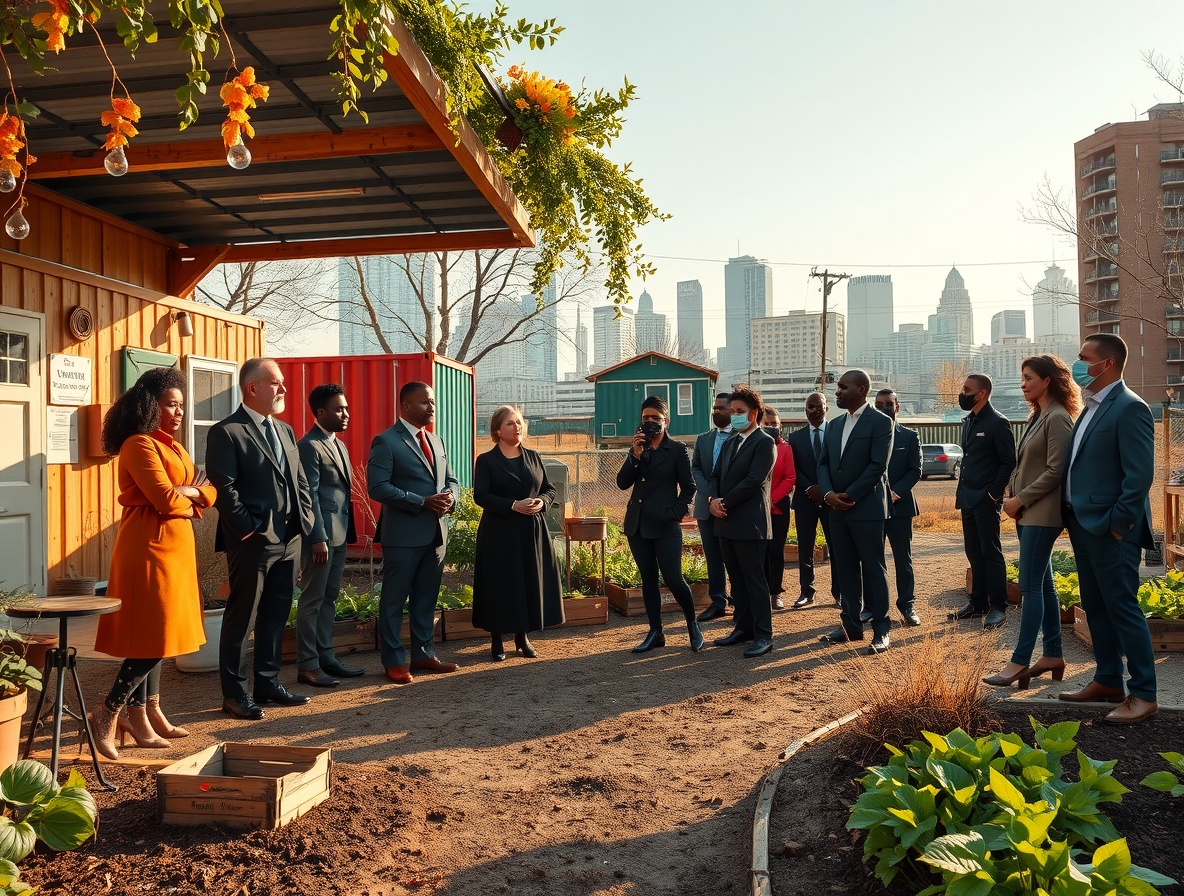
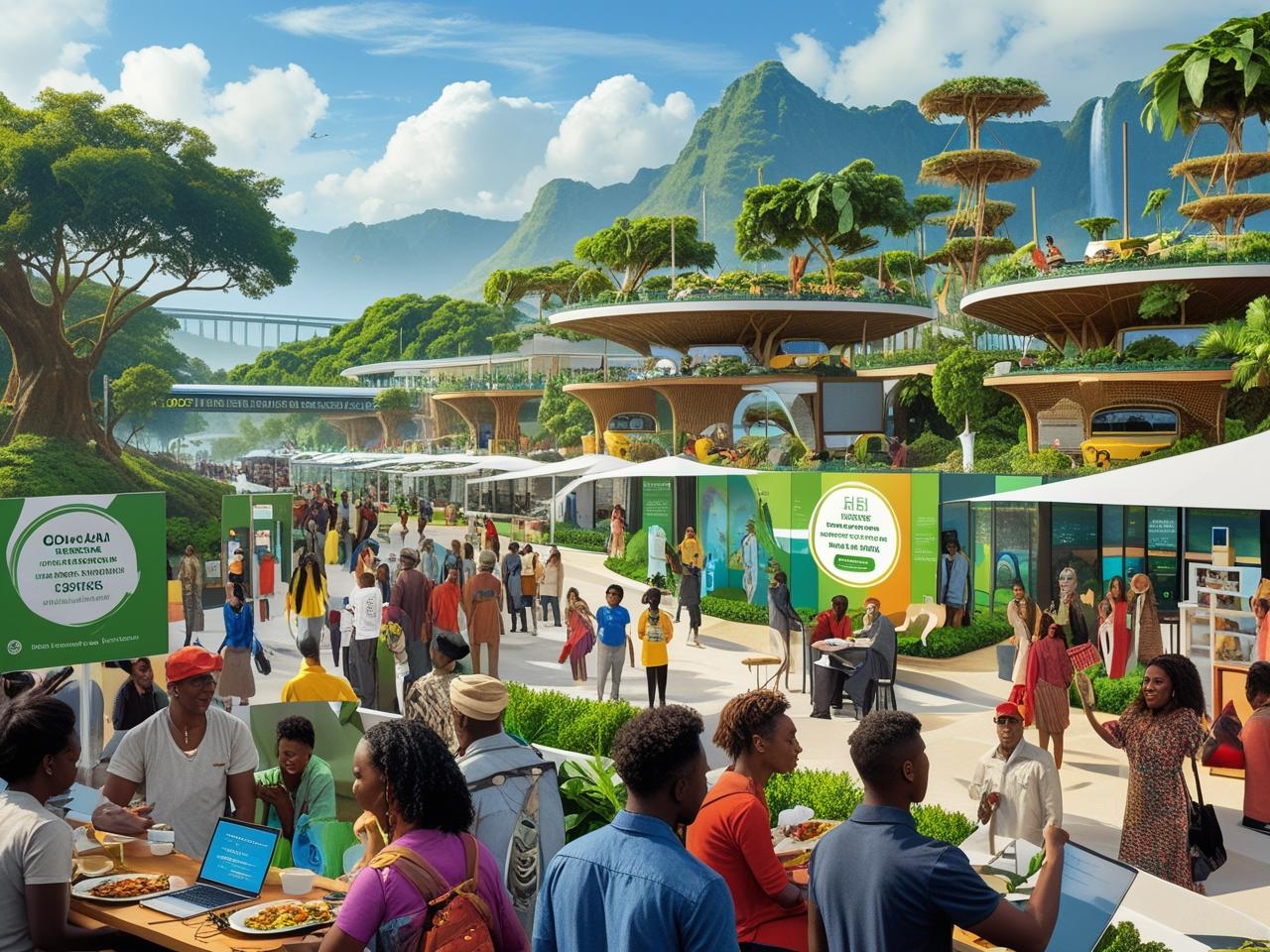
An interpretation representing Black environmental wisdom throughout history, highlighting the contrast from ancient history resilience to pre-colonial sustainability to the impact of industrial exploitation.

Now, black history month 2026 shows us that nature and equity go hand in hand. Leaders like A. Philip Randolph linked civil/labor/human rights to the struggle against industrial harm. This connection remains a cornerstone of modern advocacy.

Leaders saw that pollution often follows the color line with unfortunate accuracy. Getting true balance means that everyone should have a safe and green home for their families. Civil rights must include the right to a healthy, sustainable world.

The Legacy of Black Environmental Stewardship: Setting the Context

While mainstream narratives often celebrate figures like John Muir, the deep-rooted history of Black environmental stewardship remains an unsung pillar of conservation. For too long, the conventional story of environmentalism has focused on white, middle-class concerns. This perspective ignores the vital contributions of black people who have defended their land for centuries. This erasure suggests that protecting the planet is a recent interest for minority groups, but the reality is far more complex.

Long before “sustainability” became a popular corporate buzzword, African American families practiced resource conservation as a way of life. This stewardship was not just about loving nature; it was a strategy for survival and resilience. Indigenous African wisdom regarding agriculture and water management traveled across the Atlantic with enslaved peoples. These communities transformed scarcity into abundance through sheer ingenuity, even when they lacked legal rights to the soil they enriched.

The Legacy of Black Environmental Stewardship: Setting the Context Continuing…

Mainstream movements often separated nature from people, yet Black stewardship recognized that human health and ecological health are the same. This black history shows that environmental action and social justice are inseparable priorities. Environmental justice emerged from a need to protect both the land and the people who depend on it most directly. This legacy proves that the fight for environmental justice is a fundamental part of black history, black history month, and American progress.

Focus AreaMainstream NarrativeBlack Stewardship Legacy
Primary GoalWilderness preservation for recreationCooperative land use and survival
View of NatureSeparate from human societyInseparable from human dignity
MethodologyExclusionary land managementSustainable resource allocation

Understanding this historical context changes how we view modern climate challenges. It reveals that solutions for our planet already exist in ancestral practices and grassroots movements. Strong leaders have consistently demonstrated that we cannot fix the environment without also addressing racial inequity. The following points highlight how this stewardship took shape over time:

  • Agricultural Ingenuity: Enslaved people used African farming techniques to sustain themselves and build American wealth without receiving credit.
  • Resilient Gardens: During the Great Depression, victory gardens became essential tools for food security and community autonomy.
  • Protest as Protection: Civil Rights leaders targeted polluting industries long before modern regulations existed.
  • Interconnected Health: Grassroots activists proved that clean air and water are basic human rights for everyone, not just the elite.

The environment is not just where we go for a hike; it is where we live, work, play, and pray.

From Pre-Colonial Sustainability to Industrial Exploitation

A vibrant illustration representing Black environmental wisdom throughout history, highlighting the contrast from pre-colonial sustainability to the impact of industrial exploitation. In the foreground, a diverse group of three Black individuals in professional business attire stands confidently, sharing knowledge. In the middle, lush green landscapes with traditional farming practices blend with signs of industrial machinery, symbolizing the shift in environmental practices. In the background, a sunset casts warm, golden light, creating a serene atmosphere, while silhouettes of ancient trees and modern factories hint at the ongoing struggle for environmental justice. The composition should evoke a sense of hope and resilience. Inspired by "The Sustainable Digest".

The transition from sacred land stewardship in Africa to the brutal plantation systems of the Americas marks the genesis of environmental injustice. This shift reflects a move from ecological harmony to a system of extraction and discrimination. Understanding this era is crucial to black history and the origins of modern climate activism.

Indigenous African Environmental Wisdom and Sacred Land Practices

Pre-colonial African societies developed sophisticated environmental management systems. They recognized land as a sacred trust rather than an extractable commodity. These communities practiced crop rotation and managed water through collective governance to ensure long-term survival.

Modern permaculture is only now “rediscovering” these techniques with considerable fanfare and notably less humility. These practices embodied what we now define as sustainability. They integrated human life into the natural cycle rather than standing apart from it.

However, they understood it as a spiritual relationship with the Earth. This spiritual bond acknowledged human dependence on natural systems and ecological balance. Such values ensured high diversity across the landscape for future generations.

Wangari Maathai, founder of the Green Belt Movement, later revived these connections. By empowering women to plant millions of trees, she linked conservation to human dignity. Her work showed that protecting ecosystems is a powerful tool for poverty reduction.

Native American leaders also shared this view of the sacred Earth during the formation of the environmental justice movement. They helped early advocates see the planet as a living entity that requires protection. This cross-cultural wisdom remains a cornerstone of ecological resistance.

Slavery, Agricultural Labor, and the Foundation of Environmental Injustice

The transatlantic slave trade did not just extract human beings; it severed them from their environmental knowledge. It then exploited that very expertise to build agricultural wealth in the Americas. This forced labor transformed landscapes while denying enslaved peoples any agency over the land.

This era marks a painful chapter in black history month and black history in general. The plantation system created Americaโ€™s original “sacrifice zones.” These were landscapes that lacked variety because they served monoculture cash crops for global trade.

Enslaved workers bore the brunt of this environmental degradation without seeing the profits. This established the template for modern environmental racism and industrial pollution. Post-emancipation systems like sharecropping continued this exploitation under new names.

Planners concentrated environmental hazards in Black communities through deliberate structural choices. Yet, despite these barriers, Black communities maintained their ecological wisdom and fought for progress. This resilience highlights the enduring contributions black ancestors made to the land.

Woman, Creative, Black lives matter image. https://pixabay.com/photos/woman-creative-black-lives-matter-6394977/
FeaturePre-Colonial African SocietiesIndustrial Plantation System
Land PerceptionSacred trust and community heritageExtractable commodity and capital
Ecological GoalBiodiversity and long-term balanceMonoculture and immediate profit
Human RelationSpiritual stewardship and interdependenceForced labor and exploitation

The Birth of Environmental Justice: Warren County’s Pivotal Protest

While many view conservation as a quest for pristine wilderness, the residents of Warren County redefined it as a struggle for survival. In 1981, North Carolina officials designated this predominantly Black and economically distressed county as a dump site for 60,000 tons of PCB-contaminated soil.

The state chose this location despite a shallow water table that posed a direct threat to the local groundwater. This decision suggested that officials believed poverty and race would equal a lack of resistance. They were profoundly mistaken.

This attempt to bypass safety standards in a marginalized area became a catalyst for change across the united states. It proved that the fight for a clean environment was inseparable from the fight for human dignity and equality.

1981-1982: When Civil Rights Met Environmental Action

The resistance in Warren County signaled a massive shift where the traditional environmental movement finally adopted the tactics of the streets. Local residents and activists organized six weeks of non-violent protests to block 6,000 trucks filled with carcinogenic soil.

People and individuals of kind literally laid their bodies on the road to stop the delivery of toxic waste. This courageous act of civil rights defiance led to over 500 arrests. It was the first time citizens were jailed for defending their right to a non-toxic neighborhood.

These demonstrations quickly captured national attention, forcing the broader public to look at the ugly reality of hazardous waste disposal. The protest proved that “green” issues were not just for the wealthy, but a matter of life and death for the disenfranchised, marginalized, and lower working class.

While the landfill was eventually built, the social cost was too high for the government to ignore. This specific moment in North Carolina history created the framework for what we now call environmental justice.

Rev. Benjamin Chavis and the Definition of Environmental Racism

While serving time in the Warren County Jail, civil rights leader Rev. Benjamin Chavis formulated a concept that changed the political landscape forever. He realized that the targeting of his community was not an accident of geography, but a symptom of systemic racism.

“Environmental racism is racial discrimination in environmental policy-making and the enforcement of regulations and laws, the deliberate targeting of communities of color for toxic waste facilities.”

Rev. Benjamin Chavis

This definition provided a necessary name for the racism embedded in land-use policy. It allowed other communities, from Cancer Alley in Louisiana to Flint, Michigan, to see that their local crises were part of a national pattern.

The struggle in Warren County lasted decades, as the toxic chemicals were not fully remediated until 2004. However, the movement it birthed remains a powerful force in modern civil rights advocacy. Environmental justice is no longer a niche concern; it is a central demand for a fair society.

Key MilestoneHistorical SignificanceOutcome/Impact
1981 Location ChoiceWarren County selected for PCB dump.Sparked the first major intersection of race and environment.
1982 Mass ProtestsOver 500 arrests of non-violent activists.Garnered global media coverage for the cause.
Chavis’s DefinitionCoined the term environmental racism.Provided a legal and social framework for future advocacy.
2004 Site CleanupFinal detoxification of the Warren County site.Proved the long-term cost of discriminatory waste policies.

Founding Figures: The Architects of Environmental Justice

Dr. Robert Bullard, the father of environmental justice, stands confidently in a spacious office overlooking a vibrant urban landscape. In the foreground, he is wearing a professional business suit, hands crossed in front of him, exuding authority and wisdom. The middle ground features shelves filled with books and awards related to environmental activism, symbolizing his extensive contributions to the field. In the background, large windows reveal a clean, green cityscape that reflects progress and sustainability. Soft, natural light filters through, creating an inviting atmosphere. The image captures a contemplative yet hopeful mood, emphasizing the importance of leadership in advancing social justice. This illustration is for "The Sustainable Digest," visually representing the theme of progress in environmental justice and civil rights during Black History Month.

Identifying systemic failures is one thing, but proving they are the result of deliberate policy requires a special kind of courage and academic precision. These visionary leaders did not merely observe the world; they deconstructed the hidden biases within our physical landscapes. By blending rigorous research with community heart, they forced the world to acknowledge that ecology and equity are inseparable.

Dr. Robert Bullard: Proving Systemic Environmental Racism

Dr. Robert Bullard is widely recognized as the father environmental justice. In the early 1980s, his pioneering research provided the first systematic evidence of environmental racism. Robert Bullard famously mapped toxic facility locations against demographic data in Houston to reveal shocking patterns.

He discovered that race, more than income, predicted where waste was dumped. Dr. Robert published his landmark book Dumping in Dixie in 1990, showing how black communities were unfairly targeted. His work proved that dr. robert bullard was right: environmental policy often protected some neighborhoods while sacrificing others.

By using data, robert bullard transformed community complaints into an undeniable academic discipline. Dr. Robert shifted the focus toward justice and public health. Today, the legacy of dr. robert bullard continues to guide urban planning. Finally, robert bullard remains a voice for the voiceless while dr. robert helped define a new era of civil rights.

Hazel M. Johnson: Grassroots Power in Chicago’s Altgeld Gardens

While scholars mapped data, Hazel M. Johnson organized the streets of Chicago. Known as the “Mother of Environmental Justice,” she founded People for Community Recovery in 1979. Her neighborhood, Altgeld Gardens, sat in a “toxic doughnut” of industrial facilities and waste sites.

Johnson didn’t wait for outside experts to validate her reality. She empowered residents to document their own health crises, from asthma to cancer clusters. Her work proved that lived experience is a powerful form of justice.

She brought national attention to the harms facing black communities, demanding that zip codes shouldn’t dictate lifespans. Johnson showed that grassroots leaders can force institutional accountability. She proved that community monitoring is just as vital as laboratory science.

Wangari Maathai: Connecting Conservation to Human Dignity

Across the ocean, Wangari Maathai expanded the movement’s scope to a global scale. As the first African woman to win the Nobel Peace Prize, she founded the Green Belt Movement in 1977. She recognized that planting trees was a tool for both ecological restoration and human rights.

Maathai empowered women to plant tens of millions of trees to combat soil erosion and climate change. She linked environmental conservation directly to sustainable livelihoods and political freedom. Her work demonstrated that you cannot protect the land without protecting the people who depend on it.

“The tree is a wonderful symbol for the peace and hope which can come from a sustainable management of our environment.”

โ€” Wangari Maathai

Her legacy ensures that modern sustainability efforts remain rooted in community dignity and social empowerment. Maathaiโ€™s courage showed that environmentalism divorced from social equity is fundamentally incomplete.

Black lives matter, Protest, Demonstration image.https://pixabay.com/photos/black-lives-matter-protester-black-5251388/
FigureRecognized AsPrimary MethodKey Contribution
Robert BullardFather of Environmental JusticeData Mapping & ResearchProved race as the primary predictor of waste siting.
Hazel JohnsonMother of Environmental JusticeGrassroots OrganizingLed community monitoring in Chicago’s Altgeld Gardens.
Wangari MaathaiNobel Peace Prize LaureateThe Green Belt MovementLinked tree-planting with women’s rights and democracy.

2026 Black History Month, Environmental Justice, and Civil/Labor/Human Rights: The Contemporary Movement

As we observe 2026 black history month, the dialogue surrounding environmental justice has evolved into a sophisticated blend of activism and commerce. This era demands a profound reckoning with how racial justice and ecological health intersect. Modern movements for civil and labor rights now find their most potent expression in the intersection of climate action and socioeconomic equity.

The contemporary landscape of this history month reflects a dynamic shift toward systemic change and economic empowerment. We see a transition from reactive protests to proactive, sustainable industry building. This evolution honors the legacy of justice while forging new paths for the next generation of pioneers.

Leah Thomas and the Rise of Intersectional Environmentalism

Leah Thomas has fundamentally shifted the green narrative by coining the term “Intersectional Environmentalist.” Her framework acknowledges that environmental harm disproportionately impacts marginalized communities of color. Through her platform and book, she advocates for a brand of sustainability that is inclusive and inherently just.

Thomas argues that protecting the planet requires an unwavering commitment to social equity and the dismantling of systemic barriers. Her work demands that mainstream organizations move beyond superficial diversity initiatives. She insists on a fundamental restructuring that centers those bearing the heaviest environmental burdens.

“We cannot save the planet without uplifting the voices of those most impacted by its destruction, ensuring that our green future is accessible to everyone.”

Her approach articulates that environmentalism ignoring race or class merely perpetuates existing inequities. By focusing on environmental justice, Thomas ensures that conservation efforts do not ignore the plight of urban pollution hotspots. This intellectual shift has become a cornerstone of the movement during this history month.

Black-Owned Sustainable Businesses Transforming Industries

The rise of Black-owned sustainable businesses proves that environmental leaders extend far beyond traditional activism. Every ceo in this space demonstrates that building a better economy requires integrating ethics into the very foundation of a company. They are proving that profitability and planetary health are not mutually exclusive goals.

Aurora James: Ethical Fashion and the 15 Percent Pledge

Aurora James, the ceo of Brother Vellies, has redefined luxury through the lens of traditional African craftsmanship. Her brand uses vegetable-tanned leathers and recycled tire materials to create high-end goods. This model enriches source communities rather than extracting from them in a predatory manner.

Beyond fashion, James launched the 15 Percent Pledge to address economic inequality in retail spaces. This initiative urges major retailers to dedicate shelf space proportional to the Black population. It recognizes that rights to economic participation are essential for long-term community sustainability.

Karen Young and SaVonne Anderson: Sustainable Consumer Products

Karen Young founded OUI the People to tackle the beauty industryโ€™s massive plastic waste problem. Inspired by her upbringing in Guyana, she promotes refillable glass bottles and durable stainless steel razors. Her company challenges the “disposable” culture that often harms low-income neighborhoods and others through landfill overflow.

SaVonne Andersonโ€™s Aya Paper Co. provides an eco-friendly alternative in the greeting card market. Her products use 100% recycled materials and plastic-free production methods right here in the U.S. By prioritizing diversity in supply chains, she shows how small consumer choices support a larger green future.

Linda Mabhena-Olagunju and Sinah Mojanko: African Energy and Recycling Leadership

In South Africa, Linda Mabhena-Olagunju leads DLO Energy Resources Group, a powerhouse in renewable energy. She develops large-scale wind and solar farms that combat climate change while closing energy gaps. Her leadership ensures that Black women are at the forefront of the continentโ€™s green energy transition.

Sinah Mojankoโ€™s Tiyamo Recycling transforms waste management into a vehicle for economic opportunity. Her model empowers unemployed individuals to become entrepreneurs within the recycling sector. This approach solves social and ecological challenges simultaneously, proving that justice can be found in the circular economy.

LeaderOrganizationKey InnovationSocial Impact
Leah ThomasIntersectional EnvironmentalistIntersectional FrameworkCentering marginalized voices
Aurora JamesBrother Vellies / 15% PledgeRecycled Tire MaterialsEconomic retail equity
Linda Mabhena-OlagunjuDLO Energy ResourcesWind and Solar FarmsRenewable energy access
Karen YoungOUI the PeopleRefillable Glass SystemsPlastic waste reduction

The Ongoing Struggle: Environmental Racism in Contemporary America

A powerful scene illustrating environmental racism in contemporary America, focusing on a marginalized community neighborhood surrounded by industrial pollution. In the foreground, a diverse group of community activists in professional business attire, holding banners advocating for environmental justice. In the middle ground, a stark contrast between their efforts and the backdrop of an old factory emitting smoke and waste. The background features crumbling infrastructure and overgrown lots, symbolizing neglect. The lighting is dramatic, with a somber, overcast sky to reflect the serious mood, emphasizing the urgency of their struggle. Capture the image at a slightly low angle to give the activists a sense of empowerment against the oppressive environment. The Sustainable Digest should be subtly referenced through elements like an eco-friendly banner.

Forty years after the first major protests, the systems of environmental racism still work with a quiet efficiency. It remains vital for black communities to stay informed about these geography-based hazards. Today, the maps of risk often trace the same lines drawn by historical exclusion.

The Statistics Behind Environmental Inequality Today

Rev. Benjamin Chavis points to a hard truth about our modern era. Roughly 20% of all african americans are exposed environmental hazards today. In contrast, less than 2% of white families face these same risks.

This tenfold gap persists regardless of wealth or education levels in these communities. Experts often call this “policy violence” because it stems from choices made in high-level offices. Older african americans die three times more often from pollution-related illnesses than their white peers.

These numbers prove that racism exists in the very air some people breathe. In Flint, Michigan, the water crisis showed the lethal side of bad environmental policy. Corroded pipes poisoned a majority-Black city because officials prioritized costs over public health.

Similarly, “Cancer Alley” in Louisiana exposes communities to toxic air from chemical plants. Industrial waste and air toxins often target these specific areas. This leaves residents exposed environmental poisons that whiter areas successfully avoid.

Policy Rollbacks and the Dismantling of Environmental Justice Protections

National progress often depends on who sits in the Oval Office. The Biden administration used the Inflation Reduction Act to fund climate solutions and equity projects. These efforts gave hope to many who seek better environmental protection.

However, recent political changes often lead to a dismantling of these vital safety nets. Federal policy shifts have led to the removal of justice-focused language from many official records. Cutting budgets for these programs acts as a form of active discrimination.

Leaders often treat environmental protection for the vulnerable as a luxury rather than a right. This trend confirms that racial discrimination in the united states is not just a ghost of the past. It is an ongoing choice made by current lawmakers.

Even with these rollbacks, grassroots power remains a beacon of hope. People are organizing to fight for a cleaner climate and safer neighborhoods. They understand that a single policy change can harm their health for generations.

By building local strength, they resist the environmental racism and systemic racism that dictates where toxic waste is dumped. Their persistence proves that collective action is the best shield for black communities.

Community GroupPrimary Environmental HazardKey Statistic or Impact
Puerto Rican ResidentsRespiratory IrritantsDouble the national asthma incidence
Hopi NationHeavy Metal Contamination75% of water supply contains arsenic
Cancer Alley (LA)Petrochemical CarcinogensCancer rates far above national average
Older Black AdultsIndustrial Particulates3x mortality rate from air pollution
Flint, MichiganLead-Tainted WaterState-wide denial of toxic pipe corrosion

Conclusion: From Labor Rights to Environmental Justiceโ€”Building Our Collective Future

The 2026 Black History Month theme, “African Americans and Labor,” reveals that environmental justice is essentially labor justice. Fighting for fair wages and breathable air are inseparable goals for communities seeking equity. Workers breathing fumes on factory floors and families in nearby homes face the same exploitative system.

History (through Black History Month) shows us this connection through the work of A. Philip Randolph and Addie Wyatt. They bridged labor rights with civil rights during the 1963 March on Washington. Even Frederick Douglass championed economic justice alongside abolition, proving that workplace dignity sustains life for everyone.

These early contributions paved the way for the 1991 People of Color Environmental Leadership Summit. This landmark event established 17 principles that the United Nations now recognizes. Analysis by the father of environmental justice, Dr. Robert Bullard, helped activists expose the patterns of racial discrimination.

Today, the modern environmental movement faces complex hurdles, including legislative rollbacks and the global climate crisis. We simply cannot address climate change while tolerating the survival of environmental justice gaps. A resilient future demands that we dismantle the siloed approach to social rights and ecological health.

Building collective progress depends on staying involved, as Reverend Benjamin Chavis often emphasizes to his followers. We must honor civil rights icons by pushing for justice in every zip code. True change occurs when people refuse to let their spirits be broken by the immense challenges ahead.

Celebrating the 2026 theme means transforming commemoration into a deep, lasting commitment to the earth and its people. Every step toward sustainability is a step toward progress for all of humanity. Strong action today ensures that the next generation inherits a planet defined by balance and fairness.

Keyย Takeaways

  • Sustainabilityย requiresย addressingย historicalย racialย andย economicย gaps.
  • Theย currentย themeย connectsย industrialย workย toย landย stewardship.
  • Environmentalย equityย isย aย long-standingย civilย rightsย issue.
  • Africanย Americanย innovationsย inย farmingย startedย centuriesย ago.
  • Protestsย againstย toxicย wasteย helpedย shapeย modernย greenย policy.
  • Clean air and water are fundamental to human dignity.

Davos 2026: A Look Back at the World Economic Forum for Sustainability

World Economic Forum Devos 2026 in retrospect for Sustainable Development

The 56th Annual Meeting convened in the Swiss Alps during January 2026 with ambitious promises. Its theme, “A Spirit of Dialogue,” suggested a renewed commitment to global cooperation. Yet the gathering quickly revealed a stark contrast between aspiration and reality.

This retrospective examines how the forum’s environmental agenda fared against a fractured geopolitical landscape. The official focus on building “prosperity within planetary boundaries” represented familiar rhetoric. However, the actual discussions exposed deep cracks in multilateral collaboration.

With over 1,300 leaders surveyed for the Global Risks Report, environmental threats were paradoxically downgraded as immediate concerns. They remained the most severe long-term dangers. The central questionโ€”how to achieve growth without breaching ecological limitsโ€”faced its toughest test yet.

The irony of pursuing dialogue amidst palpable division defined the event’s legacy. As one observer noted, it highlighted both the potential and the profound limitations of such gatherings in an era of global rupture.

1. The “Spirit of Dialogue” in a World of Division

Davos 2026 opened with the ambitious theme ‘A Spirit of Dialogue’ just as international cooperation reached a critical low point. The annual meeting promised to serve as an impartial platform for exchanging views. This occurred during significant geopolitical and societal shifts.

The World Economic Forum positioned itself as a neutral convening space. Impartiality had become a scarce commodity in global relations. The forum’s stated goal was to engage diverse voices and broaden perspectives.

It aimed to connect insights across global challenges. The gathering sought to catalyze problem-solving with actionable insight. Yet the reality of January 2026 presented a stark contrast.

The Global Risks Report that year identified “geoeconomic confrontation” as the top immediate threat. This context made the call for dialogue either prescient or profoundly ironic. The theme arrived at a moment when multilateral institutions faced unprecedented strain.

1. The “Spirit of Dialogue” continuing

True dialogue presupposes willing participants speaking in good faith. Several developments suggested otherwise. The Iranian Foreign Minister’s invitation was revoked before the meeting.

Israeli Prime Minister Benjamin Netanyahu stayed away over International Criminal Court warrant fears. These absences created palpable gaps in the conversation. Key voices were missing from critical discussions.

“The forum’s convening power was tested not by who attended, but by who did notโ€”and why.”

The ambition to “connect the dots” across issues like climate and conflict faced immediate obstacles. Connecting basic diplomatic dots between major powers proved difficult. This challenged the very premise of the gathering.

The WEF promised a focus on frontier innovation and future-oriented policy. However, the most evident innovation at Davos 2026 was in diplomatic disruption. Technological breakthroughs took a backseat to political maneuvering.

Certain world leaders commanded attention through monologue rather than conversation. The spirit dialogue ideal represented a hopeful anachronism. It belonged to an era of smoother international collaboration.

This examination considers whether the forum’s structure fostered genuine exchange. Did it provide a stage for pre-scripted performances instead? The global audience watched closely for signs of substantive progress.

The economic forum sought to remain decisively future-oriented. Yet present tensions repeatedly pulled focus backward. The world economic landscape in 2026 demanded immediate action on multiple fronts.

Davos 2026 thus became a laboratory for testing dialogue’s limits. It revealed both the enduring need for such spaces and their structural vulnerabilities. The gathering highlighted the difficult work of building bridges when foundations are shaking.

2. The Blueprint: Sustainability on the Official Agenda

A dynamic scene at Davos 2026, featuring a diverse group of professionals engaged in animated discussions about sustainability. In the foreground, a diverse panel of speakers, dressed in professional business attire, passionately discusses sustainable initiatives. The middle ground features an audience of attentive participants, taking notes and engaging with digital devices. The background showcases the iconic Davos mountains, framed by large screens displaying graphs and sustainability goals. Natural light spills in through large windows, creating a bright and optimistic atmosphere. The mood is collaborative and forward-thinking, emphasizing the importance of sustainability in global discussions. The image should evoke a sense of purpose and innovation, with a subtle overlay of the brand name "The Sustainable Digest".

Beneath the main stage’s geopolitical drama, a parallel universe of sustainability discussions unfolded according to a packed schedule. The official program for January 2026 presented a detailed blueprint for addressing environmental challenges. It promised serious engagement with the most pressing ecological issues of our time.

This agenda existed in curious tension with the gathering’s broader context. While diplomats negotiated crises elsewhere, session rooms filled with talk of decarbonization and nature-positive models. The contrast between planned progress and unfolding reality would define the week.

2.1. The Core Environmental Challenge: “Prosperity Within Planetary Boundaries”

The central question framing the environmental track was deceptively simple. “How can we build prosperity within planetary boundaries?” asked the official theme. This query attempted to reconcile economic growth with ecological preservation.

Supporting data gave the theme urgency. Nature loss already impacted 75% of Earth’s land surface. Yet transitioning to nature-positive business models promised enormous reward.

Such models could unlock $10 trillion annually by 2030, according to forum materials. This created a compelling financial argument for environmental action. The challenge lay in transforming theoretical value into practical investment.

The phrase “planetary boundaries” suggested hard limits to growth. Yet the accompanying rhetoric emphasized opportunity rather than constraint. This delicate balance would be tested throughout the week’s discussions.

2.2. A Packed Schedule: Key Sessions on Climate, Energy, and Nature

The calendar for January 2026 was dense with sustainability events. Each day featured multiple sessions addressing specific facets of the environmental crisis. The schedule reflected both breadth of concern and specialization of solutions.

On January 20th, “How Can We Build Prosperity within Planetary Boundaries?” set the stage. “Business Case for Nature” followed, exploring corporate engagement with biodiversity. These sessions established the fundamental premise of the week’s environmental dialogue.

January 21st brought sharper focus to climate and energy concerns. “How Can We Avert a Climate Recession?” financialized the climate debate. “Unstoppable March of Renewables?” examined the pace of the energy transition.

The title’s question mark hinted at underlying uncertainty. Even supposedly unstoppable forces faced political and technical hurdles. This session would likely reveal both optimism and caution.

Final days addressed implementation mechanisms. “Will We Ever Have a Global Plastics Treaty?” on January 22nd questioned multilateral collaboration. “How to Finance Decarbonization?” tackled the practicalities of funding climate action.

Each topic represented a critical piece of the sustainability puzzle. Together, they formed what appeared to be a comprehensive roadmap. The question remained whether discussion would translate into tangible progress.

2.3. The Climate Hub and Side Events: A Parallel Sustainability Track

Beyond the main conference center, a vibrant ecosystem of side events operated. The Climate Hub Davos, organized by GreenUp, hosted its own series of conversations. Positioned somewhat ironically behind food trucks, it became a hub for specialized dialogue.

Its programming addressed gaps in the official agenda. “The Missing Middle: Driving the Just Transition Within Supply Chains” on January 19th focused on implementation equity. “Business Opportunities with Nature – How Do We Unlock Them?” the next day continued the theme of monetizing conservation.

“The Climate Hub represented where rubber met roadโ€”or perhaps where idealism met the food trucks.”

Meanwhile, the House of Switzerland hosted particularly poignant discussions. “Redefining Energy Security” on January 21st gained unexpected relevance amid geopolitical tensions. “Building Resilient Infrastructure for a Changing World” that same day addressed physical resilience against climate impacts.

These side conversations suggested a thriving subculture of sustainability innovation. They explored fungal solutions, regenerative agriculture, and circular economy models. This parallel track demonstrated both specialization and fragmentation within the environmental movement.

The proliferation of events revealed a community determined to advance its agenda. Whether this determination could influence the broader gathering remained uncertain. The sustainability blueprint was comprehensive, but its implementation faced the ultimate test of political will.

3. The Geopolitical Earthquake That Shook Davos

A dispute over a remote Arctic territory became the uninvited guest that dominated corridors and closed-door meetings throughout the week. The gathering’s carefully curated sustainability agenda found itself competing with a real-time diplomatic rupture.

This seismic shift in focus revealed the fragility of multilateral institutions during this contentious era. What began as a routine policy conference transformed into a geopolitical thriller.

The theme “How can we cooperate in a more contested world?” proved painfully prescient. Cooperation appeared more elusive than ever during those tense days in January 2026.

3.1. The Greenland Crisis and Transatlantic Tensions

The Greenland crisis served as the gathering’s unexpected plot device. A “big, beautiful block of ice” in one leader’s phrasing came to dominate discussions.

It revealed fractures in the post-war international order. No amount of Alpine diplomacy could easily mend these tensions.

Transatlantic relations faced unprecedented strain over sovereignty claims. Decades-old alliances showed vulnerability to unilateral actions.

Rhetorical escalation made trust appear as fragile as Alpine ice in January 2026. The crisis influenced bilateral meetings and colored public speeches.

It overshadowed planned sustainability dialogues throughout the week. The aftershocks of this geopolitical earthquake would be felt in every session.

Critical discussions on trade, investment, and infrastructure were reframed through this security lens. Global supply chains were analyzed for vulnerability.

The crisis presented immediate challenges to international cooperation frameworks. It tested whether the gathering served as a pressure valve or an accelerant for discord.

3.2. Absent Voices: The Revoked and Reluctant Leaders

The absence of key figures spoke volumes about the state of global diplomacy. Missing voices created palpable gaps in critical conversations.

Iranian Foreign Minister Abbas Araghchi’s invitation was revoked before the meeting. This followed Iran’s violent crackdown on domestic protests.

Israeli Prime Minister Benjamin Netanyahu skipped the gathering entirely. Fears of arrest under International Criminal Court warrants kept him away.

President Isaac Herzog attended instead, delivering pointed criticism. He characterized the ICC warrants as “politically motivated” and “a reward for terror.”

“The forum’s convening power was measured not by who attended, but by who did notโ€”and why their absence mattered.”

These absences demonstrated how international justice mechanisms now directly impacted participation. The gathering became a stage for diplomatic grievance airing.

Herzog’s comments highlighted the forum’s role in this era of contested legitimacy. They revealed how multilateral institutions faced credibility challenges.

The revoked invitation and reluctant attendance patterns signaled deeper shifts. They reflected a world where traditional diplomatic norms were undergoing rapid change.

This year‘s participation patterns might establish precedents for future years. The January 2026 gathering thus became a case study in diplomatic exclusion.

It raised questions about which leaders could safely participate in global dialogues. The very structure of international cooperation faced scrutiny.

These absent voices left conversations incomplete during critical January 2026 discussions. Their missing perspectives shaped the gathering’s outcomes in subtle but significant ways.

4. A Tale of Two Speeches: Trump’s Monologue vs. Carney’s Warning

A dramatic scene depicting two contrasting speeches at the World Economic Forum in Davos, 2026. In the foreground, Donald Trump stands confidently at a podium, wearing a tailored suit, gesturing animatedly with a determined expression. Next to him, Mark Carney, dressed in a sleek business suit, looks pensive, his hands clasped, signaling caution and urgency. In the middle ground, an audience of diverse professionals attentively listens, creating an atmosphere of tension and anticipation. The background features the iconic snowy Swiss Alps and a modern conference hall adorned with sustainability-themed visuals. Soft, diffused lighting highlights the speakers, casting gentle shadows, while capturing the gravitas of their messages. The mood is one of intense dialogue and contrasting ideologies in the fight for sustainable development. The Sustainable Digest logo subtly integrated into the scene, blending seamlessly with the setting.

While the official theme promoted dialogue, the most memorable moments came from dueling monologues that revealed deeper fractures. Two competing visions for global governance played out in real time during that pivotal week. The rhetorical contrast could not have been starker.

One address celebrated unilateral power and questioned environmental consensus. The other warned of systemic rupture and called for middle power solidarity. Together, they framed the central challenge of the january 2026 gathering.

This section examines how these speeches became the event’s defining intellectual showdown. They transformed abstract debates about order into vivid political theater.

4.1. Donald Trump’s “America First” Revival and Greenland Gambit

The former U.S. president returned to the international stage with familiar bravado. He declared America “the economic engine on the planet” while dismissing climate policy as “perhaps the greatest hoax in history.” His speech revived the “America First” doctrine with renewed intensity.

Trump treated the forum as both platform and geopolitical prop. He used the global audience to advance unilateral territorial claims. The address blended economic boosterism with calculated brinkmanship.

His extended meditation on Greenland became the speech’s centerpiece. “All the United States is asking for is a place called Greenland,” he stated plainly. The comment transformed a remote territorial dispute into a metaphor for shifting power dynamics.

Trump pledged not to use force but added a significant caveat. “You need the ownership to defend it,” he explained. This logic framed sovereignty as prerequisite for security in the new geopolitical landscape.

The speech revealed a particular approach to international dialogue. It treated multilateral spaces as venues for assertion rather than negotiation. This reflected a broader change in how some leaders engaged with global institutions.

4.2. Mark Carney’s “Rupture in World Order” and Call to Action

The Canadian Prime Minister offered a starkly different diagnosis hours later. Mark Carney warned of “a rupture in world order” where “geopolitics is submitted to no limits.” His speech presented a counter-narrative requiring collective action.

Carney did not mention Trump directly. Yet his analysis directly addressed the unilateralism displayed earlier. He called for middle powers to unite against great power coercion.

“Great powers have begun using economic integration as weapons,” he observed. “Tariffs as leverage, financial infrastructure as coercion, [and] supply chains as vulnerabilities to be exploited.” This cataloged the new tools of geopolitical competition.

His most resonant line became a guiding principle for many attendees. “If we’re not at the table, we’re on the menu,” Carney cautioned. This framed strategic positioning as essential survival in an era of contested trade.

“The rupture is not just in diplomacy but in the very frameworks we assumed were permanent. Economic tools have become geopolitical weapons, and middle powers must recognize this new reality.”

โ€” Analysis of Carney’s Davos 2026 address

Carney’s speech represented a different kind of statesmanship. It combined analytical depth with urgent prescription. The address reframed the entire topic of international cooperation for the coming years.

4.3. Media and Diplomatic Reception: Contrasting Statesmanship

Audience reactions highlighted the speeches’ divergent impacts. CNN reported that attendees during Trump’s address “grew more restless and uncomfortable.” The network noted “only tepid applause at the end.”

Contrast this with the reception for Carney’s warning. Australian Treasurer Jim Chalmers called the speech “stunning” in its clarity and urgency. Many diplomats described it as the week’s most substantive contribution.

Media analysis crystallized the contrast perfectly. Foreign Policy magazine characterized the conference as “a tale of two speeches.” It contrasted Trump’s “rambling and bullying” with Carney’s “eloquent exposition.”

This reception revealed deeper judgments about political style and substance. One speech was seen as performance, the other as serious statecraft. The dichotomy extended beyond content to perceived purpose.

The speeches’ afterlife in diplomatic circles demonstrated their lasting impact. Carney’s framing proved particularly influential among nations reassessing their positions. Many middle powers began discussing coordinated responses.

Trump’s Greenland comments immediately entered geopolitical negotiations. They became a reference point in transatlantic discussions for months. Both addresses showed how rhetoric at such gatherings could shape real policy.

The competing visions presented that week continued to define international debates. They represented fundamentally different approaches to growth, security, and global challenges. The january 2026 speeches became case studies in how leaders use international platforms.

Ultimately, the tale of two speeches captured the gathering’s central tension. It pitted unilateral assertion against collective problem-solving. This conflict would define the global economy and political innovation in the years following the event.

5. Beyond the Main Stage: The Board of Peace and Other Initiatives

Beyond the spotlight of keynote addresses, a complex ecosystem of side events defined the gathering’s substantive outcomes. While speeches captured headlines, the real progress often emerged from charter signings, protests, and award ceremonies.

This parallel universe operated throughout the week. It revealed how the forum functioned as an aggregation point for global advocacy. Diverse causes competed for attention beyond the official agenda.

The Board of Peace: Diplomatic Entrepreneurship

The inaugural meeting of the Board of Peace represented ambitious diplomatic innovation. Its charter announcement on January 22, 2026 featured former President Donald Trump center stage.

This illustrated the gathering’s utility as a convening platform. Controversial figures could launch initiatives alongside geopolitical escalation. The paradox was striking.

Peace boards emerged while tensions dominated main stage discussions. This raised questions about their genuine conflict resolution potential. Were they substantive mechanisms or diplomatic theater?

“The Board of Peace charter signing demonstrated how Davos serves entrepreneurial diplomacyโ€”where even the most polarizing figures can launch initiatives that may outlast the week’s headlines.”

The initiative’s timing during the Greenland crisis added layers of irony. It suggested the enduring appeal of peace as a business proposition. Yet its practical action plan remained unclear to many observers.

Diaspora Advocacy: Kurdish Protests at Switzerland’s Doorstep

Hundreds of Kurdish protesters arrived in Davos with a different agenda. They raised awareness about Syrian military offensives against Kurdish regions. Their presence highlighted how global conflicts literally arrived at Switzerland’s doorstep.

The forum served as a magnet for diaspora advocacy throughout that week. Marginalized groups sought international attention through direct action. This created visible tension with the gathering’s polished image.

Protests represented raw, unfiltered political action. They contrasted sharply with the controlled environment of conference rooms. Yet both sought similar outcomes: influencing global opinion and policy.

Celebrating Philanthropic Innovation: The GAEA Awards

The GAEA (Giving to Amplify Earth Action) Awards honored climate and nature initiatives. This continued the tradition of celebrating philanthropic innovation within the forum‘s ecosystem.

Award ceremonies provided recognition for concrete solutions. They highlighted successful models for environmental finance and action. Yet the broader context made such celebrations seem increasingly aspirational.

While geopolitical earthquakes shook main halls, GAEA celebrated incremental progress. This dichotomy revealed the gathering’s fragmented nature. Multiple realities coexisted without necessarily connecting.

The Hotel Suite Diplomacy: Where Real Deals Were Discussed

Beyond all programming, the real “work” occurred in hotel suites and private dinners. Bilateral deals were discussed away from public view. Alliances were tested in these exclusive spaces.

This shadow diplomacy operated parallel to official events. It represented the traditional power brokerage that the forum has always facilitated. Business leaders and politicians negotiated directly.

These discussions focused on practical collaboration and finance arrangements. They often addressed the very technology and infrastructure projects mentioned publicly. Implementation details were hammered out privately.

Comparing Parallel Initiatives: Complementarity or Distraction?

The proliferation of side initiatives demonstrated both depth and fragmentation. Each track pursued its agenda with varying degrees of connection to the main program. The table below analyzes key parallel events from January 2026.

InitiativeTypeKey ParticipantsDatePrimary FocusNature
Board of Peace CharterDiplomatic LaunchDonald Trump, Various DiplomatsJanuary 22Conflict Resolution FrameworkPublic Ceremony
Kurdish ProtestsDiaspora AdvocacyHundreds of Kurdish ActivistsThroughout WeekSyrian Conflict AwarenessPublic Demonstration
GAEA AwardsPhilanthropic RecognitionClimate Funders, NGO LeadersJanuary 21Environmental FinanceFormal Ceremony
Hotel Suite MeetingsBilateral DiplomacyBusiness Leaders, Government OfficialsVarious EveningsDeal NegotiationPrivate Discussions
Climate Hub DavosSpecialized ForumEnvironmental Experts, EntrepreneursDaily SessionsTechnical SolutionsSemi-Public Programming
Devos 2026 and World Economic Forum

This constellation of activities created a rich but disjointed experience. Some initiatives complemented the main agenda by addressing its gaps. Others seemed to operate in entirely separate universes.

The Board of Peace responded to the week’s geopolitical tensions. Kurdish protests highlighted conflicts absent from official discussions. GAEA Awards celebrated environmental solutions overshadowed by security concerns.

Hotel suite diplomacy conducted the practical business that public panels only theorized about. Each parallel track served different stakeholders with varying definitions of progress.

Ultimately, these side events revealed the gathering’s true complexity. They demonstrated how multilateral spaces host competing narratives simultaneously. The forum became a microcosm of global fragmentation itself.

Whether this represented meaningful complementarity or mere distraction depended on one’s position. For diaspora groups, it offered rare access. As for dealmakers, it provided essential privacy. For philanthropists, it granted valuable recognition.

The January 2026 experience suggested that the main stage no longer dominated outcomes. Power and influence had diffused throughout the entire ecosystem. This may represent the most significant innovation of modern global gatherings.

6. Assessing the Outcomes for Sustainable Development

A panoramic view of the World Economic Forum at Davos, showcasing a diverse group of professionals and thought leaders engaged in discussions about sustainable development outcomes. In the foreground, a roundtable discussion featuring individuals in professional business attire, thoughtfully analyzing data on tablets and laptops. The middle section includes banners displaying eco-friendly symbols and infographics demonstrating key sustainability metrics. The background features the stunning Swiss Alps, under a bright, clear blue sky with soft sunlight illuminating the scene, conveying a hopeful and dynamic atmosphere. Incorporate elements like green technology, urban sustainability projects, and nature conservation visuals subtly integrated into the surroundings. The Sustainable Digest logo appears discreetly in the corner, enhancing the focus on sustainable development.

A balanced examination of the forum’s impact on environmental goals shows a landscape of partial victories and significant omissions. The gathering’s outcomes for ecological priorities were neither uniformly positive nor entirely negative.

Instead, they reflected the broader tension between programmed ambition and participant preoccupation. This analysis separates ceremonial dialogue from substantive progress.

It measures what was actually achieved for planetary health during those tense days. The results reveal an enduring gap between international rhetoric and implementation.

Any honest assessment must acknowledge both tangible achievements and glaring omissions. The sustainability agenda advanced in some corridors while receding dramatically in others.

Three distinct dimensions emerged from the post-event analysis. First, specific professional networks maintained their momentum despite geopolitical headwinds.

Second, the “urgent versus important” dilemma plagued nearly every discussion. Third, silent issues spoke volumes about selective attention spans.

This section examines each dimension to determine whether the gathering moved the needle. Did it create meaningful change, or merely maintain existing trajectories?

6.1. Achievements: Dialogue, Networking, and Specific Proposals

Despite the geopolitical turbulence, certain sustainability channels remained open and productive. The most concrete achievement was the maintenance of professional networks dedicated to environmental solutions.

Specialists in nature-positive finance continued their conversations from previous years. They developed specific proposals for blending conservation with commercial investment.

These discussions occurred in dedicated spaces like the Climate Hub. While geographically marginalized, they maintained technical depth.

Several working groups produced actionable frameworks for corporate engagement with biodiversity. These frameworks addressed how business models could integrate ecological metrics.

They focused on practical implementation rather than theoretical aspiration. The innovation lay in connecting conservation science with capital allocation decisions.

Dialogue channels between policymakers and private sector leaders also remained intact. These connections proved resilient to the week’s diplomatic disruptions.

They facilitated discussions about regulatory policy for the energy transition. Specific technology partnerships were explored for renewable infrastructure.

“The real work happened in the side rooms where specialists spoke the same language. While the main stage debated Greenland, these groups were designing the financial architecture for nature-positive growth.”

โ€” Sustainability consultant attending Davos 2026

The GAEA Awards ceremony provided recognition for proven environmental action. It celebrated philanthropic models that had demonstrated measurable impact.

This maintained momentum for climate finance initiatives. It created visibility for successful approaches that could be scaled.

Perhaps the most significant achievement was simply keeping certain conversations alive. In a world increasingly focused on security concerns, maintaining ecological dialogue represented progress.

World Economic Forum and Davos 2026

6.2. Challenges: Overshadowed Agenda and the “Urgent vs. Important” Dilemma

The packed sustainability schedule existed in curious isolation from the gathering’s dominant conversations. While session rooms discussed decarbonization, corridors buzzed with geopolitical speculation.

This disconnect highlighted the forum’s central challenge. Immediate crises consistently overshadowed longer-term environmental challenges.

The “urgent versus important” dilemma plagued every day of programming. Fast-breaking political dramas captured attention that slow-moving ecological crises could not.

Climate change’s relative demotion symbolized this broader shift. From main stage prominence to a hub behind food trucks, its positioning spoke volumes.

One observer captured this tension with particular clarity. “Davos is struggling, like so many others, to reconcile the important with the urgent,” they noted.

This struggle manifested in attendance patterns at sustainability sessions. While technically well-programmed, they competed with more sensational diplomatic developments.

The Greenland crisis served as the ultimate attention magnet. It reframed discussions about trade, infrastructure, and supply chains through a security lens.

Economic growth conversations became subordinated to sovereignty concerns. Environmental action appeared less pressing than territorial disputes.

This prioritization reflected a broader global governance change. Multilateral institutions increasingly addressed immediate crises at the expense of systemic solutions.

The forum became a microcosm of this international pattern. Its struggle mirrored challenges facing United Nations bodies and other diplomatic platforms.

Ultimately, the gathering demonstrated how easily environmental agendas can be sidelined. Even with meticulous programming, they require political oxygen to survive.

In January 2026, that oxygen was consumed by more combustible diplomatic material. The sustainability blueprint faced implementation challenges beyond its designers’ control.

6.3. The Silent Issues: What Davos 2026 Failed to Address

The most revealing outcomes were not what was discussed, but what was conspicuously absent. Several critical global issues received scant attention throughout the week.

These silent issues spoke volumes about the gathering’s selective focus. They revealed organizer priorities and participant preoccupations in equal measure.

One observer provided a damning catalog of omissions. “Forget the issues of Davos past: sustainable development goals, global health, ESG,” they began.

“It’s hard not to be struck by what was left undiscussed. What about current geopolitics? Ukraine, Gaza, Iran, Venezuela, and Sudan received scant attention. The U.S.-China relationship…was largely absent from the agenda, as were the major trade and fiscal imbalances.”

This selective attention reflected several underlying dynamics. First, certain conflicts had become diplomatically “stale” despite ongoing human suffering.

6.3.5 Silent Issues Continuing

Second, major power relationships were perhaps too sensitive for open discussion. Third, fiscal imbalances lacked the dramatic appeal of territorial disputes.

The U.S.-China relationship’s absence was particularly noteworthy. As the defining geopolitical tension of the era, its omission suggested deliberate avoidance.

Major trade imbalances and currency issues also went underdiscussed. These economic fundamentals received less attention than sensational sovereignty claims.

The observer extended their critique to environmental priorities. “Climate change used to be front and center,” they noted. “This year, the one climate hub that I saw was located ignominiously behind the food trucks.”

This geographical marginalization symbolized a broader demotion. Ecological crises were losing ground to political dramas in the competition for global attention.

The silent issues revealed a forum struggling with its own identity. Was it a platform for addressing all global challenges, or only those deemed “discussable”?

This selectivity risked making the gathering increasingly irrelevant to pressing human concerns. If it avoided the most difficult conversations, what value did it provide?

The omissions during January 2026 suggested a retreat to safer, more manageable topics. Complex conflicts and entrenched geopolitical tensions were sidelined.

This created a distorted representation of global priorities. The agenda reflected what elites wanted to discuss, not necessarily what demanded attention.

Ultimately, these silent issues may represent the gathering’s most significant legacy. They demonstrated the limitations of elite diplomacy in an era of multiple crises.

The forum’s struggle to “reconcile the important with the urgent” left many important issues unaddressed. This failure would have consequences in the coming years.

Davos 2026

7. Conclusion: The Legacy of Davos 2026

The gathering’s ultimate legacy may be its stark illumination of multilateralism’s contemporary crisis. It demonstrated undeniable convening power while questioning the utility of mere dialogue.

The contrast between sustainability aspirations and geopolitical realities created instructive dissonance. Environmental challenges were contextualized within fractured political economies rather than addressed directly.

As one observer concluded, “The WEF has put to bed any concerns about its convening power.” The challenge ahead is to forge action that improves our global state. Another noted, “Nostalgia is not a strategy; nor is hope.”

This meeting will be remembered as multilateralism’s crisis became undeniable. The forum witnessed one era’s passing without birthing its successor.

Davos 2026 vista

Key Takeaways

  • The January 2026 meeting promised dialogue but often delivered dissonance on sustainability goals.
  • Environmental risks were reprioritized in the short term despite their severe long-term nature.
  • The gap between aspirational rhetoric and actionable policy remained conspicuously wide.
  • Geopolitical tensions frequently overshadowed planned discussions on ecological limits.
  • The forum’s structure around five key challenges tested the viability of “green growth.”
  • Multilateral cooperation faced significant stress from competing national interests.
  • The event’s legacy underscores the difficulty of aligning economic and environmental priorities.

Sustainable Development Observances: Insights for Sept. 21st Week

Sustainable Development through observances during the week of Sept. 21st

The week of September 21st is key for global sustainability initiatives. It matches the United Nations’ 2030 Sustainable Development Goals, while many events and observances during this week show our progress and challenges in reaching these goals.

As the world works together on sustainability, this week is a crucial time. It’s a moment for us to reflect and take action. It shows how important it is for governments, businesses, and civil society to work together for real change.

The Significance of September’s Global Observances

Global observances in September remind us of the ongoing efforts to meet the United Nations’ Sustainable Development Goals. These events highlight the need for sustainability and taking care of our environment. They align with the 2030 Sustainable Development Goals.

Alignment with United Nations 2030 Sustainable Development Goals

The global observances in September focus on the United Nations Sustainable Development Goals. They especially focus on climate action, life on land, and sustainable cities. These events aim to raise awareness and encourage action towards these goals.

Historical Context of September Environmental Awareness Events

September has always been a key month for environmental awareness. The growth of these events shows how global concern for the environment has increased over time.

Evolution of Global Sustainability Initiatives

Global sustainability efforts have grown a lot over the years. The table below shows important milestones in this growth.

YearEventSignificance
2015Adoption of SDGsGlobal commitment to sustainable development
2020Climate Action SummitAccelerating climate action
2023Global Sustainability ForumPromoting sustainable practices worldwide

The importance of September’s global observances is in their power to drive action towards a sustainable future. They align with the United Nations 2030 Sustainable Development Goals.

Sustainable Development through Observances During the Week of Sept.21st

Global sustainability shines in the week of September 21st. This week is filled with observances that encourage eco-friendly actions. It includes international days focused on various aspects of sustainable development.

Overview of Key Sustainability Themes

The week of September 21st covers many sustainability topics. These include environmental conservation, sustainable transportation, and protecting biodiversity. World Car-Free Day, World Rhino Day, and Fall Equinox celebrations are just a few highlights.

Global Participation and Measurable Impact

People all over the world join in these observances. Their efforts make a real difference. Cities see less carbon emissions on car-free days and learn more about endangered species.

Role of International Organizations: UNEP, UNESCO, and UNDP

Groups like the United Nations Environment Programme (UNEP), the United Nations Educational, Scientific and Cultural Organization (UNESCO), and the United Nations Development Programme (UNDP) are key. They help countries by offering guidance, resources, and support.

OrganizationRole in SustainabilityNotable Initiatives
UNEPEnvironmental conservation and climate change mitigationClean seas campaign, climate action
UNESCOPromoting cultural heritage and sustainable developmentWorld Heritage Sites, Education for Sustainable Development
UNDPSupporting countries in achieving the SDGsSustainable Development Goals (SDGs) implementation, poverty reduction

World Car-Free Day: Promoting Sustainable Transportation

World Car-Free Day is an annual event that shows the need for better transportation. It encourages cities to think differently about how they move people. This leads to healthier environments and better places to live.

Environmental Benefits of Reducing Vehicle Usage

Using fewer cars is good for the planet. It cuts down on air pollution and greenhouse gases. Cities that go car-free on certain days can make the air cleaner and improve health.

It also means less noise pollution. This makes cities nicer places to be.

Car-free Sunday Initiatives Across American Cities

Many American cities now have car-free Sundays. These days turn public spaces into fun places for people to gather. For example, New York and San Francisco have special car-free days.

These events help people see the value of using other ways to get around. It’s all about living more sustainably.

Urban Planning Innovations for Pedestrian-Friendly Communities

Good urban planning is key to making cities better for walkers. Cities are making paths wider and easier to use. They’re also using smart traffic systems and adding green spaces.

These changes make life better for people living there. They also help the environment.

CityCar-Free InitiativeImpact
New YorkSummer StreetsClosed roads for pedestrian and cyclist use
San FranciscoCivic Center Car-Free DayIncreased community engagement and reduced emissions
ChicagoCongress Parkway Car-Free DayPromoted alternative transportation modes

By starting car-free days and improving urban planning, cities can become better places. Leveraging World Car-Free Day is a big step towards making the world a greener place.

World Rhino Day: Conservation Efforts and Biodiversity

A vibrant scene of World Rhino Day conservation efforts in a lush, sun-dappled African savanna. In the foreground, a dedicated ranger carefully monitors a majestic black rhinoceros, its horn proudly displayed. Conservationists in the middle ground work diligently to protect the endangered species, their faces resolved. In the background, a herd of zebras and antelopes graze peacefully, symbolizing the interconnected ecosystem. Warm, natural lighting casts a golden glow, creating an atmosphere of hope and determination. The Sustainable Digest.

The observance, World Rhino Day reminds us of the fight to save rhinos. It’s a time to look at how rhinos are doing and what we’re doing to help them. We must think about their future and how we can protect it.

Current Status of Global Rhino Populations

Rhinos face big threats like poaching and losing their homes. Even with efforts to save them, some are very close to disappearing. The black rhino has seen some good news in some places, but they’re still in danger.

Conservation Status: The International Union for Conservation of Nature (IUCN) says many rhinos are in big trouble. This shows we need to keep working hard to save them.

Conservation Strategies and Challenges

There are many ways to help rhinos, like protecting their homes and stopping poachers. But, we face big challenges like not having enough money and the demand for rhino horn.

“The fight to save the rhino is far from over; it requires sustained commitment and innovative solutions,” said a leading conservationist.

Community-Based Conservation Programs and Success Stories

Community programs are key in saving rhinos. They involve local people in protecting rhinos and give them jobs. This helps both the rhinos and the people living nearby.

  • Community-led conservation initiatives have shown significant success in reducing human-wildlife conflict.
  • Ecotourism has become a vital source of income for communities living near rhino habitats, promoting the value of conservation.

World Rhino Day shows us that while there are still big challenges, we can make a difference. We can do this by working together and involving local communities in our efforts.

Fall Equinox: Traditional Ecological Knowledge and Sustainability

The Fall Equinox marks a balance between day and night. It’s a time to look at traditional ecological knowledge. This season has been important for many cultures, marking harvest and reflection.

Indigenous Perspectives on Seasonal Changes

Indigenous communities see the Fall Equinox as a key time. They prepare for winter and live in harmony with nature. They celebrate with rituals that honor the seasons and the harvest.

Sustainable Harvest Practices and Food Security

Sustainable harvests are key for food security as seasons change. Practices like crop rotation and organic farming are important. They keep soil healthy and reduce harm to the environment, ensuring food all year.

Celebrating the First Day of Autumn Through Eco-Friendly Activities

We can celebrate the Fall Equinox with eco-friendly activities. This includes community clean-ups and local harvest festivals.

By embracing the Fall Equinox and traditional ecological knowledge, we can work towards a sustainable future.

Cultural Celebrations and Sustainable Practices

Navratri eco-friendly celebrations with vibrant displays of handmade paper lanterns, eco-friendly rangoli designs, and clay Ganesha idols. A joyous gathering of families and communities, bathed in warm golden light, amidst lush greenery and natural elements. The Sustainable Digest logo subtly visible in the corner.

Looking at September 21st, we see a mix of cultural celebrations. These events show us how to live sustainably. Each celebration has its own traditions and values that help us care for the planet.

Navratri and Eco-friendly Celebration Guidelines

Navratri is a big cultural event. To make it greener, people can use clay idols instead of plastic ones. They can also cut down on plastic and support dances that are good for the environment.

“By going green during Navratri, we honor the goddess and help our planet,” says an environmental activist.

Mabon and Sustainable Living Principles

Mabon is a celebration that focuses on balance. It makes us think about our use of resources. By living sustainably, we can lessen our impact on the earth and live in harmony with nature.

Bathukamma Starting Day: Traditional Ecological Wisdom

Bathukamma Starting Day celebrates nature’s beauty. It’s about arranging flowers in a special way. This shows us the importance of preserving nature.

Maharaja Agrasen Jayanti and Historical Sustainability Lessons

Maharaja Agrasen Jayanti honors a leader who promoted sustainability. This day teaches us about community, cooperation, and caring for the environment.

In summary, these celebrations add to our cultural richness and teach us about living sustainably. By following their values, we can create a greener future.

Independence Days and National Sustainability Initiatives

Nations around the world celebrate their independence in unique ways. Countries like Armenia, Belize, Malta, and Mali highlight their commitment to the environment. They focus on environmental stewardship and sustainable development.

Armenia’s Environmental Policies and Progress

Armenia has made big steps in protecting the environment since gaining independence. It has set policies to cut pollution, save biodiversity, and boost renewable energy. Armenia’s dedication to sustainability shows in its work on energy efficiency and sustainable farming.

Belize’s Marine Conservation Efforts

Belize is famous for its marine life and has been working hard to protect it. Its independence celebrations show its dedication to coral reefs and marine life. Belize’s green tourism helps protect its natural beauty.

Malta’s Sustainable Development Strategies

Malta leads in sustainable development in the Mediterranean. Its independence day shows its balance between economic growth and environmental care. Malta invests in clean energy and improves waste management.

Mali’s Environmental Challenges and Community Solutions

Mali faces big environmental problems like deforestation and desertification. But, it also has community-led solutions. Mali’s work on sustainable land use and conservation shows its commitment to solving these issues.

These countries’ independence days are more than celebrations. They highlight their dedication to a sustainable future. By making sustainability a key part of their plans, they inspire the world to care for the environment.

Business and Economic Dimensions of Sustainable Development

A bustling city skyline with towering glass skyscrapers, their facades gleaming in the warm afternoon sunlight. In the foreground, a thriving green business district featuring modern eco-friendly office buildings, solar panels adorning their rooftops. Lush, verdant trees and well-manicured gardens surround the structures, creating a sense of harmony between nature and technology. In the middle ground, electric vehicles and bicycles populate the streets, reflecting the sustainable transportation choices of the "The Sustainable Digest" organization. The overall scene conveys a progressive, forward-thinking vision of a green, eco-conscious urban landscape.

The world of business and sustainability is seeing big changes. Companies are finding new ways to make a positive impact. This is thanks to initiatives that aim to drive change.

American Business Women’s Day: Female Leadership in Sustainability

American Business Women’s Day celebrates women’s leadership in business. Women are playing a key role in making companies more sustainable. They are leading the way in environmental care and social responsibility.

For example, women-led companies are more likely to focus on sustainable supply chains. They also prioritize making eco-friendly products.

  • Promoting diversity and inclusion
  • Driving innovation in sustainable products
  • Fostering community engagement

World Fair Trade Organization Practices

The World Fair Trade Organization works to promote fair trade worldwide. It helps ensure that trade is fair and supports the livelihoods of producers in developing countries. Fair trade certification pushes businesses to be transparent and ethical.

“Fair trade is not just about trade; it’s about creating a more just and equitable world.”

World Fair Trade Organization

Case Studies of Successful Green Businesses in the United States

In the United States, some green businesses are leading by example. Companies like Patagonia and Seventh Generation are making eco-friendly products. They show that being green and profitable can go together.

International Day for the Total Elimination of Nuclear Weapons

The International Day for the Total Elimination of Nuclear Weapons reminds us of nuclear weapons’ harm. It’s a day to act together for nuclear disarmament. Various of nations from developed to emerging and frontier observes this day every year.

Environmental Impact of Nuclear Weapons and Testing

Nuclear weapons and tests harm the environment a lot. They make soil, water, and air radioactive. This is bad for people now and in the future.

The damage from nuclear tests is huge. We need strong rules to stop these tests.

  • Radioactive contamination of ecosystems
  • Health risks due to radiation exposure
  • Long-term environmental damage

Sustainable Security Frameworks for the Future

To live without nuclear weapons, we need sustainable security frameworks. These should focus on diplomacy and working together. We also need to use clean energy instead of nuclear power.

Community Advocacy for Nuclear Disarmament

Community efforts are key for nuclear disarmament. By spreading the word and getting people involved, we can push for disarmament. Important steps include:

  1. Teaching people about nuclear dangers
  2. Working with global groups to get the word out
  3. Supporting disarmament laws and agreements

Indigenous Perspectives on Environmental Stewardship

A serene forest landscape, sunlight filtering through the lush canopy, as indigenous elders guide a group of children on a path of environmental stewardship. In the foreground, the elders gesticulate, sharing ancient wisdom about the delicate balance of nature. The middle ground showcases native flora and fauna, a subtle nod to the interconnectedness of all living things. In the background, a distant vista of rolling hills and a clear sky, conveying a sense of harmony and tranquility. Captured with a wide-angle lens, this image from "The Sustainable Digest" celebrates the enduring legacy of indigenous environmental stewardship.

The world faces many environmental challenges. Indigenous knowledge systems offer a key to solving these problems. For a long time, indigenous communities have taken care of the land. They share special insights on how to balance human needs and protect the environment.

Observances and Celebrations

Celebrations like American Aboriginal Indian Day, Indigenous American Day, and Native American Day are very important. They remind us of the value of indigenous views on caring for the environment. These days honor Native American culture and their role in saving our planet.

Traditional Knowledge and Modern Conservation

Traditional knowledge is very valuable for today’s conservation efforts. Indigenous ways often mean living with nature, not against it. This way of thinking can help us use land better and protect wildlife.

Michigan Indian Day: Local Initiatives

Michigan Indian Day shows how local efforts can make a big difference. It mixes old traditions with new ideas about environmental justice. This highlights the power of community-led conservation and the role of indigenous peoples in making policies better.

Important parts of indigenous environmental care include:

  • Holistic approaches to land management
  • Traditional ecological knowledge
  • Community-led conservation initiatives

By listening to indigenous views on caring for the environment, we can make conservation more inclusive and effective. This helps us all work together to protect our planet.

Wildlife Conservation Awareness Days

A lush, verdant forest backdrop, with towering trees and a canopy of green foliage. In the foreground, a majestic deer stands alert, its eyes glistening with intelligence. Surrounding the deer, smaller animals such as rabbits, squirrels, and birds create a sense of harmony and balance in the natural ecosystem. Warm, diffused lighting filters through the leaves, casting a soft, ethereal glow over the scene. The overall atmosphere conveys a message of wildlife conservation awareness, underscoring the importance of preserving these precious habitats. In the bottom right corner, the text "The Sustainable Digest" is discreetly displayed.

Awareness days for wildlife conservation are key in saving our planet. They focus on different species and why we must protect them. This helps us understand the importance of keeping our world diverse.

Save The Koala Day: Lessons for Global Species Protection

Save The Koala Day is on the third Wednesday of October. It sheds light on koalas’ struggles with habitat loss and climate change. It teaches us the importance of working by together to save not just koalas but all endangered animals.

Habitat preservation and community engagement are crucial. These methods can help protect many species worldwide.

Elephant Appreciation Day: Conservation Challenges

Elephant Appreciation Day celebrates elephants and their struggles. These include poaching and losing their homes. Efforts to save elephants include anti-poaching patrols, habitat restoration, and community-based programs.

These strategies can also help other large, famous animals.

Shamu the Whale Day: Marine Conservation Education

Shamu the Whale Day honors the orca whale and teaches us about marine conservation. It stresses the need for marine protected areas and responsible wildlife viewing. As

“The ocean is the lifeblood of our planet, and protecting it is crucial for the health of all species.”

Teaching people about marine conservation is essential. It helps protect orcas and other sea creatures.

Together, these days help us understand wildlife conservation better. They show us the need for ongoing efforts to save our planet’s biodiversity.

Conclusion: Integrating Sustainable Development into Daily Life

Reflecting on September 21st’s events shows us how vital it is to live sustainably. World Car-Free Day, World Rhino Day, and the Fall Equinox remind us of our connection to the planet. They highlight the need for caring for our environment, respecting cultures, and adopting green practices.

By choosing eco-friendly transport, protecting wildlife, and valuing traditional knowledge, we help our planet. Business and economic efforts, like American Business Women’s Day and Fair Trade practices, show us the value of fairness and inclusion in sustainability.

Let’s keep pushing for a sustainable lifestyle by building a culture that’s both local and global. This way, we can create a better, fairer world for everyone. Our goal is to meet the United Nations’ 2030 Sustainable Development Goals.

Key Takeaways

  • September 21st week is crucial for global sustainability initiatives.
  • Events during the week align with the UN’s 2030 Sustainable Development Goals.
  • The period is marked by reflection and action on sustainability challenges.
  • Collaboration among stakeholders is emphasized as a key driver of change.
  • Progress and challenges in achieving SDGs are highlighted during the week.

Global Carbon: pricing, taxes, crediting, projects, footprint, REC, ESC, storage Explained

Global Carbon: pricing, taxes, crediting, projects, footprint, REC, ESC, storage

This Ultimate Guide frames how price signals, compliance schemes, voluntary credits, and renewables fit for U.S. decision-makers and international planners.

The landscape hit a record in 2022: revenues neared USD 100 billion and EU allowances reached โ‚ฌ100. Yet most emissions still trade at modest levels; fewer than 5% face prices near the $50โ€“$100/tCO2 range suggested for 2030.

Readers will get clear, practical steps on procurement choicesโ€”unbundled renewables, PPAs, and green tariffsโ€”and guidance on integrity standards such as Core Carbon Principles and CORSIA. The piece contrasts direct instruments (tax and ETS) with hybrid standards and voluntary instruments that complement compliance systems.

Expect concise analysis of supply trends: renewables drove most credit issuance, nature-based registrations rose, and removals technology is growing under stricter quality screens. U.S.-specific notes touch on RGGI, SREC differences by state, and the federal solar ITC through 2032.

Carbon pricing at present: where markets, taxes, and credits stand now

Todayโ€™s price signals mix steady market gains with glaring coverage gaps that shape near-term decisions.

What a โ€œprice on carbonโ€ means today for climate and energy decisions

A price on carbon is a monetary signal embedded in consumption and production choices; it nudges investment toward low-emitting assets and away from legacy polluters.

The tool works by raising the cost of emissions and making abatement economically visible. In 2022 revenues approached nearly USD 100 billion, while the EU ETS breached a symbolic โ‚ฌ100 level โ€” proof that robust signals can persist despite shocks.

Coverage versus price: why both matter for impact

Impact requires two levers: sufficient price levels to change marginal decisions, and broad coverage so a large share of emissions respond.

  • About 23% of global emissions were under ETS or levy systems by April 2023.
  • Fewer than 5% of ghg emissions faced direct prices in the $50โ€“$100/tCO2 band, so many sectors remain exposed.

Markets and credits (compliance vs voluntary) both influence cost curves; only direct pricing enforces statutory abatement. Corporates should set internal price signals, align procurement, and rely on quality offsets to bridge near-term gaps. Solid data tracking is essential to forecast exposure and hedge procurement risks.

The pillars of pricing: carbon taxes, ETS, and hybrid systems

An intricately detailed, photorealistic image depicting the pillars of carbon pricing - a complex system of carbon taxes, emissions trading schemes (ETS), and hybrid systems. Showcase the inner workings of an ETS, with close-up views of emission allowances, trading platforms, and the intricate web of regulations. Capture the macro-level interactions between governments, industries, and the carbon market, set against a backdrop of modern cityscapes and industrial landscapes. Convey a sense of urgency and the high stakes involved, with muted tones and dramatic lighting. Prominently feature the brand "The Sustainable Digest" in the lower right corner.

The policy toolkit breaks into three practical choices: a perโ€‘unit levy, a capped allowance market, and hybrids that mix benchmarks with trading. Each design shapes incentives and risk differently for firms and regulators.

Carbon tax fundamentals and current ranges in practice

A tax sets a transparent perโ€‘ton price on emissions (or fuel). It is easy to administer and makes revenue predictable; governments can return funds as dividends or cut other levies.

Examples include Singaporeโ€™s planned rise to about USD 38โ€“60 from 2026 and Canadaโ€™s pathway toward roughly USD 127 by 2030. Higherโ€‘income jurisdictions often reach prices above $50 per tonne; middleโ€‘income ones pilot lower levels while building measurement systems.

Emissions Trading Systems: caps, allowances, and trading

ETS create a cap on total emissions; regulators issue allowances (EUAs, UKAs, NZUs, KAU) that firms buy, sell, or bank. The cap delivers quantity certainty while markets reveal marginal abatement costs.

Hybrid models: OBPS, EPS, and regional cap-and-trade like RGGI

Hybrids try to shield tradeโ€‘exposed sectors. Outputโ€‘based performance standards (OBPS) and emissions performance standards (EPS) set benchmarks instead of pure perโ€‘unit charges.

  • RGGI auctions allowances and directs proceeds to regional programs.
  • Hybrids reduce leakage but add design complexity and reliance on strong MRV for compliance.

Global price signals and coverage by region, based on World Bank 2023

Regional price bands reveal as much about institutional capacity as they do about political will. As of April 2023, 73 instruments covered roughly 23% of emissions worldwide. Yet less than 5% of ghg emissions faced a highโ€‘level signal in the $50โ€“$100/tCO2 range.

High-income versus middle-income bands

Highโ€‘income jurisdictions often cluster above $50 per ton; the european unionโ€™s ETS even hit โ‚ฌ100, reinforcing strong market responses and revenue recycling.

Middleโ€‘income systems mostly price under $10. Exceptionsโ€”Beijing and Guangdong pilots, Mexicoโ€™s subnational measures, and Latviaโ€™s taxโ€”show how pilots build MRV and administrative muscle.

Why coverage matters as much as price

A high signal on a sliver of emissions is not the same as modest signals applied broadly. A $75/t signal on 5% of emissions underperforms a $25/t signal covering half the economy when the goal is nearโ€‘term structural change.

  • Constraints: fossil fuel subsidies and energy volatility can blunt signals.
  • Capacity: MRV and admin readiness are gating factors for expansion.
  • Implication: closing the

Revenues from carbon pricing: record highs and how funds are used

Governments saw nearly USD 100 billion arrive from emissions-related instruments in 2022, shifting the budget conversation.

Most of that cash came from traded allowances rather than direct levies. About 69% of receipts were generated by ETS mechanisms, while roughly 31% came from tax-based schemes. The EUโ€™s system alone produced about $42 billion in 2022 โ€” nearly seven times its 2017 level โ€” as auctioning replaced free allocation.

How countries recycle proceeds

Use of funds varies but trends are clear: roughly 46% of revenue is earmarked for targeted programs, 29% flows to general budgets, 10% serves as direct transfers (social cushioning), and 9% offsets other taxes.

Revenue SourceShare (2022)Main Uses
ETS (auctioning)69%Clean energy, innovation, adaptation
Tax-based levies31%Budget support, rebates, targeted transfers
EU auctioning$42BMarket tightening, transition aid, R&D

Policy implications

Predictable recycling improves public support and compliance. In the U.S., RGGI shows how reinvestment in efficiency and community programs builds durability.

Yet revenues remain priceโ€‘sensitive: allowance downturns or tax adjustments can cut fiscal inflows and weaken program credibility. Sound data tracking and transparent use of proceeds help stabilize expectations for investors and households alike.

Compliance markets around the world: EU ETS, China ETS, UK, K-ETS, NZ, Australia

A panoramic landscape showcasing the intricate workings of global carbon markets. In the foreground, a detailed illustration of the EU Emissions Trading System (EU ETS), with its trading platforms, registries, and compliance mechanisms. In the middle ground, smaller vignettes depict the China ETS, UK ETS, K-ETS, NZ ETS, and Australia's carbon pricing schemes. The background features a montage of renewable energy projects, carbon storage facilities, and sustainable technologies. The scene is bathed in warm, golden light, conveying the sense of progress and innovation in the world of climate finance. The brand "The Sustainable Digest" is subtly integrated into the artwork. Photorealistic rendering with a blend of macro and micro perspectives.

Compliance markets now form the backbone of many national climate strategies; each system creates unique signals for firms and regulators.

EU ETS and UK ETS: alignment, divergence, and EUA pricing dynamics

The european unionโ€™s ETS remains the largest by value and a global price benchmark. Its auction cadence and market design drive allowance liquidity and long-term expectations.

The UK launched an independent ETS in 2021. Designs share DNA, but governance differences have produced divergent EUA and UKA prices paths and trading patterns.

Chinaโ€™s power-sector ETS and expected sectoral expansion

Chinaโ€™s system started in 2021 and covers roughly 40% of national emissions through the power sector. Authorities plan phased expansion to steel, cement, and other heavy industries.

That expansion will reshape regional supply-demand dynamics and create larger cross-border hedging needs for firms exposed to Asian markets.

K-ETS, NZ ETS, and Australiaโ€™s ACCUs: coverage and policy evolution

South Koreaโ€™s K-ETS (2015) now covers about 75% of S1+S2 emissions and is in a liquidity-building phase.

New Zealandโ€™s scheme covers more than half the national total; agricultural treatment remains an open policy frontier under review.

Australia relies on ACCUs as domestic offset-like units, with a cost-containment cap rising to AUD $75/tonne (CPI+2). These rules influence corporate hedging, procurement timing, and exposure across both allowances and offsets.

Voluntary carbon market and standardized contracts

A new set of futuresโ€”segmented by supply type and verificationโ€”lets buyers hedge quality risk ahead of delivery.

N-GEO: nature-based baskets

N-GEO packs verified AFOLU credits (Verra) into a tradable instrument. It aggregates forest and landโ€‘use supply to smooth price swings and capture coโ€‘benefits; buyers get bundled nature exposure with predictable forward quantities.

GEO: CORSIA-aligned aviation units

GEO mirrors ICAO CORSIA rules and draws from Verra, ACR, and CAR. That alignment tightens eligibility and raises baselines for aviation-grade integrity; it helps airlines meet offsets for international emissions while improving market trust.

C-GEO and Core Carbon Principles

C-GEO focuses on tech-based, non-AFOLU units that meet the Integrity Councilโ€™s CCPs. The CCPs set a quality floorโ€”MRV rigor, permanence, governanceโ€”and narrow seller pools; the result is clearer pricing for high-integrity credits.

ContractSupply TypeKey Benefit
N-GEONature-based (Verra)Co-benefits; cheaper forward supply
GEOCORSIA-eligible (Verra/ACR/CAR)Aviation-grade acceptance; tighter eligibility
C-GEOTech removals (CCP-aligned)Higher integrity; lower permanence risk

Practical advice: blend N-GEO, GEO, and C-GEO to balance cost, quality, and forward certainty; use futures for trading and hedging. Note that some compliance regimes may recognize limited voluntary units under strict rules.

Projects and supply: renewable energy, nature-based solutions, and REDD+

A panoramic landscape showcasing an array of renewable energy projects, bathed in warm, golden hour lighting. In the foreground, a sprawling solar farm with sleek, reflective panels capturing the sun's rays. In the middle ground, towering wind turbines gracefully spinning, their blades cutting through the crisp air. In the distance, a gleaming hydroelectric dam nestled between lush, rolling hills. The scene is punctuated by pops of green foliage, hinting at the integration of nature-based solutions. The entire composition is captured with a cinematic, wide-angle lens, conveying a sense of scale and ambition. The Sustainable Digest brand name is subtly woven into the natural environment.

Patterns of supply now show dominant renewable energy output alongside a surging nature-based pipeline.

Renewable energy projects accounted for roughly 55% of issued units in 2022 and about 52% of retirements; wind and solar led issuance while falling technology costs reduced additionality concerns for large installations.

That decline in cost suggests issuance from new renewable energy schemes may taper as grid parity widens; buyers should expect shifting supply mixes over multi-year horizons.

Nature-based supply and REDD+

Nature-based solutions made up about 54% of new registrations in 2022, driven by biodiversity and livelihoods co-benefits; avoided deforestation (REDD+) and improved forest management remain core AFOLU sources.

  • REDD+ design focuses on avoided loss, leakage controls, and permanence buffers to manage long-term risk.
  • Latin Americaโ€”Brazil, Colombia, Chileโ€”updated forestry rules in 2023, expanding pipelines and governance.

Risks persist: baseline integrity, permanence, and social safeguards determine investability and unit performance over time.

Buyer advice: match geography and methodology to claimed outcomes (avoided emissions vs removals); prefer blended portfolios and multi-year contracts to hedge supply and quality risk.

Renewable Energy Credits (RECs) and SRECs: how they work and how to buy

Renewable energy certificates certify one megawatt-hour of clean generation; they capture the attribute of green power, not the physical electron. Think of a serial-numbered proof of production.

The issuance process includes a unique registry serial, a generation timestamp, and a formal retirement step to prevent double counting. These tracked credits let buyers claim renewable energy use while grids mix electrons.

Procurement pathways

  • Unbundled certificates deliver speed and flexibility; they are lowest-friction for offsetting consumption.
  • PPAs provide additionality and long-term price certainty for a larger renewable energy project.
  • Utility green tariffs and green pricing are simple on-ramps for organizations that prefer a managed offering.
  • On-site self-generation produces SRECs or surplus certificates that can offset local loads or be sold into the market.

Prices and policy basics

SRECsโ€”solar-specific certificatesโ€”vary widely by state, often ranging from about $10 to $400; some wind certificates trade as low as $1โ€“$8. The U.S. federal solar investment tax credit (ITC) is 30% for systems installed through 2032, which affects payback and overall cost.

Practical buyer advice

Match vintage and geography to program rules and distribute purchases across sites for proportional coverage. For compliance users, ensure certificate attributes meet local requirements and that retirement is verifiable to avoid claims that conflict with emissions accounting.

RECs vs carbon credits: different instruments, different impacts

Detailed photorealistic image of a diverse range of renewable energy sources, including wind turbines, solar panels, hydroelectric dams, geothermal plants, and biofuel production facilities. The scene showcases the interconnected nature of these technologies, with clean energy infrastructure seamlessly integrated into natural landscapes. Vibrant colors, sharp focus, and dramatic lighting create a sense of power and progress. In the foreground, a central display prominently features the logo "The Sustainable Digest", highlighting the publication's focus on renewable energy and sustainability. The overall composition conveys the message of a sustainable future powered by clean, renewable sources.

RECs and carbon credits play distinct roles in corporate climate strategy. One documents renewable electricity attributes in kWh; the other represents a tonne of avoided or removed CO2e.

Offsetting electricity (kWh) versus GHG mitigation (tCO2e)

Market-based Scope 2 accounting recognizes renewable energy certificates for electricity use. That helps firms claim green energy consumption without changing grid flows.

By contrast, a carbon credit quantifies a reduction or removal of carbon emissions. Those units address Scope 1 or Scope 3 exposures where allowed.

  • Clarity: RECs = attribute per kWh; carbon credits = tonne-level mitigation.
  • Accounting: use market-based certificates for electricity; apply high-quality offsets for residual emissions.
  • Integrity: disclose boundaries, vintage, and methodology to avoid double claims.

Combine efficiency, on-site renewable energy, and then select verified credits for remaining emissions. Over-reliance on unbundled certificates can look cosmetic and risk reputation. A balanced portfolio gives both energy claims and real emissions results.

ESC and performance-based approaches: EPS, OBPS, and sector benchmarks

Where full economy-wide charges stall, performance approaches offer a pragmatic path for hard-to-abate industries. Canadaโ€™s OBPS taxes emissions above output-based benchmarks; the UK operates an EPS model; several U.S. states use similar standards.

How they work: intensity targets tie allowable pollution to production output. Facilities that beat the benchmark can earn tradable compliance units; those that lag must pay or purchase units to meet obligations.

Policy position: hybrids fill gaps where full caps or levies face political or administrative hurdles; they also reduce leakage risk for trade-exposed firms. Benchmarks often sit alongside an ets or free allocation, shaping who gets credits and who pays.

  • Design note: benchmarks reward intensity improvements rather than absolute cuts.
  • Market interaction: over-performance creates supply of compliance units that trade in secondary markets.
  • Industry advice: audit baselines, plan capital upgrades, and register performance early to monetize gains where allowed.

For companies, the practical step is simple: measure ghg and output carefully, test upgrades against benchmarks, and treat these systems as another compliance channel in carbon risk planning.

Carbon storage and removals in markets: from nature to tech

A breathtaking landscape showcasing the future of carbon storage and removal technologies. In the foreground, a towering carbon capture facility stands proud, its sleek design and efficient operation a testament to human ingenuity. The midground reveals lush, verdant forests, nature's own carbon sinks, with intricate leaf structures and vibrant hues. In the distance, rugged mountains rise, their rocky peaks capped with pristine snow, a symbol of the delicate balance between technology and the natural world. Lighting is soft and directional, casting gentle shadows and highlighting the textures of the scene. The overall mood is one of hopeful optimism, a vision of a sustainable future where "The Sustainable Digest" chronicles the progress of carbon management.

Not all removals are created equal; the market is learning to pay a premium for permanence. Nature-based options (afforestation, reforestation, improved forest management) supply broad volumes, while engineered solutions (DACCS, mineralization) deliver durability at higher cost.

Nature-based versus tech-based crediting

Removals remove CO2 from the atmosphere; avoided emissions prevent further releases. Markets now price that differenceโ€”true removals command higher rates because they reduce legacy concentration.

Permanence and risk differ sharply. Tech-based removals tend to offer stronger durability; nature-based supply needs buffers, monitoring, and active stewardship to manage reversal risk.

  • Cost profile: tech = premium; nature = larger supply but integrity scrutiny.
  • Procurement tip: match a carbon offset type to your claimโ€”removal vs reductionโ€”and budget limits.
  • Standards matter: CCPs and CORSIA-style rules push clearer disclosure and better MRV.

Buyers should blend units: use nature for volume and tech removals to meet permanence needs and reputation goals.

Measuring your carbon footprint and using credits/RECs credibly

A modern, well-lit office space, with large windows letting in natural light. In the foreground, a desk with a laptop, calculator, and various carbon measurement tools - emissions calculators, energy usage monitors, and carbon accounting software. The mid-ground features a team collaborating, discussing data and analyzing charts on the screen. In the background, a wall-mounted display shows a detailed carbon footprint analysis, with different sectors and emissions sources highlighted. The overall mood is focused, professional, and data-driven. "The Sustainable Digest" logo is subtly incorporated into the scene.

Accurate measurement and clear rules turn good intentions into credible climate claims. Start by defining boundaries for Scope 1, Scope 2 (location vs market-based), and Scope 3 so inventories reflect actual operational exposure.

Scopes, market-based accounting, and avoiding double counting

Market-based Scope 2 accounting recognizes renewable certificates; standardized registries use serial numbers and retirements to prevent duplicate claims. Voluntary retirement reached roughly 196 million units in 2022, showing market maturation.

Document contracts, attestations, and registry retirements clearly; auditors expect traceable records. This practice reduces reputational risk and improves compliance readiness.

Integrating efficiency, renewables, and high-quality offsets

Follow a hierarchy: improve efficiency first, then buy renewables through PPAs or on-site systems (the U.S. solar ITC offers a 30% incentive through 2032), and use high-quality credits only for truly residual emissions.

Practical tip: set an internal carbon price to steer capital and align procurement with expected external signals. Transparent reporting, registry exclusivity, and strong data governance keep claims defensible.

Global Carbon: pricing, taxes, crediting, projects, footprint, REC, ESC, storage

A striking photograph showcasing the diverse forms and textures of carbon in its natural and industrial states. The image features a central close-up of a graphite pencil tip, revealing the intricate, layered structure of this allotrope. Surrounding it, a series of macro and micro shots depict the raw mineral form of graphite, the amorphous structure of activated charcoal, and the geometric patterns of carbon nanotubes. Woven throughout, subtle hints of "The Sustainable Digest" branding create a cohesive, visually compelling narrative about the global carbon cycle. Dramatic lighting and a muted color palette evoke the seriousness and importance of the subject matter.

This section ties price signals, coverage regimes, and procurement tools into a compact playbook for decision-makers. It links major program examplesโ€”EU ETS at the โ‚ฌ100 milestone, the UK ETS after Brexit, Chinaโ€™s power-sector ETS (~40% coverage), K-ETS (~75% of S1+S2), New Zealandโ€™s economy-wide scheme, and Australiaโ€™s ACCUs cap (AUD 75, CPI+2)โ€”to practical buying choices.

Key connections to remember:

  • Compliance and voluntary domains interact; standards like CORSIA and CCPs raise the quality floor for credits.
  • Procurement playbook: unbundled certificates, SRECs/on-site solar, long-term PPAs, green tariffs, and verified offsets or removals.
  • VCM instruments (N-GEO, GEO, C-GEO) provide nature, aviation, and tech pathways for forward coverage.

Practical note: U.S. buyers should watch EU, UK, and China price signals as strategic indicators. A blended approachโ€”using renewables for immediate claims and high-integrity credits for residual co2โ€”keeps plans defensible and aligned with evolving market dynamics.

What U.S. buyers should know now: RGGI pathways, PPAs, and procurement strategy

Expansive aerial view of a diverse renewable energy landscape, featuring gleaming wind turbines, sprawling solar farms, and hydroelectric dams nestled in lush, verdant surroundings. Intricate close-ups showcase the inner workings of these cutting-edge technologies, from the intricate solar panel arrays to the towering wind turbine blades. A sense of clean, efficient power emanates throughout, complemented by a vibrant, optimistic atmosphere. The overall scene conveys a vision of a sustainable future, one where "The Sustainable Digest" celebrates humanity's progress towards a greener, more environmentally conscious world.

For U.S. procurement teams, the key decision is balancing speed, certainty, and reputation when buying renewable energy and complementary credits. This choice affects exposure to allowance costs, wholesale prices, and compliance risk.

Choosing between unbundled certificates, on-site solar, and long-term PPAs

Unbundled certificates are fast and flexible; they suit near-term claims and short windows (21 months for some programs). On-site solar gives operational value and pairs with the 30% federal solar tax credit through 2032.

Long-term PPAs (10โ€“20 years) add additionality and hedge against volatile wholesale prices; they also help finance large energy projects.

OptionSpeedAdditionality / HedgeTypical Tenor
Unbundled certificatesFastLow additionalityShort (0โ€“3 yrs)
On-site solarMediumOperational value; ITC benefitAsset life (20+ yrs)
Long-term PPASlowHigh; price hedge10โ€“20 yrs

Applying CORSIA-grade and nature-based credits in U.S. portfolios

Use GEO (CORSIA-grade) and N-GEO/C-GEO blends to cover residual emissions. Carbon credits that meet CCP standards improve quality signals and reduce reputational risk.

Note RGGI auctions can push allowance costs into retail rates; buyers should model that exposure and consider incentive programs, SREC variability by state, and PPA tenor when planning trade-offs.

Outlook to 2030: scaling prices, coverage, and integrity

An expansive vista of a bustling financial district, towering skyscrapers reaching toward the sky. In the foreground, a close-up of a digital display, showcasing fluctuating carbon prices against a backdrop of cascading numbers and charts. The scene is bathed in warm, golden light, creating a sense of urgency and anticipation. Subtle reflections dance across the sleek, glass facades, hinting at the complex interplay of global markets. The Sustainable Digest logo is discretely embedded within the scene, a testament to the publication's expertise in this domain. A striking balance of micro and macro perspectives, conveying the scale and significance of carbon pricing in the evolving landscape of sustainability.

Expect stronger financial nudges over the next decade as regulators tighten limits and extend coverage into new sectors.

World Bank scenarios point to a $50โ€“$100/tCO2 band by 2030 to align with temperature goals. Today, fewer than 5% of global emissions face that signal; roughly 73 instruments cover about 23% of emissions.

That gap means policy design will determine whether prices actually climb or merely ping regional markets. Key levers include tighter caps, reduced free allocation, escalator fees, and sector expansion into heavy industry and transport.

Implications for markets and supply

Expect three shifts: wider systems coverage, higher perโ€‘ton values, and stronger integrity rules. The EU ETS milestones show how rapid tightening can lift market signals.

  • Coverage: more jurisdictions will add or link trading systems and hybrid benchmarks.
  • Integrity: CCPs and CORSIA-style norms will raise baselines, permanence, and transparency.
  • Supply: AFOLU pipelines will mature while tech removals win a price premium for durability.

For U.S. buyers the practical steps are clear: set an internal price, lock long-term PPAs where possible, and pre-position for higher-quality offset supply to manage exposure and reputational risk.

Conclusion

Total conclusion of carbon and climate context

Policy signals, rising receipts, and stronger standards have nudged the market toward maturity; 2022 revenues neared USD 100 billion while voluntary retirements reached roughly 196 million units.

Coverage remains uneven: about 73 instruments now touch ~23% of global emissions, and fewer than 5% of emissions face the $50โ€“$100 perโ€‘ton band. Nature-based registrations supplied roughly 54% of new supply in recent years.

The practical playbook is unchanged: cut energy use first; deploy renewables and long-term contracts; then buy high-quality credits for residual emissions. Internal pricing, clear governance, and transparent claims will matter as signals tighten.

Integrity and scale must advance together; only that tandem will deliver durable change across the world in the coming years.

Key Takeaways

  • 2022 revenues reached record levels while price exposure remains uneven across regions.
  • Direct pricing (tax/ETS), performance standards, and voluntary credits play different roles.
  • Renewable credits dominate supply; nature-based and tech removals are expanding.
  • U.S. options include RGGI pathways, SREC variability, and the 30% solar ITC.
  • Only a small share of emissions face near-$50โ€“$100 prices today; scale and integrity are urgent for 2030.

Key Sustainable Development Observances & Holidays to Note

Aug 18th to 24th global observances and holidays within Sustainable Development

The period between August 18th and 24th is filled with important events for Sustainable Development. On August 19th, World Humanitarian Day celebrates the vital work of humanitarian workers. They risk their lives to help others in need.

Another important day is the International Day for the Remembrance of the Slave Trade and its Abolition on August 23rd. It reminds us of past injustices and the ongoing battle against slavery today.

World Water Week runs from August 23rd to September 1st. It focuses on the need for sustainable water management and access to clean water. This is a key part of achieving sustainable development.

The Importance of August Observances in Advancing Sustainable Development

August is packed with global awareness days and cultural celebrations. These events are key for pushing forward sustainable development. They help bring attention to important issues like environmental protection and social justice.

How Global Awareness Days Drive Policy and Action

Global awareness days are crucial for shaping policies and inspiring action. They focus on big challenges like climate change and human rights. For example, the International Day of Indigenous Peoples raises awareness about indigenous rights and struggles. This encourages governments and organizations to create more inclusive policies.

The Role of Cultural Celebrations in Promoting Sustainability

Cultural celebrations also play a big role in promoting sustainability. Events like Indonesia Constitution Day on August 18th celebrate national heritage. They also highlight the role of good governance in achieving sustainable goals. These celebrations blend cultural values with sustainability goals, leading to a more complete approach to development.

In summary, August’s observances are more than just symbols. They are drivers of change. By using these global awareness days and cultural celebrations, we can make real progress towards a sustainable future.

Aug18th to24th Global Observances and Holidays within Sustainable Development

A serene global landscape depicting various observances and holidays related to sustainable development. In the foreground, a diverse group of people from different cultures celebrate together, their joyful expressions illuminated by warm, natural lighting. In the middle ground, symbolic icons representing key sustainable development goals are prominently displayed, such as the Earth, a wind turbine, and a recycling symbol. In the background, a kaleidoscope of colorful flags and banners wave, showcasing the worldwide observance of these important events. The overall scene conveys a sense of unity, harmony, and a commitment to a sustainable future. The brand "The Sustainable Digest" is subtly incorporated into the image.

Between August 18th and 24th, the world comes together for several key events. These events are important for moving forward on sustainable development goals. This time is filled with global observances and holidays that bring attention to important issues and encourage international cooperation.

Week-at-a-Glance: Key Events and Their Significance

The week is filled with important events. World Humanitarian Day on August 19th highlights the need for humanitarian work and the challenges faced by aid workers. Also, International Day for the Remembrance of the Slave Trade and its Abolition on August 23rd reminds us of the slave trade’s history and its lasting effects.

  • August 18th: Indonesia Constitution Day – focusing on governance for sustainability.
  • August 19th: World Humanitarian Day – focusing on humanitarian challenges and resilience.
  • August 23rd: International Day for the Remembrance of the Slave Trade and its Abolition – reflecting on historical injustices and modern slavery.
  • August 24th: Ukraine Independence Day – celebrating resilience and sustainability efforts.

Historical Context and Evolution of Late August Observances

These observances have changed over time, showing shifts in global priorities and challenges. For example, World Humanitarian Day now focuses on keeping humanitarian workers safe. The International Day for the Remembrance of the Slave Trade and its Abolition also educates us about the slave trade’s past and its effects today.

The importance of these events is in how they can change public opinion, shape policies, and push for sustainable development. By knowing their history and how they’ve changed, we can see why they’re still important today.

World Humanitarian Day (August19): Supporting Human Dignity

On August 19, the world comes together to honor World Humanitarian Day. This day celebrates the brave and compassionate people who risk everything to help others. It also shines a light on the big challenges they face in dangerous places.

Origins and Purpose

World Humanitarian Day was started by the United Nations in 2008. It remembers the UN bombing in Baghdad on August 19, 2003. This bombing killed 22 people, including Sergio Vieira de Mello, the UN’s Special Representative to Iraq.

The day is to get people all over the world to support humanitarian causes. It’s also to thank humanitarian workers who risk their lives to help others.

2023 Themes and Global Activities

The theme for World Humanitarian Day 2023 is “#ItTakesAVillage.” It shows how important it is for everyone to work together to help those in need. There will be many activities around the world, like campaigns, fundraising, and community programs.

Humanitarian Work’s Connection to Sustainable Development Goals

Humanitarian work is closely tied to the Sustainable Development Goals (SDGs). It helps achieve goals like reducing poverty, improving health and education, and fighting for gender equality. Humanitarian aid lays the groundwork for lasting development, especially in areas hit by conflict or disaster.

SDGHumanitarian Contribution
SDG 1: No PovertyEmergency relief and support for economic recovery
SDG 3: Good Health and Well-beingProvision of medical aid and health services
SDG 4: Quality EducationSupport for educational infrastructure and resources

By supporting humanitarian work, we’re not just saving lives in the moment. We’re also investing in a better future for everyone.

International Day for the Remembrance of the Slave Trade and its Abolition (August23)

A somber tableau commemorating the International Day for the Remembrance of the Slave Trade and its Abolition. In the foreground, a captive African man in shackles, his face etched with pain and determination. Behind him, a vast ocean expanse symbolizing the transatlantic slave trade. In the middle ground, silhouettes of slave ships against a moody, twilight sky. The background features towering monuments and statues, a testament to the struggle for freedom and justice. The scene is illuminated by warm, golden light, creating a contemplative and reverent atmosphere. The Sustainable Digest.

This day, on August 23rd, reminds us of the slave trade’s dark history. It also looks at its lasting impact today. It’s a day to remember the past, understand today, and dream of a slavery-free future.

Historical Significance and UNESCO’s Role

UNESCO created this day to honor those who suffered in the slave trade. It’s a time to reflect on slavery’s past and present effects. UNESCO works hard to spread awareness through education and culture.

Modern Slavery Issues and Sustainable Development

Even though the slave trade ended, slavery still exists today. It affects millions of people. This day emphasizes the need to fight modern slavery as part of the Sustainable Development Goals.

AspectHistorical ContextModern Relevance
Slave TradeTransatlantic slave tradeModern slavery and human trafficking
UNESCO’s RolePreservation of historical memoryEducational initiatives and cultural programs
Global CommemorationRemembrance eventsAwareness campaigns and advocacy

Global Commemoration Activities and Educational Initiatives

There are many ways to honor this day. Events include ceremonies, cultural shows, and learning programs. These activities remember the past and talk about slavery today.

Environmental Conservation Observances: Protecting Our Planet

The third week of August is filled with important days for the environment. These days focus on saving our planet, from protecting biodiversity to making food systems sustainable. They remind us all how crucial it is to work together to save our planet.

International Orangutan Day: Biodiversity Protection

August 19 is International Orangutan Day. It shines a light on orangutans and why we must save their homes. Orangutans are not just cute animals; they are key to keeping their ecosystems healthy. Saving their forests also helps with carbon sequestration and supports many species.

World Mosquito Day: Public Health and Climate Change

World Mosquito Day is on August 20. It focuses on how mosquitoes affect our health. Diseases like malaria and dengue fever are big problems, especially in warm places. Climate change is making mosquitoes spread diseases more, which is a big concern for health and the environment.

World Plant Milk Day: Sustainable Food Systems

August 22 is World Plant Milk Day. It celebrates the good things about plant-based milk. Making plant milk uses less water and land than dairy milk. This day encourages us to think about the environmental impact of what we eat and supports eating in a way that’s better for our planet.

These important days in late August show us how connected saving biodiversity, keeping people healthy, and eating sustainably are. By learning more and taking action, we can help make a better future for everyone.

World Water Week (Beginning August24): Addressing Global Water Challenges

A bustling scene of World Water Week activities, showcased in a richly detailed illustration. In the foreground, a group of people engage in a lively discussion, their faces animated as they share ideas. In the middle ground, various booths and exhibits display information on water conservation and sustainability initiatives, The Sustainable Digest branding prominently featured. In the background, a panoramic view of a vibrant city skyline, bathed in warm, golden light, symbolizing the global reach and importance of the event. The overall mood is one of collaboration, education, and a collective commitment to addressing the world's water challenges.

The world will gather in Stockholm for World Water Week starting August 24. This event is crucial for tackling global water challenges. Experts, policymakers, and stakeholders will come together to discuss water security and sustainable development.

Key Themes and Focus Areas for2023

The 2023 World Water Week will focus on several key themes. These include water security, sustainable water management, and climate change’s impact on water resources. Sessions, workshops, and presentations will explore these topics, offering insights into current challenges and solutions.

Water Security and Sustainable Development

Water security is closely tied to sustainable development. Access to clean water and sanitation is key for achieving the United Nations’ Sustainable Development Goals (SDGs), especially SDG 6. The week will emphasize the need to integrate water security into development plans.

ThemeFocus AreaRelevance to SDGs
Water SecurityAccess to clean water and sanitationSDG 6: Clean Water and Sanitation
Sustainable Water ManagementEfficient use of water resourcesSDG 12: Responsible Consumption and Production
Climate Change ImpactMitigating the effects of climate change on waterSDG 13: Climate Action

Participation Opportunities for Organizations and Individuals

World Water Week offers many ways for organizations and individuals to get involved. You can attend sessions, present research, or join side events. It’s a chance to network, collaborate, and work towards a water-secure future.

Social Justice and Peace Observances

August is a key month for global awareness. It has several observances from the 18th to the 24th. These focus on social justice and peace efforts. They remind us of the ongoing challenges and the work towards a just and peaceful world.

International Day Commemorating Victims of Religious Violence

The International Day Commemorating Victims of Religious Violence is on August 22. It calls for fighting religious intolerance and violence. This day stresses the need for tolerance, understanding, and respect for all religions.

European Day of Remembrance for Victims of Stalinism and Nazism

On August 23, Europe remembers the victims of Stalinism and Nazism. It reflects on the horrors these regimes caused. This day is about keeping history alive to stop future human rights abuses.

Be An Angel Day

Be An Angel Day is also on August 22. It urges people to do kind acts and show compassion. It shows that small actions can help make society more peaceful and just.

These observances are important for raising awareness and inspiring action. Key efforts include:

  • Educational programs to promote tolerance and understanding
  • Community service projects that foster compassion and empathy
  • Advocacy campaigns to address systemic injustices and human rights violations

By joining these observances, we can help a bigger movement towards justice and peace. Reflecting on these days, we see the strength of working together for a fairer world.

National Independence and Cultural Celebrations

A vibrant celebration of national independence, with a lively crowd gathered in a bustling town square. In the foreground, people wave flags and banners, their faces alight with joy and pride. In the middle ground, colorful parades with traditional dancers and musicians weave through the streets, creating a festive atmosphere. The background features stately government buildings and historic landmarks, bathed in warm, golden light from the setting sun. The Sustainable Digest logo is subtly integrated into the scene, capturing the spirit of cultural heritage and national pride.

Between August 18th and 24th, many countries celebrate their freedom. These events show how freedom and sustainable living are linked. They also celebrate cultural traditions and the strength needed to reach sustainable goals.

Ukraine Independence Day (August24): Resilience and Sustainability

Ukraine celebrates its freedom from the Soviet Union on August 24th. This day is important for Ukrainians and the world. It shows Ukraine’s strength in tough times and its push for a better future.

Afghanistan Independence Day (August19): Development Challenges

Afghanistan marks its freedom from Britain on August 19th. This day reminds us of Afghanistan’s big challenges. The world must help Afghanistan overcome these to achieve a better future.

Indonesia Constitution Day (August18): Governance for Sustainability

Indonesia celebrates its constitution on August 18th. This day shows how good leadership is key to a sustainable future. Indonesia’s story teaches us about the role of effective governance in national progress.

The following table summarizes key aspects of these national independence and cultural celebrations:

CountryCelebration DateSignificance
UkraineAugust 24Resilience and sustainability in the face of geopolitical challenges
AfghanistanAugust 19Complex development challenges and the need for international support
IndonesiaAugust 18Importance of good governance for sustainable development

In conclusion, these celebrations show different ways countries work towards a sustainable future. By learning about each country’s journey, we can all support their efforts towards a better world.

Media and Communication Observances: Spreading Awareness

Media and communication observances help us understand global challenges. In August, we see many important observances. They show how media, communication, and transportation are key to reaching sustainable development goals.

World Photo Day (August 19): Documenting Environmental Change

World Photo Day is on August 19. It celebrates photography and its role in highlighting important issues. Photos can show how human actions affect the planet, encouraging us to take action.

National Radio Day (August 20): Communication for Development

National Radio Day is on August 20. It emphasizes radio’s role in communication and development. Radio is crucial for reaching people in remote areas, offering information, education, and fun.

National Aviation Day (August 19): Sustainable Transportation

National Aviation Day is also on August 19. It looks at aviation’s role in transportation and its green potential. The industry is exploring eco-friendly options like sustainable fuels and better aircraft designs.

ObservanceDateFocus Area
World Photo DayAugust 19Documenting Environmental Change
National Radio DayAugust 20Communication for Development
National Aviation DayAugust 19Sustainable Transportation

These observances do more than just raise awareness. They motivate us to work towards a greener future. By using media, communication, and transportation wisely, we can achieve sustainable development goals.

How These Observances Align with UN Sustainable Development Goals

A highly detailed, photorealistic image of the 17 United Nations Sustainable Development Goals (SDGs) arranged in a dynamic, overlapping composition. The goals are depicted as colorful, three-dimensional icons against a clean, minimalist background. The lighting is soft and directional, creating depth and highlighting the individual SDG elements. The camera angle is slightly elevated, giving a sense of authority and importance to the subject matter. In the foreground, the text "The Sustainable Digest" is prominently displayed in a modern, sans-serif font, framing the SDG icons. The overall atmosphere is one of professionalism, innovation, and a commitment to sustainable global development.

The SDGs help us see why late August’s global events are important. From August 18th to 24th, many observances match up with SDGs. This shows a wide-ranging effort towards sustainable development.

Many of these events support Social Development Goals (SDGs 1-6). For example, World Humanitarian Day on August 19th fits with SDG 1 (No Poverty) and SDG 3 (Good Health and Well-being). It shows how humanitarian work helps reduce poverty and improve health worldwide.

Social Development Goals (SDGs 1-6)

  • SDG 1: No Poverty – Supported through humanitarian efforts highlighted on World Humanitarian Day.
  • SDG 3: Good Health and Well-being – Advanced through public health observances like World Mosquito Day on August 20th.
  • SDG 4: Quality Education – Promoted through educational initiatives on International Day for the Remembrance of the Slave Trade and its Abolition on August 23rd.

Environmental Sustainability Goals (SDGs 7, 11-15)

Days like International Orangutan Day on August 19th and World Plant Milk Day on August 22nd focus on the environment. They stress the need to protect biodiversity and promote sustainable food systems. These efforts align with SDGs 12 (Responsible Consumption and Production) and 15 (Life on Land).

Economic and Institutional Goals (SDGs 8-10, 16-17)

Events like Ukraine Independence Day on August 24th and Afghanistan Independence Day on August 19th highlight SDG 16 (Peace, Justice, and Strong Institutions). They celebrate national sovereignty and strong institutions. World Water Week, starting on August 24th, also focuses on SDG 6 (Clean Water and Sanitation) and SDG 8 (Decent Work and Economic Growth). It emphasizes water security and sustainable management.

Looking at these events through the SDG lens helps us see their combined effect. It shows how they work together to create a more sustainable and fair world.

Practical Ways to Participate in August Sustainable Development Observances

A bustling city skyline at sunset, with green rooftop gardens, solar panels, and wind turbines dotting the landscape. In the foreground, a diverse group of people of all ages engaged in various sustainable activities - recycling, urban gardening, cleaning up a park, and attending a rally for "The Sustainable Digest" green initiative. The scene is illuminated by warm, golden lighting, conveying a sense of optimism and community involvement in building a more sustainable future.

August is filled with sustainable development observances. The world needs our help to make a difference. We can all take part in activities that support these causes.

Educational Activities and Learning Resources

Learning about sustainable development goals is key. Organizations can create workshops, webinars, and online courses. For example, World Humanitarian Day on August 19 can be celebrated with educational programs.

Here are some educational ideas:

  • Developing curriculum materials for schools
  • Hosting expert-led webinars on sustainable development topics
  • Creating online courses on platforms like Coursera or edX

Community Engagement and Local Action

Getting involved in your community is important. You can help with events, clean-up campaigns, and awareness drives. For instance, World Water Week starting on August 24 can be marked with water conservation efforts.

ObservanceCommunity Engagement Idea
World Humanitarian Day (Aug 19)Organize a charity run or fundraising event
International Day for the Remembrance of the Slave Trade and its Abolition (Aug 23)Host a historical exhibition or cultural event
World Water Week (Starting Aug 24)Conduct water conservation workshops

Digital Campaigns and Global Advocacy

Digital campaigns can spread the word about sustainable development. Social media is a great tool for this. For example, a campaign for World Photo Day on August 19 can ask people to share environmental photos.

By using these strategies, we can all help make a difference in August. Together, we can work towards a more sustainable future.

Conclusion: Leveraging Global Observances for a More Sustainable Future

As we face the challenges of global sustainability, using global observances is key. From August 18th to 24th, important events showed us the need for working together. They highlighted the importance of a sustainable future.

These events, like World Humanitarian Day and International Day for the Remembrance of the Slave Trade, show how social justice, environmental care, and economic growth are linked. By joining in, we can help make the world more just and green.

To build a sustainable future, we must keep spreading awareness and pushing for policy changes. This way, we can grow a culture of sustainability in every part of society. It’s about changing our communities and the world’s governance.

Let’s use global observances to make real changes and impact sustainable development. Together, we can make a better, more resilient future for everyone.

Key Takeaways

  • World Humanitarian Day on August 19th honors humanitarian workers.
  • The International Day for the Remembrance of the Slave Trade and its Abolition is observed on August 23rd.
  • World Water Week starts on August 23rd, focusing on sustainable water management.
  • These events are crucial for raising awareness about sustainable development issues.
  • They promote global cooperation and action towards achieving sustainable development goals.

Week of June 15-21: Global Events & Sustainability In Retrospect

Week of June 15 - 21 through global observances, UNSDGs, and sustainability

The Week of June 15 – 21 is key for global sustainability. It shows many international events that focus on the environment and working together. These events are linked to the United Nations Sustainable Development Goals (UNSDGs). They help communities around the world talk about our planet’s future.

During this week, groups, governments, and people come together to tackle big environmental issues. These global events offer chances to find new solutions, spread the word, and make real changes in different places.

Every event in this week ties into bigger goals for sustainability. It shows how small actions can make a big difference worldwide. From climate efforts to cultural celebrations, these events show how taking care of the environment and improving human lives are connected.

Understanding Global Observances and Their Impact on Sustainable Development

Global observances are key in raising environmental awareness and promoting sustainable development. These international days connect people, share knowledge, and inspire action to tackle global challenges.

International Days offer chances for Global Participation in various communities. They make complex United Nations Sustainable Development Goals easy to understand and act on.

The Role of International Days in Promoting Sustainability

Environmental awareness grows through global events that focus on key issues. These observances:

  • Raise public consciousness about environmental challenges
  • Promote collaborative problem-solving
  • Encourage grassroots engagement
  • Amplify marginalized voices in sustainability discussions

Linking Global Events to UN Sustainable Development Goals

Each international day links to specific United Nations Sustainable Development Goals. These events turn abstract concepts into real actions.

Measuring Impact Through Global Participation

Tracking global participation shows the power of international observances. Community engagement metrics show how individual actions help achieve sustainable development goals.

“Small actions, when multiplied by millions of people, can transform the world” – Environmental Advocacy Network

Environmental Awareness Through Cultural Celebrations

A vibrant scene of "Cultural Sustainability Celebrations" at The Sustainable Digest. In the foreground, a diverse group of people engage in traditional dances and rituals, their colorful costumes and joyful expressions radiating a sense of community and environmental stewardship. The middle ground features artisanal stalls displaying locally-sourced, sustainable goods, while in the background, a lush, verdant landscape with towering trees and a flowing river sets the stage for this celebration of cultural heritage and ecological harmony. The warm, golden lighting and wide-angle lens capture the celebratory atmosphere, inviting the viewer to immerse themselves in this captivating display of sustainable living.

Cultural celebrations are key to spreading environmental awareness worldwide. They turn traditional events into chances for learning about sustainability and working together.

Every culture has its own way of adding environmental messages to their celebrations. This mix of tradition and green thinking encourages people to care more about the planet.

“Culture is the most powerful tool for creating sustainable change in environmental consciousness.” – Environmental Anthropologist Dr. Elena Rodriguez

  • Traditional festivals highlighting local ecological practices
  • Community-driven sustainability workshops
  • Indigenous knowledge sharing about environmental preservation
  • Cultural performances emphasizing ecological connections

During June 15-21, global observances show how cultural events boost environmental awareness. Communities share creative ways to blend sustainability into their customs.

CultureEnvironmental Celebration PracticeSustainability Impact
JapaneseTanabata Festival Tree PlantingAnnual Reforestation
HawaiianOcean Conservation CeremoniesMarine Ecosystem Protection
Indigenous AmazonRainforest Preservation RitualsBiodiversity Conservation

These celebrations show that caring for the environment knows no borders. By embracing diverse traditions, we can work together towards a greener future.

Week of June 15 – 21 through global observances, UNSDGs, and sustainability

The Week of June 15-21 is key for the environment and global sustainability. It’s a time when many international events focus on the United Nations Sustainable Development Goals. These events inspire people all over the world to work together.

Environmental awareness shines brightly during this week. Many global initiatives link local efforts to big sustainability goals. This shows how important it is for everyone to join forces to tackle big environmental problems.

Key Environmental Dates and Their Significance

  • World Wind Day: Promoting renewable energy innovation
  • Sustainable Gastronomy Day: Exploring ecological food systems
  • Global initiatives focusing on climate action and environmental preservation

Global Participation and Local Action

Communities around the world turn these events into real actions for sustainability. Local environmental programs make global goals real and effective. They make a big difference, touching lives far and wide.

Sustainable Development Goals in Practice

The United Nations Sustainable Development Goals offer a plan to tackle environmental issues. During this week, groups, governments, and people show new ways to achieve these goals.

“Small actions create significant global change when communities unite with shared environmental goals.”

This week is all about raising environmental awareness. It’s a time for people to think about their impact on the planet. It encourages everyone to make choices that help protect our world.

World Refugee Day: Addressing Climate Migration and Social Justice

A vast, sprawling encampment of makeshift shelters stretches across a sun-drenched, arid landscape. In the foreground, a family of climate refugees - tired, weathered faces etched with hardship - trudge through the dusty, wind-swept terrain, their meager possessions bundled in their arms. In the middle ground, aid workers and volunteers rush to distribute supplies, offering a glimmer of hope amidst the desolation. The background is a hazy, scorched horizon, a vivid reminder of the environmental calamity that has uprooted these displaced people. Capture the human toll of climate migration and the urgent need for global action and social justice, as featured in "The Sustainable Digest".

World Refugee Day shines a light on climate migration. This is where environmental changes meet human rights. As the planet warms, millions must flee their homes. This is due to extreme weather, lack of resources, and environmental damage.

The United Nations Sustainable Development Goals stress the need to tackle climate migration. Communities at risk face new challenges. These go beyond what we usually think of as refugee issues.

  • Climate change hits developing areas hard
  • Rising seas threaten coastal communities everywhere
  • Changes in farming cause economic problems
  • Support for displaced people is a matter of social justice

Climate migration is a huge humanitarian issue. We need new, global solutions. Governments, groups, and communities must work together. They must protect human rights and support lasting change.

RegionEstimated Climate RefugeesPrimary Environmental Threat
Sub-Saharan Africa30-50 millionDrought and Desertification
South Asia40-70 millionSea Level Rise
Pacific Islands5-10 millionCoastal Erosion

Helping displaced communities through education and job skills can turn challenges into chances for growth.

Renewable Energy Initiatives and Global Wind Day Celebrations

Global Wind Day is a key moment for renewable energy awareness. It shows how important wind power is for a sustainable future. This day celebrates how wind energy can change our way of dealing with climate change and protecting the environment.

Wind power is changing the renewable energy scene. It keeps getting better, offering new ways to solve global energy problems. People all over the world are seeing big benefits from wind energy projects.

Wind Power’s Role in Sustainable Development

Renewable energy is changing how we make power. Wind energy is a clean, efficient choice instead of fossil fuels. It has many benefits:

  • Zero carbon emissions during use
  • Little harm to the environment
  • Less need for non-renewable resources
  • Potential for big energy production

Innovation and Technology in Renewable Energy

New tech is making wind power better. Engineers are making more efficient turbines for different places. New materials and designs are making wind energy more reliable and effective.

Community Impact and Economic Benefits

Wind energy projects bring big economic gains. Local areas see benefits like:

  1. Jobs in making and fixing turbines
  2. More money spent on local projects
  3. Stable prices for energy
  4. Less carbon emissions

“Wind power is a key way to a sustainable future and fighting climate change,” says Dr. Elena Rodriguez, a renewable energy expert.

Global Wind Day shows that renewable energy is more than just good for the planet. It’s a way to improve our economy and society too.

International Day for Countering Hate Speech: Building Inclusive Sustainable Communities

A diverse gathering of people in a vibrant, green community setting. In the foreground, people of all ages and backgrounds engage in various sustainable activities - gardening, recycling, renewable energy. The middle ground features a central plaza with modern, eco-friendly architecture and public art displays. In the background, rolling hills and lush forests create a peaceful, natural backdrop. Warm, golden lighting filters through, conveying a sense of inclusivity, progress and hope. A sign in the scene reads "The Sustainable Digest - Building Inclusive Sustainable Communities".

The International Day for Countering Hate Speech is a key moment for change worldwide. It shows how important social harmony and sustainable development are together. Inclusive communities are key to solving big global problems.

Hate speech harms social unity and progress. It makes it harder to face big issues like climate change and poverty. It also affects how we manage resources.

  • Promotes understanding between diverse groups
  • Supports peaceful dialogue and conflict resolution
  • Strengthens community resilience
  • Advances sustainable development goals

Sustainable development needs everyone’s help. When people feel respected, they join in to make a difference. Inclusivity turns conflict into useful talks.

“Unity is strength… when there is teamwork and collaboration, wonderful things can be achieved.” – Mattie Stepanek

Communities that value diversity and fight hate speech can solve big problems. They build strong networks across all kinds of boundaries. This way, they can find new solutions to environmental and social issues.

People can help fight hate speech by:

  1. Promoting respectful communication
  2. Challenging discriminatory language
  3. Supporting educational initiatives
  4. Amplifying marginalized voices

The way to sustainable development is through empathy and real connections. Every person is important in building communities that can tackle global issues.

Sustainable Gastronomy Day: Connecting Food Systems with Environmental Conservation

On June 18th, the world celebrates Sustainable Gastronomy Day. It shows how our food choices affect the environment and biodiversity. This day reminds us of the link between food and the planet.

“Every meal is an opportunity to support our planet’s health and protect its delicate ecosystems.” – Environmental Food Experts

Farm-to-Table Initiatives: Transforming Local Food Systems

Farm-to-table movements are changing how we think about food. They connect local farmers with those who eat their produce. This helps reduce carbon emissions and supports local farms.

  • Minimize transportation emissions
  • Support local agricultural economies
  • Promote biodiversity conservation
  • Enhance food system transparency

Reducing Food Waste: A Critical Environmental Strategy

Food waste is a big environmental problem. Sustainable eating encourages us to buy less, cook creatively, and eat responsibly. This helps cut down on waste.

Supporting Local Food Systems

Local food systems are key to saving the environment. By choosing local and sustainable food, we help the planet. We also keep our food traditions alive and support local businesses.

Sustainable Gastronomy Day is a chance to talk about the link between food, the environment, and saving biodiversity.

Summer Solstice: Traditional Celebrations and Environmental Awareness

A vibrant and lush summer landscape with a focus on environmental awareness. In the foreground, a group of diverse people gather around a large bonfire, their faces illuminated by the flickering flames. They are engaged in traditional solstice rituals and celebrations, dancing, and sharing a sense of community. In the middle ground, a pristine forest with towering trees and a meandering stream, symbolizing the natural world. In the background, a majestic mountain range bathed in warm, golden sunlight, reflecting the celebratory atmosphere. The overall scene conveys a sense of harmony between humanity and the environment, with a strong emphasis on sustainability and The Sustainable Digest.

The Summer Solstice is a special time when the sun shines the brightest. It happens on June 20th or 21st. This day is the longest in the Northern Hemisphere, making it perfect for learning about living sustainably.

“Nature’s rhythms teach us profound lessons about environmental harmony and human connection.” – Climate Ecology Research Institute

Indigenous cultures around the world see the Summer Solstice as very important. They have created amazing ways to live in harmony with nature, tied to this special day:

  • Ancient farmers planned when to plant and harvest based on the solstice.
  • Today, we use the sun’s power to create new energy solutions.
  • Old wisdom teaches us how to protect our planet.

Summer Solstice celebrations show us how to care for our planet. People everywhere use this day to:

  1. Teach about using renewable energy.
  2. Show how to save our environment.
  3. Work together on green projects.
Cultural RegionTraditional PracticeEnvironmental Impact
Scandinavian CountriesMidsummer FestivalsCommunity Sustainability Workshops
Native American NationsSun CeremoniesLand Conservation Programs
Chinese CultureSeasonal Harvest RitualsAgricultural Sustainability Training

By seeing the Summer Solstice as a chance to learn about the environment, we can make our celebrations better. We can teach others about living sustainably and caring for our planet.

Blue Economy Initiatives in Southern Asia: A Model for Sustainable Development

Southern Asia is leading the way in Blue Economy. It’s turning marine ecosystems into sustainable powerhouses. This approach links economic growth with protecting the environment, making it a model for marine conservation and empowering communities.

Coastal communities in Bangladesh, India, and Sri Lanka are leading the way. They use integrated marine management to balance economic benefits with protecting the environment.

Marine Conservation Efforts

Marine conservation in Southern Asia is all about protecting vital marine habitats and biodiversity. Key efforts include:

  • Creating marine protected areas
  • Restoring coral reefs
  • Setting up sustainable marine tourism

Sustainable Fishing Practices

New fishing methods are changing the maritime economy in the region. Small-scale fishers are using technology to reduce environmental harm while keeping their businesses afloat.

  • Using advanced tracking for responsible fishing
  • Managing marine reserves through community efforts
  • Monitoring catches with technology

Coastal Community Development

The Blue Economy model in Southern Asia focuses on local communities. It combines traditional knowledge with modern sustainable development. This creates strong, resilient economic systems.

Sustainable development is not just about conservation, but about creating meaningful economic opportunities for coastal communities.

The success of these Blue Economy projects shows how to balance economic growth with marine conservation. They offer a blueprint for sustainable development worldwide.

Global Waste Management: Innovative Solutions and Cultural Perspectives

A vibrant, hyper-realistic scene of innovative global waste management strategies. In the foreground, a cutting-edge recycling facility with advanced sorting and processing machinery, bathed in warm, directional lighting. In the middle ground, a bustling city skyline with efficient waste-to-energy plants and solar-powered waste collection vehicles. In the background, lush green landscapes and flourishing urban gardens, symbolizing a circular economy. The mood is one of progress, sustainability, and environmental harmony. Commissioned by "The Sustainable Digest" to illustrate an article on innovative waste solutions and cultural perspectives.

Managing waste globally is a big challenge for our planet. Small Island Development States have special problems with waste. They are finding new ways to use resources and reduce waste.

Across the world, new ideas are changing how we deal with waste. People are learning to reduce waste in their communities. This helps keep our planet’s ecosystems safe.

  • Circular economy models reducing waste generation
  • Community-driven recycling initiatives
  • Technological innovations in waste processing
  • Cultural adaptations to sustainable practices

Island nations are leading the way in waste management. Recycling programs and turning waste into energy are examples. These show how local efforts can make a big difference.

“Waste is not a problem, but a resource waiting to be reimagined” – Global Sustainability Expert

For global waste management to work, we need to work together. Communities around the world are finding creative ways to use waste. This helps both the economy and the environment.

RegionWaste Reduction StrategyImpact
Pacific IslandsCommunity Recycling Networks60% Waste Reduction
Caribbean StatesCircular Economy Programs45% Resource Recovery

We can all help by supporting local waste efforts. Choose products that are good for the planet. Also, push for new waste management policies in your area.

World Day of Music: Harmonizing Cultural Celebration with Environmental Consciousness

A vibrant outdoor celebration honoring World Day of Music, with a harmonious blend of cultural performances, musical instruments, and sustainability-focused elements. In the foreground, a diverse group of musicians play eco-friendly instruments against a backdrop of lush greenery and sustainable decorations. In the middle ground, attendees engage in joyful dancing and interactive workshops, surrounded by recycled art installations and renewable energy exhibits. The background features a stunning natural landscape, with rolling hills, a shimmering lake, and a clear blue sky, conveying a sense of environmental consciousness and connection. Warm, soft lighting and a lens that captures the energy and spirit of the event. The Sustainable Digest logo is subtly integrated into the scene.

Music connects us all, bringing people together and sparking change. The World Day of Music, celebrated on June 21st, is a key moment for both cultural joy and caring for our planet.

Music festivals are great for showing us how to live greener. Musicians and event planners are making shows that are good for the earth. They aim to inspire people everywhere.

Eco-Friendly Music Festivals: A Green Revolution

Today’s music festivals are leading the way in being green. They’re using smart ways to care for our planet:

  • They have big recycling programs
  • They use clean energy
  • They cut down on plastic waste
  • They encourage people to travel together

Music as an Environmental Advocacy Tool

Artists are now using their music to talk about the environment. Sustainable music events teach us about big ecological issues. They turn fun into a chance to learn and talk about saving our planet.

Sustainable Event Management Strategies

Organizers are working hard to reduce harm to the environment while keeping events fun. They’re using carbon offsetting, buying local, and making concerts waste-free.

The World Day of Music is more than just a party. It’s a worldwide effort showing how music can lead to caring for our planet. It encourages us all to work together for a greener future.

Conclusion

The week of June 15-21 shows how global events and sustainability are connected. Environmental action is more than just doing something on our own. It’s about working together to change our planet’s future. The United Nations Sustainable Development Goals help us see how our actions can make a big difference.

Global events wake us up to important environmental issues. They make people from all over the world come together. Celebrations of renewable energy and cultural events show how sustainability touches our lives.

Every one of us can help by joining in on sustainability efforts. We can help protect our oceans, reduce our carbon footprint, or push for better environmental policies. Our actions add up and help the planet.

Looking back at these important events, we learn a key lesson. Sustainable change comes from understanding, caring, and working together. We all have the power to make a difference, one choice at a time.

Key Takeaways

  • Global events during June 15-21 highlight critical sustainability challenges
  • United Nations Sustainable Development Goals drive international collaboration
  • Environmental awareness grows through targeted international observances
  • Local actions contribute to worldwide sustainability efforts
  • Cultural celebrations can promote ecological consciousness

This website is saving the energy of your screen as it is not being used. It's part of a global effort to lower the planet's electrical consumption and CO2 emission level. Resume browsing
Click anywhere to resume browsing
Verified by MonsterInsights