UN SDG #6: Unlocking Clean Water & Sanitation exploration

United Nations Sustainable Development Goals #6 Clean Water & Sanitation

Access to safe liquid resources is the most basic human need for health. While humanity celebrates reaching the stars, it is deeply ironic that billions still lack basic water sanitation. This reality remains a primary barrier to global stability and economic growth in the modern era.

The United Nations Sustainable Development Goals #6 Clean Water & Sanitation (UN SDG #6) framework provides a vital roadmap for change. This development priority uses eight specific targets to track progress across the globe. It represents an ambitious commitment to human rights and dignity for every person.

Recent data shows that we are making some positive steps forward. Between 2015 and 2024, access for the global population increased from 68 percent to 74 percent. While this growth is helpful, the current pace is not yet fast enough to hit our 2030 targets.
Meeting the demand for clean water sanitation requires a unified global effort. We must protect every source of water to ensure a healthy future (especially in remote regions). Infrastructure must evolve to keep up with the growing needs of our planet.

Efficient management of water is linked to poverty reduction and food security. Improving sanitation systems helps protect fragile ecosystems and promotes social peace. This guide will explore the innovations and policies driving these essential global changes.

As we analyze the distribution of water, we see a complex web of challenges. Universal sanitation remains a distant but achievable goal through smart technology and cooperation. We invite you to explore the data and stories behind this water crisis.

The Global Water Crisis: Understanding the Urgency

In an era of unprecedented technological growth, the irony remains that billions still live without safely managed drinking water. We often treat hydration as a given, yet the global infrastructure is failing to keep pace with our expanding population. This crisis is not merely a logistical hiccup but a fundamental threat to human dignity and economic stability.

Why Water and Sanitation Matter for Human Survival

Access to clean water is the literal baseline for human life. Without reliable drinking water services, communities face a constant barrage of waterborne diseases like cholera and typhoid. These preventable illnesses continue to claim millions of lives, especially among children under five.

Furthermore, the lack of sanitation creates a ripple effect throughout the economy. The World Bank estimates that poor water management results in $260 billion in annual economic losses. When people spend hours daily searching for a source, productivity plummets and education suffers.

Current State of Global Water Access in 2025

As we navigate 2025, the statistics remain sobering despite our collective scientific knowledge. Currently, 2.2 billion people still lack safely managed drinking water. Additionally, 3.4 billion live without safely managed facilities for sanitation.

Waterfall, Victoria falls, Spray image. https://pixabay.com/photos/waterfall-victoria-falls-spray-2227010/
Global MetricEstimated CountSocial Impact
Lacking Drinking Water2.2 BillionHigh child mortality
Lacking Sanitation3.4 Billion$260B economic loss
Water Stress Level18 PercentReduced agricultural output
Faucet, Sink, https://pixabay.com/photos/faucet-sink-tap-tap-water-flow-3240211/

The demand for this resource has consistently outpaced growth in the global population. By 2050, the number of urban dwellers suffering water scarcity is projected to double. This trajectory suggests that nearly 2.4 billion urban residents will struggle to meet their basic needs.

The Connection Between Water Scarcity and Climate Change

Climate change is the great multiplier of the global water crisis. Rising temperatures disrupt traditional precipitation patterns, making water availability increasingly erratic and unpredictable. This volatility turns once-fertile regions into dust bowls, forcing millions into precarious living conditions.

One in ten now lives in areas under high or critical water stress. As droughts intensify, the number of individuals suffering water scarcity will likely reach half the global population for part of the year. This shift demands a radical rethink of how we protect our most precious liquid asset and ensure access for all.

The Freshwater Reality: Availability and Distribution

A detailed map illustrating the global distribution of freshwater resources, showcasing various types of water bodies, including rivers, lakes, and aquifers. In the foreground, highlight vibrant blue rivers snaking through green landscapes, with labels indicating major freshwater sources. The middle ground features diverse ecosystems, such as wetlands and forests, illustrating biodiversity and water conservation. The background depicts a globe with water scarcity areas highlighted, emphasizing the unequal distribution of freshwater. Soft, natural lighting casts a hopeful atmosphere over the scene, suggesting future improvements and sustainability. The image should be vivid and educational, designed to attract attention and inform the viewer about the critical state of global freshwater resources. The Sustainable Digest.

Despite the vast oceans dominating our maps, the reservoir of accessible freshwater is a mere rounding error in the planetary total. While Earth looks like a “blue planet,” only 0.5 percent of its liquid is actually useable water for human survival.

Understanding Earth’s Water Distribution

Most of the planet’s supply, about 97.5 percent, is saline and rests in our oceans. The remaining 2.5 percent is freshwater, but even that information requires closer inspection for proper context. Glaciers and ice caps lock away more than two-thirds of that tiny portion, making it inaccessible for daily use.

Consequently, groundwater constitutes the largest component of the remaining supply and serves as the primary source of supply for many countries. Surface water remains a minuscule fraction, yet it is the most visible part of our global supply chain.

Water TypePercentage of TotalAccessibility Status
Saline (Oceans)97.5%High salt content
Glaciers/Ice~1.7%Frozen and inaccessible
Groundwater~0.75%Main usable reservoir

The Color Spectrum of Water Types and What They Indicate

Experts use a color-coded system to track various water resources and their specific ecological roles. Blue water refers to surface and groundwater that we can readily pump for drinking or industrial cooling. Green water describes the moisture held in soil that plants consume to grow and release back into the atmosphere.

Finally, gray water identifies polluted supplies that require significant treatment before they can safely enter the environment again. These classifications help managers assess usability beyond simple volume metrics. Understanding these colors allows for a more nuanced view of how we manage our precious liquid assets.

Water Stress Levels Across Continents

Global water stress reached 18 percent in 2020, but these levels vary dramatically between different geographic basins. The Middle East and North Africa (MENA) region faces critical stress, withdrawing far more than their renewable resources can naturally provide. Pakistan recorded a stress level of 116 percent, highlighting a heavy reliance on non-renewable groundwater mining.

Even developed nations like Singapore experience high availability issues, with stress levels sitting at 83 percent. However, Singapore proves that limited water does not mean a lack of security. Through desalination and wastewater recycling, they manage their water with impressive technological efficiency.

Renewable Freshwater Resources and the Water Cycle

The water cycle acts as a planetary recycling machine, constantly moving moisture between the sea, air, and land. This natural process generates renewable water resources based on the unique geographical position of different countries. Rainfall and upstream river flow determine the basic availability of water for every community on Earth.

Effective management of these resources is the only way to bridge the gap between nature’s supply and human demand. While the cycle is constant, the human pressure on it has never been higher. We must respect the finite nature of this water to ensure a sustainable future for all.

United Nations Sustainable Development Goals #6 Clean Water & Sanitation: Targets and Progress

Navigating the complex landscape of global hydration requires a deep dive into the six primary pillars of UN SDG #6. These targets provide a technical roadmap to ensure that every human gains equitable access safe and sustainable resources. While the world moves toward these goals, the pace remains a point of analytical debate among experts.

Target 6.1: Universal Access to Safe and Affordable Drinking Water

Progress is visible but slow. Since 2015, the world saw an increase from 68 to 74 percent in managed drinking water services. Despite this, roughly 2.2 billion people still lack access safe affordable solutions, highlighting a significant gap in our global infrastructure.

Achieving equitable access requires more than just pipes; it requires affordable drinking water for the most vulnerable populations. Experts suggest that current rates of improvement must double to meet the 2030 deadline for safe affordable drinking resources. Without this acceleration, many will continue to rely on unprotected drinking water sources.

“The human right to water entitles everyone to sufficient, safe, acceptable, physically accessible and affordable water for personal and domestic uses.”

UN Committee on Economic, Social and Cultural Rights

Target 6.2: Adequate Sanitation, Hygiene, and Ending Open Defecation

Human dignity relies on sanitation hygiene standards that protect the most vulnerable, especially women and girls. Currently, 3.4 billion people live without managed sanitation services, which often leads to severe health crises. This target specifically aims to end open defecation by providing safely managed sanitation infrastructure in rural and urban areas.

Furthermore, 1.7 billion people still lack basic hygiene services at home. This gap compromises the overall success of clean water initiatives. Governments must prioritize safely managed solutions to ensure that equitable access safe facilities becomes a global reality.

Target 6.3: Improving Water Quality and Wastewater Treatment

Improving water quality remains a priority to reduce hazardous chemicals in our supply. We must address wastewater treatment globally to preserve clean water for future generations. Reducing pollution and eliminating the dumping of waste into rivers are critical steps toward this goal.

Target 6.4: Water-Use Efficiency and Addressing Water Scarcity

Climate change makes it vital to ensure sustainable withdrawals across all industrial and agricultural sectors. This target pushes for high water-use efficiency to mitigate the growing threat of scarcity. By optimizing how we use every drop, we can protect drinking water supplies for future urban centers.

Target 6.5: Integrated Water Resources Management

Successful water resources management often requires nations to work together across political borders. This integrated approach ensures that sustainable management water practices benefit entire regions rather than just single countries. Cooperation on transboundary water services is essential for regional peace and security.

Target 6.6: Protecting Water-Related Ecosystems

While the 2020 deadline for protecting ecosystems has passed, the urgency remains. Protecting wetlands and rivers is essential to ensure availability sustainable water cycles for the planet. Restoring these natural systems supports the management of all other drinking and sanitation goals.

Target Metric2015 Status2024 Progress2030 Global Goal
Managed Drinking Water68% Population74% Population100% Universal Access
Safely Managed SanitationBaseline Established3.4 Billion Lack Access100% Coverage
Water Resources ManagementFragmented ImplementationIncreasing CooperationFully Integrated
Wastewater TreatmentHigh Untreated RatiosImproved Recycling50% Reduction in Waste

Infrastructure Advancement and Technological Innovations

Humanity’s quest for sustainable liquid assets has moved from simple collection to sophisticated technological alchemy. To meet our 2030 targets, we must integrate smart infrastructure with bold engineering and cooperative business models.

Modern Sewage Process and Treatment Systems

Treatment systems have evolved from basic septic tanks to sophisticated multi-stage facilities. These facilities utilize secondary biological processes and chemical polishing to ensure safe sanitation for all communities. Advanced quaternary treatments even allow for potable reuse, effectively rendering wastewater safe for direct human consumption.

Wastewater Management Innovations for Urban Centers

Modern cities now face a 300 percent rise in domestic water use compared to the 1960s. New wastewater management strategies include energy-positive plants that capture biogas to power their own operations. Smart sensors provide real-time information to operators, which helps prevent system failures and catastrophic leaks before they occur.

Hydroponics and Aquaponics: Water-Efficient Food Production

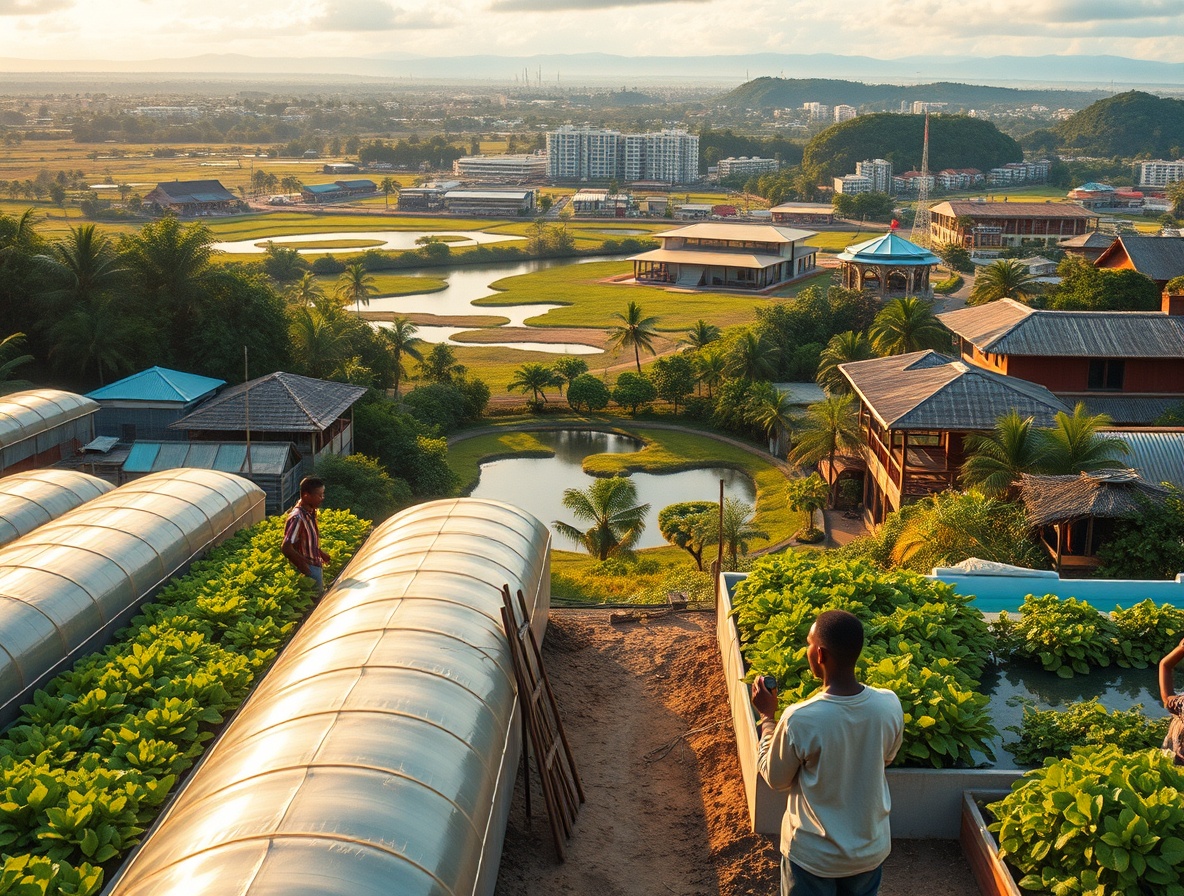
Indoor hydroponic and aquaponic farm with lush green lettuce and clean fish tanks, futuristic sustainable agriculture, high-resolution.

Learn More

Agriculture currently claims 70 percent of global freshwater withdrawals, requiring a radical shift in farming. Hydroponic systems recirculate nutrients to use 90 percent less water than traditional soil-based farming methods. This form of sustainable development is essential for feeding a growing population while protecting our most precious liquid resource.

Desalination Technologies and Water Recycling Solutions

Large-scale desalination plant on a coastline with reverse osmosis membranes and solar panels, industrial 8k.

Learn More

Reverse osmosis has made desalination more affordable for coastal regions in the Middle East and North Africa. Leading services in Singapore prioritize water recycling to maintain security despite high environmental stress levels. Reliable sanitation and wastewater management are the pillars of these essential services in our increasingly arid global climate.

Environmental Impacts and Ecosystem Preservation

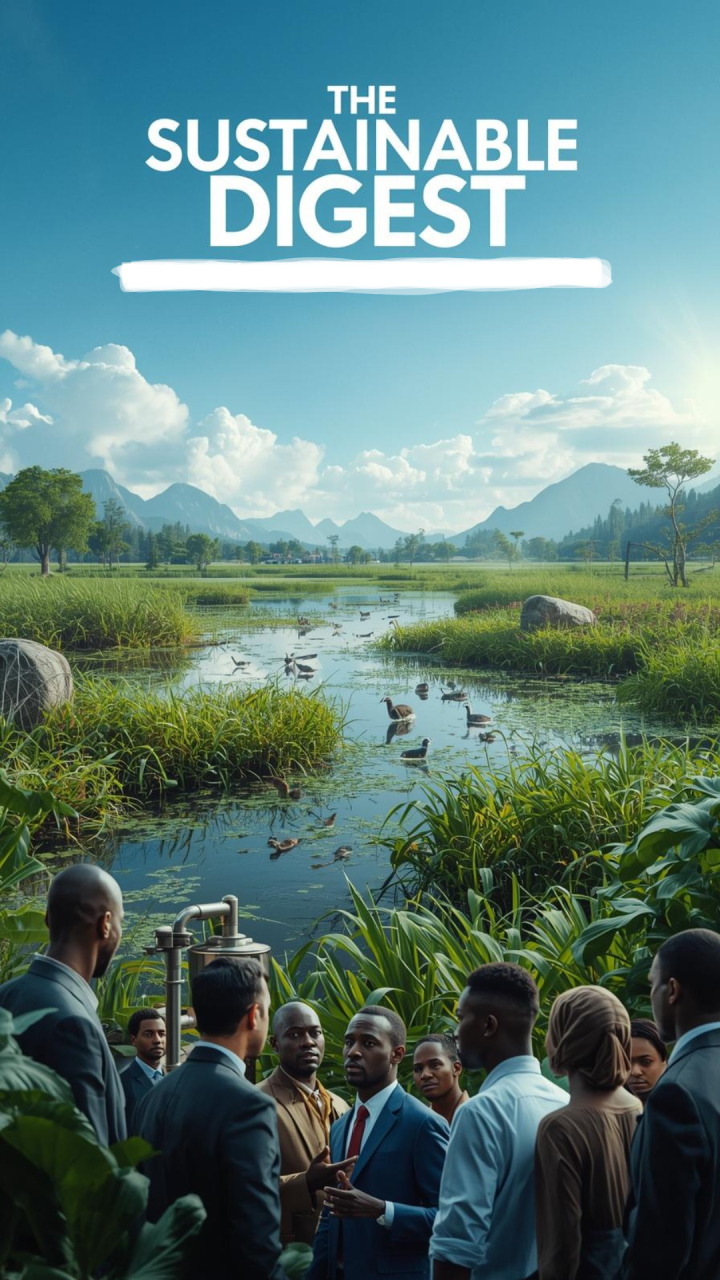
A serene landscape illustrating water resources management and ecosystem preservation for "The Sustainable Digest." In the foreground, a diverse group of professionals in business attire collaborate around a sustainable water purification system, ensuring clean water access. The middle ground features a lush wetland with thriving plants and wildlife, symbolizing ecosystem health. In the background, a clear blue sky and gentle sunlight create a hopeful atmosphere, with mountains reflecting the importance of conservation. Soft, natural light enhances the vibrant colors of the vegetation, while a wide-angle perspective captures the harmonious relationship between human efforts and nature. The image embodies unity in sustainability and the importance of preserving our water resources.

Environmental preservation remains an exercise in futility if we ignore the chemical and physical integrity of our global water resources. Water is essential for health, food security, and sustaining planetary biodiversity. However, many nations currently face mounting challenges from pollution and degraded water systems.

Target 6.6 of the Sustainable Development Goals specifically called for the restoration of mountains, forests, and wetlands by 2020. This deadline passed with mixed results, leaving many vital ecosystems vulnerable to human activity. We must recognize that healthy ecosystems are not obstacles to progress but the very foundation of it.

Coral Reef Degradation and Water Quality Connections

Terrestrial failures in sanitation often translate to ecological disasters in our oceans. Agricultural runoff and untreated waste flow downstream into coastal waters. This nutrient loading triggers massive algal blooms that effectively suffocate coral reefs.

These marine ecosystems protect shorelines and support global fisheries. When water quality declines, the extraordinary biodiversity of the reef vanishes. This connection demonstrates that freshwater and marine environments are part of a single, inextricably linked system.

Hydropower: Clean Energy Through Water Resources

Roughly 90 percent of global power generation is currently water-intensive. Hydropower serves as a critical source of clean energy for many developing nations. It provides renewable electricity without the direct carbon emissions associated with fossil fuels.

However, harnessing these resources creates a complex tension between climate goals and ecological health. Large dams often alter natural flow patterns and disrupt fish migration in major river basins. Finding a balance requires thoughtful infrastructure design and strict environmental flow requirements.

Protecting Water-Related Ecosystems: Wetlands, Rivers, and Aquifers

Protecting natural resources like wetlands and aquifers is vital for long-term economic development. These systems act as natural infrastructure by filtering pollutants and buffering against floods. They provide invaluable services that human-made systems struggle to replicate.

Ecosystem TypePrimary ServiceConsequence of Loss
WetlandsNatural FiltrationHigher Treatment Costs
RiversNutrient TransportHabitat Fragmentation
AquifersGroundwater StorageReduced Drought Resilience

Biodiversity Loss and Water Pollution

Biodiversity loss and water pollution form a destructive feedback loop. Contaminated water kills microorganisms and invertebrates that form the foundation of aquatic food webs. When these species decline, the ecosystem loses its natural capacity to purify itself.

Without better infrastructure management, we risk undermining the resilience of our entire planet. Inadequate sanitation continues to degrade habitats, leading to a silent crisis for freshwater species. Preserving the biological integrity of our planet requires us to value every drop of our liquid assets.

“Water is critical for electricity production and sustaining biodiversity and ecosystems.”

Achieving sustainable management water targets is the only way to ensure these ecosystems continue to provide for humanity. We must shift our perspective to view nature as essential infrastructure rather than an expendable resource.

Regional Challenges: Global South and Remote Islands

The quest for hydration takes on a different character in the Global South and isolated island chains, where “abundant water” doesn’t always mean “drinkable water.” While high-income regions often take a faucet for granted, developing nations grapple with a landscape where geography and infrastructure are often at odds. This creates a paradox where a country might be physically wet but functionally dry.

Sustainable development requires more than just finding a source; it requires the safely managed drinking water systems that protect public health. We must bridge the gap between resource availability and actual human consumption to ensure long-term stability. The following sections explore how various regions navigate these liquid logistics.

Water Access Challenges in the Global South

In the Global South, the struggle for access safe resources is often a matter of infrastructure rather than a lack of rain. For example, Uganda maintains a low water stress level of 5.8 percent, yet only 17 percent of its population can access managed drinking water. This highlights a clear disconnect between having water and being able to use it safely.

Agriculture further complicates this dynamic by consuming 90 percent of withdrawals in low-income countries. This heavy reliance on primary production leaves little for drinking water services and urban expansion. Without significant investment in management, these resources remain untapped or dangerously contaminated.

Remote Island Nations and Water Security

Remote islands face a unique set of vulnerabilities, including a high dependence on erratic rainfall and the constant threat of saltwater intrusion. These nations cannot rely on inter-basin transfers, making safely managed solutions incredibly difficult to implement. Rising sea levels further jeopardize the delicate aquifers that people rely on for survival.

Geography isolates these communities from technical expertise and the financing needed for clean water sanitation projects. Consequently, islanders often pay more for water services than those on the mainland. This isolation demands localized, resilient innovations to protect the existing population from climate volatility.

Water Cooperatives and Community-Based Solutions

An engaging photograph of a diverse community board meeting in Latin America, where local leaders are pointing at a map of a new community-managed well system.

Learn More

When centralized utilities fail, water cooperative organizations and community water management programs step in to fill the void. These models democratize clean water by giving local residents direct ownership and decision-making power over their systems. This ensures that sanitation hygiene practices align with local cultural norms and specific community needs.

In Latin America and India, these cooperatives operate small-scale treatment plants and enforce usage rules that prioritize sanitation for all. By involving the community in management water sanitation, these projects build lasting local capacity. Such bottom-up development transforms passive users into active stewards of their own health and hygiene.

Transboundary Water Cooperation: The Nile Basin Case Study

The Nile Basin presents one of the most complex water resources management challenges on the planet. Shared by eleven countries, this vital artery supports a population that grew from 143 million in 1971 to 564 million in 2021. With flows already fully allocated, the situation has become a zero-sum game for those seeking managed drinking options.

To prevent conflict, the Nile Basin Initiative facilitates access to shared data and cooperative planning. Ensuring safely managed sanitation and managed sanitation services across borders is essential for regional peace. This case study proves that sanitation and drinking security are not just technical issues, but diplomatic ones that require constant services and negotiation.

Conclusion

As the 2030 deadline approaches, the distance between our global aspirations for water sanitation and the physical reality on the ground remains starkly apparent. While safely managed drinking services reached 74 percent of the global population by 2024, billions still lack basic access. At our current speed, the world will not reach sustainable management of resources until 2049.

To ensure availability sustainable results, we must double our progress in schools and rural countries. This shift requires more than just pipes; it demands better availability of information, increased investment, and a holistic approach to achieve these levels of development. We must also prioritize safely managed sanitation and managed sanitation services.

By integrating sanitation hygiene into every policy, we can improve drinking quality for the population. Let’s move beyond rhetoric to provide reliable drinking water services and hygiene, finally securing clean water for all. Action is no longer optional; it is the only path to survival. Safely managed systems are the bedrock of a resilient future.

Woman, Bathing, Water image.https://pixabay.com/photos/woman-bathing-water-asia-flow-1807499/IImage by <a href="https://pixabay.com/users/sasint-3639875/?utm_source=link-attribution&utm_medium=referral&utm_campaign=image&utm_content=1807499">Sasin Tipchai</a> from <a href="https://pixabay.com//?utm_source=link-attribution&utm_medium=referral&utm_campaign=image&utm_content=1807499">Pixabay</a>

Key Takeaways

  • Access to safe drinking resources is a fundamental human right for all.
  • SDG 6 utilizes eight specific targets to measure global progress.
  • Global drinking coverage rose to 74 percent by the year 2024.
  • Sanitation is deeply interconnected with poverty reduction and ecosystem health.
  • Current progress must accelerate significantly to meet 2030 sustainability goals.
  • Technological innovation is essential for solving regional infrastructure challenges.

Global Water Crisis discovery and its Sustainable Solutions

Global Water Summit, Global Water Crisis, AWS, WQA, AWWA, UNSDG#6,

The world is facing a severe water crisis. The United Nations says 2.3 billion people live in countries with water stress.

The upcoming Global Water Summit aims to tackle this big challenge. It will gather top organizations and experts. They will share ways to improve water infrastructure.

As we work towards UNSDG#6, new technologies and plans are being used. They help make sure we have enough water sustainability.

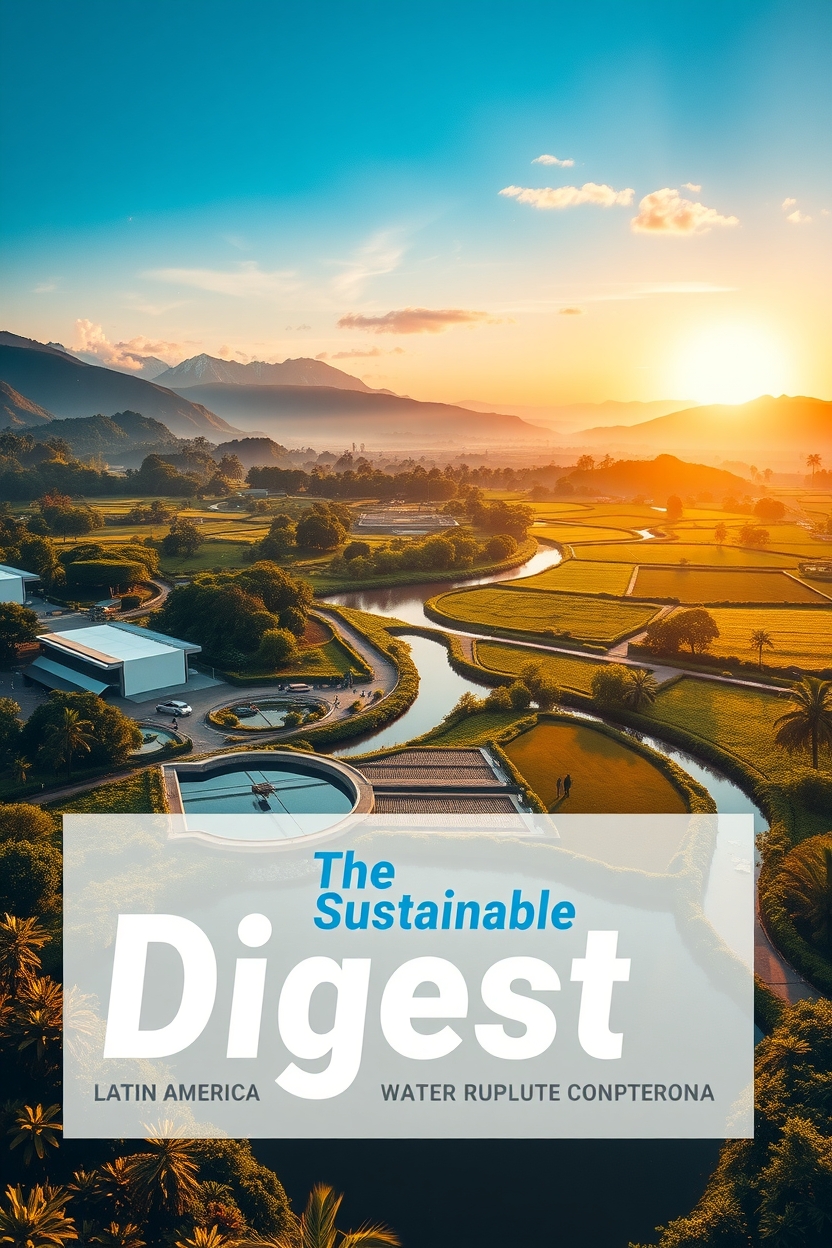
A panoramic view of a lush, verdant landscape in Latin America, showcasing diverse water management initiatives. In the foreground, a modern water treatment facility with sleek, minimalist architecture sits nestled among native flora. Midground features an intricate network of canals and irrigation systems, with local farmers tending to their crops. In the background, rolling hills and towering mountains provide a stunning natural backdrop, illuminated by warm, golden sunlight. The scene embodies a harmonious balance between technology and traditional practices, as depicted in an infographic style graphic labeled "The Sustainable Digest".

The Scope and Impact of the Global Water Crisis

The global water crisis is getting worse, affecting our environment and health. It involves water scarcity, pollution, and unequal access to clean water.

Current Statistics and Global Trends

Recent numbers show how bad the crisis is. Over 2 billion people lack access to safe drinking water. This number will grow because of climate change, more people, and poor infrastructure.

Places like Africa and Latin America are hit hard. Communities there struggle to get clean water for drinking, sanitation, and hygiene.

Most Vulnerable Populations and Regions

Small island nations and communities in Africa and Latin America face big challenges. Water pollution and scarcity harm their lives and health. It’s key to protect small island habitats and save life under water to help these areas.

Environmental and Human Health Consequences

The crisis has severe effects on our environment and health. Water-borne diseases and pollution harm millions. Environmental damage also hurts ecosystems and biodiversity.

We need to work together to solve these problems. Improving water management and supporting sustainable development are crucial.

The 2025 Global Water Summit: Addressing Critical Challenges

A bustling conference hall, warm lighting cascading across the stage. A striking backdrop displays the &quot;2025 Global Water Summit&quot; logo, the iconic &quot;The Sustainable Digest&quot; brand visible. Experts converse, gesturing towards interactive infographics and data visualizations. In the foreground, a panel of distinguished speakers, their expressions earnest as they discuss critical water challenges facing the world. Attendees listen intently, their faces reflecting the gravity of the issues at hand. The atmosphere is one of purpose and innovation, a palpable sense of urgency to find sustainable solutions to the global water crisis.

Experts and organizations will meet at the 2025 Global Water Summit. They aim to solve the world’s biggest water problems. This event will unite leaders to face the global water crisis head-on.

Summit Goals and Expected Outcomes

The summit’s main goal is to find lasting solutions to the water crisis. It hopes to promote water saving and introduce new technologies. Experts will share the latest in water management research.

Key outcomes will include:

  • Development of sustainable water management practices
  • Promotion of water conservation techniques
  • Implementation of innovative water technologies

Key Speakers and Organizations

Speakers from top groups like the International Water Association and Water.org will share their insights. The AWS, WQA, and AWWA will also be there. This mix of expertise will enrich the summit.

Participation Opportunities and Registration

There will be chances for people to join the summit. Details on how to register will be on the summit’s website. Signing up early is a good idea to get a spot.

Leading Organizations Tackling the Global Water Crisis

Many top organizations are working hard to solve the global water crisis. They are launching different projects and programs. These efforts aim to make sure everyone has access to clean water and sanitation.

Alliance for Water Stewardship (AWS) Initiatives

The AWS is leading the way in water stewardship worldwide. They are creating and using the AWS International Water Stewardship Standard. This standard helps manage water responsibly.

Water Quality Association (WQA) Standards and Programs

The WQA works to better water quality through its standards and programs. They offer training and certification for water treatment experts. This ensures water treatment systems meet high standards.

American Water Works Association (AWWA) Research

The AWWA is a key player in water infrastructure and management. Their research aims to enhance water supply systems and manage water resources sustainably. They also tackle new challenges in water treatment.

United Nations Sustainable Development Goal #6

UNSDG#6 sets a goal to ensure everyone has access to clean water and sanitation by 2030. It includes targets like improving water quality and protecting water ecosystems.

OrganizationInitiatives/ProgramsFocus Area
AWSAWS International Water Stewardship StandardWater Stewardship
WQACertification Programs for Water Treatment ProfessionalsWater Quality Improvement
AWWAResearch on Water Infrastructure and ManagementSustainable Water Management
UNSDG#6Sustainable Development Goal for Water and SanitationUniversal Access to Clean Water and Sanitation

Technological Innovations for Water Sustainability

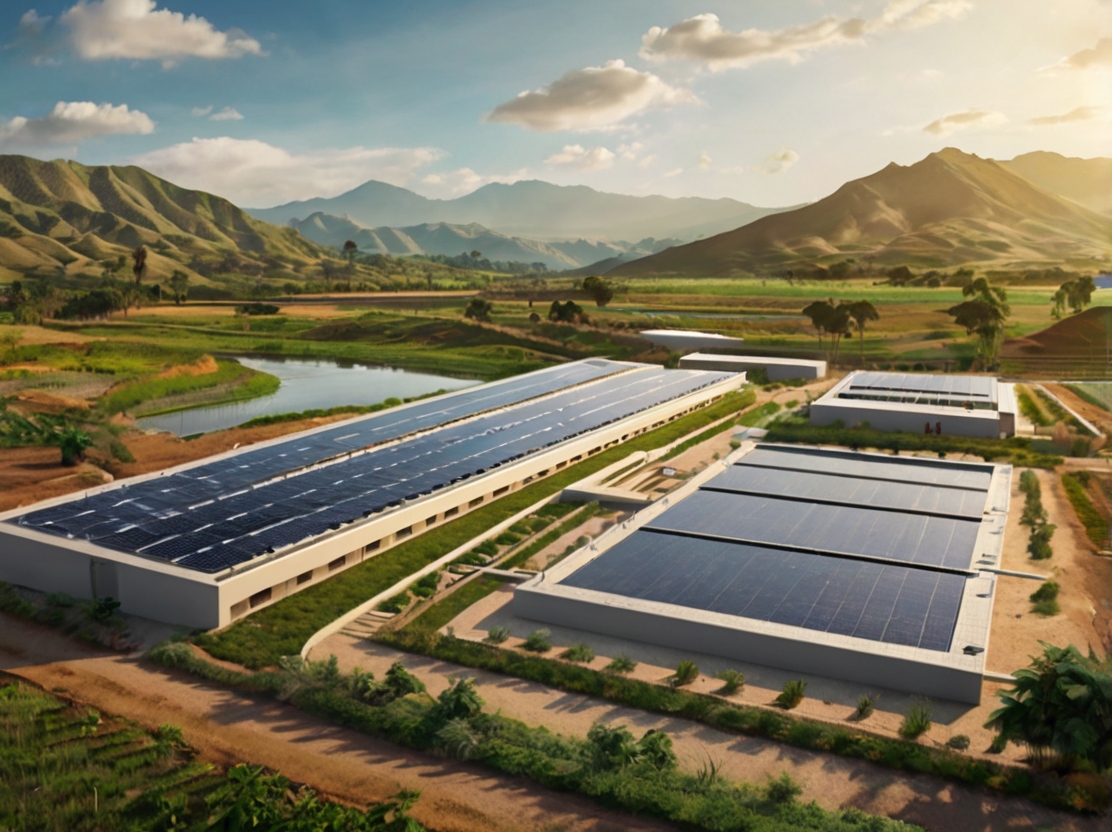
A panoramic scene depicting cutting-edge water sustainability technologies. In the foreground, a sleek water purification system with a transparent housing, displaying its internal mechanisms. In the middle ground, a network of underground pipes, valves, and sensors monitoring water flow and quality. In the background, towering wind turbines and solar panels, harnessing renewable energy to power the sustainable water infrastructure. The scene is bathed in warm, golden light, conveying a sense of progress and optimism. Displayed in the corner is the brand name &quot;The Sustainable Digest&quot;, showcasing the latest advancements in water conservation and management.

New technologies are making water conservation better. These innovations help solve the global water crisis. They offer efficient ways to treat, conserve, and manage water.

Advanced Filtration and Purification Systems

New systems are being made to clean water. They remove harmful substances, making water safe for drinking and other uses. These systems use nanofiltration, reverse osmosis, and UV light disinfection.

Nanofiltration is great at removing heavy metals and other harmful compounds. UV light disinfection kills bacteria and other microorganisms.

Smart Water Infrastructure and IoT Solutions

Smart water systems and IoT solutions are being used to manage water better. They help monitor water systems in real-time. This allows for quick detection of leaks and anomalies, and better water supply management.

IoT sensors and data analytics help with predictive maintenance. They make managing water resources more efficient.

Desalination Breakthroughs

Desalination technologies are getting better. This means we can get more freshwater from seawater. Advances in energy-efficient reverse osmosis and solar-powered desalination plants are making it cheaper and more sustainable.

Energy-Efficient Reverse Osmosis

Energy-efficient reverse osmosis needs less energy. This makes desalination a more practical way to get freshwater.

Solar-Powered Desalination Plants

Solar-powered desalination plants use the sun’s energy. This reduces the need for fossil fuels and lowers carbon emissions.

Wastewater Recycling Technologies

Technologies for recycling wastewater are being developed. They treat wastewater for non-drinking uses. This reduces the need for freshwater.

TechnologyDescriptionBenefits
Advanced FiltrationRemoves contaminants from waterSafe drinking water, improved public health
Smart Water InfrastructureReal-time monitoring and managementEfficient water supply, reduced waste
DesalinationProvides new sources of freshwaterIncreased water availability, reduced scarcity
Wastewater RecyclingTreats and reuses wastewaterReduced demand on freshwater resources
A panoramic view of a lush, verdant landscape in Latin America, showcasing diverse water management initiatives. In the foreground, a modern water treatment facility with sleek, minimalist architecture sits nestled among native flora. Midground features an intricate network of canals and irrigation systems, with local farmers tending to their crops. In the background, rolling hills and towering mountains provide a stunning natural backdrop, illuminated by warm, golden sunlight. The scene embodies a harmonious balance between technology and traditional practices, as depicted in an infographic style graphic labeled "The Sustainable Digest".

Sustainable Water Management Strategies

The global water crisis is getting worse. New ways to manage water are key. They help save water and cut down on waste.

Conservation Techniques for Residential and Commercial Use

Using less water at home and work is crucial. Simple steps like installing low-flow fixtures can save a lot. For example, low-flow showerheads and toilets can cut water use by up to 20%.

Fixing leaks fast and using water-efficient appliances also helps. These actions are important for saving water.

Rainwater Harvesting Systems

Rainwater harvesting is becoming more popular. It collects and stores rainwater for uses like watering plants and flushing toilets. This method can greatly reduce the need for municipal water, especially in rainy areas.

By using rainwater harvesting, homes and businesses can save money on water bills. It’s a step towards better water management.

Aquaponics and Hydroponics Applications

Technically, both Aquaponics and hydroponics are new ways to grow food that use less water. Aquaponics combines fish farming with plant growth in a closed system. Hydroponics grows plants in a nutrient-rich solution, not soil.

Both methods can increase food production while using less water. They are good for areas where water is scarce.

Precision Agriculture and Irrigation Efficiency

Precision agriculture and better irrigation are making farming more water-efficient. Drip irrigation and precision sprinklers send water right to the roots, cutting down on evaporation and runoff. Technology helps farmers check soil moisture and adjust watering schedules.

This leads to better water use in farming.

StrategyDescriptionWater Savings
Low-Flow FixturesInstalling low-flow showerheads and toiletsUp to 20%
Rainwater HarvestingCollecting and storing rainwater for non-potable usesSignificant reduction in municipal water demand
Aquaponics/HydroponicsInnovative agricultural methods reducing water usageUp to 90% less water than traditional farming
Precision IrrigationUsing technology to optimize irrigationReduces evaporation and runoff

Regional Approaches to Clean Water and Sanitation

A lush, verdant landscape in rural Africa, with a community gathering around a clean water access point. In the foreground, a group of locals, diverse in age and gender, collect water from a well-maintained spigot, their faces filled with relief and gratitude. In the middle ground, a The Sustainable Digest infographic showcases data on regional water initiatives and their impact. The background reveals rolling hills, swaying trees, and a clear blue sky, conveying a sense of harmony and sustainability. Soft, natural lighting illuminates the scene, creating a warm and inviting atmosphere. The overall composition emphasizes the collaborative efforts to bring clean water to underserved communities, highlighting the importance of regional approaches to this global challenge.

The world faces a big water crisis. We need different plans for clean water and sanitation in each area. Every place has its own problems, so we must solve them in our own way.

African Initiatives for Water Access

In Africa, people are working hard to get more water. They focus on managing water well and building better systems. For example, the African Development Bank is helping by starting projects in rural areas.

Latin America and Caribbean Water Infrastructure

Latin America and the Caribbean are building new water systems. They aim to fix their water problems. The Inter-American Development Bank is helping with money and advice.

  • Improving water quality through advanced treatment technologies
  • Enhancing water supply through infrastructure development
  • Promoting water conservation practices

Small Island Nations and Water Conservation

Small islands have very little water. They are using special ways to save water. For example, Barbados is using rainwater to help its water supply.

Key strategies include:

  1. Implementing water-saving technologies
  2. Promoting public awareness campaigns on water conservation
  3. Developing policies to manage water resources sustainably

North American Water Policy Innovations

North America is trying new ways to handle water. They use smart technology and water reuse. The U.S. Environmental Protection Agency (EPA) supports these efforts.

It’s important to tackle the global water crisis with local solutions. By focusing on what works best for each area, we can make a big difference in keeping our water safe.

Economic Frameworks and Policy Solutions

An aerial view of a water management facility, with a modern, glass-walled building surrounded by a network of pipes, canals, and holding tanks. The scene is bathed in warm, golden light, reflecting off the water's surface. In the foreground, a diagram and infographic display the &quot;The Sustainable Digest&quot; brand, showcasing innovative economic frameworks and policy solutions for sustainable water management. The image conveys a sense of technological sophistication and environmental stewardship.

To tackle the global water crisis, we need strong economic plans and policies. Good water management needs a mix of economic tools and governance.

Water Pricing Models and Affordability Programs

Water pricing models are key to using water wisely.

  • Volumetric pricing charges based on water use.
  • Block pricing has different rates for water blocks.

Affordability programs help low-income families get water. For example, the Philadelphia Water Department’s Tiered Assistance Program offers discounts.

Public-Private Partnerships in Water Infrastructure

Public-private partnerships (PPPs) are growing in water infrastructure. They bring capital and expertise. A World Bank report shows PPPs improve service and efficiency.

International Water Governance Structures

International cooperation is key for shared water resources. The Nile Basin Initiative works with member states for sustainable water use.

ESG and LEED Standards in Water Management

ESG and LEED standards are becoming common in water management. They encourage water saving and efficiency.

Using these economic plans and policies can help solve the global water crisis. As with other factor in climate and environmental sector, trying new pricing models, forming partnerships, improving international governance, and following ESG and LEED, we can ensure a water-secure future.

Community Engagement and Awareness Events

A lively community event during &quot;Drink Water Week&quot; in a bustling town square. In the foreground, people engage with an interactive infographic display from &quot;The Sustainable Digest&quot;, highlighting water conservation tips. In the middle ground, a colorful water station offers refreshing hydration, surrounded by informative posters and banners. The background features a picturesque town skyline, bathed in warm, golden afternoon light, conveying a sense of civic pride and environmental awareness.

Events like Drink Water Week and Water Saving Week are key in teaching people about saving water. They help spread the word on how to use water wisely. This is vital for keeping our water resources safe.

May4th -10th Drink Water Week Activities

Drink Water Week happens from May 4th to 10th. It’s a time to drink more water and learn its value. There are many activities planned, like:

  • Public awareness campaigns
  • Water tasting events
  • Educational programs in schools

These events aim to show how drinking water is good for us. They encourage us to stay hydrated.

May26th -30th Water Saving Week Programs

Water Saving Week is from May 26th to 30th. It’s all about saving water. Programs include:

  1. Workshops on water-saving techniques
  2. Community events to promote water-efficient appliances
  3. School competitions to encourage water conservation

These programs teach us simple ways to save water. They help us understand how to use water wisely.

A highly detailed, extreme close-up macro photograph showcasing a droplet of water with a subtle ripple effect, symbolizing the fragile nature of the global water crisis, set against a soft, gradient blue background that evokes a sense of serenity and calmness. In the foreground, a delicate, curved water wave pattern subtly incorporates the logos of the Alliance for Water Stewardship, Water Quality Association, and American Water Works Association, while the United Nations Sustainable Development Goals' #6 logo is discreetly embedded within the droplet's reflection. The image is filled with intricate textures, showcasing the water's surface with an almost three-dimensional quality, highlighting the importance of responsible water management. The color palette is a harmonious blend of calming blues and whites, with subtle hints of green, conveying a sense of hope and urgency for sustainable solutions.

Educational Campaigns for Water Conservation

Educational campaigns are crucial for saving water. They use different ways to tell us why saving water matters. These organization help provide leverage by give tips on how to do it.

Some big efforts include:

  • Social media campaigns
  • Collaborations with influencers
  • Distribution of educational materials

Corporate and Community Partnership Opportunities

Working together is key for saving water. Companies and communities can join forces. This way, they can use their skills and resources to help save water.

Some ways to partner include:

  • Co-branding initiatives
  • Joint community events
  • Collaborative educational programs

Water Crisis Solutions and Climate Action Integration

A pristine, futuristic cityscape, featuring advanced water management infrastructure. In the foreground, a state-of-the-art treatment plant filters and recycles water, with clean blue streams flowing through transparent pipelines. In the middle ground, sleek, eco-friendly buildings are surrounded by lush, verdant gardens and parks that utilize reclaimed water. In the background, a high-tech, holographic display showcases a &quot;The Sustainable Digest&quot; infographic, highlighting innovative climate action and water conservation strategies. Lighting is soft and diffuse, creating a serene, sustainable atmosphere. Cinematic, wide-angle lens captures the scene with a sense of scale and harmony.

Combining climate action with water crisis solutions is key to reaching sustainable goals. The global water crisis and climate change are closely tied. Solving one issue means tackling the other too.

Water Management’s Role in Carbon Reduction

Water management is crucial for cutting carbon emissions. By setting up efficient water systems, we use less energy and reduce carbon footprints. Some effective strategies include:

  • Smart water grids to cut waste and improve distribution
  • Renewable energy for water treatment
  • Encouraging water saving to lower demand

Marine Ecosystem Protection Strategies

Keeping marine ecosystems healthy is essential for our planet’s well-being. Key strategies include:

  • Creating marine protected areas to safeguard habitats
  • Supporting sustainable fishing to avoid overfishing
  • Lowering pollution through better waste handling

Plastic Pollution Mitigation in Water Bodies

Plastic pollution in water is a big problem. To tackle it, we can:

  • Make laws to cut down single-use plastics
  • Boost waste collection and recycling
  • Run public awareness campaigns about plastic’s harm

UN Sustainable Development Goals #6 and #15 Synergies

Goals #6 (Clean Water and Sanitation) and #15 (Life on Land) are connected. To meet these goals, we need to work together on water and land conservation. Here’s how to combine efforts:

  • Use sustainable land practices to protect water sources
  • Support ecosystem-based adaptation to climate change
  • Boost international cooperation to share knowledge and resources
Alliance for Water Stewardship, Global Water Crisis, 2025 Global Water Summit, Water Quality Association, American Water Works Association, United Nations Sustainable Development Goals#6

Conclusion: Collaborative Action for Water Security

The global water crisis is urgent and needs our immediate focus. We must work together to ensure water security for the future. This effort involves governments, organizations, and individuals joining forces.

The 2025 Global Water Summit is a big step towards this goal. It brings together important players to tackle major challenges. The summit aims to find new ways to solve the global water crisis.

Using infographics and diagrams can help share the summit’s key findings. They make it easy to see the progress and efforts towards water security.

By continuing to collaborate and share our knowledge, we can find effective solutions. This will help us build a more sustainable future for everyone.

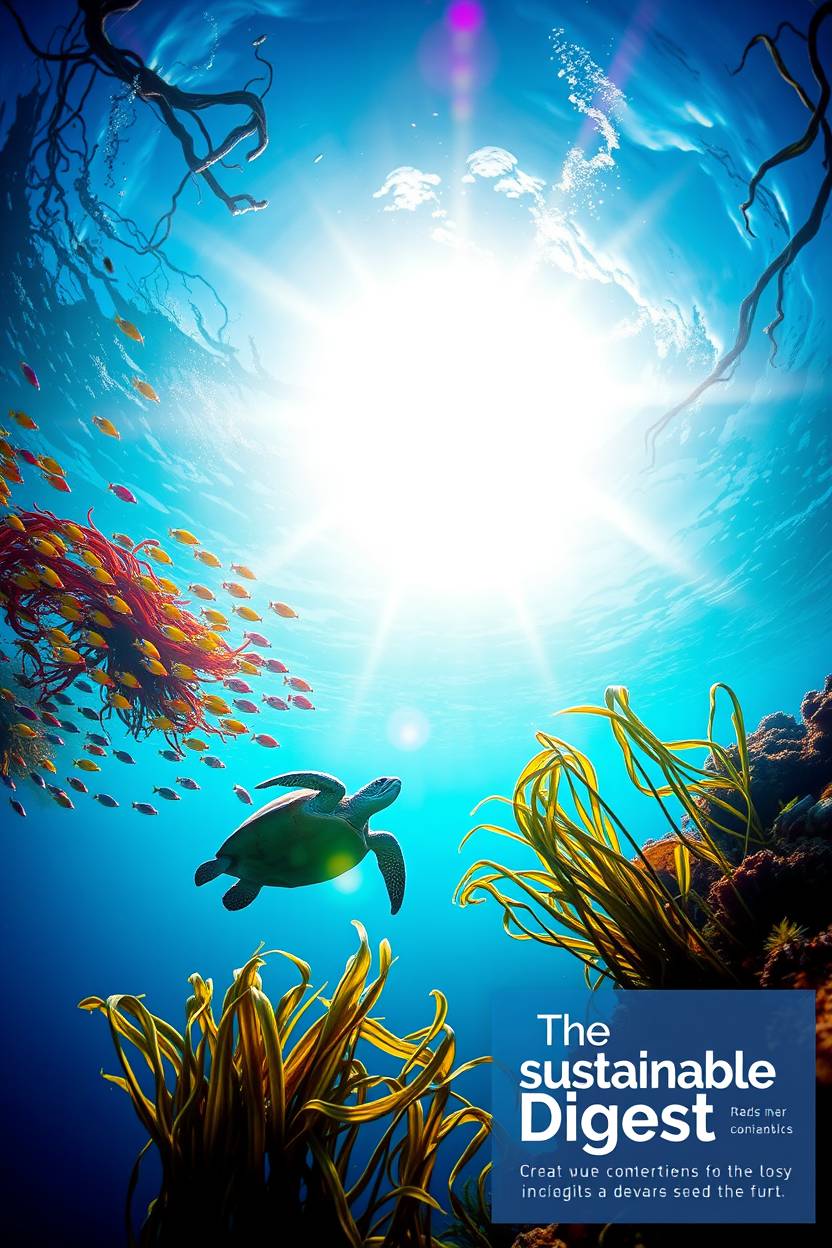
High-resolution photo:  Glowing, epic underwater seascape. Vibrant colors, natural light effects. Colorful fish school, sea turtle, swaying seaweed.  Sunlit blue expanse.  Lower right corner:  The Sustainable Digest infographic.  Blues, greens, purples. Commercial quality.

Key Takeaways

  • The Global Water Crisis affects billions worldwide.
  • The Global Water Summit will share sustainable solutions.
  • Innovative technologies are crucial for water sustainability.
  • Water infrastructure is key to addressing the crisis.
  • Community engagement is vital for water conservation.
This website is saving the energy of your screen as it is not being used. It's part of a global effort to lower the planet's electrical consumption and CO2 emission level. Resume browsing
Click anywhere to resume browsing
Verified by MonsterInsights