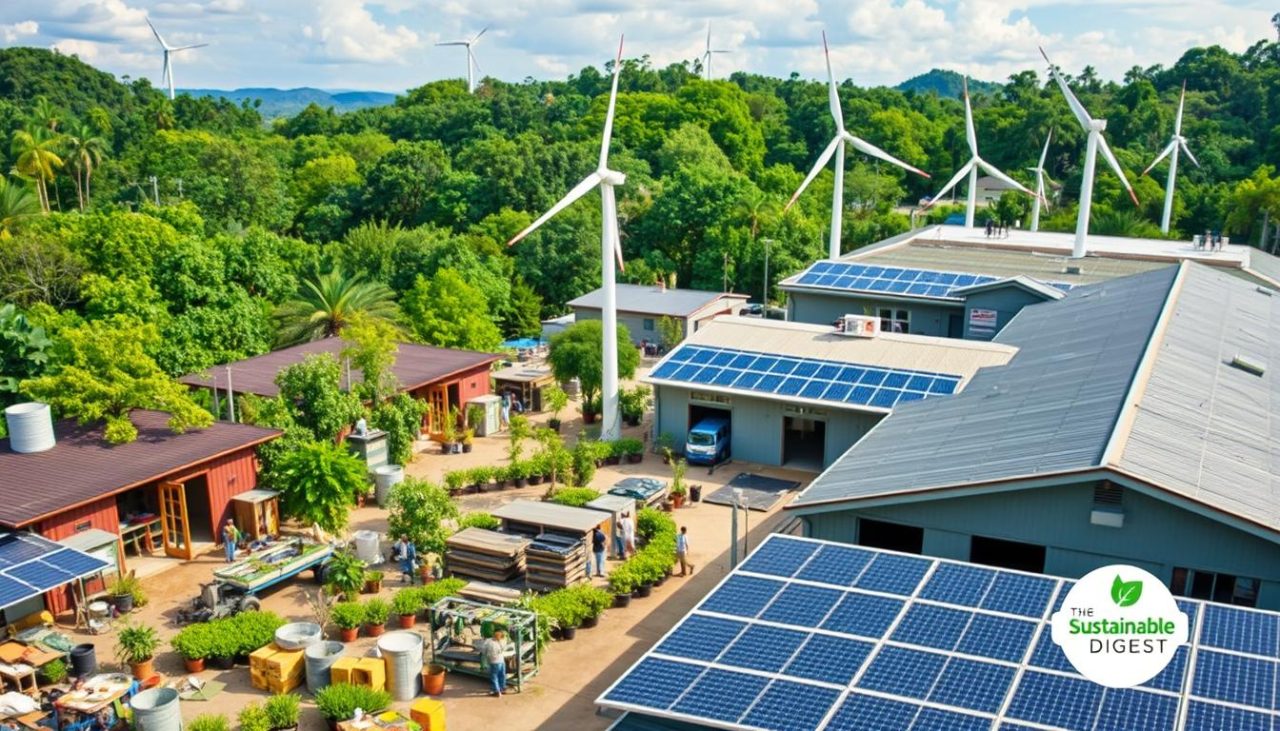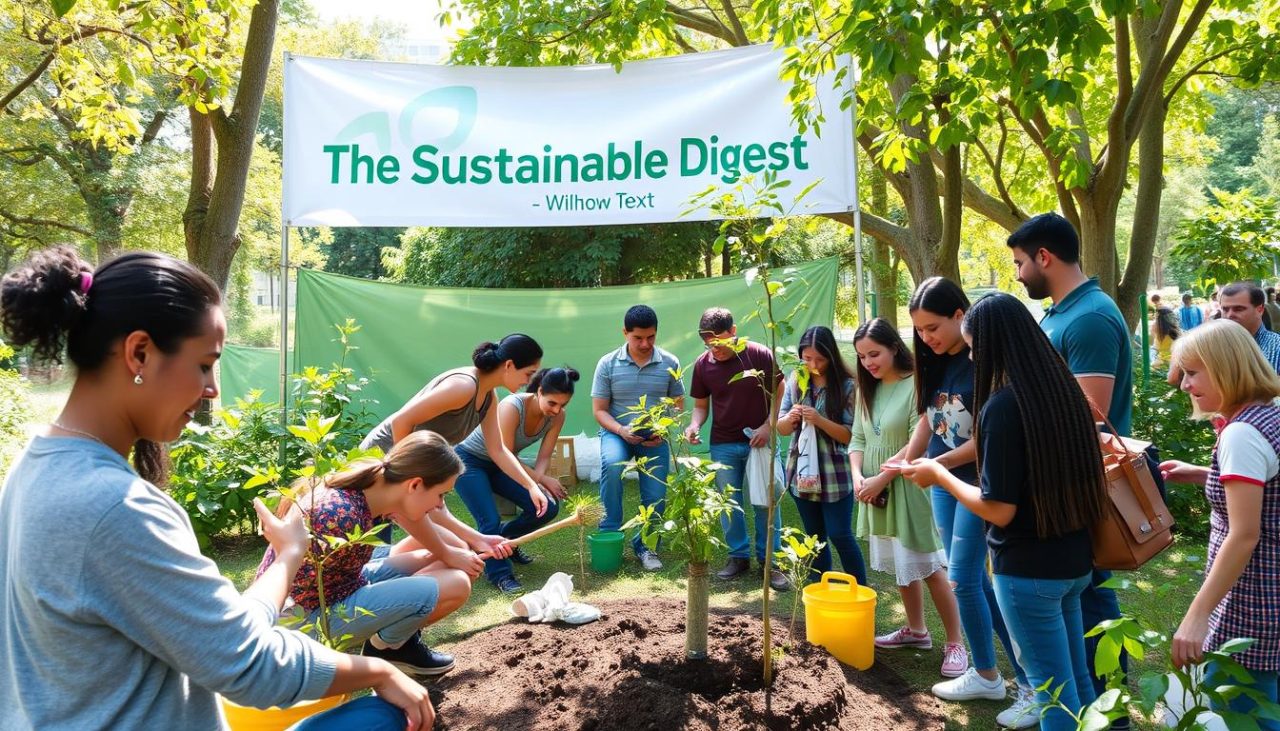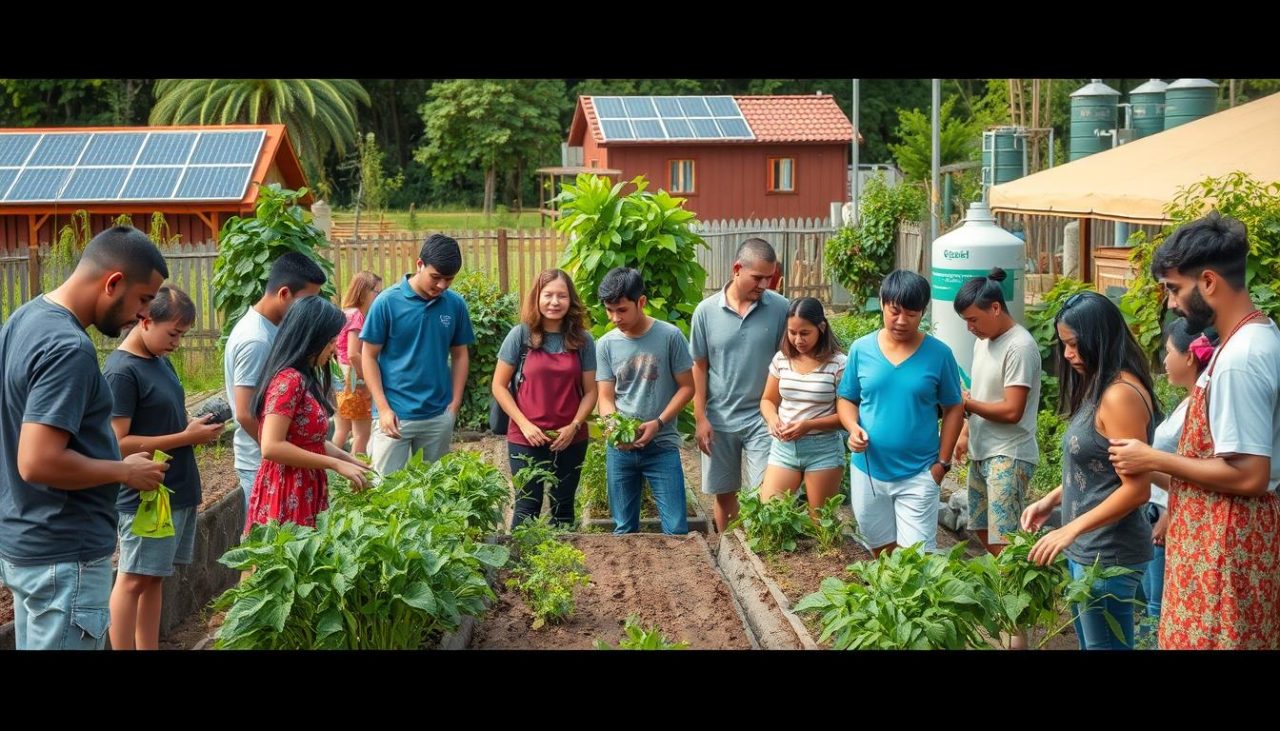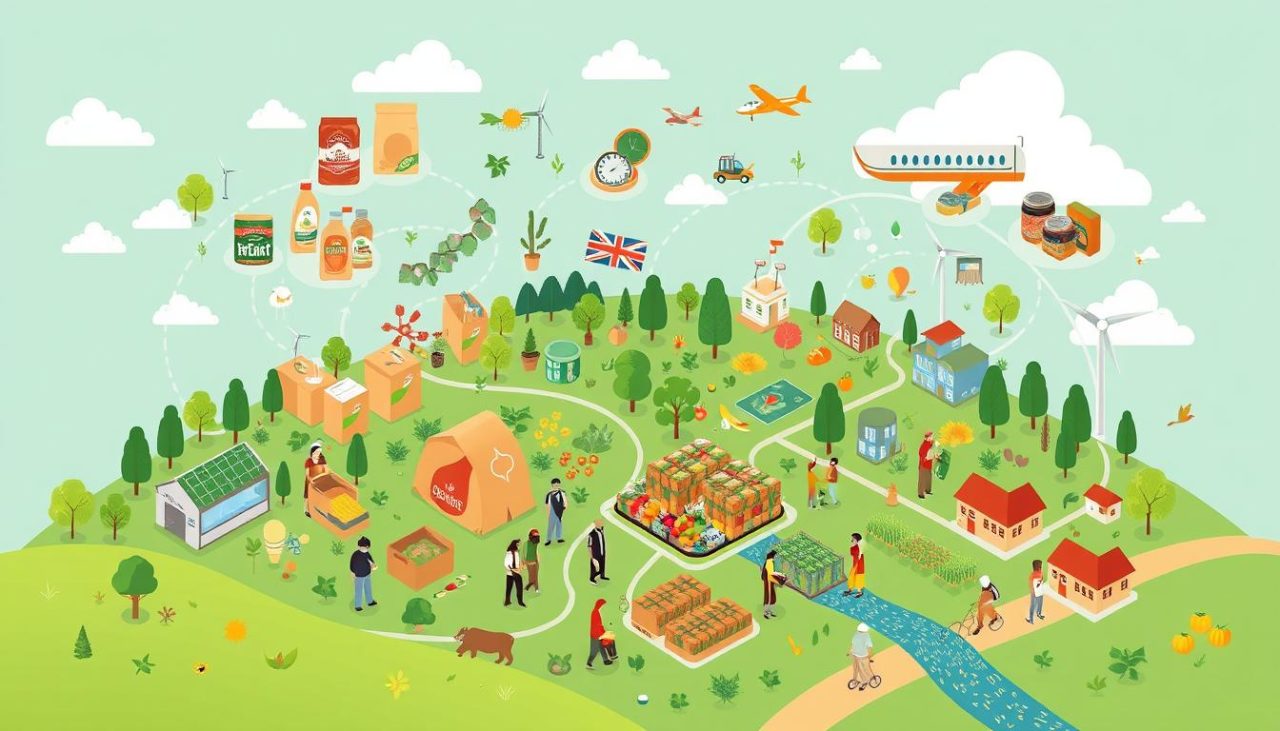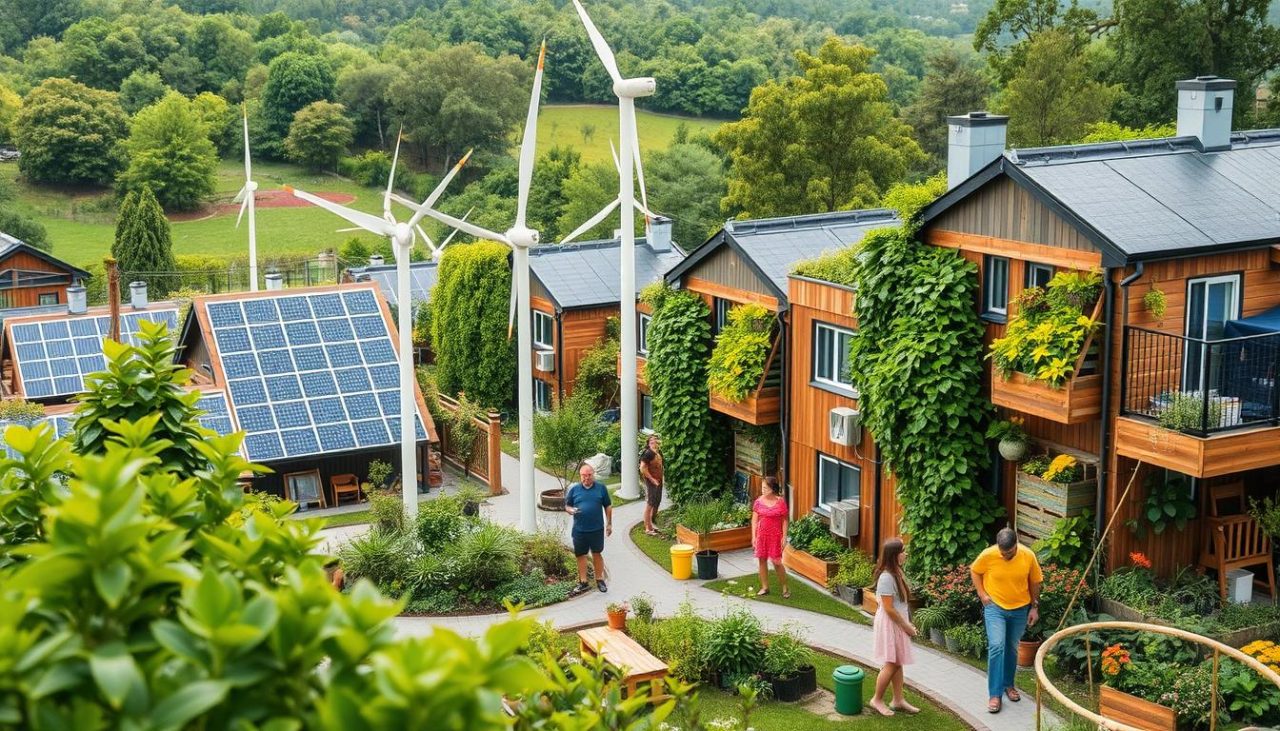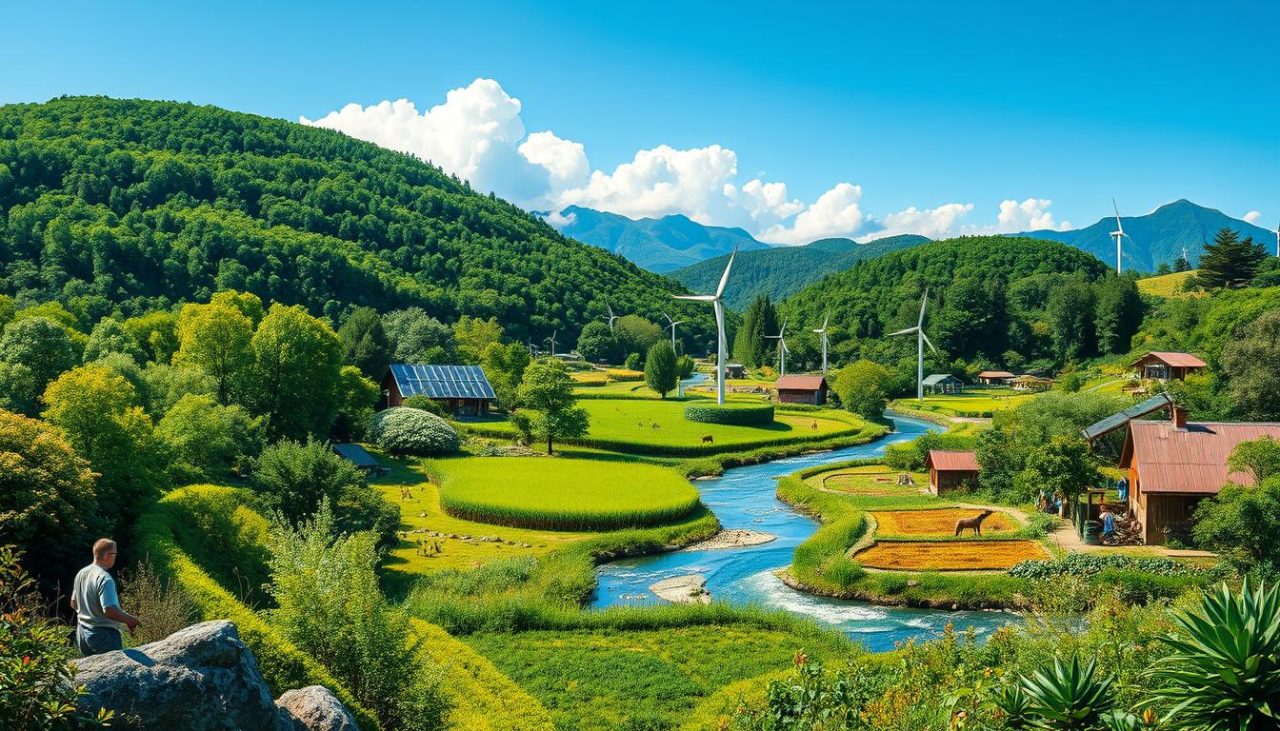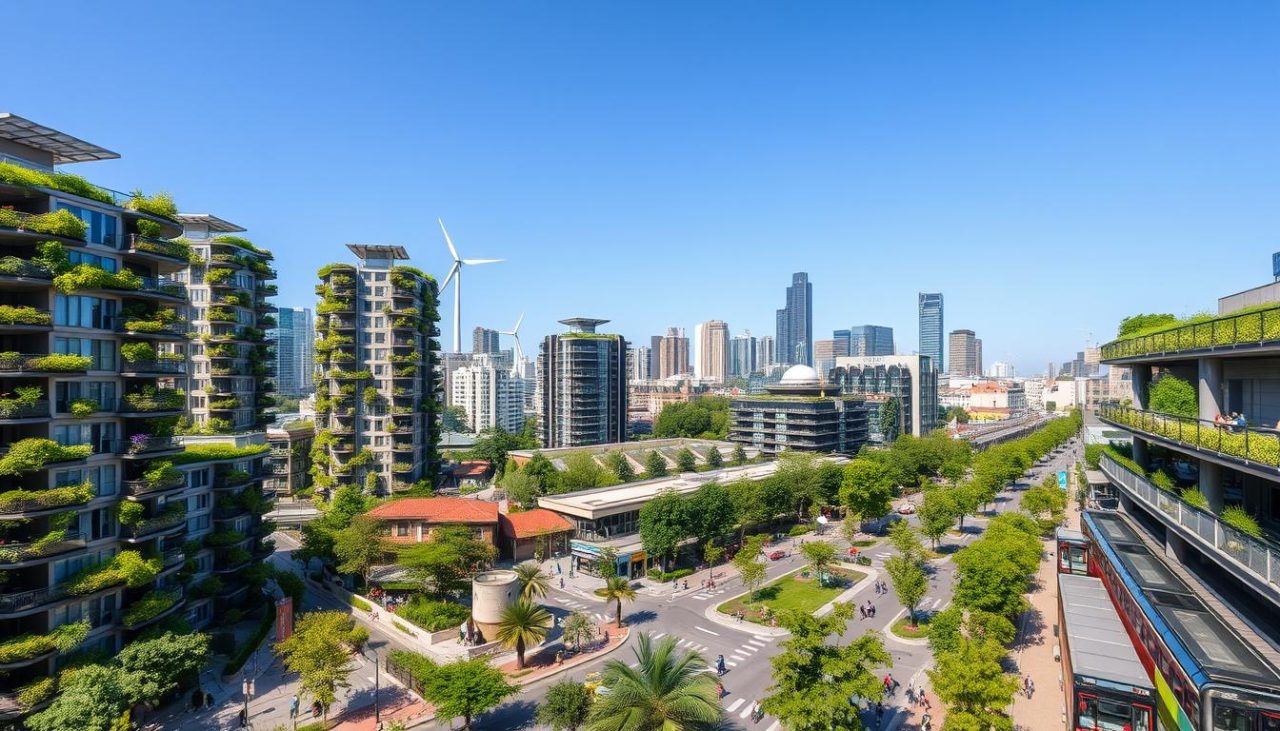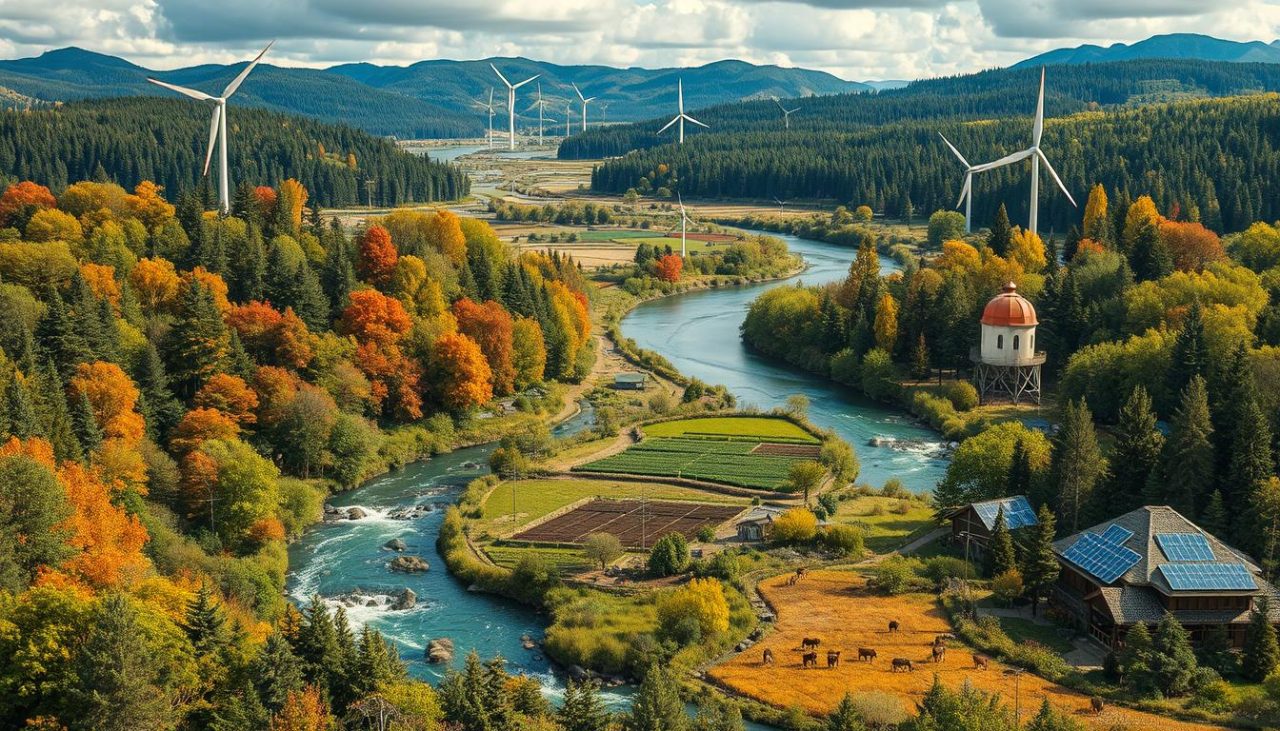

In today’s fast-changing post-pandemic digital world, technology plays a key role in solving sustainable development problems. It’s changing how we tackle global issues and strive towards a greener future. This blog explores how tech helps protect our environment, grow economies, and improve society. It shows how new tech solutions are changing our approach to sustainability.
Technology is vital for solving big problems like climate change, hunger using up resources, and harming our environment. It’s behind eco-friendly breakthroughs in clean energy, smart cities, and farming. These tech advances help protect our planet, boost economies, and improve lives. They help us build a stronger, fairer world for everyone.
Understanding the Role of Technology in Promoting Sustainable Development
In today’s digital world, sustainable development is continuing to evolve. It now includes new technologies that help solve environmental, social, and economic problems. The 4th industrial revolution brings new tech that helps reach sustainable goals.
Defining Sustainable Development in the Digital Age
Sustainable development today is more than just reducing harm to the environment. It uses digital transformation to make systems better, streamlined, fairer, and stronger. This approach looks at how technology in the 4th industral revolution along with the 2nd machine age, sustainability, and human well-being are connected.

Key Technological Drivers of Sustainability
- Internet of Things (IoT) for environmental monitoring, potenital for direct engagement, and resource management
- Renewable energy technologies, such as battery storage, solar, wind, and green hydrogen
- Advanced energy storage systems to support the integration of clean energy
- Precision farming and AI-driven, producer coop based tools, and crop management for sustainable agriculture
- Blockchain-based and data aggregation solutions for transparent and traceable supply chains and life cycle assessment
- AI-powered analytics for optimizing resource allocation with carbon sink management and waste reduction
Global Impact Assessment Methods
It’s important to measure how these technologies affect the world for producting favorable outcomes. Methods like life cycle analysis, life cycle cost assessment, and environmental impact assessments help us see their full impact. This way, we can make better choices and use resources wisely.
| Technology | Sustainable Development Impact | Global Assessment Metrics |
|---|---|---|
| IoT for environmental monitoring | Improved resource management, early detection of environmental issues | Carbon emissions, water usage, waste reduction |
| Renewable energy technologies | Reduced reliance on fossil fuels, increased access to clean energy | Renewable energy generation, greenhouse gas emissions, energy efficiency |
| Precision farming | Enhanced food security, reduced resource consumption, increased yields | Water usage, fertilizer and pesticide reduction, crop productivity |
By understanding technology’s role in sustainable development, we can face the digital age’s challenges. We can work towards a better future.
Digital Transformation and Smart Cities Development
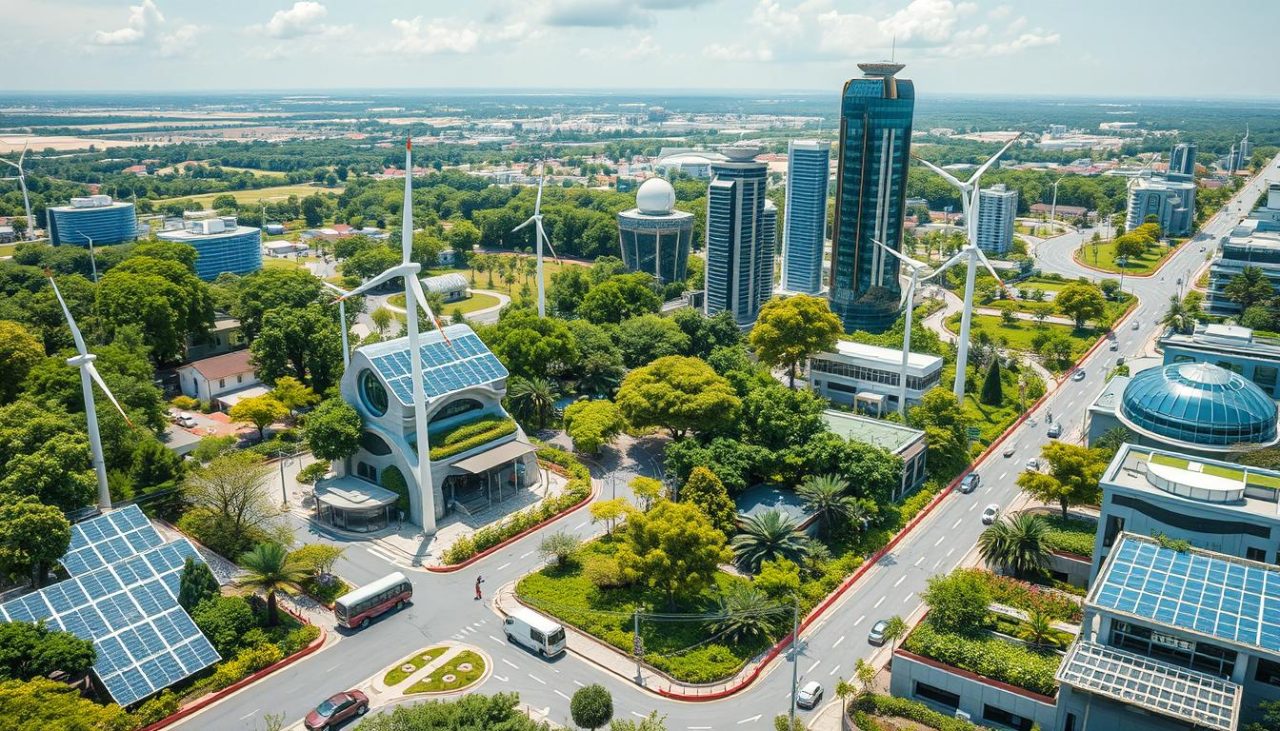
The digital age has brought a new era to urban development and infrastructure. Smart cities are now the future. They use digital transformation and IoT applications to improve efficiency and quality of life.
At the core of smart city development are advanced technologies often privately funded or source. These include sensors, data analytics, and intelligent systems and nodes. They help city planners, regional stakeholders, and managers understand urban life better.
By analyzing data, cities and surrounding greater metropolitan center can make better decisions. They can optimize resource use, channel distribution efficiently and solve problems. For instance, smart solar-based streetlights adjust brightness based on activity, saving energy and money.
Smart city initiatives also promote renewable energy and sustainable transportation. These efforts make cities greener, seeminglessly navigational, and more livable. They also build a strong sense of community among residents.
As cities grow in totally as a metropolitan or cosmopolitan, smart cities will be key to a sustainable future. They will be powered by digital transformation such as artifical intellengence and IoT applications.
“Smart cities are not just about technology; they’re about using technology to create more livable, sustainable, and equitable communities.”
| Key Benefits of Smart City Development | Enabling Technologies |
|---|---|
| Improved energy efficiency Reduced environmental impact Enhanced public safety and security Streamlined transportation and mobility Better resource management and conservation | Sensors and IoT devices Data analytics and artificial intelligence Cloud computing and edge computing Wireless communication networks Geographic Information Systems (GIS) |
Renewable Energy Technologies Shaping Our Future
The world is changing fast, thanks to new renewable energy tech. We’re seeing big steps forward in solar, wind, green hydrogen, and geothermal energy. These changes are set to change how we get our energy forever.
Solar and Wind Power Innovations
Solar and wind power have made huge leaps. They’re now cheaper, more efficient, and can be used in more places. Solar panels can catch more sun and turn it into power better than before. Wind turbines are also getting better, catching stronger winds and making more power.
Green Hydrogen and Geothermal Solutions
Renewable energy is getting a boost from green hydrogen and geothermal power. Green hydrogen is made from clean sources and can power many things. Geothermal energy uses the earth’s heat, making it a steady and green option for some places.
Advanced Energy Storage Systems
For renewable energy to really take off, we need better ways to store it. New battery tech, like lithium-ion, solid state, and flow batteries, helps keep the power flowing. This is key for using more renewable energy.
| Technology | Key Benefits |
|---|---|
| Solar Power | Abundant, clean, and renewable energy source |
| Wind Power | Cost-effective and scalable renewable energy generation |
| Green Hydrogen | Clean-burning fuel with diverse applications |
| Geothermal Power | Reliable and sustainable energy from the earth’s heat |
| Advanced Energy Storage | Enables efficient storage and distribution of renewable energy |
These renewable energy tech are leading us to a more sustainable future that is green. They promise a cleaner, stronger, renewable energy system. This system will meet our growing needs by becoming more ecologically sound for the planet.
Environmental Monitoring and Data Analytics
In today’s world, technology has changed how we work towards a more just and sustainable future. Environmental monitoring through evaluation and participation and data analytics are key in tracking changes. They help organizations and leaders make better choices and work towards a greener world.
Systems that monitor the environment use advanced sensors and IoT devices. They collect data on air quality, water levels, and more. This data, when analyzed with AI, gives insights for better decision-making and sustainability plans.
- Environmental monitoring systems track changes accurately. This lets us spot issues early and act fast.
- Data analytics and AI help us understand how the environment and human actions are connected.
- These tools help create focused sustainability plans. Plans that fit the needs of communities or industries.
Combining environmental monitoring and data analytics is leading us to a greener future. As we use technology more, we can protect the environment better. We can also find new ways to preserve resources and develop AI-powered sustainability solutions for a healthier planet.
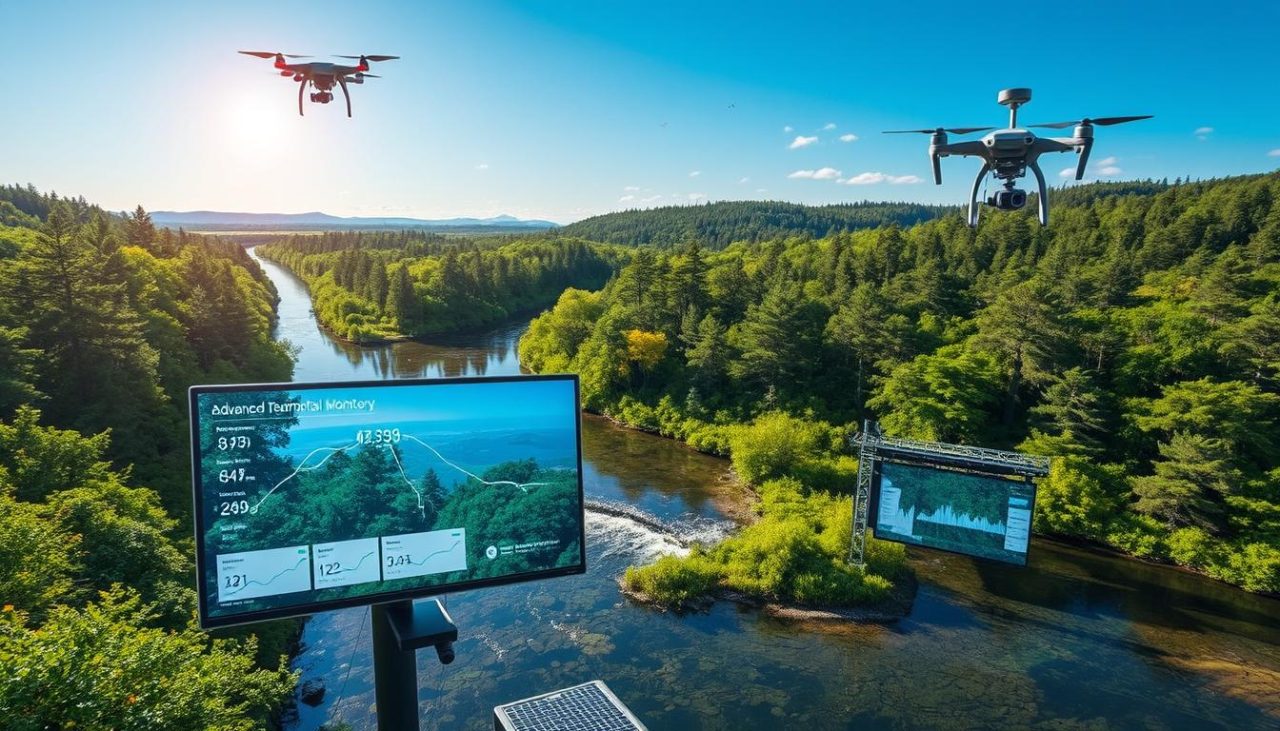
“The future of sustainability lies in the convergence of technology, data, and strategic decision-making. Environmental monitoring and data analytics are the catalysts that will drive us towards a more sustainable tomorrow.”
Sustainable Agriculture Through Tech Innovation
In today’s world, sustainability is key. The farming sector is using new tech to change how we farm. This includes precision farming and AI for crop management. These techs are making farming better for the planet and more productive.
Precision Farming Technologies
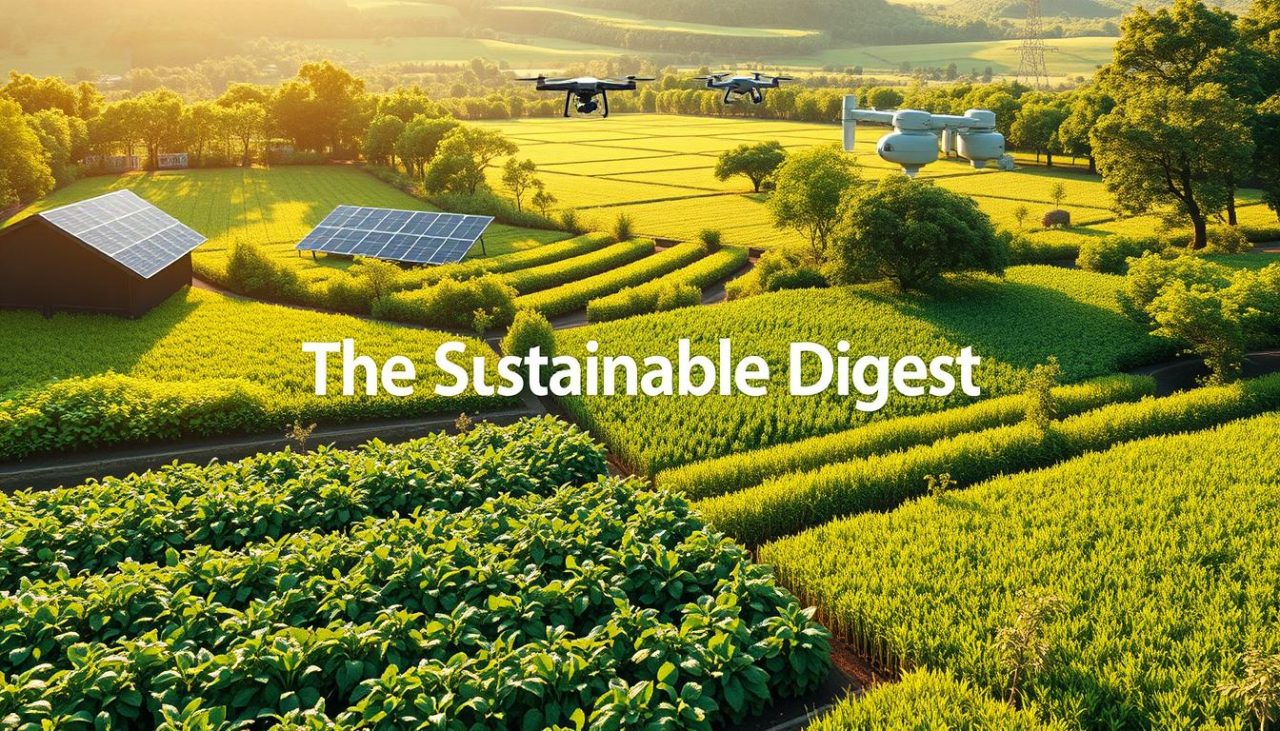
Technologies like GPS-guided tractors and drones are helping farmers use resources better. They also reduce waste. These tools help apply fertilizers, compose, and water exactly where needed, reducing harm to the environment and boosting crop growth.
AI-Driven Crop Management
AI is changing how farmers decide what methods to adapt. It uses big data to give advice and guidance on planting, watering, and fighting pests. This smart approach helps farmers deal with weather changes and operate more efficiently, all while keeping farming sustainable.
Water Conservation Solutions
- Drip irrigation systems: Delivering water directly to the plant’s roots, reducing evaporation and runoff.
- Soil moisture sensors: Monitoring soil moisture levels to optimize irrigation schedules and prevent over-watering.
- Precision sprinklers: Precisely targeting water application to specific crop areas, minimizing water waste.
These techs save water and help farming stay sustainable for a long time.
| Technology | Benefits |
|---|---|
| Precision Farming | Optimized resource utilization, reduced environmental impact, enhanced crop yields |
| AI-Driven Crop Management | Data-driven decision making, adaptation to climate change, improved operational efficiency |
| Water Conservation Solutions | Reduced water usage, protection of water resources, sustainable agricultural practices |
By using these new technologies, farming and ranching is becoming more sustainable and future-proof.
Waste Management and Circular Economy Solutions
The world faces an enormous challenge with waste management and pollution. New technologies are paramount in moving towards a circular economy, which is very similar to ongoing upcycling and recycling. This approach aims to cut down waste, use resources better, and support sustainable growth.
Managing recyclable nuclear waste is becoming more important. New and improved ways to process and store nuclear waste can turn it into valuable resources. This helps reduce its harm to the environment. It also makes sure we use waste byproducts wisely.
Innovative Waste Reduction Strategies
The circular economy has led to new ways to handle waste. From better recycling tech to designs that encourage reuse, these steps are helping us move towards a greener future.
- Automated waste sorting systems powered by artificial intelligence and machine learning to enhance recycling efficiency.
- Upcycling initiatives that transform waste materials into high-value products, reducing the need for virgin resources.
- Closed-loop systems that enable the continuous reuse and recycling of materials, minimizing waste generation.
These new technologies, along with changes and challenges in how we think and in laws, are key. They help us achieve the goals of the circular economy and improve how we manage waste.
| Waste Management Approach | Key Benefits | Technological Enablers |
|---|---|---|
| Recyclable Nuclear Waste Management | Reduced environmental impact Efficient resource utilization Mitigated radioactive risks | Advanced processing techniques Innovative storage and containment methods |
| Automated Waste Sorting | Improved recycling rates Reduced contamination Enhanced operational efficiency | AI-powered sorting systems Machine learning algorithms |
| Upcycling and Closed-Loop Systems | Reduced waste generation Increased resource circularity Innovative product design | Advanced material processing Product design for reusability |
Using these technologies in waste management and the circular economy is vital. It helps us use resources better and protect the environment.

“The circular economy is not just about recycling; it’s about rethinking the entire system and designing out waste.”
As we strive for a sustainable future, the link between waste management and the circular economy is key. Technology is a major driver for positive change.
The Fourth Industrial Revolution’s Impact on Sustainability
The Fourth Industrial Revolution is changing how we think about sustainability. It combines digital, physical, and biological technologies. This mix includes the Internet of Things (IoT), blockchain, and artificial intelligence (AI). These technologies are leading to big changes in protecting the environment and using resources wisely.
IoT Applications for Environmental Protection
The 4th industrial revolution has brought us a network of connected devices and sensors. This is called the Internet of Things (IoT). IoT is making a big difference in how we protect the environment. It helps us monitor air quality and manage waste better.
Blockchain in Sustainable Resource Management
Blockchain is changing how we manage resources. It’s a secure way to track transactions. This helps us use resources like energy and water more efficiently. Blockchain is also used for trading renewable energy and making life cycle/value/supply chains more transparent.
AI-Powered Sustainability Solutions
Artificial intelligence is leading the way in sustainability. It helps us make better decisions by analyzing data. AI is used in everything from saving energy to improving farming. It’s also helping with waste management and making cities greener.
“The Fourth Industrial Revolution has the potential to empower us with the tools and technologies needed to build a more sustainable future for all.”
Energy Efficiency Technologies in Industry
As the world moves into the 2nd machine age, industries are adopting new energy efficiency technologies. These changes help them be more sustainable and cut down on environmental impact. A key technology making waves is the solid-state battery.
Solid-state batteries use solid materials instead of liquid, offering enormous benefits. They pack more energy, are safer, and work better in hot temperatures. This makes them perfect for many industrial uses, from making things to moving goods around.
| Feature | Solid-state Battery | Lithium-ion Battery |
|---|---|---|
| Energy Density | Higher | Lower |
| Safety | Increased | Moderate |
| Temperature Tolerance | Excellent | Limited |
Solid-state batteries aren’t the only game in town. Industries are also looking at other energy efficiency opportunities. These include better insulation, smart energy systems, and ways to make processes and infrastructure more efficient. These efforts help companies reduce their carbon footprint and become more eco-friendly.
“The shift towards energy-efficient technologies is not just a trend, but a necessity for industries to remain competitive and environmentally responsible in the 21st century.”
The 2nd machine age is advancing the industrial world fast. For businesses to lead and help create a greener future, they must embrace energy efficiency technologies.
Green Transportation and Mobility Solutions
The world is waking up to the need for sustainable development. Being able to leverage both aviation and transportation is key to realizing possibilities. New technologies are leading the way to a greener, more efficient future. This includes electric vehicles, smart traffic systems, and eco-friendly public transport.
Electric Vehicle Advancements
Electric vehicles (EVs) are changing the paradigm for green transport. Better batteries, longer ranges, and lower costs make EVs a proper choice. Car makers are bringing out more eco-friendly models, sometimes without compromising performance, thus making it easy for people to go green.
Smart Traffic Management Systems
As EVs and sustainable aviation grow, so do smart traffic systems. These systems use data, machine learning, and AI to make traffic flow better. They reduce the congestion and emissions, making cities cleaner and greener.
Sustainable Public Transport Innovation
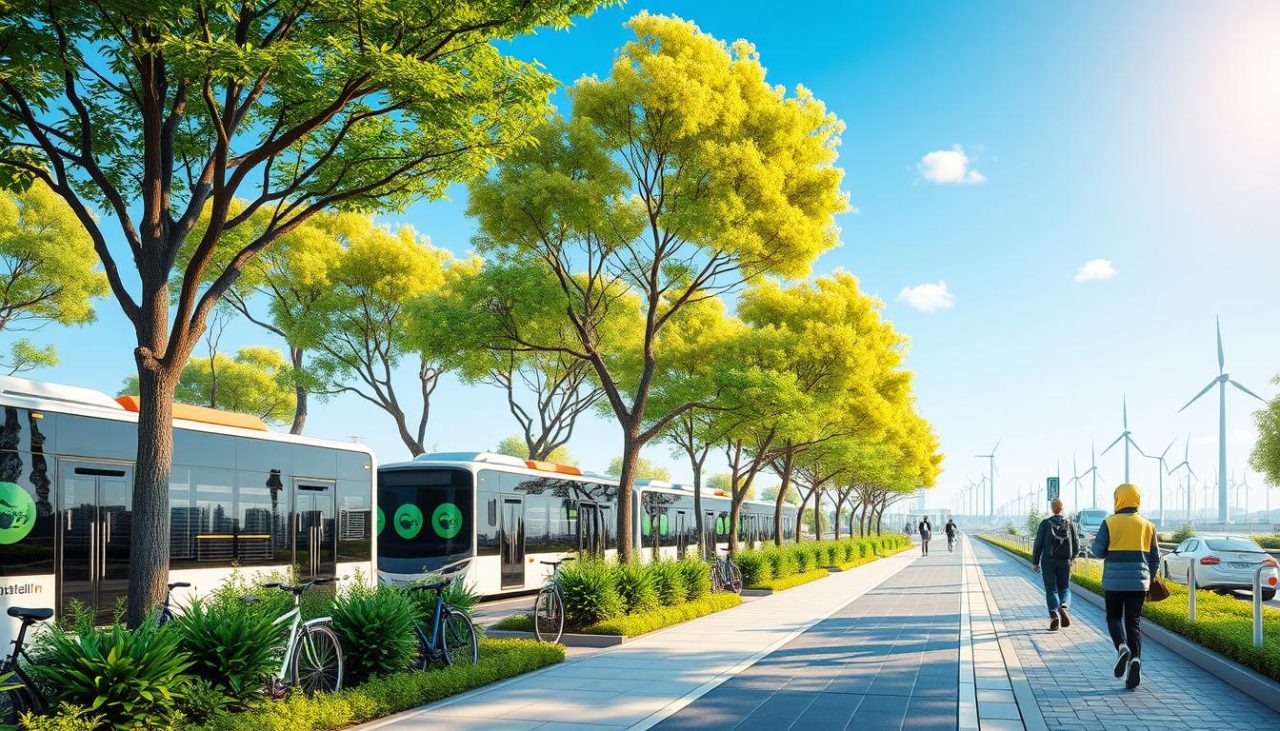
Public transport has been getting greener, the makeover for sustainable transportation started after the market crash of 2008. Electric buses, light rail, and high-speed rail are becoming more common globally in the East. Now the North American and other western markets are attempting to catch up. They’re better for the planet, health-wise and cheaper for people, making travel that more accessible.
Innovations in green aviation and transport are shaping our future. With electric vehicles and sustainable solutions, we’re moving towards a cleaner, better world.
Conclusion
In this article, we’ve seen how technology is key in making our world more sustainable. Digital changes and new ideas in eco-innovation are leading the way. They help us build a better future for our planet.
Technology has made big strides in many areas. It’s improved renewable energy, smart cities, and farming. The Fourth Industrial Revolution has also made a big difference. It’s shown how tech can help solve big environmental problems.
IoT, AI, and blockchain are opening up new ways to watch over our environment. They help manage waste and resources better. This shows how tech can be a powerful partner in protecting our planet.
Looking ahead, we need to keep investing in tech solutions. Working together globally is key to reaching the United Nations’ Sustainable Development Goals. By using technology, we can create a greener and stronger world. This will benefit everyone, now and in the future.
Key Takeaways
- Technology is a crucial driver of sustainable development solutions, enabling environmental conservation, economic growth, and social progress.
- Innovative technologies in renewable energy, smart cities, and precision agriculture are transforming the way we address global challenges.
- Eco-friendly innovations are fostering a more sustainable and resilient global community.
- The integration of bleeding-edge technology is essential for tackling pressing issues such as climate change and resource depletion.
- Data-driven technologies are empowering environmental monitoring and decision-making for sustainable development.