UN SDG #6: Unlocking Clean Water & Sanitation exploration

United Nations Sustainable Development Goals #6 Clean Water & Sanitation

Access to safe liquid resources is the most basic human need for health. While humanity celebrates reaching the stars, it is deeply ironic that billions still lack basic water sanitation. This reality remains a primary barrier to global stability and economic growth in the modern era.

The United Nations Sustainable Development Goals #6 Clean Water & Sanitation (UN SDG #6) framework provides a vital roadmap for change. This development priority uses eight specific targets to track progress across the globe. It represents an ambitious commitment to human rights and dignity for every person.

Recent data shows that we are making some positive steps forward. Between 2015 and 2024, access for the global population increased from 68 percent to 74 percent. While this growth is helpful, the current pace is not yet fast enough to hit our 2030 targets.

Meeting the demand for clean water sanitation requires a unified global effort. We must protect every source of water to ensure a healthy future (especially in remote regions). Infrastructure must evolve to keep up with the growing needs of our planet.

Efficient management of water is linked to poverty reduction and food security. Improving sanitation systems helps protect fragile ecosystems and promotes social peace. This guide will explore the innovations and policies driving these essential global changes.

As we analyze the distribution of water, we see a complex web of challenges. Universal sanitation remains a distant but achievable goal through smart technology and cooperation. We invite you to explore the data and stories behind this water crisis.

The Global Water Crisis: Understanding the Urgency

In an era of unprecedented technological growth, the irony remains that billions still live without safely managed drinking water. We often treat hydration as a given, yet the global infrastructure is failing to keep pace with our expanding population. This crisis is not merely a logistical hiccup but a fundamental threat to human dignity and economic stability.

Why Water and Sanitation Matter for Human Survival

Access to clean water is the literal baseline for human life. Without reliable drinking water services, communities face a constant barrage of waterborne diseases like cholera and typhoid. These preventable illnesses continue to claim millions of lives, especially among children under five.

Furthermore, the lack of sanitation creates a ripple effect throughout the economy. The World Bank estimates that poor water management results in $260 billion in annual economic losses. When people spend hours daily searching for a source, productivity plummets and education suffers.

Current State of Global Water Access in 2025

As we navigate 2025, the statistics remain sobering despite our collective scientific knowledge. Currently, 2.2 billion people still lack safely managed drinking water. Additionally, 3.4 billion live without safely managed facilities for sanitation.

Waterfall, Victoria falls, Spray image. https://pixabay.com/photos/waterfall-victoria-falls-spray-2227010/
Global MetricEstimated CountSocial Impact
Lacking Drinking Water2.2 BillionHigh child mortality
Lacking Sanitation3.4 Billion$260B economic loss
Water Stress Level18 PercentReduced agricultural output
Faucet, Sink, https://pixabay.com/photos/faucet-sink-tap-tap-water-flow-3240211/

The demand for this resource has consistently outpaced growth in the global population. By 2050, the number of urban dwellers suffering water scarcity is projected to double. This trajectory suggests that nearly 2.4 billion urban residents will struggle to meet their basic needs.

The Connection Between Water Scarcity and Climate Change

Climate change is the great multiplier of the global water crisis. Rising temperatures disrupt traditional precipitation patterns, making water availability increasingly erratic and unpredictable. This volatility turns once-fertile regions into dust bowls, forcing millions into precarious living conditions.

One in ten now lives in areas under high or critical water stress. As droughts intensify, the number of individuals suffering water scarcity will likely reach half the global population for part of the year. This shift demands a radical rethink of how we protect our most precious liquid asset and ensure access for all.

The Freshwater Reality: Availability and Distribution

A detailed map illustrating the global distribution of freshwater resources, showcasing various types of water bodies, including rivers, lakes, and aquifers. In the foreground, highlight vibrant blue rivers snaking through green landscapes, with labels indicating major freshwater sources. The middle ground features diverse ecosystems, such as wetlands and forests, illustrating biodiversity and water conservation. The background depicts a globe with water scarcity areas highlighted, emphasizing the unequal distribution of freshwater. Soft, natural lighting casts a hopeful atmosphere over the scene, suggesting future improvements and sustainability. The image should be vivid and educational, designed to attract attention and inform the viewer about the critical state of global freshwater resources. The Sustainable Digest.

Despite the vast oceans dominating our maps, the reservoir of accessible freshwater is a mere rounding error in the planetary total. While Earth looks like a “blue planet,” only 0.5 percent of its liquid is actually useable water for human survival.

Understanding Earth’s Water Distribution

Most of the planet’s supply, about 97.5 percent, is saline and rests in our oceans. The remaining 2.5 percent is freshwater, but even that information requires closer inspection for proper context. Glaciers and ice caps lock away more than two-thirds of that tiny portion, making it inaccessible for daily use.

Consequently, groundwater constitutes the largest component of the remaining supply and serves as the primary source of supply for many countries. Surface water remains a minuscule fraction, yet it is the most visible part of our global supply chain.

Water TypePercentage of TotalAccessibility Status
Saline (Oceans)97.5%High salt content
Glaciers/Ice~1.7%Frozen and inaccessible
Groundwater~0.75%Main usable reservoir

The Color Spectrum of Water Types and What They Indicate

Experts use a color-coded system to track various water resources and their specific ecological roles. Blue water refers to surface and groundwater that we can readily pump for drinking or industrial cooling. Green water describes the moisture held in soil that plants consume to grow and release back into the atmosphere.

Finally, gray water identifies polluted supplies that require significant treatment before they can safely enter the environment again. These classifications help managers assess usability beyond simple volume metrics. Understanding these colors allows for a more nuanced view of how we manage our precious liquid assets.

Water Stress Levels Across Continents

Global water stress reached 18 percent in 2020, but these levels vary dramatically between different geographic basins. The Middle East and North Africa (MENA) region faces critical stress, withdrawing far more than their renewable resources can naturally provide. Pakistan recorded a stress level of 116 percent, highlighting a heavy reliance on non-renewable groundwater mining.

Even developed nations like Singapore experience high availability issues, with stress levels sitting at 83 percent. However, Singapore proves that limited water does not mean a lack of security. Through desalination and wastewater recycling, they manage their water with impressive technological efficiency.

Renewable Freshwater Resources and the Water Cycle

The water cycle acts as a planetary recycling machine, constantly moving moisture between the sea, air, and land. This natural process generates renewable water resources based on the unique geographical position of different countries. Rainfall and upstream river flow determine the basic availability of water for every community on Earth.

Effective management of these resources is the only way to bridge the gap between nature’s supply and human demand. While the cycle is constant, the human pressure on it has never been higher. We must respect the finite nature of this water to ensure a sustainable future for all.

United Nations Sustainable Development Goals #6 Clean Water & Sanitation: Targets and Progress

Navigating the complex landscape of global hydration requires a deep dive into the six primary pillars of UN SDG #6. These targets provide a technical roadmap to ensure that every human gains equitable access safe and sustainable resources. While the world moves toward these goals, the pace remains a point of analytical debate among experts.

Target 6.1: Universal Access to Safe and Affordable Drinking Water

Progress is visible but slow. Since 2015, the world saw an increase from 68 to 74 percent in managed drinking water services. Despite this, roughly 2.2 billion people still lack access safe affordable solutions, highlighting a significant gap in our global infrastructure.

Achieving equitable access requires more than just pipes; it requires affordable drinking water for the most vulnerable populations. Experts suggest that current rates of improvement must double to meet the 2030 deadline for safe affordable drinking resources. Without this acceleration, many will continue to rely on unprotected drinking water sources.

“The human right to water entitles everyone to sufficient, safe, acceptable, physically accessible and affordable water for personal and domestic uses.”

UN Committee on Economic, Social and Cultural Rights

Target 6.2: Adequate Sanitation, Hygiene, and Ending Open Defecation

Human dignity relies on sanitation hygiene standards that protect the most vulnerable, especially women and girls. Currently, 3.4 billion people live without managed sanitation services, which often leads to severe health crises. This target specifically aims to end open defecation by providing safely managed sanitation infrastructure in rural and urban areas.

Furthermore, 1.7 billion people still lack basic hygiene services at home. This gap compromises the overall success of clean water initiatives. Governments must prioritize safely managed solutions to ensure that equitable access safe facilities becomes a global reality.

Target 6.3: Improving Water Quality and Wastewater Treatment

Improving water quality remains a priority to reduce hazardous chemicals in our supply. We must address wastewater treatment globally to preserve clean water for future generations. Reducing pollution and eliminating the dumping of waste into rivers are critical steps toward this goal.

Target 6.4: Water-Use Efficiency and Addressing Water Scarcity

Climate change makes it vital to ensure sustainable withdrawals across all industrial and agricultural sectors. This target pushes for high water-use efficiency to mitigate the growing threat of scarcity. By optimizing how we use every drop, we can protect drinking water supplies for future urban centers.

Target 6.5: Integrated Water Resources Management

Successful water resources management often requires nations to work together across political borders. This integrated approach ensures that sustainable management water practices benefit entire regions rather than just single countries. Cooperation on transboundary water services is essential for regional peace and security.

Target 6.6: Protecting Water-Related Ecosystems

While the 2020 deadline for protecting ecosystems has passed, the urgency remains. Protecting wetlands and rivers is essential to ensure availability sustainable water cycles for the planet. Restoring these natural systems supports the management of all other drinking and sanitation goals.

Target Metric2015 Status2024 Progress2030 Global Goal
Managed Drinking Water68% Population74% Population100% Universal Access
Safely Managed SanitationBaseline Established3.4 Billion Lack Access100% Coverage
Water Resources ManagementFragmented ImplementationIncreasing CooperationFully Integrated
Wastewater TreatmentHigh Untreated RatiosImproved Recycling50% Reduction in Waste

Infrastructure Advancement and Technological Innovations

Humanity’s quest for sustainable liquid assets has moved from simple collection to sophisticated technological alchemy. To meet our 2030 targets, we must integrate smart infrastructure with bold engineering and cooperative business models.

Modern Sewage Process and Treatment Systems

Treatment systems have evolved from basic septic tanks to sophisticated multi-stage facilities. These facilities utilize secondary biological processes and chemical polishing to ensure safe sanitation for all communities. Advanced quaternary treatments even allow for potable reuse, effectively rendering wastewater safe for direct human consumption.

Wastewater Management Innovations for Urban Centers

Modern cities now face a 300 percent rise in domestic water use compared to the 1960s. New wastewater management strategies include energy-positive plants that capture biogas to power their own operations. Smart sensors provide real-time information to operators, which helps prevent system failures and catastrophic leaks before they occur.

Hydroponics and Aquaponics: Water-Efficient Food Production

Indoor hydroponic and aquaponic farm with lush green lettuce and clean fish tanks, futuristic sustainable agriculture, high-resolution.

Learn More

Agriculture currently claims 70 percent of global freshwater withdrawals, requiring a radical shift in farming. Hydroponic systems recirculate nutrients to use 90 percent less water than traditional soil-based farming methods. This form of sustainable development is essential for feeding a growing population while protecting our most precious liquid resource.

Desalination Technologies and Water Recycling Solutions

Large-scale desalination plant on a coastline with reverse osmosis membranes and solar panels, industrial 8k.

Learn More

Reverse osmosis has made desalination more affordable for coastal regions in the Middle East and North Africa. Leading services in Singapore prioritize water recycling to maintain security despite high environmental stress levels. Reliable sanitation and wastewater management are the pillars of these essential services in our increasingly arid global climate.

Environmental Impacts and Ecosystem Preservation

A serene landscape illustrating water resources management and ecosystem preservation for "The Sustainable Digest." In the foreground, a diverse group of professionals in business attire collaborate around a sustainable water purification system, ensuring clean water access. The middle ground features a lush wetland with thriving plants and wildlife, symbolizing ecosystem health. In the background, a clear blue sky and gentle sunlight create a hopeful atmosphere, with mountains reflecting the importance of conservation. Soft, natural light enhances the vibrant colors of the vegetation, while a wide-angle perspective captures the harmonious relationship between human efforts and nature. The image embodies unity in sustainability and the importance of preserving our water resources.

Environmental preservation remains an exercise in futility if we ignore the chemical and physical integrity of our global water resources. Water is essential for health, food security, and sustaining planetary biodiversity. However, many nations currently face mounting challenges from pollution and degraded water systems.

Target 6.6 of the Sustainable Development Goals specifically called for the restoration of mountains, forests, and wetlands by 2020. This deadline passed with mixed results, leaving many vital ecosystems vulnerable to human activity. We must recognize that healthy ecosystems are not obstacles to progress but the very foundation of it.

Coral Reef Degradation and Water Quality Connections

Terrestrial failures in sanitation often translate to ecological disasters in our oceans. Agricultural runoff and untreated waste flow downstream into coastal waters. This nutrient loading triggers massive algal blooms that effectively suffocate coral reefs.

These marine ecosystems protect shorelines and support global fisheries. When water quality declines, the extraordinary biodiversity of the reef vanishes. This connection demonstrates that freshwater and marine environments are part of a single, inextricably linked system.

Hydropower: Clean Energy Through Water Resources

Roughly 90 percent of global power generation is currently water-intensive. Hydropower serves as a critical source of clean energy for many developing nations. It provides renewable electricity without the direct carbon emissions associated with fossil fuels.

However, harnessing these resources creates a complex tension between climate goals and ecological health. Large dams often alter natural flow patterns and disrupt fish migration in major river basins. Finding a balance requires thoughtful infrastructure design and strict environmental flow requirements.

Protecting Water-Related Ecosystems: Wetlands, Rivers, and Aquifers

Protecting natural resources like wetlands and aquifers is vital for long-term economic development. These systems act as natural infrastructure by filtering pollutants and buffering against floods. They provide invaluable services that human-made systems struggle to replicate.

Ecosystem TypePrimary ServiceConsequence of Loss
WetlandsNatural FiltrationHigher Treatment Costs
RiversNutrient TransportHabitat Fragmentation
AquifersGroundwater StorageReduced Drought Resilience

Biodiversity Loss and Water Pollution

Biodiversity loss and water pollution form a destructive feedback loop. Contaminated water kills microorganisms and invertebrates that form the foundation of aquatic food webs. When these species decline, the ecosystem loses its natural capacity to purify itself.

Without better infrastructure management, we risk undermining the resilience of our entire planet. Inadequate sanitation continues to degrade habitats, leading to a silent crisis for freshwater species. Preserving the biological integrity of our planet requires us to value every drop of our liquid assets.

“Water is critical for electricity production and sustaining biodiversity and ecosystems.”

Achieving sustainable management water targets is the only way to ensure these ecosystems continue to provide for humanity. We must shift our perspective to view nature as essential infrastructure rather than an expendable resource.

Regional Challenges: Global South and Remote Islands

The quest for hydration takes on a different character in the Global South and isolated island chains, where “abundant water” doesn’t always mean “drinkable water.” While high-income regions often take a faucet for granted, developing nations grapple with a landscape where geography and infrastructure are often at odds. This creates a paradox where a country might be physically wet but functionally dry.

Sustainable development requires more than just finding a source; it requires the safely managed drinking water systems that protect public health. We must bridge the gap between resource availability and actual human consumption to ensure long-term stability. The following sections explore how various regions navigate these liquid logistics.

Water Access Challenges in the Global South

In the Global South, the struggle for access safe resources is often a matter of infrastructure rather than a lack of rain. For example, Uganda maintains a low water stress level of 5.8 percent, yet only 17 percent of its population can access managed drinking water. This highlights a clear disconnect between having water and being able to use it safely.

Agriculture further complicates this dynamic by consuming 90 percent of withdrawals in low-income countries. This heavy reliance on primary production leaves little for drinking water services and urban expansion. Without significant investment in management, these resources remain untapped or dangerously contaminated.

Remote Island Nations and Water Security

Remote islands face a unique set of vulnerabilities, including a high dependence on erratic rainfall and the constant threat of saltwater intrusion. These nations cannot rely on inter-basin transfers, making safely managed solutions incredibly difficult to implement. Rising sea levels further jeopardize the delicate aquifers that people rely on for survival.

Geography isolates these communities from technical expertise and the financing needed for clean water sanitation projects. Consequently, islanders often pay more for water services than those on the mainland. This isolation demands localized, resilient innovations to protect the existing population from climate volatility.

Water Cooperatives and Community-Based Solutions

An engaging photograph of a diverse community board meeting in Latin America, where local leaders are pointing at a map of a new community-managed well system.

Learn More

When centralized utilities fail, water cooperative organizations and community water management programs step in to fill the void. These models democratize clean water by giving local residents direct ownership and decision-making power over their systems. This ensures that sanitation hygiene practices align with local cultural norms and specific community needs.

In Latin America and India, these cooperatives operate small-scale treatment plants and enforce usage rules that prioritize sanitation for all. By involving the community in management water sanitation, these projects build lasting local capacity. Such bottom-up development transforms passive users into active stewards of their own health and hygiene.

Transboundary Water Cooperation: The Nile Basin Case Study

The Nile Basin presents one of the most complex water resources management challenges on the planet. Shared by eleven countries, this vital artery supports a population that grew from 143 million in 1971 to 564 million in 2021. With flows already fully allocated, the situation has become a zero-sum game for those seeking managed drinking options.

To prevent conflict, the Nile Basin Initiative facilitates access to shared data and cooperative planning. Ensuring safely managed sanitation and managed sanitation services across borders is essential for regional peace. This case study proves that sanitation and drinking security are not just technical issues, but diplomatic ones that require constant services and negotiation.

Conclusion

As the 2030 deadline approaches, the distance between our global aspirations for water sanitation and the physical reality on the ground remains starkly apparent. While safely managed drinking services reached 74 percent of the global population by 2024, billions still lack basic access. At our current speed, the world will not reach sustainable management of resources until 2049.

To ensure availability sustainable results, we must double our progress in schools and rural countries. This shift requires more than just pipes; it demands better availability of information, increased investment, and a holistic approach to achieve these levels of development. We must also prioritize safely managed sanitation and managed sanitation services.

By integrating sanitation hygiene into every policy, we can improve drinking quality for the population. Let’s move beyond rhetoric to provide reliable drinking water services and hygiene, finally securing clean water for all. Action is no longer optional; it is the only path to survival. Safely managed systems are the bedrock of a resilient future.

Woman, Bathing, Water image.https://pixabay.com/photos/woman-bathing-water-asia-flow-1807499/IImage by <a href="https://pixabay.com/users/sasint-3639875/?utm_source=link-attribution&utm_medium=referral&utm_campaign=image&utm_content=1807499">Sasin Tipchai</a> from <a href="https://pixabay.com//?utm_source=link-attribution&utm_medium=referral&utm_campaign=image&utm_content=1807499">Pixabay</a>

Key Takeaways

  • Access to safe drinking resources is a fundamental human right for all.
  • SDG 6 utilizes eight specific targets to measure global progress.
  • Global drinking coverage rose to 74 percent by the year 2024.
  • Sanitation is deeply interconnected with poverty reduction and ecosystem health.
  • Current progress must accelerate significantly to meet 2030 sustainability goals.
  • Technological innovation is essential for solving regional infrastructure challenges.

Black History Month 2026: Advancing Environmental Justice and Civil Rights

2025 Black History Month, Environmental Justice, civil/labor/human rights.

The current focus on labor and the earth highlights how people interact with nature with peculiar perspective during Black History Month. It is also a great time to study Environmental Justice and social growth. We see that the fight for fair pay is much like the fight for clean air and water.

In the past, african americans helped build this nation with skill and care. They used smart ways to farm and manage the land from the very start. These ecological efforts were vital to survival and national growth.

Sadly, most school books leave out these vital stories of nature and work. They also gloss over details during Black History Month. Theses stories and the individuals of this narrative however, were the first to use many green methods we see today on modern farms. Their stewardship was born from necessity and a deep connection to the soil.

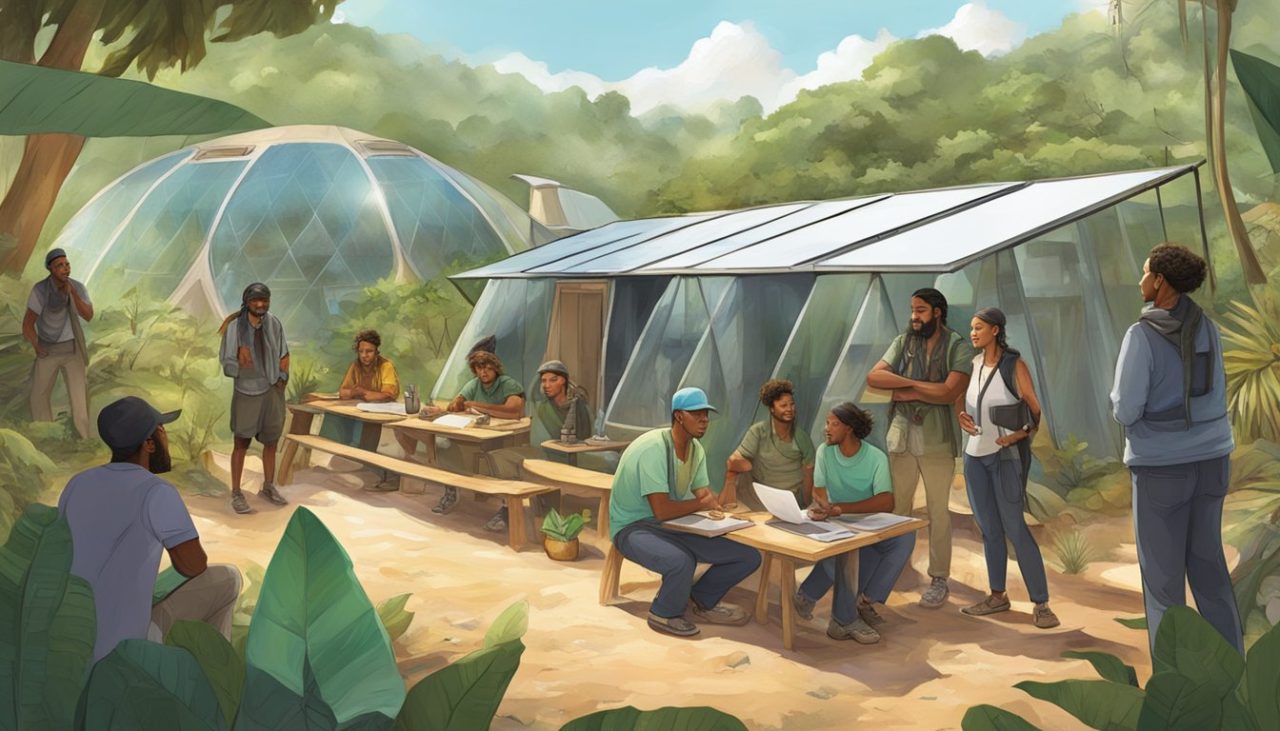
An interpretation representing Black environmental wisdom throughout history, highlighting the contrast from ancient history resilience to pre-colonial sustainability to the impact of industrial exploitation.

Now, black history month 2026 shows us that nature and equity go hand in hand. Leaders like A. Philip Randolph linked civil/labor/human rights to the struggle against industrial harm. This connection remains a cornerstone of modern advocacy.

Leaders saw that pollution often follows the color line with unfortunate accuracy. Getting true balance means that everyone should have a safe and green home for their families. Civil rights must include the right to a healthy, sustainable world.

The Legacy of Black Environmental Stewardship: Setting the Context

While mainstream narratives often celebrate figures like John Muir, the deep-rooted history of Black environmental stewardship remains an unsung pillar of conservation. For too long, the conventional story of environmentalism has focused on white, middle-class concerns. This perspective ignores the vital contributions of black people who have defended their land for centuries. This erasure suggests that protecting the planet is a recent interest for minority groups, but the reality is far more complex.

Long before “sustainability” became a popular corporate buzzword, African American families practiced resource conservation as a way of life. This stewardship was not just about loving nature; it was a strategy for survival and resilience. Indigenous African wisdom regarding agriculture and water management traveled across the Atlantic with enslaved peoples. These communities transformed scarcity into abundance through sheer ingenuity, even when they lacked legal rights to the soil they enriched.

The Legacy of Black Environmental Stewardship: Setting the Context Continuing…

Mainstream movements often separated nature from people, yet Black stewardship recognized that human health and ecological health are the same. This black history shows that environmental action and social justice are inseparable priorities. Environmental justice emerged from a need to protect both the land and the people who depend on it most directly. This legacy proves that the fight for environmental justice is a fundamental part of black history, black history month, and American progress.

Focus AreaMainstream NarrativeBlack Stewardship Legacy
Primary GoalWilderness preservation for recreationCooperative land use and survival
View of NatureSeparate from human societyInseparable from human dignity
MethodologyExclusionary land managementSustainable resource allocation

Understanding this historical context changes how we view modern climate challenges. It reveals that solutions for our planet already exist in ancestral practices and grassroots movements. Strong leaders have consistently demonstrated that we cannot fix the environment without also addressing racial inequity. The following points highlight how this stewardship took shape over time:

  • Agricultural Ingenuity: Enslaved people used African farming techniques to sustain themselves and build American wealth without receiving credit.
  • Resilient Gardens: During the Great Depression, victory gardens became essential tools for food security and community autonomy.
  • Protest as Protection: Civil Rights leaders targeted polluting industries long before modern regulations existed.
  • Interconnected Health: Grassroots activists proved that clean air and water are basic human rights for everyone, not just the elite.

The environment is not just where we go for a hike; it is where we live, work, play, and pray.

From Pre-Colonial Sustainability to Industrial Exploitation

A vibrant illustration representing Black environmental wisdom throughout history, highlighting the contrast from pre-colonial sustainability to the impact of industrial exploitation. In the foreground, a diverse group of three Black individuals in professional business attire stands confidently, sharing knowledge. In the middle, lush green landscapes with traditional farming practices blend with signs of industrial machinery, symbolizing the shift in environmental practices. In the background, a sunset casts warm, golden light, creating a serene atmosphere, while silhouettes of ancient trees and modern factories hint at the ongoing struggle for environmental justice. The composition should evoke a sense of hope and resilience. Inspired by "The Sustainable Digest".

The transition from sacred land stewardship in Africa to the brutal plantation systems of the Americas marks the genesis of environmental injustice. This shift reflects a move from ecological harmony to a system of extraction and discrimination. Understanding this era is crucial to black history and the origins of modern climate activism.

Indigenous African Environmental Wisdom and Sacred Land Practices

Pre-colonial African societies developed sophisticated environmental management systems. They recognized land as a sacred trust rather than an extractable commodity. These communities practiced crop rotation and managed water through collective governance to ensure long-term survival.

Modern permaculture is only now “rediscovering” these techniques with considerable fanfare and notably less humility. These practices embodied what we now define as sustainability. They integrated human life into the natural cycle rather than standing apart from it.

However, they understood it as a spiritual relationship with the Earth. This spiritual bond acknowledged human dependence on natural systems and ecological balance. Such values ensured high diversity across the landscape for future generations.

Wangari Maathai, founder of the Green Belt Movement, later revived these connections. By empowering women to plant millions of trees, she linked conservation to human dignity. Her work showed that protecting ecosystems is a powerful tool for poverty reduction.

Native American leaders also shared this view of the sacred Earth during the formation of the environmental justice movement. They helped early advocates see the planet as a living entity that requires protection. This cross-cultural wisdom remains a cornerstone of ecological resistance.

Slavery, Agricultural Labor, and the Foundation of Environmental Injustice

The transatlantic slave trade did not just extract human beings; it severed them from their environmental knowledge. It then exploited that very expertise to build agricultural wealth in the Americas. This forced labor transformed landscapes while denying enslaved peoples any agency over the land.

This era marks a painful chapter in black history month and black history in general. The plantation system created Americaโ€™s original “sacrifice zones.” These were landscapes that lacked variety because they served monoculture cash crops for global trade.

Enslaved workers bore the brunt of this environmental degradation without seeing the profits. This established the template for modern environmental racism and industrial pollution. Post-emancipation systems like sharecropping continued this exploitation under new names.

Planners concentrated environmental hazards in Black communities through deliberate structural choices. Yet, despite these barriers, Black communities maintained their ecological wisdom and fought for progress. This resilience highlights the enduring contributions black ancestors made to the land.

Woman, Creative, Black lives matter image. https://pixabay.com/photos/woman-creative-black-lives-matter-6394977/
FeaturePre-Colonial African SocietiesIndustrial Plantation System
Land PerceptionSacred trust and community heritageExtractable commodity and capital
Ecological GoalBiodiversity and long-term balanceMonoculture and immediate profit
Human RelationSpiritual stewardship and interdependenceForced labor and exploitation

The Birth of Environmental Justice: Warren County’s Pivotal Protest

While many view conservation as a quest for pristine wilderness, the residents of Warren County redefined it as a struggle for survival. In 1981, North Carolina officials designated this predominantly Black and economically distressed county as a dump site for 60,000 tons of PCB-contaminated soil.

The state chose this location despite a shallow water table that posed a direct threat to the local groundwater. This decision suggested that officials believed poverty and race would equal a lack of resistance. They were profoundly mistaken.

This attempt to bypass safety standards in a marginalized area became a catalyst for change across the united states. It proved that the fight for a clean environment was inseparable from the fight for human dignity and equality.

1981-1982: When Civil Rights Met Environmental Action

The resistance in Warren County signaled a massive shift where the traditional environmental movement finally adopted the tactics of the streets. Local residents and activists organized six weeks of non-violent protests to block 6,000 trucks filled with carcinogenic soil.

People and individuals of kind literally laid their bodies on the road to stop the delivery of toxic waste. This courageous act of civil rights defiance led to over 500 arrests. It was the first time citizens were jailed for defending their right to a non-toxic neighborhood.

These demonstrations quickly captured national attention, forcing the broader public to look at the ugly reality of hazardous waste disposal. The protest proved that “green” issues were not just for the wealthy, but a matter of life and death for the disenfranchised, marginalized, and lower working class.

While the landfill was eventually built, the social cost was too high for the government to ignore. This specific moment in North Carolina history created the framework for what we now call environmental justice.

Rev. Benjamin Chavis and the Definition of Environmental Racism

While serving time in the Warren County Jail, civil rights leader Rev. Benjamin Chavis formulated a concept that changed the political landscape forever. He realized that the targeting of his community was not an accident of geography, but a symptom of systemic racism.

“Environmental racism is racial discrimination in environmental policy-making and the enforcement of regulations and laws, the deliberate targeting of communities of color for toxic waste facilities.”

Rev. Benjamin Chavis

This definition provided a necessary name for the racism embedded in land-use policy. It allowed other communities, from Cancer Alley in Louisiana to Flint, Michigan, to see that their local crises were part of a national pattern.

The struggle in Warren County lasted decades, as the toxic chemicals were not fully remediated until 2004. However, the movement it birthed remains a powerful force in modern civil rights advocacy. Environmental justice is no longer a niche concern; it is a central demand for a fair society.

Key MilestoneHistorical SignificanceOutcome/Impact
1981 Location ChoiceWarren County selected for PCB dump.Sparked the first major intersection of race and environment.
1982 Mass ProtestsOver 500 arrests of non-violent activists.Garnered global media coverage for the cause.
Chavis’s DefinitionCoined the term environmental racism.Provided a legal and social framework for future advocacy.
2004 Site CleanupFinal detoxification of the Warren County site.Proved the long-term cost of discriminatory waste policies.

Founding Figures: The Architects of Environmental Justice

Dr. Robert Bullard, the father of environmental justice, stands confidently in a spacious office overlooking a vibrant urban landscape. In the foreground, he is wearing a professional business suit, hands crossed in front of him, exuding authority and wisdom. The middle ground features shelves filled with books and awards related to environmental activism, symbolizing his extensive contributions to the field. In the background, large windows reveal a clean, green cityscape that reflects progress and sustainability. Soft, natural light filters through, creating an inviting atmosphere. The image captures a contemplative yet hopeful mood, emphasizing the importance of leadership in advancing social justice. This illustration is for "The Sustainable Digest," visually representing the theme of progress in environmental justice and civil rights during Black History Month.

Identifying systemic failures is one thing, but proving they are the result of deliberate policy requires a special kind of courage and academic precision. These visionary leaders did not merely observe the world; they deconstructed the hidden biases within our physical landscapes. By blending rigorous research with community heart, they forced the world to acknowledge that ecology and equity are inseparable.

Dr. Robert Bullard: Proving Systemic Environmental Racism

Dr. Robert Bullard is widely recognized as the father environmental justice. In the early 1980s, his pioneering research provided the first systematic evidence of environmental racism. Robert Bullard famously mapped toxic facility locations against demographic data in Houston to reveal shocking patterns.

He discovered that race, more than income, predicted where waste was dumped. Dr. Robert published his landmark book Dumping in Dixie in 1990, showing how black communities were unfairly targeted. His work proved that dr. robert bullard was right: environmental policy often protected some neighborhoods while sacrificing others.

By using data, robert bullard transformed community complaints into an undeniable academic discipline. Dr. Robert shifted the focus toward justice and public health. Today, the legacy of dr. robert bullard continues to guide urban planning. Finally, robert bullard remains a voice for the voiceless while dr. robert helped define a new era of civil rights.

Hazel M. Johnson: Grassroots Power in Chicago’s Altgeld Gardens

While scholars mapped data, Hazel M. Johnson organized the streets of Chicago. Known as the “Mother of Environmental Justice,” she founded People for Community Recovery in 1979. Her neighborhood, Altgeld Gardens, sat in a “toxic doughnut” of industrial facilities and waste sites.

Johnson didn’t wait for outside experts to validate her reality. She empowered residents to document their own health crises, from asthma to cancer clusters. Her work proved that lived experience is a powerful form of justice.

She brought national attention to the harms facing black communities, demanding that zip codes shouldn’t dictate lifespans. Johnson showed that grassroots leaders can force institutional accountability. She proved that community monitoring is just as vital as laboratory science.

Wangari Maathai: Connecting Conservation to Human Dignity

Across the ocean, Wangari Maathai expanded the movement’s scope to a global scale. As the first African woman to win the Nobel Peace Prize, she founded the Green Belt Movement in 1977. She recognized that planting trees was a tool for both ecological restoration and human rights.

Maathai empowered women to plant tens of millions of trees to combat soil erosion and climate change. She linked environmental conservation directly to sustainable livelihoods and political freedom. Her work demonstrated that you cannot protect the land without protecting the people who depend on it.

“The tree is a wonderful symbol for the peace and hope which can come from a sustainable management of our environment.”

โ€” Wangari Maathai

Her legacy ensures that modern sustainability efforts remain rooted in community dignity and social empowerment. Maathaiโ€™s courage showed that environmentalism divorced from social equity is fundamentally incomplete.

Black lives matter, Protest, Demonstration image.https://pixabay.com/photos/black-lives-matter-protester-black-5251388/
FigureRecognized AsPrimary MethodKey Contribution
Robert BullardFather of Environmental JusticeData Mapping & ResearchProved race as the primary predictor of waste siting.
Hazel JohnsonMother of Environmental JusticeGrassroots OrganizingLed community monitoring in Chicago’s Altgeld Gardens.
Wangari MaathaiNobel Peace Prize LaureateThe Green Belt MovementLinked tree-planting with women’s rights and democracy.

2026 Black History Month, Environmental Justice, and Civil/Labor/Human Rights: The Contemporary Movement

As we observe 2026 black history month, the dialogue surrounding environmental justice has evolved into a sophisticated blend of activism and commerce. This era demands a profound reckoning with how racial justice and ecological health intersect. Modern movements for civil and labor rights now find their most potent expression in the intersection of climate action and socioeconomic equity.

The contemporary landscape of this history month reflects a dynamic shift toward systemic change and economic empowerment. We see a transition from reactive protests to proactive, sustainable industry building. This evolution honors the legacy of justice while forging new paths for the next generation of pioneers.

Leah Thomas and the Rise of Intersectional Environmentalism

Leah Thomas has fundamentally shifted the green narrative by coining the term “Intersectional Environmentalist.” Her framework acknowledges that environmental harm disproportionately impacts marginalized communities of color. Through her platform and book, she advocates for a brand of sustainability that is inclusive and inherently just.

Thomas argues that protecting the planet requires an unwavering commitment to social equity and the dismantling of systemic barriers. Her work demands that mainstream organizations move beyond superficial diversity initiatives. She insists on a fundamental restructuring that centers those bearing the heaviest environmental burdens.

“We cannot save the planet without uplifting the voices of those most impacted by its destruction, ensuring that our green future is accessible to everyone.”

Her approach articulates that environmentalism ignoring race or class merely perpetuates existing inequities. By focusing on environmental justice, Thomas ensures that conservation efforts do not ignore the plight of urban pollution hotspots. This intellectual shift has become a cornerstone of the movement during this history month.

Black-Owned Sustainable Businesses Transforming Industries

The rise of Black-owned sustainable businesses proves that environmental leaders extend far beyond traditional activism. Every ceo in this space demonstrates that building a better economy requires integrating ethics into the very foundation of a company. They are proving that profitability and planetary health are not mutually exclusive goals.

Aurora James: Ethical Fashion and the 15 Percent Pledge

Aurora James, the ceo of Brother Vellies, has redefined luxury through the lens of traditional African craftsmanship. Her brand uses vegetable-tanned leathers and recycled tire materials to create high-end goods. This model enriches source communities rather than extracting from them in a predatory manner.

Beyond fashion, James launched the 15 Percent Pledge to address economic inequality in retail spaces. This initiative urges major retailers to dedicate shelf space proportional to the Black population. It recognizes that rights to economic participation are essential for long-term community sustainability.

Karen Young and SaVonne Anderson: Sustainable Consumer Products

Karen Young founded OUI the People to tackle the beauty industryโ€™s massive plastic waste problem. Inspired by her upbringing in Guyana, she promotes refillable glass bottles and durable stainless steel razors. Her company challenges the “disposable” culture that often harms low-income neighborhoods and others through landfill overflow.

SaVonne Andersonโ€™s Aya Paper Co. provides an eco-friendly alternative in the greeting card market. Her products use 100% recycled materials and plastic-free production methods right here in the U.S. By prioritizing diversity in supply chains, she shows how small consumer choices support a larger green future.

Linda Mabhena-Olagunju and Sinah Mojanko: African Energy and Recycling Leadership

In South Africa, Linda Mabhena-Olagunju leads DLO Energy Resources Group, a powerhouse in renewable energy. She develops large-scale wind and solar farms that combat climate change while closing energy gaps. Her leadership ensures that Black women are at the forefront of the continentโ€™s green energy transition.

Sinah Mojankoโ€™s Tiyamo Recycling transforms waste management into a vehicle for economic opportunity. Her model empowers unemployed individuals to become entrepreneurs within the recycling sector. This approach solves social and ecological challenges simultaneously, proving that justice can be found in the circular economy.

LeaderOrganizationKey InnovationSocial Impact
Leah ThomasIntersectional EnvironmentalistIntersectional FrameworkCentering marginalized voices
Aurora JamesBrother Vellies / 15% PledgeRecycled Tire MaterialsEconomic retail equity
Linda Mabhena-OlagunjuDLO Energy ResourcesWind and Solar FarmsRenewable energy access
Karen YoungOUI the PeopleRefillable Glass SystemsPlastic waste reduction

The Ongoing Struggle: Environmental Racism in Contemporary America

A powerful scene illustrating environmental racism in contemporary America, focusing on a marginalized community neighborhood surrounded by industrial pollution. In the foreground, a diverse group of community activists in professional business attire, holding banners advocating for environmental justice. In the middle ground, a stark contrast between their efforts and the backdrop of an old factory emitting smoke and waste. The background features crumbling infrastructure and overgrown lots, symbolizing neglect. The lighting is dramatic, with a somber, overcast sky to reflect the serious mood, emphasizing the urgency of their struggle. Capture the image at a slightly low angle to give the activists a sense of empowerment against the oppressive environment. The Sustainable Digest should be subtly referenced through elements like an eco-friendly banner.

Forty years after the first major protests, the systems of environmental racism still work with a quiet efficiency. It remains vital for black communities to stay informed about these geography-based hazards. Today, the maps of risk often trace the same lines drawn by historical exclusion.

The Statistics Behind Environmental Inequality Today

Rev. Benjamin Chavis points to a hard truth about our modern era. Roughly 20% of all african americans are exposed environmental hazards today. In contrast, less than 2% of white families face these same risks.

This tenfold gap persists regardless of wealth or education levels in these communities. Experts often call this “policy violence” because it stems from choices made in high-level offices. Older african americans die three times more often from pollution-related illnesses than their white peers.

These numbers prove that racism exists in the very air some people breathe. In Flint, Michigan, the water crisis showed the lethal side of bad environmental policy. Corroded pipes poisoned a majority-Black city because officials prioritized costs over public health.

Similarly, “Cancer Alley” in Louisiana exposes communities to toxic air from chemical plants. Industrial waste and air toxins often target these specific areas. This leaves residents exposed environmental poisons that whiter areas successfully avoid.

Policy Rollbacks and the Dismantling of Environmental Justice Protections

National progress often depends on who sits in the Oval Office. The Biden administration used the Inflation Reduction Act to fund climate solutions and equity projects. These efforts gave hope to many who seek better environmental protection.

However, recent political changes often lead to a dismantling of these vital safety nets. Federal policy shifts have led to the removal of justice-focused language from many official records. Cutting budgets for these programs acts as a form of active discrimination.

Leaders often treat environmental protection for the vulnerable as a luxury rather than a right. This trend confirms that racial discrimination in the united states is not just a ghost of the past. It is an ongoing choice made by current lawmakers.

Even with these rollbacks, grassroots power remains a beacon of hope. People are organizing to fight for a cleaner climate and safer neighborhoods. They understand that a single policy change can harm their health for generations.

By building local strength, they resist the environmental racism and systemic racism that dictates where toxic waste is dumped. Their persistence proves that collective action is the best shield for black communities.

Community GroupPrimary Environmental HazardKey Statistic or Impact
Puerto Rican ResidentsRespiratory IrritantsDouble the national asthma incidence
Hopi NationHeavy Metal Contamination75% of water supply contains arsenic
Cancer Alley (LA)Petrochemical CarcinogensCancer rates far above national average
Older Black AdultsIndustrial Particulates3x mortality rate from air pollution
Flint, MichiganLead-Tainted WaterState-wide denial of toxic pipe corrosion

Conclusion: From Labor Rights to Environmental Justiceโ€”Building Our Collective Future

The 2026 Black History Month theme, “African Americans and Labor,” reveals that environmental justice is essentially labor justice. Fighting for fair wages and breathable air are inseparable goals for communities seeking equity. Workers breathing fumes on factory floors and families in nearby homes face the same exploitative system.

History (through Black History Month) shows us this connection through the work of A. Philip Randolph and Addie Wyatt. They bridged labor rights with civil rights during the 1963 March on Washington. Even Frederick Douglass championed economic justice alongside abolition, proving that workplace dignity sustains life for everyone.

These early contributions paved the way for the 1991 People of Color Environmental Leadership Summit. This landmark event established 17 principles that the United Nations now recognizes. Analysis by the father of environmental justice, Dr. Robert Bullard, helped activists expose the patterns of racial discrimination.

Today, the modern environmental movement faces complex hurdles, including legislative rollbacks and the global climate crisis. We simply cannot address climate change while tolerating the survival of environmental justice gaps. A resilient future demands that we dismantle the siloed approach to social rights and ecological health.

Building collective progress depends on staying involved, as Reverend Benjamin Chavis often emphasizes to his followers. We must honor civil rights icons by pushing for justice in every zip code. True change occurs when people refuse to let their spirits be broken by the immense challenges ahead.

Celebrating the 2026 theme means transforming commemoration into a deep, lasting commitment to the earth and its people. Every step toward sustainability is a step toward progress for all of humanity. Strong action today ensures that the next generation inherits a planet defined by balance and fairness.

Keyย Takeaways

  • Sustainabilityย requiresย addressingย historicalย racialย andย economicย gaps.
  • Theย currentย themeย connectsย industrialย workย toย landย stewardship.
  • Environmentalย equityย isย aย long-standingย civilย rightsย issue.
  • Africanย Americanย innovationsย inย farmingย startedย centuriesย ago.
  • Protestsย againstย toxicย wasteย helpedย shapeย modernย greenย policy.
  • Clean air and water are fundamental to human dignity.

Sustainable Observances for the Last Month of 2025

Final month of 2025 December observances and sustainability

In the United States, December can be peak goodwillโ€”or peak waste, depending on the choices behind the wrapping paper.

This guide treats the final month of 2025 December observances and sustainability as more than a feel-good slogan. It maps December 2025 events to practical moves that cut emissions, shrink trash, and protect budgets (a rare holiday miracle).

Across UN observances, cultural holidays, tech and education weeks, and national days, the goal is simple: turn attention into impact. That means sustainable practices like lower-carbon travel, cleaner energy use, and smarter gifting; it also means procurement that respects labor and human rights.

Because December is a high-consumption month, small shifts scale fast. Think circular economy habits, climate resilience planning, and greener operations that still feel festiveโ€”eco-friendly December activities can be joyful without becoming a landfill audition.

Next, the guide defines key terms, then moves through major observances and ends with measurable outcomes tied to the UN Sustainable Development Goals. The throughline stays consistent: green initiatives for December should work for households, workplaces, schools, and community groupsโ€”without requiring a PhD in composting.

December 2025 Events Overview for a Greener Holiday Season in the United States

In the United States, December is a busy time. People travel more, deliveries pile up, and homes get warmer. This all adds up to more emissions, waste, and higher bills.

This guide helps you plan for December 2025. It shows how to make holiday celebrations more efficient. You can buy less, ship smarter, and waste less.

What makes December observances a high-impact time for sustainable practices

December is a time for quick decisions. Small changes can make a big difference. For example, choosing reusable items at a party can save waste and money.

It’s also a time to think about the environment. We see the waste, food scraps, and extra energy use. This season rewards those who think about the bigger picture.

Quick definitions: sustainable December events, eco-friendly December activities, and green initiatives for December

Sustainable December events aim to reduce harm to the planet. They choose efficient venues, use low-carbon travel, and encourage reuse.

Eco-friendly December activities focus on using less at home and in the community. This includes fixing things, sharing meals, and low-waste gatherings.

Green initiatives for December are big efforts with clear goals. They include ethical giving, sustainable finance, and community programs that last all year.

How to use this guide: choosing meaningful observances and reducing environmental footprint

Match your values with actions. Pick one important observance and cut down on extras. Choose swaps that make a big difference, like reusable items and fewer flights.

  • Pick one observance that matters, then limit the โ€œextrasโ€ that inflate waste.
  • Choose high-leverage swaps: reusable serviceware, certified products, fewer flights, consolidated shipping, and local giving.
  • Apply sustainable living tips to the calendar: set deadlines for ordering, confirm quantities, and build a reuse plan before buying anything new.
U.S. December settingOperational moveWhat to measureWhy it works in holiday schedules
Workplace holiday celebrationsRent dishware; default to water stations; pre-sort recycling and compostWaste diversion rate; trash bags used; leftover food poundsOne setup change affects dozens to thousands of meals
End-of-year corporate givingPrioritize cash and vetted in-kind lists; combine shipments; request impact reportingNumber of shipments; administrative overhead; program outcomes trackedMoves resources faster than last-minute โ€œstuff drivesโ€
School concerts and fairsDigital programs; reuse decorations; schedule โ€œbring-your-bottleโ€ eventsPaper saved; single-use bottles avoided; energy use during eventsFamilies notice changes immediately and repeat them
Faith and community gatheringsPotluck with portion planning; donate surplus via local partners; use refillable beverage serviceFood waste volume; reusable items used; donation pounds deliveredTraditions stay intact while waste drops sharply
Holiday travel planningChoose rail or bus where feasible; pack light; group rides; avoid rush shipping by ordering earlierMiles flown reduced; car occupancy; expedited shipments avoidedTravel decisions dominate footprints during December 2025 events

By using this guide, you can make December more sustainable. It helps you make better choices, not just add more to your list. The goal is to keep the holiday spirit alive while reducing waste.

Final month of 2025 December observances and sustainability

An illustration capturing December 2025, showcasing sustainable observances, featuring a serene winter landscape. In the foreground, a diverse group of people dressed in modest casual clothing engage in eco-friendly activities, such as planting trees and decorating biodegradable ornaments. In the middle ground, a bustling community market filled with local artisans selling sustainable gifts, illuminated by soft, warm lighting that evokes a cozy atmosphere. The background features a festive town square, adorned with twinkling lights reflecting a commitment to sustainability. A snowy mountain landscape under a clear blue sky adds depth, highlighting eco-conscious engagement in the heart of winter. Incorporate elements like solar panels and wind turbines subtly integrated into the scenery. Overall, convey a mood of unity, celebration, and environmental responsibility. Caption-free, showcasing the essence of community and sustainability, branded โ€œThe Sustainable Digestโ€.

In the United States, December 2025 feels like a rush with a shopping cart. Yet, it’s also a chance to make smart choices. With budgets, travel, and gift lists all in play, green initiatives for December shine.

December should be a cleanout, not a free-for-all. Teams and households can track waste, travel, and gifts. This way, they can see their impact clearly.

Key themes for December: climate, community, human rights, and ethical consumption

Climate observances in December offer practical tips. Eat for soil health, reduce trips, and protect winter habitats. Community themes focus on volunteering and mutual aid, beating novelty gifts in value and longevity.

Human rights dates highlight dignity in supply chains, especially during peak buying. Ethical consumption is the quiet filter behind every deal. It shows up in fair labor, traceable ingredients, and safer materials.

Planning calendar: aligning observances with low-waste holiday celebrations

A workable calendar groups observances into action weeks. This cuts duplication and the urge to print flyers. Bundling reduces last-minute shipping, saving dollars and emissions.

  • Food week: plant-forward menus, leftovers planning, and composting that survives the party.
  • Giving week: one vetted donation plan, one volunteer shift, and clear receipts for tax and trust.
  • Travel week: rail or carpool when possible; if flying is required, fewer trips and longer stays.
  • Gifting week: experiences, repairs, and resale-first shopping before anything new.
Action week focusTypical December triggerLow-waste moveOperational metric to track
Food and hostingOffice potlucks and family dinnersReusable dishware, batch cooking, and a leftovers planPounds of food wasted; % composted or donated
Gifts and dรฉcorFlash sales and โ€œstocking stufferโ€ cultureSecondhand gifts, repair services, and minimal packaging% spend on resale/repair; packaging volume per event
Service and solidaritySeasonal giving drivesOne coordinated drive with clear needs and distribution plansVolunteer hours; items delivered that match requested lists
Travel and gatheringsMultiple short trips across the monthTrip consolidation, carpooling, and virtual attendance when suitableTrips avoided; estimated miles reduced

ESG and personal choices: Environmental Social Governance with December holidays and observances

Environmental Social Governance in December is more than boardroom talk. Spending acts like a vote in December. Environmental choices include energy use, shipping speed, and travel patterns.

Social choices are seen in inclusive gatherings and fair labor signals. Governance is the less festive part, but it’s crucial. Transparent donations, anti-fraud habits, and clear vendor standards keep money aligned with mission.

UN Observances in December and How to Celebrate Them Sustainably

December UN dates can turn good intentions into real actions. The key is to keep the impact high and waste low. In the United States, this means choosing local actions, buying cleaner, and reporting clearly.

International Volunteer Day for Economic and Social Development with low-carbon service ideas

International Volunteer Day rewards service that doesn’t harm the planet. It’s about local volunteering that cuts emissions and strengthens neighborhoods.

Smart volunteering includes food recovery, community fridges, park cleanups, and repair cafรฉs. These actions save resources and reduce waste. Virtual support, like resume help or tutoring, also helps without harming the environment.

  • Track it: hours volunteered, meals rescued, items repaired, or bags of litter collected.
  • Pack light: bring a refillable bottle, durable gloves, and a reusable container for snacks.
  • Choose proximity: prioritize locations reachable by walking, biking, or transit.

World Soil Day and International Mountain Day: regenerative choices for food and travel

World Soil Day shines a light on every meal. Healthy soil, cleaner water, and steady yields are key. Seasonal menus, less meat, and avoiding food waste help soil health.

Composting is important, but it works best with smarter shopping and storage. Buying regenerative and regionally grown products supports better land management and reduces spoilage risk.

International Mountain Day is perfect for winter, when travel demand is high. Responsible recreation means carpooling, using rail when possible, renting gear, and avoiding single-use items.

Human Rights Day, International Migrants Day, and International Human Solidarity Day with ethical giving

Human Rights Day asks if a gift solves a problem or just decorates it. Ethical giving focuses on transparent organizations, worker protections, and community-led services. This is especially important when news cycles tempt rushed donations.

International Migrants Day supports practical help like legal aid, worker centers, and local services. International Human Solidarity Day emphasizes mutual aid and long-term capacity. Unrestricted gifts often help more than branded items.

  • Verify financial accountability through audited reporting and clear program metrics.
  • Prefer durable, needed supplies over novelty drives that create disposal costs.
  • Use ethical procurement for holiday purchases; labor standards are part of sustainability.

These themes also align with the International Day for the Abolition of Slavery. Learning about supply chains and forced labor sharpens buying decisions. The International Day of Commemoration and Dignity of the Victims of the Crime of Genocide and of the Prevention of this Crime shows why documentation, education, and prevention deserve steady funding.

International Day of Banks and International Anti-Corruption Day: sustainable finance and transparency actions

International Day of Banks encourages reviewing where money is invested. Climate risk policies, community reinvestment, and fee structures shape real-world infrastructure and household budgets.

International Anti-Corruption Day promotes fraud-aware giving, clean procurement rules, and readable annual reports. These actions reduce waste that doesn’t show up in recycling bins.

For a broader policy lens, the International Day Against Unilateral Coercive Measures and the International Day of Neutrality can be used as learning prompts about finance, trade, and stability. The International Day against Colonialism in All its Forms and Manifestations also fits here; ethical sourcing and supplier transparency are modern tools for reducing harm.

UN observanceSustainable way to participate (U.S.-ready)Low-waste metric to trackCommon pitfall to avoid
International Day of BanksReview bank climate policies, fees, and community lending; switch statements to paperlessMonthly fees reduced; paper avoided; funds moved to lower-fee optionsHigh-fee โ€œgreenโ€ products with vague impact claims
International Anti-Corruption DayAdd basic verification steps for donations and vendor invoices; keep a receipt trailPercent of spend with documented review; chargebacks preventedImpulse giving to look-alike organizations and bait campaigns
World Soil DayPlan a seasonal menu, reduce food waste, start composting, and store produce correctlyPounds of food waste avoided; compost volume; meals planned vs. tossedBuying โ€œecoโ€ food that spoils due to poor planning
International Mountain DayCarpool to winter recreation, rent gear, and choose reuse before upgradesMiles not driven alone; items rented or repaired; single-use avoidedBuying new gear for a one-off trip

International Day of Epidemic Preparedness and International Universal Health Coverage Day: community health with less waste

International Day of Epidemic Preparedness is about readiness, not panic shopping. A durable kit with refillable hygiene supplies and a plan for prescriptions reduces risk and clutter.

International Universal Health Coverage Day highlights access and continuity of care. This includes waste-aware operations. Community clinics and health outreach events can cut trash by using refill stations and right-sized supplies.

Medication take-back programs and safe disposal practices lower contamination risk in water systems. Preparedness looks less dramatic than stockpiles, but it tends to work betterโ€”and it does not require another cart full of plastic.

Eco-Friendly Holiday Celebrations and Cultural Observances in December

A serene celebration of International Tea Day, showcasing a beautifully arranged tea ceremony set on a natural wooden table. In the foreground, there are elegant, hand-crafted teacups filled with various teas, surrounded by fresh herbs and organic tea leaves. Dappled sunlight streams through nearby trees, casting gentle patterns on the table. In the middle ground, a diverse group of individuals dressed in modest, colorful clothing engages in a joyful conversation, holding their teacups with warmth and connection. The background features a lush garden adorned with seasonal flowers and eco-friendly decorations made from sustainable materials. Use a soft focus lens for a dreamy quality, with warm, inviting lighting to create a mood of harmony and cultural appreciation. This image represents the essence of eco-friendly holiday celebrations in December, tailored for The Sustainable Digest.

December in the United States is often a rush of waste. Yet, a low-waste holiday season can still be festive. It focuses on meaning over volume, with shared meals, repair days, and stories that don’t need extra packaging.

For those who love to learn and act, there are civic observances like Pearl Harbor Remembrance Day and Nobel Prize Day. These fit well into a low-material plan. Digital tools, community spaces, and donations do more than disposable items ever could.

Chanukah, Kwanzaa, Saturnalia, Bodhi Day, and Halcyon Days with mindful consumption

Chanukah and Kwanzaa already focus on consistency and care. Sustainability just highlights this core idea. Using reusable decorations, durable dishes, and planning gifts carefully reduces waste without losing the joy.

Saturnalia, Bodhi Day, and Halcyon Days offer a chance to break from the buy-more cycle. Sharing skills, cleaning neighborhoods, and re-gifting make celebrations look intentional, not overstuffed.

  • Plan portions to cut food waste; freeze extras before they become โ€œmystery leftovers.โ€
  • Choose reusables for plates, napkins, and storage; borrow when possible.
  • Trade experiences (classes, museum days, transit passes) for impulse items.

St Nicholas Day, Krampusnacht, and Worldwide Candle Lighting Day with safer, cleaner materials

St Nicholas Day and Krampusnacht can stay fun while reducing plastics and clutter. Small surprises are better when they are useful, refillable, or edible. And they should not come wrapped in lots of glossy film.

Worldwide Candle Lighting Day is a time when materials really matter. Using lower-tox candles, refill systems, and sturdy vessels reduces pollution and packaging. Basic fire safety keeps the celebration safe and meaningful.

CustomLower-impact material choiceWhy it helpsSimple safety check
Worldwide Candle Lighting DayBeeswax or soy wax in refillable glassLess petroleum use; less single-use packagingTrim wick; keep away from drafts and curtains
St Nicholas DayReusable stockings; paper wrap or noneCuts plastic waste; supports repeat useKeep small items age-appropriate
KrampusnachtCostume swaps; durable masksReduces one-time outfits; saves moneyCheck visibility and ventilation

Feast of Our Lady of Guadalupe and Day of Goodwill: community-centered, low-waste gatherings

Feast of Our Lady of Guadalupe gatherings focus on community, not shopping. A potluck, compost plan, and water stations make hosting practical and welcoming.

Day of Goodwill is a chance to connect with neighbors. Using public transit, carpooling, and bringing your own mug keeps the event budget-friendly and eco-friendly. It’s all about community, not lecturing.

  • Coordinate dishes to avoid five identical desserts and a trash can full of trays.
  • Set up sorting: trash, recycling, and compost with clear labels.
  • Use community spaces to cut travel and avoid disposable dรฉcor.

International Tea Day: sustainable sourcing, packaging, and fair labor

International Tea Day encourages a closer look at supply chains. Opting for loose-leaf tea, refill tins, and minimal shipping reduces waste. Fair labor standards ensure the tea is enjoyed by all.

In the U.S., this theme aligns with Rosa Parks Day and others. A small teach-in, digital reading list, or donation drive adds depth without clutter.

  • Favor loose-leaf over single-serve packaging when possible.
  • Look for disclosures on sourcing, labor practices, and transport footprint.
  • Choose durable gear (strainers, teapots) that replaces repeat disposables.

Environmental Awareness in December via Wildlife, Oceans, and Polar Observance

December is busy for many Americans, but we can still focus on the environment. We just need to make choices that really help, not just look good. Let’s aim for actions that make a real difference, not just gestures.

Wildlife conservation day and International Cheetah Day teach us to think clearly. Avoid the hype of “selfie safaris” and support real conservation efforts. In the U.S., this means backing land restoration, joining science projects, or helping local groups.

International Cheetah Day also reminds us to choose responsible travel. Skip places that harm animals for photos. Instead, support sanctuaries that care for animals and teach about conservation.

Antarctica Day is about reducing emissions. Antarctica helps control the Earth’s climate. So, making choices that lower carbon emissions in the U.S. helps the ice, even if it’s far away.

Environmental Awareness continuing

Antarctica Day also encourages learning about climate policies. Small actions add up: choose durable items, reduce waste, and treat efficiency as a strategy. This way, we can make a difference locally and globally.

International Civil Aviation Day and Pan American Aviation Day are chances to talk about travel wisely. Smarter flying means combining trips, avoiding unnecessary flights, and choosing nonstop routes. Lighter luggage also helps, as it reduces fuel use.

For holiday shipping, think twice about expedited services. They often mean more emissions. Instead, choose rail or bus for short trips, fly less, and stay longer. Tools can help manage carbon, but offsets are not always reliable.

Observance focusCommon December habitLower-impact alternative (U.S. friendly)What to look for
Wildlife conservation dayImpulse donations after viral postsRecurring giving to verified habitat restoration and local biodiversity projectsTransparent budgets, clear metrics (acres restored, species monitoring), and ethics policies
International Cheetah DayAnimal handling experiences framed as โ€œeducationโ€Wildlife viewing with distance rules and support for welfare-first facilitiesNo cub petting, no breeding for display, documented animal care standards
Antarctica DayHigh-emission convenience buys and rushed shippingFewer, longer-lasting purchases; slower shipping; home energy efficiency stepsDurability, repairability, and realistic energy savings claims
International Civil Aviation DayMultiple short flights and tight itinerariesTrip consolidation; nonstop flights; pack light; stay longer per flightItinerary emissions awareness, baggage discipline, and fewer segments
Pan American Aviation DayLast-minute holiday travel with high churnAdvance planning; rail/bus for regional trips; avoid overnight rush shippingMode choice, calendar planning, and fewer โ€œurgentโ€ deliveries
A thoughtful collage illustrating sustainable living tips, showcasing a variety of technology and educational tools for a safer digital life. In the foreground, a modern workspace features eco-friendly devices, like solar-powered chargers and energy-efficient laptops, with a potted plant adding a touch of nature. In the middle, a bookshelf filled with books on sustainability, digital literacy, and eco-education is highlighted, alongside a digital tablet displaying a classroom setting of engaged students learning about green technologies. In the background, a serene cityscape reveals green rooftops, solar panels, and trees lining the streets under soft morning light. The mood is optimistic and enlightening, encouraging eco-conscious living. Overall composition inspired by โ€œThe Sustainable Digestโ€, capturing a harmonious blend of technology and nature.

Technology, Education, and Safer Digital Life for Greener Living Tips

December is filled with new gadgets and fast upgrades. But a greener approach is quieter. It focuses on saving power, extending device life, and reducing waste. These tips are perfect for U.S. homes and workplaces looking to save more.

Digital choices affect our world. They impact electricity use, shipping, and e-waste. This month, we can learn to treat tech as a valuable asset, not something to throw away.

Computer Science Education Week and World Techno Day are great together. They teach us to use tech wisely. Simple changes like sleep timers and dark mode can save a lot of energy without slowing us down.

In offices, small changes can make a big difference. Using standard power plans and updating devices based on performance can save energy. Shared printers and default duplex printing also help.

Continuing

International Anti-Cybercrime Day is also about sustainability. When devices get hacked, we often replace them too soon. Basic security steps like updates and backups can make devices last longer.

It also promotes reuse. A clean laptop is easier to donate or reuse. An infected one is often thrown away, wasting resources.

International Project Menagement Day helps us stick to our green goals. We can plan our sustainable activities like projects. This way, we avoid last-minute waste and pollution.

At home, the same approach works. One checklist, clear roles, and a review after gatherings help. This habit is key to improving next year.

Image by <a href="https://pixabay.com/users/zauber2011-1092382/?utm_source=link-attribution&utm_medium=referral&utm_campaign=image&utm_content=4973352">zauber2011</a> from <a href="https://pixabay.com//?utm_source=link-attribution&utm_medium=referral&utm_campaign=image&utm_content=4973352">Pixabay</a>
Observance focusAction in plain languageTools and settings (examples)Sustainability upside
Computer Science Education WeekSet devices to save power by defaultSleep after 5โ€“10 minutes; hibernate for laptops; disable always-on Bluetooth when not neededLower electricity use and less heat stress on batteries
World Techno DayStream smarter, not louderTurn off auto-play; choose standard HD on phones; download playlists once instead of replaying streamsReduced data center demand; fewer peak-time energy spikes
International Anti-Cybercrime DayKeep devices secure so they lastAutomatic updates; MFA; password manager; encrypted backups; phishing checks before clickingFewer early replacements; better resale and donation readiness
International Project Menagement DayRun holiday sustainability like a projectSimple metrics (trash bags, leftover volume, miles traveled); owner for recycling; procurement list for reusablesMore predictable results; less overbuying and less contamination in recycling
Procurement and IT circularityBuy less new; repair and refurbish moreBattery replacements; certified refurbished devices; trade-in and take-back programs; asset tags for trackingLower e-waste; longer equipment life cycles; reduced material extraction

Continuing

A tech-forward December doesn’t need more waste. By linking Computer Science Education Week, World Techno Day, International Anti-Cybercrime Day, and International Project Menagement Day to our daily lives, we can live more sustainably. This way, we support eco-friendly activities without sacrificing convenience.

2025 Retrospective Analysis of Country and Regional Observances in Early December

Early December observances might seem like just dates on a global calendar, but for U.S. readers, they also signal important governance, resilience, and sustainability issues. These moments influence funding, regulations, and protection efforts.

Resilience, sovereignty, and development context

Days like Central African Republic Republic Day and Freedom and Democracy Day in Chad focus on sovereignty and stability. These themes are key to resilience. The real work is in ensuring basic services like water, education, healthcare, and reliable energy.

For U.S. teams, it’s about risk and impact. Ethical sourcing, supporting local programs, and media literacy are crucial. This approach is about real development, not just giving out souvenirs.

Civic identity with sustainability lenses

Portugal Restoration of Independence Day highlights the importance of long-term planning for energy and infrastructure. Romania’s Independence and National Days focus on energy security and grid upgrades, however, these are not just debates but urgent needs for massive change.

Commemoration Day reminds us of the power of memory in policy-making. Civic identity can turn climate action into innovation and resilience. This changes how we approach procurement, travel, and building efficiency.

Governance milestones and environmental priorities

Chatham Islands Anniversary Day shows how climate risk affects island logistics and coastal areas. Supply chains are short, and shocks are immediate. Planning must adapt to these challenges.

Kazakhstan’s First President’s Day raises questions about resource economies and transparency. For ESG teams, it’s about enforcement and data credibility, not just promises.

Cultural continuity and stewardship insights

Days like Indigenous Faith Day in Arunachal Pradesh and State Inauguration Day in Nagaland focus on stewardship. Indigenous knowledge emphasizes biodiversity, seasonal limits, and community accountability. These are early sustainability frameworks.

U.S. organizations can act with respect by supporting Indigenous-led work and using credible cultural education. Stewardship fits well in DEI and sustainability programs when seen as governance, not just decoration.

Peacebuilding and climate/resource security

Prisoners for Peace Day links environmental stress to conflict risk through scarcity and displacement. Peacebuilding is a form of climate adaptation with high stakes.

For practitioners, this means conflict-sensitive procurement and support for human rights. Stability and sustainability rely on trust, transparency, and basic services.

Observance lensWhat it signals in sustainability termsPractical U.S.-based application
Central African Republic Republic Day; Freedom and Democracy Day in ChadResilience needs tied to services (health, education, water, energy access) and institutional stabilityConflict-aware supply chains, support for reputable humanitarian work, and preference for locally led solutions
Portugal Restoration of Independence Day; Romania Independence Day; Romania National Day; Commemoration DayCivic identity can accelerate adoption of efficiency, cleaner transport, and long-term infrastructure planningAlign messaging with responsible procurement and energy management for U.S. firms operating in Europe
Chatham Islands Anniversary Day; Kazakhstan’s First President’s DayIslands act as climate โ€œearly warningsโ€; resource economies face governance and transparency pressureIntegrate physical risk into logistics plans; pair ESG review with enforcement capacity and data quality checks
Indigenous Faith Day in Arunachal Pradesh; State Inauguration Day in NagalandStewardship norms that support biodiversity, land care, and community governance as resilience infrastructureSupport Indigenous-led initiatives, avoid commodification, and embed stewardship principles into programs
Prisoners for Peace DayClimate stressors can raise conflict and displacement risks, affecting markets and communitiesApply conflict-sensitive due diligence, protect transparency norms, and strengthen human rights screening
A serene winter landscape depicting cooperative development initiatives in December. In the foreground, a diverse group of individuals dressed in professional business attire is engaged in planting trees and tending to community gardens, showcasing teamwork and collaboration. In the middle ground, vibrant green and winter plants coexist, symbolizing sustainable growth and community efforts. The background features a softly lit urban park adorned with snow-dusted trees and holiday decorations, capturing the spirit of December. The atmosphere is warm and inviting, with golden sunlight filtering through the leaves, creating a hopeful and inspiring mood. A sweeping vista captures the essence of community cooperation, complemented by macro shots revealing the details of hands in the soil and small, vibrant plants sprouting. Emphasize the branding "The Sustainable Digest" subtly integrated into the scene.

Cooperative Development and Community Green Initiatives for December

December can be a time for shopping or for smarter choices. Cooperative Development initiatives offer a middle path. They include shared buying, tools, and accountability.

In the U.S., co-ops and groups help keep waste low during the holidays. Buying in bulk and fixing things instead of replacing them saves resources. Sharing delivery routes also cuts down on trips.

Inclusive Schools Week: sustainable campuses and equitable access

Inclusive Schools Week promotes campus sustainability. Access and efficiency go hand in hand. When schools work for everyone, they waste less.

Good programs mix operations and culture. They have safe paths, clean air, and fair buying. Students learn to reuse and repair, keeping things out of landfills.

National Women Support Women Day: local, values-based purchasing and mutual aid

National Women Support Women Day encourages buying local. Supporting women-owned businesses shortens supply chains. This keeps money in the community and reduces emissions.

Service gifts, like childcare swaps, are meaningful without adding to waste. Mutual aid funds also help quickly. When buying, choose clear, transparent products over fancy packaging.

Month of Overseas Filipino, Spiritual Literacy Month, and Volunteerism Month (Philippines): diaspora giving with low-impact logistics

These months highlight giving across borders. But, it’s better to buy locally to avoid shipping waste. Cash donations are also preferred for their flexibility.

Transparency is key to avoid clutter. Publish impact summaries and verify partners. Funding community needs like education and clean water is often more effective than sending goods.

UN SDGs for December holidays and observances: mapping actions to SDG targets

UN SDGs for December holidays make goodwill measurable. Use a scorecard to track progress. Aim for repeatable improvements, not perfection.

December action focusSDG connectionPractical December metricWhat it can change in daily life
Low-waste purchasing and reuse (repair, refill, secondhand)SDG 12 Responsible Consumption and ProductionPounds of waste diverted; number of items repaired or reusedFewer single-use purchases; longer product life
Travel and delivery reductions (shared routes, fewer car trips)SDG 13 Climate ActionMiles avoided; estimated emissions reduced from fewer tripsMore planning; less last-minute driving
Cleaner indoor spaces (ventilation checks, safer products)SDG 3 Good Health and Well-BeingIndoor air actions completed; low-tox product swapsHealthier rooms during peak winter gatherings
Fair processes and transparent giving (verified partners, clear reporting)SDG 16 Peace, Justice and Strong InstitutionsPercent of funds with documented use; number of verified partnersLess fraud risk; more trust in community drives
Equitable learning environments (access + sustainability)SDG 4 Quality EducationAccessibility fixes completed; participation rates in reuse programsBetter access with fewer resource workarounds
Support for migrants and diaspora-aligned aidSDG 10 Reduced InequalitiesDollars directed to local services; volunteer hours loggedMore stable support networks during high-need months

Conclusion

In the United States, December 2025 is a time of peak shopping, travel, and public focus. The focus on sustainability in December is not just a nice gesture. It’s a crucial test of what we will do when it really matters.

This guide emphasizes choosing observances with purpose and linking them to actions. Sustainable events in December should aim to reduce waste, lower energy use, and cut emissions. They should also protect workers and communities.

Green initiatives in December don’t need to be flashy to be effective. Simple actions like using reusable items, ethical giving, and low-carbon volunteering can make a big difference. These actions are more than just gestures; they are lasting changes.

By the end of December, we should reflect on our progress. What did we achieve in reducing waste, improving how we buy things, and building trust? Let’s carry these successes into 2026. Our goal is to make sustainability a part of our daily lives, not just a December tradition.

Key Takeaways

  • December 2025 events can be paired with real actions that reduce waste & emissions.
  • The final month of 2025 December observances and sustainability is high-impact because spending & travel spike.
  • Sustainable practices in December often start with energy, transport, and purchasing choices.
  • Eco-friendly December activities can support a circular economy through reuse, repair, & low-packaging gifting.
  • Green initiatives for December can align with climate mitigation, adaptation, & community resilience goals.
  • This guide connects global observances to U.S.-based planning that works for families & organizations.

Africa’s Path to Sustainable Development & Growth

As presented through ongoing media, Africa is at a pivotal moment in its journey toward sustainable development. The continent has great potential and faces unique challenges. By adopting sustainable practices, African nations are working toward the 2030 United Nations Sustainable Development Goals. This sets the stage for lasting progress.

International business is key to Africa’s growth, from big cities to small villages. It involves 54 countries working together. By building partnerships and attracting investments, countries are setting the stage for strong economic growth. This not only boosts local economies but also helps the global economy.

The journey to sustainable development in Africa needs a balanced approach. It’s about using natural resources wisely, investing in renewable energy, and ensuring everyone benefits. By focusing on these areas, African nations can create a successful blueprint that meets both environmental and economic needs.

Understanding Africa’s Development Landscape

Africa’s path to sustainable development is influenced by its rich history and culture. The continent faces unique challenges but also has powerful principles guiding its progress.

Historical Context and Development Challenges

Africa’s development has been shaped by colonialism, resource exploitation, and political instability. These issues have hindered economic growth and social progress. Yet, many African nations are now using new approaches to overcome these barriers.

Ubuntu: Community-Centered Development Models

Ubuntu teaches us that “I am because we are.” It promotes Sustainable Community Development through teamwork. In Rwanda, shared farming cooperatives apply this idea to increase crop yields and reduce inequality.

These networks make sure resources help the whole village, not just a few.

Sankofa: Learning from Traditional Practices

Sankofa’s “return and retrieve” philosophy encourages us to learn from our ancestors. In Ghana, mangrove restoration projects use ancient wisdom and modern science to fight coastal erosion.

Integrating Indigenous Knowledge with Modern Approaches

Cultural Diplomacy connects these traditions with global sustainability efforts. A table below shows how these philosophies are used today:

ConceptOriginCore IdeaModern Application
UbuntuSouth African Bantu traditionsInterdependence of individualsCommunity-led renewable energy grids
SankofaAkan peoples of West AfricaWisdom from the pastTraditional water harvesting systems

โ€œUbuntu and Sankofa are not relics of the pastโ€”they are blueprints for tomorrow.โ€

โ€“ African Union Sustainable Development Report 2023

By blending these philosophies with global goals, Africa creates solutions that honor its heritage. This approach ensures development is both culturally and ecologically responsible.

Cultural Foundations: Sankofa and Ubuntu Principles

Two crucial cultural concepts drive Africa’s development: Sankofa and Ubuntu. Sankofa, from Ghana, teaches learning from the past to build a better future. Ubuntu, from South Africa, focuses on collective well-being and interconnectedness.

Sankofa and Ubuntu work together. Sankofa encourages looking back for wisdom, while Ubuntu promotes working together for growth. These principles are a strong base for sustainable development across Africa.

Regional Economic Communities and Their Role

African coalitions, consortia, and federations are key in fostering regional cooperation. They boost trade, share resources, and coordinate development efforts. Through cooperative enterprise development, they create chances for economic and social growth.

These communities act as platforms for implementing continent-wide strategies. They help share knowledge, develop infrastructure, and harmonize policies. By using their collective strengths, they push Africa toward a sustainable and prosperous future.

Sustainable Development among all 54 African countries, regions, and islands

Africa’s diverse nations are embracing sustainable development in their own ways. From the bustling cities of Kenya and Tanzania to the landlocked nations of Uganda, Rwanda, and Burundi, each country faces unique challenges and opportunities.

In East Africa, Kenya and Tanzania are leading with renewable energy. Kenya has the largest wind farm in Africa, while Tanzania is focusing on solar power. Uganda, Rwanda, and Burundi are working together to protect the Virunga Mountains, home to endangered mountain gorillas.

Southern African nations like Lesotho and Swaziland are focusing on water resource management. Namibia, Angola, and Zambia are teaming up to protect the Okavango Delta, a UNESCO World Heritage site.

CountryKey Sustainable Initiative
Cape Verde100% Renewable Energy Goal by 2025
Sao Tome & PrincipeSustainable Cocoa Production
SeychellesBlue Economy Strategy
ComorosCoral Reef Restoration
MauritiusSmart Cities Development
MadagascarBiodiversity Conservation

Island nations like Cape Verde and Sao Tome & Principe are focusing on sustainable tourism and agriculture. Seychelles is pioneering the blue economy concept. Comoros is investing in coral reef protection. Mauritius is developing smart cities, and Madagascar is prioritizing biodiversity conservation.

“Africa’s sustainable development journey reflects the continent’s rich diversity and shared commitment to a greener future.”

These varied approaches show Africa’s adaptability and determination in pursuing sustainable development across its 54 nations.

Environmental Conservation and Climate Action Initiatives

Africa is tackling its environmental challenges with new sustainable and innovative ideas. It’s turning to renewable energy, protecting wildlife, and building green spaces to fight climate change.

Renewable Energy Implementation

African countries are quickly moving to renewable energy. Morocco’s solar farms and Kenya’s wind projects show their dedication. These efforts cut down on carbon emissions and bring clean energy to many people.

Biodiversity Protection Measures

Keeping Africa’s ecosystems safe is key. Tanzania and Botswana are leading in this area. They’ve set up protected areas and work with local people to save endangered animals.

Green Infrastructure Development

Green building is becoming more common in Africa. Cities like Nairobi and Cape Town are using nature’s designs in their planning. These designs make buildings that are good for the environment and last long.

Climate Change Adaptation Strategies

African countries are taking steps to adapt to climate change. Ethiopia’s Great Green Wall is fighting desertification. Coastal areas are building defenses against floods. These actions help protect people and nature from climate change.

InitiativeCountryImpact
Solar Power PlantMoroccoProvides clean energy to 2 million homes
Wildlife CorridorTanzaniaProtects elephant migration routes
Green Building CodeSouth AfricaReduces urban energy consumption by 30%
Mangrove RestorationSenegalEnhances coastal protection against sea-level rise

Economic Growth and Social Equity

Africa is working to grow its economy and make society fairer. This plan aims to help communities and support sustainable growth across the continent.

Empowering MSMEs and Social Enterprises

Micro, Small, and Medium Enterprises (MSMEs) are crucial for Africa’s economy. They create jobs and spark new ideas. Social enterprises help by solving social problems through business.

Together, they push for economic growth that includes everyone and makes a positive impact.

Entity TypeEconomic ImpactSocial Impact
MSMEsJob creation, local economic stimulationIncome generation for families
Social EnterprisesSustainable business modelsDirect solutions to community challenges

Tackling Poverty Through Targeted Programs

Poverty programs in Africa focus on building skills and creating lasting jobs. They offer training, small loans, and support to help people and communities overcome poverty.

Sustainable Agriculture in Africa

Advancing Sustainable Agriculture

Good farming practices are vital for food security and economic stability in rural areas. Projects in sustainable horticulture, permaculture, and farming help farmers grow more while saving the environment. These efforts increase food production and protect the planet for the future.

Regional Cooperation and Integration

Africa is moving towards sustainable development through regional cooperation. Countries are working together to face common challenges and find new opportunities. This teamwork is changing how development happens within the continent.

The Democratic Republic of the Congo and the Republic of Congo are a great example. They have different economies but are working together on projects and trade. This shows how countries can find common ground despite their differences.

Cameroon, Central African Republic, and Gabon are also working together. They are fighting deforestation and protecting the Congo Basin rainforest. Their efforts show how cooperation can help the environment across borders.

In the Sahel region, Mali, Republic of the Niger, Chad, and Burkina Faso are facing challenges together. They are working on security and economic growth. Their goal is to bring stability and prosperity to a tough area.

Regional GroupKey Focus AreasNotable Achievements
DRC & Republic of CongoInfrastructure, TradeJoint road network expansion
Cameroon, CAR, GabonEnvironmental ConservationCongo Basin Forest Partnership
Mali, Niger, Chad, Burkina FasoSecurity, Economic DevelopmentG5 Sahel Joint Force

These partnerships are driving development across Africa. By sharing resources and markets, countries are making the continent stronger. The future of Africa depends on strengthening these ties and working together towards a common goal.

Technology and Innovation in African Development

Africa is moving forward with new technology and creative ideas. It’s using Green IT Infrastructure and Digital Transformation to make progress and work better.

Green IT Infrastructure

African countries are building eco-friendly Data Centers. These centers use less energy and cut down on pollution. They help grow digital services without harming the environment.

Digital Transformation Initiatives

Both governments and businesses are starting Digital Transformation projects. They want to make services better, connect people more, and grow the economy. Digital tools like mobile banking and e-governance are changing African life.

Sustainable Supply Chain Solutions

African companies are focusing on Sustainable Supply Chains. They use Green logistics to cut down on emissions. And they adopt Green and Responsible Manufacturing to reduce waste and pollution. These steps help make the African economy stronger and greener.

Technology AreaImpact on Sustainability
Green IT InfrastructureReduced energy consumption, lower carbon emissions
Digital TransformationImproved efficiency, enhanced service delivery
Sustainable Supply ChainsResponsible resource use, reduced environmental impact

By using these new technologies, Africa is growing its economy and securing a green future for all.

International Partnerships and Global Alignment

Africa’s path to sustainable development depends on global partnerships. These alliances bring in resources, expertise, and support. They help the continent grow.

UN Sustainable Development Goals Implementation

The United Nations Development Programme (UNDP) and United Nations Environment Programme (UNEP) are key players. They help Africa reach the Sustainable Development Goals. They offer funding, technical help, and policy advice to African countries.

Cultural Diplomacy and Cross-Border Collaboration

Cultural Diplomacy helps African nations understand and work together. Countries like Algeria, Tunisia, Libya, Morocco, and Mauritania share cultures. This builds peace, trade, and development goals across borders.

Global Economic Integration

Africa’s role in the World Economic Forum (WEF) shows its commitment to global markets. Countries like Egypt and Sudan use these platforms to attract investors. They aim to align with international markets and standards.

CountryKey Economic FocusGlobal Partnership Initiative
EgyptRenewable EnergyGreen Investment Partnerships
MoroccoDigital EconomyTech Startup Collaborations
TunisiaSustainable TourismEco-Tourism Alliances

These partnerships and alignments are crucial for Africa’s sustainable growth. They create a future of shared prosperity and care for the environment.

Sustainable Resource Management

Africa’s future depends on managing resources wisely. Countries across the continent are using new ways to keep their natural wealth safe. They also want to grow their economies.

Zero Waste Initiatives

African nations are working hard on waste management. Benin and Togo are leading with zero waste programs. They focus on eco-friendly products and cut down on landfills.

Water Conservation Efforts

Water is very important in Africa’s dry areas. Sierra Leone, Liberia, and Cote d’Ivoire are finding new ways to save water. They use rainwater harvesting and efficient irrigation.

This ensures everyone has access to clean water.

Responsible Mining Practices

Countries with lots of minerals are mining in a better way. Guinea Bissau and Equatorial Guinea have set strict rules for mining. These rules protect the environment and local people while helping the economy.

CountrySustainable Resource InitiativeImpact
BeninPlastic recycling program50% reduction in plastic waste
Sierra LeoneCommunity-based water managementImproved access to clean water for 1 million people
Guinea BissauEco-friendly bauxite mining30% decrease in environmental damage

These efforts show Africa’s dedication to protecting the environment while growing. By focusing on zero waste, saving water, and mining responsibly, African countries are working towards a greener future.

Conclusion

Africa is on a path to sustainable development, facing both hurdles and chances. The continent’s varied countries are using new methods to grow while keeping their natural resources safe. From South Africa to Botswana, and Gambia to Senegal, they’re working on economic growth and protecting the environment.

The 2025 International Year of Cooperatives is a big opportunity for African nations to work together more. This event matches the continent’s growing focus on good governance and sustainable community development. Countries like Mozambique, Zimbabwe, and Malawi are improving their governance and empowering local communities.

In the Horn of Africa, countries like South Sudan, Somalia, Djibouti, and Somaliland have big challenges. Ethiopia and Eritrea are trying to solve old conflicts and start sustainable growth. These efforts show how important regional cooperation is for solving common problems and promoting long-term development.
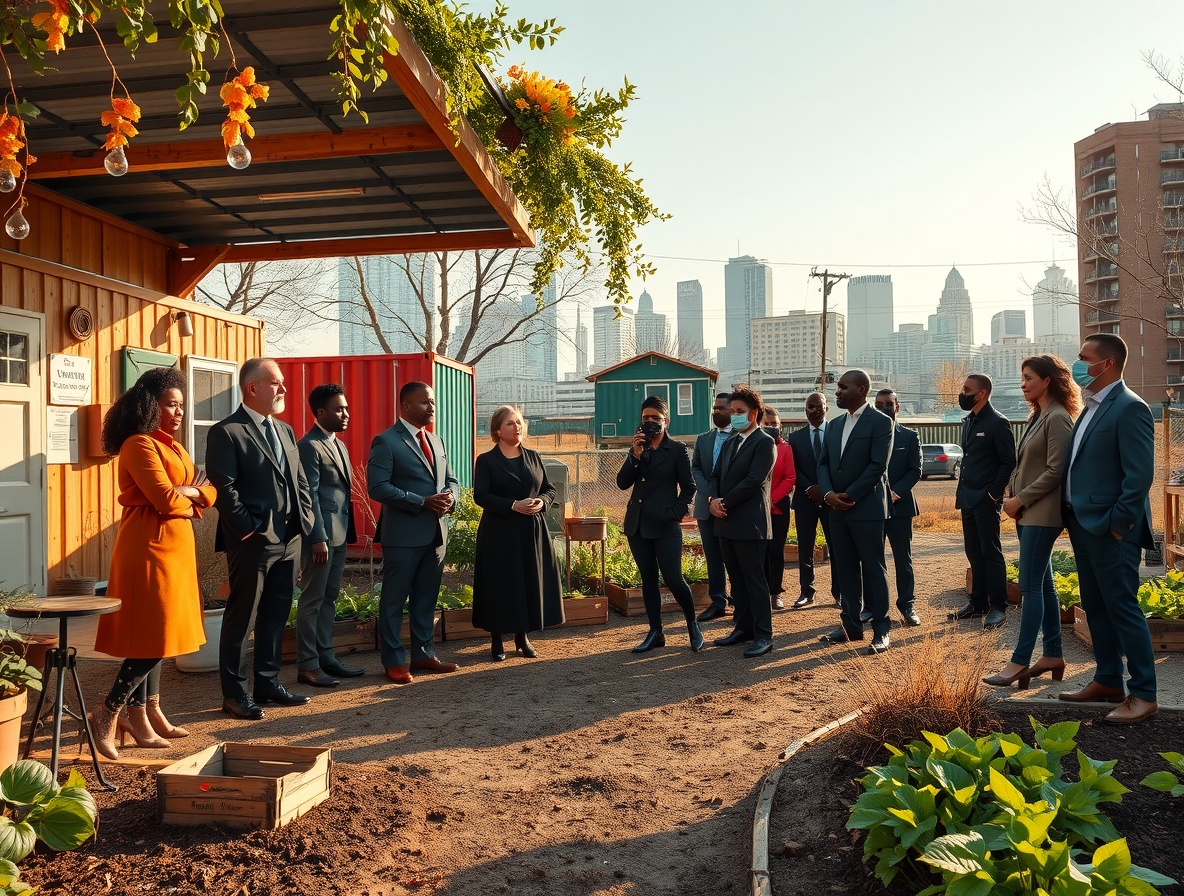
As Africa moves ahead, it’s key to keep focusing on sustainable practices, innovation, and working together across borders. By using their rich cultural heritage and new technologies, African nations can create a prosperous and sustainable future.

Key Takeaways

  • Africa’s sustainable development aligns with UN 2030 goals
  • International business drives continental growth
  • Balanced approach needed for long-term progress
  • Responsible resource management is crucial
  • Renewable energy investments support sustainability
  • Inclusive growth promotes economic stability

The who, what, when, where, why, and how of greenwashing

Greenwashing is when companies make false claims about their products being good for the environment and the great ecosystem. This is a major problem in the world of green and eco-friendly marketing and advertising. It tricks people into thinking products and supply chain are better for the planet than they really are.

Companies use greenwashing to make more money and sometimes peer approval. They want to sell and generate revenue by making their products seem eco-friendly. This can harm both consumers, stakeholders, and the environment.

In green marketing, greenwashing can be very subtle and manipulative. Companies might say in advertising production or state in their marketing materials that their products are much better for the environment than they actually are. It’s important to know how companies lie to the but the public and private customers and how to spot these lies.

By learning and understanding about greenwashing, we can make better choices. We can support companies and institutions that truly care about the environment. This helps to promote real ethical green marketing.

Understanding the Green Deception: What is Greenwashing?

To reinerate, Greenwashing is when companies make false claims about their goods or services being good for sustainability and sustainable principles. They might say they’re eco-friendly but falsely use labeling or catch phrases to draw in the consumer and/or the customer. Or they might talk and promote via labels and press material about corporate social responsibility, but it’s just for show. As people care more about the planet, companies use green marketing strategies to seem better or often superior to other products, but neither of those practices is true.

Studies show greenwashing hurts trust with customers and ultimately the end users. If a company not matter how large or small, is caught and exposed to lying, people lose faith and buy less. It is important to note, companies that really care about the planet gain loyal customers and other stakeholders, thus accessing more money.

  • Misleading labeling: Using labels or certifications that are not recognized by reputable third-party organizations.
  • Hidden trade-offs: Focusing on one environmental benefit while ignoring other negative environmental impacts.
  • Vagueness: Making general claims about environmental benefits without providing specific details or evidence.

As consumers, we need to know about these tricks. We should support companies that are truly eco-friendly and care about corporate social responsibility. This way, we help make marketing that’s real and helps our planet.

CompanyGreenwashing PracticeImpact on Consumer Trust
Company AMisleading labelingLoss of credibility
Company BHidden trade-offsDecrease in sales
Company CVaguenessLoss of customer loyalty

The Major Players Behind Greenwashing Practices

Many companies have been accused of greenwashing. This is when they make false claims about their products or services being good for the environment. This environmental deception hurts both consumers and the planet, making people doubt sustainable marketing.

ExxonMobil, Chevron, and BP are some big names accused of greenwashing. They’ve faced criticism for lying about their products’ environmental benefits.

  • Unsubstantiated claims about environmental benefits
  • Lack of transparency about production processes
  • Use of misleading or false labeling

Knowing these signs helps you choose better. You can support companies that really care about the planet and are honest in their marketing.

Companies must be transparent and honest in their marketing efforts, and avoid engaging in greenwashing practices that can damage consumer trust and harm the environment.

CompanyAccusation
ExxonMobilFalse claims about climate change
ChevronMisleading labeling of products
BPLack of transparency about production processes

The Psychology of Green Marketing Manipulation

Green marketing is a big deal for companies today. It helps them look good to people who care about the planet. But, some companies use it to trick people into buying things they don’t really need.

They play on our feelings and make us feel guilty or nostalgic. This makes us more likely to buy their products. For instance, they might show pictures of nature to make us feel good about buying their stuff.

Consumer Vulnerability Points

Some companies take advantage of people who don’t know much about the environment. They use hard-to-understand language to make their products seem better than they are. It’s important for us to learn about eco-friendly practices so we can spot these tricks.

The Power of Eco-Friendly Imagery

Images of recycling or green energy are very powerful in marketing. Companies use them to make their brand look good. By doing good for the planet and using these images, companies can win our trust and build a strong reputation.

Essential Greenwashing Identifying Tactics, Greenwashing Avoidance Strategies and Methods

To spot and dodge greenwashing, you need to think critically and understand media well. This means checking if companies’ claims are true or just tricks. Greenwashing can be sneaky, but you can spot it by looking for vague or unproven claims about being green.

Here are some ways to avoid greenwashing:

  • Research companies and their environmental records
  • Look for third-party checks on their green claims
  • Be cautious of claims that seem too good to be true

By doing these things, you can choose better and avoid supporting greenwashing. Remember, greenwashing hurts the environment too. It makes people doubt real green efforts and slows down our move towards a greener future. Environmental deception is serious, and we all must watch out and demand truth from companies.

In short, fighting greenwashing needs critical thinking, media smarts, and research. By knowing how companies greenwash and checking their claims, we can help the planet. We can also support real green marketing.

CompanyGreenwashing ClaimReality
Example Company“Eco-friendly packaging”Packaging is not biodegradable and contributes to waste
Another Company“Sustainable sourcing practices”Sources materials from suppliers with poor environmental track records

The Seven Sins of Greenwashing

Companies often try to look good by doing eco-friendly things. But, some might lie to make their brand seem better. The seven sins of greenwashing help spot when they do this.

These sins include hidden trade-offs. This means a product might be good in one way but bad in another. For instance, a product might say it’s biodegradable, but it only breaks down under certain conditions. These conditions are not always clear.

Other sins are no proof and vagueness. Companies might say their products are eco-friendly without showing any proof. Or, they might use terms like “eco-friendly” without explaining what they mean. False labels are also a problem, where companies make up labels to look green.

  • Hidden trade-offs
  • No proof
  • Vagueness
  • False labels

Knowing these seven sins helps us make better choices. We can choose to support companies that really care about the environment. This way, we help them use honest green marketing.

FAQ

Q: What is greenwashing and why is it important?

A: Greenwashing is when companies make their products seem more eco-friendly than they really are. It’s a big deal because it breaks trust with customers. It also stops real efforts to be green and causes more harm to the environment.

Q: What are some common greenwashing tactics?

A: Companies use tricks like making vague claims or picking only the good parts of their impact. They might also use fake labels or certifications. This way, they hide their true environmental harm.

Q: How can consumers spot greenwashing?

A: To spot greenwashing, look for vague or unverifiable claims. Also, watch for a big gap between what a company says and what it does. Checking for real certifications and doing your homework can help too.

Q: What are the consequences of greenwashing?

A: Greenwashing can hurt trust in companies. It also makes it harder for real green efforts to succeed. Plus, it makes the environment worse by making it seem like companies are doing good when they’re not.

Q: How can companies avoid being accused of greenwashing?

A: Companies can stay clear of greenwashing by being open about their environmental impact. They should set clear goals and get third-party checks to prove their claims. Being honest and authentic is key to earning trust.

Q: What are the “seven sins of greenwashing”?

A: The “seven sins of greenwashing” are: hiding the bad, no proof, being vague, using fake labels, being irrelevant, choosing the lesser evil, and lying. These tricks make it hard to believe a company’s green claims.

Q: What resources are available to help identify and combat greenwashing?

A: To fight greenwashing, use online tools, check for real certifications, and talk to environmental groups. You can also report greenwashing and support real green efforts. These steps help keep companies honest.

Real-World Examples of Corporate Greenwashing

Companies often use sustainable marketing to look green but are actually greenwashing. This trick can be found in many fields, like energy and consumer goods.

Some examples include:

  • Volkswagen’s emission scandal, where they said their diesel cars were green but they were really polluting.
  • ExxonMobil’s claims of investing in green energy, but they only spent a tiny part of their budget on it.
  • Procter & Gamble’s false claims about eco-friendly packaging, which turned out to be greenwashing.

These cases show how crucial it is to hold companies accountable in sustainable marketing. They also highlight the need for consumers to spot environmental deception.

Learning from these greenwashing examples helps consumers make better choices. It encourages them to support companies that really care about the planet.

Tools and Resources for Spotting Green Marketing Deception

To spot greenwashing, you need the right tools and resources. Today, eco-friendly practices are key, not just a trend. Companies must show corporate social responsibility and use green marketing strategies that are clear and reliable.

Digital Verification Tools

There are many digital tools to help find greenwashing. These tools include online platforms that share info on companies’ green efforts and certifications. Some top ones are:

  • Environmental Defense Fund’s Scorecard
  • Greenpeace’s Guide to Greener Electronics
  • ClimateWorks Foundation’s Climate Scorecard

Certification Standards

Certification standards are key to proving eco-friendly practices are real. Some well-known ones are:

CertificationDescription
ISO 14001International standard for environmental management systems
LEEDLeadership in Energy and Environmental Design certification for buildings
Energy StarCertification for energy-efficient products

Environmental Watch Groups

Environmental watch groups keep an eye on companies’ green actions. They offer useful info and resources for smart choices. Some notable groups are:

  • Sierra Club
  • World Wildlife Fund
  • Friends of the Earth

Taking Action Against Greenwashing

To fight greenwashing and support sustainable marketing, we can all do something. It’s key to report any false environmental claims. You can tell the Federal Trade Commission (FTC) or your local consumer protection agency about any ads that seem off.

It’s also important to back real green initiatives. Look for products with the EPA’s Safer Choice label. This shows the company cares about the environment. Supporting groups that uncover environmental deception helps too.

Here are some ways to fight greenwashing:

  • Check if companies’ green claims are backed by third-party certifications.
  • Support laws that make marketing more honest and accountable.
  • Help your loved ones make smart choices about what they buy.

Together, we can make a better future and stop greenwashing. As more people spot environmental deception, companies will have to be more open and green in their marketing.

Conclusion: Building a Greener Future Through Informed Choices

The world of green marketing and corporate social responsibility is complex. It’s often clouded by greenwashing. But, a greener future is possible with informed consumers who seek truth and hold companies to their promises.

Knowing how greenwashing works helps us make better choices. We can support real green initiatives by using digital tools and checking for certifications. This way, we can spot false claims and back up the real deal.

It’s a team effort between businesses and consumers to create a better world. When companies are open and focus on the environment, and we choose to buy from them, we’re all moving forward. Together, we can make a brighter, greener future.

Key Takeaways

  • Greenwashing is a form of environmental deception used to manipulate the end user/customer’s perception.
  • It can have serious consequences for long term revenue generation, consumers and the planet.
  • Understanding and identifying greenwashing tactics is essential for making informed choices.
  • Sustainable marketing practices can be promoted and advertised by avoiding greenwashing.
  • Ongoing education is key to recognizing and preventing greenwashing.
  • Greenwashing can take many forms, including exaggerated or lofty claims, and outright lies.

Solar & Geothermal Strategies: Energy-Efficient Solutions

Grand prismatic spring, Thermal, Spring image. https://pixabay.com/photos/grand-prismatic-spring-thermal-3799785/

Looking for ways to live and thrive sustainably? Energy-efficient solar & geothermal strategies offer a direct pipeline to achieve these goals. Passive solar heating and geothermal cooling are key choices for premium eco-friendly homes. They keep your in house spaces cozy and often times, greatly reduce the utility bills.

Leveraging the sun’s warmth and the earth’s consistant yet variable temperatures, buildings save a lot of energy. Passive solar design spreads heat natural thus very seemlessly. Geothermal systems utilize the ground’s temperature for cooling and heating.

These green methods lower carbon footprints and save on cost, billing, and maintance in the long run. As energy costs increase rather internally or externally, these investments shine. Homeowners and businesses are choosing them to save cost and go green.

Understanding Solar and Geothermal Energy Integration

Geothermal, Geothermal well, Geothermal power plant image. https://pixabay.com/photos/geothermal-geothermal-well-3722840/

Solar energy harvesting and geothermal heat exchange are key technologies in overall sustainable development and in sustainability in general. They can positively influence our energy use for the better. Together, they present a green solution that’s also renewable while meeting UNSDG#7, aiming for clean and affordable energy for everyone.

Fundamentals of Solar Energy Harvesting

Solar energy harvesting uses the sun’s rays to make or generate electricity. It functions through photovoltaic panels that converts sunlight into direct current. Then, inverters change this current into alternating current for our homes and businesses.

Basics of Geothermal Heat Exchange

Geothermal heat exchange utilizes the Earth’s steady underground temperature. It has pipes filled with a unique fluid. During the winter season, it absorbs warmth from the ground. In summer, it relinquish heat, keeping our homes cozy yearly.

Synergistic Benefits of Combined Systems

Putting solar and geothermal together makes a synergize energy system. Solar panels channels electricity, while geothermal handles heating and cooling. This combo cuts down on fossil fuel use and saves cost on energy bills.

SystemPrimary FunctionEnergy SourceEnvironmental Impact
Solar Energy HarvestingElectricity GenerationSunlightLow Carbon Emissions
Geothermal Heat ExchangeHeating and CoolingEarth’s Thermal EnergyMinimal Environmental Disruption
Combined SystemsComprehensive Energy ManagementSun and EarthSignificant Reduction in Carbon Footprint

Energy-efficient strategies for passive solar heating & geothermal cooling

Passive solar heating and geothermal cooling are exemplary ways in helping buildings and houses be more energy-efficient. They use natural resources to keep buildings warm or cool, reducing on the need for traditional HVAC systems.

Passive solar heating uses the sun’s rays to warm buildings. By placing buildings to catch the most sunlight and using massive windows, they can get warm in winter. Materials like concrete floors or stone walls grasp onto heat during the day and release it at night, keeping the temperature steady.

Geothermal cooling uses the earth’s constant temperature. It involves a system of pipes that transfers fluid between the building and the ground. In summer, it cools the air coming from the building, conducting similar to a natural air conditioner.

As mentioned early, both methods together makes buildings even more energy-efficient. This approach also supports UNSDG#9, which aims for sustainable infrastructure and innovative building designs across various of industries.

  • Proper insulation and air sealing
  • Energy-efficient windows and doors
  • Smart thermostats and zoning systems
  • Natural ventilation techniques

These energy-saving strategies help lower carbon emissions and save money in the long run. As we aim for a greener future, using passive solar heating and geothermal cooling in buildings is key.

Optimizing Building Design for Solar Gain

Building design is key to using solar energy well. Architects focus on window placement, thermal mass, and natural light. This helps make spaces more energy-efficient and comfortable for people.

Window Placement and Orientation

Where you place windows is very important. Windows facing south get the most sunlight in the northern hemisphere, while windows facing north help keep heat in.

Windows facing east and west need careful thought. They must balance light and heat throughout the day.

Thermal Mass Implementation

Using materials like concrete, brick, or stone helps control indoor temperature. These materials soak up heat when it’s sunny and release it when it’s cold. This keeps the inside of buildings stable.

MaterialHeat Capacity (kJ/mยณK)Thermal Conductivity (W/mK)
Concrete20601.28
Brick13600.72
Stone20002.07

Natural Light Management

Managing natural light well cuts down on the need for artificial light and heat. Using light shelves, clerestory windows, and skylights spreads sunlight inside buildings. This boosts energy efficiency and improves well-being.

By using these methods, architects can make buildings that use solar energy well. This reduces the need for artificial heating and cooling. It also makes spaces comfortable and well-lit for people.

Geothermal Heat Pump Systems

Geothermal heat pumps are a new way to heat and cool buildings. They use the earth’s stable temperature for efficient climate control all year. This helps meet UNSDG#12 by promoting responsible use and production.

These systems work by using underground pipes to move fluid. In winter, they pull heat from the earth and bring it inside. In summer, they move heat from the building to the cooler ground. This makes them great for both heating and cooling.

Geothermal heat pumps have many benefits. They save a lot of energy, cut down on greenhouse gases, and don’t need much upkeep. Here are some key advantages:

  • Energy savings up to 70% compared to traditional HVAC systems
  • Longer lifespan than conventional heating and cooling equipment
  • Quiet operation with no outdoor units
  • Consistent indoor comfort regardless of outdoor temperatures
System TypeEnergy EfficiencyEnvironmental ImpactMaintenance
Geothermal Heat PumpHighLowMinimal
Traditional HVACModerateHighRegular

Even though geothermal heat pumps cost more upfront, they save money and are good for the environment in the long run. As we aim to meet UNSDG#12, using these systems in our buildings is key.

Radiant Floor Heating Solutions

Radiant floor heating makes your home warm and cozy. It uses pipes or electric cables under your floors. This spreads heat evenly across your space.

Installation Requirements

Setting up radiant floor heating needs careful planning. You lay pipes or cables under your floor. It works well with tile, stone, or concrete, and most other floors too.

Energy Distribution Methods

Radiant floor heating uses two main ways to spread heat:

  • Hydronic systems: Circulate hot water through pipes
  • Electric systems: Use electric cables to heat up

Both methods are efficient, warming your home from the ground up.

Cost-Benefit Analysis

Though it costs more upfront, radiant floor heating saves money in the long run. Here’s a comparison:

FactorRadiant Floor HeatingTraditional Heating
Initial CostHigherLower
Energy EfficiencyHighModerate
Comfort LevelExcellentGood
MaintenanceLowModerate

Radiant floor heating supports UNSDG#11. It promotes sustainable cities and communities with energy-efficient heating.

Earth-Sheltered Design Principles

Earth-sheltered design is a unique way to build sustainably. It uses the earth’s natural insulation to make structures that save energy and are good for the environment.

Underground Building Techniques

There are different ways to build underground, depending on the site and design. Some use earth piled against walls, while others are fully buried. These methods help keep the inside temperature stable and cut down on energy use.

Thermal Stability Benefits

Earth-sheltered homes stay cool in summer and warm in winter. This is because the earth around them helps regulate the temperature. This natural cooling and heating saves a lot of money on energy bills, making these homes very efficient.

Environmental Impact Assessment

Earth-sheltered buildings are good for the environment. They don’t harm the view and can look like part of the landscape. They also need less space, which helps protect more natural areas.

AspectConventional BuildingEarth-Sheltered Design
Energy EfficiencyModerateHigh
Thermal StabilityVariableConsistent
Visual ImpactSignificantMinimal
Land UseMore surface area requiredLess surface area needed

Earth-sheltered designs are great for saving energy, keeping a stable temperature, and being kind to the environment. As we look for ways to build sustainably, these underground homes are a good choice.

Advanced Insulation and Air Sealing Technologies

New insulation and air sealing technologies are key for saving energy in buildings. They make homes more efficient and cozy, and cut down on energy bills.

Today’s insulation materials are way better than old ones. Stuff like aerogel, vacuum insulated panels, and phase change materials lead the pack. They offer great insulation with less thickness, perfect for updating old buildings.

Air sealing is also vital for saving energy. New methods like spray foam and advanced weatherstripping close up gaps and cracks. This keeps the air inside, making buildings more energy-efficient and keeping temperatures steady.

Material Mapping is a game-changer in where insulation goes. It looks at a building’s heat loss to find the best spots for insulation. This way, homeowners can save more energy and feel more comfortable.

TechnologyEnergy SavingsInstallation Complexity
Aerogel Insulation30-50%Moderate
Vacuum Insulated Panels40-60%High
Spray Foam Air Sealing20-40%Low

Using these cutting-edge insulation and air sealing methods can really boost a building’s energy use. By adding Material Mapping, homes can become super efficient, cozy, and green.

Natural Ventilation and Passive Cooling Strategies

Natural ventilation and passive cooling are green ways to keep buildings cool. They use smart design to cut down on air conditioning use.

Cross-Ventilation Techniques

Cross-ventilation uses wind to cool spaces. It works by placing windows on opposite sides of a room. This setup lets air flow through, pushing out warm air and bringing in cool breezes.

Stack Effect Utilization

The stack effect uses heat’s natural rise. In buildings, it drives air movement. Warm air rises and escapes through high openings, drawing cooler air in at lower levels. This creates a natural cooling cycle without mechanical help.

Night Cooling Methods

Night cooling uses cooler nighttime air. Opening windows after sunset lets cool air in. During the day, closing windows and shades keeps this coolness inside, reducing cooling needs.

StrategyKey BenefitBest Climate
Cross-VentilationImproves air qualityWindy areas
Stack EffectRemoves hot airMulti-story buildings
Night CoolingReduces daytime heat gainHot days, cool nights

By using these natural methods, buildings can stay cool all year while saving energy. These strategies show that smart design can work with nature, not against it, for sustainable living.

Sustainable Material Selection and Waste Management

Choosing the right materials and managing waste are key to green building. Sustainable materials help cut environmental impact and boost efficiency. Let’s explore smart choices for eco-friendly construction.

Biomass Integration

Biomass offers a renewable option for building. Wood, bamboo, and hemp create strong, earth-friendly structures. These materials store carbon and grow back fast, making them smart picks for green projects.

Recycled Material Applications

Recycled materials give new life to old products. Reclaimed wood, recycled steel, and plastic lumber reduce landfill waste. They also save energy and resources needed for new production. Using these materials shows commitment to sustainability.

Waste Reduction Strategies

Cutting waste is crucial in green building. Plan carefully to order just what you need. Use modular designs to minimize off-cuts. Set up on-site recycling to sort and reuse materials. These steps shrink your project’s footprint.

StrategyBenefitImplementation
Material AssessmentIdentifies sustainable optionsEvaluate lifecycle impacts
PrefabricationReduces on-site wasteAssemble components off-site
DeconstructionSalvages reusable materialsCarefully dismantle old structures

By focusing on sustainable materials, integrating biomass, using recycled products, and cutting waste, we build greener. These choices create buildings that last and protect our planet.

Implementation and Maintenance Guidelines

Setting up energy-efficient systems needs careful planning and following best practices. First, check how well your site can use solar and geothermal energy. This helps place and design your systems right.

Here are the main steps to follow:

  • Get advice from certified experts for your system design
  • Get all needed permits and approvals
  • Choose high-quality, long-lasting materials
  • Make sure your system is well-insulated and sealed

Keeping your system operations in good shape is essential for lasting efficiency. Regular checks keep everything running optiumally. Conduct inspections twice a year to spot problems early.

Using waste byproducts in your energy systems is key. This helps the greater ecosystem and can save money. For instance, recycled glass can be make into solar panels.

Maintenance TaskFrequencyBenefits
Clean solar panelsQuarterlyImproved efficiency
Check geothermal fluid levelsAnnuallyPrevent system failure
Inspect electrical connectionsBi-annuallyEnsure safety

By sticking to these guidelines, you’ll get to maxmize your energy systems. Remember, the right setup and upkeep are essential for short, mid, and long-term benefits including sustainability.

Solar, Panels, Solar energy image. https://pixabay.com/photos/solar-panels-solar-energy-8499874/

Conclusion

Solar & Geothermal strategies are key in today’s building world. Using passive solar heating and geothermal cooling is a smart move. These methods help keep buildings cool without using a lot of energy.

Passive solar heating works by using design tricks like where windows are placed and materials that hold heat. Geothermal cooling uses the earth’s steady temperature for cooling. Together, they make a system that works all year, cutting down on the need for old HVAC systems.

Choosing these energy-saving ways helps builders and homeowners lower their carbon footprint. They save money on bills, enjoy better indoor air, and help the planet. As we aim for a greener future, these methods will be essential for building energy-efficient solutions for green homes.

Renewable energy, Solar panels, Solar energy image. https://pixabay.com/photos/renewable-energy-solar-panels-8481165/

Key Takeaways

  • Passive solar heating and geothermal cooling are high key energy-efficient strategies
  • These methods both encourage and create a sustainable indoor environment
  • Integrating solar and geothermal solutions leads to significant energy and cost savings
  • Sustainable building practices reduce utility costs over the long term
  • Energy-efficient homes have a greatly reduced environmental impact
  • Solar and geothermal benefits expand beyond home and businesses from supply chain along with logistics to larger infrastructure and manufactoring practices

Types of Cooperatives: Leading Sustainable, Climate, & ESG Solutions

There a numerous set types of Cooperatives that, enterprises & democratic governed organizations are becoming key players in solving global environmental problems. They are owned by their members and lead in promoting green business practices and eco-friendly goods and services. These businesses are making big strides in creating a more sustainable future.

Multi-storey parking garage, Building, Modern image. https://pixabay.com/photos/multi-storey-parking-garage-building-7228120/

Cooperatives are changing how we tackle environmental justice and ecological stewardship issues, both locally and internationally. They focus on renewable and clean energy and sustainable farming. This shows that making money, community outreach, and protecting the planet can go hand in hand.

As we face climate change and use up resources, cooperatives are discovering new ways to help. They are more than just businesses and non-profits; they are communities working together for a greener world. Through their collective efforts, cooperatives are making a real difference in so many areas.

Understanding Modern Cooperative Models in Sustainability

The sustainable types of cooperatives are changing how we face environmental challenges. They bring diverse groups of people together to fight climate change and support green practices. Environmental, habitat preservation, produce, and sustainable agriculture cooperatives are leading this green movement.

Core Principles of Sustainable Cooperatives

Sustainability-focused cooperatives stand out with their key principles. They focus on stewarding the environment, fair labor practices, and community involvement. These groups aim to reduce carbon footprints and support clean energy.

By focusing on sustainability, they make a lasting positive impact on our planet.

Economic and Environmental Benefits

These types of cooperatives offer more than just environmental and social benefits. They create jobs, boost local economies, and provide affordable green goods and service. Environmental cooperatives save money through shared resources and bulk purchases.

Sustainable agriculture cooperatives help farmers and ranchers use eco-friendly methods. This leads to healthier food, minerals, and soils.

BenefitEnvironmental ImpactEconomic Impact
Renewable Energy UseReduced Carbon EmissionsLower Energy Costs
Sustainable FarmingImproved Soil HealthHigher Crop Yields
Resource SharingLess WasteIncreased Savings

Governance Structure and Member Participation

Cooperatives succeed because of owner-member involvement. Everyone has a say in decisions, ensuring objectives and actions meet community needs. This democratic structure encourages humanitarianism, innovation, and accountability.

Owner-members of environmental cooperatives often join eco-projects. Those in sustainable agriculture cooperatives share farming and ranching techniques.

“In a cooperative, every member’s voice counts. It’s not just about profit, but about creating a sustainable future for all.”

Different types of Cooperatives in Sustainability, ESG, Climate, and resiliency

Cooperatives are key in solving big sustainability, ESG, climate, carbon, and resiliency problems. They bring people together from all walks of life to work on big environmental issues. Let’s explore more about the three types of cooperatives that are making a big difference in sustainable development.

Worker-Owned Environmental Cooperatives

Worker-owned environmental cooperatives let employees take action for the eco-system of the planet. They focus on green practices, clean and renewable energy, and cutting down waste. This way, workers feel invested in the company’s success and work harder to meet environmental and social impact goals.

Consumer Green Cooperatives

Consumer green cooperatives serve those who care about the planet. They sell sustainable products like organic food and green household items. By working together, they can get better deals on these products, making green living easier for more people.

Multi-Stakeholder Climate Initiatives

Multi-stakeholder climate initiatives team up different groups to tackle big environmental issues. These cooperatives include local governments, businesses, and residents working together. They create new solutions that help the whole community.

Cooperative TypeKey FocusPrimary Stakeholders
Worker-Owned EnvironmentalSustainable practices, renewable energyEmployees
Consumer GreenEco-friendly products and servicesCustomers
Multi-Stakeholder ClimateCommunity-wide climate adaptationLocal government, businesses, residents

Renewable Energy Cooperative Solutions

Renewable, Roof, Energy image. https://pixabay.com/photos/renewable-roof-energy-solar-6811970/

Renewable Energy Cooperatives are changing the energy scene and causing a ripple effect across the monopolies and cooperative communities alike. They let locals who are owner-members control their energy future. Owner-members pool resources to fund clean and green energy projects, helping the planet and their pockets.

Solar Energy Cooperative Models

Solar cooperatives are becoming the most popular nationwide and globally. Owner-members split the cost of solar panels, making green energy affordable. Some networks even sell their surplus power, earning money for owner-members.

Wind Power Community Projects

Wind power cooperatives, like other clean energy coops, rely on community strength. They thrive in rural areas and in the flat plains with strong winds. Farmers get extra income by leasing land for turbines, helping produce renewable energy.

Energy Storage Initiatives

Energy storage is extremely key for Renewable Energy Cooperatives. Battery systems store extra energy for when it’s needed most during off-peak hours. This boosts grid reliability, durability, and cuts down fossil fuel use.

Cooperative TypeKey BenefitsChallenges
SolarLower installation costs, shared maintenanceSpace requirements, initial investment
WindHigh energy output, land lease incomeWind variability, noise concerns
Energy StorageIncreased reliability, peak shavingTechnology costs, regulatory hurdles

Renewable Energy Cooperatives pave a sustainable path. They help communities cut carbon emissions, lower energy bills, greenhouse gases, and fight climate change.

Sustainable Agriculture and Food Cooperatives

Sustainable Agriculture Cooperatives are invaluable in promoting green farming, ranching, and food making. They unite local farmers, creating a strong community effort in agriculture. This focus is on caring for the environment, preserving the local habitat, and ensuring everyone has food.

Environmental Cooperatives in farming use organic methods, cut down on chemicals, and save natural resources. By working together, members get access to new, green technologies and practices. These are often too expensive for one farmer to afford alone.

“Sustainable Agriculture Cooperatives empower farmers to produce food responsibly while protecting our planet for future generations.”

These groups often connect farms directly to tables, cutting down on transportation and emissions. They support a wide range of crops and protect natural habitats. Many also save and share seeds, keeping rare varieties alive and making crops stronger.

Benefits of Sustainable Agriculture CooperativesImpact
Reduced chemical useImproved soil and water quality
Increased biodiversityEnhanced ecosystem resilience
Shorter supply chainsLower carbon emissions
Knowledge sharingImproved farming practices

Environmental Cooperatives in farming also reach out beyond the fields. They teach people about sustainable food systems and encourage eco-friendly choices. This broad effort helps make the food chain more sustainable, from the farm to our plates.

Green Housing and Eco-Community Cooperatives

Green Housing Cooperatives are changing city living. They mix green living with cooperative ideas. People come together to build eco-friendly homes and lively areas.

Sustainable Building Practices

These cooperatives focus on green building. They use recycled stuff, solar panels, and smart designs. This lowers energy bills and helps the planet.

Community Garden Integration

Many have shared gardens or mini-gardens and hoop houses. These spots give fresh food and build community. People learn to farm sustainably and enjoy their harvest and investments.

Shared Resource Management

Cooperatives are great at sharing resources and exchanges. They have systems for preserving water, reducing waste, and managing energy. This teamwork makes the overall infrastructure more efficient and cuts down on waste.

“Our cooperative’s shared resource system has cut our utility costs by 40% while bringing neighbors closer together,” says a member of a thriving Green Housing Cooperative in Seattle.

Green Housing Cooperatives are at the forefront of green and smart city growth. They mix green living with community efforts. This creates strong, livable places for tomorrow.

Environmental Manufacturing and Production Cooperatives

Eco-friendly manufacturing cooperatives are changing the game in industrial production. They mix sustainable practices with a worker-owned model. This approach aims to cut waste, save resources, and make eco-friendly products.

Worker-owners in these cooperatives care about making money, productivity, and protecting the environment. This setup leads to new ways of production and output. For instance, many use closed-loop systems, where waste is converted into new inputs.

“Our cooperative model allows us to prioritize long-term sustainability over short-term gains. We’re not just employees; we’re stewards of our environment and our community.”

These cooperatives focus on making sustainable and/or eco-friendly versions of common products. They produce everything from biodegradable packaging to solar-powered gadgets. They’re leading the charge of green innovation and sustainable development.

Cooperative TypeKey Focus AreasEnvironmental Impact
Recycling CooperativesWaste reduction, Material recoveryLandfill diversion, Resource conservation
Green Tech CooperativesRenewable energy products, Energy-efficient devicesCarbon footprint reduction, Energy savings
Eco-textile CooperativesOrganic fabrics, Sustainable dyeing processesWater conservation, Chemical pollution reduction

The success of Eco-Friendly Manufacturing Cooperatives shows that generating capital and saving the planet can work together. As people become more eco-aware, these cooperatives are ready to lead in sustainable production and development.

Climate Action and Resilience Cooperative Networks

Climate Action Cooperatives and Community Resilience Cooperatives collaborate together for sustainability projects from human rights to conservation to fight climate change. They create robust systems for getting ready for disasters, adapting to climate change, and responding to emergencies.

Disaster Preparedness Programs

Climate Action Cooperatives make detailed plans for disaster readiness. They do risk checks, plan evacuations, and store important items. Owner-members learn first aid and emergency steps, so they can act fast during disasters.

Climate Adaptation Strategies

Community Resilience Cooperatives work on short-term and long-term climate solutions. They start habitat preservation and green projects like urban forests and rain gardens to fight flooding and heat. They also support farming and permaculture-facing agendas that’s good for the planet, to keep food safe in changing climates.

Community Emergency Response

When disasters hit, Climate Action Cooperatives act quickly. They work with local groups, manage shelters, and share resources. Their community focus means they respond fast and effectively, meeting local needs.

Cooperative TypeFocus AreaKey Activities
Climate Action CooperativesDisaster PreparednessRisk assessment, evacuation planning, emergency training
Community Resilience CooperativesClimate AdaptationGreen infrastructure, sustainable agriculture, resource management
BothEmergency ResponseShelter management, resource distribution, community coordination

“Our cooperative network turns climate challenges into opportunities for community growth and resilience,” says Emma Chen, leader of the Bay Area Climate Action Cooperative.

Together, these networks make communities stronger and more ready to face climate challenges.

ESG Integration in Cooperative Business Models

Those types of Cooperatives in general are, at the forefront of sustainability and economic development. They leverage Environmental, Social, and Governance (ESG) principles into their daily work. This approach helps them measure and enhance their positive impact.

Environmental Impact Measurement

Cooperative enterprise organization use advanced tools to measure their environmental impact. They track energy use, waste, water, and carbon emissions. Life cycle assessments and life cycle cost analysis both help them understand the full effect of their activities.

Social Responsibility Programs

Cooperatives focus on social responsibility through community efforts and engagement. They promote fair labor, diversity, international relations, and local economic growth. Some even offer education and training to empower members and encourage sustainable practices.

Governance Best Practices

Cooperatives are known for their transparent, scalable, and democratic governance. They ensure all owner-members have a say in decisions. Regular audits for checks and balances with open communication build trust and accountability.

“Cooperatives are not just businesses; they’re catalysts for positive change in sustainability and climate action.”

By embracing both CSR and ESG, cooperatives are raising the bar for sustainable business. Their structure allows them to succeed economically while protecting the environment and advancing society. This makes them key players in the battle against climate change/pollution/environmental impact and social inequality.

Conclusion

The various types of Cooperatives are a key factor in making our world more sustainable and resilient. They range from customer/producer/worker-owned groups to renewable energy projects. These efforts are crucial for a greener future for the next generations.

Cooperatives continue to tackle imposing global issues in unique ways. They focus on sustainable farming, green homes, and eco-friendly manufacturing. Their goal is to protect our planet and support communities.

In a world facing many challenges in labor, economic, politics, law, and education to name a few; cooperatives offer hope in something very attainable. They use democratic rules, share resources, foster innovation, and engage communities. By adopting these cooperative models, we can create a better world for all and for future generations to come.

Key Takeaways

  • Cooperatives play a crucial role in promoting sustainability, green production, and ESG practices
  • Member-owned structures enable democratic economics for decision-making in environmental initiatives
  • Various types of cooperatives address different aspects of labor, ecology, climate change and resiliency
  • Cooperatives combine economic success with ecological responsibility through social impact
  • Cooperative organizations as internal operations offer innovative solutions to global environmental challenges
This website is saving the energy of your screen as it is not being used. It's part of a global effort to lower the planet's electrical consumption and CO2 emission level. Resume browsing
Click anywhere to resume browsing
Verified by MonsterInsights