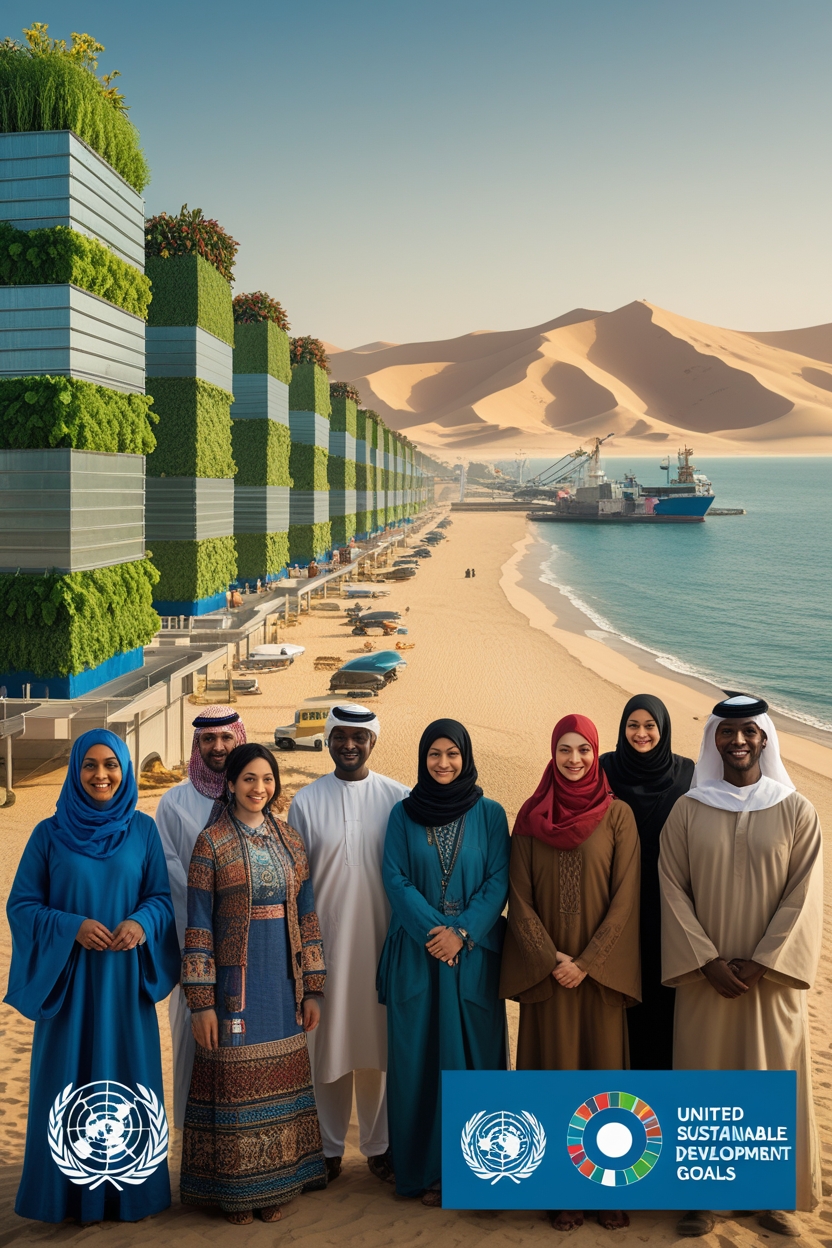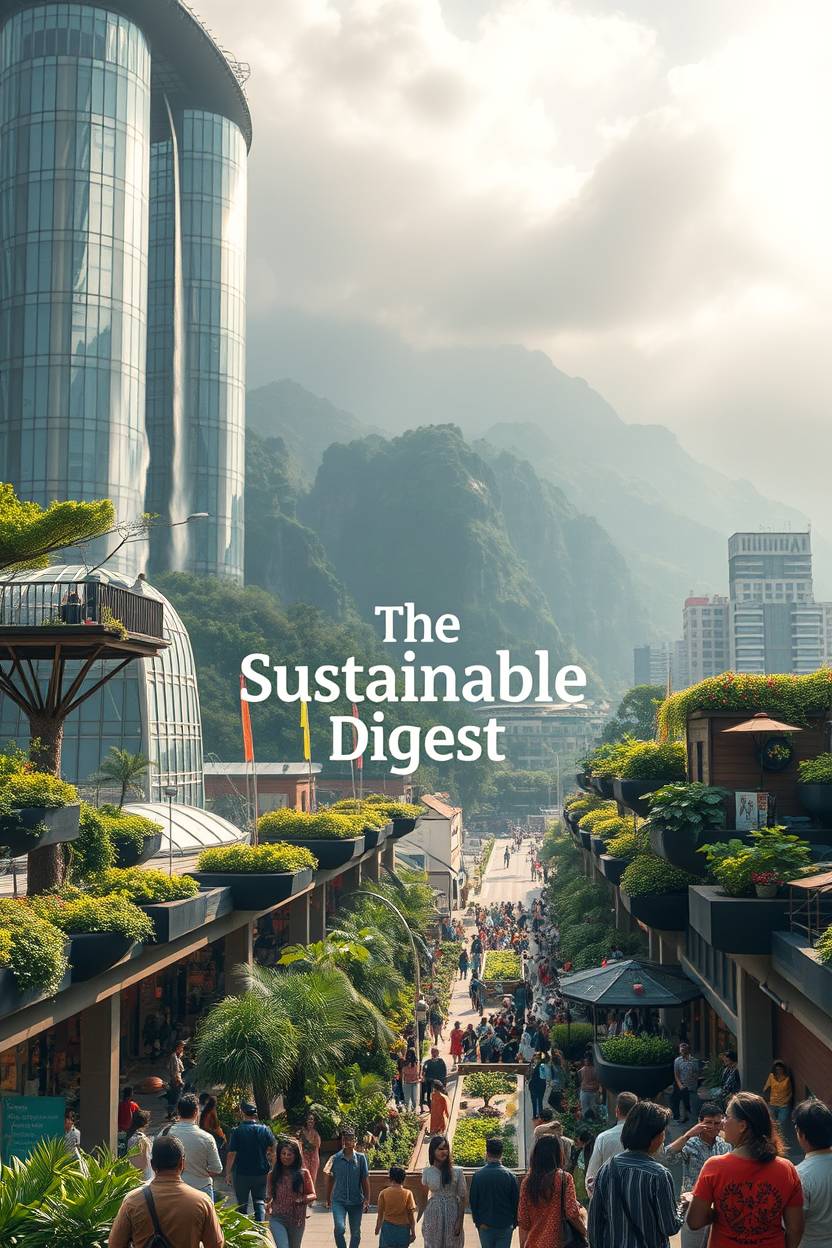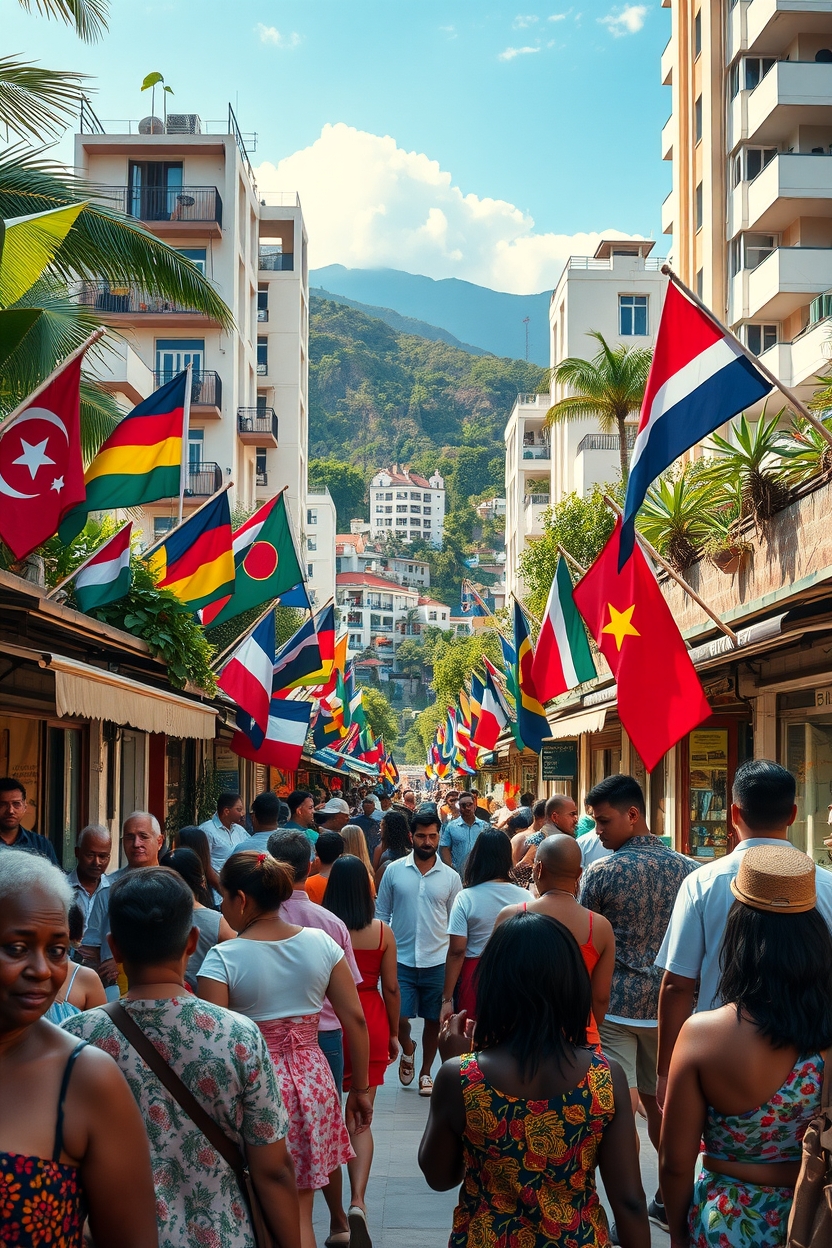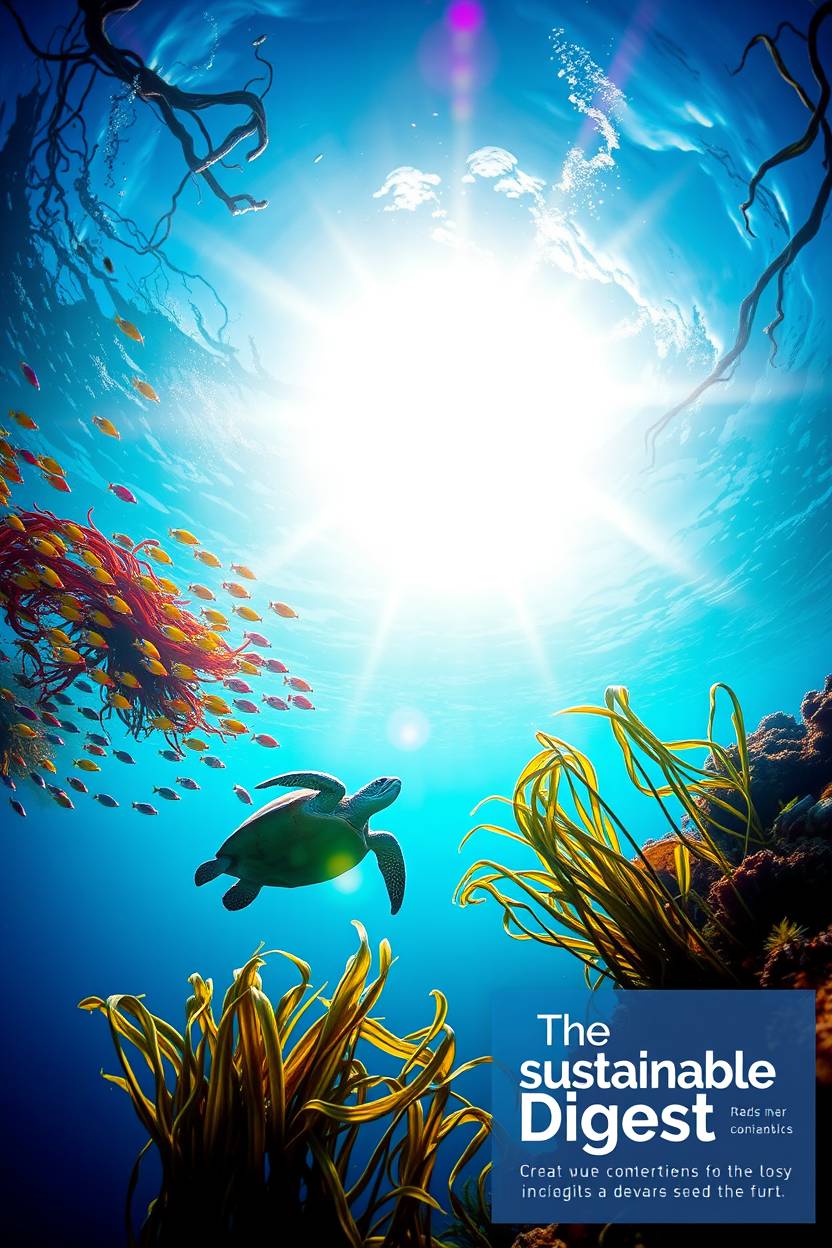
UN Global Days for Ozone Layer Preservation, Peace, World Clean Up, Democracy, w/ Science,Technology, and Innovation in the Global South

As stated in previous articles as a continuous series, The United Nations designates specific observances to focus global attention and unlock policy windows; these days are more than symbolism when tied to budgets, procurement, and reporting.

This introduction frames an evidence model that draws on UNEP, UNDP, UNESCO and ECOSOC for governance; the World Economic Forum for investment signals; CDC for health burden; and BLS for labor shifts.

When an international day is embedded in planning, it can seed multi-quarter programs that link clean air goals, democratic resilience, and local innovation ecosystems.

Practical constraints exist—short budget cycles and fragmented accountability—but well-designed observances can impose discipline on timelines and boost measurable outcomes.

Executive Brief: Why UN International Days Matter for Clean Air, Democracy, and Peace Today

Designated international days act as accelerators; they compress attention, align communications, and create predictable moments for funding and procurement. General Assembly resolutions (and agency-led declarations) set the date; the follow-up often depends on specialized agencies and ECOSOC review cycles.

The business case is simple: an observance turns diffuse interest into joint action. UNEP, UNDP, and UNESCO provide programmatic evidence; the WEF frames risks that make those calls to fund solutions persuasive.

Health and labor signals matter. CDC tracking shows reduced cardiopulmonary burden when air improves; BLS trends flag jobs shifting as economies decarbonize. These data create co-benefits that observances highlight.

  • Institutional cadence: pairing a day international with planning years creates RFP and budget milestones.
  • Governance dividends: hearings, audits, and public participation often cluster around observance dates.
  • Peace linkages: shared environmental data and protocols reduce cross-border friction.

For U.S. agencies and cities, aligning campaigns with an international day turns communications into policy sprints that deliver measurable community gains across years and issues.

How the United Nations Uses International Days and Decades to Drive Awareness and Action

Member states often start the clock on observances by drafting resolutions that channel attention into action. The General Assembly formalizes an international day; specialized bodies then convert that date into programs and deliverables.

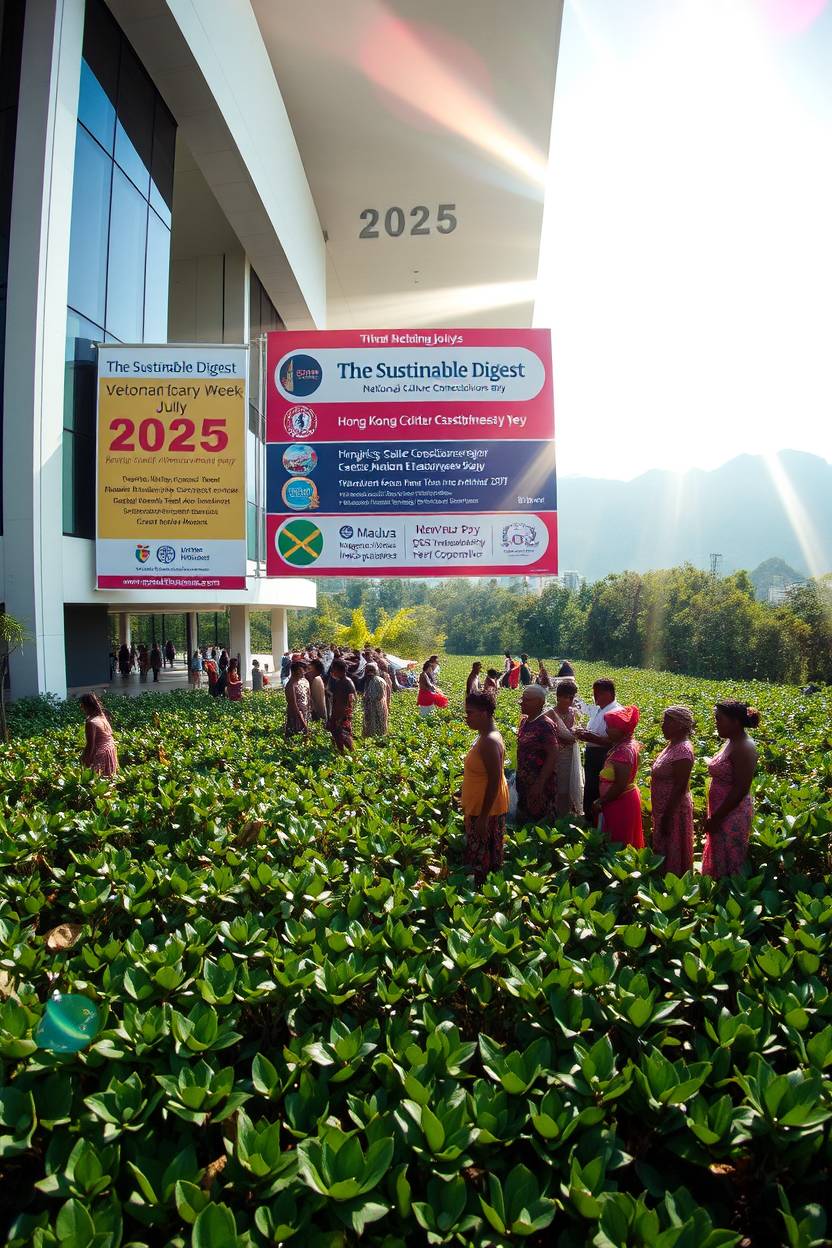
A vibrant scene depicting the United Nations' international day celebrations, showcasing diversity, unity, and environmental sustainability. In the foreground, people from different cultures engage in lively discussions, with colorful banners and flags adorning the space. The midground features a central stage with performances and speeches, surrounded by a bustling crowd. In the background, a striking skyline with modern architecture and lush greenery creates a dynamic backdrop, symbolizing the global reach and impact of the UN's initiatives. Warm, natural lighting illuminates the scene, conveying a sense of hope and optimism. This image, commissioned for "The Sustainable Digest," reflects the UN's efforts to drive awareness and action for the international day celebrations, particularly the 1st Day of National Hispanic Heritage Month and its connection to sustainability.

From Member State Resolutions to Specialized Agency Roles

The institutional order is simple and efficient: proposals originate with capitals; the united nations General Assembly ratifies them; then sectoral agencies execute within mandates.

UNEP stewards environmental coherence; UNDP aligns finance and capacity building; UNESCO mobilizes education and research networks; ECOSOC coordinates review cycles and data follow-up.

Linking Observances to Measurable Outcomes

Single days matter less than what agencies deliver on those dates. Pair an international day with indicator drops—emissions inventories, waste audits, or health burden summaries—and the observance becomes a reporting milestone.

Decades extend that momentum, allowing pilots to scale and funding cycles to mature. Cross-agency choreography (policy briefs, dashboards, RFPs) turns attention into budgets and measurable policy adoption.

  • Map the pipeline: Member state proposal → GA resolution → agency rollout.
  • Pair communications with indicators to create auditable claims.
  • Pre-commit deliverables on observance dates to enforce discipline and visibility.

Ozone Layer Preservation: Policy Milestones, Clean Air Gains, and Remaining Risks

Treaties have a track record: negotiated limits spark industry transitions, regulatory scaffolds, and measurable health gains. UNEP and UNDP technical notes document steady declines in controlled substances and outline refrigerant transition plans aligned with Kigali timelines.

Phasing out harmful substances and aligning with climate goals

Diplomacy converted chemistry into compliance; the State Department cites agreements that phase out remaining compounds that harm the stratosphere. IPCC projections (temperature and sea-level ranges over coming years) frame why those controls matter beyond direct UV effects.

Data-driven messaging for the International Day for the Preservation of the Ozone Layer

Communications should quantify co-benefits: CDC-cited health reductions from better air and solvent controls; WEF framing on transition risks; BLS signals on green jobs and technician demand.

“Pair celebration with candid disclosure and next-step commitments.”

  • Milestones: treaty limits → Kigali refrigerant shifts → national inventories.
  • Risks: illegal production, aging equipment, uneven enforcement.
  • Practice: annual reporting, appliance labeling, and workforce training link policy to consumer action.

Peace, Democracy, and Environmental Security: A Governance Nexus

Environmental diplomacy now sits at the center of modern foreign policy, reshaping how embassies operate and how capitals prioritize risks. Five priorities dominate: climate change, toxic chemicals, species extinction, deforestation, and marine degradation.

Environmental diplomacy as mainstream foreign policy

U.S. missions have set up regional environmental hubs that work across years to coordinate science and policy. This reflects a shift toward core statecraft; policy choices now feed bilateral and multilateral order.

Linking institutions, health, and accountability

Transparent institutions reduce corruption in resource sectors; UNDP and UNESCO data show how capacity building improves enforcement. CDC metrics make the health-security link visible—degraded environments raise disease burdens and threaten jobs.

“Publish compliance reports and community feedback on the international day to build trust.”

  • Frame diplomacy as a tool for long-term risk reduction.
  • Use observances as governance rituals for audits and hearings.
  • Align embassy hubs with ECOSOC follow-up to sustain momentum.

World Cleanup and Waste Reduction: Systems Change Beyond a Single Day

Public attention can nudge budgets, but infrastructure and policy lock in durable waste reduction. Short-term volunteer efforts matter; durable change requires contracts, financing, and clear producer duties.

From awareness to infrastructure: waste, food loss, and circular economy priorities

UNEP circular economy guidance and UNDP local systems work recommend pairing audits with procurement milestones. Cities should publish city-level waste audits on an international day to link reports with budgets.

Reducing food loss cuts methane and household costs; audits turn a day into measurable policy steps.

Community mobilization and private sector coalitions under UN observances

Businesses can announce packaging redesigns and take-back targets on day international day moments. Coalitions that report targets avoid greenwashing by committing to finance and timelines.

Addressing toxic chemicals and marine degradation through multilateral agreements

U.S. diplomacy advanced phase-outs of PCBs and chlordane and helped launch POPs negotiations. Publish inventories of legacy contaminants, set time-bound remediation, and use fisheries data (70% fully to over-exploited) as a sobering prompt.

  • Recast volunteerism into municipal contracts and materials recovery financing.
  • Tie audits to procurement and certification for recycling jobs tracked by BLS.
  • Align hazardous-stream actions with multilateral bans and CDC exposure guidance.

Ozone Layer Peace Democracy World Cleanup Science Tech Innovation Global South

Affordable monitoring, distributed power, and nature-based projects offer concrete entry points for measurable change. Small sensors and open data make air and exposure management more democratic; communities can use timely readings to trigger enforcement and public health response.

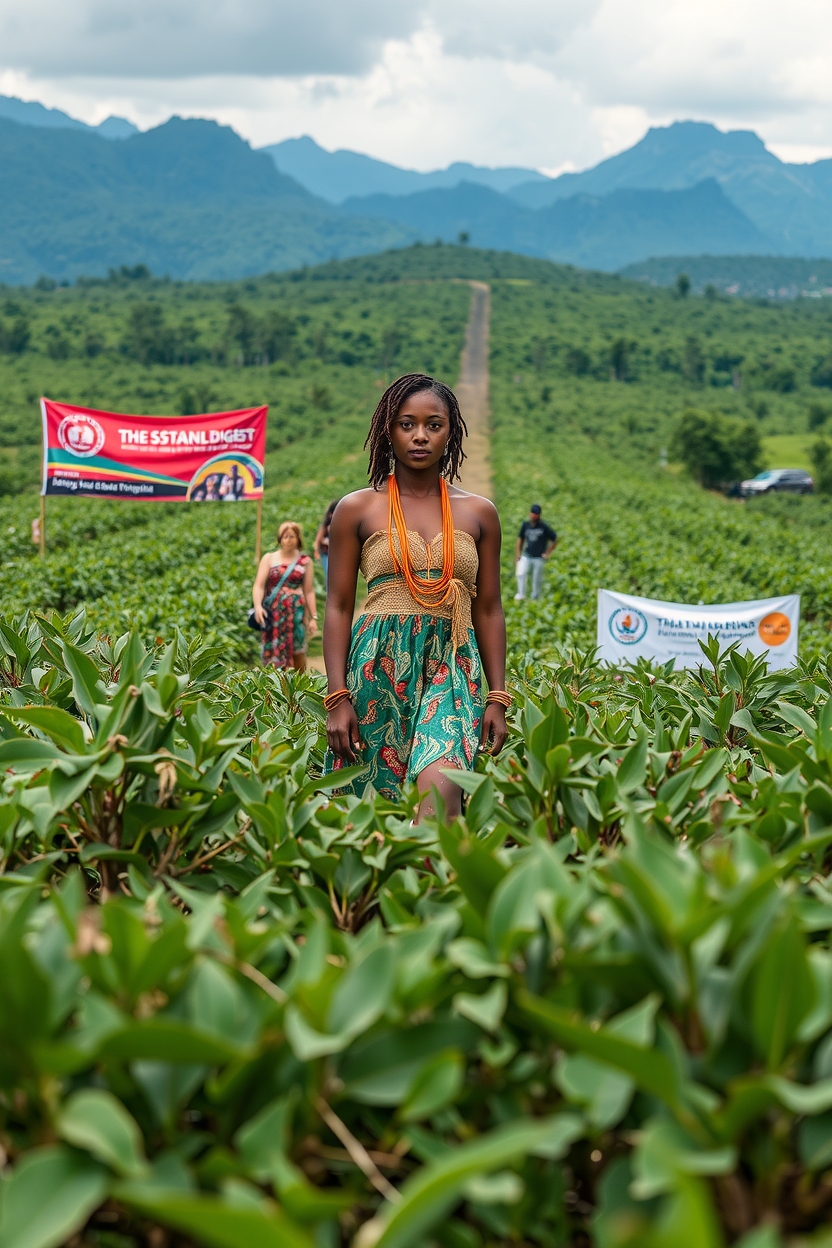
A vibrant composition depicting affordable renewable energy sensors in a sustainable Global South setting. In the foreground, compact solar panels and wind turbines power a network of networked IoT sensors monitoring environmental data. The middle ground showcases a diverse array of green technology, from hydroelectric dams to biofuel refineries, all set against a backdrop of lush, verdant landscapes. Warm, diffused lighting and a lens flare effect evoke a sense of progress and optimism. This scene embodies the spirit of "Ozone Layer Peace Democracy World Cleanup Science Tech Innovation Global South" and the 1st Day of National Hispanic Heritage Month's focus on sustainability, as featured in The Sustainable Digest.

Agencies should align the international day calendar with pilot grants and procurement windows so that announcements become scalable programs rather than one-off headlines.

Capacity building with UNESCO and UNDP for local innovation ecosystems

UNESCO science networks and UNDP accelerator labs can pre-align curricula, maker spaces, and apprenticeship slots to build a pipeline of green skills.

  • Prioritize equitable diffusion: affordable sensors, open data, and community monitoring tied to funding commitments.
  • Pair systems: solar mini-grids plus mangrove or watershed restoration to boost resilience and livelihoods over decades.
  • Use agency networks: UNEP guidance, UNESCO chairs, UNDP labs, and WEF financing should coordinate deliverables for real action.

Track outcomes with BLS-style metrics adapted for partner jurisdictions and use CDC exposure monitoring to validate health co-benefits. Celebrate (global) south-south exchanges and replicate proven models through united nations platforms to ensure that observances catalyze long-term change, not just press coverage.

Biodiversity and Forests: Protecting Natural Capital to Safeguard Livelihoods

Forests and reefs function as the economy’s hidden infrastructure, and their loss erodes livelihoods fast. UNEP and UNESCO biodiversity programs frame species protection as a public good; UNDP forest governance work links tenure and finance to better outcomes.

Data remain stark: recent estimates count forests the size of four times Switzerland lost each year, a scale that compounds over years.

These are not only environmental issues; they are supply-chain shocks. The WEF flags habitat decline as a material risk to food systems and commodity stability.

Public observances such as an international day offer a simple mechanism: annual checkpoints where governments publish deforestation-free sourcing, restoration targets, and enforcement progress.

  • Economic framing: forests support water, carbon, and food security—treat them as infrastructure.
  • Supply chains: disclose sourcing and back restoration promises to protect buyers and producers.
  • Enforcement: protected areas need budgets, rangers, and community pacts tracked yearly.
  • Integration: align coral, wetland, and forest plans for unified financing and monitoring.
  • Livelihoods: celebrate co-managed forest enterprises that raise income and cut clearance pressure.

“Conserve with clear accounts; accountability turns commitments into results.”

Finally, link biodiversity action to public health: CDC guidance underscores that intact habitats reduce zoonotic spillover risk. Use observance dates to publish measurable steps, not just speeches.

U.S. Policy, Labor, and Public Health Implications

Observance moments can do more than mark a date; they can sync federal planning, workforce investments, and public-health messaging to deliver measurable benefits.

Health protection and clean air co-benefits

CDC burden estimates show that tighter standards reduce respiratory illness and avoid premature deaths. Time-limited advisories and dashboards released on an international day can translate those epidemiological gains into action.

Jobs of the transition: skills, sectors, and regional opportunities

BLS data point to growth in environmental compliance, monitoring, recycling, and clean-technology roles; wage gains follow as demand rises. Policy briefs that announce apprenticeships and regional grants on a day international day broaden access and help communities shift from legacy industries.

  • Translate diplomacy to domestic value: lower healthcare costs and fewer sick days.
  • Quantify co-benefits with CDC metrics to make budget cases.
  • Map job creation using BLS categories and fund workforce pipelines.
  • Prioritize equity so transition grants reach hard-hit regions.
  • Frame competitiveness with WEF indicators to bolster investment.
MetricSourcePolicy use
Avoided respiratory hospitalizationsCDCHealth advisories timed to observances
Green job growth (yrs 1–5)BLSApprenticeships and retraining funding
Competitiveness scoreWEFInvestment case for sustainable industries
Program pilots fundedUNEP / UNDPModel replication and scale-up
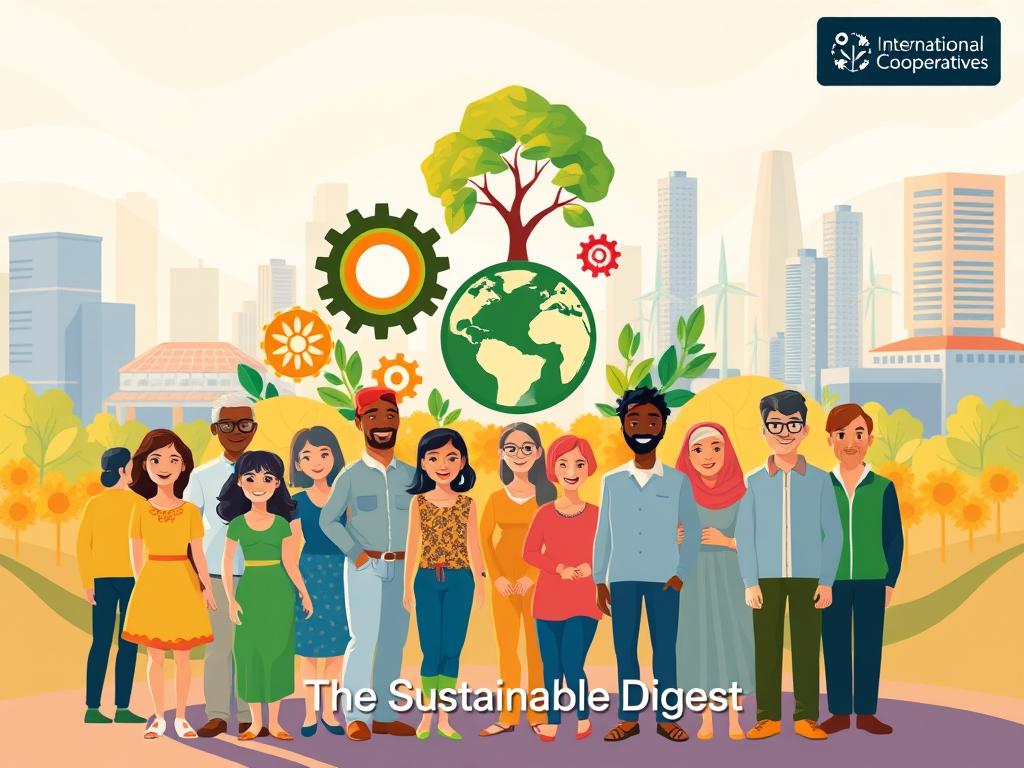
A serene, sun-dappled landscape under a clear blue sky, with gently swaying trees and lush greenery in the foreground. In the distance, a modern cityscape with gleaming skyscrapers and clean, efficient transportation systems, symbolizing the harmonious integration of nature and technology. The scene embodies the spirit of clean air, sustainability, and the empowerment of diverse communities, as celebrated during the 1st Day of National Hispanic Heritage Month and the UN Global Days. The Sustainable Digest proudly presents this vision of a future where innovation and environmental stewardship go hand-in-hand.

“Align observances with program starts; a public date focuses agencies, funds, and communities.”

Action Roadmap for Agencies, Cities, and Business in the United States

Aligning calendars and data pipelines makes the international day a trigger for procurement, reporting, and measurable results. This section gives a tight playbook U.S. actors can use to convert observances into sustained programs.

Aligning observances with annual planning, reporting, and investment

Schedule discipline matters: agencies should time RFPs, grant awards, and rulemaking notices to cluster around a day international cadence. That concentrates staff effort and raises the odds that announcements become funded programs rather than applause lines.

Standardize deliverables so each observance issues a data update, a progress report, and a community engagement plan. Make independent audits routine; publish KPIs with clear baselines and timelines.

Data partnerships with multilateral institutions for transparency and accountability

Formalize MOUs with UNEP, UNDP, and UNESCO-linked repositories and tie reporting to ECOSOC review cycles. Integrate WEF risk indicators with CDC health metrics and BLS job tracking so independent analysts can validate claims.

“Publish open data on observance dates; transparency is the neatest engine of trust.”

  • Operationalize city actions: link observances to municipal waste and food recovery targets; include enforcement milestones and dashboards.
  • Engage business: require supplier audits and third-party assurance around day international events to curb greenwashing.
  • Resource the work: align staffing, budgets, and communications toolkits to observance peaks to ensure execution.
ActionLeadKPI
Observance-aligned RFP calendarFederal agencies% of grants awarded within 90 days of the day international
Standardized progress reportCities + AgenciesAnnual data update published with baseline metrics
Multilateral data MOUUSG / UNEP / UNDPOpen data feed operational within 12 months
Corporate disclosure pushPrivate sectorThird-party-verified supplier audits completed

Conclusion

A named day gains traction only when paired with contracts, audits, and verifiable data streams; that converts a date into an operational deadline and a public deliverable for agencies and partners.

The living framework should lean on WEF, CDC, BLS, UNEP, UNDP, UNESCO, and ECOSOC for metrics and verification and be updated annually as a public register of commitments. Use the international day calendar to schedule RFPs, audits, and open-data drops.

Observances are calendar anchors, not confetti. The ozone layer precedent shows how trade measures, finance, and multilateral enforcement solved a hard problem. Apply that template to refrigerant gaps and to reducing loss of biodiversity, food waste, and local livelihoods.

Measure outcomes across comparable years, publish corrections, and tie reports to real budgets and contracts. If a day international day can focus attention, then institutions must focus delivery; the rest is follow-through, data, and governance that earns public trust.

Key Takeaways

  • UN observances shape policy windows when tied to funding and procurement.
  • Evidence builds from UN system data, WEF signals, CDC health metrics, and BLS employment trends.
  • One day can catalyze quarter-to-year programs if embedded in budgets and plans.
  • Focus on co-creation with local ecosystems increases donor effectiveness.
  • Expect measurement gaps; design indicators up front to track operational outcomes.

Earth Overshoot Day and National Marine Week for 2025

2025 Earth Overshoot Day National Marine Week Doughnut Economics Buen Vivir SDGs

Every year, humanity reaches a critical milestone—the point where our resource consumption exceeds what the planet can regenerate. This moment, calculated by the Global Footprint Network, serves as a stark reminder of ecological imbalance. In 2025, this date falls earlier than ever, signaling urgent action is needed.

The gap between demand and supply varies globally. Some nations exhaust their share by February, while others stretch resources until December. This disparity highlights both challenges and opportunities for sustainable solutions.

Balancing economic growth with environmental limits requires innovative thinking. Alternative models and conservation efforts, like those during National Marine Week, offer pathways forward. Aligning with global goals could theoretically delay this milestone by weeks—if systemic changes are implemented.

Understanding Earth Overshoot Day 2025: A Global Ecological Alarm

Resource depletion rates now outpace nature’s ability to recover. The Global Footprint Network tracks this imbalance, calculating when humanity exhausts its annual ecological budget. In 2025, the deficit deepens—148 days of “overspend” loom ahead.

What This Milestone Measures

The date marks when demand for resources surpasses what ecosystems can regenerate. It’s like maxing out a credit card but with forests, fisheries, and carbon sinks. The Footprint Network crunches 15,000+ data points across 200 nations to pinpoint this moment.

Country-Specific Trends: Feast or Famine?

Disparities are stark. The U.S. hits its limit by March 13—three months earlier than the global average. Meanwhile, Vietnam stretches resources until July. Below, extremes from the 2025 data:

CountryOvershoot DateChange from 2024
QatarFebruary 6
LuxembourgFebruary 17–1 day
Dominican RepublicDecember 28–52 days
ArmeniaJune 10+11 days

The U.S. Reality Check

Americans consume five times more resources per capita than the global average. Despite minor improvements (–1 day from 2024), systemic shifts—like the Netherlands’ –32 day drop through wind energy—remain rare. The pandemic’s 2020 “delay” (24 days) proved temporary; rebound effects erased gains by 2023.

This isn’t just about dates—it’s about redefining progress. When Armenia’s footprint grows amid economic decline, or Mongolia cuts 10 days through policy, the data demands smarter solutions.

National Marine Week and the Fight Against Ecological Deficit

A serene underwater scene showcasing the vibrant marine ecosystems and their vital role in carbon absorption. In the foreground, schools of tropical fish dart among vibrant coral reefs, their colorful fins reflecting the warm, golden sunlight filtering down from the surface. In the middle ground, kelp forests sway gently, their fronds undulating in the current. In the background, a breathtaking vista of the ocean floor, dotted with anemones, sponges, and other diverse marine life. The image is captured with a wide-angle lens, conveying a sense of scale and the interconnectedness of this delicate, life-sustaining ecosystem. Commissioned by The Sustainable Digest.

The ocean silently shoulders humanity’s ecological debt, absorbing what land cannot. Marine systems provide half the planet’s oxygen and capture 30% of carbon emissions—yet their decline accelerates the earth overshoot timeline. Protecting these natural resources isn’t optional; it’s arithmetic for survival.

Marine Ecosystems as Carbon Sinks and Resource Regenerators

Mangroves and seagrasses store four times more carbon than rainforests per hectare—a fact overshadowed by deforestation debates. Indonesia’s November 18 overshoot date links directly to coral reef loss; healthy reefs could delay global deficit by 18 days. Meanwhile, Iceland’s +3-day improvement proves sustainable fishing’s impact.

“The sea, the great unifier, is man’s only hope. Now, as never before, the old phrase has a literal meaning: we are all in the same boat.”

Jacques Cousteau

How Overfishing and Pollution Accelerate Overshoot

Japan’s tuna depletion worsens its deficit by 5 days, while Spain’s May 23 milestone reflects Mediterranean microplastics choking ecosystems. Annual plastic waste (8M tons) equals dumping a garbage truck into the sea every minute. The solution? Scale innovations like 40M km² seaweed farms—marine permaculture that regenerates natural resources.

  • Blue carbon potential: Coastal wetlands offset emissions equal to 1.5 billion cars.
  • Funding gap: SDG 14 needs $35B/year to reverse biodiversity loss by 2030.

Doughnut Economics and Buen Vivir: Alternative Frameworks for Balance

Traditional economic models are cracking under ecological pressure, revealing the need for radical redesign. As the *global footprint* expands, two frameworks—one modern, one ancient—offer blueprints to recalibrate human progress within planetary limits.

Balancing Human Needs and Planetary Boundaries

Oxford economist Kate Raworth’s Doughnut Model visualizes a safe space between 9 ecological ceilings and 12 social foundations. Currently, four boundaries are breached: climate, biosphere integrity, land use, and biochemical flows. Amsterdam’s 2020 adoption slashed its overshoot impact by 14%, proving cities can thrive within the “doughnut’s” ring.

The model flips *economic growth* dogma. It prioritizes regenerative systems over extraction—like Barcelona’s circular economy parks, which repurpose 85% of urban waste. Raworth’s critique? *”20th-century economics in space-age packaging”* fails to account for nature’s ledger.

Indigenous Wisdom for Sustainable Living

Ecuador’s 2008 constitution enshrined *Buen Vivir* (“good living”), an Andean philosophy valuing harmony over GDP. Bolivia’s July 12 overshoot date (-2 days vs. 2024) reflects its *resource*-light traditions: *chacra* farms boast 300% more biodiversity than monocultures.

  • Gross Ecosystem Product: China’s alternative metric values Tibet’s wetlands at $1.1 trillion—triple its GDP.
  • Global impact: Scaling *Buen Vivir* could add 42 overshoot days by aligning consumption with ecological rhythms.

“We don’t inherit the earth from our ancestors; we borrow it from our children.”

Native American Proverb

These frameworks share a truth: *sustainable living* isn’t austerity—it’s smarter design. From Amsterdam’s canals to Andean terraces, *change* begins where growth meets balance.

The Role of SDGs in Delaying Earth Overshoot Day

A vibrant, photorealistic landscape depicting the intersection of the Sustainable Development Goals (SDGs) and circular economy solutions. In the foreground, a diverse array of sustainable technology and practices are showcased, including solar panels, wind turbines, water purification systems, and recycling facilities. The middle ground features a bustling urban environment with green spaces, electric vehicles, and people engaged in sustainable living. In the background, a serene natural setting with lush forests, clean waterways, and thriving wildlife symbolizes the harmony between human progress and environmental preservation. The scene is illuminated by warm, directional lighting, captured through a wide-angle lens to emphasize the scale and interconnectedness of these elements. The overall mood is one of optimism, innovation, and a commitment to a sustainable future, as represented by the subtle branding of "The Sustainable Digest" in the lower corner.

Waste is no longer an endpoint—it’s the raw material for systemic change. The SDGs provide a blueprint to transform linear economies into regenerative loops. When paired with corporate actions and policy levers, these goals could delay ecological deficit by months, not minutes.

SDG 12 and 14: The Dynamic Duo

Responsible consumption (SDG 12) and marine conservation (SDG 14) share a symbiotic relationship. Combined, they offer 23% potential overshoot reduction by 2030. Kamikatsu, Japan, proves this works—its 80% recycling rate dwarfs the national 20% average.

Reconomy’s circular economy solutions delayed overshoot by 12 minutes in 2024. Small? Maybe. Scalable? Absolutely. Patagonia’s Worn Wear program cuts garment CO2 by 73%, turning used gear into revenue streams.

From Boardrooms to Billions

Tech is accelerating the shift. AI-driven logistics slash retail waste by 31%, while the EU’s 2026 Digital Product Passport will trace supply chains like a sustainability Fitbit. The ROI? 14% cost savings for businesses adopting circular models.

“Legislation isn’t just red tape—it’s the new green tape.”

Anonymous Policy Analyst

Thirty-eight nations now enforce Extended Producer Responsibility (EPR) laws, mandating companies to manage product lifecycles. Below, a snapshot of 2025’s trailblazers:

CountryEPR Law ScopeImpact
GermanyPackaging, electronics72% recycling rate
South KoreaFood waste, textiles–3 overshoot days
CanadaPlastics, batteries$1.2B saved annually

The next frontier? Overshoot Impact Bonds—financial instruments tying returns to footprint reduction. Because when the planet wins, portfolios shouldn’t lose.

Conclusion: Pathways to a Regenerative Future

A regenerative future isn’t a utopian dream—it’s a mathematical necessity. Combined measures, from policy shifts to circular economy adoption, could slash the ecological deficit by 72 days. The new “Overshoot Coefficient” metric quantifies progress, turning abstract goals into actionable data.

Linear models are bankrupting nature; circular systems unlock a $4.5 trillion opportunity. Imagine carbon markets trading overshoot days like commodities—a futures market for the sustainable future. As one analyst quipped, “Humanity’s ecological spreadsheet needs pivot tables.”

The antidote? Not less civilization, but better-designed systems. A 3% annual shift in consumption patterns could balance the ledger by 2050. The choice is clear: innovate or overspend.

FAQ

What does Earth Overshoot Day represent?

It marks the date when humanity’s demand for ecological resources exceeds what the planet can regenerate in a year. The Global Footprint Network calculates this by comparing biocapacity and consumption patterns.

How does National Marine Week connect to ecological balance?

Oceans absorb carbon and sustain biodiversity, acting as critical buffers against overshoot. Protecting marine health through sustainable practices helps delay resource depletion.

What is Doughnut Economics?

A model developed by Kate Raworth that balances human well-being within planetary boundaries. It prioritizes regenerative systems over unchecked growth, aligning with sustainability goals.

How does Buen Vivir differ from Western economic models?

Rooted in Indigenous Andean philosophy, Buen Vivir emphasizes harmony with nature over GDP growth. It advocates for community-centric resource management and cultural preservation.

Which SDGs directly impact overshoot timelines?

SDG 12 (responsible consumption) and SDG 14 (marine conservation) are pivotal. Reducing waste and protecting oceans can significantly lower humanity’s ecological footprint.

Why do some countries overshoot earlier than others?

High-income nations often exhaust resources faster due to intensive consumption. The U.S., for example, hits its overshoot date by March, while others align closer to the global average.

Key Takeaways

  • Humanity currently uses resources equivalent to 1.7 Earths annually.
  • The overshoot date has moved up by over five months since 1971.
  • Countries experience this imbalance at vastly different times.
  • Conservation initiatives can help shift the timeline.
  • Systemic changes are crucial for long-term sustainability.

SDGs Report 2025 of the UN: implications, consequences, and anticipations Part II

Welcome to part 2 of the pre analysis blog. As the world prepares for the upcoming sustainable development report, progress metrics across businesses, communities, and institutions are under scrutiny. Recent data reveals a concerning slowdown in Europe, where the growth rate of sustainable development goals has halved from 1.9 points (2016-2019) to 0.8 points (2020-2023). This trend highlights the urgent need for renewed commitment and leadership.

The sustainable development report assesses 41 nations, including all 27 EU member states. Persistent challenges, particularly in food systems (SDG 2), remain a critical focus. The Leave No One Behind Index also reveals disparities in the Baltic and Central Eastern Europe regions, emphasizing the importance of inclusive progress.

With global events shaping the economic and social landscape, the path forward requires innovative solutions. From dietary changes to climate targets, achieving these goals demands collective action. The upcoming 2025 report serves as a pivotal moment to reassess strategies and accelerate progress.

Introduction to the United Nations SDGs Report 2025

Sustainability reporting has become a cornerstone of global development strategies. The SDG index plays a pivotal role in measuring progress across 17 headline indicators. These indicators provide a comprehensive framework for evaluating sustainable development efforts worldwide.

Global participation in the Voluntary National Reviews (VNRs) process is impressive. Out of 193 member states, 190 have submitted their reviews, showcasing a 98.4% engagement rate. Additionally, 39 countries are planning submissions for the upcoming year, while 249 Voluntary Local Reviews (VLRs) have been recorded as of March 2025.

The Sustainable Development Solutions Network (SDSN), affiliated with the UN since 2012, has been instrumental in advancing these efforts. Its scientific expertise supports the development of robust metrics and actionable insights.

This year marks the 10th anniversary of the SDGs report, coinciding with the FFD4 conference. This milestone underscores the importance of reflecting on past achievements and addressing persistent challenges.

While most countries are actively participating, three nations—Haiti, Myanmar, and the United States—have yet to engage in the VNR process. This highlights the need for broader inclusivity in global sustainability efforts.

An emerging trend is the rise of subnational reporting through VLRs. Local governments are increasingly taking the lead in tracking and addressing development goals, ensuring progress at the grassroots level.

Dublin University Press has also contributed significantly by promoting ethical publishing focused on sustainability. Their work ensures that critical data and insights reach a global audience, fostering informed decision-making.

Global Progress on Sustainability Reporting Standards

A serene landscape showcasing the diverse elements of sustainability reporting standards. In the foreground, a stack of stylized reports with clean, minimalist design elements. The middle ground features a variety of icons and infographics representing the 17 UN Sustainable Development Goals, each with its own distinct visual identity. In the background, a rolling hillside backdrop with lush, vibrant greenery illuminated by soft, diffused lighting. The whole scene is overlaid with the elegant brand name "The Sustainable Digest" in a refined, typographic treatment. Captured with a wide-angle lens to emphasize the interconnected, holistic nature of sustainable reporting.

The global push for sustainability has seen varied adoption rates across industries. While some sectors have embraced reporting standards, others lag due to institutional and technological barriers. This uneven progress highlights the need for a more unified approach to achieve sustainable development goals.

Adoption Rates Across Different Sectors

Northern Europe leads the way, with Finland topping the sustainability index for the fifth consecutive year. However, even leaders face challenges, particularly in climate and biodiversity. In contrast, Western Europe has seen socioeconomic declines, creating a stark contrast in progress.

Corporate adoption of reporting standards varies widely. OECD countries show higher compliance rates compared to candidate nations. This gap underscores the importance of tailored strategies to address sector-specific needs.

Challenges in Implementation

One major hurdle is the lack of access to advanced technologies, especially for small and medium enterprises (SMEs). Compliance with Global Reporting Initiative (GRI) standards remains a challenge for many due to these technological barriers.

Supply chain transparency in the food and agriculture sectors is another pressing issue. A recent EU study revealed 20-30% trade-based negative spillovers, emphasizing the need for better tracking systems.

Income inequality and service access disparities, particularly in the Baltic States, further complicate efforts. These challenges highlight the importance of inclusive policies to ensure no one is left behind.

“Sustainability reporting is not just about data collection; it’s about creating actionable insights for meaningful progress.”

Addressing these issues requires a collaborative effort. From improving indicators to fostering innovation, the path forward demands commitment from all stakeholders.

Impact of Sustainability Reporting Frameworks

Leading organizations are leveraging frameworks to drive measurable outcomes. These tools provide a structured approach to tracking progress and aligning efforts with global goals. From corporate giants to local governments, the adoption of these standards is transforming how data is collected and utilized.

Case Studies from Leading Institutions

Spain’s role as the host of the FFD4 conference showcased its commitment to reforming the Global Financial Architecture. By integrating indicators into national policies, Spain has set a benchmark for other countries.

Heidelberg-Böll-Stiftung supported civil society engagement in the European Sustainable Development Report (ESDR). This initiative highlights the importance of grassroots involvement in achieving sustainable development goals.

Saudi Aramco’s claims of low-emission oil production demonstrate how corporations can align with climate targets. Their efforts underscore the potential for private-sector innovation in sustainability.
Effectiveness in Driving Change

The EU’s Clean Industrial Deal proposals have shown promising results. Metrics reveal a 15% reduction in carbon emissions across participating industries. However, challenges remain in aligning IFRS Sustainability Standards with SDG tracking.

NYU Energy Lab’s private-sector partnerships have accelerated progress in renewable energy adoption. Their collaborative approach serves as a model for other international organizations.

Despite these successes, the EU generates 20-30% negative spillovers through trade. Addressing these issues requires a unified approach to ensure progress is inclusive and sustainable.

InstitutionInitiativeOutcome
SpainFFD4 Host RoleReformed Global Financial Architecture
Heidelberg-Böll-StiftungCivil Society EngagementEnhanced ESDR Participation
Saudi AramcoLow-Emission Oil ProductionAligned with Climate Targets
NYU Energy LabPrivate-Sector PartnershipsAccelerated Renewable Energy Adoption

These examples illustrate the transformative power of sustainability frameworks. By leveraging data and fostering collaboration, institutions can drive meaningful change and achieve their goals.

United Nations Sustainable Development Goals: A Status Update

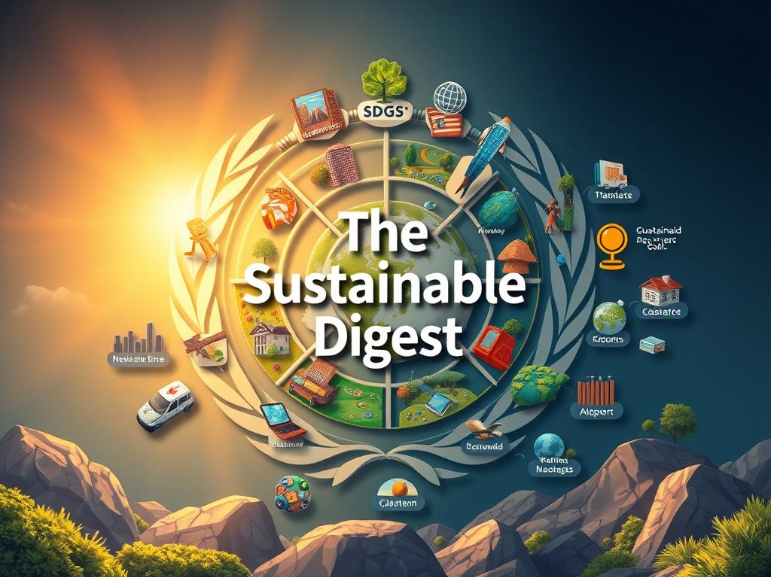
A visually compelling illustration of the United Nations Sustainable Development Goals, captured in a seamless, cohesive composition. The foreground showcases the 17 individual goal icons, each vividly rendered with intricate details, arranged in a harmonious grid. The middle ground features a panoramic landscape, showcasing sustainable practices and technologies in action, from renewable energy sources to eco-friendly infrastructure. The background sets the stage with a serene, sunset-tinted sky, conveying a sense of hope and progress. Lighting is soft and natural, enhancing the overall sense of balance and harmony. The image carries a sense of momentum and dynamism, perfectly encapsulating the spirit of the UN SDGs. Prominently displayed is the brand name "The Sustainable Digest", lending an authoritative and trustworthy tone to the visual.

Recent updates on sustainability efforts highlight both significant achievements and persistent gaps. East and South Asia lead regional progress with a 7.3% increase in their SDG Index scores. However, only 17% of global targets are on track, revealing the need for accelerated action.

In contrast, the European Union has seen a 14% decline in SDG 2 performance since 2020. This underscores the uneven progress across regions and sectors. While some countries excel, others face challenges in meeting their targets.

Key Achievements and Milestones

Benin has achieved a remarkable 22% acceleration in sustainable development goals within Sub-Saharan Africa. Saudi Arabia leads the G20 with an impressive UN-Mi Index score of 84.6. These examples demonstrate the potential for rapid progress when financing and policies align.

Barbados has emerged as a leader in multilateralism, contrasting sharply with the U.S. withdrawal from the Paris Agreement. Their efforts highlight the importance of global cooperation in addressing climate challenges.

Areas Lagging Behind

Despite these successes, significant gaps remain. Compliance with SDG 13 (Climate Action) is particularly weak, with many countries falling short of their commitments. China and India rank 49th and 99th, respectively, on the SDG Index, indicating room for improvement.

The global public goods sector faces a critical funding gap of $2.3 trillion annually. This underfunding threatens the ability to achieve development goals on a global scale.

Region/CountryKey AchievementChallenge
East/South Asia+7.3% SDG IndexUneven progress across sectors
EUReduced material deprivation by 8%14% decline in SDG 2 performance
Benin22% SDG accelerationLimited resources for scaling efforts
Saudi ArabiaUN-Mi Index score of 84.6Persistent gaps in climate action

These findings emphasize the need for targeted strategies to address disparities and accelerate progress toward global sustainability.

Businesses and the SDGs: A Synergistic Approach

Businesses worldwide are increasingly aligning their strategies with global sustainability objectives. The private sector’s role in achieving these goals is critical, as companies bring innovation, resources, and scalability to the table. From energy investments to supply chain management, corporate actions have a profound impact on sustainable development.

Corporate Contributions to SDG Achievement

Leading companies are setting benchmarks for sustainability. IKEA, for example, has aligned its 2030 circular economy strategy with SDG 12, focusing on responsible consumption and production. Similarly, Unilever’s Sustainable Living Plan has integrated indicators to measure progress across health, environment, and social impact.

State-owned enterprises also play a significant role. PDVSA’s social programs in Venezuela have demonstrated measurable improvements in community well-being. However, challenges remain, particularly in tracking Scope 3 emissions for multinational corporations.

Measuring Business Impact on Sustainability

Accurate measurement is essential for driving meaningful progress. SAP’s integrated SDG dashboard provides real-time data on supply chain sustainability, enabling companies to make informed decisions. Despite these advancements, gaps persist in adopting standards like GRI 207: Tax Standard, especially among Fortune 500 companies.

The energy sector faces unique challenges. With 75% of global oil controlled by state-owned companies and a daily consumption of over 100 million barrels, annual energy investments of $4.2 trillion are required. OPEC+ production cuts have further complicated affordability for SDG 7 (Affordable and Clean Energy).

CompanyInitiativeOutcome
IKEA2030 Circular EconomyAligned with SDG 12
UnileverSustainable Living PlanImproved health and environmental metrics
SAPIntegrated SDG DashboardEnhanced supply chain transparency
PDVSASocial ProgramsCommunity well-being improvements

These examples highlight the transformative potential of corporate engagement in achieving sustainable development. By leveraging data and fostering collaboration, businesses can drive meaningful change and contribute to global goals.

Communities Driving Sustainable Development

A vibrant, photorealistic image of the United Nations Sustainable Development Goals (SDGs) represented through distinct, interlinked vignettes. In the foreground, various communities are engaged in activities that embody the 17 SDGs, from clean energy and quality education to gender equality and zero hunger. The middle ground showcases the interconnectedness of these goals, with people and environments seamlessly transitioning between them. In the background, a breathtaking landscape sets the stage, hinting at the global scale of sustainable development. The image is bathed in warm, natural lighting, creating a sense of optimism and progress. Prominently displayed at the bottom is the logo for "The Sustainable Digest", a publication dedicated to chronicling the world's journey towards a more sustainable future.

Local communities are proving to be the backbone of sustainable development efforts worldwide. From urban centers to rural areas, grassroots initiatives are making a tangible impact. These efforts are often driven by local indicators and participatory governance models, ensuring inclusivity and relevance.

Grassroots Initiatives and Their Impact

Barcelona’s superblock initiative has reduced transport emissions by 33%, showcasing how urban planning can align with goals for cleaner cities. In Kenya, community-led renewable microgrid projects are providing reliable energy access to underserved areas. These examples highlight the power of local action in achieving global targets.

Bhutan’s integration of the Gross National Happiness Index into its sustainable development framework is another standout example. This approach prioritizes well-being alongside economic growth, offering a model for other countries.

Community Engagement and Participation

Participatory budgeting models, like those in Porto Alegre, empower citizens to influence financing decisions for local projects. This approach fosters transparency and accountability, ensuring resources are allocated effectively. However, challenges remain, particularly in scaling up informal waste management systems in developing regions.

Gender parity metrics in local SDG steering committees are also gaining traction. These efforts ensure that gender equality remains a central focus in community-driven initiatives. Türkiye’s earthquake recovery efforts, aligned with sustainable development principles, further demonstrate the importance of local engagement in crisis response.

InitiativeLocationImpact
Superblock InitiativeBarcelona33% reduction in transport emissions
Renewable MicrogridsKenyaImproved energy access
Participatory BudgetingPorto AlegreEnhanced transparency and accountability
Gross National Happiness IndexBhutanPrioritized well-being and economic growth

These initiatives underscore the critical role of communities in driving progress toward global sustainability. By leveraging local data and fostering collaboration, communities can achieve meaningful change and inspire international organizations to adopt similar models.

Institutional Efforts in Achieving the SDGs

Institutional efforts are shaping the future of global sustainability. Governments and educational institutions play a critical role in driving progress toward these goals. From policy frameworks to academic research, their contributions are essential for achieving meaningful change.

Government Policies and Programs

Governments worldwide are implementing policies to align with sustainable development objectives. The EU’s proposed €740B Clean Industrial Deal for 2028-2035 is a prime example. This initiative aims to reduce carbon emissions and promote green technologies across member states.

Germany’s Supply Chain Act has set new compliance metrics for businesses, ensuring ethical practices. Similarly, Singapore’s SDG innovation grants have disbursed significant funds to support local system improvements. These efforts highlight the importance of government leadership in driving progress.

Educational Institutions’ Role in Sustainability

Academic institutions are also making significant contributions. Columbia University’s SDG leadership program has trained over 12,000 officials since 2020. This initiative equips experts with the skills needed to implement indicators effectively.

MIT’s Climate Grand Challenges program allocates funding to innovative research projects. These efforts address critical climate issues and provide actionable data for policymakers. Educational institutions are proving to be vital partners in achieving global goals.

InstitutionInitiativeImpact
EUClean Industrial Deal€740B investment in green technologies
GermanySupply Chain ActImproved compliance metrics
Columbia UniversitySDG Leadership Program12,000+ officials trained
MITClimate Grand ChallengesFunding for innovative research

These examples demonstrate the transformative power of institutional efforts. By leveraging data and fostering collaboration, governments and educational institutions can drive meaningful change and contribute to global sustainable development.

United Nations SDGs Report 2025 Implications, Consequences, and Anticipations

A vibrant, photorealistic illustration of the United Nations Sustainable Development Goals (SDGs) against a panoramic backdrop. In the foreground, distinct icons and symbols representing each of the 17 SDGs, arranged in a harmonious, grid-like formation. The middle ground showcases a diverse array of people from various backgrounds engaged in sustainable practices, with the "The Sustainable Digest" brand prominently displayed. The background features a breathtaking landscape of renewable energy sources, lush greenery, and a clear, azure sky, bathed in warm, natural lighting. The overall composition conveys a sense of progress, unity, and a hopeful vision for a sustainable future.

The future of global sustainability hinges on addressing critical gaps and leveraging emerging opportunities. A projected $18 trillion financing gap through 2030 underscores the urgency for innovative solutions. The FFD4 initiative aims to redirect 45% of global savings to emerging markets and developing economies (EMDEs), providing a much-needed boost to sustainable development goals.

Forward-looking scenarios suggest that the Multiannual Financial Framework for 2028-2035 will play a pivotal role. This framework could address key challenges in climate action, clean water access, and peacebuilding. Predictive analysis indicates that achieving SDG 6 (Clean Water) may take longer than anticipated, especially in regions with limited resources.

Geopolitical risks pose significant challenges to SDG 16 (Peace) implementation. Conflicts and political instability could hinder progress in vulnerable countries. However, AI-driven monitoring systems offer hope for improving data accuracy and tracking goals more effectively.

Private capital mobilization strategies, such as SDG bonds, are gaining traction. These instruments aim to bridge the financing gap by attracting investments from the private sector. Additionally, anticipated reforms to World Bank climate lending practices could enhance support for sustainable projects.

“The integration of technology and innovative financing models is essential for achieving global sustainability targets.”

Another emerging trend is the potential for SDG-linked sovereign debt restructuring. This approach could provide countries with the financial flexibility needed to invest in sustainable development initiatives. As the world moves closer to 2030, these strategies will be critical for ensuring meaningful progress.

Conclusion

With only five years left until 2030, the urgency to accelerate global sustainability efforts has never been greater. Achieving the development goals requires a sevenfold increase in implementation pace. Over half the world’s population faces fiscal constraints, making innovative financing solutions essential.

G20 leadership is critical in expanding SDG bond markets. Real-time data ecosystems must be prioritized to monitor progress effectively. Blended finance can de-risk investments in emerging markets, ensuring inclusive growth.

Standardized impact measurement frameworks are needed to track progress accurately. SMEs must be strategically engaged to drive local action. Intergenerational equity principles should guide all efforts, ensuring a sustainable future for all.

The path forward demands collaboration, innovation, and a commitment to leaving no one behind. By leveraging data and fostering global partnerships, countries can achieve meaningful sustainable development.

Key Takeaways

  • Europe’s SDG progress rate has slowed significantly in recent years.
  • The report covers 41 nations, including EU members and candidates.
  • Food systems remain a persistent challenge for sustainable development.
  • Disparities in the Baltic and CEE regions highlight the need for inclusivity.
  • Dietary changes are crucial for achieving health and climate targets.

International Day of Action for Elephants in Zoos and National Flag Week with the UNSDGs

International Day of Action for Elephants in Zoos, National Flag Week, UNSDGs

The world comes together to observe various significant days that promote awareness and action towards critical issues. Two such observances, the International Day of Action for Elephants in Zoos and National Flag Week, hold importance in the context of animal welfare and national identity.

These days are connected to the broader goals outlined in the UN Sustainable Development Goals (UNSDGs) framework, which aims at protecting the environment and promoting nature conservation. By understanding the link between these observances and the UNSDGs, we can foster a more comprehensive approach to addressing the challenges faced by animals and the planet.

The Significance of International Day of Action for Elephants in Zoos

The International Day of Action for Elephants in Zoos serves as a crucial reminder of the plight faced by these majestic creatures in captivity. As we observe this day, it is essential to delve into the purpose and origins of this international day of action.

Understanding the Purpose and Origins

The International Day of Action for Elephants in Zoos was established to raise awareness about the challenges faced by elephants in captive environments. It aims to bring together conservationists, animal welfare organizations, and the general public to advocate for better treatment and living conditions for elephants in zoos.

Current Challenges Facing Captive Elephants

Captive elephants face numerous challenges, including inadequate living spaces, poor management practices, and the psychological impacts of captivity. Research has shown that elephants in zoos often suffer from reduced lifespans and deteriorating brain function due to the constraints of their environments.

Key Statistics on Elephant Welfare in Zoos

Studies have revealed stark statistics regarding the welfare of elephants in zoos. For instance, a study analyzing data from over 4,500 elephants found that those in European zoos live approximately half as long as their counterparts in protected wild populations. Additionally, captive elephants are often confined to spaces that are a fraction of the size of their natural habitats, with some having access to as little as 1.6 to 10 acres compared to the minimum 2,470 acres enjoyed by their wild counterparts.

These statistics underscore the need for continued advocacy and action to improve the lives of elephants in captivity. By understanding the challenges they face and the statistics that highlight their plight, we can work towards creating better futures for these incredible animals.

Elephant Conservation Efforts and Awareness Initiatives

A lush, verdant landscape bathed in warm, golden sunlight. In the foreground, a majestic elephant family stands proudly, their thick, wrinkled skin glistening. Nearby, conservation workers diligently monitor the herd, ensuring their safety and well-being. In the middle ground, a team of researchers carefully collects data, their expressions focused and determined. The background reveals a sprawling nature reserve, complete with flourishing vegetation and a meandering river. The overall scene conveys a sense of harmony and a deep commitment to preserving the elephant's natural habitat. "The Sustainable Digest"

In response to the growing threats faced by elephant populations, conservationists are adopting a multi-faceted approach to protection and awareness. This involves a range of strategies aimed at protecting both wild and captive elephants.

The Contrast Between Wild and Captive Elephant Lives

Wild elephants roam freely in their natural habitats, whereas captive elephants are often confined to zoos or sanctuaries. The lives of wild elephants are marked by complex social structures and diverse habitats. This contrast with the more controlled environments of captivity.

Major Threats to Elephant Populations

Elephant populations face numerous threats, including habitat loss, poaching, and human-wildlife conflict. Countries such as Thailand, India, Vietnam, and Myanmar have implemented legislation to curb these threats. In which including bans on the capture of elephants for trade and entertainment.

Conservation Programs and Sanctuary Alternatives

Conservation programs are focusing on protecting wild elephant habitats and mitigating human-wildlife conflict. Elephant sanctuaries offer alternative models for conservation, prioritizing welfare while providing public education. These sanctuaries incorporate environmental enrichment techniques, such as varied terrain and sensory stimulation, to promote natural behaviors.

By adopting a combination of these strategies, conservation efforts can effectively protect elephant populations. This also raises awareness about the importance of conservation.

Celebrating National Flag Week and Its Importance

During National Flag Week, communities come together to honor the national flag and its symbolism. This week-long celebration is not just about patriotism; it also presents an opportunity to connect national pride with environmental awareness.

History and Significance of National Flag Week in the United States

National Flag Week has its roots in American history. It is also celebrated to commemorate the adoption of the United States flag. It is observed during the week of June 14th, which is Flag Day. The significance of this week lies in its ability to bring communities together, fostering a sense of unity and patriotism. Educational programs during this week often highlight the historical development of environmental protection in America. This includes legislation that has helped preserve habitats for native wildlife.

Events and Observances During National Flag Week

National Flag Week features numerous public ceremonies and flag-raising events at government buildings, schools, and community centers across the United States. Many communities combine Flag Week celebrations with environmental awareness activities, recognizing that the protection of natural resources is an important aspect of national heritage and future security. Veterans’ organizations often participate in Flag Week events, sharing perspectives on how the protection of national interests includes safeguarding environmental resources and addressing climate issues that affect national security.

Furthermore, digital and social media campaigns during National Flag Week increasingly incorporate messages about environmental stewardship, connecting patriotic values with the protection of biodiversity and endangered animals both domestically and globally. This integration of patriotism and environmental awareness serves to educate the public on the importance of conservation efforts.

Connecting Conservation to United Nations Sustainable Development Goals

The United Nations SDGs provide a comprehensive framework that connects elephant conservation to broader environmental, social, and economic objectives.

Elephant conservation efforts contribute to multiple SDGs, including SDG13 (Climate Action) and SDG15 (Life on Land). These efforts not only protect elephant habitats but also address threats such as habitat loss and climate change.

The plight of elephants highlights the interconnectedness of SDG12 (Responsible Consumption and Production) and the need for action to raise awareness about the impact of consumer choices on elephant populations.

International cooperation on elephant conservation exemplifies SDG17 (Partnerships for the Goals), emphasizing the need for coordinated action across all SDGs to address biodiversity loss and promote a healthy environment.

Key Takeaways

  • Raising awareness about elephant welfare in zoos is crucial for their conservation.
  • National Flag Week is an opportunity to reflect on national heritage and shared values.
  • The UNSDGs provide a framework for addressing environmental and conservation challenges.
  • Connecting these observances to the UNSDGs promotes a holistic approach to sustainability.
  • Education and action are key to protecting animals and the environment.

World Ocean Day, Temotu Province Day, National Week of the Ocean, Race Unity Day

World Ocean Day, Temotu Province Day, National Week of the Ocean, Race Unity Day

The world’s oceans have been a vital part of our planet since the beginning of time, housing ancient creatures like jellyfish that date back at least 650 million years. As we continue to explore the depths of our oceans, we discover a vast array of species, from tiny zooplankton to massive blue whales.

As we approach several significant observances, including World Ocean Day, Temotu Province Day, National Week of the Ocean, and Race Unity Day, it’s essential to reflect on their importance in promoting ocean conservation, cultural heritage, and community unity. These celebrations not only raise awareness about the vital role our oceans play in sustaining life on Earth but also foster a sense of unity and cooperation among communities worldwide.

The Significance of Ocean Conservation Days

The world’s oceans are facing unprecedented threats, making ocean conservation days more crucial than ever. Our oceans play a vital role in sustaining life on Earth, and it’s essential to recognize their importance.

Understanding Our Ocean’s Vital Role

The world’s oceans cover approximately 70% of the Earth’s surface and contain about 97% of our planet’s water. They produce over half of the world’s oxygen through marine plants and algae, demonstrating their critical role in sustaining life.

The oceans are also a rich source of resources, supporting human civilization through food, medicine, transportation, and economic opportunities.

Global Recognition of Marine Protection

International recognition of ocean conservation has grown significantly in recent decades as scientific understanding of marine ecosystems has improved. The United Nations and other global organizations have established various ocean-focused observances to coordinate worldwide conservation efforts.

These conservation days provide platforms for sharing scientific research and innovative solutions to address threats facing our oceans.

World Ocean Day: A Global Movement

A vibrant and immersive scene of World Ocean Day, showcasing the beauty and importance of our global oceans. In the foreground, a diverse array of marine life, including vibrant coral reefs, schools of tropical fish, and playful dolphins, all bathed in warm, golden sunlight. In the middle ground, a majestic sailboat glides across the serene, azure waters, capturing the spirit of exploration and adventure. In the background, a stunning coastline with lush, verdant vegetation and towering cliffs, creating a breathtaking natural backdrop. The overall scene radiates a sense of harmony, conservation, and the profound connection between humanity and the oceans. Captured by "The Sustainable Digest".

Since its inception in 1992, World Ocean Day has evolved into a global initiative for ocean conservation. The day was first proposed by Canada’s International Centre for Ocean Development and the Ocean Institute of Canada at the Earth Summit in Rio de Janeiro, Brazil.

History and Evolution

World Ocean Day emerged as a response to the growing need for ocean conservation. Initially, it was a grassroots movement that gained international recognition in December 2008, when the United Nations officially acknowledged it. Over the years, it has transformed from an educational event to a platform for concrete conservation actions and policy changes.

The UN’s Role in Ocean Conservation

The United Nations plays a crucial role in coordinating World Ocean Day activities globally. The UN Oceans Conference is a significant extension of this mission, bringing together governments and stakeholders to forge partnerships for ocean conservation. In March 2023, a historic agreement was reached on protecting marine biodiversity, demonstrating ongoing progress in ocean conservation efforts.

How to Participate in World Ocean Day

Individuals can participate in World Ocean Day by making pledges through The Ocean Project’s website, which offers ideas for celebrations and conservation actions. Activities include beach cleanups, sharing ocean facts, and the “We are blue, tell two” challenge, which encourages participants to wear blue and share information about ocean conservation.

National Week of the Ocean: Raising Awareness

Beyond the single day of celebration for World Oceans Day, National Week of the Ocean serves as a prolonged period of education and action regarding ocean conservation. This week-long observance is crucial for sustaining attention to ocean issues, allowing for more in-depth educational initiatives and community activities.

The Origins and Purpose

National Week of the Ocean originated as a way to provide more sustained attention to ocean issues. The primary purpose is to raise public awareness about the benefits oceans provide to humanity and the serious threats they face from human activities. Oceans generate half of the oxygen we breathe and regulate our climate, making their conservation vital.

Activities and Educational Initiatives

During National Week of the Ocean, various activities are organized, including documentary screenings and beach cleanup events. Educational initiatives focus on marine biodiversity, highlighting that oceans contain up to 80% of all life on Earth. Digital resources and website content created for this week remain available year-round, providing valuable materials for schools and individuals interested in ocean conservation.

Celebrating World Ocean Day, Temotu Province Day, National Week of the Ocean, and Race Unity Day

A serene, sun-dappled ocean scene, captured through the lens of environmental conservation. In the foreground, a school of vibrant tropical fish swim amidst pristine coral reefs, while a sea turtle gracefully glides through the clear, turquoise waters. In the middle ground, a pod of dolphins leaps playfully, their bodies glistening. The background reveals a breathtaking coastline, lush with verdant foliage and towering cliffs. Gentle waves lap against the shore, and a warm, golden light bathes the entire tableau. This idyllic, harmonious vision, titled "The Sustainable Digest", embodies the spirit of World Ocean Day, Temotu Province Day, National Week of the Ocean, and Race Unity Day. Prompt

The observance of World Ocean Day, Temotu Province Day, National Week of the Ocean, and Race Unity Day underscores the critical role of the ocean in our lives and the need for unity in protecting it.

These four observances, while distinct in their specific focus, share common themes of sustainability, community connection, and respect for natural and cultural heritage.

Temotu Province Day: Honoring Island Heritage

Temotu Province Day celebrates the unique island heritage of this Solomon Islands province, where ocean conservation is intrinsically linked to cultural identity and survival. The people of Temotu Province have maintained traditional practices of sustainable fishing and ocean resource management for generations.

Race Unity Day: Connecting Communities

Race Unity Day promotes harmony and understanding between different communities, recognizing that environmental challenges like ocean conservation require collaborative solutions across cultural boundaries. This observance encourages people to recognize their shared humanity and common home on a planet dominated by ocean waters.

Shared Values Across Celebrations

The shared values across these celebrations include respect for diversity (both human and marine), sustainability of resources, and recognition of our interdependence with natural systems. Community events often combine elements of all four observances, with cultural performances, educational activities about ocean conservation, and unity-building exercises.

ObservanceFocusShared Values
World Ocean DayGlobal ocean conservationSustainability, community connection
Temotu Province DayIsland heritage and ocean conservationRespect for diversity, sustainability
National Week of the OceanRaising awareness about ocean conservationInterdependence with natural systems
Race Unity DayPromoting harmony and understandingCommunity connection, respect for diversity

Conclusion: Our Collective Responsibility

The collective observance of World Ocean Day, Temotu Province Day, National Week of the Ocean, and Race Unity Day underscores the intricate relationship between the health of our ocean and the wellbeing of people worldwide.

These celebrations highlight that ocean conservation is not merely an environmental issue but a matter of cultural preservation, economic sustainability, and global unity. As we move forward, individual actions and policy changes at local, national, and international levels will be crucial in protecting our world ocean and, by extension, our world. Ensuring the health of our ocean is an intergenerational responsibility that requires immediate attention and collective action.

Key Takeaways

  • Understanding the significance of World Ocean Day, Temotu Province Day, National Week of the Ocean, and Race Unity Day.
  • Exploring how these observances promote ocean conservation and community unity.
  • Discovering practical ways to participate in these celebrations and contribute to their causes.
  • Recognizing the interconnectedness of these observances in promoting environmental stewardship.
  • Learning about the importance of our oceans in sustaining life on Earth.
This website is saving the energy of your screen as it is not being used. It's part of a global effort to lower the planet's electrical consumption and CO2 emission level. Resume browsing
Click anywhere to resume browsing
Verified by MonsterInsights