The International Organization of Standardization (ISO) is a global benchmark and is vital in pushing for sustainable growth. It does this through its standards and guidelines, especially in ISO & sustainability. The ISO 9001 standard, for example, is all about quality management, a big part of sustainable growth. ISO 6222:1999 addresses the precise methods for counting microorganisms in water, ensuring the safety and quality of drinking water. Similarly, ISO 13053 utilizes Lean and Six Sigma methodologies to enhance process efficiency, tailoring solutions for different industry needs. As we move towards using more solar energy, ISO’s role in helping us grow sustainably is clearer than ever.
By using ISO standards, companies of all sizes can make sure they’re good for both the planet and people. This means they’re working towards a greener future. When ISO standards meet green practices, like solar energy and other renewables, it makes a big difference while helping cut down on carbon emissions and encourages being eco-friendly.
Introduction to ISO and Sustainability
ISO and sustainability go hand in hand. ISO gives guidelines and standards to help organizations become more sustainable. The ISO 9001 standard, for example, helps with quality management. This is key for companies wanting to lessen their environmental impact and boost their green efforts.
What is ISO for Sustainability?
There specific ISO standards that are a set of formal compliance instruments in promoting sustainability and sustainable development. They offer a framework for organizations to be guided by. This helps them reduce their environmental impact and improve their social impact and economic standing.
The ISO 10002 standard focuses on customer satisfaction. Meanwhile, the ISO 10018 standard is about quality management. These standards guide organizations on their sustainability journey.
Implementing ISO standards, like ISO 13053, can greatly benefit organizations. It uses Lean and Six Sigma to improve processes. This leads to reduced waste and increased efficiency.
Definition of ISO Standards
As mentioned previously ISO standards are guidelines for organizations to achieve specific goals in general. These goals include improving quality, reducing environmental impact, or enhancing customer satisfaction. The International Organization for Standardization (ISO) develops these standards.
Importance of Sustainability Standards
Sustainability standards, like those from ISO, are vital for organizations. They help reduce environmental impact and improve social and economic standing. By following these standards, organizations show their commitment to sustainability.
Overview of ISO Standards
More institutions and MSMEs are adapting ISO standards to promoting sustainability and environmental management. ISO 14000 series establishes comprehensive guidelines on implementing effective environmental management systems, encouraging businesses to minimize their ecological footprint. The ISO 14001 standard focuses on environmental management systems. It gives a framework for organizations to manage their environmental impacts. The ISO 14000 standard offers a broader framework for environmental management systems. It helps organizations develop and implement effective environmental management practices.
Industry-specific standards demonstrate ISO’s versatility. From the energy efficiency assessments of ISO 11011 to the management systems of ISO 14001:2015, these guidelines support a eclectic array of sectors. They offer tailored solutions for achieving operational excellence and environmental responsibility.

This portion of the overview will discuss standards related to water quality, solar energy, compressed air energy efficiency, process improvement, and environmental management.
ISO 6222:1999 – Water Quality Micro-organisms Enumeration
ISO 6222:1999 provides guidelines for assessing water quality by enumerating culturable micro-organisms. This process involves colony counting using inoculation in a nutrient agar culture medium. It is a vital standard for laboratories and organizations involved in water analysis, ensuring accurate results in the measurement of microbial content in water samples. This standard supports the safety and quality of water by providing a reliable method for monitoring micro-organisms.
ISO 9488:1999 – Solar Energy Vocabulary
ISO 9488:1999 is a vocabulary standard for solar energy technology. It outlines the terminology used within the solar energy industry to enhance communication and avoid misunderstandings. By establishing clear definitions, this standard ensures consistency in technical documentation and communication. It is particularly useful for manufacturers, engineers, and researchers working with solar energy systems, allowing them to collaborate effectively internationally.
ISO 11011:2013 – Compressed Air Energy Efficiency
ISO 11011:2013 focuses on assessing energy efficiency in compressed air systems. It provides a methodical approach to evaluate the performance of these systems, from examining energy input to observing potential output improvements. This standard is especially valuable for industries reliant on compressed air, helping them improve energy use and reduce costs. By following these guidelines, companies can achieve optimal performance and sustainability.
ISO 13053 Series – Quantitative Methods in Process Improvement
The ISO 13053 series addresses quantitative methods in process improvement, specifically Lean and Six Sigma methodologies. ISO 13053-1 explains the DMAIC process, while ISO 13053-2 focuses on the tools and techniques. This series is essential for organizations aiming to enhance their processes through data-driven strategies. It provides a structured framework for analyzing and improving processes, ensuring efficiency and effectiveness in achieving business goals.
ISO 13053-1:2011 – DMAIC Methodology
The ISO 13053-1:2011 outlines the DMAIC methodology, which stands for Define, Measure, Analyze, Improve, and Control. This approach is exploited for improving quality and efficiency in processes by identifying problems and implementing effective solutions.
- Define: Identify the problem and set goals.
- Measure: Collect data to understand the current process performance.
- Analyze: Determine root causes of defects or issues.
- Improve: Implement solutions to improve the process.
- Control: Maintain improvements in control systems and monitoring.
Businesses rely on DMAIC to reduce variability and improve quality, leading to better customer satisfaction and operational efficiency.
ISO 13053-2:2011 – Tools and Techniques
ISO 13053-2:2011 provides a set of tools and techniques to support the DMAIC methodology. These tools assist in analyzing data, identifying root causes, and developing effective solutions.
Key tools include:
- Cause and Effect Diagrams: Help identify potential reasons for process issues.
- Flowcharts: Visualize process steps and identify inefficiencies.
- Statistical Process Control (SPC): Monitor process behavior and stability.
- Failure Mode and Effects Analysis (FMEA): Anticipate potential failure points.
These tools ensure a data-driven approach to process improvement, facilitating effective analysis and solution implementation.
ISO/TR 16705:2016 – Six Sigma Statistical Methods
The ISO/TR 16705:2016 offers statistical methods specific to Six Sigma implementation, focusing on contingency table analysis. This enhances process improvement efforts by providing a framework for examining relationships between variables, supporting informed decision-making.
Key statistical techniques include:
- Contingency Tables: Used to analyze and compare categorical data.
- Regression Analysis: Identifies relationships between dependent and independent variables.
- Hypothesis Testing: Assesses the effects of changes and supports valid conclusions.
These statistical methods provide organizations with the analytical skills necessary to drive continuous improvement and achieve substantial quality gains in their processes.
ISO/TR 17098:2013 – Contingency Table Analysis
ISO/TR 17098:2013 offers insights into using contingency tables in Six Sigma projects, which are crucial for analyzing categorical data. This statistical method helps identify the relationship between variables and guides decision-making in quality improvement projects.
By employing contingency table analysis, project managers can understand patterns and identify potential issues in processes. This technique is particularly beneficial for improving accuracy in process optimization and ensuring data-driven decisions. Organizations can gain a clearer understanding of process variations and implement effective corrective actions for enhanced performance.
ISO 14000:2015 Series -Management of Waste Reduction
The ISO 14001:2015 standard outlines requirements for environmental management, providing guidance for better resource use and waste reduction.
ISO 14004, ISO 14004, & ISO 14006
Standards like ISO 14004 and ISO 14006 offer additional guidelines on implementation and eco-design. This series supports businesses in managing their environmental responsibilities systematically, promoting sustainability and regulatory compliance.
ISO 14004:2016 – General Implementation Guidelines
ISO 14004:2016 offers additional guidance for organizations seeking to design and implement an EMS. It complements ISO 14001 by providing more detailed techniques and examples to help businesses achieve their environmental goals. The standard emphasizes leadership involvement, employee participation, and effective communication of environmental policies. It aims to integrate environmental management practices into everyday operations. This guidance is useful for organizations of all sizes and sectors, ensuring that environmental management becomes a natural part of business processes. By following ISO 14004:2016, companies can create a more robust and comprehensive EMS.
ISO 14005:2010 – Phased Implementation
The ISO 14005:2010 standard presents a flexible approach to adopting an EMS, allowing for phased implementation. This method is particularly beneficial for small and medium-sized enterprises or organizations with limited resources. It provides guidelines to gradually establish an EMS while adapting to resource and capability constraints. The phased approach lets companies focus on critical areas first, progressively expanding the scope. This step-by-step progression helps minimize disruption and manage costs efficiently. As a result, organizations can build confidence in their environmental practices before undergoing full assessment.
ISO 14006:2011 – Incorporating Ecodesign
ISO 14006:2011 guides organizations in integrating eco-design principles into their EMS. Eco-design involves considering environmental impacts throughout the product lifecycle, from raw material extraction to end-of-life disposal. This standard aims to help businesses develop environmentally friendly products and services. It provides tools and techniques to incorporate sustainability into design processes. By using ISO 14006, companies can improve product sustainability, reduce environmental impacts, and potentially gain an industry advantage. This approach supports sustainable development by encouraging resource efficiency and innovation in design practices.

Types of ISO Standards Relevant to Sustainability
There are several ISO standards related to sustainability. These include:
- ISO 14001: Environmental management systems
- ISO 14000: Environmental management systems – Principles, systems, and techniques
- ISO 26000: Social responsibility
These standards give a framework for organizations to adopt sustainable practices. They help reduce environmental impacts and promote social responsibility.
Role of ISO in Global Sustainability Efforts
ISO is also crucial in global sustainability efforts. It partners with other organizations to support sustainable development. ISO standards help organizations develop and implement sustainable practices. This contributes to a more sustainable future.
The Process of ISO Certification
Getting ISO certification is a step-by-step journey. It prepares an organization’s management system for the ISO standard it chooses. For environmental management, ISO 14020, ISO 14030, 14031, and 14040 offer guidelines. These standards cover environmental labels, performance evaluation, and life cycle assessment.
Steps to Achieve ISO Certification
To get ISO certification, follow these steps:
- Find the right ISO standard, like ISO 14020 for environmental labels and declarations.
- Do a gap analysis to see how much you already meet the standard.
- Create and use a management system that fits the standard’s needs.
- Do internal audits and management reviews to check if the system works well.
Cost Factors in ISO Certification
The cost of ISO certification varies. It depends on the organization’s size, complexity, and the standard chosen. Standards like 14031 and 14040 might need more resources for life cycle assessment and environmental performance evaluation.
Benefits of ISO Standardization
ISO standards can greatly impact an organization’s operations and reputation. Adopting standards like ISO 14051 can enhance environmental management systems. This leads to a smaller environmental footprint. ISO 14064 GHG helps manage greenhouse gas emissions, and ISO 14046 offers a framework for water footprint assessment.
Some key benefits of ISO standardization include:
- Enhanced operational efficiency, resulting in cost savings and improved productivity
- Improved reputation and trust among customers, stakeholders, and the wider community
Enhanced Operational Efficiency
ISO standardization can streamline processes and boost efficiency. Standards like ISO 14051 help reduce waste and improve resource use. This leads to cost savings and better productivity.

Improved Reputation and Trust
Adopting ISO standards can also boost a company’s reputation and trust. Showing a commitment to environmental management and sustainability can enhance brand image. For example, ISO 14064 GHG helps show efforts to reduce greenhouse gas emissions and fight climate change.
Benchmarking for Sustainability
Organizations are now focusing on reducing their environmental impact. Benchmarking is key in this effort. It helps them compare their performance to industry leaders. This way, they can find areas to improve and lessen their ecological footprint.
The life cycle of products or services is important. It includes everything from raw material extraction to end-of-life disposal or recycling.
Benchmarking is continuously applied in projects and often with sustainable development standards in many areas, like energy consumption, water usage, and waste management. The ISO 14067 GHG standard helps measure and report greenhouse gas emissions. The ISO 14084 standard focuses on environmental management systems.
For tourist destinations, benchmarking is crucial. It helps reduce the environmental impact of tourism. By using sustainable practices and technologies, tourist spots can lessen their ecological footprint. This helps preserve their natural beauty.
The benefits of benchmarking for sustainability include:
- Improved environmental performance
- Enhanced reputation and brand image
- Increased operational efficiency and cost savings
- Better compliance with regulatory requirements
By using benchmarking, organizations can positively impact the environment. They can contribute to a more sustainable future. Whether through ISO standards or sustainable practices, benchmarking helps achieve sustainability goals and reduce environmental impact.
| Standard | Description |
|---|---|
| ISO 14067 GHG | Greenhouse gas management |
| ISO 14084 | Environmental management systems |
ISO 14785:2014 – Tourist Information Office Requirements
ISO 14785:2014 specifies the service needs of tourist information offices. It highlights how these offices should manage visitor interactions, ensuring accurate information provision and customer satisfaction. The standard emphasizes the importance of staff training and the maintenance of a welcoming environment.
It covers the physical setup, including accessibility and signage, as well as the quality of promotional materials. This ensures visitors receive reliable guidance and support, enhancing their overall experience. Compliance with ISO 14785:2014 helps tourism offices enhance their operational standards and build trust with travellers, promoting sustainable tourism practices.
Frameworks for Sustainable Practices
Businesses aim to be sustainable and often use known frameworks outside of, or in conjunction with, sustainability to help. The six sigma methodology is a popular choice for improving processes. In the tourism and wellness spa world, these frameworks can lessen environmental harm while boosting customer satisfaction.
Key Elements of a Sustainability Framework
A good sustainability framework has parts like environmental care, social duty, and making money. These are vital for tourism businesses, where being green can set them apart. By using a framework, these businesses can cut down on environmental damage, enhance their image, and draw in eco-conscious customers.
Examples of Effective Frameworks
Effective frameworks include the Global Sustainable Tourism Council (GSTC) criteria and the ISO 26000 standard for social responsibility. These offer a straightforward way to tackle sustainability, helping businesses spot and fix issues. By embracing these frameworks, tourism and wellness spas can help the industry become greener.
Benefits of using these frameworks include:
- Improved environmental management
- Enhanced social responsibility
- Economic viability
- Increased customer loyalty
Environmental Performance and Sustainability
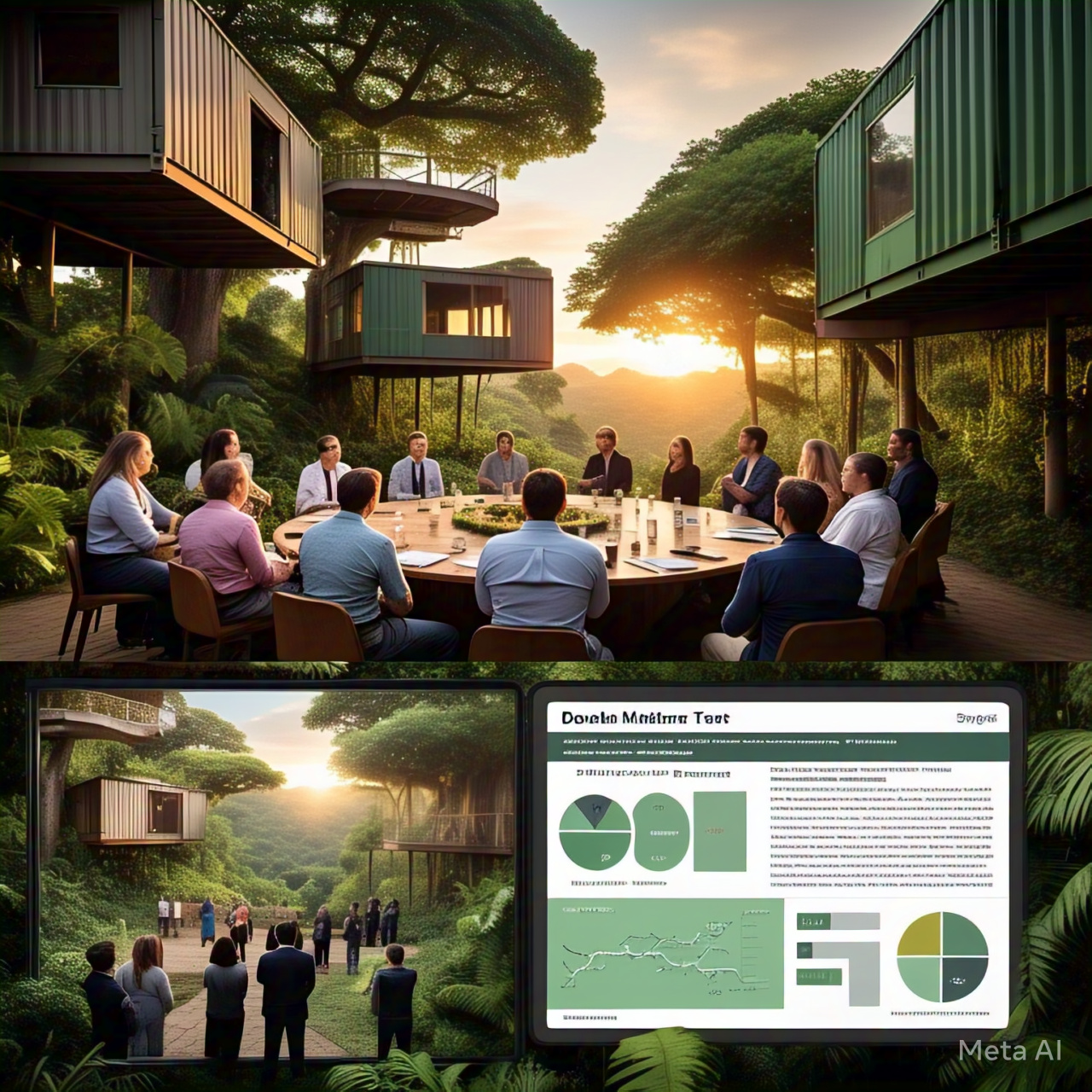
Various ISO standards enhance the relationship between environmental performance and sustainability. These standards guide businesses and organizations in assessing their environmental impact effects and improving their operations. Key areas include due diligence, labeling, performance evaluations, and footprints.
ISO 14015:2022 – Environmental Due Diligence
ISO 14015:2022 provides guidelines for conducting comprehensive environmental due diligence assessments. These evaluations help organizations identify potential environmental risks and liabilities. By following this standard, companies can systematically analyze their operations and supply chains to ensure compliance with environmental laws and regulations. Key factors include: assessing environmental impacts, identifying hazards, and evaluating sustainable practices. This process supports decision-making and enhances corporate accountability.
ISO 14020:2000 – Environmental Labels and Declarations
ISO 14020:2000 outlines the principles for environmental labels and declarations. These labels inform consumers about the environmental attributes of products. The standard promotes transparency by ensuring that claims are accurate, verifiable, and not misleading. Categories within this standard include eco-labels, environmental claims, and product declarations. Organizations benefit from fostering consumer trust and driving sustainable purchasing decisions.
ISO 14031 – Environmental Performance Evaluation
ISO 14031 provides guidelines for evaluating environmental performance. Companies use this standard to track and measure their environmental impacts. It involves key elements, such as setting performance metrics, monitoring changes, and reporting results. By implementing ISO 14031, organizations can improve resource efficiency, reduce waste, and support continuous environmental improvement. This aligns business activities with the United Nations SDG and other sustainability goals.
ISO 14045:2012 – Eco-efficiency Assessment for Product Systems
ISO 14045:2012 outlines the principles for eco-efficiency assessments, aiming to enhance product systems. It measures the balance between product value and its environmental impacts. Organizations can apply these guidelines to increase value while minimizing ecological footprints. Key components involve life cycle assessment, indicator selection, and performance measurement. This approach supports innovation and sustainable product development.
ISO 14046:2014 – Water Footprint
ISO 14046:2014 provides a framework for assessing water footprints. It focuses on understanding water usage, evaluating impacts, and identifying improvement opportunities. Organizations analyze their water consumption and its effect on ecosystems using this standard. By implementing water footprint assessments, businesses can improve water management practices, reduce consumption, and enhance sustainability efforts.
ISO/TR 14073:2017 – Water Footprint Examples
ISO/TR 14073:2017 offers practical examples to apply ISO 14046 concepts effectively. These examples guide organizations in real-world water footprint assessments. The focus includes illustrative calculations, methodology applications, and best practices. By providing detailed examples, this technical report aids companies in accurately assessing water usage and impacts, supporting improved decision-making and environmental stewardship.
ISO 14067 – Carbon Footprint of Products
ISO 14067 details requirements for quantifying the carbon footprint of products. Core elements involve assessing greenhouse gas emissions over a product’s life cycle. By following this standard, organizations can identify opportunities to reduce emissions and enhance energy efficiency. It promotes transparency and credibility in environmental impact reporting, supporting climate change mitigation goals and sustainable development.
Environmental Management – Additional Frameworks and Definitions

ISO standards provide detailed frameworks and definitions that support effective environmental management. These standards cover vocabulary, cost accounting for materials, and greenhouse gases management. They aim to help organizations improve sustainability and efficiency.
ISO 14050:2009 – Environmental Management Vocabulary
ISO 14050:2009 is crucial for understanding terms and definitions related to environmental management. This standard helps ensure clear communication by providing a common language for those involved in environmental practices.
It includes definitions for terms like “sustainability,” “biodiversity,” and “ecosystem services.” Consistent terminology helps improve collaboration and understanding among professionals. This standard plays a vital role in facilitating the consistent application of other ISO environmental management standards across industries.
ISO 14051 – Material Flow Cost Accounting
ISO 14051 focuses on material flow cost accounting (MFCA), a method that provides insights into the financial benefits of reducing waste and improving resource efficiency. MFCA tracks energy and material flows across processes to highlight areas with excessive resource use or waste.
The approach results in more informed decision-making. Companies can use MFCA to identify cost-saving opportunities by analyzing their processes. This can lead to enhanced performance while also supporting sustainability goals. Both financial and environmental benefits are achieved through this standard.
ISO 14064 – Greenhouse Gases
ISO 14064 offers guidelines for quantifying and reporting greenhouse gas emissions and removals. This standard assists organizations in measuring their carbon footprint and can be used to verify claims about emissions reduction.
This framework aids businesses in setting emission reduction targets by providing a structured method for tracking greenhouse gases. This helps organizations contribute to climate change mitigation. The standard also fosters consistency in reporting, promoting transparency and credibility in environmental efforts.
Integration of ISO Standards in Business
Businesses can make their operations more sustainable by using ISO standards. They can match their business plans with ISO standards like ISO 17772 Energy performance of buildings and ISO 20121 Event sustainability management systems. This helps them cut down on environmental harm and boost their image.
Aligning Business Strategy with ISO Standards
First, businesses need to check their current ways of working and find areas to get better. Then, they can plan to make changes, guided by ISO standards. For example, a company can use ISO 17772 to make its buildings use less energy, saving money and resources.
Case Studies of Successful Integration
Many companies have made ISO standards a part of their work. For example, a big event host can use ISO 20121 to make their events greener, cutting down on waste. By learning from these successes, other businesses can also become more eco-friendly.
- Improved reputation and trust
- Increased operational efficiency
- Reduced environmental impact
Using ISO standards can make businesses more sustainable, save money, and improve their standing. Strategies applied by aligning business plans with ISO standards and studying successful examples.
ISO/IEC/IEEE 16326:2009 – Life Cycle Processes
ISO/IEC/IEEE 16326:2009 provides guidance on managing projects from start to finish, focusing on life cycle processes. It outlines the necessary steps for effective project management in systems and software engineering, integrating various disciplines to ensure a seamless process flow.
The standard emphasizes establishing clear project objectives, allocating resources efficiently, and managing risks. It also highlights the importance of stakeholder involvement throughout the project timeline. By following these structured guidelines, organizations can improve their project outcomes and meet expected quality standards.
Challenges in Implementing ISO Standards
Starting ISO standards can be tough. Companies might struggle to make ISO 20400 Sustainable Procurement fit their big plans. They need to really get the standard and how to mix it with what they already do.
Another big hurdle is making sure the company is safe and strong, like ISO 22395 says. This means checking risks and setting up good plans to handle them. Companies also need the right people and tools to keep up with the standard.

- Not training employees well enough
- Not having enough money or resources
- Not talking well with everyone involved
To beat these problems, companies can try a few things:
- Give regular training to employees
- Make sure they have enough money and resources
- Work on clear communication and getting everyone on board
Knowing the tough spots in ISO standards helps companies plan better. They can then successfully use ISO 20400 Sustainable procurement and ISO 22395 Security and Resilience standards.
The Future of ISO for Sustainability
The world is changing fast, making sustainability and social responsibility key for companies. ISO 26000 guides on social responsibility, while ISO 27001 deals with information security. These standards help companies act responsibly and sustainably.
Emerging Trends in Sustainability Standards
There’s a growing trend towards environmental sustainability and social responsibility. Companies must now reduce their environmental footprint and help society. ISO 26000 offers a way for companies to act responsibly.
The Role of Technology in ISO Compliance
Technology is key in following ISO standards, especially for information security. ISO 27001 outlines how to manage security risks. Technology helps in several ways:
- Automating tasks to cut down on mistakes and boost efficiency
- Setting up security to protect important data
- Offering training to keep employees informed
By using technology and following ISO 26000 and ISO 27001, companies can be sustainable and responsible.
ISO and Global Regulation Compliance
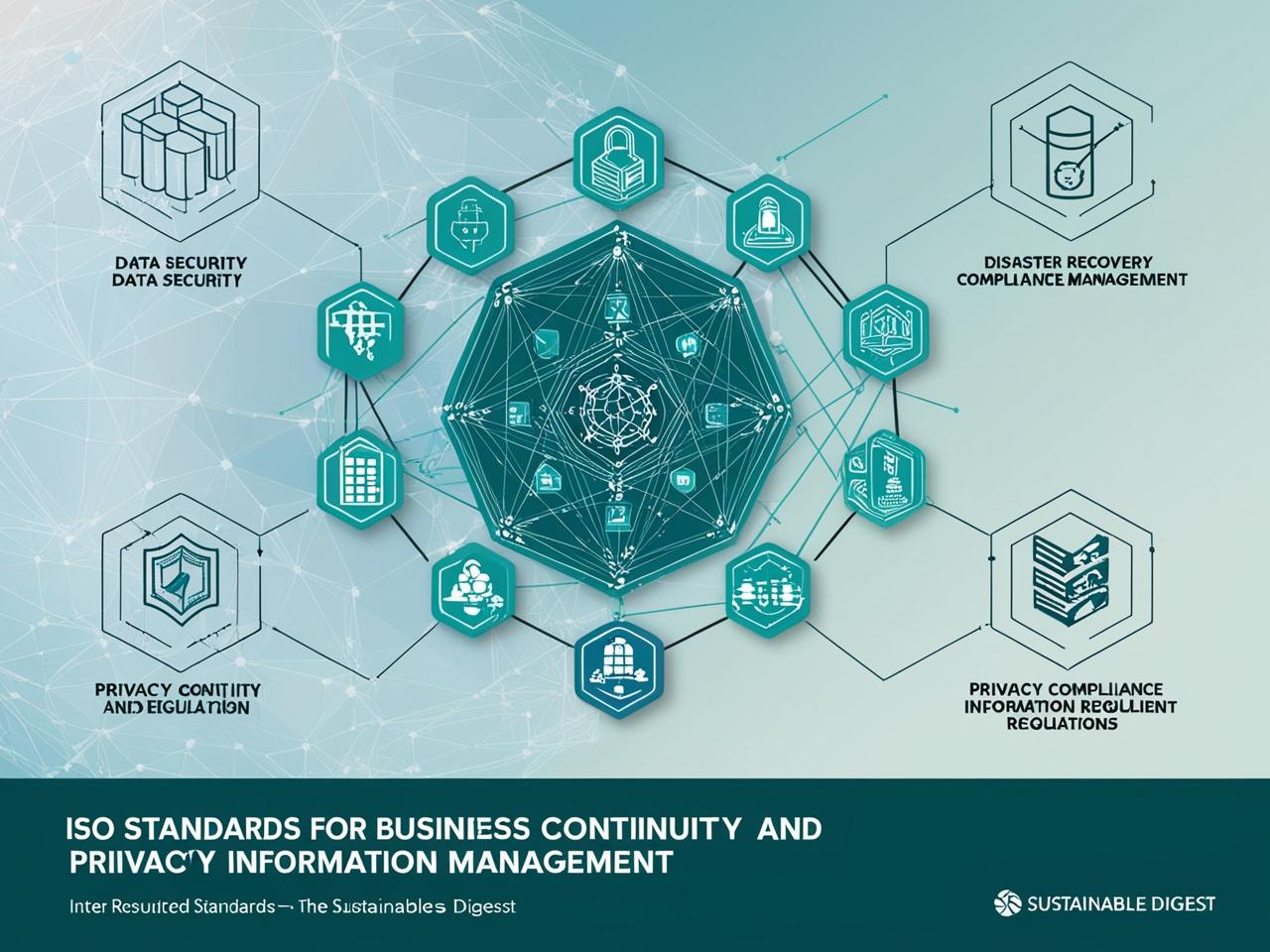
Businesses today face a world where following many rules is key to success. The International Organization for Standardization (ISO) helps a lot with this. ISO 2230 Business continuity management systems and ISO 27701 Privacy information management are two important standards. They show that companies care about following the rules.
Using these standards can help a lot. It makes businesses run better and look good. By following global standards, companies avoid big problems and fines.

Benefits of Harmonization
- Reduced risk of non-compliance
- Improved operational efficiency
- Enhanced reputation and trust
By using ISO 2230 Business continuity management systems and ISO 27701 Privacy information management, companies show they care about rules. This brings many good things, like working better and being more trusted.
Engaging Stakeholders in Sustainability
Getting stakeholders involved is key to reaching sustainability goals. Working with stakeholders helps organizations get insights and support for their green plans. The ISO 17800 standard, which deals with building design, is a great guide for this.
Importance of Stakeholder Collaboration
Stakeholder teamwork is vital for green goals. It lets companies know what their stakeholders need and worry about. This includes customers, workers, and the community. Together, they can find ways to be green and profitable.
For instance, using textile machines and recycling materials can cut down on waste. This supports organic recycling.
Tools for Stakeholder Engagement
There are many ways to get stakeholders involved in green efforts. Here are a few:
- Stakeholder surveys and feedback sessions
- Sustainability committees and groups
- Sustainability reports and updates

With these tools, companies can really get stakeholders on board with green efforts. This helps build a green culture in the company.
Resources for ISO Standards and Benchmarking
Finding your way through ISO standards and sustainability benchmarking can be tough. But, there are many resources to help. You can find guides, books, and websites for learning more. This section will show you where to find these tools and information.
Recommended Reading and Guides
The ISO’s official book, “ISO 14001:2015 Environmental management systems – Requirements with guidance for use,” is a great start. It’s full of useful info for those new to ISO standards. Also, the ISO’s guide on sustainability in buildings and civil engineering works is packed with insights. It covers hydrogen tech, event sustainability, tourism sustainability, and more.
Organizations and Websites for Further Learning
Groups like the International Organization for Standardization (ISO), the United Nations Sustainable Development Goals (UNSDGs), and the U.S. Green Building Council are full of knowledge. Their websites, ISO.org, UN Sustainable Development, and USGBC.org, have lots of excellent resources primarily because they offer case studies and best practices for any organization looking to be more sustainable.

Key Takeaways
- ISO standards play a crucial role in promoting sustainable development
- ISO 9001 standard focuses on quality management, a key aspect of sustainable development
- Solar energy is a key aspect of sustainable development
- Industry-specific guidelines address diverse operational needs.
- Adopting ISO standards can ensure environmentally responsible operations
- Integration of ISO standards with sustainable practices can reduce carbon footprint
- ISO standards provide a framework for quality management and sustainability
- ISO standards set vital frameworks for quality and efficiency