Discover Proto-Sustainability: Ancient Indigenous Buildings

Proto-Sustainability ancient housing indigenous buildings earthships cob houses

Long before we called it “green building,” Indigenous architecture in what’s now the United States was already doing it right. These ancient homes were built to withstand extreme weather, using local materials and careful observation. They outperformed many modern “eco” homes in terms of cost and efficiency.

This article looks at proto-sustainability as a way to understand ancient wisdom. We explore how buildings were designed to work with their environment, respecting the cultures that built them. Every detail, like a wall assembly, is part of a larger system of care for the land.

We compare traditional U.S. buildings with modern off-grid homes like earthships and cob houses. Both use natural materials and smart designs to stay cool and warm. But, they differ in how they use industrial materials and follow building codes.

Next, we’ll take you on a tour of U.S. climates and dive into materials like cob, adobe, and rammed earth. We’ll also focus on water, site selection, and how buildings fit into their landscapes. Finally, we’ll offer advice on how to draw inspiration without disrespecting other cultures.

What Proto-Sustainability Means in Architecture

The concept of proto-sustainability is best understood by looking back. These buildings were designed to work well with local ecosystems and to be easily repaired. The goal was to keep them running year after year, without taking too much from the future.

Defining proto-sustainability vs. modern green building

Today, we often focus on modern green building standards. These include LEED scores and net-zero goals. Yet, the debate between green building and traditional architecture remains important.

Proto-sustainable design is more like a practical guide. It uses materials that are easy to find and maintain locally. These materials are also better for the environment because they don’t end up in landfills.

LensProto-sustainable practiceModern green building frameworks
Primary proofLong performance in one place across generationsModeled performance plus third-party rating or certification
Supply chainLocal sourcing; short transport; seasonal availabilityOften global sourcing; specialized assemblies and imports
Maintenance modelPlanned upkeep as routine community workScheduled service; sometimes specialist-driven maintenance
Materials mindsetLife-cycle building materials chosen for repair and reuseMix of low- and high-embodied-energy products, depending on budget and goals
Risk profileKnown performance under local weather patternsCan be excellent, yet may rely on tight tolerances and precise installation
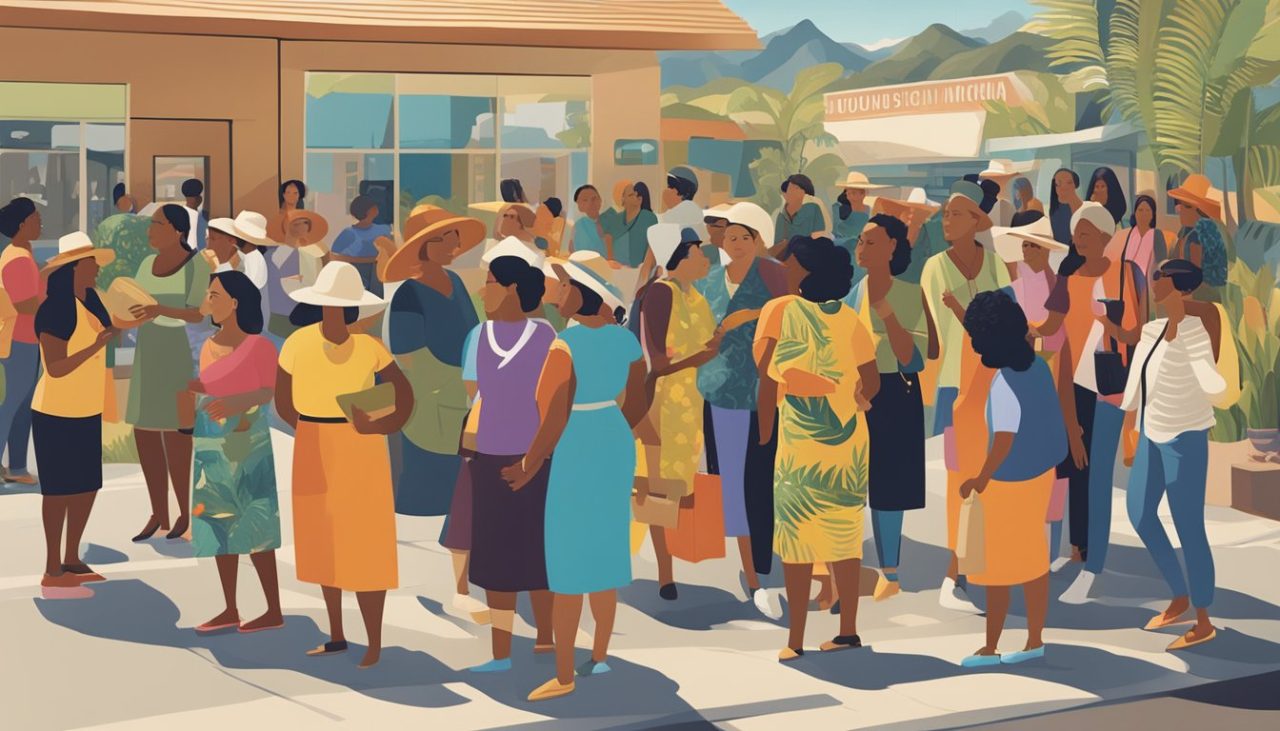
Woman, Indigenous, Ecuador image.

Why Indigenous knowledge systems matter today

Indigenous knowledge systems are not just stories. They are valuable data gathered through hard experience. This includes learning from weather and natural events.

Traditional ecological knowledge (TEK) offers insights that go beyond numbers. It connects the health of habitats, settlement patterns, and daily life. This approach tests design choices over seasons, not marketing cycles.

How climate, culture, and materials shaped design

In climate-adaptive architecture, design follows weather patterns. Buildings use thick walls, overhangs, and tight entries to manage temperature and wind. Raised floors help deal with moisture.

Culture also influences design. Buildings are designed to organize people, not just air. They reflect shared labor, privacy, and ceremonial life. In many places, “sustainable” meant “works here, repeatedly,” without harming local resources.

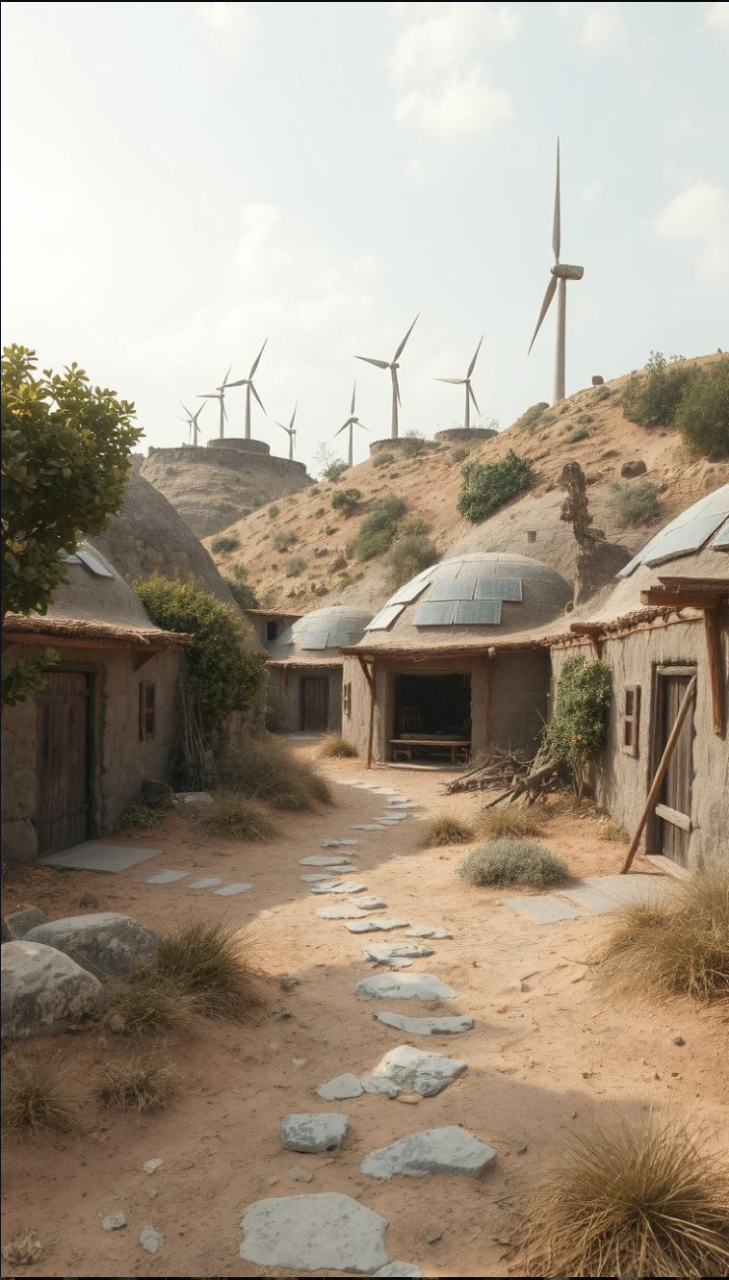
Proto-Sustainability ancient housing indigenous buildings earthships cob houses

A serene landscape showcasing ancient indigenous housing that embodies proto-sustainability. In the foreground, a group of intricately designed cob houses made of earth and natural materials, each featuring rounded edges and organic shapes. The middle ground reveals a cluster of earthships, solar panels integrated into their architecture, surrounded by flourishing gardens of native plants. The background features rolling hills dotted with greenery and a vibrant sky at golden hour, casting warm light that enhances the earth tones of the structures. The atmosphere is peaceful and harmonious, suggesting a deep connection with nature. Capture this scene with a wide-angle lens to encompass the depth and beauty of the surroundings. This image is created for "The Sustainable Digest".

The term Proto-Sustainability sounds new, but its roots are ancient. Builders long ago designed homes to work with nature. They aimed for comfort using less energy.

Today, we’re rediscovering these old ideas. They focus on how buildings work and use resources wisely. Indigenous architecture is more than just a prototype; it’s a living part of our culture.

Connecting ancient building logic to earthships and cob houses

Indigenous buildings managed heat with thick walls and smart openings. Earthships use earth-berming and heavy walls to keep temperatures stable. It’s like engineering a house to work like a system.

Cob houses are built with clay, sand, and straw. Their walls are dense and can be fixed in place. This method is not regress; it’s a smart use of materials.

Shared principles: thermal mass, passive solar, and local sourcing

Across time, the same ideas keep coming back. Passive solar homes use sun to warm them in winter and cool them in summer. Thermal mass walls store heat and release it slowly.

Building with local materials is key. It reduces transport needs and makes repairs easier. The right material choice is crucial for success.

Design focusCommon thread in older practicesHow earthship design applies itHow cob house principles apply itTypical constraint in the U.S.
Heat storage and releaseThick envelopes buffer daily temperature swingsUses bermed shells and interior mass to stabilize indoor tempsRelies on dense earthen walls to moderate peaks and dipsThermal mass walls can underperform without added insulation in cold zones
Solar orientationOpenings and room layout follow seasonal sun pathsTargets sun-facing glazing for winter gain and controlled shadingPairs window placement with wall mass to reduce overheatingLot shape, setbacks, and neighboring shade can limit exposure
Material sourcingUse what is nearby and workable; replace parts over timeOften mixes local earth with salvaged industrial inputs like tires or bottlesUses site or regional soil blends; repairs can reuse the same mixSoil testing, moisture detailing, and lender expectations add friction
Moisture managementForm, roof lines, and site drainage protect wallsDepends on membranes, drainage layers, and precise detailingDepends on plasters, capillary breaks, and roof overhangsBuilding codes may require specific assemblies and inspections

Where modern interpretations diverge from traditional practice

Today’s buildings often focus on individual needs, not community. This is different from Indigenous structures, which were deeply connected to their people and land.

Modern builds might use industrial materials, while traditional ones relied on local resources. This can lead to higher environmental impacts, especially if materials are imported.

In cold climates, mass alone may not be enough to keep buildings warm. This doesn’t mean the ideas are wrong; it just shows they need to be adapted for today’s conditions.

Indigenous Building Principles That Reduce Environmental Impact

Before we worried about carbon, Indigenous builders built smartly. They used what was easy to carry and avoided hard-to-get resources. This simple rule helped many communities in the U.S. build sustainably.

Building with local, renewable, and salvaged materials

They chose materials based on what was nearby. They used earth, wood, reeds, grasses, stone, and hides. This choice saved time, tools, and energy.

Salvage building was also key. They reused materials after storms or repairs. This way, they didn’t waste anything. Today, we call this circular construction.

Designing for durability, repairability, and reuse

They built to last, not just to look good. They made walls thick, roofs overhang, and floors raised. This made their homes last longer with less work.

They also made houses easy to fix. They could replace parts without tearing everything down. This was better than modern buildings that hide problems until they’re expensive to fix.

PrincipleTraditional performance logicEnvironmental effectMaintenance pattern
Use what the site offersEarth, stone, timber, reeds, and grasses selected for climate fit and availability (local materials)Less transport demand; fewer processing steps for low-impact buildingPeriodic harvesting and careful replenishment of renewable materials
Protect the structureThick walls, raised floors, and roof overhangs reduce sun, rain, and splash-back damageLonger lifespan means fewer replacement cycles and less wasteRoutine inspections; small fixes prevent large rebuilds
Make parts replaceableFinish layers and sacrificial elements can be renewed without disturbing the core (repairable housing)Lower material throughput over time; fewer landfill-bound removalsRe-plastering, patching, re-thatching done with basic tools
Keep materials in circulationRecovered poles, stones, and boards reused when possible (salvage building)Supports circular construction by extending component lifeSorting, storing, and reusing parts as needs change

Low-waste construction methods and closed-loop thinking

They built on-site to reduce waste. This meant less packaging and offcuts. They also made sure materials could go back to nature easily.

This way of building is still smart today. It’s about planning well and avoiding waste. It makes buildings last longer and need less fixing.

Earth-Based Materials: Cob, Adobe, Rammed Earth, and Clay

A serene scene featuring rammed earth walls, showcasing their textured surface and natural hues of browns and ochres. In the foreground, detailed close-ups of the wall’s layered construction reveal the organic materials used, including clay and straw. The middle ground features a rustic building displaying these walls integrated into a culturally relevant structure, surrounded by native plants and sustainable landscaping. In the background, a clear blue sky accentuates the warmth of the sunlight, casting gentle shadows that highlight the architectural details. The atmosphere is tranquil and earthy, reflecting a harmonization with nature. Use soft, natural lighting and a wide-angle lens to create an inviting perspective. The Sustainable Digest.

Earth can be a great material for building, but it needs careful handling. The success of earthen buildings depends on the soil, wall shape, and climate. It’s important to get the details right, especially with flashing.

Start with a solid base and a strong roof. This includes raised foundations, capillary breaks, and big roof overhangs. Then, focus on how the walls handle heat and moisture.

Cob house composition and performance basics

A cob house is made from clay-rich soil, sand, straw, and water. The mixture is pressed into walls by hand. These walls can hold weight if they’re thick enough.

The thickness of cob walls is not just for looks. It also helps with keeping warm and managing moisture. You can shape the walls easily, but remember to add lintels over openings.

Adobe bricks vs. cob walls in different climates

Adobe uses sun-dried bricks, making it easier to plan and fix. You can replace a single brick without redoing the whole wall.

Cob walls are built on-site, fitting well with unique designs. In hot areas, both types keep the inside cool. But in wet places, they need extra care to handle moisture.

Rammed earth: density, strength, and thermal stability

Rammed earth walls are made by pressing damp soil into forms. They are strong and keep heat well. You can even make them look modern.

Old mixes just used soil and compaction. Now, some add cement for strength. But this can increase carbon emissions.

Breathability, moisture control, and natural plasters

Earthen walls can handle indoor humidity. But they need protection from too much water. Also, they should be able to breathe.

Clay plaster is a good finish because it’s easy to fix. Lime can make it last longer in wet spots. Both work best when the wall can dry and the roof keeps rain away.

Material approachHow it is madeStrength and structure notesMoisture and finish strategyBest-fit climate signal in the U.S.
cob house wallsClay-rich soil, sand, fiber, and water placed as a continuous massThick walls carry load; curves add stability; openings need lintels and thoughtful reinforcementRelies on drying potential; clay plaster or lime finish protects while staying compatible with vapor permeabilityPerforms well where rain is manageable with overhangs; needs extra care in humid or flood-prone areas
adobe constructionSun-dried bricks laid with earthen mortar in modular coursesPredictable units support standard details; seismic strategies often include reinforcement and bond beamsRequires raised bases and durable exterior coats; finish choices should respect hygrothermal designStrong match for hot-arid zones with high diurnal swing; detailing becomes decisive in mixed-wet climates
rammed earth wallsSoil compacted in forms in thin lifts; sometimes stabilized with cementHigh density and compressive strength; stabilized mixes increase consistency but change the carbon storySurface can be left exposed if protected from splash and runoff; compatible sealers must not trap moistureWorks across many regions when protected from driving rain; excels where thermal mass is a priority

Passive Heating, Cooling, and Ventilation Before Modern HVAC

Long before thermostats, Indigenous builders in North America used simple rules for comfort. They let the site do the work. This meant buildings faced the sun and winds, and were built to fit the climate.

Walls and floors used thermal mass to keep temperatures steady. Earth-berming and partial burial helped by using the ground’s stable temperatures. Shading strategies, like overhangs, cut glare and heat gain.

Ventilation was designed with purpose. Openings were placed to let in cool air and let out warm air. This natural flow was key to comfort.

In hot, dry areas, cooling was clever. Thermal mass absorbed heat during the day. At night, it released heat by opening pathways for cool air.

Cold comfort came from smart design. Buildings were placed to catch winter sun and were built to keep drafts out. This made heating more efficient.

Passive toolkitHow it works in practicePrimary comfort payoff
Orientation to sun and prevailing windsPlaces entrances, courtyards, and main rooms where winter sun helps and harsh winds are deflectedBetter solar gain with less infiltration
Operable openings for natural ventilationUses cross-breezes and adjustable vents to match daily and seasonal conditionsLower indoor heat and improved air freshness
High/low vent pairing using stack effectLets rising warm air escape high while pulling cooler air in low, especially during cookingMore reliable airflow without fans
Thermal mass and night flushingStores heat in dense materials by day; releases and resets with cool night airCooler evenings and steadier temperatures
Shading strategies and sheltered outdoor spaceBlocks high summer sun with overhangs, porches, and recessed wallsReduced overheating and glare

Modern passive-house thinking is similar. It starts by reducing loads before adding equipment. The difference is in approach. Indigenous methods treated buildings as living systems, adjusted daily.

Regional Case Studies Across the United States

Indigenous architecture in the United States, showcasing traditional structures such as adobe homes, longhouses, and earth lodges nestled in a natural landscape. In the foreground, detailed textures of weathered wood and earth materials reflect ancient building techniques. The middle ground features a cluster of these architectural forms, surrounded by native flora like sage and wildflowers, all under a blue sky with scattered clouds. In the background, rolling hills create a sense of depth and history. The lighting is warm and golden, suggesting late afternoon. The atmosphere is peaceful and natural, symbolizing sustainability and harmony with the environment. The image is devoid of human figures, allowing focus solely on the architecture. The Sustainable Digest.

Across the map, Indigenous architecture United States shows how climate shapes buildings. The shape, material, and labor all depend on the local climate.

What works in one place might not work in another. Copying a design without adapting it is like wearing a parka in Phoenix. It’s not practical.

Southwest adobe and pueblo-style communities

In Southwest adobe pueblos, thick walls slow down temperature changes. This helps keep the inside temperature steady.

Small openings help control heat gain and loss. Shared walls also protect against wind and sun.

Building up instead of out is smart. Stacked rooms create shaded areas and stable temperatures all day.

Plains and Plateau earth lodges and seasonal strategies

On the Plains and Plateau, earth lodges were built with timber frames and soil layers. This helped keep out wind and hold warmth.

These lodges were built to move with the seasons. People followed the food and fuel cycles, not a calendar.

Entrances were low and layouts were compact. This helped manage drafts in open areas where wind was always strong.

Pacific Northwest plank houses and rain-ready design

In the Pacific Northwest, plank houses were built with lots of timber and big interiors. They were made for long, wet seasons.

Steep roofs and raised floors kept water out. Rain-screen traditions were used in the design to manage water.

Wood was chosen for its durability. It could shed moisture and dry out, unlike other materials.

Arctic and Subarctic snow and sod structures for insulation

Farther north, buildings were designed for survival. They had less surface area and fewer leaks to lose heat.

Snow shelters and earth-sheltered forms kept heat in. Insulation with sod was used when timber was scarce.

RegionPrimary formKey materialsClimate pressure addressedBuilt-in performance tactic
SouthwestSouthwest adobe pueblosAdobe, clay plaster, local stoneHot days, cool nights, intense sunThermal mass walls; small openings; shared, clustered massing
Plains & PlateauEarthen lodgesTimber frame, earth cover, grassesHigh winds and winter coldEarth-sheltering; low profile; insulated roof layers
Pacific NorthwestPlank housesCedar planks, heavy beams, bark fibersPersistent rain and humiditySteep roofs; raised edges; rain-screen traditions for drainage and drying
Arctic & SubarcticSnow and sod structuresSnow, sod, earth, limited woodExtreme cold and heat loss riskCompact volume; reduced openings; insulation with sod to seal and buffer
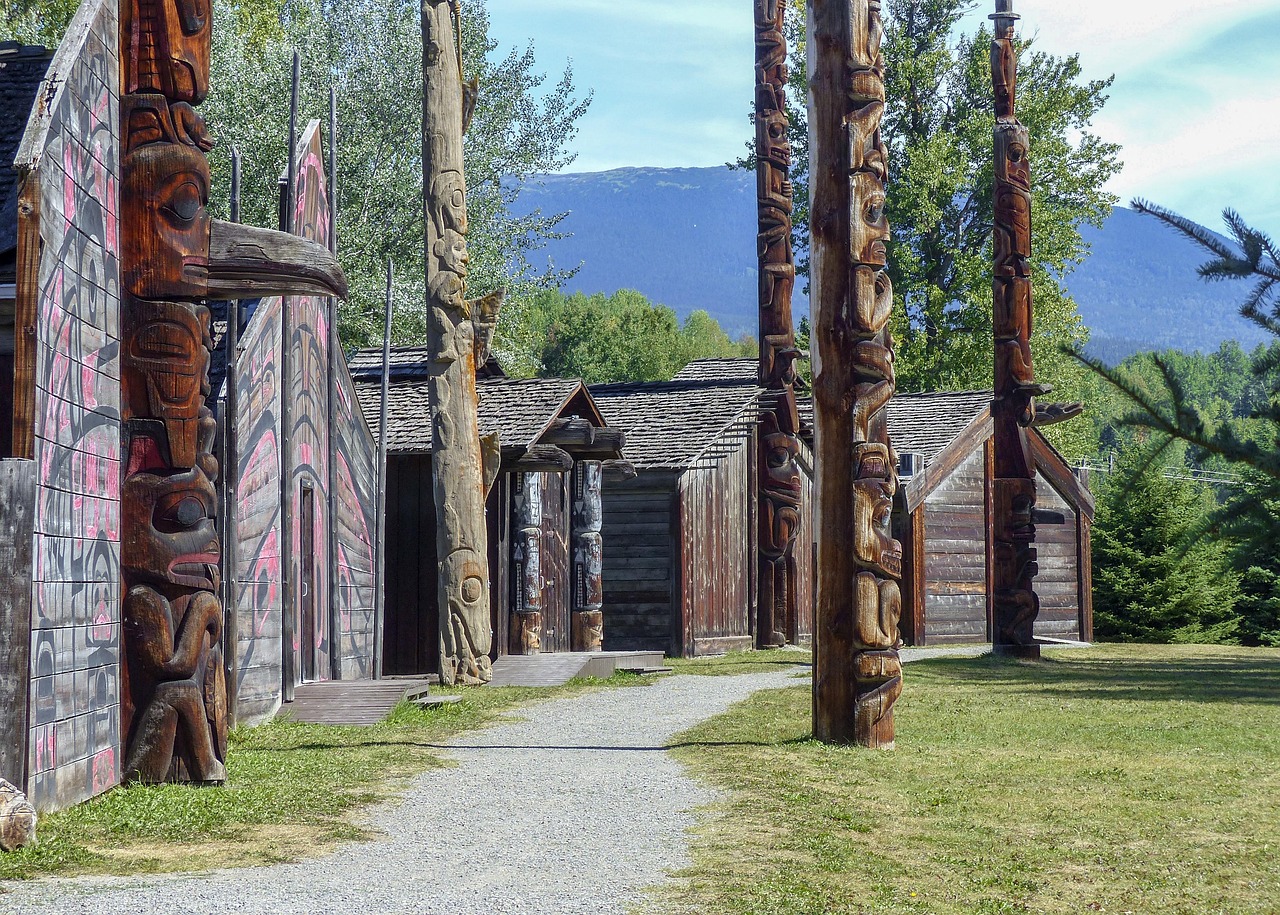
Man, Musical instrument, Indigenous image.

Site Selection and Landscape Integration

In many Indigenous traditions, picking a site was not about a pretty view. It was about avoiding harsh weather. Builders looked at slope, soil, and shade like we read reports today. Landscape integration was a practical choice, not just for looks.

Designing for microclimates started with the sun. Winter sun is free and always there. South-facing slopes extended daylight warmth. Trees and shadows kept summer heat away.

Wind sheltering was simple yet effective. A hill, trees, or rocks could block wind without needing upkeep. Homes were placed where breezes could cool in summer but not freeze in winter.

Access to water was key, but it came with a risk of floods. Settlements were near water but also on higher ground. This kept homes safe from heavy rains.

The land was like a type of infrastructure. Berms, plants, and natural shapes guided water and kept temperatures steady. This approach disturbed the land as little as possible while meeting needs.

Landscape Integration processes

  • Terrain cues helped find where cold air settled and where sun hit first.
  • Resource proximity cut down on waste and unnecessary roads.
  • Patterned placement spread out risks and made access better over time.

Today, we use tools like solar studies and wind roses to understand what the land says. This approach is not just about looking back. It’s about respecting the land’s wisdom before we build on it.

Site factorObserved Indigenous approachModern analysis equivalentPerformance benefit
Sun pathPreference for south-facing exposure and controlled shadeSolar orientation study with seasonal shading reviewMore winter warmth; less summer overheating
Wind and stormsUse of landforms and vegetation for wind shelteringWind rose + setback modeling + storm trackingLower heat loss; calmer outdoor work areas
Water and drainageNear water sources, but with flood-aware placementWatershed mapping + floodplain and runoff modelingReliable access; reduced flood and erosion risk
Soil and ground stabilityBuilding on firm ground with predictable drainageGeotechnical review + infiltration and slope checksFewer cracks and settlement issues; better moisture control
Habitat impactMinimize disturbance to support ecological fit over timeSite disturbance limits + habitat assessmentHealthier soils; stronger long-term resilience
Movement and accessPlacement aligned with travel routes and shared resourcesCirculation planning + service access evaluationLess energy spent moving goods; smoother daily routines

Community-Centered Design, Cultural Continuity, and Stewardship

A vibrant, community-centered design scene showcasing ancient Indigenous buildings nestled in a lush, green landscape. In the foreground, a diverse group of people in modest yet professional attire engage collaboratively, designing and sharing cultural motifs, emphasizing stewardship and connection. The middle ground features intricately crafted Indigenous structures made of natural materials, harmonizing with the surrounding environment. The background reveals rolling hills under a golden sunset, casting warm, inviting light that creates a sense of warmth and belonging. The image captures the essence of cultural continuity, with traditional symbols skillfully integrated into the design. Use a wide-angle lens to enhance the sense of space and community. The atmosphere is peaceful, inspiring, and filled with hope for a sustainable future. The Sustainable Digest.

In many Indigenous building traditions, sustainability was more than just a list of materials. It was a way of life. Buildings were tied to family, place, and work, carrying culture through generations. Decisions were made with care, resources were gathered wisely, and everyone was responsible when weather tested the walls.

Building as a communal process and knowledge transfer

Building together was like building social bonds. People worked, learned, and passed on skills as they went. Tasks were shared, so everyone knew how to fix things when needed.

This way of building taught patience and respect for nature. Materials were chosen based on the season, fitting the climate and terrain. This approach became part of their culture, not just a building phase.

Respecting sacred landscapes and cultural protocols

Where a home sits can hold deep meaning. Indigenous protocols guide what and where to build, to avoid disturbing sacred places. Modern designers must respect these rules, getting consent and understanding sovereignty.

This respect is key to stewardship ethics. It’s about who decides, who benefits, and who takes the risk. It’s not just about following rules, but about understanding the land and its people.

Longevity through maintenance traditions and shared responsibility

Long-lasting homes need regular care, not just repairs. Traditional practices keep homes healthy and strong. Modern promises of “maintenance-free” often mean higher costs and harder fixes.

Practice focusCommunity approachWhat it supports over time
Routine inspections after stormsShared checklists and quick fixes during seasonal gatheringsEarly detection of moisture, settling, and wind damage
Surface renewal (plaster, limewash, clay)Local mixes adjusted to humidity, sun, and wall behaviorMoisture control, breathability, and easier repair cycles
Sacrificial componentsReplaceable layers designed to wear out firstProtection of structural members and reduced material waste
Responsibility and governanceClear norms for who maintains what and whenContinuity of care; fewer deferred repairs and failures

Durability is a shared effort, not just a product claim. Community design and communal building make this effort clear. Traditional maintenance and stewardship ethics keep it going strong. Together, they build a lasting legacy that goes beyond trends.

Water Wisdom: Harvesting, Drainage, and Resilience

In many Indigenous settlements, water planning was a top priority. This was because having water to drink was essential. The way water was managed showed a deep understanding of how to handle water effectively.

Rainwater collection concepts in traditional settlements

Rainwater harvesting was key in these communities. Roofs, courtyards, and footpaths directed water to storage areas. This approach reduced the need for a single water source.

Conservation was a big part of this system. It helped manage water use without wasting it. This careful approach shaped daily life, from water carrying to rationing.

Managing runoff, erosion, and flood risk with landform cues

Managing runoff was like reading the weather. Communities avoided floodplains and used terraces to control water flow. This kept homes safe from water damage.

Today, this approach is still important. It helps buildings withstand heavy rain and dry spells. Proper roof edges and grading are crucial for keeping foundations safe.

Material choices that support moisture resilience

Earthen buildings lasted long with the right care. Moisture management was key. Raised foundations and overhangs protected walls from water damage.

Modern practices follow similar principles. Good drainage and durable finishes are essential. This approach helps buildings last longer and withstand harsh weather.

Water challengeTraditional responseComparable modern practice in the United StatesWhat it protects
Short, intense rainfallDirected roof runoff to safe paths; kept wall bases dry through overhangsGraded swales, downspout routing, and distributed infiltrationFoundations and earthen wall protection
Seasonal scarcity and droughtRainwater harvesting with storage; careful household conservationCisterns, demand management, and drought planningReliable daily supply
Slope-driven washoutsTerraces, berms, and planted edges for erosion controlCheck dams, vegetated buffers, and slope stabilizationTopsoil and access routes
Water at wall baseSacrificial plasters; raised plinths; breathable finishes for moisture detailingCapillary breaks, lime-based renders, and repairable claddingsWall strength and indoor comfort
Overflow during stormsClear drainage corridors; avoided natural low points for flood-resilient designFloodplain avoidance, freeboard, and overflow routingLiving space and critical utilities
A serene landscape showcasing a comparison between traditional Indigenous buildings and modern Earthships. In the foreground, depict a circular Indigenous dwelling made from natural materials like wood and clay, featuring a thatched roof and intricate carvings. In the middle, illustrate a sleek Earthship made from recycled materials, with curved walls and solar panels, surrounded by a lush garden of native plants. The background features a clear blue sky and distant mountains, creating a harmonious atmosphere. Use warm, natural lighting to evoke a sense of tranquility, capturing the essence of sustainability. The perspective should be slightly elevated, highlighting both architectural styles in a balanced view. This image is intended for The Sustainable Digest, reflecting the theme of environmental harmony.

Comparing Traditional Indigenous Buildings and Modern Earthships

When we look at traditional Indigenous buildings and earthships, we see a big difference in purpose. Indigenous homes were built for community and shared work. Earthships, on the other hand, focus on individual freedom and avoiding utility bills.

Materials also play a key role in this comparison. Traditional buildings used natural materials like soil and wood. Earthships, while using natural materials, also include items like tires and bottles, making them more complex.

Systems thinking is another area where earthships and traditional buildings differ. Earthships can be very efficient in the right climate, especially with a well-designed greenhouse. But, they can also struggle with moisture and overheating, unlike traditional buildings that were often tested over time.

Traditional vs. Modern sustainable dwelling

Comparison lensTraditional Indigenous buildingsModern earthships
Primary purposeCommunity continuity, shared skills, seasonal rhythms, and long-term stewardshipOff-grid experimentation, household autonomy, and integrated systems under one roof
Typical material profileBiogenic and earthen materials; minimal processing and straightforward repairHybrid salvage plus industrial inputs (tires, bottles, concrete, liners); detailing is more technical
Operational strategySeasonal operation and climate-tuned form; comfort managed with habits and architectureIndoor climate managed through mass, glazing, and water/air systems; earthship performance varies by region
Embodied impactLower embodied carbon in many cases; simpler end-of-life pathways and reusePotential landfill reduction; embodied carbon can rise with cement and specialized components
Regulatory and health frictionOften compatible with natural-material codes when properly engineeredPermitting can be harder; tire walls and airtight zones can raise air-quality and inspection concerns
Design meaningStrong cultural context in architecture; forms reflect place, identity, and protocolAesthetic is often mistaken for tradition; borrowing principles differs from borrowing identity

It’s important to understand the cultural context of architecture. Climate design can be universal, but cultural symbols should not be used lightly. This is because cultural context in architecture is not just about looks.

For those planning and building, the choice between traditional and earthship homes is not easy. Simple designs are often easier to maintain, but earthships offer a unique challenge. Even a well-designed greenhouse can be a blessing or a curse, depending on how it’s built and the climate.

Ancient Indigenous buildings seamlessly integrated into a lush, sustainable landscape, showcasing climate-appropriate design principles. In the foreground, a diverse group of professionals, dressed in modest casual attire, examine eco-friendly materials like rammed earth, bamboo, and recycled wood. In the middle ground, a cluster of intricately designed structures with organic shapes and green roofs, featuring large windows that maximize natural light and ventilation. The background reveals a vibrant forest, harmonizing with the architecture. Soft, golden hour lighting bathes the scene, enhancing the warm, inviting atmosphere. The composition is captured from a low angle, emphasizing the grandeur of the buildings while inviting a sense of connection to nature. A serene, inspirational mood embodies the essence of sustainable homebuilding for modern times. The Sustainable Digest logo is subtly represented in the design elements.

Design Takeaways for Sustainable Homebuilding Today

Building homes sustainably is simpler when we first ask: what does this site demand? Designing for the climate starts with understanding the sun, wind, rain, and soil. Using materials that fit the site is key, even if they seem natural.

When deciding between thermal mass and insulation, form is as important as material. A deep porch can be as effective as any technology in hot weather. It’s all about how well the design fits the climate.

The choice between thermal mass and insulation is a puzzle. Heavy walls can keep temperatures steady, but only if they’re right for the site. Insulation cuts energy use, but can trap moisture if not designed to dry.

Ventilation

A good ventilation strategy is crucial for air quality and moisture control. Even the smallest duct or vent can do the most important work.

Design teams should work together, not against each other. Using operable windows and heat pumps can reduce energy needs. The best design is like a weather forecast, guiding how the house interacts with the environment.

Ethical building strategies

Ethical design means more than just inspiration. It’s about respect and responsibility. Using Indigenous wisdom is valuable, but it must be done with care and consent.

In the U.S., building codes and insurers set the rules. A smart approach includes small tests and clear documentation. Understanding soil and moisture behavior is essential, no matter how beautiful the designs.

Decision pointCommon optionWhat to check earlyWhy it matters in the U.S.
Form and orientationCompact massing with tuned glazingOverhang depth, summer shading, winter solar accessSupports climate-appropriate design across hot-arid, cold, and mixed-humid zones
Wall assemblyHigh mass wall, insulated frame, or hybridThermal mass vs insulation balance; drying potential; dew-point riskReduces comfort swings and moisture damage without overbuilding
Fresh air and moistureNatural + mechanical ventilationVentilation strategy, filtration needs, exhaust locations, makeup airImproves indoor air quality and helps control humidity during wildfire smoke and humid summers
Permitting pathwayPrototype wall, lab tests, early plan reviewBuilding codes earthen homes, engineering sign-off, insurer requirementsPrevents redesign late in the process, when budgets become “historical artifacts”
Reference and storytellingLearning from Indigenous precedentsAttribution, consent, avoiding sacred motifs, fair compensationKeeps ethical design inspiration grounded in respect and real accountability
  • Prototype first: build a small wall or shed to observe drying, cracking, and detailing before scaling up.
  • Test what is local: confirm soil performance and stabilizer needs rather than trusting assumptions about “natural.”
  • Meet reviewers early: a short conversation can surface code paths, required reports, and inspection expectations.

Conclusion

This summary shows a key truth: many Indigenous buildings in the United States were made for the climate, not just for looks. They used the sun, wind, and shade wisely. Their walls were made from local materials and controlled moisture well.

Waste was low because they focused on fixing, reusing, and seasonal care. This approach made their buildings last long.

The lessons from Indigenous architecture teach us about care, not just warranties. Earth-friendly homes work best when they see maintenance as part of life. These sustainable design principles are seen in small details that prove their worth in storms.

Earthships and cob houses can be good choices if they fit the site and handle local weather. But, Indigenous architecture is more than just a style. It’s about the land, community, and freedom.

When we borrow Indigenous designs without understanding their context, we harm. This turns design into a form of taking without giving back.

The main lesson for building homes in the United States is to learn from the site. Respect its limits and design for repair from the start. Sustainability is about building a relationship with the land, not just adding features.

Build homes that last as long as the landscape, because they will. This approach is not just practical but also respectful of the environment.

Key Takeaways

  • proto-sustainability helps explain why many Indigenous architecture systems perform so well in local climates.
  • ancient housing often relied on thermal mass, passive solar gains, and smart airflow instead of mechanical systems.
  • sustainable building history looks different when vernacular design is treated as engineering, not folklore.
  • climate-responsive homes share principles across regions, but details change with weather, soils, and available fibers.
  • United States traditional buildings can inform modern practice without copying cultural meaning or sacred forms.
  • earthships and cob houses echo older strategies, yet diverge through industrial materials and code-driven constraints.


UNSDG#5, Women’s History & Cooperatives: Achieving Gender Equality

Gender equality remains a cornerstone for building a sustainable future. Across the globe, cooperative movements are driving empowerment and fostering inclusive economic growth. Achievable, sustainable goals are accessible while ushering in and advocating for ecological imperatives. For both donors and community members, gender equality brings communities closure together. With over 3 million cooperatives worldwide, these organizations employ 10% of the global workforce, spanning agriculture, finance, and healthcare sectors.

The UNSDG#5 via Women's history month & 2025 international year of cooperatives

The UNSDG#5 via Women’s history month and 2025 international year of cooperatives

In June 2024, the UN General Assembly declared 2025 as the International Year of Cooperatives previous articles expressed the social impact possibilities. This recognition highlights their role in advancing 60 – 80% of sustainable development goals. Cooperatives provide an additional platform for women to lead, innovate, and thrive. This helps in making them essential for achieving both equality and equity while fostering collective action.

As the world moves closer to 2030, gender equality is not just a goal but a necessity. It underpins all 17 sustainable development goals, ensuring a brighter, more equitable future for each everyone.

The UNSDG#5 via Women’s History Month & 2025 International Year of Cooperatives

The year 2025 is a landmark year for gender equality. It marks the 30th anniversary of the Beijing Declaration and the 50th International Women’s Day. These milestones highlight decades of progress and the ongoing fight for women’s rights.

Cooperatives are playing a pivotal role in this journey. The COPAC partnership is driving initiatives to position them as accelerators for sustainable development. Their multi-agency strategy focuses on empowering women through leadership roles and economic opportunities.

In developing nations, women hold 63% of cooperative leadership roles. This statistic showcases the transformative power of collective action. It also underscores the importance of cooperatives in achieving gender parity.

Major events in 2025, such as CSW69 and the ECOSOC Development Cooperation Forum, will further amplify these efforts. These platforms will foster dialogue, share success stories, and inspire new initiatives.

MilestoneSignificance
30th Anniversary of Beijing DeclarationReflects on progress since the 1995 Platform for Action
50th International Women’s DayCelebrates global achievements in gender equality
COPAC InitiativesDrives cooperative development as SDG accelerators

These efforts are not just about celebrating milestones. They are about creating a future where every woman has the opportunity to lead, innovate, and thrive.

Why Gender Equality Matters for Sustainable Development

Empowering women and girls unlocks untapped potential for sustainable growth. When equality is prioritized, communities thrive, economies expand, and innovation flourishes. Gender parity is not just a moral imperative but an economic necessity.

The Stark Reality of Gender Inequality Today

Despite progress, disparities remain stark. Women spend 2.5 times more hours on unpaid care work than men. Globally, only 26.9% of parliamentary seats are held by women. At current rates, achieving management parity could take 176 years.

In corporate leadership, the gap is glaring. Fewer women lead Fortune 500 companies than men named John. These challenges highlight the urgent need for systemic change.

How UNSDG#5 Fits into the Global Agenda

This goal targets ending harmful practices like female genital mutilation and ensuring digital inclusion. It also aims to boost economic participation. McKinsey estimates that closing the gender gap could add $28 trillion to global GDP by 2025.

Climate change disproportionately affects women farmers, making intersectional approaches vital. UN Women’s theme, “Rights. Equality. Empowerment,” underscores the importance of collective action.

“Equality is not just a goal; it’s the foundation for a sustainable future.”

By addressing these challenges, we can create a world where every woman and girl has the opportunity to thrive.

Cooperatives: A Catalyst for Women’s Empowerment

Cooperatives are transforming lives by empowering women across the globe. These organizations foster growth and create opportunities for women to lead and innovate. By addressing systemic barriers, they play a vital role in achieving development goals and building resilient communities.

The Global Reach of Cooperatives

From Kenya to Costa Rica, cooperatives are making a difference. In Kenya, women-led cooperatives manage 65% of agricultural activities. In the EU, 22% of renewable energy projects are cooperative-driven. These examples highlight their global impact.

Bangladesh showcases another success story. Over 1.5 million women work in cooperative healthcare services, improving access to medical care. Such initiatives demonstrate how cooperatives empower women while addressing critical needs.

Sectors Where Cooperatives Drive Change

Cooperatives operate in nine key sectors, including energy, housing, and education. They provide women with leadership roles and economic opportunities. For instance, women-led cooperatives have restored over 800,000 hectares of farmland, boosting climate resilience.

In Costa Rica, cooperative-friendly policies have created a model for others to follow. These efforts ensure that women are at the forefront of sustainable development. By fostering collaboration, cooperatives are shaping a more equitable future.

“When women lead, communities thrive. Cooperatives are the bridge to this transformation.”

Women’s History Month: Celebrating Progress, Demanding More

Celebrating progress while demanding more, women history month highlights strides toward equality. This annual observance honors the achievements of leaders and underscores the need for systemic change.

women history month

Women’s history month

Since 2015, there has been a 200% increase in women-led cooperatives globally. These organizations play a vital role in promoting gender equality and economic inclusion. From Ghana’s cocoa cooperatives to Iceland’s energy collectives, women are driving transformative initiatives.

Despite progress, gaps persist. In 39 countries, daughters still face restrictions on inheritance rights. The UN Secretary-General has warned about regression in women’s rights, emphasizing the urgency of collective action.

  • Six countries now have over 50% female parliamentary representation, setting a benchmark for others.
  • The 2025 theme, “For ALL Women and Girls: Rights. Equality. Empowerment,” reflects a commitment to inclusivity.
  • Landmark events like CSW69 will focus on accelerating progress in the coming years.

Women’s History Month is not just a recognition through celebration but a call to action. It reminds us that while much has been achieved, there is still work to be done to ensure equal rights for all.

How to Take Action for Gender Equality

Taking meaningful steps toward equality starts with individual and collective action. Everyone can contribute to creating a more inclusive world. This can be supported through initiatives and advocating for systemic change. Whether through local efforts or global campaigns, small actions can lead to significant impact.

Supporting Cooperatives in Your Community

Cooperatives are powerful vehicles for driving horizontal growth and empowering women. Start by identifying ethical cooperatives in your area. Look for organizations that prioritize fair wages, transparent governance, and inclusive leadership.

Here’s a quick guide to vetting cooperatives:

  • Check for fair wage policies and equal opportunities.
  • Review governance structures for transparency.
  • Ensure they provide access to resources and education.
  • Look for success metrics, such as community impact.
  • Engage with members to understand their experiences.

Investing in cooperatives not only supports local communities but also fosters sustainable growth. For example, gender-lens investing in cooperative ventures has shown a 1:8 return on investment, proving their economic and social value.

Advocating for Policy Changes

Systemic change requires advocacy and policy reform. Focus on legislative priorities like paid family leave and digital access initiatives. These policies can significantly improve women’s economic participation and overall well-being.

Here are actionable steps to advocate for change:

  1. Join UN Women’s advocacy networks to amplify your voice.
  2. Support local campaigns for paid family leave and childcare services.
  3. Promote digital inclusion programs to bridge the gender gap in technology.
  4. Engage with policymakers to prioritize gender equality in legislation.
  5. Encourage youth participation through UN’s Youth2030 strategy.

“When we invest in women, we invest in the future of our communities and the world.”

By taking these steps, individuals can contribute to a more equitable and sustainable future. Together, we can drive meaningful change and ensure equality for all.

Conclusion

Building a future rooted in equality requires collective effort. Despite progresschallenges persist, demanding urgent action. Cross-sector collaboration is key to driving meaningful change and ensuring empowerment for all.

By 2025, a 15% increase in women’s leadership roles within cooperatives is achievable. This growth will foster economic justice and amplify voices globally. Development thrives when women lead, innovate, and shape policies.

To contribute, focus on three steps: education, investment, and amplification. Support initiatives that prioritize gender equality and advocate for inclusive policies. Together, we can create a world where everyone thrives.

Looking ahead to 2030, a vision of a gender-equal society is within reach. Let’s unite to turn this vision into reality, ensuring a brighter, more equitable future for all.

Key Takeaways

  • Cooperatives employ 10% of the global workforce, driving economic inclusion.
  • the UN has declared 2025 the International Year of Cooperatives.
  • Gender equality and omni-demographic equity are foundational for achieving all sustainable development goals.
  • Cooperatives empower women to lead and innovate in various sectors.
  • Over 3 million cooperatives operate worldwide, socially impacting 1.2 billion members.

What are the key events and origin of the development of Sustainability: A Global Perspective from 1499 to 1899

Sustainability’s roots stretch back centuries, spanning continents and cultures. From 1499 to 1899, diverse societies grappled with resource management and environmental stewardship. The concept of sustainability emerged gradually through a complex interplay of traditional practices, scientific discoveries, and societal shifts across the globe.

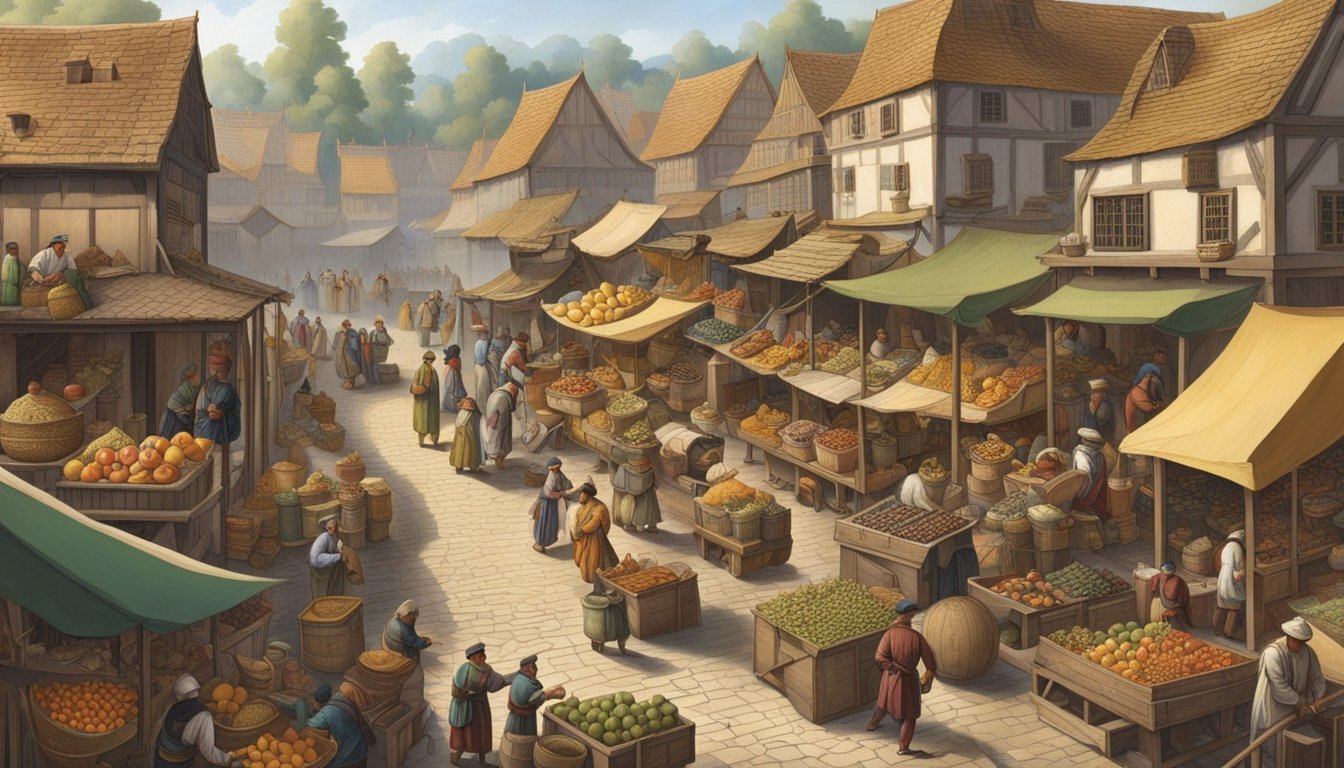
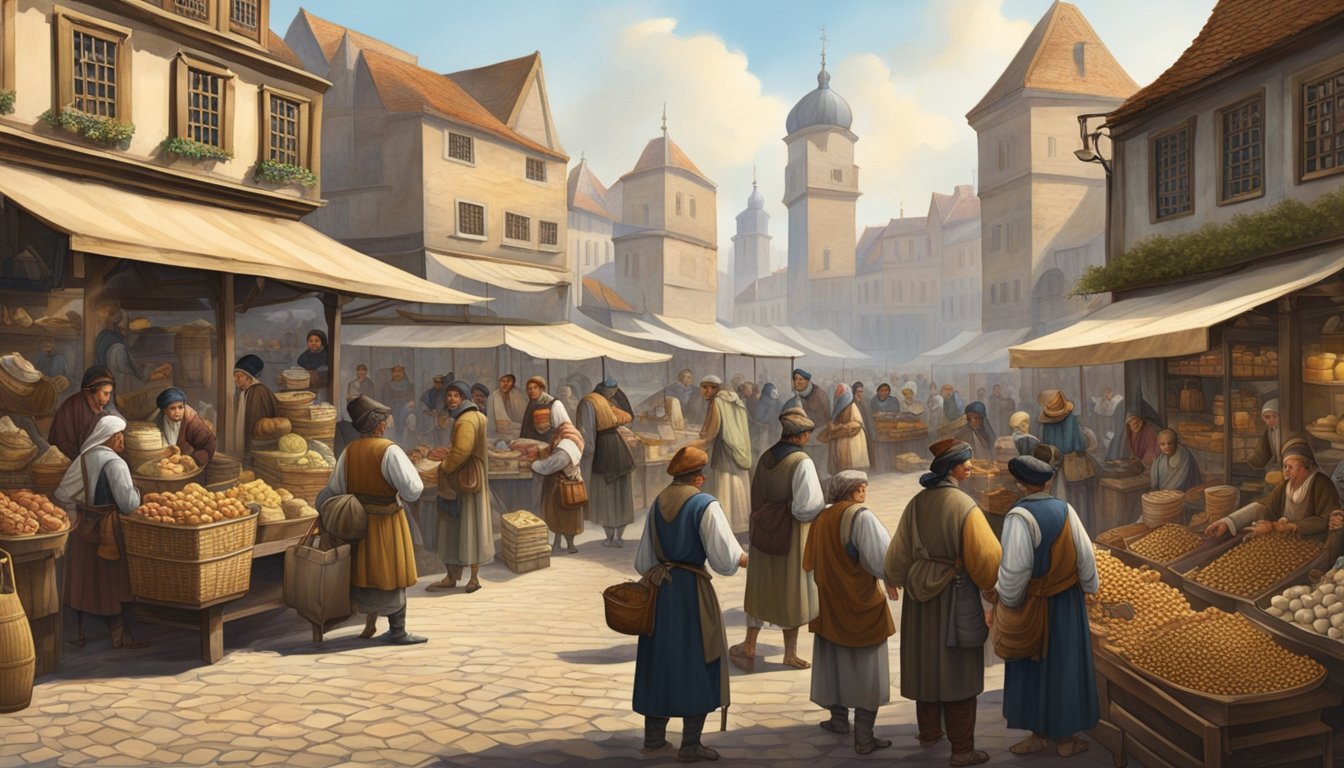
A bustling marketplace in the early modern era, with merchants trading goods from all over the world. Ships unload exotic spices and textiles, while craftsmen innovate sustainable production methods

Pre-colonial America saw indigenous peoples practicing sustainable agriculture and wildlife management. Ancient African civilizations developed sophisticated irrigation systems and land use practices. In post-Dark Ages Europe, forestry management evolved to ensure long-term timber supplies. Asian societies refined techniques for terraced farming and water conservation.

The Industrial Revolution marked a turning point, dramatically increasing resource consumption and pollution. This spurred early conservation movements and scientific studies on ecological balance. By the late 19th century, the foundations of modern sustainability thinking were taking shape, influenced by a growing awareness of human impacts on the natural world.

Foundations of Sustainability Concepts

A bustling marketplace in the early modern era, with merchants trading goods from around the world. Ships unload exotic fruits and spices, while craftsmen build sustainable homes and tools

The roots of sustainability can be traced to early philosophical and religious traditions, as well as agricultural practices developed across cultures. These foundations shaped how societies viewed their relationship with nature and managed resources over time.

Early Philosophical and Religious Influences

Ancient Greek philosophers like Aristotle emphasized the importance of balance in nature. This concept influenced later European thinkers. In China, Taoist principles advocated harmony between humans and the environment.

Many indigenous cultures held beliefs that humans were caretakers of the land. Native American tribes practiced sustainable hunting and gathering techniques. African traditional religions often viewed nature as sacred, promoting conservation.

Buddhism and Hinduism taught respect for all living things. These Eastern philosophies encouraged minimal consumption and living in balance with nature.

Agricultural Practices and Resource Management

Early farming societies developed methods to preserve soil fertility. Crop rotation was practiced in ancient Mesopotamia and China. The Aztecs created chinampas, artificial islands for sustainable agriculture in shallow lakes.

In medieval Europe, the three-field system helped maintain soil nutrients. Farmers alternated crops and left fields fallow to prevent depletion. Forest management practices emerged to ensure a steady timber supply.

Water conservation techniques were crucial in arid regions. Persians invented qanats, underground channels to transport water. In Africa, terracing methods preserved soil and water in hilly areas.

Sustainability in Ancient Civilizations

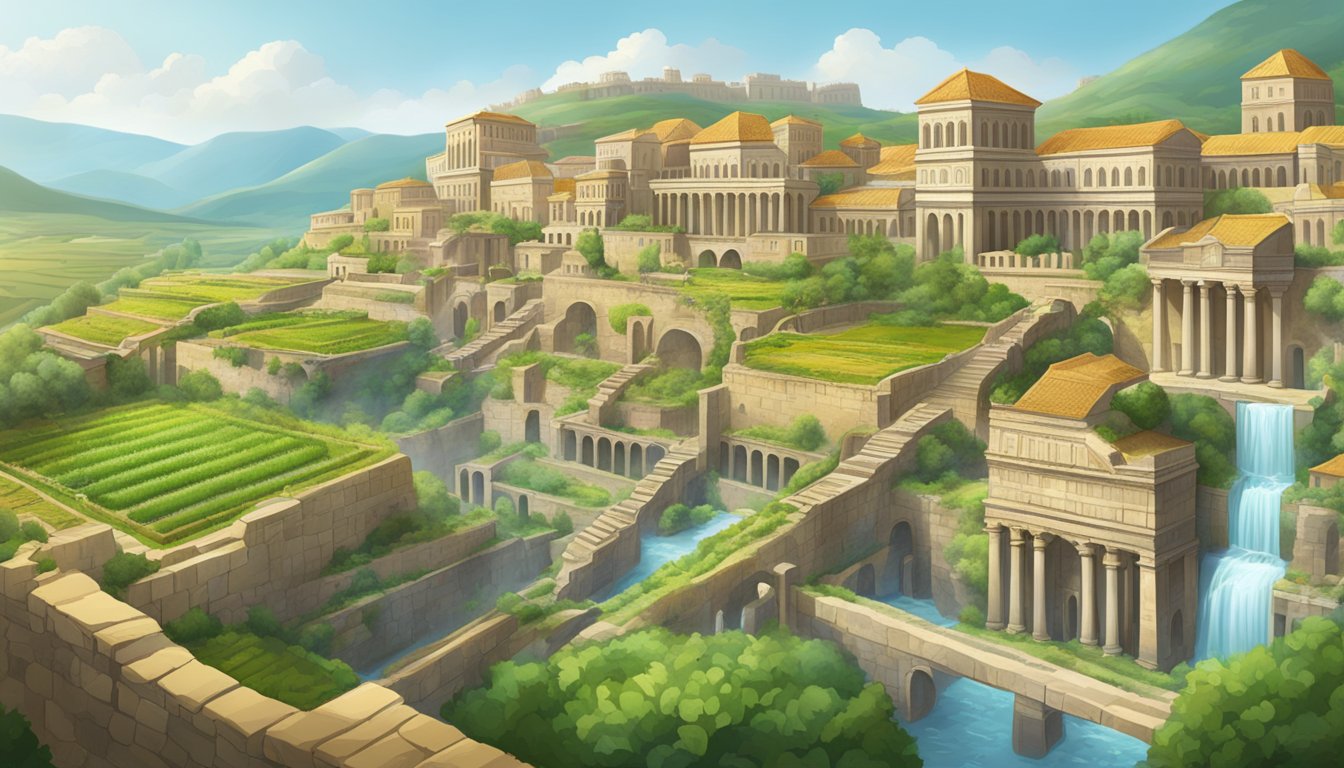
A bustling ancient city with aqueducts, terraced agriculture, and renewable energy sources

Ancient civilizations developed sustainable practices to manage resources and preserve their environments. These early societies implemented methods for agriculture, water conservation, and land use that balanced human needs with ecological preservation.

Environmental Stewardship in Ancient Africa

African civilizations practiced environmental stewardship through innovative farming techniques. The Serer people of West Africa utilized a crop rotation system called “acacia albida,” which improved soil fertility. This method involved alternating crops with acacia trees, whose leaves provided natural fertilizer.

In ancient Egypt, farmers along the Nile River developed basin irrigation. This technique used the river’s annual flood to naturally irrigate and fertilize croplands. Egyptians also created “nilometers” to measure water levels, helping them predict harvests and manage resources.

The Aksumite Kingdom in Ethiopia implemented terracing on hillsides to prevent soil erosion. This practice allowed for cultivation on steep terrain while conserving water and topsoil.

Land and Water Usage in Pre-Colonial America

Pre-colonial American civilizations developed sophisticated land and water management systems. The Aztecs created chinampas, artificial islands in shallow lake beds, to expand agricultural land. These “floating gardens” provided fertile soil for crop cultivation and helped manage water levels.

In the southwestern United States, ancient Puebloans constructed extensive irrigation systems. They built check dams and terraces to control water flow and prevent erosion in arid regions. These structures allowed for efficient farming in desert environments.

The Inca Empire in South America utilized advanced terrace farming techniques. They built stone-walled terraces called “andenes” on mountainsides, which maximized arable land and conserved water. This system also helped prevent soil erosion in the steep Andean terrain.

Resource Utilization in Ancient Asian Societies

Ancient Asian civilizations developed sustainable resource management practices. In China, the concept of “Fengshui” guided land use and city planning. This philosophy emphasized harmony between human settlements and natural surroundings, promoting sustainable development.

The Indus Valley Civilization implemented advanced urban planning with a focus on water conservation. They constructed sophisticated drainage systems and public baths, ensuring efficient water usage in their cities. The people of Mohenjo-daro and Harappa also developed standardized bricks for construction, minimizing resource waste.

In Japan, the satoyama system emerged as a sustainable land management practice. This approach integrated agriculture, forestry, and human settlements to create a balanced ecosystem. It promoted biodiversity and efficient resource use through careful landscape design.

European Influence and the Spread of Sustainability

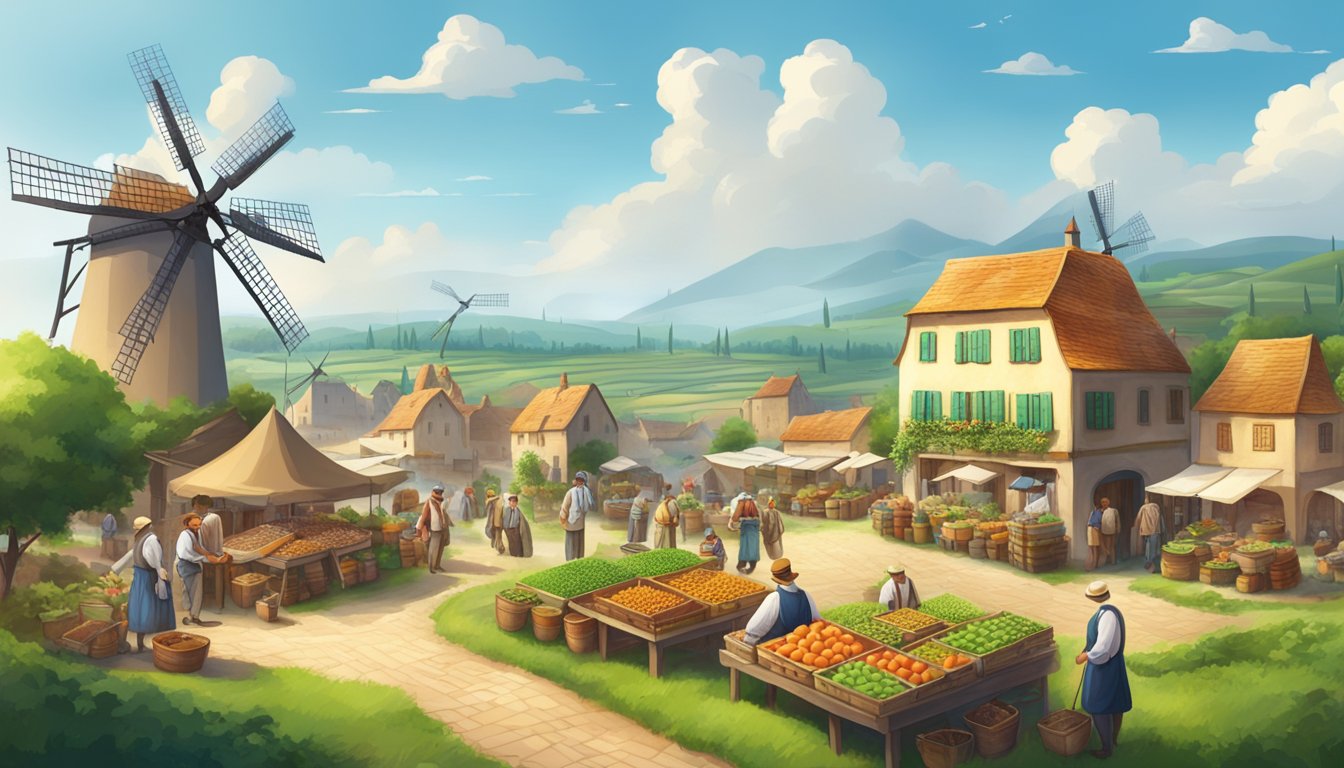
A bustling European marketplace with merchants trading goods, surrounded by lush green fields and windmills harnessing renewable energy

European ideas about nature and resource management shaped early sustainability concepts. These philosophies spread globally through colonialism and scientific exchanges, influencing environmental practices in diverse regions.

Post-Dark Ages Natural Philosophy

After the Dark Ages, European thinkers developed new perspectives on humanity’s relationship with nature. Francis Bacon promoted the idea of mastering nature for human benefit. This view influenced resource exploitation but also sparked conservation efforts.

In the 17th century, John Evelyn advocated for reforestation in England to counter timber shortages. His work “Sylva” (1664) outlined sustainable forestry practices. German foresters like Hans Carl von Carlowitz further developed these concepts, coining the term “nachhaltigkeit” (sustainability) in 1713.

Colonial Expansion and Environmental Considerations

European colonial expansion brought sustainability challenges to new territories. Colonizers often exploited resources in conquered lands, leading to environmental degradation. This sparked debates about responsible resource management.

In North America, concerns about deforestation led to early conservation efforts. The British Royal Navy established forest reserves in the colonies to ensure a steady supply of ship-building timber. Similar practices spread to other European colonies worldwide.

French and Dutch colonizers introduced sustainable agricultural techniques in their territories. Crop rotation and soil conservation methods helped maintain long-term productivity in colonial plantations.

The Industrial Revolution and Its Impact

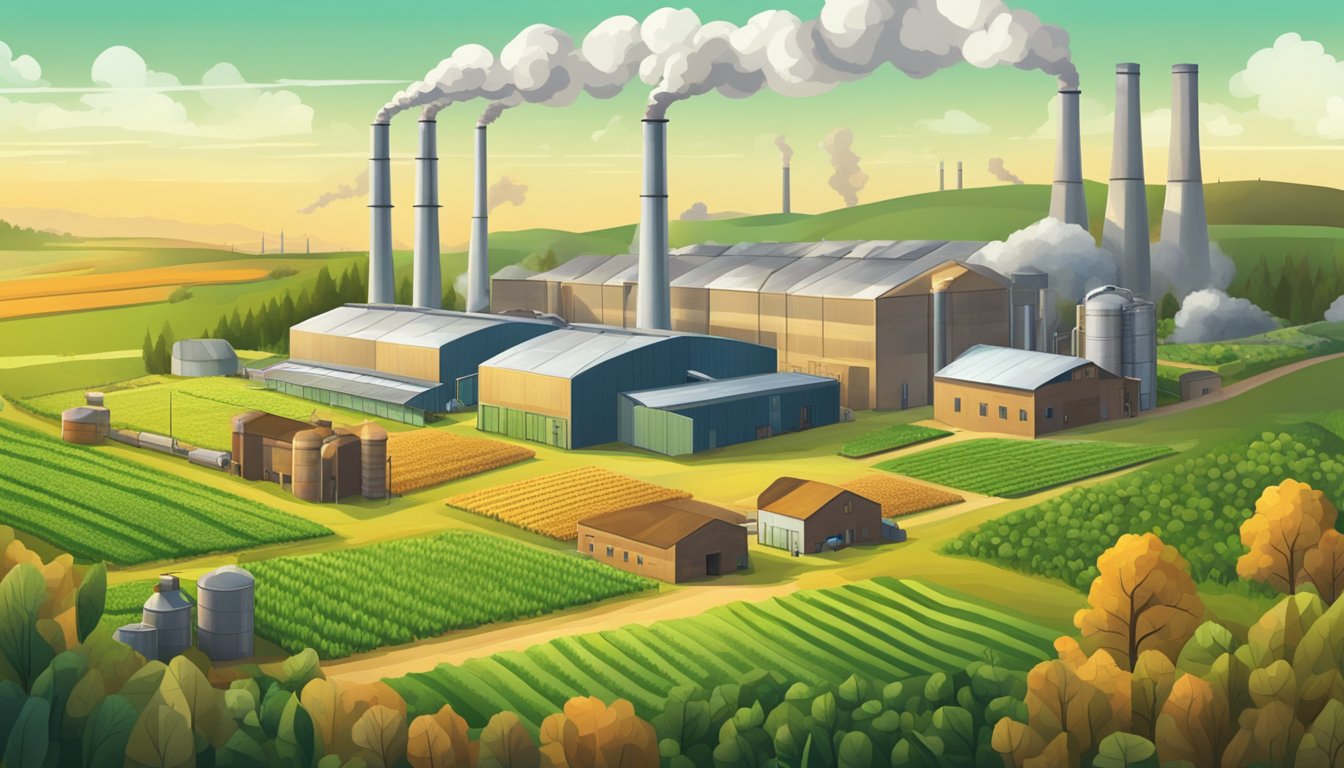
A bustling factory with smokestacks, surrounded by fields of crops and renewable energy sources, symbolizing the shift towards sustainability during the Industrial Revolution

The Industrial Revolution marked a pivotal shift in production methods and environmental dynamics. This period saw rapid technological advancements and societal changes that shaped modern sustainability concepts.

Shifts in Production Methods

The transition from manual labor to machine-based manufacturing began in Britain around 1760. Steam power and mechanized textile production revolutionized industries. Factories emerged as central hubs of production, replacing small-scale workshops.

Iron and steel production increased dramatically. New manufacturing processes like the Bessemer process made steel more affordable and widely available. This fueled the growth of railways, shipbuilding, and construction industries.

Agricultural practices also evolved. The introduction of seed drills, iron plows, and crop rotation techniques boosted food production. This supported growing urban populations as people moved from rural areas to cities for factory work.

Rising Environmental Concerns

The rapid industrialization led to unforeseen environmental challenges. Air pollution became a significant issue in industrial cities. Factory smokestacks and coal-burning homes filled the air with soot and harmful gases.

Water pollution increased as factories discharged waste into rivers and streams. The Thames in London became notoriously polluted, leading to public health crises and calls for reform.

Deforestation accelerated to meet the demand for timber in construction and fuel. This loss of natural habitats raised early alarms about resource depletion and ecosystem disruption.

Public health concerns grew as urban areas became overcrowded and unsanitary. These issues spurred early environmental regulations and urban planning initiatives in some cities.

Conservation Movements of the 19th Century

A serene forest with diverse plant life, a flowing river, and animals coexisting peacefully, representing the origins of sustainability in the 19th century conservation movements

The 19th century saw the rise of organized efforts to protect natural resources and landscapes. These movements laid the groundwork for modern environmental conservation practices and policies.

Emergence of Protected Natural Areas

In 1832, Hot Springs Reservation in Arkansas became the first federally protected area in the United States. This set a precedent for future conservation efforts. Yellowstone National Park, established in 1872, marked a significant milestone as the world’s first national park.

In Europe, artists and writers advocated for landscape preservation. The British Lake District became a focal point for conservation activism in the 1880s. Poet William Wordsworth championed the area’s protection, influencing public opinion.

Forestry and the Concept of Sustainable Yield

German forester Hans Carl von Carlowitz introduced the concept of “nachhaltigkeit” (sustainability) in forestry in 1713. This idea gained traction in the 19th century.

In 1855, the Saxony Forest Academy implemented sustainable yield practices. These methods aimed to balance timber harvesting with forest regeneration.

The U.S. Division of Forestry, established in 1881, promoted scientific forest management. Gifford Pinchot, appointed as the first Chief Forester in 1898, advocated for the “wise use” of natural resources.

Scientific Advancements and Sustainability

A bustling early modern laboratory with scientists conducting experiments, charts and diagrams on the walls, and sustainable technology prototypes in development

Scientific progress during the early modern to late modern period significantly influenced sustainability practices. Advancements in ecological understanding and technological innovations shaped resource management approaches across continents.

Evolution of Ecological Science

The 16th century marked the beginning of systematic ecological observations. Naturalists like John Ray and Carl Linnaeus developed classification systems for plants and animals. This laid the groundwork for understanding ecosystems.

In the 18th century, Alexander von Humboldt pioneered biogeography, studying the distribution of plant species across different climates. His work highlighted the interconnectedness of nature and human impacts on the environment.

Charles Darwin’s theory of evolution, published in 1859, revolutionized ecological thinking. It provided a framework for understanding species adaptations and environmental interactions.

The Role of Technology in Resource Management

The Industrial Revolution brought both challenges and opportunities for sustainability. Steam engines increased resource extraction but also improved transportation efficiency.

Agricultural innovations like crop rotation and selective breeding enhanced food production. This helped support growing populations while preserving soil quality.

Advances in chemistry led to the development of fertilizers, increasing crop yields. However, this also introduced new environmental concerns.

The invention of the microscope enabled scientists to study soil microorganisms. This knowledge improved agricultural practices and land management techniques.

In forestry, sustainable yield concepts emerged in the 18th century. German forester Hans Carl von Carlowitz advocated for long-term timber management strategies.

Social and Cultural Drivers

A bustling marketplace in the early modern era, with merchants trading goods from around the world. A diverse array of people engage in commerce, showcasing the interconnectedness of global trade

Social and cultural factors played a crucial role in shaping sustainability concepts from 1499 to 1899. Public health concerns in growing cities and evolving perceptions of nature in literature influenced approaches to environmental and social issues.

Public Health and Urbanization

Rapid urbanization in the 18th and 19th centuries led to severe public health challenges. Overcrowded cities faced issues like poor sanitation, water pollution, and disease outbreaks.

In 1854, John Snow’s cholera map of London linked contaminated water to disease spread. This groundbreaking work laid the foundation for modern epidemiology and urban planning.

The Public Health Act of 1848 in England mandated sanitation improvements and waste management. Similar initiatives spread across Europe and North America, promoting cleaner, more sustainable urban environments.

Literature and the Perception of Nature

Romantic poets and writers in the late 18th and early 19th centuries celebrated nature’s beauty and power. William Wordsworth’s poems portrayed nature as a source of spiritual renewal and moral guidance.

Henry David Thoreau’s “Walden” (1854) advocated for simple living and harmony with nature. His work influenced later environmental movements and sustainability thinking.

In 1864, George Perkins Marsh published “Man and Nature,” one of the first works to examine human impact on the environment. Marsh warned of deforestation and soil erosion, encouraging conservation efforts.

Key Takeaways

  • Traditional practices across cultures laid the groundwork for sustainability concepts
  • Scientific advancements and the Industrial Revolution reshaped human-environment relationships
  • Conservation movements emerged in response to increased resource exploitation and environmental degradation

The who, what, when, where, why, and how of Sustainability

Sustainability is a word that holds many definitions that create a broad scope of its many concepts. Along with its many definitions and concepts, there are levels of denotation and connotation it presents as well. Sustainability is, however, not as fluid when applied to practical solutions and methodologies. For social impact, environmentalism or environmental preservation, and capital allocation strategies, sustainability is the ecosystem to draw from.

When one closes their eyes, how does the mind perceive what sustainability is? Can you imagine what colors come to mind? How about the textures or objects? Can we articulate what are the overall types of 5 senses that one would associate with sustainability, such as scent, taste, small, sound, and sight? What does it sound like, and what time of day is most associated with sustainability? How about the term sustainable? Does it seem more of a perceived focus? Does that term function as an enhancement to content that orbits sustainability? Are concepts of sustainability sustainable, or does the sustainable content belong within sustainability?

Understanding Sustainability is key

Welcome to our digest as we unpack how sustainability in scope expands through concepts. In addition to unpacking, we will explore what these concepts are and how we can relate to and apply them for a sustainable future. From a high-brow layman to the high-ranking delegate seeking to increase influence in a foreign administration, anyone can apply these tools. From the citizen climate lobbyist who advocates locally to Capital Hill to the at-home matriarch wife or patriarch uncle. Access to leveraging both nuclear and extended family duties on how a systematic approach to sustainable living can be beneficial.

The premiere definition of what sustainability is as a subject matter, application, and form of a multi-tier policy that synthesizes an eclectic set of disciplines. This understanding includes that earth and its ecosystem of lifeforms are included. By sustaining equilibrium from the plant’s origin billions of years to the establishment of the United States of America, sustainability is ensured by not comprising today at the expense of future generations.

We’ll continue to answer all these questions as we explore more how this concept materializes as a buzzword and an institutional ideology.

Sustainable Development History in Review

Within our discussion of this topic, we will feature a set of time periods that will also be featured. They will be referenced as milestones in the history of sustainability. Here are several listed here:

  • The pre-colonial years, when various indigenous cultures across the world practiced sustainable methods that were intrinsic for survival and adaptability.
  • The advent of proto-sustainability, both the 1st industrial revolution and the 1st machine age
  • Post-World War II and the effects of pre-civil rights/mid-cold war international economic development across developed, 2nd world, and 3rd world nations
  • Post-civil rights, in conjunction with both the U.S. relinquishment from the gold standard to the fiat platform and the environmental regulation standards
  • The modern interpretation of classical sustainability began with UN Conference on the Human Environment during both the cold war and the environmental regulation framework shaped fractionally to partially the gold to fiat U.S. dollar transition
  • The ‘term’sustainable development’ was established also a decade after the executive branch instituted the fiat standard.
  • During the final quarter of the Cold War era, various thought leaders from Gro Harlem Brundtland to Bill McDonough over the course of 15 years prior to the beginning of the Afghanistan war, the NATO expansion, the Canadian G8 summit, the scheduled Yucca Mountain nuclear waste repository, and the South African Earth Summit.

What we can deduce is that sustainability evolved this way in regards to the passage of time for the long term. We can easily reason that this is because of the decades of accumulation of adverse environmental impact. Another factor is the inequalities and inequities of the human condition. This observation applies across all spectrums of human activity: education, entertainment, economics, law, politics, labor, religion, sex, and war.

Sustainability means to remain durable over periods of time. Durability is to sustainability what resilience is to adaptability in some respects. Another way of looking at defining it would be to state or understand that sustainability is to renew or be everlasting for generations to come. Regeneration within nature is a sustainable state in concept due to sustaining its essence.

The Sustainable triple bottom line broken down

In the context of modern, contemporary, and postmodern sustainability, it is defined by a trinity of social and institutional outcomes of the triple bottom line. Sustainability extends past the dynamic of achieving the bottom line to remain in the black by restructuring to be only 33.3% of the outcome. The other 66.6% are split into two unique channels that engage the human or social component that separates itself from the more capitalist-driven single bottom line. While the final 33.3% of the triple bottom line redirects to the living environment. The final bottom line, which is the living environment, includes the more non-sentient life and material via the science-based order of the planet.

This creates a synthesis of three subjective opposing constructs from one another that forms a cohesive system. Having these systems is beneficial for institutions, businesses, and communities to leverage. When working together as the triple bottom line, to remain functional, they work within a checks and balance framework. We’ll have a more real-world angle when we go into more detail and explain the progenitor of the triple bottom line and other platforms.

Rather, the term sustainable or sustainability is used; the greater understanding is how and why sustainable development is applied. The purposes of attracting better public and social engagement and environmental stewardship through both conservation and preservation. Positioning strategically in the free market in spreading prosperity. It is essential to development that’s sustainable for the long(er) term of any institution, organization, or MSME (micro, small, medium enterprise).

What does sustainability mean to you? How has sustainability served in a historical context? How can we educate and train to bring sustainable results? What comes to mind when you see and hear the word ‘sustainability’?

This website is saving energy by dimming the light when the browser is not in use. Resume browsing
Click anywhere to resume browsing
Verified by MonsterInsights