
Imagine a farmer using fertilizer, not knowing it has tiny synthetic particles. These small pieces start a long journey, ending up in oceans thousands of miles away.
Land activities and ocean damage are linked in a big way. What we do on land affects the ocean in ways we can’t see.
The United Nations has goals to fix these problems. But, tiny particles show we still have a lot to learn. They show how our actions on land affect the whole world.
It’s not just about the ocean or farms. It’s about how our choices affect everything around us. We’re harming our most important resources in ways we can’t even see.
The Microplastic Problem: Defining the Scope and Scale
Humans have made plastics so strong they last for centuries. Yet, they’ve also broken down into tiny pieces that harm our planet. This section explores how microplastics, tiny plastic pieces, have become a big problem worldwide.
What Are Microplastics? Types and Classification
Microplastics are a strange mix of human creation and environmental harm, however, these tiny plastics, smaller than 5mm, have become a big problem in nature. They challenge how we manage our environment.
Primary vs Secondary Microplastic Particles
There are two kinds of microplastics, each with its own story. Primary microplastics are made on purpose for certain uses, but consequently, they often get lost in the environment.
Secondary microplastics come from bigger plastics breaking down. They are the result of weathering and other environmental factors. Knowing the difference is key to solving the problem.
| Characteristic | Primary Microplastics | Secondary Microplastics |
|---|---|---|
| Origin | Intentionally manufactured small particles | Breakdown of larger plastic items |
| Common Sources | Microbeads, plastic pellets, synthetic fibers | Plastic bottles, packaging, fishing gear |
| Size Range | Typically uniform, designed specifications | Highly variable, fragmentation-dependent |
| Environmental Pathway | Direct release from products/manufacturing | Gradual degradation in natural environments |
| Prevention Strategy | Product reformulation, manufacturing controls | Waste management, circular economy approaches |
Size Ranges and Composition Variations
Microplastics come in all sizes, from big to tiny. The smallest ones are the hardest to track. This makes it tough to manage them.
They are made from many different plastics, each with its own effects on the environment. This makes solving the problem very complex.
Global Production and Distribution Patterns
The story of microplastics is one of pollution and unintended consequences. Some areas produce a lot of plastic waste, while others suffer from it. This pattern shows how plastic waste moves around the world.
Regional Differences in Microplastic Generation
Places with more plastic use often send their waste elsewhere. Asia makes the most plastic waste, while North America and Europe use more per person. This creates a big problem for the environment.
These differences make it hard to manage plastic waste. The result is plastic pollution that knows no borders, showing the economic gaps in our world.
Transport Mechanisms Through Atmospheric and Aquatic Pathways
Microplastics travel the world through air and water. The wind carries them across continents, while the ocean moves them with great precision. This is a big problem for our oceans.
Plastic waste from cities can end up in remote oceans thousands of miles away. This shows how connected our world is and how big our plastic problem is. It’s a challenge that needs global action.
Soil Impact Oceans Plastic Pollution Microplastics Waste Management UN SDGs

Modern farming has made us more efficient but at a cost. It has led to plastic pollution in our environment. This section looks at how farming contributes to microplastic pollution. It also follows the journey of these particles from soil to ocean.
Agricultural Practices Contributing to Microplastic Pollution
Farming methods to increase yields often use synthetic materials. These materials can harm our environment. Two main farming practices show how good intentions can lead to big environmental problems.
Plastic Mulching and Soil Contamination Levels
Plastic mulching helps crops grow but also pollutes soil. These thin sheets break down into microplastics. This happens when they are exposed to sunlight and weather.
Soils in fields with plastic mulching can have up to 300,000 microplastics per kilogram. These particles change how soil holds water and affect the life in the soil. They also make pollution last a long time.
Using treated sewage sludge as fertilizer is another problem. It recycles nutrients but also adds microplastics from wastewater. This creates a cycle of pollution instead of sustainability.
Fields treated with sewage sludge have much more microplastics than untreated ones. This method of solid waste management turns farms into places where urban plastic waste ends up. It’s a cycle of pollution, not sustainability.
Transfer Mechanisms from Land to Marine Environments
Microplastics move easily through water systems. They travel from farms to oceans through efficient pathways. These paths are like a well-organized delivery system.
Watershed Runoff and Riverine Transport
Runoff in watersheds acts like a plastic delivery system. It moves microplastics during rain. These particles ride on soil sediments, flowing into bigger water bodies.
Rivers carry plastic from farms to oceans. Studies show that watersheds from farms add a lot to ocean pollution. This shows how land and sea are connected.
Groundwater Pathways to Coastal Systems
Microplastics also move through groundwater. They travel through aquifers and underground flows. Eventually, they reach coastal areas.
Groundwater moves slowly, so microplastics from farming can reach oceans years later. This creates a problem for the future. It makes it hard to fight agriculture climate change mitigation efforts.
Marine Ecosystem Impacts of Microplastic Pollution
The ocean’s delicate balance is facing a big challenge from tiny synthetic invaders. These microplastics are too small to see but too many to ignore. They change marine ecosystems in big ways, affecting everything from tiny organisms to entire food webs.
Direct Effects on Marine Organisms and Biodiversity
Marine creatures face harm from microplastics in many ways. This harm can be immediate or long-term. It’s like they’re eating plastic with the same eagerness as their natural food.
Ingestion and Physical Damage Across Species
Filter feeders like mussels and whales accidentally eat microplastics along with plankton. Visual predators mistake plastic for food. This leads to:
- Internal abrasions and blockages in digestive systems
- False satiety leading to malnutrition and starvation
- Reduced reproductive success across multiple species
Sea turtles eating plastic bags show the tragic impact. But with microplastics, the damage is at a cellular level.
Bioaccumulation and Trophic Transfer in Food Webs
Microplastics move up through marine ecosystems through predation. Small fish eat contaminated plankton, and so on. This means top predators have the highest plastic levels.
“The biomagnification effect means top predators can contain plastic concentrations thousands of times higher than their environment.”
This process creates hidden threats in marine food chains. It affects species conservation efforts, especially those linked to UN SDGs.
Chemical and Ecological Consequences
Microplastics cause more than just physical harm. They carry chemicals that harm ecosystems. Their synthetic nature leads to unintended consequences for marine life.
Pollutant Adsorption and Toxicity Amplification
Microplastics pick up pollutants from the water. These include:
- Pesticides and industrial chemicals
- Heavy metals like mercury and lead
- Hydrocarbons from fossil fuels
When marine life eats these particles, they get a concentrated dose of toxins. This would otherwise be diluted in the water.
Habitat Alteration and Ecosystem Function Disruption
Microplastics build up in seafloor sediments, changing habitats. These changes affect:
- Oxygen exchange in benthic environments
- Burrowing behavior of bottom-dwelling organisms
- Nutrient cycling processes essential for ecosystem health
The impact is a silent change in marine ecosystems. Synthetic particles are changing natural processes. This challenges global efforts to protect the environment and hinders progress toward UN SDGs related to ocean conservation.
Coral Reef Systems Under Microplastic Stress

Under the ocean’s surface, coral reefs face a new threat from tiny plastic pieces. These ancient ecosystems have survived for millennia but now face a unique challenge. The Coral Reef Alliance shows how these small plastics cause big problems for marine life worldwide.
Physical and Biological Impacts on Coral Health
Microplastics harm coral reefs in many ways. Their small size hides their big impact on these delicate organisms.
Smothering Effects and Reduced Photosynthetic Efficiency
Microplastics settle on coral surfaces, creating a plastic blanket. This blanket stops corals from feeding and breathing. It also blocks sunlight, reducing the energy corals get from algae.
This energy loss slows coral growth and reduces their ability to reproduce. It’s a paradox: tiny plastics cause big damage to ecosystems.
Microplastics carry bacteria and viruses across reefs. Their rough surfaces help microorganisms stick. When corals eat these particles, they get sick quickly.
Studies show microplastics can increase coral disease by up to 89%. They also damage coral tissues, making them more vulnerable to infections. This double threat weakens coral immune systems.
Coral Reef Alliance Research and Conservation Efforts
The Coral Reef Alliance tackles this problem with science and hope. They focus on both quick fixes and long-term plans for a healthy environment.
Monitoring Programs and Impact Assessment
The organization uses advanced tech to track microplastics. They monitor:
- Water column sampling at various depths
- Coral tissue analysis for plastic buildup
- Satellite imaging of pollution paths
- Monitoring health of bio-indicator species
This detailed data helps them understand the impact of microplastics. It guides their conservation efforts.
Restoration Strategies for Affected Reef Systems
Restoration efforts face the challenge of ongoing pollution. The Coral Reef Alliance develops strategies that work in this context. They aim for broader solutions too.
Current restoration methods vary in success and practicality:
| Technique | Effectiveness Rate | Implementation Cost | Scalability |
|---|---|---|---|
| Coral Fragment Reattachment | 75-85% success | Medium-high | Limited |
| Artificial Reef Structures | 60-70% colonization | High | Moderate |
| Microplastic Filtration Systems | 45-55% reduction | Medium | High |
| Symbiotic Algae Enhancement | 80-90% resilience boost | Low-medium | High |
These methods are at the forefront of reef restoration. The Coral Reef Alliance keeps innovating. They know the key to success lies in stopping pollution at its source. Their work shows the balance between quick action and lasting change for a sustainable environment.
UN Sustainable Development Goals Framework Overview
The United Nations Sustainable Development Goals are a seventeen-point plan for changing the world. They aim to tackle every big problem facing us, showing how they’re all connected. This plan is both detailed and complex, making it a huge challenge.
This plan is smart because it knows you can’t fight poverty without protecting the environment. It also says you can’t save the oceans without changing how we make money. This way of thinking offers big chances and big challenges, like dealing with tiny plastic pollution.
The 17 Goals and Environmental Interconnections
The seventeen goals show how everything in the environment is connected. It’s like a big web that any systems expert would love. Each goal has targets that affect the environment in different ways, showing how everything is linked.
Environmental Sustainability as Cross-Cutting Theme
Environmental issues run through the SDGs like threads in a tapestry. Goal 6 focuses on clean water, while Goal 12 deals with how we produce things. Even Goal 1, about poverty, has targets that help the environment.
This shows that taking care of the environment is key to all other goals. It’s a big change in how we think about development.
Systems Thinking in SDG Implementation
The SDGs use systems thinking, which is all about how things are connected. This means that changing one thing can affect many goals. It’s a complex way of thinking that policymakers need to understand.
This approach is especially important for dealing with microplastics. They move around and harm many marine ecosystems. It shows why we need to think about everything together, not just one thing at a time.
Historical Development of Environmental SDGs
The SDGs didn’t just come out of nowhere. They’re the result of years of work on environmental issues. They show how we’ve gotten better at understanding and solving ecological problems.
From Millennium Development Goals to SDGs
The Millennium Development Goals (2000-2015) focused on social and economic issues, with the environment playing a smaller role. The SDGs changed this, seeing environmental limits as key to human progress.
This change came from new science on the planet’s limits and realizing we can’t reduce poverty on a dying planet. The SDGs are a big step forward, both building on past work and going further.
Increasing Emphasis on Ocean Conservation
Ocean conservation has become a top priority in global efforts. SDG 14 is the first goal just for the oceans. This shows how important oceans are and the threats they face, like microplastic pollution.
This focus on oceans shows how big environmental problems can’t be ignored. Microplastics are a big problem that won’t go away. They remind us of the importance of healthy marine ecosystems for food, climate, and jobs.
Direct Impact on UNSDG 14: Life Below Water

Previous sections talked about how microplastics harm our environment. Now, we look at how they directly challenge a key marine conservation goal. It’s ironic that tiny particles can stand in the way of big goals for our oceans.
SDG 14 Targets Relevant to Microplastic Pollution
The United Nations set SDG 14 to protect our oceans. But, microplastics are a big challenge. These targets show our goals and the reality of ocean health.
Target 14.1: Prevent and Reduce Marine Pollution
This target aims to stop all marine pollution. But, microplastics are hard to stop because they’re tiny. They spread through water and soil, lasting forever.
It’s ironic that many microplastics come from eco-friendly products. For example, recycled clothes and eco-friendly tires can pollute our oceans.
Target 14.2: Protect and Restore Ecosystems
We try to protect marine areas from pollution. But, microplastics can get everywhere. They move with currents, making it hard to keep areas clean.
Fixing damaged ecosystems is even harder. How can we restore coral reefs or seagrass beds when they’re filled with microplastics? Even tools meant to help can pollute more.
Measurement Challenges and Progress Assessment
Tracking progress towards SDG 14 is tough. It’s like trying to count stars in a cloudy sky. The more we measure, the more pollution we find.
Indicator Frameworks for Marine Pollution
Measuring microplastics is hard. We need to count particles, identify types, and check for toxicity. This makes it hard to see if we’re making progress.
As we get better at measuring, it seems like pollution is getting worse. This makes it hard to make policies and talk to the public.
UNEP’s Global Environmental Monitoring
UNEP is leading the way in monitoring our environment. But, even they face challenges. They’re working on new ways to measure microplastics.
UNEP uses the latest technology but also considers practical needs. They want methods that work everywhere, from Europe to developing countries.
| Monitoring Challenge | Current Status | Innovation Needs |
|---|---|---|
| Standardized sampling methods | Multiple protocols in use | UNEP-led global standardization |
| Polymer identification | Laboratory spectroscopy required | Field-deployable identification tools |
| Ecological impact assessment | Mostly laboratory studies | Field-based impact metrics |
| Data comparability | Limited between regions | Common reporting frameworks |
We may never have perfect data, but we should keep trying. UNEP’s work is key to understanding and solving the microplastic problem.
As we improve our monitoring, we see how big the impact of microplastics is. The success of SDG 14 may depend on managing what we can only partially measure.
UNSDG 12: Responsible Consumption and Production Solutions
UNSDG 12 faces a big challenge: how to use things responsibly while microplastics harm our planet. This goal aims to change how we make and use things to cut down plastic waste. It mixes rules with new ideas, aiming for a “sustainable capitalism with microplastic awareness.”
Circular Economy Approaches to Plastic Waste
The circular economy is a smart idea to fight plastic pollution. It wants to make waste into new resources. But, it’s hard to keep materials from getting lost in the environment.
Design Innovations for Reduced Plastic Usage
New plastics can break down safely or we use things that aren’t plastic. Stuff like mushroom packaging and seaweed wraps show great creativity. But, making these ideas big is hard because of cost and old ways of doing things.
Changing how products are made is another big step. Making cleaning products in smaller amounts cuts down plastic by 80%. Refill systems get rid of single-use plastics. But, people might not want to change, and stores need to help too.
Extended Producer Responsibility Systems
Extended Producer Responsibility (EPR) makes companies pay for what their products do to the environment. It’s a smart way to make companies pay for the mess they make. But, it’s hard to get companies to do this.
In Europe, EPR has helped a lot. It has cut down on packaging waste and made recycling better. But in the US, it’s different in every state, making it hard to follow.
| Circular Economy Model | Microplastic Reduction Potential | Implementation Challenges | Current Adoption Status |
|---|---|---|---|
| Closed-loop Recycling | High (prevents new plastic production) | Contamination issues, collection infrastructure | Limited to specific polymers and regions |
| Biodegradable Alternatives | Medium (reduces persistent plastic) | Cost competitiveness, performance standards | Growing but niche market presence |
| Product-as-a-Service Models | High (reduces overall material use) | Consumer ownership mindset, business model shift | Early stage in durable goods sector |
| Digital Product Passports | Medium (improves recycling accuracy) | Standardization needs, data management | Pilot programs in European Union |
Waste Management Innovation and Technology
The fight against microplastics is a technological battle. Old ways of dealing with waste can’t handle tiny plastics. New ideas aim to stop and catch these plastics.
Advanced Recycling and Recovery Systems
Chemical recycling breaks plastics down to use them again. It can handle plastics that regular recycling can’t. But, it needs a lot of energy and is expensive.
There are also new ways to catch microplastics. Filters in water treatment plants and devices in stormwater systems help. But, they don’t stop plastics from being made in the first place.
Behavioral Change and Consumer Education
Teaching people about plastic is important. We need to show them why it matters. Good campaigns focus on what people can see and feel.
Apps and social media help people make better choices. They show how products affect the environment. But, we still need to get people to act.
Stores are also helping by making sustainable choices easier. They make products with less packaging more visible. These small changes can make a big difference.
Health and Social SDGs: UNSDG 2, 3, and 6 Impacts

Microplastics are spreading fast and causing big problems for health goals like hunger, wellness, and clean water. These tiny pollutants are making it hard to keep food safe, healthy, and clean water available. It’s ironic that our modern conveniences are getting in the way of basic human needs.
UNSDG 2: Zero Hunger and Food Security Implications
Microplastics are a big problem for our food systems. They help grow more food but also pollute our soil and oceans. This means we might have more food, but it might not be as good for us.
Fisheries Impact and Seafood Safety Concerns
Sea creatures eat microplastics, which then get into our food. Mussels and oysters, for example, have a lot of these tiny particles. This means we might be eating plastic when we eat seafood.
Studies show that microplastics can carry harmful chemicals and germs. But we don’t know for sure how they affect our health. It’s hard for rules to keep our seafood safe from plastic.
Agricultural Soil Quality and Productivity
Soils get microplastics from many places. Plastic mulches, compost, and even the air can add to it. These particles can change how soil holds water and supports life.
Using plastic in farming might not help fight climate change. Soils with plastic might not store carbon as well. We’re not sure how plastic affects the quality and amount of food we grow.
UNSDG 3: Good Health and Well-being Connections
Microplastics can harm our health in many ways. We can breathe them in, eat them, or touch them. Doctors are still learning about the dangers of these tiny particles.
Human Health Risks from Microplastic Exposure
Microplastics can get into our bodies in different ways. Our lungs can take in particles from synthetic clothes and dust. Our digestive system can also absorb them from food and water.
These particles might cause inflammation and release chemicals. Additives in plastics can also get into our bodies. We need more studies to understand the long-term effects of microplastics.
Environmental Health and Community Well-being
People living near plastic factories face higher risks. Workers in waste management also get exposed a lot. It’s important to make sure everyone is treated fairly when it comes to pollution.
Knowing that our environment has hidden pollutants can make people anxious. The uncertainty about health risks makes us worry about what we eat and drink. This can make us lose trust in those who are supposed to keep us safe.
UNSDG 6: Clean Water and Sanitation Challenges
Water treatment systems are struggling to deal with microplastics. Traditional methods can’t catch the tiny particles. What we consider “clean water” is changing as we learn more about these pollutants.
Water Treatment and Microplastic Removal Efficiency
Not all water treatment methods are created equal when it comes to removing microplastics. Some technologies work better than others. But even the best methods can’t catch everything.
Wastewater plants become hotspots for microplastics. They come from our homes and end up in our waterways. This makes it harder to keep our water clean.
Drinking Water Safety Standards and Monitoring
It’s hard to set limits for microplastics in drinking water. We don’t have good ways to measure them yet. It’s also expensive to check for them everywhere.
Right now, we focus on chemicals in water, not particles. But we should be careful and reduce plastic exposure. Water systems are under pressure to address this growing problem.
| Sustainable Development Goal | Primary Microplastic Impact | Monitoring Challenges | Mitigation Strategies |
|---|---|---|---|
| UNSDG #2: Zero Hunger | Food chain contamination | Seafood safety testing | Agricultural plastic alternatives |
| UNSDG #3: Good Health | Human exposure pathways | Health effects assessment | Exposure reduction programs |
| UNSDG #6: Clean Water | Treatment system limitations | Analytical standardization | Advanced filtration technologies |
Major Organizational Initiatives and Responses
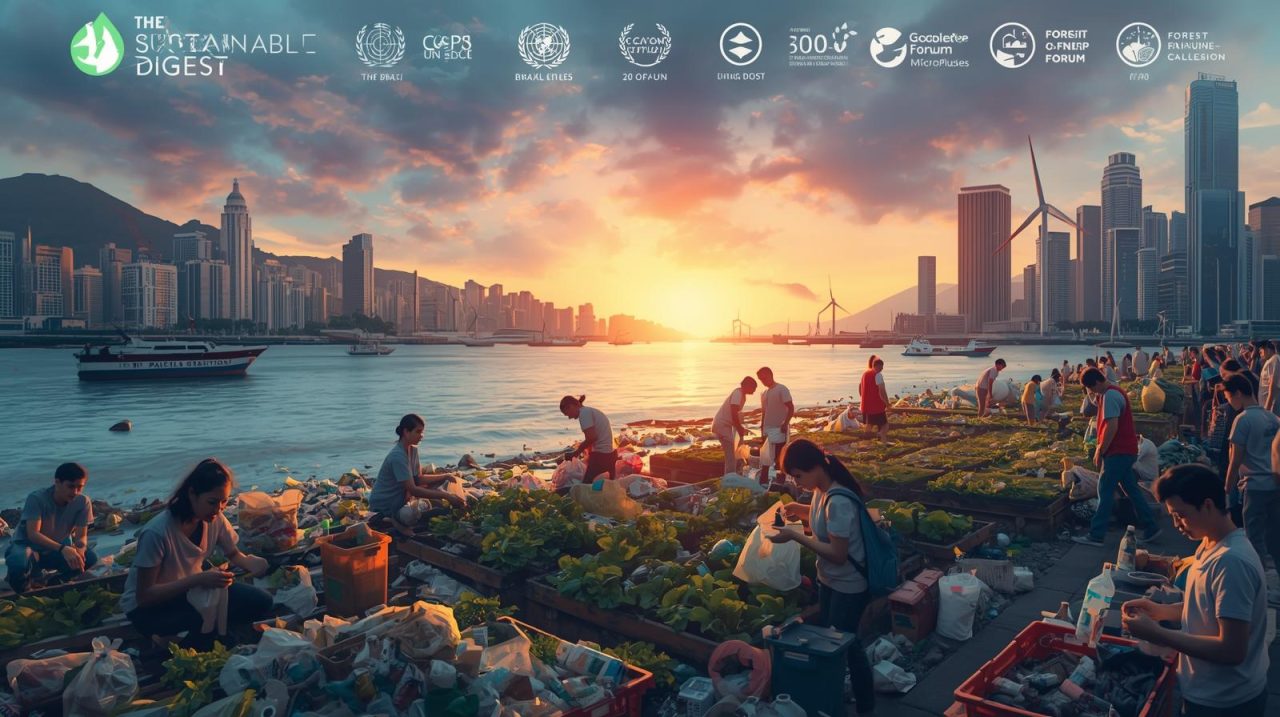
Three big environmental groups are leading the fight against microplastics. They use different ways to tackle plastic pollution. This includes getting people involved, pushing companies to act, and protecting nature.
Ocean Conservancy’s Comprehensive Approach
The Ocean Conservancy has a two-part plan. They clean up pollution and work on big policy changes. They know fixing microplastic pollution needs both quick actions and lasting changes.
International Coastal Cleanup and Data Collection
For over 30 years, the International Coastal Cleanup has brought together millions of volunteers. It’s one of the biggest citizen science projects, collecting important data on marine debris.
These cleanups do more than just pick up trash. They teach people about pollution and gather data for policy makers. The data shows how bad plastic waste is getting.
The group also fights for policy changes at all levels. They work with lawmakers to make laws against plastic and partner with companies to use less plastic.
They work with companies to set plastic use standards. This helps reduce plastic pollution before it starts.
Oceana’s Campaign Against Plastic Pollution
Oceana takes a bold stance, focusing on laws and making companies accountable. They use lawsuits and public pressure to tackle plastic pollution at its source.
Legislative Achievements and Policy Influence
Oceana has won big in lawmaking, like banning plastic bags and making companies responsible for their waste. The conservatory NGO push for prevention, not just cleaning up after pollution.
Additionally, they help shape global agreements on plastic waste. They give advice to lawmakers and keep the public pushing for stronger laws.
Corporate Accountability and Transparency Initiatives
Oceana’s campaigns against big plastic makers focus on making them take responsibility. They use shareholder power, raise awareness, and sue to force change.
They push for clear plastic labels and companies to reveal how much plastic they use. This encourages sustainable choices and informs consumers.
The Nature Conservancy’s Ecosystem-Based Strategies
The Nature Conservancy tackles microplastic pollution by managing watersheds and engaging communities. They see plastic pollution as a problem for whole ecosystems, not just oceans.
Watershed Management and Source Reduction
The group’s watershed programs aim to stop plastic pollution before it hits the ocean. They work with farmers, city planners, and factories to reduce waste.
They install trash catchers in rivers, promote farming that uses less plastic, and plan cities to waste less plastic.
Community-Based Conservation Models
The Nature Conservancy’s community programs help locals fight plastic pollution in their own ways. They mix old traditions with new science to solve the problem.
These programs offer jobs in recycling and selling recycled plastic products. They help the environment and local economies.
| Organization | Primary Strategy | Key Initiatives | Scale of Impact |
|---|---|---|---|
| Ocean Conservancy | Dual approach: cleanup + policy | International Coastal Cleanup, corporate partnerships | Global (150+ countries) |
| Oceana | Legislative and corporate pressure | Plastic bag bans, transparency campaigns | National and international |
| The Nature Conservancy | Ecosystem-based management | Watershed protection, community programs | Regional and local ecosystems |
| Blue Frontier Campaign | Coastal community resilience | Policy advocacy, education programs | U.S. coastal regions |
The Blue Frontier Campaign focuses on helping coastal communities. Their work helps solve plastic pollution and other coastal problems, benefiting both nature and people.
Each group has its own strengths in fighting microplastics. Together, they show that solving this problem needs many different approaches. Their work is a big step towards fixing our environment.
Technological Solutions: The Ocean Cleanup and Beyond

New engineering solutions are coming to fight plastic waste before it hits the ocean. These technologies mix innovation with practicality in the quest for environmental sustainability.
Interceptor River Plastic Capture Systems
The Ocean Cleanup’s river interceptors are engineering wonders in the fight against plastic. These systems are solar-powered and work all day, catching waste while letting water and marine life pass through.
Technology Design and Deployment Strategy
The interceptors have a clever design with a floating barrier. This guides plastic to a conveyor system. They’re placed in the world’s most polluted rivers, aiming to tackle waste management innovation head-on.
Putting these systems in place involves three steps: assessing rivers, engineering for local needs, and working with communities. This approach shows that tech alone can’t fix pollution problems.
Effectiveness Metrics and Performance Data
These systems show promise but also have limits. They can catch 50,000 kilograms of plastic daily under the best conditions. Yet, this is just a small part of the plastic flowing into rivers.
They face challenges during monsoons and with certain plastics. Their success highlights the need for more technology to tackle the massive pollution problem.
Research and Development Initiatives
Alongside deployment, there’s a big push for better ways to detect and measure plastic. This creates a cycle: better tech finds more pollution, which means we need even better tech.
Microplastic Detection and Quantification Methods
New methods like spectroscopy and imaging can spot microplastics at tiny levels. Scientists use these to study plastic in complex samples.
These studies show microplastic levels are much higher than thought. The ability to measure this has shown just how big the problem is.
Partnerships with Academic Institutions
The Ocean Cleanup works with top universities to improve tech and understanding. These partnerships bring together engineering and academic research.
Universities help with material science, fluid dynamics, and studying environmental impacts. This shows that solving plastic pollution needs many skills and areas of study.
These partnerships are a race against time. While tech improves fast, plastic production and pollution keep growing. This makes it tough for researchers and engineers.
Global Policy and International Cooperation Frameworks

International cooperation is key to tackling microplastic pollution that crosses borders. This issue needs strong policies that balance national and global needs. It’s where diplomacy and science come together.
UNEP’s Leadership in Global Plastic Governance
The United Nations Environment Programme leads in fighting plastic pollution worldwide. It uses science and diplomacy to tackle the problem. This approach helps achieve sustainable development goals.
International Agreements and Multilateral Action
Recently, the world has made big strides in fighting plastic pollution through agreements. But, the real challenge is making these agreements work:
- Regional treaties with different levels of enforcement
- Systems to track plastic waste across borders
- Standards for reporting progress
Capacity Building and Technical Assistance
UNEP helps countries turn global agreements into action. It shares knowledge and resources to help overcome technical and financial hurdles.
UNFCCC COP30 Brazil: Climate-Plastic Connections
The climate conference in Brazil is a big moment for linking plastic pollution to climate issues. It shows we can’t tackle environmental problems alone.
Plastic Production Carbon Footprint Considerations
Plastic production’s climate impact is a wake-up call for policymakers. Fossil fuel-based plastics emit a lot of greenhouse gases:
- Extracting and refining petroleum
- Energy needed for making plastics
- Transporting and distributing plastics
- Managing plastics at the end of their life
Expected Outcomes and National Commitments
At UNFCCC COP30 Brazil, countries will make stronger promises to fight climate change and plastic pollution. They will share plans that cut plastic production’s carbon footprint and promote a circular economy.
2025 Osaka World Expo: Sustainability Innovation Showcase
The Osaka World Expo in 2025 will showcase solutions to environmental problems, focusing on plastic pollution. It will turn ideas into real-world solutions.
Plastic Pollution Solutions Exhibition
The 2025 Osaka World Expo will display new technologies to tackle plastic waste. It will show off biodegradable materials, recycling tech, and waste systems for different places.
International Knowledge Exchange Platforms
The Expo will also be a place for countries to share knowledge on plastic pollution. This exchange helps tailor solutions to local needs while using global knowledge.
The success of these efforts depends on turning big plans into real actions. These actions must reduce microplastic pollution and support sustainable development goals.
Conclusion: Integrated Approaches for Sustainable Futures
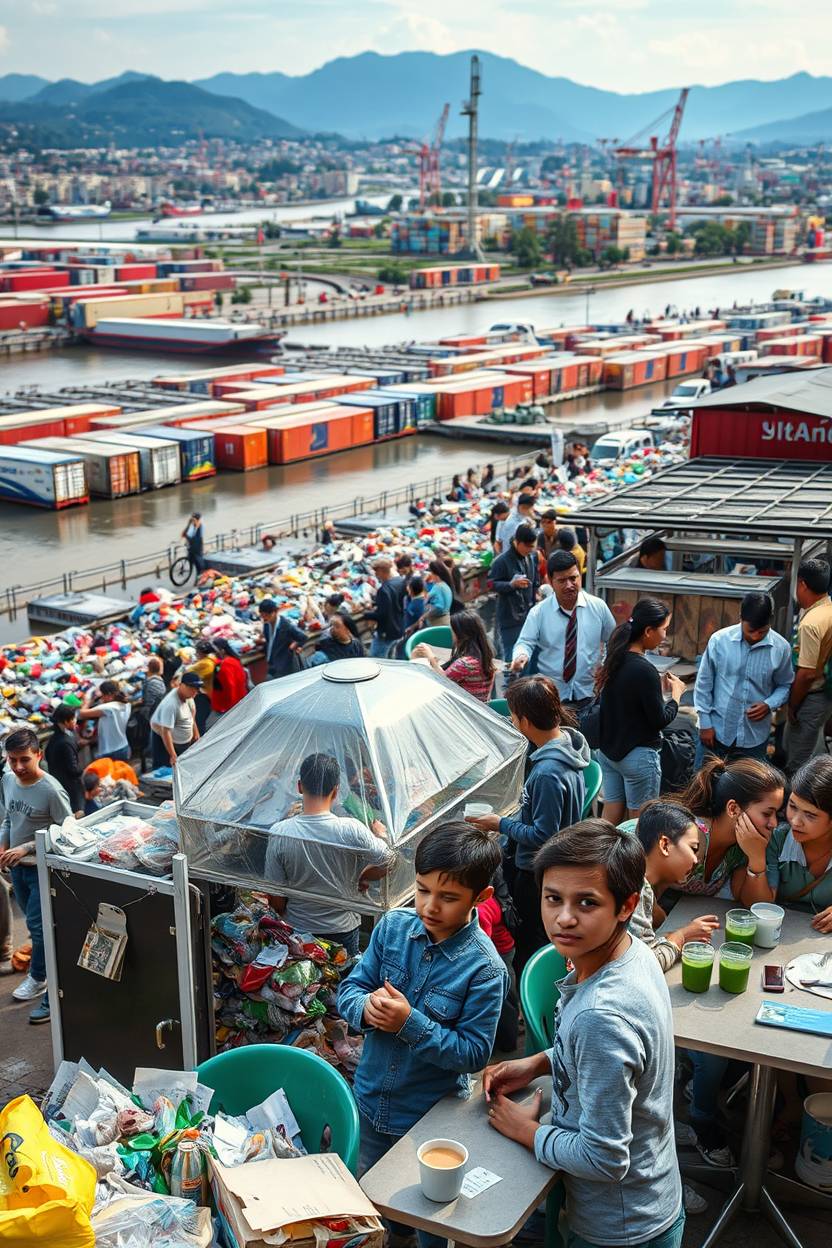
The microplastic problem shows us that big solutions need big efforts. We can’t fix it with just one thing. We need science, policy, and people working together.
The UN SDGs give us a roadmap. Goals like SDG 14 and SDG 12 show us the way. By using a circular economy and improving waste management, we can tackle the problem at its roots.
Real change means breaking down barriers. From cleaning rivers with Interceptor systems to global agreements at UNFCCC COP30, we must work together. The task is huge, but we have many tools and the determination to succeed.
Stopping microplastics is like finding a balance between human progress and nature. It’s not easy or quick, but with teamwork, we can achieve a cleaner world.
Key Takeaways
- Land-based activities significantly contribute to marine contamination through unseen pathways
- Synthetic particles from agricultural and urban areas travel further than previously understood
- Global sustainability frameworks struggle to address these cross-boundary environmental issues
- Modern waste management systems often fail to capture microscopic contaminants
- The connection between terrestrial actions and marine consequences requires new approaches
- Microscopic pollution represents a critical challenge to achieving international sustainability targets