Greenwashing Types: Variants You Need to Know

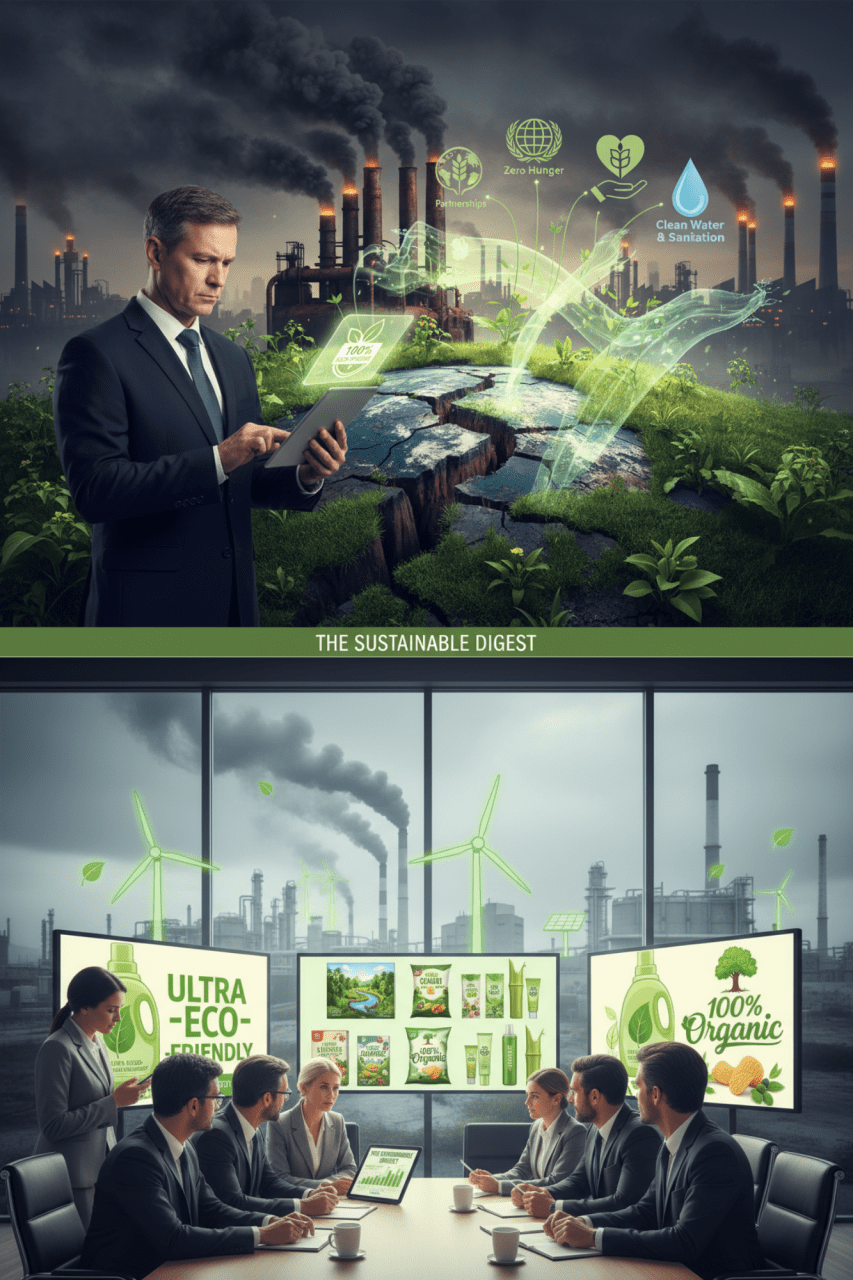
Over 40% of corporate environmental claims might be misleading or not backed up. It’s not just about lies versus truth. It’s a complex world where fake green claims hide many wrongdoings.

For global professionals and eco-aware consumers, it’s not enough to just be skeptical. You need a clear guide. Knowing the variants of greenwashing is key to avoiding them. This detailed breakdown shows us that greenwashing is not one thing, but many, each affecting society in different ways.

Understanding these types helps us move from vague worries to real actions. It lets us tell real progress from fake green promises. This knowledge is crucial for a market where true green efforts, not fake ones, lead the way.

What Is Greenwashing? Defining Modern Environmental Deception

Greenwashing is more than just false advertising. It’s a big problem that makes a huge gap between what companies say they do and what they really do. It uses tricks like unclear information and feelings to make people think companies are doing more for the environment than they are.

The Core Definition of Greenwashing in Today’s Market

The term greenwashing originally meant making false claims about being good for the environment. Now, it’s a complex strategy. It’s when companies make it seem like their products or actions are better for the planet than they actually are.

Greenwashing is the “disinformation disseminated by an organization so as to present an environmentally responsible public image.”

Source: Oxford Languages

This trickery isn’t always a clear lie. Often, it’s about picking and choosing what to say, using vague words, or doing small gestures that don’t really help. The goal is to look good without actually changing much.

Why Greenwashing Has Become Pervasive in Consumer Industries

There are many reasons greenwashing is everywhere. First, people want to buy things that are good for the planet, making companies want to look like they care. Sometimes, companies try to keep up with what people want without really changing.

Second, the rules for being green are not clear everywhere. This lets companies play by different rules in different places. Third, it’s hard to know what’s really going on in complex supply chains. A company might focus on one green thing while ignoring the rest.

Lastly, things meant to help like eco-labels and reports can be used to trick people. If not checked, they can help greenwashing instead of stopping it.

Distinguishing Between Authentic Sustainability and Greenwashing

It’s hard to tell the real deal from just a show. Real sustainability means making big changes and showing how they help. It’s honest and says what it’s going to do to get better.

Here’s how to tell the difference:

  • Specificity vs. Vagueness: Real claims are clear, like “cut carbon emissions by 40% by 2023”. Greenwashing uses vague terms like “eco-friendly” without explaining what it means.
  • Substance vs. Symbolism: True sustainability means changing how things are done and using clean technology. Greenwashing is about looking good with marketing or one-off projects that don’t really help.
  • Lifecycle vs. Highlight Reel: Real efforts look at and improve a product’s whole life, from start to end. Greenwashing picks one good thing to hide the bad.

Knowing the difference is key to spotting greenwashing. It’s about what a company does, not just what it says. And especially, what it proves.

The Evolution and Devolution of Greenwashing Strategies

A visually engaging timeline illustrating the "Evolution of Greenwashing Strategies," created in a sleek, modern style. In the foreground, a series of distinct greenwashing tactics represented by symbolic icons—like a leaf with a magnifying glass, a recycling logo with a twist, and a facade of a green building—each set against vibrant colors. The middle layer features a gradient timeline with milestones in green and gray tones, showing the progression of strategies from simple misleading claims to sophisticated deceptive marketing. In the background, faint silhouettes of cities and forests blend harmoniously, contrasting environmental ideals with corporate symbolism. Soft, diffused lighting casts gentle shadows, enhancing the professional atmosphere. This image reflects both innovation and caution, embodying the theme of evolving environmental marketing. The brand name "The Sustainable Digest" subtly incorporated as a design element in the lower corner.

Greenwashing has evolved, becoming more sophisticated while ethical standards have declined. This shows how technology and ethics have moved in opposite directions. It’s important to understand this to spot hidden environmental harm.

Early greenwashing was obvious. Now, it’s designed to trick people’s minds. This change shows companies are adapting to consumer awareness and rules.

Historical Perspective: How Greenwashing Tactics Have Changed

In the 1970s and 1980s, greenwashing was simple. Companies made big claims without proof. There were no strict rules, making it a free-for-all in environmental marketing.

From Blatant False Claims to Subtle Psychological Manipulation

Old greenwashing was based on false claims. A product might be called “100% eco-friendly” without proof. These claims were easy to spot.

Now, companies use tricks like the halo effect. They link products to nature to seem green. They also use vague terms like “green” to confuse people.

Companies use psychology to sell more. They make offers seem limited to create a sense of urgency. They also make more expensive products seem better for the planet.

Regulatory Attempts and Corporate Counter-Strategies

Regulators have tried to stop greenwashing. The U.S. Federal Trade Commission’s Green Guides aim to stop false claims. They cover topics like biodegradability and carbon offsets.

Companies have found ways to avoid being honest. They make claims that are technically true but misleading. This is called “claim splitting.”

“The most dangerous greenwashing isn’t the lie you can spot, but the half-truth you believe because it contains a fragment of reality.”

Sustainability Analyst, 2023 Corporate Ethics Report

Companies also use “regulation arbitrage.” They follow the weakest environmental rules in different places. This makes them seem green in some markets while polluting in others.

The Increasing Sophistication of Greenwashing Techniques

Digital technology has made greenwashing better and accountability worse. Big data and social media let companies target their lies more effectively. They can tell different stories to different people.

Data-Driven Greenwashing in the Digital Age

Companies use data to tailor their green messages. They look at what you buy and what you like on social media. This way, they can make messages that seem personal.

They test different messages to see what works best. This makes it seem like they care about what you want, when really they just want to sell more.

They even predict what green issues will be big. They use machines to find out before everyone else does. This way, they can seem ahead of the curve.

How Social Media Has Transformed Greenwashing Approaches

Social media has changed greenwashing a lot. Companies use real people to promote their green messages. These people seem genuine, making it hard to tell what’s real.

Platforms like Instagram focus on looks over real change. They show off green products to make it seem like companies care. But, the reality is often different.

Algorithms on social media make certain content more popular. This means small actions get more attention than big changes. It’s all about making a good impression, not really helping the planet.

Historical Greenwashing (Pre-2000)Contemporary Greenwashing (Post-2010)Psychological Mechanism
Blatant false claims (“100% biodegradable”)Technically true but misleading statementsExploits trust in factual accuracy
Generic nature imageryPersonalized environmental narrativesCreates false personal connection
One-size-fits-all messagingDemographically targeted contentConfirms existing biases
Regulatory avoidanceRegulatory loophole exploitationCreates illusion of compliance
Static printed materialsAlgorithmically optimized social contentExploits engagement psychology

The table shows how greenwashing has changed. It’s moved from being obvious to being very subtle. The best lies are those that seem true.

This is a big problem. It shows companies are more interested in tricks than being honest. The battle against greenwashing is getting harder.

Greenwashing Types with Variants: A Complete Framework

To understand greenwashing better, we need a clear framework. Saying a company is “faking it” isn’t enough anymore. This section shows a detailed way to sort out greenwashing into three main types. Knowing this helps us check things more closely and make better choices.

Organizing Greenwashing by Method and Mechanism

Greenwashing isn’t all the same. It changes a lot based on how it’s done. By sorting it by method, we can find it more easily. This way, we go from just guessing to really looking into it.

Communication and Messaging-Based Variants

This type uses words and stories to trick us. It changes how we see environmental info. It uses vague words, feelings, and stories to make us think something is green when it’s not. The goal is to change what we think through what we hear.

Labeling, Certification and Claim Manipulation

This type plays on trust in labels and special terms. It uses fake eco-labels, wrong uses of certifications, and confusing terms. Companies might make their own labels or stretch the meaning of a certification. It tricks us by using trust symbols in the market.

The sneakiest types change how companies act and how we see them. They’re not just about one claim. They hide bad actions, blend in with the crowd, or use small green steps to hide big problems. We need to look at what companies do, not just what they say.

“A taxonomy of greenwashing is not academic; it’s a diagnostic tool. You need to know if you’re dealing with a surface-level marketing lie or a deep, strategic diversion to prescribe the right remedy.”

– Sustainability Governance Analyst

The Importance of Recognizing These Specific Variants

Why is it important to know the different types of greenwashing? A simple approach can’t catch all the tricks. Knowing the greenwashing types helps us become more careful. It lets us match our checks to what companies are doing.

How Different Variants Target Different Consumer Vulnerabilities

Each type uses different ways to trick us. Messaging tricks use stories and pictures. Labeling tricks use symbols of trust and knowledge to make choices easier.

Behavioral tricks, like blaming others, play on our sense of doing the right thing. Knowing what trick is being used helps us defend ourselves better.

Why a One-Size-Fits-All Approach to Detection Fails

Being skeptical of all green claims is not smart. A simple check might miss some tricks. For example, a fake label check won’t catch a company that’s just trying to look good by comparison.

Companies might use many tricks at once. They might use green talk to hide label tricks. To really spot these, we need to look closely. We must figure out if it’s a simple mistake, a fake label, or a big trick. The answer tells us what to do next. Real greenwashing is often a mix of these, and our framework helps sort it out.

Communication Manipulation: Greenhushing, Greenspinning and Greenlighting

A visually striking composition illustrating corporate communication greenwashing tactics. In the foreground, a group of diverse business professionals dressed in smart business attire engaged in animated discussion, holding green-tinted brochures marked with eco-friendly symbols. In the middle ground, a large, modern office space filled with plants and green imagery, showcasing visual contrasts between sincere environmental practices and misleading representations. The background features a sleek skyline, highlighting a juxtaposition of nature versus industrialization. Soft, natural lighting creates a warm, inviting atmosphere, while a slightly elevated angle captures the earnest expressions of the professionals. The overall mood conveys a sense of urgency and critical awareness, representing the insidious nature of greenhushing, greenspinning, and greenlighting, reflecting the brand "The Sustainable Digest."

Companies are getting better at hiding their true environmental impact. They use greenwashing tactics like greenhushing, greenspinning, and greenlighting. These methods distort the truth without making obvious lies. They work by using silence, strategic framing, and selective highlighting.

Unlike old-fashioned greenwashing, these new tactics control what information gets out. They are tricky to spot and challenge. Knowing about these tactics helps us see through fake green claims.

Greenhushing: The Strategic Withholding of Information

Greenhushing means companies hide environmental info to avoid being criticized. This is the opposite of making big green claims but serves the same goal: to fool people about their real impact. Companies fear that being too open would show they’re not doing enough.

How Companies Use Silence to Avoid Scrutiny

Greenhushing uses selective sharing and hiding. Companies might publish reports that just meet the minimum but leave out key details. They might not talk about big climate goals because they’re worried they can’t reach them.

This trick is popular in industries with big carbon footprints or complex supply chains. By saying less, they avoid harsh criticism and activist pressure. The silence is often more helpful than making bold claims that might backfire.

Some common greenhushing tricks include:

  • Leaving out Scope 3 emissions from carbon counts
  • Only sharing positive environmental news while ignoring the bad
  • Not talking about long-term climate risks in talks with investors
  • Using vague language that doesn’t make clear, measurable promises

Real Examples of Greenhushing in Major Corporations

Big tech companies are known for greenhushing. They only report direct emissions from their operations, ignoring the huge carbon footprint of their supply chains and products. This is a common practice.

The car industry also uses greenhushing. Some car makers focus on electric cars but quietly scale back plans to stop using gas engines. They talk about future plans but downplay current actions.

Banks have been accused of greenhushing too. They promote green investments but don’t share how much they still fund fossil fuels. This selective sharing gives a misleading view of their environmental impact.

Greenspinning: Repackaging Environmental Failures as Successes

Greenspinning turns environmental failures into wins. It’s like PR magic that changes how we see things. Unlike outright lies, greenspinning changes how we think by how things are framed.

The Art of Environmental Public Relations Manipulation

Greenspinning uses smart communication tricks. Companies might highlight small wins as big deals. They compare current performance to a worse past, making it seem like they’re doing great.

Language plays a big role in this trick. Words like “transition,” “journey,” and “evolution” make progress seem real, even if it’s not. Vague promises to go “net-zero by 2050” look ambitious but delay real action for decades.

Effective greenspinning often involves:

  1. Calling small pollution cuts “environmental achievements” instead of just meeting rules
  2. Showing delayed phase-outs of harmful practices as “responsible transitions”
  3. Calling small changes “transformational breakthroughs”
  4. Using future language (“we aim to,” “we plan to”) to seem committed without doing much

Case Studies: Greenspinning in Oil and Fashion Industries

The energy sector is great at greenspinning. Big oil companies now call themselves “energy companies” or “energy solutions providers.” They highlight small green investments while still growing fossil fuel use. One big oil company talks about going “net-zero” but keeps finding new oil fields.

Fast fashion is another example of greenspinning. Brands might launch a small “sustainable” line but market it a lot. This makes it seem like they’ve changed their whole business, even though they haven’t.

These examples show how greenspinning lets companies keep doing harm while looking good. It confuses consumers who see mixed messages about green responsibility.

Greenlighting: Emphasizing Minor Green Initiatives

Greenlighting shines a light on small green actions to hide bigger problems. It’s like theater lighting that focuses on some actors while others are in the dark. This tactic uses small steps as distractions from bigger issues.

How Small Actions Are Used to Divert Attention from Larger Issues

The psychology behind greenlighting is based on the “spotlight effect.” By focusing on a small, appealing action, companies draw attention away from bigger problems. This makes them seem more green than they really are.

Airlines are a perfect example of greenlighting. They promote carbon offset programs to make flying seem green. But they keep growing their fleets and routes, increasing emissions.

The food and drink industry uses similar tricks. A big food company might push paper straws or lightweight bottles a lot. These small changes get a lot of attention, hiding bigger environmental issues.

Greenlighting works because it offers clear, appealing actions that match what people want. Removing plastic straws or starting recycling programs are real improvements. But they get all the attention, hiding bigger environmental problems.

This tactic is especially useful in industries that can’t change their whole business model. By focusing on small green steps, companies can look like they’re making progress without really changing.

Labeling Deception: Greenrinsing, Greenlabeling and Greenclaim Inflation

When companies play with words, they also play with symbols. This leads to confusing labels and stats that we all have to deal with. Seals, badges, and promises are often used to trick us.

These tricks target our trust in different ways. Greenrinsing messes with long-term plans, greenlabeling confuses us right away, and greenclaim inflation distorts what we can measure. Together, they make it hard to make smart choices.

Greenrinsing: The Cycle of Changing Sustainability Goals

Imagine running on a treadmill where the finish line keeps moving back. That’s what greenrinsing is like. Companies set big goals but then change them before they have to do anything.

This makes it seem like they’re always making progress, even if they’re not. A goal to be carbon neutral by 2030 becomes 2040. Or, a plan to reduce plastic is replaced by something else. It never ends.

How Companies Repeatedly Reset Targets to Avoid Accountability

Corporate reports often start with big promises. These promises get a lot of attention and approval. But when the deadline comes, they find excuses to change their goals.

They say things like “market changes” or “new science” to justify the changes. This way, they look like they’re making responsible choices, even if they’re not.

Three common ways companies change their goals include:

  • Scope redefinition: Making the goal smaller
  • Timeline extension: Pushing the deadline back
  • Metric substitution: Changing the goal to something easier

Documented Cases of Greenrinsing in Corporate Sustainability Reports

Many big companies have been caught in greenrinsing. For example, a global drink company pushed back its goal to use 100% recycled packaging from 2025 to 2030. This change came after they didn’t make much progress on the original goal.

A fast-fashion brand kept lowering its goal for organic cotton. Each time, they set a new, less ambitious target. This made them less accountable.

“Sustainability targets should be milestones, not moving finish lines. When goals consistently shift further away, we must question whether the commitment is to improvement or merely to the appearance of improvement.”

Sustainability Reporting Analyst

The car industry shows clear examples too. Many car makers have delayed their plans for electric cars while making more SUVs. This shows they’re not really committed to change.

Greenlabeling: Misuse of Environmental Terminology and Certifications

Every supermarket aisle is filled with green promises. Greenlabeling uses confusing terms and fake certifications to trick us. It’s all about looking good without actually doing anything.

This works because we don’t have time to check everything. A quick look at the packaging decides if we buy it. Greenlabeling uses words and symbols to trick us into thinking it’s better than it is.

Common Misleading Labels: “Eco-Friendly,” “Natural,” “Green”

These terms sound good but mean nothing. “Natural” might mean a product has 1% plant stuff and 99% synthetic stuff. “Eco-friendly” could mean they used a little less packaging, but it’s still toxic.

The problem goes beyond just words. Some companies make their own “green” seals without anyone checking them. These fake badges look real but don’t mean much.

Consider these misleading claims:

  • “Contains natural ingredients” (which could be petroleum-derived)
  • “Green technology” (without lifecycle assessment)
  • “Environmentally conscious” (based on undefined criteria)

How to Verify Authentic Environmental Certifications

Real certifications are clear and checked by others. They need regular checks and follow strict rules. The best ones look at the whole life of a product, not just one part.

CertificationGoverning BodyKey Focus AreasVerification Process
Cradle to Cradle Certified®Cradle to Cradle Products Innovation InstituteMaterial health, renewable energy, water stewardship, social fairnessThird-party assessment, multiple achievement levels (Basic to Platinum)
TRUE CertificationGreen Business Certification Inc.Zero waste, diversion from landfills, circular economyOn-site audits, documentation review, performance metrics
Forest Stewardship Council (FSC)Independent international organizationResponsible forest management, chain of custodyAnnual audits, traceability systems, performance monitoring
Energy StarU.S. Environmental Protection AgencyEnergy efficiency, greenhouse gas reductionLaboratory testing, manufacturer verification, random sampling

Look for certifications with clear standards. Make sure the group giving the certification isn’t just friends with the company. Real programs show their numbers and codes online.

Greenclaim Inflation: Exaggerating Environmental Benefits

If greenlabeling tricks us with words, greenclaim inflation tricks us with numbers. It makes big claims about how green a product or company is. A small change is called a “game-changer.”

This trick works because we want to believe our choices help the planet. Companies make these big claims to make us feel good about buying from them.

The Psychology Behind Overstated Sustainability Claims

Research shows these tricks work by playing on our minds. The halo effect makes us think a product is better just because it has one good thing. Saying a product is “30% recycled” might make us think it’s much greener.

Proportional distortion is another trick. Saying a product is “dramatically reduced” might sound big, but it might not be. The language makes it seem like a big change, even if it’s not.

Three ways these tricks work include:

  1. Optimism bias: We want to believe in a greener world
  2. Numerical innumeracy: We struggle to understand numbers and percentages
  3. Trust in authority: We assume companies wouldn’t lie

Quantifying the Gap Between Claims and Reality

There’s a big difference between what companies say and what they actually do. A study found that “carbon neutral” shipping claims only covered 15-40% of emissions. This gap is because of mistakes or on purpose.

Another study looked at “water-saving” appliances. Marketing said they saved 30%, but real use showed only 8-12% savings. This difference is because of ideal lab tests versus real use.

Here’s a comparison of common exaggerated claims:

Claim MadeTypical RealityInflation FactorCommon Justification
“Carbon neutral” productPartially offset emissions2-3x“Based on lifecycle assessment” (using favorable boundaries)
“Significantly reduced waste”5-10% reduction3-4x“Compared to previous version” (without industry context)
“Renewable energy powered”Partial renewable mix1.5-2x“Matching renewable certificates” (not direct procurement)

To spot greenclaim inflation, look for real numbers and context. Don’t trust vague claims like “greener” or “more sustainable.” Look for specific, detailed information.

The tricks of greenrinsing, greenlabeling, and greenclaim inflation are a big problem. They make us trust companies more than we should. But if we know these tricks, we can demand better.

Behavioral Greenwashing: Greenshifting, Greencrowding and Greenmasking

A conceptual illustration depicting "Behavioral Greenwashing" with a focus on greenshifting, greencrowding, and greenmasking. In the foreground, a professional wearing business attire thoughtfully examines a plant, a symbol of environmental concern, with a skeptical expression. In the middle, a bustling urban scene shows crowds of people holding green products, blending with billboards advertising eco-friendly initiatives, reflecting greencrowding. The background features a city skyline shrouded in a subtle green mist, symbolizing deception and greenmasking. Soft, natural lighting creates a sense of hope and awareness, emphasizing the contrast between genuine sustainability and the superficial attempts at eco-friendliness. The overall mood is thought-provoking and insightful, aligning with the theme of "The Sustainable Digest."

Greenwashing has evolved from simple tricks to complex social engineering. It now manipulates behavior and perception at a deep level. This shift targets the psychological and social sides of sustainability.

These tactics include shifting blame to consumers, hiding in a sea of mediocrity, and using charity to hide wrongdoings. It’s key to spot when these tactics are used to hinder progress.

Greenshifting: Transferring Environmental Responsibility to Consumers

Greenshifting is a trick where companies make you think you’re responsible for the environment. It makes big problems seem like they can be solved by changing your own habits.

The “Your Carbon Footprint” Narrative and Its Flaws

The idea of carbon footprints started with BP in 2004. It made people think climate change is all about personal choices. This idea has spread, distracting from the real problem of corporate emissions.

Studies show that just 100 companies cause 71% of global emissions. This makes it clear that greenshifting shifts blame away from big polluters.

“The greatest trick the fossil fuel industry ever pulled was convincing the world that climate change was about your choices, not theirs.”

Environmental Sociologist Dr. Rebecca Jones

How Greenshifting Appears in Advertising and Corporate Messaging

Greenshifting uses certain words and images in ads and messages:

  • Imperative language: “You can make a difference,” “Your choice matters,” “Be part of the solution”
  • Visual framing: Images focusing on consumer actions rather than production processes
  • Product positioning: “Eco-friendly” options that require premium prices from consumers
  • Educational campaigns: Teaching consumers about recycling while opposing extended producer responsibility laws

Fast food companies are a good example. They promote reusable cups and plant-based options but keep unsustainable practices. This makes consumers feel guilty and responsible for environmental issues.

Greencrowding: Hiding Within Industry-Wide Mediocrity

Greencrowding happens when companies all agree on low environmental standards. This way, no one feels pressured to do better. It’s a collective problem where everyone stays stuck in place.

The Collective Action Problem in Environmental Standards

Industries often set their own environmental standards. These standards are usually the lowest common denominator. This way, everyone can meet them easily.

The greencrowding pattern is clear:

  1. Industry leaders resist strict rules by proposing weak standards
  2. These standards are set at levels that even the least progressive members can meet
  3. Companies celebrate “industry-wide progress” while secretly opposing stricter rules
  4. The mediocre standard becomes the new goal, slowing down real progress

This approach turns environmental progress into a collective shield. When everyone moves slowly together, no one gets left behind—and no one gets ahead.

Examples of Greencrowding in Fast Fashion and Plastics Industries

The fashion and plastics industries show classic greencrowding. Major brands set modest goals like 30% recycled content by 2030. Critics say these goals are too easy to achieve.

IndustryCollective InitiativeActual ImpactGreenwashing Mechanism
Fast FashionFashion Pact (2019)Vague commitments with no enforcementSafety in numbers against regulation
PlasticsAlliance to End Plastic WasteFocuses on waste management, not production reductionRedirects attention from source problem
AutomotiveVoluntary fuel efficiency standardsSlower progress than regulatory mandates would achieveIndustry-controlled timeline

The plastics industry is a clear example. Big producers promote recycling while increasing virgin plastic production. This greencrowding strategy has delayed bans on single-use plastics and extended producer responsibility laws in many places.

Greenmasking: Using CSR to Conceal Harmful Practices

Greenmasking uses Corporate Social Responsibility (CSR) to hide environmental harm. It’s the philanthropic side of greenwashing, where good deeds cover up ongoing damage.

Corporate Social Responsibility as a Smokescreen

CSR can be good, but it’s used to hide wrongdoings. Companies might fund reforestation while clear-cutting forests elsewhere. They might support environmental education while fighting climate laws.

Greenmasking works because of several psychological factors:

  • The halo effect: Good deeds in one area make the whole company seem better
  • Attention diversion: Media focuses on charity efforts, not on the company’s wrongdoings
  • Moral licensing: People think they can do wrong because they’ve done something good
  • Complexity overwhelm: Many initiatives make it hard to see the real picture

This creates the CSR paradox. The biggest environmental offenders often have the most visible sustainability efforts.

How to Identify When CSR Is Being Used for Greenmasking

To spot greenmasking, look for these signs:

  1. Strategic alignment: Do CSR efforts really address the company’s environmental impacts?
  2. Proportionality: Is the charity spending meaningful compared to the harm caused?
  3. Transparency: Are both good and bad impacts reported fairly?
  4. Policy consistency: Does the company support environmental laws that match its CSR claims?
  5. Long-term commitment: Are the CSR efforts sustained beyond just publicity?

The fossil fuel industry is a prime example. Big oil companies have renewable divisions and climate funds but still grow their fossil fuel business. Their reports highlight these efforts while downplaying their emissions—a classic greenmasking tactic that slows down the energy shift.

Greenshifting, greencrowding, and greenmasking are the most advanced greenwashing tactics. They don’t just lie; they change how we see and act. Spotting these tricks is the first step to taking back environmental responsibility.

Additional Greenwashing Variants: Greenwishing and Green Botching

There’s a gray area where good intentions go wrong. Greenwishing and green botching are terms for when plans fail. They can hurt trust as much as lies, needing careful thought to tell them apart.

Greenwishing: Hopeful But Empty Sustainability Promises

Greenwishing is when companies make big environmental promises without a solid plan. They say things like they’ll be carbon-neutral by 2050 or use 100% recyclable packaging. But they don’t show how they’ll get there.

The difference between a good goal and greenwashing is clear. A good goal has steps to follow, money to spend, and progress to report. Greenwashing just promises without showing how it will happen.

The Difference Between Aspiration and Deception

Good goals push us forward. They need clear steps, regular updates, and someone to be accountable. Greenwashing, on the other hand, just promises without showing how it will happen.

“A pledge without a plan is merely a PR statement. It asks for credit today for work that may never be done.”

It’s about claiming to lead in sustainability without doing the hard work. It’s about getting credit now for something that might never happen.

How Greenwishing Manifests in Corporate Planning

Greenwishing shows up in business plans and talks to investors. A company might say they’re going green without actually doing it. They might promise to be carbon-neutral but keep using fossil fuels.

This way, they can keep doing things as usual. They just pretend to be thinking about the future.

Green Botching: Incompetent Implementation of Green Initiatives

Green botching is when good ideas go wrong. It happens when a plan is so poorly done that it hurts the environment. It’s ironic: something meant to help ends up causing harm.

When Poor Execution Becomes a Form of Greenwashing

When does a mistake become greenwashing? It happens when a company chooses to highlight the good idea instead of fixing the problem. They market the failed project as a green success, misleading everyone.

Case Examples of Well-Intentioned But Poorly Executed Sustainability

There are many examples of green botching:

  • Biodegradable Plastics Contaminating Streams: Some plastics are marketed as biodegradable but need special facilities to break down. When thrown away normally, they ruin recyclables.
  • Carbon-Offset Reforestation Failures: Projects that plant trees to capture carbon often harm local ecosystems. They use non-native species that damage soil and biodiversity.
  • Inefficient Green Products: Some energy-saving appliances use more power than they save. Eco-products can also create more waste than regular ones.

These examples show that results matter, not just good intentions. The Explorer looks for new solutions, but the Sage makes sure they work. This way, good ideas don’t turn into failures.

The Greenwashing Effect on Sustainability and UNSDGs

Greenwashing is more than just misleading consumers. It harms the global effort for sustainability, affecting the United Nations Sustainable Development Goals. This damage is what we call the greenwashing effect of sustainability overall. It confuses people and diverts resources away from real progress.

Companies that greenwash are not just bending marketing rules. They are part of a bigger problem that threatens the 2030 Agenda for Sustainable Development. This section looks at how these tricks damage trust, slow down innovation, and hurt key UNSDGs.

Long-Term Consequences of Greenwashing for Sustainable Development

The greenwashing variants’ long term effect in sustainable development goes beyond just tricking consumers. It creates lasting barriers to progress, changing markets and policies in negative ways.

Erosion of Public Trust in Environmental Science and Policy

When people see exaggerated green claims that don’t match reality, they start to doubt everything. This doubt affects both real environmental science and corporate spin. It leads to “claim fatigue,” where even true sustainability information is questioned.

This erosion has real effects. Support for tough environmental policies drops. People are less willing to pay more for sustainable products. As one sustainability analyst said,

“Greenwashing doesn’t just sell a false product; it sells a false narrative about what’s possible, making real solutions seem either insufficient or unnecessarily extreme.”

How Greenwashing Slows Genuine Technological and Social Innovation

Greenwashing creates bad incentives in the market. When companies make superficial changes or make vague “carbon neutral” claims, they don’t have to invest in real innovation. Money goes to marketing instead of research and development.

This hurts breakthrough technologies that need a lot of investment. Why spend on real circular production when just adding a recycling symbol works? The greenwashing effect of sustainability overall acts like a tax on innovation, slowing down the development and use of real solutions.

Greenwashing’s Impact on Specific United Nations Sustainable Development Goals

Greenwashing harms the UNSDGs in specific ways. Each goal has a target that greenwashing can undermine through different means.

UNSDG 12: Responsible Consumption and Production

Goal 12 aims for sustainable consumption and production. Greenwashing tricks like greenlabeling and greenclaim inflation directly harm this goal. They distort the information needed for consumers to make good choices.

When products have misleading environmental certifications or exaggerated claims, the market signals are wrong. Consumers trying to follow UNSDG 12 principles find themselves lost in a sea of false claims.

UNSDG 13: Climate Action

Goal 13 calls for urgent action on climate change. The greenwashing trick greenshifting is a big threat to this goal. It shifts the responsibility for carbon reduction from companies to consumers, letting companies avoid making real changes.

This creates “responsibility diffusion,” where everyone is supposed to be responsible but big polluters don’t change. The greenwashing variants’ long term effect in sustainable development here is especially bad: it keeps emissions high while making it seem like everyone is doing something about climate change.

UNSDG 14: Life Below Water and UNSDG 15: Life on Land

Goals 14 and 15, about aquatic and terrestrial ecosystems, face threats from greenmasking. Companies doing harm to biodiversity often do big conservation projects. They plant trees while cutting down forests elsewhere, or fund coral research while polluting waterways.

These CSR projects create “offset mythology,” the idea that environmental harm in one place can be balanced by benefits in another. This misunderstands ecosystem specifics and undermines the holistic approach needed by UNSDGs 14 and 15.

Greenwashing VariantPrimary UNSDG UnderminedMechanism of Undermining
GreenlabelingUNSDG 12 (Responsible Consumption)Corrupts consumer information needed for sustainable choices
GreenshiftingUNSDG 13 (Climate Action)Transfers corporate responsibility to individuals, avoiding systemic change
GreencrowdingUNSDG 14/15 (Life Below Water/On Land)Allows industry-wide mediocre standards that collectively harm ecosystems
GreenmaskingMultiple UNSDGsUses superficial CSR projects to conceal ongoing harmful practices

Using UNSDGs to Elude Greenwashing Tactics

The UNSDGs can be a powerful tool against greenwashing. Their comprehensive and interconnected nature helps cut through false claims and find real sustainability.

How UNSDG Frameworks Help Identify Authentic vs. Deceptive Efforts

The UNSDGs work as a system—progress in one goal often depends on progress in others. This interconnectedness shows the narrow, siloed claims of greenwashing. A company claiming sustainability progress should show positive impacts across multiple goals, not just one.

For example, a fashion brand might highlight water reduction (touching UNSDG 6) while ignoring poor labor conditions (contradicting UNSDG 8). The UNSDG framework forces a holistic assessment that reveals such selective reporting. This approach is a strong way to UNSDGs in eluding greenwashing—using the goals’ comprehensive nature as a verification tool.

UNSDGs as Tools to Counter Greencrowding and Greenmasking Specifically

Two variants are especially vulnerable to UNSDG-based analysis. Greencrowding—hiding in industry-wide mediocrity—falls apart when measured against specific UNSDG targets. While a whole sector might claim “industry average” sustainability, UNSDG metrics demand real progress toward concrete targets like specific emission reductions or conservation areas.

Similarly, UNSDGs for eluding greenmasking work by requiring a real connection between CSR initiatives and core business impacts. A mining company’s tree-planting program doesn’t offset habitat destruction if measured against UNSDG 15’s specific biodiversity indicators. The goals provide the detailed metrics needed to tell real integration from superficial decoration.

Investors and regulators are using UNSDG alignment as a due diligence filter. Funds focused on UNSDGs to elude greencrowding check if companies do better than sector benchmarks. This creates market pressure for real leadership, not just average performance.

The irony is clear: the framework that greenwashing threatens may become its most effective constraint. As UNSDG reporting standards get better, they create “claim accountability”—where environmental claims must show real progress toward global targets, not just sound good.

Conclusion

Greenwashing is a complex issue, not just one trick. It includes many strategies like greenhushing and greenspinning. Knowing these tactics is key to holding companies accountable.

This framework helps us check if companies are really doing what they say. It lets us look beyond their marketing to see if they’re taking real action. The United Nations Sustainable Development Goals are a good way to measure if they’re making progress.

True sustainability means being open and showing real results, not just talking about it. The real impact on the environment is more important than any greenwashing campaign. By carefully checking these claims, we can push for real change.

Key Takeaways

  • Corporate sustainability claims are often misleading, creating a complex landscape of environmental deception.
  • Understanding the specific variants of greenwashing is essential for effective navigation and critical assessment.
  • This knowledge acts as a taxonomy, mapping a diverse ecosystem of deceptive practices beyond a single definition.
  • Recognizing these types empowers professionals and consumers to make informed, responsible choices.
  • The ultimate goal is to advance genuine sustainability progress in line with global frameworks like the UNSDGs.

The History of Thanksgiving, Indigenous peoples, Pilgrims, proto-Sustainability practices

Thanksgiving, Indigenous peoples, Piligrims, proto-Sustainability practices

Many Americans know a simple story about this special day. It involves a feast shared long ago. But the real history runs much deeper than that tale.

This holiday is really about gratitude and survival. It connects to ancient wisdom about the land and its bounty. The full narrative honors the role of native cultures and their knowledge.

Today, we can reflect on the true meaning of this time. It is a moment for community, respect, and learning from the past. The celebration is a chance to appreciate family, friends, and the food we share.

Understanding the origins helps us build a more mindful future. It teaches us about interconnectedness with nature and each other. This day carries great significance for conservation and sustainable living.

Unveiling the True History of Thanksgiving

Behind the familiar tale lies a complex tapestry of events that shaped this national observance. The common narrative often overlooks crucial perspectives that complete the picture.

The Myth Versus Reality of the First Thanksgiving

Many believe the first feast was a peaceful gathering between settlers and native communities. In truth, the popular story emerged centuries later during a period of national expansion.

President Lincoln established the holiday during the Civil War era. This timing helped create a unifying national story. The romanticized version served specific political purposes of that time.

Actual historical accounts describe a harvest celebration in 1621. It was not called Thanksgiving then. The event was more practical than ceremonial.

Indigenous Perspectives and the National Day of Mourning

For many native cultures, this day represents something entirely different. Since the 1970s, groups have organized the National Day of Mourning.

This observance honors ancestors lost to colonization. It also protests ongoing challenges facing native people today. The event provides a powerful counter-narrative to traditional celebrations.

“We are not celebrating. We are mourning our ancestors and the destruction of our way of life.”

This perspective reminds us that history contains multiple truths. Listening to these voices deepens our understanding of this complex holiday.

The Role of the Wampanoag in Pilgrim Survival

The Wampanoag people possessed extensive knowledge of the land and its resources. They had already encountered Europeans before the Pilgrims arrived.

Their assistance was based on political strategy rather than simple friendship. The Wampanoag shared crucial survival skills with the newcomers.

They taught farming techniques that worked with local ecosystems. Their wisdom about local wildlife and food sources proved vital. This knowledge exchange allowed the settlers to survive their first years.

Peace between the groups was unfortunately short-lived. Within decades, conflict replaced cooperation. The full story reveals the delicate nature of these early relationships.

Understanding this history helps us appreciate the true origins of this annual observance. It invites us to reflect on the complex relationships that shaped our nation’s story.

The Legacy of Native American Democracy and Governance

Iroquois Confederacy governance system, depicted in a cinematic, impressionistic style. Majestic oaks and birch trees frame a council of Iroquois leaders, dressed in traditional garments, gathered in a grand hall. Warm, earthy tones suffuse the scene, with soft, expressionistic lighting casting gentle shadows. The leaders engage in animated discourse, their hands gesturing as they deliberate on matters of state. In the background, a mural depicting the Great Peacemaker and Hiawatha, the founders of the Iroquois Confederation. The Sustainable Digest.

While modern political systems claim innovation, many foundational principles trace back to sophisticated indigenous governance models. These systems demonstrate remarkable foresight in balancing individual rights with collective responsibility.

Long before European philosophers debated democracy, native communities practiced complex representative systems. Their approaches integrated ecological wisdom with social organization in ways that still inspire contemporary governance.

The Iroquois Confederacy’s Influence

The Haudenosaunee Confederacy established its Great Law of Peace around 1142 AD. This written constitution created a sophisticated democratic framework that united six distinct nations.

Mohawk, Oneida, Onondaga, Cayuga, Seneca, and later Tuscarora tribal-groups formed this remarkable political union. Their system maintained peace through carefully balanced representation and consensus-based decision-making.

Benjamin Franklin openly admired the Confederacy’s political achievements. He noted how “six Nations of Ignorant Savages” achieved unity that English colonies might emulate.

This governance model challenged colonial assumptions about societal development. It demonstrated political sophistication that directly informed American constitutional principles.

“The framers of the Constitution drew inspiration from the Iroquois model of federalism and balanced power.”

The Confederacy’s structure featured separate branches with checks and balances. Clan mothers held significant authority in selecting and removing leaders.

This system represented one of history’s oldest continuous democracies. It maintained functional governance for centuries before European contact.

Seventh Generation Principle

Perhaps the most profound governance concept involves intergenerational responsibility. The Seventh Generation Principle mandates considering impacts on descendants seven generations future.

This philosophy transforms decision-making from short-term gains to long-term sustainability. It creates accountability systems that prioritize future wellbeing over immediate convenience.

The principle centers relationships between humans, animals, and environments. These connections determine life quality for current and future communities.

Traditional Governance ElementModern EquivalentSustainability Impact
Seventh Generation thinkingLong-term environmental planningClimate change mitigation strategies
Consensus decision-makingStakeholder engagement processesCommunity-supported sustainability
Clan mother oversightIndependent regulatory bodiesAccountability in resource management
Confederacy structureFederal systems of governmentBalanced regional development
Representative councilsDemocratic legislative bodiesPolicy development for common good

This governance approach naturally aligns with environmental stewardship. Decisions must account for their effects on the natural world across multiple generations.

Modern sustainability frameworks increasingly adopt this long-term perspective. It offers solutions for addressing complex climate change challenges.

The principle encourages genuine reflection when we give thanks for resources. It reminds us that our actions today shape tomorrow’s sustainable future.

These democratic traditions demonstrate the sophistication of native american political thought. They continue influencing how societies approach governance and environmental responsibility.

The legacy of indigenous peoples‘ governance systems remains relevant today. Their wisdom offers pathways toward more equitable and sustainable societies.

Indigenous Wisdom: Proto-Sustainability Practices

A stunning landscape depicting the ancient "Three Sisters" planting system, a sustainable agricultural practice of the Indigenous peoples. In the foreground, three distinct crops - corn, beans, and squash - grow harmoniously, their vibrant colors and textures blending together. The middle ground features a group of Indigenous people, their traditional garments and tools visible, tending to the plants with reverence. In the background, a hazy, impressionistic vista of rolling hills and a warm, golden sky, evoking a sense of timelessness and connection to the land. The scene is captured with a cinematic, dreamlike quality, as if through the lens of "The Sustainable Digest", a publication celebrating the wisdom of Indigenous practices.

Long before modern agriculture, native communities developed sophisticated methods for living in harmony with nature. These ancient approaches offer powerful lessons for our current environmental challenges.

Their systems demonstrated deep understanding of ecological balance. They maximized food production while preserving the land for future generations. This wisdom remains relevant for creating a sustainable future.

The Three Sisters Planting System

This brilliant agricultural method combines corn, beans, and squash in one growing space. Each plant supports the others in a perfect natural partnership.

Corn stalks provide structure for bean vines to climb. Beans add nitrogen to the soil through their roots. Squash leaves spread across the ground, keeping moisture in and weeds out.

The system produces more food than growing each crop separately. It also maintains soil health year after year. This approach shows incredible understanding of plant relationships.

PlantRole in SystemBenefit to Garden
CornProvides structureCreates support for beans
BeansAdds nitrogenFertilizes soil naturally
SquashCovers groundRetains moisture, suppresses weeds

Sacred Reciprocity and Land Stewardship

Native cultures viewed the land as a relative rather than a resource. This relationship required care and respect in exchange for life’s gifts.

They practiced giving back to the earth through ceremonies and sustainable harvesting. This mindset of reciprocity ensured continued abundance for all beings. It stood in sharp contrast to exploitation approaches.

Research shows these communities left minimal ecological footprints before colonization. They managed landscapes without major modifications or deforestation. Their methods preserved ecosystems for countless generations.

Sustainable Foraging, Fishing, and Hunting Techniques

Native groups developed careful rules for gathering wild foods. They took only what they needed and ensured resources could renew themselves.

Hunting followed seasonal patterns and respected animal populations. Fishing methods allowed species to reproduce and thrive. These practices maintained balance within local ecosystems.

Their knowledge of plants and animals was incredibly detailed. They understood migration patterns, growth cycles, and interconnections. This wisdom allowed them to live abundantly without depletion.

These ancient methods offer inspiration for modern conservation efforts. They show how humans can thrive while respecting nature’s limits. The principles remain valuable guides for today’s environmental challenges.

Thanksgiving, Pilgrims, and Indigenous Peoples: A Complex Legacy

The arrival of European settlers marked a turning point in North American history. This period brought dramatic changes to the land and its original inhabitants. The full story reveals a legacy of both conflict and resilience.

Understanding this history helps us appreciate the true meaning of this annual observance. It invites reflection on relationships that shaped our nation’s story.

Ecological Imperialism and Environmental Conquest

Historian Alfred Crosby introduced the term “Ecological Imperialism.” This concept describes how Europeans altered native environments. Their actions helped secure colonial dominance.

They brought diseases that devastated local populations. New animals and plants disrupted established ecosystems. Widespread deforestation changed landscapes forever.

These environmental changes made colonization easier. They weakened native communities through ecological disruption. The land itself became a tool of conquest.

The Impact of Colonization on Indigenous Food Systems

European settlers deliberately targeted native food sources. They burned crops and destroyed food stores. This strategy aimed to subdue resistant communities.

The mass killing of bison had devastating effects. These animals were central to many cultures and economies. Their near-extinction caused widespread hunger and displacement.

Generational knowledge about local foods was lost. Traditional harvesting practices became difficult to maintain. Food sovereignty was dramatically undermined.

Colonial ActionImpact on Food SystemsLong-Term Consequences
Crop DestructionImmediate food shortagesLoss of agricultural knowledge
Bison SlaughterProtein source eliminationCultural and economic collapse
Land SeizureAccess restrictionForced dietary changes
Seed ReplacementBiodiversity reductionDependence on foreign crops

Reclaiming Indigenous Food Systems and Cuisine

The renaissance of native cuisine represents more than culinary innovation—it’s an act of cultural reclamation and environmental healing. This movement challenges colonial food systems while honoring ancestral wisdom about the natural world.

Modern chefs and food activists are rediscovering what colonization systematically suppressed. They’re rebuilding culinary traditions that sustained communities for millennia before European contact.

Decolonizing Diets and Ingredients

Decolonization begins at the plate, rejecting ingredients that arrived with colonization. This means eliminating cane sugar, white flour, dairy, beef, pork, and chicken from traditional recipes.

Sean Sherman, founder of The Sioux Chef and James Beard Award winner, emphasizes this approach. He notes how native americans controlled their destiny through food self-sufficiency before colonial disruption.

The philosophy frames indigenous food as medicine rather than mere sustenance. Mindful connection to ancestral foods nourishes both bodies and souls through cultural reconnection.

Native-Led Food Initiatives Today

NāTIFS (North American Traditional Indigenous Food Systems) leads this culinary revolution. The nonprofit promotes indigenous foodways education and facilitates access to traditional ingredients.

Executive Director Dana Thompson envisions a new North American food system. This system would generate wealth while improving health in Native communities through food-related enterprises.

These initiatives support what Thompson calls “re-identification, reclamation, and revitalization.” They address knowledge gaps created by centuries of colonial disruption.

The movement connects food sovereignty with broader environmental concerns. Traditional food systems offer solutions for climate change and contribute to a more sustainable future.

Colonized IngredientsTraditional AlternativesEnvironmental Impact
Cane sugarMaple syrup, honeyLocal sourcing reduces transport emissions
White flourCorn, acorn, amaranth flourSupports biodiversity and soil health
Dairy productsNut milks, traditional fatsLower methane production than cattle
Beef, pork, chickenBison, venison, traditional gameRegenerative grazing practices
Processed foodsWild harvested plantsMinimal packaging, seasonal availability
A colonial farmstead nestled amid a lush, verdant landscape, where native food systems once flourished. In the foreground, a weathered wooden table laden with a bountiful harvest of autumnal produce, a testament to the land's fertility. Sunlight filters through the canopy of trees, casting a warm, golden glow over the scene. In the background, the silhouettes of indigenous elders gather, observing the shifting dynamics between their traditional practices and the encroaching colonial influence. The image captures the uneasy coexistence of two worlds, the clash of cultures, and the delicate balance of proto-sustainability practices. Blend of Photo, Cinema, Impressionism, and Expressionism style. "The Sustainable Digest"; expressionistic lighting casting gentle shadows. The leaders engage in animated discourse, their hands gesturing as they deliberate on matters of state. In the background, a mural depicting the Great Peacemaker and Hiawatha, the founders of the Iroquois Confederation.

This culinary reclamation occurs year-round, not just during seasonal observances. However, it holds particular significance around the national day often associated with harvest celebrations.

The work of these indigenous peoples represents both cultural preservation and environmental innovation. They’re creating food systems that honor the past while nourishing future generations.

Modern Applications of Indigenous Sustainability

Vibrant landscape showcasing indigenous-led conservation efforts today. In the foreground, a group of indigenous people working together to preserve their local ecosystem, using traditional ecological knowledge. The middle ground features lush, verdant forests and wildlife thriving in their natural habitat. The background depicts majestic mountains and a warm, golden-hued sky, capturing the sense of harmony and balance. Cinematic lighting and an impressionistic, expressive style create an immersive, visually striking scene. The Sustainable Digest.

Across the globe, ancient wisdom is finding new purpose in modern environmental protection. Traditional knowledge systems are proving essential for addressing today’s ecological challenges. These time-tested approaches offer powerful solutions for a sustainable future.

Indigenous-Led Conservation Efforts Today

Native communities protect an incredible amount of the world’s biodiversity. They safeguard over 80% of global wildlife despite being less than 5% of the population. Their conservation efforts achieve remarkable results through deep cultural connection to the land.

Programs like Australia’s Indigenous Ranger Program demonstrate this success. Rangers combine traditional knowledge with modern training to manage protected areas. They monitor species, control wildfires, and preserve cultural sites.

Canada’s Indigenous Leadership Initiative (ILI) shows similar innovation. This program integrates millennia of native science with contemporary techniques. The approach creates positive impacts across entire ecosystems.

These initiatives prove that ancestral wisdom remains vitally relevant. They show how traditional stewardship can guide modern conservation. The results often surpass Western methods alone.

Learning from Traditional Land Management

Traditional land management focuses on ecosystem relationships rather than isolated resources. This holistic approach considers how all elements interact and support each other. It emphasizes care for complexity rather than simplification.

Native sciences concentrate on connections and interactions within natural systems. They understand that everything exists in relationship with everything else. This perspective offers complementary approaches to Western scientific methods.

The focus remains on stewardship rather than ownership or exploitation. Land is viewed as a relative to care for, not a resource to consume. This mindset creates sustainable systems that endure for generations.

Modern forestry and conservation efforts are increasingly adopting these principles. They recognize that complexity often indicates health and resilience. This shift represents important progress toward environmental reconciliation.

Integrating Ancient Wisdom into Modern Practices

Guardian programs beautifully reconcile traditional knowledge with contemporary conservation. These initiatives train community members to protect their traditional territories. They blend ancient wisdom with modern monitoring technology.

The integration addresses pressing challenges like climate change and species loss. It applies principles of interconnectedness and reciprocity to current problems. This combination creates innovative solutions that honor both past and future.

These models demonstrate practical benefits and meaningful innovations. They show how different knowledge systems can work together harmoniously. The collaboration produces better outcomes for people and planet.

Everyone can learn from these successful integrations. Supporting these efforts helps build a more sustainable world. It acknowledges the importance of traditional ecological knowledge in modern conservation.

These applications inspire greater respect for native leadership in sustainability movements. They motivate people to engage with and support these vital efforts. This knowledge helps create meaningful change for our shared future.

Decolonizing Your Thanksgiving Celebration

Transforming this annual gathering into a meaningful experience requires conscious choices. It involves rethinking traditional approaches to create deeper connections. This shift honors the true spirit of the occasion while supporting important values.

Incorporating Pre-Colonial Foods and Recipes

Traditional native ingredients create authentic and nutritious meals. The Three Sisters combination remains a brilliant foundation. Corn, beans, and squash work together beautifully in many dishes.

Maple syrup and sumac offer natural sweetness and flavor. They replace refined sugar in recipes. These ingredients connect meals to local ecosystems.

Wild rice and native grains add texture and nutrition. They have deep cultural significance across many regions. These foods support biodiversity and local agriculture.

Simple substitutions make recipes both delicious and meaningful:

  • Use nut milk instead of dairy products
  • Choose heritage turkey breeds when including meat
  • Season with native herbs like sweetgrass and cedar
  • Feature seasonal squash varieties in multiple courses

Honoring Local Indigenous Tribal-group and Histories

Learning about original inhabitants brings depth to the celebration. The Native Land Map helps identify traditional territories. This knowledge acknowledges the true history of the land.

Supporting native-owned businesses makes a real difference. It contributes to economic sovereignty and cultural preservation. Many organizations offer directories of authentic products.

“When we support native artists and food producers, we help keep traditions alive for future generations.”

Educational resources provide accurate information about local cultures. Museums and cultural centers often share authentic perspectives. These sources offer guidance for respectful recognition.

Promoting Sustainable and Mindful Feasting

Environmental consciousness aligns with traditional values of respect. Reducing waste demonstrates care for natural resources. Thoughtful planning makes feasts both abundant and responsible.

Local sourcing reduces transportation impacts significantly. It also supports regional farmers and food producers. Seasonal ingredients taste better and require less energy to grow.

Plant-based options lower the meal’s environmental footprint. They use less water and produce fewer emissions. Even small changes create meaningful positive impacts.

Practical steps for sustainable celebrations include:

  • Planning portions carefully to minimize leftovers
  • Using reusable dishes and natural decorations
  • Composting food scraps rather than sending to landfill
  • Donating excess food to community organizations

These approaches transform the meal into an act of gratitude. They honor the interconnectedness of all life. This mindfulness creates celebrations that nourish both people and planet.

Conclusion

The journey through this holiday’s complex past reveals powerful lessons for building a more conscious tomorrow. Understanding the full history transforms how we approach this special time of year.

Honoring native wisdom in our celebrations shows deep respect for the land and its original caretakers. Their sustainable approaches offer vital guidance for today’s environmental challenges.

This knowledge invites us to carry gratitude and mindfulness beyond the annual feast. We can support local communities while preserving precious ecosystems.

Every thoughtful choice contributes to a healthier, more equitable future. The true spirit of this day lives in our ongoing commitment to learning and positive action.

Key Takeaways

  • The holiday’s history is richer and more complex than common myths suggest.
  • Native American contributions and wisdom are central to the true story.
  • Gratitude and community are at the heart of the celebration.
  • The traditions connect deeply to respect for land and ecosystems.
  • Learning the full narrative encourages more meaningful observances today.
  • This time of year highlights themes of heritage and sustainable practices.
  • Modern celebrations can honor both history and future conservation efforts.

Observing International Day of Action for Elephants in Zoos, National Flag Week, UNSDGs

International Day of Action for Elephants in Zoos, National Flag Week, UNSDGs

The world comes together to observe various significant days that promote awareness and action towards critical issues. Two such observances, the International Day of Action for Elephants in Zoos and National Flag Week, hold importance in the context of animal welfare and national identity.

These days are connected to the broader goals outlined in the UN Sustainable Development Goals (UNSDGs) framework, which aims at protecting the environment and promoting nature conservation. By understanding the link between these observances and the UNSDGs, we can foster a more comprehensive approach to addressing the challenges faced by animals and the planet.

The Significance of International Day of Action for Elephants in Zoos

The International Day of Action for Elephants in Zoos serves as a crucial reminder of the plight faced by these majestic creatures in captivity. As we observe this day, it is essential to delve into the purpose and origins of this international day of action.

Understanding the Purpose and Origins

The International Day of Action for Elephants in Zoos was established to raise awareness about the challenges faced by elephants in captive environments. It aims to bring together conservationists, animal welfare organizations, and the general public to advocate for better treatment and living conditions for elephants in zoos.

Current Challenges Facing Captive Elephants

Captive elephants face numerous challenges, including inadequate living spaces, poor management practices, and the psychological impacts of captivity. Research has shown that elephants in zoos often suffer from reduced lifespans and deteriorating brain function due to the constraints of their environments.

Key Statistics on Elephant Welfare in Zoos

Studies have revealed stark statistics regarding the welfare of elephants in zoos. For instance, a study analyzing data from over 4,500 elephants found that those in European zoos live approximately half as long as their counterparts in protected wild populations. Additionally, captive elephants are often confined to spaces that are a fraction of the size of their natural habitats, with some having access to as little as 1.6 to 10 acres compared to the minimum 2,470 acres enjoyed by their wild counterparts.

These statistics underscore the need for continued advocacy and action to improve the lives of elephants in captivity. By understanding the challenges they face and the statistics that highlight their plight, we can work towards creating better futures for these incredible animals.

Elephant Conservation Efforts and Awareness Initiatives

A lush, verdant landscape bathed in warm, golden sunlight. In the foreground, a majestic elephant family stands proudly, their thick, wrinkled skin glistening. Nearby, conservation workers diligently monitor the herd, ensuring their safety and well-being. In the middle ground, a team of researchers carefully collects data, their expressions focused and determined. The background reveals a sprawling nature reserve, complete with flourishing vegetation and a meandering river. The overall scene conveys a sense of harmony and a deep commitment to preserving the elephant's natural habitat. "The Sustainable Digest"

In response to the growing threats faced by elephant populations, conservationists are adopting a multi-faceted approach to protection and awareness. This involves a range of strategies aimed at protecting both wild and captive elephants.

The Contrast Between Wild and Captive Elephant Lives

Wild elephants roam freely in their natural habitats, whereas captive elephants are often confined to zoos or sanctuaries. The lives of wild elephants are marked by complex social structures and diverse habitats, contrasting with the more controlled environments of captivity.

Major Threats to Elephant Populations

Elephant populations face numerous threats, including habitat loss, poaching, and human-wildlife conflict. Countries such as Thailand, India, Vietnam, and Myanmar have implemented legislation to curb these threats, including bans on the capture of elephants for trade and entertainment.

Conservation Programs and Sanctuary Alternatives

Conservation programs are focusing on protecting wild elephant habitats and mitigating human-wildlife conflict. Elephant sanctuaries offer alternative models for conservation, prioritizing welfare while providing public education. These sanctuaries incorporate environmental enrichment techniques, such as varied terrain and sensory stimulation, to promote natural behaviors.

By adopting a combination of these strategies, conservation efforts can effectively protect elephant populations and raise awareness about the importance of conservation.

Celebrating National Flag Week and Its Importance

During National Flag Week, communities come together to honor the national flag and its symbolism. This week-long celebration is not just about patriotism; it also presents an opportunity to connect national pride with environmental awareness.

History and Significance of National Flag Week in the United States

National Flag Week has its roots in American history and is celebrated to commemorate the adoption of the United States flag. It is observed during the week of June 14th, which is Flag Day. The significance of this week lies in its ability to bring communities together, fostering a sense of unity and patriotism. Educational programs during this week often highlight the historical development of environmental protection in America, including legislation that has helped preserve habitats for native wildlife.

Events and Observances During National Flag Week

National Flag Week features numerous public ceremonies and flag-raising events at government buildings, schools, and community centers across the United States. Many communities combine Flag Week celebrations with environmental awareness activities, recognizing that the protection of natural resources is an important aspect of national heritage and future security. Veterans’ organizations often participate in Flag Week events, sharing perspectives on how the protection of national interests includes safeguarding environmental resources and addressing climate issues that affect national security.

Furthermore, digital and social media campaigns during National Flag Week increasingly incorporate messages about environmental stewardship, connecting patriotic values with the protection of biodiversity and endangered animals both domestically and globally. This integration of patriotism and environmental awareness serves to educate the public on the importance of conservation efforts.

Connecting Conservation to United Nations Sustainable Development Goals

The United Nations SDGs provide a comprehensive framework that connects elephant conservation to broader environmental, social, and economic objectives.

Elephant conservation efforts contribute to multiple SDGs, including SDG13 (Climate Action) and SDG15 (Life on Land). These efforts not only protect elephant habitats but also address threats such as habitat loss and climate change.

The plight of elephants highlights the interconnectedness of SDG12 (Responsible Consumption and Production) and the need for action to raise awareness about the impact of consumer choices on elephant populations.

International cooperation on elephant conservation exemplifies SDG17 (Partnerships for the Goals), emphasizing the need for coordinated action across all SDGs to address biodiversity loss and promote a healthy environment.

Key Takeaways

  • Raising awareness about elephant welfare in zoos is crucial for their conservation.
  • National Flag Week is an opportunity to reflect on national heritage and shared values.
  • The UNSDGs provide a framework for addressing environmental and conservation challenges.
  • Connecting these observances to the UNSDGs promotes a holistic approach to sustainability.
  • Education and action are key to protecting animals and the environment.
This website is saving energy by dimming the light when the browser is not in use. Resume browsing
Click anywhere to resume browsing
Verified by MonsterInsights