UN Global Days for Ozone Layer Preservation, Peace, World Clean Up, Democracy, w/ Science,Technology, and Innovation in the Global South

As stated in previous articles as a continuous series, The United Nations designates specific observances to focus global attention and unlock policy windows; these days are more than symbolism when tied to budgets, procurement, and reporting.

This introduction frames an evidence model that draws on UNEP, UNDP, UNESCO and ECOSOC for governance; the World Economic Forum for investment signals; CDC for health burden; and BLS for labor shifts.

When an international day is embedded in planning, it can seed multi-quarter programs that link clean air goals, democratic resilience, and local innovation ecosystems.

Practical constraints exist—short budget cycles and fragmented accountability—but well-designed observances can impose discipline on timelines and boost measurable outcomes.

Executive Brief: Why UN International Days Matter for Clean Air, Democracy, and Peace Today

Designated international days act as accelerators; they compress attention, align communications, and create predictable moments for funding and procurement. General Assembly resolutions (and agency-led declarations) set the date; the follow-up often depends on specialized agencies and ECOSOC review cycles.

The business case is simple: an observance turns diffuse interest into joint action. UNEP, UNDP, and UNESCO provide programmatic evidence; the WEF frames risks that make those calls to fund solutions persuasive.

Health and labor signals matter. CDC tracking shows reduced cardiopulmonary burden when air improves; BLS trends flag jobs shifting as economies decarbonize. These data create co-benefits that observances highlight.

  • Institutional cadence: pairing a day international with planning years creates RFP and budget milestones.
  • Governance dividends: hearings, audits, and public participation often cluster around observance dates.
  • Peace linkages: shared environmental data and protocols reduce cross-border friction.

For U.S. agencies and cities, aligning campaigns with an international day turns communications into policy sprints that deliver measurable community gains across years and issues.

How the United Nations Uses International Days and Decades to Drive Awareness and Action

Member states often start the clock on observances by drafting resolutions that channel attention into action. The General Assembly formalizes an international day; specialized bodies then convert that date into programs and deliverables.

A vibrant scene depicting the United Nations' international day celebrations, showcasing diversity, unity, and environmental sustainability. In the foreground, people from different cultures engage in lively discussions, with colorful banners and flags adorning the space. The midground features a central stage with performances and speeches, surrounded by a bustling crowd. In the background, a striking skyline with modern architecture and lush greenery creates a dynamic backdrop, symbolizing the global reach and impact of the UN's initiatives. Warm, natural lighting illuminates the scene, conveying a sense of hope and optimism. This image, commissioned for "The Sustainable Digest," reflects the UN's efforts to drive awareness and action for the international day celebrations, particularly the 1st Day of National Hispanic Heritage Month and its connection to sustainability.

From Member State Resolutions to Specialized Agency Roles

The institutional order is simple and efficient: proposals originate with capitals; the united nations General Assembly ratifies them; then sectoral agencies execute within mandates.

UNEP stewards environmental coherence; UNDP aligns finance and capacity building; UNESCO mobilizes education and research networks; ECOSOC coordinates review cycles and data follow-up.

Linking Observances to Measurable Outcomes

Single days matter less than what agencies deliver on those dates. Pair an international day with indicator drops—emissions inventories, waste audits, or health burden summaries—and the observance becomes a reporting milestone.

Decades extend that momentum, allowing pilots to scale and funding cycles to mature. Cross-agency choreography (policy briefs, dashboards, RFPs) turns attention into budgets and measurable policy adoption.

  • Map the pipeline: Member state proposal → GA resolution → agency rollout.
  • Pair communications with indicators to create auditable claims.
  • Pre-commit deliverables on observance dates to enforce discipline and visibility.

Ozone Layer Preservation: Policy Milestones, Clean Air Gains, and Remaining Risks

Treaties have a track record: negotiated limits spark industry transitions, regulatory scaffolds, and measurable health gains. UNEP and UNDP technical notes document steady declines in controlled substances and outline refrigerant transition plans aligned with Kigali timelines.

Phasing out harmful substances and aligning with climate goals

Diplomacy converted chemistry into compliance; the State Department cites agreements that phase out remaining compounds that harm the stratosphere. IPCC projections (temperature and sea-level ranges over coming years) frame why those controls matter beyond direct UV effects.

Data-driven messaging for the International Day for the Preservation of the Ozone Layer

Communications should quantify co-benefits: CDC-cited health reductions from better air and solvent controls; WEF framing on transition risks; BLS signals on green jobs and technician demand.

“Pair celebration with candid disclosure and next-step commitments.”

  • Milestones: treaty limits → Kigali refrigerant shifts → national inventories.
  • Risks: illegal production, aging equipment, uneven enforcement.
  • Practice: annual reporting, appliance labeling, and workforce training link policy to consumer action.

Peace, Democracy, and Environmental Security: A Governance Nexus

Environmental diplomacy now sits at the center of modern foreign policy, reshaping how embassies operate and how capitals prioritize risks. Five priorities dominate: climate change, toxic chemicals, species extinction, deforestation, and marine degradation.

Environmental diplomacy as mainstream foreign policy

U.S. missions have set up regional environmental hubs that work across years to coordinate science and policy. This reflects a shift toward core statecraft; policy choices now feed bilateral and multilateral order.

Linking institutions, health, and accountability

Transparent institutions reduce corruption in resource sectors; UNDP and UNESCO data show how capacity building improves enforcement. CDC metrics make the health-security link visible—degraded environments raise disease burdens and threaten jobs.

“Publish compliance reports and community feedback on the international day to build trust.”

  • Frame diplomacy as a tool for long-term risk reduction.
  • Use observances as governance rituals for audits and hearings.
  • Align embassy hubs with ECOSOC follow-up to sustain momentum.

World Cleanup and Waste Reduction: Systems Change Beyond a Single Day

Public attention can nudge budgets, but infrastructure and policy lock in durable waste reduction. Short-term volunteer efforts matter; durable change requires contracts, financing, and clear producer duties.

From awareness to infrastructure: waste, food loss, and circular economy priorities

UNEP circular economy guidance and UNDP local systems work recommend pairing audits with procurement milestones. Cities should publish city-level waste audits on an international day to link reports with budgets.

Reducing food loss cuts methane and household costs; audits turn a day into measurable policy steps.

Community mobilization and private sector coalitions under UN observances

Businesses can announce packaging redesigns and take-back targets on day international day moments. Coalitions that report targets avoid greenwashing by committing to finance and timelines.

Addressing toxic chemicals and marine degradation through multilateral agreements

U.S. diplomacy advanced phase-outs of PCBs and chlordane and helped launch POPs negotiations. Publish inventories of legacy contaminants, set time-bound remediation, and use fisheries data (70% fully to over-exploited) as a sobering prompt.

  • Recast volunteerism into municipal contracts and materials recovery financing.
  • Tie audits to procurement and certification for recycling jobs tracked by BLS.
  • Align hazardous-stream actions with multilateral bans and CDC exposure guidance.

Ozone Layer Peace Democracy World Cleanup Science Tech Innovation Global South

Affordable monitoring, distributed power, and nature-based projects offer concrete entry points for measurable change. Small sensors and open data make air and exposure management more democratic; communities can use timely readings to trigger enforcement and public health response.

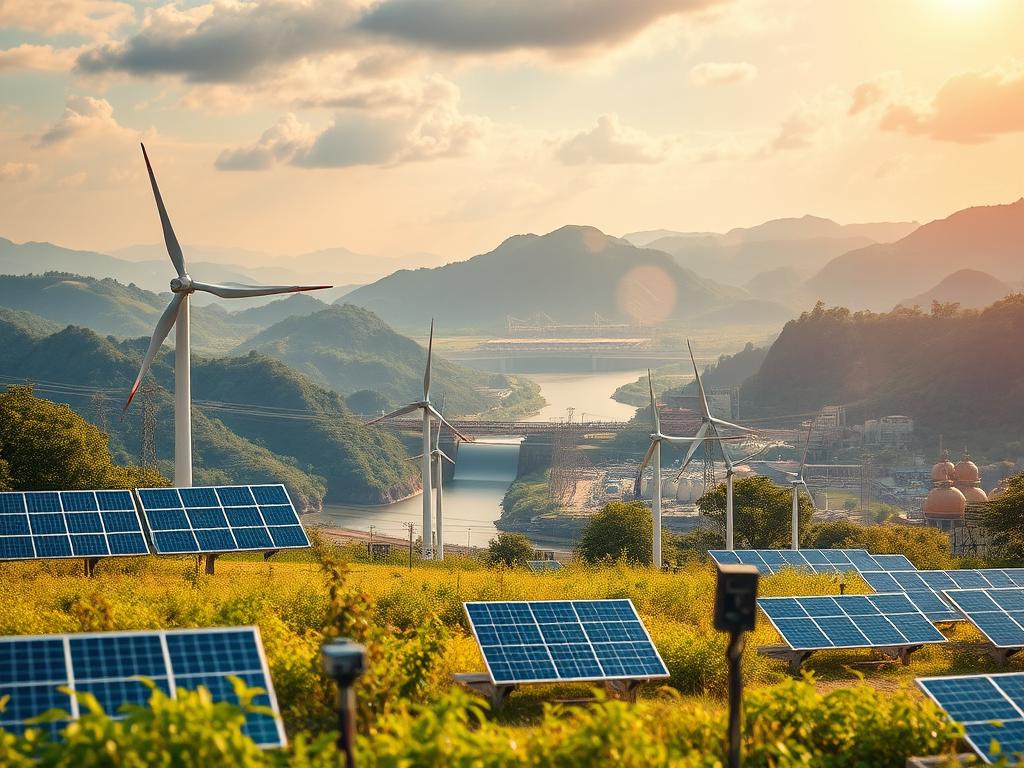
A vibrant composition depicting affordable renewable energy sensors in a sustainable Global South setting. In the foreground, compact solar panels and wind turbines power a network of networked IoT sensors monitoring environmental data. The middle ground showcases a diverse array of green technology, from hydroelectric dams to biofuel refineries, all set against a backdrop of lush, verdant landscapes. Warm, diffused lighting and a lens flare effect evoke a sense of progress and optimism. This scene embodies the spirit of "Ozone Layer Peace Democracy World Cleanup Science Tech Innovation Global South" and the 1st Day of National Hispanic Heritage Month's focus on sustainability, as featured in The Sustainable Digest.

Agencies should align the international day calendar with pilot grants and procurement windows so that announcements become scalable programs rather than one-off headlines.

Capacity building with UNESCO and UNDP for local innovation ecosystems

UNESCO science networks and UNDP accelerator labs can pre-align curricula, maker spaces, and apprenticeship slots to build a pipeline of green skills.

  • Prioritize equitable diffusion: affordable sensors, open data, and community monitoring tied to funding commitments.
  • Pair systems: solar mini-grids plus mangrove or watershed restoration to boost resilience and livelihoods over decades.
  • Use agency networks: UNEP guidance, UNESCO chairs, UNDP labs, and WEF financing should coordinate deliverables for real action.

Track outcomes with BLS-style metrics adapted for partner jurisdictions and use CDC exposure monitoring to validate health co-benefits. Celebrate (global) south-south exchanges and replicate proven models through united nations platforms to ensure that observances catalyze long-term change, not just press coverage.

Biodiversity and Forests: Protecting Natural Capital to Safeguard Livelihoods

Forests and reefs function as the economy’s hidden infrastructure, and their loss erodes livelihoods fast. UNEP and UNESCO biodiversity programs frame species protection as a public good; UNDP forest governance work links tenure and finance to better outcomes.

Data remain stark: recent estimates count forests the size of four times Switzerland lost each year, a scale that compounds over years.

These are not only environmental issues; they are supply-chain shocks. The WEF flags habitat decline as a material risk to food systems and commodity stability.

Public observances such as an international day offer a simple mechanism: annual checkpoints where governments publish deforestation-free sourcing, restoration targets, and enforcement progress.

  • Economic framing: forests support water, carbon, and food security—treat them as infrastructure.
  • Supply chains: disclose sourcing and back restoration promises to protect buyers and producers.
  • Enforcement: protected areas need budgets, rangers, and community pacts tracked yearly.
  • Integration: align coral, wetland, and forest plans for unified financing and monitoring.
  • Livelihoods: celebrate co-managed forest enterprises that raise income and cut clearance pressure.

“Conserve with clear accounts; accountability turns commitments into results.”

Finally, link biodiversity action to public health: CDC guidance underscores that intact habitats reduce zoonotic spillover risk. Use observance dates to publish measurable steps, not just speeches.

U.S. Policy, Labor, and Public Health Implications

Observance moments can do more than mark a date; they can sync federal planning, workforce investments, and public-health messaging to deliver measurable benefits.

Health protection and clean air co-benefits

CDC burden estimates show that tighter standards reduce respiratory illness and avoid premature deaths. Time-limited advisories and dashboards released on an international day can translate those epidemiological gains into action.

Jobs of the transition: skills, sectors, and regional opportunities

BLS data point to growth in environmental compliance, monitoring, recycling, and clean-technology roles; wage gains follow as demand rises. Policy briefs that announce apprenticeships and regional grants on a day international day broaden access and help communities shift from legacy industries.

  • Translate diplomacy to domestic value: lower healthcare costs and fewer sick days.
  • Quantify co-benefits with CDC metrics to make budget cases.
  • Map job creation using BLS categories and fund workforce pipelines.
  • Prioritize equity so transition grants reach hard-hit regions.
  • Frame competitiveness with WEF indicators to bolster investment.
MetricSourcePolicy use
Avoided respiratory hospitalizationsCDCHealth advisories timed to observances
Green job growth (yrs 1–5)BLSApprenticeships and retraining funding
Competitiveness scoreWEFInvestment case for sustainable industries
Program pilots fundedUNEP / UNDPModel replication and scale-up
A serene, sun-dappled landscape under a clear blue sky, with gently swaying trees and lush greenery in the foreground. In the distance, a modern cityscape with gleaming skyscrapers and clean, efficient transportation systems, symbolizing the harmonious integration of nature and technology. The scene embodies the spirit of clean air, sustainability, and the empowerment of diverse communities, as celebrated during the 1st Day of National Hispanic Heritage Month and the UN Global Days. The Sustainable Digest proudly presents this vision of a future where innovation and environmental stewardship go hand-in-hand.

“Align observances with program starts; a public date focuses agencies, funds, and communities.”

Action Roadmap for Agencies, Cities, and Business in the United States

Aligning calendars and data pipelines makes the international day a trigger for procurement, reporting, and measurable results. This section gives a tight playbook U.S. actors can use to convert observances into sustained programs.

Aligning observances with annual planning, reporting, and investment

Schedule discipline matters: agencies should time RFPs, grant awards, and rulemaking notices to cluster around a day international cadence. That concentrates staff effort and raises the odds that announcements become funded programs rather than applause lines.

Standardize deliverables so each observance issues a data update, a progress report, and a community engagement plan. Make independent audits routine; publish KPIs with clear baselines and timelines.

Data partnerships with multilateral institutions for transparency and accountability

Formalize MOUs with UNEP, UNDP, and UNESCO-linked repositories and tie reporting to ECOSOC review cycles. Integrate WEF risk indicators with CDC health metrics and BLS job tracking so independent analysts can validate claims.

“Publish open data on observance dates; transparency is the neatest engine of trust.”

  • Operationalize city actions: link observances to municipal waste and food recovery targets; include enforcement milestones and dashboards.
  • Engage business: require supplier audits and third-party assurance around day international events to curb greenwashing.
  • Resource the work: align staffing, budgets, and communications toolkits to observance peaks to ensure execution.
ActionLeadKPI
Observance-aligned RFP calendarFederal agencies% of grants awarded within 90 days of the day international
Standardized progress reportCities + AgenciesAnnual data update published with baseline metrics
Multilateral data MOUUSG / UNEP / UNDPOpen data feed operational within 12 months
Corporate disclosure pushPrivate sectorThird-party-verified supplier audits completed

Conclusion

A named day gains traction only when paired with contracts, audits, and verifiable data streams; that converts a date into an operational deadline and a public deliverable for agencies and partners.

The living framework should lean on WEF, CDC, BLS, UNEP, UNDP, UNESCO, and ECOSOC for metrics and verification and be updated annually as a public register of commitments. Use the international day calendar to schedule RFPs, audits, and open-data drops.

Observances are calendar anchors, not confetti. The ozone layer precedent shows how trade measures, finance, and multilateral enforcement solved a hard problem. Apply that template to refrigerant gaps and to reducing loss of biodiversity, food waste, and local livelihoods.

Measure outcomes across comparable years, publish corrections, and tie reports to real budgets and contracts. If a day international day can focus attention, then institutions must focus delivery; the rest is follow-through, data, and governance that earns public trust.

Key Takeaways

  • UN observances shape policy windows when tied to funding and procurement.
  • Evidence builds from UN system data, WEF signals, CDC health metrics, and BLS employment trends.
  • One day can catalyze quarter-to-year programs if embedded in budgets and plans.
  • Focus on co-creation with local ecosystems increases donor effectiveness.
  • Expect measurement gaps; design indicators up front to track operational outcomes.

Key Sustainable Development Observances & Holidays to Note

Aug 18th to 24th global observances and holidays within Sustainable Development

The period between August 18th and 24th is filled with important events for Sustainable Development. On August 19th, World Humanitarian Day celebrates the vital work of humanitarian workers. They risk their lives to help others in need.

Another important day is the International Day for the Remembrance of the Slave Trade and its Abolition on August 23rd. It reminds us of past injustices and the ongoing battle against slavery today.

World Water Week runs from August 23rd to September 1st. It focuses on the need for sustainable water management and access to clean water. This is a key part of achieving sustainable development.

The Importance of August Observances in Advancing Sustainable Development

August is packed with global awareness days and cultural celebrations. These events are key for pushing forward sustainable development. They help bring attention to important issues like environmental protection and social justice.

How Global Awareness Days Drive Policy and Action

Global awareness days are crucial for shaping policies and inspiring action. They focus on big challenges like climate change and human rights. For example, the International Day of Indigenous Peoples raises awareness about indigenous rights and struggles. This encourages governments and organizations to create more inclusive policies.

The Role of Cultural Celebrations in Promoting Sustainability

Cultural celebrations also play a big role in promoting sustainability. Events like Indonesia Constitution Day on August 18th celebrate national heritage. They also highlight the role of good governance in achieving sustainable goals. These celebrations blend cultural values with sustainability goals, leading to a more complete approach to development.

In summary, August’s observances are more than just symbols. They are drivers of change. By using these global awareness days and cultural celebrations, we can make real progress towards a sustainable future.

Aug18th to24th Global Observances and Holidays within Sustainable Development

A serene global landscape depicting various observances and holidays related to sustainable development. In the foreground, a diverse group of people from different cultures celebrate together, their joyful expressions illuminated by warm, natural lighting. In the middle ground, symbolic icons representing key sustainable development goals are prominently displayed, such as the Earth, a wind turbine, and a recycling symbol. In the background, a kaleidoscope of colorful flags and banners wave, showcasing the worldwide observance of these important events. The overall scene conveys a sense of unity, harmony, and a commitment to a sustainable future. The brand "The Sustainable Digest" is subtly incorporated into the image.

Between August 18th and 24th, the world comes together for several key events. These events are important for moving forward on sustainable development goals. This time is filled with global observances and holidays that bring attention to important issues and encourage international cooperation.

Week-at-a-Glance: Key Events and Their Significance

The week is filled with important events. World Humanitarian Day on August 19th highlights the need for humanitarian work and the challenges faced by aid workers. Also, International Day for the Remembrance of the Slave Trade and its Abolition on August 23rd reminds us of the slave trade’s history and its lasting effects.

  • August 18th: Indonesia Constitution Day – focusing on governance for sustainability.
  • August 19th: World Humanitarian Day – focusing on humanitarian challenges and resilience.
  • August 23rd: International Day for the Remembrance of the Slave Trade and its Abolition – reflecting on historical injustices and modern slavery.
  • August 24th: Ukraine Independence Day – celebrating resilience and sustainability efforts.

Historical Context and Evolution of Late August Observances

These observances have changed over time, showing shifts in global priorities and challenges. For example, World Humanitarian Day now focuses on keeping humanitarian workers safe. The International Day for the Remembrance of the Slave Trade and its Abolition also educates us about the slave trade’s past and its effects today.

The importance of these events is in how they can change public opinion, shape policies, and push for sustainable development. By knowing their history and how they’ve changed, we can see why they’re still important today.

World Humanitarian Day (August19): Supporting Human Dignity

On August 19, the world comes together to honor World Humanitarian Day. This day celebrates the brave and compassionate people who risk everything to help others. It also shines a light on the big challenges they face in dangerous places.

Origins and Purpose

World Humanitarian Day was started by the United Nations in 2008. It remembers the UN bombing in Baghdad on August 19, 2003. This bombing killed 22 people, including Sergio Vieira de Mello, the UN’s Special Representative to Iraq.

The day is to get people all over the world to support humanitarian causes. It’s also to thank humanitarian workers who risk their lives to help others.

2023 Themes and Global Activities

The theme for World Humanitarian Day 2023 is “#ItTakesAVillage.” It shows how important it is for everyone to work together to help those in need. There will be many activities around the world, like campaigns, fundraising, and community programs.

Humanitarian Work’s Connection to Sustainable Development Goals

Humanitarian work is closely tied to the Sustainable Development Goals (SDGs). It helps achieve goals like reducing poverty, improving health and education, and fighting for gender equality. Humanitarian aid lays the groundwork for lasting development, especially in areas hit by conflict or disaster.

SDGHumanitarian Contribution
SDG 1: No PovertyEmergency relief and support for economic recovery
SDG 3: Good Health and Well-beingProvision of medical aid and health services
SDG 4: Quality EducationSupport for educational infrastructure and resources

By supporting humanitarian work, we’re not just saving lives in the moment. We’re also investing in a better future for everyone.

International Day for the Remembrance of the Slave Trade and its Abolition (August23)

A somber tableau commemorating the International Day for the Remembrance of the Slave Trade and its Abolition. In the foreground, a captive African man in shackles, his face etched with pain and determination. Behind him, a vast ocean expanse symbolizing the transatlantic slave trade. In the middle ground, silhouettes of slave ships against a moody, twilight sky. The background features towering monuments and statues, a testament to the struggle for freedom and justice. The scene is illuminated by warm, golden light, creating a contemplative and reverent atmosphere. The Sustainable Digest.

This day, on August 23rd, reminds us of the slave trade’s dark history. It also looks at its lasting impact today. It’s a day to remember the past, understand today, and dream of a slavery-free future.

Historical Significance and UNESCO’s Role

UNESCO created this day to honor those who suffered in the slave trade. It’s a time to reflect on slavery’s past and present effects. UNESCO works hard to spread awareness through education and culture.

Modern Slavery Issues and Sustainable Development

Even though the slave trade ended, slavery still exists today. It affects millions of people. This day emphasizes the need to fight modern slavery as part of the Sustainable Development Goals.

AspectHistorical ContextModern Relevance
Slave TradeTransatlantic slave tradeModern slavery and human trafficking
UNESCO’s RolePreservation of historical memoryEducational initiatives and cultural programs
Global CommemorationRemembrance eventsAwareness campaigns and advocacy

Global Commemoration Activities and Educational Initiatives

There are many ways to honor this day. Events include ceremonies, cultural shows, and learning programs. These activities remember the past and talk about slavery today.

Environmental Conservation Observances: Protecting Our Planet

The third week of August is filled with important days for the environment. These days focus on saving our planet, from protecting biodiversity to making food systems sustainable. They remind us all how crucial it is to work together to save our planet.

International Orangutan Day: Biodiversity Protection

August 19 is International Orangutan Day. It shines a light on orangutans and why we must save their homes. Orangutans are not just cute animals; they are key to keeping their ecosystems healthy. Saving their forests also helps with carbon sequestration and supports many species.

World Mosquito Day: Public Health and Climate Change

World Mosquito Day is on August 20. It focuses on how mosquitoes affect our health. Diseases like malaria and dengue fever are big problems, especially in warm places. Climate change is making mosquitoes spread diseases more, which is a big concern for health and the environment.

World Plant Milk Day: Sustainable Food Systems

August 22 is World Plant Milk Day. It celebrates the good things about plant-based milk. Making plant milk uses less water and land than dairy milk. This day encourages us to think about the environmental impact of what we eat and supports eating in a way that’s better for our planet.

These important days in late August show us how connected saving biodiversity, keeping people healthy, and eating sustainably are. By learning more and taking action, we can help make a better future for everyone.

World Water Week (Beginning August24): Addressing Global Water Challenges

A bustling scene of World Water Week activities, showcased in a richly detailed illustration. In the foreground, a group of people engage in a lively discussion, their faces animated as they share ideas. In the middle ground, various booths and exhibits display information on water conservation and sustainability initiatives, The Sustainable Digest branding prominently featured. In the background, a panoramic view of a vibrant city skyline, bathed in warm, golden light, symbolizing the global reach and importance of the event. The overall mood is one of collaboration, education, and a collective commitment to addressing the world's water challenges.

The world will gather in Stockholm for World Water Week starting August 24. This event is crucial for tackling global water challenges. Experts, policymakers, and stakeholders will come together to discuss water security and sustainable development.

Key Themes and Focus Areas for2023

The 2023 World Water Week will focus on several key themes. These include water security, sustainable water management, and climate change’s impact on water resources. Sessions, workshops, and presentations will explore these topics, offering insights into current challenges and solutions.

Water Security and Sustainable Development

Water security is closely tied to sustainable development. Access to clean water and sanitation is key for achieving the United Nations’ Sustainable Development Goals (SDGs), especially SDG 6. The week will emphasize the need to integrate water security into development plans.

ThemeFocus AreaRelevance to SDGs
Water SecurityAccess to clean water and sanitationSDG 6: Clean Water and Sanitation
Sustainable Water ManagementEfficient use of water resourcesSDG 12: Responsible Consumption and Production
Climate Change ImpactMitigating the effects of climate change on waterSDG 13: Climate Action

Participation Opportunities for Organizations and Individuals

World Water Week offers many ways for organizations and individuals to get involved. You can attend sessions, present research, or join side events. It’s a chance to network, collaborate, and work towards a water-secure future.

Social Justice and Peace Observances

August is a key month for global awareness. It has several observances from the 18th to the 24th. These focus on social justice and peace efforts. They remind us of the ongoing challenges and the work towards a just and peaceful world.

International Day Commemorating Victims of Religious Violence

The International Day Commemorating Victims of Religious Violence is on August 22. It calls for fighting religious intolerance and violence. This day stresses the need for tolerance, understanding, and respect for all religions.

European Day of Remembrance for Victims of Stalinism and Nazism

On August 23, Europe remembers the victims of Stalinism and Nazism. It reflects on the horrors these regimes caused. This day is about keeping history alive to stop future human rights abuses.

Be An Angel Day

Be An Angel Day is also on August 22. It urges people to do kind acts and show compassion. It shows that small actions can help make society more peaceful and just.

These observances are important for raising awareness and inspiring action. Key efforts include:

  • Educational programs to promote tolerance and understanding
  • Community service projects that foster compassion and empathy
  • Advocacy campaigns to address systemic injustices and human rights violations

By joining these observances, we can help a bigger movement towards justice and peace. Reflecting on these days, we see the strength of working together for a fairer world.

National Independence and Cultural Celebrations

A vibrant celebration of national independence, with a lively crowd gathered in a bustling town square. In the foreground, people wave flags and banners, their faces alight with joy and pride. In the middle ground, colorful parades with traditional dancers and musicians weave through the streets, creating a festive atmosphere. The background features stately government buildings and historic landmarks, bathed in warm, golden light from the setting sun. The Sustainable Digest logo is subtly integrated into the scene, capturing the spirit of cultural heritage and national pride.

Between August 18th and 24th, many countries celebrate their freedom. These events show how freedom and sustainable living are linked. They also celebrate cultural traditions and the strength needed to reach sustainable goals.

Ukraine Independence Day (August24): Resilience and Sustainability

Ukraine celebrates its freedom from the Soviet Union on August 24th. This day is important for Ukrainians and the world. It shows Ukraine’s strength in tough times and its push for a better future.

Afghanistan Independence Day (August19): Development Challenges

Afghanistan marks its freedom from Britain on August 19th. This day reminds us of Afghanistan’s big challenges. The world must help Afghanistan overcome these to achieve a better future.

Indonesia Constitution Day (August18): Governance for Sustainability

Indonesia celebrates its constitution on August 18th. This day shows how good leadership is key to a sustainable future. Indonesia’s story teaches us about the role of effective governance in national progress.

The following table summarizes key aspects of these national independence and cultural celebrations:

CountryCelebration DateSignificance
UkraineAugust 24Resilience and sustainability in the face of geopolitical challenges
AfghanistanAugust 19Complex development challenges and the need for international support
IndonesiaAugust 18Importance of good governance for sustainable development

In conclusion, these celebrations show different ways countries work towards a sustainable future. By learning about each country’s journey, we can all support their efforts towards a better world.

Media and Communication Observances: Spreading Awareness

Media and communication observances help us understand global challenges. In August, we see many important observances. They show how media, communication, and transportation are key to reaching sustainable development goals.

World Photo Day (August 19): Documenting Environmental Change

World Photo Day is on August 19. It celebrates photography and its role in highlighting important issues. Photos can show how human actions affect the planet, encouraging us to take action.

National Radio Day (August 20): Communication for Development

National Radio Day is on August 20. It emphasizes radio’s role in communication and development. Radio is crucial for reaching people in remote areas, offering information, education, and fun.

National Aviation Day (August 19): Sustainable Transportation

National Aviation Day is also on August 19. It looks at aviation’s role in transportation and its green potential. The industry is exploring eco-friendly options like sustainable fuels and better aircraft designs.

ObservanceDateFocus Area
World Photo DayAugust 19Documenting Environmental Change
National Radio DayAugust 20Communication for Development
National Aviation DayAugust 19Sustainable Transportation

These observances do more than just raise awareness. They motivate us to work towards a greener future. By using media, communication, and transportation wisely, we can achieve sustainable development goals.

How These Observances Align with UN Sustainable Development Goals

A highly detailed, photorealistic image of the 17 United Nations Sustainable Development Goals (SDGs) arranged in a dynamic, overlapping composition. The goals are depicted as colorful, three-dimensional icons against a clean, minimalist background. The lighting is soft and directional, creating depth and highlighting the individual SDG elements. The camera angle is slightly elevated, giving a sense of authority and importance to the subject matter. In the foreground, the text "The Sustainable Digest" is prominently displayed in a modern, sans-serif font, framing the SDG icons. The overall atmosphere is one of professionalism, innovation, and a commitment to sustainable global development.

The SDGs help us see why late August’s global events are important. From August 18th to 24th, many observances match up with SDGs. This shows a wide-ranging effort towards sustainable development.

Many of these events support Social Development Goals (SDGs 1-6). For example, World Humanitarian Day on August 19th fits with SDG 1 (No Poverty) and SDG 3 (Good Health and Well-being). It shows how humanitarian work helps reduce poverty and improve health worldwide.

Social Development Goals (SDGs 1-6)

  • SDG 1: No Poverty – Supported through humanitarian efforts highlighted on World Humanitarian Day.
  • SDG 3: Good Health and Well-being – Advanced through public health observances like World Mosquito Day on August 20th.
  • SDG 4: Quality Education – Promoted through educational initiatives on International Day for the Remembrance of the Slave Trade and its Abolition on August 23rd.

Environmental Sustainability Goals (SDGs 7, 11-15)

Days like International Orangutan Day on August 19th and World Plant Milk Day on August 22nd focus on the environment. They stress the need to protect biodiversity and promote sustainable food systems. These efforts align with SDGs 12 (Responsible Consumption and Production) and 15 (Life on Land).

Economic and Institutional Goals (SDGs 8-10, 16-17)

Events like Ukraine Independence Day on August 24th and Afghanistan Independence Day on August 19th highlight SDG 16 (Peace, Justice, and Strong Institutions). They celebrate national sovereignty and strong institutions. World Water Week, starting on August 24th, also focuses on SDG 6 (Clean Water and Sanitation) and SDG 8 (Decent Work and Economic Growth). It emphasizes water security and sustainable management.

Looking at these events through the SDG lens helps us see their combined effect. It shows how they work together to create a more sustainable and fair world.

Practical Ways to Participate in August Sustainable Development Observances

A bustling city skyline at sunset, with green rooftop gardens, solar panels, and wind turbines dotting the landscape. In the foreground, a diverse group of people of all ages engaged in various sustainable activities - recycling, urban gardening, cleaning up a park, and attending a rally for "The Sustainable Digest" green initiative. The scene is illuminated by warm, golden lighting, conveying a sense of optimism and community involvement in building a more sustainable future.

August is filled with sustainable development observances. The world needs our help to make a difference. We can all take part in activities that support these causes.

Educational Activities and Learning Resources

Learning about sustainable development goals is key. Organizations can create workshops, webinars, and online courses. For example, World Humanitarian Day on August 19 can be celebrated with educational programs.

Here are some educational ideas:

  • Developing curriculum materials for schools
  • Hosting expert-led webinars on sustainable development topics
  • Creating online courses on platforms like Coursera or edX

Community Engagement and Local Action

Getting involved in your community is important. You can help with events, clean-up campaigns, and awareness drives. For instance, World Water Week starting on August 24 can be marked with water conservation efforts.

ObservanceCommunity Engagement Idea
World Humanitarian Day (Aug 19)Organize a charity run or fundraising event
International Day for the Remembrance of the Slave Trade and its Abolition (Aug 23)Host a historical exhibition or cultural event
World Water Week (Starting Aug 24)Conduct water conservation workshops

Digital Campaigns and Global Advocacy

Digital campaigns can spread the word about sustainable development. Social media is a great tool for this. For example, a campaign for World Photo Day on August 19 can ask people to share environmental photos.

By using these strategies, we can all help make a difference in August. Together, we can work towards a more sustainable future.

Conclusion: Leveraging Global Observances for a More Sustainable Future

As we face the challenges of global sustainability, using global observances is key. From August 18th to 24th, important events showed us the need for working together. They highlighted the importance of a sustainable future.

These events, like World Humanitarian Day and International Day for the Remembrance of the Slave Trade, show how social justice, environmental care, and economic growth are linked. By joining in, we can help make the world more just and green.

To build a sustainable future, we must keep spreading awareness and pushing for policy changes. This way, we can grow a culture of sustainability in every part of society. It’s about changing our communities and the world’s governance.

Let’s use global observances to make real changes and impact sustainable development. Together, we can make a better, more resilient future for everyone.

Key Takeaways

  • World Humanitarian Day on August 19th honors humanitarian workers.
  • The International Day for the Remembrance of the Slave Trade and its Abolition is observed on August 23rd.
  • World Water Week starts on August 23rd, focusing on sustainable water management.
  • These events are crucial for raising awareness about sustainable development issues.
  • They promote global cooperation and action towards achieving sustainable development goals.

Week of Aug 9-16 Reflect on Sustainability in International Affairs

The week of August 9th to the 16th saw major global events. These events showed how sustainability in international affairs is key. Many international observances focused on important sustainability issues that affect the world.

During this time, the world came together to tackle big problems. They showed how sustainable practices can be part of international policies. This showed the need for everyone to work together to solve global challenges.

Aug 9 to 16 reflect review retrospect Sustainability International Affairs

Looking back, it’s clear that global perspectives on sustainability are vital. The talks and results from this week give us important lessons. They help us understand the challenges of achieving sustainability worldwide.

Global Sustainability Landscape in2023

The year 2023 is a key moment for global sustainability. International cooperation is more crucial than ever. The world faces challenges like climate change, environmental damage, and social inequality. We need to work together more than ever.

Current State of International Sustainability Efforts

International efforts have made big strides, like adopting the United Nations’ Sustainable Development Goals (SDGs). These goals help countries aim for a sustainable future. They tackle poverty, inequality, and climate change. Yet, we still need better international cooperation to tackle these global issues.

The role of sustainable development in national policies is growing. Countries are adding sustainability to their economic plans. They see the long-term benefits of protecting the environment and promoting social equity.

Critical Challenges Facing Global Environmental Governance

Despite progress, global environmental governance has big challenges. A major issue is the lack of strong environmental policies worldwide. The current system is often broken, with many agreements and groups focusing on different environmental issues.

  • Inadequate enforcement mechanisms for environmental regulations
  • Limited financial resources for sustainability initiatives
  • The need for greater international cooperation to address global environmental issues

Overcoming these challenges will take a united effort from governments, international groups, and civil society. Together, we can overcome these hurdles and build a sustainable future.

August 9 to August 16 Reflect Review Retrospect Sustainability International Affairs

The week from August 9th to 16th was key for looking at global sustainability. It showed many important events and plans that show how vital sustainability is in world affairs.

Week’s Significance in the Global Sustainability Calendar

The week of August 9-16 was big in the global sustainability calendar. It included days like the International Day of the World’s Indigenous Peoples and World Elephant Day. These days brought up big sustainability topics, like rights for indigenous people and saving wildlife.

A thoughtfully and accurately designed map and calendar with the title "The Sustainable Digest"; covers the full frame. In the foreground, international flags and environmental icons suggest the global nature of sustainability. In the middle ground, images of nature, renewable energy, national independence, and sustainable practices illustrate the various aspects of sustainability. The background features a soft, blurred world map, reinforcing the global scope. The calendar is rendered in a warm, earthy color palette with gentle lighting, conveying a sense of reflection and responsibility. The overall composition is balanced, clean, and visually captivating, perfectly suited to illustrate the section on "August 9 to August 16 Reflect Review Retrospect Sustainability, Cooperatives, and International Affairs".

The International Day of the World’s Indigenous Peoples on August 9 showed how important indigenous groups are for the environment. World Elephant Day on August 12 stressed the need to keep working to save endangered animals.

Major Sustainability Developments and Diplomatic Initiatives

During this week, big sustainability news and diplomatic plans were in the spotlight. Working together on environmental issues was a big theme. Many countries showed they are serious about sustainable growth.

InitiativeDescriptionImpact
Indigenous Peoples’ DayRecognized indigenous communities’ contributions to sustainabilityRaised awareness about indigenous rights
World Elephant DayFocused on elephant conservationHighlighted the need for anti-poaching efforts
International Biodiesel DayPromoted the use of biodiesel as a renewable energy sourceEncouraged sustainable energy policies

These efforts show the ongoing work to tackle global sustainability problems. They do this through teamwork and new ideas.

Indigenous Perspectives on Sustainability

As we face sustainability challenges, indigenous views are key. They show us how to care for the environment. Their traditional knowledge helps us find new ways to live sustainably.

International Day of The World’s Indigenous People

The International Day of the World’s Indigenous Peoples is on August 9. It’s a time to think about how indigenous peoples help us achieve sustainability. This day celebrates their role in keeping our planet healthy and diverse.

It also reminds us to respect and support their rights and knowledge.

Suriname Indigenous People’s Day Celebrations

In Suriname, Indigenous People’s Day is a big deal. It shows the community’s work in keeping their culture and traditions alive. These celebrations teach us about the value of indigenous knowledge in protecting our planet.

They also give indigenous communities a chance to share their stories and struggles.

Indigenous Knowledge Systems and Environmental Stewardship

Indigenous knowledge is essential for taking care of our planet. It’s based on centuries of living in harmony with nature. By combining this knowledge with today’s sustainability efforts, we can do better for our environment.

Environmental Commemorations and Their Global Impact

The week of August 9-16 is filled with important environmental events. These events show how crucial global sustainability efforts are. They raise awareness and push for a sustainable future.

World Elephant Day (August 12): Conservation Diplomacy

World Elephant Day on August 12 brings attention to elephants facing poaching and habitat loss. It’s vital to protect them through international efforts and protected areas. Conservation diplomacy helps protect endangered species through global agreements.

A lush, vibrant landscape depicting the conservation efforts for World Elephant Day. In the foreground, a majestic African elephant stands tall, its trunk reaching towards a young sapling, symbolizing the delicate balance between nature and human intervention. The middle ground showcases a group of dedicated conservationists, their expressions radiating determination as they monitor the elephant's well-being. The background reveals a breathtaking vista of rolling hills, dotted with scattered trees and a clear, azure sky, conveying a sense of tranquility and harmony. Warm, golden lighting casts a gentle glow, creating a serene and hopeful atmosphere. Captured through a wide-angle lens, this image encapsulates the essence of World Elephant Day and The Sustainable Digest's commitment to environmental preservation.

International Biodiesel Day (August 10): Renewable Energy Policies

International Biodiesel Day on August 10 celebrates biodiesel’s role in renewable energy. Good policies are key to using more biodiesel and less fossil fuel. Governments and groups can help by supporting policies that encourage biodiesel.

Renewable Energy SourceBenefitsChallenges
BiodieselReduces greenhouse gas emissions; supports agricultural economiesLand use competition; high production costs
Solar EnergyAbundant resource; zero emissions during operationIntermittent energy supply; high initial investment
Wind EnergyLow operational costs; reduces reliance on fossil fuelsIntermittency; potential environmental impacts on wildlife

World Lizard Day (August 14): Biodiversity Protection Efforts

World Lizard Day on August 14 highlights the importance of lizards and biodiversity. Protecting their habitats and fighting wildlife trafficking are key. These actions help keep ecosystems healthy and strong.

By celebrating these days, we show our dedication to solving environmental problems. Through diplomacy, renewable energy, and protecting biodiversity, we aim for a greener world.

National Celebrations with Sustainability Dimensions

National celebrations are more than just cultural pride. They show the challenges and chances for sustainable growth. Countries worldwide celebrate their independence and national days. These events often show the link between national identity, economic growth, and the environment.

India and Pakistan Independence Days: Sustainable Development Challenges

India’s Independence Day is on August 15, and Pakistan’s is on August 14. These days highlight the sustainable development hurdles these nations face. Both countries have grown economically but struggle with environmental problems like pollution and climate change.

For example, India aims to boost renewable energy but still relies on coal. Pakistan also battles to manage its water resources well.

Key sustainable development challenges for India and Pakistan include:

  • Reducing carbon emissions while meeting growing energy demands
  • Managing water resources sustainably
  • Protecting biodiversity and natural habitats

Singapore National Day: Urban Sustainability Model

Singapore’s National Day on August 9 celebrates its success in urban sustainability. It’s known for making cities livable and green. The city-state has projects like Gardens by the Bay and a good public transport system.

Its urban planning focuses on green spaces, waste management, and energy efficiency. This makes Singapore a leader in urban sustainability.

Some of the key features of Singapore’s urban sustainability model include:

  1. Integration of green spaces into urban planning
  2. Innovative water management systems
  3. Investment in sustainable public transportation

In conclusion, national celebrations in India, Pakistan, and Singapore show the complex relationship between national identity, economic growth, and sustainability. By looking at these events, we can understand the challenges and chances for sustainable development.

Economic Sustainability in the Fourth Industrial Age

The Fourth Industrial Revolution is changing how we think about sustainability. It’s important to understand how this change affects our economy. This knowledge is key to making our economy sustainable.

MSMEs and Sustainable Community Development

Micro, Small, and Medium Enterprises (MSMEs) are crucial for sustainable communities. They create jobs and drive innovation. In the Fourth Industrial Age, MSMEs can use technology to be more sustainable.

They can use green energy, reduce waste, and improve their supply chains. This helps them and their communities thrive.

International Trade Patterns and Environmental Standards

Global trade affects our environment. As trade grows, we need better environmental rules. The Fourth Industrial Revolution is a chance to improve these standards.

More countries and companies are focusing on green trade. They’re using eco-friendly technologies and reducing waste. This helps protect our planet.

Fourth Industrial Revolution Technologies Advancing Sustainability

Technologies like AI, blockchain, and IoT can make our world more sustainable. They help us use resources better and reduce waste. This is good for the environment and the economy.

A panoramic view of cutting-edge Fourth Industrial Revolution technologies against a backdrop of a sustainable, eco-friendly cityscape. In the foreground, a holographic display showcases AI-powered robotic automation, blockchain-enabled smart contracts, and immersive VR/AR experiences. The middle ground features self-driving electric vehicles, renewable energy sources like solar panels and wind turbines, and a network of connected IoT devices. In the background, towering skyscrapers with green roofs and vertical gardens blend seamlessly with lush, verdant parks and waterways. Warm, diffused lighting casts a tone of innovation and environmental consciousness. The logo "The Sustainable Digest" is subtly integrated into the scene, capturing the synergy between technological progress and sustainability.

For example, IoT helps manage energy use. Blockchain makes supply chains more transparent. These technologies help us grow our economy in a green way.

Social Dimensions of Global Sustainability Efforts

Global efforts to be sustainable are now seeing the big role of social aspects. Success in these efforts isn’t just about the environment. It also depends on the social ties within communities.

Women’s Empowerment in Sustainability Initiatives

Women’s empowerment is key in sustainability. Empowered women can lead change in their areas. They help spread sustainable habits and care for the environment.

National Women’s Day and Gender-Responsive Climate Action

National Women’s Day shows how vital gender-responsive climate action is. Adding gender views to climate plans makes sustainability efforts fairer and more effective.

Women’s and Family Day: Sustainable Household Practices

Women’s and Family Day focuses on household actions for sustainability. Small steps like cutting down on waste and saving energy can make a big difference.

Grassroots Organizations and NGOs Driving Change

Grassroots groups and NGOs lead in sustainability efforts. They work with communities, understanding their needs. They then create specific plans to help.

Cultural Heritage Preservation as Sustainability Practice

Preserving cultural heritage is a key part of sustainability. It keeps community identity alive. It also supports sustainable tourism.

In summary, the social side of global sustainability is complex. By empowering women, supporting local groups, and saving cultural heritage, we can build a better, more sustainable world.

International Cooperation Frameworks for a Sustainable Future

Global challenges need a team effort. International cooperation is key to reaching the UN Sustainable Development Goals. As the world connects more, working together is more important than ever.

A bustling cityscape with towering skyscrapers of glass and steel, bathed in warm, golden light. In the foreground, representatives from diverse nations stand together, shaking hands and exchanging documents, symbolizing international cooperation. The middle ground features a grand, modern conference center, its sleek architecture and curved lines conveying a sense of unity and progress. In the background, a panoramic view of the city skyline, with wind turbines and solar panels dotting the horizon, a testament to sustainable energy solutions. The overall atmosphere exudes a sense of optimism, collaboration, and a shared commitment to a sustainable future. The Sustainable Digest.

Progress Toward 2030 UN Sustainable Development Goals

The UN Sustainable Development Goals (SDGs) are a call to action for everyone. They aim to end poverty, protect our planet, and bring peace and prosperity by 2030. We’ve seen progress, like fewer people living in extreme poverty and more access to education.

But, we still face big challenges. The progress is not even across all regions and goals.

Role of International Organizations in Sustainability Governance

International organizations help a lot with sustainability. They help countries talk, set rules, and get help. The United Nations works with governments, civil society, and businesses to push the SDGs forward.

Other groups, like the World Trade Organization and the International Labour Organization, help too. They deal with trade and labor issues.

Cross-Border Initiatives Highlighted During August 9-16

From August 9-16, many cross-border projects were showcased. They showed how working together can tackle big global problems. These projects focused on fighting climate change, saving biodiversity, and supporting sustainable trade.

These efforts show why countries need to work together for a sustainable future.

Conclusion: Pathways Forward for Global Sustainability

The week of August 9-16 highlights the urgent need for global sustainability efforts. It shows how important international cooperation and commitment to sustainability are. These efforts are key to moving forward.

This week focuses on many global challenges. It includes the International Day of the World’s Indigenous People and World Elephant Day. These days remind us of the need to protect biodiversity and respect indigenous knowledge.

As we move ahead, we must keep working towards the 2030 UN Sustainable Development Goals. We need to work together, using international cooperation and cross-border initiatives. This will involve governments, NGOs, and local groups.

The future of global sustainability depends on our ability to balance different areas. We need to create a culture of sustainability and use new technologies. This will help us build a fair and green world.

Key Takeaways

  • Significant global events highlighted the importance of sustainability.
  • International observances drew attention to critical sustainability issues.
  • The need for unified global action on sustainability was underscored.
  • Global perspectives are crucial for achieving sustainability.
  • The week’s events provided insights into the complexities of global sustainability efforts.
  • Indigenous perspectives are vital for global sustainability efforts.
  • The International Day of the World’s Indigenous Peoples highlights indigenous contributions.
  • Indigenous knowledge systems offer valuable insights into environmental stewardship.

World Leisure Organization, UNWTO, WTTO, WEF, Ecotourism, & economic development Explained

World Leisure Organization, UNWTO, WTTO, WEF, Ecotourism, & economic development

The travel and tourism industry leaders such as the World Leisure Organization, plays a crucial role in shaping economies and preserving cultures. Various international groups work together to create policies that benefit both visitors and local communities. Their efforts focus on balancing growth with environmental care.

Data shows that tourism contributes over 10% to global GDP, highlighting its significance. Many regions rely on this sector for jobs and revenue. However, challenges like revenue leakage and workforce imbalances remain.

The World Leisure Organization promotes initiatives aim to make travel more sustainable while supporting growth. Case studies from places like Bali and Sikkim show real-world impacts. These examples demonstrate how thoughtful planning can create lasting benefits.

Introduction to Global Tourism and Economic Development

From rainforests to cities, tourism creates opportunities beyond borders. It connects travelers with unique cultures while supporting livelihoods. Behind this growth are key groups and concepts shaping its future.

Core Definitions and Players

Ecotourism focuses on nature conservation while funding local communities. The UNWTO highlights it as a tool for Indigenous empowerment. Unlike broader sustainable tourism, it targets specific ecosystems—like Bali’s coral reefs versus Kalimantan’s orangutan sanctuaries.

The WTTC tracks tourism’s massive scale. In 2019, it generated $1.7 trillion in export earnings. Yet benefits aren’t always evenly shared:

  • West Bali’s tourism jobs skew male-dominated (“gendered economies”).
  • Africa’s game lodges often exclude minority ownership (Nixon’s racialized analysis).

“Selling nature to save it creates a neoliberal paradox.”

McAfee

Challenges and Metrics

Sikkim’s workforce reveals gaps: 61% of tourism jobs go to outsiders, causing revenue leakage. Still, the sector contributes 7.7% to its GDP. Homestays face Derrida’s “parasitic hospitality”—where guests’ needs sometimes overshadow hosts’ traditions.

Governments and NGOs work to rebalance these dynamics. Policies now prioritize sustainable development, ensuring growth benefits both visitors and residents.

The World Leisure Organization: Promoting Sustainable Recreation

A serene outdoor scene showcasing sustainable recreation initiatives. In the foreground, a group of hikers enjoys a scenic trail winding through lush, verdant forests, with The Sustainable Digest logo prominently displayed on their backpacks. The middle ground features a crystal-clear lake, its surface reflecting the surrounding mountains and trees. In the background, a modern, eco-friendly lodge blends seamlessly with the natural landscape, its solar panels and wind turbines harnessing renewable energy. Warm, golden sunlight filters through the canopy, casting a tranquil, inviting atmosphere. The image captures the essence of responsible, nature-focused recreation that the World Leisure Organization promotes.

Innovative approaches to leisure are transforming how communities benefit from tourism. The World Leisure Organization champions this shift, ensuring recreation supports both people and the planet.

Mission and Core Initiatives

As an international group, the World Leisure Organization sets global standards for environmental care and community wellbeing. Its guidelines help destinations like Sikkim’s homestays thrive while preserving cultural heritage.

Key strategies include:

  • The World Leisure Organization partnering with NGOs to scale micro-tourism projects, like Bali’s village-based tours.
  • Combating greenwashing through certifications (e.g., Costa Rica’s CST rating system).
  • Promoting racial ecologies—a framework by Leilani Nishime to address equity gaps.

“True sustainability requires dismantling colonial tourism models.”

Duke University Press

Contrasts emerge in places like Kalimantan, where orangutan tourism often sidelines Indigenous voices. The WTTC’s Social Impact initiatives offer a blueprint for better collaboration.

UNWTO: Driving Global Tourism Policy

Guiding the future of travel, the UNWTO shapes policies that balance growth with responsibility. Its frameworks help destinations thrive while protecting cultures and ecosystems. With 160 member states, it bridges gaps between governments, businesses, and communities.

Structure and Key Programs

The UNWTO aligns with the UN’s sustainable development goals, notably Goal 8 (economic growth) and Goal 12 (responsible consumption). Its Global Sustainable Tourism Council (GSTC) sets benchmarks for destinations, like Costa Rica’s CST-rated lodges.

Key initiatives include:

  • Certification systems: GSTC criteria, launched in 2008, combat greenwashing in Kalimantan’s wildlife tourism.
  • Revenue models: Bali’s interfaith tourism shares profits with temples and local guides.
  • Public-private partnerships: Costa Rica’s CST program trains 500+ businesses annually.

“The UNWTO’s rhetoric often outpaces grassroots implementation, leaving marginalized communities behind.”

Dalgish

DestinationTourism GDP ContributionKey Challenge
Sikkim, India7.7%61% jobs filled by outsiders
Global Average10.4%Revenue leakage (20–30%)

The WTTC’s decoupling strategies reduce environmental footprints. Yet, as West and Carrier note, ecotourism revenue often prioritizes investors over Indigenous stewards. The UNWTO’s next phase must address these disparities.

WTTO’s Vision for Inclusive Tourism Growth

A vibrant cityscape with modern skyscrapers, bustling streets, and thriving businesses. In the foreground, a group of diverse travelers explore the city, capturing moments on their cameras. The middle ground showcases a variety of transportation options, from sleek electric vehicles to a bustling public transit system. In the background, a majestic mountain range provides a serene backdrop, hinting at the natural wonders that draw visitors to this destination. The scene is bathed in warm, golden light, creating a sense of prosperity and opportunity. The text "The Sustainable Digest" appears discreetly in the lower corner, reflecting the publication's focus on responsible tourism and economic development.

New research reveals gaps between tourism’s promises and local realities. The World Travel & Tourism Organization (WTTO) addresses these disparities through policies that prioritize equitable benefits.

Measuring Impact Beyond Headline Numbers

Sarkar’s 2020 study in Sikkim shows tourism created 7 family-supporting jobs for every 10 positions. Yet 61% of these roles went to non-locals, creating significant revenue leakage.

“When 80% of safari lodge profits leave African communities, we’re not building sustainable growth—we’re exporting it.”

Igoe & Brockington

Global data presents stark contrasts:

RegionTourism Export ValueLocal Retention Rate
Global Average$1.7 trillion70-80%
Developing Markets$490 billion39%

Bali’s micro-tourism model offers solutions. Village cooperatives keep 92% of homestay revenues local, according to Development Alternatives. Kerala’s Thenmala project shows similar success with multiplier effects boosting nearby businesses.

The WTTO now advocates certified workforce quotas. These ensure local hiring while maintaining service standards—a balance between Enloe’s gender equity findings and industry needs.

WEF’s Influence on Tourism and Economic Resilience

Emerging technologies are reshaping how destinations manage visitor flows and economic impacts. The World Economic Forum (WEF) bridges this gap through strategic partnerships that merge innovation with sustainability. Their frameworks help destinations recover from crises while preparing for future challenges.

Tech-Driven Solutions for Industry Challenges

The WEF’s Fourth Industrial Revolution initiatives prioritize smart tourism tools. Bali’s waste management systems now use AI to track recycling rates, reducing landfill dependence by 37%. Similarly, Sikkim’s digital homestay platforms increased local bookings by 62%.

  • Blockchain transparency for revenue distribution in Kalimantan’s ecotourism projects
  • WTTC’s AI-powered personalized travel recommendations
  • Great Barrier Reef’s sensor networks monitoring visitor impacts

“Certification without verification fuels greenwashing—technology provides the missing accountability layer.”

GSTC Annual Report

Certification TypeAdoption RateTech Integration
GSTC-Recognized50+ ecolabelsBlockchain verification
WEF Smart Destinations22 pilot citiesIoT sensors

The WEF’s pandemic recovery blueprint helped Southeast Asia rebuild tourism jobs 18 months faster than predicted. Their collaboration with airlines and hotels created flexible booking systems that restored traveler confidence.

The Role of Ecotourism in Economic Development

A panoramic view of rolling green hills, a serene lake, and lush forests, illuminated by soft natural light. In the foreground, a large wooden sign displaying the text "The Sustainable Digest Ecotourism Certification Standards" stands prominently. The sign is surrounded by a diverse array of native flora and fauna, conveying a sense of harmony between nature and sustainable tourism. In the middle ground, a group of hikers explores the trails, capturing the essence of responsible ecotourism. The background features a distant mountain range, creating a picturesque and tranquil atmosphere. The overall scene embodies the principles of ecotourism, promoting environmental conservation and sustainable economic development.

Not all nature-based tourism delivers on its environmental and social promises. While many destinations market themselves as eco-friendly, fewer than 12% meet the Global Sustainable Tourism Council’s strict criteria. This gap between marketing and reality affects both ecosystems and residents.

Defining Ecotourism: Beyond Greenwashing

Kalimantan’s orangutan tours reveal systemic issues. Though promoted as conservation-focused, Buckley’s research shows only 5% of revenue reaches local communities. Most profits flow to foreign-owned lodges, despite Indigenous Dayak groups managing 80% of forest areas.

Sikkim’s homestay certifications demonstrate mixed results. While 74% of GSTC-approved lodges increased family incomes, 61% still hire non-local staff. Contrast this with Kerala’s Thenmala model, where cooperatives retain 89% of earnings through:

  • Mandatory local procurement policies
  • Community-led visitor capacity limits
  • Blockchain-tracked revenue sharing

“Ecotourism often becomes spectacle ecology—performative conservation that benefits cameras more than communities.”

Nixon

DestinationRevenue RetentionKey Innovation
Kalimantan5%None (unregulated)
Sikkim39%GSTC certification
Kerala89%Cooperative model

Tanjung Puting National Park offers hope. Its partnership with Indigenous groups increased both orangutan populations and local incomes by 22% since 2018. Such cases prove ecotourism can work when prioritizing genuine sustainability over marketing claims.

Economic Benefits of Ecotourism

Communities worldwide are discovering how responsible tourism can transform livelihoods while protecting natural resources. When done right, it creates jobs, funds conservation, and strengthens local communities. But success depends on who actually benefits from visitor spending.

Measuring Local Impact

Sikkim’s homestays show both promise and problems. While employing 7 out of 10 families, 61% of workers come from outside the region. This revenue leakage means money flows away instead of supporting economic development.

Bali offers better models. Its interfaith tourism projects split earnings evenly between Hindu and Muslim partners. Village cooperatives keep 92% of homestay profits local through:

  • Mandatory local hiring quotas
  • Shared ownership structures
  • Community-managed visitor limits

“When lodges hire outsiders, they export not just jobs but cultural knowledge.”

Kerala Tourism Board

DestinationLocal Job CreationSolutions Implemented
Sikkim, India39%GSTC certification
West Bali92%Interfaith cooperatives
Zimbabwe10%None (foreign-owned lodges)

The WTTC’s inclusive growth metrics now guide policy. Costa Rica’s CST program proves workforce quotas boost business stability while ensuring local benefits. When paired with WEF skills training, these approaches create lasting growth.

Environmental Sustainability in Tourism

A lush, verdant landscape with rolling hills and a serene lake in the distance. In the foreground, a group of eco-tourists exploring the natural wonders, guided by a knowledgeable local. Sustainable practices are evident, such as solar-powered lodges, electric vehicles, and waste management systems. The sky is bathed in a warm, golden glow, creating a sense of tranquility and harmony. In the background, "The Sustainable Digest" logo is discreetly displayed, highlighting the publication's commitment to environmental responsibility.

Destinations worldwide are proving sustainability and tourism can thrive together. Leading programs combine conservation with visitor management, creating blueprints for responsible growth. Their success depends on measurable actions, not just eco-labels.

Certification That Delivers Results

Costa Rica’s CST program sets the gold standard. Businesses earn 0-5 leaves based on:

  • Energy/water conservation metrics
  • Local hiring percentages
  • Wildlife protection investments

Since 2018, CST-rated lodges reduced plastic waste by 73%. Their occupancy rates now outperform conventional hotels by 11%.

Regional Solutions for Global Challenges

Sikkim banned single-use plastics in 2016. Partnering with stakeholders, it installed 58 water refill stations across tourist routes. This cut bottled water sales by 420,000 units annually.

Bali’s coral restoration shows marine ecosystems can rebound. Local dive shops train tourists to plant coral fragments. Over 12 acres have regrown since 2020.

“Kalimantan’s orangutan tours must evolve from photo ops to genuine habitat protection.”

Borneo Conservation Trust

DestinationInitiativeImpact
Great Barrier ReefVisitor cap system90% coral health retention
Thenmala, IndiaRecycled materials infrastructure41% lower carbon footprint

Emerging tech like AI-driven crowd monitoring helps sites balance access with preservation. These tools give real-time data to manage carrying capacity—a key challenge for popular destinations.

The WTTC’s new benchmarks align with UN sustainable development goals. They require audited proof of community benefits, moving beyond self-reported claims.

Cultural Heritage Preservation Through Tourism

Authentic experiences often clash with commercial demands. Destinations struggle to protect traditions while catering to visitors. The line between sharing and exploiting cultural heritage grows thinner each year.

When Outsiders Outnumber Locals

Sikkim’s tourism workforce reveals a stark imbalance. Over 60% of jobs go to non-residents, diluting traditional customs. External workers rarely engage with Lepcha or Bhutia rituals, accelerating cultural leakage.

Bali’s interfaith model offers a solution. Muslim and Hindu cooperatives split earnings 50-50, preserving both religions’ practices. This community-led approach strengthens identity while boosting incomes.

Indigenous Protocols vs. Performative Tourism

Kalimantan’s Dayak groups face a paradox. Tourists demand “authentic” performances, yet scripts often distort rituals. Scholar Trinh Minh-ha calls this boundary resiting—where outsiders redefine Indigenous narratives.

“Living museums freeze cultures in time, denying their evolution.”

Tanzania Heritage Foundation

Kerala’s Thenmala project counters this. Its cultural programming includes:

  • Local storytellers leading forest walks
  • Artisan workshops with real-time craft demonstrations
  • Visitor quotas to prevent overcrowding

Tools for Ethical Engagement

The WTTC’s heritage guidelines now prioritize local communities. Proposed enhancements to GSTC criteria include:

  1. Mandatory cultural impact assessments
  2. Digital archiving of intangible traditions
  3. Revenue-sharing contracts with Indigenous stewards

These steps address challenges while ensuring access to heritage remains respectful—not transactional.

Challenges Facing the Tourism Industry

A bustling city skyline with towering skyscrapers, reflecting the economic might of the tourism industry. In the foreground, a lone traveler navigates a maze of traffic, overwhelmed by the chaos. The middle ground showcases a crowded airport terminal, passengers rushing to catch their flights. In the background, a picturesque natural landscape, its serene beauty marred by the looming shadow of industrial development. The image is captured through a wide-angle lens, highlighting the contrast between the urban sprawl and the untamed wilderness. Dramatic lighting casts long shadows, conveying a sense of unease and the challenges facing the tourism industry. The Sustainable Digest.

Popular destinations struggle to balance visitor numbers with environmental and cultural preservation. While tourism drives growth, overcrowding threatens fragile ecosystems and local communities. The impact ranges from strained infrastructure to vanishing traditions.

Overtourism and Its Consequences

Sikkim’s forests show visible damage from unchecked foot traffic. Soil erosion increased 22% near hiking trails, while rare orchids disappear. Yet tourism contributes 7.7% to regional GDP—a double-edged sword.

Bali’s sewage systems can’t handle peak-season demand. Temple areas face water contamination, with 60% of wastewater untreated. Proposed solutions include:

  • Dynamic pricing to spread visitor flows
  • Infrastructure upgrades funded by tourism taxes
  • Local-led conservation patrols

“Carrying capacity isn’t just a number—it’s the breaking point of a community’s wellbeing.”

WTTC Sustainability Report

Kalimantan’s orangutan habitats face similar strains. Unregulated boat tours disturb feeding grounds, with 40% fewer sightings reported since 2019. Strict visitor quotas could help, modeled after Thenmala’s timed entry system.

DestinationKey ChallengeInnovative Response
BarcelonaResident protestsShort-term rental bans
Great Barrier ReefCoral bleachingAI-powered visitor caps

Cruise ships amplify these challenges. A single vessel can dump 150,000 gallons of wastewater daily. The GSTC now certifies ports that enforce zero-discharge policies.

The WEF’s smart destination tools offer hope. Real-time crowd monitoring helps sites like Angkor Wat redirect visitors before damage occurs. When tech and tradition collaborate, growth becomes sustainable.

Policy Frameworks for Sustainable Tourism

A serene, sun-dappled landscape of rolling hills and lush greenery, with a diverse array of sustainable tourism facilities nestled harmoniously within. In the foreground, a group of tourists explore an eco-lodge, surrounded by vibrant native flora. In the middle ground, a well-maintained hiking trail winds through a protected nature reserve, while in the distance, a state-of-the-art visitor center showcases educational exhibits on sustainable practices. The scene is illuminated by warm, diffused lighting, captured with a wide-angle lens to convey a sense of balance and integration between people and the natural environment. This image, commissioned by The Sustainable Digest, encapsulates the policy frameworks that enable and promote sustainable tourism development.

Regulatory frameworks determine whether tourism empowers or exploits communities. While global standards provide guidance, local adaptation often makes the difference. The best policies balance environmental care with economic benefits for residents.

Global Standards Meet Local Realities

The GSTC criteria now guide 50+ certification programs worldwide. Yet implementation varies sharply. Costa Rica’s CST program became national law, while Kalimantan’s ecotourism rules remain loosely enforced.

Sikkim shows this contrast clearly. Its state policies mandate 70% local hiring in tourism sectors. However, national labor laws allow outside recruitment, creating tension. Only 39% of jobs currently go to residents.

Innovative Policy Models

The EU’s Ecotourism Labelling Standard sets strict benchmarks:

  • Carbon footprint tracking for all certified operators
  • Minimum 45% local procurement requirements
  • Third-party audits every 24 months

Bali’s interfaith framework offers another approach. Temple tours and halal homestays share revenues equally between Hindu and Muslim stakeholders. This model reduced community conflicts by 73% since 2020.

“Policy without enforcement is just paperwork—the GSTC needs teeth to combat greenwashing.”

WTTC Policy Director

Policy TypeAdoption RateLocal Impact
GSTC-Aligned58 countries22% higher local hiring
National Standards34 countriesVaries by enforcement

The Compliance Revolution

Kerala’s Thenmala project proves government involvement works. Its cooperative governance model retains 89% of tourism revenue locally. Now, blockchain pilots track:

  1. Real-time revenue distribution
  2. Supply chain origins
  3. Workforce demographics

Such tools could close Kalimantan’s enforcement gaps. Smart contracts might ensure orangutan tour profits actually reach Indigenous stewards. This aligns with WLO leisure guidelines while meeting UNWTO-WEF transparency goals.

Ultimately, policy succeeds when it serves both visitors and hosts. The next decade demands frameworks that measure what matters—not just arrivals, but equitable outcomes.

Technology’s Role in Shaping Future Tourism

Digital innovations are rewriting the rules of how destinations engage with travelers. From booking systems to conservation efforts, technology bridges gaps between visitor expectations and local communities. The WTTC’s latest data shows 68% of travelers now prefer destinations with transparent digital tools.

Smart Solutions for Market Access

Sikkim’s digital homestay platforms demonstrate the power of inclusive access. Since 2021, local hosts saw a 62% increase in direct bookings by using:

  • AI-powered pricing tools adjusting rates for seasonal demand
  • Blockchain contracts ensuring fair revenue splits
  • VR previews showcasing authentic cultural experiences

Bali’s waste management apps reveal another success. Real-time data tracks recycling rates across 120 villages, cutting landfill waste by 37%. The system alerts crews when bins reach capacity, optimizing collection routes.

“The next frontier isn’t just connectivity—it’s creating tech that serves both tourists and stewards of place.”

WTTC Technology Report

Balancing Innovation With Ethics

Kalimantan’s connectivity gaps highlight ongoing challenges. Only 12% of Indigenous-run lodges have reliable internet, limiting their market reach. Proposed solutions include:

  1. Low-earth orbit satellite partnerships for remote areas
  2. Offline-first booking systems syncing when online
  3. GSTC tech certification prioritizing equitable access
TechnologyAdoption RateLocal Impact
AI Travel Assistants42% of major hotels27% higher guest satisfaction
Blockchain Payments18% of ecotourism sites89% revenue transparency

The WEF’s Fourth Industrial Revolution framework guides these efforts. Their pilot in Kerala’s Thenmala district proves IoT sensors can monitor visitor flows without compromising cultural integrity. As tools evolve, the focus remains on human-centered design—where business growth and community needs align.

Case Study: Sikkim’s Ecotourism Model

A scenic mountain landscape in Sikkim, India, showcasing the region's ecotourism model. In the foreground, a group of hikers traverse a winding trail, surrounded by lush, verdant foliage and vibrant wildflowers. The middle ground features traditional Tibetan-style buildings nestled among rolling hills, powered by renewable energy sources. In the background, the majestic Himalayas rise, their snow-capped peaks bathed in warm, golden light. The overall atmosphere exudes a sense of harmony between nature and sustainable human activity, capturing the essence of Sikkim's ecotourism approach. Photographed by The Sustainable Digest using a wide-angle lens to encompass the breathtaking scenery.

Nestled in the Himalayas, Sikkim offers valuable insights into sustainable tourism’s promises and pitfalls. This state generates 7.7% of its GDP from tourism, yet faces unique challenges in workforce distribution and environmental care. Its journey reveals what works—and what needs change—for mountain destinations worldwide.

Workforce Leakage and Local Impact

Research by Development Alternatives shows 61% of tourism jobs go to outsiders. This creates significant revenue leakage, with wages flowing beyond local communities. Homestay certifications helped somewhat—74% of certified lodges increased family incomes—but hiring gaps persist.

The WTTC’s engagement metrics highlight solutions:

  • Apprenticeships training youth in hospitality skills
  • Blockchain tools tracking local hiring compliance
  • Tax incentives for businesses meeting workforce quotas

Environmental Pressures and Solutions

Visitor growth strains fragile ecosystems. Soil erosion near trails increased 22% since 2018. Certified homestays now implement:

  1. Waste composting systems
  2. Solar-powered water heaters
  3. Visitor education programs

“Mountains forgive slowly—tourism policies must account for geological time, not just fiscal years.”

Sikkim Tourism Board

MetricSikkimKerala (Thenmala)
Local Job Retention39%89%
Certified Businesses112287
Revenue TrackingManualBlockchain

Cultural preservation shows brighter results. Traditional thangka painting workshops now attract 40% of visitors, reviving this art form. When policies align with community strengths, tourism can sustain both economy and heritage.

Collaborative Efforts for Global Impact

An aerial view of global leaders and delegates from major international tourism organizations such as the World Leisure Organization, UNWTO, WTTO, and WEF, gathered in a lush, natural setting. They are engaged in a collaborative discussion, with hands outstretched, maps and documents spread out on a long wooden table. Warm, directional lighting illuminates the scene, creating a sense of unity and purpose. In the background, a panoramic vista of diverse landscapes and cityscapes, representing the worldwide reach of their cooperative efforts. The image is branded with "The Sustainable Digest" in the lower right corner.

Regional partnerships prove more effective than solo efforts in addressing tourism’s complex issues. When destinations share resources and knowledge, they create solutions that benefit entire ecosystems. This collaboration spans borders, cultures, and economic systems.

Certification Networks as Change Catalysts

The GSTC’s multi-stakeholders approach sets the standard for cooperation. Its certification network includes:

  • 56 national tourism boards
  • 340 private sector members
  • 72 conservation NGOs

ASEAN’s Ecotourism Standard shows this model in action. Since 2019, it has certified 217 cross-border operators. These businesses now share best practices from Bali to Borneo.

InitiativeParticipantsKey Achievement
EU-Africa Tourism Corridor18 countries32% revenue increase for local guides
Sikkim-Bhutan Trekking Pact42 communitiesShared waste management systems
Kalimantan-Malaysia Orangutan Program9 conservation groups22% habitat expansion

Public-Private Partnership Models

The WTTC’s crisis framework unites governments and businesses. During the pandemic, this helped:

  1. Coordinate border reopening protocols
  2. Standardize safety certifications
  3. Share real-time traveler data

“Great Barrier Reef partnerships prove that ecosystems don’t recognize political boundaries—our solutions shouldn’t either.”

Marine Tourism Alliance

Blockchain consortiums now tackle transparency gaps. The GSTC’s global accreditation system uses this tech to track:

  • Supply chain origins
  • Workforce demographics
  • Revenue distribution

These initiatives show how shared challenges can spark unprecedented cooperation. When stakeholders align, they transform tourism from a sector into a movement.

Future Trends in Tourism and Economic Development

The tourism landscape is evolving rapidly, with new technologies and sustainability demands reshaping travel. Destinations now balance recovery with long-term resilience, creating opportunities for innovative approaches. The WTTC reports a projected 3.5% annual growth in sustainable tourism through 2030.

Post-Pandemic Recovery and Adaptation

Smart destinations are leveraging data to rebuild. Key strategies include:

  • AI-driven demand forecasting to optimize staffing
  • Blockchain systems ensuring fair revenue distribution
  • Dynamic pricing models smoothing seasonal fluctuations

Sikkim’s digital transformation shows what’s possible. Its homestay platform increased local bookings by 62% using:

  1. VR previews of cultural experiences
  2. Real-time language translation tools
  3. Mobile payment integration

“The pandemic accelerated tech adoption—now we must ensure it benefits communities equally.”

GSTC Annual Report

Emerging Innovations

Climate resilience investments are gaining traction. Costa Rica now requires all businesses to:

  • Track carbon footprints digitally
  • Source 45% of supplies locally
  • Complete annual sustainability audits

Meanwhile, Kalimantan’s infrastructure gaps highlight ongoing challenges. Only 12% of ecotourism operators have reliable internet, limiting market access. Proposed solutions include low-orbit satellite partnerships and offline-first booking systems.

TrendEarly AdoptersImpact
Regenerative TourismNew Zealand, Iceland22% higher visitor satisfaction
Space Tourism EthicsFAA, UNOOSANew orbital debris standards

The WEF’s Fourth Industrial Revolution framework guides these efforts. Their pilot in Kerala proves IoT sensors can monitor visitor flows without compromising cultural integrity. As the world reimagines travel, human-centered design remains key.

Conclusion

Local voices must guide tourism’s next evolution. Sikkim’s paradox—7.7% GDP contribution yet 61% job leakage—shows why policies need redesign and the World Leisure Organization are capable in assisting through both reform and progressive initiatives.

Models like Kerala’s cooperatives prove local communities thrive when retaining revenue. Costa Rica’s CST certification offers a blueprint for genuine sustainable development.

As the World Leisure Organization, World Economic Forum, World Travel & Tourism Organization, and the United Nations World Trade Organization embraces technology, it will be able to bridge massive gaps. Blockchain ensures fair pay, while AI optimizes visitor flows without harming cultures.

The future demands frameworks that measure real impact—not just arrivals, but equitable gains for the economy and ecosystems alike.

Key Takeaways

  • World Leisure Organization and other International groups shape policies for responsible travel and tourism.
  • The industry practitioners such as the World Leisure Organization significantly boosts global GDP and local economies.
  • Sustainability efforts help protect environments and cultures.
  • Some regions face challenges like revenue loss and workforce issues.
  • Successful projects in places like Bali show what’s possible.

July 5th International Day of Cooperatives, Sustainability, International Relations, and Local Affairs Explained

July 5th International Day of Cooperatives, Sustainability, Global Affairs

Every year, the world comes together to celebrate the power of collective action. The United Nations recognizes cooperatives as vital players in building a fairer, greener future. In 2025, this event gains even greater significance as it coincides with the UN International Year of Cooperatives.

Cooperatives empower communities through democratic ownership and shared benefits. They tackle economic inequality while promoting environmental care. This model aligns with key sustainable development goals, from poverty reduction to climate action.

The 2025 theme, “Cooperatives: Driving Inclusive and Sustainable Solutions for a Better World”, highlights their role in local and global progress. Organizations like UNESCO and the World Economic Forum endorse these efforts. Together, they create lasting change.

The Significance of the International Day of Cooperatives

Rochdale Pioneers laid the groundwork for modern cooperatives in 1844, revolutionizing wealth distribution. Their cotton workers’ collective in England became a blueprint for democratic ownership. This model spread globally, evolving into today’s cooperative movement.

Origins and Global Observance

Scottish communities first tested shared ownership in 1761, but the Rochdale model formalized equitable principles. By 1923, the International Cooperative Alliance (ICA) began celebrating cooperatives annually. “Cooperatives prove that economic fairness is achievable,” notes an ICA report. The UN adopted the day in 1995, linking it to sustainable solutions.

2025 Theme: “Driving Inclusive and Sustainable Solutions”

Next year’s focus tackles two urgent challenges: economic gaps and climate resilience. Cooperatives uniquely merge profit with purpose, offering inclusive sustainable solutions. For example, farming co-ops reduce poverty while adopting eco-friendly practices.

Objectives of the 2025 Celebration

The 103rd ICA observance aims to:

  • Amplify how cooperatives advance UN Sustainable Development Goals (SDGs).
  • Push for policies that support cooperative growth.
  • Inspire young leaders to join the movement.

These efforts align with major forums like the World Summit on Sustainable Development (WSSD2).

Cooperatives and the United Nations: A Strategic Partnership

A cinematic, wide-angle vista showcasing the iconic United Nations headquarters in New York, its striking modernist architecture surrounded by lush greenery. In the foreground, a dynamic group of cooperatives representatives, diverse in age and background, engaged in animated discussion, their gestures conveying a sense of collaborative partnership. The middle ground features a collage of impressionistic, expressionistic, and cubist-inspired visual elements, symbolizing the synergy between the UN and the cooperative movement. The scene is bathed in warm, golden light, creating an atmosphere of harmony and progress. In the distance, the skyline of the city serves as a backdrop, reflecting the global reach of this strategic alliance. The brand "The Sustainable Digest" appears discreetly in the lower corner, complementing the theme of sustainability and international cooperation.

The United Nations and cooperatives share a powerful bond in shaping equitable economies. Together, they address poverty, climate action, and inclusive growth. This collaboration gained momentum with the UN’s declaration of 2025 as the International Year of Cooperatives.

UN Agencies Supporting Cooperatives

COPAC, a UN-led coalition, includes UNDESA, ILO, and FAO. These agencies design policies that empower cooperative growth. For example, UNDP funds community resilience projects, while UNESCO backs education-focused co-ops.

“Cooperatives bridge gaps in marginalized communities, offering scalable solutions.”

2023 UN Secretary-General Report

Alignment with Global Economic Leaders

The World Economic Forum (WEF) recognizes cooperatives as key to the Fourth Industrial Revolution. Similarly, the WTO promotes trade inclusivity through cooperative networks. These partnerships ensure sustainable solutions reach global markets.

Subsidies and Policy Frameworks

UN subsidies target agricultural co-ops, fostering regenerative farming. Below is a breakdown of key programs:

UN AgencyInitiativeImpact
FAOAgri-Co-op GrantsBoosts food security
UNDPLocal Resilience FundsStrengthens communities
UNEPGreen Co-op PartnershipsReduces carbon footprints

The International Cooperative Alliance reports that such policies help co-ops employ 10% of the global workforce. This synergy underscores their role in driving inclusive sustainable progress.

Cooperatives in Action: Sectoral Impacts and Innovations

From farmlands to tech hubs, cooperatives transform industries with democratic solutions. These models tackle climate change, digital divides, and urban housing crises—proving shared ownership works at scale.

Agriculture and Regenerative Farming

India’s Amul Dairy leads with regenerative farming, restoring soil health while boosting yields. Their 3.6 million farmer-members use organic compost and crop rotation. This cuts carbon footprints by 30% compared to industrial farms.

“When farmers own the process, they invest in the land’s future.”

Amul Cooperative Spokesperson

Infrastructure, IT, and the 4th Industrial Revolution

Spain’s Mondragon Corporation pioneers ethical AI through worker-owned tech co-ops. Their blockchain projects ensure transparent supply chains. Rural areas benefit from their digital literacy programs, bridging the tech gap.

Ecotourism, Aviation, and Global Travel

Costa Rica’s ASOPROLA runs ecotourism lodges, funneling profits into rainforest conservation. Meanwhile, Alaska’s ACE Air Cargo connects remote towns—85% of its pilots are local residents.

Strengthening Local Economies and Community Resilience

Housing co-ops like NYC’s Cooper Square Combat urban unaffordability. Berlin’s cooperative banks fund green rooftops, reducing energy costs by 40%. These models show how local economies thrive under collective ownership.

SectorCooperative ExampleImpact
AgricultureAmul Dairy (India)30% lower emissions
TechnologyMondragon (Spain)Ethical AI development
TourismASOPROLA (Costa Rica)Funds conservation
AviationACE Air Cargo (Alaska)Regional connectivity

Each sector proves cooperatives deliver sustainable solutions while empowering communities. Their adaptability makes them vital for future challenges.

Conclusion: Cooperatives as Pillars of a Sustainable Future

Collective action shapes a fairer world, and cooperatives lead this charge. By blending profit with purpose, they deliver inclusive sustainable solutions better world needs. As ICA President Ariel Guarco notes, local actions tackle global challenges effectively.

These models prove economic fairness and environmental care can coexist. Wenyan Yang of COPAC urges embracing democratic systems amid uncertainty. Events like Manchester’s 2025 Festival highlight their role in driving progress.

Join the movement—attend Co-op Congress or explore Rochdale’s legacy. Every community effort fuels the UN 2030 Agenda, especially SDG 17’s partnership goals. As Jeroen Douglas asserts, cooperatives aren’t just businesses—they’re blueprints for systemic change.

Key Takeaways

  • Cooperatives support inclusive economic growth and environmental protection.
  • The UN-designated year amplifies their impact on sustainable development.
  • Democratic ownership models strengthen local economies worldwide.
  • 2025’s theme focuses on equitable solutions for global challenges.
  • Partnerships with UN agencies drive large-scale positive change.

Observing International Day of Action for Elephants in Zoos, National Flag Week, UNSDGs

International Day of Action for Elephants in Zoos, National Flag Week, UNSDGs

The world comes together to observe various significant days that promote awareness and action towards critical issues. Two such observances, the International Day of Action for Elephants in Zoos and National Flag Week, hold importance in the context of animal welfare and national identity.

These days are connected to the broader goals outlined in the UN Sustainable Development Goals (UNSDGs) framework, which aims at protecting the environment and promoting nature conservation. By understanding the link between these observances and the UNSDGs, we can foster a more comprehensive approach to addressing the challenges faced by animals and the planet.

The Significance of International Day of Action for Elephants in Zoos

The International Day of Action for Elephants in Zoos serves as a crucial reminder of the plight faced by these majestic creatures in captivity. As we observe this day, it is essential to delve into the purpose and origins of this international day of action.

Understanding the Purpose and Origins

The International Day of Action for Elephants in Zoos was established to raise awareness about the challenges faced by elephants in captive environments. It aims to bring together conservationists, animal welfare organizations, and the general public to advocate for better treatment and living conditions for elephants in zoos.

Current Challenges Facing Captive Elephants

Captive elephants face numerous challenges, including inadequate living spaces, poor management practices, and the psychological impacts of captivity. Research has shown that elephants in zoos often suffer from reduced lifespans and deteriorating brain function due to the constraints of their environments.

Key Statistics on Elephant Welfare in Zoos

Studies have revealed stark statistics regarding the welfare of elephants in zoos. For instance, a study analyzing data from over 4,500 elephants found that those in European zoos live approximately half as long as their counterparts in protected wild populations. Additionally, captive elephants are often confined to spaces that are a fraction of the size of their natural habitats, with some having access to as little as 1.6 to 10 acres compared to the minimum 2,470 acres enjoyed by their wild counterparts.

These statistics underscore the need for continued advocacy and action to improve the lives of elephants in captivity. By understanding the challenges they face and the statistics that highlight their plight, we can work towards creating better futures for these incredible animals.

Elephant Conservation Efforts and Awareness Initiatives

A lush, verdant landscape bathed in warm, golden sunlight. In the foreground, a majestic elephant family stands proudly, their thick, wrinkled skin glistening. Nearby, conservation workers diligently monitor the herd, ensuring their safety and well-being. In the middle ground, a team of researchers carefully collects data, their expressions focused and determined. The background reveals a sprawling nature reserve, complete with flourishing vegetation and a meandering river. The overall scene conveys a sense of harmony and a deep commitment to preserving the elephant's natural habitat. "The Sustainable Digest"

In response to the growing threats faced by elephant populations, conservationists are adopting a multi-faceted approach to protection and awareness. This involves a range of strategies aimed at protecting both wild and captive elephants.

The Contrast Between Wild and Captive Elephant Lives

Wild elephants roam freely in their natural habitats, whereas captive elephants are often confined to zoos or sanctuaries. The lives of wild elephants are marked by complex social structures and diverse habitats, contrasting with the more controlled environments of captivity.

Major Threats to Elephant Populations

Elephant populations face numerous threats, including habitat loss, poaching, and human-wildlife conflict. Countries such as Thailand, India, Vietnam, and Myanmar have implemented legislation to curb these threats, including bans on the capture of elephants for trade and entertainment.

Conservation Programs and Sanctuary Alternatives

Conservation programs are focusing on protecting wild elephant habitats and mitigating human-wildlife conflict. Elephant sanctuaries offer alternative models for conservation, prioritizing welfare while providing public education. These sanctuaries incorporate environmental enrichment techniques, such as varied terrain and sensory stimulation, to promote natural behaviors.

By adopting a combination of these strategies, conservation efforts can effectively protect elephant populations and raise awareness about the importance of conservation.

Celebrating National Flag Week and Its Importance

During National Flag Week, communities come together to honor the national flag and its symbolism. This week-long celebration is not just about patriotism; it also presents an opportunity to connect national pride with environmental awareness.

History and Significance of National Flag Week in the United States

National Flag Week has its roots in American history and is celebrated to commemorate the adoption of the United States flag. It is observed during the week of June 14th, which is Flag Day. The significance of this week lies in its ability to bring communities together, fostering a sense of unity and patriotism. Educational programs during this week often highlight the historical development of environmental protection in America, including legislation that has helped preserve habitats for native wildlife.

Events and Observances During National Flag Week

National Flag Week features numerous public ceremonies and flag-raising events at government buildings, schools, and community centers across the United States. Many communities combine Flag Week celebrations with environmental awareness activities, recognizing that the protection of natural resources is an important aspect of national heritage and future security. Veterans’ organizations often participate in Flag Week events, sharing perspectives on how the protection of national interests includes safeguarding environmental resources and addressing climate issues that affect national security.

Furthermore, digital and social media campaigns during National Flag Week increasingly incorporate messages about environmental stewardship, connecting patriotic values with the protection of biodiversity and endangered animals both domestically and globally. This integration of patriotism and environmental awareness serves to educate the public on the importance of conservation efforts.

Connecting Conservation to United Nations Sustainable Development Goals

The United Nations SDGs provide a comprehensive framework that connects elephant conservation to broader environmental, social, and economic objectives.

Elephant conservation efforts contribute to multiple SDGs, including SDG13 (Climate Action) and SDG15 (Life on Land). These efforts not only protect elephant habitats but also address threats such as habitat loss and climate change.

The plight of elephants highlights the interconnectedness of SDG12 (Responsible Consumption and Production) and the need for action to raise awareness about the impact of consumer choices on elephant populations.

International cooperation on elephant conservation exemplifies SDG17 (Partnerships for the Goals), emphasizing the need for coordinated action across all SDGs to address biodiversity loss and promote a healthy environment.

Key Takeaways

  • Raising awareness about elephant welfare in zoos is crucial for their conservation.
  • National Flag Week is an opportunity to reflect on national heritage and shared values.
  • The UNSDGs provide a framework for addressing environmental and conservation challenges.
  • Connecting these observances to the UNSDGs promotes a holistic approach to sustainability.
  • Education and action are key to protecting animals and the environment.

Sustainable Observances and Holidays in the First 7 Days of June

The start of June is a key time for global sustainability efforts. It’s filled with events that focus on saving the environment and bringing people together.

Observances and holidays for the first 7 days of June for Global Sustainability

The first week of June is packed with sustainable observances and holidays in June. These events push people to live more sustainably.

Important days include World Environment Day on June 5 and World Bicycle Day on June 3. Both are vital for global sustainability.

The Significance of June’s First Week in Global Sustainability Efforts

The first week of June is packed with important environmental events. These events show the world’s focus on sustainability. They highlight the need for us to work together to protect our planet.

The Convergence of Environmental Observances

In the first week of June, we see important days like World Oceans Day and Reef Awareness Day. These days focus on saving our oceans and marine life. Experts say, “The health of our oceans is tied to the health of our planet.”

“The state of our oceans shows the state of our planet; protecting them is our duty.”

Historical Development of June’s Sustainability Focus

June’s focus on sustainability has grown over time. We’ve seen many environmental achievements in this month. Knowing this history helps us understand the importance of today’s efforts.

Key Environmental Milestones in Early June

Early June is filled with important environmental days. World Oceans Day is on June 8th, and World Environment Day is on June 5th. These days remind us of the need for ongoing environmental action. By joining in, we help with global sustainability efforts.

World Environment Day: The Cornerstone of June’s Eco-Celebrations

World Environment Day is a key event that shows how important it is to live sustainably and protect our environment. It’s celebrated every year on June 5th. It’s a time when people all over the world come together to talk about and act on environmental problems.

History and Purpose of World Environment Day

The United Nations started World Environment Day in 1972. It was first celebrated in 1973. It aims to make everyone aware of the environment and get governments and businesses to take action.

Over time, it has become a big event. It involves governments, companies, and people working together for the same goal.

“The Earth has enough for everyone’s need, but not enough for everyone’s greed.” – Mahatma Gandhi

This Year’s Theme and Global Activities

Every year, World Environment Day has a special theme. This year, it’s about fixing our ecosystems. It’s about making our natural world healthy again.

There are many activities happening around the world. People are planting trees and cleaning up their communities. These actions help take care of our planet.

World Environment Day Eco-Celebrations

Sustainable Ways to Participate

You can join in World Environment Day by living more sustainably. Simple things like using less plastic, saving water, and recycling can really help.

Zero-Waste Celebration Ideas

ActivityImpactTips
Use reusable bags and containersReduces plastic wasteKeep them handy for shopping
Compost food wasteDecreases landfill wasteStart a compost bin at home
Choose products with minimal packagingLessens packaging wasteOpt for bulk purchases

By doing these things, you can help make the world a better place. World Environment Day becomes a special day for everyone.

World Bicycle Day: Promoting Sustainable Transportation

Cycling is becoming more popular around the world. World Bicycle Day leads this movement, pushing for eco-friendly travel. As more people cycle, they see the benefits for the environment, health, and economy.

The Environmental Benefits of Cycling

Cycling is a green way to get around, cutting down on carbon emissions. It helps make the air cleaner and our environment healthier. Plus, it helps reduce our use of fossil fuels and eases traffic in cities.

Community Cycling Initiatives Across America

In America, communities are starting cycling projects to get more folks cycling. They host community bike rides, workshops, and make bike-friendly paths. These efforts not only boost cycling but also bring people together.

How to Organize a Sustainable Bicycle Day Event

Setting up a World Bicycle Day event takes planning. You need to map out a route, spread the word, and ensure safety. Events like bike-to-work days, group rides, and safety workshops can make a big difference. They help spread the word about cycling’s benefits.

Bike-to-Work Programs for Businesses

Companies can help by starting bike-to-work programs. These might offer subsidized bike purchases, safe bike spots, and showers. Supporting these programs can make a workplace healthier and more eco-friendly.

National Trails Day: Celebrating and Preserving America’s Natural Pathways

National Trails Day is a key event in the environmental calendar. It highlights the need for trail conservation and sustainable hiking. This day brings together outdoor lovers, conservationists, and local communities to celebrate and protect America’s trails.

National Trails Day

Ecological Importance of Trail Conservation

Trail conservation is vital for keeping biodiversity, preventing erosion, and protecting natural habitats. Trails often go through sensitive ecosystems. Keeping them maintained helps protect these areas from human harm.

Trail conservation efforts go beyond just keeping trails in good shape. They also involve protecting the environment around them. This includes managing invasive species, fixing damaged habitats, and teaching trail users about conservation.

Volunteer Opportunities for Trail Maintenance

National Trails Day is a great time to help with trail maintenance. Volunteer groups do cleanups, fix trails, and build new ones. These efforts not only improve trails but also bring people together.

By joining volunteer trail maintenance, you help keep natural paths safe. Many groups, like the National Park Service and local trail groups, host events. They provide the tools and training you need.

Sustainable Hiking Practices

Using sustainable hiking practices is key to reducing trail impact. This means staying on trails, avoiding sensitive areas, and not littering. You can also lower your carbon footprint by choosing eco-friendly gear and travel options.

Leave-No-Trace Principles for Trail Users

The Leave-No-Trace principles guide us in reducing our impact on trails. They include planning ahead, staying on trail, disposing of waste correctly, and respecting wildlife. By following these, we help keep trails beautiful for everyone to enjoy.

World Oceans Day and Reef Awareness Day: Protecting Marine Ecosystems

World Oceans Day reminds us of the need to protect our oceans. Our oceans are key to our planet’s health.

The Connection Between Ocean Health and Climate Stability

Oceans are vital for our climate. They soak up carbon dioxide and make half our oxygen. They also protect us from extreme weather.

But, climate change harms our oceans. It makes them more acidic and warmer. This hurts marine life a lot.

Coral Reef Conservation Efforts

Coral reefs are full of life. We’re working to save them. This includes creating protected areas and fixing damaged reefs.

We also support fishing that’s good for reefs. This helps reefs stay healthy.

Sustainable Seafood Choices and Plastic Reduction

Choosing the right seafood and using less plastic helps our oceans. Pick seafood that’s caught or farmed the right way. This stops bad fishing methods.

Community Beach Clean-Up Organization Guide

Organizing a beach clean-up is a great way to help. It brings people together and makes a real difference. First, pick a date and get volunteers.

Then, work with local groups. This helps keep our oceans clean.

ActionImpactEase of Implementation
Reduce Plastic UseHighEasy
Choose Sustainable SeafoodHighModerate
Participate in Beach Clean-UpsModerateEasy

Global Wind Day: Celebrating Renewable Energy Progress

Global Wind Day highlights the importance of renewable energy for our future. It’s a time to look back at wind energy’s growth and encourage more use of green sources.

The Growth of Wind Energy in the United States

In the last ten years, the U.S. has grown its wind energy a lot. Wind energy is now a big part of our renewable energy. It helps cut down on harmful emissions.

wind energy

Community Wind Energy Projects

Community wind projects are key in the renewable energy world. They let local areas invest in and enjoy wind energy. This boosts local energy independence and green living.

Educational Activities About Renewable Energy

Learning about renewable energy is very important. On Global Wind Day, many efforts are made to teach people about wind energy. This helps show its great potential.

Home Energy Audits and Efficiency Improvements

Doing home energy audits and making homes more efficient is a great way to support green energy. It cuts down on energy use and makes homes more eco-friendly.

Observances and Holidays for the First 7 Days of June for Global Sustainability: A Comprehensive Overview

The first week of June is filled with celebrations focused on global sustainability. These events highlight environmental, cultural, and health-related topics.

Environmental Awareness Days

World Environment Day on June 5th is a key event for environmental awareness. It encourages people all over the world to help protect our planet. World Oceans Day on June 8th also plays a role, starting efforts to save our oceans early in the month.

Cultural Celebrations with Sustainability Components

Cultural events like Shavuot, a Jewish harvest festival, help us think about sustainable living. Indigenous celebrations, such as Gawai Dayak, also focus on living in harmony with nature.

Health and Wellness Observances with Eco-Friendly Approaches

Health observances, like Global Running Day, promote eco-friendly fitness. This includes using sustainable athletic wear and organizing zero-waste sports events.

Calendar of Sustainable Activities for Early June

DateObservanceSustainability Focus
June 1Global Day of ParentsSustainable parenting practices
June 5World Environment DayEnvironmental protection
June 6World Bicycle DaySustainable transportation

Joining in these events can help make our future more sustainable.

Family-Focused Celebrations: Global Day of Parents and International Children’s Day

Families can unite on the Global Day of Parents and International Children’s Day. These days are perfect for teaching eco-friendly habits. They help families grow closer while learning about taking care of our planet.

Sustainable Parenting Practices

Sustainable parenting means making choices that help the environment. This includes using green baby products and reducing waste. It’s also about choosing clothes that are good for the planet.

The Environmental Protection Agency (EPA) says making green choices at home helps a lot. For example, buying items with less packaging or second-hand items can really help.

Eco-Friendly Family Activities

Doing eco-friendly things together is great for learning and fun. It can be as simple as cleaning up a park or starting a garden at home.

“The earth has enough for everyone’s need, but not enough for everyone’s greed.” – Mahatma Gandhi’s words remind us of our impact on the earth.

Teaching Children About Environmental Stewardship

Teaching kids about taking care of the earth is key. It helps them grow up caring for our planet. Simple actions like recycling and saving water are good lessons.

Intergenerational Sustainability Projects

Projects that involve kids and grandparents are special. They help pass on the importance of caring for the earth. Activities like composting or gardening together are fun for everyone.

sustainable family activities

Health and Wellness Observances: Global Running Day and National Barefoot Day

Health and wellness observances like Global Running Day and National Barefoot Day promote sustainable living. They encourage people to think about the environmental impact of their fitness choices.

The Environmental Impact of Running Gear

Running gear, like shoes and clothes, harms the environment. The production and disposal of synthetic materials pollute and waste. Eco-friendly alternatives, like clothes made from recycled materials, are gaining popularity.

Sustainable Athletic Wear and Equipment

Athletes are looking for sustainable athletic wear that’s good for the planet. Brands are making products with recycled materials.

Organizing Zero-Waste Sporting Events

Hosting zero-waste sporting events helps reduce fitness activities’ environmental impact. This can be done by planning carefully, using digital materials, and ensuring proper waste disposal.

Eco-Friendly Fitness Challenges

Fitness ChallengeEco-Friendly AspectBenefit
Running ChallengeUsing recycled water bottlesReduces plastic waste
Cycling ChallengePromoting bike maintenanceExtends bike lifespan
Fitness BingoOutdoor activitiesEncourages appreciation for nature

By joining eco-friendly fitness challenges and sustainable practices, people can help the environment. They also keep their bodies healthy.

Cultural and Heritage Celebrations in Early June

Cultural and heritage celebrations in early June are special. They let us celebrate our diversity and live more eco-friendly. These events show us how to care for our planet.

Gawai Dayak: Indigenous Wisdom for Sustainability

Gawai Dayak is a festival in Sarawak, Malaysia. It honors the Dayak community’s deep connection with nature. Indigenous communities teach us how to live sustainably.

Madaraka Day and Samoa Independence Day: Celebrating with Eco-Consciousness

Madaraka Day in Kenya and Samoa Independence Day are big celebrations. They can be made even better by adding eco-friendly actions. We can reduce waste and save energy during these events.

Shavuot: Traditional Harvest Festival with Modern Sustainability Lessons

Shavuot is a Jewish harvest festival. It teaches us about the importance of harvests and sustainable farming. Sustainable farming is a key part of this celebration.

Incorporating Cultural Sustainability Practices

We can make these celebrations better by adding eco-friendly actions. We can use less plastic, support local crafts, and choose green transport.

cultural sustainability practices

By doing this, we keep our heritage alive while protecting the planet for the next generations.

Business and Organizational Participation in June Sustainability Observances

In June, businesses and organizations can join in on sustainability observances. This helps create a culture of caring for the environment. By taking part in eco-friendly actions, companies show they care about corporate social responsibility and a greener future.

Corporate Social Responsibility Initiatives

Companies can start CSR projects like cutting down energy use, encouraging recycling, and backing environmental projects. For example, a company might team up with a local group for a clean-up event. This boosts their image and helps the environment.

Employee Engagement in Environmental Activities

Getting employees involved in green activities builds a strong community within the company. It also promotes a culture of sustainability. Companies can motivate employees to use public transport, carpool, or cut down on waste.

sustainable business practices

Sustainable Marketing and Event Planning

Businesses can use green marketing and event planning to lessen their environmental impact. This means using digital ads, cutting down on paper, and choosing venues that are eco-friendly.

Measuring and Reporting Sustainability Impact

To see if their green efforts are working, businesses need to track and share their environmental impact. This involves regular checks, setting green goals, and openly sharing their progress.

Sustainability MetricBaseline ValueTarget Value
Energy Consumption100,000 kWh80,000 kWh
Water Usage50,000 liters40,000 liters
Waste Reduction200 kg150 kg

By joining in June’s green efforts, businesses help protect the environment. They also improve their reputation and attract customers who care about the planet.

Conclusion: Embracing Sustainable Celebrations Year-Round

Reflecting on the first week of June, we see that sustainable celebrations are ongoing. By adding eco-friendly habits to our daily lives, we help the planet. This supports global efforts to protect our environment.

Days like World Environment Day and World Oceans Day show us how crucial it is to care for our planet. Celebrations like Caribbean-American Heritage Month also show how diverse groups can unite for sustainability. These events are key to promoting a greener world.

To keep the spirit of these events alive all year, we can all make small changes. Reducing waste, saving energy, and choosing eco-friendly products are just a few ways. These actions help us achieve sustainability every day.

By integrating sustainability into our celebrations and daily routines, we pave the way for a greener future. It’s vital to keep up with global efforts to protect our planet. Together, we can make a big difference.

Key Takeaways

  • Join local events that support sustainable living.
  • Discover why World Environment Day is important.
  • Find out how cycling benefits us on World Bicycle Day.
  • Start using eco-friendly habits in your daily routine.
  • Work with your community to help the planet.
This website is saving energy by dimming the light when the browser is not in use. Resume browsing
Click anywhere to resume browsing
Verified by MonsterInsights