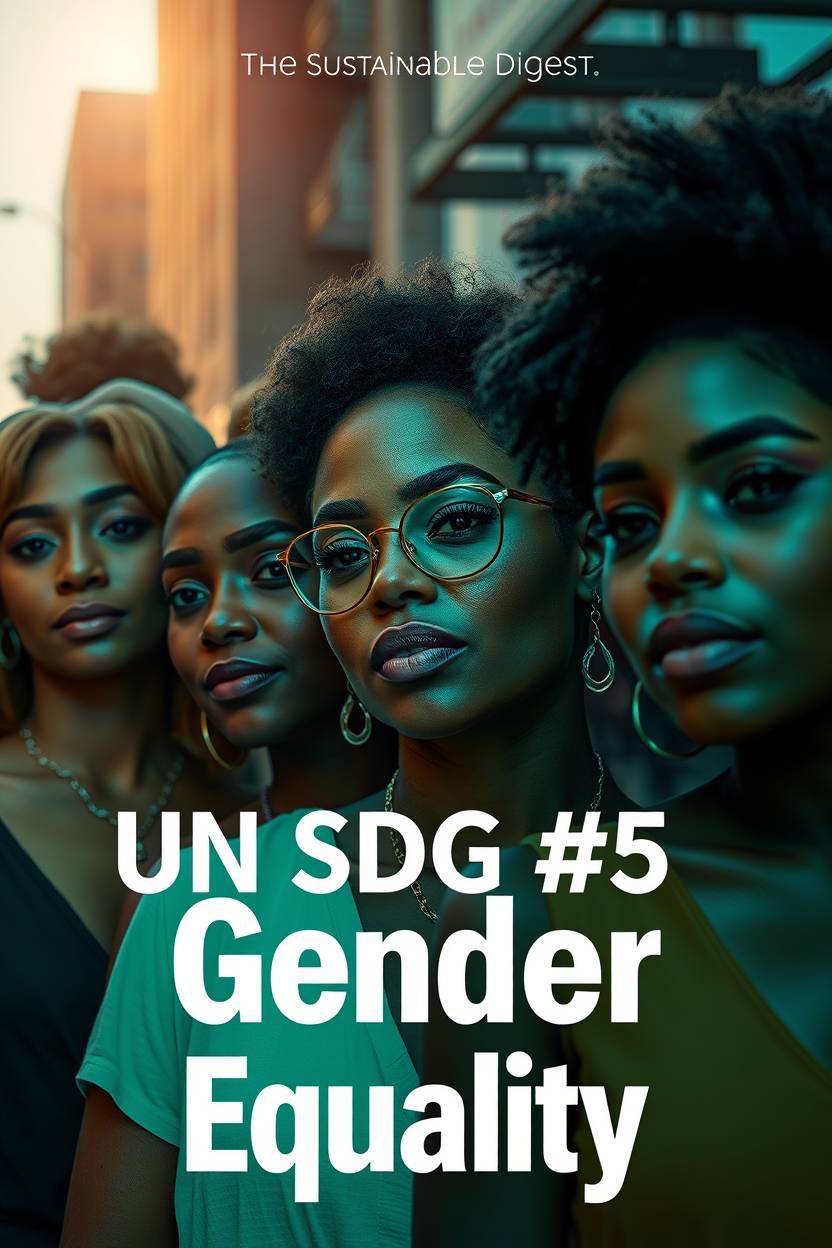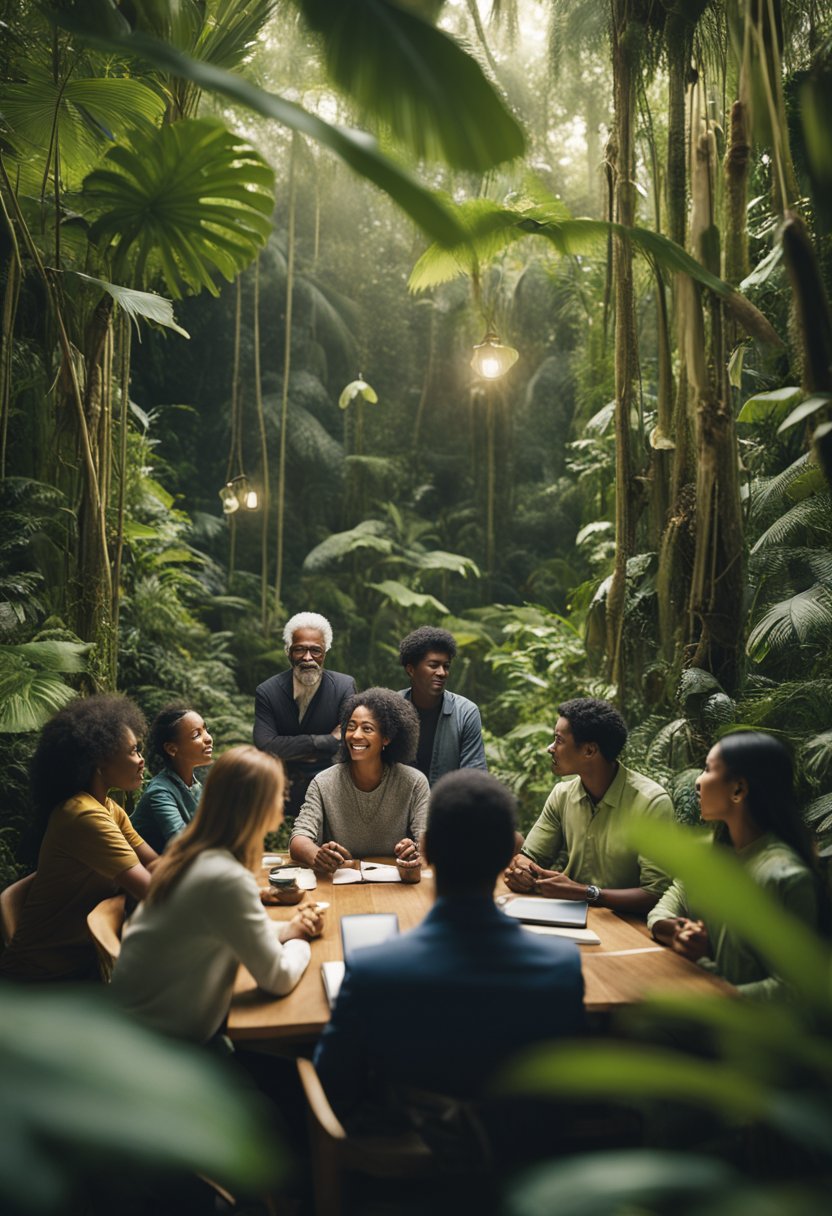
2025 Women’s History Month, UN Days, and SDGs in Retrospect

Looking back at 2025 Women’s History Month, we took numerous steps forward in gender equality. This month is a key time to celebrate women’s wins and push for equal rights. The UN International Days in March 2025 also boost these efforts, linking them to sustainable development goals.
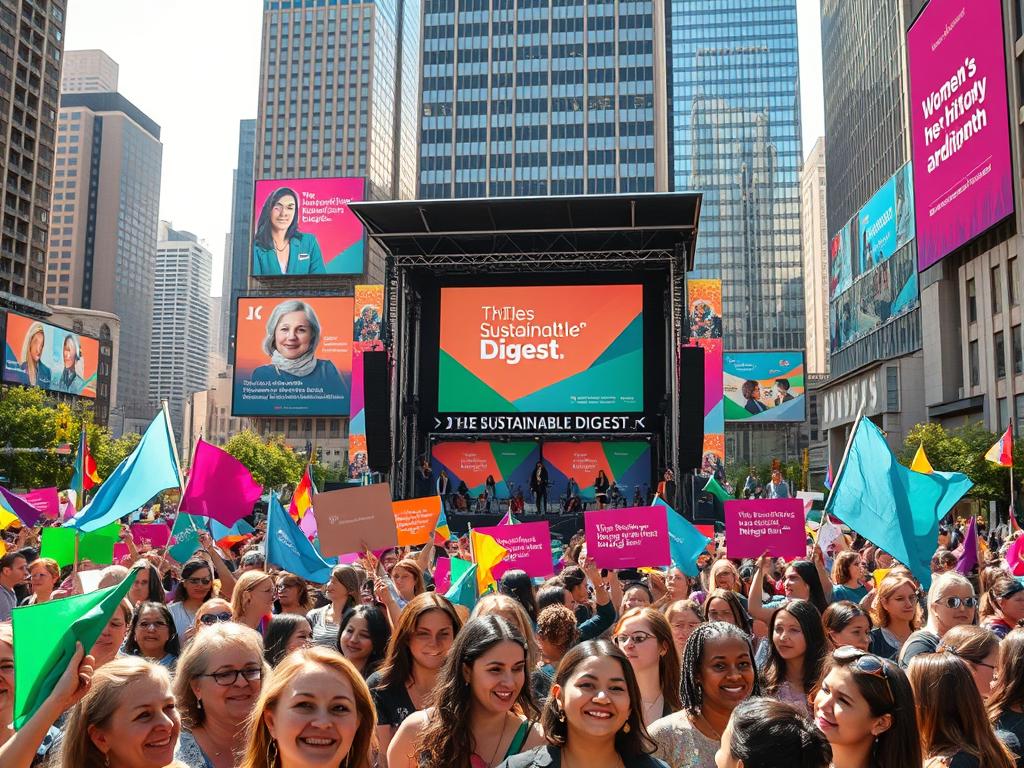
2025 Women's History Month, March UN international Days, and SDGs in retrospect

The link between Women’s History Month and the 2030 UN Sustainable Development Goals is key. It brings a fresh focus toward women’s roles in creating a fairer, greener future. From local actions to global policies, these efforts are changing the world.

Women’s History Month 2025 is a essential moment in the fight for gender equality and overall awareness. It has grown from minor events to a global celebration. Now, it honors women’s achievements and supports women’s empowerment worldwide.

Historical Significance of Women’s History Month 2025

Evolution of Women’s History Month Celebrations

Women’s History Month is constantly evolving thus, its changed a lot since it started. It has grown from local events to global United Nations observances. In 2025, digital platforms will share the stories of famous women with people everywhere.

Key Milestones in Women’s Rights Movement

The women’s rights movement has made big steps forward. Women have gained the right to vote and fight for equality in the workplace. They have made important progress in many areas.

YearMilestoneImpact
1920Women’s Suffrage in USAPolitical empowerment
1963Equal Pay ActWorkplace equality
1972Title IXEducational opportunities
2021First female US Vice PresidentPolitical leadership

Global Impact on Gender Equality Initiatives

Women’s History Month has sparked global efforts for gender equality. International groups now focus on empowering women. They see it as key to lasting development and social progress.

2025 Women’s History Month, March UN international Days, and SDGs in retrospect

The 2025 Women’s History Month is a key moment for gender equality worldwide. It ties in with March 2025 UN international Days. This creates a firm push for women’s rights and global sustainability.

Women’s History Month 2025 shows great strides in gender equality. It celebrates women’s roles in science, politics, and social justice. The month brings to light the voices often left out of history books.

March 2025 UN international Days add to Women’s History Month’s themes. These days focus on global issues that affect women. Key dates include International Women’s Day on March 8th and World Water Day on March 22nd.

The 2030 UNSDGs look back at Women’s History Month. We see progress in education and jobs for women. But, there’s still work to do in politics and economic equality.

SDGProgressChallenges
Gender EqualityIncreased education accessWage gap persistence
Clean WaterImproved sanitationWater scarcity in rural areas
Climate ActionMore women in green jobsUnequal climate change impact

Global sustainability goals and women’s empowerment go hand in hand. Women are leading in climate solutions and sustainable projects. Their role is essential for lasting environmental and social change.

Notable Women Leaders Shaping Global Sustainability

Women across the world have been leading the way both toward and within global sustainability for a long time. They have made big steps in environmental leadership and sustainable development. Their work has helped push for gender equality and meet global sustainability goals.

Women in Environmental Leadership

Women in history have set the stage for future leaders. Wangari Maathai started the Green Belt Movement, encouraging millions to plant trees in Africa. Her efforts not only fought deforestation but also empowered women through green practices.

Female Pioneers in Sustainable Development

Christiana Figueres was key in the Paris Agreement, showing women’s impact on global sustainability. Jane Goodall’s research on chimpanzees has led to conservation efforts globally. Her work shows the connection between protecting the environment and sustainable development.

Gender-Responsive Climate Action

Women leaders are pushing for climate action that considers gender. Vandana Shiva fights for biodiversity and farmers’ rights in India. She stresses the need for women’s views in climate strategies.

  • Promoting women’s participation in decision-making processes
  • Addressing gender-specific impacts of climate change
  • Integrating gender equality into climate policies

These women continue to inspire and push for a better, more sustainable future. Their work shows how crucial gender equality is for achieving global sustainability goals.
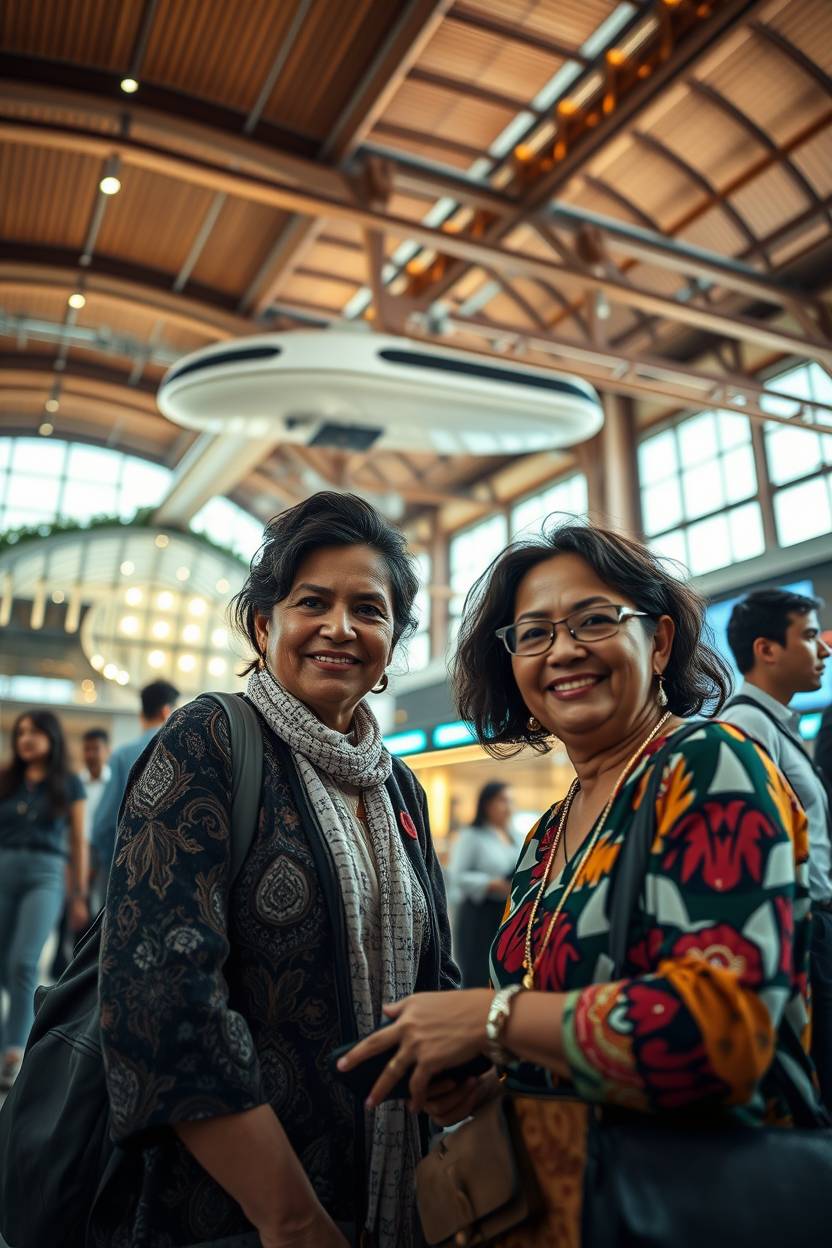
March 2025 UN International Days Calendar

The United Nations has several important days in March 2025. These focus on global issues and human rights. They aim to raise awareness and take action on key topics worldwide.

Zero Discrimination Day

On March 1, Zero Discrimination Day (UNAIDS) works to end all discrimination. In 2025, there will be:

  • Social media campaigns with personal stories
  • Educational workshops in schools and workplaces
  • Community events celebrating diversity

International Women’s Day

March 8 was International Women’s Day. It celebrates women’s achievements and fights for gender equality. In 2025, there will be:

  • Virtual conferences with influential female leaders
  • Marches and rallies in major cities
  • Art exhibitions showcasing women artists

World Water Day

World Water Day was on March 22. It highlights the importance of freshwater. In 2025, there will be:

  • Beach and river cleanup projects
  • Water-saving technology demonstrations
  • Educational programs on sustainable water use
UN DayDateKey Focus
Zero Discrimination DayMarch 1Ending discrimination
International Women’s DayMarch 8Gender equality
World Water DayMarch 22Freshwater conservation

Gender Equality Progress in SDG Implementation

The 2030 UNSDGs show big steps forward in gender equality. As we near the halfway mark of the Sustainable Development Goals, it’s key to look at how far we’ve come. We’re focusing on achieving gender parity in the global sustainability goals.
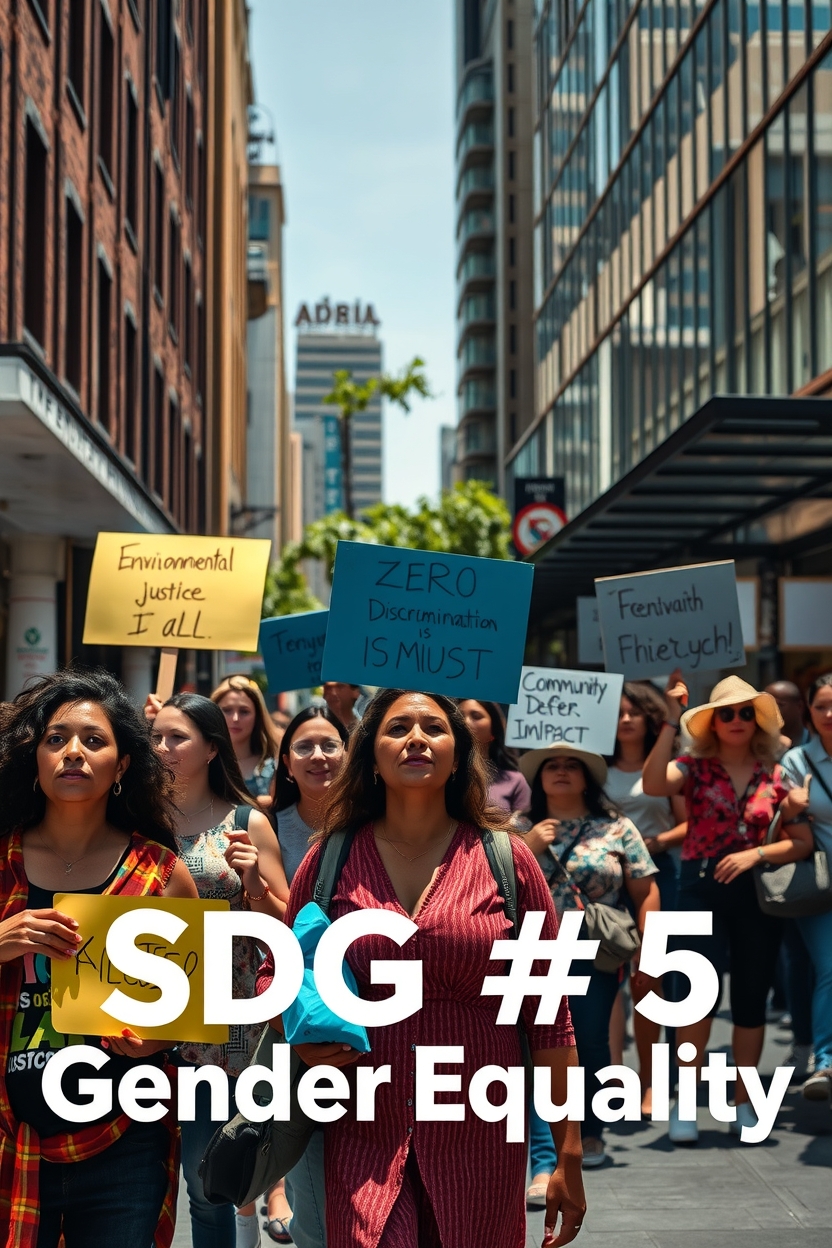
SDG 5, which deals with gender equality, has made big strides. More women are in national parliaments worldwide. This number has gone up from 19% in 2010 to 26% in 2023. This shows a big push for more women in leadership roles.

Education has played a big role in this change. The gap in primary education has shrunk a lot. Now, 90% of countries have reached gender parity in primary education. This shows how important education is in empowering women and girls.

SDG Indicator20102023Progress
Women in national parliaments19%26%+7%
Gender parity in primary education75%90%+15%
Women in managerial positions27%31%+4%

Even with these wins, there’s still work to do. Women’s economic empowerment is a big area for improvement. Women still earn about 20% less than men on average. Closing this gap is key for true gender equality and economic growth.

“Empowering women is not just the right thing to do – it’s the smart thing to do. Gender equality is a prerequisite for meeting our global sustainability goals,” stated UN Women Executive Director Sima Bahous.

Reflecting on Women’s History Month, we see progress but know we must keep going. Achieving gender equality in the SDG framework will take ongoing effort. We need to keep pushing forward with new ideas, policies, and teamwork across all parts of society.

Commemorative Events and Global Observances

Women’s History Month 2025 is filled with events celebrating women’s empowerment. These events are on both virtual platforms and in-person gatherings. They offer many ways to get involved and learn.

Virtual and In-Person Celebrations

Online forums host global talks on women’s rights. Across the U.S., cities plan marches and rallies. Museums also have special exhibits on women’s achievements.

Educational Programs and Workshops

Universities offer free online courses on gender studies. Local libraries host book clubs with women authors. STEM organizations run workshops to inspire girls in science and technology.

Community Engagement Activities

Volunteer programs support women-led businesses. The International Day of Happiness focuses on mental health for women. Communities also hold events for the International Day for the Elimination of Racial Discrimination, tackling women’s rights and intersectionality.

Event TypeVirtualIn-Person
Panel DiscussionsGlobal webinarsLocal town halls
WorkshopsOnline skill-sharingHands-on training
Cultural CelebrationsVirtual art exhibitionsCommunity festivals

Intersectionality of Women’s Rights and Environmental Justice

Women’s rights and environmental justice are closely linked. This is seen when we look at how climate change affects women. Also, how gender-responsive policies help meet global sustainability goals.

Climate Change Impact on Women

Climate change hits women harder than men. In many places, women grow food and collect water. As droughts and disasters rise, women struggle more to do these jobs.

The World Day for Glaciers shows how melting ice caps lead to water shortages. Women often have to find solutions to this problem.

Gender-Responsive Environmental Policies

Gender equality is key in making environmental policies better. The International Day of Forests celebrates women’s work in saving forests and managing resources. Including women in planning helps us fight climate change better.

  • Promote women’s leadership in environmental projects
  • Ensure equal access to resources and training
  • Incorporate women’s knowledge in conservation efforts

Seeing the connection between women’s rights, and environmental justice helps us reach our global goals. This way, we empower women and fight climate change together.

Progress Towards 2030 Sustainable Development Goals

As we look back at Women’s History Month, it’s important to see how far we’ve come. The world has made big steps towards gender equality and sustainable development. This progress is conducive to a better future.

Gender Equality Achievements

There have been huge wins in gender equality. More girls are going to school, and women are getting into politics. Workplace bias is also going down. These changes help us reach our global goals.

AreaAchievementImpact
Education91% of girls enrolled in primary educationImproved literacy and career opportunities
Politics26% of national parliament seats held by womenEnhanced representation in decision-making
Economy49% of women in the global workforceIncreased economic independence and growth

Remaining Challenges and Opportunities

Even with progress, we still face big hurdles. Women struggle to get into leadership, earn equal pay, and get good healthcare. These problems offer chances for new ideas and more effort towards our goals.

By tackling these issues, we can move faster towards equality. Working together, we can make the world more just by 2030.

International Year of Cooperatives Impact on Women’s Empowerment

The 2025 International Year of Cooperatives is a big deal for women’s empowerment and gender equality. It fits perfectly with the 2025 Women’s History Month. This year, we see how cooperatives help women gain rights and financial freedom.

Cooperatives are key for women’s empowerment. They offer chances for leadership, financial security, and community growth. In rural areas, women-led agricultural cooperatives boost local economies. They help female farmers get to markets, share resources, and negotiate better prices.

The effect of cooperatives on women’s empowerment is seen in many areas:

  • Financial cooperatives give women access to credit and savings
  • Consumer cooperatives offer affordable goods and services
  • Housing cooperatives provide safe and stable homes

These models empower women economically and build their leadership and decision-making skills. Celebrating the International Year of Cooperatives shows how important these groups are for gender equality and sustainable development.

The connection between cooperatives and women’s empowerment has a big impact. It encourages more women to control their economic futures. This shows why we should support and grow cooperative models to help achieve gender equality worldwide.

Conclusion

The 2025 Women’s History Month was a key moment in the fight for gender equality. It showed how far we’ve come in women’s rights, but also the work still to be done. The month tied in with UN goals and global sustainability, showing how important gender equality is for everyone.

In March 2025, we saw a big push for recognizing women’s roles in society. From local efforts to big policy changes, Women’s History Month made a big impact worldwide. It showed how vital women are in creating a fair and green future for us all.

Looking back, we see that achieving true gender equality is a long-term effort. The 2025 Women’s History Month reminded us that together, we can make progress. Now, we must keep this momentum going, making sure gender equality stays a top priority in our world.

Key Takeaways

  • 2025 Women’s History Month highlights progress in gender equality
  • March 2025 UN International Days align with women’s rights initiatives
  • SDGs play a vital role in advancing global gender equality efforts
  • Intersection of women’s rights and sustainable development gains focus
  • Grassroots movements to international policies drive societal change
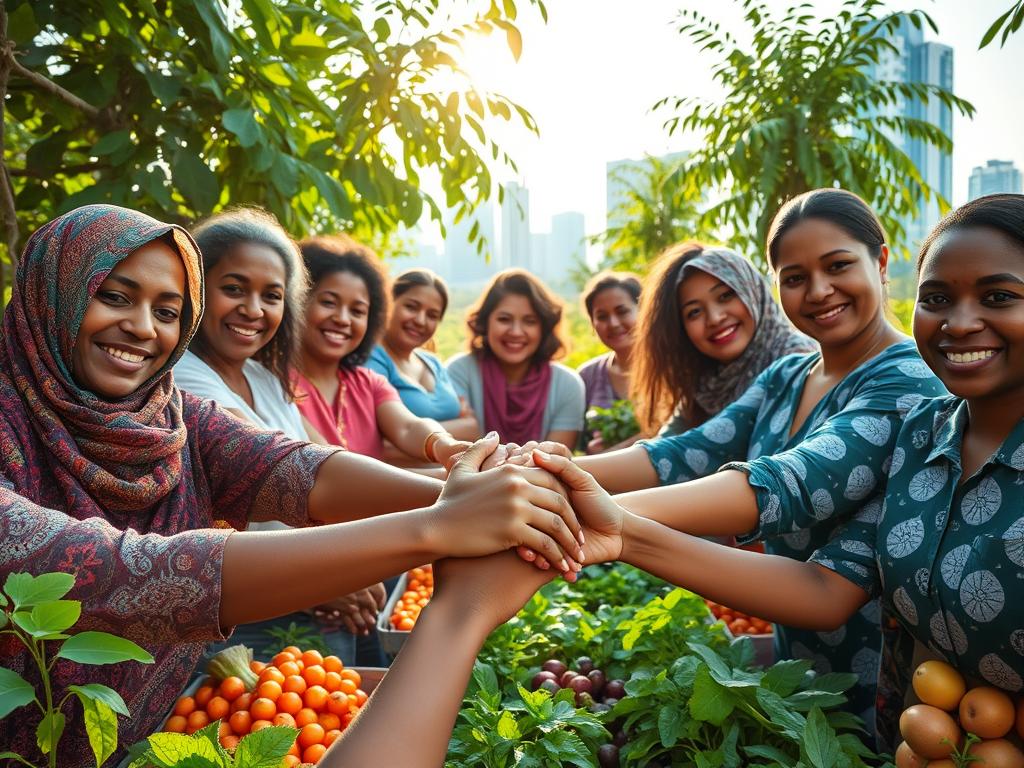
International Women’s Day 2025 & International Year of Cooperatives 2025

In a world striving for progress, International Women’s Day within the International Year of Cooperatives presents a gateway for accomplishment. While the United Nations, World Economics Council, and among other good faith institutions contributes to setting the stage for a transformative future. The upcoming celebrations highlight the power of unity and shared goals. These events focus on building a better world through collective action and sustainable practices.

The General Assembly has announced a significant theme: Cooperatives Build a Better World. This initiative aims to strengthen communities and promote equality. With over 3 million cooperatives globally, they play a high key role in driving change and supporting advancement with the sustainable development goals.

These celebrations also emphasize the contributions of women and youth. Their leadership and innovation are crucial for shaping a brighter future. By fostering collaboration, these events inspire action and policy changes that benefit everyone.

The Significance of Global Celebrations in 2025

Global celebrations in 2025 such as the International Women’s Day and International Year of Cooperatives mark a pivotal moment for collective progress. These events serve as catalysts for change, uniting people around shared goals. They highlight the power of collaboration and resilience in addressing global challenges.

Milestones in Women’s Rights and Cooperative Movements

Over the past decades, significant strides have been made in advancing women’s rights. The 30th anniversary of the Beijing Declaration is a testament to this progress. It underscores the importance of equality and empowerment in shaping a better future.

Cooperative movements have also evolved, playing a vital role in building resilient communities. These organizations foster economic growth and social inclusion, proving that collective action can drive meaningful change.

United Nations Initiatives and the Journey to 2030

The United Nations continues to lead efforts toward sustainable development. Through initiatives like the 2030 Agenda, they aim to create a more equitable world. Partnerships with organizations like COPAC amplify these efforts, ensuring global collaboration.

Key focus areas include:

  • Promoting gender equality and women’s leadership.
  • Strengthening cooperative movements for community resilience.
  • Advancing policies that support sustainable development goals.

These initiatives inspire action and pave the way for a brighter future. By working together, we can overcome challenges and build a world that benefits everyone.

International Women’s Day 2025 & International year of cooperatives 2025 UNSDGs

The journey toward equality and sustainability has shaped our world in profound ways. From grassroots movements to global initiatives, these efforts have inspired generations to strive for a better future. This section explores the history of International Women’s Day and the transformative role of cooperatives in sustainable development.

History and Evolution of International Women’s Day

International Women’s Day traces its roots to the early 20th century, born out of the struggle for equality and voting rights. Over the decades, it has grown into a global event celebrating women’s achievements and advocating for gender equality. Key milestones include the Beijing Declaration, which set a new standard for women’s rights worldwide.

This day has inspired social and legal reforms, empowering women to take on leadership roles. From education to healthcare, its impact is felt across all sectors. Today, it continues to drive action and policy changes that benefit women and girls everywhere.

The Role of Cooperatives in Sustainable Development

Cooperatives have long been a cornerstone of community empowerment. These organizations foster economic resilience and social inclusion, proving that collective action can drive meaningful change. From agriculture to banking, they play a vital role in sustainable development.

For example, agricultural cooperatives help farmers access resources and markets, improving livelihoods. Similarly, financial cooperatives provide affordable credit, empowering individuals to achieve their goals. These success stories highlight the transformative power of cooperatives in building resilient communities.

Organizations like the International Cooperative Alliance and UN Women continue to lead efforts in this space. Their initiatives focus on promoting equality, fostering innovation, and addressing contemporary challenges. Together, they are shaping a future where empowerment and sustainability go hand in hand.

Mobilizing Global Efforts: Cooperative Movements and UN Sustainable Goals

As global challenges grow, cooperative movements are stepping up to drive meaningful change. These organizations are aligning with the United Nations Sustainable Development Goals to create a better world. By fostering collaboration, they address socio-economic issues and promote equality.

ICA Global Cooperative Conference and Global Collaboration

The upcoming ICA Global Cooperative Conference in New Delhi, India, from November 25-30, 2024, marks a pivotal moment. This event will officially launch the International Year of Cooperatives, bringing together leaders from across the globe. It serves as a platform for dialogue, innovation, and policy advocacy.

Key highlights of the conference include:

  • Discussions on how cooperatives contribute to sustainable development.
  • Showcasing successful cross-border collaborations.
  • Exploring innovative solutions to tackle global challenges.

Euro Coop’s Contributions to Community Engagement

Euro Coop is at the forefront of promoting community-driven projects. Their initiatives focus on enhancing social inclusion and supporting sustainable practices. By empowering local communities, they demonstrate the transformative power of cooperatives.

Examples of their work include:

  • Programs that improve access to education and healthcare.
  • Projects that foster economic resilience in underserved areas.
  • Advocacy for policies that support cooperative growth.
InitiativeImpact
ICA ConferenceGlobal collaboration and policy advocacy
Euro Coop ProjectsCommunity resilience and social inclusion
IYC2025 LaunchSymbolizes unity and forward-thinking action

The International Year of Cooperatives logo embodies these efforts. Its design reflects the values of unity, equality, and sustainability. Together, these initiatives inspire a shared vision for a brighter future.

Advancing Gender Equality and Cooperative Empowerment

The intersection of gender equality and cooperative initiatives is reshaping global progress. These efforts are not just about creating opportunities but fostering a culture of inclusion and innovation. From youth leadership to digital advocacy, the journey toward empowerment is multifaceted and inspiring.

Youth Leadership and Climate Justice Initiatives

Young leaders are at the forefront of advocating for environmental and climate justice. Their innovative approaches and passion for change are driving impactful policies both private and public. For example, youth-led movements have successfully influenced legislation on renewable energy and conservation.

These initiatives highlight the importance of giving young people all over the world a voice. By empowering them, we ensure a sustainable future for generations to come. Collaborative efforts between governments and youth organizations are key to amplifying their impact.

Policy Shifts: The Beijing Declaration and Beyond

The 30th anniversary of the Beijing Declaration marks a significant milestone in gender equality. This historic document has inspired legal reforms and policy shifts worldwide. Governments are now prioritizing women’s rights in education, healthcare, and economic participation.

Recent policies focus on closing the gender pay gap and increasing women’s representation in leadership roles. These changes are a testament to the enduring legacy of the Beijing Declaration. They also underscore the need for continuous advocacy and action.

Digital Campaigns and Social Media Advocacy

Digital platforms especially social media have become powerful tools for promoting gender equality and cooperative empowerment. Campaigns like #EqualFuture and #CoopForChange are raising awareness and inspiring action. Social media allows for real-time engagement and global reach.

Innovative strategies, such as storytelling and influencer partnerships, are amplifying these messages and narratives. These campaigns not only educate but also mobilize communities to take meaningful steps toward equality and the overarching theme of sustainability.

InitiativeImpact
Youth Climate MovementsInfluenced renewable energy policies
Beijing Declaration ReformsImproved women’s rights globally
Digital Advocacy CampaignsIncreased awareness and engagement

These efforts demonstrate the power of collective action. By working together, we can create a world where everyone has the opportunity to thrive. The future is bright, and the journey continues.

Conclusion

The synergy between global initiatives is paving the way for a more inclusive and sustainable future. This year’s International Women’s Day and the International Year of Cooperatives create a synthesis for communities and institutional progress. The dual celebrations also highlight the importance of gender equality and cooperative empowerment. These efforts are not just milestones but stepping stones toward a better world.

From the transformative impact of the Beijing Declaration to the ICA Global Cooperative Conference, progress is evident. Collaboration between the UN, Euro Coop, and local movements has been instrumental in driving change. Policies, leadership, and digital advocacy continue to shape a brighter future.

These events continually remind us of the power of collective action. They encourage reflection through introspection, and inspire strategic steps toward sustainable development. Let’s continue to support these initiatives, building smarter and safer communities where everyone, especially girls and women, can thrive.

Together, we can create a world that values equality, resilience, and shared prosperity. The journey continues, and the future is full of promise.

FAQ

Q: What is the focus of the global celebrations in 2025?

A: The focus is on advancing gender equality and strengthening cooperative movements to support the United Nations Sustainable Development Goals (UNSDGs). These efforts aim to create a more inclusive and sustainable world.

Q: How do cooperatives contribute to sustainable development?

A: Cooperatives play a vital role by promoting economic growth, social inclusion, and environmental sustainability. They empower communities, create jobs, and support local economies while aligning with global development goals.

Q: What are the key milestones in women’s rights in recent years?

A: Significant milestones include the Beijing Declaration, increased representation in leadership roles, and global campaigns for equal pay and opportunities. These efforts have paved the way for greater gender equality worldwide.

Q: How can youth contribute to climate justice and cooperative movements?

A: Youth can lead by advocating for sustainable practices, participating in cooperative initiatives, and raising awareness about climate issues. Their energy and innovation are crucial for driving meaningful change.

Q: What role does the United Nations play in these initiatives?

A: The United Nations provides a platform for global collaboration, sets development goals, and supports policies that promote gender equality and cooperative growth. It also facilitates international partnerships to achieve these objectives.

Q: How can individuals get involved in these global efforts?

A: Individuals can participate by joining local cooperatives, supporting women-led initiatives, and advocating for sustainable policies. Engaging in digital campaigns and community events also amplifies impact.

Key Takeaways

  • The United Nations highlights the importance of unity and shared goals.
  • Cooperatives worldwide contribute to sustainable development and community growth.
  • Women and youth play a key role in driving innovation and equality.
  • Understanding and adapting the UNSDG#5, 10, 16, 17 and others are key way in observing the value of International Women’s Day
  • These events encourage policy changes and collective action for a better future.
  • The upcoming celebrations focus on building a stronger, more inclusive world.

United Nations SDGs 1-2-3-5-6-10: Cross-Sectional and Inter-Operational Factors

The United Nations SDGs 1-2-3-5-6-10 (UN Sustainable Development Goals) aim to eradicate poverty and increase stewardship over our planet. They focus on improving lives across the world, with a highly specific emphasis on how different areas work together1. To reach these goals, we need a broad and eclectic approach that looks at how everything is connected, including fighting hunger and poverty1.

The Cooperation Framework helps countries, nations, and small island development states change their economies for a better future. It offers tools to meet each regions or specific country’s unique needs1.

It’s crucial to understand how different areas affect the UNSDG. This helps us see how various factions can help or hinder progress towards these goals1. The amount of time it takes to prepare the Cooperation Framework has gotten shorter, from 14.5 months to 6 to 9 months. Budgeting begins right after the Cooperation Framework is signed1.

Organizations, specifically institutions, have different ways of defining partnerships. Most United Nations agencies agree on basic principles for working with businesses2.

Important factors include battling poverty, ensuring food security, promoting gender equality, and providing clean water. These areas are directly intertwined and need a complete approach to meet the UNSDG1. The Cooperation Framework offers a way to achieve these goals. The correlated success of these agendas can be measured through social impact assessment and other metrics1.

Understanding the Interconnected Nature of UN Sustainable Development Goals

The interconnected nature of SDGs is essential to achieving sustainable development, especially for rapid scale. The United Nations Economic Commission for Europe (UNECE) helps countries tackle the majority sustainable development challenges. They do this with a plan that looks at all sectors together.

This agenda sees how progress in one area can help others. For example, better water and sanitation can improve health, reduce poverty, and help more people get an education.

Systemic approaches are vital for reaching many SDGs at once. Stakeholders, like governments, international groups, civil society, and the private sector, must work together. The international labor organization is extremely invaluable for promoting human rights and fair work practices, which are crucial for sustainable development3.

Some important steps for achieving the SDGs include:

  • Integrated national financing frameworks
  • Domestic public finance through revenue mobilization and state-owned enterprises
  • International development cooperation
  • Private finance contributions towards the goals

These steps need a team effort from all stakeholders to make the SDGs a success4.

Poverty Eradication and Its Impact on Other Development Goals

Poverty eradication is another key goal of the United Nations Sustainable Development Goals (UNSDG#1). It has a massive impact on other goals5. Making sure each and everyone has access to nutritious food is crucial for reducing poverty to eradication. The Food and Agriculture Organization (FAO) of the United Nations, along with like organizations, works hard to ensure food security for all, which helps fight poverty5.

The World Food Programme also helps countries achieve food security. This helps fight poverty. By tackling poverty, we can also improve health, education, and gender equality. The FAO says undernourishment in Africa was 19.1% in 2019 and could rise to 25.7% by 20306.

Some key facts about poverty eradication and food security include:

  • Poverty eradication is a very critical aspect of achieving the UNSDGs5.
  • Food security is closely linked to poverty eradication5.
  • The FAO and World Food Programme play a vital role in supporting countries to achieve food security5.

In conclusion, poverty eradication is a fundamental goal that social economically impacts other development goals. Ensuring access to nutritious food is key to reducing poverty. The FAO and World Food Programme are crucial in helping countries achieve food security, which fights poverty5.

OrganizationRole in Poverty Eradication
FAOWorks to achieve food security for all, which is closely linked to poverty eradication5
World Food ProgrammeSupports countries to achieve food security, which in turn contributes to poverty eradication5affects

The Role of Food Security in Sustainable Development

Food security is vital to sustainable development in general, for example, in other sustainable reporting standards and frameworks with community focus. It affects human well-being and economic stability7. The United Nations Department of Economic and Social Affairs (DESA) stresses its importance for sustainable development7.

Agricultural innovation and efficient food systems are crucial. They ensure everyone gets nutritious food. Community-based food systems also help by promoting local food production and consumption.

International cooperation is vital for eliminating global food security issues such as drought and shortages. Organizations like the UN Economic and Social Council (ECOSOC) help countries achieve this goal8. In 2019, 19.1% of Africa’s population was undernourished. This number is expected to rise to 25.7% by 20306.

To combat this, we need to support community-based food systems and encourage agricultural innovation.

RegionPrevalence of Undernourishment (2019)Projected Prevalence (2030)
Africa19.1%25.7%
Sub-Saharan Africa22.8%28.4%

Creating sustainable food systems requires enormous investments, in the trillions of dollars7. Climate change environmentally affects health, food and water security, migration, peace, and security7. We must tackle these issues as they are continuing to scale through global cooperation and community efforts.

Cross-sectional and Inter-operational Influence for United Nations SDGs 1-2-3-5-6-10

The United Nations stresses the both levy and value of a cross-sectional and inter-operational approach to reach the SDGs9. This method is key to seeing how UNSDG#1 (poverty eradication) affects UNSDG#2 (food security). Reducing poverty often means having access to healthy food.

UNSDG#3 (good health and well-being) is also connected to UNSDG#6 (clean water and sanitation). Clean water is vital for stopping water-borne diseases.

To achieve the SDGs, we must comprehend the inter-operational influence at play. For example, UNSDG#5 (gender equality) is also closely tied to UNSDG#10 (reduced inequalities). Gender equality is essential for lessening inequalities.

The cross-sectional influence of UNSDG#1, UNSDG#2, and UNSDG#3 on UNSDG#5 and UNSDG#6 is significant. These goals are interconnected and depend on each other.

UNSDG#1, UNSDG#2, UNSDG#3, UNSDG#5, UNSDG#6, and UNSDG#10 are all connected. They need a cross-sectional and inter-operational approach to meet the SDGs10. The United Nations has set 17 SDGs, 169 targets, and 232 indicators to track progress10.

Understanding the cross-sectional influence and inter-operational influence of these goals is vital. It helps in creating effective plans to achieve the SDGs.

Gender Equality as a Catalyst for Sustainable Development

Gender equality is key to sustainable development. It positively affects many areas. The United Nations sees gender equality as crucial for sustainable development.

Women’s empowerment in farming can boost food security and cut poverty. Also, managing water wisely is important. Women often handle water collection and household use.

There are 45 targets and 54 indicators for gender equality across 16 SDGs11. SDG5 focuses on gender equality and empowering women and girls. It aims to end all discrimination11.

Gender equality is a focus in all UNSDCF outcomes, following SDG priorities, including SDG 512.

Women’s Empowerment in Agricultural Systems

Improving education and job opportunities for women can boost GDP and cut poverty by 203011. About 20-33% of UNSDCF indicators track gender equality and women’s empowerment12. Gender equality is a big part of all Joint Programs, with a system for ensuring it’s included12.

Gender-Responsive Water Management

Gender analysis is in 50% of Common Country Analysis sections, with some data12. The UNCT has worked together on Gender Equality and Women’s Empowerment (GEWE) activities12. The UNSDCF MEL group has had training on gender-sensitive M&E at least once12.

Economic Equality Initiatives

Initiatives for economic equality, like better education and jobs for women, help achieve gender equality. This promotes sustainable development. Here’s why gender equality is important for sustainable development:

SDGTargetIndicator
SDG 5Achieve gender equality and empower all women and girls9 targets
SDG 1End poverty in all its forms everywhereReducing extreme poverty by 2030

By supporting gender equality, women’s empowerment, and economic equality, we can build a better world for everyone.

Clean Water Access and Its Multifaceted Benefits

Having access to clean water is key for our health and well-being. It’s not just good for us; it’s also good for the community13. The United Nations says clean water helps fight diseases, boosts productivity, and grows the economy13. But, water pollution is a big problem, causing huge losses and costs13.

Working together to get clean water is important. The UN Water Conference says we need a global plan to manage water14. This plan should see water as a shared resource, helping solve water issues everywhere14.

Some important facts about clean water access are:

  • Nearly 30% of humanity still lacks access to safely managed drinking water13
  • 1.7 billion people lack basic sanitation13
  • Global statistics indicate the need for USD 30 billion to USD 1.1 trillion per year to achieve SDG 613

We need everyone’s help to fight water pollution and get clean water for all. Governments, civil society, and the private sector must work together. This way, we can help communities grow and ensure everyone has clean water14.

CategoryStatisticSource
Access to safely managed drinking water70%13
Basic sanitation82%13
Annual investment needed for universal access to WaSH servicesUSD 28.4 billion13

Technology and Innovation in SDG Implementation

The United Nations sees technology and innovation as key to achieving the SDGs15. Digital solutions are being used to tackle development challenges. For example, mobile apps and online platforms can enhance education and healthcare access.

AI helps track progress towards the SDGs. Data management systems aid in assessing impact and making decisions.

Technology and innovation play a big role in several areas. These include:

  • Digital solutions for development challenges
  • AI-driven progress monitoring
  • Data management for impact assessment

Machine learning models can analyze big data. They offer insights for better decision-making15.

STI (Science, Technology, and Innovation) is crucial for the SDGs, as shown in UN briefing materials15. Goal 17 emphasizes STI as a tool to reach sectoral goals. Technology and innovation help governments and organizations push forward towards the SDGs.

Cooperative Development and Community Mobilization

Cooperative development is key to reaching the Sustainable Development Goals (SDGs). It builds resilience while actualizing and supporting sustainable growth at the local level. Community mobilization is also vital. It lets both underrepresented and marginalized groups take charge of their development and help reach the SDGs. Grassroots cooperatives and social work tackle social and economic issues.

The United Nations sees community mobilization and cooperative development as crucial for the SDGs. By supporting these efforts, governments and international groups empower local communities. This way, development plans fit each community’s needs, making them more effective and lasting.

Some effective strategies include:

  • Helping set up community cooperatives and support groups
  • Offering training for community leaders and social workers
  • Building partnerships between local communities, governments, and global organizations

Together, we can build a fairer world where everyone can succeed. Cooperative development and community mobilization are essential. As we progress, focusing on these methods is vital. We must ensure development efforts are led by communities and meet their unique needs.

International Organizations and Their Collaborative Efforts

International organizations are key in reaching the Sustainable Development Goals (SDGs). The United Nations highlights the need for global teamwork to meet the SDGs16. UN agencies work together to tackle development issues. For example, the United Nations Economic Commission for Europe (UNECE) helps countries implement the 2030 Agenda in areas like environment and energy16.

NGO partnerships are also crucial in backing government efforts for the SDGs. These partnerships bring in valuable skills and resources, enhancing government plans. It’s important for governments to lead their development efforts and work with international groups to reach the SDGs. Key areas of collaboration include:

  • UN agencies coordination to address development challenges
  • NGO partnerships to provide expertise and resources
  • Government integration to take ownership of development agendas

The United Nations stresses the need for good statistics to track SDG progress. This involves governments, local bodies, and global organizations working together16. While challenges remain, progress is being seen at different levels. The role of international organizations in supporting governments and others in achieving the SDGs is vital.

Measuring Cross-Sectional Impact and Progress

It’s key to measure impact and progress to reach the Sustainable Development Goals (SDGs). The United Nations stresses the need to track progress towards the SDGs1. By looking at cross-sectional impact, we can see how different SDGs are connected. This helps us track progress in many areas at once.

SDG indicators, like those from the United Nations, offer a way to measure progress. They help us find out where we need to improve. This is crucial for making smart decisions and adjusting plans to meet the SDGs.

Monitoring progress is vital for making informed choices and tweaking strategies. The Cooperation Framework includes steps like Theory of Change and Strategic Priorities1. To measure cross-sectional impact and progress, we need a detailed approach. This includes using top-notch statistics and data management16. By tracking progress with these indicators, governments and international groups can make better decisions and adjust their plans to reach the SDGs.

Here are some important points about measuring cross-sectional impact and progress:

  • SDG indicators are the main way to track progress, online through UN INFO at country, regional, and global levels1
  • Working together to measure progress towards SDGs is a challenge, but progress is being made16
  • Good statistics are essential for everyone to see how we’re doing towards the SDGs16

Building Sustainable Future Through Integrated Approaches

The United Nations highlights the need for integrated approaches to achieve sustainable development. A sustainable future requires looking at how different goals connect. Long-term planning is key, helping governments and global bodies plan and make smart decisions about resources.

Managing resources well is crucial for reaching the SDGs. Models like participatory planning help build trust and foster cooperation among stakeholders. Key parts of integrated approaches include:

  • Long-term strategy development
  • Resource allocation and management
  • Stakeholder engagement models

Higher education institutions play a vital role in achieving the SDGs through research, education, and operations8. By using integrated methods, we can move towards a sustainable future. This future is marked by efficient resource use and effective stakeholder engagement.

ApproachDescription
Long-term strategy developmentPlanning for the future and making informed decisions about resource allocation
Resource allocation and managementEnsuring resources are used efficiently and effectively to achieve the SDGs
Stakeholder engagement modelsBuilding trust and promoting cooperation among different stakeholders

Conclusion

Reaching the SDGs is key to a better future for everyone. The SDGs offer a detailed plan to tackle the world’s complex challenges. By teaming up, we can make real progress towards these important goals17.

We must keep the SDGs at the top of our list. Our efforts should benefit not just us, but also future generations. Together, we can build a world where everyone thrives in dignity and prosperity18.

The UN says the SDGs are vital for a brighter future. By understanding how these goals are connected, we can make lasting changes. Let’s all work together to make this vision a reality17.

Key Takeaways

  • Achieving the SDGs requires a comprehensive approach that considers the interconnected nature of the goals1.
  • The Cooperation Framework is a vehicle for supporting economic transformation and reframing economic policies for sustainability and inclusivity1.
  • Understanding the cross-sectional and inter-operational factors that impact the UNSDG is crucial for recognizing how different sectors and stakeholders can contribute to or hinder progress1.
  • Organizations vary in defining partnerships, and most UN agencies share core guiding principles for engaging with the business sector2.
  • The average timeline for preparing the Cooperation Framework decreased from 14.5 months globally to 6 to 9 months1.

This website is saving the energy of your screen as it is not being used. It's part of a global effort to lower the planet's electrical consumption and CO2 emission level. Resume browsing
Click anywhere to resume browsing
Verified by MonsterInsights