November 2025 is set to be a month of big environmental and cultural focus. Global Entrepreneurship Week and National Recycling Week will be key. Around the world, many holidays and observances will stress the need for sustainability.
From Antigua’s Independence Day to Cambodia’s, and All Saints’ Day, the month is packed with different traditions. These events not only celebrate rich cultures but also encourage us to think about sustainable practices.
As we mark these important days, there’s a push to make eco-friendly living a part of our daily lives. It’s a chance to reflect and make a positive change.
The Global Tapestry of November Celebrations
November is filled with celebrations from around the world. These events show the diversity of cultures and the connections between people. They highlight the richness of human experiences and our global unity.
Cultural Significance of November Observances
November is a month of great cultural importance. It is filled with celebrations that reflect the history and traditions of different societies.
Diversity of Global Celebrations
The variety of November celebrations shows our world’s multicultural nature. Events like Diwali in India and Thanksgiving in the United States each hold unique cultural meanings.
Historical Context of November Holidays
Many November holidays have deep historical roots. For example, All Saints’ Day and All Souls’ Day come from Christian traditions. Bonfire Night remembers a key event in the UK.
Sustainability as a Lens for Traditional Celebrations
As we focus more on the environment, we’re looking at old celebrations in a new way. This change helps reduce the environmental impact of our celebrations.
Evolving Practices for Environmental Consciousness
Celebrations are changing to be more eco-friendly. For instance, Diwali now uses eco-friendly materials, and Thanksgiving aims to reduce waste.
Balancing Tradition with Ecological Responsibility
It’s a challenge to keep traditions alive while being green. But, we can do it by using local materials, cutting down on energy, and choosing eco-friendly transport. This is especially true on World Sustainable Transport Day.
Celebration
Traditional Practice
Sustainable Alternative
Diwali
Using non-biodegradable decorations
Using biodegradable or recycled materials for decorations
Thanksgiving
Excessive food waste
Planning meals, using up leftovers, and composting food waste
Bonfire Night
Using traditional fireworks
Opting for eco-friendly fireworks or alternative celebrations
Independence Days Across Continents: Sustainable Commemorations
Countries around the world are now celebrating their independence in greener ways. As they mark their freedom, they’re also thinking about the planet. This shift shows a growing focus on eco-friendly celebrations.
Caribbean and Latin American Independence Celebrations
In the Caribbean and Latin America, independence days are filled with joy and pride. These events honor history and also encourage green practices.
Antigua, Dominican Republic, and Barbados Independence Days
Antigua, the Dominican Republic, and Barbados celebrate their freedom with great fanfare. Their November days highlight cultural traditions. By cutting down on plastic and supporting local crafts, these celebrations can be greener.
Revolution Day Mexico and Independence of Cuenca
Mexico’s Revolution Day and Ecuador’s Cuenca Independence on November 3rd are big deals. Adding eco-friendly touches like energy-saving lights and green decorations can make these events better for the environment.
African and Asian Nations’ Sovereignty Observances
African and Asian countries also celebrate their freedom with passion. These events are a chance to blend tradition with sustainability.
Angola, Mauritania, and Cambodia Independence Days
Angola, Mauritania, and Cambodia mark their freedom with cultural festivities. Using digital invites and local materials can help reduce waste and carbon emissions.
Lebanon Independence Day and Bosnia & Herzegovina National Day
Lebanon and Bosnia & Herzegovina celebrate their freedom with joy. By choosing eco-friendly fireworks and decorations, they can make their celebrations more sustainable.
Eco-Friendly National Celebrations
As countries celebrate their freedom, they’re making a conscious effort to be kinder to the planet. This includes cutting down on waste and finding green alternatives to old traditions.
Reducing Carbon Footprint of Public Events
Public events during independence celebrations can be made greener. Using energy-efficient tools and encouraging people to travel together or by bike can help.
Sustainable Alternatives to Fireworks and Decorations
There are many sustainable alternatives to fireworks and decorations. Drone shows and decorations made from biodegradable or recycled materials can make celebrations more eco-friendly.
Festival of Lights: Diwali and Sustainable Practices
Diwali, a festival deeply rooted in Hindu tradition, is being reimagined with eco-friendly practices. This is to reduce its environmental footprint. As we celebrate the triumph of light over darkness, it’s crucial to think about our impact on the planet.
Diwali Celebrations Around the World
Diwali is celebrated with great fervor across the globe. Different cultures add their unique twist to the traditional practices. It’s a time for family gatherings, feasting, and illuminating homes with diyas and lights.
Lakshmi Puja and Naraka Chaturdashi Traditions
Lakshmi Puja is a significant part of Diwali celebrations. It involves worshiping Goddess Lakshmi for prosperity and good fortune. Naraka Chaturdashi marks the victory of Lord Krishna over the demon Narakasura.
Kali Puja and Govardhan Puja Observances
In some regions, Diwali is associated with Kali Puja, honoring Goddess Kali. Govardhan Puja is celebrated to commemorate Lord Krishna’s lifting of the Govardhan Hill. This symbolizes the importance of nature and conservation.
Eco-Friendly Alternatives to Traditional Celebrations
As Diwali celebrations evolve, there’s a growing shift towards eco-friendly practices. Some of these include:
Using LED lights, which consume less energy and last longer than traditional bulbs.
Opting for sustainable decorations that can be reused or recycled.
LED Lights and Sustainable Decorations
LED lights are not only energy-efficient but also reduce carbon emissions. Sustainable decorations, such as those made from natural materials or recycled products, add to the festive ambiance while minimizing waste.
Non-Toxic Colors and Eco-Friendly Rangoli
The use of non-toxic colors and eco-friendly materials for Rangoli designs is becoming increasingly popular. This reduces the environmental impact of traditional Diwali celebrations.
Community Initiatives for Sustainable Diwali
Communities are playing a vital role in promoting sustainable Diwali practices through various initiatives.
Noise and Air Pollution Reduction Campaigns
Campaigns aimed at reducing noise and air pollution during Diwali are gaining momentum. They encourage the use of eco-friendly fireworks and limit firecracker usage.
Waste Management Strategies for Festivals
Effective waste management strategies are being implemented to handle the increased waste generated during Diwali. This includes recycling programs and proper disposal methods.
Indigenous and Cultural Heritage Observances
November is a time to remember the importance of keeping indigenous cultures alive. It’s a month filled with celebrations that honor the traditions and contributions of indigenous communities around the world.
National Native American Heritage Month
In the United States, November is National Native American Heritage Month. It’s a time to recognize the rich cultural diversity and historical significance of Native American communities. This month is key for promoting understanding and appreciation of indigenous cultures.
Honoring Indigenous Ecological Knowledge
Native American communities have traditional ecological knowledge that’s crucial for sustainable environmental practices. Their understanding of nature and conservation methods offer valuable insights into managing natural resources effectively.
Sustainable Practices from Native American Traditions
Many Native American traditions focus on living in harmony with nature. For example, “mitakuye oyasin,” or “we are all related,” shows the interconnectedness of all living beings. It encourages sustainable practices.
Regional Cultural Celebrations
Besides National Native American Heritage Month, November also hosts various regional cultural celebrations. These events showcase the unique cultural identities of different communities.
Kannada Rajyothsava and Karnataka Cultural Identity
In India, Karnataka celebrates Kannada Rajyothsava on November 1st. This day commemorates the formation of the state. It’s marked by cultural events that highlight the region’s rich heritage.
Kut Festival and Kamehameha I’s Birthday Observances
The Kut Festival, celebrated in some parts of India, and the observance of Kamehameha I’s birthday in Hawaii, are examples of regional cultural celebrations in November. These events honor historical figures and cultural traditions.
Preserving Heritage Through Sustainable Practices
It’s vital to preserve cultural heritage while adopting sustainable practices. This ensures the long-term conservation of indigenous cultures. Various means, like using sustainable materials in traditional crafts and promoting eco-friendly cultural tourism, can help achieve this.
Traditional Crafts and Sustainable Materials
Using sustainable materials in traditional crafts preserves cultural heritage and supports environmental conservation. Artisans are increasingly adopting eco-friendly materials and practices.
Cultural Tourism and Environmental Conservation
Cultural tourism, when managed sustainably, can support the conservation of cultural heritage sites and promote environmental stewardship. It’s essential to balance tourism with conservation efforts.
Cultural Celebration
Date
Significance
National Native American Heritage Month
November
Honors Native American cultures and contributions
Kannada Rajyothsava
November 1st
Celebrates the formation of Karnataka state
Kamehameha I’s Birthday
June 11th (sometimes observed in November in some contexts)
Honors the historical figure Kamehameha I
Religious Observances and Eco-Spirituality
The month of November is filled with religious events that show a deep link between faith and caring for the Earth. These events offer chances for spiritual growth and taking care of our planet.
All Saints Day and All Souls Day Traditions
All Saints Day and All Souls Day are important in many Christian traditions. They honor the dead and pray for their souls. Now, there’s a shift towards more eco-friendly ways to celebrate.
Day of the Dead Celebrations and Sustainability
The Day of the Dead is celebrated in some Latin American cultures. It blends indigenous and Catholic traditions. People use local materials and eco-friendly decorations to celebrate.
Eco-Friendly Memorial Practices
There’s a growing trend towards eco-friendly ways to remember loved ones. This includes biodegradable decorations and sustainable funeral services. It’s a way to honor them while being kind to the Earth.
Eastern Religious Celebrations
Eastern religions also highlight the importance of caring for the Earth. Celebrations like Sage Nanak Jayanti in Sikhism and Hindu festivals show the link between faith and the environment.
The Enlightened Sage Nanak Jayanti and Sustainable Langar
SageNanak Jayanti is celebrated with langar, community kitchens serving vegetarian meals. Many gurdwaras are now using sustainable practices, like reducing food waste and eco-friendly servingware.
Sigd Day and Chhath Puja Eco-Practices
Events like Sigd Day in Ethiopian Orthodox tradition and Chhath Puja in Hinduism encourage eco-friendly actions. For example, using natural materials and saving water during rituals.
Spiritual Connections to Environmental Stewardship
Many religions teach the importance of taking care of the Earth. Faith-based environmental projects are becoming more common. Religious groups are leading in sustainability and conservation efforts.
Faith-Based Environmental Initiatives
Faith-based environmental projects aim to reduce waste and conserve resources. They promote eco-friendly practices within religious communities. These efforts are driven by spiritual values and a sense of responsibility.
Religious Communities Leading Sustainability Efforts
Religious groups are now at the forefront of sustainability. They have green roofs and community gardens. These projects show the strong bond between faith and caring for the Earth.
November 2025 Holidays Observances in Retrospect of Sustainability: Global Impact
The global impact of November 2025 holidays on sustainability is complex. The world celebrates many cultural, religious, and national events. These celebrations have a big environmental footprint.
Carbon Footprint Analysis of Global Celebrations
An in-depth look at November’s global celebrations shows key concerns. Massive energy use and travel are major contributors to the carbon footprint.
Energy Consumption During Holiday Seasons
Energy use goes up during holidays with more lighting and heating. LED lights can cut energy use by up to 75% compared to old bulbs.
Travel and Transportation Environmental Impacts
Holiday travel and transport lead to more greenhouse gas emissions. Eco-friendly transportation options like electric or hybrid cars help reduce this.
Sustainable Transformation of Traditional Practices
Changing traditional practices to be more sustainable is key. This can happen through policy changes, government efforts, and global cooperation.
Policy Changes and Government Initiatives
Governments can support sustainable holiday practices. They can offer benefits for using renewable energy.
International Cooperation for Sustainable Celebrations
Working together internationally is crucial. It helps share best practices and set global standards for green celebrations.
Case Studies of Eco-Friendly Holiday Initiatives
Many places have started eco-friendly holiday projects. These examples show how to lessen environmental harm.
Success Stories from Different Regions
Scandinavia leads in eco-friendly Christmas markets. They use sustainable materials and energy-saving lights.
Measuring and Reporting Sustainability Improvements
It’s important to track and share how green initiatives are doing. Regular checks and clear reports help see progress.
Environmental Awareness Observances in November
November is a key month for environmental awareness. It’s filled with observances that focus on important environmental issues. These efforts aim to promote sustainability and encourage conservation worldwide.
Wildlife Conservation Awareness Events
November sees several events for wildlife conservation. These events highlight endangered species and their habitats. They are essential for educating people and boosting conservation efforts.
Manatee Awareness Month Initiatives
November is Manatee Awareness Month. It’s dedicated to protecting these gentle creatures and their homes. Educational programs, habitat restoration, and advocacy for manatee conservation are key initiatives.
Polar Bear Week and Climate Change Education
Polar Bear Week in November focuses on climate change’s impact on polar bears. Educational programs and campaigns aim to raise awareness about the need for climate action.
Sustainability-Focused Observances
November also features several sustainability observances. These events promote eco-friendly practices and sustainable living. They encourage individuals and organizations to adopt environmentally responsible behaviors.
National Recycling Week Programs
National Recycling Week in November encourages recycling and waste reduction. It includes community recycling drives, educational workshops, and campaigns to cut down on waste.
World Sustainable Transport Day Innovations
World Sustainable Transport Day highlights the need for green transport solutions. It showcases innovations in electric vehicles, public transport, and non-motorized transport. These efforts aim to create a greener future for travel.
Grassroots Movements and Corporate Sustainability
Grassroots movements and corporate entities are crucial for environmental sustainability. Their efforts and commitments are key to driving change.
Community-Led Environmental Campaigns
Community-led campaigns mobilize local communities to address environmental issues. They often focus on local concerns like pollution, deforestation, or wildlife conservation.
Business Sector Sustainability Commitments
The business sector is making significant sustainability commitments. They include reducing carbon footprints, implementing sustainable supply chains, and promoting eco-friendly products.
Food and Agricultural Celebrations: Sustainable Gastronomy
November is filled with food and agricultural celebrations that focus on eco-friendly eating. These events celebrate local food traditions and the need for sustainable food systems.
Beverage and Food Festivals
November sees many beverage and food festivals worldwide. These festivals celebrate local food and traditions while encouraging sustainable eating.
Beaujolais Nouveau Day and Sustainable Viticulture
Beaujolais Nouveau Day, on the third Thursday of November, is a wine festival that supports sustainable viticulture. Winemakers use eco-friendly methods like organic farming and lower carbon footprints.
National Louisiana Day and Mississippi Day Culinary Traditions
National Louisiana Day and Mississippi Day celebrate the rich food traditions of these areas. They promote using sustainable seafood and local ingredients in traditional dishes.
Agricultural Fairs and Sustainable Farming
Agricultural fairs in November showcase sustainable farming. These events highlight eco-friendly farming methods and new farming techniques.
Pushkar Camel Fair Eco-Initiatives
The Pushkar Camel Fair has started eco-initiatives like waste management and sustainable livestock care. These efforts aim to lessen the fair’s environmental impact.
Sustainable Livestock Management Practices
Sustainable livestock management is key in farming today. Practices like rotational grazing and less antibiotic use are being used to make farming more sustainable.
Celebration
Sustainable Practice
Impact
Beaujolais Nouveau Day
Organic viticulture
Reduced chemical use
Pushkar Camel Fair
Waste management
Reduced environmental impact
National Louisiana Day
Sustainable seafood
Promotes eco-friendly seafood practices
Plant-Based Traditions and Dietary Sustainability
November also celebrates plant-based traditions and dietary sustainability. Events like World Vegan Day encourage eating plant-based.
World Vegan Day Impact and Growth
World Vegan Day has grown a lot, with more people choosing veganism. This growth helps reduce greenhouse gas emissions and improves animal welfare.
Traditional Plant-Based Celebrations Across Cultures
Many cultures have traditional plant-based celebrations. These events show the variety of plant-based food and encourage sustainable eating.
Economic and Social Sustainability in November Observances
November is filled with celebrations that show us the importance of economic and social sustainability. The world comes together to support entrepreneurship, inclusivity, and community service. These efforts are key to creating a better future for all.
Entrepreneurship and Sustainable Business
Entrepreneurship drives economic growth, and November is a big month for it. Global Entrepreneurship Week happens then, focusing on green business and sustainable practices.
Global Entrepreneurship Week Green Initiatives
During Global Entrepreneurship Week, we see new eco-friendly startups and sustainable business ideas. It encourages entrepreneurs to be green, helping our planet and economy.
Social Enterprise Day and Triple Bottom Line
Social Enterprise Day, part of Global Entrepreneurship Week, talks about the triple bottom line: people, planet, and profit. It shows that businesses can make money while helping society and the environment.
Inclusive Economic Observances
November also celebrates inclusive economic practices. Women Entrepreneurship Day and Africa Industrialization Day highlight the need for diverse and fair economic growth.
Women Entrepreneurship Day and Sustainable Leadership
Ideally, Women Entrepreneurship Day honors women in business and promotes sustainable leadership. It helps make the economy more fair and sustainable by empowering women.
Africa Industrialization Day and Green Manufacturing
Africa Industrialization Day focuses on green manufacturing and sustainable practices in Africa. It shows the balance between economic growth and protecting our environment.
Community Service and Social Sustainability
November is also about community service and social sustainability. Uniquely, National Philanthropy Day and Family Volunteer Day encourage people to help others and give back.
National Philanthropy Day Impact
National Philanthropy Day celebrates the good work of giving and volunteering. It promotes a culture of helping others and community service.
Family Volunteer Day Environmental Projects
Family Volunteer Day is about family projects that help the environment. It teaches young people about taking care of our planet and helping others.
Observance
Date
Focus
Global Entrepreneurship Week
November 16-22
Sustainable Business Practices
Women Entrepreneurship Day
November 19
Women in Business
Africa Industrialization Day
November 20
Green Manufacturing
In conclusion, November’s events remind us of the importance of sustainability. By supporting entrepreneurship, inclusivity, and community service, we work towards a better world.
Conclusion: Embracing Sustainable Traditions for Future Generations
November holidays and observances are a chance to focus on the environment. Celebrations around the world show us the value of green traditions. They teach us to care for our planet.
By being eco-friendly, we cut down on waste and save resources. This makes our celebrations better for the Earth. It also keeps our cultural traditions alive.
Making our celebrations sustainable keeps them exciting for future generations. We can enjoy our cultural roots while protecting the environment. This way, we build a greener future together.
Thanks to our efforts, future generations will celebrate their heritage and care for the Earth. This is because we started using green practices in November’s holidays and observances.
Key Takeaways
Diverse cultural celebrations in November 2025 promote sustainability.
Global Entrepreneurship Week and National Recycling Week highlight eco-friendly practices.
Antigua and Cambodia’s Independence Days showcase cultural heritage.
All Saints’ Day encourages reflection on sustainable living.
Sustainability is increasingly integrated into global observances.
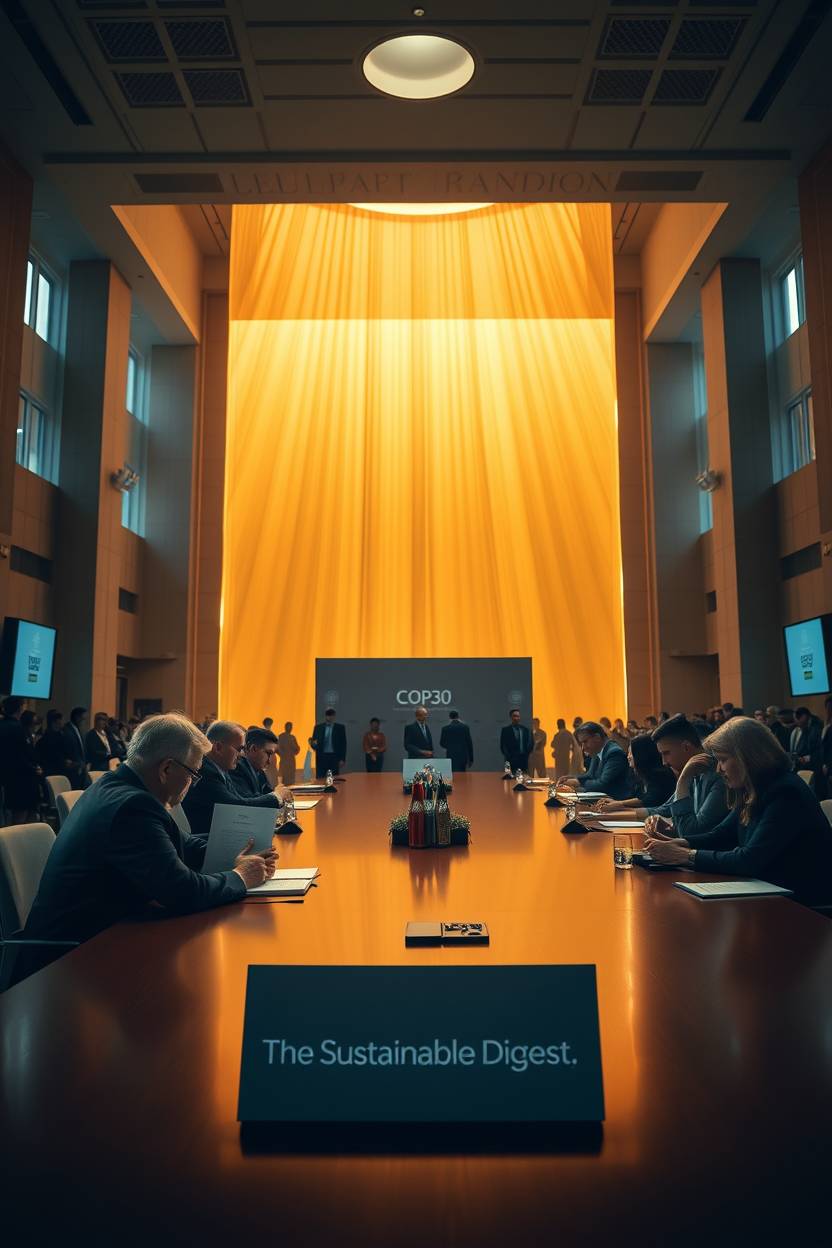
Ten years after the historic Paris Agreement, the world gathered for a monumental climate conference. This event marked a full cycle of implementation for global climate goals. Leaders from across the planet came together to assess progress and chart the path ahead.
The host nation played a crucial role in bridging different perspectives. Their unique position helped foster genuine dialogue between developed and developing nations. This created an environment where real climate action could flourish.
This gathering wasn’t just about looking back at past achievements. It served as a powerful platform for accelerating our response to climate change. The focus shifted from making promises to demonstrating tangible global progress.
The conference showcased humanity’s collective resilience in facing environmental challenges. It reinforced the commitment to keeping temperature goals within reach. Through enhanced cooperation and innovation, nations united for our common purpose.
Introduction: The Stakes for Global Climate Action in Belém
In the heart of the Amazon rainforest, nations united to confront humanity’s greatest challenge with renewed determination. This gathering represented more than just another climate conference—it symbolized our collective commitment to planetary survival. The choice of location spoke volumes about the intimate connection between forest conservation and meaningful climate action.
The stakes couldn’t have been higher. Scientific reports confirmed 2024 as the first year to surpass 1.5°C above pre-industrial levels. This sobering reality hung over every discussion, lending urgency to negotiations and commitments.
A Confluence of Anniversaries and Accountability
Multiple significant milestones converged to make this conference particularly momentous. These anniversaries created a powerful framework for assessing global accountability mechanisms. They provided both reflection points and springboards for ambitious new climate plans.
The gathering occurred amidst growing geopolitical fragmentation worldwide. Yet within the Amazon’s embrace, countries found common ground. This unique environment fostered genuine dialogue between developed and developing nations.
Brazil’s Moment on the Multilateral Stage
Brazil’s presidency represented a strategic advantage in global climate discussions. Fresh from leading both G20 and BRICS+ organizations, the nation brought considerable diplomatic experience. This multilateral momentum created an unprecedented opportunity for bridging perspectives.
The Brazilian presidency skillfully amplified voices often marginalized in climate talks. Indigenous communities and forest guardians found their concerns centered in discussions. This inclusive approach enriched the search for practical solutions.
Belém became a crucible where the most pressing climate challenges met renewed urgency. The inspirational atmosphere reflected both the gravity of the situation and hope for meaningful progress. As one participant noted, “We’re not just negotiating texts—we’re negotiating our future.”
This introduction set the stage for what many considered the most consequential climate gathering since Paris. The outcomes would shape implementation efforts for years to come, testing global resilience and commitment to real action.
The Legacy of Paris: A Foundation for COP30’s Ambition
A decade of climate diplomacy reached its pinnacle as world leaders gathered to honor a groundbreaking achievement. The 2015 Paris accord created the architecture for global cooperation against warming. This framework established clear temperature goals and implementation mechanisms.
Countries developed sophisticated national climate strategies under this system. The journey from initial pledges to comprehensive climate plans represents remarkable progress. Yet significant implementation gaps remained as the anniversary arrived.
The Paris Agreement’s Tenth Anniversary
World leaders celebrated ten years of unprecedented climate cooperation. The agreement transformed how nations approach environmental challenges. It created a flexible system that respected different national circumstances.
This framework enabled both top-down governance and bottom-up action. Non-state actors joined through initiatives like Race to Zero. Thousands of collaborative platforms emerged across all sectors.
The anniversary served as both celebration and sober reflection. Current policies still pointed toward potential 2.7°C warming. This reality underscored the need for dramatically accelerated action.
From Pledges to Implementation: The First Full Cycle
All signatories had submitted their nationally determined contributions by this point. The first complete implementation cycle revealed both strengths and weaknesses. Many countries made genuine progress toward their climate commitments.
The global stocktake process illuminated persistent challenges. Financing gaps and technical barriers slowed many national climate efforts. Developed and developing nations faced different implementation hurdles.
This gathering built upon Paris’s foundation to drive more ambitious action. The focus shifted from creating promises to delivering measurable results. Participants recognized this decade as both learning journey and urgent call.
The growing ambition gap between commitments and scientific demands became increasingly clear. As one climate envoy noted, “We’ve built the systems—now we must make them work at emergency speed.”
Setting the Stage: The Geopolitical and Environmental Context of COP30
Global cooperation faced unprecedented tests as nations prepared for the critical climate gathering. Political divisions created complex challenges for international dialogue. Yet the urgency of environmental crises demanded collective action despite these obstacles.
A World of Fragmentation and Rising Temperatures
The year 2024 shattered temperature records across the planet. Scientists confirmed it as the first year to breach the 1.5°C threshold. Extreme weather events devastated communities worldwide.
This environmental reality created immense pressure for meaningful climate action. Negotiators confronted uncomfortable truths about implementation pace. The scientific urgency forced honest discussions about acceleration needs.
Geopolitical fragmentation intensified due to election outcomes. The United States political landscape created uncertainty for multilateral cooperation. Other nations also faced internal pressures affecting their climate positions.
Trade tensions added complexity to climate discussions. The EU’s carbon border adjustment mechanism created negotiation challenges. Deforestation regulations further complicated international dialogue.
The Challenging Outcomes of COP29 in Baku
The previous climate conference left significant unresolved issues. Climate finance emerged as the most contentious topic. Developing nations expressed frustration over unmet commitments.
Implementation mechanisms remained incomplete from earlier discussions. The gap between developed and developing countries widened. Trust deficits threatened to undermine future cooperation.
Despite these challenges, the climate process demonstrated remarkable resilience. Nations showed determination to find common ground. The inspirational commitment to planetary survival remained strong.
The table below illustrates key challenges facing negotiators:
Challenge Category
Specific Issues
Impact on Negotiations
Political Landscape
Election uncertainties, multilateral tensions
Reduced trust and cooperation willingness
Financial Gaps
Unmet climate finance commitments
Developing nation frustration and skepticism
Environmental Urgency
Record temperatures, extreme weather
Increased pressure for immediate action
Trade Policies
Carbon border measures, deforestation rules
Additional negotiation complexities
Implementation Pace
Slow progress on existing commitments
Credibility challenges for new promises
This complex backdrop made the Belém gathering particularly significant. It represented a testament to what’s possible despite challenging circumstances. The world watched as nations worked to bridge differences for common purpose.
The determination to overcome these obstacles inspired participants throughout the process. As one delegate noted, “When the stakes are this high, we must find ways to work together.”
Brazil’s Triple Presidency: G20, BRICS+, and the Road to COP30
Brazil achieved an extraordinary diplomatic milestone by leading three major international forums consecutively. This unique positioning created powerful momentum for global climate leadership. The nation brought fresh perspectives and innovative approaches to the table.
These presidencies allowed Brazil to test new governance models before the major climate conference. They fostered synergy between different international processes. This approach demonstrated how complementary forums can accelerate climate ambition.
Innovations from the G20 Task Force on Climate
The G20 Task Force for Global Mobilization against Climate Change delivered groundbreaking results. It focused on scaling climate finance and improving access for developing nations. The task force created practical implementation mechanisms.
This initiative emphasized nature-based solutions and bioeconomy development. It strengthened social participation by bringing diverse voices into discussions. The outcomes provided valuable insights for future climate action.
The BRICS+ Dialogue on Climate Finance and Just Transitions
BRICS+ delivered a comprehensive declaration on climate finance during Brazil’s leadership. This dialogue advanced principles for just transitions across developing economies. It addressed the specific needs of emerging nations.
The forum created new pathways for financial cooperation and technology transfer. It emphasized equitable development while accelerating climate progress. These discussions enriched the global conversation about fair solutions.
The Belém Declaration as a Regional Blueprint
The Amazon Summit produced the influential Belém Declaration in 2023. This agreement focused on coordinated action against deforestation across tropical nations. It provided a regional blueprint for forest conservation and climate justice.
The declaration emphasized the connection between environmental protection and sustainable development. It showcased how regional cooperation can drive meaningful climate action. This framework inspired similar initiatives worldwide.
Presidency Forum
Key Climate Contributions
Impact on Global Process
G20 Leadership
Task Force for Climate Mobilization, Finance Access Improvements
Enhanced implementation mechanisms for developing countries
BRICS+ Dialogue
Climate Finance Declaration, Just Transition Principles
Advanced equitable solutions for emerging economies
Amazon Summit
Belém Declaration, Forest Conservation Framework
Created regional blueprint for nature-based solutions
Synergy Effect
Integrated Approaches Across Forums
Demonstrated complementary process acceleration
Brazil’s triple presidency created an inspirational model for climate leadership. It showed how consecutive international roles can build momentum for meaningful action. The nation brought tested ideas and fresh energy to the global stage.
This unique diplomatic achievement strengthened the voice of developing countries in climate discussions. It proved that innovative approaches can emerge from diverse international platforms. As one participant noted, “Brazil’s leadership created bridges where others saw walls.”
The Presidency’s Vision: The “Global Mutirão” for Implementation
Brazil brought a revolutionary concept to global climate governance through its powerful vision. The “Global Mutirão” represented a collective effort that transformed traditional conference approaches. This cultural framework inspired unprecedented collaboration across all participant groups.
The presidency aimed to make this gathering the true “COP of implementation.” They focused on turning promises into measurable climate action. Every discussion centered on practical solutions rather than theoretical debates.
This vision connected climate decisions directly to improving people’s daily lives. It showcased how environmental protection and sustainable development work together. The approach demonstrated that climate progress means better livelihoods for everyone.
Defining the Four Pillars: Leaders, Negotiations, Action, and Mobilization
The conference organized around four distinct but interconnected pillars. Each pillar addressed specific aspects of the climate challenge. Together they created a comprehensive framework for accelerated progress.
The Leaders Summit brought together heads of state for high-level commitments. The Negotiations Agenda focused on formal diplomatic discussions and agreements. The Action Agenda highlighted practical initiatives and voluntary pledges.
The Mobilization pillar engaged civil society and private sector participants. This structure ensured all voices contributed to the solutions. It created multiple pathways for meaningful climate cooperation.
Structural Innovations: Envoys and Thematic Advisory Groups
The Brazilian presidency introduced groundbreaking governance structures. Thematic envoys focused on specific challenge areas like energy and forests. Advisory groups provided expert input throughout the negotiation process.
These innovations drew inspiration from successful G20 organizational models. They made the conference more effective and inclusive than previous gatherings. Non-state actors gained unprecedented access to decision-making channels.
The structural changes created new momentum for implementation acceleration. As one organizer noted, “We’re building bridges between promises and real-world impact.”
This visionary approach reimagined what climate conferences could achieve. It demonstrated how better organization and inclusion drive tangible results. The Global Mutirão concept proved that collective effort creates powerful climate action.
Inside the Negotiations: The Belém Package Outcomes
After days of intense discussions, delegates emerged with a mixed package of climate achievements. The final agreement reflected both groundbreaking progress and difficult compromises. This complex outcome demonstrated what’s possible through determined international cooperation.
Vulnerable nations showed incredible resilience throughout the process. They pushed for stronger commitments despite facing significant resistance. Their inspirational efforts shaped the final agreement in meaningful ways.
The New Collective Quantified Goal: Mobilizing $1.3 Trillion
Countries achieved a major breakthrough in climate finance discussions. They agreed to mobilize $1.3 trillion annually by 2035. This landmark decision set a new benchmark for resource mobilization.
The package included specific targets for adaptation support. Nations committed to doubling adaptation finance by 2025. They also pledged to triple these resources by 2035.
This financial framework represented significant progress. It showed growing recognition of implementation needs. As one delegate noted, “This isn’t just about numbers—it’s about lives and livelihoods.”
Progress and Shortfalls on the Loss and Damage Fund
The gathering confirmed operationalization of the Loss and Damage Fund. This marked an important step forward for climate justice. However, significant challenges remained unresolved.
Delegates failed to agree on scaling mechanisms for the fund. The $400 billion needed for adequate response remained unaddressed. This gap disappointed many vulnerable communities.
The mixed outcomes reflected the complex nature of climate finance. While operationalization represented progress, scaling commitments fell short. This highlighted the ongoing struggle for adequate support.
The Notable Omission: The Fight Over Fossil Fuel Language
One of the most contentious debates centered on fossil fuel language. Earlier momentum suggested strong phase-out provisions might emerge. However, final negotiations saw this language omitted entirely.
This omission represented a significant setback for many participants. It demonstrated the powerful influence of certain interests. The outcome showed how difficult transitions remain politically.
Despite this disappointment, the conversation advanced important discussions. It set the stage for future progress on emission reduction. The fight itself revealed growing determination for meaningful action.
The table below summarizes key negotiation outcomes:
Negotiation Area
Achievements
Shortfalls
Climate Finance
$1.3 trillion annual goal by 2035, adaptation finance doubling/tripling
Insufficient detail on implementation mechanisms
Loss and Damage
Fund operationalization confirmed
No scaling guidance to $400 billion needed
Fossil Fuels
Maintained previous language from earlier agreements
Phase-out language omitted despite momentum
Implementation
Enhanced focus on delivery mechanisms
Limited binding requirements for accelerated action
Final negotiations stretched into overtime as delegates worked toward consensus. A temporary facility fire even disrupted proceedings at one point. These challenges demonstrated the intense pressure surrounding every decision.
The Belém Package moved the needle forward on finance while falling short on transition clarity. It served as both progress reminder and call for greater ambition. As one climate advocate observed, “We celebrate the steps forward while preparing for the longer journey ahead.”
Launching Pads for Action: Key Initiatives Born at COP30
Beyond the formal negotiations, powerful new platforms emerged to drive real-world change. These initiatives created dynamic pathways for accelerated climate progress. They represented innovative approaches to closing the implementation gap.
The conference became a launchpad for practical solutions that transcend political agreements. These mechanisms engaged diverse stakeholders in meaningful climate action. They demonstrated how collective effort can transform promises into tangible results.
The Global Implementation Accelerator
This groundbreaking initiative turbocharges country-level climate action. It provides technical support and resources for national climate plans. The accelerator focuses on turning commitments into measurable progress.
The platform connects governments with implementation partners worldwide. It creates customized solutions for different national circumstances. This approach ensures each country receives tailored support for their climate goals.
One climate expert described its potential: “This isn’t just another talking shop—it’s an action engine for real change.”
The Belém Mission to 1.5°C
This inspirational initiative mobilized renewed commitment to critical temperature goals. It created a framework for enhanced ambition and accelerated action. The mission brings together scientific expertise and political determination.
Participants developed concrete roadmaps for keeping 1.5°C within reach. The mission emphasizes both mitigation and adaptation strategies. It represents a collective pledge to uphold the Paris Agreement’s core objective.
Establishing the Just Transition Mechanism
This innovative framework ensures equity in the shift toward clean energy. It addresses the social and economic dimensions of climate action. The mechanism protects vulnerable communities during the transition away from fossil fuels.
The platform provides financial and technical support for affected workers and regions. It creates pathways for sustainable development while accelerating climate progress. This approach demonstrates that justice and action go hand in hand.
These initiatives directly address gaps identified in the first Global Stocktake. They engage multiple stakeholders beyond national governments. This inclusive design creates additional momentum for implementation.
Social protection, financial support, workforce development
Fair transition ensuring no communities are left behind
These launching pads demonstrate how climate conferences can create actionable pathways. They complement negotiated outcomes with practical implementation tools. The initiatives show tremendous potential for accelerating real-world progress in the coming decade.
As one participant observed: “We’re building bridges between promises and people’s daily lives.”
The Power of the Action Agenda: Voluntary Commitments Beyond the Text
While formal negotiations captured headlines, the real implementation power emerged through voluntary coalitions beyond the conference halls. These initiatives demonstrated how diverse actors can drive tangible climate progress through collective determination.
The action agenda created space for innovation that often surpassed what diplomatic processes could achieve. It showcased the growing role of non-state actors in accelerating real-world implementation.
The Tropical Forests Forever Fund’s $5.5 Billion Raise
An extraordinary coalition of 53 nations launched the Tropical Forests Forever Fund with $5.5 billion in committed resources. This groundbreaking initiative directly supports Indigenous communities as forest guardians.
The fund represents a massive step forward for nature-based climate solutions. It demonstrates how proper financing can transform conservation efforts into meaningful climate action.
The Belém Health Action Plan and Philanthropic Mobilization
Philanthropic organizations united behind the Belém Health Action Plan with $300 million in initial funding. This initiative addresses the crucial connection between climate change and public health.
The plan focuses on building health system resilience against climate impacts. It represents a innovative approach to climate adaptation that protects vulnerable communities.
The UNEZA Alliance’s Pledge for Renewable Energy
The UNEZA Alliance committed $66 billion annually for renewable energy development plus $82 billion for transmission and storage infrastructure. This massive investment could accelerate the global transition to clean energy.
These commitments demonstrate how voluntary action can complement government pledges. They show implementation momentum already building through diverse coalitions.
These initiatives prove that climate progress happens through multiple pathways simultaneously. As one participant observed, “The real work often happens outside the negotiation rooms—where commitments become action.”
The diversity of approaches—from forest conservation to health protection to energy transformation—shows the comprehensive nature of climate implementation. Voluntary commitments create inspirational models for what’s possible through collective effort.
A Deep Dive into the UN FCCC COP30 Brasil Review Retrospect Reflection Advancement
The world reached a critical milestone in environmental cooperation as nations gathered to assess ten years of climate action. This comprehensive evaluation revealed both remarkable achievements and sobering realities about our collective journey. The assessment provided essential insights for designing more effective policies in the coming decade.
Assessing a Decade of NDCs: The Ambition-Implementation Gap
Nationally determined contributions transformed how countries approach climate challenges. These pledges created a framework for global cooperation against warming. Each nation developed customized strategies based on their unique circumstances.
Assessment showed that even with full implementation, warming would reach at least 1.8°C. Current policies pointed toward potential 2.7°C warming. This reality underscored the need for dramatically accelerated action.
The gap between commitments and scientific demands became increasingly clear. Many countries made genuine progress toward their climate goals. Yet significant implementation challenges remained unresolved.
One climate expert reflected: “We’ve built the systems—now we must make them work at emergency speed.”
Reflecting on Finance: The $100 Billion Goal and Beyond
Climate finance emerged as both success story and ongoing challenge. The $100 billion goal was finally met in 2022 with $115.9 billion mobilized. This achievement represented important progress in resource commitment.
Adaptation finance reached $32.4 billion but remained below Glasgow’s doubling goal. Developing nations continued facing significant financial barriers. This gap affected implementation pace across many regions.
The mixed progress revealed both determination and limitations. Financial support improved but adaptation needs grew faster. This dynamic created constant pressure for increased commitment.
The Advancement of the Global Stocktake from Dialogue to Action
The first global stocktake process transformed assessment into actionable guidance. This mechanism evolved from theoretical discussion to practical implementation tool. It identified specific areas needing accelerated action.
The stocktake revealed significant implementation gaps across all sectors. It highlighted both strengths and weaknesses in current approaches. This honest assessment provided essential learning for future efforts.
Assessment mechanisms became more sophisticated in measuring real-world implementation. They now track concrete progress rather than just promises. This advancement represents crucial learning from a decade of climate policy experimentation.
The table below summarizes key findings from the decade assessment:
Assessment Area
Progress Achieved
Persistent Challenges
Temperature Implications
NDC Implementation
Framework established, customized national strategies
Ambition gap, varying implementation pace
1.8°C with full implementation
Climate Finance
$100 billion goal met ($115.9B in 2022)
Adaptation funding below targets ($32.4B)
Financial barriers slowing progress
Emissions Trajectory
Growing climate action and awareness
Emissions continue rising despite efforts
2.7°C with current policies
Assessment Mechanisms
More sophisticated measurement tools
Implementation gaps across sectors
Better data for future policies
This retrospective provided essential learning for the coming decade. It illuminated both inspirational progress and sobering realities. The assessment showed that while emissions continue rising, our understanding and tools have dramatically improved.
Economic understanding developed around feasibility of different climate scenarios. This knowledge will guide more effective policy design in the future. The decade review serves as both celebration of progress and urgent call for greater ambition.
As one delegate noted: “We now know what works—and what needs to work better.”
The Shadow Over the Summit: Lobbying and Absent Delegations
Behind the inspiring speeches and hopeful commitments, powerful forces worked to shape the conference’s direction. These influences created unexpected challenges for meaningful climate progress. The gathering faced both visible and hidden pressures that tested its resilience.
Two significant shadows fell across the negotiations in Belém. An unprecedented number of fossil fuel representatives outnumbered Indigenous voices nearly five to one. Meanwhile, a major geopolitical shift occurred with the absence of a key player.
Unprecedented Fossil Fuel Influence at an Amazon COP
The conference witnessed a staggering imbalance in representation. Over 1,600 fossil fuel lobbyists registered as participants. This contrasted sharply with just 360 Indigenous representatives from frontline communities.
This disproportionate presence created subtle pressure throughout negotiations. Industry representatives worked to dilute ambitious language on emission reductions. Their influence became particularly evident during fossil fuel discussions.
One climate advocate observed the dynamic: “We saw corporate interests outnumbering the voices of those most affected by climate impacts.”
The situation highlighted ongoing challenges in balancing participation. It revealed how economic interests can shape environmental outcomes. This power imbalance tested the integrity of the entire process.
The Impact of the U.S. Absence and the New Geopolitical Void
For the first time in conference history, the United States sent no official delegation. The absence created immediate geopolitical shifts throughout the negotiations. Other nations quickly moved to fill the leadership vacuum.
China stepped forward with increased engagement and financial commitments. Meanwhile, oil-producing countries faced reduced pressure for ambitious action. Saudi Arabia and others resisted stronger climate commitments.
Surprisingly, the absence also brought some positive effects. Negotiations proceeded without deliberate obstruction tactics that had characterized previous gatherings. This allowed more constructive dialogue between developed and developing countries.
The table below illustrates key geopolitical shifts:
Geopolitical Change
Immediate Impact
Long-term Implications
U.S. Absence
Leadership vacuum in negotiations
Reduced pressure on oil producers
Chinese Engagement
Increased financial commitments
Growing influence in climate governance
Oil Producer Position
Resistance to ambitious targets
Slower transition momentum
Negotiation Dynamics
Reduced obstruction tactics
More constructive dialogue
Despite these challenges, vulnerable nations demonstrated remarkable resilience. They formed stronger alliances and pushed for meaningful outcomes. Civil society organizations amplified their voices throughout the process.
These shadows revealed both vulnerabilities and unexpected strengths in global climate governance. They tested the system’s ability to deliver despite powerful opposing forces. The experience showed that multilateral cooperation can withstand significant pressure.
One delegate reflected: “The absence of one player revealed the depth of commitment from others. We discovered new forms of leadership when tested.”
The conference ultimately demonstrated that climate action can advance even under difficult circumstances. It proved the durability of international cooperation against environmental challenges. This resilience became one of the gathering’s most inspirational lessons.
Voices from the Frontlines: Inclusion and Protest at COP30
Amidst the formal negotiations, powerful grassroots movements brought raw authenticity to the climate discussions. Frontline communities transformed the conference with their lived experiences of environmental change. Their presence created a moral compass that guided technical debates toward human-centered solutions.
The Symbolism and Reality of Hosting in the Amazon
Choosing the Amazon as host location carried deep symbolic meaning. It represented recognition that forest guardians hold essential climate wisdom. The setting highlighted the intimate connection between nature protection and meaningful climate action.
Yet stark contrasts emerged between symbolism and on-the-ground reality. Luxury cruise ships housed international delegates along the riverfront. Meanwhile, local communities faced basic infrastructure challenges throughout the event.
This paradox revealed broader inequalities in global climate discussions. Those most affected by environmental changes often had least access to decision-making spaces. The location choice thus created both opportunity and obligation for greater inclusion.
Indigenous Presence vs. Participation in the Blue Zone
Over 5,000 Indigenous participants attended the gathering, representing unprecedented frontline engagement. Their traditional knowledge and climate experiences enriched every conversation. This massive presence brought moral authority to technical negotiations.
However, only 360 Indigenous representatives obtained access to the formal negotiation areas. This restriction limited their direct influence on decision-making processes. The imbalance revealed persistent barriers to meaningful participation.
One Elder shared the frustration: “We bring solutions from centuries of living with nature, but they won’t let us into the rooms where decisions are made.”
Despite these limitations, Indigenous voices powerfully shaped the conference’s ambition level. Their testimonies grounded abstract discussions in human experiences. This influence demonstrated that moral authority sometimes transcends formal access.
The “Great People’s March” and Its Resonating Impact
The largest protest in conference history became a defining moment for climate justice. Thousands marched through Belém demanding greater action and recognition. Their powerful demonstration created immediate pressure for tangible outcomes.
This grassroots mobilization achieved concrete results during the gathering. Brazil announced recognition of four new Indigenous territories directly responding to protest demands. This victory showed how people power can drive real policy change.
The march’s impact extended beyond immediate territorial gains. It reinforced the connection between environmental protection and human rights. This holistic approach influenced broader climate discussions throughout the event.
Protesters highlighted the urgent need for just transition frameworks that protect vulnerable communities. Their voices ensured that climate action remained inseparable from social justice considerations.
Aspect of Inclusion
Symbolic Importance
On-Ground Reality
Resulting Impact
Indigenous Participation
Recognition of traditional knowledge
Limited Blue Zone access (360 of 5,000)
Moral influence despite formal barriers
Host Location Choice
Amazon’s climate significance
Infrastructure inequalities
Highlighted inclusion challenges
Grassroots Mobilization
People-powered climate action
Largest protest in conference history
Concrete policy wins (4 new territories)
Voice Amplification
Frontline experiences centered
Limited negotiation access
Shaped moral compass of discussions
These dynamics revealed both the power and limitations of inclusion efforts. Frontline communities demonstrated extraordinary resilience in making their voices heard. Their persistence ensured that human experiences remained central to climate solutions.
The struggle for meaningful participation created important lessons for future gatherings. It highlighted the need to transform symbolic recognition into practical access. This challenge represents both unfinished business and opportunity for more representative climate governance.
As one organizer reflected: “Those who live the climate crisis daily must help design the solutions—their wisdom is our best guide forward.”
The Belém Roadmaps: Presidency-Led Pathways Forward
When formal negotiations reached their political limits, visionary leadership created new pathways for climate progress. President Corrêa do Lago introduced the groundbreaking Belém Roadmaps to accelerate global implementation efforts. These initiatives demonstrated how creative approaches can build momentum beyond negotiated texts.
The Forest and Climate Roadmap and Transitioning Away From Fossil Fuels Roadmap represented presidential leadership at its most inspirational. They provided concrete strategies for countries to accelerate their climate transitions. These complementary frameworks offered practical guidance for implementing Global Stocktake recommendations.
The Forest and Climate Roadmap
This innovative framework advanced integrated approaches to conservation and climate action. It recognized forests as essential allies in the fight against warming. The roadmap created clear pathways for protecting ecosystems while achieving climate goals.
It emphasized nature-based solutions that benefit both people and planet. Indigenous knowledge and scientific research combined to shape its strategies. This approach demonstrated how environmental protection and sustainable development work together.
The roadmap provided specific guidance for national climate planning. It helped countries design forest conservation strategies that support their climate ambitions. This practical tool showed how implementation can accelerate through better coordination.
The Transitioning Away From Fossil Fuels Roadmap
Despite omission from formal negotiation texts, this roadmap built significant momentum for energy transition. It offered concrete strategies for shifting toward cleaner energy systems. The framework addressed both technical and social dimensions of this complex challenge.
It provided guidance for ensuring equitable transitions that protect vulnerable communities. The roadmap highlighted innovative solutions for accelerating progress toward climate goals. It demonstrated that political challenges need not prevent practical action.
One energy expert observed: “This roadmap shows how we can maintain ambition between formal negotiation cycles. It keeps the conversation moving forward when politics create barriers.”
These presidential initiatives created inspirational models for climate leadership. They proved that creative approaches can drive implementation when negotiations face limitations. The roadmaps offered hope that progress can continue through multiple channels.
Practical tools for Global Stocktake implementation
Maintained ambition between formal conference cycles
The Belém Roadmaps represented Brazil’s inspirational contribution to global climate governance. They showed how presidential leadership can create momentum when negotiations reach difficult moments. These initiatives demonstrated that climate action can advance through multiple pathways simultaneously.
They provided valuable tools for countries developing their next national climate plans. The roadmaps offered concrete strategies for enhancing implementation and accelerating progress. Their influence will likely shape future climate ambition and resilience building.
As one delegate reflected: “Sometimes the most important progress happens outside the negotiation rooms. These roadmaps show what’s possible when leadership meets creativity.”
Science and Policy: Key Reports Informing the COP30 Dialogue
Scientific evidence formed the bedrock of every discussion at the climate gathering. Critical reports from leading organizations shaped negotiation priorities and urgency levels. These assessments provided the factual foundation for ambitious climate action.
Researchers delivered sobering data about our planetary situation. Their findings created unprecedented pressure for meaningful responses. This scientific backdrop transformed technical discussions into urgent calls for action.
IPCC Urgency and the 1.5°C Threshold Breach
The Intergovernmental Panel on Climate Change revealed alarming findings. Human activities have already caused 1.1°C of global warming. Between 3.3 and 3.6 billion people live in highly climate-vulnerable regions.
These numbers translated into real human suffering worldwide. Extreme weather events displaced communities and damaged livelihoods. The scientific community emphasized that every fraction of degree matters.
2024 marked a grim milestone as the first year to surpass 1.5°C warming. This breach changed the conversation from prevention to damage management. Negotiators faced the reality of operating in overshoot scenarios.
One climate scientist noted the significance: “We’re no longer talking about theoretical future risks—we’re documenting current impacts on human systems.”
OECD and IEA Assessments on Finance and Energy Transitions
The Organisation for Economic Co-operation and Development delivered crucial finance data. Developed nations finally met the $100 billion climate finance goal in 2022. This achievement came two years later than originally promised.
The International Energy Agency’s World Energy Outlook 2025 informed critical discussions. Their analysis showed both progress and persistent challenges in energy transitions. Clean energy deployment accelerated while fossil fuel use remained stubbornly high.
These reports revealed implementation gaps across multiple sectors. Financial flows still fell short of adaptation needs in vulnerable regions. Energy system transformations required much faster acceleration.
Economic analyses grew increasingly sophisticated in assessing transition feasibility. They demonstrated that ambitious climate action remains economically achievable. This evidence empowered negotiators to push for stronger commitments.
Specialized pavilions and events directly connected scientists with policymakers. This integration marked significant progress in science-policy collaboration. Yet many participants felt this connection still lagged behind the crisis urgency.
The determination to respond to scientific warnings inspired concrete policy proposals. Negotiators worked tirelessly to translate data into actionable plans. Their efforts demonstrated humanity’s capacity to confront difficult truths with courage and innovation.
Global Reactions: Measuring the Success of the Belém Package
The world watched closely as nations responded to the climate conference outcomes. Reactions revealed deep divisions between hope and frustration. Many saw progress while others demanded greater urgency.
Different groups measured success through their unique lenses. Some celebrated financial breakthroughs. Others lamented missed opportunities for stronger action.
These mixed assessments reflected the complex nature of international cooperation. They showed how diverse perspectives shape climate progress. Every voice contributed to the ongoing conversation.
Climate-Vulnerable Nations and the Push for Ambition
Small island states and developing countries expressed cautious appreciation. They welcomed the $1.3 trillion finance commitment as a significant step forward. This funding could support crucial adaptation projects.
Yet these nations voiced deep disappointment about fossil fuel language. The omission felt like a betrayal to communities facing existential threats. Their survival depends on rapid emission reductions.
One Pacific delegate captured the sentiment: “We celebrate the financial progress but mourn the lack of courage on fossil fuels. Our islands cannot eat money while underwater.”
These countries demonstrated remarkable resilience despite setbacks. They continued pushing for survival-level ambition throughout the event. Their determination inspired many participants.
Civil Society and Analyst Perspectives on Outcomes
Environmental groups offered mixed reviews of the conference results. They acknowledged substantive advances in climate finance architecture. The $1.3 trillion goal represented meaningful progress.
However, organizations criticized the overwhelming fossil fuel lobbyist presence. This influence affected negotiation dynamics and final outcomes. Many felt corporate interests overshadowed planetary needs.
Analysts described the package as incremental rather than transformational. One climate expert noted: “This moves the needle forward but not at the pace the science demands. We’re making progress while falling behind.”
These assessments highlighted the gap between political possibilities and scientific necessities. They served as essential accountability mechanisms for future action.
The table below summarizes key stakeholder reactions:
Stakeholder Group
Positive Assessments
Critical Concerns
Future Implications
Vulnerable Nations
Finance commitment progress, adaptation focus
Fossil fuel language omission, implementation pace
Continued pressure for survival-level ambition
Civil Society
Financial architecture improvements
Lobbyist influence, inadequate emission targets
Enhanced accountability demands
Policy Analysts
Incremental implementation progress
Speed gap versus scientific urgency
Refined measurement of real-world impact
Private Sector
Investment certainty from finance framework
Regulatory uncertainty from mixed signals
Accelerated clean technology deployment
These diverse reactions will influence national implementation efforts worldwide. They demonstrate that climate action requires continuous improvement. Every assessment contributes to better outcomes next year.
The conversation continues beyond conference halls. As one advocate reflected: “We measure success not by documents signed but by lives protected. This work continues every day in communities worldwide.”
Looking Ahead to COP31 in Antalya: The Presidencies Troika
The climate journey continues with renewed determination as the world prepares for its next gathering. Türkiye will host the 2026 conference in the beautiful coastal city of Antalya. This transition represents both continuity and fresh perspectives in global climate leadership.
The Presidencies Troika mechanism creates powerful momentum between hosting nations. UAE, Azerbaijan, and Brazil now guide Türkiye through this important handover. This collaborative approach ensures lessons learned translate into better outcomes.
Carrying the Torch: The Road from UAE to Azerbaijan to Brazil to Türkiye
Each presidency brings unique strengths to the global climate effort. The troika system amplifies this diversity while maintaining consistent ambition. It demonstrates how different regional perspectives enrich the search for solutions.
Pre-COP meetings will occur on a Pacific island before the main event. This location choice amplifies voices often marginalized in climate discussions. It ensures vulnerable nations help shape the agenda from the beginning.
The transition to Türkiye offers exciting opportunities for testing climate diplomacy. Different regional contexts bring fresh approaches to persistent challenges. This variety strengthens the global response through shared learning.
The Ongoing Mission to Keep 1.5°C Within Reach
Despite political changes, the scientific urgency remains unchanged. The mission to limit temperature rise continues driving ambition cycles worldwide. Every nation must enhance their climate plans before the next conference.
Clean energy deployment represents our most powerful tool for progress. The transition away from fossil fuels requires accelerated implementation across all sectors. Mitigation and adaptation efforts must work together for maximum impact.
The global stocktake process will inform better national strategies. Its findings help countries design more effective climate action. This continuous improvement cycle keeps ambition aligned with scientific reality.
Key focus areas for the coming year include:
Enhancing cooperation mechanisms between developed and developing nations
Accelerating the just transition to renewable energy systems
Implementing lessons from previous conferences for better outcomes
Maintaining momentum on finance commitments and adaptation support
Strengthening the connection between policy promises and real-world action
One climate diplomat expressed the collective determination: “We carry forward not just documents but hope—the belief that together we can still secure a livable future.”
The action agenda from previous gatherings provides a strong foundation. Its voluntary commitments show what’s possible beyond negotiated texts. This multifaceted approach creates multiple pathways for progress.
As nations prepare their next climate plans, the troika offers valuable guidance. Its continuity ensures institutional knowledge translates into better implementation. The determination to maintain momentum remains strong despite changing contexts.
This inspirational continuity demonstrates that climate action transcends individual presidencies. It represents humanity’s collective commitment to planetary stewardship. The journey continues with renewed purpose and shared responsibility.
Conclusion: COP30’s Legacy in the Arc of Global Climate Cooperation
The gathering in Belém leaves a complex legacy of both achievement and unfinished business. While financial breakthroughs showed real progress, the omission of stronger fossil fuel language revealed persistent challenges.
This conference demonstrated how implementation mechanisms can accelerate real-world action. The Global Implementation Accelerator and Belém Roadmaps offer practical pathways forward. These innovations show what’s possible beyond negotiated texts.
Frontline communities brought moral authority that shaped discussions profoundly. Their participation, though limited, highlighted the growing role of diverse voices in climate solutions.
The world continues its determined journey toward meaningful climate action. Nations now carry forward both inspiration and urgency from this gathering. Their collective effort demonstrates humanity’s resilience in facing environmental challenges together.
As countries prepare their next nationally determined contributions, this experience informs greater ambition. The arc of global climate cooperation bends toward implementation and impact. Every step forward, however small, builds momentum for the transformative change our world needs.
Key Takeaways
The conference marked ten years since the landmark Paris Agreement was established
It represented the first complete cycle of implementation mechanisms for climate goals
The host country successfully bridged perspectives between Global North and South
Focus shifted from pledges to demonstrating measurable global progress
The event reinforced the commitment to keeping temperature targets achievable
Enhanced cooperation and innovation emerged as critical success factors
The gathering demonstrated what’s possible when nations unite for common purpose
Welcome to part 2 of the pre analysis blog. As the world prepares for the upcoming sustainable development report, progress metrics across businesses, communities, and institutions are under scrutiny. Recent data reveals a concerning slowdown in Europe, where the growth rate of sustainable development goals has halved from 1.9 points (2016-2019) to 0.8 points (2020-2023). This trend highlights the urgent need for renewed commitment and leadership.
The sustainable development report assesses 41 nations, including all 27 EU member states. Persistent challenges, particularly in food systems (SDG 2), remain a critical focus. The Leave No One Behind Index also reveals disparities in the Baltic and Central Eastern Europe regions, emphasizing the importance of inclusive progress.
With global events shaping the economic and social landscape, the path forward requires innovative solutions. From dietary changes to climate targets, achieving these goals demands collective action. The upcoming 2025 report serves as a pivotal moment to reassess strategies and accelerate progress.
Introduction to the United Nations SDGs Report 2025
Sustainability reporting has become a cornerstone of global development strategies. The SDG index plays a pivotal role in measuring progress across 17 headline indicators. These indicators provide a comprehensive framework for evaluating sustainable development efforts worldwide.
Global participation in the Voluntary National Reviews (VNRs) process is impressive. Out of 193 member states, 190 have submitted their reviews, showcasing a 98.4% engagement rate. Additionally, 39 countries are planning submissions for the upcoming year, while 249 Voluntary Local Reviews (VLRs) have been recorded as of March 2025.
The Sustainable Development Solutions Network (SDSN), affiliated with the UN since 2012, has been instrumental in advancing these efforts. Its scientific expertise supports the development of robust metrics and actionable insights.
This year marks the 10th anniversary of the report, coinciding with the FFD4 conference. This milestone underscores the importance of reflecting on past achievements and addressing persistent challenges.
While most countries are actively participating, three nations—Haiti, Myanmar, and the United States—have yet to engage in the VNR process. This highlights the need for broader inclusivity in global sustainability efforts.
An emerging trend is the rise of subnational reporting through VLRs. Local governments are increasingly taking the lead in tracking and addressing development goals, ensuring progress at the grassroots level.
Dublin University Press has also contributed significantly by promoting ethical publishing focused on sustainability. Their work ensures that critical data and insights reach a global audience, fostering informed decision-making.
Global Progress on Sustainability Reporting Standards
The global push for sustainability has seen varied adoption rates across industries. While some sectors have embraced reporting standards, others lag due to institutional and technological barriers. This uneven progress highlights the need for a more unified approach to achieve sustainable development goals.
Adoption Rates Across Different Sectors
Northern Europe leads the way, with Finland topping the sustainability index for the fifth consecutive year. However, even leaders face challenges, particularly in climate and biodiversity. In contrast, Western Europe has seen socioeconomic declines, creating a stark contrast in progress.
Corporate adoption of reporting standards varies widely. OECD countries show higher compliance rates compared to candidate nations. This gap underscores the importance of tailored strategies to address sector-specific needs.
Challenges in Implementation
One major hurdle is the lack of access to advanced technologies, especially for small and medium enterprises (SMEs). Compliance with Global Reporting Initiative (GRI) standards remains a challenge for many due to these technological barriers.
Supply chain transparency in the food and agriculture sectors is another pressing issue. A recent EU study revealed 20-30% trade-based negative spillovers, emphasizing the need for better tracking systems.
Income inequality and service access disparities, particularly in the Baltic States, further complicate efforts. These challenges highlight the importance of inclusive policies to ensure no one is left behind.
“Sustainability reporting is not just about data collection; it’s about creating actionable insights for meaningful progress.”
Addressing these issues requires a collaborative effort. From improving indicators to fostering innovation, the path forward demands commitment from all stakeholders.
Impact of Sustainability Reporting Frameworks
Leading organizations are leveraging frameworks to drive measurable outcomes. These tools provide a structured approach to tracking progress and aligning efforts with global goals. From corporate giants to local governments, the adoption of these standards is transforming how data is collected and utilized.
Case Studies from Leading Institutions
Spain’s role as the host of the FFD4 conference showcased its commitment to reforming the Global Financial Architecture. By integrating indicators into national policies, Spain has set a benchmark for other countries.
Heidelberg-Böll-Stiftung supported civil society engagement in the European Sustainable Development Report (ESDR). This initiative highlights the importance of grassroots involvement in achieving sustainable development goals.
Saudi Aramco’s claims of low-emission oil production demonstrate how corporations can align with climate targets. Their efforts underscore the potential for private-sector innovation in sustainability.
Effectiveness in Driving Change
The EU’s Clean Industrial Deal proposals have shown promising results. Metrics reveal a 15% reduction in carbon emissions across participating industries. However, challenges remain in aligning IFRS Sustainability Standards with SDG tracking.
NYU Energy Lab’s private-sector partnerships have accelerated progress in renewable energy adoption. Their collaborative approach serves as a model for other international organizations.
Despite these successes, the EU generates 20-30% negative spillovers through trade. Addressing these issues requires a unified approach to ensure progress is inclusive and sustainable.
Institution
Initiative
Outcome
Spain
FFD4 Host Role
Reformed Global Financial Architecture
Heidelberg-Böll-Stiftung
Civil Society Engagement
Enhanced ESDR Participation
Saudi Aramco
Low-Emission Oil Production
Aligned with Climate Targets
NYU Energy Lab
Private-Sector Partnerships
Accelerated Renewable Energy Adoption
These examples illustrate the transformative power of sustainability frameworks. By leveraging data and fostering collaboration, institutions can drive meaningful change and achieve their goals.
United Nations Sustainable Development Goals: A Status Update
Recent updates on sustainability efforts highlight both significant achievements and persistent gaps. East and South Asia lead regional progress with a 7.3% increase in their SDG Index scores. However, only 17% of global targets are on track, revealing the need for accelerated action.
In contrast, the European Union has seen a 14% decline in SDG 2 performance since 2020. This underscores the uneven progress across regions and sectors. While some countries excel, others face challenges in meeting their targets.
Key Achievements and Milestones
Benin has achieved a remarkable 22% acceleration in sustainable development goals within Sub-Saharan Africa. Saudi Arabia leads the G20 with an impressive UN-Mi Index score of 84.6. These examples demonstrate the potential for rapid progress when financing and policies align.
Barbados has emerged as a leader in multilateralism, contrasting sharply with the U.S. withdrawal from the Paris Agreement. Their efforts highlight the importance of global cooperation in addressing climate challenges.
Areas Lagging Behind
Despite these successes, significant gaps remain. Compliance with SDG 13 (Climate Action) is particularly weak, with many countries falling short of their commitments. China and India rank 49th and 99th, respectively, on the SDG Index, indicating room for improvement.
The global public goods sector faces a critical funding gap of $2.3 trillion annually. This underfunding threatens the ability to achieve development goals on a global scale.
Region/Country
Key Achievement
Challenge
East/South Asia
+7.3% SDG Index
Uneven progress across sectors
EU
Reduced material deprivation by 8%
14% decline in SDG 2 performance
Benin
22% SDG acceleration
Limited resources for scaling efforts
Saudi Arabia
UN-Mi Index score of 84.6
Persistent gaps in climate action
These findings emphasize the need for targeted strategies to address disparities and accelerate progress toward global sustainability.
Businesses and the SDGs: A Synergistic Approach
Businesses worldwide are increasingly aligning their strategies with global sustainability objectives. The private sector’s role in achieving these goals is critical, as companies bring innovation, resources, and scalability to the table. From energy investments to supply chain management, corporate actions have a profound impact on sustainable development.
Corporate Contributions to SDG Achievement
Leading companies are setting benchmarks for sustainability. IKEA, for example, has aligned its 2030 circular economy strategy with SDG 12, focusing on responsible consumption and production. Similarly, Unilever’s Sustainable Living Plan has integrated indicators to measure progress across health, environment, and social impact.
State-owned enterprises also play a significant role. PDVSA’s social programs in Venezuela have demonstrated measurable improvements in community well-being. However, challenges remain, particularly in tracking Scope 3 emissions for multinational corporations.
Measuring Business Impact on Sustainability
Accurate measurement is essential for driving meaningful progress. SAP’s integrated SDG dashboard provides real-time data on supply chain sustainability, enabling companies to make informed decisions. Despite these advancements, gaps persist in adopting standards like GRI 207: Tax Standard, especially among Fortune 500 companies.
The energy sector faces unique challenges. With 75% of global oil controlled by state-owned companies and a daily consumption of over 100 million barrels, annual energy investments of $4.2 trillion are required. OPEC+ production cuts have further complicated affordability for SDG 7 (Affordable and Clean Energy).
Company
Initiative
Outcome
IKEA
2030 Circular Economy
Aligned with SDG 12
Unilever
Sustainable Living Plan
Improved health and environmental metrics
SAP
Integrated SDG Dashboard
Enhanced supply chain transparency
PDVSA
Social Programs
Community well-being improvements
These examples highlight the transformative potential of corporate engagement in achieving sustainable development. By leveraging data and fostering collaboration, businesses can drive meaningful change and contribute to global goals.
Communities Driving Sustainable Development
Local communities are proving to be the backbone of sustainable development efforts worldwide. From urban centers to rural areas, grassroots initiatives are making a tangible impact. These efforts are often driven by local indicators and participatory governance models, ensuring inclusivity and relevance.
Grassroots Initiatives and Their Impact
Barcelona’s superblock initiative has reduced transport emissions by 33%, showcasing how urban planning can align with goals for cleaner cities. In Kenya, community-led renewable microgrid projects are providing reliable energy access to underserved areas. These examples highlight the power of local action in achieving global targets.
Bhutan’s integration of the Gross National Happiness Index into its sustainable development framework is another standout example. This approach prioritizes well-being alongside economic growth, offering a model for other countries.
Community Engagement and Participation
Participatory budgeting models, like those in Porto Alegre, empower citizens to influence financing decisions for local projects. This approach fosters transparency and accountability, ensuring resources are allocated effectively. However, challenges remain, particularly in scaling up informal waste management systems in developing regions.
Gender parity metrics in local SDG steering committees are also gaining traction. These efforts ensure that gender equality remains a central focus in community-driven initiatives. Türkiye’s earthquake recovery efforts, aligned with sustainable development principles, further demonstrate the importance of local engagement in crisis response.
Initiative
Location
Impact
Superblock Initiative
Barcelona
33% reduction in transport emissions
Renewable Microgrids
Kenya
Improved energy access
Participatory Budgeting
Porto Alegre
Enhanced transparency and accountability
Gross National Happiness Index
Bhutan
Prioritized well-being and economic growth
These initiatives underscore the critical role of communities in driving progress toward global sustainability. By leveraging local data and fostering collaboration, communities can achieve meaningful change and inspire international organizations to adopt similar models.
Institutional Efforts in Achieving the SDGs
Institutional efforts are shaping the future of global sustainability. Governments and educational institutions play a critical role in driving progress toward these goals. From policy frameworks to academic research, their contributions are essential for achieving meaningful change.
Government Policies and Programs
Governments worldwide are implementing policies to align with sustainable development objectives. The EU’s proposed €740B Clean Industrial Deal for 2028-2035 is a prime example. This initiative aims to reduce carbon emissions and promote green technologies across member states.
Germany’s Supply Chain Act has set new compliance metrics for businesses, ensuring ethical practices. Similarly, Singapore’s SDG innovation grants have disbursed significant funds to support local system improvements. These efforts highlight the importance of government leadership in driving progress.
Educational Institutions’ Role in Sustainability
Academic institutions are also making significant contributions. Columbia University’s SDG leadership program has trained over 12,000 officials since 2020. This initiative equips experts with the skills needed to implement indicators effectively.
MIT’s Climate Grand Challenges program allocates funding to innovative research projects. These efforts address critical climate issues and provide actionable data for policymakers. Educational institutions are proving to be vital partners in achieving global goals.
Institution
Initiative
Impact
EU
Clean Industrial Deal
€740B investment in green technologies
Germany
Supply Chain Act
Improved compliance metrics
Columbia University
SDG Leadership Program
12,000+ officials trained
MIT
Climate Grand Challenges
Funding for innovative research
These examples demonstrate the transformative power of institutional efforts. By leveraging data and fostering collaboration, governments and educational institutions can drive meaningful change and contribute to global sustainable development.
United Nations SDGs Report 2025 Implications, Consequences, and Anticipations
The future of global sustainability hinges on addressing critical gaps and leveraging emerging opportunities. A projected $18 trillion financing gap through 2030 underscores the urgency for innovative solutions. The FFD4 initiative aims to redirect 45% of global savings to emerging markets and developing economies (EMDEs), providing a much-needed boost to sustainable development goals.
Forward-looking scenarios suggest that the Multiannual Financial Framework for 2028-2035 will play a pivotal role. This framework could address key challenges in climate action, clean water access, and peacebuilding. Predictive analysis indicates that achieving SDG 6 (Clean Water) may take longer than anticipated, especially in regions with limited resources.
Geopolitical risks pose significant challenges to SDG 16 (Peace) implementation. Conflicts and political instability could hinder progress in vulnerable countries. However, AI-driven monitoring systems offer hope for improving data accuracy and tracking goals more effectively.
Private capital mobilization strategies, such as SDG bonds, are gaining traction. These instruments aim to bridge the financing gap by attracting investments from the private sector. Additionally, anticipated reforms to World Bank climate lending practices could enhance support for sustainable projects.
“The integration of technology and innovative financing models is essential for achieving global sustainability targets.”
Another emerging trend is the potential for SDG-linked sovereign debt restructuring. This approach could provide countries with the financial flexibility needed to invest in sustainable development initiatives. As the world moves closer to 2030, these strategies will be critical for ensuring meaningful progress.
Conclusion
With only five years left until 2030, the urgency to accelerate global sustainability efforts has never been greater. Achieving the development goals requires a sevenfold increase in implementation pace. Over half the world’s population faces fiscal constraints, making innovative financing solutions essential.
G20 leadership is critical in expanding SDG bond markets. Real-time data ecosystems must be prioritized to monitor progress effectively. Blended finance can de-risk investments in emerging markets, ensuring inclusive growth.
Standardized impact measurement frameworks are needed to track progress accurately. SMEs must be strategically engaged to drive local action. Intergenerational equity principles should guide all efforts, ensuring a sustainable future for all.
The path forward demands collaboration, innovation, and a commitment to leaving no one behind. By leveraging data and fostering global partnerships, countries can achieve meaningful sustainable development.
Key Takeaways
Europe’s SDG progress rate has slowed significantly in recent years.
The report covers 41 nations, including EU members and candidates.
Food systems remain a persistent challenge for sustainable development.
Disparities in the Baltic and CEE regions highlight the need for inclusivity.
Dietary changes are crucial for achieving health and climate targets.
This website is saving energy by dimming the light when the browser is not in use. Resume browsing