2026 February Holidays & Observances for Sustainability

2026 Februray holidays and observances for Sustainability in retrospect

Global progress often mirrors the rhythm of our collective memory. By examining various sustainability events, we bridge the gap between historical awareness plus modern ecological goals.

Events like World Wetlands Day highlight the fragile beauty of our water systems. Simultaneously, World Pulses Day emphasizes how simple crops can transform our food security models; these efforts define our shared journey.

Cultural festivals also play a vital role. We honor the Philippine-American War Memorial plus the Day of Remembrance and Respect to Victim of the Communist Regime; such dates ground our search for a stable society.

Observing Mozambican Heroes Day reminds us that social equity is a core part of long-term survival. These diverse national days ensure our path toward a greener world remains inclusive plus deeply rooted.

Understanding Sustainability Through Global Celebrations in February 2026

February 2026 is filled with global celebrations that highlight the link between sustainability and fairness. These events show the importance of working together and adopting green practices.

The World Day of Social Justice on February 20 is a key event. It focuses on solving problems like poverty and joblessness. These issues are key to a sustainable future. By fighting for fairness, we help make the world more equal and support green growth.

The International Day of Human Fraternity on February 4 is also important. It encourages people from different faiths to talk and understand each other. This unity is vital for solving big problems like climate change.

February also celebrates indigenous cultures. For example, Waitangi Day on February 6 in New Zealand honors the Treaty of Waitangi. It shows the value of respecting indigenous rights and their role in caring for the land. Sami National Day on February 6 also celebrates the Sami people’s traditions in Scandinavia and Russia.

Lui-Ngai-Ni is another important event. It’s celebrated by the Naga people in India. It’s a time for the community to gather, showing the importance of unity and sustainable farming.

These celebrations in February 2026 remind us of the many ways to support sustainability. By learning about and celebrating these events, we can build a more inclusive and green world.

Environmental and Ecological Observances Promoting Planetary Health

A serene landscape showcasing a vibrant community event dedicated to environmental observances. In the foreground, a diverse group of individuals in professional business attire enthusiastically engage in activities like planting trees and distributing seeds, demonstrating hands-on participation. The middle ground features colorful banners highlighting sustainability themes, surrounded by lush greenery and blooming flowers, promoting a sense of harmony with nature. In the background, a clear blue sky is visible, illuminated by soft, warm sunlight filtering through the trees, casting gentle shadows. The mood is uplifting and hopeful, symbolizing collective efforts for planetary health. This image captures the essence of "The Sustainable Digest" in advocating for ecological observances, instilling a sense of community and purpose.

February 2026 is filled with important environmental and ecological observances. These events remind us of the need for conservation and sustainability. They help keep our ecosystem in balance.

World Wetlands Day and Aquatic Ecosystem Protection

World Wetlands Day is on February 2. It shows how vital wetlands are for our planet. They help keep water clean, prevent floods, and home many species. This year’s theme calls for quick action to save these important places.

Key actions to protect wetlands include:

  • Restoring damaged wetlands
  • Using land in a sustainable way
  • Spreading the word about wetlands’ value

Wildlife Conservation Days: Arabian Leopards, Bonobos, and Pangolins

February is also home to several wildlife conservation days. These include the International Day of the Arabian Leopard, World Bonobo Day, and World Pangolin Day. They aim to raise awareness about these endangered animals and the need for conservation.

“The conservation of species like the Arabian leopard, bonobo, and pangolin requires not only national but international cooperation and commitment.”

Humpback Whale Awareness Month and Marine Sustainability

February is Humpback Whale Awareness Month. It’s a time to focus on keeping our oceans healthy. Humpback whales are key to the health of our seas, and saving them is essential.

Efforts to protect humpback whales include:

  1. Lowering ship strikes with better rules
  2. Stopping them from getting caught in fishing nets
  3. Keeping their homes clean from pollution

National Bird Feeding Month and Backyard Biodiversity

National Bird Feeding Month in February encourages us to help birds in our backyards. Feeding birds can greatly help local ecosystems and support bird populations.

To make a big difference, you can:

  • Use different bird feeders to attract more species
  • Plant native plants that birds can eat
  • Keep feeding areas clean and safe

Agricultural Sustainability and Food Systems Innovation

February 2026 is a time to focus on solving climate change and ensuring everyone has enough food. Several important days in February highlight the need for sustainable farming and new food systems.

World Pulses Day and Sustainable Protein Sources

World Pulses Day is on February 10, 2026. It’s a big deal for finding better protein sources. Pulses, like beans and lentils, are full of protein and help keep soil healthy.

They’re also good for you, packed with fiber and vitamins. Plus, they’re better for the planet than meat, needing less water and land.

Canada’s Agriculture Day and Farmer’s Day

Canada’s Agriculture Day is on February 15, 2026. It celebrates the farmers who feed the country. It shows off their hard work and innovative farming.

This day also honors Farmer’s Day. It’s a chance to thank farmers for their hard work and support sustainable farming.

ObservanceDateSignificance
World Pulses DayFebruary 10, 2026Promotes sustainable protein sources and pulse production
Canada’s Agriculture DayFebruary 15, 2026Recognizes the contributions of Canadian agriculture and farmers
National Hemp DayFebruary 4, 2026Highlights the potential of hemp in industrial agriculture
France, Toulon, Quiet image.https://pixabay.com/photos/france-toulon-quiet-urban-landscape-4556565/

Alternative Crops and Heritage Foods

National Hemp Day and Industrial Agriculture

National Hemp Day is on February 4, 2026. It celebrates hemp’s many uses and its role in sustainable farming. Hemp is great for making clothes and food, needing less water and pesticides.

Medjool Date Day and Desert Agriculture

Medjool Date Day is on February 18, 2026. It focuses on date palms, which grow well in deserts. They provide food and jobs for desert communities.

Vegan Cuisine Month and Plant-Based Food Systems

Vegan Cuisine Month in February 2026 encourages trying plant-based foods. It’s good for the planet and can make us healthier. It shows how diverse and nutritious plant-based foods can be.

Plant-based diets are good for the environment and our health. They can prevent diseases and make us feel better.

Cultural Heritage Preservation as Sustainable Development

Lui-Ngai-Ni Naga Cultural Festival, vibrantly showcasing local tribal culture and traditions, held in a lush green landscape. In the foreground, colorful traditional attire adorned by participants dancing joyfully, adorned with intricate patterns and bright accessories. The middle ground features a gathering of people engaging in cultural performances, with decorative bamboo structures and handicrafts beautifully displayed. In the background, picturesque mountains under a clear blue sky, with soft, golden sunlight casting a warm glow over the scene. The atmosphere is lively and festive, emphasizing cultural heritage and community pride. Shot with a wide-angle lens to capture a panoramic view, enhancing the sense of celebration and togetherness. Illustrative of sustainability through cultural preservation. The Sustainable Digest.

Preserving cultural heritage is more than just looking back. It’s a smart move for a better future. It helps communities stay strong, protects the environment, and encourages new ways to live sustainably.

Indigenous Peoples’ Celebrations and Traditional Knowledge

Indigenous peoples’ celebrations show us how to live in harmony with nature. These events keep cultural traditions alive. They also teach us about living in a way that’s good for the planet.

Waitangi Day: Maori Culture and Environmental Stewardship

Waitangi Day is on February 6th. It marks the Treaty of Waitangi signing in 1840. It’s a time to think about New Zealand’s history, its culture, and the bond between the Maori and nature.

Sami National Day: Arctic Indigenous Rights

Sami National Day is on February 6th. It honors the Sami people’s culture and rights in the Arctic. It’s a day to remember the importance of saving indigenous cultures and knowledge as the climate changes.

Lui-Ngai-Ni: Naga Cultural Festival

Lui-Ngai-Ni is a big festival for the Naga people in Northeast India. It celebrates their rich culture with dances, music, and feasts. It’s a chance for the Naga to share and preserve their traditions.

African Heritage and Health Week

African Heritage and Health Week focuses on health in African communities. It shows how cultural heritage shapes health practices. It encourages a holistic approach to health that includes traditional knowledge.

Carnival Traditions Across Continents

Carnival is celebrated with excitement worldwide. Each place has its own twist and history. These celebrations bring people together and boost local economies.

Brazil Carnival and South American Celebrations

Brazil Carnival is famous for its colorful parades and street parties. Argentina, Uruguay, Venezuela, and Ecuador also have big carnivals. Each one shows off its unique culture.

European Carnival Observances: Fastelavn, Maslenitsa Week, Battle of the Oranges Ivrea

Europe has its own carnival traditions. Fastelavn is in Denmark and Norway, Maslenitsa Week in Eastern Europe, and the Battle of the Oranges in Italy. These events are full of cultural heritage and history.

Heritage Recognition Months and Weeks

There are months and weeks to honor cultural heritage. These times let communities reflect on their history and culture. They remind us of the importance of preserving heritage for the future.

African American Heritage Month and African American Read-In

African American Heritage Month/2026 Black History Month is in February in the U.S. It celebrates African American contributions and experiences. The African American Read-In promotes literacy and honors African American literature and culture.

Heritage ObservanceDateSignificance
African American Heritage Month/2026 Black History MonthFebruaryCelebrates African American contributions and experiences
From Africa to Virginia MonthFebruaryCommemorates the arrival of Africans in Virginia
Nova Scotia Heritage DayThird Monday in FebruaryCelebrates Nova Scotia’s cultural heritage
National Secondhand Wardrobe WeekFebruaryPromotes sustainable fashion practices
Lamp, Green, Bulb image. https://pixabay.com/photos/lamp-green-bulb-lantern-ivy-4594088/

Social Justice and Human Rights: Foundations of Sustainable Communities

Sustainability is closely tied to social justice and human rights. This is shown by key days in February 2026. This month highlights the importance of sustainability, which goes beyond just protecting the environment. It also means creating fair societies.

International Human Rights Observances

February 2026 is filled with important days that show the role of human rights in building sustainable communities. These include:

World Day of Social Justice

The World Day of Social Justice is on February 20. It focuses on solving issues like poverty and unemployment. Social justice is key to sustainable development because it ensures everyone has a fair share.

International Day of Human Fraternity

This day, on February 4, celebrates unity and solidarity. It reminds us that human fraternity is essential for sustainable communities.

World Interfaith Harmony Week

World Interfaith Harmony Week is in the first week of February. It encourages dialogue among faiths, promoting peace. This is vital for creating harmonious, sustainable societies.

Ending Violence and Discrimination

February also has days focused on stopping violence and discrimination. These are crucial for making communities inclusive and sustainable.

International Day of Zero Tolerance to Female Genital Mutilation

On February 6, this day raises awareness about female genital mutilation. It fights for its end, pushing for gender equality and human rights.

Abolition of Slavery Day and Torture Abolition Day

February 23 and 26 are days against slavery and torture, respectively. They highlight the need to protect human dignity and stop human rights abuses.

“The struggle for human rights is a long and winding road, but it is one that we must continue to tread with courage and conviction.”

Historical Justice and Remembrance

February is also a time to remember and learn from history. It has observances focused on historical justice and remembrance.

Day of Remembrance and Respect to Victims of the Communist Regime

On February 25, some countries remember victims of communist regimes. It’s a day to reflect on the past and stand by democratic values and human rights.

ObservanceDateSignificance
Day of Remembrance and Respect to Victims of the Communist RegimeFebruary 25Honors victims of communist regimes
Commemoration of the Batepa MassacreFebruary 27 (São Tomé and Principe)Remembers the victims of the Batepa Massacre
National Apology DayVaries by countryA day for nations to acknowledge past wrongdoings

Equity and Inclusion Initiatives

February also supports equity and inclusion through various initiatives and observances.

Ethnic Equality Month and North American Inclusion Month

These observances highlight the need for ethnic equality and inclusion. They remind us to address disparities and ensure equal opportunities for all.

  • Ethnic Equality Month promotes understanding and respect among ethnic groups.
  • North American Inclusion Month encourages inclusivity across the continent.

In conclusion, February 2026 is a significant month for social justice and human rights. It has many observances that show their importance in building sustainable communities. By recognizing and participating in these days, we can work towards a more just and equitable world.

National Liberation and Independence Days: Sovereignty for Sustainable Futures

A vibrant scene celebrating National Liberation and Independence Days, illustrating sovereignty and sustainability. Foreground features a diverse group of people in professional business attire, joyfully raising flags symbolizing unity and independence. Middle ground includes a grassy park with children playing and families enjoying a picnic, surrounded by decorative elements like banners and flowers symbolizing peace and hope. Background shows a city skyline with modern green buildings, solar panels on rooftops, and wind turbines gently spinning under a clear blue sky. The lighting is warm and inviting, with soft sunlight filtering through trees, creating a cheerful atmosphere. Capture this image with a slight perspective from a low angle to emphasize the celebration, showcasing a sense of community and optimism for sustainable futures. The Sustainable Digest.

February 2026 brings a chance to look at how sovereignty and sustainable futures are linked. These days celebrate big moments in history. They also show our ongoing fight for freedom and growth.

African Liberation and Independence Movements

Africa has many stories of freedom and independence. In February 2026, several African countries will celebrate.

Angola Liberation Day

Angola Liberation Day remembers the start of the fight for freedom in 1961. It’s a key part of Angola’s history.

Mozambican Heroes Day

Mozambican Heroes Day honors those who fought for Mozambique’s freedom. It’s a time to think about their sacrifices and the progress made.

Gambia Independence Day

The Gambia celebrates its freedom from British rule. This marks a big step towards self-rule and freedom.

Guyana Republic Day

Although in South America, Guyana is tied to the African diaspora. Its Republic Day is a key moment in its political journey.

Caribbean and Pacific Independence Celebrations

The Caribbean and Pacific also celebrate independence. These celebrations show the global fight for freedom.

Grenada Independence Day

Grenada’s independence day celebrates its freedom from colonial rule. It’s a significant moment in Grenada’s history.

Saint Lucia Independence Day

Saint Lucia’s independence day looks back on its journey to self-determination. It’s a day to reflect on progress and challenges.

Father Lini Day (Vanuatu)

Father Lini Day in Vanuatu honors a key figure in Vanuatu’s fight for freedom. It shows the role of leaders in achieving freedom.

Asian Sovereignty and Liberation Observances

Asia has many stories of freedom and independence. Each has its own history and significance.

Kashmir Day

Kashmir Day shows support for the Kashmiri people’s fight for rights. It’s a day to stand with those seeking freedom.

Liberation Day Afghanistan

Afghanistan’s Liberation Day remembers important moments in its history. It reflects on its journey to stability and freedom.

National Day Brunei

Brunei’s National Day celebrates its independence and sovereignty. It highlights Brunei’s unique culture and politics.

Mizoram State Day

Mizoram State Day in India is a celebration of regional identity. It shows the complexities of sovereignty within a larger nation.

Middle Eastern and North African Independence Days

The Middle East and North Africa have their own independence days. These days reflect the region’s complex history and politics.

February 17th Revolution (Libyan Revolution Day)

The February 17th Revolution in Libya is a key moment in its recent history. It marks a significant event in Libya’s fight for freedom.

European Statehood Restoration

Europe also celebrates statehood restoration days. These days highlight the continent’s complex history and the importance of freedom.

Estonia Independence Day

Estonia’s Independence Day celebrates its declaration of freedom. It’s a crucial moment in Estonia’s history.

Day of Restoration of the State of Lithuania

Lithuania’s Day of Restoration remembers when Lithuania became an independent state again. It reflects on its journey to freedom.

Liberation Day San Marino

San Marino’s Liberation Day is a unique celebration. It highlights the country’s historical importance and enduring freedom.

2026 February Holidays and Observances for Sustainability in Retrospect

Looking back at February 2026, we see a month filled with holidays and observances. These events celebrate cultural heritage and national identity. They also promote unity, solidarity, and environmental awareness.

Unity and Solidarity Celebrations

February 2026 is filled with unity and solidarity celebrations worldwide. Unity Day Burundi reminds us of the country’s journey to peace. It shows the nation’s commitment to unity among its people.

Union Day is celebrated in many places, marking the unity of states or territories. It shows the power of unity and cooperation among different groups.

Federal Territory Day (Malaysia) is also in February. It highlights Malaysia’s federal territories and promotes national unity.

Regional and Provincial Observances

February 2026 also has regional and provincial observances. These events show the diversity and richness of local cultures. For example, Northland Anniversary Day (New Zealand) and the Royal Hobart Regatta (Tasmania) celebrate regional heritage and community engagement.

The Royal Hobart Regatta is one of Australia’s oldest events. It attracts visitors worldwide. It celebrates Tasmanian culture and promotes maritime heritage.

Other regional observances include Islander Day (Prince Edward Island), Louis Riel Day (Manitoba), and Andalusia Day (Spain). Each highlights the unique history and cultural identity of its region.

National Identity and Patriotic Days

February 2026 also has national identity and patriotic days. National Flag of Canada Day celebrates Canadian identity and unity.

National Foundation Day (Japan) and Georgia Day reflect on the history and cultural heritage of their countries.

In the United States, days like Texas Day, Statehood Day in Arizona, National Iowa Day, and National California Day promote state pride. They acknowledge the unique contributions of each state to the nation’s history and identity.

Thematic Awareness Weeks Supporting Sustainability

February 2026 also has thematic awareness weeks for sustainability. National Green Week encourages environmentally friendly practices.

National FFA Week (Future Farmers of America) promotes agricultural education and sustainability. It highlights the importance of agriculture in achieving a sustainable future.

Philippine Industry and Made-in-the-Philippines Products Week celebrates the country’s industrial achievements. It promotes local products, supporting economic sustainability and development.

These observances help us understand sustainability better. They show the importance of unity, cultural heritage, and environmental awareness for a sustainable future.

Religious and Spiritual Observances Supporting Environmental Stewardship

A vibrant Chinese New Year celebration set in a beautifully adorned outdoor park during the day. In the foreground, a diverse group of people of various ethnicities is dressed in colorful, modest traditional attire, joyfully participating in a lion dance, showcasing rich details of the lion costumes. The middle ground features festive decorations, including red lanterns and banners symbolizing prosperity, alongside a table filled with sustainable, plant-based foods and traditional dishes. In the background, lush greenery and blooming cherry blossoms are visible, symbolizing renewal and environmental stewardship. Soft, warm sunlight filters through the trees, creating a cheerful and inviting atmosphere. The composition captures a sense of community and connection to nature, in alignment with the themes of sustainability and stewardship. The Sustainable Digest logo subtly integrated into the festive scene.

In February 2026, many faiths highlight the link between spiritual practices and caring for the planet. These events show the diversity of traditions worldwide. They also show a shared goal to protect our environment.

Lunar New Year Celebrations and Renewal

The Lunar New Year is celebrated in many cultures. It’s a time for renewal and reflection. Families and communities come together to honor their heritage and look forward to the new year.

Korean New Year (Seollal)

Korean New Year, or Seollal, is a big holiday in Korea. It’s celebrated over three days with ancestral rituals and traditional foods. The festive atmosphere includes traditional games and folk performances.

Chinese New Year and Chinese Spring Festival

Chinese New Year, also known as the Spring Festival, is very important. It’s a time for family reunions and traditional foods. The celebration includes lion dances, fireworks, and giving red envelopes with money to children.

Chinese New Year is more than just festivities. It symbolizes renewal and hope for a prosperous year. It emphasizes family, community, and traditional practices.

Tet Holiday (Vietnam)

Tet, or the Lunar New Year, is Vietnam’s most important holiday. It’s a time for families to come together and celebrate the arrival of spring. Traditional foods, decorations, and festivities are key to the celebration.

Losar (Tibetan New Year) and Sonam Losar

Losar is the Tibetan New Year, starting the new year on the Tibetan calendar. It’s celebrated with traditional dances and feasting. Sonam Losar honors the farming community and the harvest season.

Tsagaan Sar (Mongolian New Year)

Tsagaan Sar is the traditional Mongolian New Year. It’s a time for families to gather and exchange gifts. The celebration is rich in cultural heritage and symbolic rituals.

Christian Observances and Seasonal Transitions

Christian observances in February 2026 include important events in the Christian calendar. These events symbolize spiritual renewal and the transition between seasons.

Candlemas Day and Imbolc

Candlemas Day, on February 2, marks the presentation of Jesus at the Temple. It’s also associated with the purification of the Virgin Mary. Imbolc, a Gaelic festival, is observed around the same time, signaling the midpoint between the winter solstice and the spring equinox.

Shrove Monday, Fat Thursday, and Mardi Gras

These celebrations precede the Christian season of Lent, a period of fasting and reflection. Shrove Monday and Fat Thursday are days of feasting before Lent. Mardi Gras, or Fat Tuesday, is a carnival celebration known for its vibrant parades and festivities.

Ash Wednesday and Beginning of Lent

Ash Wednesday marks the beginning of Lent, a 40-day period of fasting, reflection, and spiritual renewal. It’s a significant moment in the Christian calendar, encouraging believers to reflect on their faith and actions.

ObservanceDateSignificance
Candlemas DayFebruary 2Presentation of Jesus at the Temple
Ash WednesdayVariableBeginning of Lent
Mardi GrasVariableCarnival celebration before Lent
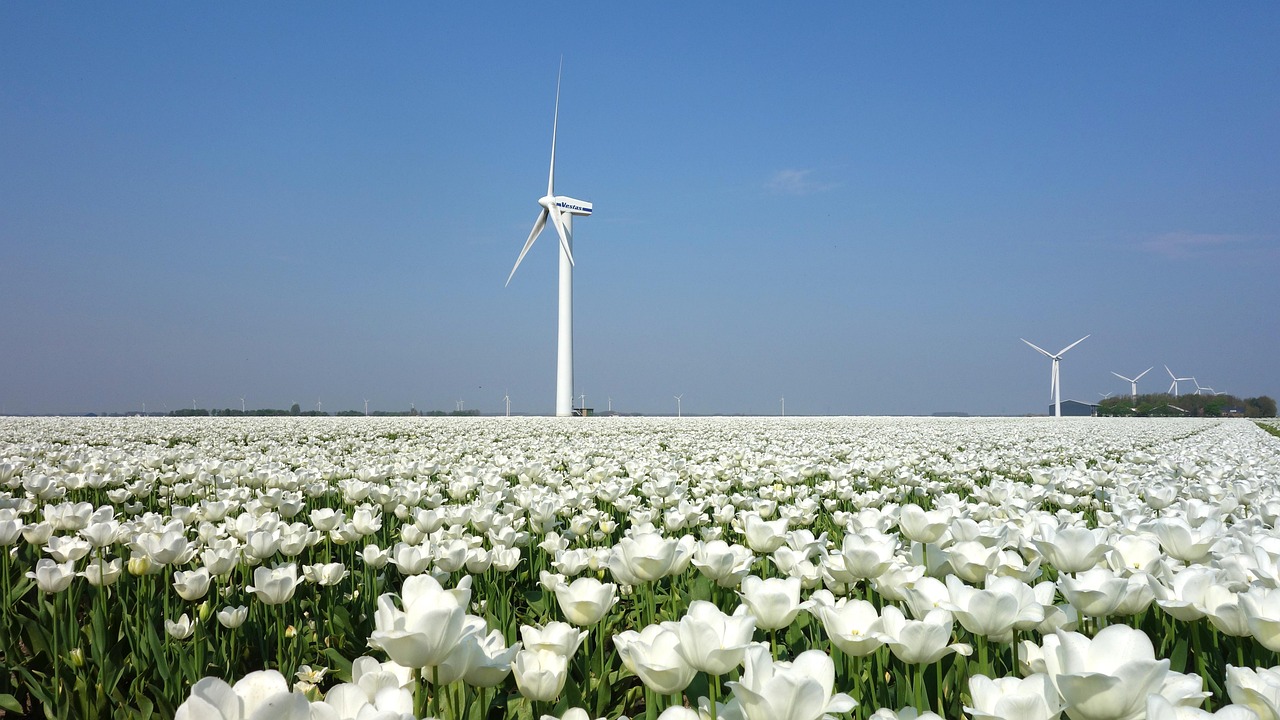
Wind power, Wind energy, Environment image. https://pixabay.com/photos/wind-power-wind-energy-environment-6806604/

Islamic Observances

Islamic observances in February 2026 include significant events crucial to the Islamic calendar. These events emphasize spiritual growth, community, and reflection.

Ramadan Begins

Ramadan is the Islamic holy month of fasting. It’s a period of spiritual reflection and community. Muslims fast from dawn to sunset, abstaining from food and drink, to develop self-control and empathy for those in need.

Islamic Revolution Day (Iran)

Islamic Revolution Day commemorates the 1979 revolution in Iran. It’s a significant event in the country’s history. It’s observed with various events and reflections on the revolution’s impact.

Hindu and Buddhist Celebrations

Hindu and Buddhist celebrations in February 2026 include significant observances. These highlight the diversity and richness of these spiritual traditions.

Basant Panchami

Basant Panchami is a Hindu festival celebrating the arrival of spring. It’s dedicated to the goddess Saraswati, associated with knowledge, music, and arts. The festival is marked by wearing yellow attire, flying kites, and cultural performances.

Maghi Purnima

Maghi Purnima is a Buddhist observance on the full moon day of the month of Magha. It’s a day for spiritual practice, charity, and communal gatherings.

These religious and spiritual observances in February 2026 reflect the diversity of global cultures. They underscore a shared commitment to environmental stewardship and sustainability. By embracing their spiritual practices, individuals and communities can foster a deeper connection with the natural world.

Historical Commemorations and Modern Peace-Building

In February 2026, we see a mix of remembering the past and working towards a better future. This mix is key to understanding how to achieve global peace and sustainability.

War Remembrances and Lessons for Sustainable Peace

War remembrances remind us of the harm caused by conflict. They teach us the value of diplomacy and working together internationally.

Philippine-American War Memorial

The Philippine-American War Memorial is important. It shows the complex history between the Philippines and the United States. It reminds us of the war’s effects and the need to understand their shared past.

Anniversary of the Liberation of the Battle of Manila

The Anniversary of the Liberation of the Battle of Manila is key. It honors the sacrifices of World War II. It also shows the importance of keeping history alive to avoid future wars.

Remember the Maine Day

Remember the Maine Day remembers the USS Maine’s sinking, starting the Spanish-American War. It teaches us about the dangers of conflict and the need for diplomacy.

Treaties and Diplomatic Milestones

Treaties and diplomatic milestones are vital for international relations. They help countries work together and solve conflicts peacefully.

Treaty of Guadalupe Hidalgo

The Treaty of Guadalupe Hidalgo ended the Mexican-American War in 1848. It changed North America’s geography and politics. It shows how agreements can change history.

Revolutionary Movements and Social Change

Revolutionary movements have shaped our world. They fight for justice and rights. They show how social change and stability are connected.

EDSA People Power Commemoration Week

The EDSA People Power Commemoration Week celebrates the peaceful revolution in the Philippines in 1986. It marked a big step towards democracy.

The Day of Illustrious Puerto Ricans

The Day of Illustrious Puerto Ricans honors notable figures in Puerto Rico’s history. It celebrates their impact on the island’s culture and identity.

Peace and Understanding Initiation

Efforts to promote peace and understanding are vital. They help nations and communities work together and respect each other.

World Peace and Understanding Day (Rotary)

World Peace and Understanding Day, celebrated by Rotary International, stresses the need for peace and understanding. It aims for a more sustainable and fair world.

Global Tourism Resilience Day

Global Tourism Resilience Day focuses on sustainable tourism. It supports local communities and promotes cultural exchange. It helps build global understanding and peace.

Community Resilience and Sustainable Lifestyle Observances

A vibrant scene celebrating National Liberation and Independence Days, illustrating sovereignty and sustainability. Foreground features a diverse group of people in professional business attire, joyfully raising flags symbolizing unity and independence. Middle ground includes a grassy park with children playing and families enjoying a picnic, surrounded by decorative elements like banners and flowers symbolizing peace and hope. Background shows a city skyline with modern green buildings, solar panels on rooftops, and wind turbines gently spinning under a clear blue sky. The lighting is warm and inviting, with soft sunlight filtering through trees, creating a cheerful atmosphere. Capture this image with a slight perspective from a low angle to emphasize the celebration, showcasing a sense of community and optimism for sustainable futures. The Sustainable Digest.

February 2026 is packed with observances that boost community strength and green living. These events cover many areas, from green travel to personal health. They show how we can work together for a better future.

Transportation and Mobility Sustainability

February 2026 is all about green travel. Bike To Work Month encourages cycling to cut down on fossil fuel use and emissions.

Hula in the Coola Day and Qatar Sports Day push for more exercise. They help make our communities healthier and more active.

EventDateFocus Area
Bike To Work MonthThroughout FebruarySustainable Transportation
Hula in the Coola DayFebruary 8Active Living
Qatar Sports DayFebruary 12Sports and Active Living

Seasonal and Environmental Awareness Days

February is also a time to focus on nature and the environment. Groundhog Day, Hedgehog Day, and Marmot Day are fun but also teach us about wildlife and nature.

Travel Africa Day supports eco-friendly travel. It helps local economies and protects nature.

Groundhog Day, Hedgehog Day, and Marmot Day

These days, on February 2, remind us of the value of certain animals in nature. They also highlight the need to protect them.

Innovation and Advancement for Sustainability

Innovation is crucial for a greener world. February 2026 celebrates new ideas in many fields. National Inventors’ Day on February 11 honors inventors who help us progress.

Be Electrific Day on February 8 and American Association for the Advancement of Science Week push for science to make our world better.

Creative and Cultural Sustainability

Cultural sustainability is a big focus in February 2026. National Arts Month shows how art enriches our lives. American Painters Day and National Haiku Writing Month celebrate specific art forms.

Preseren Day in Slovenia celebrates its cultural heritage. It reminds us of the importance of keeping our cultural roots alive.

Personal and Community Wellness

Days like National Get Up Day and Self Renewal Day boost personal health. Relationship Wellness Month helps us build strong bonds with others.

Optimist Day and Spiritual Teachers Month spread joy and spiritual growth. They help our communities thrive.

Solidarity and Service Organizations

Days like USO Day and Scout Sabbath honor groups that help our communities. They show the power of working together.

Symbolic Days and Awareness Initiatives

February 2026 also has special days to raise awareness. Day of Ashakalia, Reclaim Social Day, and Disaster Day focus on important issues. They unite us in solidarity.

Conclusion: Building Sustainable Futures Through Collective Remembrance and Action

February 2026 brings many holidays and observances. These events are more than just cultural celebrations. They are key to taking action for sustainability.

These celebrations highlight the connection between humans and the planet. They show how our actions affect the environment and society.

By joining in these events, we learn the value of living sustainably. World Wetlands Day and the Lunar New Year remind us of our duty to protect the planet. They also encourage fair development for all.

Let’s use these celebrations to inspire real change. We can live greener lives and support policies that care for the environment and people. Together, we can build a better future.

Creating a sustainable world is a team effort. It needs everyone’s help, from individuals to governments. By learning from our past, we can make a brighter future for all.

Key Takeaways

  • Linking historical remembrance with future environmental goals.
  • Protecting critical water ecosystems via wetland preservation.
  • Improving global nutrition through pulse crop awareness.
  • Recognizing social equity as a pillar of green development.
  • Promoting international unity via diverse cultural celebrations.
  • Honoring specific memorial dates to build societal resilience.
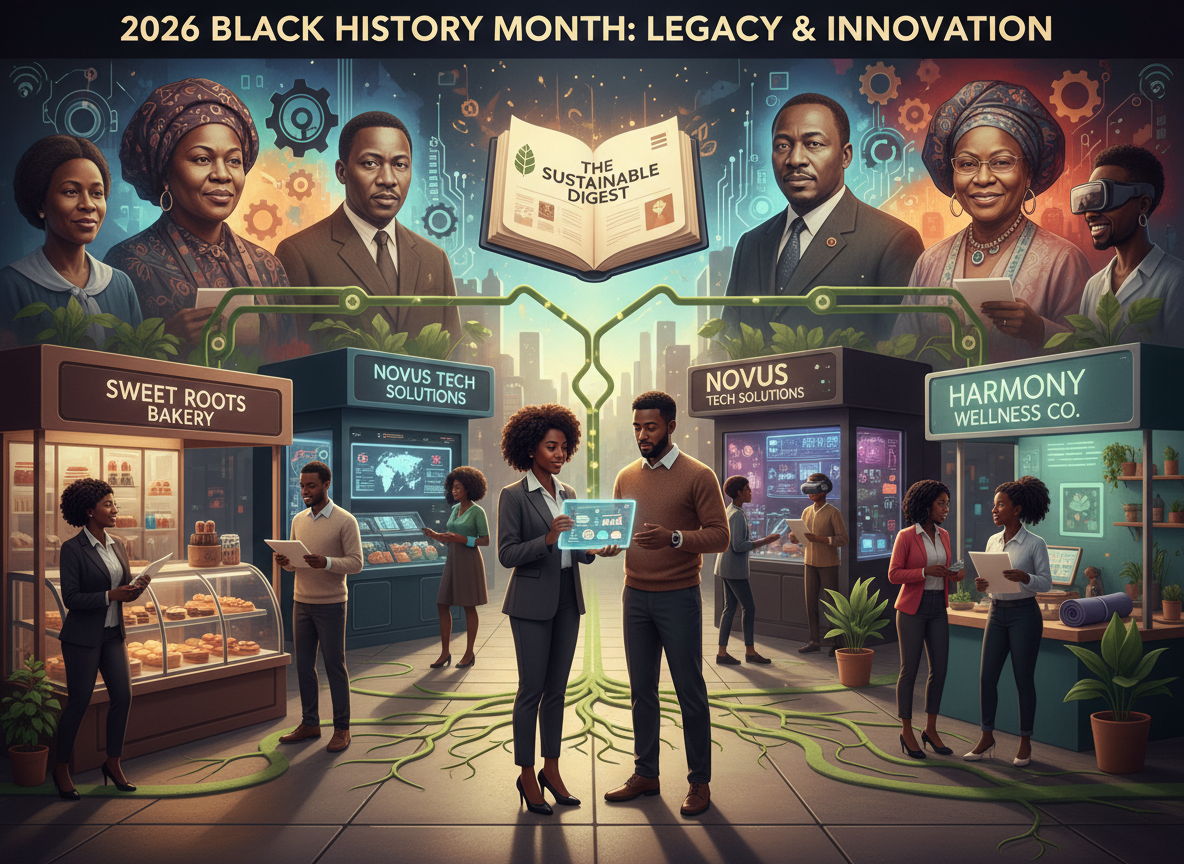
Black History Month 2026: Advancing Environmental Justice and Civil Rights

2025 Black History Month, Environmental Justice, civil/labor/human rights.

The current focus on labor and the earth highlights how people interact with nature with peculiar perspective during Black History Month. It is also a great time to study Environmental Justice and social growth. We see that the fight for fair pay is much like the fight for clean air and water.

In the past, african americans helped build this nation with skill and care. They used smart ways to farm and manage the land from the very start. These ecological efforts were vital to survival and national growth.

Sadly, most school books leave out these vital stories of nature and work. They also gloss over details during Black History Month. Theses stories and the individuals of this narrative however, were the first to use many green methods we see today on modern farms. Their stewardship was born from necessity and a deep connection to the soil.

An interpretation representing Black environmental wisdom throughout history, highlighting the contrast from ancient history resilience to pre-colonial sustainability to the impact of industrial exploitation.

Now, black history month 2026 shows us that nature and equity go hand in hand. Leaders like A. Philip Randolph linked civil/labor/human rights to the struggle against industrial harm. This connection remains a cornerstone of modern advocacy.

Leaders saw that pollution often follows the color line with unfortunate accuracy. Getting true balance means that everyone should have a safe and green home for their families. Civil rights must include the right to a healthy, sustainable world.

The Legacy of Black Environmental Stewardship: Setting the Context

While mainstream narratives often celebrate figures like John Muir, the deep-rooted history of Black environmental stewardship remains an unsung pillar of conservation. For too long, the conventional story of environmentalism has focused on white, middle-class concerns. This perspective ignores the vital contributions of black people who have defended their land for centuries. This erasure suggests that protecting the planet is a recent interest for minority groups, but the reality is far more complex.

Long before “sustainability” became a popular corporate buzzword, African American families practiced resource conservation as a way of life. This stewardship was not just about loving nature; it was a strategy for survival and resilience. Indigenous African wisdom regarding agriculture and water management traveled across the Atlantic with enslaved peoples. These communities transformed scarcity into abundance through sheer ingenuity, even when they lacked legal rights to the soil they enriched.

The Legacy of Black Environmental Stewardship: Setting the Context Continuing…

Mainstream movements often separated nature from people, yet Black stewardship recognized that human health and ecological health are the same. This black history shows that environmental action and social justice are inseparable priorities. Environmental justice emerged from a need to protect both the land and the people who depend on it most directly. This legacy proves that the fight for environmental justice is a fundamental part of black history, black history month, and American progress.

Focus AreaMainstream NarrativeBlack Stewardship Legacy
Primary GoalWilderness preservation for recreationCooperative land use and survival
View of NatureSeparate from human societyInseparable from human dignity
MethodologyExclusionary land managementSustainable resource allocation

Understanding this historical context changes how we view modern climate challenges. It reveals that solutions for our planet already exist in ancestral practices and grassroots movements. Strong leaders have consistently demonstrated that we cannot fix the environment without also addressing racial inequity. The following points highlight how this stewardship took shape over time:

  • Agricultural Ingenuity: Enslaved people used African farming techniques to sustain themselves and build American wealth without receiving credit.
  • Resilient Gardens: During the Great Depression, victory gardens became essential tools for food security and community autonomy.
  • Protest as Protection: Civil Rights leaders targeted polluting industries long before modern regulations existed.
  • Interconnected Health: Grassroots activists proved that clean air and water are basic human rights for everyone, not just the elite.

The environment is not just where we go for a hike; it is where we live, work, play, and pray.

From Pre-Colonial Sustainability to Industrial Exploitation

A vibrant illustration representing Black environmental wisdom throughout history, highlighting the contrast from pre-colonial sustainability to the impact of industrial exploitation. In the foreground, a diverse group of three Black individuals in professional business attire stands confidently, sharing knowledge. In the middle, lush green landscapes with traditional farming practices blend with signs of industrial machinery, symbolizing the shift in environmental practices. In the background, a sunset casts warm, golden light, creating a serene atmosphere, while silhouettes of ancient trees and modern factories hint at the ongoing struggle for environmental justice. The composition should evoke a sense of hope and resilience. Inspired by "The Sustainable Digest".

The transition from sacred land stewardship in Africa to the brutal plantation systems of the Americas marks the genesis of environmental injustice. This shift reflects a move from ecological harmony to a system of extraction and discrimination. Understanding this era is crucial to black history and the origins of modern climate activism.

Indigenous African Environmental Wisdom and Sacred Land Practices

Pre-colonial African societies developed sophisticated environmental management systems. They recognized land as a sacred trust rather than an extractable commodity. These communities practiced crop rotation and managed water through collective governance to ensure long-term survival.

Modern permaculture is only now “rediscovering” these techniques with considerable fanfare and notably less humility. These practices embodied what we now define as sustainability. They integrated human life into the natural cycle rather than standing apart from it.

However, they understood it as a spiritual relationship with the Earth. This spiritual bond acknowledged human dependence on natural systems and ecological balance. Such values ensured high diversity across the landscape for future generations.

Wangari Maathai, founder of the Green Belt Movement, later revived these connections. By empowering women to plant millions of trees, she linked conservation to human dignity. Her work showed that protecting ecosystems is a powerful tool for poverty reduction.

Native American leaders also shared this view of the sacred Earth during the formation of the environmental justice movement. They helped early advocates see the planet as a living entity that requires protection. This cross-cultural wisdom remains a cornerstone of ecological resistance.

Slavery, Agricultural Labor, and the Foundation of Environmental Injustice

The transatlantic slave trade did not just extract human beings; it severed them from their environmental knowledge. It then exploited that very expertise to build agricultural wealth in the Americas. This forced labor transformed landscapes while denying enslaved peoples any agency over the land.

This era marks a painful chapter in black history month and black history in general. The plantation system created America’s original “sacrifice zones.” These were landscapes that lacked variety because they served monoculture cash crops for global trade.

Enslaved workers bore the brunt of this environmental degradation without seeing the profits. This established the template for modern environmental racism and industrial pollution. Post-emancipation systems like sharecropping continued this exploitation under new names.

Planners concentrated environmental hazards in Black communities through deliberate structural choices. Yet, despite these barriers, Black communities maintained their ecological wisdom and fought for progress. This resilience highlights the enduring contributions black ancestors made to the land.

Woman, Creative, Black lives matter image. https://pixabay.com/photos/woman-creative-black-lives-matter-6394977/
FeaturePre-Colonial African SocietiesIndustrial Plantation System
Land PerceptionSacred trust and community heritageExtractable commodity and capital
Ecological GoalBiodiversity and long-term balanceMonoculture and immediate profit
Human RelationSpiritual stewardship and interdependenceForced labor and exploitation

The Birth of Environmental Justice: Warren County’s Pivotal Protest

While many view conservation as a quest for pristine wilderness, the residents of Warren County redefined it as a struggle for survival. In 1981, North Carolina officials designated this predominantly Black and economically distressed county as a dump site for 60,000 tons of PCB-contaminated soil.

The state chose this location despite a shallow water table that posed a direct threat to the local groundwater. This decision suggested that officials believed poverty and race would equal a lack of resistance. They were profoundly mistaken.

This attempt to bypass safety standards in a marginalized area became a catalyst for change across the united states. It proved that the fight for a clean environment was inseparable from the fight for human dignity and equality.

1981-1982: When Civil Rights Met Environmental Action

The resistance in Warren County signaled a massive shift where the traditional environmental movement finally adopted the tactics of the streets. Local residents and activists organized six weeks of non-violent protests to block 6,000 trucks filled with carcinogenic soil.

People and individuals of kind literally laid their bodies on the road to stop the delivery of toxic waste. This courageous act of civil rights defiance led to over 500 arrests. It was the first time citizens were jailed for defending their right to a non-toxic neighborhood.

These demonstrations quickly captured national attention, forcing the broader public to look at the ugly reality of hazardous waste disposal. The protest proved that “green” issues were not just for the wealthy, but a matter of life and death for the disenfranchised, marginalized, and lower working class.

While the landfill was eventually built, the social cost was too high for the government to ignore. This specific moment in North Carolina history created the framework for what we now call environmental justice.

Rev. Benjamin Chavis and the Definition of Environmental Racism

While serving time in the Warren County Jail, civil rights leader Rev. Benjamin Chavis formulated a concept that changed the political landscape forever. He realized that the targeting of his community was not an accident of geography, but a symptom of systemic racism.

“Environmental racism is racial discrimination in environmental policy-making and the enforcement of regulations and laws, the deliberate targeting of communities of color for toxic waste facilities.”

Rev. Benjamin Chavis

This definition provided a necessary name for the racism embedded in land-use policy. It allowed other communities, from Cancer Alley in Louisiana to Flint, Michigan, to see that their local crises were part of a national pattern.

The struggle in Warren County lasted decades, as the toxic chemicals were not fully remediated until 2004. However, the movement it birthed remains a powerful force in modern civil rights advocacy. Environmental justice is no longer a niche concern; it is a central demand for a fair society.

Key MilestoneHistorical SignificanceOutcome/Impact
1981 Location ChoiceWarren County selected for PCB dump.Sparked the first major intersection of race and environment.
1982 Mass ProtestsOver 500 arrests of non-violent activists.Garnered global media coverage for the cause.
Chavis’s DefinitionCoined the term environmental racism.Provided a legal and social framework for future advocacy.
2004 Site CleanupFinal detoxification of the Warren County site.Proved the long-term cost of discriminatory waste policies.

Founding Figures: The Architects of Environmental Justice

Dr. Robert Bullard, the father of environmental justice, stands confidently in a spacious office overlooking a vibrant urban landscape. In the foreground, he is wearing a professional business suit, hands crossed in front of him, exuding authority and wisdom. The middle ground features shelves filled with books and awards related to environmental activism, symbolizing his extensive contributions to the field. In the background, large windows reveal a clean, green cityscape that reflects progress and sustainability. Soft, natural light filters through, creating an inviting atmosphere. The image captures a contemplative yet hopeful mood, emphasizing the importance of leadership in advancing social justice. This illustration is for "The Sustainable Digest," visually representing the theme of progress in environmental justice and civil rights during Black History Month.

Identifying systemic failures is one thing, but proving they are the result of deliberate policy requires a special kind of courage and academic precision. These visionary leaders did not merely observe the world; they deconstructed the hidden biases within our physical landscapes. By blending rigorous research with community heart, they forced the world to acknowledge that ecology and equity are inseparable.

Dr. Robert Bullard: Proving Systemic Environmental Racism

Dr. Robert Bullard is widely recognized as the father environmental justice. In the early 1980s, his pioneering research provided the first systematic evidence of environmental racism. Robert Bullard famously mapped toxic facility locations against demographic data in Houston to reveal shocking patterns.

He discovered that race, more than income, predicted where waste was dumped. Dr. Robert published his landmark book Dumping in Dixie in 1990, showing how black communities were unfairly targeted. His work proved that dr. robert bullard was right: environmental policy often protected some neighborhoods while sacrificing others.

By using data, robert bullard transformed community complaints into an undeniable academic discipline. Dr. Robert shifted the focus toward justice and public health. Today, the legacy of dr. robert bullard continues to guide urban planning. Finally, robert bullard remains a voice for the voiceless while dr. robert helped define a new era of civil rights.

Hazel M. Johnson: Grassroots Power in Chicago’s Altgeld Gardens

While scholars mapped data, Hazel M. Johnson organized the streets of Chicago. Known as the “Mother of Environmental Justice,” she founded People for Community Recovery in 1979. Her neighborhood, Altgeld Gardens, sat in a “toxic doughnut” of industrial facilities and waste sites.

Johnson didn’t wait for outside experts to validate her reality. She empowered residents to document their own health crises, from asthma to cancer clusters. Her work proved that lived experience is a powerful form of justice.

She brought national attention to the harms facing black communities, demanding that zip codes shouldn’t dictate lifespans. Johnson showed that grassroots leaders can force institutional accountability. She proved that community monitoring is just as vital as laboratory science.

Wangari Maathai: Connecting Conservation to Human Dignity

Across the ocean, Wangari Maathai expanded the movement’s scope to a global scale. As the first African woman to win the Nobel Peace Prize, she founded the Green Belt Movement in 1977. She recognized that planting trees was a tool for both ecological restoration and human rights.

Maathai empowered women to plant tens of millions of trees to combat soil erosion and climate change. She linked environmental conservation directly to sustainable livelihoods and political freedom. Her work demonstrated that you cannot protect the land without protecting the people who depend on it.

“The tree is a wonderful symbol for the peace and hope which can come from a sustainable management of our environment.”

— Wangari Maathai

Her legacy ensures that modern sustainability efforts remain rooted in community dignity and social empowerment. Maathai’s courage showed that environmentalism divorced from social equity is fundamentally incomplete.

Black lives matter, Protest, Demonstration image.https://pixabay.com/photos/black-lives-matter-protester-black-5251388/
FigureRecognized AsPrimary MethodKey Contribution
Robert BullardFather of Environmental JusticeData Mapping & ResearchProved race as the primary predictor of waste siting.
Hazel JohnsonMother of Environmental JusticeGrassroots OrganizingLed community monitoring in Chicago’s Altgeld Gardens.
Wangari MaathaiNobel Peace Prize LaureateThe Green Belt MovementLinked tree-planting with women’s rights and democracy.

2026 Black History Month, Environmental Justice, and Civil/Labor/Human Rights: The Contemporary Movement

As we observe 2026 black history month, the dialogue surrounding environmental justice has evolved into a sophisticated blend of activism and commerce. This era demands a profound reckoning with how racial justice and ecological health intersect. Modern movements for civil and labor rights now find their most potent expression in the intersection of climate action and socioeconomic equity.

The contemporary landscape of this history month reflects a dynamic shift toward systemic change and economic empowerment. We see a transition from reactive protests to proactive, sustainable industry building. This evolution honors the legacy of justice while forging new paths for the next generation of pioneers.

Leah Thomas and the Rise of Intersectional Environmentalism

Leah Thomas has fundamentally shifted the green narrative by coining the term “Intersectional Environmentalist.” Her framework acknowledges that environmental harm disproportionately impacts marginalized communities of color. Through her platform and book, she advocates for a brand of sustainability that is inclusive and inherently just.

Thomas argues that protecting the planet requires an unwavering commitment to social equity and the dismantling of systemic barriers. Her work demands that mainstream organizations move beyond superficial diversity initiatives. She insists on a fundamental restructuring that centers those bearing the heaviest environmental burdens.

“We cannot save the planet without uplifting the voices of those most impacted by its destruction, ensuring that our green future is accessible to everyone.”

Her approach articulates that environmentalism ignoring race or class merely perpetuates existing inequities. By focusing on environmental justice, Thomas ensures that conservation efforts do not ignore the plight of urban pollution hotspots. This intellectual shift has become a cornerstone of the movement during this history month.

Black-Owned Sustainable Businesses Transforming Industries

The rise of Black-owned sustainable businesses proves that environmental leaders extend far beyond traditional activism. Every ceo in this space demonstrates that building a better economy requires integrating ethics into the very foundation of a company. They are proving that profitability and planetary health are not mutually exclusive goals.

Aurora James: Ethical Fashion and the 15 Percent Pledge

Aurora James, the ceo of Brother Vellies, has redefined luxury through the lens of traditional African craftsmanship. Her brand uses vegetable-tanned leathers and recycled tire materials to create high-end goods. This model enriches source communities rather than extracting from them in a predatory manner.

Beyond fashion, James launched the 15 Percent Pledge to address economic inequality in retail spaces. This initiative urges major retailers to dedicate shelf space proportional to the Black population. It recognizes that rights to economic participation are essential for long-term community sustainability.

Karen Young and SaVonne Anderson: Sustainable Consumer Products

Karen Young founded OUI the People to tackle the beauty industry’s massive plastic waste problem. Inspired by her upbringing in Guyana, she promotes refillable glass bottles and durable stainless steel razors. Her company challenges the “disposable” culture that often harms low-income neighborhoods and others through landfill overflow.

SaVonne Anderson’s Aya Paper Co. provides an eco-friendly alternative in the greeting card market. Her products use 100% recycled materials and plastic-free production methods right here in the U.S. By prioritizing diversity in supply chains, she shows how small consumer choices support a larger green future.

Linda Mabhena-Olagunju and Sinah Mojanko: African Energy and Recycling Leadership

In South Africa, Linda Mabhena-Olagunju leads DLO Energy Resources Group, a powerhouse in renewable energy. She develops large-scale wind and solar farms that combat climate change while closing energy gaps. Her leadership ensures that Black women are at the forefront of the continent’s green energy transition.

Sinah Mojanko’s Tiyamo Recycling transforms waste management into a vehicle for economic opportunity. Her model empowers unemployed individuals to become entrepreneurs within the recycling sector. This approach solves social and ecological challenges simultaneously, proving that justice can be found in the circular economy.

LeaderOrganizationKey InnovationSocial Impact
Leah ThomasIntersectional EnvironmentalistIntersectional FrameworkCentering marginalized voices
Aurora JamesBrother Vellies / 15% PledgeRecycled Tire MaterialsEconomic retail equity
Linda Mabhena-OlagunjuDLO Energy ResourcesWind and Solar FarmsRenewable energy access
Karen YoungOUI the PeopleRefillable Glass SystemsPlastic waste reduction

The Ongoing Struggle: Environmental Racism in Contemporary America

A powerful scene illustrating environmental racism in contemporary America, focusing on a marginalized community neighborhood surrounded by industrial pollution. In the foreground, a diverse group of community activists in professional business attire, holding banners advocating for environmental justice. In the middle ground, a stark contrast between their efforts and the backdrop of an old factory emitting smoke and waste. The background features crumbling infrastructure and overgrown lots, symbolizing neglect. The lighting is dramatic, with a somber, overcast sky to reflect the serious mood, emphasizing the urgency of their struggle. Capture the image at a slightly low angle to give the activists a sense of empowerment against the oppressive environment. The Sustainable Digest should be subtly referenced through elements like an eco-friendly banner.

Forty years after the first major protests, the systems of environmental racism still work with a quiet efficiency. It remains vital for black communities to stay informed about these geography-based hazards. Today, the maps of risk often trace the same lines drawn by historical exclusion.

The Statistics Behind Environmental Inequality Today

Rev. Benjamin Chavis points to a hard truth about our modern era. Roughly 20% of all african americans are exposed environmental hazards today. In contrast, less than 2% of white families face these same risks.

This tenfold gap persists regardless of wealth or education levels in these communities. Experts often call this “policy violence” because it stems from choices made in high-level offices. Older african americans die three times more often from pollution-related illnesses than their white peers.

These numbers prove that racism exists in the very air some people breathe. In Flint, Michigan, the water crisis showed the lethal side of bad environmental policy. Corroded pipes poisoned a majority-Black city because officials prioritized costs over public health.

Similarly, “Cancer Alley” in Louisiana exposes communities to toxic air from chemical plants. Industrial waste and air toxins often target these specific areas. This leaves residents exposed environmental poisons that whiter areas successfully avoid.

Policy Rollbacks and the Dismantling of Environmental Justice Protections

National progress often depends on who sits in the Oval Office. The Biden administration used the Inflation Reduction Act to fund climate solutions and equity projects. These efforts gave hope to many who seek better environmental protection.

However, recent political changes often lead to a dismantling of these vital safety nets. Federal policy shifts have led to the removal of justice-focused language from many official records. Cutting budgets for these programs acts as a form of active discrimination.

Leaders often treat environmental protection for the vulnerable as a luxury rather than a right. This trend confirms that racial discrimination in the united states is not just a ghost of the past. It is an ongoing choice made by current lawmakers.

Even with these rollbacks, grassroots power remains a beacon of hope. People are organizing to fight for a cleaner climate and safer neighborhoods. They understand that a single policy change can harm their health for generations.

By building local strength, they resist the environmental racism and systemic racism that dictates where toxic waste is dumped. Their persistence proves that collective action is the best shield for black communities.

Community GroupPrimary Environmental HazardKey Statistic or Impact
Puerto Rican ResidentsRespiratory IrritantsDouble the national asthma incidence
Hopi NationHeavy Metal Contamination75% of water supply contains arsenic
Cancer Alley (LA)Petrochemical CarcinogensCancer rates far above national average
Older Black AdultsIndustrial Particulates3x mortality rate from air pollution
Flint, MichiganLead-Tainted WaterState-wide denial of toxic pipe corrosion

Conclusion: From Labor Rights to Environmental Justice—Building Our Collective Future

The 2026 Black History Month theme, “African Americans and Labor,” reveals that environmental justice is essentially labor justice. Fighting for fair wages and breathable air are inseparable goals for communities seeking equity. Workers breathing fumes on factory floors and families in nearby homes face the same exploitative system.

History (through Black History Month) shows us this connection through the work of A. Philip Randolph and Addie Wyatt. They bridged labor rights with civil rights during the 1963 March on Washington. Even Frederick Douglass championed economic justice alongside abolition, proving that workplace dignity sustains life for everyone.

These early contributions paved the way for the 1991 People of Color Environmental Leadership Summit. This landmark event established 17 principles that the United Nations now recognizes. Analysis by the father of environmental justice, Dr. Robert Bullard, helped activists expose the patterns of racial discrimination.

Today, the modern environmental movement faces complex hurdles, including legislative rollbacks and the global climate crisis. We simply cannot address climate change while tolerating the survival of environmental justice gaps. A resilient future demands that we dismantle the siloed approach to social rights and ecological health.

Building collective progress depends on staying involved, as Reverend Benjamin Chavis often emphasizes to his followers. We must honor civil rights icons by pushing for justice in every zip code. True change occurs when people refuse to let their spirits be broken by the immense challenges ahead.

Celebrating the 2026 theme means transforming commemoration into a deep, lasting commitment to the earth and its people. Every step toward sustainability is a step toward progress for all of humanity. Strong action today ensures that the next generation inherits a planet defined by balance and fairness.

Key Takeaways

  • Sustainability requires addressing historical racial and economic gaps.
  • The current theme connects industrial work to land stewardship.
  • Environmental equity is a long-standing civil rights issue.
  • African American innovations in farming started centuries ago.
  • Protests against toxic waste helped shape modern green policy.
  • Clean air and water are fundamental to human dignity.

Celebrating World Anthropology Day: Sustainability, Archaeology, and Internationalism

World Anthropology Day Sustainability Archaeology Internationalism

Every third Thursday of February, global professionals recognize the rich diversity of our species. This event, formally launched in 2015, promotes a discipline that examines human social systems across time. It serves as a reminder that humanity is both deeply rooted in history and focused on our shared future.

The integration of World Anthropology Day Sustainability Archaeology Internationalism highlights a shift toward practical global action. Experts now use these combined insights to address resource scarcity and social inequality within Sustainable Reporting Frameworks. Ironically, ancient survival strategies are becoming the most advanced tools for modern environmental stewardship.

Adopting a holistic lens allows us to bridge grassroots efforts with the United Nations goals. By valuing traditional wisdom, we can better navigate the complexities of global cooperation. This perspective ensures that future development remains grounded in actual human experience rather than just abstract data.

What World Anthropology Day Represents in Today’s Global Context

Beyond the dusty shelves of university libraries, world anthropology acts as a lens through which we can examine the mechanics of modern society. This discipline offers more than just historical facts; it provides a roadmap for navigating a complex, interconnected world. By studying the human field of experience, we gain the tools to address cultural friction and environmental decay with precision.

The Origins and Mission of World Anthropology Day

The American Anthropological Association introduced Anthropology Day in 2015 to bridge the gap between academic research and public awareness. What began as a domestic initiative quickly evolved into an international movement involving various institutions. Today, the anthropological association encourages groups to showcase how their work impacts real-world policies and local communities.

Every February, scholars from the United Kingdom to Australia organize forums to celebrate world anthropology and its diverse applications. This american anthropological effort transformed a private academic discourse into a public dialogue about our shared future. By democratizing knowledge, the anthropological association ensures that human insights are accessible to everyone, not just those in ivory towers.

The Four Branches: Cultural, Biological, Archaeological, and Linguistic Anthropology

The study of humanity is traditionally split into four primary branches that function as complementary tools. These branches allow us to reconstruct past civilizations while simultaneously analyzing how modern language shapes our current identity. Each subfield contributes a unique piece to the puzzle of human evolution and social development.

  • Cultural Anthropology: Examines social practices, traditions, and how communities organize their belief systems.
  • Biological Anthropology: Investigates human evolution, genetics, and our physical adaptation to different environments.
  • Archaeology: Uncovers the material remains of past cultures to understand their resource management.
  • Linguistic Anthropology: Explores how communication styles reflect and build social structures.

Why Anthropology Matters for Contemporary Global Challenges

Modern anthropology is uniquely positioned to solve the riddle of sustainability. While climatologists provide the data on rising tides, the american anthropological perspective provides the cultural context needed for community-led adaptation. World Anthropology Day highlights this shift from mere observation to active participation in solving resource conflicts.

By using the american anthropological association framework, experts can translate global sustainability goals into local actions that respect cultural autonomy. This annual anthropology day reminds us that a sustainable future requires a deep understanding of our biological and cultural past. It is through this holistic view that world anthropology day proves its immense value in an era of rapid environmental change.

Anthropology BranchPrimary FocusContribution to Sustainability
ArchaeologicalMaterial RemainsAnalyzing past climate resilience and resource failures.
CulturalSocial DynamicsDocumenting traditional ecological knowledge and practices.
BiologicalHuman AdaptationStudying physiological responses to environmental stress.
LinguisticCommunicationUnderstanding how cultures conceptualize nature and conservation.

Archaeology as a Window into Human Sustainability Practices

A serene archaeological site set against a vibrant sunset, showcasing a diverse group of researchers in professional attire carefully excavating ancient artifacts. In the foreground, colorful, hand-carved tools lie scattered among exposed soil and pottery shards, while a researcher examines a unique fossil with great interest. The middle ground features a partially unearthed stone structure, surrounded by lush greenery representing sustainable practices, such as traditional farming techniques. In the background, soft, rolling hills fade into a golden sky dotted with wispy clouds, evoking a sense of history and connection to nature. Shot with a wide-angle lens to capture the expansive scene, the warm light creates an inviting and hopeful atmosphere, reflecting the theme of sustainability. The image embodies the essence of anthropology as a means to understand human practices throughout time, aligning with The Sustainable Digest's mission.

Modern sustainability often looks like a new idea, but archaeology proves it is a long-standing human tradition. As a core branch of anthropology, archaeology uncovers material evidence of past civilizations through careful excavations. These findings reshape our history and reveal how we have always interacted with the planet.

Archaeological Evidence of Ancient Environmental Management

Recent research shows that sustainability is less of a modern invention and more of a vital rediscovery. From Mesopotamian irrigation to Polynesian aquaculture, ancient societies developed sophisticated resource management systems. They spent generations observing their environments to create solutions that lasted for centuries.

Indigenous terracing in the Andes prevented soil erosion more effectively than many modern agricultural tools. Such anthropology highlights that ancient knowledge often rivals our contemporary technical understanding. These systems were built on necessity, proving that necessity is indeed the mother of green innovation.

Material Culture Studies and Resource Conservation Patterns

Studying material culture gives us tangible proof of how past people conserved their limited resources. Long before “circular economy” became a popular term, various cultures used pottery and building designs that minimized waste. These patterns of repair and reuse offer a sharp contrast to our modern habits of disposability.

Archaeologists examine tool assemblages to find evidence of adaptive experimentation. This research uncovers how humans modified their behavior to fit environmental constraints. It reminds us that our anthropology is defined by our ability to adjust our footprints.

Lessons from Past Civilizations: Collapse and Resilience

Scholars analyze the history of the Maya and Easter Island to find cautionary tales regarding ecological limits. These societies provide clear warnings about what happens when we exceed the earth’s carrying capacity. However, resilient communities also provide a clear blueprint for long-term survival.

Understanding our origins helps humans maintain the evolution of social organization needed to thrive. By looking at these traditions, we can build more resilient policies for today’s climate challenges. The past is not just a record; it is a living lesson in endurance.

“Archaeology provides the long-term perspective necessary to understand the human impact on the environment over millennia.”

Ancient PracticeSustainable BenefitModern Insight for People
Andean TerracingPrevents soil erosionHigh-altitude farming efficiency
Mesopotamian IrrigationControlled water flowDrought-resistant infrastructure
Polynesian AquacultureRenewable food sourcesCircular marine management

World Anthropology Day Sustainability Archaeology Internationalism: The Convergence

The intersection of world anthropology day sustainability archaeology internationalism represents a clear plan for tackling our planet’s hardest tasks. This meeting of ideas shows how anthropology acts as a bridge between the past and our future.

By blending ancient findings with modern data, we can better understand how humans survive change. It is not just about bones; it is about building a lasting world for everyone.

Integrating Anthropological Disciplines for Holistic Understanding

A holistic study requires more than just one perspective to be effective. When biological scholars examine physical adaptation and archaeologists analyze ancient societies, we gain a complete picture of human strength.

This integrated approach ensures that modern research reflects the complexity of our global systems. We can see how environment and culture work together over long periods.

DisciplineContributionFocus
ArchaeologyHistorical DataLong-term resilience
BiologicalPhysical EvidenceHuman adaptation
CulturalSocial PatternsResource management

Cross-Cultural Environmental Knowledge and Global Solutions

Indigenous cultures have managed ecosystems for thousands of years through direct experience. By celebrating anthropology day, we acknowledge that traditional knowledge often provides the best answers to modern environmental issues.

These time-tested systems offer viable alternatives to industrial models that often fail. Learning from the land is a lesson we cannot afford to ignore any longer.

International Collaboration in Anthropological Research Networks

Global challenges like climate change do not stop at national borders. This anthropology day reminds us that research networks allow people from different regions to share their best survival strategies.

Strong ties between societies help us develop shared solutions while keeping local identities alive. Global anthropology thrives when we work across borders to solve common problems.

Bridging Local Practices with Global Sustainability Goals

Effective development must respect the local context to succeed over the long term. This world anthropology day, we focus on how anthropology ensures global goals align with actual community needs.

A careful study of human behavior leads to sustainable development that truly benefits everyone. It avoids the mistakes of top-down rules that ignore the reality of daily life.

Anthropology’s Critical Role in Advancing Environmental Sustainability

A vibrant scene depicting anthropology's role in environmental sustainability, foreground featuring a diverse group of individuals in professional and modest casual attire, engaged in a collaborative discussion around a large globe adorned with various ecological symbols. In the middle ground, images of sustainable practices like community gardening and renewable energy sources, with archaeologists carefully excavating artifacts that represent historical environmental practices. The background creates a lush, green landscape symbolizing nature's resilience, with rolling hills and a clear blue sky. Soft, natural lighting illuminates the scene, casting gentle shadows. Capture this with a wide-angle lens to emphasize the interconnectedness of humanity and nature, creating an atmosphere of optimism and collaboration for a sustainable future. Include the brand name "The Sustainable Digest" subtly integrated into the scene's elements.

While engineers design massive sea walls, anthropologists study the human communities living behind them to ensure sustainability actually functions. This specialized field moves beyond cold data points to reveal the human heartbeat of environmental resilience. By examining the complex relationship between societies and their surroundings, anthropology provides the cultural context necessary for survival in a changing world.

Modern anthropology proves that human behavior is just as important as biological data when protecting our planet. Understanding how people perceive their surroundings allows for more effective conservation strategies that residents will actually support.

Climate Change Adaptation Through Traditional Ecological Knowledge

Indigenous groups have observed their environments for generations, developing a deep understanding of natural cycles. This traditional ecological knowledge is a vital, yet often ignored, resource for modern climate strategies. By documenting these systems, anthropologists help integrate local wisdom into global frameworks that often rely solely on Western science.

Cultural Anthropology and Modern Environmentalism

The study of human culture reveals that “nature” is often a social construct. Many Western conservation models attempt to create “pristine” zones by removing local inhabitants. However, this work shows that collaborative stewardship usually yields better results than displacement.

Ethnographic Research Informing Environmental Policy

Long-term research provides a ground-level view of how policies impact daily life. For instance, understanding climate-induced migration requires looking at political issues and social inequality rather than just rising tides. This perspective ensures that regulations are fair and effective for the people they affect most.

Moreover, experts in public health explore how environmental degradation affects community health. By working with various institutions, these professionals ensure that policies address real-world challenges rather than theoretical models. Their work bridges the gap between high-level governance and the practical needs of local populations.

United Nations Sustainable Development Goals and Anthropological Practice

The 17 United Nations Sustainable Development Goals (SDGs) serve as a complex blueprint for humanity. While these objectives address global crises, their success depends on more than just technical data. Achieving these targets by 2030 requires the deep cultural insight that anthropology provides to bridge the gap between policy and practice.

How Anthropology Supports Achievement of the 17 UN SDGs

Professional anthropologists translate high-level global aspirations into locally appropriate actions. They advocate for progress that respects cultural diversity rather than imposing a single Western model of development. By analyzing how different societies organize themselves, researchers ensure that international aid remains relevant and effective.

Poverty, Health, and Education Goals Through Cultural Lens

Goal 1 seeks to end poverty, yet the definition of “well-being” varies across the globe. Some cultures prioritize communal wealth over individual material gain. In the realm of public health (SDG 3), initiatives thrive when they integrate biomedical science with local healing traditions and health beliefs.

Environmental SDGs and Anthropological Insights

Goals focused on climate action and clean water benefit from studying traditional ecological knowledge. This work highlights how indigenous communities have managed resources sustainably for centuries. These ancient patterns offer modern solutions for responsible consumption and land conservation.

Cultural Sensitivity in Implementing Global Development Initiatives

Cultural sensitivity involves restructuring the traditional power dynamics found in international development. Instead of viewing local people as passive recipients, anthropologically-informed models treat them as the primary experts of their own lives. This shift prevents the “one-size-fits-all” failures that often plague top-down interventions.

Participatory Development and Community-Based Approaches

On the third thursday february, the academic and professional community celebrates World Anthropology Day. This annual day serves as a platform where students host events to share research with the general public. These showcases prove that participatory methods lead to more equitable and lasting global solutions.

  • Participatory Design: Ensuring communities lead the planning of local infrastructure.
  • Ethical Engagement: Prioritizing research reciprocity and long-term community autonomy.
  • Critical Evaluation: Questioning if “growth” must always follow Western economic patterns.

Anthropology is the only discipline that can provide the human-centric data needed to turn the SDGs from a wish list into a reality.

Sustainable Reporting Frameworks, Standards, and Anthropological Perspectives

A vibrant and professional scene depicting the intersection of anthropology and corporate sustainability reporting. In the foreground, a diverse group of business professionals in smart attire discuss a large, visually appealing sustainability report, showcasing colorful graphs and charts. The middle ground features artifacts from various cultures arranged in an artistic display, symbolizing anthropological insights into sustainability practices. In the background, a modern office environment with large windows allows natural light to flood the room, creating an inviting atmosphere. The lens focuses on the interactions among the professionals, capturing their engagement with the report. The composition conveys a sense of collaboration and innovation, highlighting anthropological perspectives in sustainable reporting. This image should embody the values of "The Sustainable Digest" while maintaining a professional tone throughout.

Sustainable reporting standards frequently quantify nature while accidentally overlooking the complexity of human societies. Standardized systems like the Global Reporting Initiative (GRI) provide the skeleton of sustainability, but anthropology provides the essential muscle. By examining how corporations impact traditions, experts ensure that reports reflect more than just financial data.

These frameworks often ignore the qualitative dimensions of social impact and community wellbeing. Meaningful assessment must capture the disruption of local life that numbers cannot show. Anthropologists provide the necessary lens to see these hidden human costs.

Understanding Corporate Sustainability Reporting Through Human Context

Corporate reports usually focus on measurable outputs like carbon emissions or water saved. However, these metrics often neglect the culture and the lived experience of the people involved. They fail to ask if resource extraction disrupts the daily life of the community.

Experts ask whether new economic opportunities disrupt existing social systems or support them. They look at how employment affects local power dynamics and family life. This approach ensures that corporate growth does not come at the expense of local stability.

GRI Standards and Social Impact Assessment

GRI Standards remain the most popular framework for reporting social impact today. While these studies track compliance with universal norms, they may fail to assess actual community wellbeing. They often record that a meeting happened without asking if it was culturally appropriate.

Standardized metrics often miss the difference between documenting a consultation and evaluating its genuine influence on the community.

A deep study explores whether a company truly respects humanity beyond just checking boxes for the media. It looks at human rights and labor practices through a local lens. This prevents corporations from imposing foreign models on local populations.

Anthropological Methods for Measuring Cultural and Social Sustainability

Measuring sustainability requires more than brief surveys; it demands rigorous research and participant observation. These qualitative studies capture the nuance and history that numerical data often ignores. This long-term engagement reveals the contradictions that simple surveys miss.

Reporting ElementTraditional MetricAnthropological View
Social ImpactNumber of Jobs CreatedImpact on Social Status
EngagementQuantity of MeetingsQuality of Communication
SustainabilityResource EfficiencyPreservation of Heritage

By using ethnographic methods, researchers identify unintended social consequences of business. They help develop strategies that respect cultural autonomy and long-term resilience. This level of detail is rare in traditional reports but is increasingly necessary.

Stakeholder Engagement and Community Voice in Reporting

The language used in sustainability reports often carries cultural assumptions that lead to misunderstandings. Terms like “development” or “progress” may not translate well across different cultural contexts. Students attending World Anthropology Day events learn how to bridge these gaps between corporate and local interests.

Graduates now find diverse paths in international development, public health, and corporate consulting. They use their skills to ensure diversity is respected while following modern reporting systems. By including community voices, reporting becomes a tool for genuine empowerment for all humans.

Applied studies show that communities have their own criteria for success. They might value spiritual connections to land over economic gain. Respecting these diverse viewpoints is the only way to achieve true global sustainability.

Conclusion

Far from being a dusty academic pursuit, world anthropology day reveals how our shared origins guide us toward international cooperation and resilience. It is a vibrant celebration of humanity and the incredible diversity of our shared story. This discipline provides a vital framework to understand our world through multiple scientific and cultural lenses.

We look at the deep history of human evolution within the field of biology. We also study the complex nuances found in linguistic anthropology. Practitioners of linguistic anthropology help bridge communication gaps in global development. Observed on the third thursday february, this day fosters global awareness of how anthropologists tackle modern crises.

By merging world anthropology with the UN Sustainable Development Goals, we connect ancient archaeology with modern environmental resilience. Anthropology ensures that international reporting frameworks respect local traditions. This approach helps us pursue collective sustainability goals with expert precision and cultural sensitivity.

As we move forward, world anthropology will use technology to see how globalization reshapes identity. It is a special day for reflection on our collective future. Celebrating anthropology day reminds us that our past is the ultimate key to our survival in a changing climate.

Focus AreaAnthropological IntegrationGlobal Impact
SustainabilityLinking ancient resource management to modern conservation patterns.Enhanced environmental resilience and policy justice.
InternationalismApplying ethnographic research to the 17 UN Sustainable Development Goals.Increased cultural sensitivity in global development initiatives.
Social ReportingUtilizing social impact assessments to measure community well-being.More transparent and human-centric corporate reporting standards.

Key Takeaways

  • Integrating ancient human history with modern ecological goals for better results.
  • Moving beyond academic theory into practical global policy and development.
  • Recognizing the third Thursday of February as a vital annual milestone.
  • Using cultural insights to address current resource depletion and scarcity.
  • Linking local practices to international sustainability reporting and frameworks.
  • Enhancing social equity through holistic and historical research methods.

Biomimicry Solutions for Resilient, Circular Agriculture and UN SDGs

Biomimicry resiliency agriculture circularity for United Nations SDGs

Nature has been testing its systems for 3.8 billion years. It shows us how to stay productive under stress and recycle everything. Biomimicry in agriculture uses these lessons to improve farming.

In the United States, “resilient” farming means staying profitable through tough weather and rising costs. “Circular” farming aims to reduce waste by keeping nutrients and water on the farm. This approach uses nature’s wisdom while still meeting farming needs.

This article focuses on practical steps for farms to become more circular. It covers soil health, water use, biodiversity, and using data to reduce waste. It connects these ideas to the UN’s Sustainable Development Goals for agriculture, making them accessible to farmers.

The article looks at different farming types across the United States. It recognizes that what works in one place might not work elsewhere. The goal is to design better farming systems that fit real-world challenges.

What Biomimicry Means for Resilient, Circular Agriculture

In farm talk, “nature-inspired” can mean anything from cover crops to clever marketing. Biomimicry in agriculture is more precise. It’s a design method that starts with a function, like holding water or cycling nutrients. It then looks at how nature already solves these problems.

The Biomimicry Institute and Biomimicry 3.8 helped set this standard. They keep biomimicry focused on real research and development, not just a green feeling.

Biomimicry vs. regenerative agriculture vs. agroecology

When comparing regenerative agriculture, the real difference is the job each framework does. Regenerative agriculture focuses on healthier soil and more biodiversity. Biomimicry, on the other hand, offers a method to design practices and systems.

The debate between agroecology and regenerative agriculture adds another layer. Agroecology uses ecological science and social context to shape farming. Biomimicry is more about inventing tools and systems based on nature.

FrameworkMain focusWhat it tends to change on farmsHow success is discussed
BiomimicryDesign process inspired by biology (function first)System layout, materials, technologies, and management “rules” modeled on natural strategiesPerformance against a function: fewer losses, stronger feedback loops, and lower waste
Regenerative agricultureOutcomes for soil, water, carbon, and biodiversityCover crops, reduced disturbance, integrated grazing, and habitat supportField indicators: aggregate stability, infiltration, nutrient efficiency, and resilience to stress
AgroecologyEcological science plus social and economic realitiesDiversified rotations, local knowledge, and governance choices across landscapesSystem outcomes: productivity, equity, and ecological function at farm and community scale

Resilience and circularity principles found in ecosystems

Nature runs efficiently without waste. Ecosystems rely on simple principles: nutrients cycle, energy cascades, and waste becomes feedstock. This translates to tighter nutrient loops and smarter use of residues on farms.

Resilience is about structure, not just slogans. Ecosystems build redundancy and diversity to avoid disasters. They use feedback loops for quick adjustments, not surprises at the end of the year.

  • Redundancy to prevent single-point failure in crops, water, and income streams
  • Distributed storage (carbon in soil and biomass) instead of one big “tank” that can leak
  • Local adaptation that respects soil types, microclimates, and pest pressure
  • Cooperation and competition balanced through habitat, timing, and spatial design

Why nature-inspired design fits U.S. farming realities

U.S. farms operate within rules and constraints. Crop insurance, USDA programs, and irrigation schedules shape decisions. Resilient farm design in the U.S. must work within these rules.

Biomimicry is valuable because it views constraints as design inputs. Nature outperforms human systems in waste elimination and risk control. By applying nature’s logic to farms, we can redesign field edges, adjust rotations, and rethink water flow.

Biomimicry resiliency agriculture circularity for United Nations SDGs

A vibrant scene depicting biomimicry in agriculture, showcasing a circular farm designed for resiliency, inspired by nature’s ecosystems. In the foreground, diverse crops thrive symbiotically, illustrating natural pest control and nutrient cycling, featuring professional individuals in modest attire examining plants. The middle ground reveals innovative farming techniques, such as vertical gardens and aquaponics systems, integrating organic waste recycling. In the background, a picturesque landscape shows renewable energy sources like wind turbines and solar panels, symbolizing sustainability. Soft, golden lighting bathes the scene, creating a warm, inviting atmosphere. A sense of harmony and balance reflects the United Nations Sustainable Development Goals, promoting sustainable agriculture and environmental stewardship. The Sustainable Digest logo subtly integrated into the scene.

Biomimicry is like a strategy generator. Ecosystems test what works under stress. Farms aim for resilience and circularity, using the SDGs as a guide.

Farms face a big challenge. They must fight climate change, protect biodiversity, and keep costs low. Biomimicry helps by using nature’s designs to balance these needs.

How nature-based strategies map to SDG targets

Nature-based solutions align with SDG targets. They show clear results on the ground. For example, water-saving irrigation and healthier soils meet these targets.

Biomimicry-aligned moveFarm outcomeSDG targets agriculture alignmentTypical proof point
Landscape-style water routing (micro-catchments, contour thinking)Higher irrigation water productivity during heat and dry spellsSDG 6 (water use efficiency, watershed protection)Yield per acre-foot; pumping energy per acre
Soil as a “carbon bank” (aggregation, roots feeding microbes)Soil organic matter gains with better infiltrationSDG 13 (climate mitigation and adaptation)Soil organic carbon change; reduced runoff events
Habitat mosaics that mimic edge-rich ecosystemsMore natural enemies; steadier pollination servicesSDG 15 (life on land, biodiversity)Pollinator habitat acreage; pesticide risk reduction index
Nutrient cycling modeled on closed loopsLower losses of nitrogen and phosphorus; fewer waste costsSDG 12 (responsible consumption and production)Nitrogen use efficiency; manure methane capture rate
Diversity for stability (varied rotations, mixed cover species)Reduced yield swings; fewer “single point of failure” seasonsSDG 2 (productive, resilient food systems)Multi-year yield stability; erosion risk score
Agriculture, Land, Farm image.

From on-farm outcomes to measurable sustainability indicators

Procurement programs want verified performance, not just good intentions. Sustainability indicators help turn field changes into numbers. These numbers are useful for audits and dashboards.

Metrics like nitrogen use efficiency and soil organic carbon change are key. They help farms meet ESG reporting requirements without becoming paperwork factories.

Where farms, supply chains, and policy intersect

Supply chains are setting higher standards. Food companies want quantified outcomes, not just claims. Sourcing programs need verification across seasons.

Policy affects what’s possible. USDA NRCS standards and climate pilots can help or complicate things. Biomimicry offers a clear path through this complexity, focusing on performance and risk.

Nature-Inspired Soil Health and Carbon Sequestration Strategies

In forests and prairies, soil acts like a living system. It holds shape, moves water, and keeps nutrients in balance. biomimicry soil health treats the field as a system, not a factory. It uses familiar strategies like less disturbance, more living roots, steady organic inputs, and rotations.

These methods help with carbon sequestration farming. But, they don’t follow a set schedule. Nature stores carbon slowly, while people want quick results. That’s why tracking progress is key.

Building living soils with fungal networks and aggregation analogs

Fungal networks in agriculture use thin hyphae like rebar. They bind particles and feed microbes, making sticky exudates. This creates stable soil crumbs that hold water and reduce erosion.

Management aims to protect this structure. It uses strip-till or no-till, keeps residue cover, and plans fertility carefully. This keeps pores connected, allowing for better movement of oxygen, roots, and nutrients.

Soil and Carbon Strategies Continuing

Cover crop “ecosystems” for nutrient cycling and erosion control

Cover crop ecosystems are like designed communities. Legumes provide nitrogen, grasses build biomass, and brassicas push roots into tight zones. They slow erosion and keep roots trading sugars with soil life longer.

This diversity spreads risk. One species may stall in cold springs, while another keeps growing. How and when you terminate cover crops affects soil temperature, weed pressure, and nutrient cycling.

Biochar and natural carbon storage models

Biochar soil carbon mimics long-lived carbon pools in stable soils. The recipe matters: feedstock, pyrolysis conditions, and application rates. Many growers blend or co-compost biochar to reduce early nutrient tie-up.

Verifying carbon sequestration farming claims is complex. Soil carbon changes with landscape, depth, and past management. Reliable accounting uses repeatable protocols and good field data.

Flowers, Tulips, Flower background image.
Nature-inspired leverField practice examplesWhat it changes in soil functionVerification and expectations
Fungal-driven structure (fungal networks agriculture)Reduced disturbance; strip-till/no-till where appropriate; residue retention; biology-supportive fertilityImproves infiltration, aggregate stability, and drought buffering via mycorrhizae soil aggregationTrack infiltration, aggregate stability tests, and consistent SOC sampling depth over multiple seasons
Multi-species cover crop ecosystemsLegume–grass–brassica mixes; staggered seeding windows; termination matched to planting plansBoosts nutrient cycling, reduces nitrate leaching risk, and limits wind/water erosionMeasure biomass, ground cover days, nitrate tests where used, and repeatable management records
Stable carbon analogs (biochar soil carbon)Select verified feedstocks; match pyrolysis to goals; blend or co-compost; apply at agronomic ratesAdds persistent carbon forms and can improve nutrient retention depending on soil and blendDocument batch specs, application rate, and sampling design; expect gradual change, not instant miracles

Water Efficiency and Drought Resilience Through Biomimicry

A lush agricultural landscape inspired by biomimicry, showcasing innovative water-efficient farming methods. In the foreground, a diverse group of farmers in professional attire engage with advanced irrigation systems mimicking natural water cycles, utilizing sustainable materials. The middle ground features crops thriving with minimal water, supported by innovative soil structures that enhance moisture retention, with plants resembling natural vegetation patterns. In the background, vibrant hills absorb sunlight under a clear blue sky, with gentle sunlight cast from a low angle, creating soft shadows that enhance the colors. The atmosphere conveys a sense of hope and resilience, reflecting sustainable practices that align with water efficiency and drought resilience. Image branded with "The Sustainable Digest".

In the U.S. West, water use is under scrutiny. The Ogallala Aquifer’s decline shows the need for careful water use. Biomimicry teaches us to use water like nature does—capture, slow, sink, store, and reuse it.

Effective drought farming focuses on small improvements. It’s not about finding a single solution. Instead, it’s about reducing waste and using water wisely.

Fog harvesting, dew capture, and micro-catchment concepts

Nature can pull water from the air. Fog harvesting uses this idea to collect water near coasts. It’s useful for crops, young trees, and water for livestock.

Micro-catchments mimic desert landscapes. They slow down water flow and help plants absorb it. This method keeps water in the soil, even when the weather is unpredictable.

Keyline design, contouring, and watershed thinking inspired by landscapes

Landforms manage water naturally. Farms can learn from this. Keyline design uses earthworks to slow and spread water.

Contour farming also helps manage water. It uses grassed waterways and buffers to keep soil in place. This approach is part of conservation planning and local rules.

Soil moisture retention lessons from arid ecosystems

Arid areas cover the ground to prevent evaporation. Using mulch and organic matter does the same. This keeps the soil moist during dry times.

Ecological design works well with technology. Drip irrigation and scheduling save water. The goal is to keep water in the soil, not let it evaporate.

Biomimicry-inspired tacticHow it saves waterBest-fit U.S. use caseKey constraint to watch
fog harvesting agriculture collectors and dew surfacesCaptures small, steady moisture inputs for on-site storageCoastal or high-humidity zones; nurseries; remote stock tanksLow yield in hot, dry interior air; needs cleaning and wind-safe anchoring
Micro-catchments and planted basinsSlows runoff; increases infiltration near rootsOrchard establishment; rangeland restoration; slope edgesSoil crusting or overflow on intense storms if sizing is off
keyline design farms earthworks and strategic rippingRedistributes water across ridges and valleys; reduces concentrated flowMixed operations with pasture-crop rotations; rolling terrainRequires skilled layout; mistakes can create gullies or wet spots
contour farming watershed management with buffers and waterwaysProtects infiltration areas; reduces sediment and nutrient lossRow crops on slopes; fields draining to creeks or ditchesEquipment passes and maintenance planning must match field operations
Soil cover, windbreaks, and organic matter buildingLowers evaporation; improves water holding capacity and infiltrationDryland grains; irrigated systems aiming to cut pumpingResidue can affect planting and pests; timing matters for soil temperature

Pollinator Support and Biodiversity-Driven Pest Management

In many U.S. farms, biodiversity is seen as just decoration. But it’s much more than that. It helps keep yields steady, protects against risks, and prevents one pest problem from ruining the whole season.

Pollinator habitat farms are built to attract and keep pollinators and predators. They offer food and shelter, helping these beneficial insects work well even when the weather is bad. It’s not just about beauty; it’s about managing risks.

“Ecosystem services” might sound like a fancy term, but the results are clear. Better pollination means more fruit and better quality. Natural enemies also help control pests, avoiding big problems after spraying.

In the world of beneficial insects, lady beetles, lacewings, and wasps are the heroes. They don’t replace scouting, but they help keep pest numbers low. This protects the quality and timing of crops.

Pest Management Continuing

Biomimicry pest control looks to nature’s edge-rich landscapes for inspiration. Features like hedgerows, prairie strips, and flowering borders offer shelter and food. They’re placed carefully to avoid disrupting farming activities.

Habitat corridors help connect these areas, making it easier for beneficial insects to move. The goal is a farm that works well, not just looks good.

Integrated pest management biodiversity is all about using nature’s help. First, you monitor and set thresholds. Then, you use diverse rotations, trap crops, and pheromone traps to control pests. Sprays are used only when necessary.

In the U.S., pollination is a big deal, especially in places like California almonds. But wild pollinators are also crucial, especially when honey bees can’t keep up with the demands of different crops and regions.

The cheapest pest control is often a balanced ecosystem; unfortunately, it doesn’t come in a jug with a label and an instant rebate.

Design moveWhat it mimics in natureOn-farm benefitFit with IPM decisions
Hedgerows prairie stripsEdge habitat with continuous bloom and shelterSteadier pollination and more predator habitat near crop rowsSupports prevention so thresholds are reached later
Beetle banks and grassy refugesGround cover that protects overwintering predatorsMore early-season predation on aphids and caterpillarsReduces “first flush” pressure that triggers early sprays
Flowering field bordersNectar corridors that fuel adult parasitoidsStronger parasitic wasp activity and fewer secondary pest spikesImproves biological control alongside scouting and trapping
Riparian buffersStable, moist microclimates with layered vegetationHabitat for diverse beneficials and better water-quality protectionHelps keep interventions targeted by limiting field-wide flare-ups
Habitat corridors farmlandConnected travel routes across mixed vegetationFaster recolonization after disturbance and better season-long stabilityPairs with selective products to preserve natural enemies

Circular Nutrient Systems and Waste-to-Value Farm Loops

A vibrant, circular nutrient systems agriculture scene depicting an innovative farm setup utilizing waste-to-value loops. In the foreground, diverse crops flourish in raised circular beds, interspersed with compost bins and nutrient recycling systems. In the middle ground, a group of professionals in modest casual clothing discusses sustainable practices, with digital tablets in hand, surrounded by lush greenery and small-scale aquaculture systems. The background features rolling hills with solar panels and wind turbines, symbolizing renewable energy integration. Soft, warm sunlight filters through clouds, casting a golden hue over the landscape, creating an atmosphere of hope and innovation. The overall mood is vibrant and dynamic, reflecting resilience and collaboration in farming practices. The image is for an article by The Sustainable Digest.

In circular nutrient systems, the aim is to keep nutrients moving with little loss. Ecosystems do this naturally. Farms must design and follow rules to achieve this.

The best loops treat waste as a valuable resource. They track nutrients and manage risks. This approach ensures nutrients are used efficiently.

Manure, composting, and anaerobic digestion in closed-loop models

Manure management through anaerobic digestion turns waste into biogas. The leftover digestate must be stored and applied carefully. The success depends on permits, distance, odor control, and nutrient matching.

Composting Strategies

Composting farm waste is a slower but steady method. It stabilizes organic matter and reduces pathogen risk. Proper management of moisture, aeration, and carbon-to-nitrogen ratio is key.

Loop optionPrimary outputKey management leversCommon watch-outs
Composting farm wasteStabilized compost for soil structure and biologyMoisture control, oxygen flow, C:N ratio, curing timeOff-odors if too wet; nutrient loss if piles run hot and unmanaged
Manure management anaerobic digestionBiogas/RNG plus digestate nutrientsFeedstock consistency, digester temperature, solids separation, storage planningPermitting timelines; nutrient over-application if digestate is treated as “free”
Direct manure use with safeguardsFast nutrient supply with organic matterApplication timing, incorporation method, setback distances, weather windowsRunoff risk during storms; volatilization losses when left on the surface

On-farm nutrient recapture and precision placement

Nutrient recapture starts with soil tests and ends with precise application. This ensures nutrients are used efficiently. Variable-rate application and controlled-release products help.

In irrigated systems, fertigation keeps nitrogen doses small. Edge-of-field practices like wetlands and buffers also help. They keep nutrients from leaving the farm.

Byproduct valorization across local supply chains

Waste-to-value agriculture uses materials beyond the farm. Brewery spent grain and cotton gin trash can be used. Rice hulls and food processing residuals also have value.

Local supply chain byproducts include green waste. It can boost compost volumes if managed well. Logistics and specifications are key to turning waste into valuable inputs.

Biomimicry in Farm Design, Materials, and Infrastructure

In agriculture, the biggest problem is often not the crop. It’s the buildings that get too hot in summer or flood in spring. Biomimicry makes barns, pack sheds, and storage work like systems, not just buildings. By managing heat, wind, and water, downtime and repairs decrease.

Passive design leads to smart solutions. Barns can use the design of termite mounds to stay cool. They have tall paths for hot air to leave and cool air to enter, without big fans.

Greenhouse design mimics nature by controlling light and humidity. The right colors and textures can reflect sun like desert plants. This reduces stress on plants and keeps workers safe.

Choosing materials is key because a building’s impact is tied to its supply chain. Nature-inspired materials use smart designs to be strong yet light. This approach is good for the planet and keeps buildings safe and clean.

Circular materials are also important. Designing for easy disassembly and repair helps keep materials in use. This is practical when parts are hard to find and budgets are tight.

Rice terraces, Rice paddies, Agriculture image.

Biomimicry adaptation continuing

Design moveNatural analogWhere it fits on U.S. farmsOperational value
Stack-driven ventilation pathsTermite mound airflow channelspassive cooling barns, commodity storage, milk roomsLower heat stress; steadier air quality with fewer moving parts
High-reflectance surfaces and timed shadeDesert species that reduce heat absorptiongreenhouse design biomimicry, shade structures, equipment sheltersReduced peak temperatures; less HVAC demand during heat waves
Geometry-led strengthBone lattices and honeycomb efficiencysustainable farm buildings, retrofitted trusses, modular partitionsMaterial savings; easier handling; fewer structural failures
Design for disassembly and reuseEcosystems that cycle nutrients without wasteWall panels, flooring, roofing, interior fit-outsFaster repairs; lower waste; supports circular materials planning

Energy is as important as walls and roofs. Solar power and small grids can support farm infrastructure. They help when fuel prices rise or the grid fails.

Most farms can’t start over, and no one has time for big changes. Small upgrades like better airflow and insulation make a big difference. These changes bring nature’s wisdom into everyday farm life.

Technology and Data: Biomimetic Innovation in AgTech

A futuristic agricultural landscape featuring precision agriculture AI at work. In the foreground, a diverse team of agricultural experts in professional attire examines high-tech drones and sensors that monitor crop health and soil conditions. The middle ground showcases lush, biomimetic farmland with crops aligned in perfect rows, thriving thanks to advanced AI technology. Smart irrigation systems are visible, using data to optimize water usage. In the background, rolling hills are dotted with renewable energy wind turbines under a bright, sunny sky. The scene is illuminated with warm, natural lighting that conveys a sense of hope and innovation, highlighting sustainable practices in agriculture. The overall mood is one of progress and harmony with nature, reflecting a vision for resilient, circular agriculture supported by technology. The brand logo "The Sustainable Digest" subtly integrated into the landscape.

In resilient, circular farming, technology is like a nervous system, not just a display of dashboards. biomimetic AgTech focuses on feedback, aiming to sense changes early and respond quickly. It also tries to waste less. Nature does this without needing weekly meetings, which seems like a missed chance for most software.

Swarm intelligence for robotics, scouting, and logistics

Swarm robotics agriculture takes cues from ants, bees, and birds. It uses many small agents with simple rules for steady coordination. In fields, this means multiple lightweight machines scouting, spot-spraying, or moving bins with less compaction than one heavy pass.

This approach often leads to timeliness. It catches weeds or pests early, before they become a big problem. Decentralized routing also helps when labor is tight and schedules slip. A swarm can split tasks across zones, then regroup as conditions change.

This flexibility supports adaptive management farming. Operations can shift without rewriting the whole playbook.

Sensor networks modeled on biological feedback systems

Organisms survive by sensing and responding; farms can do the same with sensor networks. Soil moisture probes, canopy temperature, sap flow, on-site weather stations, and nutrient sensors guide irrigation and fertility decisions. The goal is a tight loop: measure, interpret, adjust, and verify.

But data is not always truth. Calibration, placement, and interoperability matter. A drifted probe can “prove” a drought that is not there. Strong farm sensor networks treat maintenance like agronomy—routine, logged, and worth the time.

Signal capturedCommon field toolsOperational decision supportedCredibility check that prevents bad calls
Root-zone water statusSoil moisture probes; tensiometersIrrigation timing and depth by zoneSeasonal calibration; compare with shovel checks and ET estimates
Plant heat stressCanopy temperature sensors; thermal imageryTrigger cooling irrigation; adjust spray windowsAccount for wind and humidity; validate with leaf condition scouting
Plant water movementSap flow sensorsDetect stress before visible wiltBaseline each crop stage; flag outliers for field inspection
Microclimate riskOn-farm weather stationsFrost prep; disease pressure windowsSensor siting standards; cross-check with nearby station patterns
Nutrient dynamicsNitrate sensors; EC mapping; lab samplingSplit applications; prevent losses after rainPair sensors with lab tests; document sampling depth and timing

AI decision support for adaptive management and risk reduction

precision agriculture AI merges forecasts, soil readings, pest pressure, and equipment limits to suggest practical options. Used well, it supports scenario planning and early warnings. This is risk reduction agriculture technology at its best: fewer surprises, fewer rushed passes, and fewer expensive “fixes” later.

The fine print is governance. Data ownership terms, vendor lock-in, and algorithm transparency shape whether insights can be trusted, shared, or audited. For sustainability claims and SDG-aligned reporting, defensible data trails matter. Adaptive management farming depends on knowing what was measured, how it was modeled, and who can verify it.
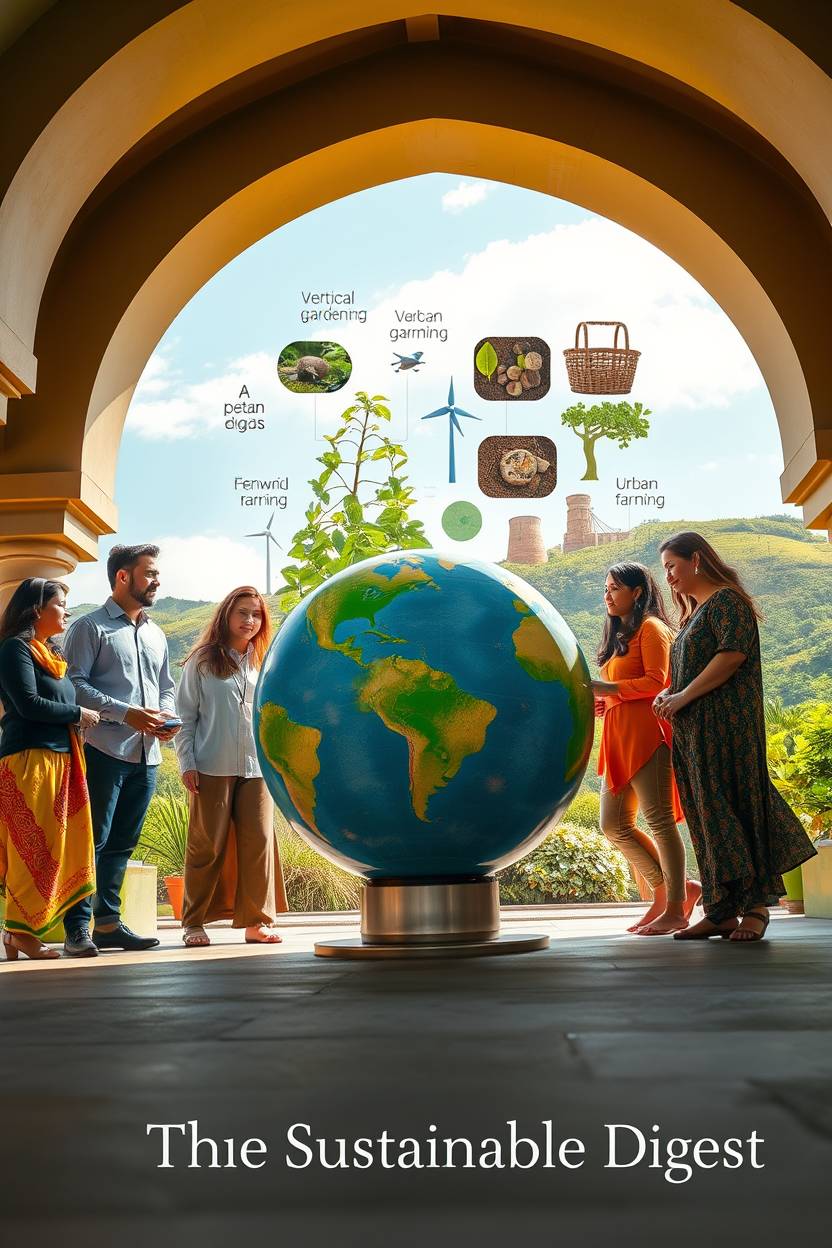
UN SDGs Impact Pathways for U.S. Agriculture

Impact pathways make the SDGs feel less like a poster and more like a scorecard. In SDGs U.S. agriculture, the pathway usually starts on the field, then moves through the supply chain, and ends in the county budget (where reality keeps excellent records). Biomimicry fits here because it turns ecosystem logic into repeatable farm decisions; less hype, more feedback loops.

To track progress, it helps to watch three kinds of change at once: operations, markets, and community outcomes. When those signals move together, the SDGs stop being abstract and start acting like a shared language that lets USDA programs, state agencies, and corporate buyers briefly pretend they speak the same dialect.

Hoi an, Farm, Farmer image.

SDG 2, SDG 12, and SDG 13

For SDG 2 zero hunger farming, the pathway is resilient yields plus stable nutrition supply; that often depends on soil structure, root depth, and pest balance, not just a bigger input bill. Biomimicry nudges farms toward redundancy (diverse cover mixes, living roots, and habitat edges) so a bad week of weather does not become a bad year of production.

SDG 12 circular economy food systems shows up when farms and processors treat “waste” as a misplaced resource. Manure becomes energy or compost, crop residues become soil cover, and byproducts find feed or fiber markets; the system keeps value moving instead of paying to haul it away.

SDG 13 climate action agriculture is easier to track than it sounds: fuel use, nitrogen efficiency, methane management, and soil carbon trends. Biomimicry-aligned practices can support that pathway by cutting passes, tightening nutrient cycles, and building soils that hold more water and carbon at the same time.

SDG 6 and SDG 15

SDG 6 water stewardship is not only about irrigation tech; it is also about what leaves the field when rain hits bare ground. Micro-topography, residue cover, and aggregation reduce runoff and keep nutrients on-site, which matters for watershed protection and downstream treatment costs.

SDG 15 biodiversity agriculture can be measured on working lands without turning every acre into a museum. Habitat strips, flowering windows, and lower chemical pressure can support beneficial insects and birds; the trick is designing “land sharing” so it protects function (pollination, pest control, soil life) while staying operationally realistic.

Equity, livelihoods, and rural resilience

Rural livelihoods rise or fall on cash flow, labor, and time, not on slogans. Adoption often hinges on whether technical assistance is available, whether verification is sized for small and mid-sized farms, and whether lenders and buyers recognize the risk reduction that comes with healthier soils and tighter cycles.

Programs can also tilt toward larger operations if reporting costs too much or if incentives arrive late. A practical pathway keeps paperwork proportional, aligns with conservation cost-share, and leaves room for co-ops, local processors, and community colleges to support training that sticks.

UN Sustainable Development Goals adaptation to agriculture

Impact pathwayOn-farm changeSupply chain changeCommunity signal
SDG 2 zero hunger farmingDiverse rotations and cover crops to stabilize yields; improved soil tilth for root access during stressMore consistent volume and quality for mills, dairies, and produce buyers; fewer emergency substitutionsLower volatility in local food availability; steadier farm employment through the season
SDG 12 circular economy food systemsComposting, manure management, and residue retention; byproduct separation for higher-value useContracts for byproduct utilization (feed, fiber, energy); less disposal and shrink lossReduced landfill pressure; new service jobs in hauling, composting, and maintenance
SDG 13 climate action agricultureFewer field passes and tighter nitrogen timing; options to cut methane via digestion or improved storageLower embedded emissions per unit; clearer reporting for corporate sustainability commitmentsImproved air quality and energy resilience where on-farm generation is feasible
SDG 6 water stewardshipBetter infiltration from cover and aggregation; irrigation scheduling that matches crop demandMore reliable water allocation planning for processors; fewer disruptions from water restrictionsLower sediment and nutrient loads; reduced stress on shared wells and municipal treatment
SDG 15 biodiversity agricultureHabitat design (field borders, flowering strips); reduced broad-spectrum pesticide pressureFewer pest outbreaks and rejections tied to residue risk; more stable integrated pest management programsHealthier working landscapes that support recreation and ecosystem services without removing production
rural livelihoodsLower input dependency over time; management skills shift toward monitoring and adaptationFairer premiums when verification is right-sized; stronger local processing and aggregation optionsMore durable rural businesses; better odds that young operators can stay in the game

Implementation Roadmap: From Pilot Plots to Scaled Adoption

A vibrant agricultural landscape showcasing the implementation of biomimicry in sustainable farming practices. In the foreground, a diverse group of farmers in professional attire are engaged in collaborative activities, utilizing innovative tools inspired by nature, such as plant-adaptive irrigation systems and pest-repellent crops. The middle ground features lush, green fields interspersed with model plots displaying various multi-crop systems, replicating natural ecosystems. The background displays rolling hills under a bright blue sky with soft, diffused sunlight casting gentle shadows, creating an optimistic atmosphere. Include details of butterflies and bees to signify biodiversity, emphasizing the resilience and circular nature of these agricultural practices. The image should radiate hope, reflecting the transition from pilot projects to widespread adoption. The Sustainable Digest logo is subtly integrated, enhancing the focus on sustainable solutions without detracting from the core image.

In biomimicry implementation agriculture, starting small is key. A few acres can serve as a “test ecosystem.” Here, results are tracked before expanding to the whole operation. This approach avoids expensive surprises.

A regenerative transition roadmap starts with a baseline. This includes soil structure, infiltration, and nutrient losses. Goals are set using clear indicators like input intensity and biodiversity signals.

Pilot projects focus on one challenge at a time. For example, a cover-crop mix for nutrient cycling or a habitat strip for beneficial insects. Each intervention needs a monitoring plan with seasonal checks.

StepWhat gets doneWhat gets measuredRisk control
BaselineSample soil, review irrigation logs, map erosion and compaction zonesOrganic matter, infiltration, nutrient balance, fuel and input useUse existing records first; add tests only where decisions depend on them
DesignSelect biomimicry-inspired practices for soil, water, habitat, and nutrient loopsPractice cost, labor hours, equipment fit, timing windowsMatch changes to the least disruptive pass through the field
PilotRun side-by-side strips and keep operations consistent elsewhereStand counts, weed pressure, irrigation need, yield stabilityLimit acreage; keep a “reset” option for the next season
IterateAdjust mixes, rates, and placement; refine scouting and thresholdsTrend lines across seasons; variance by soil type and slopeChange one variable at a time to avoid false wins
ScaleExpand only what performs; standardize reporting and trainingWhole-farm input reduction, profit per acre, risk metricsPhase capital purchases; keep vendor contracts flexible

Implementation continuing

To scale circular agriculture practices, economics must be tracked with the same discipline as agronomy. ROI conservation practices often shows up as fewer passes, steadier yields, lower fertilizer losses, and less rework after heavy rain. Financing can mix NRCS cost-share, supply-chain incentives, and carbon or ecosystem service programs; permanence and verification still deserve a skeptical look.

Real change management farms plans for friction: equipment limits, narrow planting windows, a learning curve in scouting, and short-term yield swings. Tenant-landlord dynamics can also slow decisions, since the payback may land in a different pocket. Practical fixes include phased capital investments, custom operators, Extension support, and technical service providers who reduce the reporting burden.

Scaling also means coordinating beyond the fence line. Circularity rarely works if processors, livestock integrators, input suppliers, and municipalities are not aligned on byproducts, organic residuals, and hauling schedules. That coordination is less romantic than a meadow; it is still the part that makes the system hold together.

Conclusion

Farms do better when they work like ecosystems. Biomimicry solutions in agriculture use nature’s ways to improve farming. The UN SDGs help by making results clear to everyone.

In the United States, sustainable farming is about practical steps. Nature-based solutions help farms face drought, erosion, and unpredictable weather. They also make farming less dependent on expensive inputs and long supply chains.

The best strategy for sustainable farming starts small and is true to itself. Begin by tackling one problem, like soil compaction or pests. Then, test nature-inspired solutions and see what works. This way, farming becomes more resilient through learning and improvement.

Nature teaches us to keep trying and adapting. Biomimicry in agriculture follows this approach. It leads to better food systems and a stronger, more sustainable farming future in the United States.

Key Takeaways

  • Biomimicry in agriculture borrows operating principles from ecosystems without pretending farms are wilderness preserves.
  • Resilient farming systems in the United States focus on risk: climate volatility, inputs, water, labor, and market demands.
  • Circular agriculture solutions aim to keep nutrients, water, and carbon cycling on-farm to reduce losses and costs.
  • Nature-inspired innovation can complement agronomy through smarter soil, water, biodiversity, and infrastructure choices.
  • UN Sustainable Development Goals agriculture offers a shared framework for reporting that increasingly shapes buyers and capital.
  • The article connects biology-inspired ideas to measurable outcomes across sustainable food systems United States regions.

Greenwashing Types: Variants You Need to Know

Over 40% of corporate environmental claims might be misleading or not backed up. It’s not just about lies versus truth. It’s a complex world where fake green claims hide many wrongdoings.

For global professionals and eco-aware consumers, it’s not enough to just be skeptical. You need a clear guide. Knowing the variants of greenwashing is key to avoiding them. This detailed breakdown shows us that greenwashing is not one thing, but many, each affecting society in different ways.

Understanding these types helps us move from vague worries to real actions. It lets us tell real progress from fake green promises. This knowledge is crucial for a market where true green efforts, not fake ones, lead the way.

What Is Greenwashing? Defining Modern Environmental Deception

Greenwashing is more than just false advertising. It’s a big problem that makes a huge gap between what companies say they do and what they really do. It uses tricks like unclear information and feelings to make people think companies are doing more for the environment than they are.

The Core Definition of Greenwashing in Today’s Market

The term greenwashing originally meant making false claims about being good for the environment. Now, it’s a complex strategy. It’s when companies make it seem like their products or actions are better for the planet than they actually are.

Greenwashing is the “disinformation disseminated by an organization so as to present an environmentally responsible public image.”

Source: Oxford Languages

This trickery isn’t always a clear lie. Often, it’s about picking and choosing what to say, using vague words, or doing small gestures that don’t really help. The goal is to look good without actually changing much.

Why Greenwashing Has Become Pervasive in Consumer Industries

There are many reasons greenwashing is everywhere. First, people want to buy things that are good for the planet, making companies want to look like they care. Sometimes, companies try to keep up with what people want without really changing.

Second, the rules for being green are not clear everywhere. This lets companies play by different rules in different places. Third, it’s hard to know what’s really going on in complex supply chains. A company might focus on one green thing while ignoring the rest.

Lastly, things meant to help like eco-labels and reports can be used to trick people. If not checked, they can help greenwashing instead of stopping it.

Distinguishing Between Authentic Sustainability and Greenwashing

It’s hard to tell the real deal from just a show. Real sustainability means making big changes and showing how they help. It’s honest and says what it’s going to do to get better.

Here’s how to tell the difference:

  • Specificity vs. Vagueness: Real claims are clear, like “cut carbon emissions by 40% by 2023”. Greenwashing uses vague terms like “eco-friendly” without explaining what it means.
  • Substance vs. Symbolism: True sustainability means changing how things are done and using clean technology. Greenwashing is about looking good with marketing or one-off projects that don’t really help.
  • Lifecycle vs. Highlight Reel: Real efforts look at and improve a product’s whole life, from start to end. Greenwashing picks one good thing to hide the bad.

Knowing the difference is key to spotting greenwashing. It’s about what a company does, not just what it says. And especially, what it proves.

The Evolution and Devolution of Greenwashing Strategies

A visually engaging timeline illustrating the "Evolution of Greenwashing Strategies," created in a sleek, modern style. In the foreground, a series of distinct greenwashing tactics represented by symbolic icons—like a leaf with a magnifying glass, a recycling logo with a twist, and a facade of a green building—each set against vibrant colors. The middle layer features a gradient timeline with milestones in green and gray tones, showing the progression of strategies from simple misleading claims to sophisticated deceptive marketing. In the background, faint silhouettes of cities and forests blend harmoniously, contrasting environmental ideals with corporate symbolism. Soft, diffused lighting casts gentle shadows, enhancing the professional atmosphere. This image reflects both innovation and caution, embodying the theme of evolving environmental marketing. The brand name "The Sustainable Digest" subtly incorporated as a design element in the lower corner.

Greenwashing has evolved, becoming more sophisticated while ethical standards have declined. This shows how technology and ethics have moved in opposite directions. It’s important to understand this to spot hidden environmental harm.

Early greenwashing was obvious. Now, it’s designed to trick people’s minds. This change shows companies are adapting to consumer awareness and rules.

Historical Perspective: How Greenwashing Tactics Have Changed

In the 1970s and 1980s, greenwashing was simple. Companies made big claims without proof. There were no strict rules, making it a free-for-all in environmental marketing.

From Blatant False Claims to Subtle Psychological Manipulation

Old greenwashing was based on false claims. A product might be called “100% eco-friendly” without proof. These claims were easy to spot.

Now, companies use tricks like the halo effect. They link products to nature to seem green. They also use vague terms like “green” to confuse people.

Companies use psychology to sell more. They make offers seem limited to create a sense of urgency. They also make more expensive products seem better for the planet.

Regulatory Attempts and Corporate Counter-Strategies

Regulators have tried to stop greenwashing. The U.S. Federal Trade Commission’s Green Guides aim to stop false claims. They cover topics like biodegradability and carbon offsets.

Companies have found ways to avoid being honest. They make claims that are technically true but misleading. This is called “claim splitting.”

“The most dangerous greenwashing isn’t the lie you can spot, but the half-truth you believe because it contains a fragment of reality.”

Sustainability Analyst, 2023 Corporate Ethics Report

Companies also use “regulation arbitrage.” They follow the weakest environmental rules in different places. This makes them seem green in some markets while polluting in others.

The Increasing Sophistication of Greenwashing Techniques

Digital technology has made greenwashing better and accountability worse. Big data and social media let companies target their lies more effectively. They can tell different stories to different people.

Data-Driven Greenwashing in the Digital Age

Companies use data to tailor their green messages. They look at what you buy and what you like on social media. This way, they can make messages that seem personal.

They test different messages to see what works best. This makes it seem like they care about what you want, when really they just want to sell more.

They even predict what green issues will be big. They use machines to find out before everyone else does. This way, they can seem ahead of the curve.

How Social Media Has Transformed Greenwashing Approaches

Social media has changed greenwashing a lot. Companies use real people to promote their green messages. These people seem genuine, making it hard to tell what’s real.

Platforms like Instagram focus on looks over real change. They show off green products to make it seem like companies care. But, the reality is often different.

Algorithms on social media make certain content more popular. This means small actions get more attention than big changes. It’s all about making a good impression, not really helping the planet.

Historical Greenwashing (Pre-2000)Contemporary Greenwashing (Post-2010)Psychological Mechanism
Blatant false claims (“100% biodegradable”)Technically true but misleading statementsExploits trust in factual accuracy
Generic nature imageryPersonalized environmental narrativesCreates false personal connection
One-size-fits-all messagingDemographically targeted contentConfirms existing biases
Regulatory avoidanceRegulatory loophole exploitationCreates illusion of compliance
Static printed materialsAlgorithmically optimized social contentExploits engagement psychology

The table shows how greenwashing has changed. It’s moved from being obvious to being very subtle. The best lies are those that seem true.

This is a big problem. It shows companies are more interested in tricks than being honest. The battle against greenwashing is getting harder.

Greenwashing Types with Variants: A Complete Framework

To understand greenwashing better, we need a clear framework. Saying a company is “faking it” isn’t enough anymore. This section shows a detailed way to sort out greenwashing into three main types. Knowing this helps us check things more closely and make better choices.

Organizing Greenwashing by Method and Mechanism

Greenwashing isn’t all the same. It changes a lot based on how it’s done. By sorting it by method, we can find it more easily. This way, we go from just guessing to really looking into it.

Communication and Messaging-Based Variants

This type uses words and stories to trick us. It changes how we see environmental info. It uses vague words, feelings, and stories to make us think something is green when it’s not. The goal is to change what we think through what we hear.

Labeling, Certification and Claim Manipulation

This type plays on trust in labels and special terms. It uses fake eco-labels, wrong uses of certifications, and confusing terms. Companies might make their own labels or stretch the meaning of a certification. It tricks us by using trust symbols in the market.

The sneakiest types change how companies act and how we see them. They’re not just about one claim. They hide bad actions, blend in with the crowd, or use small green steps to hide big problems. We need to look at what companies do, not just what they say.

“A taxonomy of greenwashing is not academic; it’s a diagnostic tool. You need to know if you’re dealing with a surface-level marketing lie or a deep, strategic diversion to prescribe the right remedy.”

– Sustainability Governance Analyst

The Importance of Recognizing These Specific Variants

Why is it important to know the different types of greenwashing? A simple approach can’t catch all the tricks. Knowing the greenwashing types helps us become more careful. It lets us match our checks to what companies are doing.

How Different Variants Target Different Consumer Vulnerabilities

Each type uses different ways to trick us. Messaging tricks use stories and pictures. Labeling tricks use symbols of trust and knowledge to make choices easier.

Behavioral tricks, like blaming others, play on our sense of doing the right thing. Knowing what trick is being used helps us defend ourselves better.

Why a One-Size-Fits-All Approach to Detection Fails

Being skeptical of all green claims is not smart. A simple check might miss some tricks. For example, a fake label check won’t catch a company that’s just trying to look good by comparison.

Companies might use many tricks at once. They might use green talk to hide label tricks. To really spot these, we need to look closely. We must figure out if it’s a simple mistake, a fake label, or a big trick. The answer tells us what to do next. Real greenwashing is often a mix of these, and our framework helps sort it out.

Communication Manipulation: Greenhushing, Greenspinning and Greenlighting

A visually striking composition illustrating corporate communication greenwashing tactics. In the foreground, a group of diverse business professionals dressed in smart business attire engaged in animated discussion, holding green-tinted brochures marked with eco-friendly symbols. In the middle ground, a large, modern office space filled with plants and green imagery, showcasing visual contrasts between sincere environmental practices and misleading representations. The background features a sleek skyline, highlighting a juxtaposition of nature versus industrialization. Soft, natural lighting creates a warm, inviting atmosphere, while a slightly elevated angle captures the earnest expressions of the professionals. The overall mood conveys a sense of urgency and critical awareness, representing the insidious nature of greenhushing, greenspinning, and greenlighting, reflecting the brand "The Sustainable Digest."

Companies are getting better at hiding their true environmental impact. They use greenwashing tactics like greenhushing, greenspinning, and greenlighting. These methods distort the truth without making obvious lies. They work by using silence, strategic framing, and selective highlighting.

Unlike old-fashioned greenwashing, these new tactics control what information gets out. They are tricky to spot and challenge. Knowing about these tactics helps us see through fake green claims.

Greenhushing: The Strategic Withholding of Information

Greenhushing means companies hide environmental info to avoid being criticized. This is the opposite of making big green claims but serves the same goal: to fool people about their real impact. Companies fear that being too open would show they’re not doing enough.

How Companies Use Silence to Avoid Scrutiny

Greenhushing uses selective sharing and hiding. Companies might publish reports that just meet the minimum but leave out key details. They might not talk about big climate goals because they’re worried they can’t reach them.

This trick is popular in industries with big carbon footprints or complex supply chains. By saying less, they avoid harsh criticism and activist pressure. The silence is often more helpful than making bold claims that might backfire.

Some common greenhushing tricks include:

  • Leaving out Scope 3 emissions from carbon counts
  • Only sharing positive environmental news while ignoring the bad
  • Not talking about long-term climate risks in talks with investors
  • Using vague language that doesn’t make clear, measurable promises

Real Examples of Greenhushing in Major Corporations

Big tech companies are known for greenhushing. They only report direct emissions from their operations, ignoring the huge carbon footprint of their supply chains and products. This is a common practice.

The car industry also uses greenhushing. Some car makers focus on electric cars but quietly scale back plans to stop using gas engines. They talk about future plans but downplay current actions.

Banks have been accused of greenhushing too. They promote green investments but don’t share how much they still fund fossil fuels. This selective sharing gives a misleading view of their environmental impact.

Greenspinning: Repackaging Environmental Failures as Successes

Greenspinning turns environmental failures into wins. It’s like PR magic that changes how we see things. Unlike outright lies, greenspinning changes how we think by how things are framed.

The Art of Environmental Public Relations Manipulation

Greenspinning uses smart communication tricks. Companies might highlight small wins as big deals. They compare current performance to a worse past, making it seem like they’re doing great.

Language plays a big role in this trick. Words like “transition,” “journey,” and “evolution” make progress seem real, even if it’s not. Vague promises to go “net-zero by 2050” look ambitious but delay real action for decades.

Effective greenspinning often involves:

  1. Calling small pollution cuts “environmental achievements” instead of just meeting rules
  2. Showing delayed phase-outs of harmful practices as “responsible transitions”
  3. Calling small changes “transformational breakthroughs”
  4. Using future language (“we aim to,” “we plan to”) to seem committed without doing much

Case Studies: Greenspinning in Oil and Fashion Industries

The energy sector is great at greenspinning. Big oil companies now call themselves “energy companies” or “energy solutions providers.” They highlight small green investments while still growing fossil fuel use. One big oil company talks about going “net-zero” but keeps finding new oil fields.

Fast fashion is another example of greenspinning. Brands might launch a small “sustainable” line but market it a lot. This makes it seem like they’ve changed their whole business, even though they haven’t.

These examples show how greenspinning lets companies keep doing harm while looking good. It confuses consumers who see mixed messages about green responsibility.

Greenlighting: Emphasizing Minor Green Initiatives

Greenlighting shines a light on small green actions to hide bigger problems. It’s like theater lighting that focuses on some actors while others are in the dark. This tactic uses small steps as distractions from bigger issues.

How Small Actions Are Used to Divert Attention from Larger Issues

The psychology behind greenlighting is based on the “spotlight effect.” By focusing on a small, appealing action, companies draw attention away from bigger problems. This makes them seem more green than they really are.

Airlines are a perfect example of greenlighting. They promote carbon offset programs to make flying seem green. But they keep growing their fleets and routes, increasing emissions.

The food and drink industry uses similar tricks. A big food company might push paper straws or lightweight bottles a lot. These small changes get a lot of attention, hiding bigger environmental issues.

Greenlighting works because it offers clear, appealing actions that match what people want. Removing plastic straws or starting recycling programs are real improvements. But they get all the attention, hiding bigger environmental problems.

This tactic is especially useful in industries that can’t change their whole business model. By focusing on small green steps, companies can look like they’re making progress without really changing.

Labeling Deception: Greenrinsing, Greenlabeling and Greenclaim Inflation

When companies play with words, they also play with symbols. This leads to confusing labels and stats that we all have to deal with. Seals, badges, and promises are often used to trick us.

These tricks target our trust in different ways. Greenrinsing messes with long-term plans, greenlabeling confuses us right away, and greenclaim inflation distorts what we can measure. Together, they make it hard to make smart choices.

Greenrinsing: The Cycle of Changing Sustainability Goals

Imagine running on a treadmill where the finish line keeps moving back. That’s what greenrinsing is like. Companies set big goals but then change them before they have to do anything.

This makes it seem like they’re always making progress, even if they’re not. A goal to be carbon neutral by 2030 becomes 2040. Or, a plan to reduce plastic is replaced by something else. It never ends.

How Companies Repeatedly Reset Targets to Avoid Accountability

Corporate reports often start with big promises. These promises get a lot of attention and approval. But when the deadline comes, they find excuses to change their goals.

They say things like “market changes” or “new science” to justify the changes. This way, they look like they’re making responsible choices, even if they’re not.

Three common ways companies change their goals include:

  • Scope redefinition: Making the goal smaller
  • Timeline extension: Pushing the deadline back
  • Metric substitution: Changing the goal to something easier

Documented Cases of Greenrinsing in Corporate Sustainability Reports

Many big companies have been caught in greenrinsing. For example, a global drink company pushed back its goal to use 100% recycled packaging from 2025 to 2030. This change came after they didn’t make much progress on the original goal.

A fast-fashion brand kept lowering its goal for organic cotton. Each time, they set a new, less ambitious target. This made them less accountable.

“Sustainability targets should be milestones, not moving finish lines. When goals consistently shift further away, we must question whether the commitment is to improvement or merely to the appearance of improvement.”

Sustainability Reporting Analyst

The car industry shows clear examples too. Many car makers have delayed their plans for electric cars while making more SUVs. This shows they’re not really committed to change.

Greenlabeling: Misuse of Environmental Terminology and Certifications

Every supermarket aisle is filled with green promises. Greenlabeling uses confusing terms and fake certifications to trick us. It’s all about looking good without actually doing anything.

This works because we don’t have time to check everything. A quick look at the packaging decides if we buy it. Greenlabeling uses words and symbols to trick us into thinking it’s better than it is.

Common Misleading Labels: “Eco-Friendly,” “Natural,” “Green”

These terms sound good but mean nothing. “Natural” might mean a product has 1% plant stuff and 99% synthetic stuff. “Eco-friendly” could mean they used a little less packaging, but it’s still toxic.

The problem goes beyond just words. Some companies make their own “green” seals without anyone checking them. These fake badges look real but don’t mean much.

Consider these misleading claims:

  • “Contains natural ingredients” (which could be petroleum-derived)
  • “Green technology” (without lifecycle assessment)
  • “Environmentally conscious” (based on undefined criteria)

How to Verify Authentic Environmental Certifications

Real certifications are clear and checked by others. They need regular checks and follow strict rules. The best ones look at the whole life of a product, not just one part.

CertificationGoverning BodyKey Focus AreasVerification Process
Cradle to Cradle Certified®Cradle to Cradle Products Innovation InstituteMaterial health, renewable energy, water stewardship, social fairnessThird-party assessment, multiple achievement levels (Basic to Platinum)
TRUE CertificationGreen Business Certification Inc.Zero waste, diversion from landfills, circular economyOn-site audits, documentation review, performance metrics
Forest Stewardship Council (FSC)Independent international organizationResponsible forest management, chain of custodyAnnual audits, traceability systems, performance monitoring
Energy StarU.S. Environmental Protection AgencyEnergy efficiency, greenhouse gas reductionLaboratory testing, manufacturer verification, random sampling

Look for certifications with clear standards. Make sure the group giving the certification isn’t just friends with the company. Real programs show their numbers and codes online.

Greenclaim Inflation: Exaggerating Environmental Benefits

If greenlabeling tricks us with words, greenclaim inflation tricks us with numbers. It makes big claims about how green a product or company is. A small change is called a “game-changer.”

This trick works because we want to believe our choices help the planet. Companies make these big claims to make us feel good about buying from them.

The Psychology Behind Overstated Sustainability Claims

Research shows these tricks work by playing on our minds. The halo effect makes us think a product is better just because it has one good thing. Saying a product is “30% recycled” might make us think it’s much greener.

Proportional distortion is another trick. Saying a product is “dramatically reduced” might sound big, but it might not be. The language makes it seem like a big change, even if it’s not.

Three ways these tricks work include:

  1. Optimism bias: We want to believe in a greener world
  2. Numerical innumeracy: We struggle to understand numbers and percentages
  3. Trust in authority: We assume companies wouldn’t lie

Quantifying the Gap Between Claims and Reality

There’s a big difference between what companies say and what they actually do. A study found that “carbon neutral” shipping claims only covered 15-40% of emissions. This gap is because of mistakes or on purpose.

Another study looked at “water-saving” appliances. Marketing said they saved 30%, but real use showed only 8-12% savings. This difference is because of ideal lab tests versus real use.

Here’s a comparison of common exaggerated claims:

Claim MadeTypical RealityInflation FactorCommon Justification
“Carbon neutral” productPartially offset emissions2-3x“Based on lifecycle assessment” (using favorable boundaries)
“Significantly reduced waste”5-10% reduction3-4x“Compared to previous version” (without industry context)
“Renewable energy powered”Partial renewable mix1.5-2x“Matching renewable certificates” (not direct procurement)

To spot greenclaim inflation, look for real numbers and context. Don’t trust vague claims like “greener” or “more sustainable.” Look for specific, detailed information.

The tricks of greenrinsing, greenlabeling, and greenclaim inflation are a big problem. They make us trust companies more than we should. But if we know these tricks, we can demand better.

Behavioral Greenwashing: Greenshifting, Greencrowding and Greenmasking

A conceptual illustration depicting "Behavioral Greenwashing" with a focus on greenshifting, greencrowding, and greenmasking. In the foreground, a professional wearing business attire thoughtfully examines a plant, a symbol of environmental concern, with a skeptical expression. In the middle, a bustling urban scene shows crowds of people holding green products, blending with billboards advertising eco-friendly initiatives, reflecting greencrowding. The background features a city skyline shrouded in a subtle green mist, symbolizing deception and greenmasking. Soft, natural lighting creates a sense of hope and awareness, emphasizing the contrast between genuine sustainability and the superficial attempts at eco-friendliness. The overall mood is thought-provoking and insightful, aligning with the theme of "The Sustainable Digest."

Greenwashing has evolved from simple tricks to complex social engineering. It now manipulates behavior and perception at a deep level. This shift targets the psychological and social sides of sustainability.

These tactics include shifting blame to consumers, hiding in a sea of mediocrity, and using charity to hide wrongdoings. It’s key to spot when these tactics are used to hinder progress.

Greenshifting: Transferring Environmental Responsibility to Consumers

Greenshifting is a trick where companies make you think you’re responsible for the environment. It makes big problems seem like they can be solved by changing your own habits.

The “Your Carbon Footprint” Narrative and Its Flaws

The idea of carbon footprints started with BP in 2004. It made people think climate change is all about personal choices. This idea has spread, distracting from the real problem of corporate emissions.

Studies show that just 100 companies cause 71% of global emissions. This makes it clear that greenshifting shifts blame away from big polluters.

“The greatest trick the fossil fuel industry ever pulled was convincing the world that climate change was about your choices, not theirs.”

Environmental Sociologist Dr. Rebecca Jones

How Greenshifting Appears in Advertising and Corporate Messaging

Greenshifting uses certain words and images in ads and messages:

  • Imperative language: “You can make a difference,” “Your choice matters,” “Be part of the solution”
  • Visual framing: Images focusing on consumer actions rather than production processes
  • Product positioning: “Eco-friendly” options that require premium prices from consumers
  • Educational campaigns: Teaching consumers about recycling while opposing extended producer responsibility laws

Fast food companies are a good example. They promote reusable cups and plant-based options but keep unsustainable practices. This makes consumers feel guilty and responsible for environmental issues.

Greencrowding: Hiding Within Industry-Wide Mediocrity

Greencrowding happens when companies all agree on low environmental standards. This way, no one feels pressured to do better. It’s a collective problem where everyone stays stuck in place.

The Collective Action Problem in Environmental Standards

Industries often set their own environmental standards. These standards are usually the lowest common denominator. This way, everyone can meet them easily.

The greencrowding pattern is clear:

  1. Industry leaders resist strict rules by proposing weak standards
  2. These standards are set at levels that even the least progressive members can meet
  3. Companies celebrate “industry-wide progress” while secretly opposing stricter rules
  4. The mediocre standard becomes the new goal, slowing down real progress

This approach turns environmental progress into a collective shield. When everyone moves slowly together, no one gets left behind—and no one gets ahead.

Examples of Greencrowding in Fast Fashion and Plastics Industries

The fashion and plastics industries show classic greencrowding. Major brands set modest goals like 30% recycled content by 2030. Critics say these goals are too easy to achieve.

IndustryCollective InitiativeActual ImpactGreenwashing Mechanism
Fast FashionFashion Pact (2019)Vague commitments with no enforcementSafety in numbers against regulation
PlasticsAlliance to End Plastic WasteFocuses on waste management, not production reductionRedirects attention from source problem
AutomotiveVoluntary fuel efficiency standardsSlower progress than regulatory mandates would achieveIndustry-controlled timeline

The plastics industry is a clear example. Big producers promote recycling while increasing virgin plastic production. This greencrowding strategy has delayed bans on single-use plastics and extended producer responsibility laws in many places.

Greenmasking: Using CSR to Conceal Harmful Practices

Greenmasking uses Corporate Social Responsibility (CSR) to hide environmental harm. It’s the philanthropic side of greenwashing, where good deeds cover up ongoing damage.

Corporate Social Responsibility as a Smokescreen

CSR can be good, but it’s used to hide wrongdoings. Companies might fund reforestation while clear-cutting forests elsewhere. They might support environmental education while fighting climate laws.

Greenmasking works because of several psychological factors:

  • The halo effect: Good deeds in one area make the whole company seem better
  • Attention diversion: Media focuses on charity efforts, not on the company’s wrongdoings
  • Moral licensing: People think they can do wrong because they’ve done something good
  • Complexity overwhelm: Many initiatives make it hard to see the real picture

This creates the CSR paradox. The biggest environmental offenders often have the most visible sustainability efforts.

How to Identify When CSR Is Being Used for Greenmasking

To spot greenmasking, look for these signs:

  1. Strategic alignment: Do CSR efforts really address the company’s environmental impacts?
  2. Proportionality: Is the charity spending meaningful compared to the harm caused?
  3. Transparency: Are both good and bad impacts reported fairly?
  4. Policy consistency: Does the company support environmental laws that match its CSR claims?
  5. Long-term commitment: Are the CSR efforts sustained beyond just publicity?

The fossil fuel industry is a prime example. Big oil companies have renewable divisions and climate funds but still grow their fossil fuel business. Their reports highlight these efforts while downplaying their emissions—a classic greenmasking tactic that slows down the energy shift.

Greenshifting, greencrowding, and greenmasking are the most advanced greenwashing tactics. They don’t just lie; they change how we see and act. Spotting these tricks is the first step to taking back environmental responsibility.

Additional Greenwashing Variants: Greenwishing and Green Botching

There’s a gray area where good intentions go wrong. Greenwishing and green botching are terms for when plans fail. They can hurt trust as much as lies, needing careful thought to tell them apart.

Greenwishing: Hopeful But Empty Sustainability Promises

Greenwishing is when companies make big environmental promises without a solid plan. They say things like they’ll be carbon-neutral by 2050 or use 100% recyclable packaging. But they don’t show how they’ll get there.

The difference between a good goal and greenwashing is clear. A good goal has steps to follow, money to spend, and progress to report. Greenwashing just promises without showing how it will happen.

The Difference Between Aspiration and Deception

Good goals push us forward. They need clear steps, regular updates, and someone to be accountable. Greenwashing, on the other hand, just promises without showing how it will happen.

“A pledge without a plan is merely a PR statement. It asks for credit today for work that may never be done.”

It’s about claiming to lead in sustainability without doing the hard work. It’s about getting credit now for something that might never happen.

How Greenwishing Manifests in Corporate Planning

Greenwishing shows up in business plans and talks to investors. A company might say they’re going green without actually doing it. They might promise to be carbon-neutral but keep using fossil fuels.

This way, they can keep doing things as usual. They just pretend to be thinking about the future.

Green Botching: Incompetent Implementation of Green Initiatives

Green botching is when good ideas go wrong. It happens when a plan is so poorly done that it hurts the environment. It’s ironic: something meant to help ends up causing harm.

When Poor Execution Becomes a Form of Greenwashing

When does a mistake become greenwashing? It happens when a company chooses to highlight the good idea instead of fixing the problem. They market the failed project as a green success, misleading everyone.

Case Examples of Well-Intentioned But Poorly Executed Sustainability

There are many examples of green botching:

  • Biodegradable Plastics Contaminating Streams: Some plastics are marketed as biodegradable but need special facilities to break down. When thrown away normally, they ruin recyclables.
  • Carbon-Offset Reforestation Failures: Projects that plant trees to capture carbon often harm local ecosystems. They use non-native species that damage soil and biodiversity.
  • Inefficient Green Products: Some energy-saving appliances use more power than they save. Eco-products can also create more waste than regular ones.

These examples show that results matter, not just good intentions. The Explorer looks for new solutions, but the Sage makes sure they work. This way, good ideas don’t turn into failures.

The Greenwashing Effect on Sustainability and UNSDGs

Greenwashing is more than just misleading consumers. It harms the global effort for sustainability, affecting the United Nations Sustainable Development Goals. This damage is what we call the greenwashing effect of sustainability overall. It confuses people and diverts resources away from real progress.

Companies that greenwash are not just bending marketing rules. They are part of a bigger problem that threatens the 2030 Agenda for Sustainable Development. This section looks at how these tricks damage trust, slow down innovation, and hurt key UNSDGs.

Long-Term Consequences of Greenwashing for Sustainable Development

The greenwashing variants’ long term effect in sustainable development goes beyond just tricking consumers. It creates lasting barriers to progress, changing markets and policies in negative ways.

Erosion of Public Trust in Environmental Science and Policy

When people see exaggerated green claims that don’t match reality, they start to doubt everything. This doubt affects both real environmental science and corporate spin. It leads to “claim fatigue,” where even true sustainability information is questioned.

This erosion has real effects. Support for tough environmental policies drops. People are less willing to pay more for sustainable products. As one sustainability analyst said,

“Greenwashing doesn’t just sell a false product; it sells a false narrative about what’s possible, making real solutions seem either insufficient or unnecessarily extreme.”

How Greenwashing Slows Genuine Technological and Social Innovation

Greenwashing creates bad incentives in the market. When companies make superficial changes or make vague “carbon neutral” claims, they don’t have to invest in real innovation. Money goes to marketing instead of research and development.

This hurts breakthrough technologies that need a lot of investment. Why spend on real circular production when just adding a recycling symbol works? The greenwashing effect of sustainability overall acts like a tax on innovation, slowing down the development and use of real solutions.

Greenwashing’s Impact on Specific United Nations Sustainable Development Goals

Greenwashing harms the UNSDGs in specific ways. Each goal has a target that greenwashing can undermine through different means.

UNSDG 12: Responsible Consumption and Production

Goal 12 aims for sustainable consumption and production. Greenwashing tricks like greenlabeling and greenclaim inflation directly harm this goal. They distort the information needed for consumers to make good choices.

When products have misleading environmental certifications or exaggerated claims, the market signals are wrong. Consumers trying to follow UNSDG 12 principles find themselves lost in a sea of false claims.

UNSDG 13: Climate Action

Goal 13 calls for urgent action on climate change. The greenwashing trick greenshifting is a big threat to this goal. It shifts the responsibility for carbon reduction from companies to consumers, letting companies avoid making real changes.

This creates “responsibility diffusion,” where everyone is supposed to be responsible but big polluters don’t change. The greenwashing variants’ long term effect in sustainable development here is especially bad: it keeps emissions high while making it seem like everyone is doing something about climate change.

UNSDG 14: Life Below Water and UNSDG 15: Life on Land

Goals 14 and 15, about aquatic and terrestrial ecosystems, face threats from greenmasking. Companies doing harm to biodiversity often do big conservation projects. They plant trees while cutting down forests elsewhere, or fund coral research while polluting waterways.

These CSR projects create “offset mythology,” the idea that environmental harm in one place can be balanced by benefits in another. This misunderstands ecosystem specifics and undermines the holistic approach needed by UNSDGs 14 and 15.

Greenwashing VariantPrimary UNSDG UnderminedMechanism of Undermining
GreenlabelingUNSDG 12 (Responsible Consumption)Corrupts consumer information needed for sustainable choices
GreenshiftingUNSDG 13 (Climate Action)Transfers corporate responsibility to individuals, avoiding systemic change
GreencrowdingUNSDG 14/15 (Life Below Water/On Land)Allows industry-wide mediocre standards that collectively harm ecosystems
GreenmaskingMultiple UNSDGsUses superficial CSR projects to conceal ongoing harmful practices

Using UNSDGs to Elude Greenwashing Tactics

The UNSDGs can be a powerful tool against greenwashing. Their comprehensive and interconnected nature helps cut through false claims and find real sustainability.

How UNSDG Frameworks Help Identify Authentic vs. Deceptive Efforts

The UNSDGs work as a system—progress in one goal often depends on progress in others. This interconnectedness shows the narrow, siloed claims of greenwashing. A company claiming sustainability progress should show positive impacts across multiple goals, not just one.

For example, a fashion brand might highlight water reduction (touching UNSDG 6) while ignoring poor labor conditions (contradicting UNSDG 8). The UNSDG framework forces a holistic assessment that reveals such selective reporting. This approach is a strong way to UNSDGs in eluding greenwashing—using the goals’ comprehensive nature as a verification tool.

UNSDGs as Tools to Counter Greencrowding and Greenmasking Specifically

Two variants are especially vulnerable to UNSDG-based analysis. Greencrowding—hiding in industry-wide mediocrity—falls apart when measured against specific UNSDG targets. While a whole sector might claim “industry average” sustainability, UNSDG metrics demand real progress toward concrete targets like specific emission reductions or conservation areas.

Similarly, UNSDGs for eluding greenmasking work by requiring a real connection between CSR initiatives and core business impacts. A mining company’s tree-planting program doesn’t offset habitat destruction if measured against UNSDG 15’s specific biodiversity indicators. The goals provide the detailed metrics needed to tell real integration from superficial decoration.

Investors and regulators are using UNSDG alignment as a due diligence filter. Funds focused on UNSDGs to elude greencrowding check if companies do better than sector benchmarks. This creates market pressure for real leadership, not just average performance.

The irony is clear: the framework that greenwashing threatens may become its most effective constraint. As UNSDG reporting standards get better, they create “claim accountability”—where environmental claims must show real progress toward global targets, not just sound good.

Conclusion

Greenwashing is a complex issue, not just one trick. It includes many strategies like greenhushing and greenspinning. Knowing these tactics is key to holding companies accountable.

This framework helps us check if companies are really doing what they say. It lets us look beyond their marketing to see if they’re taking real action. The United Nations Sustainable Development Goals are a good way to measure if they’re making progress.

True sustainability means being open and showing real results, not just talking about it. The real impact on the environment is more important than any greenwashing campaign. By carefully checking these claims, we can push for real change.

Key Takeaways

  • Corporate sustainability claims are often misleading, creating a complex landscape of environmental deception.
  • Understanding the specific variants of greenwashing is essential for effective navigation and critical assessment.
  • This knowledge acts as a taxonomy, mapping a diverse ecosystem of deceptive practices beyond a single definition.
  • Recognizing these types empowers professionals and consumers to make informed, responsible choices.
  • The ultimate goal is to advance genuine sustainability progress in line with global frameworks like the UNSDGs.
This website is saving the energy of your screen as it is not being used. It's part of a global effort to lower the planet's electrical consumption and CO2 emission level. Resume browsing
Click anywhere to resume browsing
Verified by MonsterInsights