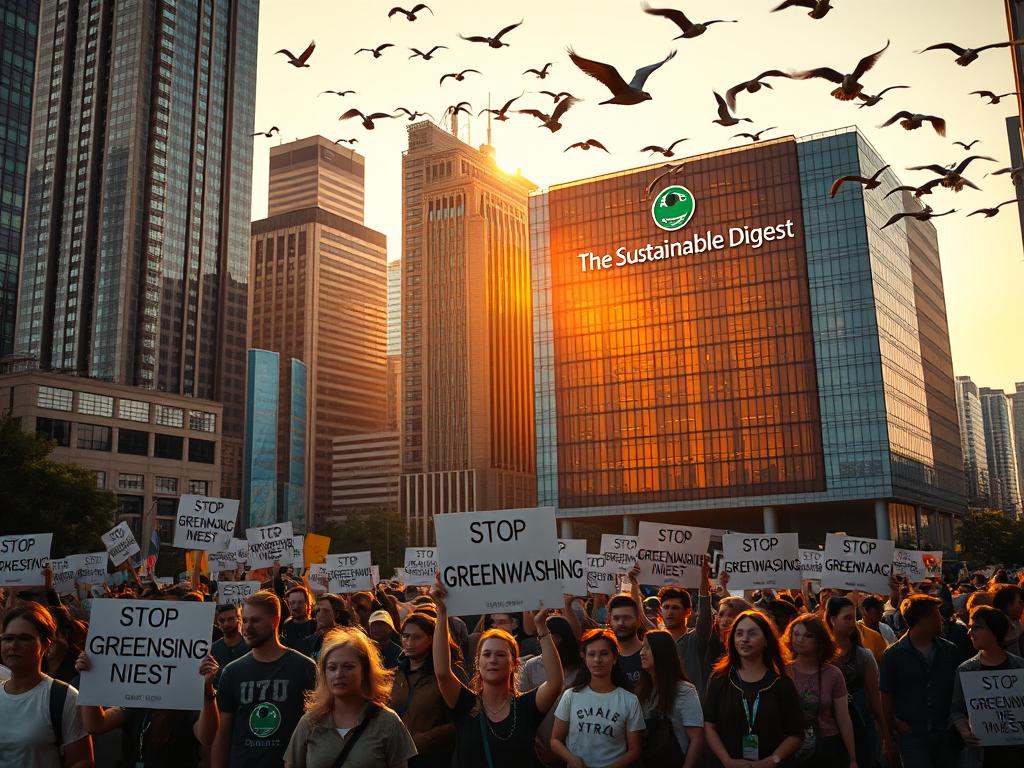

In the United States, December can be peak goodwill—or peak waste, depending on the choices behind the wrapping paper.
This guide treats the final month of 2025 December observances and sustainability as more than a feel-good slogan. It maps December 2025 events to practical moves that cut emissions, shrink trash, and protect budgets (a rare holiday miracle).
Across UN observances, cultural holidays, tech and education weeks, and national days, the goal is simple: turn attention into impact. That means sustainable practices like lower-carbon travel, cleaner energy use, and smarter gifting; it also means procurement that respects labor and human rights.
Because December is a high-consumption month, small shifts scale fast. Think circular economy habits, climate resilience planning, and greener operations that still feel festive—eco-friendly December activities can be joyful without becoming a landfill audition.
Next, the guide defines key terms, then moves through major observances and ends with measurable outcomes tied to the UN Sustainable Development Goals. The throughline stays consistent: green initiatives for December should work for households, workplaces, schools, and community groups—without requiring a PhD in composting.
December 2025 Events Overview for a Greener Holiday Season in the United States
In the United States, December is a busy time. People travel more, deliveries pile up, and homes get warmer. This all adds up to more emissions, waste, and higher bills.
This guide helps you plan for December 2025. It shows how to make holiday celebrations more efficient. You can buy less, ship smarter, and waste less.
What makes December observances a high-impact time for sustainable practices
December is a time for quick decisions. Small changes can make a big difference. For example, choosing reusable items at a party can save waste and money.
It’s also a time to think about the environment. We see the waste, food scraps, and extra energy use. This season rewards those who think about the bigger picture.
Quick definitions: sustainable December events, eco-friendly December activities, and green initiatives for December
Sustainable December events aim to reduce harm to the planet. They choose efficient venues, use low-carbon travel, and encourage reuse.
Eco-friendly December activities focus on using less at home and in the community. This includes fixing things, sharing meals, and low-waste gatherings.
Green initiatives for December are big efforts with clear goals. They include ethical giving, sustainable finance, and community programs that last all year.

How to use this guide: choosing meaningful observances and reducing environmental footprint
Match your values with actions. Pick one important observance and cut down on extras. Choose swaps that make a big difference, like reusable items and fewer flights.
- Pick one observance that matters, then limit the “extras” that inflate waste.
- Choose high-leverage swaps: reusable serviceware, certified products, fewer flights, consolidated shipping, and local giving.
- Apply sustainable living tips to the calendar: set deadlines for ordering, confirm quantities, and build a reuse plan before buying anything new.
| U.S. December setting | Operational move | What to measure | Why it works in holiday schedules |
|---|---|---|---|
| Workplace holiday celebrations | Rent dishware; default to water stations; pre-sort recycling and compost | Waste diversion rate; trash bags used; leftover food pounds | One setup change affects dozens to thousands of meals |
| End-of-year corporate giving | Prioritize cash and vetted in-kind lists; combine shipments; request impact reporting | Number of shipments; administrative overhead; program outcomes tracked | Moves resources faster than last-minute “stuff drives” |
| School concerts and fairs | Digital programs; reuse decorations; schedule “bring-your-bottle” events | Paper saved; single-use bottles avoided; energy use during events | Families notice changes immediately and repeat them |
| Faith and community gatherings | Potluck with portion planning; donate surplus via local partners; use refillable beverage service | Food waste volume; reusable items used; donation pounds delivered | Traditions stay intact while waste drops sharply |
| Holiday travel planning | Choose rail or bus where feasible; pack light; group rides; avoid rush shipping by ordering earlier | Miles flown reduced; car occupancy; expedited shipments avoided | Travel decisions dominate footprints during December 2025 events |
By using this guide, you can make December more sustainable. It helps you make better choices, not just add more to your list. The goal is to keep the holiday spirit alive while reducing waste.
Final month of 2025 December observances and sustainability

In the United States, December 2025 feels like a rush with a shopping cart. Yet, it’s also a chance to make smart choices. With budgets, travel, and gift lists all in play, green initiatives for December shine.
December should be a cleanout, not a free-for-all. Teams and households can track waste, travel, and gifts. This way, they can see their impact clearly.
Key themes for December: climate, community, human rights, and ethical consumption
Climate observances in December offer practical tips. Eat for soil health, reduce trips, and protect winter habitats. Community themes focus on volunteering and mutual aid, beating novelty gifts in value and longevity.
Human rights dates highlight dignity in supply chains, especially during peak buying. Ethical consumption is the quiet filter behind every deal. It shows up in fair labor, traceable ingredients, and safer materials.
Planning calendar: aligning observances with low-waste holiday celebrations
A workable calendar groups observances into action weeks. This cuts duplication and the urge to print flyers. Bundling reduces last-minute shipping, saving dollars and emissions.
- Food week: plant-forward menus, leftovers planning, and composting that survives the party.
- Giving week: one vetted donation plan, one volunteer shift, and clear receipts for tax and trust.
- Travel week: rail or carpool when possible; if flying is required, fewer trips and longer stays.
- Gifting week: experiences, repairs, and resale-first shopping before anything new.
| Action week focus | Typical December trigger | Low-waste move | Operational metric to track |
|---|---|---|---|
| Food and hosting | Office potlucks and family dinners | Reusable dishware, batch cooking, and a leftovers plan | Pounds of food wasted; % composted or donated |
| Gifts and décor | Flash sales and “stocking stuffer” culture | Secondhand gifts, repair services, and minimal packaging | % spend on resale/repair; packaging volume per event |
| Service and solidarity | Seasonal giving drives | One coordinated drive with clear needs and distribution plans | Volunteer hours; items delivered that match requested lists |
| Travel and gatherings | Multiple short trips across the month | Trip consolidation, carpooling, and virtual attendance when suitable | Trips avoided; estimated miles reduced |

ESG and personal choices: Environmental Social Governance with December holidays and observances
Environmental Social Governance in December is more than boardroom talk. Spending acts like a vote in December. Environmental choices include energy use, shipping speed, and travel patterns.
Social choices are seen in inclusive gatherings and fair labor signals. Governance is the less festive part, but it’s crucial. Transparent donations, anti-fraud habits, and clear vendor standards keep money aligned with mission.
UN Observances in December and How to Celebrate Them Sustainably
December UN dates can turn good intentions into real actions. The key is to keep the impact high and waste low. In the United States, this means choosing local actions, buying cleaner, and reporting clearly.
International Volunteer Day for Economic and Social Development with low-carbon service ideas
International Volunteer Day rewards service that doesn’t harm the planet. It’s about local volunteering that cuts emissions and strengthens neighborhoods.
Smart volunteering includes food recovery, community fridges, park cleanups, and repair cafés. These actions save resources and reduce waste. Virtual support, like resume help or tutoring, also helps without harming the environment.
- Track it: hours volunteered, meals rescued, items repaired, or bags of litter collected.
- Pack light: bring a refillable bottle, durable gloves, and a reusable container for snacks.
- Choose proximity: prioritize locations reachable by walking, biking, or transit.
World Soil Day and International Mountain Day: regenerative choices for food and travel
World Soil Day shines a light on every meal. Healthy soil, cleaner water, and steady yields are key. Seasonal menus, less meat, and avoiding food waste help soil health.
Composting is important, but it works best with smarter shopping and storage. Buying regenerative and regionally grown products supports better land management and reduces spoilage risk.
International Mountain Day is perfect for winter, when travel demand is high. Responsible recreation means carpooling, using rail when possible, renting gear, and avoiding single-use items.

Human Rights Day, International Migrants Day, and International Human Solidarity Day with ethical giving
Human Rights Day asks if a gift solves a problem or just decorates it. Ethical giving focuses on transparent organizations, worker protections, and community-led services. This is especially important when news cycles tempt rushed donations.
International Migrants Day supports practical help like legal aid, worker centers, and local services. International Human Solidarity Day emphasizes mutual aid and long-term capacity. Unrestricted gifts often help more than branded items.
- Verify financial accountability through audited reporting and clear program metrics.
- Prefer durable, needed supplies over novelty drives that create disposal costs.
- Use ethical procurement for holiday purchases; labor standards are part of sustainability.
These themes also align with the International Day for the Abolition of Slavery. Learning about supply chains and forced labor sharpens buying decisions. The International Day of Commemoration and Dignity of the Victims of the Crime of Genocide and of the Prevention of this Crime shows why documentation, education, and prevention deserve steady funding.
International Day of Banks and International Anti-Corruption Day: sustainable finance and transparency actions
International Day of Banks encourages reviewing where money is invested. Climate risk policies, community reinvestment, and fee structures shape real-world infrastructure and household budgets.
International Anti-Corruption Day promotes fraud-aware giving, clean procurement rules, and readable annual reports. These actions reduce waste that doesn’t show up in recycling bins.
For a broader policy lens, the International Day Against Unilateral Coercive Measures and the International Day of Neutrality can be used as learning prompts about finance, trade, and stability. The International Day against Colonialism in All its Forms and Manifestations also fits here; ethical sourcing and supplier transparency are modern tools for reducing harm.
| UN observance | Sustainable way to participate (U.S.-ready) | Low-waste metric to track | Common pitfall to avoid |
|---|---|---|---|
| International Day of Banks | Review bank climate policies, fees, and community lending; switch statements to paperless | Monthly fees reduced; paper avoided; funds moved to lower-fee options | High-fee “green” products with vague impact claims |
| International Anti-Corruption Day | Add basic verification steps for donations and vendor invoices; keep a receipt trail | Percent of spend with documented review; chargebacks prevented | Impulse giving to look-alike organizations and bait campaigns |
| World Soil Day | Plan a seasonal menu, reduce food waste, start composting, and store produce correctly | Pounds of food waste avoided; compost volume; meals planned vs. tossed | Buying “eco” food that spoils due to poor planning |
| International Mountain Day | Carpool to winter recreation, rent gear, and choose reuse before upgrades | Miles not driven alone; items rented or repaired; single-use avoided | Buying new gear for a one-off trip |

International Day of Epidemic Preparedness and International Universal Health Coverage Day: community health with less waste
International Day of Epidemic Preparedness is about readiness, not panic shopping. A durable kit with refillable hygiene supplies and a plan for prescriptions reduces risk and clutter.
International Universal Health Coverage Day highlights access and continuity of care. This includes waste-aware operations. Community clinics and health outreach events can cut trash by using refill stations and right-sized supplies.
Medication take-back programs and safe disposal practices lower contamination risk in water systems. Preparedness looks less dramatic than stockpiles, but it tends to work better—and it does not require another cart full of plastic.
Eco-Friendly Holiday Celebrations and Cultural Observances in December

December in the United States is often a rush of waste. Yet, a low-waste holiday season can still be festive. It focuses on meaning over volume, with shared meals, repair days, and stories that don’t need extra packaging.
For those who love to learn and act, there are civic observances like Pearl Harbor Remembrance Day and Nobel Prize Day. These fit well into a low-material plan. Digital tools, community spaces, and donations do more than disposable items ever could.
Chanukah, Kwanzaa, Saturnalia, Bodhi Day, and Halcyon Days with mindful consumption
Chanukah and Kwanzaa already focus on consistency and care. Sustainability just highlights this core idea. Using reusable decorations, durable dishes, and planning gifts carefully reduces waste without losing the joy.
Saturnalia, Bodhi Day, and Halcyon Days offer a chance to break from the buy-more cycle. Sharing skills, cleaning neighborhoods, and re-gifting make celebrations look intentional, not overstuffed.
- Plan portions to cut food waste; freeze extras before they become “mystery leftovers.”
- Choose reusables for plates, napkins, and storage; borrow when possible.
- Trade experiences (classes, museum days, transit passes) for impulse items.
St Nicholas Day, Krampusnacht, and Worldwide Candle Lighting Day with safer, cleaner materials
St Nicholas Day and Krampusnacht can stay fun while reducing plastics and clutter. Small surprises are better when they are useful, refillable, or edible. And they should not come wrapped in lots of glossy film.
Worldwide Candle Lighting Day is a time when materials really matter. Using lower-tox candles, refill systems, and sturdy vessels reduces pollution and packaging. Basic fire safety keeps the celebration safe and meaningful.
| Custom | Lower-impact material choice | Why it helps | Simple safety check |
|---|---|---|---|
| Worldwide Candle Lighting Day | Beeswax or soy wax in refillable glass | Less petroleum use; less single-use packaging | Trim wick; keep away from drafts and curtains |
| St Nicholas Day | Reusable stockings; paper wrap or none | Cuts plastic waste; supports repeat use | Keep small items age-appropriate |
| Krampusnacht | Costume swaps; durable masks | Reduces one-time outfits; saves money | Check visibility and ventilation |

Feast of Our Lady of Guadalupe and Day of Goodwill: community-centered, low-waste gatherings
Feast of Our Lady of Guadalupe gatherings focus on community, not shopping. A potluck, compost plan, and water stations make hosting practical and welcoming.
Day of Goodwill is a chance to connect with neighbors. Using public transit, carpooling, and bringing your own mug keeps the event budget-friendly and eco-friendly. It’s all about community, not lecturing.
- Coordinate dishes to avoid five identical desserts and a trash can full of trays.
- Set up sorting: trash, recycling, and compost with clear labels.
- Use community spaces to cut travel and avoid disposable décor.
International Tea Day: sustainable sourcing, packaging, and fair labor
International Tea Day encourages a closer look at supply chains. Opting for loose-leaf tea, refill tins, and minimal shipping reduces waste. Fair labor standards ensure the tea is enjoyed by all.
In the U.S., this theme aligns with Rosa Parks Day and others. A small teach-in, digital reading list, or donation drive adds depth without clutter.
- Favor loose-leaf over single-serve packaging when possible.
- Look for disclosures on sourcing, labor practices, and transport footprint.
- Choose durable gear (strainers, teapots) that replaces repeat disposables.
Environmental Awareness in December via Wildlife, Oceans, and Polar Observance
December is busy for many Americans, but we can still focus on the environment. We just need to make choices that really help, not just look good. Let’s aim for actions that make a real difference, not just gestures.
Wildlife conservation day and International Cheetah Day teach us to think clearly. Avoid the hype of “selfie safaris” and support real conservation efforts. In the U.S., this means backing land restoration, joining science projects, or helping local groups.
International Cheetah Day also reminds us to choose responsible travel. Skip places that harm animals for photos. Instead, support sanctuaries that care for animals and teach about conservation.
Antarctica Day is about reducing emissions. Antarctica helps control the Earth’s climate. So, making choices that lower carbon emissions in the U.S. helps the ice, even if it’s far away.
Environmental Awareness continuing
Antarctica Day also encourages learning about climate policies. Small actions add up: choose durable items, reduce waste, and treat efficiency as a strategy. This way, we can make a difference locally and globally.
International Civil Aviation Day and Pan American Aviation Day are chances to talk about travel wisely. Smarter flying means combining trips, avoiding unnecessary flights, and choosing nonstop routes. Lighter luggage also helps, as it reduces fuel use.
For holiday shipping, think twice about expedited services. They often mean more emissions. Instead, choose rail or bus for short trips, fly less, and stay longer. Tools can help manage carbon, but offsets are not always reliable.

| Observance focus | Common December habit | Lower-impact alternative (U.S. friendly) | What to look for |
|---|---|---|---|
| Wildlife conservation day | Impulse donations after viral posts | Recurring giving to verified habitat restoration and local biodiversity projects | Transparent budgets, clear metrics (acres restored, species monitoring), and ethics policies |
| International Cheetah Day | Animal handling experiences framed as “education” | Wildlife viewing with distance rules and support for welfare-first facilities | No cub petting, no breeding for display, documented animal care standards |
| Antarctica Day | High-emission convenience buys and rushed shipping | Fewer, longer-lasting purchases; slower shipping; home energy efficiency steps | Durability, repairability, and realistic energy savings claims |
| International Civil Aviation Day | Multiple short flights and tight itineraries | Trip consolidation; nonstop flights; pack light; stay longer per flight | Itinerary emissions awareness, baggage discipline, and fewer segments |
| Pan American Aviation Day | Last-minute holiday travel with high churn | Advance planning; rail/bus for regional trips; avoid overnight rush shipping | Mode choice, calendar planning, and fewer “urgent” deliveries |

Technology, Education, and Safer Digital Life for Greener Living Tips
December is filled with new gadgets and fast upgrades. But a greener approach is quieter. It focuses on saving power, extending device life, and reducing waste. These tips are perfect for U.S. homes and workplaces looking to save more.
Digital choices affect our world. They impact electricity use, shipping, and e-waste. This month, we can learn to treat tech as a valuable asset, not something to throw away.
Computer Science Education Week and World Techno Day are great together. They teach us to use tech wisely. Simple changes like sleep timers and dark mode can save a lot of energy without slowing us down.
In offices, small changes can make a big difference. Using standard power plans and updating devices based on performance can save energy. Shared printers and default duplex printing also help.
Continuing
International Anti-Cybercrime Day is also about sustainability. When devices get hacked, we often replace them too soon. Basic security steps like updates and backups can make devices last longer.
It also promotes reuse. A clean laptop is easier to donate or reuse. An infected one is often thrown away, wasting resources.
International Project Menagement Day helps us stick to our green goals. We can plan our sustainable activities like projects. This way, we avoid last-minute waste and pollution.
At home, the same approach works. One checklist, clear roles, and a review after gatherings help. This habit is key to improving next year.

| Observance focus | Action in plain language | Tools and settings (examples) | Sustainability upside |
|---|---|---|---|
| Computer Science Education Week | Set devices to save power by default | Sleep after 5–10 minutes; hibernate for laptops; disable always-on Bluetooth when not needed | Lower electricity use and less heat stress on batteries |
| World Techno Day | Stream smarter, not louder | Turn off auto-play; choose standard HD on phones; download playlists once instead of replaying streams | Reduced data center demand; fewer peak-time energy spikes |
| International Anti-Cybercrime Day | Keep devices secure so they last | Automatic updates; MFA; password manager; encrypted backups; phishing checks before clicking | Fewer early replacements; better resale and donation readiness |
| International Project Menagement Day | Run holiday sustainability like a project | Simple metrics (trash bags, leftover volume, miles traveled); owner for recycling; procurement list for reusables | More predictable results; less overbuying and less contamination in recycling |
| Procurement and IT circularity | Buy less new; repair and refurbish more | Battery replacements; certified refurbished devices; trade-in and take-back programs; asset tags for tracking | Lower e-waste; longer equipment life cycles; reduced material extraction |
Continuing
A tech-forward December doesn’t need more waste. By linking Computer Science Education Week, World Techno Day, International Anti-Cybercrime Day, and International Project Menagement Day to our daily lives, we can live more sustainably. This way, we support eco-friendly activities without sacrificing convenience.
2025 Retrospective Analysis of Country and Regional Observances in Early December
Early December observances might seem like just dates on a global calendar, but for U.S. readers, they also signal important governance, resilience, and sustainability issues. These moments influence funding, regulations, and protection efforts.
Resilience, sovereignty, and development context
Days like Central African Republic Republic Day and Freedom and Democracy Day in Chad focus on sovereignty and stability. These themes are key to resilience. The real work is in ensuring basic services like water, education, healthcare, and reliable energy.
For U.S. teams, it’s about risk and impact. Ethical sourcing, supporting local programs, and media literacy are crucial. This approach is about real development, not just giving out souvenirs.
Civic identity with sustainability lenses
Portugal Restoration of Independence Day highlights the importance of long-term planning for energy and infrastructure. Romania’s Independence and National Days focus on energy security and grid upgrades, however, these are not just debates but urgent needs for massive change.
Commemoration Day reminds us of the power of memory in policy-making. Civic identity can turn climate action into innovation and resilience. This changes how we approach procurement, travel, and building efficiency.
Governance milestones and environmental priorities
Chatham Islands Anniversary Day shows how climate risk affects island logistics and coastal areas. Supply chains are short, and shocks are immediate. Planning must adapt to these challenges.
Kazakhstan’s First President’s Day raises questions about resource economies and transparency. For ESG teams, it’s about enforcement and data credibility, not just promises.

Cultural continuity and stewardship insights
Days like Indigenous Faith Day in Arunachal Pradesh and State Inauguration Day in Nagaland focus on stewardship. Indigenous knowledge emphasizes biodiversity, seasonal limits, and community accountability. These are early sustainability frameworks.
U.S. organizations can act with respect by supporting Indigenous-led work and using credible cultural education. Stewardship fits well in DEI and sustainability programs when seen as governance, not just decoration.
Peacebuilding and climate/resource security
Prisoners for Peace Day links environmental stress to conflict risk through scarcity and displacement. Peacebuilding is a form of climate adaptation with high stakes.
For practitioners, this means conflict-sensitive procurement and support for human rights. Stability and sustainability rely on trust, transparency, and basic services.
| Observance lens | What it signals in sustainability terms | Practical U.S.-based application |
|---|---|---|
| Central African Republic Republic Day; Freedom and Democracy Day in Chad | Resilience needs tied to services (health, education, water, energy access) and institutional stability | Conflict-aware supply chains, support for reputable humanitarian work, and preference for locally led solutions |
| Portugal Restoration of Independence Day; Romania Independence Day; Romania National Day; Commemoration Day | Civic identity can accelerate adoption of efficiency, cleaner transport, and long-term infrastructure planning | Align messaging with responsible procurement and energy management for U.S. firms operating in Europe |
| Chatham Islands Anniversary Day; Kazakhstan’s First President’s Day | Islands act as climate “early warnings”; resource economies face governance and transparency pressure | Integrate physical risk into logistics plans; pair ESG review with enforcement capacity and data quality checks |
| Indigenous Faith Day in Arunachal Pradesh; State Inauguration Day in Nagaland | Stewardship norms that support biodiversity, land care, and community governance as resilience infrastructure | Support Indigenous-led initiatives, avoid commodification, and embed stewardship principles into programs |
| Prisoners for Peace Day | Climate stressors can raise conflict and displacement risks, affecting markets and communities | Apply conflict-sensitive due diligence, protect transparency norms, and strengthen human rights screening |

Cooperative Development and Community Green Initiatives for December
December can be a time for shopping or for smarter choices. Cooperative Development initiatives offer a middle path. They include shared buying, tools, and accountability.
In the U.S., co-ops and groups help keep waste low during the holidays. Buying in bulk and fixing things instead of replacing them saves resources. Sharing delivery routes also cuts down on trips.
Inclusive Schools Week: sustainable campuses and equitable access
Inclusive Schools Week promotes campus sustainability. Access and efficiency go hand in hand. When schools work for everyone, they waste less.
Good programs mix operations and culture. They have safe paths, clean air, and fair buying. Students learn to reuse and repair, keeping things out of landfills.
National Women Support Women Day: local, values-based purchasing and mutual aid
National Women Support Women Day encourages buying local. Supporting women-owned businesses shortens supply chains. This keeps money in the community and reduces emissions.
Service gifts, like childcare swaps, are meaningful without adding to waste. Mutual aid funds also help quickly. When buying, choose clear, transparent products over fancy packaging.
Month of Overseas Filipino, Spiritual Literacy Month, and Volunteerism Month (Philippines): diaspora giving with low-impact logistics
These months highlight giving across borders. But, it’s better to buy locally to avoid shipping waste. Cash donations are also preferred for their flexibility.
Transparency is key to avoid clutter. Publish impact summaries and verify partners. Funding community needs like education and clean water is often more effective than sending goods.
UN SDGs for December holidays and observances: mapping actions to SDG targets
UN SDGs for December holidays make goodwill measurable. Use a scorecard to track progress. Aim for repeatable improvements, not perfection.
| December action focus | SDG connection | Practical December metric | What it can change in daily life |
|---|---|---|---|
| Low-waste purchasing and reuse (repair, refill, secondhand) | SDG 12 Responsible Consumption and Production | Pounds of waste diverted; number of items repaired or reused | Fewer single-use purchases; longer product life |
| Travel and delivery reductions (shared routes, fewer car trips) | SDG 13 Climate Action | Miles avoided; estimated emissions reduced from fewer trips | More planning; less last-minute driving |
| Cleaner indoor spaces (ventilation checks, safer products) | SDG 3 Good Health and Well-Being | Indoor air actions completed; low-tox product swaps | Healthier rooms during peak winter gatherings |
| Fair processes and transparent giving (verified partners, clear reporting) | SDG 16 Peace, Justice and Strong Institutions | Percent of funds with documented use; number of verified partners | Less fraud risk; more trust in community drives |
| Equitable learning environments (access + sustainability) | SDG 4 Quality Education | Accessibility fixes completed; participation rates in reuse programs | Better access with fewer resource workarounds |
| Support for migrants and diaspora-aligned aid | SDG 10 Reduced Inequalities | Dollars directed to local services; volunteer hours logged | More stable support networks during high-need months |

Conclusion
In the United States, December 2025 is a time of peak shopping, travel, and public focus. The focus on sustainability in December is not just a nice gesture. It’s a crucial test of what we will do when it really matters.
This guide emphasizes choosing observances with purpose and linking them to actions. Sustainable events in December should aim to reduce waste, lower energy use, and cut emissions. They should also protect workers and communities.
Green initiatives in December don’t need to be flashy to be effective. Simple actions like using reusable items, ethical giving, and low-carbon volunteering can make a big difference. These actions are more than just gestures; they are lasting changes.
By the end of December, we should reflect on our progress. What did we achieve in reducing waste, improving how we buy things, and building trust? Let’s carry these successes into 2026. Our goal is to make sustainability a part of our daily lives, not just a December tradition.

Key Takeaways
- December 2025 events can be paired with real actions that reduce waste & emissions.
- The final month of 2025 December observances and sustainability is high-impact because spending & travel spike.
- Sustainable practices in December often start with energy, transport, and purchasing choices.
- Eco-friendly December activities can support a circular economy through reuse, repair, & low-packaging gifting.
- Green initiatives for December can align with climate mitigation, adaptation, & community resilience goals.
- This guide connects global observances to U.S.-based planning that works for families & organizations.