Global Carbon: pricing, taxes, crediting, projects, footprint, REC, ESC, storage Explained

Global Carbon: pricing, taxes, crediting, projects, footprint, REC, ESC, storage

This Ultimate Guide frames how price signals, compliance schemes, voluntary credits, and renewables fit for U.S. decision-makers and international planners.

The landscape hit a record in 2022: revenues neared USD 100 billion and EU allowances reached €100. Yet most emissions still trade at modest levels; fewer than 5% face prices near the $50–$100/tCO2 range suggested for 2030.

Readers will get clear, practical steps on procurement choices—unbundled renewables, PPAs, and green tariffs—and guidance on integrity standards such as Core Carbon Principles and CORSIA. The piece contrasts direct instruments (tax and ETS) with hybrid standards and voluntary instruments that complement compliance systems.

Expect concise analysis of supply trends: renewables drove most credit issuance, nature-based registrations rose, and removals technology is growing under stricter quality screens. U.S.-specific notes touch on RGGI, SREC differences by state, and the federal solar ITC through 2032.

Carbon pricing at present: where markets, taxes, and credits stand now

Today’s price signals mix steady market gains with glaring coverage gaps that shape near-term decisions.

What a “price on carbon” means today for climate and energy decisions

A price on carbon is a monetary signal embedded in consumption and production choices; it nudges investment toward low-emitting assets and away from legacy polluters.

The tool works by raising the cost of emissions and making abatement economically visible. In 2022 revenues approached nearly USD 100 billion, while the EU ETS breached a symbolic €100 level — proof that robust signals can persist despite shocks.

Coverage versus price: why both matter for impact

Impact requires two levers: sufficient price levels to change marginal decisions, and broad coverage so a large share of emissions respond.

  • About 23% of global emissions were under ETS or levy systems by April 2023.
  • Fewer than 5% of ghg emissions faced direct prices in the $50–$100/tCO2 band, so many sectors remain exposed.

Markets and credits (compliance vs voluntary) both influence cost curves; only direct pricing enforces statutory abatement. Corporates should set internal price signals, align procurement, and rely on quality offsets to bridge near-term gaps. Solid data tracking is essential to forecast exposure and hedge procurement risks.

The pillars of pricing: carbon taxes, ETS, and hybrid systems

An intricately detailed, photorealistic image depicting the pillars of carbon pricing - a complex system of carbon taxes, emissions trading schemes (ETS), and hybrid systems. Showcase the inner workings of an ETS, with close-up views of emission allowances, trading platforms, and the intricate web of regulations. Capture the macro-level interactions between governments, industries, and the carbon market, set against a backdrop of modern cityscapes and industrial landscapes. Convey a sense of urgency and the high stakes involved, with muted tones and dramatic lighting. Prominently feature the brand "The Sustainable Digest" in the lower right corner.

The policy toolkit breaks into three practical choices: a per‑unit levy, a capped allowance market, and hybrids that mix benchmarks with trading. Each design shapes incentives and risk differently for firms and regulators.

Carbon tax fundamentals and current ranges in practice

A tax sets a transparent per‑ton price on emissions (or fuel). It is easy to administer and makes revenue predictable; governments can return funds as dividends or cut other levies.

Examples include Singapore’s planned rise to about USD 38–60 from 2026 and Canada’s pathway toward roughly USD 127 by 2030. Higher‑income jurisdictions often reach prices above $50 per tonne; middle‑income ones pilot lower levels while building measurement systems.

Emissions Trading Systems: caps, allowances, and trading

ETS create a cap on total emissions; regulators issue allowances (EUAs, UKAs, NZUs, KAU) that firms buy, sell, or bank. The cap delivers quantity certainty while markets reveal marginal abatement costs.

Hybrid models: OBPS, EPS, and regional cap-and-trade like RGGI

Hybrids try to shield trade‑exposed sectors. Output‑based performance standards (OBPS) and emissions performance standards (EPS) set benchmarks instead of pure per‑unit charges.

  • RGGI auctions allowances and directs proceeds to regional programs.
  • Hybrids reduce leakage but add design complexity and reliance on strong MRV for compliance.

Global price signals and coverage by region, based on World Bank 2023

Regional price bands reveal as much about institutional capacity as they do about political will. As of April 2023, 73 instruments covered roughly 23% of emissions worldwide. Yet less than 5% of ghg emissions faced a high‑level signal in the $50–$100/tCO2 range.

High-income versus middle-income bands

High‑income jurisdictions often cluster above $50 per ton; the european union’s ETS even hit €100, reinforcing strong market responses and revenue recycling.

Middle‑income systems mostly price under $10. Exceptions—Beijing and Guangdong pilots, Mexico’s subnational measures, and Latvia’s tax—show how pilots build MRV and administrative muscle.

Why coverage matters as much as price

A high signal on a sliver of emissions is not the same as modest signals applied broadly. A $75/t signal on 5% of emissions underperforms a $25/t signal covering half the economy when the goal is near‑term structural change.

  • Constraints: fossil fuel subsidies and energy volatility can blunt signals.
  • Capacity: MRV and admin readiness are gating factors for expansion.
  • Implication: closing the

Revenues from carbon pricing: record highs and how funds are used

Governments saw nearly USD 100 billion arrive from emissions-related instruments in 2022, shifting the budget conversation.

Most of that cash came from traded allowances rather than direct levies. About 69% of receipts were generated by ETS mechanisms, while roughly 31% came from tax-based schemes. The EU’s system alone produced about $42 billion in 2022 — nearly seven times its 2017 level — as auctioning replaced free allocation.

How countries recycle proceeds

Use of funds varies but trends are clear: roughly 46% of revenue is earmarked for targeted programs, 29% flows to general budgets, 10% serves as direct transfers (social cushioning), and 9% offsets other taxes.

Revenue SourceShare (2022)Main Uses
ETS (auctioning)69%Clean energy, innovation, adaptation
Tax-based levies31%Budget support, rebates, targeted transfers
EU auctioning$42BMarket tightening, transition aid, R&D

Policy implications

Predictable recycling improves public support and compliance. In the U.S., RGGI shows how reinvestment in efficiency and community programs builds durability.

Yet revenues remain price‑sensitive: allowance downturns or tax adjustments can cut fiscal inflows and weaken program credibility. Sound data tracking and transparent use of proceeds help stabilize expectations for investors and households alike.

Compliance markets around the world: EU ETS, China ETS, UK, K-ETS, NZ, Australia

A panoramic landscape showcasing the intricate workings of global carbon markets. In the foreground, a detailed illustration of the EU Emissions Trading System (EU ETS), with its trading platforms, registries, and compliance mechanisms. In the middle ground, smaller vignettes depict the China ETS, UK ETS, K-ETS, NZ ETS, and Australia's carbon pricing schemes. The background features a montage of renewable energy projects, carbon storage facilities, and sustainable technologies. The scene is bathed in warm, golden light, conveying the sense of progress and innovation in the world of climate finance. The brand "The Sustainable Digest" is subtly integrated into the artwork. Photorealistic rendering with a blend of macro and micro perspectives.

Compliance markets now form the backbone of many national climate strategies; each system creates unique signals for firms and regulators.

EU ETS and UK ETS: alignment, divergence, and EUA pricing dynamics

The european union’s ETS remains the largest by value and a global price benchmark. Its auction cadence and market design drive allowance liquidity and long-term expectations.

The UK launched an independent ETS in 2021. Designs share DNA, but governance differences have produced divergent EUA and UKA prices paths and trading patterns.

China’s power-sector ETS and expected sectoral expansion

China’s system started in 2021 and covers roughly 40% of national emissions through the power sector. Authorities plan phased expansion to steel, cement, and other heavy industries.

That expansion will reshape regional supply-demand dynamics and create larger cross-border hedging needs for firms exposed to Asian markets.

K-ETS, NZ ETS, and Australia’s ACCUs: coverage and policy evolution

South Korea’s K-ETS (2015) now covers about 75% of S1+S2 emissions and is in a liquidity-building phase.

New Zealand’s scheme covers more than half the national total; agricultural treatment remains an open policy frontier under review.

Australia relies on ACCUs as domestic offset-like units, with a cost-containment cap rising to AUD $75/tonne (CPI+2). These rules influence corporate hedging, procurement timing, and exposure across both allowances and offsets.

Voluntary carbon market and standardized contracts

A new set of futures—segmented by supply type and verification—lets buyers hedge quality risk ahead of delivery.

N-GEO: nature-based baskets

N-GEO packs verified AFOLU credits (Verra) into a tradable instrument. It aggregates forest and land‑use supply to smooth price swings and capture co‑benefits; buyers get bundled nature exposure with predictable forward quantities.

GEO: CORSIA-aligned aviation units

GEO mirrors ICAO CORSIA rules and draws from Verra, ACR, and CAR. That alignment tightens eligibility and raises baselines for aviation-grade integrity; it helps airlines meet offsets for international emissions while improving market trust.

C-GEO and Core Carbon Principles

C-GEO focuses on tech-based, non-AFOLU units that meet the Integrity Council’s CCPs. The CCPs set a quality floor—MRV rigor, permanence, governance—and narrow seller pools; the result is clearer pricing for high-integrity credits.

ContractSupply TypeKey Benefit
N-GEONature-based (Verra)Co-benefits; cheaper forward supply
GEOCORSIA-eligible (Verra/ACR/CAR)Aviation-grade acceptance; tighter eligibility
C-GEOTech removals (CCP-aligned)Higher integrity; lower permanence risk

Practical advice: blend N-GEO, GEO, and C-GEO to balance cost, quality, and forward certainty; use futures for trading and hedging. Note that some compliance regimes may recognize limited voluntary units under strict rules.

Projects and supply: renewable energy, nature-based solutions, and REDD+

A panoramic landscape showcasing an array of renewable energy projects, bathed in warm, golden hour lighting. In the foreground, a sprawling solar farm with sleek, reflective panels capturing the sun's rays. In the middle ground, towering wind turbines gracefully spinning, their blades cutting through the crisp air. In the distance, a gleaming hydroelectric dam nestled between lush, rolling hills. The scene is punctuated by pops of green foliage, hinting at the integration of nature-based solutions. The entire composition is captured with a cinematic, wide-angle lens, conveying a sense of scale and ambition. The Sustainable Digest brand name is subtly woven into the natural environment.

Patterns of supply now show dominant renewable energy output alongside a surging nature-based pipeline.

Renewable energy projects accounted for roughly 55% of issued units in 2022 and about 52% of retirements; wind and solar led issuance while falling technology costs reduced additionality concerns for large installations.

That decline in cost suggests issuance from new renewable energy schemes may taper as grid parity widens; buyers should expect shifting supply mixes over multi-year horizons.

Nature-based supply and REDD+

Nature-based solutions made up about 54% of new registrations in 2022, driven by biodiversity and livelihoods co-benefits; avoided deforestation (REDD+) and improved forest management remain core AFOLU sources.

  • REDD+ design focuses on avoided loss, leakage controls, and permanence buffers to manage long-term risk.
  • Latin America—Brazil, Colombia, Chile—updated forestry rules in 2023, expanding pipelines and governance.

Risks persist: baseline integrity, permanence, and social safeguards determine investability and unit performance over time.

Buyer advice: match geography and methodology to claimed outcomes (avoided emissions vs removals); prefer blended portfolios and multi-year contracts to hedge supply and quality risk.

Renewable Energy Credits (RECs) and SRECs: how they work and how to buy

Renewable energy certificates certify one megawatt-hour of clean generation; they capture the attribute of green power, not the physical electron. Think of a serial-numbered proof of production.

The issuance process includes a unique registry serial, a generation timestamp, and a formal retirement step to prevent double counting. These tracked credits let buyers claim renewable energy use while grids mix electrons.

Procurement pathways

  • Unbundled certificates deliver speed and flexibility; they are lowest-friction for offsetting consumption.
  • PPAs provide additionality and long-term price certainty for a larger renewable energy project.
  • Utility green tariffs and green pricing are simple on-ramps for organizations that prefer a managed offering.
  • On-site self-generation produces SRECs or surplus certificates that can offset local loads or be sold into the market.

Prices and policy basics

SRECs—solar-specific certificates—vary widely by state, often ranging from about $10 to $400; some wind certificates trade as low as $1–$8. The U.S. federal solar investment tax credit (ITC) is 30% for systems installed through 2032, which affects payback and overall cost.

Practical buyer advice

Match vintage and geography to program rules and distribute purchases across sites for proportional coverage. For compliance users, ensure certificate attributes meet local requirements and that retirement is verifiable to avoid claims that conflict with emissions accounting.

RECs vs carbon credits: different instruments, different impacts

Detailed photorealistic image of a diverse range of renewable energy sources, including wind turbines, solar panels, hydroelectric dams, geothermal plants, and biofuel production facilities. The scene showcases the interconnected nature of these technologies, with clean energy infrastructure seamlessly integrated into natural landscapes. Vibrant colors, sharp focus, and dramatic lighting create a sense of power and progress. In the foreground, a central display prominently features the logo "The Sustainable Digest", highlighting the publication's focus on renewable energy and sustainability. The overall composition conveys the message of a sustainable future powered by clean, renewable sources.

RECs and carbon credits play distinct roles in corporate climate strategy. One documents renewable electricity attributes in kWh; the other represents a tonne of avoided or removed CO2e.

Offsetting electricity (kWh) versus GHG mitigation (tCO2e)

Market-based Scope 2 accounting recognizes renewable energy certificates for electricity use. That helps firms claim green energy consumption without changing grid flows.

By contrast, a carbon credit quantifies a reduction or removal of carbon emissions. Those units address Scope 1 or Scope 3 exposures where allowed.

  • Clarity: RECs = attribute per kWh; carbon credits = tonne-level mitigation.
  • Accounting: use market-based certificates for electricity; apply high-quality offsets for residual emissions.
  • Integrity: disclose boundaries, vintage, and methodology to avoid double claims.

Combine efficiency, on-site renewable energy, and then select verified credits for remaining emissions. Over-reliance on unbundled certificates can look cosmetic and risk reputation. A balanced portfolio gives both energy claims and real emissions results.

ESC and performance-based approaches: EPS, OBPS, and sector benchmarks

Where full economy-wide charges stall, performance approaches offer a pragmatic path for hard-to-abate industries. Canada’s OBPS taxes emissions above output-based benchmarks; the UK operates an EPS model; several U.S. states use similar standards.

How they work: intensity targets tie allowable pollution to production output. Facilities that beat the benchmark can earn tradable compliance units; those that lag must pay or purchase units to meet obligations.

Policy position: hybrids fill gaps where full caps or levies face political or administrative hurdles; they also reduce leakage risk for trade-exposed firms. Benchmarks often sit alongside an ets or free allocation, shaping who gets credits and who pays.

  • Design note: benchmarks reward intensity improvements rather than absolute cuts.
  • Market interaction: over-performance creates supply of compliance units that trade in secondary markets.
  • Industry advice: audit baselines, plan capital upgrades, and register performance early to monetize gains where allowed.

For companies, the practical step is simple: measure ghg and output carefully, test upgrades against benchmarks, and treat these systems as another compliance channel in carbon risk planning.

Carbon storage and removals in markets: from nature to tech

A breathtaking landscape showcasing the future of carbon storage and removal technologies. In the foreground, a towering carbon capture facility stands proud, its sleek design and efficient operation a testament to human ingenuity. The midground reveals lush, verdant forests, nature's own carbon sinks, with intricate leaf structures and vibrant hues. In the distance, rugged mountains rise, their rocky peaks capped with pristine snow, a symbol of the delicate balance between technology and the natural world. Lighting is soft and directional, casting gentle shadows and highlighting the textures of the scene. The overall mood is one of hopeful optimism, a vision of a sustainable future where "The Sustainable Digest" chronicles the progress of carbon management.

Not all removals are created equal; the market is learning to pay a premium for permanence. Nature-based options (afforestation, reforestation, improved forest management) supply broad volumes, while engineered solutions (DACCS, mineralization) deliver durability at higher cost.

Nature-based versus tech-based crediting

Removals remove CO2 from the atmosphere; avoided emissions prevent further releases. Markets now price that difference—true removals command higher rates because they reduce legacy concentration.

Permanence and risk differ sharply. Tech-based removals tend to offer stronger durability; nature-based supply needs buffers, monitoring, and active stewardship to manage reversal risk.

  • Cost profile: tech = premium; nature = larger supply but integrity scrutiny.
  • Procurement tip: match a carbon offset type to your claim—removal vs reduction—and budget limits.
  • Standards matter: CCPs and CORSIA-style rules push clearer disclosure and better MRV.

Buyers should blend units: use nature for volume and tech removals to meet permanence needs and reputation goals.

Measuring your carbon footprint and using credits/RECs credibly

A modern, well-lit office space, with large windows letting in natural light. In the foreground, a desk with a laptop, calculator, and various carbon measurement tools - emissions calculators, energy usage monitors, and carbon accounting software. The mid-ground features a team collaborating, discussing data and analyzing charts on the screen. In the background, a wall-mounted display shows a detailed carbon footprint analysis, with different sectors and emissions sources highlighted. The overall mood is focused, professional, and data-driven. "The Sustainable Digest" logo is subtly incorporated into the scene.

Accurate measurement and clear rules turn good intentions into credible climate claims. Start by defining boundaries for Scope 1, Scope 2 (location vs market-based), and Scope 3 so inventories reflect actual operational exposure.

Scopes, market-based accounting, and avoiding double counting

Market-based Scope 2 accounting recognizes renewable certificates; standardized registries use serial numbers and retirements to prevent duplicate claims. Voluntary retirement reached roughly 196 million units in 2022, showing market maturation.

Document contracts, attestations, and registry retirements clearly; auditors expect traceable records. This practice reduces reputational risk and improves compliance readiness.

Integrating efficiency, renewables, and high-quality offsets

Follow a hierarchy: improve efficiency first, then buy renewables through PPAs or on-site systems (the U.S. solar ITC offers a 30% incentive through 2032), and use high-quality credits only for truly residual emissions.

Practical tip: set an internal carbon price to steer capital and align procurement with expected external signals. Transparent reporting, registry exclusivity, and strong data governance keep claims defensible.

Global Carbon: pricing, taxes, crediting, projects, footprint, REC, ESC, storage

A striking photograph showcasing the diverse forms and textures of carbon in its natural and industrial states. The image features a central close-up of a graphite pencil tip, revealing the intricate, layered structure of this allotrope. Surrounding it, a series of macro and micro shots depict the raw mineral form of graphite, the amorphous structure of activated charcoal, and the geometric patterns of carbon nanotubes. Woven throughout, subtle hints of "The Sustainable Digest" branding create a cohesive, visually compelling narrative about the global carbon cycle. Dramatic lighting and a muted color palette evoke the seriousness and importance of the subject matter.

This section ties price signals, coverage regimes, and procurement tools into a compact playbook for decision-makers. It links major program examples—EU ETS at the €100 milestone, the UK ETS after Brexit, China’s power-sector ETS (~40% coverage), K-ETS (~75% of S1+S2), New Zealand’s economy-wide scheme, and Australia’s ACCUs cap (AUD 75, CPI+2)—to practical buying choices.

Key connections to remember:

  • Compliance and voluntary domains interact; standards like CORSIA and CCPs raise the quality floor for credits.
  • Procurement playbook: unbundled certificates, SRECs/on-site solar, long-term PPAs, green tariffs, and verified offsets or removals.
  • VCM instruments (N-GEO, GEO, C-GEO) provide nature, aviation, and tech pathways for forward coverage.

Practical note: U.S. buyers should watch EU, UK, and China price signals as strategic indicators. A blended approach—using renewables for immediate claims and high-integrity credits for residual co2—keeps plans defensible and aligned with evolving market dynamics.

What U.S. buyers should know now: RGGI pathways, PPAs, and procurement strategy

Expansive aerial view of a diverse renewable energy landscape, featuring gleaming wind turbines, sprawling solar farms, and hydroelectric dams nestled in lush, verdant surroundings. Intricate close-ups showcase the inner workings of these cutting-edge technologies, from the intricate solar panel arrays to the towering wind turbine blades. A sense of clean, efficient power emanates throughout, complemented by a vibrant, optimistic atmosphere. The overall scene conveys a vision of a sustainable future, one where "The Sustainable Digest" celebrates humanity's progress towards a greener, more environmentally conscious world.

For U.S. procurement teams, the key decision is balancing speed, certainty, and reputation when buying renewable energy and complementary credits. This choice affects exposure to allowance costs, wholesale prices, and compliance risk.

Choosing between unbundled certificates, on-site solar, and long-term PPAs

Unbundled certificates are fast and flexible; they suit near-term claims and short windows (21 months for some programs). On-site solar gives operational value and pairs with the 30% federal solar tax credit through 2032.

Long-term PPAs (10–20 years) add additionality and hedge against volatile wholesale prices; they also help finance large energy projects.

OptionSpeedAdditionality / HedgeTypical Tenor
Unbundled certificatesFastLow additionalityShort (0–3 yrs)
On-site solarMediumOperational value; ITC benefitAsset life (20+ yrs)
Long-term PPASlowHigh; price hedge10–20 yrs

Applying CORSIA-grade and nature-based credits in U.S. portfolios

Use GEO (CORSIA-grade) and N-GEO/C-GEO blends to cover residual emissions. Carbon credits that meet CCP standards improve quality signals and reduce reputational risk.

Note RGGI auctions can push allowance costs into retail rates; buyers should model that exposure and consider incentive programs, SREC variability by state, and PPA tenor when planning trade-offs.

Outlook to 2030: scaling prices, coverage, and integrity

An expansive vista of a bustling financial district, towering skyscrapers reaching toward the sky. In the foreground, a close-up of a digital display, showcasing fluctuating carbon prices against a backdrop of cascading numbers and charts. The scene is bathed in warm, golden light, creating a sense of urgency and anticipation. Subtle reflections dance across the sleek, glass facades, hinting at the complex interplay of global markets. The Sustainable Digest logo is discretely embedded within the scene, a testament to the publication's expertise in this domain. A striking balance of micro and macro perspectives, conveying the scale and significance of carbon pricing in the evolving landscape of sustainability.

Expect stronger financial nudges over the next decade as regulators tighten limits and extend coverage into new sectors.

World Bank scenarios point to a $50–$100/tCO2 band by 2030 to align with temperature goals. Today, fewer than 5% of global emissions face that signal; roughly 73 instruments cover about 23% of emissions.

That gap means policy design will determine whether prices actually climb or merely ping regional markets. Key levers include tighter caps, reduced free allocation, escalator fees, and sector expansion into heavy industry and transport.

Implications for markets and supply

Expect three shifts: wider systems coverage, higher per‑ton values, and stronger integrity rules. The EU ETS milestones show how rapid tightening can lift market signals.

  • Coverage: more jurisdictions will add or link trading systems and hybrid benchmarks.
  • Integrity: CCPs and CORSIA-style norms will raise baselines, permanence, and transparency.
  • Supply: AFOLU pipelines will mature while tech removals win a price premium for durability.

For U.S. buyers the practical steps are clear: set an internal price, lock long-term PPAs where possible, and pre-position for higher-quality offset supply to manage exposure and reputational risk.

Conclusion

Total conclusion of carbon and climate context

Policy signals, rising receipts, and stronger standards have nudged the market toward maturity; 2022 revenues neared USD 100 billion while voluntary retirements reached roughly 196 million units.

Coverage remains uneven: about 73 instruments now touch ~23% of global emissions, and fewer than 5% of emissions face the $50–$100 per‑ton band. Nature-based registrations supplied roughly 54% of new supply in recent years.

The practical playbook is unchanged: cut energy use first; deploy renewables and long-term contracts; then buy high-quality credits for residual emissions. Internal pricing, clear governance, and transparent claims will matter as signals tighten.

Integrity and scale must advance together; only that tandem will deliver durable change across the world in the coming years.

Key Takeaways

  • 2022 revenues reached record levels while price exposure remains uneven across regions.
  • Direct pricing (tax/ETS), performance standards, and voluntary credits play different roles.
  • Renewable credits dominate supply; nature-based and tech removals are expanding.
  • U.S. options include RGGI pathways, SREC variability, and the 30% solar ITC.
  • Only a small share of emissions face near-$50–$100 prices today; scale and integrity are urgent for 2030.

Types of Cooperatives: Leading Sustainable, Climate, & ESG Solutions

There a numerous set types of Cooperatives that, enterprises & democratic governed organizations are becoming key players in solving global environmental problems. They are owned by their members and lead in promoting green business practices and eco-friendly goods and services. These businesses are making big strides in creating a more sustainable future.

Multi-storey parking garage, Building, Modern image. https://pixabay.com/photos/multi-storey-parking-garage-building-7228120/

Cooperatives are changing how we tackle environmental justice and ecological stewardship issues, both locally and internationally. They focus on renewable and clean energy and sustainable farming. This shows that making money, community outreach, and protecting the planet can go hand in hand.

As we face climate change and use up resources, cooperatives are discovering new ways to help. They are more than just businesses and non-profits; they are communities working together for a greener world. Through their collective efforts, cooperatives are making a real difference in so many areas.

Understanding Modern Cooperative Models in Sustainability

The sustainable types of cooperatives are changing how we face environmental challenges. They bring diverse groups of people together to fight climate change and support green practices. Environmental, habitat preservation, produce, and sustainable agriculture cooperatives are leading this green movement.

Core Principles of Sustainable Cooperatives

Sustainability-focused cooperatives stand out with their key principles. They focus on stewarding the environment, fair labor practices, and community involvement. These groups aim to reduce carbon footprints and support clean energy.

By focusing on sustainability, they make a lasting positive impact on our planet.

Economic and Environmental Benefits

These types of cooperatives offer more than just environmental and social benefits. They create jobs, boost local economies, and provide affordable green goods and service. Environmental cooperatives save money through shared resources and bulk purchases.

Sustainable agriculture cooperatives help farmers and ranchers use eco-friendly methods. This leads to healthier food, minerals, and soils.

BenefitEnvironmental ImpactEconomic Impact
Renewable Energy UseReduced Carbon EmissionsLower Energy Costs
Sustainable FarmingImproved Soil HealthHigher Crop Yields
Resource SharingLess WasteIncreased Savings

Governance Structure and Member Participation

Cooperatives succeed because of owner-member involvement. Everyone has a say in decisions, ensuring objectives and actions meet community needs. This democratic structure encourages humanitarianism, innovation, and accountability.

Owner-members of environmental cooperatives often join eco-projects. Those in sustainable agriculture cooperatives share farming and ranching techniques.

“In a cooperative, every member’s voice counts. It’s not just about profit, but about creating a sustainable future for all.”

Different types of Cooperatives in Sustainability, ESG, Climate, and resiliency

Cooperatives are key in solving big sustainability, ESG, climate, carbon, and resiliency problems. They bring people together from all walks of life to work on big environmental issues. Let’s explore more about the three types of cooperatives that are making a big difference in sustainable development.

Worker-Owned Environmental Cooperatives

Worker-owned environmental cooperatives let employees take action for the eco-system of the planet. They focus on green practices, clean and renewable energy, and cutting down waste. This way, workers feel invested in the company’s success and work harder to meet environmental and social impact goals.

Consumer Green Cooperatives

Consumer green cooperatives serve those who care about the planet. They sell sustainable products like organic food and green household items. By working together, they can get better deals on these products, making green living easier for more people.

Multi-Stakeholder Climate Initiatives

Multi-stakeholder climate initiatives team up different groups to tackle big environmental issues. These cooperatives include local governments, businesses, and residents working together. They create new solutions that help the whole community.

Cooperative TypeKey FocusPrimary Stakeholders
Worker-Owned EnvironmentalSustainable practices, renewable energyEmployees
Consumer GreenEco-friendly products and servicesCustomers
Multi-Stakeholder ClimateCommunity-wide climate adaptationLocal government, businesses, residents

Renewable Energy Cooperative Solutions

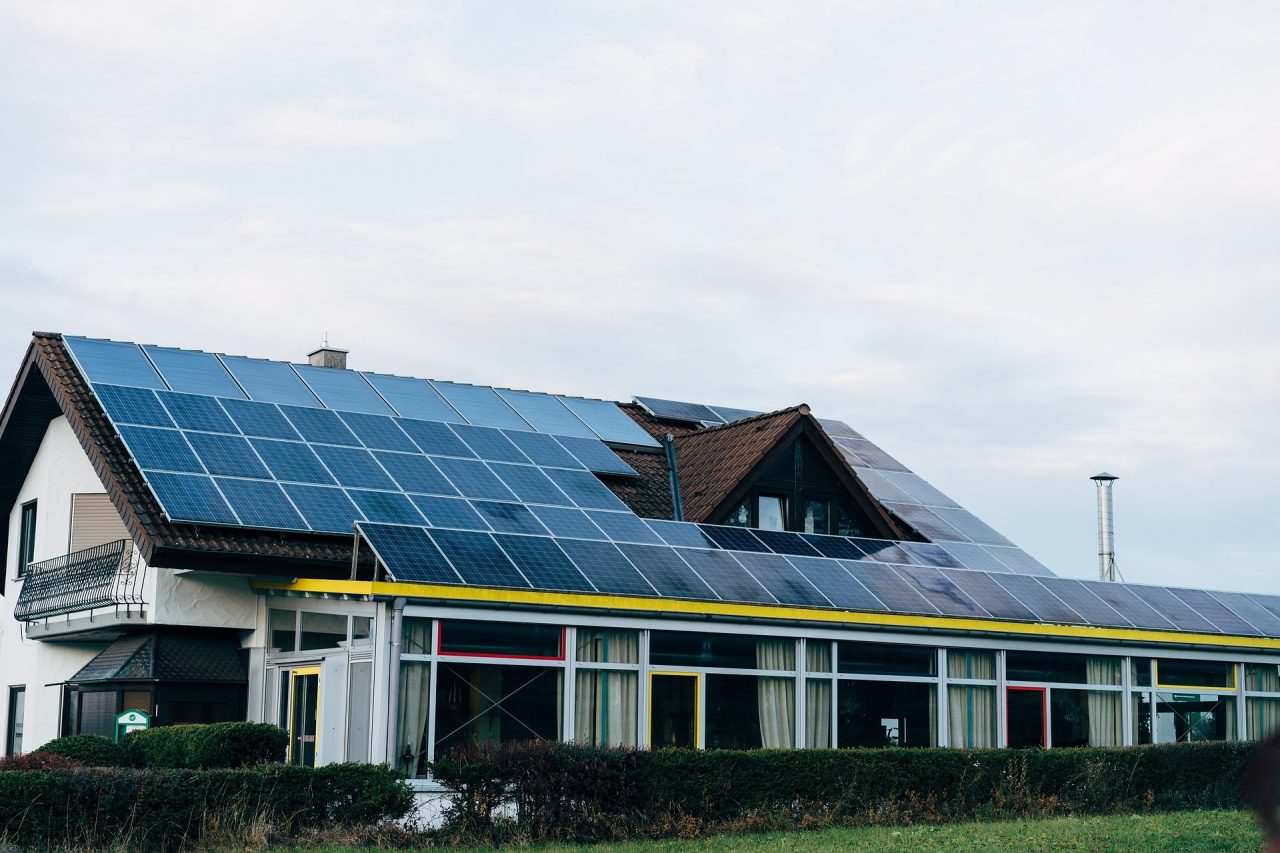
Renewable, Roof, Energy image. https://pixabay.com/photos/renewable-roof-energy-solar-6811970/

Renewable Energy Cooperatives are changing the energy scene and causing a ripple effect across the monopolies and cooperative communities alike. They let locals who are owner-members control their energy future. Owner-members pool resources to fund clean and green energy projects, helping the planet and their pockets.

Solar Energy Cooperative Models

Solar cooperatives are becoming the most popular nationwide and globally. Owner-members split the cost of solar panels, making green energy affordable. Some networks even sell their surplus power, earning money for owner-members.

Wind Power Community Projects

Wind power cooperatives, like other clean energy coops, rely on community strength. They thrive in rural areas and in the flat plains with strong winds. Farmers get extra income by leasing land for turbines, helping produce renewable energy.

Energy Storage Initiatives

Energy storage is extremely key for Renewable Energy Cooperatives. Battery systems store extra energy for when it’s needed most during off-peak hours. This boosts grid reliability, durability, and cuts down fossil fuel use.

Cooperative TypeKey BenefitsChallenges
SolarLower installation costs, shared maintenanceSpace requirements, initial investment
WindHigh energy output, land lease incomeWind variability, noise concerns
Energy StorageIncreased reliability, peak shavingTechnology costs, regulatory hurdles

Renewable Energy Cooperatives pave a sustainable path. They help communities cut carbon emissions, lower energy bills, greenhouse gases, and fight climate change.

Sustainable Agriculture and Food Cooperatives

Sustainable Agriculture Cooperatives are invaluable in promoting green farming, ranching, and food making. They unite local farmers, creating a strong community effort in agriculture. This focus is on caring for the environment, preserving the local habitat, and ensuring everyone has food.

Environmental Cooperatives in farming use organic methods, cut down on chemicals, and save natural resources. By working together, members get access to new, green technologies and practices. These are often too expensive for one farmer to afford alone.

“Sustainable Agriculture Cooperatives empower farmers to produce food responsibly while protecting our planet for future generations.”

These groups often connect farms directly to tables, cutting down on transportation and emissions. They support a wide range of crops and protect natural habitats. Many also save and share seeds, keeping rare varieties alive and making crops stronger.

Benefits of Sustainable Agriculture CooperativesImpact
Reduced chemical useImproved soil and water quality
Increased biodiversityEnhanced ecosystem resilience
Shorter supply chainsLower carbon emissions
Knowledge sharingImproved farming practices

Environmental Cooperatives in farming also reach out beyond the fields. They teach people about sustainable food systems and encourage eco-friendly choices. This broad effort helps make the food chain more sustainable, from the farm to our plates.

Green Housing and Eco-Community Cooperatives

Green Housing Cooperatives are changing city living. They mix green living with cooperative ideas. People come together to build eco-friendly homes and lively areas.

Sustainable Building Practices

These cooperatives focus on green building. They use recycled stuff, solar panels, and smart designs. This lowers energy bills and helps the planet.

Community Garden Integration

Many have shared gardens or mini-gardens and hoop houses. These spots give fresh food and build community. People learn to farm sustainably and enjoy their harvest and investments.

Shared Resource Management

Cooperatives are great at sharing resources and exchanges. They have systems for preserving water, reducing waste, and managing energy. This teamwork makes the overall infrastructure more efficient and cuts down on waste.

“Our cooperative’s shared resource system has cut our utility costs by 40% while bringing neighbors closer together,” says a member of a thriving Green Housing Cooperative in Seattle.

Green Housing Cooperatives are at the forefront of green and smart city growth. They mix green living with community efforts. This creates strong, livable places for tomorrow.

Environmental Manufacturing and Production Cooperatives

Eco-friendly manufacturing cooperatives are changing the game in industrial production. They mix sustainable practices with a worker-owned model. This approach aims to cut waste, save resources, and make eco-friendly products.

Worker-owners in these cooperatives care about making money, productivity, and protecting the environment. This setup leads to new ways of production and output. For instance, many use closed-loop systems, where waste is converted into new inputs.

“Our cooperative model allows us to prioritize long-term sustainability over short-term gains. We’re not just employees; we’re stewards of our environment and our community.”

These cooperatives focus on making sustainable and/or eco-friendly versions of common products. They produce everything from biodegradable packaging to solar-powered gadgets. They’re leading the charge of green innovation and sustainable development.

Cooperative TypeKey Focus AreasEnvironmental Impact
Recycling CooperativesWaste reduction, Material recoveryLandfill diversion, Resource conservation
Green Tech CooperativesRenewable energy products, Energy-efficient devicesCarbon footprint reduction, Energy savings
Eco-textile CooperativesOrganic fabrics, Sustainable dyeing processesWater conservation, Chemical pollution reduction

The success of Eco-Friendly Manufacturing Cooperatives shows that generating capital and saving the planet can work together. As people become more eco-aware, these cooperatives are ready to lead in sustainable production and development.

Climate Action and Resilience Cooperative Networks

Climate Action Cooperatives and Community Resilience Cooperatives collaborate together for sustainability projects from human rights to conservation to fight climate change. They create robust systems for getting ready for disasters, adapting to climate change, and responding to emergencies.

Disaster Preparedness Programs

Climate Action Cooperatives make detailed plans for disaster readiness. They do risk checks, plan evacuations, and store important items. Owner-members learn first aid and emergency steps, so they can act fast during disasters.

Climate Adaptation Strategies

Community Resilience Cooperatives work on short-term and long-term climate solutions. They start habitat preservation and green projects like urban forests and rain gardens to fight flooding and heat. They also support farming and permaculture-facing agendas that’s good for the planet, to keep food safe in changing climates.

Community Emergency Response

When disasters hit, Climate Action Cooperatives act quickly. They work with local groups, manage shelters, and share resources. Their community focus means they respond fast and effectively, meeting local needs.

Cooperative TypeFocus AreaKey Activities
Climate Action CooperativesDisaster PreparednessRisk assessment, evacuation planning, emergency training
Community Resilience CooperativesClimate AdaptationGreen infrastructure, sustainable agriculture, resource management
BothEmergency ResponseShelter management, resource distribution, community coordination

“Our cooperative network turns climate challenges into opportunities for community growth and resilience,” says Emma Chen, leader of the Bay Area Climate Action Cooperative.

Together, these networks make communities stronger and more ready to face climate challenges.
ESG Integration in Cooperative Business Models

Those types of Cooperatives in general are, at the forefront of sustainability and economic development. They leverage Environmental, Social, and Governance (ESG) principles into their daily work. This approach helps them measure and enhance their positive impact.

Environmental Impact Measurement

Cooperative enterprise organization use advanced tools to measure their environmental impact. They track energy use, waste, water, and carbon emissions. Life cycle assessments and life cycle cost analysis both help them understand the full effect of their activities.

Social Responsibility Programs

Cooperatives focus on social responsibility through community efforts and engagement. They promote fair labor, diversity, international relations, and local economic growth. Some even offer education and training to empower members and encourage sustainable practices.

Governance Best Practices

Cooperatives are known for their transparent, scalable, and democratic governance. They ensure all owner-members have a say in decisions. Regular audits for checks and balances with open communication build trust and accountability.

“Cooperatives are not just businesses; they’re catalysts for positive change in sustainability and climate action.”

By embracing both CSR and ESG, cooperatives are raising the bar for sustainable business. Their structure allows them to succeed economically while protecting the environment and advancing society. This makes them key players in the battle against climate change/pollution/environmental impact and social inequality.

Conclusion

The various types of Cooperatives are a key factor in making our world more sustainable and resilient. They range from customer/producer/worker-owned groups to renewable energy projects. These efforts are crucial for a greener future for the next generations.

Cooperatives continue to tackle imposing global issues in unique ways. They focus on sustainable farming, green homes, and eco-friendly manufacturing. Their goal is to protect our planet and support communities.

In a world facing many challenges in labor, economic, politics, law, and education to name a few; cooperatives offer hope in something very attainable. They use democratic rules, share resources, foster innovation, and engage communities. By adopting these cooperative models, we can create a better world for all and for future generations to come.

Key Takeaways

  • Cooperatives play a crucial role in promoting sustainability, green production, and ESG practices
  • Member-owned structures enable democratic economics for decision-making in environmental initiatives
  • Various types of cooperatives address different aspects of labor, ecology, climate change and resiliency
  • Cooperatives combine economic success with ecological responsibility through social impact
  • Cooperative organizations as internal operations offer innovative solutions to global environmental challenges
This website is saving the energy of your screen as it is not being used. It's part of a global effort to lower the planet's electrical consumption and CO2 emission level. Resume browsing
Click anywhere to resume browsing
Verified by MonsterInsights