Black History Month 2026: Advancing Environmental Justice and Civil Rights

2025 Black History Month, Environmental Justice, civil/labor/human rights.

The current focus on labor and the earth highlights how people interact with nature with peculiar perspective during Black History Month. It is also a great time to study Environmental Justice and social growth. We see that the fight for fair pay is much like the fight for clean air and water.

In the past, african americans helped build this nation with skill and care. They used smart ways to farm and manage the land from the very start. These ecological efforts were vital to survival and national growth.

Sadly, most school books leave out these vital stories of nature and work. They also gloss over details during Black History Month. Theses stories and the individuals of this narrative however, were the first to use many green methods we see today on modern farms. Their stewardship was born from necessity and a deep connection to the soil.

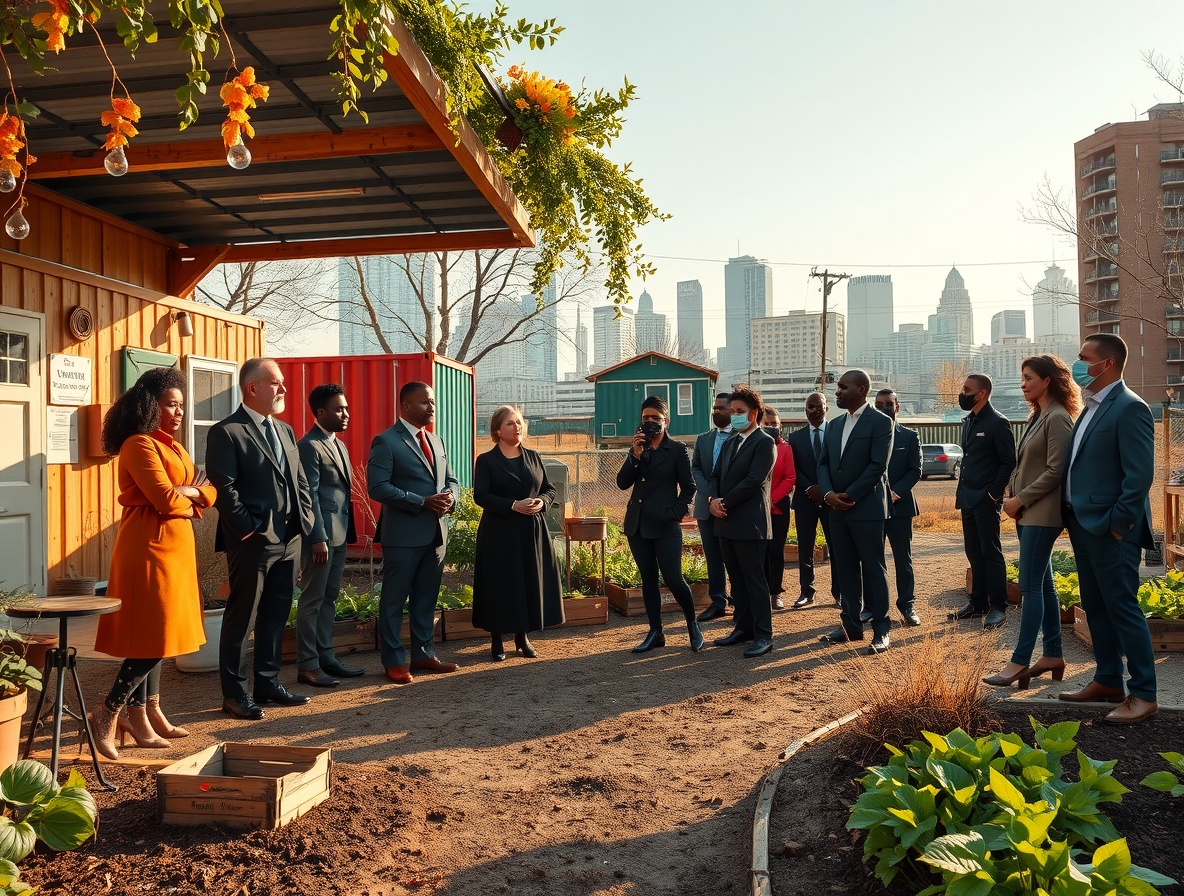
An interpretation representing Black environmental wisdom throughout history, highlighting the contrast from ancient history resilience to pre-colonial sustainability to the impact of industrial exploitation.

Now, black history month 2026 shows us that nature and equity go hand in hand. Leaders like A. Philip Randolph linked civil/labor/human rights to the struggle against industrial harm. This connection remains a cornerstone of modern advocacy.

Leaders saw that pollution often follows the color line with unfortunate accuracy. Getting true balance means that everyone should have a safe and green home for their families. Civil rights must include the right to a healthy, sustainable world.

The Legacy of Black Environmental Stewardship: Setting the Context

While mainstream narratives often celebrate figures like John Muir, the deep-rooted history of Black environmental stewardship remains an unsung pillar of conservation. For too long, the conventional story of environmentalism has focused on white, middle-class concerns. This perspective ignores the vital contributions of black people who have defended their land for centuries. This erasure suggests that protecting the planet is a recent interest for minority groups, but the reality is far more complex.

Long before “sustainability” became a popular corporate buzzword, African American families practiced resource conservation as a way of life. This stewardship was not just about loving nature; it was a strategy for survival and resilience. Indigenous African wisdom regarding agriculture and water management traveled across the Atlantic with enslaved peoples. These communities transformed scarcity into abundance through sheer ingenuity, even when they lacked legal rights to the soil they enriched.

The Legacy of Black Environmental Stewardship: Setting the Context Continuing…

Mainstream movements often separated nature from people, yet Black stewardship recognized that human health and ecological health are the same. This black history shows that environmental action and social justice are inseparable priorities. Environmental justice emerged from a need to protect both the land and the people who depend on it most directly. This legacy proves that the fight for environmental justice is a fundamental part of black history, black history month, and American progress.

Focus AreaMainstream NarrativeBlack Stewardship Legacy
Primary GoalWilderness preservation for recreationCooperative land use and survival
View of NatureSeparate from human societyInseparable from human dignity
MethodologyExclusionary land managementSustainable resource allocation

Understanding this historical context changes how we view modern climate challenges. It reveals that solutions for our planet already exist in ancestral practices and grassroots movements. Strong leaders have consistently demonstrated that we cannot fix the environment without also addressing racial inequity. The following points highlight how this stewardship took shape over time:

  • Agricultural Ingenuity: Enslaved people used African farming techniques to sustain themselves and build American wealth without receiving credit.
  • Resilient Gardens: During the Great Depression, victory gardens became essential tools for food security and community autonomy.
  • Protest as Protection: Civil Rights leaders targeted polluting industries long before modern regulations existed.
  • Interconnected Health: Grassroots activists proved that clean air and water are basic human rights for everyone, not just the elite.

The environment is not just where we go for a hike; it is where we live, work, play, and pray.

From Pre-Colonial Sustainability to Industrial Exploitation

A vibrant illustration representing Black environmental wisdom throughout history, highlighting the contrast from pre-colonial sustainability to the impact of industrial exploitation. In the foreground, a diverse group of three Black individuals in professional business attire stands confidently, sharing knowledge. In the middle, lush green landscapes with traditional farming practices blend with signs of industrial machinery, symbolizing the shift in environmental practices. In the background, a sunset casts warm, golden light, creating a serene atmosphere, while silhouettes of ancient trees and modern factories hint at the ongoing struggle for environmental justice. The composition should evoke a sense of hope and resilience. Inspired by "The Sustainable Digest".

The transition from sacred land stewardship in Africa to the brutal plantation systems of the Americas marks the genesis of environmental injustice. This shift reflects a move from ecological harmony to a system of extraction and discrimination. Understanding this era is crucial to black history and the origins of modern climate activism.

Indigenous African Environmental Wisdom and Sacred Land Practices

Pre-colonial African societies developed sophisticated environmental management systems. They recognized land as a sacred trust rather than an extractable commodity. These communities practiced crop rotation and managed water through collective governance to ensure long-term survival.

Modern permaculture is only now “rediscovering” these techniques with considerable fanfare and notably less humility. These practices embodied what we now define as sustainability. They integrated human life into the natural cycle rather than standing apart from it.

However, they understood it as a spiritual relationship with the Earth. This spiritual bond acknowledged human dependence on natural systems and ecological balance. Such values ensured high diversity across the landscape for future generations.

Wangari Maathai, founder of the Green Belt Movement, later revived these connections. By empowering women to plant millions of trees, she linked conservation to human dignity. Her work showed that protecting ecosystems is a powerful tool for poverty reduction.

Native American leaders also shared this view of the sacred Earth during the formation of the environmental justice movement. They helped early advocates see the planet as a living entity that requires protection. This cross-cultural wisdom remains a cornerstone of ecological resistance.

Slavery, Agricultural Labor, and the Foundation of Environmental Injustice

The transatlantic slave trade did not just extract human beings; it severed them from their environmental knowledge. It then exploited that very expertise to build agricultural wealth in the Americas. This forced labor transformed landscapes while denying enslaved peoples any agency over the land.

This era marks a painful chapter in black history month and black history in general. The plantation system created America’s original “sacrifice zones.” These were landscapes that lacked variety because they served monoculture cash crops for global trade.

Enslaved workers bore the brunt of this environmental degradation without seeing the profits. This established the template for modern environmental racism and industrial pollution. Post-emancipation systems like sharecropping continued this exploitation under new names.

Planners concentrated environmental hazards in Black communities through deliberate structural choices. Yet, despite these barriers, Black communities maintained their ecological wisdom and fought for progress. This resilience highlights the enduring contributions black ancestors made to the land.

Woman, Creative, Black lives matter image. https://pixabay.com/photos/woman-creative-black-lives-matter-6394977/
FeaturePre-Colonial African SocietiesIndustrial Plantation System
Land PerceptionSacred trust and community heritageExtractable commodity and capital
Ecological GoalBiodiversity and long-term balanceMonoculture and immediate profit
Human RelationSpiritual stewardship and interdependenceForced labor and exploitation

The Birth of Environmental Justice: Warren County’s Pivotal Protest

While many view conservation as a quest for pristine wilderness, the residents of Warren County redefined it as a struggle for survival. In 1981, North Carolina officials designated this predominantly Black and economically distressed county as a dump site for 60,000 tons of PCB-contaminated soil.

The state chose this location despite a shallow water table that posed a direct threat to the local groundwater. This decision suggested that officials believed poverty and race would equal a lack of resistance. They were profoundly mistaken.

This attempt to bypass safety standards in a marginalized area became a catalyst for change across the united states. It proved that the fight for a clean environment was inseparable from the fight for human dignity and equality.

1981-1982: When Civil Rights Met Environmental Action

The resistance in Warren County signaled a massive shift where the traditional environmental movement finally adopted the tactics of the streets. Local residents and activists organized six weeks of non-violent protests to block 6,000 trucks filled with carcinogenic soil.

People and individuals of kind literally laid their bodies on the road to stop the delivery of toxic waste. This courageous act of civil rights defiance led to over 500 arrests. It was the first time citizens were jailed for defending their right to a non-toxic neighborhood.

These demonstrations quickly captured national attention, forcing the broader public to look at the ugly reality of hazardous waste disposal. The protest proved that “green” issues were not just for the wealthy, but a matter of life and death for the disenfranchised, marginalized, and lower working class.

While the landfill was eventually built, the social cost was too high for the government to ignore. This specific moment in North Carolina history created the framework for what we now call environmental justice.

Rev. Benjamin Chavis and the Definition of Environmental Racism

While serving time in the Warren County Jail, civil rights leader Rev. Benjamin Chavis formulated a concept that changed the political landscape forever. He realized that the targeting of his community was not an accident of geography, but a symptom of systemic racism.

“Environmental racism is racial discrimination in environmental policy-making and the enforcement of regulations and laws, the deliberate targeting of communities of color for toxic waste facilities.”

Rev. Benjamin Chavis

This definition provided a necessary name for the racism embedded in land-use policy. It allowed other communities, from Cancer Alley in Louisiana to Flint, Michigan, to see that their local crises were part of a national pattern.

The struggle in Warren County lasted decades, as the toxic chemicals were not fully remediated until 2004. However, the movement it birthed remains a powerful force in modern civil rights advocacy. Environmental justice is no longer a niche concern; it is a central demand for a fair society.

Key MilestoneHistorical SignificanceOutcome/Impact
1981 Location ChoiceWarren County selected for PCB dump.Sparked the first major intersection of race and environment.
1982 Mass ProtestsOver 500 arrests of non-violent activists.Garnered global media coverage for the cause.
Chavis’s DefinitionCoined the term environmental racism.Provided a legal and social framework for future advocacy.
2004 Site CleanupFinal detoxification of the Warren County site.Proved the long-term cost of discriminatory waste policies.

Founding Figures: The Architects of Environmental Justice

Dr. Robert Bullard, the father of environmental justice, stands confidently in a spacious office overlooking a vibrant urban landscape. In the foreground, he is wearing a professional business suit, hands crossed in front of him, exuding authority and wisdom. The middle ground features shelves filled with books and awards related to environmental activism, symbolizing his extensive contributions to the field. In the background, large windows reveal a clean, green cityscape that reflects progress and sustainability. Soft, natural light filters through, creating an inviting atmosphere. The image captures a contemplative yet hopeful mood, emphasizing the importance of leadership in advancing social justice. This illustration is for "The Sustainable Digest," visually representing the theme of progress in environmental justice and civil rights during Black History Month.

Identifying systemic failures is one thing, but proving they are the result of deliberate policy requires a special kind of courage and academic precision. These visionary leaders did not merely observe the world; they deconstructed the hidden biases within our physical landscapes. By blending rigorous research with community heart, they forced the world to acknowledge that ecology and equity are inseparable.

Dr. Robert Bullard: Proving Systemic Environmental Racism

Dr. Robert Bullard is widely recognized as the father environmental justice. In the early 1980s, his pioneering research provided the first systematic evidence of environmental racism. Robert Bullard famously mapped toxic facility locations against demographic data in Houston to reveal shocking patterns.

He discovered that race, more than income, predicted where waste was dumped. Dr. Robert published his landmark book Dumping in Dixie in 1990, showing how black communities were unfairly targeted. His work proved that dr. robert bullard was right: environmental policy often protected some neighborhoods while sacrificing others.

By using data, robert bullard transformed community complaints into an undeniable academic discipline. Dr. Robert shifted the focus toward justice and public health. Today, the legacy of dr. robert bullard continues to guide urban planning. Finally, robert bullard remains a voice for the voiceless while dr. robert helped define a new era of civil rights.

Hazel M. Johnson: Grassroots Power in Chicago’s Altgeld Gardens

While scholars mapped data, Hazel M. Johnson organized the streets of Chicago. Known as the “Mother of Environmental Justice,” she founded People for Community Recovery in 1979. Her neighborhood, Altgeld Gardens, sat in a “toxic doughnut” of industrial facilities and waste sites.

Johnson didn’t wait for outside experts to validate her reality. She empowered residents to document their own health crises, from asthma to cancer clusters. Her work proved that lived experience is a powerful form of justice.

She brought national attention to the harms facing black communities, demanding that zip codes shouldn’t dictate lifespans. Johnson showed that grassroots leaders can force institutional accountability. She proved that community monitoring is just as vital as laboratory science.

Wangari Maathai: Connecting Conservation to Human Dignity

Across the ocean, Wangari Maathai expanded the movement’s scope to a global scale. As the first African woman to win the Nobel Peace Prize, she founded the Green Belt Movement in 1977. She recognized that planting trees was a tool for both ecological restoration and human rights.

Maathai empowered women to plant tens of millions of trees to combat soil erosion and climate change. She linked environmental conservation directly to sustainable livelihoods and political freedom. Her work demonstrated that you cannot protect the land without protecting the people who depend on it.

“The tree is a wonderful symbol for the peace and hope which can come from a sustainable management of our environment.”

— Wangari Maathai

Her legacy ensures that modern sustainability efforts remain rooted in community dignity and social empowerment. Maathai’s courage showed that environmentalism divorced from social equity is fundamentally incomplete.

Black lives matter, Protest, Demonstration image.https://pixabay.com/photos/black-lives-matter-protester-black-5251388/
FigureRecognized AsPrimary MethodKey Contribution
Robert BullardFather of Environmental JusticeData Mapping & ResearchProved race as the primary predictor of waste siting.
Hazel JohnsonMother of Environmental JusticeGrassroots OrganizingLed community monitoring in Chicago’s Altgeld Gardens.
Wangari MaathaiNobel Peace Prize LaureateThe Green Belt MovementLinked tree-planting with women’s rights and democracy.

2026 Black History Month, Environmental Justice, and Civil/Labor/Human Rights: The Contemporary Movement

As we observe 2026 black history month, the dialogue surrounding environmental justice has evolved into a sophisticated blend of activism and commerce. This era demands a profound reckoning with how racial justice and ecological health intersect. Modern movements for civil and labor rights now find their most potent expression in the intersection of climate action and socioeconomic equity.

The contemporary landscape of this history month reflects a dynamic shift toward systemic change and economic empowerment. We see a transition from reactive protests to proactive, sustainable industry building. This evolution honors the legacy of justice while forging new paths for the next generation of pioneers.

Leah Thomas and the Rise of Intersectional Environmentalism

Leah Thomas has fundamentally shifted the green narrative by coining the term “Intersectional Environmentalist.” Her framework acknowledges that environmental harm disproportionately impacts marginalized communities of color. Through her platform and book, she advocates for a brand of sustainability that is inclusive and inherently just.

Thomas argues that protecting the planet requires an unwavering commitment to social equity and the dismantling of systemic barriers. Her work demands that mainstream organizations move beyond superficial diversity initiatives. She insists on a fundamental restructuring that centers those bearing the heaviest environmental burdens.

“We cannot save the planet without uplifting the voices of those most impacted by its destruction, ensuring that our green future is accessible to everyone.”

Her approach articulates that environmentalism ignoring race or class merely perpetuates existing inequities. By focusing on environmental justice, Thomas ensures that conservation efforts do not ignore the plight of urban pollution hotspots. This intellectual shift has become a cornerstone of the movement during this history month.

Black-Owned Sustainable Businesses Transforming Industries

The rise of Black-owned sustainable businesses proves that environmental leaders extend far beyond traditional activism. Every ceo in this space demonstrates that building a better economy requires integrating ethics into the very foundation of a company. They are proving that profitability and planetary health are not mutually exclusive goals.

Aurora James: Ethical Fashion and the 15 Percent Pledge

Aurora James, the ceo of Brother Vellies, has redefined luxury through the lens of traditional African craftsmanship. Her brand uses vegetable-tanned leathers and recycled tire materials to create high-end goods. This model enriches source communities rather than extracting from them in a predatory manner.

Beyond fashion, James launched the 15 Percent Pledge to address economic inequality in retail spaces. This initiative urges major retailers to dedicate shelf space proportional to the Black population. It recognizes that rights to economic participation are essential for long-term community sustainability.

Karen Young and SaVonne Anderson: Sustainable Consumer Products

Karen Young founded OUI the People to tackle the beauty industry’s massive plastic waste problem. Inspired by her upbringing in Guyana, she promotes refillable glass bottles and durable stainless steel razors. Her company challenges the “disposable” culture that often harms low-income neighborhoods and others through landfill overflow.

SaVonne Anderson’s Aya Paper Co. provides an eco-friendly alternative in the greeting card market. Her products use 100% recycled materials and plastic-free production methods right here in the U.S. By prioritizing diversity in supply chains, she shows how small consumer choices support a larger green future.

Linda Mabhena-Olagunju and Sinah Mojanko: African Energy and Recycling Leadership

In South Africa, Linda Mabhena-Olagunju leads DLO Energy Resources Group, a powerhouse in renewable energy. She develops large-scale wind and solar farms that combat climate change while closing energy gaps. Her leadership ensures that Black women are at the forefront of the continent’s green energy transition.

Sinah Mojanko’s Tiyamo Recycling transforms waste management into a vehicle for economic opportunity. Her model empowers unemployed individuals to become entrepreneurs within the recycling sector. This approach solves social and ecological challenges simultaneously, proving that justice can be found in the circular economy.

LeaderOrganizationKey InnovationSocial Impact
Leah ThomasIntersectional EnvironmentalistIntersectional FrameworkCentering marginalized voices
Aurora JamesBrother Vellies / 15% PledgeRecycled Tire MaterialsEconomic retail equity
Linda Mabhena-OlagunjuDLO Energy ResourcesWind and Solar FarmsRenewable energy access
Karen YoungOUI the PeopleRefillable Glass SystemsPlastic waste reduction

The Ongoing Struggle: Environmental Racism in Contemporary America

A powerful scene illustrating environmental racism in contemporary America, focusing on a marginalized community neighborhood surrounded by industrial pollution. In the foreground, a diverse group of community activists in professional business attire, holding banners advocating for environmental justice. In the middle ground, a stark contrast between their efforts and the backdrop of an old factory emitting smoke and waste. The background features crumbling infrastructure and overgrown lots, symbolizing neglect. The lighting is dramatic, with a somber, overcast sky to reflect the serious mood, emphasizing the urgency of their struggle. Capture the image at a slightly low angle to give the activists a sense of empowerment against the oppressive environment. The Sustainable Digest should be subtly referenced through elements like an eco-friendly banner.

Forty years after the first major protests, the systems of environmental racism still work with a quiet efficiency. It remains vital for black communities to stay informed about these geography-based hazards. Today, the maps of risk often trace the same lines drawn by historical exclusion.

The Statistics Behind Environmental Inequality Today

Rev. Benjamin Chavis points to a hard truth about our modern era. Roughly 20% of all african americans are exposed environmental hazards today. In contrast, less than 2% of white families face these same risks.

This tenfold gap persists regardless of wealth or education levels in these communities. Experts often call this “policy violence” because it stems from choices made in high-level offices. Older african americans die three times more often from pollution-related illnesses than their white peers.

These numbers prove that racism exists in the very air some people breathe. In Flint, Michigan, the water crisis showed the lethal side of bad environmental policy. Corroded pipes poisoned a majority-Black city because officials prioritized costs over public health.

Similarly, “Cancer Alley” in Louisiana exposes communities to toxic air from chemical plants. Industrial waste and air toxins often target these specific areas. This leaves residents exposed environmental poisons that whiter areas successfully avoid.

Policy Rollbacks and the Dismantling of Environmental Justice Protections

National progress often depends on who sits in the Oval Office. The Biden administration used the Inflation Reduction Act to fund climate solutions and equity projects. These efforts gave hope to many who seek better environmental protection.

However, recent political changes often lead to a dismantling of these vital safety nets. Federal policy shifts have led to the removal of justice-focused language from many official records. Cutting budgets for these programs acts as a form of active discrimination.

Leaders often treat environmental protection for the vulnerable as a luxury rather than a right. This trend confirms that racial discrimination in the united states is not just a ghost of the past. It is an ongoing choice made by current lawmakers.

Even with these rollbacks, grassroots power remains a beacon of hope. People are organizing to fight for a cleaner climate and safer neighborhoods. They understand that a single policy change can harm their health for generations.

By building local strength, they resist the environmental racism and systemic racism that dictates where toxic waste is dumped. Their persistence proves that collective action is the best shield for black communities.

Community GroupPrimary Environmental HazardKey Statistic or Impact
Puerto Rican ResidentsRespiratory IrritantsDouble the national asthma incidence
Hopi NationHeavy Metal Contamination75% of water supply contains arsenic
Cancer Alley (LA)Petrochemical CarcinogensCancer rates far above national average
Older Black AdultsIndustrial Particulates3x mortality rate from air pollution
Flint, MichiganLead-Tainted WaterState-wide denial of toxic pipe corrosion

Conclusion: From Labor Rights to Environmental Justice—Building Our Collective Future

The 2026 Black History Month theme, “African Americans and Labor,” reveals that environmental justice is essentially labor justice. Fighting for fair wages and breathable air are inseparable goals for communities seeking equity. Workers breathing fumes on factory floors and families in nearby homes face the same exploitative system.

History (through Black History Month) shows us this connection through the work of A. Philip Randolph and Addie Wyatt. They bridged labor rights with civil rights during the 1963 March on Washington. Even Frederick Douglass championed economic justice alongside abolition, proving that workplace dignity sustains life for everyone.

These early contributions paved the way for the 1991 People of Color Environmental Leadership Summit. This landmark event established 17 principles that the United Nations now recognizes. Analysis by the father of environmental justice, Dr. Robert Bullard, helped activists expose the patterns of racial discrimination.

Today, the modern environmental movement faces complex hurdles, including legislative rollbacks and the global climate crisis. We simply cannot address climate change while tolerating the survival of environmental justice gaps. A resilient future demands that we dismantle the siloed approach to social rights and ecological health.

Building collective progress depends on staying involved, as Reverend Benjamin Chavis often emphasizes to his followers. We must honor civil rights icons by pushing for justice in every zip code. True change occurs when people refuse to let their spirits be broken by the immense challenges ahead.

Celebrating the 2026 theme means transforming commemoration into a deep, lasting commitment to the earth and its people. Every step toward sustainability is a step toward progress for all of humanity. Strong action today ensures that the next generation inherits a planet defined by balance and fairness.

Key Takeaways

  • Sustainability requires addressing historical racial and economic gaps.
  • The current theme connects industrial work to land stewardship.
  • Environmental equity is a long-standing civil rights issue.
  • African American innovations in farming started centuries ago.
  • Protests against toxic waste helped shape modern green policy.
  • Clean air and water are fundamental to human dignity.

Discover Proto-Sustainability: Ancient Indigenous Buildings

Proto-Sustainability ancient housing indigenous buildings earthships cob houses

Long before we called it “green building,” Indigenous architecture in what’s now the United States was already doing it right. These ancient homes were built to withstand extreme weather, using local materials and careful observation. They outperformed many modern “eco” homes in terms of cost and efficiency.

This article looks at proto-sustainability as a way to understand ancient wisdom. We explore how buildings were designed to work with their environment, respecting the cultures that built them. Every detail, like a wall assembly, is part of a larger system of care for the land.

We compare traditional U.S. buildings with modern off-grid homes like earthships and cob houses. Both use natural materials and smart designs to stay cool and warm. But, they differ in how they use industrial materials and follow building codes.

Next, we’ll take you on a tour of U.S. climates and dive into materials like cob, adobe, and rammed earth. We’ll also focus on water, site selection, and how buildings fit into their landscapes. Finally, we’ll offer advice on how to draw inspiration without disrespecting other cultures.

What Proto-Sustainability Means in Architecture

The concept of proto-sustainability is best understood by looking back. These buildings were designed to work well with local ecosystems and to be easily repaired. The goal was to keep them running year after year, without taking too much from the future.

Defining proto-sustainability vs. modern green building

Today, we often focus on modern green building standards. These include LEED scores and net-zero goals. Yet, the debate between green building and traditional architecture remains important.

Proto-sustainable design is more like a practical guide. It uses materials that are easy to find and maintain locally. These materials are also better for the environment because they don’t end up in landfills.

LensProto-sustainable practiceModern green building frameworks
Primary proofLong performance in one place across generationsModeled performance plus third-party rating or certification
Supply chainLocal sourcing; short transport; seasonal availabilityOften global sourcing; specialized assemblies and imports
Maintenance modelPlanned upkeep as routine community workScheduled service; sometimes specialist-driven maintenance
Materials mindsetLife-cycle building materials chosen for repair and reuseMix of low- and high-embodied-energy products, depending on budget and goals
Risk profileKnown performance under local weather patternsCan be excellent, yet may rely on tight tolerances and precise installation
Woman, Indigenous, Ecuador image.

Why Indigenous knowledge systems matter today

Indigenous knowledge systems are not just stories. They are valuable data gathered through hard experience. This includes learning from weather and natural events.

Traditional ecological knowledge (TEK) offers insights that go beyond numbers. It connects the health of habitats, settlement patterns, and daily life. This approach tests design choices over seasons, not marketing cycles.

How climate, culture, and materials shaped design

In climate-adaptive architecture, design follows weather patterns. Buildings use thick walls, overhangs, and tight entries to manage temperature and wind. Raised floors help deal with moisture.

Culture also influences design. Buildings are designed to organize people, not just air. They reflect shared labor, privacy, and ceremonial life. In many places, “sustainable” meant “works here, repeatedly,” without harming local resources.

Proto-Sustainability ancient housing indigenous buildings earthships cob houses

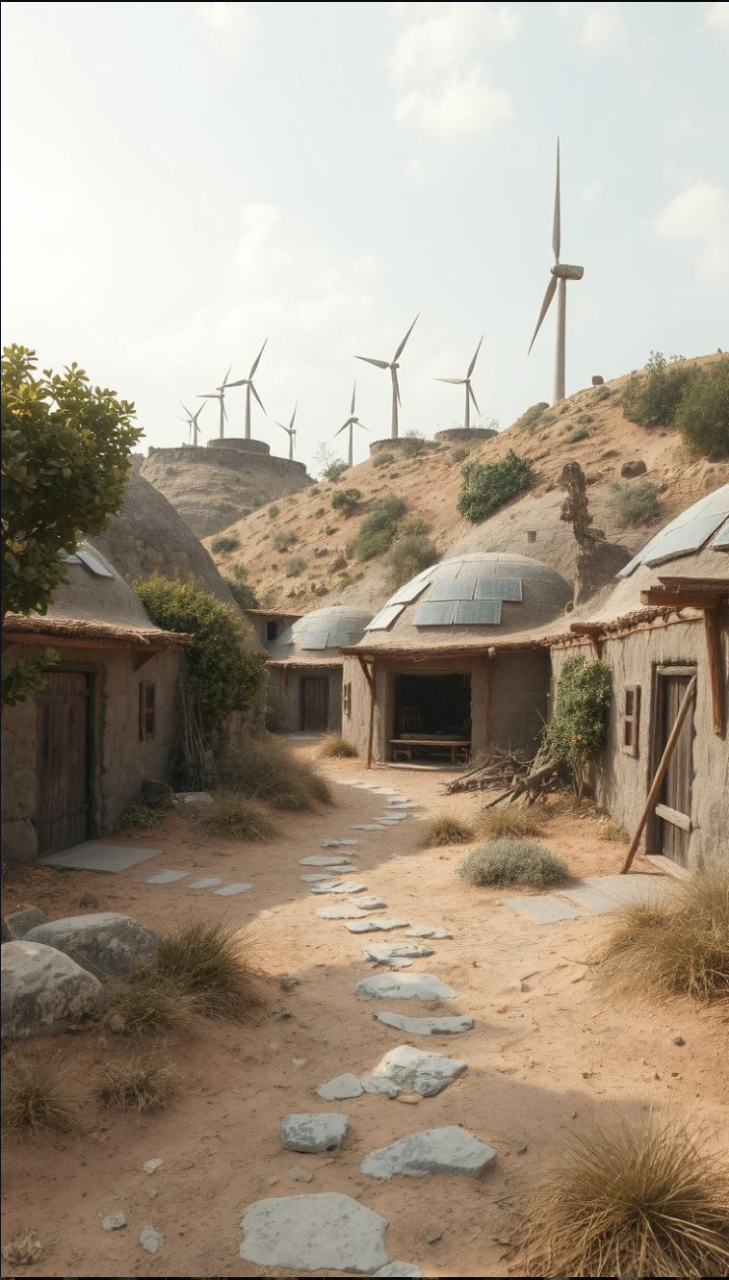
A serene landscape showcasing ancient indigenous housing that embodies proto-sustainability. In the foreground, a group of intricately designed cob houses made of earth and natural materials, each featuring rounded edges and organic shapes. The middle ground reveals a cluster of earthships, solar panels integrated into their architecture, surrounded by flourishing gardens of native plants. The background features rolling hills dotted with greenery and a vibrant sky at golden hour, casting warm light that enhances the earth tones of the structures. The atmosphere is peaceful and harmonious, suggesting a deep connection with nature. Capture this scene with a wide-angle lens to encompass the depth and beauty of the surroundings. This image is created for "The Sustainable Digest".

The term Proto-Sustainability sounds new, but its roots are ancient. Builders long ago designed homes to work with nature. They aimed for comfort using less energy.

Today, we’re rediscovering these old ideas. They focus on how buildings work and use resources wisely. Indigenous architecture is more than just a prototype; it’s a living part of our culture.

Connecting ancient building logic to earthships and cob houses

Indigenous buildings managed heat with thick walls and smart openings. Earthships use earth-berming and heavy walls to keep temperatures stable. It’s like engineering a house to work like a system.

Cob houses are built with clay, sand, and straw. Their walls are dense and can be fixed in place. This method is not regress; it’s a smart use of materials.

Shared principles: thermal mass, passive solar, and local sourcing

Across time, the same ideas keep coming back. Passive solar homes use sun to warm them in winter and cool them in summer. Thermal mass walls store heat and release it slowly.

Building with local materials is key. It reduces transport needs and makes repairs easier. The right material choice is crucial for success.

Design focusCommon thread in older practicesHow earthship design applies itHow cob house principles apply itTypical constraint in the U.S.
Heat storage and releaseThick envelopes buffer daily temperature swingsUses bermed shells and interior mass to stabilize indoor tempsRelies on dense earthen walls to moderate peaks and dipsThermal mass walls can underperform without added insulation in cold zones
Solar orientationOpenings and room layout follow seasonal sun pathsTargets sun-facing glazing for winter gain and controlled shadingPairs window placement with wall mass to reduce overheatingLot shape, setbacks, and neighboring shade can limit exposure
Material sourcingUse what is nearby and workable; replace parts over timeOften mixes local earth with salvaged industrial inputs like tires or bottlesUses site or regional soil blends; repairs can reuse the same mixSoil testing, moisture detailing, and lender expectations add friction
Moisture managementForm, roof lines, and site drainage protect wallsDepends on membranes, drainage layers, and precise detailingDepends on plasters, capillary breaks, and roof overhangsBuilding codes may require specific assemblies and inspections

Where modern interpretations diverge from traditional practice

Today’s buildings often focus on individual needs, not community. This is different from Indigenous structures, which were deeply connected to their people and land.

Modern builds might use industrial materials, while traditional ones relied on local resources. This can lead to higher environmental impacts, especially if materials are imported.

In cold climates, mass alone may not be enough to keep buildings warm. This doesn’t mean the ideas are wrong; it just shows they need to be adapted for today’s conditions.

Indigenous Building Principles That Reduce Environmental Impact

Before we worried about carbon, Indigenous builders built smartly. They used what was easy to carry and avoided hard-to-get resources. This simple rule helped many communities in the U.S. build sustainably.

Building with local, renewable, and salvaged materials

They chose materials based on what was nearby. They used earth, wood, reeds, grasses, stone, and hides. This choice saved time, tools, and energy.

Salvage building was also key. They reused materials after storms or repairs. This way, they didn’t waste anything. Today, we call this circular construction.

Designing for durability, repairability, and reuse

They built to last, not just to look good. They made walls thick, roofs overhang, and floors raised. This made their homes last longer with less work.

They also made houses easy to fix. They could replace parts without tearing everything down. This was better than modern buildings that hide problems until they’re expensive to fix.

PrincipleTraditional performance logicEnvironmental effectMaintenance pattern
Use what the site offersEarth, stone, timber, reeds, and grasses selected for climate fit and availability (local materials)Less transport demand; fewer processing steps for low-impact buildingPeriodic harvesting and careful replenishment of renewable materials
Protect the structureThick walls, raised floors, and roof overhangs reduce sun, rain, and splash-back damageLonger lifespan means fewer replacement cycles and less wasteRoutine inspections; small fixes prevent large rebuilds
Make parts replaceableFinish layers and sacrificial elements can be renewed without disturbing the core (repairable housing)Lower material throughput over time; fewer landfill-bound removalsRe-plastering, patching, re-thatching done with basic tools
Keep materials in circulationRecovered poles, stones, and boards reused when possible (salvage building)Supports circular construction by extending component lifeSorting, storing, and reusing parts as needs change

Low-waste construction methods and closed-loop thinking

They built on-site to reduce waste. This meant less packaging and offcuts. They also made sure materials could go back to nature easily.

This way of building is still smart today. It’s about planning well and avoiding waste. It makes buildings last longer and need less fixing.

Earth-Based Materials: Cob, Adobe, Rammed Earth, and Clay

A serene scene featuring rammed earth walls, showcasing their textured surface and natural hues of browns and ochres. In the foreground, detailed close-ups of the wall’s layered construction reveal the organic materials used, including clay and straw. The middle ground features a rustic building displaying these walls integrated into a culturally relevant structure, surrounded by native plants and sustainable landscaping. In the background, a clear blue sky accentuates the warmth of the sunlight, casting gentle shadows that highlight the architectural details. The atmosphere is tranquil and earthy, reflecting a harmonization with nature. Use soft, natural lighting and a wide-angle lens to create an inviting perspective. The Sustainable Digest.

Earth can be a great material for building, but it needs careful handling. The success of earthen buildings depends on the soil, wall shape, and climate. It’s important to get the details right, especially with flashing.

Start with a solid base and a strong roof. This includes raised foundations, capillary breaks, and big roof overhangs. Then, focus on how the walls handle heat and moisture.

Cob house composition and performance basics

A cob house is made from clay-rich soil, sand, straw, and water. The mixture is pressed into walls by hand. These walls can hold weight if they’re thick enough.

The thickness of cob walls is not just for looks. It also helps with keeping warm and managing moisture. You can shape the walls easily, but remember to add lintels over openings.

Adobe bricks vs. cob walls in different climates

Adobe uses sun-dried bricks, making it easier to plan and fix. You can replace a single brick without redoing the whole wall.

Cob walls are built on-site, fitting well with unique designs. In hot areas, both types keep the inside cool. But in wet places, they need extra care to handle moisture.

Rammed earth: density, strength, and thermal stability

Rammed earth walls are made by pressing damp soil into forms. They are strong and keep heat well. You can even make them look modern.

Old mixes just used soil and compaction. Now, some add cement for strength. But this can increase carbon emissions.

Breathability, moisture control, and natural plasters

Earthen walls can handle indoor humidity. But they need protection from too much water. Also, they should be able to breathe.

Clay plaster is a good finish because it’s easy to fix. Lime can make it last longer in wet spots. Both work best when the wall can dry and the roof keeps rain away.

Material approachHow it is madeStrength and structure notesMoisture and finish strategyBest-fit climate signal in the U.S.
cob house wallsClay-rich soil, sand, fiber, and water placed as a continuous massThick walls carry load; curves add stability; openings need lintels and thoughtful reinforcementRelies on drying potential; clay plaster or lime finish protects while staying compatible with vapor permeabilityPerforms well where rain is manageable with overhangs; needs extra care in humid or flood-prone areas
adobe constructionSun-dried bricks laid with earthen mortar in modular coursesPredictable units support standard details; seismic strategies often include reinforcement and bond beamsRequires raised bases and durable exterior coats; finish choices should respect hygrothermal designStrong match for hot-arid zones with high diurnal swing; detailing becomes decisive in mixed-wet climates
rammed earth wallsSoil compacted in forms in thin lifts; sometimes stabilized with cementHigh density and compressive strength; stabilized mixes increase consistency but change the carbon storySurface can be left exposed if protected from splash and runoff; compatible sealers must not trap moistureWorks across many regions when protected from driving rain; excels where thermal mass is a priority

Passive Heating, Cooling, and Ventilation Before Modern HVAC

Long before thermostats, Indigenous builders in North America used simple rules for comfort. They let the site do the work. This meant buildings faced the sun and winds, and were built to fit the climate.

Walls and floors used thermal mass to keep temperatures steady. Earth-berming and partial burial helped by using the ground’s stable temperatures. Shading strategies, like overhangs, cut glare and heat gain.

Ventilation was designed with purpose. Openings were placed to let in cool air and let out warm air. This natural flow was key to comfort.

In hot, dry areas, cooling was clever. Thermal mass absorbed heat during the day. At night, it released heat by opening pathways for cool air.

Cold comfort came from smart design. Buildings were placed to catch winter sun and were built to keep drafts out. This made heating more efficient.

Passive toolkitHow it works in practicePrimary comfort payoff
Orientation to sun and prevailing windsPlaces entrances, courtyards, and main rooms where winter sun helps and harsh winds are deflectedBetter solar gain with less infiltration
Operable openings for natural ventilationUses cross-breezes and adjustable vents to match daily and seasonal conditionsLower indoor heat and improved air freshness
High/low vent pairing using stack effectLets rising warm air escape high while pulling cooler air in low, especially during cookingMore reliable airflow without fans
Thermal mass and night flushingStores heat in dense materials by day; releases and resets with cool night airCooler evenings and steadier temperatures
Shading strategies and sheltered outdoor spaceBlocks high summer sun with overhangs, porches, and recessed wallsReduced overheating and glare

Modern passive-house thinking is similar. It starts by reducing loads before adding equipment. The difference is in approach. Indigenous methods treated buildings as living systems, adjusted daily.

Regional Case Studies Across the United States

Indigenous architecture in the United States, showcasing traditional structures such as adobe homes, longhouses, and earth lodges nestled in a natural landscape. In the foreground, detailed textures of weathered wood and earth materials reflect ancient building techniques. The middle ground features a cluster of these architectural forms, surrounded by native flora like sage and wildflowers, all under a blue sky with scattered clouds. In the background, rolling hills create a sense of depth and history. The lighting is warm and golden, suggesting late afternoon. The atmosphere is peaceful and natural, symbolizing sustainability and harmony with the environment. The image is devoid of human figures, allowing focus solely on the architecture. The Sustainable Digest.

Across the map, Indigenous architecture United States shows how climate shapes buildings. The shape, material, and labor all depend on the local climate.

What works in one place might not work in another. Copying a design without adapting it is like wearing a parka in Phoenix. It’s not practical.

Southwest adobe and pueblo-style communities

In Southwest adobe pueblos, thick walls slow down temperature changes. This helps keep the inside temperature steady.

Small openings help control heat gain and loss. Shared walls also protect against wind and sun.

Building up instead of out is smart. Stacked rooms create shaded areas and stable temperatures all day.

Plains and Plateau earth lodges and seasonal strategies

On the Plains and Plateau, earth lodges were built with timber frames and soil layers. This helped keep out wind and hold warmth.

These lodges were built to move with the seasons. People followed the food and fuel cycles, not a calendar.

Entrances were low and layouts were compact. This helped manage drafts in open areas where wind was always strong.

Pacific Northwest plank houses and rain-ready design

In the Pacific Northwest, plank houses were built with lots of timber and big interiors. They were made for long, wet seasons.

Steep roofs and raised floors kept water out. Rain-screen traditions were used in the design to manage water.

Wood was chosen for its durability. It could shed moisture and dry out, unlike other materials.

Arctic and Subarctic snow and sod structures for insulation

Farther north, buildings were designed for survival. They had less surface area and fewer leaks to lose heat.

Snow shelters and earth-sheltered forms kept heat in. Insulation with sod was used when timber was scarce.

RegionPrimary formKey materialsClimate pressure addressedBuilt-in performance tactic
SouthwestSouthwest adobe pueblosAdobe, clay plaster, local stoneHot days, cool nights, intense sunThermal mass walls; small openings; shared, clustered massing
Plains & PlateauEarthen lodgesTimber frame, earth cover, grassesHigh winds and winter coldEarth-sheltering; low profile; insulated roof layers
Pacific NorthwestPlank housesCedar planks, heavy beams, bark fibersPersistent rain and humiditySteep roofs; raised edges; rain-screen traditions for drainage and drying
Arctic & SubarcticSnow and sod structuresSnow, sod, earth, limited woodExtreme cold and heat loss riskCompact volume; reduced openings; insulation with sod to seal and buffer
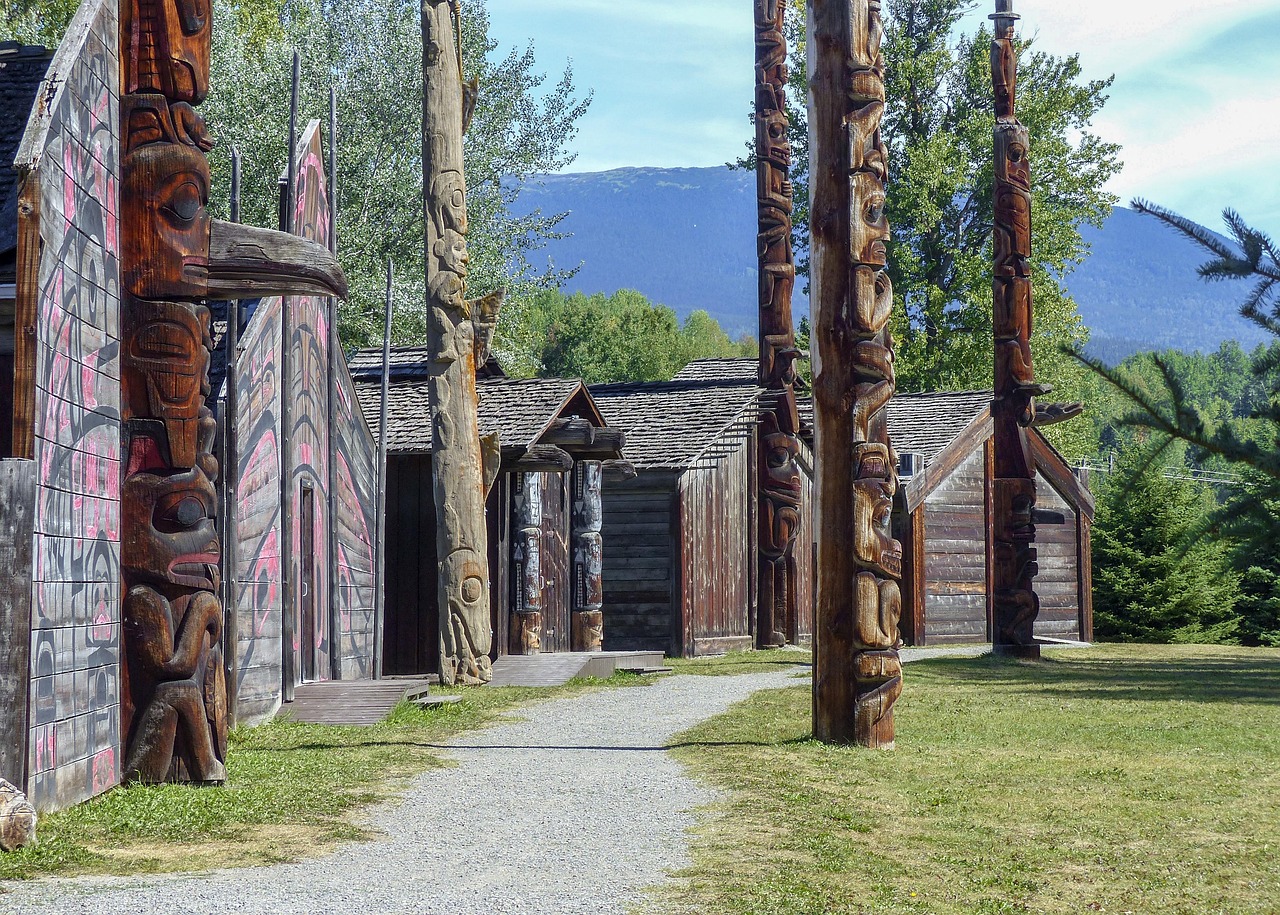
Man, Musical instrument, Indigenous image.

Site Selection and Landscape Integration

In many Indigenous traditions, picking a site was not about a pretty view. It was about avoiding harsh weather. Builders looked at slope, soil, and shade like we read reports today. Landscape integration was a practical choice, not just for looks.

Designing for microclimates started with the sun. Winter sun is free and always there. South-facing slopes extended daylight warmth. Trees and shadows kept summer heat away.

Wind sheltering was simple yet effective. A hill, trees, or rocks could block wind without needing upkeep. Homes were placed where breezes could cool in summer but not freeze in winter.

Access to water was key, but it came with a risk of floods. Settlements were near water but also on higher ground. This kept homes safe from heavy rains.

The land was like a type of infrastructure. Berms, plants, and natural shapes guided water and kept temperatures steady. This approach disturbed the land as little as possible while meeting needs.

Landscape Integration processes

  • Terrain cues helped find where cold air settled and where sun hit first.
  • Resource proximity cut down on waste and unnecessary roads.
  • Patterned placement spread out risks and made access better over time.

Today, we use tools like solar studies and wind roses to understand what the land says. This approach is not just about looking back. It’s about respecting the land’s wisdom before we build on it.

Site factorObserved Indigenous approachModern analysis equivalentPerformance benefit
Sun pathPreference for south-facing exposure and controlled shadeSolar orientation study with seasonal shading reviewMore winter warmth; less summer overheating
Wind and stormsUse of landforms and vegetation for wind shelteringWind rose + setback modeling + storm trackingLower heat loss; calmer outdoor work areas
Water and drainageNear water sources, but with flood-aware placementWatershed mapping + floodplain and runoff modelingReliable access; reduced flood and erosion risk
Soil and ground stabilityBuilding on firm ground with predictable drainageGeotechnical review + infiltration and slope checksFewer cracks and settlement issues; better moisture control
Habitat impactMinimize disturbance to support ecological fit over timeSite disturbance limits + habitat assessmentHealthier soils; stronger long-term resilience
Movement and accessPlacement aligned with travel routes and shared resourcesCirculation planning + service access evaluationLess energy spent moving goods; smoother daily routines

Community-Centered Design, Cultural Continuity, and Stewardship

A vibrant, community-centered design scene showcasing ancient Indigenous buildings nestled in a lush, green landscape. In the foreground, a diverse group of people in modest yet professional attire engage collaboratively, designing and sharing cultural motifs, emphasizing stewardship and connection. The middle ground features intricately crafted Indigenous structures made of natural materials, harmonizing with the surrounding environment. The background reveals rolling hills under a golden sunset, casting warm, inviting light that creates a sense of warmth and belonging. The image captures the essence of cultural continuity, with traditional symbols skillfully integrated into the design. Use a wide-angle lens to enhance the sense of space and community. The atmosphere is peaceful, inspiring, and filled with hope for a sustainable future. The Sustainable Digest.

In many Indigenous building traditions, sustainability was more than just a list of materials. It was a way of life. Buildings were tied to family, place, and work, carrying culture through generations. Decisions were made with care, resources were gathered wisely, and everyone was responsible when weather tested the walls.

Building as a communal process and knowledge transfer

Building together was like building social bonds. People worked, learned, and passed on skills as they went. Tasks were shared, so everyone knew how to fix things when needed.

This way of building taught patience and respect for nature. Materials were chosen based on the season, fitting the climate and terrain. This approach became part of their culture, not just a building phase.

Respecting sacred landscapes and cultural protocols

Where a home sits can hold deep meaning. Indigenous protocols guide what and where to build, to avoid disturbing sacred places. Modern designers must respect these rules, getting consent and understanding sovereignty.

This respect is key to stewardship ethics. It’s about who decides, who benefits, and who takes the risk. It’s not just about following rules, but about understanding the land and its people.

Longevity through maintenance traditions and shared responsibility

Long-lasting homes need regular care, not just repairs. Traditional practices keep homes healthy and strong. Modern promises of “maintenance-free” often mean higher costs and harder fixes.

Practice focusCommunity approachWhat it supports over time
Routine inspections after stormsShared checklists and quick fixes during seasonal gatheringsEarly detection of moisture, settling, and wind damage
Surface renewal (plaster, limewash, clay)Local mixes adjusted to humidity, sun, and wall behaviorMoisture control, breathability, and easier repair cycles
Sacrificial componentsReplaceable layers designed to wear out firstProtection of structural members and reduced material waste
Responsibility and governanceClear norms for who maintains what and whenContinuity of care; fewer deferred repairs and failures

Durability is a shared effort, not just a product claim. Community design and communal building make this effort clear. Traditional maintenance and stewardship ethics keep it going strong. Together, they build a lasting legacy that goes beyond trends.

Water Wisdom: Harvesting, Drainage, and Resilience

In many Indigenous settlements, water planning was a top priority. This was because having water to drink was essential. The way water was managed showed a deep understanding of how to handle water effectively.

Rainwater collection concepts in traditional settlements

Rainwater harvesting was key in these communities. Roofs, courtyards, and footpaths directed water to storage areas. This approach reduced the need for a single water source.

Conservation was a big part of this system. It helped manage water use without wasting it. This careful approach shaped daily life, from water carrying to rationing.

Managing runoff, erosion, and flood risk with landform cues

Managing runoff was like reading the weather. Communities avoided floodplains and used terraces to control water flow. This kept homes safe from water damage.

Today, this approach is still important. It helps buildings withstand heavy rain and dry spells. Proper roof edges and grading are crucial for keeping foundations safe.

Material choices that support moisture resilience

Earthen buildings lasted long with the right care. Moisture management was key. Raised foundations and overhangs protected walls from water damage.

Modern practices follow similar principles. Good drainage and durable finishes are essential. This approach helps buildings last longer and withstand harsh weather.

Water challengeTraditional responseComparable modern practice in the United StatesWhat it protects
Short, intense rainfallDirected roof runoff to safe paths; kept wall bases dry through overhangsGraded swales, downspout routing, and distributed infiltrationFoundations and earthen wall protection
Seasonal scarcity and droughtRainwater harvesting with storage; careful household conservationCisterns, demand management, and drought planningReliable daily supply
Slope-driven washoutsTerraces, berms, and planted edges for erosion controlCheck dams, vegetated buffers, and slope stabilizationTopsoil and access routes
Water at wall baseSacrificial plasters; raised plinths; breathable finishes for moisture detailingCapillary breaks, lime-based renders, and repairable claddingsWall strength and indoor comfort
Overflow during stormsClear drainage corridors; avoided natural low points for flood-resilient designFloodplain avoidance, freeboard, and overflow routingLiving space and critical utilities
A serene landscape showcasing a comparison between traditional Indigenous buildings and modern Earthships. In the foreground, depict a circular Indigenous dwelling made from natural materials like wood and clay, featuring a thatched roof and intricate carvings. In the middle, illustrate a sleek Earthship made from recycled materials, with curved walls and solar panels, surrounded by a lush garden of native plants. The background features a clear blue sky and distant mountains, creating a harmonious atmosphere. Use warm, natural lighting to evoke a sense of tranquility, capturing the essence of sustainability. The perspective should be slightly elevated, highlighting both architectural styles in a balanced view. This image is intended for The Sustainable Digest, reflecting the theme of environmental harmony.

Comparing Traditional Indigenous Buildings and Modern Earthships

When we look at traditional Indigenous buildings and earthships, we see a big difference in purpose. Indigenous homes were built for community and shared work. Earthships, on the other hand, focus on individual freedom and avoiding utility bills.

Materials also play a key role in this comparison. Traditional buildings used natural materials like soil and wood. Earthships, while using natural materials, also include items like tires and bottles, making them more complex.

Systems thinking is another area where earthships and traditional buildings differ. Earthships can be very efficient in the right climate, especially with a well-designed greenhouse. But, they can also struggle with moisture and overheating, unlike traditional buildings that were often tested over time.

Traditional vs. Modern sustainable dwelling

Comparison lensTraditional Indigenous buildingsModern earthships
Primary purposeCommunity continuity, shared skills, seasonal rhythms, and long-term stewardshipOff-grid experimentation, household autonomy, and integrated systems under one roof
Typical material profileBiogenic and earthen materials; minimal processing and straightforward repairHybrid salvage plus industrial inputs (tires, bottles, concrete, liners); detailing is more technical
Operational strategySeasonal operation and climate-tuned form; comfort managed with habits and architectureIndoor climate managed through mass, glazing, and water/air systems; earthship performance varies by region
Embodied impactLower embodied carbon in many cases; simpler end-of-life pathways and reusePotential landfill reduction; embodied carbon can rise with cement and specialized components
Regulatory and health frictionOften compatible with natural-material codes when properly engineeredPermitting can be harder; tire walls and airtight zones can raise air-quality and inspection concerns
Design meaningStrong cultural context in architecture; forms reflect place, identity, and protocolAesthetic is often mistaken for tradition; borrowing principles differs from borrowing identity

It’s important to understand the cultural context of architecture. Climate design can be universal, but cultural symbols should not be used lightly. This is because cultural context in architecture is not just about looks.

For those planning and building, the choice between traditional and earthship homes is not easy. Simple designs are often easier to maintain, but earthships offer a unique challenge. Even a well-designed greenhouse can be a blessing or a curse, depending on how it’s built and the climate.

Ancient Indigenous buildings seamlessly integrated into a lush, sustainable landscape, showcasing climate-appropriate design principles. In the foreground, a diverse group of professionals, dressed in modest casual attire, examine eco-friendly materials like rammed earth, bamboo, and recycled wood. In the middle ground, a cluster of intricately designed structures with organic shapes and green roofs, featuring large windows that maximize natural light and ventilation. The background reveals a vibrant forest, harmonizing with the architecture. Soft, golden hour lighting bathes the scene, enhancing the warm, inviting atmosphere. The composition is captured from a low angle, emphasizing the grandeur of the buildings while inviting a sense of connection to nature. A serene, inspirational mood embodies the essence of sustainable homebuilding for modern times. The Sustainable Digest logo is subtly represented in the design elements.

Design Takeaways for Sustainable Homebuilding Today

Building homes sustainably is simpler when we first ask: what does this site demand? Designing for the climate starts with understanding the sun, wind, rain, and soil. Using materials that fit the site is key, even if they seem natural.

When deciding between thermal mass and insulation, form is as important as material. A deep porch can be as effective as any technology in hot weather. It’s all about how well the design fits the climate.

The choice between thermal mass and insulation is a puzzle. Heavy walls can keep temperatures steady, but only if they’re right for the site. Insulation cuts energy use, but can trap moisture if not designed to dry.

Ventilation

A good ventilation strategy is crucial for air quality and moisture control. Even the smallest duct or vent can do the most important work.

Design teams should work together, not against each other. Using operable windows and heat pumps can reduce energy needs. The best design is like a weather forecast, guiding how the house interacts with the environment.

Ethical building strategies

Ethical design means more than just inspiration. It’s about respect and responsibility. Using Indigenous wisdom is valuable, but it must be done with care and consent.

In the U.S., building codes and insurers set the rules. A smart approach includes small tests and clear documentation. Understanding soil and moisture behavior is essential, no matter how beautiful the designs.

Decision pointCommon optionWhat to check earlyWhy it matters in the U.S.
Form and orientationCompact massing with tuned glazingOverhang depth, summer shading, winter solar accessSupports climate-appropriate design across hot-arid, cold, and mixed-humid zones
Wall assemblyHigh mass wall, insulated frame, or hybridThermal mass vs insulation balance; drying potential; dew-point riskReduces comfort swings and moisture damage without overbuilding
Fresh air and moistureNatural + mechanical ventilationVentilation strategy, filtration needs, exhaust locations, makeup airImproves indoor air quality and helps control humidity during wildfire smoke and humid summers
Permitting pathwayPrototype wall, lab tests, early plan reviewBuilding codes earthen homes, engineering sign-off, insurer requirementsPrevents redesign late in the process, when budgets become “historical artifacts”
Reference and storytellingLearning from Indigenous precedentsAttribution, consent, avoiding sacred motifs, fair compensationKeeps ethical design inspiration grounded in respect and real accountability
  • Prototype first: build a small wall or shed to observe drying, cracking, and detailing before scaling up.
  • Test what is local: confirm soil performance and stabilizer needs rather than trusting assumptions about “natural.”
  • Meet reviewers early: a short conversation can surface code paths, required reports, and inspection expectations.

Conclusion

This summary shows a key truth: many Indigenous buildings in the United States were made for the climate, not just for looks. They used the sun, wind, and shade wisely. Their walls were made from local materials and controlled moisture well.

Waste was low because they focused on fixing, reusing, and seasonal care. This approach made their buildings last long.

The lessons from Indigenous architecture teach us about care, not just warranties. Earth-friendly homes work best when they see maintenance as part of life. These sustainable design principles are seen in small details that prove their worth in storms.

Earthships and cob houses can be good choices if they fit the site and handle local weather. But, Indigenous architecture is more than just a style. It’s about the land, community, and freedom.

When we borrow Indigenous designs without understanding their context, we harm. This turns design into a form of taking without giving back.

The main lesson for building homes in the United States is to learn from the site. Respect its limits and design for repair from the start. Sustainability is about building a relationship with the land, not just adding features.

Build homes that last as long as the landscape, because they will. This approach is not just practical but also respectful of the environment.

Key Takeaways

  • proto-sustainability helps explain why many Indigenous architecture systems perform so well in local climates.
  • ancient housing often relied on thermal mass, passive solar gains, and smart airflow instead of mechanical systems.
  • sustainable building history looks different when vernacular design is treated as engineering, not folklore.
  • climate-responsive homes share principles across regions, but details change with weather, soils, and available fibers.
  • United States traditional buildings can inform modern practice without copying cultural meaning or sacred forms.
  • earthships and cob houses echo older strategies, yet diverge through industrial materials and code-driven constraints.
This website is saving the energy of your screen as it is not being used. It's part of a global effort to lower the planet's electrical consumption and CO2 emission level. Resume browsing
Click anywhere to resume browsing
Verified by MonsterInsights