UN SDG #6: Unlocking Clean Water & Sanitation exploration

United Nations Sustainable Development Goals #6 Clean Water & Sanitation

Access to safe liquid resources is the most basic human need for health. While humanity celebrates reaching the stars, it is deeply ironic that billions still lack basic water sanitation. This reality remains a primary barrier to global stability and economic growth in the modern era.

The United Nations Sustainable Development Goals #6 Clean Water & Sanitation (UN SDG #6) framework provides a vital roadmap for change. This development priority uses eight specific targets to track progress across the globe. It represents an ambitious commitment to human rights and dignity for every person.

Recent data shows that we are making some positive steps forward. Between 2015 and 2024, access for the global population increased from 68 percent to 74 percent. While this growth is helpful, the current pace is not yet fast enough to hit our 2030 targets.

Meeting the demand for clean water sanitation requires a unified global effort. We must protect every source of water to ensure a healthy future (especially in remote regions). Infrastructure must evolve to keep up with the growing needs of our planet.

Efficient management of water is linked to poverty reduction and food security. Improving sanitation systems helps protect fragile ecosystems and promotes social peace. This guide will explore the innovations and policies driving these essential global changes.

As we analyze the distribution of water, we see a complex web of challenges. Universal sanitation remains a distant but achievable goal through smart technology and cooperation. We invite you to explore the data and stories behind this water crisis.

The Global Water Crisis: Understanding the Urgency

In an era of unprecedented technological growth, the irony remains that billions still live without safely managed drinking water. We often treat hydration as a given, yet the global infrastructure is failing to keep pace with our expanding population. This crisis is not merely a logistical hiccup but a fundamental threat to human dignity and economic stability.

Why Water and Sanitation Matter for Human Survival

Access to clean water is the literal baseline for human life. Without reliable drinking water services, communities face a constant barrage of waterborne diseases like cholera and typhoid. These preventable illnesses continue to claim millions of lives, especially among children under five.

Furthermore, the lack of sanitation creates a ripple effect throughout the economy. The World Bank estimates that poor water management results in $260 billion in annual economic losses. When people spend hours daily searching for a source, productivity plummets and education suffers.

Current State of Global Water Access in 2025

As we navigate 2025, the statistics remain sobering despite our collective scientific knowledge. Currently, 2.2 billion people still lack safely managed drinking water. Additionally, 3.4 billion live without safely managed facilities for sanitation.

Waterfall, Victoria falls, Spray image. https://pixabay.com/photos/waterfall-victoria-falls-spray-2227010/
Global MetricEstimated CountSocial Impact
Lacking Drinking Water2.2 BillionHigh child mortality
Lacking Sanitation3.4 Billion$260B economic loss
Water Stress Level18 PercentReduced agricultural output
Faucet, Sink, https://pixabay.com/photos/faucet-sink-tap-tap-water-flow-3240211/

The demand for this resource has consistently outpaced growth in the global population. By 2050, the number of urban dwellers suffering water scarcity is projected to double. This trajectory suggests that nearly 2.4 billion urban residents will struggle to meet their basic needs.

The Connection Between Water Scarcity and Climate Change

Climate change is the great multiplier of the global water crisis. Rising temperatures disrupt traditional precipitation patterns, making water availability increasingly erratic and unpredictable. This volatility turns once-fertile regions into dust bowls, forcing millions into precarious living conditions.

One in ten now lives in areas under high or critical water stress. As droughts intensify, the number of individuals suffering water scarcity will likely reach half the global population for part of the year. This shift demands a radical rethink of how we protect our most precious liquid asset and ensure access for all.

The Freshwater Reality: Availability and Distribution

A detailed map illustrating the global distribution of freshwater resources, showcasing various types of water bodies, including rivers, lakes, and aquifers. In the foreground, highlight vibrant blue rivers snaking through green landscapes, with labels indicating major freshwater sources. The middle ground features diverse ecosystems, such as wetlands and forests, illustrating biodiversity and water conservation. The background depicts a globe with water scarcity areas highlighted, emphasizing the unequal distribution of freshwater. Soft, natural lighting casts a hopeful atmosphere over the scene, suggesting future improvements and sustainability. The image should be vivid and educational, designed to attract attention and inform the viewer about the critical state of global freshwater resources. The Sustainable Digest.

Despite the vast oceans dominating our maps, the reservoir of accessible freshwater is a mere rounding error in the planetary total. While Earth looks like a “blue planet,” only 0.5 percent of its liquid is actually useable water for human survival.

Understanding Earth’s Water Distribution

Most of the planet’s supply, about 97.5 percent, is saline and rests in our oceans. The remaining 2.5 percent is freshwater, but even that information requires closer inspection for proper context. Glaciers and ice caps lock away more than two-thirds of that tiny portion, making it inaccessible for daily use.

Consequently, groundwater constitutes the largest component of the remaining supply and serves as the primary source of supply for many countries. Surface water remains a minuscule fraction, yet it is the most visible part of our global supply chain.

Water TypePercentage of TotalAccessibility Status
Saline (Oceans)97.5%High salt content
Glaciers/Ice~1.7%Frozen and inaccessible
Groundwater~0.75%Main usable reservoir

The Color Spectrum of Water Types and What They Indicate

Experts use a color-coded system to track various water resources and their specific ecological roles. Blue water refers to surface and groundwater that we can readily pump for drinking or industrial cooling. Green water describes the moisture held in soil that plants consume to grow and release back into the atmosphere.

Finally, gray water identifies polluted supplies that require significant treatment before they can safely enter the environment again. These classifications help managers assess usability beyond simple volume metrics. Understanding these colors allows for a more nuanced view of how we manage our precious liquid assets.

Water Stress Levels Across Continents

Global water stress reached 18 percent in 2020, but these levels vary dramatically between different geographic basins. The Middle East and North Africa (MENA) region faces critical stress, withdrawing far more than their renewable resources can naturally provide. Pakistan recorded a stress level of 116 percent, highlighting a heavy reliance on non-renewable groundwater mining.

Even developed nations like Singapore experience high availability issues, with stress levels sitting at 83 percent. However, Singapore proves that limited water does not mean a lack of security. Through desalination and wastewater recycling, they manage their water with impressive technological efficiency.

Renewable Freshwater Resources and the Water Cycle

The water cycle acts as a planetary recycling machine, constantly moving moisture between the sea, air, and land. This natural process generates renewable water resources based on the unique geographical position of different countries. Rainfall and upstream river flow determine the basic availability of water for every community on Earth.

Effective management of these resources is the only way to bridge the gap between nature’s supply and human demand. While the cycle is constant, the human pressure on it has never been higher. We must respect the finite nature of this water to ensure a sustainable future for all.

United Nations Sustainable Development Goals #6 Clean Water & Sanitation: Targets and Progress

Navigating the complex landscape of global hydration requires a deep dive into the six primary pillars of UN SDG #6. These targets provide a technical roadmap to ensure that every human gains equitable access safe and sustainable resources. While the world moves toward these goals, the pace remains a point of analytical debate among experts.

Target 6.1: Universal Access to Safe and Affordable Drinking Water

Progress is visible but slow. Since 2015, the world saw an increase from 68 to 74 percent in managed drinking water services. Despite this, roughly 2.2 billion people still lack access safe affordable solutions, highlighting a significant gap in our global infrastructure.

Achieving equitable access requires more than just pipes; it requires affordable drinking water for the most vulnerable populations. Experts suggest that current rates of improvement must double to meet the 2030 deadline for safe affordable drinking resources. Without this acceleration, many will continue to rely on unprotected drinking water sources.

“The human right to water entitles everyone to sufficient, safe, acceptable, physically accessible and affordable water for personal and domestic uses.”

UN Committee on Economic, Social and Cultural Rights

Target 6.2: Adequate Sanitation, Hygiene, and Ending Open Defecation

Human dignity relies on sanitation hygiene standards that protect the most vulnerable, especially women and girls. Currently, 3.4 billion people live without managed sanitation services, which often leads to severe health crises. This target specifically aims to end open defecation by providing safely managed sanitation infrastructure in rural and urban areas.

Furthermore, 1.7 billion people still lack basic hygiene services at home. This gap compromises the overall success of clean water initiatives. Governments must prioritize safely managed solutions to ensure that equitable access safe facilities becomes a global reality.

Target 6.3: Improving Water Quality and Wastewater Treatment

Improving water quality remains a priority to reduce hazardous chemicals in our supply. We must address wastewater treatment globally to preserve clean water for future generations. Reducing pollution and eliminating the dumping of waste into rivers are critical steps toward this goal.

Target 6.4: Water-Use Efficiency and Addressing Water Scarcity

Climate change makes it vital to ensure sustainable withdrawals across all industrial and agricultural sectors. This target pushes for high water-use efficiency to mitigate the growing threat of scarcity. By optimizing how we use every drop, we can protect drinking water supplies for future urban centers.

Target 6.5: Integrated Water Resources Management

Successful water resources management often requires nations to work together across political borders. This integrated approach ensures that sustainable management water practices benefit entire regions rather than just single countries. Cooperation on transboundary water services is essential for regional peace and security.

Target 6.6: Protecting Water-Related Ecosystems

While the 2020 deadline for protecting ecosystems has passed, the urgency remains. Protecting wetlands and rivers is essential to ensure availability sustainable water cycles for the planet. Restoring these natural systems supports the management of all other drinking and sanitation goals.

Target Metric2015 Status2024 Progress2030 Global Goal
Managed Drinking Water68% Population74% Population100% Universal Access
Safely Managed SanitationBaseline Established3.4 Billion Lack Access100% Coverage
Water Resources ManagementFragmented ImplementationIncreasing CooperationFully Integrated
Wastewater TreatmentHigh Untreated RatiosImproved Recycling50% Reduction in Waste

Infrastructure Advancement and Technological Innovations

Humanity’s quest for sustainable liquid assets has moved from simple collection to sophisticated technological alchemy. To meet our 2030 targets, we must integrate smart infrastructure with bold engineering and cooperative business models.

Modern Sewage Process and Treatment Systems

Treatment systems have evolved from basic septic tanks to sophisticated multi-stage facilities. These facilities utilize secondary biological processes and chemical polishing to ensure safe sanitation for all communities. Advanced quaternary treatments even allow for potable reuse, effectively rendering wastewater safe for direct human consumption.

Wastewater Management Innovations for Urban Centers

Modern cities now face a 300 percent rise in domestic water use compared to the 1960s. New wastewater management strategies include energy-positive plants that capture biogas to power their own operations. Smart sensors provide real-time information to operators, which helps prevent system failures and catastrophic leaks before they occur.

Hydroponics and Aquaponics: Water-Efficient Food Production

Indoor hydroponic and aquaponic farm with lush green lettuce and clean fish tanks, futuristic sustainable agriculture, high-resolution.

Learn More

Agriculture currently claims 70 percent of global freshwater withdrawals, requiring a radical shift in farming. Hydroponic systems recirculate nutrients to use 90 percent less water than traditional soil-based farming methods. This form of sustainable development is essential for feeding a growing population while protecting our most precious liquid resource.

Desalination Technologies and Water Recycling Solutions

Large-scale desalination plant on a coastline with reverse osmosis membranes and solar panels, industrial 8k.

Learn More

Reverse osmosis has made desalination more affordable for coastal regions in the Middle East and North Africa. Leading services in Singapore prioritize water recycling to maintain security despite high environmental stress levels. Reliable sanitation and wastewater management are the pillars of these essential services in our increasingly arid global climate.

Environmental Impacts and Ecosystem Preservation

A serene landscape illustrating water resources management and ecosystem preservation for "The Sustainable Digest." In the foreground, a diverse group of professionals in business attire collaborate around a sustainable water purification system, ensuring clean water access. The middle ground features a lush wetland with thriving plants and wildlife, symbolizing ecosystem health. In the background, a clear blue sky and gentle sunlight create a hopeful atmosphere, with mountains reflecting the importance of conservation. Soft, natural light enhances the vibrant colors of the vegetation, while a wide-angle perspective captures the harmonious relationship between human efforts and nature. The image embodies unity in sustainability and the importance of preserving our water resources.

Environmental preservation remains an exercise in futility if we ignore the chemical and physical integrity of our global water resources. Water is essential for health, food security, and sustaining planetary biodiversity. However, many nations currently face mounting challenges from pollution and degraded water systems.

Target 6.6 of the Sustainable Development Goals specifically called for the restoration of mountains, forests, and wetlands by 2020. This deadline passed with mixed results, leaving many vital ecosystems vulnerable to human activity. We must recognize that healthy ecosystems are not obstacles to progress but the very foundation of it.

Coral Reef Degradation and Water Quality Connections

Terrestrial failures in sanitation often translate to ecological disasters in our oceans. Agricultural runoff and untreated waste flow downstream into coastal waters. This nutrient loading triggers massive algal blooms that effectively suffocate coral reefs.

These marine ecosystems protect shorelines and support global fisheries. When water quality declines, the extraordinary biodiversity of the reef vanishes. This connection demonstrates that freshwater and marine environments are part of a single, inextricably linked system.

Hydropower: Clean Energy Through Water Resources

Roughly 90 percent of global power generation is currently water-intensive. Hydropower serves as a critical source of clean energy for many developing nations. It provides renewable electricity without the direct carbon emissions associated with fossil fuels.

However, harnessing these resources creates a complex tension between climate goals and ecological health. Large dams often alter natural flow patterns and disrupt fish migration in major river basins. Finding a balance requires thoughtful infrastructure design and strict environmental flow requirements.

Protecting Water-Related Ecosystems: Wetlands, Rivers, and Aquifers

Protecting natural resources like wetlands and aquifers is vital for long-term economic development. These systems act as natural infrastructure by filtering pollutants and buffering against floods. They provide invaluable services that human-made systems struggle to replicate.

Ecosystem TypePrimary ServiceConsequence of Loss
WetlandsNatural FiltrationHigher Treatment Costs
RiversNutrient TransportHabitat Fragmentation
AquifersGroundwater StorageReduced Drought Resilience

Biodiversity Loss and Water Pollution

Biodiversity loss and water pollution form a destructive feedback loop. Contaminated water kills microorganisms and invertebrates that form the foundation of aquatic food webs. When these species decline, the ecosystem loses its natural capacity to purify itself.

Without better infrastructure management, we risk undermining the resilience of our entire planet. Inadequate sanitation continues to degrade habitats, leading to a silent crisis for freshwater species. Preserving the biological integrity of our planet requires us to value every drop of our liquid assets.

“Water is critical for electricity production and sustaining biodiversity and ecosystems.”

Achieving sustainable management water targets is the only way to ensure these ecosystems continue to provide for humanity. We must shift our perspective to view nature as essential infrastructure rather than an expendable resource.

Regional Challenges: Global South and Remote Islands

The quest for hydration takes on a different character in the Global South and isolated island chains, where “abundant water” doesn’t always mean “drinkable water.” While high-income regions often take a faucet for granted, developing nations grapple with a landscape where geography and infrastructure are often at odds. This creates a paradox where a country might be physically wet but functionally dry.

Sustainable development requires more than just finding a source; it requires the safely managed drinking water systems that protect public health. We must bridge the gap between resource availability and actual human consumption to ensure long-term stability. The following sections explore how various regions navigate these liquid logistics.

Water Access Challenges in the Global South

In the Global South, the struggle for access safe resources is often a matter of infrastructure rather than a lack of rain. For example, Uganda maintains a low water stress level of 5.8 percent, yet only 17 percent of its population can access managed drinking water. This highlights a clear disconnect between having water and being able to use it safely.

Agriculture further complicates this dynamic by consuming 90 percent of withdrawals in low-income countries. This heavy reliance on primary production leaves little for drinking water services and urban expansion. Without significant investment in management, these resources remain untapped or dangerously contaminated.

Remote Island Nations and Water Security

Remote islands face a unique set of vulnerabilities, including a high dependence on erratic rainfall and the constant threat of saltwater intrusion. These nations cannot rely on inter-basin transfers, making safely managed solutions incredibly difficult to implement. Rising sea levels further jeopardize the delicate aquifers that people rely on for survival.

Geography isolates these communities from technical expertise and the financing needed for clean water sanitation projects. Consequently, islanders often pay more for water services than those on the mainland. This isolation demands localized, resilient innovations to protect the existing population from climate volatility.

Water Cooperatives and Community-Based Solutions

An engaging photograph of a diverse community board meeting in Latin America, where local leaders are pointing at a map of a new community-managed well system.

Learn More

When centralized utilities fail, water cooperative organizations and community water management programs step in to fill the void. These models democratize clean water by giving local residents direct ownership and decision-making power over their systems. This ensures that sanitation hygiene practices align with local cultural norms and specific community needs.

In Latin America and India, these cooperatives operate small-scale treatment plants and enforce usage rules that prioritize sanitation for all. By involving the community in management water sanitation, these projects build lasting local capacity. Such bottom-up development transforms passive users into active stewards of their own health and hygiene.

Transboundary Water Cooperation: The Nile Basin Case Study

The Nile Basin presents one of the most complex water resources management challenges on the planet. Shared by eleven countries, this vital artery supports a population that grew from 143 million in 1971 to 564 million in 2021. With flows already fully allocated, the situation has become a zero-sum game for those seeking managed drinking options.

To prevent conflict, the Nile Basin Initiative facilitates access to shared data and cooperative planning. Ensuring safely managed sanitation and managed sanitation services across borders is essential for regional peace. This case study proves that sanitation and drinking security are not just technical issues, but diplomatic ones that require constant services and negotiation.

Conclusion

As the 2030 deadline approaches, the distance between our global aspirations for water sanitation and the physical reality on the ground remains starkly apparent. While safely managed drinking services reached 74 percent of the global population by 2024, billions still lack basic access. At our current speed, the world will not reach sustainable management of resources until 2049.

To ensure availability sustainable results, we must double our progress in schools and rural countries. This shift requires more than just pipes; it demands better availability of information, increased investment, and a holistic approach to achieve these levels of development. We must also prioritize safely managed sanitation and managed sanitation services.

By integrating sanitation hygiene into every policy, we can improve drinking quality for the population. Let’s move beyond rhetoric to provide reliable drinking water services and hygiene, finally securing clean water for all. Action is no longer optional; it is the only path to survival. Safely managed systems are the bedrock of a resilient future.

Woman, Bathing, Water image.https://pixabay.com/photos/woman-bathing-water-asia-flow-1807499/IImage by <a href="https://pixabay.com/users/sasint-3639875/?utm_source=link-attribution&utm_medium=referral&utm_campaign=image&utm_content=1807499">Sasin Tipchai</a> from <a href="https://pixabay.com//?utm_source=link-attribution&utm_medium=referral&utm_campaign=image&utm_content=1807499">Pixabay</a>

Key Takeaways

  • Access to safe drinking resources is a fundamental human right for all.
  • SDG 6 utilizes eight specific targets to measure global progress.
  • Global drinking coverage rose to 74 percent by the year 2024.
  • Sanitation is deeply interconnected with poverty reduction and ecosystem health.
  • Current progress must accelerate significantly to meet 2030 sustainability goals.
  • Technological innovation is essential for solving regional infrastructure challenges.
ISO Standardization & Benchmarking for Sustainability Achievement

The International Organization of Standardization (ISO) is a global benchmark and is vital in pushing for sustainable growth. It does this through its standards and guidelines, especially in ISO & sustainability. The ISO 9001 standard, for example, is all about quality management, a big part of sustainable growth. ISO 6222:1999 addresses the precise methods for counting microorganisms in water, ensuring the safety and quality of drinking water. Similarly, ISO 13053 utilizes Lean and Six Sigma methodologies to enhance process efficiency, tailoring solutions for different industry needs. As we move towards using more solar energy, ISO’s role in helping us grow sustainably is clearer than ever.

By using ISO standards, companies of all sizes can make sure they’re good for both the planet and people. This means they’re working towards a greener future. When ISO standards meet green practices, like solar energy and other renewables, it makes a big difference while helping cut down on carbon emissions and encourages being eco-friendly.

Introduction to ISO and Sustainability

ISO and sustainability go hand in hand. ISO gives guidelines and standards to help organizations become more sustainable. The ISO 9001 standard, for example, helps with quality management. This is key for companies wanting to lessen their environmental impact and boost their green efforts.

What is ISO for Sustainability?

There specific ISO standards that are a set of formal compliance instruments in promoting sustainability and sustainable development. They offer a framework for organizations to be guided by. This helps them reduce their environmental impact and improve their social impact and economic standing.

The ISO 10002 standard focuses on customer satisfaction. Meanwhile, the ISO 10018 standard is about quality management. These standards guide organizations on their sustainability journey.

Implementing ISO standards, like ISO 13053, can greatly benefit organizations. It uses Lean and Six Sigma to improve processes. This leads to reduced waste and increased efficiency.

Definition of ISO Standards

As mentioned previously ISO standards are guidelines for organizations to achieve specific goals in general. These goals include improving quality, reducing environmental impact, or enhancing customer satisfaction. The International Organization for Standardization (ISO) develops these standards.

Importance of Sustainability Standards

Sustainability standards, like those from ISO, are vital for organizations. They help reduce environmental impact and improve social and economic standing. By following these standards, organizations show their commitment to sustainability.

Overview of ISO Standards

More institutions and MSMEs are adapting ISO standards to promoting sustainability and environmental management. ISO 14000 series establishes comprehensive guidelines on implementing effective environmental management systems, encouraging businesses to minimize their ecological footprint. The ISO 14001 standard focuses on environmental management systems. It gives a framework for organizations to manage their environmental impacts. The ISO 14000 standard offers a broader framework for environmental management systems. It helps organizations develop and implement effective environmental management practices.

Industry-specific standards demonstrate ISOโ€™s versatility. From the energy efficiency assessments of ISO 11011 to the management systems of ISO 14001:2015, these guidelines support a eclectic array of sectors. They offer tailored solutions for achieving operational excellence and environmental responsibility.

This portion of the overview will discuss standards related to water quality, solar energy, compressed air energy efficiency, process improvement, and environmental management.

ISO 6222:1999 – Water Quality Micro-organisms Enumeration

ISO 6222:1999 provides guidelines for assessing water quality by enumerating culturable micro-organisms. This process involves colony counting using inoculation in a nutrient agar culture medium. It is a vital standard for laboratories and organizations involved in water analysis, ensuring accurate results in the measurement of microbial content in water samples. This standard supports the safety and quality of water by providing a reliable method for monitoring micro-organisms.

ISO 9488:1999 – Solar Energy Vocabulary

ISO 9488:1999 is a vocabulary standard for solar energy technology. It outlines the terminology used within the solar energy industry to enhance communication and avoid misunderstandings. By establishing clear definitions, this standard ensures consistency in technical documentation and communication. It is particularly useful for manufacturers, engineers, and researchers working with solar energy systems, allowing them to collaborate effectively internationally.

ISO 11011:2013 – Compressed Air Energy Efficiency

ISO 11011:2013 focuses on assessing energy efficiency in compressed air systems. It provides a methodical approach to evaluate the performance of these systems, from examining energy input to observing potential output improvements. This standard is especially valuable for industries reliant on compressed air, helping them improve energy use and reduce costs. By following these guidelines, companies can achieve optimal performance and sustainability.

ISO 13053 Series – Quantitative Methods in Process Improvement

The ISO 13053 series addresses quantitative methods in process improvement, specifically Lean and Six Sigma methodologies. ISO 13053-1 explains the DMAIC process, while ISO 13053-2 focuses on the tools and techniques. This series is essential for organizations aiming to enhance their processes through data-driven strategies. It provides a structured framework for analyzing and improving processes, ensuring efficiency and effectiveness in achieving business goals.

ISO 13053-1:2011 – DMAIC Methodology

The ISO 13053-1:2011 outlines the DMAIC methodology, which stands for Define, Measure, Analyze, Improve, and Control. This approach is exploited for improving quality and efficiency in processes by identifying problems and implementing effective solutions.

  • Define: Identify the problem and set goals.
  • Measure: Collect data to understand the current process performance.
  • Analyze: Determine root causes of defects or issues.
  • Improve: Implement solutions to improve the process.
  • Control: Maintain improvements in control systems and monitoring.

Businesses rely on DMAIC to reduce variability and improve quality, leading to better customer satisfaction and operational efficiency.

ISO 13053-2:2011 – Tools and Techniques

ISO 13053-2:2011 provides a set of tools and techniques to support the DMAIC methodology. These tools assist in analyzing data, identifying root causes, and developing effective solutions.

Key tools include:

  • Cause and Effect Diagrams: Help identify potential reasons for process issues.
  • Flowcharts: Visualize process steps and identify inefficiencies.
  • Statistical Process Control (SPC): Monitor process behavior and stability.
  • Failure Mode and Effects Analysis (FMEA): Anticipate potential failure points.

These tools ensure a data-driven approach to process improvement, facilitating effective analysis and solution implementation.

ISO/TR 16705:2016 – Six Sigma Statistical Methods

The ISO/TR 16705:2016 offers statistical methods specific to Six Sigma implementation, focusing on contingency table analysis. This enhances process improvement efforts by providing a framework for examining relationships between variables, supporting informed decision-making.

Key statistical techniques include:

  • Contingency Tables: Used to analyze and compare categorical data.
  • Regression Analysis: Identifies relationships between dependent and independent variables.
  • Hypothesis Testing: Assesses the effects of changes and supports valid conclusions.

These statistical methods provide organizations with the analytical skills necessary to drive continuous improvement and achieve substantial quality gains in their processes.

ISO/TR 17098:2013 – Contingency Table Analysis

ISO/TR 17098:2013 offers insights into using contingency tables in Six Sigma projects, which are crucial for analyzing categorical data. This statistical method helps identify the relationship between variables and guides decision-making in quality improvement projects.

By employing contingency table analysis, project managers can understand patterns and identify potential issues in processes. This technique is particularly beneficial for improving accuracy in process optimization and ensuring data-driven decisions. Organizations can gain a clearer understanding of process variations and implement effective corrective actions for enhanced performance.

ISO 14000:2015 Series -Management of Waste Reduction

The ISO 14001:2015 standard outlines requirements for environmental management, providing guidance for better resource use and waste reduction.

ISO 14004, ISO 14004, & ISO 14006

Standards like ISO 14004 and ISO 14006 offer additional guidelines on implementation and eco-design. This series supports businesses in managing their environmental responsibilities systematically, promoting sustainability and regulatory compliance.

ISO 14004:2016 – General Implementation Guidelines

ISO 14004:2016 offers additional guidance for organizations seeking to design and implement an EMS. It complements ISO 14001 by providing more detailed techniques and examples to help businesses achieve their environmental goals. The standard emphasizes leadership involvement, employee participation, and effective communication of environmental policies. It aims to integrate environmental management practices into everyday operations. This guidance is useful for organizations of all sizes and sectors, ensuring that environmental management becomes a natural part of business processes. By following ISO 14004:2016, companies can create a more robust and comprehensive EMS.

ISO 14005:2010 – Phased Implementation

The ISO 14005:2010 standard presents a flexible approach to adopting an EMS, allowing for phased implementation. This method is particularly beneficial for small and medium-sized enterprises or organizations with limited resources. It provides guidelines to gradually establish an EMS while adapting to resource and capability constraints. The phased approach lets companies focus on critical areas first, progressively expanding the scope. This step-by-step progression helps minimize disruption and manage costs efficiently. As a result, organizations can build confidence in their environmental practices before undergoing full assessment.

ISO 14006:2011 – Incorporating Ecodesign

ISO 14006:2011 guides organizations in integrating eco-design principles into their EMS. Eco-design involves considering environmental impacts throughout the product lifecycle, from raw material extraction to end-of-life disposal. This standard aims to help businesses develop environmentally friendly products and services. It provides tools and techniques to incorporate sustainability into design processes. By using ISO 14006, companies can improve product sustainability, reduce environmental impacts, and potentially gain an industry advantage. This approach supports sustainable development by encouraging resource efficiency and innovation in design practices.

Types of ISO Standards Relevant to Sustainability

There are several ISO standards related to sustainability. These include:

  • ISO 14001: Environmental management systems
  • ISO 14000: Environmental management systems – Principles, systems, and techniques
  • ISO 26000: Social responsibility

These standards give a framework for organizations to adopt sustainable practices. They help reduce environmental impacts and promote social responsibility.

Role of ISO in Global Sustainability Efforts

ISO is also crucial in global sustainability efforts. It partners with other organizations to support sustainable development. ISO standards help organizations develop and implement sustainable practices. This contributes to a more sustainable future.

The Process of ISO Certification

Getting ISO certification is a step-by-step journey. It prepares an organization’s management system for the ISO standard it chooses. For environmental management, ISO 14020, ISO 14030, 14031, and 14040 offer guidelines. These standards cover environmental labels, performance evaluation, and life cycle assessment.

Steps to Achieve ISO Certification

To get ISO certification, follow these steps:

  • Find the right ISO standard, like ISO 14020 for environmental labels and declarations.
  • Do a gap analysis to see how much you already meet the standard.
  • Create and use a management system that fits the standard’s needs.
  • Do internal audits and management reviews to check if the system works well.

Cost Factors in ISO Certification

The cost of ISO certification varies. It depends on the organization’s size, complexity, and the standard chosen. Standards like 14031 and 14040 might need more resources for life cycle assessment and environmental performance evaluation.

Benefits of ISO Standardization

ISO standards can greatly impact an organization’s operations and reputation. Adopting standards like ISO 14051 can enhance environmental management systems. This leads to a smaller environmental footprint. ISO 14064 GHG helps manage greenhouse gas emissions, and ISO 14046 offers a framework for water footprint assessment.

Some key benefits of ISO standardization include:

  • Enhanced operational efficiency, resulting in cost savings and improved productivity
  • Improved reputation and trust among customers, stakeholders, and the wider community

Enhanced Operational Efficiency

ISO standardization can streamline processes and boost efficiency. Standards like ISO 14051 help reduce waste and improve resource use. This leads to cost savings and better productivity.

Improved Reputation and Trust

Adopting ISO standards can also boost a company’s reputation and trust. Showing a commitment to environmental management and sustainability can enhance brand image. For example, ISO 14064 GHG helps show efforts to reduce greenhouse gas emissions and fight climate change.

Benchmarking for Sustainability

Organizations are now focusing on reducing their environmental impact. Benchmarking is key in this effort. It helps them compare their performance to industry leaders. This way, they can find areas to improve and lessen their ecological footprint.

The life cycle of products or services is important. It includes everything from raw material extraction to end-of-life disposal or recycling.

Benchmarking is continuously applied in projects and often with sustainable development standards in many areas, like energy consumption, water usage, and waste management. The ISO 14067 GHG standard helps measure and report greenhouse gas emissions. The ISO 14084 standard focuses on environmental management systems.

For tourist destinations, benchmarking is crucial. It helps reduce the environmental impact of tourism. By using sustainable practices and technologies, tourist spots can lessen their ecological footprint. This helps preserve their natural beauty.

The benefits of benchmarking for sustainability include:

  • Improved environmental performance
  • Enhanced reputation and brand image
  • Increased operational efficiency and cost savings
  • Better compliance with regulatory requirements

By using benchmarking, organizations can positively impact the environment. They can contribute to a more sustainable future. Whether through ISO standards or sustainable practices, benchmarking helps achieve sustainability goals and reduce environmental impact.

StandardDescription
ISO 14067 GHGGreenhouse gas management
ISO 14084Environmental management systems

ISO 14785:2014 – Tourist Information Office Requirements

ISO 14785:2014 specifies the service needs of tourist information offices. It highlights how these offices should manage visitor interactions, ensuring accurate information provision and customer satisfaction. The standard emphasizes the importance of staff training and the maintenance of a welcoming environment.

It covers the physical setup, including accessibility and signage, as well as the quality of promotional materials. This ensures visitors receive reliable guidance and support, enhancing their overall experience. Compliance with ISO 14785:2014 helps tourism offices enhance their operational standards and build trust with travellers, promoting sustainable tourism practices.

Frameworks for Sustainable Practices

Businesses aim to be sustainable and often use known frameworks outside of, or in conjunction with, sustainability to help. The six sigma methodology is a popular choice for improving processes. In the tourism and wellness spa world, these frameworks can lessen environmental harm while boosting customer satisfaction.

Key Elements of a Sustainability Framework

A good sustainability framework has parts like environmental care, social duty, and making money. These are vital for tourism businesses, where being green can set them apart. By using a framework, these businesses can cut down on environmental damage, enhance their image, and draw in eco-conscious customers.

Examples of Effective Frameworks

Effective frameworks include the Global Sustainable Tourism Council (GSTC) criteria and the ISO 26000 standard for social responsibility. These offer a straightforward way to tackle sustainability, helping businesses spot and fix issues. By embracing these frameworks, tourism and wellness spas can help the industry become greener.

Benefits of using these frameworks include:

  • Improved environmental management
  • Enhanced social responsibility
  • Economic viability
  • Increased customer loyalty

Environmental Performance and Sustainability

Various ISO standards enhance the relationship between environmental performance and sustainability. These standards guide businesses and organizations in assessing their environmental impact effects and improving their operations. Key areas include due diligence, labeling, performance evaluations, and footprints.

ISO 14015:2022 – Environmental Due Diligence

ISO 14015:2022 provides guidelines for conducting comprehensive environmental due diligence assessments. These evaluations help organizations identify potential environmental risks and liabilities. By following this standard, companies can systematically analyze their operations and supply chains to ensure compliance with environmental laws and regulations. Key factors include: assessing environmental impacts, identifying hazards, and evaluating sustainable practices. This process supports decision-making and enhances corporate accountability.

ISO 14020:2000 – Environmental Labels and Declarations

ISO 14020:2000 outlines the principles for environmental labels and declarations. These labels inform consumers about the environmental attributes of products. The standard promotes transparency by ensuring that claims are accurate, verifiable, and not misleading. Categories within this standard include eco-labels, environmental claims, and product declarations. Organizations benefit from fostering consumer trust and driving sustainable purchasing decisions.

ISO 14031 – Environmental Performance Evaluation

ISO 14031 provides guidelines for evaluating environmental performance. Companies use this standard to track and measure their environmental impacts. It involves key elements, such as setting performance metrics, monitoring changes, and reporting results. By implementing ISO 14031, organizations can improve resource efficiency, reduce waste, and support continuous environmental improvement. This aligns business activities with the United Nations SDG and other sustainability goals.

ISO 14045:2012 – Eco-efficiency Assessment for Product Systems

ISO 14045:2012 outlines the principles for eco-efficiency assessments, aiming to enhance product systems. It measures the balance between product value and its environmental impacts. Organizations can apply these guidelines to increase value while minimizing ecological footprints. Key components involve life cycle assessment, indicator selection, and performance measurement. This approach supports innovation and sustainable product development.

ISO 14046:2014 – Water Footprint

ISO 14046:2014 provides a framework for assessing water footprints. It focuses on understanding water usage, evaluating impacts, and identifying improvement opportunities. Organizations analyze their water consumption and its effect on ecosystems using this standard. By implementing water footprint assessments, businesses can improve water management practices, reduce consumption, and enhance sustainability efforts.

ISO/TR 14073:2017 – Water Footprint Examples

ISO/TR 14073:2017 offers practical examples to apply ISO 14046 concepts effectively. These examples guide organizations in real-world water footprint assessments. The focus includes illustrative calculations, methodology applications, and best practices. By providing detailed examples, this technical report aids companies in accurately assessing water usage and impacts, supporting improved decision-making and environmental stewardship.

ISO 14067 – Carbon Footprint of Products

ISO 14067 details requirements for quantifying the carbon footprint of products. Core elements involve assessing greenhouse gas emissions over a product’s life cycle. By following this standard, organizations can identify opportunities to reduce emissions and enhance energy efficiency. It promotes transparency and credibility in environmental impact reporting, supporting climate change mitigation goals and sustainable development.

Environmental Management – Additional Frameworks and Definitions

ISO standards provide detailed frameworks and definitions that support effective environmental management. These standards cover vocabulary, cost accounting for materials, and greenhouse gases management. They aim to help organizations improve sustainability and efficiency.

ISO 14050:2009 – Environmental Management Vocabulary

ISO 14050:2009 is crucial for understanding terms and definitions related to environmental management. This standard helps ensure clear communication by providing a common language for those involved in environmental practices.

It includes definitions for terms like “sustainability,” “biodiversity,” and “ecosystem services.” Consistent terminology helps improve collaboration and understanding among professionals. This standard plays a vital role in facilitating the consistent application of other ISO environmental management standards across industries.

ISO 14051 – Material Flow Cost Accounting

ISO 14051 focuses on material flow cost accounting (MFCA), a method that provides insights into the financial benefits of reducing waste and improving resource efficiency. MFCA tracks energy and material flows across processes to highlight areas with excessive resource use or waste.

The approach results in more informed decision-making. Companies can use MFCA to identify cost-saving opportunities by analyzing their processes. This can lead to enhanced performance while also supporting sustainability goals. Both financial and environmental benefits are achieved through this standard.

ISO 14064 – Greenhouse Gases

ISO 14064 offers guidelines for quantifying and reporting greenhouse gas emissions and removals. This standard assists organizations in measuring their carbon footprint and can be used to verify claims about emissions reduction.

This framework aids businesses in setting emission reduction targets by providing a structured method for tracking greenhouse gases. This helps organizations contribute to climate change mitigation. The standard also fosters consistency in reporting, promoting transparency and credibility in environmental efforts.

Integration of ISO Standards in Business

Businesses can make their operations more sustainable by using ISO standards. They can match their business plans with ISO standards like ISO 17772 Energy performance of buildings and ISO 20121 Event sustainability management systems. This helps them cut down on environmental harm and boost their image.

Aligning Business Strategy with ISO Standards

First, businesses need to check their current ways of working and find areas to get better. Then, they can plan to make changes, guided by ISO standards. For example, a company can use ISO 17772 to make its buildings use less energy, saving money and resources.

Case Studies of Successful Integration

Many companies have made ISO standards a part of their work. For example, a big event host can use ISO 20121 to make their events greener, cutting down on waste. By learning from these successes, other businesses can also become more eco-friendly.

  • Improved reputation and trust
  • Increased operational efficiency
  • Reduced environmental impact

Using ISO standards can make businesses more sustainable, save money, and improve their standing. Strategies applied by aligning business plans with ISO standards and studying successful examples.

ISO/IEC/IEEE 16326:2009 – Life Cycle Processes

ISO/IEC/IEEE 16326:2009 provides guidance on managing projects from start to finish, focusing on life cycle processes. It outlines the necessary steps for effective project management in systems and software engineering, integrating various disciplines to ensure a seamless process flow.

The standard emphasizes establishing clear project objectives, allocating resources efficiently, and managing risks. It also highlights the importance of stakeholder involvement throughout the project timeline. By following these structured guidelines, organizations can improve their project outcomes and meet expected quality standards.

Challenges in Implementing ISO Standards

Starting ISO standards can be tough. Companies might struggle to make ISO 20400 Sustainable Procurement fit their big plans. They need to really get the standard and how to mix it with what they already do.

Another big hurdle is making sure the company is safe and strong, like ISO 22395 says. This means checking risks and setting up good plans to handle them. Companies also need the right people and tools to keep up with the standard.

  • Not training employees well enough
  • Not having enough money or resources
  • Not talking well with everyone involved

To beat these problems, companies can try a few things:

  • Give regular training to employees
  • Make sure they have enough money and resources
  • Work on clear communication and getting everyone on board

Knowing the tough spots in ISO standards helps companies plan better. They can then successfully use ISO 20400 Sustainable procurement and ISO 22395 Security and Resilience standards.

The Future of ISO for Sustainability

The world is changing fast, making sustainability and social responsibility key for companies. ISO 26000 guides on social responsibility, while ISO 27001 deals with information security. These standards help companies act responsibly and sustainably.

Emerging Trends in Sustainability Standards

There’s a growing trend towards environmental sustainability and social responsibility. Companies must now reduce their environmental footprint and help society. ISO 26000 offers a way for companies to act responsibly.

The Role of Technology in ISO Compliance

Technology is key in following ISO standards, especially for information security. ISO 27001 outlines how to manage security risks. Technology helps in several ways:

  • Automating tasks to cut down on mistakes and boost efficiency
  • Setting up security to protect important data
  • Offering training to keep employees informed

By using technology and following ISO 26000 and ISO 27001, companies can be sustainable and responsible.

ISO and Global Regulation Compliance

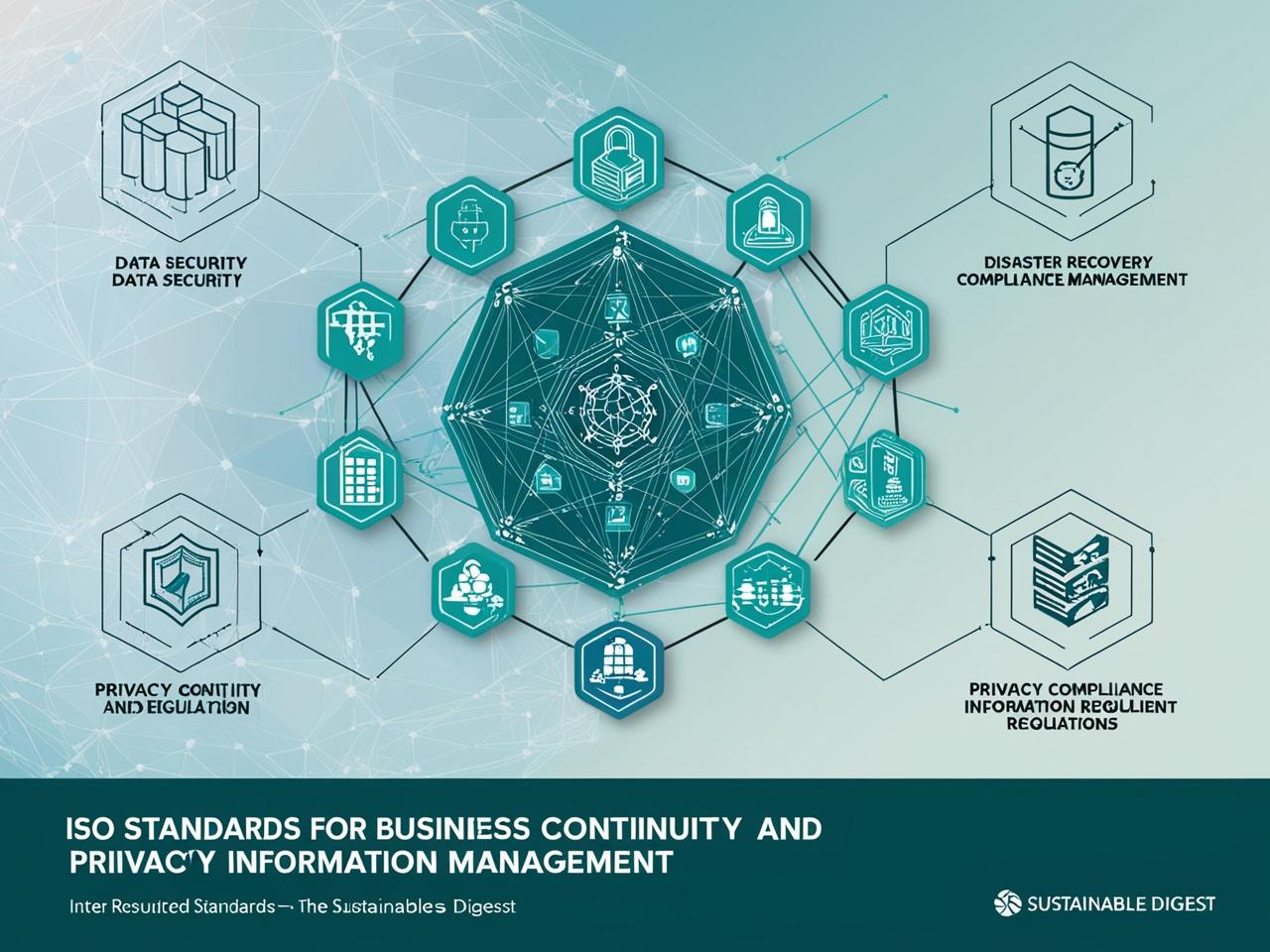
Businesses today face a world where following many rules is key to success. The International Organization for Standardization (ISO) helps a lot with this. ISO 2230 Business continuity management systems and ISO 27701 Privacy information management are two important standards. They show that companies care about following the rules.

Using these standards can help a lot. It makes businesses run better and look good. By following global standards, companies avoid big problems and fines.

Benefits of Harmonization

  • Reduced risk of non-compliance
  • Improved operational efficiency
  • Enhanced reputation and trust

By using ISO 2230 Business continuity management systems and ISO 27701 Privacy information management, companies show they care about rules. This brings many good things, like working better and being more trusted.

Engaging Stakeholders in Sustainability

Getting stakeholders involved is key to reaching sustainability goals. Working with stakeholders helps organizations get insights and support for their green plans. The ISO 17800 standard, which deals with building design, is a great guide for this.

Importance of Stakeholder Collaboration

Stakeholder teamwork is vital for green goals. It lets companies know what their stakeholders need and worry about. This includes customers, workers, and the community. Together, they can find ways to be green and profitable.

For instance, using textile machines and recycling materials can cut down on waste. This supports organic recycling.

Tools for Stakeholder Engagement

There are many ways to get stakeholders involved in green efforts. Here are a few:

  • Stakeholder surveys and feedback sessions
  • Sustainability committees and groups
  • Sustainability reports and updates

With these tools, companies can really get stakeholders on board with green efforts. This helps build a green culture in the company.

Resources for ISO Standards and Benchmarking

Finding your way through ISO standards and sustainability benchmarking can be tough. But, there are many resources to help. You can find guides, books, and websites for learning more. This section will show you where to find these tools and information.

Recommended Reading and Guides

The ISO’s official book, “ISO 14001:2015 Environmental management systems – Requirements with guidance for use,” is a great start. It’s full of useful info for those new to ISO standards. Also, the ISO’s guide on sustainability in buildings and civil engineering works is packed with insights. It covers hydrogen tech, event sustainability, tourism sustainability, and more.

Organizations and Websites for Further Learning

Groups like the International Organization for Standardization (ISO), the United Nations Sustainable Development Goals (UNSDGs), and the U.S. Green Building Council are full of knowledge. Their websites, ISO.org, UN Sustainable Development, and USGBC.org, have lots of excellent resources primarily because they offer case studies and best practices for any organization looking to be more sustainable.

Key Takeaways

  • ISO standards play a crucial role in promoting sustainable development
  • ISO 9001 standard focuses on quality management, a key aspect of sustainable development
  • Solar energy is a key aspect of sustainable development
  • Industry-specific guidelines address diverse operational needs.
  • Adopting ISO standards can ensure environmentally responsible operations
  • Integration of ISO standards with sustainable practices can reduce carbon footprint
  • ISO standards provide a framework for quality management and sustainability
  • ISO standards set vital frameworks for quality and efficiency

Eco-Friendly Building Materials for Rainwater Harvesting

Water conservation is key in sustainable construction. Rainwater harvesting systems are a smart way to tackle water scarcity. They use eco-friendly materials to be efficient and kind to the environment.

Modern rainwater collection focuses on low-impact development. It uses natural materials and processes to manage stormwater. This approach helps replenish groundwater and promotes harmony with nature.

As cities grow and weather changes, managing water becomes more critical. Sustainable construction with rainwater harvesting saves water and eases the load on city water systems. This makes eco-friendly rainwater collection vital for urban planning.

Understanding the Fundamentals of Sustainable Rainwater Collectio

Sustainable rainwater collection is key to saving water. It supports UNSDG# 6, which focuses on clean water and sanitation for everyone. By using stormwater management systems, we can cut down on water waste and help the environment.

The Science Behind Water Conservation Systems

Water conservation systems capture, filter, and store rainwater for later use. They use gravity and natural processes to gather water from rooftops and other areas. This water can be used for irrigation and other purposes.

Environmental Impact of Traditional vs. Eco-Friendly Materials

Traditional materials for rainwater collection harm the environment. Eco-friendly options, however, have many advantages:

  • They produce less carbon emissions during production.
  • They improve water quality.
  • They last longer and are more durable.
  • They have less impact on local ecosystems.

Key Components of Sustainable Harvesting Systems

Sustainable harvesting systems have important parts:

  1. Collection surfaces (e.g., roofs, pavements)
  2. Gutters and downspouts
  3. First-flush diverters
  4. Filtration systems
  5. Storage tanks
  6. Distribution systems for greywater reuse

These elements help capture, store, and distribute rainwater. This promotes sustainable water use and conservation.

Eco-Friendly Building Materials for Rainwater Harvesting Systems

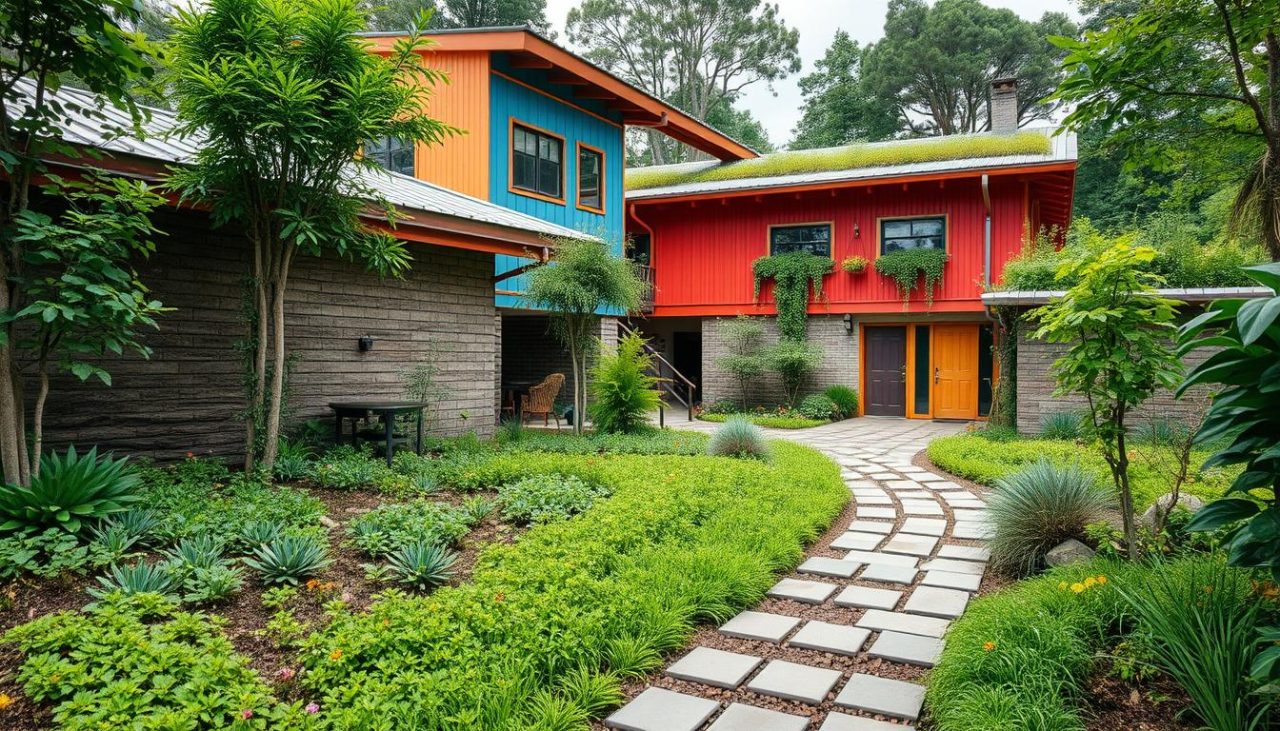
Rainwater harvesting systems are getting a green makeover. They now use materials that are good for the planet. Green roofing is a big part of this change. It collects rainwater and keeps buildings cool.

Construction is turning to recycled materials for rainwater systems. Think reclaimed wood, recycled plastic, and repurposed metal. These choices cut down on waste and help the environment.

Choosing the right materials is key. We look at how durable, safe, and green they are. This makes sure the water stays clean and safe to use.

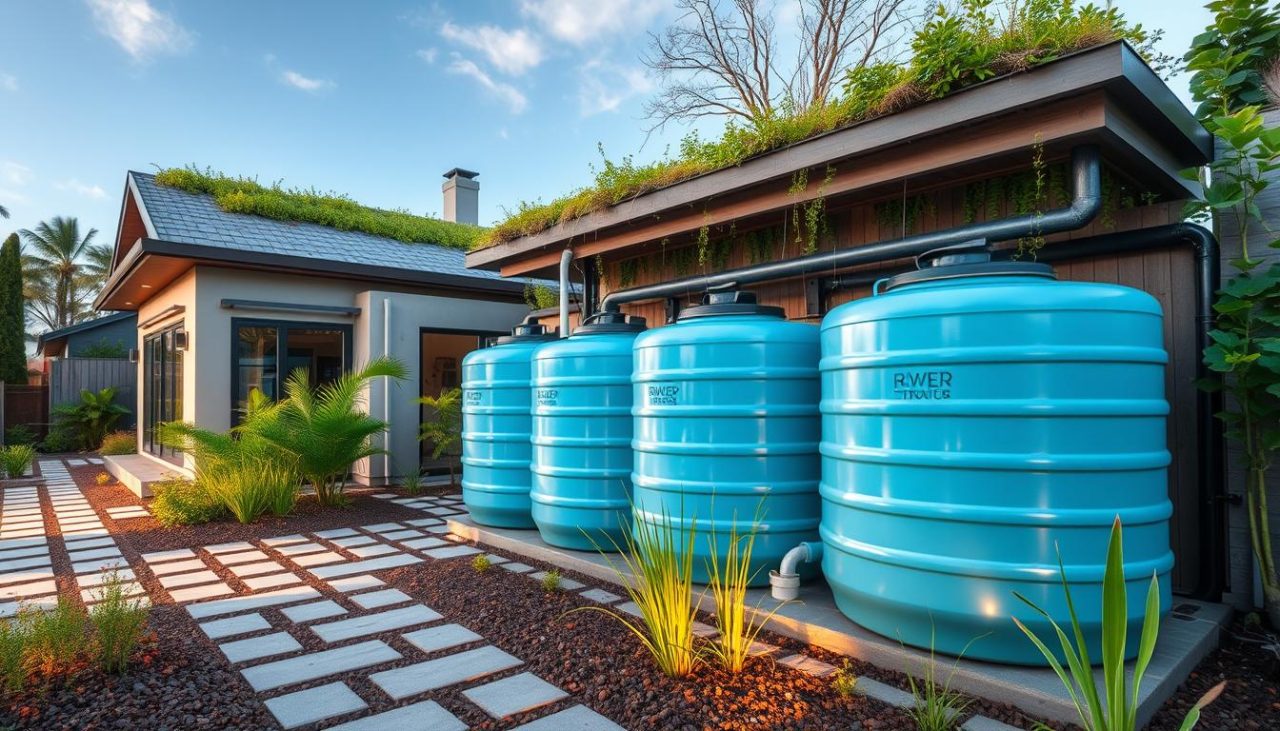
  • Recycled plastic for pipes and storage tanks
  • Reclaimed wood for support structures
  • Repurposed metal for gutters and downspouts

Green roofing uses plants like sedum and moss. These plants clean the rainwater and add beauty. They also help local wildlife.

“Eco-friendly materials in rainwater harvesting not only conserve water but also promote sustainable living practices.”

These materials make rainwater systems work better and greener. They help the environment and save water. As technology grows, we’ll see even more green solutions.

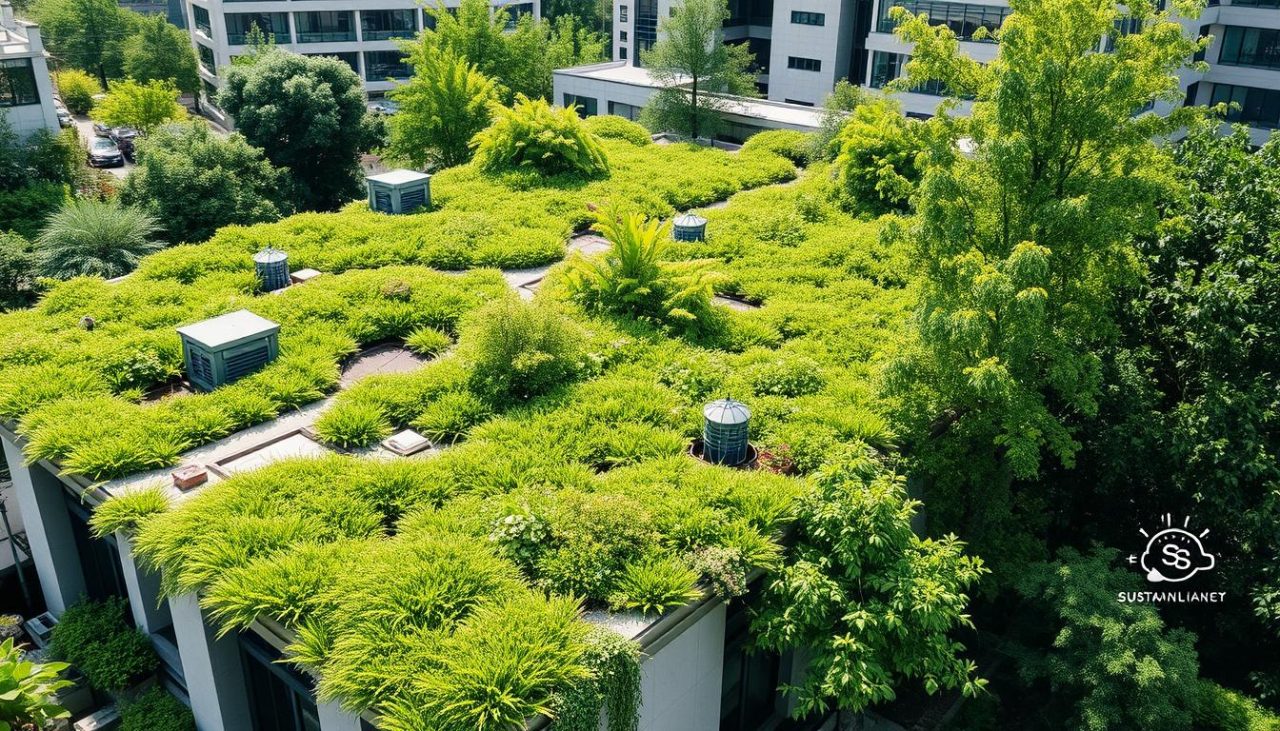
Green Roofing Solutions for Optimal Water Collection

Green roofs are a smart way to collect rainwater and make buildings look good. They work like nature, using plants to manage water. This helps meet UNSDG#14, which supports sustainable water use and protects marine life.

Living Roof Technologies and Materials

Living roofs have layers of plants and soil to soak up rain. This slows down water flow, cutting down on runoff and flood risks. They use waterproof membranes, drainage mats, and light soil to hold water.

Sustainable Drainage Layer Options

Drainage layers in green roofs are a vital component process for managing water. They can be made from recycled plastics or natural materials like gravel. These layers help water move away from roots, preventing waterlogging. Some designs even store water for dry times, keeping plants healthy all year.

Plant Selection for Green Roof Systems

Picking the right plants is essential for a green roof. Look for drought-resistant plants with shallow roots. Succulents like Sedum are popular for their toughness. Native plants are also good because they fit local climates. A mix of plants can create a diverse ecosystem, supporting local wildlife and biodiversity.

Plant TypeWater NeedsRoot DepthClimate Suitability
SedumLowShallowWide range
Native GrassesMediumMediumRegion-specific
WildflowersLow to MediumVariedRegion-specific

Permeable Pavement Technologies and Applications

Permeable pavement is a key part of modern stormwater management. It lets water through, cutting down on runoff and boosting groundwater. Let’s look at the types, how to install, and how to keep them up.

Types of Eco-Friendly Permeable Materials

There are many kinds of permeable pavement, each with its own benefits:

  • Porous asphalt
  • Pervious concrete
  • Interlocking pavers
  • Plastic grid systems

Installation Techniques for Maximum Efficiency

Getting permeable pavement right is key. The steps include:

  1. Site prep and grading
  2. Adding a base layer of crushed stone
  3. Putting in the chosen material
  4. Checking drainage connections

Material Mapping helps plan the layout for best water flow.

Maintenance Requirements and Longevity

To keep permeable pavement working well:

  • Regular sweeping to remove debris
  • Annual check-ups on drainage
  • Pressure washing every now and then
  • Fixing cracks or damage quickly

With the right care, permeable pavement can last 20-30 years. It’s a solid choice for managing stormwater.

Permeable MaterialLifespan (Years)Maintenance Frequency
Porous Asphalt15-20Annually
Pervious Concrete20-30Bi-annually
Interlocking Pavers25-35Quarterly
Plastic Grid Systems20-25Semi-annually

Recycled Materials in Modern Water Conservation

The push for sustainable construction has led to new uses of recycled materials in water conservation projects. These eco-friendly alternatives not only reduce waste but also make rainwater harvesting systems more efficient.

Recycled plastics, once headed for landfills, now help in rainwater collection systems. In a uniquely efficient fashion, they are converted into durable pipes, gutters, and tanks. This transformation massively reduces the carbon footprint of water conservation infrastructure.

Reclaimed wood is great for making rain barrels and decorative catchment systems. It naturally resists water damage, making it perfect for outdoor use. Builders often pick cedar or redwood for their durability and beauty.

Material assessment is key in choosing recycled components for water conservation projects. Engineers check the durability, chemical makeup, and potential for leaching contaminants before using recycled materials in designs.

  • Recycled rubber from tires forms permeable pavement
  • Crushed glass becomes a filtration medium
  • Repurposed metal forms sturdy support structures

By using these recycled materials, sustainable construction in water conservation saves natural resources. It also creates strong, affordable solutions for communities around the world.

Advanced Filtration Systems Using Natural Materials

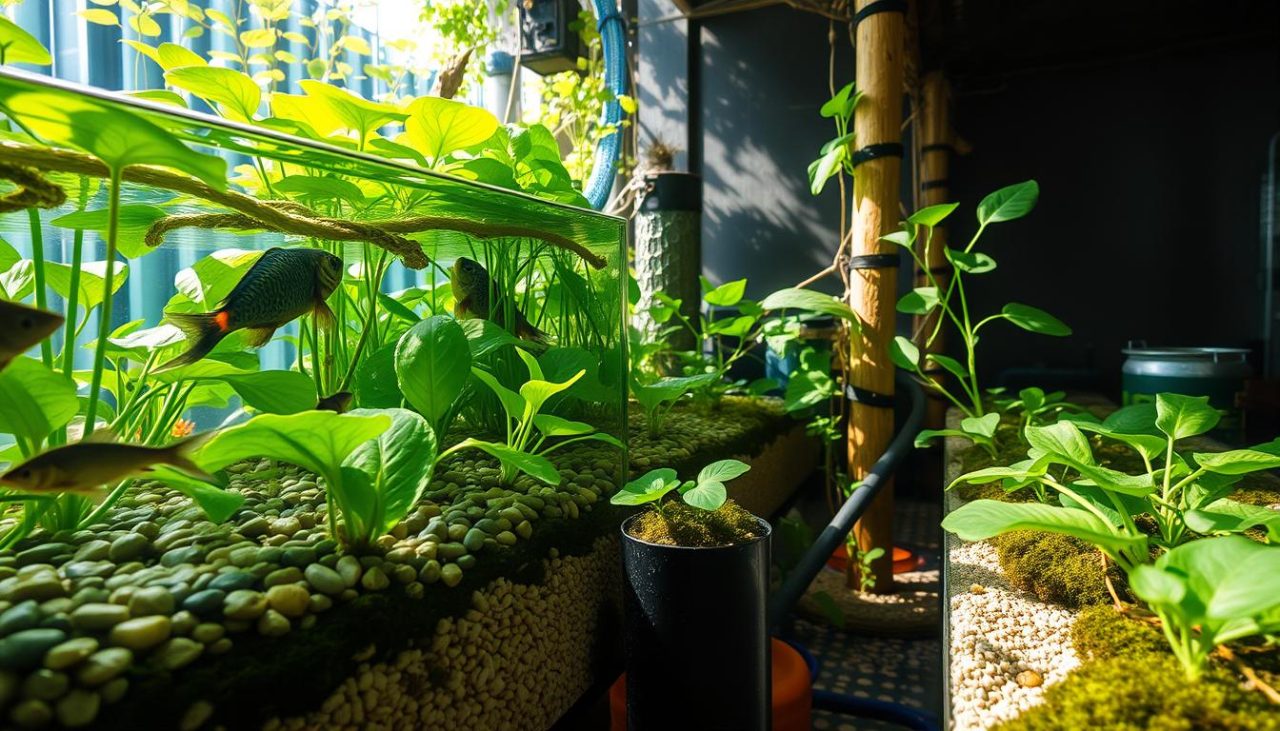
Natural filtration systems are a new way to harvest rainwater. They are good for the environment and provide clean water for things like hydroponics and aquaponics.

Biological Filtration Methods

Biological filtration uses nature to clean water. It uses living things to break down bad stuff. This method works well in aquaponics, where fish waste helps plants grow.

Sustainable Filter Media Options

There are eco-friendly ways to filter water. Materials like sand, gravel, and activated carbon are great at removing bad stuff. They are perfect for keeping water clean for hydroponics.

Filter MediaEffectivenessLifespan
SandHigh2-3 years
Activated CarbonVery High6-12 months
GravelMedium3-5 years

Integration with Existing Systems

Adding natural filtration to your setup makes it better. For hydroponics fans, it means cleaner water and healthier plants. In aquaponics, it helps create a balanced home for fish and plants.

“Natural filtration systems are not just eco-friendly; they’re the future of sustainable water management.”

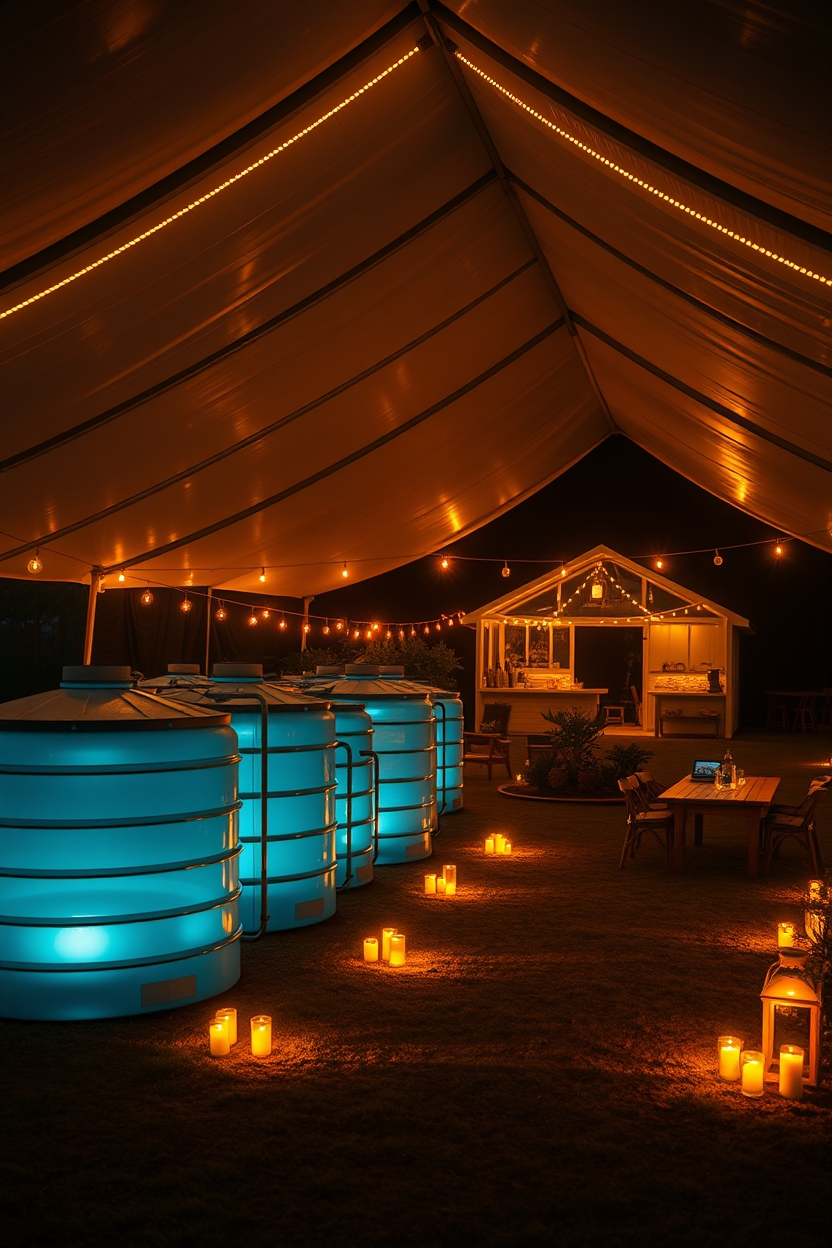
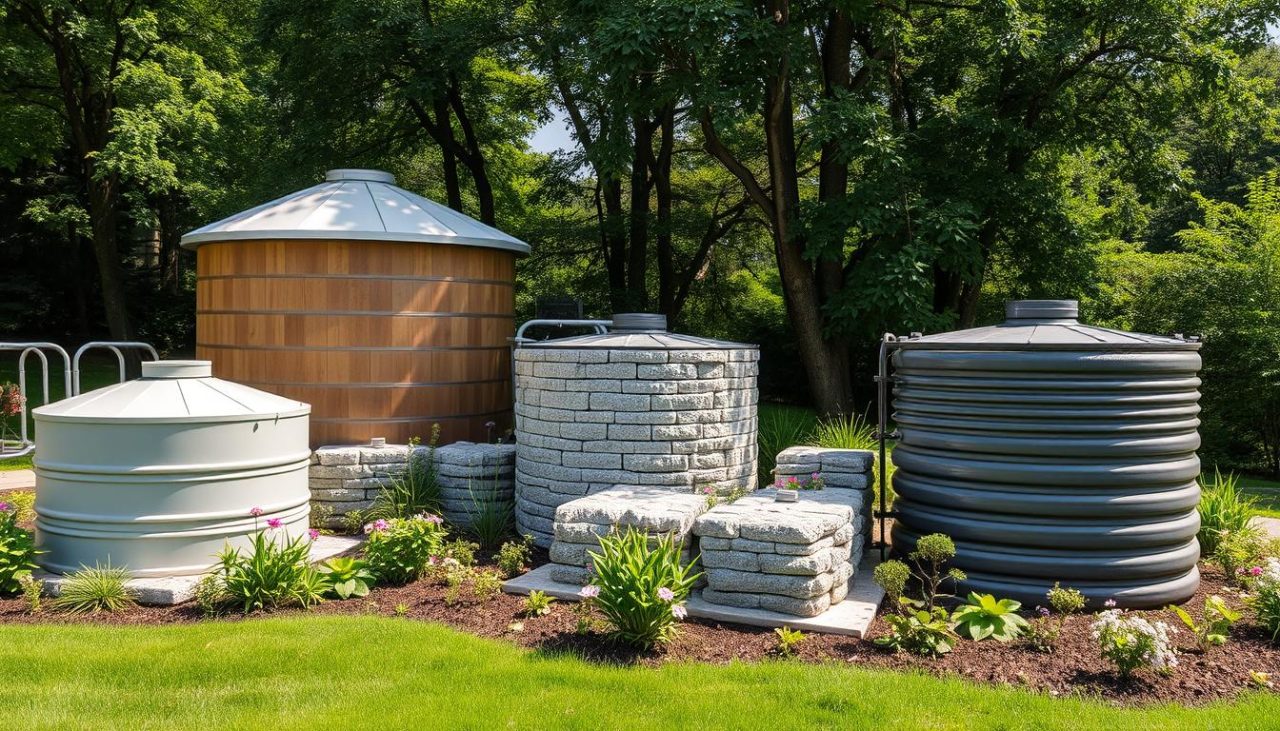
Storage Solutions: Sustainable Tank Materials

Choosing the right storage solution for rainwater harvesting is key. Sustainable tank materials help keep water quality high and systems working long-term. Think about the type of water you’re collecting, like greenwater or blackwater.

Greenwater, usually from rooftops, needs less treatment. It can be stored in many eco-friendly tanks. Some top picks include:

  • Recycled plastic tanks
  • Food-grade polyethylene containers
  • Concrete cisterns with non-toxic sealants
  • Fiberglass tanks with UV-resistant coatings

Blackwater, with higher contamination, needs stronger solutions. Stainless steel or treated concrete tanks are best for their strength and resistance to corrosion.

Doing a Material Assessment is vital when picking tank materials. This step looks at things like:

  • Chemical leaching potential
  • UV resistance
  • Structural integrity
  • Thermal properties
  • Environmental impact

With a detailed Material Assessment, you can pick a tank that meets your sustainability goals. The right tank material affects water storage and your system’s efficiency.

Low-Impact Development Strategies for Water Management

Low-impact development strategies are changing how we manage water in cities. They aim to copy nature’s water flow, reducing harm to the environment and encouraging water use that lasts.

Natural Water Flow Patterns

Knowing how water flows naturally is crucial for harvesting rainwater. Today, urban planners design systems that work with nature, not against it. This keeps water tables healthy and stops flooding.

Biomimicry in System Design

Biomimicry uses nature’s solutions for human problems. In water management, it leads to new, green, and efficient ideas. For instance, surfaces inspired by leaves can direct water better than old gutters.

Natural FeatureBiomimetic ApplicationBenefit
Tree rootsBranched drain pipesBetter water distribution
Lotus leafSelf-cleaning surfacesReduced maintenance
River meandersCurved water channelsSlowed water flow, less erosion

Integration with Local Ecosystems

Connecting rainwater harvesting with local ecosystems helps UNSDG#14, life below water. These systems cut down on runoff and pollution, protecting oceans. They also help local wildlife, making cities more diverse.

“Nature-based solutions are not just good for the environment; they’re smart economics. They save money, create jobs, and build resilience.”

Low-impact development strategies are a way to manage water sustainably. By learning from nature, we can build systems that help both people and the planet.

Implementation and Installation Guidelines

Planning and execution are key for green construction projects. This includes setting up eco-friendly rainwater harvesting systems. Here are the main steps for a successful installation.

Material Assessment Protocols

Start with a detailed material assessment in any green construction project. This step looks at the environmental impact, how long it lasts, and its cost. It helps find the best eco-friendly parts for your rainwater system.

System Integration Best Practices

Adding a rainwater system to buildings needs careful planning. Here are some tips:

  • Look at the site’s layout and how water flows
  • Make sure the system fits with the building’s design
  • Check if it works with the building’s plumbing and electricity
  • Add filters and purifiers for clean water

Maintenance Schedules

Keeping your rainwater system in good shape is crucial. Create a detailed maintenance plan. It should include:

  1. Check gutters and downspouts every month
  2. Clean filters and tanks every three months
  3. Check pumps and controls once a year
  4. Test water quality every six months

By following these steps, your rainwater system will work well. It will help manage water sustainably in your area.

Cost Analysis and Long-term Benefits

Investing in eco-friendly rainwater harvesting systems brings big long-term wins. They help meet UNSDG# 6 by ensuring clean water and sanitation. Plus, they save money over time.

The cost to start up these systems depends on size and complexity. Home systems cost between $5,000 and $15,000. Commercial setups can go up to $50,000 or more.

Benefits include lower water bills and less pressure on public water supplies. You might also save on energy with hydropower. Here’s a look at costs between old and new systems:

FactorTraditional SystemEco-Friendly System
Initial Cost$3,000 – $8,000$5,000 – $15,000
Annual Maintenance$200 – $500$100 – $300
Lifespan10-15 years20-30 years
Water Savings30-50%50-80%
Energy SavingsMinimalUp to 30% with hydropower

Eco-friendly systems cost more upfront but save more water and energy. Adding hydropower can cut costs even more. These systems are smart choices for the planet and your wallet.

Conclusion

Eco-friendly building materials are key to a sustainable future. They help save water and reduce construction’s environmental harm. Using green roofing, permeable pavements, and recycled materials makes water management systems efficient and natural.

Sustainable construction tackles water scarcity head-on. It includes living roofs and natural filtration systems. These methods benefit the environment and property owners over time. They also boost biodiversity and community health.

Water conservation will grow more critical in the future. Adopting eco-friendly materials and sustainable designs is essential. This approach makes rainwater harvesting systems effective and green. It saves water and supports a sustainable, resilient future.

Key Takeaways

  • Rainwater harvesting systems use eco-friendly materials for sustainability
  • Low-impact development integrates natural processes in water management
  • Sustainable construction practices are crucial for water conservation
  • Eco-friendly systems reduce dependence on municipal water supplies
  • Urban planning benefits from incorporating rainwater harvesting techniques
This website is saving the energy of your screen as it is not being used. It's part of a global effort to lower the planet's electrical consumption and CO2 emission level. Resume browsing
Click anywhere to resume browsing
Verified by MonsterInsights